EP0510079B1 - Proteines produites par les lymphocytes humains, sequence d'adn codant pour ces proteines et applications pharmaceutiques et biologiques - Google Patents
Proteines produites par les lymphocytes humains, sequence d'adn codant pour ces proteines et applications pharmaceutiques et biologiques Download PDFInfo
- Publication number
- EP0510079B1 EP0510079B1 EP91903010A EP91903010A EP0510079B1 EP 0510079 B1 EP0510079 B1 EP 0510079B1 EP 91903010 A EP91903010 A EP 91903010A EP 91903010 A EP91903010 A EP 91903010A EP 0510079 B1 EP0510079 B1 EP 0510079B1
- Authority
- EP
- European Patent Office
- Prior art keywords
- protein
- sequence
- monoclonal antibodies
- lag
- proteins
- Prior art date
- Legal status (The legal status is an assumption and is not a legal conclusion. Google has not performed a legal analysis and makes no representation as to the accuracy of the status listed.)
- Expired - Lifetime
Links
Images






Classifications
-
- C—CHEMISTRY; METALLURGY
- C07—ORGANIC CHEMISTRY
- C07K—PEPTIDES
- C07K16/00—Immunoglobulins [IG], e.g. monoclonal or polyclonal antibodies
- C07K16/18—Immunoglobulins [IG], e.g. monoclonal or polyclonal antibodies against material from animals or humans
- C07K16/28—Immunoglobulins [IG], e.g. monoclonal or polyclonal antibodies against material from animals or humans against receptors, cell surface antigens or cell surface determinants
- C07K16/2803—Immunoglobulins [IG], e.g. monoclonal or polyclonal antibodies against material from animals or humans against receptors, cell surface antigens or cell surface determinants against the immunoglobulin superfamily
-
- A—HUMAN NECESSITIES
- A61—MEDICAL OR VETERINARY SCIENCE; HYGIENE
- A61P—SPECIFIC THERAPEUTIC ACTIVITY OF CHEMICAL COMPOUNDS OR MEDICINAL PREPARATIONS
- A61P31/00—Antiinfectives, i.e. antibiotics, antiseptics, chemotherapeutics
- A61P31/12—Antivirals
-
- C—CHEMISTRY; METALLURGY
- C07—ORGANIC CHEMISTRY
- C07K—PEPTIDES
- C07K14/00—Peptides having more than 20 amino acids; Gastrins; Somatostatins; Melanotropins; Derivatives thereof
- C07K14/435—Peptides having more than 20 amino acids; Gastrins; Somatostatins; Melanotropins; Derivatives thereof from animals; from humans
- C07K14/705—Receptors; Cell surface antigens; Cell surface determinants
- C07K14/70503—Immunoglobulin superfamily
-
- A—HUMAN NECESSITIES
- A61—MEDICAL OR VETERINARY SCIENCE; HYGIENE
- A61K—PREPARATIONS FOR MEDICAL, DENTAL OR TOILETRY PURPOSES
- A61K38/00—Medicinal preparations containing peptides
-
- C—CHEMISTRY; METALLURGY
- C12—BIOCHEMISTRY; BEER; SPIRITS; WINE; VINEGAR; MICROBIOLOGY; ENZYMOLOGY; MUTATION OR GENETIC ENGINEERING
- C12N—MICROORGANISMS OR ENZYMES; COMPOSITIONS THEREOF; PROPAGATING, PRESERVING, OR MAINTAINING MICROORGANISMS; MUTATION OR GENETIC ENGINEERING; CULTURE MEDIA
- C12N2799/00—Uses of viruses
- C12N2799/02—Uses of viruses as vector
- C12N2799/021—Uses of viruses as vector for the expression of a heterologous nucleic acid
- C12N2799/026—Uses of viruses as vector for the expression of a heterologous nucleic acid where the vector is derived from a baculovirus
-
- Y—GENERAL TAGGING OF NEW TECHNOLOGICAL DEVELOPMENTS; GENERAL TAGGING OF CROSS-SECTIONAL TECHNOLOGIES SPANNING OVER SEVERAL SECTIONS OF THE IPC; TECHNICAL SUBJECTS COVERED BY FORMER USPC CROSS-REFERENCE ART COLLECTIONS [XRACs] AND DIGESTS
- Y10—TECHNICAL SUBJECTS COVERED BY FORMER USPC
- Y10S—TECHNICAL SUBJECTS COVERED BY FORMER USPC CROSS-REFERENCE ART COLLECTIONS [XRACs] AND DIGESTS
- Y10S530/00—Chemistry: natural resins or derivatives; peptides or proteins; lignins or reaction products thereof
- Y10S530/868—Chemistry: natural resins or derivatives; peptides or proteins; lignins or reaction products thereof involving autoimmunity, allergy, immediate hypersensitivity, delayed hypersensitivity, immunosuppression, or immunotolerance
Definitions
- the present invention relates to proteins produced by human lymphocytes and, in particular, a protein expressed on the surface of these, DNA sequences encoding these proteins and pharmaceutical and biological applications of these proteins.
- IgSF immunoglobulins
- immunoglobulins In addition to ensuring specific recognition antigen like immunoglobulins do or T receptors, they can function as essential monomorphic ligands in cell-cell interactions (for example ICAM, CD4, CD8), receptors for viruses (e.g. CD4, ICAM) or receptors for lymphokines (e.g. IL1-R, IL6-R).
- CD4 receptor sequence has been described by P.J. Maddon et al. (Cell, 42, 93, 1985).
- the inventors sought to discover new genes coding for membrane proteins not described to date.
- cDNA complementary cDNA
- LAG-3 for Lymphocyte Activation Gene-3
- the present invention therefore has subject is a DNA sequence comprising the sequence nucleotide, designated FDC, corresponding to the cDNA sequence represented on the sequence SEQ ID N ° 1.
- Translation begins at nucleotide 231 and ends at nucleotide 1724 inclusive.
- the present invention also relates to the protein encoded by FDC, namely the LAG-3 protein represented on sequence ID N ° 1 (protein sequence -28 to 470).
- the first 28 amino acids should be a signal sequence which is eliminated in the mature protein.
- the present invention therefore more particularly for object the protein corresponding to the protein sequence 1 to 470 of SEQ ID N ° 1.
- Mature protein is protein membrane type I of 470 amino acids, the theoretical molecular mass deduced from the structure protein is 51295 Daltons and isoelectric point equal to 10.9. It has an extracellular region including about 420 amino acids and, a cytoplasmic region including approximately 24 amino acids linked by a transmembrane peptide including about 26 amino acids.
- the extracellular part of the protein LAG-3 corresponds to amino acids 1 to 420 of the LAG-3 protein described above.
- the present invention therefore more generally subject is a protein having the peptide sequence corresponding to the sequence SEQ ID N ° 2 in which Xaa is chosen from H, a methionine residue or the sequence -28 to -1 of the protein sequence represented on SEQ N ° 1 and the sequences which differ by one or more amino acids and which bind to specific monoclonal antibodies of a protein represented by the sequence SEQ ID No. 1.
- sequence DNA which is a promoter region of a gene coding for a protein according to the invention. This sequence is that shown on sequence N ° 4.
- the present invention therefore has also relates to this DNA sequence.
- the present invention also relates to a DNA sequence comprising the promoter DNA sequence as defined above and a sequence DNA encoding a protein according to the present invention.
- the proteins according to the invention can, in in addition, be obtained by other purification methods membrane proteins or peptide synthesis classical or by application of techniques of genetic engineering including the insertion of a sequence of DNA encoding a protein according to the invention in an expression vector such as a plasmid and transforming cells with this expression vector and culturing these cells.
- the present invention therefore also has for subject of plasmids and expression vectors comprising a DNA sequence encoding a protein according to the invention as well as hosts transformed with this vector.
- the present invention also relates to a therapeutic composition
- a therapeutic composition comprising as active ingredient a protein according to the invention or a part of this protein, especially the part soluble corresponding to the extracellular region of protein extending from amino acid 1 to amino acid 420 of the protein sequence previously described or part of this extracellular region and in particular all or part of at least one of four extracellular immunoglobulin domains of the LAG-3 protein (sequences 1 to 142, 143 to 232, 233 to 342 and 343 to 413).
- the protein part can also be made up of all or part of the intracytoplasmic region (sequence 450 to 470).
- the extracellular part can be in particular the sequence represented on the sequence SEQ ID N ° 3.
- This therapeutic composition is active in the treatment of certain diseases involving the immune system where the binding of the ligand (s) of the LAG-3 protein on this protein causes the transmission of signals to the interior of the cell, or changes in cellular interactions.
- composition which is the subject of the invention can act by fixing the ligand (s) of the membrane protein LAG-3 preventing in this way the harmful attachment of this or these ligands to the protein LAG-3, by a competitive inhibition phenomenon.
- the present invention also relates to monoclonal antibodies to a protein according to the invention or an immunogenic sequence of a such protein, in particular a peptide sequence comprising the sequence shown in SEQ N ° 3.
- the present invention also relates to hybridomas producing such monoclonal antibodies.
- the present invention also encompasses fragments and derivatives of monoclonal antibodies according to the invention which are reactive with defined regions of the LAG-3 protein.
- These fragments are in particular the F (ab ') 2 fragments which can be obtained by enzymatic cleavage of the antibody molecules with pepsin, the Fab' fragments which can be obtained by reduction of the disulfide bridges of the F (ab ') 2 fragments and the Fab fragments which can be obtained by enzymatic cleavage of the antibody molecules with papain in the presence of a reducing agent.
- F (ab ') 2 fragments which can be obtained by enzymatic cleavage of the antibody molecules with pepsin
- the Fab' fragments which can be obtained by reduction of the disulfide bridges of the F (ab ') 2 fragments
- the Fab fragments which can be obtained by enzymatic cleavage of the antibody molecules with papain in the presence of a reducing agent.
- Monoclonal antibody derivatives are by example of antibodies or fragments of these antibodies to which markers such as a radioisotope. Monoclonal antibody derivatives are also antibodies or fragments of these antibodies to which molecules are linked therapeutically active, in particular cytotoxic compounds.
- monoclonal antibodies or soluble fractions of the LAG-3 protein and in particular all or part of at least one of the four areas immunoglobulin-like extracellular LAG-3 protein (sequences 1 to 142, 143 to 232, 233 to 342 and 343 to 413) or the intracytoplasmic region (sequences 450 to 470) of this protein can be used in the treatment of human ailments due to infection with HIV viruses.
- They can also be used in the treatment of human diseases caused by viruses which specifically bind to the LAG-3 molecule and in particular to the first external NH 2 -terminal domain.
- the present invention also relates to a protein assay or identification process according to the invention which includes the use of antibodies monoclonals according to the invention.
- part of the LAG-3 protein is soluble in the state natural a RIA type radioimmunological method or IRMA type (sandwich type technique using a cold antigen and the competition between an antibody cold and a labeled antibody) or an enzyme immunoassay ELISA or IEMA type (technical sandwich type).
- LAG-3 protein attached to the membrane we can use methods such as direct immunofluorescence (by anti-LAG-3 antibody marked with a fluorescent substance) or indirect (using an anti-Ig labeled immunoglobulin mouse in case anti-LAG-3 antibodies have been produced in this species).
- Monoclonal antibodies against proteins according to the invention or fractions of these can be prepared using a technique classic.
- the protein fractions can be paired with an agent if necessary immunogenic, such as tetanus toxoid by an agent coupling such as glutaraldehyde.
- Mass culture was carried out in the presence of recombinant interleukin-2, a supernatant of lymphocytic conditioned medium, on a feeder sublayer of allogeneic irradiated mononuclear blood cells and of a cell line transformed by the EBV virus (called LAZ 388 ) in 96-hole V-bottom plates.
- the cells were brought to 3000 cells per well on day 0.
- the collection of 200 plates with 3 ⁇ 10 6 cells per ml on day 12 made it possible to collect 6 ⁇ 10 9 cells.
- cytoplasmic RNAs RNAs bound to the membranes of the endoplasmic reticulum and mRNAs were made by bringing certain variants to the methods described by Maniatis (2) Mechler (3) and Aviv (4).
- Maniatis (2) Mechler (3) a method for forming cytoplasmic RNAs, RNAs bound to the membranes of the endoplasmic reticulum and mRNAs were made by bringing certain variants to the methods described by Maniatis (2) Mechler (3) and Aviv (4).
- cytoplasmic RNAs carried by the ribosomes linked to the membranes of the endoplasmic reticulum were purified between gradients of sucrose.
- RNAs which have a signal sequence and which consequently code for proteins carried by the membrane or secreted in the internal part of the ergastoplasm (and towards the outside of the cell).
- This method of isolating RNA of the so-called MB (membrane-bound) type immediately makes it possible to eliminate approximately 90% of the transcribed genes which code for intracellular proteins which cannot be secreted to the outside or transported. towards the membrane and therefore of no interest in the context of the invention.
- the purification methods described by Aviv (4), Maniatis (2 ) and Triebel (5) made it possible to isolate RNAs from various clones and cell lines which are used and mRNAs from Jurkat, U937, Laz388 and K562 cells (approximately 10 9 cells from each of the lines) which are used for subtract the probe.
- the double-stranded cDNAs were cloned into the Lambda GT10 phage EcoRI site using the linker EcoRI.
- Preparation of the complementary DNA probe single strand is made by subtraction by two hybridization cycles on an excess of messenger RNA cells called “to be eliminated” (Jurkat, Laz 388, U937, K562) followed by passages on hydroxyapatite columns, which allows to separate from the complex double strand cDNA-mRNA. After 2 hybridization cycles and 2 passages on column there remains approximately 6-7% of the radioactivity, i.e. about 7% of the material dit MB ("membrane-bound") F55IIIE5 does not exist in Jurkat, K562, U937 and Laz 388 cells. material that serves as a probe to search in the bank MB-F55IIIE5 the corresponding cDNAs. This technique uses hybridization conditions -subtraction described by Davis et al (7).
- a single stranded cDNA probe labeled with 32 P-dCTP (specific activity: 800 Ci / mmol -1 ) is prepared in a volume of 50 ⁇ l.
- the content is diluted in 1 ml 0.12 M NaH 2 PO 4 , 0.1% SDS. It is loaded onto a column of hydroxyapatite equilibrated at 60 ° C. in the same buffer.
- the effluent (single-stranded material) is concentrated with sec-butanol and passed through a G-50 column to remove the tam-pon phosphate. 7 ⁇ g of mRNA from each of the lines are again added and the hybridization and the passage through a column are restarted. After these 2 passages, 7% of the amount of radioactivity at the start is recovered.
- the cDNA library obtained previously (2 ⁇ 10 4 recombinant phages) is seeded on E. coli C600 / Hfl.
- the screening is carried out according to the usual techniques using nylon filters as described by Huynh (8).
- Hybridization with the probe obtained previously is carried out at 42 ° C. with prehybridization with a hybridization solution of the Southern type and addition of the subtracted probe MB - F55IIIE5 single strand at 5.10 6 cpm / ml.
- RNA probe is produced from FD47 by in vitro transcription from the pBS plasmid using the T7 polymerase in the presence of UTP- 32 P (800 Ci .mmole -1 ) according to the method described by Triebel (5).
- the three banks are made from messenger RNA from CD3 + clones carrying the ⁇ and ⁇ chains of the T receptor and which transcribe a LAG-3 message in large quantities when their RNA is tested with the FD 47 probe.
- the FD47 probe is used to screen the first cDNA bank, which provides the clone FD19.
- sequences of clones FD47 and FD19 have were determined directly in the pBS vector by the Sanger method (9) using a universal M13 primer or a reverse M13 primer and the polymerase T17 modified.
- the sequences of FD61, FD101 and FD191 have were determined from single stranded DNA after cloning into the vector M13mp18.
- FDC sequence All nucleotide sequences total of these cDNAs called "FDC sequence" comprising 1871 bp indicates that the messenger RNA of the LAG-3 gene has a long and open reading frame and code for protein of 498 amino acids which is obtained peptide sequence by deduction from the cDNA nucleotide sequence.
- the FDC cDNA itself was obtained by ligation 2 EcoRI-Hind III complementary fragments, one covering the 5 'part of clone FD191, the other covering the 3 'part of the FD19 clone, thus obtaining a clone covering the entire known sequence, as illustrated in Fig. 1.
- Genomic DNA clones are isolated from the LY67 library obtained from DNA of a human B cell line transformed by EBV, partially digested with Mbo-I and inserted into phage Lambda 2001 as described by Dariavach ( 10).
- the FD47 insertion segment is marked by the method of random hexamer primers described by Feinberg (11) and used to screen 2 x 10 5 plaques from the human genome DNA library.
- Nine positive plates are isolated (GD1 to GD9) and phage DNAs are characterized by restriction maps using the FD19 probe containing half of the region coding for the protein and the 3 'untranslated region.
- fragments are obtained on gel low gel point agarose and are subcloned in bacteriophages M13mp18 or M13mp19.
- sequences of these fragments are obtained from single stranded DNA using the technique of termination of di-deoxy chain described.
- Fig. 2 illustrates the exon-intron organization of the human LAG-3 gene.
- the map was constructed after single and double digestion with endonucleases of clones GD 2 and GD 3 obtained from Lambda 2001 and their subclones GD 3 ECO and GD 1 Hind. Untranslated regions are represented by a thin line.
- the LAG-3 gene comprises approximately 6.6 kb and is divided into 8 exons including the first nucleotides are respectively those in position 1, 289, 437, 742, 1012, 1288, 1531 and 1662 of the sequence of DNA previously described.
- DNA from the tumor cell line K562 and DNA from polyclonal T and NK IL 2 dependent cell lines are digested with EcoRI, Hind III , Bam HI or XbaI.
- Hybridizations of the Southern Blot type are carried out using the FDC probe, (1871 bp) constructed by fusion of the 5 'ECORI / Hind III fragment of the FD 191 clone with the 3' Hind III / EcoRI fragment of the FD 19 clone.
- RNA blotting results show clearly that hybridization-subtraction processes used in the first screening of the sub-bank F55IIIE5 have been successfully completed with regard to isolation of clone FD19 from the cDNA library since no LAG-3 transcript is expressed in T, B transformed cell lines and of myeloid origin (in particular Jurkat, Laz 388, K 562, U 937).
- T cells comprising CEM and -MOLT-4 and none were found to express LAG-3. He was similarly for peripheral circulating monocytes.
- LAG-3 gene has also been studied in nerve tissue of neuroectodermal origin and no messenger RNA was found nor in cultured neuroblastoma cell lines, nor in fresh brain tissue.
- the expression of the LAG-3 gene is maximum 3 to 4 days after activation of blood lymphocytes by phytohemaglutinin.
- the protein therefore corresponds to what is known as an activation antigen.
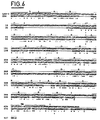
- LAG-3 protein shown in Figures 3, 4 and 6, have been inferred from the structure of the gene and from the analysis of its translation product. She appears as a type I membrane protein with 498 amino acids.
- the domains are designated by L (initiation domain), V (immunoglobulin type V domain), C 2 (immunoglobulin type C 2 domain) (19), TM (transmembrane) and CYT (cytoplasmic) .
- L initiation domain
- V immunoglobulin type V domain
- C 2 immunoglobulin type C 2 domain
- TM transmembrane
- CYT cytoplasmic
- Mature protein includes 470 amino acids with a theoretical molecular mass of 51295 Daltons and an isoelectric point of 10.9 by analysis of the protein structure. It includes a leader peptide L (28 amino acids) coded by exons I (19 amino acids) and II (9 amino acids out of 50). The extracellular region is coded by exons II (41 amino acids among 50), III (101 amino acids), IV (90 amino acids), V (92 amino acids) and VI (81 amino acids), the region transmembrane (TM) by exon VII (44 amino acids) and the cytoplasmic region including amino acids strongly charged by exon VIII (21 amino acids). The extracellular region has 8 cysteine residues and 4 potential N-glycosylation sites (Asn-X-Ser, Thr).
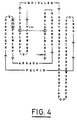
- Fig. 4 represents a model of domain 1 of the LAG-3 protein.
- the sequence of the first domain of type Ig (amino acids + 1 to + 139) is represented according to the model used by Amzel and Poljak (12).
- the disulfide bridge is indicated and the RGD sequence framed.
- the peptide segment encoded by exons II and III corresponds to an IgSF type V domain such that described by Williams (13) comprising sheets A, B, C, C ', C ", D, E, F and G shown in Fig. 6, with two unusual characteristics.
- this type V domain includes an additional loop having approximately 30 amino acids encoded by the first part of the exon III.
- This loop shown in Figure 4 joins the sheet- ⁇ C to sheet- ⁇ C 'and contains in particular ten proline residues. It seems that such an insertion can be compatible with a folding of IgSF type insofar as it does not cause rupture of the central folding core that we consider as consisting of the ⁇ -sheets A, B, E and G, F, C as described by Lesk (14).
- This additional loop served as an immunogen as it is probably exposed outside of the molecule and therefore exposed to recognition by antibodies.
- domain 4 of the molecule N-CAM it has been described at this level the insertion of a peptide structure encoded by an additional exon (15) forming an additional mini-loop.
- the second unusual point is that cysteine downstream of domain 1 seems to be positioned on the ⁇ G slip rather than the ⁇ F slip (residue 121) as is almost invariably the case.
- the Asp-Gly-Tyr-Cys pattern is very characteristic positioned on the ⁇ F sheet and is found here, except that an Ala residue replaces the Cys residue (Fig. 4). It seems possible that a disulfide bridge can form and, for example it should be noted that a unusual disulfide bridge of a different type has been observed in the type V domain of the ⁇ chain of CD8 as described by Kirszbaum (16).
- LAG-3 domains 1 and 2 have been aligned and visually compared with domains 3 and 4 in taking into account identities and considerations structural.
- Fig. 5 represents the internal homology of LAG-3.
- domain 1 in starting from position 91 of FIG. 5 (and according to the numbering in Fig. 5) after the additional loop) and domain 2 were aligned with the corresponding positions in areas 3 and 4. Identities are indicated by (*) and similarities by (.).
- domain 1 contains a sequence forming an additional loop
- alignment was started at amino acid 91 in Figure 5 in this area and amino acid 276 in the area 3.
- residues 34 identities 35 similarities and 9 were observed sequence breaks (alignment score greater than + 8.5 DS).
- WxC sequence which is quite unusual in this position where we usually find the Y or FxC sequence as described by Williams (13). All of these results suggest that LAG-3 has evolved by gene duplication from a preexisting structure to two domains of the type of a chain Ig L.
- the fragments of similarities include the start of domain 1 (9 identities and 10 similarities out of 17 possible associations), and the very unusual WxC sequence in domains 2 and 4 of LAG-3, which are also present at the corresponding positions in CD4. This pattern of sequence is not found in equivalent position on no other IgSF-like domain. In all, there are 87 identities and 82 similarities out of 338 aligned residues (19 clips of sequences) when comparing the extracellular regions of rat LAG-3 and CD4. One of the main features of LAG-3 is by therefore its relationship with CD4.
- LAG-3 As in the structure of LAG-3 des known fragments with internal sequence homologies have been found in the CD4 molecule between domains 1 and 3 as well as between domains 2 and 4. More generally, the intron / exon organization of LAG-3 and CD4 is very similar: the two genes include an intron inside the first domain IgSF type and intron position (indicated by the arrows in Figure 7) in LAG-3 is very close that of CD4.
- the LAG-3 protein would therefore function as many other molecules in the super family do type Ig, as a ligand for a soluble protein or for a membrane protein.
- the examples known include proteins whose expression is upregulated by cellular activation such that ICAM-1, known to be involved in cell-cell interactions, or IL1-R and IL6-R which function as receptors for factor growth.
- LAG-3 protein is expressed in substantial quantity on activated lymphocytes (probably more than 5000 sites per cell taking into account the detection limits of indirect immunofluorescence techniques with rabbit anti-serum in flow cytometry) and given its homology with CD4, the very likely function of LAG-3 is a function of intercellular adhesion.
- receptor-ligand pairs for example ICAM-1 / LFA-1 or CD4 / MHC, class II
- the CD4 molecule has been crystallized and its atomic structure deduced by X-ray analysis (Ryu (22) Wang (23)).
- the first NH 2 -terminal domain contains the binding sites to LFA-1 and the binding sites of rhinoviruses (Staunton (25) ).
- Staunton (25) Two therapeutic applications which derive from knowledge of the structure of ICAM-1 have been described.
- the expression of ICAM-1 is greatly increased on the surface of the bronchial epithelium during asthmatic disease and in a cynomegalus monkey model made asthmatic, it is possible to decrease the infiltration of the bronchi by eosinophilic granulocytes and d '' improve clinical status by intravenous injection of anti-ICAM antibodies (Wegner (26)).
- the soluble ICAM-1 molecule inhibits the infection of human cells by rhinoviruses by blocking by competition the fixation of the virus on the natural ICAM-1 molecule expressed on the cell surface (Marlin (27)).
- LAG-3 can be a gateway for a virus.
- one of the sites of possible fixation would include (by analogy with CD4) in this case all or part of the amino acid sequence following including in particular sheet- ⁇ C "of domain V: Gly Leu Arg Ser Gly Arg Leu Pro Leu Gln Pro Arg Val Gln Leu Asp Glu Arg (corresponding to amino acids 80 to 97 of the LAG-3 protein, seq ID No. 2).
- the LAG-3 gene has been localized at chromosome 12 (band p 13.3) (Triebel (28)) close to CD4.
- Rabbit anti-LAG-3 antibodies have been obtained after repeated injections in rabbits of a synthetic peptide coupled to KLH.
- This peptide includes 30 amino acids forming the sequence shown on sequence SEQ N ° 3 included in the additional loop of domain V of LAG-3.
- the LAG-3 protein therefore exists in the form a single chain, probably glycosylated, surface of T cells.
- This estimated molecular mass is very similar to the theoretical molecular mass of 54,457 corresponding to the 498 amino acids of the LAG-3 polypeptide with an intact, uncleaved peptide signal. No translational product greater than 20,000 daltons could be detected using the anti-sense RNA LAG-3 as a substrate in the reaction with the rabbit reticulocyte extract.
- baculovirus type vector
- This system allows produce proteins foreign to cells (cells SF9) of an insect (Spodoptera Frugiperda) using in vivo recombination between a vector transfer (plasmid p PVL 941) which contains the gene stranger on the one hand and on the other hand the genome of a virus (Autographa Californica Nuclear Polyhedrosis AcMNPV virus).
- This virus genome is placed under the strong control of the protein gene promoter called polyhedrin.
- This system has been described by Luckow (21) after transfection of the recombinant plasmid and the virus genome; we select by purifications successive (screening of recombinants) SF9 cells allowing production of important recombinant protein.
- This protein is normally cleaved (the hydrophobic signal peptide is removed inside the cell) and glycosylated (at less partially).
- the vector preparation scheme is shown in Fig. 8.
- the vector PVL941 (accessible after Dr. Max SUMMERS, University of Texas, U.S.A. has been cut with the restriction enzyme BAMHI then dephosphorylated by the enzyme calf intestine phosphatase ("Calf Intestine Phosphatase "). This was done to avoid autoligation of the vector on itself.
- Competent JM109 bacteria have been transformed with the recombinant transfer vector containing either of the constructions. Of ampicillin resistant colonies have been brought up culture then the plasmid DNA contained in these bacteria has been purified; we thus obtained a certain number of clones containing the transfer vector and clones comprising the LAG fragment were selected 3-C or LAG 3-S in the right direction.
- the clone of bacteria thus obtained was cultured in 500 ml of medium with ampicillin then the plasmid a was purified on a cesium chloride gradient.
- the positive wells are identified and the wells corresponding to the highest dilutions are kept.
- This screening technique is done a second and then a third time. During the third screening, it is checked that the points giving a positive signal in hybridization of the "dot blot" type do not contain SF9 cells comprising inclusions. These inclusions correspond to the secretion of a protein, polyhedrin, produced after infection of SF9 cells by a non-recombinant wild virus. This last point was also verified, no longer by direct reading of the plate, but by a technique of cell collection, spreading on a slide and staining with May-Grünwald-Giemsa.
- SF9 cells infected with the recombinant virus clone containing the LAG 3-C fragment was obtained on the 5th day of culture after infection corresponding to 0.1 pfu / cell.
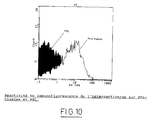
- These SF9 cells express on the surface the recombinant LAG-3 molecule as shown by the reactivity of the specific rabbit antibody in immunofluorescence, by comparing with the reactivity obtained with SF9 cells not infected or infected with a wild virus AcNPV (FIG. 9).
- the reactivity of rabbit serum specific for LAG-3 on SF9 cells expressing LAG-3 was compared with the reactivity obtained on T lymphocytes activated by phytohemaglutinin (PHA-blasts).
- the histograms obtained are similar and therefore indicate that a comparable number of recombinant LAG-3 molecules (Fig. 9) is expressed on the surface of SF9 cells compared to the natural LAG-3 molecules expressed on the surface of activated lymphocytes (Fig. 10).
- SF9 cell supernatants infected with the recombinant virus containing the cloned fragment LAG 3-S were obtained on the 5th day of culture after infection corresponding to 0.1 pfu / cell.
- a supernatant was tested by the so-called "Western blot" technique with the anti-peptide anti-loop antibodies of domain V described in chapter IX.
- a clear signal corresponding to a protein of about 45 kd was thus obtained after revelation with goat anti-rabbit antibodies labeled with peroxidase (FIG. 11).
- This molecular mass corresponds well to the expected mass of the LAG 3-S Eco47 fusion protein III - BamHI (38038 K daltons) after glycosylation in SF9 cells.
Landscapes
- Health & Medical Sciences (AREA)
- Chemical & Material Sciences (AREA)
- Life Sciences & Earth Sciences (AREA)
- Immunology (AREA)
- Organic Chemistry (AREA)
- General Health & Medical Sciences (AREA)
- Medicinal Chemistry (AREA)
- Genetics & Genomics (AREA)
- Biophysics (AREA)
- Biochemistry (AREA)
- Molecular Biology (AREA)
- Proteomics, Peptides & Aminoacids (AREA)
- Gastroenterology & Hepatology (AREA)
- Zoology (AREA)
- Toxicology (AREA)
- Cell Biology (AREA)
- General Chemical & Material Sciences (AREA)
- Oncology (AREA)
- Public Health (AREA)
- Animal Behavior & Ethology (AREA)
- Pharmacology & Pharmacy (AREA)
- Nuclear Medicine, Radiotherapy & Molecular Imaging (AREA)
- Chemical Kinetics & Catalysis (AREA)
- Veterinary Medicine (AREA)
- Communicable Diseases (AREA)
- Virology (AREA)
- Peptides Or Proteins (AREA)
- Preparation Of Compounds By Using Micro-Organisms (AREA)
- Medicines Containing Material From Animals Or Micro-Organisms (AREA)
- Micro-Organisms Or Cultivation Processes Thereof (AREA)
- Medicines That Contain Protein Lipid Enzymes And Other Medicines (AREA)
Applications Claiming Priority (3)
| Application Number | Priority Date | Filing Date | Title |
|---|---|---|---|
| FR9000126 | 1990-01-08 | ||
| FR9000126A FR2656800B1 (fr) | 1990-01-08 | 1990-01-08 | Nouvelles proteines produits par les lymphocytes humains, sequence d'adn codant pour ces proteines et applications pharmaceutiques et biologiques. |
| PCT/FR1991/000009 WO1991010682A1 (fr) | 1990-01-08 | 1991-01-08 | Proteines produites par les lymphocytes humains, sequence d'adn codant pour ces proteines et applications pharmaceutiques et biologiques |
Publications (2)
| Publication Number | Publication Date |
|---|---|
| EP0510079A1 EP0510079A1 (fr) | 1992-10-28 |
| EP0510079B1 true EP0510079B1 (fr) | 1999-05-19 |
Family
ID=9392569
Family Applications (1)
| Application Number | Title | Priority Date | Filing Date |
|---|---|---|---|
| EP91903010A Expired - Lifetime EP0510079B1 (fr) | 1990-01-08 | 1991-01-08 | Proteines produites par les lymphocytes humains, sequence d'adn codant pour ces proteines et applications pharmaceutiques et biologiques |
Country Status (13)
| Country | Link |
|---|---|
| US (2) | US5773578A (enExample) |
| EP (1) | EP0510079B1 (enExample) |
| JP (1) | JP2997053B2 (enExample) |
| AT (1) | ATE180261T1 (enExample) |
| DE (1) | DE69131249T2 (enExample) |
| DK (1) | DK0510079T3 (enExample) |
| ES (1) | ES2134770T3 (enExample) |
| FR (1) | FR2656800B1 (enExample) |
| GR (1) | GR3030811T3 (enExample) |
| IL (1) | IL96907A (enExample) |
| MX (1) | MX9203379A (enExample) |
| WO (1) | WO1991010682A1 (enExample) |
| ZA (1) | ZA91134B (enExample) |
Cited By (11)
| Publication number | Priority date | Publication date | Assignee | Title |
|---|---|---|---|---|
| WO2017062888A1 (en) | 2015-10-09 | 2017-04-13 | Regeneron Pharmaceuticals, Inc. | Anti-lag3 antibodies and uses thereof |
| US10188730B2 (en) | 2014-08-19 | 2019-01-29 | Merck Sharp & Dohme Corp. | Anti-LAG3 antibodies and antigen-binding fragments |
| WO2020232019A1 (en) | 2019-05-13 | 2020-11-19 | Regeneron Pharmaceuticals, Inc. | Combination of pd-1 inhibitors and lag-3 inhibitors for enhanced efficacy in treating cancer |
| US10905784B2 (en) | 2017-02-10 | 2021-02-02 | Regeneron Pharmaceuticals, Inc. | Radiolabeled anti-LAG3 antibodies for immuno-PET imaging |
| US11045547B2 (en) | 2015-12-16 | 2021-06-29 | Merck Sharp & Dohme Corp. | Anti-LAG3 antibodies and antigen-binding fragments |
| US11827704B2 (en) | 2014-01-24 | 2023-11-28 | Novartis Ag | Antibody molecules to PD-1 and uses thereof |
| WO2024192033A1 (en) | 2023-03-13 | 2024-09-19 | Regeneron Pharmaceuticals, Inc. | Combination of pd-1 inhibitors and lag-3 inhibitors for enhanced efficacy in treating melanoma |
| WO2025106736A2 (en) | 2023-11-15 | 2025-05-22 | Regeneron Pharmaceuticals, Inc. | Combination of pd-1 inhibitors and lag-3 inhibitors for enhanced efficacy in treating lung cancer |
| WO2026035866A1 (en) | 2024-08-07 | 2026-02-12 | Iovance Biotherapeutics, Inc. | Treatment of cancer patients with tumor infiltrating lymphocyte therapies in combination with a lag-3 inhibitor and a pd-1 inhibitor |
| US12600777B2 (en) | 2015-07-29 | 2026-04-14 | Novartis Ag | Combination therapies comprising antibody molecules to LAG-3 |
| US12630633B2 (en) | 2015-12-17 | 2026-05-19 | Novartis Ag | Antibody molecules to PD-1 and uses thereof |
Families Citing this family (68)
| Publication number | Priority date | Publication date | Assignee | Title |
|---|---|---|---|---|
| US5316920A (en) * | 1992-04-17 | 1994-05-31 | Dana-Faber Cancer Institute, Inc. | Lymphocyte activation antigen HB15, a member of the immunoglobulin superfamily |
| AU755030B2 (en) * | 1994-05-06 | 2002-11-28 | Institut Gustave Roussy | LAG-3 protein soluble polypeptide fractions, method of production, therapeutic composition and anti-idiotype antibody |
| US5955300A (en) * | 1994-05-06 | 1999-09-21 | Institut Gustave Roussy | Soluble polypeptide fractions of the LAG-3 protein, production method, therapeutic composition, anti-idiotype antibodies |
| IL122832A (en) * | 1995-07-21 | 2006-08-20 | Inst Nat Sante Rech Med | Methods for detecting, identifying , isolating and selectively labeling and targeting th1 lymphocytes by means of the lag-3 protein |
| IL130168A (en) | 1996-11-29 | 2006-09-05 | Serono Lab | Genetically engineered cells containing LAG-3-expressing DNA and their use |
| EP0900841A1 (en) * | 1997-06-18 | 1999-03-10 | Institut National De La Sante Et De La Recherche Medicale (Inserm) | LAG-3 splice variants |
| EP0893507A1 (en) * | 1997-07-25 | 1999-01-27 | Institut Gustave Roussy | Use of MHC class II ligands (CD4 and LAG-3) as adjuvant for vaccination and of LAG-3 in cancer treatment |
| AU2183300A (en) * | 1998-12-18 | 2000-07-12 | Incyte Pharmaceuticals, Inc. | Lymphocytic membrane proteins |
| SE0103423D0 (sv) * | 2001-10-12 | 2001-10-12 | Astrazeneca Ab | Polymorphism |
| CA2476518A1 (en) * | 2002-02-22 | 2003-09-04 | Genentech, Inc. | Compositions and methods for the treatment of immune related diseases |
| EP1596871A4 (en) * | 2003-02-28 | 2006-08-23 | Drew M Pardoll | T-CELL REGULATION |
| KR100808925B1 (ko) | 2006-09-29 | 2008-03-03 | 고려대학교 산학협력단 | 돼지 lag-3 융합 이뮤노글로블린 |
| EP2044949A1 (en) | 2007-10-05 | 2009-04-08 | Immutep | Use of recombinant lag-3 or the derivatives thereof for eliciting monocyte immune response |
| AR072999A1 (es) | 2008-08-11 | 2010-10-06 | Medarex Inc | Anticuerpos humanos que se unen al gen 3 de activacion linfocitaria (lag-3) y los usos de estos |
| AR091649A1 (es) | 2012-07-02 | 2015-02-18 | Bristol Myers Squibb Co | Optimizacion de anticuerpos que se fijan al gen de activacion de linfocitos 3 (lag-3) y sus usos |
| PT3178849T (pt) | 2013-09-20 | 2019-06-11 | Bristol Myers Squibb Co | Combinação de anticorpos anti-lag-3 e anticorpos anti-pd-1 para tratar tumores |
| GB201322626D0 (en) | 2013-12-19 | 2014-02-05 | Immutep S A | Combined preparations for the treatment of cancer |
| MY187246A (en) | 2014-03-14 | 2021-09-14 | Novartis Ag | Antibody molecules to lag-3 and uses thereof |
| TWI693232B (zh) | 2014-06-26 | 2020-05-11 | 美商宏觀基因股份有限公司 | 與pd-1和lag-3具有免疫反應性的共價結合的雙抗體和其使用方法 |
| WO2016009017A1 (en) | 2014-07-16 | 2016-01-21 | Institut Gustave-Roussy | Combination of oncolytic virus with immune checkpoint modulators |
| ES2909957T3 (es) | 2014-07-16 | 2022-05-11 | Transgene | Virus oncolítico para la expresión de moduladores de puntos de control inmunitarios |
| GB201500374D0 (en) | 2015-01-09 | 2015-02-25 | Immutep S A | Combined preparations for the treatment of cancer |
| TWI773646B (zh) | 2015-06-08 | 2022-08-11 | 美商宏觀基因股份有限公司 | 結合lag-3的分子和其使用方法 |
| MD3328419T2 (ro) | 2015-07-30 | 2022-01-31 | Macrogenics Inc | Molecule de legare la PD-1 şi procedee de utilizare a acestora |
| AU2016370376B2 (en) | 2015-12-14 | 2023-12-14 | Macrogenics, Inc. | Bispecific molecules having immunoreactivity with PD-1 and CTLA-4, and methods of use thereof |
| EP3426271B1 (en) | 2016-03-10 | 2025-08-27 | CG Oncology, Inc. | Methods of treating solid tumors by combination therapy |
| ES2971065T3 (es) | 2017-04-21 | 2024-06-03 | Sillajen Inc | Terapia de combinación de virus vaccinia oncolítica y un inhibidor de punto de control |
| CA3065304A1 (en) | 2017-05-30 | 2018-12-06 | Bristol-Myers Squibb Company | Compositions comprising an anti-lag-3 antibody or an anti-lag-3 antibody and an anti-pd-1 or anti-pd-l1 antibody |
| FI3631454T3 (fi) | 2017-05-30 | 2023-11-30 | Bristol Myers Squibb Co | Lag-3-positiivisten kasvainten hoitaminen |
| WO2020183011A1 (en) | 2019-03-14 | 2020-09-17 | Institut Curie | Htr1d inhibitors and uses thereof in the treatment of cancer |
| WO2020201095A1 (en) | 2019-03-29 | 2020-10-08 | Institut Curie | Interleukin-2 variants with modified biological activity |
| EP4048304A1 (en) | 2019-10-22 | 2022-08-31 | Institut Curie | Immunotherapy targeting tumor neoantigenic peptides |
| EP3824954A1 (en) | 2019-11-22 | 2021-05-26 | Centre National de la Recherche Scientifique | Device, apparatus and method for minibeam radiation therapy |
| WO2021224186A1 (en) | 2020-05-04 | 2021-11-11 | Institut Curie | New pyridine derivatives as radiosensitizers |
| CA3182333A1 (en) | 2020-05-20 | 2021-11-25 | Institut Curie | Single domain antibodies and their use in cancer therapies |
| WO2022079270A1 (en) | 2020-10-16 | 2022-04-21 | Université D'aix-Marseille | Anti-gpc4 single domain antibodies |
| US20230303604A1 (en) | 2020-10-20 | 2023-09-28 | Institut Curie | Metallic trans-(n-heterocyclic carbene)-amine-platinum complexes and uses thereof for treating cancer |
| EP4232019A1 (en) | 2020-10-23 | 2023-08-30 | Bristol-Myers Squibb Company | Lag-3 antagonist therapy for lung cancer |
| JP2023550402A (ja) | 2020-11-18 | 2023-12-01 | アンスティテュ・クリー | ビグアニジンの二量体及びその治療的使用 |
| JP2024505428A (ja) | 2021-01-14 | 2024-02-06 | アンスティテュ キュリー | Her2単一ドメイン抗体バリアントおよびそのcar |
| WO2022189618A1 (en) | 2021-03-12 | 2022-09-15 | Institut Curie | Nitrogen-containing heterocycles as radiosensitizers |
| US20240269282A1 (en) | 2021-05-10 | 2024-08-15 | Institut Curie | Methods for the Treatment of Cancer, Inflammatory Diseases and Autoimmune Diseases |
| EP4380682B1 (en) | 2021-08-05 | 2026-09-30 | Institut Curie | Scanning dynamic device for minibeams production |
| WO2023041744A1 (en) | 2021-09-17 | 2023-03-23 | Institut Curie | Bet inhibitors for treating pab1 deficient cancer |
| US20250019708A1 (en) | 2021-11-19 | 2025-01-16 | Institut Curie | Methods for the treatment of hrd cancer and brca-associated cancer |
| WO2023099763A1 (en) | 2021-12-03 | 2023-06-08 | Institut Curie | Sirt6 inhibitors for use in treating resistant hrd cancer |
| WO2023180552A1 (en) | 2022-03-24 | 2023-09-28 | Institut Curie | Immunotherapy targeting tumor transposable element derived neoantigenic peptides in glioblastoma |
| EP4499677A1 (en) | 2022-03-31 | 2025-02-05 | Institut Curie | Modified rela protein for inducing interferon expression and engineered immune cells with improved interferon expression |
| US20250222106A1 (en) | 2022-04-07 | 2025-07-10 | Institut Curie | Myeloid cells modified by chimeric antigen receptor with cd40 and uses thereof for anti-cancer therapy |
| WO2023194608A1 (en) | 2022-04-07 | 2023-10-12 | Institut Curie | Myeloid cells modified by chimeric antigen receptor and uses thereof for anti-cancer therapy |
| EP4593868A1 (en) | 2022-09-26 | 2025-08-06 | Institut Curie | Myeloid cells expressing il-2 and uses thereof for quick anticancer therapy |
| WO2024194673A1 (en) | 2023-03-21 | 2024-09-26 | Institut Curie | Methods for the treatment of dedifferentiated liposarcoma |
| WO2024194402A1 (en) | 2023-03-21 | 2024-09-26 | Institut Curie | Farnesyl transferase inhibitor for use in methods for the treatment of hrd cancer |
| US20260265756A1 (en) | 2023-03-21 | 2026-09-10 | Institut Curie | Vps4b inhibitor for use in methods for the treatment of hrd cancer |
| EP4695290A1 (en) | 2023-04-13 | 2026-02-18 | Institut Curie | Methods for the treatment of t-cell acute lymphoblastic leukemia |
| WO2025068393A1 (en) | 2023-09-27 | 2025-04-03 | Institut Curie | Methods for the treatment of fibrotic related diseases |
| AU2024405515A1 (en) | 2023-12-21 | 2026-07-02 | Egle Therapeutics | Immunocytokine for cancer treatment |
| EP4574165A1 (en) | 2023-12-21 | 2025-06-25 | Egle Therapeutics | Immunocytokine for cancer treatment |
| AU2025213523A1 (en) | 2024-01-26 | 2026-07-16 | Centre National De La Recherche Scientifique | Lipid degraders to trigger ferroptosis in cancer |
| WO2025202450A1 (en) | 2024-03-28 | 2025-10-02 | Institut Curie | Myeloid cells modified by cytokine chimeric receptor and uses thereof |
| EP4624494A1 (en) | 2024-03-29 | 2025-10-01 | Institut Curie | Her2 single domain antibody and uses thereof |
| WO2025210252A1 (en) | 2024-04-05 | 2025-10-09 | Institut Curie | Modulators of fam118b protein for use in therapy |
| EP4681780A1 (en) | 2024-07-18 | 2026-01-21 | Egle Therapeutics | Immunocytokine for cancer treatment |
| WO2026017820A1 (en) | 2024-07-18 | 2026-01-22 | Egle Therapeutics | Fusion protein for cancer treatment |
| EP4707296A1 (en) | 2024-09-05 | 2026-03-11 | Egle Therapeutics | Interleukin-2 variants with modified biological activity |
| EP4707295A1 (en) | 2024-09-05 | 2026-03-11 | Egle Therapeutics | Interleukin-2 variants with modified biological activity |
| WO2026093520A1 (en) | 2024-10-31 | 2026-05-07 | Institut Curie | Short-csf1-associated extracellular vesicles and uses thereof |
| WO2026154125A2 (en) | 2025-01-17 | 2026-07-23 | Institut Curie | A tumor-specific hla-bound neoantigenic peptide encoded by ewsr1::fli1-induced neogenes |
Family Cites Families (3)
| Publication number | Priority date | Publication date | Assignee | Title |
|---|---|---|---|---|
| US5109123A (en) * | 1988-06-14 | 1992-04-28 | Dana Farber Cancer Institute | Alteration of ability of soluble CD4 fragments to bind HIV |
| US4994369A (en) * | 1987-12-15 | 1991-02-19 | The Board Of Trustees Of The Leland Stanford Jr. Univ. | T-cell activation related gene |
| US5001230A (en) * | 1988-02-18 | 1991-03-19 | Schering Corporation | T cell activation markers |
-
1990
- 1990-01-08 FR FR9000126A patent/FR2656800B1/fr not_active Expired - Lifetime
-
1991
- 1991-01-08 AT AT91903010T patent/ATE180261T1/de not_active IP Right Cessation
- 1991-01-08 MX MX9203379A patent/MX9203379A/es unknown
- 1991-01-08 DE DE69131249T patent/DE69131249T2/de not_active Expired - Fee Related
- 1991-01-08 ZA ZA91134A patent/ZA91134B/xx unknown
- 1991-01-08 JP JP3503112A patent/JP2997053B2/ja not_active Expired - Fee Related
- 1991-01-08 EP EP91903010A patent/EP0510079B1/fr not_active Expired - Lifetime
- 1991-01-08 ES ES91903010T patent/ES2134770T3/es not_active Expired - Lifetime
- 1991-01-08 DK DK91903010T patent/DK0510079T3/da active
- 1991-01-08 WO PCT/FR1991/000009 patent/WO1991010682A1/fr not_active Ceased
- 1991-01-08 IL IL96907A patent/IL96907A/en not_active IP Right Cessation
-
1995
- 1995-04-04 US US08/416,478 patent/US5773578A/en not_active Expired - Lifetime
- 1995-06-07 US US08/474,988 patent/US5874250A/en not_active Expired - Lifetime
-
1999
- 1999-07-20 GR GR990401899T patent/GR3030811T3/el unknown
Cited By (19)
| Publication number | Priority date | Publication date | Assignee | Title |
|---|---|---|---|---|
| US11827704B2 (en) | 2014-01-24 | 2023-11-28 | Novartis Ag | Antibody molecules to PD-1 and uses thereof |
| US11278620B2 (en) | 2014-08-19 | 2022-03-22 | Merck Sharp & Dohme Corp. | Anti-LAG3 antibodies and antigen-binding fragments |
| US10188730B2 (en) | 2014-08-19 | 2019-01-29 | Merck Sharp & Dohme Corp. | Anti-LAG3 antibodies and antigen-binding fragments |
| US10898571B2 (en) | 2014-08-19 | 2021-01-26 | Merck Sharp & Dohme Corp. | Anti-LAG3 antibodies and antigen-binding fragments |
| US12102681B2 (en) | 2014-08-19 | 2024-10-01 | Merck Sharp & Dohme Llc | Anti-LAG3 antibodies and antigen-binding fragments |
| US11207406B2 (en) | 2014-08-19 | 2021-12-28 | Merck Sharp & Dohme Corp. | Anti-LAG3 antibodies and antigen-binding fragments |
| US12600777B2 (en) | 2015-07-29 | 2026-04-14 | Novartis Ag | Combination therapies comprising antibody molecules to LAG-3 |
| US11692032B2 (en) | 2015-10-09 | 2023-07-04 | Regeneron Pharmaceuticals, Inc. | Anti-LAG3 antibodies and uses thereof |
| WO2017062888A1 (en) | 2015-10-09 | 2017-04-13 | Regeneron Pharmaceuticals, Inc. | Anti-lag3 antibodies and uses thereof |
| US10358495B2 (en) | 2015-10-09 | 2019-07-23 | Regeneron Pharmaceuticals, Inc. | Anti-LAG3 antibodies and uses thereof |
| US11045547B2 (en) | 2015-12-16 | 2021-06-29 | Merck Sharp & Dohme Corp. | Anti-LAG3 antibodies and antigen-binding fragments |
| US12630633B2 (en) | 2015-12-17 | 2026-05-19 | Novartis Ag | Antibody molecules to PD-1 and uses thereof |
| US11511001B2 (en) | 2017-02-10 | 2022-11-29 | Regeneron Pharmaceuticals, Inc. | Radiolabeled anti-LAG3 antibodies for immuno-PET imaging |
| US10905784B2 (en) | 2017-02-10 | 2021-02-02 | Regeneron Pharmaceuticals, Inc. | Radiolabeled anti-LAG3 antibodies for immuno-PET imaging |
| US12721914B2 (en) | 2017-02-10 | 2026-09-01 | Regeneron Pharmaceuticals, Inc. | Radiolabeled anti-LAG3 antibodies for immuno-PET imaging |
| WO2020232019A1 (en) | 2019-05-13 | 2020-11-19 | Regeneron Pharmaceuticals, Inc. | Combination of pd-1 inhibitors and lag-3 inhibitors for enhanced efficacy in treating cancer |
| WO2024192033A1 (en) | 2023-03-13 | 2024-09-19 | Regeneron Pharmaceuticals, Inc. | Combination of pd-1 inhibitors and lag-3 inhibitors for enhanced efficacy in treating melanoma |
| WO2025106736A2 (en) | 2023-11-15 | 2025-05-22 | Regeneron Pharmaceuticals, Inc. | Combination of pd-1 inhibitors and lag-3 inhibitors for enhanced efficacy in treating lung cancer |
| WO2026035866A1 (en) | 2024-08-07 | 2026-02-12 | Iovance Biotherapeutics, Inc. | Treatment of cancer patients with tumor infiltrating lymphocyte therapies in combination with a lag-3 inhibitor and a pd-1 inhibitor |
Also Published As
| Publication number | Publication date |
|---|---|
| JP2997053B2 (ja) | 2000-01-11 |
| WO1991010682A1 (fr) | 1991-07-25 |
| DE69131249T2 (de) | 1999-12-30 |
| FR2656800B1 (fr) | 1992-05-15 |
| FR2656800A1 (fr) | 1991-07-12 |
| US5773578A (en) | 1998-06-30 |
| DE69131249D1 (de) | 1999-06-24 |
| ATE180261T1 (de) | 1999-06-15 |
| IL96907A (en) | 1998-10-30 |
| US5874250A (en) | 1999-02-23 |
| MX9203379A (es) | 1992-09-01 |
| JPH05503520A (ja) | 1993-06-10 |
| IL96907A0 (en) | 1992-03-29 |
| ZA91134B (en) | 1992-08-26 |
| DK0510079T3 (da) | 1999-11-29 |
| EP0510079A1 (fr) | 1992-10-28 |
| GR3030811T3 (en) | 1999-11-30 |
| ES2134770T3 (es) | 1999-10-16 |
Similar Documents
| Publication | Publication Date | Title |
|---|---|---|
| WO1991010682A1 (fr) | Proteines produites par les lymphocytes humains, sequence d'adn codant pour ces proteines et applications pharmaceutiques et biologiques | |
| Inoue et al. | FAT is a component of glomerular slit diaphragms | |
| Dveksler et al. | Cloning of the mouse hepatitis virus (MHV) receptor: expression in human and hamster cell lines confers susceptibility to MHV | |
| EP0537166B1 (fr) | Polypeptides hydrosolubles ayant une haute affinite pour les interferons alpha et beta | |
| JPH10507930A (ja) | プロスタグランジンレセプターdp | |
| CA2080018C (en) | Novel t-cell lymphoma cdna clones | |
| CA2138151A1 (fr) | Nouveaux polypeptides ayant une activite de recepteur nmda, acides nucleiques codant pour ces polypeptides et utilisations | |
| CA2116489A1 (en) | Pacap receptor protein, method for preparing said protein and use thereof | |
| EP0757716B1 (en) | Dna encoding bradykinin b1 receptor | |
| IL147123A (en) | Use of compositions containing at least one soluble form of G – HLA for the preparation of a medicinal product for the treatment of inflammatory pathologies of the skin | |
| EP0842282B1 (fr) | Proteines hetero-multimeriques recombinantes du type alpha-beta c4bp | |
| EP0367641B1 (fr) | Nouvelles lymphokines, séquences d'ADN codant pour ces lymphokines et compositions pharmaceutiques contenant ces lymphokines | |
| WO1998033929A2 (fr) | Utilisation d'un polypeptide a titre de recepteur cellulaire des adenovirus | |
| JPH06509940A (ja) | ボンベシン様ペプチドに対するレセプター | |
| US20030224429A1 (en) | DNA sequence encoding a human imidazoline receptor and method for cloning the same | |
| FR2758821A1 (fr) | Utilisation d'un polypeptide a titre de recepteur cellulaire des adenovirus | |
| US5661003A (en) | Water channel | |
| FR2804435A1 (fr) | COMPLEXE ISOLE COMPRENANT UNE PROTEINE NNT-1 ET EN OUTRE AU MOINS UNE PROTEINE CLF-1 ET/OU UNE PROTEINE sCNTFRalpha | |
| JP2001523102A (ja) | アポトーシス細胞死経路の細胞内変調因子 | |
| EP0534878A1 (fr) | Molécules d'ADN recombinants contenant la partie codante d'une chaîne Vbêta17 du récepteur pour l'antigène des cellules T et leurs utilisations | |
| Coe | Molecular evolution of neuropeptides isolated from the brain of the Pacific salmon (oncorhynchus spp.) | |
| FR2758885A1 (fr) | Methode pour selectionner ou identifier un recepteur cellulaire d'un virus dans un echantillon approprie | |
| HK1006726B (en) | T-CELL LYMPHOMA cDNA CLONES | |
| JPH119287A (ja) | Atg−1117(aif−3)、同種異型移植炎症性因子−1/rc−9の新規相同物 | |
| WO2001055219A2 (fr) | PROTEINE DE FUSION scsCNTFR/NNT-1 |
Legal Events
| Date | Code | Title | Description |
|---|---|---|---|
| PUAI | Public reference made under article 153(3) epc to a published international application that has entered the european phase |
Free format text: ORIGINAL CODE: 0009012 |
|
| 17P | Request for examination filed |
Effective date: 19920702 |
|
| AK | Designated contracting states |
Kind code of ref document: A1 Designated state(s): AT BE CH DE DK ES FR GB GR IT LI LU NL SE |
|
| 17Q | First examination report despatched |
Effective date: 19931125 |
|
| GRAG | Despatch of communication of intention to grant |
Free format text: ORIGINAL CODE: EPIDOS AGRA |
|
| GRAG | Despatch of communication of intention to grant |
Free format text: ORIGINAL CODE: EPIDOS AGRA |
|
| GRAG | Despatch of communication of intention to grant |
Free format text: ORIGINAL CODE: EPIDOS AGRA |
|
| GRAH | Despatch of communication of intention to grant a patent |
Free format text: ORIGINAL CODE: EPIDOS IGRA |
|
| GRAH | Despatch of communication of intention to grant a patent |
Free format text: ORIGINAL CODE: EPIDOS IGRA |
|
| GRAA | (expected) grant |
Free format text: ORIGINAL CODE: 0009210 |
|
| AK | Designated contracting states |
Kind code of ref document: B1 Designated state(s): AT BE CH DE DK ES FR GB GR IT LI LU NL SE |
|
| REF | Corresponds to: |
Ref document number: 180261 Country of ref document: AT Date of ref document: 19990615 Kind code of ref document: T |
|
| REG | Reference to a national code |
Ref country code: CH Ref legal event code: EP |
|
| REF | Corresponds to: |
Ref document number: 69131249 Country of ref document: DE Date of ref document: 19990624 |
|
| GBT | Gb: translation of ep patent filed (gb section 77(6)(a)/1977) |
Effective date: 19990729 |
|
| REG | Reference to a national code |
Ref country code: ES Ref legal event code: FG2A Ref document number: 2134770 Country of ref document: ES Kind code of ref document: T3 |
|
| REG | Reference to a national code |
Ref country code: DK Ref legal event code: T3 |
|
| PLBE | No opposition filed within time limit |
Free format text: ORIGINAL CODE: 0009261 |
|
| STAA | Information on the status of an ep patent application or granted ep patent |
Free format text: STATUS: NO OPPOSITION FILED WITHIN TIME LIMIT |
|
| 26N | No opposition filed | ||
| REG | Reference to a national code |
Ref country code: GB Ref legal event code: IF02 |
|
| REG | Reference to a national code |
Ref country code: FR Ref legal event code: CL Ref country code: FR Ref legal event code: AU |
|
| PGFP | Annual fee paid to national office [announced via postgrant information from national office to epo] |
Ref country code: LU Payment date: 20090114 Year of fee payment: 19 Ref country code: ES Payment date: 20090218 Year of fee payment: 19 Ref country code: DK Payment date: 20090113 Year of fee payment: 19 Ref country code: AT Payment date: 20090113 Year of fee payment: 19 |
|
| PGFP | Annual fee paid to national office [announced via postgrant information from national office to epo] |
Ref country code: NL Payment date: 20090104 Year of fee payment: 19 Ref country code: DE Payment date: 20090102 Year of fee payment: 19 |
|
| PGFP | Annual fee paid to national office [announced via postgrant information from national office to epo] |
Ref country code: CH Payment date: 20090114 Year of fee payment: 19 Ref country code: GB Payment date: 20090107 Year of fee payment: 19 Ref country code: GR Payment date: 20081217 Year of fee payment: 19 |
|
| PGFP | Annual fee paid to national office [announced via postgrant information from national office to epo] |
Ref country code: BE Payment date: 20090213 Year of fee payment: 19 |
|
| PGFP | Annual fee paid to national office [announced via postgrant information from national office to epo] |
Ref country code: IT Payment date: 20090127 Year of fee payment: 19 Ref country code: SE Payment date: 20090108 Year of fee payment: 19 |
|
| PGFP | Annual fee paid to national office [announced via postgrant information from national office to epo] |
Ref country code: FR Payment date: 20090112 Year of fee payment: 19 |
|
| BERE | Be: lapsed |
Owner name: INSTITUT NATIONAL DE LA SANTE ET DE LA RECHERCHE M Effective date: 20100131 Owner name: INSTITUT GUSTAVE *ROUSSY Effective date: 20100131 |
|
| REG | Reference to a national code |
Ref country code: NL Ref legal event code: V1 Effective date: 20100801 |
|
| REG | Reference to a national code |
Ref country code: CH Ref legal event code: PL |
|
| REG | Reference to a national code |
Ref country code: DK Ref legal event code: EBP |
|
| GBPC | Gb: european patent ceased through non-payment of renewal fee |
Effective date: 20100108 |
|
| EUG | Se: european patent has lapsed | ||
| REG | Reference to a national code |
Ref country code: FR Ref legal event code: ST Effective date: 20100930 |
|
| PG25 | Lapsed in a contracting state [announced via postgrant information from national office to epo] |
Ref country code: FR Free format text: LAPSE BECAUSE OF NON-PAYMENT OF DUE FEES Effective date: 20100201 Ref country code: CH Free format text: LAPSE BECAUSE OF NON-PAYMENT OF DUE FEES Effective date: 20100131 Ref country code: NL Free format text: LAPSE BECAUSE OF NON-PAYMENT OF DUE FEES Effective date: 20100801 Ref country code: LI Free format text: LAPSE BECAUSE OF NON-PAYMENT OF DUE FEES Effective date: 20100131 |
|
| PG25 | Lapsed in a contracting state [announced via postgrant information from national office to epo] |
Ref country code: AT Free format text: LAPSE BECAUSE OF NON-PAYMENT OF DUE FEES Effective date: 20100108 Ref country code: DE Free format text: LAPSE BECAUSE OF NON-PAYMENT OF DUE FEES Effective date: 20100803 |
|
| PG25 | Lapsed in a contracting state [announced via postgrant information from national office to epo] |
Ref country code: GB Free format text: LAPSE BECAUSE OF NON-PAYMENT OF DUE FEES Effective date: 20100108 |
|
| PG25 | Lapsed in a contracting state [announced via postgrant information from national office to epo] |
Ref country code: DK Free format text: LAPSE BECAUSE OF NON-PAYMENT OF DUE FEES Effective date: 20100131 |
|
| PG25 | Lapsed in a contracting state [announced via postgrant information from national office to epo] |
Ref country code: BE Free format text: LAPSE BECAUSE OF NON-PAYMENT OF DUE FEES Effective date: 20100131 |
|
| PG25 | Lapsed in a contracting state [announced via postgrant information from national office to epo] |
Ref country code: IT Free format text: LAPSE BECAUSE OF NON-PAYMENT OF DUE FEES Effective date: 20100108 |
|
| REG | Reference to a national code |
Ref country code: ES Ref legal event code: FD2A Effective date: 20110408 |
|
| PG25 | Lapsed in a contracting state [announced via postgrant information from national office to epo] |
Ref country code: ES Free format text: LAPSE BECAUSE OF NON-PAYMENT OF DUE FEES Effective date: 20110328 |
|
| PG25 | Lapsed in a contracting state [announced via postgrant information from national office to epo] |
Ref country code: ES Free format text: LAPSE BECAUSE OF NON-PAYMENT OF DUE FEES Effective date: 20100109 |
|
| PG25 | Lapsed in a contracting state [announced via postgrant information from national office to epo] |
Ref country code: LU Free format text: LAPSE BECAUSE OF NON-PAYMENT OF DUE FEES Effective date: 20100108 Ref country code: SE Free format text: LAPSE BECAUSE OF NON-PAYMENT OF DUE FEES Effective date: 20100109 |