EP0487218B1 - Verfahren zum Nachweis oder Quantifizierung von Zielnukleinsäuren - Google Patents
Verfahren zum Nachweis oder Quantifizierung von Zielnukleinsäuren Download PDFInfo
- Publication number
- EP0487218B1 EP0487218B1 EP91310062A EP91310062A EP0487218B1 EP 0487218 B1 EP0487218 B1 EP 0487218B1 EP 91310062 A EP91310062 A EP 91310062A EP 91310062 A EP91310062 A EP 91310062A EP 0487218 B1 EP0487218 B1 EP 0487218B1
- Authority
- EP
- European Patent Office
- Prior art keywords
- nucleic acid
- target nucleic
- pcr
- reaction
- fluorescence
- Prior art date
- Legal status (The legal status is an assumption and is not a legal conclusion. Google has not performed a legal analysis and makes no representation as to the accuracy of the status listed.)
- Expired - Lifetime
Links
Images


Classifications
-
- C—CHEMISTRY; METALLURGY
- C12—BIOCHEMISTRY; BEER; SPIRITS; WINE; VINEGAR; MICROBIOLOGY; ENZYMOLOGY; MUTATION OR GENETIC ENGINEERING
- C12Q—MEASURING OR TESTING PROCESSES INVOLVING ENZYMES, NUCLEIC ACIDS OR MICROORGANISMS; COMPOSITIONS OR TEST PAPERS THEREFOR; PROCESSES OF PREPARING SUCH COMPOSITIONS; CONDITION-RESPONSIVE CONTROL IN MICROBIOLOGICAL OR ENZYMOLOGICAL PROCESSES
- C12Q1/00—Measuring or testing processes involving enzymes, nucleic acids or microorganisms; Compositions therefor; Processes of preparing such compositions
- C12Q1/68—Measuring or testing processes involving enzymes, nucleic acids or microorganisms; Compositions therefor; Processes of preparing such compositions involving nucleic acids
- C12Q1/6844—Nucleic acid amplification reactions
- C12Q1/6851—Quantitative amplification
-
- C—CHEMISTRY; METALLURGY
- C12—BIOCHEMISTRY; BEER; SPIRITS; WINE; VINEGAR; MICROBIOLOGY; ENZYMOLOGY; MUTATION OR GENETIC ENGINEERING
- C12Q—MEASURING OR TESTING PROCESSES INVOLVING ENZYMES, NUCLEIC ACIDS OR MICROORGANISMS; COMPOSITIONS OR TEST PAPERS THEREFOR; PROCESSES OF PREPARING SUCH COMPOSITIONS; CONDITION-RESPONSIVE CONTROL IN MICROBIOLOGICAL OR ENZYMOLOGICAL PROCESSES
- C12Q1/00—Measuring or testing processes involving enzymes, nucleic acids or microorganisms; Compositions therefor; Processes of preparing such compositions
- C12Q1/68—Measuring or testing processes involving enzymes, nucleic acids or microorganisms; Compositions therefor; Processes of preparing such compositions involving nucleic acids
- C12Q1/6844—Nucleic acid amplification reactions
- C12Q1/686—Polymerase chain reaction [PCR]
Definitions
- the present invention relates to a method of detecting or quantifying a target nucleic acid in a sample.
- the methods for quickly identifying the pathogens methods for detecting antigens by utilizing antigen-antibody reaction, and methods for detecting nucleic acid by using DNA probes are employed in practice.
- the antigen-detecting methods utilizing the antigen-antibody reactions the pathogens may not be detected when the antigens are concealed.
- a bacterium has a large number of antigens, it is not easy to discover a specific antigen which is unique to the bacterium of interest.
- a certain number or density of bacterial cells or viruses is needed for the detection, so that if the number of the bacterial cells or the viruses are smaller than the detection limit, the pathogen cannot be detected.
- the immunological detection methods are not satisfactcry with respect to the sensitivity of the detection.
- a particular region of a target nucleic acid can be detected after amplification thereof, so that a pathogen may be detected from one molecule of the nucleic acid.
- the amplified region is detected by subjecting the reaction mixture to agarose gel electrophoresis and staining the bands, or by subjecting the reaction mixture to the dot hybridization method.
- the reaction mixture after the polymerase chain reaction is removed from the reaction vessel and is subjected to the assay.
- the amplified nucleic acid region may contaminate other samples in the laboratory. If such a contamination occurs, the contaminant serves as a template in the contaminated sample, so that a false positive result may be obtained.
- This is recognized as a large problem in the detection methods of nucleic acids utilizing the polymerase chain reaction.
- the detection methods utilizing the polymerase chain reaction also has a drawback in that it is difficult to determine the initial concentration of the target nucleic acid.
- WO-A-9015881 discloses a method of detecting nucleic acid sequences in biological samples in which the nucleic acid is amplified by an appropriate amplification technique amongst which PCR is mentioned. This can be carried out in a sealed vessel. Subsequently, the amplified sample is removed from the vessel and treated by electrophoresis. The target nucleic acid is detected by use of a fluorescent dye such as ethidium bromide. The intercalating pigment is always only added to the nucleic acid after the replication procedure has been completed.
- EP-A-0200362 discloses the basic method of PCR. It does not disclose or suggest the detection of a target nucleic acid by using a fluorescent pigment. In this disclosure, after amplifying a target nucleic acid by PCR, the amplified nucleic acid is detected by the Southern blotting method or the like.
- H. Lomeli et al, Clinical Chemistry 35, No 9: 1826-1831 (September 1989) disclose a procedure which comprises the steps of capturing the target nucleic acid in a sample by capture probes immobilised on paramagnetic particles so as to separate the target nucleic acid; reacting the captured target nucleic acid with RNA probes (replicatable probes) having a region replicated by Q ⁇ replicase and a region complementary with the target nucleic acid so as to form a complex therebetween (see the drawing on page 1828, upper right portion); removing the RNA probes which did not form the complex; adding Q ⁇ replicase to the complex so as to replicate the region in the RNA probe, which can be replicated by Q ⁇ replicase; and finally detecting the single-stranded RNA replicated by Q ⁇ nucleic acid.
- RNA probes replicaatable probes
- an object of the present invention is to provide a method for detecting a target nucleic acid utilizing the polymerase chain reaction, with which the problem of the contamination can be avoided.
- Another object of the present invention is to provide a method for quantifying a target nucleic acid utilizing the polymerase chain reaction, by which the initial concentration of the target nucleic acid can be determined and with which the problem of the contamination can be avoided.
- a method for detecting a target nucleic acid in a sample comprises:
- Measuring the fluorescence intensity of the fluorescent pigment may be carried out before and after the polymerase chain reaction, or during polymerase chain reaction.
- the invention also extends to a kit for detecting or quantifying a target nucleic acid in a sample, comprising:
- the said fluorescent pigment is preferably one of which the fluorescence changes upon intercalation into the said double-stranded nucleic acid.
- the said fluorescent pigment is preferably water-soluble and thermally stable at temperatures at which the said PCR is conducted.
- the said vessel is preferably provided with sealing means.
- Intercalating fluorescent pigments are known to have a property that the fluorescent property thereof is drastically changed when they are intercalated into double-stranded nucleic acids.
- a fluorescent pigment is employed.
- the reaction mixture before the polymerase chain reaction (hereinafter also referred to as "PCR" for short) contains a very small amount of a nucleic acid acting as a template, at least one pair of DNA primers, a polymerase and mononucleoside triphosphates, and the fluorescent pigment gives a certain fluorescent property in the presence of these components.
- PCR polymerase chain reaction
- the fluorescent pigment gives a certain fluorescent property in the presence of these components.
- the fluorescent property of the pigment does not substantially change before and after PCR.
- the target nucleic acid to be detected or quantified is contained in the sample, the target nucleic acid is amplified by PCR and the fluorescent property of the pigment is changed since the pigment reacts with or performs differently in the presence of or an exposure to the amplified nucleic acid.
- the target nucleic acid can be detected. Further, if the initial concentration of the target nucleic acid is high, the change in the fluorescent property occurs after a small number of repetitions of the PCR cycles. In the contrast, if the initial concentration of the target nucleic acid is low, a larger number of PCR cycles are required for the pigment to change its fluorescent property.
- the initial concentration of the target nucleic acid contained in the sample can be determined.
- the method of the present invention since the measurement of the fluorescence intensity of the pigment can be carried out without removing the reaction mixture after the PCR from the reaction vessel, the possibility of the contamination of other samples with the amplified nucleic acid can be largely reduced. In a preferred embodiment wherein all steps are carried out within a sealed vessel, the possibility of the contamination can be substantially eliminated. Further, by the method of the present invention, the initial concentration of the target nucleic acid can be determined. Thus, by the present invention, the drawback of the conventional PCR-based detection method that the initial concentration of the target nucleic acid cannot be determined can be overcome.
- the method of the present invention can be carried out by merely adding the fluorescent pigment to the reaction mixture of the conventional PCR process, the method is simple and so does not require skillfulness. Thus, a large number of samples can be processed, so that the method of the present invention can be applied to screening methods utilizing PCR. Still further, whether the amplification occurred or not can be judged based on the measured fluorescence intensity, the detection of quantification method can be automated. Thus, the present invention will greatly contribute to the field of diagnosis.
- the target nucleic substance to be detected or quantified may be of any origin of interest, such as bacteria, viruses or tissues.
- a region of the target nucleic acid is amplified by the PCR.
- This step can be carried out conventionally as described by Saiki et al ( supra ). That is, a cycle of denaturation of the target nucleic acid, annealing of the target nucleic acid and a pair of DNA primers and extension of complementary chains by the action of a polymerase such as Tag DNA polymerase is repeated, for example, 30 times.
- a polymerase such as Tag DNA polymerase
- a fluorescent pigment of which fluorescent property is changed upon reaction with nucleic acid is added to the reaction mixture so as to allow the reaction thereof with the amplified target nucleic acid.
- intercalating fluorescent pigments are preferred.
- Intercalating fluorescent pigments are known to intercalate between bases of nucleic acids and their fluorescence property is largely changed upon intercalation in the nucleic acid. Since the reaction mixture is aqueous and contains a protein, those pigments which are water-soluble and are unlikely to be affected by proteins are preferred. Further, since the PCR requires temperature changes from room temperature to a high temperature, those which are thermally stable are preferred. Examples of the fluorescent pigments satisfying these preferred properties include the following:
- the phenomenon that the fluorescent property is changed between the pigment which is free in the aqueous solution and the pigment which is intercalated in double-stranded nucleic acids is utilized as mentioned above.
- This change in the fluorescent property can be detected as a change in its fluorescence intensity, although the change in the fluorescence intensity may stem from the change in the fluorescence spectrum.
- the intercalating fluorescent pigments may be grouped into the following four groups:
- the amount of the fluorescent pigment to be added to the reaction mixture may preferably be selected such that the pigment is attached to (intercalated in) the amplified nucleic acid in the amount of one molecule per several to 100 bases of the amplified nucleic acid.
- the reaction between the fluorescent pigment and the amplified target nucleic acid may be carried out at any temperature between 0 - 100°C, but for economy, the reaction may preferably and conveniently be carried out at room temperature.
- the reaction is usually completed in a relatively short time, for example, 10 seconds to 3 minutes.
- the fluorescence intensity of the pigment can be measured by a conventional method well-known in the art. It is preferred to measure the fluorescence quantitatively by using a fluorescence spectrophotomater. However, in cases where only qualititative detection is desired, the existence of the target nucleic acid may be judged by observing the reaction mixture with naked eyes or a fluorescence microscope while irradiating thereto an excitation light or by taking a fluorescence photograph. In order to prevent contamination, the measurement of the fluorescence is carried out without removing the reaction mixture, so that the reaction vessel is preferably made of a material which allows for the penetration of the excitation light, which is thermally stable and which hardly adsorbs proteins. Preferred examples of the materials satisfying these requirements include polypropylene resins, silicone-coated glass, polymethyl pentene resins and the like. By employing such materials, the reaction vessel may be applied to the fluorescence meter.
- the fluorescent pigment is contained in the reaction mixture before the PCR process.
- the fluorescent pigment and the amount thereof to be added to the reaction mixture is the same as described before. Since the reaction between the pigment and the amplified target nucleic acid proceeds during the PCR process, the measurement of the fluorescence intensity may be carried out immediately after the PCR process. The PCR process and the measurement of the fluorescence can be carried out in the same manner as described above.
- the fluorescent pigment may be added to the reaction mixture during the PCR process. That is, the PCR process may be once stopped, the fluorescent pigment may be added to the reaction mixture and then the PCR process may be started again. This mode is also within the scope of the present invention.
- the PCR process and the measurement of the fluorescence intensity can be carried out using a sealed vessel. thus, the possibility of the contamination of other samples with the amplified target nucleic acid can be substantially eliminated.
- the fluorescent pigment is contained in the starting reaction mixture as in the method according to the second aspect of the present invention, and the fluorescence intensity is monitored during the PCR process.
- the monitoring of the fluorescence intensity can be made by taking an aliquote of the reaction mixture and measuring the fluorescence intensity thereof, since the overall process is preferably carried out in a sealed vessel, the starting reaction mixture may be divided into several to ten and several portions, and the each portion may be subjected to the PCR method. By terminating the PCR at different number of repetitions of the PCR cycles for each portion and by measuring the fluorescence intensity for each portion, the monitoring of the fluorescence intensity during the PCR process may be attained.
- the monitoring can be carried out without opening the vessel for removing an aliquote of the sample.
- the PCR is carried out in a single reaction vessel and the fluorescence intensity of the reaction mixture is continuously or intermittently measured by a fluorescence spectrophotometer or the like.
- the fluorescence intensity is sharply increased at a certain time point depending on the initial concentration of the target nucleic acid.
- the initial concentration can be determined based on calibration curves prepared by using standard samples containing known amounts of the target nucleic acid.
- ⁇ DNA included in the kit as a standard was amplified using a pair of primers also included in the kit as a standard reagent.
- Hoechst 33258 pigment commercially available from Hoechst AG, which is an intercalating fluorescent pigment, was added to a final concentration of 1 ⁇ g/ml.
- the starting reaction mixture had the following composition: ⁇ DNA (0.1 ⁇ g/ml) 10 ⁇ l 10 X Reaction Buffer 10 ⁇ l Hoechst 33258 Pigment (10 ⁇ g/ml) 10 ⁇ l Primers 1 and 2 (20 ⁇ M) each 5 ⁇ l dNTP Mixture (each 2.5 mM) 8 ⁇ l Water 51.5 ⁇ l Tag Polymerase (5 units/ ⁇ l) 0.5 ⁇ l
- the above-mentioned 10 X reaction buffer had the following composition: Potassium chloride 0.5 M Tris-HCl Buffer (pH 8.3) 0.1 M Magnesium chloride 15 mM Gelatin 0.01% (w/v)
- primers 1 and 2 had the following base sequences: Primer 1: 7131 - 7155 nucleotide sequence of ⁇ DNA (complementary to the - chain) Primer 2: 7606 - 7630 nucleotide sequence of ⁇ DNA (complementary to the ö chain)
- the reaction vessel was sealed and the PCR was carried out under temperature conditions of 94°C for 1 minute (denaturation), 37°C for 1 minute (annealing) and 72°C for 1 minute (extension of DNA chain by Tag DNA polymerase).
- the reaction vessel was applied to a fluorescence spectrophotometer (Hitachi 850 type) without opening the seal of the vessel, and the fluorescence intensity from the reaction vessel was measured (excitation light: 343 nm, emission light: 483 nm, PM Gain: High, Response: 2 seconds, EM Filter: 350 nm). Further, as a negative control, the same process was repeated except that the starting reaction mixture did not contain the ⁇ DNA.
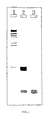
- Fig. 1 shows the electrophoretic pattern of molecular weight markers
- lane 2 shows the electrophoretic pattern of the sample containing the template nucleic acid, which was subjected to the PCR
- lane 3 shows the electrophoretic pattern of the negative control containing no template nucleic acid. From this electrophoretic pattern, it was also confirmed that amplification of the ⁇ DNA occurred in the positive experiment.
- Mycobacterium smegmatis was cultured in Dubos'es medium for 5 days, the bacterial cells were collected by centrifugation. An aliquote thereof weighing 100 mg was used as the standard bacterial cells.
- the standard bacterial cells were suspended in 0.5 ml of a buffer having the composition described below, and then 0.1 ml of 20% dodecyl sodium sulfate was added thereto. To the resulting mixture, an equivolume of phenol/chloroform mixture (1:1 (v/v)) was added and the resultant was vigorously stirred, followed by leaving the resulting mixture to stand at 60°C for 10 minutes. The resulting mixture was centrifuged and the aqueous phase was recovered.
- the above-mentioned buffer had the following composition: COMPOSITION OF BUFFER Sodium Chloride 100 mM Tris-HCl Buffer 10 mM EDTA 1 mM pH 7.5
- the chromosomal 16S rRNA gene of the standard DNA was amplified by the PCR process as in Example 1.
- the starting reaction mixture had the following composition: Standard ⁇ DNA 10 ⁇ l 10 X Reaction Buffer 10 ⁇ l Hoechst 33258 Pigment (10 ⁇ g/ml) 10 ⁇ l Primer 1 5 ⁇ l Primer 2 5 ⁇ l dNTP mixture (each 2.5 mM) 8 ⁇ l Water 60.5 ⁇ l Tag Polymerase (5 units/ ⁇ l) 0.5 ⁇ l
- the primers had the following base sequences:
- the fluorescence intensity was measured before and after the PCR without opening the seal of the vessel in the same manner as in Example 1.
- the fluorescence intensity before the PCR was 530 while that after the PCR was 902, so that the latter was about 1.7 times the former.
- the existence of the target nucleic acid was confirmed through the amplification thereof.
- Example 2 Six hundred microliters of a starting reaction mixture having the same composition as that employed in Example 1 except that the concentration of the ⁇ DNA serving as a template was 1/10 that in Example 1, was prepared. The mixture was then equally divided into 12 portions (50 ⁇ l each), and each portion was placed in a microtube. The PCR was carried out under temperature conditions of 94°C for 30 seconds (denaturation), 45°C for 20 seconds (annealing) and 72°C for 1 minute (extension of DNA by Tag DNA polymerase). The cycle was repeated 25 times.
- a tube was removed from the thermal cycler at 0, 9, 12, 14, 16, 18, 19, 20, 21, 22, 23 or 25 cycles, and was set to a holder of a fluorescence detector, which was kept at 72°C, followed by the measurement of fluorescence intensity (excitation light: 350 nm; emission light: 450 nm).
- Fig. 2 graphically shows the results, wherein the number of the cycles are taken along the abscissa and the measured relative fluorescence intensities are taken along the ordinate. These results indicate that the fluorescence intensity can be monitored during the PCR process under sealed condition.
- Fig. 2 also indicates that the relative fluorescence intensity is sharply increased at a certain time point.
- reaction mixtures each of which had a volume of 300 ⁇ l containing varying amounts of the template ⁇ DNA were prepared.
- the concentrations of the template DNA in each was 100 ng/ml, 10 ng/ml or 1 ng/ml.
- the concentrations of the primers were 1/5 that in Example 1.
- the composition of each mixture was the same as in Example 1 except for the above-mentioned concentrations of the template DNA and the primers.
- Each of the reaction mixtures were equally divided into 12 portions (25 ⁇ l) and each portion was placed in a tube.
- the PCR was carried out under temperature conditions of 94°C for 1 minute (denaturation), 37°C for 1 minute (annealing) and 72°C for 1 minute (extension of DNA by Tag DNA polymerase).
- Fig. 3 clearly shows that the higher the initial concentration of the template DNA, the earlier the sharp increase in the relative fluorescence intensity occurs. Thus, it was confirmed that the initial concentration of the target nucleic acid can be determined by monitoring the fluorescence intensity during the PCR process.
Landscapes
- Chemical & Material Sciences (AREA)
- Organic Chemistry (AREA)
- Life Sciences & Earth Sciences (AREA)
- Zoology (AREA)
- Wood Science & Technology (AREA)
- Proteomics, Peptides & Aminoacids (AREA)
- Health & Medical Sciences (AREA)
- Engineering & Computer Science (AREA)
- Chemical Kinetics & Catalysis (AREA)
- Biophysics (AREA)
- Immunology (AREA)
- Microbiology (AREA)
- Molecular Biology (AREA)
- Biotechnology (AREA)
- Analytical Chemistry (AREA)
- Physics & Mathematics (AREA)
- Biochemistry (AREA)
- Bioinformatics & Cheminformatics (AREA)
- General Engineering & Computer Science (AREA)
- General Health & Medical Sciences (AREA)
- Genetics & Genomics (AREA)
- Measuring Or Testing Involving Enzymes Or Micro-Organisms (AREA)
Claims (5)
- Verfahren zum Nachweis einer Zielnucleinsäure in einer Probe, umfassend:Amplifikation eines Bereiches der Zielnucleinsäure; Inkontaktbringen oder Behandlung des amplifizierten Bereiches mit einem Fluoreszenzfarbstoff, dessen Fluoreszenzeigenschaft sich durch die Reaktion mit der Nucleinsäure ändert; undNachweis oder Messen der Änderung in der Fluoreszenz des Markers, dadurch gekennzeichnet, daß der Fluoreszenzfarbstoff zu der Originalprobe zugesetzt wird und sich in einem Reaktionsgefäß befindet und die Amplifikation und der Nachweis oder das Messen der Fluoreszenz in dem Reaktionsgefäß in Gegenwart des Fluoreszenzfarbstoffs durchgeführt wird, und daß die Amplifikation mit Hilfe der Polymerasekettenreaktion durchgeführt wird.
- Kit zum Nachweis oder der Quantifizierung einer Zielnucleinsäure in einer Probe, umfassend:(A) einen Fluoreszenzfarbstoff, dessen Fluoreszenz sich durch die Reaktion mit einer doppelsträngigen Nucleinsäure ändert; und(B) Reagenzien für die Amplifikation der Zielnucleinsäure durch die Polymerasekettenreaktion (PCR),wobei der Fluoreszenzfarbstoff und die Reagenzien in einem einzigen Gefäß enthalten sind.
- Kit nach Anspruch 2, wobei der Fluoreszenzfarbstoff ein Farbstoff ist, dessen Fluoreszenz sich durch Einlagerung in die doppelsträngige Nucleinsäure ändert.
- Kit nach Anspruch 2 oder 3, wobei der Fluoreszenzfarbstoff wasserlöslich und bei den Temperaturen, bei denen die PCR durchgeführt wird, hitzestabil ist.
- Kit nach einem der Ansprüche 2 bis 4, wobei das Gefäß mit einem Mittel zum Verschließen bereitgestellt ist.
Applications Claiming Priority (2)
| Application Number | Priority Date | Filing Date | Title |
|---|---|---|---|
| JP29430590 | 1990-10-31 | ||
| JP294305/90 | 1990-10-31 |
Publications (2)
| Publication Number | Publication Date |
|---|---|
| EP0487218A1 EP0487218A1 (de) | 1992-05-27 |
| EP0487218B1 true EP0487218B1 (de) | 1997-12-29 |
Family
ID=17805976
Family Applications (1)
| Application Number | Title | Priority Date | Filing Date |
|---|---|---|---|
| EP91310062A Expired - Lifetime EP0487218B1 (de) | 1990-10-31 | 1991-10-31 | Verfahren zum Nachweis oder Quantifizierung von Zielnukleinsäuren |
Country Status (3)
| Country | Link |
|---|---|
| EP (1) | EP0487218B1 (de) |
| JP (1) | JP2985446B2 (de) |
| DE (1) | DE69128520T2 (de) |
Cited By (1)
| Publication number | Priority date | Publication date | Assignee | Title |
|---|---|---|---|---|
| US10294529B2 (en) | 2012-04-10 | 2019-05-21 | Life Sciences Research Partners Vzw | Microsatellite instability markers in detection of cancer |
Families Citing this family (66)
| Publication number | Priority date | Publication date | Assignee | Title |
|---|---|---|---|---|
| US5994056A (en) * | 1991-05-02 | 1999-11-30 | Roche Molecular Systems, Inc. | Homogeneous methods for nucleic acid amplification and detection |
| US5849544A (en) * | 1992-07-24 | 1998-12-15 | University Of Australia | Amplification and detection process |
| FR2694768B1 (fr) | 1992-07-30 | 1994-12-23 | Pasteur Institut | Séquences d'oligonucléotides pour la détection spécifique de mollicutes par amplication de gènes conservés. |
| DE69333991T2 (de) * | 1992-11-27 | 2006-12-14 | Canon K.K. | Verfahren und Sonde zum Nachweis von Nukleinsäuren |
| JP3247001B2 (ja) * | 1992-12-21 | 2002-01-15 | キヤノン株式会社 | ピリリウム化合物を用いた2本鎖核酸の検出方法、ピリリウム化合物を含有するプローブ及びそれを用いた標的核酸の検出方法、新規ピリリウム化合物 |
| JP3451667B2 (ja) * | 1993-08-24 | 2003-09-29 | 東ソー株式会社 | 核酸抽出及び特定核酸配列の検出方法 |
| ATE207966T1 (de) * | 1993-09-13 | 2001-11-15 | Canon Kk | Bestimmung von nukleinsäuren durch pcr, messung der anzahl von mikrobiellen zellen, genen oder genkopien durch pcr und kit zu ihrer verwendung |
| US6043032A (en) * | 1993-09-22 | 2000-03-28 | Tosoh Corporation | Method of extracting nucleic acids and method of detecting specified nucleic acid sequences |
| GB2282138B (en) * | 1993-09-28 | 1997-09-03 | Tosoh Corp | Method of extracting nucleic acids and method of detecting specified nucleic acid sequences |
| JPH07233065A (ja) | 1993-12-27 | 1995-09-05 | Canon Inc | ピリリウム塩又はピリリウム類似塩を含む光化学治療薬 |
| DE69533660T2 (de) * | 1994-04-29 | 2005-11-10 | Johnson & Johnson Clinical Diagnostics, Inc. | Homogenes Verfahren zum Nachweis von Doppelstrang-Nukleinsäuren mittels fluoreszierender Farbstoffe und dafür nützliche Kits |
| EP0684239B1 (de) * | 1994-05-26 | 2003-12-10 | Canon Kabushiki Kaisha | Verfahren zum Nachweis von einer Zielsubstanz in einer Probe mit Hilfe von Pyryliumverbindung |
| US5491063A (en) * | 1994-09-01 | 1996-02-13 | Hoffmann-La Roche Inc. | Methods for in-solution quenching of fluorescently labeled oligonucleotide probes |
| US5622822A (en) | 1994-09-13 | 1997-04-22 | Johnson & Johnson Clinical Diagnostics, Inc. | Methods for capture and selective release of nucleic acids using polyethyleneimine and an anionic phosphate ester surfactant and amplification of same |
| US5705366A (en) | 1994-09-15 | 1998-01-06 | Johnson & Johnson Clinical Diagnostics, Inc. | Coamplification of target nucleic acids using volume exclusion agent in reaction composition, test kit and test device useful therefor |
| US5582988A (en) | 1994-09-15 | 1996-12-10 | Johnson & Johnson Clinical Diagnostics, Inc. | Methods for capture and selective release of nucleic acids using weakly basic polymer and amplification of same |
| JP3189000B2 (ja) * | 1994-12-01 | 2001-07-16 | 東ソー株式会社 | 特定核酸配列の検出方法 |
| CA2168712A1 (en) * | 1995-02-07 | 1996-08-08 | John William Henderson Sutherland | Use of exonuclease and/or glycosylase as supplements to anti-polymerase antibody to increase specificity in polymerase chain reaction |
| WO1997007235A2 (en) * | 1995-08-14 | 1997-02-27 | Abbott Laboratories | All-in-one nucleic acid amplification assay |
| US5837442A (en) | 1995-11-29 | 1998-11-17 | Roche Molecular Systems, Inc. | Oligonucleotide primers for amplifying HCV nucleic acid |
| US5763184A (en) | 1996-01-30 | 1998-06-09 | Roche Molecular Systems, Inc. | Nucleotide sequence variation in the ABO glycosyltransferase gene |
| EP1033411B1 (de) * | 1996-06-04 | 2006-02-22 | University of Utah Research Foundation | Fluoreszenz-Donor-Akzeptor Paar |
| DE69718268D1 (de) | 1996-10-03 | 2003-02-13 | Canon Kk | Verfahren zur Detektion von Zielnukleinsäure, Verfahren zu ihrer Quantifizierung und Pyrylium-Verbindungen zur Chemilumineszenz-Analyse |
| JP3968810B2 (ja) * | 1997-01-24 | 2007-08-29 | 東ソー株式会社 | 核酸配列分析方法 |
| AU6534898A (en) * | 1997-02-14 | 1998-09-08 | E.I. Du Pont De Nemours And Company | Detection of double-stranded dna in a homogeneous solution |
| US6143496A (en) | 1997-04-17 | 2000-11-07 | Cytonix Corporation | Method of sampling, amplifying and quantifying segment of nucleic acid, polymerase chain reaction assembly having nanoliter-sized sample chambers, and method of filling assembly |
| EP0882801A1 (de) * | 1997-06-03 | 1998-12-09 | Institut Pasteur De Lille | Verfahren für die Selektion von cDNA Fragmente |
| US6403313B1 (en) | 1999-12-21 | 2002-06-11 | Ingeneus Corporation | Fluorescent intensity assay for duplex and triplex nucleic acid hybridization solution utilizing fluorescent intercalators |
| DK1206571T3 (da) | 1999-05-04 | 2004-12-06 | Ortho Clinical Diagnostics Inc | Hurtig og effektiv indfangning af DNA fra pröve uden anvendelse af cellelyseringsreagens |
| WO2000075371A1 (en) * | 1999-06-04 | 2000-12-14 | Tosoh Corporation | Potentiated nucleic acid amplification method |
| US6265170B1 (en) | 2000-01-24 | 2001-07-24 | Ingeneus Corporation | Homogenous assay of duplex of triplex hybridization by means of multiple measurements under varied conditions |
| US7262006B1 (en) | 2000-05-01 | 2007-08-28 | Ortho-Clinical Diagnostics, Inc. | Rapid and efficient capture of DNA from sample without using cell lysing reagent |
| US7267945B2 (en) | 2001-03-26 | 2007-09-11 | Applera Corporation | Methods of determining the presence of polynucleotides employing amplification |
| JPWO2003100095A1 (ja) * | 2002-05-08 | 2005-09-22 | アークレイ株式会社 | 標的核酸の検出法 |
| HUE033832T2 (en) | 2002-11-15 | 2018-01-29 | Idenix Pharmaceuticals Llc | 2'-methyl nucleosides in combination with interferon and Flaviviridae mutation |
| JP2008180677A (ja) * | 2007-01-26 | 2008-08-07 | Konica Minolta Medical & Graphic Inc | マイクロチップ検査システム、マイクロチップ検査装置及びプログラム |
| CA2694832A1 (en) | 2007-08-06 | 2009-02-12 | Orion Genomics Llc | Novel single nucleotide polymorphisms and combinations of novel and known polymorphisms for determining the allele-specific expression of the igf2 gene |
| JP2010537637A (ja) | 2007-08-27 | 2010-12-09 | アプライド バイオシステムズ インコーポレイテッド | Pcrのための方法および組成物 |
| CA2639416C (en) | 2007-09-11 | 2019-12-31 | F. Hoffmann-La Roche Ag | Diagnostic test for susceptibility to b-raf kinase inhibitors |
| US8658099B2 (en) | 2007-12-06 | 2014-02-25 | Agency For Science, Technology And Research | Integrated apparatus for conducting and monitoring chemical reactions |
| US8343443B2 (en) | 2008-03-31 | 2013-01-01 | Agency For Science, Technology And Research | Fluid processing and transfer using inter-connected multi-chamber device |
| WO2010093820A2 (en) | 2009-02-11 | 2010-08-19 | Orion Genomics Llc | Combinations of polymorphisms for determining allele-specific expression of igf2 |
| WO2010106997A1 (ja) | 2009-03-19 | 2010-09-23 | 株式会社カネカ | 核酸の検出方法及びキット、デバイス |
| EP2789693B1 (de) | 2009-08-13 | 2017-10-04 | Life Technologies Corporation | Amelogenin-SNP auf X-Chromosomen |
| EP2488668B1 (de) | 2009-10-15 | 2023-07-26 | Life Technologies Corporation | Neue menschliche einzelnukleotid-polymorphismen |
| WO2011128096A1 (en) | 2010-04-16 | 2011-10-20 | Roche Diagnostics Gmbh | Polymorphism markers for predicting response to interleukin-6 receptor-inhibiting monoclonal antibody drug treatment |
| CA2801468C (en) | 2010-06-04 | 2018-09-04 | Chronix Biomedical | Prostate cancer associated circulating nucleic acid biomarkers |
| WO2012040403A1 (en) | 2010-09-21 | 2012-03-29 | Life Technologies Corporation | Se33 mutations impacting genotype concordance |
| WO2012039422A1 (ja) | 2010-09-22 | 2012-03-29 | 株式会社カネカ | 核酸の検出方法及びデバイス、キット |
| SG193315A1 (en) | 2011-03-04 | 2013-10-30 | Kaneka Corp | Nucleic acid detection method, and device and kit for use in same |
| MX2014002311A (es) | 2011-08-31 | 2014-08-26 | Hoffmann La Roche | Capacidad de respuesta a inhibidores de angiogenesis. |
| MX2014002307A (es) | 2011-08-31 | 2014-08-26 | Hoffmann La Roche | Metodo para predecir el riesgo de hipertension asociado a la terapia antiangiogenesis. |
| AU2012312515A1 (en) | 2011-09-19 | 2014-03-13 | Genentech, Inc. | Combination treatments comprising c-met antagonists and B-raf antagonists |
| CA2852098C (en) | 2011-10-21 | 2023-05-02 | Chronix Biomedical | Colorectal cancer associated circulating nucleic acid biomarkers |
| CN104066852A (zh) | 2011-11-23 | 2014-09-24 | 霍夫曼-拉罗奇有限公司 | 对血管发生抑制剂的响应性 |
| US10633707B2 (en) | 2012-04-10 | 2020-04-28 | Vib Vzw | Markers for detecting microsatellite instability in cancer and determining synthetic lethality with inhibition of the DNA base excision repair pathway |
| US10077474B2 (en) | 2012-05-29 | 2018-09-18 | Abbott Molecular, Inc. | Method of designing primers, method of detecting single nucleotide polymorphisms (SNPs), method of distinguishing SNPs, and related primers, detectable oligonucleotides, and kits |
| CN105026580A (zh) | 2013-03-15 | 2015-11-04 | 雅培分子公司 | 重亚硫酸盐转化的核苷酸序列的检测 |
| US20140272956A1 (en) | 2013-03-15 | 2014-09-18 | Abbott Molecular Inc. | Method for amplification and assay of rna fusion gene variants, method of distinguishing same and related primers, probes, and kits |
| SG11201607772WA (en) | 2014-03-31 | 2016-10-28 | Debiopharm Int Sa | Fgfr fusions |
| CN107109494B (zh) | 2014-11-10 | 2023-10-27 | 豪夫迈·罗氏有限公司 | Il-33介导型疾病的治疗方法和诊断方法 |
| EP3957398A1 (de) * | 2015-09-29 | 2022-02-23 | Life Technologies Corporation | Systeme und verfahren zur ausführung von digitaler pcr |
| US10844441B2 (en) | 2016-05-16 | 2020-11-24 | Life Technologies Corporation | Penta e polymorphisms for human identification |
| CN111712584B (zh) * | 2018-01-05 | 2025-02-07 | F·霍夫曼-罗氏股份公司 | 由小沟结合部分增强核酸聚合 |
| AU2019218128A1 (en) | 2018-02-09 | 2020-09-17 | Genentech, Inc. | Therapeutic and diagnostic methods for mast cell-mediated inflammatory diseases |
| JP2023516497A (ja) | 2020-03-13 | 2023-04-19 | メドイミューン・リミテッド | Il33にリスクアレルを有する対象を治療するための治療方法 |
Family Cites Families (4)
| Publication number | Priority date | Publication date | Assignee | Title |
|---|---|---|---|---|
| US4257774A (en) * | 1979-07-16 | 1981-03-24 | Meloy Laboratories, Inc. | Intercalation inhibition assay for compounds that interact with DNA or RNA |
| ES8706823A1 (es) * | 1985-03-28 | 1987-06-16 | Cetus Corp | Un procedimiento para detectar la presencia o ausencia de al menos una secuencia especifica de acidos nucleicos en una muestra |
| BE1000572A4 (fr) * | 1987-05-20 | 1989-02-07 | Block Myron J | Cellule rta, appareil et procede pour titrer un polynucleotide dans un liquide. |
| WO1990015881A1 (fr) * | 1989-06-12 | 1990-12-27 | Cis Bio International | Procede de detection de sequences specifiques d'acides nucleiques et ses applications |
-
1991
- 1991-10-31 EP EP91310062A patent/EP0487218B1/de not_active Expired - Lifetime
- 1991-10-31 DE DE1991628520 patent/DE69128520T2/de not_active Expired - Lifetime
- 1991-10-31 JP JP3313616A patent/JP2985446B2/ja not_active Expired - Lifetime
Non-Patent Citations (3)
| Title |
|---|
| DNA replication, Kornberg & Baker 1992, pages 451-456 * |
| DNA replication, Kornberg 1980, pages 427-434 * |
| J.Mol.Biol, 1974, vol.89, pages 719-736 * |
Cited By (1)
| Publication number | Priority date | Publication date | Assignee | Title |
|---|---|---|---|---|
| US10294529B2 (en) | 2012-04-10 | 2019-05-21 | Life Sciences Research Partners Vzw | Microsatellite instability markers in detection of cancer |
Also Published As
| Publication number | Publication date |
|---|---|
| EP0487218A1 (de) | 1992-05-27 |
| DE69128520D1 (de) | 1998-02-05 |
| JP2985446B2 (ja) | 1999-11-29 |
| DE69128520T2 (de) | 1998-07-09 |
| JPH05237000A (ja) | 1993-09-17 |
Similar Documents
| Publication | Publication Date | Title |
|---|---|---|
| EP0487218B1 (de) | Verfahren zum Nachweis oder Quantifizierung von Zielnukleinsäuren | |
| US20220251618A1 (en) | Amplicon rescue multiplex polymerase chain reaction for amplification of multiple targets | |
| US6251660B1 (en) | Devices and methods for detecting target molecules in biological samples | |
| EP0684316B1 (de) | Homogenes Verfahren zum Nachweis von Doppelstrang-Nukleinsäuren mittels fluoreszierender Farbstoffe und dafür nützliche Kits | |
| US6060288A (en) | Method for performing amplification of nucleic acid on supports | |
| US5871908A (en) | Process for the determination of in vitro amplified nucleic acids | |
| JP3785517B2 (ja) | 核酸融解温度測定法 | |
| EP2130929B1 (de) | Intern gesteuerte Multiplex-Erkennung und Quantifizierung von mikrobiellen Nukleinsäuren | |
| JP2802125B2 (ja) | 核酸の検出方法 | |
| NZ223700A (en) | Method of assaying nucleic acids | |
| US5545528A (en) | Rapid screening method of gene amplification products in polypropylene plates | |
| Spears et al. | Simultaneous Strand Displacement Amplification and Fluorescence Polarization Detection ofChlamydia trachomatisDNA | |
| EP0330185B1 (de) | Methode zur Bestimmung genetischer Sequenzen und Testsatz hierfür | |
| JPH09238687A (ja) | 核酸合成法 | |
| EP0838527B1 (de) | Verfahren zur Messung der Polynukleotidkonzentration | |
| KR102334343B1 (ko) | 결핵균 및 비결핵항산균을 동시에 감별하여 검출할 수 있는 고감도 다중 등온증폭반응용 프라이머 세트 | |
| EP0751226A2 (de) | Verfahren für die Amplifizierung von Nukleinsäure-Sequenzen | |
| Guiver et al. | PCR diagnosis | |
| US20080032306A1 (en) | Methods and kits for detection of nucleic acid amplification products | |
| CN110621783B (zh) | 多重核酸扩增测定 | |
| EP0421469B1 (de) | Verfahren zur Trennung eines Zieloligonucleotids | |
| Pylaev et al. | Development and validation of an instrument-free system for dna target detection based on the ultra-monodisperse gold nanospheres | |
| JP4227139B2 (ja) | 生体試料の分析方法、反応液、及び分析装置 | |
| JPH03147796A (ja) | 核酸の検出法 | |
| JPH04187100A (ja) | 核酸の検出方法 |
Legal Events
| Date | Code | Title | Description |
|---|---|---|---|
| PUAI | Public reference made under article 153(3) epc to a published international application that has entered the european phase |
Free format text: ORIGINAL CODE: 0009012 |
|
| AK | Designated contracting states |
Kind code of ref document: A1 Designated state(s): DE FR GB IT |
|
| 17P | Request for examination filed |
Effective date: 19921127 |
|
| 17Q | First examination report despatched |
Effective date: 19940816 |
|
| GRAG | Despatch of communication of intention to grant |
Free format text: ORIGINAL CODE: EPIDOS AGRA |
|
| GRAH | Despatch of communication of intention to grant a patent |
Free format text: ORIGINAL CODE: EPIDOS IGRA |
|
| GRAH | Despatch of communication of intention to grant a patent |
Free format text: ORIGINAL CODE: EPIDOS IGRA |
|
| GRAA | (expected) grant |
Free format text: ORIGINAL CODE: 0009210 |
|
| ITF | It: translation for a ep patent filed | ||
| AK | Designated contracting states |
Kind code of ref document: B1 Designated state(s): DE FR GB IT |
|
| REF | Corresponds to: |
Ref document number: 69128520 Country of ref document: DE Date of ref document: 19980205 |
|
| ET | Fr: translation filed | ||
| PLBE | No opposition filed within time limit |
Free format text: ORIGINAL CODE: 0009261 |
|
| STAA | Information on the status of an ep patent application or granted ep patent |
Free format text: STATUS: NO OPPOSITION FILED WITHIN TIME LIMIT |
|
| 26N | No opposition filed | ||
| REG | Reference to a national code |
Ref country code: GB Ref legal event code: IF02 |
|
| PGFP | Annual fee paid to national office [announced via postgrant information from national office to epo] |
Ref country code: FR Payment date: 20101020 Year of fee payment: 20 |
|
| PGFP | Annual fee paid to national office [announced via postgrant information from national office to epo] |
Ref country code: DE Payment date: 20101027 Year of fee payment: 20 |
|
| PGFP | Annual fee paid to national office [announced via postgrant information from national office to epo] |
Ref country code: IT Payment date: 20101022 Year of fee payment: 20 Ref country code: GB Payment date: 20101027 Year of fee payment: 20 |
|
| REG | Reference to a national code |
Ref country code: DE Ref legal event code: R071 Ref document number: 69128520 Country of ref document: DE |
|
| REG | Reference to a national code |
Ref country code: DE Ref legal event code: R071 Ref document number: 69128520 Country of ref document: DE |
|
| REG | Reference to a national code |
Ref country code: GB Ref legal event code: PE20 Expiry date: 20111030 |
|
| PG25 | Lapsed in a contracting state [announced via postgrant information from national office to epo] |
Ref country code: GB Free format text: LAPSE BECAUSE OF EXPIRATION OF PROTECTION Effective date: 20111030 |
|
| PG25 | Lapsed in a contracting state [announced via postgrant information from national office to epo] |
Ref country code: DE Free format text: LAPSE BECAUSE OF EXPIRATION OF PROTECTION Effective date: 20111101 |