EP0236986B1 - Verfahren zur Behandlung eines photographischen lichtempfindlichen Silberhalogenidmaterials, das eine gute Farb- und Weisswiedergabe besitzt - Google Patents
Verfahren zur Behandlung eines photographischen lichtempfindlichen Silberhalogenidmaterials, das eine gute Farb- und Weisswiedergabe besitzt Download PDFInfo
- Publication number
- EP0236986B1 EP0236986B1 EP19870103258 EP87103258A EP0236986B1 EP 0236986 B1 EP0236986 B1 EP 0236986B1 EP 19870103258 EP19870103258 EP 19870103258 EP 87103258 A EP87103258 A EP 87103258A EP 0236986 B1 EP0236986 B1 EP 0236986B1
- Authority
- EP
- European Patent Office
- Prior art keywords
- group
- silver halide
- light
- photographic material
- sensitive silver
- Prior art date
- Legal status (The legal status is an assumption and is not a legal conclusion. Google has not performed a legal analysis and makes no representation as to the accuracy of the status listed.)
- Expired - Lifetime
Links
- -1 silver halide Chemical class 0.000 title claims description 272
- 229910052709 silver Inorganic materials 0.000 title claims description 89
- 239000004332 silver Substances 0.000 title claims description 89
- 239000000463 material Substances 0.000 title claims description 77
- 238000003672 processing method Methods 0.000 title claims description 12
- 125000001424 substituent group Chemical group 0.000 claims description 98
- 238000012545 processing Methods 0.000 claims description 44
- 150000001875 compounds Chemical class 0.000 claims description 37
- 239000003795 chemical substances by application Substances 0.000 claims description 35
- 239000000839 emulsion Substances 0.000 claims description 33
- 238000000034 method Methods 0.000 claims description 30
- 125000000623 heterocyclic group Chemical group 0.000 claims description 25
- 238000011161 development Methods 0.000 claims description 24
- 125000004435 hydrogen atom Chemical group [H]* 0.000 claims description 24
- 108010010803 Gelatin Proteins 0.000 claims description 21
- 229920000159 gelatin Polymers 0.000 claims description 21
- 239000008273 gelatin Substances 0.000 claims description 21
- 235000019322 gelatine Nutrition 0.000 claims description 21
- 235000011852 gelatine desserts Nutrition 0.000 claims description 21
- 125000004429 atom Chemical group 0.000 claims description 16
- 230000008961 swelling Effects 0.000 claims description 13
- XLYOFNOQVPJJNP-UHFFFAOYSA-N water Substances O XLYOFNOQVPJJNP-UHFFFAOYSA-N 0.000 claims description 10
- 239000000470 constituent Substances 0.000 claims description 8
- 238000006243 chemical reaction Methods 0.000 claims description 7
- QJGQUHMNIGDVPM-UHFFFAOYSA-N nitrogen group Chemical group [N] QJGQUHMNIGDVPM-UHFFFAOYSA-N 0.000 claims description 4
- 238000005406 washing Methods 0.000 claims description 2
- 239000010410 layer Substances 0.000 description 87
- 125000000217 alkyl group Chemical group 0.000 description 74
- 125000003118 aryl group Chemical group 0.000 description 48
- 125000001997 phenyl group Chemical group [H]C1=C([H])C([H])=C(*)C([H])=C1[H] 0.000 description 32
- 125000003545 alkoxy group Chemical group 0.000 description 27
- 125000004432 carbon atom Chemical group C* 0.000 description 21
- 125000005843 halogen group Chemical group 0.000 description 21
- 125000003917 carbamoyl group Chemical group [H]N([H])C(*)=O 0.000 description 16
- 125000000753 cycloalkyl group Chemical group 0.000 description 16
- 238000010521 absorption reaction Methods 0.000 description 15
- 125000004442 acylamino group Chemical group 0.000 description 15
- 125000004104 aryloxy group Chemical group 0.000 description 15
- 125000004453 alkoxycarbonyl group Chemical group 0.000 description 14
- 239000000975 dye Substances 0.000 description 14
- 125000001495 ethyl group Chemical group [H]C([H])([H])C([H])([H])* 0.000 description 13
- 239000000126 substance Substances 0.000 description 13
- 125000005161 aryl oxy carbonyl group Chemical group 0.000 description 12
- 229910052801 chlorine Inorganic materials 0.000 description 12
- 125000002496 methyl group Chemical group [H]C([H])([H])* 0.000 description 12
- 125000000472 sulfonyl group Chemical group *S(*)(=O)=O 0.000 description 12
- 125000004397 aminosulfonyl group Chemical group NS(=O)(=O)* 0.000 description 11
- 238000005282 brightening Methods 0.000 description 11
- 125000000484 butyl group Chemical group [H]C([*])([H])C([H])([H])C([H])([H])C([H])([H])[H] 0.000 description 11
- 125000004093 cyano group Chemical group *C#N 0.000 description 11
- 125000002252 acyl group Chemical group 0.000 description 10
- 125000005110 aryl thio group Chemical group 0.000 description 10
- 125000003178 carboxy group Chemical group [H]OC(*)=O 0.000 description 10
- 230000003595 spectral effect Effects 0.000 description 10
- 125000000565 sulfonamide group Chemical group 0.000 description 10
- WKBOTKDWSSQWDR-UHFFFAOYSA-N Bromine atom Chemical group [Br] WKBOTKDWSSQWDR-UHFFFAOYSA-N 0.000 description 9
- 125000004414 alkyl thio group Chemical group 0.000 description 9
- 238000009835 boiling Methods 0.000 description 9
- 239000000084 colloidal system Substances 0.000 description 9
- 239000006185 dispersion Substances 0.000 description 9
- 229910052731 fluorine Inorganic materials 0.000 description 9
- 125000002887 hydroxy group Chemical group [H]O* 0.000 description 9
- 239000003960 organic solvent Substances 0.000 description 9
- 125000001436 propyl group Chemical group [H]C([*])([H])C([H])([H])C([H])([H])[H] 0.000 description 9
- 230000005070 ripening Effects 0.000 description 9
- ZAMOUSCENKQFHK-UHFFFAOYSA-N Chlorine atom Chemical compound [Cl] ZAMOUSCENKQFHK-UHFFFAOYSA-N 0.000 description 8
- PXGOKWXKJXAPGV-UHFFFAOYSA-N Fluorine Chemical compound FF PXGOKWXKJXAPGV-UHFFFAOYSA-N 0.000 description 8
- GWEVSGVZZGPLCZ-UHFFFAOYSA-N Titan oxide Chemical compound O=[Ti]=O GWEVSGVZZGPLCZ-UHFFFAOYSA-N 0.000 description 8
- 125000004422 alkyl sulphonamide group Chemical group 0.000 description 8
- 239000000460 chlorine Substances 0.000 description 8
- 239000011248 coating agent Substances 0.000 description 8
- 238000000576 coating method Methods 0.000 description 8
- 239000003086 colorant Substances 0.000 description 8
- 239000011737 fluorine Substances 0.000 description 8
- 125000000956 methoxy group Chemical group [H]C([H])([H])O* 0.000 description 8
- 229920005672 polyolefin resin Polymers 0.000 description 8
- 230000009102 absorption Effects 0.000 description 7
- 125000004423 acyloxy group Chemical group 0.000 description 7
- 125000003277 amino group Chemical group 0.000 description 7
- 125000004421 aryl sulphonamide group Chemical group 0.000 description 7
- GDTBXPJZTBHREO-UHFFFAOYSA-N bromine Substances BrBr GDTBXPJZTBHREO-UHFFFAOYSA-N 0.000 description 7
- 229910052794 bromium Inorganic materials 0.000 description 7
- 125000000392 cycloalkenyl group Chemical group 0.000 description 7
- 125000003438 dodecyl group Chemical group [H]C([H])([H])C([H])([H])C([H])([H])C([H])([H])C([H])([H])C([H])([H])C([H])([H])C([H])([H])C([H])([H])C([H])([H])C([H])([H])C([H])([H])* 0.000 description 7
- 125000001301 ethoxy group Chemical group [H]C([H])([H])C([H])([H])O* 0.000 description 7
- 150000002430 hydrocarbons Chemical class 0.000 description 7
- 125000000449 nitro group Chemical group [O-][N+](*)=O 0.000 description 7
- 125000000475 sulfinyl group Chemical group [*:2]S([*:1])=O 0.000 description 7
- KHBQMWCZKVMBLN-UHFFFAOYSA-N Benzenesulfonamide Chemical group NS(=O)(=O)C1=CC=CC=C1 KHBQMWCZKVMBLN-UHFFFAOYSA-N 0.000 description 6
- 239000004698 Polyethylene Substances 0.000 description 6
- 125000003342 alkenyl group Chemical group 0.000 description 6
- 125000004448 alkyl carbonyl group Chemical group 0.000 description 6
- 125000005153 alkyl sulfamoyl group Chemical group 0.000 description 6
- 125000002947 alkylene group Chemical group 0.000 description 6
- 125000005129 aryl carbonyl group Chemical group 0.000 description 6
- 125000001951 carbamoylamino group Chemical group C(N)(=O)N* 0.000 description 6
- 230000000694 effects Effects 0.000 description 6
- 230000006872 improvement Effects 0.000 description 6
- 125000002347 octyl group Chemical group [H]C([*])([H])C([H])([H])C([H])([H])C([H])([H])C([H])([H])C([H])([H])C([H])([H])C([H])([H])[H] 0.000 description 6
- 229920000573 polyethylene Polymers 0.000 description 6
- 125000004466 alkoxycarbonylamino group Chemical group 0.000 description 5
- 125000004390 alkyl sulfonyl group Chemical group 0.000 description 5
- 125000000304 alkynyl group Chemical group 0.000 description 5
- 125000005162 aryl oxy carbonyl amino group Chemical group 0.000 description 5
- 125000004391 aryl sulfonyl group Chemical group 0.000 description 5
- 229910052799 carbon Inorganic materials 0.000 description 5
- 230000006866 deterioration Effects 0.000 description 5
- 125000005462 imide group Chemical group 0.000 description 5
- QWOKKHXWFDAJCZ-UHFFFAOYSA-N octane-1-sulfonamide Chemical group CCCCCCCCS(N)(=O)=O QWOKKHXWFDAJCZ-UHFFFAOYSA-N 0.000 description 5
- 125000000951 phenoxy group Chemical group [H]C1=C([H])C([H])=C(O*)C([H])=C1[H] 0.000 description 5
- 125000004469 siloxy group Chemical group [SiH3]O* 0.000 description 5
- 239000004094 surface-active agent Substances 0.000 description 5
- 125000002373 5 membered heterocyclic group Chemical group 0.000 description 4
- 125000004070 6 membered heterocyclic group Chemical group 0.000 description 4
- ISWSIDIOOBJBQZ-UHFFFAOYSA-N Phenol Chemical compound OC1=CC=CC=C1 ISWSIDIOOBJBQZ-UHFFFAOYSA-N 0.000 description 4
- 239000011230 binding agent Substances 0.000 description 4
- 125000001309 chloro group Chemical group Cl* 0.000 description 4
- 125000005842 heteroatom Chemical group 0.000 description 4
- HNMCSUXJLGGQFO-UHFFFAOYSA-N hexaaluminum;hexasodium;tetrathietane;hexasilicate Chemical compound [Na+].[Na+].[Na+].[Na+].[Na+].[Na+].[Al+3].[Al+3].[Al+3].[Al+3].[Al+3].[Al+3].S1SSS1.S1SSS1.[O-][Si]([O-])([O-])[O-].[O-][Si]([O-])([O-])[O-].[O-][Si]([O-])([O-])[O-].[O-][Si]([O-])([O-])[O-].[O-][Si]([O-])([O-])[O-].[O-][Si]([O-])([O-])[O-] HNMCSUXJLGGQFO-UHFFFAOYSA-N 0.000 description 4
- 230000002209 hydrophobic effect Effects 0.000 description 4
- 125000001449 isopropyl group Chemical group [H]C([H])([H])C([H])(*)C([H])([H])[H] 0.000 description 4
- HNQIVZYLYMDVSB-UHFFFAOYSA-N methanesulfonimidic acid Chemical group CS(N)(=O)=O HNQIVZYLYMDVSB-UHFFFAOYSA-N 0.000 description 4
- 125000001624 naphthyl group Chemical group 0.000 description 4
- 125000005499 phosphonyl group Chemical group 0.000 description 4
- 150000003839 salts Chemical class 0.000 description 4
- 230000035945 sensitivity Effects 0.000 description 4
- NVBFHJWHLNUMCV-UHFFFAOYSA-N sulfamide Chemical group NS(N)(=O)=O NVBFHJWHLNUMCV-UHFFFAOYSA-N 0.000 description 4
- 125000000020 sulfo group Chemical group O=S(=O)([*])O[H] 0.000 description 4
- 125000000999 tert-butyl group Chemical group [H]C([H])([H])C(*)(C([H])([H])[H])C([H])([H])[H] 0.000 description 4
- 238000011282 treatment Methods 0.000 description 4
- OKKJLVBELUTLKV-UHFFFAOYSA-N Methanol Chemical compound OC OKKJLVBELUTLKV-UHFFFAOYSA-N 0.000 description 3
- IRERQBUNZFJFGC-UHFFFAOYSA-L azure blue Chemical compound [Na+].[Na+].[Na+].[Na+].[Na+].[Na+].[Na+].[Na+].[Al+3].[Al+3].[Al+3].[Al+3].[Al+3].[Al+3].[S-]S[S-].[O-][Si]([O-])([O-])[O-].[O-][Si]([O-])([O-])[O-].[O-][Si]([O-])([O-])[O-].[O-][Si]([O-])([O-])[O-].[O-][Si]([O-])([O-])[O-].[O-][Si]([O-])([O-])[O-] IRERQBUNZFJFGC-UHFFFAOYSA-L 0.000 description 3
- 230000015572 biosynthetic process Effects 0.000 description 3
- 125000002915 carbonyl group Chemical group [*:2]C([*:1])=O 0.000 description 3
- 125000000113 cyclohexyl group Chemical group [H]C1([H])C([H])([H])C([H])([H])C([H])(*)C([H])([H])C1([H])[H] 0.000 description 3
- 238000004945 emulsification Methods 0.000 description 3
- 238000011156 evaluation Methods 0.000 description 3
- RAXXELZNTBOGNW-UHFFFAOYSA-N imidazole Natural products C1=CNC=N1 RAXXELZNTBOGNW-UHFFFAOYSA-N 0.000 description 3
- 239000000203 mixture Substances 0.000 description 3
- 229910052757 nitrogen Inorganic materials 0.000 description 3
- 125000004433 nitrogen atom Chemical group N* 0.000 description 3
- 125000004430 oxygen atom Chemical group O* 0.000 description 3
- 125000003356 phenylsulfanyl group Chemical group [*]SC1=C([H])C([H])=C([H])C([H])=C1[H] 0.000 description 3
- 239000002904 solvent Substances 0.000 description 3
- 150000003413 spiro compounds Chemical class 0.000 description 3
- 239000003381 stabilizer Substances 0.000 description 3
- 229910052717 sulfur Inorganic materials 0.000 description 3
- 125000004434 sulfur atom Chemical group 0.000 description 3
- 239000004408 titanium dioxide Substances 0.000 description 3
- 125000002941 2-furyl group Chemical group O1C([*])=C([H])C([H])=C1[H] 0.000 description 2
- UJOBWOGCFQCDNV-UHFFFAOYSA-N 9H-carbazole Chemical compound C1=CC=C2C3=CC=CC=C3NC2=C1 UJOBWOGCFQCDNV-UHFFFAOYSA-N 0.000 description 2
- QTBSBXVTEAMEQO-UHFFFAOYSA-N Acetic acid Chemical compound CC(O)=O QTBSBXVTEAMEQO-UHFFFAOYSA-N 0.000 description 2
- LFQSCWFLJHTTHZ-UHFFFAOYSA-N Ethanol Chemical compound CCO LFQSCWFLJHTTHZ-UHFFFAOYSA-N 0.000 description 2
- 229910019142 PO4 Inorganic materials 0.000 description 2
- QMHAHUAQAJVBIW-UHFFFAOYSA-N [methyl(sulfamoyl)amino]methane Chemical group CN(C)S(N)(=O)=O QMHAHUAQAJVBIW-UHFFFAOYSA-N 0.000 description 2
- 239000006096 absorbing agent Substances 0.000 description 2
- 125000002777 acetyl group Chemical group [H]C([H])([H])C(*)=O 0.000 description 2
- 125000003668 acetyloxy group Chemical group [H]C([H])([H])C(=O)O[*] 0.000 description 2
- 125000005194 alkoxycarbonyloxy group Chemical group 0.000 description 2
- 125000003282 alkyl amino group Chemical group 0.000 description 2
- 125000005196 alkyl carbonyloxy group Chemical group 0.000 description 2
- 125000002490 anilino group Chemical group [H]N(*)C1=C([H])C([H])=C([H])C([H])=C1[H] 0.000 description 2
- 239000002216 antistatic agent Substances 0.000 description 2
- 125000001769 aryl amino group Chemical group 0.000 description 2
- 125000005199 aryl carbonyloxy group Chemical group 0.000 description 2
- 125000003236 benzoyl group Chemical group [H]C1=C([H])C([H])=C(C([H])=C1[H])C(*)=O 0.000 description 2
- 125000001231 benzoyloxy group Chemical group C(C1=CC=CC=C1)(=O)O* 0.000 description 2
- 125000001584 benzyloxycarbonyl group Chemical group C(=O)(OCC1=CC=CC=C1)* 0.000 description 2
- 125000004744 butyloxycarbonyl group Chemical group 0.000 description 2
- 239000010941 cobalt Substances 0.000 description 2
- 229910017052 cobalt Inorganic materials 0.000 description 2
- GUTLYIVDDKVIGB-UHFFFAOYSA-N cobalt atom Chemical compound [Co] GUTLYIVDDKVIGB-UHFFFAOYSA-N 0.000 description 2
- ZYGHJZDHTFUPRJ-UHFFFAOYSA-N coumarin Chemical compound C1=CC=C2OC(=O)C=CC2=C1 ZYGHJZDHTFUPRJ-UHFFFAOYSA-N 0.000 description 2
- 238000009826 distribution Methods 0.000 description 2
- 150000002148 esters Chemical class 0.000 description 2
- 238000005562 fading Methods 0.000 description 2
- 125000001153 fluoro group Chemical group F* 0.000 description 2
- 238000010438 heat treatment Methods 0.000 description 2
- 125000002883 imidazolyl group Chemical group 0.000 description 2
- 230000001976 improved effect Effects 0.000 description 2
- UHOKSCJSTAHBSO-UHFFFAOYSA-N indanthrone blue Chemical compound C1=CC=C2C(=O)C3=CC=C4NC5=C6C(=O)C7=CC=CC=C7C(=O)C6=CC=C5NC4=C3C(=O)C2=C1 UHOKSCJSTAHBSO-UHFFFAOYSA-N 0.000 description 2
- 239000004816 latex Substances 0.000 description 2
- 229920000126 latex Polymers 0.000 description 2
- 125000002960 margaryl group Chemical group [H]C([*])([H])C([H])([H])C([H])([H])C([H])([H])C([H])([H])C([H])([H])C([H])([H])C([H])([H])C([H])([H])C([H])([H])C([H])([H])C([H])([H])C([H])([H])C([H])([H])C([H])([H])C([H])([H])C([H])([H])[H] 0.000 description 2
- 125000001160 methoxycarbonyl group Chemical group [H]C([H])([H])OC(*)=O 0.000 description 2
- 125000002958 pentadecyl group Chemical group [H]C([*])([H])C([H])([H])C([H])([H])C([H])([H])C([H])([H])C([H])([H])C([H])([H])C([H])([H])C([H])([H])C([H])([H])C([H])([H])C([H])([H])C([H])([H])C([H])([H])C([H])([H])[H] 0.000 description 2
- 125000006678 phenoxycarbonyl group Chemical group 0.000 description 2
- 125000003170 phenylsulfonyl group Chemical group C1(=CC=CC=C1)S(=O)(=O)* 0.000 description 2
- 235000021317 phosphate Nutrition 0.000 description 2
- BWHMMNNQKKPAPP-UHFFFAOYSA-L potassium carbonate Chemical compound [K+].[K+].[O-]C([O-])=O BWHMMNNQKKPAPP-UHFFFAOYSA-L 0.000 description 2
- 238000002360 preparation method Methods 0.000 description 2
- 230000002265 prevention Effects 0.000 description 2
- 230000003449 preventive effect Effects 0.000 description 2
- 230000008569 process Effects 0.000 description 2
- 125000002572 propoxy group Chemical group [*]OC([H])([H])C(C([H])([H])[H])([H])[H] 0.000 description 2
- 230000001681 protective effect Effects 0.000 description 2
- 239000011241 protective layer Substances 0.000 description 2
- 229920006395 saturated elastomer Polymers 0.000 description 2
- 125000003831 tetrazolyl group Chemical group 0.000 description 2
- 150000003852 triazoles Chemical group 0.000 description 2
- 125000002889 tridecyl group Chemical group [H]C([*])([H])C([H])([H])C([H])([H])C([H])([H])C([H])([H])C([H])([H])C([H])([H])C([H])([H])C([H])([H])C([H])([H])C([H])([H])C([H])([H])C([H])([H])[H] 0.000 description 2
- 125000002023 trifluoromethyl group Chemical group FC(F)(F)* 0.000 description 2
- 235000013799 ultramarine blue Nutrition 0.000 description 2
- 239000006097 ultraviolet radiation absorber Substances 0.000 description 2
- 239000012463 white pigment Substances 0.000 description 2
- AIGNCQCMONAWOL-UHFFFAOYSA-N 1,3-benzoselenazole Chemical group C1=CC=C2[se]C=NC2=C1 AIGNCQCMONAWOL-UHFFFAOYSA-N 0.000 description 1
- 125000000355 1,3-benzoxazolyl group Chemical group O1C(=NC2=C1C=CC=C2)* 0.000 description 1
- ODIRBFFBCSTPTO-UHFFFAOYSA-N 1,3-selenazole Chemical group C1=C[se]C=N1 ODIRBFFBCSTPTO-UHFFFAOYSA-N 0.000 description 1
- KJCVRFUGPWSIIH-UHFFFAOYSA-N 1-naphthol Chemical compound C1=CC=C2C(O)=CC=CC2=C1 KJCVRFUGPWSIIH-UHFFFAOYSA-N 0.000 description 1
- 125000005978 1-naphthyloxy group Chemical group 0.000 description 1
- 125000004214 1-pyrrolidinyl group Chemical group [H]C1([H])N(*)C([H])([H])C([H])([H])C1([H])[H] 0.000 description 1
- 125000001462 1-pyrrolyl group Chemical group [*]N1C([H])=C([H])C([H])=C1[H] 0.000 description 1
- HYZJCKYKOHLVJF-UHFFFAOYSA-N 1H-benzimidazole Chemical group C1=CC=C2NC=NC2=C1 HYZJCKYKOHLVJF-UHFFFAOYSA-N 0.000 description 1
- AXCGIKGRPLMUDF-UHFFFAOYSA-N 2,6-dichloro-1h-1,3,5-triazin-4-one;sodium Chemical compound [Na].OC1=NC(Cl)=NC(Cl)=N1 AXCGIKGRPLMUDF-UHFFFAOYSA-N 0.000 description 1
- RGVFYVXMBGSVCJ-UHFFFAOYSA-N 2-[2,4-bis(2-methylbutan-2-yl)phenoxy]acetamide Chemical group CCC(C)(C)C1=CC=C(OCC(N)=O)C(C(C)(C)CC)=C1 RGVFYVXMBGSVCJ-UHFFFAOYSA-N 0.000 description 1
- 125000001340 2-chloroethyl group Chemical group [H]C([H])(Cl)C([H])([H])* 0.000 description 1
- FYYYVOCKRDDRAS-UHFFFAOYSA-N 2-methoxy-5-(2-methylbutan-2-yl)benzenesulfonamide Chemical compound CCC(C)(C)C1=CC=C(OC)C(S(N)(=O)=O)=C1 FYYYVOCKRDDRAS-UHFFFAOYSA-N 0.000 description 1
- 125000003903 2-propenyl group Chemical group [H]C([*])([H])C([H])=C([H])[H] 0.000 description 1
- 125000004105 2-pyridyl group Chemical group N1=C([*])C([H])=C([H])C([H])=C1[H] 0.000 description 1
- 125000000175 2-thienyl group Chemical group S1C([*])=C([H])C([H])=C1[H] 0.000 description 1
- CAAMSDWKXXPUJR-UHFFFAOYSA-N 3,5-dihydro-4H-imidazol-4-one Chemical compound O=C1CNC=N1 CAAMSDWKXXPUJR-UHFFFAOYSA-N 0.000 description 1
- XFZGWACRWMVTJM-UHFFFAOYSA-N 3-heptadecylpyrrolidine-2,5-dione Chemical group CCCCCCCCCCCCCCCCCC1CC(=O)NC1=O XFZGWACRWMVTJM-UHFFFAOYSA-N 0.000 description 1
- HCCNHYWZYYIOFM-UHFFFAOYSA-N 3h-benzo[e]benzimidazole Chemical group C1=CC=C2C(N=CN3)=C3C=CC2=C1 HCCNHYWZYYIOFM-UHFFFAOYSA-N 0.000 description 1
- 125000000242 4-chlorobenzoyl group Chemical group ClC1=CC=C(C(=O)*)C=C1 0.000 description 1
- 125000004172 4-methoxyphenyl group Chemical group [H]C1=C([H])C(OC([H])([H])[H])=C([H])C([H])=C1* 0.000 description 1
- ZCYVEMRRCGMTRW-UHFFFAOYSA-N 7553-56-2 Chemical compound [I] ZCYVEMRRCGMTRW-UHFFFAOYSA-N 0.000 description 1
- DLFVBJFMPXGRIB-UHFFFAOYSA-N Acetamide Chemical group CC(N)=O DLFVBJFMPXGRIB-UHFFFAOYSA-N 0.000 description 1
- BUUOYFQKKHDUMO-UHFFFAOYSA-N CNN(S(=O)=O)NC Chemical group CNN(S(=O)=O)NC BUUOYFQKKHDUMO-UHFFFAOYSA-N 0.000 description 1
- 239000004215 Carbon black (E152) Substances 0.000 description 1
- 108091005944 Cerulean Proteins 0.000 description 1
- KRKNYBCHXYNGOX-UHFFFAOYSA-K Citrate Chemical compound [O-]C(=O)CC(O)(CC([O-])=O)C([O-])=O KRKNYBCHXYNGOX-UHFFFAOYSA-K 0.000 description 1
- SNRUBQQJIBEYMU-UHFFFAOYSA-N Dodecane Natural products CCCCCCCCCCCC SNRUBQQJIBEYMU-UHFFFAOYSA-N 0.000 description 1
- YLQBMQCUIZJEEH-UHFFFAOYSA-N Furan Chemical group C=1C=COC=1 YLQBMQCUIZJEEH-UHFFFAOYSA-N 0.000 description 1
- PWHULOQIROXLJO-UHFFFAOYSA-N Manganese Chemical compound [Mn] PWHULOQIROXLJO-UHFFFAOYSA-N 0.000 description 1
- ZOKXTWBITQBERF-UHFFFAOYSA-N Molybdenum Chemical compound [Mo] ZOKXTWBITQBERF-UHFFFAOYSA-N 0.000 description 1
- 125000005118 N-alkylcarbamoyl group Chemical group 0.000 description 1
- JUJWROOIHBZHMG-UHFFFAOYSA-N Pyridine Chemical group C1=CC=NC=C1 JUJWROOIHBZHMG-UHFFFAOYSA-N 0.000 description 1
- 206010070834 Sensitisation Diseases 0.000 description 1
- 229910021607 Silver chloride Inorganic materials 0.000 description 1
- PJANXHGTPQOBST-VAWYXSNFSA-N Stilbene Natural products C=1C=CC=CC=1/C=C/C1=CC=CC=C1 PJANXHGTPQOBST-VAWYXSNFSA-N 0.000 description 1
- FZWLAAWBMGSTSO-UHFFFAOYSA-N Thiazole Chemical group C1=CSC=N1 FZWLAAWBMGSTSO-UHFFFAOYSA-N 0.000 description 1
- XSQUKJJJFZCRTK-UHFFFAOYSA-N Urea Chemical group NC(N)=O XSQUKJJJFZCRTK-UHFFFAOYSA-N 0.000 description 1
- SJOOOZPMQAWAOP-UHFFFAOYSA-N [Ag].BrCl Chemical compound [Ag].BrCl SJOOOZPMQAWAOP-UHFFFAOYSA-N 0.000 description 1
- HOLVRJRSWZOAJU-UHFFFAOYSA-N [Ag].ICl Chemical compound [Ag].ICl HOLVRJRSWZOAJU-UHFFFAOYSA-N 0.000 description 1
- 230000001133 acceleration Effects 0.000 description 1
- 125000000738 acetamido group Chemical group [H]C([H])([H])C(=O)N([H])[*] 0.000 description 1
- 229960000583 acetic acid Drugs 0.000 description 1
- 239000002253 acid Substances 0.000 description 1
- 125000001931 aliphatic group Chemical group 0.000 description 1
- 229910052783 alkali metal Inorganic materials 0.000 description 1
- 150000001340 alkali metals Chemical group 0.000 description 1
- 125000005193 alkenylcarbonyloxy group Chemical group 0.000 description 1
- 125000003806 alkyl carbonyl amino group Chemical group 0.000 description 1
- 125000004644 alkyl sulfinyl group Chemical group 0.000 description 1
- 125000004656 alkyl sulfonylamino group Chemical group 0.000 description 1
- QGZKDVFQNNGYKY-UHFFFAOYSA-O ammonium group Chemical group [NH4+] QGZKDVFQNNGYKY-UHFFFAOYSA-O 0.000 description 1
- 125000000129 anionic group Chemical group 0.000 description 1
- PYKYMHQGRFAEBM-UHFFFAOYSA-N anthraquinone Natural products CCC(=O)c1c(O)c2C(=O)C3C(C=CC=C3O)C(=O)c2cc1CC(=O)OC PYKYMHQGRFAEBM-UHFFFAOYSA-N 0.000 description 1
- 150000004056 anthraquinones Chemical class 0.000 description 1
- 229910052787 antimony Inorganic materials 0.000 description 1
- WATWJIUSRGPENY-UHFFFAOYSA-N antimony atom Chemical compound [Sb] WATWJIUSRGPENY-UHFFFAOYSA-N 0.000 description 1
- 125000003710 aryl alkyl group Chemical group 0.000 description 1
- 125000004658 aryl carbonyl amino group Chemical group 0.000 description 1
- 125000005135 aryl sulfinyl group Chemical group 0.000 description 1
- 125000004657 aryl sulfonyl amino group Chemical group 0.000 description 1
- 125000005200 aryloxy carbonyloxy group Chemical group 0.000 description 1
- UHHXUPJJDHEMGX-UHFFFAOYSA-K azanium;manganese(3+);phosphonato phosphate Chemical compound [NH4+].[Mn+3].[O-]P([O-])(=O)OP([O-])([O-])=O UHHXUPJJDHEMGX-UHFFFAOYSA-K 0.000 description 1
- KHBQMWCZKVMBLN-IDEBNGHGSA-N benzenesulfonamide Chemical group NS(=O)(=O)[13C]1=[13CH][13CH]=[13CH][13CH]=[13CH]1 KHBQMWCZKVMBLN-IDEBNGHGSA-N 0.000 description 1
- AMTXUWGBSGZXCJ-UHFFFAOYSA-N benzo[e][1,3]benzoselenazole Chemical group C1=CC=C2C(N=C[se]3)=C3C=CC2=C1 AMTXUWGBSGZXCJ-UHFFFAOYSA-N 0.000 description 1
- KXNQKOAQSGJCQU-UHFFFAOYSA-N benzo[e][1,3]benzothiazole Chemical group C1=CC=C2C(N=CS3)=C3C=CC2=C1 KXNQKOAQSGJCQU-UHFFFAOYSA-N 0.000 description 1
- WPYMKLBDIGXBTP-UHFFFAOYSA-N benzoic acid Chemical compound OC(=O)C1=CC=CC=C1 WPYMKLBDIGXBTP-UHFFFAOYSA-N 0.000 description 1
- IOJUPLGTWVMSFF-UHFFFAOYSA-N benzothiazole Chemical group C1=CC=C2SC=NC2=C1 IOJUPLGTWVMSFF-UHFFFAOYSA-N 0.000 description 1
- 230000005540 biological transmission Effects 0.000 description 1
- 238000004061 bleaching Methods 0.000 description 1
- 239000001055 blue pigment Substances 0.000 description 1
- OVIZSQRQYWEGON-UHFFFAOYSA-N butane-1-sulfonamide Chemical group CCCCS(N)(=O)=O OVIZSQRQYWEGON-UHFFFAOYSA-N 0.000 description 1
- 125000004106 butoxy group Chemical group [*]OC([H])([H])C([H])([H])C(C([H])([H])[H])([H])[H] 0.000 description 1
- 125000005521 carbonamide group Chemical group 0.000 description 1
- 125000005606 carbostyryl group Chemical group 0.000 description 1
- 150000003857 carboxamides Chemical class 0.000 description 1
- 125000002091 cationic group Chemical group 0.000 description 1
- UOCJDOLVGGIYIQ-PBFPGSCMSA-N cefatrizine Chemical group S([C@@H]1[C@@H](C(N1C=1C(O)=O)=O)NC(=O)[C@H](N)C=2C=CC(O)=CC=2)CC=1CSC=1C=NNN=1 UOCJDOLVGGIYIQ-PBFPGSCMSA-N 0.000 description 1
- 239000001913 cellulose Substances 0.000 description 1
- 229920002678 cellulose Polymers 0.000 description 1
- 238000004737 colorimetric analysis Methods 0.000 description 1
- 230000000052 comparative effect Effects 0.000 description 1
- 238000007796 conventional method Methods 0.000 description 1
- 229920001577 copolymer Polymers 0.000 description 1
- XCJYREBRNVKWGJ-UHFFFAOYSA-N copper(II) phthalocyanine Chemical compound [Cu+2].C12=CC=CC=C2C(N=C2[N-]C(C3=CC=CC=C32)=N2)=NC1=NC([C]1C=CC=CC1=1)=NC=1N=C1[C]3C=CC=CC3=C2[N-]1 XCJYREBRNVKWGJ-UHFFFAOYSA-N 0.000 description 1
- 238000012937 correction Methods 0.000 description 1
- 229960000956 coumarin Drugs 0.000 description 1
- 235000001671 coumarin Nutrition 0.000 description 1
- 238000004132 cross linking Methods 0.000 description 1
- MGNCLNQXLYJVJD-UHFFFAOYSA-N cyanuric chloride Chemical compound ClC1=NC(Cl)=NC(Cl)=N1 MGNCLNQXLYJVJD-UHFFFAOYSA-N 0.000 description 1
- 125000004122 cyclic group Chemical group 0.000 description 1
- 150000001925 cycloalkenes Chemical class 0.000 description 1
- 125000001511 cyclopentyl group Chemical group [H]C1([H])C([H])([H])C([H])([H])C([H])(*)C1([H])[H] 0.000 description 1
- 125000001559 cyclopropyl group Chemical group [H]C1([H])C([H])([H])C1([H])* 0.000 description 1
- 125000002704 decyl group Chemical group [H]C([H])([H])C([H])([H])C([H])([H])C([H])([H])C([H])([H])C([H])([H])C([H])([H])C([H])([H])C([H])([H])C([H])([H])* 0.000 description 1
- 230000007547 defect Effects 0.000 description 1
- 230000009034 developmental inhibition Effects 0.000 description 1
- 125000004663 dialkyl amino group Chemical group 0.000 description 1
- 238000009792 diffusion process Methods 0.000 description 1
- 230000003292 diminished effect Effects 0.000 description 1
- AFOSIXZFDONLBT-UHFFFAOYSA-N divinyl sulfone Chemical compound C=CS(=O)(=O)C=C AFOSIXZFDONLBT-UHFFFAOYSA-N 0.000 description 1
- ILRSCQWREDREME-UHFFFAOYSA-N dodecanamide Chemical group CCCCCCCCCCCC(N)=O ILRSCQWREDREME-UHFFFAOYSA-N 0.000 description 1
- 230000001804 emulsifying effect Effects 0.000 description 1
- 230000002708 enhancing effect Effects 0.000 description 1
- 125000004185 ester group Chemical group 0.000 description 1
- 125000000031 ethylamino group Chemical group [H]C([H])([H])C([H])([H])N([H])[*] 0.000 description 1
- 125000004705 ethylthio group Chemical group C(C)S* 0.000 description 1
- 238000007765 extrusion coating Methods 0.000 description 1
- 230000006870 function Effects 0.000 description 1
- 239000012362 glacial acetic acid Substances 0.000 description 1
- 229920000578 graft copolymer Polymers 0.000 description 1
- 229910052736 halogen Inorganic materials 0.000 description 1
- 150000002367 halogens Chemical class 0.000 description 1
- 125000004051 hexyl group Chemical group [H]C([H])([H])C([H])([H])C([H])([H])C([H])([H])C([H])([H])C([H])([H])* 0.000 description 1
- 229930195733 hydrocarbon Natural products 0.000 description 1
- 229920001477 hydrophilic polymer Polymers 0.000 description 1
- 125000004029 hydroxymethyl group Chemical group [H]OC([H])([H])* 0.000 description 1
- 125000001841 imino group Chemical group [H]N=* 0.000 description 1
- 230000005764 inhibitory process Effects 0.000 description 1
- 239000001023 inorganic pigment Substances 0.000 description 1
- 238000011835 investigation Methods 0.000 description 1
- 229910052740 iodine Inorganic materials 0.000 description 1
- 239000011630 iodine Substances 0.000 description 1
- DCYOBGZUOMKFPA-UHFFFAOYSA-N iron(2+);iron(3+);octadecacyanide Chemical compound [Fe+2].[Fe+2].[Fe+2].[Fe+3].[Fe+3].[Fe+3].[Fe+3].N#[C-].N#[C-].N#[C-].N#[C-].N#[C-].N#[C-].N#[C-].N#[C-].N#[C-].N#[C-].N#[C-].N#[C-].N#[C-].N#[C-].N#[C-].N#[C-].N#[C-].N#[C-] DCYOBGZUOMKFPA-UHFFFAOYSA-N 0.000 description 1
- 125000000959 isobutyl group Chemical group [H]C([H])([H])C([H])(C([H])([H])[H])C([H])([H])* 0.000 description 1
- PXZQEOJJUGGUIB-UHFFFAOYSA-N isoindolin-1-one Chemical compound C1=CC=C2C(=O)NCC2=C1 PXZQEOJJUGGUIB-UHFFFAOYSA-N 0.000 description 1
- 150000002576 ketones Chemical class 0.000 description 1
- 125000000400 lauroyl group Chemical group O=C([*])C([H])([H])C([H])([H])C([H])([H])C([H])([H])C([H])([H])C([H])([H])C([H])([H])C([H])([H])C([H])([H])C([H])([H])C([H])([H])[H] 0.000 description 1
- 239000000314 lubricant Substances 0.000 description 1
- 229910052748 manganese Inorganic materials 0.000 description 1
- 239000011572 manganese Substances 0.000 description 1
- 239000006224 matting agent Substances 0.000 description 1
- 238000002844 melting Methods 0.000 description 1
- 230000008018 melting Effects 0.000 description 1
- 125000005948 methanesulfonyloxy group Chemical group 0.000 description 1
- 125000006626 methoxycarbonylamino group Chemical group 0.000 description 1
- 125000004170 methylsulfonyl group Chemical group [H]C([H])([H])S(*)(=O)=O 0.000 description 1
- 238000002156 mixing Methods 0.000 description 1
- 229910052750 molybdenum Inorganic materials 0.000 description 1
- 239000011733 molybdenum Substances 0.000 description 1
- 125000001421 myristyl group Chemical group [H]C([*])([H])C([H])([H])C([H])([H])C([H])([H])C([H])([H])C([H])([H])C([H])([H])C([H])([H])C([H])([H])C([H])([H])C([H])([H])C([H])([H])C([H])([H])C([H])([H])[H] 0.000 description 1
- FZERHIULMFGESH-QBZHADDCSA-N n-phenylacetamide Chemical group CC(=O)[15NH]C1=CC=CC=C1 FZERHIULMFGESH-QBZHADDCSA-N 0.000 description 1
- 125000001038 naphthoyl group Chemical group C1(=CC=CC2=CC=CC=C12)C(=O)* 0.000 description 1
- 125000001400 nonyl group Chemical group [H]C([*])([H])C([H])([H])C([H])([H])C([H])([H])C([H])([H])C([H])([H])C([H])([H])C([H])([H])C([H])([H])[H] 0.000 description 1
- 125000000962 organic group Chemical group 0.000 description 1
- 239000012860 organic pigment Substances 0.000 description 1
- WCPAKWJPBJAGKN-UHFFFAOYSA-N oxadiazole Chemical compound C1=CON=N1 WCPAKWJPBJAGKN-UHFFFAOYSA-N 0.000 description 1
- 125000002971 oxazolyl group Chemical group 0.000 description 1
- 239000003973 paint Substances 0.000 description 1
- 125000000913 palmityl group Chemical group [H]C([*])([H])C([H])([H])C([H])([H])C([H])([H])C([H])([H])C([H])([H])C([H])([H])C([H])([H])C([H])([H])C([H])([H])C([H])([H])C([H])([H])C([H])([H])C([H])([H])C([H])([H])C([H])([H])[H] 0.000 description 1
- 125000001147 pentyl group Chemical group C(CCCC)* 0.000 description 1
- 150000002989 phenols Chemical class 0.000 description 1
- NBIIXXVUZAFLBC-UHFFFAOYSA-K phosphate Chemical compound [O-]P([O-])([O-])=O NBIIXXVUZAFLBC-UHFFFAOYSA-K 0.000 description 1
- 239000010452 phosphate Substances 0.000 description 1
- 150000003013 phosphoric acid derivatives Chemical class 0.000 description 1
- 125000004437 phosphorous atom Chemical group 0.000 description 1
- 229910052698 phosphorus Inorganic materials 0.000 description 1
- 125000005498 phthalate group Chemical class 0.000 description 1
- XNGIFLGASWRNHJ-UHFFFAOYSA-L phthalate(2-) Chemical compound [O-]C(=O)C1=CC=CC=C1C([O-])=O XNGIFLGASWRNHJ-UHFFFAOYSA-L 0.000 description 1
- 125000005543 phthalimide group Chemical group 0.000 description 1
- 125000000587 piperidin-1-yl group Chemical group [H]C1([H])N(*)C([H])([H])C([H])([H])C([H])([H])C1([H])[H] 0.000 description 1
- KNCYXPMJDCCGSJ-UHFFFAOYSA-N piperidine-2,6-dione Chemical group O=C1CCCC(=O)N1 KNCYXPMJDCCGSJ-UHFFFAOYSA-N 0.000 description 1
- 239000004033 plastic Substances 0.000 description 1
- 229920003023 plastic Polymers 0.000 description 1
- 239000004014 plasticizer Substances 0.000 description 1
- 229920000642 polymer Polymers 0.000 description 1
- 239000002861 polymer material Substances 0.000 description 1
- 229910000027 potassium carbonate Inorganic materials 0.000 description 1
- 125000002924 primary amino group Chemical group [H]N([H])* 0.000 description 1
- 108090000623 proteins and genes Proteins 0.000 description 1
- 102000004169 proteins and genes Human genes 0.000 description 1
- 229960003351 prussian blue Drugs 0.000 description 1
- 239000013225 prussian blue Substances 0.000 description 1
- 125000003226 pyrazolyl group Chemical group 0.000 description 1
- 125000004076 pyridyl group Chemical group 0.000 description 1
- 125000000246 pyrimidin-2-yl group Chemical group [H]C1=NC(*)=NC([H])=C1[H] 0.000 description 1
- 125000000714 pyrimidinyl group Chemical group 0.000 description 1
- 125000002943 quinolinyl group Chemical group N1=C(C=CC2=CC=CC=C12)* 0.000 description 1
- 230000009257 reactivity Effects 0.000 description 1
- 239000001054 red pigment Substances 0.000 description 1
- 238000002310 reflectometry Methods 0.000 description 1
- 125000002914 sec-butyl group Chemical group [H]C([H])([H])C([H])([H])C([H])(*)C([H])([H])[H] 0.000 description 1
- 230000008313 sensitization Effects 0.000 description 1
- ADZWSOLPGZMUMY-UHFFFAOYSA-M silver bromide Chemical compound [Ag]Br ADZWSOLPGZMUMY-UHFFFAOYSA-M 0.000 description 1
- ZUNKMNLKJXRCDM-UHFFFAOYSA-N silver bromoiodide Chemical compound [Ag].IBr ZUNKMNLKJXRCDM-UHFFFAOYSA-N 0.000 description 1
- HKZLPVFGJNLROG-UHFFFAOYSA-M silver monochloride Chemical compound [Cl-].[Ag+] HKZLPVFGJNLROG-UHFFFAOYSA-M 0.000 description 1
- 239000007787 solid Substances 0.000 description 1
- 125000003003 spiro group Chemical group 0.000 description 1
- 125000004079 stearyl group Chemical group [H]C([*])([H])C([H])([H])C([H])([H])C([H])([H])C([H])([H])C([H])([H])C([H])([H])C([H])([H])C([H])([H])C([H])([H])C([H])([H])C([H])([H])C([H])([H])C([H])([H])C([H])([H])C([H])([H])C([H])([H])C([H])([H])[H] 0.000 description 1
- PJANXHGTPQOBST-UHFFFAOYSA-N stilbene Chemical compound C=1C=CC=CC=1C=CC1=CC=CC=C1 PJANXHGTPQOBST-UHFFFAOYSA-N 0.000 description 1
- 235000021286 stilbenes Nutrition 0.000 description 1
- 238000003860 storage Methods 0.000 description 1
- KZNICNPSHKQLFF-UHFFFAOYSA-N succinimide Chemical group O=C1CCC(=O)N1 KZNICNPSHKQLFF-UHFFFAOYSA-N 0.000 description 1
- 125000001174 sulfone group Chemical group 0.000 description 1
- 229920001059 synthetic polymer Polymers 0.000 description 1
- LMYRWZFENFIFIT-UHFFFAOYSA-N toluene-4-sulfonamide Chemical group CC1=CC=C(S(N)(=O)=O)C=C1 LMYRWZFENFIFIT-UHFFFAOYSA-N 0.000 description 1
- QMKYBPDZANOJGF-UHFFFAOYSA-N trimesic acid Natural products OC(=O)C1=CC(C(O)=O)=CC(C(O)=O)=C1 QMKYBPDZANOJGF-UHFFFAOYSA-N 0.000 description 1
- 125000002221 trityl group Chemical group [H]C1=C([H])C([H])=C([H])C([H])=C1C([*])(C1=C(C(=C(C(=C1[H])[H])[H])[H])[H])C1=C([H])C([H])=C([H])C([H])=C1[H] 0.000 description 1
- ZNOKGRXACCSDPY-UHFFFAOYSA-N tungsten trioxide Chemical compound O=[W](=O)=O ZNOKGRXACCSDPY-UHFFFAOYSA-N 0.000 description 1
- 230000000007 visual effect Effects 0.000 description 1
Classifications
-
- G—PHYSICS
- G03—PHOTOGRAPHY; CINEMATOGRAPHY; ANALOGOUS TECHNIQUES USING WAVES OTHER THAN OPTICAL WAVES; ELECTROGRAPHY; HOLOGRAPHY
- G03C—PHOTOSENSITIVE MATERIALS FOR PHOTOGRAPHIC PURPOSES; PHOTOGRAPHIC PROCESSES, e.g. CINE, X-RAY, COLOUR, STEREO-PHOTOGRAPHIC PROCESSES; AUXILIARY PROCESSES IN PHOTOGRAPHY
- G03C7/00—Multicolour photographic processes or agents therefor; Regeneration of such processing agents; Photosensitive materials for multicolour processes
- G03C7/30—Colour processes using colour-coupling substances; Materials therefor; Preparing or processing such materials
- G03C7/3022—Materials with specific emulsion characteristics, e.g. thickness of the layers, silver content, shape of AgX grains
-
- G—PHYSICS
- G03—PHOTOGRAPHY; CINEMATOGRAPHY; ANALOGOUS TECHNIQUES USING WAVES OTHER THAN OPTICAL WAVES; ELECTROGRAPHY; HOLOGRAPHY
- G03C—PHOTOSENSITIVE MATERIALS FOR PHOTOGRAPHIC PURPOSES; PHOTOGRAPHIC PROCESSES, e.g. CINE, X-RAY, COLOUR, STEREO-PHOTOGRAPHIC PROCESSES; AUXILIARY PROCESSES IN PHOTOGRAPHY
- G03C7/00—Multicolour photographic processes or agents therefor; Regeneration of such processing agents; Photosensitive materials for multicolour processes
- G03C7/30—Colour processes using colour-coupling substances; Materials therefor; Preparing or processing such materials
- G03C7/32—Colour coupling substances
- G03C7/36—Couplers containing compounds with active methylene groups
- G03C7/38—Couplers containing compounds with active methylene groups in rings
Definitions
- This invention relates to a processing method for a light-sensitive silver halide photographic material, more particularly to a processing method for a light-sensitive silver halide photographic material in which high color reproducibility and whiteness can be obtained uniformly and stably during continuous processing.
- Color reproducibility of a light-sensitive silver halide color photographic material depends upon various factors.
- representative factors affecting the color reproducibility are spectral sensitivity distributions of respective light-sensitive emulsion layers, the spectral absorption characteristics of a formed dye image (Xmax, sub-absorption, etc.), the degree of turbidity between respective dye images at the development and the presence of fluorescent brightening agent.
- spectral sensitivity distributions of respective light-sensitive emulsion layers the spectral absorption characteristics of a formed dye image (Xmax, sub-absorption, etc.)
- the degree of turbidity between respective dye images at the development the presence of fluorescent brightening agent.
- the dependency of a color forming dye on the spectral absorption characteristics is extremely high when the respective light-sensitive layer has a suitable spectral sensitivity distribution and the turbidity at the development is substantially prevented.
- the main wavelength and the sub-absorption of a spectral transmission curve of a respective dye image are particularly important.
- Essential spectral absorption characteristics of a dye image of a reflective support type are that the main absorption of a respective dye image of yellow, magenta and cyan is present at the vicinity of 430 to 460 nm, 530 to 550 nm and 630 to 660 nm, respectively, and that unnecessary absorptions at other wavelength regions are not present.
- a dye image which has been used in a light-sensitive silver halide color photographic material for reflective images did not necessarily satisfy concerning the sub-absorption while it almost satisfied the above requirements as to the main wavelength.
- the respective dye image of magenta and cyan has a considerably high sub-absorption at the blue color region (400 nm to 500 nm) and this fact becomes one of the large factors of lowering the color reproducibility of the light-sensitive silver halide color photographic material for reflective images.
- the blue color which comprises combining dye images of magenta and cyan only a blue color having an extremely low saturation can be reproduced due to its high sub-absorption. Such a matter becomes a serious problem at a shadow portion of the blue color having high magenta and cyan concentrations.
- magenta and cyan couplers which give a little sub-absorption as magenta and cyan couplers.
- magenta and cyan couplers which give a little sub-absorption as magenta and cyan couplers.
- 1 H-pyrazolo-[3,2-C]-S-triazole type magenta couplers are preferred as the magenta coupler and phenol type cyan couplers having acylamino groups at 2- and 5-positions are preferred as the cyan coupler.
- the usual light-sensitive silver halide color photographic material for reflective image has been carried out a color developing treatment in the presence of a water-soluble fluorescent brightening agent in order to increase the whiteness of an uncolor-formed portion.
- the fluorescent brightening agent can be added into a color developing solution or previously be added into a light-sensitive photographic material. By remaining the fluorescent brightening agent in the light-sensitive photographic material after processing, a remarkable improvement of the whiteness of the uncolor-formed portion can be accomplished.
- Color reproduction at a high-light portion depends upon not only spectral absorption characteristics but also fluorescent brightening effects and spectral characteristics of the reflective support.
- a technique of bluing a reflective support as disclosed in Japanese Provisional Patent Publication No. 19021/1978 and a technique of visually increasing the whiteness by bluing the white portion with a fluorescent brightening agent in order to improve the whiteness the color reproduction at the high-light portion has also been moved to a blue color direction.
- the present status is that a technique of uniformly and stably obtaining color reproducibilities at both of the shadow portion and the high-light portion even at the continuous processing cannot be found, and development of such a technique has earnestly been desired.
- An object of the present invention is to provide a processing method for a light-sensitive silver halide photographic material in which high color reproducibility and whiteness at both of the shadow and high-light portions can be obtained uniformly and stably by continuous processing.
- the present inventors have carried out intensive studies in view of the above situation and as a result, they have found a processing method for a light-sensitive silver halide photographic material wherein a light-sensitive silver halide photographic material having at least one silver halide emulsion layer on a reflective support is image-wise exposed and color developed and then immediately bleach-fixed without effecting a water washing step, characterized in that : 1) a magenta coupler represented by the following formula (I) is contained in at least one of the silver halide emulsion layers,
- Z represents a group of non-metallic atoms necessary for forming a nitrogen-containing heterocyclic ring which may have a substituent
- X represents a hydrogen atom or a substituent eliminatable through the reaction with the oxidized product of a color developing agent
- R represents a hydrogen atom or a substituent
- the total gelatin amount contained in the silver halide emulsion layer containing said magenta coupler and a photographic constituent layer more distant to said layer viewed from the reflective support is 5.0 g/m 2 or more
- a swelling degree (ratio of a film thickness (um) of a light-sensitive silver halide photographic material at the terminating point of the color development processing step and a film thickness (am) of the light-sensitive silver halide photographic material before the color development processing step indicated by the following equation:
- the light-sensitive silver halide photographic material at the end of said color development processing step is within the range of 220 % to 350 %.
- magenta coupler represented by the above formula (I) is contained.
- magenta coupler represented by the formula (I) will be explained below.
- Z represents a group of non-metallic atoms necessary for forming a nitrogen-containing heterocyclic ring and the ring formed by said Z may have a substituent.
- X represents a hydrogen atom or a substituent eliminatable through the reaction with the oxidized product of a color developing agent.
- R represents a hydrogen atom or a substituent.
- R there may be mentioned, for example, halogen atoms, an alkyl group, a cycloalkyl group, an alkenyl group, a cycloalkenyl group, an alkynyl group, an aryl group, a heterocyclic group, an acyl group, a sulfonyl group, a sulfinyl group, a phosphonyl group, a carbamoyl group, a sulfamoyl group, a cyano group, a spiro compound residual group, a bridged hydrocarbon compound residual group, an alkoxy group, an aryloxy group, a heterocyclicoxy group, a siloxy group, an acyloxy group, a carbamoyloxy group, an amino group, an acylamino group, a sulfonamide group, an imide group, an ureido group, a sulfamoylamino
- halogen atoms for example, a chlorine atom or a bromine atom may be used, particularly preferably is the chlorine atom.
- the alkyl group represented by R may include preferably those having 1 to 32 carbon atoms, the alkenyl group or the alkynyl group those having 2 to 32 carbon atoms and the cycloalkyl group or the cycloalkenyl group those having 3 to 12 carbon atoms, particularly 5 to 7 carbon atoms.
- the alkyl group, alkenyl group or alkynyl group may be either straight or branched.
- alkyl groups, alkenyl groups, alkynyl groups, cycloalkyl groups and cycloalkenyl groups may also have substituents [e.g. an aryl group, a cyano group, a halogen atom, a heterocyclic ring, a cycloalkyl group, a cycloalkenyl group, a spiro ring compound residual group, a bridged hydrocarbon compound residual group; otherwise those substituted through a carbonyl group such as an acyl group, a carboxy group, a carbamoyl group, an alkoxycarbonyl group and an aryloxycarbonyl group; further those substituted through a hetero atom, specifically those substituted through an oxygen atom such as of a hydroxy group, an alkoxy group, an aryloxy group, a heterocyclicoxy group, a siloxy group, an acyloxy group, or a carbamoyloxy group,; those substituted through a nitrogen
- the aryl group represented by R may preferably be a phenyl group, which may also have a substituent (e.g. an alkyl group, an alkoxy group, or an acylamino group).
- a phenyl group a 4-t-butylphenyl group, a 2,4-di-t-amylphenyl group, a 4-tetradecaneamidophenyl group, a hexadecyloxyphenyl group or a 4'-[a-(4"-t-butylphenoxy)-tetradecaneamido]phenyl group.
- the heterocyclic group represented by R may preferably be a 5- to 7-membered ring, which may either be substituted or fused. More specifically, a 2-furyl group, a 2-thienyl group, a 2-pyrimidinyl group or a 2-benzothiazolyl group may be mentioned.
- the acyl group represented by R may be, for example, an alkylcarbonyl group such as an acetyl group, a phenylacetyl group, a dodecanoyl group, or an a-2,4-di-t-amylphenoxybutanoyl group; an arylcarbonyl group such as a benzoyl group, a 3-pentadecyloxybenzoyl group or a p-chlorobenzoyl group.
- an alkylcarbonyl group such as an acetyl group, a phenylacetyl group, a dodecanoyl group, or an a-2,4-di-t-amylphenoxybutanoyl group
- an arylcarbonyl group such as a benzoyl group, a 3-pentadecyloxybenzoyl group or a p-chlorobenzoyl group.
- the sulfonyl group represented by R may include alkylsulfonyl groups such as a methylsulfonyl group or a dodecylsulfonyl group; arylsulfonyl groups such as a benzenesulfonyl group, or a p-toluenesulfonyl group.
- Examples of the sulfinyl group represented by R are alkylsulfinyl groups such as an ethylsulfinyl group, an octylsulfinyl group or a 3-phenoxybutylsulfinyl group arylsulfinyl groups such as a phenylsulfinyl group or a m-pentadecylphenylsulfinyl group.
- the phosphonyl group represented by R may be exemplified by alkylphosphonyl groups such as a butyloctylphosphonyl group; alkoxyphosphonyl groups such as an octyloxyphosphonyl group; aryloxyphosphonyl groups such as a phenoxyphosphonyl group; and arylphosphonyl groups such as a phenyl- phosphonyl group.
- the carbamoyl group represented by R may be substituted by an alkyl group, an aryl group (preferably a phenyl group), including, for example, an N-methylcarbamoyl group, an N,N-dibutylcarbamoyl group, an N-(2-pentadecyloctylethyl)carbamoyl group, an N-ethyl-N-dodecylcarbamoyl group or an N- ⁇ 3-(2,4-di-t-amylphenoxy)propyl ⁇ carbamoyl group.
- the sulfamoyl group represented by R may be substituted by an alkyl group, an aryl group (preferably a phenyl group) including, for example, an N-propylsulfamoyl group, an N,N-diethylsulfamoyl group, an N-(2-pentadecyloxyethyl)sulfamoyl group, an N-ethyl-N-dodecylsulfamoyl group or an N-phenylsulfamoyl group.
- the spiro compound residue represented by R may be, for example, spiro[3.3]heptan-1-yl.
- the bridged hydrocarbon residual group represented by R may be, for example, bicyclo[2.2.1]heptan-1-yl, tricyclo[3.3.1.1 3,7 ]decan-1-yl or 7,7-dimethylbicyclo[2.2.1]heptan-1-yl.
- the alkoxy group represented by R may be substituted by those as mentioned above as substituents for alkyl groups, including a methoxy group, a propoxy group, a 2-ethoxyethoxy group, a pentadecyloxy group, a 2-dodecyloxyethoxy group or a phenethyloxyethoxy group.
- the aryloxy group represented by R preferably is a phenyloxy group of which the aryl nucleus may be further substituted by those as mentioned above as substituents or atoms for the aryl groups, including, for example, a phenoxy group, a p-t-butylphenoxy group, or a m-pentadecylphenoxy group.
- the heterocyclicoxy group represented by R preferably is one having a 5- to 7-membered hetero ring, which hetero ring may further have substituents, including a 3,4,5,6-tetrahydropyranyl-2-oxy group or a 1-phenyltetrazole-5-oxy group.
- the siloxy group represented by R may further be substituted by an alkyl group,, including a siloxy group, a trimethylsiloxy group, a triethylsiloxy group or a dimethylbutylsiloxy group.
- the acyloxy group represented by R may be exemplified by an alkylcarbonyloxy group, an arylcarbonyloxy group, which may further have substituents, including specifically an acetyloxy group, an a-chloroacetyloxy group or a benzoyloxy.
- the carbamoyloxy group represented by R may be substituted by an alkyl group, or an aryl group, including an N-ethylcarbamoyloxy group, an N,N-diethylcarbamoyloxy group or an N-phenylcarbamoyloxy group.
- the amino group represented by R may be substituted by an alkyl group, an aryl group (preferably a phenyl group), including an ethylamino group, an anilino group, a m-chloroanilino group, a 3-pentadecylox- ycarbonylanilino group or a 2-chloro-5-hexadecaneimidoanilino group.
- the acylamino group represented by R may include an alkylcarbonylamino group, an arylcarbonylamino group (preferably a phenylcarbonylamino group), which may further have substituents, specifically an acetamide group, an a-ethylpropaneamide group, an N-phenylacetamide group, a dodecaneamide group, a 2,4-di-t-amylphenoxyacetamide group or an a-3-t-butyl-4-hydroxyphenoxybutaneamide group.
- the sulfonamide group represented by R may include an alkylsulfonylamino group or an arylsulfonylamino group, which may further have substituents, specifically a methylsulfonylamino group, a pentadecylsulfonylamino group, a benzenesulfonamide group, a p-toluenesulfonamide group or a 2-methoxy-5-t-amylbenzenesulfonamide.
- the imide group represented by R may be either open-chained or cyclic, which may also have substituents, as exemplified by a succinimide group, a 3-heptadecylsuccinimide group, a phthalimide group or a glutarimide group.
- the ureido group represented by R may be substituted by an alkyl group, an aryl group (preferably a phenyl group) including an N-ethylureido group, an N-methyl-N-decylureido group, an N-phenylureido group or an N-p-tolylureido group.
- the sulfamoylamino group represented by R may be substituted by an alkyl group, an aryl group (preferably a phenyl group) including an N,N-dibutylsulfamoylamino group, an N-methylsulfamoylamino group or an N-phenylsulfamoylamino group.
- the alkoxycarbonylamino group represented by R may further have substituents, including a methox- ycarbonylamino group, a methoxyethoxycarbonylamino group or an octadecyloxycarbonylamino group.
- the aryloxycarbonylamino group represented by R may have substituents, and may include a phenoxycarbonylamino groups or a 4-methylphenoxycarbonylamino group.
- the alkoxycarbonyl group represented by R may further have substituents, and may include a methoxycarbonyl group, a butyloxycarbonyl group, a dodecyloxycarbonyl group, an octadecyloxycarbonyl group, an ethoxymethoxycarbonyloxy group or an benzyloxycarbonyl group.
- the aryloxycarbonyl group represented by R may further have substituents, and may include a phenoxycarbonyl group, a p-chlorophenoxycarbonyl group or a m-pentadecyloxyphenoxycarbonyl group.
- the alkylthio group represented by R may further have substituents, and may include an ethylthio group, a dodecylthio group, an octadecylthio group, a phenethylthio group or a 3-phenoxypropylthio group.
- the arylthio group represented by R preferably is a phenylthio group, which may further have substituents, and may include, for example, a phenylthio group, a p-methoxyphenylthio group, a 2-t-octylphenylthio group, a 3-octadecylphenylthio group, a 2-carboxyphenylthio group or a p-acetaminophenyl- thio group.
- the heterocyclicthio group represented by R preferably is a 5- to 7-membered heterocyclicthio group, which may further have a fused ring or have substituents, including, for example, a 2-pyridylthio group, a 2-benzothiazolylthio groups or a 2,4-di-phenoxy-1,3,5-triazole-6-thio group.
- the atom eliminatable through the reaction with the oxidized product of a color developing agent represented by X may include halogen atoms (e.g. a chlorine atom, a bromine atom or a fluorine atom) and also groups substituted through a carbon atom, an oxygen atom, a sulfur atom or a nitrogen atom.
- halogen atoms e.g. a chlorine atom, a bromine atom or a fluorine atom
- the group substituted through a carbon atom include the groups represented by the formula:
- R'' has the same meaning as the above R
- Z' has the same meaning as the above Z
- R 2 ' and R 3 ' each represent a hydrogen atom, an aryl group, an alkyl group or a heterocyclic group, a hydroxymethyl group and a triphenylmethyl group.
- the group substituted through an oxygen atom may include an alkoxy group, an aryloxy group, a heterocyclicoxy group, an acyloxy group, a sulfonyloxy group, an alkoxycarbonyloxy group, an aryloxycar- bonyloxy group, an alkyloxalyloxy group, an alkoxyoxalyloxy groups.
- Said alkoxy group may further have substituents, including an ethoxy group, a 2-phenoxyethoxy group, a 2-cyanoethoxy group, a phenethyloxy group or a p-chlorobenzyloxy group.
- Said aryloxy group preferably is a phenoxy group, which aryl group may further have substituents.
- Specific examples may include a phenoxy group, a 3-methylphenoxy group, a 3-dodecylphenoxy group, a 4-methanesulfonamidophenoxy group, a 4-[a-(3'-pentadecylphenoxy)butaneamido]phenoxy group, a hex- adecylcarbamoylmethoxy group, a 4-cyanophenoxy group, a 4-methanesulfonylphenoxy group, a 1-naph- thyloxy group or a p-methoxyphenoxy group.
- Said heterocyclicoxy group preferably is a 5- to 7-membered heterocyclicoxy group, which may be a fused ring or have substituents. Specifically, a 1-phenyltetrazolyloxy group or a 2-benzothiazolyloxy group may be included.
- Said acyloxy group may be exemplified by an alkylcarbonyloxy group such as an acetoxy group or a butanoyloxy group; an alkenylcarbonyloxy group such as a cinnamoyloxy group; an arylcarbonyloxy group such as a benzoyloxy group.
- Said sulfonyloxy group may be, for example, a butanesulfonyloxy group or a methanesulfonyloxy group.
- Said alkoxycarbonyloxy group may be, for example, an ethoxycarbonyloxy group or a benzyloxycar- bonyloxy group.
- Said aryloxycarbonyl group may be, for example or a phenoxycarbonyloxy group.
- Said alkyloxalyloxy group may be, for example, a methyloxalyloxy group.
- Said alkoxyoxalyloxy group may be, for example, an ethoxyoxalyloxy group.
- the group substituted through a sulfur atom may include an alkylthio group, an arylthio group, a heterocyclicthio group or an alkyloxythiocarbonylthio group.
- Said alkylthio group may include a butylthio group, a 2-cyanoethylthio group, a phenethylthio group or a benzylthio group.
- Said arylthio group may include a phenylthio group, a 4-methanesulfonamidophenylthio group, a 4-dodecylphenethylthio group, a 4-nonafluoropentaneamidophenethylthio group, a 4-carboxyphenylthio group or a 2-ethoxy-5-t-butylphenylthio group.
- Said heterocyclicthio group may be, for example, a 1-phenyl-1,2,3,4-tetrazolyl-5-thio group or a 2-benzothiazolylthio group.
- Said alkyloxythiocarbonylthio group may include a dodecyloxythiocarbonylthio group.
- the group substituted through a nitrogen atom may include, for example, those represented by the formula:
- R 4 ' and Rs' each represent a hydrogen atom, an alkyl group, an aryl group, a heterocyclic group, a sulfamoyl group, a carbamoyl group, an acyl group, a sulfonyl group, an aryloxycarbonyl group or an alkoxycarbonyl group.
- R 4 ' and R s ' may be bonded to each other to form a hetero ring.
- R 4 ' and Rs' cannot both be hydrogen atoms.
- Said alkyl group may be either straight or branched, having preferably 1 to 22 carbon atoms.
- the alkyl group may have substituents such as an aryl group, an alkoxy group, an aryloxy group, an alkylthio group, an arylthio group, an alkylamino group, an arylamino group, an acylamino group, a sulfonamide group, an imino group, an acyl group, an alkylsulfonyl group, an arylsulfonyl group, a carbamoyl group, a sulfamoyl group, an alkoxycarbonyl group, an aryloxycarbonyl group, an alkyloxycarbonylamino group, an aryloxycarbonylamino group, a hydroxyl group, a carboxyl group, a cyano group or halogen atoms.
- Typical examples of said alkyl group may include an eth
- the aryl group represented by R 4 ' or R s ' may preferably have 6 to 32 carbon atoms, particularly a phenyl group or a naphthyl group, which aryl group may also have substituents such as those as mentioned above for substituents on the alkyl group represented by R 4 ' or R s ' and alkyl groups.
- Typical examples of said aryl group may be, for example, a phenyl group, a 1-naphtyl group or a 4-methylsulfonylphenyl group.
- the heterocyclic group represented by R 4 ' or R s ' may preferably a 5- or 6-membered ring, which may be a fused ring or have substituents. Typical examples may include a 2-furyl group, a 2-quinolyl group, a 2- pyrimidyl group, a 2-benzothiazolyl group or a 2-pyridyl group.
- the sulfamoyl group represented by R 4 ' or R s ' may include an N-alkylsulfamoyl group, an N,N-dialkylsulfamoyl group, an N-arylsulfamoyl group, an N,N-diarylsulfamoyl group and these alkyl and aryl groups may have substituents as mentioned above for the alkyl groups and aryl groups.
- Typical examples of the sulfamoyl group are, an N,N-diethylsulfamoyl group, an N-methylsulfamoyl group, an N-dodecylsulfamoyl group or an N-p-tolylsulfamoyl group.
- the carbamoyl group represented by R 4 ' or R s ' may include an N-alkylcarbamoyl group, an N,N-dialkylcarbamoyl group, an N-arylcarbamoyl group, an N,N-diarylcarbamoyl group, and these alkyl and aryl groups may have substituents as mentioned above for the alkyl groups and aryl groups.
- carbamoyl group examples include an N,N-diethylcarbamoyl group, an N-methylcarbamoyl group, an N-dodecylcarbamoyl group, an N-p-cyanocarbamoyl group or an N-p-tolylcarbamoyl group.
- the acyl group represented by R 4 ' or R s ' may include an alkylcarbonyl group, an arylcarbonyl group, a heterocyclic carbonyl group, which alkyl group, aryl group and heterocyclic group may have substituents.
- Typical examples of the acyl group are a hexafluorobutanoyl group, a 2,3,4,5,6-pentafluorobenzoyl group, an acetyl group, a benzoyl group, a naphthoyl group or a 2-furylcarbonyl group.
- the sulfonyl group represented by R 4 ' or R s ' may be, for example, an alkylsulfonyl group, an arylsulfonyl group or a heterocyclic sulfonyl group, which may also have substituents, including specifically an ethanesulfonyl group, a benzenesulfonyl group, an octanesulfonyl group, a naphthalenesulfonyl group or a p-chlorobenzenesulfonyl group.
- the aryloxycrbonyl group represented by R 4 ' or R s ' may have substituents as mentioned for the above aryl group, including specifically a phenoxycarbonyl group.
- the alkoxycarbonyl group represented by R 4 ' or R s ' may have substituents as mentioned for the above alkyl group, and its specific examples are a methoxycarbonyl group, a dodecyloxycarbonyl group or a benzyloxycarbonyl group.
- the heterocyclic ring formed by bonding between R 4 ' and R s ' may preferably be a 5- or 6-membered ring, which may be either saturated or unsaturated, either has aromaticity or not, or may also be a fused ring.
- Said heterocyclic ring may include, for example, an N-phthalimide group, an N-succinimide group, a 4-N-urazolyl group, a 1-N-hydantoinyl group, a 3-N-2,4-dioxooxazolidinyl group, a 2-N-1,1-dioxo-3-(2H)-oxo-1,2-benzthiazolyl group, a 1-pyrrolyl group, a 1-pyrrolidinyl group, a 1-pyrazolyl group, a 1-pyrazolidinyl group, a 1-piperidinyl group, a 1-pyrrolinyl group, a 1-imidazolyl group, a 1-imidazolinyl group, a 1-indolyl group, a 1-isoindolinyl group, a 2-isoindolyl group, a 2-isoindolinyl group, a 1-benzotriazolyl group, a 1-benz
- heterocyclic groups may be substituted by an alkyl group, an aryl group, an alkyloxy group, an aryloxy group, an acyl group, a sulfonyl group, an alkylamino group, an arylamino group, an acylamino group, a sulfonamino group, a carbamoyl group, a sulfamoyl group, an alkylthio group, an arylthio group, an ureido group, an alkoxycarbonyl group, an aryloxycarbonyl group, an imide group, a nitro group, a cyano group, a carboxyl group or halogen atoms.
- the nitrogen-containing heterocyclic ring formed by Z and Z' may include a pyrazole ring, a imidazole ring, a triazole ring or a tetrazole ring, and the substituents which may be possessed by the above rings may include those as mentioned for the above R.
- the substituent (e.g. R, R 1 to R 8 ) on the heterocyclic ring in the formula (I) and the formulae (II) to (VII) as hereinafter described has a moiety of the formula: (wherein R", X and Z" have the same meanings as R, X and Z in the formula (I)), the so-called bis-form type coupler is formed, which is of course included in the present invention.
- the ring formed by Z, Z', Z" and Z 1 as hereinafter described may also be fused with another ring (e.g. a 5- to 7-membered cycloalkene).
- R 5 and R 6 in the formula [V], R 7 and R 8 in the formula (VI) may be bonded to each other to form a ring (e.g. a 5- to 7-membered rings).
- the compounds represented by the formula (I) can be also represented specifically by the following formulae (II) through (VII).
- R 1 to R 8 and X have the same meanings as the above R and X.
- magenta couplers represented by the formulae (II) to (VII) are particularly preferred.
- R in the formula (I) and R 1 in the formulae (II) to (VIII) should preferably satisfy the following condition 1, more preferably satisfy the following conditions 1 and 2, and particularly preferably satisfy the following conditions 1, 2 and 3:
- each of Rg, R 10 and R 11 represents a hydrogen atom, a halogen atom, an alkyl group, a cycloalkyl group, an alkenyl group, a cycloalkenyl group, an alkynyl group, an aryl group, a heterocyclic group, an acyl group, a sulfonyl group, a sulfinyl group, a phosphonyl group, a carbamoyl group, a sulfamoyl group, a cyano group, a spiro compound residual group, a bridged hydrocarbon compound residual group, an alkoxy group, an aryloxy group, a heterocyclicoxy group, a siloxy group, an acyloxy group, a carbamoyloxy group, an amino group, an acylamino group, a sulfonamide group, an imide group, an ureido group, a sul
- Rg, R 10 and R 11 may be bonded together to form a saturated or unsaturated ring (e.g. cycloalkane ring, cycloalkene ring or heterocyclic ring), and further to form a bridged hydrocarbon compound residual group by bonding R 11 to said ring.
- a saturated or unsaturated ring e.g. cycloalkane ring, cycloalkene ring or heterocyclic ring
- the groups represented by R 9 to R 11 may have substituents, and examples of the groups represented by R 9 to R 11 and the substituents which may be possessed by said groups may include examples of the substituents which may be possessed by the R in the above formula (I), and substituents which may be possessed by said substituents.
- examples of the ring formed by bonding between R 9 and R io , the bridged hydrocarbon compound residual group formed by R 9 to R 11 and the substituents which may be possessed thereby may include examples of cycloalkyl, cycloalkenyl and heterocyclic groups as mentioned for substituents on the R in the aforesaid formula (I) and substituents thereof.
- R 9 to R 11 are alkyl groups and the other one is a hydrogen atom or an alkyl group.
- said alkyl and said cycloalkyl may further have substituents, and examples of said alkyl, said cycloalkyl and substituents thereof may include those of alkyl, cycloalkyl and substituents thereof as mentioned for the substituents on the R in the formula (I) and the substituents thereof.
- the substituents which the ring to be formed by Z in the formula (I) and the ring to be formed by Z 1 in the formula (VIII) may have, and the substituents R 2 to R 8 in the formulae (II) to (VI), are preferably those represented by the formula (X) shown below:
- R 1 represents an alkylene group
- R 2 represents an alkyl group, a cycloalkyl group or an aryl group.
- the alkylene represented by R 1 preferably has 2 or more, and more preferably 3 to 6 carbon atoms at the straight chain portion, and may be of straight chain or branched structure. Also, this alkylene may have a substituent.
- substituents may include those shown as the substituents which the alkyl group when R in the formula (I) may have.
- Preferable substituents include a phenyl.
- the alkyl group represented by R 2 may be of straight chain or branched structure.
- it may include methyl, ethyl, propyl, iso-propyl, butyl, 2-ethylhexyl, octyl, dodecyl, tetradecyl, hexadecyl, octadecyl or 2-hexyldecyl.
- the cycloalkyl group represented by R 2 is preferably of 5 to 6 members, and may include, for example, a cyclohexyl group.
- the alkyl group and the cycloalkyl group represented by R 2 may each have a substituent including, fur example, those exemplified as the substituents for the above R 1.
- the aryl group represented by R 2 may specifically include a phenyl group, and a naphthyl group.
- the aryl group may have a substituent.
- Such a substituent may include, for example, a straight chain or branched alkyl group, and besides, those exemplified as the substituents for the above R 1.
- substituents when there are two or more substituents, they may be the same or different substituents.
- R and X each have the same meaning as R and X in the formula (I), and R 1 and R 2 each have the same meaning as R 1 and R 2 in the formula (X).
- magenta coupler of the present invention examples are enumerated, which are not limitative of the present invention.
- the coupler of the present invention can be used in an amount generally within the range of from 1 x 10- 3 mole to 5 x 10- 1 mole, preferably from 1 x 10- 2 to 5 x 10- 1 mole, per mole of the silver halide.
- the coupler of the present invention can be used in combination with other kinds of magenta couplers.
- magenta coupler of the present invention As the method for adding the magenta coupler represented by the formula (I) (hereinafter referred to as the magenta coupler of the present invention) to the light-sensitive silver halide photographic material, the same as in the additional method of the general hydrophobic compounds, there may be employed various methods such as the solid dispersing method, latex dispersing method or oil droplet-in-water type emulsifying methods. These methods can suitably be selected depending on the chemical structures of the hydrophobic compounds such as the coup-the couplers.
- a conventional method of dispersing a hydrophobic compound such as a coupler may be applied, which method may usually comprise dissolving in a high boiling point organic solvent boiling at about 150 ° C or higher a low boiling point organic solvent and/or a water soluble organic solvent which may be optionally used in combination, and carrying out emulsification dispersion by using a surface active agent in a hydrophilic binder such as a gelatin solution and by using a dispersion means such as a stirrer or a ultrasonic device followed by adding a resultant dispersion to the aimed hydrophilic colloid layer.
- a step to remove the low boiling point organic solvent may be included.
- an organic solvent boiling at 150 ° C or higher comprising a phenol derivative, a phthalate, a phosphate, a citrate, a benzoate, an alkylamide, an aliphatic acid ester or a trimesic acid ester, which do not react with the oxidized product of a developing agent.
- the high boiling point organic solvent which can be preferably used when the magenta coupler according to the present invention is dispersed includes a compound having the dielectric constant of 6.0 or less, for example, esters such as phthalates and phosphates, organic amides, ketones or hydrocarbon compounds, which have a dielectric constant of 6.0 or less.
- organic solvents may be used generally in a proportion of of 10 to 150 % by weight, preferably 20 to 100 % by weight, based on the magenta coupler of the present invention.
- an anionic surface active agent As a dispersing aid to be used when the hydrophobic compound such as a coupler is dissolved in the solvent employing a high boiling point solvent alone or in combination with the low boiling point solvent to carry out the dispersion by use of a mechanical means or an ultrasonic wave, there may be used an anionic surface active agent, a nonionic surface active agent and cationic surface active agent.
- the layer constitution in the light-sensitive silver halide color photographic material to be used in the present invention may assume any layer number and layer sequence, but preferably such that layers constituted of, on a reflective support, (1) a silver halide emulsion layer containing a yellow coupler, (2) a silver halide emulsion layer containing a magenta coupler according to the present invention and (3) a silver halide emulsion layer containing a cyan coupler are provided in the order of (1) - (2) - (3) from the support side, intermediate layers are provided between (1) and (2), and (2) and (3), respectively, and a non-light-sensitive layer is provided at a side more distant to (3) viewed from the support, and preferably ultraviolet absorbers are contained in the intermediate layer between said (2) and (3) and in the non-light-sensitive layer adjacent to (3).
- the ultraviolet absorber is contained in the non-light-sensitive layer adjacent to the above (3), it is preferred to further provide a protective layer adjacent to the layer.
- phenol type or naphthol type tetraequivalent or diequivalent type cyan couplers are representative, and specific examples thereof are described in, for example, U.S. Patents No. 2,306,410, No. 2,356,475, No. 2,362,589, No. 2,367,531, No. 2,369,929, No. 2,423,730, No. 2,474,293, No. 2,476,008, No. 2,498,466, No. 2,545,687, No. 2,728,660, No. 2,772,162, No. 2,895,826, No. 2,976,146, No. 3,002,836, No. 3,419,390, No.
- the cyan coupler to be used in the present invention the compounds represented by the following formulae [CC - 1] and [CC - 2] are preferred.
- R 1 represents an alkyl group or an aryl group
- R 2 represents an alkyl group, a cycloalkyl group, an aryl group or a heterocyclic group
- R 3 represents a hydrogen atom, a halogen atom, an alkyl group or an alkoxy group, and R 3 may form a ring combined with R 1
- Z represents a hydrogen atom or a substituent eliminatable through the reaction with the oxidized product of a color developing agent.
- R 4 represents a straight of branched alkyl group having 1 to 4 carbon atoms
- R 5 represents a ballast group
- Z have the same meaning as defined in the formula [CC - 1]; and particularly preferred R 4 is a straight or branched alkyl group having 2 to 4 carbon atoms.
- the alkyl group represented by R 1 of the formula [CC - 1] is a straight or branched one, such as, for example, a methyl group, an ethyl group, an iso-propyl group, a butyl group, a pentyl group, an octyl group, a nonyl group, a tridecyl group, etc.
- the aryl group may include, for example, a phenyl group or a naphthyl group.
- R 1 may include those having single or plural number of substituents, and for example, as the substituent introduced in the phenyl group, there may be mentioned, as the representative examples, a halogen atom (e.g., each atom of fluorine, chlorine or bromine), an alkyl group (e.g., a methyl group, an ethyl group, a propyl group, a butyl group or a dodecyl group), a hydroxyl group, a cyano group, a nitro group, an alkoxy group (e.g., a methoxy group, an ethoxy group), an alkylsulfonamide group (e.g., a methylsulfonamide group or an octylsulfonamide group), an arylsulfonamide group (e.g., a phenylsulfonamide group, a naphthylsulfonamide group), an alkylsulfonic acid
- the halogen atom represented by R 3 may be, for example, each atom of fluorine, chlorine or bromine, the alkyl group may be, for example, a methyl group, an ethyl group, a propyl group, a butyl group or a dodecyl group, and the alkoxy group may be, for example, a methoxy group, an ethoxy group, a propyloxy group or a butoxy group.
- R 3 may form a ring combined with R 1 .
- the alkyl group represented by R 2 of the above formula [CC - 2] may be, for example, a methyl group, an ethyl group, a butyl group, a hexyl group, a tridecyl group, a pentadecyl group, a heptadecyl group or a so-called polyfluoroalkyl group substituted by fluorine atoms.
- the aryl group represented by R 2 may be, for example, a phenyl group, a naphthyl group, preferably a phenyl group.
- the heterocyclic group represented by R 2 may be, for example, a pyridyl group or a furan group.
- the cycloalkyl group represented by R 2 may be, for example, a cyclopropyl group or a cyclohexyl group.
- R 2 may also include those having single or plural number of substituents, and for example, as the substituents introduced into the phenyl group, there may be mentioned, as the representative examples a halogen atom (e.g., each atom of fluorine, chlorine or bromine,), an alkyl group (e.g., a methyl group, an ethyl group, a propyl group, a butyl group or a dodecyl group,), a hydroxyl group, a cyano group, a nitro group, an alkoxy group (e.g., a methoxy group or an ethoxy group), an alkylsulfonamide group (e.g., a methylsulfonamide group or an octylsulfonamide group), an arylsulfonamide group (e.g., a phenylsulfonamide group or a naphthylsulfonamide group), an alkyl group (
- R 2 there may be mentioned a polyfluoroalkyl group, a phenyl group or a phenyl group having one or more substituents such as a halogen atom, an alkyl group, an alkoxy group, an alkylsulfonamide group, an arylsulfonamide group, an alkylsulfamoyl group, an arylsulfamoyl group, an alkylsulfonyl group, an arylsulfonyl group, an alkylcarbonyl group, an arylcarbonyl group or a cyano group.
- substituents such as a halogen atom, an alkyl group, an alkoxy group, an alkylsulfonamide group, an arylsulfonamide group, an alkylsulfamoyl group, an arylsulfamoyl group, an alkylsulfonyl group, an arylsulfony
- preferred cyan coupler represented by the formula [CC - 1] is a compound represented by the following formula [CC - 3]:
- R 6 represents a phenyl group.
- This phenyl group may include those having single or plural numbers of substituents, and for example, as the substituents introduced into the phenyl group, there may be mentioned, as the representative examples a halogen atom (e.g., each atom of fluorine, chlorine or bromine), an alkyl group (e.g., a methyl group, an ethyl group, a propyl group, a butyl group, or a dodecyl group), a hydroxyl group, a cyano group, a nitro group, an alkoxy group (e.g., a methoxy group or an ethoxy group), an alkylsulfonamide group (e.g., a methylsulfonamide group or an octylsulfonamide group, an arylsulfonamide group (e.g., a phenylsulfonamide group
- the phenyl group may be substituted by two or more kinds of these substituents.
- a phenyl group or a phenyl group having one or more substituents such as a halogen atom (preferably each atom of fluorine, chlorine, bromine), an alkylsulfonamide group (preferably an o-methylsulfonamide group, a p-octylsulfonamide group, an o-dodecylsulfonamide group), an arylsulfonamide group (preferably a phenylsulfonamide group), an alkylsulfamoyl group (preferably a butylsulfamoyl group), an arylsulfamoyl group (preferably a phenylsulfamoyl group), an alkyl group (preferably a methyl group, a trifluoromethyl group) and an alkoxy group (preferably a me
- a halogen atom preferably each
- R 7 represents an alkyl group or an aryl group.
- the alkyl group and the aryl group may include those having single or plural numbers of substituents, and as the representative examples, there may be mentioned a halogen atom (e.g., each atom of fluorine, chlorine or bromine), a hydroxyl group, a carboxyl group, an alkyl group (e.g., a methyl group, an ethyl group, a propyl group, a butyl group, an octyl group or a dodecyl group), an aralkyl group, a cyano group, a nitro group, an alkoxy group (e.g., a methoxy group or an ethoxy group), an aryloxy group, an alkylsulfonamide group (e.g., a methylsulfonamide group or an octylsulfonamide group), an arylsulfonamide group (e
- a preferred group represented by R 7 is an alkyl group when ni is 0 and an aryl group when ni is 1 more more.
- R 8 represents an alkylene group.
- the alkylene group may be a straight or branched one having 1 to 20 carbon atoms, preferably those having 1 to 12 carbon atoms.
- R 9 represents a hydrogen atom or a halogen atom (each atom of fluorine, chlorine, bromine or iodine). Preferred is a hydrogen atom.
- ni is 0 or a positive integer, preferably 0 or 1.
- X represents a divalent group such as -O-, -CO-, -COO-, -OCO-, -S0 2 NR-, -NR'S0 2 NR"-, -S-, -SO- or -S0 2 - groups.
- R' and R" each represent an alkyl group and each of the R' and R" may include those having substituents.
- Preferred X are -O-, -S-, -SO- and -S0 2 - groups.
- Z have the same meaning with Z as defined in the formula [CC - 1].
- said straight or branched alkyl group having 1 to 4 carbon atoms represented by R 4 in the formula [CC - 2] may be, for example, an ethyl group, a propyl group, a butyl group, an iso- propyl group, an iso-butyl group, a sec-butyl group or a tert-butyl group and they may include those having substituents.
- substituents there may be mentioned an acylamino group (e.g., an acetylamino group), an alkoxy group (e.g., a methoxy group), and the like.
- R 4 preferably is an alkyl group having 2 to 4 carbon atoms.
- the ballast group represented by R 5 is an organic group having a bulk and a shape for providing a sufficient bulk size to a coupler molecule to substantially inhibit diffusion of the coupler from a layer applied said coupler to other layers.
- ballast group there may be mentioned an alkyl group or an aryl group each having 8 to 32 total carbon atoms.
- alkyl group and the aryl group may include those having substituents.
- substituents for the aryl group there may be mentioned, for example, an alkyl group, an aryl group, an alkoxy group, an aryloxy group, a carboxy group, an acyl group, an ester group, a hydroxy group, a cyano group, a nitro group, a carbamoyl group, a carbonamide group, an alkylthio group, an arylthio group, a sulfonyl group, a sulfonamide group, a sulfamoyl group and a halogen atom.
- substituents for the alkyl group the aforesaid substituents other than the alkyl group mentioned for the aryl group may be mentioned.
- ballast groups may be represented by the following formula [CC - 4]:
- R 10 represents a hydrogen atom or an alkyl group having 1 to 12 carbon atoms
- Ar represents an aryl group such as a phenyl group and the aryl group may include those having substituents.
- substituents there may be mentioned an alkyl group, a hydroxy group, an alkylsulfonamide group, etc., but the most preferred is a branched alkyl group such as a t-butyl group.
- a halogen atom typified by chlorine and fluorine, a substituted or unsubstituted alkoxy group, an aryloxy group, an arylthio group, a carbamoyloxy group, an acyloxy group, a sulfonyloxy group, a sulfonamide group, a heteroylthio group or a heteroyloxy group.
- Particularly preferred Z is a hydrogen atom or a chlorine atom.
- the compound represented by following formula [Y] is preferred.
- R 11 represents an alkyl group (e.g., a methyl group, an ethyl group, a propyl group or a butyl group) or an aryl group (e.g., a phenyl group or a p-methoxyphenyl group);
- R 12 represents an aryl group; and
- Y 1 represents a hydrogen group or a group eliminatable through a processing of a color developing reaction.
- R 13 represents a halogen atom, an alkoxy group or an aryloxy group
- R 14 , R 15 and R 16 each represent a hydrogen atom, a halogen atom, an alkyl group, an alkenyl group, an alkoxy group, an aryl group, an aryloxy group, a carbonyl group, a sulfonyl group, a carboxyl group, an alkoxycarbonyl group, a carbamyl group, a sulfone group, a sulfamyl group, a sulfonamide group, an acylamide group, an ureido group or an amino group; and y1 have the same meaning as defined above.
- Amounts of these cyan coupler and yellow coupler to be added are each in the range of 0.05 to 2 moles, preferably 0.1 to 1 mole per mole of silver halide.
- the addition method of these cyan coupler and yellow coupler to a light-sensitive silver halide photographic material may be employed the aforesaid addition method of the magenta coupler according to the present invention as well.
- the total amount of gelatin contained in the silver halide emulsion layer containing the magenta coupler according to the present invention and the photographic constituent layers more distant to said layer viewed from the reflective support may be 5.0 to 15.0 g/m 2 , and the range of 5.2 to 10.0 g/m 2 is particularly preferred. If the amount is less than 5.0 g/m 2 , it causes a tendency of wearing a reddish at from the white ground (non-colored portion) to the high-light portion which would be caused by magenta color foming generated during the early stage of a bleach-fixing process after a color development. On the other hand, if it exceeds 15.0 g/m 2 , a lowering in the curling characteristic or the development progress of the light-sensitive material would be caused.
- Q represents a 5- or 6-membered heterocyclic ring or atoms necessary for forming a 5- or 6- membered heterocyclic ring fused with a benzene ring
- M represents a hydrogen atom, an alkali metal atom or an ammonium group.
- the 5-membered heterocyclic ring represented by Q there may be mentioned, for example, an imidazole ring, a tetrazole ring, a thiazole ring, an oxazole ring, a selenazole ring, a benzoimidazole ring, a naphthoimidazole ring, a benzothiazole ring, a naphthothiazole ring, a benzoselenazole ring, a naphthoselenazole ring and a benzoxazole ring; and as the 6-membered heterocyclic ring represented by Q, there may be mentioned a pyridine ring, a pyrimidine ring and a quinoline ring; and these 5- or 6-membered heterocyclic rings may contain those having a substituent or substituents.
- R A represents a hydrogen atom, an alkyl group, an alkoxy group, an aryl group, a halogen atom, a carboxyl group or its salt, a sulfo group or its salt, or an amino group
- Z represents -NH-, -O- or -S-
- M has the same meaning as the M in the formula [S],
- R B represents an alkyl group, an alkoxy group, a carboxyl group or its salt, a sulfo group or its salt, a hydroxyl group, an amino group, an acylamino group, a carbamoyl group or a sulfonamide group; n is an integer of 0 to 2; and M has the same meaning as the M in the formula [S].
- alkyl group, alkoxy group, aryl group, amino group, acylamino group, carbamoyl group, sulfonamide group may further contain those having a substituent or substituents.
- representative examples of the compounds represented by the formula [S] are shown.
- compound [S] includes the compounds disclosed in, for example, Japanese Patent Publication No. 28496/1965; Japanese Provisional Patent Publication No. 89034/1975; Journal of Chemical Society, Vo. 49, p. 1748 (1927); Ibid., p. 4237 (1952), Journal of Organic Chemistry, Vol. 39, p. 2469 (1965); U.S. Patent No. 2,824,001; Journal of Chemical Society, p. 1723 (1951); Japanese Provisional Patent Publication No. 111846/1981; GB-A-1,275,701; U.S. Patent No. 3,266,897 and No. 2,403,927 and can be synthesized in accordance with the methods as disclosed in the above references.
- the method of existing the compound [S] at the color developing there are a method of adding it to a color developing solution and a method of previously adding it to the light-sensitive silver halide photographic material and dissolving out by a continuous processing to exist therein, and either method can be employed. From the viewpoint of uniformity of concentration during the continuous processing, it is preferred to add to the light-sensitive silver halide photographic material.
- the layer to be added there may be either or both of light-sensitive layers and non-light-sensitive layers.
- the compound [S] may be used singly or may be used combinedly with the other compounds represented by the formula [S], or stabilizers or antifoggants which are others than the compound [S].
- the time of adding the compound [S] it may be an optional period of before formation of silver halide grains, during formation of silver halide grains, during the course between the completion of formation of silver halide grains and before starting of chemical ripening, during the course of chemical ripening, after completion of chemical ripening, and during the course between after the completion of chemical ripening and before coating.
- it is added thereto during chemical ripening, at the completion of chemical ripening, or during the course between after the completion of chemical ripening and before coating.
- the addition may be carried out at one period with the whole amount or may be carried out repeatedly by dividing the amount to be added.
- the compound [S] may be added directly to a silver halide emulsion or a coating solution of the silver halide emulsion, or may be contained in the silver halide emulsion layer of the present invention by adding it to a coating solution for an adjacent non-light-sensitive hydrophilic colloidal layer to diffuse it during multi-layer coating.
- An amount of the compound [S] to be contained is not particularly limited, but it is generally used, when it is added to the light-sensitive silver halide photographic material, within the range of 1 x 10- 6 mole to 1 x 10- 1 mole, preferably 1 x 10- 5 mole to 1 x 10- 2 mole per mole of the silver halide, and when it is added to the color developing solution, within the range of 1 x 10 -10 mole/I to 1 x 10- 2 mole/I, preferably 1 x 10- 9 mole/I to 1 x 10- 3 mole/I.
- gelatin In the total amount of gelatin, an amount of gelatin derivatives is contained when the gelatin derivatives are contained in photographic constituent layers as a binder.
- the binder for the photographic constituent layers of the light-sensitive silver halide photographic material to be used in the present invention gelatin is usually employed, but in addition thereto, gelatin derivatives, a graft polymer of gelatin and other polymers, protein, saccharid derivatives, cellulose derivatives, or hydrophilic colloids such as synthetic hydrophilic polymer materials, e.g., homo- or copolymers may be used.
- the light-sensitive silver halide photographic material to be used in the present invention should have a swelling degree at the terminating point of a color development processing is within the range of 220 % to 350 %, preferably within the range of 230 % to 340 %.
- the swelling degree is defined by the ratio of a film thickness (am) of a light-sensitive silver halide photographic material at the terminating point of the color development processing step and a film thickness (am) of the light-sensitive silver halide photographic material before the color development processing step and indicated by the following equation:
- the aforesaid swelling degree is generally determined by a light-sensitive material and color development processing conditions. Any combination of the preparative method of a light-sensitive material and conditions of the color development processing may be employed as long as the swelling degree of the present invention is within the range of 220 % to 350 %.
- the total amount of gelatin contained in the aforesaid light-sensitive material is 5.0 to 30 g/m 2 and the amount of a hardening agent is 5 to 50 mg per gram of the gelatin, and hardening the film can be promoted by heating and humidifying said light-sensitive material.
- the color development processing conditions of said light-sensitive material it can be carried out by, for example, effecting at a pH of 10.0 to 11.0, a temperature of 30 ° C to 40 ° C for a development time of 30 seconds or more.
- a silver halide emulsion layer and other hydrophilic colloidal layers of the light-sensitive silver halide photographic material to be used in the present invention can be hardened by cross-linking binder molecules (or protective colloids) and singly or combinedly using a hardening agent which heighten the film strength. According to this process, an improvement of the above swelling degree can be effected.
- the hardening agent may desirably be added thereto with an amount capable of hardening the light-sensitive material and in such a degree that the hardening agent is not necessarily added to a processing solution, but the hardening agent can be added in the processing solution.
- kinds of the hardening agent many kinds of them have been known.
- any kind of hardening agents may be employed, but vinylsulfon type hardening agents and/or chlorotriazine type hardening agents may preferably be used.
- any reflective support having surface reflective characteristics may be used, but preferably a reflective support having surface reflective characteristics of L 88, - 1.0 ⁇ a 1.5 and - 5.0 ⁇ b ⁇ - 2.0, more preferably in the range of L 88, - 1.0 ⁇ a 0.5 and - 4.5 ⁇ b ⁇ - 2.0 may be used.
- the surface reflective characteristics L, a and b of the reflective support herein mentioned means a value measured by a method prescribed in JIS-Z-8722-82 and indicated by a method prescribed in JIS-Z-8730-80, and L represents brightness. Higher numerical value of L indicates higher brightness. Also, a represents a tinge of red and a higher numerical value thereof indicates a stronger tinge of red. b represents a tinge of yellow and a higher numerical value thereof indicates a stronger tinge of yellow.
- a whiteness of the reflective support generally depends on three parameters of L, a and b, but in a reflective support having a low L value which shows brightness characteristics, the whiteness greatly depends on not only a and b values which show the hue but also L value. However, in the reflective support having a large L value, the whiteness is almost decided by the values of a and b, and the whiteness becomes to substantially depend on the hue of the reflective support.
- a whiteness of a non-color formed portion of a color development processed light-sensitive silver halide photographic material is influenced by, in addition to the whiteness of the reflective support itself, a fluorescent brightening agent in photographic constituent layers of the light-sensitive silver halide photographic material remaining therein after processing, fog or stain generating at the color development processing, and gelatin, an ultraviolet absorber or a filter dye which are not decolored by processing, while there exist various kinds as factors.
- the surface reflective characteristics in the present invention are measured by obtaining a surface reflectivity with the use of Hitachi 607 Type Color Analyzer (trade name, produced by Hitachi Co., Ltd., light source: halogen lamp) and carried out a colorimetry calculation under the conditions of 2 ° visual field and C light source.
- Hitachi 607 Type Color Analyzer trade name, produced by Hitachi Co., Ltd., light source: halogen lamp
- the reflective support to be used in the light-sensitive silver halide photographic material according to the present invention anyone may be used but a paper support coated with a polyolefin resin is preferred.
- the reflective support with respect to the present invention can be obtained by, for example, adding a white pigment and other colorants to a polyolefin resin.
- titanium dioxide is preferred and an anatase type one is particularly preferred.
- colorants such as blue, red or magenta may preferably be added.
- colorants to be used in the polyolefin resin known inorganic or organic pigments used for photography may be used.
- examples of such colorants may include compounds as described in U.S. patents No. 3,501,298 and No. 3,743,531; Japanese Provisional Patent Publications No. 117/1978 and No. 19021/1978; "Plastic Handbook", revised new edition, pp. 693 to 701 (1969); and "Paint Handbook", edited by Nikkan Kogyo Shinbunsha, pp. 1 to 84 (1969).
- such compounds may be mentioned ultramarine, prussian blue, cobalt blue, phthalocyanine blue, manganese blue, cerulean blue, tungsten blue, molybdenum blue, anthraquinone blue, indanthrene blue, ultramarine blue, antimony blue, egyptian blue, manganese violet, mars violet, ultramarine violet, ultramarine red, cobalt red, anthraquinone red, isoindolinone red, ultramarine red or ultramarine pink.
- These colorants may be used singly or in combination of two or more, and particularly preferably a blue pigment and a red pigment are combinedly used.
- An amount of colorants to be used may be 0.0001 to 1 % by weight, preferably 0.001 to 0.1 % by weight based on the polyolefin resin.
- a fluorescent brightening agent may further be contained.
- the fluorescent brightening agent known compounds such as stilbene type, imidazole type, carbostyryl type, oxadiazole type, coumarin type, triazole type, carbazole type or imidazolone type and these may optionally be selected depending on the purposes. Since they are heated to 200 ° C or more when melting the polyolefin resin, those stable at such temperatures are preferable and there may be mentioned, for example, dial- kylaminocoumarin, bisdimethylaminostilbene, bisbenzoxazolylethylene, 4-alkoxy-1,8-naphthalenedicarboxylic acid-N-alkylimide or dialkylstilbene.
- An amount of the fluorescent brightening agent may preferably be about 0.005 to 10 % by weight, more preferably about 0.02 to 5 % by weight based on the polyolefin resin.
- the silver halide (hereinafter referred to as silver halide emulsion) to be used in the light-sensitive silver halide photographic material used for the present invention may include any of those conventionally used for silver halide emulsions such as silver bromide, silver iodobromide, silver iodochloride, silver chlorobromide or silver chloride.
- a compound known in the photographic field as an antifoggant or a stabilizer may be added during the course of chemical ripening and/or after completion of chemical ripening, but before coating of a silver halide emulsion, for the purpose of preventing fogs and/or keeping stable photographic performances during the course of the preparation of photographic materials, during storage thereof or during the course of photographic processing.
- a plasticizer may be added for the purpose of enhancing the flexibility of the silver halide emulsion layer and/or other hydrophilic colloid layer in the light-sensitive material.
- a dispersion of water-insoluble or hardly soluble synthetic polymer may be contained for the purpose of improving the silver halide photographic emulsion layer or for the purpose of improving the dimensional stability in an aqueous colloid layer.
- a color fog preventive agent may be used.
- the color fog preventive agent may be used in the emulsion layer itself, or an intermediate layer may be provided between contiguous layers to use it in the intermediate layer.
- an image stabilizer may be used in order to prevent deterioration of a dye image.
- an ultraviolet absorbing agent may be contained for the purpose of preventing fog due to discharge which is caused by charging the light-sensitive material due to friction or preventing deterioration of an image due to UV-ray.
- auxiliary layer such as a filter layer, antihalation layer and/or an antiirradiation layer.
- a dyestuff may also be contained, which is either flow out of a light-sensitive color material or bleached, during the course of developing processing.
- a matting agent may be added in order to decrease gloss of the light-sensitive material, enhance inscribability on the light-sensitive material or prevent light-sensitive materials from sticking to each other.
- a lubricant may be added to decrease sliding friction of the light-sensitive silver halide photographic material.
- an antistatic agent may be added thereto.
- the antistatic agent may sometimes be used in an antistatic layer which is on the side of a support which is not provided with emulsion layers, or may be used also in a protective colloid layer other than the emulsion layers or in emulsion layers which are on the side provided with emulsion layers.
- various surface active agents may be used for the purpose of improvement in coating property, prevention of electrostatic discharge, improvement in lubricity, emulsification dispersion, prevention of sticking and improvement in other photographic properties (such as development acceleration, achievement of high contrast or sensitization).
- Coating solutions for the respective layers were prepared so as to become the constitution shown in Table 1, and coated successively from a support side to prepare multi-layer light-sensitive silver halide color photographic materials.
- Numerical values in the parenthesis represents a coated amount or an added amount.
- a polyethylene coated paper is prepared as shown below and to make A to F.
- a coated layer was provided on a surface of a fine quality paper (water content of 8.0 % by weight) having a basis weight of 180 g/m 2 with a thickness of 0.040 mm by the extrusion coating method. Also, a back surface of the support was coated with polyethylene containing no titanium dioxide and colorant with a thickness of 0.045 mm. Spectral reflective characteristics of the surface of the resulting polyethylene laminated papers are shown in Table 2.
- a swelling degree can be varied.
- Samples 1 to 27 were obtained. Further, Sample 28 was obtained in the same manner as in Sample 27 except that the hardening agent used in Sample 27 was changed with equivalent mole of the following H-1.
- compositions of processing solutions :
- a solution mixing 1 liter of the bleach-fixing solution A and 300 ml of the color developing solution is made as the bleach-fixing solution B.
- the bleach-fixing solution B is a model bleach-fixing solution supposed a continuous processing.
- Sample 29 was prepared.
- Sample 30 was prepared.
- Sample 31 was prepared.
- Sample 32 was prepared.
- Sample 33 was prepared. Further, by changing amount of gelatin at the fourth layer of Sample 17 to 1.0 g/m 2 , at the sixth layer to 0.8 g/m 2 and at the seventh layer to 0.5 g/m 2 , respectively, Sample 34 was prepared.
- Samples No. 28, No. 35 to No. 39 according to this invention show excellent results, particularly, in Samples No. 35 to No. 38, the whiteness and color reproducibility of the high-light poriton when using the bleach-fixing solution B are improved.
- Samples No. 40 to No. 42 which are out of the present invention the whiteness and color reproducibility of the high-light poriton when using the bleach-fixing solution B are inferior to those of the present invention.
Landscapes
- Physics & Mathematics (AREA)
- General Physics & Mathematics (AREA)
- Silver Salt Photography Or Processing Solution Therefor (AREA)
Claims (8)


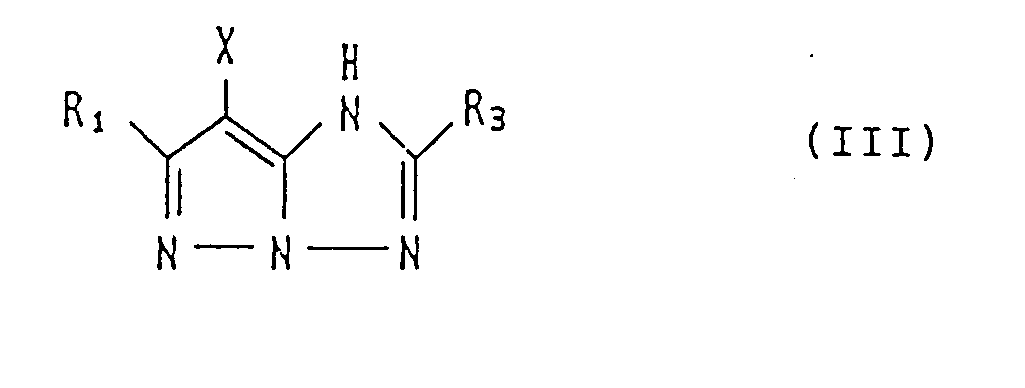


Applications Claiming Priority (3)
| Application Number | Priority Date | Filing Date | Title |
|---|---|---|---|
| JP5094086 | 1986-03-07 | ||
| JP50940/86 | 1986-03-07 | ||
| JP5094086 | 1986-03-07 |
Publications (4)
| Publication Number | Publication Date |
|---|---|
| EP0236986A2 EP0236986A2 (de) | 1987-09-16 |
| EP0236986A3 EP0236986A3 (en) | 1989-05-31 |
| EP0236986B1 true EP0236986B1 (de) | 1993-06-09 |
| EP0236986B2 EP0236986B2 (de) | 2000-10-04 |
Family
ID=12872819
Family Applications (1)
| Application Number | Title | Priority Date | Filing Date |
|---|---|---|---|
| EP19870103258 Expired - Lifetime EP0236986B2 (de) | 1986-03-07 | 1987-03-06 | Verfahren zur Behandlung eines photographischen lichtempfindlichen Silberhalogenidmaterials, das eine gute Farb- und Weisswiedergabe besitzt |
Country Status (2)
| Country | Link |
|---|---|
| EP (1) | EP0236986B2 (de) |
| JP (1) | JPS63106653A (de) |
Families Citing this family (3)
| Publication number | Priority date | Publication date | Assignee | Title |
|---|---|---|---|---|
| US5028517A (en) * | 1988-05-23 | 1991-07-02 | Konica Corporation | Processing method of silver halide photographic light-sensitive material |
| GB9100498D0 (en) * | 1991-01-10 | 1991-02-20 | Kodak Ltd | Carryover reduction in photographic processing |
| CN112130376B (zh) * | 2020-09-24 | 2022-07-01 | 安徽晟华光学科技有限公司 | 一种改善显示装置背光亮度均匀性的反射膜 |
Family Cites Families (8)
| Publication number | Priority date | Publication date | Assignee | Title |
|---|---|---|---|---|
| JPS5345226B2 (de) * | 1974-10-22 | 1978-12-05 | ||
| JPS5319021A (en) * | 1976-08-04 | 1978-02-21 | Fuji Photo Film Co Ltd | Substrate for photography |
| JPS57125847A (en) * | 1981-01-30 | 1982-08-05 | Konishiroku Photo Ind Co Ltd | Analysis element |
| JPS6061742A (ja) * | 1983-09-16 | 1985-04-09 | Fuji Photo Film Co Ltd | ハロゲン化銀写真感光材料 |
| JPH0617985B2 (ja) * | 1984-04-20 | 1994-03-09 | コニカ株式会社 | ハロゲン化銀多層カラー写真感光材料 |
| JPS60225148A (ja) * | 1984-04-23 | 1985-11-09 | Fuji Photo Film Co Ltd | ゼラチンの硬化方法 |
| JPS60258545A (ja) * | 1984-05-10 | 1985-12-20 | Fuji Photo Film Co Ltd | ハロゲン化銀カラ−写真感光材料 |
| JPS6128948A (ja) * | 1984-07-19 | 1986-02-08 | Fuji Photo Film Co Ltd | ハロゲン化銀カラ−写真感光材料 |
-
1987
- 1987-03-06 EP EP19870103258 patent/EP0236986B2/de not_active Expired - Lifetime
- 1987-03-07 JP JP5279187A patent/JPS63106653A/ja active Pending
Also Published As
| Publication number | Publication date |
|---|---|
| EP0236986B2 (de) | 2000-10-04 |
| JPS63106653A (ja) | 1988-05-11 |
| EP0236986A2 (de) | 1987-09-16 |
| EP0236986A3 (en) | 1989-05-31 |
Similar Documents
| Publication | Publication Date | Title |
|---|---|---|
| US4906559A (en) | Light-sensitive silver halide photographic material | |
| US4675275A (en) | Silver halide color photographic material of improved reproducibility | |
| EP0234742B1 (de) | Farbphotographisches Silberhalogenidmaterial | |
| EP0244160B1 (de) | Lichtempfindliches photographisches Silberhalogenidmaterial mit Farbstoffbildfestigkeit | |
| JPS628143A (ja) | ハロゲン化銀写真感光材料 | |
| EP0203465B1 (de) | Lichtempfindliches photographisches Silberhalogenidmaterial | |
| EP0207794B1 (de) | Photographisches Silberhalogenidmaterial | |
| US5006454A (en) | Light sensitive silver halide photographic material | |
| JPH0569212B2 (de) | ||
| EP0236986B2 (de) | Verfahren zur Behandlung eines photographischen lichtempfindlichen Silberhalogenidmaterials, das eine gute Farb- und Weisswiedergabe besitzt | |
| US4912027A (en) | Silver halide photographic light-sensitive material | |
| EP0207596B1 (de) | Lichtempfindliches photographisches Silberhalogenidmaterial | |
| JPH071387B2 (ja) | 色素画像の堅牢性が改良されたハロゲン化銀写真感光材料 | |
| EP0202770A2 (de) | Farbphotographisches lichtempfindliches Silberhalogenidmaterial | |
| JPS61279855A (ja) | ハロゲン化銀写真感光材料 | |
| JPS6235354A (ja) | ハロゲン化銀カラ−写真感光材料の処理方法 | |
| EP0235913A2 (de) | Lichtempfindliches photographisches Silberhalogenidmaterial | |
| JPH07119988B2 (ja) | ハロゲン化銀写真感光材料 | |
| JPS61278853A (ja) | ハロゲン化銀写真感光材料 | |
| JPH0564786B2 (de) | ||
| JPH0711694B2 (ja) | ハロゲン化銀写真感光材料 | |
| JPH0427535B2 (de) | ||
| JPS61272744A (ja) | ハロゲン化銀写真感光材料 | |
| JPS62166337A (ja) | ハロゲン化銀写真感光材料 | |
| JPH0562730B2 (de) |
Legal Events
| Date | Code | Title | Description |
|---|---|---|---|
| PUAI | Public reference made under article 153(3) epc to a published international application that has entered the european phase |
Free format text: ORIGINAL CODE: 0009012 |
|
| AK | Designated contracting states |
Kind code of ref document: A2 Designated state(s): DE FR GB |
|
| PUAL | Search report despatched |
Free format text: ORIGINAL CODE: 0009013 |
|
| AK | Designated contracting states |
Kind code of ref document: A3 Designated state(s): DE FR GB |
|
| 17P | Request for examination filed |
Effective date: 19891110 |
|
| RAP3 | Party data changed (applicant data changed or rights of an application transferred) |
Owner name: KONICA CORPORATION |
|
| 17Q | First examination report despatched |
Effective date: 19910620 |
|
| RBV | Designated contracting states (corrected) |
Designated state(s): GB |
|
| REG | Reference to a national code |
Ref country code: DE Ref legal event code: 8566 |
|
| GRAA | (expected) grant |
Free format text: ORIGINAL CODE: 0009210 |
|
| AK | Designated contracting states |
Kind code of ref document: B1 Designated state(s): GB |
|
| PLBI | Opposition filed |
Free format text: ORIGINAL CODE: 0009260 |
|
| 26 | Opposition filed |
Opponent name: FUJI PHOTO FILM CO., LTD. Effective date: 19940309 |
|
| APAC | Appeal dossier modified |
Free format text: ORIGINAL CODE: EPIDOS NOAPO |
|
| APAC | Appeal dossier modified |
Free format text: ORIGINAL CODE: EPIDOS NOAPO |
|
| APAE | Appeal reference modified |
Free format text: ORIGINAL CODE: EPIDOS REFNO |
|
| APAC | Appeal dossier modified |
Free format text: ORIGINAL CODE: EPIDOS NOAPO |
|
| PLAW | Interlocutory decision in opposition |
Free format text: ORIGINAL CODE: EPIDOS IDOP |
|
| PUAH | Patent maintained in amended form |
Free format text: ORIGINAL CODE: 0009272 |
|
| STAA | Information on the status of an ep patent application or granted ep patent |
Free format text: STATUS: PATENT MAINTAINED AS AMENDED |
|
| 27A | Patent maintained in amended form |
Effective date: 20001004 |
|
| AK | Designated contracting states |
Kind code of ref document: B2 Designated state(s): GB |
|
| PGFP | Annual fee paid to national office [announced via postgrant information from national office to epo] |
Ref country code: GB Payment date: 20010228 Year of fee payment: 15 |
|
| EN | Fr: translation not filed | ||
| REG | Reference to a national code |
Ref country code: GB Ref legal event code: IF02 |
|
| PG25 | Lapsed in a contracting state [announced via postgrant information from national office to epo] |
Ref country code: GB Free format text: LAPSE BECAUSE OF NON-PAYMENT OF DUE FEES Effective date: 20020306 |
|
| GBPC | Gb: european patent ceased through non-payment of renewal fee |
Effective date: 20020306 |
|
| APAH | Appeal reference modified |
Free format text: ORIGINAL CODE: EPIDOSCREFNO |