WO2025009090A1 - 雑音除去機能制御装置および雑音除去機能制御方法 - Google Patents
雑音除去機能制御装置および雑音除去機能制御方法 Download PDFInfo
- Publication number
- WO2025009090A1 WO2025009090A1 PCT/JP2023/024910 JP2023024910W WO2025009090A1 WO 2025009090 A1 WO2025009090 A1 WO 2025009090A1 JP 2023024910 W JP2023024910 W JP 2023024910W WO 2025009090 A1 WO2025009090 A1 WO 2025009090A1
- Authority
- WO
- WIPO (PCT)
- Prior art keywords
- external sound
- playback
- keyword
- unit
- keyword detection
- Prior art date
- Legal status (The legal status is an assumption and is not a legal conclusion. Google has not performed a legal analysis and makes no representation as to the accuracy of the status listed.)
- Pending
Links
Images












Classifications
-
- G—PHYSICS
- G10—MUSICAL INSTRUMENTS; ACOUSTICS
- G10K—SOUND-PRODUCING DEVICES; METHODS OR DEVICES FOR PROTECTING AGAINST, OR FOR DAMPING, NOISE OR OTHER ACOUSTIC WAVES IN GENERAL; ACOUSTICS NOT OTHERWISE PROVIDED FOR
- G10K11/00—Methods or devices for transmitting, conducting or directing sound in general; Methods or devices for protecting against, or for damping, noise or other acoustic waves in general
- G10K11/16—Methods or devices for protecting against, or for damping, noise or other acoustic waves in general
- G10K11/175—Methods or devices for protecting against, or for damping, noise or other acoustic waves in general using interference effects; Masking sound
- G10K11/178—Methods or devices for protecting against, or for damping, noise or other acoustic waves in general using interference effects; Masking sound by electro-acoustically regenerating the original acoustic waves in anti-phase
-
- G—PHYSICS
- G10—MUSICAL INSTRUMENTS; ACOUSTICS
- G10L—SPEECH ANALYSIS TECHNIQUES OR SPEECH SYNTHESIS; SPEECH RECOGNITION; SPEECH OR VOICE PROCESSING TECHNIQUES; SPEECH OR AUDIO CODING OR DECODING
- G10L15/00—Speech recognition
- G10L15/08—Speech classification or search
- G10L15/10—Speech classification or search using distance or distortion measures between unknown speech and reference templates
-
- H—ELECTRICITY
- H04—ELECTRIC COMMUNICATION TECHNIQUE
- H04R—LOUDSPEAKERS, MICROPHONES, GRAMOPHONE PICK-UPS OR LIKE ACOUSTIC ELECTROMECHANICAL TRANSDUCERS; ELECTRIC HEARING AIDS; PUBLIC ADDRESS SYSTEMS
- H04R1/00—Details of transducers, loudspeakers or microphones
- H04R1/10—Earpieces; Attachments therefor ; Earphones; Monophonic headphones
Definitions
- This disclosure relates to a noise cancellation function control device and a noise cancellation function control method for controlling a noise cancellation function in a playback device.
- Conventional noise cancellation function control devices have the ability to detect whether sounds coming from the outside (ambient sounds) contain the voice of a preset keyword, and use this detection as a trigger to stop the noise cancellation function of the noise-canceling headphones (see, for example, Patent Document 1).
- Keyword detection is not guaranteed to be 100% accurate, so it is inevitable that the noise reduction function will stop at an unexpected time due to a false keyword detection. Since the user does not know what external sound the keyword was detected in response to, they have no choice but to determine whether the keyword was detected correctly by continuing to listen to the surrounding sounds entering the headphones with the noise reduction function stopped, or by removing the headphones and listening to external sounds directly.
- the present disclosure has been made to solve such problems, and relates to a noise cancellation function control device and a noise cancellation function control method that enable a user to understand what kind of external sound a keyword was detected for.
- the noise reduction function control device includes an external sound recording unit that records external sound data input from the outside and information on the time when the external sound data was input in an external sound memory, a keyword detection unit that performs a comparison process to detect whether the external sound data recorded in the external sound memory contains one or more preset keywords, and when a keyword is included in the external sound data, outputs keyword detection data including information on the start time and end time of the keyword, and an external sound playback unit that plays external sounds including the keyword from the external sound data recorded in the external sound memory based on the keyword detection data.
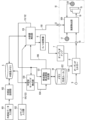
- FIG. 1 is a hardware configuration diagram showing an example of the configuration of a noise removal function control device according to a first embodiment.
- 1 is a hardware configuration diagram showing an example of the configuration of a noise-canceling headphone according to a first embodiment.
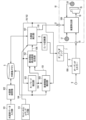
- FIG. 1 is a hardware configuration diagram showing an example of the configuration of a noise removal function control device according to a first embodiment.
- 1 is a hardware configuration diagram showing an example of the configuration of a noise-canceling headphone according to a first embodiment.
- FIG. 1 is a hardware configuration diagram showing an example of the configuration of a noise-canceling headphone according to a first embodiment.
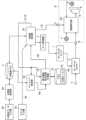
- FIG. 1 is a functional block diagram showing an example of a configuration of a noise removal function control device according to a first embodiment
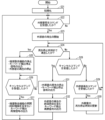
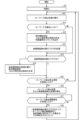
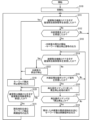
- 4 is a flowchart showing an example of an operation of the noise removal function control device according to the first embodiment
- 4 is a diagram for explaining a data arrangement of an external sound memory according to the first embodiment
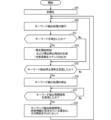
- FIG. 4 is a flowchart showing an example of an operation of the noise removal function control device according to the first embodiment
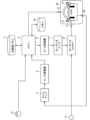
- 4 is a flowchart showing an example of an operation of the noise removal function control device according to the first embodiment
- FIG. 11 is a functional block diagram showing an example of the configuration of a noise removal function control device according to a second embodiment.
- 10 is a flowchart showing an example of the operation of the noise removal function control device according to the second embodiment
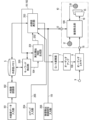
- FIG. 11 is a hardware configuration diagram showing an example of the configuration of a noise removal function control device according to embodiment 3.
- FIG. 11 is a hardware configuration diagram showing an example of the configuration of a noise removal function control device according to embodiment 3.
- FIG. 11 is a functional block diagram showing an example of the configuration of a noise removal function control device according to a third embodiment.
- 13 is a flowchart showing an example of the operation of the noise removal function control device according to the third embodiment; 13 is a flowchart showing an example of the operation of the noise removal function control device according to the third embodiment;
- FIG. 13 is a functional block diagram showing an example of the configuration of a noise removal function control device according to a fourth embodiment. 13 is a flowchart showing an example of the operation of the noise removal function control device according to the fourth embodiment;
- FIG. 11 is a hardware configuration diagram showing an example of the configuration of a noise removal function control device according to embodiment 3.
- FIG. 11 is a hardware configuration diagram showing an example of the configuration of a noise removal function control device
- FIG. 13 is a functional block diagram showing an example of the configuration of a noise removal function control device according to a fifth embodiment. 13 is a flowchart showing an example of the operation of the noise removal function control device according to the fifth embodiment; FIG. 13 is a diagram for explaining detection of a subsequent utterance in accordance with the fifth embodiment.
- FIG. 13 is a functional block diagram showing an example of the configuration of a noise removal function control device according to a sixth embodiment. 13 is a flowchart showing an example of the operation of the noise removal function control device according to the sixth embodiment.
- FIG. 13 is a flowchart showing an example of the operation of the noise removal function control device according to the sixth embodiment
- FIG. 13 is a functional block diagram showing an example of the configuration of a noise removal function control device according to a seventh embodiment.
- 13 is a flowchart showing an example of the operation of the noise removal function control device according to the seventh embodiment;
- FIG. 1 is a hardware configuration diagram showing an example of the configuration of a noise reduction function control device according to embodiment 1.
- the external sound input microphone 1 is provided to capture external sound.
- the external sound captured by the external sound input microphone 1 is input to the A/D converter 3 via the microphone amplifier 2.
- the number of external sound input microphones 1 is not limited to one, and multiple external sound input microphones 1 may be provided. When multiple external sound input microphones 1 are provided, it is sufficient to provide the same number of microphone amplifiers 2 as the number of external sound input microphones 1.
- the A/D converter 3 performs A/D conversion on the external sound, for example at 16 kHz/16 bits, and outputs the converted digital data (external sound data) to a CPU (Central Processing Unit) 4. If multiple external sound input microphones 1 are provided, multiple channels of external sound data are output to the CPU 4.
- CPU Central Processing Unit
- the CPU 4 stores in the external sound memory 5 the external sound data input from the A/D converter 3 and information on the time when the external sound was input to the external sound input microphone 1.
- the CPU 4 also performs a comparison process to detect whether the input external sound data contains a preset keyword.
- the CPU 4 detects a keyword, it reads out the external sound data (external sound including the keyword) stored in the external sound memory 5 based on the information on the start time and end time of the keyword, and outputs the read external sound data to the D/A converter 6.
- the D/A converter 6 converts the external sound data from digital to analog at, for example, 16 kHz/16 bits, and outputs the converted external sound to the audio amplifier 7.
- the audio amplifier 7 amplifies the external sound and outputs the amplified external sound reproduction signal 108 ( Figure 5) to the audio mixer 8.
- the audio mixer (external sound superimposition unit) 8 mixes the signal input from the playback sound source input terminal 9 with the external sound playback signal 108 input from the audio amplifier 7, and outputs the mixed signal to the audio signal input terminal 11 of the noise cancellation headphones 10.
- the signal input from the playback sound source input terminal 9 refers to a signal that the user intends to listen to, such as an audio signal output from a smartphone, for example.
- the CPU 4 After completing the output of the external sound data, the CPU 4 outputs a noise cancellation control signal 110 ( Figure 5) to the noise cancellation control signal input terminal 12 of the noise cancellation headphones 10, which cancels the noise cancellation function of the noise cancellation headphones 10.
- the cancel command input switch 13 is a switch for inputting a cancel command 114 (FIG. 5) that cancels the process executed as a result of detecting a keyword when the user determines that a keyword has been erroneously detected as a result of listening to external sounds through the noise canceling headphones 10.
- the cancel command 114 output from the cancel command input switch 13 is input to the CPU 4.
- the CPU 4 stops the playback of the external sound if it is currently playing the external sound, and also cancels the output of the noise cancellation control signal 110 for canceling the noise cancellation function of the noise cancellation headphones 10, which was scheduled to be output to the noise cancellation headphones 10 after the playback of the external sound had ended.
- the CPU 4 outputs the noise cancellation control signal 110 that executes the noise cancellation function of the noise cancellation headphones 10.
- the programs executed by CPU4 the data to be read, the data to be written, and the keywords are stored in memory 14.
- the noise cancellation headphones 10 play back the audio signal input from the audio mixer 8 using the driver unit 15.
- the noise cancellation headphones 10 also switch the noise cancellation function ON or OFF according to the noise cancellation control signal 110 input from the CPU 4.
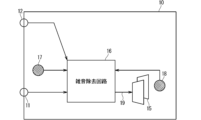
- FIG. 2 is a hardware configuration diagram showing an example of the configuration of noise-canceling headphones 10.
- the configuration of noise-canceling headphones 10 is equivalent to the configuration of commercially available noise-canceling headphones.
- the external sound signal input microphone 17 is attached to the outside of the noise canceling headphones 10 and captures external sounds.
- the error signal input microphone 18 is located near the driver unit 15 inside the noise cancellation headphones 10.
- the noise cancellation circuit 16 uses one or both of the signals from the external sound signal input microphone 17 and the error signal input microphone 18 to generate a signal that eliminates external noise that penetrates the main body of the noise cancellation headphones 10 and the earmuffs, and outputs the generated signal as a noise-reduced playback signal 19 by superimposing it on the signal input to the audio signal input terminal 11.
- FIG. 3 is a hardware configuration diagram showing an example of another configuration of the noise cancellation function control device according to the first embodiment.
- FIG. 3 shows a configuration in which an external sound signal input microphone 17 provided in a noise cancellation headphone 10 is used as a substitute for the external sound input microphone 1 shown in FIG. 1.
- the other configurations are the same as those shown in FIG. 1.
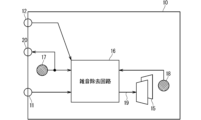
- FIG. 4 is a hardware configuration diagram showing an example of another configuration of the noise-canceling headphones 10 according to the first embodiment.
- the noise-canceling headphones 10 shown in FIG. 4 are provided with an external sound microphone signal output terminal 20 that extracts the signal output by the external sound signal input microphone 17 to the outside.
- the other configurations are the same as those shown in FIG. 2.
- FIG. 5 is a functional block diagram showing an example of the configuration of a noise reduction function control device according to embodiment 1.
- the external sound data input unit 101 inputs the external sound data output from the A/D converter 3.
- the external sound recording unit 102 writes the external sound data and information about the time when the external sound data was input to the external sound data input unit 101 into the external sound memory 5 without delay.
- the keyword detection unit 103 performs a process of comparing the external sound data written by the external sound recording unit 102 to the external sound memory 5 through initialization processing with a preset keyword.
- the keyword detection unit 103 detects a keyword in the external sound data, it outputs information on the start time and end time of the keyword and the ID of the keyword as keyword detection data 104.
- the keyword detection unit 103 outputs keyword detection data 104 every time it detects a keyword until a keyword detection stop signal 111, described below, is input.
- the start time of the keyword refers to the start time when the keyword is spoken
- the end time of the keyword refers to the end time when the keyword is spoken.
- the playback start/stop time generating unit 105 generates the playback start time and the playback stop time for the external sound data stored in the external sound memory 5 according to the input keyword detection data 104.
- the playback start/stop time generating unit 105 outputs the generated playback start time and playback stop time to the external sound playback unit 107 as an external sound playback command 106.
- the playback start/stop time generating unit 105 repeats the above operation each time keyword detection data 104 is input, until a keyword detection stop signal 111 (described later) is input.
- the external sound playback unit 107 reads the external sound data corresponding to the time between the playback start time and the playback stop time included in the external sound playback command 106 from the external sound memory 5, and outputs the read external sound data to the D/A converter 6.
- the external sound playback signal 108 obtained via the D/A converter 6 and audio amplifier 7 is mixed in the audio mixer 8 with a signal input from the playback sound source input terminal 9 (a signal intended for the user to hear, such as an audio output signal from a smartphone).
- the audio mixer 8 outputs the mixed signal to the audio signal input terminal 11 of the noise cancellation headphones 10.
- the noise cancellation unit 109 in the noise cancellation headphones 10 is performing a noise cancellation function through initialization processing, and uses the output signals from the external sound signal input microphone 17 and the error signal input microphone 18 to generate a signal that eliminates external noise that penetrates the main body and earmuffs of the noise cancellation headphones 10 and enters the noise cancellation headphones 10, and outputs the resulting noise-removed playback signal 19 to the driver unit 15 by superimposing this signal on the signal input from the audio signal input terminal 11.
- the external sound playback unit 107 performs the following three processes when playback of the external sound corresponding to the playback start time and playback stop time of the external sound playback command 106 ends.
- a noise cancellation control signal 110 for stopping the noise cancellation function is output to the noise cancellation unit 109 of the noise cancellation headphone 10 via the noise cancellation control signal input terminal 12.
- a keyword detection stop signal 111 is sent to the keyword detection section 103 and the playback start/stop time generation section 105 . Stop outputting the external sound data stored in the external sound memory 5 to the D/A converter 6 (stop playing the external sound).
- the cancel command input unit 113 accepts a cancel command 114 input from the cancel command input switch 13.
- condition 1 “External sound is being played”: Stop outputting external sound data to D/A converter 6, and temporarily output keyword detection stop signal 111. Next, output keyword detection resume signal 112 including information on the final end time of external sound playback, and wait for input of the next external sound playback command 106.
- Condition 2 "External sound playback has already been completed”: A noise cancellation control signal 110 is output to the noise cancellation unit 109 to turn on the noise cancellation function, and then a keyword detection resume signal 112 (not including time information) is output to the keyword detection unit 103 to resume keyword detection, and input of the next external sound playback command 106 is awaited.
- the noise cancellation function control device may be configured integrally with the noise cancellation headphones 10, or may be configured integrally with a playback sound source (e.g., a smartphone) connected to the playback sound source input terminal 9.
- a playback sound source e.g., a smartphone
- the noise cancellation function control device includes a processing circuit for storing external sound data and information on the time when the external sound data was input in the external sound memory 5 without delay, detecting keywords from the external sound data stored in the external sound memory 5, generating the playback start time and playback stop time of the external sound stored in the external sound memory 5, and playing the external sound according to the playback start time and playback stop time.
- the processing circuit may be dedicated hardware, or may be a processor (also called a CPU, central processing unit, processing unit, arithmetic unit, microprocessor, microcomputer, or DSP (Digital Signal Processor)) that executes a program stored in the memory.
- the processing circuit may be, for example, a single circuit, a composite circuit, a programmed processor, a parallel programmed processor, an ASIC (Application Specific Integrated Circuit), an FPGA (Field Programmable Gate Array), or a combination of these.
- Each function of the external sound recording unit 102, keyword detection unit 103, playback start/stop time generation unit 105, and external sound playback unit 107 may be realized by a processing circuit, or each function may be realized together by a single processing circuit.
- the processing circuit When the processing circuit is CPU4, the functions of external sound recording unit 102, keyword detection unit 103, playback start/stop time generation unit 105, and external sound playback unit 107 are realized by software, firmware, or a combination of software and firmware.
- the software or firmware is written as a program and stored in memory 14.
- CPU4 realizes each function by reading and executing the program recorded in memory 14.
- the noise reduction function control device has memory 14 for storing a program that results in the execution of the steps of storing external sound data and information on the time when the external sound data was input in external sound memory 5 without delay, detecting keywords from the external sound data stored in external sound memory 5, generating the playback start time and playback stop time of the external sound stored in external sound memory 5, and playing the external sound according to the playback start time and playback stop time.
- these programs cause a computer to execute the procedures or methods of external sound recording unit 102, keyword detection unit 103, playback start/stop time generation unit 105, and external sound playback unit 107.
- memory 14 may be, for example, non-volatile or volatile semiconductor memory such as RAM (Random Access Memory), ROM (Read Only Memory), flash memory, EPROM (Erasable Programmable Read Only Memory), EEPROM (Electrically Erasable Programmable Read Only Memory), a magnetic disk, a flexible disk, an optical disk, a compact disk, a DVD (Digital Versatile Disc), etc., or any storage medium that will be used in the future.
- RAM Random Access Memory
- ROM Read Only Memory
- flash memory such as EPROM (Erasable Programmable Read Only Memory), EEPROM (Electrically Erasable Programmable Read Only Memory), a magnetic disk, a flexible disk, an optical disk, a compact disk, a DVD (Digital Versatile Disc), etc., or any storage medium that will be used in the future.
- external sound recording unit 102 keyword detection unit 103, playback start/stop time generation unit 105, and external sound playback unit 107 may be realized by dedicated hardware, and other functions may be realized by software or firmware.
- the processing circuitry can realize each of the above-mentioned functions through hardware, software, firmware, or a combination of these.
- Fig. 6 is a flowchart showing the operation of the external sound recording unit 102 in the noise reduction function control device according to the embodiment 1. The operation shown in Fig. 6 is performed in parallel as a separate process from the operations shown in Figs. 8 and 9 described later.
- step S1 the external sound recording unit 102 initializes memory, data, and parameters related to recording external sound data.
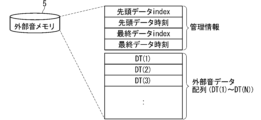
- Figure 7 shows an example of data and its arrangement in external sound memory 5, which is one of the targets of the initialization process.
- the management information for external sound data includes a first data index, a first data time, a last data index, and a last data time.
- the number N of external sound data arrays is set to a value sufficient to store external sound data during one use of the noise reduction function control device of embodiment 1 (one use is defined as from power ON to OFF).
- the first data index is the index value of the storage destination array of the oldest external sound data among the external sound data stored in the external sound memory 5 by the external sound recording unit 102.
- the first data time is the time when the oldest external sound data among the external sound data stored in the external sound memory 5 by the external sound recording unit 102 is imported from the external sound data input unit 101 into the external sound recording unit 102.
- the last data index is the index value of the storage destination array of the last external sound data among the external sound data stored in the external sound memory 5 by the external sound recording unit 102.
- the last data time is the time when the last external sound data among the external sound data stored in the external sound memory 5 by the external sound recording unit 102 is imported from the external sound data input unit 101 into the external sound recording unit 102.
- the external sound recording unit 102 sets the first data index, the first data time, the last data index, and the last data time to zero.
- step S2 the external sound recording unit 102 obtains current time information from the clock information in the CPU 4.
- the time information may be the actual time, or may be the relative elapsed time starting from the time initialized in step S1.
- step S3 the external sound recording unit 102 reads the external sound data output by the A/D converter 3.
- the number of samples read is K. Note that the number of samples read may vary each time the process of step S3 is executed.
- step S4 the external sound recording unit 102 writes the external sound data of the number of samples K read in step S3 to the external sound data array in the external sound memory 5. That is, the external sound data is written from DT (final data index + 1) to DT (final data index + K) in the external sound memory 5.
- step S6 the external sound recording unit 102 determines whether it is possible to write the next acquired external sound data (whether there is a destination to write the next external sound data). As described above, if the data array DT that stores the external sound data has a number of arrays that is sufficient to store all of the external sound data during one use of the noise reduction device of embodiment 1, this determination always results in a determination that there is a destination to write to, and the process returns to step S2. On the other hand, if for some reason a situation arises in which external sound data needs to be written in excess of the number of arrays DT that are available, then a determination that there is no destination to write to occurs, and the process moves to step S7.
- step S7 the noise reduction function control device according to embodiment 1 executes a process to initialize the entire noise reduction function control device, and then proceeds to the initialization process of step S1.
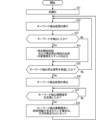
- FIG. 8 is a flowchart showing the operation of the keyword detection unit 103 and the playback start/stop time generation unit 105 in the noise reduction function control device according to the first embodiment. These operate in parallel as separate processes from the operation of the external sound recording unit 102 shown in FIG. 6 and the operation shown in FIG. 9 described above.
- step S11 the noise cancellation function control device initializes itself. Specifically, the noise cancellation function control device performs the following three processes to initialize the keyword detection unit 103. Time information is obtained, and that time is set as the keyword detection start time Tkst. ⁇ Read the data of the keywords to be detected. ⁇ Initialize the matching process to detect keywords.
- the noise cancellation function control device performs the following process to initialize the playback start/stop time generating unit 105. - Read the rules for generating the playback start time and playback stop time.
- the keyword detection unit 103 executes a matching process to detect a keyword. Specifically, the keyword detection unit 103 reads one or more samples of external sound data from the external sound memory 5, starting from the external sound data corresponding to the keyword detection start time Tkst up to the most recently written external sound data, and performs a matching process to detect a keyword.
- the keyword detection start time Tkst is updated to the time corresponding to the number of samples of the read external sound data. With this update, the keyword detection start time Tkst corresponds to the last (latest) external sound data input for the matching process.
- step S13 the keyword detection unit 103 determines whether or not a keyword has been detected. If a keyword has not been detected, the process proceeds to step S15. On the other hand, if a keyword has been detected, the process proceeds to step S14.
- step S14 the playback start/stop time generation unit 105 uses information on the start time and end time of the detected keyword (keyword detection data 104) and the playback start time and playback stop time generation rule read in step S11 to generate the playback start time and playback stop time for the external sound data in the external sound memory 5, and outputs this time information to the external sound playback unit 107 as an external sound playback command 106.
- step S15 the keyword detection unit 103 and the playback start/stop time generation unit 105 determine whether or not they have received the keyword detection stop signal 111 output by the external sound playback unit 107. If the keyword detection stop signal 111 has not been received, the process returns to step S12. On the other hand, if the keyword detection stop signal 111 has been received, the process proceeds to step S16. Note that the keyword detection stop signal 111 is sent when a cancel command 114 is input during playback of the external sound, or when playback of the external sound reaches the playback stop time (details will be described later).
- step S16 the keyword detection unit 103 performs processing to stop the keyword detection that was being performed, and stops outputting the keyword detection data 104.
- the playback start/stop time generation unit 105 performs processing to stop generating the playback start time and playback stop time related to the playback of the external sound, and stops outputting the external sound playback command 106.
- step S17 the keyword detection unit 103 and the playback start/stop time generation unit 105 determine whether or not they have received the keyword detection resume signal 112 output by the external sound playback unit 107. If they have received the keyword detection resume signal 112, they proceed to step S18.
- step S18 the keyword detection unit 103 updates the keyword detection start time Tkst based on the time information contained in the keyword detection resume signal 112 received in step S17. If the keyword detection resume signal 112 does not contain time information, the Tkst updated in the process in step S12 is used as is. Then, the process proceeds to step S12.
- the time information included in keyword detection resume signal 112 corresponds to the time when cancel command 114 was input during playback of external sound, and is used to resume keyword detection from the beginning of external sound that the user has not yet heard. If the cancel command 114 is input after the user has listened to external sound playback up to the playback stop time, keyword detection resume signal 112 that does not include time information is input to keyword detection unit 103, and keyword detection unit 103 resumes keyword detection from the oldest external sound data that was not subject to the matching process in step S12 (details will be described later).
- FIG. 9 is a flowchart showing the operation of the external sound playback unit 107 and the noise canceling headphones 10 in the noise cancellation function control device according to the first embodiment. This operates in parallel as a separate process from the operation of the external sound recording unit 102 shown in FIG. 6 described above, and the operation of the keyword detection unit 103 and the playback start/stop time generation unit 105 shown in FIG. 9.
- FIG. 9 begins when the power supply of the noise elimination function control device according to embodiment 1 is turned on.
- step S21 the noise reduction function control device initializes the noise reduction function control device. Specifically, the noise reduction function control device performs the following process to initialize the external sound reproducing unit 107.
- the playback start/stop time generating unit 105 starts accepting input of the external sound playback command 106 output therefrom.
- the noise cancellation function control device also performs the following process to initialize the noise cancellation headphones 10. - Executes a noise removal function based on signals from the external sound signal input microphone 17 and the error signal input microphone 18. - Performs the function of reproducing a sound source signal, such as a music source, input from the audio signal input terminal 11 within the headphones via the driver unit 15.
- the D/A converter 6, audio amplifier 7, and audio mixer 8 that reproduce external sounds are started.
- step S22 the external sound playback unit 107 determines whether or not the external sound playback command 106 has been received from the playback start/stop time generation unit 105. If not, the process loops to step S22. On the other hand, if received, the process proceeds to step S23.
- step S23 the external sound playback unit 107 starts reading the external sound data stored in the external sound memory 5 at the corresponding time according to the playback start time included in the received external sound playback command 106, and sequentially outputs the read external sound data to the D/A converter 6.
- the external sound data converted to an analog signal by the D/A converter 6 is amplified by the audio amplifier 7 and input to the audio mixer 8 as an external sound playback signal 108.
- the audio mixer 8 mixes the input external sound playback signal 108 with a sound source such as music input from the playback sound source input terminal 9, and outputs the mixed signal (audio signal) to the audio signal input terminal 11 of the noise cancellation headphones 10.
- the noise cancellation headphones 10 reproduce the audio signal input from the audio signal input terminal 11 within the headphones via the driver unit 15.
- step S24 the external sound playback unit 107 determines whether the playback of the external sound started in step S23 has progressed to the playback stop time included in the external sound playback command 106. If playback has not progressed to the playback stop time, the process proceeds to step S28. On the other hand, if playback has progressed to the playback stop time, the process proceeds to step S25.
- Step S28 is a process that is executed when it is determined in step S24 that the playback of the external sound has not progressed to the playback stop time.
- the external sound playback unit 107 determines whether or not the user has operated the cancel command input switch 13 and received a cancel command 114 input via the cancel command input unit 113. If the cancel command 114 has been received, the process proceeds to step S31. On the other hand, if the cancel command 114 has not been received, the process proceeds to step S29.
- step S31 the external sound playback unit 107 stops the external sound playback process, i.e., the process of reading the external sound data in the external sound memory 5 and outputting it to the D/A converter 6.
- the external sound playback unit 107 also outputs a keyword detection stop signal 111 to the keyword detection unit 103 and the playback start/stop time generation unit 105, and proceeds to step S32.
- step S32 the external sound playback unit 107 outputs a keyword detection resume signal 112 to the keyword detection unit 103, the keyword detection resume signal 112 including, as time information, the end time of the playback of the external sound stopped in step S31 (the last time of the played external sound data).
- steps S31 and S32 correspond to the case where the user determines that the keyword detection was incorrect after listening to part of the reproduced external sound, or determines that the detected keyword means that it is not necessary to stop the noise cancellation function of the noise-canceling headphones 10.
- This process is for resuming detection of a new keyword immediately after the end of the external sound listened to by the user, that is, starting from external sound data that the user has not yet heard.
- step S32 the process returns to step S22, and the external sound playback unit 107 waits for the next external sound playback command 106 to be received.
- step S29 the external sound playback unit 107 determines whether or not a new external sound playback command 106 has been received during playback of the external sound. If a new external sound playback command 106 has not been received, the process returns to step S24. On the other hand, if a new external sound playback command 106 has been received, the process proceeds to step S30.
- step S30 the external sound playback unit 107 overwrites the playback stop time included in the previously received external sound playback command 106 with the playback stop time included in the newly received external sound playback command 106, and returns to step S24.
- step S30 the external sound playback unit 107 overwrites the playback stop time included in the previously received external sound playback command 106 with the playback stop time included in the newly received external sound playback command 106, and returns to step S24.
- Step S25 is a process that is executed when it is determined in step S24 that the playback of the external sound has progressed to the playback stop time.
- the external sound playback unit 107 performs the following three processes. Then, the process proceeds to step S26.
- a noise cancellation control signal 110 for stopping the noise cancellation function is output to the noise cancellation headphones 10.
- the keyword detection stop signal 111 is output to the keyword detection section 103 and the playback start/stop time generation section 105 .
- the external sound reproducing process in the external sound reproducing unit 107 that is, the process of reading the external sound data in the external sound memory 5 and outputting it to the D/A converter 6, is stopped.
- step S26 the external sound playback unit 107 determines whether or not it has received a cancel command 114 input via the cancel command input unit 113 by the user operating the cancel command input switch 13.
- the cancel command 114 is a command for turning on again the noise cancellation function of the noise cancellation headphones 10 that was stopped in the processing in step S25. If the cancel command 114 has not been received, the processing in step S26 is looped (i.e., the processing waits for reception of the cancel command 114). On the other hand, if the cancel command 114 has been received, the processing proceeds to step S27.
- step S27 the external sound reproducing unit 107 performs the following two processes.
- the noise cancellation control signal 110 for restarting the noise cancellation function of the noise cancellation headphones 10 that was stopped in step S25 is output to the noise cancellation control signal input terminal 12 of the noise cancellation headphones 10. This restarts the processing of the noise cancellation unit 109 in the noise cancellation headphones 10.
- a keyword detection resume signal 112 is output to the keyword detection section 103 as a signal for canceling the keyword detection stop signal 111 output to the keyword detection section 103 and the playback start/stop time generation section 105.
- the keyword detection resume signal 112 output at this time does not include time information. This ends the process loop in step S17 in Fig. 8 and the process moves to step S18, where detection of a new keyword is performed.
- step S27 the process returns to step S22, and the external sound playback unit 107 waits to receive a new external sound playback command 106.
- the user can cancel the process of stopping the noise removal function that is triggered by the keyword detection by operating the cancel command input switch 13.
- the correction time for each of the start time and end time in the generation rule may be dynamically changed in consideration of the background noise level, the spectral characteristics of the background noise, or the voice level of the detected keyword.
- the background noise level is low and the voice level of the detected keyword is high
- the SNR Signal to Noise Ratio
- the SNR Signal to Noise Ratio
- Keywords detected in a situation where either or both of the following conditions are met high background noise level, low voice level of the detected keyword (low SNR of the keyword voice), if the characteristics of the detection algorithm cause the beginning and ending of the word to be more inward than the actual speech, it is sufficient to apply a time longer than the above 0.1 seconds to Ofst_b and Ofst_e. This makes it possible to prevent the beginning and ending of the keyword from being missed when it is spoken.
- the number N of external sound data arrays stored in the external sound memory 5 is set to a value sufficient to store external sound data during one use of the noise elimination function control device of embodiment 1 (one use is defined as from power ON to OFF), but this is not limited to this.
- a ring buffer configuration may be adopted in which, when external sound data has been written to the end of the external sound data array, the oldest written data (i.e., the beginning of the external sound data array) is deleted and replaced with new data.
- the leading data index included in the management information in the external sound memory 5 is not fixed to "1", but is the index value of the array in which the oldest external sound data is stored in the external sound data array, and accordingly, the reading and writing of external sound data is also processed in accordance with the ring buffer.
- the audio mixer 8 (external sound superimposition unit) is not limited to mixing the signal that the user intends to listen to, such as the audio output signal of a smartphone input from the playback sound source input terminal 9, with the external sound reproduction signal 108 at the same level.
- the audio mixer 8 may attenuate the signal input from the playback sound source input terminal 9 by -6 dB or -10 dB before mixing. This makes the external sound reproduction signal 108 a relatively loud sound, making it easier for the user to hear.
- the attenuation of the signal input from the playback sound source input terminal 9 may be greater than -10 dB.
- the hardware configuration (FIGS. 1, 2, 3, and 4) of the noise cancellation function control device is the same as that of the first embodiment.
- the only difference from the first embodiment is the data stored in the memory 14 shown in FIGS. 1 and 3. That is, in the first embodiment, there is one keyword that is preset to stop the noise cancellation function, and when that keyword is detected, the playback start/stop time generating unit 105 reads only one generation rule related to the keyword.
- the second embodiment multiple keywords and multiple generation rules corresponding to each keyword are stored in the memory 14.
- the keyword detection unit 120 through initialization processing, starts a process of matching the external sound data written by the external sound recording unit 102 to the external sound memory 5 without delay with a number of preset keywords (Kw).
- Kw matching processes for one keyword are run in parallel, and it is determined that the keyword has been detected when the matching score exceeds a threshold set for each keyword.
- the keyword detection unit 120 outputs keyword detection data 104 every time it detects a keyword until it receives a keyword detection stop signal 111, which will be described later.
- the playback start/stop time generating unit 121 When the keyword detection data 104 is input, the playback start/stop time generating unit 121 generates the playback start time and playback stop time for the external sound data stored in the external sound memory 5 according to the keyword detection data 104.
- An example of the generation rule 122 at this time is shown below.
- the ID of the detected keyword is assumed to be k.
- the above generation rules 122 are stored in the memory 14 and are read from the memory 14 when the playback start/stop time generation unit 121 is initialized.
- the operation after outputting the external sound playback command 106 to the external sound playback unit 107 based on the playback start time and playback stop time of the external sound data generated as described above is the same as in embodiment 1.
- FIG. 11 is a flowchart showing the operation of the keyword detection unit 120 and the playback start/stop time generation unit 121 in the noise cancellation function control device according to embodiment 2. The following describes the differences from the operation of the noise cancellation function control device according to embodiment 1 (FIG. 8).
- step S41 the noise cancellation function control device initializes the noise cancellation function control device. Specifically, it initializes the keyword detection unit 120 and the playback start/stop time generation unit 121.
- the playback start/stop time generating unit 121 performs the following initialization.
- the keyword detection unit 120 executes a matching process to detect a keyword.
- the keyword detection unit 120 reads one or more samples of external sound data from the external sound memory 5, starting from the external sound data corresponding to the keyword detection start time Tkst up to the most recently written external sound data, and performs a matching process to detect a keyword.
- the keyword detection start time Tkst is updated with the time corresponding to the number of samples of the read external sound data. With this update, the keyword detection start time Tkst corresponds to the last (latest) external sound data input to the matching process.
- step S13 the keyword detection unit 120 determines whether or not a keyword has been detected. If a keyword has not been detected, the process proceeds to step S15. On the other hand, if a keyword has been detected, the process proceeds to step S43.
- step S15 onwards is the same as in embodiment 1 ( Figure 8).
- the user can cancel the process of stopping the noise removal function that is triggered by the keyword detection by operating the cancel command input switch 13.
- the degree of freedom in keyword selection is improved. Also, because external sounds are played at appropriate playback start and stop times for each keyword, the user is less likely to miss external sounds.
- the user can determine which keywords have been detected in the external sound.
- FIG. 12 is a hardware configuration diagram of a noise cancellation function control device according to embodiment 3.
- the noise cancellation function control device according to embodiment 3 is characterized by having a command input switch 21.
- the rest of the configuration is the same as that of the noise cancellation function control device according to embodiment 1 (FIG. 1), so a detailed description will be omitted here.
- the hardware configuration of the noise cancellation headphones 10 according to embodiment 3 is the same as that of the noise cancellation headphones 10 according to embodiment 1 (FIG. 2).
- the command input switch 21 is a switch that the user operates to interrupt or cancel a process (playing external sound, stopping the noise reduction function) that is being executed or will be executed after the detection of a keyword is triggered. Unlike the cancel command input switch 13 in other embodiments, the command input switch 21 is capable of inputting a cancel command when the user listens to the playback of the external sound corresponding to the detected keyword and finds that the keyword was incorrectly detected, and a resume noise reduction command when the keyword was correctly detected. For example, to input a cancel command, the command input switch 21 is pressed briefly, and to input a resume noise reduction command, the command input switch 21 is pressed and held.
- the output of the command input switch 21 is input to the CPU 4.
- the CPU 4 receives a cancel command or a noise cancellation resume command, it stops the playback of the external sound if it is currently playing the external sound, and also cancels the output of a noise cancellation control signal to stop the noise cancellation function that would have been output to the noise cancellation headphones 10 after the playback of the external sound had ended. Furthermore, when the CPU 4 receives a cancel command or a noise cancellation command, if the playback of the external sound has already ended and a noise cancellation function control signal to stop the noise cancellation function of the noise cancellation headphones 10 has been output, it outputs a noise cancellation function control signal to execute the noise cancellation function of the noise cancellation headphones 10.
- the CPU 4 performs adaptive learning of the matching process in keyword detection to prevent repeated false keyword detections.
- FIG. 13 is a hardware configuration diagram showing an example of another configuration of the noise cancellation function control device according to embodiment 3.
- the noise cancellation function control device according to embodiment 3 is characterized by having a command input switch 21.
- the other configuration is the same as that of the noise cancellation function control device according to embodiment 1 (FIG. 3).
- the hardware configuration of the noise cancellation headphones 10 in FIG. 13 is the same as that of the noise cancellation headphones 10 according to embodiment 1 (FIG. 4).
- FIG. 14 is a functional block diagram of a noise cancellation function control device according to embodiment 3.
- the noise cancellation function control device according to embodiment 3 is characterized by including a learning-type keyword detection unit 130, a command input unit 132, and an external sound playback unit 131.
- a learning flag is added to the keyword detection resume signal 112, which controls the execution of adaptive learning of the matching algorithm used to detect keywords in the learning-type keyword detection unit 130.
- the rest of the configuration is the same as that of the noise cancellation function control device according to embodiment 2 (FIG. 10).
- the command input unit 132 receives the cancel command 114 or the noise reduction restart command 133 input from the command input switch 21.
- the received cancel command 114 or noise reduction restart command 133 is output to the external sound playback unit 131.
- the learning keyword detection unit 130 outputs keyword detection data 104 each time it detects a keyword until it receives a keyword detection stop signal 111.
- the external sound playback unit 131 Until it receives the cancel command 114 or the noise removal resume command 133, the external sound playback unit 131 performs the same operation as the external sound playback unit 107 in the second embodiment. That is, the external sound playback unit 131 receives the external sound playback command 106 as input, and in accordance with the playback start time and playback stop time information contained therein, reads the external sound data for the corresponding time from the external sound memory 5 and outputs it to the D/A converter 6.
- the external sound playback unit 131 When the external sound playback unit 131 receives the cancel command 114 or the noise reduction resume command 133, it outputs a keyword detection stop signal 111 or a keyword detection resume signal 112 depending on the state of the external sound playback (playing or playback completed) and the type of command received (cancel command 114 or noise reduction resume command 133).
- the learning-type keyword detection unit 130 which receives the keyword detection resume signal 112, performs adaptive learning of the matching algorithm for keyword detection according to the learning flag included in the keyword detection resume signal 112, and applies the adaptively learned matching algorithm to subsequent keyword detection processes, thereby suppressing false detection of keywords.
- FIG. 15 is a flowchart showing the operation of the learning keyword detection unit 130 and the playback start/stop time generation unit 121 in the noise cancellation function control device according to embodiment 3. The following describes the differences from the operation of the noise cancellation function control device according to embodiment 2 (FIG. 11).
- the above three initialization processes are the same as those of the above keyword detection unit 120.
- the learning-type keyword detection unit 130 further performs the following two initialization processes.
- the learning keyword detection unit 130 uses this history to perform adaptive learning. In addition, this history is cleared when the learning keyword detection unit 130 resumes keyword detection (details will be described later).
- the playback start/stop time generating section 121 performs the following initialization process.
- the keyword detection start time Tkst is updated with a time corresponding to the number of samples of the external sound data read from the external sound memory 5.
- step S13 the learning keyword detection unit 130 determines whether or not a keyword has been detected. If a keyword has not been detected, the process proceeds to step S15. On the other hand, if a keyword has been detected, the process proceeds to step S53.
- steps S15, S16, and S17 are the same as those in steps S15, S16, and S17 in FIG. 11 in embodiment 2.
- the learning-type keyword detection unit 130 receives the keyword detection resume signal 112 in step S17, the process proceeds to step S54.
- step S54 the learning-type keyword detection unit 130 performs processing according to the value of the learning flag included in the received keyword detection resume signal 112. If the external sound replay unit 131 receives a cancel command 114, the value of the learning flag is set to "1". Also, if the external sound replay unit 131 receives a noise removal resume command 133, the value of the learning flag is set to "0". If the value of the learning flag is "1”, the process proceeds to step S55. On the other hand, if the value of the learning flag is "0", the process proceeds to step S56.
- the learning keyword detection unit 130 also updates the keyword detection start time Tkst according to the time information contained in the keyword detection resume signal 112 received in step S17. Note that if the keyword detection resume signal 112 does not contain time information, the Tkst updated in the process in step S12 is used as is. Then, the process returns to step S52.
- steps S26 and S28 of FIG. 9 processing is performed according to whether or not a cancel command 114 input by the user has been received, but in embodiment 3, in steps S57 and S59 of FIG. 16, processing is performed according to whether or not a noise removal resume command 133 or a cancel command 114 input by the user has been received.
- steps S58 and S60 are added for setting the value of the learning flag included in the keyword detection resume signal 112 output in steps S27 and S32.
- the keyword detection resume signal 112 including a learning flag with a value of "1" is output from the external sound replay unit 131, and adaptive learning of the detection algorithm is performed in step S55 of FIG. 15 described above.
- the learning flag is set to the value "0" in steps S58 and S60, and adaptive learning of the detection algorithm is not performed.
- the degree of freedom in keyword selection is improved. Furthermore, because external sounds are played back at appropriate playback start times and playback stop times for each keyword, the user is less likely to miss hearing external sounds.
- the user can cancel the process of stopping the noise removal function triggered by the keyword detection by operating the command input switch 21 and inputting the cancel command 114.
- adaptive learning of the matching algorithm in keyword detection makes it possible to suppress the erroneous detection of similar keywords in subsequent keyword detections.
- the user who has listened to the played external sound determines that the correct keyword has been detected and that the necessary information has been heard, the user can cancel the playback of the external sound caused by the keyword detection and the subsequent stopping of the noise cancellation function by inputting a noise cancellation resume command 133.
- adaptive learning of the matching algorithm is not performed.
- the matching algorithm is learned by excluding a keyword for which the user has entered the cancel command 114 from the matching targets in detecting the next keyword for a number of preset keywords, but the learning method is not limited to this example.
- Kw may be 1. Since the exclusion judgment for the matching targets is not performed based on the value of C(k), keyword detection is possible even if only one preset keyword is used.
- a process of periodically (at a time period T) clearing C(k) to zero may be added. This makes it possible to return the matching algorithm that has been adaptively trained due to erroneous detection of keywords that depend on the usage environment of the noise removal function control device in the third embodiment to its initial state.
- a noise elimination function control device will be described with reference to Figs. 1, 3, 17, and 18.
- the hardware configuration of the noise elimination function control device according to the fourth embodiment is the same as that of the first embodiment (Figs. 1, 2, 3, and 4).
- the difference between the noise elimination function control device according to the fourth embodiment and the noise elimination function control device according to the first embodiment is that the noise elimination function control device according to the fourth embodiment has an external sound reproducing unit 140 that reproduces the external sound executed by the CPU 4 shown in Figs.
- the reproduction of the external sound is stopped by being triggered not by the reproduction stop time included in the external sound reproduction command 106 but by the reproduction of the external sound stored in the external sound memory 5 catching up with the current time.
- FIG. 17 is a functional block diagram of a noise cancellation function control device according to embodiment 4.
- the noise cancellation function control device according to embodiment 4 is characterized by including an external sound reproducing unit 140.
- the rest of the configuration is similar to that of the noise cancellation function control device according to embodiment 1 (FIG. 5), so a detailed description will be omitted here.
- the external sound playback unit 140 receives the external sound playback command 106 as input, and according to the playback start time information included in the external sound playback command 106, reads the external sound data for the corresponding time from the external sound memory 5 and outputs it to the D/A converter 6. Furthermore, the external sound playback unit 140 does not use the playback stop time information included in the external sound playback command 106 to stop playback of the external sound. The stop of playback of the external sound is triggered when the external sound data stored in the external sound memory 5 that is read out becomes external sound data for the current time (when playback of the external sound stored in the external sound memory 5 catches up with the current time).
- a noise cancellation control signal 110 for stopping the noise cancellation function is output to the noise cancellation unit 109 via the noise cancellation control signal input terminal 12 of the noise canceling headphones 10.
- the keyword detection stop signal 111 is output to the keyword detection section 103 and the playback start/stop time generation section 105 . Stop outputting the external sound data stored in the external sound memory 5 to the D/A converter 6 (stop playing the external sound).
- condition 1 “External sound is being played”: Stop outputting external sound data to D/A converter 6, and temporarily output keyword detection stop signal 111. Next, output keyword detection resume signal 112 including information on the final end time of external sound playback, and wait for input of the next external sound playback command 106.
- Condition 2 "External sound playback has already completed”: A noise cancellation control signal 110 that turns on the noise cancellation function is output to the noise cancellation unit 109. Next, a keyword detection resume signal 112 (time information is the end time of external sound playback) that causes the keyword detection unit 103 to resume keyword detection is output, and input of the next external sound playback command 106 is awaited.
- the external sound playback unit 140 rejects the new external sound playback command 106 if the external sound playback unit 140 receives a new external sound playback command 106 before playback of the external sound ends.
- FIG. 18 is a flowchart showing the operation of the external sound reproducing unit 140 and the noise canceling headphones 10 in the noise cancellation function control device according to embodiment 4. The following describes the differences from the operation of the noise cancellation function control device according to embodiment 1 (FIG. 9).
- step S61 the noise reduction function control device initializes the noise reduction function control device.
- the external sound reproducing unit 140 performs the following initialization process. - Set the playback speed for double speed playback. The process for starting reception of the external sound playback command 106 output by the playback start/stop time generation unit 105 is performed. If necessary for double-speed playback, the D/A converter 6 is set for double-speed playback.
- step S62 the external sound playback unit 140 starts reading the external sound data stored in the external sound memory 5 at the corresponding playback start time included in the received external sound playback command 106, and sequentially outputs the external sound data to the D/A converter 6.
- the external sound playback unit 140 performs playback at a speed faster than the normal playback speed (double speed playback).
- step S28 the external sound playback unit 140 determines whether or not a cancel command 114 has been received during double-speed playback of the external sound.
- the operation when a cancel command 114 is received is the same as that in FIG. 9, and the process proceeds to step S31.
- the operation when a cancel command 114 is not received is different from that in FIG. 9, and the process returns to step S24. This is because in the fourth embodiment, even if a keyword is detected during external sound playback and the external sound playback unit 140 receives a new external sound playback command 106, there is no need to update the stop time of double-speed playback of the external sound with the playback stop time information included in the new external sound playback command 106.
- the noise cancellation function of the noise-canceling headphones 10 is stopped and the playback of the external sound also stops. If the user hears the played external sound and determines that the keyword detection was incorrect, the user can cancel the process of stopping the noise cancellation function, which is triggered by the detection of the keyword, by operating the cancel command input switch 13.
- the external sound is played back at double speed, but the playback speed is not limited to double speed as long as it is faster than normal playback. As long as it is within the speed range that the user can hear, playback at a speed faster than normal playback may be adopted.
- FIG. 1 A noise removal function control device according to the fifth embodiment will be described with reference to FIGS. 1, 3, 19, 20, and 21.
- FIG. 1 A noise removal function control device according to the fifth embodiment will be described with reference to FIGS. 1, 3, 19, 20, and 21.
- the hardware configuration of the noise reduction function control device according to embodiment 5 is the same as the hardware configuration of the noise reduction function control device according to embodiment 1 (FIGS. 1, 2, 3, and 4).
- the difference between the noise reduction function control device according to embodiment 5 and the noise reduction function control device according to embodiment 1 is that the noise reduction function control device according to embodiment 5 has a subsequent speech detection unit as a new process executed by CPU 4 shown in FIGS. 1 and 3.
- FIG. 19 is a functional block diagram of a noise elimination function control device according to embodiment 5.
- the difference from embodiment 1 is that it has a subsequent speech detection unit 150 that performs a process of detecting utterances following a keyword utterance detected in external sound data based on keyword detection data 104 and outputs subsequent speech detection data 151 to a playback start/stop time generation unit 152, and a playback start/stop time generation unit 152 that receives keyword detection data 104 and subsequent speech detection data 151 as input and generates a playback start time and a playback stop time for playing back external sound including the keyword utterance and the subsequent speech.
- the subsequent speech detection unit 150 is triggered by the reception of keyword detection data 104 output by the keyword detection unit 103, and starts judging whether or not there is any speech (subsequent speech) following the keyword detected by the keyword detection unit 103, using the external sound data written by the external sound recording unit 102 to the external sound memory 5 as input.
- the subsequent speech detection unit 150 judges that there is a subsequent speech, it outputs subsequent speech detection data 151, which includes time information of the external sound data at the end of the subsequent speech at that time, to the playback start/stop time generation unit 152. This operation is repeated until the subsequent speech ends, or until the keyword detection stop signal 111 output by the external sound playback unit 107 is received. If new keyword detection data 104 is input before the subsequent speech ends, the subsequent speech detection unit 150 starts the above process anew, using the new keyword detection data 104 as a new trigger.
- the playback start/stop time generation unit 152 When the playback start/stop time generation unit 152 receives keyword detection data 104 output by the keyword detection unit 103, it generates the playback start time and playback stop time of the external sound using the start time and end time of the keyword contained in the keyword detection data, and outputs an external sound playback command 106 including this time information to the external sound playback unit 107. When the playback start/stop time generation unit 152 subsequently receives new keyword detection data 104, it similarly generates the playback start time and playback stop time of the external sound using the start time and end time of the keyword contained in the keyword detection data, and outputs an external sound playback command 106 including this time information to the external sound playback unit 107.
- the playback start/stop time generating unit 152 updates the playback stop time generated using keyword detection data 104 as a trigger, triggered by reception of subsequent speech detection data 151 output from subsequent speech detection unit 150, with the time information of the end of the subsequent utterance included in subsequent speech detection data 151, and outputs the updated playback stop time to external sound playback unit 107 as a new external sound playback command 106.
- FIG. 20 is a flowchart showing the operations of the keyword detection unit 103, the subsequent speech detection unit 150, and the playback start/stop time generation unit 152. The following describes the differences from the operation of the noise removal control device according to embodiment 1 (FIG. 8).
- step S71 the noise cancellation function control device initializes the noise cancellation function control device. Specifically, in addition to the initialization process in step S11 of FIG. 8, the noise cancellation function control device reads parameters necessary for the operation of the subsequent speech detection unit 150, resets the subsequent speech detection execution flag Fkf to zero, and resets the buffer memory and other elements necessary for executing other processes.
- Step S72 is a process that is executed following step S14, triggered by the detection of a keyword in step S13. Specifically, when the subsequent speech detection unit 150 receives keyword detection data 104 output by the keyword detection unit 103, it sets the subsequent speech detection execution flag Fkf to "1" in order to later execute the subsequent speech detection process.
- step S74 the subsequent speech detection unit 150 reads the external sound data written to the external sound memory 5 by the external sound recording unit 102, and performs a process of determining whether or not there is speech following the keyword detected by the keyword detection unit 103.
- the specific determination process is shown below.
- FIG. 21 shows an example of a rule for detecting subsequent speech.
- the subsequent speech detection unit 150 uses the amplitude power of the input external sound data to determine that a section that is, for example, +6 dB higher than the average power of the background noise is a speech section, and a section that is lower than +6 dB is a silent section.
- the amplitude power becomes +6 dB or more higher than the average power of the background noise before the time Ts of the silent section following the end time of the utterance of the keyword "Mr. XX" exceeds the threshold value Tsmax and it is determined that it is in a subsequent speech section (the section of the subsequent utterance "The train will be coming soon” in FIG. 21), the last time of the speech section at that time is output to playback start/stop time generation unit 152 as subsequent speech detection data 151.
- playback start/stop time generation unit 152 updates the playback stop time of the external sound playback start time and playback stop time previously generated in step S14 with the last time of the subsequent utterance included in subsequent speech detection data 151 (the time of the external sound determined to be the subsequent speech section), and outputs the updated playback stop time to external sound playback unit 107 as a new external sound playback command 106.
- the subsequent speech detection execution flag Fkf is kept at "1" and the process proceeds to step S15.
- step S74 If the time determined to be a silent section continues for Tsmax or more while the process of step S74 is being repeatedly executed (corresponding to the section in (B) of FIG. 21), it is determined that the subsequent speech has ended, and the time of the external sound data that was last determined to be a speech section is output to the playback start/stop time generator 152 as subsequent speech detection data 151, the subsequent speech detection execution flag Fkf is cleared to zero, and the process proceeds to step S15.
- step S12 If a new keyword is detected in step S12 while the process of step S74 is being repeatedly executed, a new process of detecting subsequent utterances targeting the new keyword is started.
- step S75 in addition to the process of step S16 in FIG. 8 (stopping the keyword detection process), the subsequent speech detection unit 150 stops the subsequent speech detection process, and the process proceeds to step S17.
- Step S76 is a step that is executed after exiting from step S17, which is a loop process that waits for receipt of keyword detection resume signal 112.
- subsequent speech detection unit 150 sets subsequent speech detection execution flag Fkf to "0" and returns to step S12.
- the noise reduction function control device allows the user to hear not only the keyword but also the speech following the keyword (subsequent speech).
- the user can hear all of the speech, such as "Mr. XX (keyword), it's almost time to get off at the station (subsequent speech)" without missing anything.
- the playback stop time is fixedly extended backward according to the generation rule used by the playback start/stop time generation unit 105. However, if the subsequent speech does not end within the extended time, the playback of the external sound ends in the middle of the subsequent speech, which may cause the user to miss it.
- the subsequent speech detection rule described in the fifth embodiment is an example, and other means, algorithms, and other parameters obtained from the audio signal for detecting subsequent speech may be used, or the detection rule may use a combination of these.
- FIG. 22 is a hardware configuration diagram of a noise cancellation function control device according to embodiment 6.
- the noise cancellation function control device according to embodiment 6 is characterized by having an external sound playback operation command input switch 22 and a noise cancellation control signal input switch 23.
- the rest of the configuration is the same as that of the noise cancellation function control device according to embodiment 1 (FIG. 1), so a detailed description will be omitted here.
- the hardware configuration of the noise cancellation headphones 10 according to embodiment 6 is the same as that of the noise cancellation headphones 10 according to embodiment 1 (FIG. 2).
- the CPU 4 performs a matching process on the input external sound data to detect whether or not a preset keyword is included.
- the CPU 4 reads out the external sound data stored in the external sound memory 5 based on the information on the start time of the keyword, and outputs the data to the D/A converter 6.
- the external sound reproduction operation command input switch 22 is a switch that allows the user to perform an external sound reproduction operation.
- the external sound reproduction operation command input switch 22 includes buttons having the following functions, for example. When the user operates these buttons, an external sound reproduction operation command 205 (FIG. 24) is output to the CPU 4. ⁇ Button to stop playback. ⁇ Button to play at normal speed. ⁇ A button that plays the external sound backwards from the currently playing sound. ⁇ A button to fast forward the currently playing external sound.
- the CPU 4 reads the external sound data stored in the external sound memory 5 in accordance with the external sound playback operation command 205, and performs playback as desired by the user. However, in the case of fast-forward playback, playback resumes at normal speed once the external sound being played catches up with the current time.
- the noise cancellation control signal input switch 23 has the same function as a switch in conventional noise cancellation headphones that is manually operated by the user to turn the noise cancellation function On or Off.
- the noise cancellation control signal 110 (a signal for turning the noise cancellation function On or Off) output from the noise cancellation control signal input switch 23 is input not only to the noise cancellation headphones 10 but also to the CPU 4, and serves as a trigger for stopping the playback of external sound, resuming keyword detection, etc.
- the noise cancellation headphones 10 receive an audio signal output from the audio mixer 8 and reproduce the audio signal using a driver unit 15 provided in the noise cancellation headphones 10.
- the noise cancellation headphones 10 also switch the noise cancellation function of the noise cancellation headphones 10 between ON and OFF according to a noise cancellation control signal 110 input from a noise cancellation control signal input switch 23.
- FIG. 23 is a hardware configuration diagram showing an example of another configuration of the noise cancellation function control device according to embodiment 6.
- the noise cancellation function control device according to embodiment 6 is characterized by having an external sound playback operation command input switch 22 and a noise cancellation control signal input switch 23.
- the other configurations are the same as those of the noise cancellation function control device according to embodiment 1 (FIG. 3).
- the hardware configuration of the noise cancellation headphones 10 in FIG. 23 is the same as that of the noise cancellation headphones 10 according to embodiment 1 (FIG. 4).
- FIG. 24 is a functional block diagram of a noise elimination function control device according to embodiment 6.
- the external sound data input unit 101 inputs the external sound data output from the A/D converter 3.
- the external sound recording unit 102 receives external sound data as input and writes the external sound data and information about the time the external sound data was input into the external sound memory 5 without delay.
- the keyword detection unit 200 through initialization processing, inputs the external sound data written to the external sound memory 5 by the external sound recording unit 102 and starts a process of matching it with a preset keyword. When a keyword is detected in the external sound data, it outputs information on the start time of the keyword and the ID of the detected keyword as keyword detection data 104.
- the keyword detection unit 200 outputs keyword detection data 104 every time it detects a keyword until it receives a keyword detection stop signal 111, which will be described later.
- the playback start time generating unit 201 When the keyword detection data 104 is input, the playback start time generating unit 201 generates a playback start time for the external sound data stored in the external sound memory 5 in accordance with the keyword detection data 104.
- the matching algorithm in the keyword detection unit 200's matching process has a tendency to determine the start time of the keyword to be a little later than the actual utterance, the start part of the keyword is reproduced without being missing.
- the playback start time generation unit 201 outputs the generated playback start time to the external sound playback unit 203 as an external sound playback command 202.
- the external sound playback unit 203 receives the external sound playback command 202 as input, and reads the external sound data for the corresponding time from the external sound memory 5 according to the playback start time information included in the external sound playback command 202, and outputs the data to the D/A converter 6.
- the external sound playback unit 203 also outputs a keyword detection stop signal 111 to the keyword detection unit 200 and the playback start time generation unit 201.
- the keyword detection unit 200 and the playback start time generation unit 201 receive the keyword detection stop signal 111, they stop the matching process for detecting a keyword and the playback start time generation process, respectively. Furthermore, when the keyword detection unit 200 and the playback start time generation unit 201 receive the keyword detection resume signal 112 from the external sound playback unit 203, they release the stopped state of the matching process for detecting a keyword and the playback start time generation process, respectively, and start a new process for detecting a keyword and a new process for generating a playback start time. However, the start of the external sound data in which the keyword detection unit 200 detects a keyword follows the time information included in the keyword detection resume signal 112.
- the external sound reproduction signal 108 obtained via the D/A converter 6 and audio amplifier 7 is input to the audio mixer 8.
- the audio mixer 8 mixes the external sound reproduction signal 108 with a signal that the user wishes to listen to, such as an audio output signal from a smartphone input from a sound reproduction source input terminal 9, and outputs the result to the audio signal input terminal 11 of the noise cancellation headphones 10.
- the noise cancellation unit 109 in the noise cancellation headphones 10 is put into noise cancellation function execution by the initialization process, and generates a signal that uses the output signals of the external sound signal input microphone 17 and the error signal input microphone 18 to cancel external noise that penetrates the main body and earmuffs of the noise cancellation headphones 10 and enters the noise cancellation headphones 10.
- the noise cancellation unit 109 then superimposes the generated signal on the signal input from the audio signal input terminal 11, and outputs the signal to the driver unit 15 as a noise-removed playback signal 19.
- the driver unit 15 reproduces the noise-removed playback signal 19 within the noise-canceling headphones 10.
- the external sound playback unit 203 plays back external sound data stored in the external sound memory 5 in accordance with an external sound playback operation command 205 input from the command input unit 204 when the user operates the external sound playback operation command input switch 22.
- An example of the external sound playback operation command 205 is shown below. - Stop external sound playback. -External sounds are played at normal speed. - Reverse playback to return to past external sounds. - Fast forward playback (playback at a faster speed than normal).
- the external sound playback unit 203 reads the external sound data stored in the external sound memory 5 according to these commands input by the user, and performs the above-mentioned playback operations, i.e., stopping playback, normal playback, reverse playback, or fast-forward playback. However, in the case of fast-forward playback, if the external sound being played catches up with the current time as a result of the playback, the external sound thereafter is played at normal speed.
- the external sound playback unit 203 holds the latest time of the played external sound while playing external sound according to the external sound playback operation command 205 input by the user, and when the user inputs the external sound playback operation command 205 to stop the playback of external sound, outputs information about the latest time of the played external sound, including it in the keyword detection resume signal 112. As a result, the matching process for detecting the keyword to be resumed in the keyword detection unit 200 starts from the external sound data that the user has not yet listened to.
- the noise cancellation function of the noise cancellation headphones 10 is turned on or off according to the noise cancellation control signal 110 input to the noise cancellation control signal input unit 206 by the user operating the noise cancellation control signal input switch 23.
- the noise cancellation control signal 110 is also input to the external sound reproduction unit 203, which performs the following processing.
- a keyword detection stop signal 111 is output to stop keyword detection in the keyword detection unit 200. Also, at this time, if an external sound is being played back, the playback of the external sound is also stopped.
- the keyword detection unit 200 starts a matching process for detecting a keyword from the external sound data corresponding to the time information included in the keyword detection restart signal 112.
- keyword detection is resumed starting from the external sound data at the latest time heard by the user (i.e., the time closest to the present). Also, if the user operates the noise cancellation control signal input switch 23 to turn off the noise cancellation function being executed in the noise cancellation headphones 10 and then turns the noise cancellation function on, keyword detection is resumed starting from the external sound data corresponding to the time when the noise cancellation control signal 110 for turning on the noise cancellation function was input.
- FIG. 25 is a flowchart showing the operation of the keyword detection unit 200 and the playback start time generation unit 201 according to embodiment 6.
- FIG. 25 begins when the power of the noise elimination function control device according to embodiment 6 is turned on.
- step S101 the noise cancellation function control device initializes the noise cancellation function control device. Specifically, the noise cancellation function control device performs the following process to initialize the keyword detection unit 200. Time information is obtained, and that time is set as the keyword detection start time Tkst. ⁇ Read the data of the keywords to be detected. - Initialize the matching process to detect keywords.
- the noise cancellation function control device performs the following process to initialize the playback start time generating unit 201. ⁇ Read the rules for generating the playback start time.
- the keyword detection unit 200 executes a matching process to detect a keyword. Specifically, the keyword detection unit 200 reads one sample or a predetermined number of samples of the external sound data stored in the external sound memory 5 by the external sound recording unit 102, starting from the external sound data corresponding to the keyword detection start time Tkst up to the most recently written external sound data, and performs a matching process to detect a keyword. The keyword detection unit 200 updates the keyword detection start time Tkst with the time corresponding to the number of samples of the read external sound data.
- step S13 the keyword detection unit 200 determines whether or not a keyword has been detected. If a keyword has not been detected, the process proceeds to step S15. On the other hand, if a keyword has been detected, the process proceeds to step S102.
- step S102 the playback start time generation unit 201 generates a playback start time for the external sound data stored in the external sound memory 5 using information on the start time of the detected keyword and the playback start time generation rule read in step S101, and outputs an external sound playback command 202 including the generated playback start time to the external sound playback unit 203.
- step S15 the keyword detection unit 200 and the playback start time generation unit 201 determine whether or not they have received a keyword detection stop signal 111 from the external sound playback unit 203. If they have not received a keyword detection stop signal, they return to step S12. On the other hand, if they have received a keyword detection stop signal 111, they proceed to step S16.
- step S16 the keyword detection unit 200 performs a process to stop the keyword detection process that was being executed.
- step S17 the keyword detection unit 200 and the playback start time generation unit 201 determine whether or not they have received the keyword detection resume signal 112 from the external sound playback unit 203. If they have not received the keyword detection resume signal 112, they loop the process of step S17. If they have received the keyword detection resume signal 112, they proceed to step S18.
- step S18 the keyword detection unit 200 sets the time information contained in the received keyword detection resume signal 112 to the keyword detection start time Tkst, and proceeds to step S12.
- the time information included in the keyword detection resume signal 112 is the latest time in the external sound at which the external sound playback unit 203 has performed fast-forward playback or reverse playback in accordance with the external sound playback operation command 205.
- the keyword detection unit 200 sets this time as the keyword detection start time Tkst and starts the keyword detection process in step S12, thereby performing keyword detection process from external sound data that the user is not listening to, thereby preventing missed keyword detection.
- the keyword detection resume signal 112 is triggered by a noise reduction control signal 110 (noise reduction function On) input by the user
- the current time at which the user inputs the noise reduction control signal 110 (noise reduction function On) serves as the time information
- the keyword detection resume time in this case is the current time.
- FIG. 26 is a flowchart showing the operation of the external sound reproducing unit 203 and the noise canceling headphones 10 in the noise canceling function control device according to embodiment 6.
- the operation shown in FIG. 26 begins when the noise cancellation function control device is powered on.
- step S110 the noise reduction function control device initializes the noise reduction function control device. Specifically, the noise reduction function control device performs the following process to initialize the external sound reproducing unit 203. Start receiving the external sound playback command 202 output by the playback start time generation unit 201. Start accepting the noise removal control signal 110 input by user operation. Start accepting the external sound playback operation command 205 input by a user operation.
- the noise cancellation function control device also performs the following process to initialize the noise cancellation headphones 10. - Execute a noise removal function based on signals from the external sound signal input microphone 17 and the error signal input microphone 18. - Performs the function of reproducing a sound source signal, such as a music source, input from the audio signal input terminal 11 within the noise canceling headphones 10 via the driver unit 15.
- the noise elimination function control device activates the D/A converter 6, which reproduces external sounds, the audio amplifier 7, and the audio mixer 8.
- step S111 the external sound reproducing unit 203 determines whether or not the user has operated the noise cancellation control signal input switch 23 to receive a noise cancellation control signal 110 that stops the noise cancellation function of the noise canceling headphones 10. If the noise cancellation control signal 110 that stops the noise cancellation function has been received, the process proceeds to step S119. On the other hand, if the noise cancellation control signal 110 that stops the noise cancellation function has not been received, the process proceeds to step S112.
- step S119 the external sound playback unit 203 outputs a keyword detection stop signal 111 to stop the keyword detection process in the keyword detection unit 200.
- step S120 the external sound reproducing unit 203 determines whether or not it has received a noise reduction control signal 110 that turns on the noise reduction function by the user. That is, the external sound reproducing unit 203 waits until the user operates the noise reduction control signal input switch 23 to receive the noise reduction control signal 110 that turns on the noise reduction function. When it has received the noise reduction control signal 110 that turns on the noise reduction function, it proceeds to step S121.
- step S121 the external sound playback unit 203 acquires the current time, and outputs a keyword detection resume signal 112 that includes this time information. This causes the loop process of step S17 in FIG. 25 to be exited, and step S18 in the same figure is executed, thereby resuming the keyword detection process. In FIG. 26, the process returns to step S111.
- step S111 If, in step S111, the external sound playback unit 203 has not received the noise reduction control signal 110 that stops the noise reduction function, the process proceeds to step S112.
- step S112 the external sound playback unit 203 determines whether or not it has received the external sound playback command 202 output by the playback start time generation unit 201. If it has not received the external sound playback command 202, it returns to step S111. On the other hand, if it has received the external sound playback command 202, it proceeds to step S113.
- step S113 the external sound playback unit 203 starts playing the external sound data stored in the external sound memory 5 according to the playback start time information included in the external sound playback command 202.
- the external sound playback unit 203 also outputs a keyword detection stop signal 111 to stop the keyword detection process. Then, the process proceeds to step S114.
- step S114 the external sound playback unit 203 determines whether or not it has received a noise cancellation control signal 110 that stops the noise cancellation function of the noise cancellation headphones 10 and that has been input by the user operating the noise cancellation control signal input switch 23, as in step S111. If it has not received a noise cancellation control signal 110 that stops the noise cancellation function, it proceeds to step S115. On the other hand, if it has received a noise cancellation control signal 110 that stops the sound cancellation function, it proceeds to step S122.
- step S115 the external sound playback unit 203 determines whether or not it has received an external sound playback operation command 205 input by the user operating the external sound playback operation command input switch 22. If it has received an external sound playback operation command 205, it proceeds to step S116. On the other hand, if it has not received an external sound playback operation command 205, it returns to step S114.
- step S116 the external sound reproducing unit 203 performs one of the following four processes according to the contents of the received external sound reproducing operation command 205. Then, the process proceeds to step S117. Note that, if the external sound data being reproduced catches up with the current time as a result of continuing the fast-forward reproduction, the subsequent external sound data is reproduced at normal speed. - Stop external sound playback. ⁇ Play external sounds at normal speed. - Reverse playback to go back to past external sounds. - Fast forward playback (playback at a faster speed than normal).
- step S117 the external sound playback unit 203 determines whether the process executed in step S116 was a "playback stop" process that stops the playback of the external sound. If playback was not stopped, the process returns to step S114. On the other hand, if playback was stopped, the process proceeds to step S118.
- step S118 the external sound playback unit 203 outputs a keyword detection resume signal 112 that includes information about the latest time in the external sound data played in the playback process in step S116. Then, the process returns to step S111.
- step S114 if the external sound reproducing unit 203 receives the noise reduction control signal 110 to stop the noise reduction function, the process proceeds to step S122.
- step S122 the external sound reproducing unit 203 stops the playback of the external sound that is currently being performed, and the process proceeds to step S119.
- the noise elimination function control device of the sixth embodiment by detecting a preset keyword in an external sound, playback of the external sound containing the keyword is started, and the user can determine whether the keyword was detected correctly or incorrectly. Also, by operating the external sound playback operation command input switch 22 to perform fast-forward playback or rewind playback while the external sound is being played back, the user can hear not only the keyword but also the external sounds before and after it.
- the noise cancellation function can only be turned on or off by the user operating the noise cancellation control signal input switch 23 (because keyword detection is used as a trigger for playing external sounds), so the noise cancellation function will not be turned off unexpectedly by the user due to erroneous keyword detection.
- the user can use the external sound playback operation command input switch 22 to perform operations such as playing or stopping the external sound only after the keyword is detected and playback of the external sound has started, but this is not the only operation. Regardless of whether a keyword is detected, the user may use the external sound playback operation command input switch 22 to perform operations such as playing the external sound.
- a noise elimination function control device will be described with reference to Fig. 27 and Fig. 28.
- the hardware configuration of the noise elimination function control device according to the seventh embodiment is the same as the hardware configuration of the noise elimination function control device according to the sixth embodiment (Figs. 22, 2, 23, and 4), and therefore the description thereof will be omitted.
- FIG. 27 is a functional block diagram of a noise cancellation function control device according to embodiment 7.
- the difference between the noise cancellation function control device according to embodiment 7 and the noise cancellation function control device according to embodiment 6 is that the noise cancellation function control device according to embodiment 7 includes an external sound reproducing unit 210.
- the other configurations are the same as those of embodiment 6, so the description will be omitted.
- the external sound playback unit 210 receives an external sound playback command 202 as input, and according to the playback start time information contained therein, reads out from the external sound memory 5 only the amount of external sound data for the corresponding time required for double-speed playback, and outputs this to the D/A converter 6.
- the external sound playback unit 210 also outputs a keyword detection stop signal 111 to the keyword detection unit 200 and the playback start time generation unit 201. Furthermore, if the time of the external sound data read from the external sound memory 5 catches up with the current time as double-speed playback progresses, the external sound playback unit 210 transitions to normal-speed playback thereafter.
- the external sound playback unit 210 plays back external sound data stored in the external sound memory 5 in accordance with an external sound playback operation command 205 input from the command input unit 204 when the user operates the external sound playback operation command input switch 22.
- An example of the external sound playback operation command 205 is shown below.
- Stop external sound playback ⁇ Play external sounds at normal speed.
- - Fast forward playback (playback at a faster speed than normal).
- the external sound playback unit 210 reads the external sound data stored in the external sound memory 5 according to these commands input by the user, and performs the above-mentioned playback operations, i.e., stopping playback, normal playback, reverse playback, or fast-forward playback. However, in the case of fast-forward playback, when the playback progresses and the external sound data being played back catches up with the current point in time, the subsequent external sound data is played back at normal speed (constant speed).
- the external sound playback unit 210 holds the latest time of the played external sound while playing external sound according to the external sound playback operation command 205 input by the user, and when the user inputs the external sound playback operation command 205 to stop the playback of external sound, outputs information about the latest time of the played external sound together with the keyword detection resume signal 112. As a result, the matching process for detecting the keyword to be resumed in the keyword detection unit 200 starts from the external sound data that the user has not yet listened to.
- the external sound reproducing unit 210 receives the noise removal control signal 110, it performs the following process.
- a noise removal control signal 110 for turning off the noise removal function is received, a keyword detection stop signal 111 is output to stop keyword detection in the keyword detection unit 200.
- the current time is obtained, and a keyword detection resume signal 112 including the time information is output to the keyword detection unit 200.
- the keyword detection unit 200 starts a matching process for detecting a keyword from the external sound data that corresponds to the time information included in the keyword detection resume signal 112.
- keyword detection is resumed starting from the external sound data at the latest time heard by the user (i.e., the time closest to the present). Also, if the user operates the noise cancellation control signal input switch 23 to turn off the noise cancellation function currently being executed in the noise cancellation headphones 10 and then turns the noise cancellation function on, keyword detection is resumed starting from the external sound data at the time the noise cancellation control signal 110 for turning on the noise cancellation function was input.
- FIG. 28 is a flowchart showing the operation of the external sound reproducing unit 210 and the noise canceling headphones 10 in the noise cancellation function control device according to the seventh embodiment.
- steps S130 and S131 differs from that of embodiment 6 (FIG. 26), and a description of the operations of the other steps will be omitted.
- Step S130 is a process performed when the external sound playback command 202 is received in step S112.
- the external sound playback unit 210 starts double-speed playback of the external sound data stored in the external sound memory 5 based on the playback start time information included in the external sound playback command 202.
- the external sound playback unit 210 also outputs a keyword detection stop signal 111.
- Step S131 is a process performed when the external sound playback unit 210 does not receive the noise cancellation control signal 110 that turns off the noise cancellation function in step S114.
- the external sound playback unit 210 will reach the external sound data at the current time, and playback thereafter will no longer be possible at double speed, so it performs a process to change the playback speed from double speed to normal speed.
- a preset keyword is detected in an external sound, and the external sound containing the keyword is played back at double speed, so that the user can determine whether the keyword was detected correctly or incorrectly in a shorter time than in normal speed playback. Also, by operating the external sound playback operation command input switch 22 to perform fast forward playback or rewind playback while the external sound is being played back, the user can hear not only the keyword but also the external sounds before and after it.
- the noise cancellation function can only be turned on or off by the user operating the noise cancellation control signal input switch 23 (because keyword detection is used as a trigger for playing external sounds), so the noise cancellation function will not be turned off unexpectedly by the user due to erroneous keyword detection.
- the double-speed playback performed by the external sound playback unit 210 is not limited to double speed.
- the external sound playback unit 210 may play back at a speed faster than normal speed playback (constant speed playback) and at a speed within the range that the user can hear.
- the operation after the detection of a keyword is not limited to each of the first to seventh embodiments.
- the operation of any one of the first to seventh embodiments may be performed for each detected keyword.
- noise-canceling headphones 10 has been described as an example, but application is not limited to noise-canceling headphones 10.
- the first to seventh embodiments may be applied to hearing aids or other audiovisual equipment with noise cancellation functions.
- the sixth and seventh embodiments may be applied to normal headphones with high sound insulation, or VR equipment including headphones.
- Embodiments 1 to 7 are not limited to being realized by hardware, but may be realized, for example, as an app on a smartphone.
- the external sound stored in the external sound memory 5 is played, but a short beep or the like may be sounded at the start and end of playback of the external sound to inform the user of the start and end of playback.
- a short beep or the like may be sounded at the start and end of playback of the external sound to inform the user of the start and end of playback.
- the user operates various switches (cancel command input switch 13, command input switch 21, external sound playback operation command input switch 22, noise removal control signal input switch 23), the same beep or a different beep for each switch may be heard by the user.
- the learning-type keyword detection unit 130 with a supervised learning function and the functions related thereto in embodiment 3 are not limited to application to embodiment 1 or embodiment 2, and may be applied to the other embodiments 4 to 7.
- the setting of multiple keywords realized in embodiment 2 may be applied to embodiment 4 in which external sound is played back at double speed up to the current time, embodiment 5 in which the speech following the keyword (subsequent speech) is also played back, or embodiments 6 and 7 in which detection of a keyword triggers a transition to hear-through mode.
- a combination of two or more of the embodiments may be adopted.
- step S18 in FIG. 8 after performing a process of choosing between using the value of Tkst updated in the matching process of the keyword detection unit as is or setting the time information included in the keyword detection resumption signal to Tkst, a process such as the following may be added to return Tkst to a time in the past by a predetermined time.
- Tkst Tkst - Tkst_Ofst
- Tkst_Ofst 0.2 seconds.
- the matching process in the keyword detection unit employs an algorithm that requires that external sound data is included as background noise before the keyword is spoken, and even if the start time of the keyword becomes the same as the original Tkst, the matching process starts with external sound data going back by Tkst_Ofst, making it possible to accurately detect the voice of the keyword.
- the keyword detection unit will start the matching process starting from the earlier time, thereby reducing missed keyword detections.
- External sound playback Raw command 107, external sound playback unit, 108, external sound playback signal, 109, noise removal unit, 110, noise removal control signal, 111, keyword detection stop signal, 112, keyword detection resume signal, 113, cancel command input unit, 114, cancel command, 120, keyword detection unit, 121, playback start/stop time generation unit, 122, generation rule, 130, learning type keyword detection unit, 131, external sound playback unit, 132 Command input unit, 133 noise removal resume command, 140 external sound playback unit, 150 subsequent speech detection unit, 151 subsequent speech detection data, 152 playback start/stop time generation unit, 200 keyword detection unit, 201 playback start time generation unit, 202 external sound playback command, 203 external sound playback unit, 204 command input unit, 205 external sound playback operation command, 206 noise removal control signal input unit, 210 external sound playback unit.
Landscapes
- Engineering & Computer Science (AREA)
- Physics & Mathematics (AREA)
- Acoustics & Sound (AREA)
- Multimedia (AREA)
- Signal Processing (AREA)
- Computational Linguistics (AREA)
- Health & Medical Sciences (AREA)
- Audiology, Speech & Language Pathology (AREA)
- Human Computer Interaction (AREA)
- Soundproofing, Sound Blocking, And Sound Damping (AREA)
Priority Applications (2)
| Application Number | Priority Date | Filing Date | Title |
|---|---|---|---|
| JP2025530877A JP7742977B2 (ja) | 2023-07-05 | 2023-07-05 | 雑音除去機能制御装置および雑音除去機能制御方法 |
| PCT/JP2023/024910 WO2025009090A1 (ja) | 2023-07-05 | 2023-07-05 | 雑音除去機能制御装置および雑音除去機能制御方法 |
Applications Claiming Priority (1)
| Application Number | Priority Date | Filing Date | Title |
|---|---|---|---|
| PCT/JP2023/024910 WO2025009090A1 (ja) | 2023-07-05 | 2023-07-05 | 雑音除去機能制御装置および雑音除去機能制御方法 |
Publications (1)
| Publication Number | Publication Date |
|---|---|
| WO2025009090A1 true WO2025009090A1 (ja) | 2025-01-09 |
Family
ID=94171309
Family Applications (1)
| Application Number | Title | Priority Date | Filing Date |
|---|---|---|---|
| PCT/JP2023/024910 Pending WO2025009090A1 (ja) | 2023-07-05 | 2023-07-05 | 雑音除去機能制御装置および雑音除去機能制御方法 |
Country Status (2)
| Country | Link |
|---|---|
| JP (1) | JP7742977B2 (https=) |
| WO (1) | WO2025009090A1 (https=) |
Citations (4)
| Publication number | Priority date | Publication date | Assignee | Title |
|---|---|---|---|---|
| JP2006093792A (ja) * | 2004-09-21 | 2006-04-06 | Yamaha Corp | 特定音声再生装置、及び特定音声再生ヘッドホン |
| JP2007334968A (ja) * | 2006-06-13 | 2007-12-27 | Pioneer Electronic Corp | 音声切換装置 |
| JP2008158254A (ja) * | 2006-12-25 | 2008-07-10 | Sharp Corp | 音響装置 |
| JP2011059376A (ja) * | 2009-09-10 | 2011-03-24 | Pioneer Electronic Corp | 雑音低減装置付きヘッドフォン |
-
2023
- 2023-07-05 JP JP2025530877A patent/JP7742977B2/ja active Active
- 2023-07-05 WO PCT/JP2023/024910 patent/WO2025009090A1/ja active Pending
Patent Citations (4)
| Publication number | Priority date | Publication date | Assignee | Title |
|---|---|---|---|---|
| JP2006093792A (ja) * | 2004-09-21 | 2006-04-06 | Yamaha Corp | 特定音声再生装置、及び特定音声再生ヘッドホン |
| JP2007334968A (ja) * | 2006-06-13 | 2007-12-27 | Pioneer Electronic Corp | 音声切換装置 |
| JP2008158254A (ja) * | 2006-12-25 | 2008-07-10 | Sharp Corp | 音響装置 |
| JP2011059376A (ja) * | 2009-09-10 | 2011-03-24 | Pioneer Electronic Corp | 雑音低減装置付きヘッドフォン |
Also Published As
| Publication number | Publication date |
|---|---|
| JP7742977B2 (ja) | 2025-09-22 |
| JPWO2025009090A1 (https=) | 2025-01-09 |
Similar Documents
| Publication | Publication Date | Title |
|---|---|---|
| US10321222B1 (en) | Earphone, earphone control method and device | |
| CN102211583B (zh) | 信息娱乐系统控制 | |
| US8909537B2 (en) | Device capable of playing music and method for controlling music playing in electronic device | |
| JP5695447B2 (ja) | テレビジョン装置及び遠隔操作装置 | |
| JP5765401B2 (ja) | ヘッドフォン | |
| JP2006504130A (ja) | 音声に基づく装置制御 | |
| JP2011059376A (ja) | 雑音低減装置付きヘッドフォン | |
| JP7742977B2 (ja) | 雑音除去機能制御装置および雑音除去機能制御方法 | |
| JP2007334968A (ja) | 音声切換装置 | |
| JP7105320B2 (ja) | 音声認識装置、音声認識装置の制御方法、コンテンツ再生装置、及びコンテンツ送受信システム | |
| JP2006295669A (ja) | 音声再生装置 | |
| US20090313010A1 (en) | Automatic playback of a speech segment for media devices capable of pausing a media stream in response to environmental cues | |
| US6968065B1 (en) | Multiple function, bi-directional input/output interface for sound processing system | |
| JP2014181988A (ja) | オーディオ装置 | |
| JP7443662B2 (ja) | 拡声装置 | |
| JPWO2025009090A5 (https=) | ||
| JP2004235979A (ja) | 音入出力装置および音入出力方法 | |
| JP2000267681A (ja) | 音声出力装置 | |
| JP2576438B2 (ja) | 留守番電話装置 | |
| JP2007234151A (ja) | 車載オーディオ装置 | |
| JP2001345721A (ja) | オーディオ装置及びその音響出力制御方法 | |
| JP6810527B2 (ja) | 再生制御装置、再生制御システム、並びに再生制御方法、プログラム及び記録媒体 | |
| JPS6210917Y2 (https=) | ||
| JP2010033669A (ja) | 信号処理装置 | |
| JPH09230891A (ja) | 音声合成回路 |
Legal Events
| Date | Code | Title | Description |
|---|---|---|---|
| 121 | Ep: the epo has been informed by wipo that ep was designated in this application |
Ref document number: 23944342 Country of ref document: EP Kind code of ref document: A1 |
|
| ENP | Entry into the national phase |
Ref document number: 2025530877 Country of ref document: JP Kind code of ref document: A |
|
| WWE | Wipo information: entry into national phase |
Ref document number: 2025530877 Country of ref document: JP |
|
| NENP | Non-entry into the national phase |
Ref country code: DE |