WO2023210800A1 - エンテロコッカス・フェカーリスの溶菌剤 - Google Patents
エンテロコッカス・フェカーリスの溶菌剤 Download PDFInfo
- Publication number
- WO2023210800A1 WO2023210800A1 PCT/JP2023/016830 JP2023016830W WO2023210800A1 WO 2023210800 A1 WO2023210800 A1 WO 2023210800A1 JP 2023016830 W JP2023016830 W JP 2023016830W WO 2023210800 A1 WO2023210800 A1 WO 2023210800A1
- Authority
- WO
- WIPO (PCT)
- Prior art keywords
- seq
- amino acid
- pharmaceutical composition
- acid sequence
- enterococcus faecalis
- Prior art date
- Legal status (The legal status is an assumption and is not a legal conclusion. Google has not performed a legal analysis and makes no representation as to the accuracy of the status listed.)
- Ceased
Links
Images



Classifications
-
- A—HUMAN NECESSITIES
- A61—MEDICAL OR VETERINARY SCIENCE; HYGIENE
- A61P—SPECIFIC THERAPEUTIC ACTIVITY OF CHEMICAL COMPOUNDS OR MEDICINAL PREPARATIONS
- A61P31/00—Antiinfectives, i.e. antibiotics, antiseptics, chemotherapeutics
- A61P31/04—Antibacterial agents
-
- C—CHEMISTRY; METALLURGY
- C12—BIOCHEMISTRY; BEER; SPIRITS; WINE; VINEGAR; MICROBIOLOGY; ENZYMOLOGY; MUTATION OR GENETIC ENGINEERING
- C12N—MICROORGANISMS OR ENZYMES; COMPOSITIONS THEREOF; PROPAGATING, PRESERVING, OR MAINTAINING MICROORGANISMS; MUTATION OR GENETIC ENGINEERING; CULTURE MEDIA
- C12N9/00—Enzymes; Proenzymes; Compositions thereof; Processes for preparing, activating, inhibiting, separating or purifying enzymes
- C12N9/14—Hydrolases (3)
- C12N9/24—Hydrolases (3) acting on glycosyl compounds (3.2)
- C12N9/2402—Hydrolases (3) acting on glycosyl compounds (3.2) hydrolysing O- and S- glycosyl compounds (3.2.1)
- C12N9/2462—Lysozyme (3.2.1.17)
-
- A—HUMAN NECESSITIES
- A61—MEDICAL OR VETERINARY SCIENCE; HYGIENE
- A61K—PREPARATIONS FOR MEDICAL, DENTAL OR TOILETRY PURPOSES
- A61K38/00—Medicinal preparations containing peptides
- A61K38/16—Peptides having more than 20 amino acids; Gastrins; Somatostatins; Melanotropins; Derivatives thereof
- A61K38/43—Enzymes; Proenzymes; Derivatives thereof
- A61K38/46—Hydrolases (3)
- A61K38/47—Hydrolases (3) acting on glycosyl compounds (3.2), e.g. cellulases, lactases
-
- A—HUMAN NECESSITIES
- A61—MEDICAL OR VETERINARY SCIENCE; HYGIENE
- A61K—PREPARATIONS FOR MEDICAL, DENTAL OR TOILETRY PURPOSES
- A61K38/00—Medicinal preparations containing peptides
- A61K38/16—Peptides having more than 20 amino acids; Gastrins; Somatostatins; Melanotropins; Derivatives thereof
- A61K38/43—Enzymes; Proenzymes; Derivatives thereof
- A61K38/46—Hydrolases (3)
- A61K38/50—Hydrolases (3) acting on carbon-nitrogen bonds, other than peptide bonds (3.5), e.g. asparaginase
-
- A—HUMAN NECESSITIES
- A61—MEDICAL OR VETERINARY SCIENCE; HYGIENE
- A61P—SPECIFIC THERAPEUTIC ACTIVITY OF CHEMICAL COMPOUNDS OR MEDICINAL PREPARATIONS
- A61P37/00—Drugs for immunological or allergic disorders
- A61P37/02—Immunomodulators
- A61P37/06—Immunosuppressants, e.g. drugs for graft rejection
-
- C—CHEMISTRY; METALLURGY
- C12—BIOCHEMISTRY; BEER; SPIRITS; WINE; VINEGAR; MICROBIOLOGY; ENZYMOLOGY; MUTATION OR GENETIC ENGINEERING
- C12N—MICROORGANISMS OR ENZYMES; COMPOSITIONS THEREOF; PROPAGATING, PRESERVING, OR MAINTAINING MICROORGANISMS; MUTATION OR GENETIC ENGINEERING; CULTURE MEDIA
- C12N9/00—Enzymes; Proenzymes; Compositions thereof; Processes for preparing, activating, inhibiting, separating or purifying enzymes
- C12N9/14—Hydrolases (3)
- C12N9/78—Hydrolases (3) acting on carbon to nitrogen bonds other than peptide bonds (3.5)
- C12N9/80—Hydrolases (3) acting on carbon to nitrogen bonds other than peptide bonds (3.5) acting on amide bonds in linear amides (3.5.1)
-
- C—CHEMISTRY; METALLURGY
- C12—BIOCHEMISTRY; BEER; SPIRITS; WINE; VINEGAR; MICROBIOLOGY; ENZYMOLOGY; MUTATION OR GENETIC ENGINEERING
- C12Y—ENZYMES
- C12Y302/00—Hydrolases acting on glycosyl compounds, i.e. glycosylases (3.2)
- C12Y302/01—Glycosidases, i.e. enzymes hydrolysing O- and S-glycosyl compounds (3.2.1)
- C12Y302/01017—Lysozyme (3.2.1.17)
-
- A—HUMAN NECESSITIES
- A61—MEDICAL OR VETERINARY SCIENCE; HYGIENE
- A61K—PREPARATIONS FOR MEDICAL, DENTAL OR TOILETRY PURPOSES
- A61K38/00—Medicinal preparations containing peptides
-
- C—CHEMISTRY; METALLURGY
- C12—BIOCHEMISTRY; BEER; SPIRITS; WINE; VINEGAR; MICROBIOLOGY; ENZYMOLOGY; MUTATION OR GENETIC ENGINEERING
- C12N—MICROORGANISMS OR ENZYMES; COMPOSITIONS THEREOF; PROPAGATING, PRESERVING, OR MAINTAINING MICROORGANISMS; MUTATION OR GENETIC ENGINEERING; CULTURE MEDIA
- C12N15/00—Mutation or genetic engineering; DNA or RNA concerning genetic engineering, vectors, e.g. plasmids, or their isolation, preparation or purification; Use of hosts therefor
- C12N15/09—Recombinant DNA-technology
- C12N15/63—Introduction of foreign genetic material using vectors; Vectors; Use of hosts therefor; Regulation of expression
- C12N15/74—Vectors or expression systems specially adapted for prokaryotic hosts other than E. coli, e.g. Lactobacillus, Micromonospora
Definitions
- the present invention relates to a bacteriolytic agent for Enterococcus faecalis and a pharmaceutical composition for treating or preventing enterococcal infections.
- Allogeneic hematopoietic stem cell transplantation is a method in which donor-derived hematopoietic stem cells are transplanted by transfusion after the recipient has undergone pretreatment such as anticancer drugs and radiation.
- pretreatment such as anticancer drugs and radiation.
- aGVHD acute graft-versus-host disease
- Acute graft-versus-host disease is a disease in which the donor-derived immune system introduced into the recipient body through allogeneic hematopoietic stem cell transplantation attacks and destroys tissues such as the skin, gastrointestinal tract, or liver.
- the mortality rate associated with acute graft-versus-host disease is reported to be 10-30%, but no effective treatment or prevention methods have yet been established.
- Non-Patent Documents 1 and 2 Change in the intestinal flora are closely related to the onset and exacerbation of acute graft-versus-host disease.
- Enterococcus bacteria such as Enterococcus faecalis and Enterococcus faecium are often found to be predominant, and the higher the proportion of Enterococcus bacteria in the intestinal flora, the higher the likelihood of conspecifics.
- a high mortality rate after transplantation was reported.
- Non-Patent Document 3 describes that deterioration of the intestinal flora causes the intestinal barrier function of the recipient to fail and induces an abnormal immune response. Therefore, the development of new therapeutic methods targeting the intestinal flora is expected as an effective treatment method for acute graft-versus-host disease.
- Non-Patent Document 4 Non-Patent Document 4
- antibiotic administration can kill not only Enterococcus bacteria but also beneficial bacteria (good bacteria), making it impossible to restore the composition of the intestinal flora to the state before the onset of the disease.
- Fecal microbiota transplantation has also been attempted as another method to target the intestinal flora.
- This method aims to improve the intestinal flora by directly transplanting feces provided by healthy individuals into the patient's intestine.
- feces provided by healthy individuals into the patient's intestine.
- multiple cases of donor-derived drug-resistant bacterial infections have been reported, and currently no safe standard treatment has been established (Non-Patent Documents 5, 6).
- An object of the present invention is to provide a new lytic agent capable of lysing Enterococcus faecalis.
- the present inventors isolated an Enterococcus faecalis strain from a fecal sample in which Enterococcus bacteria were predominant, which was derived from a patient who had undergone allogeneic hematopoietic stem cell transplantation.
- an Enterococcus faecalis strain from a fecal sample in which Enterococcus bacteria were predominant, which was derived from a patient who had undergone allogeneic hematopoietic stem cell transplantation.
- This phage-derived endolysin showed significant lytic activity against Enterococcus faecalis isolates in an in vitro lysis test, and furthermore, when administered to a mouse model of graft-versus-host disease, it showed a remarkable ability to dramatically improve survival rates. It has been proven to be effective.
- the lytic enzyme of the present invention is extremely advantageous compared to antibiotics in that it can selectively lyse Enterococcus faecalis, and is also highly safe compared to fecal transplantation.
- the present invention is based on the above findings and provides the following.
- a bacteriolytic agent for Enterococcus faecalis consisting of a lytic enzyme or an active fragment thereof comprising any of the amino acid sequences shown in (a) to (c) below.
- (a) Amino acid sequence shown in SEQ ID NO: 1 (b) Amino acid sequence in which one or more amino acids are added, deleted, and/or substituted in the amino acid sequence shown in SEQ ID NO: 1 (c) Amino acid sequence shown in SEQ ID NO: 1
- a bacteriolytic agent for Enterococcus faecalis comprising a polynucleotide encoding a lytic enzyme or an active fragment thereof according to the amino acid sequence (2) (1) having 90% or more sequence identity with the sequence.
- the bacteriolytic agent according to (2) wherein the polynucleotide includes any of the base sequences shown in (a) to (d) below.
- (a) Base sequence shown in SEQ ID NO: 2 (b) Base sequence in which one or more bases are deleted, substituted and/or added to the base sequence shown in SEQ ID NO: 2 (c) Base sequence shown in SEQ ID NO: 2 (d) A nucleotide sequence that hybridizes under highly stringent conditions with a nucleotide sequence complementary to the nucleotide sequence shown in SEQ ID NO: 2 (4) (2) or (3) A bacteriolytic agent for Enterococcus faecalis, comprising an expression vector comprising the polynucleotide described in .
- a pharmaceutical composition for treating or preventing enterococcal infections comprising the bacteriolytic agent according to any one of (1) to (4) and a pharmaceutically acceptable carrier.
- the pharmaceutical composition according to (5), wherein the enterococcal infection is intestinal dysbiosis, vancomycin-resistant enterococcal bacteremia, or infective endocarditis.
- the pharmaceutical composition according to (6), wherein the intestinal dysbiosis is graft-versus-host disease or alcoholic liver injury.
- the carrier is any one or more selected from the group consisting of excipients, binders, disintegrants, fillers, emulsifiers, flow additives, and lubricants, (5) to ( The pharmaceutical composition according to any one of 8). (10) The pharmaceutical composition according to any one of (5) to (9), which is administered orally, rectally, intraperitoneally, or intravenously.
- This specification includes the disclosure content of Japanese Patent Application No. 2022-074458, which is the basis of the priority of this application.
- a new lytic agent capable of lysing Enterococcus bacteria is provided.
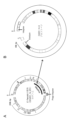
- FIG. 2 shows the genome and prophage sequences contained therein of an Enterococcus faecalis isolate derived from a fecal sample provided by a patient after allogeneic hematopoietic stem cell transplantation.
- Figure 1A shows the genome structure of the Enterococcus faecalis isolate (strain OCU031_14_8).
- Figure 1B shows the structure of the prophage (OCU031_14_8 prophage) sequence.
- FIG. 2 is a diagram showing the results of detecting synthesized phage-derived endolysin by SDS-PAGE. It is a figure showing the results of examining the lytic activity against Enterococcus faecalis isolate (OCU031_14_8 strain).
- FIG. 3A shows the change in OD 600 over time, starting at 0 minutes when phage-derived endolysin was added to the cell resuspension.
- Figure 3B shows cell resuspension 1 hour after addition of phage-derived endolysin.
- FIG. 3 is a diagram showing the results of a biofilm assay using crystal violet staining. Vehicle (V) or phage-derived endolysin (E) was added to a total of 11 Enterococcus faecalis isolates.
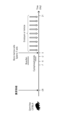
- FIG. 7 is a diagram schematically showing the experimental method in Example 5.
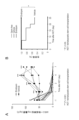
- FIG. 3 is a diagram showing the results of administering phage-derived endolysin to graft-versus-host disease (GVHD) model mice administered with Enterococcus faecalis isolates.
- FIG. 6A shows the results of measuring the amount of Enterococcus faecalis in feces.
- Figure 6B shows the survival rate of mice starting from the day of transplantation of hematopoietic stem cells (Day 0).
- FIG. 7 is a diagram schematically showing an experimental method in Example 6.
- FIG. 2 is a diagram showing the results of administering phage-derived endolysin to a graft-versus-host disease (GVHD) model mouse transplanted with a fecal sample.
- Figure 8A shows the proportion of Enterococcus bacteria in feces.
- Figure 8B shows the survival rate of mice starting from the day of transplantation of hematopoietic stem cells (Day 0).
- Enterococcus faecalis lytic agent 1-1 Overview
- the first aspect of the present invention is a bacteriolytic agent for Enterococcus faecalis.
- the lytic agent of the present invention comprises a lytic enzyme capable of lysing Enterococcus faecalis or an active fragment thereof, or a polynucleotide encoding either of the same or an expression vector containing the same.
- lytic agent refers to a drug consisting of a lytic enzyme having bacteriolytic activity against target bacteria, or a drug containing a polynucleotide encoding the lytic enzyme.
- lysis refers to a phenomenon that destroys bacterial cell membranes. Bacteria can be killed by lysis.
- lytic enzyme refers to an enzyme that has bacteriolytic activity against Enterococcus faecalis, unless otherwise specified. Specifically, any endolysin found from the prophage sequence of Enterococcus faecalis (wild-type endolysin), and a mutant endolysin derived from the endolysin and having bacteriolytic activity against Enterococcus faecalis. say.
- endolysin refers to an enzyme derived from bacteriophage and having the activity of degrading the cell wall of host bacteria. Endolysin normally has the activity of hydrolyzing peptidoglycan. Bacteriophages can exist as part of the bacterial genome or as extrachromosomal plasmids without destroying bacterial cells, and this state is called a prophage. It is known that when bacteriophages are released from bacterial cells via or without prophages, endolysin contributes to the release process by cleaving the bacterial cell wall.
- enterococci is a general term for spherical bacteria found in the intestinal tract of animals. Enterococci are Gram-positive facultative anaerobic bacteria, and more than 17 species of enterococci are known. Examples of enterococci include bacterial species such as Enterococcus faecalis and Enterococcus faecium.
- Enterococcus faecalis (E. faecalis) is a type of resident bacteria that exists in the intestines of humans and animals, and is a Gram-positive group D streptococcus. Although Enterococcus faecalis does not normally cause infections in healthy people, it is known to cause various infections, such as enterococcal infections described below, in people with weakened immunity.
- enterococcal infection is an infection caused by infection with enterococci.
- enterococci Enterococcus faecalis and Enterococcus faecium mainly cause infections in humans.
- enterococcal infection refers to those associated with Enterococcus faecalis infection, and particularly refers to enterococcal infections caused by Enterococcus faecalis infection.
- enterococcal infections caused by Enterococcus faecalis infection include, but are not limited to (acute) graft-versus-host disease, and intestinal dysbiosis such as alcoholic liver disease, vancomycin-resistant intestinal Examples include coccal bacteremia and infective endocarditis.
- graft-versus-host disease refers to an immune system derived from a graft (e.g., bone marrow cells, peripheral blood, umbilical cord blood, etc.) provided by a donor. is a disease that develops by attacking the recipient's organs and tissues. Graft-versus-host disease usually develops after allogeneic hematopoietic stem cell transplantation, as described below. Graft-versus-host disease is divided into acute graft-versus-host disease, which develops acutely after transplantation, and chronic graft-versus-host disease, which develops after a certain period of time after transplantation. Note that the current classification does not include a classification based on the time of onset, and the two types are generally distinguished based on characteristic findings.
- aGVHD acute graft-versus-host disease
- aGVHD acute graft-versus-host disease
- graft-versus-host disease that occurs within a certain period of time (eg, within 100 days, typically within 6 to 30 days) is applicable.
- Symptoms of acute graft-versus-host disease include skin rashes and blisters, liver dysfunction (eg, jaundice), vomiting and anorexia associated with gastrointestinal abnormalities, and persistent diarrhea.
- chronic graft-versus-host disease refers to a graft-versus-host disease that develops after a certain period of time has passed after transplantation. For example, this includes graft-versus-host disease that occurs 30 to 100 days or more after transplantation.
- Chronic graft-versus-host disease exhibits autoimmune disease-like symptoms, such as tissue fibrosis, compared to the above-mentioned acute graft-versus-host disease.
- allogeneic hematopoietic stem cell transplantation refers to hematopoietic stem cell transplantation using an individual other than the donor as a donor. Donors are usually related or unrelated individuals with matching or similar HLA types. Allogeneic hematopoietic stem cell transplantation is performed as a radical treatment for malignant blood diseases such as leukemia, and is classified into bone marrow transplantation, peripheral blood transplantation, or umbilical cord blood transplantation depending on the type of cells used for transplantation.
- pre-transplant treatment refers to reducing the recipient's immunity before allogeneic hematopoietic stem cell transplantation with the aim of killing cancer cells and/or promoting the engraftment of donor-derived hematopoietic stem cells. This refers to the treatment performed when Specific treatments include anticancer drug administration, radiation irradiation, or a combination thereof, and if necessary, administration of an immunosuppressant before transplantation. Generally, pre-transplant treatment is often performed approximately 7 to 10 days before hematopoietic stem cell transplantation.
- alcoholic liver damage refers to liver damage caused by excessive alcohol intake. Specific liver disorders include alcoholic fatty liver, hepatitis, and liver cirrhosis. It is known that Enterococcus faecalis infection can be involved in alcoholic liver damage (Duan, Y., et al., Nature, 2019, 575(7783): 505-511).
- vancomycin-resistant enterococcal bacteremia refers to a pathological condition in which enterococci that have acquired resistance to vancomycin (vancomycin-resistant enterococci; VRE) are present in the bloodstream. Bacteremia usually causes no symptoms. However, VRE can multiply in certain tissues and organs, causing serious infections. It is known that Enterococcus faecalis infection can be involved in vancomycin-resistant enterococcal bacteremia (Ford, C.D., et al., Biol Blood Marrow Transplant, 2017, 23(2):340-346).
- infective endocarditis refers to an infection that occurs within the heart. When the heart valves become infected in infective endocarditis, valve destruction and valvular heart disease may occur. Infective endocarditis can be established when bacteria that enter the bloodstream reach damaged heart valves. It is known that Enterococcus faecalis infection may be involved in infective endocarditis (Ch'ng JH, et al., Nat Rev Microbiol, 2019, 17(2):82-94.).
- Dysbiosis refers to an abnormal composition of bacterial flora in a living body. Specifically, it means a state in which the proportion of bacterial species that make up the bacterial flora is different from that of a healthy person. Dysbiosis is known to be involved in the onset and aggravation of various diseases due to changes in the proportion of bacterial species, such as a decrease in the number of bacterial species that make up the bacterial flora. Dysbiosis may involve the death of beneficial bacteria or a reversal of the normal ratio of bacterial species (referred to as ⁇ bacterial turnover'').
- intestinal dysbiosis As a result of dysbiosis, the bacterial flora as a whole has a functionally inferior bacterial composition.
- Dysbiosis of intestinal flora is particularly referred to herein as "intestinal dysbiosis.” Examples of diseases associated with intestinal dysbiosis include, but are not limited to, graft-versus-host disease and alcoholic liver disease.
- a plurality of pieces means, for example, 2 to 40 pieces, 2 to 30 pieces, 2 to 20 pieces, 2 to 15 pieces, 2 to 10 pieces, 2 to 7 pieces, 2 to 5 pieces, 2 to Refers to 4 pieces or 2 to 3 pieces.
- amino acid identity sequence identity with respect to amino acid sequences
- amino acid identity refers to the amino acid sequences of two polypeptides being compared, so that the number of amino acid residues that match is maximized. It refers to the ratio (%) of the number of identical amino acid residues to the total number of amino acid residues when aligned with appropriate gaps inserted. Alignment of two amino acid sequences for calculating amino acid identity can be performed using known programs such as Blast, FASTA, and ClustalW.
- Base identity sequence identity with respect to base sequences
- amino acid substitution refers to a substitution within a group of conservative amino acids with similar properties such as charge, side chain, polarity, and aromaticity among the 20 types of amino acids that make up natural proteins. Refers to substitution.
- uncharged polar amino acids with low polar side chains Gly, Asn, Gln, Ser, Thr, Cys, Tyr
- branched chain amino acids Leu, Val, Ile
- neutral amino acids Gly, Ile
- Val Leu, Ala, Met, Pro
- neutral amino acids with hydrophilic side chains Asn, Gln, Thr, Ser, Tyr, Cys
- acidic amino acids Asp, Glu
- basic amino acids Asp, Glu
- substitutions within aromatic amino acid groups Phe, Tyr, Trp). Amino acid substitutions within these groups are preferred because they are known to be less likely to cause changes in the properties of the polypeptide.
- stringent conditions means conditions in which non-specific hybrids are unlikely to be formed.
- High stringency conditions refer to conditions under which non-specific hybrids are less likely to form or are not formed. Generally, the lower the salt concentration and the higher the temperature, the more stringent the reaction conditions become.
- the conditions are, for example, washing at 50°C to 70°C, 55°C to 68°C, or 65°C to 68°C with 0.1 ⁇ SSC and 0.1% SDS.
- the stringency of hybridization can be increased by appropriately combining other conditions such as probe concentration, probe base length, and hybridization time.
- the Enterococcus faecalis bacteriolytic agent of the present invention contains, as an active ingredient, (1) a lytic enzyme or an active fragment thereof, (2) a polynucleotide encoding a lytic enzyme or an active fragment thereof, or (3) Includes an expression vector containing a polynucleotide encoding a lytic enzyme or an active fragment thereof.
- the lytic agent of the present invention consists of or includes a lytic enzyme or an active fragment thereof.
- the lytic enzyme is endolysin consisting of a wild-type amino acid sequence encoded by the prophage sequence of Enterococcus faecalis (hereinafter referred to as "wild-type endolysin”), or endolysin consisting of a mutant amino acid sequence derived from the endolysin. (hereinafter referred to as "mutant endolysin").
- wild-type endolysin examples include endolysin consisting of the amino acid sequence shown in SEQ ID NO: 1.
- phage-derived endolysin consisting of the amino acid sequence shown by SEQ ID NO: 1 (hereinafter referred to as "phage-derived endolysin”) was commonly found in the genomes of the 11 Enterococcus faecalis isolates isolated in this example. This endolysin was found in prophages classified as Podoviridae in all 11 isolates. This phage-derived endolysin contains an enzymatically active domain and a cell wall binding domain.
- the enzymatic activity domain has an activity that catalyzes the hydrolysis of the 1,4 ⁇ -bond between N-acetylmuramic acid and N-acetyl-D-glucosamine residues (endo-N-acetylmuramidase activity or muramidase activity). It is a catalytic domain with a This enzymatic activity can modify bacterial cell walls.
- the enzymatically active domain includes positions 3 to 202.
- the cell wall-binding domain can be classified as the ZoocinA_TRD domain, which includes positions 223 to 329 in the amino acid sequence shown in SEQ ID NO:1.
- the mutant endolysin is an amino acid sequence in which one or more amino acids are deleted, substituted, or added to the amino acid sequence of the above wild-type endolysin (the amino acid sequence shown in SEQ ID NO: 1), or the above-mentioned wild-type endolysin.
- Lysin amino acid sequence (amino acid sequence shown in SEQ ID NO: 1) and 60% or more, 65% or more, 70% or more, 75% or more, 80% or more, 82% or more, 85% or more, 87% or more, 90% or more, Polypeptides containing amino acid sequences with sequence identity of 91% or more, 92% or more, 93% or more, 94% or more, 95% or more, 96% or more, 97% or more, 98% or more, or 99% or more are listed. It will be done.
- the mutant endolysin preferably has an activity of 50% or more, 60% or more, 70% or more, 80% or more, or 90% or more of wild-type endolysin, or an activity equivalent to or more than that.
- Mutant endolysins with such activity include those containing an enzymatic activity domain and a cell wall binding domain.
- a mutant endolysin containing an enzyme active domain consisting of positions 3 to 202 in the amino acid sequence shown in SEQ ID NO: 1 and a cell wall binding domain consisting of positions 223 to 329 in the amino acid sequence shown in SEQ ID NO: 1 is exemplified. .
- the lytic enzyme comprises (a) the amino acid sequence shown in SEQ ID NO: 1, (b) an amino acid in which one or more amino acids have been added, deleted, and/or substituted in the amino acid sequence shown in SEQ ID NO: 1. or (c) a polypeptide consisting of an amino acid sequence having 90% or more sequence identity with the amino acid sequence shown in SEQ ID NO: 1, or an active fragment thereof, or a polypeptide containing the same or an active fragment thereof.
- active fragment of a lytic enzyme refers to a fragment of any of the above-mentioned lytic enzymes that has bacteriolytic activity against Enterococcus faecalis, for example, 50% or more, 60% or more of the activity of the wild-type endolysin described above. , 70% or more, 80% or more, or 90% or more of the activity, or a fragment with an activity equivalent to or more than that. Examples include fragments containing an enzymatically active domain and/or a cell wall binding domain.
- a fragment containing an enzyme active domain consisting of positions 3 to 202 in the amino acid sequence shown in SEQ ID NO: 1 and/or a cell wall binding domain consisting of positions 223 to 329 in the amino acid sequence shown in SEQ ID NO: 1 is Illustrated.
- the amino acid length of the polypeptide constituting this fragment is not particularly limited, but may be, for example, a continuous region of at least 50, 100, 150, 200, 250, or 300 amino acids in wild-type endolysin.
- the lytic agent of the present invention comprises or consists of a polynucleotide encoding a lytic enzyme or an active fragment thereof.
- the polynucleotide of the present invention encodes the above-mentioned lytic enzyme or an active fragment thereof.
- the base sequence of the polynucleotide of the present invention is not particularly limited as long as it encodes any of the above-mentioned lytic enzymes or active fragments thereof.
- a polynucleotide encoding wild-type endolysin consisting of the amino acid sequence shown in SEQ ID NO: 1 for example, a polynucleotide consisting of the base sequence shown in SEQ ID NO: 2 can be mentioned.
- the polynucleotide of the present invention comprises (a) the base sequence shown in SEQ ID NO: 2, (b) a base in which one or more bases have been deleted, substituted, or added in the base sequence shown in SEQ ID NO: 2.
- Sequence (c) Base sequence shown in SEQ ID NO: 2 and 60% or more, 65% or more, 70% or more, 75% or more, 80% or more, 82% or more, 85% or more, 87% or more, 90% or more, 91 Base sequence having sequence identity of % or more, 92% or more, 93% or more, 94% or more, 95% or more, 96% or more, 97% or more, 98% or more, or 99% or more, or (d) Sequence number It contains any of the nucleotide sequences that hybridize under highly stringent conditions with the nucleotide sequence complementary to the nucleotide sequence shown in 2.
- the base sequence of the polynucleotide of the present invention may be a base sequence that is codon-optimized according to the codon usage frequency of the cell into which the polynucleotide is introduced.
- the polynucleotide of the present invention may be DNA or RNA such as mRNA.
- its base sequence can be an mRNA containing as a coding region a base sequence in which thymine (T) is replaced with uracil (U) in any of the base sequences exemplified above. can.
- the mRNA corresponding to the polynucleotide of the present invention includes a cap structure at the 5' end, a poly A chain at the 3' end, a 5' untranslated region (5' UTR) upstream of the start codon, and/or Alternatively, it may include the 3' untranslated region (3' UTR) downstream of the stop codon.
- the 5' UTR and/or 3' UTR may contain a sequence for regulating the amount of translation from mRNA.
- Expression vector comprising a polynucleotide encoding a lytic enzyme or an active fragment thereof
- the lytic agent of the present invention is a polynucleotide encoding a lytic enzyme or an active fragment thereof capable of lysing Enterococcus faecalis. comprises or consists of an expression vector containing.
- the expression vector of the present invention contains a polynucleotide encoding the lytic enzyme of the present invention or a fragment thereof in an expressible state.
- an expressible state means that the gene to be expressed is placed in the downstream region of the promoter under the control of the promoter.
- the expression vector of the present invention contains a promoter and the polynucleotide described in "(2) Polynucleotide encoding a lytic enzyme or an active fragment thereof" as essential components.
- Vectors that can be used as the expression vector of the present invention are, for example, expression vectors that utilize plasmids or viruses.
- expression vector includes plasmid vectors, viral vectors, and recombinant vectors.
- promoter various promoters can be used, such as an overexpression promoter, a constitutive promoter, a site-specific promoter, a period-specific promoter, and/or an inducible promoter.
- CMV-IE promoter CMV promoter
- SV40 early promoter SV40 early promoter
- RSV promoter HSV-TK promoter
- EF1 ⁇ promoter Ub promoter
- metallothionein promoter SR ⁇ promoter
- CAG promoter CAG promoter.
- the expression vector has a terminator, an enhancer, a polyA addition signal, a 5'-UTR (untranslated region) sequence, an intron sequence, a ribosome binding sequence, a label or selection marker gene, a multiple cloning site, a nuclease recognition sequence, and/or a replication initiation sequence. It can also include points, etc. Each type is not particularly limited as long as it can exert its function within the host cell.
- Enterococcus faecalis can be selectively lysed.
- the bacteriolytic agent of the present invention can selectively lyse Enterococcus faecalis compared to bacteria other than Enterococcus in the intestinal flora, and does not substantially lyse beneficial bacteria, for example. . Therefore, unlike antibiotics, it can improve the state of intestinal flora without worsening dysbiosis.
- enterococcal infections caused by Enterococcus faecalis can be treated or prevented.
- the enterococcal infection may be, for example, acute graft-versus-host disease, and the subject may be a recipient of an allogeneic hematopoietic stem cell transplant.
- bacteriolytic agent of the invention in the manufacture of a medicament for treating or preventing enterococcal infections such as acute graft-versus-host disease.
- composition for treatment or prevention of enterococcal infection 2-1. Overview
- the second aspect of the present invention is a pharmaceutical composition for treating or preventing enterococcal infections.
- the pharmaceutical composition for treating or preventing enterococcal infections of the present invention contains the Enterococcus faecalis bacteriolytic agent of the first aspect, and can treat or prevent enterococcal infections.
- compositions of the present invention include an active ingredient as an essential component and a pharmaceutically acceptable carrier or other agent as an optional ingredient.
- the pharmaceutical composition of the present invention can also be composed of only the active ingredient. However, in order to facilitate the formation of a dosage form and maintain the pharmacological effects and/or dosage form of the active ingredient, it is preferable that the composition be constructed as a pharmaceutical composition containing a pharmaceutically acceptable carrier as described below.
- Active ingredient The active ingredient in the pharmaceutical composition of the present invention is the bacteriolytic agent of the present invention. Since the configuration has already been described in detail in the first aspect, a detailed explanation thereof will be omitted here.
- the number of bacteriolytic agents contained in the pharmaceutical composition of the present invention is not limited, and may be one or more.
- the pharmaceutical composition of the present invention comprises multiple lysing agents, it can contain any combination of wild-type endolysin and/or mutant endolysin described in the first aspect.
- compositions are pharmaceutically acceptable carriers.
- pharmaceutically acceptable carrier is a solvent and/or additive that can be commonly used in the field of formulation technology, and is one that has little or no harm to living organisms. Or something that doesn't exist at all.
- Examples of pharmaceutically acceptable solvents include water, ethanol, propylene glycol, ethoxylated isostearyl alcohol, polyoxylated isostearyl alcohol, polyoxyethylene sorbitan fatty acid esters, and the like. It is desirable that these be sterilized and, if necessary, adjusted to be isotonic with blood.
- pharmaceutically acceptable additives include, for example, excipients, binders, disintegrants, fillers, emulsifiers, fluidity additives, lubricants, and the like.
- Excipients include, for example, sugars such as monosaccharides, disaccharides, cyclodextrins and polysaccharides (more specifically, but not limited to, glucose, sucrose, lactose, raffinose, mannitol, sorbitol, inositol, dextrin). , maltodextrin, starch and cellulose), metal salts (e.g. sodium chloride, sodium or calcium phosphate, calcium sulfate, magnesium sulfate, calcium carbonate), citric acid, tartaric acid, glycine, low, medium or high molecular weight polyethylene. Examples include glycol (PEG), pluronic, kaolin, silicic acid, or combinations thereof.
- sugars such as monosaccharides, disaccharides, cyclodextrins and polysaccharides (more specifically, but not limited to, glucose, sucrose, lactose, raffinose, mannitol,
- binder examples include starch paste using corn, wheat, rice, or potato starch, simple syrup, glucose solution, gelatin, tragacanth, methylcellulose, hydroxypropylmethylcellulose, sodium carboxymethylcellulose, shellac and/or polyvinylpyrrolidone, etc. can be mentioned.
- disintegrant examples include the above-mentioned starch, lactose, carboxymethyl starch, crosslinked polyvinylpyrrolidone, agar, laminaran powder, sodium bicarbonate, calcium carbonate, alginic acid or sodium alginate, polyoxyethylene sorbitan fatty acid ester, sodium lauryl sulfate, and stearin.
- examples include acid monoglycerides or salts thereof.
- filler examples include the sugar and/or calcium phosphate (eg, tricalcium phosphate or calcium hydrogen phosphate).
- sugar and/or calcium phosphate eg, tricalcium phosphate or calcium hydrogen phosphate.
- emulsifier examples include sorbitan fatty acid ester, glycerin fatty acid ester, sucrose fatty acid ester, and propylene glycol fatty acid ester.
- Flow additives and lubricants include, for example, silicates, talc, stearates, or polyethylene glycols.
- flavoring agents in addition to the above additives, flavoring agents, solubilizing agents, suspending agents, diluents, surfactants, stabilizers, absorption enhancers (e.g., quaternary ammonium salts, (sodium lauryl sulfate), fillers, humectants (e.g. glycerin, starch), adsorbents (e.g. starch, lactose, kaolin, bentonite, colloidal silicic acid), disintegration inhibitors (e.g. white sugar, stearin, cocoa butter, Hydrogenated oils), coating agents, colorants, preservatives, antioxidants, fragrances, flavors, sweeteners, buffers, etc. may also be included.
- humectants e.g. glycerin, starch
- adsorbents e.g. starch, lactose, kaolin, bentonite, colloidal silicic acid
- the pharmaceutical composition of the present invention can also contain other drugs as long as the pharmacological effects of the above-mentioned active ingredients are not lost.
- other drugs include drugs that have bacteriolytic activity against Enterococcus faecalis similar to the bacteriolytic agent of the present invention, and other therapeutic agents for enterococcal infections. Examples include known therapeutic agents for enterococcal infections, antibacterial agents, and intestinal regulating agents (eg, probiotic preparations).
- specific drugs include corticosteroid preparations, immunosuppressants, calcineurin inhibitors, cyclophosphamide preparations, antithymocyte globulin preparations, and mesenchymal stem cell preparations.
- It may also be a drug that has a direct therapeutic action against enterococcal infections or a pharmacological action unrelated to bacteriolytic activity against Enterococcus faecalis.
- examples include gastric mucosal protective agents.
- the pharmaceutical composition of the present invention is a composite preparation containing other drugs, it is convenient because synergistic effects such as multifaceted inhibition of enterococcal infections can be expected.
- the dosage form of the pharmaceutical composition of the present invention must be a dosage form that does not or does not easily inactivate the active ingredient, the bacteriolytic agent of the present invention, and that can sufficiently exert its pharmacological effects in vivo after administration. There are no particular limitations.
- Dosage forms can be classified into liquid dosage forms or solid dosage forms (including semi-solid dosage forms such as gels), and the pharmaceutical composition of the present invention may be either of these forms. Further, dosage forms can be broadly classified into oral dosage forms and parenteral dosage forms, depending on the administration method, and either type may be used.
- Specific dosage forms include oral dosage forms, such as liquid dosage forms such as suspensions, emulsions, and syrups, powders (including powders, powders, and lozenges), granules, and tablets. , solid dosage forms such as capsules, sublinguals, and lozenges.
- Parenteral dosage forms include, for example, liquid dosage forms such as injections, suspensions, and emulsions, and solid dosage forms such as creams, ointments, plasters, poultices, and suppositories.
- Preferred dosage forms are either oral dosage forms or, if parenteral dosage forms, liquid dosage injections.
- the pharmaceutical composition of the present invention is formulated as an enteric-coated preparation.
- Enteric-coated formulations can be formulated as capsules, tablets, caplets, pills, troches, lozenges, powders, or granules.
- the coating of the enteric preparation is not particularly limited, and enteric polymers known in the art can be used.
- enteric polymers such as poly(methacrylic acid-co-methyl methacrylate) or Eudragit (eg EUDRAGIT L30 D-55) can be used.
- the pharmaceutical composition of the present invention can be prepared by any method known in the art as long as it is possible to administer an effective amount of the active ingredient, the bacteriolytic agent of the present invention, to a living body for the treatment or prevention of enterococcal infections. Any method can be applied.
- an effective amount means the amount necessary for the active ingredient to perform its function, that is, the amount necessary for the therapeutic or prophylactic agent in the present invention to treat or prevent enterococcal infection. The amount that causes little or no harmful side effects to the living organism to which it is applied. This effective amount may vary depending on conditions such as subject information, route of administration, and number of administrations.
- Subject or “subject” refers to an individual animal to which the pharmaceutical composition of the present invention is applied. Preferred subjects are humans.
- Subject information refers to various individual information about the subject, including, for example, the subject's age, weight, sex, general health condition, drug sensitivity, and whether or not the subject is taking any medications.
- the effective amount and the dose calculated based on it are determined by the judgment of a physician or veterinarian depending on the information of each individual subject.
- it may be administered in several doses to reduce the burden on the subject. can.
- the pharmaceutical composition of the present invention may be administered systemically or locally.
- systemic administration include intravascular injection such as intravenous injection, oral administration, and the like.
- local administration include rectal administration, intraperitoneal administration, and the like.
- Preferred methods of administration are oral, rectal, intraperitoneal, or intravenous.
- the active ingredient of the pharmaceutical composition of the present invention is comprised of the bacteriolytic agent of the present invention. Therefore, in the case of oral administration, it is preferable to take appropriate measures such as using an appropriate DDS (drug delivery system) to protect the active ingredient from degradation by digestive enzymes.
- DDS drug delivery system
- the dose or intake amount is appropriately selected depending on the subject's age, weight, symptoms, health condition, type of composition (medicinal product, food/beverage, etc.), etc. be done. For example, 0.001 mg/kg/day to 1000 mg/kg/day, 0.01 mg/kg/day to 500 mg/kg/day, 0.1 mg/kg/day to 200 mg/kg/day, 1 mg/kg/day It may be ⁇ 100 mg/kg/day, 5 mg/kg/day to 50 mg/kg/day, or 10 mg/kg/day.
- enterococcal infection targeted by the pharmaceutical composition of the present invention is not particularly limited as long as it is a disease caused by Enterococcus faecalis infection.
- enterococcal infections include intestinal dysbiosis (eg, acute graft-versus-host disease, alcoholic liver injury), vancomycin-resistant enterococcal bacteremia, and infective endocarditis. It is disclosed in the literature (Duan, Y., et al., Nature, 2019, 575(7783): 505-511) that Enterococcus faecalis may be involved in alcoholic liver damage.
- the enterococcal infection is graft-versus-host disease, preferably acute graft-versus-host disease.
- the pharmaceutical composition of the invention can be administered to a recipient of an allogeneic hematopoietic stem cell transplant.
- the pharmaceutical composition of the present invention can be administered before and/or after allogeneic hematopoietic stem cell transplantation.
- administration can be started 100 days, 90 days, 80 days, 70 days, 60 days, 50 days, 40 days, 30 days, 20 days, 10 days, 5 days, or 3 days before allogeneic hematopoietic stem cell transplantation. , and/or up to 3 days, 5 days, 10 days, 20 days, 30 days, 40 days, 50 days, 60 days, 70 days, 80 days, 90 days, or 100 days after transplantation.
- enterococcal infections can be treated or prevented.
- acute graft-versus-host disease can be prevented by selectively reducing Enterococcus faecalis in the intestinal flora.
- the pharmaceutical composition of the present invention is administered after the onset of acute graft-versus-host disease, it improves the state of the intestinal flora by selectively reducing Enterococcus faecalis that has become predominant in the intestinal flora. be able to.
- the pharmaceutical composition of the present invention can also be administered in combination with fecal transplant therapy.
- the pharmaceutical composition of the present invention may be administered simultaneously with fecal transplantation, or before or after fecal transplantation.
- the third aspect of the present invention is a food composition for treating or preventing enterococcal infections.
- the food composition for treating or preventing enterococcal infections of the present invention contains the Enterococcus faecalis bacteriolytic agent of the first aspect, and can treat or prevent enterococcal infections.
- the food composition of the present invention is ingested or eaten as, for example, a functional food, a food with functional claims, a food for specified health uses, a nutritionally functional food, and the like.
- composition active ingredients of food composition
- the active ingredient in the food composition of the present invention is the above-mentioned Enterococcus faecalis bacteriolytic agent.
- the "food composition” of the present invention includes, but is not particularly limited to, foods, beverages, functional foods, and the like.
- the type of food composition according to the present invention is not particularly limited, but examples of the food include confectionery, noodles, bread, processed grain products such as cooked rice and biscuits, paste products, dairy products, instant foods, and seasonings. Can be mentioned.
- Examples of the beverage include tea-based drinks (green tea, black tea, oolong tea, etc.), fruit or vegetable drinks, oral rehydration solutions, carbonated drinks, soft drinks, nutritional drinks, water, and the like.
- the food composition of the present invention may be a functional food.
- the "functional food” of the present invention means a food that has functionality for living organisms.
- so-called foods with health claims including foods for specified health uses and foods with nutritional claims, foods with functional claims, foods for special purposes, nutritional supplements, health supplements, and supplements (e.g., liquids, powders, tablets, capsules, etc.) Includes all health foods.
- the functional food of the present invention is preferably a supplement.
- the functional food of the present invention can be a solid preparation (e.g., tablet, granule, powder, pill, capsule, etc.), a liquid preparation (e.g., solution, suspension, syrup, etc.), or a gel or paste. etc., or may be in the shape of a normal food or drink (for example, a drink, a confectionery, etc.).
- the amount of the bacteriolytic agent added to the food composition of the present invention is not particularly limited. Usually, the blending amount of the bacteriolytic agent is 0.001 to 99% by weight, 0.01 to 10% by weight, or 0.1 to 10% by weight, such as 90% by weight, 50% by weight, 10% by weight, 5% by weight, based on the total weight of the food. %, 3%, 2%, 1%, 0.1%, or 0.01% by weight.
- the food composition of the present invention may further contain any food ingredient.
- the food composition of the present invention may contain water, protein, carbohydrates, lipids, vitamins, minerals, amino acids, organic acids, organic bases, fruit juice, flavors, prebiotics, and the like.
- the food composition of the present invention may also contain additives such as sweeteners, flavors, and colorants.
- Example 1 Analysis of intestinal flora in patients after allogeneic hematopoietic stem cell transplantation> (the purpose) The intestinal microbial composition will be analyzed using fecal samples provided by patients who have undergone allogeneic hematopoietic stem cell transplantation.
- Allogeneic hematopoietic cell transplantation (allo-HCT) was performed between January 2019 and June 2020 at the Department of Hematology and Hematopoietic Cell Transplantation, Osaka Public University Hospital. A total of 317 fecal samples were provided by 46 patients with blood disorders. This study received ethical approval from the institutional review board and was conducted with informed consent from all patients.
- Fecal sample collection from each patient began before transplantation (within 14 days before the start of pretreatment) and continued until 98 ⁇ 3 days from the day of stem cell infusion (day 0) or until hospital discharge. In addition, specimen collection was omitted if the patient was unable to provide a fecal sample due to deterioration of his or her general condition.
- Bacterial DNA extraction from fecal samples was performed according to the method described in the literature (Fujimoto K, et al., Cell Host Microbe, 2020, 28(3):380-9, e9). Ta. Specifically, fecal samples stored in RNA later (Invitrogen, Carlsbad, CA) were mixed with 1 mL of SM-plus buffer (100 mM NaCl, 50 mM Tris-HCl (pH 7.4), 8 mM MgSO4 . 7H 2 O, 5 mM CaCl.2H 2 O, and 0.01% (w/v) gelatin) and then passed through a 100 ⁇ m cell strainer.
- SM-plus buffer 100 mM NaCl
- Tris-HCl pH 7.4
- 8 mM MgSO4 . 7H 2 O 5 mM CaCl.2H 2 O
- Samples were transferred to SM-plus buffer containing 20 mM EDTA, 100 ⁇ g/mL recombinant human lysozyme (Sigma Aldrich, St Louis, MO, USA), and 0.5 U/mL achromopeptidase (Fujifilm Wako Pure Chemical, Tokyo, Japan). 1 mL of solution and incubated at 37°C for 1 hour. After incubation, the supernatant was incubated with 1/400 volume of 20 mg/mL proteinase K (Nacalai Tesque, Kyoto, Japan) and 1/20 volume of 10% sodium dodecyl sulfate (SDS) for 1 hour at 55°C. .
- SDS sodium dodecyl sulfate
- V3-V4 region of 16S rRNA was amplified by PCR.
- the first stage PCR amplification was performed for 20 cycles using a forward primer (ACACGACGCTCTTCCGATCTCCTACGGGNGGCWGCAG, SEQ ID NO: 3) and a reverse primer (GACGGTGTGCTCTTCCGATCTGACTACHVGGGTATCTAATCC, SEQ ID NO: 4).
- the second step of PCR amplification was performed using a primer pair consisting of an overhang sequence (ACACGACGCTCTTCCGATCT, SEQ ID NO: 5; GACGTGCTCTTCCGATCT, SEQ ID NO: 6) and an index sequence, and NEBNext multiplex Oligos for Illumina (Dual Index Primers Set 1, New England Biolabs). I went on a cycle.
- the amplified products were subsequently purified using Agencourt AMpure beads. Sequencing was performed on a MiSeq instrument (Illumina, San Diego, CA) using the MiSeq v3 Reagent kit and 15% PhiX spike (Illumina). 16S rRNA gene analysis was performed using QIIME2.
- Enterococcus predominance was observed in 89 fecal samples from 30 cases (65.2%).
- Enterococcus domination means a state in which bacteria of the genus Enterococcus account for 25% or more of all bacteria contained in a fecal sample.
- Example 2 Analysis of Enterococcus bacterial strains isolated from fecal samples> (the purpose) Enterococcus bacterial strains are isolated from the fecal samples in which Enterococcus predominance was found in Example 1, and antibacterial resistance and gene expression analysis is performed.
- E. faecalis ATCAAGTAGTCT, SEQ ID NO: 7; and ACGATTCAAAGCTAACTG, SEQ ID NO: 8
- E. faecium TGAGGCAGACCAGATTGACG, SEQ ID NO: 9; and TATGACAGCGACTCCGATTCC, SEQ ID NO: 10
- the bacterial species was identified by performing amplification and analyzing the amplified product using MCE-202 MultiNA with DNA-12000. Of the 30 strains, 11 were identified as E. faecalis and 19 as E. faecium.
- the minimum inhibitory concentration of any of the antimicrobial agents daptomycin (DAP), vancomycin (VCM), teicoplanin (TEIC), and linezolid (LZD) was determined according to the product specifications. Both E. faecalis strains (11 strains) and E. faecium (19 strains) were susceptible to daptomycin, vancomycin, teicoplanin, and linezolid. Table 1 below shows the results of antimicrobial resistance tests on E. faecalis strains (11 strains).
- Multidrug-resistant bacteria such as vancomycin-resistant Enterococcus (VRE) have been reported to be associated with mortality after allo-HCT (Ford, C.D., et al., Biol Blood Marrow Transplant, 2017, 23( 2): 340-6.).
- VRE vancomycin-resistant Enterococcus
- the above results were consistent with the standard epidemiological characteristics of E. faecalis and E. faecium strains isolated in Japan (Fujiya, K., et al., Sci Rep., 2021; 11(1 ):14780.).
- Cytolysin is known as one of the exocrine proteins that contributes to the aggravation of Enterococcus bacteria-related diseases in humans and many animal models.
- cytolysin-related genes cylL L , cylA, cylB, and cylM were detected in all E. faecalis isolates, but not in any E. faecium isolates.
- Example 3 Whole genome analysis of E. faecalis isolates and identification of phage-derived endolysin> (the purpose) Perform whole genome analysis of E. faecalis isolates. Furthermore, we identify lytic enzyme genes in prophage sequences in the E. faecalis genome.
- the open reading frames (ORFs) identified as a result of sequencing each sample were annotated according to the KEGG prokaryotic genes and corresponding KOs ( Figure 1A).
- the prophage sequences in the bacterial contig were predicted by VirSorter (v1.0.3) (Fig. 1B). From the sequence data of each isolate, up to four types of prophage sequences classified as Siphoviridae or Podoviridae were identified.
- endolysin gene In 11 E. faecalis isolates, the putative coding sequence of endolysin was extracted from the prophage sequence. All of the identified endolysins consist of the amino acid sequence shown in SEQ ID NO: 1, and are encoded by the base sequence shown in SEQ ID NO: 2.
- endolysin commonly found in isolated strains will be referred to as “phage-derived endolysin”
- phage-derived endolysin gene the gene encoding the endolysin
- Example 4 Verification of lytic activity against E. faecalis isolates> (the purpose) The phage-derived endolysin identified in Example 3 will be synthesized and its in vitro lytic activity against E. faecalis isolates will be verified.
- This expression vector was transformed into BL21 (DE3) cells, and the protein of interest was purified using a CapturemTM His-tag purification maxiprep column (Takara).
- the resulting protein was desalted with HiTrap buffer (50 mM Na 3 PO 4 , 0.15 M NaCl, pH 7.0) using a HiTrapTM desalting column (Amersham Biosciences).
- HiTrap buffer 50 mM Na 3 PO 4 , 0.15 M NaCl, pH 7.0
- HiTrapTM desalting column Amersham Biosciences
- the protein solution was loaded into an Amicon® Ultra-15 10K (Millipore) and centrifuged at 5,000 ⁇ g for 20 minutes at room temperature.
- the concentration of target protein was measured using Protein Assay CBB Solution (Nacalai Tesque).
- the obtained phage-derived endolysin was confirmed by SDS polyacrylamide gel electrophoresis (SDS-PAGE) ( Figure 2).
- E. faecalis isolate OCU031_14_8 was aerobically cultured in BHI medium and recovered by centrifugation at 3,000 xg for 15 minutes. Cell pellets were washed and resuspended in HiTrap buffer. Phage-derived endolysin was added to the cell resuspension at a final concentration of 50 ⁇ g/mL. Lytic activity was determined by measuring turbidity (OD 600 ) every minute with a TVS062CA BioPhoto recorder (ADVANTEC, Tokyo, Japan).
- each of the 11 E. faecalis isolates was incubated at 37°C in BHI medium supplemented with aztreonam (20 ⁇ g/mL), polymyxin B (20 ⁇ g/mL), and amphotericin B (4 ⁇ g/mL). The cells were cultured overnight. It was then diluted 100 times with fresh BHI medium, inoculated into a 96-well flat bottom polystyrene microtiter plate (Corning, Arizona, USA, 353072), and further aerobically cultured at 37°C for 24 hours.
- the 96-well plate was washed once with 200 ⁇ L of HiTrap buffer, and 200 ⁇ L of phage-derived endolysin or vehicle (His-tagged SUMO protein) was added (final concentration 50 ⁇ g/mL). Plates were incubated overnight, then washed with 200 ⁇ L of phosphate-buffered saline (PBS) and inverted to dry. Then, 200 ⁇ L of 0.5% crystal violet solution was added for staining. After staining for 15 minutes at room temperature, the plates were washed three times with 200 ⁇ L of PBS. The plate was dried at 50°C for 30 minutes, and the bound dye was dissolved by adding 200 ⁇ L of 95% ethanol (v/v). The absorbance of the sample was measured at 570 nm. Experiments were repeated in 8 wells for all 11 bacterial strains.
- Example 5 Administration of phage-derived endolysin to GVHD model mice administered with E. faecalis> (the purpose) Phage-derived endolysin will be administered to GVHD model mice treated with E. faecalis, and the effect on the number of E. faecalis bacteria in feces and survival rate will be examined.
- a suspension of E. faecalis OCU031_14_8 strain was orally administered to germ-free C57BL/6 female mice.
- the suspension used was 2.0 ⁇ 10 8 colony forming units (cfu) suspended in 200 ⁇ L of sterile PBS.
- the fecal suspension was transferred to enterococcal selection agar medium (brain heart infusion supplemented with aztreonam 20 ⁇ g/mL, polymyxin B 20 ⁇ g/mL, amphotericin B 4 ⁇ g/mL, triphenyltetrazolium chloride 50 ⁇ g/mL). (BHI) medium), colonization of E. faecalis was confirmed.
- busulfan (Sigma-Aldrich) was intraperitoneally administered to germ-free C57BL/6 female mice at 20 mg/kg/day for 5 days, followed by cyclophosphamide (Sigma-Aldrich) at 10 mg/kg/day. The drug was administered for 3 days. Day -2 and Day -1 were designated as rest days. On Day 0, recipient C57BL/6 mice were injected intravenously with 1.5 ⁇ 10 7 bone marrow cells and 2.0 ⁇ 10 6 splenic T cells from 129SvJ/JmsSlc donor female mice. Bone marrow cells were obtained from femurs and suspended in Hanks' Balanced Salt Solution (Nacalai Tesque).
- the survival rate was monitored daily after Day 0. Overall survival times in each group were statistically analyzed and compared using the generalized Wilcoxon test. In addition, the amount of E. faecalis bacteria in the feces was quantified by culturing a suspension of feces diluted in BHI medium on an agar medium for enterococcal selection and measuring the number of colonies formed. All experiments were performed in duplicate.
- Example 6 Administration of phage-derived endolysin to GVHD model mice transplanted with fecal samples> (the purpose) Phage-derived endolysin will be administered to GVHD model mice transplanted with the patient's feces collected in Example 1, and the effect on the number of E. faecalis bacteria in the feces and survival rate will be examined.
- FIG. 7 shows an outline of the experimental method in this example.
- the method was the same as in Example 5, except that 200 ⁇ L suspension obtained by diluting feces (OCU031_14) from a patient with Enterococcus predominance 16 times in an anaerobic medium was orally administered.
- An experiment was conducted. The survival rate was monitored every day after Day 0, and the intestinal microbial composition on Day 0 and Day 8 was analyzed by 16S rRNA gene sequencing.
- Example 7 Evaluation of lytic activity against additional E. faecalis and E. faecium isolates> (the purpose) Phage-derived endolysin is evaluated for lytic activity against additional E. faecalis and E. faecium isolates. In particular, lytic activity is examined in relation to cytolysin-related gene positivity/negative and/or vancomycin resistance/non-resistance.
- Cell pellets were washed and resuspended in HiTrap buffer, and phage-derived endolysin was added to the cell resuspension at a final concentration of 50 ⁇ g/mL. After incubation at 37 degrees, lytic activity was measured using the presence or absence of bacterial mass as an indicator.
- Phage-derived endolysin also showed bacteriolytic activity against vancomycin-resistant and cytolysin-positive E. faecalis isolate JCM8902. On the other hand, phage-derived endolysin did not show any lytic activity against E. faecium isolate JCM5804.
Landscapes
- Health & Medical Sciences (AREA)
- Chemical & Material Sciences (AREA)
- Life Sciences & Earth Sciences (AREA)
- Engineering & Computer Science (AREA)
- Bioinformatics & Cheminformatics (AREA)
- Organic Chemistry (AREA)
- General Health & Medical Sciences (AREA)
- Zoology (AREA)
- Immunology (AREA)
- Genetics & Genomics (AREA)
- Wood Science & Technology (AREA)
- Medicinal Chemistry (AREA)
- General Engineering & Computer Science (AREA)
- Biochemistry (AREA)
- Pharmacology & Pharmacy (AREA)
- Veterinary Medicine (AREA)
- Public Health (AREA)
- Animal Behavior & Ethology (AREA)
- Biotechnology (AREA)
- Microbiology (AREA)
- General Chemical & Material Sciences (AREA)
- Chemical Kinetics & Catalysis (AREA)
- Nuclear Medicine, Radiotherapy & Molecular Imaging (AREA)
- Biomedical Technology (AREA)
- Molecular Biology (AREA)
- Transplantation (AREA)
- Epidemiology (AREA)
- Proteomics, Peptides & Aminoacids (AREA)
- Gastroenterology & Hepatology (AREA)
- Communicable Diseases (AREA)
- Oncology (AREA)
- Medicines Containing Material From Animals Or Micro-Organisms (AREA)
- Enzymes And Modification Thereof (AREA)
- Micro-Organisms Or Cultivation Processes Thereof (AREA)
Priority Applications (3)
| Application Number | Priority Date | Filing Date | Title |
|---|---|---|---|
| EP23796535.5A EP4516310A4 (en) | 2022-04-28 | 2023-04-28 | BACTERIOLYTIC AGENT AGAINST ENTEROCOCCUS FAECALIS |
| US18/860,038 US20250290057A1 (en) | 2022-04-28 | 2023-04-28 | Lytic agent for enterococcus faecalis |
| JP2024518067A JPWO2023210800A1 (https=) | 2022-04-28 | 2023-04-28 |
Applications Claiming Priority (2)
| Application Number | Priority Date | Filing Date | Title |
|---|---|---|---|
| JP2022-074458 | 2022-04-28 | ||
| JP2022074458 | 2022-04-28 |
Publications (1)
| Publication Number | Publication Date |
|---|---|
| WO2023210800A1 true WO2023210800A1 (ja) | 2023-11-02 |
Family
ID=88518891
Family Applications (1)
| Application Number | Title | Priority Date | Filing Date |
|---|---|---|---|
| PCT/JP2023/016830 Ceased WO2023210800A1 (ja) | 2022-04-28 | 2023-04-28 | エンテロコッカス・フェカーリスの溶菌剤 |
Country Status (4)
| Country | Link |
|---|---|
| US (1) | US20250290057A1 (https=) |
| EP (1) | EP4516310A4 (https=) |
| JP (1) | JPWO2023210800A1 (https=) |
| WO (1) | WO2023210800A1 (https=) |
Citations (4)
| Publication number | Priority date | Publication date | Assignee | Title |
|---|---|---|---|---|
| US353072A (en) | 1886-11-23 | Fence-clamp | ||
| JP2004516805A (ja) * | 2000-03-21 | 2004-06-10 | エリトラ ファーマシューティカルズ,インコーポレイテッド | 原核生物における必須遺伝子の同定 |
| US20070021600A1 (en) * | 1997-08-15 | 2007-01-25 | Genome Therapeutics Corp. | Nucleic acid and amino acid sequences relating to Enterococcus faecalis for diagnostics and therapeutics |
| JP2022074458A (ja) | 2020-11-04 | 2022-05-18 | 株式会社三洋物産 | 遊技機 |
Family Cites Families (3)
| Publication number | Priority date | Publication date | Assignee | Title |
|---|---|---|---|---|
| CA2289116A1 (en) * | 1997-05-06 | 1998-11-12 | Human Genome Sciences, Inc. | Enterococcus faecalis polynucleotides and polypeptides |
| PT104837A (pt) * | 2009-11-24 | 2011-05-24 | Technophage Investiga O E Desenvolvimento Em Biotecnologia S A | P?ptidos de fagos enteroc?cicos e m?todos para a sua utiliza??o |
| CN103667230A (zh) * | 2013-11-28 | 2014-03-26 | 中国人民解放军军事医学科学院微生物流行病研究所 | 一种粪肠球菌噬菌体裂解酶及其编码基因与应用 |
-
2023
- 2023-04-28 JP JP2024518067A patent/JPWO2023210800A1/ja active Pending
- 2023-04-28 US US18/860,038 patent/US20250290057A1/en active Pending
- 2023-04-28 EP EP23796535.5A patent/EP4516310A4/en active Pending
- 2023-04-28 WO PCT/JP2023/016830 patent/WO2023210800A1/ja not_active Ceased
Patent Citations (4)
| Publication number | Priority date | Publication date | Assignee | Title |
|---|---|---|---|---|
| US353072A (en) | 1886-11-23 | Fence-clamp | ||
| US20070021600A1 (en) * | 1997-08-15 | 2007-01-25 | Genome Therapeutics Corp. | Nucleic acid and amino acid sequences relating to Enterococcus faecalis for diagnostics and therapeutics |
| JP2004516805A (ja) * | 2000-03-21 | 2004-06-10 | エリトラ ファーマシューティカルズ,インコーポレイテッド | 原核生物における必須遺伝子の同定 |
| JP2022074458A (ja) | 2020-11-04 | 2022-05-18 | 株式会社三洋物産 | 遊技機 |
Non-Patent Citations (15)
| Title |
|---|
| BILINSKI, J. ET AL., TRANSPL INFECT DIS, vol. 23, no. 1, 2021, pages 13386 |
| CH'NG JH ET AL., NAT REV MICROBIOL, vol. 17, no. 2, 2019, pages 82 - 94 |
| CIERNIKOVA, S. ET AL., BLOOD REVIEWS, vol. 48, 2021, pages 100790 |
| DATABASE Protein 11 February 2019 (2019-02-11), ANONYMOUS : "endolysin [Enterococcus faecalis] ", XP093104919, Database accession no. RYU34564.1 * |
| DEFILIPP, Z. ET AL., N ENGLJ MED, vol. 381, 2019, pages 2043 - 2050 |
| DUAN, Y. ET AL., NATURE, vol. 575, no. 7783, 2019, pages 505 - 511 |
| FORD, C.D. ET AL., BIOL BLOOD MARROW TRANSPLANT, vol. 23, no. 2, 2017, pages 340 - 346 |
| FUJIMOTO K ET AL., CELL HOST MICROBE, vol. 28, no. 3, 2020, pages 380 - 9 |
| FUJIYA, K. ET AL., SCI REP, vol. 11, no. 1, 2021, pages 14780 |
| GAVRIILAKI, M. ET AL., BIOL BLOOD MARROW TRANSPLANT, vol. 26, no. 9, 2020, pages 1738 - 46 |
| HE Z. ET AL., INT J ANTIMICROB AGENTS, vol. 40, no. 1, 2012, pages 30 - 5 |
| See also references of EP4516310A4 |
| SHAO, C. ET AL., JPROTEOME RES, vol. 11, no. 9, 2012, pages 4465 - 75 |
| SHONO, Y. ET AL., SCI TRANSLMED, vol. 8, no. 339, 2016 |
| YANG, Y. ET AL., J APPL ORAL SCI, vol. 26, 2018, pages 20170566 |
Also Published As
| Publication number | Publication date |
|---|---|
| EP4516310A1 (en) | 2025-03-05 |
| JPWO2023210800A1 (https=) | 2023-11-02 |
| EP4516310A4 (en) | 2026-04-08 |
| US20250290057A1 (en) | 2025-09-18 |
Similar Documents
| Publication | Publication Date | Title |
|---|---|---|
| US8066990B2 (en) | Lysin protein having broad antibacterial activity specific to bacteria | |
| US8377431B2 (en) | Bacteriophage or lytic protein derived from the bacteriophage which effective for the treatment of Staphylococcus aureus biofilm | |
| Kim et al. | Lactobacillus plantarum CBT LP3 ameliorates colitis via modulating T cells in mice | |
| Bao et al. | Morphologic and genomic characterization of a broad host range Salmonella enterica serovar Pullorum lytic phage vB_SPuM_SP116 | |
| Raeisi et al. | Emerging applications of phage therapy and fecal virome transplantation for treatment of Clostridioides difficile infection: challenges and perspectives | |
| EP4076482B1 (en) | Compositions for modulating gut microflora populations, enhancing drug potency and treating cancer | |
| JP6351119B2 (ja) | サルモネラの生物的防除のための及び食品の製造若しくは加工におけるバクテリオファージ | |
| CN103946399B (zh) | 新的噬菌体和包括其的抗菌组合物 | |
| Li et al. | Intrinsic antimicrobial peptide facilitates a new broad-spectrum lysin LysP53 to kill Acinetobacter baumannii in vitro and in a mouse burn infection model | |
| CN117750965A (zh) | 用于缓解患有神经系统疾病的受试者中的胃肠道症状的益生菌组合物 | |
| KR100988771B1 (ko) | 엔테로코쿠스 및 스트렙토코쿠스 특이적 사멸능을 갖는 신규한 리신 단백질 | |
| Zhao et al. | A newly isolated bacteriophage vB8388 and its synergistic effect with aminoglycosides against multi-drug resistant Klebsiella oxytoca strain FK-8388 | |
| Da Silva et al. | The Sdp-SH3b2 domain contained in Lactobacillus johnsonii N6. 2-derived extracellular vesicles inhibit murine norovirus replication | |
| Cho et al. | Exploring the therapeutic potential of endolysin CD27L_EAD against Clostridioides difficile infection | |
| Zhao et al. | Harnessing Gut Microbiome–Brain–Liver Crosstalk: Novel Therapeutic Strategies for Metabolic Dysfunction‐Associated Steatotic Liver Disease | |
| Li et al. | LysZX4-NCA, a new endolysin with broad-spectrum antibacterial activity for topical treatment | |
| US20150098929A1 (en) | Probiotic Formulation | |
| WO2023210800A1 (ja) | エンテロコッカス・フェカーリスの溶菌剤 | |
| US20230227789A1 (en) | Methods for treating bacterial infections | |
| JP2023529399A (ja) | ディスバイオーシスの処置に有用なatp加水分解酵素 | |
| CA2504331A1 (en) | Bacteriophage having modified holin and uses thereof | |
| Ahmad | Phage therapy of human bacterial infections: A systematic review | |
| CN119736279A (zh) | 抗微生物内溶素多肽、组合物和制剂 | |
| Garneau et al. | Phage Endolysin Enables Targeted Manipulation of the Small Intestinal Microbiota and Uncovers Niche Overlap Between Oral and Butyrate-Producing Taxa | |
| CN114340648A (zh) | 引导性抗微生物肽的益生菌递送 |
Legal Events
| Date | Code | Title | Description |
|---|---|---|---|
| 121 | Ep: the epo has been informed by wipo that ep was designated in this application |
Ref document number: 23796535 Country of ref document: EP Kind code of ref document: A1 |
|
| WWE | Wipo information: entry into national phase |
Ref document number: 2024518067 Country of ref document: JP |
|
| WWE | Wipo information: entry into national phase |
Ref document number: 2023796535 Country of ref document: EP |
|
| NENP | Non-entry into the national phase |
Ref country code: DE |
|
| ENP | Entry into the national phase |
Ref document number: 2023796535 Country of ref document: EP Effective date: 20241128 |
|
| WWP | Wipo information: published in national office |
Ref document number: 18860038 Country of ref document: US |