WO2023079979A1 - 日焼け止め化粧料 - Google Patents
日焼け止め化粧料 Download PDFInfo
- Publication number
- WO2023079979A1 WO2023079979A1 PCT/JP2022/039259 JP2022039259W WO2023079979A1 WO 2023079979 A1 WO2023079979 A1 WO 2023079979A1 JP 2022039259 W JP2022039259 W JP 2022039259W WO 2023079979 A1 WO2023079979 A1 WO 2023079979A1
- Authority
- WO
- WIPO (PCT)
- Prior art keywords
- mass
- sunscreen
- cosmetic
- odor
- less
- Prior art date
- Legal status (The legal status is an assumption and is not a legal conclusion. Google has not performed a legal analysis and makes no representation as to the accuracy of the status listed.)
- Ceased
Links
Images
Classifications
-
- A—HUMAN NECESSITIES
- A61—MEDICAL OR VETERINARY SCIENCE; HYGIENE
- A61K—PREPARATIONS FOR MEDICAL, DENTAL OR TOILETRY PURPOSES
- A61K8/00—Cosmetics or similar toiletry preparations
- A61K8/18—Cosmetics or similar toiletry preparations characterised by the composition
- A61K8/30—Cosmetics or similar toiletry preparations characterised by the composition containing organic compounds
- A61K8/31—Hydrocarbons
-
- A—HUMAN NECESSITIES
- A61—MEDICAL OR VETERINARY SCIENCE; HYGIENE
- A61K—PREPARATIONS FOR MEDICAL, DENTAL OR TOILETRY PURPOSES
- A61K8/00—Cosmetics or similar toiletry preparations
- A61K8/18—Cosmetics or similar toiletry preparations characterised by the composition
- A61K8/30—Cosmetics or similar toiletry preparations characterised by the composition containing organic compounds
- A61K8/33—Cosmetics or similar toiletry preparations characterised by the composition containing organic compounds containing oxygen
- A61K8/34—Alcohols
-
- A—HUMAN NECESSITIES
- A61—MEDICAL OR VETERINARY SCIENCE; HYGIENE
- A61K—PREPARATIONS FOR MEDICAL, DENTAL OR TOILETRY PURPOSES
- A61K8/00—Cosmetics or similar toiletry preparations
- A61K8/18—Cosmetics or similar toiletry preparations characterised by the composition
- A61K8/30—Cosmetics or similar toiletry preparations characterised by the composition containing organic compounds
- A61K8/33—Cosmetics or similar toiletry preparations characterised by the composition containing organic compounds containing oxygen
- A61K8/35—Ketones, e.g. benzophenone
-
- A—HUMAN NECESSITIES
- A61—MEDICAL OR VETERINARY SCIENCE; HYGIENE
- A61K—PREPARATIONS FOR MEDICAL, DENTAL OR TOILETRY PURPOSES
- A61K8/00—Cosmetics or similar toiletry preparations
- A61K8/18—Cosmetics or similar toiletry preparations characterised by the composition
- A61K8/30—Cosmetics or similar toiletry preparations characterised by the composition containing organic compounds
- A61K8/33—Cosmetics or similar toiletry preparations characterised by the composition containing organic compounds containing oxygen
- A61K8/37—Esters of carboxylic acids
-
- A—HUMAN NECESSITIES
- A61—MEDICAL OR VETERINARY SCIENCE; HYGIENE
- A61K—PREPARATIONS FOR MEDICAL, DENTAL OR TOILETRY PURPOSES
- A61K8/00—Cosmetics or similar toiletry preparations
- A61K8/18—Cosmetics or similar toiletry preparations characterised by the composition
- A61K8/30—Cosmetics or similar toiletry preparations characterised by the composition containing organic compounds
- A61K8/49—Cosmetics or similar toiletry preparations characterised by the composition containing organic compounds containing heterocyclic compounds
-
- A—HUMAN NECESSITIES
- A61—MEDICAL OR VETERINARY SCIENCE; HYGIENE
- A61Q—SPECIFIC USE OF COSMETICS OR SIMILAR TOILETRY PREPARATIONS
- A61Q17/00—Barrier preparations; Preparations brought into direct contact with the skin for affording protection against external influences, e.g. sunlight, X-rays or other harmful rays, corrosive materials, bacteria or insect stings
- A61Q17/04—Topical preparations for affording protection against sunlight or other radiation; Topical sun tanning preparations
Definitions
- This disclosure relates to sunscreen cosmetics.
- compositions exhibiting sunscreen properties and cosmetics using such compositions have been developed.
- Patent Document 1 0.5 to 30% by weight of a perfume component, 0.1 to 20% by weight of an emulsifier, 50 to 99% by weight of water, 0.001 to 10% by weight of a water-soluble polymer, and ultraviolet absorption
- a liquid or gel perfume composition which contains a soluble agent and is substantially free of alcohol.
- Patent Document 2 discloses a single organic filter filtering UV A , a single organic filter different from the first filter filtering UV B , and 1-50% by weight of a solvent for said filter.
- An anti-UV additive comprising at least 95% by weight of a mixture consisting of at least one non-volatile oil, wherein the organic filter for filtering UV A is selected from dibenzoylmethane derivatives and comprises from 5 to 5 by weight of the additive.
- the UV B filtering organic filter is selected from cinnamate derivatives and 20-90% by weight of the additive weight, the non-volatile oil isononyl isononanoate, dicaprylic acid/ selected from butylene glycol dicaprate, phenyltrimethicone, and diisostearyl malate, and representing 5 to 30% by weight of the weight of the additive, for a composition, wherein said composition comprises a perfume and a colorant; Disclosed is a cosmetic composition or flavored solution containing an anti-UV additive.
- Patent Document 3 discloses a water-in-oil sunscreen containing (A) a cinnamic acid-based ultraviolet absorber, (B) porous silica, (C) oil, (D) a surfactant, and (E) water.
- A a cinnamic acid-based ultraviolet absorber
- B porous silica
- C oil
- D a surfactant
- E water
- JP-A-08-225431 Japanese Patent No. 6551701 JP 2009-067683 A
- sunscreen cosmetics have had a problem with the odor peculiar to the ultraviolet absorber blended in the cosmetics.
- sunscreen cosmetics have included UV scattering agents as well as UV absorbers, and as a result, odors have become even more complex.
- a sunscreen cosmetic using a combination of an ultraviolet absorber bisethylhexyloxyphenolmethoxyphenyltriazine and an ultraviolet scattering agent has excellent sunscreen performance, but exhibits a unique sunscreen odor. Improvement was desired.
- the subject of the present disclosure is to provide a sunscreen cosmetic that improves the characteristic sunscreen odor that occurs when the ultraviolet absorber bisethylhexyloxyphenolmethoxyphenyltriazine and the ultraviolet scattering agent are used in combination.
- ⁇ Aspect 1> including bisethylhexyloxyphenol methoxyphenyltriazine, UV scattering agents, polar oils, and fragrances;
- the fragrance is limonene, cis-3-hexenyl acetate, 7-methyl-2H-1,5-benzodioxepin-3(4H)-one, allyl heptanoate, 2-phenylethyl alcohol, linalool, citronellyl acetate, geraniol, cis-jasmone, 1-(2-butenoyl)-2,6,6-trimethyl-1,3-cyclohexadiene, methylionone, coumarin, 2-ethyl-4-(2,2,3-trimethyl-3- cyclopentenyl)-2-buten-1-ol, 1,3,4,6,7,8 hexahydro-4,6,6,7,8,8 hexamethylcyclopenta ⁇ 2benzopyran, and ethylene glycol brass
- the fragrance is limonene, 7-methyl-2H-1,5-benzodioxepin-3(4H)-one, 2-phenylethyl alcohol, linalool, geraniol, 1-(2-butenoyl)-2,6, from 6-trimethyl-1,3-cyclohexadiene, methylionone, coumarin, 2-ethyl-4-(2,2,3-trimethyl-3-cyclopentenyl)-2-buten-1-ol, and ethylene glycol brassylate
- the cosmetic according to any one of aspects 1 to 4 further comprising a thickening agent.
- the present disclosure it is possible to provide a sunscreen cosmetic that improves the peculiar sunscreen odor that occurs when the ultraviolet absorber bisethylhexyloxyphenolmethoxyphenyltriazine and the ultraviolet scattering agent are used in combination.
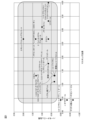
- FIG. 1 is a graph of masking and harmonizing effects when using various fragrances.
- the sunscreen cosmetic of the present disclosure (hereinafter sometimes simply referred to as “cosmetics”) contains bisethylhexyloxyphenol methoxyphenyltriazine, an ultraviolet scattering agent, and a polar oil, as well as the above specific fragrance.
- the sunscreen cosmetic of the present disclosure has a unique sunscreen odor generated when bisethylhexyloxyphenolmethoxyphenyltriazine and an ultraviolet scattering agent are used in combination (hereinafter simply “sunscreen odor ) can be improved as follows.
- sunscreen odor generated when bisethylhexyloxyphenolmethoxyphenyltriazine and an ultraviolet scattering agent are used in combination
- more specific odors can be expressed, but are not limited to the following, for example, irritating odor (irritating odor), metallic odor (metallic odor), Odors such as organic solvents (solvent odors) and composite odors of these can be mentioned.
- Sunscreen cosmetics generally generate a unique odor associated with the base used.
- Various components are contained in the base, but the present inventor analyzed the odor of each part (for example, the ultraviolet absorber part, the ultraviolet scattering agent part) used when preparing the cosmetic. , found that the odor generated when bisethylhexyloxyphenol methoxyphenyltriazine was used in combination with an ultraviolet light scattering agent was the source of the unpleasant odor. It was found that the odor can be eliminated.
- the present inventors selected a specific perfume from a myriad of perfumes. It has been found that such a sunscreen odor can be improved in a more comfortable direction, and furthermore, the sunscreen odor of a cosmetic composition containing bisethylhexyloxyphenol methoxyphenyltriazine and an ultraviolet scattering agent as a whole can be improved in a more comfortable direction. rice field.
- the "harmonage effect” means an effect in which an unpleasant odor component and a perfume component are incorporated to shift the quality of the unpleasant odor from unpleasant to pleasant.
- masking effect means the effect of eliminating or masking unpleasant odors.
- the sunscreen cosmetic of the present disclosure contains bisethylhexyloxyphenol methoxyphenyltriazine as an ultraviolet absorber. Commercially available products, for example, can be appropriately used as such materials.
- the amount of bisethylhexyloxyphenol methoxyphenyltriazine to be blended is not particularly limited, and can be appropriately blended so as to exhibit the desired sunscreen performance.
- the blending amount can be, for example, 0.1% by mass or more, 0.5% by mass or more, or 1.0% by mass or more with respect to the total amount of the cosmetic, and 20% by mass. % or less, 15 mass % or less, 10 mass % or less, 7.0 mass % or less, or 5.0 mass % or less.
- the sunscreen cosmetic of the present disclosure contains an ultraviolet scattering agent.
- ultraviolet scattering agent intends an agent capable of physically blocking ultraviolet rays by reflection or scattering. UV scattering agents can be used alone or in combination of two or more, and for example, commercially available products can be used as appropriate.
- the blending amount of the ultraviolet scattering agent may be, for example, 1.0% by mass or more, 3.0% by mass or more, or 5.0% by mass or more, or 40% by mass, based on the total amount of the cosmetic. 35% by mass or less, 30% by mass or less, or 25% by mass or less.
- the sunscreen odor in the sunscreen cosmetic of the present disclosure is caused by the combined use of the ultraviolet absorber bisethylhexyloxyphenol methoxyphenyltriazine and the ultraviolet scattering agent.
- the mixing ratio of the bisethylhexyloxyphenol methoxyphenyl triazine and the ultraviolet scattering agent is, for example, 5:1, 4:1, 3:1, 2:1, 1:1, 1:1.5, and 1:1, 1:1.5, 1:2, 1:3, 1:4, 1:5, 1:6, 1:7, 1:8, 1 selected from 1:2 :9, and 1:10.
- the range of 2:1 to 1:6 is preferable
- the range of 1:1 to 1:5 is more preferable
- the range of 1:1.5 to 1:5 is particularly preferable.
- the ultraviolet scattering agent is not particularly limited, and examples thereof include metal oxide particles such as zinc oxide, titanium oxide, silicon oxide (silica), iron oxide, aluminum oxide, cerium oxide, chromium oxide, and tungsten oxide. can.
- metal oxide particles such as zinc oxide, titanium oxide, silicon oxide (silica), iron oxide, aluminum oxide, cerium oxide, chromium oxide, and tungsten oxide.
- Other examples include particles of barium sulfate, talc, mica, salicite, kaolin, titanium mica, Prussian blue, and chromium hydroxide.
- zinc oxide particles and titanium oxide particles are preferable from the viewpoint of sunscreen performance and the like.
- the size of the UV scattering agent is not particularly limited, and can be appropriately set so as to achieve the desired sunscreen performance.
- the average primary particle size of the ultraviolet scattering agent can be 10 nm or more, 20 nm or more, or 30 nm or more, and can be 100 nm or less, 70 nm or less, or 50 nm or less.
- the “average primary particle size” means the size of the primary particles of the powder measured by a commonly used method, specifically, observed with a transmission electron microscope. It is a value obtained as an arithmetic mean of the length of the major axis and the length of the minor axis of 10 or more particles.
- the shape of the ultraviolet scattering agent is not particularly limited, and examples include spherical, elliptical, flaky, and crushed shapes.
- the UV scattering agent may be surface-treated.
- Surface treatment can be implemented by a well-known method.
- a surface-treated commercially available UV scattering agent may be used.
- UV scattering agents that have been surface-treated, especially hydrophobized, have a stronger odor than UV scattering agents that have not been surface-treated, but the sunscreen cosmetic of the present disclosure containing a specific fragrance has such a Even if the surface-treated ultraviolet scattering agent is contained, the sunscreen odor can be preferably improved.
- hydrophobization treatment is preferable as the surface treatment.
- hydrophobizing agents used for hydrophobizing treatment include various compounds that can be used for hydrophobizing surface treatment of UV scattering agents blended in cosmetics, such as fatty acids, silicone compounds, fluorine compounds, and silane cups. ring agents and quaternary ammonium salt compounds. Hydrophobizing agents can be used alone or in combination of two or more.
- fatty acids examples include palmitic acid, isostearic acid, stearic acid, lauric acid, myristic acid, behenic acid, oleic acid, rosin acid, and 12-hydroxystearic acid.
- silicone compounds include methylhydrogenpolysiloxane, dimethylpolysiloxane (dimethicone), and methylphenylpolysiloxane.
- fluorine compounds include perfluoroalkyl group-containing esters, perfluoropolyethers, and polymers having perfluoroalkyl groups.
- silane coupling agents include fluoroalkylsilane compounds such as perfluoroalkylsilane, trifluoromethylethyltrimethoxysilane, heptadecafluorodecyltrimethoxysilane; methyltriethoxysilane, ethyltriethoxysilane, hexyltriethoxysilane; , octyltriethoxysilane, and triethoxycaprylylsilane.
- fluoroalkylsilane compounds such as perfluoroalkylsilane, trifluoromethylethyltrimethoxysilane, heptadecafluorodecyltrimethoxysilane; methyltriethoxysilane, ethyltriethoxysilane, hexyltriethoxysilane; , octyltriethoxysilane, and triethoxycapry
- quaternary ammonium salt compounds include stearyltrimethylammonium chloride, behenyltrimethylammonium chloride, cetyltrimethylammonium chloride, distearyldimethylammonium chloride, dibehenyldimethylammonium chloride, dicetyldimethylammonium chloride, stearyldimethylbenzylammonium chloride, and dilauryldimethylammonium chloride.
- the sunscreen cosmetic of the present disclosure contains polar oil.
- Polar oils are capable of dissolving bisethylhexyloxyphenol methoxyphenyltriazine.
- a polar oil can be used individually or in combination of 2 or more types.
- the amount of the polar oil to be blended is not particularly limited. % or less, 70% by mass or less, 65% by mass or less, or 60% by mass or less, depending on the form of the cosmetic (eg, oil-in-water cosmetic, water-in-oil cosmetic, oily cosmetic). can be compounded.
- the cosmetic eg, oil-in-water cosmetic, water-in-oil cosmetic, oily cosmetic.
- the amount of the polar oil to be blended is, for example, 0.5% by mass or more, 1.0% by mass or more, 3.0% by mass or more, based on the total amount of the cosmetic. 5.0% by mass or more, 7.0% by mass or more, 10% by mass or more, 13% by mass or more, or 15% by mass or more, and 50% by mass or less, 40% by mass or less, and 30% by mass 25% by mass or less, or 20% by mass or less.
- the amount of the polar oil blended can be, for example, 20% by mass or more, 25% by mass or more, or 30% by mass or more with respect to the total amount of the cosmetic. , or 70% by mass or less, 65% by mass or less, or 60% by mass or less.
- the polar oil is not particularly limited, and for example, a polar oil with an IOB of 0.10 or more can be used. Also, an organic UV absorber with an IOB of 0.10 or more can be regarded as a polar oil.
- the polar oil is preferably liquid at room temperature. In the present disclosure, “normal temperature” can mean a range of 20° C. ⁇ 15° C., for example.
- the IOB value of the polar oil and the organic UV absorber that can be regarded as the polar oil can be, for example, 0.10 or more, 0.11 or more, 0.12 or more, or 0.13 or more, and 0.60 0.55 or less, 0.50 or less, 0.45 or less, or 0.40 or less.
- the IOB value is an abbreviation for Inorganic/Organic Balance (inorganic/organic ratio), which is a value representing the ratio of the inorganic value to the organic value, and is an index indicating the degree of polarity of an organic compound. It becomes.
- organic UV absorber with IOB of 0.10 or more examples include ethylhexyl methoxycinnamate, octocrylene, polysilicone-15, homosalate, and ethylhexyl salicylate. These ultraviolet absorbers can be used alone or in combination of two or more.
- organic UV absorbers with an IOB of 0.10 or more there are UV absorbers that exhibit odors (for example, salicylic acid derivative UV absorbers such as homosalate). Therefore, when using such an organic UV absorber, 10% by mass or less, 7.0% by mass or less, 5.0% by mass or less, 3.0% by mass or less, 1.0% by mass or less, Alternatively, it is preferable to blend the organic UV absorber in the cosmetic at a ratio of 0.5% by mass or less, or it is more preferable not to blend such an organic UV absorber in the cosmetic.
- the sunscreen cosmetic of the present disclosure contains the following specific fragrances (hereinafter sometimes referred to as "specific fragrances"). By blending such a fragrance into cosmetics, it is possible to improve the peculiar sunscreen odor caused by the UV absorber bisethylhexyloxyphenol methoxyphenyltriazine and the UV scattering agent which are blended at the same time.
- fragrances include limonene, cis-3-hexenyl acetate, 7-methyl-2H-1,5-benzodioxepin-3(4H)-one, allyl heptanoate, 2-phenylethyl alcohol, linalool, and citronellyl acetate.
- limonene 7-methyl-2H-1,5-benzodioxepin-3(4H)-one, 2-phenylethyl alcohol, linalool, geraniol, 1-(2-butenoyl)-2,6,6 -trimethyl-1,3-cyclohexadiene, methylionone, coumarin, 2-ethyl-4-(2,2,3-trimethyl-3-cyclopentenyl)-2-buten-1-ol, and ethylene glycol brassylate At least one selected from the group is preferred.
- Such a perfume can further improve the sunscreen odor when the score exceeds 0.3 in the Harmonage Test described later, and can further improve the sunscreen odor when the score exceeds 0.6.
- the amount of the specific fragrance compounded can be appropriately adjusted according to, for example, the required degree of improvement in sunscreen odor and the required degree of fragrance.
- the blending amount is 1.0 ⁇ 10 ⁇ 6 mass % or more, 5.0 ⁇ 10 ⁇ 6 mass % or more, 1.0 ⁇ 10 ⁇ 5 mass % or more, 5.0 ⁇ 10 ⁇ 6 mass % or more, based on the total amount of the cosmetic. 0 ⁇ 10 ⁇ 5 % by mass or more, 1.0 ⁇ 10 ⁇ 4 % by mass or more, 5.0 ⁇ 10 ⁇ 4 % by mass or more, or 1.0 ⁇ 10 ⁇ 3 % by mass or more, and It can be 0.1% by mass or less, 0.05% by mass or less, or 0.03% by mass or less.
- the amount of the specified fragrance is the total of bisethylhexyloxyphenolmethoxyphenyltriazine and the UV scattering agent.
- the sunscreen cosmetic of the present disclosure may contain fragrances other than the above-mentioned specific fragrances, as long as the effects of the present disclosure are not adversely affected.
- fragrances there are fragrances that have no effect on the sunscreen odor in the present disclosure, or that conversely produce unpleasant odors (hereinafter sometimes referred to as "incompatible fragrances"). .
- the amount of such incompatible perfumes is 1.0 ⁇ 10 ⁇ 3 % by mass or less, 5.0 ⁇ 10 ⁇ 4% by mass or less, 1.0 ⁇ 10 ⁇ 4 % by mass or less, relative to the total amount of the cosmetic, It is preferably 5.0 ⁇ 10 ⁇ 5 mass % or less, 1.0 ⁇ 10 ⁇ 5 mass % or less, or 5.0 ⁇ 10 ⁇ 6 mass % or less, and more preferably does not contain incompatible perfumes.
- Such incompatible perfumes can include, for example, 2,6-dimethyl-7-octen-2-ol, n-octanal, and cis-3-hexen-1-yl salicylate.
- whether or not perfumes other than the above specific perfumes correspond to incompatible perfumes can be evaluated by the harmonage test described later. Specifically, if the harmonization effect score is 0 or less, the perfume can be considered an incompatible perfume when used alone.
- the sunscreen cosmetic of the present disclosure can appropriately contain various components within a range that does not adversely affect the effects of the present disclosure.
- various components include additive components that can be usually blended in sunscreen cosmetics, such as anionic surfactants, cationic surfactants, amphoteric surfactants, nonionic surfactants, thickeners, and moisturizing agents.
- dispersants such as polyhydroxystearic acid, water-soluble polymers, oil-soluble polymers, film-forming agents such as siliconized polysaccharides, sequestering agents, lower alcohols such as ethanol, polyhydric alcohols such as ethylene glycol, Higher alcohols, various extracts, sugars, amino acids, organic amines, polymer emulsions, chelating agents, UV absorbers other than the above UV absorbers, pH adjusters, skin nutrients, vitamins, pharmaceuticals, quasi-drugs, Water-soluble agents, buffers, preservatives, propellants, organic powders, inorganic powders other than UV scattering agents, pigments, dyes, dyes, water, oils other than the above polar oils, etc., which can be applied to cosmetics, etc. can be done.
- Such optional components can be used alone or in combination of two or more.
- the sunscreen cosmetic of the present disclosure contains a thickening agent.
- a thickener an aqueous phase thickener, an oil phase thickener, or the like can be appropriately selected according to the form of the cosmetic (for example, oil-in-water cosmetic, water-in-oil cosmetic, oily cosmetic).
- a thickener can be used individually or in combination of 2 or more types.
- the sunscreen cosmetic of the present disclosure contains the specific fragrance described above, even if the thickener exhibits an odor, the sunscreen odor of the cosmetic as a whole can be suitably improved.
- Aqueous phase thickener Aqueous-phase thickeners that are usually blended in cosmetics can be used in order to increase the viscosity of the aqueous phase. Specific examples include various hydrophilic thickeners such as natural water-soluble polymers, semi-synthetic water-soluble polymers, synthetic water-soluble polymers, and inorganic thickeners. Aqueous phase thickeners can be used alone or in combination of two or more.
- natural water-soluble polymers include plant-based polymers such as gum arabic, tragacanth gum, galactan, guar gum, carrageenan, pectin, quince seed (quince) extract, agar, and brown algae powder; microbial macromolecules such as synoglycan; and animal macromolecules such as collagen, casein, albumin and gelatin.
- semi-synthetic water-soluble polymers include starch-based polymers such as carboxymethyl starch and methylhydroxy starch; methylcellulose, nitrocellulose, ethylcellulose, methylhydroxypropylcellulose, hydroxyethylcellulose, stearoxyhydroxypropylmethylcellulose, cellulose sulfates; , hydroxypropyl cellulose, carboxymethyl cellulose, and crystalline cellulose; and alginic acid polymers such as sodium alginate and propylene glycol alginate.
- starch-based polymers such as carboxymethyl starch and methylhydroxy starch
- alginic acid polymers such as sodium alginate and propylene glycol alginate.
- Examples of synthetic water-soluble polymers include polyvinyl alcohol, polyvinyl acetate, polyvinyl methyl ether, polyvinylpyrrolidone, copolymers of vinylpyrrolidone and vinyl acetate, vinyl polymers such as carboxyvinyl polymer; sodium polyacrylate, polyethyl acrylates, polyacrylamides, alkyl acrylate/methacrylate copolymers (e.g., (acrylates/alkyl acrylate (C10-30)) crosspolymers), alkanolamine polyacrylates, copolymers of alkyl methacrylates and dimethylaminoethyl methacrylates, Acrylic polymers such as poly 2-acrylamido-2-methylpropanesulfonic acid, polymethacryloyloxytrimethylammonium, (acryloyldimethyltaurate ammonium/VP) copolymer, and (dimethylacrylamide/acryloyldimethyltaurate Na) copolymer.
- inorganic thickeners examples include bentonite, laponite, hectorite, magnesium aluminum silicate, and anhydrous silicic acid.
- the amount of the water-phase thickener to be blended can be, for example, 0.1% by mass or more, 0.3% by mass or more, or 0.5% by mass or more relative to the total amount of the cosmetic. 0% by mass or less, 4.0% by mass or less, 3.0% by mass or less, or 2.0% by mass or less.
- Oil phase thickener As the oil phase thickener, those commonly blended in cosmetics can be used in order to increase the viscosity of the oil phase. Specific examples include dextrin fatty acid esters, sucrose fatty acid esters, and fatty acids or salts thereof. Oil phase thickeners can be used alone or in combination of two or more.
- Dextrin fatty acid ester is an ester of dextrin or reduced dextrin and higher fatty acid, and can be used without particular limitation as long as it is commonly used in cosmetics. It is preferable to use dextrin or reduced dextrin having an average degree of sugar polymerization of 3-100.
- a saturated fatty acid having 8 to 22 carbon atoms is preferably used as a constituent fatty acid of the dextrin fatty acid ester. Specific examples include dextrin palmitate, dextrin oleate, dextrin stearate, dextrin myristate, and (palmitate/2-ethylhexanoate) dextrin.
- sucrose fatty acid ester a linear or branched, saturated or unsaturated fatty acid having 12 to 22 carbon atoms can be preferably used.
- sucrose caprylate, sucrose caprate, sucrose laurate, sucrose myristate, sucrose palmitate, sucrose stearate, sucrose oleate, sucrose Sugar erucate may be mentioned.
- Fatty acids that are solid at room temperature can be used, such as myristic acid, palmitic acid, stearic acid, and behenic acid.
- Salts of fatty acids include calcium salts, magnesium salts and aluminum salts thereof.
- the blending amount of the oil phase thickener can be, for example, 0.1% by mass or more, 0.3% by mass or more, or 0.5% by mass or more with respect to the total amount of the cosmetic. It can be 0% by mass or less, 4.0% by mass or less, 3.0% by mass or less, or 2.0% by mass or less.
- the sunscreen cosmetic of the present disclosure contains oils other than the above polar oils.
- oils are not particularly limited, and examples thereof include hydrocarbon oils and silicone oils. Such oils may be used alone or in combination of two or more.
- hydrocarbon oils examples include vaseline, liquid paraffin, tetraisobutane, hydrogenated polydecene, microcrystalline wax, olefin oligomers, isododecane, isohexadecane, squalane, polybutene, hydrogenated polybutene, polyisobutene, and hydrogenated polyisobutene.
- silicone oils examples include linear silicone oils, branched silicone oils, and cyclic silicone oils.
- linear silicone oils examples include dimethylpolysiloxane with a viscosity of 0.65 cs (sometimes referred to as “dimethicone”), dimethylpolysiloxane with a viscosity of 1 cs, dimethylpolysiloxane with a viscosity of 1.5 cs, and dimethyl with a viscosity of 2 cs.
- dimethylpolysiloxane with a viscosity of 0.65 cs (sometimes referred to as "dimethicone")
- dimethylpolysiloxane with a viscosity of 1 cs dimethylpolysiloxane with a viscosity of 1.5 cs
- dimethyl with a viscosity of 2 cs examples of linear silicone oils.
- branched silicone oils examples include methyltrimethicone, tris(trimethylsilyl)methylsilane, and tetrakis(trimethylsilyl)silane.
- Cyclic silicone oils include, for example, octamethylcyclotetrasiloxane, decamethylcyclopentasiloxane, and dodecamethylcyclohexasiloxane.
- the blending amount of such oil is not particularly limited, and can be appropriately blended according to the form of the cosmetic (for example, oil-in-water cosmetic, water-in-oil cosmetic, oily cosmetic). For example, it may be blended in the same manner as the polar oil described above.
- the sunscreen cosmetic of the present disclosure can be provided in the form of, for example, an oily cosmetic, a water-in-oil emulsified cosmetic, or an oil-in-water emulsified cosmetic.
- Such cosmetics can be prepared, for example, by known methods such as a dispersion method and an aggregation method.
- the production of cosmetics may include, for example, a heating step and a slow cooling step. When the heating step is performed, typically, the cosmetic during the heating step or the cosmetic that has undergone the heating step tends to have a stronger sunscreen odor, but the cosmetic of the present disclosure has the above-described specific , the odor of the sunscreen can be suitably improved even if the heating step is performed.
- the temperature conditions for the heating step are not particularly limited, and can be, for example, 70° C. or higher, 75° C. or higher, or 80° C. or higher, and 100° C. or lower, 95° C. or lower, 90° C. or lower, or 85° C. or lower. can be
- the dispersion method is a method of refining the aggregates of the dispersed phase by mechanical force. Specifically, it is a method of emulsifying using the crushing force of an emulsifier, and examples of such a method include a high-pressure emulsification method in which a high-pressure homogenizer is used to apply a high shearing force.
- the coagulation method is a colloidal preparation method that utilizes surface chemical properties, and is a method in which a uniformly dissolved state is brought into a supersaturated state by some means to emerge as a dispersed phase.
- the HLB temperature emulsification method, the phase inversion emulsification method, the non-aqueous emulsification method, the D phase emulsification method, the liquid crystal emulsification method, and the like are known.
- the dosage form of the sunscreen cosmetic for example, emulsion-like, cream-like, and liquid-like dosage forms can be adopted.
- the stopping odor is more preferably improved.
- the unscented control sample was sniffed before sniffing the next test sample.
- a break of about 10 minutes or more was given every about 30 minutes.
- Test Example 1 Confirmation of improvement effect of sunscreen odor due to difference in fragrance>>
- Test Example 1 the effect of improving the sunscreen odor due to the difference in the blended perfume was examined. The results are shown in Tables 1 and 2.
- Example 1 Using the formulations shown in Table 1, oily cosmetics were produced by the following method.
- Bisethylhexyloxyphenol methoxyphenyl triazine which is an ultraviolet absorber that is solid at room temperature
- diisopropyl sebacate which is a polar oil
- dextrin palmitate which is a thickener
- powder parts were prepared by mixing the UV scattering agent zinc oxide hydrophobized with triethoxycaprylylsilane, the hydrocarbon oil isododecane, and the dispersant polyhydroxystearic acid.
- the powder part While heating the UV absorber part at 80° C., the powder part is added to the UV absorber part and mixed uniformly. After slowly cooling to room temperature, the fragrance limonene is added and mixed uniformly to form an oily cosmetic. got
- Example 2 to 15 and Comparative Examples 1 to 3 Oil-based cosmetics of Examples 2 to 15 and Comparative Examples 1 to 3 were obtained in the same manner as in Example 1, except that the type and blending amount of the perfume was changed to those shown in Table 1 or Table 2.
- the cosmetic containing the specific fragrance of the present disclosure preferably has a unique sunscreen odor generated when bisethylhexyloxyphenol methoxyphenyltriazine and an ultraviolet scattering agent are used in combination. It was confirmed that it can be improved to
- Test Example 2 Confirmation of improvement effect of sunscreen odor due to difference in polar oil>>
- Test Example 2 the effect of improving sunscreen odor when using a polar oil different from the polar oil used in Test Example 1 was examined.
- Table 3 shows the results.
- Examples 16-21 and Comparative Examples 4-7 Oil-based cosmetics of Examples 16 to 21 and Comparative Examples 4 to 7 were obtained in the same manner as in Example 1, except that the formulations were changed to those shown in Table 3.
- the cosmetics containing the specific fragrance of the present disclosure regardless of the type of polar oil, have a unique sunscreen that occurs when bisethylhexyloxyphenol methoxyphenyltriazine and an ultraviolet scattering agent are used in combination. It was confirmed that the odor could be suitably improved.
- Formulation examples of the sunscreen cosmetic of the present disclosure are given below, but are not limited to these examples.
- the cosmetics of Formulation Examples 1 and 2 are water-in-oil emulsified cosmetics
- the cosmetics of Formulation Examples 3 to 5 are oil-in-water emulsified cosmetics. , and these were each prepared by a conventional method.
- the cosmetics described in Formulation Example 1 below contain geranium in addition to the perfume (cis-3-hexene-1-yl salicylate) used in Comparative Example 3.
- Such cosmetics also contains the specific fragrance of the present disclosure, the peculiar sunscreen odor was suitably improved.
- the peculiar sunscreen odor was also favorably improved in the cosmetics of other formulation examples.
Landscapes
- Health & Medical Sciences (AREA)
- Life Sciences & Earth Sciences (AREA)
- Animal Behavior & Ethology (AREA)
- General Health & Medical Sciences (AREA)
- Public Health (AREA)
- Veterinary Medicine (AREA)
- Birds (AREA)
- Epidemiology (AREA)
- Emergency Medicine (AREA)
- Dermatology (AREA)
- Cosmetics (AREA)
Priority Applications (1)
| Application Number | Priority Date | Filing Date | Title |
|---|---|---|---|
| JP2023557947A JPWO2023079979A1 (enExample) | 2021-11-05 | 2022-10-21 |
Applications Claiming Priority (2)
| Application Number | Priority Date | Filing Date | Title |
|---|---|---|---|
| JP2021-181211 | 2021-11-05 | ||
| JP2021181211 | 2021-11-05 |
Publications (1)
| Publication Number | Publication Date |
|---|---|
| WO2023079979A1 true WO2023079979A1 (ja) | 2023-05-11 |
Family
ID=86240940
Family Applications (1)
| Application Number | Title | Priority Date | Filing Date |
|---|---|---|---|
| PCT/JP2022/039259 Ceased WO2023079979A1 (ja) | 2021-11-05 | 2022-10-21 | 日焼け止め化粧料 |
Country Status (2)
| Country | Link |
|---|---|
| JP (1) | JPWO2023079979A1 (enExample) |
| WO (1) | WO2023079979A1 (enExample) |
Cited By (1)
| Publication number | Priority date | Publication date | Assignee | Title |
|---|---|---|---|---|
| WO2024162373A1 (ja) * | 2023-01-31 | 2024-08-08 | ロート製薬株式会社 | 水中油型外用組成物 |
Citations (2)
| Publication number | Priority date | Publication date | Assignee | Title |
|---|---|---|---|---|
| US20150265510A1 (en) * | 2014-03-18 | 2015-09-24 | Symrise Ag | Coated titanium dioxide to reduce the whitening effect on skin |
| JP2020121929A (ja) * | 2019-01-29 | 2020-08-13 | 株式会社 資生堂 | 皮膚外用剤および紫外線防御効果の向上方法 |
-
2022
- 2022-10-21 JP JP2023557947A patent/JPWO2023079979A1/ja active Pending
- 2022-10-21 WO PCT/JP2022/039259 patent/WO2023079979A1/ja not_active Ceased
Patent Citations (2)
| Publication number | Priority date | Publication date | Assignee | Title |
|---|---|---|---|---|
| US20150265510A1 (en) * | 2014-03-18 | 2015-09-24 | Symrise Ag | Coated titanium dioxide to reduce the whitening effect on skin |
| JP2020121929A (ja) * | 2019-01-29 | 2020-08-13 | 株式会社 資生堂 | 皮膚外用剤および紫外線防御効果の向上方法 |
Non-Patent Citations (5)
| Title |
|---|
| DATABASE GNPD MINTEL; April 2020 (2020-04-01), "SynchroShield The Perfect Protector SPF 50+ PA++++", XP093063138, Database accession no. 7551839 * |
| DATABASE GNPD MINTEL; August 2013 (2013-08-01), "Ultra UV Block SPF 70 PA+++", XP093063146, Database accession no. 2142919 * |
| DATABASE GNPD MINTEL; August 2021 (2021-08-01), "Brilliant Shield Milk for Face SPF 50+ PA++++", XP093063148, Database accession no. 8947434 * |
| DATABASE GNPD MINTEL; February 2019 (2019-02-01), "Power Block UV SPF 50+ PA++++", XP093063140, Database accession no. 6317039 * |
| DATABASE GNPD MINTEL; June 2006 (2006-06-01), "Satin Sheen Sun Lotion", XP093063144, Database accession no. 551483 * |
Cited By (1)
| Publication number | Priority date | Publication date | Assignee | Title |
|---|---|---|---|---|
| WO2024162373A1 (ja) * | 2023-01-31 | 2024-08-08 | ロート製薬株式会社 | 水中油型外用組成物 |
Also Published As
| Publication number | Publication date |
|---|---|
| JPWO2023079979A1 (enExample) | 2023-05-11 |
Similar Documents
| Publication | Publication Date | Title |
|---|---|---|
| TWI657832B (zh) | Oil-in-water emulsion composition | |
| JP6889998B2 (ja) | 組成物 | |
| JP2023089269A (ja) | 油中水型乳化化粧料 | |
| JP5851724B2 (ja) | 水中油型メイクアップ化粧料 | |
| JP6328908B2 (ja) | 水中油型乳化組成物 | |
| WO2018225765A1 (ja) | 油中水型乳化化粧料 | |
| JP2024083481A (ja) | アクリル系ポリマー含有ピッカリングエマルション | |
| JP5300421B2 (ja) | 日焼け止め化粧料 | |
| JP6110634B2 (ja) | 水中油型乳化化粧料 | |
| JP2021155417A (ja) | 水中油型乳化化粧料 | |
| WO2021132273A1 (ja) | 水中油型乳化化粧料 | |
| JP2015182994A (ja) | 水中油型乳化化粧料 | |
| JP7063816B2 (ja) | 整髪料組成物 | |
| JP6831737B2 (ja) | 水中油型化粧料 | |
| WO2023079979A1 (ja) | 日焼け止め化粧料 | |
| WO2023079982A1 (ja) | 日焼け止め化粧料 | |
| WO2023079977A1 (ja) | 日焼け止め化粧料 | |
| WO2022224672A1 (ja) | 水中油型乳化化粧料 | |
| JP7210146B2 (ja) | 日焼け止め化粧料 | |
| JP7356240B2 (ja) | 水中油型乳化組成物 | |
| JP2018168133A (ja) | 睫用化粧料 | |
| JP7604221B2 (ja) | 水中油型乳化化粧料 | |
| JP2021107372A (ja) | 油性組成物 | |
| JP2007269756A (ja) | 乳化化粧料 | |
| JP2024004073A (ja) | 水中油型乳化化粧料 |
Legal Events
| Date | Code | Title | Description |
|---|---|---|---|
| 121 | Ep: the epo has been informed by wipo that ep was designated in this application |
Ref document number: 22889799 Country of ref document: EP Kind code of ref document: A1 |
|
| ENP | Entry into the national phase |
Ref document number: 2023557947 Country of ref document: JP Kind code of ref document: A |
|
| NENP | Non-entry into the national phase |
Ref country code: DE |
|
| 122 | Ep: pct application non-entry in european phase |
Ref document number: 22889799 Country of ref document: EP Kind code of ref document: A1 |