WO2023013627A1 - 消毒用組成物 - Google Patents
消毒用組成物 Download PDFInfo
- Publication number
- WO2023013627A1 WO2023013627A1 PCT/JP2022/029618 JP2022029618W WO2023013627A1 WO 2023013627 A1 WO2023013627 A1 WO 2023013627A1 JP 2022029618 W JP2022029618 W JP 2022029618W WO 2023013627 A1 WO2023013627 A1 WO 2023013627A1
- Authority
- WO
- WIPO (PCT)
- Prior art keywords
- disinfecting composition
- adhesive
- mannitol
- drape
- test
- Prior art date
- Legal status (The legal status is an assumption and is not a legal conclusion. Google has not performed a legal analysis and makes no representation as to the accuracy of the status listed.)
- Ceased
Links
Images







Classifications
-
- A—HUMAN NECESSITIES
- A61—MEDICAL OR VETERINARY SCIENCE; HYGIENE
- A61K—PREPARATIONS FOR MEDICAL, DENTAL OR TOILETRY PURPOSES
- A61K47/00—Medicinal preparations characterised by the non-active ingredients used, e.g. carriers or inert additives; Targeting or modifying agents chemically bound to the active ingredient
- A61K47/06—Organic compounds, e.g. natural or synthetic hydrocarbons, polyolefins, mineral oil, petrolatum or ozokerite
- A61K47/26—Carbohydrates, e.g. sugar alcohols, amino sugars, nucleic acids, mono-, di- or oligo-saccharides; Derivatives thereof, e.g. polysorbates, sorbitan fatty acid esters or glycyrrhizin
-
- A—HUMAN NECESSITIES
- A61—MEDICAL OR VETERINARY SCIENCE; HYGIENE
- A61P—SPECIFIC THERAPEUTIC ACTIVITY OF CHEMICAL COMPOUNDS OR MEDICINAL PREPARATIONS
- A61P17/00—Drugs for dermatological disorders
-
- A—HUMAN NECESSITIES
- A01—AGRICULTURE; FORESTRY; ANIMAL HUSBANDRY; HUNTING; TRAPPING; FISHING
- A01N—PRESERVATION OF BODIES OF HUMANS OR ANIMALS OR PLANTS OR PARTS THEREOF; BIOCIDES, e.g. AS DISINFECTANTS, AS PESTICIDES OR AS HERBICIDES; PEST REPELLANTS OR ATTRACTANTS; PLANT GROWTH REGULATORS
- A01N25/00—Biocides, pest repellants or attractants, or plant growth regulators, characterised by their forms, or by their non-active ingredients or by their methods of application, e.g. seed treatment or sequential application; Substances for reducing the noxious effect of the active ingredients to organisms other than pests
- A01N25/02—Biocides, pest repellants or attractants, or plant growth regulators, characterised by their forms, or by their non-active ingredients or by their methods of application, e.g. seed treatment or sequential application; Substances for reducing the noxious effect of the active ingredients to organisms other than pests containing liquids as carriers, diluents or solvents
-
- A—HUMAN NECESSITIES
- A01—AGRICULTURE; FORESTRY; ANIMAL HUSBANDRY; HUNTING; TRAPPING; FISHING
- A01N—PRESERVATION OF BODIES OF HUMANS OR ANIMALS OR PLANTS OR PARTS THEREOF; BIOCIDES, e.g. AS DISINFECTANTS, AS PESTICIDES OR AS HERBICIDES; PEST REPELLANTS OR ATTRACTANTS; PLANT GROWTH REGULATORS
- A01N47/00—Biocides, pest repellants or attractants, or plant growth regulators containing organic compounds containing a carbon atom not being member of a ring and having no bond to a carbon or hydrogen atom, e.g. derivatives of carbonic acid
- A01N47/40—Biocides, pest repellants or attractants, or plant growth regulators containing organic compounds containing a carbon atom not being member of a ring and having no bond to a carbon or hydrogen atom, e.g. derivatives of carbonic acid the carbon atom having a double or triple bond to nitrogen, e.g. cyanates, cyanamides
- A01N47/42—Biocides, pest repellants or attractants, or plant growth regulators containing organic compounds containing a carbon atom not being member of a ring and having no bond to a carbon or hydrogen atom, e.g. derivatives of carbonic acid the carbon atom having a double or triple bond to nitrogen, e.g. cyanates, cyanamides containing —N=CX2 groups, e.g. isothiourea
- A01N47/44—Guanidine; Derivatives thereof
-
- A—HUMAN NECESSITIES
- A01—AGRICULTURE; FORESTRY; ANIMAL HUSBANDRY; HUNTING; TRAPPING; FISHING
- A01P—BIOCIDAL, PEST REPELLANT, PEST ATTRACTANT OR PLANT GROWTH REGULATORY ACTIVITY OF CHEMICAL COMPOUNDS OR PREPARATIONS
- A01P1/00—Disinfectants; Antimicrobial compounds or mixtures thereof
-
- A—HUMAN NECESSITIES
- A61—MEDICAL OR VETERINARY SCIENCE; HYGIENE
- A61K—PREPARATIONS FOR MEDICAL, DENTAL OR TOILETRY PURPOSES
- A61K31/00—Medicinal preparations containing organic active ingredients
- A61K31/13—Amines
- A61K31/155—Amidines (), e.g. guanidine (H2N—C(=NH)—NH2), isourea (N=C(OH)—NH2), isothiourea (—N=C(SH)—NH2)
-
- A—HUMAN NECESSITIES
- A61—MEDICAL OR VETERINARY SCIENCE; HYGIENE
- A61K—PREPARATIONS FOR MEDICAL, DENTAL OR TOILETRY PURPOSES
- A61K47/00—Medicinal preparations characterised by the non-active ingredients used, e.g. carriers or inert additives; Targeting or modifying agents chemically bound to the active ingredient
- A61K47/30—Macromolecular organic or inorganic compounds, e.g. inorganic polyphosphates
- A61K47/32—Macromolecular compounds obtained by reactions only involving carbon-to-carbon unsaturated bonds, e.g. carbomers, poly(meth)acrylates, or polyvinyl pyrrolidone
-
- A—HUMAN NECESSITIES
- A61—MEDICAL OR VETERINARY SCIENCE; HYGIENE
- A61K—PREPARATIONS FOR MEDICAL, DENTAL OR TOILETRY PURPOSES
- A61K9/00—Medicinal preparations characterised by special physical form
- A61K9/08—Solutions
-
- A—HUMAN NECESSITIES
- A61—MEDICAL OR VETERINARY SCIENCE; HYGIENE
- A61L—METHODS OR APPARATUS FOR STERILISING MATERIALS OR OBJECTS IN GENERAL; DISINFECTION, STERILISATION OR DEODORISATION OF AIR; CHEMICAL ASPECTS OF BANDAGES, DRESSINGS, ABSORBENT PADS OR SURGICAL ARTICLES; MATERIALS FOR BANDAGES, DRESSINGS, ABSORBENT PADS OR SURGICAL ARTICLES
- A61L24/00—Surgical adhesives or cements; Adhesives for colostomy devices
-
- A—HUMAN NECESSITIES
- A61—MEDICAL OR VETERINARY SCIENCE; HYGIENE
- A61L—METHODS OR APPARATUS FOR STERILISING MATERIALS OR OBJECTS IN GENERAL; DISINFECTION, STERILISATION OR DEODORISATION OF AIR; CHEMICAL ASPECTS OF BANDAGES, DRESSINGS, ABSORBENT PADS OR SURGICAL ARTICLES; MATERIALS FOR BANDAGES, DRESSINGS, ABSORBENT PADS OR SURGICAL ARTICLES
- A61L24/00—Surgical adhesives or cements; Adhesives for colostomy devices
- A61L24/001—Use of materials characterised by their function or physical properties
- A61L24/0015—Medicaments; Biocides
-
- A—HUMAN NECESSITIES
- A61—MEDICAL OR VETERINARY SCIENCE; HYGIENE
- A61P—SPECIFIC THERAPEUTIC ACTIVITY OF CHEMICAL COMPOUNDS OR MEDICINAL PREPARATIONS
- A61P31/00—Antiinfectives, i.e. antibiotics, antiseptics, chemotherapeutics
- A61P31/02—Local antiseptics
-
- A—HUMAN NECESSITIES
- A61—MEDICAL OR VETERINARY SCIENCE; HYGIENE
- A61L—METHODS OR APPARATUS FOR STERILISING MATERIALS OR OBJECTS IN GENERAL; DISINFECTION, STERILISATION OR DEODORISATION OF AIR; CHEMICAL ASPECTS OF BANDAGES, DRESSINGS, ABSORBENT PADS OR SURGICAL ARTICLES; MATERIALS FOR BANDAGES, DRESSINGS, ABSORBENT PADS OR SURGICAL ARTICLES
- A61L2300/00—Biologically active materials used in bandages, wound dressings, absorbent pads or medical devices
- A61L2300/20—Biologically active materials used in bandages, wound dressings, absorbent pads or medical devices containing or releasing organic materials
- A61L2300/204—Biologically active materials used in bandages, wound dressings, absorbent pads or medical devices containing or releasing organic materials with nitrogen-containing functional groups, e.g. aminoxides, nitriles, guanidines
- A61L2300/206—Biguanides, e.g. chlorohexidine
-
- A—HUMAN NECESSITIES
- A61—MEDICAL OR VETERINARY SCIENCE; HYGIENE
- A61L—METHODS OR APPARATUS FOR STERILISING MATERIALS OR OBJECTS IN GENERAL; DISINFECTION, STERILISATION OR DEODORISATION OF AIR; CHEMICAL ASPECTS OF BANDAGES, DRESSINGS, ABSORBENT PADS OR SURGICAL ARTICLES; MATERIALS FOR BANDAGES, DRESSINGS, ABSORBENT PADS OR SURGICAL ARTICLES
- A61L2300/00—Biologically active materials used in bandages, wound dressings, absorbent pads or medical devices
- A61L2300/40—Biologically active materials used in bandages, wound dressings, absorbent pads or medical devices characterised by a specific therapeutic activity or mode of action
- A61L2300/404—Biocides, antimicrobial agents, antiseptic agents
-
- A—HUMAN NECESSITIES
- A61—MEDICAL OR VETERINARY SCIENCE; HYGIENE
- A61L—METHODS OR APPARATUS FOR STERILISING MATERIALS OR OBJECTS IN GENERAL; DISINFECTION, STERILISATION OR DEODORISATION OF AIR; CHEMICAL ASPECTS OF BANDAGES, DRESSINGS, ABSORBENT PADS OR SURGICAL ARTICLES; MATERIALS FOR BANDAGES, DRESSINGS, ABSORBENT PADS OR SURGICAL ARTICLES
- A61L2300/00—Biologically active materials used in bandages, wound dressings, absorbent pads or medical devices
- A61L2300/80—Biologically active materials used in bandages, wound dressings, absorbent pads or medical devices characterised by a special chemical form
- A61L2300/802—Additives, excipients, e.g. cyclodextrins, fatty acids, surfactants
-
- Y—GENERAL TAGGING OF NEW TECHNOLOGICAL DEVELOPMENTS; GENERAL TAGGING OF CROSS-SECTIONAL TECHNOLOGIES SPANNING OVER SEVERAL SECTIONS OF THE IPC; TECHNICAL SUBJECTS COVERED BY FORMER USPC CROSS-REFERENCE ART COLLECTIONS [XRACs] AND DIGESTS
- Y02—TECHNOLOGIES OR APPLICATIONS FOR MITIGATION OR ADAPTATION AGAINST CLIMATE CHANGE
- Y02A—TECHNOLOGIES FOR ADAPTATION TO CLIMATE CHANGE
- Y02A50/00—TECHNOLOGIES FOR ADAPTATION TO CLIMATE CHANGE in human health protection, e.g. against extreme weather
- Y02A50/30—Against vector-borne diseases, e.g. mosquito-borne, fly-borne, tick-borne or waterborne diseases whose impact is exacerbated by climate change
Definitions
- the present invention relates to a disinfecting composition containing a disinfectant and a sugar alcohol (hereinafter sometimes referred to as "disinfecting composition").
- SSI surgical site infections
- a disinfecting composition with a coloring agent added when disinfecting the skin before surgery, a disinfecting composition with a coloring agent added is used so that the application site can be identified.
- a coloring agent when added to a disinfecting composition, it reacts with the disinfectant, which is an active ingredient, to produce an insoluble salt of the disinfectant, resulting in a problem of reduced disinfecting effect.
- a solubilizing agent when a solubilizing agent is added to the disinfecting composition, there is a problem that the adhesion between the skin after application of the disinfecting composition and the inside drape is reduced.
- Patent Document 1 Addition of mannitol as a polyvinyl alcohol plasticizer to a water-soluble hot-melt adhesive containing polyvinyl alcohol with a specific average degree of polymerization and a specific degree of saponification and water has been reported (Patent Document 1). .
- a wet adhesive composition containing a water-soluble polymer such as polyvinyl alcohol or polyvinylpyrrolidone, a sugar alcohol such as mannitol compatible with the water-soluble polymer, and zeolite has been reported (Patent Reference 2).
- An object of the present invention is to reduce the risk of the inside drape coming off the skin without adversely affecting the bactericidal efficacy even when the inside drape is attached to the skin surface after the disinfecting composition has been applied, and / Alternatively, the object is to provide a disinfecting composition that exerts more effective bactericidal activity.
- the inventors are continuing intensive research to solve the above problems.
- the skin surface to which the disinfecting composition is applied is more effective than when the sugar alcohol is not added or when an adhesive is added. It was found that the adhesive strength of the inside drape was enhanced.
- the effect of the disinfectant on the skin surface to which the disinfecting composition is applied is greater than when the sugar alcohol and the adhesive are added alone. It was confirmed that the adhesive strength of the size drape was further enhanced, and that the bactericidal power against viable bacteria such as Candida albicans tended to increase.
- the effect of increasing the adhesive strength of the inside size drape by the present disinfecting composition is exhibited regardless of the type of inside size drape, and the adhesive strength effect of the present disinfecting composition does not depend on the inside size drape. It was confirmed that the effect can be exhibited not only when other medical tapes are used. The present invention has been completed based on these findings.
- the present invention is as follows. [1] A disinfecting composition containing a disinfectant and a sugar alcohol. [2] The disinfecting composition according to [1] above, wherein the sugar alcohol has the effect of enhancing the adhesion of the inside drape to the skin surface after application of the disinfecting composition. [3] The disinfecting composition according to [1] or [2] above, wherein the sugar alcohol is D-mannitol or erythritol. [4] The disinfecting composition according to any one of [1] to [3] above, further comprising an adhesive. [5] The disinfecting composition according to [4] above, wherein the adhesive has an effect of enhancing the adhesion of the inside drape to the skin surface after application of the disinfecting composition.
- a method of disinfecting a subject comprising applying a liquid Disinfecting Composition to the subject, wherein a non-liquid Disinfecting Composition is dissolved in a solvent to prepare a liquid Disinfecting Composition said method of disinfection, optionally comprising the step of a combination of a disinfectant and a sugar alcohol for use in disinfecting a subject; and the use of microbicides and sugar alcohols in the preparation of the Disinfecting Composition; and A method of preparing a disinfecting composition comprising adding a sugar alcohol to a disinfectant or adding a disinfectant to a sugar alcohol to prepare the disinfecting composition; can be mentioned.
- the adhesion of the inside drape to the skin surface to which the disinfecting composition is applied is reduced compared to when the sugar alcohol is not added. It can be enhanced regardless of the type.
- the adhesion of the inside drape to the skin surface to which the disinfecting composition is applied is reduced compared to the case where an adhesive is added. It can be enhanced to the same level or more regardless of the type.
- the incise drape is peeled off from the skin.
- the low probability allows for clean surgery with reduced risk of SSI.
- the effect of the disinfectant on the skin surface to which the disinfecting composition is applied is greater than when the sugar alcohol and the adhesive are added alone. It tends to increase the adhesive strength of the size drape and increase the sterilization power. Therefore, even if the disinfectant composition further contains an adhesive, an insize drape is attached after the disinfectant composition is applied, and an incision operation is performed on it, the insize drape may be peeled off from the skin. In addition, it is expected to have a higher preventive effect against infectious diseases caused by viable bacteria such as Candida albicans. Furthermore, the disinfecting composition of the present invention can be used to enhance the adhesion of medical tapes other than in-size drapes (for example, surgical tapes).
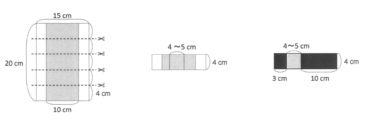
- Example 1 It is a production flow chart of an in-size drape for measurement. It is a photograph when measuring the adhesive strength of the in-size drape for measurement.
- Example 1 artificial skin coated with a test disinfectant solution containing 2.0% PVA and various concentrations (1.0%, 1.5%, 2.5%, or 10%) of D-mannitol
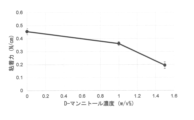
- the test disinfectant solution containing 3.5% PVA and various concentrations (0%, 1.0%, or 1.5%) of D-mannitol was applied to the artificial skin surface for measurement.
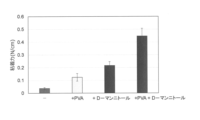
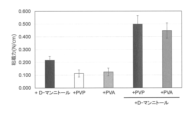
- Example 1 Five types of test disinfectants (test disinfectant containing 5.0% D-mannitol ["+D-mannitol” in the figure], test disinfectant containing 0.5% PVP [in the figure “+PVP”], test disinfectant containing 0.5% PVA ["+PVA” in the figure], test disinfectant containing 0.5% PVP and 5.0% D-mannitol [in the figure “+ PVP + D-mannitol”], and a test disinfectant containing 0.5% PVA and 5.0% D-mannitol ["+PVA + D-mannitol” in the figure]) to the artificial skin surface
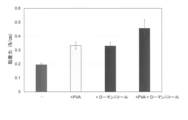
- four test disinfectants test disinfectants without D-mannitol and PVA [Fig.
- test disinfectant containing 0.5% PVA ["+PVA” in the figure]; test disinfectant containing 5.0% D-mannitol ["+D-mannitol” in the figure] and a test disinfectant solution containing 0.5% PVA and 5.0% D-mannitol ["+PVA + D-mannitol” in the figure]) to the artificial skin surface applied, the adhesive strength of the insize drape for measurement ( It is a figure which shows the result (n 3) of having measured the average value +/- standard deviation.
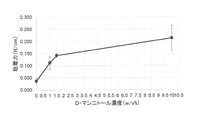
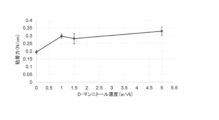
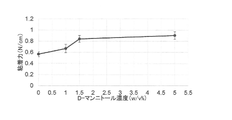
- a test disinfectant containing 0.5% PVA and various concentrations (0%, 1.0%, 1.5%, 5.0%, or 10%) of D-mannitol was applied.
- the disinfecting composition is a composition containing a bactericidal agent and a sugar alcohol specified for the purpose of "disinfecting". Due to the effect of the sugar alcohol in the Disinfectant Composition, even if a medical tape such as an Insize Drape is attached to the skin surface after applying the Disinfectant Composition, the medical tape such as an Insize Drape will not be removed from the skin. The risk of delamination can be reduced without adversely affecting sterilization power.
- Any substance (compound) having an action to kill bacteria, fungi and/or viruses may be used as the above-mentioned bactericide, and examples thereof include olanexidine gluconate, benzalkonium chloride, alkyl benzalkonium phosphate, and the like.
- benzalkonium salt benzethonium chloride, triclosan, isopropylmethylphenol, cetylpyridinium chloride, resorcinol, trichlorocarbanide, chlorhexidine hydrochloride, chlorhexidine gluconate, polyhexamethylene biguanide, sodium hypochlorite, hydrogen peroxide, povidone iodine , tincture of iodine, etc., and olanexidine gluconate can be preferably exemplified, since the effects thereof have been demonstrated in the Examples described later.
- These bactericidal agents may be blended alone in the present disinfectant composition, or two or more of them may be blended in combination.
- the concentration of the bactericidal agent may be a concentration having sufficient bactericidal activity, for example, in the range of 0.01 to 20% (w / v), more preferably 0.1 to 10% (w / v), More preferably 1 to 5% (w/v).
- the concentration of the sugar alcohol may be any concentration that can exhibit the effect of enhancing the adhesion of the inside drape to the skin surface after application of the disinfecting composition.
- the lower limit of the concentration of the sugar alcohol is: For example 0.01% (w/v), 0.05% (w/v), 0.1% (w/v), 0.5% (w/v), 1.0% (w/v) , 1.5% (w/v), 2.0% (w/v), 2.5% (w/v), and the like.
- the upper limit of the sugar alcohol concentration is, for example, 50% (w/v), 40% (w/v), 30% (w/v), 25% (w/v), 20% (w/v) /v), 15% (w/v), 10% (w/v) and the like.
- the concentration range of the sugar alcohol is, for example, 0.01 to 50% (w/v), 0.05% (w/v) to 40% (w/v), 0.1 to 30% ( w/v), 0.5-25% (w/v), 1.0-10% (w/v), 1.0-20% (w/v), 1.5-15% (w/ v), 1.5 to 10% (w/v), 2.0 to 10% (w/v), 2.5 to 10% (w/v), and the like.
- 1.0 to 10% (w/v) is preferred because its effect has been demonstrated in Further, when used in combination with an adhesive, 1.0 to 10% (w/v) is preferable, 1.5 to 10% (w/v) is more preferable, and 2.5 to 10% (w/v) is More preferred.
- the above sugar alcohol is characterized by having the effect of enhancing the adhesion of the inside drape to the skin surface after the disinfecting composition has been applied.
- the above sugar alcohols may be sugars produced by reduction of the carboxyl groups of aldoses and ketoses. , maltitol, mannitol, sucrose and the like.
- the sugar alcohol may be ⁇ -form, ⁇ -form, D-form or L-form, (+)-form or ( ⁇ )-form, and may be any of them. . Moreover, it may be a racemate.
- D-mannitol and erythritol can be preferably exemplified, since the effect thereof has been demonstrated in the examples described later.
- These sugar alcohols may be blended alone in the present disinfectant composition, or two or more of them may be blended in combination.
- the sugar alcohol may be one that exhibits a high critical relative humidity (CRH) (that is, one that has low hygroscopicity).
- CRH critical relative humidity
- the CRH of the above sugar alcohol at 25° C. includes, for example, 88% or more, 89% or more, 90% or more, 91% or more, 92% or more, 93% or more, 94% or more, 95% or more, 96% or more, 97% or more, 98% or more, and the like.
- CRH can be measured by a conventional method.
- critical relative humidity means the relative humidity at which the weight of sugar alcohol begins to increase rapidly when the relative humidity is increased at a constant temperature (e.g., 25°C). .
- the disinfecting composition in order to further enhance the adhesion of the insize drape to the skin surface after application of the disinfecting composition, and / or to enhance the bactericidal power against live bacteria such as Candida albicans, One that further contains an adhesive is preferred.
- the lower limit of the concentration of the adhesive is to further enhance the adhesion of the insize drape to the skin surface after application of the disinfecting composition and/or to enhance the sterilization against viable bacteria such as Candida albicans. Any concentration that allows 0.2% (w/v), 0.25% (w/v), 0.5% (w/v), 1.0% (w/v), 1.3% (w/v), 1.6% (w/v) and the like can be mentioned.
- the upper limit of the concentration of the adhesive is as follows.
- the disinfectant composition containing a high concentration of adhesive forms a thick film on the skin surface when dried, resulting in reduced adhesive strength with the skin and partial 3) There is no adhesive force with the skin in the part where the disinfecting composition film is peeled off, especially the disinfecting composition as a whole If the film peels off, there is a risk that the overall adhesive strength between the insize drape and the skin will decrease.
- the concentration range of the adhesive is, for example, 0.01 to less than 3.5% (w/v) (for example, 3.3% (w/v) or less, 3.0% (w/v) or less , 2.6% (w/v) or less, 2.3% (w/v) or less, 2.0% (w/v) or less, 1.6% (w/v) or less, 1.3% ( w/v) or less, 1.0% (w/v) or less, etc.), 0.03 to less than 3.5% (w/v) (for example, 3.3% (w/v) or less, 3.0% (w/v) or less, 2.6% (w/v) or less, 2.3% (w/v) or less, 2.0% (w/v) or less, 1.6% (w/v) or less , 1.3% (w/v) or less, 1.0% (w/v) or less, etc.), 0.06 to less than 3.5% (w/v) (for example, 3.3% (w/v) Below, 3.0% (w/v) or less, 2.6% (w/v)
- 3.3% (w/v) or less 3.0% (w/v) /v) or less, 2.6% (w/v) or less, 2.3% (w/v) or less, 2.0% (w/v) or less, 1.6% (w/v) or less, 1 .3% (w/v) or less, etc.), 1.3% (w/v) to less than 3.5% (w/v) (for example, 3.3% (w/v) or less Lower, 3.0% (w/v) or less, 2.6% (w/v) or less, 2.3% (w/v) or less, 2.0% (w/v) or less, 1.6% (w/v) or less), 1.6% (w/v) to less than 3.5% (w/v) (for example, 3.3% (w/v) or less, 3.0% (w/v) ) or less, 2.6% (w/v) or less, 2.3% (w/v) or less, 2.0% (w/v) or less, etc.).
- the adhesive is characterized by having the effect of enhancing the adhesion of the inside drape to the skin surface after the disinfecting composition has been applied.
- Examples of the adhesive include vinyl polymer compounds, acrylic polymer compounds, cellulose polymer compounds, and the like.
- vinyl-based polymer compound means a polymer (vinyl-based polymer) obtained by polymerizing a monomer compound having a vinyl group and optionally saponifying it.
- vinyl polymer compounds include polyvinyl alcohol (PVA) (completely or partially saponified), polyvinylpyrrolidone (PVP), polyvinyl acetate, polyethylene, polypropylene, polystyrene, polyvinyl chloride, polymethyl methacrylate, polyacryl Acids, carboxyvinyl polymers, polyvinyl acetals, polyvinylidene chloride, PVA/PVP copolymers, etc. can be mentioned, and since the effects thereof have been demonstrated in Examples described later, PVA and PVP are preferably exemplified. can be done.
- the molecular weight of the vinyl-based polymer compound varies depending on the type of constituent monomers, etc., and cannot be generally specified, but the weight-average molecular weight is usually 0.1 to 2,500,000, preferably 5,000 to 2,000,000, and more preferably. is between 10,000 and 1,500,000. More specifically, when the vinyl polymer compound is polyvinyl alcohol, the average polymerization degree of polyvinyl alcohol measured according to JIS K-6726 is usually in the range of 100 to 4000, preferably 200 to 3000. , more preferably 300-2000.
- the K value [viscosity characteristic value] of polyvinylpyrrolidone by the Fikentscher method is usually 10 to 120, preferably 30 to 110, more preferably 60 to 100, more preferably 60 to 100. 80-100.
- the term "acrylic polymer compound” means a polymer containing monomer units derived from (meth)acrylic monomers in the polymer structure, typically derived from (meth)acrylic monomers. means a polymer containing more than 50% by weight of monomer units that Examples of the acrylic polymer compound include polyacrylic acid, sodium polyacrylate, carboxyvinyl polymer, polyacrylamide, and polyacrylamide/acrylate copolymer.
- cellulose-based polymer means cellulose (cellulose-based polymer) in which some or all of the hydroxyl groups of cellulose have been substituted.
- examples of the cellulose-based polymer compound include ethyl cellulose, carboxymethyl cellulose, sodium carboxymethyl cellulose, hydroxyethyl cellulose, hydroxypropyl cellulose, methyl cellulose, nitrocellulose, and cationized cellulose.
- the adhesive may be blended alone in the present disinfecting composition, or may be blended in combination of two or more.
- the lower limit of the weight ratio of the adhesive and the sugar alcohol in the disinfecting composition further containing the adhesive is, for example, 1:0.5, 1:0.75, 1:1, 1:1.2, 1 : 1.25, 1:1.5, 1:2, 1:2.5, 1:3.0 and the like.
- the upper limit of the weight ratio of the adhesive and the sugar alcohol in the disinfecting composition further containing the adhesive is, for example, 1:40, 1:36, 1:33, 1:30, 1:26, 1 :23, 1:20, 1:16, 1:13, 1:10 and the like.
- the range of the weight ratio of the adhesive and the sugar alcohol in the disinfecting composition further containing the adhesive is, for example, 1:0.5 to 1:40, 1:0.5 to 1:36, 1: 0.5-1:33, 1:0.5-1:30, 1:0.5-1:26, 1:0.5-1:23, 1:0.5-1:20, 1: 0.5-1:16, 1:0.5-1:13, 1:0.5-1:10, 1:0.75-1:40, 1:0.75-1:36, 1: 0.75-1:33, 1:0.75-1:30, 1:0.75-1:26, 1:0.75-1:23, 1:0.75-1:20, 1: 0.75-1:16, 1:0.75-1:13, 1:0.75-1:10, 1:1-1:40, 1:1-1:36, 1:1-1: 33, 1:1-1:30, 1:1-1:26, 1:1-1:23, 1:1-1:20, 1:1-1:16, 1:1-1:13, 1:1-1:10, 1:1.2-1:40, 1:1.2-1:36, 1:1.2-1:33, 1:1.2-1:30, 1:
- in-size drape refers to a drape that is attached to the patient's skin and, when a surgical operation (incision surgery) is performed on it, causes SSI (for example, skin indigenous bacteria, bacteria, fungi, viruses, etc.) It means an incision film drape used for the purpose of preventing infection.
- In-size drapes are usually waterproof, conformable, moderately permeable to the patient's body, and coated with an adhesive.
- Insize drapes are commercially available, for example, "3M (Registered Trademark) Steri-Drape (Registered Trademark)", “3M Iovan (Registered Trademark) Special Insize Drape” (all manufactured by 3M), and “Opsite (registered trademark) Incise” (manufactured by Smith & Nephew).
- the disinfecting composition may further contain optional ingredients in addition to the disinfectant and sugar alcohol.
- optional ingredient includes, for example, isotonic agents (e.g., glucose, sorbitol, mannitol, lactose, sodium chloride), chelating agents (e.g., EDTA, EGTA, citric acid, salicylates), solubilizers, Colorants, preservatives, antioxidants, amino acids (e.g. proline, glutamine), buffers (e.g. CAPS, Bicine, Gricine, Tricine, Tris, HEPPS, TAPS, Bicine), phospholipids (e.g.
- lysophosphatidic acid [ LPA; Lysophosphatidic acid]
- pH adjusters eg, glucono- ⁇ -lactone, sodium hydroxide, sodium hydrogen carbonate.
- optional component means a component that may or may not be included.
- the disinfecting composition may contain a coloring agent in order to identify the area where the disinfecting composition has been applied.
- a solubilizing agent is usually further included to reduce the occurrence of
- solubilizing agent examples include surfactants (nonionic surfactants, ionic surfactants), ethylenediamine, sodium benzoate, nicotinamide, cyclodextrin, ethanol, benzyl alcohol, propylene glycol, and the like. be able to.
- Suitable ionic surfactants include alkyldimethylamine oxides such as oleyldimethylamine oxide, stearyldimethylamine oxide, palmityldimethylamine oxide, myristyldimethylamine oxide, lauryldimethylamine oxide, and coconut oil alkyldimethylamine oxide. lauryl dimethylamine oxide is preferred.
- Nonionic surfactants include sorbitan fatty acid ester, polyoxyethylene sorbitan fatty acid ester, polyoxyethylene alkyl ether, polyoxyethylene polyoxypropylene alkyl ether, polyoxyethylene polyoxypropylene glycol, polyglycerin fatty acid ester, polyoxy Ethylene hydrogenated castor oil, sucrose fatty acid ester and the like can be mentioned, among which polyoxyethylene polyoxypropylene glycol, polyoxyethylene alkyl ether and polyoxyethylene polyoxypropylene alkyl ether are preferable.
- Polyoxyethylene polyoxypropylene glycol includes polyoxyethylene (42) polyoxypropylene (67) glycol (Pluronic P-123), polyoxyethylene (54) polyoxypropylene (39) glycol (Pluronic P-85), Polyoxyethylene (196) Polyoxypropylene (67) Glycol (Pluronic F-127), Polyoxyethylene (42) Polyoxypropylene (67) Glycol (Pluronic P-123), Polyoxyethylene (3) Polyoxypropylene ( 17) Glycol (Pluronic L-31), Polyoxyethylene (20) Polyoxypropylene (20) Glycol (Pluronic L-44), Polyoxyethylene (120) Polyoxypropylene (40) Glycol (Pluronic F-87), Polyoxyethylene (160) polyoxypropylene (30) glycol (Pluronic F-68) can be exemplified, among which polyoxyethylene (20) polyoxypropylene (20) glycol (Pluronic L-44) is preferred.
- polyoxyethylene alkyl ethers examples include polyoxyethylene cetyl ether, polyoxyethylene oleyl ether, polyoxyethylene lauryl ether (lauromacrogol) and the like, and polyoxyethylene lauryl ether (lauromacrogol) is particularly preferred.
- polyoxyethylene polyoxypropylene alkyl ethers polyoxyethylene (20) polyoxypropylene (4) cetyl ether, polyoxyethylene (30) polyoxypropylene (6) decyltetradecyl ether, polyoxyethylene (25 ) polyoxypropylene (25) lauryl ether and the like, and particularly preferred is polyoxyethylene (20) polyoxypropylene (4) cetyl ether.
- solubilizing agents may be blended alone in the present disinfectant composition, or two or more of them may be blended in combination.
- concentration of the dissolution aid may be any concentration that prevents precipitation of the bactericidal agent and does not reduce the bactericidal activity, usually 0.1 to 30% (w / v), preferably 0.5 to 15% (w / v), more preferably at a concentration of 1-8% (w/v).
- the coloring agent may be any coloring agent that is not toxic to living organisms.
- Red No. 201 “Lithol Rubin B], Yellow No. 4 [Tartrazine], Yellow No. 5 [Sunset Yellow], Green No. 3 [Fast Green], Blue No. 1 [Brilliant Blue], Blue No. 2 [Indigo carmine], Blue 205 No. [Alzurin FG], Blue No. 403 [Sudan Blue B], Murasaki No. 201 [Alizurin Purple SS], Murasaki No. 401 [Arisrol Purple],).
- the concentration of the coloring agent is usually in the range of 0.001-1.0% (w/v), preferably 0.005-0.5% (w/v).
- the disinfecting composition may be a non-liquid type, but a liquid type (disinfectant) is preferred. Dissolving the present non-liquid type disinfecting composition containing a germicide such as powder and a sugar alcohol in a solvent can prepare the liquid type present disinfecting composition.
- a germicide such as powder and a sugar alcohol
- a solvent examples include deionized water, distilled water, physiological saline, PBS (Phosphate Buffered Saline), TBS (Tris Buffered Saline), and the like.
- the concentration of the bactericide, sugar alcohol, and adhesive in the Disinfecting Composition is determined by dissolving the non-liquid type Disinfecting Composition in a solvent, It is the concentration of the bactericide, sugar alcohol, and adhesive in the disinfecting composition, and the weight ratio of the adhesive and sugar alcohol in the disinfecting composition is the non-liquid type disinfecting composition in the solvent. It is the weight ratio of the adhesive and the sugar alcohol when dissolved to form the present liquid-type disinfecting composition.
- the disinfecting composition can be applied to any subject that requires disinfection, such as a subject (patient) with a wound; said subject requiring the application of a transparent dressing to the site to which the composition for wound dressing has been applied; surgery (e.g. neurosurgery, cardiovascular surgery, gastrointestinal [e.g. stomach, colon , liver, pancreas] surgery, cosmetic surgery); Subjects who need to attach a drape; The above-mentioned target person is preferable.
- the site to which the present disinfecting composition is applied may be, for example, the site of a wound if the subject to whom the present disinfecting composition is applied has a wound, or if the subject requires surgery, The surgical site (usually skin).
- the application site of the present disinfecting composition is the skin (eg, skin surface, subcutaneous tissue).
- the application method is usually application.
- a method of applying to the subject's skin for example, a method of applying the liquid disinfectant composition in a substrate such as paper, cloth, non-woven fabric, cotton swab, absorbent cotton, etc., or an applicator for application Examples include a method of application using the filled liquid type disinfecting composition and a method of applying the liquid type disinfecting composition as a rubbing agent or a scrubbing agent.
- Conditions such as temperature and humidity when applying the present disinfecting composition are not particularly limited. 28° C., more preferably 20 to 26° C.), and the humidity is, for example, in the range of 10 to 90%, preferably 20 to 80%, more preferably 30 to 70%, and further preferably 40 to 60%. .
- Example 1 Measurement of the adhesive strength of the inside drape to the skin surface to which the disinfecting composition was applied (1) 1.
- Materials and methods 1-1 Test disinfectant solution Olanedine disinfectant solution (1) shown in Table 1 below is added with various concentrations of PVA (Gosenol EG-05P, average degree of polymerization: about 500, partially saponified product, manufactured by Mitsubishi Chemical) or PVP (polyvinylpyrrolidone K90, K value: 90, manufactured by Fujifilm Wako Pure Chemical Industries, Ltd.), various concentrations of D-mannitol (PEARLITOL160C, manufactured by Rocket) or erythritol (meso-erythritol, manufactured by Fujifilm Wako Pure Chemical Industries, Ltd.) ) was used as a test disinfectant.
- PVA Gosenol EG-05P, average degree of polymerization: about 500, partially saponified product, manufactured by Mitsubishi Chemical
- PVP polyvinylpyrrolidone K90, K value: 90, manufactured by Fuji
- a manual pressure bonding device pressure roller for peel test (manufactured by Imada Co., Ltd.) is used at a speed of about 10 mm per second. was crimped by 2 reciprocating motions. At this time, make sure that the adhesive surface of the in-size drape for measurement is not touched by the manual crimping device, that the in-size drape is not wrinkled, and that there is no air between the artificial skin and the in-size drape for measurement. Confirmed not. After pressure bonding, it was allowed to stand at room temperature.
- point 1 is the time point (seconds) at 25% after the start of measurement
- point 2 is the time point (seconds) at 50% of the peeled length
- the present disinfecting composition is assumed to be used in an operating room, and the humidity in the operating room is usually controlled at around 50%. For this reason, the measurement of adhesive strength was performed under a humidity of 50 (% RH) except for "2-7" below. In addition, the difference in adhesive strength between tests was large, and it was not possible to appropriately compare adhesive strength between different tests.
- the test disinfectant containing both D-mannitol and PVA and the test disinfectant containing PVA are applied. It was shown that the adhesive strength of the in-size drape for measurement was enhanced compared to when it was attached to the applied artificial skin (see Table 2 and FIG. 3).
- the present disinfecting composition that is, a disinfecting composition containing a sugar alcohol [D-mannitol]
- a disinfecting composition containing a sugar alcohol [D-mannitol] is a disinfecting composition that does not contain a sugar alcohol (D-mannitol) or an adhesive (PVA). It shows that the insize drape has higher adhesion to the skin surface to which the disinfecting composition is applied, compared to the disinfecting composition containing.
- the present disinfecting composition to which an adhesive (PVA) is added (that is, a disinfecting composition containing a sugar alcohol [D-mannitol]) contains sugar alcohol (D-mannitol) and adhesive (PVA).
- PVA adhesive
- a disinfecting composition containing a sugar alcohol [D-mannitol] contains sugar alcohol (D-mannitol) and adhesive (PVA).
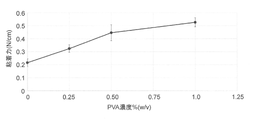
- an adhesive in particular, the present disinfecting composition (i.e., a disinfecting composition containing a sugar alcohol [D-mannitol]) so that the adhesive is 0.25 to 1.0% ), the adhesion of the inside drape to the skin surface to which the disinfecting composition is applied can be further enhanced compared to the present disinfecting composition containing no adhesive (PVA).
- PVA pressure sensitive adhesive
- the adhesive strength was enhanced by attaching the in-size drape for measurement to the artificial skin coated with the test disinfectant containing 0.5% PVA and 1.0 to 10.0% D-mannitol. shown.
- the in-size drape for measurement when the in-size drape for measurement is attached to artificial skin coated with a test disinfectant containing 0.5% PVA and 1.5-10% D-mannitol, it contains only 0.5% PVA.
- In-size drape for measurement compared to when attached to artificial skin coated with test disinfectant or when attached to artificial skin coated with test disinfectant containing 0.5% PVA and 1% D-mannitol (See Table 5 and FIG. 6).
- the adhesive strength was enhanced by attaching the in-size drape for measurement to the artificial skin coated with the test disinfectant containing 0.1% PVA and 1.0 to 10.0% D-mannitol. shown.
- the in-size drape for measurement when the in-size drape for measurement is attached to artificial skin coated with a test disinfectant solution containing 0.1% PVA and 1.5-10% D-mannitol, it contains only 0.1% PVA.
- the in-size drape for measurement It was shown that the adhesive strength of the adhesive strength increased sharply (see Table 6 and FIG. 7).
- Disinfecting Composition Containing a High Concentration of Adhesive is Unsuitable as a Disinfecting Composition
- the Disinfecting Composition containing a high concentration of adhesive is not suitable as a disinfecting composition.
- the adhesive strength of the in-size drape for measurement was measured.
- the present disinfecting composition containing a high concentration (e.g., 3.5%) of the adhesive is comparable to the present disinfecting composition containing a low concentration (e.g., 0.1-2.0%) of the adhesive.
- Inclusion of the sugar alcohol reduces the adhesion of the incise drape to the skin surface to which the antiseptic composition is applied.
- the test disinfectant containing 3.5% PVA has a large adhesive strength of the inside drape, the amount of PVA applied is large, and as a result of forming a thick film on the skin surface when drying, it is partially used for disinfection. Peeling of the composition film occurred.
- the inside drape is attached to the peeled disinfecting composition film, there is no adhesive force between the inside drape and the skin, especially when the disinfecting composition film is peeled off as a whole. , the overall adhesion of the in-size drape to the skin may be reduced.
- the adhesive in the disinfecting composition is present at a high concentration, the viscosity of the disinfecting composition increases, and depending on the application, the coating properties of the disinfecting composition may deteriorate.
- the adhesive in the disinfecting composition is present at a high concentration, it may be detrimental that it takes time for the disinfecting composition to dry after application. Therefore, when adding an adhesive to the present disinfecting composition, it is preferable to adjust the concentration of the adhesive so as not to become high.
- any The adhesive strength of the in-size drape for measurement is enhanced even under humid conditions, and the decrease in adhesive strength due to increased humidity is reduced compared to when the drape is applied to artificial skin coated with a test disinfectant solution containing PVA. was shown (see Table 11 and FIG. 12).
- the test disinfectant solution containing D-mannitol alone or the test disinfectant solution containing PVA alone It was shown that the decrease in adhesive strength due to increased humidity is further reduced compared to when it is applied to applied artificial skin.
- Example 2 Evaluation of bactericidal activity of the present disinfecting composition
- D-mannitol was used as a sugar alcohol
- adhesive PVA was used as an agent to evaluate its bactericidal activity against bacteria (Staphylococcus aureus, S. epidermidis and Pseudomonas aeruginosa) and fungi (Candida albicans) known to cause infections.
- SCDLP Medium 48.0 g of SCDLP agar medium "Daigo" (product code: 398-00255, manufactured by Nihon Pharmaceutical Co., Ltd.) was weighed into a glass Erlenmeyer flask, and 1000 mL of pure water was added and stirred. This was autoclaved (121° C., 20 minutes) to prepare an SCDLP medium. Stored in a warm bath set at 47° C. until use.
- the mixture was transferred to a medium bottle and subjected to high-pressure steam sterilization. After sterilization, it was taken out from the high-pressure steam sterilizer while it was still hot, and cooled to room temperature while stirring to prepare a neutralizer.
- test bacteria suspension Candida albicans ATCC90028 was used. Each test organism was cultured on SCD plates (Staphylococcus aureus, Staphylococcus epidermidis and Pseudomonas aeruginosa) or SAB plates (Candida albicans) and then suspended in distilled water. A 5-fold dilution of the fungus solution of C. aeruginosa) or a test suspension of McFarland 5 (Candida albicans) was prepared.
- SCD plates Staphylococcus aureus, Staphylococcus epidermidis and Pseudomonas aeruginosa
- SAB plates Candida albicans
- Bactericidal power evaluation test 1-5-1 Measurement of the number of live bacteria (Staphylococcus aureus, Staphylococcus epidermidis, and Pseudomonas aeruginosa) before the action of the test disinfectant Test according to the following procedures [1] to [6] The number of viable bacteria (Staphylococcus aureus, Staphylococcus epidermidis, and Pseudomonas aeruginosa) before the action of the disinfectant was measured.
- test disinfectant containing 1.0% PVA (1500) and 5.0% D-mannitol) in 3 mL of a test suspension of Staphylococcus aureus, Staphylococcus epidermidis, or Pseudomonas aeruginosa 150 ⁇ L of suspension was added and mixed. This was used as a reaction solution, and the reaction was carried out at room temperature. [2] After reacting for a predetermined time (30 seconds or 60 seconds), 500 ⁇ L of the reaction solution was withdrawn, added to 4.5 mL of a neutralizer, and mixed. This was used as a 10 1 -fold diluted solution.
- Dilution was further repeated to prepare a 10-fold dilution series (a total of 4 steps from 10 1 to 10 4 -fold dilutions).
- 1 mL of each of the 10 2 to 10 4 dilutions was dispensed into petri dishes, and about 20 mL of SABLP medium that had been stored in a warm bath was added to prepare pour plates.
- Bactericidal power (A - B) ⁇ (A - C)
- test disinfectant containing 1.0% D-mannitol, test disinfectant containing 2.0% D-mannitol, and test disinfectant containing 5.0% D-mannitol disinfectant test disinfectant containing 1.0% D-mannitol, test disinfectant containing 2.0% D-mannitol, and test disinfectant containing 5.0% D-mannitol disinfectant
- test disinfectant containing 2.0% PVA (500) and 5.0% D-mannitol, and 1.0% PVA (1500) and a test disinfectant containing 5.0% D-mannitol was used for 30 seconds and 60 seconds to react with 3 strains of bacteria (Staphylococcus aureus, Staphylococcus epidermidis, and Pseudomonas aeruginosa). In all cases, no residual bacteria were detected (see Tables 13-15).
- Example 3 Measurement of the adhesive strength of the inside drape to the skin surface to which the present disinfecting composition was applied (2)
- Example 1 "3M iovan special insize drape” was used as the insize drape for measurement.
- “Opsite Analysis was performed according to the method described in Example 1 using "Incise” (manufactured by Smith & Nephew).
- the present invention contributes to the prevention of infections (for example, infections caused by bacteria, fungi, viruses, etc.) at wound sites and surgical sites in surgical operations.
- infections for example, infections caused by bacteria, fungi, viruses, etc.
Landscapes
- Health & Medical Sciences (AREA)
- Life Sciences & Earth Sciences (AREA)
- Chemical & Material Sciences (AREA)
- General Health & Medical Sciences (AREA)
- Veterinary Medicine (AREA)
- Public Health (AREA)
- Animal Behavior & Ethology (AREA)
- Engineering & Computer Science (AREA)
- Epidemiology (AREA)
- Medicinal Chemistry (AREA)
- Pharmacology & Pharmacy (AREA)
- General Chemical & Material Sciences (AREA)
- Chemical Kinetics & Catalysis (AREA)
- Zoology (AREA)
- Pest Control & Pesticides (AREA)
- Environmental Sciences (AREA)
- Wood Science & Technology (AREA)
- Plant Pathology (AREA)
- Dentistry (AREA)
- Agronomy & Crop Science (AREA)
- Surgery (AREA)
- Molecular Biology (AREA)
- Biochemistry (AREA)
- Oil, Petroleum & Natural Gas (AREA)
- Inorganic Chemistry (AREA)
- Nuclear Medicine, Radiotherapy & Molecular Imaging (AREA)
- Organic Chemistry (AREA)
- Oncology (AREA)
- Toxicology (AREA)
- Materials Engineering (AREA)
- Communicable Diseases (AREA)
- Bioinformatics & Cheminformatics (AREA)
- Dermatology (AREA)
- Medicinal Preparation (AREA)
- Agricultural Chemicals And Associated Chemicals (AREA)
- Acyclic And Carbocyclic Compounds In Medicinal Compositions (AREA)
Priority Applications (8)
| Application Number | Priority Date | Filing Date | Title |
|---|---|---|---|
| EP22853046.5A EP4382125A4 (en) | 2021-08-06 | 2022-08-02 | DISINFECTANT COMPOSITION |
| US18/293,475 US20240334935A1 (en) | 2021-08-06 | 2022-08-02 | Antiseptic composition |
| AU2022322310A AU2022322310A1 (en) | 2021-08-06 | 2022-08-02 | Disinfecting composition |
| KR1020247003547A KR20240044421A (ko) | 2021-08-06 | 2022-08-02 | 소독용 조성물 |
| JP2023540355A JP7659637B2 (ja) | 2021-08-06 | 2022-08-02 | 消毒用組成物 |
| CN202280053626.1A CN117813116A (zh) | 2021-08-06 | 2022-08-02 | 消毒用组合物 |
| CA3223959A CA3223959A1 (en) | 2021-08-06 | 2022-08-02 | Disinfecting composition |
| JP2025015024A JP2025072448A (ja) | 2021-08-06 | 2025-01-31 | 消毒用組成物 |
Applications Claiming Priority (2)
| Application Number | Priority Date | Filing Date | Title |
|---|---|---|---|
| JP2021-129996 | 2021-08-06 | ||
| JP2021129996 | 2021-08-06 |
Publications (1)
| Publication Number | Publication Date |
|---|---|
| WO2023013627A1 true WO2023013627A1 (ja) | 2023-02-09 |
Family
ID=85155715
Family Applications (1)
| Application Number | Title | Priority Date | Filing Date |
|---|---|---|---|
| PCT/JP2022/029618 Ceased WO2023013627A1 (ja) | 2021-08-06 | 2022-08-02 | 消毒用組成物 |
Country Status (9)
| Country | Link |
|---|---|
| US (1) | US20240334935A1 (https=) |
| EP (1) | EP4382125A4 (https=) |
| JP (2) | JP7659637B2 (https=) |
| KR (1) | KR20240044421A (https=) |
| CN (1) | CN117813116A (https=) |
| AU (1) | AU2022322310A1 (https=) |
| CA (1) | CA3223959A1 (https=) |
| TW (1) | TW202320743A (https=) |
| WO (1) | WO2023013627A1 (https=) |
Citations (6)
| Publication number | Priority date | Publication date | Assignee | Title |
|---|---|---|---|---|
| JPH0649423A (ja) | 1992-07-31 | 1994-02-22 | Unitika Chem Kk | 水溶性ホットメルト接着剤及びその製造方法 |
| JPH07506377A (ja) * | 1992-05-06 | 1995-07-13 | アルコン ラボラトリーズ,インコーポレイテッド | 眼科用組成物におけるホウ酸塩−ポリオール複合体の使用 |
| JP2000159633A (ja) | 1998-12-02 | 2000-06-13 | Nitto Denko Corp | 湿潤粘着性組成物およびこれを用いてなる化粧用シート |
| JP2009242348A (ja) * | 2008-03-31 | 2009-10-22 | Kobayashi Pharmaceut Co Ltd | 繰り返し感染予防用の医薬組成物 |
| CN106668850A (zh) * | 2015-11-05 | 2017-05-17 | 惠众国际医疗器械(北京)有限公司 | 一组天然杀菌/抗菌剂 |
| CN107668062A (zh) * | 2017-10-27 | 2018-02-09 | 济南博世医药科技有限公司 | 基于透明质酸的奥兰西丁水溶液及其制备方法和应用 |
Family Cites Families (3)
| Publication number | Priority date | Publication date | Assignee | Title |
|---|---|---|---|---|
| JP4526300B2 (ja) * | 2003-05-28 | 2010-08-18 | 大塚製薬株式会社 | オラネキシジン水溶液およびその調製方法並びに消毒剤 |
| CA2711663C (en) * | 2007-12-31 | 2017-01-10 | 3M Innovative Properties Company | Liquid antiseptic compositions containing iodine and a sugar and/or sugar alcohol |
| EP3628314B1 (en) * | 2017-04-19 | 2023-07-26 | Otsuka Pharmaceutical Factory, Inc. | Olanexidine as anti-inflammatory agent |
-
2022
- 2022-08-02 WO PCT/JP2022/029618 patent/WO2023013627A1/ja not_active Ceased
- 2022-08-02 CA CA3223959A patent/CA3223959A1/en active Pending
- 2022-08-02 KR KR1020247003547A patent/KR20240044421A/ko active Pending
- 2022-08-02 US US18/293,475 patent/US20240334935A1/en active Pending
- 2022-08-02 AU AU2022322310A patent/AU2022322310A1/en active Pending
- 2022-08-02 EP EP22853046.5A patent/EP4382125A4/en active Pending
- 2022-08-02 JP JP2023540355A patent/JP7659637B2/ja active Active
- 2022-08-02 CN CN202280053626.1A patent/CN117813116A/zh active Pending
- 2022-08-03 TW TW111129085A patent/TW202320743A/zh unknown
-
2025
- 2025-01-31 JP JP2025015024A patent/JP2025072448A/ja active Pending
Patent Citations (6)
| Publication number | Priority date | Publication date | Assignee | Title |
|---|---|---|---|---|
| JPH07506377A (ja) * | 1992-05-06 | 1995-07-13 | アルコン ラボラトリーズ,インコーポレイテッド | 眼科用組成物におけるホウ酸塩−ポリオール複合体の使用 |
| JPH0649423A (ja) | 1992-07-31 | 1994-02-22 | Unitika Chem Kk | 水溶性ホットメルト接着剤及びその製造方法 |
| JP2000159633A (ja) | 1998-12-02 | 2000-06-13 | Nitto Denko Corp | 湿潤粘着性組成物およびこれを用いてなる化粧用シート |
| JP2009242348A (ja) * | 2008-03-31 | 2009-10-22 | Kobayashi Pharmaceut Co Ltd | 繰り返し感染予防用の医薬組成物 |
| CN106668850A (zh) * | 2015-11-05 | 2017-05-17 | 惠众国际医疗器械(北京)有限公司 | 一组天然杀菌/抗菌剂 |
| CN107668062A (zh) * | 2017-10-27 | 2018-02-09 | 济南博世医药科技有限公司 | 基于透明质酸的奥兰西丁水溶液及其制备方法和应用 |
Non-Patent Citations (4)
| Title |
|---|
| "Description of Japanese Pharmacopoeia", 2016, HIROKAWA SHOTEN, article "testing method for the adhesion force", pages: 664 - 71 |
| "Practical Guidelines for Operative Medicine", JOURNAL OF JAPANESE ASSOCIATION FOR OPERATIVE MEDICINE, vol. 35, 2013 |
| ANONYMOUS: "Olanedine Antiseptic Solution 1.5%, Olanedine Solution 1.5% Antiseptic Applicator 10mL, Olanedine Solution 1.5% Antiseptic Applicator 25 mL. Report of Review Outcome", 1 January 2015 (2015-01-01), XP093031373, Retrieved from the Internet <URL:https://www.pmda.go.jp/drugs/2015/P20150716001/180079000_22700AMX00707_A100_1.pdf> [retrieved on 20230314] * |
| See also references of EP4382125A4 |
Also Published As
| Publication number | Publication date |
|---|---|
| TW202320743A (zh) | 2023-06-01 |
| JPWO2023013627A1 (https=) | 2023-02-09 |
| JP7659637B2 (ja) | 2025-04-09 |
| EP4382125A4 (en) | 2025-07-02 |
| EP4382125A1 (en) | 2024-06-12 |
| US20240334935A1 (en) | 2024-10-10 |
| CA3223959A1 (en) | 2023-02-09 |
| AU2022322310A1 (en) | 2024-02-01 |
| JP2025072448A (ja) | 2025-05-09 |
| CN117813116A (zh) | 2024-04-02 |
| KR20240044421A (ko) | 2024-04-04 |
Similar Documents
| Publication | Publication Date | Title |
|---|---|---|
| US8623935B2 (en) | Antimicrobial compositions | |
| US9408933B2 (en) | Antiseptic compositions, methods and systems | |
| JP5986277B2 (ja) | 口腔ケア方法及びキット | |
| US8609128B2 (en) | Cyanoacrylate-based liquid microbial sealant drape | |
| JP2019527090A (ja) | 有効な創傷ケア処置としての新規高速付着薄膜形成組成物 | |
| JP6268082B2 (ja) | ヨウ素並びに糖及び/又は糖アルコールを含有する液体殺菌組成物 | |
| KR20040076893A (ko) | 소독 조성물 및 소독 방법 | |
| JP2011153101A (ja) | 口腔用微生物付着防止剤 | |
| US12324430B2 (en) | Topical antiseptic system | |
| Darrag | Antimicrobial efficacy of endodontic irrigation solutions against planktonic microorganisms and dual-species biofilm | |
| JP5542817B2 (ja) | 穏やかな、非刺激性、非アルコール性皮膚消毒剤 | |
| JP7659637B2 (ja) | 消毒用組成物 | |
| US9254133B2 (en) | Sterilized liquid compositions of cyanoacrylate monomer mixtures | |
| HK40104286A (zh) | 消毒用组合物 | |
| NO328979B1 (no) | Anvendelse av diklorbenzylalkohol for fremstilling av et preparat for topisk behandling av inflammasjon | |
| HK40105910A (en) | Disinfecting composition | |
| CN113874460A (zh) | 粘合剂组合物 | |
| CN1812775B (zh) | 戊-1,5-二醇在制备用于抑制细菌生长的局部给药的药物中的用途 | |
| WO2022052631A1 (zh) | 柠檬酸金属盐在根管治疗中的应用以及配制得到的制剂 | |
| Mohan | Comparative Evaluation of the Antimicrobial Efficacy of Chlorhexidine, Triple Antibiotic Paste, Calcium Hydroxide with and Without Chitosan Against E. Faecalis: An Invitro Study | |
| US8652510B2 (en) | Sterilized liquid compositions of cyanoacrylate monomer mixtures | |
| Yılmaz et al. | Antimicrobial Effect of Polyhexanide on Denture Base and Soft Lining Materials | |
| JP4452417B2 (ja) | 白癬菌感染由来の痒み評価方法 | |
| WO2005072665A1 (ja) | 冷却用組成物 | |
| JP2006117587A (ja) | 殺菌消毒剤組成物 |
Legal Events
| Date | Code | Title | Description |
|---|---|---|---|
| 121 | Ep: the epo has been informed by wipo that ep was designated in this application |
Ref document number: 22853046 Country of ref document: EP Kind code of ref document: A1 |
|
| WWE | Wipo information: entry into national phase |
Ref document number: 2023540355 Country of ref document: JP |
|
| WWE | Wipo information: entry into national phase |
Ref document number: 3223959 Country of ref document: CA |
|
| WWE | Wipo information: entry into national phase |
Ref document number: 2022322310 Country of ref document: AU Ref document number: AU2022322310 Country of ref document: AU |
|
| WWE | Wipo information: entry into national phase |
Ref document number: 12024550205 Country of ref document: PH |
|
| WWE | Wipo information: entry into national phase |
Ref document number: 2401000620 Country of ref document: TH |
|
| WWE | Wipo information: entry into national phase |
Ref document number: 202280053626.1 Country of ref document: CN |
|
| ENP | Entry into the national phase |
Ref document number: 2022322310 Country of ref document: AU Date of ref document: 20220802 Kind code of ref document: A |
|
| WWE | Wipo information: entry into national phase |
Ref document number: 202417006729 Country of ref document: IN |
|
| WWE | Wipo information: entry into national phase |
Ref document number: 11202400460S Country of ref document: SG |
|
| WWE | Wipo information: entry into national phase |
Ref document number: 2024102367 Country of ref document: RU |
|
| NENP | Non-entry into the national phase |
Ref country code: DE |
|
| ENP | Entry into the national phase |
Ref document number: 2022853046 Country of ref document: EP Effective date: 20240306 |