WO2022209763A1 - カルボン酸還元活性を有する組換えポリペプチド - Google Patents
カルボン酸還元活性を有する組換えポリペプチド Download PDFInfo
- Publication number
- WO2022209763A1 WO2022209763A1 PCT/JP2022/010912 JP2022010912W WO2022209763A1 WO 2022209763 A1 WO2022209763 A1 WO 2022209763A1 JP 2022010912 W JP2022010912 W JP 2022010912W WO 2022209763 A1 WO2022209763 A1 WO 2022209763A1
- Authority
- WO
- WIPO (PCT)
- Prior art keywords
- amino acid
- acid sequence
- position corresponding
- acid residue
- seq
- Prior art date
- Legal status (The legal status is an assumption and is not a legal conclusion. Google has not performed a legal analysis and makes no representation as to the accuracy of the status listed.)
- Ceased
Links
Images






Classifications
-
- C—CHEMISTRY; METALLURGY
- C12—BIOCHEMISTRY; BEER; SPIRITS; WINE; VINEGAR; MICROBIOLOGY; ENZYMOLOGY; MUTATION OR GENETIC ENGINEERING
- C12N—MICROORGANISMS OR ENZYMES; COMPOSITIONS THEREOF; PROPAGATING, PRESERVING, OR MAINTAINING MICROORGANISMS; MUTATION OR GENETIC ENGINEERING; CULTURE MEDIA
- C12N9/00—Enzymes; Proenzymes; Compositions thereof; Processes for preparing, activating, inhibiting, separating or purifying enzymes
- C12N9/0004—Oxidoreductases (1.)
- C12N9/0008—Oxidoreductases (1.) acting on the aldehyde or oxo group of donors (1.2)
-
- C—CHEMISTRY; METALLURGY
- C12—BIOCHEMISTRY; BEER; SPIRITS; WINE; VINEGAR; MICROBIOLOGY; ENZYMOLOGY; MUTATION OR GENETIC ENGINEERING
- C12N—MICROORGANISMS OR ENZYMES; COMPOSITIONS THEREOF; PROPAGATING, PRESERVING, OR MAINTAINING MICROORGANISMS; MUTATION OR GENETIC ENGINEERING; CULTURE MEDIA
- C12N15/00—Mutation or genetic engineering; DNA or RNA concerning genetic engineering, vectors, e.g. plasmids, or their isolation, preparation or purification; Use of hosts therefor
- C12N15/09—Recombinant DNA-technology
- C12N15/63—Introduction of foreign genetic material using vectors; Vectors; Use of hosts therefor; Regulation of expression
- C12N15/70—Vectors or expression systems specially adapted for E. coli
-
- C—CHEMISTRY; METALLURGY
- C12—BIOCHEMISTRY; BEER; SPIRITS; WINE; VINEGAR; MICROBIOLOGY; ENZYMOLOGY; MUTATION OR GENETIC ENGINEERING
- C12P—FERMENTATION OR ENZYME-USING PROCESSES TO SYNTHESISE A DESIRED CHEMICAL COMPOUND OR COMPOSITION OR TO SEPARATE OPTICAL ISOMERS FROM A RACEMIC MIXTURE
- C12P13/00—Preparation of nitrogen-containing organic compounds
- C12P13/001—Amines; Imines
-
- C—CHEMISTRY; METALLURGY
- C12—BIOCHEMISTRY; BEER; SPIRITS; WINE; VINEGAR; MICROBIOLOGY; ENZYMOLOGY; MUTATION OR GENETIC ENGINEERING
- C12P—FERMENTATION OR ENZYME-USING PROCESSES TO SYNTHESISE A DESIRED CHEMICAL COMPOUND OR COMPOSITION OR TO SEPARATE OPTICAL ISOMERS FROM A RACEMIC MIXTURE
- C12P7/00—Preparation of oxygen-containing organic compounds
- C12P7/02—Preparation of oxygen-containing organic compounds containing a hydroxy group
-
- C—CHEMISTRY; METALLURGY
- C12—BIOCHEMISTRY; BEER; SPIRITS; WINE; VINEGAR; MICROBIOLOGY; ENZYMOLOGY; MUTATION OR GENETIC ENGINEERING
- C12P—FERMENTATION OR ENZYME-USING PROCESSES TO SYNTHESISE A DESIRED CHEMICAL COMPOUND OR COMPOSITION OR TO SEPARATE OPTICAL ISOMERS FROM A RACEMIC MIXTURE
- C12P7/00—Preparation of oxygen-containing organic compounds
- C12P7/24—Preparation of oxygen-containing organic compounds containing a carbonyl group
-
- C—CHEMISTRY; METALLURGY
- C12—BIOCHEMISTRY; BEER; SPIRITS; WINE; VINEGAR; MICROBIOLOGY; ENZYMOLOGY; MUTATION OR GENETIC ENGINEERING
- C12P—FERMENTATION OR ENZYME-USING PROCESSES TO SYNTHESISE A DESIRED CHEMICAL COMPOUND OR COMPOSITION OR TO SEPARATE OPTICAL ISOMERS FROM A RACEMIC MIXTURE
- C12P7/00—Preparation of oxygen-containing organic compounds
- C12P7/64—Fats; Fatty oils; Ester-type waxes; Higher fatty acids, i.e. having at least seven carbon atoms in an unbroken chain bound to a carboxyl group; Oxidised oils or fats
- C12P7/6409—Fatty acids
-
- C—CHEMISTRY; METALLURGY
- C12—BIOCHEMISTRY; BEER; SPIRITS; WINE; VINEGAR; MICROBIOLOGY; ENZYMOLOGY; MUTATION OR GENETIC ENGINEERING
- C12Y—ENZYMES
- C12Y102/00—Oxidoreductases acting on the aldehyde or oxo group of donors (1.2)
- C12Y102/01—Oxidoreductases acting on the aldehyde or oxo group of donors (1.2) with NAD+ or NADP+ as acceptor (1.2.1)
- C12Y102/0103—Aryl-aldehyde dehydrogenase (NADP+) (1.2.1.30)
Definitions
- the present invention relates to a recombinant polypeptide having carboxylic acid reducing activity and a method for producing an aliphatic compound using the polypeptide.
- Carboxylic acid compounds are attractive compounds not only as raw materials for polymers but also as raw materials that can be converted into aldehydes, alcohols and amines (Patent Documents 3 to 7, Non-Patent Documents 1 and 2).
- Patent Documents 3 to 7, Non-Patent Documents 1 and 2 By converting the carboxyl groups of these carboxylic acid compounds into substituents such as aldehydes, alcohols, and amines, biomass-derived raw materials can be developed into various compounds, so such a conversion technology is required.
- the carboxyl group is thermodynamically stable and requires a large amount of energy for chemical reactions.
- Non-Patent Document 6 a substrate with a relatively short carbon chain length tends to have a lower enzymatic activity, and improvement of the activity is desired.
- Yu, et. al. Direct biosynthesis of adipic acid from a synthetic pathway in recombinant Escherichia coli, Biotechnology and Bioengineering, Wiley Periodicals, Inc. , 2014, vol. 111, pp. 2580. Yu Zhou, et. al. Biosynthesis of adipic acid by a highly efficient induction-free system in Escherichia Coli, Journal of Biotechnology, Elsevier, 2020, 8, pp. 314-315 Napora-Wijata et al. Biocatalytic reduction of carboxylic acid, Biotechnology Journal, Biotechvisions, 2014, 9, pp. 822-843 Khusnutdinova et al.
- An object of the present invention is to provide a recombinant polypeptide having carboxylic acid reducing activity. Another object of the present invention is to provide a method for producing an aliphatic compound using the recombinant polypeptide.
- the substrate-binding site was presumed to be the enzyme derived from Mycobacterium abscessus (polypeptide consisting of the amino acid sequence shown in SEQ ID NO: 1) from analysis of the three-dimensional structure. It was found that the enzymatic activity can be improved by introducing mutations into the site.
- the present invention is as follows: [1] (a) consists of an amino acid sequence A with a sequence identity of 60% or more, 70% or more, 80% or more, 85% or more, 90% or more, or 95% or more of the amino acid sequence shown in SEQ ID NO: 1, (b) in the amino acid sequence A, at least one amino acid at a position corresponding to the substrate binding site of the polypeptide consisting of the amino acid sequence shown in SEQ ID NO: 1 is substituted; (c) a recombinant polypeptide having carboxylic acid reducing activity; [2] In (b) above, the positions corresponding to the substrate-binding site of the polypeptide consisting of the amino acid sequence shown in SEQ ID NO: 1 are positions 283, 284, and 298 based on the amino acid sequence shown in SEQ ID NO: 1.
- the substrate compound is Formula (I): R 1 —(CH 2 ) n1 —COOH (wherein R 1 is a methyl group, a carboxyl group or an aldehyde group, and n 1 is an integer from 1 to 10), or Formula (II): R 2 —(CH 2 ) n2 —COOH (Wherein R 2 is hydrogen, hydroxyl group or amino group, n 2 is an integer from 2 to 11) is represented by The production method according to [18], wherein the target compound is an aldehyde.
- the aldehyde is 4-aminobutan-1-al, 5-aminopentan-1-al, 6-aminohexan-1-al, butanedialdehyde, pentanedialdehyde, hexanedialdehyde, 4-hydroxybutane-
- a recombinant polypeptide having carboxylic acid reducing activity and a method for producing an aliphatic compound using the recombinant polypeptide can be provided.
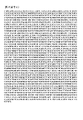
- FIG. 1 shows the amino acid sequence (SEQ ID NO: 1) of wild-type carboxylic acid reductase.
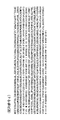
- FIG. 2 shows the base sequence of wild-type carboxylic acid reductase (SEQ ID NO: 2).
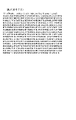
- Fig. 3 shows the amino acid sequence of modified carboxylic acid reductase 1 (SEQ ID NO: 3).
- 4 shows the amino acid sequence of modified carboxylic acid reductase 2 (SEQ ID NO: 4).
- FIG. Fig. 7 shows the amino acid sequence (SEQ ID NO: 72) of carboxylic acid reductase from Segniliparus rugosus.
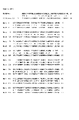
- FIG. 1 shows the result of alignment of the amino acid sequence of SEQ ID NO: 1 and the amino acid sequence of a carboxylic acid reductase derived from Segniliparus rugosus having 61% sequence identity with SEQ ID NO: 1.
- FIG. 1 shows a portion of the results of an alignment of the amino acid sequence of SEQ ID NO: 1 and the amino acid sequence of a carboxylic acid reductase from Segniliparus rugosus that has 61% sequence similarity with SEQ ID NO: 1.
- FIG. 3 is a diagram for comparison with reductase.
- FIG. 2 is a diagram comparing with enzymes.
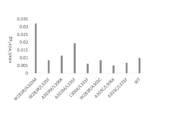
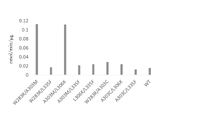
- WT means wild-type enzyme.
- the enzymatic activity of various modified carboxylic acid reductases with respect to substrate (6-hydroxyhexanoic acid) was compared with that of wild-type carboxylic acid.
- FIG. 3 is a diagram for comparison with reductase. In the figure, "WT” means wild-type enzyme.
- a recombinant polypeptide according to the present invention is a polypeptide that has been modified to have improved carboxylic acid reducing activity.
- carboxylic acid reduction activity refers to activity to convert a carboxyl group of carboxylic acid to an aldehyde group.
- carboxylic acid includes compounds containing one or more carboxyl groups.
- Carboxylic acid is represented by, for example, the formula: R-COOH (wherein R is a chain or cyclic organic group composed of one or more atoms selected from the group consisting of C, H, O, N, S ).
- the carboxylic acid is Formula (I): R 1 —(CH 2 ) n1 —COOH (wherein R 1 is a methyl group, a carboxyl group or an aldehyde group, and n 1 is an integer of 1-10) is represented by In formula (I), n 1 is preferably an integer of 1-7, more preferably an integer of 2-4, even more preferably an integer of 3-4.
- the carboxylic acid is Formula (II): R 2 —(CH 2 ) n2 —COOH (Wherein R 2 is hydrogen, hydroxyl group or amino group, and n 2 is an integer from 2 to 11) is represented by In formula (II), n 2 is preferably an integer of 2-8, more preferably an integer of 3-5, even more preferably an integer of 4-5.
- the recombinant polypeptides of the present invention have the following properties (a)-(c): (a) consists of an amino acid sequence A having a sequence identity of 60% or more with the amino acid sequence of a wild-type carboxylic acid reductase; (b) in the amino acid sequence A, at least one amino acid at a position corresponding to the substrate binding site of the wild-type carboxylic acid reductase is substituted; (c) having carboxylic acid reduction activity;
- the carboxylic acid reducing activity of (c) above is preferably improved compared to the carboxylic acid reducing activity of the polypeptide consisting of the amino acid sequence shown in SEQ ID NO:1. Therefore, in a preferred embodiment, the recombinant polypeptide of the present invention has improved carboxylic acid reducing activity compared to the carboxylic acid reducing activity of the polypeptide consisting of the amino acid sequence shown in SEQ ID NO:1.
- the recombinant polypeptide according to the present invention consists of an amino acid sequence A having a certain percentage or more of sequence identity with the amino acid sequence of wild-type carboxylic acid reductase. Wild-type carboxylic acid reductase polypeptides are classified as EC 1.2.1.30.
- the wild-type carboxylic acid reductase is not limited, but can be obtained, for example, from a microorganism selected from the group consisting of the genera Mycobacterium, Nocardia, Neurospora and Segniliparus.
- the wild-type carboxylic acid reductase can be obtained preferably from microorganisms belonging to the genera Mycobacterium and Nocardia, more preferably from microorganisms belonging to the genus Mycobacterium, and most preferably from Mycobacterium abscessus.
- Wild-type carboxylic acid reductase is not limited to a polypeptide having the amino acid sequence shown in SEQ ID NO: 1, and one or more amino acids are substituted, added, inserted or deleted in the amino acid sequence shown in SEQ ID NO: 1. It may be an amino acid sequence obtained by Also, one or more amino acids may be added to either or both of the N-terminus and C-terminus of the polypeptide.
- the "wild-type carboxylic acid reductase” includes, in addition to a polypeptide having the amino acid sequence shown in SEQ ID NO: 1, a polypeptide having an amino acid sequence whose sequence identity is 60% or more with the amino acid sequence shown in SEQ ID NO: 1. Peptides are included.
- wild-type carboxylic acid reductase is a polypeptide having an amino acid sequence with 60% or more sequence identity with the amino acid sequence shown in SEQ ID NO: 1, and nicotinamide adenine dinucleotide phosphate ( It is a polypeptide that can undergo a reduction reaction using a carboxylic acid compound as a substrate in the presence of nicotinamide adenine dinucleotide phosphate (NADPH) and adenosine triphosphate (ATP). Therefore, "carboxylic acid reductase activity” or “carboxylic acid reduction activity” more specifically means an activity capable of performing a reduction reaction using a carboxylic acid compound as a substrate in the presence of NADPH and ATP. .
- the amino acid sequence of a wild-type carboxylic acid reductase derived from Mycobacterium abscessus is shown in SEQ ID NO: 1 (Fig. 1).
- the amino acid sequence of a wild-type carboxylic acid reductase derived from Segniliparus rugosus is shown in SEQ ID NO: 72 (Fig. 5A).
- the enzyme has 61% sequence identity with the amino acid sequence shown in SEQ ID NO:1.
- the recombinant polypeptide according to the present invention consists of an amino acid sequence A having a certain percentage or more of sequence identity with the amino acid sequence of wild-type carboxylic acid reductase.
- Amino acid sequence A has a sequence identity of 60% or more, 65% or more, 70% or more, 75% or more, 80% or more, 85% or more, 88% or more, 90% or more with the amino acid sequence shown in SEQ ID NO: 1 , 95% or more, 97% or more, 98% or more or 99% or more.
- sequence identity can be determined by a known method, for example, BLAST (Basic Local Alignment Search Tool, https://blast.ncbi.nlm.nih.gov/Blast.cgi) obtained using an alignment search tool that can be used with A person skilled in the art would understand how to determine sequence identity using this program by referring to the above website, eg the "Help" section.
- Blast2 sequence function of the BLAST® (Blastp) program can be used using the default parameters (gap existence cost 11, gap cost per residue 1).
- sequence identity of polynucleotide sequences can be determined by known methods.
- the sequence information of the wild-type carboxylic acid reductase gene that can be used in the present invention can be obtained from Genebank gene ID5967171, for example, the polynucleotide shown in SEQ ID NO: 2 (Fig. 2).
- the gene can be obtained from Mycobacteroides abscessus ATCC 19977 by general genetic engineering techniques. That is, using genomic DNA as a template, a gene product amplified by PCR can be obtained and used for expression in a host microorganism. It can also be obtained by organic synthetic preparation. Alternate codons that ultimately translate to the same amino acid may also be utilized. Typically, it is a method of replacing with a gene sequence considering the codon usage frequency of the host microorganism.
- a recombinant polypeptide of the invention has the following properties (a)-(c): (a) consists of an amino acid sequence A having a sequence identity of 60% or more with the amino acid sequence shown in SEQ ID NO: 1, (b) in the amino acid sequence A, at least one amino acid at a position corresponding to the substrate binding site of the polypeptide consisting of the amino acid sequence shown in SEQ ID NO: 1 is substituted; (c) having carboxylic acid reduction activity;
- the wild-type carboxylic acid reductase is a polypeptide consisting of the amino acid sequence shown in SEQ ID NO:1.
- amino acid sequence A at least one of the amino acids at the position corresponding to the substrate binding site of the polypeptide consisting of the amino acid sequence shown in SEQ ID NO: 1 is substituted.
- amino acid sequence A at least two of the amino acids at positions corresponding to the substrate binding site of the polypeptide consisting of the amino acid sequence shown in SEQ ID NO: 1 are substituted.
- the "position corresponding to the substrate binding site of the polypeptide consisting of the amino acid sequence shown in SEQ ID NO: 1" refers to positions 283, 284, 298, and 303 based on the amino acid sequence shown in SEQ ID NO: 1. 306, 335, 512 and 926 positions. Therefore, in amino acid sequence A, based on the amino acid sequence shown in SEQ ID NO: 1, among the amino acids at positions corresponding to positions 283, 284, 298, 303, 306, 335, 512 and 926, One or more, preferably at least one, more preferably at least two are substituted. When the amino acid sequence A has the above substitution, good enzymatic activity for the target substrate can be obtained.
- the amino acid sequence A has the above-mentioned substitution, so that the enzymatic activity toward the target substrate is improved as compared with the wild-type carboxylic acid reductase.
- a method for identifying the substrate binding site will be described later.
- an amino acid residue at a position corresponding to position X (X represents an integer of 1 or more) based on the amino acid sequence shown in SEQ ID NO: 1" includes: - Based on the amino acid sequence shown in SEQ ID NO: 1, the amino acid residue at the position corresponding to the X position (Case 1), and - The amino acid residue at the X position of the amino acid sequence shown in SEQ ID NO: 1 (Case 2) shall be included.
- amino acid residues at positions corresponding to positions 283, 284, 298, 303, 306, 335, 512 and 926 based on the amino acid sequence shown in SEQ ID NO: 1 for, - Based on the amino acid sequence shown in SEQ ID NO: 1, amino acid residues at positions corresponding to positions 283, 284, 298, 303, 306, 335, 512 and 926, and - SEQ ID NO: 1
- amino acid residues at positions 283, 284, 298, 303, 306, 335, 512 and 926 are included.
- amino acid residue at the corresponding position refers to a reference amino acid sequence (specifically Specifically, when the amino acid sequence shown in SEQ ID NO: 1 (hereinafter also referred to as “reference sequence”) is aligned with a comparison amino acid sequence (specifically, amino acid sequence A), a specific position in the reference sequence and refers to amino acid residues at opposite positions.
- reference sequence specifically, when the amino acid sequence shown in SEQ ID NO: 1 (hereinafter also referred to as “reference sequence”) is aligned with a comparison amino acid sequence (specifically, amino acid sequence A), a specific position in the reference sequence and Refers to amino acid residues at opposite positions.
- amino acid sequence shown in SEQ ID NO: 1 and the amino acid sequence of Segniliparus rugosus-derived carboxylic acid reductase amino acid sequence of SEQ ID NO: 72, which has 61% sequence identity with the amino acid sequence shown in SEQ ID NO: 1) (Fig.
- FIG. 5A in the amino acids of Segniliparus rugosus-derived carboxylic acid reductase, the amino acid residue at the position corresponding to position 115 in the amino acid sequence shown in SEQ ID NO: 1 (glutamine residue in SEQ ID NO: 1) corresponds to position 119. Alanine residues.
- FIG. 3 modified carboxylic acid reductase 1, SEQ ID NO: 3
- FIG. 4 modified type carboxylic acid reductase 2, SEQ ID NO: 4
- the modified carboxylic acid reductase 1 shown in FIG. 3 contains amino acid substitutions of W283R and A303M relative to SEQ ID NO:1.
- the recombinant polypeptide of the present invention has the following (i) to (v) in amino acid sequence A, based on the amino acid sequence shown in SEQ ID NO: 1: (i) the amino acid residue at the position corresponding to position 283 is substituted with one of arginine, threonine and lysine; (ii) the amino acid residue at a position corresponding to position 284 is substituted with one of arginine, threonine and valine; (iii) the amino acid residue at a position corresponding to position 303 is substituted with either cysteine or methionine; (iv) the amino acid residue at a position corresponding to position 306 is substituted with either arginine or lysine; (v) the amino acid residue at the position corresponding to position 335 is substituted with any of arginine, tyrosine, phenylalanine and methionine; is at least one of
- Mutations in the amino acid sequence may be one of the above substitutions or a combination of two or more.
- amino acid sequence A is - Based on the amino acid sequence shown in SEQ ID NO: 1, the positions corresponding to positions 283 and 303 are substituted. - Based on the amino acid sequence shown in SEQ ID NO: 1, the positions corresponding to positions 283 and 335 are substituted. - Based on the amino acid sequence shown in SEQ ID NO: 1, the positions corresponding to positions 303 and 306 are substituted. - Based on the amino acid sequence shown in SEQ ID NO: 1, the positions corresponding to positions 303 and 335 are substituted. - based on the amino acid sequence shown in SEQ ID NO: 1, positions corresponding to positions 306 and 335 are substituted, or - Based on the amino acid sequence shown in SEQ ID NO: 1, positions corresponding to positions 283 and 303 are substituted.
- the recombinant polypeptide of the present invention contains two mutations, and in amino acid sequence A, based on the amino acid sequence shown in SEQ ID NO: 1, the following (xi) to (xviii): (xi) the amino acid residue at the position corresponding to position 283 is arginine and the amino acid residue at the position corresponding to position 303 is methionine; (xii) the amino acid residue at the position corresponding to position 283 is arginine and the amino acid residue at the position corresponding to position 303 is cysteine; (xiii) the amino acid residue at the position corresponding to position 283 is arginine and the amino acid at the position corresponding to position 335 is phenylalanine; (xiv) the amino acid residue at the position corresponding to position 303 is methionine and the amino acid residue at the position corresponding to position 306 is lysine; (xv) the amino acid residue at the position corresponding to position 303 is methionine and the amino acid residue at the
- the substrate binding site is estimated by, for example, existing protein crystal structure information (Protein Data Bank, http://www.rcsb.org/) and enzyme-substrate binding structure prediction using computational techniques. be able to.
- a dynamic stabilization model of the enzyme-substrate binding structure by applying the target substrate to the model described above and subjecting it to molecular dynamics calculations.
- amino acids present in the vicinity of the substrate molecule are displayed within an arbitrary distance around the substrate molecule using, for example, the Pymol software described above. can be estimated.
- Substrate binding sites that contribute to improvement of enzymatic activity can be identified by preparing and screening a comprehensive mutant enzyme library by introducing point mutations into the enzymatic amino acid (group) deduced in this way. .
- a second aspect of the present invention is a DNA encoding the recombinant polypeptide. Specifically, it is a DNA encoding the amino acid sequence A.
- An example of DNA encoding a recombinant polypeptide is the polynucleotide shown in SEQ ID NO:2 above.
- Another aspect of the present invention is a recombinant microorganism into which the DNA encoding the recombinant polypeptide (for example, the polynucleotide shown in SEQ ID NO: 2) has been introduced.
- Such recombinant microorganisms are produced by ligating DNA having a polynucleotide sequence encoding a recombinant polypeptide to vector DNA to prepare recombinant DNA, and transforming a host microorganism strain using the recombinant DNA. can be obtained by
- a host microorganism is, for example, a microorganism that inherently has the ability to express at least one selected from dicarboxylic acids. That is, the host microorganism inherently has at least one productivity selected from, for example, dicarboxylic acids.
- the dicarboxylic acid is preferably a dicarboxylic acid having 4 to 12 carbon atoms, more preferably a dicarboxylic acid having 4 to 6 carbon atoms.
- the host microorganism is more preferably a microorganism inherently capable of expressing at least one selected from the group consisting of succinic acid, glutaric acid and adipic acid.
- microorganisms that can be used in fermentation processes are available as host microorganisms, and are selected from, for example, bacteria, yeast and fungi.
- Host microorganisms are, for example, of the genera Escherichia, Bacillus, Corynebacterium, Klebsiella, Clostridium, Gluconobacter, Zymomonas, Lactobacillus, Lactococcus, Streptococcus, Pseudomonas and Streptomyces. selected from microorganisms.
- the host microorganism is preferably Escherichia coli from the viewpoint of easy genetic recombination.
- the recombinant polypeptide DNA of the present invention is introduced into a host microorganism using a vector capable of autonomous replication in the host microorganism, or the recombinant polypeptide DNA of the present invention is inserted into the chromosome. and may be reproduced.
- Vectors are, for example, selected from the group consisting of plasmids, phages, transposons, IS elements, phasmids, cosmids, linear or circular DNA, and the like.
- the recombinant polypeptide DNA is incorporated into a vector and introduced into a host microorganism. Vectors are preferably plasmids or phages.
- suitable plasmids are, for example, pLG338, pACYC184, pBR322, pUC18, pUC19, pHSG298, pHSG398, pKC30, pRep4, pHS1, pKK223-3, pDHE19.2, pHS2, pPLc236, pMBL24, pLG200, pUR290, pIN-III113-B1, ⁇ gt11 and pBdCI.
- suitable plasmids are, for example, pUB110, pC194 and pBD214. Plasmids that can be used in addition to these are described in "Gene Cloning and DNA analysis 6th edition", Wiley-Blackwell 2016.
- a vector operably links, for example, a promoter (regulatory region) upstream and a terminator downstream of a polynucleotide sequence encoding a gene, optionally with a genetic marker and/or other control elements. It can be made by operably linking sequences.
- an appropriate expression mechanism such as a promoter and terminator, can be selected and used to enhance the expression of the recombinant polypeptide.
- a promoter is defined as a DNA sequence that directs RNA polymerase to bind to the DNA and initiate RNA synthesis, whether it is a constitutive or an inducible promoter.
- a strong promoter is a promoter that initiates mRNA synthesis at a high frequency, and is also preferably used in the present invention.
- Terminators include, for example, the rrnBT1T2 terminator and the lac terminator.
- promoters and terminators are, for example, selectable markers, amplification signals and origins of replication. Regulatory elements are described, for example, in “Gene Expression Technology: Methods in Enzymology 185", Academic Press (1990).
- the host microorganism used in the present invention may be a microorganism in which the gene encoding the alcohol dehydrogenase inherent in the microorganism (hereinafter also referred to as "alcohol dehydrogenase gene”) has been disrupted.
- alcohol dehydrogenase gene the gene encoding the alcohol dehydrogenase inherent in the microorganism
- Another aspect of the present invention relates to the aforementioned recombinant polypeptides or cultures and/or culture extracts of said recombinant microorganisms.
- a desired target compound can be produced using a recombinant microorganism expressing the modified carboxylic acid reductase of the present invention.
- the target compound is an alcohol compound
- aldehyde reductase can be added.
- the target compound is an amino compound
- the amino compound can be produced by adding an aminotransferase or by co-expressing the aminotransferase in the host. That is, a method for producing a target compound by culturing a recombinant microorganism obtained by introducing a DNA encoding a modified carboxylic acid reductase according to the present invention into a host microorganism and using the culture is also provided.
- the production method includes mixing a culture and/or an extract of the culture with a substrate compound to obtain a mixture.
- the reaction time for reacting the culture and/or culture extract with the substrate compound in the mixed solution is the time during which the desired product can be produced.
- the reaction time is, for example, 15 minutes to 48 hours.
- the substrate compound carvone is, for example, Formula (I): R 1 —(CH 2 ) n1 —COOH (wherein R 1 is a methyl group, a carboxyl group or an aldehyde group, and n 1 is an integer from 1 to 10), or Formula (II): R 2 —(CH 2 ) n2 —COOH (Wherein R 2 is hydrogen, hydroxyl group or amino group, n 2 is an integer from 2 to 11) is represented by
- n 1 is preferably an integer of 1-7, more preferably an integer of 2-4.
- n 2 is preferably an integer of 2-8, more preferably an integer of 3-5.
- the aldehyde is, for example, 4-aminobutanal, 5-aminopentanal, 6-aminohexanal, butanedialdehyde, pentanedialdehyde, hexanedialdehyde, 4-hydroxybutanal, 5- It is selected from the group consisting of hydroxypentanal, 6-hydroxyhexanal, 4-oxobutanoic acid, 5-oxopentanoic acid and 6-oxohexanoic acid.
- the aldehyde is preferably selected from the group consisting of 6-aminohexanal, hexanedialdehyde, 6-hydroxyhexanal and 6-oxohexanoic acid.
- the production method includes adding an enzyme having catalytic activity to convert aldehyde to alcohol to the mixed liquid to obtain the corresponding alcohol.
- the target compound is an alcohol.
- Alcohols are, for example, 4-hydroxybutanoic acid, 5-hydroxypentanoic acid, 6-hydroxyhexanoic acid, 4-amino-1-butanol, 5-amino-1-pentanol, 6-amino-1-hexanol, 4- selected from the group consisting of hydroxybutanal, 5-hydroxypentanal, 6-hydroxyhexanal, 1,4-butanediol, 1,5-pentanediol and 1,6-hexanediol, preferably 6-hydroxyhexane selected from the group consisting of acids, 6-amino-1-hexanol, 6-hydroxyhexanal and 1,6-hexanediol.
- the present production method includes adding an enzyme having catalytic activity to convert aldehyde to amine to obtain the corresponding amine.
- the target compound is an amine.
- Amines are, for example, 4-aminobutanoic acid, 5-aminopentanoic acid, 6-aminohexanoic acid, 4-aminobutanal, 5-aminopentanal, 6-aminohexanal, 4-amino-1-butanol, 5-amino - selected from the group consisting of 1-pentanol, 6-amino-1-hexanol, 1,4-diaminobutane, 1,5-diaminopentane and 1,6-diaminohexane, preferably 6-aminohexanoic acid, It is selected from the group consisting of 6-aminohexanal, 6-amino-1-hexanol and 1,6-diaminohexane.
- the production method according to the present invention may include culturing the above-described recombinant microorganism, accumulating any of the target compounds in the culture solution, and isolating and purifying them.
- any conditions can be used as long as the desired product is produced.
- the reaction temperature, reaction time, etc. can be adjusted and set.
- the reaction solution may be a buffer of pH 7-9, more preferably a buffer containing HEPES-KOH of pH 8-9.
- the acyl group is once transferred to the phosphopantentheinyl group. It is also effective to add phosphopantetheinyltransferase to the reaction solution for the purpose of supplying a phosphopantetheinyl group to carboxylic acid reductase.
- Phosphopantetheinyl transferase polypeptides and polynucleotides encoding the polypeptides used in the present invention are not particularly limited, but polynucleotides obtained from the genus Nocardia (Accession No. DQ904035) and translation products thereof are used. It is possible.
- the reaction temperature is usually 20-40°C, more preferably 30-37°C.
- the reaction time may be any time during which the desired product can be produced, and is, for example, 15 minutes to 48 hours.
- the recombinant microorganism culture and/or culture extract may be prepared as an enzyme-containing material containing the recombinant polypeptide of the present invention, such as an enzyme liquid.
- Recombinant microorganisms expressing such an enzyme can be lysed by, for example, sonication disruption, bead mill disruption, or lysozyme, and the centrifugal supernatant can be used.
- the medium composition, culture conditions, and culture time for culturing the recombinant microorganisms of the present invention can be appropriately selected by methods commonly used by those skilled in the art.
- the culture temperature is typically in the range of 20-40°C, preferably 30-37°C.
- the medium may be a natural, semi-synthetic or synthetic medium containing one or more carbon sources, nitrogen sources, inorganic salts, vitamins, and optionally trace elements or trace components such as vitamins.
- the medium must adequately meet the nutritional requirements of the transformants to be cultured. Specifically, if the host microorganism is aerobic, shaking should be used to ensure adequate oxygen concentration during fermentation. Those culture conditions can be easily set by those skilled in the art.
- the medium may also contain a corresponding antibiotic if the transformant expresses useful additional traits, for example, has a marker for resistance to an antibiotic. Addition of an antibiotic stabilizes the plasmid.
- Antibiotics include, but are not limited to, ampicillin, kanamycin, chloramphenicol, tetracycline, erythromycin, streptomycin, spectinomycin, and the like.
- a recombinant polypeptide having good carboxylic acid reducing activity and a method for producing an aliphatic compound using the recombinant polypeptide.
- a modified enzyme having improved enzymatic activity compared to the wild-type enzyme.
- the target compound can be produced efficiently by using this modified enzyme.
- various target compounds can be obtained by performing the transformation using additional enzymes.
- the modified enzyme of the present invention has improved enzymatic activity, it is expected that it can be used for the production of target compounds on an industrial scale.
- composition and preparation method of the medium used in each example are as follows.
- LB medium A 20 g/L LB medium, Lenox (manufactured by Difco), was steam sterilized at 120° C. for 20 minutes. If necessary, a final concentration of 100 mg/L ampicillin and 1.5% Bacto agar (manufactured by Difco) were added.
- This crude model was optimized for intramolecular interactions such as hydrogen bonds and van der Waals forces using the MOE (Molecular Operating Environment) platform (manufactured by CCG, Canada), and structural optimization was performed using the Amber 10 force field and the Born solvent model. , constructed an initial model. Furthermore, molecular dynamics calculations were performed, and a stabilization model for the entire molecule was obtained. Molecular dynamics calculations were performed using Amber 14, a package of force field parameters, and a GB (Generalized Born) solvent model. Molecular motion for 1 ns (nanoseconds) was simulated by calculations in which the state of molecules was continued 500,000 times at intervals of 2fs (femtoseconds).
- the interaction between the substrate ligand bound to the enzyme and its surrounding amino acid residues was evaluated by optimizing the structure from the binding data of the enzyme and the transition state substrate using MOE.
- the structure optimization algorithm Protonate3D was used to optimize the intramolecular interaction.
- Further optimization of the whole complex was performed with Amber99 parameters within MOE. Amino acid residues positioned within 5 ⁇ around the substrate from the enzyme-substrate complex structure were identified using VMD (Visual Molecular Dynamics, University of Illinois) software.
- Plasmid A gene expression vector was constructed as follows. First, the plasmid pNFP-A51 (as FERM P-22182) was transferred to the Patent Organism Depositary Center (IPOD) of the National Institute of Technology and Evaluation (Address: Central 6, 1-1-1 Higashi, Tsukuba City, Ibaraki Prefecture, Japan) in October 2011. International deposit number: FERM BP-11515), a promoter sequence was inserted using the BglII and EcoRV sites, and a terminator sequence was inserted using the XbaI and HindIII sites. It was constructed.
- IP Patent Organism Depositary Center
- the obtained DNA fragment was then phosphorylated with Mighty Cloning Reagent Set (manufactured by Takara) and used as a DNA fragment to be cloned.
- the pSK000 plasmid was treated with EcoRV restriction enzyme and then treated with alkaline phosphatase (BAP, Takara).
- BAP alkaline phosphatase
- the aforementioned DNA fragment and vector fragment were ligated (16°C, overnight) using Mighty Cloning Reagent Set (manufactured by Takara).
- Escherichia coli JM109 strain was transformed with 1 ⁇ L of the ligation reaction solution. Plasmids were extracted from emergent colonies and subjected to sequence analysis to prepare plasmids in which a gene was inserted so as to express the enzyme protein.
- the aminotransferase polynucleotide was synthesized using the artificial gene synthesis service of Eurofins Genomics. Gene sequences were obtained from genebank gene ID7435770. Using the synthetic gene sequence as a template and using primers 5 and 6 listed in Table 2, PCR was carried out under reaction conditions of 98° C. (10 sec), 55° C. (5 sec), 72° C. (10 sec), and 30 cycles. The resulting DNA fragment was ligated downstream of the pSK000 vector promoter (16° C., overnight) by the method described above. Escherichia coli JM109 strain was transformed with 1 ⁇ L of the ligation reaction solution. Plasmids were extracted from emerging colonies and subjected to sequence analysis to obtain plasmids in which a gene was inserted so as to express the enzyme protein.
- a vector fragment for cloning the point mutation-introducing enzyme gene fragment was amplified.
- primers 7 and 8 listed in Table 2 PCR was performed under reaction conditions of 98°C (10 sec), 55°C (5 sec), 72°C (15 sec), and 30 cycles.
- the resulting vector fragment was ligated with a 200 base pair gene fragment using Takara's In-Fusion (registered trademark) HD Cloning Kit to prepare a point mutation-introducing enzyme expression plasmid library.
- Emerging colonies were inoculated into LB medium (deep well plate, 1 mL/well) and cultured overnight at 30° C. with shaking (M BR-1212FP plate shaker, Tytec). 30 ⁇ L of each culture was transferred to microplates and diluted 10-fold, OD600 values were measured with a Tecan Infinite 200 microplate reader and recorded (OD600). The cultured deep-well plate was centrifuged at 2,456 xg for 10 minutes in a Thremo Fisher Sorvall ST-8FL centrifuge (equipped with a plate rotor).
- Table 4 shows the mutation point and the relative enzymatic activity to the activity of the wild-type carboxylic acid reductase for each modified enzyme obtained from the screening.
- the resulting DNA fragment was phosphorylated with Mighty Cloning Reagent Set (manufactured by Takara) and self-ligated (16° C., 20 minutes).
- Escherichia coli JM109 strain was transformed with 1 ⁇ L of the ligation reaction solution. Plasmids were extracted from emerging colonies and subjected to sequence analysis to confirm that the desired mutation had been introduced.
- Each 100 ⁇ L portion was dispensed into a 1.5 mL tube and concentrated for 2 hours using a CVE-3110 centrifugal evaporator manufactured by Tokyo Rika Co., Ltd. After freezing at -80°C for 3 hours, it was dried overnight in a vacuum dryer.
- Escherichia coli JM109 strain was transformed with the double mutagenesis enzyme expression plasmid.
- E. coli JM109 strain was transformed with either a wild-type enzyme expression plasmid or an empty plasmid having no enzyme gene, and cultured on an agar medium at 30° C. for 1 day.
- the emerging colonies were inoculated into LB medium (15 m tube, liquid volume 2 mL), and shake cultured overnight at 30°C. The remaining culture was transferred to a 2 mL tube and centrifuged at 8,000 rpm for 3 minutes in an Eppendorf Centrifuge 5424R tabletop microcentrifuge.
- the destained gel was photographed with a Gel Doc EZ system manufactured by Bio-rad, and the ratio of carboxylic acid reductase bands in all protein bands in each lane was calculated using Imagelab software.
- the total protein concentration was multiplied by the carboxylic acid reductase band ratio to obtain the carboxylic acid reductase concentration in the assay solution.
- the consumption rate of NADPH was calculated from the absorbance change at 340 nm, and the NADPH consumption rate per unit enzyme protein was calculated. All values are means of two independent culture samples.
- the double mutagenized carboxylic acid reductases evaluated and the activity against each substrate are shown in FIGS. 7A, 7B, 7C and 7D.
- a double mutant in which amino acid 283 was mutated to arginine and amino acid 303 to methionine showed improved activity for all substrates.
- disodium adipate was used at concentrations of 50 mM, 25 mM, 12.5 mM, 6.25 mM and 3.125 mM.
- disodium adipate was used at concentrations of 3 mM, 1.5 mM, 0.75 mM, 0.375 mM and 0.1875 mM.
- Absorbance at 340 nm was serially measured for 60 minutes using a Tecan Infinite 200 microplate reader. After the reaction, 5 ⁇ L of the assay solution was sampled, and the total protein concentration was calculated based on the Bradford method using a protein assay concentrated dye reagent manufactured by Bio-rad.
- the destained gel was photographed with a Gel Doc EZ system manufactured by Bio-rad, and the ratio of carboxylic acid reductase bands in all protein bands in each lane was calculated using Imagelab software.
- the total protein concentration was multiplied by the carboxylic acid reductase band ratio to obtain the carboxylic acid reductase concentration in the assay solution.
- the consumption rate of NADPH was calculated from the absorbance change at 340 nm, and the NADPH consumption rate per unit enzyme protein was calculated.
- the reciprocal of substrate concentration and the reciprocal of NADPH consumption rate were plotted and Km and Vmax were calculated from the intersection with the x-axis and the intersection with the y-axis, respectively. Each numerical value is shown in the following table.
- Km of the mutant enzyme for adipic acid is 1/20 or less that of the wild-type enzyme, and the existing mutant carboxylic acid reductases, namely the L342 mutant and the G418E mutant (Fedrchuk et al. One-pot Biocatalytic Transformation of Adipic Acid to 6-aminocaproic Acid and 1,6-hexamethylenediamine Using Carboxylic Acid Reductases and Transaminases. J. Am. 1/17, an improvement compared to the wild-type enzyme.
- pHAK1 (NITE P-02919), National Institute of Technology and Evaluation, Biotechnology Center, Patent Microorganism Depository Center (NPMD) (Address: 2-5-8 Kazusa Kamatari, Kisarazu City, Chiba Prefecture Room 122) was deposited on March 18, 2019. It was carried out by the homologous recombination method using the international deposit number: NITE BP-02919).
- pHAK1 contains a temperature-sensitive mutant repA gene, a kanamycin resistance gene, and a Bacillus subtilis-derived levansucrase gene SacB.
- the levansucrase gene is lethal to host microorganisms in the presence of sucrose.
- PrimeSTAR Max DNA Polymerase product name, manufactured by Takara Bio
- E. coli HST08 strain was used to prepare the plasmid.
- Genomic DNA of E. coli BL21(DE3) strain was used as a template to obtain a PCR product containing the upstream region, coding region and downstream region of the disruption target gene.
- Table 6 shows the combinations of target genes and primer sequences.
- PCR was performed using the primers listed in Table 8 using the obtained pHAK1 plasmid in which the DNA fragments of the upstream region, the coding region, and the downstream region of the disruption target gene were inserted as a template. Plasmid fragments were obtained in which partial or entire regions were deleted.
- the resulting plasmid fragment was circularized by terminal phosphorylation and self-ligation to obtain a plasmid for gene disruption.
- E. coli BL21 (DE3) strain was transformed with a plasmid for disruption of the desired gene by the calcium chloride method, spread on LB agar medium containing 100 mg/L of kanamycin sulfate, and cultured overnight at 30°C. to obtain transformants.
- One loopful of this transformant was inoculated into 1 mL of LB medium containing 100 mg/L of kanamycin sulfate, and cultured with shaking at 30°C.
- the resulting culture medium was spread on an LB agar medium containing 100 mg/L of kanamycin sulfate and cultured overnight at 42°C.
- the resulting colonies have the plasmid inserted into the genome by single crossover.
- a loopful of colonies was inoculated into 1 mL of LB liquid medium, and cultured with shaking at 30°C.
- the resulting culture solution was spread on an LB agar medium containing 10% sucrose and cultured overnight. It was confirmed by colony direct PCR using the primer set shown in Table 9 that the desired gene was disrupted in the obtained colonies.
- ADH-deficient E. coli in which the ADH7 gene was disrupted was constructed from the above operations.
- the ADH-deficient E. coli strain was transformed using any one of a wild-type carboxylic acid reductase expression plasmid, a modified enzyme expression plasmid shown in SEQ ID NO: 3, an aminotransferase expression plasmid, and an empty plasmid having no enzyme gene. .
- the homogenate was centrifuged at 13,200 rpm for 15 minutes, and the supernatant was used as an enzyme solution. Enzymatic reactions were carried out in 1.5 mL tubes. To the reaction solution, 50 ⁇ L each of an enzyme solution containing carboxylic acid reductase and aminotransferase was added.
- the composition of the reaction solution is as follows.
- the prepared tube was shaken at 30°C and 1000 rpm for 4 hours with a desk shaker (M ⁇ BR-022UP) manufactured by Taitec.
- the sample after the reaction was diluted 5-fold with 0.5% formic acid and analyzed by the analysis method shown in Table 10.
- Tables 11-1 and 11-2 show the analysis results of the concentration ( ⁇ M) of hexamethylenediamine HMD produced when the substrate compound was enzymatically treated with carboxylic acid reductase and aminotransferase. Each value is the mean of two independent assays.
- the substrates used were adipic acid (Table 11-1) and 6-aminocaproic acid (Table 11-2), respectively.
- CAR indicates carboxylic acid reductase
- AT indicates aminotransferase
- blank vector indicates that disrupted cells transformed with an empty vector having no enzyme gene sequence were used.
- the "mutant CAR” used here is a modified enzyme consisting of the amino acid sequence shown in SEQ ID NO:3.
- 6-aminocaproic acid was reduced more efficiently by the mutant carboxylic acid reductase, and further converted to HMD by the aminotransferase in E. coli.
- the highest HMD concentration was observed in the sample to which both the mutant carboxylic acid reductase and aminotransferase were added.
- the obtained gene fragments were ligated using Takara's In-Fusion (registered trademark) HD Cloning Kit.
- PCR was performed using the ygjg-containing pACYC plasmid obtained in the previous operation as a template and primers Nos. 13 and 14 to obtain a vector fragment. Obtained.
- the PCR reaction conditions were 98° C. (10 sec), 55° C. (5 sec), 72° C. (30 sec), and 30 cycles.
- PCR was performed using primers Nos. 15 and 16, using plasmids cloned with wild-type carboxylic acid reductase or two-mutant carboxylic acid reductase as templates.
- the PCR reaction conditions were 98° C. (10 sec), 55° C. (5 sec), 72° C. (20 sec), and 30 cycles.
- a vector fragment and a PCR fragment containing a wild-type or mutant carboxylic acid reductase were ligated using Takara's In-Fusion (registered trademark) HD Cloning Kit to prepare a two-gene co-expression plasmid.
- the ADH-disrupted strain prepared in ⁇ 6> above was used as the E. coli strain for expressing the enzyme.
- the strains were transformed with the two-gene co-expression plasmid, or the pACYC cloned only ygjg, or the pACYC plasmid.
- Colonies were inoculated into LB medium (15 m tube, liquid volume 1 mL), and cultured with shaking at 37° C. for 3 hours. Next, 5% of the cells were inoculated into SOC medium containing 10 mM adipic acid and cultured overnight at 30°C (15 ml tube, 2 ml liquid volume).
- OD600 values were measured and recorded using a Tecan Infinite 200 microplate reader at 10-fold dilutions of each 30 uL culture. The remaining culture medium was transferred to a 2 mL tube and centrifuged at 8,000 rpm for 3 minutes in an Eppendorf Centrifuge 5424R desktop microcentrifuge. The supernatant was diluted 5-fold with 0.5% formic acid and analyzed by the analysis method shown in Table 10 above.
- Table 12 shows the concentration of HMD detected in the supernatant ( ⁇ M) are shown.
- modified CAR1 is a recombinant polypeptide (modified carboxylic acid reductase 1) consisting of the amino acid sequence shown in SEQ ID NO:3
- modified CAR2 is a group consisting of the amino acid sequence shown in SEQ ID NO:4.
- a modified polypeptide (modified carboxylic acid reductase 2). Each value is the mean of two independent assays.
- HMD production from adipic acid was not observed in culture samples of strains transformed with empty vectors that did not express carboxylic acid reductase and aminotransferase. HMD production is observed in culture samples of strains co-expressing wild-type carboxylic acid reductase and aminotransferase. In comparison, when mutant carboxylic acid reductase and aminotransferase were used, 1.4 to 1.6 times more HMD was produced. It was found that intracellular conversion from adipic acid to HMD can be promoted by using a mutant carboxylic acid reductase.
- the present invention can be used for efficient fermentation production including carboxylic acid reduction reactions, and is expected to be applied to industrial-scale production of target compounds.
Landscapes
- Chemical & Material Sciences (AREA)
- Organic Chemistry (AREA)
- Life Sciences & Earth Sciences (AREA)
- Engineering & Computer Science (AREA)
- Wood Science & Technology (AREA)
- Zoology (AREA)
- Health & Medical Sciences (AREA)
- Genetics & Genomics (AREA)
- Bioinformatics & Cheminformatics (AREA)
- General Engineering & Computer Science (AREA)
- Biotechnology (AREA)
- General Health & Medical Sciences (AREA)
- Biochemistry (AREA)
- Microbiology (AREA)
- General Chemical & Material Sciences (AREA)
- Chemical Kinetics & Catalysis (AREA)
- Biomedical Technology (AREA)
- Molecular Biology (AREA)
- Proteomics, Peptides & Aminoacids (AREA)
- Medicinal Chemistry (AREA)
- Physics & Mathematics (AREA)
- Biophysics (AREA)
- Plant Pathology (AREA)
- Oil, Petroleum & Natural Gas (AREA)
- Preparation Of Compounds By Using Micro-Organisms (AREA)
- Micro-Organisms Or Cultivation Processes Thereof (AREA)
Priority Applications (5)
| Application Number | Priority Date | Filing Date | Title |
|---|---|---|---|
| KR1020237037155A KR20230160398A (ko) | 2021-03-30 | 2022-03-11 | 카르복실산 환원 활성을 갖는 재조합 폴리펩티드 |
| EP22779984.8A EP4317437A4 (en) | 2021-03-30 | 2022-03-11 | Recombinant polypeptide having carboxylic acid reducing activity |
| JP2023510834A JPWO2022209763A1 (https=) | 2021-03-30 | 2022-03-11 | |
| CN202280025099.3A CN117120616A (zh) | 2021-03-30 | 2022-03-11 | 具有羧酸还原活性的重组多肽 |
| US18/284,869 US20250019671A1 (en) | 2021-03-30 | 2022-03-11 | Recombinant polypeptide having carboxylic acid reducing activity |
Applications Claiming Priority (2)
| Application Number | Priority Date | Filing Date | Title |
|---|---|---|---|
| JP2021057308 | 2021-03-30 | ||
| JP2021-057308 | 2021-03-30 |
Publications (1)
| Publication Number | Publication Date |
|---|---|
| WO2022209763A1 true WO2022209763A1 (ja) | 2022-10-06 |
Family
ID=83456178
Family Applications (1)
| Application Number | Title | Priority Date | Filing Date |
|---|---|---|---|
| PCT/JP2022/010912 Ceased WO2022209763A1 (ja) | 2021-03-30 | 2022-03-11 | カルボン酸還元活性を有する組換えポリペプチド |
Country Status (6)
| Country | Link |
|---|---|
| US (1) | US20250019671A1 (https=) |
| EP (1) | EP4317437A4 (https=) |
| JP (1) | JPWO2022209763A1 (https=) |
| KR (1) | KR20230160398A (https=) |
| CN (1) | CN117120616A (https=) |
| WO (1) | WO2022209763A1 (https=) |
Cited By (1)
| Publication number | Priority date | Publication date | Assignee | Title |
|---|---|---|---|---|
| FR3166910A1 (fr) * | 2024-10-02 | 2026-04-03 | Compagnie Generale Des Etablissements Michelin | Utilisation d’une carboxylase reductase bacterienne pour produire du terephthalaldehyde |
Citations (10)
| Publication number | Priority date | Publication date | Assignee | Title |
|---|---|---|---|---|
| US5573931A (en) | 1995-08-28 | 1996-11-12 | Michigan Biotechnology Institute | Method for making succinic acid, bacterial variants for use in the process, and methods for obtaining variants |
| JP2011254747A (ja) | 2010-06-08 | 2011-12-22 | Toyota Central R&D Labs Inc | 高級アルコール生産微生物及びその利用 |
| JP2012525856A (ja) | 2009-05-07 | 2012-10-25 | ゲノマチカ, インク. | アジペート、ヘキサメチレンジアミン、及び6−アミノカプロン酸の生合成のための微生物及び方法 |
| WO2012177721A1 (en) | 2011-06-22 | 2012-12-27 | Genomatica, Inc. | Microorganisms for producing 6-aminocaproic acid |
| WO2014095986A1 (de) | 2012-12-21 | 2014-06-26 | Evonik Industries Ag | Herstellung von aminen und diaminen aus einer carbonsäure oder dicarbonsäure oder eines monoesters davon |
| JP2015512645A (ja) | 2012-04-02 | 2015-04-30 | アールイージー ライフ サイエンシズ リミテッド ライアビリティ カンパニー | Car酵素、および改良された脂肪アルコール産生方法 |
| JP2016533162A (ja) | 2013-09-17 | 2016-10-27 | ズィモケム インコーポレイテッドZymochem Inc. | 再生可能資源から化合物を生成するための高収量経路 |
| JP2016538870A (ja) | 2013-12-05 | 2016-12-15 | アールイージー ライフ サイエンシズ リミテッド ライアビリティ カンパニー | 脂肪アミンの微生物生産方法 |
| JP2017533734A (ja) | 2014-11-14 | 2017-11-16 | インビスタ テクノロジーズ エス.アー.エール.エル. | 6−炭素モノマーを産生するための方法および材料 |
| US20200080064A1 (en) | 2015-07-03 | 2020-03-12 | The Governing Council Of The University Of Toronto | Process And Microorganism For Synthesis Of Adipic Acid From Carboxylic Acids |
Family Cites Families (2)
| Publication number | Priority date | Publication date | Assignee | Title |
|---|---|---|---|---|
| JP2012177721A (ja) | 2011-02-25 | 2012-09-13 | Konica Minolta Business Technologies Inc | 画像形成装置 |
| EP4317416A4 (en) * | 2021-03-30 | 2025-06-25 | Asahi Kasei Kabushiki Kaisha | Recombinant microorganism and method for producing a C6 compound |
-
2022
- 2022-03-11 JP JP2023510834A patent/JPWO2022209763A1/ja not_active Ceased
- 2022-03-11 US US18/284,869 patent/US20250019671A1/en active Pending
- 2022-03-11 WO PCT/JP2022/010912 patent/WO2022209763A1/ja not_active Ceased
- 2022-03-11 CN CN202280025099.3A patent/CN117120616A/zh active Pending
- 2022-03-11 EP EP22779984.8A patent/EP4317437A4/en not_active Withdrawn
- 2022-03-11 KR KR1020237037155A patent/KR20230160398A/ko not_active Abandoned
Patent Citations (11)
| Publication number | Priority date | Publication date | Assignee | Title |
|---|---|---|---|---|
| US5573931A (en) | 1995-08-28 | 1996-11-12 | Michigan Biotechnology Institute | Method for making succinic acid, bacterial variants for use in the process, and methods for obtaining variants |
| JP2012525856A (ja) | 2009-05-07 | 2012-10-25 | ゲノマチカ, インク. | アジペート、ヘキサメチレンジアミン、及び6−アミノカプロン酸の生合成のための微生物及び方法 |
| JP2011254747A (ja) | 2010-06-08 | 2011-12-22 | Toyota Central R&D Labs Inc | 高級アルコール生産微生物及びその利用 |
| WO2012177721A1 (en) | 2011-06-22 | 2012-12-27 | Genomatica, Inc. | Microorganisms for producing 6-aminocaproic acid |
| JP2015512645A (ja) | 2012-04-02 | 2015-04-30 | アールイージー ライフ サイエンシズ リミテッド ライアビリティ カンパニー | Car酵素、および改良された脂肪アルコール産生方法 |
| WO2014095986A1 (de) | 2012-12-21 | 2014-06-26 | Evonik Industries Ag | Herstellung von aminen und diaminen aus einer carbonsäure oder dicarbonsäure oder eines monoesters davon |
| JP2016501031A (ja) | 2012-12-21 | 2016-01-18 | エボニック デグサ ゲーエムベーハーEvonik Degussa GmbH | カルボン酸又はジカルボン酸又はそれらのモノエステルからのアミン及びジアミンの製造 |
| JP2016533162A (ja) | 2013-09-17 | 2016-10-27 | ズィモケム インコーポレイテッドZymochem Inc. | 再生可能資源から化合物を生成するための高収量経路 |
| JP2016538870A (ja) | 2013-12-05 | 2016-12-15 | アールイージー ライフ サイエンシズ リミテッド ライアビリティ カンパニー | 脂肪アミンの微生物生産方法 |
| JP2017533734A (ja) | 2014-11-14 | 2017-11-16 | インビスタ テクノロジーズ エス.アー.エール.エル. | 6−炭素モノマーを産生するための方法および材料 |
| US20200080064A1 (en) | 2015-07-03 | 2020-03-12 | The Governing Council Of The University Of Toronto | Process And Microorganism For Synthesis Of Adipic Acid From Carboxylic Acids |
Non-Patent Citations (11)
Cited By (2)
| Publication number | Priority date | Publication date | Assignee | Title |
|---|---|---|---|---|
| FR3166910A1 (fr) * | 2024-10-02 | 2026-04-03 | Compagnie Generale Des Etablissements Michelin | Utilisation d’une carboxylase reductase bacterienne pour produire du terephthalaldehyde |
| WO2026074077A1 (fr) * | 2024-10-02 | 2026-04-09 | Compagnie Generale Des Etablissements Michelin | Utilisation d'une carboxylase reductase bacterienne pour produire du terephthalaldehyde |
Also Published As
| Publication number | Publication date |
|---|---|
| KR20230160398A (ko) | 2023-11-23 |
| CN117120616A (zh) | 2023-11-24 |
| EP4317437A4 (en) | 2024-11-20 |
| JPWO2022209763A1 (https=) | 2022-10-06 |
| EP4317437A1 (en) | 2024-02-07 |
| US20250019671A1 (en) | 2025-01-16 |
Similar Documents
| Publication | Publication Date | Title |
|---|---|---|
| Black et al. | Metabolic engineering of Escherichia coli for optimized biosynthesis of nicotinamide mononucleotide, a noncanonical redox cofactor | |
| Jorge et al. | A new metabolic route for the production of gamma-aminobutyric acid by Corynebacterium glutamicum from glucose | |
| Niimi et al. | Metabolic engineering of 1, 2-propanediol pathways in Corynebacterium glutamicum | |
| Gudiminchi et al. | Whole-cell hydroxylation of n-octane by Escherichia coli strains expressing the CYP153A6 operon | |
| WO2019107516A1 (ja) | 3-ヒドロキシアジピン酸、α-ヒドロムコン酸および/またはアジピン酸を生産するための遺伝子改変微生物および当該化学品の製造方法 | |
| Liu et al. | Co-expression of L-glutamate oxidase and catalase in Escherichia coli to produce α-ketoglutaric acid by whole-cell biocatalyst | |
| IL296347B1 (en) | Preparations and methods for robust dynamic metabolic control | |
| JP2014506466A (ja) | イソ酪酸を製造するための細胞及び方法 | |
| Lu et al. | Improved 1, 2, 4-butanetriol production from an engineered Escherichia coli by co-expression of different chaperone proteins | |
| Jiang et al. | Enzymatic production of glutathione by bifunctional γ-glutamylcysteine synthetase/glutathione synthetase coupled with in vitro acetate kinase-based ATP generation | |
| Salusjärvi et al. | Cloning of a gluconate/polyol dehydrogenase gene from Gluconobacter suboxydans IFO 12528, characterisation of the enzyme and its use for the production of 5-ketogluconate in a recombinant Escherichia coli strain | |
| Li et al. | Effects of NADH Availability on 3-Phenyllactic Acid Production by Lactobacillus plantarum Expressing Formate Dehydrogenase: M. Li et al. | |
| WO2022210708A1 (ja) | 組換え微生物及びc6化合物の製造方法 | |
| WO2022209763A1 (ja) | カルボン酸還元活性を有する組換えポリペプチド | |
| US6855525B1 (en) | Method for producing optically active 4-halo-3-hydroxybutyric acid ester | |
| US20140248687A1 (en) | Methods for expressing polypeptides in hyperthermophiles | |
| US10227617B2 (en) | Sequestration of carbon dioxide with hydrogen to useful products | |
| Jang et al. | Whole Cell Biotransformation of 1-dodecanol by Escherichia coli by Soluble Expression of ADH Enzyme from Yarrowia lipolytica | |
| Luo et al. | An alkali-tolerant carbonyl reductase from Bacillus subtilis by gene mining: identification and application | |
| Zhu et al. | Tuning an efficient Escherichia coli whole-cell catalyst expressing l-pantolactone dehydrogenase for the biosynthesis of d-(−)-pantolactone | |
| WO2022209994A1 (ja) | アシルCoA化合物還元活性を有する組換えポリペプチド | |
| Chen et al. | One-pot enantioselective synthesis of chiral phenyllactic acids by combining stereocomplementary d-and l-lactate dehydrogenases with multi-enzyme expression fine-tuning | |
| JP5517118B2 (ja) | 1α,25,26−トリヒドロキシビタミンDの製造方法 | |
| Zhang et al. | Efficient whole-cell biosynthesis of l-gulose by coupling mannitol-1-dehydrogenase with NADH oxidase | |
| WO2022270597A1 (ja) | アミノ基転移酵素活性を有する組換えポリペプチド |
Legal Events
| Date | Code | Title | Description |
|---|---|---|---|
| 121 | Ep: the epo has been informed by wipo that ep was designated in this application |
Ref document number: 22779984 Country of ref document: EP Kind code of ref document: A1 |
|
| WWE | Wipo information: entry into national phase |
Ref document number: 2301006257 Country of ref document: TH Ref document number: 2023510834 Country of ref document: JP |
|
| ENP | Entry into the national phase |
Ref document number: 20237037155 Country of ref document: KR Kind code of ref document: A |
|
| WWE | Wipo information: entry into national phase |
Ref document number: 1020237037155 Country of ref document: KR |
|
| WWE | Wipo information: entry into national phase |
Ref document number: 2022779984 Country of ref document: EP |
|
| NENP | Non-entry into the national phase |
Ref country code: DE |
|
| ENP | Entry into the national phase |
Ref document number: 2022779984 Country of ref document: EP Effective date: 20231030 |
|
| WWW | Wipo information: withdrawn in national office |
Ref document number: 2022779984 Country of ref document: EP |