WO2022202045A1 - 水系インク組成物 - Google Patents
水系インク組成物 Download PDFInfo
- Publication number
- WO2022202045A1 WO2022202045A1 PCT/JP2022/007084 JP2022007084W WO2022202045A1 WO 2022202045 A1 WO2022202045 A1 WO 2022202045A1 JP 2022007084 W JP2022007084 W JP 2022007084W WO 2022202045 A1 WO2022202045 A1 WO 2022202045A1
- Authority
- WO
- WIPO (PCT)
- Prior art keywords
- ink composition
- mass
- water
- pigment
- less
- Prior art date
- Legal status (The legal status is an assumption and is not a legal conclusion. Google has not performed a legal analysis and makes no representation as to the accuracy of the status listed.)
- Ceased
Links
Images


Classifications
-
- C—CHEMISTRY; METALLURGY
- C09—DYES; PAINTS; POLISHES; NATURAL RESINS; ADHESIVES; COMPOSITIONS NOT OTHERWISE PROVIDED FOR; APPLICATIONS OF MATERIALS NOT OTHERWISE PROVIDED FOR
- C09D—COATING COMPOSITIONS, e.g. PAINTS, VARNISHES OR LACQUERS; FILLING PASTES; CHEMICAL PAINT OR INK REMOVERS; INKS; CORRECTING FLUIDS; WOODSTAINS; PASTES OR SOLIDS FOR COLOURING OR PRINTING; USE OF MATERIALS THEREFOR
- C09D11/00—Inks
- C09D11/02—Printing inks
- C09D11/03—Printing inks characterised by features other than the chemical nature of the binder
- C09D11/033—Printing inks characterised by features other than the chemical nature of the binder characterised by the solvent
-
- C—CHEMISTRY; METALLURGY
- C09—DYES; PAINTS; POLISHES; NATURAL RESINS; ADHESIVES; COMPOSITIONS NOT OTHERWISE PROVIDED FOR; APPLICATIONS OF MATERIALS NOT OTHERWISE PROVIDED FOR
- C09D—COATING COMPOSITIONS, e.g. PAINTS, VARNISHES OR LACQUERS; FILLING PASTES; CHEMICAL PAINT OR INK REMOVERS; INKS; CORRECTING FLUIDS; WOODSTAINS; PASTES OR SOLIDS FOR COLOURING OR PRINTING; USE OF MATERIALS THEREFOR
- C09D11/00—Inks
- C09D11/02—Printing inks
- C09D11/03—Printing inks characterised by features other than the chemical nature of the binder
- C09D11/037—Printing inks characterised by features other than the chemical nature of the binder characterised by the pigment
Definitions
- the present invention relates to a water-based ink composition used for printing.
- the water-based ink composition generally contains pigments, binder resins, water-soluble organic solvents, etc. in addition to water.
- water-based ink compositions containing pigment-encapsulating resin fine particles in which the pigment surface is coated with a resin have been proposed (see Patent Documents 1 to 4).
- the water-based ink composition containing the pigment-encapsulating resin fine particles is likely to cause color fading or deterioration of the printed image due to lack of pigment due to friction caused when an external force is applied to the surface of the printed image. , there is a problem in the abrasion resistance of the printed image.
- the present invention has been made in view of such circumstances, and an object of the present invention is to provide a water-based ink composition that provides excellent scratch resistance of printed images.
- the present invention provides a water-based ink composition containing pigment-encapsulated resin particles, a diol-based organic solvent, and a fluorine-based surfactant, wherein the resin in the pigment-encapsulated resin particles is a hydrophobic resin.
- a composition is provided.
- the amount of the fluorosurfactant added is preferably 0.3% by mass or more and 3.0% by mass or less with respect to the total amount of the ink composition.
- the water-based ink composition may contain an amine-based organic solvent.
- the amount of the fluorine-based surfactant added is preferably 0.01% by mass or more and 0.50% by mass or less with respect to the total amount of the ink composition.
- the amount of the amine-based organic solvent added is preferably 0.1% by mass or more and 10.0% by mass or less with respect to the total amount of the ink composition.
- the average particle size of the pigment-encapsulating resin particles is preferably 30 nm or more and 200 nm or less.
- the amount of the diol-based organic solvent added is preferably 10.0% by mass or more and 40.0% by mass or less with respect to the total amount of the ink composition.
- the pigment-encapsulating resin particles are preferably synthesized batchwise in an emulsion containing a pigment, a hydrophobic monomer, an aqueous medium, a surfactant, and a polymerization initiator.
- the polymerization initiator preferably has the action of reducing the ionic strength of the aqueous phase of the emulsion.
- a water-based ink composition that reduces the load on the environment, is excellent in dispersion stability and storage stability, is less likely to cause clogging of nozzles in an inkjet printer, and is excellent in abrasion resistance of printed images. is provided.
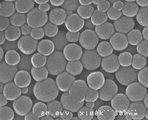
- 1 is an FE-SEM image of Dispersion A of Example 1 of the first embodiment (magnification of 100,000 times).
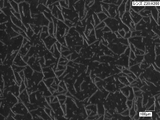
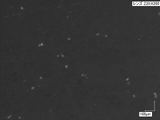
- 1 is an image obtained by observing a coating film surface after coating film formation in Example 1 of the first embodiment (magnification of 200 times). It is the image which observed the coating-film surface after coating-film formation of the comparative example 1 of 1st Embodiment (magnification 200 times).
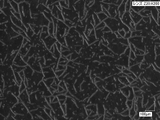
- 10 is an FE-SEM image of the dispersion liquid A of Example 2 of the second embodiment (magnification of 100,000 times). It is the image which observed the coating-film surface after coating-film formation of Example 2 of 2nd Embodiment (magnification 200 times). It is the image which observed the coating-film surface after coating-film formation of Example 4 of 2nd Embodiment (magnification 200 times).
- a water-based ink composition according to a first embodiment of the present invention is a water-based ink composition containing pigment-encapsulated resin particles, a diol-based organic solvent, a fluorine-based surfactant, and an amine-based organic solvent, wherein the pigment-encapsulated resin It is preferred that the resin in the particles is a hydrophobic resin.
- Pigment-encapsulated resin particles are prepared by mixing a pigment insoluble in an aqueous medium, a hydrophobic monomer, an aqueous medium, and a surfactant to form an emulsion containing oil-in-water droplets, and using a polymerization initiator to produce a monomer.
- Pigment-encapsulated resin particles containing a pigment inside are prepared by synthesizing in a batch system by emulsion polymerization in which the is polymerized.
- batch type means that the process is performed in one facility. That is, in the first embodiment of the present invention, the synthesis by emulsion polymerization of the pigment-encapsulated resin particles containing the pigment therein can be performed in the reaction system in the same reaction vessel.
- the average particle size of the pigment-encapsulating resin particles is in the range of 30 nm to 200 nm, preferably 50 nm to 180 nm, and more preferably 70 nm to 150 nm.
- the average particle size of the pigment-encapsulating resin particles is less than 30 nm, the difference in particle size from the pigment particles having a normal particle size becomes small, making it difficult to sufficiently enclose the pigment in the resin particles. If the average particle diameter of the pigment-encapsulating resin particles exceeds 200 nm, ejection from the inkjet nozzle may be affected.
- the particle size measurement of the pigment-encapsulating resin particles can be performed with a commercially available particle size measuring instrument using a light scattering method, an electrophoresis method, a laser Doppler method, or the like. Alternatively, the particle size can be measured by taking a particle image with a field emission scanning electron microscope or a transmission electron microscope. In the first embodiment of the present invention, the average particle size of the pigment-encapsulating resin particles is measured by dynamic light scattering (DLS), or measured from particle image photography with a field emission scanning electron microscope. preferably.
- DLS dynamic light scattering
- the pigment used for the pigment-encapsulated resin particles is not particularly limited as long as it does not dissolve in an aqueous medium, and known inorganic pigments and organic pigments can be used depending on the purpose.
- inorganic pigments include titanium oxide, antimony red, iron oxide, cadmium red, cadmium yellow, cobalt blue, Prussian blue, ultramarine blue, carbon black, and graphite.
- organic pigments include quinacridone-based pigments and quinacridonequinone-based pigments.
- pigments dioxazine pigments, phthalocyanine pigments, anthrapyrimidine pigments, anthanthrone pigments, indanthrone pigments, flavanthrone pigments, perylene pigments, diketopyrrolopyrrole pigments, perinone pigments, quinophthalone pigments, Anthraquinone-based pigments, thioindigo-based pigments, benzimidazolone-based pigments, azo-based pigments, and the like can be used.
- Examples of pigments that can be used in the first embodiment of the invention are also described in The Color Index, 3rd Edition (The Society of Dyers and Colourists, 1982). Two or more of these pigments may be used in combination.
- the ratio of the pigment to the resin in the pigment-encapsulating resin particles is 1.0% by mass or more and 15.0% by mass or less, preferably 6.0% by mass or more and 12.0% by mass, based on the total amount of monomers during emulsion polymerization. % or less. If it is less than 1.0% by mass, the color development of the pigment may be insufficient and high-quality images may not be obtained. there is a possibility.
- the amount of the pigment added, excluding the resin content, in the pigment-encapsulated resin particles is 0.1% by mass or more and 15.0% by mass or less, preferably 0.5% by mass or more and 10.0% by mass or less, relative to the total amount of the ink composition. % by mass or less. If it is less than 0.1% by mass, the coloring may be insufficient and a high-quality image may not be obtained. If it is more than 15.0% by mass, the storage stability of the ink composition may be insufficient. have a nature.
- the hydrophobic monomer used in the preparation of pigment-encapsulated resin particles using emulsion polymerization is not particularly limited as long as it has polymerizability and the resin after polymerization is a hydrophobic resin.
- styrene-based monomers such as styrene, ⁇ -methylstyrene, and chlorostyrene; methyl (meth)acrylate, ethyl (meth)acrylate, butyl (meth)acrylate, etc.
- a styrenic monomer and a methacrylic acid ester are preferably used, and a combination of a styrenic monomer and a methacrylic acid ester is more preferably used.
- the hydrophobic monomer means a monomer that becomes a resin with a water absorption rate of less than 1% in the state of homopolymerized resin. Therefore, it does not contain hydrophilic monomers such as (meth)acrylic acid, polyethylene glycol (meth)acrylate, hydroxyethyl (meth)acrylate, N-vinylpyrrolidone, dimethylacrylamide and polyvinyl alcohol.
- Hydrophobic monomers have a water absorption rate of less than 1% when turned into a resin, do not swell in an aqueous medium, and tend to have a high surface hardness. effective for
- the amount of the monomer that forms the resin after polymerization is 2.0% by mass or more and 5.0% by mass or less, preferably 3.0% by mass or more and 4.0% by mass or less, relative to the total amount of the ink composition. more preferably 3.0% by mass or more and 3.5% by mass or less. If it is less than 2.0% by mass, the scratch resistance of printed images may be insufficient, and if it is more than 5.0% by mass, dispersion stability and ejection stability in an inkjet printer may be insufficient. have a nature.
- Water eg, ion-exchanged water, distilled water, ultrapure water, etc.
- water-soluble organic solvents or mixtures thereof can be used as the aqueous medium used in the preparation of pigment-encapsulated resin particles using emulsion polymerization.
- water-soluble organic solvents include alcohols such as methanol, ethanol, n- and isopropanol; ketones such as acetone and methyl ethyl ketone; polyalkylene glycols such as ethylene glycol, diethylene glycol and propylene glycol; and alkyl ethers of polyalkylene glycol. and lactams such as N-methyl-2-pyrrolidone. From the viewpoint of safety and environmental impact, it is preferable to use water or a mixture of water and a water-soluble organic solvent.
- Surfactants used in the preparation of pigment-encapsulated resin particles using emulsion polymerization are not particularly limited.
- Nonionic surfactants such as oxyethylene alkyl ethers, polyoxyethylene alkyl allyl ethers, acetylene glycols, polyoxyethylene/polyoxypropylene block copolymers, cationic interfaces such as alkylamine salts and quaternary ammonium salts
- An active agent can be mentioned, and an anionic surfactant can be preferably used in particular. Among them, low CMC surfactants are preferred.
- low CMC surfactant means a surfactant with a low critical micelle concentration (CMC) (for example, CMC is 0.1 to 0.001 mol/l).
- CMC critical micelle concentration
- anionic surfactant having a low critical micelle concentration (CMC) an anionic surfactant having a linear alkyl group or alkenyl group is preferred.
- those having a linear alkyl group or alkenyl group having 11 to 25 carbon atoms, preferably 15 to 23 carbon atoms can be used, but it is preferable to use an anionic surfactant having a linear alkyl group.
- anionic surfactant having a linear alkyl group having 15 to 23 carbon atoms It is more preferable to use an anionic surfactant having a linear alkyl group having 18 carbon atoms. more preferred.
- the amount of the low-CMC surfactant added is 0.01% by mass or more and 0.50% by mass or less, preferably 0.03% by mass or more and 0.25% by mass or less, based on the total amount of the monomers.
- the polymerization initiator used for synthesizing the pigment-encapsulating resin particles is not particularly limited. oxide, peroxides such as lauroyl peroxide and 2,2′-azobis ⁇ 2-methyl-N-[2-(1-hydroxybutyl)propionamide] ⁇ , 2,2′-azobis[(2-methylpropion amidine) dihydrochloride], 2,2′-azobis[N-(2-carboxyethyl)-2-methyl-propiondiamine] tetrahydrate, 2,2′-azobis(2,4-dimethylvaleronitrile),
- organic polymerization initiators such as azo compounds such as azobisisobutyronitrile
- inorganic polymerization initiators such as persulfates such as potassium persulfate, sodium persulfate and ammonium persulfate.
- a so-called redox polymerization initiator which uses a reducing agent such as sodium bisulfite, ascorbic acid and salts thereof in combination with a polymerization initiator, can also be used.
- a polymerization initiator having an effect of lowering the ionic strength of the emulsion polymerization reaction system (aqueous phase of the emulsion) is preferable.
- persulfates such as ammonium persulfate and potassium persulfate are preferably used.
- ammonium persulfate is preferably used.
- the amount of the polymerization initiator added is 1.0% by mass or more and 30.0% by mass or less, preferably 5.0% by mass or more and 30.0% by mass or less, and more preferably It is 10.0 mass % or more and 20.0 mass % or less. If it is less than 1.0% by mass, the polymerization reaction of the monomer may not proceed sufficiently, and the resin may not sufficiently coat the pigment. If it is more than 30.0% by mass, the polymerization reaction of the monomer will accelerate. Too much, and foaming and cracks may occur in the resin.
- Diol-based organic solvents used in the first embodiment of the present invention include 1,2-butanediol, 3-methyl-1,3-butanediol, 1,2-pentanediol, 1,5-pentanediol, 2- Methyl-2,4-pentanediol, 1,2-hexanediol, 1,6-hexanediol, 1,2-heptanediol, 1,7-heptanediol and the like can be used, preferably 1,2-butane Diols can be used.
- the amount of the diol-based organic solvent added to the total amount of the ink composition is in the range of 10.0% by mass or more and 40.0% by mass or less, preferably in the range of 15.0% by mass or more and 30.0% by mass or less. If it is less than 10.0% by mass, the surface tension of the ink composition may not be sufficiently reduced and high-quality images may not be obtained. storage stability may be insufficient.
- the fluorosurfactants used in the first embodiment of the present invention include Megafac F-114, F-410, F-493, F-494, F-443, F-444, F-445 and F-446.
- the amount of the fluorosurfactant added to the total amount of the ink composition is in the range of 0.01% by mass or more and 0.50% by mass or less, preferably in the range of 0.02% by mass or more and 0.4% by mass or less. . If it is less than 0.01% by mass, the dispersion stability and ejection stability in an inkjet printer may become insufficient, and if it is more than 0.50% by mass, the storage stability of the ink composition becomes insufficient. there is a possibility.
- the amine organic solvent used in the first embodiment of the present invention includes diethanolamine (bp 268° C.), N-methyldiethanolamine (bp 243° C.), N,N-dimethylmonoethanolamine (bp 139° C.), N-phenylethanolamine ( bp 282-287° C.), alkylamines such as diethylenediamine (bp 206° C.), triethylenetetramine (bp 267° C.), tetraethylenepentamine (bp 333° C.), and the like.
- the amine-based organic solvent affects the dispersibility of the pigment-encapsulated resin particles by controlling the drying speed of the water-based ink composition during printing, thereby contributing to the improvement of the scratch resistance of the printed image. Therefore, an amine-based organic solvent having a boiling point (bp) of 200° C. or higher is preferably used, alcohol amines are more preferably used, and N-methyldiethanolamine is particularly preferably used.
- the amount of the amine-based organic solvent added to the total amount of the ink composition is in the range of 0.1% by mass or more and 10.0% by mass or less, preferably in the range of 0.1% by mass or more and 5% by mass or less, and more preferably. is in the range of 0.2% by mass or more and 3% by mass or less. If it is less than 0.1% by mass, it may be difficult to obtain scratch resistance of the printed image, and if it is more than 10.0% by mass, odor may become a problem.
- the water-based ink composition of the first embodiment of the present invention can contain other components, and is not particularly limited as long as it is a component that can be contained in a normal water-based ink.
- it may contain components such as penetrating agents, antifungal agents, antirust agents, pH adjusters, wetting agents, antifoaming agents, additional surfactants, water-soluble ultraviolet absorbers, and water-soluble infrared absorbers. .
- the water-based ink composition of the first embodiment of the present invention is prepared, for example, by adding pigment-encapsulating resin particles, a diol-based organic solvent, a fluorine-based surfactant, and an amine-based organic solvent into water and mixing and stirring. be able to. Other ingredients may be blended as needed.
- the water-based ink composition of the first embodiment of the present invention does not particularly limit the substrate used for printing, and the substrate may be plain paper, coated paper, cardboard, wood, cloth, or a film using resin. or a sheet, etc., preferably a film or sheet using a resin, more preferably a film or sheet using at least one resin selected from vinyl chloride resin, polyolefin resin, acrylic resin, polyester resin and polystyrene resin is a sheet.
- the water-based ink composition of the first embodiment of the present invention does not particularly limit the printing means and method, but is preferably used for inkjet printing because nozzle clogging in inkjet printers is less likely to occur.
- Example 1 Preparation of pigment-encapsulating resin particles 200 ml of ion-exchanged water was added to 2.69 g of EMACOL SF CYAN AE2034F (manufactured by Sanyo Color Co., Ltd., pigment concentration 20%), which is a commercially available pigment dispersion, and ultrasonic waves were applied for 30 minutes to disperse the pigment in the ion-exchanged water. After that, 18.6 mg of sodium octadecyl sulfate was added.
- EMACOL SF CYAN AE2034F manufactured by Sanyo Color Co., Ltd., pigment concentration 20%
- the resulting aqueous solution (220 ml) was poured into a half-liter four-necked separate reactor (inner diameter: 7.5 cm) that had been preheated in a constant temperature bath at 70°C.
- the four-necked separate reactor was equipped with an Areen condenser, a nitrogen gas inlet tube and a mechanical stirrer, and was further equipped with four baffles (0.7 cm wide) located 1 cm above the bottom and a four-blade pitch paddle impeller. (5 cm long). Nitrogen gas was bubbled through the aqueous solution for 30 minutes while stirring at 360 rpm.
- the product is cooled to room temperature (25° C.), and the morphology is observed using a field emission scanning electron microscope (FE-SEM: JSM-7000F manufactured by JEOL Ltd.) to obtain a spherical pigment encapsulation. It was confirmed that resin particles were synthesized. Coarse particles were removed from the resulting product using a syringe filter (pore size: 1 ⁇ m) to obtain a sample.
- FE-SEM field emission scanning electron microscope
- FIG. 1 shows an image (magnification of 100,000 times) of dispersion liquid A observed using a field emission scanning electron microscope (FE-SEM: JSM-7000F manufactured by JEOL Ltd.). From FIG. 1, it can be seen that the dispersion liquid A is composed of spherical particles of pigment-encapsulating resin having uniform particle diameters.
- Comparative Example 1 was prepared in the same manner as the water-based ink composition of Example 1 above, except that N-methyldiethanolamine was not blended.
- FIGS. 2 Images of the coated surface of the performance evaluation samples using the water-based ink compositions of Example 1 and Comparative Example 1 observed using a digital microscope (VHX2000/1100 manufactured by Keyence Corporation) (magnification: 200) are shown in FIGS. 2 using the water-based ink composition of Example 1, compared to FIG. 3 using the water-based ink composition of Comparative Example 1, it can be seen that a uniform coating film surface is obtained.
- Table 1 shows the results of performing the following performance evaluations (water resistance and alcohol resistance) using the performance evaluation samples.
- the water-based ink composition according to the first embodiment of the invention has the following configuration.
- (1-1) The water-based ink composition contains pigment-encapsulating resin particles, a diol-based organic solvent, a fluorine-based surfactant, and an amine-based organic solvent.
- the resin in the pigment-encapsulating resin particles is a hydrophobic resin.
- the water-based ink composition can be free of volatile organic solvents, reducing the burden on the environment.
- the water-based ink composition is excellent in dispersion stability and storage stability, and not only does nozzle clogging of inkjet printers hardly occur, but also can improve the abrasion resistance of printed images.
- the pigment-encapsulating resin particles may have an average particle size of 30 nm or more and 200 nm or less.
- the average particle size of the pigment-encapsulating resin particles is less than 30 nm, the difference in particle size from the pigment particles having a normal particle size becomes small, making it difficult for the resin particles to sufficiently contain the pigment. If the average particle diameter of the pigment-encapsulating resin particles exceeds 200 nm, ejection from the inkjet nozzle may be affected.
- the amount of the diol-based organic solvent added can be 10.0% by mass or more and 40.0% by mass or less with respect to the total amount of the ink composition.
- the amount of the diol-based organic solvent added By setting the amount of the diol-based organic solvent added to 10.0% by mass or more, the surface tension of the ink composition can be lowered, and high-quality images can be obtained. By setting the amount to be added to 40.0% by mass or less, the storage stability of the ink composition can be improved.
- the amount of the fluorosurfactant added can be 0.01% by mass or more and 0.50% by mass or less with respect to the total amount of the ink composition.
- the addition amount of the fluorosurfactant By setting the addition amount of the fluorosurfactant to 0.01% by mass or more, it is possible to improve dispersion stability and ejection stability in an inkjet printer. By setting the amount of the fluorosurfactant added to 0.50% by mass or less, the storage stability of the ink composition can be improved.
- the amount of the amine-based organic solvent added can be 0.1% by mass or more and 10.0% by mass or less with respect to the total amount of the ink composition.
- the pigment-encapsulated resin particles are batch-synthesized in an emulsion containing a pigment, a hydrophobic monomer, an aqueous medium, a surfactant, and a polymerization initiator.
- synthesis can be performed in a reaction system within the same reaction vessel.
- the polymerization initiator can have the effect of lowering the ionic strength of the aqueous phase of the emulsion.
- a water-based ink composition according to a second embodiment of the present invention is a water-based ink composition containing pigment-encapsulated resin particles, a diol-based organic solvent, and a fluorine-based surfactant, wherein the resin in the pigment-encapsulated resin particles is hydrophobic. Resin is preferred.
- Pigment-encapsulated resin particles are prepared by mixing a pigment insoluble in an aqueous medium, a hydrophobic monomer, an aqueous medium, and a surfactant to form an emulsion containing oil-in-water droplets, and using a polymerization initiator to produce a monomer.
- Pigment-encapsulated resin particles containing a pigment inside are prepared by synthesizing in a batch system by emulsion polymerization in which the is polymerized.
- batch type means that the process is performed in one facility. That is, in the second embodiment of the present invention, synthesis by emulsion polymerization of the pigment-encapsulated resin particles containing the pigment therein can be performed in the reaction system in the same reaction vessel.
- the average particle size of the pigment-encapsulating resin particles is in the range of 30 nm to 200 nm, preferably 50 nm to 180 nm, and more preferably 70 nm to 150 nm.
- the particle size measurement of the pigment-encapsulating resin particles can be performed with a commercially available particle size measuring instrument using a light scattering method, an electrophoresis method, a laser Doppler method, or the like. Alternatively, the particle size can be measured by taking a particle image with a field emission scanning electron microscope or a transmission electron microscope. In the second embodiment of the present invention, the average particle size of the pigment-encapsulating resin particles is measured by dynamic light scattering (DLS), or measured from particle image photography with a field emission scanning electron microscope. preferably.
- DLS dynamic light scattering
- the pigment used for the pigment-encapsulated resin particles is not particularly limited as long as it does not dissolve in an aqueous medium, and known inorganic pigments and organic pigments can be used depending on the purpose.
- inorganic pigments include titanium oxide, antimony red, iron oxide, cadmium red, cadmium yellow, cobalt blue, Prussian blue, ultramarine blue, carbon black, and graphite.
- organic pigments include quinacridone-based pigments and quinacridonequinone-based pigments.
- pigments dioxazine pigments, phthalocyanine pigments, anthrapyrimidine pigments, anthanthrone pigments, indanthrone pigments, flavanthrone pigments, perylene pigments, diketopyrrolopyrrole pigments, perinone pigments, quinophthalone pigments, Anthraquinone-based pigments, thioindigo-based pigments, benzimidazolone-based pigments, azo-based pigments, and the like can be used.
- Examples of pigments that can be used in the second embodiment of the invention are also described in The Color Index, 3rd Edition (The Society of Dyers and Colorists, 1982). Two or more of these pigments may be used in combination.
- the ratio of the pigment to the resin in the pigment-encapsulating resin particles is 1.0% by mass or more and 15.0% by mass or less, preferably 6.0% by mass or more and 12.0% by mass, based on the total amount of monomers during emulsion polymerization. % or less. If it is less than 1.0% by mass, the color development of the pigment may be insufficient and high-quality images may not be obtained. there is a possibility.
- the amount of the pigment added to the pigment-encapsulated resin particles excluding the resin content is 0.1% by mass or more and 15% by mass or less, preferably 0.5% by mass or more and 10% by mass or less, relative to the total amount of the ink composition. be. If it is less than 0.1% by mass, the coloring may be insufficient and a high-quality image may not be obtained. If it is more than 15% by mass, the storage stability of the ink composition may be insufficient. be.
- the hydrophobic monomer used in the preparation of pigment-encapsulated resin particles using emulsion polymerization is not particularly limited as long as it has polymerizability and the resin after polymerization is a hydrophobic resin.
- styrene-based monomers such as styrene, ⁇ -methylstyrene, and chlorostyrene; methyl (meth)acrylate, ethyl (meth)acrylate, butyl (meth)acrylate, etc.
- a styrenic monomer and a methacrylic acid ester are preferably used, and a combination of a styrenic monomer and a methacrylic acid ester is more preferably used.
- the hydrophobic monomer means a monomer that becomes a resin with a water absorption rate of less than 1% in the state of homopolymerized resin. Therefore, it does not contain hydrophilic monomers such as (meth)acrylic acid, polyethylene glycol (meth)acrylate, hydroxyethyl (meth)acrylate, N-vinylpyrrolidone, dimethylacrylamide and polyvinyl alcohol.
- Hydrophobic monomers have a water absorption rate of less than 1% when turned into a resin, do not swell in an aqueous medium, and tend to have a high surface hardness. effective for
- the amount of the monomer that forms the resin after polymerization is 2.0% by mass or more and 5.0% by mass or less, preferably 3.0% by mass or more and 4.0% by mass or less, relative to the total amount of the ink composition. more preferably 3.0% by mass or more and 3.5% by mass or less. If it is less than 2.0% by mass, the scratch resistance of printed images may be insufficient, and if it is more than 5.0% by mass, dispersion stability and ejection stability in an inkjet printer may be insufficient. have a nature.
- Water eg, ion-exchanged water, distilled water, ultrapure water, etc.
- water-soluble organic solvents or mixtures thereof can be used as the aqueous medium used in the preparation of pigment-encapsulated resin particles using emulsion polymerization.
- water-soluble organic solvents include alcohols such as methanol, ethanol, n- and isopropanol; ketones such as acetone and methyl ethyl ketone; polyalkylene glycols such as ethylene glycol, diethylene glycol and propylene glycol; and alkyl ethers of polyalkylene glycol. and lactams such as N-methyl-2-pyrrolidone. From the viewpoint of safety and environmental impact, it is preferable to use water or a mixture of water and a water-soluble organic solvent.
- Surfactants used in the preparation of pigment-encapsulated resin particles using emulsion polymerization are not particularly limited.
- Nonionic surfactants such as oxyethylene alkyl ethers, polyoxyethylene alkyl allyl ethers, acetylene glycols, polyoxyethylene/polyoxypropylene block copolymers, cationic interfaces such as alkylamine salts and quaternary ammonium salts
- An active agent can be mentioned, and an anionic surfactant can be preferably used in particular. Among them, low CMC surfactants are preferred.
- low CMC surfactant means a surfactant with a low critical micelle concentration (CMC) (for example, CMC is 0.1 to 0.001 mol/l).
- CMC critical micelle concentration
- anionic surfactant having a low critical micelle concentration (CMC) an anionic surfactant having a linear alkyl group or alkenyl group is preferred.
- those having a linear alkyl group or alkenyl group having 11 to 25 carbon atoms, preferably 15 to 23 carbon atoms can be used, but it is preferable to use an anionic surfactant having a linear alkyl group.
- anionic surfactant having a linear alkyl group having 15 to 23 carbon atoms It is more preferable to use an anionic surfactant having a linear alkyl group having 18 carbon atoms. more preferred.
- the amount of the low-CMC surfactant added is 0.01% by mass or more and 0.5% by mass or less, preferably 0.03% by mass or more and 0.25% by mass or less, based on the total amount of the monomers.
- the polymerization initiator used for synthesizing the pigment-encapsulating resin particles is not particularly limited. oxide, peroxides such as lauroyl peroxide and 2,2′-azobis ⁇ 2-methyl-N-[2-(1-hydroxybutyl)propionamide] ⁇ , 2,2′-azobis[(2-methylpropion amidine) dihydrochloride], 2,2′-azobis[N-(2-carboxyethyl)-2-methyl-propiondiamine] tetrahydrate, 2,2′-azobis(2,4-dimethylvaleronitrile),
- organic polymerization initiators such as azo compounds such as azobisisobutyronitrile
- inorganic polymerization initiators such as persulfates such as potassium persulfate, sodium persulfate and ammonium persulfate.
- a so-called redox polymerization initiator which uses a reducing agent such as sodium bisulfite, ascorbic acid and salts thereof in combination with a polymerization initiator, can also be used.
- a polymerization initiator having an effect of lowering the ionic strength of the emulsion polymerization reaction system (aqueous phase of the emulsion) is preferable.
- persulfates such as ammonium persulfate and potassium persulfate are preferably used.
- ammonium persulfate is preferably used.
- the amount of the polymerization initiator added is 1.0% by mass or more and 30.0% by mass or less, preferably 5.0% by mass or more and 30.0% by mass or less, and more preferably It is 10.0 mass % or more and 20.0 mass % or less. If it is less than 1.0% by mass, the polymerization reaction of the monomer may not proceed sufficiently, and the resin may not sufficiently coat the pigment. If it is more than 30.0% by mass, the polymerization reaction of the monomer will accelerate. Too much, and foaming and cracks may occur in the resin.
- Diol-based organic solvents used in the second embodiment of the present invention include 1,2-butanediol, 3-methyl-1,3-butanediol, 1,2-pentanediol, 1,5-pentanediol, 2- Methyl-2,4-pentanediol, 1,2-hexanediol, 1,6-hexanediol, 1,2-heptanediol, 1,7-heptanediol and the like can be used, preferably 1,2-butane Diols can be used.
- the amount of the diol-based organic solvent added to the total amount of the ink composition is in the range of 10.0% by mass or more and 40.0% by mass or less, preferably in the range of 15.0% by mass or more and 30.0% by mass or less. If it is less than 10.0% by mass, the surface tension of the ink composition may not be sufficiently reduced and high-quality images may not be obtained. storage stability may be insufficient.
- the fluorosurfactants used in the present invention include Megafac F-114, F-410, F-493, F-494, F-443, F-444, F-445, F-446, F-470, F-471, F-474, F-475, F-477, F-478, F-479, F-480SF, F-482, F-483, F-484, F-486, F-487, F- 489, F-172D, F-178K, F-178RM, ESM-1, MCF-350SF, R-08, F-472SF, R-30, BL-20, R-61, R-90 (all trade names , manufactured by DIC Corporation), FC-430, FC-4432 (all trade names, manufactured by Sumitomo 3M), Zonyl TBS, FSP, FSA, FSN-100, FSN, FSO-100, FSO, FS-300, Capstone FS-30, FS-31 (all trade names, manufactured by Du
- the fluorosurfactant is a component with a lower surface tension than the diol-based organic solvent, it is unevenly distributed in the surface layer portion of the water-based ink composition, and by controlling the drying speed during printing, the pigment-encapsulating resin It is believed that it affects the dispersibility of the particles and contributes to the improvement of the scratch resistance of the printed image.
- the amount of the fluorosurfactant added to the total amount of the ink composition is in the range of 0.3% by mass or more and 3.0% by mass or less, preferably in the range of 0.4% by mass or more and 2.5% by mass or less. . If it is less than 0.3% by mass, the printed image may not have sufficient scratch resistance, and if it is more than 3.0% by mass, the jetting property of the inkjet printer may be insufficient.
- the water-based ink composition of the second embodiment of the present invention can contain other components, and is not particularly limited as long as it is a component that can be contained in a normal water-based ink.
- it may contain components such as penetrating agents, antifungal agents, antirust agents, pH adjusters, wetting agents, antifoaming agents, additional surfactants, water-soluble ultraviolet absorbers, and water-soluble infrared absorbers. .
- the water-based ink composition of the second embodiment of the present invention can be prepared, for example, by adding pigment-encapsulating resin particles, a diol-based organic solvent, and a fluorine-based surfactant into water and mixing and stirring. Other ingredients may be blended as needed.
- the water-based ink composition of the second embodiment of the present invention does not particularly limit the substrate used for printing, and the substrate may be plain paper, coated paper, cardboard, wood, cloth, or a film using resin or a sheet, etc., preferably a film or sheet using a resin, more preferably a film or sheet using at least one resin selected from vinyl chloride resin, polyolefin resin, acrylic resin, polyester resin and polystyrene resin is a sheet.
- the water-based ink composition of the second embodiment of the present invention is not particularly limited in terms of printing means and method, but is preferably used for inkjet printing because of its excellent ejection properties with an inkjet printer.
- Example 2 Preparation of pigment-encapsulating resin particles 200 ml of ion-exchanged water was added to 2.69 g of EMACOL SF CYAN AE2034F (manufactured by Sanyo Color Co., Ltd., pigment concentration 20%), which is a commercially available pigment dispersion, and ultrasonic waves were applied for 30 minutes to disperse the pigment in the ion-exchanged water. After that, 18.6 mg of sodium octadecyl sulfate was added.
- EMACOL SF CYAN AE2034F manufactured by Sanyo Color Co., Ltd., pigment concentration 20%
- the resulting aqueous solution (220 ml) was poured into a half-liter four-necked separate reactor (inner diameter: 7.5 cm) that had been preheated in a constant temperature bath at 70°C.
- the four-necked separate reactor was equipped with an Areen condenser, a nitrogen gas inlet tube and a mechanical stirrer, and was further equipped with four baffles (0.7 cm wide) located 1 cm above the bottom and a four-blade pitch paddle impeller. (5 cm long). Nitrogen gas was bubbled through the aqueous solution for 30 minutes while stirring at 360 rpm.
- the product is cooled to room temperature (25° C.), and the morphology is observed using a field emission scanning electron microscope (FE-SEM: JSM-7000F manufactured by JEOL Ltd.) to obtain a spherical pigment encapsulation. It was confirmed that resin particles were synthesized. Coarse particles were removed from the resulting product using a syringe filter (pore size: 1 ⁇ m) to obtain a sample.
- FE-SEM field emission scanning electron microscope
- FIG. 4 shows an image (magnification of 100,000 times) of dispersion liquid A observed using a field emission scanning electron microscope (FE-SEM: JSM-7000F manufactured by JEOL Ltd.). It can be seen from FIG. 4 that the dispersion liquid A is composed of spherical pigment-encapsulating resin fine particles having uniform particle diameters.
- Example 3 was prepared in the same manner as the water-based ink composition of Example 2 above, except that the amount of the fluorine-based surfactant was changed to 2.0 parts by weight.
- Example 4 was prepared in the same manner as the water-based ink composition of Example 2 above, except that the amount of the fluorosurfactant was changed to 0.1 parts by weight.
- Example 5 was prepared in the same manner as the water-based ink composition of Example 2 above, except that the amount of the fluorine-based surfactant was changed to 4.0 parts by weight.
- FIGS. Table 2 shows the results of performing the following performance evaluations (water resistance and alcohol resistance) using the performance evaluation samples.
- the water-based ink composition according to the second embodiment of the invention has the following configuration.
- (2-1) The water-based ink composition contains pigment-encapsulating resin particles, a diol-based organic solvent, and a fluorine-based surfactant.
- the resin in the pigment-encapsulating resin particles is a hydrophobic resin.
- the water-based ink composition can be free of volatile organic solvents, reducing the burden on the environment.
- the water-based ink composition is excellent in dispersion stability and storage stability, and not only does nozzle clogging of inkjet printers hardly occur, but also can improve the abrasion resistance of printed images.
- the pigment-encapsulating resin particles may have an average particle size of 30 nm or more and 200 nm or less.
- the average particle size of the pigment-encapsulating resin particles is less than 30 nm, the difference in particle size from the pigment particles having a normal particle size becomes small, making it difficult for the resin particles to sufficiently contain the pigment. If the average particle diameter of the pigment-encapsulating resin particles exceeds 200 nm, ejection from the inkjet nozzle may be affected.
- the amount of the diol-based organic solvent added can be 10.0% by mass or more and 40.0% by mass or less with respect to the total amount of the ink composition.
- the amount of the diol-based organic solvent added By setting the amount of the diol-based organic solvent added to 10.0% by mass or more, the surface tension of the ink composition can be lowered, and high-quality images can be obtained. By setting the amount to be added to 40.0% by mass or less, the storage stability of the ink composition can be improved.
- the amount of the fluorosurfactant added can be 0.3% by mass or more and 3.0% by mass or less with respect to the total amount of the ink composition.
- the addition amount of the fluorosurfactant By setting the addition amount of the fluorosurfactant to 0.3% by mass or more, it is possible to improve the abrasion resistance of the printed image. By setting the addition amount of the fluorosurfactant to 3.0% by mass or less, it is possible to improve the ejection property of an inkjet printer.
- the pigment-encapsulated resin particles are batch-synthesized in an emulsion containing a pigment, a hydrophobic monomer, an aqueous medium, a surfactant, and a polymerization initiator. can be done.
- synthesis can be performed in a reaction system within the same reaction vessel.
- the polymerization initiator can act to lower the ionic strength of the aqueous phase of the emulsion.
- the water-based ink composition of the present invention can be suitably used as a printing ink.
- (Appendix 1) (1-1) A water-based ink composition containing pigment-encapsulated resin particles, a diol-based organic solvent, a fluorine-based surfactant, and an amine-based organic solvent, wherein the resin in the pigment-encapsulated resin particles is a hydrophobic resin.
- a water-based ink composition characterized by: (1-2) The water-based ink composition described in (1-1) above, wherein the pigment-encapsulating resin particles have an average particle size of 30 nm or more and 200 nm or less.
- the amount of the diol-based organic solvent added is 10.0% by mass or more and 40.0% by mass or less with respect to the total amount of the ink composition.
- a water-based ink composition as described. (1-4) The above (1-1) to (1-3), wherein the amount of the fluorosurfactant added is 0.01% by mass or more and 0.50% by mass or less with respect to the total amount of the ink composition.
- (1-5) The above (1-1) to (1-4), wherein the amount of the amine-based organic solvent added is 0.1% by mass or more and 10.0% by mass or less with respect to the total amount of the ink composition.
- the pigment-encapsulated resin particles are synthesized batchwise in an emulsion containing a pigment, a hydrophobic monomer, an aqueous medium, a surfactant, and a polymerization initiator. ) to (1-5).
- (1-7) The water-based ink composition described in (1-6) above, wherein the polymerization initiator has a function of reducing the ionic strength of the aqueous phase of the emulsion.
- (Appendix 2) (2-1) A water-based ink composition containing pigment-encapsulated resin particles, a diol-based organic solvent, and a fluorine-based surfactant, wherein the resin in the pigment-encapsulated resin particles is a hydrophobic resin. ink composition. (2-2) The water-based ink composition described in (2-1) above, wherein the pigment-encapsulating resin particles have an average particle size of 30 nm or more and 200 nm or less. (2-3) The above (2-1) or the above (2-2), wherein the amount of the diol-based organic solvent added is 10.0% by mass or more and 40.0% by mass or less with respect to the total amount of the ink composition. The water-based ink composition described in .
- the water-based ink composition according to any one of . (2-5) The pigment-encapsulated resin particles are synthesized batchwise in an emulsion containing a pigment, a hydrophobic monomer, an aqueous medium, a surfactant, and a polymerization initiator. ) to (2-4).
- (2-6) The water-based ink composition according to any one of (2-1) to (2-5) above, wherein the polymerization initiator has an action of reducing the ionic strength of the aqueous phase of the emulsion. thing.
Landscapes
- Chemical & Material Sciences (AREA)
- Chemical Kinetics & Catalysis (AREA)
- General Chemical & Material Sciences (AREA)
- Life Sciences & Earth Sciences (AREA)
- Engineering & Computer Science (AREA)
- Materials Engineering (AREA)
- Wood Science & Technology (AREA)
- Organic Chemistry (AREA)
- Inks, Pencil-Leads, Or Crayons (AREA)
Abstract
【課題】印刷画像の耐擦過性に優れる水系インク組成物を提供する。 【解決手段】顔料内包樹脂粒子、ジオール系有機溶剤、フッ素系界面活性剤及びアミン系有機溶剤を含有する水系インク組成物であって、前記顔料内包樹脂粒子における樹脂が疎水性樹脂であることを特徴とする水系インク組成物を用いる。
Description
本発明は、印刷に使用される水系インク組成物に関する。
近年、環境問題に対する関心の高まりに伴い、印刷に使用されるインクについても、環境への負荷を低減したインクが要求されるようになってきている。例えば、アセトンやメチルエチルケトン等の揮発性有機溶剤をベースとするインク組成物は、前記揮発性有機溶剤が乾燥時に大気中に排出され好ましくないことから、前記揮発性有機溶剤を含まないインクとして、水をベースとした水系インク組成物が求められている。
また、前記水系インク組成物は、特別な換気施設を必要とせずにプリンターを配置でき、作業環境が向上することから、オペレーターの健康負荷の軽減にもつながる上、プリント後もほぼ無臭なため、飲食店、病院・ケア施設、子ども施設等の屋内でのディスプレーや各種掲示物のプリントに最適である。
また、前記水系インク組成物は、特別な換気施設を必要とせずにプリンターを配置でき、作業環境が向上することから、オペレーターの健康負荷の軽減にもつながる上、プリント後もほぼ無臭なため、飲食店、病院・ケア施設、子ども施設等の屋内でのディスプレーや各種掲示物のプリントに最適である。
そして、前記水系インク組成物は一般的に、水に加え、顔料、バインダー樹脂、水溶性有機溶剤等を含有することから、分散安定性や保存安定性に劣ったり、インクジェットプリンターのノズル詰まりを発生したりするという不具合が多く、これらの不具合を解消するため、顔料表面を樹脂によって被覆した顔料内包樹脂微粒子を含有する水系インク組成物が提案されている(特許文献1~4を参照)。
しかし、前記顔料内包樹脂微粒子を含有する水系インク組成物は、印刷画像の表面に外力が加わった場合に生じる摩擦等によって、顔料の欠落に起因した印刷画像の色落ちや劣化等が生じやすいため、印刷画像の耐擦過性に問題を有している。
しかし、前記顔料内包樹脂微粒子を含有する水系インク組成物は、印刷画像の表面に外力が加わった場合に生じる摩擦等によって、顔料の欠落に起因した印刷画像の色落ちや劣化等が生じやすいため、印刷画像の耐擦過性に問題を有している。
本発明は、このような事情に鑑みてなされたものであり、印刷画像の耐擦過性に優れる水系インク組成物を提供することを目的とする。
本発明は、顔料内包樹脂粒子、ジオール系有機溶剤およびフッ素系界面活性剤を含有する水系インク組成物であって、前記顔料内包樹脂粒子における樹脂が疎水性樹脂であることを特徴とする水系インク組成物を提供する。
前記フッ素系界面活性剤の添加量がインク組成物全量に対して、0.3質量%以上3.0質量%以下であることが好ましい。
前記水系インク組成物は、アミン系有機溶剤を含有するものとすることができる。
アミン系有機溶剤を含有する水系インク組成物において、前記フッ素系界面活性剤の添加量がインク組成物全量に対して、0.01質量%以上0.50質量%以下であることが好ましい。
前記アミン系有機溶剤の添加量がインク組成物全量に対して、0.1質量%以上10.0質量%以下であることが好ましい。
前記顔料内包樹脂粒子の平均粒径が30nm以上200nm以下であることが好ましい。
前記ジオール系有機溶剤の添加量がインク組成物全量に対して、10.0質量%以上40.0質量%以下であることが好ましい。
前記顔料内包樹脂粒子が、顔料と、疎水性モノマーと、水性媒体と、界面活性剤と、重合開始剤とを含むエマルジョンにおいて、バッチ式に合成されることが好ましい。
前記重合開始剤が、前記エマルジョンの水相のイオン強度を低下させる作用を有することが好ましい。
本発明によれば、環境への負荷を低減すると共に、分散安定性や保存安定性に優れ、インクジェットプリンターのノズル詰まりが発生しにくいだけでなく、印刷画像の耐擦過性に優れる水系インク組成物が提供される。
以下、本発明を実施するための好ましい形態について説明する。なお、本発明はこれらの形態に限定されるものではない。
<第1実施形態>
本発明の第1実施形態に係る水系インク組成物は、顔料内包樹脂粒子、ジオール系有機溶剤、フッ素系界面活性剤及びアミン系有機溶剤を含有する水系インク組成物であって、前記顔料内包樹脂粒子における樹脂が疎水性樹脂であることが好ましい。
<第1実施形態>
本発明の第1実施形態に係る水系インク組成物は、顔料内包樹脂粒子、ジオール系有機溶剤、フッ素系界面活性剤及びアミン系有機溶剤を含有する水系インク組成物であって、前記顔料内包樹脂粒子における樹脂が疎水性樹脂であることが好ましい。
<顔料内包樹脂粒子>
顔料内包樹脂粒子は、水性媒体に不溶性の顔料と、疎水性モノマーと、水性媒体と、界面活性剤とを混合し、水中油滴を含有するエマルジョンを生成させ、重合開始剤を使用してモノマーを重合させる乳化重合より、内部に顔料を包含する顔料内包樹脂粒子を、バッチ式に合成することにより調製する。
ここで、バッチ式とは、1つの設備で工程が行われることを意味する。つまり、本発明の第1実施形態においては、内部に顔料を包含する顔料内包樹脂粒子の乳化重合による合成を、同一反応容器内の反応系で行うことができる。
顔料内包樹脂粒子は、水性媒体に不溶性の顔料と、疎水性モノマーと、水性媒体と、界面活性剤とを混合し、水中油滴を含有するエマルジョンを生成させ、重合開始剤を使用してモノマーを重合させる乳化重合より、内部に顔料を包含する顔料内包樹脂粒子を、バッチ式に合成することにより調製する。
ここで、バッチ式とは、1つの設備で工程が行われることを意味する。つまり、本発明の第1実施形態においては、内部に顔料を包含する顔料内包樹脂粒子の乳化重合による合成を、同一反応容器内の反応系で行うことができる。
(平均粒径)
顔料内包樹脂粒子の平均粒径は、30nm以上200nm以下の範囲であり、好ましくは50nm以上180nm以下の範囲であり、さらに好ましくは70nm以上150nm以下の範囲である。顔料内包樹脂粒子の平均粒径が30nmを下回ると、通常粒径の顔料粒子との粒径差が小さくなり、樹脂粒子中に顔料を十分に包含しにくくなる。顔料内包樹脂粒子の平均粒径が200nmを上回ると、インクジェットノズルからの吐出に影響を与える可能性がある。
顔料内包樹脂粒子の平均粒径は、30nm以上200nm以下の範囲であり、好ましくは50nm以上180nm以下の範囲であり、さらに好ましくは70nm以上150nm以下の範囲である。顔料内包樹脂粒子の平均粒径が30nmを下回ると、通常粒径の顔料粒子との粒径差が小さくなり、樹脂粒子中に顔料を十分に包含しにくくなる。顔料内包樹脂粒子の平均粒径が200nmを上回ると、インクジェットノズルからの吐出に影響を与える可能性がある。
顔料内包樹脂粒子の粒径測定は、光散乱法、電気泳動法、レーザードップラー法等を用いた市販の粒径測定機器により行うことができる。あるいは、電界放出形走査電子顕微鏡や透過型電子顕微鏡による粒子像撮影から粒径測定を行うことも可能である。本発明の第1実施形態においては、顔料内包樹脂粒子の平均粒径を、動的光散乱法(Dynamic Light Scattering: DLS)により測定するか、又は電界放出形走査電子顕微鏡の粒子像撮影から計測することが好ましい。
(顔料)
顔料内包樹脂粒子に用いる顔料としては、水性媒体に溶解しないものであれば特に限定されず、公知の無機顔料や有機顔料を目的に応じて使用することができる。無機顔料としては、例えば酸化チタン、アンチモンレッド、ベンガラ、カドミウムレッド、カドミウムイエロー、コバルトブルー、紺青、群青、カーボンブラック、黒鉛等を使用でき、有機顔料としては、例えば、キナクリドン系顔料、キナクリドンキノン系顔料、ジオキサジン系顔料、フタロシアニン系顔料、アントラピリミジン系顔料、アンサンスロン系顔料、インダンスロン系顔料、フラバンスロン系顔料、ペリレン系顔料、ジケトピロロピロール系顔料、ペリノン系顔料、キノフタロン系顔料、アントラキノン系顔料、チオインジゴ系顔料、ベンツイミダゾロン系顔料、アゾ系顔料等を使用することができる。本発明の第1実施形態で使用できる顔料の例は、The Colour Index、第三版(The Societyof Dyers and Colourists、1982)にも記載されている。これらの顔料の2種類以上を併用してもよい。
顔料内包樹脂粒子に用いる顔料としては、水性媒体に溶解しないものであれば特に限定されず、公知の無機顔料や有機顔料を目的に応じて使用することができる。無機顔料としては、例えば酸化チタン、アンチモンレッド、ベンガラ、カドミウムレッド、カドミウムイエロー、コバルトブルー、紺青、群青、カーボンブラック、黒鉛等を使用でき、有機顔料としては、例えば、キナクリドン系顔料、キナクリドンキノン系顔料、ジオキサジン系顔料、フタロシアニン系顔料、アントラピリミジン系顔料、アンサンスロン系顔料、インダンスロン系顔料、フラバンスロン系顔料、ペリレン系顔料、ジケトピロロピロール系顔料、ペリノン系顔料、キノフタロン系顔料、アントラキノン系顔料、チオインジゴ系顔料、ベンツイミダゾロン系顔料、アゾ系顔料等を使用することができる。本発明の第1実施形態で使用できる顔料の例は、The Colour Index、第三版(The Societyof Dyers and Colourists、1982)にも記載されている。これらの顔料の2種類以上を併用してもよい。
顔料内包樹脂粒子における樹脂に対する顔料の割合は、乳化重合時のモノマーの全量を基準として、1.0質量%以上15.0質量%以下であり、好ましくは6.0質量%以上12.0質量%以下である。1.0質量%より少ない場合、顔料の発色が十分ではなく高画質の画像を得ることができない可能性があり、15.0質量%より多い場合、印刷画像の耐擦過性が不十分となる可能性がある。
顔料内包樹脂粒子における樹脂分を除いた顔料の添加量は、インク組成物全量に対して、0.1質量%以上15.0質量%以下であり、好ましくは0.5質量%以上10.0質量%以下である。0.1質量%より少ない場合、着色が不十分で高画質の画像を得ることができない可能性があり、15.0質量%より多い場合、インク組成物の保存安定性が不十分となる可能性がある。
(疎水性モノマー)
乳化重合を用いた顔料内包樹脂粒子の調製において使用する疎水性モノマーとしては、重合性を有し、重合後の樹脂が疎水性樹脂であれば、特に限定されない。例えば、スチレン、α-メチルスチレン、クロロスチレン等のスチレン系モノマー;(メタ)アクリル酸メチル、(メタ)アクリル酸エチル、(メタ)アクリル酸ブチル等の好ましくは炭素数1以上22以下、より好ましくは1以上12以下、さらに好ましくは1以上8以下のアルキル基を有する(メタ)アクリル酸エステル;塩化ビニル、臭化ビニル等のハロゲン化ビニル及び塩化ビニリデン等のハロゲン化ビニリデン;酢酸ビニル、プロピオン酸ビニル等のビニルエステル等が使用でき、2種類以上のモノマーを、組み合わせて使用してもよい。好ましくはスチレン系モノマー、メタクリル酸エステルが使用され、さらに好ましくはスチレン系モノマーとメタクリル酸エステルの組み合わせが使用される。
乳化重合を用いた顔料内包樹脂粒子の調製において使用する疎水性モノマーとしては、重合性を有し、重合後の樹脂が疎水性樹脂であれば、特に限定されない。例えば、スチレン、α-メチルスチレン、クロロスチレン等のスチレン系モノマー;(メタ)アクリル酸メチル、(メタ)アクリル酸エチル、(メタ)アクリル酸ブチル等の好ましくは炭素数1以上22以下、より好ましくは1以上12以下、さらに好ましくは1以上8以下のアルキル基を有する(メタ)アクリル酸エステル;塩化ビニル、臭化ビニル等のハロゲン化ビニル及び塩化ビニリデン等のハロゲン化ビニリデン;酢酸ビニル、プロピオン酸ビニル等のビニルエステル等が使用でき、2種類以上のモノマーを、組み合わせて使用してもよい。好ましくはスチレン系モノマー、メタクリル酸エステルが使用され、さらに好ましくはスチレン系モノマーとメタクリル酸エステルの組み合わせが使用される。
ここで、疎水性モノマーとは、単独重合した樹脂の状態において、吸水率1%未満の樹脂となるモノマーを意味する。したがって、(メタ)アクリル酸、(メタ)アクリル酸ポリエチレングリコール、(メタ)アクリル酸ヒドロキシエチル、N-ビニルピロリドン、ジメチルアクリルアミド、ポリビニルアルコール等の親水性モノマーを含まない。
疎水性モノマーは、樹脂となった場合において、吸水率が1%未満であり、水性媒体に対して膨潤が発生せず、高い表面硬度を得やすいことから、印刷画像の耐擦過性を得るのに有効である。
重合後に樹脂を形成するモノマーの添加量は、インク組成物全量に対して、2.0質量%以上5.0質量%以下であり、好ましくは3.0質量%以上4.0質量%以下であり、さらに好ましくは3.0質量%以上3.5質量%以下である。2.0質量%より少ない場合、印刷画像の耐擦過性が不十分となる可能性があり、5.0質量%より多い場合、分散安定性やインクジェットプリンターにおける吐出安定性が不十分となる可能性がある。
(水性媒体)
乳化重合を用いた顔料内包樹脂粒子の調製において使用する水性媒体としては、水(例えば、イオン交換水、蒸留水、超純水等)、水溶性有機溶媒又はこれらの混合物を用いることができる。水溶性有機溶媒としては、例えば、メタノール、エタノール、n-及びイソプロパノール等のアルコール類;アセトン、メチルエチルケトン等のケトン類;エチレングリコール、ジエチレングリコール、プロピレングリコール等のポリアルキレングリコール類;ポリアルキレングリコールのアルキルエーテル類;N-メチル-2-ピロリドン等のラクタム類等が挙げられる。安全性や環境に対する影響の観点からは、水又は水及び水溶性有機溶媒の混合物を用いることが好ましい。
乳化重合を用いた顔料内包樹脂粒子の調製において使用する水性媒体としては、水(例えば、イオン交換水、蒸留水、超純水等)、水溶性有機溶媒又はこれらの混合物を用いることができる。水溶性有機溶媒としては、例えば、メタノール、エタノール、n-及びイソプロパノール等のアルコール類;アセトン、メチルエチルケトン等のケトン類;エチレングリコール、ジエチレングリコール、プロピレングリコール等のポリアルキレングリコール類;ポリアルキレングリコールのアルキルエーテル類;N-メチル-2-ピロリドン等のラクタム類等が挙げられる。安全性や環境に対する影響の観点からは、水又は水及び水溶性有機溶媒の混合物を用いることが好ましい。
(界面活性剤)
乳化重合を用いた顔料内包樹脂粒子の調製において使用する界面活性剤としては、特に制限はないが、例えば、ジアルキルスルホコハク酸塩類、アルキルナフタレンスルホン酸塩類、脂肪酸塩類等のアニオン性界面活性剤、ポリオキシエチレンアルキルエーテル類、ポリオキシエチレンアルキルアリルエーテル類、アセチレングリコール類、ポリオキシエチレン・ポリオキシプロピレンブロックコポリマー類等のノニオン性界面活性剤、アルキルアミン塩類、第四級アンモニウム塩類等のカチオン性界面活性剤が挙げられ、特にアニオン性界面活性剤を好ましく用いることができる。中でも低CMC界面活性剤が好ましい。
ここで、「低CMC界面活性剤」とは、臨界ミセル濃度(CMC)が低い(例えば、CMCが0.1~0.001mol/l)界面活性剤を意味する。臨界ミセル濃度(CMC)が低いアニオン性界面活性剤としては、直鎖状アルキル基又はアルケニル基を有するアニオン性界面活性剤が好ましい。例えば、炭素数11~25、好ましくは炭素数15~23の直鎖状アルキル基又はアルケニル基を有するものが使用できるが、直鎖状アルキル基を有するアニオン性界面活性剤を使用することが好ましく、炭素数15~23の直鎖状アルキル基を有するアニオン系界面活性剤を使用することが、さらに好ましく、炭素数18の直鎖状アルキル基を有するアニオン系界面活性剤を使用することが、いっそう好ましい。
乳化重合を用いた顔料内包樹脂粒子の調製において使用する界面活性剤としては、特に制限はないが、例えば、ジアルキルスルホコハク酸塩類、アルキルナフタレンスルホン酸塩類、脂肪酸塩類等のアニオン性界面活性剤、ポリオキシエチレンアルキルエーテル類、ポリオキシエチレンアルキルアリルエーテル類、アセチレングリコール類、ポリオキシエチレン・ポリオキシプロピレンブロックコポリマー類等のノニオン性界面活性剤、アルキルアミン塩類、第四級アンモニウム塩類等のカチオン性界面活性剤が挙げられ、特にアニオン性界面活性剤を好ましく用いることができる。中でも低CMC界面活性剤が好ましい。
ここで、「低CMC界面活性剤」とは、臨界ミセル濃度(CMC)が低い(例えば、CMCが0.1~0.001mol/l)界面活性剤を意味する。臨界ミセル濃度(CMC)が低いアニオン性界面活性剤としては、直鎖状アルキル基又はアルケニル基を有するアニオン性界面活性剤が好ましい。例えば、炭素数11~25、好ましくは炭素数15~23の直鎖状アルキル基又はアルケニル基を有するものが使用できるが、直鎖状アルキル基を有するアニオン性界面活性剤を使用することが好ましく、炭素数15~23の直鎖状アルキル基を有するアニオン系界面活性剤を使用することが、さらに好ましく、炭素数18の直鎖状アルキル基を有するアニオン系界面活性剤を使用することが、いっそう好ましい。
低CMC界面活性剤の添加量は、モノマーの全量を基準として、0.01質量%以上0.50質量%以下であり、好ましくは0.03質量%以上0.25質量%以下である。
(重合開始剤)
顔料内包樹脂粒子の合成に使用する重合開始剤としては、特に限定されないが、例えば過酸化水素、クメンハイドロパーオキサイド、ジイソプロピルベンゼンハイドロパーオキサイド、パラメンタンハイドロパーオキサイド等のハイドロパーオキサイド類、ベンゾイルパーオキサイド、ラウロイルパーオキサイド等のパーオキサイド類及び2,2'-アゾビス{2-メチル-N-[2-(1-ヒドロキシブチル)プロピオンアミド]}、2,2'-アゾビス[(2-メチルプロピオンアミジン)ジハイドロクロライド]、2,2'-アゾビス[N-(2-カルボキシエチル)-2-メチル-プロピオンジアミン]四水塩、2,2'-アゾビス(2,4-ジメチルバレロニトリル)、アゾビスイソブチロニトリル等のアゾ化合物類等の有機系重合開始剤並びに過硫酸カリウム、過硫酸ナトリウム、過硫酸アンモニウム等の過硫酸塩等の無機系重合開始剤等が挙げられる。また、重亜硫酸ナトリウム、アスコルビン酸及びその塩等の還元剤を重合開始剤と組合せて用いる、いわゆるレドックス系重合開始剤も使用することができる。中でも、乳化重合の反応系(エマルジョンの水相)のイオン強度を低下させる作用を有する重合開始剤が好ましい。例えば、過硫酸アンモニウム、過硫酸カリウム等の過硫酸塩が好ましく用いられる。特に、過硫酸アンモニウムが好ましく用いられる。
顔料内包樹脂粒子の合成に使用する重合開始剤としては、特に限定されないが、例えば過酸化水素、クメンハイドロパーオキサイド、ジイソプロピルベンゼンハイドロパーオキサイド、パラメンタンハイドロパーオキサイド等のハイドロパーオキサイド類、ベンゾイルパーオキサイド、ラウロイルパーオキサイド等のパーオキサイド類及び2,2'-アゾビス{2-メチル-N-[2-(1-ヒドロキシブチル)プロピオンアミド]}、2,2'-アゾビス[(2-メチルプロピオンアミジン)ジハイドロクロライド]、2,2'-アゾビス[N-(2-カルボキシエチル)-2-メチル-プロピオンジアミン]四水塩、2,2'-アゾビス(2,4-ジメチルバレロニトリル)、アゾビスイソブチロニトリル等のアゾ化合物類等の有機系重合開始剤並びに過硫酸カリウム、過硫酸ナトリウム、過硫酸アンモニウム等の過硫酸塩等の無機系重合開始剤等が挙げられる。また、重亜硫酸ナトリウム、アスコルビン酸及びその塩等の還元剤を重合開始剤と組合せて用いる、いわゆるレドックス系重合開始剤も使用することができる。中でも、乳化重合の反応系(エマルジョンの水相)のイオン強度を低下させる作用を有する重合開始剤が好ましい。例えば、過硫酸アンモニウム、過硫酸カリウム等の過硫酸塩が好ましく用いられる。特に、過硫酸アンモニウムが好ましく用いられる。
重合開始剤の添加量は、モノマーの全量を基準として、1.0質量%以上30.0質量%以下であり、好ましくは5.0質量%以上30.0質量%以下であり、さらに好ましくは10.0質量%以上20.0質量%以下である。1.0質量%より少ない場合、モノマーの重合反応が十分に進行せず、樹脂が顔料を十分に被覆できない可能性があり、30.0質量%以下より多い場合、モノマーの重合反応が速くなりすぎて、樹脂に発泡やクラックが生じる可能性がある。
<ジオール系有機溶剤>
本発明の第1実施形態に用いるジオール系有機溶剤としては、1,2-ブタンジオール、3-メチル-1,3-ブタンジオール、1,2-ペンタンジオール、1,5-ペンタンジオール、2-メチル-2,4-ペンタンジオール、1,2-ヘキサンジオール、1,6-ヘキサンジオール、1,2-ヘプタンジオール、1,7-ヘプタンジオール等を用いることができ、好ましくは1,2-ブタンジオールを用いることができる。
本発明の第1実施形態に用いるジオール系有機溶剤としては、1,2-ブタンジオール、3-メチル-1,3-ブタンジオール、1,2-ペンタンジオール、1,5-ペンタンジオール、2-メチル-2,4-ペンタンジオール、1,2-ヘキサンジオール、1,6-ヘキサンジオール、1,2-ヘプタンジオール、1,7-ヘプタンジオール等を用いることができ、好ましくは1,2-ブタンジオールを用いることができる。
ジオール系有機溶剤のインク組成物全量に対する添加量は、10.0質量%以上40.0質量%以下の範囲であり、好ましくは15.0質量%以上30.0質量%以下の範囲である。10.0質量%より少ない場合、インク組成物の表面張力を十分に低下することができず高画質の画像を得ることができない可能性があり、40.0質量%より多い場合、インク組成物の保存安定性が不十分となる可能性がある。
<フッ素系界面活性剤>
本発明の第1実施形態に用いるフッ素系界面活性剤としては、メガファックF-114、F-410、F-493、F-494、F-443、F-444、F-445、F-446、F-470、F-471、F-474、F-475、F-477、F-478、F-479、F-480SF、F-482、F-483、F-484、F-486、F-487、F-489、F-172D、F-178K、F-178RM、ESM-1、MCF-350SF、R-08、F-472SF、R-30、BL-20、R-61、R-90(以上全て商品名、DIC株式会社製)、FC-430、FC-4432(以上全て商品名、住友スリーエム株式会社製)、ゾニールTBS、FSP、FSA、FSN-100、FSN、FSO-100、FSO、FS-300、CapstoneFS-30、FS-31(以上全て商品名、デュポン社製)、エフトップEF-101、EF-102、EF-103、EF-104、EF-105、EF-112、EF-121、EF-122A、EF-122B、EF-122C、EF-123A、EF-123B、EF-125M、EF-132、EF-201、EF-204(以上全て商品名、株式会社ジェムコ製)、サーフロンS-111n、S-113、S-121、S-131、S-132、S-141、S-145(以上全て商品名、AGCセイケミカル株式会社製)、フタージェント100、100C、110、150、150CH、A-K、501、250、251、222F、208G(以上全て商品名、株式会社ネオス製)等を用いることができ、好ましくはエフトップEF-105、メガファックF-470、メガファックF-477、フタージェント150CH、エフトップEF-122B、エフトップEF-122A、メガファックF-494を用いることができる。
本発明の第1実施形態に用いるフッ素系界面活性剤としては、メガファックF-114、F-410、F-493、F-494、F-443、F-444、F-445、F-446、F-470、F-471、F-474、F-475、F-477、F-478、F-479、F-480SF、F-482、F-483、F-484、F-486、F-487、F-489、F-172D、F-178K、F-178RM、ESM-1、MCF-350SF、R-08、F-472SF、R-30、BL-20、R-61、R-90(以上全て商品名、DIC株式会社製)、FC-430、FC-4432(以上全て商品名、住友スリーエム株式会社製)、ゾニールTBS、FSP、FSA、FSN-100、FSN、FSO-100、FSO、FS-300、CapstoneFS-30、FS-31(以上全て商品名、デュポン社製)、エフトップEF-101、EF-102、EF-103、EF-104、EF-105、EF-112、EF-121、EF-122A、EF-122B、EF-122C、EF-123A、EF-123B、EF-125M、EF-132、EF-201、EF-204(以上全て商品名、株式会社ジェムコ製)、サーフロンS-111n、S-113、S-121、S-131、S-132、S-141、S-145(以上全て商品名、AGCセイケミカル株式会社製)、フタージェント100、100C、110、150、150CH、A-K、501、250、251、222F、208G(以上全て商品名、株式会社ネオス製)等を用いることができ、好ましくはエフトップEF-105、メガファックF-470、メガファックF-477、フタージェント150CH、エフトップEF-122B、エフトップEF-122A、メガファックF-494を用いることができる。
フッ素系界面活性剤のインク組成物全量に対する添加量は、0.01質量%以上0.50質量%以下の範囲であり、好ましくは0.02質量%以上0.4質量%以下の範囲である。0.01質量%より少ない場合、分散安定性やインクジェットプリンターにおける吐出安定性が不十分となる可能性があり、0.50質量%より多い場合、インク組成物の保存安定性が不十分となる可能性がある。
<アミン系有機溶剤>
本発明の第1実施形態に用いるアミン系有機溶剤としては、ジエタノールアミン(bp268℃)、N-メチルジエタノールアミン(bp243℃)、N,N-ジメチルモノエタノールアミン(bp139℃)、N-フェニルエタノールアミン(bp282-287℃)等のアルコールアミン類、ジエチレンジアミン(bp206℃)、トリエチレンテトラミン(bp267℃)、テトラエチレンペンタミン(bp333℃)等のアルキルアミン類等を用いることができる。アミン系有機溶剤は水系インク組成物の印刷時における乾燥の速度を制御することにより、顔料内包樹脂粒子の分散性に影響を与え、印刷画像の耐擦過性向上に寄与していると考えられることから、好ましくは沸点(bp)が200℃以上のアミン系有機溶剤を用いることができ、さらに好ましくはアルコールアミン類を用いることができ、特に好ましくはN-メチルジエタノールアミンを用いることができる。
本発明の第1実施形態に用いるアミン系有機溶剤としては、ジエタノールアミン(bp268℃)、N-メチルジエタノールアミン(bp243℃)、N,N-ジメチルモノエタノールアミン(bp139℃)、N-フェニルエタノールアミン(bp282-287℃)等のアルコールアミン類、ジエチレンジアミン(bp206℃)、トリエチレンテトラミン(bp267℃)、テトラエチレンペンタミン(bp333℃)等のアルキルアミン類等を用いることができる。アミン系有機溶剤は水系インク組成物の印刷時における乾燥の速度を制御することにより、顔料内包樹脂粒子の分散性に影響を与え、印刷画像の耐擦過性向上に寄与していると考えられることから、好ましくは沸点(bp)が200℃以上のアミン系有機溶剤を用いることができ、さらに好ましくはアルコールアミン類を用いることができ、特に好ましくはN-メチルジエタノールアミンを用いることができる。
アミン系有機溶剤のインク組成物全量に対する添加量は、0.1質量%以上10.0質量%以下の範囲であり、好ましくは0.1質量%以上5質量%以下の範囲であり、さらに好ましくは0.2質量%以上3質量%以下の範囲である。0.1質量%より少ない場合、印刷画像の耐擦過性を得ることが困難となる可能性があり、10.0質量%より多い場合、臭気が問題となる可能性がある。
<その他の成分>
本発明の第1実施形態の水系インク組成物は、その他の成分を含むことができ、通常の水系インクに含有可能な成分であれば特に限定されない。例えば、浸透剤、防黴剤、防錆剤、pH調整剤、湿潤剤、消泡剤、追加の界面活性剤、水溶性紫外線吸収剤、水溶性赤外線吸収剤等の成分を含んでいてもよい。
本発明の第1実施形態の水系インク組成物は、その他の成分を含むことができ、通常の水系インクに含有可能な成分であれば特に限定されない。例えば、浸透剤、防黴剤、防錆剤、pH調整剤、湿潤剤、消泡剤、追加の界面活性剤、水溶性紫外線吸収剤、水溶性赤外線吸収剤等の成分を含んでいてもよい。
<水系インク組成物の調製>
本発明の第1実施形態の水性インク組成物は、例えば、水中に、顔料内包樹脂粒子、ジオール系有機溶剤、フッ素系界面活性剤及びアミン系有機溶剤を投入して混合撹拌することにより調製することができる。必要に応じて、その他の成分を配合してもよい。
本発明の第1実施形態の水性インク組成物は、例えば、水中に、顔料内包樹脂粒子、ジオール系有機溶剤、フッ素系界面活性剤及びアミン系有機溶剤を投入して混合撹拌することにより調製することができる。必要に応じて、その他の成分を配合してもよい。
本発明の第1実施形態の水系インク組成物は、印刷に用いる基材を特に限定するものではなく、前記基材としては、普通紙、コート紙、段ボール、木材、布、樹脂を用いたフィルムまたはシート等が挙げられるが、好ましくは樹脂を用いたフィルムまたはシートであり、さらに好ましくは塩化ビニル樹脂、ポリオレフィン樹脂、アクリル樹脂、ポリエステル樹脂及びポリスチレン樹脂のうち、少なくとも1つの樹脂を用いたフィルムまたはシートである。
本発明の第1実施形態の水系インク組成物は、印刷の手段、方法について特に限定するものではないが、インクジェットプリンターにおけるノズル詰まりが発生しにくいことからインクジェット印刷に用いることが好ましい。
[実施例]
<実施例1>
(顔料内包樹脂粒子の調製)
市販の顔料分散体であるEMACOL SF CYAN AE2034F(山陽色素社製、顔料濃度20%)2.69gに、イオン交換水200mlを加え、30分間超音波をかけて顔料をイオン交換水に分散させた後、オクタデシル硫酸ナトリウムを18.6mg加えた。得られた水溶液(220ml)を、あらかじめ70℃の恒温槽に入れて温めておいた容量半リットルの四ツ口セパレート反応器(内径7.5cm)に注いだ。該四ツ口セパレート反応器は、アリーン冷却管、窒素ガス流入管及びメカニカルスターラーを備え、さらに、底部から1cm上方に位置する4つのバッフル(幅0.7cm)及び4枚のブレードピッチのパドルインペラ(長さ5cm)を備えていた。水溶液を360rpmで攪拌しながら、30分間窒素ガスでバブリングした。次いで、水溶液にスチレンモノマー3.90gとメタクリル酸メチル3.75gを1回で加え、窒素雰囲気下で20分間、水溶液を攪拌した。乳化重合を開始するために、過硫酸アンモニウム1.14gを溶解させた30mlの過硫酸アンモニウム水溶液を、反応器に1回で添加した。窒素雰囲気下、360rpmで攪拌しながら、70℃で6時間、重合を行った。反応終了後、生成物を室温(25℃)まで冷却し、電界放出形走査電子顕微鏡(FE-SEM:日本電子株式会社製JSM-7000F)を使用して、形態観察を行い、球形の顔料内包樹脂粒子が合成されていることを確認した。得られた生成物から、シリンジフィルター(孔径1μm)を用いて、粗大粒子を除去し、サンプルとした。
<実施例1>
(顔料内包樹脂粒子の調製)
市販の顔料分散体であるEMACOL SF CYAN AE2034F(山陽色素社製、顔料濃度20%)2.69gに、イオン交換水200mlを加え、30分間超音波をかけて顔料をイオン交換水に分散させた後、オクタデシル硫酸ナトリウムを18.6mg加えた。得られた水溶液(220ml)を、あらかじめ70℃の恒温槽に入れて温めておいた容量半リットルの四ツ口セパレート反応器(内径7.5cm)に注いだ。該四ツ口セパレート反応器は、アリーン冷却管、窒素ガス流入管及びメカニカルスターラーを備え、さらに、底部から1cm上方に位置する4つのバッフル(幅0.7cm)及び4枚のブレードピッチのパドルインペラ(長さ5cm)を備えていた。水溶液を360rpmで攪拌しながら、30分間窒素ガスでバブリングした。次いで、水溶液にスチレンモノマー3.90gとメタクリル酸メチル3.75gを1回で加え、窒素雰囲気下で20分間、水溶液を攪拌した。乳化重合を開始するために、過硫酸アンモニウム1.14gを溶解させた30mlの過硫酸アンモニウム水溶液を、反応器に1回で添加した。窒素雰囲気下、360rpmで攪拌しながら、70℃で6時間、重合を行った。反応終了後、生成物を室温(25℃)まで冷却し、電界放出形走査電子顕微鏡(FE-SEM:日本電子株式会社製JSM-7000F)を使用して、形態観察を行い、球形の顔料内包樹脂粒子が合成されていることを確認した。得られた生成物から、シリンジフィルター(孔径1μm)を用いて、粗大粒子を除去し、サンプルとした。
以上の工程を繰り返し実施し、合計1Lのサンプルを得た。このサンプル1Lを、撹拌型ウルトラホルダー(UHP-76K、ADVANTEC社製)を用いて、総量が250mlになるまで限外ろ過し、顔料内包樹脂粒子を含有する分散液A(顔料濃度0.87%、樹脂濃度12.25%)を得た。
分散液Aについて、電界放出形走査電子顕微鏡(FE-SEM:日本電子株式会社製JSM-7000F)を用いて観察した画像(拡大倍率10万倍)を図1に示す。図1から分散液Aが粒径の揃った球形の顔料内包樹脂の微粒子から構成されていることがわかる。
分散液A中の顔料内包樹脂粒子の体積平均粒径を、動的光散乱測定器(DLS測定器:Malvern社製、ZETASIZER NanoDLS)で測定したところ、91nmであった。
(水系インク組成物の調製)
上記分散液Aを57.5重量部、1,2-ブタンジオールを20.0重量部、フッ素系界面活性剤(デュポン社製ゾニールFSO)を0.1重量部、N-メチルジエタノールアミンを0.6重量部、イオン交換水を合計100重量部となるように混合し、スリーワンモーター撹拌機を用いて1時間攪拌し、実施例1の水系インク組成物を調製した。
上記分散液Aを57.5重量部、1,2-ブタンジオールを20.0重量部、フッ素系界面活性剤(デュポン社製ゾニールFSO)を0.1重量部、N-メチルジエタノールアミンを0.6重量部、イオン交換水を合計100重量部となるように混合し、スリーワンモーター撹拌機を用いて1時間攪拌し、実施例1の水系インク組成物を調製した。
<比較例1>
比較例1については、N-メチルジエタノールアミンを配合しなかったこと以外は、上記実施例1の水系インク組成物の調製と同様に調製した。
比較例1については、N-メチルジエタノールアミンを配合しなかったこと以外は、上記実施例1の水系インク組成物の調製と同様に調製した。
<性能評価>
実施例1及び比較例1の各水系インク組成物を用いて、インクジェットプリンター UJF-3042FX(ミマキエンジニアリング社製)によるインクジェット印刷を行った。記録媒体としてポリエチレンテレフタレート製基材 HK-31WF(東山フィルム株式会社製)を用いて、インクジェット印刷時のヒーター温度を55℃に設定し、100%濃度のベタ印刷(解像度:900dpi×720dpi、24パス)を行った後、80℃の恒温槽で1時間放置することにより、塗膜形成後の塗膜表面についての性能評価用試料を得た。実施例1及び比較例1の各水系インク組成物を用いた性能評価用試料の塗膜表面について、デジタルマイクロスコープ(株式会社キーエンス製VHX2000/1100)を用いて観察した画像(拡大倍率200倍)を図2及び図3に示す。実施例1の水系インク組成物を用いた図2は、比較例1の水系インク組成物を用いた図3に比較して、均一な塗膜表面を得られていることがわかる。
上記性能評価用試料を用いて、以下の性能評価(耐水性、耐アルコール性)を行った結果を表1に示す。
実施例1及び比較例1の各水系インク組成物を用いて、インクジェットプリンター UJF-3042FX(ミマキエンジニアリング社製)によるインクジェット印刷を行った。記録媒体としてポリエチレンテレフタレート製基材 HK-31WF(東山フィルム株式会社製)を用いて、インクジェット印刷時のヒーター温度を55℃に設定し、100%濃度のベタ印刷(解像度:900dpi×720dpi、24パス)を行った後、80℃の恒温槽で1時間放置することにより、塗膜形成後の塗膜表面についての性能評価用試料を得た。実施例1及び比較例1の各水系インク組成物を用いた性能評価用試料の塗膜表面について、デジタルマイクロスコープ(株式会社キーエンス製VHX2000/1100)を用いて観察した画像(拡大倍率200倍)を図2及び図3に示す。実施例1の水系インク組成物を用いた図2は、比較例1の水系インク組成物を用いた図3に比較して、均一な塗膜表面を得られていることがわかる。
上記性能評価用試料を用いて、以下の性能評価(耐水性、耐アルコール性)を行った結果を表1に示す。
(耐水性の評価)
イオン交換水に浸した綿棒を用いて、性能評価用試料を100往復摩擦した。綿棒への色移り及び塗膜の剥離が認められなかった往復回数を10往復刻みの10段階で評価した。例えば、「耐水性100」とは、100往復後も綿棒への色移り及び塗膜の剥離が認められなかったこと、「耐水性50」とは、50往復後までは綿棒への色移り及び塗膜の剥離が認められなかったが、51~60往復後に綿棒への色移りまたは塗膜の剥離が認められたこと、「耐水性10未満」とは、1~10往復後に綿棒への色移りまたは塗膜の剥離が認められたことを示す。
イオン交換水に浸した綿棒を用いて、性能評価用試料を100往復摩擦した。綿棒への色移り及び塗膜の剥離が認められなかった往復回数を10往復刻みの10段階で評価した。例えば、「耐水性100」とは、100往復後も綿棒への色移り及び塗膜の剥離が認められなかったこと、「耐水性50」とは、50往復後までは綿棒への色移り及び塗膜の剥離が認められなかったが、51~60往復後に綿棒への色移りまたは塗膜の剥離が認められたこと、「耐水性10未満」とは、1~10往復後に綿棒への色移りまたは塗膜の剥離が認められたことを示す。
(耐アルコール性の評価)
エタノール(濃度10~100%、10%刻み)に浸した綿棒を用いて、性能評価用試料を10往復摩擦後に、綿棒への色移り及び塗膜の剥離が認められなかった最大のエタノール濃度を、耐アルコール性の評価とした。例えば、「耐アルコール性70%」とは、エタノール濃度70%では、綿棒への色移りも塗膜の剥離も認められなかったが、エタノール濃度80%では、綿棒への色移りまたは塗膜の剥離が認められたこと、「耐アルコール性10%未満」とは、エタノール濃度10%で、綿棒への色移りまたは塗膜の剥離が認められたことを示す。
エタノール(濃度10~100%、10%刻み)に浸した綿棒を用いて、性能評価用試料を10往復摩擦後に、綿棒への色移り及び塗膜の剥離が認められなかった最大のエタノール濃度を、耐アルコール性の評価とした。例えば、「耐アルコール性70%」とは、エタノール濃度70%では、綿棒への色移りも塗膜の剥離も認められなかったが、エタノール濃度80%では、綿棒への色移りまたは塗膜の剥離が認められたこと、「耐アルコール性10%未満」とは、エタノール濃度10%で、綿棒への色移りまたは塗膜の剥離が認められたことを示す。

表1から明らかなように、本発明の第1実施形態の水系インク組成物を用いることにより、耐水性及び耐アルコール性の良好な印刷物を得ることができた。
以上の通り、本発明の第1実施形態に係る水系インク組成物は、以下の構成を有する。
(1-1)水系インク組成物は、顔料内包樹脂粒子、ジオール系有機溶剤、フッ素系界面活性剤及びアミン系有機溶剤を含有する。顔料内包樹脂粒子における樹脂が、疎水性樹脂である。
(1-1)水系インク組成物は、顔料内包樹脂粒子、ジオール系有機溶剤、フッ素系界面活性剤及びアミン系有機溶剤を含有する。顔料内包樹脂粒子における樹脂が、疎水性樹脂である。
水系インク組成物は、揮発性有機溶剤を含まないものとすることができ、環境への負荷を低減することができる。それと共に、水系インク組成物は、分散安定性や保存安定性に優れ、インクジェットプリンターのノズル詰まりが発生しにくいだけでなく、印刷画像の耐擦過性を向上させることができる。
(1-2)水系インク組成物において、顔料内包樹脂粒子の平均粒径は30nm以上200nm以下とすることができる。
顔料内包樹脂粒子の平均粒径が30nmを下回ると、通常粒径の顔料粒子との粒径差が小さくなり、樹脂粒子中に顔料を十分に包含しにくくなる。顔料内包樹脂粒子の平均粒径が200nmを上回ると、インクジェットノズルからの吐出に影響を与える可能性がある。
(1-3)水系インク組成物において、ジオール系有機溶剤の添加量は、インク組成物全量に対して、10.0質量%以上40.0質量%以下とすることができる。
ジオール系有機溶剤の添加量を10.0質量%以上とすることで、インク組成物の表面張力を低下させ、高画質の画像を得ることができる。また添加量を40.0質量%以下とすることで、インク組成物の保存安定性を良好にすることができる。
(1-4)水系インク組成物において、フッ素系界面活性剤の添加量はインク組成物全量に対して、0.01質量%以上0.50質量%以下とすることができる。
フッ素系界面活性剤の添加量を0.01質量%以上とすることで、分散安定性やインクジェットプリンターにおける吐出安定性を良好にすることができる。またフッ素系界面活性剤の添加量を0.50質量%以下とすることで、インク組成物の保存安定性を良好にすることができる。
(1-5)水系インク組成物において、アミン系有機溶剤の添加量は、インク組成物全量に対して、0.1質量%以上10.0質量%以下とすることができる。
アミン系有機溶剤の添加量を0.1質量%以上とすることで、印刷画像の耐擦過性を得ることができる。アミン系有機溶剤の添加量を10.0質量%以下とすることで、臭気を低減することができる。
(1-6)水系インク組成物において、顔料内包樹脂粒子は、顔料と、疎水性モノマーと、水性媒体と、界面活性剤と、重合開始剤とを含むエマルジョンにおいて、バッチ式に合成されるものとすることができる。
これにより、合成を同一反応容器内の反応系で行うことができる。
(1-7)水系インク組成物において、重合開始剤は、エマルジョンの水相のイオン強度を低下させる作用を有するものとすることができる。
これにより、水相のイオン強度から重合反応への影響を軽減して、重合反応を良好にすることができる。
<第2実施形態>
本発明の第2実施形態の水系インク組成物は、顔料内包樹脂粒子、ジオール系有機溶剤及びフッ素系界面活性剤を含有する水系インク組成物であって、前記顔料内包樹脂粒子における樹脂が疎水性樹脂であることが好ましい。
本発明の第2実施形態の水系インク組成物は、顔料内包樹脂粒子、ジオール系有機溶剤及びフッ素系界面活性剤を含有する水系インク組成物であって、前記顔料内包樹脂粒子における樹脂が疎水性樹脂であることが好ましい。
<顔料内包樹脂粒子>
顔料内包樹脂粒子は、水性媒体に不溶性の顔料と、疎水性モノマーと、水性媒体と、界面活性剤とを混合し、水中油滴を含有するエマルジョンを生成させ、重合開始剤を使用してモノマーを重合させる乳化重合より、内部に顔料を包含する顔料内包樹脂粒子を、バッチ式に合成することにより調製する。
ここで、バッチ式とは、1つの設備で工程が行われることを意味する。つまり、本発明の第2実施形態においては、内部に顔料を包含する顔料内包樹脂粒子の乳化重合による合成を、同一反応容器内の反応系で行うことができる。
顔料内包樹脂粒子は、水性媒体に不溶性の顔料と、疎水性モノマーと、水性媒体と、界面活性剤とを混合し、水中油滴を含有するエマルジョンを生成させ、重合開始剤を使用してモノマーを重合させる乳化重合より、内部に顔料を包含する顔料内包樹脂粒子を、バッチ式に合成することにより調製する。
ここで、バッチ式とは、1つの設備で工程が行われることを意味する。つまり、本発明の第2実施形態においては、内部に顔料を包含する顔料内包樹脂粒子の乳化重合による合成を、同一反応容器内の反応系で行うことができる。
(平均粒径)
顔料内包樹脂粒子の平均粒径は、30nm以上200nm以下の範囲であり、好ましくは50nm以上180nm以下の範囲であり、さらに好ましくは70nm以上150nm以下の範囲である。
顔料内包樹脂粒子の平均粒径は、30nm以上200nm以下の範囲であり、好ましくは50nm以上180nm以下の範囲であり、さらに好ましくは70nm以上150nm以下の範囲である。
顔料内包樹脂粒子の粒径測定は、光散乱法、電気泳動法、レーザードップラー法等を用いた市販の粒径測定機器により行うことができる。あるいは、電界放出形走査電子顕微鏡や透過型電子顕微鏡による粒子像撮影から粒径測定を行うことも可能である。本発明の第2実施形態においては、顔料内包樹脂粒子の平均粒径を、動的光散乱法(Dynamic Light Scattering: DLS)により測定するか、又は電界放出形走査電子顕微鏡の粒子像撮影から計測することが好ましい。
(顔料)
顔料内包樹脂粒子に用いる顔料としては、水性媒体に溶解しないものであれば特に限定されず、公知の無機顔料や有機顔料を目的に応じて使用することができる。無機顔料としては、例えば酸化チタン、アンチモンレッド、ベンガラ、カドミウムレッド、カドミウムイエロー、コバルトブルー、紺青、群青、カーボンブラック、黒鉛等を使用でき、有機顔料としては、例えば、キナクリドン系顔料、キナクリドンキノン系顔料、ジオキサジン系顔料、フタロシアニン系顔料、アントラピリミジン系顔料、アンサンスロン系顔料、インダンスロン系顔料、フラバンスロン系顔料、ペリレン系顔料、ジケトピロロピロール系顔料、ペリノン系顔料、キノフタロン系顔料、アントラキノン系顔料、チオインジゴ系顔料、ベンツイミダゾロン系顔料、アゾ系顔料等を使用することができる。本発明の第2実施形態で使用できる顔料の例は、The Colour Index、第三版(The Societyof Dyers and Colourists、1982)にも記載されている。これらの顔料の2種類以上を併用してもよい。
顔料内包樹脂粒子に用いる顔料としては、水性媒体に溶解しないものであれば特に限定されず、公知の無機顔料や有機顔料を目的に応じて使用することができる。無機顔料としては、例えば酸化チタン、アンチモンレッド、ベンガラ、カドミウムレッド、カドミウムイエロー、コバルトブルー、紺青、群青、カーボンブラック、黒鉛等を使用でき、有機顔料としては、例えば、キナクリドン系顔料、キナクリドンキノン系顔料、ジオキサジン系顔料、フタロシアニン系顔料、アントラピリミジン系顔料、アンサンスロン系顔料、インダンスロン系顔料、フラバンスロン系顔料、ペリレン系顔料、ジケトピロロピロール系顔料、ペリノン系顔料、キノフタロン系顔料、アントラキノン系顔料、チオインジゴ系顔料、ベンツイミダゾロン系顔料、アゾ系顔料等を使用することができる。本発明の第2実施形態で使用できる顔料の例は、The Colour Index、第三版(The Societyof Dyers and Colourists、1982)にも記載されている。これらの顔料の2種類以上を併用してもよい。
顔料内包樹脂粒子における樹脂に対する顔料の割合は、乳化重合時のモノマーの全量を基準として、1.0質量%以上15.0質量%以下であり、好ましくは6.0質量%以上12.0質量%以下である。1.0質量%より少ない場合、顔料の発色が十分ではなく高画質の画像を得ることができない可能性があり、15.0質量%より多い場合、印刷画像の耐擦過性が不十分となる可能性がある。
顔料内包樹脂粒子における樹脂分を除いた顔料の添加量は、インク組成物全量に対して、0.1質量%以上15質量%以下であり、好ましくは0.5質量%以上10質量%以下である。0.1質量%より少ない場合、着色が不十分で高画質の画像を得ることができない可能性があり、15質量%より多い場合、インク組成物の保存安定性が不十分となる可能性がある。
(疎水性モノマー)
乳化重合を用いた顔料内包樹脂粒子の調製において使用する疎水性モノマーとしては、重合性を有し、重合後の樹脂が疎水性樹脂であれば、特に限定されない。例えば、スチレン、α-メチルスチレン、クロロスチレン等のスチレン系モノマー;(メタ)アクリル酸メチル、(メタ)アクリル酸エチル、(メタ)アクリル酸ブチル等の好ましくは炭素数1以上22以下、より好ましくは1以上12以下、さらに好ましくは1以上8以下のアルキル基を有する(メタ)アクリル酸エステル;塩化ビニル、臭化ビニル等のハロゲン化ビニル及び塩化ビニリデン等のハロゲン化ビニリデン;酢酸ビニル、プロピオン酸ビニル等のビニルエステル等が使用でき、2種類以上のモノマーを、組み合わせて使用してもよい。好ましくはスチレン系モノマー、メタクリル酸エステルが使用され、さらに好ましくはスチレン系モノマーとメタクリル酸エステルの組み合わせが使用される。
乳化重合を用いた顔料内包樹脂粒子の調製において使用する疎水性モノマーとしては、重合性を有し、重合後の樹脂が疎水性樹脂であれば、特に限定されない。例えば、スチレン、α-メチルスチレン、クロロスチレン等のスチレン系モノマー;(メタ)アクリル酸メチル、(メタ)アクリル酸エチル、(メタ)アクリル酸ブチル等の好ましくは炭素数1以上22以下、より好ましくは1以上12以下、さらに好ましくは1以上8以下のアルキル基を有する(メタ)アクリル酸エステル;塩化ビニル、臭化ビニル等のハロゲン化ビニル及び塩化ビニリデン等のハロゲン化ビニリデン;酢酸ビニル、プロピオン酸ビニル等のビニルエステル等が使用でき、2種類以上のモノマーを、組み合わせて使用してもよい。好ましくはスチレン系モノマー、メタクリル酸エステルが使用され、さらに好ましくはスチレン系モノマーとメタクリル酸エステルの組み合わせが使用される。
ここで、疎水性モノマーとは、単独重合した樹脂の状態において、吸水率1%未満の樹脂となるモノマーを意味する。したがって、(メタ)アクリル酸、(メタ)アクリル酸ポリエチレングリコール、(メタ)アクリル酸ヒドロキシエチル、N-ビニルピロリドン、ジメチルアクリルアミド、ポリビニルアルコール等の親水性モノマーを含まない。
疎水性モノマーは、樹脂となった場合において、吸水率が1%未満であり、水性媒体に対して膨潤が発生せず、高い表面硬度を得やすいことから、印刷画像の耐擦過性を得るのに有効である。
重合後に樹脂を形成するモノマーの添加量は、インク組成物全量に対して、2.0質量%以上5.0質量%以下であり、好ましくは3.0質量%以上4.0質量%以下であり、さらに好ましくは3.0質量%以上3.5質量%以下である。2.0質量%より少ない場合、印刷画像の耐擦過性が不十分となる可能性があり、5.0質量%より多い場合、分散安定性やインクジェットプリンターにおける吐出安定性が不十分となる可能性がある。
(水性媒体)
乳化重合を用いた顔料内包樹脂粒子の調製において使用する水性媒体としては、水(例えば、イオン交換水、蒸留水、超純水等)、水溶性有機溶媒又はこれらの混合物を用いることができる。水溶性有機溶媒としては、例えば、メタノール、エタノール、n-及びイソプロパノール等のアルコール類;アセトン、メチルエチルケトン等のケトン類;エチレングリコール、ジエチレングリコール、プロピレングリコール等のポリアルキレングリコール類;ポリアルキレングリコールのアルキルエーテル類;N-メチル-2-ピロリドン等のラクタム類等が挙げられる。安全性や環境に対する影響の観点からは、水又は水及び水溶性有機溶媒の混合物を用いることが好ましい。
乳化重合を用いた顔料内包樹脂粒子の調製において使用する水性媒体としては、水(例えば、イオン交換水、蒸留水、超純水等)、水溶性有機溶媒又はこれらの混合物を用いることができる。水溶性有機溶媒としては、例えば、メタノール、エタノール、n-及びイソプロパノール等のアルコール類;アセトン、メチルエチルケトン等のケトン類;エチレングリコール、ジエチレングリコール、プロピレングリコール等のポリアルキレングリコール類;ポリアルキレングリコールのアルキルエーテル類;N-メチル-2-ピロリドン等のラクタム類等が挙げられる。安全性や環境に対する影響の観点からは、水又は水及び水溶性有機溶媒の混合物を用いることが好ましい。
(界面活性剤)
乳化重合を用いた顔料内包樹脂粒子の調製において使用する界面活性剤としては、特に制限はないが、例えば、ジアルキルスルホコハク酸塩類、アルキルナフタレンスルホン酸塩類、脂肪酸塩類等のアニオン性界面活性剤、ポリオキシエチレンアルキルエーテル類、ポリオキシエチレンアルキルアリルエーテル類、アセチレングリコール類、ポリオキシエチレン・ポリオキシプロピレンブロックコポリマー類等のノニオン性界面活性剤、アルキルアミン塩類、第四級アンモニウム塩類等のカチオン性界面活性剤が挙げられ、特にアニオン性界面活性剤を好ましく用いることができる。中でも低CMC界面活性剤が好ましい。
ここで、「低CMC界面活性剤」とは、臨界ミセル濃度(CMC)が低い(例えば、CMCが0.1~0.001mol/l)界面活性剤を意味する。臨界ミセル濃度(CMC)が低いアニオン性界面活性剤としては、直鎖状アルキル基又はアルケニル基を有するアニオン性界面活性剤が好ましい。例えば、炭素数11~25、好ましくは炭素数15~23の直鎖状アルキル基又はアルケニル基を有するものが使用できるが、直鎖状アルキル基を有するアニオン性界面活性剤を使用することが好ましく、炭素数15~23の直鎖状アルキル基を有するアニオン系界面活性剤を使用することが、さらに好ましく、炭素数18の直鎖状アルキル基を有するアニオン系界面活性剤を使用することが、いっそう好ましい。
乳化重合を用いた顔料内包樹脂粒子の調製において使用する界面活性剤としては、特に制限はないが、例えば、ジアルキルスルホコハク酸塩類、アルキルナフタレンスルホン酸塩類、脂肪酸塩類等のアニオン性界面活性剤、ポリオキシエチレンアルキルエーテル類、ポリオキシエチレンアルキルアリルエーテル類、アセチレングリコール類、ポリオキシエチレン・ポリオキシプロピレンブロックコポリマー類等のノニオン性界面活性剤、アルキルアミン塩類、第四級アンモニウム塩類等のカチオン性界面活性剤が挙げられ、特にアニオン性界面活性剤を好ましく用いることができる。中でも低CMC界面活性剤が好ましい。
ここで、「低CMC界面活性剤」とは、臨界ミセル濃度(CMC)が低い(例えば、CMCが0.1~0.001mol/l)界面活性剤を意味する。臨界ミセル濃度(CMC)が低いアニオン性界面活性剤としては、直鎖状アルキル基又はアルケニル基を有するアニオン性界面活性剤が好ましい。例えば、炭素数11~25、好ましくは炭素数15~23の直鎖状アルキル基又はアルケニル基を有するものが使用できるが、直鎖状アルキル基を有するアニオン性界面活性剤を使用することが好ましく、炭素数15~23の直鎖状アルキル基を有するアニオン系界面活性剤を使用することが、さらに好ましく、炭素数18の直鎖状アルキル基を有するアニオン系界面活性剤を使用することが、いっそう好ましい。
低CMC界面活性剤の添加量は、モノマーの全量を基準として、0.01質量%以上0.5質量%以下であり、好ましくは0.03質量%以上0.25質量%以下である。
(重合開始剤)
顔料内包樹脂粒子の合成に使用する重合開始剤としては、特に限定されないが、例えば過酸化水素、クメンハイドロパーオキサイド、ジイソプロピルベンゼンハイドロパーオキサイド、パラメンタンハイドロパーオキサイド等のハイドロパーオキサイド類、ベンゾイルパーオキサイド、ラウロイルパーオキサイド等のパーオキサイド類及び2,2’-アゾビス{2-メチル-N-[2-(1-ヒドロキシブチル)プロピオンアミド]}、2,2'-アゾビス[(2-メチルプロピオンアミジン)ジハイドロクロライド]、2,2'-アゾビス[N-(2-カルボキシエチル)-2-メチル-プロピオンジアミン]四水塩、2,2’-アゾビス(2,4-ジメチルバレロニトリル)、アゾビスイソブチロニトリル等のアゾ化合物類等の有機系重合開始剤並びに過硫酸カリウム、過硫酸ナトリウム、過硫酸アンモニウム等の過硫酸塩等の無機系重合開始剤等が挙げられる。また、重亜硫酸ナトリウム、アスコルビン酸及びその塩等の還元剤を重合開始剤と組合せて用いる、いわゆるレドックス系重合開始剤も使用することができる。中でも、乳化重合の反応系(エマルジョンの水相)のイオン強度を低下させる作用を有する重合開始剤が好ましい。例えば、過硫酸アンモニウム、過硫酸カリウム等の過硫酸塩が好ましく用いられる。特に、過硫酸アンモニウムが好ましく用いられる。
顔料内包樹脂粒子の合成に使用する重合開始剤としては、特に限定されないが、例えば過酸化水素、クメンハイドロパーオキサイド、ジイソプロピルベンゼンハイドロパーオキサイド、パラメンタンハイドロパーオキサイド等のハイドロパーオキサイド類、ベンゾイルパーオキサイド、ラウロイルパーオキサイド等のパーオキサイド類及び2,2’-アゾビス{2-メチル-N-[2-(1-ヒドロキシブチル)プロピオンアミド]}、2,2'-アゾビス[(2-メチルプロピオンアミジン)ジハイドロクロライド]、2,2'-アゾビス[N-(2-カルボキシエチル)-2-メチル-プロピオンジアミン]四水塩、2,2’-アゾビス(2,4-ジメチルバレロニトリル)、アゾビスイソブチロニトリル等のアゾ化合物類等の有機系重合開始剤並びに過硫酸カリウム、過硫酸ナトリウム、過硫酸アンモニウム等の過硫酸塩等の無機系重合開始剤等が挙げられる。また、重亜硫酸ナトリウム、アスコルビン酸及びその塩等の還元剤を重合開始剤と組合せて用いる、いわゆるレドックス系重合開始剤も使用することができる。中でも、乳化重合の反応系(エマルジョンの水相)のイオン強度を低下させる作用を有する重合開始剤が好ましい。例えば、過硫酸アンモニウム、過硫酸カリウム等の過硫酸塩が好ましく用いられる。特に、過硫酸アンモニウムが好ましく用いられる。
重合開始剤の添加量は、モノマーの全量を基準として、1.0質量%以上30.0質量%以下であり、好ましくは5.0質量%以上30.0質量%以下であり、さらに好ましくは10.0質量%以上20.0質量%以下である。1.0質量%より少ない場合、モノマーの重合反応が十分に進行せず、樹脂が顔料を十分に被覆できない可能性があり、30.0質量%以下より多い場合、モノマーの重合反応が速くなりすぎて、樹脂に発泡やクラックが生じる可能性がある。
<ジオール系有機溶剤>
本発明の第2実施形態に用いるジオール系有機溶剤としては、1,2-ブタンジオール、3-メチル-1,3-ブタンジオール、1,2-ペンタンジオール、1,5-ペンタンジオール、2-メチル-2,4-ペンタンジオール、1,2-ヘキサンジオール、1,6-ヘキサンジオール、1,2-ヘプタンジオール、1,7-ヘプタンジオール等を用いることができ、好ましくは1,2-ブタンジオールを用いることができる。
本発明の第2実施形態に用いるジオール系有機溶剤としては、1,2-ブタンジオール、3-メチル-1,3-ブタンジオール、1,2-ペンタンジオール、1,5-ペンタンジオール、2-メチル-2,4-ペンタンジオール、1,2-ヘキサンジオール、1,6-ヘキサンジオール、1,2-ヘプタンジオール、1,7-ヘプタンジオール等を用いることができ、好ましくは1,2-ブタンジオールを用いることができる。
ジオール系有機溶剤のインク組成物全量に対する添加量は、10.0質量%以上40.0質量%以下の範囲であり、好ましくは15.0質量%以上30.0質量%以下の範囲である。10.0質量%より少ない場合、インク組成物の表面張力を十分に低下することができず高画質の画像を得ることができない可能性があり、40.0質量%より多い場合、インク組成物の保存安定性が不十分となる可能性がある。
<フッ素系界面活性剤>
本発明に用いるフッ素系界面活性剤としては、メガファックF-114、F-410、F-493、F-494、F-443、F-444、F-445、F-446、F-470、F-471、F-474、F-475、F-477、F-478、F-479、F-480SF、F-482、F-483、F-484、F-486、F-487、F-489、F-172D、F-178K、F-178RM、ESM-1、MCF-350SF、R-08、F-472SF、R-30、BL-20、R-61、R-90(以上全て商品名、DIC株式会社製)、FC-430、FC-4432(以上全て商品名、住友スリーエム株式会社製)、ゾニールTBS、FSP、FSA、FSN-100、FSN、FSO-100、FSO、FS-300、CapstoneFS-30、FS-31(以上全て商品名、デュポン社製)、エフトップEF-101、EF-102、EF-103、EF-104、EF-105、EF-112、EF-121、EF-122A、EF-122B、EF-122C、EF-123A、EF-123B、EF-125M、EF-132、EF-201、EF-204(以上全て商品名、株式会社ジェムコ製)、サーフロンS-111n、S-113、S-121、S-131、S-132、S-141、S-145(以上全て商品名、AGCセイケミカル株式会社製)、フタージェント100、100C、110、150、150CH、A-K、501、250、251、222F、208G(以上全て商品名、株式会社ネオス製)等を用いることができ、好ましくはエフトップEF-105、メガファックF-470、メガファックF-477、フタージェント150CH、エフトップEF-122B、エフトップEF-122A、メガファックF-494を用いることができる。フッ素系界面活性剤は、ジオール系有機溶剤よりもさらに低表面張力の成分であることから、水系インク組成物の表層部分に偏在し、印刷時における乾燥の速度を制御することにより、顔料内包樹脂粒子の分散性に影響を与え、印刷画像の耐擦過性向上に寄与していると考えられる。
本発明に用いるフッ素系界面活性剤としては、メガファックF-114、F-410、F-493、F-494、F-443、F-444、F-445、F-446、F-470、F-471、F-474、F-475、F-477、F-478、F-479、F-480SF、F-482、F-483、F-484、F-486、F-487、F-489、F-172D、F-178K、F-178RM、ESM-1、MCF-350SF、R-08、F-472SF、R-30、BL-20、R-61、R-90(以上全て商品名、DIC株式会社製)、FC-430、FC-4432(以上全て商品名、住友スリーエム株式会社製)、ゾニールTBS、FSP、FSA、FSN-100、FSN、FSO-100、FSO、FS-300、CapstoneFS-30、FS-31(以上全て商品名、デュポン社製)、エフトップEF-101、EF-102、EF-103、EF-104、EF-105、EF-112、EF-121、EF-122A、EF-122B、EF-122C、EF-123A、EF-123B、EF-125M、EF-132、EF-201、EF-204(以上全て商品名、株式会社ジェムコ製)、サーフロンS-111n、S-113、S-121、S-131、S-132、S-141、S-145(以上全て商品名、AGCセイケミカル株式会社製)、フタージェント100、100C、110、150、150CH、A-K、501、250、251、222F、208G(以上全て商品名、株式会社ネオス製)等を用いることができ、好ましくはエフトップEF-105、メガファックF-470、メガファックF-477、フタージェント150CH、エフトップEF-122B、エフトップEF-122A、メガファックF-494を用いることができる。フッ素系界面活性剤は、ジオール系有機溶剤よりもさらに低表面張力の成分であることから、水系インク組成物の表層部分に偏在し、印刷時における乾燥の速度を制御することにより、顔料内包樹脂粒子の分散性に影響を与え、印刷画像の耐擦過性向上に寄与していると考えられる。
フッ素系界面活性剤のインク組成物全量に対する添加量は、0.3質量%以上3.0質量%以下の範囲であり、好ましくは0.4質量%以上2.5質量%以下の範囲である。0.3質量%より少ない場合、印刷画像の耐擦過性が十分ではない可能性があり、3.0質量%より多い場合、インクジェットプリンターの吐出性が不十分となる可能性がある。
<その他の成分>
本発明の第2実施形態の水系インク組成物は、その他の成分を含むことができ、通常の水系インクに含有可能な成分であれば特に限定されない。例えば、浸透剤、防黴剤、防錆剤、pH調整剤、湿潤剤、消泡剤、追加の界面活性剤、水溶性紫外線吸収剤、水溶性赤外線吸収剤等の成分を含んでいてもよい。
本発明の第2実施形態の水系インク組成物は、その他の成分を含むことができ、通常の水系インクに含有可能な成分であれば特に限定されない。例えば、浸透剤、防黴剤、防錆剤、pH調整剤、湿潤剤、消泡剤、追加の界面活性剤、水溶性紫外線吸収剤、水溶性赤外線吸収剤等の成分を含んでいてもよい。
<水系インク組成物の調製>
本発明の第2実施形態の水性インク組成物は、例えば、水中に、顔料内包樹脂粒子、ジオール系有機溶剤及びフッ素系界面活性剤を投入して混合撹拌することにより調製することができる。必要に応じて、その他の成分を配合してもよい。
本発明の第2実施形態の水性インク組成物は、例えば、水中に、顔料内包樹脂粒子、ジオール系有機溶剤及びフッ素系界面活性剤を投入して混合撹拌することにより調製することができる。必要に応じて、その他の成分を配合してもよい。
本発明の第2実施形態の水系インク組成物は、印刷に用いる基材を特に限定するものではなく、前記基材としては、普通紙、コート紙、段ボール、木材、布、樹脂を用いたフィルムまたはシート等が挙げられるが、好ましくは樹脂を用いたフィルムまたはシートであり、さらに好ましくは塩化ビニル樹脂、ポリオレフィン樹脂、アクリル樹脂、ポリエステル樹脂及びポリスチレン樹脂のうち、少なくとも1つの樹脂を用いたフィルムまたはシートである。
本発明の第2実施形態の水系インク組成物は、印刷の手段、方法について特に限定するものではないが、インクジェットプリンターの吐出性に優れることからインクジェット印刷に用いることが好ましい。
[実施例]
<実施例2>
(顔料内包樹脂粒子の調製)
市販の顔料分散体であるEMACOL SF CYAN AE2034F(山陽色素社製、顔料濃度20%)2.69gに、イオン交換水200mlを加え、30分間超音波をかけて顔料をイオン交換水に分散させた後、オクタデシル硫酸ナトリウムを18.6mg加えた。得られた水溶液(220ml)を、あらかじめ70℃の恒温槽に入れて温めておいた容量半リットルの四ツ口セパレート反応器(内径7.5cm)に注いだ。該四ツ口セパレート反応器は、アリーン冷却管、窒素ガス流入管及びメカニカルスターラーを備え、さらに、底部から1cm上方に位置する4つのバッフル(幅0.7cm)及び4枚のブレードピッチのパドルインペラ(長さ5cm)を備えていた。水溶液を360rpmで攪拌しながら、30分間窒素ガスでバブリングした。次いで、水溶液にスチレンモノマー3.90gとメタクリル酸メチル3.75gを1回で加え、窒素雰囲気下で20分間、水溶液を攪拌した。乳化重合を開始するために、過硫酸アンモニウム1.14gを溶解させた30mlの過硫酸アンモニウム水溶液を、反応器に1回で添加した。窒素雰囲気下、360rpmで攪拌しながら、70℃で6時間、重合を行った。反応終了後、生成物を室温(25℃)まで冷却し、電界放出形走査電子顕微鏡(FE-SEM:日本電子株式会社製JSM-7000F)を使用して、形態観察を行い、球形の顔料内包樹脂粒子が合成されていることを確認した。得られた生成物から、シリンジフィルター(孔径1μm)を用いて、粗大粒子を除去し、サンプルとした。
<実施例2>
(顔料内包樹脂粒子の調製)
市販の顔料分散体であるEMACOL SF CYAN AE2034F(山陽色素社製、顔料濃度20%)2.69gに、イオン交換水200mlを加え、30分間超音波をかけて顔料をイオン交換水に分散させた後、オクタデシル硫酸ナトリウムを18.6mg加えた。得られた水溶液(220ml)を、あらかじめ70℃の恒温槽に入れて温めておいた容量半リットルの四ツ口セパレート反応器(内径7.5cm)に注いだ。該四ツ口セパレート反応器は、アリーン冷却管、窒素ガス流入管及びメカニカルスターラーを備え、さらに、底部から1cm上方に位置する4つのバッフル(幅0.7cm)及び4枚のブレードピッチのパドルインペラ(長さ5cm)を備えていた。水溶液を360rpmで攪拌しながら、30分間窒素ガスでバブリングした。次いで、水溶液にスチレンモノマー3.90gとメタクリル酸メチル3.75gを1回で加え、窒素雰囲気下で20分間、水溶液を攪拌した。乳化重合を開始するために、過硫酸アンモニウム1.14gを溶解させた30mlの過硫酸アンモニウム水溶液を、反応器に1回で添加した。窒素雰囲気下、360rpmで攪拌しながら、70℃で6時間、重合を行った。反応終了後、生成物を室温(25℃)まで冷却し、電界放出形走査電子顕微鏡(FE-SEM:日本電子株式会社製JSM-7000F)を使用して、形態観察を行い、球形の顔料内包樹脂粒子が合成されていることを確認した。得られた生成物から、シリンジフィルター(孔径1μm)を用いて、粗大粒子を除去し、サンプルとした。
以上の工程を繰り返し実施し、合計1Lのサンプルを得た。このサンプル1Lを、撹拌型ウルトラホルダー(UHP-76K、ADVANTEC社製)を用いて、総量が250mlになるまで限外ろ過し、顔料内包樹脂粒子を含有する分散液A(顔料濃度0.87%、樹脂濃度12.25%)を得た。
分散液Aについて、電界放出形走査電子顕微鏡(FE-SEM:日本電子株式会社製JSM-7000F)を用いて観察した画像(拡大倍率10万倍)を図4に示す。図4から分散液Aが粒径の揃った球形の顔料内包樹脂の微粒子から構成されていることがわかる。
分散液A中の顔料内包樹脂粒子の体積平均粒径を、動的光散乱測定器(DLS測定器:Malvern社製、ZETASIZER NanoDLS)で測定したところ、91nmであった。
(水系インク組成物の調製)
上記分散液Aを57.5重量部、1,2-ブタンジオールを20.0重量部、フッ素系界面活性剤(デュポン社製ゾニールFSO)を0.5重量部、イオン交換水を合計100重量部となるように混合し、スリーワンモーター撹拌機を用いて1時間攪拌し、実施例2の水系インク組成物を調製した。
上記分散液Aを57.5重量部、1,2-ブタンジオールを20.0重量部、フッ素系界面活性剤(デュポン社製ゾニールFSO)を0.5重量部、イオン交換水を合計100重量部となるように混合し、スリーワンモーター撹拌機を用いて1時間攪拌し、実施例2の水系インク組成物を調製した。
<実施例3>
実施例3については、フッ素系界面活性剤の配合量を2.0重量部にしたこと以外は、上記実施例2の水系インク組成物の調製と同様に調製した。
実施例3については、フッ素系界面活性剤の配合量を2.0重量部にしたこと以外は、上記実施例2の水系インク組成物の調製と同様に調製した。
<実施例4>
実施例4については、フッ素系界面活性剤の配合量を0.1重量部にしたこと以外は、上記実施例2の水系インク組成物の調製と同様に調製した。
実施例4については、フッ素系界面活性剤の配合量を0.1重量部にしたこと以外は、上記実施例2の水系インク組成物の調製と同様に調製した。
<実施例5>
実施例5については、フッ素系界面活性剤の配合量を4.0重量部にしたこと以外は、上記実施例2の水系インク組成物の調製と同様に調製した。
実施例5については、フッ素系界面活性剤の配合量を4.0重量部にしたこと以外は、上記実施例2の水系インク組成物の調製と同様に調製した。
<耐水性及び耐アルコール性の性能評価>
実施例2~5の各水系インク組成物を用いて、インクジェットプリンター UJF-3042FX(ミマキエンジニアリング社製)によるインクジェット印刷を行った。記録媒体としてポリエチレンテレフタレート製基材 HK-31WF(東山フィルム株式会社製)を用いて、インクジェット印刷時のヒーター温度を55℃に設定し、100%濃度のベタ印刷(解像度:900dpi×720dpi、24パス)を行った後、80℃の恒温槽で1時間放置することにより、塗膜形成後の塗膜表面についての性能評価用試料を得た。実施例2及び実施例4の各水系インク組成物を用いた性能評価用試料の塗膜表面について、デジタルマイクロスコープ(株式会社キーエンス製VHX2000/1100)を用いて観察した画像(拡大倍率200倍)を図5及び図6に示す。
上記性能評価用試料を用いて、以下の性能評価(耐水性、耐アルコール性)を行った結果を表2に示す。
実施例2~5の各水系インク組成物を用いて、インクジェットプリンター UJF-3042FX(ミマキエンジニアリング社製)によるインクジェット印刷を行った。記録媒体としてポリエチレンテレフタレート製基材 HK-31WF(東山フィルム株式会社製)を用いて、インクジェット印刷時のヒーター温度を55℃に設定し、100%濃度のベタ印刷(解像度:900dpi×720dpi、24パス)を行った後、80℃の恒温槽で1時間放置することにより、塗膜形成後の塗膜表面についての性能評価用試料を得た。実施例2及び実施例4の各水系インク組成物を用いた性能評価用試料の塗膜表面について、デジタルマイクロスコープ(株式会社キーエンス製VHX2000/1100)を用いて観察した画像(拡大倍率200倍)を図5及び図6に示す。
上記性能評価用試料を用いて、以下の性能評価(耐水性、耐アルコール性)を行った結果を表2に示す。
(耐水性の評価)
イオン交換水に浸した綿棒を用いて、性能評価用試料を100往復摩擦した。綿棒への色移り及び塗膜の剥離が認められなかった往復回数を10往復刻みの10段階で評価した。例えば、「耐水性100」とは、100往復後も綿棒への色移り及び塗膜の剥離が認められなかったこと、「耐水性50」とは、50往復後までは綿棒への色移り及び塗膜の剥離が認められなかったが、51~60往復後に綿棒への色移りまたは塗膜の剥離が認められたこと、「耐水性10未満」とは、1~10往復後に綿棒への色移りまたは塗膜の剥離が認められたことを示す。
イオン交換水に浸した綿棒を用いて、性能評価用試料を100往復摩擦した。綿棒への色移り及び塗膜の剥離が認められなかった往復回数を10往復刻みの10段階で評価した。例えば、「耐水性100」とは、100往復後も綿棒への色移り及び塗膜の剥離が認められなかったこと、「耐水性50」とは、50往復後までは綿棒への色移り及び塗膜の剥離が認められなかったが、51~60往復後に綿棒への色移りまたは塗膜の剥離が認められたこと、「耐水性10未満」とは、1~10往復後に綿棒への色移りまたは塗膜の剥離が認められたことを示す。
(耐アルコール性の評価)
エタノール(濃度10~100%、10%刻み)に浸した綿棒を用いて、性能評価用試料を10往復摩擦後に、綿棒への色移り及び塗膜の剥離が認められなかった最大のエタノール濃度を、耐アルコール性の評価とした。例えば、「耐アルコール性70%」とは、エタノール濃度70%では、綿棒への色移りも塗膜の剥離も認められなかったが、エタノール濃度80%では、綿棒への色移りまたは塗膜の剥離が認められたこと、「耐アルコール性10%未満」とは、エタノール濃度10%で、綿棒への色移りまたは塗膜の剥離が認められたことを示す。
エタノール(濃度10~100%、10%刻み)に浸した綿棒を用いて、性能評価用試料を10往復摩擦後に、綿棒への色移り及び塗膜の剥離が認められなかった最大のエタノール濃度を、耐アルコール性の評価とした。例えば、「耐アルコール性70%」とは、エタノール濃度70%では、綿棒への色移りも塗膜の剥離も認められなかったが、エタノール濃度80%では、綿棒への色移りまたは塗膜の剥離が認められたこと、「耐アルコール性10%未満」とは、エタノール濃度10%で、綿棒への色移りまたは塗膜の剥離が認められたことを示す。
<吐出性の性能評価>
実施例2~5の各水系インク組成物を用いて、インクジェットプリンター UJF-3042FX(ミマキエンジニアリング社製)のヘッド温度35℃、周波数1kHz、ノズル数120個のヘッドを用い、吐出開始から5分間、連続吐出を行い、途中で吐出不良となったノズル数の割合について以下の評価基準を用いて、吐出性を評価した。評価結果を表2に示す。
(吐出不良率の評価)
吐出不良を起こしているノズルの割合
(吐出性の評価)
〇:すべてのノズルで吐出不良は発生しなかった(吐出不良率が0)。
×:5%以上のノズルで吐出不良が発生した(吐出不良率が5%以上)。
実施例2~5の各水系インク組成物を用いて、インクジェットプリンター UJF-3042FX(ミマキエンジニアリング社製)のヘッド温度35℃、周波数1kHz、ノズル数120個のヘッドを用い、吐出開始から5分間、連続吐出を行い、途中で吐出不良となったノズル数の割合について以下の評価基準を用いて、吐出性を評価した。評価結果を表2に示す。
(吐出不良率の評価)
吐出不良を起こしているノズルの割合
(吐出性の評価)
〇:すべてのノズルで吐出不良は発生しなかった(吐出不良率が0)。
×:5%以上のノズルで吐出不良が発生した(吐出不良率が5%以上)。
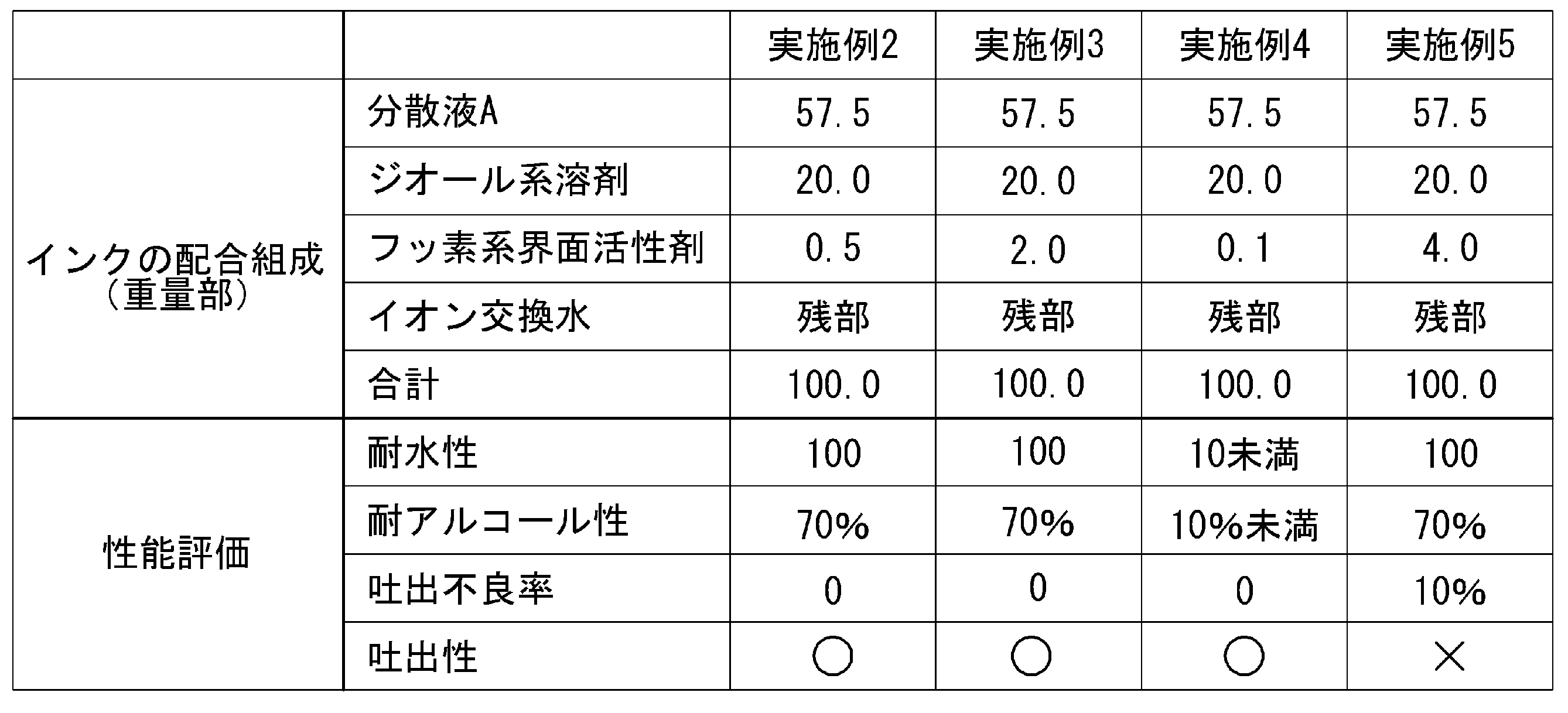
従来の水系インクでは、塗膜性を重んじると吐出の際にインクが急速に乾燥してしまい、インクジェットヘッドのノズルを詰まらせる恐れがあり、また一方、インクの保湿性を重んじると塗膜性能が劣ってしまう恐れがあった。表2から明らかなように、本発明の第2実施形態の水系インク組成物を用いることにより、水系インク組成物を用いて塗膜を形成する際に、耐水性及び耐アルコール性と、吐出性と両方がフッ素界面活性剤によってバランスよく調整できることが判った。
以上の通り、本発明の第2実施形態に係る水系インク組成物は、以下の構成を有する。
(2-1)水系インク組成物は、顔料内包樹脂粒子、ジオール系有機溶剤及びフッ素系界面活性剤を含有する。顔料内包樹脂粒子における樹脂が疎水性樹脂である。
(2-1)水系インク組成物は、顔料内包樹脂粒子、ジオール系有機溶剤及びフッ素系界面活性剤を含有する。顔料内包樹脂粒子における樹脂が疎水性樹脂である。
水系インク組成物は、揮発性有機溶剤を含まないものとすることができ、環境への負荷を低減することができる。それと共に、水系インク組成物は、分散安定性や保存安定性に優れ、インクジェットプリンターのノズル詰まりが発生しにくいだけでなく、印刷画像の耐擦過性を向上させることができる。
(2-2)水系インク組成物において、顔料内包樹脂粒子の平均粒径は、30nm以上200nm以下とすることができる。
顔料内包樹脂粒子の平均粒径が30nmを下回ると、通常粒径の顔料粒子との粒径差が小さくなり、樹脂粒子中に顔料を十分に包含しにくくなる。顔料内包樹脂粒子の平均粒径が200nmを上回ると、インクジェットノズルからの吐出に影響を与える可能性がある。
(2-3)水系インク組成物において、ジオール系有機溶剤の添加量は、インク組成物全量に対して、10.0質量%以上40.0質量%以下とすることができる。
ジオール系有機溶剤の添加量を10.0質量%以上とすることで、インク組成物の表面張力を低下させ、高画質の画像を得ることができる。また添加量を40.0質量%以下とすることで、インク組成物の保存安定性を良好にすることができる。
(2-4)水系インク組成物において、フッ素系界面活性剤の添加量は、インク組成物全量に対して、0.3質量%以上3.0質量%以下とすることができる。
フッ素系界面活性剤の添加量を0.3質量%以上とすることで、印刷画像の耐擦過性を良好にすることができる。フッ素系界面活性剤の添加量を3.0質量%以下とすることで、インクジェットプリンターの吐出性を良好にすることができる。
(2-5)水系インク組成物において、顔料内包樹脂粒子が、顔料と、疎水性モノマーと、水性媒体と、界面活性剤と、重合開始剤とを含むエマルジョンにおいて、バッチ式に合成されることができる。
これにより、合成を同一反応容器内の反応系で行うことができる。
(2-6)水系インク組成物において、重合開始剤が、エマルジョンの水相のイオン強度を低下させる作用を有することができる。
これにより、水相のイオン強度から重合反応への影響を軽減して、重合反応を良好にすることができる。
本発明の水系インク組成物は、印刷用のインクとして好適に利用することができる。
(付記1)
(1-1)顔料内包樹脂粒子、ジオール系有機溶剤、フッ素系界面活性剤及びアミン系有機溶剤を含有する水系インク組成物であって、前記顔料内包樹脂粒子における樹脂が疎水性樹脂であることを特徴とする水系インク組成物。
(1-2)前記顔料内包樹脂粒子の平均粒径が30nm以上200nm以下である、前記(1-1)に記載された水系インク組成物。
(1-3)前記ジオール系有機溶剤の添加量がインク組成物全量に対して、10.0質量%以上40.0質量%以下である、前記(1-1)または(1-2)に記載された水系インク組成物。
(1-4)前記フッ素系界面活性剤の添加量がインク組成物全量に対して、0.01質量%以上0.50質量%以下である、前記(1-1)~(1-3)のいずれか1つに記載された水系インク組成物。
(1-5)前記アミン系有機溶剤の添加量がインク組成物全量に対して、0.1質量%以上10.0質量%以下である、前記(1-1)~(1-4)のいずれか1つに記載された水系インク組成物。
(1-6)前記顔料内包樹脂粒子が、顔料と、疎水性モノマーと、水性媒体と、界面活性剤と、重合開始剤とを含むエマルジョンにおいて、バッチ式に合成される、前記(1-1)~(1-5)のいずれか1つに記載された水系インク組成物。
(1-7)前記重合開始剤が、前記エマルジョンの水相のイオン強度を低下させる作用を有する、前記(1-6)に記載された水系インク組成物。
(1-1)顔料内包樹脂粒子、ジオール系有機溶剤、フッ素系界面活性剤及びアミン系有機溶剤を含有する水系インク組成物であって、前記顔料内包樹脂粒子における樹脂が疎水性樹脂であることを特徴とする水系インク組成物。
(1-2)前記顔料内包樹脂粒子の平均粒径が30nm以上200nm以下である、前記(1-1)に記載された水系インク組成物。
(1-3)前記ジオール系有機溶剤の添加量がインク組成物全量に対して、10.0質量%以上40.0質量%以下である、前記(1-1)または(1-2)に記載された水系インク組成物。
(1-4)前記フッ素系界面活性剤の添加量がインク組成物全量に対して、0.01質量%以上0.50質量%以下である、前記(1-1)~(1-3)のいずれか1つに記載された水系インク組成物。
(1-5)前記アミン系有機溶剤の添加量がインク組成物全量に対して、0.1質量%以上10.0質量%以下である、前記(1-1)~(1-4)のいずれか1つに記載された水系インク組成物。
(1-6)前記顔料内包樹脂粒子が、顔料と、疎水性モノマーと、水性媒体と、界面活性剤と、重合開始剤とを含むエマルジョンにおいて、バッチ式に合成される、前記(1-1)~(1-5)のいずれか1つに記載された水系インク組成物。
(1-7)前記重合開始剤が、前記エマルジョンの水相のイオン強度を低下させる作用を有する、前記(1-6)に記載された水系インク組成物。
(付記2)
(2-1)顔料内包樹脂粒子、ジオール系有機溶剤及びフッ素系界面活性剤を含有する水系インク組成物であって、前記顔料内包樹脂粒子における樹脂が疎水性樹脂であることを特徴とする水系インク組成物。
(2-2)前記顔料内包樹脂粒子の平均粒径が30nm以上200nm以下である、前記(2-1)に記載された水系インク組成物。
(2-3)前記ジオール系有機溶剤の添加量がインク組成物全量に対して、10.0質量%以上40.0質量%以下である、前記(2-1)または前記(2-2)に記載された水系インク組成物。
(2-4)前記フッ素系界面活性剤の添加量がインク組成物全量に対して、0.3質量%以上3.0質量%以下である、前記(2-1)~(2-3)のいずれか1つに記載された水系インク組成物。
(2-5)前記顔料内包樹脂粒子が、顔料と、疎水性モノマーと、水性媒体と、界面活性剤と、重合開始剤とを含むエマルジョンにおいて、バッチ式に合成される、前記(2-1)~(2-4)のいずれか1つに記載された水系インク組成物。
(2-6)前記重合開始剤が、前記エマルジョンの水相のイオン強度を低下させる作用を有する、前記(2-1)~(2-5)のいずれか1つに記載された水系インク組成物。
(2-1)顔料内包樹脂粒子、ジオール系有機溶剤及びフッ素系界面活性剤を含有する水系インク組成物であって、前記顔料内包樹脂粒子における樹脂が疎水性樹脂であることを特徴とする水系インク組成物。
(2-2)前記顔料内包樹脂粒子の平均粒径が30nm以上200nm以下である、前記(2-1)に記載された水系インク組成物。
(2-3)前記ジオール系有機溶剤の添加量がインク組成物全量に対して、10.0質量%以上40.0質量%以下である、前記(2-1)または前記(2-2)に記載された水系インク組成物。
(2-4)前記フッ素系界面活性剤の添加量がインク組成物全量に対して、0.3質量%以上3.0質量%以下である、前記(2-1)~(2-3)のいずれか1つに記載された水系インク組成物。
(2-5)前記顔料内包樹脂粒子が、顔料と、疎水性モノマーと、水性媒体と、界面活性剤と、重合開始剤とを含むエマルジョンにおいて、バッチ式に合成される、前記(2-1)~(2-4)のいずれか1つに記載された水系インク組成物。
(2-6)前記重合開始剤が、前記エマルジョンの水相のイオン強度を低下させる作用を有する、前記(2-1)~(2-5)のいずれか1つに記載された水系インク組成物。
Claims (9)
- 顔料内包樹脂粒子、ジオール系有機溶剤およびフッ素系界面活性剤を含有する水系インク組成物であって、前記顔料内包樹脂粒子における樹脂が疎水性樹脂であることを特徴とする水系インク組成物。
- 前記フッ素系界面活性剤の添加量がインク組成物全量に対して、0.3質量%以上3.0質量%以下である、請求項1に記載された水系インク組成物。
- アミン系有機溶剤を含有する、請求項1に記載された水系インク組成物。
- 前記フッ素系界面活性剤の添加量がインク組成物全量に対して、0.01質量%以上0.50質量%以下である、請求項3に記載された水系インク組成物。
- 前記アミン系有機溶剤の添加量がインク組成物全量に対して、0.1質量%以上10.0質量%以下である、請求項3に記載された水系インク組成物。
- 前記顔料内包樹脂粒子の平均粒径が30nm以上200nm以下である、請求項1~5のいずれか1項に記載された水系インク組成物。
- 前記ジオール系有機溶剤の添加量がインク組成物全量に対して、10.0質量%以上40.0質量%以下である、請求項1~5のいずれか1項に記載された水系インク組成物。
- 前記顔料内包樹脂粒子が、顔料と、疎水性モノマーと、水性媒体と、界面活性剤と、重合開始剤とを含むエマルジョンにおいて、バッチ式に合成される、請求項1~5のいずれか1項に記載された水系インク組成物。
- 前記重合開始剤が、前記エマルジョンの水相のイオン強度を低下させる作用を有する、請求項8に記載された水系インク組成物。
Applications Claiming Priority (4)
| Application Number | Priority Date | Filing Date | Title |
|---|---|---|---|
| JP2021053312A JP2022150628A (ja) | 2021-03-26 | 2021-03-26 | 水系インク組成物 |
| JP2021-053312 | 2021-03-26 | ||
| JP2021053313A JP2022150629A (ja) | 2021-03-26 | 2021-03-26 | 水系インク組成物 |
| JP2021-053313 | 2021-03-26 |
Publications (1)
| Publication Number | Publication Date |
|---|---|
| WO2022202045A1 true WO2022202045A1 (ja) | 2022-09-29 |
Family
ID=83397063
Family Applications (1)
| Application Number | Title | Priority Date | Filing Date |
|---|---|---|---|
| PCT/JP2022/007084 Ceased WO2022202045A1 (ja) | 2021-03-26 | 2022-02-22 | 水系インク組成物 |
Country Status (1)
| Country | Link |
|---|---|
| WO (1) | WO2022202045A1 (ja) |
Citations (8)
| Publication number | Priority date | Publication date | Assignee | Title |
|---|---|---|---|---|
| JPH11140343A (ja) * | 1997-11-12 | 1999-05-25 | Nippon Paint Co Ltd | 着色剤組成物、インクジェット記録用インク及びその製造方法 |
| JP2001302708A (ja) * | 2000-04-20 | 2001-10-31 | Mitsubishi Chemicals Corp | 着色剤含有重合体エマルジョン及びそれを用いた水性インク |
| JP2008163059A (ja) * | 2006-12-26 | 2008-07-17 | Dainippon Toryo Co Ltd | 顔料含有ポリマー粒子水分散体の製造方法及び水系顔料インク組成物 |
| JP2015101705A (ja) * | 2013-11-27 | 2015-06-04 | 株式会社Dnpファインケミカル | インクジェット記録用インク組成物、及びその製造方法、並びに、インクジェット記録方法 |
| JP2018109094A (ja) * | 2016-12-28 | 2018-07-12 | 花王株式会社 | 水系インク |
| JP2018123235A (ja) * | 2017-01-31 | 2018-08-09 | 株式会社リコー | インクジェット用捺染インク、インクジェット記録装置、及びインクジェット記録方法 |
| JP2019196430A (ja) * | 2018-05-08 | 2019-11-14 | コニカミノルタ株式会社 | 水性インクジェットインク、記録液セット及びインクジェット記録方法 |
| WO2021100443A1 (ja) * | 2019-11-20 | 2021-05-27 | 株式会社ミマキエンジニアリング | 水系インク |
-
2022
- 2022-02-22 WO PCT/JP2022/007084 patent/WO2022202045A1/ja not_active Ceased
Patent Citations (8)
| Publication number | Priority date | Publication date | Assignee | Title |
|---|---|---|---|---|
| JPH11140343A (ja) * | 1997-11-12 | 1999-05-25 | Nippon Paint Co Ltd | 着色剤組成物、インクジェット記録用インク及びその製造方法 |
| JP2001302708A (ja) * | 2000-04-20 | 2001-10-31 | Mitsubishi Chemicals Corp | 着色剤含有重合体エマルジョン及びそれを用いた水性インク |
| JP2008163059A (ja) * | 2006-12-26 | 2008-07-17 | Dainippon Toryo Co Ltd | 顔料含有ポリマー粒子水分散体の製造方法及び水系顔料インク組成物 |
| JP2015101705A (ja) * | 2013-11-27 | 2015-06-04 | 株式会社Dnpファインケミカル | インクジェット記録用インク組成物、及びその製造方法、並びに、インクジェット記録方法 |
| JP2018109094A (ja) * | 2016-12-28 | 2018-07-12 | 花王株式会社 | 水系インク |
| JP2018123235A (ja) * | 2017-01-31 | 2018-08-09 | 株式会社リコー | インクジェット用捺染インク、インクジェット記録装置、及びインクジェット記録方法 |
| JP2019196430A (ja) * | 2018-05-08 | 2019-11-14 | コニカミノルタ株式会社 | 水性インクジェットインク、記録液セット及びインクジェット記録方法 |
| WO2021100443A1 (ja) * | 2019-11-20 | 2021-05-27 | 株式会社ミマキエンジニアリング | 水系インク |
Similar Documents
| Publication | Publication Date | Title |
|---|---|---|
| CN102134420B (zh) | 白色油墨组合物 | |
| US11453792B2 (en) | Magenta ink for inkjet | |
| JP2018528876A (ja) | 水溶性材料上での印刷方法 | |
| JP2017165809A (ja) | 水性インクジェットインキ | |
| US9309425B2 (en) | Ink and printing process | |
| EP3260507B1 (en) | Ink set for ink-jet recording | |
| TWI614232B (zh) | 水溶性界面活性劑組成物、墨水及紙塗佈劑 | |
| TW201708439A (zh) | 油墨組成物 | |
| JP2007523985A (ja) | 記録流体、その製造方法及び使用方法 | |
| JP5894880B2 (ja) | インクジェット記録用水性顔料インク組成物 | |
| JP2009226764A (ja) | インクジェット記録方法 | |
| JP7709905B2 (ja) | インクジェット記録用水系インク | |
| WO2022202045A1 (ja) | 水系インク組成物 | |
| JP2022150628A (ja) | 水系インク組成物 | |
| JP2022150629A (ja) | 水系インク組成物 | |
| EP3981605A2 (en) | Printing method, printing apparatus, and printed matter | |
| JP7300081B2 (ja) | インク、インク収容容器、記録方法、記録装置、及びインクの製造方法 | |
| JP5935867B2 (ja) | 白色インク組成物 | |
| JP7358691B1 (ja) | インクジェット印刷用インク組成物 | |
| JP2011144303A (ja) | 水性インクジェット記録インク及びそれを用いるインクジェットインク画像形成方法 | |
| JP2010031196A (ja) | 粒子及び該粒子の製造方法、並びに該粒子を含むインク組成物及びその記録物 | |
| JP6641668B2 (ja) | インク、インク収容容器、画像記録方法及び画像記録装置 | |
| WO2021100443A1 (ja) | 水系インク | |
| JP2013163705A (ja) | インクジェット印刷方法及びインクセット | |
| JP7740985B2 (ja) | 顔料水分散体の製造方法 |
Legal Events
| Date | Code | Title | Description |
|---|---|---|---|
| 121 | Ep: the epo has been informed by wipo that ep was designated in this application |
Ref document number: 22774845 Country of ref document: EP Kind code of ref document: A1 |
|
| NENP | Non-entry into the national phase |
Ref country code: DE |
|
| 122 | Ep: pct application non-entry in european phase |
Ref document number: 22774845 Country of ref document: EP Kind code of ref document: A1 |