WO2022191303A1 - タンパク質分解物の製造方法、及び酵素剤 - Google Patents
タンパク質分解物の製造方法、及び酵素剤 Download PDFInfo
- Publication number
- WO2022191303A1 WO2022191303A1 PCT/JP2022/010765 JP2022010765W WO2022191303A1 WO 2022191303 A1 WO2022191303 A1 WO 2022191303A1 JP 2022010765 W JP2022010765 W JP 2022010765W WO 2022191303 A1 WO2022191303 A1 WO 2022191303A1
- Authority
- WO
- WIPO (PCT)
- Prior art keywords
- protease
- derived
- aspergillus
- glutaminase
- peptide hydrolase
- Prior art date
- Legal status (The legal status is an assumption and is not a legal conclusion. Google has not performed a legal analysis and makes no representation as to the accuracy of the status listed.)
- Ceased
Links
Images



Classifications
-
- A—HUMAN NECESSITIES
- A23—FOODS OR FOODSTUFFS; TREATMENT THEREOF, NOT COVERED BY OTHER CLASSES
- A23J—PROTEIN COMPOSITIONS FOR FOODSTUFFS; WORKING-UP PROTEINS FOR FOODSTUFFS; PHOSPHATIDE COMPOSITIONS FOR FOODSTUFFS
- A23J3/00—Working-up of proteins for foodstuffs
- A23J3/30—Working-up of proteins for foodstuffs by hydrolysis
- A23J3/32—Working-up of proteins for foodstuffs by hydrolysis using chemical agents
- A23J3/34—Working-up of proteins for foodstuffs by hydrolysis using chemical agents using enzymes
- A23J3/346—Working-up of proteins for foodstuffs by hydrolysis using chemical agents using enzymes of vegetable proteins
-
- A—HUMAN NECESSITIES
- A23—FOODS OR FOODSTUFFS; TREATMENT THEREOF, NOT COVERED BY OTHER CLASSES
- A23J—PROTEIN COMPOSITIONS FOR FOODSTUFFS; WORKING-UP PROTEINS FOR FOODSTUFFS; PHOSPHATIDE COMPOSITIONS FOR FOODSTUFFS
- A23J3/00—Working-up of proteins for foodstuffs
- A23J3/14—Vegetable proteins
-
- A—HUMAN NECESSITIES
- A23—FOODS OR FOODSTUFFS; TREATMENT THEREOF, NOT COVERED BY OTHER CLASSES
- A23J—PROTEIN COMPOSITIONS FOR FOODSTUFFS; WORKING-UP PROTEINS FOR FOODSTUFFS; PHOSPHATIDE COMPOSITIONS FOR FOODSTUFFS
- A23J3/00—Working-up of proteins for foodstuffs
- A23J3/14—Vegetable proteins
- A23J3/16—Vegetable proteins from soybean
-
- A—HUMAN NECESSITIES
- A23—FOODS OR FOODSTUFFS; TREATMENT THEREOF, NOT COVERED BY OTHER CLASSES
- A23J—PROTEIN COMPOSITIONS FOR FOODSTUFFS; WORKING-UP PROTEINS FOR FOODSTUFFS; PHOSPHATIDE COMPOSITIONS FOR FOODSTUFFS
- A23J3/00—Working-up of proteins for foodstuffs
- A23J3/20—Proteins from microorganisms or unicellular algae
-
- A—HUMAN NECESSITIES
- A23—FOODS OR FOODSTUFFS; TREATMENT THEREOF, NOT COVERED BY OTHER CLASSES
- A23J—PROTEIN COMPOSITIONS FOR FOODSTUFFS; WORKING-UP PROTEINS FOR FOODSTUFFS; PHOSPHATIDE COMPOSITIONS FOR FOODSTUFFS
- A23J3/00—Working-up of proteins for foodstuffs
- A23J3/30—Working-up of proteins for foodstuffs by hydrolysis
- A23J3/32—Working-up of proteins for foodstuffs by hydrolysis using chemical agents
- A23J3/34—Working-up of proteins for foodstuffs by hydrolysis using chemical agents using enzymes
-
- A—HUMAN NECESSITIES
- A23—FOODS OR FOODSTUFFS; TREATMENT THEREOF, NOT COVERED BY OTHER CLASSES
- A23J—PROTEIN COMPOSITIONS FOR FOODSTUFFS; WORKING-UP PROTEINS FOR FOODSTUFFS; PHOSPHATIDE COMPOSITIONS FOR FOODSTUFFS
- A23J3/00—Working-up of proteins for foodstuffs
- A23J3/30—Working-up of proteins for foodstuffs by hydrolysis
- A23J3/32—Working-up of proteins for foodstuffs by hydrolysis using chemical agents
- A23J3/34—Working-up of proteins for foodstuffs by hydrolysis using chemical agents using enzymes
- A23J3/347—Working-up of proteins for foodstuffs by hydrolysis using chemical agents using enzymes of proteins from microorganisms or unicellular algae
-
- A—HUMAN NECESSITIES
- A23—FOODS OR FOODSTUFFS; TREATMENT THEREOF, NOT COVERED BY OTHER CLASSES
- A23L—FOODS, FOODSTUFFS OR NON-ALCOHOLIC BEVERAGES, NOT OTHERWISE PROVIDED FOR; PREPARATION OR TREATMENT THEREOF
- A23L27/00—Spices; Flavouring agents or condiments; Artificial sweetening agents; Table salts; Dietetic salt substitutes; Preparation or treatment thereof
- A23L27/20—Synthetic spices, flavouring agents or condiments
- A23L27/21—Synthetic spices, flavouring agents or condiments containing amino acids
- A23L27/215—Synthetic spices, flavouring agents or condiments containing amino acids heated in the presence of reducing sugars, e.g. Maillard's non-enzymatic browning
-
- A—HUMAN NECESSITIES
- A23—FOODS OR FOODSTUFFS; TREATMENT THEREOF, NOT COVERED BY OTHER CLASSES
- A23L—FOODS, FOODSTUFFS OR NON-ALCOHOLIC BEVERAGES, NOT OTHERWISE PROVIDED FOR; PREPARATION OR TREATMENT THEREOF
- A23L27/00—Spices; Flavouring agents or condiments; Artificial sweetening agents; Table salts; Dietetic salt substitutes; Preparation or treatment thereof
- A23L27/20—Synthetic spices, flavouring agents or condiments
- A23L27/21—Synthetic spices, flavouring agents or condiments containing amino acids
- A23L27/22—Synthetic spices, flavouring agents or condiments containing amino acids containing glutamic acids
-
- A—HUMAN NECESSITIES
- A23—FOODS OR FOODSTUFFS; TREATMENT THEREOF, NOT COVERED BY OTHER CLASSES
- A23L—FOODS, FOODSTUFFS OR NON-ALCOHOLIC BEVERAGES, NOT OTHERWISE PROVIDED FOR; PREPARATION OR TREATMENT THEREOF
- A23L27/00—Spices; Flavouring agents or condiments; Artificial sweetening agents; Table salts; Dietetic salt substitutes; Preparation or treatment thereof
- A23L27/20—Synthetic spices, flavouring agents or condiments
- A23L27/26—Meat flavours
-
- A—HUMAN NECESSITIES
- A23—FOODS OR FOODSTUFFS; TREATMENT THEREOF, NOT COVERED BY OTHER CLASSES
- A23L—FOODS, FOODSTUFFS OR NON-ALCOHOLIC BEVERAGES, NOT OTHERWISE PROVIDED FOR; PREPARATION OR TREATMENT THEREOF
- A23L27/00—Spices; Flavouring agents or condiments; Artificial sweetening agents; Table salts; Dietetic salt substitutes; Preparation or treatment thereof
- A23L27/88—Taste or flavour enhancing agents
-
- A—HUMAN NECESSITIES
- A23—FOODS OR FOODSTUFFS; TREATMENT THEREOF, NOT COVERED BY OTHER CLASSES
- A23L—FOODS, FOODSTUFFS OR NON-ALCOHOLIC BEVERAGES, NOT OTHERWISE PROVIDED FOR; PREPARATION OR TREATMENT THEREOF
- A23L33/00—Modifying nutritive qualities of foods; Dietetic products; Preparation or treatment thereof
- A23L33/10—Modifying nutritive qualities of foods; Dietetic products; Preparation or treatment thereof using additives
- A23L33/17—Amino acids, peptides or proteins
- A23L33/175—Amino acids
-
- A—HUMAN NECESSITIES
- A23—FOODS OR FOODSTUFFS; TREATMENT THEREOF, NOT COVERED BY OTHER CLASSES
- A23L—FOODS, FOODSTUFFS OR NON-ALCOHOLIC BEVERAGES, NOT OTHERWISE PROVIDED FOR; PREPARATION OR TREATMENT THEREOF
- A23L33/00—Modifying nutritive qualities of foods; Dietetic products; Preparation or treatment thereof
- A23L33/10—Modifying nutritive qualities of foods; Dietetic products; Preparation or treatment thereof using additives
- A23L33/17—Amino acids, peptides or proteins
- A23L33/185—Vegetable proteins
-
- C—CHEMISTRY; METALLURGY
- C12—BIOCHEMISTRY; BEER; SPIRITS; WINE; VINEGAR; MICROBIOLOGY; ENZYMOLOGY; MUTATION OR GENETIC ENGINEERING
- C12N—MICROORGANISMS OR ENZYMES; COMPOSITIONS THEREOF; PROPAGATING, PRESERVING, OR MAINTAINING MICROORGANISMS; MUTATION OR GENETIC ENGINEERING; CULTURE MEDIA
- C12N9/00—Enzymes; Proenzymes; Compositions thereof; Processes for preparing, activating, inhibiting, separating or purifying enzymes
- C12N9/10—Transferases (2.)
- C12N9/1025—Acyltransferases (2.3)
- C12N9/104—Aminoacyltransferases (2.3.2)
-
- C—CHEMISTRY; METALLURGY
- C12—BIOCHEMISTRY; BEER; SPIRITS; WINE; VINEGAR; MICROBIOLOGY; ENZYMOLOGY; MUTATION OR GENETIC ENGINEERING
- C12N—MICROORGANISMS OR ENZYMES; COMPOSITIONS THEREOF; PROPAGATING, PRESERVING, OR MAINTAINING MICROORGANISMS; MUTATION OR GENETIC ENGINEERING; CULTURE MEDIA
- C12N9/00—Enzymes; Proenzymes; Compositions thereof; Processes for preparing, activating, inhibiting, separating or purifying enzymes
- C12N9/14—Hydrolases (3)
- C12N9/48—Hydrolases (3) acting on peptide bonds (3.4)
- C12N9/50—Proteinases, e.g. Endopeptidases (3.4.21-3.4.25)
- C12N9/52—Proteinases, e.g. Endopeptidases (3.4.21-3.4.25) derived from bacteria or Archaea
-
- C—CHEMISTRY; METALLURGY
- C12—BIOCHEMISTRY; BEER; SPIRITS; WINE; VINEGAR; MICROBIOLOGY; ENZYMOLOGY; MUTATION OR GENETIC ENGINEERING
- C12N—MICROORGANISMS OR ENZYMES; COMPOSITIONS THEREOF; PROPAGATING, PRESERVING, OR MAINTAINING MICROORGANISMS; MUTATION OR GENETIC ENGINEERING; CULTURE MEDIA
- C12N9/00—Enzymes; Proenzymes; Compositions thereof; Processes for preparing, activating, inhibiting, separating or purifying enzymes
- C12N9/14—Hydrolases (3)
- C12N9/48—Hydrolases (3) acting on peptide bonds (3.4)
- C12N9/50—Proteinases, e.g. Endopeptidases (3.4.21-3.4.25)
- C12N9/52—Proteinases, e.g. Endopeptidases (3.4.21-3.4.25) derived from bacteria or Archaea
- C12N9/54—Proteinases, e.g. Endopeptidases (3.4.21-3.4.25) derived from bacteria or Archaea bacteria being Bacillus
-
- C—CHEMISTRY; METALLURGY
- C12—BIOCHEMISTRY; BEER; SPIRITS; WINE; VINEGAR; MICROBIOLOGY; ENZYMOLOGY; MUTATION OR GENETIC ENGINEERING
- C12N—MICROORGANISMS OR ENZYMES; COMPOSITIONS THEREOF; PROPAGATING, PRESERVING, OR MAINTAINING MICROORGANISMS; MUTATION OR GENETIC ENGINEERING; CULTURE MEDIA
- C12N9/00—Enzymes; Proenzymes; Compositions thereof; Processes for preparing, activating, inhibiting, separating or purifying enzymes
- C12N9/14—Hydrolases (3)
- C12N9/48—Hydrolases (3) acting on peptide bonds (3.4)
- C12N9/50—Proteinases, e.g. Endopeptidases (3.4.21-3.4.25)
- C12N9/58—Proteinases, e.g. Endopeptidases (3.4.21-3.4.25) derived from fungi
- C12N9/62—Proteinases, e.g. Endopeptidases (3.4.21-3.4.25) derived from fungi from Aspergillus
-
- C—CHEMISTRY; METALLURGY
- C12—BIOCHEMISTRY; BEER; SPIRITS; WINE; VINEGAR; MICROBIOLOGY; ENZYMOLOGY; MUTATION OR GENETIC ENGINEERING
- C12N—MICROORGANISMS OR ENZYMES; COMPOSITIONS THEREOF; PROPAGATING, PRESERVING, OR MAINTAINING MICROORGANISMS; MUTATION OR GENETIC ENGINEERING; CULTURE MEDIA
- C12N9/00—Enzymes; Proenzymes; Compositions thereof; Processes for preparing, activating, inhibiting, separating or purifying enzymes
- C12N9/14—Hydrolases (3)
- C12N9/78—Hydrolases (3) acting on carbon to nitrogen bonds other than peptide bonds (3.5)
- C12N9/80—Hydrolases (3) acting on carbon to nitrogen bonds other than peptide bonds (3.5) acting on amide bonds in linear amides (3.5.1)
-
- C—CHEMISTRY; METALLURGY
- C12—BIOCHEMISTRY; BEER; SPIRITS; WINE; VINEGAR; MICROBIOLOGY; ENZYMOLOGY; MUTATION OR GENETIC ENGINEERING
- C12P—FERMENTATION OR ENZYME-USING PROCESSES TO SYNTHESISE A DESIRED CHEMICAL COMPOUND OR COMPOSITION OR TO SEPARATE OPTICAL ISOMERS FROM A RACEMIC MIXTURE
- C12P13/00—Preparation of nitrogen-containing organic compounds
- C12P13/04—Alpha- or beta- amino acids
- C12P13/12—Methionine; Cysteine; Cystine
-
- C—CHEMISTRY; METALLURGY
- C12—BIOCHEMISTRY; BEER; SPIRITS; WINE; VINEGAR; MICROBIOLOGY; ENZYMOLOGY; MUTATION OR GENETIC ENGINEERING
- C12P—FERMENTATION OR ENZYME-USING PROCESSES TO SYNTHESISE A DESIRED CHEMICAL COMPOUND OR COMPOSITION OR TO SEPARATE OPTICAL ISOMERS FROM A RACEMIC MIXTURE
- C12P13/00—Preparation of nitrogen-containing organic compounds
- C12P13/04—Alpha- or beta- amino acids
- C12P13/14—Glutamic acid; Glutamine
-
- C—CHEMISTRY; METALLURGY
- C12—BIOCHEMISTRY; BEER; SPIRITS; WINE; VINEGAR; MICROBIOLOGY; ENZYMOLOGY; MUTATION OR GENETIC ENGINEERING
- C12P—FERMENTATION OR ENZYME-USING PROCESSES TO SYNTHESISE A DESIRED CHEMICAL COMPOUND OR COMPOSITION OR TO SEPARATE OPTICAL ISOMERS FROM A RACEMIC MIXTURE
- C12P21/00—Preparation of peptides or proteins
- C12P21/06—Preparation of peptides or proteins produced by the hydrolysis of a peptide bond, e.g. hydrolysate products
-
- C—CHEMISTRY; METALLURGY
- C12—BIOCHEMISTRY; BEER; SPIRITS; WINE; VINEGAR; MICROBIOLOGY; ENZYMOLOGY; MUTATION OR GENETIC ENGINEERING
- C12Y—ENZYMES
- C12Y203/00—Acyltransferases (2.3)
- C12Y203/02—Aminoacyltransferases (2.3.2)
- C12Y203/02004—Gamma-glutamylcyclotransferase (2.3.2.4)
-
- C—CHEMISTRY; METALLURGY
- C12—BIOCHEMISTRY; BEER; SPIRITS; WINE; VINEGAR; MICROBIOLOGY; ENZYMOLOGY; MUTATION OR GENETIC ENGINEERING
- C12Y—ENZYMES
- C12Y304/00—Hydrolases acting on peptide bonds, i.e. peptidases (3.4)
-
- C—CHEMISTRY; METALLURGY
- C12—BIOCHEMISTRY; BEER; SPIRITS; WINE; VINEGAR; MICROBIOLOGY; ENZYMOLOGY; MUTATION OR GENETIC ENGINEERING
- C12Y—ENZYMES
- C12Y305/00—Hydrolases acting on carbon-nitrogen bonds, other than peptide bonds (3.5)
- C12Y305/01—Hydrolases acting on carbon-nitrogen bonds, other than peptide bonds (3.5) in linear amides (3.5.1)
- C12Y305/01002—Glutaminase (3.5.1.2)
Definitions
- the present invention relates to a method for producing cysteine from protein, an enzymatic agent for producing cysteine-containing protein hydrolysates, and uses thereof.
- Patent Document 1 discloses that in a method for producing soybean protein using transglutaminase and protease, protease is used for the purpose of reducing viscosity increased by transglutaminase.
- amino acids and peptides are not only nutrients, but also important elements for the taste and flavor of food.
- Patent Document 2 discloses a method of producing a low-molecular-weight peptide by reacting two or more enzymes having only endoprotease activity on soybean protein. Methods for producing amino acids as seasonings are also being researched in order to impart taste.
- Patent Document 3 discloses a method for obtaining an amino acid seasoning with a high glutamic acid content by hydrolyzing a protein raw material with a thermostable protease and a thermostable glutaminase.
- cysteine is known to impart meat flavor by forming Maillard reactants. Cysteine is mainly extracted from animal-derived raw materials (hair and feathers), and it is not preferred to add it to food.
- Patent Document 4 discloses a method of producing cysteine by reacting glutathione with an acid protease and glutaminase, but the content of glutathione differs depending on the food, and the situations where it can be used are limited.
- Patent Document 5 discloses that free aspartic acid and free glutamic acid are increased by treating soybean protein with a glutamic acid-specific endoprotease.
- Patent Document 6 when soy protein is treated with subtilisin protease (ALCALASE) derived from Bacillus licheniformis or serine protease (SP1) derived from Nocardiopsis plastina, SP1 hydrolyzate is preferred over ALCALASE hydrolyzate. is disclosed to be less bitter.
- ACALASE subtilisin protease
- SP1 hydrolyzate is preferred over ALCALASE hydrolyzate. is disclosed to be less bitter.
- JP 2006-141231 A JP-A-5-252979 JP-A-48-82068 WO2021/002195 Japanese Patent Publication No. 2008-526261 Japanese Patent Publication No. 2011-530274
- An object of the present invention is to provide practical means for improving the richness or umami of foods.
- the present inventors conducted repeated studies with the aim of improving the richness or umami of foods using enzymes. As a result, the present inventors have found that foods with improved richness or umami can be produced by combining glutaminase, which is one of ⁇ -glutamyl peptide hydrolases, with filamentous fungal protease and bacterial protease.
- glutaminase which is one of ⁇ -glutamyl peptide hydrolases
- filamentous fungal protease and bacterial protease The present invention has been completed through further studies based on this finding. That is, the present invention provides inventions in the following aspects.
- a method for producing a protein hydrolyzate which comprises a step of reacting a protein material with a ⁇ -glutamyl peptide hydrolase, a filamentous fungus-derived protease, and a bacterial protease.
- a ⁇ -glutamyl peptide hydrolase is glutaminase, ⁇ -glutartransferase or ⁇ -glutamyl cyclotransferase.
- the ⁇ -glutamyl peptide hydrolase is glutaminase derived from a microorganism belonging to the genus Bacillus.
- filamentous fungal protease is an Aspergillus oryzae-derived acidic protease, an Aspergillus oryzae-derived neutral protease, or an Aspergillus meleus-derived neutral protease. .
- the bacterial protease is a protease derived from a microorganism belonging to the genus Bacillus or Geobacillus.
- the bacterial protease is Geobacillus stearothermophilus-derived protease.
- the protein material is a vegetable protein material.
- the protein material is peas, soybeans, broad beans, chickpeas, barley, wheat, oats, rice, buckwheat, millet, millet, hemp, algae, almonds, cashews, hazelnuts, pecans, macadamia nuts, pistachios, walnuts , Brazil nuts, peanuts, coconut-derived protein material, the method according to any one of [1] to [9].
- a food comprising a protein hydrolyzate produced by the method according to any one of [1] to [11].
- An enzymatic agent for producing a protein hydrolyzate containing a ⁇ -glutamyl peptide hydrolase, a filamentous fungus-derived protease, and a bacterial protease.
- FIG. 1 shows the results of hardness evaluation in Example 2.
- FIG. 2 shows the results of free amino acid analysis in Example 2.
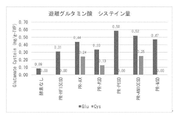
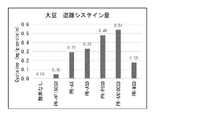
- FIG. 3 shows the results of free amino acid analysis in Example 3.
- FIG. 4 shows the results of free amino acid analysis in Example 3.
- FIG. 5 shows the results of free amino acid analysis in Example 3.
- FIG. 6 shows the results of free amino acid analysis in Example 3.
- a method for producing a protein hydrolyzate which comprises the step of reacting a protein material with ⁇ -glutamyl peptide hydrolase, filamentous fungus-derived protease, and bacterial protease.
- the present invention further provides enzymatic agents for producing protein hydrolysates, including ⁇ -glutamyl peptide hydrolase, filamentous fungus-derived protease, and bacterial protease.
- the step of allowing the ⁇ -glutamyl peptide hydrolase, the filamentous fungus-derived protease, and the bacterial protease to act on the protein material may be carried out in a single step (that is, the step of simultaneously acting the above three types of enzymes on the protein material). Then, in a two-step or three-step process (that is, a step of acting one or two of the above three types of enzymes on the protein material, and a step of further acting another enzyme among the above three types) you can go
- ⁇ -glutamyl peptide hydrolases include glutaminase, ⁇ -glutartransferase and ⁇ -glutamyl cyclotransferase.
- a microorganism-derived ⁇ -glutamyl peptide hydrolase can be used, and examples thereof include glutaminase, ⁇ -glutamyltransferase, and ⁇ -glutamyl cyclotransferase derived from Bacillus microorganisms. be able to.
- the ⁇ -glutamyl peptide hydrolase is preferably a glutaminase derived from a microorganism belonging to the genus Bacillus, more preferably a glutaminase derived from Bacillus amyloliquefaciens (for example, glutaminase SD-C100S provided by Amano Enzyme Co., Ltd.). ).
- the ⁇ -glutamyl peptide hydrolase derived from microorganisms does not have to be a purified product.
- the culture medium, lysate/extract, partially purified products thereof, etc. of microorganisms that produce ⁇ -glutamyl peptide hydrolase may be used.
- can be Two or more microorganism-derived ⁇ -glutamyl peptide hydrolases may be used in combination.
- some microorganism-derived ⁇ -glutamyl peptide hydrolases are commercially available (for example, the above-mentioned glutaminase SD-C100S), and are readily available and available.
- an acidic protease derived from a microorganism belonging to the genus Aspergillus and a neutral protease derived from a microorganism belonging to the genus Aspergillus are preferred.
- acid proteases derived from Aspergillus microorganisms are Aspergillus oryzae-derived acid proteases (for example, Protease M “Amano” SD and Protease HF “Amano” 150SD provided by Amano Enzyme Co., Ltd.).
- Aspergillus microorganism-derived neutral protease examples include Aspergillus oryzae-derived neutral protease and Aspergillus melleus-derived neutral protease.
- Aspergillus oryzae-derived neutral protease PR-AX, product name: Proteax
- Aspergillus oryzae-derived neutral protease PR-ASD, product name: Protease A “Amano” SD
- Aspergillus oryzae They are Aspergillus melleus-derived neutral protease (PR-P6SD, product name is Protease P "Amano" 6SD) and Aspergillus oryzae-derived neutral protease (PR-AN100SD).
- the filamentous fungus-derived protease does not have to be a purified product.
- the culture solution, lysate/extract, or partially purified product of a microorganism that produces the filamentous fungus-derived protease may be used.
- Two or more filamentous fungus-derived proteases may be used in combination.
- Some proteases derived from filamentous fungi are commercially available (for example, the above Protease M "Amano" SD, Protease HF "Amano" 150S, Proteax, Protease A "Amano” SD, Protease P “Amano” 6SD). , PR-AN100SD) are readily available and available.
- the bacterial protease is preferably derived from a Bacillus or Geobacillus microorganism-derived protease, more preferably Geobacillus stearothermophilus-derived protease.
- Samoase PC10F provided by Amano Enzyme Co., Ltd. can be mentioned as an example of the bacterial protease.
- the bacterial protease does not have to be a purified product.
- the culture solution, lysate/extract, or partially purified products of microorganisms that produce bacterial proteases may be used.
- Two or more bacterial proteases may be used in combination. Note that several bacterial proteases are commercially available (eg Samoase PC10F, above) and are readily available and available.
- the enzymatic preparation of the present invention containing ⁇ -glutamyl peptide hydrolase, filamentous fungus-derived protease, and bacterial protease contains active ingredients (three types of enzymes mentioned above), excipients, buffers, suspending agents, and stabilizers. , preservatives, preservatives, physiological saline, and the like.
- active ingredients three types of enzymes mentioned above
- excipients include lactose, sorbitol, D-mannitol, maltodextrin, and sucrose.
- Phosphate, citrate, acetate and the like can be used as buffers.
- Propylene glycol, ascorbic acid and the like can be used as stabilizers.
- Preservatives that can be used include phenol, benzalkonium chloride, benzyl alcohol, chlorobutanol, methylparaben, and the like.
- As antiseptics benzalkonium chloride, paraoxybenzoic acid, chlorobutanol and the like can be used.
- the content of the active ingredients (three types of enzymes mentioned above) in the present enzymatic preparation is not particularly limited, and can be set as appropriate.
- the enzymatic agent of the present invention is usually solid (for example, granules, powders, immobilized enzymes obtained by immobilizing the enzyme on the surface or inside of a material such as silica or porous polymer) or liquid. provided.
- Conditions for allowing the ⁇ -glutamyl peptide hydrolase, filamentous fungus-derived protease, and bacterial protease to act on the protein material are, for example, a reaction temperature of 15°C to 70°C, preferably 30°C to 65°C, more preferably 40°C to 60°C. be.
- the reaction time and the amount of enzyme are not particularly limited as long as the expected action is exhibited. Examples of reaction time include 5 minutes to 48 hours, preferably 10 minutes to 12 hours, more preferably 15 minutes to 6 hours.
- the concentration of each of the three enzymes in the reaction solution is, for example, 0.001% (W/W) to 10% (W/W), preferably 0.01% (W/W) to The amount can be set to 2% (W/W).
- the protein material is preferably an animal protein material, a vegetable protein material or a microbial protein material, more preferably a vegetable protein material.
- proteinaceous materials include peas, soybeans, broad beans, chickpeas, barley, wheat, oats, rice, buckwheat, millet, millet, hemp, algae, almonds, cashews, hazelnuts, pecans, macadamia nuts, pistachios, Walnuts, brazil nuts, peanuts, coconut derived protein materials may be mentioned.
- a protein hydrolyzate containing a large amount of cysteine capable of forming a Maillard reaction (cysteine-containing protein hydrolyzate) can be produced.
- Cysteine capable of forming a Maillard reaction includes peptides having a cysteine residue capable of Maillard reaction, in addition to cysteine in the free amino acid state. Cysteine in the free amino acid state is preferred.
- Example 1 The following experiments were conducted with the aim of establishing a method for efficiently producing cysteine from proteins.
- Absorbance at 412 nm was measured immediately after completion of the reaction.
- the amount of cysteine residues in the supernatant was calculated from a standard curve prepared using a 10 ⁇ M to 50 ⁇ M cysteine solution (1 mM EDTA) instead of the supernatant.
- 2 mL of the supernatant was neutralized to pH 7 with hydrochloric acid, 1 mL of 20% glucose was added, and the Maillard reaction was performed by boiling for 30 minutes. confirmed. Specifically, changes in taste were confirmed by sensory evaluation by panelists.
- Example 2 105 g (1.5 times the amount) of water was added to 70 g of soy meat (soy TVP (textured vegetable protein) (soybean meat minced type, Marukome Co., Ltd.) and allowed to stand for 10 minutes. Metolose was added to the above mixture. 8.7 g of sunflower oil, 48.5 g of sunflower oil, and 26.7 g of Sunrubber 10 (soybean protein powder) were uniformly mixed.To 25 g of the above mixture, 1% of the enzyme solution shown in Table 2 below (based on soybean TVP) was added. ) was added and reacted for 1 hour at 50° C. After the reaction, 6 mL of water was added and molded, and then baked (in an oven at 110° C. for 10 minutes).Sensory evaluation (umami) of the baked product The results of the sensory evaluation are shown in Table 3. The larger the number, the greater the improvement, with 1 being no change and 4 being greatly improved. indicates that
- the hardness of the obtained fired product was evaluated under the following conditions.
- Equipment used Rheometer (COMPAC-100II) Pushing speed: 60mm/min Table moving distance: 7mm (Measure the firmness 7mm after touching the meat)
- the results of hardness evaluation are shown in FIG.
- the unit of the vertical axis in FIG. 1 is N (Newton).
- Free amino acids in the obtained baked product were analyzed as follows. 1 mL of distilled water was added to 1 g of a sample of the baked product, mixed and centrifuged. The supernatant and ethanol were mixed at a ratio of 1:1 (supernatant: ethanol) (protein removal). The mixture was centrifuged and the supernatant was recovered, diluted 12.5 times with water, filtered through a microfiltration membrane (MF) and subjected to HPLC analysis. The conditions for HPLC analysis are as follows. The analysis results of free amino acids are shown in FIG.
- Example 3 To a 10% (w/v) vegetable protein solution (peas: pea protein (Usuki Pharmaceutical Co., Ltd.), soybeans: Sunrubber 10 (Fuji Oil)), 4% of the enzyme was added to the weight of the vegetable protein (2 % filamentous protease + 1% bacterial protease + 1% glutaminase). The mixture was reacted at 50° C. for 2 hours at 400 rpm. The reaction was boiled for 10 minutes, centrifuged and the supernatant collected. The obtained sample supernatant was subjected to sensory evaluation and free amino acid analysis.
- peas pea protein (Usuki Pharmaceutical Co., Ltd.)
- soybeans Sunrubber 10 (Fuji Oil)
- 4% of the enzyme was added to the weight of the vegetable protein (2 % filamentous protease + 1% bacterial protease + 1% glutaminase). The mixture was reacted at 50° C. for 2 hours at 400 rpm. The reaction was
Landscapes
- Chemical & Material Sciences (AREA)
- Life Sciences & Earth Sciences (AREA)
- Health & Medical Sciences (AREA)
- Engineering & Computer Science (AREA)
- Organic Chemistry (AREA)
- Wood Science & Technology (AREA)
- Zoology (AREA)
- Biochemistry (AREA)
- Bioinformatics & Cheminformatics (AREA)
- Genetics & Genomics (AREA)
- General Health & Medical Sciences (AREA)
- General Engineering & Computer Science (AREA)
- Food Science & Technology (AREA)
- Nutrition Science (AREA)
- Polymers & Plastics (AREA)
- Biotechnology (AREA)
- Microbiology (AREA)
- General Chemical & Material Sciences (AREA)
- Chemical Kinetics & Catalysis (AREA)
- Molecular Biology (AREA)
- Medicinal Chemistry (AREA)
- Biomedical Technology (AREA)
- Proteomics, Peptides & Aminoacids (AREA)
- Mycology (AREA)
- Cell Biology (AREA)
- Preparation Of Compounds By Using Micro-Organisms (AREA)
- Seasonings (AREA)
Priority Applications (4)
| Application Number | Priority Date | Filing Date | Title |
|---|---|---|---|
| JP2023505647A JPWO2022191303A1 (https=) | 2021-03-11 | 2022-03-11 | |
| EP22767257.3A EP4305968A4 (en) | 2021-03-11 | 2022-03-11 | PROCESS FOR PRODUCING PROTEIN DEGRADATION PRODUCT AND ENZYME PREPARATION |
| CN202280020198.2A CN116964214A (zh) | 2021-03-11 | 2022-03-11 | 蛋白质分解物的制造方法和酶剂 |
| US18/280,347 US20240074457A1 (en) | 2021-03-11 | 2022-03-11 | Method for producing proteolytic product, and enzyme agent |
Applications Claiming Priority (4)
| Application Number | Priority Date | Filing Date | Title |
|---|---|---|---|
| JP2021-038847 | 2021-03-11 | ||
| JP2021038847 | 2021-03-11 | ||
| JP2021130736 | 2021-08-10 | ||
| JP2021-130736 | 2021-08-10 |
Publications (1)
| Publication Number | Publication Date |
|---|---|
| WO2022191303A1 true WO2022191303A1 (ja) | 2022-09-15 |
Family
ID=83228142
Family Applications (1)
| Application Number | Title | Priority Date | Filing Date |
|---|---|---|---|
| PCT/JP2022/010765 Ceased WO2022191303A1 (ja) | 2021-03-11 | 2022-03-11 | タンパク質分解物の製造方法、及び酵素剤 |
Country Status (4)
| Country | Link |
|---|---|
| US (1) | US20240074457A1 (https=) |
| EP (1) | EP4305968A4 (https=) |
| JP (1) | JPWO2022191303A1 (https=) |
| WO (1) | WO2022191303A1 (https=) |
Cited By (4)
| Publication number | Priority date | Publication date | Assignee | Title |
|---|---|---|---|---|
| WO2024024764A1 (ja) * | 2022-07-25 | 2024-02-01 | 天野エンザイム株式会社 | 酵母エキスの製造方法 |
| WO2024101326A1 (ja) * | 2022-11-10 | 2024-05-16 | 天野エンザイム株式会社 | 組織化植物性タンパク質の製造方法 |
| WO2024203870A1 (ja) | 2023-03-31 | 2024-10-03 | 天野エンザイム株式会社 | 加工タンパク質含有組成物の製造方法 |
| WO2026053960A1 (ja) * | 2024-09-06 | 2026-03-12 | 天野エンザイム株式会社 | 塩味増強オリゴペプチド |
Families Citing this family (1)
| Publication number | Priority date | Publication date | Assignee | Title |
|---|---|---|---|---|
| EP4501134A4 (en) * | 2022-03-31 | 2026-04-01 | Fuji Oil Co Ltd | MASKING AGENT |
Citations (8)
| Publication number | Priority date | Publication date | Assignee | Title |
|---|---|---|---|---|
| JPS4882068A (https=) | 1972-02-10 | 1973-11-02 | ||
| JPH05252979A (ja) | 1992-02-28 | 1993-10-05 | Nippon Steel Corp | 低分子ペプチドの製造方法 |
| JP2001321118A (ja) * | 2000-05-17 | 2001-11-20 | Ajinomoto Co Inc | システイン高含有食品素材の製造法 |
| JP2006141231A (ja) | 2004-11-17 | 2006-06-08 | Fuji Oil Co Ltd | 大豆蛋白の製造法 |
| JP2008526261A (ja) | 2005-01-17 | 2008-07-24 | ノボザイムス ノース アメリカ,インコーポレイティド | 香味増強方法 |
| JP2011530274A (ja) | 2008-06-20 | 2011-12-22 | ソレイ リミテッド ライアビリティ カンパニー | 酸性条件下で安定なタンパク質加水分解組成物 |
| JP2014158495A (ja) * | 2008-03-17 | 2014-09-04 | Givaudan Sa | 酵素的プロセス |
| WO2021002195A1 (ja) | 2019-07-02 | 2021-01-07 | 天野エンザイム株式会社 | グルタチオンからシステインを生成する方法 |
Family Cites Families (4)
| Publication number | Priority date | Publication date | Assignee | Title |
|---|---|---|---|---|
| JP2002000220A (ja) * | 2000-06-20 | 2002-01-08 | Ooshige Ryuichiro | 鰹魚体から調味料を製造する方法 |
| KR20170018222A (ko) * | 2015-08-07 | 2017-02-16 | (주)바이오벤 | 단백질 가수분해 활성을 갖는 균주를 포함하는 조성물 |
| JP2018068126A (ja) * | 2016-10-24 | 2018-05-10 | 小林食品株式会社 | 調味用魚肉エキス 並びにその製造方法 |
| KR102104464B1 (ko) * | 2018-07-26 | 2020-04-24 | 한국식품연구원 | 편의형 식물성 패티의 제조방법 및 이에 따라 제조된 편의형 식물성 패티 |
-
2022
- 2022-03-11 JP JP2023505647A patent/JPWO2022191303A1/ja active Pending
- 2022-03-11 US US18/280,347 patent/US20240074457A1/en active Pending
- 2022-03-11 EP EP22767257.3A patent/EP4305968A4/en active Pending
- 2022-03-11 WO PCT/JP2022/010765 patent/WO2022191303A1/ja not_active Ceased
Patent Citations (8)
| Publication number | Priority date | Publication date | Assignee | Title |
|---|---|---|---|---|
| JPS4882068A (https=) | 1972-02-10 | 1973-11-02 | ||
| JPH05252979A (ja) | 1992-02-28 | 1993-10-05 | Nippon Steel Corp | 低分子ペプチドの製造方法 |
| JP2001321118A (ja) * | 2000-05-17 | 2001-11-20 | Ajinomoto Co Inc | システイン高含有食品素材の製造法 |
| JP2006141231A (ja) | 2004-11-17 | 2006-06-08 | Fuji Oil Co Ltd | 大豆蛋白の製造法 |
| JP2008526261A (ja) | 2005-01-17 | 2008-07-24 | ノボザイムス ノース アメリカ,インコーポレイティド | 香味増強方法 |
| JP2014158495A (ja) * | 2008-03-17 | 2014-09-04 | Givaudan Sa | 酵素的プロセス |
| JP2011530274A (ja) | 2008-06-20 | 2011-12-22 | ソレイ リミテッド ライアビリティ カンパニー | 酸性条件下で安定なタンパク質加水分解組成物 |
| WO2021002195A1 (ja) | 2019-07-02 | 2021-01-07 | 天野エンザイム株式会社 | グルタチオンからシステインを生成する方法 |
Non-Patent Citations (1)
| Title |
|---|
| See also references of EP4305968A4 |
Cited By (5)
| Publication number | Priority date | Publication date | Assignee | Title |
|---|---|---|---|---|
| WO2024024764A1 (ja) * | 2022-07-25 | 2024-02-01 | 天野エンザイム株式会社 | 酵母エキスの製造方法 |
| WO2024101326A1 (ja) * | 2022-11-10 | 2024-05-16 | 天野エンザイム株式会社 | 組織化植物性タンパク質の製造方法 |
| WO2024203870A1 (ja) | 2023-03-31 | 2024-10-03 | 天野エンザイム株式会社 | 加工タンパク質含有組成物の製造方法 |
| EP4691259A1 (en) | 2023-03-31 | 2026-02-11 | Amano Enzyme Inc. | Method for producing processed protein-containing composition |
| WO2026053960A1 (ja) * | 2024-09-06 | 2026-03-12 | 天野エンザイム株式会社 | 塩味増強オリゴペプチド |
Also Published As
| Publication number | Publication date |
|---|---|
| EP4305968A1 (en) | 2024-01-17 |
| JPWO2022191303A1 (https=) | 2022-09-15 |
| EP4305968A4 (en) | 2025-06-04 |
| US20240074457A1 (en) | 2024-03-07 |
Similar Documents
| Publication | Publication Date | Title |
|---|---|---|
| WO2022191303A1 (ja) | タンパク質分解物の製造方法、及び酵素剤 | |
| KR101239624B1 (ko) | 식물성 단백질 가수분해물의 제조방법 | |
| EP0946106A1 (en) | Method for producing a protein hydrolysate | |
| Großmann et al. | Impact of peptidase activities on plant protein hydrolysates regarding bitter and umami taste | |
| CN116916759A (zh) | 含有加工大麻蛋白质的液态组合物的制造方法 | |
| Akhtaruzzaman et al. | Isolation and characterization protease enzyme from leguminous seeds | |
| CN114051533B (zh) | 由谷胱甘肽生成半胱氨酸的方法 | |
| JP3961956B2 (ja) | 乳蛋白質の脱アミド化方法及び乳蛋白質の変性方法 | |
| Yin et al. | Study on enzymatic hydrolysis of soybean β-conglycinin using alkaline protease from Bacillus subtilis ACCC 01746 and antigenicity of its hydrolysates | |
| KR102868974B1 (ko) | 관능적 쓴맛개선 및 소화율이 향상된 저분자 발효대두단백 및 그 제조방법 | |
| US11685914B2 (en) | Stabilised dry protein deamidase composition | |
| CN102046022A (zh) | 产生小麦蛋白水解物的方法 | |
| CN119997821A (zh) | 含有加工植物性蛋白质的组合物的制造方法 | |
| CN116964214A (zh) | 蛋白质分解物的制造方法和酶剂 | |
| WO2022138872A1 (ja) | コメタンパク質含有液状組成物の製造方法 | |
| JP3373156B2 (ja) | 水溶性ポテトペプチドの製造方法 | |
| KR101759581B1 (ko) | 쇠고기 조미 소재의 제조방법 | |
| CN107404910B (zh) | 蛋白质原料中的嘌呤体降低方法 | |
| JP2005239579A (ja) | 疲労回復剤及び疲労回復用食品 | |
| JPH06125734A (ja) | 蛋白調味液の製法 | |
| AU2006206692B2 (en) | Methods for flavor enhancement | |
| WO2023149512A1 (ja) | 酵素製剤 | |
| JP2631202B2 (ja) | ペプチド製造法 | |
| JP6697226B2 (ja) | 新規ペプチダーゼ | |
| CN119789791A (zh) | 含有植物性蛋白质的液态组合物的口感改善剂 |
Legal Events
| Date | Code | Title | Description |
|---|---|---|---|
| 121 | Ep: the epo has been informed by wipo that ep was designated in this application |
Ref document number: 22767257 Country of ref document: EP Kind code of ref document: A1 |
|
| WWE | Wipo information: entry into national phase |
Ref document number: 2023505647 Country of ref document: JP |
|
| WWE | Wipo information: entry into national phase |
Ref document number: 18280347 Country of ref document: US |
|
| WWE | Wipo information: entry into national phase |
Ref document number: 202280020198.2 Country of ref document: CN |
|
| WWE | Wipo information: entry into national phase |
Ref document number: 2022767257 Country of ref document: EP |
|
| NENP | Non-entry into the national phase |
Ref country code: DE |
|
| ENP | Entry into the national phase |
Ref document number: 2022767257 Country of ref document: EP Effective date: 20231011 |