WO2021065971A1 - 凍結保存細胞の希釈用緩衝液 - Google Patents
凍結保存細胞の希釈用緩衝液 Download PDFInfo
- Publication number
- WO2021065971A1 WO2021065971A1 PCT/JP2020/037058 JP2020037058W WO2021065971A1 WO 2021065971 A1 WO2021065971 A1 WO 2021065971A1 JP 2020037058 W JP2020037058 W JP 2020037058W WO 2021065971 A1 WO2021065971 A1 WO 2021065971A1
- Authority
- WO
- WIPO (PCT)
- Prior art keywords
- cells
- cell
- buffer solution
- human
- cell suspension
- Prior art date
- Legal status (The legal status is an assumption and is not a legal conclusion. Google has not performed a legal analysis and makes no representation as to the accuracy of the status listed.)
- Ceased
Links
Images
Classifications
-
- A—HUMAN NECESSITIES
- A61—MEDICAL OR VETERINARY SCIENCE; HYGIENE
- A61K—PREPARATIONS FOR MEDICAL, DENTAL OR TOILETRY PURPOSES
- A61K35/00—Medicinal preparations containing materials or reaction products thereof with undetermined constitution
- A61K35/12—Materials from mammals; Compositions comprising non-specified tissues or cells; Compositions comprising non-embryonic stem cells; Genetically modified cells
- A61K35/34—Muscles; Smooth muscle cells; Heart; Cardiac stem cells; Myoblasts; Myocytes; Cardiomyocytes
-
- A—HUMAN NECESSITIES
- A61—MEDICAL OR VETERINARY SCIENCE; HYGIENE
- A61L—METHODS OR APPARATUS FOR STERILISING MATERIALS OR OBJECTS IN GENERAL; DISINFECTION, STERILISATION OR DEODORISATION OF AIR; CHEMICAL ASPECTS OF BANDAGES, DRESSINGS, ABSORBENT PADS OR SURGICAL ARTICLES; MATERIALS FOR BANDAGES, DRESSINGS, ABSORBENT PADS OR SURGICAL ARTICLES
- A61L27/00—Materials for grafts or prostheses or for coating grafts or prostheses
- A61L27/36—Materials for grafts or prostheses or for coating grafts or prostheses containing ingredients of undetermined constitution or reaction products thereof, e.g. transplant tissue, natural bone, extracellular matrix
- A61L27/38—Materials for grafts or prostheses or for coating grafts or prostheses containing ingredients of undetermined constitution or reaction products thereof, e.g. transplant tissue, natural bone, extracellular matrix containing added animal cells
-
- A—HUMAN NECESSITIES
- A61—MEDICAL OR VETERINARY SCIENCE; HYGIENE
- A61P—SPECIFIC THERAPEUTIC ACTIVITY OF CHEMICAL COMPOUNDS OR MEDICINAL PREPARATIONS
- A61P9/00—Drugs for disorders of the cardiovascular system
- A61P9/10—Drugs for disorders of the cardiovascular system for treating ischaemic or atherosclerotic diseases, e.g. antianginal drugs, coronary vasodilators, drugs for myocardial infarction, retinopathy, cerebrovascula insufficiency, renal arteriosclerosis
-
- C—CHEMISTRY; METALLURGY
- C12—BIOCHEMISTRY; BEER; SPIRITS; WINE; VINEGAR; MICROBIOLOGY; ENZYMOLOGY; MUTATION OR GENETIC ENGINEERING
- C12N—MICROORGANISMS OR ENZYMES; COMPOSITIONS THEREOF; PROPAGATING, PRESERVING, OR MAINTAINING MICROORGANISMS; MUTATION OR GENETIC ENGINEERING; CULTURE MEDIA
- C12N5/00—Undifferentiated human, animal or plant cells, e.g. cell lines; Tissues; Cultivation or maintenance thereof; Culture media therefor
Definitions
- the present disclosure relates to a method for recovering live cells from cryopreserved cells and a method for producing a cell culture containing the method.
- autologous cells are frozen and stored to form three-dimensional structures such as artificial tissues and sheet-like cell cultures, and cells are directly transplanted.
- cryopreserved cells recover autologous cells, and perform treatment using the cells.
- Cells can be stored semi-permanently by freezing, but the cells are damaged by the latent heat generated during freezing and stress such as ice crystals generated inside the cells, and the cells are stored frozen. When recovering the cells, not all of them can be recovered as living cells. Normally, after thawing cryopreserved cells, it is necessary to culture and proliferate the thawed cells in order to secure a required amount of cells, which requires labor and cost. In the case of cell sheets prepared without culturing after thawing, the proportion of living cells directly affects the quality. Therefore, it is desirable to collect as many living cells as possible in order to reduce costs and improve quality. Therefore, attempts have been made to increase the number of living cells by devising a freezing / thawing method to reduce physical damage to cells.
- the present inventors attempted to prepare a sheet-like cell culture for biological transplantation using cells having sufficient functions even when prepared in a xenofree environment, and prepared a cell suspension in which cryopreserved cells were thawed.
- HSA human serum albumin
- the present invention relates to the following: ⁇ 1> A human-derived albumin-containing buffer solution for diluting a cell suspension in which cryopreserved cells containing somatic cells are thawed. ⁇ 2> The buffer solution according to ⁇ 1>, wherein the human-derived albumin is human serum albumin. ⁇ 3> The buffer solution according to ⁇ 1> or ⁇ 2>, wherein the concentration of human-derived albumin is 1.0% or more. ⁇ 4> The buffer solution according to any one of ⁇ 1> to ⁇ 3>, wherein the buffer solution contains sugars, amino acids and vitamins.
- ⁇ 5> The buffer solution according to any one of ⁇ 1> to ⁇ 4>, for diluting the buffer solution by dropping it onto the cell suspension at a constant rate.
- ⁇ 6> A kit containing the human-derived albumin-containing buffer solution according to any one of ⁇ 1> to ⁇ 5>.
- the method for recovering live cells from cryopreserved cells including somatic cells which comprises a step of diluting a cell suspension obtained by thawing the cryopreserved cells with a buffer solution containing human-derived albumin.
- Recovery of cryopreserved cells including somatic cells A method of increasing the ratio of 1 or more selected from the group consisting of the number of viable cells, survival rate, and recovery rate, which is a cell suspension in which cryopreserved cells are thawed.
- the method comprising diluting with a human-derived albumin-containing buffer.
- ⁇ 9> The method according to ⁇ 7> or ⁇ 8>, wherein the somatic cells are skeletal myoblasts and the ratio of CD56-positive cells is further increased.
- the step of diluting includes a step of dropping the buffer solution onto the cell suspension at a constant rate.
- the buffer solution contains sugars, amino acids and vitamins.
- a method for producing a graft which comprises the method according to any one of ⁇ 7> to ⁇ 11>.
- ⁇ 13> A graft produced by the method described in ⁇ 12>.
- ⁇ 14> A method for treating heart disease in a subject, comprising a step of administering a therapeutically effective amount of the graft produced by the method according to ⁇ 12> to a subject in need thereof.
- Recovery of cryopreserved cells including somatic cells A method for increasing the ratio of 1 or more selected from the group consisting of the number of viable cells, survival rate, and recovery rate, which is a human-derived albumin-containing buffer solution containing sugars and vitamins. The method comprising adding one or more components selected from the group consisting of class and amino acids, and diluting the cell suspension in which the cryopreserved cells are thawed with the added buffer solution with a human-derived albumin-containing buffer solution. ..
- ⁇ 16> The method according to ⁇ 15>, wherein the somatic cells are skeletal myoblasts and the ratio of CD56-positive cells is further increased.
- the step of diluting comprises dropping the buffer solution onto the cell suspension at a constant rate.
- the cells in order to dilute a cell suspension in which cryopreserved cells are thawed, the cells are diluted with a buffer solution containing human-derived albumin instead of a culture solution containing FBS, which is a heterologous component, in a xenofree environment. It improves the number of viable cells that can be recovered. According to the present invention, the number of recovered viable cells, survival rate, recovery rate and / or the ratio of CD56-positive cells can be recovered even after freezing and thawing. However, it is possible to secure a sufficient number of viable cells. As a result, not only the cost and labor of cell culture after thawing can be reduced, but also the choice of cell sheets applicable to regenerative medicine can be expanded.
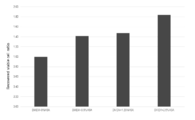
- FIG. 1 shows the number of recovered viable cells (Recovered viable cell ratio) diluted with HSA-containing DMEM at each concentration when the number of recovered cells diluted with DMEM containing no HSA is 1.
- Human-derived albumin-containing buffer includes a human-derived albumin-containing buffer for diluting a cell suspension in which cryopreserved cells are thawed.
- the "cryopreserved cell” usually means the cryopreserved cell itself, but may also mean one cryopreserved unit of the cryopreserved cell.
- the cryopreservation unit means a group of cells that are cryopreserved together as a group, for example, one tube. Therefore, in this case, when the "cryopreserved cells" are thawed, the frozen "cell suspension” is obtained.
- the buffer solution of the present invention relates to a buffer solution for diluting a cell suspension obtained by thawing cryopreserved cells, and is characterized by containing human serum albumin.
- FBS is contained in the thawed cell suspension for the purpose of reducing the influence of cytotoxic components such as DMSO in the thawed cell suspension.
- cytotoxic components such as DMSO
- the present inventors realize high recovery viable cell number and survival rate of cells while realizing xenofree by diluting with a buffer solution containing human serum albumin (HSA) instead of FBS-containing culture medium. , Recovery rate and / or CD56 positive cell rate.
- HSA human serum albumin
- the buffer solution that can be used in the present invention is not particularly limited, but one that does not cause physicochemical damage to the cells is preferable from the viewpoint of increasing the high recovery rate of the cells.
- Examples of the buffer solution are not limited to this, but in addition to known buffer solutions such as Hanks equilibrium salt solution and phosphate buffered saline, for example, DMEM, MEM, F12, DMEM / F12, DME.
- the saccharide to be added is not limited as long as it is a saccharide normally used in cell culture, and any monosaccharide or polysaccharide such as glucose, galactose, fructose, mannose, lactose, and sucrose can be used. Further, in the present invention, saccharides include pyruvic acid and lactic acid produced by decomposition of glucose in glycolysis. The preferred saccharide to be added is glucose.
- the vitamins to be added are not limited as long as they are vitamins commonly used in cell culture, for example, thiamine, choline, riboflavin, niacin, pantothenic acid, pyridoxal, biotin, folic acid, cyanocobalamine, ascorbic acid, niacinamide, vitamin A, Vitamin D, Vitamin E, Vitamin K, i-inosito, D-pantothenic acid, pyridoxal, riboflavin, thiamine, ascorbic or analogs thereof, salts and / or hydrates can be used.
- vitamins commonly used in cell culture for example, thiamine, choline, riboflavin, niacin, pantothenic acid, pyridoxal, biotin, folic acid, cyanocobalamine, ascorbic acid, niacinamide, vitamin A, Vitamin D, Vitamin E, Vitamin K, i-inosito, D-pantothenic acid, pyridoxal,
- Amino acids are not limited to saccharides commonly used in cell culture, and are L or D forms of alanine, arginine, asparagine, aspartic acid, cysteine, glutamic acid, glutamine, glycine, histidine, isoleucine, leucine, lysine, methionine, Phenylalanine, proline, serine, threonine, tryptophan, tyrosine, valine or salts and / or hydrates thereof can be used, L-arginine HCl, L-cystine 2HCl, L-glutamine, glycine, L-histidine, etc.
- L-isoleucine, L-leucine, L-lysine, L-methionine, L-phenylalanine, L-serine, L-threonine, L-tryptophan, L-tyrosine, L-valine and the like are preferable.
- pyruvic acid, hypoxanthine, linoleic acid, ⁇ -lipoic acid, putrescine, thymidine and the like may be included as any component usually used in cell culture.
- human-derived albumin used in the present invention is not particularly limited, and for example, human serum albumin, human lactalbumin, and human muscle albumin can be used, and human serum albumin is preferable.
- human-derived albumin includes not only those derived from living organisms derived from blood, breast milk, etc., but also albumin produced by gene recombination using a gene encoding human-derived albumin.
- the buffer solution containing human-derived albumin is, for example, 60% by weight or less, 50% by weight or less, 45% by weight or less, 40% by weight or less, 35% by weight or less, 30% by weight or less, 25% by weight or less, 20% by weight or less. , 15% by weight or less, 10% by weight or less, 5% by weight or less, 3% by weight or less, 1% by weight or less, 0.5% by weight or less. Therefore, the range of human-derived albumin content may be any combination of these upper and lower limits, and is not limited to, for example, 0.5 to 60% by weight, 1 to 20% by weight. %, 1.25 to 15% by weight, 2.5 to 20% by weight, and the like.
- the method of the present invention is a method for recovering live cells from cryopreserved cells, in which a cell suspension obtained by thawing the cryopreserved cells is buffered with human-derived albumin.
- the present invention relates to the above-mentioned method including diluting with a liquid.
- the method of this embodiment will be described for each step.
- ⁇ Thaw of cryopreserved cells any conditions known in the art may be used. Generally, if the cells are slowly thawed, physical damage to the cells is likely to occur due to ice crystals or the like. Therefore, usually, for example, a water bath set at about 37 ° C. is used to warm the cells at once and thaw them. In this step, any method known in the art to improve the recovery of live cells can be used.
- any cell known in the art is not particularly limited as long as it can be cryopreserved.
- a living cell means a living cell or a cell population containing the living cell, a cell mixture, a structure, a tissue, or the like.
- the living cell is a cell into which no gene has been introduced.
- the living cell is not particularly limited as long as it can form a graft such as a sheet-shaped cell culture, and is, for example, a somatic cell.
- the living cells are preferably adherent cells (adhesive cells).
- Adhesive cells include, for example, adherent somatic cells (eg, myocardial cells, fibroblasts, epithelial cells, endothelial cells, hepatocytes, pancreatic cells, renal cells, adrenal cells, root membrane cells, gingival cells, bone membrane cells, skin. Includes cells, synovial cells, cartilage cells, etc.) and stem cells (eg, tissue stem cells such as myoblasts, muscle satellite cells, heart stem cells, mesenchymal stem cells, etc.). Somatic cells may be stem cells, particularly those differentiated from iPS cells (iPS cell-derived adherent cells).
- adherent somatic cells eg, myocardial cells, fibroblasts, epithelial cells, endothelial cells, hepatocytes, pancreatic cells, renal cells, adrenal cells, root membrane cells, gingival cells, bone membrane cells, skin. Includes cells, synovial cells, cartilage cells, etc.
- stem cells eg, tissue stem cells such as myoblasts
- Non-limiting examples of cells constituting the sheet-like cell culture include, for example, myoblasts, muscle satellite cells, myocardial cells, fibroblasts, epithelial cells, endothelial cells, hepatocellular cells, pancreatic cells, renal cells, adrenal cells. , Dental membrane cells, gingival cells, bone membrane cells, skin cells, synovial cells, cartilage cells and the like, with CD56-positive cells such as myoblasts and / or muscle satellite cells being preferred.
- myoblast is a progenitor cell of striated muscle cell and includes skeletal myoblast and myocardial blast.
- skeletal myoblast means a myoblast present in skeletal muscle. Skeletal myoblasts are well known in the art and can be prepared from skeletal muscle by any known method (eg, the method described in JP-A-2007-89442) or commercially. It is also available (eg Lonza, Cat # CC-2580).
- Skeletal myoblasts are not limited to markers such as, for example, CD56, ⁇ 7 integrin, myosin heavy chain IIa, myosin heavy chain IIb, myosin heavy chain IId (IIx), MyoD, Myf5, Myf6, myogenin, desmin, PAX3. Can be identified by.
- myosatellite cells are progenitor cells of skeletal myoblasts and are not limited, for example, but are identified by markers such as CD56, CD34, Myogenin, Myf5, Pax7. Can be done.
- skeletal myoblasts are CD56 positive.
- Skeletal myoblasts and / or myosatellite cells are any organism with skeletal muscle, including, but not limited to, humans, non-human primates, rodents (mouse, rat, hamster, guinea pig, etc.), rabbits, etc. It may be derived from mammals such as dogs, cats, pigs, horses, cows, goats and sheep.
- the skeletal myoblasts and / or myosatellite cells are mammalian skeletal myoblasts and / or myosatellite cells.
- the skeletal myoblasts and / or myosatellite cells are human skeletal myoblasts and / or human myosatellite cells.
- the amount of cryopreserved cells can vary depending on the dose of the cryopreserved container, but usually the cell suspension for cryopreservation is adjusted to a cell density of about 1 ⁇ 10 5 to 5 ⁇ 10 7 cells / ml. , Dispense into a container for frozen cells. Ideally, all cryopreserved cells are recovered as viable cells, so the number of cells in the cell suspension before cryopreservation can be used as a parameter when calculating the number of viable cells to be recovered.
- cryopreservation solution any solution known to be used for cryopreservation of cells in the art can be used and is sold by many manufacturers.
- a normal cell culture medium may be used, and a medium to which a frost damage protective agent such as dimethyl sulfoxide (DMSO) or glycerol is added, usually about 1 to 20%, preferably about 5 to 10% is used. May be good. Further, 100% human serum may be used instead of the medium.
- DMSO dimethyl sulfoxide
- glycerol glycerol
- 100% human serum may be used instead of the medium.
- the container for frozen cells any container usually used in the art may be used, for example, a commercially available cryovial, ampoule, cryopreservation bag or the like is used.
- the method of the present invention consists of a group consisting of the number of viable cells recovered, the survival rate, the recovery rate and / or the ratio of CD56-positive cells by using a buffer solution containing human-derived albumin at the time of this dilution. It is characterized by increasing one or more selected.
- the buffers, albumin types and concentrations that can be used for dilution are as detailed in the buffers containing human-derived albumin described above.
- the method of diluting is not particularly limited, but it is preferable to suppress the osmotic load when adding the buffer solution
- the buffer solution may be added to the cell suspension by a dropping step at a constant dropping rate. it can. Dropping at a constant rate may be performed by a dropping step having a constant dropping rate of 1 or 2 or more. Dilution may be carried out with the thawed cell suspension in a cryopreservation container or transferred to another container. When transferring to another container, in order to increase the viability of thawed cells, the cryopreservation container after transferring the cell suspension is washed with a buffer solution containing human-derived albumin, and this washing solution is washed with the cell suspension. Add to.
- the buffer solution is a washing solution in which the thawed cell suspension is transferred to another container and then the cryopreservation container is washed, and a newly prepared buffer solution in which the cryopreservation container is not washed. Including.
- Cell dilution can be performed by any known technique and is achieved by diluting the cells by suspending them in buffer, centrifuging, discarding the supernatant and collecting the precipitated cells. However, it is not limited to this. Cell dilution is typically performed immediately after thawing the frozen cells, with one or more such suspension, centrifugation, and recovery cycles (eg, a few) in the cell dilution step. You may go (4, 5 times, etc.).
- the recovery method of the present invention comprises the steps of thawing the cryopreserved cells, diluting them with albumin-containing buffer and recovering them, and washing the cells before forming a sheet-like cell culture.
- the cells can be washed by any known technique, typically, for example, a wash solution containing or not containing human serum albumin (culture solution (eg, medium, etc.) or physiological buffer solution (eg, eg)). (PBS, HBSS, etc.)) is suspended, centrifuged, the supernatant is discarded, and the precipitated cells are collected, but is not limited to this.
- a wash solution containing or not containing human serum albumin culture solution (eg, medium, etc.) or physiological buffer solution (eg, eg)).
- PBS, HBSS, etc.) physiological buffer solution
- the step of washing cells such suspension, centrifugation, and recovery cycles may be performed one or more times (for example, 2, 3, 4, 5 times, etc.).
- the present disclosure consists of a group consisting of the number of recovered viable cells, survival rate and recovery rate of cryopreserved cells.
- a method of increasing the ratio of one or more selected comprising the step of diluting a cell suspension of thawed cryopreserved cells with a human-derived albumin-containing buffer.
- the number of recovered viable cells, survival rate by the step of diluting the thawed cell suspension with a human-derived albumin-containing buffer.
- 1 or more selected from the group consisting of the proportion of CD56 positive cells in addition to the recovery rate can be increased.
- the present inventors have recovered the number of viable cells and the survival rate by adding sugars, vitamins and / or amino acids to the components contained in the human-derived albumin-containing buffer used in the method of the present invention. It has been found that in addition to the recovery rate, one or more selected from the group consisting of the ratio of CD56 positive cells can be enhanced.
- Recovery of cryopreserved cells A method of increasing one or more selected from the group consisting of the number of viable cells, survival rate, recovery rate and / or the ratio of CD56-positive cells, which is a method for increasing saccharides and vitamins in a human-derived albumin-containing buffer solution. The method comprises adding one or more components selected from the group consisting of species, amino acids, and diluting the cell suspension in which the cryopreserved cells have been thawed with the added buffer.
- a human-derived albumin-containing buffer solution containing no or all of saccharides vitamins and amino acids
- it contains all of sugars, amino acids and vitamins.
- a Hanks equilibrium salt solution containing human-derived albumin is used as a dilution buffer
- a cell suspension in which amino acids and vitamins are added to the dilution buffer and cryopreserved cells are thawed is prepared. Dilution can increase the number of viable cells recovered, survival rate, recovery rate and / or proportion of CD56-positive cells.
- the cells recovered by the recovery method of the present invention can be particularly preferably used when used without undergoing proliferation culture thereafter. Therefore, in one aspect, the present invention relates to a method for producing a graft using cells recovered by the recovery method of the present invention.
- the "graft" means a structure for transplantation into a living body, and particularly means a structure for transplantation containing cells as a constituent component.
- the implant is a structure for transplantation that is free of cells and structures other than cell-derived substances (eg, scaffolds, etc.).
- the implants in the present disclosure include, but are not limited to, sheet-like cell cultures, spheroids, cell aggregates, and the like, preferably sheet-like cell cultures or spheroids, and more preferably sheet-like cells. It is a culture.
- sheet-shaped cell culture refers to cells connected to each other to form a sheet.
- the cells may be linked to each other directly (including those via cell elements such as adhesion molecules) and / or via intervening substances.
- the intervening substance is not particularly limited as long as it is a substance capable of at least physically (mechanically) connecting cells to each other, and examples thereof include an extracellular matrix.
- the mediator is preferably derived from cells, particularly from the cells that make up the sheet-like cell culture.
- the cells are at least physically (mechanically) connected, but may be more functionally, for example, chemically or electrically connected.
- the sheet-like cell culture may be composed of one cell layer (single layer) or two or more cell layers (laminate (multilayer), for example, two layers, three layers, etc. It may be 4 layers, 5 layers, 6 layers, etc.). Further, the sheet-shaped cell culture may have a three-dimensional structure having a thickness exceeding the thickness of one cell without showing a clear layered structure of the cells. For example, in the vertical cross section of a sheet-shaped cell culture, cells may be present in a non-uniformly (for example, mosaic-like) arrangement without being uniformly aligned in the horizontal direction.
- a non-uniformly for example, mosaic-like
- the grafts of the present disclosure preferably do not contain scaffolds (supports). Scaffolds may be used in the art to attach cells to and / or inside the scaffold to maintain the physical integrity of the implant, such as a sheet cell culture, eg, poly. Although membranes made of vinylidene fluoride (PVDF) and the like are known, the implants of the present disclosure can maintain their physical integrity without such scaffolds. In addition, the implants of the present disclosure preferably consist only of cell-derived substances constituting the implants and do not contain any other substances.
- scaffolds supports
- Scaffolds may be used in the art to attach cells to and / or inside the scaffold to maintain the physical integrity of the implant, such as a sheet cell culture, eg, poly.
- PVDF vinylidene fluoride
- the implants of the present disclosure can maintain their physical integrity without such scaffolds.
- the implants of the present disclosure preferably consist only of cell-derived substances constituting the implants and do not contain any other substances.
- the culture substrate is not particularly limited as long as the cells can form a cell culture on the cells, and includes, for example, containers of various materials and / or shapes, solid or semi-solid surfaces in the containers, and the like. ..
- the container preferably has a structure / material that does not allow a liquid such as a culture solution to permeate.
- Such materials include, without limitation, for example, polyethylene, polypropylene, Teflon®, polyethylene terephthalate, polymethylmethacrylate, nylon 6,6, polyvinyl alcohol, cellulose, silicon, polystyrene, glass, polyacrylamide, polydimethyl.
- Acrylamide, metals (eg, iron, stainless steel, aluminum, copper, brass) and the like can be mentioned.
- Preferred culture substrates include, without limitation, for example, a substrate having an adhesive surface suitable for forming a sheet-like cell culture, and a substrate having a low adhesive surface suitable for forming spheroids. And / or a substrate having a uniform well-like structure and the like.
- a substrate coated with a hydrophilic compound such as corona discharge-treated polystyrene, collagen gel or hydrophilic polymer on the surface thereof, and further, collagen.
- Fibronectin Fibronectin, laminin, vitronectin, proteoglycan, glycosaminoglycan and other extracellular matrix, and base materials coated with cell adhesion factors such as cadoherin family, selectin family and integrin family on the surface.
- base material is commercially available (for example, Corning (R) TC-Treated Culture Dish, Corning, etc.).
- spheroid formation for example, soft agar, temperature-responsive gel obtained by cross-linking poly (N-isopropylacrylamide) (PIPAAm) with polyethylene glycol (PEG), polyhydroxyethyl methacrylate (commercially available name: mebiol gel), polyhydroxyethyl methacrylate ( Examples include a base material coated with a non-cell adhesive compound such as a hydrogel such as poly-HEMA) and 2-methacryloyloxyethyl phosphorischoline (MPC) polymer and / or a base material having a uniform uneven structure on the surface. Be done. Such substrates are also commercially available (eg, EZSPHERE (R), etc.).
- the culture medium may be transparent or opaque in whole or in part.
- the surface of the culture substrate may be coated with a material whose physical properties change in response to irritation, for example, temperature or light.
- a material whose physical properties change in response to irritation, for example, temperature or light.
- Such materials include, but are not limited to, for example, (meth) acrylamide compounds, N-alkyl substituted (meth) acrylamide derivatives (eg, N-ethylacrylamide, Nn-propylacrylamide, Nn-propylmethacrylamide, etc.
- the culture medium may have various shapes.
- the area thereof is not particularly limited, but may be, for example, about 1 cm 2 to about 200 cm 2, about 2 cm 2 to about 100 cm 2 , about 3 cm 2 to about 50 cm 2 .
- a circular culture dish having a diameter of 10 cm can be mentioned. In this case, the area is 56.7 cm 2 .
- the culture surface may be flat or may have an uneven structure. When it has a concavo-convex structure, it is preferable that it has a uniform concavo-convex structure.
- pluripotent stem cell is a well-known term in the art and has the ability to differentiate into three germ layers, i.e. cells of all lineages belonging to endoderm, mesoderm and ectoderm. Means cell.
- pluripotent stem cells include, for example, embryonic stem cells (ES cells), nuclear-transplanted embryonic stem cells (ntES cells), induced pluripotent stem cells (iPS cells), and the like.
- iPS cells are cells induced by introducing a gene. Normally, when inducing differentiation of pluripotent stem cells into specific cells, pluripotent stem cells are first suspended-cultured to form aggregates of any of the above three germ layers, and then cells that form aggregates. Induce differentiation into specific cells of interest.
- pluripotent stem cell-derived differentiation-inducing cell means any cell that has been subjected to differentiation-inducing treatment so as to differentiate from a pluripotent stem cell into a specific type of cell.
- differentiation-inducing cells include musculoskeletal cells such as skeletal myoblasts, muscle satellite cells, and myocardial cells, neural cells such as neuron cells, oligodendrocytes, and dopamine-producing cells, and retinal pigment epithelial cells.
- Hematopoietic cells such as retinal cells, blood cells, bone marrow cells, immune-related cells such as T cells, NK cells, NKT cells, dendritic cells, and B cells, and organs such as hepatocytes, pancreatic ⁇ cells, and renal cells.
- immune-related cells such as T cells, NK cells, NKT cells, dendritic cells, and B cells
- organs such as hepatocytes, pancreatic ⁇ cells, and renal cells.
- progenitor cells and somatic stem cells include mesenchymal stem cells in myocardial cells, pluripotent cardiac progenitor cells, monopoly cardiac progenitor cells, neural stem cells in neural cells, hematopoietic cells and immunity.
- Examples include hematopoietic stem cells and lymphoid stem cells in related cells.
- Induction of differentiation of pluripotent stem cells can be performed using any known method. For example, the induction of differentiation of pluripotent stem cells into cardiomyocytes can be performed based on the methods described in Miki et al., Cell Stem Cell 16, 699-711, June 4, 2015 and WO2014 / 185358.
- a differentiation-inducing cell derived from a pluripotent stem cell such as an iPS-derived cardiomyocyte
- the undifferentiated cell may be removed after the differentiation induction.
- the treatment for removing undifferentiated cells is known in the art, and the methods described in, for example, WO2017 / 038562, WO2016 / 072519, WO2007 / 0888874, etc. can be used.
- the differentiation-inducing cell may be a cell derived from an iPS cell into which any useful gene other than the gene for reprogramming has been introduced.
- iPS cells into which the chimeric antigen receptor gene described in Themeli M. et al. Nature Biotechnology, vol. 31, no. 10, pp. 928-933, 2013 has been introduced. Examples include T cells derived from.
- cells into which any useful gene has been introduced after induction of differentiation from pluripotent stem cells are also included in the differentiation-inducing cells of the present invention.
- the culture substrate may be coated with blood-derived components and / or cell adhesion components in order to form higher density implants, especially sheet-like cell cultures.
- "Coated with blood-derived components and / or cell-adhesive components” means a state in which blood-derived components such as serum and / or cell-adhesive components are attached to the surface of the culture medium. The state can be obtained without limitation, for example, by treating the culture medium with blood-derived components and / or cell adhesion components. Treatment with blood-derived components and / or cell-adhesive components includes, for example, contacting serum and / or cell-adhesive components with the culture substrate and, if necessary, incubating for a predetermined period of time.
- the serum and / or cell adhesion component used for coating may be the same type of serum as the seeded cell origin (homogeneous serum) or a different type of serum (heterologous serum), for example FBS, but is preferable. It is an allogeneic serum, more preferably a serum (autologous serum) obtained from an individual from which the seeded cells are derived. Other blood-derived components include albumin and platelet lysates. Examples of the cell adhesive component used for coating include extracellular matrix such as collagen, fibronectin, laminin, vitronectin, proteoglycan, glycosaminoglycan, cadoherin family, selectin family, and integrin family.
- Examples of higher densities include, for example, a density that reaches confluence, that is, a density at which cells are expected to cover the entire adhesive surface of the culture vessel when seeded, for example, cells come into contact with each other when seeded. It can be as dense as expected, the density at which contact inhibition occurs, or the density at which cell proliferation is substantially stopped by contact inhibition or higher.
- the upper limit of the seeding density is not particularly limited, but if the seeding density is excessively high, more cells will die, resulting in inefficiency. In one aspect of the present disclosure, the seeding density is, for example, about 1.0 ⁇ 10 6 / cm 2 to about 1.0 ⁇ 10 7 / cm 2 , about 1.0 ⁇ 10 6 / cm 2 to about 5.
- the seeded cell population may contain other cells as long as they contain the desired cells (eg, skeletal myoblasts or muscle satellite cells), and if the desired cells are skeletal myoblasts, For example, fibroblasts, mesenchymal hepatocytes, and the like may be further contained.
- a cell population collected from a tissue for example, skeletal muscle tissue
- the sheet cell culture produced by the production method of the present disclosure comprises skeletal myoblasts and / or satellite cells.
- the sheet cell culture produced by the production method of the present disclosure comprises skeletal myoblasts, satellite cells, fibroblasts and / or mesenchymal stem cells.
- the sheet cell cultures of the present disclosure are useful in treating diseases that are ameliorated by the application of sheet cell cultures, such as various diseases associated with tissue abnormalities.
- diseases to be treated are not limited, for example, heart diseases (for example, myocardial injury (myocardial infarction, cardiac trauma), cardiomyopathy, etc.), corneal diseases (for example, corneal epithelial stem cell exhaustion, corneal membrane).
- heart diseases for example, myocardial injury (myocardial infarction, cardiac trauma), cardiomyopathy, etc.
- corneal diseases for example, corneal epithelial stem cell exhaustion, corneal membrane.
- Eye / chemical corrosion corneal ulcer, corneal opacification, corneal perforation, corneal scar, Stevens Johnson syndrome, ocular herbitis, etc.
- retinal disease eg, retinal pigment degeneration, age-related yellow spot degeneration, etc.
- Esophageal disease eg, prevention of esophageal inflammation / stenosis after esophageal surgery (removal of esophageal cancer)
- skin disease eg, skin injury (trauma, burn), etc.
- joint disease eg, osteoarthritis
- Cartilage disease eg, cartilage damage
- Liver disease eg, chronic liver disease
- Pancreatic disease eg, diabetes
- Dental disease eg, periodontal disease, etc.
- Kidney disease eg, renal failure
- thyroid disease eg, hypothyroidism
- muscle disease eg, muscle injury, myitis, etc.
- Patent Document 1 Non-Patent Document 1 Tanaka et al., J Gastroenterol. 2013; 48 (9): 1081-9.
- the sheet-like cell cultures of the present disclosure can also be fragmented to an injectable size and injected at the site requiring treatment for greater efficacy than injection with a single cell suspension (Wang et. al., Cardiovasc Res. 2008; 77 (3): 515-24). Therefore, such a use is also possible for the sheet-shaped cell culture of the present disclosure.
- Another aspect of the present disclosure relates to a method of treating a disease in a subject in need thereof, including applying an effective amount of the implant produced by the method of the present disclosure to a subject in need thereof.
- the diseases to be treated are as described above.
- the term “treatment” shall include all types of medically acceptable prophylactic and / or therapeutic interventions aimed at the cure, temporary remission or prevention of disease, etc.
- the term “treatment” is medically acceptable for a variety of purposes, including delaying or stopping the progression of a disease associated with a tissue abnormality, regressing or eliminating a lesion, preventing the onset or recurrence of the disease, and the like. Including interventions to be performed.
- an ingredient that enhances the viability, engraftment and / or function of the implant, other active ingredients useful for treating the target disease, etc. are used in combination with the implant of the present disclosure. be able to.
- the treatment method of the present disclosure may further include the step of producing the implant of the present disclosure according to the production method of the present disclosure.
- the treatment method of the present disclosure serves as a cell (for example, skin cells, blood cells, etc. when using iPS cells) or a source of cells for producing a graft from a subject before the step of producing the graft. It may further include the step of collecting tissue (for example, skin tissue, blood, etc. when using iPS cells).
- the subject from which the cell or tissue from which the cell is source is collected is the same individual as the subject to whom the cell culture, composition, implant, or the like is administered.
- the subject from which the cell or tissue from which the cell is sourced is harvested is a separate entity of the same species as the subject receiving the administration, such as a cell culture, composition, or implant.
- the subject from which the cell or tissue that is the source of the cell is collected is an individual different from the subject to which the implant or the like is administered.
- the effective amount is, for example, an amount capable of suppressing the onset or recurrence of a disease, reducing symptoms, or delaying or stopping the progression (for example, size, weight, number of sheet-like cell cultures, etc.).
- the amount is preferably an amount that prevents the onset and recurrence of the disease or cures the disease.
- an amount that does not cause an adverse effect exceeding the benefit of administration is preferable.
- Such an amount can be appropriately determined by, for example, a test in an experimental animal such as a mouse, a rat, a dog or a pig, or a disease model animal, and such a test method is well known to those skilled in the art.
- the size of the tissue lesion to be treated can be an important index for determining the effective amount.
- Examples of the administration method include intravenous administration, intramuscular administration, intraosseous administration, intrathecal administration, and direct application to tissues.
- the frequency of administration is typically once per treatment, but multiple doses can be administered if the desired effect is not obtained.
- the cell culture, composition, sheet-like cell culture or the like of the present invention may be fixed to the target tissue by a locking means such as a suture or a staple.
- Example 1 Correlation between albumin concentration and number of recovered viable cells
- Cells obtained from skeletal muscle tissue aseptically collected from human adult thighs were seeded in culture flasks and grown in MCDB131 medium containing 20% FBS.
- the proliferated cells were detached from the culture flask with a proteolytic enzyme solution, collected, and concentrated by centrifugation to obtain a cell population containing skeletal myoblasts.
- cryopreserved cells Thaw of cryopreserved cells and recovery of live cells were performed as follows. Four cryo tubes were stored frozen obtained above cell population (1.0 ⁇ 10 7 cells), in a water bath set at 37 ° C. was placed 2-3 minutes, to melt the cryopreserved cells. The thawed cell suspensions were transferred from 1.8 mL cryotubes to 225 mL conical tubes, respectively. Next, DMEM containing 0%, 0.5%, 1.25%, and 2.5% by weight of human serum albumin (HSA) was added dropwise to each conical tube at a constant rate, and 30 mL of each was added. After centrifuging at 4 ° C. and 240 ⁇ g for 7 minutes, the supernatant was discarded.
- HSA human serum albumin
- FIG. 1 shows the results of the number of recovered viable cells at each concentration when the number of recovered viable cells when diluted with DMEM containing 0% HSA is 1.
- the number of recovered viable cells increased as the human serum albumin concentration increased, and was highest at a concentration of 2.5% or more.
- Example 2 Examination of buffer solution components
- inorganic salts (ii) sugars, (iii) vitamins, and (iv) amino acids, which will be described later, are used.
- Table 1 1 L of each of buffer solutions 1 to 5 was prepared. Pyruvic acid / Na: 55 mg, hypoxanthine Na: 2.39 mg, linoleic acid: 0.042 mg, ⁇ -lipoic acid: 0.105 mg, phenol red: 8.1 mg, putrescine 2HCL in all of the buffer solutions 1 to 5. : 0.081 mg and thymidine: 0.365 mg were added.
- buffer solutions 1 to 5 containing 2.5% by weight HSA were used instead of the Hanks equilibrium salt solution containing four different concentrations of HSA as the buffer solution. ..
- Inorganic salts Calcium chloride (anhydrous): 116.6 mg, copper (II) sulfate, 5H 2 O: 0.0013 mg, iron trinitrate (III), 9H 2 O: 0.05 mg, iron (II) sulfate, 7H 2 O: 0 .417 mg, magnesium chloride: 28.64 mg, magnesium sulfate (anhydrous): 48.84 mg, sodium hydrogen carbonate: 2438 mg, potassium chloride: 311.8 mg, sodium chloride: 6995.5 mg, disodium hydrogen phosphate: 71.02 mg, Sodium hydrogen phosphate ⁇ H 2 O: 62.5, zinc sulfate ⁇ 7H 2 O: 0.432 mg (Ii) Sugar D-glucose: 3151 mg (Iii) Vitamins Biotin: 0.0035 mg, choline chloride: 8.98 mg, calcium D-pantothenate: 2.24 mg, folic acid: 2.65 mg, niacinamide 2.02 mg,
- Viability (%) number of viable cells after thawing / total number of cells after thawing x 100
- Recovery rate (%) number of viable cells after thawing / number of viable cells before thawing x 100
- buffer solution 1 in which three kinds of sugars, vitamins and amino acids were combined was particularly preferable as the buffer solution for dilution during freezing and thawing. Therefore, in addition to the inorganic salts that are the base of the buffer solution, sugars, vitamins and amino acids are added to the albumin-containing buffer solution and diluted using this to recover the number of viable cells, survival rate, recovery rate and CD56. It became clear that the proportion of positive cells could be increased.
Landscapes
- Health & Medical Sciences (AREA)
- Life Sciences & Earth Sciences (AREA)
- Engineering & Computer Science (AREA)
- Chemical & Material Sciences (AREA)
- Biomedical Technology (AREA)
- Bioinformatics & Cheminformatics (AREA)
- Zoology (AREA)
- Cell Biology (AREA)
- General Health & Medical Sciences (AREA)
- Biotechnology (AREA)
- Animal Behavior & Ethology (AREA)
- Medicinal Chemistry (AREA)
- Organic Chemistry (AREA)
- Veterinary Medicine (AREA)
- Public Health (AREA)
- Wood Science & Technology (AREA)
- Developmental Biology & Embryology (AREA)
- Epidemiology (AREA)
- Pharmacology & Pharmacy (AREA)
- Chemical Kinetics & Catalysis (AREA)
- Cardiology (AREA)
- Vascular Medicine (AREA)
- Genetics & Genomics (AREA)
- General Chemical & Material Sciences (AREA)
- Dermatology (AREA)
- Urology & Nephrology (AREA)
- Biochemistry (AREA)
- General Engineering & Computer Science (AREA)
- Heart & Thoracic Surgery (AREA)
- Immunology (AREA)
- Virology (AREA)
- Nuclear Medicine, Radiotherapy & Molecular Imaging (AREA)
- Microbiology (AREA)
- Botany (AREA)
- Oral & Maxillofacial Surgery (AREA)
- Transplantation (AREA)
- Micro-Organisms Or Cultivation Processes Thereof (AREA)
- Medicinal Preparation (AREA)
- Materials For Medical Uses (AREA)
- Medicines Containing Material From Animals Or Micro-Organisms (AREA)
Priority Applications (1)
| Application Number | Priority Date | Filing Date | Title |
|---|---|---|---|
| JP2021551346A JP7582958B2 (ja) | 2019-09-30 | 2020-09-30 | 凍結保存細胞の希釈用緩衝液 |
Applications Claiming Priority (2)
| Application Number | Priority Date | Filing Date | Title |
|---|---|---|---|
| JP2019179004 | 2019-09-30 | ||
| JP2019-179004 | 2019-09-30 |
Publications (1)
| Publication Number | Publication Date |
|---|---|
| WO2021065971A1 true WO2021065971A1 (ja) | 2021-04-08 |
Family
ID=75336994
Family Applications (1)
| Application Number | Title | Priority Date | Filing Date |
|---|---|---|---|
| PCT/JP2020/037058 Ceased WO2021065971A1 (ja) | 2019-09-30 | 2020-09-30 | 凍結保存細胞の希釈用緩衝液 |
Country Status (2)
| Country | Link |
|---|---|
| JP (1) | JP7582958B2 (https=) |
| WO (1) | WO2021065971A1 (https=) |
Citations (7)
| Publication number | Priority date | Publication date | Assignee | Title |
|---|---|---|---|---|
| JP2011529706A (ja) * | 2008-08-04 | 2011-12-15 | アローキュア インコーポレイテッド | 間充織間質細胞集団、ならびにそれを単離および使用する方法 |
| JP2014143971A (ja) * | 2013-01-30 | 2014-08-14 | Terumo Corp | シート状細胞培養物の製造方法 |
| WO2014185517A1 (ja) * | 2013-05-17 | 2014-11-20 | テルモ株式会社 | シート状細胞培養物の製造方法 |
| WO2015146631A1 (ja) * | 2014-03-25 | 2015-10-01 | テルモ株式会社 | 凍結保存細胞からの生細胞の回収方法およびシステム |
| JP2016052272A (ja) * | 2014-09-03 | 2016-04-14 | テルモ株式会社 | 補強部を有するシート状細胞培養物とフィブリンゲルとの積層体 |
| WO2018187439A1 (en) * | 2017-04-06 | 2018-10-11 | The University Of North Carolina At Chapel Hill | Cryopreservation method |
| WO2020044538A1 (ja) * | 2018-08-31 | 2020-03-05 | 株式会社Gcリンフォテック | ヒトリンパ球細胞培養用無血清培地 |
-
2020
- 2020-09-30 JP JP2021551346A patent/JP7582958B2/ja active Active
- 2020-09-30 WO PCT/JP2020/037058 patent/WO2021065971A1/ja not_active Ceased
Patent Citations (7)
| Publication number | Priority date | Publication date | Assignee | Title |
|---|---|---|---|---|
| JP2011529706A (ja) * | 2008-08-04 | 2011-12-15 | アローキュア インコーポレイテッド | 間充織間質細胞集団、ならびにそれを単離および使用する方法 |
| JP2014143971A (ja) * | 2013-01-30 | 2014-08-14 | Terumo Corp | シート状細胞培養物の製造方法 |
| WO2014185517A1 (ja) * | 2013-05-17 | 2014-11-20 | テルモ株式会社 | シート状細胞培養物の製造方法 |
| WO2015146631A1 (ja) * | 2014-03-25 | 2015-10-01 | テルモ株式会社 | 凍結保存細胞からの生細胞の回収方法およびシステム |
| JP2016052272A (ja) * | 2014-09-03 | 2016-04-14 | テルモ株式会社 | 補強部を有するシート状細胞培養物とフィブリンゲルとの積層体 |
| WO2018187439A1 (en) * | 2017-04-06 | 2018-10-11 | The University Of North Carolina At Chapel Hill | Cryopreservation method |
| WO2020044538A1 (ja) * | 2018-08-31 | 2020-03-05 | 株式会社Gcリンフォテック | ヒトリンパ球細胞培養用無血清培地 |
Also Published As
| Publication number | Publication date |
|---|---|
| JPWO2021065971A1 (https=) | 2021-04-08 |
| JP7582958B2 (ja) | 2024-11-13 |
Similar Documents
| Publication | Publication Date | Title |
|---|---|---|
| JP6599095B2 (ja) | シート状細胞培養物の製造方法 | |
| JP6948261B2 (ja) | 多能性幹細胞または脂肪組織もしくは骨髄由来の間葉系幹細胞由来の心筋細胞の凍結保存方法 | |
| US20180042220A1 (en) | Method for cryopreserving sheet-shaped cell culture | |
| JPWO2018168983A1 (ja) | シート状細胞培養物の製造方法 | |
| US10221389B2 (en) | Method of producing cell population with high target cell purity | |
| CN109153963B (zh) | 粘附状态的细胞培养物的改变方法 | |
| JP7262443B2 (ja) | 貫通構造を有するシート状細胞培養物 | |
| JP7307408B2 (ja) | シート状細胞培養物の製造方法 | |
| JP7256818B2 (ja) | 心筋細胞のシート化方法 | |
| JP2021052661A (ja) | 多能性幹細胞を含む凍結保存細胞の希釈用緩衝液 | |
| JP7582958B2 (ja) | 凍結保存細胞の希釈用緩衝液 | |
| JP7575392B2 (ja) | 心筋細胞のシート化方法 | |
| JP6674727B2 (ja) | 細胞からエンドトキシンを除去する方法 | |
| JPWO2020067443A1 (ja) | 体細胞のシート化方法 | |
| JPWO2019177135A1 (ja) | シート状細胞培養物の製造方法 | |
| JP2009065854A (ja) | 細胞増殖方法ならびに組織の修復および再生のための医薬 | |
| US20200390936A1 (en) | Method for cryopreserving cells | |
| JP2019154363A (ja) | 医療用細胞培養物 | |
| JP2009065884A (ja) | 細胞増殖方法ならびに組織の修復および再生のための医薬 | |
| WO2020067434A1 (ja) | 細胞の凍結保存方法 | |
| WO2021065976A1 (ja) | 移植片の活性を高める方法 | |
| JP2021132597A (ja) | Cd56陽性細胞を含む細胞培養物を製造するための方法 | |
| Wong et al. | Myocardial Repair and Restoration | |
| Akasha | Entrapment of α-MHC [alpha-MHC] cardiomyocytes in CultiSpher-S microcarriers: preparation and characterization |
Legal Events
| Date | Code | Title | Description |
|---|---|---|---|
| 121 | Ep: the epo has been informed by wipo that ep was designated in this application |
Ref document number: 20871426 Country of ref document: EP Kind code of ref document: A1 |
|
| ENP | Entry into the national phase |
Ref document number: 2021551346 Country of ref document: JP Kind code of ref document: A |
|
| NENP | Non-entry into the national phase |
Ref country code: DE |
|
| 122 | Ep: pct application non-entry in european phase |
Ref document number: 20871426 Country of ref document: EP Kind code of ref document: A1 |