WO2020175394A1 - 光学層及び該光学層を含む積層体 - Google Patents
光学層及び該光学層を含む積層体 Download PDFInfo
- Publication number
- WO2020175394A1 WO2020175394A1 PCT/JP2020/007180 JP2020007180W WO2020175394A1 WO 2020175394 A1 WO2020175394 A1 WO 2020175394A1 JP 2020007180 W JP2020007180 W JP 2020007180W WO 2020175394 A1 WO2020175394 A1 WO 2020175394A1
- Authority
- WO
- WIPO (PCT)
- Prior art keywords
- group
- compound
- formula
- ring
- meth
- Prior art date
- Legal status (The legal status is an assumption and is not a legal conclusion. Google has not performed a legal analysis and makes no representation as to the accuracy of the status listed.)
- Ceased
Links
- 0 *C(c1c[n](*)c2c1cccc2)=C=* Chemical compound *C(c1c[n](*)c2c1cccc2)=C=* 0.000 description 51
- FQUYSHZXSKYCSY-UHFFFAOYSA-N C1CNCCNC1 Chemical compound C1CNCCNC1 FQUYSHZXSKYCSY-UHFFFAOYSA-N 0.000 description 1
- GLUUGHFHXGJENI-UHFFFAOYSA-N C1NCCNC1 Chemical compound C1NCCNC1 GLUUGHFHXGJENI-UHFFFAOYSA-N 0.000 description 1
- RDTLAVNFLHHFKT-UHFFFAOYSA-N CC(C(CC1)=O)=C1N1CCCCC1 Chemical compound CC(C(CC1)=O)=C1N1CCCCC1 RDTLAVNFLHHFKT-UHFFFAOYSA-N 0.000 description 1
- ZBNASJDWWRBWPS-UHFFFAOYSA-N CC(C(CCC1)O)C1=O Chemical compound CC(C(CCC1)O)C1=O ZBNASJDWWRBWPS-UHFFFAOYSA-N 0.000 description 1
- KCNOPKOXXHVGLI-ZFXMFRGYSA-N CC(C)(C/C(/C1C(F)(F)F)=C\C#N)CC1=[U] Chemical compound CC(C)(C/C(/C1C(F)(F)F)=C\C#N)CC1=[U] KCNOPKOXXHVGLI-ZFXMFRGYSA-N 0.000 description 1
- PNHBELXCZZWLRH-WYMLVPIESA-N CC(C)(C/C(/C1S(c2ccccc2)(=O)=O)=C(/C)\C#N)CC1=O Chemical compound CC(C)(C/C(/C1S(c2ccccc2)(=O)=O)=C(/C)\C#N)CC1=O PNHBELXCZZWLRH-WYMLVPIESA-N 0.000 description 1
- QUHBLBSKTJUBLZ-UHFFFAOYSA-N CC(C)(C1)CC(N2CCCC2)=CC1=O Chemical compound CC(C)(C1)CC(N2CCCC2)=CC1=O QUHBLBSKTJUBLZ-UHFFFAOYSA-N 0.000 description 1
- QCFFUJQKUNVQJF-UHFFFAOYSA-N CC(C)(CC(C1F)=C(C#N)C#N)CC1=O Chemical compound CC(C)(CC(C1F)=C(C#N)C#N)CC1=O QCFFUJQKUNVQJF-UHFFFAOYSA-N 0.000 description 1
- RHQGVWBNBFGNGV-UHFFFAOYSA-N CC(C)(CC(C=N)=C1C)CC1=C(C#N)C#N Chemical compound CC(C)(CC(C=N)=C1C)CC1=C(C#N)C#N RHQGVWBNBFGNGV-UHFFFAOYSA-N 0.000 description 1
- ALHNOCIDQWISKV-CMDGGOBGSA-N CC(C)(CCC1N=C)C/C1=C(/C#N)\N Chemical compound CC(C)(CCC1N=C)C/C1=C(/C#N)\N ALHNOCIDQWISKV-CMDGGOBGSA-N 0.000 description 1
- HYAUGGHHFRAZKO-NETXQHHPSA-N CC(CC[C@@]1(C=O)C#N)CC1=O Chemical compound CC(CC[C@@]1(C=O)C#N)CC1=O HYAUGGHHFRAZKO-NETXQHHPSA-N 0.000 description 1
- FJOZHNZXKJXTCF-SEYXRHQNSA-O CC/C(/C=C)=C1\C([SH+]C)=C(C)CC(C)(C)C1 Chemical compound CC/C(/C=C)=C1\C([SH+]C)=C(C)CC(C)(C)C1 FJOZHNZXKJXTCF-SEYXRHQNSA-O 0.000 description 1
- UWRKCNHYQYDHOF-UHFFFAOYSA-N CCC(C(CC(C)(C)C1)=C(C#N)C#N)=C1N1CCCC1 Chemical compound CCC(C(CC(C)(C)C1)=C(C#N)C#N)=C1N1CCCC1 UWRKCNHYQYDHOF-UHFFFAOYSA-N 0.000 description 1
- FVKDMAZNKWXVHZ-UHFFFAOYSA-N CCC(CC)COC(CC#N)=O Chemical compound CCC(CC)COC(CC#N)=O FVKDMAZNKWXVHZ-UHFFFAOYSA-N 0.000 description 1
- ZBDUWPZEVMGAMD-UHFFFAOYSA-N CCC(c1ccc(C)cc1)O Chemical compound CCC(c1ccc(C)cc1)O ZBDUWPZEVMGAMD-UHFFFAOYSA-N 0.000 description 1
- ZMANZCXQSJIPKH-UHFFFAOYSA-N CCN(CC)CC Chemical compound CCN(CC)CC ZMANZCXQSJIPKH-UHFFFAOYSA-N 0.000 description 1
- CJKRXEBLWJVYJD-UHFFFAOYSA-N CCNCCNCC Chemical compound CCNCCNCC CJKRXEBLWJVYJD-UHFFFAOYSA-N 0.000 description 1
- CZPRYVBLOUZRGD-UHFFFAOYSA-N CNCCCCNC Chemical compound CNCCCCNC CZPRYVBLOUZRGD-UHFFFAOYSA-N 0.000 description 1
- DKSUSVSHXVOWDZ-UHFFFAOYSA-N N#CC(C(CCC1)=O)C1=O Chemical compound N#CC(C(CCC1)=O)C1=O DKSUSVSHXVOWDZ-UHFFFAOYSA-N 0.000 description 1
Classifications
-
- C—CHEMISTRY; METALLURGY
- C08—ORGANIC MACROMOLECULAR COMPOUNDS; THEIR PREPARATION OR CHEMICAL WORKING-UP; COMPOSITIONS BASED THEREON
- C08K—Use of inorganic or non-macromolecular organic substances as compounding ingredients
- C08K5/00—Use of organic ingredients
- C08K5/16—Nitrogen-containing compounds
- C08K5/17—Amines; Quaternary ammonium compounds
-
- B—PERFORMING OPERATIONS; TRANSPORTING
- B32—LAYERED PRODUCTS
- B32B—LAYERED PRODUCTS, i.e. PRODUCTS BUILT-UP OF STRATA OF FLAT OR NON-FLAT, e.g. CELLULAR OR HONEYCOMB, FORM
- B32B7/00—Layered products characterised by the relation between layers; Layered products characterised by the relative orientation of features between layers, or by the relative values of a measurable parameter between layers, i.e. products comprising layers having different physical, chemical or physicochemical properties; Layered products characterised by the interconnection of layers
- B32B7/02—Physical, chemical or physicochemical properties
- B32B7/023—Optical properties
-
- C—CHEMISTRY; METALLURGY
- C08—ORGANIC MACROMOLECULAR COMPOUNDS; THEIR PREPARATION OR CHEMICAL WORKING-UP; COMPOSITIONS BASED THEREON
- C08K—Use of inorganic or non-macromolecular organic substances as compounding ingredients
- C08K5/00—Use of organic ingredients
- C08K5/16—Nitrogen-containing compounds
- C08K5/315—Compounds containing carbon-to-nitrogen triple bonds
-
- C—CHEMISTRY; METALLURGY
- C08—ORGANIC MACROMOLECULAR COMPOUNDS; THEIR PREPARATION OR CHEMICAL WORKING-UP; COMPOSITIONS BASED THEREON
- C08K—Use of inorganic or non-macromolecular organic substances as compounding ingredients
- C08K5/00—Use of organic ingredients
- C08K5/16—Nitrogen-containing compounds
- C08K5/34—Heterocyclic compounds having nitrogen in the ring
-
- C—CHEMISTRY; METALLURGY
- C08—ORGANIC MACROMOLECULAR COMPOUNDS; THEIR PREPARATION OR CHEMICAL WORKING-UP; COMPOSITIONS BASED THEREON
- C08K—Use of inorganic or non-macromolecular organic substances as compounding ingredients
- C08K5/00—Use of organic ingredients
- C08K5/36—Sulfur-, selenium-, or tellurium-containing compounds
- C08K5/37—Thiols
- C08K5/372—Sulfides, e.g. R-(S)x-R'
- C08K5/3725—Sulfides, e.g. R-(S)x-R' containing nitrogen
-
- C—CHEMISTRY; METALLURGY
- C08—ORGANIC MACROMOLECULAR COMPOUNDS; THEIR PREPARATION OR CHEMICAL WORKING-UP; COMPOSITIONS BASED THEREON
- C08K—Use of inorganic or non-macromolecular organic substances as compounding ingredients
- C08K5/00—Use of organic ingredients
- C08K5/36—Sulfur-, selenium-, or tellurium-containing compounds
- C08K5/37—Thiols
- C08K5/378—Thiols containing heterocyclic rings
-
- G—PHYSICS
- G02—OPTICS
- G02B—OPTICAL ELEMENTS, SYSTEMS OR APPARATUS
- G02B1/00—Optical elements characterised by the material of which they are made; Optical coatings for optical elements
- G02B1/04—Optical elements characterised by the material of which they are made; Optical coatings for optical elements made of organic materials, e.g. plastics
-
- G—PHYSICS
- G02—OPTICS
- G02B—OPTICAL ELEMENTS, SYSTEMS OR APPARATUS
- G02B5/00—Optical elements other than lenses
- G02B5/20—Filters
- G02B5/22—Absorbing filters
-
- G—PHYSICS
- G02—OPTICS
- G02B—OPTICAL ELEMENTS, SYSTEMS OR APPARATUS
- G02B5/00—Optical elements other than lenses
- G02B5/20—Filters
- G02B5/22—Absorbing filters
- G02B5/223—Absorbing filters containing organic substances, e.g. dyes, inks or pigments
-
- G—PHYSICS
- G02—OPTICS
- G02B—OPTICAL ELEMENTS, SYSTEMS OR APPARATUS
- G02B5/00—Optical elements other than lenses
- G02B5/30—Polarising elements
-
- G—PHYSICS
- G02—OPTICS
- G02B—OPTICAL ELEMENTS, SYSTEMS OR APPARATUS
- G02B5/00—Optical elements other than lenses
- G02B5/30—Polarising elements
- G02B5/3025—Polarisers, i.e. arrangements capable of producing a definite output polarisation state from an unpolarised input state
- G02B5/3033—Polarisers, i.e. arrangements capable of producing a definite output polarisation state from an unpolarised input state in the form of a thin sheet or foil, e.g. Polaroid
-
- G—PHYSICS
- G02—OPTICS
- G02F—OPTICAL DEVICES OR ARRANGEMENTS FOR THE CONTROL OF LIGHT BY MODIFICATION OF THE OPTICAL PROPERTIES OF THE MEDIA OF THE ELEMENTS INVOLVED THEREIN; NON-LINEAR OPTICS; FREQUENCY-CHANGING OF LIGHT; OPTICAL LOGIC ELEMENTS; OPTICAL ANALOGUE/DIGITAL CONVERTERS
- G02F1/00—Devices or arrangements for the control of the intensity, colour, phase, polarisation or direction of light arriving from an independent light source, e.g. switching, gating or modulating; Non-linear optics
- G02F1/01—Devices or arrangements for the control of the intensity, colour, phase, polarisation or direction of light arriving from an independent light source, e.g. switching, gating or modulating; Non-linear optics for the control of the intensity, phase, polarisation or colour
- G02F1/13—Devices or arrangements for the control of the intensity, colour, phase, polarisation or direction of light arriving from an independent light source, e.g. switching, gating or modulating; Non-linear optics for the control of the intensity, phase, polarisation or colour based on liquid crystals, e.g. single liquid crystal display cells
- G02F1/133—Constructional arrangements; Operation of liquid crystal cells; Circuit arrangements
- G02F1/1333—Constructional arrangements; Manufacturing methods
- G02F1/1335—Structural association of cells with optical devices, e.g. polarisers or reflectors
-
- G—PHYSICS
- G02—OPTICS
- G02F—OPTICAL DEVICES OR ARRANGEMENTS FOR THE CONTROL OF LIGHT BY MODIFICATION OF THE OPTICAL PROPERTIES OF THE MEDIA OF THE ELEMENTS INVOLVED THEREIN; NON-LINEAR OPTICS; FREQUENCY-CHANGING OF LIGHT; OPTICAL LOGIC ELEMENTS; OPTICAL ANALOGUE/DIGITAL CONVERTERS
- G02F1/00—Devices or arrangements for the control of the intensity, colour, phase, polarisation or direction of light arriving from an independent light source, e.g. switching, gating or modulating; Non-linear optics
- G02F1/01—Devices or arrangements for the control of the intensity, colour, phase, polarisation or direction of light arriving from an independent light source, e.g. switching, gating or modulating; Non-linear optics for the control of the intensity, phase, polarisation or colour
- G02F1/13—Devices or arrangements for the control of the intensity, colour, phase, polarisation or direction of light arriving from an independent light source, e.g. switching, gating or modulating; Non-linear optics for the control of the intensity, phase, polarisation or colour based on liquid crystals, e.g. single liquid crystal display cells
- G02F1/133—Constructional arrangements; Operation of liquid crystal cells; Circuit arrangements
- G02F1/1333—Constructional arrangements; Manufacturing methods
- G02F1/1335—Structural association of cells with optical devices, e.g. polarisers or reflectors
- G02F1/133528—Polarisers
-
- G—PHYSICS
- G02—OPTICS
- G02F—OPTICAL DEVICES OR ARRANGEMENTS FOR THE CONTROL OF LIGHT BY MODIFICATION OF THE OPTICAL PROPERTIES OF THE MEDIA OF THE ELEMENTS INVOLVED THEREIN; NON-LINEAR OPTICS; FREQUENCY-CHANGING OF LIGHT; OPTICAL LOGIC ELEMENTS; OPTICAL ANALOGUE/DIGITAL CONVERTERS
- G02F1/00—Devices or arrangements for the control of the intensity, colour, phase, polarisation or direction of light arriving from an independent light source, e.g. switching, gating or modulating; Non-linear optics
- G02F1/01—Devices or arrangements for the control of the intensity, colour, phase, polarisation or direction of light arriving from an independent light source, e.g. switching, gating or modulating; Non-linear optics for the control of the intensity, phase, polarisation or colour
- G02F1/13—Devices or arrangements for the control of the intensity, colour, phase, polarisation or direction of light arriving from an independent light source, e.g. switching, gating or modulating; Non-linear optics for the control of the intensity, phase, polarisation or colour based on liquid crystals, e.g. single liquid crystal display cells
- G02F1/133—Constructional arrangements; Operation of liquid crystal cells; Circuit arrangements
- G02F1/1333—Constructional arrangements; Manufacturing methods
- G02F1/1335—Structural association of cells with optical devices, e.g. polarisers or reflectors
- G02F1/13363—Birefringent elements, e.g. for optical compensation
-
- G—PHYSICS
- G09—EDUCATION; CRYPTOGRAPHY; DISPLAY; ADVERTISING; SEALS
- G09F—DISPLAYING; ADVERTISING; SIGNS; LABELS OR NAME-PLATES; SEALS
- G09F9/00—Indicating arrangements for variable information in which the information is built-up on a support by selection or combination of individual elements
-
- H—ELECTRICITY
- H05—ELECTRIC TECHNIQUES NOT OTHERWISE PROVIDED FOR
- H05B—ELECTRIC HEATING; ELECTRIC LIGHT SOURCES NOT OTHERWISE PROVIDED FOR; CIRCUIT ARRANGEMENTS FOR ELECTRIC LIGHT SOURCES, IN GENERAL
- H05B33/00—Electroluminescent light sources
- H05B33/02—Details
-
- H—ELECTRICITY
- H10—SEMICONDUCTOR DEVICES; ELECTRIC SOLID-STATE DEVICES NOT OTHERWISE PROVIDED FOR
- H10K—ORGANIC ELECTRIC SOLID-STATE DEVICES
- H10K59/00—Integrated devices, or assemblies of multiple devices, comprising at least one organic light-emitting element covered by group H10K50/00
- H10K59/50—OLEDs integrated with light modulating elements, e.g. with electrochromic elements, photochromic elements or liquid crystal elements
-
- H—ELECTRICITY
- H10—SEMICONDUCTOR DEVICES; ELECTRIC SOLID-STATE DEVICES NOT OTHERWISE PROVIDED FOR
- H10K—ORGANIC ELECTRIC SOLID-STATE DEVICES
- H10K59/00—Integrated devices, or assemblies of multiple devices, comprising at least one organic light-emitting element covered by group H10K50/00
- H10K59/80—Constructional details
- H10K59/8791—Arrangements for improving contrast, e.g. preventing reflection of ambient light
Definitions
- the present invention relates to an optical layer and a laminate including the optical layer.
- Display devices such as organic light !_ display devices and liquid crystal display devices (? 0: flat panel displays) include various organic light display devices such as organic light !_ devices, liquid crystal cell display devices and optical films such as polarizing plates. Various members are used. As organic compounds and liquid crystal compounds used for these materials, compounds with weak weather resistance are often used among organic substances, so that not only ultraviolet rays (II V) but also wavelengths of 380 to 420 Degradation due to visible light with a short wavelength of n 01 or less is likely to be a problem. In order to solve such a problem, for example, Patent Document 1 describes an optical layered body provided with an adhesive layer containing a compound represented by the following formula.
- Patent Document 1 Japanese Patent Laid-Open No. 2 017 7-4 8340
- the present invention includes the following inventions. ⁇ 0 2020/175 394 2 (:171? 2020/007180
- Carboxy group one 3 5 One 3 3 3 One 3_Rei 3 1-1, One 3_Rei 2 1-1, aliphatic hydrocarbon group which has good carbon atoms 1 to be 2 5 substituted or substituted Represents an aromatic hydrocarbon group having 6 to 18 carbon atoms which may have a group, and is included in the aliphatic hydrocarbon group or aromatic hydrocarbon group.
- the compound having a molecular weight of 300 or less and having a partial structure represented by the formula (X) is a compound represented by the formula ( ⁇ ) to a compound represented by the formula (VIII).
- ring ⁇ / 12 each independently represent a ring structure having at least one double bond as a component of the ring.
- Each 13 independently represents a ring having at least one nitrogen atom as a constituent element.
- [3 ⁇ 4 1 13 are each independently, a heterocyclic group, a halogen atom, a nitro group, a cyano group, hydroxy group, thiol group, carboxyl group, one 3 5
- One 3 3_Rei 3 1-1, - 30 ⁇ represents an aliphatic hydrocarbon group having 1 to 25 carbon atoms which may have a substituent or an aromatic hydrocarbon group having 6 to 18 carbon atoms which may have a substituent, Included in aromatic hydrocarbon groups or aromatic hydrocarbon groups Or _ ⁇ !!
- 3_Rei 2 - may be substituted with.
- 6 2 and 63 may be bonded to each other to form a ring.
- [3 ⁇ 4 9 and [ ⁇ ⁇ each independently represent a trivalent linking group.
- [Four] At least one selected from a nitro group, a cyano group, full Tsu atom, a chlorine atom, one hundred 3, One 3_Rei 3, fluoroalkyl group, one hundred - ⁇ - [3 ⁇ 4 2 2 2 or - 3_Rei 2 —[3 ⁇ 4 2 2 2 ([ ⁇ 2 2 2 is a hydrogen atom, an optionally substituted alkyl group having 1 to 25 carbon atoms or an optionally substituted carbon group 6 to 6 Represents an aromatic hydrocarbon group of 18.
- optical layer according to [2] or [3].
- At least one selected from is a cyano group [2]
- optical layer according to any one of [5].
- a cyano group, _ ⁇ _ _ _ _ [3 ⁇ 4 2 2 2 or 1 3 0 2 _ [3 ⁇ 4 2 2 2 2 2 2 is a hydrogen atom, or a C 1 -C 25 that may have a substituent. It represents an alkyl group or an aromatic hydrocarbon group having 6 to 18 carbon atoms which may have a substituent. )
- the optical layer according to any one of [2] to [6].
- optical layers according to any one of [2] to [8], each of which is independently an aliphatic hydrocarbon group having 1 to 25 carbon atoms which may have a substituent.
- optical layer according to any one of [1] to [18], which is formed from a composition containing a crosslinking agent.
- optical layer according to any one of [1] to [18], which is formed from a composition containing a photopolymerization initiator.
- [2 1] A compound having a molecular weight of 300 or less and having a partial structure represented by the formula (X), and a composition containing at least one resin selected from the following group [1] ⁇
- Group 8 Cellulose resin, (meth)acrylic resin, polyester resin, polyamide resin, polyimide resin and cycloolefin resin
- An optical layered body including the optical layer according to any one of [1] to [21] and a polarizer.
- a composition comprising a cross-linking agent.
- a composition containing a photopolymerization initiator A composition containing a photopolymerization initiator.
- a composition comprising a compound having a molecular weight of 3000 or less and having a partial structure represented by formula (X), and at least one resin selected from the following group.
- Group 8 Cellulose resin, (meth)acrylic resin, polyester resin, polyamide resin, polyimide resin and cycloolefin resin
- the present invention provides an optical layer having good weather resistance.
- FIG. 1 A schematic cross-sectional view schematically showing an example of the optical laminate of the present invention.
- FIG. 2 is a schematic cross-sectional view schematically showing an example of the optical layered body of the present invention.
- FIG. 3 is a schematic sectional view schematically showing an example of the optical layered body of the present invention.
- FIG. 4 is a schematic sectional view schematically showing an example of the optical layered body of the present invention.
- FIG. 5 is a schematic sectional view schematically showing an example of the optical layered body of the present invention.
- FIG. 6 is a schematic cross-sectional view schematically showing an example of the optical layered body of the present invention.
- the "(meth)acryloyl group” means at least one selected from an acryloyl group and a methacryloyl group.
- the optical layer of the present invention is a layer that absorbs and/or transmits light.
- the optical layer may be a layer included in an optical member such as a display device or an image pickup device.
- the optical layer of the present invention has a high absorptivity for visible light having a short wavelength near 395 1 ⁇ , while having a low absorptivity for light near a wavelength of 430 n, which suppresses the influence on the hue of a display device. can do.
- the optical layer of the present invention includes a compound having a molecular weight of 300 or less and having a partial structure represented by the formula (X) (hereinafter sometimes referred to as compound (X)). ⁇ 0 2020/175394 13 (: 17 2020/007180
- optical layer of the present invention preferably satisfies the following formula (3).
- the value of (395) is preferably at least 0.6, more preferably at least 0.8, and particularly preferably at least 1.0 from the viewpoint of suppressing weathering deterioration. There is no upper limit, but it is usually less than 10.0.
- optical layer of the present invention more preferably satisfies the following formula (distance).
- the value of eight (3 9 5) / eight (4 3 0) is The ratio of the size of the light absorption at the wavelength of 395 n to the size of the light absorption of is shown, and the larger this value is, the more specific absorption is in the wavelength region near 395 n. It is possible to suppress the influence of hue on the image.
- the value of eight (3 95)/eight (4 30) is preferably 15 or more, more preferably 20 or more, and particularly preferably 30 or more.
- the thickness of the optical layer of the present invention is usually 1 to 500, and preferably 2 to 1
- 0 more preferably 2.5 to 50, and further preferably 3 to 30.
- Examples of the optical layer of the present invention include a polarizer, a protective film, and a retardation film. ⁇ 0 2020/175394 14 ⁇ (: 171? 2020 /007180
- the optical layer of the present invention can be obtained, for example, by molding a composition containing the compound (X) into a sheet. Further, another optical layer may be laminated on the optical layer of the present invention to form an optical laminate. When the optical layers are laminated, the optical layers of the present invention may be laminated, or the optical layer of the present invention and a layer containing no compound (X) may be laminated.
- the optical layer of the present invention contains a compound having a molecular weight of 300 or less and having a partial structure represented by the formula (X).
- the ring is not particularly limited as long as it is a ring having one or more double bonds as a constituent element of the ring and does not have aromaticity. May be a monocycle or may be a condensed ring.
- a hetero atom for example, an oxygen atom, a sulfur atom, a nitrogen atom, etc.
- the double bond contained in is usually 1 to 4, preferably 1 to 3, more preferably 1 or 2, and even more preferably 1.
- it is a ring having 5 to 18 carbon atoms, preferably a 5 to 7-membered ring structure, and more preferably a 6-membered ring structure.
- [0018] may have a substituent.
- substituents include halogen atoms such as fluorine atom, chlorine atom, bromine atom and iodine atom; methyl, ethyl group, propyl group, butyl group, pentyl group, hexyl group, heptyl group, octyl group, nonyl group and the like.
- C1-C12 alkyl group fluoromethyl group, difluoromethyl group, trifluoromethyl group, 2-fluoroethyl group, 2,2-difluoroethyl group, 2,2,2-trifluoroethyl group, 1, 1,2,2-Tetrafluoroethyl group, 1,1,2,2,2-Pentafluoroethyl group and other halogenated alkyl groups having 1 to 12 carbon atoms; methoxy group, ethoxy group, propoxy group An alkoxy group having 1 to 12 carbon atoms such as a butoxy group, a pentyloxy group and a hexyloxy group; a methylthio group, an ethylthio group, a propylthio group, a butyl group ⁇ 0 2020/175394 16 ⁇ (: 171? 2020/007180
- Alkyl groups having 1 to 12 carbon atoms such as thio group, pentylthio group and hexylthio group; monofluoromethoxy group, difluoromethoxy group, trifluoromethoxy group, 2-fluoroethoxy group, 1, 1, 2, 2, 2 -Fluorinated alkoxy groups having 1 to 12 carbon atoms such as pentafluoroethoxy group; alkyl groups having 1 to 6 carbon atoms such as amino group, methylamino group, ethylamino group, dimethylamino group, diethylamino group and methylethyl group An amino group which may be substituted with; an alkylcarbonyloxy group having 2 to 12 carbon atoms such as a methylcarbonyloxy group and an ethylcarbonyloxy group; a carbon number 1 to 12 such as a methylsulfonyl group and an ethylsulfonyl group off We sulfon
- the substituent which may have is an alkyl group having 1 to 12 carbon atoms, an alkoxy group having 1 to 12 carbon atoms, an alkylthio group having 1 to 12 carbon atoms or 1 to 12 carbon atoms.
- It is preferably an amino group which may be substituted with an alkyl group of 6.
- *1 represents a bond with a nitrogen atom
- *2 represents a bond with a carbon atom
- the heterocyclic group represented by [0021] includes a pyridyl group, a pyrrolidyl group, a tetrahydrofurfuryl group, a tetrahydrothiophene group, a pyrrole group, a furyl group, a thiopheno group, a piperidine group, a tetrahydropyranyl group, and tetrahydrothio.
- Examples of the aliphatic hydrocarbon group having 1 to 25 carbon atoms represented by 3 include a methyl group, an ethyl group, an n-propyl group, an isopropyl group, a closed butyl group, and a 6 "1:-butyl group.
- the aliphatic hydrocarbon group having 1 to 25 carbon atoms represented by 3 is preferably an alkyl group having 1 to 15 carbon atoms, and more preferably an alkyl group having 1 to 12 carbon atoms. ..
- aliphatic hydrocarbon group substituents which may be possessed represented, halo gen atom, a hydroxyl group, a nitro group, a cyano group, and one 3_Rei 3 1-1 like.
- 1-1 2 _ also contained in the aliphatic hydrocarbon group with carbon number 1-2 5 represented by 3 ⁇ 02020/175394 20 units (: 171? 2020 /007180
- the aliphatic hydrocarbon group is represented by _ ⁇ _[3 ⁇ 4'([3 ⁇ 4' is an alkyl group having 1 to 24 carbon atoms which may have a halogen atom) It is preferably an alkoxy group. It may also be a polyalkyleneoxy group such as a polyethyleneoxy group or a polypropyleneoxy group. 101 In the alkoxy group represented, for example, main butoxy group, an ethoxy group, and the like one hundred 3 group.
- the aliphatic hydrocarbon group is Is preferably an alkylthio group represented by (C1-24 alkyl group which may have a halogen atom). It may also be a polyalkylenethio group such as a polyethylenethio group or a polypropylenethio group.
- alkylthio groups table with ', e.g., methylthio group, ethylthio group, One 3_Rei 3 group, polyethylene thio group, polypropylene thio group and the like. Included in the aliphatic hydrocarbon group having 1 to 25 carbon atoms
- the aliphatic hydrocarbon group is __[3 ⁇ 4' ([3 ⁇ 4, is an alkyl group having 1 to 24 carbon atoms which may have a halogen atom. is preferably a group represented by) one 3_Rei 2 ⁇ ! ⁇ 1 2 group, one 3_Rei 2 ⁇ ! ⁇ 1 2 group, etc. ⁇ 02020/175394 21 21 (:171? 2020/007180
- [3 ⁇ 4 is preferably a group represented by an alkyl group having 1 to 24 carbon atoms which may have a halogen atom).
- Examples of the alkyl group having 1 to 6 carbon atoms represented by 1 1 18 include a methyl group, an ethyl group, a propyl group, an isopropyl group, a butyl group, a 6 "1:-butyl group, a 36 _ butyl group, Pentyl group, Examples thereof include linear or branched alkyl groups having 1 to 6 carbon atoms such as a hexyl group and a 1-methylbutyl group.
- Examples of the aromatic hydrocarbon group having 6 to 18 carbon atoms represented by are phenyl group, naphthyl group, anthracenyl group, tetracenyl group, pentacenyl group, phenanthryl group, chrysenyl group, triphenylenyl group, tetraphenyl group, An aryl group having 6 to 18 carbon atoms such as a pyrenyl group, a perylenyl group, a coronenyl group and a biphenyl group; an aralkyl group having a carbon number of 7 to 18 such as a benzyl group, a phenylethyl group and a naphthylmethyl group. It is preferably an aryl group of the number 6 to 18 and more preferably a phenyl group or a benzyl group.
- the substituent which the aromatic hydrocarbon group having 6 to 18 carbon atoms represented by may have: a halogen atom; a hydroxyl group; a thiol group; an amino group; a nitro group; a cyano group; ⁇ 3 1 to 1 group and the like can be mentioned.
- the aromatic hydrocarbon group is an aryloxy group having a carbon number of 6 to 17 such as a phenoxy group; a phenoxyethyl group, a phenoxydiethylene glycol group, an arylalcohol of a phenoxypolyalkylene glycol group. It is preferably a Coxy group or the like.
- the aromatic hydrocarbon group is represented by _ 3 0 2 _ 8” (is an aryl group having 6 to 17 carbon atoms or an aralkyl group having 7 to 17 carbon atoms). It is preferable that it is a group represented by.
- halogen atom represented by are fluorine atom, chlorine atom, bromine atom, iodine atom and the like.
- the molecular weight of the compound (X) is preferably 250 or less, more preferably 200 or less, still more preferably 150 or less, and particularly preferably 10 or less. 0 or less. ⁇ 0 2020/175394 23 ⁇ (: 17 2020/007180
- the compound (X) may be a cobolimer as long as it has a molecular weight of 300 or less. It is preferably a monomer.
- Compound (X) is wavelength 3 7 0 n or 4 2 0 n indicate Succoth the maximum absorption wavelength below are preferred.
- the maximum absorption wavelength (S 013) of compound (X) is preferably the wavelength The wavelength is m or less, more preferably 375 n or more and 410 n or less, and further preferably 380 1 ⁇ ⁇ ! or more and 4 0 0 1 ⁇ ⁇ ! or less.
- the compound (X) preferably has a gram extinction coefficient ⁇ in the s 1113 of at least 0.5, more preferably at least 0.75, and particularly preferably at least 1.0.
- the upper limit is not particularly limited, but is generally 10 or less.
- S 1113 represents the maximum absorption wavelength of compound (X).
- the UV to near-UV light in the wavelength range of 380 to 400! Can be absorbed efficiently.
- £ (Su 1113)/£ (Su 1113 + 3011111) is 5 or more, preferably 10 or more, and particularly preferably 20 or more.
- the upper limit is not particularly limited, but is generally 100 or less.
- £ (Su 1113) is the gram extinction coefficient at the maximum absorption wavelength [ ⁇ 0!] of Compound (X)
- £ (Su 1113 + 3 ⁇ 11 111) is the (Max absorption wavelength of Compound (X). It represents the Gram extinction coefficient at the wavelength of [1 ⁇ 111] + 3 0 11 111).
- the compound (X) may be a compound represented by the formula () or a compound represented by the formula (VIII). ⁇ 0 2020/175 394 24 (: 17 2020/007180
- the compound represented by the formula () is more preferable.
- ring ⁇ / 12 each independently represent a ring structure having at least one double bond as a component of the ring.
- Each 13 independently represents a ring having at least one nitrogen atom as a constituent element.
- [3 ⁇ 4 1 13 are each independently, a heterocyclic group, a halogen atom, a nitro group, a cyano group, hydroxy group, thiol group, carboxyl group, one 3 5
- One 3 3_Rei 3 1-1, - 30 ⁇ represents an aliphatic hydrocarbon group having 1 to 25 carbon atoms which may have a substituent or an aromatic hydrocarbon group having 6 to 18 carbon atoms which may have a substituent, Included in aromatic hydrocarbon groups or aromatic hydrocarbon groups Or _ ⁇ !!
- 3_Rei 2 - may be substituted with.
- Ring 2 Ring ⁇ / ⁇ /3, Ring ⁇ / ⁇ /4, Ring ⁇ / ⁇ /5, Ring ⁇ / ⁇ /6, Ring ⁇ / ⁇ / 7 , Ring ⁇ / ⁇ / 8 , Ring 9 , Ring ⁇ / ⁇ / 1 ⁇ , ring and ring
- Ring 2 to ring may be a single ring or a condensed ring.
- a hetero atom eg, oxygen atom, sulfur atom, nitrogen atom, etc.
- the compound has at least one double bond as a ring constituent, but the double bonds contained in ring 2 to ring ⁇ / 12 are each independently 1 to 4 and usually 1 to 3. Is preferred, 1 or 2 is more preferred, and 1 is even more preferred.
- the ring ⁇ / ⁇ / 2 to the ring ⁇ 12 are each independently a ring having 5 to 18 carbon atoms,
- a 5- to 7-membered ring structure is preferable, and a 6-membered ring structure is more preferable.
- each independently represents a monocycle. Further, it is preferable that each of ring 2 to ring 12 is independently a ring having no aromaticity. May have a substituent. Examples of the substituent include the same substituents that ring 1 may have.
- the substituents that the ring ⁇ / ⁇ / 2 to the ring ⁇ 12 may have include an alkyl group having 1 to 12 carbon atoms, an alkoxy group having 1 to 12 carbon atoms, and a carbon number It is preferably an alkylthio group having 1 to 12 or an amino group which may be substituted with an alkyl group having 1 to 6 carbon atoms.
- a monocycle may be used or a condensed ring may be used, but a monocycle is preferable.
- Examples of the group include a hydroxyl group; a thiol group; an aldehyde group; a methyl group, an ethyl group, etc. ⁇ 02020/175394 29 ⁇ (: 171? 2020 /007180
- alkyl group having 1 to 6 carbon atoms an alkoxy group having 1 to 6 carbon atoms such as methoxy group and ethoxy group; an alkylthio group having 1 to 6 carbon atoms such as methylthio group and ethylthio group; amino group, methylamino group, Carbon such as dimethylamino group and methylethyl
- a hydrogen atom or an alkyl group having 1 to 6 carbon atoms Represents an alkyl group having 1 to 6 carbon atoms. ) ; ⁇ 33 [3 ⁇ 4 4 dried (?3 ⁇ 4 4 represents an alkyl group having 1 to 6 carbon atoms.) ; 1030 [3 ⁇ 4 5 dried represents an alkyl group having 1 to 6 carbon atoms. ); _S ⁇ 2 R 6 f (R 5 f represents an aryl group having 6 to 12 carbon atoms or an alkyl group having 1 to 6 carbon atoms which may have a fluorine atom), and the like.
- Each 13 is independently a ring containing one nitrogen atom as a ring constituent.
- Each 13 may independently be a monocyclic ring or a condensed ring, but is preferably a monocyclic ring.
- Each of them is independently a 5- to 10-membered ring, preferably a 5- to 7-membered ring, more preferably a 5- or 6-membered ring.
- ⁇ 02020/175394 30 box (: 171? 2020 /007180 It may have a substituent. Examples of the substituent that the ring 112 and the ring 113 may have are the same as the substituents of.
- X 1 is _ 0 ⁇ _ , _ 0 ⁇ ⁇ _ , _ ⁇ ⁇ 0 _ , — 03 — % — 033 — % — 0 03-, -030-,-3 0 2 -, 1 223 ⁇ 001 or Represents 100 224 -.
- 8 222 represents a hydrogen atom, an alkyl group having 1 to 25 carbon atoms which may have a substituent, or an aromatic hydrocarbon group having 6 to 18 carbon atoms which may have a substituent.
- [3 ⁇ 4 223 and [3 ⁇ 4 224 are each independently a hydrogen atom and an alkyl group having 1 to 6 carbon atoms. ⁇ 0 2020/175394 31 ⁇ (: 171? 2020 /007180
- halogen atom examples include a fluorine atom, a chlorine atom, a bromine atom, and an iodine atom.
- halogenated alkyl group examples include a trifluoromethyl group, a bellofluoroethyl group, a perfluoropropyl group, a perfluoroisopropyl group, a perfluorobutyl group, a perfluoro 3 ⁇ ⁇ -butyl group, a perfluoro ⁇ “-butyl group, a perfluoropentyl group and a perfluorohexyl group.
- a perfluoroalkyl group is preferable, and a halogenated alkyl group usually has 1 to 25 carbon atoms, and preferably has 1 to 12 carbon atoms.
- the halogenated alkyl group may be linear or branched.
- halogenated aryl group examples include a fluorophenyl group, a chlorophenyl group, a bromophenyl group and the like, preferably a fluoroaryl group, and more preferably a perfluoroaryl group.
- the aryl group containing a halogen atom has usually 6 to 18 carbon atoms, preferably 6 to 18 carbon atoms.
- X 1 is ten thousand and one or one 3_Rei 2 - is preferably.
- Examples of the alkyl group having 1 to 25 carbon atoms represented by 3 ⁇ 4 2 2 2 include a methyl group, an ethyl group, a _propyl group, an isopropyl group, a _butyl group, a 6 ⁇ 1: _butyl group, 3 ⁇ — Butyl group, Pentyl group, Examples thereof include linear or branched alkyl groups having 1 to 25 carbon atoms such as hexyl group, 1-methylbutyl group, 3-methylbutyl group, —octyl group, —decyl, and 2-hexyloctyl group.
- 2 2 2 2 is preferably alkyl having 1 to 12 carbon atoms.
- Examples of the optionally substituted substituent include a halogen atom and a hydroxy group.
- the aromatic hydrocarbon group having 6 to 18 carbon atoms represented by 3 ⁇ 4 2 22 includes an aryl group having 6 to 18 carbon atoms such as a phenyl group, a naphthyl group, an anthracenyl group, and a biphenyl group. ⁇ 02020/175394 32 ⁇ (: 171? 2020 /007180
- substituents examples include a halogen atom and a hydroxy group.
- the ring formed by combining may be a monocyclic ring or a condensed ring, but is preferably a monocyclic ring. Further, the ring formed by combining with each other may contain a hetero atom (nitrogen atom, oxygen atom, sulfur atom) or the like as a constituent element of the ring.
- the ring formed by and are usually a 3- to 10-membered ring, preferably a 5- to 7-membered ring, and more preferably a 5- or 6-membered ring.
- Examples of the ring formed by and are bonded to each other include the structures described below.
- the ring formed by is a substituent (in the above formula,
- the substituent is, for example, The same as the substituent which may have.
- the above [3 ⁇ 4 1 £ to [3 ⁇ 4 16 £ are each independently preferably an alkyl group having 1 to 12 carbon atoms, more preferably an alkyl group having 1 to 6 carbon atoms, and further preferably Is a methyl group.
- a pyrrolidyl group Piberiji group, tetrahydrofurfuryl group, tetrahydropyranyl group, tetrahydro Chiofueno group, tetrahydrothiopyranyl group, or a pyridyl group Is preferred.
- the aliphatic hydrocarbon group having 1 to 25 carbon atoms is preferably an alkyl group having 1 to 15 carbon atoms, and more preferably an alkyl group having 1 to 12 carbon atoms.
- Examples of the substituent which may group optionally having a halogen atom, a hydroxyl group, a nitro group, a cyano group, and one 3_Rei 3 1-1 like.
- ⁇ ⁇ 02020/175394 35 ⁇ (:? 171 2020/007180 3 , [3 ⁇ 4 23, [3 ⁇ 4 33, [3 ⁇ 4 43, [3 ⁇ 4 53, [3 ⁇ 4 63, [3 ⁇ 4 73, [3 ⁇ 4 83, [3 ⁇ 4 93, [3 ⁇ 4 103 and
- the aliphatic hydrocarbon group is represented by _ ⁇ _[3 ⁇ 4'([3 ⁇ 4' is an alkyl group having 1 to 24 carbon atoms which may have a halogen atom) It is preferably an alkoxy group. It may also be a polyalkyleneoxy group such as a polyethyleneoxy group or a polypropyleneoxy group. 101 In the alkoxy group represented, for example, main butoxy group, an ethoxy group, and the like one hundred 3 group.
- the aliphatic hydrocarbon group is Is preferably an alkylthio group represented by (C1-24 alkyl group which may have a halogen atom). It may also be a polyalkylenethio group such as a polyethylenethio group or a polypropylenethio group.
- alkylthio groups table with ', e.g., methylthio group, ethylthio group, One 3_Rei 3 group, polyethylene thio group, polypropylene thio group and the like. Included in the aliphatic hydrocarbon group having 1 to 25 carbon atoms
- the aliphatic hydrocarbon group is __[3 ⁇ 4' ⁇ 02020/175394 36 ⁇ (: 171?2020/007180
- [3 ⁇ 4, is preferably a group which is table with an alkyl group) of optionally carbon atoms, which may 1-24 a halogen atom, _3_Rei 2 Rei_1 ⁇ 1 2 group, _3_Rei 2 Rei_1 ⁇ 1 It may be two or the like. And are the same as the alkyl groups having 1 to 6 carbon atoms represented by.
- the aromatic hydrocarbon group having 6 to 18 carbon atoms represented by 103 and 13 has a carbon number represented by 8 3]
- the same as the aromatic hydrocarbon group represented by 6 to 18 can be mentioned, and it is preferably an aryl group having 6 to 18 carbon atoms, more preferably a phenyl group or a benzyl group.
- aromatic hydrocarbon group substituents which may be possessed by the carbon number of 6-1 8, a halogen atom, a hydroxyl group, a thiol group, an amino group, a nitro group, a cyano group; -3_Rei 3 1-1 radicals Etc.
- Aromatic _ ⁇ _1 contained in the hydrocarbon group and 1 2 - or _ ⁇ ! is -30 2 -, one hundred one, one hundred and one, ten thousand and one, ten thousand and one, one hundred [3 ⁇ 4 13 eighty-one one [3 ⁇ 4 14 eighty-one thousand and one one 3-one It may be replaced with 3 01, 10 2 — or 10 1 to 1 —.
- Is 10! is 101, 13—, 1001, 1001, 101 ⁇ 02020/175394 37 ⁇ (: 171? 2020/007180
- _ ⁇ _1 ⁇ 1 2 included in the aromatic hydrocarbon group with carbon number 6-1 8 is preferably substituted with ..
- [3 ⁇ 4 1 2 eight, as the [3 ⁇ 41 3 eight and [3 ⁇ 41 4 carbon atoms represented by ⁇ 6 alkyl group include those described above.
- a condensed ring is formed by the ring formed by connecting and and V.
- a ring formed by connecting 8 3 Specific examples of the condensed ring formed by and include the ring structures described below. ⁇ 02020/175394 38 ⁇ (: 171? 2020 /007180
- the double bond forming Ring 2 is included as a constituent element of the ring formed. That is,
- a ring formed by combining 12 and 13 with each other and Ring 2 form a condensed ring.
- a ring formed by linking and The same thing as the condensed ring formed by is mentioned.
- the double bond forming ring 6 is included as a component of the ring formed. That is,
- a ring formed by combining 52 and 53 and ring 6 forms a condensed ring.
- a ring formed by linking and The same thing as the condensed ring formed by is mentioned.
- a ring formed by combining 62 and 63 and ring 7 forms a condensed ring.
- a ring formed by linking and The same thing as the condensed ring formed by is mentioned.
- the double bond forming the ring 9 is included as a component of the ring formed. That is,
- a ring formed by combining 82 and 83 with each other and ring 9 form a condensed ring.
- a ring formed by linking and The same thing as the condensed ring formed by is mentioned.
- the ring formed by and being bonded to each other contains one nitrogen atom as a constituent element of the ring.
- the ring formed by combining 2 and 2 may be a monocycle or a condensed ring, but is preferably a monocycle.
- the ring formed by combining 1 and 2 with each other may further contain a hetero atom (oxygen atom, sulfur atom, nitrogen atom, etc.) as a constituent element of the ring.
- the ring formed by combining 2 and 2 with each other is ⁇ 0 2020/175 394 40 ⁇ (: 171? 2020 /007180
- An aliphatic ring is preferable, and an aliphatic ring having no unsaturated bond is more preferable.
- the ring formed by and are usually a 3- to 10-membered ring, preferably a 5- to 7-membered ring, and more preferably a 5- or 6-membered ring.
- the ring formed by combining 1 and 2 with each other may have a substituent, and examples thereof include the same substituents that ring 2 to ring 12 may have.
- Examples of the ring formed by combining and with each other include the rings described below.
- [3 ⁇ 4 4 1 and 2 are bonded to each other to form a ring, The same as the ring formed by combining with each other.
- the divalent linking group is a divalent aliphatic hydrocarbon group having 1 to 18 carbon atoms which may have a substituent or a carbon number 6 to 1 which may have a substituent. 8 represents a divalent aromatic hydrocarbon group.
- examples of the substituent that the divalent aliphatic hydrocarbon group and the divalent aromatic hydrocarbon group may have include a halogen atom, a hydroxyl group, a carboxy group, an amino group and the like.
- the divalent linking groups are preferably each independently a divalent aliphatic hydrocarbon group having 1 to 18 carbon atoms which may have a substituent. More preferably, it is a divalent aliphatic hydrocarbon group having 1 to 12 carbon atoms which may be present.
- divalent linking group examples include the following linking groups.
- * represents a bond.
- a divalent aliphatic hydrocarbon group having 18 carbon atoms or a linking group represented by the following formula is preferable, and a divalent aliphatic hydrocarbon group having 1 to 12 carbon atoms which may have a substituent.
- a hydrogen group or a linking group represented by the following formula is more preferable. ⁇ 0 2020/175394 46 ⁇ (: 171? 2020 /007180
- [0072] is preferably a divalent aliphatic hydrocarbon group having 1 to 18 carbon atoms, which may have a substituent, or a linking group represented by the following formula.
- the trivalent linking groups represented by 9 and are each independently a trivalent aliphatic hydrocarbon group having 1 to 18 carbon atoms or a substituent which may have a substituent. Examples thereof include a trivalent aromatic hydrocarbon group having 6 to 18 carbon atoms which may be possessed.
- 6 represents an alkyl group. ) May be replaced.
- Examples of the substituent that the trivalent aliphatic hydrocarbon group and the trivalent aromatic hydrocarbon group may have include a halogen atom, a hydroxyl group, a carboxy group, and an amino group.
- Trivalent linking group represented 9 and in each independently, it is not preferable is a trivalent aliphatic hydrocarbon group which has good carbon atoms 1 to be 1 2 have a substituent.
- Examples of the trivalent linking group represented include linking groups described below. ⁇ 0 2020/175394 47 ⁇ (: 171? 2020 /007180
- Examples thereof include a tetravalent aliphatic hydrocarbon group having 1 to 18 or a tetravalent aromatic hydrocarbon group having 6 to 18 carbon atoms which may have a substituent.
- _ ⁇ 1-1 2 _ (yo included in the tetravalent aliphatic hydrocarbon 3 ⁇ 4, _ ⁇ _, - 3% - 0 3% _ ⁇ _ ⁇ _, -3 0, Represents a hydrogen atom or an alkyl group having 1 to 6 carbon atoms. ) May be replaced.
- Examples of the substituent that the tetravalent aliphatic hydrocarbon group and the tetravalent aromatic hydrocarbon group may have include a halogen atom, a hydroxyl group, a carboxy group, and an amino group.
- each independently a tetravalent aliphatic hydrocarbon group having 1 to 12 carbon atoms, which may have a substituent.
- [0075] is preferably an alkyl group having 1 to 15 carbon atoms
- 8 2 is preferably an alkyl group of 1 to 1 5 carbon atoms, 1
- 1 and 2 are preferably linked to each other to form a ring, more preferably an aliphatic ring, more preferably an aliphatic ring having no unsaturated bond, and a pyrrolidine ring.
- a piperidine ring structure it is particularly preferable to have a piperidine ring structure.
- Nitro group a cyano group, a halogen atom, one hundred 3, One 3_Rei 3, 5, One 3 3, a fluoroalkyl group (preferably, 1-2 5 carbon atoms), a full Oroariru group (preferably 6 carbon atoms ⁇ 18), _ ⁇ ⁇ _ ⁇ _ [3 ⁇ 4 1 1 ⁇ or
- ⁇ 02020/175394 50 50 (:171? 2020/007180
- Particularly preferred is a cyano group.
- Both are preferably cyano groups.
- [3 ⁇ 4 61 , [3 ⁇ 4 91 , [3 ⁇ 4 10 1 and [3 ⁇ 4 111] are each independently preferably an alkyl group having 1 to 15 carbon atoms, and preferably an alkyl group having 1 to 10 carbon atoms. More preferable.
- ⁇ 12, ⁇ 42, ⁇ 52, ⁇ 62, ⁇ 72, ⁇ 82, ⁇ 92, [3 ⁇ 4102 and ⁇ 112 are each independently preferably an alkyl group having 1 to 15 carbon atoms. More preferably, it is an alkyl group having 1 to 10 carbon atoms.
- ring are preferably linked to each other to form a ring, more preferably to form an aliphatic ring, more preferably an aliphatic ring having no unsaturated bond, particularly preferably a pyrrolidine ring or piperidine. It preferably has a ring structure.
- ring are preferably linked to each other to form a ring, more preferably to form an aliphatic ring, more preferably an aliphatic ring having no unsaturated bond, particularly preferably a pyrrolidine ring or piperidine. It preferably has a ring structure.
- ring are preferably linked to each other to form a ring, more preferably to form an aliphatic ring, more preferably an aliphatic ring having no unsaturated bond, particularly preferably a pyrrolidine ring or piperidine. It preferably has a ring structure.
- a ring more preferably an aliphatic ring, further preferably an aliphatic ring having no unsaturated bond, particularly preferably a pyrrolidine ring or piperidine. It preferably has a ring structure.
- [3 ⁇ 4 1 12 are preferably linked to each other to form a ring, more preferably form an aliphatic ring, further preferably an aliphatic ring having no unsaturated bond, particularly preferably Preferably has a pyrrolidine ring or piperidine ring structure.
- [3 ⁇ 4 1 13 are each independently a nitro group; a cyano group; a halogen atom ; 1003 ; _30 3; _3 5 ;_3 3; a fluoroalkyl group having 1 to 25 carbon atoms; 8 fluoroaryl groups;
- 1 12/ ⁇ 12's each independently represent an alkyl group having 1 to 24 carbon atoms, which may have a halogen atom. ) Is preferred, and a cyano group; a fluorine atom; a chlorine atom; 1003 ; — 3030 ; a fluoroalkyl group having 1 to 12 carbon atoms.
- Particularly preferred is a cyano group.
- [3 ⁇ 415, [3 ⁇ 425, [3 ⁇ 435, [3 ⁇ 475 and [ ⁇ 85 are each independently a nitro group, a cyano group, a halogen atom, 10000 3 , 1 3 03, 1 3 5 and 1 3 5 3 , 100 ⁇ — ⁇ _ [3 ⁇ 4 222, _3 ⁇ 2 _ [3 ⁇ 4 222 ([ ⁇ 222 represents an alkyl group having 1 to 25 carbon atoms which may have a halogen atom), 1 carbon number preferably - a fluoroalkyl group or a fluoroaryl group with carbon number 6-1 eighth 25, nitro group, cyano group, fluorine atom, chlorine atom, _ ⁇ _ ⁇ 3, one 3_Rei 3, full ⁇ 02020/175394 52 ⁇ (: 171? 2020/007180
- Fluoroalkyl group _ ⁇ _ ⁇ _ ⁇ _ [3 ⁇ 4 222 or one 3_Rei 2 _ [3 ⁇ 4 222 ([3 ⁇ 4 222 represents an alkyl group of halo gen atom good carbon atoms which may have from 1 to 25) it is More preferred,
- Particularly preferred is a cyano group.
- 35] have the same structure.
- [ 74] and [ 75] preferably have the same structure.
- the compound represented by the formula ([) is a compound represented by the formula ([_1]), a compound represented by the formula ([_2]) or a compound represented by the formula ([3]). Is more preferable.
- 0! 1 represents an integer from 0 to 4
- 012 represents an integer from 0 to 5.
- each is independently 0 or 1.
- the compound represented by the formula ( ⁇ ) is a compound represented by the formula ( ⁇ _8) ⁇ 02020/175394 53 ⁇ (: 17 2020 /007180
- 8x9, 8x1. , 8x11 and 8x12 each independently represent a hydrogen atom or a substituent. ]
- the compound represented by the formula (IIII) is preferably a compound represented by the formula ( ⁇ _8).
- 8x13, 8x14, ⁇ > ⁇ 15 and ⁇ > ⁇ 16 each independently represent a hydrogen atom or a substituent.
- substituents examples include the same substituents that ring 1 may have.
- Examples of the compound represented by the formula (I) include the compounds described below.
- the compound ( ⁇ ) is represented by formula (1 — 1) to formula (1 — 4), formula (1 _7), formula (1 — 8), formula (1 — 1 0), formula (1 — 1 2), formula (1 —20) ⁇ Expression (1 —25), Expression (1 —54) ⁇ Expression (1 —57), Expression (1 —59), Expression (1 —63) ⁇ Expression (1 —68), Expression (1 —68) 1 —70) ⁇ Formula (1 —78), Formula (1 —80), Formula (1 ⁇ 02020/175394 54 ⁇ (: 17 2020 /007180
- a compound represented by the formula (II) (hereinafter sometimes referred to as compound (II)).
- Examples of the compound include the compounds described below.
- Examples of the compound represented by the formula ( ⁇ ) include the compounds described below.
- Examples of the compound represented by the formula (V) include the compounds described below. ⁇ 02020/175394 71 ⁇ (: 171? 2020/007180
- Examples of the compound represented by the formula (V) include the compounds described below.
- the compound (V) includes formula (5-1) to formula (5-3), formula (5-6), formula (5-7), formula (5-9), formula (5-15), Formula (5-21), Formula (5-23), Formula (5-25), Formula (5-26), Formula (5-32), Formula (5-36), Formula (5-38)
- the compound represented by formula (5-1) to formula (5-3), formula (5-21), formula (5-25), formula (5-36) is preferred. More preferably, it is a compound.
- a compound represented by the formula (V I) (hereinafter sometimes referred to as compound (V I)).
- Examples of the compound include the compounds described below.
- the compound examples include the compounds described below. ⁇ 02020/175394 88 (: 17 2020 /007180) As the compound (VII), the formula (7-1) to the formula (7-9), the formula (7-12), the formula (7-14), The compounds represented by formula (7-17), formula (7-42) to formula (7-44) and formula (7-57) are preferable, and formula (7-1) to formula (7 -) 8), more preferably a compound represented by.
- Examples of the compound represented by the formula (V I I I) include the compounds described below.
- Examples of the compound (VIII) include formula (8-1), formula (8-2), formula (8-4), formula (8_5), formula (8_1 1), formula (8_1 3) to formula (8_). 1 7), Formula (8-25), Formula (8-26), Formula (8-47), Formula (8-48) ⁇ 02020/175394 96 ⁇ (: 17 2020/007180
- the compound () is, for example, a compound represented by the formula (1) (hereinafter, compound ⁇ 0 2020/175394 106 ⁇ (: 171? 2020/007180
- reaction between the compound (I-1) and the compound ( ⁇ 1-2) is usually carried out by mixing the compound (1-1) and the compound (__1), and It is preferable to add the compound ( ⁇ -2) to
- the compound (I -2) and the base are mixed with the mixture of the compound (1 _ 1) and the methylating agent,
- Examples of the base include metal hydroxides such as sodium hydroxide, lithium hydroxide, potassium hydroxide, cesium hydroxide, rubidium hydroxide, calcium hydroxide, barium hydroxide, and magnesium oxide (preferably alkali metal water). Oxides); Metal alkoxides (preferably alkali metal alkoxides) such as sodium methoxide, potassium methoxide, lithium methoxide, sodium ethoxide, sodium isopropoxide, sodium tert-butoxide, potassium tert-butoxide; lithium hydride, hydrogen Sodium chloride, water ⁇ 0 2020/175394 107 ⁇ (: 171? 2020/007180
- Metal hydrides such as potassium hydride, lithium aluminum hydride, sodium borohydride, aluminum hydride, sodium aluminum hydride; metal oxides such as calcium oxide and magnesium oxide; sodium hydrogen carbonate, sodium carbonate, potassium carbonate, etc.
- Metal carbonates preferably alkaline earth metal carbonates); organic alkyl metal compounds such as normalptyllithium, evening butyllithium, methyllithium and Grignard reagents; ammonia, triethylamine, diisopropylethylamine, ethanolamine, pyrrolidi Amine, piperidine, diazabicycloundecene, diazabicyclononene, guanidine, tetramethylammonium hydroxide, tetraethylammonium hydroxide, pyridine, aniline, dimethoxyaniline, ammonium acetate, /3-alanine, etc.
- Amine compounds preferably tertiary amines such as triethylamine and diisopropylethylamine
- Metal amide compounds preferably alkali metal amides
- Hydroxylation Examples thereof include sulfonium compounds such as trimethylsulfonium; iodonium compounds such as diphenyl iodonium hydroxide; and phosphazene bases.
- the amount of the base used is usually 0.1 to 5 mol, preferably 0.5 to 2 mol, per 1 mol of the compound (_ 1).
- methylating agent examples include iodomethane, dimethyl sulfate, methyl methanesulfonate, methyl fluorosulfonate, methyl paratoluenesulfonate, methyl trifluoromethanesulfonate, trimethyloxonium tetrafluoroborate and the like.
- the amount of the methylating agent used is usually 0.1 to 5 mol, preferably 0.5 to 2 mol, per 1 mol of the compound (_ 1).
- the reaction between the compound (I_1) and the compound (I_2) may be carried out in the presence of a solvent.
- Solvents include acetonitrile, benzene, toluene, acetone, ethyl acetate, chloroform, dichloroethane, monochlorobenzene, methanol, ethanol, isopropanol, 6 1 ⁇ 1: _butanol, 2-butano. ⁇ 0 2020/175394 108 ⁇ (: 171? 2020 /007180
- 1 ⁇ 1-dimethylacetamide, 1 ⁇ 1, 1 ⁇ 1-dimethylformamide, water, etc. may be mentioned.
- Acetonitrile, tetrahydrofuran, chloroform, dichloromethane and diethyl ether are preferable, acetonitril, tetrahydrofuran and chloroform are more preferable, and acetnitrile is more preferable.
- the solvent is preferably a dehydrated solvent.
- the reaction time between the compound ( ⁇ _1) and the compound ( ⁇ _2) is usually 0.1 to 10 hours, and preferably 0.2 to 3 hours.
- the reaction temperature between the compound ( ⁇ _ 1) and the compound ( ⁇ _ 2) is usually 50 to 150 ° ⁇ , preferably 120 to 100 ° ⁇ .
- the amount of the compound (I-2) to be used is usually 0.1 to 10 mol, preferably 0.5 to 5 mol, per 1 mol of the compound (I-1).
- Examples of compound (I-1) include the compounds described below.
- the compound (__2) a commercially available product may be used, and examples thereof include the compounds described below. ⁇ 02020/175394 109 ⁇ (: 17 2020/007180
- the compound (I-1) is represented by, for example, a compound represented by the formula (I-3) (hereinafter sometimes referred to as a compound (_3)) and a formula (_4). It can be obtained by reacting with a compound (hereinafter, also referred to as compound (_ _4).).
- a compound represented by the formula (I-3) hereinafter sometimes referred to as a compound (_3)
- a formula (_4) It can be obtained by reacting with a compound (hereinafter, also referred to as compound (_ _4).).
- Examples of the leaving group represented by Min 1 include a halogen atom, a toluenesulfonyl group, a trifluoromethylsulfonyl group, and the like.
- the reaction between the compound (I _3) and the compound (I -4) is carried out by mixing the compound (I _3) and the compound (I _4).
- the amount of compound ( ⁇ _4) used is usually ⁇ per 1 mol of compound ( ⁇ _3).
- the amount is 1 to 5 mol, and preferably 0.5 to 2 mol.
- the reaction between the compound ( ⁇ _3) and the compound ( ⁇ _4) may be carried out in the presence of a solvent.
- Solvents include acetonitrile, benzene, toluene, acetone, ethyl acetate, chloroform, dichloroethane, monochlorobenzene, methano ⁇ 0 2020/175 394 1 10 ⁇ (: 171? 2020 /007180
- the reaction time between the compound (__) and the compound (I-4) is usually 0.1 to 10 hours.
- the reaction temperature between the compound ( ⁇ _ 3) and the compound (I-4) is usually 50 to 150 ° ⁇ .
- Examples of the compound (I-3) include the compounds described below.
- a commercially available product may be used as the compound (No. 14).
- chlorocyan, bromocyan, paratoluenesulfonylcyanide, trifluoromethanesulphonylcyanide 1-chloromethyl-4-fluoro-1,4,diazonia biscyclo[2.2.2]octane bis(tetrafluoroborate (selectfluoro (8 _ 8 ⁇ 1 0116111 _108), benzoyl (phenyl iododonio) (trifluoromethanesulfonyl)methanide, 2,8-difluor-5-(trifluoromethyl)-1 5 1 to 1-dibenzo[ ⁇ , ] Thiofene-5-ium trifluoromethanesulfonate, 1 ⁇ 1 _ bromosuccinimide,
- the compound (I _ 3) is a compound represented by the formula (I _ 5) (hereinafter, compound (I _ 3) ⁇ 02020/175394 111 ⁇ (: 171? 2020/007180
- reaction between the compound (I_5) and the compound ( ⁇ _6) is carried out by mixing the compound (I_5) and the compound ( ⁇ _6).
- the amount of the compound ( ⁇ _6) used is usually ⁇ per 1 mol of the compound ( ⁇ _5).
- the amount is 1 to 5 mol, and preferably 0.5 to 2 mol.
- the reaction between compound (__) and compound (__6) may be carried out in the presence of a solvent.
- a solvent Acetonitrile, benzene, toluene, acetone, ethyl acetate, chloroform, dichloroethane, monochlorobenzene, methanol, ethanol, isopropanol, evening butanol, 2-butanone, tetrahydrofuran, diethyl ether, dimethyl sulfoxide, 1 ⁇ 1, 1 ⁇ 1_dimethyl acetamide, 1 ⁇ 1, 1 ⁇ 1-dimethylformamide, water, etc.
- the reaction time between the compound ( ⁇ _5) and the compound ( ⁇ _6) is usually 0.1 to 10 hours.
- the reaction temperature between the compound ( ⁇ _5) and the compound ( ⁇ _6) is usually 50 to 150°°.
- Examples of the compound include the compounds described below.
- the compound (No. 6) includes ammonia; primary amines such as methylamine, ethylamine, ethanolamine, 4-hydroxybutylamine; dimethylamine, diethylamine, dibutylamine, pyrrolidine, piperidine, 3-hydroxylamine.
- primary amines such as methylamine, ethylamine, ethanolamine, 4-hydroxybutylamine
- secondary amines such as pyrrolidine, 4-hydroxypiperidine, and azetidine.
- the compound ( ⁇ _ 1) is obtained by reacting the compound represented by the formula ( ⁇ _ 5 _ 1) (hereinafter, may be referred to as the compound ( ⁇ _5_ 1) .) You can get it anyway.
- the amount of the compound (__6) to be used is usually 0.1 to 5 mol, preferably 0.5 to 2 mol, per 1 mol of the compound (I_5_1).
- the reaction between compound (__5_1) and compound (__6) may be carried out in the presence of a solvent.
- a solvent Acetonitrile, benzene, toluene, acetone, ethyl acetate, chloroform, dichloroethane, monochlorobenzene, methanol, ethanol, isopropanol, evening butanol, 2-butanone, tetrahydrofuran, diethyl ether, dimethyl sulfoxide, 1 ⁇ 1, 1 ⁇ 1 _ Dimethylacetamide, 1 ⁇ 1, 1 ⁇ 1-dimethylformamide, water, etc.
- the reaction time between the compound ( ⁇ _5_1) and the compound ( ⁇ _6) is usually 0.1 to 10 hours.
- the reaction temperature between the compound ( ⁇ _5_1) and the compound ( ⁇ _6) is usually 50 to 150 ° ⁇ .
- Examples of the compound represented by the formula (I -5-1) include the compounds shown below. ⁇ 02020/175394 113 ⁇ (: 171? 2020 /007180
- the compound ( ⁇ ) can also be obtained by reacting a compound represented by the formula ( ⁇ _7) (hereinafter sometimes referred to as compound (I-7).) with a compound ( ⁇ _6). ..
- reaction between the compound ( ⁇ _7) and the compound ( ⁇ _6) can be carried out by mixing the compound ( ⁇ _7) and the compound (I_6) in the presence of a base and a methylating agent. Is preferred,
- Examples of the base include the same bases used in the reaction between the compound ( ⁇ _1) and the compound ( ⁇ _2).
- the amount of base used is usually 0.1 to 1 mol per 1 mol of the compound (_ _7). ⁇ 02020/175394 114 ⁇ (: 171? 2020 /007180
- It is 5 mol, and preferably 0.5 to 2 mol.
- methylating agent examples include the same methylating agents used for the reaction between the compound ( ⁇ _1) and the compound ( ⁇ _2).
- the amount of the methylating agent used is usually 0.1 to 5 mol, and preferably 0.5 to 2 mol, per 1 mol of the compound (_7).
- the amount of the compound (I-6) used is usually 0.1 to 10 mol, and preferably 0.5 to 5 mol, per 1 mol of the compound (I-7).
- reaction of compound (I _7) with compound (I _6) may be carried out in the presence of a solvent.
- the solvent include the same solvents as those used for the reaction between the compound ( ⁇ _1) and the compound ( ⁇ _2). Preferred are methanol, ethanol, isopropanol, toluene and acetonitrile.
- reaction time between the compound ( ⁇ _7) and the compound (I-6) is usually from 0.1 to 10 hours.
- the reaction temperature between the compound ( ⁇ _7) and the compound (I -6) is usually 50 to 150°°.
- Examples of the compound (No. 7) include the compounds described below.
- Compound (I_7) can also be obtained by reacting the compound represented by formula (I-8) with compound (I-4). ⁇ 02020/175394 115 ⁇ (: 171? 2020/007180
- reaction between the compound (I_8) and the compound (I-4) can be carried out by mixing the compound (I_8) and the compound ( ⁇ _4).
- the reaction between the compound (__) and the compound (__4) is preferably performed in the presence of a base.
- a base examples include the same bases used for the reaction between the compound ( ⁇ _ 1) and the compound ( ⁇ _2).
- Preferred are metal hydroxides (more preferably alkali metal hydroxides), metal alkoxides (more preferably alkali metal alkoxides), amine compounds, and metal amide compounds (more preferably alkali metal amides).
- the amount of the base used is usually 0.1 to 10 mol, preferably 0.5 to 2 mol, per 1 mol of the compound (_8).
- the reaction of compound (__) with compound (__) may be performed in the presence of a solvent.
- a solvent the same solvents as those used for the reaction between the compound ( ⁇ _1) and the compound ( ⁇ _2) can be mentioned.
- Preferred are toluene, acetonitril, methanol, ethanol and isopropanol.
- the reaction time between the compound ( ⁇ _8) and the compound (I -4) is usually 0.1 to 10 hours.
- the reaction temperature between the compound (_ _8) and the compound (I -4) is usually 50 to 150°°.
- Examples of compound (I-8) include the compounds described below.
- the compound (I _8) is obtained by reacting the compound (I _5) with the compound (I _2). ⁇ 02020/175394 116 ⁇ (: 171? 2020/007180
- reaction between the compound ( ⁇ 15) and the compound ( ⁇ 1-2) can be carried out by mixing the compound ( ⁇ _5) and the compound ( ⁇ _2).
- the reaction between the compound (__5) and the compound (__2) is preferably performed in the presence of a base.
- the base include the same bases used for the reaction between the compound ( ⁇ _ 1) and the compound ( ⁇ _2).
- the amount of the base used is usually from 0.1 to 5 mol, preferably from 0.5 to 2 mol, per 1 mol of the compound (5).
- the reaction between the compound ( ⁇ _5) and the compound ( ⁇ _2) may be carried out in the presence of a solvent.
- a solvent the same solvents as those used for the reaction between the compound ( ⁇ _1) and the compound ( ⁇ _2) can be mentioned.
- Preferred are methanol, ethanol, isopropanol, toluene and acetonitrile.
- the reaction time between the compound ( ⁇ _5) and the compound ( ⁇ _2) is usually 0.1 to 10 hours.
- the reaction temperature between the compound ( ⁇ _5) and the compound ( ⁇ _2) is usually 50 to 150°°.
- the amount of the compound ( ⁇ _2) used is usually ⁇ per 1 mol of the compound ( ⁇ _5).
- It is 1 to 10 mol, and preferably 0.5 to 2 mol.
- compound (I-7) can also be obtained by reacting compound (I-5-1) with compound (I-2).
- the reaction between the compound ( ⁇ _ 5 _ 1) and the compound ( ⁇ _ 2) is carried out by mixing the compound (I _ 5-1) and the compound ( ⁇ _2).
- the amount of the compound ( ⁇ _2) used is usually 0.1 to 5 mol, preferably 0.5 to 2 mol, per 1 mol of the compound (I_5_1).
- the reaction between the compound ( ⁇ _5_1) and the compound ( ⁇ _2) may be carried out in the presence of a solvent.
- a solvent Acetonitrile, benzene, toluene, acetone, ethyl acetate, chloroform, dichloroethane, monochlorobenzene, methanol, ethanol, isopropanol, evening butanol, 2-butanone, tet ⁇ 02020/175394 117 ⁇ (: 17 2020 /007180
- Examples include lahydrofuran, diethyl ether, dimethyl sulfoxide, 1 ⁇ 1, 1 ⁇ 1_ dimethylacetamide, 1 ⁇ 1, 1 ⁇ 1-dimethylformamide, water and the like.
- Preferred are benzene, toluene, ethanol and acetonitrile.
- the reaction time between the compound ( ⁇ _5_1) and the compound ( ⁇ _2) is usually 0.1 to 10 hours.
- the reaction temperature between the compound ( ⁇ _5_1) and the compound ( ⁇ _2) is usually 50 to 150°°.
- the compound ( ⁇ ) can be obtained, for example, by reacting 2 molar equivalents of the compound ( ⁇ _7) with 1 molar equivalent of the compound represented by the formula (1 1 -1 ).
- Examples of the compound represented by the formula (II_1) include the compounds described below.
- the compound (IIII) can be obtained, for example, by reacting 2 molar equivalents of the compound (C-7) with 1 molar equivalent of the compound represented by the formula (IIII-1).
- Examples of the compound represented by the formula ( ⁇ ⁇ ⁇ _ 1) include the compounds shown below. ⁇ 0 2020/175394 1 18 ⁇ (: 171? 2020 /007180
- the compound ( ⁇ V) can be obtained, for example, by reacting 2 molar equivalents of the compound (I_7) with 1 molar equivalent of the compound represented by the formula (IV-1).
- Examples of the compound represented by the formula ( ⁇ V-1) include the compounds described below.
- Compound (V) can be obtained, for example, by reacting 2 molar equivalents of compound (I-1) with 1 molar equivalent of compound represented by formula (V-1). Ha, to # ⁇ # 4 (V ⁇ ))
- Examples of the compound represented by the formula (V-...!) include the compounds described below.
- the compound (V I) is, for example, the compound (I-1) 3 molar equivalent and the compound of the formula (V I -)
- Examples of the compound represented by the formula (V I _ 1) include the compounds described below.
- the compound (V I I) can be obtained, for example, by reacting 3 molar equivalents of the compound (I-7) with 1 molar equivalent of the compound represented by the formula (V I I-1).
- Examples of the compound represented by the formula (V I 1 -1) include the compounds shown below.
- the compound (V I I I) is, for example, the compound (I-7) 4 molar equivalent and the formula (V I I)
- Examples of the compound represented by the formula (V ⁇ I -1) include the compounds shown below.
- a polarizer is a film that has the function of extracting linearly polarized light from incident natural light.
- the polarizer may be, for example, a stretched film having a dichroic dye adsorbed thereon, or a cured product of a composition containing a horizontally aligned polymerizable liquid crystal compound and a horizontally aligned dichroic dye. May be.
- Examples of the stretched film having the dichroic dye adsorbed thereon include a polarizing film in which a dichroic dye such as iodine or a dichroic organic dye is adsorbed and oriented on a polyvinyl alcohol-based resin film.
- the polyvinyl alcohol resin can be obtained by saponifying a polyvinyl acetate resin.
- Examples of the polyvinyl acetate-based resin include polyvinyl acetate, which is a homopolymer of vinyl acetate, and a copolymer of vinyl acetate and a monomer copolymerizable with vinyl acetate.
- Examples of monomers copolymerizable with vinyl acetate include unsaturated carboxylic acids, olefins, vinyl ethers, unsaturated sulfonic acids, and acrylic amides having an ammonium group.
- the saponification degree of the polyvinyl alcohol-based resin is usually 85 mol% to 100 mol%, preferably 98 mol% or more.
- the polyvinyl alcohol resin may be modified, for example, an aldehyde-modified polyvinyl former. ⁇ 0 2020/175394 121 ⁇ (: 171? 2020/007180
- the degree of polymerization of the polyvinyl alcohol-based resin is usually 1,00 0 to 10 0,00 0, preferably 1,500 0 to 5,00 0.
- a polyvinyl alcohol-based resin film is usually used as a raw film for a polarizer.
- the polyvinyl alcohol resin can be formed into a film by a known method.
- the thickness of the raw film is usually 1 to 150, and the film thickness is preferably 10 or more in consideration of ease of stretching.
- a polarizer which is a stretched film having a dichroic dye adsorbed, is, for example, a step of uniaxially stretching a raw film, and dyeing the film with a dichroic dye The steps of adsorbing, treating the film with an aqueous solution of boric acid, and washing the film with water are performed, and finally dried to produce the film.
- the thickness of the polarizer is usually 1 to 30.
- a polarizer which is a stretched film having a dichroic dye adsorbed thereon is described in JP-A No. 10-1818 6133 and JP-A No. 20066-5009250. It can also be manufactured by a manufacturing method or the like.
- the optical layer of the present invention is a stretched film having a dichroic dye adsorbed thereon, for example, a dichroic dye is dyed with a solution containing a compound (X) to obtain a dichroic dye. It can be obtained by adsorbing the dye and the compound (X) on the raw film.
- the content of the compound (X) is not particularly limited, but from the viewpoint of the influence of the hue on the polarizer, it is usually 0.01 to 50 parts by mass relative to 100 parts by mass of the original resin film. , Preferably 0.1 to 10 parts by mass, more preferably 0.2 to 7 parts by mass, still more preferably 0.5 to 5 parts by mass.
- the optical layer of the present invention is a polarizer which is a cured product of a composition containing a horizontally aligned polymerizable liquid crystal compound and a horizontally aligned dichroic dye, the polymerizable liquid crystal compound and the It is formed from a composition containing a colorant and a compound (X) (hereinafter sometimes referred to as composition).
- the polymerizable liquid crystal compound may be a thermotropic liquid crystal compound. ⁇ 0 2020/175394 122 ⁇ (: 171? 2020 /007180
- thermotropic liquid crystal compound showing a smectic liquid crystal phase is preferable.
- the polymerizable liquid crystal compound is a liquid crystal compound having at least one polymerizable group.
- the polymerizable group means a group that can participate in the polymerization reaction due to an active radical generated from a polymerization initiator or an acid, and examples thereof include a vinyl group, a vinyloxy group, a 1-chlorovinyl group, an isopropenyl group, —Vinylphenyl group, acryloyloxy group, methacryloyloxy group, oxiranyl group, and xenotanyl group.
- polymerizable liquid crystal compound examples include the polymerizable liquid crystal compounds described in JP-A No. 20 17 _ 107 2 3 2 and Japanese Patent No. 4 719 156.
- the dichroic dye those having a maximum absorption wavelength in the range of 300 to 700 n are preferable.
- examples thereof include an acridine dye, an oxazine dye, a cyanine dye, a naphthalene dye, an azo dye and an anthraquinone dye, and an azo dye is preferable.
- dichroic dye examples include the dichroic dyes described in JP-A No. 2017-1710732.
- the content of the polymerizable liquid crystal compound in the composition () is usually 70 to 99.9 mass% in the solid content of 100 mass% of the composition (), preferably 90 ⁇
- the content of the compound (X) is usually 0.01 to 20 parts by mass, preferably 0.1 to 10 parts by mass, and more preferably 100 parts by mass of the polymerizable liquid crystal compound. Is 0.5 to 5 parts by mass.
- the content of the dichroic dye is usually from 0.1 to 50 parts by mass, preferably from 0.1 to 20 parts by mass, and more preferably with respect to 100 parts by mass of the polymerizable liquid crystal compound. Is from 0.1 to 10 parts by mass.
- the composition (8) may further contain a polymerization initiator, a leveling agent, a photosensitizer, a solvent and the like.
- a polymerization initiator there is disclosed in JP-A-201-17-
- a method for forming a polarizer from the composition (8) is to form a coating film of the composition (8). ⁇ 0 2020/175394 123 ⁇ (: 171? 2020/007180
- the polymerizable liquid crystal compound After the temperature of the coating film is raised, the polymerizable liquid crystal compound is allowed to undergo a phase transition to a liquid crystal state (preferably a smectic liquid crystal state) to maintain the liquid crystal state (preferably the smectic liquid crystal state).
- a liquid crystal state preferably a smectic liquid crystal state
- Examples thereof include a method of polymerizing.
- the coating film of the composition () can be formed, for example, by applying the composition () on a substrate.
- the coating method include known methods such as spin coating method, per coating method and applicator method.
- a dry coating film is formed by removing the solvent by drying or the like under the condition that the polymerizable liquid crystal compound does not polymerize. Further, in order to cause a phase transition of the polymerizable liquid crystal compound, the temperature of the polymerizable liquid crystal compound is raised to a temperature at which the phase transition of the polymerizable liquid crystal compound to a liquid phase or higher, and then the temperature is lowered to bring the polymerizable liquid crystal compound into a liquid crystal state (preferably a smectic liquid crystal state ) To the phase transition. Such phase transition may be performed after removing the solvent in the coating film, or may be performed simultaneously with the removal of the solvent.
- a polarizer as a cured layer of the composition () is formed.
- the polymerization method is preferably a photopolymerization method.
- the thickness of the polarizer formed from the composition (8) is preferably 0.5 to 10 and more preferably 0.5 to 3.
- the polarizer formed from the composition (8) is preferably formed on the alignment film.
- the alignment film has an alignment regulating force for aligning the polymerizable liquid crystal compound in a desired direction.
- Examples of the alignment film include an alignment film containing an alignment polymer, a photo-alignment film and a glob alignment film having a concavo-convex pattern and a plurality of grooves on the surface, and a stretched film stretched in the orientation direction. I like to have it.
- alignment film examples include, for example, the alignment film described in Japanese Unexamined Patent Publication No. 20 17 _ 107 2 32 2.
- the protective film is a film layer provided for the purpose of protecting other optical layers such as a polarizer.
- a protective film made of a transparent resin film is used as the protective film.
- the optical layer of the present invention is a protective film, it is formed from a composition containing a transparent resin film and the compound (X).
- cellulose resin As transparent resin, cellulose resin, (meth)acrylic resin, polyester resin, polyolefin resin, polyamide resin, polyimide resin, polycarbonate resin, polyetheretherketone resin, polysulfone Examples include resin.
- the cellulose-based resin is preferably a cellulose ester-based resin, that is, a resin in which at least a part of hydroxyl groups in cellulose is acetic acid esterified, a part of which is acetic acid esterified, and a part of which is other acid. It may be a mixed ester esterified with.
- the cellulose ester-based resin is preferably an acetyl cellulose-based resin. Specific examples of the acetyl cellulose resin include triacetyl cellulose, diacetyl cellulose, cellulose acetate propionate, and cellulose acetate butyrate.
- acetyl cellulose As the raw material cotton for acetyl cellulose, a cellulose raw material such as wood pulp and cotton linter, which are known in the Institute of Invention and Innovation published in 2000 0 1-1 745, can be used. Acetylcellulose can be synthesized by the method described in Wood Chemistry, pages 180-190 (Kyoritsu Shuppan, Ueda et al., 1964).
- Examples of the (meth) acrylic resin include homopolymers of methacrylic acid alkyl ester or acrylic acid alkyl ester, and copolymers of methacrylic acid alkyl ester and acrylic acid alkyl ester.
- Specific examples of the methacrylic acid alkyl ester include methyl methacrylate, ethyl methacrylate, and propyl methacrylate
- specific examples of the acrylic acid alkyl ester include methyl acrylate, ethyl acrylate, and propyl methacrylate.
- Examples include ropyl acrylate and the like.
- a (meth)acrylic resin a commercially available general-purpose (meth)acrylic resin can be used.
- As the (meth)acrylic resin a so-called impact-resistant (meth)acrylic resin may be used.
- the (meth)acrylic resin examples include “Acrypet V 1 to 1” and “Acrypet Vitto” manufactured by Mitsubishi Rayon Co., Ltd. 1_208” and the like.
- Polyester resin is a polymer resin having a repeating unit of ester bond in the main chain, and is generally obtained by condensation polymerization of polyvalent carboxylic acid or its derivative and polyvalent alcohol or its derivative.
- Polyvalent carboxylic acids or their derivatives which give polyesters include terephthalic acid, isophthalic acid, phthalic acid, 2,6-naphthalenedicarboxylic acid, diphenyldicarboxylic acid, diphenylsulfonedicarboxylic acid, diphenoxyethanedicarboxylic acid, 5-sodium.
- Aromatic dicarboxylic acids such as sulfone dicarboxylic acids, oxalic acid, succinic acid, adipic acid, sebacic acid, dimer acid, maleic acid, aliphatic dicarboxylic acids such as fumaric acid, 1,4-cyclohexanedicarbonic acid, etc.
- Examples thereof include alicyclic dicarboxylic acids, oxycarboxylic acids such as paraoxybenzoic acid, and derivatives thereof.
- Examples of the dicarboxylic acid derivative include dimethyl terephthalate, diethyl terephthalate, terephthalic acid 2-hydroxyethyl methyl ester, dimethyl 2,6-naphthalenedicarbonate, dimethyl isophthalate, dimethyl adipate, diethyl maleate, and the like.
- Examples thereof include esterified products such as dimethyl dimer acid.
- terephthalic acid isophthalic acid, 2,6-naphthalenedicarboxylic acid, 1,4-cyclohexanedicarboxylic acid, and esterified products thereof are preferably used in terms of moldability and handleability.
- Polyhydric alcohols or their derivatives that give polyesters include ethylene glycol, diethylene glycol, 1,2-propanediol, 1,3-propanediol, 1,3-butanediol, 1,4-butanediol, 1,5- Pentanediol, 1,6-hexanediol, neopentylgly ⁇ 0 2020/175 394 126 ⁇ (: 171? 2020 /007180
- Aliphatic dihydroxy compounds such as kohl, polyethylene glycol, polyethylene glycol, polypropylene glycol, polyoxyalkylene glycols such as polytetramethylene glycol, alicyclic dihydroxy compounds such as 1,4-cyclohexanedimethanol and spiroglycol, bisphenol 8, aromatic dihydroxy compounds such as bisphenol 3, and derivatives thereof.
- ethylene glycol, diethylene glycol, 1,3-propanediol, 1,4-butanediol, neopentyl glycol and 1,4-cyclohexanedimethanol are preferably used in terms of moldability and handleability.
- polyester-based resin examples include polyethylene terephthalate, polypropylene terephthalate, polyethylene naphthalate, polypropylene naphthalate, polytrimethylene terephthalate, polytrimethylene naphthalate, polycyclohexane dimethyl terephthalate, polycyclohexane dimethyl naphthalate and the like. .. Of these, polyethylene terephthalate or polyethylene naphthalate is preferable.
- polystyrene-based resin examples include polyethylene-based resin, polypropylene-based resin, and cycloolefin-based resin, and the cycloolefin-based resin is preferable.
- the cycloolefin-based resin is a thermoplastic resin having a unit of a monomer composed of cyclic olefin (cycloolefin) such as norbornene or polycyclic norbornene-based monomer, and is also called a thermoplastic cycloolefin-based resin.
- the cycloolefin-based resin may be a hydrogenated product of the above-mentioned ring-opening polymer of cycloolefin or a ring-opening copolymer using two or more kinds of cycloolefins. It may be an addition polymer with an aromatic compound having a polymerizable double bond such as a group. A polar group may be introduced into the cycloolefin resin.
- the unit of the cycloolefin monomer may be 50 mol% or less, but preferably about 15 to 50 mol%.
- the unit of the cycloolefin monomer is the same as that described above. It can be a very small amount.
- the unit of the chain olefin monomer is usually 5 to 80 mol%, and the unit of the vinyl compound-containing aromatic compound is usually 5 to 80 mol %. Is.
- cycloolefin resin an appropriate commercially available product can be used.
- Polyamide-based resin is a polymer resin containing an amid bond in its repeating unit as a main chain, such as an aromatic polyamide (aramid) or an aliphatic compound in which an aromatic ring skeleton is bound by an amid bond. Examples thereof include an aliphatic polyamide in which the skeleton is bound by an amide bond. Generally, it can be obtained by a polymerization reaction of a polyvalent carboxylic acid or its derivative and a polyvalent amine.
- polycarboxylic acid or its derivative giving polyamide examples include terephthalic acid chloride, 2-chloro-terephthalic acid chloride, isophthalic acid dichloride, naphthalene dicarbonyl chloride, biphenyl dicarbonyl chloride, Examples include evening phenyldicarbonyl chloride.
- polyamines examples include 4,4'-diaminodiphenyl ether, 3,4,-diaminodiphenyl ether, 4,4,dia ⁇ 0 2020/175394 128 ⁇ (: 171? 2020 /007180 Minodiphenyl sulfone, 3, 3'-Diaminodiphenyl sulfone, 2, 2
- 2-bis[4-(4-aminophenyloxy)phenyl]propane, 2,2-bis(4-aminophenyl)hexafluoropropane and the like can be mentioned, but preferably 4,4′-diaminodiphenylsulfone, 3 ,3'-diaminodiphenyl sulfone, 2,2'-ditrifluoromethyl-4,4'-diaminobiphenyl, 9,9-bis(4-aminophenyl)fluorene, 9,9-bis(4-amino-3-methylphenyl)fluorene, Examples include 1,4-cyclohexanediamine and 1,4-norbornenediamine.
- Polyimide-based resin is a polymer resin containing an imide bond in a repeating unit as a main chain, and is a condensation-type polyimide obtained by polycondensation using diamines and tetracarboxylic dianhydride as starting materials. Is common.
- diamines aromatic diamines, alicyclic diamines, aliphatic diamines and the like can be used.
- tetracarboxylic acid dianhydride aromatic tetracarboxylic acid dianhydride, alicyclic tetracarboxylic acid dianhydride, acyclic aliphatic tetracarboxylic acid dianhydride and the like can be used.
- the diamines and the tetracarboxylic dianhydride may be used alone or in combination of two or more.
- a tetracarboxylic acid compound selected from tetracarboxylic acid compound analogs such as acid chloride compounds may be used as a starting material.
- the transparent resin is preferably any one of triacetyl cellulose resin, cycloolefin resin, (meth)acrylic resin, and polyester resin.
- the storage modulus of the transparent resin at 23 ° ⁇ ' is usually 10 01 ⁇ 13 or more, preferably Or more, more preferably 500 IV! 3 or more ⁇ 0 2020/175394 129 ⁇ (: 171? 2020/007180
- the content of the compound (X) is usually 0.001 to 100 parts by mass of the transparent resin.
- a composition containing at least compound (X) and a transparent resin may be formed by any suitable shaping method.
- compression molding method, transfer molding method, injection molding method, extrusion molding method, blow molding method, powder molding method, A molding method, a cast coating method (for example, a casting method), a calender molding method, a hot pressing method and the like can be mentioned.
- the extrusion molding method or the cast coating method is preferable because the smoothness of the obtained optical layer can be increased and good optical uniformity can be obtained.
- the molding conditions can be appropriately set depending on the composition and type of the resin used, desired characteristics, and the like.
- the protective film further contains a plasticizer, an organic acid, a dye, an antistatic agent, a surfactant, a lubricant, a flame retardant, a filler, rubber particles, a phase difference adjusting agent, an ultraviolet absorber, a leveling agent, etc. You can leave.
- a retardation film is an optical film exhibiting optical anisotropy, and a retardation film formed from a stretched film or a liquid crystal compound is applied to a base material to a position where optical anisotropy is exhibited by orientation.
- a phase difference film is mentioned.
- the stretched film examples include polyvinyl alcohol, poly carbonate, polyester, polyarylate, polyimide, polyolefin, polycycloolefin, polystyrene, polysulfone, polyether sulfone, polyvinylidene fluoride/polymethyl.
- Examples include a stretched film obtained by stretching a polymer film made of methacrylate, acetyl cellulose, saponified ethylene-vinyl acetate copolymer, polyvinyl chloride, etc. about 1.01 to 6 times.
- acetyl cellulose ⁇ 0 2020/175394 130 ⁇ (: 171? 2020/007180
- a polymer film obtained by uniaxially or biaxially stretching a polyester, a polycarbonate film or a cycloolefin resin film is preferable.
- the optical layer of the present invention is a retardation film formed from a stretched film
- it is formed from a resin composition containing the resin forming the polymer film and the compound (X).
- a resin composition containing the resin forming the polymer film and the compound (X) For example, it can be produced by melt-extruding or casting a composition containing a resin having an arbitrary intrinsic birefringence value and at least the compound (X), and stretching the unstretched film.
- the stretching may be uniaxial stretching or biaxial stretching.
- stretching it is preferable to stretch at a temperature higher than the glass transition temperature of the resin. After stretching, it is preferable to perform a step of relaxing the residual stress of the film by heat.
- the method described in Japanese Patent Laid-Open No. 2000-320550 can also be used.
- the retardation film includes a zero retardation film, and is referred to as "_axial retardation film, low photoelasticity retardation film, wide viewing angle retardation film, etc.” Including film.
- Zero lettering film means front lettering [3 ⁇ 4 6 and thickness direction lettering. And are both 15 to 15 n And is an optically isotropic film.
- the zero retardation film include a film formed from a resin film made of a cellulose resin, a polyolefin resin (chain polyolefin resin, polycycloolefin resin, etc.) or a polyethylene terephthalate resin. Since it is easy to control the value, it is preferably formed of a cellulose resin or a polyolefin resin.
- the zero retardation film can be produced by adjusting the stretching ratio by the same production method as that for the retardation film formed from the above-mentioned stretched film. It can also be prepared by stretching an unstretched film in which resins having unique birefringences of different positive and negative are combined.
- the retardation film is preferably a retardation film in which optical anisotropy is exhibited by coating and orienting a liquid crystal compound. ⁇ 02020/175394 131 ⁇ (: 171? 2020/007180
- a liquid crystal compound is applied.
- a retardation film that exhibits optical anisotropy by orientation is obtained from a composition containing a liquid crystal compound and a compound (X) (hereinafter sometimes referred to as composition (Mitsumi)). It is formed.
- the composition (Mitsumi) may further contain a photopolymerization initiator.
- the content of the liquid crystal compound in the composition (Mi) is the solid content of the composition (Mi).
- 100 mass % it is usually 50 to 99 mass %, preferably 75 to 90 mass %.
- the content of the compound (X) is usually ⁇ . with respect to 100 parts by mass of the liquid crystal compound.
- the amount is 01 to 20 parts by mass, preferably 0.1 to 10 parts by mass, and more preferably 0.5 to 5 parts by mass.
- Examples of the film that exhibits optical anisotropy by coating/orientation of the liquid crystal compound include the following first to fifth forms.
- First mode a retardation film in which a rod-shaped liquid crystal compound is aligned horizontally with respect to a supporting substrate.
- Second mode a retardation film in which a rod-shaped liquid crystal compound is oriented in a direction perpendicular to a supporting substrate.
- Phase difference film Fourth form Phase difference film in which a discotic liquid crystal compound is tilt-aligned
- Biaxial retardation film in which a discotic liquid crystal compound is oriented in a direction perpendicular to a supporting substrate.
- the first form, the second form, and the fifth form are preferably used.
- these phase difference films may be laminated and used.
- the retardation film is a layer made of a polymer in the alignment state of the polymerizable liquid crystal compound (hereinafter, also referred to as "optical anisotropic layer")
- the retardation film has a reverse wavelength dispersion property. It is preferable to have The reverse wavelength dispersibility is an optical property in which the liquid crystal alignment in-plane retardation value at short wavelength is smaller than the liquid crystal alignment in-plane retardation value at long wavelength, and preferably the retardation film is That is, the expressions (7) and (8) are satisfied.
- (S) represents the in-plane retardation value for light of wavelength S 01.
- the retardation film when the retardation film is in the first form and has a reverse wavelength dispersibility, it is preferable because the coloring at the time of black display in the display device is reduced, and in the above formula (7), ⁇ . (550) £ ⁇ .93 is more preferred. further (550) £1 50 preferred
- the front phase difference value 6 (550) may be adjusted to the range of ⁇ to 10 n, preferably the range of ⁇ to 5 n, and the phase difference value in the thickness direction is: Range from 10 to _30 ⁇ 1 ⁇ ⁇ !, preferably 1 Adjust to the range of.
- the retardation value measured by inclining the retardation value in the thickness direction which means the refractive index anisotropy in the thickness direction, by 50° It can be calculated from That is, the phase difference value in the thickness direction [3 ⁇ 4 is the in-plane phase difference value [3 ⁇ 4 0 , measured with the fast axis tilted by 50 degrees with the tilt axis as the tilt axis. ⁇ 0 2020/175394 133 ⁇ (: 171? 2020/007180
- the retardation film may be a multilayer film having two or more layers. Examples thereof include a retardation film having a protective film laminated on one side or both sides thereof, or a retardation film having two or more retardation films laminated via a pressure-sensitive adhesive or an adhesive.
- the pressure-sensitive adhesive layer has adhesiveness (pressure-sensitive adhesiveness) and is used to bond optical layers to each other, to optical layers and other layers, or to bond other layers, or to fix optical layers to other objects.
- adhesiveness pressure-sensitive adhesiveness
- the pressure-sensitive adhesive layer may be, for example, a pressure-sensitive adhesive composition (hereinafter, referred to as pressure-sensitive adhesive composition (3)) containing a resin having a glass transition temperature of 30 ° or less, the compound (X), and a crosslinking agent.
- pressure-sensitive adhesive composition (3) a pressure-sensitive adhesive composition containing a resin having a glass transition temperature of 30 ° or less, the compound (X), and a crosslinking agent.
- Rubber-based resins, (meth)acrylic-based resins, silicone-based resins, etc. can be used as the resin having a glass transition temperature of 30 ° or less, but the viewpoints of transparency, durability, performance adjustment, etc. Therefore, the (meth)acrylic resin is preferable.
- the (meth)acrylic resin in the pressure-sensitive adhesive composition is preferably a polymer containing a structural unit derived from a (meth)acrylic acid ester as a main component (preferably containing 50% by mass or more).
- the position may include one or more structural units derived from a monomer other than the (meth)acrylic acid ester (for example, structural units derived from a monomer having a polar functional group).
- Examples of the (meth)acrylic acid ester include a (meth)acrylic acid ester represented by the following formula (i).
- Esters containing an aromatic ring skeleton of (meth)acrylic acid such as (meth)phenyl acrylate;
- Substituent-containing (meth)acrylic acid alkyl ester in which a substituent is introduced into the alkyl group in the (meth)acrylic acid alkyl ester can also be mentioned.
- Substituent-containing (meth) Substituent of acrylic acid alkyl ester is a group for substituting a hydrogen atom of an alkyl group, and specific examples thereof include a phenyl group, an alkoxy group, and a phenoxy group.
- substituent-containing (meth)acrylate alkyl ester examples include (meth)acrylate 2-methoxyethyl, (meth)ethoxymethyl acrylate, (meth)phenoxyethyl acrylate, (meth)acrylic acid 2 —(2-Phenoxyethoxy)ethyl, (meth)acrylic acid phenoxydiethylene glycol, (meth)acrylic acid phenoxypoly(ethylene glycol) and the like.
- the (meth)acrylic resin is a homopolymer having a glass transition temperature of less than 0 ° ⁇ , a structural unit derived from an alkyl acrylate (31), and a homopolymer of just 9 ° ⁇ . It is preferable to contain the structural unit derived from the above alkyl acrylate (32). Containing a structural unit derived from an alkyl acrylate (3 1) and a structural unit derived from an alkyl acrylate (3 2) is advantageous in increasing the high temperature durability of the pressure-sensitive adhesive layer. (Meta ⁇ 0 2020/175 394 136 ⁇ (: 171? 2020 /007180
- acrylic acid alkyl ester (3 1) examples include ethyl acrylate, acrylic acid-and propyl, acrylic acid-and butyl, acrylic acid 11-pentyl, acrylic acid-and hexyl, Number of carbon atoms in the alkyl group such as 11-heptyl acrylate, acrylic acid-and octyl, 2-ethylhexyl acrylate, 1- and 4-nonyl acrylate, 1- and 4-decyl acrylate, _dodecyl acrylate 2 to 12 are included, and acrylic acid alkyl ester and the like are preferable, and preferred are butyl acrylate, octyl acrylate, and 2-ethylhexyl acrylate.
- Two or more kinds of alkyl acrylates (31) may be used in combination.
- alkyl acrylate 3 It is an alkyl acrylate other than 1).
- alkyl ester acrylate (32) include methyl acrylate, cyclohexyl acrylate, isobornyl acrylate, stearyl acrylate, 1:-butyl acrylate, etc., methyl acrylate, cyclohexyl acrylate, acrylic It preferably contains isobornyl acid and the like, and more preferably contains methyl acrylate.
- acrylic acid alkyl ester (32) 12 or more kinds may be used in combination.
- the structural unit derived from the (meth)acrylic acid ester represented by the formula () is preferably 50% by mass or more in all structural units contained in the (meth)acrylic resin, It is preferably ⁇ 95% by mass, and more preferably 65 ⁇ 95% by mass or more.
- a structural unit derived from a monomer other than the (meth)acrylic acid ester a structural unit derived from a monomer having a polar functional group is preferable, and a (meth)acrylic acid ester having a polar functional group is used.
- the structural unit derived from is more preferable.
- the polar functional group includes a hydroxy group, a carboxyl group, a substituted or unsubstituted amine group. ⁇ 0 2020/175 394 137 ⁇ (: 171? 2020 /007180
- heterocyclic groups such as epoxy groups.
- Monomers having a substituted or unsubstituted amino group such as acrylate and dimethylaminopropyl (meth)acrylate.
- a monomer having a hydroxy group and/or a monomer having a carboxyl group is preferable from the viewpoint of the reactivity of the (meth)acrylic acid ester polymer with the crosslinking agent, and a monomer having a hydroxy group and a carboxyl group are preferable. It is more preferable to include any monomer having a group.
- the monomer having a hydroxy group 2-hydroxyethyl acrylate, 3-hydroxypropyl acrylate, 4-hydroxybutyl acrylate, 5-hydroxypentyl acrylate, and 6-hydroxyhexyl acrylate are preferable. Particularly, good durability can be obtained by using 2-hydroxyethyl acrylate, 4-hydroxybutyl acrylate and 5-hydroxypentyl acrylate.
- Acrylic acid is preferably used as the monomer having a carboxyl group.
- the (meth)acrylic resin does not substantially contain a structural unit derived from a monomer having an amino group.
- “not substantially containing” means that the amount is 0.1 part by mass or less in 100 parts by mass of all the structural units constituting the (meth)acrylic resin.
- the content of the structural unit derived from the monomer having a polar functional group depends on the total structural unit of the (meth)acrylic resin 1 from the viewpoint of the durability of the adhesive (peeling or cohesive failure at high temperature).
- 0 0 parts by weight preferably 20 parts by weight or less, more preferably 0.5 parts by weight or more and 15 parts by weight or less, further preferably 0.5 parts by weight or more and 10 parts by weight or less, particularly preferably It is 1 part by mass or more and 7 parts by mass or less.
- the bleed resistance of the contained compound (X) it is preferably 0.5 part by mass or more, and more preferably 100 parts by mass with respect to the total structural units of the (meth)acrylic resin.
- the amount is 1 part by mass or more, more preferably 5 parts by mass or more, and particularly preferably 7.5 parts by mass or more. In order to balance durability and bleed resistance, it is preferable to adjust the amount of polar functional groups according to the content of compound (X). ⁇ 0 2020/175394 140 ⁇ (: 171? 2020 /007180
- the content of the structural unit derived from the monomer having an aromatic group is preferably 20 parts by mass or less, more preferably 4 parts by mass with respect to 100 parts by mass of all the structural units of the (meth)acrylic resin.
- the amount is not less than 20 parts by mass and more preferably not less than 4 parts and not more than 16 parts by mass.
- the (meth) structural unit derived from a monomer other than the acrylic acid ester includes a structural unit derived from a styrene-based monomer, a structural unit derived from a vinyl-based monomer, and a plurality of ( Examples also include structural units derived from a monomer having a (meth)acryloyl group, structural units derived from a (meth)acrylic amide-based monomer, and the like.
- Styrene-based monomers include styrene; alkylstyrenes such as methylstyrene, dimethylstyrene, trimethylstyrene, ethylstyrene, diethylstyrene, triethylstyrene, propylstyrene, butylstyrene, hexylstyrene, heptylstyrene, and octylstyrene.
- alkylstyrenes such as methylstyrene, dimethylstyrene, trimethylstyrene, ethylstyrene, diethylstyrene, triethylstyrene, propylstyrene, butylstyrene, hexylstyrene, heptylstyrene, and octylstyren
- halogenated styrenes such as fluorostyrene, chlorostyrene, bromostyrene, dibromostyrene, and iodostyrene; nitrostyrene; acetylstyrene; methoxystyrene; and divinylbenzene.
- vinyl-based monomer vinyl acetate, vinyl propionate, vinyl butyrate, vinyl 2-ethylhexanoate, vinyl laurate, and other fatty acid vinyl esters; vinyl chloride, vinyl bromide, and other halogenated vinyls; Vinylidene halides such as vinylidene chloride; nitrogen-containing heteroaromatic vinyls such as vinylpyridine, vinylpyrrolidone, and vinylcarbazol; conjugated gens such as butadiene, isoprene, and chloroprene; Trill is mentioned.
- Monomers having a plurality of (meth)acryloyl groups in the molecule include 1,4-butanediol di(meth)acrylate, 1,6-hexanediol di(meth)acrylate, 1,9-nonane Diol di (meth) acrylate, ethylene glycol di (meth) acrylate, diethylene glycol di (meth ⁇ 0 2020/175394 141 ⁇ (: 171? 2020/007180
- Monomers having two (meth)acryloyl groups in the molecule such as acrylate, tetraethylene glycol di(meth)acrylate, tripropylene glycol di(meth)acrylate; trimethylolpropane tri(meth)acrylate, etc. Examples thereof include a monomer having three (meth)acryloyl groups in the molecule.
- Examples of (meth)acrylic amide-based monomer are 1 ⁇ 1-methylol (meth)acryl amide, 1 ⁇ 1— (2-hydroxyethyl) (meth)acrylic amide, 1 ⁇ 1— ( 3-hydroxypropyl) (meth) acrylic amide, 1 ⁇ 1— (4-hydroxybutyl) (meth) acrylic amide, 1 ⁇ 1 _ (5-hydroxypentyl) (medium) acrylic amide, 1 ⁇ 1 _ (6-hydroxyhexyl) (meth) acrylic amide, 1 ⁇ 1, 1 ⁇ 1 _ dimethyl (meth) acrylic amide, 1 ⁇ 1, 1 ⁇ 1 _ diethyl (meth) acrylic amide, 1 ⁇ 1— Isopropyl (meth) acrylic amide, 1 ⁇ 1— (3-dimethylaminopropyl) (meth) acrylic amide, 1 ⁇ 1 _ (1, 1 — dimethyl 3 -oxobutyl) (meth) acrylic amide, 1 ⁇ 1—[2—(2-ox) (
- Weight average molecular weight of acrylic resin Is preferably from 500,000 to 250,000, more preferably from 600,000 to 180,000, further preferably from 700,000 to 170,000, particularly preferably from 10 to 100,000. It is between 0,000 and 160,000.
- weight average molecular weight (! ⁇ /!) and number average molecular weight The molecular weight distribution (1 ⁇ /1/1 ⁇ / ⁇ ) expressed as a ratio with is usually 2 to 10 and preferably
- the weight average molecular weight can be analyzed by gel permeation chromatography and is a value in terms of standard polystyrene.
- the viscosity at 25 ° ⁇ is not more than 2 09 a 3 More preferably, it is 0.1 to 153.
- the viscosity can be measured with a Brookfield viscometer.
- the glass transition temperature (C9) of the (meth)acrylic resin is, for example, 60 to 20°°, preferably 50 to 15°°, more preferably 14.5 to 10°°, particularly It may be _ 40 to 0 °.
- the glass transition temperature can be measured with a differential scanning calorimeter (mouth 30).
- the (meth)acrylic resin can be produced by a known method such as a solution polymerization method, a bulk polymerization method, a suspension polymerization method and an emulsion polymerization method, and a solution polymerization method is particularly preferable.
- the content of the (meth) acrylic resin in the adhesive composition (3) 100% by mass is usually 60% by mass to 99.9% by mass, preferably 70% by mass to 9 9
- the content of the compound (X) is usually 0.001 to 50 parts by mass, preferably 0.1 to 20 parts by mass, relative to 100 parts by mass of the resin having a glass transition temperature of 30 ° or less. Parts, more preferably 0.2 to 10 parts by mass, particularly preferably ⁇ .
- the crosslinking agent reacts with a polar functional group in the resin (for example, a hydroxy group, an amino group, a carboxyl group, a heterocyclic group, etc.).
- the cross-linking agent forms a cross-linking structure with a resin or the like to form a cross-linking structure advantageous for durability.
- cross-linking agent examples include an isocyanate cross-linking agent, an epoxy cross-linking agent, an aziridin cross-linking agent, a metal chelate cross-linking agent, and the like, and a pot life of the pressure-sensitive adhesive composition and an optical layer formed from the pressure-sensitive adhesive composition. From the viewpoints of durability, crosslinking speed, etc., an isocyanate-based crosslinking agent is preferable.
- the isocyanate-based compound is preferably a compound having at least two isocyanato groups (1! ⁇ 1(30)) in the molecule, and examples thereof include aliphatic isocyanate-based compounds (eg hexamethylene diisocyanate), Alicyclic isocyanate compounds (eg isophorone diisocyanate, hydrogenated diphenylmethane diisocyanate, hydrogenated xylylene diisocyanate), aromatic isocyanate compounds (eg tolylene diisocyanate, xylylene diisocyanate diphenylmethane diisocyanate, naphthalene diisocyanate) , Triphenylmethane triisocyanate, etc.
- aliphatic isocyanate-based compounds eg hexamethylene diisocyanate
- Alicyclic isocyanate compounds eg isophorone diisocyanate, hydrogenated diphenylmethane diisocyanate, hydrogenated xy
- the cross-linking agent is an adduct of the above-mentioned isocyanate compound with a polyhydric alcohol compound (adduct) [eg, an additive with glycerol, trimethylolpropane, etc.], isocyanate It may be a derivative such as a urethane prepolymer-type isocyanate compound which is subjected to an addition reaction with a nurate, a biuret type compound, a polyether polyol, a polyester polyol, an acrylic polyol, a polybutadiene polyol, a polyisoprene polyol and the like.
- a polyhydric alcohol compound eg, an additive with glycerol, trimethylolpropane, etc.
- isocyanate It may be a derivative such as a urethane prepolymer-type isocyanate compound which is subjected to an addition reaction with a nurate, a biuret type compound, a polyether polyol
- the cross-linking agents may be used alone or in combination of two or more.
- representative examples are aromatic isocyanate compounds (eg tolylene diisocyanate, xylylene diisocyanate), aliphatic isocyanate compounds (eg hexamethylene diisocyanate). ⁇ 0 2020/175 394 144 ⁇ (: 171? 2020 /007180
- Socyanate or an adduct of these polyhydric alcohol compounds (for example, glycerol, trimethylolpropane), or isocyanurate.
- the cross-linking agent is an aromatic isocyanate compound and/or a polyhydric alcohol compound thereof, or an adduct of isocyanurate, it is advantageous for the formation of the optimum cross-linking density (or cross-linking structure).
- the durability of the optical layer formed of the article (3) can be improved. In particular, when it is an adduct of a tolylene diisocyanate compound and/or a polyhydric alcohol compound of these, durability can be improved.
- the content of the cross-linking agent is usually 0. 01 to 15 parts by mass with respect to 100 parts by mass of a resin having a glass transition temperature of 30 ° or lower (preferably (meal) acrylic resin). Parts, preferably 0.015 to 10 parts by mass, and more preferably 0.1 to 5 parts by mass.
- the pressure-sensitive adhesive composition (3) may further contain a silane compound.
- silane compound examples include vinyltrimethoxysilane, vinyltriethoxysilane, vinyltris(2-methoxyethoxy)silane, 3-glycidoxypropyltrimethoxysilane, 3-glycidoxypropyltriethoxysilane, 3-glycidoxypropylmethylsilane. Dimethoxysilane, 3-glycidoxypropylethoxydimethylsilane, 2-(3,4-epoxycyclohexyl)ethyltrimethoxysilane, 3-chloropropylmethyldimethoxysilane, 3-chloropropyltrimethoxysilane, 3-methacryloyloxypropyltrimethysilane. Examples include toxysilane, 3-mercaptopropyltrimethoxysilane and the like.
- the silane compound may be a silicone oligomer. Specific examples of silicone oligomers are shown below in the form of a combination of monomers.
- Cysilane oligomers 3-mercaptopropyltrietoxysilane-tetraethoxysilane oligomers and other mercaptopropyl group-containing oligomers; mercaptomethyltrimethoxysilane-tetramethoxysilane oligomers, mercaptomethyltrimethoxysilane-tetraetoxysilane oligomers , Mercaptomethyltriethoxysilane-tetramethoxysilane oligomers, mercaptomethyltriethoxysilane-tetraethoxysilane oligomers and other mercaptomethyl group-containing oligomers; 3-glycidoxypropyltrimethoxysilane-tetramethoxysilane copolymer, 3-glycol Didoxypropyltrimethoxysilane-tetraethoxysilane copolymer, 3-glycidoxypropyltriethoxysilane-te
- Toxysilane oligomer 3-acryloyloxypropyl trimethyloxysilane-tetraetoxysilane oligomer, 3-acryloyloxypropyl triethoxysilane-tetramethoxysilane oligomer, 3-acryloyloxypropyl triethoxysilane-tetraetoxysilane oligomer, 3 —Acryloyloxypropylmethyldimethoxysilane-tetramethoxysilane oligomer, 3-acryloyloxypropylmethyldimethoxysilane-Tetraethoxysilane oligomer, 3-acryloyloxypropylmethylethyloxysilane-tetramethoxysilane oligomer, 3-acryloyloxy Acryloyloxypropyl group-containing oligomers such as propylmethylgetoxysilane-tetraethoxysilane oligomers; vinyltrimeth
- the silane compound may be a silane compound represented by the following formula ( ⁇ ! 1) ⁇ 0 2020/175 394 147 ⁇ (: 17 2020/007180
- M represents an alkanediyl group having 1 to 20 carbon atoms or a divalent alicyclic hydrocarbon group having 3 to 20 carbon atoms, and the alkanediyl group and the alicyclic hydrocarbon group.
- M is an alkanediyl group having 1 to 20 carbon atoms such as a methylene group, an ethylene group, a trimethylene group, a tetramethylene group, a hexamethylene group, a heptamethylene group, and an octamethylene group; Butylene group (eg 1,2-cyclobutylene group), Cyclopentylene group (eg 1,2-cyclopentylene group), Cyclohexylene group (eg 1,2-Cyclohexylene group)
- a divalent alicyclic hydrocarbon group having 3 to 20 carbon atoms such as a cyclooctylene group (for example, 1,2-cyclooctylene group), or an alkanediyl group and an alicyclic hydrocarbon group as described above. constituting the _ 0 1-1 2 - indicates a been substituted in one hundred and one or one 0_ ⁇ -. Preferred is an alkanediyl group having 1 to 10 carbon atoms.
- ⁇ 7 is a methyl group, an ethyl group, a propyl group, an isopropyl group, a butyl group, Petit group,-butyl group, an alkyl group of carbon number 1-5 such as pentyl, 8, 9, 1 ⁇ , Examples of the alkyl group having 1 to 5 carbon atoms, or a carbon such as a methoxy group, an ethoxy group, a propoxy group, an I-propoxy group, a butoxy group, a butoxy group, and a 1-butoxy group. , [ ⁇ 1 and These silan compounds ( ⁇ 0 can be used alone or in combination of two or more. ⁇ 02020/175394 148 ⁇ (: 171? 2020 /007180
- Examples of the silane compound represented by the formula (1) include (trimethoxysilyl)methane, 1,2-bis(trimethoxysilyl)ethane, 1,2-bis.
- the content of the silane compound is usually 0.01 to 10 mass with respect to 100 parts by mass of a resin (preferably (meth)acrylic resin) having a glass transition temperature of 30 ° or less. Parts, preferably 0.03 to 5 parts by mass, more preferably 0.05 to 2 parts by mass, and still more preferably 0.1 to 1 parts by mass.
- a resin preferably (meth)acrylic resin
- the pressure-sensitive adhesive composition (3) may further contain an antistatic agent.
- Examples of the antistatic agent include a surfactant, a siloxane compound, a conductive polymer and an ion compound, and an ionic compound is preferable.
- Examples of the ionic compound include conventional ones.
- Examples of the thione component constituting the ionic compound include organic cations and inorganic cations.
- Examples of the organic cation include a pyridinium cation, a pyrrolidinium cation, a piperidinium cation, an imidazolium cation, an ammonium cation, a sulfonium cation and a phosphonium cation.
- Examples of the inorganic cations include alkali metal cations such as lithium cation, potassium cation, sodium cation and cesium cation, and alkaline earth metal cations such as magnesium cation and calcium cation.
- alkali metal cations such as lithium cation, potassium cation, sodium cation and cesium cation
- alkaline earth metal cations such as magnesium cation and calcium cation.
- pyridinium cation, imidazolium cation, pyrrolidinium cation, lithium cation, and potassium cation are preferable from the viewpoint of compatibility with the (meth)acrylic resin.
- the anion component constituting the ionic compound may be either an inorganic anion or an organic anion, but an anion component containing a fluorine atom is preferable from the viewpoint of antistatic performance.
- the anionic component containing a fluorine atom for example, hexafluoro phosphine benzoate anion (6 _), bis (trifluoromethanesulfonyl) imidate Doanion [( ⁇ 3 3_Rei 2) 2 1 ⁇ 1 -], bis (fluorosulfonyl) Imi Doanion [(3_Rei 2) 2 1 ⁇ 1 -]
- Tetra(pentafluorophenyl)borate anion [( ⁇ 6 5 ) 4 Min -], and the like.
- These ionic compounds can be used alone or in combination of two or more.
- Tetra (pentafluorophenyl Enyl)borate anion [( ⁇ 6 ⁇ 0 2020/175394 150 ⁇ (: 171? 2020/007180
- An ionic compound that is solid at room temperature is preferable from the viewpoint of the temporal stability of the antistatic performance of the optical layer formed from the pressure-sensitive adhesive composition (3).
- the content of the antistatic agent is, for example, 0.001 to 20 parts by mass with respect to 100 parts by mass of a resin having a glass transition temperature of 30 ° C. or less (preferably (meth)acrylic resin). It is preferably 0.1 to 10 parts by mass, more preferably 1 to 7 parts by mass.
- the pressure-sensitive adhesive composition (3) further contains one or two additives such as a solvent, a crosslinking catalyst, a tackifier, a plasticizer, a softening agent, a pigment, an anticorrosive agent, an inorganic filler, and light-scattering fine particles.
- additives such as a solvent, a crosslinking catalyst, a tackifier, a plasticizer, a softening agent, a pigment, an anticorrosive agent, an inorganic filler, and light-scattering fine particles.
- additives such as a solvent, a crosslinking catalyst, a tackifier, a plasticizer, a softening agent, a pigment, an anticorrosive agent, an inorganic filler, and light-scattering fine particles. The above can be contained.
- the method for forming the pressure-sensitive adhesive layer from the pressure-sensitive adhesive composition (3) is to dissolve or disperse in a solvent to prepare a solvent-containing composition, which is then used as a base material (plastic film or the like) or A method of coating on the surface of another optical layer and drying may be mentioned.
- the pressure-sensitive adhesive layer was formed by forming the pressure-sensitive adhesive layer on the release film, then adhering the pressure-sensitive adhesive layer to another layer, peeling the release film, and then the surface of the pressure-sensitive adhesive layer from which the release film was peeled off. It can also be attached to another layer.
- the adhesive layer is formed on the release film, then attached to another release film and stored with the release film sandwiched between them, and the release film is peeled off before use. It may be attached to the optical layer.
- the adhesive layer is used to bond the optical layers to each other, the optical layer to another layer, or the other layers to each other, or to fix the optical layer to another object.
- the adhesive layer can be formed by curing the adhesive composition.
- a thermosetting adhesive or active energy ray composition that heat-cures the thermosetting component to fix it is irradiated with active energy rays to cure.
- An active energy ray curable adhesive or the like can be used.
- the active energy ray-curable composition is a composition that is cured by being irradiated with an active energy ray.
- Active energy rays include ultraviolet rays, electron rays, X-rays, ⁇ 0 2020/175394 151 ⁇ (: 171-1?2020/007180
- Visible light may be used, and ultraviolet light is preferable.
- an ultraviolet light source a light source having a light emission distribution with a wavelength of 400 n or less is preferable, and examples thereof include a low-pressure mercury lamp, a medium-pressure mercury lamp, a high-pressure mercury lamp, an ultra-high-pressure mercury lamp, a chemical lamp, a black light lamp, and a microwave-excited mercury lamp. , Metal halide lamps, etc.
- the active energy ray-curable composition forming the optical layer of the present invention (hereinafter sometimes referred to as active energy ray-curable composition (2)) contains at least a photocurable component and a compound (X), Further, it is preferable to include a photoinitiator.
- the photocurable component includes a compound or an oligomer (radical polymerizable compound) which is cured by a radical polymerization reaction upon irradiation with an active energy ray, and a compound (cation) which is cured by a cationic polymerization reaction upon irradiation with an active energy ray.
- Polymerizable compound a compound that is cured by an anionic polymerization reaction, and the like.
- a radically polymerizable compound, a cationically polymerizable compound, and an anionically polymerizable compound may be used in combination.
- the radically polymerizable compound examples include radically polymerizable (meth)acrylic compounds.
- the “(meth)acrylic compound” refers to a compound having one or more (meth)acryloyl groups in the molecule.
- the active energy ray-curable adhesive composition can contain one or more radical-polymerizable (meth)acrylic compounds.
- the (meth)acrylic compound includes a (meth)acrylate monomer having at least one (meth)acryloyloxy group in the molecule, a (meth)acrylamido monomer, and at least two (meth)acryloyl groups in the molecule.
- examples thereof include (meth)acryloyl group-containing compounds such as (meth)acryl oligomers.
- the (meth)acrylic oligomer is preferably a (meth)acrylate oligomer having at least two (meth)acryloyloxy groups in the molecule.
- the (meth)acrylic compounds may be used alone or in combination of two or more. ⁇ 0 2020/175394 152 ⁇ (: 171? 2020/007180
- the (meth)acrylate monomer includes a monofunctional (meth)acrylate monomer having one (meth)acryloyloxy group in the molecule and a bifunctional (meth)acrylate having two (meth)acryloyloxy groups in the molecule. Examples thereof include (meth)acrylate monomers and polyfunctional (meth)acrylate monomers having three or more (meth)acryloyloxy groups in the molecule.
- Examples of monofunctional (meth)acrylate monomers include methyl (meth)acrylate, ethyl (meth)acrylate, isopropyl (meth)acrylate, butyl (meth)acrylate, isoptyl (meth)acrylate, Alkyl (meth)acrylates such as butyl (meth)acrylate and 2-ethylhexyl (meth)acrylate; aralkyl (meth)acrylates such as benzyl (meth)acrylate; terpene alcohol (meth), such as isobornyl (meth)acrylate Acrylate: Tetrahydrofurfuryl (meth) having a tetrahydrofurfuryl structure such as acrylate (meth) acrylate; Cyclohexyl (meth) acrylate, cyclohexylmethylmethacrylate, dicyclopentanyl acrylate, dicyclopentenyl (meth) acrylate Rate, 1,4-cyclohe
- examples of the monofunctional (meth)acrylate monomer include a monofunctional (meth)acrylate having a hydroxyl group at an alkyl moiety; and a monofunctional (meth)acrylate having a carboxyl group at an alkyl moiety.
- examples of monofunctional (meth)acrylates having a hydroxyl group at the alkyl moiety include 2-hydroxyethyl (meth)acrylate, 2- or 3-hydroxypropyl (meth)acrylate, 4-hydroxybutyl (meth)acrylate, 2- Hydroxy 3-F ⁇ 0 2020/175 394 153 ⁇ (: 171? 2020 /007180
- Examples include enoxypropyl (meth)acrylate, trimethylolpropane mono(meth)acrylate, and pentaerythritol mono(meth)acrylate.
- the (meth)acrylic amide monomer includes 1 ⁇ !—methyl (meth)acrylic amide, 1 ⁇ 1—ethyl (meth)acrylic amide, 1 ⁇ 1—isopropyl (meth)acryl amide, (Meth)acrylic amide, 1 ⁇ 1 _-butyl (meth)acrylic amide, 1 ⁇ 1—hexyl (meth)acrylic amide etc.
- Hydroxyalkyl (meth) acrylate 1 ⁇ 1—acryloylpyrrolidine, 3-acryloyl-2-oxazolidinone, 4-acryloylmorpholine, 1 ⁇ 1 _acryloylbiperidine, -methacryloylbiperidine and the like.
- Tetrafluoroethylene glycol di(meth)acrylate and other halogen-substituted alkylene glycol di(meth)acrylates
- Di(meth)acrylate of aliphatic polyol such as trimethylolpropane di(meth)acrylate, ditrimethylolpropane di(meth)acrylate, pentaerythritol di(meth)acrylate;
- Hydrogenated dicyclopentadienyl di(meth)acrylate hydrogenated dicyclopentadiene such as tricyclodecane dimethanol di(meth)acrylate, or di(meth)acrylate of tricyclodecane dialkanol;
- Di(meth)acrylate of dioxane glycol or dioxane dialkanol such as 1,3-dioxane-2,5-diyldi(meth)acrylate [alias: dioxane glycol di(meth)acrylate];
- Bisphenol octaethylene oxide adduct diacrylates bisphenol _ethylene oxide adducts diacrylates, etc. bisphenol octanol or di(meth) acrylate adducts of bisphenol alkylene oxide adducts;
- Bisphenol octadiglycidyl ether acrylic acid adduct bisphenol diglycidyl ether acrylic acid adduct, etc.
- Trifunctional or higher polyfunctional (meth)acrylate monomers include glycerin tri(meth)acrylate, alkoxylated glycerin tri(meth)acrylate, trimethylolpropane tri(meth)acrylate, ditrimethylolpropane tri(meth)acrylate.
- Ditrimethylolpropane tetra(meth)acrylate pentaerythritol tri(meth)acrylate, pentaerythritol tetra(meth)acrylate, dipentaerythritol tetra(meth)acrylate, dipentaerythritol penta(meth)acrylate, dipentaerythritol hexa(meth)
- Examples of the (meth) acrylic oligomer include urethane (meth) acrylic oligomer, polyester (meth) acrylic oligomer, and epoxy (meth) acrylic oligomer.
- Urethane (meth) acrylic oligomer is a urethane bond (one
- the hydroxyl group-containing (meth)acrylic monomer used in the urethanization reaction can be, for example, a hydroxyl group-containing (meth)acrylate monomer, and specific examples thereof include 2-hydroxyethyl (meth)acrylate and 2-hydroxyl.
- hydroxyl group-containing (meth) acrylate monomers include 1 ⁇ 1-hydroxyethyl (meth) acrylic amide, 1 ⁇ 1-hydroxyalkyl (meth) acrylic such as 1 ⁇ 1-methylol (meth) acrylic amide. Contains amide monomer.
- Examples of the polyisocyanate to be subjected to the urethane-forming reaction with a hydroxyl group-containing (meth)acrylic monomer include hexamethylene diisocyanate, lysine diisocyanate, isophorone diisocyanate, dicyclohexylmethane diisocyanate, tolylene diisocyanate, xylylene diisocyanate and these Diisocyanates obtained by hydrogenating aromatic isocyanates (eg hydrogenated tolylene diisocyanate, hydrogenated xylylene diisocyanate, etc.), triphenylmethane triisocyanate, dibenzylbenzene triisocyanate, etc. Examples include tree isocyanate and polyisocyanate obtained by multiplying the above diisocyanate.
- polyester polyols and polyetherpolyols can be used as the polyol used for forming the urethane compound containing a terminal isocyanato group by the reaction with a polyisocyanate.
- polyester polyols and polyetherpolyols can be used as the polyol used for forming the urethane compound containing a terminal isocyanato group by the reaction with a polyisocyanate.
- Aliphatic and alicyclic polyols include 1,4-butanediol, 1,6-hexanediol, ethylene glycol, diethylene glycol, triethylene glycol, propylene glycol, neopentyl glycol, trimethylolethane, trimethylolpropane and ditriol.
- examples thereof include methylolpropane, pentaerythritol, dipentaerythritol, dimethylolheptane, dimethylolpropionic acid, dimethylolbutanoic acid, glycerin and hydrogenated bisphenol-8.
- the polyester polyol is obtained by a dehydration condensation reaction between the above-mentioned polyol and a polybasic carboxylic acid or its anhydride.
- polybasic carboxylic acids or anhydrides thereof are represented by adding “(anhydrous)” to what may be an anhydride: (anhydrous) succinic acid, adipic acid, (anhydrous) maleic acid, (anhydrous) ) Itaconic acid, (anhydrous) trimellitic acid, (anhydrous) pyromellitic acid, (anhydrous) phthalic acid, isophthalic acid, terephthalic acid, and hexahydro (anhydrous) phthalic acid.
- the polyether polyol may be, in addition to polyalkylene glycol, polyoxyalkylene-modified polyol obtained by the reaction of the above-mentioned polyol or dihydroxybenzenes and alkylene oxide.
- the polyester (meth)acrylate oligomer means an oligomer having an ester bond and at least two (meth)acryloyloxy groups in the molecule.
- the polyester (meth)acrylate oligomer can be obtained by subjecting (meth)acrylic acid, polybasic carboxylic acid or its anhydride, and polyol to dehydration condensation reaction.
- polybasic carboxylic acid or its anhydride examples include succinic anhydride, adipic acid, maleic anhydride, itaconic anhydride, trimellitic anhydride, pyromellitic dianhydride, hexahydrophthalic anhydride, phthalic acid, succinic acid, and maleic acid. , Itaconic acid, trimellitic acid, pyromellitic acid, hexahydrophthalic acid, phthalic acid, isophthalic acid, terephthalic acid and the like. ⁇ 0 2020/175394 158 ⁇ (: 171? 2020 /007180
- polystyrene resin examples include 1,4-butanediol, 1,6-hexanediol, ethylene glycol, diethylene glycol, triethylene glycol, propylene glycol, neopentyl glycol, trimethylolethane, trimethylolpropane, ditrimethylolpropane, pentaerythritol. And dipentaerythritol, dimethylolheptane, dimethylolpropionic acid, dimethylolbutanoic acid, glycerin, hydrogenated bisphenol-8 and the like.
- the epoxy (meth) acrylic oligomer can be obtained by an addition reaction between polyglycidyl ether and (meth)acrylic acid.
- the epoxy (meth)acryl oligomer has at least two (meth)acryloyloxy groups in the molecule.
- polyglycidyl ether examples include ethylene glycol diglycidyl ether, propylene glycol diglycidyl ether, tripropylene glycol diglycidyl ether, 1,6-hexanediol diglycidyl ether, and bisphenol octadiglycidyl ether.
- the cationically polymerizable compound is a compound or an oligomer which undergoes a cationic polymerization reaction upon irradiation with active energy rays such as ultraviolet rays, visible rays, electron beams, and X-rays and heating to cure.
- active energy rays such as ultraviolet rays, visible rays, electron beams, and X-rays and heating to cure.
- examples of the cationically polymerizable compound include epoxy compounds, oxetane compounds, vinyl compounds and the like.
- the cationically polymerizable compound may be used alone or in combination of two or more kinds.
- the cationically polymerizable compound is preferably an epoxy compound.
- the epoxide compound is a compound having one or more (preferably two or more) epoxy groups in the molecule.
- Examples of the epoxy compound include an alicyclic epoxy compound, an aromatic epoxy compound, a hydrogenated epoxy compound, and an aliphatic epoxy compound.
- the alicyclic epoxy compound is a compound having one or more epoxy groups bonded to the alicyclic ring in the molecule.
- the epoxy group bonded to the alicyclic ring is, for example, ⁇ 02020/175394 159 ⁇ (: 171? 2020/007180
- Examples thereof include an epoxycyclopentane structure and an epoxycyclohexane structure.
- Examples of the alicyclic epoxy compound include 3,4-epoxycyclohexylmethyl 3,4-epoxycyclohexanecarboxylate; 3,4-epoxy _ 6-methylcyclohexylmethyl 3,4-epoxy _ 6-methylcyclohexane Carboxylate; Ethylene bis(3,4-epoxycyclohexancarboxylate); Bis(3,4-epoxycyclohexylmethyl) adipate; Bis(3,4-epoxy _ 6-methylcyclohexylmethyl) adipate Polyethylene glycene bis (3,4-epoxycyclohexylmethylether) Ethyleneglycol bis (3,4-epoxycyclohexylmethylether); 2, 3, 1 4, 1 5 -jepoxy _7 , 1 1, 1 8, 2 1-Tetraoxatrispyro [5.2.2.5
- the aromatic epoxy compound is a compound having an aromatic ring and an epoxy group in the molecule.
- aromatic epoxy compounds include bisphenol octadiglycyl ether, bisphenol diglycidyl ether, bisphenol 3 diglycidyl ether, and other bisphenol type epoxy compounds or their oligomers; phenol novolac epoxy resin, cresol novolak epoxy resin.
- Novolak type epoxy resins such as hydroxybenzaldehyde phenol novolac epoxy resin; 2, 2, 4, 4, 4-Tetrahydroxydiphenylmethane glycidyl ether, 2, 2, 4,4, 4-Tetrahydroxybenzophenone glycidyl
- Polyfunctional epoxy compounds such as ether; polyfunctional epoxy resins such as epoxylated polyvinylphenol
- the hydrogenated epoxy compound is a glycidyl ether of a polyol having an alicyclic ring, and an aromatic polyol is selectively converted into an aromatic ring under pressure in the presence of a catalyst. ⁇ 0 2020/175 394 160 ⁇ (: 171? 2020/007180
- the nuclear-hydrogenated polyhydroxy compound obtained by carrying out the hydrogenation reaction may be glycidyl etherified.
- aromatic polyols include, for example, bisphenol type compounds such as bisphenol-8, bisphenol and bisphenol3; phenol novolac resin, cresol novolac resin, novolak type resin such as hydroxybenzaldehyde phenol novolac resin; tetrahydroxydif Includes polyfunctional compounds such as phenylmethane, tetrahydroxybenzophenone, and polyvinylphenol.
- a glycidyl ether can be obtained by reacting epichlorohydrin with an alicyclic polyol obtained by subjecting an aromatic ring of an aromatic polyol to a hydrogenation reaction.
- the hydrogenated epoxy compounds a diglycidyl ether of hydrogenated bisphenol 8 is preferable.
- the aliphatic epoxy compound is a compound having at least one oxirane ring (3-membered cyclic ether) bonded to an aliphatic carbon atom in the molecule.
- monofunctional epoxy compounds such as butyl glycidyl ether and 2-ethylhexyl glycidyl ether; bifunctional epoxide compounds such as 1,4-butanediol diglycidyl ether, 1,6-hexanediol diglycidyl ether and neopentyl glycol diglycidyl ether Epoxy compounds; Trifunctional or higher functional epoxy compounds such as trimethylolpropane triglycidyl ether and pentaerythritol tetraglycidyl ether; Epoxy groups directly bonded to alicyclic rings such as 4-vinylcyclohexene dioxide and limonene dioxide 1 And an epoxy compound having an oxirane ring bonded to an alicyclic rings such
- the oxetane compound is a compound containing at least one oxetane ring (oxetanyl group) in the molecule.
- examples of the oxetane compound include 3-ethyl-3-hydroxymethyloxetane, 2-ethylhexyloxetane, 1,4-bis[ ⁇ (3-ethyloxetane-3-yl)methokidi ⁇ methyl]benzene,
- Examples of the vinyl compound include aliphatic or alicyclic vinyl ether compounds.
- Examples of the vinyl compound include s-amyl vinyl ether, s-amyl vinyl ether, n _hexyl vinyl ether, n _octyl vinyl ether, 2-ethylhexyl vinyl ether, closed decyl vinyl ether, stearyl vinyl ether, oleyl vinyl ether, etc.
- Vinyl ethers of alkyl or alkenyl alcohols such as 2-hydroxyethyl vinyl ether, 3-hydroxypropyl vinyl ether, 4-hydroxybutyl vinyl ether; cyclohexyl vinyl ether, 2-methylcyclohexyl vinyl ether, cyclohexyl methyl vinyl ether, benzyl vinyl ether, etc.
- Vinyl ethers of monoalcohols having aliphatic or aromatic rings having aliphatic or aromatic rings; glycerol monovinyl ether, 1,4-butanediol monovinyl ether, 1,4-butanediol divinyl ether, 1,6-hexanediol divinyl ether, neopentyl glycol diether Vinyl ether, pentaerythritol divinyl ether, pentaerythritol tetravinyl ether, trimethylolpropane divinyl ether, trimethylolpropane trivinyl ether, 1,4-dihydroxycyclohexane monovinyl ether, 1,4-dihydroxycyclohexanedivinyl ether, Mono-polyvinyl ethers of polyhydric alcohols such as 1,4-dihydroxymethylcyclohexane monovinyl ether and 1,4-dihydroxymethylcyclohexane
- the content of the photocurable component is the solid content of the active energy ray-curable composition (2).
- the content of the compound (X) is usually ⁇ . with respect to 100 parts by mass of the photocurable component.
- the photopolymerization initiator contains a photoradical polymerization initiator. Further, it may further contain a thermal radical polymerization initiator.
- the photoradical polymerization initiator is one which initiates the polymerization reaction of the radical-curable compound upon irradiation with an active energy ray such as visible light, ultraviolet ray, X-ray, or electron beam.
- Photo-radical polymerization initiators include acetophenone, 3-methylacetophenone, benzyl dimethyl ketal, 1-(4-isopropylphenyl) _ 2-hydroxy _ 2 -methyl propane _ 1 -one, 2-methyl-
- Acetophenone-based initiators such as 2-hydroxy _ 2-methyl-1-phenyl propane _ 1-one; benzophenone, 4-chlorobenzophenone, 4, 4,
- Benzophenone-based initiators such as diaminobenzophenone; Benzoinether-based initiators such as benzoinpropyl ether, benzoimme, chill ether benzoin ethyl ether; Thioxanthone-based initiators such as 4-isopropylthioxanthone; xanthone, fluorenone, camphorquinone, benzua Ludehide, anthraquinone, etc.; 1-[4-(phenylthio) phenyl] -,
- Examples include oxime ester-based initiators such as -, 1-( ⁇ -acetyloxime)-ethanone.
- Two or more photo-radical polymerization initiators may be used in combination. ⁇ 0 2020/175 394 163 ⁇ (: 171? 2020/007180
- the content of the photoradical polymerization initiator is usually 0.01 to 20 parts by mass, preferably 0.1 to 10 parts by mass with respect to 100 parts by mass of the radically polymerizable compound, and It is preferably 0.5 to 5 parts by mass.
- the radical polymerizable compound can be sufficiently hardened.
- the photopolymerization initiator is a photocation polymerization initiator.
- the photocationic polymerization initiator is a compound which, when irradiated with an active energy ray such as visible light, ultraviolet ray, X-ray, or electron beam, generates a cationic species or vasic acid to start the polymerization reaction of the cationically curable compound. is there .
- Examples of the compound that produces a cation species or a Lewis acid upon irradiation with active energy rays include onium salts such as aromatic iodonium salts and aromatic sulfonium salts; aromatic diazonium salts; iron-arene complexes and the like.
- the aromatic iodonium salt is a compound having a diaryliodonium cation, and typical examples of the cation include diphenyliodonium cation.
- the aromatic sulfonium salt is a compound having a triarylsulfonium cation, and typical examples of the cation include a triphenylsulfonium cation and 4,4′-bis(diphenylsulfonio)diphenylsulfide cation. ..
- the aromatic diazonium salt is a compound having a diazonium cation, and typical examples of the cation include a benzenediazonium cation.
- the iron-arene complex is typically cyclopentagenyl iron ( ⁇ ) arene cation complex salt.
- the cation shown above is paired with an anion (anion) to form a photocation polymerization initiator.
- An example of the anion that constitutes the photocationic polymerization initiator is a special phosphorus-based anion [(8) _, Hexafluorophosphate Toanion 6 -, hexafluoroantimonate anion 3 spoon 6 -, penta-fluoro-hydroxy antimonate anion 3 spoon 5 ( ⁇ !) -, Hekisafuruo ⁇ 0 2020/175 394 164 ⁇ (: 171? 2020 /007180
- the cationic photopolymerization initiator may be used in combination of two or more kinds.
- the aromatic sulphonium salt has an ultraviolet absorbing property even in the wavelength region around 300 n, and therefore it is excellent in curability and can give a cured product having good mechanical strength and adhesive strength. Therefore, it is preferable.
- the content of the photo-cationic polymerization initiator is usually 0.01 to 20 parts by mass, preferably 0.1 to 10 parts by mass, relative to 100 parts by mass of the cationically polymerizable compound. And more preferably 0.5 to 5 parts by mass.
- the cationically polymerizable compound can be sufficiently cured.
- the adhesive composition preferably contains a radical-polymerizable curable component, and a radical-polymerizable (meth)acrylic component is included. It is preferable to include. From the viewpoint of curability, it is preferable to include an oxime ester-based photoradical polymerization initiator. Further, it is preferably a non-solvent system.
- thermosetting adhesive a thermosetting compound having a functional group capable of reacting with heat
- the thermosetting compound may be a monomer, an oligomer or a polymer.
- Functional groups that can react by heat include epoxy groups, hydroxy groups, carboxyl groups, amino groups, thiol groups, isocyanate groups, silanol groups, alkoxysilyl groups, cyanate groups, amid groups, acid anhydride groups, aldehyde groups. , Acetoacetyl group, diketone group and the like.
- Thermosetting components may use only a single functional group species, but at lower temperatures ⁇ 0 2020/175 394 165 ⁇ (: 171? 2020 /007180
- a crosslinking agent may be used in combination.
- the adhesive composition can contain additives as necessary.
- Additives include ion trap agents, chain transfer agents, polymerization accelerators, sensitizers, sensitization aids, fillers, flow control agents, plasticizers, defoamers, leveling agents, translucent fine particles, Solvents such as organic solvents, thermal polymerization initiators, blocking agents, antifouling agents, surfactants, curing agents, viscosity adjusting agents, antifouling agents, slip agents, refractive index adjusting agents, dispersants and the like.
- the hard coat layer has a function of preventing scratches and dents in the optical layer and other layers, and is often laminated on a protective film or the like.
- the hard coat layer can be formed from the same components as the adhesive composition described above.
- the composition forming the hard coat layer is preferably an active energy ray-curable composition (2).
- the hard coat layer contains a photo-radical-polymerizable component, more preferably a (meth)acryl-based component. Further, since it is easy to sufficiently enhance scratch resistance and hardness, it is preferable to contain a polyfunctional (meth)acrylate having 3 or more functional groups. Further, it is preferable to include a urethane acrylic oligomer for imparting flexibility. Further, it preferably contains a photo radical initiator. From the viewpoint of curability, the photo radical initiator is preferably an oxime ester-based initiator. Furthermore, from the viewpoint of the leveling property of the liquid surface at the time of coating the base material, it is preferable to include a leveling agent.
- leveling agent examples include known ones such as a fluorine leveling agent, a silicone leveling agent, and an acrylic leveling agent.
- the leveling agent is contained, it is preferably 0.01 to 1 part by mass with respect to 100 parts by mass of the photocurable component.
- the composition forming the hard coat layer may be an organic solvent, water, or no solvent. Viscosity is easy to control and it can be dissolved and cured ⁇ 0 2020/175 394 166 ⁇ (: 171? 2020/007180
- an organic solvent From the viewpoint of abundant types of components and the leveling property, it is preferable to include an organic solvent.
- Organic solvents include aliphatic hydrocarbons such as hexane, cyclohexane and octane; aromatic hydrocarbons such as toluene and xylene; methanol, ethanol, 1-propanol, isopropanol, 11_butanol, 3_butanol, 1 _ Butanol, benzyl alcohol, ethylene glycol, cyclohexanol, and other alcohols; methyl ethyl ketone, methyl isoptylketone, cyclopentanone, cyclohexanone, heptanone, diisoptyl ketone, diethyl ketone, and other ketones; ethyl acetate, acetic acid Esters such as butyl and isopropyl acetate; glycol ethers such as ethylene glycol monomethyl ether, ethylene glycol monoethyl ether, diethylene glycol monoethyl ether, propylene
- the active energy ray-curable composition (2) contains an organic solvent, it is necessary to evaporate the organic solvent after coating. Therefore, it is desirable that the organic solvent has a boiling point in the range of 60 ° to 160 ° . Also, at that 20 ° ⁇ ⁇ 0 2020/175 394 167 ⁇ (: 171? 2020/007180
- the saturated vapor pressure is preferably in the range of 0.11 ⁇ 3 to 201 ⁇ 3.
- the active energy ray-curable composition (2) is applied onto a substrate (plastic film or the like) or another optical layer to form a coating film, which is dried if necessary, and then the above coating film is applied.
- the optical layer of the present invention can be formed. That is, the cured product of the active energy ray-curable composition (2) is the optical layer of the present invention.
- the method for forming a coating film by applying the active energy ray-curable composition (2) include spin coating method, dipping method, spraying method, die coating method, bar coating method, mouth coater method, and meniscus coater method. Examples include various known methods such as a flexographic printing method, a screen printing method, and a bead coater method.
- the drying method is not particularly limited.
- the drying temperature is usually 30 to 120 ° , and the drying time is preferably 3 to 300 seconds.
- the coating film can be cured by coating the coating film with the active energy ray-curable composition (2) and then irradiating the coating film with the active energy ray.
- the active energy ray irradiation intensity is determined by the composition of the active energy ray-curable composition (2), and the light irradiation intensity in the wavelength range effective for activating the photopolymerization initiator is ⁇ .
- the light irradiation time of the active energy ray-curable composition (2) to the coating film is determined by the composition of the active energy ray-curable composition (2).
- the integrated light quantity represented as the product is
- the thickness of the hard coat layer is preferably 0.5 to 20 and more preferably 1 to 20. 10 is more preferable, 2 to 7 is more preferable, and 3 to 5 is particularly preferable.
- the content of the compound (X) is usually ⁇ with respect to 100 parts by mass of the photocurable component. .1 to 50 parts by mass, preferably 0.1 to 20 parts ⁇ 0 2020/175 394 168 ⁇ (: 171? 2020 /007180
- Parts by weight more preferably 0.5 to 10 parts by mass, and even more preferably 0.5 to 5 parts by mass.
- the present invention also includes an optical laminate including the optical layer of the present invention and another layer.
- the other layer may be any of the optical layers described above.
- the optical layer containing the compound (X) may be any one layer or plural layers.
Landscapes
- Physics & Mathematics (AREA)
- Chemical & Material Sciences (AREA)
- General Physics & Mathematics (AREA)
- Optics & Photonics (AREA)
- Organic Chemistry (AREA)
- Health & Medical Sciences (AREA)
- Polymers & Plastics (AREA)
- Medicinal Chemistry (AREA)
- Chemical Kinetics & Catalysis (AREA)
- Nonlinear Science (AREA)
- Mathematical Physics (AREA)
- Crystallography & Structural Chemistry (AREA)
- Theoretical Computer Science (AREA)
- Engineering & Computer Science (AREA)
- Polarising Elements (AREA)
- Laminated Bodies (AREA)
- Addition Polymer Or Copolymer, Post-Treatments, Or Chemical Modifications (AREA)
- Electroluminescent Light Sources (AREA)
- Devices For Indicating Variable Information By Combining Individual Elements (AREA)
- Optical Filters (AREA)
- Plural Heterocyclic Compounds (AREA)
Abstract
分子量が3000以下であり、かつ式(X)で表される部分構造を有する化合物を含む組成物から形成される光学層。 [式(X)中、環W1は、環の構成要素として少なくとも1つの二重結合を有し、かつ芳香族性を有さない環構造を表す。R3は、複素環基、ハロゲン原子、ニトロ基、シアノ基、ヒドロキシ基、チオール基、カルボキシ基、-SF5、-SF3、-SO3H、-SO2H、置換基を有していてもよい炭素数1~25の脂肪族炭化水素基又は置換基を有していてもよい炭素数6~18の芳香族炭化水素基を表す。]
Description
\¥0 2020/175394 1 卩(:17 2020 /007180 明 細 書
発明の名称 : 光学層及び該光学層を含む積層体
技術分野
[0001 ] 本発明は、 光学層及び該光学層を含む積層体に関する。
背景技術
[0002] 有機巳 !_表示装置や液晶表示装置等の表示装置 ( ? 0 : フラッ トパネル ディスプレイ) には、 有機巳 !_素子、 液晶セル等の表示素子や偏光板等の光 学フィルムなど様々な部材が用いられている。 これらの部材に用いられる有 機巳 !_化合物及び液晶化合物等は有機物の中でも耐候性の弱い化合物が用い られることが多いため、 紫外線 (II V) だけでなく、 波長 3 8 0〜 4 2 0 n 01以下の短波長の可視光による劣化が問題となりやすい。 このような問題を 解決するため、 例えば、 特許文献 1では、 下記式で表される化合物を含む粘 着剤層を付与した光学積層体が記載されている。

先行技術文献
特許文献
[0003] 特許文献 1 :特開 2 0 1 7 - 4 8 3 4 0号公報
発明の概要
発明が解決しようとする課題
[0004] しかしながら、 特許文献 1 に記載の光学積層体では、 未だ有機素子や液晶 化合物の劣化の抑制が十分ではない場合があった。
課題を解決するための手段
[0005] 本発明は以下の発明を含む。
\¥0 2020/175394 2 卩(:171? 2020 /007180
[1] 分子量が 3 0 0 0以下であり、 かつ式 (X) で表される部分構造を有 する化合物を含む組成物から形成される光学層。

[式 (X)
 環の構成要素として少なくとも 1つの二重結合を有 し、 かつ芳香族性を有さない環構造を表す。
は、 複素環基、 ハロゲン原子、 ニトロ基、 シアノ基、 ヒドロキシ基、 チ 才ール基、
カルボキシ基、 一 3 5、 一 3 3、 一 3〇3 1~1、 一 3〇2 1~1、 置換基を有して いてもよい炭素数 1〜 2 5の脂肪族炭化水素基又は置換基を有していてもよ い炭素数 6〜 1 8の芳香族炭化水素基を表し、 該脂肪族炭化水素基又は芳香 族炭化水素基に含まれる

^一、 _〇〇一、 _〇〇_〇_、 _〇_〇〇_、 一〇一〇〇一〇一、 - 0 0

それぞれ独立して、 水素原子又は炭素数 1〜 6のアルキル基を表す
[2] 分子量が 3 0 0 0以下であり、 かつ式 (X) で表される部分構造を有 する化合物が、 式 (丨) で表される化合物〜式 (V I I I) で表される化合 物のいずれかである [1] に記載の光学層。

\¥02020/175394 4 卩(:171? 2020 /007180

[式 ( I) 〜式 (V I I I) 中、

及び環 \^/12は、 それぞれ独立して、 環の構成要素として少なくとも 1つ の二重結合を有する環構造を表す。


、 1、 1、 1、 1、 01、 1 1、 、 2、 2、 2 、 [¾62、 [¾72、 [¾82、 [¾92、 [¾102及び[¾1 12は、 それぞれ独立して、 水素 原子、 複素環基、 ハロゲン原子、 ニトロ基、 シアノ基、 ヒドロキシ基、 チオ —ル基、 カルボキシ基、 _ 3 5、 _ 3 3、 _3〇31~1、 _3〇21~1、 置換基
\¥02020/175394 5 卩(:171? 2020 /007180
を有していてもよい炭素数 1〜 25の脂肪族炭化水素基又は置換基を有して いてもよい炭素数 6〜 1 8の芳香族炭化水素基を表し、 該脂肪族炭化水素基 又は芳香族炭化水素基に含まれる

- 302 -, _〇〇_、 _〇_、 _〇〇〇_、 _〇〇〇_、 _〇〇 [¾13八_

されていてもよい。
^13、 ^23、 ^33、 ^43、 ^53、 ^63、 ^73、 ^83、 ^93、 [¾1。3及び
[¾1 13は、 それぞれ独立して、 複素環基、 ハロゲン原子、 ニトロ基、 シアノ基 、 ヒドロキシ基、 チオール基、 カルボキシ基、 一 3 5、 一 3 3、 一 3〇31~1 、 -30^, 置換基を有していてもよい炭素数 1〜 25の脂肪族炭化水素基 又は置換基を有していてもよい炭素数 6〜 1 8の芳香族炭化水素基を表し、 該脂肪族炭化水素基又は芳香族炭化水素基に含まれる
 又は _◦!! = は、 一〇一、 一3 -、 一 [^ 一、 一〇〇一、 一〇〇一〇一、 -0-00- 、 _〇_〇〇_〇_、 _〇〇 [¾2八_、 _〇_〇〇_ [¾3八_、

〇〇一、
 〇一〇一、
〇一〇一、
 -00-3- , -3-00-3 -, _3_〇〇_ [¾8八_、 _ [¾9八_〇〇_3—、 _〇 3 -, -0-03 -, -03-0-, _ [¾1 (^_〇3_、

— 3—、 — 3— 03— % — 03— 3 — 3— 03— 3— % — 3〇—又は—
3〇 2—に置換されていてもよい。
1八、 [¾1 、 [¾13 及び[¾ 1 4 は、 それぞれ独立して、 水素原子又は炭素数 1 〜 6のアルキル基を表す。
、 4、 4、 4、 4、 4、 4、 4、 4、 4、 04 、 [¾5、 [^5、 [¾25、 [¾35、 [¾75及び[^85は、 それぞれ独立して、 電子求引性基を表す。


62及び 63は互いに結合して環を形成してもよい。


は互いに結合して環を形成してもよい。
は互いに結合して環を形成してもよい。

84及び 85は互いに結合して環を形成してもよい。

単結合又は 2価の連結基を表す。
[¾9及び[^〇は、 それぞれ独立して、 3価の連結基を表す。
4価の連結基を表す。 ]
[3]
 から選ばれる少なくとも一方が、 ニトロ基、 シアノ基、 ハ ロゲン原子、 _〇〇 3、 一 3〇 3、 _3 5、 _3 3、 フルオロアルキル 基、 フルオロアリール基、 _0〇一〇_ 222、 _ 3〇 2 _ 2 2 2又は _ 0〇 — 222 ( 222は、 水素原子、 置換基を有していてもよい炭素数 1〜 25の
\¥0 2020/175394 7 卩(:171? 2020 /007180
から選ばれる少なくとも一方が、 ニトロ基、 シアノ基、 ハ ロゲン原子、 _〇〇 3、 一 3〇 3、 _3 5、 _3 3、 フルオロアルキル 基、 フルオロアリール基、 _0〇一〇_ 222、 _ 3〇 2 _ 2 2 2又は _ 0〇 — 222 ( 222は、 水素原子、 置換基を有していてもよい炭素数 1〜 25の
\¥0 2020/175394 7 卩(:171? 2020 /007180
アルキル基又は置換基を有していてもよい炭素数 6〜 1 8の芳香族炭化水素 基を表す。 ) である [2] に記載の光学層。
[4]
 から選ばれる少なくとも一方が、 ニトロ基、 シアノ基、 フ ッ素原子、 塩素原子、 一〇〇 3、 一 3〇 3、 フルオロアルキル基、 一〇〇 —〇—[¾ 2 2 2又は— 3〇2—[¾ 2 2 2 ([^ 2 2 2は、 水素原子、 置換基を有していて もよい炭素数 1〜 2 5のアルキル基又は置換基を有していてもよい炭素数 6 〜 1 8の芳香族炭化水素基を表す。 )
である [2] 又は [3] に記載の光学層。
[5]
 から選ばれる少なくとも一方が、 シアノ基、 _◦〇_〇_
[¾ 2 2 2又は一 3〇2—[¾ 2 2 2 ([¾ 2 2 2は、 水素原子、 置換基を有していてもよい 炭素数 1〜 2 5のアルキル基又は置換基を有していてもよい炭素数 6〜 1 8 の芳香族炭化水素基を表す。 ) である [2] 〜 [4] のいずれかに記載の光 学層。
[6]
 から選ばれる少なくとも一方が、 シアノ基である [2] 〜
[5] のいずれかに記載の光学層。
[7]
 がシアノ基であり、
シアノ基、 _〇〇_〇_[¾ 2 2 2又は一 3〇2 _[¾ 2 2 2 2 2 2は、 水 素原子、 置換基を有していてもよい炭素数 1〜 2 5のアルキル基又は置換基 を有していてもよい炭素数 6〜 1 8の芳香族炭化水素基を表す。 ) である [ 2] 〜 [6] のいずれかに記載の光学層。
ともにシアノ基である [2] 〜 [7] のいずれかに記載 の
 。 及び が、 それぞれ独立して、 置換基を有していても よい炭素数 1〜 2 5の脂肪族炭化水素基である [2] 〜 [8] のいずれかに 記載の光学層。
[1 0]
 互いに連結して環を形成する [2] 〜 [8] のいず れかに記載の光学層。
[1 1] 及び Vが互いに連結して形成する環が、 脂肪族環である [1 〇 ] に記載の光学層。
\¥02020/175394 8 卩(:171? 2020 /007180

1〇、 及び環
 が、 それぞれ独立して、 芳香族性を有さない環である [2] 〜 [1 1] のいずれかに記載の光学層。

[1 4]
 がシアノ基、 フッ素原子、 塩素原子、 一〇〇 3、 一 3〇 3、 フ ルオロアルキル基、
 ([¾1 1 1;^及び [¾1 12 は、 それぞれ独立して、 ハロゲン原子を有していてもよい炭素数 1〜 24のアルキル基を表す。 ) である [1] 〜 [1 3] のいずれかに記載の光 学層。
[1 5]
 3がシアノ基である [1] 〜 [1 4] のいずれかに記載の光学層。
[1 6] 下記式 (3) を満たす [1] 〜 [1 5] のいずれかに記載の光学層
〇
八 (395) >0. 5 (a)
[八 (395) は、 光学層の波長 395 n における吸光度を表す。 ]
[1 7] 下記式 (13) を満たす [1] 〜 [1 6] のいずれかに記載の光学層 八 (395) /八 (430) > 1 0 ㈤
[八 (395) は光学層の波長 395 n における吸光度を表し、 八 (43 〇) は光学層の波長 430 n における吸光度を表す。 ]
[1 8] 膜厚が 1〜 500 である [1] 〜 [1 7] のいずれかに記載の 光学層。
[1 9] 分子量が 3000以下であり、 かつ式 (X) で表される部分構造を 有する化合物と、
ガラス転移温度が 30°〇以下である樹脂と、
\¥0 2020/175394 9 卩(:171? 2020 /007180
架橋剤と、 を含む組成物から形成される [1] 〜 [1 8] のいずれかに記 載の光学層。 [2 0] 分子量が 3 0 0 0以下であり、 かつ式 (X) で表され る部分構造を有する化合物と、
光硬化性成分と、
光重合開始剤と、 を含む組成物から形成される [1] 〜 [1 8] のいずれか に記載の光学層。
[2 1] 分子量が 3 0 0 0以下であり、 かつ式 (X) で表される部分構造を 有する化合物、 及び下記群 から選ばれる少なくとも 1つの樹脂を含む組成 物から形成される [1] 〜 [1 8] のいずれかに記載の光学層。
群八 :セルロース系樹脂、 (メタ) アクリル系樹脂、 ポリエステル系樹脂 、 ポリアミ ド系樹脂、 ポリイミ ド系樹脂及びシクロオレフィン系樹脂
[2 2] [1] 〜 [2 1] のいずれかに記載の光学層と偏光子とを含む光学 積層体。
[2 3] [2 2] に記載の光学積層体を含む画像表示装置。
[2 4] 分子量が 3 0 0 0以下であり、 かつ式 (X) で表される部分構造を 有する化合物と、
ガラス転移温度が 3 0 °〇以下である樹脂と、
架橋剤と、 を含む組成物。

[式 (X)
 環の構成要素として少なくとも 1つの二重結合を有 し、 かつ芳香族性を有さない環構造を表す。
は、 複素環基、 ハロゲン原子、 ニトロ基、 シアノ基、 ヒドロキシ基、 チ 才ール基、 カルボキシ基、 _ 3 5、 _ 3 3、 _ 3〇3 1~1、 _ 3〇2 1~1、 置換 基を有していてもよい炭素数 1〜 2 5の脂肪族炭化水素基又は置換基を有し ていてもよい炭素数 6〜 1 8の芳香族炭化水素基を表し、 該脂肪族炭化水素
\¥02020/175394 10 卩(:171? 2020 /007180
基又は芳香族炭化水素基に含まれる
 _〇一、
_〇一、

それぞれ独立して、 水素原子又は炭素数 1〜 6のアルキル基を表す
[25] 分子量が 3000以下であり、 かつ式 (X) で表される部分構造を 有する化合物と、
光硬化性成分と、
光重合開始剤と、 を含む組成物。

[式 (X)
 環の構成要素として少なくとも 1つの二重結合を有 し、 かつ芳香族性を有さない環構造を表す。
は、 複素環基、 ハロゲン原子、 ニトロ基、 シアノ基、 ヒドロキシ基、 チ 才ール基、 カルボキシ基、 _ 3 5、 _ 3 3、 _3〇31~1、 _3〇21~1、 置換 基を有していてもよい炭素数 1〜 25の脂肪族炭化水素基又は置換基を有し ていてもよい炭素数 6〜 1 8の芳香族炭化水素基を表し、 該脂肪族炭化水素 基又は芳香族炭化水素基に含まれる
 _〇一、 一、
 _〇〇一、 _〇〇_〇_、 _〇_〇〇_、 一〇一〇〇一〇 一、 _〇〇 [¾2 _、 一〇 _〇〇_ [¾3 _、
 〇一、
\¥02020/175394 11 卩(:171? 2020 /007180
〇一、
\¥02020/175394 11 卩(:171? 2020 /007180

それぞれ独立して、 水素原子又は炭素数 1〜 6のアルキル基を表す
[26] 分子量が 3000以下であり、 かつ式 (X) で表される部分構造を 有する化合物、 及び下記群 から選ばれる少なくとも 1つの樹脂を含む組成 物。
群八 :セルロース系樹脂、 (メタ) アクリル系樹脂、 ポリエステル系樹脂 、 ポリアミ ド系樹脂、 ポリイミ ド系樹脂及びシクロオレフイン系樹脂

[式 (X)
 環の構成要素として少なくとも 1つの二重結合を有 し、 かつ芳香族性を有さない環構造を表す。
は、 複素環基、 ハロゲン原子、 ニトロ基、 シアノ基、 ヒドロキシ基、 チ 才ール基、 カルボキシ基、 _ 3 5、 _ 3 3、 _3〇31~1、 _3〇21~1、 置換 基を有していてもよい炭素数 1〜 25の脂肪族炭化水素基又は置換基を有し ていてもよい炭素数 6〜 1 8の芳香族炭化水素基を表し、 該脂肪族炭化水素 基又は芳香族炭化水素基に含まれる
 _〇一、 一、
 _〇〇一、 _〇〇_〇_、 _〇_〇〇_、 一〇一〇〇一〇 一、 _〇〇 [¾2 _、 一〇 _〇〇_ [¾3 _、
 〇一、
〇一、


一、 _3_〇〇_ [¾8八_、 _ [¾9八_〇〇_3—、 -03-, -0-03
\¥0 2020/175394 12 卩(:171? 2020 /007180

それぞれ独立して、 水素原子又は炭素数 1〜 6のアルキル基を表す 発明の効果
[0006] 本発明は、 良好な耐候性を有する光学層を提供する。
図面の簡単な説明
[0007] [図 1]本発明の光学積層体の一例を模式的に示す概略断面図である。
[図 2]本発明の光学積層体の一例を模式的に示す概略断面図である。
[図 3]本発明の光学積層体の一例を模式的に示す概略断面図である。
[図 4]本発明の光学積層体の一例を模式的に示す概略断面図である。
[図 5]本発明の光学積層体の一例を模式的に示す概略断面図である。
[図 6]本発明の光学積層体の一例を模式的に示す概略断面図である。
発明を実施するための形態
[0008] 本明細書における 「 (メタ) アクリロイル基」 とは、 アクリロイル基及び メタクリロイル基から選択される少なくとも一方を意味する。 「 (メタ) ア クリロイルオキシ基」 や 「 (メタ) アクリル」 、 「 (メタ) アクリレート」 などというときについても同様である。
[0009] <光学層 >
本発明の光学層は、 光を吸収及び/又は透過する層である。 光学層は、 表 示装置や撮像装置等の光学部材に含まれる層であり得る。 本発明の光学層は 波長 3 9 5 1^ 付近の短波長の可視光に対する高い吸収性を示す一方、 波長 4 3 0 n 付近の光の吸収性は低く、 表示装置の色相への影響を抑制するこ とができる。
本発明の光学層は、 分子量が 3 0 0 0以下であり、 かつ式 (X) で表され る部分構造を有する化合物 (以下、 化合物 (X) という場合がある。 ) を含
\¥0 2020/175394 13 卩(:17 2020 /007180
む組成物から形成される。
化合物 (X) を含むことにより、 良好な耐候性と波長 3 9 0 n 付近の短 波長の可視光に対する高い吸収選択性とを有する光学層を得ることができる
[0010] 本発明の光学層は、 下記式 (3) を満たすことが好ましい。
八 (3 9 5) ³ 0 5 (a)
[八 (3 9 5) は、 光学層の波長 3 9 5 n における吸光度を表す。 ] 八 (3 9 5) の値が大きいほど波長 3 9 5 n における吸収が高いことを 表す。 八 (3 9 5) の値が〇. 5未満であると、 波長 3 9 5 n mにおける吸 収が低く、 短波長の可視光における位相差フィルムや有機日 1_素子等の表示 装置の劣化を抑制する効果が小さい。 (3 9 5) の値は、 耐候劣化抑制の 観点から、 好ましくは〇. 6以上であり、 より好ましくは〇. 8以上であり 、 特に好ましくは 1 . 0以上である。 上限は特にないが、 通常は 1 〇. 〇以 下である。
[001 1] 本発明の光学層は、 下記式 (匕) を満たすことがより好ましい。
八 (3 9 5) /八 (4 3 0) ³ 1 0 ㈤
[八 (3 9 5) は光学層の波長 3 9 5 n における吸光度を表し、 八 (4 3 〇) は光学層の波長 4 3 0 n における吸光度を表す。 ]
八 (3 9 5) /八 (4 3 0) の値は、
 の光吸収の大きさに 対する波長 3 9 5 n の光吸収の大きさの割合を表し、 この値が大きいほど 3 9 5 n 付近の波長域に特異的な吸収があることを表し、 表示装置への色 相影響を抑えることができる。 八 (3 9 5) /八 (4 3 0) の値は 1 5以上 であることが好ましく、 2 0以上であることがより好ましく、 特に好ましく は 3 0以上である。
[0012] 本発明の光学層の厚みは、 通常 1〜 5 0 0 であり、 好ましくは 2〜 1
0 0 であり、 より好ましくは 2 . 5〜 5 0 であり、 さらに好ましく は 3〜 3 0 である。
[0013] 本発明の光学層としては、 例えば、 偏光子、 保護フィルム、 位相差フィル
\¥0 2020/175394 14 卩(:171? 2020 /007180
ム、 粘着剤層、 接着剤層、 ハードコート等の表面処理層、 輝度向上フィルム 等が挙げられる。 本発明の光学層は、 例えば、 化合物 (X) を含む組成物を シート状に成形することで得ることができる。 また本発明の光学層に別の光 学層を積層させ、 光学積層体とすることもできる。 光学層同士を積層する場 合、 本発明の光学層同士を積層してもよいし、 本発明の光学層と、 化合物 ( X) とを含まない層とを積層させてもよい。
[0014] <化合物 (X) >
本発明の光学層は、 分子量が 3 0 0 0以下であり、 かつ式 (X) で表され る部分構造を有する化合物を含む。

[式 (X)
 環の構成要素として少なくとも 1つの二重結合を有 し、 かつ芳香族性を有さない環構造を表す。
は、 複素環基、 ハロゲン原子、 ニトロ基、 シアノ基、 ヒドロキシ基、 チ 才ール基、 カルボキシ基、 _ 3 5、 _ 3 3、 _ 3〇3 1~1、 _ 3〇2 1~1、 置換 基を有していてもよい炭素数 1〜 2 5の脂肪族炭化水素基又は置換基を有し ていてもよい炭素数 6〜 1 8の芳香族炭化水素基を表し、 該脂肪族炭化水素 基又は芳香族炭化水素基に含まれる
 _〇一、 一、
 _〇〇一、 _〇〇_〇_、 _〇_〇〇_、 一〇一〇〇一〇
'1

3—、 - 0 3 - 3 - % - 3— 0 3— 3— % — 3〇一又は一 3〇 2—に置換され ていてもよい。
\¥0 2020/175394 15 卩(:171? 2020 /007180

それぞれ独立して、 水素原子又は炭素数 1〜 6のアルキル基を表す
[0015] 本明細書において、 炭素数は、 置換基の炭素数を含まず、 _〇1~1 2—又は一 〇1~1 =が例えば上記のように置換されている場合、 置換される前の炭素数を いう。
[0016] 環の構成要素として二重結合を 1つ以上有する環であり、 かつ芳 香族性を有さない環であれば特に限定されない。
 は単環であってもよい し、 縮合環であってもよい。
は、 環の構成要素としてへテロ原子 (例えば、 酸素原子、 硫黄原子、 窒素原子等) を含む複素環であってもよいし、 炭素原子と水素原子とからな る脂肪族炭化水素環であってもよい。

[0017] 通常、 炭素数 5〜 1 8の環であり、 5〜 7員環構造であることが 好ましく、 6員環構造であることがより好ましい。
単環であることが好ましい。
[0018] は、 置換基を有していてもよい。 前記置換基としては、 フッ素原子、 塩素原子、 臭素原子、 ヨウ素原子等のハロゲン原子; メチル、 エチル基、 プ ロピル基、 プチル基、 ペンチル基、 ヘキシル基、 ヘプチル基、 オクチル基、 ノニル基等の炭素数 1〜 1 2のアルキル基; フルオロメチル基、 ジフルオロ メチル基、 トリフルオロメチル基、 2—フルオロエチル基、 2 , 2—ジフル オロエチル基、 2 , 2 , 2—トリフルオロエチル基、 1 , 1 , 2 , 2—テト ラフルオロエチル基、 1 , 1 , 2 , 2 , 2—ペンタフルオロエチル基等の炭 素数 1〜 1 2のハロゲン化アルキル基; メ トキシ基、 エトキシ基、 プロポキ シ基、 ブトキシ基、 ペンチルオキシ基、 ヘキシルオキシ基等の炭素数 1〜 1 2のアルコキシ基; メチルチオ基、 エチルチオ基、 プロピルチオ基、 プチル
\¥0 2020/175394 16 卩(:171? 2020 /007180
チオ基、 ペンチルチオ基、 ヘキシルチオ基等の炭素数 1〜 1 2のアルキルチ 才基;モノフルオロメ トキシ基、 ジフルオロメ トキシ基、 トリフルオロメ ト キシ基、 2 -フルオロエトキシ基、 1 , 1 , 2 , 2 , 2 -ペンタフルオロエ トキシ基等の炭素数 1〜 1 2のフッ素化アルコキシ基; アミノ基、 メチルア ミノ基、 エチルアミノ基、 ジメチルアミノ基、 ジエチルアミノ基、 メチルエ チル等の炭素数 1〜 6のアルキル基で置換されていてもよいアミノ基; メチ ルカルボニルオキシ基、 エチルカルボニルオキシ基等の炭素数 2〜 1 2のア ルキルカルボニルオキシ基; メチルスルホニル基、 エチルスルホニル基等の 炭素数 1〜 1 2のアルキルスルホニル基; フヱニルスルホニル基等の炭素数 6〜 1 2のアリールスルホニル基;シアノ基;二トロ基;水酸基;チオール 基;カルボキシ基; 一 3 3 ; - 3 5等が挙げられる。
が有していてもよい置換基は、 炭素数 1〜 1 2のアルキル基、 炭素数 1〜 1 2のアルコキシ基、 炭素数 1〜 1 2のアルキルチオ基又は炭素数 1〜
6のアルキル基で置換されていてもよいアミノ基であることが好ましい。
[0019] としては、 例えば、 下記に記載の基が挙げられる。

[0020]
\¥0 2020/175394 18 卩(:171? 2020 /007180

[式中、 * 1は窒素原子との結合手を表し、 * 2は炭素原子との結合手を表 す。 ]
[0021] で表される複素環基としては、 ピリジル基、 ピロリジル基、 テトラヒド ロフルフリル基、 テトラヒドロチオフエン基、 ピロール基、 フリル基、 チオ フエノ基、 ピぺリジン基、 テトラヒドロピラニル基、 テトラヒドロチオピラ ニル基、 チアピラニル基、 イミダゾリノ基、 ピラゾール基、 オキサゾール基 、 チアゾリル基、 ジオキサニル基、 モルホリノ基、 チアジニル基、 トリアゾ
\¥0 2020/175394 19 卩(:171? 2020 /007180
—ル基、 テトラゾール基、 ジオキソラニル基、 ピリダジニル基、 ピリミジニ ル基、 ピラジニル基、 インドリル基、 イソインドリル基、 ベンゾイミダゾリ ル基、 プリニル基、 ベンゾトリアゾリル基、 キノリニル基、 イソキノリニル 基、 キナゾリニル基、 キノキサリニル基、 シンノリニル基、 プテリジニル基 、 ベンゾピラニル基、 アントリル基、 アクリジニル基、 キサンテニル基、 力 ルバゾリル基、 テトラセニル基、 ポルフィニル基、 クロリニル基、 コリニル 基、 アデニル基、 グアニル基、 シトシル基、 チミニル基、 ウラシル基、 キノ リル基、 チオフエニル基、 イミダゾリル基、 オキサゾリル基、 チアゾリル基 等の炭素数 3〜 1 6の脂肪族複素環及び炭素数 3〜 1 6の芳香族複素環基が 挙げられ、 ピロリジル基、 ピペリジル基、 テトラヒドロフルフリル基、 テト ラヒドロピラニル基、 テトラヒドロチオフエノ基、 テトラヒドロチオピラニ ル基又はピリジル基であることが好ましい。
[0022] 3で表される炭素数 1〜 2 5の脂肪族炭化水素基としては、 メチル基、 エ チル基、 n -プロピル基、 イソプロピル基、 门ープチル基、 6 「 1: -プチ ル基、 3㊀〇—ブチル基、
 ペンチル基、 イソペンチル基、
 _ヘキシル 基、 イソヘキシル基、 |-| _オクチル基、 イソオクチル基、
 _ノニル基、 イ ソノニル基、 n _デシル基、 イソデシル基、 门 _ドデシル基、 イソドデシル 基、 ウンデシル基、 ラウリル基、 ミリスチル基、 セチル基、 ステアリル基等 の炭素数 1〜 2 5の直鎖状又は分岐鎖状のアルキル基:シクロプロピル基、 シクロブチル基、 シクロペンチル基、 シクロヘキシル基等の炭素数 3〜 2 5 のシクロアルキル基;シクロヘキシルメチル基等の炭素数 4〜 2 5のシクロ アルキルアルキル基等が挙げられる。
3で表される炭素数 1〜 2 5の脂肪族炭化水素基は、 炭素数 1〜 1 5のア ルキル基であることが好ましく、 炭素数 1〜 1 2のアルキル基であることが より好ましい。
で表される脂肪族炭化水素基が有していてもよい置換基としては、 ハロ ゲン原子、 水酸基、 ニトロ基、 シアノ基、 一3〇3 1~1等が挙げられる。
[0023] 3で表される炭素数 1〜 2 5の脂肪族炭化水素基に含まれる 1~1 2 _又
\¥02020/175394 20 卩(:171? 2020 /007180

1 03 3 3 03 03 3 3 03 3 -30 —又は一 3〇 2—に置換されていてもよい。
前記炭素数 1〜 25の脂肪族炭化水素基に含まれる

が置換される場合、 一〇一、 一3—、 一 0〇一〇一又は一 3〇 2—で置換され ることが好ましい。
前記炭素数 1〜 25の脂肪族炭化水素基に含まれる

が一〇一で置換された場合、 当該脂肪族炭化水素基は、 _〇_[¾’ ([¾’ は ハロゲン原子を有していてもよい炭素数 1〜 24のアルキル基) で表される アルコキシ基であることが好ましい。 また、 ポリエチレンオキシ基やポリプ ロピレンオキシ基等のポリアルキレンオキシ基であってもよい。 一〇一
 で表されるアルコキシ基としては、 例えば、 メ トキシ基、 エトキシ基、 一〇 〇 3基等が挙げられる。
前記炭素数 1〜 25の脂肪族炭化水素基に含まれる

が _ 3 _で置換された場合、 当該脂肪族炭化水素基は、
 は ハロゲン原子を有していてもよい炭素数 1〜 24のアルキル基) で表される アルキルチオ基であることが好ましい。 また、 ポリエチレンチオ基やポリプ ロピレンチオ基等のポリアルキレンチオ基であってもよい。 一
 ’ で表 されるアルキルチオ基としては、 例えば、 メチルチオ基、 エチルチオ基、 一 3〇 3基、 ポリエチレンチオ基、 ポリプロピレンチオ基等が挙げられる。 前記炭素数 1〜 25の脂肪族炭化水素基に含まれる

が一〇〇〇一で置換された場合、 当該脂肪族炭化水素基は、 _〇〇〇_[¾’ ([¾, はハロゲン原子を有していてもよい炭素数 1〜 24のアルキル基) で 表される基であることが好ましく、 一 3〇2〇!~1 2基、 一 3〇2〇!~12 基等
\¥02020/175394 21 卩(:171? 2020 /007180
であつてもよい。
前記炭素数 1〜 25の脂肪族炭化水素基に含まれる

が一 3〇2—で置換された場合、 当該脂肪族炭化水素基は、 _3〇2_8’ (
[¾, はハロゲン原子を有していてもよい炭素数 1〜 24のアルキル基) で表 される基であることが好ましい。

1 1八で表される炭素数 1〜 6のアルキル基としては、 メチル基、 エチル基、 门 -プロピル基、 イソプロピル基、 门ーブチル基、 6 「 1: -プチル基、 36 〇 _ブチル基、
 ペンチル基、
 ヘキシル基、 1 —メチルブチル基等の 直鎖状又は分岐鎖状の炭素数 1〜 6のアルキル基が挙げられる。
[0025] で表される炭素数 6〜 1 8の芳香族炭化水素基としては、 フヱニル基、 ナフチル基、 アントラセニル基、 テトラセニル基、 ペンタセニル基、 フエナ ントリル基、 クリセニル基、 トリフエニレニル基、 テトラフエニル基、 ピレ ニル基、 ペリレニル基、 コロネニル基、 ビフエニル基等の炭素数 6〜 1 8の アリール基;ベンジル基、 フエニルエチル基、 ナフチルメチル基等の炭素数 7〜 1 8のアラルキル基等が挙げられ、 炭素数 6〜 1 8のアリール基である ことが好ましく、 フエニル基又はベンジル基であることがより好ましい。
[0026] で表される炭素数 6〜 1 8の芳香族炭化水素基が有していてもよい置換 基としては、 ハロゲン原子;水酸基;チオール基; アミノ基;ニトロ基;シ アノ基; _3〇31~1基等が挙げられる。
[0027] で表される炭素数 6〜 1 8の芳香族炭化水素基に含まれる
 —又 は一〇!!=は、 一〇一、 一3—、
 一〇〇一、 一〇〇一〇一、 一 〇_〇〇_、 一〇一〇〇一〇一、 一〇〇 [¾2八一、 一〇 _〇〇_ [¾3八一、
 , , , , 、
1 03-3 3 03 03 3 3 03-3 -30 —又は一 3〇 2—に置換されていてもよい。
\¥02020/175394 22 卩(:171?2020/007180
前記炭素数

が置換される場合、 一〇一又は一 3 0 2 —で置換されることが好ましい。 前記炭素数

が _〇_で置換された場合、 当該芳香族炭化水素基は、 フエノキシ基等の炭 素数 6〜 1 7のアリールオキシ基; フエノキシエチル基、 フエノキシジエチ レングリコール基、 フエノキシポリアルキレングリコール基のアリールアル コキシ基等であることが好ましい。
前記炭素数

が一 3〇2—で置換された場合、 当該芳香族炭化水素基は、 _ 3〇2 _ 8” ( は炭素数 6〜 1 7のアリール基又は炭素数 7〜 1 7のアラルキル基を表 す。 ) で表される基であることが好ましい。
[0028] で表されるハロゲン原子としては、 フッ素原子、 塩素原子、 臭素原子、 ヨウ素原子等が挙げられる。
[0029] ニトロ基;シアノ基;ハロゲン原子;

5 ; — 3 3 ; フルオロアルキル基 (好ましくは、 炭素数 1〜 2 5) ; フル オロアリール基 (好ましくは、 炭素数 6〜 1 8) ; _〇〇_〇_ [¾ 1 1 ^又は
 それぞれ独立して、 ハロゲン原子 を有していてもよい炭素数 1〜 2 4のアルキル基を表す。 ) であることが好 ましく、
シアノ基; フッ素原子;塩素原子; _〇〇 3 ; — 3〇 3 ; フルオロアル キル基 (好ましくは、 炭素数 1〜 1 2)


[0030] 化合物 (X) の分子量は、 好ましくは 2 5 0 0以下であり、 より好ましく は 2 0 0 0以下であり、 さらに好ましくは 1 5 0 0以下であり、 特に好まし くは 1 0 0 0以下である。
\¥0 2020/175394 23 卩(:17 2020 /007180
また、 好ましくは 1 〇〇以上であり、 1 5 0以上であり、 2 0 0以上である 化合物 (X) は分子量が 3 0 0 0以下であれば、 コボリマーであってもよ いが、 単量体であることが好ましい。
[0031] 化合物 (X) は、 波長 3 7 0 n 以上 4 2 0 n 以下に極大吸収波長を示 すことが好ましい。 化合物 (X) が波長 3 7 0 n 以上 4 2 0 n 以下に極 大吸収波長を示すと、 波長 3 8 0 1^〇!以上 4 0 0 1^ 以下の範囲の紫外〜近 紫外光を効率よく吸収することができる。 化合物 (X) の極大吸収波長 (ス 〇13乂) は、 好ましくは波長
 m以下であり、 より好ま しくは波長 3 7 5 n 以上 4 1 0 n 以下であり、 さらに好ましくは波長 3 8 0 1^〇!以上 4 0 0 1^〇!以下である。
[0032] 化合物 (X) は、 ス 1113乂におけるグラム吸光係数 ^が〇. 5以上であること が好ましく、 より好ましくは〇. 7 5以上、 特に好ましくは 1 . 0以上であ る。 上限は特に制限されないが、 一般的には 1 0以下である。 なお、 ス 1113乂は 、 化合物 (X) の極大吸収波長を表す。
化合物 (X) のス 1113乂におけるグラム吸光係数 ^が〇. 5以上であると、 少 量の添加量であっても波長 3 8 0〜 4 0 0 〇!の範囲の紫外〜近紫外光を効 率よく吸収することができる。
化合物 (X) は、 £ (ス 1113乂) / £ (ス 1113乂+ 3〇 11 111) が 5以上であること が好ましく、 よく好ましくは 1 0以上、 特に好ましくは 2 0以上である。 上 限は特に制限されないが、 一般的には 1 0 0 0以下である。 £ (ス 1113乂) は、 化合物 (X) の極大吸収波長 [〇 0!] におけるグラム吸光係数を表し、 £ ( ス 1113乂+ 3〇 11 111) は、 化合物 (X) の (極大吸収波長 [1^ 111] + 3 0 11 111) の波長 [门 ] におけるグラム吸光係数を表す。
£ (ス 1113乂) / £ (ス 1113乂+ 3〇 11 111) が 5以上であると、 4 2 0 01以上の 波長における副吸収を最小限にすることができるため、 着色が生じにくい。 なお、 グラム吸光係数の単位は、 1- / (9 〇 01) である。
[0033] 化合物 (X) としては、 式 (丨) で表される化合物〜式 (V I I I) で表
\¥0 2020/175394 24 卩(:17 2020 /007180
される化合物のいずれかであることが好ましく、 式 (丨) で表される化合物 であることがより好ましい。

[0034]
\¥02020/175394 25 卩(:171? 2020 /007180

[式 ( I) 〜式 (V I I I) 中、

及び環 \^/12は、 それぞれ独立して、 環の構成要素として少なくとも 1つ の二重結合を有する環構造を表す。


、 1、 1、 1、 1、 01、 1 1、 、 2、 2、 2 、 [¾62、 [¾72、 [¾82、 [¾92、 [¾102及び[¾1 12は、 それぞれ独立して、 水素 原子、 複素環基、 ハロゲン原子、 ニトロ基、 シアノ基、 ヒドロキシ基、 チオ —ル基、 カルボキシ基、 _3 5、 _ 3 3、 _3〇31~1、 _3〇21~1、 置換基
\¥02020/175394 26 卩(:171? 2020 /007180
を有していてもよい炭素数 1〜 25の脂肪族炭化水素基又は置換基を有して いてもよい炭素数 6〜 1 8の芳香族炭化水素基を表し、 該脂肪族炭化水素基 又は芳香族炭化水素基に含まれる

- 302 -, _〇〇_、 _〇_、 _〇〇〇_、 _〇〇〇_、 _〇〇 [¾13八_

されていてもよい。
^13、 ^23、 ^33、 ^43、 ^53、 ^63、 ^73、 ^83、 ^93、 [¾1。3及び
[¾1 13は、 それぞれ独立して、 複素環基、 ハロゲン原子、 ニトロ基、 シアノ基 、 ヒドロキシ基、 チオール基、 カルボキシ基、 一 3 5、 一 3 3、 一 3〇31~1 、 -30^, 置換基を有していてもよい炭素数 1〜 25の脂肪族炭化水素基 又は置換基を有していてもよい炭素数 6〜 1 8の芳香族炭化水素基を表し、 該脂肪族炭化水素基又は芳香族炭化水素基に含まれる
 又は _◦!! = は、 一〇一、 一3 -、 一 [^ 一、 一〇〇一、 一〇〇一〇一、 -0-00- 、 _〇_〇〇_〇_、 _〇〇 [¾2八_、 _〇_〇〇_ [¾3八_、

〇〇一、
 〇一〇一、
〇一〇一、
 -00-3- , -3-00-3 -, _3_〇〇_ [¾8八_、 _ [¾9八_〇〇_3—、 _〇 3 -, -0-03 -, -03-0-, _ [¾1 (^_〇3_、

— 3—、 — 3— 03— % — 03— 3 — 3— 03— 3— % — 3〇—又は—
3〇 2—に置換されていてもよい。
1八、 [¾1 、 [¾13 及び[¾ 1 4 は、 それぞれ独立して、 水素原子又は炭素数 1 〜 6のアルキル基を表す。
、 4、 4、 4、 4、 4、 4、 4、 4、 4、 04 、 [¾5、 [^5、 [¾25、 [¾35、 [¾75及び[^85は、 それぞれ独立して、 電子求引性基を表す。


に結合して環を形成してもよい。
に結合して環を形成してもよい。
に結合して環を形成してもよい。
に結合して環を形成してもよい。
ぞれ独立して、 2価の連結基を表す。
価の連結基を表す。
れぞれ独立して、 3価の連結基を表す。

[0035] 環 2、 環 \/\/3、 環 \/\/4、 環 \/\/5、 環 \/\/6、 環 \/\/7、 環 \/\/8、 環 9、 環 \/\/1◦、 環 及び環
 は、 それぞれ独立して、 環の構成要素として二重結合を 1つ 以上有する環であれば特に限定されない。 環 2〜環 はそれぞれ単環であ ってもよいし、 縮合環であってもよい。 また、
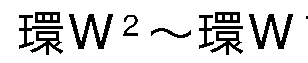 は脂肪族環であ
\¥0 2020/175394 28 卩(:171? 2020 /007180
は脂肪族環であ
\¥0 2020/175394 28 卩(:171? 2020 /007180
ってもよいし、 芳香環であってもよい。

[0036]
 環の構成要素として二重結合を 1つ以上有するが、 環 2 ~環\^/ 1 2に含まれる二重結合は、 それぞれ独立して、 通常 1〜 4であり、 1 〜 3であることが好ましく、 1又は 2であることがより好ましく、 1つであ ることがさらに好ましい。
[0037] 環 \/\/2 ~環\^ 1 2は、 それぞれ独立して、 通常、 炭素数 5〜 1 8の環であり、
5〜 7員環構造であることが好ましく、 6員環構造であることがより好まし い。


[0038] 環 \/\/2 ~環\^ 1 2が有していてもよい置換基としては、 炭素数 1〜 1 2のアル キル基、 炭素数 1〜 1 2のアルコキシ基、 炭素数 1〜 1 2のアルキルチオ基 又は炭素数 1〜 6のアルキル基で置換されていてもよいアミノ基であること が好ましい。
[0039]
 の具体例としては、
 の具体例と同じものが挙げられる
[0040]
 環の構成要素として窒素原子を

、 単環であってもよいし、 縮合環であってもよいが、 単環であることが好ま しい。

5員環又は 6員環であることがより好ましい。

基としては、 水酸基;チオール基; アルデヒド基; メチル基、 エチル基等の
\¥02020/175394 29 卩(:171? 2020 /007180
炭素数 1 〜 6のアルキル基; メ トキシ基、 エトキシ基等の炭素数 1 〜 6のア ルコキシ基; メチルチオ基、 エチルチオ基等の炭素数 1 〜 6のアルキルチオ 基; アミノ基、 メチルアミノ基、 ジメチルアミノ基、 メチルエチル等の炭素

て水素原子又は炭素数 1 〜 6のアルキル基 を
 は炭素数 1 〜 6のアルキル基を表す。 ) ; —〇33[¾4干 (?¾4 は炭素数 1 〜 6のアルキル基を表す。 ) ; 一〇3〇[¾5干 は炭素数 1 〜 6のアルキル基を表す。 ) ; _S〇2R6 f (R5 f は炭素 数 6〜 1 2のアリール基又はフッ素原子を有していてもよい炭素数 1 〜 6の アルキル基を表す。 ) 等が挙げられる。
[0041] としては、 例えば下記に記載の環等が挙げられる。

[0042]
 13は、 それぞれ独立して、 環の構成要素として窒素原子 を 1 つ含む環である。
 13は、 それぞれ独立して、 単環であ ってもよいし、 縮合環であってもよいが、 単環であることが好ましい。


[0043] 環 \/\/1 12及び環 \/\/1 13としては、 例えば下記に記載の環等が挙げられる。

[0044] [¾4、 4、 [¾24、 [¾34、 [¾44、 [¾54、 [¾64、 [¾74、 [¾84、 [¾94、 〇4
、 [¾1 14、 [¾5、 [¾15、 [¾25、 [¾35、 [¾75及び[¾85で表される電子求引性基 としては、 例えば、 ハロゲン原子、 ニトロ基、 シアノ基、 カルボキシ基、 ハ ロゲン化アルキル基、 ハロゲン化アリール基、 一〇〇 3、 一 3〇 3、 一 3 5、 _3 3、 _3〇31~1、 _3〇21~1、 _3〇2〇 3、 _3〇2〇 1~1 2、 _ 3〇2〇1~12 、 式 (乂一 1) で表される基が挙げられる。 寧
1—#22 (X»”
[式 (X— 1) 中、
X 1は、 _0〇_、 _0〇〇 _、 _〇0〇_、 — 03— % — 033— % — 0 03-, -030-, - 3〇2 -、 一 223〇〇一又は一〇〇 224 -を 表す。
8222は、 水素原子、 置換基を有していてもよい炭素数 1〜 25のアルキル 基又は置換基を有していてもよい炭素数 6〜 1 8の芳香族炭化水素基を表す
〇
[¾ 223及び[¾ 224は、 それぞれ独立して、 水素原子、 炭素数 1〜 6のアルキ
\¥0 2020/175394 31 卩(:171? 2020 /007180
ル基又はフエニル基を表す。
氺は、 結合手を表す。 ]
[0045] ハロゲン原子としては、 フッ素原子、 塩素原子、 臭素原子、 ヨウ素原子が 挙げられる。
ハロゲン化アルキル基としては、 例えば、 トリフルオロメチル基、 ベルフ ルオロエチル基、 ペルフルオロプロピル基、 ペルフルオロイソプロピル基、 ペルフルオロブチル基、 ペルフルオロ 3㊀〇—ブチル基、 ペルフルオロ ㊀ 「 ーブチル基、 ペルフルオロペンチル基及びペルフルオロヘキシル基等の フルオロアルキル基等が挙げられ、 ペルフルオロアルキル基であることが好 ましい。 ハロゲン化アルキル基の炭素数としては、 通常 1〜 2 5であり、 好 ましくは炭素数 1〜 1 2である。 ハロゲン化アルキル基は、 直鎖状であって もよいし、 分岐鎖状であってもよい。
ハロゲン化アリール基としては、 フルオロフエニル基、 クロロフエニル基 、 ブロモフエニル基等が挙げられフルオロアリール基であることが好ましく 、 ペルフルオロアリール基であることがより好ましい。 ハロゲン原子を含む アリール基の炭素数としては、 通常 6〜 1 8であり、 好ましくは炭素数 6〜
1 2である。
[0046] X 1は、 一〇〇〇一又は一 3〇2 -であることが好ましい。
[¾ 2 2 2で表される炭素数 1〜 2 5のアルキル基としては、 メチル基、 エチル 基、 门 _プロピル基、 イソプロピル基、 门 _プチル基、 6 「 1: _プチル基 、 3㊀〇—ブチル基、
 ペンチル基、
 ヘキシル基、 1 —メチルブチル 基、 3—メチルブチル基、 —オクチル基、 —デシル、 2—ヘキシルーオ クチル基等の直鎖状又は分岐鎖状の炭素数 1〜 2 5のアルキル基が挙げられ る。 [¾ 2 2 2は、 炭素数 1〜 1 2のアルキルであることが好ましい。

[¾ 2 2 2で表される炭素数 6〜 1 8の芳香族炭化水素基としては、 フヱニル基 、 ナフチル基、 アントラセニル基、 ビフエニル基等の炭素数 6〜 1 8のアリ
\¥02020/175394 32 卩(:171? 2020 /007180
—ル基;ベンジル基、 フエニルエチル基、 ナフチルメチル基等の炭素数 7〜
1 8のアラルキル基等が挙げられる。


[0047] 、 4、 4、 4、 4、 4、 4、 4、 4、 4、
^104、 ^1 14、 ^5、 ^15、 ^25、 ^35、 [¾75及び [¾ 85で表される電子求引 性基としては、 それぞれ独立して、 ニトロ基、 シアノ基、 ハロゲン原子、 一 〇〇 3、 一 3〇 3、 一 3 5、 一 3 3、 フルオロアルキル基 (好ましくは 、 炭素数 1〜 25) 、 フルオロアリール基 (好ましくは、 炭素数 6〜 1 8)
、 一〇〇一〇一[¾222、 一3〇2- [¾ 222又は一〇〇一 [¾ 222 ([¾ 222は、 水素 原子、 置換基を有していてもよい炭素数 1〜 25のアルキル基又は置換基を 有していてもよい炭素数 6〜 1 8の芳香族炭化水素基を表す。 ) であること が好ましく、
ニトロ基、 シアノ基、 フッ素原子、 塩素原子、 _〇〇 3、 一 3〇 3、 フ ルオロアルキル基、 _◦〇_〇_ [¾ 222又は一 3〇2_ [¾ 222 ([¾ 222は、 水素 原子、 置換基を有していてもよい炭素数 1〜 25のアルキル基又は置換基を 有していてもよい炭素数 6〜 1 8の芳香族炭化水素基を表す。 ) であること がより好ましく、 シアノ基であることがさらに好ましい。
及び のうちの少なくとも一方がシアノ基であることが好ましく、
 がシアノ基であり、 かつ、
 がシアノ基、 _〇〇_〇_ [¾ 222又は一 3〇2— [¾ 222 ([¾ 222は、 それぞれ独立して、 水素原子、 ハロゲン原子を有していて もよい炭素数 1〜 25のアルキル基又はハロゲン原子を有していてもよい炭 素数 6〜 1 8の芳香族炭化水素基を表す。 ) であることがより好ましい。
[0048]
 して環を形成してもよい。
 が互いに結
\¥02020/175394 33 卩(:171?2020/007180
が互いに結
\¥02020/175394 33 卩(:171?2020/007180
合して形成する環は、 単環であってもよいし、 縮合環であってもよいが、 単 環であることが好ましい。 また、 が互いに結合して形成する環は 、 環の構成要素としてへテロ原子 (窒素原子、 酸素原子、 硫黄原子) 等を含 んでいてもよい。
及び が互いに結合して形成する環は、 通常 3〜 1 0員環であり、 5 〜 7員環であることが好ましく、 5員環又は 6員環であることがより好まし い。
及び が互いに結合して形成する環としては、 例えば、 下記に記載の 構造が挙げられる。

[式中、 *は、 炭素原子との結合手を表す。
 は、 それぞれ独立し て、 水素原子又は置換基を表す。 ]
[0049]
 して形成する環は、 置換基 (上記式中の

6 £) を有していてもよい。 前記置換基は、 例えば、
 が有していてもよい 置換基と同じものが挙げられる。 前記 [¾ 1 £〜[¾ 1 6 £は、 それぞれ独立して、 好 ましくは炭素数 1〜 1 2のアルキル基であり、 より好ましくは炭素数 1〜 6 のアルキル基であり、 さらに好ましくはメチル基である。
[0050]
 が互いに結合し て形成する環と同じものが挙げられる。

て形成する環と同じものが挙げられる。

て形成する環と同じものが挙げられる。


て形成する環と同じものが挙げられる。
[0051] 、 1、 1、 1、 1、 01、 1 1、 、 2、 2、 2

は、 [¾3で表される複素環基と同じものが挙げられ、 ピロリジル基、 ピベリジ ル基、 テトラヒドロフルフリル基、 テトラヒドロピラニル基、 テトラヒドロ チオフエノ基、 テトラヒドロチオピラニル基又はピリジル基であることが好 ましい。
[0052] 、 [¾41、 [¾51、 [¾61、 [¾91、 〇1、 1 1、 [¾2、 2、 [¾42、 [¾52
、 2、 2、 2、 2、 02、 1 2、 3、 3、 3、 3、

53、 [¾63、 [¾73、 [¾83、 [¾93、 [¾103及び 13で表される炭素数 1〜 25 の脂肪族炭化水素基としては、
 で表される炭素数 1〜 25の脂肪族炭化水 素基と同じものが挙げられる。
前記炭素数 1〜 25の脂肪族炭化水素基は、 炭素数 1〜 1 5のアルキル基 であることが好ましく、 炭素数 1〜 1 2のアルキル基であることがより好ま しい。
[0053] 、 [¾41、 [¾51、 [¾61、 [¾91、 〇1、 1 1、 [¾2、 2、 [¾42、 [¾52

基が有していてもよい置換基としては、 ハロゲン原子、 水酸基、 ニトロ基、 シアノ基、 一3〇31~1等が挙げられる。
[0054] また、 、 [¾41、 [¾51、 [¾61、 [¾91、 01、 1 1、 [¾2、 2、 [¾42 、 [¾62、 [¾72、 [^82^92、 [^102、 [¾112、 で表される炭素数 1〜 2
5の脂肪族炭化水素基に含まれる

- 302 -, _〇〇_、 _〇_、 _〇〇〇_、 _〇〇〇_、 _〇〇 [¾13八_

されていてもよい。
\¥02020/175394 35 卩(:171? 2020 /007180 3、 [¾23、 [¾33、 [¾43、 [¾53、 [¾63、 [¾73、 [¾83、 [¾93、 [¾103及び


が置換される場合、 一〇一、 一3—、 一 0〇一〇一又は一 3〇 2—で置換され ることが好ましい。
前記炭素数 1〜 25の脂肪族炭化水素基に含まれる

が一〇一で置換された場合、 当該脂肪族炭化水素基は、 _〇_[¾’ ([¾’ は ハロゲン原子を有していてもよい炭素数 1〜 24のアルキル基) で表される アルコキシ基であることが好ましい。 また、 ポリエチレンオキシ基やポリプ ロピレンオキシ基等のポリアルキレンオキシ基であってもよい。 一〇一
 で表されるアルコキシ基としては、 例えば、 メ トキシ基、 エトキシ基、 一〇 〇 3基等が挙げられる。
前記炭素数 1〜 25の脂肪族炭化水素基に含まれる

が _ 3 _で置換された場合、 当該脂肪族炭化水素基は、 一
 は ハロゲン原子を有していてもよい炭素数 1〜 24のアルキル基) で表される アルキルチオ基であることが好ましい。 また、 ポリエチレンチオ基やポリプ ロピレンチオ基等のポリアルキレンチオ基であってもよい。 一
 ’ で表 されるアルキルチオ基としては、 例えば、 メチルチオ基、 エチルチオ基、 一 3〇 3基、 ポリエチレンチオ基、 ポリプロピレンチオ基等が挙げられる。 前記炭素数 1〜 25の脂肪族炭化水素基に含まれる

が一〇〇〇一で置換された場合、 当該脂肪族炭化水素基は、 _〇〇〇_[¾’
\¥02020/175394 36 卩(:171?2020/007180
([¾, はハロゲン原子を有していてもよい炭素数 1〜 24のアルキル基) で 表される基であることが好ましい。
前記炭素数 1〜 25の脂肪族炭化水素基に含まれる

が一 3〇2—で置換された場合、 当該脂肪族炭化水素基は、 _3〇2_8’ (
[¾, はハロゲン原子を有していてもよい炭素数 1〜 24のアルキル基) で表 される基であることが好ましく、 _3〇2〇1~1 2基、 _3〇2〇1~12 基等で あってもよい。
 、 は 、 で表される炭素数 1〜 6のアルキル基と同じものが挙げられる。
[0056] 、 [¾41、 [¾51、 [¾61、 [¾91、 〇1、 11、 [¾2、 2、 [¾42、 [¾52
、 2、 2、 2、 2、 02、 1 2、 3、 3、 3、 3、

53、 [¾63、 [¾73、 [¾83、 [¾93、 [¾103及び 13で表される炭素数 6〜 1 8 の芳香族炭化水素基としては、 83で表される炭素数 6〜 1 8で表される芳香 族炭化水素基と同じものが挙げられ、 炭素数 6〜 1 8のアリール基であるこ とが好ましく、 フエニル基又はベンジル基であることがより好ましい。
前記炭素数 6〜 1 8の芳香族炭化水素基が有していてもよい置換基として は、 ハロゲン原子;水酸基;チオール基; アミノ基;ニトロ基;シアノ基; -3〇31~1基等が挙げられる。
、 1、 1、 1、 1、 01、 1 1、 、 2、 2、 2 、 [¾62、 [¾72、 [^82^92、 [^102、
 の芳香 族炭化水素基に含まれる _〇1~12—又は _〇!!=は、
 -302- 、 一〇〇一、 一〇一、 一〇〇〇一、 一〇〇〇一、 一〇〇 [¾13八一、 一 [¾14 八一〇〇一、 一3—、 一3〇一、 一〇 2—又は一〇 1~1 ーに置換されていて もよい。
3、 [¾23、 [¾33、 [¾43、 [¾53、 [¾63、 [¾73、 [¾83、 [¾93、 [¾103及び

は一〇!!=は、 一〇一、 一3—、
 一〇〇一、 一〇〇一〇一、 一
\¥02020/175394 37 卩(:171? 2020 /007180
一〇〇一、 一〇〇一〇一、 一
\¥02020/175394 37 卩(:171? 2020 /007180
〇_〇〇_、 一〇一〇〇一〇一、 一〇〇 [¾2八一、 一〇 _〇〇_ [¾3八一、

1 03 3 3 03 03 3 3 03 3 -30 —又は一 3〇 2—に置換されていてもよい。
前記炭素数 6〜 1 8の芳香族炭化水素基に含まれる _〇1~12—又は _◦!! = が置換される場合、 一〇一又は一 302 —で置換されることが好ましい。 前記炭素数 6〜 1 8の芳香族炭化水素基に含まれる _〇1~12—又は _◦!! = が _〇_で置換された場合、 当該芳香族炭化水素基は、 フエノキシ基等の炭 素数 6〜 1 7のアリールオキシ基; フエノキシエチル基、 フエノキシジエチ レングリコール基、 フエノキシポリアルキレングリコール基のアリールアル コキシ基等であることが好ましい。
前記炭素数

が一 3〇2—で置換された場合、 当該芳香族炭化水素基は、 _3〇2_8” ( は炭素数 6〜 1 7のアリール基又は炭素数 7〜 1 7のアラルキル基を表 す。 ) で表される基であることが好ましい。
[0057] 八、 八、 八、 ' 八、 八、 八、 八、 八、 〇八、
[¾ 1 2八、 [¾13八及び[¾14 で表される炭素数]〜6のアルキル基としては 、 上記したものが挙げられる。
[0058] 及び は、 互いに連結して環を形成してもよい。
 及び が連結し て形成される環の構成要素として、
 を構成する二重結合を含む。 つまり 、 及び Vが連結して形成される環と環 とで縮合環を形成する。
 及 び 83が連結して形成される環と環
 とが形成する縮合環としては、 具体的 には、 以下に記載の環構造が挙げられる。
\¥02020/175394 38 卩(:171? 2020 /007180
とが形成する縮合環としては、 具体的 には、 以下に記載の環構造が挙げられる。
\¥02020/175394 38 卩(:171? 2020 /007180

成される環の構成要素として、 環 2を構成する二重結合を含む。 つまり、
12及び 13が互いに結合して形成する環と環 2とで縮合環を形成する。 具体 的には、
 及び が連結して形成される環と環
 とが形成する縮合環と同 じものが挙げられる。

二重結合を含む。 つまり、
 とで縮合環を形成する。 具体 的には、
 及び が連結して形成される環と環
 とが形成する縮合環と同 じものが挙げられる。

成される環の構成要素として、 環 6を構成する二重結合を含む。 つまり、
52及び 53が互いに結合して形成する環と環 6とで縮合環を形成する。 具体 的には、
 及び が連結して形成される環と環
 とが形成する縮合環と同 じものが挙げられる。

成される環の構成要素として、
 を構成する二重結合を含む。 つまり、
62及び 63が互いに結合して形成する環と環 7とで縮合環を形成する。 具体 的には、
 及び が連結して形成される環と環
 とが形成する縮合環と同 じものが挙げられる。

二重結合を含む。 つまり、
 とで縮合環を形成する。 具体
\¥02020/175394 39 卩(:171? 2020 /007180
とで縮合環を形成する。 具体
\¥02020/175394 39 卩(:171? 2020 /007180
的には、
 及び が連結して形成される環と環
 とが形成する縮合環と同 じものが挙げられる。

成される環の構成要素として、 環 9を構成する二重結合を含む。 つまり、
82及び 83が互いに結合して形成する環と環 9とで縮合環を形成する。 具体 的には、
 及び が連結して形成される環と環
 とが形成する縮合環と同 じものが挙げられる。


具体的には、
 して形成される環と環 1とが形成する縮合環 と同じものが挙げられる。

して形成される環の構成要素として、
 を構成する二重結合を含む。 つ

成する。 具体的には、
 が連結して形成される環と環
 とが形成す る縮合環と同じものが挙げられる。

して形成される環の構成要素として、
 を構成する二重結合を含む。 つ

成する。 具体的には、
 が連結して形成される環と環
 とが形成す る縮合環と同じものが挙げられる。
[0060] 及び は、 互いに結合して環を形成してもよい。
 及び が互いに 結合して形成する環は、 環の構成要素として窒素原子を 1つ含む。
 及び 2が互いに結合して形成する環は、 単環であってもよいし、 縮合環であっても よいが、 単環であることが好ましい。
 1及び 2が互いに結合して形成する 環は、 環の構成要素としてさらにへテロ原子 (酸素原子、 硫黄原子、 窒素原 子等) を含んでいてもよい。 及び 2が互いに結合して形成する環は、 月旨
\¥0 2020/175394 40 卩(:171? 2020 /007180
1及び 2が互いに結合して形成する 環は、 環の構成要素としてさらにへテロ原子 (酸素原子、 硫黄原子、 窒素原 子等) を含んでいてもよい。 及び 2が互いに結合して形成する環は、 月旨
\¥0 2020/175394 40 卩(:171? 2020 /007180
肪族環であることが好ましく、 不飽和結合を有さない脂肪族環であることが より好ましい。
及び が互いに結合して形成する環は、 通常 3〜 1 0員環であり、 5 〜 7員環であることが好ましく、 5員環又は 6員環であることがより好まし い。
1及び 2が互いに結合して形成する環は置換基を有していてもよく、 例 えば、 環 2〜環 1 2が有していてもよい置換基と同じものが挙げられる。
及び が互いに結合して形成する環としては、 例えば、 下記に記載の 環が挙げられる。

[0061 ] [¾ 4 1及び 2が互いに結合して形成する環は、
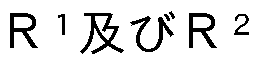 が互いに結合し て形成する環と同じものが挙げられる。


して形成する環と同じものが挙げられる。

して形成する環と同じものが挙げられる。
[0062]
 される 2価の連結基としては、 置換基を有していても よい炭素数 1〜 1 8の 2価の脂肪族炭化水素基又は置換基を有していてもよ い炭素数 6〜 1 8の 2価の芳香族炭化水素基を表す。 前記 2価の脂肪族炭化
\¥0 2020/175394 41 卩(:171? 2020 /007180
される 2価の連結基としては、 置換基を有していても よい炭素数 1〜 1 8の 2価の脂肪族炭化水素基又は置換基を有していてもよ い炭素数 6〜 1 8の 2価の芳香族炭化水素基を表す。 前記 2価の脂肪族炭化
\¥0 2020/175394 41 卩(:171? 2020 /007180
水素基及び
 _〇一、 _ 3 _ 、
 は水素原子又は炭素数 ]〜6のアルキル基を表す) 、 一 〇〇一、 一 3〇2—、 一3〇一、 一 〇 3—で置換されていてもよい。
また、 前記 2価の脂肪族炭化水素基及び 2価の芳香族炭化水素基が有して いてもよい置換基としては、 ハロゲン原子、 水酸基、 カルボキシ基、 アミノ 基等が挙げられる。
[0063]
 される 2価の連結基は、 それぞれ独立して、 置換基を 有していてもよい炭素数 1〜 1 8の 2価の脂肪族炭化水素基であることが好 ましく、 置換基を有していてもよい炭素数 1〜 1 2の 2価の脂肪族炭化水素 基であることがより好ましい。
[0064]
 される 2価の連結基の具体例としては、 以下に記載の 連結基が挙げられる。 式中、 *は結合手を表す。

[0065]

[0066]

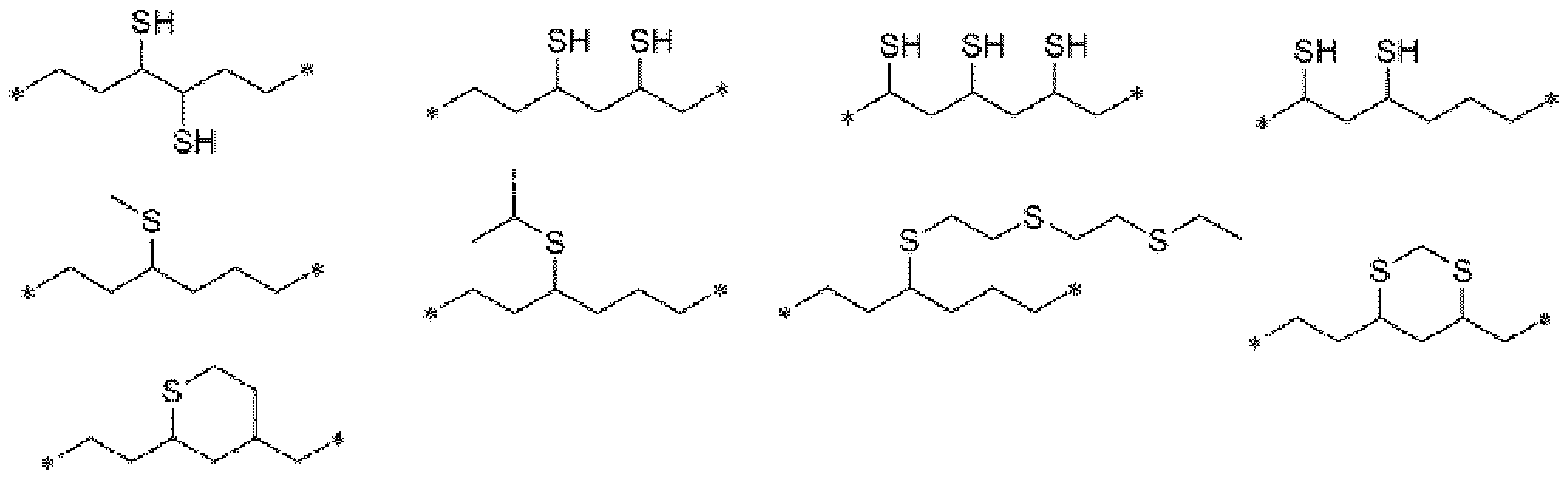
[0067]

\¥02020/175394 45 2020/007180

[0070]


[0071 ] 及び は、 それぞれ独立して、 置換基を有していてもよい炭素数 1〜
1 8の 2価の脂肪族炭化水素基又は下記式で表される連結基であることが好 ましく、 置換基を有していてもよい炭素数 1〜 1 2の 2価の脂肪族炭化水素 基又は下記式で表される連結基であることがより好ましい。
\¥0 2020/175394 46 卩(:171? 2020 /007180

[0072] は、 置換基を有していてもよい炭素数 1〜 1 8の 2価の脂肪族炭化水素 基又は下記式で表される連結基であることが好ましい。

[0073] 9及び で表される 3価の連結基としては、 それぞれ独立して、 置換基 を有していてもよい炭素数 1〜 1 8の 3価の脂肪族炭化水素基又は置換基を 有していてもよい炭素数 6〜 1 8の 3価の芳香族炭化水素基が挙げられる。 前記 3価の脂肪族炭化水素基に含まれる _ 0 1~1 2—は、 _〇一、 _ 3 _、 _〇 3 _〇〇一、 - 3 0

6のアルキル基を表す。 ) で置き換わっていてもよい。
前記 3価の脂肪族炭化水素基及び前記 3価の芳香族炭化水素基が有してい てもよい置換基としては、 ハロゲン原子、 水酸基、 カルボキシ基、 アミノ基 等が挙げられる。
9及び で表される 3価の連結基は、 それぞれ独立して、 置換基を有し ていてもよい炭素数 1〜 1 2の 3価の脂肪族炭化水素基であることが好まし い。


[0074]
 しては、 置換基を有していてもよい炭素数
1〜 1 8の 4価の脂肪族炭化水素基又は置換基を有していてもよい炭素数 6 〜 1 8の 4価の芳香族炭化水素基が挙げられる。 前記 4価の脂肪族炭化水素 ¾に含まれる _〇 1~1 2 _(よ、 _〇_、 — 3— % — 0 3— % _〇〇_、 —3 0— 、
 は水素原子又は炭素数 1〜 6のアルキル基を表す。 ) で置き換わっていてもよい。
前記 4価の脂肪族炭化水素基及び前記 4価の芳香族炭化水素基が有してい てもよい置換基としては、 ハロゲン原子、 水酸基、 カルボキシ基、 アミノ基 等が挙げられる。


[0075] は、 炭素数 1 〜 1 5のアルキル基であることが好ましく、 炭素数 1 〜 1
0のアルキル基であることがより好ましい。
8 2は、 炭素数 1 〜 1 5のアルキル基であることが好ましく、 炭素数 1 〜 1
0のアルキル基であることがより好ましい。
\¥0 2020/175394 49 卩(:171? 2020 /007180
1と 2とは互いに連結して環を形成することが好ましく、 脂肪族環を形 成することがより好ましく、 不飽和結合を有さない脂肪族環であることがさ らに好ましく、 ピロリジン環またはピペリジン環構造を有することが特に好 ましい。
ニトロ基、 シアノ基、 ハロゲン原子、 一〇〇 3、 一 3〇 3、 5、 一 3 3、 フルオロアルキル基 (好ましくは、 炭素数 1〜 2 5) 、 フル オロアリール基 (好ましくは、 炭素数 6〜 1 8) 、 _〇〇_〇_ [¾ 1 1 ^又は

アルキル基を表す。 ) であることが好ましく、
シアノ基、 フッ素原子、 塩素原子、 _〇〇 3、 一 3〇 3、 フルオロアル キル基、

それぞれ独立して、 ハロゲン原子を有していてもよい炭素数 1〜 2 4のアル キル基を表す。 ) であることがより好ましく、 シアノ基、 フッ素原子である ことがさらに好ましく、 特に好ましくはシアノ基である。
[0076] 及び は、 それぞれ独立して、 ニトロ基、 シアノ基、 ハロゲン原子、
—〇〇 3、 一 3〇 3、 一 3 5、 一 3 3、 フルオロアルキル基、 フルオロ アリール基、 _〇〇_〇_ [¾ 2 2 2又は一 3〇2 _ [¾ 2 2 2 ([¾ 2 2 2は、 水素原子、 置換基を有していてもよい炭素数 1〜 2 5のアルキル基又は置換基を有して いてもよい炭素数 6〜 1 8の芳香族炭化水素基を表す。 ) であることが好ま しく、
ニトロ基、 シアノ基、 フッ素原子、 塩素原子、 _〇〇 3、 一 3〇 3、 フ ルオロアルキル基、 _◦〇_〇_ [¾ 2 2 2又は一 3〇2 _ [¾ 2 2 2 ([¾ 2 2 2は、 水素 原子、 置換基を有していてもよい炭素数 1〜 2 5のアルキル基又は置換基を 有していてもよい炭素数 6〜 1 8の芳香族炭化水素基を表す。 ) であること がより好ましく、
シアノ基、 _〇〇_〇_ [¾ 2 2 2又は一 3〇2 _ [¾ 2 2 2 ([¾ 2 2 2は、 水素原子、 置換基を有していてもよい炭素数 1〜 2 5のアルキル基又は置換基を有して いてもよい炭素数 6〜 1 8の芳香族炭化水素基を表す。 ) であることがさら
\¥02020/175394 50 卩(:171? 2020 /007180
に好ましく、 シアノ基であることが特に好ましい。
及び のうちの少なくとも一方がシアノ基であることが好ましく、
 がシアノ基であり、 かつ、
 がシアノ基、 _〇〇_〇_ [¾ 222又は一 3〇2— [¾ 222 ([^ 222は、 水素原子、 置換基を有していてもよい炭素数 1〜 25のア ルキル基又は置換基を有していてもよい炭素数 6〜 1 8の芳香族炭化水素基 を表す。 ) であることがより好ましい。
同じ構造を有することが好ましい。

[0077]
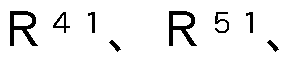 [¾61、 [¾ 91、 [¾1〇1及び[¾111は、 それぞれ独立して、 炭素 数 1〜 1 5のアルキル基であることが好ましく、 炭素数 1〜 1 0のアルキル 基であることがより好ましい。
^12, ^42、 ^52、 ^62、 ^72、 ^82、 ^92、 [¾1〇2及び ^112は、 それ それ独立して、 炭素数 1〜 1 5のアルキル基であることが好ましく、 炭素数 1〜 1 0のアルキル基であることがより好ましい。
とは、 互いに連結して環を形成することが好ましく、 脂肪族環 を形成することがより好ましく、 不飽和結合を有さない脂肪族環であること がさらに好ましく、 特に好ましくはピロリジン環またはピペリジン環構造を 有することが好ましい。
とは、 互いに連結して環を形成することが好ましく、 脂肪族環 を形成することがより好ましく、 不飽和結合を有さない脂肪族環であること がさらに好ましく、 特に好ましくはピロリジン環またはピペリジン環構造を 有することが好ましい。
とは、 互いに連結して環を形成することが好ましく、 脂肪族環 を形成することがより好ましく、 不飽和結合を有さない脂肪族環であること がさらに好ましく、 特に好ましくはピロリジン環またはピペリジン環構造を 有することが好ましい。
とは、 互いに連結して環を形成することが好ましく、 脂肪族環 を形成することがより好ましく、 不飽和結合を有さない脂肪族環であること
\¥02020/175394 51 卩(:171? 2020 /007180
がさらに好ましく、 特に好ましくはピロリジン環またはピペリジン環構造を 有することが好ましい。
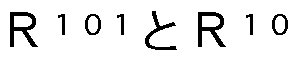
と[¾1 12とは、 互いに連結して環を形成することが好ましく、 脂肪族 環を形成することがより好ましく、 不飽和結合を有さない脂肪族環であるこ とがさらに好ましく、 特に好ましくはピロリジン環またはピペリジン環構造 を有することが好ましい。
[0078] 3、 [¾23、 [¾33、 [¾43、 [¾53、 [¾63、 [¾73、 [¾83、 [¾93、 [¾103及び
[¾1 13は、 それぞれ独立して、 ニトロ基;シアノ基;ハロゲン原子; 一〇〇 3 ; _3〇 3 ; _3 5 ; _3 3 ;炭素数 1〜 25のフルオロアルキル基; 炭素数 6〜 1 8のフルオロアリール基;

1 12/^
 12 は、 それぞれ独立して、 ハロゲン原子を有してい てもよい炭素数 1〜 24のアルキル基を表す。 ) であることが好ましく、 シアノ基; フッ素原子;塩素原子; 一〇〇 3 ; — 3〇 3 ;炭素数 1〜 1 2のフルオロアルキル基

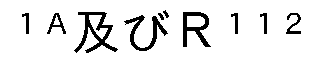
シアノ基であることが特に好ましい。
[0079] 4、 [¾24、 [¾34、 [¾44、 [¾54、 [¾64、 [¾74、 [¾84、 [¾94、 [¾104、

1 4、 [¾15、 [¾25、 [¾35、 [¾75及び[^85は、 それぞれ独立して、 ニトロ基、 シアノ基、 ハロゲン原子、 一〇〇 3、 一 3〇 3、 一 3 5、 一 3 3、 一〇 〇—〇 _[¾ 222、 _3〇2_[¾ 222 ([^ 222は、 ハロゲン原子を有していてもよ い炭素数 1〜 25のアルキル基を表す) 、 炭素数 1〜 25のフルオロアルキ ル基又は炭素数 6〜 1 8のフルオロアリール基であることが好ましく、 ニトロ基、 シアノ基、 フッ素原子、 塩素原子、 _〇〇 3、 一 3〇 3、 フ
\¥02020/175394 52 卩(:171? 2020 /007180
ルオロアルキル基、 _〇〇_〇_ [¾ 222又は一 3〇2_ [¾ 222 ([¾ 222は、 ハロ ゲン原子を有していてもよい炭素数 1〜 25のアルキル基を表す) ことがよ り好ましく、
シアノ基、 _〇〇_〇_ [¾ 222又は一 3〇2_ [¾ 222 ([¾ 222は、 ハロゲン原 子を有していてもよい炭素数 1〜 25のアルキル基を表す) であることがさ らに好ましく、
シアノ基であることが特に好ましい。

[¾ 24と [¾ 25とは同じ構造であることが好ましい。
[¾ 34と [¾ 35とは同じ構造であることが好ましい。
[¾ 74と [¾ 75とは同じ構造であることが好ましい。
とは同じ構造であることが好ましい。
[0081] 式 (丨) で表される化合物は、 式 (丨 _ 1 ) で表される化合物、 式 (丨 _2 ) で表される化合物又は式 (丨 3 ) で表される化合物の何れかで あることがより好ましい。

[^父!、 [¾父2、 8x3、 8x4、 8x5、 8父6、 8x7及び ^?父8は、 それぞ れ独立して、 水素原子又は置換基を表す。
〇! 1は〇〜 4の整数を表し、 012は〇〜 5の整数を表す。 ]


[0082] 式 (丨 丨) で表される化合物は、 式 (丨 丨 _八) で表される化合物である
\¥02020/175394 53 卩(:17 2020 /007180
ことが好ましい。

[式中、 、 、 、 、 、 2、 3、 [¾14及び[¾15は、 上記と 同じ局、味を表す。
8x9、 8x1。、 8x11及び 8x12は、 それぞれ独立して、 水素原子又は置換 基を表す。 ]

[0083] 式 ( I I I) で表される化合物は、 式 (丨 丨 丨 _八) で表される化合物で あることが好ましい。

8x13、 8x14、 ^>< 15及び^><16は、 それぞれ独立して、 水素原子又は置 換基を表す。 ]

[0084] 式 ( I) で表される化合物 (以下、 化合物 (丨) という場合がある。 ) と しては、 例えば、 以下に記載の化合物が挙げられる。
化合物 (丨) は、 式 ( 1 — 1) 〜式 (1 — 4) 、 式 (1 _7) 、 式 ( 1 — 8) 、 式 (1 — 1 0) 、 式 (1 — 1 2) 、 式 (1 —20) 〜式 (1 —25) 、 式 (1 —54) 〜式 (1 —57) 、 式 (1 —59) 、 式 (1 —63) 〜式 (1 —68) 、 式 (1 —70) 〜式 (1 —78) 、 式 (1 —80) 、 式 (1
\¥02020/175394 54 卩(:17 2020 /007180
_ 1 24) 〜式 (1 — 1 32) 、 式 (1 — 1 35) 、 式 (1 — 1 37) 〜式 (1 — 1 42) 、 式 (1 — 1 58) 〜式 (1 — 1 72) 、 式 (1 —2 1 8) 〜式 (1 —229) で表される化合物であることが好ましく、
式 (1 — 1) 、 式 (1 — 2) 、 式 (1 — 4) 、 式 (1 — 7) 、 式 (1 — 1 〇) 、 式 (1 — 1 2) 、 式 (1 _20) 、 式 (1 _22) 、 式 (1 _54) 〜式 (1 _56) 、 式 (1 _59) 、 式 (1 _63) 〜式 (1 _65) 、 式 (1 —66) 、 式 (1 —7 1) 、 式 (1 — 1 24) 、 式 (1 — 1 25) 、 式 (1 — 1 26) 、 式 (1 — 1 28) 、 式 (1 — 1 3 1) 、 式 (1 — 1 58) 、 式 (1 — 1 60) 、 式 (1 — 1 64) 、 式 (1 — 1 69) 、 式 (1 —2 1 8) 〜式 (1 —227) で表される化合物であることがより好ましく、 式 (1 _54) 〜式 (1 _56) 、 式 (1 _59) 、 式 (1 _64) 、 式 (1 — 1 25) 、 式 (1 _2 1 8) 〜式 (1 _229) で表される化合物で あることがさらに好ましい。
[0085]

[0086]

[0087]

[0088]

[0089]

[0090]

[0091]

[0092]
 \¥02020/175394 63 卩(:171?2020/007180
[0094] 式 ( I I) で表される化合物 (以下、 化合物 ( I I) という場合がある。
) としては、 例えば、 以下に記載の化合物が挙げられる。
化合物 (丨 丨) としては、 式 (2- 1) 、 式 (2-2) 、 式 (2-5) 〜 式 (2_ 1 2) 、 式 (2_24) 〜式 (2_28) 、 式 (2_32) 、 式 ( 2— 33) 、 式 (2— 38) 〜式 (2— 44) 、 式 (2— 70) 、 式 (2— 7 1、 式 (2- 1 03) 〜式 (2- 1 06) ) で表される化合物であること が好ましく、 式 (2— 1) 、 式 (2— 2) 、 式 (2— 5) 〜式 (2— 1 0) 、 式 (2— 1 03) 〜式 (2— 1 06) で表される化合物であることがより 好ましい。
[0095]

[0096]

[0097]

[0098]

[0099]

[0100]

[0101]

[0103] 式 (丨 丨 丨) で表される化合物 (以下、 化合物 ( 1 1 1) という場合があ る。 ) としては、 例えば、 以下に記載の化合物が挙げられる。

式 (丨 V) で表される化合物 (以下、 化合物 ( I V) という場合がある。 ) としては、 例えば、 以下に記載の化合物が挙げられる。
\¥02020/175394 71 卩(:171? 2020 /007180

[0104] 式 (V) で表される化合物 (以下、 化合物 (V) という場合がある。 ) と しては、 例えば、 以下に記載の化合物が挙げられる。
化合物 (V) としては、 式 (5- 1) 〜式 (5-3) 、 式 (5-6) 、 式 (5— 7) 、 式 (5— 9) 、 式 (5— 1 5) 、 式 (5— 2 1) 、 式 (5— 2 3) 、 式 (5-25) 、 式 (5-26) 、 式 (5-32) 、 式 (5-36) 、 式 (5— 38) で表される化合物であることが好ましく、 式 (5— 1) 〜 式 (5— 3) 、 式 (5— 2 1) 、 式 (5— 25) 、 式 (5— 36) で表され る化合物であることがより好ましい。

[0105]

[0106]

[0107]

[0108]
 \¥02020/175394 77 卩(:17 2020 /007180
[0110] 式 (V I) で表される化合物 (以下、 化合物 (V I) という場合がある。
) としては、 例えば、 以下に記載の化合物が挙げられる。
化合物 (V I) としては、 式 (6— 1) 、 式 (6— 2) 、 式 (6— 4) 、 式 (6_5) 、 式 (6_7) 、 式 (6_8) 、 式 (6_9) 、 式 (6_ 1 2 ) 、 式 (6_ 1 5) 、 式 (6_ 1 8) 、 式 (6_ 1 9) 、 式 (6_22) 、 式 (6_23) 、 式 (6_50) 、 式 (6_57) 、 式 (6_69) 、 式 ( 6— 80) 式 (6— 85) 、 式 (6— 94) で表される化合物であることが 好ましく、 式 (6_ 1) 、 式 (6_2) 、 式 (6_4) 、 式 (6_8) 、 式 (6— 1 5) 、 式 (6— 22) 、 式 (6— 80) で表される化合物であるこ とがより好ましい。
[0111]

[0112]

[0113]

[0114]

[0115]
[9110]

OSlLOO/OZOZd£/l^d 28 / 〇丛

[0117]

[0118]

[0119]

[0120]
\¥0 2020/175394 87 卩(:17 2020 /007180

る。 ) としては、 例えば、 以下に記載の化合物が挙げられる。
\¥02020/175394 88 卩(:17 2020 /007180 化合物 (V I I) としては、 式 (7— 1) 〜式 (7— 9) 、 式 (7— 1 2 ) 、 式 (7— 1 4) 、 式 (7— 1 7) 、 式 (7—42) 〜式 (7—44) 、 式 (7— 57) で表される化合物であることが好ましく、 式 (7— 1) 〜式 (7 -8) , で表される化合物であることがより好ましい。
[0122]


[0124]

(7-23)
(7-24)
[0125]

[0126]

(7-38)
[0127]

(7-47)
(7-46)
[0128]

(7-56)
[0129]
\¥02020/175394 95 卩(:17 2020 /007180

(7-63) {7-64)
[0130] 式 (V I I I) で表される化合物 (以下、 化合物 (V I I I) という場合 がある。 ) としては、 例えば、 以下に記載の化合物が挙げられる。
化合物 (V I I I) としては、 式 (8— 1) 、 式 (8— 2) 、 式 (8— 4 ) 、 式 (8_5) 、 式 (8_ 1 1) 、 式 (8_ 1 3) 〜式 (8_ 1 7) 、 式 (8— 25) 、 式 (8— 26) 、 式 (8— 47) 、 式 (8— 48) で表され
\¥02020/175394 96 卩(:17 2020 /007180
る化合物であることが好ましく、 式 (8— 1) 、 式 (8— 4) 、 式 (8— 5 ) 、 式 (8_ 1 5) 、 式 (8_ 1 7) 、 式 (8_25) で表される化合物で あることがより好ましい。
[0131]


[0132]

[0133]

[0134]

[0135]

[0136]

[0137]

[0138]

[0139]

[0140]
\¥0 2020/175394 105 卩(:17 2020 /007180

[0141 ] <化合物 ( I) の製造方法>
化合物 (丨) は、 例えば、 式 (丨 一 1) で表される化合物 (以下、 化合物
\¥0 2020/175394 106 卩(:171? 2020 /007180
( I - 1) という場合がある。 ) と式 (丨 _ 2) で表される化合物 (以下、 化合物 (丨 _ 2) という場合がある。 ) とを反応させることにより得ること ができる。
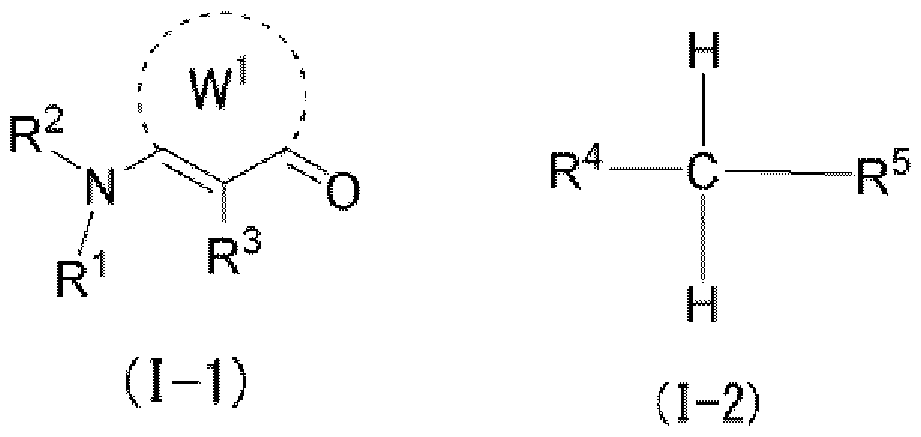
[式中、 環 \^/ 1、
 じ意味を表す。 ]
[0142] 化合物 ( I - 1) と化合物 (丨 一2) との反応は、 通常、 化合物 ( 1 - 1 ) と化合物 (丨 _ 2) とを混合することにより実施され、 化合物 (丨 _ 1) に化合物 (丨 - 2) を加えることが好ましい。
また、 化合物 (丨 _ 1) と化合物 (丨 _ 2) との反応は、 塩基及びメチル 化剤の存在下で化合物 ( I - 1) と化合物 (丨 _ 2) とを混合することが好 ましく、
化合物 (1 _ 1) 、 化合物 (丨 _ 2) 、 塩基及びメチル化剤を混合するこ とが好ましく、
化合物 (1 _ 1) とメチル化剤との混合物に、 化合物 ( I - 2) と塩基と を混合することがより好ましく、
化合物 (1 _ 1) 及びメチル化剤の混合物に、 化合物 ( I - 2) 及び塩基 の混合物を加えることがさらに好ましい。
[0143] 塩基としては、 水酸化ナトリウム、 水酸化リチウム、 水酸化カリウム、 水 酸化セシウム、 水酸化ルビシウム、 水酸化カルシウム、 水酸化バリウム、 水 酸化マグネシウム等の金属水酸化物 (好ましくはアルカリ金属水酸化物) ; ナトリウムメ トキシド、 カリウムメ トキシド、 リチウムメ トキシド、 ナトリ ウムエトキシド、 ナトリウムイソプロポキシド、 ナトリウムターシャリーブ トキシド、 カリウムターシャリーブトキシド等の金属アルコキシド (好まし くはアルカリ金属アルコキシド) ;水素化リチウム、 水素化ナトリウム、 水
\¥0 2020/175394 107 卩(:171? 2020 /007180
素化カリウム、 水素化リチウムアルミニウム、 水素化ホウ素ナトリウム、 水 素化アルミニウム、 水素化アルミニウムナトリウム等の金属水素化物;酸化 カルシウム、 酸化マグネシウム等の金属酸化物;炭酸水素ナトリウム、 炭酸 ナトリウム、 炭酸カリウム等の金属炭酸塩 (好ましくはアルカリ土類金属炭 酸塩) ; ノルマルプチルリチウム、 夕ーシャリーブチルリチウム、 メチルリ チウム、 グリニャール試薬等の有機アルキル金属化合物; アンモニア、 トリ エチルアミン、 ジイソプロピルエチルアミン、 エタノールアミン、 ピロリジ ン、 ピぺリジン、 ジアザビシクロウンデセン、 ジアザビシクロノネン、 グア ニジン、 水酸化テトラメチルアンモニウム、 水酸化テトラエチルアンモニウ ム、 ピリジン、 アニリン、 ジメ トキシアニリン、 酢酸アンモニウム、 /3 -アラ ニン等のアミン化合物 (好ましくはトリエチルアミン、 ジイソプロピルエチ ルアミン等の 3級アミン) ; リチウムジイソプロピルアミ ド、 ナトリウムア ミ ド、 カリウムヘキサメチルジシラジド等の金属アミ ド化合物 (好ましくは アルカリ金属アミ ド) ;水酸化トリメチルスルホニウム等のスルホニウム化 合物;水酸化ジフエニルヨードニウム等のヨードニウム化合物; フォスファ ゼン塩基等が挙げられる。
塩基の使用量としては、 化合物 (丨 _ 1) 1モルに対して、 通常〇. 1〜 5モルであり、 〇. 5〜 2モルであることが好ましい。
[0144] メチル化剤としては、 ヨードメタン、 硫酸ジメチル、 メタンスルホン酸メ チル、 フルオロスルホン酸メチル、 パラトルエンスルホン酸メチル、 トリフ ルオロメタンスルホン酸メチル、 トリメチルオキソニウムテトラフルオロボ レート等が挙げられる。
メチル化剤の使用量としては、 化合物 (丨 _ 1) 1モルに対して、 通常 0 . 1〜 5モルであり、 〇. 5〜 2モルであることが好ましい。
[0145] 化合物 ( I _ 1) と化合物 (丨 _ 2) との反応は、 溶媒の存在下で行って もよい。 溶媒としては、 アセトニトリル、 ベンゼン、 トルエン、 アセトン、 酢酸エチル、 クロロホルム、 ジクロロエタン、 モノクロロベンゼン、 メタノ —ル、 エタノール、 イソプロパノール、 6 1^ 1: _ブタノール、 2—ブタノ
\¥0 2020/175394 108 卩(:171? 2020 /007180
ン、 テトラヒドロフラン、 ジエチルエーテル、 ジメチルスルホキシド、 1\1 ,
1\1—ジメチルアセトアミ ド、 1\1 , 1\1 -ジメチルホルムアミ ド、 水等 が挙げられる。 好ましくはアセトニトリル、 テトラヒドロフラン、 クロロホ ルム、 ジクロロメタン、 ジエチルエーテルであり、 より好ましくはアセトニ トリル、 テトラヒドロフラン、 クロロホルムであり、 さらに好ましくはアセ トニトリルである。
また、 溶媒は脱水溶媒であることが好ましい。
[0146] 化合物 (丨 _ 1) と化合物 (丨 _ 2) との反応時間は、 通常〇. 1〜 1 0 時間であり、 好ましくは、 〇. 2〜 3時間である。
化合物 (丨 _ 1) と化合物 (丨 _ 2) との反応温度は、 通常一 5 0〜 1 5 0 °〇であり、 好ましくは一 2 0〜 1 0 0 °〇である。
化合物 ( I - 2) の使用量は、 化合物 ( I - 1) 1モルに対して、 通常 0 . 1〜 1 0モルであり、 〇. 5〜 5モルであることが好ましい。
[0147] 化合物 ( I - 1) としては、 例えば、 下記に記載の化合物等が挙げられる

[0148] 化合物 (丨 _ 2) としては、 市販品を用いてもよく、 例えば、 下記に記載 の化合物等が挙げられる。
\¥02020/175394 109 卩(:17 2020 /007180

[0149] 化合物 ( I - 1) は、 例えば、 式 ( I - 3) で表される化合物 (以下、 化 合物 ( 丨 _3) という場合がある。 ) と式 ( 丨 _4) で表される化合物 (以 下、 化合物 ( 丨 _4) という場合がある。 ) とを反応させて得ることができ る。 3—巳 1
(1-4)

[式 ( | _3) 中、 環 \^/1、
 は前記と同じ意味を表す。
 脱離基を表す。 ]
[0150] 巳 1で表される脱離基としては、 ハロゲン原子、 ートルエンスルホニル基 、 トリフルオロメチルスルホニル基等が挙げられる。
[0151] 化合物 ( I _3) と化合物 ( I -4) との反応は、 化合物 ( I _3) と化 合物 (丨 _4) とを混合することにより実施される。
化合物 (丨 _4) の使用量は、 化合物 (丨 _3) 1モルに対して通常〇.
1〜 5モルであり、 〇. 5〜 2モルであることが好ましい。
化合物 (丨 _3) と化合物 (丨 _4) との反応は、 溶媒の存在下で行って もよい。 溶媒としては、 アセトニトリル、 ベンゼン、 トルエン、 アセトン、 酢酸ェチル、 クロロホルム、 ジクロロェタン、 モノクロロベンゼン、 メタノ
\¥0 2020/175394 1 10 卩(:171? 2020 /007180
—ル、 エタノール、 イソプロパノール、 6 1^ 1: _ブタノール、 2—ブタノ ン、 テトラヒドロフラン、 ジエチルエーテル、 ジメチルスルホキシド、 1\1 ,
1\1—ジメチルアセトアミ ド、 1\1 , 1\1—ジメチルホルムアミ ド、 水等が挙げら れる。 好ましくはアセトニトリル、 テトラヒドロフラン、 クロロホルム、 ジ クロロメタン、 ジエチルエーテルであり、 より好ましくはアセトニトリル、 テトラヒドロフラン、 クロロホルムであり、 さらに好ましくはメタノール、 エタノール、 イソプロパノール、 アセトニトリルである。
化合物 (丨 _ 3) と化合物 ( I - 4) との反応時間は、 通常〇. 1〜 1 0 時間である。
化合物 (丨 _ 3) と化合物 ( I - 4) との反応温度は、 通常一 5 0〜 1 5 0 °◦である。
[0152] 化合物 ( I - 3) としては、 例えば、 下記に記載の化合物が挙げられる。

[0153] 化合物 (丨 一4) は、 市販品を用いてもよい。 例えば、 クロロシアン、 ブ ロモシアン、 パラトルエンスルホニルシアニド、 トリフルオロメタンスルホ ニルシアニド、 1 —クロロメチルー 4—フルオロー 1 , 4—ジアゾニアビシ クロ[2. 2. 2]オクタン ビス (テトラフルオロボラート (セレクトフルオロ (八 _ 8门〇1 0116111 _108 の登録商標) ともいう) 、 ベンゾイル (フエニル ヨードニオ) (トリフルオロメタンスルホニル) メタニド、 2 , 8—ジフル オロー5— (トリフルオロメチル) 一 5 1~1—ジベンゾ[匕, ]チオフエンー 5 —イウムトリフルオロメタンスルホナート、 1\1 _ブロモスクシンイミ ド、
-クロロスクシンイミ ド、 1\1 -ヨードスクシンイミ ド等が挙げられる。
[0154] 化合物 ( I _ 3) は、 式 ( I _ 5) で表される化合物 (以下、 化合物 ( I
\¥02020/175394 111 卩(:171? 2020 /007180
-5) という場合がある。 ) と式 (丨 _6) で表される化合物 (以下、 化合 物 (丨 _6) という場合がある。 ) とを反応させることにより得ることがで きる。
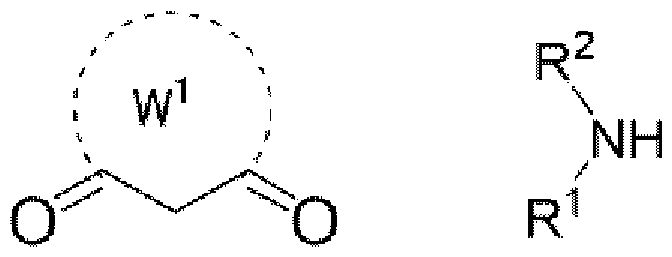
(1-5) (1-6)
[式中、 環 \^/1、
 及び 2は前記と同じ意味を表す。 ]
[0155] 化合物 ( I _5) と化合物 (丨 _6) との反応は、 化合物 (丨 _5) と化 合物 (丨 _6) とを混合することにより実施される。
化合物 (丨 _6) の使用量は、 化合物 (丨 _5) 1モルに対して通常〇.
1〜 5モルであり、 〇. 5〜 2モルであることが好ましい。
化合物 (丨 _5) と化合物 (丨 _6) との反応は、 溶媒の存在下で行って もよい。 アセトニトリル、 ベンゼン、 トルエン、 アセトン、 酢酸エチル、 ク ロロホルム、 ジクロロエタン、 モノクロロベンゼン、 メタノール、 エタノー ル、 イソプロパノール、 夕ーシャリーブタノール、 2—ブタノン、 テトラヒ ドロフラン、 ジエチルエーテル、 ジメチルスルホキシド、 1\1, 1\1_ジメチル アセトアミ ド、 1\1, 1\1 -ジメチルホルムアミ ド、 水等が挙げられる。 好まし くはベンゼン、 トルエン、 エタノール、 アセトニトリルである。
化合物 (丨 _5) と化合物 (丨 _6) との反応時間は、 通常〇. 1〜 1 0 時間である。
化合物 (丨 _5) と化合物 (丨 _6) との反応温度は、 通常一 50〜 1 5 0°◦である。
[0156] 化合物 (丨 一5) としては、 例えば、 下記に記載の化合物等が挙げられる

[0157] 化合物 (丨 一6) としては、 アンモニア; メチルアミン、 エチルアミン、 エタノールアミン、 4 -ヒロキシブチルアミン等の 1級アミン;ジメチルア ミン、 ジエチルアミン、 ジブチルアミン、 ピロリジン、 ピペリジン、 3—ヒ ドロキシピロリジン、 4 -ヒドロキシピペリジン、 アゼチジン等の 2級アミ ンが挙げられる。
[0158] また、 化合物 (丨 _ 1) は、 式 (丨 _ 5 _ 1) で表される化合物 (以下、 化合物 (丨 _5_ 1) という場合がある。 ) と化合物 (丨 _6) とを反応さ せて得ることもできる。

[式 ( I _5_ 1)
 前記と同じ意味を表す。 ]
[0159] 化合物 ( I _ 5 _ 1) と化合物 (丨 _ 6) との反応は、 化合物 ( I _ 5—
1) と化合物 (丨 _6) とを混合することにより実施される。
化合物 (丨 _6) の使用量は、 化合物 ( I _5_ 1) 1モルに対して通常 〇. 1〜 5モルであり、 〇. 5〜 2モルであることが好ましい。
化合物 (丨 _5_ 1) と化合物 (丨 _6) との反応は、 溶媒の存在下で行 つてもよい。 アセトニトリル、 ベンゼン、 トルエン、 アセトン、 酢酸エチル 、 クロロホルム、 ジクロロエタン、 モノクロロベンゼン、 メタノール、 エタ ノール、 イソプロパノール、 夕ーシャリーブタノール、 2—ブタノン、 テト ラヒドロフラン、 ジエチルエーテル、 ジメチルスルホキシド、 1\1, 1\1_ジメ チルアセトアミ ド、 1\1, 1\1 -ジメチルホルムアミ ド、 水等が挙げられる。 好 ましくはベンゼン、 トルエン、 エタノール、 アセトニトリルである。
化合物 (丨 _5_ 1) と化合物 (丨 _6) との反応時間は、 通常 0. 1〜 1 0時間である。
化合物 (丨 _5_ 1) と化合物 (丨 _6) との反応温度は、 通常一 50〜 1 50°◦である。
[0160] 式 ( I -5- 1) で表される化合物は、 例えば、 下記に記載の化合物等が
\¥02020/175394 113 卩(:171? 2020 /007180
挙げられる。

[0161] 化合物 (丨) は、 式 (丨 _7) で表される化合物 (以下、 化合物 ( I - 7 ) という場合がある。 ) と化合物 (丨 _6) とを反応させることにより得る こともできる。

[式 (丨 _7) 中、 環 \^/1、
 は上記と同じ意味を表す。 ] [0162] 化合物 ( I -7) と化合物 ( I - 6) との反応は、 通常、 化合物 ( I - 7 ) と化合物 (丨 _6) とを混合することにより実施され、 化合物 (丨 _7) に化合物 (丨 -6) を加えることが好ましい。
また、 化合物 (丨 _7) と化合物 (丨 _6) との反応は、 塩基及びメチル 化剤の存在下で化合物 (丨 _7) と化合物 ( I _6) とを混合することによ り実施されることが好ましく、
化合物 (丨 _7) 、 化合物 ( I _6) 、 塩基及びメチル化剤を混合するこ とがより好ましく、
化合物 (丨 _7) とメチル化剤と塩基との混合物に化合物 (丨 _6) を混 合することがさらに好ましい。
[0163] 塩基としては、 化合物 (丨 _ 1) と化合物 (丨 _2) との反応に用いられ る塩基と同じものが挙げられる。
塩基の使用量としては、 化合物 (丨 _7) 1モルに対して、 通常〇. 1〜
\¥02020/175394 114 卩(:171? 2020 /007180
5モルであり、 〇. 5〜 2モルであることが好ましい。
メチル化剤としては、 化合物 (丨 _ 1) と化合物 (丨 _2) との反応に用 いられるメチル化剤と同じものが挙げられる。
メチル化剤の使用量としては、 化合物 (丨 _7) 1モルに対して、 通常 0 . 1〜 5モルであり、 〇. 5〜 2モルであることが好ましい。
化合物 ( I -6) の使用量は、 化合物 ( I -7) 1モルに対して、 通常 0 . 1〜 1 0モルであり、 〇. 5〜 5モルであることが好ましい。
[0164] 化合物 ( I _7) と化合物 (丨 _6) との反応は、 溶媒の存在下で行って もよい。 溶媒としては、 化合物 (丨 _ 1) と化合物 (丨 _2) との反応に用 いられる溶媒と同じもの等が挙げられる。 好ましくは、 メタノール、 ェタノ —ル、 イソプロパノール、 トルエン、 アセトニトリルである。
[0165] 化合物 (丨 _7) と化合物 ( I -6) との反応時間は、 通常〇. 1〜 1 0 時間である。
化合物 (丨 _7) と化合物 ( I -6) との反応温度は、 通常一 50〜 1 5 0°◦である。
[0166] 化合物 (丨 一7) としては、 例えば下記に記載の化合物が挙げられる。

[0167] 化合物 ( I _7) は、 式 ( I -8) で表される化合物と化合物 (丨 -4) とを反応させることにより得ることもできる。
\¥02020/175394 115 卩(:171? 2020 /007180
(卜 8)

[式 (丨 _8) 中、 環 \^/1、
 は前記と同じ意味を表す。 ]
[0168] 化合物 ( I _8) と化合物 ( I -4) との反応は、 化合物 ( I _8) と化 合物 (丨 _4) とを混合することにより実施することができる。
化合物 (丨 _8) と化合物 (丨 _4) との反応は、 塩基の存在下で行うこ とが好ましい。 塩基としては、 化合物 (丨 _ 1) と化合物 (丨 _2) との反 応に用いられる塩基と同じものが挙げられる。 好ましくは、 金属水酸化物 ( より好ましくはアルカリ金属水酸化物) 、 金属アルコキシド (より好ましく はアルカリ金属アルコキシド) 、 アミン化合物、 金属アミ ド化合物 (より好 ましくはアルカリ金属アミ ド) である。
塩基の使用量は、 化合物 (丨 _8) 1モルに対して、 通常〇. 1〜 1 0モ ルであり、 〇. 5〜 2モルであることが好ましい。
化合物 (丨 _8) と化合物 (丨 _4) との反応は溶媒の存在下で行っても よい。 溶媒としては、 化合物 (丨 _ 1) と化合物 (丨 _2) との反応に用い られる溶媒と同じものが挙げられる。 好ましくは、 トルエン、 アセトニトリ ル、 メタノ _ル、 エタノール、 イソプロパノールである。
化合物 (丨 _8) と化合物 ( I -4) との反応時間は、 通常〇. 1〜 1 0 時間である。
化合物 (丨 _8) と化合物 ( I -4) との反応温度は、 通常一 50〜 1 5 0°◦である。
[0169] 化合物 ( I - 8) は、 例えば、 下記に記載の化合物等が挙げられる。

[0170] 化合物 ( I _8) は、 化合物 ( I _5) と化合物 (丨 _2) とを反応させ
\¥02020/175394 116 卩(:171? 2020 /007180
ることにより得ることもできる。 化合物 (丨 一5) と化合物 (丨 一2) との 反応は、 化合物 (丨 _5) と化合物 (丨 _2) とを混合することにより実施 することができる。
化合物 (丨 _5) と化合物 (丨 _2) との反応は、 塩基の存在下で行うこ とが好ましい。 塩基としては、 化合物 (丨 _ 1) と化合物 (丨 _2) との反 応に用いられる塩基と同じものが挙げられる。 塩基の使用量は、 化合物 (丨 — 5) 1モルに対して通常〇. 1〜 5モルであり、 0. 5〜 2モルであるこ とが好ましい。
化合物 (丨 _5) と化合物 (丨 _2) との反応は、 溶媒の存在下で行って もよい。 溶媒としては、 化合物 (丨 _ 1) と化合物 (丨 _2) との反応に用 いられる溶媒と同じものが挙げられる。 好ましくは、 メタノール、 エタノー ル、 イソプロパノール、 トルエン、 アセトニトリルである。
化合物 (丨 _5) と化合物 (丨 _2) との反応時間は、 通常〇. 1〜 1 0 時間である。
化合物 (丨 _5) と化合物 (丨 _2) との反応温度は、 通常一 50〜 1 5 0°◦である。
化合物 (丨 _2) の使用量は、 化合物 (丨 _5) 1モルに対して通常〇.
1〜 1 0モルであり、 〇. 5〜 2モルであることが好ましい。
[0171] また、 化合物 ( I -7) は、 化合物 ( I -5- 1) と化合物 ( I -2) と を反応させることにより得ることもできる。
化合物 (丨 _ 5 _ 1) と化合物 (丨 _ 2) との反応は、 化合物 ( I _ 5— 1) と化合物 (丨 _2) とを混合することにより実施される。
化合物 (丨 _2) の使用量は、 化合物 ( I _5_ 1) 1モルに対して通常 〇. 1〜 5モルであり、 〇. 5〜 2モルであることが好ましい。
化合物 (丨 _5_ 1) と化合物 (丨 _2) との反応は、 溶媒の存在下で行 ってもよい。 アセトニトリル、 ベンゼン、 トルエン、 アセトン、 酢酸エチル 、 クロロホルム、 ジクロロエタン、 モノクロロベンゼン、 メタノール、 エタ ノール、 イソプロパノール、 夕ーシャリーブタノール、 2—ブタノン、 テト
\¥02020/175394 117 卩(:17 2020 /007180
ラヒドロフラン、 ジエチルエーテル、 ジメチルスルホキシド、 1\1, 1\1_ジメ チルアセトアミ ド、 1\1, 1\1 -ジメチルホルムアミ ド、 水等が挙げられる。 好 ましくはベンゼン、 トルエン、 エタノール、 アセトニトリルである。
化合物 (丨 _5_ 1) と化合物 (丨 _2) との反応時間は、 通常 0. 1〜 1 0時間である。
化合物 (丨 _5_ 1) と化合物 (丨 _2) との反応温度は、 通常一 50〜 1 50°◦である。
[0172] <化合物 ( I I) 〜化合物 (V I I I) の製造方法>
化合物 (丨 丨) は、 例えば、 化合物 (丨 _7) 2モル当量と式 ( 1 1 - 1 ) で表される化合物 1モル当量とを反応させることにより得ることができる

[式中、
 は前記と同じ意味を表す。 ]
[0173] 式 ( I I _ 1) で表される化合物としては、 例えば、 以下に記載の化合物 等が挙げられる。

[0174] 化合物 ( I I I) は、 例えば、 化合物 (丨 一7) 2モル当量と式 ( I I I - 1) で表される化合物 1モル当量とを反応させることにより得ることがで きる。

[式中、
 ]
]
[0175] 式 (丨 丨 丨 _ 1) で表される化合物としては、 例えば、 以下に記載の化合 物等が挙げられる。
\¥0 2020/175394 1 18 卩(:171? 2020 /007180

[0176] 化合物 (丨 V) は、 例えば、 化合物 ( I _ 7) 2モル当量と式 ( I V— 1 ) で表される化合物 1モル当量とを反応させることにより得ることができる

[式中、
 は前記と同じ意味を表す。 ]
[0177] 式 (丨 V— 1) で表される化合物としては、 例えば、 以下に記載の化合物 等が挙げられる。

[0178] 化合物 (V) は、 例えば、 化合物 ( I - 1) 2モル当量と式 (V - 1) で 表される化合物 1モル当量とを反応させることにより得ることができる。 ハ、#〆へ #4 (V·])
[式中、
 ]
]
[0179] 式 (V— ·!) で表される化合物としては、 例えば、 以下に記載の化合物等 が挙げられる。

[0180] 化合物 (V I) は、 例えば、 化合物 ( I - 1) 3モル当量と式 (V I -】
) で表される化合物 1モル当量とを反応させることにより得ることができる
\¥02020/175394 119 卩(:17 2020 /007180

[式中、
 じ意味を表す。 ]
[0181] 式 (V I _ 1) で表される化合物としては、 例えば、 以下に記載の化合物 等が挙げられる。

[0182] 化合物 (V I I) は、 例えば、 化合物 ( I - 7) 3モル当量と式 (V I I - 1) で表される化合物 1モル当量とを反応させることにより得ることがで きる。

[式中、 [¾2、 [¾1〇、
 ]
]
[0183] 式 (V I 1 - 1) で表される化合物としては、 例えば、 下記に記載の化合 物等が挙げられる。

[0184] 化合物 (V I I I) は、 例えば、 化合物 ( I - 7) 4モル当量と式 (V I
1 1 - 1) で表される化合物 1モル当量とを反応させることにより得ること ができる。
\¥0 2020/175394 120 卩(:17 2020 /007180

[式中、 [¾ 4、 [¾ 1 1、 [¾ 94、
 ]
]
[0185] 式 (V 丨 丨 I - 1) で表される化合物としては、 例えば、 下記に記載の化 合物等が挙げられる。

[0186] <偏光子 >
偏光子は、 入射する自然光から直線偏光を取り出す機能を有するフィルム である。 偏光子は、 例えば、 二色性色素を吸着させた延伸フィルムであって もよいし、 水平配向された重合性液晶化合物と水平配向された二色性色素と を含む組成物の硬化物であってもよい。
[0187] 二色性色素を吸着させた延伸フィルムとしては、 ポリビニルアルコール系 樹脂フィルムに、 ヨウ素や二色性の有機染料等の二色性色素が吸着配向され た偏光フィルムが挙げられる。 ポリビニルアルコール系樹脂は、 ポリ酢酸ビ ニル系樹脂をケン化することにより得ることができる。 ポリ酢酸ビニル系樹 脂としては、 酢酸ビニルの単独重合体であるポリ酢酸ビニルのほか、 酢酸ビ ニルと共重合可能な単量体と酢酸ビニルとの共重合体などが挙げられる。 酢 酸ビニルと共重合可能な単量体としては、 不飽和カルボン酸、 オレフィン、 ビニルエーテル、 不飽和スルホン酸、 アンモニウム基を有するアクリルアミ ドなどが挙げられる。
[0188] ポリビニルアルコール系樹脂のケン化度は、 通常 8 5モル%〜 1 0 0モル %、 好ましくは 9 8モル%以上である。 ポリビニルアルコール系樹脂は、 変 性されていてもよく、 例えば、 アルデヒドで変性されたポリビニルホルマー
\¥0 2020/175394 121 卩(:171? 2020 /007180
ルやポリビニルアセタールなどであってもよい。 ポリビニルアルコール系樹 脂の重合度は、 通常 1 , 0 0 0〜 1 0 , 0 0 0、 好ましくは 1 , 5 0 0〜 5 , 0 0 0である。
[0189] ポリビニルアルコール系樹脂を製膜したものが、 偏光子の原反フィルムと して、 通常用いられる。 ポリビニルアルコール系樹脂は、 公知の方法で製膜 することができる。 前記原反フィルムの膜厚は、 通常 1〜 1 5 0 であり 、 延伸のしやすさなども考慮すれば、 その膜厚は、 好ましくは 1 〇 以上 である。
[0190] 二色性色素を吸着させた延伸フィルムである偏光子は、 例えば、 原反フィ ルムに対して、 一軸延伸する工程、 二色性色素でフィルムを染色してその二 色性色素を吸着させる工程、 ホウ酸水溶液でフィルムを処理する工程、 およ び、 フィルムを水洗する工程が施され、 最後に乾燥されて製造される。 偏光 子の膜厚は、 通常 1〜 3 0 である。 また、 二色性色素を吸着させた延伸 フィルムである偏光子は、 特開平 1 0— 1 8 6 1 3 3号公報、 特表 2 0 0 6 - 5 0 9 2 5 0号公報に記載の製造方法等でも製造することができる。
[0191 ] 本発明の光学層が二色性色素を吸着させた延伸フィルムである場合、 例え ば、 二色性色素及び化合物 (X) を含む溶液で原反フィルムを染色して、 二 色性色素及び化合物 (X) を原反フィルムに吸着させることにより得ること ができる。
化合物 (X) の含有量は特に制限を受けないが、 偏光子に対する色相の影 響の観点から、 原反樹脂フィルム 1 〇〇質量部に対して、 通常〇. 0 1〜 5 0質量部であり、 好ましくは〇 , 1〜 1 0質量部であり、 より好ましくは 0 . 2〜 7質量部であり、 さらに好ましくは〇. 5〜 5質量部である。
[0192] 本発明の光学層が、 水平配向された重合性液晶化合物と水平配向された二 色性色素とを含む組成物の硬化物である偏光子である場合、 重合性液晶化合 物と二色性色素と化合物 (X) とを含む組成物 (以下、 組成物 という 場合がある。 ) から形成される。
重合性液晶化合物としては、 サーモトロピック性液晶化合物であることが
\¥0 2020/175394 122 卩(:171? 2020 /007180
好ましく、 スメクチック液晶相を示すサーモトロピック性液晶化合物である ことが好ましい。 重合性液晶化合物は、 少なくとも 1つの重合性基を有する 液晶化合物である。 重合性基とは、 重合開始剤から発生する活性ラジカルや 酸などによって重合反応に関与し得る基を意味し、 例えば、 ビニル基、 ビニ ルオキシ基、 1 —クロロビニル基、 イソプロべニル基、 4—ビニルフエニル 基、 アクリロイルオキシ基、 メタクリロイルオキシ基、 オキシラニル基、 才 キセタニル基等が挙げられる。
重合性液晶化合物としては、 具体的には、 特開 2 0 1 7 _ 1 0 7 2 3 2号 公報、 特許第 4 7 1 9 1 5 6号に記載の重合性液晶化合物が挙げられる。
[0193] 二色性色素としては、 3 0 0〜 7 0 0 n の範囲に極大吸収波長を有する ものが好ましい。 例えば、 アクリジン色素、 オキサジン色素、 シアニン色素 、 ナフタレン色素、 アゾ色素およびアントラキノン色素等が挙げられ、 アゾ 色素であることが好ましい。
二色性色素としては、 例えば、 特開 2 0 1 7 _ 1 0 7 2 3 2号公報に記載 の二色性色素が挙げられる。
[0194] 組成物 ( ) 中における重合性液晶化合物の含有量は、 組成物 ( ) の固 形分 1 0 0質量%中、 通常 7 0〜 9 9 . 9質量%であり、 好ましくは 9 0〜
9 9 . 9質量%である。
化合物 (X) の含有量は、 重合性液晶化合物 1 〇〇質量部に対して、 通常 〇. 0 1〜 2 0質量部であり、 好ましくは〇. 1〜 1 0質量部であり、 より 好ましくは〇. 5〜 5質量部である。
二色性色素の含有量は、 重合性液晶化合物 1 〇〇質量部に対して、 通常〇 . 1〜 5 0質量部であり、 好ましくは〇. 1〜 2 0質量部であり、 より好ま しくは〇. 1〜 1 0質量部である。
[0195] 組成物 (八) はさらに、 重合開始剤、 レべリング剤、 光増感剤、 溶剤等を 含んでいてもよい。 重合開始剤及びレべリング剤としては、 特開 2 0 1 7—
1 0 7 2 3 2号公報に記載の重合開始剤及びレベリング剤が挙げられる。
[0196] 組成物 (八) から偏光子を形成する方法は、 組成物 (八) の塗膜を形成し
\¥0 2020/175394 123 卩(:171? 2020 /007180
、 前記塗膜を昇温した後、 重合性液晶化合物を液晶状態 (好ましくはスメク チック液晶状態) に相転移させて液晶状態 (好ましくはスメクチック液晶状 態) を保持したまま、 重合性液晶化合物を重合させる方法等が挙げられる。 組成物 ( ) の塗膜の形成は、 例えば、 基材上に、 組成物 ( ) を塗布す ることにより行うことができる。 塗布する方法は、 スピンコーティング法、 パーコーティング法、 アプリケータ法等の公知の方法が挙げられる。
組成物 ( ) が溶剤を含む場合、 重合性液晶化合物が重合しない条件で溶 剤を乾燥等により除去することにより、 乾燥塗膜が形成される。 さらに、 重 合性液晶化合物を相転移させるために、 重合性液晶化合物が液体相に相転移 する温度以上まで昇温した後降温し、 該重合性液晶化合物を液晶状態 (好ま しくはスメクチック液晶状態) に相転移させる。 かかる相転移は、 前記塗膜 中の溶媒除去後に行ってもよいし、 溶媒の除去と同時に行ってもよい。 重合 性液晶化合物の液晶状態を保持したまま、 重合性液晶化合物を重合させるこ とにより、 組成物 ( ) の硬化層としての偏光子が形成される。 重合方法は 光重合法であることが好ましい。
[0197] 組成物 (八) から形成される偏光子の厚みは、 好ましくは〇. 5〜 1 〇 、 より好ましくは 0 . 5〜 3 である。
[0198] 組成物 (八) から形成される偏光子は、 配向膜上に形成されることが好ま しい。 該配向膜は、 重合性液晶化合物を所望の方向に液晶配向させる、 配向 規制力を有するものである。 配向膜としては、 配向性ポリマーを含む配向膜 、 光配向膜および表面に凹凸パターンや複数の溝を有するグルブ配向膜、 配 向方向に延伸してある延伸フィルム等が挙げられ、 光配向膜であることが好 ましい。
配向膜の具体例としては、 例えば、 特開 2 0 1 7 _ 1 0 7 2 3 2号公報に 記載の配向膜が挙げられる。
[0199] <保護フィルム >
保護フィルムは、 偏光子等の他の光学層を保護する目的で設けられるフィ ルム層である。 保護フィルムとしては、 透明樹脂フィルムから形成されるフ
\¥0 2020/175394 124 卩(:171? 2020 /007180
ィルムが挙げられ、 本発明の光学層が保護フィルムである場合、 透明樹脂フ ィルムと化合物 (X) を含む組成物から形成される。
透明樹脂としては、 セルロース系樹脂、 (メタ) アクリル系樹脂、 ポリエ ステル系樹脂、 ポリオレフィン系樹脂、 ポリアミ ド系樹脂、 ポリイミ ド系樹 月旨、 ポリカーボネート系樹脂、 ポリエーテルエーテルケトン系樹脂、 ポリス ルホン系樹脂などが挙げられる。
[0200] <透明樹脂>
セルロース系樹脂としては、 好ましくはセルロースエステル系樹脂、 すな わち、 セルロースにおける水酸基の少なくとも一部が酢酸エステル化されて いる樹脂であり、 一部が酢酸エステル化され、 一部が他の酸でエステル化さ れている混合エステルであってもよい。 セルロースエステル系樹脂は、 好ま しくはアセチルセルロース系樹脂である。 アセチルセルロース系樹脂の具体 例として、 トリアセチルセルロース、 ジアセチルセルロース、 セルロースア セテートプロピオネート、 セルロースアセテートブチレート等を挙げること ができる。
アセチルセルロースの原料綿は発明協会公開技法 2 0 0 1 - 1 7 4 5等で 公知の木材パルプや綿リンターなどのセルロース原料を用いることができる 。 また、 アセチルセルロースは、 木材化学 1 8 0 ~ 1 9 0頁 (共立出版、 右 田他、 1 9 6 8年) 等に記載の方法で合成することができる。
トリアセチルセルロースの市販品としては、 富士フィルム社製の商品名 「 1^ - 5 0」 、 「1^ - 8 0」 、 「3 1~1 - 8 0」 、 「丁0 - 8 0 11」 、 「丁
〇-丁八〇」 、 「11 一丁八〇」 等が挙げられる。
[0201 ] (メタ) アクリル系樹脂としては、 メタクリル酸アルキルエステル又はア クリル酸アルキルエステルの単独重合体や、 メタクリル酸アルキルエステル とアクリル酸アルキルエステルとの共重合体などが挙げられる。 メタクリル 酸アルキルエステルとしては、 具体的に、 メチルメタクリレート、 エチルメ タクリレート、 プロピルメタクリレートなどが、 またアクリル酸アルキルエ ステルとしては、 具体的に、 メチルアクリレート、 エチルアクリレート、 プ
\¥0 2020/175394 125 卩(:171? 2020 /007180
ロピルアクリレートなどがそれぞれ挙げられる。 かかる (メタ) アクリル系 樹脂には、 汎用の (メタ) アクリル系樹脂として市販されているものが使用 できる。 (メタ) アクリル系樹脂として、 耐衝撃 (メタ) アクリル樹脂と呼 ばれるものを使用してもよい。
また、 (メタ) アクリル系樹脂の具体例としては、 三菱レイヨン株式会社 の 「アクリペッ ト V 1~1」 、 「アクリペッ ト
 1_ 2 0八」 等も挙げられる。
[0202] ポリエステル系樹脂は、 主鎖にエステル結合の繰り返し単位を持つ重合体 樹脂であり、 一般的には多価カルボン酸またはその誘導体と多価アルコール またはその誘導体との縮合重合によつて得られる。
ポリエステルを与える多価カルボン酸またはその誘導体としては、 テレフ タル酸、 イソフタル酸、 フタル酸、 2 , 6 -ナフタレンジカルボン酸、 ジフ エニルジカルボン酸、 ジフエニルスルホンジカルボン酸、 ジフエノキシエタ ンジカルボン酸、 5—ナトリウムスルホンジカルボン酸などの芳香族ジカル ボン酸、 シュウ酸、 コハク酸、 アジピン酸、 セバシン酸、 ダイマー酸、 マレ イン酸、 フマル酸などの脂肪族ジカルボン酸、 1 , 4—シクロへキサンジカ ルボン酸などの脂環族ジカルボン酸、 パラオキシ安息香酸などのオキシカル ボン酸、 並びに、 それらの誘導体を挙げることができる。 ジカルボン酸の誘 導体としては例えばテレフタル酸ジメチル、 テレフタル酸ジエチル、 テレフ タル酸 2 -ヒドロキシエチルメチルエステル、 2 , 6 -ナフタレンジカルボ ン酸ジメチル、 イソフタル酸ジメチル、 アジピン酸ジメチル、 マレイン酸ジ エチル、 ダイマー酸ジメチルなどのエステル化物を挙げることができる。 中 でも、 成形性、 取り扱い性の点で、 テレフタル酸、 イソフタル酸、 2 , 6— ナフタレンジカルボン酸、 1 , 4 -シクロへキサンジカルボン酸、 および、 それらのエステル化物が好ましく用いられる。
ポリエステルを与える多価アルコールまたはその誘導体としては、 エチレ ングリコール、 ジエチレングリコール、 1 , 2—プロパンジオール、 1 , 3 —プロパンジオール、 1 , 3—ブタンジオール、 1 , 4—ブタンジオール、 1 , 5—ペンタンジオール、 1 , 6—ヘキサンジオール、 ネオペンチルグリ
\¥0 2020/175394 126 卩(:171? 2020 /007180
コールなどの脂肪族ジヒドロキシ化合物、 ジエチレングリコール、 ポリエチ レングリコール、 ポリプロピレングリコール、 ポリテトラメチレングリコー ルなどのポリオキシアルキレングリコール、 1 , 4—シクロへキサンジメタ ノール、 スピログリコールなどの脂環族ジヒドロキシ化合物、 ビスフエノー ル八、 ビスフエノール 3などの芳香族ジヒドロキシ化合物、 並びに、 それら の誘導体が挙げられる。 中でも、 成形性、 取り扱い性の点で、 エチレングリ コール、 ジエチレングリコール、 1 , 3—プロパンジオール、 1 , 4—ブタ ンジオール、 ネオペンチルグリコール、 1 , 4—シクロへキサンジメタノー ルが好ましく用いられる。
ポリエステル系樹脂としては、 例えばポリエチレンテレフタレート、 ポリ プチレンテレフタレート、 ポリエチレンナフタレート、 ポリプチレンナフタ レート、 ポリ トリメチレンテレフタレート、 ポリ トリメチレンナフタレート 、 ポリシクロへキサンジメチルテレフタレート、 ポリシクロヘキサンジメチ ルナフタレートなどが挙げられる。 これらのうち、 ポリエチレンテレフタレ -卜またはポリエチレンナフタレートなどが好ましい。
[0203] ポリオレフィン系樹脂としては、 ポリエチレン系樹脂、 ポリプロピレン系 樹脂、 シクロオレフィン系樹脂等があるが、 好ましくはシクロオレフィン系 樹脂である。
シクロオレフィン系樹脂は、 例えば、 ノルボルネンや多環ノルボルネン系 モノマーのような環状オレフイン (シクロオレフイン) からなるモノマーの ユニッ トを有する熱可塑性の樹脂であり、 熱可塑性シクロオレフィン系樹脂 とも呼ばれる。 このシクロオレフィン系樹脂は、 上記シクロオレフィンの開 環重合体や 2種以上のシクロオレフィンを用いた開環共重合体の水素添加物 であってもよく、 シクロオレフィンと、 鎖状オレフィンや、 ビニル基の如き 重合性二重結合を有する芳香族化合物などとの付加重合体であってもよい。 シクロオレフィン系樹脂には、 極性基が導入されていてもよい。
[0204] シクロオレフィンと、 鎖状オレフィン及び/又はビニル基を有する芳香族 化合物との共重合体を用いて保護フィルムを構成する場合、 鎖状オレフィン
\¥0 2020/175394 127 卩(:171? 2020 /007180
としては、 エチレンやプロピレンなどが挙げられ、 またビニル基を有する芳 香族化合物としては、 スチレン、 《_メチルスチレン、 核アルキル置換スチ レンなどが挙げられる。 このような共重合体においては、 シクロオレフィン からなるモノマーのユニッ トが 5 0モル%以下であってもよいが、 好ましく は 1 5〜 5 0モル%程度とされる。 特に、 シクロオレフィンと鎖状オレフィ ンとビニル基を有する芳香族化合物との三元共重合体を用いて保護フィルム を構成する場合、 シクロオレフィンからなるモノマーのユニッ トは、 上述し たように比較的少ない量とすることができる。 かかる三元共重合体において 、 鎖状オレフィンからなるモノマーのユニッ トは、 通常 5〜 8 0モル%、 ビ ニル基を有する芳香族化合物からなるモノマーのユニッ トは、 通常 5〜 8 0 モル%である。
[0205] シクロオレフィン系樹脂としては、 適宜の市販品を用いることができる。
例えば、 ポリプラスチック株) から販売されている 「丁〇 八3 」 、
 株式会社から販売されている 「アートン」 、 日本ゼオン (株) から販売され ている 「ゼオノア (2巳〇1\1〇[¾) 」 及び 「ゼオネックス 巳〇 乂) 」 、 三 井化学 (株) から販売されている 「アペル」 (以上、 いずれも商品名) など を挙げることができる。
[0206] ポリアミ ド系樹脂は、 主鎖として繰り返し単位にアミ ド結合を含む重合体 樹脂であり、 例えば芳香環骨格がアミ ド結合により結合された芳香族ポリア ミ ド (アラミ ド) や脂肪族骨格がアミ ド結合により結合された脂肪族ポリア ミ ド等が挙げられる。 一般的には多価カルボン酸またはその誘導体と多価ア ミンとの重合反応等により得ることができる。
ポリアミ ドを与える多価カルボン酸またはその誘導体としては、 テレフタ ル酸クロライ ド、 2 -クロローテレフタル酸クロライ ド、 イソフタル酸ジク ロライ ド、 ナフタレンジカルボニルクロライ ド、 ビフエニルジカルボニルク ロライ ド、 夕ーフエニルジカルボニルクロライ ドなどが挙げられる。
ポリアミ ドを与える多価アミンとしては、 例えば 4 , 4’ ージアミノジフ エニルエーテル、 3 , 4, ージアミノジフエニルエーテル、 4 , 4, ージア
\¥0 2020/175394 128 卩(:171? 2020 /007180 ミノジフエニルスルホン、 3 , 3’ ージアミノジフエニルスルホン、 2 , 2
, ージトリフルオロメチルー 4 , 4’ ージアミノビフエニル、 9 , 9—ビス (4—アミノフエニル) フルオレン、 9 , 9—ビス (4—アミノー 3—メチ ルフエニル) フルオレン、 ビス [4— (4—アミノフエノキシ) フエニル] スルホン、 ビス [4— (3—アミノフエノキシ) フエニル] スルホン、 2 ,
2 -ビス [4 - (4 -アミノフエノキシ) フエニル] プロパン、 2 , 2 -ビ ス (4 -アミノフエニル) ヘキサフルオロプロパンなどが挙げられるが、 好 ましくは 4 , 4’ ージアミノジフエニルスルホン、 3 , 3’ ージアミノジフ エニルスルホン、 2 , 2’ ージトリフルオロメチルー 4 , 4’ ージアミノビ フエニル、 9 , 9—ビス (4—アミノフエニル) フルオレン、 9 , 9—ビス (4—アミノー 3—メチルフエニル) フルオレン、 1 , 4—シクロヘキサン ジアミン、 1 , 4 -ノルボルネンジアミンが挙げられる。
[0207] ポリイミ ド系樹脂は、 主鎖として繰り返し単位にイミ ド結合を含む重合体 樹脂であり、 ジアミン類とテトラカルボン酸二無水物とを出発原料として、 重縮合によって得られる縮合型ポリイミ ドが一般的である。 ジアミン類とし ては、 芳香族ジアミン類、 脂環式ジアミン類、 脂肪族ジアミン類等を用いる ことができる。 テトラカルボン酸二無水物としては、 芳香族テトラカルボン 酸二無水物、 脂環式テトラカルボン酸二無水物、 非環式脂肪族テトラカルボ ン酸二無水物等を用いることができる。 ジアミン類及びテトラカルボン酸二 無水物はそれぞれ、 単独で用いてもよいし、 2種以上を併用して用いてもよ い。 テトラカルボン酸二無水物に代えて、 酸クロライ ド化合物等のテトラカ ルボン酸化合物類縁体から選ばれるテトラカルボン酸化合物を出発原料とし て用いてもよい。
[0208] 透明樹脂は、 透明性、 機械強度、 成形加工性の観点から、 トリアセチルセ ルロース系樹脂、 シクロオレフィン系樹脂、 (メタ) アクリル系樹脂又はポ リエステル系樹脂のいずれかであることが好ましい。
[0209] 透明樹脂の 2 3 °〇における貯蔵弾性率巳 ‘は、 通常 1 0 0 1\/1 3以上であ り、 好ましくは
 以上であり、 より好ましくは 5 0 0 IV! 3以上
\¥0 2020/175394 129 卩(:171? 2020 /007180
以上であり、 より好ましくは 5 0 0 IV! 3以上
\¥0 2020/175394 129 卩(:171? 2020 /007180
であり、 特に好ましくは 1 0 0 0 1\/1 ? 3以上である。 上限は制限ないが、 通 常 1 0 0 0 0 0 1\/1 3以下である。
[0210] 化合物 (X) の含有量は、 透明樹脂 1 〇〇質量部に対して通常〇. 0 1〜
5 0質量部であり、 好ましくは〇. 1〜 2 0質量部であり、 より好ましくは 〇. 2〜 1 0質量部であり、 特に好ましくは〇. 5〜 5質量部である。
[021 1 ] 保護フィルムを形成する場合、 少なくとも化合物 (X) と透明樹脂とを含 む組成物 (以下、 樹脂組成物 (1) という場合がある。 ) を任意の適切な成 形加工方法で形成することができる。 具体的には、 圧縮成形法、 トランスフ ァ_成形法、 射出成形法、 押出成形法、 ブロー成形法、 粉末成形法、
 成形法、 キャスト塗工法 (例えば、 流延法) 、 カレンダー成形法、 熱プレス 法等が挙げられる。 得られる光学層の平滑性を高め、 良好な光学的均一性を 得ることができることから、 押出成形法またはキャスト塗工法が好ましい。 成形条件は、 使用される樹脂の組成や種類、 所望される特性等に応じて適宜 設定され得る。
[0212] 保護フィルムは、 さらに、 可塑剤、 有機酸、 色素、 帯電防止剤、 界面活性 剤、 滑剤、 難燃剤、 フィラー、 ゴム粒子、 位相差調整剤、 紫外線吸収剤、 レ ベリング剤等を含んでいてもよい。
[0213] <位相差フィルム >
位相差フィルムとは、 光学異方性を示す光学フィルムであって、 延伸フィ ルムから形成される位相差フィルム又は液晶性化合物を基材に塗布 ·配向に よって光学異方性を発現させた位相差フィルムが挙げられる。
延伸フィルムとしては、 例えば、 ポリビニルアルコ _ル、 ポリカ _ボネ _ 卜、 ポリエステル、 ポリアリレート、 ポリイミ ド、 ポリオレフィン、 ポリシ クロオレフィン、 ポリスチレン、 ポリサルホン、 ポリエーテルサルホン、 ポ リビニリデンフルオライ ド/ポリメチルメタクリレート、 アセチルセルロー ス、 エチレンー酢酸ビニル共重合体ケン化物、 ポリ塩化ビニルなどからなる 高分子フィルムを 1 . 0 1〜 6倍程度に延伸することにより得られる延伸フ ィルムなどが挙げられる。 延伸フィルムの中でも、 アセチルセルロース、 ポ
\¥0 2020/175394 130 卩(:171? 2020 /007180
リエステル、 ポリカーボネートフィルムやシクロオレフィン系樹脂フィルム を一軸延伸または二軸延伸した高分子フィルムであることが好ましい。
本発明の光学層が延伸フィルムから形成される位相差フィルムである場合 、 前記高分子フィルムを形成する樹脂と化合物 (X) とを含む樹脂組成物か ら形成される。 例えば、 任意の固有複屈折値を持つ樹脂と化合物 (X) を少 なくとも含む組成物を溶融押出またはキャスト成形して得られる未延伸フィ ルムを延伸することによって製造できる。 延伸は一軸延伸であってもよいし 、 二軸延伸であってもよい。 延伸する際は、 樹脂のガラス転移温度より高い 温度で延伸することが好ましい。 また延伸後にはフィルムの残留応力を熱緩 和する工程を行うことが好ましい。 また、 特開 2 0 1 3— 2 0 5 5 0 0号公 報に記載の方法等も挙げられる。
[0214] なお、 本明細書において、 位相差フィルムは、 ゼロレタデーシヨンフィル ムを含み、 _軸性位相差フィルム、 低光弾性率位相差フィルム、 広視野角位 相差フィルムなどと称されるフィルムも含む。
ゼロレタデーシヨンフィルムとは、 正面レタデーシヨン[¾ 6と厚み方向のレ タデーシヨン
 とが、 ともに一 1 5〜 1 5 n
 であり、 光学的に等方なフィ ルムをいう。 ゼロレタデーシヨンフィルムとしては、 セルロース系樹脂、 ポ リオレフィン系樹脂 (鎖状ポリオレフィン系樹脂、 ポリシクロオレフィン系 樹脂など) またはポリエチレンテレフタレート系樹脂からなる樹脂フィルム から形成されるフィルムが挙げられ、 レタデーシヨン値の制御が容易である ことから、 セルロース系樹脂またはポリオレフィン系樹脂から形成されるこ とが好ましい。
ゼロレタデーシヨンフィルムは、 前述の延伸フィルムから形成される位相 差フィルムと同じ作成方法で延伸倍率を調整することで作成できる。 また、 正負の異なる固有複屈折を持つ樹脂を組み合わせた未延伸フィルムを延伸す ることによっても作成することができる。
[0215] 本発明において、 位相差フィルムは液晶性化合物を塗布 ·配向によって光 学異方性を発現させた位相差フィルムが好ましい。
\¥02020/175394 131 卩(:171? 2020 /007180
液晶性化合物を塗布 ·配向によって光学異方性を発現させた位相差フィル ムは、 液晶性化合物と化合物 (X) とを含む組成物 (以下、 組成物 (巳) と いう場合がある) から形成される。 組成物 (巳) はさらに光重合開始剤を含 んでいてもよい。
[0216] 組成物 (巳) に含まれる液晶性化合物としては、 液晶便覧 (液晶便覧編集 委員会編、 丸善 (株) 平成 1 2年 1 0月 30日発行) の 「3. 8. 6 ネッ トワーク (完全架橋型) 」 、 「6. 5. 1 液晶材料 重合性ネマチッ ク液晶材料」 に記載された化合物の中で重合性基を有する化合物、 並びに、 特開 201 0-3 1 223号公報、 特開 201 0-2701 08号公報、 特 開 201 1 -6360号公報、 特開 201 1 -207765号公報、 特開 2 01 1 - 1 62678号公報、 特開 201 6-81 035号公報、 国際公開 第 201 7/043438号及び特表 201 1 -207765号公報に記載 の重合性液晶化合物等が挙げられる。
[0217] 組成物 (巳) 中における液晶性化合物の含有量は、 組成物 (巳) の固形分
1 00質量%中、 通常 50〜 99質量%であり、 好ましくは 75〜 90質量 %である。
化合物 (X) の含有量は、 液晶性化合物 1 〇〇質量部に対して、 通常〇.
01〜 20質量部であり、 好ましくは〇. 1〜 1 0質量部であり、 さらに好 ましくは〇. 5〜 5質量部である。
[0218] 組成物 (巳) から位相差フィルムを製造する方法は、 例えば、 特開 201
0-3 1 223号公報に記載の方法等が挙げられる。
[0219] 液晶性化合物の塗布 ·配向によって光学異方性を発現させたフィルムとし ては、 以下の第一の形態〜第五の形態が挙げられる。
第一の形態:棒状液晶化合物が支持基材に対して水平方向に配向した位相差 フイルム
第二の形態:棒状液晶化合物が支持基材に対して垂直方向に配向した位相差 フイルム
第三の形態:棒状液晶化合物が面内で螺旋状に配向の方向が変化している位
\¥02020/175394 132 卩(:171? 2020 /007180
相差フィルム第四の形態:円盤状液晶化合物が傾斜配向している位相差フィ ルム
第五の形態:円盤状液晶化合物が支持基材に対して垂直方向に配向した二軸 性の位相差フィルム
[0220] たとえば、 有機エレクトロルミネッセンスディスプレイに用いられる光学 フィルムとしては、 第一の形態、 第二の形態、 第五の形態が好適に用いられ る。 またはこれらの形態の位相差フィルムを積層させて用いてもよい。
[0221] 位相差フィルムが、 重合性液晶化合物の配向状態における重合体からなる 層 (以下、 「光学異方性層」 と称する場合がある) である場合、 位相差フィ ルムは逆波長分散性を有することが好ましい。 逆波長分散性とは、 短波長で の液晶配向面内位相差値の方が長波長での液晶配向面内位相差値よりも小さ くなる光学特性であり、 好ましくは、 位相差フィルムが下記式 (7) および 式 (8) を満たすことである。 なお、
 (ス) は波長ス 01の光に対する 面内位相差値を表す。

本発明の光学層において、 位相差フィルムが第一の形態でかつ逆波長分散 性を有する場合、 表示装置での黒表示時の着色が低減するため好ましく、 前 記式 (7) において〇.
 (550) £〇. 93 であればより好ましい。 さらに
 (550) £ 1 50が好ましい
[0222] 第二の形態の場合、 正面位相差値 6 (550) は〇〜 1 0 n の範囲に 、 好ましくは〇〜 5 n の範囲に調整すればよく、 厚み方向の位相差値 は 、 一 1 0〜 _30〇 1^〇!の範囲に、 好ましくは一
 の範囲 に調整すればよい。 厚み方向の屈折率異方性を意味する厚み方向の位相差値 を傾斜軸として 50度傾斜させて測定される位相差値
 とから算出できる。 すなわち、 厚み方向の位相差値 [¾ は、 面内の位相差値 [¾0、 進相軸を傾斜軸として 50度傾斜させて測定
\¥0 2020/175394 133 卩(:171? 2020 /007180
とから算出できる。 すなわち、 厚み方向の位相差値 [¾ は、 面内の位相差値 [¾0、 進相軸を傾斜軸として 50度傾斜させて測定
\¥0 2020/175394 133 卩(:171? 2020 /007180
した位相差値 [¾ 50、 位相差フィルムの厚み 、 及び位相差フィルムの平均屈折 率 から、 以下の式 ( 1 0) 〜 ( 1 2) により
 V及び 2 を求め、 これ らを式 (9) に代入して、 算出することができる。

[0224] 位相差フィルムは、 二以上の層を有する多層フィルムであってもよい。 例 えば、 位相差フィルムの片面又は両面に保護フィルムが積層されたものや、 二以上の位相差フィルムが粘着剤又は接着剤を介して積層されたものが挙げ られる。
[0225] <粘着剤層 >
粘着剤層は、 粘着性 (感圧接着性) を有し、 光学層同士、 光学層と他の層 、 又は他の層同士を貼り合わせたり、 光学層を他の物体に固定するために用 いられる。
[0226] 粘着剤層は、 例えば、 ガラス転移温度が 3 0 °〇以下の樹脂、 化合物 (X) 及び架橋剤を含む粘着剤組成物 (以下、 粘着剤組成物 (3) という場合があ る。 ) から形成される。 ガラス転移温度が 3 0 °〇以下の樹脂としてはゴム系 樹脂、 (メタ) アクリル系樹脂、 シリコーン系樹脂等を用いることができる が、 透明性、 耐久性、 性能調整のしやすさ等の観点から、 (メタ) アクリル 系樹脂であることが好ましい。
[0227] ( (メタ) アクリル系樹脂)
粘着剤組成物における (メタ) アクリル系樹脂は、 (メタ) アクリル酸エ ステル由来の構成単位を主成分 (好ましくは 5 0質量%以上含む) とする重 合体であることが好ましい。 (メタ) アクリル酸エステルに由来する構造単
\¥0 2020/175394 134 卩(:171? 2020 /007180
位は、 一種以上の (メタ) アクリル酸エステル以外の単量体に由来する構造 単位 (例えば、 極性官能基を有する単量体に由来する構造単位) を含んでも よい。
[0228] (メタ) アクリル酸エステルとしては、 下記式 (丫) で示される (メタ) アクリル酸エステルが挙げられる。

[式 (丫) 中、 は水素原子又はメチル基で表し、
 は炭素数 1〜 1 4の アルキル基または炭素数 7〜 2 0のアラルキル基を表し、 該アルキル基また は該アラルキル基の水素原子は、 炭素数 1〜 1 0のアルコキシ基で置き換わ つていてもよい。 ]
は、 好ましくは、 炭素数 1〜 1 4のアルキル基であり、 より好ましくは 、 炭素数 1
〜 8のアルキル基である。
[0229] 式 (丫) で示される (メタ) アクリル酸エステルとしては、
(メタ) アクリル酸メチル、 (メタ) アクリル酸エチル、 (メタ) アクリル 酸 11 -プロピル、 (メタ) アクリル酸 -ブチル、 (メタ) アクリル酸 11 - ペンチル、 (メタ) アクリル酸 11 -ヘキシル、 (メタ) アクリル酸 -ヘプ チル、 (メタ) アクリル酸 1·! -オクチル、 (メタ) アクリル酸 -ノニル、 (メタ) アクリル酸 1·! -デシル、 (メタ) アクリル酸 -ドデシル、 (メタ ) アクリル酸ラウリル、 (メタ) アクリル酸ステアリル、 等の (メタ) アク リル酸の直鎖状アルキルエステル;
(メタ) アクリル酸丨 ープロピル、 (メタ) アクリル酸丨 ーブチル、 (メタ ) アクリル酸 1: -プチル、 (メタ) アクリル酸丨 ーペンチル、 (メタ) アク リル酸丨 _ヘキシル、 (メタ) アクリル酸 2 -エチルヘキシル、 (メタ) ア クリル酸丨 ーオクチル、 (メタ) アクリル酸丨 ーノニル、 (メタ) アクリル 酸 I -ステアリル、 (メタ) アクリル酸丨 ーアミル、 等の (メタ) アクリル
\¥0 2020/175394 135 卩(:171? 2020 /007180
酸の分枝状アルキルエステル;
(メタ) アクリル酸シクロヘキシル、 (メタ) アクリル酸イソボロニル、 ( メタ) アクリル酸アダマンチル、 (メタ) アクリル酸ジシクロペンタニル、 (メタ) アクリル酸シクロドデシル、 (メタ) アクリル酸メチルシクロヘキ シル、 (メタ) アクリル酸トリメチルシクロヘキシル、 (メタ) アクリル酸 ㊀ 「 1:—プチルシクロヘキシル、 《—エトキシアクリル酸シクロヘキシル 、 等の (メタ) アクリル酸の脂環骨格含有アルキルエステル;
(メタ) アクリル酸フエニル等の (メタ) アクリル酸の芳香環骨格含有エス テル;
等が挙げられる。
また、 (メタ) アクリル酸アルキルエステルにおけるアルキル基に置換基 が導入された置換基含有 (メタ) アクリル酸アルキルエステルを挙げること もできる。 置換基含有 (メタ) アクリル酸アルキルエステルの置換基は、 ア ルキル基の水素原子を置換する基であり、 その具体例はフエニル基、 アルコ キシ基、 フエノキシ基を含む。 置換基含有 (メタ) アクリル酸アルキルエス テルとして、 具体的には、 (メタ) アクリル酸 2 -メ トキシエチル、 (メタ ) アクリル酸エトキシメチル、 (メタ) アクリル酸フエノキシエチル、 (メ 夕) アクリル酸 2— (2—フエノキシエトキシ) エチル、 (メタ) アクリル 酸フエノキシジエチレングリコール、 (メタ) アクリル酸フエノキシポリ ( エチレングリコール) 等が挙げられる。
これらの (メタ) アクリル酸エステルは、 それぞれ単独で用いることがで きるほか、 異なる複数のものを用いてもよい。
[0230] (メタ) アクリル系樹脂は、 ホモポリマーのガラス転移温度丁 9が 0 °〇未 満であるアクリル酸アルキルエステル (3 1) 由来の構成単位、 及びホモポ リマーの丁 9が 0 °〇以上であるアクリル酸アルキルエステル (3 2) 由来の 構成単位を含有することが好ましい。 アクリル酸アルキルエステル (3 1) 由来の構成単位及びアクリル酸アルキルエステル (3 2) 由来の構成単位を 含有することは、 粘着剤層の高温耐久性を高めるうえで有利である。 (メタ
\¥0 2020/175394 136 卩(:171? 2020 /007180
) アクリル酸アルキルエステルのホモポリマーの丁 9は、 例えば 〇1_丫1\/1
 (\^/ 1 1 6 7 - 1 门 6 「 3〇 1 6门 0 6) などの 文献値を採用することができる。
[0231 ] アクリル酸アルキルエステル (3 1) の具体例としては、 アクリル酸エチ ル、 アクリル酸 -及び丨 ープロピル、 アクリル酸 -及び丨 ーブチル、 ア クリル酸 11 -ペンチル、 アクリル酸 -及び丨 ーヘキシル、 アクリル酸 11 - ヘプチル、 アクリル酸 -及び丨 ーオクチル、 アクリル酸 2 -エチルへキシ ル、 アクリル酸门一及び丨 ーノニル、 アクリル酸门一及び丨 ーデシル、 アク リル酸 _ドデシル等のアルキル基の炭素数が 2〜 1 2程度のアクリル酸ア ルキルエステル等が挙げられ、 アクリル酸门ーブチル、 アクリル酸门ーオク チル、 アクリル酸 2 -エチルヘキシルなどが好ましい。
アクリル酸アルキルエステル (3 1) は、 2種以上を併用してもよい。
[0232] アクリル酸アルキルエステル (3 2) は、 アクリル酸アルキルエステル (
3 1) 以外のアクリル酸アルキルエステルである。 アクリル酸アルキルエス テル (3 2) の具体例は、 アクリル酸メチル、 アクリル酸シクロヘキシル、 アクリル酸イソボロニル、 アクリル酸ステアリル、 アクリル酸 1: -プチル等 が挙げられ、 アクリル酸メチル、 アクリル酸シクロヘキシル、 アクリル酸イ ソボロニル等を含むことが好ましく、 アクリル酸メチルを含むことがより好 ましい。
アクリル酸アルキルエステル (3 2) は、 1 2種以上を併用してもよい。
[0233] 式 (丫) で示される (メタ) アクリル酸エステルに由来する構造単位は、 (メタ) アクリル系樹脂に含まれる全構造単位中、 5 0質量%以上であるこ とが好ましく、 6 0〜 9 5質量%であることが好ましく、 6 5〜 9 5質量% 以上であることがより好ましい。
[0234] (メタ) アクリル酸エステル以外の単量体に由来する構造単位としては、 極性官能基を有する単量体に由来する構造単位が好ましく、 極性官能基を有 する (メタ) アクリル酸エステルに由来する構造単位がより好ましい。 極性 官能基としては、 ヒドロキシ基、 カルボキシル基、 置換もしくは無置換アミ
\¥0 2020/175394 137 卩(:171? 2020 /007180
ノ基、 エポキシ基等の複素環基などが挙げられる。
極性官能基を有する単量体としては、
(メタ) アクリル酸 1 -ヒドロキシメチル、 (メタ) アクリル酸 1 -ヒドロ キシエチル、 (メタ) アクリル酸 1 —ヒドロキシヘプチル、 (メタ) アクリ ル酸 1 -ヒドロキシブチル、 (メタ) アクリル酸 1 -ヒドロキシペンチル、 (メタ) アクリル酸 2 -ヒドロキシエチル、 (メタ) アクリル酸 2 -ヒドロ キシプロピル、 (メタ) アクリル酸 2—ヒドロキシブチル、 (メタ) アクリ ル酸 2 -ヒドロキシペンチル、 (メタ) アクリル酸 2 -ヒドロキシヘキシル 、 (メタ) アクリル酸 3 -ヒドロキシプロピル、 (メタ) アクリル酸 3 -ヒ ドロキシブチル、 (メタ) アクリル酸 3—ヒドロキシペンチル、 (メタ) ア クリル酸 3 -ヒドロキシヘキシル、 (メタ) アクリル酸 3 -ヒドロキシヘプ チル、 (メタ) アクリル酸 4 -ヒドロキシブチル、 (メタ) アクリル酸 4 - ヒドロキシペンチル、 (メタ) アクリル酸 4—ヒドロキシヘキシル、 (メタ ) アクリル酸 4 -ヒドロキシヘプチル、 (メタ) アクリル酸 4 -ヒドロキシ オクチル、 (メタ) アクリル酸 2 -クロロー 2 -ヒドロキシプロピル、 (メ 夕) アクリル酸 3 -クロロー 2 -ヒドロキシプロピル、 (メタ) アクリル酸 2 -ヒドロキシー3 -フエノキシプロピル、 (メタ) アクリル酸 5 -ヒドロ キシペンチル、 (メタ) アクリル酸 5—ヒドロキシヘキシル、 (メタ) アク リル酸 5 -ヒドロキシヘプチル、 (メタ) アクリル酸 5 -ヒドロキシオクチ ル、 (メタ) アクリル酸 5 -ヒドロキシノニル、 (メタ) アクリル酸 6 -ヒ ドロキシヘキシル、 (メタ) アクリル酸 6—ヒドロキシヘプチル、 (メタ) アクリル酸 6 -ヒドロキシオクチル、 (メタ) アクリル酸 6 -ヒドロキシノ ニル、 (メタ) アクリル酸 6 -ヒドロキシデシル、 (メタ) アクリル酸 7 - ヒドロキシヘプチル、 (メタ) アクリル酸 7—ヒドロキシオクチル、 (メタ ) アクリル酸 7 -ヒドロキシノニル、 (メタ) アクリル酸 7 -ヒドロキシデ シル、 (メタ) アクリル酸 7 -ヒドロキシウンデシル、 (メタ) アクリル酸 8—ヒドロキシオクチル、 (メタ) アクリル酸 8—ヒドロキシノニル、 (メ 夕) アクリル酸 8 -ヒドロキシデシル、 (メタ) アクリル酸 8 -ヒドロキシ
\¥0 2020/175394 138 卩(:171? 2020 /007180
ウンデシル、 (メタ) アクリル酸 8 -ヒドロキシドデシル、 (メタ) アクリ ル酸 9 -ヒドロキシノニル、 (メタ) アクリル酸 9 -ヒドロキシデシル、 ( メタ) アクリル酸 9 -ヒドロキシウンデシル、 (メタ) アクリル酸 9 -ヒド ロキシドデシル、 (メタ) アクリル酸 9 -ヒドロキシトリデシル、 (メタ) アクリル酸 1 0 -ヒドロキシデシル、 (メタ) アクリル酸 1 0 -ヒドロキシ ウンデシル、 (メタ) アクリル酸 1 0 -ヒドロキシドデシル、 アクリル酸 1 〇-ヒドロキシトリデシル、 (メタ) アクリル酸 1 0 -ヒドロキシテトラデ シル、 (メタ) アクリル酸 1 1 -ヒドロキシウンデシル、 (メタ) アクリル 酸 1 1 -ヒドロキシドデシル、 (メタ) アクリル酸 1 1 -ヒドロキシトリデ シル、 (メタ) アクリル酸 1 1 -ヒドロキシテトラデシル、 (メタ) アクリ ル酸 1 1 -ヒドロキシペンタデシル、 (メタ) アクリル酸 1 2 -ヒドロキシ ドデシル、 (メタ) アクリル酸 1 2 -ヒドロキシトリデシル、 (メタ) アク リル酸 1 2 -ヒドロキシテトラデシル、 (メタ) アクリル酸 1 3 -ヒドロキ シペンタデシル、 (メタ) アクリル酸 1 3 -ヒドロキシテトラデシル、 (メ 夕) アクリル酸 1 3 -ヒドロキシペンタデシル、 (メタ) アクリル酸 1 4 - ヒドロキシテトラデシル、 (メタ) アクリル酸 1 4 -ヒドロキシペンタデシ ル、 (メタ) アクリル酸 1 5 -ヒドロキシペンタデシル、 (メタ) アクリル 酸 1 5—ヒドロキシヘプタデシル等のヒドロキシ基を有する単量体;
(メタ) アクリル酸、 カルボキシアルキル (メタ) アクリレート (例えば、 カルボキシエチル (メタ) アクリレート、 カルボキシペンチル (メタ) アク リレート) 、 マレイン酸、 無水マレイン酸、 フマル酸、 クロトン酸等のカル ボキシル基を有する単量体;
アクリロイルモルホリン、 ビニルカプロラクタム、 1\! _ビニルー 2—ピロリ ドン、 ビニルピリジン、 テトラヒドロフルフリル (メタ) アクリレート、 力 プロラクトン変性テトラヒドロフルフリルアクリレート、 3 , 4 -エポキシ シクロヘキシルメチル (メタ) アクリレート、 グリシジル (メタ) アクリレ —卜、 2 , 5—ジヒドロフラン等の複素環基を有する単量体;
アミノエチル (メタ) アクリレート、 !\1 , !\1 _ジメチルアミノエチル (メタ
\¥0 2020/175394 139 卩(:171? 2020 /007180
) アクリレート、 ジメチルアミノプロピル (メタ) アクリレート等の置換も しくは無置換アミノ基を有する単量体が挙げられる。
なかでも、 (メタ) アクリル酸エステル重合体と架橋剤との反応性の点で 、 ヒドロキシ基を有する単量体またはおよびカルボキシル基を有する単量体 が好ましく、 ヒドロキシ基を有する単量体およびカルボキシル基を有する単 量体のいずれもを含むことがより好ましい。
[0235] ヒドロキシ基を有する単量体としては、 アクリル酸 2 -ヒドロキシエチル 、 アクリル酸 3 -ヒドロキシプロピル、 アクリル酸 4 -ヒドロキシブチル、 アクリル酸 5 -ヒドロキシペンチル、 アクリル酸 6 -ヒドロキシヘキシルが 好ましい。 特に、 アクリル酸 2 -ヒドロキシエチル、 アクリル酸 4 -ヒドロ キシブチルおよびアクリル酸 5 -ヒドロキシペンチルを用いることで良好な 耐久性を得ることができる。
カルボキシル基を有する単量体としては、 アクリル酸を用いることが好ま しい。
また、 (メタ) アクリル系樹脂は、 アミノ基を有する単量体に由来の構造 単位を実質的に含まないことが好ましい。 ここで実質的に含まないとは、 ( メタ) アクリル系樹脂を構成する全構成単位 1 〇〇質量部中、 〇. 1質量部 以下であることをいう。
[0236] 極性官能基を有する単量体に由来する構造単位の含有量は、 粘着剤の耐久 性 (高温時の剥がれや凝集破壊) の観点から、 (メタ) アクリル系樹脂の全 構造単位 1 0 0質量部に対して、 好ましくは 2 0質量部以下、 より好ましく は、 〇. 5質量部以上 1 5質量部以下、 さらに好ましくは〇. 5質量部以上 1 〇質量部以下、 特に好ましくは 1質量部以上 7質量部以下である。 一方で 、 含有する化合物 (X) の耐プリード性の観点からは、 (メタ) アクリル系 樹脂の全構造単位 1 〇〇質量部に対して、 好ましくは〇. 5質量部以上、 よ り好ましくは 1質量部以上、 さらに好ましくは 5質量部以上、 特に好ましく は 7 . 5質量部以上である。 耐久性及び耐プリード性のバランスを取るため には化合物 (X) の含有量に応じて極性官能基量を調整することが好ましい
\¥0 2020/175394 140 卩(:171? 2020 /007180
芳香族基を有する単量体に由来する構造単位の含有量は、 (メタ) アクリ ル系樹脂の全構造単位 1 〇〇質量部に対して、 好ましくは 2 0質量部以下、 より好ましくは 4質量部以上 2 0質量部以下、 さらに好ましくは 4質量部以 上 1 6質量部以下である。
[0237] (メタ) アクリル酸ェステル以外の単量体に由来する構造単位としては、 スチレン系単量体に由来する構造単位、 ビニル系単量体に由来する構造単位 、 分子内に複数の (メタ) アクリロイル基を有する単量体に由来する構造単 位、 (メタ) アクリルアミ ド系単量体に由来する構造単位なども挙げられる
[0238] スチレン系単量体としては、 スチレン; メチルスチレン、 ジメチルスチレ ン、 トリメチルスチレン、 エチルスチレン、 ジエチルスチレン、 トリエチル スチレン、 プロピルスチレン、 プチルスチレン、 ヘキシルスチレン、 ヘプチ ルスチレン、 オクチルスチレン等のアルキルスチレン; フルオロスチレン、 クロロスチレン、 ブロモスチレン、 ジブロモスチレン、 ヨードスチレン等の ハロゲン化スチレン;ニトロスチレン; アセチルスチレン; メ トキシスチレ ン;および、 ジビニルベンゼンが挙げられる。
[0239] ビニル系単量体としては、 酢酸ビニル、 プロピオン酸ビニル、 酪酸ビニル 、 2 -ェチルへキサン酸ビニル、 ラウリン酸ビニル等の脂肪酸ビニルェステ ル;塩化ビニル、 臭化ビニル等のハロゲン化ビニル;塩化ビニリデン等のハ ロゲン化ビニリデン; ビニルピリジン、 ビニルピロリ ドン、 ビニルカルバゾ —ル等の含窒素複素芳香族ビニル; ブタジェン、 イソプレン、 クロロプレン 等の共役ジェン;および、 アクリロニトリル、 メタクリロニトリル等の不飽 和二トリルが挙げられる。
[0240] 分子内に複数の (メタ) アクリロイル基を有する単量体としては、 1 , 4 —ブタンジオールジ (メタ) アクリレート、 1 , 6—ヘキサンジオールジ ( メタ) アクリレート、 1 , 9—ノナンジオールジ (メタ) アクリレート、 ェ チレングリコールジ (メタ) アクリレート、 ジェチレングリコールジ (メタ
\¥0 2020/175394 141 卩(:171? 2020 /007180
) アクリレート、 テトラエチレングリコールジ (メタ) アクリレート、 トリ プロピレングリコールジ (メタ) アクリレート等の分子内に 2個の (メタ) アクリロイル基を有する単量体; トリメチロールプロパントリ (メタ) アク リレート等の分子内に 3個の (メタ) アクリロイル基を有する単量体が挙げ られる。
[0241 ] (メタ) アクリルアミ ド系単量体としては、 1\1 -メチロール (メタ) アク リルアミ ド、 1\1— (2—ヒドロキシエチル) (メタ) アクリルアミ ド、 1\1— (3—ヒドロキシプロピル) (メタ) アクリルアミ ド、 1\1— (4—ヒドロキ シブチル) (メタ) アクリルアミ ド、 1\1 _ (5—ヒドロキシペンチル) (メ 夕) アクリルアミ ド、 1\1 _ (6—ヒドロキシヘキシル) (メタ) アクリルア ミ ド、 1\1 , 1\1 _ジメチル (メタ) アクリルアミ ド、 1\1 , 1\1 _ジエチル (メタ ) アクリルアミ ド、 1\1—イソプロピル (メタ) アクリルアミ ド、 1\1— (3 - ジメチルアミノプロピル) (メタ) アクリルアミ ド、 1\1 _ (1 , 1 —ジメチ ルー 3—オキソブチル) (メタ) アクリルアミ ド、 1\1— 〔2— (2—オキソ _ 1 —イミダゾリジニル) エチル〕 (メタ) アクリルアミ ド、 2—アクリロ イルアミノー 2—メチルー 1 —プロパンスルホン酸、 1\1— (メ トキシメチル ) アクリルアミ ド、 1\1 _ (エトキシメチル) (メタ) アクリルアミ ド、 1\1 _ (プロポキシメチル) (メタ) アクリルアミ ド、 1\1 _ (1 —メチルエトキシ メチル) (メタ) アクリルアミ ド、 1\1 _ ( 1 —メチルプロポキシメチル) ( メタ) アクリルアミ ド、 1\1 _ (2—メチルプロポキシメチル) (メタ) アク リルアミ ド、 1\1 _ (ブトキシメチル) (メタ) アクリルアミ ド、 1\1 _ (1 ,
1 —ジメチルエトキシメチル) (メタ) アクリルアミ ド、 1\1 _ (2—メ トキ シエチル) (メタ) アクリルアミ ド、 1\! _ (2—エトキシエチル) (メタ) アクリルアミ ド、 1\1 _ (2—プロポキシエチル) (メタ) アクリルアミ ド、 1\1— 〔2— (1 —メチルエトキシ) エチル〕 (メタ) アクリルアミ ド、 1\!— 〔2— (1 —メチルプロポキシ) エチル〕 (メタ) アクリルアミ ド、 1\1 _ 〔 2 - (2—メチルプロポキシ) エチル〕 (メタ) アクリルアミ ド、 1\1 _ (2 —ブトキシエチル) (メタ) アクリルアミ ド、 !\1— 〔2— (1 , 1 —ジメチ
\¥0 2020/175394 142 卩(:171? 2020 /007180
ルエトキシ) エチル〕 (メタ) アクリルアミ ドなどが挙げられる。 なかでも 、 1\1 _ (メ トキシメチル) アクリルアミ ド、 1\1 _ (エトキシメチル) アクリ ルアミ ド、 1\1 _ (プロポキシメチル) アクリルアミ ド、 1\1 _ (ブトキシメチ ル) アクリルアミ ドおよび 1\1— (2—メチルプロポキシメチル) アクリルア ミ ドが好ましい。
[0242] (メタ) アクリル系樹脂の重量平均分子量
 は、 好ましくは 5 0万 〜 2 5 0万であり、 より好ましくは 6 0万〜 1 8 0万であり、 さらに好まし くは 7 0万〜 1 7 0万であり、 特に好ましくは 1 0 0万〜 1 6 0万である。 また、 重量平均分子量 (!\/! ) と数平均分子量
 との比で表される分子 量分布 (1\/1 /1\/^) は、 通常 2〜 1 0、 好ましく
は 3〜 8、 さらに好ましくは 3〜 6である。 重量平均分子量は、 ゲルパーミ エーシヨンクロマトグラフィにより分析でき、 標準ポリスチレン換算の値で ある。
[0243] (メタ) アクリル酸樹脂は、 酢酸エチルに溶解させ、 濃度 2 0質量%の溶 液としたとき、 2 5 °〇における粘度が、 2 0 9 a 3以下であることが好ま しく、 〇. 1〜 1 5 3 · 3であることがより好ましい。 該範囲の粘度であ ると、 粘着剤組成物 (3) を塗工する際の塗工性の観点から有利である。 な お、 粘度は、 ブルックフィールド粘度計により測定できる。
(メタ) アクリル系樹脂のガラス転移温度 (丁 9) は、 例えば一 6 0〜 2 〇°〇、 好ましくは一 5 0〜 1 5 °〇、 さらに好ましくは一 4 5〜 1 0 °〇、 特に _ 4 0〜 0 °〇であってもよい。 なお、 ガラス転移温度は示差走査熱量計 (口 3〇 により測定できる。
[0244] (メタ) アクリル系樹脂は、 例えば、 溶液重合法、 塊状重合法、 懸濁重合 法、 乳化重合法などの公知の方法によって製造することができ、 特に溶液重 合法が好ましい。
[0245] (メタ) アクリル系樹脂の含有量は、 粘着剤組成物 (3) 1 0 0質量%中 、 通常 6 0質量%〜 9 9 . 9質量%であり、 好ましくは 7 0質量%〜 9 9 .
5質量%であり、 より好ましくは 8 0質量%〜 9 9質量%である。
\¥0 2020/175394 143 卩(:171? 2020 /007180
化合物 (X) の含有量は、 ガラス転移温度が 3 0 °〇以下の樹脂 1 0 0質量 部に対して通常〇. 〇 1〜 5 0質量部であり、 好ましくは〇. 1〜 2 0質量 部であり、 より好ましくは〇. 2〜 1 0質量部であり、 特に好ましくは〇.
5〜 5質量部である。
[0246] 架橋剤は、 樹脂中の極性官能基 (例えばヒドロキシ基、 アミノ基、 カルボ キシル基、 複素環基等) と反応する。 架橋剤は樹脂等と架橋構造を形成し、 耐久性に有利な架橋構造を形成する。
架橋剤としては、 イソシアネート系架橋剤、 エポキシ系架橋剤、 アジリジ ン系架橋剤、 金属キレート系架橋剤等が挙げられ、 粘着剤組成物のポッ トラ イフ及び粘着剤組成物から形成される光学層の耐久性、 架橋速度などの観点 から、 イソシアネート系架橋剤であることが好ましい。
[0247] イソシアネート系化合物としては、 分子内に少なくとも 2個のイソシアナ 卜基 (一 !\1(3〇) を有する化合物が好ましく、 例えば、 脂肪族イソシアネー 卜系化合物 (例えばヘキサメチレンジイソシアネートなど) 、 脂環族イソシ アネート系化合物 (例えばイソホロンジイソシアネート、 水添ジフエニルメ タンジイソシアネート、 水添キシリレンジイソシアネート) 、 芳香族イソシ アネート系化合物 (例えばトリレンジイソシアネート、 キシリレンジイソシ アネートジフエニルメタンジイソシアネート、 ナフタレンジイソシアネート 、 トリフエニルメタントリイソシアネート等) などが挙げられる。 また架橋 剤は、 前記イソシアネート化合物の多価アルコール化合物による付加体 (ア ダクト体) [例えば、 グリセロール、 トリメチロールプロパンなどによる付 加体] 、 イソシアヌレート化物、 ビユレッ ト型化合物、 ポリエーテルポリオ —ル、 ポリエステルポリオール、 アクリルポリオール、 ポリブタジエンポリ オール、 ポリイソプレンポリオール等と付加反応させたウレタンプレボリマ —型のイソシアネート化合物などの誘導体であつてもよい。 架橋剤は単独又 は二種以上組み合わせて使用できる。 これらのうち、 代表的には芳香族イソ シアネート系化合物 (例えばトリレンジイソシアネート、 キシリレンジイソ シアネート) 、 脂肪族イソシアネート系化合物 (例えばヘキサメチレンジイ
\¥0 2020/175394 144 卩(:171? 2020 /007180
ソシアネート) 又はこれらの多価アルコール化合物 (例えば、 グリセロール 、 トリメチロールプロパン) による付加体、 又はイソシアヌレート体が挙げ られる。 架橋剤が、 芳香族イソシアネート系化合物及び/又はこれらの多価 アルコール化合物、 又はイソシアヌレート体による付加体であると、 最適な 架橋密度 (又は架橋構造) の形成に有利なためか、 粘着剤組成物 (3) から 形成される光学層の耐久性を向上できる。 特に、 トリレンジイソシアネート 系化合物及び/又はこれらの多価アルコール化合物による付加体であると、 耐久性を向上することができる。
[0248] 架橋剤の含有量は、 ガラス転移温度が 3 0 °〇以下の樹脂 (好ましくは (メ 夕) アクリル系樹脂) 1 〇〇質量部に対して、 通常〇. 〇 1〜 1 5質量部で あり、 好ましくは〇. 0 5〜 1 0質量部であり、 より好ましくは〇. 1〜 5 質量部である。
[0249] 粘着剤組成物 (3) はさらにシラン化合物を含んでいてもよい。
シラン化合物としては、 例えば、 ビニルトリメ トキシシラン、 ビニルトリ エトキシシラン、 ビニルトリス (2—メ トキシエトキシ) シラン、 3—グリ シドキシプロピルトリメ トキシシラン、 3—グリシドキシプロピルトリエト キシシラン、 3—グリシドキシプロピルメチルジメ トキシシラン、 3—グリ シドキシプロピルエトキシジメチルシラン、 2 - (3 , 4—エポキシシクロ ヘキシル) エチルトリメ トキシシラン、 3—クロロプロピルメチルジメ トキ シシラン、 3—クロロプロピルトリメ トキシシラン、 3—メタクリロイルオ キシプロピルトリメ トキシシラン、 3—メルカプトプロピルトリメ トキシシ ラン等が挙げられる。
シラン化合物は、 シリコーンオリゴマーであってもよい。 シリコーンオリ ゴマーの具体例を、 モノマー同士の組み合わせの形で表記すると次のとおり である。
[0250] 3—メルカプトプロピルトリメ トキシシランーテトラメ トキシシランオリ ゴマー、 3—メルカプトプロピルトリメ トキシシランーテトラエトキシシラ ンオリゴマー、 3—メルカプトプロピルトリエトキシシランーテトラメ トキ
\¥0 2020/175394 145 卩(:171? 2020 /007180
シシランオリゴマー、 3—メルカプトプロピルトリェトキシシランーテトラ ェトキシシランオリゴマー等のメルカプトプロピル基含有オリゴマー; メル カプトメチルトリメ トキシシランーテトラメ トキシシランオリゴマー、 メル カプトメチルトリメ トキシシランーテトラェトキシシランオリゴマー、 メル カプトメチルトリェトキシシランーテトラメ トキシシランオリゴマー、 メル カプトメチルトリェトキシシランーテトラェトキシシランオリゴマー等のメ ルカプトメチル基含有オリゴマー; 3 -グリジドキシプロピルトリメ トキシ シランーテトラメ トキシシランコポリマー、 3—グリジドキシプロピルトリ メ トキシシランーテトラェトキシシランコポリマー、 3—グリジドキシプロ ピルトリェトキシシランーテトラメ トキシシランコポリマー、 3—グリジド キシプロピルトリェトキシシランーテトラェトキシシランコポリマー、 3— グリジドキシプロピルメチルジメ トキシシランーテトラメ トキシシランコポ リマー、 3—グリジドキシプロピルメチルジメ トキシシランーテトラェトキ シシランコポリマー、 3—グリジドキシプロピルメチルジェトキシシランー テトラメ トキシシランコポリマー、 3—グリジドキシプロピルメチルジェト キシシランーテトラェトキシシランコポリマー等の 3—グリジドキシプロピ ル基含有のコポリマー; 3 -メタクリロイルオキシプロピルトリメ トキシシ ランーテトラメ トキシシランオリゴマー、 3—メタクリロイルオキシプロピ ルトリメ トキシシランーテトラェトキシシランオリゴマー、 3—メタクリロ イルオキシプロピルトリェトキシシランーテトラメ トキシシランオリゴマー 、 3—メタクリロイルオキシプロピルトリェトキシシランーテトラェトキシ シランオリゴマー、 3—メタクリロイルオキシプロピルメチルジメ トキシシ ランーテトラメ トキシシランオリゴマー、 3—メタクリロイルオキシプロピ ルメチルジメ トキシシランーテトラェトキシシランオリゴマー、 3—メタク リロイルオキシプロピルメチルジェトキシシランーテトラメ トキシシランオ リゴマー、 3—メタクリロイルオキシプロピルメチルジェトキシシランーテ トラェトキシシランオリゴマー等のメタクリロイルオキシプロピル基含有才 リゴマー; 3—アクリロイルオキシプロピルトリメ トキシシランーテトラメ
\¥0 2020/175394 146 卩(:171? 2020 /007180
トキシシランオリゴマー、 3—アクリロイルオキシプロピルトリメ トキシシ ランーテトラェトキシシランオリゴマー、 3—アクリロイルオキシプロピル トリェトキシシランーテトラメ トキシシランオリゴマー、 3—アクリロイル オキシプロピルトリェトキシシランーテトラェトキシシランオリゴマー、 3 —アクリロイルオキシプロピルメチルジメ トキシシランーテトラメ トキシシ ランオリゴマー、 3—アクリロイルオキシプロピルメチルジメ トキシシラン —テトラェトキシシランオリゴマー、 3—アクリロイルオキシプロピルメチ ルジェトキシシランーテトラメ トキシシランオリゴマー、 3—アクリロイル オキシプロピルメチルジェトキシシランーテトラェトキシシランオリゴマー 等のアクリロイルオキシプロピル基含有オリゴマー; ビニルトリメ トキシシ ランーテトラメ トキシシランオリゴマー、 ビニルトリメ トキシシランーテト ラェトキシシランオリゴマー、 ビニルトリェトキシシランーテトラメ トキシ シランオリゴマー、 ビニルトリェトキシシランーテトラェトキシシランオリ ゴマー、 ビニルメチルジメ トキシシランーテトラメ トキシシランオリゴマー 、 ビニルメチルジメ トキシシランーテトラェトキシシランオリゴマー、 ビニ ルメチルジェトキシシランーテトラメ トキシシランオリゴマー、 ビニルメチ ルジェトキシシランーテトラェトキシシランオリゴマー等のビニル基含有才 リゴマー; 3—アミノプロピルトリメ トキシシランーテトラメ トキシシラン コポリマー、 3—アミノプロピルトリメ トキシシランーテトラェトキシシラ ンコポリマー、 3—アミノプロピルトリェトキシシランーテトラメ トキシシ ランコポリマー、 3—アミノプロピルトリェトキシシランーテトラェトキシ シランコポリマー、 3—アミノプロピルメチルジメ トキシシランーテトラメ トキシシランコポリマー、 3—アミノプロピルメチルジメ トキシシランーテ トラェトキシシランコポリマー、 3—アミノプロピルメチルジェトキシシラ ンーテトラメ トキシシランコポリマー、 3—アミノプロピルメチルジェトキ シシランーテトラェトキシシランコポリマー等のアミノ基含有のコポリマー など。
[0251 ] シラン化合物は、 下記式 (〇! 1) で表されるシラン化合物であってもよい
\¥0 2020/175394 147 卩(:17 2020 /007180

(式中、 巳は、 炭素数 1〜 2 0のアルカンジイル基又は炭素数 3〜 2 0の二 価の脂環式炭化水素基を示し、 前記アルカンジイル基及び前記脂環式炭化水 素基を構成する _ 0 1~1 2—
は、 一〇一又は一 0〇一に置換されてもよく、
 は炭素数 1〜 5のアルキ ル基を示し、 8、 9、 1 0、
 はそれぞれ独立して、 炭 素数 1〜 5のアルキル基又は炭素数 1〜 5のアルコキシ基を示す。 )
[0252] 式 ( 1) において、 巳は、 メチレン基、 エチレン基、 トリメチレン基、 テトラメチレン基、 ヘキサメチレン基、 ヘプタメチレン基、 オクタメチレン 基などの炭素数 1〜 2 0のアルカンジイル基;シクロブチレン基 (例えば 1 , 2—シクロブチレン基) 、 シクロペンチレン基 (例えば 1 , 2—シクロべ ンチレン基) 、 シクロヘキシレン基 (例えば 1 , 2—シクロヘキシレン基)
、 シクロオクチレン基 (例えば 1 , 2—シクロオクチレン基) などの炭素数 3〜 2 0の二価の脂環式炭化水素基、 又はこれらのアルカンジイル基及び前 記脂環式炭化水素基を構成する _ 0 1~1 2—が、 一〇一又は一 0〇—に置換され た基を示す。 好ましい巳は、 炭素数 1〜 1 0のアルカンジイル基である。
 7はメチル基、 エチル基、 プロピル基、 イソプロピル基、 プチル基、
 プチ ル基、 ーブチル基、 ペンチル基などの炭素数 1〜 5のアルキル基を示し、 8、 9、 1〇、
 に例示 の炭素数 1〜 5のアルキル基、 又はメ トキシ基、 エトキシ基、 プロポキシ基 、 I —プロポキシ基、 ブトキシ基、 ーブトキシ基、 1;—ブトキシ基などの炭 。、 [^ 1及び
 これらのシラ ン化合物 (¢0 は単独又は二種以上組み合わせて使用できる。
\¥02020/175394 148 卩(:171? 2020 /007180
これらのシラ ン化合物 (¢0 は単独又は二種以上組み合わせて使用できる。
\¥02020/175394 148 卩(:171? 2020 /007180
[0253] 式 ( 1) で表されるシラン化合物としては、 例えば、 (トリメ トキシシ リル) メタン、 1 , 2—ビス (トリメ トキシシリル) エタン、 1 , 2—ビス
(トリエトキシシリル) エタン、 1 , 3—ビス (トリメ トキシシリル) プロ パン、 1 , 3—ビス (トリエトキシシリル) プロパン、 1 , 4—ビス (トリ メ トキシシリル) ブタン、 1 , 4 -ビス (トリエトキシシリル) ブタン、 1 , 5—ビス (トリメ トキシシリル) ペンタン、 1 , 5—ビス (トリエトキシ シリル) ペンタン、 1 , 6—ビス (トリメ トキシシリル) ヘキサン、 1 , 6
—ビス (トリエトキシシリル) ヘキサン、 1 , 6—ビス (トリプロボキシシ リル) ヘキサン、 1 , 8—ビス (トリメ トキシシリル) オクタン、 1 , 8 - ビス (トリエトキシシリル) オクタン、 1 , 8—ビス (トリプロポキシシリ ル) オクタンなどのビス (トリ〇 1 _5アルコキシシリル) 〇 1 _ 1 0アル カン; ビス (ジメ トキシメチルシリル) メタン、 1 , 2—ビス (ジメ トキシ メチルシリル) エタン、 1 , 2—ビス (ジメ トキシエチルシリル) エタン、
1 , 4—ビス (ジメ トキシメチルシリル) ブタン、 1 , 4—ビス (ジメ トキ シエチルシリル) ブタン、 1 , 6—ビス (ジメ トキシメチルシリル) へキサ ン、 1 , 6—ビス (ジメ トキシエチルシリル) ヘキサン、 1 , 8—ビス (ジ メ トキシメチルシリル) オクタン、 1 , 8—ビス (ジメ トキシエチルシリル ) オクタンなどのビス (ジ〇 1 _ 5アルコキシ〇 1 _ 5アルキルシリル) 〇 1 — 1 0アルカン; 1 , 6—ビス (メ トキシジメチルシリル) ヘキサン、 1
, 8—ビス (メ トキシジメチルシリル) オクタンなどのビス (モノ〇 1 —5 アルコキシージ〇 1 —5アルキルシリル) 01 - 1 0アルカンなどが挙げら れる。 これらのうち、 1 , 2—ビス (トリメ トキシシリル) エタン、 1 , 3 —ビス (トリメ トキシシリル) プロパン、 1 , 4—ビス (トリメ トキシシリ ル) ブタン、 1 , 5—ビス (トリメ トキシシリル) ペンタン、 1 , 6—ビス (トリメ トキシシリル) ヘキサン、 1 , 8—ビス (トリメ トキシシリル) 才 クタンなどのビス (トリ〇 1 _ 3アルコキシシリル) 〇 1 — 1 0アルカンが 好ましく、 特に、 1 , 6 -ビス (トリメ トキシシリル) ヘキサン、 1 , 8- ビス (トリメ トキシシリル) オクタンが好ましい。
\¥0 2020/175394 149 卩(:171? 2020 /007180
[0254] シラン化合物の含有量は、 ガラス転移温度が 3 0 °〇以下の樹脂 (好ましく は (メタ) アクリル系樹脂) 1 0 0質量部に対して、 通常〇. 0 1〜 1 0質 量部であり、 好ましくは〇. 0 3〜 5質量部であり、 より好ましくは 0 . 0 5〜 2質量部であり、 さらに好ましくは〇. 1〜 1質量部である。
[0255] 粘着剤組成物 (3) は、 さらに帯電防止剤を含有していてもよい。
帯電防止剤としては、 界面活性剤、 シロキサン化合物、 導電性高分子、 イ オン性化合物等が挙げられ、 イオン性化合物であることが好ましい。 イオン 性化合物としては、 慣用のものが挙げられる。 イオン性化合物を構成する力 チオン成分としては、 有機カチオン、 無機カチオンなどが挙げられる。 有機 カチオンとしては、 例えばピリジニウムカチオン、 ピロリジニウムカチオン 、 ピベリジニウムカチオン、 イミダゾリウムカチオン、 アンモニウムカチオ ン、 スルホニウムカチオン、 ホスホニウムカチオンなどが挙げられる。 無機 カチオンとしては、 例えばリチウムカチオン、 カリウムカチオン、 ナトリウ ムカチオン、 セシウムカチオンなどのアルカリ金属カチオン、 マグネシウム カチオン、 カルシウムカチオンなどのアルカリ土類金属カチオンなどが挙げ られる。 特に (メタ) アクリル系樹脂との相溶性の観点からピリジニウムカ チオン、 イミダゾリウムカチオン、 ピロリジニウムカチオン、 リチウムカチ オン、 カリウムカチオンが好ましい。 イオン性化合物を構成するアニオン成 分としては、 無機アニオン及び有機アニオンのいずれでもよいが、 帯電防止 性能の点で、 フッ素原子を含むアニオン成分が好ましい。 フッ素原子を含む アニオン成分としては、 例えばヘキサフルオロホスフエートアニオン ( 6 _) 、 ビス (トリフルオロメタンスルホニル) イミ ドアニオン [ (〇 3 3〇2 ) 2 1\1 -] 、 ビス (フルオロスルホニル) イミ ドアニオン [ ( 3〇2) 2 1\1 -]
、 テトラ(ペンタフルオロフエニル)ボレートアニオン[ (〇6 5) 4巳 -]など が挙げられる。 これらのイオン性化合物は単独又は二種以上組み合わせて使 用できる。 特に、 ビス (トリフルオロメタンスルホニル) イミ ドアニオン [ (〇 3 3〇2) 2 1\! -] 、 ビス (フルオロスルホニル) イミ ドアニオン [ ( 3 0 2) 2 1\! -] 、 テトラ(ペンタフルオロフエニル)ボレートアニオン[ (〇6
\¥0 2020/175394 150 卩(:171? 2020 /007180
5) 4巳 -]が好ましい。
粘着剤組成物 (3) から形成される光学層の帯電防止性能の経時安定性の 点で、 室温で固体であるイオン性化合物が好ましい。
帯電防止剤の含有量は、 ガラス転移温度が 3 0 °〇以下の樹脂 (好ましくは (メタ) アクリル系樹脂) 1 0 0質量部に対して、 例えば、 〇. 0 1〜 2 0 質量部、 好ましくは〇. 1〜 1 0質量部、 さらに好ましくは 1〜 7質量部で ある。
[0256] 粘着剤組成物 (3) は、 さらに溶剤、 架橋触媒、 タッキファイヤー、 可塑 剤、 軟化剤、 顔料、 防鲭剤、 無機フィラー、 光散乱性微粒子等の添加剤を 1 種又は 2種以上含有することができる。
[0257] 粘着剤組成物 (3) から粘着剤層を形成する方法としては、 溶剤に溶解又 は分散して溶剤含有の組成物とし、 次いで、 これを、 基材 (プラスチックフ ィルム等) や他の光学層の表面に塗布し、 乾燥させる方法等挙げられる。
[0258] 粘着剤層は、 離型フィルム上に粘着剤層を形成した後で他の層に貼り合わ せ、 離型フィルムを剥離したのちに、 粘着剤層の離型フィルムを剥離した面 とさらに別の層と貼り合わせることもできる。 また粘着剤層は、 離型フィル ム上に粘着剤層を形成した後で別の離型フィルムに貼り合わせ、 離型フィル ム同士で挟んだ状態で保管し、 使用時に離型フィルムを剥離して光学層と貼 り合わせてもよい。
[0259] <接着剤層>
接着剤層は、 光学層同士、 光学層と他の層、 又は他の層同士を貼り合わせ たり、 光学層を別の物体に固定するために用いられる。 接着剤層は接着剤組 成物を硬化させることで形成でき、 熱硬化性成分を加熱硬化させて固定を行 う熱硬化型接着剤や活性エネルギー線組成物に活性エネルギー線を照射して 硬化させる活性エネルギー線硬化型接着剤等を用いることができる。
[0260] <活性エネルギー線硬化型組成物>
活性エネルギー線硬化性組成物とは、 活性エネルギー線の照射を受けて硬 化する組成物である。 活性エネルギー線としては、 紫外線、 電子線、 X線、
\¥0 2020/175394 151 卩(:171? 2020 /007180
可視光等が挙げられ、 好ましくは紫外線である。 紫外線光源としては、 波長 4 0 0 n〇!以下に発光分布を有する光源が好ましく、 例えば、 低圧水銀灯、 中圧水銀灯、 高圧水銀灯、 超高圧水銀灯、 ケミカルランプ、 ブラックライ ト ランプ、 マイクロウェーブ励起水銀灯、 メタルハライ ドランプ等を挙げるこ とができる。
本発明の光学層を形成する活性エネルギー線硬化型組成物 (以下、 活性エ ネルギー線硬化型組成物 (2) という場合がある) は、 少なくとも光硬化成 分と化合物 (X) とを含み、 さらに光開始剤を含むことが好ましい。
[0261 ] 光硬化性成分としては、 活性エネルギー線の照射によりラジカル重合反応 により硬化する化合物又はオリゴマー (ラジカル重合性化合物) 、 並びに活 性エネルギー線の照射によりカチオン重合反応により硬化する化合物 (カチ オン重合性化合物) 、 アニオン重合反応により硬化する化合物等が挙げられ る。 光硬化性成分は、 ラジカル重合性化合物とカチオン重合性化合物、 およ びアニオン重合性化合物を併用してもよい。
[0262] <ラジカル重合性化合物 >
ラジカル重合性化合物としては、 ラジカル重合性 (メタ) アクリル系化合 物等が挙げられる。 本明細書において 「 (メタ) アクリル系化合物」 とは、 分子内に 1個以上の (メタ) アクリロイル基を有する化合物をいう。 活性エ ネルギー線硬化性接着剤組成物は、 ラジカル重合性 (メタ) アクリル系化合 物を 1種又は 2種以上含有することができる。
(メタ) アクリル系化合物としては、 分子内に少なくとも 1個の (メタ) アクリロイルオキシ基を有する (メタ) アクリレートモノマー、 (メタ) ア クリルアミ ドモノマー及び分子内に少なくとも 2個の (メタ) アクリロイル 基を有する (メタ) アクリルオリゴマー等の (メタ) アクリロイル基含有化 合物を挙げることができる。 (メタ) アクリルオリゴマーは好ましくは、 分 子内に少なくとも 2個の (メタ) アクリロイルオキシ基を有する (メタ) ア クリレートオリゴマーである。 (メタ) アクリル系化合物は、 1種のみを単 独で用いてもよいし 2種以上を併用してもよい。
\¥0 2020/175394 152 卩(:171? 2020 /007180
[0263] (メタ) アクリレートモノマーとしては、 分子内に 1個の (メタ) アクリ ロイルオキシ基を有する単官能 (メタ) アクリレートモノマー、 分子内に 2 個の (メタ) アクリロイルオキシ基を有する 2官能 (メタ) アクリレートモ ノマー、 分子内に 3個以上の (メタ) アクリロイルオキシ基を有する多官能 (メタ) アクリレートモノマーが挙げられる。
[0264] 単官能 (メタ) アクリレートモノマーとしては、 メチル (メタ) アクリレ —卜、 エチル (メタ) アクリレート、 イソプロピル (メタ) アクリレート、 プチル (メタ) アクリレート、 イソプチル (メタ) アクリレート、
 プチ ル (メタ) アクリレート、 2—エチルヘキシル (メタ) アクリレート等のア ルキル (メタ) アクリレート ;ベンジル (メタ) アクリレート等のアラルキ ル (メタ) アクリレート ;イソボルニル (メタ) アクリレート等のテルペン アルコールの (メタ) アクリレート ;テトラヒドロフルフリル (メタ) アク リレート等のテトラヒドロフルフリル構造を有する (メタ) アクリレ—卜 ; シクロヘキシル (メタ) アクリレート、 シクロヘキシルメチルメタクリレー 卜、 ジシクロペンタニルアクリレート、 ジシクロペンテニル (メタ) アクリ レート、 1 , 4—シクロへキサンジメタノールモノアクリレート等のアルキ ル基部位にシクロアルキル基を有する (メタ) アクリレート ; 1\1 , 1\1 _ジメ チルアミノエチル (メタ) アクリレート等のアミノアルキル (メタ) アクリ レート ; 2—フエノキシエチル (メタ) アクリレート、 ジシクロペンテニル オキシエチル (メタ) アクリレート、 エチルカルビトール (メタ) アクリレ —卜、 フエノキシポリエチレングリコール (メタ) アクリレート等のアルキ ル部位にエーテル結合を有する (メタ) アクリレートも等も挙げられる。
[0265] さらに、 単官能 (メタ) アクリレートモノマーとしては、 アルキル部位に 水酸基を有する単官能 (メタ) アクリレート ; アルキル部位にカルボキシル 基を有する単官能 (メタ) アクリレートが挙げられる。 アルキル部位に水酸 基を有する単官能 (メタ) アクリレートとしては、 2 -ヒドロキシエチル ( メタ) アクリレート、 2 -又は 3 -ヒドロキシプロピル (メタ) アクリレー 卜、 4—ヒドロキシブチル (メタ) アクリレート、 2—ヒドロキシー3—フ
\¥0 2020/175394 153 卩(:171? 2020 /007180
エノキシプロピル (メタ) アクリレート、 トリメチロールプロパンモノ (メ 夕) アクリレート、 ペンタエリスリ トールモノ (メタ) アクリレートが挙げ られる。 アルキル部位にカルボキシル基を有する単官能 (メタ) アクリレー 卜としては、 2—カルボキシエチル (メタ) アクリレート、 £0—カルボキシ -ポリカプロラクトン (1^ = 2) モノ (メタ) アクリレート、 1 - [ 2 - ( メタ) アクリロイルオキシエチル] フタル酸、 1 - [ 2 - (メタ) アクリロ イルオキシエチル] ヘキサヒドロフタル酸、 1 — [ 2— (メタ) アクリロイ ルオキシエチル] コハク酉愛、 4 - [ 2 - (メタ) アクリロイルオキシエチル ] トリメリッ ト酉愛、 1\]— (メタ) アクリロイルオキシー 1\1’ , 1\1’ ージカル ボキシメチルー ーフエニレンジアミン等が挙げられる。
[0266] (メタ) アクリルアミ ドモノマーとしては、 1\!—メチル (メタ) アクリル アミ ド、 1\1—エチル (メタ) アクリルアミ ド、 1\1—イソプロピル (メタ) ア クリルアミ ド、
 (メタ) アクリルアミ ド、 1\1 _ ーブチル ( メタ) アクリルアミ ド、 1\1—ヘキシル (メタ) アクリルアミ ドの等の 1\1—ア ルキル (メタ) アクリルアミ ド; 1\1 , 1\1 _ジメチル (メタ) アクリルアミ ド 、 1\1 , 1\1 _ジエチル (メタ) アクリルアミ ドのような 1\1 , 1\1 _ジアルキル ( メタ) アクリルアミ ド; 1\1 _ヒドロキシメチル (メタ) アクリルアミ ド、 - (2—ヒドロキシエチル) (メタ) アクリルアミ ド、 1\1— (2—ヒドロキ シプロピル) (メタ) アクリルアミ ド等ヒドロキシアルキル (メタ) アクリ ルアミ ド; 1\1—アクリロイルピロリジン、 3—アクリロイルー 2—オキサゾ リジノン、 4—アクリロイルモルホリン、 1\1 _アクリロイルビペリジン、 -メタクリロイルビペリジン等が挙げられる。
[0267] 2官能 (メタ) アクリレートモノマーとしては、
エチレングリコールジ (メタ) アクリレート、 1 , 3—ブタンジオールジ ( メタ) アクリレート、 1 , 4—ブタンジオールジ (メタ) アクリレート、 1 , 6—ヘキサンジオールジ (メタ) アクリレート、 1 , 9—ノナンジオール ジ (メタ) アクリレート及びネオペンチルグリコールジ (メタ) アクリレー 卜等のアルキレングリコールジ (メタ) アクリレ—卜 ;
\¥0 2020/175394 154 卩(:171? 2020 /007180
ジェチレングリコールジ (メタ) アクリレート、 トリェチレングリコールジ (メタ) アクリレート、 ジプロピレングリコールジ (メタ) アクリレート、 トリプロピレングリコールジ (メタ) アクリレート、 ポリェチレングリコー ルジ (メタ) アクリレート、 ポリプロピレングリコールジ (メタ) アクリレ —卜及びポリテトラメチレングリコールジ (メタ) アクリレート等のポリオ キシアルキレングリコールジ (メタ) アクリレート ;
テトラフルオロェチレングリコールジ (メタ) アクリレート等のハロゲン置 換アルキレングリコールのジ (メタ) アクリレート ;
トリメチロールプロパンジ (メタ) アクリレート、 ジトリメチロールプロパ ンジ (メタ) アクリレート、 ペンタェリスリ トールジ (メタ) アクリレート 等の脂肪族ポリオールのジ (メタ) アクリレート ;
水添ジシクロペンタジェニルジ (メタ) アクリレート、 トリシクロデカンジ メタノールジ (メタ) アクリレート等の水添ジシクロペンタジェン又はトリ シクロデカンジアルカノールのジ (メタ) アクリレート ;
1 , 3—ジオキサンー 2 , 5—ジイルジ (メタ) アクリレート 〔別名 :ジオ キサングリコールジ (メタ) アクリレート〕 等のジオキサングリコール又は ジオキサンジアルカノールのジ (メタ) アクリレート ;
ビスフェノール八ェチレンオキサイ ド付加物ジアクリレート物、 ビスフェノ _ル ェチレンオキサイ ド付加物ジアクリレート物等のビスフェノール八又 はビスフェノール のアルキレンオキサイ ド付加物のジ (メタ) アクリレー 卜 ;
ビスフェノール八ジグリシジルェーテルのアクリル酸付加物、 ビスフェノー ル ジグりシジルェーテルのアクリル酸付加物等のビスフェノール八又はビ スフェノール のェポキシジ (メタ) アクリレート ;シリコーンジ (メタ) アクリレート ;
ヒドロキシピバリン酸ネオペンチルグリコールェステルのジ (メタ) アクリ レート ;
2 , 2—ビス [4— (メタ) アクリロイルオキシェトキシェトキシフェニル
\¥0 2020/175394 155 卩(:171? 2020 /007180
] プロパン; 2 , 2 -ビス [ 4— (メタ) アクリロイルオキシエトキシエト キシシクロヘキシル] プロパン;
2— (2—ヒドロキシー 1 , 1 —ジメチルエチル) 一5—エチルー 5—ヒド ロキシメチルー 1 , 3—ジオキサン〕 のジ (メタ) アクリレート ; トリス (ヒドロキシエチル) イソシアヌレートジ (メタ) アクリレート ;等 が挙げられる。
[0268] 3官能以上の多官能 (メタ) アクリレートモノマーとしては、 グリセリン トリ (メタ) アクリレート、 アルコキシ化グリセリントリ (メタ) アクリレ —卜、 トリメチロールプロパントリ (メタ) アクリレート、 ジトリメチロー ルプロパントリ (メタ) アクリレート、 ジトリメチロールプロパンテトラ ( メタ) アクリレート、 ペンタエリスリ トールトリ (メタ) アクリレート、 ぺ ンタエリスリ トールテトラ (メタ) アクリレート、 ジペンタエリスリ トール テトラ (メタ) アクリレート、 ジペンタエリスリ トールペンタ (メタ) アク リレート、 ジペンタエリスリ トールへキサ (メタ) アクリレート等の 3官能 以上の脂肪族ポリオールのポリ (メタ) アクリレート ; 3官能以上のハロゲ ン置換ポリオールのポリ (メタ) アクリレート ; グリセリンのアルキレンオ キシド付加物のトリ (メタ) アクリレート ; トリメチロールプロパンのアル キレンオキシド付加物のトリ (メタ) アクリレート ; 1 , 1 , 1 -トリス [ (メタ) アクリロイルオキシエトキシエトキシ] プロパン; トリス (ヒドロ キシエチル) イソシアヌレートトリ (メタ) アクリレート等が挙げられる。
[0269] (メタ) アクリルオリゴマーとしては、 ウレタン (メタ) アクリルオリゴ マー、 ポリエステル (メタ) アクリルオリゴマー、 エポキシ (メタ) アクリ ルオリゴマー等が挙げられる。
[0270] ウレタン (メタ) アクリルオリゴマーとは、 分子内にウレタン結合 (一
! !〇〇〇_) 及び少なくとも 2個の (メタ) アクリロイル基を有する化合物 である。 具体的には、 分子内に少なくとも 1個の (メタ) アクリロイル基及 び少なくとも 1個の水酸基をそれぞれ有する水酸基含有 (メタ) アクリルモ ノマーとポリイソシアネートとのウレタン化反応生成物や、 ポリオールをポ
\¥0 2020/175394 156 卩(:171? 2020 /007180
リイソシアネートと反応させて得られる末端イソシアナト基含有ウレタン化 合物と、 分子内に少なくとも 1個の (メタ) アクリロイル基及び少なくとも 1個の水酸基をそれぞれ有する (メタ) アクリルモノマーとのウレタン化反 応生成物等であり得る。
[0271 ] 上記ウレタン化反応に用いられる水酸基含有 (メタ) アクリルモノマーは 、 例えば水酸基含有 (メタ) アクリレートモノマーであることができ、 その 具体例は、 2 -ヒドロキシエチル (メタ) アクリレート、 2 -ヒドロキシプ ロピル (メタ) アクリレート、 2—ヒドロキシブチル (メタ) アクリレート 、 2—ヒドロキシー3—フエノキシプロピル (メタ) アクリレート、 グリセ リンジ (メタ) アクリレート、 トリメチロールプロパンジ (メタ) アクリレ —卜、 ペンタエリスリ トールトリ (メタ) アクリレート、 ジペンタエリスリ 卜ールペンタ (メタ) アクリレートを含む。 水酸基含有 (メタ) アクリレー トモノマー以外の具体例は、 1\1 -ヒドロキシエチル (メタ) アクリルアミ ド 、 1\1—メチロール (メタ) アクリルアミ ド等の 1\1—ヒドロキシアルキル (メ 夕) アクリルアミ ドモノマーを含む。
水酸基含有 (メタ) アクリルモノマーとのウレタン化反応に供されるポリ イソシアネートとしては、 ヘキサメチレンジイソシアネート、 リジンジイソ シアネート、 イソホロンジイソシアネート、 ジシクロヘキシルメタンジイソ シアネート、 トリレンジイソシアネート、 キシリレンジイソシアネート、 こ れらジイソシアネートのうち芳香族のイソシアネート類を水素添加して得ら れるジイソシアネート (例えば、 水素添加トリレンジイソシアネート、 水素 添加キシリレンジイソシアネート等) 、 トリフエニルメタントリイソシアネ —卜、 ジベンジルベンゼントリイソシアネート等のジー又はトリーイソシア ネ _卜、 及び、 上記のジイソシアネ _卜を多童化させて得られるポリイソシ アネート等が挙げられる。
[0272] また、 ポリイソシアネートとの反応により末端イソシアナト基含有ウレタ ン化合物とするために用いられるポリオールとしては、 芳香族、 脂肪族又は 脂環式のポリオールの他、 ポリエステルポリオール、 ポリエーテルポリオー
\¥0 2020/175394 157 卩(:171? 2020 /007180
ル等を使用することができる。 脂肪族及び脂環式のポリオールとしては、 1 , 4—ブタンジオール、 1 , 6—ヘキサンジオール、 エチレングリコール、 ジエチレングリコール、 トリエチレングリコール、 プロピレングリコール、 ネオペンチルグリコール、 トリメチロールエタン、 トリメチロールプロパン 、 ジトリメチロールプロパン、 ペンタエリスリ トール、 ジペンタエリスリ ト —ル、 ジメチロールヘプタン、 ジメチロールプロピオン酸、 ジメチロールブ タン酸、 グリセリン、 水添ビスフエノール八等が挙げられる。
ポリエステルポリオールは、 上記したポリオールと多塩基性カルボン酸又 はその無水物との脱水縮合反応により得られるものである。 多塩基性カルボ ン酸又はその無水物の例を、 無水物であり得るものに 「 (無水) 」 を付して 表すと、 (無水) コハク酸、 アジピン酸、 (無水) マレイン酸、 (無水) イ タコン酸、 (無水) トリメリッ ト酸、 (無水) ピロメリッ ト酸、 (無水) フ タル酸、 イソフタル酸、 テレフタル酸、 ヘキサヒドロ (無水) フタル酸等が ある。
ポリエーテルポリオールは、 ポリアルキレングリコールの他、 上記したポ リオール又はジヒドロキシベンゼン類とアルキレンオキサイ ドとの反応によ り得られるポリオキシアルキレン変性ポリオール等であり得る。
[0273] ポリエステル (メタ) アクリレートオリゴマーとは、 分子内にエステル結 合と少なくとも 2個の (メタ) アクリロイルオキシ基とを有するオリゴマー を意味する。
ポリエステル (メタ) アクリレートオリゴマーは、 例えば、 (メタ) アク リル酸、 多塩基性カルボン酸又はその無水物、 及びポリオールを脱水縮合反 応させることにより得ることができる。
多塩基性カルボン酸又はその無水物としては、 無水コハク酸、 アジピン酸 、 無水マレイン酸、 無水イタコン酸、 無水トリメリッ ト酸、 無水ピロメリッ 卜酸、 ヘキサヒドロ無水フタル酸、 フタル酸、 コハク酸、 マレイン酸、 イタ コン酸、 トリメリッ ト酸、 ピロメリッ ト酸、 ヘキサヒドロフタル酸、 フタル 酸、 イソフタル酸、 テレフタル酸等が挙げられる。
\¥0 2020/175394 158 卩(:171? 2020 /007180
ポリオールとしては、 1 , 4—ブタンジオール、 1 , 6—ヘキサンジオー ル、 エチレングリコール、 ジエチレングリコール、 トリエチレングリコール 、 プロピレングリコール、 ネオペンチルグリコール、 トリメチロールエタン 、 トリメチロールプロパン、 ジトリメチロールプロパン、 ペンタエリスリ ト —ル、 ジペンタエリスリ トール、 ジメチロールヘプタン、 ジメチロールプロ ピオン酸、 ジメチロールブタン酸、 グリセリン、 水添ビスフエノール八等が 挙げられる。
[0274] エポキシ (メタ) アクリルオリゴマーは、 ポリグリシジルエーテルと (メ 夕) アクリル酸との付加反応により得ることができる。 エポキシ (メタ) ア クリルオリゴマーは、 分子内に少なくとも 2個の (メタ) アクリロイルオキ シ基を有する。
ポリグリシジルエーテルとしては、 エチレングリコールジグリシジルエー テル、 プロピレングリコールジグリシジルエーテル、 トリプロピレングリコ —ルジグリシジルエーテル、 1 , 6—ヘキサンジオールジグリシジルエーテ ル、 ビスフエノール八ジグリシジルエーテル等が挙げられる。
[0275] <カチオン重合性化合物 >
カチオン重合性化合物は、 紫外線、 可視光、 電子線、 X線等の活性エネル ギー線の照射や加熱によりカチオン重合反応が進行し、 硬化する化合物又は オリゴマーである。 カチオン重合性化合物としては、 エポキシ化合物、 オキ セタン化合物、 ビニル化合物等が挙げられる。 カチオン重合性化合物は単独 で使用してもよいし、 複数の種類を併用してもよい。
カチオン重合性化合物は、 好ましくはエポキシ化合物である。 エポキシ化 合物とは、 分子内に 1個以上 (好ましくは 2個以上) のエポキシ基を有する 化合物である。
エポキシ化合物としては、 脂環式エポキシ化合物、 芳香族エポキシ化合物 、 水素化エポキシ化合物、 脂肪族エポキシ化合物等を挙げることができる。
[0276] 脂環式エポキシ化合物は、 脂環式環に結合したエポキシ基を分子内に 1個 以上有する化合物である。 脂環式環に結合したエポキシ基としてとは、 例え
\¥02020/175394 159 卩(:171? 2020 /007180
ば、 ェポキシシクロペンタン構造、 ェポキシシクロヘキサン構造等が挙げら れる。 脂環式ェポキシ化合物としては、 3, 4 -ェポキシシクロヘキシルメ チル 3, 4—ェポキシシクロヘキサンカルボキシレート ; 3 , 4—ェポキ シ _ 6—メチルシクロヘキシルメチル 3, 4—ェポキシ _ 6—メチルシク ロヘキサンカルボキシレート ;ェチレンビス (3, 4—ェポキシシクロヘキ サンカルボキシレート) ; ビス (3, 4—ェポキシシクロヘキシルメチル) アジべ一卜 ; ビス (3, 4—ェポキシ _ 6—メチルシクロヘキシルメチル ) アジべ一卜 ;ジェチレングリコールビス (3, 4—ェポキシシクロヘキ シルメチルェーテル) ;ェチレングリコールビス (3, 4—ェポキシシクロ ヘキシルメチルェーテル) ; 2, 3, 1 4, 1 5—ジェポキシ _7, 1 1 , 1 8, 2 1 -テトラオキサトリスピロ [5.2.2.5.2.2] ヘンイコ サン; 3— (3, 4—ェポキシシクロヘキシル) 一8, 9—ェポキシー 1 ,
5 -ジオキサスピロ [5.5] ウンデカン; 4 -ビニルシクロヘキセンジオキ サイ ド; リモネンジオキサイ ド; ビス (2, 3—ェポキシシクロペンチル) ェーテル;ジシクロペンタジェンジオキサイ ド等が挙げられる。
[0277] 芳香族ェポキシ化合物は、 分子内に芳香族環とェポキシ基とを有する化合 物である。 芳香族ェポキシ化合物としては、 ビスフェノール八のジグリシジ ルエーテル、 ビスフェール のジグリシジルエーテル、 ビスフェノール 3の ジグリシジルェーテル等のビスフェノール型ェポキシ化合物又はそのオリゴ マー; フェノールノボラックェポキシ樹脂、 クレゾールノボラックェポキシ 樹脂、 ヒドロキシベンズアルデヒドフェノールノボラックェポキシ樹脂等の ノボラック型のェポキシ樹脂; 2, 2, , 4, 4, ーテトラヒドロキシジフ ェニルメタンのグリシジルェーテル、 2, 2, , 4, 4, ーテトラヒドロキ シベンゾフェノンのグリシジルェーテル等の多官能型のェポキシ化合物;ェ ポキシ化ポリビニルフェノール等の多官能型のェポキシ樹脂等が挙げられる
[0278] 水素化ェポキシ化合物は、 脂環式環を有するポリオールのグリシジルェー テルであり、 芳香族ポリオールを触媒の存在下、 加圧下で芳香環に選択的に
\¥0 2020/175394 160 卩(:171? 2020 /007180
水素化反応を行うことにより得られる核水添ポリヒドロキシ化合物をグリシ ジルエーテル化したものであることができる。 芳香族ポリオールの具体例は 、 例えば、 ビスフエノール八、 ビスフエール 、 ビスフエノール 3等のビス フエノール型化合物; フエノールノボラック樹脂、 クレゾールノボラック樹 月旨、 ヒドロキシベンズアルデヒドフエノールノボラック樹脂等のノボラック 型樹脂;テトラヒドロキシジフエニルメタン、 テトラヒドロキシベンゾフエ ノン、 ポリビニルフエノール等の多官能型の化合物を含む。 芳香族ポリオー ルの芳香環に水素化反応を行って得られる脂環式ポリオールにエピクロロヒ ドリンを反応させることにより、 グリシジルエーテルとすることができる。 水素化エポキシ化合物の中でも好ましいものとして、 水素化されたビスフエ ノール八のジグリシジルエーテルが挙げられる。
[0279] 脂肪族エポキシ化合物は、 脂肪族炭素原子に結合するオキシラン環 (3員 の環状エーテル) を分子内に少なくとも 1個有する化合物である。 例えば、 プチルグリシジルエーテル、 2—エチルヘキシルグリシジルエーテル等の単 官能のエポキシ化合物; 1 , 4—ブタンジオールジグリシジルエーテル、 1 , 6—ヘキサンジオールジグリシジルエーテル、 ネオペンチルグリコールジ グリシジルエーテル等の 2官能のエポキシ化合物; トリメチロールプロパン トリグリシジルエーテル、 ペンタエリスリ トールテトラグリシジルエーテル 等の 3官能以上のエポキシ化合物; 4—ビニルシクロヘキセンジオキサイ ド 、 リモネンジオキサイ ド等の、 脂環式環に直接結合するエポキシ基 1個と、 脂肪族炭素原子に結合するオキシラン環とを有するエポキシ化合物等が挙げ られる。
[0280] オキセタン化合物は、 分子内に 1個以上のオキセタン環 (オキセタニル基 ) を含有する化合物である。 オキセタン化合物としては、 3—エチルー 3— ヒドロキシメチルオキセタン、 2—エチルヘキシルオキセタン、 1 , 4—ビ ス 〔 { (3—エチルオキセタンー 3—イル) メ トキジ} メチル〕 ベンゼン、
3—エチルー 3 〔 { (3—エチルオキセタンー 3—イル) メ トキジ} メチル 〕 オキセタン、 3—エチルー 3— (フエノキシメチル) オキセタン、 3 - (
\¥0 2020/175394 161 卩(:171? 2020 /007180
シクロへキシルオキシ) メチルー 3—エチルオキセタン等が挙げられる。
[0281 ] ビニル化合物としては、 脂肪族又は脂環式のビニルエーテル化合物が挙げ られる。 ビニル化合物としては、 门ーアミルビニルエーテル、 丨 ーアミルビ ニルエーテル、 n _ヘキシルビニルエーテル、 n _オクチルビニルエーテル 、 2—エチルヘキシルビニルエーテル、 门ードデシルビニルエーテル、 ステ アリルビニルエーテル、 オレイルビニルエーテル等の炭素数 5〜 2 0のアル キル又はアルケニルアルコールのビニルエーテル; 2—ヒドロキシエチルビ ニルエーテル、 3—ヒドロキシプロピルビニルエーテル、 4—ヒドロキシブ チルビニルエーテル等の水酸基含有ビニルエーテル;シクロヘキシルビニル エーテル、 2—メチルシクロヘキシルビニルエーテル、 シクロヘキシルメチ ルビニルエーテル、 ベンジルビニルエーテル等の脂肪族環又は芳香族環を有 するモノアルコールのビニルエーテル; グリセロールモノビニルエーテル、 1 , 4—ブタンジオールモノビニルエーテル、 1 , 4—ブタンジオールジビ ニルエーテル、 1 , 6—ヘキサンジオールジビニルエーテル、 ネオペンチル グリコールジビニルエーテル、 ペンタエリ トリ トールジビニルエーテル、 ぺ ンタエリ トリ トールテトラビニルエーテル、 トリメチロールプロパンジビニ ルエーテル、 トリメチロールプロパントリビニルエーテル、 1 , 4—ジヒド ロキシシクロへキサンモノビニルエーテル、 1 , 4—ジヒドロキシシクロへ キサンジビニルエーテル、 1 , 4—ジヒドロキシメチルシクロヘキサンモノ ビニルエーテル、 1 , 4—ジヒドロキシメチルシクロへキサンジビニルエー テル等の多価アルコールのモノ〜ポリビニルエーテル;ジエチレングリコー ルジビニルエーテル、 トリエチレングリコールジビニルエーテル、 ジエチレ ングリコールモノプチルモノビニルエーテル等のポリアルキレングリコール モノ〜ジビニルエーテル; グリシジルビニルエーテル、 エチレングリコール ビニルエーテルメタクリレート等が挙げられる。
[0282] 光硬化性成分の含有量は、 活性エネルギー線硬化性組成物 (2) の固形分
1 0 0質量%に対して、 通常 5 0〜 9 9 . 5質量%であり、 好ましくは 7 0 〜 9 7質量%である。
\¥0 2020/175394 162 卩(:17 2020 /007180
化合物 (X) の含有量は、 光硬化性成分 1 〇〇質量部に対して、 通常〇.
〇 1〜 5 0質量部であり、 好ましくは〇. 1〜 2 0質量部であり、 より好ま しくは〇. 5〜 1 0質量部であり、 さらに好ましくは〇. 5〜 5質量部であ る。
[0283] <光重合開始剤 >
(光ラジカル重合開始剤)
光硬化性成分がラジカル重合化合物である場合、 光重合開始剤は光ラジカ ル重合開始剤を含有する。 また、 さらに、 熱ラジカル重合開始剤を含有して いてもよい。 光ラジカル重合開始剤は、 可視光線、 紫外線、 X線、 又は電子 線のような活性エネルギー線の照射によって、 ラジカル硬化性化合物の重合 反応を開始させるものである。
[0284] 光ラジカル重合開始剤及び熱ラジカル重合開始剤としては従来公知のもの を使用できる。 光ラジカル重合開始剤としては、 アセトフエノン、 3 -メチ ルアセトフエノン、 ベンジルジメチルケタール、 1 — (4—イソプロピルフ エニル) _ 2—ヒドロキシ _ 2—メチルプロパン _ 1 —オン、 2—メチルー
1 - [ 4 - (メチルチオ) フエニルー 2—モルホリノプロパン _ 1 —オン、
2—ヒドロキシ _ 2—メチルー 1 —フエニルプロパン _ 1 —オン等のアセト フエノン系開始剤;ベンゾフエノン、 4—クロロべンゾフエノン、 4 , 4,
—ジアミノべンゾフエノン等のベンゾフエノン系開始剤;ベンゾインプロピ ルエーテル、 ベンゾインメ、 チルエーテルベンゾインエチルエーテル等のベ ンゾインエーテル系開始剤; 4—イソプロピルチオキサントン等のチオキサ ントン系開始剤;キサントン、 フルオレノン、 カンファーキノン、 ベンズア ルデヒド、 アントラキノン等; 1 - [ 4 - (フエニルチオ) フエニル] - ,
2— (〇—ベンゾイルオキシム) 一 1 , 2—オクタンジオン, 1 — [ 9— エチルー 6— (2—メチルべンゾイル) 一 9 1~1—カルバゾールー 3—イル]
- , 1 - (〇 -アセチルオキシム)ーエタノン等のオキシムエステル系開始 剤等が挙げられる。
光ラジカル重合開始剤は、 2種以上を併用してもよい。
\¥0 2020/175394 163 卩(:171? 2020 /007180
光ラジカル重合開始剤の含有量は、 ラジカル重合性化合物 1 0 0質量部に 対して、 通常〇. 〇 1〜 2 0質量部であり、 好ましくは〇. 1〜 1 0質量部 であり、 さらに好ましくは〇. 5〜 5質量部である。 ラジカル重合開始剤を 〇. 5質量部以上含有させることにより、 ラジカル重合性化合物を十分に硬 化させることができる。
[0285] (光カチオン重合開始剤)
光硬化性成分がカチオン重合性化合物である場合、 光重合開始剤は光カチ オン重合開始剤である。 光カチオン重合開始剤は、 可視光線、 紫外線、 X線 、 又は電子線のような活性ェネルギー線の照射によって、 カチオン種又はル イス酸を発生し、 カチオン硬化性化合物の重合反応を開始させるものである 。 活性ェネルギー線の照射によりカチオン種又はルイス酸を生じる化合物と して、 例えば、 芳香族ヨードニウム塩や芳香族スルホニウム塩等のオニウム 塩;芳香族ジアゾニウム塩;鉄ーアレーン錯体等を挙げることができる。
[0286] 芳香族ヨードニウム塩は、 ジアリールヨードニウムカチオンを有する化合 物であり、 当該カチオンとして、 典型的にはジフェニルヨードニウムカチオ ンを挙げることができる。 芳香族スルホニウム塩は、 トリアリールスルホニ ウムカチオンを有する化合物であり、 当該カチオンとして、 典型的にはトリ フェニルスルホニウムカチオンや 4 , 4’ ービス (ジフェニルスルホニオ) ジフェニルスルフィ ドカチオン等を挙げることができる。 芳香族ジアゾニウ ム塩は、 ジアゾニウムカチオンを有する化合物であり、 当該カチオンとして 、 典型的にはベンゼンジアゾニウムカチオンを挙げることができる。 また、 鉄ーアレーン錯体は、 典型的にはシクロペンタジェニル鉄 (丨 丨) アレーン カチオン錯塩である。
[0287] 上に示したカチオンは、 アニオン (陰イオン) と対になって光カチオン重 合開始剤を構成する。 光カチオン重合開始剤を構成するアニオンの例を挙げ ると、 特殊リン系アニオン [ (8干)
 _、 ヘキサフルオロホスフェー トアニオン 6 -、 ヘキサフルオロアンチモネートアニオン 3匕 6 -、 ペンタ フルオロヒドロキシアンチモネートアニオン 3匕 5 (〇! !) -、 ヘキサフルオ
\¥0 2020/175394 164 卩(:171? 2020 /007180
_、 ヘキサフルオロホスフェー トアニオン 6 -、 ヘキサフルオロアンチモネートアニオン 3匕 6 -、 ペンタ フルオロヒドロキシアンチモネートアニオン 3匕 5 (〇! !) -、 ヘキサフルオ
\¥0 2020/175394 164 卩(:171? 2020 /007180
ロアーセネートアニオン八 3 6 _、 テトラフルオロボレートアニオン巳 4 _、 テトラキス (ペンタフルオロフエニル) ボレートアニオン巳(〇6 5)4_等があ る。 中でも、 カチオン重合性化合物の硬化性及び得られる光学層の安全性の 観点から、 特殊リン系アニオン [ (8干)
 -、 ヘキサフルオロホスフ エートアニオン 6 -、 テトラキス (ペンタフルオロフエニル) ボレートアニ オン巳(〇6 5)4_であることが好ましい。
[0288] 光カチオン重合開始剤は、 2種以上を併用してもよい。 中でも、 芳香族ス ルホニウム塩は、 3 0 0 n 付近の波長領域でも紫外線吸収特性を有するこ とから、 硬化性に優れ、 良好な機械的強度や接着強度を有する硬化物を与え ることができるため好ましい。
[0289] 光カチオン重合開始剤の含有量は、 カチオン重合性化合物 1 0 0質量部に 対して、 通常、 〇. 〇 1〜 2 0質量部であり、 好ましくは〇. 1〜 1 0質量 部であり、 さらに好ましくは〇. 5〜 5質量部である。 光カチオン重合開始 剤を〇. 5質量部以上配合することにより、 カチオン重合性化合物を十分に 硬化させることができる。
[0290] 接着剤組成物の硬化性や、 硬化時の着色影響のコントロールの観点から、 接着剤組成物はラジカル重合性硬化成分を含むことが好ましく、 ラジカル重 合性 (メタ) アクリル系成分を含むことが好ましい。 また硬化性の観点から オキシムエステル系光ラジカル重合開始剤を含むことが好ましい。 また無溶 剤系であることが好ましい。
[0291 ] 熱硬化型接着剤としては、 熱により反応しうる官能基を有する熱硬化性化 合物を使用することができる。 熱硬化性化合物はモノマー、 オリゴマーまた はポリマーのいずれであってもよい。 熱により反応し得る官能基としては、 エポキシ基、 ヒドロキシ基、 カルボキシル基、 アミノ基、 チオール基、 イソ シアネート基、 シラノール基、 アルコキシシリル基、 シアネート基、 アミ ド 基、 酸無水物基、 アルデヒド基、 アセトアセチル基、 ジケトン基等が挙げら れる。
熱硬化性成分は、 単一の官能基種のみを使用しても構わないが、 より低温
\¥0 2020/175394 165 卩(:171? 2020 /007180
で効率よく硬化されるために、 複数の官能基種を組み合わせることが好まし い。 また別途、 架橋剤を併用してもよい。
[0292] 接着剤組成物は、 必要に応じて添加剤を含むことができる。 添加剤として は、 イオントラップ剤、 連鎖移動剤、 重合促進剤、 増感剤、 増感助剤、 充填 剤、 流動調整剤、 可塑剤、 消泡剤、 レべリング剤、 透光性微粒子、 有機溶剤 等の溶剤、 熱重合開始剤、 ブロッキング剤、 防汚剤、 界面活性剤、 硬化剤、 粘度調整剤、 防汚剤、 スリップ剤、 屈折率調整剤、 分散剤等が挙げられる。
[0293] <ハードコート層>
ハードコート層は、 光学層や他の層の傷つきや凹みを防止する機能を有す る層であり、 多くは保護フィルム等に積層される。
ハードコート層は、 前述の接着剤組成物と同様の成分から形成することが できる。 ハードコート層を形成する組成物は、 活性エネルギー線硬化型組成 物 (2) であることが好ましい。
ハードコート層の耐擦傷性や硬度と柔軟性との性能調整のしやすさから、 光ラジカル重合性成分を含むことが好ましく、 より好ましくは、 (メタ) ア クリル系成分を含むことが好ましい。 また耐擦傷性や硬度を十分に高めやす いことから、 3官能以上の多官能 (メタ) アクリレートを含むことが好まし い。 また柔軟性の付与のため、 ウレタンアクリルオリゴマーを含むことが好 ましい。 さらに光ラジカル開始剤を含むことが好ましい。 硬化性の観点から 、 光ラジカル開始剤はオキシムエステル系開始剤であることが好ましい。 さ らに基材塗工時の液表面のレベリング性の観点から、 レベリング剤を含むこ とが好ましい。
レべリング剤としては、 例えば、 フッ素系レべリング剤、 シリコーン系レ ベリング剤、 アクリル系レベリング剤等の公知のものを挙げることができる 。 レべリング剤を含有する場合、 光硬化性成分 1 0 0質量部に対して 0 . 0 1〜 1質量部であることが好ましい。
[0294] ハードコート層を形成する組成物は、 有機溶剤、 水、 無溶剤のいずれであ つてもよい。 粘度のコントロールが容易な点や溶解させることのできる硬化
\¥0 2020/175394 166 卩(:171? 2020 /007180
成分の種類が豊富な点、 レべリング性の観点から、 有機溶剤を含むことが好 ましい。
有機溶媒としては、 ヘキサン、 シクロヘキサン、 オクタン等の脂肪族炭化 水素類; トルエン、 キシレン等の芳香族炭化水素類; メタノール、 エタノー ル、 1 —プロパノール、 イソプロパノール、 11 _ブタノール、 3 _ブタノー ル、 1; _ブタノール、 ベンジルアルコール、 エチレングリコール、 シクロへ キサノール等のアルコール類; メチルエチルケトン、 メチルイソプチルケト ン、 シクロペンタノン、 シクロへキサノン、 ヘプタノン、 ジイソプチルケト ン、 ジエチルケトン等のケトン類;酢酸エチル、 酢酸プチル、 酢酸イソプチ ル等のエステル類;エチレングリコールモノメチルエーテル、 エチレングリ コールモノエチルエーテル、 ジエチレングリコールモノエチルエーテル、 プ ロピレングリコールモノメチルエーテル、 プロピレングリコールモノエチル エーテル等のグリコールエーテル類;エチレングリコールモノメチルエーテ ルアセテート、 プロピレングリコールモノメチルエーテルアセテート等のエ ステル化グリコールエーテル類; 2—メ トキシエタノール、 2—エトキシエ タノール、 2 -ブトキシエタノール等のセルソルブ類; 2 - (2 -メ トキシ エトキシ) エタノール、 2 - (2—エトキシエトキシ) エタノール、 2 - ( 2 -ブトキシエトキシ) エタノール等のカルビトール類;ヘキサン、 シクロ ヘキサン等の脂肪族炭化水素類; メチレンクロライ ド、 クロロホルム、 四塩 化炭素等のハロゲン化炭化水素類;ベンゼン、 トルエン、 キシレン等の芳香 族炭化水素類;ジメチルホルムアミ ド、 ジメチルアセトアミ ド、
 —メチル ピロリ ドン等のアミ ド類;ジエチルエーテル、 ジオキサン、 テトラヒドロフ ラン等のエーテル類; 1 —メ トキシ _ 2—プロパノール等のエーテルアルコ —ル類等が挙げられる。
これらの有機溶媒は、 必要に応じて数種類を混合して用いてもよい。 活性 エネルギー線硬化型組成物 (2) が有機溶媒を含む場合には、 塗工後にその 有機溶媒を蒸発させる必要がある。 そのため有機溶媒は、 6 0 °〇〜 1 6 0 °〇 の範囲の沸点を有するものであることが望ましい。 また、 その 2 0 °〇におけ
\¥0 2020/175394 167 卩(:171? 2020 /007180
る飽和蒸気圧は、 〇. 1 1< 3〜 2 0 1< 3の範囲にあることが好ましい。
[0295] 活性エネルギー線硬化型組成物 (2) を基材 (プラスチックフィルム等) や他の光学層上に塗布して塗膜を形成し、 必要に応じて乾燥させた後、 上記 塗膜を硬化させることで、 本発明の光学層を形成することができる。 つまり 、 活性エネルギー線硬化型組成物 (2) の硬化物が本発明の光学層である。 活性エネルギー線硬化型組成物 (2) を塗布して塗膜を形成する方法とし ては、 例えば、 スピンコート法、 ディップ法、 スプレー法、 ダイコート法、 バーコート法、 口ールコーター法、 メニスカスコーター法、 フレキソ印刷法 、 スクリーン印刷法、 ビードコーター法等の公知の各種方法を挙げることが できる。
乾燥の方法としては特に限定されない。 乾燥温度は通常 3 0〜 1 2 0 °〇で あり、 乾燥時間は 3〜 3 0 0秒で行うとよい。
基材等に活性エネルギー線硬化型組成物 (2) を塗布したのちに塗膜に活 性エネルギー線照射を行うことで、 塗膜を硬化させることができる。 活性エ ネルギー線照射強度は、 活性エネルギー線硬化型組成物 (2) の配合により 決定されるが、 光重合開始剤の活性化に有効な波長領域の光照射強度が〇.
1〜 2 0
 となるようにすることが好ましい。 また、 活性エネ ルギー線硬化型組成物 (2) の塗膜への光照射時間も、 活性エネルギー線硬 化型組成物 (2) の配合により決定されるが、 光照射強度と光照射時間の積 として表される積算光量が

ることが好ましい。
[0296] 活性エネルギー線硬化型組成物 (2) から形成される光学層がハードコー 卜層である場合、 ハードコート層の厚みは好ましくは〇. 5〜 2 0 であ り、 より好ましくは 1〜 1 〇 であり、 さらに好ましくは 2〜 7 であ り、 特に好ましくは 3〜 5 である。
また、 活性エネルギー線硬化型組成物 (2) から形成される光学層がハー ドコート層である場合、 化合物 (X) の含有量は、 光硬化性成分 1 0 0質量 部に対して、 通常〇. 〇 1〜 5 0質量部であり、 好ましくは〇. 1〜 2 0質
\¥0 2020/175394 168 卩(:171? 2020 /007180
量部であり、 より好ましくは〇. 5〜 1 0質量部であり、 さらに好ましくは 〇. 5〜 5質量部である。
[0297] <光学積層体 >
本発明は、 本発明の光学層と他の層とを含む光学積層体も含む。 他の層と しては、 前述の任意の光学層であってもよい。 積層された複数の光学層のう ち、 化合物 (X) を含む光学層はどれか一層であってもよいし、 複数層であ ってもよい。
光学層を積層させる場合、 接着剤層または粘着剤層を介して積層させるこ とが好ましい。 接着剤層を介する場合、 例えば、 どちらか片方の光学層に接 着剤組成物を塗布し、 もう片方の光学層を貼り合わせたのちに加熱または活 性エネルギー線の照射等で硬化させることで、 積層体を形成することができ る。 溶剤系、 水系の接着剤組成物を使用する場合、 光学層に塗布したのちに 、 乾燥して溶剤を除去してから光学層と貼り合わせてもよいし、 貼り合わせ たのちに溶剤を乾燥除去してもよい。
粘着剤層を介して積層する場合、 接着剤層と同様、 片方の光学層に粘着剤 組成物を塗布して貼り合わせてもよいが、 先に離型フィルム上に粘着剤層を 形成しておいて、 光学層に転写した後、 離型フィルムを剥離することによっ て光学層に貼り合わせてもよい。
なお、 接着剤層及び粘着剤層は公知の接着剤組成物から形成される接着剤 層であってもよいし、 公知の粘着剤組成物から形成される粘着剤層であって もよいし、 本発明の光学層であってもよい。
[0298] 本発明の光学積層体の層構成の断面模式図を図 1〜図 6に示した。
図 1 に記載の光学積層体 1 〇は、 光学フィルム 4 0、 光学層 3、 発光素子 3 0を含む積層体である。 ここで、 光学層 3は粘着剤組成物 (3) から形成 される光学層であることが好ましい。 光学層 3は粘着性機能を有する粘着剤 層であることができる。
図 2に記載の光学積層体 1 〇八は、 本発明の光学層 1、 接着剤層 4、 偏光 子 5、 粘接着剤層 6、 保護フィルム 7を含む積層体である。 ここで、 本発明
\¥0 2020/175394 169 卩(:171? 2020 /007180
の光学層 1は樹脂組成物 (1) から形成される光学層であることが好ましい 。 光学層 1は偏光子の保護フィルムとして機能する。 なお、 保護フィルム 7 も本発明の光学層であってもよいし、 公知の保護フィルムであってもよい。 また、 接着剤層 4は公知の接着剤層であれば特に限定されず、 公知の水系接 着剤でもよいし公知の活性エネルギー線硬化型接着剤でもよい。
図 3に記載の光学積層体 1 〇巳は、 保護フィルム 7、 接着剤層 4、 偏光子 5、 本発明の光学層 2、 保護フィルム 8を含む光学積層体である。 ここで、 光学層 2は活性エネルギー線硬化型組成物 (2) から形成される光学層であ ることが好ましく、 該光学層は接着性機能を有する接着剤層であることがで きる。
図 4に記載の光学積層体 1 0(3は、 光学層 2、 保護フィルム 7、 接着剤層 4、 偏光子 5、 粘接着剤層 6、 保護フィルム 8を含む積層体である。 ここで 、 光学層 2は活性エネルギー線硬化型組成物 (2) から形成される光学層で あることが好ましく、 該光学層は表面処理層であることができる。
図 5に記載の光学積層体 1 0口及び図 6に記載の光学積層体 1 〇巳は、 表 面処理層 2 0、 保護フィルム 7、 接着剤層 4、 偏光子 5、 粘接着剤層 6、 光 学フィルム 4 0、 粘着剤層 6
 発光素子 3 0 (液晶セル、 有機巳 !_セル) を含む光学積層体である。
[0299] 図 5及び図 6に記載の光学積層体は、 多層の位相差フィルムを含む積層体 の例である。 例えば、 図 5に示した積層体は透過光に 1 / 4波長分の位相差 を付与する 1 / 4波長位相差層 5 0と透過光に 1 / 2波長分の位相差を付与 する 1 / 2波長位相差層 7 0とを、 接着剤層又は粘着剤層 6 0を介して積層 した位相差フィルム 1 1 〇を含む。 また、 図 6に示した積層体は、 1 / 4波 長位相差層 5 0 3とポジティブ〇層 8 0とを、 粘接着剤層 6 0を介して積層 した光学フィルム 4 0を含む構成も挙げられる。
[0300] 図 5における 1 / 4波長分の位相差を付与する 1 / 4波長位相差層 5 0、 および透過光に 1 / 2波長分の位相差を付与する 1 / 2波長位相差層 7 0は 上記第一の形態の位相差フィルムであっても第五の形態の位相差フィルムで
\¥0 2020/175394 170 卩(:171? 2020 /007180
あってもよい。 図 4の構成の場合、 少なくとも片方が第五の形態であること がより好ましい。
図 6における 1 / 4波長位相差層 5 0 3は上記第一の形態の光学フィルム であることが好ましく、 さらに式 (7) 、 式 (8) を満たすことがより好ま しい。
[0301 ] 図 5及び図 6においては、 表面処理層 2 0、 保護フィルム 7、 接着剤層 4 、 粘接着剤層 6、 粘着剤層 6 3のいずれかが、 本発明の光学層であればよい 。 表面処理層 2 0は上述の活性エネルギー線硬化型組成物 (2) から形成さ れる光学層であってもよいし、 公知の表面処理層であってもよい。 なお、 表 面処理層 2 0は例えばハードコート層等が挙げられる。 接着剤層 4は、 上述 の活性エネルギー線硬化型組成物 (2) から形成される光学層であってもよ いし、 公知の接着剤組成物から形成される接着剤であってもよい。 粘接着剤 層 6は、 接着剤層であってもよいし粘着剤層であってもよい。 粘接着剤層 6 が接着剤層である場合、 上述の活性エネルギー線硬化型組成物から形成され る光学層であってもよいし、 公知の接着剤組成物から形成される接着剤であ ってもよい。 粘接着剤層 6が粘着剤層である場合、 上述の粘着剤組成物から 形成される粘着剤層であってもよいし、 公知の粘着剤組成物から形成される 粘着剤層であってもよい。 保護フィルム 7は、 上述の樹脂組成物 (1) から 形成される光学層であってもよいし、 公知の保護フィルムであってもよい。 粘着剤層 6 3は上述の粘着剤組成物 (3) から形成される光学層であっても よいし、 公知の粘着剤組成物から形成される粘着剤層であってもよい。 図 5 又は図 6のような光学積層体である場合、 表面処理層 2 0又は粘接着剤層 6 が本発明の光学層であることが好ましく、 粘接着剤層 6は上述の粘着剤組成 物 (3) から形成される粘着剤層であることがより好ましい。
[0302] <画像表示装置 >
本発明の光学層及び該光学層を含む光学積層体は、 有機日 !_素子、 液晶セ ル等の表示素子に積層させて、 有機日 1_表示装置や液晶表示装置等の画像表 示装置 ( 0 : フラッ トパネルディスプレイ) に用いる事ができる。
\¥0 2020/175394 171 卩(:171? 2020 /007180
本発明の光学層を光学積層体や画像表示装置として用いる場合、 積層体中 の光学層と他の光学層を積層する順番は特に制限されないが、 液晶系位相差 フィルムや有機日 !_発光素子の耐光劣化抑制の観点から、 化合物 (X) を含む 光学層は液晶系位相差フィルムや有機日 !_発光素子よりも視認側に配置され ることが好ましい。
実施例
[0303] 以下、 実施例及び比較例を示して本発明をさらに具体的に説明するが、 本 発明はこれらの例によって限定されるものではない。 例中、 含有量ないし使 用量を表す%及び部は、 特に断りのない限り質量基準である。
[0304] (合成例 1)
 で表される化合物の合成

窒素雰囲気とし、 2 -メチル 1 , 3 -シクロヘキサンジオン 5部、 ピベリジ ン 3 . 7部、 トルエン 5 0部を仕込み、 5時間還流撹拌させた。 得られた混 合物から溶媒を留去し精製を行い、 式
 で表される化合物を 6 . 8 部得た。
窒素雰囲気下で、 得られた式
 で表される化合物、 ジメチル硫酸 1 . 3部及びアセトニトリル 4部を混合し、 2 0〜 3 0 °〇で 3時間撹拌させ た。 得られた混合物に、 マロノニトリル〇. 7 5部、 トリエチルアミン 1 .
2部及びイソプロパノール 4部を加えて 2 0〜 3 0 °〇で 3時間撹拌させた。 得られた混合物から溶媒を留去し、 精製して、 式 (11 八_ 1) で表される 化合物〇. 3部を得た。
[0305]
 解析を行い、 式 (11 八_ 1) で表される
\¥02020/175394 172 卩(:171? 2020 /007180
解析を行い、 式 (11 八_ 1) で表される
\¥02020/175394 172 卩(:171? 2020 /007180
化合物が生成したことを確認した。
1 |~1— 1\/|[¾ (重ジメチルスルホキシド (以下、
 〇という場合がある ) 5 : 1. 68- 1. 75 (〇1、 81~1) 、 2. 1 6 、 31~1) 、 2. 50 -2. 62 、 41~1) 3. 40-3. 43 (1:、 41~1)
!_〇一1\/13 ; [1\/1+ !!] + = 242. 5
[0306] <極大吸収波長及びグラム吸光係数 £測定>
得られた式 (11 八_ 1) で表される化合物の 2—ブタノン溶液 (0. 0 〇 69/!_)
 の石英セルに入れ、 石英セルを分光光度計 II V— 24 50 (株式会社島津製作所製) にセッ トし、 ダブルビーム法により 1 n mス テップ毎に 300〜 800 n の波長範囲の吸光度を測定した。 得られた吸 光度の値と、 溶液中の式 (11 _ 1) で表される化合物の濃度、 石英セル の光路長から、 波長ごとのグラム吸光係数を算出した。
£ (ス) =八 (ス) /〇!_
〔式中、 £ (ス) は波長ス n における式 (11 八_ 1) で表される化合物 のグラム吸光係数 (I - / (9 〇 ) ) を表し、 八 (ス) は波長ス n mにお ける吸光度を表し、 〇は濃度 (9/1_) を表し、 !_は石英セルの光路長 (〇 111) を表す。 〕
得られた式 (II
 1) で表される化合物の極大吸収波長は 4 1 2. 9 门 01であった。 得られた式 (11 八_ 1) で表される化合物の £ (ス 1113乂) は 1. 946 !-/ (9 - 〇〇!) % £
 は〇. 1 381-/ (9 〇 01) 、 £ (21113乂) / £ (ス 1113乂+ 30 01) は 1 4. 1であつた。
[0307] (合成例 2) 式 (11 _2) で表される化合物の合成

窒素雰囲気とし、 2 -メチル 1 , 3 -シクロペンタンジオン 5部、 ピベリジ ン 4. 2部、 トルエン 50部を仕込み、 5時間還流撹拌させた。 得られた混
\¥02020/175394 173 卩(:171? 2020 /007180
合物から溶媒を留去し精製を行い、 式 (1\/1_ 2) で表される化合物を 4部得 た。

窒素雰囲気下で、 得られた式 (1\/1_ 2) で表される化合物、 ジメチル硫酸 1. 7部及びアセトニトリル 4. 5部を混合し、 20〜 30°〇で 3時間撹拌 させた。 得られた混合物に、 (2—エチルプチル) シアノアセテート 2. 4 部、 トリエチルアミン 1. 4部及びイソプロパノール 4. 5部を加えて 20 〜 30°〇で 3時間撹拌させた。 得られた混合物から溶媒を留去し、 精製して 、 式 (11 _2) で表される化合物 1. 5部を得た。
[0309]
 解析を行い、 式 (11 八_ 2) で表される 化合物が生成したことを確認した。

[0310] また、 上記と同様にして、 極大吸収波長及びグラム吸光係数を測定した。
得られた式 (11 _ 2) で表される化合物の極大吸収波長は 382. 6 n 01であった。 得られた式 (11 八_ 2) で表される化合物の £ (ス 1113乂) は 1 . 9 !_/ (9 - 〇〇!) % £ (ス 1113乂+3〇 11111) は〇. 0571_/ ( 9 〇 ) % £ (ス 1113乂) /£ (ス 1113乂+3〇 11111) は 33. 3であつた。
[0311] (合成例 3) 式 (11 _3) で表される化合物の合成
\¥02020/175394 174 卩(:17 2020 /007180

窒素雰囲気下で、 式 (1\/1_2) で表される化合物 2部、 ジメチル硫酸 1.
5部及びアセトニトリル 4部を混合し、 20〜 30°〇で 3時間撹拌させた。 さらに得られた混合物に、 マロノニトリル〇. 8部、 トリエチルアミン 1.
2部及びイソプロパノール 4部を加えて 20〜 30 °〇で 3時間撹拌させた。 得られた混合物から溶媒を留去し、 精製して、 式 (11 八_3) で表される 化合物 1. 7部を得た。
[0312]
 解析を行い、 式 (11 八一 3) で表される 化合物が生成したことを確認した。

[0313] また、 上記と同様にして、 極大吸収波長及びグラム吸光係数を測定した。
得られた式 (11 _3) で表される化合物の極大吸収波長は 376. 8 n であった。 得られた式 (11 八_3) で表される化合物の £ (ス 1113乂) は 2 . 81 1-/ (9 - 〇 111) 、 £
 は〇. 0581_/ (9 . 〇 01) 、 £ (ス 1113乂) /£ (ス 1113乂+3〇 11111) は 48. 4であつた。
[0314] (合成例 4) 式 (11 _4) で表される化合物の合成

窒素雰囲気下で、 1 , 7 -ジメチルー 1 -2, 3, 4, 6, 7, 8 -ヘキ サヒドロキノリンー 5 -オン ·! . 5部、 ジメチル硫酸 1. 1部、 ア セトニトリル 9部を仕込み、 20〜 30 °〇で 3時間撹拌させた。 得られた混
\¥02020/175394 175 卩(:171? 2020 /007180
合物に、 マロノニトリル〇. 6咅1 トリエチルアミン〇. 9部及びイソプロ パノール 9部を加えて、 20〜 30°〇で 3時間撹拌させた。 得られた混合物 から溶媒を留去し、 精製して、 式 (11 八_4) で表される化合物 1. 2部 を得た。
[0315]
 解析を行い、 式 (11 八一 4) で表される 化合物が生成したことを確認した。

2. 74 (〇1、 1 、 2. 81 -2. 93 (〇1、 21~1) 、 3. 1 2 、
3 、 3. 28-3. 37 (〇1、 2
1_〇一1\/13 ; [1\/1+ 1~1] + = 228. 2
[0316] また、 上記と同様にして、 極大吸収波長及びグラム吸光係数を測定した。
得られた式 (11 _4) で表される化合物の極大吸収波長は 401. 8 n であった。 得られた式 (11 八_4) で表される化合物の £ (ス 1113乂) は 2 . 761-/ (9 - 〇 111) 、 £
 は〇. 0551_/ (9 . 〇 01) 、 £ (ス 1113乂) / £ (ス 1113乂+ 30 01) は 5〇. 1であつた。
[0317] (合成例 5) 式 (11 _5) で表される化合物の合成

窒素雰囲気下で、 1 , 7 -ジメチルー 1 -2, 3, 4, 6, 7, 8 -ヘキ サヒドロキノリンー 5
 -オン 1. 5部、 ジメチル硫酸 1. 1部及び アセトニトリル 9部を混合し、 20〜 30°〇で 3時間撹拌させた。 得られた 混合物に、 (2 -エチルプチル) シアノアセテート 1. 6咅1 トリエチルア ミン 0. 9部及びイソプロパノール 9部を加えて 20〜 30°〇で 3時間撹拌 させた。 得られた混合物から溶媒を留去し精製を行い、 式 (11 八_5) で 表される化合物 1部を得た。
\¥02020/175394 176 卩(:171? 2020 /007180
-オン 1. 5部、 ジメチル硫酸 1. 1部及び アセトニトリル 9部を混合し、 20〜 30°〇で 3時間撹拌させた。 得られた 混合物に、 (2 -エチルプチル) シアノアセテート 1. 6咅1 トリエチルア ミン 0. 9部及びイソプロパノール 9部を加えて 20〜 30°〇で 3時間撹拌 させた。 得られた混合物から溶媒を留去し精製を行い、 式 (11 八_5) で 表される化合物 1部を得た。
\¥02020/175394 176 卩(:171? 2020 /007180
[0318]
 解析を行い、 式 (11 八一 5) で表される 化合物が生成したことを確認した。

- 1. 08 ( 31~1) 、 1. 36- 1. 48 (〇1、 41~1) 、 1. 57 - 1 . 62 (〇1、 31~1) 、 1. 82-2. 04 (〇1、 41~1) 、 2. 04-2. 2

、 3. 09 、 31~1) 、 3. 30-3. 33 (1:、 21~1) 、 4. 04 -4. 06 21~1)
!_〇一1\/13 ; [|\/|+ !!] + = : 33 1. 2
[0319] また、 上記と同様にして、 極大吸収波長及びグラム吸光係数を測定した。
得られた式 (11 _5) で表される化合物の極大吸収波長は 4 1 2. 7 n 01であった。 得られた式 (11 八_5) で表される化合物の £ (ス 1113乂) は 1 . 36 !_/ ( 9 - 〇〇!) % £ (ス 1113乂+3〇 11111) は〇. 2021-/ (9 - 0 01) 、 £ (ス 1113乂) /£ (ス 1113乂+3〇 11111) は 6. 74であつた。
[0320] (合成例 6) 式 (11 _6) で表される化合物の合成

窒素雰囲気とし、 ジメ ドン 20部、 ピロリジン 1 1. 2部及びトルエン 20 0部を仕込み、 5時間還流撹拌させた。 得られた混合物から溶媒を留去し精 製を行い、 式 (1\/!_3) で表される化合物 27. 4部得た。

窒素雰囲気下で、 得られた式 (1\/1_3) で表される化合物 1. 0部、 パラ トルエンスルホニルシアニド 2. 8部及びアセトニトリル 1 0部を混合した
。 得られた混合物を〇〜 5°〇で 5時間撹拌させた。 得られた混合物から溶媒 を留去し、 精製して、 式 (1\/1_4) で表される化合物〇. 6部を得た。
[0322]

4} (瞧*6) 窒素雰囲気下で、 式 (1\/1_4) で表される化合物 4. 8部、 メチルトリフ ラート 4. 6部及びアセトニトリル 24部を混合し、 20~30°〇で3時間 撹拌させた。 得られた混合物にマロノニトリル 1. 9部、 トリエチルアミン 3部及びアセトニトリル 24部を加えて 20〜 30°〇で 3時間撹拌させた。 得られた混合物から溶媒を留去し、 精製して、 式 (11 八_6) で表される 化合物 2. 9部を得た。
[0323]
 解析を行い、 式 (11 八_6) で表される 化合物が生成したことを確認した。
(000 I 3) 5 : 〇. 99 、 61~1) 、 1. 90- 1. 96 (〇1、 41~1) 、 2. 48-2. 5 1 (〇1、 41~1) 、 3. 70-3. 88
I 41~1)
1_〇一1\/13 ; [1\/1+1~1] + =284. 5
[0324] また、 上記と同様にして、 極大吸収波長及びグラム吸光係数を測定した。
得られた式 (11 _6) で表される化合物の極大吸収波長は 380 n
 で あった。 得られた式 (11 八一6) で表される化合物の £ (ス 1113乂) は 1. 7 5 !_/ (9 . 0111) 、 £ (ス 1113乂+3〇 11111) は〇. 0321_/ ( 〇〇1)
% £ (ス 1113乂) /£ (ス 1113乂+3〇 11111) は 54. 53であつた。
[0325] (合成例 7) 式 (11 _7) で表される化合物の合成
\¥02020/175394 178 卩(:17 2020 /007180

窒素雰囲気下で、 式 (1\/1_4) で表される化合物 1部、 メチルトリフラー 卜〇. 6部、 及びアセトニトリル 1 0部を混合し、 20〜 30°〇で 3時間撹 拌させた。 得られた混合物に、 エチルシアノアセテート 5. 2咅1 トリエチ ルアミン 4. 6部及びアセトニトリル 1 0部を加えて、 20〜 30°〇で 3時 間撹拌させた。 得られた混合物から溶媒を留去し、 精製して、 式 (11 八_ 7) で表される化合物〇. 5部を得た。
[0326] 上記と同様にして、
 解析を行い、 式 (II V 八_ 7) で表される化合物が生成したことを確認した。

20- 1. 26 (〇1、 31~1) 、 1. 93 (〇1、 41~1) 、 2. 53-2. 9 1 (〇1、 41~1) 、 3. 77 -3. 81 (〇1、 41~1) 、 4. 1 0-4. 1 9 (〇1 、 21~1)
!_〇一1\/13 ; [1\/1+ !!] + = 3 1 4. 5 (+1~1)
[0327] また、 上記と同様にして、 極大吸収波長及びグラム吸光係数を測定した。
得られた式 ( -7) で表される化合物の極大吸収波長は 382. 7 n 01であった。 得られた式 (11 八_7) で表される化合物の £ (ス 1113乂) は 1 . 08 !_/ (9 - 〇〇!) % £ (ス 1113乂+3〇 11111) は〇. 1 531_/ (9 . 〇
01) 、 £ (ス 1113乂) /£ (ス 1113乂+3〇 11111) は 7. 04であつた。
[0328] (合成例 8) 式 (11 _8) で表される化合物の合成

窒素雰囲気下で、 式 (1\/1_4) で表される化合物〇. 5部、 ジメチル硫酸
\¥02020/175394 179 卩(:171? 2020 /007180
〇. 5部及びアセトニトリル 5部を混合し、 20〜 30°〇で 3時間撹拌反応 させた。 さらにビバロイルアセトニトリル〇. 4咅1 トリエチルアミン〇.
5部、 アセトニトリル 5. 0部を加えて 20〜 30°〇で 3時間撹拌反応させ た。 反応終了後に溶媒を留去し精製を行い、 式 (1^八一8) で表される化 合物〇. 07部を得た。
[0329]
 解析を行い、 式 (11 八_8) で表される 化合物が生成したことを確認した。

) 、 1. 90 、 41~1) 、 2. 55 (〇1、 41~1) 、 3. 64-3. 7 1 ( 〇1、 4

[0330] また、 上記と同様にして、 極大吸収波長及びグラム吸光係数を測定した。
得られた式 (11 _8) で表される化合物の極大吸収波長は 377. 4 n 01であった。 得られた式 (11 八_8) で表される化合物の £ (ス 1113乂) は 0 . 661-/ ( 9 - 〇 111) 、 £ (ス 1113乂+ 3 〇 11 111) は〇 . 3951-/ ( 9 - 0 〇!) 、 £ (ス〇^乂) / £ (ス 1113乂+ 30 01) は·! . 68であつた。
[0331] (合成例 9) 式 (11 _9) で表される化合物の合成

窒素雰囲気とし、 ジメ ドン 7〇. 0部、 マロノニトリル 1 0. 4部、 ジイソ プロピルエチルアミン 4
〇. エタノール 1 0〇. 0部仕込み、 3時間加熱還流撹拌させた。 反 応終了後に溶媒を留去し精製を行い、 式 (IV!- 5) で表される化合物 1 5.
1部を得た。
[0332]
\¥02020/175394 180 卩(:171? 2020 /007180

窒素雰囲気下で、 式 (1\/1_5) で表される化合物 5部、 パラトルエンスル ホニルシアニド 5. 8部及びカリウム 6 「 1: _ブトキシド 3部及びエタノ —ル 50部を混合した。 得られた混合物を〇〜 5°〇で 3時間撹拌させた。 得 られた混合物から溶媒を留去し、 精製して、 式 (!\/1_6) で表される化合物 3. 3部を得た。

窒素雰囲気下で、 式 (1\/1_6) で表される化合物 1部、 メチルトリフラー 卜 1咅1 ジイソプロピルエチルアミン〇. 8部及びアセトニトリル 20部を 混合し、 20〜 30°〇で 3時間撹拌させた。 得られた混合物に、 ピぺリジン 1. 4部及びアセトニトリル 20部を加えて 20〜 30°〇で 3時間撹拌させ た。 得られた混合物から溶媒を留去し、 精製して、 式 (11 八_9) で表さ れる化合物〇. 5部を得た。
[0334]
 解析を行い、 式 (11 八_9) で表される 化合物が生成したことが確認した。

) 、 2. 7 1 、 2 、 3. 80 (〇1、 4
1_〇一1\/13 ; [1\/1+ 1~1] + = 281. 5
[0335] また、 上記と同様にして、 極大吸収波長及びグラム吸光係数を測定した。
得られた式 (11 _9) で表される化合物の極大吸収波長は 385. 6 n 01であった。 得られた式 (11 八_9) で表される化合物の £ (ス 1113乂) は 1
\¥02020/175394 181 卩(:171? 2020 /007180
. 651-/ (9 - 〇 111) 、 £ (ス 1113乂+3〇 11111) は〇. 0881-/ (9 - 0 01) 、 £ (ス 1113乂) / £ (ス 1113乂+ 30 01) は 1 8. 8であつた。
[0336] (合成例 1 0) 式
 で表される化合物の合成

素雰囲気とし、 特開 201 4- 1 94508号公報を参考に合成した式 (IV! - 7) で表される化合物 1 0部、 無水酢酸 3. 6部、 (2 -プチルオクチル ) シアノアセテート 6. 9部及びアセトニトリル 60部を仕込み、 20〜 3 〇°〇で撹拌させた。 得られた混合物に、 ジイソプロピルエチルアミン 4. 5 部を 1時間かけて滴下し、 2時間撹拌した。 得られた混合物から溶媒を留去 し精製して、 式 (11 八一八 1) で表される化合物 4. 6部を得た。
[0337] (合成例 1 1) 式 (11 _ 2) で表される化合物の合成

窒素雰囲気とし、 式 (1\/1_8) で表される化合物 6部、 ジブチルアミン 1 4 . 2部及びイソプロパノール 3 1. 3部を混合し、 加熱還流した後、 3時間 撹拌させた。 得られた混合物から溶媒を留去し精製して、 式 (11 -八2) で表される化合物 4. 6部を得た。
[0338] (合成例 1 2) 式 (11 _ 3) で表される化合物の合成

(«-8}
\¥02020/175394 182 卩(:171? 2020 /007180
ジムロート冷却管及び温度計を設置した

窒素雰囲気とし、 マロンアルデヒ ドジアニリ ド塩酸塩 30部、 メルドラム酸 1 8. 4咅1 トリエチルアミン 1 2. 9咅1 メタノール 90部仕込み、 20
〜 30°〇で 3時間撹拌反応させた。 反応終了後に溶媒を留去し精製を行い、 式 (1\/1_8) で表される化合物 24. 4部を得た。
[0339]

式 (IV!— 8) で表される化合物 6部、 ジベンジルアミン 2 1. 7部、 イソ プロパノール 3 1. 3部を混合し、 加熱還流した後、 3時間撹拌反応させた 。 得られた混合物から溶媒を留去し精製して、 式 (11 八_八 3) で表され る化合物 3. 5部を得た。
[0340] (合成例 1 3) 式 (11 八一八4) で表される化合物の合成

素雰囲気とし、 2—フエニルー 1 —メチルインドールー 3—カルボキシアル デヒド 5咅1 ピぺリジン 1 . 8咅1 マロノニトリル 1 . 5部及びエタノール 20部を混合し、 加熱還流した後 1 8時間撹拌させた。 得られた混合物を 8 〇°〇まで加熱し、 80°〇で 1 8時間保温した。 得られた混合物から溶媒を留 去し精製を行い、 式 (11 八_八4) で表される化合物 4. 9部を得た。
[0341] (実施例 1) 光選択吸収組成物 ( 1) の調製
各成分を以下の割合で混合して、 光選択吸収組成物 (活性エネルギー線硬 化性樹脂組成物) (1) を調製した。
\¥02020/175394 183 卩(:171? 2020 /007180
多官能ァクリレート ( 「八一 0 ? !!- 1 2巳」 :新中村化学工業株式会社製 ) 70部
ウレタンァクリレート ( 「11 V— 7650巳」 : 日本化学工業株式会社製)
30部
光重合開始剤 ( 「N(3 丨 一 730」 :株式会社八〇巳 八製)
3部
合成例 1で合成した式 (11 _ 1) で表される化合物
2部
メチルェチルケトン
34部
[0342] (実施例 2) 光選択吸収組成物 (2) の調製
式 (11 八_ 1) で表される化合物を式 (11 八_2) で表される化合物 とした以外は、 実施例 1 と同様にして光選択吸収組成物 (2) を調製した。
[0343] (実施例 3) 光選択吸収組成物 (3) の調製
式 (11 八_ 1) で表される化合物を式 (11 八_3) で表される化合物 とした以外は、 実施例 1 と同様にして光選択吸収組成物 (3) を調製した。
[0344] (実施例 4) 光選択吸収組成物 (4) の調製
式 (11 八_ 1) で表される化合物を式 (11 八_4) で表される化合物 とした以外は、 実施例 1 と同様にして光選択吸収組成物 (4) を調製した。
[0345] (実施例 5) 光選択吸収組成物 (5) の調製
式 (11 八_ 1) で表される化合物を式 (11 八_5) で表される化合物 とした以外は、 実施例 1 と同様にして光選択吸収組成物 (5) を調製した。
[0346] (実施例 6) 光選択吸収組成物 (6) の調製
式 (11 八_ 1) で表される化合物を式 (11 八_6) で表される化合物 とした以外は、 実施例 1 と同様にして光選択吸収組成物 (6) を調製した。
[0347] (実施例 7) 光選択吸収組成物 (7) の調製
式 (11 八_ 1) で表される化合物を式 (11 八_7) で表される化合物 とした以外は、 実施例 1 と同様にして光選択吸収組成物 (7) を調製した。
\¥0 2020/175394 184 卩(:171? 2020 /007180
[0348] (実施例 8) 光選択吸収組成物 (8) の調製
式 (11 八_ 1) で表される化合物を式 (11 八_ 8) で表される化合物 とした以外は、 実施例 1 と同様にして光選択吸収組成物 (8) を調製した。
[0349] (実施例 9) 光選択吸収組成物 (9) の調製
式 (11 八_ 1) で表される化合物を式 (11 八_ 9) で表される化合物 とした以外は、 実施例 1 と同様にして光選択吸収組成物 (9) を調製した。
[0350] (調製例 1) 光選択吸収組成物 (八 1) の調製
式 (11 八_ 1) で表される化合物を式 (11 八_八 1) で表される化合 物とした以外は、 実施例 1 と同様にして光選択吸収組成物 ( 1) を調製し た。
[0351 ] (調製例 2) 光選択吸収組成物 (八 2) の調製
式 (11 八_ 1) で表される化合物を式 (11 八_八2) で表される化合 物とした以外は、 実施例 1 と同様にして光選択吸収組成物 ( 2) を調製し た。
[0352] (調製例 3) 光選択吸収組成物 (八 3) の調製
式 (11 八_ 1) で表される化合物を式 (11 八_八4) で表される化合 物とした以外は、 実施例 1 と同様にして光選択吸収組成物 ( 3) を調製し た。
[0353] (実施例 1 0) 硬化層付きフィルム (1) の作製
厚み 2 3 の環状ポリオレフィン系樹脂からなる樹脂フィルム 〔商品名 「2巳〇1\1〇[¾」 、 日本ゼオン (株) 製〕 の表面にコロナ放電処理を施し、 そのコロナ放電処理面に、 光選択吸収組成物 (6) をバーコーターを用いて 塗工した。 塗工したフィルムを乾燥オーブンに投入し 1 0 0 °〇で 2分間乾燥 した。 乾燥後の塗エフィルムを、 窒素置換ボックスに入れてボックス内に窒 素を 1分間封入したのち、 塗工面側から紫外線照射することで硬化層付きフ ィルム (6) を得た。 なお、 硬化層の膜厚は約 6 . 0仰 であった。
紫外線照射装置としては、 ベルトコンベア付き紫外線照射装置 〔ランプは フュージョン II Vシステムズ社製の 「! !バルブ」 使用〕 を用い、 積算光量が
\¥0 2020/175394 185 卩(:171? 2020 /007180
4 0 0〇1」/〇〇12 (11 巳) となるように紫外線を照射した。
[0354] (比較例 1) 硬化層付きフィルム (八 1) の作製
光選択吸収組成物 (6) を光選択吸収組成物 ( ·!) に代えた以外は実施 例 1 0と同様にして、 硬化層付きフィルム (八 1) を得た。
[0355] (比較例 2) 硬化層付きフィルム (八 2) の作製
光選択吸収組成物 (6) を光選択吸収組成物 ( 2) に代えた以外は実施 例 1 0と同様にして、 硬化層付きフィルム (八 2) を得た。
[0356] (比較例 3) 硬化層付きフィルム (八 3) の作製
光選択吸収組成物 (6) を光選択吸収組成物 ( 3) に代えた以外は実施 例 1 0と同様にして、 硬化層付きフィルム (八 3) を得た。
[0357] <硬化層付きフィルムの吸光度測定 >
実施例 1 〇で得られた硬化層付きフィルム (1) を 3 0 01 111 X 3 0 111 111の 大きさに裁断し、 サンプル (1) とした。 得られたサンプル (1) と無アル カリガラス 〔コーニング社製の商品名
 乂〇” 〕 とをアクリル 系粘着剤を介して貼合し、 サンプル (2) とした。 作成したサンプル (2) の波長 3 0 0〜 8 0 0 n 範囲の吸光度を 1 n ステップ毎に、 分光光度計 (11 _ 2 4 5 0 :株式会社島津製作所製) を用いて測定した。 測定した波 長 3 9 5 〇!及び波長 4 3 0 〇!における吸光度を、 硬化層付きフィルム ( 1) の波長 3 9 5 1^〇!及び波長 4 3 0 1^ の吸光度とした。 その結果を表 1 に示す。 なお、 無アルカリガラスの波長 3 9 5
 及び波長 4 3 0
 にお ける吸光度はほぼ 0であり、 環状ポリオレフィン系樹脂からなる樹脂フィル ムの波長 3 9 5 1^〇!及び波長 4 3 0 1^ における吸光度はほぼ 0であり、 ア クリル系粘着剤の波長 3 9 5 n 及び波長 4 3 0 n における吸光度はほぼ 0である。
[0358] <硬化層付きフィルムの吸光度保持率の測定 >
吸光度測定後のサンプル (2) を、 温度 6 3 °〇、 相対湿度 5 0 % [¾ 1~1の条 件でサンシャインウエザーメーター (スガ試験機株式会社製) に 4 8時間投 入し、 耐候性試験を実施した。 耐候性試験後のサンプル (2) の吸光度を上
記と同様の方法で測定した。 測定した吸光度から、 下記式に基づき、 波長 3 9 5 n mにおけるサンプル (2) の吸光度保持率を求めた。 結果を表 1 に示 す。 吸光度保持率が 1 〇〇に近い値ほど、 光選択吸収機能の劣化がなく良好 な耐候性を有することを示す。 八 (3 9 5) は波長 3 9 5 n における吸光 度を示す。
吸光度保持率 (%)
= (耐久試験後の八 (3 9 5) /耐久試験前の八 (3 9 5) ) X 1 0
0
[0359] 硬化層付フィルム (1) の代わりに、 硬化層付きフィルム (八 1) 、 硬化 層付きフィルム (八2) 、 及び硬化層付きフィルム (八 3) をそれぞれ用い て、 硬化層付きフィルム (1) と同様に評価を行った。 結果を表 1 に示す。
[0360] [表 1 ]
tab l e 1

[0361 ] (実施例 1 1) 光学フィルム (1) の作製
ポリメタクリル酸メチル樹脂 (住友化学社製:スミペックス1\/1 1~1) 7 0部 、 ポリメタクリル酸メチル樹脂 ( IV! IV!八) /ポリアクリル酸プチル樹脂 ( 9 3 A) のコアシェル構造からなる粒子径 2 5 0 n のゴム粒子 3 0部と、 式 (11 八_ 6) で表される化合物 2部、 及び 2—ブタノンとからなる樹脂 溶液 (固形分濃度: 2 5質量%) をミキシングタンクに投入し、 撹拌して各 成分を溶解した。
得られた溶解物を、 アプリケーターを用い、 ガラス支持体に均一に流延し 、 4 0 °〇の才ーブンで 1 0分間乾燥させたあと、 さらに 8 0 °〇の才ーブンで 1 〇分乾燥させた。 乾燥後、 ガラス支持体から光学フィルム (1) を剥離さ せ、 光選択吸収能を有する光学フィルム (1) を得た。 乾燥後の光学フィル
\¥0 2020/175394 187 卩(:171? 2020 /007180
ム (1) の膜厚は 3 0仰 であった。
[0362] (実施例 1 2) 光学フィルム (2) の作製
セルローストリアセテート (アセチル置換度: 2 . 8 7) 1 0 0咅0、 式 ( 6) で表される化合物 2部及びクロロホルムとエタノールとの混合 溶液 (質量比、 クロロホルム:エタノール = 9 0 : 1 0) とからなる樹脂溶 液 (固形分濃度: 7質量%) をミキシングタンクに投入し、 撹拌して各成分 を溶解した。
得られた溶解物を、 アプリケーターを用い、 ガラス支持体に均一に流延し 、 4 0 °〇の才ーブンで 1 0分間乾燥させたあと、 さらに 8 0 °〇の才ーブンで 1 〇分乾燥させた。 乾燥後、 ガラス支持体から光学フィルム (2) を剥離さ せ、 光選択吸収能を有する光学フィルム (2) を得た。 乾燥後の光学フィル ム (2) の膜厚は 3 0仰 であった。
[0363] (実施例 1 3) 光学フィルム (3) の作製
シクロオレフィンポリマー樹脂
 4 5 2 0) 1 0 0部、 式 (11 八_ 6) で表される化合物 2部及びジクロロメタンとトル エンとの混合溶液 (質量比、 ジクロロメタン: トルエン = 5 0 : 5 0) とか らなる樹脂溶液 (固形分濃度: 2 0質量%) をミキシングタンクに投入し、 撹拌して各成分を溶解した。
得られた溶解物を、 アプリケーターを用い、 ガラス支持体に均一に流延し 、 4 0 °〇の才ーブンで 1 0分間乾燥させたあと、 さらに 8 0 °〇の才ーブンで 1 〇分乾燥させた。 乾燥後、 ガラス支持体から光学フィルム (3) を剥離さ せ、 光選択吸収能を有する光学フィルム (3) を得た。 乾燥後の光学フィル ム (3) の膜厚は 3 0仰 であった。
[0364] (比較例 4) 光学フィルム (4) の作製
式 (11 八_ 1) で表される化合物を式 (11 八_八 1) で表される化合 物に変更した以外は、 実施例 1 1 と同様にして光学フィルム (4) を作製し た。
[0365] (比較例 5) 光学フィルム (5) の作製
\¥0 2020/175394 188 卩(:171? 2020 /007180
式 (11 八_ 1) で表される化合物を式 (11 八_八 1) で表される化合 物に変更した以外は、 実施例 1 2と同様にして光学フィルム (5) を作製し た。
[0366] (比較例 6) 光学フィルム (6) の作製
式 (11 八_ 1) で表される化合物を式 (11 八_八4) で表される化合 物に変更した以外は、 実施例 1 1 と同様にして光学フィルム (6) を作製し た。
[0367] (比較例 7) 光学フィルム (7) の作製
式 (11 八_ 1) で表される化合物を式 (11 八_八4) で表される化合 物に変更した以外は、 実施例 1 2と同様にして光学フィルム (7) を作製し た。
[0368] <光学フィルムの吸光度測定 >
実施例 1 1で得た光学フィルム ( 1) の片面にコロナ放電処理を施した後 、 アクリル系粘着剤をラミネーターにより貼り合わせ、 温度 2 3 °〇、 相対湿 度 6 5 % [¾ 1~1の条件で 7日間養生し、 粘着剤付き光学フィルム (1) を得た 。 次いで、 粘着剤付き付光学フィルム (1) を 3 0〇1〇1 3 0
 の大きさ に裁断し、 無アルカリガラス 〔コーニング社製の商品名 “巳八〇1_巳 乂〇 ” 〕 に貼合し、 サンプル (3) を作製した。 作成したサンプル (3) の波長 3 0 0〜 8 0 0 n
 範囲の吸光度を 1 n mステップ毎に、 分光光度計 (II V - 2 4 5 0 :株式会社島津製作所製) を用いて測定した。 測定した波長 3 9 5
 における吸光度を光学フィルム (1) の波長 3 9
5 n 及び波長 4 3 0 n
 の吸光度とした。 その結果を表 2に示す。 なお、 無アルカリガラスの波長 3 9 5 n 及び波長 4 3 0 n における吸光度はほ ぼ 0であり、 アクリル系粘着剤の波長 3 9 5 n 及び波長 4 3 0 n におけ る吸光度はほぼ〇である。
[0369] 吸光度測定後のサンプル (3) を、 温度 6 3 °〇、 相対湿度 5 0 % [¾ 1~1の条 件でサンシャインウエザーメーター (スガ試験機株式会社製) に投入し、 2 0 0時間の耐候性試験を実施した。 耐候性試験後のサンプル (3) の吸光度
を上記と同様の方法で測定した。 測定した吸光度から、 下記式に基づき、 波 長 3 9 5 n におけるサンプルの吸光度保持率を求めた。 結果を表 2に示す 。 吸光度保持率が 1 〇〇に近い値ほど、 光選択吸収機能の劣化がなく良好な 耐候性を有することを示す。
吸光度保持率 (%)
= (耐久試験後の八 (3 9 5) /耐久試験前の八 (3 9 5) ) X 1 0
0
[0370] 光学フィルム (1) の代わりに、 光学フィルム (2) 〜光学フィルム (7 ) をそれぞれ用いて、 光学フィルム (1) と同様に評価を行った。 結果を表 2に示す。
[0371 ] [表 2]
table 2

[0372] (実施例 1 4) 粘着剤組成物 (1) の作製
<アクリル樹脂 ( ) の調製>
冷却管、 窒素導入管、 温度計および撹拌機を備えた反応容器に、 溶媒とし て酢酸エチル 8 1 . 8部、 単量体としてアクリル酸プチル 7 0 . 4部、 アク リル酸メチル 2〇. 0部、 およびアクリル酸 2 -フエノキシエチル 8 . 0部 、 アクリル酸 2 -ヒドロキシエチル 1 . 0部、 アクリル酸〇. 6部の混合溶 液を仕込み、 窒素ガスで反応容器内の空気を置換して酸素不含としながら内 温を 5 5 °〇に上げた。 その後、 アゾビスイソプチロニトリル (重合開始剤) 〇. 1 4部を酢酸エチル 1 0部に溶かした溶液を全量添加した。 開始剤を添 加した後 1時間この温度で保持し、 次いで内温を 5 4〜 5 6 °〇に保ちながら 酢酸エチルを添加速度 1 7 . 3部/ II 「で反応容器内へ連続的に加え、 アク リル樹脂の濃度が 3 5 %となった時点で酢酸エチルの添加を止め、 さらに酢
\¥0 2020/175394 190 卩(:171? 2020 /007180
酸エチルの添加開始から 1 2時間経過するまでこの温度で保温した。 最後に 酢酸エチルを加えてアクリル樹脂の濃度が 2 0 %となるように調節し、 アク リル樹脂の酢酸エチル溶液を調製した。 得られたアクリル樹脂は、 〇 〇に よるポリスチレン換算の重量平均分子量 IV! が 1 4 2万、

2であった。 これをアクリル樹脂 (八) とする。
[0373] <粘着剤組成物 ( 1) の調製>
上記で合成したアクリル樹脂 ( ) の酢酸エチル溶液 ( 1) (樹脂濃度:
2 0 %) の固形分 1 0 0部に対して、 架橋剤 (トリレンジイソシアネートの トリメチロールプロパンアダクト体の酢酸エチル溶液 (固形分濃度 7 5 %)
、 東ソー株式会社製、 商品名 「コロネート!·」 ) 〇. 5部、 シラン化合物 (3 —グリシドキシプロピルトリメ トキシシラン、 信越化学工業株式会社製、 商 品名 「<巳1\/1 4 0 3」 ) 〇. 5部、 式 (11 八一 1) で表される化合物 2 .
0部を混合し、 さらに固形分濃度が 1 4 %となるように酢酸エチルを添加し て粘着剤組成物 (1) を得た。 なお、 上記架橋剤の配合量は、 有効成分とし ての質量部数である。
[0374] (実施例 1 5) 粘着剤組成物 (2) の作製
式 (11 八_ 1) で表される化合物を式 (11 八_ 2) で表される化合物 に変更した以外は実施例 1 4と同様にして、 粘着剤組成物 (2) を得た。
[0375] (実施例 1 6) 粘着剤組成物 (3) の作製
式 (11 八_ 1) で表される化合物を式 (11 八_ 3) で表される化合物 に変更した以外は実施例 1 4と同様にして、 粘着剤組成物 (3) を得た。
[0376] (実施例 1 7) 粘着剤組成物 (4) の作製
式 (11 八_ 1) で表される化合物を式 (11 八_ 4) で表される化合物 に変更した以外は実施例 1 4と同様にして、 粘着剤組成物 (4) を得た。
[0377] (実施例 1 8) 粘着剤組成物 (5) の作製
式 (11 八_ 1) で表される化合物を式 (11 八_ 5) で表される化合物 に変更した以外は実施例 1 4と同様にして、 粘着剤組成物 (5) を得た。
[0378] (実施例 1 9) 粘着剤組成物 (6) の作製
\¥0 2020/175394 191 卩(:171? 2020 /007180
式 (11 八_ 1) で表される化合物を式 (11 八_ 6) で表される化合物 に変更した以外は実施例 1 4と同様にして、 粘着剤組成物 (6) を得た。
[0379] (実施例 2 0) 粘着剤組成物 (7) の作製
式 (11 八_ 1) で表される化合物を式 (11 八_ 7) で表される化合物 に変更した以外は実施例 1 4と同様にして、 粘着剤組成物 (7) を得た。
[0380] (実施例 2 1) 粘着剤組成物 (8) の作製
式 (11 八_ 1) で表される化合物を式 (11 八_ 8) で表される化合物 に変更した以外は実施例 1 4と同様にして、 粘着剤組成物 (8) を得た。
[0381 ] (実施例 2 2) 粘着剤組成物 (9) の作製
式 (11 八_ 1) で表される化合物を式 (11 八_ 9) で表される化合物 に変更した以外は実施例 1 4と同様にして、 粘着剤組成物 (9) を得た。
[0382] (比較例 8) 粘着剤組成物 (1 0) の作製
式 (11 八_ 1) で表される化合物を式 (11 八_八 1) で表される化合 物に変更した以外は実施例 1 4と同様にして、 粘着剤組成物 (1 0) を得た
[0383] (実施例 2 3) 粘着剤層 ( 1) 及び粘着剤シート ( 1) の作製
得られた粘着剤組成物 (6) を、 離型処理が施されたポリエチレンテレフ タレートフィルムからなるセパレートフィルム 〔リンテツク株式会社から入 手した商品名 「 1_ [¾ - 3 8 2 1 9 0」 〕 の離型処理面に、 アプリケーター を用いて塗布し、 1 〇〇 で 1分間乾燥して粘着剤層 (1) を作製した。 得 られた粘着剤層の厚みは 1 5 であった。
[0384] 得られた粘着剤層 (1) をラミネーターにより、 2 3 の紫外線吸収剤 含有シクロオレフィンフィルム 〔日本ゼオン株式会社から入手した商品名 「 巳〇 1\1〇 [¾」 〕 に貼り合わせた後、 温度 2 3 °〇、 相対湿度 6 5〇/〇の条件で 7日間養生し、 粘着剤シート (1) を得た。
[0385] (実施例 2 4) 粘着剤層 (2) 及び粘着剤シート (2) の作製
粘着剤組成物 (6) を粘着剤組成物 (7) に変更した以外は、 実施例 2 3 と同様にして粘着剤層 (2) 及び粘着剤シート (2) を作製した。
\¥0 2020/175394 192 卩(:171? 2020 /007180
[0386] (比較例 9) 粘着剤層 (3) 及び粘着剤シート (3) の作製
粘着剤組成物 (6) を粘着剤組成物 (1 0) に変更した以外は、 実施例 2 3と同様にして粘着剤層 (3) 及び粘着剤シート (3) を作製した。
[0387] <粘着剤シートの吸光度測定>
得られた粘着剤シート (1)
 の大きさに裁断し、 セ パレートフィルムを剥離して、 粘着剤層 (1) と無アルカリガラス 〔コーニ ング社製の商品名 “巳八〇!_巳 乂〇” 〕 とを貼合し、 これをサンプル (4 ) とした。 作成したサンプル (4) の波長 3 0 0〜 8 0 0 n 範囲の吸光度 を 1 n mステップ毎に、 分光光度計 (11 ー2 4 5 0 :株式会社島津製作所 製) を用いて測定した。 測定した波長 3 9 5 n 及び波長 4 3 0 n におけ る吸光度を、 粘着剤シート ( 1) の波長 3 9 5 n 及び波長 4 3 0 n の吸 光度とした。 その結果を表 3に示す。 なお、 シクロオレフィンフィルム単体 及び無アルカリガラス単体のいずれも、 波長 3 9 5 n 及び波長 4 3 0 n〇! の吸光度は〇である。
[0388] <粘着剤シートの吸光度保持率の測定>
吸光度測定後のサンプル (4) を、 温度 6 3 °〇、 相対湿度

件でサンシャインウエザーメーター (スガ試験機株式会社製) に 2 0 0時間 投入し、 耐候性試験を実施した。 取り出したサンプル (4) の吸光度を上記 と同様の方法で測定した。 測定した吸光度から、 下記式に基づき、 3 9 5 n におけるサンプルの吸光度保持率を求めた。 結果を表 3に示す。 吸光度保 持率が 1 0 0に近い値ほど、 光選択吸収機能の劣化がなく良好な耐候性を有 することを示す。
吸光度保持率 (%)
= (耐久試験後の八 (3 9 5) /耐久試験前の八 (3 9 5) ) X 1 0
0
[0389] 粘着剤シート (1) の代わりに、 粘着剤シート (2) 及び粘着剤シート (
3) をそれぞれ用いて、 粘着剤シート (1) と同様に評価を行った。 結果を 表 3に示す。
\¥02020/175394 193 卩(:17 2020 /007180
[0390] [表 3]
table 3

[0391] (合成例 1 4) 式 (11 _ 1 0) で表される化合物の合成

窒素雰囲気下で、 式 (1\/1_9) で表される化合物 2. 5部、 ベンゾイル ( フエニルヨードニオ) (トリフルオロメタンスルホニル) メタニド 1 5. 1 部及び塩化銅 (丨) 〇. 4部及びジオキサン 1 00部を混合した。 得られた 混合物を 30°〇で 3時間撹拌させた。 得られた混合物から溶媒を留去し、 精 製して、 式
 で表される化合物 1. 7部を得た。
[0392]


窒素雰囲気下で、 式
 0) で表される化合物 1. 5部、 メチルトリ フラート 1. 4部及びアセトニトリル 1 0部を混合し、 20~30°〇で3時 間撹拌させた。 得られた混合物に、 ジイソプロピルエチルアミン 1. 3部、 マロノニトリル〇. 7部を加えて 20〜 30°〇で 3時間撹拌させた。 得られ た混合物から溶媒を留去し、 精製して、 式 (11 八_ 1 0) で表される化合 物 1. 〇部を得た。
[0393] 上記と同様にして、
 解析を行い、 式 (II V
\¥02020/175394 194 卩(:171? 2020 /007180
解析を行い、 式 (II V
\¥02020/175394 194 卩(:171? 2020 /007180
八_ 1 0) で表される化合物が生成したことを確認した。

) 、 1. 86 (〇1、 21~1) 、 2. 1 8 (〇1、 21~1) 、 2. 32〜 2. 9 1 ( 〇1、 41~1) 、 3. 50〜 4. 20 (〇1、 41~1)

[0394] また、 上記と同様にして、 極大吸収波長及びグラム吸光係数を測定した。
得られた式 (11 _ 1 0) で表される化合物の極大吸収波長は 384. 2 门 01であった。 得られた式 (11 八一 1 0) で表される化合物の £ (ス 1113乂)

〇 01) 、 £ (ス 1113乂) /£ (ス 1113乂+3〇 11111) は 1 7. 2であつた。
[0395] (合成例 1 5) 式 (11 _ 1 1) で表される化合物の合成

⑽ -8) 0^ 11) 窒素雰囲気下で、 式 (1\/1_6) で表される化合物 5部、 メチルトリフラー 卜 4. 9咅1 ジイソプロピルエチルアミン3. 8部及びアセトニトリル 1 0 部を混合し、 20〜 30°〇で 3時間撹拌させた。 得られた混合物に、 ジメチ ルアミン 5部を加えて 20〜 30°〇で 3時間撹拌させた。 得られた混合物か ら溶媒を留去し、 精製して、 式 (11 八一 1 1) で表される化合物 3. 1部 を得た。
[0396] 上記と同様にして、
 解析を行い、 式 (II V 八_ 1 1) で表される化合物が生成したことを確認した。

) 、 2. 55 、 2 、 3. 40 (〇1、 6
1_〇一1\/13 ; [1\/1+ 1~1] + = 24 1. 5
[0397] また、 上記と同様にして、 極大吸収波長及びグラム吸光係数を測定した。
得られた式 (11 _ 1 1) で表される化合物の極大吸収波長は 379. 4
\¥02020/175394 195 卩(:17 2020 /007180
门 であった。 得られた式 (11 八_ 1 1) で表される化合物の £ (ス[^乂) は 1. 93 !_/ (9 - 〇 111) 、 £ (ス(^乂 + 3〇门 111) は〇. 〇 631-/ ( 〇 111) 、 £ (ス(^乂) / (ス [^乂+3〇门 111) は 30. 6であった。
[0398] (合成例 1 6) 式 (II V 一 1 2) で表される化合物の合成

9部を得た。
[0399] 上記と同様にして、
 式 (11 八_ 1 2) で表される化合物が生成したことを確認した。
11~1- 1\/1 (重 1\/13〇) 5 : 1. 〇 8 、 61~1) 、 1. 39 (1:、 6 ^1 ) 、 2. 44 、 21·!) 、 2. 58 、 21~1) 、 3. 74 ( 、 41~1)

[0400] また、 上記と同様にして、 極大吸収波長及びグラム吸光係数を測定した。
得られた式 (11 _ 1 2) で表される化合物の極大吸収波長は 380. 5 门 であった。 得られた式 (11 八_ 1 2) で表される化合物の £ (ス[^乂) は 1. 75 !_/ (9 - 〇 111) 、 £ (ス [^乂 + 3〇门 111) は〇. 〇 981-/ ( 〇 111) 、 £ (ス(^乂) / (ス [^乂+3〇门 111) は 1 7. 6であつた。
[0401] (合成例 1 7) 式 (II V 一 1 3) で表される化合物の合成

6) ( -!3)
\¥02020/175394 196 卩(:171? 2020 /007180
窒素雰囲気下で、 式 (1\/1_6) で表される化合物 5部、 メチルトリフラー 卜 4. 9咅1 ジイソプロピルエチルアミン3. 8部及びアセトニトリル 1 0 部を混合し、 20〜 30°〇で 3時間撹拌させた。 得られた混合物に、 ジブチ ルアミン 1 4. 8部を加えて 20〜 30°〇で 3時間撹拌させた。 得られた混 合物から溶媒を留去し、 精製して、 式 (11 八_ 1 3) で表される化合物 2 . 5部を得た。
[0402] 上記と同様にして、
 解析を行い、 式 (II V 八_ 1 3) で表される化合物が生成したことを確認した。

[0403] また、 上記と同様にして、 極大吸収波長及びグラム吸光係数を測定した。
得られた式 (11 _ 1 3) で表される化合物の極大吸収波長は 382. 8 门 01であった。 得られた式 (11 八一 1 3) で表される化合物の £ (ス 1113乂) は 1. 42 !_/ (9 - 〇〇!) % £
 は〇. 0951-/ (9 〇 01) 、 £ (21113乂) / £ (ス 1113乂+ 30 01) は 1 4. 9であつた。
[0404] (合成例 1 8) 式 (11 _ 1 4) で表される化合物の合成

窒素雰囲気下で、 式 (1\/1_6) で表される化合物 5部、 炭酸カリウム 3.
6部、 メチルトリフラート 7. 7部及びメチルエチルケトン 40部を混合し 、 〇〜 5°〇で 4時間撹拌させた。 得られた混合物に、 アゼチジン 2部を加え て〇〜 5°〇で 1 0分間撹拌させた。 得られた混合物から溶媒を留去し、 精製 して、 式 (11 八_ 1 4) で表される化合物 2. 6部を得た。
[0405]
 解析を行い、 式 (11 八_ 1 4) で表され
\¥02020/175394 197 卩(:171? 2020 /007180
解析を行い、 式 (11 八_ 1 4) で表され
\¥02020/175394 197 卩(:171? 2020 /007180
る化合物が生成したことを確認した。

[0406] また、 上記と同様にして、 極大吸収波長及びグラム吸光係数を測定した。
得られた式 (II
 1 4) で表される化合物の極大吸収波長は 377. 2 门 01であった。 得られた式 (11 八一 1 4) で表される化合物の £ (ス 1113乂)

〇 01) 、 £ (ス 1113乂) /£ (ス 1113乂+3〇 11111) は 68. 9であつた。
[0407] (合成例 1 9) 式 (11 _ 1 5) で表される化合物の合成

窒素雰囲気下で、 式 (1\/1_6) で表される化合物 4. 0部、 メチルトリフ ラート 3. 7部及びアセトニトリル 40部を混合し、 20~30°〇で3時間 撹拌させた。 得られた混合物に、 ジイソプロピルエチルアミン2. 9部、 メ チルアミンをテトラヒドロフランに溶解させた溶液 40部 (メチルアミンの 濃度; 7質量%) を加えて 20〜 30°〇で 3時間撹拌させた。 得られた混合 物から溶媒を留去し、 精製して、 式 (11 _ 1 5) で表される化合物 1 - 9部を得た。
[0408]
 解析を行い、 式 (11 八_ 1 5) で表され る化合物が生成したことを確認した。

(〇1、 41~1) 、 3. 03 、 31~1) 、 9. 1 5 、 1 1~1)
!_〇一1\/13 ; [1\/1+ !!] + = 226. 5
[0409] また、 上記と同様にして、 極大吸収波長及びグラム吸光係数を測定した。
\¥02020/175394 198 卩(:171? 2020 /007180 得られた式 (11 _ 1 5) で表される化合物の極大吸収波長は 364. 8 门 01であった。 得られた式 (11 八一 1 5) で表される化合物の £ (ス 1113乂) は 1. 86 !_/ (9 - 〇〇!) % £
 は〇. 0661-/ (9 〇 01) 、 £ (ス 1113乂) /£ (ス 1113乂+3〇 11111) は 28. 2であつた。
[0410] (合成例 20) 式 (11 八_ 1 6) で表される化合物の合成

-6)
窒素雰囲気下で、 式 (1\/1_6) で表される化合物 4. 0部、 メチルトリフ ラート 3. 7部及びアセトニトリル 40部を混合し、 20~30°〇で3時間 撹拌させた。 得られた混合物に、 ジイソプロピルエチルアミン2. 9部、 エ チルアミンをテトラヒドロフランに溶解させた溶液 4〇咅^ (エチルアミンの 濃度; 1 〇質量%) を加えて 20〜 30°〇で 3時間撹拌させた。 得られた混 合物から溶媒を留去し、 精製して、 式 (11 八_ 1 6) で表される化合物 1 . 5部を得た。
[0411]
 解析を行い、 式 (リ 八一 1 6) で表され る化合物が生成したことを確認した。

(〇1、 41~1) 、 3. 03 (1:、 31~1) 、 4. 2 1 (〇1、 21~1) 、 9. 1 5 (
3、 1
!_〇一1\/13 ; [1\/1+ !!] + = 24〇. 5
[0412] また、 上記と同様にして、 極大吸収波長及びグラム吸光係数を測定した。
得られた式 (11 _ 1 6) で表される化合物の極大吸収波長は 364. 8 门 01であった。 得られた式 (11 八一 1 6) で表される化合物の £ (ス 1113乂) は 1. 80 !_/ (9 - 〇〇!) % £
 は〇. 0741_/ ( 〇 01) 、 £ (ス 1113乂) /£ (ス 1113乂+3〇 11111) は 24. 4であつた。
[0413] (合成例 2 1) 式 (11 八_ 1 7) で表される化合物の合成
\¥02020/175394 199 卩(:171? 2020 /007180

⑽ -6)
窒素雰囲気下で、 式 (1\/1_6) で表される化合物 1. 7部、 メチルトリフ ラート 1. 6部及びアセトニトリル 1 7部を混合し、 20〜 30 °〇で 3時間 撹拌させた。 得られた混合物に、 ジイソプロピルエチルアミン 1. 2部、 ア ンモニアをテトラヒドロフランに溶解させた溶液 1 〇〇咅6 (アンモニアのモ ル濃度; 〇. 4モル%) を加えて 20〜 30°〇で 3時間撹拌させた。 得られ た混合物から溶媒を留去し、 精製して、 式 (11 八_ 1 7) で表される化合 物〇. 7部を得た。
[0414]
 解析を行い、 式 (11 八_ 1 7) で表され る化合物が生成したことを確認した。

(〇1、 4 、 9. 1 5 (〇1、 2
1_〇一1\/13 ; [1\/1+ 1~1] + = 2 1 3. 5
[0415] また、 上記と同様にして、 極大吸収波長及びグラム吸光係数を測定した。
得られた式 (11 _ 1 7) で表される化合物の極大吸収波長は 352. 6 门 01であった。 得られた式 (11 八一 1 7) で表される化合物の £ (ス 1113乂) は 1. 751-/ (9 - 〇〇!) % £
 は〇. 1 1 !_/ ( 〇〇!) % £ (ス 1113乂) /£ (ス 1113乂+3〇 11111) は 1 5. 9であつた。
[0416] (合成例 22) 式 (11 八_ 1 8) で表される化合物の合成

.6) -18) 窒素雰囲気下で、 式 (1\/1_6) で表される化合物 3. 5部、 メチルトリフ ラート 3. 2部及びアセトニトリル 35部を混合し、 20~30°〇で3時間
\¥02020/175394 200 卩(:171? 2020 /007180
撹拌させた。 得られた混合物に、 炭酸カリウム 2. 2部、 1\1, 1\1’ ージメチ ルエチレンジアミン〇. 8部を加えて 20〜 30°〇で 3時間撹拌させた。 得 られた混合物から溶媒を留去し、 精製して、 式 (11 八_ 1 8) で表される 化合物〇. 4部を得た。
[0417]
 解析を行い、 式 (リ 八一 1 8) で表され る化合物が生成したことを確認した。

、 3. 44 (〇1、 81~1) 、 4. 05 (〇1、 61~1)
1_〇一1\/13 ; [|\/|+ 1~1] + = 479. 7
[0418] また、 上記と同様にして、 極大吸収波長及びグラム吸光係数を測定した。
得られた式 (II
 1 8) で表される化合物の極大吸収波長は 39 1. 4 门 01であった。 得られた式 (11 八一 1 8) で表される化合物の £ (ス 1113乂)

〇 01) 、 £ (ス 1113乂) /£ (ス 1113乂+3〇 11111) は 42. 2であつた。
[0419] (合成例 23) 式 (11 八_ 1 9) で表される化合物の合成

窒素雰囲気下で、 式 (1\/1_6) で表される化合物 3. 5部、 メチルトリフ ラート 3. 2部及びアセトニトリル 35部を混合し、 20~30°〇で3時間 撹拌させた。 得られた混合物に、 炭酸カリウム 2. 2部、 !\1, !\1’ ージメチ ルトリメチレンジアミン 1. 0部を加えて 20〜 30°〇で 3時間撹拌させた 。 得られた混合物から溶媒を留去し、 精製して、 式 (11 八_ 1 9) で表さ れる化合物〇. 2部を得た。
[0420] 1_〇一1\/13測定及び11~1— 1\/|[¾解析を行ぃ、 式 (1! 八一 1 9) で表され る化合物が生成したことを確認した。

、 2. 66 (〇1、 61~1) 、 3. 32 (〇1、 61~1)
1_〇一1\/13 ; [1\/1+ 1~1] + = 493. 7
[0421] また、 上記と同様にして、 極大吸収波長及びグラム吸光係数を測定した。
得られた式 (11 _ 1 9) で表される化合物の極大吸収波長は 384. 9 门 01であった。 得られた式 (11 八一 1 9) で表される化合物の £ (ス 1113乂) は 1. 63 !_/ (9 - 〇〇!) % £
 は〇. 0361-/ (9 〇 01) 、 £ (ス 1113乂) /£ (ス 1113乂+3〇 11111) は 45. 3であつた。
[0422] (実施例 25) 光選択吸収組成物 (1 0) の調製
式
 で表される化合 物とした以外は、 実施例 1 と同様にして光選択吸収組成物 (1 〇) を調製し た。
[0423] (実施例 26) 光選択吸収組成物 (1 1) の調製
式 (11 八_ 1) で表される化合物を式 (11 八_ 1 1) で表される化合 物とした以外は、 実施例 1 と同様にして光選択吸収組成物 (1 1) を調製し た。
[0424] (実施例 27) 光選択吸収組成物 (1 2) の調製
式
 で表される化合 物とした以外は、 実施例 1 と同様にして光選択吸収組成物 (1 2) を調製し た。
[0425] (実施例 28) 光選択吸収組成物 (1 3) の調製
式
 で表される化合 物とした以外は、 実施例 1 と同様にして光選択吸収組成物 (1 3) を調製し た。
[0426] (実施例 29) 硬化層付きフィルム (2) の作製
光選択吸収組成物 (1) を光選択吸収組成物 (1 1) に代えた以外は実施 例 1 0と同様にして、 硬化層付きフィルム (2) を得た。
[0427] (実施例 30) 硬化層付きフィルム (3) の作製
光選択吸収組成物 (1) を光選択吸収組成物 (1 2) に代えた以外は実施
例 1 0と同様にして、 硬化層付きフィルム (3) を得た。
[0428] <硬化層付きフィルムの吸光度測定及び吸光度保持率の測定>
硬化層付きフィルム (1) の代わりに、 硬化層付きフィルム (2) 及び硬 化層付きフィルム (3) を用いたこと以外は、 上記した<硬化層付きフィル ムの吸光度測定>と同様にして吸光度を測定した。
また、 サンシャインウェザーメーターへの投入時間を 7 5時間としたこと 以外は、 上記した<硬化層付きフィルムの吸光度保持率の測定>と同様にし て、 実施例 1 〇で得られた硬化層付きフィルム ( 1) 及び比較例 3で得られ た硬化層付きフィルム ( 3) の吸光度保持率を測定した。
さらに、 硬化層付きフィルム (1) の代わりに、 硬化層付きフィルム (2 ) 及び硬化層付きフィルム (3) を用い、 サンシャインウェザーメーターへ の投入時間を 7 5時間としたこと以外は、 上記した<硬化層付きフィルムの 吸光度保持率の測定>と同様にして吸光度保持率を測定した。
これらの結果を表 4に示す。 表 4には、 実施例 1 0で得られた硬化層付き フィルム (1) 及び比較例 3で得られた硬化層付きフィルム (八3) の吸光 度の値も示している。
[0429] [表 4]
tab l e 4

[0430] (実施例 3 1) 粘着剤組成物 (1 1) の作製
式
 で表される化合 物に変更した以外は実施例 1 4と同様にして、 粘着剤組成物 (1 1) を得た
[0431 ] (実施例 3 2) 粘着剤組成物 (1 2) の作製
式 (11 八_ 1 ) で表される化合物を式 (11 八_ 1 1 ) で表される化合
\¥0 2020/175394 203 卩(:171? 2020 /007180
物に変更した以外は実施例 1 4と同様にして、 粘着剤組成物 (1 2) を得た
[0432] (実施例 3 3) 粘着剤組成物 (1 3) の作製
式
 で表される化合 物に変更した以外は実施例 1 4と同様にして、 粘着剤組成物 (1 3) を得た
[0433] (実施例 3 4) 粘着剤組成物 (1 4) の作製
式
 で表される化合 物に変更した以外は実施例 1 4と同様にして、 粘着剤組成物 (1 4) を得た
[0434] (実施例 3 5) 粘着剤層 (4) 及び粘着剤シート (4) の作製
粘着剤組成物 (6) を粘着剤組成物 (9) に変更した以外は、 実施例 2 3 と同様にして粘着剤層 (4) 及び粘着剤シート (4) を作製した。
[0435] (実施例 3 6) 粘着剤層 (5) 及び粘着剤シート (5) の作製
粘着剤組成物 (6) を粘着剤組成物 (1 1) に変更した以外は、 実施例 2 3と同様にして粘着剤層 (5) 及び粘着剤シート (5) を作製した。
[0436] (実施例 3 7) 粘着剤層 (6) 及び粘着剤シート (6) の作製
粘着剤組成物 (6) を粘着剤組成物 (1 2) に変更した以外は、 実施例 2 3と同様にして粘着剤層 (6) 及び粘着剤シート (6) を作製した。
[0437] (実施例 3 8) 粘着剤層 (7) 及び粘着剤シート (7) の作製
粘着剤組成物 (6) を粘着剤組成物 (1 3) に変更した以外は、 実施例 2 3と同様にして粘着剤層 (7) 及び粘着剤シート (7) を作製した。
[0438] (実施例 3 9) 粘着剤層 (8) 及び粘着剤シート (8) の作製
粘着剤組成物 (6) を粘着剤組成物 (1 4) に変更した以外は、 実施例 2 3と同様にして粘着剤層 (8) 及び粘着剤シート (8) を作製した。
[0439] (実施例 4 0) 粘着剤組成物 (1 5) の作製
式
 で表される化合 物に変更し、 その含有量をアクリル樹脂 ( ) 1 0 0質量部に対して 1 . 0
\¥02020/175394 204 卩(:17 2020 /007180
で表される化合 物に変更し、 その含有量をアクリル樹脂 ( ) 1 0 0質量部に対して 1 . 0
\¥02020/175394 204 卩(:17 2020 /007180
質量部とした以外は実施例 1 4と同様にして、 粘着剤組成物 (1 5) を得た
[0440] (実施例 4 1) 粘着剤層 (9) 及び粘着剤シート (9) の作製
粘着剤組成物 (6) を粘着剤組成物 (1 5) に変更した以外は、 実施例 2 3と同様にして粘着剤層 (9) 及び粘着剤シート (9) を作製した。
[0441] <粘着剤シートの吸光度測定及び吸光度保持率の測定>
粘着剤シート (1) の代わりに、 粘着剤シート (4) 〜粘着剤シート (9 ) を用いたこと以外は、 上記した<粘着剤シートの吸光度測定>及び<粘着 剤シートの吸光度保持率の測定>と同様にして吸光度及び吸光度保持率を測 定した。 その結果を表 5に示す。
[0442] [表 5]
table 5

[0443] (合成例 24) 式 (II V八一 20) で表される化合物の合成

窒素雰囲気下で、 式 (M—3) で表される化合物 1 7部、 炭酸カリウム 1 2. 2咅 P、 1 _クロロメチルー 4—フルオロー 1 , 4—ジアゾニアビシクロ [2. 2. 2. ] オクタン ビス (テトラフルオロボラード) (セレクトフ ルオロ、 A i r P r o d u c t s a n d C h e m i c a l sの登録商 標) 1 5. 9部及びメチルエチルケトン 85部を混合し、 氷浴中で 3時間撹
\¥02020/175394 205 卩(:171? 2020 /007180
拌させた。 得られた混合物から溶媒を留去し、 精製して、 式
 1) で 表される化合物 3. 7部を得た。

( -11) (1^-20} 窒素雰囲気下で、 式
 1) で表される化合物 1 8部、 メチルトリフ ラート 28部及びメチルエチルケトン 90部を混合し、 20〜 30°〇で 3時 間撹拌させた。 得られた混合物に、 炭酸カリウム 1 3. 0部、 マロノニトリ ル 8. 4部を加えて 20〜 30°〇で 3時間撹拌させた。 得られた混合物から 溶媒を留去し、 精製して、 式 (11 八_20) で表される化合物 5. 8部を 得た。
[0445]
 を行い、 式 (II V八一 20) で表され る化合物が生成したことを確認した。

[0446] また、 上記と同様にして、 極大吸収波長及びグラム吸光係数を測定した。
得られた式 (11 _20) で表される化合物の極大吸収波長は 407. 5 门 であった。 得られた式 (II V八一 20) で表される化合物の £ (ス 1113乂)

〇 01) 、 £ (ス 1113乂) /£ (ス 1113乂+3〇 11111) は 56. 0であつた。
[0447] (合成例 25) 式 (1) 八一2 1) で表される化合物の合成

(«-12) 窒素雰囲気下で 3 -ヒドロキシピペリジン 5部、 夕ーシヤリープチルジフ
\¥02020/175394 206 卩(:17 2020 /007180
エニルシリルクロリ ド 1 3. 6咅1 イミダゾール 6. 7部及びジクロロメタ ン 40部を混合し、 20〜 30°〇で 4時間撹拌させた。 得られた混合物から 溶媒を留去し、 精製して、 式
 2) で表される化合物 1 〇. 5部を得 た。

窒素雰囲気下で、 式 (1\/1_6) で表される化合物 4. 0部、 ジイソプロピ ルエチルアミン3. 2咅1 メチルトリフラート 4. 0部及びアセトニトリル 80部を混合し、 20〜 30°〇で 4時間撹拌させた。 得られた混合物に式 ( IV!— 1 2) で表される化合物 8. 3部を加えて 20〜 30°〇で 3時間撹拌さ せた。 得られた混合物から溶媒を留去し、 精製して、 式 (11 八_2 1) で 表される化合物 6. 5部を得た。
[0449]
 を行い、 式 (11 八一2 1) で表され る化合物が生成したことを確認した。

) 、 1. 70 (〇1、 21~1) 、 1. 85 (〇1、 21~1) 、 2. 48 、 21~1)
、 2. 65 、 21~1) 、 3. 72 (〇1、 21~1) 、 3. 94 (〇1、 21~1) 、
4. 1 3 (〇1、 1 、 7. 42〜 7
. 52 (〇1、 61~1) 、 7. 6 1〜 7. 64 (〇1、 41~1)

[0450] (合成例 26) 式 (II V八一 22) で表される化合物の合成

窒素雰囲気下で、 式 (11 八_2 1) で表される化合物 4. 2部及びテト
\¥02020/175394 207 卩(:171? 2020 /007180
ラブチルアンモニウムフルオリ ド/テトラヒドロフラン 1 IV!溶液 50部を混 合し、 20〜 30°〇で 40時間撹拌させた。 得られた混合物から溶媒を留去 し、 精製して、 式 (11 八_22) で表される化合物 1. 8部を得た。
[0451]
 解析を行い、 式 (11 八一 22) で表され る化合物が生成したことを確認した。

) 、 1. 92 (〇1、 21~1) 、 2. 67 、 21~1) 、 3. 68〜 3. 95 ( 〇1、 4 、 4. 97 (〇1、 1
!_〇一1\/13 ; [1\/1+ !!] + = 297. 5
[0452] また、 上記と同様にして、 極大吸収波長及びグラム吸光係数を測定した。
得られた式 (11 _22) で表される化合物の極大吸収波長は 384. 6 门 であった。 得られた式 (II V八一 22) で表される化合物の £ (ス 1113乂)

〇 01) 、 £ (ス 1113乂) /£ (ス 1113乂+3〇 11111) は 1 6. 8であつた。
[0453] (合成例 27) 式 (II V八一 23) で表される化合物の合成

窒素雰囲気下で、 式 (1\/1_6) で表される化合物 5. 0部、 炭酸カリウム 3. 6部、 メチルトリフラート 7. 7部、 アセトニトリル 40部を混合し、
20〜 30°〇で 4時間撹拌させた。 得られた混合物にアゼチジン 2. 0部を 加えて 20〜 30°〇で 4時間撹拌させた。 得られた混合物から溶媒を留去し 、 精製して、 式 (11 八一23) で表される化合物 2. 3部を得た。
[0454]
 解析を行い、 式 (II V八一 23) で表され る化合物が生成したことを確認した。

) 、 2. 44~2. 53 (〇1、 41~1) 、 4. 36 (1:、 2 !~1) 、 4. 9 1 (
\¥02020/175394 208 卩(:171? 2020 /007180
I 21~1)

[0455] また、 上記と同様にして、 極大吸収波長及びグラム吸光係数を測定した。
得られた式 (11 _23) で表される化合物の極大吸収波長は 377. 2 门 であった。 得られた式 (II V八一 23) で表される化合物の £ (ス 1113乂) は 1. 93 !_/ (9 - 〇〇!) % £
 は〇. 0281-/ (9 〇 01) 、 £ (ス 1113乂) /£ (ス 1113乂+3〇 11111) は 68. 9であつた。
[0456] (合成例 28) 式 (11 八一24) で表される化合物の合成

窒素雰囲気下で、 式 (1\/1_6) で表される化合物 2. 5部、 炭酸カリウム 1. 6部、 メチルトリフラート 2. 3部、 アセトニトリル 25部を混合し、
20〜 30°〇で 4時間撹拌させた。 得られた混合物にピぺラジン〇. 6部を 加えて 20〜 30°〇で 4時間撹拌させた。 得られた混合物から溶媒を留去し 、 精製して、 式 (11 八_24) で表される化合物 1. 0部を得た。
[0457] 1_〇一1\/13測定及び11~1— 1\/|[¾解析を行い、 式 (II V八一 24) で表され る化合物が生成したことを確認した。

!!) 、 1. 24 、 2 !·!) 、 2. 65 、 4 !~1) 、 4. 09 (〇1、 81~1
)
1_〇一1\/13 ; [|\/|+ 1~1] + = 477. 5
[0458] また、 上記と同様にして、 極大吸収波長及びグラム吸光係数を測定した。
得られた式 (11 _24) で表される化合物の極大吸収波長は 390. 5 门 であった。 得られた式 (11 八一24) で表される化合物の £ (ス 1113乂) は 1. 92 !_/ (9 - 〇〇!) % £
 は〇. 0331-/ (9 〇 01) 、 £ (ス 1113乂) /£ (ス 1113乂+3〇 11111) は 58. 2であつた。
\¥02020/175394 209 卩(:171? 2020 /007180
は〇. 0331-/ (9 〇 01) 、 £ (ス 1113乂) /£ (ス 1113乂+3〇 11111) は 58. 2であつた。
\¥02020/175394 209 卩(:171? 2020 /007180
[0459] (合成例 29) 式 (II V八一 25) で表される化合物の合成

窒素雰囲気下で、 式 (1\/1_6) で表される化合物 2. 5部、 炭酸カリウム 1. 6部、 メチルトリフラート 2. 3部、 メチルエチルケトン 25部を混合 し、 20〜 30°〇で 4時間撹拌させた。 得られた混合物に 1 , 4—ビスアミ ノメチルシクロヘキサン 1. 0部を加えて 20〜 30°〇で 4時間撹拌させた 。 得られた混合物から溶媒を留去し、 精製して、 式 (11 八_25) で表さ れる化合物 1. 〇部を得た。
[0460] 1_〇一1\/13測定及び11~1— 1\/|[¾解析を行い、 式 (II V八一 25) で表され る化合物が生成したことを確認した。

[0461] また、 上記と同様にして、 極大吸収波長及びグラム吸光係数を測定した。
得られた式 (11 _25) で表される化合物の極大吸収波長は 372. 7 门 であった。 得られた式 (II V八一 25) で表される化合物の £ (ス 1113乂)

〇 01) 、 £ (21113乂) / £ (ス 1113乂+ 30 01) は 44. 1であつた。
[0462] (合成例 30) 式 (II V八一 26) で表される化合物の合成

( )
(1/^25) 窒素雰囲気下で、 式 (1\/!_6) で表される化合物 2. 5部、 炭酸カリウム
\¥02020/175394 210 卩(:171? 2020 /007180
1. 6部、 メチルトリフラート 2. 3部、 メチルエチルケトン 25部を混合 し、 20〜 30°〇で 4時間撹拌させた。 得られた混合物に 1 , 2—ビス (エ チルアミノ) エタン〇. 8部を加えて 20〜 30°〇で 4時間撹拌させた。 得 られた混合物から溶媒を留去し、 精製して、 式 (11 八_26) で表される 化合物〇. 9部を得た。
[0463] 1_〇一1\/13測定及び11~1— 1\/|[¾解析を行ぃ、 式 (II V八一 26) で表され る化合物が生成したことを確認した。

、 2. 56 、 41~1) 、 2. 70 、 41~1) 、 3. 85 (〇1、 、 4. 05 (〇1、 4
1_〇一1\/13 ; [1\/1+ 1~1] + = 507. 7
[0464] また、 上記と同様にして、 極大吸収波長及びグラム吸光係数を測定した。
得られた式 (11 _26) で表される化合物の極大吸収波長は 390. 7 门 であった。 得られた式 (II V八一 26) で表される化合物の £ (ス 1113乂)

〇 01) 、 £ (21113乂) / £ (ス 1113乂+ 30 01) は 27. 1であつた。
[0465] (実施例 42) 粘着剤組成物 (1 6) の作製
式 (11 八_ 1) で表される化合物を式 (11 八_23) で表される化合 物に変更し、 その含有量をアクリル樹脂 (八) 1 00部に対して〇. 5部と した以外は実施例 1 4と同様にして、 粘着剤組成物 (1 6) を得た。
[0466] (実施例 43) 粘着剤組成物 (1 7) の作製
式 (11 八_ 1) で表される化合物を式 (11 八_26) で表される化合 物に変更し、 その含有量をアクリル樹脂 (八) 1 00部に対して〇. 2部と した以外は実施例 1 4と同様にして、 粘着剤組成物 (1 7) を得た。
[0467] (実施例 44) 粘着剤層 (1 0) 及び粘着剤シート (1 0) の作製
粘着剤組成物 (6) を粘着剤組成物 (1 6) に変更した以外は、 実施例 2 3と同様にして粘着剤層 (1 0) 及び粘着剤シート (1 0) を作製した。
[0468] (実施例 45) 粘着剤層 (1 1) 及び粘着剤シート (1 1) の作製
\¥0 2020/175394 21 1 卩(:171? 2020 /007180
粘着剤組成物 (6) を粘着剤組成物 (1 7) に変更した以外は、 実施例 2 3と同様にして粘着剤層 (1 1) 及び粘着剤シート (1 1) を作製した。
[0469] <粘着剤シートの吸光度測定及び吸光度保持率の測定>
粘着剤シート ( 1) の代わりに、 粘着剤シート ( 1 0) 及び粘着剤シート (1 1) を用いたこと以外は、 上記した<粘着剤シートの吸光度測定>及び <粘着剤シートの吸光度保持率の測定>と同様にして吸光度及び吸光度保持 率を測定した。 その結果を表 6に示す。
[0470] [表 6]

[0471 ] (実施例 4 6) 粘着剤組成物 (1 8) の作製
<アクリル樹脂 ( _ 2) の調製>
冷却管、 窒素導入管、 温度計および撹拌機を備えた反応容器に、 溶媒とし て酢酸エチル 8 1 . 8部、 単量体としてアクリル酸プチル 9 6部、 アクリル 酸 2 -ヒドロキシエチル 3部、 アクリル酸 1部の混合溶液を仕込み、 窒素ガ スで反応容器内の空気を置換して酸素不含としながら内温を 5 5 °〇に上げた 。 その後、 アゾビスイソプチロニトリル (重合開始剤) 〇. 1 4部を酢酸エ チル 1 0部に溶かした溶液を全量添加した。 開始剤を添加した後 1時間この 温度で保持し、 次いで内温を 5 4〜 5 6 °〇に保ちながら酢酸エチルを添加速 度 1 7 . 3部/ II 「で反応容器内へ連続的に加え、 アクリル樹脂の濃度が 3 5 %となった時点で酢酸エチルの添加を止め、 さらに酢酸エチルの添加開始 から 1 2時間経過するまでこの温度で保温した。 最後に酢酸エチルを加えて アクリル樹脂の濃度が 2 0 %となるように調節し、 アクリル樹脂の酢酸エチ ル溶液を調製した。 得られたアクリル樹脂は、 ◦ 〇によるポリスチレン換 算の重量平均分子量
 万であった。
 8であった 。 これをアクリル樹脂 (八一2) とする。
[0472] <粘着剤組成物 (1 8) の調製>
\¥0 2020/175394 212 卩(:171? 2020 /007180
上記で合成したアクリル樹脂 ( _ 2) の酢酸エチル溶液 (樹脂濃度: 2 0 %) の固形分 1 〇〇部に対して、 架橋剤 (トリレンジイソシアネートの卜 リメチロールプロパンアダクト体の酢酸エチル溶液 (固形分濃度 7 5 %) 、 東ソー株式会社製、 商品名 「コロネート!·」 ) 〇. 5部、 シラン化合物 (1 ,
6 -ビス (トリメ トキシシリル) ヘキサン、 信越化学工業株式会社製、 商品名 「<巳1\/1 3 0 6 6」 ) 〇. 3部、 式 (11 八一6) で表される化合物 3部を 混合し、 さらに固形分濃度が 1 4 %となるように酢酸エチルを添加して粘着 剤組成物 (1 8) を得た。 なお、 上記架橋剤の配合量は、 有効成分としての 質量部数である。
[0473] (実施例 4 7) 粘着剤組成物 (1 9) の作製
<アクリル樹脂 ( _ 3) の調製>
冷却管、 窒素導入管、 温度計および撹拌機を備えた反応容器に、 溶媒とし て酢酸エチル 8 1 . 8部、 単量体としてアクリル酸メチル 6 0部、 アクリル 酸 2—ヒドロキシエチル 1 0部、 アクリル酸 1 0部及びアクリル酸 2—フエ ノキシエチル 2 0部の混合溶液を仕込み、 窒素ガスで反応容器内の空気を置 換して酸素不含としながら内温を 5 5 °〇に上げた。 その後、 アゾビスイソブ チロニトリル (重合開始剤) 0 . 1 4部を酢酸エチル 1 0部に溶かした溶液 を全量添加した。 開始剤を添加した後 1時間この温度で保持し、 次いで内温 を 5 4〜 5 6 °〇に保ちながら酢酸エチルを添加速度 1 7 . 3部/ II 「で反応 容器内へ連続的に加え、 アクリル樹脂の濃度が 3 5 %となった時点で酢酸エ チルの添加を止め、 さらに酢酸エチルの添加開始から 1 2時間経過するまで この温度で保温した。 最後に酢酸エチルを加えてアクリル樹脂の濃度が 2 0 %となるように調節し、 アクリル樹脂の酢酸エチル溶液を調製した。 得られ たアクリル樹脂は、 ◦ 〇によるポリスチレン換算の重量平均分子量 IV! が 9 2万であった。
 8であった。 これをアクリル樹脂 (八一
3) とする。
[0474] <粘着剤組成物 (1 9) の調製>
アクリル樹脂 (八一 2) に代えて、 上記で合成したアクリル樹脂 (八一3
\¥0 2020/175394 213 卩(:171? 2020 /007180
) を用いた以外は実施例 4 6と同様にして粘着剤組成物 (1 9) を得た。
[0475] (実施例 4 8) 粘着剤組成物 (2 0) の作製
<アクリル樹脂 ( _ 4) の調製>
冷却管、 窒素導入管、 温度計および撹拌機を備えた反応容器に、 溶媒とし て酢酸エチル 8 1 . 8部、 単量体としてアクリル酸プチル 1 0部、 アクリル 酸メチル 6 0咅1 アクリル酸 2 -ヒドロキシエチル 1 0咅1 アクリル酸 1 0 部及びアクリル酸 2—フエノキシエチル 1 0部の混合溶液を仕込み、 窒素ガ スで反応容器内の空気を置換して酸素不含としながら内温を 5 5 °〇に上げた 。 その後、 アゾビスイソプチロニトリル (重合開始剤) 〇. 1 4部を酢酸エ チル 1 0部に溶かした溶液を全量添加した。 開始剤を添加した後 1時間この 温度で保持し、 次いで内温を 5 4〜 5 6 °〇に保ちながら酢酸エチルを添加速 度 1 7 . 3部/ II 「で反応容器内へ連続的に加え、 アクリル樹脂の濃度が 3 5 %となった時点で酢酸エチルの添加を止め、 さらに酢酸エチルの添加開始 から 1 2時間経過するまでこの温度で保温した。 最後に酢酸エチルを加えて アクリル樹脂の濃度が 2 0 %となるように調節し、 アクリル樹脂の酢酸エチ ル溶液を調製した。 得られたアクリル樹脂は、 ◦ 〇によるポリスチレン換 算の重量平均分子量 IV! が 9 4万であった。
 5であった。 これをアクリル樹脂 (八一4) とする。
[0476] <粘着剤組成物 (2 0) の調製>
アクリル樹脂 (八一 2) に代えて、 上記で合成したアクリル樹脂 (八一4 ) を用いた以外は実施例 4 6と同様にして粘着剤組成物 (2 0) を得た。
[0477] (実施例 4 9) 粘着剤組成物 (2 1) の作製
<アクリル樹脂 ( _ 5) の調製>
冷却管、 窒素導入管、 温度計および撹拌機を備えた反応容器に、 溶媒とし て酢酸エチル 8 1 . 8部、 単量体としてアクリル酸プチル 2 0部、 アクリル 酸メチル 5 0咅1 アクリル酸 2 -ヒドロキシエチル 1 0咅1 アクリル酸 1 0 部及びアクリル酸 2—フエノキシエチル 1 0部の混合溶液を仕込み、 窒素ガ スで反応容器内の空気を置換して酸素不含としながら内温を 5 5 °〇に上げた
\¥0 2020/175394 214 卩(:171? 2020 /007180
。 その後、 アゾビスイソプチロニトリル (重合開始剤) 〇. 1 4部を酢酸エ チル 1 0部に溶かした溶液を全量添加した。 開始剤を添加した後 1時間この 温度で保持し、 次いで内温を 5 4〜 5 6 °〇に保ちながら酢酸エチルを添加速 度 1 7 . 3部/ II 「で反応容器内へ連続的に加え、 アクリル樹脂の濃度が 3 5 %となった時点で酢酸エチルの添加を止め、 さらに酢酸エチルの添加開始 から 1 2時間経過するまでこの温度で保温した。 最後に酢酸エチルを加えて アクリル樹脂の濃度が 2 0 %となるように調節し、 アクリル樹脂の酢酸エチ ル溶液を調製した。 得られたアクリル樹脂は、 ◦ 〇によるポリスチレン換 算の重量平均分子量 1\/1 が 9 1万であった。 これをアクリル樹脂 (八一5) とする。
[0478] <粘着剤組成物 (2 1) の調製>
アクリル樹脂 (八一 2) に代えて、 上記で合成したアクリル樹脂 (八一5 ) を用いた以外は実施例 4 6と同様にして粘着剤組成物 (2 1) を得た。
[0479] (実施例 5 0) 粘着剤組成物 (2 2) の作製
<アクリル樹脂 ( _ 6) の調製>
冷却管、 窒素導入管、 温度計および撹拌機を備えた反応容器に、 溶媒とし て酢酸エチル 8 1 . 8部、 単量体としてアクリル酸プチル 5 0部、 アクリル 酸メチル 1 0部、 アクリル酸 2 -ヒドロキシエチル 1 0部、 アクリル酸 1 0 部及びアクリル酸 2—フエノキシエチル 2 0部の混合溶液を仕込み、 窒素ガ スで反応容器内の空気を置換して酸素不含としながら内温を 5 5 °〇に上げた 。 その後、 アゾビスイソプチロニトリル (重合開始剤) 〇. 1 4部を酢酸エ チル 1 0部に溶かした溶液を全量添加した。 開始剤を添加した後 1時間この 温度で保持し、 次いで内温を 5 4〜 5 6 °〇に保ちながら酢酸エチルを添加速 度 1 7 . 3部/ II 「で反応容器内へ連続的に加え、 アクリル樹脂の濃度が 3 5 %となった時点で酢酸エチルの添加を止め、 さらに酢酸エチルの添加開始 から 1 2時間経過するまでこの温度で保温した。 最後に酢酸エチルを加えて アクリル樹脂の濃度が 2 0 %となるように調節し、 アクリル樹脂の酢酸エチ ル溶液を調製した。 得られたアクリル樹脂は、 ◦ 〇によるポリスチレン換
\¥0 2020/175394 215 卩(:171? 2020 /007180
算の重量平均分子量 IV! が 1 2 0万であった。 これをアクリル樹脂 (八一6 ) とする。
[0480] <粘着剤組成物 (2 2) の調製>
アクリル樹脂 (八一 2) に代えて、 上記で合成したアクリル樹脂 (八一6 ) を用いた以外は実施例 4 6と同様にして粘着剤組成物 (2 2) を得た。
[0481 ] (実施例 5 1) 粘着剤組成物 (2 3) の作製
<アクリル樹脂 ( _ 7) の調製>
冷却管、 窒素導入管、 温度計および撹拌機を備えた反応容器に、 溶媒とし て酢酸エチル 8 1 . 8部、 単量体としてアクリル酸プチル 6 0部、 アクリル 酸メチル 1 0部、 アクリル酸 2 -ヒドロキシエチル 1 0部、 アクリル酸 1 0 部及びアクリル酸 2—フエノキシエチル 1 0部の混合溶液を仕込み、 窒素ガ スで反応容器内の空気を置換して酸素不含としながら内温を 5 5 °〇に上げた 。 その後、 アゾビスイソプチロニトリル (重合開始剤) 〇. 1 4部を酢酸エ チル 1 0部に溶かした溶液を全量添加した。 開始剤を添加した後 1時間この 温度で保持し、 次いで内温を 5 4〜 5 6 °〇に保ちながら酢酸エチルを添加速 度 1 7 . 3部/ II 「で反応容器内へ連続的に加え、 アクリル樹脂の濃度が 3 5 %となった時点で酢酸エチルの添加を止め、 さらに酢酸エチルの添加開始 から 1 2時間経過するまでこの温度で保温した。 最後に酢酸エチルを加えて アクリル樹脂の濃度が 2 0 %となるように調節し、 アクリル樹脂の酢酸エチ ル溶液を調製した。 得られたアクリル樹脂は、 ◦ 〇によるポリスチレン換 算の重量平均分子量 IV! が 1 1 8万であった。 これをアクリル樹脂 (八一 7 ) とする。
[0482] <粘着剤組成物 (2 3) の調製>
アクリル樹脂 (八一 2) に代えて、 上記で合成したアクリル樹脂 (八一 7 ) を用いた以外は実施例 4 6と同様にして粘着剤組成物 (2 3) を得た。
[0483] (実施例 5 2) 粘着剤組成物 (2 4) の作製
<アクリル樹脂 ( _ 8) の調製>
冷却管、 窒素導入管、 温度計および撹拌機を備えた反応容器に、 溶媒とし
\¥0 2020/175394 216 卩(:171? 2020 /007180
て酢酸エチル 8 1 . 8部、 単量体としてアクリル酸プチル 7 0部、 アクリル 酸 2—ヒドロキシエチル 1 0部、 アクリル酸 1 0部及びアクリル酸 2—フエ ノキシエチル 1 0部の混合溶液を仕込み、 窒素ガスで反応容器内の空気を置 換して酸素不含としながら内温を 5 5 °〇に上げた。 その後、 アゾビスイソブ チロニトリル (重合開始剤) 0 . 1 4部を酢酸エチル 1 0部に溶かした溶液 を全量添加した。 開始剤を添加した後 1時間この温度で保持し、 次いで内温 を 5 4〜 5 6 °〇に保ちながら酢酸エチルを添加速度 1 7 . 3部/ II 「で反応 容器内へ連続的に加え、 アクリル樹脂の濃度が 3 5 %となった時点で酢酸エ チルの添加を止め、 さらに酢酸エチルの添加開始から 1 2時間経過するまで この温度で保温した。 最後に酢酸エチルを加えてアクリル樹脂の濃度が 2 0 %となるように調節し、 アクリル樹脂の酢酸エチル溶液を調製した。 得られ たアクリル樹脂は、 ◦ 〇によるポリスチレン換算の重量平均分子量 IV! が 1 1 0万であった。 これをアクリル樹脂 (八一8) とする。
[0484] <粘着剤組成物 (2 4) の調製>
アクリル樹脂 (八一 2) に代えて、 上記で合成したアクリル樹脂 (八一8 ) を用いた以外は実施例 4 6と同様にして粘着剤組成物 (2 3) を得た。
[0485] <粘着剤層の結晶析出 (耐プリード性) 評価>
粘着剤組成物 (1 8) を、 離型処理が施されたポリエチレンテレフタレー トフィルムからなるセパレートフィルム 〔リンテツク株式会社から入手した 商品名 「 1_ [¾ - 3 8 2 1 9 0」 〕 の離型処理面に、 アプリケーターを用い て塗布し、 1 0 0 °〇で 1分間乾燥して粘着剤層を作製した。 この粘着剤層の もう一方の面にさらにセパレートフィルムを積層させて両面セパレートフィ ルム付き粘着剤層を得た。 得られた粘着剤層の厚みは 1 5 〇1であった。
[0486] 得られた両面セパレートフィルム付き粘着剤層を温度 2 3 °〇、 相対湿度 6
5 %の条件で 7日間養生した。 養生後の両面セパレートフィルム付き粘着剤 層を顕微鏡を用いて面内の化合物の結晶析出の有無を確認した。 結晶析出が ない場合を 3と評価し、 結晶析出がある場合を と評価した。 評価結果を表 7の 「養生後」 の欄に示す。
\¥02020/175394 217 卩(:171? 2020 /007180
また、 得られた両面セパレートフィルム付き粘着剤層を温度 40°〇の空気 下で 1 ヶ月保管した。 保管後の両面セパレートフィルム付き粘着剤層を顕微 鏡を用いて面内の化合物の結晶析出の有無を確認した。 結晶析出がない場合 を 3と評価し、 結晶析出がある場合を匕と評価した。 評価結果を表 7の 「4 0°〇 1 1\/1」 の欄に示す。
[0487] 粘着剤組成物 (1 8) を、 粘着剤組成物 (1 9) 〜粘着剤組成物 (24) に代えた以外は同様にして、 結晶析出の有無を確認した。 結果を表 7に示す
[0488] [表 7]

[0489] (実施例 53) 粘着剤層 (1 2) 及び粘着剤シート (1 2) の作製
得られた粘着剤組成物 (1 8) を、 離型処理が施されたポリエチレンテレ フタレートフィルムからなるセパレートフィルム 〔リンテツク株式会社から 入手した商品名 「 1_ [¾_382 1 90」 〕 の離型処理面に、 アプリケータ 一を用いて塗布し、 1 〇〇 で 1分間乾燥して粘着剤層 (1 2) を作製した 。 得られた粘着剤層の厚みは 1 5仰 であった。
[0490] 得られた粘着剤層 (1 2) をラミネータにより、 23 の紫外線吸収剤 を含まないシクロオレフィンフィルムに貼り合わせた後、 温度 23°〇、 相対 湿度 65%の条件で 7日間養生し、 粘着剤シート (1 2) を得た。
[0491] (実施例 54) 粘着剤層 (1 3) 及び粘着剤シート (1 3) の作製
粘着剤組成物 (1 8) を粘着剤組成物 (1 9) に変更した以外は、 実施例
\¥02020/175394 218 卩(:171? 2020 /007180
53と同様にして粘着剤層 (1 3) 及び粘着剤シート (1 3) を作製した。
[0492] (実施例 55) 粘着剤層 (1 4) 及び粘着剤シート (1 4) の作製
粘着剤組成物 (1 8) を粘着剤組成物 (20) に変更した以外は、 実施例 53と同様にして粘着剤層 (1 4) 及び粘着剤シート (1 4) を作製した。
[0493] (実施例 56) 粘着剤層 (1 5) 及び粘着剤シート (1 5) の作製
粘着剤組成物 (1 8) を粘着剤組成物 (2 1) に変更した以外は、 実施例 53と同様にして粘着剤層 (1 5) 及び粘着剤シート (1 5) を作製した。
[0494] (実施例 57) 粘着剤層 (1 6) 及び粘着剤シート (1 6) の作製
粘着剤組成物 (1 8) を粘着剤組成物 (22) に変更した以外は、 実施例 53と同様にして粘着剤層 (1 6) 及び粘着剤シート (1 6) を作製した。
[0495] (実施例 58) 粘着剤層 (1 7) 及び粘着剤シート (1 7) の作製
粘着剤組成物 (1 8) を粘着剤組成物 (23) に変更した以外は、 実施例 53と同様にして粘着剤層 (1 7) 及び粘着剤シート (1 7) を作製した。
[0496] (実施例 59) 粘着剤層 (1 8) 及び粘着剤シート (1 8) の作製
粘着剤組成物 (1 8) を粘着剤組成物 (24) に変更した以外は、 実施例 53と同様にして粘着剤層 (1 8) 及び粘着剤シート (1 8) を作製した。
[0497] <粘着剤シートの吸光度保持率の測定>
得られた粘着剤シート (1 2)
 の大きさに裁断し、 セパレートフイルムを剥離して、 粘着剤層 (1 2) と無アルカリガラス [コ —ニング社製の商品名 “巳八〇!_巳 乂〇” ] とを貼合し、 これをサンプル (5) とした。 作成したサンプル (5) の波長 300〜 800 n 範囲の吸 光度を 1 n
 ステップ毎に、 分光光度計 (II V - 2450 :株式会社島津製 作所製) を用いて測定した。 測定した波長 400 n における吸光度を、 粘 着剤シート (1 2) の波長 400 n
 の吸光度とした。 その結果を表 8に示 す。 なお、 シクロオレフインフイルム単体及び無アルカリガラス単体のいず れも、
 の吸光度は 0である。
[0498] 吸光度測定後のサンプル (5) を、 温度 63°〇、 相対湿度

件でサンシャインウエザーメーター (スガ試験機株式会社製) に 1 50時間
投入し、 耐候性試験を実施した。 取り出したサンプル (5) の吸光度を上記 と同様の方法で測定した。 測定した吸光度から、 下記式に基づき、 波長 4 0 0 n におけるサンプルの吸光度保持率を求めた。 結果を表 8に示す。 吸光 度保持率が 1 0 0に近い値ほど、 光選択吸収機能の劣化がなく良好な耐候性 を有することを示す。
また、 サンプル ( 5) を、 温度 6 3 °〇、 相対湿度 5 0 % [¾ 1~1の条件でサン シャインウエザーメーター (スガ試験機株式会社製) に 2 2 5時間投入した 場合の吸光度保持率も求めた。
吸光度保持率 (%)
= (耐久試験後の八 (4 0 0) /耐久試験前の八 (4 0 0) ) X 1 0
0
[0499] 粘着剤シート (1 2) を、 粘着剤シート (1 3) 〜粘着剤シート (1 8) に代えた以外は同様にして吸光度保持率を測定した。 結果を表 8に示す。
[0500] [表 8]
table 8

[0501 ] (実施例 6 0) 粘着剤シート (1 9) の作製
2 3 の紫外線吸収剤を含まないシクロオレフィンフィルムを、 2 3 の紫外線吸収剤含有シクロオレフィンフィルムに変更した以外は、 実施例 5 3と同様にして粘着剤シート (1 9) を作製した。
[0502] (実施例 6 1) 粘着剤シート (2 0) の作製
2 3 の紫外線吸収剤を含まないシクロオレフインフイルムを、 2 3
\¥0 2020/175394 220 卩(:171? 2020 /007180
の紫外線吸収剤含有シクロオレフィンフィルムに変更した以外は、 実施例 5 4と同様にして粘着剤シート (2 0) を作製した。
[0503] (実施例 6 2) 粘着剤シート (2 1) の作製
2 3 の紫外線吸収剤を含まないシクロオレフィンフィルムを、 2 3 の紫外線吸収剤含有シクロオレフィンフィルムに変更した以外は、 実施例 5 5と同様にして粘着剤シート (2 1) を作製した。
[0504] (実施例 6 3) 粘着剤シート (2 2) の作製
2 3 の紫外線吸収剤を含まないシクロオレフィンフィルムを、 2 3 の紫外線吸収剤含有シクロオレフィンフィルムに変更した以外は、 実施例 5 6と同様にして粘着剤シート (2 2) を作製した。
[0505] (実施例 6 4) 粘着剤シート ( 2 3) の作製
2 3 の紫外線吸収剤を含まないシクロオレフィンフィルムを、 2 3 の紫外線吸収剤含有シクロオレフィンフィルムに変更した以外は、 実施例 5 7と同様にして粘着剤シート (2 3) を作製した。
[0506] (実施例 6 5) 粘着剤シート ( 2 4) の作製
2 3 の紫外線吸収剤を含まないシクロオレフィンフィルムを、 2 3 の紫外線吸収剤含有シクロオレフィンフィルムに変更した以外は、 実施例 5 8と同様にして粘着剤シート (2 4) を作製した。
[0507] (実施例 6 6) 粘着剤シート (2 5) の作製
2 3 の紫外線吸収剤を含まないシクロオレフィンフィルムを、 2 3 の紫外線吸収剤含有シクロオレフィンフィルムに変更した以外は、 実施例 5 9と同様にして粘着剤シート (2 5) を作製した。
[0508] <粘着剤シートの吸光度保持率の測定>
得られた粘着剤シート (1 9)
 の大きさに裁断し、 セパレートフィルムを剥離して、 粘着剤層 (1 9) と無アルカリガラス [コ —ニング社製の商品名 “巳八〇!_巳 乂〇” ] とを貼合し、 これをサンプル (6) とした。 作成したサンプル (5) の波長 3 0 0〜 8 0 0 n 範囲の吸 光度を 1 n
 ステップ毎に、 分光光度計 (II V - 2 4 5 0 :株式会社島津製
\¥0 2020/175394 221 卩(:17 2020 /007180
ステップ毎に、 分光光度計 (II V - 2 4 5 0 :株式会社島津製
\¥0 2020/175394 221 卩(:17 2020 /007180
作所製) を用いて測定した。 測定した波長 4 0 5 n における吸光度を、 粘 着剤シート (1 9) の波長 4 0 5 n の吸光度とした。 その結果を表 9に示 す。 なお、 無アルカリガラス単体及びの波長 4 0 5
 の吸光度は 0である
[0509] 吸光度測定後のサンプル (6) を、 温度 6 3 °〇、 相対湿度 5 0 % [¾ 1~1の条 件でサンシャインウエザーメーター (スガ試験機株式会社製) に 1 5 0時間 投入し、 耐候性試験を実施した。 取り出したサンプル (5) の吸光度を上記 と同様の方法で測定した。 測定した吸光度から、 下記式に基づき、 波長 4 0 5 n におけるサンプルの吸光度保持率を求めた。 結果を表 9に示す。 吸光 度保持率が 1 0 0に近い値ほど、 光選択吸収機能の劣化がなく良好な耐候性 を有することを示す。
また、 サンプル ( 6) を、 温度 6 3 °〇、 相対湿度 5 0 % [¾ 1~1の条件でサン シャインウエザーメーター (スガ試験機株式会社製) に 2 2 5時間投入した 場合の吸光度保持率も求めた。
吸光度保持率 (%)
= (耐久試験後の八 (4 0 5) /耐久試験前の八 (4 0 5) ) X 1 0
0
[0510] 粘着剤シート (1 9) を、 粘着剤シート (2 0) 〜粘着剤シート (2 5) に代えた以外は同様にして吸光度保持率を測定した。 結果を表 9に示す。
[051 1 ] [表 9]
tab l e 9

[0512] 本発明の光学層は、 耐候性試験後であつても波長 380〜 400 n mの光 吸収機能が良好であり、 良好な耐候性 (耐久性) を有する。 そのため、 本発 明の光学フィルムは、 短波長の可視光による位相差フィルム又は有機日 !_素 子の劣化を抑制する機能を維持することができる。
産業上の利用可能性
[0513] 本発明の光学フィルムは、 液晶パネル及び液晶表示装置等の画像表示装置 に好適に用いられる。
符号の説明
[0514] 1 本発明の光学層
2 本発明の光学層
3 本発明の光学層
4 接着剤層
5 偏光子
6 粘接着剤層
63 粘着剤層
7 保護フィルム
8 保護フィルム
20 表面処理層
30 発光素子
40 光学フィルム
50、 503 1 /4波長位相差層
60 粘接着剤層
70 1 /2波長位相差層
80 ポジティブ〇層
1 00 偏光板
1 0八、 1 0巳、 1 0〇、 1 00、 1 0 º 積層体。
Claims
\¥02020/175394 223 卩(:17 2020 /007180
請求の範囲
[請求項 1] 分子量が 3000以下であり、 かつ式 (X) で表される部分構造を 有する化合物を含む組成物から形成される光学層。

[式 (X)
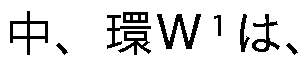 環の構成要素として少なくとも 1つの二重 結合を有し、 かつ芳香族性を有さない環構造を表す。


_〇〇_〇_、 _〇_〇〇_、 一〇一〇〇一〇一、 一〇〇 [¾2八一 、 一〇 _〇〇_ [¾3 _、
 〇一、
〇一、
 〇一〇
〇一〇

、 _3_〇〇_ [¾8八_、 _ [¾9八_〇〇_3—、 -03-, _〇 -03-, -03-0-, _ 1〇 〇3 _ 1 1 〇3_
3—、 - 3 - 03 - % - 03 - 3 - % - 3— 03— 3— % —3〇—又 は一 3〇 2—に置換されていてもよい。
 それぞれ独立して、 水素原子又は炭素数 1〜 6のア ルキル基を表す。 ]
[請求項 2] 分子量が 3000以下であり、 かつ式 (X) で表される部分構造を 有する化合物が、 式 (丨) で表される化合物〜式 (V I I I) で表さ
\¥02020/175394 224 卩(:17 2020 /007180 れる化合物のいずれかである請求項 1 に記載の光学層。

[式 ( I) 〜式 (V I I I) 中、
\¥02020/175394 225 卩(:171? 2020 /007180

の構成要素とし
 2つ有する環を 表す。

、 1、 1、 1、 1、 01、 1 1、 、 2、
2、 [¾52、 [¾62、 [¾72、 [¾82、 [¾92、 [¾102及び[¾1 12は、 それぞれ 独立して、 水素原子、 複素環基、 ハロゲン原子、 ニトロ基、 シアノ基 、 ヒドロキシ基、 チオール基、 カルボキシ基、 一 3 5、 一 3 3、
— 3〇31~1、 一 3〇21~1、 置換基を有していてもよい炭素数 1〜 25 の脂肪族炭化水素基又は置換基を有していてもよい炭素数 6〜 1 8の 芳香族炭化水素基を表し、 該脂肪族炭化水素基又は芳香族炭化水素基 に含まれる一〇1~12 -又は一〇!!=は、 一 [¾12八一、 一 3〇2 -、 一 〇〇_、 _〇_、 _〇〇〇_、 _〇〇〇_、 _〇〇 [¾13八_、 ^ -〇〇-、 一3 -、 -30-, -〇 2 -又は一〇 1~1 ーに置 換されていてもよい。
3、 3、 3、 3、 3、 3、 3、 3、 3、 〇3及び は、 それぞれ独立して、 複素環基、 ハロゲン原子、 二卜 口基、 シアノ基、 ヒドロキシ基、 チオール基、 カルボキシ基、 一
 5、 _ 3 3、 _3〇31~1、 _3〇21~1、 置換基を有していてもよい炭 素数 1〜 25の脂肪族炭化水素基又は置換基を有していてもよい炭素 数 6〜 1 8の芳香族炭化水素基を表し、 該脂肪族炭化水素基又は芳香 族炭化水素基に含まれる一◦ !~12—又は一 01~1 =は、 一〇一、 一3—
、
 _〇〇一、 _〇〇_〇_、 _〇_〇〇_、 -0-0 〇_〇一、 _〇〇 [¾2八_、 _〇_〇〇_ [¾3八_、
\¥02020/175394 226 卩(:171? 2020 /007180
_〇〇一、 _〇〇_〇_、 _〇_〇〇_、 -0-0 〇_〇一、 _〇〇 [¾2八_、 _〇_〇〇_ [¾3八_、
\¥02020/175394 226 卩(:171? 2020 /007180
〇 _、 _ 1^5/'1 _〇〇 _〇 _、 _ 1^6/'1 _〇〇 _ 1^7/'1 _、 _〇〇 _ 3 _ , _ 3 _〇〇 _ 3 _、 _ 3 _〇〇 _ 1^8* _、 _ 1^9/'1 _〇 〇_3—、 -03-, 一〇 _〇3—、 -03-0-, _ [¾10八_〇 3 -、 一 1 〇3-3 -、 -3-03-, -03-3-, - 3
— 03— 3— % — 3〇一又は一 3〇 2—に置換されていてもよい。
八、 八、 八、 八、 八、 八、 八、 八、 八、
〇八、 [^ 八、
 [¾13八及び[^^は、 それぞれ独立して、 水素 原子又は炭素数 1〜 6のアルキル基を表す。
^4、 4、 R 24 ^4、 4、 4、 4、 ^4、 4、 4
、 [¾104、 [¾1 14、 [¾5、 5、 [¾25、 [¾35、 [¾75及び[¾85は、 それ それ独立して、 電子求引性基を表す。


は互いに結合して環を形成してもよい。
は互いに結合して環を形成してもよい。
は互いに結合して環を形成してもよい。
は互いに結合して環を形成してもよい。 は互いに結合して環を形成してもよい。


[¾ 9及び[^〇は、 それぞれ独立して、 3価の連結基を表す。

[請求項 3]
 及び から選ばれる少なくとも一方が、 ニトロ基、 シアノ基
、 ハロゲン原子、 _〇〇 3、 一 3〇 3、 _ 3 5、 _ 3 3、 フル オロアルキル基、 フルオロアリール基、 一〇〇一〇一 [¾ 2 2 2、 —3 0 2— [^ 2 2 2又は—〇〇— [^ 2 2 2 ([^ 2 2 2は、 水素原子、 置換基を有して いてもよい炭素数 1〜 2 5のアルキル基又は置換基を有していてもよ い炭素数 6〜 1 8の芳香族炭化水素基を表す。 ) である請求項 2に記 載の光学層。
[請求項 4]
 及び から選ばれる少なくとも一方が、 ニトロ基、 シアノ基
、 フッ素原子、 塩素原子、 _〇〇 3、 一 3〇 3、 フルオロアルキ ル基、 _◦〇_〇_ [¾ 2 2 2又は一 3〇2 _ [¾ 2 2 2 ([¾ 2 2 2は、 水素原子 、 置換基を有していてもよい炭素数 1〜 2 5のアルキル基又は置換基 を有していてもよい炭素数 6〜 1 8の芳香族炭化水素基を表す。 ) で ある請求項 2又は 3に記載の光学層。
[請求項 5]
 及び から選ばれる少なくとも一方が、 シアノ基、 _〇〇一
 ([^ 2 2 2は、 水素原子、 置換基を有し ていてもよい炭素数 1〜 2 5のアルキル基又は置換基を有していても よい炭素数 6〜 1 8の芳香族炭化水素基を表す。 ) である請求項 2〜 4のいずれかに記載の光学層。
\¥02020/175394 228 卩(:171? 2020 /007180
([^ 2 2 2は、 水素原子、 置換基を有し ていてもよい炭素数 1〜 2 5のアルキル基又は置換基を有していても よい炭素数 6〜 1 8の芳香族炭化水素基を表す。 ) である請求項 2〜 4のいずれかに記載の光学層。
\¥02020/175394 228 卩(:171? 2020 /007180
[請求項 6]
 及び から選ばれる少なくとも一方が、 シアノ基である請求 項 2〜 5のいずれかに記載の光学層。
[請求項 7]


[請求項 8]
 ともにシアノ基である請求項 2〜 7のいずれかに記 載の光学層。
[請求項 9]
 及び が、 それぞれ独立して、 置換基を有していてもよい炭 素数 1〜 25の脂肪族炭化水素基である請求項 2〜 8のいずれかに記 載の光学層。
[請求項 10]
 1及び 2が、 互いに連結して環を形成する請求項 2〜 8のいず れかに記載の光学層。
[請求項 11]
 1及び 2が互いに連結して形成する環が、 脂肪族環である請求 項 1 〇に記載の光学層。
[請求項 12] 環 2、 環 3、 環 4、 環 5、 環 6、 環 7、 環 8、 環 \/\/9、 環
 が、 それぞれ独立して、 芳香族性を有さな い環である請求項 2〜 1 1のいずれかに記載の光学層。
[請求項 13]
 がニトロ基、 シアノ基、 ハロゲン原子、 _〇〇 3、 一 3〇 3 、 一 3 5、 一 3 3、 フルオロアルキル基、 フルオロアリール基、 -〇〇一〇一[¾1 1 又は一

それぞれ独立して、 ハロゲン原子を有していてもよい炭素数 1〜 24 のアルキル基を表す。 ) である請求項 1〜 1 2のいずれかに記載の光 学層。
[請求項 14]
 フッ素原子、 塩素原子、 一〇〇 3、 一 3〇 3、 フルオロアルキル基、
 (
(
 12 は、 それぞれ独立して、 ハロゲン原子を有してい
\¥0 2020/175394 229 卩(:171? 2020 /007180
12 は、 それぞれ独立して、 ハロゲン原子を有してい
\¥0 2020/175394 229 卩(:171? 2020 /007180
てもよい炭素数 1〜 2 4のアルキル基を表す。 ) である請求項 1〜 1 3のいずれかに記載の光学層。
[請求項 15]
 がシアノ基である請求項 1〜 1 4のいずれかに記載の光学層。 [請求項 16] 下記式 (3) を満たす請求項 1〜 1 5のいずれかに記載の光学層。
八 (3 9 5) ³ 0 5 (a)
[八 (3 9 5) は、 光学層の波長 3 9 5 n における吸光度を表す。
]
[請求項 17] 下記式 (13) を満たす請求項 1〜 1 6のいずれかに記載の光学層。
八 (3 9 5) /八 (4 3 0) ³ 1 0 ㈤
[八 (3 9 5) は光学層の波長 3 9 5 n における吸光度を表し、 八 (4 3 0) は光学層の波長 4 3 0 n における吸光度を表す。 ]
[請求項 18] 膜厚が 1〜 5 0〇 である請求項 1〜 1 7のいずれかに記載の光 学層。
[請求項 19] 分子量が 3 0 0 0以下であり、 かつ式 (X) で表される部分構造を 有する化合物と、
ガラス転移温度が 3 0 °〇以下である樹脂と、
架橋剤と、 を含む組成物から形成される請求項 1〜 1 8のいずれか に記載の光学層。
[請求項 20] 分子量が 3 0 0 0以下であり、 かつ式 (X) で表される部分構造を 有する化合物と、
光硬化性成分と、
光重合開始剤と、 を含む組成物から形成される請求項 1〜 1 8のいず れかに記載の光学層。
[請求項 21] 分子量が 3 0 0 0以下であり、 かつ式 (X) で表される部分構造を 有する化合物、 及び下記群 から選ばれる少なくとも 1つの樹脂を含 む組成物から形成される請求項 1〜 1 8のいずれかに記載の光学層。 群八 :セルロース系樹脂、 (メタ) アクリル系樹脂、 ポリエステル 系樹脂、 ポリアミ ド系樹脂、 ポリイミ ド系樹脂及びシクロオレフィン
\¥02020/175394 230 卩(:171? 2020 /007180
系樹脂
[請求項 22] 請求項 1〜 2 1のいずれかに記載の光学層と偏光子とを含む光学積 層体。
[請求項 23] 請求項 22に記載の光学積層体を含む画像表示装置。
[請求項 24] 分子量が 3000以下であり、 かつ式 (X) で表される部分構造を 有する化合物と、
ガラス転移温度が 30°〇以下である樹脂と、
架橋剤と、 を含む組成物。

[式 (X)
 環の構成要素として少なくとも 1つの二重 結合を有し、 かつ芳香族性を有さない環構造を表す。


_〇〇_〇_、 _〇_〇〇_、 一〇一〇〇一〇一、 一〇〇 [¾2八一

、 _3_〇〇_ [¾8八_、 _ [¾9八_〇〇_3—、 -03-, _〇 -03-, -03-0-, _ 1〇 〇3 -、 _ 1 1 〇3_
3—、 - 3 - 03 - % - 03 - 3 - % - 3— 03— 3— % —3〇—又 は一 3〇 2—に置換されていてもよい。
\¥0 2020/175394 231 卩(:171? 2020 /007180
 それぞれ独立して、 水素原子又は炭素数 1〜 6のア ルキル基を表す。 ]
[請求項 25] 分子量が 3 0 0 0以下であり、 かつ式 (X) で表される部分構造を 有する化合物と、
光硬化性成分と、
光重合開始剤と、 を含む組成物。

[式 (X)
 環の構成要素として少なくとも 1つの二重 結合を有し、 かつ芳香族性を有さない環構造を表す。


_〇〇_〇_、 _〇_〇〇_、 一〇一〇〇一〇一、 一〇〇 [¾ 2八一

ルキル基を表す。 ]
\¥0 2020/175394 232 卩(:171? 2020 /007180
[請求項 26] 分子量が 3 0 0 0以下であり、 かつ式 (X) で表される部分構造を 有する化合物、 及び下記群 から選ばれる少なくとも 1つの樹脂を含 む組成物。
群八 :セルロース系樹脂、 (メタ) アクリル系樹脂、 ポリエステル 系樹脂、 ポリアミ ド系樹脂、 ポリイミ ド系樹脂及びシクロオレフィン 系樹脂

[式 (X)
 環の構成要素として少なくとも 1つの二重 結合を有し、 かつ芳香族性を有さない環構造を表す。


_〇〇_〇_、 _〇_〇〇_、 一〇一〇〇一〇一、 一〇〇 [¾ 2八一

ルキル基を表す。 ]
Priority Applications (2)
| Application Number | Priority Date | Filing Date | Title |
|---|---|---|---|
| KR1020217028875A KR102891810B1 (ko) | 2019-02-28 | 2020-02-21 | 광학층 및 이 광학층을 포함하는 적층체 |
| CN202080017096.6A CN113474688B (zh) | 2019-02-28 | 2020-02-21 | 光学层和包含该光学层的层叠体 |
Applications Claiming Priority (4)
| Application Number | Priority Date | Filing Date | Title |
|---|---|---|---|
| JP2019-035796 | 2019-02-28 | ||
| JP2019035796 | 2019-02-28 | ||
| JP2019126919 | 2019-07-08 | ||
| JP2019-126919 | 2019-07-08 |
Publications (1)
| Publication Number | Publication Date |
|---|---|
| WO2020175394A1 true WO2020175394A1 (ja) | 2020-09-03 |
Family
ID=72239912
Family Applications (1)
| Application Number | Title | Priority Date | Filing Date |
|---|---|---|---|
| PCT/JP2020/007180 Ceased WO2020175394A1 (ja) | 2019-02-28 | 2020-02-21 | 光学層及び該光学層を含む積層体 |
Country Status (5)
| Country | Link |
|---|---|
| JP (1) | JP7446848B2 (ja) |
| KR (1) | KR102891810B1 (ja) |
| CN (1) | CN113474688B (ja) |
| TW (1) | TWI839474B (ja) |
| WO (1) | WO2020175394A1 (ja) |
Cited By (1)
| Publication number | Priority date | Publication date | Assignee | Title |
|---|---|---|---|---|
| CN116761793A (zh) * | 2021-02-04 | 2023-09-15 | 住友化学株式会社 | 化合物 |
Families Citing this family (2)
| Publication number | Priority date | Publication date | Assignee | Title |
|---|---|---|---|---|
| KR102874930B1 (ko) * | 2017-06-27 | 2025-10-21 | 스미또모 가가꾸 가부시키가이샤 | 광학 필름 |
| JP7591870B2 (ja) * | 2019-02-28 | 2024-11-29 | 住友化学株式会社 | 化合物 |
Citations (10)
| Publication number | Priority date | Publication date | Assignee | Title |
|---|---|---|---|---|
| US3331858A (en) * | 1965-09-03 | 1967-07-18 | Eastman Kodak Co | 3, 6-dihydro-2h-pyran-2-ones |
| US3796580A (en) * | 1970-04-10 | 1974-03-12 | Agfa Gevaert Ag | Spectrally sensitized light sensitive silver halide material |
| JPS6143739A (ja) * | 1984-07-13 | 1986-03-03 | Fuji Photo Film Co Ltd | ハロゲン化銀写真感光材料 |
| JP2011186358A (ja) * | 2010-03-11 | 2011-09-22 | Fujifilm Corp | ポリマーフィルム、その製造方法、それを用いた位相差フィルム、偏光板及び液晶表示装置 |
| JP2011184414A (ja) * | 2010-03-11 | 2011-09-22 | Fujifilm Corp | ポリマーフィルム、紫外線吸収剤、メロシアニン系化合物、及びメロシアニン系化合物の製造方法 |
| WO2014163119A1 (ja) * | 2013-04-03 | 2014-10-09 | 住友金属鉱山株式会社 | 熱線遮蔽膜、熱線遮蔽合わせ透明基材、熱線遮蔽樹脂シート材、自動車および建造物 |
| JP2017142412A (ja) * | 2016-02-12 | 2017-08-17 | 住友化学株式会社 | 光学フィルム |
| WO2017208905A1 (ja) * | 2016-05-31 | 2017-12-07 | 住友化学株式会社 | ポリメチン化合物の製造方法 |
| CN108101809A (zh) * | 2017-11-07 | 2018-06-01 | 中节能万润股份有限公司 | 一种有机电致发光组合物及其制备方法 |
| WO2019004042A1 (ja) * | 2017-06-27 | 2019-01-03 | 住友化学株式会社 | 光学フィルム |
Family Cites Families (9)
| Publication number | Priority date | Publication date | Assignee | Title |
|---|---|---|---|---|
| US3976661A (en) * | 1971-11-23 | 1976-08-24 | Eastman Kodak Company | Pyrrolo hemioxonol |
| JP2009067973A (ja) * | 2006-09-29 | 2009-04-02 | Fujifilm Corp | 紫外線吸収剤を含む高分子材料 |
| JP6407660B2 (ja) * | 2013-10-31 | 2018-10-17 | 住友化学株式会社 | (メタ)アクリル系樹脂組成物及びそれを用いた(メタ)アクリル系樹脂フィルム |
| CN104592913B (zh) * | 2015-01-30 | 2016-11-02 | 日东电工(上海松江)有限公司 | 丙烯酸类粘合剂的制备方法、粘合剂及其用途 |
| US11561472B2 (en) * | 2015-06-11 | 2023-01-24 | Nissan Chemical Industries, Ltd. | Radiation sensitive composition |
| JP2017048340A (ja) | 2015-09-04 | 2017-03-09 | 日本化薬株式会社 | 光学用粘着剤組成物、並びにこれを用いた粘着剤層及び粘着型光学フィルム |
| JP7195041B2 (ja) * | 2017-02-08 | 2022-12-23 | 住友化学株式会社 | 偏光フィルム、円偏光板および表示装置 |
| WO2019004043A1 (ja) * | 2017-06-27 | 2019-01-03 | 住友化学株式会社 | 粘着剤シート及び粘着剤層付フィルム |
| JP7380982B2 (ja) * | 2019-09-11 | 2023-11-15 | 積水ポリマテック株式会社 | タッチセンサ |
-
2020
- 2020-02-18 JP JP2020025266A patent/JP7446848B2/ja active Active
- 2020-02-21 KR KR1020217028875A patent/KR102891810B1/ko active Active
- 2020-02-21 WO PCT/JP2020/007180 patent/WO2020175394A1/ja not_active Ceased
- 2020-02-21 CN CN202080017096.6A patent/CN113474688B/zh active Active
- 2020-02-25 TW TW109106045A patent/TWI839474B/zh active
Patent Citations (10)
| Publication number | Priority date | Publication date | Assignee | Title |
|---|---|---|---|---|
| US3331858A (en) * | 1965-09-03 | 1967-07-18 | Eastman Kodak Co | 3, 6-dihydro-2h-pyran-2-ones |
| US3796580A (en) * | 1970-04-10 | 1974-03-12 | Agfa Gevaert Ag | Spectrally sensitized light sensitive silver halide material |
| JPS6143739A (ja) * | 1984-07-13 | 1986-03-03 | Fuji Photo Film Co Ltd | ハロゲン化銀写真感光材料 |
| JP2011186358A (ja) * | 2010-03-11 | 2011-09-22 | Fujifilm Corp | ポリマーフィルム、その製造方法、それを用いた位相差フィルム、偏光板及び液晶表示装置 |
| JP2011184414A (ja) * | 2010-03-11 | 2011-09-22 | Fujifilm Corp | ポリマーフィルム、紫外線吸収剤、メロシアニン系化合物、及びメロシアニン系化合物の製造方法 |
| WO2014163119A1 (ja) * | 2013-04-03 | 2014-10-09 | 住友金属鉱山株式会社 | 熱線遮蔽膜、熱線遮蔽合わせ透明基材、熱線遮蔽樹脂シート材、自動車および建造物 |
| JP2017142412A (ja) * | 2016-02-12 | 2017-08-17 | 住友化学株式会社 | 光学フィルム |
| WO2017208905A1 (ja) * | 2016-05-31 | 2017-12-07 | 住友化学株式会社 | ポリメチン化合物の製造方法 |
| WO2019004042A1 (ja) * | 2017-06-27 | 2019-01-03 | 住友化学株式会社 | 光学フィルム |
| CN108101809A (zh) * | 2017-11-07 | 2018-06-01 | 中节能万润股份有限公司 | 一种有机电致发光组合物及其制备方法 |
Cited By (1)
| Publication number | Priority date | Publication date | Assignee | Title |
|---|---|---|---|---|
| CN116761793A (zh) * | 2021-02-04 | 2023-09-15 | 住友化学株式会社 | 化合物 |
Also Published As
| Publication number | Publication date |
|---|---|
| KR102891810B1 (ko) | 2025-11-26 |
| JP7446848B2 (ja) | 2024-03-11 |
| CN113474688B (zh) | 2023-05-12 |
| TWI839474B (zh) | 2024-04-21 |
| TW202043411A (zh) | 2020-12-01 |
| JP2021006891A (ja) | 2021-01-21 |
| KR20210134341A (ko) | 2021-11-09 |
| CN113474688A (zh) | 2021-10-01 |
Similar Documents
| Publication | Publication Date | Title |
|---|---|---|
| TWI566938B (zh) | 偏光板、偏光板之製造方法及包含其之影像顯示裝置 | |
| TWI908971B (zh) | 光吸收異向性板 | |
| WO2018003498A1 (ja) | 側鎖型液晶ポリマー、液晶組成物、位相差フィルム、位相差フィルムの製造方法、転写用積層体、光学部材、光学部材の製造方法、及び表示装置 | |
| JP7825378B2 (ja) | 粘着剤組成物 | |
| WO2020196282A1 (ja) | 粘着剤組成物 | |
| WO2020175394A1 (ja) | 光学層及び該光学層を含む積層体 | |
| JP7825379B2 (ja) | 粘着剤組成物 | |
| CN111812763A (zh) | 层叠体及其制法、光学膜的形成方法、偏光膜及其制法、圆偏光板、液晶显示元件的制法 | |
| TW202421420A (zh) | 光學積層體 | |
| TWI844515B (zh) | 光學膜 | |
| KR101960832B1 (ko) | 경화성 수지 조성물 | |
| KR102050620B1 (ko) | 접착제 조성물, 이를 이용하여 형성된 접착제층을 포함하는 편광판 | |
| JP2025149918A (ja) | 偏光板およびこれを含む円偏光板 | |
| KR20260048462A (ko) | 원편광판 | |
| JP2026065476A (ja) | 偏光板およびこれを含む円偏光板 | |
| JP2026027836A (ja) | 偏光板およびこれを含む円偏光板 | |
| WO2025258349A1 (ja) | 非フッ素系レベリング剤、組成物、液晶硬化層、画像表示装置 |
Legal Events
| Date | Code | Title | Description |
|---|---|---|---|
| 121 | Ep: the epo has been informed by wipo that ep was designated in this application |
Ref document number: 20763185 Country of ref document: EP Kind code of ref document: A1 |
|
| NENP | Non-entry into the national phase |
Ref country code: DE |
|
| 122 | Ep: pct application non-entry in european phase |
Ref document number: 20763185 Country of ref document: EP Kind code of ref document: A1 |