WO2020175393A1 - 化合物 - Google Patents
化合物 Download PDFInfo
- Publication number
- WO2020175393A1 WO2020175393A1 PCT/JP2020/007179 JP2020007179W WO2020175393A1 WO 2020175393 A1 WO2020175393 A1 WO 2020175393A1 JP 2020007179 W JP2020007179 W JP 2020007179W WO 2020175393 A1 WO2020175393 A1 WO 2020175393A1
- Authority
- WO
- WIPO (PCT)
- Prior art keywords
- group
- formula
- compound
- parts
- compound represented
- Prior art date
- Legal status (The legal status is an assumption and is not a legal conclusion. Google has not performed a legal analysis and makes no representation as to the accuracy of the status listed.)
- Ceased
Links
- 0 CC(CC(C1)c2ccccc2)=CC1=* Chemical compound CC(CC(C1)c2ccccc2)=CC1=* 0.000 description 5
- HMUHTVNHWWUWJS-UHFFFAOYSA-N CC(C)(CC(C1C#N)=C(C#N)C#N)CC1=O Chemical compound CC(C)(CC(C1C#N)=C(C#N)C#N)CC1=O HMUHTVNHWWUWJS-UHFFFAOYSA-N 0.000 description 1
- JGFZNNIVVJXRND-UHFFFAOYSA-N CCN(C(C)C)C(C)C Chemical compound CCN(C(C)C)C(C)C JGFZNNIVVJXRND-UHFFFAOYSA-N 0.000 description 1
Classifications
-
- C—CHEMISTRY; METALLURGY
- C07—ORGANIC CHEMISTRY
- C07D—HETEROCYCLIC COMPOUNDS
- C07D205/00—Heterocyclic compounds containing four-membered rings with one nitrogen atom as the only ring hetero atom
- C07D205/02—Heterocyclic compounds containing four-membered rings with one nitrogen atom as the only ring hetero atom not condensed with other rings
- C07D205/04—Heterocyclic compounds containing four-membered rings with one nitrogen atom as the only ring hetero atom not condensed with other rings having no double bonds between ring members or between ring members and non-ring members
-
- C—CHEMISTRY; METALLURGY
- C07—ORGANIC CHEMISTRY
- C07D—HETEROCYCLIC COMPOUNDS
- C07D295/00—Heterocyclic compounds containing polymethylene-imine rings with at least five ring members, 3-azabicyclo [3.2.2] nonane, piperazine, morpholine or thiomorpholine rings, having only hydrogen atoms directly attached to the ring carbon atoms
- C07D295/04—Heterocyclic compounds containing polymethylene-imine rings with at least five ring members, 3-azabicyclo [3.2.2] nonane, piperazine, morpholine or thiomorpholine rings, having only hydrogen atoms directly attached to the ring carbon atoms with substituted hydrocarbon radicals attached to ring nitrogen atoms
- C07D295/14—Heterocyclic compounds containing polymethylene-imine rings with at least five ring members, 3-azabicyclo [3.2.2] nonane, piperazine, morpholine or thiomorpholine rings, having only hydrogen atoms directly attached to the ring carbon atoms with substituted hydrocarbon radicals attached to ring nitrogen atoms substituted by carbon atoms having three bonds to hetero atoms with at the most one bond to halogen, e.g. ester or nitrile radicals
- C07D295/155—Heterocyclic compounds containing polymethylene-imine rings with at least five ring members, 3-azabicyclo [3.2.2] nonane, piperazine, morpholine or thiomorpholine rings, having only hydrogen atoms directly attached to the ring carbon atoms with substituted hydrocarbon radicals attached to ring nitrogen atoms substituted by carbon atoms having three bonds to hetero atoms with at the most one bond to halogen, e.g. ester or nitrile radicals with the ring nitrogen atoms and the carbon atoms with three bonds to hetero atoms separated by carbocyclic rings or by carbon chains interrupted by carbocyclic rings
-
- C—CHEMISTRY; METALLURGY
- C07—ORGANIC CHEMISTRY
- C07C—ACYCLIC OR CARBOCYCLIC COMPOUNDS
- C07C255/00—Carboxylic acid nitriles
- C07C255/01—Carboxylic acid nitriles having cyano groups bound to acyclic carbon atoms
- C07C255/30—Carboxylic acid nitriles having cyano groups bound to acyclic carbon atoms containing cyano groups and singly-bound nitrogen atoms, not being further bound to other hetero atoms, bound to the same unsaturated acyclic carbon skeleton
-
- C—CHEMISTRY; METALLURGY
- C07—ORGANIC CHEMISTRY
- C07C—ACYCLIC OR CARBOCYCLIC COMPOUNDS
- C07C255/00—Carboxylic acid nitriles
- C07C255/01—Carboxylic acid nitriles having cyano groups bound to acyclic carbon atoms
- C07C255/32—Carboxylic acid nitriles having cyano groups bound to acyclic carbon atoms having cyano groups bound to acyclic carbon atoms of a carbon skeleton containing at least one six-membered aromatic ring
- C07C255/42—Carboxylic acid nitriles having cyano groups bound to acyclic carbon atoms having cyano groups bound to acyclic carbon atoms of a carbon skeleton containing at least one six-membered aromatic ring the carbon skeleton being further substituted by singly-bound nitrogen atoms, not being further bound to other hetero atoms
-
- C—CHEMISTRY; METALLURGY
- C07—ORGANIC CHEMISTRY
- C07C—ACYCLIC OR CARBOCYCLIC COMPOUNDS
- C07C255/00—Carboxylic acid nitriles
- C07C255/45—Carboxylic acid nitriles having cyano groups bound to carbon atoms of rings other than six-membered aromatic rings
- C07C255/46—Carboxylic acid nitriles having cyano groups bound to carbon atoms of rings other than six-membered aromatic rings to carbon atoms of non-condensed rings
-
- C—CHEMISTRY; METALLURGY
- C07—ORGANIC CHEMISTRY
- C07D—HETEROCYCLIC COMPOUNDS
- C07D207/00—Heterocyclic compounds containing five-membered rings not condensed with other rings, with one nitrogen atom as the only ring hetero atom
- C07D207/02—Heterocyclic compounds containing five-membered rings not condensed with other rings, with one nitrogen atom as the only ring hetero atom with only hydrogen or carbon atoms directly attached to the ring nitrogen atom
- C07D207/04—Heterocyclic compounds containing five-membered rings not condensed with other rings, with one nitrogen atom as the only ring hetero atom with only hydrogen or carbon atoms directly attached to the ring nitrogen atom having no double bonds between ring members or between ring members and non-ring members
- C07D207/06—Heterocyclic compounds containing five-membered rings not condensed with other rings, with one nitrogen atom as the only ring hetero atom with only hydrogen or carbon atoms directly attached to the ring nitrogen atom having no double bonds between ring members or between ring members and non-ring members with radicals, containing only hydrogen and carbon atoms, attached to ring carbon atoms
-
- C—CHEMISTRY; METALLURGY
- C07—ORGANIC CHEMISTRY
- C07D—HETEROCYCLIC COMPOUNDS
- C07D207/00—Heterocyclic compounds containing five-membered rings not condensed with other rings, with one nitrogen atom as the only ring hetero atom
- C07D207/02—Heterocyclic compounds containing five-membered rings not condensed with other rings, with one nitrogen atom as the only ring hetero atom with only hydrogen or carbon atoms directly attached to the ring nitrogen atom
- C07D207/18—Heterocyclic compounds containing five-membered rings not condensed with other rings, with one nitrogen atom as the only ring hetero atom with only hydrogen or carbon atoms directly attached to the ring nitrogen atom having one double bond between ring members or between a ring member and a non-ring member
- C07D207/20—Heterocyclic compounds containing five-membered rings not condensed with other rings, with one nitrogen atom as the only ring hetero atom with only hydrogen or carbon atoms directly attached to the ring nitrogen atom having one double bond between ring members or between a ring member and a non-ring member with only hydrogen atoms, hydrocarbon or substituted hydrocarbon radicals, directly attached to ring carbon atoms
-
- C—CHEMISTRY; METALLURGY
- C07—ORGANIC CHEMISTRY
- C07D—HETEROCYCLIC COMPOUNDS
- C07D209/00—Heterocyclic compounds containing five-membered rings, condensed with other rings, with one nitrogen atom as the only ring hetero atom
- C07D209/02—Heterocyclic compounds containing five-membered rings, condensed with other rings, with one nitrogen atom as the only ring hetero atom condensed with one carbocyclic ring
- C07D209/04—Indoles; Hydrogenated indoles
- C07D209/10—Indoles; Hydrogenated indoles with substituted hydrocarbon radicals attached to carbon atoms of the hetero ring
- C07D209/18—Radicals substituted by carbon atoms having three bonds to hetero atoms with at the most one bond to halogen, e.g. ester or nitrile radicals
-
- C—CHEMISTRY; METALLURGY
- C07—ORGANIC CHEMISTRY
- C07D—HETEROCYCLIC COMPOUNDS
- C07D209/00—Heterocyclic compounds containing five-membered rings, condensed with other rings, with one nitrogen atom as the only ring hetero atom
- C07D209/02—Heterocyclic compounds containing five-membered rings, condensed with other rings, with one nitrogen atom as the only ring hetero atom condensed with one carbocyclic ring
- C07D209/04—Indoles; Hydrogenated indoles
- C07D209/10—Indoles; Hydrogenated indoles with substituted hydrocarbon radicals attached to carbon atoms of the hetero ring
- C07D209/18—Radicals substituted by carbon atoms having three bonds to hetero atoms with at the most one bond to halogen, e.g. ester or nitrile radicals
- C07D209/20—Radicals substituted by carbon atoms having three bonds to hetero atoms with at the most one bond to halogen, e.g. ester or nitrile radicals substituted additionally by nitrogen atoms, e.g. tryptophane
-
- C—CHEMISTRY; METALLURGY
- C07—ORGANIC CHEMISTRY
- C07D—HETEROCYCLIC COMPOUNDS
- C07D211/00—Heterocyclic compounds containing hydrogenated pyridine rings, not condensed with other rings
- C07D211/04—Heterocyclic compounds containing hydrogenated pyridine rings, not condensed with other rings with only hydrogen or carbon atoms directly attached to the ring nitrogen atom
- C07D211/06—Heterocyclic compounds containing hydrogenated pyridine rings, not condensed with other rings with only hydrogen or carbon atoms directly attached to the ring nitrogen atom having no double bonds between ring members or between ring members and non-ring members
- C07D211/36—Heterocyclic compounds containing hydrogenated pyridine rings, not condensed with other rings with only hydrogen or carbon atoms directly attached to the ring nitrogen atom having no double bonds between ring members or between ring members and non-ring members with hetero atoms or with carbon atoms having three bonds to hetero atoms with at the most one bond to halogen, e.g. ester or nitrile radicals, directly attached to ring carbon atoms
- C07D211/40—Oxygen atoms
- C07D211/44—Oxygen atoms attached in position 4
- C07D211/46—Oxygen atoms attached in position 4 having a hydrogen atom as the second substituent in position 4
-
- C—CHEMISTRY; METALLURGY
- C07—ORGANIC CHEMISTRY
- C07D—HETEROCYCLIC COMPOUNDS
- C07D319/00—Heterocyclic compounds containing six-membered rings having two oxygen atoms as the only ring hetero atoms
- C07D319/04—1,3-Dioxanes; Hydrogenated 1,3-dioxanes
- C07D319/06—1,3-Dioxanes; Hydrogenated 1,3-dioxanes not condensed with other rings
-
- C—CHEMISTRY; METALLURGY
- C07—ORGANIC CHEMISTRY
- C07F—ACYCLIC, CARBOCYCLIC OR HETEROCYCLIC COMPOUNDS CONTAINING ELEMENTS OTHER THAN CARBON, HYDROGEN, HALOGEN, OXYGEN, NITROGEN, SULFUR, SELENIUM OR TELLURIUM
- C07F7/00—Compounds containing elements of Groups 4 or 14 of the Periodic Table
- C07F7/02—Silicon compounds
- C07F7/08—Compounds having one or more C—Si linkages
- C07F7/18—Compounds having one or more C—Si linkages as well as one or more C—O—Si linkages
- C07F7/1804—Compounds having Si-O-C linkages
-
- C—CHEMISTRY; METALLURGY
- C09—DYES; PAINTS; POLISHES; NATURAL RESINS; ADHESIVES; COMPOSITIONS NOT OTHERWISE PROVIDED FOR; APPLICATIONS OF MATERIALS NOT OTHERWISE PROVIDED FOR
- C09K—MATERIALS FOR MISCELLANEOUS APPLICATIONS, NOT PROVIDED FOR ELSEWHERE
- C09K3/00—Materials not provided for elsewhere
-
- C—CHEMISTRY; METALLURGY
- C07—ORGANIC CHEMISTRY
- C07C—ACYCLIC OR CARBOCYCLIC COMPOUNDS
- C07C2601/00—Systems containing only non-condensed rings
- C07C2601/12—Systems containing only non-condensed rings with a six-membered ring
- C07C2601/16—Systems containing only non-condensed rings with a six-membered ring the ring being unsaturated
Definitions
- the present invention relates to a compound.
- UV absorbers have been used in products for various purposes.
- UV absorbers are roughly classified into inorganic UV absorbers and organic absorbers.
- Inorganic UV absorbers have good durability such as light resistance and heat resistance, but on the other hand, they tend to be inferior in the control of absorption wavelength and compatibility with organic materials.
- organic UV absorbers are inferior in durability to inorganic UV absorbers, but due to the degree of freedom of the molecular structure of organic UV absorbers, the absorption wavelength, compatibility with organic materials, etc. It is controllable and used in a wide range of fields such as sunscreen, paints, optical materials and building materials, and automotive materials.
- Examples of the organic ultraviolet absorber generally include compounds having a triazole skeleton, a benzophenone skeleton, a triazine skeleton, and a cyanoacrylate skeleton.
- the organic UV absorbers having the above skeleton have the maximum absorption wavelength (s 0 ⁇ ⁇ ) below the wavelength 360 0 1 ⁇ 0! It was not possible to efficiently absorb the ultraviolet region, and it was necessary to use a large amount in order to fully absorb the light in this region.
- most of the compounds having the skeleton have broad absorption spectra and have wavelengths of 380 to 400. Wavelength of 380 to 400
- the composition containing the ultraviolet absorber is colored because absorption occurs not only in the wavelength region of 480 nm but also in the light of 420 n or more.
- Patent Document 1 proposes a compound having a merocyanine skeleton represented by the following formula as an organic ultraviolet absorber.
- Patent Document 1 discloses that a film containing a compound having a merocyanine skeleton represented by the following formula has a low light transmittance in the vicinity of a wavelength of 390 n. ⁇ 0 2020/175393 2 ⁇ (: 170? 2020 /007179
- Patent Document 1 Japanese Unexamined Patent Publication No. 2 0 1 0 _ 1 1 1 8 2 3
- the compound having a merocyanine skeleton has low durability (particularly weather resistance), and it was difficult to apply it to applications where severe weather resistance is required.
- An object of the present invention is to provide a novel compound having a merocyanine skeleton, which efficiently absorbs light having a wavelength of 380 to 400 n and can be used as an ultraviolet to near-ultraviolet absorber having good weather resistance. It is to be.
- the present invention includes the following inventions.
- One 3_Rei 3, _3 5, One 3 3, -S0 2 -R 222 may have a alkyl group or a substituent of the hydrogen atom, the number of carbon atoms but it may also be substituted 1-25 6 to 1 carbon atoms that can be used
- [7] are each independently an aliphatic hydrocarbon group which may have a substituent, [1] to [6].
- the ring formed by connecting 2 and 2 to each other is a ring having no unsaturated bond, [8].
- £ (s 1113) is the gram extinction coefficient at the maximum absorption wavelength [1 ⁇ 01] of the compound represented by formula (), and £ (s max+30 nm) is the formula (I)). This represents the Gram extinction coefficient at the wavelength [1 ⁇ 111] at the (maximum absorption wavelength [1 ⁇ 111] +301 ⁇ 111) of the compound represented by.
- the present invention provides a novel compound having a merocyanine skeleton having a high absorption selectivity for visible light having a short wavelength of 380 to 400 n . Further, the compound of the present invention has good weather resistance.
- the compound of the present invention is a compound having a structure represented by the formula (") (hereinafter sometimes referred to as a compound (")).
- a halogen atom As the electron withdrawing group represented by [0012] and 5, a halogen atom, a nitro group, a cyano group, a carboxy group, a halogenated alkyl group, halogenated aryl group, one hundred 3, One 3_Rei 3, _3 5 , _3 3 , _3 0 3 1 to 1, _3 0 2 ! ⁇ 1, and a group represented by the formula (X-1). (X)
- 8 222 represents a hydrogen atom, an alkyl group having 1 to 25 carbon atoms which may have a substituent, or an aromatic hydrocarbon group having 6 to 18 carbon atoms which may have a substituent.
- 224] each independently represent a hydrogen atom, an alkyl group having 1 to 6 carbon atoms or a phenyl group.
- halogen atom examples include a fluorine atom, a chlorine atom, a bromine atom, and an iodine atom.
- halogenated alkyl group examples include a trifluoromethyl group, a bellofluoroethyl group, a perfluoropropyl group, a perfluoroisopropyl group, a perfluorobutyl group, a perfluoro-3 ⁇ -butyl group, a perfluoro ⁇ “-butyl group, a perfluoropentyl group and a perfluorohexyl group.
- a perfluoroalkyl group is preferable, and a halogenated alkyl group usually has 1 to 25 carbon atoms, and preferably has 1 to 12 carbon atoms.
- Halogenated alkyl groups are straight-chain ⁇ 0 2020/175393 7 ⁇ (: 170? 2020 /007179
- halogenated aryl group examples include a fluorophenyl group, a chlorophenyl group, a bromophenyl group, and the like.
- a fluoroaryl group is preferable, and a perfluoroaryl group is more preferable.
- the halogenated aryl group has usually 6 to 18 carbon atoms, preferably 6 to 12 carbon atoms.
- X 1 is ten thousand and one or one 3_Rei 2 - is preferably.
- Examples of the alkyl group having 1 to 25 carbon atoms represented by 3 ⁇ 4 2 2 2 include a methyl group, an ethyl group, a _propyl group, an isopropyl group, a _butyl group, a 6 ⁇ 1: _butyl group, 3 ⁇ — Butyl group, Pentyl group, Examples thereof include linear or branched alkyl groups having 1 to 25 carbon atoms such as hexyl group, 1-methylbutyl group, 3-methylbutyl group, —octyl group, —decyl, and 2-hexyloctyl group.
- [ 2 22 2 is preferably an alkyl group having 1 to 12 carbon atoms.
- substituents examples include a halogen atom and a hydroxy group.
- the aromatic hydrocarbon group having 6 to 18 carbon atoms represented by 3 ⁇ 4 2 22 includes an aryl group having 6 to 18 carbon atoms such as a phenyl group, a naphthyl group, an anthracenyl group, and a biphenyl group; benzyl. Group, phenylethyl group, naphthylmethyl group, etc., with 7 to 7 carbon atoms
- substituents examples include a halogen atom and a hydroxy group.
- Is a methyl group, an ethyl group, a propyl group, an isopropyl group, a butyl group, 6 "1: butyl group, 3 ⁇ ⁇ -butyl group, Pentyl group, Hexyl group, 1-methylbutyl group, 3-methylbutyl and the like can be mentioned.
- a fluoroalkyl group preferably, a fluoroalkyl group having 1 to 25 carbon atoms
- a fluoroaryl group preferably, a fluoroaryl group having 6 to 18 carbon atoms
- a cyano group preferably, a fluoroalkyl group having 1 to 25 carbon atoms
- _ ⁇ _ ⁇ 3 One 3 0 3 or a fluoroalkyl group (preferably, a fluoroalkyl group having a carbon number of 1-2 5) more preferably, even more preferably that it is a cyano group.
- One 3_Rei 2 - [3 ⁇ 4 2 2 2 ( [3 ⁇ 4 2 2 2 are have a hydrogen atom, a substituent Represents an alkyl group having 1 to 25 carbon atoms or an aromatic hydrocarbon group having 6 to 18 carbon atoms which may have a substituent), and a fluoroalkyl group (preferably having 1 carbon atom). ⁇ 25 fluoroalkyl group) or a fluoroaryl group (preferably a fluoroaryl group having 6 to 18 carbon atoms). More preferably, it is a cyano group, a nitro group, -0 0 -0, and further preferably a cyano group. Is preferred.
- the ring formed by combining with each other may be a monocyclic ring or a condensed ring, but is preferably a monocyclic ring. Also, The ring formed by combining with each other may include a hetero atom (nitrogen atom, oxygen atom, sulfur atom) or the like as a constituent element of the ring.
- the ring formed by and are usually a 3- to 10-membered ring, preferably a 5- to 7-membered ring, and more preferably a 5- or 6-membered ring.
- Examples of the ring formed by and are bonded to each other include the structures described below.
- Examples of the substituent represented by the above [3 ⁇ 4 1 ⁇ [ ⁇ 6 £ are, for example, a halogen atom such as a fluorine atom, a chlorine atom, a bromine atom and an iodine atom; a methyl group, an ethyl group, a propyl group, a butyl group and a pentyl group.
- a halogen atom such as a fluorine atom, a chlorine atom, a bromine atom and an iodine atom
- a halogen atom such as a fluorine atom, a chlorine atom, a bromine atom and an iodine atom
- a methyl group such as an ethyl group, a propyl group, a butyl group and a pentyl group.
- halogenated with 1 to 12 carbon atoms Alkyl group; methoxy group, ethoxy group, propoxy group, butoxy group, pentyloxy group, hexyloxy group, and other alkoxy groups having 1 to 12 carbon atoms; methylthio group, ethylthio group, propylthio group, pentylthio group, pentylthio group , An alkylthio group having 1 to 12 carbon atoms such as hexylthio group; monofluoromethoxy group, difluoromethoxy group, trifluoromethoxy group, 2-fluoroethoxy group, 1, 1, 2, 2, 2-pentafluoroethoxy group, etc.
- alkoxy group having 1 to 12 carbon atoms amino group, methylamino group, ethylamino group, dimethylamino group, diethylamino group, amino that may be substituted with alkyl group having 1 to 6 carbon atoms such as methylethyl Group; a methylcarbonyl group, an alkylcarbonyloxy group having 2 to 12 carbon atoms such as an ethylcarbonyloxy group; a methylsulfonyl group, an alkylsulfonyl group having 1 to 12 carbon atoms such as an ethylsulfonyl group; a phenylsulfonyl group, etc. arylsulfonyl group having a carbon number of 6-1 two cyano groups, nitro group, a hydroxyl group, a thiol group, a force Rubokishi group; single 3 3; - 3 5 like.
- the above [3 ⁇ 4 1 £ to [ ⁇ 6 £ are each independently preferably an alkyl group having 1 to 12 carbon atoms, more preferably an alkyl group having 1 to 6 carbon atoms, and further preferably Is a methyl group. ⁇ 0 2020/175393 10 ⁇ (: 170? 2020/007179
- substituents which may be have halogen atom, a hydroxyl group, a nitro group, a cyano group, one 3_Rei 3 1-1, thiol group, an amino group, and the like.
- the aliphatic hydrocarbon group is _ 3 0 2 _ 8 1 1 1 ( Preferably in the alkyl group) is a group table, _3_Rei 2 Rei_1 ⁇ 1 2, may be filed in _3_Rei 2 Rei_1 - 1 2.
- Examples of the aromatic hydrocarbon group having 6 to 18 carbon atoms represented by are phenyl group, naphthyl group, anthracenyl group, tetracenyl group, pentacenyl group, phenanthryl group, chrysenyl group, triphenylenyl group, tetoraphenyl group and pyrenyl group.
- one hundred and one or one 3 0 2 - are preferably substituted with.
- the aromatic hydrocarbon group is an aryloxy group having a carbon number of 6 to 17 such as a phenoxy group; a phenoxyethyl group, a phenoxydiethylene glycol group, an arylalcohol of a phenoxypolyalkylene glycol group. It is preferably a Coxy group or the like.
- the aromatic hydrocarbon group is _ 3 0 2 _ 8 1 1 2 (8 1 1 2 is an aryl group having 6 to 17 carbon atoms or 7 to 1 carbon atoms) It represents the aralkyl group of 7. It is preferable that it is a group represented by.
- Examples thereof include a fluorine atom, a chlorine atom, a bromine atom and an iodine atom.
- heterocyclic groups represented by 6 and 7 are each independently preferably a pyrrolidyl group, a piperidyl group, a tetrahydrofurfuryl group, a tetrahydropyranyl group, a tetrahydrothiopheno group, a tetrahydrothiopyranyl group or a pyridyl group. ..
- the ring formed by combining and with each other contains one nitrogen atom as a constituent element of the ring.
- the ring formed by combining with each other may be a monocyclic ring or a condensed ring, but is preferably a monocyclic ring.
- the ring formed by combining with each other may further contain a hetero atom (oxygen atom, sulfur atom, nitrogen atom, etc.) as a constituent element of the ring.
- the ring formed by combining and and is preferably a ring having no unsaturated bond.
- the ring formed by and are usually a 3- to 10-membered ring, preferably a 5- to 7-membered ring, and more preferably a 5- or 6-membered ring.
- the ring formed by combining 1 and 2 with each other may have a substituent.
- the displacing group As the displacing group,
- Examples of the ring formed by combining and with each other include the rings described below.
- the ring formed by linking with each other contains one nitrogen atom as a constituent element of the ring.
- the ring formed by combining 6 and 6 may be a monocycle or a condensed ring, but is preferably a monocycle. And 6 combine with each other ⁇ 0 2020/175393 14 ⁇ (: 170? 2020 /007179
- the ring thus formed may further contain a hetero atom (oxygen atom, sulfur atom, nitrogen atom, etc.) as a constituent element of the ring.
- a hetero atom oxygen atom, sulfur atom, nitrogen atom, etc.
- the ring formed by and are usually a 3- to 10-membered ring, preferably a 5- to 7-membered ring, and more preferably a 5- or 6-membered ring.
- Examples of the ring formed by connecting 1 and 6 to each other include the rings described below.
- the ring formed by linking and with each other has at least one double bond as a component of the ring.
- the double bond contained in the ring thus formed is usually 1 to 4, preferably 1 to 3, more preferably 1 or 2, and even more preferably 1.
- the ring formed by 6 and 7 connecting to each other preferably has no aromaticity.
- the ring formed by 6 and 7 connecting to each other may be a heterocycle containing a hetero atom (eg, oxygen atom, sulfur atom, nitrogen atom, etc.) as a constituent element of the ring.
- a hetero atom eg, oxygen atom, sulfur atom, nitrogen atom, etc.
- the ring formed by is a ring having 5 to 18 carbon atoms
- a 5- to 7-membered ring structure is preferable, and a 6-membered ring structure is more preferable.
- the ring formed by 6 and 7 linked to each other may be a monocycle or a condensed ring, but is preferably a monocycle.
- the ring formed by 6 and 7 connecting to each other may have a substituent, ⁇ 02020/175393 15 2020/007179
- Examples of the ring formed by combining with each other include the rings described below.
- * 1 represents a bond with a nitrogen atom
- * 2 represents a bond with a carbon atom
- alkyl group having 1 to 25 carbon atoms is preferably an alkyl group having 1 to 25 carbon atoms, more preferably an alkyl group having 1 to 12 carbon atoms, and a linear alkyl group having 1 to 6 carbon atoms. And more preferably a methyl group, a ethyl group, a _propyl group or a _butyl group.
- an alkyl group having 1 to 12 carbon atoms is more preferable, a branched alkyl group having 1 to 6 carbon atoms is more preferable, an isopropyl group, an isoptyl group, and a 1_putyl group. Is particularly preferable.
- the compound (I) is preferably a compound represented by the formula (II).
- the ring is preferably, for example, the ring described below.
- *1 represents a bond with a nitrogen atom
- *2 represents a bond with a carbon atom
- ⁇ X! And ⁇ > ⁇ 2 each independently represent a hydrogen atom or a substituent.
- Maximum absorption wavelength of compound ( ⁇ ) Has a wavelength of 370 If it is more than ⁇ ! and less than 4 2 0 1 ⁇ ⁇ !, It can efficiently absorb ultraviolet to near-ultraviolet light in the following range.
- the wavelength may be more than 370 n and not more than 420 n, preferably not less than 375 n and 415 n or more. ⁇ 02020/175393 18 ⁇ (: 170? 2020 /007179
- the wavelength is not more than 01, more preferably not less than 375 n 01 and not more than 4 10 n, and further preferably not less than 3801 ⁇ ! and not more than 4001 ⁇ .
- the compound () has a gram extinction coefficient ⁇ in s 1113 of preferably 0.5 or more, more preferably 0. 75 or more, and particularly preferably 1.0 or more.
- the upper limit is not particularly limited, but is generally 10 or less.
- the line 1113 represents the maximum absorption wavelength [1 ⁇ ! 01] of the compound ( ⁇ ).
- the efficiency of UV to near-UV light in the wavelength range of 3701 ⁇ 01 or more and 4201 ⁇ 01 or less can be achieved even with a small amount of addition. Can be well absorbed.
- the compound ( ⁇ ) preferably has a ratio of £(Su 1113)/£(Su 1113+3 11111) of 5 or more, more preferably 10 or more, and particularly preferably 20 or more.
- the upper limit is not particularly limited, but it is generally 1 000 or less.
- £ (Su 1113) is the Gram extinction coefficient of the compound ( ⁇ ) at the maximum absorption wavelength [nm]
- £ (Su 1113 + 30 01) is the (maximum absorption wavelength [1 ⁇ 111 of Compound (I). ] +3 ⁇ 1 ⁇ 111)
- Wavelength [ ⁇ ] represents the gram extinction coefficient.
- Examples of the compound () include the compounds described below.
- the compound ( ⁇ ) is represented by formula (1 — 1) to formula (1 — 4), formula (1 _7), formula (1 — 8), formula (1 — 1 0), formula (1 — 1 2), formula (1 — 1 2) (1 — 20) ⁇ Expression (1 — 25), Expression (1 — 55) ⁇ Expression (1 — 57), Expression (1 — 59), Expression (1 — 63), Expression (1 — 64), Expression ( 1 —67), Formula (1 —69) ⁇ Formula (1 —76), Formula (1 _ 1 23), Formula (1 — 1 26), Formula (1 — 1 27), Formula (1 — 1 29) It is preferable that the compound is represented by formula (1-16-161), formula (1-166), formula (1-337) to formula (1-404),
- Expression (1 _55), Expression (1 _59), Expression (1 _63), Expression (1 _64), Expression (1 — 1 23), Expression (1 — 1 4 1), Expression (1 — 1 47), Expression (1 — 1 53) and compounds represented by formula (1 — 337) to formula (1 — 404) are more preferred.
- the compound () is, for example, a compound represented by the formula (1) (hereinafter sometimes referred to as a compound (I-1)) and a compound represented by the formula (2) (hereinafter, a compound). It can be obtained by reacting with () _ 2).
- the reaction between the compound (I-1) and the compound (I-2) is usually carried out by mixing the compound (1-1) and the compound ( ⁇ _2), and It is preferable to add the compound ( ⁇ -2) to
- the compound (I -2) and the base are mixed with the mixture of the compound (1 _ 1) and the methylating agent,
- Examples of the base include metal hydroxides such as sodium hydroxide, lithium hydroxide, potassium hydroxide, cesium hydroxide, rubidium hydroxide, calcium hydroxide, barium hydroxide, and magnesium oxide (preferably alkali metal water).
- metal hydroxides such as sodium hydroxide, lithium hydroxide, potassium hydroxide, cesium hydroxide, rubidium hydroxide, calcium hydroxide, barium hydroxide, and magnesium oxide (preferably alkali metal water).
- Metal alkoxides preferably alkali metal alkoxides
- Metal alkoxides such as sodium methoxide, potassium methoxide, lithium methoxide, sodium ethoxide, sodium isopropoxide, sodium-1: _ butoxide, potassium I _ butoxide
- lithium hydride hydrogen Metal hydrides such as sodium hydride, potassium hydride, lithium aluminum hydride, sodium borohydride, aluminum hydride, sodium aluminum hydride
- metal oxides such as calcium oxide and magnesium oxide
- Organic alkyl metal compounds such as normal putyl lithium, evening sialyptyl lithium, methyl lithium, Grignard reagent; ammonia, triethylamine, diisopropylethylamine, ethanol Amine, pyrrolidine, piberizine, diazabicycloundecene, diazabicyclononene
- Tertiary amines such as sopropylethylamine
- Metal amide compounds preferably alkali metal amides
- Sulfonium compounds such as trimethylsulfonium hydroxide
- Iodonium compounds such as diphenyl iodonium hydroxide
- phosphazene bases and the like.
- the amount of the base used is usually 0.1 to 5 mol, preferably 0.5 to 2 mol, per 1 mol of the compound (_ 1).
- methylating agent examples include iodomethane, dimethyl sulfate, methyl methanesulfonate, methyl fluorosulfonate, methyl paratoluenesulfonate, methyl trifluoromethanesulfonate, trimethyloxonium tetrafluoroborate and the like.
- the amount of the methylating agent used is usually 0.1 to 5.0 mol, and preferably 0.5 to 2.0 mol, relative to 1 mol of the compound (_ 1).
- the reaction between the compound ( ⁇ _1) and the compound ( ⁇ _2) may be carried out in the presence of a solvent.
- a solvent examples include acetonitrile, benzene, toluene, acetone, ethyl acetate, chloroform, dichloroethane, monochlorobenzene, methanol, ethanol, isopropanol, 6 1 ⁇ 1: _butanol, 2-butanone, tetrahydrofuran, diethyl ether, dimethyl sulfoxide. , 1 ⁇ 1,
- Acetonitrile, tetrahydrofuran, chloroform, dichloromethane and diethyl ether are preferable, acetonitril, tetrahydrofuran and chloroform are more preferable, and acetnitrile is more preferable.
- the solvent is preferably a dehydrated solvent.
- the reaction time between the compound ( ⁇ _ 1) and the compound ( ⁇ _ 2) is usually ⁇ to 10 ⁇ 0 2020/175393 35 hours (: 170? 2020/007179 hours, preferably 0.2 to 3 hours.
- the reaction temperature between the compound ( ⁇ _ 1) and the compound ( ⁇ _ 2) is usually 50 to 150 ° ⁇ , preferably 120 to 100 ° ⁇ .
- the amount of the compound (I-2) to be used is usually 0.1 to 10 mol, preferably 0.5 to 5 mol, per 1 mol of the compound (I-1).
- Examples of compound (I-1) include the compounds described below.
- the compound (I-1) is represented by, for example, a compound represented by the formula (I-3) (hereinafter sometimes referred to as a compound (_3).) and a formula (_4).
- Min 1 The leaving group represented by Min 1 is a halogen atom, -toluenesulfonyl group
- reaction between the compound (I_3) and the compound ( ⁇ -4) is carried out by mixing the compound (I_3) and the compound ( ⁇ _4).
- the amount of the compound (_ _4) used is usually ⁇ per 1 mol of the compound (_ _3).
- the amount is 1 to 5 mol, preferably 0.5 to 2 mol.
- the reaction between compound (__) and compound (__4) may be carried out in the presence of a solvent.
- Solvents include acetonitrile, benzene, toluene, acetone, ethyl acetate, chloroform, dichloroethane, monochlorobenzene, methanol, ethanol, isopropanol, 6 1 ⁇ 1: _butanol, 2-butanone, tetrahydrofuran, diethyl ether, dimethyl.
- Solvents include acetonitrile, benzene, toluene, acetone, ethyl acetate, chloroform, dichloroethane, monochlorobenzene, methanol, ethanol, isopropanol, 6 1 ⁇ 1: _butanol, 2-butanone, tetrahydrofuran, diethyl ether, dimethyl.
- Sulfoxide 1 ⁇ 1
- 1 ⁇ 1-dimethylacetamide, 1 ⁇ 1, 1 ⁇ 1-dimethylformamide, water, etc. may be mentioned.
- Acetonitrile, tetrahydrofuran, chloroform, dichloromethane and diethyl ether are preferred, acetonitrile, tetrahydrofuran and chloroform are more preferred, and methanol, ethanol, isopropanol and acetonitrile are more preferred.
- the reaction time between the compound (_ _3) and the compound (I -4) is usually 0.1 to 10 hours.
- the reaction temperature between the compound (_ _3) and the compound (I -4) is usually 50 to 150°°. ⁇ 0 2020/175393 37 ⁇ (: 170? 2020 /007179
- Examples of the compound (1-3) include the compounds described below.
- the compound (No. 14) a commercially available product may be used.
- the compound (I-13) is a compound represented by the formula (I-15) (hereinafter, sometimes referred to as compound (_-5).) and a compound (I_6) Hereinafter, it may be obtained by reacting with the compound ( ⁇ _ 6).
- reaction between the compound (I-5) and the compound (I-6) is carried out by mixing the compound (I-5) and the compound (_6).
- the amount of the compound ( ⁇ _6) used is usually ⁇ per 1 mol of the compound ( ⁇ _5).
- the amount is 1 to 5 mol, and preferably 0.5 to 2 mol.
- the reaction between compound (__) and compound (__6) may be carried out in the presence of a solvent.
- a solvent Acetonitrile, benzene, toluene, acetone, ethyl acetate, chloroform, dichloroethane, monochlorobenzene, methanol, ethanol, isopropanol, evening butanol, 2-butanone, tetrahydrofuran, diethyl ether, dimethyl sulfoxide, 1 ⁇ 1, 1 ⁇ 1_dimethyl acetamide, 1 ⁇ 1, 1 ⁇ 1-dimethylformamide, water, etc.
- the reaction time between the compound ( ⁇ _5) and the compound ( ⁇ _6) is usually 0.1 to 10 hours.
- the reaction temperature between the compound ( ⁇ _5) and the compound ( ⁇ _6) is usually 50 to 150°°.
- Examples of the compound (No. 5) include the compounds described below.
- Examples of the compound (No. 16) include primary amines such as methylamine, ethylamine, etanolamine and 4-hydroxybutylamine; dimethylamine, ethylylamine, dibutylamine, pyrrolidine, piperidine, 3-hydroxypyrroline.
- Examples include secondary amines such as lysine and 4-hydroxypiperidine.
- the compound (I _ 1) is obtained by reacting the compound (I _ 5 _ 1) represented by the formula (I _ 5 _ 1) You can get it anyway. ⁇ 02020/175393 39 ⁇ (: 171? 2020 /007179
- the amount of the compound (__6) to be used is usually 0.1 to 5 mol, preferably 0.5 to 2 mol, per 1 mol of the compound (I_5_1).
- the reaction between compound (__5_1) and compound (__6) may be carried out in the presence of a solvent.
- a solvent Acetonitrile, benzene, toluene, acetone, ethyl acetate, chloroform, dichloroethane, monochlorobenzene, methanol, ethanol, isopropanol, evening butanol, 2-butanone, tetrahydrofuran, diethyl ether, dimethyl sulfoxide, 1 ⁇ 1, 1 ⁇ 1 _ Dimethylacetamide, 1 ⁇ 1, 1 ⁇ 1-dimethylformamide, water, etc.
- the reaction time between the compound ( ⁇ _5_1) and the compound ( ⁇ _6) is usually 0.1 to 10 hours.
- the reaction temperature between the compound ( ⁇ _5_1) and the compound ( ⁇ _6) is usually 50 to 150 ° ⁇ .
- Examples of the compound represented by the formula (I-5-1) include the compounds described below. ⁇ 02020/175393 40 box (: 170? 2020 /007179
- the compound ( ⁇ ) can also be obtained by reacting a compound represented by the formula ( ⁇ _7) (hereinafter sometimes referred to as compound (I-7)) with the compound ( ⁇ _6). ..
- the reaction between the compound (1 -7) and the compound (1 -6) is usually performed by mixing the compound (1 -7) and the compound ( ⁇ _6) to give the compound (1 _7). It is preferable to add the compound (6).
- reaction between the compound ( ⁇ _7) and the compound ( ⁇ _6) can be carried out by mixing the compound ( ⁇ _7) and the compound (I_6) in the presence of a base and a methylating agent. Is preferred,
- the amount of the base used is usually 0.1 to 5.0 mol, preferably 0.5 to 2.0 mol, per 1 mol of the compound (__7).
- methylating agent examples include the same methylating agents used for the reaction between the compound ( ⁇ _1) and the compound ( ⁇ _2).
- the amount of the methylating agent used is usually 0.1 to 5.0 mol, preferably 0.5 to 2.0 mol, per 1 mol of the compound (_7).
- the amount of the compound (I-6) used is usually 0.1 to 10 mol, and preferably 0.5 to 5 mol, per 1 mol of the compound (I-7).
- the reaction between the compound (I_7) and the compound ( ⁇ _6) may be carried out in the presence of a solvent.
- a solvent include the same solvents as those used for the reaction between the compound ( ⁇ _1) and the compound ( ⁇ _2).
- Preferred are methanol, ethanol, isopropanol, toluene and acetonitrile.
- the reaction time between the compound ( ⁇ _7) and the compound (I -6) is usually from 0.1 to 10 hours.
- the reaction temperature between the compound ( ⁇ _7) and the compound (I -6) is usually 50 to 150°°.
- Examples of the compound (Example 7) include the compounds described below.
- the compound (I-7) can be obtained by reacting the compound represented by the formula (I-8) with the compound ( ⁇ -4).
- reaction between the compound (I_8) and the compound ( ⁇ -4) can be carried out by mixing the compound (I_8) and the compound ( ⁇ _4).
- the reaction between the compound (__) and the compound (__4) is preferably performed in the presence of a base.
- a base examples include the same bases used in the reaction between the compound ( ⁇ _1) and the compound ( ⁇ _2).
- Preferred are metal hydroxides, metal alkoxides, amine compounds, and metal amide compounds.
- the amount of the base used is usually 0.1 to 10 mol, and preferably 0.5 to 2.0 mol, relative to 1 mol of the compound (_ 8).
- the reaction of compound (__) with compound (__) may be performed in the presence of a solvent.
- a solvent include the same solvents as those used for the reaction between the compound ( ⁇ _1) and the compound ( ⁇ _2). Preferred are toluene, acetonitol, methanol, ethanol, and isopropanol.
- the reaction time between the compound ( ⁇ _8) and the compound (I -4) is usually 0.1 to 10 hours.
- the reaction temperature between the compound (_ _8) and the compound (I -4) is usually 50 to 150°°.
- Examples of the compound (I-8) include the compounds described below. ⁇ 02020/175393 43 ⁇ (: 170? 2020 /007179
- Compound (I_8) can also be obtained by reacting compound (I_5) with compound (I_2).
- the reaction between the compound ( ⁇ 15) and the compound ( ⁇ 1-2) can be carried out by mixing the compound ( ⁇ _5) and the compound ( ⁇ _2).
- the reaction between the compound (__5) and the compound (__2) is preferably performed in the presence of a base.
- the base include the same bases used for the reaction between the compound ( ⁇ _ 1) and the compound ( ⁇ _2).
- the amount of the base used is usually from 0.1 to 5 mol, preferably from 0.5 to 2 mol, per 1 mol of the compound (5).
- the reaction between the compound ( ⁇ _5) and the compound ( ⁇ _2) may be carried out in the presence of a solvent.
- a solvent the same solvents as those used for the reaction between the compound ( ⁇ _1) and the compound ( ⁇ _2) can be mentioned.
- Preferred are methanol, ethanol, isopropanol, toluene and acetonitrile.
- the reaction time between the compound ( ⁇ _5) and the compound ( ⁇ _2) is usually 0.1 to 10 hours.
- the reaction temperature between the compound ( ⁇ _5) and the compound ( ⁇ _2) is usually 50 to 150°°.
- the amount of the compound ( ⁇ _2) used is usually ⁇ per 1 mol of the compound ( ⁇ _5).
- It is 1 to 10 mol, and preferably 0.5 to 2 mol.
- the compound (I) can also be obtained by reacting the compound represented by the formula (1 _9) (hereinafter sometimes referred to as the compound (I -9 )) with the compound ( ⁇ _4). ..
- reaction between the compound (I_9) and the compound (I-4) is carried out by mixing the compound (I_9) and the compound ( ⁇ _4).
- the amount of compound ( ⁇ _4) used is usually ⁇ .
- the amount is 1 to 5 mol, and preferably 0.5 to 2 mol.
- the reaction between compound (__) and compound (__4) may be carried out in the presence of a solvent.
- a solvent examples include acetonitrile, benzene, toluene, acetone, ethyl acetate, chloroform, dichloroethane, monochlorobenzene, methanol, ethanol, isopropanol, 6 1 ⁇ 1: _butanol, 2-butanone, tetrahydrofuran, diethyl ether, dimethyl sulfoxide. , 1 ⁇ 1,
- 1 ⁇ 1-dimethylacetamide, 1 ⁇ 1, 1 ⁇ 1-dimethylformamide, water, etc. may be mentioned.
- Acetonitrile, tetrahydrofuran, chloroform, dichloromethane, and diethyl ether are preferred, acetonitrile, tetrahydrofuran, and chloroform are more preferred, and methanol, ethanol, isopropanol, and acetonitrile are more preferred.
- the reaction time between the compound (_ _9) and the compound (I -4) is usually 0.1 to 10 hours.
- the reaction temperature between the compound (_ _9) and the compound (I -4) is usually 50 to 150° ⁇ .
- Examples of the compound represented by the formula (I-9) include the compounds described below.
- the compound represented by the formula (I_9) can be obtained by reacting the compound represented by the formula (__10) with the compound (_1-2).
- the amount of the compound (__2) used is usually 0.1 to 5 mol, and preferably 0.5 to 2 mol, per 1 mol of the compound (__2).
- the reaction between the compound ( ⁇ _100) and the compound ( ⁇ _2) may be carried out in the presence of a solvent.
- a solvent Acetonitrile, Benzene, Toluene, Acetone, Ethyl acetate, Chloroform, Dichloroethane, Monochlorobenzene, Methanol, Ethanol, Isopropanol, Evening butanol, 2-Butanone, Tetrahydrofuran, Diethyl ether, Dimethyl sulfoxide, 1 ⁇ 1, 1 ⁇ 1_ dimethylacetamide, 1 ⁇ 1, 1 ⁇ 1-dimethylformamide, water, etc. may be mentioned.
- the reaction time between the compound ( ⁇ _ 100) and the compound ( ⁇ _ 2) is usually 0.1 to 10 hours.
- the reaction temperature between the compound ( ⁇ _ 100) and the compound ( ⁇ _ 2) is usually 50 to 150 ° ⁇ .
- Examples of the compound represented by the formula (I-10) include the compounds described below, and they are available as commercially available malonaldehyde dianilide hydrochloride.
- the present invention also includes a composition containing the compound ().
- composition containing the compound (I) of the present invention is preferably a resin composition containing the compound (I) and a resin.
- the composition can be particularly suitably used for applications that may be exposed to sunlight or light including ultraviolet rays.
- Specific examples include, for example, glass substitutes and their surface coating materials; window glass for homes, facilities, transportation equipment, etc., coating materials for daylighting glass and light source protection glass, window glass for homes, facilities, transportation equipment, etc. ⁇ 0 2020/175393 46 ⁇ (: 170? 2020 /007179
- interior/exterior coatings for houses, facilities, transportation equipment, etc. and interior/exterior coatings and coatings formed by the coatings; alkyd resin lacquer coatings and coatings formed by the coatings; acrylic lacquer coatings and coatings formed by the coatings Coating film; members for light sources that emit ultraviolet rays such as fluorescent lamps and mercury lamps; parts for precision machinery, electronic and electrical equipment, materials for blocking electromagnetic waves generated from various displays; containers for food, chemicals, drugs, etc.
- Packaging materials bottles, boxes, pristers, cups, special packaging, compact disc coats, agricultural or industrial sheet or film materials; anti-fading agents for printed matter, dyes, dyes and pigments; for polymer supports (eg, mechanical and automatic Protective film for plastic parts such as car parts); printed matter coating; ink jet medium coating; laminated matte; optical light film; safety glass/windshield interlayer; electrochromic/photochromic application; talent laminated film Solar control film; sunscreen cream, shampoo, conditioner, hairdressing cosmetics; sportswear, stockings, hats and other clothing textiles and fibers Medical equipment such as contact lenses and artificial eyes; optical filters, backlight display films, prisms, mirrors, optical materials such as photographic materials; mold films, transfer stickers, anti-graffiti films, tapes, stationery such as ink ; Marking plates, marking devices, etc. and their surface coating materials
- the shape of the polymer molded product formed from the above resin composition is flat film, powder, spherical particles, crushed particles, continuous mass, fibrous, tubular, hollow fiber, granular, plate-like, It may have any shape such as a porous shape.
- Examples of the resin used in the resin composition include thermoplastic resins and thermosetting resins that have been conventionally used in the production of various known molded products, sheets, films and the like.
- thermoplastic resin examples include olefin resins such as polyethylene resin, polypropylene resin, polycycloolefin resin, poly(meth)acrylic acid ester resin, polystyrene resin, and styrene-acrylonitrile resin. ⁇ 0 2020/175393 47 ⁇ (: 170? 2020 /007179
- the resin include polyester resins such as alcohol resins, polyethylene terephthalate resins, polypropylene terephthalate resins, liquid crystal polyester resins, polyacetal resins, polyamide resins, polycarbonate resins, polyurethane resins and polyphenylene sulfide resins. These resins may be used as one kind or two or more kinds of polymer blends or polymer alloys.
- thermosetting resin examples include epoxy resin, melamine resin, unsaturated polyester resin, phenol resin, urea resin, alkyd resin, and thermosetting polyimide resin.
- the resin is preferably a transparent resin.
- the above resin composition can be obtained by mixing the compound (I) and a resin.
- the compound ( ⁇ ) may be contained in an amount necessary for imparting desired performance, and for example, can be contained in 0.011 to 20 parts by mass with respect to 100 parts by mass of the resin. ..
- composition of the present invention may optionally contain other additives such as a solvent, a crosslinking catalyst, a tackifier, a plasticizer, a softening agent, a dye, a pigment and an inorganic filler.
- additives such as a solvent, a crosslinking catalyst, a tackifier, a plasticizer, a softening agent, a dye, a pigment and an inorganic filler.
- composition and the resin composition may be a composition for spectacle lenses.
- a spectacle lens can be formed by molding using the spectacle lens composition.
- the method for molding the composition for an eyeglass lens may be injection molding or cast polymerization.
- the cast polymerization is a method of injecting a composition for eyeglass lenses mainly composed of a monomer or an oligomer resin into a lens mold and curing the composition for eyeglass lenses by heat or light to form a lens. It
- the composition for spectacle lenses may have a composition suitable for the molding method. ⁇ 0 2020/175 393 48 ⁇ (: 170? 2020 /007179
- a resin composition for an eyeglass lens containing a resin and a compound (I) may be used.
- the composition may be a spectacle lens composition containing a curable monomer that is cured by heat or light and a compound (I).
- Examples of the resin contained in the composition for an eyeglass lens include the resins described above, and a transparent resin is preferable.
- the resin contained in the composition for an eyeglass lens is one or more polymer blends selected from poly(meth)acrylate resin, polycarbonate resin, polyamide resin, polyurethane resin, and polythiourethane resin. Alternatively, it is preferably used as a polymer alloy. Further, not only the polymer but also the monomer component may be contained.
- the spectacle lens composition may be a composition containing a curable monomer and a compound ( ⁇ ).
- the curable monomer may contain two or more kinds. Specifically, it may be a mixture of a polyol compound and an isocyanate compound, a mixture of a thiol compound and an isocyanate compound, preferably a mixture of a thiol compound and an isocyanate, and a mixture of a polyfunctional thiol compound and a polyfunctional isocyanate compound. Is more preferable.
- the thiol compound is not particularly limited as long as it is a compound having at least one thiol group in the molecule. It may be chain-like or cyclic. Further, the molecule may have a sulfide bond, a polysulfide bond, or other functional group. Specific examples of thiol compounds include aliphatic polythiol compounds, aromatic polythiol compounds, thiol group-containing cyclic compounds, thiol group-containing sulfide compounds, etc. in Japanese Patent Laid-Open No. 20 0 4 _ 3 1 5 5 5 6 Examples include the thiol group-containing organic compound having one or more thiol groups in the described 1 molecule.
- a polyfunctional thiol compound having two or more thiol groups is preferable, and an aliphatic polythiol compound having two or more thiol groups, and a thiol group are two in terms of improving the refractive index and glass transition temperature of the optical material. More preferred are sulfide compounds containing one or more, bis(mercaptomethyl) sulfide, 1,2-bis[(2-mercaptoethyl)thio]_3-mercaptopropane ⁇ 0 2020/175393 49 ⁇ (: 170? 2020 /007179
- Pentaerythritol tetrakisthioprobionate and 4,8-dimercaptomethyl-1,11-mercapto-3,6,9-trithiaundecane are further preferred.
- the thiol compounds may be used alone or in combination of two or more.
- a polyfunctional isocyanate compound having at least two isocyanato groups (1 N(30)) in the molecule is preferable, for example, an aliphatic isocyanate compound (eg, hexamethylene diisocyanate), an alicyclic group Group isocyanate compounds (eg isophorone diisocyanate, hydrogenated diphenylmethane diisocyanate, hydrogenated xylylene diisocyanate), aromatic isocyanate compounds (eg tolylene diisocyanate, xylylene diisocyanate, diphenylmethane diisocyanate, naphthalene diisocyanate, triphenylmethane triisocyanate, etc.)
- addition compounds (adducts) of the above-mentioned isocyanate compounds with polyhydric alcohol compounds eg, adducts with glycerol, trimethylolpropane, etc.
- a curing catalyst may be contained in order to improve curability.
- the curing catalyst include tin compounds such as dibutyltin chloride, amines, phosphines, quaternary ammonium salts, and quaternary phosphonium compounds described in JP-A-2004-031-4550.
- the content of the compound ( ⁇ ) in the composition for eyeglass lenses is, for example, 0.01 to 20 parts by mass relative to 100 parts by mass of the resin. Can be included.
- the content of the compound () can be 0.00001 to 20 parts by mass with respect to 100 parts by mass of the curable component.
- the content of the compound (I) is preferably 0.001 to 15 parts by mass, more preferably 0.001 to 10 parts by mass, based on 100 parts by mass of the resin or the curable component.
- the amount is more preferably 0.01 to 5 parts by mass, and particularly preferably 0.1 to 3 parts by mass.
- the addition amount of the curing catalyst is preferably 0.001 to 10.0 mass% and preferably 0.001 to 5.0 mass% based on 100 mass% of the spectacle lens composition. More preferable.
- composition for spectacle lenses may contain the above-mentioned additives.
- the maximum absorption wavelength of the obtained compound represented by the formula (11_6) was 380 n 01.
- the obtained compound (11 8 _ 6) represented by £ (s 1113) is 1.75 !_/ (9- ⁇ ⁇ ! % £ Is 0.0321_/ (9- ⁇ 1) % £ (Su 1113) / £ (Su 1113+3 11111) is 54.53.
- the maximum absorption wavelength of the obtained compound represented by the formula (-7) was 382.7 n 01.
- the £ (Su 1113) of the compound represented by the formula (118_7) is 1.08 !_/ (9- ⁇ ⁇ ! % £ (Su 1113 ⁇ +3 ⁇ 11111) is ⁇ . 1 531_/ (9 . ⁇
- the maximum absorption wavelength of the obtained compound represented by the formula (11_8) was 377.4 n 01.
- the obtained compound (11 8 _ 8) represented by £ (s 1113) is 0 ⁇ 02020/175393 54 ⁇ (: 170? 2020 /007179
- the maximum absorption wavelength of the obtained compound represented by the formula (11_9) was 385.6 n 01.
- the obtained compound (11 8 _ 9) represented by £ (Su 1113 ⁇ ) is 1.65 !_/ (9- ⁇ ⁇ ! % £ (Su 1113 ⁇ +3 ⁇ 11111) is ⁇ . 0881-/ (9-0 01) and £ (Su 1113) / £ (Su 1113 + 30 01) were 18.8.
- Dimroth cooling tube 200011_ _ equipped with a thermometer in a four-necked flask with a nitrogen atmosphere, 10 parts of a compound represented by the formula (IV!-7) synthesized with reference to JP-A-2014-194508, 3.6 parts of acetic anhydride, 6.9 parts of (2-putyloctyl) cyanoacetate and 60 parts of acetonitrile were charged, and the mixture was stirred at 20 to 30 ° . To the obtained mixture, 4.5 parts of diisopropylethylamine was added dropwise over 1 hour, and the mixture was stirred for 2 hours. The solvent was distilled off from the resulting mixture for purification to obtain 4.6 parts of a compound represented by the formula (11 818 1).
- the components were mixed in the following proportions to prepare a photoselective absorption composition (active energy ray-curable resin composition) (1).
- Multifunctional acrylate (“81 0? ! --12 12”: Shin-Nakamura Chemical Co., Ltd.) 70 parts
- a photoselective absorption composition (2) was prepared in the same manner as in Example 5, except that the compound represented by the formula (11 8 — 6) was replaced with the compound represented by the formula (11 8 — 7).
- a photoselective absorption composition (3) was prepared in the same manner as in Example 5 except that the compound represented by the formula (11 8 — 6) was changed to the compound represented by the formula (11 8 — 8).
- a photoselective absorption composition (4) was prepared in the same manner as in Example 5 except that the compound represented by the formula (11 8 _ 6) was changed to the compound represented by the formula (11 8 _ 9).
- a photoselective absorption composition (1) was prepared in the same manner as in Example 5 except that the compound represented by the formula (11 8 — 6) was replaced with the compound represented by the formula (11 8 — 8 1). It was
- a photoselective absorption composition (2) was prepared in the same manner as in Example 5 except that the compound represented by the formula (11 8 — 6) was changed to the compound represented by the formula (11 8 — 8 2). It was
- a photoselective absorption composition (3) was prepared in the same manner as in Example 5 except that the compound represented by the formula (11 8 — 6) was changed to the compound represented by the formula (11 8 — 8 4). It was
- a corona discharge treatment was applied to the surface of a resin film made of a cyclic polyolefin resin having a thickness of 23 [Product name "2Mimi ⁇ 1 ⁇ 1 ⁇ [3 ⁇ 4", manufactured by Nippon Zeon Co., Ltd.].
- the photoselective absorption composition (1) was applied using a bar coater.
- the coated film was put into a drying oven and dried at 100 ° C for 2 minutes.
- the dried coated film was placed in a nitrogen substitution box, nitrogen was enclosed in the box for 1 minute, and then ultraviolet rays were irradiated from the coated surface side to obtain a film (1) with a cured layer.
- the film thickness of the cured layer was about 6.0.
- an ultraviolet irradiation device equipped with a belt conveyor (the lamp uses "! !bulb" manufactured by Fusion II V Systems) is used. ⁇ 0 2020/175393 59 ⁇ (: 170? 2020 /007179
- a cured layer-attached film (8 1) was obtained in the same manner as in Example 9 except that the light selective absorption composition (1) was replaced with the light selective absorption composition ( ⁇ !).
- a film with a cured layer (82) was obtained in the same manner as in Example 9 except that the photoselective absorption composition (1) was replaced with the photoselective absorption composition (2).
- a film with a cured layer (83) was obtained in the same manner as in Example 9 except that the photoselective absorption composition (1) was replaced with the photoselective absorption composition (3).
- the film (1) with a hardened layer obtained in Example 9 was cut into a size of 300 1 111 X 3 0 111 111 to obtain a sample (1).
- the obtained sample (1) was bonded to non-alkali glass [trade name “Minpachi!!_Minnaka” manufactured by Corning Incorporated] via an acrylic adhesive to obtain Sample (2).
- a spectrophotometer II V — 2450: manufactured by Shimadzu Corporation
- the measured absorbances at wavelengths 395! and wavelengths 430! were taken as the absorbances at wavelengths 395 5 ⁇ ! and wavelength 430 1 ⁇ of the cured layered film (1).
- Table 1 The results are shown in Table 1.
- the wavelength of non-alkali glass is 395 And wavelength 4 30
- the absorbance of the resin film made of cyclic polyolefin resin is almost 0.
- the absorbance at 0 is almost zero, and the absorbance of the acrylic pressure-sensitive adhesive at wavelengths 395n and 430n is almost zero.
- a film with a hardened layer (8 1), a film with a hardened layer (8 2), and a film with a hardened layer (8 3) were used instead of the film with a hardened layer (1), respectively. Evaluation was performed in the same manner as (1). The results are shown in Table 1.
- the obtained lysate was evenly cast on a glass support using an applicator, dried for 10 minutes at 40° ⁇ , and then dried for 10 minutes at 80° ⁇ .
- the optical film (1) was peeled from the glass support to obtain an optical film (1) having a light selective absorption ability.
- Optical fill after drying ⁇ 0 2020/175393 61 ⁇ (: 170? 2020 /007179
- the film thickness of the film (1) was 30.
- the obtained lysate was evenly cast on a glass support using an applicator, dried for 10 minutes at 40° ⁇ , and then dried for 10 minutes at 80° ⁇ .
- the optical film (2) was peeled from the glass support to obtain an optical film (2) having a light selective absorption ability.
- the film thickness of the optical film (2) after drying was 30.
- the resin solution solid content concentration: 20% by mass
- the obtained lysate was evenly cast on a glass support using an applicator, dried for 10 minutes at 40° ⁇ , and then dried for 10 minutes at 80° ⁇ .
- the optical film (3) was peeled from the glass support to obtain an optical film (3) having a light selective absorption ability.
- the film thickness of the optical film (3) after drying was about 30.
- An optical film (4) was produced in the same manner as in Example 10 except that the compound represented by the formula (11 8 — 6) was changed to the compound represented by the formula (11 8 — 8 1). ..
- An optical film (5) was produced in the same manner as in Example 11 except that the compound represented by the formula (11 8 _ 6) was changed to the compound represented by the formula (11 8 _ 8 1). ..
- An optical film (6) was produced in the same manner as in Example 10 except that the compound represented by the formula (11 8 — 6) was changed to the compound represented by the formula (11 8 — 8 4). ..
- An optical film (7) was produced in the same manner as in Example 11 except that the compound represented by the formula (11 8 _ 6) was changed to the compound represented by the formula (11 8 _ 8 4). ..
- each of the optical film (2) to the optical film (7) was used and evaluated in the same manner as the optical film (1). The results are shown in Table 2.
- Ethyl acetate was added to adjust the concentration of the acrylic resin to 20%, and an ethyl acetate solution of the acrylic resin was prepared.
- the obtained acrylic resin has a polystyrene-reduced weight average molecular weight IV!
- Cross-linking agent tolylene diisocyanate, trimethylolpropane adduct
- ethyl acetate solids concentration
- a pressure-sensitive adhesive composition (2) was obtained in the same manner as in Example 13 except that the compound represented by the formula (11 8 — 6) was changed to the compound represented by the formula (11 8 — 7).
- a pressure-sensitive adhesive composition (3) was obtained in the same manner as in Example 13 except that the compound represented by the formula (11 8 — 6) was changed to the compound represented by the formula (11 8 — 8).
- a pressure-sensitive adhesive composition (4) was obtained in the same manner as in Example 13 except that the compound represented by the formula (11 8 — 6) was changed to the compound represented by the formula (11 8 — 9).
- An adhesive composition (5) was obtained in the same manner as in Example 13 except that the compound represented by the formula (11 8 — 6) was changed to the compound represented by the formula (11 8 — 8 1). It was
- the pressure-sensitive adhesive composition (1) thus obtained was treated with polyethylene terephthalate treated with a mold release treatment. ⁇ 0 2020/175393 65 ⁇ (: 170? 2020/007179
- the obtained pressure-sensitive adhesive layer (1) was laminated on the cycloolefin film of 23 with a laminator, and then cured at a temperature of 23 °C and a relative humidity of 65% [3 ⁇ 4 1 to 7 for 7 days.
- the adhesive sheet (1) was obtained.
- a pressure-sensitive adhesive layer (2) and a pressure-sensitive adhesive sheet (2) were produced in the same manner as in Example 17 except that the pressure-sensitive adhesive composition (1) was changed to the pressure-sensitive adhesive composition (2).
- a pressure-sensitive adhesive layer (3) and a pressure-sensitive adhesive sheet (3) were produced in the same manner as in Example 17 except that the pressure-sensitive adhesive composition (1) was changed to the pressure-sensitive adhesive composition (5).
- the sample (4) after measuring the absorbance was measured at a temperature of 63 ° and relative humidity.
- the maximum absorption wavelength of the obtained compound represented by the formula (11 — 10) was 384.2 gate 01. £ of the compound represented by the obtained formula (11 8 11 10)
- the maximum absorption wavelength of the obtained compound represented by the formula (11_11) was 379.4. £ of the compound represented by the obtained formula (11 81 1 1)
- the maximum absorption wavelength of the obtained compound represented by the formula (11 — 12) was 380.5 gate 01. £ of the compound represented by the obtained formula (11 81 1 12)
- the maximum absorption wavelength of the obtained compound represented by the formula (11 _ 13) is 382.8. ⁇ 02020/175393 70 ⁇ (: 170? 2020 /007179
- the maximum absorption wavelength of the obtained compound represented by the formula (11_15) was 364.8 ⁇ 01. £ of the compound represented by the obtained formula (11 81 1 15)
- the maximum absorption wavelength of the obtained compound represented by the formula (11 — 16) was 364.8 ⁇ 01.
- the obtained value of the compound represented by formula (11 81 1 16) is £ (s 1113) is 1.80 !_/ (9- ⁇ ⁇ ! % £ Was 0.0741_/ ( ⁇ 01) and £ (Su 1113) / £ (Su 1113+3 11111) was 24.4.
- the maximum absorption wavelength of the obtained compound represented by the formula (11 _ 17) was 352.6 ⁇ 01.
- the obtained compound (11 81 1 17) has a £ (s 1113) of 1.751-/ (9- ⁇ ⁇ ! % £ Was 0.11!_/ ( ⁇ !) % £ (Su 1113) / £ (Su 1113 +3 11111) was 15.9.
- a photoselective absorption composition (5) was prepared in the same manner as in Example 5 except that the compound represented by the formula (11 8 _6) was changed to the compound represented by the formula (11 8 _ 10 ).
- a photoselective absorption composition (6) was prepared in the same manner as in Example 5 except that the compound represented by the formula (11 8 _6) was changed to the compound represented by the formula (11 8 _ 11 ).
- a photoselective absorption composition (7) was prepared in the same manner as in Example 5 except that the compound represented by the formula (11 8 _6) was changed to the compound represented by the formula (11 8 _ 12 ).
- a photoselective absorption composition (7) was prepared in the same manner as in Example 5 except that the compound represented by the formula (11 8 _6) was changed to the compound represented by the formula (11 8 _ 13 ).
- a film (2) with a cured layer was obtained in the same manner as in Example 9 except that the light selective absorption composition (1) was replaced with the light selective absorption composition (6).
- a film (3) with a cured layer was obtained in the same manner as in Example 9 except that the photoselective absorption composition (1) was replaced with the photoselective absorption composition (7).
- the film with a hardened layer (1) instead of the film with a hardened layer (1), the film with a hardened layer (2) and the film with a hardened layer (3) were used, and the charging time to the sunshine weather meter was set to 75 hours.
- the absorbance retention was measured in the same manner as ⁇ Measurement of absorbance retention of film with cured layer>.
- Table 4 also shows the absorbance values of the film (1) with a hardened layer obtained in Example 9 and the film (/ ⁇ 3) with a hardened layer obtained in Comparative Example 3.
- the compound represented by the formula (11 8 _ 6) is a compound represented by the formula (11 8 _ 10) ⁇ 0 2020/175393 75 ⁇ (: 170? 2020 /007179
- a pressure-sensitive adhesive composition (6) was obtained in the same manner as in Example 13 except that the composition was changed.
- a pressure-sensitive adhesive composition (7) was obtained in the same manner as in Example 13 except that the compound represented by the formula (11 8 _ 6) was changed to the compound represented by the formula (11 8 _ 11 ). It was
- An adhesive composition (8) was obtained in the same manner as in Example 13 except that the compound represented by the formula (11 8 — 6) was changed to the compound represented by the formula (11 8 — 12). It was
- a pressure-sensitive adhesive composition (9) was obtained in the same manner as in Example 13 except that the compound represented by the formula (11 8 _ 6) was changed to the compound represented by the formula (11 8 _ 13 ). It was
- a pressure-sensitive adhesive layer (4) and a pressure-sensitive adhesive sheet (4) were produced in the same manner as in Example 17 except that the pressure-sensitive adhesive composition (1) was changed to the pressure-sensitive adhesive composition (4).
- a pressure-sensitive adhesive layer (5) and a pressure-sensitive adhesive sheet (5) were produced in the same manner as in Example 17 except that the pressure-sensitive adhesive composition (1) was changed to the pressure-sensitive adhesive composition (6).
- a pressure-sensitive adhesive layer (6) and a pressure-sensitive adhesive sheet (6) were produced in the same manner as in Example 17 except that the pressure-sensitive adhesive composition (1) was changed to the pressure-sensitive adhesive composition (7).
- a pressure-sensitive adhesive layer (7) and a pressure-sensitive adhesive sheet (7) were produced in the same manner as in Example 17 except that the pressure-sensitive adhesive composition (1) was changed to the pressure-sensitive adhesive composition (8).
- a pressure-sensitive adhesive layer (8) and a pressure-sensitive adhesive sheet (8) were produced in the same manner as in Example 17 except that the pressure-sensitive adhesive composition (1) was changed to the pressure-sensitive adhesive composition (9).
- the maximum absorption wavelength of the obtained compound represented by the formula (11_20) was 407.5. £ of the compound represented by the obtained formula (II V 81-20)
- the maximum absorption wavelength of the obtained compound represented by the formula (11 _22) was 384.6.
- the obtained compound of formula (II V 81 22) has a £ (s 1113) of 1.43 !_/ (9- ⁇ ! % £ Was 0.0085-/ (9001) and £ (Su 1113) / £ (Su 1113+3 11111) was 16.8.
- the maximum absorption wavelength of the compound represented by (11_8_23) was 377.2 n.
- the obtained compound represented by the formula (II V 81-1 23) has a £ (s 1113) of 1.93 !_ / (9 £ (s 1113 + 3 ⁇ 11111) is ⁇ 0281-/ (9 ⁇ ⁇ 1), £
- the maximum absorption wavelength of the obtained compound represented by the formula (11_5) was 379.
- the obtained compound represented by the formula (II V 8_8 5) is £ (s 1113) is 3.4 1 1_/ (9- ⁇ 111), £ Was 0. 10!_/ ( ⁇ ! % £ (Su 1113) / £ (Su 1113+3 11111) was 33.5.
- the obtained formula The maximum absorption wavelength of the compound represented by was 374.7 ⁇ 01.
- the obtained compound represented by the formula (II V 8_8 6) has a £ (s 1113) of 2.891-/ (9- ⁇ 111), £ ⁇ .1 41_/ (
- the compound represented by the formula (11_8_6) was changed to the compound represented by the formula (11_8_23), and the content was changed to 0.5 part with respect to 100 parts of the acrylic resin (8). Except for the above, a pressure-sensitive adhesive composition (10) was obtained in the same manner as in Example 13.
- the compound represented by the formula (11 8 _ 6) was changed to the compound represented by the formula (11 8 _ 8 6) and the content thereof was 1.5 based on 100 parts of the acrylic resin (8).
- a pressure-sensitive adhesive composition (12) was obtained in the same manner as in Example 13 except that the parts were added.
- a pressure-sensitive adhesive layer (9) and a pressure-sensitive adhesive sheet (9) were produced in the same manner as in Example 17 except that the pressure-sensitive adhesive composition (1) was changed to the pressure-sensitive adhesive composition (10).
- a pressure-sensitive adhesive layer (10) and a pressure-sensitive adhesive sheet (10) were produced in the same manner as in Example 17 except that the pressure-sensitive adhesive composition (1) was changed to the pressure-sensitive adhesive composition (11).
- a pressure-sensitive adhesive layer (1 1) and a pressure-sensitive adhesive sheet (1 1) were produced in the same manner as in Example 17 except that the pressure-sensitive adhesive composition (1) was changed to the pressure-sensitive adhesive composition (1 2).
- Crosslinking agent tolylenediisocyanate trimethylolpropane adduct in ethyl acetate solution
- ethyl acetate solid content of the above-synthesized acrylic resin (_ 2) in ethyl acetate (resin concentration: 20%).
- Solid content concentration 75%) manufactured by Tosoh Corporation, trade name "Coronate!
- 6-bis(trimethoxysilyl) hexane manufactured by Shin-Etsu Chemical Co., Ltd., trade name " ⁇ M1 1/13 0 6 6"
- ⁇ M1 1/13 0 6 6 3 parts
- 3 parts of the compound represented by the formula (11 818 6) Were mixed, and ethyl acetate was added so that the solid content concentration became 14% to obtain an adhesive composition (13).
- the amount of the cross-linking agent blended is the number of parts by mass as the active ingredient.
- a pressure-sensitive adhesive composition (14) was obtained in the same manner as in Example 49, except that the acrylic resin (81 3) synthesized above was used instead of the acrylic resin (81 2).
- the obtained acrylic resin had a weight average molecular weight IV! calculated by polystyrene conversion of ⁇ of 94,000. Was 5. This is acrylic resin (81).
- a pressure-sensitive adhesive composition (15) was obtained in the same manner as in Example 49, except that the acrylic resin (81-4) synthesized above was used instead of the acrylic resin (81-2).
- a pressure-sensitive adhesive composition (16) was obtained in the same manner as in Example 49 except that the acrylic resin (81-5) synthesized above was used instead of the acrylic resin (81-2).
- a pressure-sensitive adhesive composition (17) was obtained in the same manner as in Example 49, except that the acrylic resin (81 6) synthesized above was used instead of the acrylic resin (81 2).
- a pressure-sensitive adhesive composition (18) was obtained in the same manner as in Example 49 except that the acrylic resin (81 7) synthesized above was used instead of the acrylic resin (81 2).
- the acrylic resin (81 8) synthesized above ⁇ 0 2020/175393 89 ⁇ (: 170? 2020/007179
- a pressure-sensitive adhesive composition (19) was obtained in the same manner as in Example 49 except that
- the obtained pressure-sensitive adhesive layer with a double-sided separate film was stored for 1 month in air at a temperature of 40°. After the storage, the pressure-sensitive adhesive layer with the double-sided separate film was examined with a microscope for the presence or absence of in-plane compound precipitation. The case where there was no crystal precipitation was evaluated as 3, and the case where there was crystal precipitation was evaluated as a swallow. The evaluation results are shown in the column of “40° ⁇ 11 ⁇ /1” in Table 7.
- Example 56 Preparation of pressure-sensitive adhesive layer (1 2) and pressure-sensitive adhesive sheet (1 2)
- the obtained pressure-sensitive adhesive composition (1 3) was separated from the polyethylene terephthalate film by a release treatment. Apply it to the release treated surface of the product name "1_ [3 ⁇ 4_382 1 90" obtained from Lintec Co., Ltd.] using an applicator and dry it at 10000 for 1 minute to form the adhesive layer (1 2). I made it.
- the pressure-sensitive adhesive layer thus obtained had a thickness of 15 inches.
- the obtained pressure-sensitive adhesive layer (1 2) was attached to a cycloolefin film containing no 23 UV absorber by a laminator, and then cured for 7 days at a temperature of 23 ° and a relative humidity of 65%.
- the adhesive sheet (1 2) was obtained.
- a pressure-sensitive adhesive layer (1 3) and a pressure-sensitive adhesive sheet (1 3) were prepared in the same manner as in Example 56 except that the pressure-sensitive adhesive composition (1 3) was changed to the pressure-sensitive adhesive composition (1 4).
- a pressure-sensitive adhesive layer (1 4) and a pressure-sensitive adhesive sheet (1 4) were produced in the same manner as in Example 56 except that the pressure-sensitive adhesive composition (13) was changed to the pressure-sensitive adhesive composition (15).
- a pressure-sensitive adhesive layer (1 5) and a pressure-sensitive adhesive sheet (1 5) were produced in the same manner as in Example 56 except that the pressure-sensitive adhesive composition (13) was changed to the pressure-sensitive adhesive composition (16).
- a pressure-sensitive adhesive layer (1 6) and a pressure-sensitive adhesive sheet (1 6) were produced in the same manner as in Example 56 except that the pressure-sensitive adhesive composition (13) was changed to the pressure-sensitive adhesive composition (17).
- a pressure-sensitive adhesive layer (17) and a pressure-sensitive adhesive sheet (17) were produced in the same manner as in Example 56 except that the pressure-sensitive adhesive composition (13) was changed to the pressure-sensitive adhesive composition (18).
- a pressure-sensitive adhesive layer (18) and a pressure-sensitive adhesive sheet (18) were prepared in the same manner as in Example 56 except that the pressure-sensitive adhesive composition (13) was changed to the pressure-sensitive adhesive composition (19).
- Obtained adhesive sheet (1 2) After cutting the separate film, the adhesive film (1 2) and non-alkali glass [Conning's trade name “Minpachi!__Minnaka”]] are pasted together. This was used as sample (5).
- the sample (5) prepared has an absorption of 1 n in the wavelength range of 300 to 800 n.
- Each step was measured using a spectrophotometer (II V-2450: manufactured by Shimadzu Corporation). Measure the absorbance at a wavelength of 400 n using the adhesive sheet (1 2) at a wavelength of 400 n.
- Absorbance of The results are shown in Table 8. In addition, both cycloolefin film alone and alkali-free glass alone, The absorbance of is 0.
- Sample (5) after measuring the absorbance was set at a temperature of 63° and relative humidity.
- a pressure-sensitive adhesive sheet (19) was produced in the same manner as in Example 56, except that the ultraviolet absorber-containing cycloolefin film of 23 was changed to the ultraviolet absorber-containing cycloolefin film of 23.
- a pressure-sensitive adhesive sheet (20) was produced in the same manner as in Example 57, except that the ultraviolet absorber-containing cycloolefin film of 23 was changed to the ultraviolet absorber-containing cycloolefin film of 23.
- a pressure-sensitive adhesive sheet (21) was prepared in the same manner as in Example 58 except that the ultraviolet absorber-containing cycloolefin film of 23 was changed to the ultraviolet absorber-containing cycloolefin film of 23.
- the cycloolefin film containing no UV absorber of 2 3 is ⁇ 0 2020/175393 93 ⁇ (: 170? 2020 /007179
- An adhesive sheet (22) was prepared in the same manner as in 59.
- An adhesive sheet (23) was prepared in the same manner as in 60.
- a pressure-sensitive adhesive sheet (2 4) was produced in the same manner as in Example 6 1 except that the ultraviolet absorber-containing cycloolefin film of 23 was changed to the ultraviolet absorber-containing cycloolefin film of 23.
- a pressure-sensitive adhesive sheet (25) was produced in the same manner as in Example 62, except that the ultraviolet absorber-containing cycloolefin film of 23 was changed to the ultraviolet absorber-containing cycloolefin film of 23.
- the absorbance of the created sample (5) in the wavelength range of 300 to 800 n is 1 n.
- measurement was performed using a spectrophotometer (II V-2450: manufactured by Shimadzu Corporation).
- the absorbance at the measured wavelength of 450 n is measured by measuring the wavelength of the adhesive sheet (19) at 450 nm.
- Absorbance of The results are shown in Table 9.
- the absorbance retention of the sample at 5 n was determined. The results are shown in Table 9. The closer the absorbance retention rate is to 100, the better the light resistance is without deterioration of the selective light absorption function.
- Xylylene diisocyanate 40 ml 1 trimethylolpropane tris (thioglycolate) 60 parts, 1.6 parts of the compound represented by the formula (118_6), mold release agent (trade name: 2 _ 1 _ _ _ 1 1 1 ⁇ 1, Obtained) 0.2 parts and 0.03 parts of dibutyldichlorotin were mixed and stirred.
- the obtained mixture was left to stand in a vacuum dryer for 1 hour to be degassed.
- the obtained mixture was poured into a glass mold and heated at 120 ° C for 1 hour. Only the resin plate is peeled off, and a thickness of 2 ⁇ 0 2020/175 393 95 ⁇ (: 170? 2020 /007179
- a resin plate of 01, 3001 x 3001 was prepared.
- the absorbance of the resin plate obtained above in the wavelength range 300 to 800! was performed using a spectrophotometer (11 _ 2 450: Shimadzu Corporation) for each tape.
- the resin plate after the measurement was placed in a sunshine weather meter (manufactured by Suga Test Instruments Co., Ltd.) for 75 hours under the conditions of a temperature of 63° and a relative humidity of 50% [3 ⁇ 4 1 to 1 to perform a weather resistance test.
- the absorbance of the resin plate taken out was measured by the same method as above. From the measured absorbance, the absorbance retention of the sample at a wavelength of 420 n was calculated based on the following formula. The results are shown in Table 10. The closer the absorbance retention rate is to 100, the better the weather resistance without deterioration of the light selective absorption function.
- the wavelength of 420 It is required that the absorbance retention rate is good. Also, the larger the value of 8(4 2 0)/8(4 8 0), the more the coloring can be cut with less coloring.
- the compound of the present invention has high absorption selectivity for visible light having a short wavelength of 380 to 400n. Further, the compound of the present invention has a high absorbance retention rate even after the weather resistance test, and has good weather resistance.
Landscapes
- Chemical & Material Sciences (AREA)
- Organic Chemistry (AREA)
- Engineering & Computer Science (AREA)
- Materials Engineering (AREA)
- Organic Low-Molecular-Weight Compounds And Preparation Thereof (AREA)
- Plural Heterocyclic Compounds (AREA)
- Heterocyclic Compounds That Contain Two Or More Ring Oxygen Atoms (AREA)
- Pyrrole Compounds (AREA)
- Cosmetics (AREA)
- Indole Compounds (AREA)
- Heterocyclic Carbon Compounds Containing A Hetero Ring Having Nitrogen And Oxygen As The Only Ring Hetero Atoms (AREA)
Abstract
Description


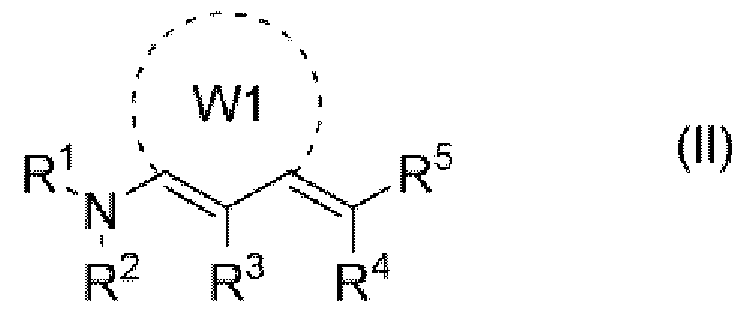


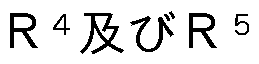


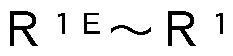





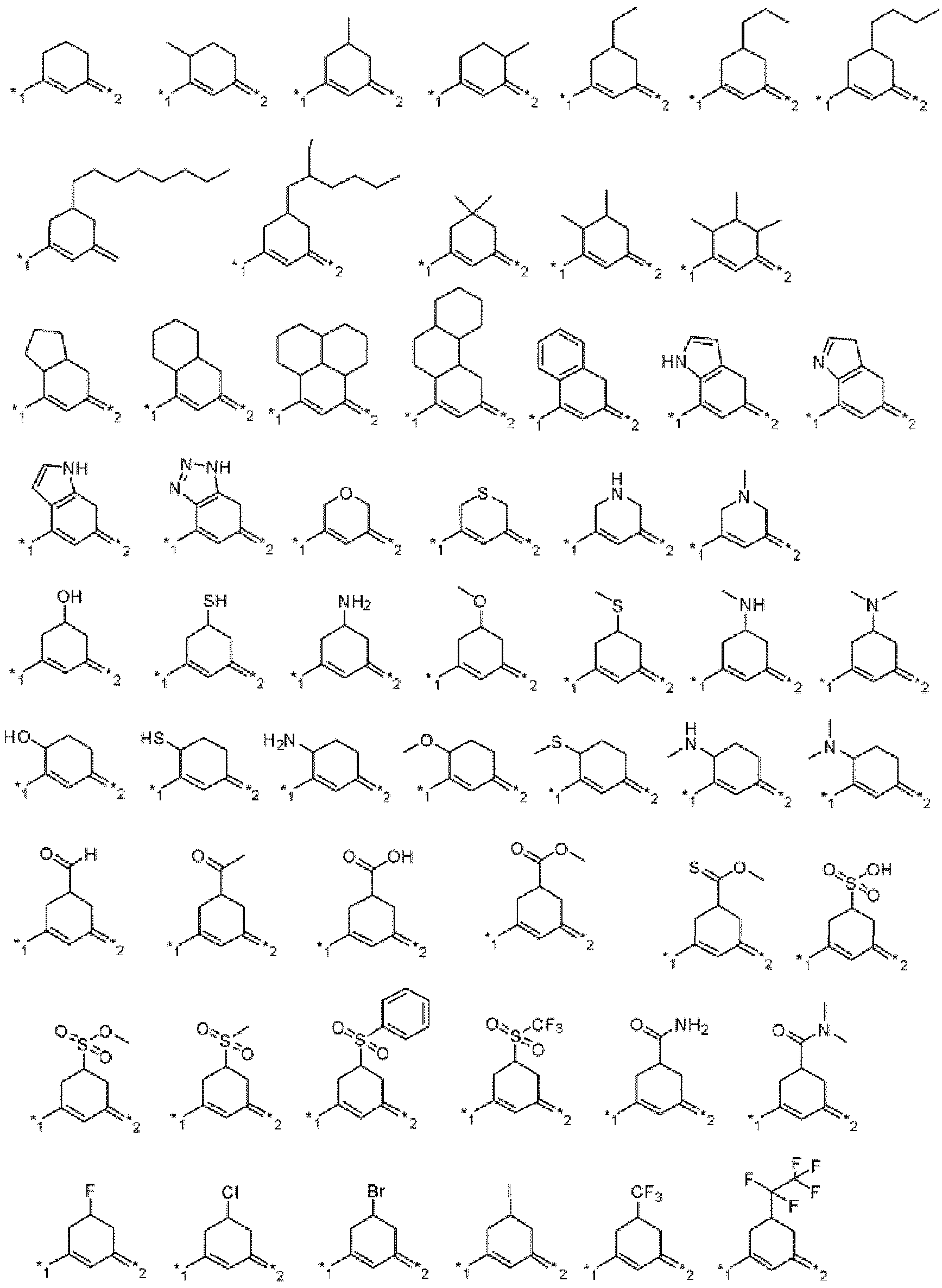








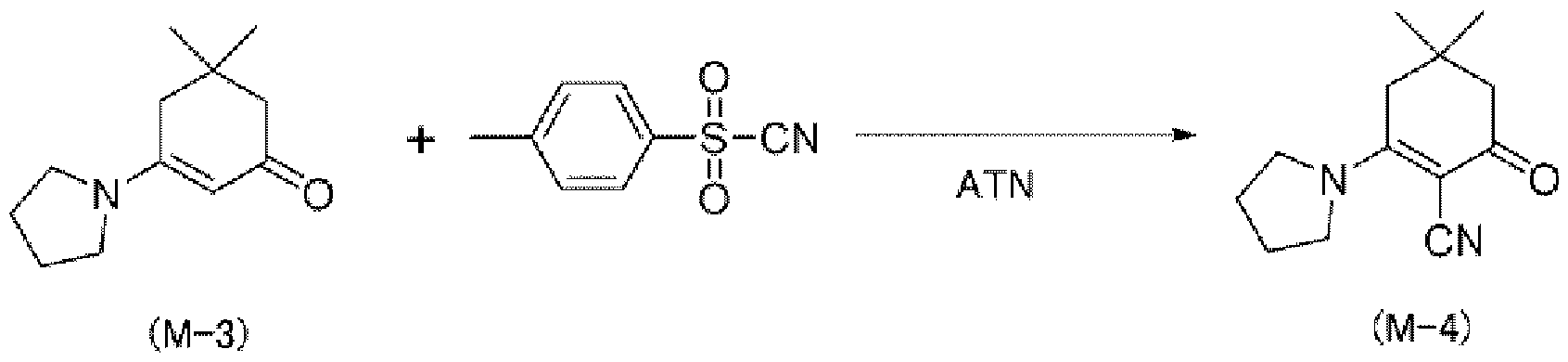




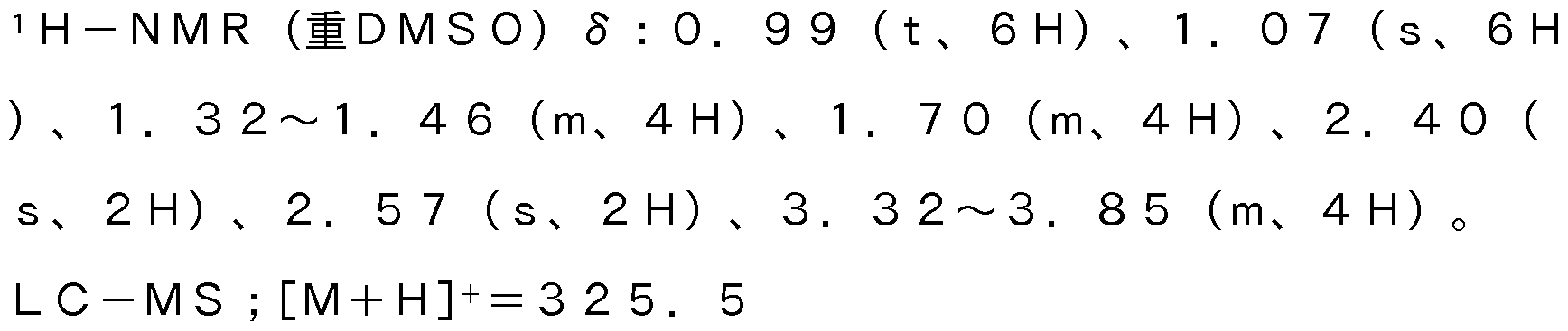









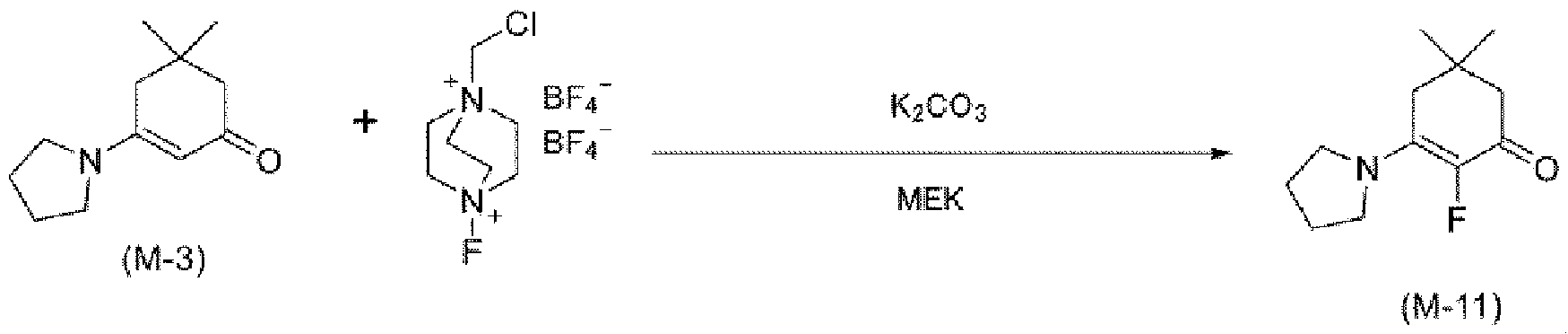









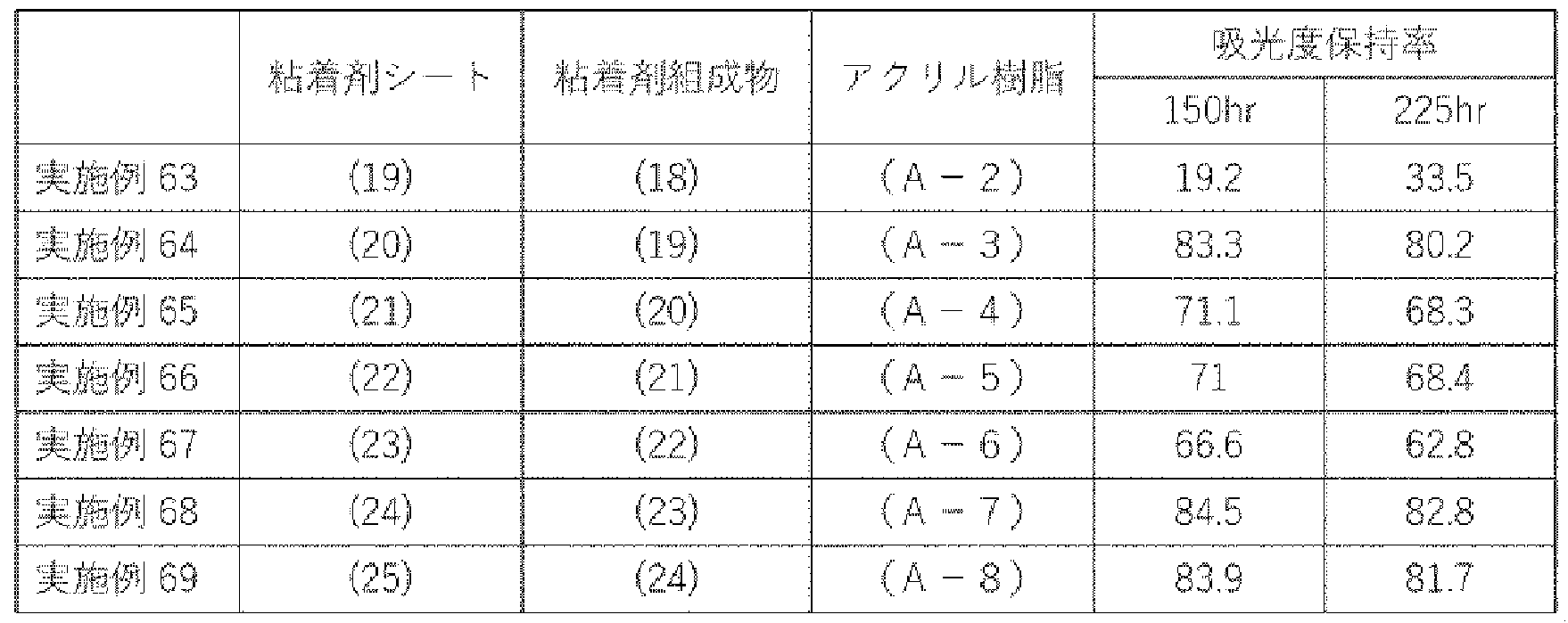


Claims


Priority Applications (4)
| Application Number | Priority Date | Filing Date | Title |
|---|---|---|---|
| US17/434,004 US20220144769A1 (en) | 2019-02-28 | 2020-02-21 | Compound |
| CN202080017139.0A CN113490660B (zh) | 2019-02-28 | 2020-02-21 | 化合物 |
| KR1020257038531A KR20250167139A (ko) | 2019-02-28 | 2020-02-21 | 화합물 |
| KR1020217030517A KR20210135531A (ko) | 2019-02-28 | 2020-02-21 | 화합물 |
Applications Claiming Priority (4)
| Application Number | Priority Date | Filing Date | Title |
|---|---|---|---|
| JP2019035795 | 2019-02-28 | ||
| JP2019-035795 | 2019-02-28 | ||
| JP2019126918 | 2019-07-08 | ||
| JP2019-126918 | 2019-07-08 |
Publications (1)
| Publication Number | Publication Date |
|---|---|
| WO2020175393A1 true WO2020175393A1 (ja) | 2020-09-03 |
Family
ID=72239543
Family Applications (1)
| Application Number | Title | Priority Date | Filing Date |
|---|---|---|---|
| PCT/JP2020/007179 Ceased WO2020175393A1 (ja) | 2019-02-28 | 2020-02-21 | 化合物 |
Country Status (6)
| Country | Link |
|---|---|
| US (1) | US20220144769A1 (ja) |
| JP (1) | JP7591870B2 (ja) |
| KR (2) | KR20250167139A (ja) |
| CN (1) | CN113490660B (ja) |
| TW (1) | TWI837310B (ja) |
| WO (1) | WO2020175393A1 (ja) |
Families Citing this family (2)
| Publication number | Priority date | Publication date | Assignee | Title |
|---|---|---|---|---|
| JP7703298B2 (ja) * | 2019-02-28 | 2025-07-07 | 住友化学株式会社 | 化合物 |
| JP7802706B2 (ja) * | 2021-02-04 | 2026-01-20 | 住友化学株式会社 | 化合物 |
Family Cites Families (9)
| Publication number | Priority date | Publication date | Assignee | Title |
|---|---|---|---|---|
| US3013013A (en) * | 1959-04-24 | 1961-12-12 | Du Pont | 5-cyanomethylene-2-oxo-3-pyrrolines |
| AU5996573A (en) * | 1972-09-11 | 1975-03-06 | Commonwealth Scientific And Industrial Research Organisation | Pyridinium salts |
| JP2010111823A (ja) | 2008-11-10 | 2010-05-20 | Fujifilm Corp | 紫外線吸収組成物、それを用いた化粧品、医薬製剤及び、紫外線の遮断方法 |
| CN110799616A (zh) * | 2017-06-27 | 2020-02-14 | 住友化学株式会社 | 粘合剂组合物和带粘合剂层的膜 |
| JP7446848B2 (ja) * | 2019-02-28 | 2024-03-11 | 住友化学株式会社 | 光学層及び該光学層を含む積層体 |
| JP7703298B2 (ja) * | 2019-02-28 | 2025-07-07 | 住友化学株式会社 | 化合物 |
| CN114450375B (zh) * | 2019-10-11 | 2024-10-25 | 住友化学株式会社 | 粘合剂组合物 |
| WO2021070800A1 (ja) * | 2019-10-11 | 2021-04-15 | 住友化学株式会社 | 粘着剤組成物 |
| JP7728085B2 (ja) * | 2020-02-14 | 2025-08-22 | 住友化学株式会社 | 化合物 |
-
2020
- 2020-02-18 JP JP2020025265A patent/JP7591870B2/ja active Active
- 2020-02-21 CN CN202080017139.0A patent/CN113490660B/zh active Active
- 2020-02-21 WO PCT/JP2020/007179 patent/WO2020175393A1/ja not_active Ceased
- 2020-02-21 KR KR1020257038531A patent/KR20250167139A/ko active Pending
- 2020-02-21 KR KR1020217030517A patent/KR20210135531A/ko not_active Ceased
- 2020-02-21 US US17/434,004 patent/US20220144769A1/en not_active Abandoned
- 2020-02-25 TW TW109106044A patent/TWI837310B/zh active
Non-Patent Citations (11)
| Title |
|---|
| COCCO, MARIA TERESA ET AL.: "Convenient Synthesis of 4-Amino-7- (dialkylamino)pyrido[2,3-d]pyrimidines from Polysubstituted Pyridines", JOURNAL OF HETEROCYCLIC CHEMISTRY, vol. 30, no. 1, 1993, pages 253 - 256, ISSN: 0022-152X * |
| DATABASE Registry [online] American Chemical Society; 11 November 2014 (2014-11-11), retrieved from STN Database accession no. RN1632306-97-8 * |
| DATABASE Registry [online] American Chemical Society; 15 February 2018 (2018-02-15), retrieved from STN Database accession no. RN2173589-75-6 * |
| DATABASE Registry [online] American Chemical Society; 15 February 2018 (2018-02-15), retrieved from STN Database accession no. RN2173589-79-0 * |
| DATABASE Registry [online] American Chemical Society; 16 November 1984 (1984-11-16), retrieved from STN Database accession no. RN60138-83-2 * |
| DATABASE Registry [online] American Chemical Society; 16 November 1984 (1984-11-16), retrieved from STN Database accession no. RN67244-19-3 * |
| DATABASE Registry [online] American Chemical Society; 20 September 2006 (2006-09-20), retrieved from STN Database accession no. RN907968-46-1 * |
| DATABASE Registry [online] American Chemical Society; 30 December 1984 (1984-12-30), retrieved from STN Database accession no. RN93897-28-0 * |
| DATABASE Registry [online] American Chemical Society; 8 September 2015 (2015-09-08), retrieved from STN Database accession no. RN1803439-05-5 * |
| NOGUCHI, MICHIHIKO, YAMADA HISASHI, TAKAMURA SHINJI, UCHIDA TAKECHIKO, HIRONAKA MITSUKO, KAKECHI AKIKAZU, YAMAMOTO HIDETOSHI: "Stereoselective Azepine-Ring Formation Through Ene Reactions of 3-(Alk-2-enyl)amino-2-cyanoacrolein Derivatives", EUROPEAN JOURNAL OF ORGANIC CHEMISTRY, vol. 2000, no. 8, 12 April 2000 (2000-04-12), pages 1489 - 1496, XP002593334, ISSN: 1434-193X * |
| SANDIP CHIKHALIKAR; VIJAY BHAWE; BHAUSAHEB GHOTEKAR; MADHUKAR JACHAK; MARUTI GHAGARE: "Synthesis of Pyridin-2(1H)-one Derivatives via Enamine Cyclization", JOURNAL OF ORGANIC CHEMISTRY, vol. 76, no. 10, 2011, pages 3829 - 3836, XP055735122, ISSN: 0022-3263 * |
Also Published As
| Publication number | Publication date |
|---|---|
| JP2021006517A (ja) | 2021-01-21 |
| KR20210135531A (ko) | 2021-11-15 |
| TWI837310B (zh) | 2024-04-01 |
| US20220144769A1 (en) | 2022-05-12 |
| JP7591870B2 (ja) | 2024-11-29 |
| TW202043194A (zh) | 2020-12-01 |
| KR20250167139A (ko) | 2025-11-28 |
| CN113490660B (zh) | 2024-07-09 |
| CN113490660A (zh) | 2021-10-08 |
Similar Documents
| Publication | Publication Date | Title |
|---|---|---|
| CN102652282B (zh) | 光致变色材料 | |
| JP5654050B2 (ja) | 新規のフッ素化化合物、これを含む組成物、これを利用した成形体、及び成形体の製造方法 | |
| WO2020175393A1 (ja) | 化合物 | |
| JP5596180B2 (ja) | フォトクロミック材料 | |
| JP7788800B2 (ja) | 化合物 | |
| KR102820234B1 (ko) | 화합물 | |
| JP7728085B2 (ja) | 化合物 | |
| JP7802706B2 (ja) | 化合物 | |
| CN117203201A (zh) | 化合物、含其组合物、成型体、被染物、光学层和层叠体 | |
| JP7814854B2 (ja) | 化合物 | |
| CN116635366B (zh) | 组合物 | |
| WO2015147126A1 (ja) | ペンタアリールビイミダゾール化合物および該化合物の製造方法 |
Legal Events
| Date | Code | Title | Description |
|---|---|---|---|
| 121 | Ep: the epo has been informed by wipo that ep was designated in this application |
Ref document number: 20762819 Country of ref document: EP Kind code of ref document: A1 |
|
| NENP | Non-entry into the national phase |
Ref country code: DE |
|
| ENP | Entry into the national phase |
Ref document number: 20217030517 Country of ref document: KR Kind code of ref document: A |
|
| 122 | Ep: pct application non-entry in european phase |
Ref document number: 20762819 Country of ref document: EP Kind code of ref document: A1 |
|
| WWR | Wipo information: refused in national office |
Ref document number: 1020217030517 Country of ref document: KR |
|
| WWC | Wipo information: continuation of processing after refusal or withdrawal |
Ref document number: 1020217030517 Country of ref document: KR |
|
| WWR | Wipo information: refused in national office |
Ref document number: 1020217030517 Country of ref document: KR |