WO2018070243A1 - 通信装置 - Google Patents
通信装置 Download PDFInfo
- Publication number
- WO2018070243A1 WO2018070243A1 PCT/JP2017/034866 JP2017034866W WO2018070243A1 WO 2018070243 A1 WO2018070243 A1 WO 2018070243A1 JP 2017034866 W JP2017034866 W JP 2017034866W WO 2018070243 A1 WO2018070243 A1 WO 2018070243A1
- Authority
- WO
- WIPO (PCT)
- Prior art keywords
- communication
- mail list
- reception
- portable terminal
- information
- Prior art date
- Legal status (The legal status is an assumption and is not a legal conclusion. Google has not performed a legal analysis and makes no representation as to the accuracy of the status listed.)
- Ceased
Links
Images




Classifications
-
- G—PHYSICS
- G06—COMPUTING OR CALCULATING; COUNTING
- G06F—ELECTRIC DIGITAL DATA PROCESSING
- G06F13/00—Interconnection of, or transfer of information or other signals between, memories, input/output devices or central processing units
-
- H—ELECTRICITY
- H04—ELECTRIC COMMUNICATION TECHNIQUE
- H04M—TELEPHONIC COMMUNICATION
- H04M1/00—Substation equipment, e.g. for use by subscribers
Definitions
- the present invention relates to a communication apparatus, and more particularly to a communication apparatus suitable for transmission / reception of a mail list using short-range wireless communication with a mobile terminal.
- the hands-free system includes a mobile terminal for making a call and a hands-free device using a short-range wireless communication technology such as Bluetooth (registered trademark).
- the hands-free device is often an in-vehicle electrical unit such as a car navigation device to which a wireless communication function is added.
- Microphones and speakers for voice calls are attached near the driver's seat in the vehicle.
- the ring tone can be generated by a portable terminal, but can also be generated by a speaker installed in the vehicle.
- the in-vehicle device 900 includes means for performing a multi-profile operation on the message access profile and the hands-free profile.
- the in-vehicle device and the portable device can be connected via short-range wireless communication, send / receive e-mail, and browse the mail list on the in-vehicle device side.
- Patent Document 1 has the following problems.
- a time is set using a timer or the like so that the reception of the mail list is completed within a predetermined time.
- the mail list transmission procedure varies depending on the model of the mobile terminal, and there is a model in which the mail list transmission time becomes longer for the same number of mails. Therefore, depending on the combination of the number of emails and the model of the mobile device, the reception of the data may end with incomplete reception of the mail list. As a result, the mail list cannot be received smoothly. There was a possibility that the usability would decrease.
- the present invention has been made in view of the situation of the prior art as described above, and its purpose is to prevent a reception failure due to the number of mails and the type of portable terminal and to smoothly receive a mail list.
- An object of the present invention is to provide a communication device that can suppress a decrease in usability.
- a communication device of the present invention includes a communication unit capable of short-range wireless communication with a portable terminal, and receives a mail list from the portable terminal using the short-range wireless communication. And a communication device capable of performing a predetermined mail operation based on the received mail list, wherein the number information regarding the number of mails in the mail list and the model information regarding the model of the portable terminal are obtained from the portable terminal.
- Information acquisition means, a timer for forcibly terminating reception of the mail list when a predetermined set time has elapsed since the start of reception of the mail list, and the information acquisition means Timer time setting means for determining the set time based on the number information obtained from the terminal and the model information is provided. Having the features.
- the communication device configured in this manner determines the timer setting time based on the number information of the mail list and the model information of the mobile terminal, the reception of the data is completed in a state where the reception of the mail list is incomplete. It is possible to smoothly receive the mail list while preventing unnecessary waiting time. As a result, it is possible to prevent reception failure due to the difference in the number of mails and the type of mobile terminal, and to smoothly receive a mail list, thereby suppressing a decrease in usability.
- a communication connection step for establishing a communication connection by the short-range wireless communication with the portable terminal, and transmission of the number information and the model information to the portable terminal after the communication connection is established.
- the information receiving step for receiving the number information and the model information transmitted from the portable terminal in response to the information requesting step, the received number information and the model information
- a timer time setting step for determining the set time
- a reception start step for starting reception of the mail list from the mobile terminal after determining the set time, and performing the mail list receiving operation according to a procedure including: It has the characteristics.
- the acquisition of information, the determination of the timer setting time, and the reception of the mail list can be performed in a series of operations, so that the operation can be easily performed. .
- the timer time setting means shortens the setting time if the number of emails is less than a predetermined value or the mobile terminal is not a specific model, and the number of emails is predetermined.
- the set time is determined so as to lengthen the set time.
- the setting time of the timer is increased only when the number of mails is equal to or greater than the predetermined value and the mobile terminal is a specific model. It can be minimized, and a wasteful waiting time can be further suppressed.
- operation detection means for detecting the presence or absence of an interruption operation for forcibly interrupting reception of the mail list is provided, and when the operation detection means detects the interruption operation, Even if the set time has not elapsed since the start of the reception of the mail list, the reception of the mail list is forcibly terminated.
- the communication device configured in this manner is provided with an operation detection unit, which enables an interruption operation for forcibly interrupting the reception of the mail list, thereby eliminating the reception of unnecessary mail lists, the number of mails and the number of mobile phones. It is possible to prevent generation of useless waiting time due to factors other than the difference in terminal models, and to receive a mail list more smoothly.
- a communication environment monitoring unit for monitoring a communication environment with the portable terminal is provided, and when the communication environment monitoring unit detects an abnormality in the communication environment, the mail list is received.
- the mail list is forcibly terminated even if the set time has not elapsed since the start of e-mail.
- the communication apparatus configured as described above, by providing the communication environment monitoring unit, it is possible to prevent the occurrence of a wasteful waiting time due to the abnormality of the communication environment in advance, and it is possible to receive the mail list more smoothly.
- a first communication function for transmitting / receiving a large amount of data corresponding to the mail list and the number information and a second communication for transmitting / receiving a small amount of data corresponding to the model information
- the model information is received from the portable terminal using a communication function, and the communication environment between the communication device and the portable terminal is monitored using the second communication function.
- data transmission / reception is performed by using the first communication function and the second communication function separately, and monitoring the communication environment using the second communication function.
- the communication environment can be monitored efficiently.
- a protocol monitoring unit for monitoring a communication protocol between the mobile terminal and the communication device is provided, and when the protocol monitoring unit detects an abnormality in the communication protocol, the mail list is received.
- the mail list is forcibly terminated even if the set time has not elapsed since the start of e-mail.
- the protocol monitoring means by providing the protocol monitoring means, it is possible to prevent the occurrence of a wasteful waiting time due to the abnormality of the communication protocol in advance, and it becomes possible to receive the mail list more smoothly.
- the vehicle-mounted hands-free device is mounted on a vehicle and can perform a predetermined mail operation in a hands-free state using the short-range wireless communication with the portable terminal. , Has the characteristics.
- the communication device configured in this manner is an in-vehicle hands-free device, it is possible to easily receive a smooth mail list in the vehicle interior.
- the communication device of the present invention determines the set time of the timer based on the number information of the mail list and the model information of the mobile terminal, the reception of the data ends when the reception of the mail list is incomplete. It is possible to smoothly receive a mail list while preventing unnecessary waiting time. As a result, it is possible to provide a communication device that can prevent a reception failure due to the number of mails and the type of mobile terminal, can receive a smooth mail list, and can suppress a decrease in usability. it can.
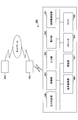
- FIG. 1 is a block diagram of a hands-free system according to a first embodiment of the present invention. It is a sequence chart which shows the relationship between a communication apparatus and a portable terminal. It is the first half part of the flowchart which shows the reception operation
- FIG. 1 is a block diagram schematically showing a configuration example of a hands-free system 30 according to the first embodiment of the present invention.
- the communication device 10 constitutes a hands-free system 30 together with the mobile terminal 20.
- the hands-free system 30 is a system that can provide a so-called “hands-free call” function in a state where the communication device 10 and the mobile terminal 20 are arranged in a vehicle interior of a vehicle (not shown) and are connected for communication.
- the communication device 10 is an in-vehicle hands-free device that can perform a call in a hands-free state and a predetermined mail operation.
- the communication device 10 is an in-vehicle electrical unit such as a car navigation device to which a wireless communication function is added.
- Such an in-vehicle electrical unit has, for example, a travel route guidance function, an audio playback function, a video playback function, a radio, It has a receiving function such as a television.
- the communication device 10 includes a communication unit 11 (communication means) capable of short-range wireless communication conforming to the Bluetooth standard with the mobile terminal 20, a display unit 12 such as a liquid crystal display, and the display unit 12.
- a communication unit 11 capable of short-range wireless communication conforming to the Bluetooth standard with the mobile terminal 20
- a display unit 12 such as a liquid crystal display
- the display unit 12 In addition to an integrated operation unit 13 (operation detection means) such as a touch panel and a control unit 14 for controlling each unit of the apparatus, an audio output speaker (not shown) and sound collection are not shown.
- Peripheral equipment such as a microphone is also provided. The microphone is usually installed around the driver's seat so that the driver can input voice while driving.
- the mobile terminal 20 is provided with a mobile communication unit 21 that can be connected to a network 40 such as a telephone line using wireless communication, and can communicate with an external telephone (not shown) via the network 40. Can do.
- the external telephone may be a fixed telephone or another portable terminal.
- mail communication can be performed with another portable terminal.
- the mobile terminal 20 further includes a short-range communication unit 22 capable of short-range wireless communication conforming to the Bluetooth standard with the communication unit 11 of the communication device 10, a call unit 23 for calling with an external telephone, A storage unit 24 for storing various information and a control unit 25 for controlling each unit of the apparatus are provided.
- the information stored in the storage unit 24 includes a mail list ML of mail that has been communicated so far, number information I1 related to the number of mails in the mail list ML, model information I2 related to the model of the mobile terminal 20, and the like. These pieces of information can be transmitted from the mobile terminal 20 to the communication device 10 using the short-range wireless communication described above.
- the portable terminal 20 As described above, there are models of the mobile terminal 20 that have a long transmission time when the mail list ML is transmitted from the mobile terminal 20 to the communication device 10 for the same number of mails.
- the portable terminal 20 is classified into a specific model 20a that requires a transmission time longer than a predetermined transmission time and another model that requires a transmission time shorter than the predetermined transmission time. Whether the portable terminal 20 is the specific model 20a or another model can be confirmed by the model information I2 stored in the storage unit 24.
- the communication device 10 can receive the mail list ML from the mobile terminal 20 using short-range wireless communication, and can perform a predetermined mail operation based on the received mail list ML.
- the communication device 10 includes the number of items described above in order to smoothly receive the mail list ML from the mobile terminal 20.
- Information acquisition unit 15 information acquisition means for acquiring information I1 and model information I2 from portable terminal 20, and e-mail forcibly when a predetermined set time T1 has elapsed since the start of reception of mail list ML
- a timer 16 for terminating the reception of the list ML and a timer time setting unit 17 (timer time setting means) for determining a set time of the timer 16 are provided.
- the communication device 10 further includes a communication environment monitoring unit 18 (communication environment monitoring means) for monitoring a communication environment between the mobile terminal 20 and a communication protocol between the communication device 10 and the mobile terminal 20. And a protocol monitoring unit 19 (protocol monitoring means). Further, in the communication device 10, the operation unit 13 described above can detect whether or not there is an interruption operation for the operator to forcibly interrupt reception of the mail list ML. The operation of these peripheral means will be described later.
- a communication environment monitoring unit 18 communication environment monitoring means
- protocol monitoring unit 19 protocol monitoring means
- the communication unit 11 of the communication device 10 and the short-range communication unit 22 of the mobile terminal 20 are configured to transmit and receive a small amount of data with the first communication function BT1 for transmitting and receiving a large amount of data.
- the second communication function BT2 is provided, and communication connection is possible between the communication device 10 and the mobile terminal 20 using both of these communication functions.
- the first communication function BT1 is a message access profile for exchanging messages between devices, for example, called MAP (Message Access Profile), and is suitable for transmitting and receiving a large amount of data.
- the second communication function BT2 is a protocol used for searching what service the other device supports, for example, called SDP (Service Discovery Application Profile). It is a simple protocol with the minimum necessary functions. That is, the second communication function BT2 is suitable for transmitting and receiving a small amount of data.
- SDP Service Discovery Application Profile
- both MAP and SDP are communication protocols defined by Bluetooth.
- the first communication function BT1 is used to transmit / receive the mail list ML, which is a large amount of data, and the number information I1, which is related information of the mail list ML, and the second communication function BT2 is a small amount of data. Used to send and receive certain model information I2.
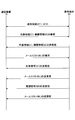
- FIG. 2 is a sequence chart showing the relationship between the communication device 10 and the mobile terminal 20.
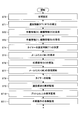
- FIG. 3 is the first half of a flowchart showing the reception operation of the mail list ML
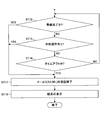
- FIG. 4 is the second half of the flowchart showing the reception operation of the mail list ML.
- each step of a flowchart is called ST0 thru
- each of the communication device 10 and the portable terminal 20 is initially set. Then, in ST1, the short-distance wireless communication between the communication device 10 and the portable terminal 20 is performed. A communication connection is established.
- the communication connection between the communication device 10 and the portable terminal 20 in ST1 is established for each of the first communication function BT1 and the second communication function BT2, as shown in FIG.
- the communication apparatus 10 requests the mobile terminal 20 for model information I2 and number information I1.
- the model information I2 and the number information I1 are transmitted from the portable terminal 20, and the communication apparatus 10 receives the model information I2 and the number information I1 from the portable terminal 20 in ST3.
- the number information I1 is transmitted / received using the first communication function BT1
- the model information I2 is transmitted / received using the second communication function BT2.
- the set time T1 of the timer 16 is determined.
- the set time T1 of the timer 16 is a time from the start of reception of the mail list ML to the end of reception of the mail list ML, that is, a time until timeout.
- the information acquisition unit 15 It is determined based on the number information I1 and model information I2 obtained from the portable terminal 20.
- the set time T1 is defined as 30 seconds or more.
- the timer time setting unit 17 shortens the set time T1 and the number of mails is predetermined. If it is equal to or greater than the value and the mobile terminal 20 is the specific model 20a, the set time T1 is determined so as to lengthen the set time T1. For example, in the former, T1 is set to about 30 seconds, and in the latter, T1 is set to about 1 to several minutes.
- the communication apparatus 10 requests the mail list ML from the mobile terminal 20 using the first communication function BT1, and in ST6, the response signal S1 from the mobile terminal 20 is sent using the first communication function BT1. Receive.
- reception of the mail list ML is started using the first communication function BT1.
- the confirmation signal S2 is sent to the mobile terminal using the second communication function BT2. 20 is transmitted to the communication apparatus 10, and then the mail list ML is transmitted again.
- the timer 16 is started in ST8. After the timer 16 is started, monitoring of the communication environment with the portable terminal 20 is started by the communication environment monitoring unit 18 in ST9, and communication between the communication device 10 and the portable terminal 20 is performed by the protocol monitoring unit 19 in ST10. Protocol monitoring starts, and in ST11, monitoring of the presence or absence of an interruption operation for forcibly interrupting reception of the mail list ML by the operation unit 13 is started.
- the monitoring of the communication environment in ST9 described above is performed using the second communication function BT2 described above. That is, when the confirmation signal S2 transmitted from the portable terminal 20 using the second communication function BT2 can be received, it is determined that there is no abnormality in the communication environment, and when the confirmation signal S2 cannot be received, the communication environment is determined. It is judged that there is an abnormality.
- the second communication function BT2 By monitoring the communication environment using the second communication function BT2 in this manner, data transmission / reception and communication environment monitoring can be performed efficiently.
- step ST13 it is determined whether there is an abnormality in the communication environment. If there is an abnormality in the communication environment, the reception of the mail list ML is terminated as it is (ST17). If there is no abnormality in the communication environment, the process proceeds to the next step ST14. That is, when the communication environment monitoring unit 18 detects an abnormality in the communication environment, the reception of the mail list ML is forcibly terminated even if the set time T1 has not elapsed since the reception of the mail list ML was started.
- next step ST14 it is determined whether there is an abnormality in the communication protocol in the next step ST14. If there is an abnormality in the communication protocol, the reception of the mail list ML is terminated as it is (ST17). If there is no abnormality in the communication environment, the process proceeds to the next step ST15. That is, when the protocol monitoring unit 19 detects an abnormality in the communication protocol, the reception of the mail list ML is forcibly terminated even if the set time T1 has not elapsed since the reception of the mail list ML was started.
- next step ST15 it is determined whether or not there is an interruption operation in the next step ST15. If there is an interruption operation, the mail list ML is completely received (ST17). If there is no interruption operation, the process proceeds to the next step ST16. That is, when the operation unit 13 detects an interruption operation, the reception of the mail list ML is forcibly terminated even if the set time T1 has not elapsed since the reception of the mail list ML was started.
- ST16 which is the next step, it is determined whether or not a timeout has occurred, that is, whether or not the timer 16 has reached the set time T1. If it is time-out, the reception of the mail list ML is terminated as it is (ST17). If it is not time-out, the process returns to the step of determining whether or not the reception of the mail list ML of ST12 is completed. repeat.
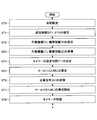
- FIG. 5 is the first half of a flowchart showing the reception operation of the mail list ML
- FIG. 6 is the second half of the flowchart showing the reception operation of the mail list ML.
- the number of steps in the flowchart in the second embodiment is set to be smaller than the number of steps in the flowchart in the first embodiment.
- ST9, ST10, ST13, and ST14 are deleted from a plurality of steps of the flowchart in the first embodiment. That is, the abnormality monitoring of the communication environment ST9 and the abnormality monitoring of the protocol ST10 are deleted, and the determination steps (ST13, ST14) for them are eliminated.
- the time required for receiving the mail list ML can be shortened by deleting the abnormality monitoring of the communication environment and the abnormality monitoring of the protocol, and simplifying the procedure by eliminating the determination step for it. it can.
- the step (ST15) of monitoring whether or not there is an interruption operation and determining it in ST11 is left.
- the interruption operation for interrupting reception of the mail list ML in the hands-free system 30 is an operation that can interrupt reception of the mail list ML according to the intention of the operator of the hands-free system 30.
- it is possible not only to prevent unnecessary waiting time due to reception of unnecessary mail lists, but also to prevent abnormalities in the communication environment and communication protocol by leaving the step of monitoring whether there is an interruption operation and the determination step for it. It can also be used as a function for preventing the occurrence of useless waiting time when there is.
- Such a procedure is particularly effective when the frequency of useless waiting time associated with an abnormality in the communication environment or communication protocol is low.
- FIG. 7 is the first half of a flowchart showing the reception operation of the mail list ML
- FIG. 8 is the second half of the flowchart showing the reception operation of the mail list ML.
- the number of steps in the flowchart in the third embodiment is set to be smaller than the number of steps in the flowchart in the second embodiment described above.
- ST9, ST10, ST11, ST13, ST14, and ST15 are deleted. That is, in addition to the communication environment abnormality monitoring ST9 and the protocol abnormality monitoring ST10 deleted in the second embodiment and the determination steps (ST13 and ST14) for ST10, ST11 is further included.
- the step (ST15) of monitoring for the presence / absence of the interruption operation and the determination for it is also deleted.
- the mail list ML is received by deleting the abnormality monitoring of the communication environment, the abnormality monitoring on the protocol, and the monitoring of the presence / absence of the interruption operation, and further simplifying the procedure by eliminating the determination step for them. Can be further shortened. Such a procedure is particularly effective when the frequency of useless waiting time due to factors other than the number of emails and the type of portable terminal is extremely low.
- the communication device 10 determines the set time T1 of the timer 16 based on the number information I1 related to the number of mail list ML mails and the model information I2 related to the model of the mobile terminal 20, the mail list ML is received in an incomplete state. It is possible to smoothly receive the mail list ML by preventing occurrence of useless waiting time while preventing the data reception from ending. As a result, it is possible to prevent a reception failure due to the number of mails and the type of the mobile terminal 20 and to smoothly receive the mail list ML, thereby suppressing a decrease in usability.
- the information acquisition, the determination of the set time T1 of the timer 16 and the reception of the mail list ML can be performed by a series of operations, so that the operation can be easily performed.
- the setting time T1 of the timer 16 is increased only when the number of mails is equal to or greater than the predetermined value and the mobile terminal 20 is the specific model 20a, the setting time T1 is lengthened to the minimum necessary. It is possible to further reduce unnecessary waiting time.
- the operation unit 13 is provided to enable the interruption operation for forcibly interrupting the reception of the mail list ML, unnecessary reception of the mail list ML is eliminated, the number of mails and the difference in the model of the mobile terminal 20 It is possible to prevent unnecessary waiting time due to factors other than the above, and to receive a mail list more smoothly.
- first communication function BT1 and the second communication function BT2 are selectively used to transmit and receive data, and the second communication function BT2 is used to monitor the communication environment, thereby transmitting and receiving data and monitoring the communication environment. Can be performed efficiently.
- the protocol monitoring unit 19 it is possible to prevent in advance the occurrence of a wasteful waiting time due to an abnormality in the communication protocol, and it becomes possible to receive the mail list ML more smoothly.
- the communication device 10 is an in-vehicle hands-free device, it is possible to easily receive the mail list ML smoothly in the vehicle interior. It should be noted that the effect of the communication device 10 that suppresses the decrease in usability due to the difference in the number of emails and the type of the mobile terminal 20 is particularly remarkable in an in-vehicle hands-free device in which the user can perform only a limited operation during driving. .
- the communication device of the present invention determines the set time of the timer based on the number information and model information of the mobile terminal, the reception of data is completed in a state where the reception of the mail list NL is incomplete. Thus, it is possible to smoothly receive the mail list ML while preventing unnecessary waiting time from occurring. For this reason, it is possible to suppress a decrease in usability.
- the communication device 10 As described above, the communication device 10 according to the embodiment of the present invention has been described. However, the present invention is not limited to the above-described first to third embodiments, and various modifications can be made without departing from the scope of the invention. Can be implemented.
- the communication device 10 is mounted on a vehicle, the communication device 10 may be built in a home electronic device and used in the home.
- the mobile terminal 20 may be an electronic device other than those described above, such as a mobile game machine with a mail function.
Landscapes
- Engineering & Computer Science (AREA)
- Theoretical Computer Science (AREA)
- Physics & Mathematics (AREA)
- General Engineering & Computer Science (AREA)
- General Physics & Mathematics (AREA)
- Signal Processing (AREA)
- Telephone Function (AREA)
- Information Transfer Between Computers (AREA)
Abstract
携帯端末20との間の近距離無線通信が可能な通信部11を備え、近距離無線通信を用いて携帯端末20からメールリストを受信すると共に、所定のメール操作を行うことができる通信装置10であって、メールリストのメール件数に関する件数情報と携帯端末20の機種に関する機種情報とを携帯端末20から入手するための情報入手部15と、メールリストの受信を開始してから所定の設定時間が経過した場合に強制的にメールリストの受信を終了させるためのタイマー16と、情報入手部15が携帯端末20から入手した件数情報と機種情報とに基づいて設定時間を決定するためのタイマー時間設定部17と、が設けられている。
Description
本発明は、通信装置に係り、特に携帯端末との間の近距離無線通信を用いたメールリストの送受信に適した通信装置に係る。
従来から、車両内等において、ハンズフリーシステムを用いた通話が行われている。ハンズフリーシステムは、通話を行うための携帯端末と、ブルートゥース(Bluetooth(登録商標))等の近距離無線通信技術を利用したハンズフリー装置と、によって構成される。一般的に、ハンズフリー装置は、無線通信機能が付加されたカーナビゲーション機器等の車載電装ユニットであることが多い。音声通話のためのマイクやスピーカは車両内の運転席近辺に取り付けられている。着信音は携帯端末によって鳴音させることもできるが、車両内に取り付けられたスピーカによって鳴音させることもできる。
また、近年では、ブルートゥース(登録商標)のMAP(Message Access Profile)機能等を用いて携帯端末からメールリストを取得し、車載装置側でメールリストを閲覧できるような技術も提案されている。このようなハンズフリー装置である車載装置900が特許文献1に開示されている。車載装置900を図9に示す。
車載装置900及び携帯装置910を接続してメール情報の交換を行うためのメッセージアクセスプロファイルと、車載装置900及び携帯装置910を接続してハンズフリー通話機能を実現するためのハンズフリープロファイルと、を用いて電話機能および電子メール機能が実行される。車載装置900は、メッセージアクセスプロファイルとハンズフリープロファイルとをマルチプロファイル動作させる手段を備えている。
このような構成によって、車載装置と携帯装置とを近距離無線通信を介して接続し、電子メールの送受信を行って、車載装置側でメールリストを閲覧することができる。
しかしながら特許文献1に開示されたような車載装置900においては、以下のような問題があった。
通常、このような通信装置では、所定の時間内にメールリストの受信を終了させるようにタイマー等を用いた時間設定がなされている。一方、メールリストの送信手順には携帯端末の機種によって違いが有り、同じメール件数に対してメールリストの送信時間が長くなる機種も存在している。そのため、メール件数と携帯端末の機種との組合せによっては、メールリストの受信が不完全な状態でデータの受信が終了してしまう場合があり、その結果、メールリストの受信を円滑に行えなくなって、ユーザビリティの低下を来たす可能性が有った。
このような事態に対応するため、送信時間の長い機種に合わせてタイマーの設定時間を一律に延長する方法も考えられる。しかし、その場合には、通信環境の悪化、プロトコル上のエラー等が発生した時に無駄な待ち時間が発生して、やはり、メールリストの受信を円滑に行えなくなって、ユーザビリティの低下を来たす可能性が有った。
本発明は、このような従来技術の実情に鑑みてなされたもので、その目的は、メール件数や携帯端末の機種の違いによる受信の不具合を防止し、円滑なメールリストの受信を行なうことができて、ユーザビリティの低下を抑制することが可能な通信装置を提供することにある。
この課題を解決するために、本発明の通信装置は、携帯端末との間の近距離無線通信が可能な通信手段を備え、前記近距離無線通信を用いて前記携帯端末からメールリストを受信すると共に、受信した前記メールリストに基づいて所定のメール操作を行うことができる通信装置であって、前記メールリストのメール件数に関する件数情報と前記携帯端末の機種に関する機種情報とを前記携帯端末から入手するための情報入手手段と、前記メールリストの受信を開始してから所定の設定時間が経過した場合に強制的に前記メールリストの受信を終了させるためのタイマーと、前記情報入手手段が前記携帯端末から入手した前記件数情報と前記機種情報とに基づいて前記設定時間を決定するためのタイマー時間設定手段と、が設けられた、という特徴を有する。
このように構成された通信装置は、メールリストの件数情報と携帯端末の機種情報とに基づいてタイマーの設定時間を決定するため、メールリストの受信が不完全な状態でデータの受信が終了してしまうことを防ぎつつ、無駄な待ち時間の発生を防いで円滑なメールリストの受信を行なうができる。その結果、メール件数や携帯端末の機種の違いによる受信の不具合を防止し、円滑なメールリストの受信を行なうことができて、ユーザビリティの低下を抑制することが可能になる。
また、上記の構成において、前記携帯端末との前記近距離無線通信による通信接続を確立する通信接続ステップと、前記通信接続が確立した後に前記件数情報と前記機種情報との送信を前記携帯端末に要求する情報要求ステップと、前記情報要求ステップに対応して前記携帯端末から送信される前記件数情報及び前記機種情報を受信する情報受信ステップと、受信した前記件数情報と前記機種情報とに基づいて前記設定時間を決定するタイマー時間設定ステップと、前記設定時間を決定した後に前記携帯端末からの前記メールリストの受信を開始する受信開始ステップと、を含む手順に従って前記メールリストの受信動作を行う、という特徴を有する。
このように構成された通信装置では、通信接続確立後に、情報の入手とタイマーの設定時間の決定とメールリストの受信とを一連の動作で行うことができるので、操作を簡単に行うことができる。
また、上記の構成において、前記タイマー時間設定手段は、前記メール件数が所定値未満であるか、又は、前記携帯端末が特定機種以外であれば、前記設定時間を短くし、前記メール件数が所定値以上であり、且つ、前記携帯端末が特定機種である場合には、前記設定時間を長くするように、前記設定時間を決定する、という特徴を有する。
このように構成された通信装置では、メール件数が所定値以上であり、且つ、携帯端末が特定機種である場合に限定してタイマーの設定時間を長くするので、設定時間の長時間化を必要最小限にすることができ、無駄な待ち時間を更に抑制することができる。
また、上記の構成において、前記メールリストの受信を強制的に中断させるための中断操作の有無を検出するための操作検出手段が設けられ、前記操作検出手段が前記中断操作を検出した時には、前記メールリストの受信を開始してから前記設定時間が経過していなくても、強制的に前記メールリストの受信を終了させる、という特徴を有する。
このように構成された通信装置は、操作検出手段を設けて、メールリストの受信を強制的に中断させるための中断操作を可能としたため、不要なメールリストの受信をなくしたり、メール件数や携帯端末の機種の違い以外の要因による無駄な待ち時間の発生を防いだりすることができ、更に円滑なメールリストの受信が可能になる。
また、上記の構成において、前記携帯端末との間の通信環境を監視するための通信環境監視手段が設けられ、前記通信環境監視手段が前記通信環境の異常を検出した時には、前記メールリストの受信を開始してから前記設定時間が経過していなくても、強制的に前記メールリストの受信を終了させる、という特徴を有する。
このように構成された通信装置では、通信環境監視手段を設けたことによって通信環境の異常に伴う無駄な待ち時間の発生を事前に防ぐことができ、更に円滑なメールリストの受信が可能になる。
また、上記の構成において、前記メールリスト及び前記件数情報に対応した大容量のデータを送受信するための第1通信機能と、前記機種情報に対応した小容量のデータを送受信するための第2通信機能と、の両方の通信機能を用いて前記携帯端末との間で通信接続可能であり、前記第1通信機能を用いて前記メールリスト及び前記件数情報を前記携帯端末から受信し、前記第2通信機能を用いて前記機種情報を前記携帯端末から受信すると共に、前記第2通信機能を用いて前記通信装置と前記携帯端末との間の通信環境を監視する、という特徴を有する。
このように構成された通信装置では、第1通信機能と第2通信機能とを使い分けてデータの送受信を行うと共に、第2通信機能を用いて通信環境の監視も行うことで、データの送受信と通信環境の監視とを効率良く行うことができる。
また、上記の構成において、前記携帯端末と前記通信装置との通信プロトコルを監視するためのプロトコル監視手段が設けられ、前記プロトコル監視手段が前記通信プロトコルの異常を検出した時には、前記メールリストの受信を開始してから前記設定時間が経過していなくても、強制的に前記メールリストの受信を終了させる、という特徴を有する。
このように構成された通信装置では、プロトコル監視手段を設けたことによって、通信プロトコルの異常に伴う無駄な待ち時間の発生を事前に防ぐことができ、更に円滑なメールリストの受信が可能になる。
また、上記の構成において、車両に搭載されていると共に、前記携帯端末との間の前記近距離無線通信を用いて、ハンズフリー状態で所定のメール操作を行うことができる車載ハンズフリー装置である、という特徴を有する。
このように構成された通信装置は、車載ハンズフリー装置であるため、車室内で円滑なメールリストの受信を行なうことが容易にできる。
本発明の通信装置は、メールリストの件数情報と携帯端末の機種情報とに基づいてタイマーの設定時間を決定するため、メールリストの受信が不完全な状態でデータの受信が終了してしまうことを防ぎつつ、無駄な待ち時間の発生を防いで円滑なメールリストの受信を行なうができる。その結果、メール件数や携帯端末の機種の違いによる受信の不具合を防止し、円滑なメールリストの受信を行なうことができて、ユーザビリティの低下を抑制することが可能な通信装置を提供することができる。
以下に、本発明の実施例を添付の図面を用いて詳細に説明する。
[第1実施形態]
以下、本発明の第1実施形態について、図面を参照しながら説明する。
以下、本発明の第1実施形態について、図面を参照しながら説明する。
最初に、第1実施形態に係る通信装置10及びハンズフリーシステム30の構成について図1を用いて説明する。図1は、本発明の第1実施形態に係るハンズフリーシステム30の構成例を概略的に示すブロック図である。
図1に示すように、通信装置10は、携帯端末20と共にハンズフリーシステム30を構成している。ハンズフリーシステム30は、通信装置10と携帯端末20とを車両(図示せず)の車室内に配置し通信接続させた状態で、いわゆる「ハンズフリー通話」機能を提供することができるシステムである。即ち、通信装置10は、ハンズフリー状態での通話及び所定のメール操作を行うことができる車載ハンズフリー装置である。
通信装置10は、無線通信機能が付加されたカーナビゲーション機器等の車載電装ユニットであり、このような車載電装ユニットは、例えば走行経路誘導機能を有するほか、オーディオ再生機能やビデオ再生機能、ラジオ、テレビ等の受信機能等を有する。
このため通信装置10には、携帯端末20との間でブルートゥース規格に準拠した近距離無線通信が可能な通信部11(通信手段)と、液晶ディプレイ等の表示部12と、表示部12と一体的に構成されたタッチパネル等の操作部13(操作検出手段)と、装置の各部を制御するための制御部14と、が設けられているほか、図示しないオーディオ出力用のスピーカや、集音用のマイク等の周辺設備も設けられている。尚、マイクは通常、運転者が運転中に音声入力できるように運転席の周辺に設置される。
携帯端末20には、無線通信を用いて電話回線等のネットワーク40と通信接続可能な移動体通信部21が設けられており、ネットワーク40を介して外部の電話機(図示せず)と通話することができる。外部の電話機としては、固定電話機であっても良いし、別の携帯端末であっても良い。また、別の携帯端末との間でメールの通信を行なうことができる。
携帯端末20には更に、通信装置10の通信部11との間でブルートゥース規格に準拠した近距離無線通信が可能な近距離通信部22と、外部の電話機と通話するための通話部23と、各種情報を記憶するための記憶部24と、装置の各部を制御するための制御部25と、が設けられている。
記憶部24に記憶される情報には、それまでに通信したメールのメールリストMLや、メールリストMLのメール件数に関する件数情報I1や、携帯端末20の機種に関する機種情報I2等が含まれる。そして、これらの情報は、前述した近距離無線通信を用いて携帯端末20から通信装置10に送信することができる。
前述したように、携帯端末20には、同じメール件数に対して携帯端末20から通信装置10にメールリストMLを送信する際の送信時間の長い機種が存在している。携帯端末20は、所定の送信時間より長い送信時間を必要とする特定機種20aと、所定の送信時間より短い送信時間で済むその他の機種に区別される。携帯端末20が特定機種20aであるかその他の機種であるかは、記憶部24に記憶されている機種情報I2によって確認することができる。
通信装置10は、このようにして、近距離無線通信を用いて携帯端末20からメールリストMLを受信すると共に、受信したメールリストMLに基づいて所定のメール操作を行うことができる。
尚、通信装置10には、携帯端末20からのメールリストMLの受信を円滑に行うために、前述した通信部11、表示部12、操作部13、及び制御部14の他に、前述した件数情報I1や機種情報I2を携帯端末20から入手するための情報入手部15(情報入手手段)と、メールリストMLの受信を開始してから所定の設定時間T1が経過した場合に強制的にメールリストMLの受信を終了させるためのタイマー16と、タイマー16の設定時間を決定するためのタイマー時間設定部17(タイマー時間設定手段)と、が設けられている。
通信装置10には更に、携帯端末20との間の通信環境を監視するための通信環境監視部18(通信環境監視手段)と、通信装置10と携帯端末20との通信プロトコルを監視するためのプロトコル監視部19(プロトコル監視手段)と、が設けられている。また、通信装置10では、メールリストMLの受信を操作者が自ら強制的に中断させるための中断操作の有無を、前述した操作部13が検出できるようになっている。尚、これら周辺手段の働きについては、後に説明する。
ハンズフリーシステム30において、通信装置10の通信部11及び携帯端末20の近距離通信部22は、大容量のデータを送受信するための第1通信機能BT1と、小容量のデータを送受信するための第2通信機能BT2と、を有しており、これら両方の通信機能を用いて通信装置10と携帯端末20との間で通信接続可能となっている。
第1通信機能BT1は、例えば、MAP(Message Access Profile)と呼ばれる、デバイス間でメッセージ交換をするためのメッセージアクセス用のプロファイルであり、大容量のデータを送受信するのに適している。また、第2通信機能BT2は、例えば、SDP(Service Discovery Application Profile) と呼ばれる、相手の機器がどのようなサービスをサポートしているのかを検索するために利用されるプロトコルであり、情報交換に必要な最小限の機能が存在するシンプルなプロトコルとなっている。即ち、第2通信機能BT2は、小容量のデータを送受信するのに適している。尚、MAP、SDP共にブルートゥースに規定された通信用のプロトコルである。
そして、第1通信機能BT1は、大容量のデータであるメールリストML及びメールリストMLの関連情報である件数情報I1を送受信するために使用され、第2通信機能BT2は、小容量のデータである機種情報I2を送受信するために使用される。
次に、ハンズフリーシステム30における通信装置10と携帯端末20との間におけるメールリストMLの受信方法について図2乃至図4を用いて説明する。図2は、通信装置10と携帯端末20との関係を示すシーケンスチャートである。図3は、メールリストMLの受信動作を示すフローチャートの前半部分であり、図4は、メールリストMLの受信動作を示すフローチャートの後半部分である。また、尚、図3及び図4において、フローチャートの各ステップを、ST0乃至ST18と称する。
図3に示すフローチャートの前半部分で、まず、ST0において、通信装置10と携帯端末20とでそれぞれ初期設定が行なわれた後、ST1において、通信装置10と携帯端末20との近距離無線通信による通信接続が確立される。
この時の、ST1における通信装置10と携帯端末20との通信接続は、図2に示すように、第1通信機能BT1及び第2通信機能BT2それぞれについて確立される。
次に、図2及び図3に示すように、ST2において、通信装置10から携帯端末20に対し、機種情報I2及び件数情報I1が要求される。この通信装置10からの要求に対して、携帯端末20から機種情報I2及び件数情報I1が送信され、ST3において、通信装置10が、携帯端末20からの機種情報I2及び件数情報I1を受信する。この時、件数情報I1は、第1通信機能BT1を用いて送受信され、機種情報I2は、第2通信機能BT2を用いて送受信される。
次に、ST4において、タイマー16の設定時間T1が決定される。タイマー16の設定時間T1は、メールリストMLの受信を開始してからメールリストMLの受信を終了させるまでの時間、即ちタイムアウトまでの時間であり、タイマー時間設定部17において、情報入手部15が携帯端末20から入手した件数情報I1と機種情報I2とに基づいて決定される。尚、ブルートゥースの規格では、設定時間T1は30秒以上に規定されている。
タイマー時間設定部17は、メールリストMLのメール件数が所定値未満であるか、又は、携帯端末20が特定機種20a以外のその他の機種であれば、設定時間T1を短くし、メール件数が所定値以上であり、且つ、携帯端末20が特定機種20aである場合には、設定時間T1を長くするように、設定時間T1を決定する。例えば、前者ではT1は30秒程度に設定され、後者ではT1は1分乃至数分程度に設定される。
次に、ST5において、通信装置10から携帯端末20へ第1通信機能BT1を用いてメールリストMLを要求し、ST6において、携帯端末20からの応答信号S1を、第1通信機能BT1を用いて受信する。
その後、ST7において、第1通信機能BT1を用いてメールリストMLの受信が開始される。尚、携帯端末20からのメールリストMLの送信に対して、通信装置10からの応答がない場合等には、図2に示すように、第2通信機能BT2を用いて確認信号S2が携帯端末20から通信装置10へ送信され、その後、再度メールリストMLが送信される。
メールリストMLの受信が開始されると、ST8において、タイマー16が始動する。タイマー16が始動した後には、ST9において、通信環境監視部18によって携帯端末20との間の通信環境の監視がスタートし、ST10において、プロトコル監視部19によって通信装置10と携帯端末20との通信プロトコルの監視がスタートし、ST11において、操作部13によってメールリストMLの受信を強制的に中断させるための中断操作の有無の監視がスタートする。
尚、前述したST9における通信環境の監視は、前述した第2通信機能BT2を用いて行なわれる。即ち、第2通信機能BT2を用いて携帯端末20から送信された確認信号S2を受信できた場合には通信環境に異常が無いと判断され、確認信号S2を受信できなかった場合には通信環境に異常が有ると判断される。このように第2通信機能BT2を用いて通信環境の監視を行なうことによって、データの送受信と通信環境の監視とを効率良く行うことができる。
次に、図4に示すフローチャートの後半部分で、ST12において、メールリストMLの受信が完了したかどうかが判定される。もしも、メールリストMLの受信が完了していれば、そのままメールリストMLの受信終了(ST17)となり、メールリストMLの受信が完了していなければ、次のステップであるST13に移る。
ST13では、通信環境の異常の有り無しが判定される。もしも、通信環境に異常が有れば、そのままメールリストMLの受信終了(ST17)となり、通信環境に異常が無ければ、次のステップであるST14に移る。即ち、通信環境監視部18が通信環境の異常を検出した時には、メールリストMLの受信を開始してから設定時間T1が経過していなくても、強制的にメールリストMLの受信を終了させる。
通信環境に異常が無ければ、次のステップであるST14において、通信プロトコルの異常の有り無しが判定される。もしも、通信プロトコルに異常が有れば、そのままメールリストMLの受信終了(ST17)となり、通信環境に異常が無ければ、次のステップであるST15に移る。即ち、プロトコル監視部19が通信プロトコルの異常を検出した時には、メールリストMLの受信を開始してから設定時間T1が経過していなくても、強制的にメールリストMLの受信を終了させる。
通信プロトコルに異常が無ければ、次のステップであるST15において、中断操作の有り無しが判定される。もしも、中断操作が有れば、そのままメールリストMLの受信終了(ST17)となり、中断操作が無ければ、次のステップであるST16に移る。即ち、操作部13が中断操作を検出した時には、メールリストMLの受信を開始してから設定時間T1が経過していなくても、強制的にメールリストMLの受信を終了させる。
中断操作が無ければ、次のステップであるST16において、タイムアウトかどうか、即ちタイマー16が設定時間T1に達したかどうかが判定される。もしも、タイムアウトであれば、そのままメールリストMLの受信終了(ST17)となり、タイムアウトでなければ、ST12のメールリストMLの受信が完了したかどうかの判定のステップに戻り、前述したST12以降のステップを繰り返す。
前述したメールリストMLの受信に関する全てのステップが終了したら、ST17におけるメールリストMLの受信終了となり、その後、ST18において、図1に示した表示部12による結果の表示、即ちメールリストMLの表示となる。
[第2実施形態]
次に、本発明の第2実施形態について、図面を参照しながら説明する。尚、第1実施形態と第2実施形態との相違点は、フローチャートの一部が異なるだけであり、第2実施形態の通信装置10の構成は、本発明の第1実施形態と同様である。そのため、通信装置10の構成についての説明は省略する。
次に、本発明の第2実施形態について、図面を参照しながら説明する。尚、第1実施形態と第2実施形態との相違点は、フローチャートの一部が異なるだけであり、第2実施形態の通信装置10の構成は、本発明の第1実施形態と同様である。そのため、通信装置10の構成についての説明は省略する。
第2実施形態における通信装置10と携帯端末20との間におけるメールリストMLの受信方法について図5及び図6を用いて説明する。図5は、メールリストMLの受信動作を示すフローチャートの前半部分であり、図6は、メールリストMLの受信動作を示すフローチャートの後半部分である。
第2実施形態におけるフローチャートのステップ数は、第1実施形態におけるフローチャートのステップ数より少なく設定されている。
第2実施形態においては、第1実施形態におけるフローチャートの複数のステップのうち、ST9、ST10、ST13、及びST14を削除している。即ち、ST9である通信環境の異常監視及びST10であるプロトコル上の異常監視を削除し、それらに対する判定のステップ(ST13、ST14)をなくしている。
第2実施形態では、通信環境の異常監視及びプロトコル上の異常監視を削除し、それに対する判定のステップをなくして手順を簡略化することによって、メールリストMLの受信に掛かる時間を短縮することができる。一方、第2実施形態では、ST11である中断操作の有無の監視及びそれに対する判定のステップ(ST15)を残している。
ハンズフリーシステム30におけるメールリストMLの受信を中断する中断操作は、ハンズフリーシステム30の操作者自身の意思によってメールリストMLの受信を中断することができる操作である。その結果、中断操作の有無の監視及びそれに対する判定のステップを残すことにより、不要なメールリストの受信に伴う無駄な待ち時間の発生を防ぐことができるだけでなく、通信環境や通信プロトコルに異常が有った場合の無駄な待ち時間の発生を防ぐための機能としても活用することができる。このような手順は、通信環境や通信プロトコルの異常に伴う無駄な待ち時間の発生頻度が低い場合に特に効果的である。
第2実施形態におけるフローチャートのうち、その他のステップについては、第1実施
形態におけるフローチャートと同一であるため、その説明を省略する。
形態におけるフローチャートと同一であるため、その説明を省略する。
[第3実施形態]
次に、本発明の第3実施形態について、図面を参照しながら説明する。尚、第1実施形態と第3実施形態との相違点は、フローチャートの一部が異なるだけであり、第3実施形態の通信装置10の構成は、本発明の第1実施形態と同様である。そのため、通信装置10の構成についての説明は省略する。
次に、本発明の第3実施形態について、図面を参照しながら説明する。尚、第1実施形態と第3実施形態との相違点は、フローチャートの一部が異なるだけであり、第3実施形態の通信装置10の構成は、本発明の第1実施形態と同様である。そのため、通信装置10の構成についての説明は省略する。
第3実施形態における通信装置10と携帯端末20との間におけるメールリストMLの受信方法について図7及び図8を用いて説明する。図7は、メールリストMLの受信動作を示すフローチャートの前半部分であり、図8は、メールリストMLの受信動作を示すフローチャートの後半部分である。
第3実施形態におけるフローチャートのステップ数は、前述した第2実施形態におけるフローチャートのステップ数より、更に少なく設定されている。
第3実施形態においては、第1実施形態におけるフローチャートの複数のステップのうち、ST9、ST10、ST11、ST13、ST14、及びST15を削除している。即ち、第2実施形態において削除した、ST9である通信環境の異常監視及びST10であるプロトコル上の異常監視の削除、及びそれに対する判定のステップ(ST13、ST14)に加えて、更に、ST11である中断操作の有無の監視及びそれに対する判定のステップ(ST15)も削除している。
第3実施形態では、通信環境の異常監視、プロトコル上の異常監視及び中断操作の有無の監視を削除し、それらに対する判定のステップをなくして手順を更に簡略化することによって、メールリストMLの受信に掛かる時間を更に短縮することができる。このような手順は、メール件数や携帯端末の機種の違い以外の要因による無駄な待ち時間の発生頻度が極めて低い場合に特に効果的である。
第3実施形態におけるフローチャートのうち、その他のステップについては、第1実施形態におけるフローチャートと同一であるため、その説明を省略する。尚、前述した第2実施形態及び第3実施形態において、複数のステップを削除したが、携帯端末20の件数情報I1と機種情報I2とに基づいてタイマー16の設定時間T1を決定することについては、第1実施形態と同一である。そのため、それによる効果も第1実施形態の場合と同一である。
以下、本実施形態としたことによる効果について説明する。
通信装置10は、メールリストMLメール件数に関する件数情報I1と携帯端末20の機種に関する機種情報I2とに基づいてタイマー16の設定時間T1を決定するため、メールリストMLの受信が不完全な状態でデータの受信が終了してしまうことを防ぎつつ、無駄な待ち時間の発生を防いで円滑なメールリストMLの受信を行なうができる。その結果、メール件数や携帯端末20の機種の違いによる受信の不具合を防止し、円滑なメールリストMLの受信を行なうことができて、ユーザビリティの低下を抑制することが可能になる。
また、通信接続確立後に、情報の入手とタイマー16の設定時間T1の決定とメールリストMLの受信とを一連の動作で行うことができるので、操作を簡単に行うことができる。
また、メール件数が所定値以上であり、且つ、携帯端末20が特定機種20aである場合に限定してタイマー16の設定時間T1を長くするので、設定時間T1の長時間化を必要最小限にすることができ、無駄な待ち時間を更に抑制することができる。
また、操作部13を設けて、メールリストMLの受信を強制的に中断させるための中断操作を可能としたため、不要なメールリストMLの受信をなくしたり、メール件数や携帯端末20の機種の違い以外の要因による無駄な待ち時間の発生を防いだりすることができ、更に円滑なメールリストの受信が可能になる。
また、通信環境監視部18を設けたことによって通信環境の異常に伴う無駄な待ち時間の発生を事前に防ぐことができ、更に円滑なメールリストMLの受信が可能になる。
また、第1通信機能BT1と第2通信機能BT2とを使い分けてデータの送受信を行うと共に、第2通信機能BT2を用いて通信環境の監視も行うことで、データの送受信と通信環境の監視とを効率良く行うことができる。
また、プロトコル監視部19を設けたことによって、通信プロトコルの異常に伴う無駄な待ち時間の発生を事前に防ぐことができ、更に円滑なメールリストMLの受信が可能になる。
また、通信装置10は、車載ハンズフリー装置であるため、車室内で円滑なメールリストMLの受信を行なうことが容易にできる。尚、メール件数や携帯端末20の機種の違いによるユーザビリティの低下を抑制するという通信装置10の効果は、運転中にユーザが極めて限定的な操作しかできなくなる車載ハンズフリー装置において、特に顕著になる。
以上説明したように、本発明の通信装置は、携帯端末の件数情報と機種情報とに基づいてタイマーの設定時間を決定するため、メールリストNLの受信が不完全な状態でデータの受信が終了してしまうことを防ぎつつ、無駄な待ち時間の発生を防いで円滑なメールリストMLの受信を行なうができる。そのため、ユーザビリティの低下を抑制することが可能になる。
以上のように、本発明の実施形態に係る通信装置10について説明したが、本発明は上記の第1実施形態乃至第3実施形態に限定されるものではなく、要旨を逸脱しない範囲で種々変更して実施することが可能である。例えば、通信装置10は車両に搭載されているとしたが、家庭用の電子機器に内蔵され、家庭内で使用されるものであるとしても良い。また、携帯端末20は、メール機能付きの携帯ゲーム機等の前述した以外の電子機器であっても構わない。
本願は、日本特許庁に2016年10月13日に出願された基礎出願2016-202144号の優先権を主張するものであり、その全内容を参照によりここに援用する。
10 通信装置
11 通信部
12 表示部
13 操作部
14 制御部
15 情報入手部
16 タイマー
17 タイマー時間設定部
18 通信環境監視部
19 プロトコル監視部
20 携帯端末
20a 特定機種
21 移動体通信部
22 近距離通信部
23 通話部
24 記憶部
25 制御部
30 ハンズフリーシステム
40 ネットワーク
BT1 第1通信機能
BT2 第2通信機能
I1 件数情報
I2 機種情報
ML メールリスト
S1 応答信号
S2 確認信号
T1 設定時間
11 通信部
12 表示部
13 操作部
14 制御部
15 情報入手部
16 タイマー
17 タイマー時間設定部
18 通信環境監視部
19 プロトコル監視部
20 携帯端末
20a 特定機種
21 移動体通信部
22 近距離通信部
23 通話部
24 記憶部
25 制御部
30 ハンズフリーシステム
40 ネットワーク
BT1 第1通信機能
BT2 第2通信機能
I1 件数情報
I2 機種情報
ML メールリスト
S1 応答信号
S2 確認信号
T1 設定時間
Claims (8)
- 携帯端末との間の近距離無線通信が可能な通信手段を備え、前記近距離無線通信を用いて前記携帯端末からメールリストを受信すると共に、受信した前記メールリストに基づいて所定のメール操作を行うことができる通信装置であって、
前記メールリストのメール件数に関する件数情報と前記携帯端末の機種に関する機種情報とを前記携帯端末から入手するための情報入手手段と、
前記メールリストの受信を開始してから所定の設定時間が経過した場合に強制的に前記メールリストの受信を終了させるためのタイマーと、
前記情報入手手段が前記携帯端末から入手した前記件数情報と前記機種情報とに基づいて前記設定時間を決定するためのタイマー時間設定手段と、が設けられた、
ことを特徴とする通信装置。 - 前記携帯端末との前記近距離無線通信による通信接続を確立する通信接続ステップと、前記通信接続が確立した後に前記件数情報と前記機種情報との送信を前記携帯端末に要求する情報要求ステップと、
前記情報要求ステップに対応して前記携帯端末から送信される前記件数情報及び前記機種情報を受信する情報受信ステップと、
受信した前記件数情報と前記機種情報とに基づいて前記設定時間を決定するタイマー時間設定ステップと、
前記設定時間を決定した後に前記携帯端末からの前記メールリストの受信を開始する受信開始ステップと、を含む手順に従って前記メールリストの受信動作を行う、ことを特徴とする請求項1に記載の通信装置。 - 前記タイマー時間設定手段は、前記メール件数が所定値未満であるか、又は、前記携帯端末が特定機種以外であれば、前記設定時間を短くし、
前記メール件数が所定値以上であり、且つ、前記携帯端末が特定機種である場合には、前記設定時間を長くするように、前記設定時間を決定する、
ことを特徴とする請求項2に記載の通信装置。 - 前記メールリストの受信を強制的に中断させるための中断操作の有無を検出するための操作検出手段が設けられ、
前記操作検出手段が前記中断操作を検出した時には、前記メールリストの受信を開始してから前記設定時間が経過していなくても、強制的に前記メールリストの受信を終了させる、ことを特徴とする請求項1乃至請求項3のいずれかに記載の通信装置。 - 前記携帯端末との間の通信環境を監視するための通信環境監視手段が設けられ、
前記通信環境監視手段が前記通信環境の異常を検出した時には、前記メールリストの受信を開始してから前記設定時間が経過していなくても、強制的に前記メールリストの受信を終了させる、
ことを特徴とする請求項1乃至請求項4のいずれかに記載の通信装置。 - 前記メールリスト及び前記件数情報に対応した大容量のデータを送受信するための第1通信機能と、前記機種情報に対応した小容量のデータを送受信するための第2通信機能と、の両方の通信機能を用いて前記携帯端末との間で通信接続可能であり、
前記第1通信機能を用いて前記メールリスト及び前記件数情報を前記携帯端末から受信し、前記第2通信機能を用いて前記機種情報を前記携帯端末から受信すると共に、 前記第2通信機能を用いて前記通信装置と前記携帯端末との間の通信環境を監視する、ことを特徴とする請求項5に記載の通信装置。 - 前記携帯端末と前記通信装置との通信プロトコルを監視するためのプロトコル監視手段が設けられ、
前記プロトコル監視手段が前記通信プロトコルの異常を検出した時には、前記メールリストの受信を開始してから前記設定時間が経過していなくても、強制的に前記メールリストの受信を終了させる、
ことを特徴とする請求項1乃至請求項6のいずれかに記載の通信装置。 - 車両に搭載されていると共に、前記携帯端末との間の前記近距離無線通信を用いて、ハンズフリー状態で所定のメール操作を行うことができる車載ハンズフリー装置である、ことを特徴とする請求項1乃至請求項7のいずれかに記載の通信装置。
Applications Claiming Priority (2)
| Application Number | Priority Date | Filing Date | Title |
|---|---|---|---|
| JP2016-202144 | 2016-10-13 | ||
| JP2016202144A JP2019215589A (ja) | 2016-10-13 | 2016-10-13 | 通信装置 |
Publications (1)
| Publication Number | Publication Date |
|---|---|
| WO2018070243A1 true WO2018070243A1 (ja) | 2018-04-19 |
Family
ID=61905385
Family Applications (1)
| Application Number | Title | Priority Date | Filing Date |
|---|---|---|---|
| PCT/JP2017/034866 Ceased WO2018070243A1 (ja) | 2016-10-13 | 2017-09-27 | 通信装置 |
Country Status (2)
| Country | Link |
|---|---|
| JP (1) | JP2019215589A (ja) |
| WO (1) | WO2018070243A1 (ja) |
Citations (5)
| Publication number | Priority date | Publication date | Assignee | Title |
|---|---|---|---|---|
| JP2002176486A (ja) * | 2000-12-06 | 2002-06-21 | Matsushita Electric Ind Co Ltd | 車載電子装置 |
| JP2005354254A (ja) * | 2004-06-09 | 2005-12-22 | Alpine Electronics Inc | ハンズフリー装置及び着信通知方法 |
| JP2009171193A (ja) * | 2008-01-16 | 2009-07-30 | Kyocera Mita Corp | 通信装置、通信方法及び通信制御プログラム |
| WO2010082334A1 (ja) * | 2009-01-15 | 2010-07-22 | 三菱電機株式会社 | 通信装置、通信システムおよび機器間接続方法 |
| WO2011043072A1 (ja) * | 2009-10-09 | 2011-04-14 | パナソニック株式会社 | 車載装置 |
-
2016
- 2016-10-13 JP JP2016202144A patent/JP2019215589A/ja active Pending
-
2017
- 2017-09-27 WO PCT/JP2017/034866 patent/WO2018070243A1/ja not_active Ceased
Patent Citations (5)
| Publication number | Priority date | Publication date | Assignee | Title |
|---|---|---|---|---|
| JP2002176486A (ja) * | 2000-12-06 | 2002-06-21 | Matsushita Electric Ind Co Ltd | 車載電子装置 |
| JP2005354254A (ja) * | 2004-06-09 | 2005-12-22 | Alpine Electronics Inc | ハンズフリー装置及び着信通知方法 |
| JP2009171193A (ja) * | 2008-01-16 | 2009-07-30 | Kyocera Mita Corp | 通信装置、通信方法及び通信制御プログラム |
| WO2010082334A1 (ja) * | 2009-01-15 | 2010-07-22 | 三菱電機株式会社 | 通信装置、通信システムおよび機器間接続方法 |
| WO2011043072A1 (ja) * | 2009-10-09 | 2011-04-14 | パナソニック株式会社 | 車載装置 |
Also Published As
| Publication number | Publication date |
|---|---|
| JP2019215589A (ja) | 2019-12-19 |
Similar Documents
| Publication | Publication Date | Title |
|---|---|---|
| US8150474B2 (en) | In-vehicle handsfree apparatus | |
| JP5273215B2 (ja) | 近距離無線通信装置 | |
| JP4687796B2 (ja) | ハンズフリー機能付き車載装置 | |
| JP5714985B2 (ja) | 近距離無線通信装置 | |
| JP5153893B2 (ja) | 通信装置、通信システムおよび機器間接続方法 | |
| CN101552825B (zh) | 车载免提装置 | |
| JP5278506B2 (ja) | 近距離無線通信装置 | |
| JP5062210B2 (ja) | 近距離無線通信機能付きメール操作装置 | |
| JP5988900B2 (ja) | 車載電子装置、車載システム、ハンズフリー通話プログラムおよびハンズフリー通話方法 | |
| JP2005223499A (ja) | 情報処理装置 | |
| US7486972B2 (en) | Hands-free telephone apparatus | |
| JP4924656B2 (ja) | 近距離無線通信機能付きメール操作装置 | |
| CN102655539B (zh) | 电话簿数据处理器 | |
| JP4661896B2 (ja) | 車載ハンズフリー装置 | |
| JP5273216B2 (ja) | 近距離無線通信装置 | |
| WO2018070243A1 (ja) | 通信装置 | |
| CN101552824B (zh) | 车载免提装置 | |
| JP2018014624A (ja) | 状態表示システムおよび状態表示プログラム | |
| JP5500293B2 (ja) | 近距離無線通信装置 | |
| JP2020098951A (ja) | 車載着信システムおよび車載着信プログラム | |
| JP2008015678A (ja) | 車載緊急通報装置及び緊急通報システム | |
| CN104350726A (zh) | 近距离无线通信装置 | |
| JP2017036975A (ja) | 車載装置及びコンピュータプログラム | |
| JP2010232884A (ja) | ハンズフリー装置および通信履歴情報の更新方法 |
Legal Events
| Date | Code | Title | Description |
|---|---|---|---|
| 121 | Ep: the epo has been informed by wipo that ep was designated in this application |
Ref document number: 17860217 Country of ref document: EP Kind code of ref document: A1 |
|
| NENP | Non-entry into the national phase |
Ref country code: DE |
|
| 122 | Ep: pct application non-entry in european phase |
Ref document number: 17860217 Country of ref document: EP Kind code of ref document: A1 |
|
| NENP | Non-entry into the national phase |
Ref country code: JP |