WO2017201815A1 - 一种高分泌型耐热酵母基因工程菌及其应用 - Google Patents
一种高分泌型耐热酵母基因工程菌及其应用 Download PDFInfo
- Publication number
- WO2017201815A1 WO2017201815A1 PCT/CN2016/088057 CN2016088057W WO2017201815A1 WO 2017201815 A1 WO2017201815 A1 WO 2017201815A1 CN 2016088057 W CN2016088057 W CN 2016088057W WO 2017201815 A1 WO2017201815 A1 WO 2017201815A1
- Authority
- WO
- WIPO (PCT)
- Prior art keywords
- pichia pastoris
- strain
- gene
- cctcc
- lipase
- Prior art date
- Legal status (The legal status is an assumption and is not a legal conclusion. Google has not performed a legal analysis and makes no representation as to the accuracy of the status listed.)
- Ceased
Links
Images


Classifications
-
- C—CHEMISTRY; METALLURGY
- C12—BIOCHEMISTRY; BEER; SPIRITS; WINE; VINEGAR; MICROBIOLOGY; ENZYMOLOGY; MUTATION OR GENETIC ENGINEERING
- C12N—MICROORGANISMS OR ENZYMES; COMPOSITIONS THEREOF; PROPAGATING, PRESERVING, OR MAINTAINING MICROORGANISMS; MUTATION OR GENETIC ENGINEERING; CULTURE MEDIA
- C12N1/00—Microorganisms; Compositions thereof; Processes of propagating, maintaining or preserving microorganisms or compositions thereof; Processes of preparing or isolating a composition containing a microorganism; Culture media therefor
- C12N1/14—Fungi; Culture media therefor
- C12N1/16—Yeasts; Culture media therefor
-
- C—CHEMISTRY; METALLURGY
- C12—BIOCHEMISTRY; BEER; SPIRITS; WINE; VINEGAR; MICROBIOLOGY; ENZYMOLOGY; MUTATION OR GENETIC ENGINEERING
- C12N—MICROORGANISMS OR ENZYMES; COMPOSITIONS THEREOF; PROPAGATING, PRESERVING, OR MAINTAINING MICROORGANISMS; MUTATION OR GENETIC ENGINEERING; CULTURE MEDIA
- C12N1/00—Microorganisms; Compositions thereof; Processes of propagating, maintaining or preserving microorganisms or compositions thereof; Processes of preparing or isolating a composition containing a microorganism; Culture media therefor
- C12N1/14—Fungi; Culture media therefor
- C12N1/16—Yeasts; Culture media therefor
- C12N1/165—Yeast isolates
-
- C—CHEMISTRY; METALLURGY
- C12—BIOCHEMISTRY; BEER; SPIRITS; WINE; VINEGAR; MICROBIOLOGY; ENZYMOLOGY; MUTATION OR GENETIC ENGINEERING
- C12N—MICROORGANISMS OR ENZYMES; COMPOSITIONS THEREOF; PROPAGATING, PRESERVING, OR MAINTAINING MICROORGANISMS; MUTATION OR GENETIC ENGINEERING; CULTURE MEDIA
- C12N9/00—Enzymes; Proenzymes; Compositions thereof; Processes for preparing, activating, inhibiting, separating or purifying enzymes
- C12N9/14—Hydrolases (3)
- C12N9/16—Hydrolases (3) acting on ester bonds (3.1)
- C12N9/18—Carboxylic ester hydrolases (3.1.1)
-
- C—CHEMISTRY; METALLURGY
- C12—BIOCHEMISTRY; BEER; SPIRITS; WINE; VINEGAR; MICROBIOLOGY; ENZYMOLOGY; MUTATION OR GENETIC ENGINEERING
- C12N—MICROORGANISMS OR ENZYMES; COMPOSITIONS THEREOF; PROPAGATING, PRESERVING, OR MAINTAINING MICROORGANISMS; MUTATION OR GENETIC ENGINEERING; CULTURE MEDIA
- C12N9/00—Enzymes; Proenzymes; Compositions thereof; Processes for preparing, activating, inhibiting, separating or purifying enzymes
- C12N9/14—Hydrolases (3)
- C12N9/16—Hydrolases (3) acting on ester bonds (3.1)
- C12N9/18—Carboxylic ester hydrolases (3.1.1)
- C12N9/20—Triglyceride splitting, e.g. by means of lipase
-
- C—CHEMISTRY; METALLURGY
- C12—BIOCHEMISTRY; BEER; SPIRITS; WINE; VINEGAR; MICROBIOLOGY; ENZYMOLOGY; MUTATION OR GENETIC ENGINEERING
- C12N—MICROORGANISMS OR ENZYMES; COMPOSITIONS THEREOF; PROPAGATING, PRESERVING, OR MAINTAINING MICROORGANISMS; MUTATION OR GENETIC ENGINEERING; CULTURE MEDIA
- C12N9/00—Enzymes; Proenzymes; Compositions thereof; Processes for preparing, activating, inhibiting, separating or purifying enzymes
- C12N9/14—Hydrolases (3)
- C12N9/48—Hydrolases (3) acting on peptide bonds (3.4)
- C12N9/50—Proteinases, e.g. Endopeptidases (3.4.21-3.4.25)
-
- C—CHEMISTRY; METALLURGY
- C12—BIOCHEMISTRY; BEER; SPIRITS; WINE; VINEGAR; MICROBIOLOGY; ENZYMOLOGY; MUTATION OR GENETIC ENGINEERING
- C12N—MICROORGANISMS OR ENZYMES; COMPOSITIONS THEREOF; PROPAGATING, PRESERVING, OR MAINTAINING MICROORGANISMS; MUTATION OR GENETIC ENGINEERING; CULTURE MEDIA
- C12N9/00—Enzymes; Proenzymes; Compositions thereof; Processes for preparing, activating, inhibiting, separating or purifying enzymes
- C12N9/14—Hydrolases (3)
- C12N9/48—Hydrolases (3) acting on peptide bonds (3.4)
- C12N9/50—Proteinases, e.g. Endopeptidases (3.4.21-3.4.25)
- C12N9/58—Proteinases, e.g. Endopeptidases (3.4.21-3.4.25) derived from fungi
-
- C—CHEMISTRY; METALLURGY
- C12—BIOCHEMISTRY; BEER; SPIRITS; WINE; VINEGAR; MICROBIOLOGY; ENZYMOLOGY; MUTATION OR GENETIC ENGINEERING
- C12Y—ENZYMES
- C12Y301/00—Hydrolases acting on ester bonds (3.1)
- C12Y301/01—Carboxylic ester hydrolases (3.1.1)
- C12Y301/01003—Triacylglycerol lipase (3.1.1.3)
-
- C—CHEMISTRY; METALLURGY
- C12—BIOCHEMISTRY; BEER; SPIRITS; WINE; VINEGAR; MICROBIOLOGY; ENZYMOLOGY; MUTATION OR GENETIC ENGINEERING
- C12Y—ENZYMES
- C12Y301/00—Hydrolases acting on ester bonds (3.1)
- C12Y301/01—Carboxylic ester hydrolases (3.1.1)
- C12Y301/01004—Phospholipase A2 (3.1.1.4)
-
- C—CHEMISTRY; METALLURGY
- C12—BIOCHEMISTRY; BEER; SPIRITS; WINE; VINEGAR; MICROBIOLOGY; ENZYMOLOGY; MUTATION OR GENETIC ENGINEERING
- C12R—INDEXING SCHEME ASSOCIATED WITH SUBCLASSES C12C - C12Q, RELATING TO MICROORGANISMS
- C12R2001/00—Microorganisms ; Processes using microorganisms
- C12R2001/645—Fungi ; Processes using fungi
- C12R2001/84—Pichia
Definitions
- the invention relates to a high-secret heat-resistant yeast genetic engineering bacteria and an application thereof, and belongs to the field of biotechnology.
- Yeast is an important production strain in the alcohol and food industry. With the human energy crisis and environmental awareness, the replacement of gasoline with fuel alcohol has gradually become a development trend. High temperature resistant yeast can reduce the trouble and cost caused by cooling in alcohol production, and ensure that industrial fermentation can be carried out normally under high temperature. Therefore, screening around high temperature resistant yeast has become a research hotspot. In recent years, a number of artificially selected high temperature resistant yeasts have been put into production and have achieved good economic benefits.
- the researchers increased the maximum growth temperature of Saccharomyces cerevisiae by 3 °C through chemical mutagenesis and genetic recombination; the fermentation temperature of alcohol-producing yeast was increased by 6 °C by combination of high-temperature domestication UV mutagenesis and thermal shock; the use of protoplast fusion technology to make Saccharomyces cerevisiae Breath-deficient Kluyveromyces cerevisiae can produce 7.4% at 45 °C; Saccharomyces cerevisiae can grow at 40 °C by high temperature acclimation; natural screening and UV mutagenesis make Saccharomyces cerevisiae produce alcohol at 42 °C The amount is increased; high-yield oil-producing yeast is obtained by atmospheric pressure room temperature plasma mutagenesis.
- Pichia pastoris (Pichiapastoris, hereinafter referred to as Pichia pastoris) is a widely used eukaryotic expression system with significant advantages such as high expression of foreign proteins, simple nutrient composition, and easy induction, but low induction temperature. The disadvantage of high energy consumption, and the problem that the expression of the fermented foreign protein is significantly inhibited under high temperature conditions. At present, there is no research report on the use of Pichia pastoris to ferment at high temperature without affecting the expression of foreign proteins.
- the optimum temperature for growth of Pichia pastoris is 28-30 °C, and studies have shown that reducing the induction temperature can promote the expression of foreign proteins, and can increase the activity and transcription level of alcohol oxidase AOX and reduce the loss of bacteria.
- reducing the induction temperature can promote the expression of foreign proteins, and can increase the activity and transcription level of alcohol oxidase AOX and reduce the loss of bacteria.
- the present invention screens a high-temperature resistant Pichia pastoris strain capable of efficiently expressing a foreign protein, improves the application performance of Pichia pastoris, and analyzes its high temperature resistance mechanism.
- the P. thermophilus strain of the invention can ferment at a higher temperature, and brings the following advantages: 1. Reduce the cooling cost in the fermentation and reduce the production cost; 2. Reduce the pollution, and the temperature increase of the fermentation is inhibited. Many bacteria are contaminated.
- a first object of the present invention is to provide a highly secreted Pichia pastoris which has been deposited with the China Center for Type Culture Collection (CCTCC) on May 24, 2016, at a deposit address of Wuhan University, Wuhan, China, the deposit number is CCTCC NO: M 2016278.
- CTCC China Center for Type Culture Collection
- a second object of the present invention is to provide a method for the application of the Pichia pastoris CCTCC NO: M 2016278 for the production of proteins or other biological products (for example, metabolically modified to produce some metabolites such as alcohol).
- the production is produced below 40 °C.
- the application method is to ferment lipase by using Pichia pastoris CCTCC NO: M 2016278; the method is to induce the fermentation production of Pichia pastoris at a temperature not higher than 40 ° C. Lipase.
- the lipase gene in Pichia pastoris CCTCC NO: M 2016278 is knocked out to obtain a knockout strain, and then the knockout strain is used as a host to construct a recombinant strain expressing the foreign protein gene, and then the recombinant strain is used.
- Produce protein is produced.
- the said no more than 40 ° C means 28 ° C - 40 ° C.
- the application method is to inoculate the Pichia seed solution in a glycerol growth phase medium, and perform the glycerol intermittent feeding stage when the substrate glycerin in the medium is substantially depleted.
- the induced cell concentration (cell dry weight g / L) 36g / L, stop adding glycerol, maintain this state until the glycerol is completely depleted, and then add methanol induction solution; initially slowly increase the methanol feed rate, when After the cells gradually adapt to methanol, increase the flow rate to maintain the methanol concentration at 0.1 ⁇ 0.02% (V/V), and gradually increase the induction temperature from 35 °C to 40 °C within 5 h, maintaining the dissolved oxygen value at 10%. Between -20%, the expression of lipase was induced.
- the application method is to obtain a knockout strain by knocking out a lipase gene in Pichia pastoris CCTCC NO: M 2016278, and then constructing a foreign protein by using the knockout strain as a host.
- Recombinant bacteria of the gene and then use the recombinant bacteria to produce proteins.
- the knockout is by homologous double exchange knockout.
- the exogenous gene is a phospholipase gene, a Rhizopus oryzae lipase gene or a proline protease gene.
- a third object of the present invention is to provide a strain obtained by any modification based on Pichia pastoris CCTCC NO: M 2016278.
- the transformation refers to the mutagenesis, domestication or genetic modification of Pichia pastoris CCTCC NO: M 2016278.
- the genetic modification refers to knocking out a lipase gene in Pichia pastoris CCTCC NO: M 2016278 by homologous double exchange.
- the genetic modification is to knock out a lipase gene in Pichia pastoris CCTCC NO: M 2016278 to obtain a knockout strain, and then use the knockout strain as a host for expression of the foreign gene. .
- the exogenous gene is a phospholipase gene, a Rhizopus oryzae lipase gene or a proline protease gene.
- a fourth object of the present invention is to provide an application of the engineered strain for the production of enzymes or other biological products (for example, metabolically modified to produce some metabolites such as alcohol).
- the highly secreted Pichia pastoris of the present invention has a high trehalose content and is capable of withstanding a water bath of 50 ° C for 45 minutes, and is capable of inducing enzyme production at a temperature of 40 ° C or lower.
- the lipase gene and the promoter sequence thereof in the strain of the present invention are not mutated, indicating that the highly secreted Pichia pastoris of the present invention can express the lipase gene at a high secretion amount due to the occurrence of other gene sequences in the genome.
- the present invention provides a Pichia pastoris host which knocks out a lipase gene in Pichia pastoris CCTCC M2016278 by homologous double exchange, thereby applying to increase the expression level of other exogenous genes.
- the knockout strain was used as the host strain to express the phospholipase gene, the Rhizopus oryzae lipase gene and the proline protease gene, and the enzyme activity level was increased by 3 times, 9.1 times and 2.5 times, respectively, under the culture condition of 40 °C.
- Pichia pastoris classified as Pichia pastoris RCLN Pichiapastoris RCLN, was deposited with the China Center for Type Culture Collection (CCTCC) on May 24, 2016, and the deposit address is Wuhan, China. Wuhan University, the deposit number is CCTCC NO: M 2016278.
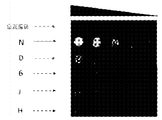
- Figure 1 Plate growth pattern of temperature-resistant phenotypic test of mutagenized strains
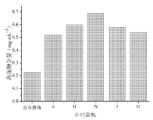
- Figure 2 Determination of the intracellular trehalose content of yeast
- Figure 3 Time course curve of lipase activity in the fermentation supernatant of the mutagenized strain N;
- Figure 4 Time course curve of protein concentration in the fermentation supernatant of the mutagenized strain N;
- FIG. 5 Schematic diagram of the homologous double-exchange knockout of the target gene (lipase gene) in the Pichia genome; wherein HIS4 represents the wild-type histidine dehydrogenase gene; his4, his4* represents histidine of different mutation types.
- Dehydrogenase gene His - represents histidine auxotrophy; His + represents non-histidine auxotrophy; 5'AOX1 (5'P AOX1 ) represents the alcohol oxidase gene AOX1 promoter; 3'AOX1 represents ethanol oxidation The 3'-end flanking sequence of the enzyme gene AOX1; TT represents the AOX1 terminator of the alcohol oxidase gene; A and B represent the homologous recombination of the two arm sequences; ZeoR represents the Zeocin resistance gene sequence; Kan represents the G418 resistance gene sequence; Gene of Interest represents a foreign gene sequence, and in the present application is the lipase gene sequence proRCL.
- Pichia pastoris genetically engineered bacteria expressing the lipase gene [Yu, XW, LL Wang, and Y. Xu (2009) Rhizopus chinensis lipase: Gene cloning, expression in Pichiapastoris and properties. J. Mol. Catal. B- Enzym.57:304-311;Dan Wu,Xiao-Wei Yu,Tong Chun Wang,Rui Wang,and Yan Xu.High Yield Rhizopus chinenisis prolipase Production in Pichia Pastoris:Impact of Methanol Concentration.Biotechnology and Bioprocess Engineering,2011,16 :305-311].
- YPD liquid medium yeast extract 10g / L, peptone 20g / L, glucose 20g / L.
- Screening medium yeast extract 10g/L, peptone 20g/L, glucose 20g/L, agar 2%, G4180.25g/L, rhodamine B 1 ⁇ 10 -3 %, 1% olive oil PVA emulsion.
- YPD-G418 solid medium yeast extract 10g / L, peptone 20g / L, glucose 20g / L, agar 2%, G4180.25g / L.
- YPD-Zeo solid medium yeast extract 10 g / L, peptone 20 g / L, glucose 20 g / L, agar 2%, Zeocin 100 ⁇ g / ml.
- MD solid medium glucose 20 g / L, YNB 1.34%, biotin 4 ⁇ 10 -5 %, agar powder 2%.
- MD-G418 solid medium glucose 20 g / L, YNB 1.34%, biotin 4 ⁇ 10 -5 %, agar powder 2%, G418 0.25 g / L.
- BMGY medium yeast extract 10g/L, peptone 20g/L, glycerol 10g/L, phosphate buffer 100mmol/L, pH 6.0, YNB 1.34%, biotin 4 ⁇ 10 -5 %.
- BMMY medium yeast extract 10g/L, peptone 20g/L, methanol 0.5g/L, phosphate buffer 100mmol/L, pH 6.0, YNB 1.34%, biotin 4 ⁇ 10 -5 %.
- Sodium acetate spore culture medium anhydrous sodium acetate 8.2 g/L, potassium chloride 1.8 g/L, glucose 1 g/L, yeast extract 2.5 g/L, agar powder 2%.
- Glycerol growth phase medium (basal salt medium): CaSO 4 0.93 g / L, 85% H 3 PO 4 28.70 mL / L, MgSO 4 ⁇ 7H 2 O 14.90 g / L, K 2 SO 4 18.20 g / L, KOH 4.13 g / L. This medium was used to prepare a fermentation medium containing 4% (w/v) glycerin and 4 mL/L PTM 1 .
- Glycerol transition phase feed medium 50% (w/v) glycerol with a PTM 1 content of 12 mL/L.
- Methanol-induced phase culture solution pure methanol induction solution, wherein the PTM 1 content is 24 mL/L.
- Trace element PTM 1 solution CuSO 4 ⁇ 5H 2 O 6.0g/L, KI 0.08g/L, MnSO 4 ⁇ H 2 O 3.0g/L, Na 2 MoO 4 ⁇ 2H 2 O 0.2g/L, H 3 BO 3 0.02g/L, ZnSO 4 ⁇ 7H 2 O 42.2g/L, FeSO 4 .7H 2 O 65.0g/L, CoC1 2 ⁇ 6H 2 O 0.5g/L, Biotin 0.2g/L, H 2 SO 4 5.0 mL/L.
- Mutagenesis methods such as ultraviolet mutagenesis, chemical reagent mutagenesis, and atmospheric pressure room temperature plasma mutagenesis are used.
- the strains obtained by the different mutagenesis methods were mixed (mixed bacteria) for high temperature acclimation.
- the mixed bacteria were inoculated to fresh YPD medium and subjected to temperature gradient culture at 32 ° C, 34 ° C, 36 ° C, 38 ° C, and 40 ° C to acclimate culture.
- the mixed bacteria were inoculated to 100 mL of fresh YPD medium and cultured at 32 ° C, and the original starting bacteria were simultaneously inoculated to 100 mL of fresh YPD medium and cultured at 30 ° C, and the inoculum amount was the initial OD 0.1. Cultured for 72 hours for domestication. After the end of the first generation, the OD is determined.
- the process proceeds to the domestication of the next temperature gradient, and vice versa, the transfer to the fresh medium is continued.
- one cycle was carried out at 32 ° C, that is, domestication was completed, three cycles were performed at 34 ° C, 10 cycles were performed at 36 ° C, 28 cycles were performed at 38 ° C, and 45 cycles were performed at 40 ° C.
- the mutagenized domesticated strain was evenly spread on a screening medium, and cultured in a 40 ° C incubator for 3 days.
- this example prepares a halobacterial strain resistant to high temperature monoclonal.
- the cells were cultured in YPD-G418 liquid medium at 40 ° C for 72 h, and the bacteria were spread on sodium acetate spore culture medium after 2 passages, cultured at 25 ° C, and microscopically examined for 3-7 days.
- Method Prepare the bacterial suspension, add 1-2 drops of water in a small test tube, use the inoculating ring to pick 2-3 ring of moss and test tubes, stir evenly to make a concentrated bacterial suspension.
- Peacock green dyeing solution Add 2-3 drops of malachite green dye solution and test tube, and mix it with the bacterial liquid. Then place the test tube in a boiling water bath and heat dye for 20 minutes.
- Smear fixation use the inoculating ring to remove the bacterial liquid from the bottom of the test tube onto the clean glass slide, apply a thin film, and then heat the smear through the flame 3 times.
- Decolorization Rinse with water until the liquid that is flowing out is green.
- Snail enzyme treatment release ascospores method Take appropriate amount of yeast that has formed ascospores on the spore culture medium, make a suspension of ascospores with 0.9% physiological saline, centrifuge 200 ⁇ L of the suspension, discard the supernatant, add concentration 3 200 ⁇ L of % snail enzyme solution was digested in a water bath at 30 ° C for 2 h.
- Isolation of haploid the ascospores haploid and diploid mixed bacterial solution treated with snail enzyme were further treated in a 58 ° C water bath for 12 min, then quartz sand was added, and shaken at 30 ° C for 30 min to break up the ascospores. , quickly diluted 10 -2 ⁇ 10 -3 , coated on YPD + G418 medium, cultured at 35 ° C for 2d ⁇ 3d. The clone that emerged is a haploid clone.
- the original starting strain and 5 temperature-resistant strains were picked from the plate and cultured in 5 ml LYPD medium overnight.
- the collected cells were washed twice with physiological saline, and the bacterial cells were suspended to make the OD of the bacterial suspension 1.
- After 45 min of sublethal temperature water bath at 50 ° C rapidly cooled, and diluted by 1,10 -1 , 10 -2 , 10 -3 , 10 -4 , and then pipet 4 ⁇ L onto YPD-G-418 solid medium. Incubate for 3 days in a 30 ° C incubator.
- trehalose can be used as a protective substance for yeast cells.
- organisms can resist the harmful effects of the outside world by regulating the synthesis of trehalose. Therefore, trehalose content is considered to be an important indicator of yeast tolerance.
- Example 7 Passage stability detection of mutagenized strains and shake flask fermentation culture
- the mutagenized strain N was streaked on YPD solid medium, cultured at 40 ° C for 3 days, picked up a single colony line and transferred to a new YPD solid medium, and cultured at 40 ° C for 3 days, thereby serially passaged and passaged. After 20 times, shake flask fermentation was carried out.
- the shake flask fermentation culture method is as follows:
- the temperature of the shake flask fermentation culture was simultaneously selected at 28 ° C, 30 ° C, 35 ° C, 38 ° C temperature conditions for expression test.
- the results showed that the lipase activities of the mutagenized strain N in the shake flask fermentation supernatant were 756 U/mL, 750 U/mL, 645 U/mL, respectively at 28 ° C, 30 ° C, 35 ° C, 38 ° C and 40 ° C. 638 U/mL and 620 U/mL; and the lipase activities of the original starting strain were 120 U/mL, 50 U/mL, 0 U/mL, 0 U/mL, and 0 U/mL, respectively. It is indicated that the mutagenized strain can efficiently express lipase under the induction temperature conditions of 40 ° C and below.
- the YPD plate was streaked and cultured at 30 ° C for about 3 days.
- the concentration of the cells was sampled every 4 hours. When the value reached the induced cell concentration (cell dry weight g/L) 36g/L, the glycerin was stopped and maintained for 30 minutes, so that the glycerol was completely depleted, in order to avoid excess glycerol. Repress the promoter AOX1, recalibrate the dissolved oxygen value to 100%, and begin to enter the methanol phase.
- the methanol induction liquid was added to the fermentation liquid by the shifting of the methanol controller, and the methanol feeding rate was gradually increased at first, so as to prevent the bacteria from adapting to methanol and poisoning (the adaptation period was about 8 hours), and the bacteria were gradually adapted to the methanol and then increased.
- the flow rate is maintained at a concentration of 0.1 ⁇ 0.02% (V/V), and gradually increased within 5 hours.
- the induction temperature was increased from 35 ° C to 40 ° C in order to gradually increase the adaptability of the cells to methanol.
- the highest enzyme activity of the original starting strain can reach 1412.5 U/mL at 28 °C, which is 2.3 times that at 30 °C.
- the lipase activity in the present invention is 8.3 times that of the original starting strain. Moreover, under the high temperature fermentation conditions of the present invention, the original starting strain was substantially unable to grow normally, and the supernatant was tested for no lipase activity.
- the present invention obtains a strain capable of efficiently secreting a Pichia pastoris genetically engineered strain expressing lipase at a high temperature.
- the lipase gene in the mutagenized strain genome is amplified by PCR and its initiation. The subsequence was sent to Shanghai Bioengineering Co., Ltd. for sequencing.
- Upstream primer sequence F 5'-GACTGGTTCCAATTGACAAGC-3' (nucleotide sequence is shown as SEQ ID NO: 1); downstream primer sequence R: 5'-CTTACAAACAGCTTCCTTCGTT-3' (nucleotide sequence is SEQ ID NO: 2 Shown).
- the pair of primers can be used to amplify the lipase gene and its promoter sequence together.
- the PCR amplification method is as follows:
- Step5 go to step2 30cycles
- the mutagenized strain N i.e., Pichia pastoris CCTCC NO: M 2016278 of the present invention
- the expression cassette including the lipase gene in the mutagenized strain N was knocked out by the method of homologous double exchange, and a host strain (hereinafter referred to as a knockout strain) for expressing other foreign genes was constructed.
- the knockout strain was screened by Zeocin resistance, and the electroporated bacterial solution was coated on YPD-Zeo solid medium, cultured at 30 ° C for 3 days, and the transformants were selected for PCR identification, and the research confirmed that the lipase was confirmed.
- the gene was successfully knocked out.
- the identification of the knockout strain was histidine auxotrophy with reference to the Pichia Expression Manual (Invitrogen), and the result was histidine auxotrophy. In summary, the knockout strain was successfully constructed.
- Example 11 Expression of a phospholipase gene using a knockout strain
- the knockout strain is the host strain, and the expression is derived from the reference [Liu A, Yu XW, Sha C, Xu Y. Streptomyces violaceoruber Phospholipase A2: Expression in Pichia pastoris, Properties, and Application in Oil Degumming. Applied Biochemistry Biotechnology. 2015, Phospholipase A2 gene in 175:3195-206.].
- the expression plasmid pPIC9K-PLA2 reported in the literature was linearized with SalI and electroporated into the knockout strain (electrical transfer method: one tube of competent cells was transferred to the linearized plasmid after enzymatic digestion, uniformly mixed, and then transferred to In a 2mm pre-cooled electric rotor, it is placed on ice for 3-5min and then electro-rotated.
- the parameters of the electro-converter are: voltage 1500V, resistance 200 ⁇ , capacitance 25 ⁇ F. Immediately after electro-conversion, add 1mL 1mol/L sorbitol solution and mix.
- the positive expression strain was inoculated in 25 mL BMGY medium at 40 ° C, 200 rpm overnight; the cells were collected and centrifuged to remove the supernatant, resuspended, inoculated into 100 mL BMMY medium, and placed at 40 ° C.
- the culture was carried out at 200 rpm in a constant temperature shaker; 1 mL of methanol was added every 24 hours for induction expression and the enzyme activity of phospholipase A2 in the supernatant was sampled.
- the method for determining the activity of phospholipase A2 is as follows:
- Phosphate buffer and PVA are mixed at a volume ratio of 19:1 to make the final concentration of PVA 0.2% (w/v)
- Phospholipase activity is defined as the amount of enzyme required to produce 1 ⁇ mol of titratable fatty acid in 1 min of hydrolyzed substrate at a certain temperature and pH, expressed as U/ml.
- V 1 volume of sodium hydroxide standard solution consumed in titrating the sample, in units of (mL);
- V 2 volume of sodium hydroxide standard solution consumed in titration blank, in units of (mL);
- n 1 the dilution factor of the sample
- the activity of phospholipase A2 in the fermentation supernatant of the constructed strains was 156 U/mL, 140 U/mL, 123 U/, respectively, under shaking culture conditions of 28 ° C, 30 ° C, 35 ° C, and 38 ° C. mL, 112 U/mL and 110 U/mL.
- this experiment uses knockout strains as hosts to select the Rhizopus oryzae lipase gene derived from the reference [Xiao-Wei Yu, Chong Sha, Yong-Liang Guo, Rong Xiao, Yan Xu*, High-level expression and characterization of a chimeric lipase from Rhizopus oryzae for biodiesel production, Biotechnology for Biofuels 2013, 6:29] and proline protease gene sequence [Chao Kang, Xiao -Wei Yu, Yan Xu.
- the shake flask fermentation experiment showed that the enzyme activities of Rhizopus oryzae lipase and proline protease were increased by 9.1 times and 2.5 times, respectively, compared with the above reference reports (the enzyme activity measurement method was consistent).
Landscapes
- Life Sciences & Earth Sciences (AREA)
- Chemical & Material Sciences (AREA)
- Health & Medical Sciences (AREA)
- Organic Chemistry (AREA)
- Engineering & Computer Science (AREA)
- Genetics & Genomics (AREA)
- Bioinformatics & Cheminformatics (AREA)
- Zoology (AREA)
- Wood Science & Technology (AREA)
- General Health & Medical Sciences (AREA)
- Biochemistry (AREA)
- General Engineering & Computer Science (AREA)
- Biotechnology (AREA)
- Microbiology (AREA)
- Biomedical Technology (AREA)
- Medicinal Chemistry (AREA)
- Mycology (AREA)
- Molecular Biology (AREA)
- Botany (AREA)
- Tropical Medicine & Parasitology (AREA)
- Virology (AREA)
- Micro-Organisms Or Cultivation Processes Thereof (AREA)
Abstract
提供一种高分泌型耐热酵母基因工程菌及其应用,该酵母基因工程菌保藏于中国典型培养物保藏中心(CCTCC)、保藏编号为CCTCC NO:M 2016278。通过同源双交换的方式将脂肪酶基因敲除,构建的敲除菌株能够作为其他外源蛋白的表达宿主,可用于提高其他外源基因的表达水平,且可以在高温发酵条件进行发酵。
Description
本发明涉及一种高分泌型耐热酵母基因工程菌及其应用,属于生物技术领域。
酵母菌是酒精和食品行业的重要生产菌株,随着人类能源危机和环保意识的不断加强,以燃料酒精代替汽油逐渐成为发展趋势。耐高温酵母菌能减少酒精生产中由于降温所带来的麻烦和费用,保证工业发酵能在高温下正常进行,因此,围绕耐高温酵母菌的筛选成为研究热点。近年来,已有多株人工选育的耐高温酵母菌投入到生产中,并取得了良好的经济效益。
早在20世纪中期,我国微生物学家就从事驯化育种以糖蜜原料发酵的耐高温酵母研究。目前已有多株人工选育的耐热酵母菌株用于生产,获得了良好的经济效益。据报道,通过对生产用菌株的驯化与筛选,得到了适合于玉米醪发酵的耐高温酒精酵母。长期以来,高温菌株的选育主要集中在自然界筛选和高温驯化。研究人员通过化学诱变和遗传重组使得酿酒酵母的最高生长温度提高3℃;通过高温驯化紫外诱变和热冲击相结合使得酒精生产酵母发酵温度提高6℃;利用原生质体融合技术使得酿酒酵母与呼吸缺陷型耐高温克鲁维酵母在45℃条件下产酒率可达7.4%;通过高温驯化使得酿酒酵母能够在40℃生长;自然筛选和紫外诱变使得酿酒酵母在42℃条件下产酒精量提高;通过常压室温等离子体诱变技术获得高产产油酵母。
巴斯德毕赤酵母(Pichiapastoris,以下简称毕赤酵母)是一种广泛使用的真核表达系统,具有外源蛋白表达量高、营养成分简单、易于诱导等显著优势,但是存在诱导温度低导致能耗大的缺点,并且存在在高温条件下发酵外源蛋白表达受到显著抑制的问题。目前,未有利用毕赤酵母在高温下发酵并不影响外源蛋白表达的研究报道。
毕赤酵母菌体生长最适温度为28-30℃,而且已有研究表明降低诱导温度能够促进外源蛋白的表达,低温下可以提高醇氧化酶AOX的活性和转录水平、减少菌体的凋亡[Sue Macauley-Patrick,Mariana L.Fazenda,Brian McNeil and Linda M.Harvey,Heterologous protein production using the Pichiapastoris expression system.Yeast 2005,22:249–270;闵兆升,郭会明,颜旭,洪厚胜.巴斯德毕赤酵母(P.pastoris)高密度发酵研究进展.生物技术通报,2014,3:42-49。]。Li等人[Li Z,Xiong F,Lin Q,et al.2001.Low temperature increases the yield of biologically active herring antifreeze protein in Pichia pastoris.Protein Expression Purification,21(3):438–445.]研究发现当把诱导温度从30℃降低到23℃后,鲱鱼抗冻蛋白的表
达量从5.3mg/L提高到18.0mg/L,而且细胞活性显著提高。本课题组前期研究比较7L发酵罐中不同诱导温度对华根霉前导肽脂肪酶在毕赤酵母中表达水平的影响。通过实验表明在28℃条件下,最大酶活可以达到1412.5U/mL,是30℃条件下的2.3倍,25℃条件下的1.3倍;发现诱导温度越低菌体死亡率越低,但是在25℃条件下,菌体生长速率较慢,影响了酶活表达[王同春,喻晓蔚,徐岩,诱导温度调控华根霉(Rhizopus chinensis)前导肽脂肪酶的表达及稳定性研究,工业微生物,2010,4:34-39]。已有的研究报道均表明利用毕赤酵母表达外源蛋白的诱导温度控制在30℃以下,以获得较高的外源蛋白表达量。但是较低的诱导温度导致在工业生产中耗费大量的能源来降低温度,因此,亟待开发能够在高温条件下高效诱导表达外源蛋白的毕赤酵母表达菌株。
发明内容
为了解决上述问题,本发明筛选获得了能够高效表达外源蛋白的耐高温毕赤酵母菌株,提高了毕赤酵母的应用性能,并解析了其耐高温机理。本发明的耐高温毕赤酵母菌株,能够在较高温度下发酵,带来了以下优势:1.降低了发酵中的冷却费用、降低了生产成本;2.降低污染,发酵的温度提高抑制了许多杂菌的污染。
本发明的第一个目的是提供一种高分泌型耐热毕赤酵母菌,所述毕赤酵母菌已于2016年5月24日保藏于中国典型培养物保藏中心(CCTCC),保藏地址为中国武汉武汉大学,保藏编号为CCTCC NO:M 2016278。
本发明第二个目的是提供一种所述毕赤酵母菌CCTCC NO:M 2016278的应用方法,是用于生产蛋白或者其他生物制品(比如说经过代谢改造后生产酒精等一些代谢产物)。
在本发明的一种实施方式中,所述生产是在40℃以下进行生产。
在本发明的一种实施方式中,所述应用方法,是利用毕赤酵母菌CCTCC NO:M 2016278发酵生产脂肪酶;所述方法是在不高于40℃温度下诱导毕赤酵母菌发酵生产脂肪酶。
在于,所述应用是将毕赤酵母菌CCTCC NO:M 2016278中的脂肪酶基因敲除后获得敲除菌株,然后以敲除菌株作为宿主构建表达外源蛋白基因的重组菌,再利用重组菌生产蛋白。
在本发明的一种实施方式中,所述不高于40℃,是指28℃-40℃。
在本发明的一种实施方式中,所述应用方法,是将毕赤酵母菌种子液接种于甘油生长相培养基中,当培养基中的底物甘油基本耗尽后进行甘油间歇补料阶段;当诱导菌体浓度(细胞干重g/L)36g/L时,停止补加甘油,维持此状态至甘油彻底耗尽,然后流加甲醇诱导液;起初慢慢增加甲醇补料速率,当菌体逐渐适应了甲醇之后,提高流加速率维持甲醇浓度在0.1±0.02%(V/V)左右,同时在5h内逐步将诱导温度从35℃提高至40℃,维持溶氧值在10%-20%之间,诱导脂肪酶的表达。
在本发明的一种实施方式中,所述应用方法是将毕赤酵母菌CCTCC NO:M 2016278中的脂肪酶基因敲除后获得敲除菌株,然后以敲除菌株作为宿主构建表达外源蛋白基因的重组菌,再利用重组菌生产蛋白。
在本发明的一种实施方式中,所述敲除是通过同源双交换敲除。
在本发明的一种实施方式中,所述外源基因为磷脂酶基因、米根霉脂肪酶基因或者脯氨酸蛋白酶基因。
本发明的第三个目的是提供一种在毕赤酵母菌CCTCC NO:M 2016278的基础上进行任何改造得到的菌株。
在本发明的一种实施方式中,所述改造,是指是毕赤酵母菌CCTCC NO:M 2016278进行诱变、驯化或者基因改造。
在本发明的一种实施方式中,所述基因改造,是指将毕赤酵母菌CCTCC NO:M 2016278中的脂肪酶基因通过同源双交换敲除。
在本发明的一种实施方式中,所述基因改造,是将毕赤酵母菌CCTCC NO:M 2016278中的脂肪酶基因敲除得到敲除菌株,然后以敲除菌株作为外源基因表达的宿主。
在本发明的一种实施方式中,所述外源基因为磷脂酶基因、米根霉脂肪酶基因或者脯氨酸蛋白酶基因。
本发明的第四个目的是提供一种所述改造得到的菌株的应用,是用于发酵产酶或者其他生物制品(比如说经过代谢改造后生产酒精等一些代谢产物)。
本发明的有益效果:
(1)本发明的高分泌型耐热毕赤酵母菌,海藻糖含量高,能够耐受50℃水浴45min,能够在40℃及其以下温度诱导培养产酶。
(2)利用本发明的高分泌型耐热毕赤酵母菌发酵生产脂肪酶,发酵84h后胞外脂肪酶活力达到17750U/mL、胞外蛋白浓度在78h达到11.7g/L。
(3)本发明菌株中的脂肪酶基因及其启动子序列均未发生突变,说明本发明的高分泌型耐热毕赤酵母菌能够高分泌量表达脂肪酶基因是由于基因组中其他基因序列发生了突变导致的。本发明提供了一种毕赤酵母宿主菌,是通过同源双交换的方式将毕赤酵母菌CCTCC M2016278中的脂肪酶基因敲除,从而应用于提高其他外源基因的表达水平。以敲除菌株作为宿主菌表达磷脂酶基因、米根霉脂肪酶基因、脯氨酸蛋白酶基因,在40℃培养条件下能够使酶活水平分别提高了3倍、9.1倍和2.5倍。
生物材料保藏:
一株高分泌型耐热毕赤酵母菌,分类学命名为巴斯德毕赤酵母RCLN Pichiapastoris RCLN,于2016年5月24日保藏于中国典型培养物保藏中心(CCTCC),保藏地址为中国武汉武汉大学,保藏编号为CCTCC NO:M 2016278。
图1:诱变菌株的耐温表型检验平板生长图;
图2:酵母胞内海藻糖含量的测定;
图3:诱变菌株N号发酵上清中脂肪酶活力时程曲线;
图4:诱变菌株N号发酵上清中蛋白浓度时程曲线;
图5:同源双交换敲除毕赤酵母基因组中目的基因(脂肪酶基因)的原理示意图;其中HIS4代表野生型组氨酸脱氢酶基因;his4,his4*代表不同突变类型的组氨酸脱氢酶基因;His-代表组氨酸营养缺陷型;His+代表非组氨酸营养缺陷型;5’AOX1(5’PAOX1)代表乙醇氧化酶基因AOX1启动子;3’AOX1代表乙醇氧化酶基因AOX1的3’端侧翼序列;TT代表乙醇氧化酶基因AOX1终止子;A、B代表同源重组两侧臂序列;ZeoR代表Zeocin抗性基因序列;Kan代表G418抗性基因序列;Gene of interest代表外源基因序列,本申请中为脂肪酶基因序列proRCL。
试剂和菌株
出发菌株:表达脂肪酶基因的毕赤酵母基因工程菌[Yu,X.W.,L.L.Wang,and Y.Xu(2009)Rhizopus chinensis lipase:Gene cloning,expression in Pichiapastoris and properties.J.Mol.Catal.B-Enzym.57:304-311;Dan Wu,Xiao-Wei Yu,Tong Chun Wang,Rui Wang,and Yan Xu.High Yield Rhizopus chinenisis prolipase Production in Pichia Pastoris:Impact of Methanol Concentration.Biotechnology and Bioprocess Engineering,2011,16:305-311]。
YPD液态培养基:酵母膏10g/L,蛋白胨20g/L,葡萄糖20g/L。
筛选培养基:酵母膏10g/L,蛋白胨20g/L,葡萄糖20g/L,琼脂2%,G4180.25g/L,罗丹明B 1×10⁻³%,1%橄榄油PVA乳化液。
YPD-G418固态培养基:酵母膏10g/L,蛋白胨20g/L,葡萄糖20g/L,琼脂2%,G4180.25g/L。
YPD-Zeo固态培养基:酵母膏10g/L,蛋白胨20g/L,葡萄糖20g/L,琼脂2%,Zeocin100μg/ml。
MD固体培养基:葡萄糖20g/L,YNB 1.34%,生物素4×10⁻⁵%,琼脂粉2%。
MD-G418固体培养基:葡萄糖20g/L,YNB 1.34%,生物素4×10⁻⁵%,琼脂粉2%,G418
0.25g/L。
BMGY培养基:酵母膏10g/L,蛋白胨20g/L,甘油10g/L,磷酸缓冲液100mmol/L,pH 6.0,YNB 1.34%,生物素4×10⁻⁵%。
BMMY培养基:酵母膏10g/L,蛋白胨20g/L,甲醇0.5g/L,磷酸缓冲液100mmol/L,pH 6.0,YNB 1.34%,生物素4×10⁻⁵%。
乙酸钠生孢培养基:无水乙酸钠8.2g/L,氯化钾1.8g/L,葡萄糖1g/L,酵母膏2.5g/L,琼脂粉2%。
甘油生长相培养基(基础盐培养基):CaSO4 0.93g/L,85%H3PO4 28.70mL/L,MgSO4·7H2O 14.90g/L,K2SO4 18.20g/L,KOH 4.13g/L。用此培养基配制成含4%(W/V)的甘油和4mL/L PTM1的发酵培养基。
甘油过渡相补料培养基:50%(W/V)甘油,其中PTM1含量为12mL/L。
甲醇诱导相培养液:纯甲醇诱导液,其中PTM1含量为24mL/L。
微量元素PTM1溶液:CuSO4·5H2O 6.0g/L,KI 0.08g/L,MnSO4·H2O 3.0g/L,Na2MoO4·2H2O 0.2g/L,H3BO3 0.02g/L,ZnSO4·7H2O 42.2g/L,FeSO4.7H2O 65.0g/L,CoC12·6H2O 0.5g/L,Biotin 0.2g/L,H2SO4 5.0mL/L。
实施例1:菌株诱变方法
采用紫外诱变、化学试剂诱变、常压室温等离子体诱变等诱变方法。
紫外线、硫酸二乙酯、亚硝基胍诱变方法参考文献[不同诱变方法对透明质酸产生菌株Sz560的诱变效应,丁勇,石孝勇,张新明,食品研究与开发,2012,12:50-53]。常压室温等离子体诱变方法参考文献[低嘌呤酿酒酵母的ARTP法诱变育种,康富帅,颜兵,吕南拳,周世水,现代食品科技,2014,2:188-191]。研究过程中通过以上方法及以上方法的不同组合对菌株进行诱变处理。
实施例2:菌株的驯化
将不同诱变方法获得的菌株混合(混合菌)进行高温驯化。将混合菌接种至新鲜的YPD培养基进行32℃、34℃、36℃、38℃、40℃温度梯度升温驯化培养。混合菌接种至100mL新鲜的YPD培养基中32℃培养,原始出发菌同时接种至100mL新鲜的YPD培养基中30℃培养,接种量为起始OD 0.1。培养72h为一代驯化。一代结束后测定OD,若高温条件下的OD值与原始出发菌30℃条件下的OD值之比大于1则进入下一个温度梯度的驯化,反之则继续转接至新鲜的培养基在进行该温度的第二次驯化直至比值大于1。最终32℃进行1个循环即驯化完成,34℃进行3个循环,36℃进行10个循环,38℃进行28个循环,40℃进行45个循环。
实施例3:耐温及高分泌型驯化菌株的单克隆分离
1)将诱变驯化后的菌株均匀涂布于筛选培养基,并且置于40℃培养箱培养3d。
2)挑取菌落最大且红色透明圈最明显的28个单克隆于5mL新鲜YPD培养基中过夜培养。菌落越大代表在高温下活力更好,红色透明圈越明显代表分泌表达的脂肪酶活力越高。
3)分别接种28个单克隆于100mL新鲜的YPD培养基中,40℃、200rpm恒温培养3天,筛选得到5株生长情况最好的菌株进行后续实验,5株菌株分别命名为6,D、N、J、H。
实施例4:耐温单克隆的单倍体制备
为了提高菌株的遗传稳定性,本实施例制备耐高温单克隆的单倍体菌株。
1)用YPD-G418液体培养基40℃进行培养72h,连续2次传代后将菌涂布于乙酸钠生孢培养基上,25℃培养,3-7天取样镜检。
2)镜检染色:采用5%孔雀绿与0.5%蕃红染液进行染色。
方法:制备菌悬液,加1-2滴水浴小试管中,用接种环挑取2-3环菌苔与试管中,搅拌均匀,制成浓的菌悬液。
孔雀绿染液染色:加2-3滴孔雀绿染液与试管中,并使其与菌液混合均匀,然后将试管置于沸水浴的烧杯中,加热染色20min。
涂片固定:用接种环去试管底部菌液数环于干净载玻片上,涂成薄膜,然后将涂片通过火焰3次温热固定。
脱色:用水冲洗,直至流出的液体无绿色为止。
复染:用蕃红染液染色1-2min,倾去染液,水洗并用滤纸吸干。
镜检:干燥后用油镜观察,子囊孢子呈绿色,营养细胞为红色。
3)蜗牛酶处理释放子囊孢子方法:生孢培养基上取适量已形成子囊孢子的酵母,用0.9%生理盐水制成子囊孢子的悬液,取200μL的悬液离心弃上清,加入浓度3%蜗牛酶液200μL于30℃水浴酶解2h。
4)单倍体的分离:将用蜗牛酶处理的子囊孢子单倍体和二倍体混合菌液进一步于58℃水浴分别处理12min,再加入石英砂,30℃震荡30min,将子囊孢子打散,迅速稀释10-2~10-3,涂布于YPD+G418培养基上,35℃培养2d~3d。生长出的克隆即为单倍体克隆。
实施例5:诱变菌株的耐温表型检验
从平板上挑取原始出发菌株和5株耐温菌株于5mLYPD培养基中,过夜培养,收集菌体用生理盐水洗涤两次,悬浮菌体使得菌悬液OD为1。在50℃亚致死温度水浴45min后,迅速冷却,并1,10-1,10-2,10-3,10-4梯度稀释后,吸取4μL点滴于YPD-G-418固态培养基上,置于30℃恒温培养箱培养3d。
结果显示(图1),对照组的原始菌100%致死,而N号菌株(即本发明的毕赤酵母CCTCC NO:M 2016278)最耐温。
实施例6:诱变菌株的胞内海藻糖含量测定
已有报道表明通常耐高温菌株胞内含有较高含量的海藻糖,海藻糖可以作为酵母细胞的保护性物质,在极端环境下,生物体可以通过调节海藻糖的合成来抵御外界的不良伤害,所以海藻糖含量被认为是酵母耐受性的重要指标。
1)标准曲线制作
取干试管6支,依次加入0.1mg/mL标准糖溶液0,0.1,0.2,0.3,0.4,0.5mL,并依次用蒸馏水补足到1mL,各管均加入蒽酮试剂(取0.2g蒽酮溶于100mL80%硫酸中)4mL,震摇均匀。沸水浴准确煮沸10min,室温放置10min,用1号试管溶液调零,比色测定A620(同时测定样品)。用标准糖溶液浓度为横坐标,吸光度为纵坐标,制作标准曲线,A620=9.62C-0.0033R2=0.99,C代表海藻糖浓度(mg/mL)。
2)提取胞内海藻糖
取20ml培养至OD600达到6的菌液入50mL离心管中,4000rpm离心5min,去上清液,其中的菌体用冰冻的蒸馏水在4000rpm,5min的条件下离心洗涤3次,加入4ml 0.5mol/L的三氯乙酸(TCA),混匀后再冰浴中放置20min,期间每5min振荡混匀一次,混合液在4000rpm下离心5min,收集上清液,加水稀释10倍共40mL提取液。
3)海藻糖含量的测定
把1mL提取液加在盛有4mL蒽酮的定糖管里,沸水中煮10min,流水冷却,冷却后在室温下静置10min,然后在620nm下读取吸光值,最后按照标准曲线得出海藻糖的浓度。
4)结果如图2,与原始出发菌株control相比,诱变菌株6,D、N、J、H胞内海藻糖含量均显著高于出发菌株,其中N号诱变菌株(即本发明的毕赤酵母CCTCC NO:M 2016278)的海藻糖含量最高。
实施例7:诱变菌株的传代稳定性检测及摇瓶发酵培养
将诱变菌株N号在YPD固态培养基上划线,40℃培养3天,挑取单菌落划线转接到新的YPD固态培养基上,40℃培养3天,以此连续传代,传代20次后进行摇瓶发酵培养。
摇瓶发酵培养方法如下:
1)分别接种诱变菌株N号和原始出发菌株于25mL BMGY培养基中40℃、200rpm培养过夜。
2)收集菌体离心去上清,重新悬浮后接种至100mL BMMY培养基中,保持不同菌株初始OD600一样,置于40℃恒温摇床中200rpm发酵培养。
3)每隔24h加入1mL甲醇进行诱导表达脂肪酶并且取样测定菌体浓度、胞外蛋白浓度和胞外脂肪酶酶活力。
结果表明,连续传代20次后,在40℃条件下,摇瓶发酵上清液中脂肪酶活力的变化范围在5%以内,说明诱变菌株的遗传稳定性良好。
除了40℃以外,摇瓶发酵培养的温度同时选取28℃、30℃、35℃、38℃温度条件进行表达检验。结果表明在28℃、30℃、35℃、38℃和40℃条件下,摇瓶发酵上清液中诱变菌株N号的脂肪酶活力分别为756U/mL、750U/mL、645U/mL、638U/mL和620U/mL;而原始出发菌株的脂肪酶活力分别为120U/mL、50U/mL、0U/mL、0U/mL和0U/mL。表明该诱变菌株能够在40℃及其以下的诱导温度条件下高效表达脂肪酶。
实施例8:诱变菌株的3-L发酵罐小试
(1)平板种子培养
YPD平板划线,30℃培养3天左右。
(2)摇瓶培养
超净台内挑取生长形态良好的菌落,接种至250mL三角瓶内培养约22h,装液量为50mL,取样检测当吸光值达到2-6之间结束培养。
(3)发酵罐培养
准确配制1L甘油生长相培养基置于3L发酵罐内,安装好挡板、搅拌桨、补料针等,并插入已离线标定好的DO、pH和消泡电极,封口保护电极头,接上两个空气过滤器,中间用夹子包扎好,连接好取样器,然后放置于灭菌锅内121℃灭菌20min。取出室温冷却,连接上发酵调控器,调节空气流量为2.5L/min,初始搅拌转速为300r/min,菌体生长温度为35℃,用氨水自动调控pH值为5.5。将5瓶种子液并种,并加入10.875mL过膜除菌的PTM1溶液,火焰接种,接种量为10%,当DO值稳定后较100%,在甘油生长相期间通过蛇管冷却或加热套加热以及自动流加氨水控制温度与pH在设定值,并通过调节转速维持溶氧值在50%以上。发酵过20-25h,此时溶氧值会急剧上升,这表明培养基中的底物甘油已基本耗尽,维持此状态半小时后开始流加50%的甘油过渡相培养基,进入甘油间歇补料阶段。同时连接上甲醇控制仪,预热。
每4h取样检测菌体浓度,当其值达到诱导菌体浓度(细胞干重g/L)36g/L时,停止补加甘油,维持此状态30min,使得甘油彻底耗尽,目的是避免过剩甘油阻遏启动子AOX1,重新校正溶氧值为100%,开始进入甲醇相。利用甲醇控制仪变速的向发酵液中流加甲醇诱导液,起初慢慢增加甲醇补料速率,以免菌体无法适应甲醇而中毒(适应期为8h左右),当菌体逐渐适应了甲醇之后,提高流加速率维持甲醇浓度在0.1±0.02%(V/V)左右,同时在5h内逐步
将诱导温度从35℃提高至40℃,目的也是为了逐步提高菌体对甲醇的适应性。通过调节转速,增加流量,混合通纯氧的方式维持溶氧值在10%-20%之间,诱导脂肪酶的高效表达。
(4)发酵结果:如图3、图4,以N号菌株为例,胞外脂肪酶活力随着诱导时间的增加持续升高至84h达到17750U/mL,胞外蛋白浓度在78h达到最高11.7g/L。
根据文献报道,原始出发菌株在28℃条件下,最高酶活可以达到1412.5U/mL,是30℃条件下的2.3倍[诱导温度调控华根霉(Rhizopus chinensis)前导肽脂肪酶的表达及稳定性研究,王同春,喻晓蔚,徐岩,工业微生物,2010,4:34-39];在优化甲醇诱导浓度后(与本发明专利采用的甲醇诱导浓度一致),原始出发菌株表达的最高脂肪酶活力仅为2,130U/mL[Dan Wu,Xiao-Wei Yu,Tong Chun Wang,Rui Wang,and Yan Xu.High Yield Rhizopus chinenisis prolipase Production in Pichia Pastoris:Impact of Methanol Concentration.Biotechnology and Bioprocess Engineering,2011,16:305-311],本发明中脂肪酶活力是原始出发菌株的8.3倍。并且,在本发明的高温发酵条件下,原始出发菌株基本无法正常生长,上清液中检测无脂肪酶活力。
综上分析,本发明获得了能在高温下高效分泌表达脂肪酶的毕赤酵母基因工程菌的菌株。
实施例9:诱变菌株中脂肪酶基因及其启动子序列测序鉴定
为了研究诱变菌株高分泌量表达脂肪酶基因的原因是否是由于诱变过程中脂肪酶基因或者其启动子基因序列发生的突变,通过PCR扩增诱变菌株基因组中的脂肪酶基因及其启动子序列,并送上海生物工程有限公司测序。
上游引物序列F:5'-GACTGGTTCCAATTGACAAGC-3'(核苷酸序列如SEQ ID NO:1所示);下游引物序列R:5'-CTTACAAACAGCTTCCTTCGTT-3'(核苷酸序列如SEQ ID NO:2所示)。利用该对引物能够将脂肪酶基因及其启动子序列共同扩增出来。
PCR扩增方法如下:

Step5:go to step2 30cycles
Step6:72℃ 10min
Step7:10℃ hold
测序结果表明,脂肪酶基因及其启动子序列均未发生突变,说明诱变菌株高分泌量表达脂肪酶基因是由于毕赤酵母基因组中其他基因序列发生了突变导致的。
实施例10:敲除菌株的构建
由于诱变菌株N号(即本发明的毕赤酵母CCTCC NO:M 2016278)具有高分泌表达脂肪酶基因的特性,因此推测该菌株能够同样应用于提高其他外源基因的表达水平。因此通过同源双交换的方法敲除诱变菌株N号中包括脂肪酶基因的表达盒,构建用于表达其他外源基因的宿主菌(以下简称敲除菌株)。
敲除方法参考文献[倪振华,周详山,张元兴.毕赤酵母重组菌株直接基因缺失方法的研究.微生物学通报,2007,34:1198-1201.],本实验敲除原理如图5所示,由于诱变菌株中仅插入了一个拷贝的脂肪酶基因序列,因此通过同源双交换的方式将该脂肪酶基因敲除。
通过Zeocin(博来霉素)抗性筛选敲除菌株,将电转化后的菌液涂布在YPD-Zeo固态培养基上,30℃培养3天,挑选转化子进行PCR鉴定,研究证实脂肪酶基因成功被敲除。参考《毕赤酵母表达手册》(Invitrogen公司)鉴定敲除菌株是否为组氨酸营养缺陷型,鉴定结果为组氨酸营养缺陷型。综上表明,敲除菌株构建成功。
实施例11:利用敲除菌株表达磷脂酶基因
以敲除菌株为宿主菌,表达来源于参考文献[Liu A,Yu XW,Sha C,Xu Y.Streptomyces violaceoruber Phospholipase A2:Expression in Pichia pastoris,Properties,and Application in Oil Degumming.Applied Biochemistry Biotechnology.2015,175:3195-206.]中的磷脂酶A2基因。将文献中报道的表达质粒pPIC9K-PLA2用SalI线形化后电转入敲除菌株中(电转方法:取一管感受态细胞转移至酶切浓缩后的线性化质粒中,均匀混合,再转移至2mm预冷的电转杯中,冰上放置3-5min后进行电转。电转化仪设置参数为:电压1500V,电阻200Ω,电容25μF。电转化后立即加入1mL 1mol/L的山梨醇溶液,混匀后转移至1.5mL EP管中,30℃复苏1h,离心后除上清至剩余100μL,重悬菌体后涂布MD-G418平板,30℃培养箱中培养3d后就可得到一系列单菌落转化子。),涂布于MD-G418平板上,挑取单克隆进行PCR验证,验证正确的菌株即为构建成功的表达磷脂酶A2的毕赤酵母基因工程菌。
摇瓶发酵培养方法参考实施例7,接种阳性表达菌株于25mL BMGY培养基中40℃、200rpm培养过夜;收集菌体离心去上清,重新悬浮后接种至100mL BMMY培养基中,置于40℃恒温摇床中200rpm发酵培养;每隔24h加入1mL甲醇进行诱导表达并且取样测定上清液中磷脂酶A2的酶活力。
磷脂酶A2活力测定方法如下:
a.称取聚乙烯醇(PVA)40.0g,加水800mL,在沸水浴中加热、搅拌,直至全部溶解,冷却后定溶至1000mL。以干净的双层纱布过滤,取滤液备用;
b.磷酸缓冲液和PVA以体积比为19:1的比例混合,使PVA的终浓度为0.2%(w/v)
c.称取大豆卵磷脂3g溶于60ml磷酸缓冲液和PVA的混合液中;用高速组织捣碎机处
理6min(分2次处理,每次3min,间隔5min),即成乳白色PVA乳化液。
d.取两个100mL三角瓶,分别于空白瓶(A)和样品瓶(B)中,各加底物溶液和磷酸缓冲液混合液9.00mL,再于A瓶中加入95%乙醇(3.3)15.0mL,于40±0.2℃水浴中预热5min,然后,在A瓶中,加失活酶液1.00mL,B瓶中加待测酶液1ml,立即混匀计时,在40±0.2℃水浴中准确反应15min,于B杯中立即补加95%乙醇15.0mL终止反应,取出;
e.于空白和样品溶液中各加酚酞指示液2滴,用0.05mol/L氢氧化钠标准溶液滴定,直至微红色并保持30s不褪为其终点,记录消耗0.05mol/L氢氧化钠标准溶液的体积。
磷脂酶活力定义为:在一定温度和pH条件下,1min水解底物产生1μmol的可滴定脂肪酸所需要的酶量为1个酶活力单位,以U/ml表示。
磷脂酶活力计算公式:

式中:
X1—样品的酶活力,U/mL;
V1—滴定样品时消耗的氢氧化钠标准溶液的体积,单位为(mL);
V2—滴定空白时消耗的氢氧化钠标准溶液的体积,单位为(mL);
c—氢氧化钠标准溶液浓度,单位为摩尔每升(mol/L);
50—0.05mol/L氢氧化钠溶液1.00mL相当于脂肪酸50μmol;
n1—样品的稀释倍数;
0.05—氢氧化钠标准溶液浓度划算系数;
15—反应时间15min,以1min计。
实验结果表明,在40℃发酵条件下,本实施例构建菌株的摇瓶发酵上清液中磷脂酶A2活力为105U/mL,是参考文献[Liu A,Yu XW,Sha C,Xu Y.Streptomyces violaceoruber Phospholipase A2:Expression in Pichia pastoris,Properties,and Application in Oil Degumming.Applied Biochemistry Biotechnology.2015,175:3195-206.]报道(35U/mL)的3倍。又分别检测了在28℃、30℃、35℃、38℃摇瓶发酵培养条件下,本实施例构建菌株发酵上清液中磷脂酶A2的活力分别为156U/mL、140U/mL、123U/mL、112U/mL和110U/mL。
同时接种来源于参考文献[Liu A,Yu XW,Sha C,Xu Y.Streptomyces violaceoruber Phospholipase A2:Expression in Pichia pastoris,Properties,and Application in Oil Degumming.Applied Biochemistry Biotechnology.2015,175:3195-206.]中的表达菌株,在本实施例40℃摇瓶培养条件下进行培养,结果表明由于原始菌株无法耐受高温,发酵上清液中无法检测到磷脂
酶A2活力。
以上研究表明该敲除菌株能够在诱导温度40℃条件以下高效的表达磷脂酶。
实施例12:利用敲除菌株表达其他外源基因
为了进一步验证敲除菌株能够在高温下高分泌其他类型的外源蛋白,本实验以敲除菌株为宿主,选择来源于参考文献中的米根霉脂肪酶基因[Xiao-Wei Yu,Chong Sha,Yong-Liang Guo,Rong Xiao,Yan Xu*,High-level expression and characterization of a chimeric lipase from Rhizopus oryzae for biodiesel production,Biotechnology for Biofuels 2013,6:29]和脯氨酸蛋白酶基因序列[Chao Kang,Xiao-Wei Yu,Yan Xu.Gene cloning and enzymatic characterization of an endoprotease Endo-Pro-Aspergillus niger,Journal of Industrial Microbiology and Biotechnology,2013,40:855-864]为目标进行表达,将含有米根霉脂肪酶基因的表达质粒pPIC9K-proAROL和含有脯氨酸蛋白酶基因序列的表达质粒pPIC9K-EPR酶切线性化之后电转化敲除菌株,阳性菌株的筛选步骤参考实施例11。
通过摇瓶发酵实验表明,相比以上参考文献报道(酶活测定方法一致),米根霉脂肪酶和脯氨酸蛋白酶的酶活水平分别提高了9.1倍和2.5倍。
虽然本发明已以较佳实施例公开如上,但其并非用以限定本发明,任何熟悉此技术的人,在不脱离本发明的精神和范围内,都可做各种的改动与修饰,因此本发明的保护范围应该以权利要求书所界定的为准。

Claims (10)
- 一种高分泌型耐热毕赤酵母菌,其特征在于,所述毕赤酵母菌已于2016年5月24日保藏于中国典型培养物保藏中心(CCTCC),保藏地址为中国武汉武汉大学,保藏编号为CCTCC NO:M 2016278。
- 一种毕赤酵母菌,其特征在于,所述毕赤酵母菌是在毕赤酵母菌CCTCC NO:M2016278的基础上进行改造得到的。
- 根据权利要求2所述的毕赤酵母菌,其特征在于,所述毕赤酵母菌是指将毕赤酵母菌CCTCC NO:M 2016278中的脂肪酶基因进行同源双交换敲除后得到的敲除菌株。
- 根据权利要求2所述的毕赤酵母菌,其特征在于,所述改造是指是对毕赤酵母菌CCTCC NO:M 2016278进行诱变、驯化或者基因改造。
- 权利要求1所述的毕赤酵母菌在生产蛋白或者生物制品方面的应用。
- 根据权利要求5所述的应用,其特征在于,所述生产是在40℃以下进行生产。
- 根据权利要求5所述的应用,其特征在于,所述应用是利用毕赤酵母菌CCTCC NO:M2016278发酵生产脂肪酶;所述方法是在40℃以下诱导毕赤酵母菌发酵生产脂肪酶。
- 根据权利要求5所述的应用,其特征在于,所述应用是将毕赤酵母菌CCTCC NO:M2016278中的脂肪酶基因敲除后获得敲除菌株,然后以敲除菌株作为宿主构建表达外源蛋白基因的重组菌,再利用重组菌作为生产菌株进行生产。
- 根据权利要求8所述的应用,其特征在于,所述外源蛋白基因为磷脂酶基因、米根霉脂肪酶基因或者脯氨酸蛋白酶基因。
- 权利要求2-4任一所述毕赤酵母菌的应用。
Priority Applications (1)
| Application Number | Priority Date | Filing Date | Title |
|---|---|---|---|
| US15/746,621 US10519417B2 (en) | 2016-05-26 | 2016-07-01 | High-secretion heat-resistant yeast genetically engineered strain and application thereof |
Applications Claiming Priority (2)
| Application Number | Priority Date | Filing Date | Title |
|---|---|---|---|
| CN2016103563746 | 2016-05-26 | ||
| CN201610356374.6A CN106047732B (zh) | 2016-05-26 | 2016-05-26 | 一种高分泌型耐热酵母基因工程菌及其应用 |
Publications (1)
| Publication Number | Publication Date |
|---|---|
| WO2017201815A1 true WO2017201815A1 (zh) | 2017-11-30 |
Family
ID=57174513
Family Applications (1)
| Application Number | Title | Priority Date | Filing Date |
|---|---|---|---|
| PCT/CN2016/088057 Ceased WO2017201815A1 (zh) | 2016-05-26 | 2016-07-01 | 一种高分泌型耐热酵母基因工程菌及其应用 |
Country Status (3)
| Country | Link |
|---|---|
| US (1) | US10519417B2 (zh) |
| CN (1) | CN106047732B (zh) |
| WO (1) | WO2017201815A1 (zh) |
Cited By (2)
| Publication number | Priority date | Publication date | Assignee | Title |
|---|---|---|---|---|
| CN113073057A (zh) * | 2020-01-03 | 2021-07-06 | 丰益(上海)生物技术研发中心有限公司 | 耐高温毕赤酵母菌株 |
| CN115216414A (zh) * | 2022-09-20 | 2022-10-21 | 中国科学院天津工业生物技术研究所 | 一种高甲醇转化率且高蛋白的毕赤酵母菌株及其制备方法 |
Families Citing this family (9)
| Publication number | Priority date | Publication date | Assignee | Title |
|---|---|---|---|---|
| CN109957520B (zh) * | 2017-12-25 | 2022-12-09 | 丰益(上海)生物技术研发中心有限公司 | 外源基因表达用毕赤酵母菌株 |
| CN111378585B (zh) * | 2018-12-28 | 2023-06-16 | 丰益(上海)生物技术研发中心有限公司 | 用于表达外源基因的毕赤酵母突变株 |
| CN111378586B (zh) * | 2018-12-28 | 2023-04-18 | 丰益(上海)生物技术研发中心有限公司 | 用于表达外源基因的毕赤酵母突变株 |
| CN110591930A (zh) * | 2019-09-27 | 2019-12-20 | 华中农业大学 | 一种耐高温蛋白酶及其菌株选育方法和在酶解中的应用 |
| CN113801796A (zh) * | 2020-06-17 | 2021-12-17 | 丰益(上海)生物技术研发中心有限公司 | 一种通过热处理提高毕赤酵母生长活力的方法 |
| CN112813055B (zh) * | 2021-03-26 | 2021-10-08 | 江苏海枫达生物科技有限公司 | 一种耐热溶菌酶及其制备方法和应用 |
| CN114921395B (zh) * | 2022-05-25 | 2024-05-03 | 厦门大学 | 用CRISPR-Cas9技术构建的重组大肠杆菌及其在制备磷脂酶D中的应用 |
| CN115725616A (zh) * | 2022-07-29 | 2023-03-03 | 青岛蔚蓝生物集团有限公司 | 一种脂肪酶高产菌株及其应用 |
| CN118530916A (zh) * | 2024-07-26 | 2024-08-23 | 江苏省环境工程技术有限公司 | 一种高温菌堆肥菌的筛选及选育方法 |
Citations (2)
| Publication number | Priority date | Publication date | Assignee | Title |
|---|---|---|---|---|
| CN104164375A (zh) * | 2014-08-04 | 2014-11-26 | 中国科学技术大学 | 乙醇高温高产工程菌株的构建及应用 |
| TW201612310A (en) * | 2014-09-16 | 2016-04-01 | Inst Nuclear Energy Res Atomic Energy Council | Heat-resistant pichia kudriavzevii |
Family Cites Families (4)
| Publication number | Priority date | Publication date | Assignee | Title |
|---|---|---|---|---|
| US7226771B2 (en) * | 2002-04-19 | 2007-06-05 | Diversa Corporation | Phospholipases, nucleic acids encoding them and methods for making and using them |
| DE102009051013A1 (de) * | 2009-10-28 | 2011-06-09 | Ab Enzymes Gmbh | Klonierung, Expression und Verwendung saurer Phospholipasen |
| CN104073510A (zh) * | 2013-03-27 | 2014-10-01 | 清华大学 | 一种制备耐热脂肪酶的方法及其专用表达载体 |
| CN104152484B (zh) * | 2014-08-13 | 2017-04-05 | 青岛蔚蓝生物集团有限公司 | 一种提高毕赤酵母分泌型外源蛋白表达量的方法 |
-
2016
- 2016-05-26 CN CN201610356374.6A patent/CN106047732B/zh active Active
- 2016-07-01 WO PCT/CN2016/088057 patent/WO2017201815A1/zh not_active Ceased
- 2016-07-01 US US15/746,621 patent/US10519417B2/en active Active
Patent Citations (2)
| Publication number | Priority date | Publication date | Assignee | Title |
|---|---|---|---|---|
| CN104164375A (zh) * | 2014-08-04 | 2014-11-26 | 中国科学技术大学 | 乙醇高温高产工程菌株的构建及应用 |
| TW201612310A (en) * | 2014-09-16 | 2016-04-01 | Inst Nuclear Energy Res Atomic Energy Council | Heat-resistant pichia kudriavzevii |
Non-Patent Citations (2)
| Title |
|---|
| OBEROI, HARINDER SINGH ET AL.: "Ethanol production from alkali-treated rice straw via simultaneous saccharification and fermentation using newly isolated thermotolerant Pichia kudriavzevii HOP-1", JOURNAL OF INDUSTRIAL MICROBIOLOGY & BIOTECHNOLOGY, vol. 39, no. 4, 30 April 2012 (2012-04-30), XP035033357, ISSN: 1367-5435 * |
| SONG, WEIXIA.: "Research progress of fermentation for bioethanol from lignocellulosic materials by improved thermotolerant yeast strains", BULLETIN OF FERMENTATION SCIENCE AND TECHNOLOGY, vol. 42, no. 3, 15 July 2013 (2013-07-15), ISSN: 1674-2214 * |
Cited By (3)
| Publication number | Priority date | Publication date | Assignee | Title |
|---|---|---|---|---|
| CN113073057A (zh) * | 2020-01-03 | 2021-07-06 | 丰益(上海)生物技术研发中心有限公司 | 耐高温毕赤酵母菌株 |
| CN115216414A (zh) * | 2022-09-20 | 2022-10-21 | 中国科学院天津工业生物技术研究所 | 一种高甲醇转化率且高蛋白的毕赤酵母菌株及其制备方法 |
| CN115216414B (zh) * | 2022-09-20 | 2022-12-09 | 中国科学院天津工业生物技术研究所 | 一种高甲醇转化率且高蛋白的毕赤酵母菌株及其制备方法 |
Also Published As
| Publication number | Publication date |
|---|---|
| CN106047732B (zh) | 2019-09-03 |
| CN106047732A (zh) | 2016-10-26 |
| US20190071632A1 (en) | 2019-03-07 |
| US10519417B2 (en) | 2019-12-31 |
Similar Documents
| Publication | Publication Date | Title |
|---|---|---|
| CN106047732B (zh) | 一种高分泌型耐热酵母基因工程菌及其应用 | |
| CN102517304B (zh) | 重组葡萄糖氧化酶的优化基因及其表达载体和应用 | |
| CN104651383A (zh) | 一种重组毕赤酵母工程菌及其生产方法 | |
| US11248244B2 (en) | Schizochytrium limacinum strain, building method therefor and application thereof | |
| CN106947706A (zh) | 一株裂殖壶菌菌株、其构建方法及应用 | |
| CN107974453B (zh) | 一种提高酿酒酵母细胞活力及多重抗逆性的方法和应用 | |
| CN121294490A (zh) | 一种重组载体、表达质粒、重组裂殖壶菌突变体及提高微生物dha含量的方法 | |
| CN109957520B (zh) | 外源基因表达用毕赤酵母菌株 | |
| CN101864371B (zh) | 同源重组构建双gal4基因型工业酿酒酵母及其应用 | |
| CN111893107A (zh) | 一株异源表达纤维素酶基因egⅳ的毕赤酵母工程菌株及应用 | |
| CN115261361A (zh) | 一种重组毕赤酵母生成透明质酸酶的工业化发酵方法 | |
| CN101979535A (zh) | 等位基因的敲除方法及其构建的重组gal菌株和用途 | |
| CN119955840A (zh) | 一种增强酿酒酵母对冷冻的耐受能力的方法 | |
| CN115595349A (zh) | 一种利用毕赤酵母大规模生产重组蛋白的工艺 | |
| CN101886069B (zh) | 利用双热灭活亲本通过原生质体融合构建酵母菌株的方法 | |
| CN117947001A (zh) | 一种耐热木聚糖酶突变体及其应用 | |
| WO2013185388A1 (zh) | 转基因絮凝微藻的构建及其在微藻采收中的应用 | |
| CN106636174B (zh) | 表达外源蛋白的毕赤酵母的诱导表达方法 | |
| CN112779174B (zh) | 一株敲除Cln3基因的酿酒酵母基因工程菌及其构建方法和应用 | |
| CN109628336A (zh) | 一株敲除fbp1基因的酿酒酵母基因工程菌及其构建方法与应用 | |
| CN115287205A (zh) | 一种高耐酸能力的粟酒裂殖酵母菌及其构建方法 | |
| CN107937294A (zh) | 一株适量产乙酸乙酯的酿酒酵母菌株及其构建方法 | |
| CN106085887A (zh) | 一种α‑葡萄糖苷酶基因敲除的黑曲霉菌株及其应用 | |
| CN106755053B (zh) | 一种双基因干扰提高黑曲霉纤维素酶酶活的方法 | |
| CN115261382A (zh) | 一种里氏木霉双向启动子bdp1及其应用 |
Legal Events
| Date | Code | Title | Description |
|---|---|---|---|
| NENP | Non-entry into the national phase |
Ref country code: DE |
|
| 121 | Ep: the epo has been informed by wipo that ep was designated in this application |
Ref document number: 16902803 Country of ref document: EP Kind code of ref document: A1 |
|
| 122 | Ep: pct application non-entry in european phase |
Ref document number: 16902803 Country of ref document: EP Kind code of ref document: A1 |
|
| 32PN | Ep: public notification in the ep bulletin as address of the adressee cannot be established |
Free format text: NOTING OF LOSS OF RIGHTS PURSUANT TO RULE 112(1) EPC (EPO FORM 1205A DATED 22/05/2019) |