WO2017163530A1 - 受信制御装置、受信制御方法及びプログラム - Google Patents
受信制御装置、受信制御方法及びプログラム Download PDFInfo
- Publication number
- WO2017163530A1 WO2017163530A1 PCT/JP2016/089155 JP2016089155W WO2017163530A1 WO 2017163530 A1 WO2017163530 A1 WO 2017163530A1 JP 2016089155 W JP2016089155 W JP 2016089155W WO 2017163530 A1 WO2017163530 A1 WO 2017163530A1
- Authority
- WO
- WIPO (PCT)
- Prior art keywords
- reception
- positioning
- error correction
- determination
- correction signal
- Prior art date
- Legal status (The legal status is an assumption and is not a legal conclusion. Google has not performed a legal analysis and makes no representation as to the accuracy of the status listed.)
- Ceased
Links
Images
Classifications
-
- G—PHYSICS
- G01—MEASURING; TESTING
- G01S—RADIO DIRECTION-FINDING; RADIO NAVIGATION; DETERMINING DISTANCE OR VELOCITY BY USE OF RADIO WAVES; LOCATING OR PRESENCE-DETECTING BY USE OF THE REFLECTION OR RERADIATION OF RADIO WAVES; ANALOGOUS ARRANGEMENTS USING OTHER WAVES
- G01S19/00—Satellite radio beacon positioning systems; Determining position, velocity or attitude using signals transmitted by such systems
- G01S19/01—Satellite radio beacon positioning systems transmitting time-stamped messages, e.g. GPS [Global Positioning System], GLONASS [Global Orbiting Navigation Satellite System] or GALILEO
- G01S19/13—Receivers
- G01S19/24—Acquisition or tracking or demodulation of signals transmitted by the system
- G01S19/25—Acquisition or tracking or demodulation of signals transmitted by the system involving aiding data received from a cooperating element, e.g. assisted GPS
-
- G—PHYSICS
- G01—MEASURING; TESTING
- G01S—RADIO DIRECTION-FINDING; RADIO NAVIGATION; DETERMINING DISTANCE OR VELOCITY BY USE OF RADIO WAVES; LOCATING OR PRESENCE-DETECTING BY USE OF THE REFLECTION OR RERADIATION OF RADIO WAVES; ANALOGOUS ARRANGEMENTS USING OTHER WAVES
- G01S19/00—Satellite radio beacon positioning systems; Determining position, velocity or attitude using signals transmitted by such systems
- G01S19/01—Satellite radio beacon positioning systems transmitting time-stamped messages, e.g. GPS [Global Positioning System], GLONASS [Global Orbiting Navigation Satellite System] or GALILEO
- G01S19/13—Receivers
- G01S19/34—Power consumption
-
- G—PHYSICS
- G01—MEASURING; TESTING
- G01S—RADIO DIRECTION-FINDING; RADIO NAVIGATION; DETERMINING DISTANCE OR VELOCITY BY USE OF RADIO WAVES; LOCATING OR PRESENCE-DETECTING BY USE OF THE REFLECTION OR RERADIATION OF RADIO WAVES; ANALOGOUS ARRANGEMENTS USING OTHER WAVES
- G01S19/00—Satellite radio beacon positioning systems; Determining position, velocity or attitude using signals transmitted by such systems
- G01S19/38—Determining a navigation solution using signals transmitted by a satellite radio beacon positioning system
- G01S19/39—Determining a navigation solution using signals transmitted by a satellite radio beacon positioning system the satellite radio beacon positioning system transmitting time-stamped messages, e.g. GPS [Global Positioning System], GLONASS [Global Orbiting Navigation Satellite System] or GALILEO
- G01S19/40—Correcting position, velocity or attitude
Definitions
- the present invention relates to a reception control device, a reception control method, and a program.
- a reception control apparatus includes: With a processing unit, The processor is From a positioning signal receiving unit that receives a positioning signal from a positioning satellite, a receiving parameter acquisition process for acquiring a receiving parameter related to reception of the positioning signal; A first reception environment determination process for determining a reception environment based on a result of determining the acquired reception parameter under a determination condition; An error correction signal receiving unit that receives an error correction signal for correcting an error of a positioning result due to the positioning signal from an error correction satellite is controlled based on a determination result by the first reception environment determination process.
- Receive control processing Execute.
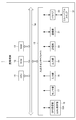
- FIG. 1 It is a block diagram which shows the structure of the hardware of the portable terminal which concerns on one Embodiment of this invention. It is a functional block diagram which shows the functional structure for performing a signal reception process among the functional structures of the portable terminal of FIG. It is a flowchart explaining the flow of the signal reception process which the portable terminal of FIG. 1 which has the functional structure of FIG. 2 performs.
- FIG. 1 is a block diagram showing a hardware configuration of a mobile terminal 1 according to an embodiment of the present invention.
- the mobile terminal 1 is an information processing apparatus having a current position logging function, and is configured as a smartphone, for example.
- the mobile terminal 1 includes a CPU (Central Processing Unit) 11, a ROM (Read Only Memory) 12, a RAM (Random Access Memory) 13, a bus 14, an input / output interface 15, and a GPS.
- a receiving unit 16 a sensor unit 17, an input unit 18, an output unit 19, a storage unit 20, a communication unit 21, and a drive 22 are provided.
- the CPU 11 executes various processes according to a program recorded in the ROM 12 or a program loaded from the storage unit 20 to the RAM 13.
- the RAM 13 appropriately stores data necessary for the CPU 11 to execute various processes.
- the CPU 11, ROM 12, and RAM 13 are connected to each other via a bus 14.
- An input / output interface 15 is also connected to the bus 14.
- a GPS receiving unit 16 Connected to the input / output interface 15 are a GPS receiving unit 16, a sensor unit 17, an input unit 18, an output unit 19, a storage unit 20, a communication unit 21, and a drive 22.
- the GPS receiving unit 16 detects the position (latitude, longitude, altitude) of the mobile terminal 1 and the current time indicated by GPS based on the GPS signal received from the GPS satellite via the antenna.
- the GPS receiving unit 16 includes an SBAS receiving unit 16A.
- the SBAS receiver 16A receives a satellite signal from a geostationary satellite in SBAS via an antenna, and acquires error correction information for correcting the position of the mobile terminal 1 measured by GPS. Using the error correction information acquired by the SBAS receiving unit 16A, the CPU 11 or the GPS receiving unit 16 executes processing for position correction, so that the current position detected by the GPS receiving unit 16 becomes a more accurate position. It is corrected.
- the SBAS receiver 16A is controlled by the CPU 11 to start and stop its operation.
- the sensor unit 17 includes various sensors such as a gyro sensor, an acceleration sensor, and a geomagnetic sensor, and detects the attitude of the mobile terminal 1, the movement or orientation of the mobile terminal 1, and the like.
- the input unit 18 includes various buttons, a touch panel, and the like, and inputs various types of information according to user instruction operations.
- the output unit 19 includes a display, a speaker, and the like, and outputs images and sounds.
- the storage unit 20 is configured by a hard disk, a DRAM (Dynamic Random Access Memory), or the like, and stores various image data.
- the communication unit 21 controls communication with other devices (not shown) via a network including the Internet.
- a removable medium 31 made of a magnetic disk, an optical disk, a magneto-optical disk, a semiconductor memory, or the like is appropriately attached to the drive 22.
- the program read from the removable medium 31 by the drive 22 is installed in the storage unit 20 as necessary.
- the removable medium 31 can also store various data such as image data stored in the storage unit 20 in the same manner as the storage unit 20.
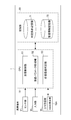
- FIG. 2 is a functional block diagram showing a functional configuration for executing signal reception processing, among the functional configurations of the mobile terminal 1 of FIG.
- the signal reception process is a series of processes for receiving the satellite signal of the GPS satellite for positioning, controlling the satellite signal reception operation in the SBAS according to the reception environment, and acquiring error correction information.
- the reception control unit 51, the reception parameter acquisition unit 52, and the reception environment determination unit 53 function in the CPU 11.
- a determination condition storage unit 71 and a reception information storage unit 72 are set in one area of the storage unit 20.
- the determination condition storage unit 71 data on conditions relating to various parameters for determining whether or not the reception environment for satellite signals from GPS satellites is favorable (hereinafter referred to as “good reception environment conditions” as appropriate).
- good reception environment conditions data on conditions relating to various parameters for determining whether or not the reception environment for satellite signals from GPS satellites is favorable.
- the following conditions are stored in the determination condition storage unit 71 as good reception environment conditions.
- (Determination condition 1) The number of receivable GPS satellites is greater than 7.
- the average received signal level (C / N) of each GPS satellite is larger than 35 [dB-Hz].
- Determination condition 3) The satellite arrangement is good (DOP ⁇ 3).
- the numerical values in the determination conditions 1 to 6 are shown as an example, and can be appropriately changed according to the positioning system to be used, the specifications of the mobile terminal 1, and the like.
- the reception information storage unit 72 stores information (almanac data and ephemeris data) indicated by a satellite signal received from a GPS satellite and information (error correction information) indicated by a satellite signal received from a stationary satellite in SBAS.
- the reception control unit 51 controls starting and stopping of the GPS receiving unit 16 and the SBAS receiving unit 16A. Specifically, the reception control unit 51 activates the GPS reception unit 16 with the start of the signal reception process, and stops the GPS reception unit 16 with the end of the signal reception process. In addition, the reception control unit 51 activates or stops the SBAS reception unit 16 ⁇ / b> A according to the determination result of the reception environment determination unit 53. Specifically, when the reception environment determination unit 53 determines that the reception environment is good, the reception control unit 51 activates the SBAS reception unit 16A.
- the reception control unit 51 stops the SBAS reception unit 16A. Furthermore, when the reception environment determination unit 53 determines that the reception environment is in a semi-good state (described later), the reception control unit 51 switches activation or deactivation of the SBAS reception unit 16 ⁇ / b> A according to the setting in the mobile terminal 1. .
- a power consumption priority mode that prioritizes power consumption reduction of the mobile terminal 1 and a positioning accuracy priority mode that prioritizes improvement of positioning accuracy. Either one is set.
- the power consumption priority mode if it is determined that the reception environment is in a semi-good state, the SBAS reception unit 16A is stopped.
- the positioning accuracy priority mode if it is determined that the reception environment is in a semi-good state, the SBAS reception unit 16A is activated.
- the operation of the mobile terminal 1 that matches the user's purpose can be realized by switching activation or deactivation of the SBAS reception unit 16A according to the mode.
- the reception parameter acquisition unit 52 acquires various parameters (reception parameters) related to signal reception based on the reception result of the satellite signal by the GPS reception unit 16. Specifically, the reception parameter acquisition unit 52 detects the number of GPS satellites that can be received, the reception signal level of each GPS satellite, the satellite arrangement, the position error information derived from the reception state of the GPS signal, and the detection of the sensor unit 17. Get the antenna posture that is grasped from the result.
- the reception environment determination unit 53 determines whether the reception parameter acquired by the reception parameter acquisition unit 52 satisfies the good reception environment condition stored in the determination condition storage unit 71. Specifically, the reception environment determination unit 53 (determination condition 1) the number of receivable GPS satellites is greater than 7, (determination condition 2) the average reception signal level (C / N) of each GPS satellite is 35.
- Satellite arrangement is in a good state (DOP ⁇ 3)
- (Determination condition 4) The error indicated by the position error information derived from the GPS signal reception state is small (NMEA format) Longitude / latitude error standard deviation (GST) ⁇ 4 [m]), (judgment condition 5) antenna posture is good (antenna orientation is less than zenith ⁇ 30 degrees), and (judgment condition 6) Determination is made for each determination condition in which the duration of the state satisfying the conditions 1 to 5 is longer than a certain time (longer than 5 minutes).
- the determination condition determined by the reception environment determination unit 53 is set to a level corresponding to the importance indicating the state of the reception environment. Specifically, “Level 1” indicating that the importance indicating the state of the reception environment is high is set in the determination conditions 1 to 3, and the importance indicating the state of the reception environment is relative to the determination conditions 4 and 5. Level 2 indicating low is set.
- the reception environment determination unit 53 determines that the reception environment is in a good state when all of the determination conditions 1 to 6 are satisfied. On the other hand, the reception environment determination unit 53 is in a state in which the reception environment is in good condition when the determination conditions 1 to 3 of the level 1 are satisfied and any of the determination conditions 4 and 5 of the level 2 is not satisfied ( Hereinafter, this is referred to as a “quasi-good state”.
- the determination condition 6 is not a determination condition that directly indicates the state of the reception environment, it is an important element for determining the quality of the reception environment. Therefore, in this embodiment, the reception environment is in a good state. In addition, even when the reception environment is determined to be in a semi-good state, the condition is that the condition is always satisfied according to the determination condition of level 1.
- reception environment determination unit 53 determines that the reception environment is in a bad state when any one of the determination conditions 1 to 3 of the level 1 is not satisfied.
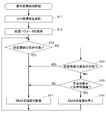
- FIG. 3 is a flowchart for explaining the flow of signal reception processing executed by the mobile terminal 1 of FIG. 1 having the functional configuration of FIG.
- the signal reception process is started by an operation of starting a signal reception process to the input unit 18 by the user, and is ended by an operation of ending the signal reception process to the input unit 18 by the user.
- step S ⁇ b> 11 the reception control unit 51 (CPU 11) activates the GPS reception unit 16. At this time, the SBAS receiving unit 16A is stopped.
- step S12 the reception parameter acquisition unit 52 (CPU 11) acquires reception parameters for determining the reception environment from the GPS reception unit 16 and the sensor unit 17. Specifically, the reception parameter acquisition unit 52 (CPU 11) includes the number of receivable GPS satellites, the reception signal level of each GPS satellite, the satellite arrangement, position error information derived from the GPS signal reception state, and the sensor unit. The antenna posture grasped from the detection result of 17 is acquired.
- step S13 the reception environment determination unit 53 (CPU 11) determines whether or not the reception environment is good. Specifically, the reception environment determination unit 53 (CPU 11) determines whether or not all of the determination conditions 1 to 6 in the good reception environment condition are satisfied. If the reception environment is good, YES is determined in step S13, and the process proceeds to step S17. If the reception environment is not good, NO is determined in step S13, and the process proceeds to step S14.
- step S14 the reception environment determination unit 53 (CPU 11) determines whether or not the reception environment is in a semi-good state. Specifically, the reception environment determination unit 53 (CPU 11) determines whether or not the condition where the determination conditions 1 to 3 are satisfied and any of the determination conditions 4 and 5 is not satisfied continues for more than 5 minutes. Make a decision.
- step S14 determines whether the reception environment is in a semi-good state.
- step S17 determines whether the reception environment is in a semi-good state.
- the mobile terminal 1 can be set to either the power consumption priority mode that prioritizes power consumption reduction or the positioning accuracy priority mode that prioritizes improvement of positioning accuracy.
- the process may proceed to step S16. If the positioning accuracy priority mode is set, the process may proceed to step S17.
- step S15 the reception environment determination unit 53 (CPU 11) determines whether or not the state in which the reception environment is bad continues for a certain time (in this embodiment, 30 seconds). When the state where the reception environment is bad does not continue for a certain period of time, it is determined as NO in Step S15, and the process proceeds to Step S17. When the state where the reception environment is bad continues for a certain period of time, YES is determined in step S15, and the process proceeds to step S16.
- a certain time in this embodiment, 30 seconds
- step S16 the reception control unit 51 (CPU 11) stops the SBAS reception unit 16A. If the SBAS receiving unit 16A has already been stopped, the stopped state is continued. After step S16, the process proceeds to step S13.
- step S17 the reception control unit 51 (CPU 11) activates the SBAS reception unit 16A. If the SBAS receiving unit 16A has already been activated, the activated state is continued. After step S17, the process proceeds to step S13.
- the SBAS reception unit 16A When the GPS signal reception environment is in a good state, the SBAS reception unit 16A is activated, and when the GPS signal reception environment is in a semi-good state, the mobile terminal 1 is set. Accordingly, activation or deactivation of the SBAS reception unit 16A is switched. If the GPS signal reception environment is poor, the SBAS reception unit 16A is stopped. Therefore, it is possible to suppress a reduction in processing efficiency and unnecessary power consumption, and it is possible to more efficiently correct the positioning position.
- the conventional positioning device may be set whether the SBAS reception function is turned ON or OFF at the firmware software configuration stage.
- the SBAS reception function is turned ON or OFF at the firmware software configuration stage.
- the antenna when the antenna is used upward (use as a car navigation system, etc.), the reception function of the SBAS is turned ON, and the reception environment changes including the antenna state.
- the setting is such that the SBAS reception function is turned off.
- the reception environment is determined in real time based on the reception parameters, the SBAS reception function is activated (ON) when the reception environment is good, and the SBAS is when the reception environment is bad. Was stopped (OFF). Also, when the reception environment is in a semi-good state, the activation or deactivation of the SBAS reception function is switched according to the setting of the mobile terminal 1.
- the mobile terminal 1 suppresses the situation in which the operating current required for SBAS reception and the operation of the SBAS search engine are wasted, and the positioning accuracy of the mobile terminal 1 as a mobile device is improved and the battery is maintained. It is possible to achieve both a long service life.
- the determination condition 1 when the determination condition 1 is not satisfied, it is determined how much the number of receivable satellites is insufficient, and the SBAS reception unit 16A is activated according to the number of satellites that are insufficient. can do. That is, if the number of receivable satellites is 7 when the determination condition 1 is not satisfied, the determination condition 1 is satisfied by adding one receivable satellite.
- the reception environment determination unit 53 determines that one of the receivable satellites is insufficient to satisfy the determination condition 1, one of the GPS satellites is replaced with a SBAS geostationary satellite.
- the reception control unit 51 activates the SBAS reception unit 16A.
- the number of receivable satellites satisfies the determination condition 1, and the positioning accuracy by GPS is improved.
- the positioning accuracy can be further improved by correcting the GPS positioning result with the error correction information by SBAS.
- the SBAS reception unit 16A can be activated.
- the positioning is performed only by the GPS satellite by using the SBAS satellite as one of the GPS satellites and adding the error correction information. The positioning accuracy can be greatly improved as compared with the case of performing.
- the reception environment determination unit 53 determines the determination conditions 1 to 6 in order to determine the state of the reception environment.
- the present invention is not limited to this. In other words, in order to reduce the cost and processing load, the detection of the antenna attitude (determination condition 5) is appropriately deleted, parameters are appropriately added or deleted, or the logical sum and logical product of each determination condition are combined. Changes may be made and optimized.
- the mobile terminal 1 to which the present invention is applied has been described using a smartphone as an example, but is not particularly limited thereto.
- the present invention can be applied to general electronic devices having a reception operation processing function.
- the present invention can be applied to a digital camera, a notebook personal computer, a television receiver, a video camera, a portable navigation device, a mobile phone, a portable game machine, and the like.
- the series of processes described above can be executed by hardware or can be executed by software.
- the functional configuration of FIG. 2 is merely an example and is not particularly limited. That is, it is sufficient that the mobile terminal 1 has a function capable of executing the above-described series of processes as a whole, and what functional block is used to realize this function is not particularly limited to the example of FIG.
- one functional block may be constituted by hardware alone, software alone, or a combination thereof.
- the functional configuration in the present embodiment is realized by a processor that executes arithmetic processing, and the processor that can be used in the present embodiment is configured by various processing devices such as a single processor, a multiprocessor, and a multicore processor.
- various processing devices such as a single processor, a multiprocessor, and a multicore processor.
- these various processing devices and a combination of processing circuits such as ASIC (Application Specific Integrated Circuit) and FPGA (Field-Programmable Gate Array) are included.
- a program constituting the software is installed on a computer or the like from a network or a recording medium.
- the computer may be a computer incorporated in dedicated hardware.
- the computer may be a computer capable of executing various functions by installing various programs, for example, a general-purpose personal computer.
- the recording medium including such a program is not only constituted by the removable medium 31 of FIG. 1 distributed separately from the apparatus main body in order to provide the program to the user, but also in a state of being incorporated in the apparatus main body in advance. It is comprised with the recording medium etc. which are provided in.
- the removable medium 31 is composed of, for example, a magnetic disk (including a floppy disk), an optical disk, a magneto-optical disk, or the like.
- the optical disc is composed of, for example, a CD-ROM (Compact Disk-Read Only Memory), a DVD (Digital Versatile Disc), a Blu-ray (registered trademark) Disc (Blu-ray Disc), and the like.
- the magneto-optical disk is constituted by an MD (Mini-Disk) or the like.
- the recording medium provided to the user in a state of being preliminarily incorporated in the apparatus main body includes, for example, the ROM 12 in FIG. 1 in which a program is recorded, the hard disk included in the storage unit 20 in FIG.
- the step of describing the program recorded on the recording medium is not limited to the processing performed in chronological order according to the order, but is not necessarily performed in chronological order, either in parallel or individually.
- the process to be executed is also included.
Landscapes
- Engineering & Computer Science (AREA)
- Radar, Positioning & Navigation (AREA)
- Remote Sensing (AREA)
- Computer Networks & Wireless Communication (AREA)
- Physics & Mathematics (AREA)
- General Physics & Mathematics (AREA)
- Position Fixing By Use Of Radio Waves (AREA)
Abstract
測位位置の補正をより効率的に行う。 受信制御装置は処理部を備え、前記処理部は、測位のための信号を測位用衛星から受信する測位信号受信部から、前記測位のための信号の受信に関する受信パラメータを取得する受信パラメータ取得処理と、前記取得された前記受信パラメータを判定条件で判定した結果に基づいて、受信環境を判定する第1の受信環境判定処理と、前記測位のための信号による測位結果の誤差を補正するための誤差補正信号を誤差補正用衛星から受信する誤差補正信号受信部を、前記第1の受信環境判定処理による判定結果に基づいて制御する受信制御処理と、を実行する。
Description
本発明は、受信制御装置、受信制御方法及びプログラムに関する。
[関連する出願の参照]
本願は、2016年3月24日に出願された日本国特許出願第2016-060474号を基礎出願とする優先権を主張するものであり、当該基礎出願の内容は全て本願に取り込まれる。
[関連する出願の参照]
本願は、2016年3月24日に出願された日本国特許出願第2016-060474号を基礎出願とする優先権を主張するものであり、当該基礎出願の内容は全て本願に取り込まれる。
従来、GPS(Global Positioning System)の位置精度向上技術の1つとして、静止衛星(Satellite-Based Augmentation System(SBAS)における静止衛星等)や準天頂衛星(Quasi-Zenith Satellite System(QZSS)における衛星「みちびき」等)からの誤差補正情報(電離層補正や衛星クロック誤差補正の情報等)を受信し、位置精度を向上する技術が知られている。このような技術によれば、良好環境においては、約10[m]の位置誤差が2[m]程度に改善される。
なお、GPSを用いて測位を行う技術は、例えば、特開2009-075035号公報に記載されている。
なお、GPSを用いて測位を行う技術は、例えば、特開2009-075035号公報に記載されている。
しかしながら、GPSの衛星信号に比べてSBAS等の衛星信号は高速であることから、SBAS等による位置補正を行うためには、より高い受信利得を必要とする。そのため、軽度の受信環境の悪化によっても、SBAS等の衛星信号は利用できない状態となる。
また、SBAS等においては、SBASデータを受信してから位置が補正されるまでに数分程度を要するため、安定して良好な受信環境が継続しない場合には位置補正を行うことができない。さらに、GPS衛星の配置が偏っていると精度低下率(以下、DOP(Dilution Of Precision)と称す)が高くなることから、GPSによって測位される位置の誤差がそもそも大きくなり、SBAS等による補正の効果が希薄化してしまう。
また、SBAS等においては、SBASデータを受信してから位置が補正されるまでに数分程度を要するため、安定して良好な受信環境が継続しない場合には位置補正を行うことができない。さらに、GPS衛星の配置が偏っていると精度低下率(以下、DOP(Dilution Of Precision)と称す)が高くなることから、GPSによって測位される位置の誤差がそもそも大きくなり、SBAS等による補正の効果が希薄化してしまう。
このような場合に、SBAS等による誤差補正情報の受信機能をオンにしていても、実質的にGPSによる測位位置の補正を行うことができず、処理効率の低下や無用な電力の消費が発生することとなる。
このように、従来の技術においては、測位位置の補正を効率的に行うことが困難であった。
このように、従来の技術においては、測位位置の補正を効率的に行うことが困難であった。
本発明は、このような状況に鑑みてなされたものであり、測位位置の補正をより効率的に行うことを目的とする。
上記目的を達成するため、本発明の一態様に係る受信制御装置は、
処理部を備え、
前記処理部は、
測位のための信号を測位用衛星から受信する測位信号受信部から、前記測位のための信号の受信に関する受信パラメータを取得する受信パラメータ取得処理と、
前記取得された前記受信パラメータを判定条件で判定した結果に基づいて、受信環境を判定する第1の受信環境判定処理と、
前記測位のための信号による測位結果の誤差を補正するための誤差補正信号を誤差補正用衛星から受信する誤差補正信号受信部を、前記第1の受信環境判定処理による判定結果に基づいて制御する受信制御処理と、
を実行する。
上記目的を達成するため、本発明の一態様に係る受信制御装置は、
処理部を備え、
前記処理部は、
測位のための信号を測位用衛星から受信する測位信号受信部から、前記測位のための信号の受信に関する受信パラメータを取得する受信パラメータ取得処理と、
前記取得された前記受信パラメータを判定条件で判定した結果に基づいて、受信環境を判定する第1の受信環境判定処理と、
前記測位のための信号による測位結果の誤差を補正するための誤差補正信号を誤差補正用衛星から受信する誤差補正信号受信部を、前記第1の受信環境判定処理による判定結果に基づいて制御する受信制御処理と、
を実行する。
以下、本発明の実施形態について、図面を用いて説明する。
[ハードウェア構成]
図1は、本発明の一実施形態に係る携帯端末1のハードウェアの構成を示すブロック図である。
携帯端末1は、現在位置のロギング機能を備えた情報処理装置であり、例えば、スマートフォンとして構成される。
[ハードウェア構成]
図1は、本発明の一実施形態に係る携帯端末1のハードウェアの構成を示すブロック図である。
携帯端末1は、現在位置のロギング機能を備えた情報処理装置であり、例えば、スマートフォンとして構成される。
携帯端末1は、図1に示すように、CPU(Central Processing Unit)11と、ROM(Read Only Memory)12と、RAM(Random Access Memory)13と、バス14と、入出力インターフェース15と、GPS受信部16と、センサ部17と、入力部18と、出力部19と、記憶部20と、通信部21と、ドライブ22と、を備えている。
CPU11は、ROM12に記録されているプログラム、または、記憶部20からRAM13にロードされたプログラムに従って各種の処理を実行する。
RAM13には、CPU11が各種の処理を実行する上において必要なデータ等も適宜記憶される。
RAM13には、CPU11が各種の処理を実行する上において必要なデータ等も適宜記憶される。
CPU11、ROM12及びRAM13は、バス14を介して相互に接続されている。このバス14にはまた、入出力インターフェース15も接続されている。入出力インターフェース15には、GPS受信部16、センサ部17、入力部18、出力部19、記憶部20、通信部21及びドライブ22が接続されている。
GPS受信部16は、アンテナを介してGPS衛星から受信したGPS信号に基づいて、携帯端末1の位置(緯度、経度、高度)及びGPSによって示される現在時刻を検出する。
GPS受信部16は、アンテナを介してGPS衛星から受信したGPS信号に基づいて、携帯端末1の位置(緯度、経度、高度)及びGPSによって示される現在時刻を検出する。
また、GPS受信部16は、SBAS受信部16Aを備えている。SBAS受信部16Aは、アンテナを介してSBASにおける静止衛星から衛星信号を受信し、GPSによって測位された携帯端末1の位置を補正するための誤差補正情報を取得する。SBAS受信部16Aによって取得された誤差補正情報を用いて、CPU11またはGPS受信部16において位置補正のための処理を実行することにより、GPS受信部16によって検出された現在位置がより正確な位置に補正される。なお、本実施形態において、SBAS受信部16Aは、CPU11によって、その動作の起動及び停止が制御される。
センサ部17は、ジャイロセンサ、加速度センサ及び地磁気センサ等の各種センサを備え、携帯端末1の姿勢、携帯端末1の移動あるいは方位等を検出する。
入力部18は、各種釦やタッチパネル等で構成され、ユーザの指示操作に応じて各種情報を入力する。
入力部18は、各種釦やタッチパネル等で構成され、ユーザの指示操作に応じて各種情報を入力する。
出力部19は、ディスプレイやスピーカ等で構成され、画像や音声を出力する。
記憶部20は、ハードディスクあるいはDRAM(Dynamic Random Access Memory)等で構成され、各種画像のデータを記憶する。
通信部21は、インターネットを含むネットワークを介して他の装置(図示せず)との間で行う通信を制御する。
記憶部20は、ハードディスクあるいはDRAM(Dynamic Random Access Memory)等で構成され、各種画像のデータを記憶する。
通信部21は、インターネットを含むネットワークを介して他の装置(図示せず)との間で行う通信を制御する。
ドライブ22には、磁気ディスク、光ディスク、光磁気ディスク、あるいは半導体メモリ等よりなる、リムーバブルメディア31が適宜装着される。ドライブ22によってリムーバブルメディア31から読み出されたプログラムは、必要に応じて記憶部20にインストールされる。また、リムーバブルメディア31は、記憶部20に記憶されている画像のデータ等の各種データも、記憶部20と同様に記憶することができる。
[機能的構成]
図2は、図1の携帯端末1の機能的構成のうち、信号受信処理を実行するための機能的構成を示す機能ブロック図である。
信号受信処理とは、GPS衛星の衛星信号を測位のために受信すると共に、受信環境に応じてSBASにおける衛星信号の受信動作を制御し、誤差補正情報を取得する一連の処理をいう。
図2は、図1の携帯端末1の機能的構成のうち、信号受信処理を実行するための機能的構成を示す機能ブロック図である。
信号受信処理とは、GPS衛星の衛星信号を測位のために受信すると共に、受信環境に応じてSBASにおける衛星信号の受信動作を制御し、誤差補正情報を取得する一連の処理をいう。
信号受信処理が実行される場合、図2に示すように、CPU11において、受信制御部51と、受信パラメータ取得部52と、受信環境判定部53とが機能する。
また、記憶部20の一領域には、判定条件記憶部71と、受信情報記憶部72とが設定される。
また、記憶部20の一領域には、判定条件記憶部71と、受信情報記憶部72とが設定される。
判定条件記憶部71には、GPS衛星からの衛星信号の受信環境が良好であるか否かを判定するための各種パラメータに関する条件(以下、適宜「良好受信環境条件」と呼ぶ。)のデータが記憶される。本実施形態においては、良好受信環境条件として、判定条件記憶部71に以下の各条件が記憶されている。
(判定条件1)受信可能なGPS衛星の数が7より大きい。
(判定条件2)各GPS衛星の受信信号レベル(C/N)の平均が35[dB-Hz]より大きい。
(判定条件3)衛星配置が良好な状態である(DOP<3)。
(判定条件4)GPS信号の受信状態から導き出される位置誤差情報が示す誤差が小さい(NMEAフォーマットにおける経度・緯度誤差標準偏差(GST)<4[m])。
(判定条件5)アンテナ姿勢が良好な状態である(アンテナの向きが天頂±30度未満)。
(判定条件6)判定条件1~5を充足する状態の継続時間が一定時間より長い(5分より長い)。
(判定条件1)受信可能なGPS衛星の数が7より大きい。
(判定条件2)各GPS衛星の受信信号レベル(C/N)の平均が35[dB-Hz]より大きい。
(判定条件3)衛星配置が良好な状態である(DOP<3)。
(判定条件4)GPS信号の受信状態から導き出される位置誤差情報が示す誤差が小さい(NMEAフォーマットにおける経度・緯度誤差標準偏差(GST)<4[m])。
(判定条件5)アンテナ姿勢が良好な状態である(アンテナの向きが天頂±30度未満)。
(判定条件6)判定条件1~5を充足する状態の継続時間が一定時間より長い(5分より長い)。
なお、判定条件1~6における数値は、一例として示したものであり、利用する測位システムや携帯端末1の仕様等に応じて、適宜変更することができる。
受信情報記憶部72には、GPS衛星から受信した衛星信号が示す情報(アルマナックデータ及びエフェメリスデータ)及びSBASにおける静止衛星から受信した衛星信号が示す情報(誤差補正情報)が記憶される。
受信情報記憶部72には、GPS衛星から受信した衛星信号が示す情報(アルマナックデータ及びエフェメリスデータ)及びSBASにおける静止衛星から受信した衛星信号が示す情報(誤差補正情報)が記憶される。
受信制御部51は、GPS受信部16及びSBAS受信部16Aそれぞれの起動及び停止を制御する。具体的には、受信制御部51は、信号受信処理の開始に伴い、GPS受信部16を起動させ、信号受信処理の終了と共に、GPS受信部16を停止させる。
また、受信制御部51は、受信環境判定部53の判定結果に応じて、SBAS受信部16Aを起動または停止させる。具体的には、受信制御部51は、受信環境判定部53によって受信環境が良好であると判定された場合、SBAS受信部16Aを起動させる。
また、受信制御部51は、受信環境判定部53の判定結果に応じて、SBAS受信部16Aを起動または停止させる。具体的には、受信制御部51は、受信環境判定部53によって受信環境が良好であると判定された場合、SBAS受信部16Aを起動させる。
一方、受信制御部51は、受信環境判定部53によって受信環境が不良であると判定された場合、SBAS受信部16Aを停止させる。
さらに、受信制御部51は、受信環境判定部53によって受信環境が準良好状態(後述)であると判定された場合、携帯端末1における設定に応じて、SBAS受信部16Aの起動または停止を切り替える。
さらに、受信制御部51は、受信環境判定部53によって受信環境が準良好状態(後述)であると判定された場合、携帯端末1における設定に応じて、SBAS受信部16Aの起動または停止を切り替える。
本実施形態においては、携帯端末1の消費電力低下を優先する消費電力優先モードと、測位精度の向上を優先する測位精度優先モードとを設定することが可能となっており、ユーザによって、これらのいずれかが設定される。そして、消費電力優先モードに設定されているときには、受信環境が準良好状態であると判定された場合、SBAS受信部16Aを停止させる。一方、測位精度優先モードに設定されているときには、受信環境が準良好状態であると判定された場合、SBAS受信部16Aを起動させる。
このように、受信環境が準良好状態である場合に、モードに応じてSBAS受信部16Aの起動または停止を切り替えることで、ユーザの目的に合致した携帯端末1の動作を実現することができる。
受信パラメータ取得部52は、GPS受信部16による衛星信号の受信結果に基づいて、信号の受信に関する各種パラメータ(受信パラメータ)を取得する。具体的には、受信パラメータ取得部52は、受信可能なGPS衛星の数、各GPS衛星の受信信号レベル、衛星配置、GPS信号の受信状態から導き出される位置誤差情報、及び、センサ部17の検出結果から把握されるアンテナ姿勢を取得する。
受信環境判定部53は、受信パラメータ取得部52によって取得された受信パラメータが、判定条件記憶部71に記憶された良好受信環境条件を充足するか否かの判定を行う。具体的には、受信環境判定部53は、(判定条件1)受信可能なGPS衛星の数が7より大きい、(判定条件2)各GPS衛星の受信信号レベル(C/N)の平均が35[dBHz]より大きい、(判定条件3)衛星配置が良好な状態である(DOP<3)、(判定条件4)GPS信号の受信状態から導き出される位置誤差情報が示す誤差が小さい状態(NMEAフォーマットにおける経度・緯度誤差標準偏差(GST)<4[m])、(判定条件5)アンテナ姿勢が良好な状態である(アンテナの向きが天頂±30度未満)、及び、(判定条件6)判定条件1~5を充足する状態の継続時間が一定時間より長い(5分より長い)、の各判定条件について判定を行う。
本実施形態において、受信環境判定部53によって判定される判定条件には、受信環境の状態を示す重要度に応じたレベルが設定されている。具体的には、判定条件1~3には受信環境の状態を示す重要度が高いことを示す「レベル1」が設定され、判定条件4,5には受信環境の状態を示す重要度が相対的に低いことを示すレベル2が設定されている。
そして、受信環境判定部53は、判定条件1~6の全てが充足されている場合、受信環境が良好な状態であるものと判定する。
一方、受信環境判定部53は、レベル1の判定条件1~3が充足されている一方、レベル2の判定条件4,5のいずれかが充足されていない場合、受信環境が良好に準ずる状態(以下、「準良好状態」と呼ぶ。)であるものと判定する。
一方、受信環境判定部53は、レベル1の判定条件1~3が充足されている一方、レベル2の判定条件4,5のいずれかが充足されていない場合、受信環境が良好に準ずる状態(以下、「準良好状態」と呼ぶ。)であるものと判定する。
なお、判定条件6は、受信環境の状態を直接的に示す判定条件ではないものの、受信環境の良否を判定する上では重要な要素であることから、本実施形態では、受信環境が良好な状態及び受信環境が準良好状態のいずれと判定される場合にも、レベル1の判定条件に準じて、常に充足することが条件とされている。
また、受信環境判定部53は、レベル1の判定条件1~3のいずれかが充足されていない場合、受信環境が不良な状態であるものと判定する。
[動作]
図3は、図2の機能的構成を有する図1の携帯端末1が実行する信号受信処理の流れを説明するフローチャートである。
信号受信処理は、ユーザによる入力部18への信号受信処理開始の操作により開始され、ユーザによる入力部18への信号受信処理終了の操作により終了される。
図3は、図2の機能的構成を有する図1の携帯端末1が実行する信号受信処理の流れを説明するフローチャートである。
信号受信処理は、ユーザによる入力部18への信号受信処理開始の操作により開始され、ユーザによる入力部18への信号受信処理終了の操作により終了される。
ステップS11において、受信制御部51(CPU11)は、GPS受信部16を起動する。このとき、SBAS受信部16Aは停止された状態である。
ステップS12において、受信パラメータ取得部52(CPU11)は、GPS受信部16及びセンサ部17から受信環境を判断するための受信パラメータを取得する。具体的には、受信パラメータ取得部52(CPU11)は、受信可能なGPS衛星の数、各GPS衛星の受信信号レベル、衛星配置、GPS信号の受信状態から導き出される位置誤差情報、及び、センサ部17の検出結果から把握されるアンテナ姿勢を取得する。
ステップS12において、受信パラメータ取得部52(CPU11)は、GPS受信部16及びセンサ部17から受信環境を判断するための受信パラメータを取得する。具体的には、受信パラメータ取得部52(CPU11)は、受信可能なGPS衛星の数、各GPS衛星の受信信号レベル、衛星配置、GPS信号の受信状態から導き出される位置誤差情報、及び、センサ部17の検出結果から把握されるアンテナ姿勢を取得する。
ステップS13において、受信環境判定部53(CPU11)は、受信環境が良好であるか否かの判定を行う。具体的には、受信環境判定部53(CPU11)は、良好受信環境条件における判定条件1~6の全てが充足されているか否かの判定を行う。
受信環境が良好である場合、ステップS13においてYESと判定されて、処理はステップS17に移行する。
受信環境が良好でない場合、ステップS13においてNOと判定されて、処理はステップS14に移行する。
受信環境が良好である場合、ステップS13においてYESと判定されて、処理はステップS17に移行する。
受信環境が良好でない場合、ステップS13においてNOと判定されて、処理はステップS14に移行する。
ステップS14において、受信環境判定部53(CPU11)は、受信環境が準良好状態であるか否かの判定を行う。具体的には、受信環境判定部53(CPU11)は、判定条件1~3が充足され、判定条件4,5のいずれかが充足されていない状態が5分より長く継続しているか否かの判定を行う。
受信環境が準良好状態である場合、ステップS14においてYESと判定されて、処理はステップS17に移行する。
ここにおいて、携帯端末1が消費電力低下を優先する消費電力優先モードあるいは測位精度の向上を優先する測位精度優先モードのいずれかに設定可能であれば、携帯端末1が消費電力優先モードに設定されているときには、処理はステップS16に移行させ、測位精度優先モードに設定されているときには、ステップS17に移行するようにしてもよい。
ここにおいて、携帯端末1が消費電力低下を優先する消費電力優先モードあるいは測位精度の向上を優先する測位精度優先モードのいずれかに設定可能であれば、携帯端末1が消費電力優先モードに設定されているときには、処理はステップS16に移行させ、測位精度優先モードに設定されているときには、ステップS17に移行するようにしてもよい。
受信環境が準良好状態でない場合、ステップS14においてNOと判定されて、処理はステップS15に移行する。
ステップS15において、受信環境判定部53(CPU11)は、受信環境が不良な状態が一定時間(本実施形態においては、30秒)継続したか否かの判定を行う。
受信環境が不良な状態が一定時間継続していない場合、ステップS15においてNOと判定されて、処理はステップS17に移行する。
受信環境が不良な状態が一定時間継続した場合、ステップS15においてYESと判定されて、処理はステップS16に移行する。
ステップS15において、受信環境判定部53(CPU11)は、受信環境が不良な状態が一定時間(本実施形態においては、30秒)継続したか否かの判定を行う。
受信環境が不良な状態が一定時間継続していない場合、ステップS15においてNOと判定されて、処理はステップS17に移行する。
受信環境が不良な状態が一定時間継続した場合、ステップS15においてYESと判定されて、処理はステップS16に移行する。
ステップS16において、受信制御部51(CPU11)は、SBAS受信部16Aを停止させる。なお、SBAS受信部16Aが既に停止されている場合、停止された状態が継続される。
ステップS16の後、処理はステップS13に移行する。
ステップS16の後、処理はステップS13に移行する。
ステップS17において、受信制御部51(CPU11)は、SBAS受信部16Aを起動させる。なお、SBAS受信部16Aが既に起動されている場合、起動された状態が継続される。
ステップS17の後、処理はステップS13に移行する。
ステップS17の後、処理はステップS13に移行する。
このような処理により、GPS信号の受信環境が良好な状態である場合には、SBAS受信部16Aが起動され、GPS信号の受信環境が準良好状態である場合には、携帯端末1の設定に応じて、SBAS受信部16Aの起動または停止が切り替えられる。また、GPS信号の受信環境が不良である場合には、SBAS受信部16Aが停止される。
そのため、処理効率の低下や無用な電力の消費を抑制することができ、測位位置の補正をより効率的に行うことが可能となる。
そのため、処理効率の低下や無用な電力の消費を抑制することができ、測位位置の補正をより効率的に行うことが可能となる。
即ち、従来の測位装置において、SBASの受信機能を備えていたとしも、使用用途により、ファームウェアソフトのコンフィグレーションの段階で、SBASの受信機能をONするかOFFするかが設定されている場合が多い。例えば、スマートフォン等の装置においては、アンテナが上向きとなる使用用途(カーナビゲーションシステムとしての使用等)の場合には、SBASの受信機能をONし、アンテナの状態を含め、受信環境が変動する使用用途(通常のモバイル端末としての使用等)の場合には、SBASの受信機能をOFFするといった設定となっている。
これに対し、本実施形態の携帯端末1では、受信環境を受信パラメータによりリアルタイムに判定し、受信環境が良好な状態ではSBASの受信機能を起動(ON)させ、受信環境が不良な状態ではSBASの受信機能を停止(OFF)させるようにした。また、受信環境が準良好状態の場合には、携帯端末1の設定に応じてSBASの受信機能の起動または停止を切り替えるようにした。
その結果、携帯端末1では、SBASの受信に要する動作電流及びSBASのサーチエンジンの動作の無駄が生じるという状況を抑制し、モバイル機器としての携帯端末1での測位精度の高精度化及びバッテリ持続時間の長寿命化の両立を図ることが可能となっている。
[変形例1]
上述の実施形態において、レベル1の判定条件1~3のいずれかが充足されていない場合には、受信環境判定部53によって受信環境が不良な状態であるものと判定する場合を例に挙げて説明した。
これに対し、レベル1の判定条件1~3のいずれかが充足されていない場合であっても、受信環境を解析し、SBAS受信部16Aを起動することが有用である(例えば、充足されていない判定条件を補足して充足可能となる等)か否かをさらに判定して、SBAS受信部16Aの起動を制御することができる。
上述の実施形態において、レベル1の判定条件1~3のいずれかが充足されていない場合には、受信環境判定部53によって受信環境が不良な状態であるものと判定する場合を例に挙げて説明した。
これに対し、レベル1の判定条件1~3のいずれかが充足されていない場合であっても、受信環境を解析し、SBAS受信部16Aを起動することが有用である(例えば、充足されていない判定条件を補足して充足可能となる等)か否かをさらに判定して、SBAS受信部16Aの起動を制御することができる。
具体的には、判定条件1が充足されていない場合に、受信可能な衛星の数がどの程度不足しているかを判定し、不足している衛星の数に応じて、SBAS受信部16Aを起動することができる。
即ち、判定条件1が充足されていない場合に、受信可能な衛星の数が7であったとすると、受信可能な衛星が1つ加わることで、判定条件1が充足されることとなる。
即ち、判定条件1が充足されていない場合に、受信可能な衛星の数が7であったとすると、受信可能な衛星が1つ加わることで、判定条件1が充足されることとなる。
そこで、受信環境判定部53が、受信可能な衛星の数が判定条件1を充足するために1つ不足していると判定した場合、GPS衛星の1つをSBASの静止衛星で代替することとし、受信制御部51がSBAS受信部16Aを起動する。
これにより、受信可能な衛星の数が判定条件1を充足することとなり、GPSによる測位精度が向上する。加えて、SBASによる誤差補正情報でGPSの測位結果を補正することで、さらに測位精度を高めることができる。
これにより、受信可能な衛星の数が判定条件1を充足することとなり、GPSによる測位精度が向上する。加えて、SBASによる誤差補正情報でGPSの測位結果を補正することで、さらに測位精度を高めることができる。
同様に、判定条件3が充足されていない場合にも、SBASの静止衛星を加えた場合のDOPが判定条件3を充足することとなるときには、SBAS受信部16Aを起動することができる。
このように、レベル1の判定条件がGPS衛星によって充足されない場合であっても、SBAS衛星をGPS衛星の1つとして利用すると共に、誤差補正情報も加えて利用することで、GPS衛星のみによって測位を行う場合に比べ、測位精度を大きく向上させることができる。
このように、レベル1の判定条件がGPS衛星によって充足されない場合であっても、SBAS衛星をGPS衛星の1つとして利用すると共に、誤差補正情報も加えて利用することで、GPS衛星のみによって測位を行う場合に比べ、測位精度を大きく向上させることができる。
なお、本発明は、上述の実施形態に限定されるものではなく、本発明の目的を達成できる範囲での変形、改良等は本発明に含まれるものである。
例えば、測位に用いるシステムとしては、GPS以外の同種のシステム(ロシアのGLONASS、EUのGALILEO、中国の北斗(COMPASS)、インドのIRNSS等)を用いることが可能である。また、誤差補正情報を取得するためのシステムについては、SBASとして、アメリカのWAAS、欧州のEGNOS、ロシアのSDCM、日本のMSASあるいはひまわり、インドのGAGAN等を用いることができる他、準天頂衛星システム(QZSS等)のサブメートル級補強情報L1S(L1-SAIF)やセンチメートル級補強情報L6(LEX)を用いることが可能である。
また、上述の実施形態では、受信環境の状態を判定するために、受信環境判定部53が判定条件1~6を判定するものとして説明したが、これに限られない。即ち、コストや処理負荷を低減するためにアンテナ姿勢の検出(判定条件5)を削除する等、適宜、パラメータの追加または削除、あるいは、各判定条件の論理和及び論理積の組み合わせ等、条件の変更を行い、最適化することとしてもよい。
また、上述の実施形態では、本発明が適用される携帯端末1は、スマートフォンを例として説明したが、特にこれに限定されない。
例えば、本発明は、受信動作処理機能を有する電子機器一般に適用することができる。具体的には、例えば、本発明は、デジタルカメラ、ノート型のパーソナルコンピュータ、テレビジョン受像機、ビデオカメラ、携帯型ナビゲーション装置、携帯電話機、ポータブルゲーム機等に適用可能である。
例えば、本発明は、受信動作処理機能を有する電子機器一般に適用することができる。具体的には、例えば、本発明は、デジタルカメラ、ノート型のパーソナルコンピュータ、テレビジョン受像機、ビデオカメラ、携帯型ナビゲーション装置、携帯電話機、ポータブルゲーム機等に適用可能である。
上述した一連の処理は、ハードウェアにより実行させることもできるし、ソフトウェアにより実行させることもできる。
換言すると、図2の機能的構成は例示に過ぎず、特に限定されない。即ち、上述した一連の処理を全体として実行できる機能が携帯端末1に備えられていれば足り、この機能を実現するためにどのような機能ブロックを用いるのかは特に図2の例に限定されない。
また、1つの機能ブロックは、ハードウェア単体で構成してもよいし、ソフトウェア単体で構成してもよいし、それらの組み合わせで構成してもよい。
換言すると、図2の機能的構成は例示に過ぎず、特に限定されない。即ち、上述した一連の処理を全体として実行できる機能が携帯端末1に備えられていれば足り、この機能を実現するためにどのような機能ブロックを用いるのかは特に図2の例に限定されない。
また、1つの機能ブロックは、ハードウェア単体で構成してもよいし、ソフトウェア単体で構成してもよいし、それらの組み合わせで構成してもよい。
本実施形態における機能的構成は、演算処理を実行するプロセッサによって実現され、本実施形態に用いることが可能なプロセッサには、シングルプロセッサ、マルチプロセッサ及びマルチコアプロセッサ等の各種処理装置単体によって構成されるものの他、これら各種処理装置と、ASIC(Application Specific Integrated Circuit)やFPGA(Field‐Programmable Gate Array)等の処理回路とが組み合わせられたものを含む。
一連の処理をソフトウェアにより実行させる場合には、そのソフトウェアを構成するプログラムが、コンピュータ等にネットワークや記録媒体からインストールされる。
コンピュータは、専用のハードウェアに組み込まれているコンピュータであってもよい。また、コンピュータは、各種のプログラムをインストールすることで、各種の機能を実行することが可能なコンピュータ、例えば汎用のパーソナルコンピュータであってもよい。
コンピュータは、専用のハードウェアに組み込まれているコンピュータであってもよい。また、コンピュータは、各種のプログラムをインストールすることで、各種の機能を実行することが可能なコンピュータ、例えば汎用のパーソナルコンピュータであってもよい。
このようなプログラムを含む記録媒体は、ユーザにプログラムを提供するために装置本体とは別に配布される図1のリムーバブルメディア31により構成されるだけでなく、装置本体に予め組み込まれた状態でユーザに提供される記録媒体等で構成される。リムーバブルメディア31は、例えば、磁気ディスク(フロッピディスクを含む)、光ディスク、または光磁気ディスク等により構成される。光ディスクは、例えば、CD-ROM(Compact Disk-Read Only Memory),DVD(Digital Versatile Disk),Blu-ray(登録商標) Disc(ブルーレイディスク)等により構成される。光磁気ディスクは、MD(Mini-Disk)等により構成される。また、装置本体に予め組み込まれた状態でユーザに提供される記録媒体は、例えば、プログラムが記録されている図1のROM12や、図1の記憶部20に含まれるハードディスク等で構成される。
なお、本明細書において、記録媒体に記録されるプログラムを記述するステップは、その順序に沿って時系列的に行われる処理はもちろん、必ずしも時系列的に処理されなくとも、並列的あるいは個別に実行される処理をも含むものである。
以上、本発明のいくつかの実施形態について説明したが、これらの実施形態は、例示に過ぎず、本発明の技術的範囲を限定するものではない。本発明はその他の様々な実施形態を取ることが可能であり、さらに、本発明の要旨を逸脱しない範囲で、省略や置換等種々の変更を行うことができる。これら実施形態やその変形は、本明細書等に記載された発明の範囲や要旨に含まれると共に、特許請求の範囲に記載された発明とその均等の範囲に含まれる。
Claims (12)
- 受信制御装置は処理部を備え、
前記処理部は、
測位のための信号を測位用衛星から受信する測位信号受信部から、前記測位のための信号の受信に関する受信パラメータを取得する受信パラメータ取得処理と、
前記取得された前記受信パラメータを判定条件で判定した結果に基づいて、受信環境を判定する第1の受信環境判定処理と、
前記測位のための信号による測位結果の誤差を補正するための誤差補正信号を誤差補正用衛星から受信する誤差補正信号受信部を、前記第1の受信環境判定処理による判定結果に基づいて制御する受信制御処理と、
を実行する。 - 請求項1に記載の受信制御装置において、
前記受信パラメータ取得処理は、前記測位信号受信部から、前記測位のための信号の受信に関する複数の受信パラメータを取得し、
前記第1の受信環境判定処理は、前記複数の受信パラメータそれぞれに設定された複数の判定条件で判定した判定結果に基づいて、受信環境を判定し、
前記受信制御処理は、前記第1の受信環境判定処理による前記複数の判定条件の充足状況に応じて、前記誤差補正信号受信部を制御する。 - 請求項2に記載の受信制御装置において、
前記受信制御処理は、前記複数の判定条件が全て充足されている場合、前記誤差補正信号受信部により前記誤差補正信号を受信する処理を実行し、前記複数の判定条件の一部が充足されていない場合、予め設定された条件に応じて、前記誤差補正信号受信部による前記誤差補正信号を受信する処理または停止する処理を実行する。 - 請求項2または3に記載の受信制御装置において、
前記受信制御処理は、前記複数の判定条件のうち、予め選択された判定条件の少なくともいずれかが充足されていない場合、前記誤差補正信号受信部による前記誤差補正信号の受信を停止する処理を実行する。 - 請求項2から4のいずれか1項に記載の受信制御装置において、
前記処理部は、前記複数の判定条件の一部が充足されていない場合、前記誤差補正信号受信部による前記誤差補正信号の受信によって、充足されていない前記判定条件を補足して充足可能となるか否かを判定する第2の受信環境判定処理をさらに実行し、
前記受信制御処理は、前記第2の受信環境判定処理により、前記誤差補正信号受信部による前記誤差補正信号の受信によって、充足されていない前記判定条件を補足して充足可能となると判定された場合、前記誤差補正信号受信部による前記誤差補正信号を受信する処理を実行する。 - 請求項5に記載の受信制御装置において、
前記処理部は、前記第2の受信環境判定処理により、前記誤差補正信号受信部による前記誤差補正信号の受信によって、充足されていない前記判定条件を補足して充足可能となると判定された場合に、前記誤差補正信号受信部によって受信された前記誤差補正信号に基づいて測位を行うと共に、前記測位結果の誤差を補正する測位処理をさらに実行する。 - 請求項1から6のいずれか1項に記載の受信制御装置において、
前記受信パラメータは、
(1)受信可能な前記測位用衛星の数
(2)前記各測位用衛星の受信信号レベル
(3)前記測位用衛星の衛星配置を表わす値
(4)前記測位のための信号の受信状態から導き出される位置誤差情報が示す誤差
(5)アンテナの向き
のいずれか1つを含む。 - 請求項1から7のいずれか1項に記載の受信制御装置において、
前記判定条件は、
(1)受信可能な前記測位用衛星の数が予め定められた数より大きい。
(2)前記各測位用衛星の受信レベルの平均が予め定められた値より大きい。
(3)前記測位用衛星の衛星配置を表わす値が予め定められた値より小さい。
(4)前記測位のための信号の受信状態から導き出される位置誤差情報が示す誤差が予め定められた値より小さい。
(5)アンテナの向きが天頂からの角度が予め定められた範囲内である。
のいずれか1つを含む。 - 請求項1から8のいずれか1項に記載の受信制御装置において、
前記判定条件は、
当該判定条件を充足する状態の継続時間が予め定められた時間より長い。
を含む。 - 請求項8に記載の受信制御装置において、
前記受信制御処理は、前記第1の受信環境判定処理により、前記複数の判定条件のうち、前記判定条件(1)乃至(3)の少なくともいずれかが充足されていないと判定された場合、前記誤差補正信号受信部による前記誤差補正信号の受信を停止する処理を実行する。 - 受信制御装置に用いられる測位制御方法であって、
測位のための信号を測位用衛星から受信する測位信号受信部から、前記測位のための信号の受信に関する受信パラメータを取得し、
前記取得された前記受信パラメータを判定条件で判定した結果に基づいて、受信環境を判定し、
前記測位のための信号による測位結果の誤差を補正するための誤差補正信号を誤差補正用衛星から受信する誤差補正信号受信部を、前記受信環境の判定結果に基づいて制御する、受信制御方法。 - 受信制御装置として用いられるコンピュータに、
測位のための信号を測位用衛星から受信する測位信号受信部から、前記測位のための信号の受信に関する受信パラメータを取得するステップと、
前記取得された前記受信パラメータを判定条件で判定した結果に基づいて、受信環境を判定するステップと、
前記測位のための信号による測位結果の誤差を補正するための誤差補正信号を誤差補正用衛星から受信する誤差補正信号受信部を、前記受信環境を判定するステップによる判定結果に基づいて制御するステップと、
を実行させるプログラム。
Priority Applications (2)
| Application Number | Priority Date | Filing Date | Title |
|---|---|---|---|
| US16/086,541 US10852442B2 (en) | 2016-03-24 | 2016-12-28 | Reception control device |
| CN201680083750.7A CN109073759B (zh) | 2016-03-24 | 2016-12-28 | 接收控制装置、接收控制方法以及计算机可读记录介质 |
Applications Claiming Priority (2)
| Application Number | Priority Date | Filing Date | Title |
|---|---|---|---|
| JP2016060474A JP2017173164A (ja) | 2016-03-24 | 2016-03-24 | 受信制御装置、受信制御方法及びプログラム |
| JP2016-060474 | 2016-03-24 |
Publications (1)
| Publication Number | Publication Date |
|---|---|
| WO2017163530A1 true WO2017163530A1 (ja) | 2017-09-28 |
Family
ID=59901043
Family Applications (1)
| Application Number | Title | Priority Date | Filing Date |
|---|---|---|---|
| PCT/JP2016/089155 Ceased WO2017163530A1 (ja) | 2016-03-24 | 2016-12-28 | 受信制御装置、受信制御方法及びプログラム |
Country Status (4)
| Country | Link |
|---|---|
| US (1) | US10852442B2 (ja) |
| JP (1) | JP2017173164A (ja) |
| CN (1) | CN109073759B (ja) |
| WO (1) | WO2017163530A1 (ja) |
Families Citing this family (4)
| Publication number | Priority date | Publication date | Assignee | Title |
|---|---|---|---|---|
| JP6942422B2 (ja) * | 2017-10-17 | 2021-09-29 | 日本無線株式会社 | 衛星信号受信装置 |
| JP7240472B2 (ja) * | 2018-08-30 | 2023-03-15 | 先進モビリティ株式会社 | 自動運行方法 |
| CN113655506B (zh) * | 2021-09-13 | 2024-08-30 | 深圳市有方科技股份有限公司 | Gps的数据处理方法及终端设备 |
| JP7431898B2 (ja) * | 2022-07-22 | 2024-02-15 | ソフトバンク株式会社 | 通信端末、プログラム、及び測位制御方法 |
Citations (4)
| Publication number | Priority date | Publication date | Assignee | Title |
|---|---|---|---|---|
| JP2001235531A (ja) * | 2000-02-24 | 2001-08-31 | Matsushita Electric Works Ltd | Gps受信装置 |
| US20100164788A1 (en) * | 2008-12-27 | 2010-07-01 | Trimble Navigation Ltd. | Position bias amelioration method and apparatus in GNSS receiver |
| JP2014215146A (ja) * | 2013-04-25 | 2014-11-17 | セイコーエプソン株式会社 | 位置算出方法及び位置算出装置 |
| JP2016031232A (ja) * | 2014-07-25 | 2016-03-07 | セイコーエプソン株式会社 | 衛星信号受信装置、電子時計、および衛星信号受信装置の制御方法 |
Family Cites Families (11)
| Publication number | Priority date | Publication date | Assignee | Title |
|---|---|---|---|---|
| JP2006119062A (ja) * | 2004-10-25 | 2006-05-11 | Seiko Epson Corp | 移動端末および測位システム |
| JP4215036B2 (ja) * | 2005-09-06 | 2009-01-28 | セイコーエプソン株式会社 | 端末装置 |
| JP4172513B2 (ja) * | 2006-09-14 | 2008-10-29 | セイコーエプソン株式会社 | 衛星信号のサーチレンジ更新方法、および測位装置 |
| JP4644792B2 (ja) | 2007-09-25 | 2011-03-02 | 独立行政法人電子航法研究所 | 衛星航法システムにおける電離層遅延量の補正方法及びその装置。 |
| US8259008B2 (en) * | 2008-11-17 | 2012-09-04 | Qualcomm Incorporated | DGNSS correction for positioning |
| US9200902B2 (en) * | 2009-12-11 | 2015-12-01 | General Motors Llc | Method of processing global navigation satellite system data |
| US9423505B2 (en) * | 2010-12-15 | 2016-08-23 | Qualcomm Incorporated | Recovery from position and time outliers in positioning |
| US8456353B2 (en) * | 2011-01-14 | 2013-06-04 | Deere & Company | Method and system for determining clock corrections |
| JP2015155802A (ja) * | 2014-02-19 | 2015-08-27 | 富士通株式会社 | 携帯電子機器、および位置算出プログラム |
| DE112016000508T5 (de) * | 2015-01-28 | 2017-11-23 | Mitsubishi Electric Corporation | Schienenfahrzeugposition-detektiereinrichtung |
| US10338231B2 (en) * | 2015-11-30 | 2019-07-02 | Trimble Inc. | Hardware front-end for a GNSS receiver |
-
2016
- 2016-03-24 JP JP2016060474A patent/JP2017173164A/ja active Pending
- 2016-12-28 WO PCT/JP2016/089155 patent/WO2017163530A1/ja not_active Ceased
- 2016-12-28 US US16/086,541 patent/US10852442B2/en not_active Expired - Fee Related
- 2016-12-28 CN CN201680083750.7A patent/CN109073759B/zh active Active
Patent Citations (4)
| Publication number | Priority date | Publication date | Assignee | Title |
|---|---|---|---|---|
| JP2001235531A (ja) * | 2000-02-24 | 2001-08-31 | Matsushita Electric Works Ltd | Gps受信装置 |
| US20100164788A1 (en) * | 2008-12-27 | 2010-07-01 | Trimble Navigation Ltd. | Position bias amelioration method and apparatus in GNSS receiver |
| JP2014215146A (ja) * | 2013-04-25 | 2014-11-17 | セイコーエプソン株式会社 | 位置算出方法及び位置算出装置 |
| JP2016031232A (ja) * | 2014-07-25 | 2016-03-07 | セイコーエプソン株式会社 | 衛星信号受信装置、電子時計、および衛星信号受信装置の制御方法 |
Non-Patent Citations (1)
| Title |
|---|
| MASAYUKI SAITO ET AL.: "Jun Tencho Eisei System -Koseido Sokui ni Mukete", MITSUBISHI DENKI GIHO, vol. 77, no. 8, 13 August 2003 (2003-08-13), pages 11 - 14 * |
Also Published As
| Publication number | Publication date |
|---|---|
| CN109073759B (zh) | 2022-12-06 |
| JP2017173164A (ja) | 2017-09-28 |
| CN109073759A (zh) | 2018-12-21 |
| US20190041529A1 (en) | 2019-02-07 |
| US10852442B2 (en) | 2020-12-01 |
Similar Documents
| Publication | Publication Date | Title |
|---|---|---|
| JP5631963B2 (ja) | マルチモードのgps使用可能カメラ | |
| US10397887B2 (en) | Background crystal oscillator calibration | |
| US10725184B2 (en) | Methods and apparatuses for use with mode-switchable navigation | |
| US11442176B2 (en) | Inertial sensor calibration based on power budget | |
| ES2842583T3 (es) | Procedimientos y aparatos para su uso en proporcionar parámetros de localización a aplicaciones móviles | |
| US20160306050A1 (en) | Electronic device, positioning control method and storage medium | |
| TWI438464B (zh) | 控制全球導航衛星系統之裝置與方法 | |
| WO2017163530A1 (ja) | 受信制御装置、受信制御方法及びプログラム | |
| JP6597843B2 (ja) | 受信制御装置、受信制御方法及びプログラム | |
| US11340249B2 (en) | Electronic device, calibration control method, and storage medium storing program | |
| US10935391B2 (en) | Electronic device for improving altitude measurement accuracy | |
| US10429516B2 (en) | Positioning control apparatus for switching whether predictive ephemeris data is used for positioning calculation | |
| US10254410B2 (en) | Positioning control method, positioning device and storage medium | |
| JPWO2018173573A1 (ja) | モービルマッピングシステム及び測位端末装置 | |
| JP2024088044A (ja) | 情報処理装置、記録再開報知方法及びプログラム | |
| JP2025057545A (ja) | 測位装置及び記録媒体 |
Legal Events
| Date | Code | Title | Description |
|---|---|---|---|
| NENP | Non-entry into the national phase |
Ref country code: DE |
|
| 121 | Ep: the epo has been informed by wipo that ep was designated in this application |
Ref document number: 16895553 Country of ref document: EP Kind code of ref document: A1 |
|
| 122 | Ep: pct application non-entry in european phase |
Ref document number: 16895553 Country of ref document: EP Kind code of ref document: A1 |