WO2017086428A1 - 情報処理システム及び情報処理プログラム並びに情報記憶装置 - Google Patents
情報処理システム及び情報処理プログラム並びに情報記憶装置 Download PDFInfo
- Publication number
- WO2017086428A1 WO2017086428A1 PCT/JP2016/084223 JP2016084223W WO2017086428A1 WO 2017086428 A1 WO2017086428 A1 WO 2017086428A1 JP 2016084223 W JP2016084223 W JP 2016084223W WO 2017086428 A1 WO2017086428 A1 WO 2017086428A1
- Authority
- WO
- WIPO (PCT)
- Prior art keywords
- information
- design
- user
- network
- server
- Prior art date
- Legal status (The legal status is an assumption and is not a legal conclusion. Google has not performed a legal analysis and makes no representation as to the accuracy of the status listed.)
- Ceased
Links
Images



Classifications
-
- G—PHYSICS
- G06—COMPUTING OR CALCULATING; COUNTING
- G06Q—INFORMATION AND COMMUNICATION TECHNOLOGY [ICT] SPECIALLY ADAPTED FOR ADMINISTRATIVE, COMMERCIAL, FINANCIAL, MANAGERIAL OR SUPERVISORY PURPOSES; SYSTEMS OR METHODS SPECIALLY ADAPTED FOR ADMINISTRATIVE, COMMERCIAL, FINANCIAL, MANAGERIAL OR SUPERVISORY PURPOSES, NOT OTHERWISE PROVIDED FOR
- G06Q30/00—Commerce
- G06Q30/06—Buying, selling or leasing transactions
- G06Q30/0601—Electronic shopping [e-shopping]
- G06Q30/0609—Qualifying participants for shopping transactions
-
- G—PHYSICS
- G06—COMPUTING OR CALCULATING; COUNTING
- G06F—ELECTRIC DIGITAL DATA PROCESSING
- G06F30/00—Computer-aided design [CAD]
-
- G—PHYSICS
- G06—COMPUTING OR CALCULATING; COUNTING
- G06F—ELECTRIC DIGITAL DATA PROCESSING
- G06F2111/00—Details relating to CAD techniques
- G06F2111/02—CAD in a network environment, e.g. collaborative CAD or distributed simulation
Definitions
- the present invention relates to an information processing system, an information processing program, and an information storage device, and in particular, information (hereinafter referred to as “design”) that targets human perceptible items such as industrial products, clothing, food, sound, and images.
- the present invention also relates to an information processing system, an information processing program, and an information storage device that perform processing for setting information suitable for the user's characteristics to the design target object of the user.
- a content distribution system that distributes advertisement data selected based on user characteristic information together with content data to a user's receiving terminal via a network
- the characteristic information includes attribute information such as the user's sex, age, and family structure, and preference information related to the user's hobbies and preferences.
- a design distribution system in which this content distribution system is applied to the design settings of the electrical appliances described above can be considered.
- a user requests a desired design that he / she wants to set from the server managed by the system administrator to the server via the network.
- the manufacturer generates design setting information corresponding to the requested user characteristic information and transmits it to the user from the server through the network. Thereby, the setting processing of the design information requested for the electric appliances owned by the user is automatically performed.
- the user needs to provide his / her own personal characteristic information (that is, personal information) to the manufacturer, so the user's personal information cannot be protected, and the user's personal information is not stored. There is also a possibility of leaking outside. Further, it is necessary for the manufacturer to create and set a design corresponding to each user. In addition, for example, in the case of a liquid crystal operation panel of an electrical appliance, the design of the liquid crystal operation panel can be set for each electrical appliance. Is required.
- the present invention has been made in view of the above points, and one of the typical purposes of the present invention is to provide design information suitable for the user's characteristics, and provide the user's personal information to the manufacturer of the design target.
- An object of the present invention is to provide an information processing system, an information processing program, and an information storage device that can be set in common for a plurality of types of design target objects in a concealed state.
- an information processing system is configured such that a first terminal used by a user and a server of a system administrator are connected via a first network, and the server is An information processing system connected to an information storage device of a system administrator and performing information processing for setting design information suitable for the characteristics of the user with respect to a design setting target object,
- the first terminal includes first input means for inputting first non-public identification information unique to the user to the server via the first network, and design of the design target object.
- User selection information for generating user selection information indicating the characteristics of the user regarding design based on user characteristic evaluation information for evaluating the characteristics of the user regarding the user, and transmitting the user selection information to the server via the first network
- a second identification for receiving and storing or outputting second identification information transmitted from the server and indicating that the user characteristic information, which is design information adapted to the characteristic of the user, is stored.
- An information processing means When the server receives the first identification information via the first network, the server generates the user characteristic evaluation information and transmits the user characteristic evaluation information to the first terminal via the first network.
- an information processing system comprises: second input means for inputting the second identification information of the first invention to the server via a second network; , Object designating information for specifying the object to be designed, or what design the object to be designed generated based on the object designating information is configured, and which part can be set within the range And a third input means for inputting the design format to the server via the second network or the third network, and the second identification information is read out by inputting the second identification information.
- the user characteristic information reading means provided in the server for reading the user characteristic information from the information storage device, and the user read from the information storage device
- Design information generation provided in the server for generating design information suitable for the characteristics of the user based on sex information and the target designation information or the design format input by the third input means
- design setting means for converting the design information generated by the server into design setting information and performing design setting of the design target object based on the design setting information.
- an information processing program is such that a first terminal used by a user and a server of a system administrator are connected via a first network, and the server Is an information processing program that is connected to the system administrator's information storage device, and that allows a computer to perform information processing for setting design information that matches the user's characteristics with respect to the design target object, A first computer in the first terminal; Based on the user characteristic evaluation information for evaluating the user characteristics relating to the design of the design target object, user selection information indicating the user characteristics relating to the design is generated, via the first network A user selection information generation function to be transmitted to the server, and second identification information indicating a storage position of the information storage device of user characteristic information transmitted from the server, which is design information adapted to the characteristics of the user.
- a second identification information processing function for receiving and storing or outputting, A second computer in the server;
- the user characteristic evaluation User characteristics evaluation information generation function for generating information for transmission to the first terminal via the first network, and the user characteristics from the user selection information received via the first network
- a user characteristic information generation function for generating the user characteristic information adapted to the user characteristics relating to the design based on the evaluation result, a storage function for storing the user characteristic information in the information storage device,
- the second identification information for specifying the storage position of the user characteristic information in the information storage device is generated, and the first characteristic information is generated. Characterized in that to realize, and second identification information generation function of transmitting to the first terminal via the Ttowaku.
- an information processing program provides the second identification information by inputting the second identification information to the second computer in the server according to the third aspect of the invention.
- a user characteristic information reading function for reading the user characteristic information from the information storage device as a read control signal, and target designating information for specifying the design target object, or the design setting generated based on the target designating information
- the user characteristic information read from the information storage device is input when a design format indicating what kind of design the object is configured and which part can be set within the range is input.
- a design information generation function for generating design information suitable for the characteristics of the user, Characterized in that to further realized.
- the information storage device of the present invention is the information storage device of the system administrator connected to the server of the system administrator connected to the terminal used by the user via the network.
- the server stores user characteristic information according to the first aspect of the present invention, which is generated based on an evaluation result of user selection information regarding the user's design received from the terminal via the network, and conforms to the user's characteristic regarding the design.
- Second identification information indicating the storage location of the user characteristic information generated in the server and transmitted to the terminal is input from the terminal or another terminal via the network or another network.
- the user characteristic information stored when the input second identification information is used as a read control signal. Characterized in that it is read.
- One of the typical effects of the present invention is that the same design information that matches the user characteristics is stored in the design target object manufacturer and the personal information of the user is concealed to the multiple types of design target objects. It can be set.
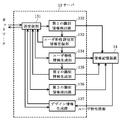
- FIG. 1 is a system configuration diagram of an embodiment of an information processing system according to the present invention. It is a block diagram of one Embodiment of the terminal and object apparatus in FIG. It is a block diagram of one Embodiment of the server in FIG.
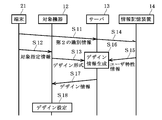
- FIG. 6 is a sequence diagram for explaining an operation until second identification information is stored or output in the terminal in FIG. 1.
- FIG. 10 is a sequence diagram for explaining an example of operation until design information is set in a target device based on second identification information.
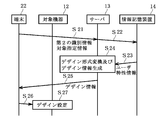
- FIG. 10 is a sequence diagram for explaining an operation of another example until design information is set in a target device based on second identification information.
- FIG. 1 shows a system configuration diagram of an embodiment of an information processing system according to the present invention.
- the information processing system 10 of this embodiment includes a terminal 11 used by a user, n target devices 12 1 to 12 n (n is a natural number of 1 or more) as an example of a design target object, a server 13, and information
- the system includes a storage device 14, and a terminal 11, target devices 12 1 to 12 n and a server 13 are connected to each other via a network 15 so that bidirectional communication is possible.
- the target devices 12 1 to 12 n are n types of industrial products that have different uses but have portions (design target setting portions) where the same design is set.
- the information storage device 14 may be detachably connected to the server 13.
- the terminal 11 communicates with the server 13 via the network 15 and has at least a function of storing the user characteristic information corresponding to the individual characteristic of the user received from the server 13 in the information storage device 14 connected to the server 13.
- the terminal 11 may also have a function of notifying trigger information to the target devices 12 1 to 12 n .
- the user characteristic information includes not only preferences related to the user's design but also biological information such as the user's visual acuity and hearing ability.
- the server 13 performs communication described later with the terminal 11 via the network 15, evaluates the user characteristics by various evaluation methods based on transmission information from the terminal 11, obtains user characteristic information, Is stored in the information storage device 14 and second identification information described later is transmitted to the terminal 11. Thereafter, based on the second identification information from the terminal 11, the server 13 reads the user characteristic information of the user who uses the requesting terminal 11 stored in the information storage device 14. Note that the terminal 11 also has a function of transmitting target designation information for specifying a target device for design setting to the target devices 12 1 to 12 n .
- the server 13 has a function of receiving a design format from the target device for which design information is set among the target devices 12 1 to 12 n . Further, the server 13 has a function of generating and transmitting design information for setting design information suitable for the user characteristics in the target device for which design setting is performed from the user characteristic information and the design format.
- the server 13 and the information storage device 14 are managed by a system administrator. The system administrator may or may not be the same as the manufacturer of the target devices 12 1 to 12 n .
- FIG. 2 shows a block diagram of an embodiment of the terminal 11 and the target device 12.
- the terminal 11 includes a first identification information storage unit 111, a display unit 112, an input unit 113, a second identification information processing unit 114, and a transmission / reception unit 115.
- the terminal 11 may have a function of transmitting the target designation information by the transmission / reception unit 115 by operating the input unit 113.
- the target designation information is information for specifying a target device for which the user is to set design information, such as a model number.
- the first identification information storage unit 111 stores in advance first identification information that is unique to the user who operates the terminal 11 and is not disclosed.
- the first identification information includes account information and ID.
- the display unit 112 displays user characteristic evaluation information (described later) received by the transmission / reception unit 115 from the server 13 via the network 15.
- the input unit 113 is used for the user to input various information, or to transmit user selection information indicating the user's design preferences or the like to the server 13 based on the user characteristic evaluation information displayed on the display unit 112. .
- the second identification information processing unit 114 detects and stores the second identification information received by the transmission / reception unit 115 from the server 13 via the network 15. The second identification information will be described later.
- Target apparatus 12 1 ⁇ 12 n is the overall structure, depending on their types different from each other, components related to the present embodiment are identical, the target device 12 shown in FIG. 2 the target apparatus 12 1 ⁇ 12 n The above-mentioned identical components of one representative target device are shown.
- the target device 12 includes a design format storage unit 121, a transmission / reception unit 122, and a design information setting unit 123.
- the design format storage unit 121 stores a design format which is information such as what design the target device 12 is configured and which part can be set within the range.
- This design format includes a parameter name that is a unique name of the target device itself.
- the transmission / reception unit 122 performs transmission / reception with the server 13 via the network 15.
- the design information setting unit 123 controls the computer in the target device 12 based on design information (described later) input from the transmission / reception unit 122 to set the design at the design setting location.
- FIG. 3 shows a block diagram of an embodiment of the server 13.
- the server 13 includes a transmission / reception unit 131, a first identification information detection unit 132, a user characteristic evaluation information storage unit 133, a user characteristic information generation unit 134, a second identification information generation unit 135, 2 identification information detection unit 136 and design information generation unit 137.
- the first identification information detection unit 132, the user characteristic information generation unit 134, the second identification information generation unit 135, the second identification information detection unit 136, and the design information generation unit 137 include a user characteristic evaluation information storage unit 133 and Similarly, it is configured by a hardware device, but can also be realized by a software operation of a computer based on a program.
- the transmission / reception unit 131 performs bidirectional communication with the transmission / reception unit 115 of the terminal 11 or the transmission / reception unit 122 of the target device 12 via the network 15.
- the first identification information detection unit 132 detects whether or not the signal received by the transmission / reception unit 131 is the first identification information.
- the user characteristic evaluation information storage unit 133 stores user characteristic evaluation information in advance. When the first identification information detection result is input from the first identification information detection unit 132, the user characteristic evaluation information is stored. Output.
- the user characteristic evaluation information is information presented to the user in order to evaluate (acquire) the user's unique characteristics for various designs related to the target devices 12 1 to 12 n , and includes images (characters and colors), It consists of sounds or a combination of them.
- user characteristic evaluation information includes specific examples of overall design (evaluation of the configuration of several specific displays), examples of design of partial elements (evaluation of color only, evaluation of character size), It is information such as a question about a user's life, environment, and preferences (this question is based on a character image, sound, or a combination thereof).
- each image such as the character size, character color, display layout, and button size of the display unit of the target devices 12 1 to 12 n , sound information such as volume and timbre, and information that requests input of numerical values
- questions questions regarding daily life (for example, display screen size, resolution, visual acuity, etc.).
- the user characteristic evaluation information is information created by the manufacturer of the target devices 12 1 to 12 n , for example.
- the user characteristic information generation unit 134 refers to a built-in database (hereinafter referred to as “human characteristic database” in the present specification) based on the user selection information transmitted from the terminal 11 as a response received by the transmission / reception unit 131.
- the user characteristics are evaluated (estimated) by various known evaluation methods, and user characteristic information suitable for the evaluated user characteristics is generated.
- the human characteristics database information on various user characteristics regarding various design elements is stored in advance. For example, in the case where the evaluation method is a method for evaluating the user-viewable character size from the user selection information, the user characteristics database shows the user characteristics such as what kind of color the character is displayed and how easy to see.
- the user characteristic information evaluated based on the information stored in advance is generated.
- the user characteristic information generation unit 134 may refer to the human characteristic database based on the answer result based on the answer result in some cases where the user characteristic evaluation information is a specific example of the design and the user selection information may be an answer to the user characteristic information.
- user characteristic information in which an optimal design is estimated is generated. For example, when the user characteristic evaluation information is information that sequentially presents a plurality of images to the user (for example, the character size “10” and “50”), the response and selection of the user selection information for the user characteristic evaluation information From the evaluation value, the speed of reaction, etc., the human characteristic database is referred to estimate the user's optimum legible character size.
- the optimum easy-to-see character size for the user having such characteristics is Estimated to be “34”. Then, the user characteristic information generating unit 134 generates the estimated optimum legible character size as the user characteristic information. In this way, the user characteristic information generation unit 134 feels comfortable for the user of the air conditioner, the brightness range of the display screen, the character size range, the color type, the optimal volume range, etc. User characteristic information optimal for the user is generated based on the set temperature range and the like.
- the second identification information generation unit 135 generates second identification information when the user characteristic information is obtained by the user characteristic information generation unit 134, and transmits the second identification information from the transmission / reception unit 131 via the network 15. To the terminal 11.
- the second identification information itself may be associated with the undisclosed first identification information or may not be associated, but in any case, it is disclosed.
- the second identification information is information including at least the storage address (storage position) of the information storage device 14 for user characteristic information.
- the user characteristic information is stored in the information storage apparatus in a state where the first identification information is concealed. Any information can be used as long as the information can be read out from.
- the second identification information detection unit 136 detects whether or not the signal received by the transmission / reception unit 131 is the second identification information.
- the design information generation unit 137 generates design information indicating design information suitable for the user characteristics in the target device 12 for setting the design from the design format and the user characteristic information, and outputs the design information to the transmission / reception unit 131.
- FIG. 4 is a sequence diagram for explaining the operation until the second identification information is stored in the terminal 11
- FIG. 5 is a diagram in which design information is set in the target devices 12 1 to 12 n based on the second identification information.
- FIG. 6 is a sequence diagram for explaining the operation of an example up to this point
- FIG. 6 is a sequence diagram for explaining the operation of another example until design information is set in the target devices 12 1 to 12 n based on the second identification information. Show.
- the terminal 11 reads the first identification information from the first identification information storage unit 111 by operating the input unit 113 shown in FIG. 2 by the user, and transmits the first identification information from the transmission / reception unit 115 to the server 13 via the network 15 ( Step S1) in FIG.
- the first identification information is private unique information previously assigned to the user, and allows the system administrator to identify the authorized user of the information processing system 10 as well as the user characteristics stored in the information storage device 14. This is information for identifying information.
- the server 13 detects that the signal received by the transmission / reception unit 131 is the first identification information by the first identification information detection unit 132, the user characteristic evaluation stored in the user characteristic evaluation information storage unit 133 in advance is performed.
- the service information is read out, and a response is transmitted from the transmission / reception unit 131 to the transmission source terminal 11 via the network 15 (step S2 in FIG. 4).
- the terminal 11 displays the user characteristic evaluation information received by the transmission / reception unit 115 on the display unit 112 (in the case of sound information, it is pronounced from a speaker not shown).
- the display unit 112 may include a speaker.
- the user characteristic evaluation information may be a sound generated from the speaker, or may be information obtained by synthesizing a still image or a moving image and sound.
- the user characteristic evaluation information is information for the server 13 to evaluate the user's unique characteristics for various designs related to the target devices 12 1 to 12 n , and the characteristic information of a plurality of users is recorded. Specific examples for estimating the personal characteristics of the user from the recorded human characteristics database, images and sounds for confirmation, and the like. There are various types of user characteristic information, for example, a format describing an actual measurement value of a variable and a format describing a viewing angle.
- the terminal 11 When the terminal 11 receives the user characteristic evaluation information, the terminal 11 transmits user selection information in response to the server 13 (step S3 in FIG. 4). For example, when the user characteristic evaluation information displayed on the display unit 112 includes a plurality of images, the user who desires the design setting selects one or more of the plurality of images using the input unit 113. It is the selected selection information.
- the user selection information is, for example, when the user characteristic evaluation information is biometric information such as the user's visual acuity or a questionnaire that asks about daily life, the numerical value of visual acuity or a plurality of questions input by the input unit 113 This is answer information indicating the questionnaire results of each item.
- the server 13 When the server 13 receives the user selection information by the transmission / reception unit 131, the server 13 supplies the received user selection information to the user characteristic information generation unit 134 to generate user characteristic information (step S4 in FIG. 4). That is, the user characteristic information generation unit 134 refers to the human characteristic database based on the supplied user selection information, and the user's visibility and the user's visibility by a known evaluation method using an inspection program, a psychological test, sampling measurement, or the like. Evaluate (estimate) characteristics such as the selected volume, display preference, and comfortable room temperature. Subsequently, the user characteristic information generation unit 134 generates user characteristic information indicating what characteristic the user has among various human characteristics and preferences based on the evaluation result. This user characteristic information is information suitable for the user's characteristic regarding the design.
- the server 13 supplies the user characteristic information generated by the user characteristic information generation unit 134 and the first identification information received in step S1 to the information storage device 14 (step S5 in FIG. 4).
- the user characteristic information generation unit 134 notifies the second identification information generation unit 135 that the user characteristic information has been generated.
- the information storage device 14 stores the supplied user characteristic information and first identification information (step S6 in FIG. 4).
- the information storage device 14 may store the user characteristic information in association with the first identification information, or may store the user characteristic information without association.
- the information storage device 14 may store the second identification information in association with the user characteristic information.
- the second identification information generation unit 135 generates the second identification information in response to the above notification, and transmits the second identification information to the terminal 11 via the network 15 by the transmission / reception unit 131 (see FIG. 4 step S7).
- the second identification information may be information that can identify and read out the user characteristic information stored in step S6 from the information storage device 14 in a state where the first identification information is concealed as described above.
- the second identification information is, for example, information including the storage address of the user characteristic information in the information storage device 14, and is information unrelated to the first identification information.
- the second identification information received by the transmission / reception unit 115 of the terminal 11 is detected and stored or output by the second identification information processing unit 114 (step S8 in FIG. 4). By storing and outputting the second identification information, the user of the terminal 11 can know that the user characteristic information suitable for his / her characteristic regarding the design is stored in the server 13.
- the content of the user characteristic information stored in the information storage device 14 is not known to a third party other than the user by only the second identification information. Further, even if the user characteristic information is stored in the information storage device 14 in association with the first identification information, the contents of the first identification information are not read out and output, so the third party does not know.
- the second identification information processing unit 114 may generate and output a code such as a QR code (registered trademark) as the second identification information. In this case, by passing the QR code (registered trademark) over the reading unit connected to the network on the terminal side, the second identification information is transmitted to the server 13, and the user characteristics are transmitted from the information storage device 14 through the server 13. Information can be read out.
- the second identification information obtained as described above is transmitted from the terminal 21 to the server 13 via the network 15 at a predetermined timing of the user (step S11 in FIG. 5).
- the terminal 21 is a terminal used by the user like the terminal 11, and may be the same as the terminal 11 or a terminal different from the terminal 11. Further, the terminal 21 may be connected to the server 13 using another network instead of the network 15.
- the terminal 21 is, for example, a terminal dedicated to transmitting second identification information in a store or a terminal at home.
- the transmission timing of the second identification information is when the user purchases the target device 12 or immediately after the purchase.
- the terminal 21 notifies the target device 12 of target designation information for specifying the target device for which design setting is to be performed among the target devices 12 1 to 12 n. (Step S12 in FIG. 5).
- the target device 12 receives this notification and transmits the design format to the server 13 via the network 15 (or another network) (step S13 in FIG. 5).
- the design format is information indicating what kind of design the object to be set is configured in and what part can be set within the range, for example, a model number indicating the model of the target device 12.
- the information storage device uses the second identification information as a read control signal. 14 (step S14 in FIG. 5). As a result, the information storage device 14 reads the stored user characteristic information from the storage address indicated by the second identification information input as the read control signal (step S15 in FIG. 5). Even if the first identification information is stored in the information storage device 14 in association with the user characteristic information, the first identification information is not read by the second identification information. This is because the storage address of the first identification information is different from the storage address of the second identification information.
- the server 13 uses the user characteristic information read from the information storage device 14 in step S15 and the design format received in the transmission / reception unit 131 in step S13.
- Design information such as parameter values suitable for the user characteristics indicated by the user characteristic information in the design setting possible range of the device 12 is generated (step S16 in FIG. 5).
- the server 13 transmits the design information generated by the design information generation unit 137 from the transmission / reception unit 131 to the target device 12 via the network 15 (or another network) (step S17 in FIG. 5). That is, the server 13 detects the second identification information by the second identification information detection unit 136, but does not specify the user indicated by the first identification information, and the user characteristics stored in the information storage device 14 From the information and the design format from the target device 12, design information that is design information suitable for the user characteristic indicated by the user characteristic information is transmitted to the target device 12.
- step S18 in FIG. 5 design setting according to the design information is performed (step S18 in FIG. 5). For example, when the display character size of the display unit of the target device 12 is set to a size according to the user's preference in step S18, the display program executed by the computer that controls the display of the display unit hardware is displayed. Of these, the display character size desired by the user is set by rewriting the description portion related to the display character size with the parameter value of the design information.
- the types of the target devices 12 1 to 12 n are different, it is possible to set information suitable for the user characteristics for the same type of design setting target.
- the liquid crystal operation panels for design information setting provided in them are the same manufacturer's liquid crystal operation panels.
- the display size, display position, display color, resolution, volume, and the like of the screen of the liquid crystal operation panel can be set in common to the user's preference and visibility.
- the second identification information and target designation information obtained as described above are transmitted from the terminal 22 to the server 13 via the network 15 at a user's predetermined timing (step S21 in FIG. 6).
- the terminal 22 is a terminal operated by the user similarly to the terminal 11, and may be the same as the terminal 11 or a terminal different from the terminal 11. However, unlike the terminal 21, the terminal 22 has a function of simultaneously transmitting the target designation information together with the second identification information to the server 13. Note that the terminal 22 may have a function of transmitting the design format instead of the target designation information.
- the terminal 22 may be connected to communicate with the server 13 via a network other than the network 15.
- the server 13 When the server 13 detects that the signal received by the transmission / reception unit 131 is the second identification information in the second identification information detection unit 136, the server 13 stores the second identification information as a read control signal in the information storage device 14. Supply (step S22 in FIG. 6). Thereby, the server 13 reads user characteristic information based on the 2nd identification information input as a read-out control signal from the information storage device 14 (step S23 of FIG. 6).
- the design information generation unit 137 in the server 13 also has a function of converting into the design format of the target device indicated by the target designation information when the target designation information is input.
- the design information generation unit 137 converts the target designation information received and supplied by the transmission / reception unit 131 in step S21 into a design format, and further reads out the design format and the information storage device 14 in step S23.
- design information such as a parameter value indicating design information conforming to the user characteristic indicated by the user characteristic information in the design setting range of the target device 12 represented in the design format is generated ( Step S24 in FIG.
- the server 13 transmits the design information generated by the design information generation unit 137 from the transmission / reception unit 131 to the terminal 22 via the network 15 (or another network) (step S25 in FIG. 6). That is, the server 13 uses the second identification information detected by the second identification information detection unit 136 as a read control signal from the user characteristic information suitable for the user read from the information storage device 14 and the design format of the target device 12. The generated design information suitable for the user characteristic indicated by the user characteristic information is transmitted to the terminal 22.
- the terminal 22 When the terminal 22 receives the design information transmitted from the server 13 by the transmission / reception unit, the terminal 22 transfers it to the target device 12 (step S26 in FIG. 6).
- the target device 12 controls the internal computer based on the transferred design information, and causes the hardware to perform design setting according to the design information (step S27 in FIG. 6). For example, when the display character size of the display unit of the target device 12 is set to a size according to the user's preference in step S27, the display program executed by the computer that controls the display of the display unit hardware is displayed. Of these, the display character size desired by the user is set by rewriting the description portion related to the display character size with the parameter value of the design information.
- the server 13 reads out the design format of the target device for design setting obtained by conversion from the received target designation information and the received second identification information from the information storage device 14 as a read control signal.
- design information suitable for the user can be set in the target device 12.
- the types of the target devices 12 1 to 12 n are different, it is possible to set information suitable for the user characteristics for the same type of design setting target.
- the user indicated by the first identification information is specified by a third party. There is no.
- the terminal 21 may be a terminal having only a transmission function dedicated to second identification information transmission.
- 6 may be a device having only a receiving function dedicated to receiving design information.
- a network that can communicate in only one direction from the second identification information transmission dedicated terminal to the server 13, or only one direction in which design information is transmitted from the server 13 to the target device 12 or the terminals 21 and 22.
- a network capable of communication may be provided.
- the design information suitable for the user's characteristics is stored in the target devices 12 1 to 12 n before the start of use in the state where the user's personal information is concealed. Since it can be set, the user can start using the target devices 12 1 to 12 n set in his / her favorite design from the beginning.
- user characteristic evaluation information that is, user selection information
- the information is stored in advance in a database, for example.
- characteristics such as user visibility and display preference are evaluated, and based on the evaluation, user characteristic information that is a design adapted to the user characteristics is generated. Since the design information such as parameter values is generated from the manufacturer, the manufacturer of the target device does not consider the design from the characteristics of the user at the stage of production and manufacturing, but various design information individually corresponding to many users Can be set as the target device.
- the user identification information can be output by directly inputting the second identification information to the server of the system administrator, so there is no need to specify the user by the system administrator, Personal information is protected. That is, in this embodiment, the system administrator does not determine what kind of design should be set by checking the personal information (first identification information) of the user who has input the second identification information. Since the server program to which the second identification information is input automatically outputs the user characteristic information according to the second identification information, it is not necessary for the system administrator to identify the user, and the personal information is protected. It is done. Furthermore, according to the present embodiment, while using human characteristic data for various designs as a background, user characteristic information indicating user characteristics relating to design is not disclosed as it is, but stored in the information storage device 14. Therefore, the user characteristic information can be kept secret from the user and the manufacturer of the target device.
- the design information is converted into design setting information for controlling the computer in the target device by the design information setting unit 123 in the target device 12.
- the design information may be converted into the design setting information in the server 13 and then transmitted to the target device 12.
- the target devices 12 1 to 12 n can set the design information by directly receiving the design setting information from the server 13 via the network.
- the information storage device 14 may store design information generated from the user characteristic information and the design format.
- Example 1 of the present invention is applied to a liquid crystal operation panel of an electric appliance.
- the target devices 12 1 to 12 n have different uses such as an air conditioner, a television receiver, and a refrigerator, but a plurality of design setting target portions (design setting targets) are the same liquid crystal operation panel. It is an example of a type of electrical appliance.
- the manufacturer prepares a liquid crystal operation panel that can identify a design setting target portion to be changed according to the user and information for evaluating the user characteristics.
- one or more types of electrical appliances internally include a transmission / reception unit capable of bidirectional communication with the network 13.
- a QR code (registered trademark) is transmitted from the server 13 as the second identification information by communication with the server 13 based on the operation described with reference to FIG. It shall be assumed. Further, the information storage device 14 stores user characteristic information related to the liquid crystal operation panel such as a character size, a character color, and a button size that are easy to see for the user of the appliance (target devices 12 1 to 12 n ). To do.
- the QR code (registered trademark) is passed over the code reading section of the electrical appliance or the terminal of the terminal in the store at the store, and the system administrator can connect via the network.
- the QR code (registered trademark) and the design format are transmitted to the server.
- the QR code registered trademark
- the design format or target designation information
- the manufacturer of the liquid crystal operation panel can At this stage, there is no need to consider the design from the user's characteristics, and design information corresponding to each user can be set in the liquid crystal operation panel.
- the QR code registered trademark
- design setting information is automatically generated from the user characteristic information stored in the storage address indicated by the QR code (registered trademark) of the information storage device and the design format. It is not necessary to specify the user on the server) side and generate design setting information, and personal information can be protected.
- the target devices 12 1 to 12 n are smartphones as examples of portable information devices, and the design setting target is an example of a Web page.
- the design format is HTML (Hyper Text Markup Language), etc., and user characteristic evaluation information that describes the size of the browser screen of the smartphone is prepared so that the size and color of characters and buttons displayed on the display can be understood.
- the server 13 is a Web server.
- an ID is obtained by the Web server as the second identification information and stored in the terminal based on the operation described with reference to FIG. 4 in communication between the terminal and the Web server.
- user characteristic information associated with the ID is stored in the information storage device connected to the Web server.
- This user characteristic information is general-purpose information not limited to a specific smartphone or a screen design of a Web page, such as a character size, a character color, and a button size that are easy for the user to see.
- the smartphone manufacturer since the design information of the Web page, which is a design adapted to the user's characteristics, is generated based on the evaluation of the user's characteristics, the smartphone manufacturer is in the production / manufacturing stage. It is not necessary to consider the screen design of the web page from the characteristics, and design information corresponding to each user can be set in the web page of the smartphone.
- the ID that is the second identification information is transmitted to the Web server instead of the first identification information that is the personal information of the user, and is stored in the information storage device in correspondence with the ID.
- Design setting information is automatically generated by reading out the user characteristic information, so it is not necessary for the system administrator (server) to identify the user and generate the design setting information. It is done.
- the target device for design setting is the target device 12 1 to 12 n which is an industrial product.
- the feature is that it is a maid's shoes and clothes.
- the user characteristic evaluation information is a questionnaire that asks the user for dimensions such as the length and width of the user's shoes (or clothes), the user's favorite shape, the thickness and hardness of each part, and the like. is there.
- the questionnaire may include items for selecting different shoes (or clothes) such as a plurality of types of decorations and a fit feeling as well as the shape. It is necessary for the user to measure the size of his / her foot, such as the length, width, and instep height with an appropriate measuring instrument in advance.
- the design target object since the design target object is not an industrial product, the design target object itself does not have a communication function with the network, so the terminal operated by the user (this terminal is the first one).
- the terminal may be the same as or different from the terminal that transmits the identification information and / or the second identification information), and has a function of transmitting the target designation information, and the terminal received by the manufacturer or the like from the server Based on the information, a manufacturer or the like sets design information suitable for the user for the design target.
- the user transmits the first identification information unique to the user to the server using the terminal, receives a questionnaire that is user characteristic evaluation information from the server, and receives the questionnaire response as the user.
- a response is sent to the server as selection information.
- the server refers to the database based on the received user selection information in the user characteristic information generation unit, estimates and evaluates the personal characteristics of the user's foot (or body shape) shape, stiffness, and sensation, User characteristic information that determines the size and fit of shoes (or clothes) based on the evaluation is generated.
- the server stores the above user characteristic information in the information storage device, and then transmits an ID to the terminal as second identification information. Thereby, the user who operated the terminal acquires the above ID via the terminal.
- the first identification information may be fingerprint information of the user's hand or foot obtained by a known fingerprint recognition device and transmitted to the server.
- the server reads the user characteristic information of the shoe that matches the characteristic of the user of the transmission source from the information storage device, transmits it to the receiving terminal of the manufacturer, and transmits the target designation information.
- the manufacturer generates design information to be reflected in the production of the actual shoes from the user characteristic information received at the receiving terminal and the design format converted from the target designation information, and the user's favorite multiple types based on the design information Manufacturing shoes at the same time.
- the user receives a plurality of types of shoes from the manufacturer, such as comfort, personal shape and color suitable for him.
- the plurality of types of shoes suitable for the user characteristics are shoes having different uses. The same applies to clothes.
- design information suitable for the user's characteristics is generated based on the evaluation of the user's characteristics, so that the shoe and clothes producers design from the user's characteristics at the design and production stage. There is no need to think about it, and it is possible to produce shoes and clothes that match the characteristics of each user.
- the design information suitable for the user having the ID can be automatically generated by transmitting the ID that is the second identification information and the target designation information to the server. It is not necessary for the administrator (server) to identify the user and generate design information, and personal information can be protected.
- the present invention is not limited to the above embodiment and examples.
- a program for causing the first computer in the terminal 11 to realize the function of the second identification information processing unit 114 shown in FIG. The functions of the first identification information detection unit 132, the user characteristic information generation unit 134, the second identification information generation unit 135, the second identification information detection unit 136, and the design information generation unit 137 shown in FIG.
- a program to be realized by the second computer in 13 is also included.
- the programs of the first and second computers may be read from the recording medium or distributed via a network and taken into the computer, or stored in advance as firmware in the first and second computers. It may be.
- the first identification information storage unit 111 is provided in the terminal 11. However, the first identification information storage unit 111 is not provided, and the user directly operates the input unit 113 to perform the first identification information storage unit 111. Can be input to the server 13 via the transmission / reception unit 115 and the network 15.
Landscapes
- Engineering & Computer Science (AREA)
- Physics & Mathematics (AREA)
- Theoretical Computer Science (AREA)
- General Physics & Mathematics (AREA)
- Business, Economics & Management (AREA)
- Computer Hardware Design (AREA)
- Evolutionary Computation (AREA)
- Geometry (AREA)
- General Engineering & Computer Science (AREA)
- Finance (AREA)
- Accounting & Taxation (AREA)
- Development Economics (AREA)
- Economics (AREA)
- Marketing (AREA)
- Strategic Management (AREA)
- General Business, Economics & Management (AREA)
- Management, Administration, Business Operations System, And Electronic Commerce (AREA)
- Information Transfer Between Computers (AREA)
- Information Retrieval, Db Structures And Fs Structures Therefor (AREA)
- Architecture (AREA)
- Software Systems (AREA)
Abstract
被デザイン設定対象物の製造者がユーザのデザインに関する特性をユーザ毎に分析することなく、かつ、ユーザの個人情報を製造者に秘匿した状態でユーザの特性に適合したデザインの情報をシステム管理者が生成して被デザイン設定対象物に設定する。サーバ13は、端末21から送信されたQRコード(登録商標)等の第2の識別情報が示す記憶位置に記憶されているユーザ特性情報を情報記憶装置14から読み出す(ステップS15)。サーバ13は、このユーザ特性情報と対象機器12からのデザイン形式とから、ユーザ特性情報が示すユーザ特性に適合したデザインの情報であるデザイン情報を生成して対象機器12へ送信する(ステップS16-S17)。対象機器12は受信したデザイン情報をデザイン設定情報に変換して対象機器12にユーザの特性に適合したデザインを設定させる(ステップS18)。
Description
本発明は情報処理システム及び情報処理プログラム並びに情報記憶装置に係り、特に工業製品、衣類、食品、音、画像などの、人間が知覚可能なものを対象とする情報(以下、これを「デザイン」ともいう)であってユーザの特性に適合した情報を、ユーザの被デザイン設定対象物に設定するための処理を行う情報処理システム及び情報処理プログラム並びに情報記憶装置に関する。
工業製品である例えば電化製品には冷蔵庫、エアコン、テレビジョン受像機等種々ある。これら電化製品に使用されている液晶操作パネルの画面の表示サイズ、表示位置、表示色、解像度、音量などの情報(デザイン)は、ユーザの好み等に応じて機種毎にかつ操作対象毎に別々に設定する必要があり、ユーザにとって極めて煩雑である。一方、電化製品の製造者にとっても、製作・製造の段階で多数のユーザの多種多様なデザインの要求に応える電化製品を設計・製造するのは困難である。
他方、ユーザの特性情報に基づき選択した広告データをコンテンツデータと共にユーザの受信端末にネットワークを通して配信するコンテンツ配信システムが知られている(例えば、特許文献1参照)。上記特性情報には、ユーザの性別、年齢、家族構成などの属性情報と、ユーザの趣味、好みに関する嗜好情報とがある。このコンテンツ配信システムを上記の電化製品のデザイン設定に適用したデザイン配信システムが考えられる。このデザイン配信システムでは、ユーザが、システム管理者が管理するサーバに対して、自分が設定したい好みのデザインをネットワークを通してサーバへ要求する。すると、製造業者は要求されたユーザの特性情報に応じたデザインの設定用情報を生成して、それをサーバからネットワークを通してユーザへ送信する。これにより、ユーザが保有する電化製品などに要求したデザインの情報の設定処理が自動的になされる。
しかしながら、上記のデザイン配信システムでは、ユーザが自身の個人的な特性情報(すなわち、個人情報)を製造者側に提供する必要があるため、ユーザの個人情報が守れず、またユーザの個人情報が外部に漏れる可能性もある。また、製造者側にとっても個々のユーザに対応したデザインを作成して設定する必要がある。更に、デザインの設定は例えば電化製品の液晶操作パネルの場合、個々の電化製品別の液晶操作パネルのデザインの設定が可能になるだけで、異なる電化製品では別に液晶表示パネルのデザインの設定のための要求が必要となる。
本発明は以上の点に鑑みなされたもので、本発明の代表的な目的の一つは、ユーザの特性に適合したデザインの情報を、被デザイン設定対象物の製造者にユーザの個人情報を秘匿した状態で、複数種類の被デザイン設定対象物に共通に設定し得る情報処理システム及び情報処理プログラム並びに情報記憶装置を提供することにある。
上記の目的を達成するため、第1の発明の情報処理システムは、ユーザが使用する第1の端末とシステム管理者のサーバとが第1のネットワークを介して接続され、かつ、前記サーバが前記システム管理者の情報記憶装置に接続され、被デザイン設定対象物に対して前記ユーザの特性に適合したデザイン情報の設定のための情報処理を行う情報処理システムであって、
前記第1の端末は、前記ユーザに固有の非公開の第1の識別情報を、前記第1のネットワークを介して前記サーバへ入力する第1の入力手段と、前記被デザイン設定対象物のデザインに関する前記ユーザの特性を評価するためのユーザ特性評価用情報に基づいて、デザインに関する前記ユーザの特性を示すユーザ選択情報を生成し、前記第1のネットワークを介して前記サーバへ送信するユーザ選択情報生成手段と、前記サーバから送信された、前記ユーザの特性に適合したデザインの情報であるユーザ特性情報が記憶されたことを示す第2の識別情報を受信して記憶又は出力する第2の識別情報処理手段と、を備え、
前記サーバは、前記第1のネットワークを介して前記第1の識別情報を受信したときに、前記ユーザ特性評価用情報を生成して前記第1のネットワークを介して前記第1の端末へ送信するユーザ特性評価用情報生成手段と、前記第1のネットワークを介して受信した前記ユーザ選択情報から前記ユーザの特性を評価し、その評価結果に基づいてデザインに関する前記ユーザの特性に適合した前記ユーザ特性情報を生成するユーザ特性情報生成手段と、前記ユーザ特性情報を前記情報記憶装置に記憶する記憶手段と、前記ユーザ特性情報の生成時に、そのユーザ特性情報の前記情報記憶装置における記憶位置を特定する前記第2の識別情報を生成して、前記第1のネットワークを介して前記第1の端末へ送信する第2の識別情報生成手段と、を備えることを特徴とする。
前記第1の端末は、前記ユーザに固有の非公開の第1の識別情報を、前記第1のネットワークを介して前記サーバへ入力する第1の入力手段と、前記被デザイン設定対象物のデザインに関する前記ユーザの特性を評価するためのユーザ特性評価用情報に基づいて、デザインに関する前記ユーザの特性を示すユーザ選択情報を生成し、前記第1のネットワークを介して前記サーバへ送信するユーザ選択情報生成手段と、前記サーバから送信された、前記ユーザの特性に適合したデザインの情報であるユーザ特性情報が記憶されたことを示す第2の識別情報を受信して記憶又は出力する第2の識別情報処理手段と、を備え、
前記サーバは、前記第1のネットワークを介して前記第1の識別情報を受信したときに、前記ユーザ特性評価用情報を生成して前記第1のネットワークを介して前記第1の端末へ送信するユーザ特性評価用情報生成手段と、前記第1のネットワークを介して受信した前記ユーザ選択情報から前記ユーザの特性を評価し、その評価結果に基づいてデザインに関する前記ユーザの特性に適合した前記ユーザ特性情報を生成するユーザ特性情報生成手段と、前記ユーザ特性情報を前記情報記憶装置に記憶する記憶手段と、前記ユーザ特性情報の生成時に、そのユーザ特性情報の前記情報記憶装置における記憶位置を特定する前記第2の識別情報を生成して、前記第1のネットワークを介して前記第1の端末へ送信する第2の識別情報生成手段と、を備えることを特徴とする。
また、上記の目的を達成するため、第2の発明の情報処理システムは、第1の発明の前記第2の識別情報を第2のネットワークを介して前記サーバに入力する第2の入力手段と、前記被デザイン設定対象物を特定する対象指定情報、又は前記対象指定情報に基づいて生成した前記被デザイン設定対象物がどのようなデザインで構成されており、どの部分をその範囲で設定可能かを示すデザイン形式を、前記第2のネットワーク又は第3のネットワークを介して前記サーバに入力する第3の入力手段と、前記第2の識別情報の入力により前記第2の識別情報を読出し制御信号として前記情報記憶装置から前記ユーザ特性情報を読み出す、前記サーバ内に設けられたユーザ特性情報読出し手段と、前記情報記憶装置から読み出された前記ユーザ特性情報と、前記第3の入力手段により入力された前記対象指定情報又は前記デザイン形式とに基づいて、前記ユーザの特性に適合したデザイン情報を生成する、前記サーバ内に設けられたデザイン情報生成手段と、前記サーバで生成された前記デザイン情報をデザイン設定情報に変換し、そのデザイン設定情報に基づいて前記被デザイン設定対象物のデザイン設定を行うデザイン設定手段と、を更に備えることを特徴とする。
また、上記の目的を達成するため、第3の発明の情報処理プログラムは、ユーザが使用する第1の端末とシステム管理者のサーバとが第1のネットワークを介して接続され、かつ、前記サーバが前記システム管理者の情報記憶装置に接続され、被デザイン設定対象物に対してユーザの特性に適合したデザイン情報の設定のための情報処理をコンピュータにより実現させる情報処理プログラムであって、
前記第1の端末内の第1のコンピュータに、
前記被デザイン設定対象物のデザインに関する前記ユーザの特性を評価するためのユーザ特性評価用情報に基づいて、デザインに関する前記ユーザの特性を示すユーザ選択情報を生成し、前記第1のネットワークを介して前記サーバへ送信するユーザ選択情報生成機能と、前記サーバから送信された、前記ユーザの特性に適合したデザインの情報であるユーザ特性情報の前記情報記憶装置の記憶位置を示す第2の識別情報を受信して記憶又は出力する第2の識別情報処理機能と、を実現させ、
前記サーバ内の第2のコンピュータに、
前記第1の端末から送信された前記被デザイン設定対象物のユーザに固有の非公開の第1の識別情報が前記第1のネットワークを介して前記サーバに受信されたときに、前記ユーザ特性評価用情報を生成して前記第1のネットワークを介して前記第1の端末へ送信するユーザ特性評価用情報生成機能と、前記第1のネットワークを介して受信した前記ユーザ選択情報から前記ユーザの特性を評価し、その評価結果に基づいてデザインに関する前記ユーザの特性に適合した前記ユーザ特性情報を生成するユーザ特性情報生成機能と、前記ユーザ特性情報を前記情報記憶装置に記憶する記憶機能と、前記ユーザ特性情報の生成時に、そのユーザ特性情報の前記情報記憶装置における記憶位置を特定する前記第2の識別情報を生成して、前記第1のネットワークを介して前記第1の端末へ送信する第2の識別情報生成機能と、を実現させることを特徴とする。
前記第1の端末内の第1のコンピュータに、
前記被デザイン設定対象物のデザインに関する前記ユーザの特性を評価するためのユーザ特性評価用情報に基づいて、デザインに関する前記ユーザの特性を示すユーザ選択情報を生成し、前記第1のネットワークを介して前記サーバへ送信するユーザ選択情報生成機能と、前記サーバから送信された、前記ユーザの特性に適合したデザインの情報であるユーザ特性情報の前記情報記憶装置の記憶位置を示す第2の識別情報を受信して記憶又は出力する第2の識別情報処理機能と、を実現させ、
前記サーバ内の第2のコンピュータに、
前記第1の端末から送信された前記被デザイン設定対象物のユーザに固有の非公開の第1の識別情報が前記第1のネットワークを介して前記サーバに受信されたときに、前記ユーザ特性評価用情報を生成して前記第1のネットワークを介して前記第1の端末へ送信するユーザ特性評価用情報生成機能と、前記第1のネットワークを介して受信した前記ユーザ選択情報から前記ユーザの特性を評価し、その評価結果に基づいてデザインに関する前記ユーザの特性に適合した前記ユーザ特性情報を生成するユーザ特性情報生成機能と、前記ユーザ特性情報を前記情報記憶装置に記憶する記憶機能と、前記ユーザ特性情報の生成時に、そのユーザ特性情報の前記情報記憶装置における記憶位置を特定する前記第2の識別情報を生成して、前記第1のネットワークを介して前記第1の端末へ送信する第2の識別情報生成機能と、を実現させることを特徴とする。
また、上記の目的を達成するため、第4の発明の情報処理プログラムは、第3の発明のサーバ内の前記第2のコンピュータに、前記第2の識別情報の入力により前記第2の識別情報を読み出し制御信号として前記情報記憶装置から前記ユーザ特性情報を読み出すユーザ特性情報読出し機能と、前記被デザイン設定対象物を特定する対象指定情報、又は前記対象指定情報に基づいて生成した前記被デザイン設定対象物がどのようなデザインで構成されており、どの部分をその範囲で設定可能かを示すデザイン形式が入力されたときに、前記情報記憶装置から読み出された前記ユーザ特性情報と、入力された前記対象指定情報又は前記デザイン形式とに基づいて、前記ユーザの特性に適合したデザイン情報を生成するデザイン情報生成機能と、を更に実現させることを特徴とする。
また、上記の目的を達成するため、本発明の情報記憶装置は、ユーザが使用する端末とネットワークを介して接続されたシステム管理者のサーバに接続された前記システム管理者の情報記憶装置であって、前記サーバが前記端末から前記ネットワークを介して受信したユーザのデザインに関するユーザ選択情報の評価結果に基づいて生成した、デザインに関する前記ユーザの特性に適合した第1の発明のユーザ特性情報を記憶しており、前記サーバにおいて生成されて前記端末へ送信された、前記ユーザ特性情報の記憶位置を示す第2の識別情報が、前記端末又は別の端末から前記ネットワーク又は別のネットワークを介して入力されたときに、入力された前記第2の識別情報を読出し制御信号として、記憶されている前記ユーザ特性情報が読み出されることを特徴とする。
本発明の代表的な効果の一つは、ユーザ特性に適合した同じデザインの情報を被デザイン設定対象物の製造者にユーザの個人情報を秘匿した状態で複数種類の被デザイン設定対象物にそれぞれ設定できることである。
次に、本発明の実施形態及び実施例について説明する。
図1は、本発明に係る情報処理システムの一実施形態のシステム構成図を示す。本実施形態の情報処理システム10は、ユーザが使用する端末11、被デザイン設定対象物の一例としてのn台(nは1以上の自然数)の対象機器121~12n、サーバ13、及び情報記憶装置14を備え、端末11及び対象機器121~12nとサーバ13とがネットワーク15により双方向通信可能に接続されたシステムである。なお、対象機器121~12nは、用途が互いに異なるが、同じデザインが設定される部分(被デザイン設定対象部分)を備えるn種類の工業製品である。情報記憶装置14は、サーバ13に着脱可能に接続されていてもよい。
図1は、本発明に係る情報処理システムの一実施形態のシステム構成図を示す。本実施形態の情報処理システム10は、ユーザが使用する端末11、被デザイン設定対象物の一例としてのn台(nは1以上の自然数)の対象機器121~12n、サーバ13、及び情報記憶装置14を備え、端末11及び対象機器121~12nとサーバ13とがネットワーク15により双方向通信可能に接続されたシステムである。なお、対象機器121~12nは、用途が互いに異なるが、同じデザインが設定される部分(被デザイン設定対象部分)を備えるn種類の工業製品である。情報記憶装置14は、サーバ13に着脱可能に接続されていてもよい。
端末11は、ネットワーク15を介してサーバ13と通信し、サーバ13から受信したユーザ個々の特性に対応したユーザ特性情報をサーバ13に接続された情報記憶装置14に記憶させる機能を少なくとも有する。端末11は、対象機器121~12nに対してトリガ情報を通知する機能も有していてもよい。なお、ユーザ特性情報には、本明細書ではユーザのデザインに関する好みだけでなく、ユーザの視力、聴力等の生体情報を含むものとする。
サーバ13は、ネットワーク15を介して端末11との間で後述する通信を行い、端末11からの送信情報に基づいてユーザの特性を様々な評価方法で評価してユーザ特性情報を得て、それを情報記憶装置14に記憶しておくと共に後述の第2の識別情報を端末11へ送信する。その後端末11からの第2の識別情報に基づいて、サーバ13は情報記憶装置14に記憶していた要求元の端末11を使用するユーザのユーザ特性情報を読出す。なお、端末11は対象機器121~12nに対してデザイン設定対象の対象機器を特定する対象指定情報を送信する機能も有している。
また、サーバ13は対象機器121~12nのうちデザイン情報の設定を行う対象機器からのデザイン形式を受信する機能を有する。更に、サーバ13は上記のユーザ特性情報とデザイン形式とからデザイン設定を行う対象機器におけるユーザ特性に適合したデザインの情報を設定させるためのデザイン情報を生成して送信する機能を有する。サーバ13及び情報記憶装置14はシステム管理者が管理している。システム管理者は対象機器121~12nの製造者と同一であってもよいし、そうでなくてもよい。
次に、情報処理システム10の各構成部について説明する。
図2は、端末11及び対象機器12の一実施形態のブロック図を示す。同図に示すように、端末11は、第1の識別情報記憶部111、表示部112、入力部113、第2の識別情報処理部114及び送受信部115を備える。なお、図2には図示を省略したが、端末11は入力部113の操作により対象指定情報を送受信部115により送信する機能を有していてもよい。ここで、対象指定情報とは、ユーザがデザインの情報を設定しようとする対象機器を特定する情報で、例えば型番などである。
図2は、端末11及び対象機器12の一実施形態のブロック図を示す。同図に示すように、端末11は、第1の識別情報記憶部111、表示部112、入力部113、第2の識別情報処理部114及び送受信部115を備える。なお、図2には図示を省略したが、端末11は入力部113の操作により対象指定情報を送受信部115により送信する機能を有していてもよい。ここで、対象指定情報とは、ユーザがデザインの情報を設定しようとする対象機器を特定する情報で、例えば型番などである。
第1の識別情報記憶部111は、端末11を操作するユーザに固有で非公開の第1の識別情報を予め記憶している。第1の識別情報としては、アカウント情報やIDなどがある。表示部112は、サーバ13からネットワーク15を介して送受信部115で受信した後述するユーザ特性評価用情報などを表示する。入力部113は、ユーザが各種情報を入力したり、表示部112に表示されたユーザ特性評価用情報に基づいてユーザのデザインに関する好みなどを示すユーザ選択情報をサーバ13へ送信するために用いられる。第2の識別情報処理部114は、サーバ13からネットワーク15を介して送受信部115で受信した第2の識別情報を検出して記憶する。第2の識別情報については後述する。
次に、図1の対象機器121~12nの構成について図2と共に説明する。
対象機器121~12nは、それらの種類に応じて全体構成は互いに異なるが、本実施形態に関係する構成部分は同一で、図2に示す対象機器12は対象機器121~12nを代表する一台の対象機器の上記同一の構成部分を示す。図2において、対象機器12は、デザイン形式記憶部121、送受信部122及びデザイン情報設定部123を備える。デザイン形式記憶部121は、対象機器12がどのようなデザインで構成されており、どの部分をその範囲で設定可能であるかなどの情報であるデザイン形式を記憶している。このデザイン形式にはその対象機器自身の固有の名称であるパラメータ名などを含む。送受信部122は、ネットワーク15を介してサーバ13と送受信を行う。デザイン情報設定部123は、送受信部122から入力される後述するデザイン情報に基づいて、対象機器12内のコンピュータを制御してデザイン設定箇所のデザインを設定させる。
対象機器121~12nは、それらの種類に応じて全体構成は互いに異なるが、本実施形態に関係する構成部分は同一で、図2に示す対象機器12は対象機器121~12nを代表する一台の対象機器の上記同一の構成部分を示す。図2において、対象機器12は、デザイン形式記憶部121、送受信部122及びデザイン情報設定部123を備える。デザイン形式記憶部121は、対象機器12がどのようなデザインで構成されており、どの部分をその範囲で設定可能であるかなどの情報であるデザイン形式を記憶している。このデザイン形式にはその対象機器自身の固有の名称であるパラメータ名などを含む。送受信部122は、ネットワーク15を介してサーバ13と送受信を行う。デザイン情報設定部123は、送受信部122から入力される後述するデザイン情報に基づいて、対象機器12内のコンピュータを制御してデザイン設定箇所のデザインを設定させる。
次に、サーバ13の構成について説明する。
図3は、サーバ13の一実施形態のブロック図を示す。同図に示すように、サーバ13は、送受信部131、第1の識別情報検出部132、ユーザ特性評価用情報記憶部133、ユーザ特性情報生成部134、第2の識別情報生成部135、第2の識別情報検出部136及びデザイン情報生成部137を有する。第1の識別情報検出部132、ユーザ特性情報生成部134、第2の識別情報生成部135、第2の識別情報検出部136及びデザイン情報生成部137は、ユーザ特性評価用情報記憶部133と同様にハードウェア装置で構成されるが、プログラムに基づくコンピュータのソフトウェア動作により実現することも可能である。送受信部131は、ネットワーク15を介して端末11の送受信部115、又は対象機器12の送受信部122との間で双方向通信を行う。
図3は、サーバ13の一実施形態のブロック図を示す。同図に示すように、サーバ13は、送受信部131、第1の識別情報検出部132、ユーザ特性評価用情報記憶部133、ユーザ特性情報生成部134、第2の識別情報生成部135、第2の識別情報検出部136及びデザイン情報生成部137を有する。第1の識別情報検出部132、ユーザ特性情報生成部134、第2の識別情報生成部135、第2の識別情報検出部136及びデザイン情報生成部137は、ユーザ特性評価用情報記憶部133と同様にハードウェア装置で構成されるが、プログラムに基づくコンピュータのソフトウェア動作により実現することも可能である。送受信部131は、ネットワーク15を介して端末11の送受信部115、又は対象機器12の送受信部122との間で双方向通信を行う。
第1の識別情報検出部132は、送受信部131で受信した信号が第1の識別情報であるか否かを検出する。ユーザ特性評価用情報記憶部133は、ユーザ特性評価用情報を予め蓄積しており、第1の識別情報検出部132から第1の識別情報検出結果が入力されたときにユーザ特性評価用情報を出力する。ユーザ特性評価用情報とは、対象機器121~12nに関する様々なデザインに対するユーザの固有の特性をサーバ13において評価(取得)するためにユーザに提示する情報で、画像(文字や色)、音あるいはそれらの組み合わせで構成されている。
すなわち、ユーザ特性評価用情報は、全体的なデザインの具体例(具体的ないくつかの表示全体の構成の評価)や、部分要素のデザインの例(色だけの評価、文字サイズの評価)、ユーザの生活や環境や好みなどについての質問(この質問は文字画像、音又はそれらの組み合わせによる)などの情報である。ここでは、例えば対象機器121~12nの表示部の文字のサイズ、文字色、表示レイアウト、ボタンの大きさなどの各画像や、音量や音色などの音情報や、数値の入力を求める情報(例えば、表示画面の大きさ、解像度、視力など)や、日常生活などに関するいくつかの質問(アンケート)などがある。また、同一種類の画像毎に、あるいは音情報毎に変数を変えたものが複数ある(例えば、サイズが段階的に異なる文字画像や、色相が異なる文字画像など)。ユーザ特性評価用情報は、例えば対象機器121~12nの製造者が作成した情報である。
ユーザ特性情報生成部134は、送受信部131で受信された端末11から応答送信されたユーザ選択情報に基づいて内蔵のデータベース(以下、本明細書ではこれを「人間特性データベース」という)を参照して、様々な公知の評価方法でユーザの特性を評価(推定)し、評価したそのユーザの特性に適合したユーザ特性情報を生成する。人間特性データベースには、様々なデザイン要素についての多様なユーザの特性の情報が予め記憶されている。例えば、評価方法が、ユーザ選択情報からそのユーザの見易い文字サイズを評価する方法の場合は、どのような色の文字だと、どのくらいのサイズで表示すれば見易いかといったユーザの特性を人間特性データベースに予め記憶されている情報に基づいて評価したユーザ特性情報を生成する。
また、ユーザ特性情報生成部134は、ユーザ特性評価用情報がデザインの具体例であり、ユーザ選択情報がそれに対する回答である場合もあり、その回答結果に基づいて人間特性データベースを参照してユーザに最適なデザインを推定したユーザ特性情報を生成する場合もある。例えば、ユーザ特性評価用情報が複数の画像を順次にユーザに提示する情報である場合(例えば、文字サイズ「10」と「50」)、そのユーザ特性評価用情報に対するユーザ選択情報の回答、選択、評価値、反応の速さなどから、人間特性データベースを参照して、そのユーザの最適な見易い文字サイズを推定する。例えば、回答から文字サイズ「10」が「小さすぎて見えない」、文字サイズ「50」が「少し大き過ぎるという情報が得られたとして、そのような特性を持つユーザの最適な見易い文字サイズは「34」であると推定する。そして、ユーザ特性情報生成部134は、推定した最適な見易い文字サイズをユーザ特性情報として生成する。このようにして、ユーザ特性情報生成部134はユーザが快適と判断する表示画面の輝度の範囲、文字の大きさの範囲、色の種類などや、音量の最適範囲、エアコンのユーザが快適と感じる設定温度範囲などに基づき、ユーザに最適なユーザ特性情報を生成する。
第2の識別情報生成部135は、ユーザ特性情報生成部134によりユーザ特性情報が得られたときに第2の識別情報を生成して、第2の識別情報を送受信部131よりネットワーク15を介して端末11へ送信する。第2の識別情報自体は非公開の第1の識別情報と紐付けされていてもよいし、紐付けされていなくてもよいが、いずれの場合も公開される。ただし、第2の識別情報は、少なくともユーザ特性情報の情報記憶装置14の記憶アドレス(記憶位置)を含む情報であり、要は第1の識別情報を秘匿した状態でユーザ特性情報を情報記憶装置14から読み出せる情報であればよい。第2の識別情報検出部136は、送受信部131で受信された信号が第2の識別情報であるか否かを検出する。第2の識別情報としては例えばQRコード(登録商標)などがある。デザイン情報生成部137は、デザイン形式とユーザ特性情報とから、デザインを設定する対象機器12においてユーザ特性に適合したデザインの情報を示すデザイン情報を生成して送受信部131へ出力する。
次に、本実施形態の情報処理システム10の動作について、図1~図3のブロック図と図4及び図5又は図6のシーケンス図を併せ参照して説明する。図4は、端末11に第2の識別情報が記憶されるまでの動作説明用シーケンス図、図5は、第2の識別情報に基づいて対象機器121~12nにデザインの情報が設定されるまでの一例の動作説明用シーケンス図、図6は、第2の識別情報に基づいて対象機器121~12nにデザインの情報が設定されるまでの他の例の動作説明用シーケンス図を示す。
まず、端末11に第2の識別情報が記憶されるまでの動作について説明する。端末11は、ユーザにより図2に示した入力部113が操作されて第1の識別情報記憶部111から第1の識別情報を読み出し、送受信部115よりネットワーク15を介してサーバ13へ送信する(図4のステップS1)。第1の識別情報は当該ユーザに予め割り当てられた非公開の固有情報であり、情報処理システム10の正規のユーザであることをシステム管理者に識別させると共に、情報記憶装置14に記憶したユーザ特性情報を識別させるための情報である。
サーバ13は、送受信部131により受信した信号が第1の識別情報検出部132により第1の識別情報であることを検出すると、ユーザ特性評価用情報記憶部133に予め記憶されているユーザ特性評価用情報を読み出し、送受信部131よりネットワーク15を介して送信元の端末11へ応答送信する(図4のステップS2)。端末11は、送受信部115により受信したユーザ特性評価用情報を表示部112に表示する(音情報の場合は図示しないスピーカより発音する)。なお、表示部112にはスピーカが含まれている場合もある。この場合、ユーザ特性評価用情報は、そのスピーカより発音される音である場合や、静止画像や動画像と音とが合成された情報である場合がある。
前述したように、ユーザ特性評価用情報は、対象機器121~12nに関する様々なデザインに対するユーザの固有の特性をサーバ13において評価するための情報であり、複数のユーザの特性情報などが記録された人間特性データベースから、そのユーザの個人特性を推定するための具体例や確認を行うための画像や音などである。ユーザ特性情報には、例えば変数の実測値を記述した形式、視野角が記述されている形式など様々ある。
端末11は、ユーザ特性評価用情報を受信すると、ユーザ選択情報をサーバ13へ応答送信する(図4のステップS3)。ユーザ選択情報は、例えば、表示部112に表示されたユーザ特性評価用情報が複数の画像である場合には、デザイン設定を希望するユーザが入力部113により複数の画像の中から一つ以上を選択した選択情報である。また、ユーザ選択情報は、例えば、ユーザ特性評価用情報がユーザの視力などの生体情報や日常生活を質問するアンケートである場合には、入力部113により入力された、視力の数値や複数の質問事項のそれぞれのアンケート結果を示す回答情報である。
サーバ13はユーザ選択情報を送受信部131により受信すると、受信したユーザ選択情報をユーザ特性情報生成部134に供給してユーザ特性情報を生成させる(図4のステップS4)。すなわち、ユーザ特性情報生成部134は、供給されたユーザ選択情報に基づいて人間特性データベースを参照し、検査プログラムや心理テストやサンプリング計測その他を用いた公知の評価方法によりユーザの視認性、ユーザが選択した音量、表示の好み、快適と感じる室温などの特性を評価(推定)する。続いて、ユーザ特性情報生成部134は、評価結果に基づき多様な人間特性や好みの中で、そのユーザがどのような特性であるかを示すユーザ特性情報を生成する。このユーザ特性情報は、デザインに関するユーザの特性に適合した情報である。
続いて、サーバ13は、ユーザ特性情報生成部134が生成したユーザ特性情報とステップS1で受信した第1の識別情報とを情報記憶装置14に供給する(図4のステップS5)。また、これと並行してユーザ特性情報生成部134は、第2の識別情報生成部135にユーザ特性情報を生成したことを通知する。情報記憶装置14は供給されたユーザ特性情報及び第1の識別情報を記憶する(図4のステップS6)。なお、ステップS6では、情報記憶装置14はユーザ特性情報を第1の識別情報と対応付けて記憶してもよいし、対応付けずに記憶してもよい。また、情報記憶装置14は第2の識別情報をユーザ特性情報と紐付けて記憶してもよい。
一方、第2の識別情報生成部135は、上記の通知を受けて第2の識別情報を生成し、その第2の識別情報を送受信部131によりネットワーク15を介して端末11へ送信する(図4のステップS7)。ここで、第2の識別情報は、前述したように第1の識別情報を秘匿した状態で、ステップS6で記憶したユーザ特性情報を情報記憶装置14から識別して読み出せる情報であればよい。ここでは第2の識別情報は、一例としてユーザ特性情報の情報記憶装置14での記憶アドレスを含む情報であり、第1の識別情報とは無関係の情報である。端末11の送受信部115により受信された第2の識別情報は、第2の識別情報処理部114により検出されて記憶あるいは出力される(図4のステップS8)。この第2の識別情報の記憶や出力により、端末11のユーザはデザインに関する自分の特性に適合したユーザ特性情報がサーバ13において記憶されたことを知ることができる。
一方、第2の識別情報だけではユーザ以外の第三者には情報記憶装置14に記憶されているユーザ特性情報の内容は分からない。また、情報記憶装置14にユーザ特性情報が第1の識別情報に対応付けて記憶されていても、第1の識別情報の内容は読み出されて出力されないので第三者には分からない。第2の識別情報処理部114は、第2の識別情報としてQRコード(登録商標)のようなコードを作成して出力できるようにしてもよい。この場合は、端末側にてQRコード(登録商標)をネットワークに接続されている読み取り部にかざすことで、サーバ13へ第2の識別情報を送信し、サーバ13を通して情報記憶装置14からユーザ特性情報を読み出させることができる。
次に、対象機器へのデザイン情報の設定の一例について図5のシーケンス図と図1~図3とを併せ参照して説明する。まず、上記のようにして得られた第2の識別情報が、ユーザの所定のタイミングで端末21からネットワーク15を介してサーバ13へ送信される(図5のステップS11)。端末21は端末11と同様にユーザが使用する端末であり、端末11と同じでもよいし、端末11とは異なる端末でもよい。また、端末21はネットワーク15ではなく、別のネットワークを用いてサーバ13と接続してもよい。端末21は、例えば販売店内の第2の識別情報送信専用の端末や自宅の端末などである。また、その第2の識別情報の送信タイミングはユーザが対象機器12を購入した時、あるいは購入直後などである。
また、端末21は上記の第2の識別情報の送信と並行して、ユーザが対象機器121~12nのうちデザイン設定を行おうとする対象機器を特定する対象指定情報を対象機器12に通知する(図5のステップS12)。対象機器12はこの通知を受け、デザイン形式をネットワーク15(又は別のネットワーク)を介してサーバ13へ送信する(図5のステップS13)。デザイン形式は、被デザイン設定対象物がどのようなデザインで構成されており、どの部分をその範囲で設定可能かを示す情報であり、例えば対象機器12の機種を示す型番等である。
サーバ13は、第2の識別情報検出部136において送受信部131で受信された信号が第2の識別情報であることを検出したときは、その第2の識別情報を読出し制御信号として情報記憶装置14に供給する(図5のステップS14)。これにより、情報記憶装置14は読出し制御信号として入力された第2の識別情報が示す記憶アドレスから、記憶ユーザ特性情報を読み出す(図5のステップS15)。なお、情報記憶装置14に第1の識別情報がユーザ特性情報に対応付けて記憶されていたとしても、第2の識別情報により第1の識別情報が読み出されることはない。第1の識別情報の記憶アドレスと第2の識別情報の記憶アドレスとは異なるためである。
サーバ13は、デザイン情報生成部137において、ステップS15で情報記憶装置14から読み出されたユーザ特性情報と、ステップS13で送受信部131で受信されたデザイン形式とから、デザイン形式で表される対象機器12のデザイン設定可能範囲の、ユーザ特性情報が示すユーザ特性に適合したパラメータ値などのデザイン情報を生成させる(図5のステップS16)。
続いて、サーバ13は、デザイン情報生成部137が生成したデザイン情報を、送受信部131よりネットワーク15(又は別のネットワーク)を介して対象機器12へ送信する(図5のステップS17)。すなわち、サーバ13は、第2の識別情報検出部136により第2の識別情報を検出するが、第1の識別情報が示すユーザを特定することなく、情報記憶装置14に記憶されているユーザ特性情報と、対象機器12からのデザイン形式とから、ユーザ特性情報が示すユーザ特性に適合したデザインの情報であるデザイン情報を対象機器12へ送信する。
図2の対象機器12はサーバ13から送信されたデザイン情報を送受信部122により受信すると、デザイン情報設定部123に供給し、ここで対象機器12内のコンピュータのハードウェアを制御し、ハードウェアに対してデザイン情報にしたがったデザイン設定を行う(図5のステップS18)。例えば、ステップS18で対象機器12の表示部の表示文字サイズをユーザの好みに応じたサイズに設定する場合、表示部というハードウェアに対して、その表示を制御するコンピュータが実行する表示用プログラムのうち、表示文字サイズに関する記述部分をデザイン情報のパラメータ値で書き換えることでユーザの希望の表示文字サイズに設定される。
この結果、対象機器121~12nの種別が異なっているが同種のデザイン設定対象に対して、ユーザの特性に適合した情報設定ができる。例えば、対象機器121~12nが冷蔵庫、エアコン、テレビジョン受像機のような異なった工業製品であっても、それらに設けられたデザイン情報設定対象の液晶操作パネルが、同じ製造業者の液晶操作パネルで共通である場合、液晶操作パネルの画面の表示サイズ、表示位置、表示色、解像度、音量などがユーザの好みや視認性に適合したものに共通に設定できる。
次に、対象機器へのデザイン情報の設定の他の例について図6のシーケンス図と図1~図3とを併せ参照して説明する。まず、上記のようにして得られた第2の識別情報と対象指定情報とが、ユーザの所定のタイミングで端末22からネットワーク15を介してサーバ13へ送信される(図6のステップS21)。端末22は端末11と同様にユーザが操作する端末であり、端末11と同じでもよいし、端末11とは異なる端末でもよい。ただし、端末22は端末21とは異なり、第2の識別情報と共に対象指定情報を同時にサーバ13へ送信する機能を有する。なお、端末22は対象指定情報ではなく、デザイン形式を送信する機能を有するようにしてもよい。また、端末22は、ネットワーク15以外の他のネットワークを介してサーバ13と通信するように接続されていてもよい。
サーバ13は、第2の識別情報検出部136において送受信部131で受信された信号が第2の識別情報であることを検出すると、その第2の識別情報を読出し制御信号として情報記憶装置14に供給する(図6のステップS22)。これにより、サーバ13は情報記憶装置14から読出し制御信号として入力された第2の識別情報に基づいてユーザ特性情報を読み出す(図6のステップS23)。
ここで、サーバ13内のデザイン情報生成部137は、対象指定情報が入力されたときは、その対象指定情報が示す対象機器のデザイン形式に変換する機能も有するものとする。これにより、デザイン情報生成部137は、ステップS21で送受信部131で受信されて供給される対象指定情報をデザイン形式に変換し、更にそのデザイン形式とステップS23で情報記憶装置14から読み出されて供給されるユーザ特性情報とから、デザイン形式で表される対象機器12のデザイン設定可能範囲の、ユーザ特性情報が示すユーザ特性に適合したデザインの情報を示すパラメータ値等のデザイン情報を生成する(図6のステップS24)。
続いて、サーバ13は、デザイン情報生成部137が生成したデザイン情報を、送受信部131よりネットワーク15(又は他のネットワーク)を介して端末22へ送信する(図6のステップS25)。すなわち、サーバ13は、第2の識別情報検出部136により検出した第2の識別情報を読出し制御信号として情報記憶装置14から読み出したユーザに適合したユーザ特性情報と対象機器12のデザイン形式とから生成した、ユーザ特性情報が示すユーザ特性に適合したデザイン情報を端末22へ送信する。
端末22はサーバ13から送信されたデザイン情報を送受信部により受信すると、それを対象機器12へ転送する(図6のステップS26)。対象機器12は転送されたデザイン情報に基づき内部のコンピュータを制御し、ハードウェアに対してデザイン情報にしたがったデザイン設定を行わせる(図6のステップS27)。例えば、ステップS27で対象機器12の表示部の表示文字サイズをユーザの好みに応じたサイズに設定する場合、表示部というハードウェアに対して、その表示を制御するコンピュータが実行する表示用プログラムのうち、表示文字サイズに関する記述部分をデザイン情報のパラメータ値で書き換えることでユーザの希望の表示文字サイズに設定される。
このようにして、サーバ13は、受信した対象指定情報から変換して得たデザイン設定対象の対象機器のデザイン形式と、受信した第2の識別情報を読出し制御信号として情報記憶装置14から読み出して得たユーザ特性情報とから、ユーザ特性情報が示すユーザ特性に適合したデザインに関するデザイン情報を生成して送信することで、対象機器12においてユーザに適合したデザインの情報の設定が行える。この結果、図5と同様に、対象機器121~12nの種別が異なっているが同種のデザイン設定対象に対して、ユーザの特性に適合した情報設定ができる。また、情報記憶装置14にユーザ特性情報から第1の識別情報は読み出されず、また第1の識別情報は非公開であるから、第1の識別情報が示すユーザを第三者に特定されることはない。
なお、端末21は、第2の識別情報送信専用の送信機能のみを有する端末であってもよい。また、図6の対象機器12は、デザイン情報受信専用の受信機能のみを有する機器であってもよい。更に、図5及び図6において第2の識別情報送信専用端末からサーバ13への一方向のみ通信可能なネットワークや、サーバ13から対象機器12又は端末21、22へデザイン情報を送信する一方向のみ通信可能なネットワークをそれぞれ設けてもよい。
このように、図1乃至図6とともに説明した本実施形態によれば、ユーザの特性に適合したデザインの情報をユーザの個人情報を秘匿した状態で使用開始前の対象機器121~12nに設定することができるため、ユーザは自身の好みのデザインに設定された対象機器121~12nを最初から使用開始することができる。また、変数を変えた複数のユーザ特性評価用情報の中からユーザが自身の特性に応じて選択したユーザ特性評価用情報(すなわち、ユーザ選択情報)に基づいて、例えばデータベースに予め記憶されている情報を参照してユーザの視認性や表示の好みなどの特性を評価し、更にその評価に基づいてユーザの特性に適合したデザインであるユーザ特性情報を生成し、そのユーザ特性情報とデザイン形式とからパラメータ値などのデザイン情報を生成するようにしたため、対象機器の製造者は製作・製造の段階で、ユーザの特性からデザインを考えることなく、多数のユーザに個別に対応した様々なデザインの情報を対象機器に設定することができる。
また、本実施形態によれば、第2の識別情報を直接システム管理者のサーバに入力することでユーザ特性情報を出力することができるため、システム管理者にてユーザを特定する必要がなく、個人情報が守られる。すなわち、本実施形態ではシステム管理者にて第2の識別情報を入力したユーザの個人情報(第1の識別情報)を確認して、どのようなデザインを設定すればよいかを決めるのではなく、第2の識別情報が入力されたサーバのプログラムが第2の識別情報に応じて自動的にユーザ特性情報を出力するので、システム管理者にてユーザを特定する必要がなく、個人情報が守られる。更に、本実施形態によれば、様々なデザインのための人間特性データを背景として利用しながらも、デザインに関するユーザの特性を示すユーザ特性情報をそのまま公開するのではなく、情報記憶装置14に記憶させて非公開としているので、ユーザや対象機器の製造者に対しユーザ特性情報を秘匿できる。
なお、本発明は以上の実施形態に限定されるものではなく、例えばデザイン情報は対象機器12内のデザイン情報設定部123によりその対象機器内のコンピュータを制御するためのデザイン設定情報に変換されているが、サーバ13内においてデザイン情報をデザイン設定情報に変換してから対象機器12へ送信するようにしてもよい。この場合は、対象機器121~12nはサーバ13からデザイン設定情報をネットワークを介して直接に受信してデザイン情報を設定することができる。また、情報記憶装置14はユーザ特性情報とデザイン形式とから生成されたデザイン情報を記憶するようにしてもよい。
次に、本発明の実施例1について説明する。本実施例は、電化製品の液晶操作パネルに本発明を適用した例である。本実施例は、対象機器121~12nは、その用途がエアコン、テレビジョン受像機、冷蔵庫等のように異なるが、被デザイン設定対象部分(デザイン設定対象)が同じ液晶操作パネルである複数種類の電化製品の例である。また、製造者はユーザに合わせて変更したいデザイン設定対象部分が分かるような液晶操作パネルと、そのユーザ特性評価用情報とを用意しておく。また、本実施例では一以上の種類の電化製品はネットワーク13と双方向通信可能な送受信部を内部に備えているものとする。
本実施例では、端末11により図4と共に説明した動作に基づき、サーバ13との間の通信で前記第2の識別情報としてQRコード(登録商標)がサーバ13から送信されて端末11で受信出力されたものとする。また、情報記憶装置14には、電化製品(対象機器121~12n)のユーザの見易い文字サイズや文字色、ボタンの大きさなどの液晶操作パネルに関するユーザ特性情報が記憶されているものとする。
その後、電化製品の購入時に販売店の店頭で、その電化製品のコード読み取り部、あるいは店内の端末のコード読み取り部に上記QRコード(登録商標)をかざすことでネットワークを経由してシステム管理者のサーバにQRコード(登録商標)とデザイン形式が送信される。また、ネットショッピングで電化製品を購入する場合は、ユーザ使用の端末のコード読み取り部に上記QRコード(登録商標)をかざすことで、ネットショッピングの販売店からネットワークを経由してシステム管理者のサーバにそのQRコード(登録商標)が転送されると共に販売店で購入した電化製品からサーバへデザイン形式(あるいは対象指定情報)が送信される。これにより、いずれの場合も図5あるいは図6と共に説明したと同様の動作が行われ、購入した電化製品を初めて使用する前から、そのユーザ特性に適合した操作画面のデザインの液晶操作パネルの電化製品を得ることができる。
また、電化製品購入後の自宅でも、電化製品あるいは端末のコード読み取り部に上記QRコード(登録商標)をかざすことで、図5と共に説明したと同様の動作により、その電化製品のユーザ特性に適合した操作画面のデザインの液晶操作パネルを得ることもできる。上記のいずれの場合も、電化製品が冷蔵庫、エアコン、テレビジョン受像機等のいずれであっても、同じ製造者の液晶操作パネルの操作画面のデザインをユーザ特性に適合したデザインとすることができる。
本実施例によれば、ユーザの特性の評価に基づいてユーザの特性に適合したデザインである操作パネルの操作画面のデザイン情報を生成するようにしたため、液晶操作パネルの製造者は製作・製造の段階で、ユーザの特性からデザインを考える必要がなく、ユーザ個々に対応したデザインの情報を液晶操作パネルに設定することができる。
また、本実施例によれば、ユーザの個人情報である第1の識別情報でなく、個人情報が分からない第2の識別情報であるQRコード(登録商標)とデザイン形式(あるいは対象指定情報)をサーバに送信する。これにより、本実施例によれば情報記憶装置のQRコード(登録商標)が示す記憶アドレスに記憶されたユーザ特性情報とデザイン形式とからデザイン設定情報を自動的に生成するため、システム管理者(サーバ)側にてユーザを特定してデザイン設定情報を生成する必要がなく、個人情報が守られる。
次に、実施例2について説明する。本実施例は、対象機器121~12nは携帯情報機器の一例としてのスマートフォンで、そのデザイン設定対象がWebページの例である。デザイン形式はHTML(Hyper Text Markup Language)などで、ディスプレイ上に表示する文字やボタンの大きさや色などが分かるように、そのスマートフォンのブラウザ画面のサイズが記述されているユーザ特性評価用情報が用意されている。また、本実施例ではサーバ13はWebサーバである。
本実施例では、端末とWebサーバとの間の通信で図4と共に説明した動作に基づき、前記第2の識別情報としてWebサーバによりIDが得られて端末に記憶されたものとする。また、Webサーバに接続された情報記憶装置には、上記IDに紐付けされたユーザ特性情報が記憶されているものとする。このユーザ特性情報は、ユーザが見易い文字サイズや文字色、ボタンの大きさなどで、特定のスマートフォンやWebページの画面デザインなどに限らない汎用的な情報である。
その後、スマートフォン購入時の店頭で、あるいは端末を使用してネットショッピングでスマートフォンを購入する際に、端末から上記第2の識別情報であるIDを入力することで図5と同様の動作が行われ、その結果、購入したスマートフォンを初めて使用する前から、そのユーザ特性に適合したWebページのデザインのスマートフォンを得ることができる。ただし、ネットショッピングの場合は、購入予定のスマートフォンにWebサーバからユーザ特性に適合したデザイン情報が送信されてデザインの設定が行われる。また、スマートフォン購入後の自宅で、スマートフォンのWebブラウザを用いて上記IDを入力してWebサーバとの間でネットワークを介して通信を行うことで、ユーザ特性に適合したWebページのデザインのスマートフォンを得ることができる。
本実施例によれば、ユーザの特性の評価に基づいてユーザの特性に適合したデザインであるWebページのデザイン情報を生成するようにしたため、スマートフォンの製造者は製作・製造の段階で、ユーザの特性からWebページの画面デザインを考える必要がなく、ユーザ個々に対応したデザインの情報をスマートフォンのWebページに設定することができる。また、本実施例によれば、ユーザの個人情報である第1の識別情報でなく第2の識別情報であるIDをWebサーバに送信することで、情報記憶装置にIDに対応して記憶されたユーザ特性情報を読み出してデザイン設定情報を自動的に生成するようにしているので、システム管理者(サーバ)側にてユーザを特定してデザイン設定情報を生成する必要がなく、個人情報が守られる。
以上の実施形態及び実施例1,2では、被デザイン設定対象物が工業製品である対象機器121~12nであったが、本実施例は、被デザイン設定対象物が工業製品以外のセミオーダメイドの靴や洋服である点に特徴がある。本実施例では、ユーザ特性評価用情報は、ユーザの靴(又は洋服)の長さ及び幅などの寸法や、ユーザの好みの形状、各部分の厚さ及び硬さなどをユーザに求めるアンケートである。また、アンケートには形状だけでなく、複数種類の飾りなどの異なる靴(又は洋服)やフィット感を選択する項目があってもよい。なお、ユーザは自分の足の長さ、幅、甲の高さなどのサイズを予め適当な計測器にて計測しておく必要がある。
また、本実施例では、被デザイン設定対象物が工業製品ではないため、被デザイン設定対象物自体はネットワークとの通信機能を有していないので、ユーザが操作する端末(この端末は第1の識別情報及び/又は第2の識別情報を送信する端末と同じでもよいし、異なっていてもよい)が対象指定情報の送信機能を有し、また、製造メーカなどの端末がサーバから受信したデザイン情報に基づいて、製造メーカなどが被デザイン設定対象物に対してユーザに適合したデザインの情報の設定を行う。
本実施例において、ユーザは端末を使用してユーザ固有の非公開の第1の識別情報をサーバへ送信した後、サーバからユーザ特性評価用情報であるアンケートを受信し、そのアンケートの回答をユーザ選択情報としてサーバに応答送信する。すると、サーバはユーザ特性情報生成部にて、受信ユーザ選択情報に基づいてデータベースを参照して、そのユーザの足(又は体形)の形や固さや感覚の個人特性を推定して評価し、その評価に基づいて靴(又は洋服)のサイズやフィット感を決めたユーザ特性情報を生成する。続いて、サーバは上記のユーザ特性情報を情報記憶装置に記憶した後、第2の識別情報としてIDを端末へ送信する。これにより、端末を操作したユーザが上記のIDを端末を介して取得する。なお、第1の識別情報は公知の指紋認識装置により得られてサーバへ送信された、ユーザの手や足の指紋情報であってもよい。
その後、上記のIDを持っているユーザが、例えばネットショッピングなどで同じ製造メーカの好きな形状の複数種類の靴を選択して購入する場合、ユーザ使用の端末からネットワークを介して直接に、又はネットショッピングの販売店の端末及びネットワークを経由してサーバに上記のIDを送信する。また、上記端末からサーバが購入する靴を特定する製品番号等の所定の対象指定情報をサーバに送信する。これによりサーバは情報記憶装置から送信元のユーザの特性に適合した靴のユーザ特性情報を読み出して製造業者の受信端末へ送信するとともに対象指定情報を送信する。製造業者はその受信端末において受信したユーザ特性情報と対象指定情報から変換したデザイン形式とから、実際の靴の製作に反映させるデザイン情報を生成させ、そのデザイン情報に基づいてユーザの好みの複数種類の靴を同時に製造する。これにより、ユーザには製造業者から自分に適した履き心地や好みの形状、色などの複数種類の靴が届くことになる。この場合、ユーザ特性に適合した複数種類の靴は用途の異なる靴である。洋服の場合も同様である。
本実施例の場合も、ユーザの特性の評価に基づいてユーザの特性に適合したデザイン情報を生成するようにしたため、靴や洋服の製作者は設計・製作の段階で、ユーザの特性からデザインを考える必要がなく、ユーザ個々の特性に適合した靴や洋服を製作することができる。また、本実施例によれば、第2の識別情報であるIDと対象指定情報をサーバに送信することで、IDを有するユーザに適合したデザイン情報を自動的に生成することができるので、システム管理者(サーバ)側にてユーザを特定してデザイン情報を生成する必要がなく、個人情報が守られる。
なお、本発明は以上の実施形態及び実施例に限定されるものではなく、例えば図2に示した第2の識別情報処理部114の機能を端末11内の第1のコンピュータに実現させるプログラムや、図3に示した第1の識別情報検出部132、ユーザ特性情報生成部134、第2の識別情報生成部135、第2の識別情報検出部136及びデザイン情報生成部137の各機能をサーバ13内の第2のコンピュータに実現させるプログラムも包含するものである。これらの第1及び第2のコンピュータのプログラムは、記録媒体から読み出され、あるいはネットワークを介して配信されてコンピュータに取り込まれてもよいし、第1及び第2のコンピュータに予めファームウェアとして記憶されていてもよい。
また、図2では端末11内に第1の識別情報記憶部111が設けられているが、第1の識別情報記憶部111は設けずに、ユーザが入力部113を操作して直接に第1の識別情報を入力し、それを送受信部115、ネットワーク15を介してサーバ13へ送信することもできる。
10 情報処理システム
11、21、22 端末
121~12n、12 対象機器
13 サーバ
14 情報記憶装置
15 ネットワーク
111 第1の識別情報記憶部
112 表示部
113 入力部
114 第2の識別情報処理部
115、122、131 送受信部
121 デザイン形式記憶部
123 デザイン情報設定部
132 第1の識別情報検出部
133 ユーザ特性評価用情報記憶部
134 ユーザ特性情報生成部
135 第2の識別情報生成部
136 第2の識別情報検出部
137 デザイン情報生成部
11、21、22 端末
121~12n、12 対象機器
13 サーバ
14 情報記憶装置
15 ネットワーク
111 第1の識別情報記憶部
112 表示部
113 入力部
114 第2の識別情報処理部
115、122、131 送受信部
121 デザイン形式記憶部
123 デザイン情報設定部
132 第1の識別情報検出部
133 ユーザ特性評価用情報記憶部
134 ユーザ特性情報生成部
135 第2の識別情報生成部
136 第2の識別情報検出部
137 デザイン情報生成部
Claims (13)
- ユーザが使用する第1の端末とシステム管理者のサーバとが第1のネットワークを介して接続され、かつ、前記サーバが前記システム管理者の情報記憶装置に接続され、被デザイン設定対象物に対して前記ユーザの特性に適合したデザイン情報の設定のための情報処理を行う情報処理システムであって、
前記第1の端末は、
前記ユーザに固有の非公開の第1の識別情報を、前記第1のネットワークを介して前記サーバへ入力する第1の入力手段と、
前記被デザイン設定対象物のデザインに関する前記ユーザの特性を評価するためのユーザ特性評価用情報に基づいて、デザインに関する前記ユーザの特性を示すユーザ選択情報を生成し、前記第1のネットワークを介して前記サーバへ送信するユーザ選択情報生成手段と、
前記サーバから送信された、前記ユーザの特性に適合したデザインの情報であるユーザ特性情報が記憶されたことを示す第2の識別情報を受信して記憶又は出力する第2の識別情報処理手段と、を備え、
前記サーバは、
前記第1のネットワークを介して前記第1の識別情報を受信したときに、前記ユーザ特性評価用情報を生成して前記第1のネットワークを介して前記第1の端末へ送信するユーザ特性評価用情報生成手段と、
前記第1のネットワークを介して受信した前記ユーザ選択情報から前記ユーザの特性を評価し、その評価結果に基づいてデザインに関する前記ユーザの特性に適合した前記ユーザ特性情報を生成するユーザ特性情報生成手段と、
前記ユーザ特性情報を前記情報記憶装置に記憶する記憶手段と、
前記ユーザ特性情報の生成時に、そのユーザ特性情報の前記情報記憶装置における記憶位置を特定する前記第2の識別情報を生成して、前記第1のネットワークを介して前記第1の端末へ送信する第2の識別情報生成手段と、を備えることを特徴とする情報処理システム。 - 請求項1に記載の前記第2の識別情報を第2のネットワークを介して前記サーバに入力する第2の入力手段と、
前記被デザイン設定対象物を特定する対象指定情報、又は前記対象指定情報に基づいて生成した前記被デザイン設定対象物がどのようなデザインで構成されており、どの部分をその範囲で設定可能かを示すデザイン形式を、前記第2のネットワーク又は第3のネットワークを介して前記サーバに入力する第3の入力手段と、
前記第2の識別情報の入力により前記第2の識別情報を読出し制御信号として前記情報記憶装置から前記ユーザ特性情報を読み出す、前記サーバ内に設けられたユーザ特性情報読出し手段と、
前記情報記憶装置から読み出された前記ユーザ特性情報と、前記第3の入力手段により入力された前記対象指定情報又は前記デザイン形式とに基づいて、前記ユーザの特性に適合したデザイン情報を生成する、前記サーバ内に設けられたデザイン情報生成手段と、
前記サーバで生成された前記デザイン情報をデザイン設定情報に変換し、そのデザイン設定情報に基づいて前記被デザイン設定対象物のデザイン設定を行うデザイン設定手段と、を更に備えることを特徴とする情報処理システム。 - 前記デザイン設定手段は、用途が互いに異なり、かつ、同じ被デザイン設定対象部分を備える複数種類の前記被デザイン設定対象物内にそれぞれ設けられており、同じ前記デザイン情報に基づいて同じデザイン設定を行うことを特徴とする請求項2記載の情報処理システム。
- 前記デザイン設定手段は、工業製品である前記被デザイン設定対象物内に設けられており、前記サーバから前記第2又は第3のネットワークを介して受信した前記デザイン情報を前記デザイン設定情報に変換し、変換後の前記デザイン設定情報に基づいて、前記被デザイン設定対象物のデザイン設定を行うことを特徴とする請求項2又は3記載の情報処理システム。
- 前記サーバは、前記デザイン情報を前記デザイン設定情報に変換し、変換後の前記デザイン設定情報を前記第2又は第3のネットワークへ送信する変換・送信手段を更に有し、
前記デザイン設定手段は、工業製品である前記被デザイン設定対象物内に設けられており、前記サーバから前記第2又は第3のネットワークを介して受信した前記デザイン設定情報に基づいて、前記被デザイン設定対象物のデザイン設定を行うことを特徴とする請求項2又は3記載の情報処理システム。 - 前記第2のネットワークは、前記第1の端末に接続された第1のネットワークと同じネットワーク、又は前記第1のネットワークとは異なる少なくとも送信機能を備える第2の端末に接続されたネットワークであり、前記第3のネットワークは、前記第1及び第2のネットワークとは異なるネットワークであることを特徴とする請求項2、4又は5記載の情報処理システム。
- 前記被デザイン設定対象物は、供給される前記対象指定信号に基づいて自己のパラメータ名を前記デザイン形式として前記第2又は第3のネットワークを介して前記サーバへ送信する機能を有する工業製品であることを特徴とする請求項2乃至6のうちいずれか一項記載の情報処理システム。
- 前記デザイン情報生成手段は、前記第3の入力手段により前記デザイン形式が入力されるときはそのデザイン形式と前記情報記憶装置から読み出された前記ユーザ特性情報とに基づいて、前記第3の入力手段により前記対象指定情報が入力されるときはその対象指定情報から変換した前記デザイン形式と前記情報記憶装置から読み出された前記ユーザ特性情報とに基づいて、前記ユーザの特性に適合した前記デザイン情報としてパラメータ値を生成することを特徴とする請求項2乃至6のうちいずれか一項記載の情報処理システム。
- ユーザが使用する第1の端末とシステム管理者のサーバとが第1のネットワークを介して接続され、かつ、前記サーバが前記システム管理者の情報記憶装置に接続され、被デザイン設定対象物に対してユーザの特性に適合したデザイン情報の設定のための情報処理をコンピュータにより実現させる情報処理プログラムであって、
前記第1の端末内の第1のコンピュータに、
前記被デザイン設定対象物のデザインに関する前記ユーザの特性を評価するためのユーザ特性評価用情報に基づいて、デザインに関する前記ユーザの特性を示すユーザ選択情報を生成し、前記第1のネットワークを介して前記サーバへ送信するユーザ選択情報生成機能と、
前記サーバから送信された、前記ユーザの特性に適合したデザインの情報であるユーザ特性情報の前記情報記憶装置の記憶位置を示す第2の識別情報を受信して記憶又は出力する第2の識別情報処理機能と、を実現させ、
前記サーバ内の第2のコンピュータに、
前記第1の端末から送信された前記被デザイン設定対象物のユーザに固有の非公開の第1の識別情報が前記第1のネットワークを介して前記サーバに受信されたときに、前記ユーザ特性評価用情報を生成して前記第1のネットワークを介して前記第1の端末へ送信するユーザ特性評価用情報生成機能と、
前記第1のネットワークを介して受信した前記ユーザ選択情報から前記ユーザの特性を評価し、その評価結果に基づいてデザインに関する前記ユーザの特性に適合した前記ユーザ特性情報を生成するユーザ特性情報生成機能と、
前記ユーザ特性情報を前記情報記憶装置に記憶する記憶機能と、
前記ユーザ特性情報の生成時に、そのユーザ特性情報の前記情報記憶装置における記憶位置を特定する前記第2の識別情報を生成して、前記第1のネットワークを介して前記第1の端末へ送信する第2の識別情報生成機能と、を実現させることを特徴とする情報処理プログラム。 - 前記サーバ内の前記第2のコンピュータに、
前記第2の識別情報の入力により前記第2の識別情報を読み出し制御信号として前記情報記憶装置から前記ユーザ特性情報を読み出すユーザ特性情報読出し機能と、
前記被デザイン設定対象物を特定する対象指定情報、又は前記対象指定情報に基づいて生成した前記被デザイン設定対象物がどのようなデザインで構成されており、どの部分をその範囲で設定可能かを示すデザイン形式が入力されたときに、前記情報記憶装置から読み出された前記ユーザ特性情報と、入力された前記対象指定情報又は前記デザイン形式とに基づいて、前記ユーザの特性に適合したデザイン情報を生成するデザイン情報生成機能と、を更に実現させることを特徴とする請求項9記載の情報処理プログラム。 - 前記デザイン情報生成機能は、前記デザイン形式が入力されるときはそのデザイン形式と前記情報記憶装置から読み出された前記ユーザ特性情報とに基づいて、前記対象指定情報が入力されるときはその対象指定情報から変換した前記デザイン形式と前記情報記憶装置から読み出された前記ユーザ特性情報とに基づいて、前記ユーザの特性に適合した前記デザイン情報としてパラメータ値を生成することを特徴とする請求項10記載の情報処理プログラム。
- 前記サーバ内の前記第2のコンピュータに、
前記デザイン情報生成機能により生成した前記デザイン情報を直接に前記第2又は第3のネットワークへ送信させ、又は前記デザイン情報をデザイン設定情報に変換してから前記第2又は第3のネットワークへ送信させる送信機能を更に備え、
前記工業製品である前記被デザイン設定対象物において、前記サーバから前記第2又は第3のネットワークを介して受信した前記デザイン情報から変換した前記デザイン設定情報、又は受信した変換後の前記デザイン設定情報に基づいて、前記被デザイン設定対象物のデザイン設定を行わせることを特徴とする請求項9乃至11のうちいずれか一項記載の情報処理プログラム。 - ユーザが使用する端末とネットワークを介して接続されたシステム管理者のサーバに接続された前記システム管理者の情報記憶装置であって、
前記サーバが前記端末から前記ネットワークを介して受信したユーザのデザインに関するユーザ選択情報の評価結果に基づいて生成した、デザインに関する前記ユーザの特性に適合した請求項1に記載のユーザ特性情報を記憶しており、
前記サーバにおいて生成されて前記端末へ送信された、前記ユーザ特性情報の記憶位置を示す第2の識別情報が、前記端末又は別の端末から前記ネットワーク又は別のネットワークを介して入力されたときに、入力された前記第2の識別情報を読出し制御信号として、記憶されている前記ユーザ特性情報が読み出されることを特徴とする情報記憶装置。
Priority Applications (2)
| Application Number | Priority Date | Filing Date | Title |
|---|---|---|---|
| JP2017551942A JP6562524B2 (ja) | 2015-11-19 | 2016-11-18 | 情報処理システム、情報処理プログラム、端末、及びサーバ |
| US15/776,240 US10949576B2 (en) | 2015-11-19 | 2016-11-18 | Information processing system, information processing program and information storage device |
Applications Claiming Priority (2)
| Application Number | Priority Date | Filing Date | Title |
|---|---|---|---|
| JP2015226847 | 2015-11-19 | ||
| JP2015-226847 | 2015-11-19 |
Publications (1)
| Publication Number | Publication Date |
|---|---|
| WO2017086428A1 true WO2017086428A1 (ja) | 2017-05-26 |
Family
ID=58717445
Family Applications (1)
| Application Number | Title | Priority Date | Filing Date |
|---|---|---|---|
| PCT/JP2016/084223 Ceased WO2017086428A1 (ja) | 2015-11-19 | 2016-11-18 | 情報処理システム及び情報処理プログラム並びに情報記憶装置 |
Country Status (3)
| Country | Link |
|---|---|
| US (1) | US10949576B2 (ja) |
| JP (2) | JP6562524B2 (ja) |
| WO (1) | WO2017086428A1 (ja) |
Families Citing this family (2)
| Publication number | Priority date | Publication date | Assignee | Title |
|---|---|---|---|---|
| US11265301B1 (en) * | 2019-12-09 | 2022-03-01 | Amazon Technologies, Inc. | Distribution of security keys |
| JP6870726B1 (ja) * | 2019-12-27 | 2021-05-12 | ダイキン工業株式会社 | 情報処理システム、情報処理装置、方法及びプログラム |
Citations (2)
| Publication number | Priority date | Publication date | Assignee | Title |
|---|---|---|---|---|
| JPH08255033A (ja) * | 1994-12-26 | 1996-10-01 | Motorola Inc | 嗜好メモリを使用した個人属性選択および管理のための方法および装置 |
| JP2015108934A (ja) * | 2013-12-04 | 2015-06-11 | 株式会社日立ソリューションズ | 広告配信システム及び広告配信方法 |
Family Cites Families (25)
| Publication number | Priority date | Publication date | Assignee | Title |
|---|---|---|---|---|
| JPH08147243A (ja) | 1994-11-21 | 1996-06-07 | Nec Corp | マルチメディアデータ通信方式 |
| US6345294B1 (en) * | 1999-04-19 | 2002-02-05 | Cisco Technology, Inc. | Methods and apparatus for remote configuration of an appliance on a network |
| US7181438B1 (en) * | 1999-07-21 | 2007-02-20 | Alberti Anemometer, Llc | Database access system |
| US7100195B1 (en) * | 1999-07-30 | 2006-08-29 | Accenture Llp | Managing user information on an e-commerce system |
| US20040133416A1 (en) * | 2002-07-18 | 2004-07-08 | Norio Fukuoka | Information terminal device, method of acquiring information corresponding to language identification information from server and program thereof, network system, additional function purchasing progam, and program function adding method |
| JP2004134834A (ja) | 2002-10-08 | 2004-04-30 | Imd:Kk | 表示部品デザイン設定装置、表示部品デザイン設定方法及び表示部品デザイン設定処理プログラム |
| US20040117462A1 (en) * | 2002-12-12 | 2004-06-17 | International Business Machines Corporation | Client device configuration with user entry of configuration parameters |
| JP2004199217A (ja) | 2002-12-17 | 2004-07-15 | Viewpoint Communications Inc | 情報提供システム、配信装置、受信装置、情報提供方法、およびプログラム |
| US20060252530A1 (en) * | 2003-01-08 | 2006-11-09 | Igt | Mobile device for providing filtered casino information based on real time data |
| US20070192867A1 (en) * | 2003-07-25 | 2007-08-16 | Miliefsky Gary S | Security appliances |
| JP2006236323A (ja) * | 2005-01-25 | 2006-09-07 | Sony Corp | アプリケーション提供システム、サーバ、クライアントおよびアプリケーション提供方法 |
| WO2008156923A2 (en) | 2007-05-03 | 2008-12-24 | 3Dlabs Inc., Ltd. | Method for remotely configuring user interfaces for portable devices |
| US11137659B2 (en) * | 2009-12-22 | 2021-10-05 | View, Inc. | Automated commissioning of controllers in a window network |
| US20120109665A1 (en) * | 2010-11-01 | 2012-05-03 | Knutson Erik L | Dynamic order identification codes |
| US8700628B1 (en) * | 2011-02-03 | 2014-04-15 | Google Inc. | Personalized aggregation of annotations |
| US20150161632A1 (en) * | 2012-06-15 | 2015-06-11 | Anthony W. Humay | Intelligent social polling platform |
| US20140006231A1 (en) * | 2012-06-28 | 2014-01-02 | Andréa Nemes Salgueiro | Consistent interface for customer invoice |
| US8856916B1 (en) * | 2012-10-05 | 2014-10-07 | Symantec Corporation | User associated geo-location based reauthorization to protect confidential information |
| WO2014186784A2 (en) * | 2013-05-17 | 2014-11-20 | Thomson Licensing | Reputation scoring system for project based professionals |
| US9275349B2 (en) * | 2013-07-19 | 2016-03-01 | Ricoh Company Ltd. | Healthcare system integration |
| US9262728B2 (en) * | 2013-07-19 | 2016-02-16 | Ricoh Company Ltd. | Auto insurance system integration |
| US9392112B2 (en) * | 2014-05-27 | 2016-07-12 | Genesys Telecommunications Laboratories, Inc. | Flow designer for contact centers |
| US9203707B1 (en) * | 2015-02-26 | 2015-12-01 | Azuqua, Inc. | Integration of cloud-based services to create custom business processes |
| US20170053329A1 (en) * | 2015-08-21 | 2017-02-23 | Venminder, Inc. | Systems and methods for providing vendor management and custom profiles |
| US20170070403A1 (en) * | 2015-09-04 | 2017-03-09 | Optim Corporation | User terminal, operator server, remote support method, and program for user terminal |
-
2016
- 2016-11-18 JP JP2017551942A patent/JP6562524B2/ja active Active
- 2016-11-18 US US15/776,240 patent/US10949576B2/en active Active
- 2016-11-18 WO PCT/JP2016/084223 patent/WO2017086428A1/ja not_active Ceased
-
2019
- 2019-07-17 JP JP2019131943A patent/JP6763531B2/ja active Active
Patent Citations (2)
| Publication number | Priority date | Publication date | Assignee | Title |
|---|---|---|---|---|
| JPH08255033A (ja) * | 1994-12-26 | 1996-10-01 | Motorola Inc | 嗜好メモリを使用した個人属性選択および管理のための方法および装置 |
| JP2015108934A (ja) * | 2013-12-04 | 2015-06-11 | 株式会社日立ソリューションズ | 広告配信システム及び広告配信方法 |
Also Published As
| Publication number | Publication date |
|---|---|
| JP6763531B2 (ja) | 2020-09-30 |
| JP6562524B2 (ja) | 2019-08-21 |
| JPWO2017086428A1 (ja) | 2018-10-11 |
| US20190130052A1 (en) | 2019-05-02 |
| US10949576B2 (en) | 2021-03-16 |
| JP2019200805A (ja) | 2019-11-21 |
Similar Documents
| Publication | Publication Date | Title |
|---|---|---|
| TWI540522B (zh) | 採用虛擬實境與擴增實境技術的虛擬購物系統與方法 | |
| TW201631531A (zh) | 切換虛擬實境模式與擴增實境模式的管理方法以及系統 | |
| JP7117179B2 (ja) | ネットワークシステム、サーバおよび情報処理方法 | |
| KR20130089921A (ko) | 컨텐츠 제공 시스템 및 동작 방법 | |
| TW201319981A (zh) | 電視廣告產品資訊顯示系統、方法及其記錄媒體 | |
| US20160038062A1 (en) | Hearing test provision system, and hearing test provision method | |
| JP6763531B2 (ja) | 情報処理システム、サーバ、端末、対象機器、及び情報処理プログラム | |
| JP2022000794A (ja) | 情報処理装置、及び制御方法 | |
| JP6468666B1 (ja) | 寝具選択支援システム | |
| WO2011125847A1 (ja) | 情報処理装置、情報処理方法、端末装置、情報処理プログラム、および、記録媒体 | |
| KR102144554B1 (ko) | 사용자 맞춤형 서비스 장치 및 사용자 맞춤형 생활서비스를 제공하는 시스템 | |
| WO2010020924A1 (en) | Method, portable device and system for providing feedback related to a user's physical state | |
| JP2017228157A (ja) | 生成装置、生成方法、及び生成プログラム | |
| US20170103436A1 (en) | Coordination server, coordination system, and coordination method | |
| US11282132B2 (en) | Frameworks and methodologies configured to enable generation and utilisation of three-dimensional body scan data | |
| US11257573B2 (en) | System for adjusting an audio/visual device based on health and wellness data | |
| JP6186292B2 (ja) | 機器設定提供サーバ、携帯端末、機器設定提供方法、機器設定提供サーバ用プログラム | |
| EP3123355A1 (en) | System comprising an audio device and a mobile device for displaying information concerning the audio device | |
| WO2016113958A1 (ja) | 情報処理装置、情報処理方法及びプログラム | |
| US20220292939A1 (en) | Information processing device, information processing system, of information processing method, and non-transitory recording medium | |
| JP2019152969A (ja) | ネットワークシステム、情報処理方法、およびサーバ | |
| WO2020050287A1 (ja) | 情報処理装置及びプログラム | |
| JP6059545B2 (ja) | 情報提供装置、情報提供プログラムおよび情報提供方法 | |
| CN117611299B (zh) | 一种个性化校服的定制方法、系统、电子设备和存储介质 | |
| JP2020009294A (ja) | ネットワークシステム、サーバおよび情報処理方法 |
Legal Events
| Date | Code | Title | Description |
|---|---|---|---|
| 121 | Ep: the epo has been informed by wipo that ep was designated in this application |
Ref document number: 16866428 Country of ref document: EP Kind code of ref document: A1 |
|
| ENP | Entry into the national phase |
Ref document number: 2017551942 Country of ref document: JP Kind code of ref document: A |
|
| NENP | Non-entry into the national phase |
Ref country code: DE |
|
| 122 | Ep: pct application non-entry in european phase |
Ref document number: 16866428 Country of ref document: EP Kind code of ref document: A1 |