WO2016121942A1 - カチオン性脂質 - Google Patents
カチオン性脂質 Download PDFInfo
- Publication number
- WO2016121942A1 WO2016121942A1 PCT/JP2016/052690 JP2016052690W WO2016121942A1 WO 2016121942 A1 WO2016121942 A1 WO 2016121942A1 JP 2016052690 W JP2016052690 W JP 2016052690W WO 2016121942 A1 WO2016121942 A1 WO 2016121942A1
- Authority
- WO
- WIPO (PCT)
- Prior art keywords
- group
- nucleic acid
- lipid
- cationic lipid
- membrane structure
- Prior art date
- Legal status (The legal status is an assumption and is not a legal conclusion. Google has not performed a legal analysis and makes no representation as to the accuracy of the status listed.)
- Ceased
Links
Images



Classifications
-
- C—CHEMISTRY; METALLURGY
- C07—ORGANIC CHEMISTRY
- C07D—HETEROCYCLIC COMPOUNDS
- C07D295/00—Heterocyclic compounds containing polymethylene-imine rings with at least five ring members, 3-azabicyclo [3.2.2] nonane, piperazine, morpholine or thiomorpholine rings, having only hydrogen atoms directly attached to the ring carbon atoms
- C07D295/04—Heterocyclic compounds containing polymethylene-imine rings with at least five ring members, 3-azabicyclo [3.2.2] nonane, piperazine, morpholine or thiomorpholine rings, having only hydrogen atoms directly attached to the ring carbon atoms with substituted hydrocarbon radicals attached to ring nitrogen atoms
- C07D295/08—Heterocyclic compounds containing polymethylene-imine rings with at least five ring members, 3-azabicyclo [3.2.2] nonane, piperazine, morpholine or thiomorpholine rings, having only hydrogen atoms directly attached to the ring carbon atoms with substituted hydrocarbon radicals attached to ring nitrogen atoms substituted by singly bound oxygen or sulfur atoms
- C07D295/084—Heterocyclic compounds containing polymethylene-imine rings with at least five ring members, 3-azabicyclo [3.2.2] nonane, piperazine, morpholine or thiomorpholine rings, having only hydrogen atoms directly attached to the ring carbon atoms with substituted hydrocarbon radicals attached to ring nitrogen atoms substituted by singly bound oxygen or sulfur atoms with the ring nitrogen atoms and the oxygen or sulfur atoms attached to the same carbon chain, which is not interrupted by carbocyclic rings
- C07D295/088—Heterocyclic compounds containing polymethylene-imine rings with at least five ring members, 3-azabicyclo [3.2.2] nonane, piperazine, morpholine or thiomorpholine rings, having only hydrogen atoms directly attached to the ring carbon atoms with substituted hydrocarbon radicals attached to ring nitrogen atoms substituted by singly bound oxygen or sulfur atoms with the ring nitrogen atoms and the oxygen or sulfur atoms attached to the same carbon chain, which is not interrupted by carbocyclic rings to an acyclic saturated chain
-
- A—HUMAN NECESSITIES
- A61—MEDICAL OR VETERINARY SCIENCE; HYGIENE
- A61K—PREPARATIONS FOR MEDICAL, DENTAL OR TOILETRY PURPOSES
- A61K31/00—Medicinal preparations containing organic active ingredients
- A61K31/56—Compounds containing cyclopenta[a]hydrophenanthrene ring systems; Derivatives thereof, e.g. steroids
- A61K31/57—Compounds containing cyclopenta[a]hydrophenanthrene ring systems; Derivatives thereof, e.g. steroids substituted in position 17 beta by a chain of two carbon atoms, e.g. pregnane or progesterone
- A61K31/573—Compounds containing cyclopenta[a]hydrophenanthrene ring systems; Derivatives thereof, e.g. steroids substituted in position 17 beta by a chain of two carbon atoms, e.g. pregnane or progesterone substituted in position 21, e.g. cortisone, dexamethasone, prednisone or aldosterone
-
- A—HUMAN NECESSITIES
- A61—MEDICAL OR VETERINARY SCIENCE; HYGIENE
- A61K—PREPARATIONS FOR MEDICAL, DENTAL OR TOILETRY PURPOSES
- A61K31/00—Medicinal preparations containing organic active ingredients
- A61K31/70—Carbohydrates; Sugars; Derivatives thereof
- A61K31/7088—Compounds having three or more nucleosides or nucleotides
-
- A—HUMAN NECESSITIES
- A61—MEDICAL OR VETERINARY SCIENCE; HYGIENE
- A61K—PREPARATIONS FOR MEDICAL, DENTAL OR TOILETRY PURPOSES
- A61K31/00—Medicinal preparations containing organic active ingredients
- A61K31/70—Carbohydrates; Sugars; Derivatives thereof
- A61K31/7088—Compounds having three or more nucleosides or nucleotides
- A61K31/713—Double-stranded nucleic acids or oligonucleotides
-
- A—HUMAN NECESSITIES
- A61—MEDICAL OR VETERINARY SCIENCE; HYGIENE
- A61K—PREPARATIONS FOR MEDICAL, DENTAL OR TOILETRY PURPOSES
- A61K45/00—Medicinal preparations containing active ingredients not provided for in groups A61K31/00 - A61K41/00
-
- A—HUMAN NECESSITIES
- A61—MEDICAL OR VETERINARY SCIENCE; HYGIENE
- A61K—PREPARATIONS FOR MEDICAL, DENTAL OR TOILETRY PURPOSES
- A61K47/00—Medicinal preparations characterised by the non-active ingredients used, e.g. carriers or inert additives; Targeting or modifying agents chemically bound to the active ingredient
- A61K47/06—Organic compounds, e.g. natural or synthetic hydrocarbons, polyolefins, mineral oil, petrolatum or ozokerite
- A61K47/22—Heterocyclic compounds, e.g. ascorbic acid, tocopherol or pyrrolidones
-
- A—HUMAN NECESSITIES
- A61—MEDICAL OR VETERINARY SCIENCE; HYGIENE
- A61K—PREPARATIONS FOR MEDICAL, DENTAL OR TOILETRY PURPOSES
- A61K48/00—Medicinal preparations containing genetic material which is inserted into cells of the living body to treat genetic diseases; Gene therapy
-
- A—HUMAN NECESSITIES
- A61—MEDICAL OR VETERINARY SCIENCE; HYGIENE
- A61K—PREPARATIONS FOR MEDICAL, DENTAL OR TOILETRY PURPOSES
- A61K9/00—Medicinal preparations characterised by special physical form
- A61K9/10—Dispersions; Emulsions
- A61K9/127—Synthetic bilayered vehicles, e.g. liposomes or liposomes with cholesterol as the only non-phosphatidyl surfactant
-
- A—HUMAN NECESSITIES
- A61—MEDICAL OR VETERINARY SCIENCE; HYGIENE
- A61K—PREPARATIONS FOR MEDICAL, DENTAL OR TOILETRY PURPOSES
- A61K9/00—Medicinal preparations characterised by special physical form
- A61K9/10—Dispersions; Emulsions
- A61K9/127—Synthetic bilayered vehicles, e.g. liposomes or liposomes with cholesterol as the only non-phosphatidyl surfactant
- A61K9/1271—Non-conventional liposomes, e.g. PEGylated liposomes or liposomes coated or grafted with polymers
- A61K9/1272—Non-conventional liposomes, e.g. PEGylated liposomes or liposomes coated or grafted with polymers comprising non-phosphatidyl surfactants as bilayer-forming substances, e.g. cationic lipids or non-phosphatidyl liposomes coated or grafted with polymers
-
- A—HUMAN NECESSITIES
- A61—MEDICAL OR VETERINARY SCIENCE; HYGIENE
- A61P—SPECIFIC THERAPEUTIC ACTIVITY OF CHEMICAL COMPOUNDS OR MEDICINAL PREPARATIONS
- A61P29/00—Non-central analgesic, antipyretic or antiinflammatory agents, e.g. antirheumatic agents; Non-steroidal antiinflammatory drugs [NSAID]
-
- A—HUMAN NECESSITIES
- A61—MEDICAL OR VETERINARY SCIENCE; HYGIENE
- A61P—SPECIFIC THERAPEUTIC ACTIVITY OF CHEMICAL COMPOUNDS OR MEDICINAL PREPARATIONS
- A61P35/00—Antineoplastic agents
-
- A—HUMAN NECESSITIES
- A61—MEDICAL OR VETERINARY SCIENCE; HYGIENE
- A61P—SPECIFIC THERAPEUTIC ACTIVITY OF CHEMICAL COMPOUNDS OR MEDICINAL PREPARATIONS
- A61P43/00—Drugs for specific purposes, not provided for in groups A61P1/00-A61P41/00
-
- C—CHEMISTRY; METALLURGY
- C07—ORGANIC CHEMISTRY
- C07D—HETEROCYCLIC COMPOUNDS
- C07D311/00—Heterocyclic compounds containing six-membered rings having one oxygen atom as the only hetero atom, condensed with other rings
-
- C—CHEMISTRY; METALLURGY
- C07—ORGANIC CHEMISTRY
- C07D—HETEROCYCLIC COMPOUNDS
- C07D311/00—Heterocyclic compounds containing six-membered rings having one oxygen atom as the only hetero atom, condensed with other rings
- C07D311/02—Heterocyclic compounds containing six-membered rings having one oxygen atom as the only hetero atom, condensed with other rings ortho- or peri-condensed with carbocyclic rings or ring systems
- C07D311/04—Benzo[b]pyrans, not hydrogenated in the carbocyclic ring
- C07D311/58—Benzo[b]pyrans, not hydrogenated in the carbocyclic ring other than with oxygen or sulphur atoms in position 2 or 4
- C07D311/70—Benzo[b]pyrans, not hydrogenated in the carbocyclic ring other than with oxygen or sulphur atoms in position 2 or 4 with two hydrocarbon radicals attached in position 2 and elements other than carbon and hydrogen in position 6
- C07D311/72—3,4-Dihydro derivatives having in position 2 at least one methyl radical and in position 6 one oxygen atom, e.g. tocopherols
-
- C—CHEMISTRY; METALLURGY
- C12—BIOCHEMISTRY; BEER; SPIRITS; WINE; VINEGAR; MICROBIOLOGY; ENZYMOLOGY; MUTATION OR GENETIC ENGINEERING
- C12N—MICROORGANISMS OR ENZYMES; COMPOSITIONS THEREOF; PROPAGATING, PRESERVING, OR MAINTAINING MICROORGANISMS; MUTATION OR GENETIC ENGINEERING; CULTURE MEDIA
- C12N15/00—Mutation or genetic engineering; DNA or RNA concerning genetic engineering, vectors, e.g. plasmids, or their isolation, preparation or purification; Use of hosts therefor
- C12N15/09—Recombinant DNA-technology
- C12N15/63—Introduction of foreign genetic material using vectors; Vectors; Use of hosts therefor; Regulation of expression
- C12N15/64—General methods for preparing the vector, for introducing it into the cell or for selecting the vector-containing host
Definitions
- the present invention relates to a cationic lipid with improved nucleic acid delivery efficiency, a lipid membrane structure containing the cationic lipid, and uses thereof.
- Nucleic acid therapy is a treatment method that suppresses the expression of pathogenic proteins by delivering nucleic acids (RNA) into the cytoplasm, and gene therapy delivers nucleic acids (DNA) into the cell nucleus to express proteins useful for treatment. It is a cure to promote. In these therapies, it is important to deliver the nucleic acid into the cell. However, since nucleic acids alone are rapidly degraded by enzymes in blood, delivery into cells is difficult. Therefore, in order to put these therapeutic agents into practical use, a carrier for delivering nucleic acids into cells is required.
- the nucleic acid delivery carrier is required to increase the amount of nucleic acid delivered per unit carrier incorporated into the cytoplasm, that is, to increase the efficiency of nucleic acid delivery into the cytoplasm.
- Virus vectors typified by retroviruses and adenoviruses are carriers with high nucleic acid delivery efficiency.
- problems such as tumor formation caused by the insertion of the viral vector into the genome and non-specific effects on other than the target cells.
- non-viral carriers are being developed.
- nucleic acid delivery carriers (lipid membrane structures) using cationic lipids are the most commonly used non-viral carriers.
- nucleic acid delivery carriers using cationic lipids In order to increase nucleic acid delivery efficiency with nucleic acid delivery carriers using cationic lipids, it is necessary to improve pharmacokinetics (for example, stability in blood and accumulation in target cells such as tumors). Yes. Furthermore, in order to increase the efficiency of nucleic acid delivery into the cytoplasm, in addition to the above-described pharmacokinetics, intracellular kinetics (for example, cellular uptake, escape from endosomes, nucleic acid from carriers in the cytoplasm) It is also necessary to improve the release (non-patent document 1).
- intracellular kinetics for example, cellular uptake, escape from endosomes, nucleic acid from carriers in the cytoplasm
- Cationic lipids are roughly divided into a hydrophobic part and a hydrophilic part.
- a hydrophobic group such as a fatty acid group or a sterol group is used for the hydrophobic part
- a cationic group such as an amino group is used for the hydrophilic part.
- the composition of the cationic lipid many structures containing two hydrophobic groups with respect to one hydrophilic group (hereinafter referred to as “double-chain cationic lipid”) are known.
- nucleic acid delivery carrier using the cationic lipid it is necessary to improve the pharmacokinetics and intracellular kinetics. Since nucleic acids and cell membranes are anionic, it has been found that the cationic groups of cationic lipids that interact electrostatically with them play an important role in solving these problems. For this reason, the development of cationic lipids is centered on cationic groups, that is, amino groups.
- a method using a cationic lipid having a quaternary amine is known.
- DOTAP 1,2-Dioleoyl-3-dimethylamine propane
- the amino group of DOTAP and an anionic nucleic acid are electrostatically
- a positively charged lipid membrane structure can be formed.
- the positively charged lipid membrane structure interacts with an anionic cell membrane, thereby enhancing uptake into cells.
- DOTAP having a quaternary amine has a problem that the nucleic acid is difficult to be released from the carrier because the electrostatic interaction with the nucleic acid is too strong (Non-patent Document 2).
- DODAP 1,2-Dieoyl-3-dimethylamino propane
- Non-patent document 3 describes pharmacokinetics.
- the pKa of the double-chain cationic lipid is adjusted to near neutrality. It has been shown that a lipid membrane structure using this cationic lipid is stable in blood for a long time after intravenous injection and accumulates at a tumor site.
- Non-patent document 4 describes intracellular kinetics. This document describes that the pKa as a lipid membrane structure can be adjusted to a value advantageous for endosomal escape in cells by changing the structure around the amino group of the double-chain cationic lipid. This has been shown to promote endosome escape and improve nucleic acid delivery efficiency.
- a cationic lipid having a tertiary amino group having a different number of amino groups from the hydrophobic group has also been developed.
- Patent Documents 1 and 3 describe a cationic lipid having a structure in which compounds composed of one hydrophobic group and one hydrophilic group are connected by a disulfide bond exhibiting biodegradability. This document shows that the cationic lipid can improve pharmacokinetics such as blood stability and tumor targeting.
- the cationic lipid exhibits higher nucleic acid delivery efficiency compared to the known cationic lipids DOTAP and DODAP, it can improve intracellular kinetics such as improved delivery efficiency of nucleic acid into the cytoplasm. It is clear.
- An object of the present invention is to provide a cationic lipid that can be used as a nucleic acid delivery carrier, a lipid membrane structure using the cationic lipid, and a nucleic acid introduction agent using the cationic lipid. Moreover, it is providing the method of achieving nucleic acid introduction
- a cationic lipid having a structure in which a hydrophobic group and a compound comprising a hydrophilic group having piperazine as a tertiary amine are linked together by a disulfide bond was completed by finding that (a structure having four hydrophilic groups with respect to two hydrophobic groups, hereinafter also referred to as a cationic lipid of the present invention) has high nucleic acid delivery efficiency. It was.
- R 1a and R 1b are each independently an alkylene group or oxydialkylene group having 8 or less carbon atoms
- X a and X b independently represent an ester bond, an amide bond, a carbamate bond, or an ether bond
- R 2a and R 2b independently represent a sterol residue, a fat-soluble vitamin residue, or an aliphatic hydrocarbon group having 13 to 23 carbon atoms).
- [2] The cationic lipid according to [1], wherein R 1a and R 1b are independently an alkylene group.
- [3] The cationic lipid according to [1] or [2], wherein X a and X b are ester bonds.
- [4] The cationic lipid according to any one of [1] to [3], wherein R 2a and R 2b are each independently a fat-soluble vitamin residue or an aliphatic hydrocarbon group having 13 to 23 carbon atoms.
- [5] The cationic lipid according to any one of [1] to [4], wherein R 2a and R 2b are independently fat-soluble vitamin residues.
- [6] The cationic lipid according to any one of [1] to [4], wherein R 2a and R 2b are each independently an aliphatic hydrocarbon group having 13 to 23 carbon atoms.
- a lipid membrane structure comprising the cationic lipid according to any one of [1] to [6] as a constituent lipid of the membrane.
- a nucleic acid introduction agent comprising the cationic lipid according to any one of [1] to [6] or the lipid membrane structure according to [7].
- a method for delivering the nucleic acid into the cell comprising contacting the cell with the nucleic acid introduction agent according to [8] or [9], wherein the nucleic acid is encapsulated in vitro.
- a method for introducing the nucleic acid into the cell comprising administering the nucleic acid introduction agent according to [8] or [9] encapsulating the nucleic acid to a living body so that the agent is delivered to a target cell.
- the present invention relates to a cationic lipid.
- the cationic lipid can form a lipid membrane structure and can be used as a nucleic acid introduction agent containing the cationic lipid. Since the lipid membrane structure containing the cationic lipid can have a pKa in the vicinity of neutrality, it has blood stability and tumor accumulation. In addition, the disulfide bond contained in the cationic lipid of the present invention is cleaved in the reducing environment in the cell, and the release of the inclusion (nucleic acid) is promoted. Therefore, the nucleic acid introduction agent using the cationic lipid of the present invention can achieve high nucleic acid delivery efficiency into the cytoplasm of the delivery nucleic acid.
- nucleic acid introduction using the cationic lipid or lipid membrane structure of the present invention suppresses nucleic acid degradation by serum components, which is advantageous for introduction of nucleic acid in the presence of serum or in vivo. It is.
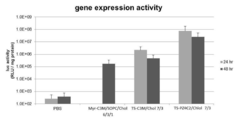
- FIG. 1 It is the figure which showed the gene expression activity in the liver after intravenous administration of MEND prepared from TS-C3M which encapsulated pDNA, or MEND prepared from TS-PZ4C2.
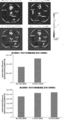
- the upper row shows accumulation of various MENDs prepared from various cationic lipids (Myr-C3M, TS-PZ4C2, L-PZ4C2, O-PZ4C2) loaded with fat-soluble fluorescent dyes in organs and tumors after intravenous administration. It is a photograph showing sex.
- the middle row shows the amount accumulated in the liver 24 hours after administration.
- the lower row shows the amount accumulated in the tumor 24 hours after administration.
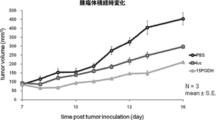
- FIG. 4 is a graph showing gene expression activity in tumors 48 hours after intravenous administration of various MENDs prepared from various cationic lipids (Myr-C3M, L-PZ4C2, O-PZ4C2) encapsulating pDNA. It is the figure which showed the antitumor effect after intravenous administration of MEND prepared from L-PZ4C2 which encapsulated the gene.
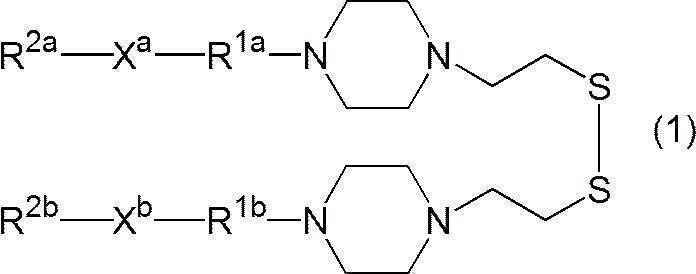
- the present invention provides a compound represented by the formula (1) (hereinafter also referred to as the compound of the present invention or the cationic lipid of the present invention).
- R 1a and R 1b independently represent an alkylene group or oxydialkylene group having 8 or less carbon atoms, preferably an alkylene group having 8 or less carbon atoms.
- the alkylene group having 8 or less carbon atoms may be linear or branched, but is preferably linear.
- the number of carbon atoms contained in the alkylene group is preferably 6 or less, and most preferably 4 or less.
- Specific examples of the alkylene group having 8 or less carbon atoms include methylene group, ethylene group, propylene group, isopropylene group, tetramethylene group, isobutylene group, pentamethylene group, hexamethylene group, heptamethylene group, octamethylene group, and the like.
- Preferred are a methylene group, an ethylene group, a propylene group, and a tetramethylene group, and most preferred is an ethylene group.
- the oxydialkylene group having 8 or less carbon atoms refers to an alkylene group (alkylene-O-alkylene) via an ether bond, and the total number of carbon atoms of two alkylene groups is 8 or less.
- the two alkylenes may be the same or different, but are preferably the same.
- Specific examples of the oxydialkylene group having 8 or less carbon atoms include an oxydimethylene group, an oxydiethylene group, an oxydipropylene group, and an oxydibutylene group. Preferred are an oxydimethylene group, an oxydiethylene group, and an oxydipropylene group, and most preferred is an oxydiethylene group.
- R 1a may be different from be the same as R 1b, but preferably, R 1a is the same group as R 1b.
- X a and X b are independently an ester bond, an amide bond, a carbamate bond, or an ether bond, preferably an ester bond or an amide bond, and most preferably an ester bond.
- X binding orientation of a and X b is not limited, when X a and X b is an ester bond, preferably, R 2a -CO-O-R 1a - and R 2b -CO-O-R 1b - Structure Presents.
- X a may be different be identical to X b, but preferably, X a is X b the same group.
- R 2a and R 2b independently represent a sterol residue, a fat-soluble vitamin residue or an aliphatic hydrocarbon group having 13 to 23 carbon atoms, preferably a fat-soluble vitamin residue or an aliphatic group having 13 to 23 carbon atoms It is a hydrocarbon group. Most preferred is an aliphatic hydrocarbon group. From the viewpoint of organ (particularly liver) specificity, it is also preferred that R 2a and R 2b are fat-soluble vitamin residues.
- sterol residue reactive functional groups (e.g., hydroxyl groups) responsible for the binding of the X a or X b sterols excluding, or residues may be mentioned from the sterol derivatives, preferably sterol derivatives Is a residue derived from Examples of the sterol derivative include sterol hemiesters obtained by reacting the hydroxyl group of sterol with one carboxylic acid of dicarboxylic acid (in this case, the other carboxylic acid becomes a reactive functional group).
- sterols include cholesterol, cholestanol, stigmasterol, ⁇ -sitosterol, lanosterol, ergosterol, and the like, preferably cholesterol or cholestanol.
- dicarboxylic acid examples include malonic acid, succinic acid, glutaric acid, or adipic acid, and succinic acid or glutaric acid is preferable.
- succinic acid or glutaric acid is preferable.
- Specific examples of the sterol derivative include cholesterol hemisuccinate, cholesterol hemiglutarate and the like.
- the "fat-soluble vitamins residue” includes X a or X reactive functional groups (e.g., hydroxyl groups) responsible for the binding of the b from fat-soluble vitamins or lipid soluble vitamin derivatives, except for residues Is preferably a residue derived from a fat-soluble vitamin derivative.
- a fat-soluble vitamin derivative is a fat-soluble vitamin hemiester obtained by reacting the hydroxyl group of a fat-soluble vitamin whose reactive functional group is a hydroxyl group with one carboxylic acid of a dicarboxylic acid (in this case, the other carboxylic acid is a reactive functional group). Base).
- the fat-soluble vitamin examples include retinoic acid, retinol, retinal, ergosterol, 7-dehydrocholesterol, calciferol, corcalciferol, dihydroergocalciferol, dihydrotaxosterol, tocopherol, and tocotrienol.
- Preferred is retinoic acid or tocopherol, and most preferred is tocopherol.
- the dicarboxylic acid include malonic acid, succinic acid, glutaric acid, and adipic acid, and succinic acid and glutaric acid are preferable.
- Specific examples of the fat-soluble vitamin derivative include tocopherol hemisuccinate, tocopherol hemiglutarate and the like.
- the aliphatic hydrocarbon group having 13 to 23 carbon atoms may be linear or branched, but is preferably linear.
- the aliphatic hydrocarbon group may be saturated or unsaturated.
- the number of unsaturated bonds contained in the aliphatic hydrocarbon group is 1 to 6, preferably 1 to 3, and most preferably 1 to 2.
- Unsaturated bonds include carbon-carbon double bonds and triple bonds, with double bonds being preferred.
- the number of carbon atoms contained in the aliphatic hydrocarbon group is preferably 13 to 21, and most preferably 13 to 17.
- Examples of the aliphatic hydrocarbon group having 13 to 23 carbon atoms include a tridecyl group, a tetradecyl group, a pentadecyl group, a hexadecyl group, a heptadecyl group, an octadecyl group, a nonadecyl group, an icosyl group, a heicosyl group, a docosyl group, a tricosyl group, and a tridecenyl group.
- the straight chain is preferably a tridecyl group, a pentadecyl group, a heptadecyl group, a nonadecyl group, a heneicosyl group, a heptadecenyl group, or a heptadecenyl group, and particularly preferably a tridecyl group, a heptadecyl group, a heptadecenyl group, or a heptadecyl group. Dienyl group.
- the branched one is preferably a methylpentadecyl group, a hexylnonyl group, a heptyldecyl group, an octylundecyl group, or a hexamethylundecyl group, and particularly preferably a methylpentadecyl group, a hexylnonyl group, or a heptyldecyl group.
- an aliphatic hydrocarbon group having 13 to 23 carbon atoms derived from a fatty acid, an aliphatic alcohol, or an aliphatic amine is used.
- R 2a is derived from a fatty acid
- X a is an ester bond or an amide bond
- an aliphatic carbonyl carbon is included in X a .
- R 2b is derived from a fatty acid
- Xb is an ester bond or an amide bond
- an aliphatic carbonyl carbon is included in Xb .
- aliphatic hydrocarbon group examples include a heptadecenyl group when linoleic acid is used as the fatty acid, and a heptadecenyl group when oleic acid is used as the fatty acid.
- R 2a may be the be the same or different and R 2b, but preferably, R 2a is the same group as R 2b.
- R 1a is the same as R 1b
- X a is the same as X b
- R 2a is the same as R 2b .
- R 1a and R 1b independently represent an alkylene group having 8 or less carbon atoms (1 to 8 carbon atoms), X a and X b represent an ester bond, R 2a and R 2b independently represent a fat-soluble vitamin residue (eg, a group derived from a tocopherol hemisuccinate).
- R 1a and R 1b independently represent an alkylene group having 8 or less carbon atoms (1 to 8 carbon atoms)
- X a and X b represent an ester bond
- R 2a and R 2b independently represent an aliphatic hydrocarbon group having 13 to 23 carbon atoms (eg, heptadecenyl group or heptadecenyl group).
- R 1a and R 1b represent an alkylene group having 8 or less carbon atoms (1 to 8 carbon atoms), X a and X b represent an ester bond, R 2a and R 2b represent a fat-soluble vitamin residue (eg, a group derived from a tocopherol hemisuccinate) R 1a is the same as R 1b R 2a is the same as R 2b .
- R 1a and R 1b represent an alkylene group having 8 or less carbon atoms (1 to 8 carbon atoms), X a and X b represent an ester bond, R 2a and R 2b represent an aliphatic hydrocarbon group having 13 to 23 carbon atoms (eg, heptadecadienyl group, heptadecenyl group), R 1a is the same as R 1b R 2a is the same as R 2b .
- R 1a and R 1b represent an ethylene group
- X a and X b represent —CO—O—
- R 2a and R 2b independently represent a fat-soluble vitamin residue (eg, a group derived from a tocopherol hemisuccinate).
- R 1a and R 1b represent an ethylene group
- X a and X b represent —CO—O—
- R 2a and R 2b independently represent an aliphatic hydrocarbon group having 13 to 23 carbon atoms (eg, heptadecenyl group or heptadecenyl group).
- R 1a and R 1b represent an ethylene group
- X a and X b represent —CO—O—
- R 2a and R 2b represent a fat-soluble vitamin residue (eg, a group derived from a tocopherol hemisuccinate)
- R 2a is the same as R 2b .
- R 1a and R 1b represent an ethylene group
- X a and X b represent —CO—O—
- R 2a and R 2b represent an aliphatic hydrocarbon group having 13 to 23 carbon atoms (eg, heptadecadienyl group, heptadecenyl group)
- R 2a is the same as R 2b .
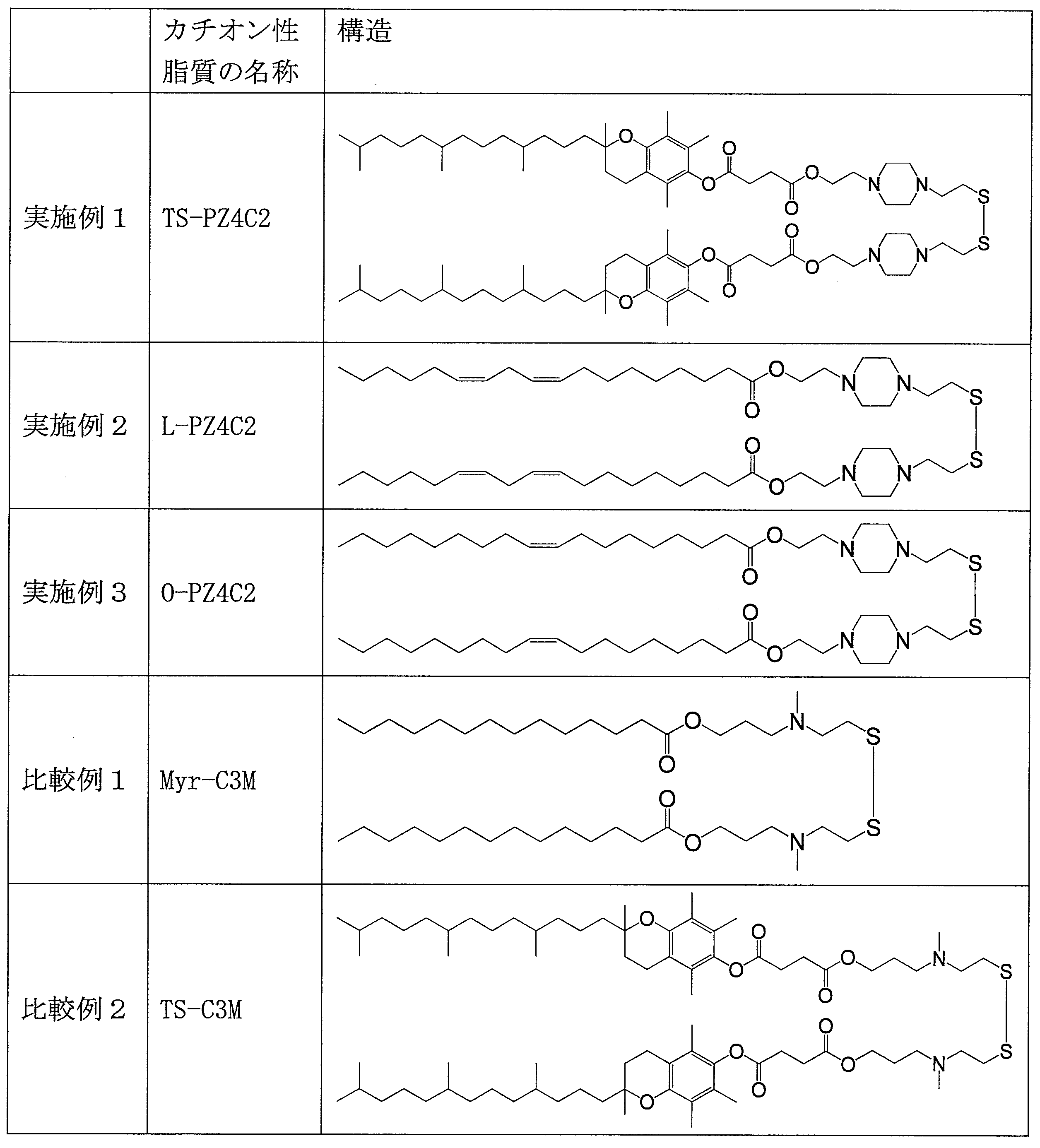
- cationic lipid of the present invention include the following TS-PZ4C2, L-PZ4C2, and O-PZ4C2.
- the compound of the present invention has a —SS— (disulfide) bond. Therefore, as a production method, an SH (thiol) compound having R 2a —X a —R 1a — and an SH (thiol) compound having R 2b —X b —R 1b — are produced, and then oxidized (cup Ring) to obtain a compound of the present invention containing an —SS— bond, starting from a compound containing an —SS— bond, and sequentially synthesizing the necessary parts. Examples thereof include a method for obtaining a compound. The latter method is preferable.
- Starting compounds include: both terminal carboxylic acids containing —S—S— bonds, both terminal amines, both terminal isocyanates, both terminal alcohols, both terminal alcohols having leaving groups such as methanesulfonyl groups, p-nitrophenyl carbonate groups And both-terminal carbonates having a leaving group such as
- R 1a and R 1b are ethylene groups
- X a and X b are the same and are X (ester bond, amide bond, carbamate bond, or ether bond)
- R 2a and R 2b are the same and R 2
- the functional groups at both ends in the compound (I) containing a —SS— bond are used.
- the functional group in the derivative (II) By reacting a functional group in the compound (III) containing R 2 —X, an —SS— bond, two piperazine skeletons, R 1a and R 1b , X 1a and X 1b , and R 2a and R 2b Of the present invention including It is possible to obtain a compound.
- a base catalyst such as potassium carbonate, sodium carbonate, potassium hydroxide or the like may be used as a catalyst, or it may be carried out without a catalyst.
- potassium carbonate or sodium carbonate is used as the catalyst.
- the amount of catalyst is 0.1 to 100 mol equivalent, preferably 0.1 to 20 mol equivalent, more preferably 0.1 to 5 mol equivalent, relative to compound (I).
- the amount of compound (II) charged is 1 to 50 mol equivalents, preferably 1 to 10 mol equivalents, relative to compound (I).
- the solvent used for the reaction of compound (I) and compound (II) may be any solvent or aqueous solution that does not inhibit the reaction, and can be used without particular limitation.
- ethyl acetate, dichloromethane, chloroform, acetonitrile, toluene and the like can be mentioned. In these, toluene, chloroform, and acetonitrile are preferable.
- the reaction temperature is ⁇ 20 to 150 ° C., preferably 0 to 80 ° C., more preferably 20 to 50 ° C.
- the reaction time is 1 to 48 hours, preferably 2 to 24 hours.
- reaction product (I) When the reaction product of compound (I) and compound (II) (hereinafter referred to as reaction product (I)) is reacted with compound (III), the reaction between compound (I) and compound (II)
- an alkali catalyst such as potassium carbonate, sodium carbonate, or potassium hydroxide may be used, or an acid catalyst such as p-toluenesulfonic acid or methanesulfonic acid, or no catalyst may be used.
- reaction product (I) may be reacted directly with the compound (III) using a condensing agent such as), or the compound (III) may be converted to an anhydride using a condensing agent. Thereafter, the reaction product (I) may be reacted.
- a condensing agent such as
- the amount of compound (III) charged is 1 to 50 mol equivalent, preferably 1 to 10 mol equivalent, relative to reaction product (I).
- the catalyst used for the reaction between the reaction product (I) and the compound (III) may be appropriately selected depending on the functional groups to be reacted.
- the amount of the catalyst is 0.05 to 100 mol equivalent, preferably 0.1 to 20 mol equivalent, more preferably 0.2 to 5 mol equivalent based on the reaction product (I).
- the solvent used in the reaction of the reaction product (I) and the compound (III) may be any solvent or aqueous solution that does not inhibit the reaction, and can be used without any particular limitation.
- ethyl acetate, dichloromethane, chloroform, acetonitrile, toluene and the like can be mentioned. Of these, chloroform and toluene are preferred.
- the reaction temperature is 0 to 150 ° C., preferably 0 to 80 ° C., more preferably 20 to 50 ° C.
- the reaction time is 1 to 48 hours, preferably 2 to 24 hours.
- the reactant obtained by the above reaction can be appropriately purified by a general purification method such as extraction purification, recrystallization, adsorption purification, reprecipitation, column chromatography, ion exchange chromatography and the like.
- a compound having —S—S— bond and having a leaving group such as a mesylate group (MsO—) at both ends is used as a starting material, and after binding 1-piperazine ethanol, Examples in which fatty acids are bonded will be described later (Examples 1 to 3).
- a person skilled in the art can produce a desired compound of the present invention by appropriately selecting a raw material and carrying out a reaction according to the method of the examples of the present specification.
- the lipid membrane structure of the present invention contains the compound of the present invention, that is, the compound represented by the general formula (1) as a constituent of the membrane.
- the “lipid membrane structure” in the present invention means a particle having a membrane structure in which hydrophilic groups of amphiphilic lipids are arranged toward the aqueous phase side of the interface.
- “Amphiphilic lipid” means a lipid having both a hydrophilic group exhibiting hydrophilicity and a hydrophobic group exhibiting hydrophobicity. Examples of amphiphilic lipids include cationic lipids and phospholipids.
- the form of the lipid membrane structure of the present invention is not particularly limited.
- liposomes for example, monolayer liposomes, multilamellar liposomes, etc.
- O / W type An emulsion, a W / O type emulsion, a spherical micelle, a string-like micelle, or an unspecified layered structure can be exemplified.
- the lipid membrane structure of the present invention is preferably a liposome.
- the lipid membrane structure of the present invention may further contain other components in addition to the cationic lipid of the present invention.
- the other components include lipids (phospholipids (such as phosphatidylinositol, phosphatidylethanolamine, phosphatidylserine, phosphatidic acid, phosphatidylglycerol, phosphatidylcholine), glycolipids, peptide lipids, cholesterol, Cationic lipids other than cationic lipids, PEG lipids, etc.), surfactants (eg 3-[(3-cholamidopropyl) dimethylammonio] propane sulfonate, cholic acid sodium salt, octyl glycoside, ND-gluco -N-methylalkanamides), polyethylene glycol, proteins and the like.
- the content of the other constituents in the lipid membrane structure of the present invention is usually 5 to 100 mol%, preferably 10 to 90 mol%, more preferably 30 to
- the content of the cationic lipid of the present invention contained in the lipid membrane structure of the present invention is not particularly limited. Usually, in order to introduce a nucleic acid when the lipid membrane structure is used as a nucleic acid introduction agent described later. A sufficient amount of the cationic lipid of the present invention is included. For example, it is 5 to 100 mol%, preferably 10 to 90 mol%, more preferably 30 to 70 mol% of the total lipid.
- the lipid membrane structure of the present invention is prepared by dispersing the cationic lipid of the present invention and other components (lipids, etc.) in a suitable solvent or dispersion medium, for example, an aqueous solvent or an alcoholic solvent, and if necessary, tissue It can be prepared by performing an operation that induces crystallization.
- a suitable solvent or dispersion medium for example, an aqueous solvent or an alcoholic solvent, and if necessary, tissue It can be prepared by performing an operation that induces crystallization.
- Examples of the “operation for inducing organization” include ethanol dilution method, simple hydration method, ultrasonic treatment, heating, vortex, ether injection method, French press method, cholic acid method, Ca 2+ fusion method, freezing ⁇
- methods known per se such as a melting method and a reverse phase evaporation method can be mentioned, it is not limited thereto.
- the nucleic acid can be introduced into the cell in vivo and / or in vitro by encapsulating the nucleic acid in the lipid membrane structure containing the cationic lipid of the present invention and bringing it into contact with the cell. Therefore, the present invention provides a nucleic acid introduction agent comprising the cationic lipid or lipid membrane structure of the present invention.
- the nucleic acid introduction agent of the present invention can introduce any nucleic acid into cells.
- the nucleic acid include, but are not limited to, DNA, RNA, RNA chimeric nucleic acid, DNA / RNA hybrid, and the like.
- the nucleic acid can be any one of 1 to 3 strands, but is preferably single strand or double strand.
- Nucleic acids may be other types of nucleotides that are N-glycosides of purine or pyrimidine bases, or other oligomers having a non-nucleotide backbone (eg, commercially available peptide nucleic acids (PNA), etc.) or other oligomers with special linkages (However, the oligomer may contain nucleotides having a configuration that allows base pairing or base attachment as found in DNA or RNA).
- the nucleic acid may be substituted with, for example, a known modified nucleic acid, a labeled nucleic acid, a capped nucleic acid, a methylated nucleic acid, or one or more natural nucleotides known in the art.
- Nucleic acids intramolecular nucleotide modified nucleic acids, nucleic acids with uncharged bonds (eg methyl sulfonate, phosphotriester, phosphoramidate, carbamate, etc.), charged bonds or sulfur containing bonds (eg phosphorothioate, phospho Having side chain groups such as proteins (eg, nucleases, nuclease inhibitors, toxins, antibodies, signal peptides, poly-L-lysine, etc.) and sugars (eg, monosaccharides).
- uncharged bonds eg methyl sulfonate, phosphotriester, phosphoramidate, carbamate, etc.
- sulfur containing bonds eg phosphorothioate, phospho Having side chain groups
- proteins eg, nucleases, nuclease inhibitors, toxins, antibodies, signal peptides, poly-L-lysine, etc.
- sugars eg, monosaccharides
- Nucleic acids and nucleic acids with intercurrent compounds eg, acridine, psoralen, etc.
- Nucleic acids containing chelate compounds eg, metals, radioactive metals, boron, oxidizing metals, etc.
- nucleic acids containing alkylating agents eg, alpha anomeric nucleic acids, etc.
- nucleic acids with modified bonds eg, alpha anomeric nucleic acids, etc.
- the type of DNA that can be used in the present invention is not particularly limited, and can be appropriately selected depending on the purpose of use.
- examples thereof include plasmid DNA, cDNA, antisense DNA, chromosomal DNA, PAC, BAC and the like, preferably plasmid DNA, cDNA and antisense DNA, and more preferably plasmid DNA.
- Circular DNA such as plasmid DNA can be appropriately digested with a restriction enzyme or the like and used as linear DNA.
- RNA that can be used in the present invention is not particularly limited, and can be appropriately selected depending on the purpose of use.
- siRNA, miRNA, shRNA, antisense RNA messenger RNA (mRNA), single-stranded RNA genome, double-stranded RNA genome, RNA replicon, transfer RNA, ribosomal RNA, etc., preferably siRNA, miRNA, shRNA, mRNA, antisense RNA, RNA replicon.
- the nucleic acid used in the present invention is preferably purified by a method commonly used by those skilled in the art.
- the nucleic acid used in the present invention has a low frequency of CpG sequences, and preferably does not contain CpG sequences.
- a nucleic acid having a low frequency of CpG sequence the nucleic acid introduced into the cell stays in the cell for a long period of time, and its physiological effect lasts for a long period of time.
- the target gene can be expressed continuously for a longer period of time.
- the CpG sequence is a two-base sequence of a type in which guanine appears after cytosine from 5 'to 3'.
- the frequency of the CpG sequence in the nucleic acid used in the present invention is 1 or less per 50 bases, preferably 1 or less per 100 bases, more preferably 1 or less per 1000 bases, and most preferably does not include a CpG sequence.
- a nucleic acid (preferably a nucleic acid not containing the CpG sequence) in which the frequency of the CpG sequence is suppressed to a low level is used in the present invention. Occurrence of side effects such as inflammation can be avoided.
- the compound of the present invention or the lipid membrane structure itself is low in irritation and hardly induces the production of inflammatory cytokines when administered into a living body, the lipid membrane structure of the present invention and the frequency of CpG sequences are low.
- the nucleic acid introduction agent of the present invention may be used in combination with an anti-inflammatory agent, or the anti-inflammatory agent may be encapsulated in the lipid membrane structure.
- the risk of side effects associated with the introduction of nucleic acids can be minimized, and the gene expression efficiency can be further increased, as will be apparent from the examples below. This is a preferred embodiment.
- Anti-inflammatory agents include non-steroidal anti-inflammatory agents (eg, ibuprofen, ketoprofen, naproxen, indomethacin, aspirin, diclofenac, piroxicam, acetaminophen, celecoxib, rofecoxib, etc.), steroidal anti-inflammatory agents (eg, hydrocortisone, prednisolone) , Dexamethasone, betamethasone, etc.), and preferably a steroidal anti-inflammatory agent.
- These inflammatory agents may be derivatized according to the administration form.
- dexamethasone is preferably fatty acid esterified, and particularly preferably used as dexamethasone palmitate.
- the encapsulation of the anti-inflammatory agent in the lipid membrane structure can be performed in the same manner as described below for encapsulating a nucleic acid in the lipid membrane structure.
- the nucleic acid-introducing agent of the present invention encapsulating a nucleic acid can be administered in vivo for the purpose of, for example, prevention and / or treatment of a disease.
- the nucleic acid used in the present invention is preferably a nucleic acid having preventive and / or therapeutic activity against a given disease (prophylactic / therapeutic nucleic acid).
- examples of such nucleic acids include nucleic acids used for so-called gene therapy.
- the nucleic acid was encapsulated by coexisting the target nucleic acid when forming the lipid membrane structure of the present invention.
- the lipid membrane structure of the present invention is formed.
- the aqueous solution of the nucleic acid and the ethanol solution of the components of the lipid membrane structure of the present invention are vigorously mixed by vortexing, and then the mixture is buffered appropriately. Dilute with liquid.
- the components (lipids, etc.) of the lipid membrane structure of the present invention are dissolved in an appropriate organic solvent, the solution is placed in a glass container, and the solvent is retained by drying under reduced pressure. Leave to obtain a lipid film.
- an aqueous solution of nucleic acid is added and hydrated, followed by sonication with a sonicator.
- the present invention also provides the above lipid membrane structure in which such a nucleic acid is encapsulated.
- a multifunctional envelope nanostructure prepared by encapsulating an electrostatic complex between a nucleic acid and a polycation (eg, protamine) with a liposome; multifunctional-envelope-type-nano-devise, hereinafter referred to as "MEND".
- MEND multifunctional envelope nanostructure
- This structure can be used as a drug delivery system for selectively delivering a nucleic acid or the like into a specific cell. For example, a DNA vaccine or tumor gene therapy by introducing an antigen gene into dendritic cells. It is useful for such as.
- the particle size of the lipid membrane structure of the present invention encapsulating nucleic acid is preferably 10 nm to 300 nm, more preferably 100 nm to 200 nm.
- the particle size can be measured using ZetasizerzNano (Malvern).
- the particle diameter of the lipid membrane structure can be appropriately adjusted according to the method for preparing the lipid membrane structure.
- the surface potential (zeta potential) of the lipid membrane structure of the present invention encapsulating nucleic acid is preferably ⁇ 15 to +10 mV, more preferably ⁇ 15 to +5 mV.
- particles having a positive surface potential have been mainly used. While this is useful as a method to promote electrostatic interaction with negatively charged cell surface heparin sulfate and promote cellular uptake, positive surface charge is delivered intracellularly.
- the surface charge can be measured using ZetasizerzNano.
- the surface charge of the lipid membrane structure can be adjusted by the composition of the components of the lipid membrane structure containing the cationic lipid of the present invention.
- the encapsulated nucleic acid By bringing the lipid membrane structure of the present invention in which nucleic acid is encapsulated into contact with the cell, the encapsulated nucleic acid can be introduced into the cell.
- the type of the “cell” is not particularly limited, and prokaryotic and eukaryotic cells can be used, but eukaryotes are preferable.
- the kind of eukaryote is not particularly limited, and for example, mammals including humans (eg, humans, monkeys, mice, rats, hamsters, cattle, etc.), birds (eg, chickens, ostriches, etc.), amphibians (eg, frogs).
- the cells targeted by the present invention are animal or plant cells, more preferably mammalian cells.
- the cell may be a cultured cell line containing cancer cells, a cell isolated from an individual or tissue, or a tissue or tissue piece cell. Further, the cells may be adherent cells or non-adherent cells.
- Cells are suspended in an appropriate medium several days before contact with the lipid membrane structure and cultured under appropriate conditions. Upon contact with the lipid membrane structure, the cell may or may not be in the growth phase.
- the culture medium at the time of the contact may be a serum-containing medium or a serum-free medium, but the serum concentration in the medium is preferably 30% by weight or less, more preferably 20% by weight or less. If the medium contains excessive protein such as serum, the contact between the lipid membrane structure and the cell may be inhibited.
- the cell density at the time of the contact is not particularly limited and can be appropriately set in consideration of the cell type and the like, but is usually in the range of 1 ⁇ 10 4 to 1 ⁇ 10 7 cells / mL.
- a suspension of the lipid membrane structure of the present invention in which the above-described nucleic acid is encapsulated is added to the cells thus prepared.
- the addition amount of the suspension is not particularly limited, and can be appropriately set in consideration of the number of cells and the like.
- the concentration of the lipid membrane structure in contact with the cell is not particularly limited as long as the target nucleic acid can be introduced into the cell, but the lipid concentration is usually 1 to 10 nmol / mL, preferably 10 to 10.
- the concentration of nucleic acid is usually 0.01 to 100 ⁇ g / mL, preferably 0.1 to 10 ⁇ g / mL.
- the cells After adding the above suspension to the cells, the cells are cultured.
- the culture temperature, humidity, CO 2 concentration, etc. are appropriately set in consideration of the cell type.
- the temperature is usually about 37 ° C.
- the humidity is about 95%
- the CO 2 concentration is about 5%.
- the culture time can be appropriately set in consideration of conditions such as the type of cells to be used, but is usually in the range of 0.1 to 24 hours, preferably in the range of 0.2 to 4 hours, and more preferably 0. .5 to 2 hours. If the culture time is too short, the nucleic acid is not sufficiently introduced into the cells, and if the culture time is too long, the cells may be weakened.
- the nucleic acid is introduced into the cells by the above-described culture.
- the medium is replaced with a fresh medium, or the fresh medium is added to the medium and the cultivation is further continued.
- the fresh medium preferably contains serum or nutrient factors.
- the lipid membrane structure of the present invention it is possible to introduce nucleic acid into cells not only in vitro but also in vivo. That is, by administering to the subject the lipid membrane structure of the present invention in which nucleic acid is encapsulated, the lipid membrane structure reaches and contacts the target cell, and the nucleic acid encapsulated in the lipid membrane structure in vivo. Is introduced into the cell.
- the subject to which the lipid membrane structure can be administered is not particularly limited, and examples thereof include mammals (eg, humans, monkeys, mice, rats, hamsters, cows, etc.), birds (eg, chickens, ostriches, etc.), amphibians ( Examples thereof include vertebrates such as frogs, fish (for example, zebrafish and medaka), invertebrates such as insects (for example, moths, moths, and fruit flies), plants, and the like.
- the subject of administration of the lipid membrane structure of the present invention is preferably a human or other mammal.
- the type of target cell is not particularly limited, and by using the lipid membrane structure of the present invention, various tissues (for example, liver, kidney, pancreas, lung, spleen, heart, blood, muscle, bone, brain, stomach, Nucleic acid can be introduced into cells in the small intestine, large intestine, skin, adipose tissue, etc. (preferably liver, kidney, spleen).
- tissues for example, liver, kidney, pancreas, lung, spleen, heart, blood, muscle, bone, brain, stomach, Nucleic acid can be introduced into cells in the small intestine, large intestine, skin, adipose tissue, etc. (preferably liver, kidney, spleen).
- the cationic lipid of the present invention and a lipid membrane structure containing the same have tumor accumulation properties, and are therefore useful for the treatment of tumors, particularly malignant tumors.
- malignant tumors include fibrosarcoma, squamous cell carcinoma, neuroblastoma, breast cancer, gastric cancer, hepatocellular carcinoma, bladder cancer, thyroid tumor, urothelial carcinoma, glioblastoma, acute myeloid leukemia , Pancreatic duct cancer, prostate cancer and the like, but are not limited thereto.
- the lipid membrane structure of the present invention may be obtained by introducing a compound other than a nucleic acid (for example, an anticancer agent) in addition to the nucleic acid or alone.
- a method for administering a lipid membrane structure into which a compound other than a nucleic acid has been introduced to a target is such that the lipid membrane structure reaches and contacts a target cell, and the lipid membrane structure
- the method is not particularly limited as long as the compound introduced into the cell can be introduced into the cell, and the administration method known per se (for example, oral administration, non-administration) Oral administration (for example, intravenous administration, intramuscular administration, local administration, transdermal administration, subcutaneous administration, intraperitoneal administration, spray, etc.) and the like can be appropriately selected.
- the dosage of the lipid membrane structure is not particularly limited as long as the introduction of the compound into the cell can be achieved, and the type of administration target, the method of administration, the type of introduced compound, the type and site of the target cell It can be appropriately selected in consideration of the above.
- the cationic lipid or lipid membrane structure of the present invention When used as a nucleic acid introduction agent, it can be formulated according to conventional means.
- the nucleic acid introduction agent of the present invention can be used as it is, for example, water or other physiologically acceptable liquid (for example, water)
- a sterile solution or suspension of a water-soluble solvent for example, malic acid buffer solution
- an organic solvent for example, ethanol, methanol, DMSO, etc.
- a mixed solution of a water-soluble solvent and an organic solvent, etc. can be provided.
- the nucleic acid introduction agent of the present invention can appropriately contain physiologically acceptable additives known per se (for example, excipients, vehicles, preservatives, stabilizers, binders, etc.).
- the nucleic acid introduction agent of the present invention is used as it is, or a known pharmaceutically acceptable additive (for example, a carrier) , Flavoring agents, excipients, vehicles, preservatives, stabilizers, binders, etc.) and admixed in a unit dosage form as required for the practice of accepted formulations, for example, orally (eg, tablets, capsules) Agent) or parenteral agents (for example, injections, sprays, etc.), preferably parenteral agents (more preferably, injections).
- a known pharmaceutically acceptable additive for example, a carrier
- admixed in a unit dosage form as required for the practice of accepted formulations, for example, orally (eg, tablets, capsules) Agent) or parenteral agents (for example, injections, sprays, etc.), preferably parenteral agents (more preferably, injections).
- the nucleic acid-introducing agent of the present invention can be a preparation for children in addition to adults.
- the nucleic acid introduction agent of the present invention can also be provided in the form of a kit.
- the kit can contain a reagent used for nucleic acid introduction.
- the nucleic acid introduction agent (or kit) of the present invention further comprises a polycation (eg, protamine).
- a polycation eg, protamine
- pDNA Plasmid DNA Chol: cholesterol PEG 2000 -DMG: 1,2-dimyristoyl-sn-glycerol, methoxypolyethylene glycol (PEG MW 2000) PEG 2000 -DSG: 1,2-distearoyl-sn-glycerol, methoxypolyethylene glycol (PEG MW 2000) PEG 5000 -DSG: 1,2-distearoyl-sn-glycerol, methoxypolyethylene glycol (PEG MW 5000) DOPE: 1,2-dioleoyl-sn-glycero-3-phosphoethanolamine SOPC: 1-stearoyl-2-oleoyl-sn-glycero-3-phosphocholine Dex-Pal: dexamethasone palmitate DiR: 1,1'- Dioctadecyl-3,3,3 ', 3'-tetramethylindotric
- Table 2 shows the names and structures of the cationic lipids produced in the following examples and comparative examples. Comparative Examples 1 and 2 were produced according to Example 1 and Example 5 of Patent Document 1, respectively.
- di-PZ4C2 body a pale yellow liquid
- Example 2 Synthesis of L-PZ4C2 ⁇ Acylation> 2.5 g (7 mmol) of di-PZ4C2 and 3.7 g of linoleic acid (manufactured by NOF Corporation) (13 mmol) were dissolved in 25 mL of chloroform at 20 to 25 ° C. Thereafter, 0.3 g (3 mmol) of 4-dimethylaminopyridine and 3.8 g (20 mmol) of EDC were added and reacted at 30 ° C. for 4 hours.
- Lipid ethanol solution was prepared in an Eppendorf tube with 5 mM cationic lipid (Myr-C3M), 5 mM phospholipid (SOPC), and 5 mM cholesterol (Chol) in a total lipid of 330 nmol. After mixing at the desired ratio, PEG 2000 -DSG (1 mM ethanol solution) was further added in an amount corresponding to 3 mol% of the total lipid, and ethanol was added to a total volume of 200 ⁇ L.
- Myr-C3M 5 mM cationic lipid
- SOPC 5 mM phospholipid
- Chol cholesterol
- the volume was increased to 4 mL using a 100 mM HEPES buffer adjusted to pH 7.4, and concentrated again by centrifugation (1000 g, 15 min) under room temperature conditions. Thereafter, the volume was increased to 4 mL using 10 mM HEPES buffer (pH 7.4), and concentrated again by centrifugation (1000 g, 15 min) under room temperature conditions. Finally, the volume was increased to the target lipid concentration with 10 mM HEPES buffer (pH 7.4).
- the lipid ethanol solution was mixed with 5 mM cationic lipid (TS-PZ4C2 or TS-C3M) and 10 mM cholesterol (Chol) in a 5 mL tube at a desired ratio so that the total lipid was 600 nmol, and PEG 2000 -DMG (5 mM Ethanol solution) was further added in an amount corresponding to 3 mol% of the total lipid, and ethanol was added to a total volume of 200 ⁇ L. While stirring the lipid solution using a vortex mixer, quickly add 300 ⁇ L of the above DNA solution, then add 500 ⁇ L of 20 mM malic acid buffer (pH 4.0, containing 100 mM sodium chloride), and then add phosphate buffered saline.
- 5 mM cationic lipid TS-PZ4C2 or TS-C3M
- Chol cholesterol
- the solution was diluted until the ethanol concentration reached 10%. After performing the same operation three times, phosphate buffered saline was further added to dilute the ethanol concentration to 5%. Thereafter, the mixture was ultrafiltered to about 200 ⁇ L using an Amicon Ultra 15 (Millipore) at room temperature, 2267 rpm, 20 min, and concentrated. Then, it was made up to 15 mL with phosphate buffered saline, and concentrated again by centrifugation (2267 rpm, 20 min) under room temperature conditions. Finally, the volume was increased to the target lipid concentration with phosphate buffered saline.
- the lipid membrane structure using the cationic lipid of the present invention is a lipid membrane structure using the cationic lipid of Comparative Example 1 (Patent Document 1 / Example 1) and Comparative Example 2 (Patent Document 1 / Example 5).
- cationic lipids described in Patent Document 1 such as TS-C3M and Myr-C3M exhibit higher nucleic acid delivery efficiency than cationic lipids such as DOTAP and DODAP (Patent Document 1). Therefore, it can be seen that the cationic lipid of the present invention has in vivo gene transfer activity superior to DOTAP and DODAP, which are conventional cationic lipids, in addition to TS-C3M and Myr-C3M.
- [Test Example 3] In vivo gene expression activity and activity duration (effect by combined use with anti-inflammatory agent) 1. Preparation of MEND During the preparation of MEND described in [Test Example 1], dexamethasone palmitate was encapsulated by adding an ethanol solution of dexamethasone palmitate to a lipid solution to a final concentration of 0.5 mM. MEND was prepared. 2. Gene expression activity evaluation [Test Example 3] The MEND solution prepared by the method described in the above section was administered to the tail vein of 4 weeks old male ICR mice corresponding to 20 ⁇ g DNA each.
- TS-PZ4C2_MEND was prepared using PEG 2000 -DMG as a PEG lipid by the ethanol dilution method of [Test Example 1] (2).
- Test Example 4 Naked-pDNA and Lipofectamine 2000 + pDNA prepared by the method described in the above section are equivalent to 2.4 ⁇ g DNA, respectively, and TS-PZ4C2_MEND solution is equivalent to 1.2 ⁇ g DNA, behind the neck of a 6-week-old female BALB / c mouse. It was administered subcutaneously.
- [Test Example 6] 1. Preparation of various MENDs Preparation of MEND using TS-PZ4C2 or Myr-C3M Various MENDs were prepared by the ethanol dilution method of [Test Example 1] (2), and DOPC was used as the phospholipid. PEG 5000 -DSG was used as the PEG lipid, and 5 mol% of the total lipid was added to the MEND of Myr-C3M, and 10 mol% of the MEND of TS-PZ4C2 was added.
- Preparation of MEND using L-PZ4C2 or O-PZ4C2 Mix pDNA solution (1 mg / mL), 100 mM malic acid buffer (pH 4.0), 5M sodium chloride aqueous solution and sterilized water, each with a final concentration of 0.1 mg. / ML, 20 mM, 40 mM solutions were prepared and used as DNA solutions.
- the ethanol solution of lipid was mixed in a 5 mL tube with 5 mM cationic lipid (L-PZ4C2, O-PZ4C2), 10 mM cholesterol (Chol), 10 mM DOPC at a desired ratio so that the total lipid was 840 nmol, and PEG 5000 -DSG (1 mM ethanol solution) was further added in an amount corresponding to 5 mol% of the total lipid, and ethanol and 20 mM malic acid buffer (pH 4.0) were added so that the total amount was 200 ⁇ L (80% ethanol solution).
- the volume was increased to 15 mL using phosphate buffered saline, and the mixture was concentrated again by centrifugation (2267 rpm, 30 min) under room temperature conditions. Finally, the volume was increased to the target lipid concentration with phosphate buffered saline.
- mice were euthanized by cervical dislocation 24 hours after administration, and each organ was removed and imaged using IVIS Lumina II (Caliper Life Sciences) (excitation wavelength: 710 nm, detection: ICG filter).
- the brightness of each organ, liver, and tumor was calculated from the acquired images, and calculated as [photons / sec] / [ ⁇ W / cm 2 ], which was used as an index of organ accumulation, liver accumulation, and tumor accumulation. 3.
- the result is shown in FIG.
- the lipid membrane structure using the cationic lipid TS-PZ4C2 of the present invention has higher accumulation in the liver than the lipid membrane structure using the cationic lipid of Comparative Example 1 (Patent Document 1 and Example 1). Showed sex.
- [Test Example 8] Gene expression activity in vivo (gene delivery to tumor) 1. Preparation of various MENDs Various MENDs were prepared by the method described in [Test Example 6]. 2. Gene expression activity evaluation A 6-week-old female Balb / c mouse was subcutaneously administered with a suspension of a mouse breast cancer-derived cancer cell line 4T1 cell (1 ⁇ 10 6 cells / mouse) to prepare a tumor-bearing mouse. Seven days after cancer cell subcutaneous transplantation, 25 mg DNA equivalent of each prepared MEND solution was administered into the tail vein. Forty-eight hours after administration, the mice were euthanized by cervical dislocation, and the tumors were removed and frozen in liquid nitrogen. This was melted in Lysis buffer to produce a homogenate.
- the lipid membrane structure using the cationic lipid (L-PZ4C2 or O-PZ4C2) of the present invention is compared with the lipid membrane structure using the cationic lipid of Comparative Example 1 (Patent Document 1 and Example 1). , Showed higher gene delivery expression activity to tumors.
- Myr-C3M is known to exhibit higher nucleic acid delivery efficiency compared to conventional cationic lipids such as DOTAP and DODAP. Therefore, it is suggested that L-PZ4C2 and O-PZ4C2 of the present invention have superior gene transfer activity to tumors than conventional cationic lipids in addition to Myr-C3M.
Landscapes
- Health & Medical Sciences (AREA)
- Chemical & Material Sciences (AREA)
- Life Sciences & Earth Sciences (AREA)
- Organic Chemistry (AREA)
- General Health & Medical Sciences (AREA)
- Medicinal Chemistry (AREA)
- Pharmacology & Pharmacy (AREA)
- Animal Behavior & Ethology (AREA)
- Public Health (AREA)
- Veterinary Medicine (AREA)
- Epidemiology (AREA)
- Molecular Biology (AREA)
- Engineering & Computer Science (AREA)
- Genetics & Genomics (AREA)
- General Chemical & Material Sciences (AREA)
- Chemical Kinetics & Catalysis (AREA)
- Biotechnology (AREA)
- Nuclear Medicine, Radiotherapy & Molecular Imaging (AREA)
- Bioinformatics & Cheminformatics (AREA)
- Biochemistry (AREA)
- Dispersion Chemistry (AREA)
- Biophysics (AREA)
- Zoology (AREA)
- Wood Science & Technology (AREA)
- Biomedical Technology (AREA)
- General Engineering & Computer Science (AREA)
- Rheumatology (AREA)
- Pain & Pain Management (AREA)
- Oil, Petroleum & Natural Gas (AREA)
- Plant Pathology (AREA)
- Microbiology (AREA)
- Physics & Mathematics (AREA)
- Cell Biology (AREA)
- Medicinal Preparation (AREA)
- Pharmaceuticals Containing Other Organic And Inorganic Compounds (AREA)
- Medicines That Contain Protein Lipid Enzymes And Other Medicines (AREA)
- Pyrane Compounds (AREA)
- Furan Compounds (AREA)
- Indole Compounds (AREA)
- Acyclic And Carbocyclic Compounds In Medicinal Compositions (AREA)
Abstract
Description
また、カチオン性脂質を含む核酸導入剤を用いて核酸導入を達成する方法を提供することである。
[1]式(1)
Xa及びXbは独立して、エステル結合、アミド結合、カーバメート結合、又はエーテル結合を表し、
R2a及びR2bは独立して、ステロール残基、脂溶性ビタミン残基、又は炭素数13~23の脂肪族炭化水素基を表す)で示されるカチオン性脂質。
[2]R1a及びR1bが独立して、アルキレン基である[1]記載のカチオン性脂質。
[3]Xa及びXbがエステル結合である、[1]又は[2]に記載のカチオン性脂質。
[4]R2a及びR2bが独立して、脂溶性ビタミン残基、又は炭素数13~23の脂肪族炭化水素基である[1]~[3]のいずれかに記載のカチオン性脂質。
[5]R2a及びR2bが独立して、脂溶性ビタミン残基である[1]~[4]のいずれかに記載のカチオン性脂質。
[6]R2a及びR2bが独立して、炭素数13~23の脂肪族炭化水素基である[1]~[4]のいずれかに記載のカチオン性脂質。
[7][1]~[6]のいずれかに記載のカチオン性脂質を膜の構成脂質として含む脂質膜構造体。
[8][1]~[6]のいずれかに記載のカチオン性脂質、又は[7]記載の脂質膜構造体を含む核酸導入剤。
[9][1]~[6]のいずれかに記載のカチオン性脂質、又は[7]記載の脂質膜構造体に抗炎症剤を封入した核酸導入剤。
[10]生体外において、核酸を内封した[8]又は[9]記載の核酸導入剤と細胞とを接触させることを含む、当該核酸を当該細胞内へ送達する方法。
[11]核酸を封入した[8]又は[9]記載の核酸導入剤を、標的細胞へ送達されるように、生体へ投与することを含む、当該核酸を当該細胞内へ導入する方法。
R1aおよびR1bは独立して、炭素数8以下(炭素数1~8)のアルキレン基を表し、
XaおよびXbはエステル結合を表し、
R2aおよびR2bは独立して、脂溶性ビタミン残基(例、トコフェロールヘミコハク酸エステル由来の基)を表す。
一態様において、
R1aおよびR1bは独立して、炭素数8以下(炭素数1~8)のアルキレン基を表し、
XaおよびXbはエステル結合を表し、
R2aおよびR2bは独立して、炭素数13~23の脂肪族炭化水素基(例、ヘプタデカジエニル基、ヘプタデセニル基)を表す。
R1aおよびR1bは、炭素数8以下(炭素数1~8)のアルキレン基を表し、
XaおよびXbは、エステル結合を表し、
R2aおよびR2bは、脂溶性ビタミン残基(例、トコフェロールヘミコハク酸エステル由来の基)を表し、
R1aはR1bと同一であり、
R2aはR2bと同一である。
一態様において、
R1aおよびR1bは、炭素数8以下(炭素数1~8)のアルキレン基を表し、
XaおよびXbは、エステル結合を表し、
R2aおよびR2bは、炭素数13~23の脂肪族炭化水素基(例、ヘプタデカジエニル基、ヘプタデセニル基)を表し、
R1aはR1bと同一であり、
R2aはR2bと同一である。
R1aおよびR1bは、エチレン基を表し、
XaおよびXbは、-CO-O-を表し、
R2aおよびR2bは独立して、脂溶性ビタミン残基(例、トコフェロールヘミコハク酸エステル由来の基)を表す。
一態様において、
R1aおよびR1bは、エチレン基を表し、
XaおよびXbは、-CO-O-を表し、
R2aおよびR2bは独立して、炭素数13~23の脂肪族炭化水素基(例、ヘプタデカジエニル基、ヘプタデセニル基)を表す。
R1aおよびR1bは、エチレン基を表し、
XaおよびXbは、-CO-O-を表し、
R2aおよびR2bは、脂溶性ビタミン残基(例、トコフェロールヘミコハク酸エステル由来の基)を表し、
R2aはR2bと同一である。
一態様において、
R1aおよびR1bは、エチレン基を表し、
XaおよびXbは、-CO-O-を表し、
R2aおよびR2bは、炭素数13~23の脂肪族炭化水素基(例、ヘプタデカジエニル基、ヘプタデセニル基)を表し、
R2aはR2bと同一である。

pDNA:プラスミドDNA
Chol:コレステロール
PEG2000-DMG:1,2-ジミリストイル-sn-グリセロール,メトキシポリエチレングリコール(PEG MW 2000)
PEG2000-DSG:1,2-ジステアロイル-sn-グリセロール,メトキシポリエチレングリコール(PEG MW 2000)
PEG5000-DSG:1,2-ジステアロイル-sn-グリセロール,メトキシポリエチレングリコール(PEG MW 5000)
DOPE:1,2-ジオレオイル-sn-グリセロ-3-ホスホエタノールアミン
SOPC:1-ステアロイル-2-オレオイル-sn-グリセロ-3-ホスホコリン
Dex-Pal:デキサメタゾンパルミチン酸エステル
DiR:1,1’-ジオクタデシル-3,3,3’,3’-テトラメチルインドトリカルボシアニン アイオダイド
PBS:リン酸緩衝生理食塩水
15PGDH:15-ヒドロキシプロスタグランジンデヒドロゲナーゼ
<メシル化>
ビス(2-ヒドロキシエチル)ジスルフィド15g(東京化成工業社製)(97mmol)にアセトニトリル143mLを加え、20~25℃にて溶解させた。トリエチルアミン33.3g(関東化学社製)(328mmol)を加えた後、攪拌しながら10℃に冷却した。温度が20℃以下になるように塩化メタンスルホニル34.5g(関東化学社製)(300mmol)を1時間かけて滴下した。滴下終了後、20~25℃で3時間反応させた。TLC分析(展開溶媒:クロロホルム、ヨウ素発色)により、ビス(2-ヒドロキシエチル)ジスルフィドのスポットが消失していることを確認し、反応を終了した。反応溶液にエタノール29mLを加え、反応を停止させた後に、ろ過にて不溶物をろ別除去した。ろ液に10%重曹水150gを加え、5分攪拌した後、10分間静置した。水層を除去後、さらに4回重曹水で抽出精製を行った。得られた有機層に硫酸マグネシウム4.5gを加えて、脱水を行った。ろ過にて不溶物をろ別除去した後、エバポレーターを用いてろ液の溶媒を留去し、褐色固体(以下、「di-Ms体」と称する)を29.4g得た。
得られた化合物di-Ms体の1H-NMRスペクトルの分析結果を以下に示す。
δ2.95~3.20ppm(m、CH 3-SO2-O-CH2-CH 2-S-、10H)、δ4.45~4.50ppm(t、CH3-SO2-O-CH 2-CH2-S-、4H)
di-Ms体1.2g(4mmol)にアセトニトリル31mLを加え、20~25℃で溶解させた後、炭酸カリウム1.3g(関東化学工業社製)(10mmol)を加えて、5分間攪拌した。その後、4-ピペラジンエタノール5.0g(東京化成工業社製)(39mmol)を加え、25~35℃で13時間反応させた。TLC分析(展開溶剤:クロロホルム/メタノール/28%アンモニア水=80/20/2(v/v/v)、ヨウ素発色)により、di-Ms体のスポットが消失していることを確認し、反応を終了した。ろ過にて不溶物をろ別除去した後、エバポレーターにてろ液の溶媒を留去した。得られた褐色液体をクロロホルム25mLに溶解させた後、蒸留水25mLを加え、5分攪拌した。攪拌後、10分静置した後、水層を除去した。その後、さらに2回蒸留水で抽出精製を行った。得られた有機層に硫酸マグネシウム0.6gを加えて、脱水を行った。ろ過にて不溶物をろ別除去した後、エバポレーターを用いてろ液の溶媒を留去し、淡黄色の液体(以下、「di-PZ4C2体」と称する)を1.0g得た。
得られた化合物di-PZ4C2体の1H-NMRスペクトルの分析結果を以下に示す。
δ2.40~2.66ppm(m、HO-CH2-CH 2-N-CH 2-CH 2-N-、20H)、δ2.67~2.72ppm(m、-N-CH2-CH 2-S-、4H)、2.74~2.85ppm(m、HO-CH2-、-N-CH 2-CH2-S-、6H)、3.60~3.65ppm(t、HO-CH 2-CH2-、4H)
di-PZ4C2体3.0g(8mmol)とD-α-トコフェロールコハク酸エステル8.4g(SIGMA-ALDRICH社製)(16mmol)をクロロホルム45mLに20~25℃で溶解させた。その後、4-ジメチルアミノピリジン0.4g(広栄化学工業社製)(3mmol)、EDC4.6g(東京化成工業社製)(24mmol)を加え、30℃で4時間反応させた。TLC分析(展開溶剤:クロロホルム/メタノール=9/1(v/v)、リン酸硫酸銅発色)により、D-α-トコフェロールコハク酸エステルのスポットが消失していることを確認し、反応を終了した。エバポレーターで反応溶媒を留去した後、ヘキサン200mLを加えた。その後、アセトニトリル100mLを加え、5分間攪拌した。10分間静置した後、ヘキサン層を回収し、エバポレーターにて溶剤を留去し、淡黄色の液体10.7gを得た。この液体9.0gをシリカゲルカラムクロマトグラフィーにより精製(溶離液:クロロホルム/メタノール=99/1~98/2(v/v))し、目的物であるTS-PZ4C2を5.7g得た。
得られた化合物TS-PZ4C2の1H-NMRスペクトルの分析結果を以下に示す。
δ0.83~0.88ppm(m、(CH 3)2CH-(CH2)3-(CH 3)CH-(CH2)3-(CH 3)CH-、24H)、δ1.03~1.82ppm(m、(CH3)2CH-(CH 2)3-(CH3)CH-(CH 2)3-(CH3)CH-(CH 2)3-(CH 3)C-、-C-CH 2-CH2-C-C-O-、52H)、δ1.95~2.09ppm(m、Ar-CH 3、18H)、δ2.40~2.60ppm(m、-N-CH 2-CH 2-N-、-C-CH2-CH 2-C-C-O-、20H)、δ2.61~2.68ppm(m、-O-CH2-CH 2-N-、-N-CH2-CH 2-S-、8H)、δ2.75~2.84ppm(m、Ar-O-C(O)-CH 2-、-N-CH 2-CH2-S-、8H)、δ2.91~2.95ppm(m、Ar-O-C(O)-CH2-CH 2-、4H)、δ4.21~4.25ppm(t、-C(O)-CH 2-CH2-N-、4H)
<アシル化>
di-PZ4C2体2.5g(7mmol)とリノール酸3.7g(日油社製)(13mmol)をクロロホルム25mLに20~25℃で溶解させた。その後、4-ジメチルアミノピリジン0.3g(3mmol)、EDC3.8g(20mmol)を加え、30℃で4時間反応させた。TLC分析(展開溶剤:クロロホルム/メタノール=9/1(v/v)、リン酸硫酸銅発色)により、リノール酸のスポットが消失していることを確認し、反応を終了した。エバポレーターで反応溶媒を留去した後、ヘキサン57mLを加えた。その後、アセトニトリル24mLを加え、5分間攪拌した。10分間静置した後、ヘキサン層を回収し、エバポレーターにて溶剤を留去し、淡黄色の液体4.9gを得た。この液体4.9gをシリカゲルカラムクロマトグラフィーにより精製(溶離液:クロロホルム/メタノール=99/1~97/3(v/v))し、目的物であるL-PZ4C2を3.1g得た。
得られた化合物L-PZ4C2の1H-NMRスペクトルの分析結果を以下に示す。
δ0.87~0.91ppm(t、CH 3-(CH2)3-CH2-、6H)、δ1.25~1.38ppm(m、CH3-(CH 2)3-CH2-、-(CH 2)4-CH2-CH2-C(O)-、28H)、δ1.58~1.63ppm(m、-(CH2)4-CH 2-CH2-C(O)-、4H)、δ2.00~2.07ppm(m、-CH 2-CH=CH-CH2-CH=CH-CH 2-、8H)、δ2.30~2.32ppm(t、-(CH2)4-CH2-CH 2-C(O)-、4H)、δ2.50~2.70ppm(m、-N-CH 2-CH 2-N-、-N-CH2-CH 2-S-、-O-CH2-CH 2-N-、24H)、δ2.75~2.84ppm(m、-CH=CH-CH 2-CH=CH-、-N-CH 2-CH2-S-、8H)、δ4.18~4.21ppm(t、-O-CH 2-CH2-N-、4H)、δ5.30~5.41ppm(m、-CH2-CH=CH-CH2-CH=CH-CH2-、8H)
di-PZ4C2体0.8g(2mmol)とオレイン酸1.2g(日油社製)(4mmol)をクロロホルム8mLに20~25℃で溶解させた。その後、4-ジメチルアミノピリジン0.1g(1mmol)、EDC1.2g(6mmol)を加え、30℃で3時間反応させた。TLC分析(展開溶剤:クロロホルム/メタノール=9/1(v/v)、リン酸硫酸銅発色)により、オレイン酸のスポットが消失していることを確認し、反応を終了した。エバポレーターで反応溶媒を留去した後、ヘキサン12mLを加えた。その後、アセトニトリル5mLを加え、5分間攪拌した。10分間静置した後、ヘキサン層を回収し、エバポレーターにて溶剤を留去し、淡黄色の液体1.8gを得た。この液体1.7gをシリカゲルカラムクロマトグラフィーにより精製(溶離液:クロロホルム/メタノール=99/1~97/3(v/v))し、目的物であるO-PZ4C2を1.1g得た。
得られた化合物O-PZ4C2の1H-NMRスペクトルの分析結果を以下に示す。
δ0.86~0.90ppm(t、CH 3-(CH2)6-CH2-、6H)、δ1.25~1.34ppm(m、CH3-(CH 2)6-CH2-、-CH2-(CH 2)4-CH2-CH2-C(O)-、40H)、δ1.58~1.64ppm(m、-CH2-(CH2)4-CH 2-CH2-C(O)-、4H)、δ1.99~2.03ppm(m、-CH 2-CH=CH-CH 2-、8H)、δ2.28~2.32ppm(m、-CH2-(CH2)4-CH2-CH 2-C(O)-、4H)、δ2.45~2.70ppm(m、-N-CH 2-CH 2-N-、-O-CH2-CH 2-N-、-N-CH2-CH 2-S-、24H)、δ2.80~2.85ppm(m、-N-CH 2-CH2-S-、4H)、δ4.18~4.21ppm(t、-O-CH 2-CH2-N-、4H)、δ5.13~5.38ppm(m、-CH2-CH=CH-CH2-、4H)
1.各種MENDの調製
Myr-C3Mを用いたMENDの調製
(1)プラスミドDNA(pDNA)とプロタミンからなる核酸静電的複合体の形成
ベクターのコアとして、ルシフェラーゼ遺伝子をコードするpDNA溶液、プロタミン(CALBIOCHEM社製)溶液を、10mM HEPES緩衝液でそれぞれ0.15mg/mL、96.3μg/mLに希釈し、0.15mg/mLのpDNA溶液100μLを攪拌しながら96.3μg/mLプロタミン100μLを少量ずつ滴下して、プロタミンとpDNAの静電的複合体を調製した(N/P比=1.0)。
(2)エタノール希釈法によるMENDの調製
脂質のエタノール溶液は、エッペンドルフチューブに5mMのカチオン性脂質(Myr-C3M)、5mMリン脂質(SOPC)、5mMコレステロール(Chol)を総脂質330nmolになるように目的の割合で混合し、PEG2000-DSG(1mMエタノール溶液)をさらに総脂質の3モル%相当量添加し、全量で200μLとなるようにエタノールを加えた。脂質溶液をボルテックスミキサーを用いて攪拌しながら、[試験例1](1)で調製した核酸静電的複合体200μL(10mM HEPES;pH5.3)を素早く加え、その後pH5.3に調整した10mM HEPES緩衝液1.6mLを加えた。さらにpH5.3に調整した10mM HEPES緩衝液2mLを加えエタノール濃度が5%になるまで希釈し、Amicon Ultra 4(Millipore社)を用い、遠心条件(室温,1000g,15min)で約50μLまで限外濾過し濃縮した。その後、pH7.4に調整した100mM HEPES緩衝液を用いて4mLまでメスアップし、再度、室温条件で遠心(1000g,15min)を行うことで濃縮した。その後、10mM HEPES緩衝液(pH7.4)を用いて4mLまでメスアップし、再度、室温条件で遠心(1000g,15min)を行うことで濃縮した。最後に、10mM HEPES緩衝液(pH7.4)で目的の脂質濃度になるようメスアップした。
pDNA溶液(1mg/mL)、100mMリンゴ酸緩衝液(pH4.0)、5M塩化ナトリウム水溶液および滅菌水を混合し、それぞれ終濃度が0.1mg/mL、20mM、40mMとなる溶液を調製し、DNA溶液とした。
脂質のエタノール溶液は、5mLチューブに5mMのカチオン性脂質(TS-PZ4C2またはTS-C3M)、10mMコレステロール(Chol)を総脂質600nmolになるように目的の割合で混合し、PEG2000-DMG(5mMエタノール溶液)をさらに総脂質の3モル%相当量添加し、全量で200μLとなるようにエタノールを加えた。脂質溶液をボルテックスミキサーを用いて攪拌しながら、上記のDNA溶液300μLを素早く加え、その後20mM リンゴ酸緩衝液(pH4.0、100mM塩化ナトリウム含有)500μLを加えた後にリン酸緩衝生理食塩水を加え、エタノール濃度が10%になるまで希釈した。同様の作業を3度行った後に更にリン酸緩衝生理食塩水を加え、エタノール濃度が5%になるまで希釈した。その後、Amicon Ultra 15(Millipore社)を用い、遠心条件(室温,2267rpm,20min)で約200μLまで限外濾過し濃縮した。その後、リン酸緩衝生理食塩水を用いて15mLまでメスアップし、再度、室温条件で遠心(2267rpm,20min)を行うことで濃縮した。最後に、リン酸緩衝生理食塩水で目的の脂質濃度になるようメスアップした。
粒子径並びに表面電位は、動的光散乱法(Zetasizer Nano;Malvern社)を用いて測定した。上記1.で調製された各種MENDの粒子径、表面電位を表3~5に示す。



いずれのカチオン性脂質においても、生理的pHでの電荷は、好ましい形態である-15~+10mVであった。
1.各種MENDの調製
各種MENDは、[試験例1]に記載の方法で調製した。
2.遺伝子発現活性評価
調製したMEND溶液を各々20μg DNA相当、4週齢の雄のICRマウスに尾静脈投与した。24、48時間後にマウスを頸椎脱臼法によって安楽死させ、肝臓を摘出し、液体窒素で凍結処理した。これをLysis緩衝液中で融解させ、ホモジネートの作製を行った。これを13,000rpm,10分,4℃で遠心し、上清を採取し、これを測定サンプルとした。サンプル溶液20μLをルシフェラーゼ基質50μLと混合し、Luminescenser-PSN(AB2200 ATTO)を用いてルシフェラーゼ活性を測定した。また、サンプル中のタンパク質濃度を、BCA protein assay kitを用いて定量し、遺伝子発現活性をRLU/mg proteinとして測定した。
3.結果
結果を図1に示す。値が高い程、即ちルシフェラーゼ活性が高い程、遺伝子発現活性が高いことを意味する。本発明のカチオン性脂質を用いた脂質膜構造体は、比較例1(特許文献1・実施例1)及び比較例2(特許文献1・実施例5)のカチオン性脂質を用いた脂質膜構造体に比べより高い遺伝子発現活性を示した。TS-C3MやMyr-C3M等の特許文献1記載のカチオン性脂質が、DOTAPやDODAP等のカチオン性脂質と比較して、より高い核酸送達効率を示すことが知られており(特許文献1)、従って、本発明のカチオン性脂質は、TS-C3MやMyr-C3Mに加え、従来のカチオン性脂質であるDOTAPやDODAPよりも優れたインビボでの遺伝子導入活性を有することがわかる。
1.MENDの調製
[試験例1]に記載されたMENDの調製時に、デキサメタゾンパルミチン酸エステルのエタノール溶液を終濃度0.5mMとなるように脂質溶液に加えることで、デキサメタゾンパルミチン酸エステルが内封されたMENDの調製を行った。
2.遺伝子発現活性評価
[試験例3]1.の項で示した方法で調製したMEND溶液を各々20μg DNA相当、4週齢の雄のICRマウスに尾静脈投与した。投与1、3、7、10日後に3mg相当のルシフェリン(in vivo grade, Promega)をマウスに腹腔内投与し、IVIS LuminaII(Caliper Life Sciences)を用いてイメージングを行った。取得した画像からマウス腹部における輝度の平均値をphotons/sec/cm2/srとして算出し、これを肝臓における遺伝子発現活性の指標とした。
3.結果
結果を図2に示す。本発明のカチオン性脂質を用いた脂質膜構造体に抗炎症剤であるデキサメタゾンパルミチン酸エステルを内包することで、遺伝子発現活性が向上した。さらに、生体内で10日間の遺伝子発現が達成された。
1.核酸導入剤の調製
naked-pDNAはHEPES緩衝液に2.4μg/150μLとなるように希釈した。リポフェクトアミン2000(Invitrogen)+pDNAは、HEPES緩衝液に9.6μL/75μLとなるようリポフェクトアミン2000を添加し5分間室温でインキュベートした溶液に、HEPES緩衝液に2.4μg/75μLとなるようpDNAを添加した溶液を等量混合し、20分間室温でインキュベートすることで作成した。TS-PZ4C2_MENDは[試験例1](2)のエタノール希釈法により、PEG脂質としてPEG2000-DMGを用いて作成した。
2.遺伝子発現活性評価
[試験例4]1.の項で示した方法で調製したnaked-pDNA、リポフェクトアミン2000+pDNAをそれぞれ2.4μgDNA相当、またTS-PZ4C2_MEND溶液を1.2μgDNA相当、6週齢の雌のBALB/cマウスの頸の後ろに皮下投与した。24時間後に、3mg相当のルシフェリン(in vivo grade, Promega)をマウスに腹腔内投与し、IVIS LuminaII(Caliper Life Sciences)を用いてイメージングを行った。取得した画像からマウス頸部における輝度を算出し、photons/secとして算出し、これを遺伝子発現活性の指標とした。
3.結果
結果を図3に示す。pDNA単体あるいは市販の核酸導入剤であるリポフェクトアミン2000を用いた場合のいずれよりも、本発明のカチオン性脂質を用いた脂質膜構造体を核酸導入剤として用いた場合の方がより高い活性を示した。
1.各種MENDの調製
(カチオン性脂質:DOPE:Chol)=(5:2:3),(4:3:3),(3:4:3)の組成のMENDは[試験例1](2)のエタノール希釈法により、リン脂質としてDOPEを用い、PEG脂質としてPEG2000-DMGを用いて作成した。(カチオン性脂質:Chol)=(7:3)の組成のMENDについては、[試験例1]に記載の方法で調製した。
2.遺伝子発現活性評価
[試験例5]1.の項で示した方法で調製したTS-PZ4C2_MEND溶液およびTS-C3M_MEND溶液を各々1.2μgDNA相当、6週齢の雌のBALB/cマウスの頸の後ろに皮下投与し、[試験例4]2.の項と同様の方法で評価を行った。
3.結果
結果を図4に示す。2つの脂質成分及び2つのアミノ基で構成される比較例2に比べて、2つの脂質成分及び4つのアミノ基を有する本願発明の方がより遺伝子導入効率が高いことがわかる。
1.各種MENDの調製
TS-PZ4C2またはMyr-C3Mを用いたMENDの調製
各種MENDの調製は、[試験例1](2)のエタノール希釈法により実施し、リン脂質にはDOPCを用いた。またPEG脂質にはPEG5000-DSGを用い、Myr-C3MのMENDでは総脂質の5モル%相当、およびTS-PZ4C2のMENDでは10モル%相当を添加した。
L-PZ4C2またはO-PZ4C2を用いたMENDの調製
pDNA溶液(1mg/mL)、100mMリンゴ酸緩衝液(pH4.0)、5M塩化ナトリウム水溶液および滅菌水を混合し、それぞれ終濃度が0.1mg/mL、20mM、40mMとなる溶液を調製し、DNA溶液とした。
脂質のエタノール溶液は、5mLチューブに5mMのカチオン性脂質(L-PZ4C2、O-PZ4C2)、10mMコレステロール(Chol)、10mMDOPCを総脂質840nmolになるように目的の割合で混合し、PEG5000-DSG(1mMエタノール溶液)をさらに総脂質の5モル%相当量添加し、全量で200μL(80%エタノール溶液)となるようにエタノールおよび20mM リンゴ酸緩衝液(pH4.0)を加えた。脂質溶液をボルテックスミキサーを用いて攪拌しながら、上記のDNA溶液200μLを素早く加え、その後20mM リンゴ酸緩衝液(pH4.0)1600μLを加えた後にリン酸緩衝生理食塩水を加え、エタノール濃度が8%になるまで希釈した。同様の作業を3度行った後に更にリン酸緩衝生理食塩水を加え、エタノール濃度が4%になるまで希釈した。その後、Amicon Ultra 15(Millipore社)を用い、遠心条件(室温,2267rpm,30min)で約200μLまで限外濾過し濃縮した。その後、リン酸緩衝生理食塩水を用いて15mLまでメスアップし、再度、室温条件で遠心(2267rpm,30min)を行うことで濃縮した。最後に、リン酸緩衝生理食塩水で目的の脂質濃度になるようメスアップした。
粒子径並びに表面電位は、動的光散乱法(Zetasizer Nano)を用いて測定した。上記1.で調製された各種MENDの粒子径、表面電位を表6~9に示す。




いずれのカチオン性脂質においても、生理的pHでの電荷は好ましい形態である-15~+10mVであった。
1.各種MENDの調製
[試験例6]に記載されたMENDの調製時に、DiRのエタノール溶液を終濃度3.6μMとなるように脂質溶液に加えることで、蛍光標識されたMENDの調製を行った。
2.各臓器への集積性の評価
6週齢の雌のBalb/cマウスの皮下にマウス乳癌由来癌細胞株4T1細胞の懸濁液(1x106 cells/mouse)を皮下投与することで担癌マウスを作製した。癌細胞皮下移植7日後に、調製したMEND溶液を各々DiR 1 nmol相当を尾静脈内投与した。投与24時間後にマウスを頸椎脱臼法により安楽死させ、各臓器を摘出し、IVIS LuminaII(Caliper Life Sciences)を用いてイメージングを行った(励起波長:710nm、検出:ICGフィルター)。取得した画像から各臓器及び肝臓、腫瘍における輝度を算出し、[photons/sec] / [μW/cm2]として算出し、これを臓器集積性及び肝臓集積性、腫瘍集積性の指標とした。
3.結果
結果を図5に示す。本発明のカチオン性脂質TS-PZ4C2を用いた脂質膜構造体では、比較例1(特許文献1・実施例1)のカチオン性脂質を用いた脂質膜構造体と比べて、高い肝臓への集積性を示した。また本発明のカチオン性脂質L-PZ4C2またはO-PZ4C2を用いた脂質膜構造体では、比較例1(特許文献1・実施例1)のカチオン性脂質を用いた脂質膜構造体と比べて、高い腫瘍への集積性を示した。
1.各種MENDの調製
各種MENDは、[試験例6]に記載の方法で調製した。
2.遺伝子発現活性評価
6週齢の雌のBalb/cマウスの皮下にマウス乳癌由来癌細胞株4T1細胞の懸濁液(1x106 cells/mouse)を皮下投与することで担癌マウスを作製した。癌細胞皮下移植7日後に、調製したMEND溶液を各々25mgDNA相当を尾静脈内投与した。投与48時間後にマウスを頸椎脱臼法により安楽死させ、腫瘍を摘出し、液体窒素で凍結処理した。これをLysis緩衝液中で融解させ、ホモジネートの作製を行った。これを13,000rpm,10分,4℃で遠心し、上清を採取し、これを測定サンプルとした。サンプル溶液20μLをルシフェラーゼ基質50μLと混合し、Luminescenser-PSN(AB2200 ATTO)を用いてルシフェラーゼ活性を測定した。また、サンプル中のタンパク質濃度を、BCA protein assay kitを用いて定量し、遺伝子発現活性をRLU/mg proteinとして測定した。
3.結果
結果を図6に示す。値が高い程、即ちルシフェラーゼ活性が高い程、遺伝子発現活性が高いことを意味する。本発明のカチオン性脂質(L-PZ4C2やO-PZ4C2)を用いた脂質膜構造体は、比較例1(特許文献1・実施例1)のカチオン性脂質を用いた脂質膜構造体と比べて、より高い腫瘍への遺伝子送達発現活性を示した。Myr-C3Mは、DOTAPやDODAP等の従来のカチオン性脂質と比較して、より高い核酸送達効率を示すことが知られている。従って、本発明のL-PZ4C2およびO-PZ4C2は、Myr-C3Mに加えて、従来のカチオン性脂質よりも優れた腫瘍への遺伝導入活性を有していることが示唆される。
1.プラスミドDNA(pDNA)溶液の調製
搭載DNAとしては、ルシフェラーゼ遺伝子または15PGDH遺伝子をコードするpDNAを用いた。
2.MENDの調製
MENDは、[試験例6]の方法により、カチオン性脂質にL-PZ4C2を用いて作成した。
3.抗腫瘍効果の評価
6週齢の雌のBalb/cマウスの皮下にマウス乳癌由来癌細胞株4T1細胞の懸濁液(1x106 cells/mouse)を皮下投与することで担癌マウスを作製した。癌細胞皮下移植7日後から3日に一度、計3回にわたり、上記2.で調製したMEND溶液を各々30mgDNA相当を尾静脈内投与した。腫瘍の短径および長径を経時的に測定し、体積(mm3)=短径(mm)2x長径(mm)x0.52として体積を算出した。
4.結果
結果を図7に示す。値が低い程、腫瘍の肥大が抑制されており、抗腫瘍効果が高いことを意味する。遺伝子を封入した本発明のカチオン性脂質を用いたMENDは、腫瘍の肥大を有意に抑制していることが分かった。
本出願は、日本で出願された特願2015-16786(出願日:2015年1月30日)を基礎としており、その内容は本明細書に全て包含されるものである。
Claims (11)
- 式(1)

Xa及びXbは独立して、エステル結合、アミド結合、カーバメート結合、又はエーテル結合を表し、
R2a及びR2bは独立して、ステロール残基、脂溶性ビタミン残基、又は炭素数13~23の脂肪族炭化水素基を表す)で示されるカチオン性脂質。 - R1a及びR1bが独立して、アルキレン基である請求項1記載のカチオン性脂質。
- Xa及びXbがエステル結合である、請求項1又は2に記載のカチオン性脂質。
- R2a及びR2bが独立して、脂溶性ビタミン残基、又は炭素数13~23の脂肪族炭化水素基である請求項1~3のいずれか1項に記載のカチオン性脂質。
- R2a及びR2bが独立して、脂溶性ビタミン残基である請求項1~4のいずれか1項に記載のカチオン性脂質。
- R2a及びR2bが独立して、炭素数13~23の脂肪族炭化水素基である請求項1~4のいずれか1項に記載のカチオン性脂質。
- 請求項1~6のいずれか1項に記載のカチオン性脂質を膜の構成脂質として含む脂質膜構造体。
- 請求項1~6のいずれか1項に記載のカチオン性脂質、又は請求項7記載の脂質膜構造体を含む核酸導入剤。
- 請求項1~6のいずれか1項に記載のカチオン性脂質、又は請求項7記載の脂質膜構造体に抗炎症剤を封入した核酸導入剤。
- 生体外において、核酸を内封した請求項8又は9記載の核酸導入剤と細胞とを接触させることを含む、当該核酸を当該細胞内へ送達する方法。
- 核酸を封入した請求項8又は9記載の核酸導入剤を、標的細胞へ送達されるように、生体へ投与することを含む、当該核酸を当該細胞内へ導入する方法。
Priority Applications (5)
| Application Number | Priority Date | Filing Date | Title |
|---|---|---|---|
| EP16743545.2A EP3252043B1 (en) | 2015-01-30 | 2016-01-29 | Cationic lipid |
| JP2016572191A JP6640750B2 (ja) | 2015-01-30 | 2016-01-29 | カチオン性脂質 |
| US15/547,317 US10385030B2 (en) | 2015-01-30 | 2016-01-29 | Cationic lipid |
| CA2975371A CA2975371C (en) | 2015-01-30 | 2016-01-29 | Cationic lipid for nucleic acid delivery |
| CN201680012926.XA CN107406396B (zh) | 2015-01-30 | 2016-01-29 | 阳离子性脂质 |
Applications Claiming Priority (2)
| Application Number | Priority Date | Filing Date | Title |
|---|---|---|---|
| JP2015-016786 | 2015-01-30 | ||
| JP2015016786 | 2015-01-30 |
Publications (1)
| Publication Number | Publication Date |
|---|---|
| WO2016121942A1 true WO2016121942A1 (ja) | 2016-08-04 |
Family
ID=56543545
Family Applications (1)
| Application Number | Title | Priority Date | Filing Date |
|---|---|---|---|
| PCT/JP2016/052690 Ceased WO2016121942A1 (ja) | 2015-01-30 | 2016-01-29 | カチオン性脂質 |
Country Status (6)
| Country | Link |
|---|---|
| US (1) | US10385030B2 (ja) |
| EP (1) | EP3252043B1 (ja) |
| JP (1) | JP6640750B2 (ja) |
| CN (1) | CN107406396B (ja) |
| CA (1) | CA2975371C (ja) |
| WO (1) | WO2016121942A1 (ja) |
Cited By (18)
| Publication number | Priority date | Publication date | Assignee | Title |
|---|---|---|---|---|
| WO2018169063A1 (ja) * | 2017-03-17 | 2018-09-20 | 国立大学法人千葉大学 | 構造強化されたS-TuDを用いた新規がん治療法 |
| WO2019188867A1 (ja) | 2018-03-27 | 2019-10-03 | 日油株式会社 | 細胞内動態を改善した新規カチオン性脂質 |
| WO2021060440A1 (ja) | 2019-09-26 | 2021-04-01 | 日油株式会社 | 脂質ナノ粒子の凍結乾燥組成物 |
| WO2021193397A1 (ja) | 2020-03-27 | 2021-09-30 | 日油株式会社 | シスチン骨格を有する新規カチオン性脂質 |
| JP2022523806A (ja) * | 2019-03-06 | 2022-04-26 | ジェネレーション バイオ カンパニー | 閉端dna(cedna)および免疫調節化合物 |
| WO2022182792A1 (en) | 2021-02-23 | 2022-09-01 | Poseida Therapeutics, Inc. | Compositions and methods for delivery of nucleic acids |
| JP2023507465A (ja) * | 2019-12-20 | 2023-02-22 | キュアバック エスイー | 核酸を送達するための脂質ナノ粒子 |
| US11684577B2 (en) * | 2018-01-18 | 2023-06-27 | Etherna Immunotherapies Nv | Lipid nanoparticles |
| JP2023527747A (ja) * | 2020-05-18 | 2023-06-30 | ジェネレーション バイオ カンパニー | 新規脂質及びそれらのナノ粒子組成物 |
| WO2023190166A1 (ja) * | 2022-03-28 | 2023-10-05 | 日油株式会社 | ジスルフィド結合を有するカチオン性脂質、これを含む脂質膜構造体、これらのいずれかを含む核酸導入剤及び医薬品組成物、核酸を細胞又は標的細胞内へ導入する方法、及び細胞医薬品の製造方法 |
| WO2023190164A1 (ja) | 2022-03-28 | 2023-10-05 | 日油株式会社 | アリールエステルを含むカルボン酸の製造方法及びカチオン性脂質の製造方法 |
| WO2024014512A1 (ja) | 2022-07-15 | 2024-01-18 | 日油株式会社 | 核酸内封脂質ナノ粒子の凍結乾燥組成物 |
| WO2024071409A1 (ja) * | 2022-09-30 | 2024-04-04 | 国立大学法人北海道大学 | 核酸複合体組成物、遺伝子導入用脂質粒子及びそれを用いた遺伝子導入方法 |
| WO2024178086A1 (en) | 2023-02-21 | 2024-08-29 | Poseida Therapeutics, Inc. | Aav piggybac transposon polynucleotide compositions and methods of use therefor |
| WO2024203577A1 (ja) | 2023-03-29 | 2024-10-03 | 国立大学法人東北大学 | ジスルフィド結合を有するカチオン性脂質 |
| WO2024211509A1 (en) | 2023-04-05 | 2024-10-10 | Poseida Therapeutics, Inc. | Transposase polynucleotides and uses thereof |
| WO2025064507A1 (en) | 2023-09-19 | 2025-03-27 | Poseida Therapeutics, Inc. | Compositions and methods for integration of viral vectors |
| WO2025096980A1 (en) | 2023-11-02 | 2025-05-08 | Poseida Therapeutics, Inc. | Compositions targeting klkb1 and methods of use thereof |
Families Citing this family (16)
| Publication number | Priority date | Publication date | Assignee | Title |
|---|---|---|---|---|
| US12240824B2 (en) | 2018-05-30 | 2025-03-04 | Translate Bio, Inc. | Vitamin cationic lipids |
| US12479791B2 (en) | 2018-08-10 | 2025-11-25 | Takeda Pharmaceutical Company Limited | Cationic lipid |
| EP3842538A4 (en) | 2018-08-10 | 2022-06-08 | Kyoto University | METHOD OF TRANSFECTION INTO CARDIOMYOCYTES USING CATIONIC LIPID |
| WO2021046265A1 (en) * | 2019-09-06 | 2021-03-11 | Generation Bio Co. | Lipid nanoparticle compositions comprising closed-ended dna and cleavable lipids and methods of use thereof |
| CN113402404B (zh) * | 2021-04-30 | 2022-03-11 | 苏州科锐迈德生物医药科技有限公司 | 脂质化合物及包含其的脂质载体、核酸脂质纳米粒组合物和药物制剂 |
| EP4536197A1 (en) | 2022-06-07 | 2025-04-16 | Generation Bio Co. | Lipid nanoparticle compositions and uses thereof |
| WO2024119103A1 (en) | 2022-12-01 | 2024-06-06 | Generation Bio Co. | Lipid nanoparticles comprising nucleic acids and lipid-anchored polymers |
| WO2024119074A1 (en) | 2022-12-01 | 2024-06-06 | Generation Bio Co. | Stealth lipid nanoparticle compositions for cell targeting |
| AU2023406303A1 (en) | 2022-12-01 | 2025-05-29 | Generation Bio Co. | Lipid nanoparticles comprising nucleic acids, ionizable lipids, sterols, lipid anchored polymers and helper lipids, their uses |
| EP4626400A1 (en) | 2022-12-01 | 2025-10-08 | Generation Bio Co. | Novel polyglycerol-conjugated lipids and lipid nanoparticle compositions comprising the same |
| WO2025052180A2 (en) | 2023-09-07 | 2025-03-13 | Axelyf ehf. | Lipids and lipid nanoparticles |
| CN121358717A (zh) | 2023-12-15 | 2026-01-16 | 厦门赛诺邦格生物科技股份有限公司 | 一种含二硫键的可降解阳离子脂质及其应用 |
| CN121263400A (zh) | 2023-12-15 | 2026-01-02 | 厦门赛诺邦格生物科技股份有限公司 | 一种含二硫键的可降解阳离子脂质及其应用 |
| CN121399094A (zh) | 2024-03-28 | 2026-01-23 | 厦门赛诺邦格生物科技股份有限公司 | 一种含二硫键和可离子化侧基的阳离子脂质及其应用 |
| WO2026003582A2 (en) | 2024-06-27 | 2026-01-02 | Axelyf ehf. | Lipids and lipid nanoparticles |
| WO2026064512A1 (en) | 2024-09-18 | 2026-03-26 | Generation Bio Co. | Polyglycerol-conjugated lipids and lipid nanoparticle compositions comprising the same |
Citations (7)
| Publication number | Priority date | Publication date | Assignee | Title |
|---|---|---|---|---|
| US6153434A (en) * | 1998-05-12 | 2000-11-28 | University Of Florida | Methods for the intracellular delivery of substances |
| JP2005508394A (ja) * | 2001-11-06 | 2005-03-31 | マイラス コーポレイション | siRNA、両親媒性化合物及びポリカチオンを用いた組成物及び方法 |
| JP2011509074A (ja) * | 2007-12-19 | 2011-03-24 | オズ ビオスイヤーンス | 活性剤を細胞内に輸送するためのカチオン性脂質の新規なクラス |
| JP2011121966A (ja) * | 1998-11-12 | 2011-06-23 | Life Technologies Corp | トランスフェクション薬剤 |
| JP2012509272A (ja) * | 2008-11-17 | 2012-04-19 | エンゾン ファーマシューティカルズ,インコーポレーテッド | 核酸送達系のための放出性カチオン脂質 |
| JP2012526134A (ja) * | 2009-05-05 | 2012-10-25 | アルニラム・ファーマシューティカルズ・インコーポレーテッド | 免疫細胞へオリゴヌクレオチドを送達する方法 |
| WO2013073480A1 (ja) * | 2011-11-18 | 2013-05-23 | 日油株式会社 | 細胞内動態を改善したカチオン性脂質 |
Family Cites Families (6)
| Publication number | Priority date | Publication date | Assignee | Title |
|---|---|---|---|---|
| MA26628A1 (fr) * | 1998-05-11 | 2004-12-20 | Glaxo Wellcome Sa | Morpholino ethers |
| JP4764426B2 (ja) | 2004-06-07 | 2011-09-07 | プロチバ バイオセラピューティクス インコーポレイティッド | カチオン性脂質および使用方法 |
| EP3494963A1 (en) | 2009-12-18 | 2019-06-12 | The University of British Columbia | Methods and compositions for delivery of nucleic acids |
| KR101773643B1 (ko) * | 2010-04-28 | 2017-08-31 | 교와 핫꼬 기린 가부시키가이샤 | 양이온성 지질 |
| KR20190039347A (ko) * | 2010-06-03 | 2019-04-10 | 알닐람 파마슈티칼스 인코포레이티드 | 활성제의 전달을 위한 생분해성 지질 |
| JP6875685B2 (ja) * | 2015-10-08 | 2021-05-26 | 日油株式会社 | O/w型エマルション |
-
2016
- 2016-01-29 CA CA2975371A patent/CA2975371C/en active Active
- 2016-01-29 US US15/547,317 patent/US10385030B2/en active Active
- 2016-01-29 JP JP2016572191A patent/JP6640750B2/ja active Active
- 2016-01-29 CN CN201680012926.XA patent/CN107406396B/zh active Active
- 2016-01-29 WO PCT/JP2016/052690 patent/WO2016121942A1/ja not_active Ceased
- 2016-01-29 EP EP16743545.2A patent/EP3252043B1/en active Active
Patent Citations (8)
| Publication number | Priority date | Publication date | Assignee | Title |
|---|---|---|---|---|
| US6153434A (en) * | 1998-05-12 | 2000-11-28 | University Of Florida | Methods for the intracellular delivery of substances |
| JP2011121966A (ja) * | 1998-11-12 | 2011-06-23 | Life Technologies Corp | トランスフェクション薬剤 |
| JP2005508394A (ja) * | 2001-11-06 | 2005-03-31 | マイラス コーポレイション | siRNA、両親媒性化合物及びポリカチオンを用いた組成物及び方法 |
| JP2011509074A (ja) * | 2007-12-19 | 2011-03-24 | オズ ビオスイヤーンス | 活性剤を細胞内に輸送するためのカチオン性脂質の新規なクラス |
| JP2012509272A (ja) * | 2008-11-17 | 2012-04-19 | エンゾン ファーマシューティカルズ,インコーポレーテッド | 核酸送達系のための放出性カチオン脂質 |
| JP2012526134A (ja) * | 2009-05-05 | 2012-10-25 | アルニラム・ファーマシューティカルズ・インコーポレーテッド | 免疫細胞へオリゴヌクレオチドを送達する方法 |
| WO2013073480A1 (ja) * | 2011-11-18 | 2013-05-23 | 日油株式会社 | 細胞内動態を改善したカチオン性脂質 |
| US20140335157A1 (en) * | 2011-11-18 | 2014-11-13 | Nof Corporation | Cationic lipid having improved intracellular kinetics |
Non-Patent Citations (4)
| Title |
|---|
| KEDIKA,B. ET AL.: "Synthesis and Gene Transfer Activities of Novel Serum Compatible Reducible Tocopherol-Based Cationic Lipids", MOLECULAR PHARMACEUTICS, vol. 9, no. 5, 2012, pages 1146 - 1162, XP055470382, ISSN: 1543-8384 * |
| MARKOV,O.O. ET AL.: "Novel cationic liposomes provide highly efficient delivery of DNA and RNA into dendritic cell progenitors and their immature offsets", JOURNAL OF CONTROLLED RELEASE, vol. 160, no. 2, 2012, pages 200 - 210, XP028926641, ISSN: 0168-3659 * |
| TANG,F. ET AL.: "Use of Dithiodiglycolic Acid as a Tether for Cationic Lipids Decreases the Cytotoxicity and Increases Transgene Expression of Plasmid DNA in Vitro", BIOCONJUGATE CHEMISTRY, vol. 10, no. 5, 1999, pages 791 - 796, XP009084473, ISSN: 1043-1802 * |
| ZHANG,Y. ET AL.: "Cationic gemini lipids with cyclen headgroups: interaction with DNA and gene delivery abilities", RSC ADVANCES, vol. 4, no. 83, 2014, pages 44261 - 44268, XP055470447, ISSN: 2046-2069 * |
Cited By (37)
| Publication number | Priority date | Publication date | Assignee | Title |
|---|---|---|---|---|
| WO2018169063A1 (ja) * | 2017-03-17 | 2018-09-20 | 国立大学法人千葉大学 | 構造強化されたS-TuDを用いた新規がん治療法 |
| US11479769B2 (en) | 2017-03-17 | 2022-10-25 | National University Corporation Chiba University | Technique for treating cancer using structurally-reinforced S-TuD |
| CN110650742A (zh) * | 2017-03-17 | 2020-01-03 | 国立大学法人千叶大学 | 使用经结构强化的S-TuD的新的癌症治疗方法 |
| JPWO2018169063A1 (ja) * | 2017-03-17 | 2020-01-23 | 国立大学法人千葉大学 | 構造強化されたS−TuDを用いた新規がん治療法 |
| JP7306653B2 (ja) | 2017-03-17 | 2023-07-11 | 国立大学法人千葉大学 | 構造強化されたS-TuDを用いた新規がん治療法 |
| US11684577B2 (en) * | 2018-01-18 | 2023-06-27 | Etherna Immunotherapies Nv | Lipid nanoparticles |
| JPWO2019188867A1 (ja) * | 2018-03-27 | 2021-03-25 | 日油株式会社 | 細胞内動態を改善した新規カチオン性脂質 |
| JP7298850B2 (ja) | 2018-03-27 | 2023-06-27 | 日油株式会社 | 細胞内動態を改善した新規カチオン性脂質 |
| US20210023008A1 (en) * | 2018-03-27 | 2021-01-28 | Nof Corporation | Novel cationic lipid exhibiting improved intracellular dynamics |
| KR20200136441A (ko) | 2018-03-27 | 2020-12-07 | 니치유 가부시키가이샤 | 세포 내 동태를 개선한 신규 양이온성 지질 |
| US12064513B2 (en) * | 2018-03-27 | 2024-08-20 | Nof Corporation | Cationic lipid exhibiting improved intracellular dynamics |
| WO2019188867A1 (ja) | 2018-03-27 | 2019-10-03 | 日油株式会社 | 細胞内動態を改善した新規カチオン性脂質 |
| JP2022523806A (ja) * | 2019-03-06 | 2022-04-26 | ジェネレーション バイオ カンパニー | 閉端dna(cedna)および免疫調節化合物 |
| JPWO2021060440A1 (ja) * | 2019-09-26 | 2021-04-01 | ||
| CN114727964A (zh) * | 2019-09-26 | 2022-07-08 | 日油株式会社 | 脂质纳米粒子的冻干组合物 |
| US12551445B2 (en) | 2019-09-26 | 2026-02-17 | Nof Corporation | Lipid nanoparticle lyophilized composition |
| JP7597334B2 (ja) | 2019-09-26 | 2024-12-10 | 日油株式会社 | 脂質ナノ粒子の凍結乾燥組成物 |
| WO2021060440A1 (ja) | 2019-09-26 | 2021-04-01 | 日油株式会社 | 脂質ナノ粒子の凍結乾燥組成物 |
| JP2023507465A (ja) * | 2019-12-20 | 2023-02-22 | キュアバック エスイー | 核酸を送達するための脂質ナノ粒子 |
| JP7846621B2 (ja) | 2019-12-20 | 2026-04-15 | キュアバック エスイー | 核酸を送達するための脂質ナノ粒子 |
| JPWO2021193397A1 (ja) * | 2020-03-27 | 2021-09-30 | ||
| JP7626405B2 (ja) | 2020-03-27 | 2025-02-04 | 日油株式会社 | シスチン骨格を有する新規カチオン性脂質 |
| WO2021193397A1 (ja) | 2020-03-27 | 2021-09-30 | 日油株式会社 | シスチン骨格を有する新規カチオン性脂質 |
| JP2023527747A (ja) * | 2020-05-18 | 2023-06-30 | ジェネレーション バイオ カンパニー | 新規脂質及びそれらのナノ粒子組成物 |
| WO2022182792A1 (en) | 2021-02-23 | 2022-09-01 | Poseida Therapeutics, Inc. | Compositions and methods for delivery of nucleic acids |
| WO2023190166A1 (ja) * | 2022-03-28 | 2023-10-05 | 日油株式会社 | ジスルフィド結合を有するカチオン性脂質、これを含む脂質膜構造体、これらのいずれかを含む核酸導入剤及び医薬品組成物、核酸を細胞又は標的細胞内へ導入する方法、及び細胞医薬品の製造方法 |
| WO2023190164A1 (ja) | 2022-03-28 | 2023-10-05 | 日油株式会社 | アリールエステルを含むカルボン酸の製造方法及びカチオン性脂質の製造方法 |
| WO2024014512A1 (ja) | 2022-07-15 | 2024-01-18 | 日油株式会社 | 核酸内封脂質ナノ粒子の凍結乾燥組成物 |
| WO2024071409A1 (ja) * | 2022-09-30 | 2024-04-04 | 国立大学法人北海道大学 | 核酸複合体組成物、遺伝子導入用脂質粒子及びそれを用いた遺伝子導入方法 |
| JPWO2024071409A1 (ja) * | 2022-09-30 | 2024-04-04 | ||
| WO2024178086A1 (en) | 2023-02-21 | 2024-08-29 | Poseida Therapeutics, Inc. | Aav piggybac transposon polynucleotide compositions and methods of use therefor |
| WO2024203577A1 (ja) | 2023-03-29 | 2024-10-03 | 国立大学法人東北大学 | ジスルフィド結合を有するカチオン性脂質 |
| KR20250161642A (ko) | 2023-03-29 | 2025-11-17 | 고쿠리츠다이가쿠호진 도호쿠다이가쿠 | 디설파이드 결합을 갖는 양이온성 지질 |
| EP4692059A1 (en) | 2023-03-29 | 2026-02-11 | Tohoku University | Cationic lipid having disulfide bond |
| WO2024211509A1 (en) | 2023-04-05 | 2024-10-10 | Poseida Therapeutics, Inc. | Transposase polynucleotides and uses thereof |
| WO2025064507A1 (en) | 2023-09-19 | 2025-03-27 | Poseida Therapeutics, Inc. | Compositions and methods for integration of viral vectors |
| WO2025096980A1 (en) | 2023-11-02 | 2025-05-08 | Poseida Therapeutics, Inc. | Compositions targeting klkb1 and methods of use thereof |
Also Published As
| Publication number | Publication date |
|---|---|
| US20180155304A1 (en) | 2018-06-07 |
| EP3252043B1 (en) | 2020-09-30 |
| JP6640750B2 (ja) | 2020-02-05 |
| CN107406396B (zh) | 2021-02-26 |
| US10385030B2 (en) | 2019-08-20 |
| CA2975371A1 (en) | 2016-08-04 |
| EP3252043A1 (en) | 2017-12-06 |
| JPWO2016121942A1 (ja) | 2017-11-24 |
| CN107406396A (zh) | 2017-11-28 |
| EP3252043A4 (en) | 2018-08-08 |
| CA2975371C (en) | 2024-02-13 |
Similar Documents
| Publication | Publication Date | Title |
|---|---|---|
| JP6640750B2 (ja) | カチオン性脂質 | |
| KR102674501B1 (ko) | 세포 내 동태를 개선한 신규 양이온성 지질 | |
| JP6093710B2 (ja) | 細胞内動態を改善したカチオン性脂質 | |
| JP7626405B2 (ja) | シスチン骨格を有する新規カチオン性脂質 | |
| JP6605477B2 (ja) | 核酸送達のためのカチオン性脂質 | |
| CN118973614A (zh) | 用于向脾脏组织递送核酸的脂质纳米粒子以及使用其向脾脏组织递送核酸的方法 | |
| US20240336558A1 (en) | Ionizable lipid based on endogenous dicarboxylic acid as well as preparation method and use thereof | |
| CN108348615A (zh) | O/w型乳液 | |
| EP4410277A1 (en) | Lipid nanoparticles having cell directivity | |
| KR20260033596A (ko) | 이온화 가능한 지질 | |
| WO2023190166A1 (ja) | ジスルフィド結合を有するカチオン性脂質、これを含む脂質膜構造体、これらのいずれかを含む核酸導入剤及び医薬品組成物、核酸を細胞又は標的細胞内へ導入する方法、及び細胞医薬品の製造方法 | |
| CN118284407A (zh) | 用于将核酸递送至脑组织的脂质纳米颗粒 | |
| WO2023190175A1 (ja) | 末梢血単核細胞へ核酸を送達するための脂質ナノ粒子およびこれを用いて末梢血単核細胞へ核酸を送達する方法 | |
| WO2025063214A1 (ja) | 核酸を内封したリガンド修飾脂質ナノ粒子の製造方法 |
Legal Events
| Date | Code | Title | Description |
|---|---|---|---|
| 121 | Ep: the epo has been informed by wipo that ep was designated in this application |
Ref document number: 16743545 Country of ref document: EP Kind code of ref document: A1 |
|
| ENP | Entry into the national phase |
Ref document number: 2016572191 Country of ref document: JP Kind code of ref document: A |
|
| ENP | Entry into the national phase |
Ref document number: 2975371 Country of ref document: CA |
|
| WWE | Wipo information: entry into national phase |
Ref document number: 15547317 Country of ref document: US |
|
| NENP | Non-entry into the national phase |
Ref country code: DE |
|
| REEP | Request for entry into the european phase |
Ref document number: 2016743545 Country of ref document: EP |