WO2015041395A1 - 실리카 표면 개질에 의한 방충 입자의 제조방법 - Google Patents
실리카 표면 개질에 의한 방충 입자의 제조방법 Download PDFInfo
- Publication number
- WO2015041395A1 WO2015041395A1 PCT/KR2014/003075 KR2014003075W WO2015041395A1 WO 2015041395 A1 WO2015041395 A1 WO 2015041395A1 KR 2014003075 W KR2014003075 W KR 2014003075W WO 2015041395 A1 WO2015041395 A1 WO 2015041395A1
- Authority
- WO
- WIPO (PCT)
- Prior art keywords
- silica
- insect repellent
- epoxy group
- particles
- cinnamic aldehyde
- Prior art date
- Legal status (The legal status is an assumption and is not a legal conclusion. Google has not performed a legal analysis and makes no representation as to the accuracy of the status listed.)
- Ceased
Links
Images


Classifications
-
- A—HUMAN NECESSITIES
- A01—AGRICULTURE; FORESTRY; ANIMAL HUSBANDRY; HUNTING; TRAPPING; FISHING
- A01N—PRESERVATION OF BODIES OF HUMANS OR ANIMALS OR PLANTS OR PARTS THEREOF; BIOCIDES, e.g. AS DISINFECTANTS, AS PESTICIDES OR AS HERBICIDES; PEST REPELLANTS OR ATTRACTANTS; PLANT GROWTH REGULATORS
- A01N35/00—Biocides, pest repellants or attractants, or plant growth regulators containing organic compounds containing a carbon atom having two bonds to hetero atoms with at the most one bond to halogen, e.g. aldehyde radical
- A01N35/02—Biocides, pest repellants or attractants, or plant growth regulators containing organic compounds containing a carbon atom having two bonds to hetero atoms with at the most one bond to halogen, e.g. aldehyde radical containing aliphatically bound aldehyde or keto groups, or thio analogues thereof; Derivatives thereof, e.g. acetals
-
- A—HUMAN NECESSITIES
- A01—AGRICULTURE; FORESTRY; ANIMAL HUSBANDRY; HUNTING; TRAPPING; FISHING
- A01N—PRESERVATION OF BODIES OF HUMANS OR ANIMALS OR PLANTS OR PARTS THEREOF; BIOCIDES, e.g. AS DISINFECTANTS, AS PESTICIDES OR AS HERBICIDES; PEST REPELLANTS OR ATTRACTANTS; PLANT GROWTH REGULATORS
- A01N25/00—Biocides, pest repellants or attractants, or plant growth regulators, characterised by their forms, or by their non-active ingredients or by their methods of application, e.g. seed treatment or sequential application; Substances for reducing the noxious effect of the active ingredients to organisms other than pests
- A01N25/26—Biocides, pest repellants or attractants, or plant growth regulators, characterised by their forms, or by their non-active ingredients or by their methods of application, e.g. seed treatment or sequential application; Substances for reducing the noxious effect of the active ingredients to organisms other than pests in coated particulate form
-
- A—HUMAN NECESSITIES
- A01—AGRICULTURE; FORESTRY; ANIMAL HUSBANDRY; HUNTING; TRAPPING; FISHING
- A01N—PRESERVATION OF BODIES OF HUMANS OR ANIMALS OR PLANTS OR PARTS THEREOF; BIOCIDES, e.g. AS DISINFECTANTS, AS PESTICIDES OR AS HERBICIDES; PEST REPELLANTS OR ATTRACTANTS; PLANT GROWTH REGULATORS
- A01N25/00—Biocides, pest repellants or attractants, or plant growth regulators, characterised by their forms, or by their non-active ingredients or by their methods of application, e.g. seed treatment or sequential application; Substances for reducing the noxious effect of the active ingredients to organisms other than pests
- A01N25/08—Biocides, pest repellants or attractants, or plant growth regulators, characterised by their forms, or by their non-active ingredients or by their methods of application, e.g. seed treatment or sequential application; Substances for reducing the noxious effect of the active ingredients to organisms other than pests containing solids as carriers or diluents
-
- A—HUMAN NECESSITIES
- A01—AGRICULTURE; FORESTRY; ANIMAL HUSBANDRY; HUNTING; TRAPPING; FISHING
- A01N—PRESERVATION OF BODIES OF HUMANS OR ANIMALS OR PLANTS OR PARTS THEREOF; BIOCIDES, e.g. AS DISINFECTANTS, AS PESTICIDES OR AS HERBICIDES; PEST REPELLANTS OR ATTRACTANTS; PLANT GROWTH REGULATORS
- A01N35/00—Biocides, pest repellants or attractants, or plant growth regulators containing organic compounds containing a carbon atom having two bonds to hetero atoms with at the most one bond to halogen, e.g. aldehyde radical
Definitions
- the present invention relates to a method for producing insect repellent particles by surface modification of silica, and more particularly, ginseng aldehyde, which is an insect repellent repellent agent, is grafted through a silane compound having a silanol group present on the surface of silica particles and an epoxy group as a coupling agent.
- ginseng aldehyde which is an insect repellent repellent agent
- Food manufacturing and processing companies have used control strategies to focus on arable land, storage facilities, and production facilities to reduce damage, which accounts for 10-20% of total production, direct and indirect losses due to biological hazards.
- the focus is on quality management, which seeks fundamental measures to prevent it.
- Japanese Patent Laid-Open Publication No. 2006-174805 discloses an insect repellent porous inorganic material in which an insect repellent compound is supported on a porous inorganic material such as zeolite, silica gel and activated carbon.
- a porous inorganic material such as zeolite, silica gel and activated carbon.
- the insect repellent material is physically supported by the insect repellent compound in the porous inorganic material, so that dissolution occurs and the insect repellent compound is released at a high rate, so it is difficult to exert a long-lasting insect repellent effect.
- Korean Patent No. 10-0819250 discloses insect repellent particles coated with inorganic particles having a particle size in the range of 1.0 nm to 200 nm on the surface of the porous material on which the insect repellent is carried.
- the insect repellent is physically supported. There is insufficient to implement controlled release of the insect repellent.
- the present inventors can produce insect repellent particles that can exhibit long-lasting insect repellent effect by graft bonding a typical insect repellent material, cinnamic aldehyde, through a silane compound having a silanol group present on the surface of silica particles and an epoxy group as a coupling agent. It was confirmed that the present invention was completed.
- the present invention prevents the occurrence of dissolution phenomenon and rapid release by graft bonding the silanol group present on the surface of the silica particles with the silane-based compound having an epoxy group as a coupling agent cinnamic aldehyde, which is a repellent repellent
- the silane-based compound having an epoxy group as a coupling agent cinnamic aldehyde which is a repellent repellent
- FIG. 3 shows a TGA graph of Fumed silica (AEROSIL) and surface modified silica.
- Figure 4 is the FT-IR spectrum of Sample GSA-1, 2, 3 of the insect repellent particles prepared in the present invention.
- Figure 7 shows the results of the TGA analysis to analyze the amount of cinnamic aldehyde of the insect repellent nanopowder.
- the present invention provides a method for producing insect repellent particles comprising the following steps:
- step 1 1) preparing a silica particle having a silanol group on the surface (step 1);
- step 2 2) modifying the surface of the silica particles by grafting the silanol group of the silica particles with a silane compound having an epoxy group (step 2);
- step 3 graft reaction of the epoxy group of the surface-modified silica particles with cinnamic aldehyde, which is an insect repellent, to prepare silica particles having cinnamic aldehyde attached to the surface (step 3).
- the preparation method of the present invention may further include a step (step 1-1) of hydrolyzing the silane compound having an epoxy group between the step 1) and step 2).
- the present invention is a insect repellent particles which are silica particles having a cinnamic aldehyde, which is a repellent repellent agent on the surface, wherein the silica particles are grafted by a silane compound having an epoxy group to a silica particle having a silanol group on the surface thereof.
- the present invention provides insect repellent particles having cinnamic aldehyde attached thereto.
- repellent particles means particles having insect repellent properties, and substances in the form of particles having properties that prevent invasion of pests.
- the insect repellent particles are characterized in that the insect repellent cinnamic aldehyde graft bonds through the silane compound having a silanol group present on the surface of the silica particles and an epoxy group as a coupling agent.
- Insect repellent is a medicament used for the purpose of chasing pests. Insect repellents differ from insecticides in that they do not actively kill pests.
- the cinnamic aldehyde which is a repellent repellent
- the silica surface to eliminate fluid repellent repellents, thereby preventing the dissolution phenomenon occurring when the repellent repellents are physically impregnated on the silica and reducing the rapid release rate.
- Step 1 is preparing a silica particle having a silanol group on the surface, and preparing a silica particle having a silanol group on the surface that can react with a silane compound having an epoxy group.
- the silica particles may be fumed silica, but is not limited thereto.
- silica means very fine less than 1 ⁇ m amorphous silica (SiO 2 ) produced by oxidation of a silicon containing compound.
- fumed silica can be produced by steam phase hydrolysis of a chlorosilane, such as silicon tetrachloride, in a hydrogen / oxygen flame, with the following reaction scheme.
- silica is manufactured by firing after calcination, whereas fumed silica is prepared by heating a conventional silica and then boiling it under a high temperature and vacuum to deposit it on a cold surface.
- fumed silica is more expensive than ordinary silica, but has the advantage of superior purity.
- the silica particles used in the present invention are important in terms of the reaction efficiency with the silane-based compound having an epoxy group which is a coupling agent after the number of silanol groups on the surface.
- the number of silanol groups present on the surface of the silica particles used in the present invention is preferably 0.1 SiOH / nm 2 or more, more preferably 1.0 SiOH / nm 2 or more, most preferably 1.0 to 5.0 SiOH / nm 2 . .
- examples of the silica that can be used in the present invention include, but are not limited to, fumed silica Aerosil @ 200.
- Aerosil @ 200 is a trade name for fumed silica manufactured and sold by evonik industries.
- Aerosil @ 200 is a hydrophobic fumed silica having a surface area of 200 m 2 / g and having a number of silanol groups on the surface of approximately 2.5 SiOH / nm 2 .
- Step 1-1 is a step of hydrolyzing a silane compound having an epoxy group, and converting the silane portion of the silane compound having an epoxy group to a silanol group through hydrolysis.
- the silanol group of the silane compound having an epoxy group generated through the hydrolysis process may be condensed with the silanol group on the silica surface, and as a result, the silane compound having an epoxy group may be chemically attached to the silica surface.
- the silane-based compound having an epoxy group may be a compound of Formula 1:
- R is hydrogen or C 1-4 alkyl.
- R is methyl
- the silane compound having an epoxy group may be (3-glycidyloxypropyl) trimethoxy silane, but is not limited thereto.
- step 2 the silanol group of the silica particles is grafted with a silane compound having an epoxy group to modify the surface of the silica particles, and the ring-opening graft reaction of cinnamic aldehyde, which is an insect repellent, is performed on the surface of the silica particles.
- the silane compound having an epoxy group as a coupling agent first to modify the surface of the silica particles.
- the silane compound having an epoxy group is preferably used in an amount of 5 to 25 moles with respect to 1 mole of silanol groups. If less than 5 moles of the silane compound having the epoxy group is used, the silanol groups present on the surface of the silica do not sufficiently react with the silane compound having the epoxy group, and thus the reaction site where the cinnamic aldehyde can be grafted becomes small, thereby sufficient insect repellent. It becomes impossible to produce insect repellent particles having an effect. In addition, even if more than 25 mol of the silane compound having an epoxy group is used, the graft reaction between the silanol group and the silane compound having an epoxy group does not increase further, which is unnecessary.
- the solvent of step 2) may be a mixed solvent of C 1-4 alcohol and water.
- the reaction temperature of step 2) is preferably 50 to 80 °C. If the reaction temperature is lower than 50 °C has a disadvantage that the reaction rate is slow to take a long time to modify the surface, if the reaction temperature is higher than 80 °C due to the volatilization of the solvent there is a disadvantage that silica precipitation during the reaction is expected.
- the reaction time of step 2) is preferably 1 hour to 3 hours. If the reaction time is shorter than 1 hour, there is a disadvantage in that silanol of unreacted silane and silica exists, and if it is longer than 3 hours, there is a disadvantage that continuous energy consumption occurs even though the surface modification reaction is already completed.
- the hydrolysis reaction of the silane compound having an epoxy group in step 1-1) and the condensation reaction of the silane compound having a silanol group and an epoxy group in step 2) are specifically Can be represented as:
- a silanol group is formed by hydrolysis of an alkoxy functional group present in the silane compound having an epoxy group, and the silanol group is condensed with a silanol group on the silica surface.
- the reaction results in the final formation of grafted silica, ie surface modified silica.
- Step 3 is a step of grafting the epoxy group of the surface-modified silica particles with cinnamic aldehyde, which is a repellent repellent, to prepare silica particles having the cinnamic aldehyde attached to the surface, the epoxy group graft bonded to the surface of the silica particles
- cinnamic aldehyde which is a repellent repellent
- cinnamonaldehyde used in the present invention is a substance having a structure of the following Chemical Formula 2 and used as an insect repellent avoidant.
- the cinnamic aldehyde is preferably used in an amount of 1 to 4 moles per 1 mole of silanol groups. If the cinnamic aldehyde is used less than 1 mole, there is a disadvantage in that the reaction between the aldehyde functional group of cinnamic aldehyde and the epoxy functional group of the silane cannot be observed. Aldehydes are impregnated into silica, resulting in dissolution.
- toluene may be used as the solvent of step 3).
- the reaction temperature of step 3) is preferably 80 to 100 °C. If the reaction temperature is lower than 80 °C, the reaction rate between the aldehyde of cinnamaldehyde and the epoxy functional group of the silane is slow, and if higher than 100 °C the problem of dispersion of surface-modified silica due to evaporation of toluene and fluidity of cinnamic aldehyde The problem is that dispersion is difficult.
- the reaction time of step 3) is preferably 1 hour to 3 hours. If the reaction time is shorter than 1 hour, the amount of unreacted cinnamic aldehyde is increased and eluted. If the reaction time is longer than 3 hours, more energy consumption is required after the reaction is completed.
- cinnamic aldehyde which is an insect repellent
- Aerosil @ 200 silica particles
- 3-glycidyloxypropyl) trimethoxy silane as a silane compound having an epoxy group.
- the process of obtaining the insect repellent particles may be briefly represented as in Scheme 2 below.
- the surface-modified silica surface epoxy functional group is finally formed by the ring-opening reaction by the aldehyde group to form the insect repellent particles, that is, insect repellent nano-powder material of the form of the insect repellent cinnamic aldehyde.
- the present invention is a insect repellent particle is a silica particle having a cinnamic aldehyde, which is a repellent repellent agent on the surface, wherein the silica particle is modified by modifying the surface by grafting a silica particle having a silanol group on the surface with a silane-based compound having an epoxy group
- a silica particle having a silanol group on the surface with a silane-based compound having an epoxy group
- the insect repellent particles may be prepared by the method for preparing insect repellent particles according to the present invention described above.
- a fumed silica (surface area of 100 m 2 / g or more and the number of silanol groups measured by LiAlH 4 -Method having about 2.5 SiOH / nm 2 ) was used.
- (3-Glycidyloxypropyl) trimethoxy silane (GPTMS) was used as a silane compound having an epoxy group for reaction with cinnamic aldehyde.
- Silica was dried in a dry oven at 120 ° C. for at least 3 hours, and then cooled to room temperature in a desiccator to remove moisture adsorbed on silica.
- the solvent was made 900 ml with the ratio of ethanol and deionized water at 80:20 (v / v%) at room temperature and then adjusted to pH 4.5 using acetic acid.
- Silane is present in monomeric form in an acid atmosphere, and is likely to react with silanol of silica, and in a basic atmosphere, it is likely to react with silanol of silica after bonding in oligomer form such as dimer and trimer.
- oligomer form such as dimer and trimer.
- the monomeric and oligomeric forms are competing and tend to be probabilistically to one side, depending on the acid or base atmosphere. Therefore, it is necessary to adjust the pH of the solution containing silica as described above to 4.5 before the reaction.
- the pH adjusted solvent as described above was transferred to a 3L Round flask and mixed for 30 minutes at 300 rpm using a magnetic stirrer. After stirring, GPTMS was added to a round flask, and GPTMS was hydrolyzed while stirring at 300 rpm.
- the concentration of GPTMS was adjusted so that the molar ratio of GPTMS / Si-OH was 5, 10 and 20 times. That is, the experiment was performed by varying the amount of GPTMS to 17.70g, 35.43g, 70.87g with respect to 18.0 g of silica.
- the hydrolysis reaction time of GPTMS was 60 minutes and the surface modification reaction time of silica was 2 hours.
- the surface modification reaction temperature of silica was 70 degreeC.
- Sample GSA, GSB, and GSC obtained in Example 1 were characterized using FT-IR and EA and thermogravimetric analysis.
- the FT-IR spectrum of the grafted silica is shown in FIG. 1 to examine the modified characteristics of the prepared grafted silica surface.
- FT-IR spectra of hydrophilic fumed silica (AEROSIL) and GPTMS are shown in FIG. 2 for comparison.
- Figure 3 shows the TGA graph of Fumed silica (AEROSIL) and Grafted silica.
- AEROSIL Fumed silica
- Figure 3 shows the TGA graph of Fumed silica (AEROSIL) and Grafted silica.
- AEROSIL Fumed silica
- Figure 3 shows the TGA graph of Fumed silica (AEROSIL) and Grafted silica.
- AEROSIL Fumed silica
- Figure 3 shows the TGA graph of Fumed silica (AEROSIL) and Grafted silica.
- the ring-opening reaction was performed for each of three surface-modified fumed silicas obtained in Example 1 (GSA, GSB, GSC) and cinnamic aldehyde, which is an insect repellent.
- Example 2 Regarding the insect repellent silica-bound insect repellents obtained in Example 2, FT-IR and GC and thermogravimetric analyzers were used to analyze functional groups, grafting ratios, and peaks of Cinnamaldehyde.
- FIG. 4 to 6 shows the FT-IR spectrum of the insect insect particles prepared.
- Figure 4 is the FT-IR spectrum of Sample GSA-1, 2, 3
- Figure 5 is the FT-IR spectrum of Sample GSB-1, 2, 3
- Figure 6 is the FT of Sample GSC-1, 2, 3 -IR spectrum.
- the peaks appearing at 1570, 1472 and 1309 cm ⁇ 1 are represented by NH, CH 2 and CN, respectively, and the broadly appearing bands of 3360 cm ⁇ 1 are due to Si-OH and 916 cm ⁇ 1 Epoxy characteristic peak of can be seen that appears.
- TGA analysis was performed to analyze the amount of cinnamic aldehyde in the insecticide nanopowder, and the results are shown in FIG. 7.
- most of the mass loss is seen around 600 ° C., which is a weight loss caused by the decomposition of cinnamic aldehyde and GPTMS on the surface of the insect repellent particle.
- the GSA-1, GSA-2, and GSA-3 samples showed slightly larger mass reductions than GSB and GSC, assuming that the reaction between the epoxy and cinnamic aldehydes on the surface of the grafted silica occurs at a certain molar ratio.
Landscapes
- Life Sciences & Earth Sciences (AREA)
- General Health & Medical Sciences (AREA)
- Health & Medical Sciences (AREA)
- Plant Pathology (AREA)
- Engineering & Computer Science (AREA)
- Dentistry (AREA)
- Agronomy & Crop Science (AREA)
- Wood Science & Technology (AREA)
- Zoology (AREA)
- Environmental Sciences (AREA)
- Pest Control & Pesticides (AREA)
- Toxicology (AREA)
- Agricultural Chemicals And Associated Chemicals (AREA)
- Silicon Compounds (AREA)
Abstract
본 발명은 실리카 표면 개질에 의한 방충 입자의 제조방법에 관한 것으로, 더욱 상세하게는 실리카 입자의 표면에 존재하는 실라놀기와, 커플링제인 에폭시기를 갖는 실란계 화합물을 통하여 방충기피제인 신남알데하이드를 그라프트 결합시킴으로써 방충 입자를 제조하는 방법; 및 상기 방법으로 제조된 방충 입자에 관한 것이다.
Description
본 발명은 실리카 표면 개질에 의한 방충 입자의 제조방법에 관한 것으로, 더욱 상세하게는 실리카 입자의 표면에 존재하는 실라놀기와, 커플링제인 에폭시기를 갖는 실란계 화합물을 통하여 방충기피제인 신남알데하이드를 그라프트 결합시킴으로써 방충 입자를 제조하는 방법; 및 상기 방법으로 제조된 방충 입자에 관한 것이다.
농산물 원료 및 가공식품에서의 생물학적 위해요소(미생물, 곤충)의 피해는 과거의 양적, 질적인 손실로 인한 피해를 넘어 현재에는 제조 기업의 이미지 훼손에 이은 매출급감에 이르기까지 과거의 직접적인 손해 이상으로 간접적인 피해가 증가하고 있다.
식품제조, 가공기업은 생물적 위해요소에 의한 직, 간접적인 손실인 전체 생산량의 10~20%를 차지하는 피해를 줄이기 위해 경작지, 저장시설, 생산시설에 초점을 맞추어 방제 전략을 사용하였으나, 현재에는 이러한 농산물 원료나 이를 이용한 식품을 직접적으로 소비하는 소비자의 식품에 대한 안전성 요구가 증가됨에 따라 제품에서 생물학적 위해요소가 발견되었을 때 이에 대한 강력한 보상(금전적 보상)을 요구하고 여론 조성이 용이한 점(인터넷, 스마트기기, SNS 등)을 이용하여 기업이미지 훼손, 신뢰도 저하, 해당 기업의 타제품까지 매출저하를 유발할 수 있다는 점을 확인하였으며 또한 정부기관의 식품 안전성 확보를 위한 법령 확대 등으로 소비자 식품 이물을 차단할 수 있는 근본적인 대책을 강구하는 품질경영에 초점을 두고 있다.
이에 따라 특히 농산물 원료 및 가공식품 등 유통과정 중에 해충에 의한 피해를 입을 수 있는 식품에 대하여 방충 나노분말의 제조 기술을 이용 및 활용하여 최상의 식품을 소비자에게 제공할 수 있는 시스템의 개발이 필요하다.
이에 대해 종래 기술을 살펴보면, 일본공개특허 제2006-174805호에 제올라이트, 실리카겔 및 활성탄과 같은 다공질 무기 재료에 방충성 화합물을 담지시킨 방충성 다공질 무기 재료가 개시된 바 있다. 그러나, 상기 방충 소재는 방충성 화합물이 다공질 무기 재료에 물리적으로 담지되어 있어 용출현상이 발생하고 방충성 화합물이 빠른 속도로 방출되어 장기간 지속적인 방충 효과를 발휘하기 어렵다. 한편, 대한민국 등록특허 제10-0819250호에는 방충제가 담지 되어 있는 다공성 물질 표면에 1.0nm 내지 200nm 범위 내의 입경을 가지는 무기입자가 코팅되어 있는 방충입자가 개시된 바 있으나, 이 또한 방충제가 물리적으로 담지되어 있어 방충제의 제어 방출을 구현하기에 부족하다.
본 발명자들은 실리카 입자의 표면에 존재하는 실라놀기와, 커플링제인 에폭시기를 갖는 실란계 화합물을 통하여 대표적인 방충소재인 신남알데하이드를 그라프트 결합시킴으로써 장기간 지속적인 방충 효과를 나타낼 수 있는 방충 입자를 제조할 수 있음을 확인하고 본 발명을 완성하였다.
본 발명의 목적은 방충소재인 신남알데하이드가 화학적으로 결합되어 있어 장기간 지속적인 방충 효과를 나타낼 수 있는 방충 입자 및 이의 제조방법을 제공하는 것이다.
본 발명은 실리카 입자의 표면에 존재하는 실라놀기와, 커플링제인 에폭시기를 갖는 실란계 화합물을 통하여 방충기피제인 신남알데하이드를 그라프트 결합시킴으로써 유동성이 있는 방충기피제를 없애 용출 현상의 발생을 막고 빠른 방출속도를 감소시켜 장기간 동안 지속적인 방충 효과를 나타내는 방충 입자를 제조할 수 있는 효과가 있다.
도 1은 본 발명에서 제조된 표면 개질된 실리카의 FT-IR 스펙트럼이다.
도 2는 Fumed silica(AEROSIL) 및 GPTMS의 FT-IR 스펙트럼이다.
도 3은 Fumed silica(AEROSIL)와 표면 개질된 실리카의 TGA 그래프를 나타낸다.
도 4는 본 발명에서 제조된 방충 입자 중 Sample GSA-1, 2, 3의 FT-IR 스펙트럼이다.
도 5는 본 발명에서 제조된 방충 입자 중 Sample GSB-1, 2, 3의 FT-IR 스펙트럼이다.
도 6은 본 발명에서 제조된 방충 입자 중 Sample GSC-1, 2, 3의 FT-IR 스펙트럼이다.
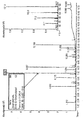
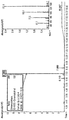
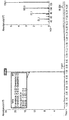
도 7은 방충 나노분말의 신남알데하이드의 양을 분석하기 위해서 TGA 분석을 수행한 결과를 나타낸다.
도 8은 제조된 방충 입자 중 GSA-1에 대한 GC의 분석 결과를 나타낸다.
도 9는 제조된 방충 입자 중 GSB-1에 대한 GC의 분석 결과를 나타낸다.
도 10은 제조된 방충 입자 중 GSC-1에 대한 GC의 분석 결과를 나타낸다.
상기 과제를 해결하기 위한 하나의 양태로서, 본 발명은 하기 단계를 포함하는 방충 입자의 제조방법을 제공한다:
1) 표면에 실라놀기를 가지는 실리카 입자를 준비하는 단계(단계 1);
2) 상기 실리카 입자의 실라놀기를, 에폭시기를 갖는 실란계 화합물과 그라프팅 반응시켜 실리카 입자의 표면을 개질시키는 단계(단계 2); 및
3) 상기 표면 개질된 실리카 입자의 에폭시기를 방충기피제인 신남알데하이드와 그라프팅 반응시켜 신남알데하이드가 표면에 부착된 실리카 입자를 제조하는 단계(단계 3).
바람직하기로, 본 발명의 제조방법은 상기 단계 1)과 단계 2) 사이에 에폭시기를 갖는 실란계 화합물을 가수분해시키는 단계(단계 1-1)를 추가로 포함할 수 있다.
다른 하나의 양태로서, 본 발명은 표면에 방충기피제인 신남알데하이드가 부착된 실리카 입자인 방충 입자로서, 상기 실리카 입자는 표면에 실라놀기를 가지는 실리카 입자를 에폭시기를 갖는 실란계 화합물과 그라프팅 반응시켜 표면을 개질시킨 것으로, 상기 에폭시기를 통해 신남알데하이드가 부착된 것인 방충입자를 제공한다.
이하 본 발명의 구성을 상세히 설명한다.
본 발명에서 사용되는 용어 "방충 입자"는 방충 특성을 갖는 입자로서, 해충의 침해를 막는 특성을 갖는 입자 형태의 물질을 의미한다.
본 발명에서, 방충 입자는 실리카 입자의 표면에 존재하는 실라놀기와, 커플링제인 에폭시기를 갖는 실란계 화합물을 통하여 방충기피제인 신남알데하이드가 그라프트 결합되어 있는 형태를 갖는 것을 특징으로 한다.
본 발명에서 사용되는 용어 "방충기피제"는 해충을 쫓는 목적을 가지고 사용하는 약제이다. 방충기피제는 해충을 적극적으로 살해하지 않는다는 점에서 살충제와 다르다.
본 발명에서는 상기한 바와 같이 방충기피제인 신남알데하이드를 실리카 표면에 화학적으로 결합시켜 유동성이 있는 방충기피제를 사라지게 함으로써, 실리카에 방충기피제를 물리적으로 함침하였을 경우 발생하는 용출 현상을 막고 빠른 방출속도를 감소시켜 장기간 동안 지속적인 방충 효과를 나타내는 방충 입자를 제공할 수 있다.
상기 단계 1은, 표면에 실라놀기를 가지는 실리카 입자를 준비하는 단계로서, 에폭시기를 갖는 실란계 화합물과 반응할 수 있는 실라놀기를 표면에 가지는 실리카 입자를 준비하는 단계이다.
본 발명에서, 상기 실리카 입자는 흄드 실리카(fumed silica)일 수 있으며, 이에 제한되는 것은 아니다.
본 발명에서 사용되는 용어 "흄드 실리카"는 규소 함유 화합물의 산화에 의해 생성된 매우 미세한 1 ㎛ 미만의 비결정질 실리카(SiO2)를 의미한다.
예를 들면, 흄드 실리카는 사염화규소와 같은 클로로실란을 수소/산소 화염 속에서 증기 상 가수분해에 의해, 하기와 같은 반응식으로 생성될 수 있다.
SiCl4 + 2H2 + O2 ------> SiO2 + 4HCl
일반적으로 실리카는 소성을 한 후 이를 분쇄하는 방식으로 제조하는데 비해, 흄드 실리카는 기존의 실리카를 가열한 후, 고온, 진공하에서 끓여 차가운 표면에 증착시키는 방식으로 제조하는 것을 특징으로 한다. 이러한 흄드 실리카는 일반 실리카보다는 가격이 비싸지만, 순도가 더 뛰어나다는 장점이 있다.
또한, 본 발명에서 사용되는 실리카 입자는 표면에 가지고 있는 실라놀기의 수가 이후 커플링제인 에폭시기를 갖는 실란계 화합물과의 반응 효율면에서 중요하다. 본 발명에서 사용되는 실리카 입자의 표면에 존재하는 실라놀기의 수는 바람직하기로 0.1 SiOH/nm2 이상, 더욱 바람직하기로 1.0 SiOH/nm2 이상, 가장 바람직하기로 1.0 내지 5.0 SiOH/nm2이다.
구체적으로, 본 발명에서 사용가능한 실리카로는 흄드 실리카인 Aerosil@200을 예로 들 수 있으나 이에 제한되는 것은 아니다. Aerosil@200은 evonik industries 사에서 제조, 판매하는 흄드 실리카의 상품명이다. 구체적으로, Aerosil@200은 200 ㎡/g의 표면적을 가지며, 표면에 가지고 있는 실라놀기의 수가 대략 2.5 SiOH/nm2인 소수성 흄드 실리카이다.
상기 단계 1-1은, 에폭시기를 갖는 실란계 화합물을 가수분해시키는 단계로서, 에폭시기를 갖는 실란계 화합물의 실란 부분을 가수분해를 통해 실라놀기로 전환시키는 단계이다.
상기와 같이 가수분해 과정을 통해 발생된 에폭시기를 갖는 실란계 화합물의 실라놀기가, 실리카 표면의 실라놀기와 축합 반응하여 결과적으로 에폭시기를 갖는 실란계 화합물이 실리카 표면에 화학적으로 부착될 수 있다.
본 발명에서 사용되는 용어 "에폭시기를 갖는 실란계 화합물"은 말단에 에폭시기를 갖고 있는 실란((RaO)nSiRb, n=1~3, a≠b)을 기본 골격으로 하는 화합물을 의미한다.
본 발명에서, 상기 에폭시기를 갖는 실란계 화합물은 하기 화학식 1의 화합물일 수 있다:
[화학식 1]

상기 식에서,
R은 수소 또는 C1-4 알킬이다.
바람직하기로, 상기 R은 메틸이다.
본 발명에서, 상기 에폭시기를 갖는 실란계 화합물은 (3-글리시딜옥시프로필)트리메톡시 실란일 수 있으며, 이에 제한되는 것은 아니다.
상기 단계 2는, 상기 실리카 입자의 실라놀기를, 에폭시기를 갖는 실란계 화합물과 그라프팅 반응시켜 실리카 입자의 표면을 개질시키는 단계로서, 실리카 입자의 표면에 방충기피제인 신남알데하이드를 개환 그라프트 반응시키기 위하여 커플링제인 에폭시기를 갖는 실란계 화합물을 먼저 처리하여 실리카 입자의 표면을 개질시키는 단계이다.
본 발명에서, 상기 에폭시기를 갖는 실란계 화합물은 실라놀기 1몰에 대해 5 내지 25몰의 양으로 사용하는 것이 바람직하다. 만일 상기 에폭시기를 갖는 실란계 화합물을 5몰 미만으로 사용하면 실리카 표면에 존재하는 실라놀기가 충분히 에폭시기를 갖는 실란계 화합물과 반응하지 못하여 이후 신남알데하이드가 그라프트될 수 있는 반응 위치가 적어져 충분한 방충 효과를 나타내는 방충 입자를 제조할 수 없게 된다. 또한, 만일 상기 에폭시기를 갖는 실란계 화합물을 25몰보다 많이 사용하더라도 실라놀기와 에폭시기를 갖는 실란계 화합물 간의 그라프트 반응이 더욱 증가하지 않으므로 불필요하다.
본 발명에서, 상기 단계 2)의 용매로는 C1-4 알코올과 물의 혼합용매를 사용할 수 있다.
본 발명에서, 상기 단계 2)의 반응온도는 바람직하기로 50 내지 80℃이다. 만일 상기 반응온도가 50 ℃보다 낮으면 반응속도가 느려 표면 개질 시간이 오래 걸린다는 단점이 있고, 80 ℃보다 높으면 용매의 휘발로 인해 반응 도중 실리카의 침전현상 등이 예상되는 단점이 있다.
본 발명에서, 상기 단계 2)의 반응시간은 바람직하기로 1 시간 내지 3 시간이다. 만일 상기 반응시간이 1 시간보다 짧으면 미반응 실란과 실리카의 실라놀이 존재하는 단점이 있고, 3 시간보다 길면 표면 개질 반응이 이미 완료되었음에도 불구하고 계속적인 에너지 소비가 일어나는 단점이 있다.
본 발명의 일 구현예로서, 상기 단계 1-1)의 에폭시기를 갖는 실란계 화합물의 가수분해 반응과 상기 단계 2)의 실라놀기와 에폭시기를 갖는 실란계 화합물의 축합 반응은 구체적으로 하기 반응식 1과 같이 나타낼 수 있다.
[반응식 1]

상기 반응식에서 알 수 있듯이, R이 C1-4 알킬인 경우, 에폭시기를 갖는 실란계 화합물에 존재하는 알콕시 작용기의 가수분해에 의해 실라놀기가 생성되고, 상기 실라놀기가 실리카 표면의 실라놀기와 축합반응하여 최종적으로 그라프트된 실리카(grafted silica), 즉 표면 개질된 실리카가 형성된다.
상기 단계 3은, 상기 표면 개질된 실리카 입자의 에폭시기를 방충기피제인 신남알데하이드와 그라프팅 반응시켜 신남알데하이드가 표면에 부착된 실리카 입자를 제조하는 단계로서, 실리카 입자의 표면에 그라프트 결합되어 있는 에폭시기를 갖는 실란계 화합물의 에폭시기를 통하여 신남알데하이드를 개환 그라프트 반응시켜 실리카 입자의 표면에 신남알데하이드를 화학적으로 결합시키는 단계이다.
본 발명에서 사용되는 용어 "신남알데하이드(cinnamaldehyde)"는 하기 화학식 2의 구조를 가지며 방충기피제로서 사용되는 물질이다.
[화학식 2]

본 발명에서, 상기 신남알데하이드는 실라놀기 1몰에 대해 1 내지 4몰의 양으로 사용하는 것이 바람직하다. 만일 상기 신남알데하이드가 1몰보다 적게 사용되면 신남알데하이드의 알데하이드 작용기와 실란의 에폭시 작용기 간의 반응을 관찰 할 수 없다는 단점이 있고, 4몰보다 많이 사용되면 신남알데하이드와 에폭시 작용기가 반응하고 남은 미반응 신남알데하이드가 실리카 내로 함침되어 용출현상이 발생하는 단점이 있다.
본 발명에서, 상기 단계 3)의 용매로는 톨루엔을 사용할 수 있다.
본 발명에서, 상기 단계 3)의 반응온도는 바람직하기로 80 내지 100℃이다. 만일 상기 반응온도가 80℃보다 낮으면 신남알데하이드의 알데하이드와 실란의 에폭시 작용기 간의 반응속도가 느려지는 단점이 있고, 100℃보다 높으면 톨루엔의 증발로 인해 표면 개질된 실리카의 분산 문제와 신남알데하이드의 유동성 문제로 분산이 어려운 단점이 있다.
본 발명에서, 상기 단계 3)의 반응시간은 바람직하기로 1 시간 내지 3 시간이다. 만일 상기 반응시간이 1 시간보다 짧으면 미반응 신남알데하이드의 양이 증가되어 용출 되는 단점이 있고, 3 시간보다 길면 반응 완료 후 필요 이상의 에너지 소비가 이뤄지는 단점이 있다.
본 발명의 일 구현예로서, 실리카 입자로서 Aerosil@200을 사용하고 에폭시기를 갖는 실란계 화합물로서 (3-글리시딜옥시프로필)트리메톡시 실란을 사용하여 방충기피제인 신남알데하이드가 표면에 부착된 방충 입자를 얻는 과정은 하기 반응식 2와 같이 간략하게 나타낼 수 있다.
[반응식 2]

상기 반응식 2에서 알 수 있듯이, 표면 개질된 실리카 표면의 에폭시 작용기가 알데하이드기에 의한 개환 반응에 의해 최종적으로 방충기피제인 신남알데하이드가 도입된 형태의 방충 입자, 즉 방충 나노분말 소재를 형성하게 된다.
또한, 본 발명은 표면에 방충기피제인 신남알데하이드가 부착된 실리카 입자인 방충 입자로서, 상기 실리카 입자는 표면에 실라놀기를 가지는 실리카 입자를 에폭시기를 갖는 실란계 화합물과 그라프팅 반응시켜 표면을 개질시킨 것으로, 상기 에폭시기를 통해 신남알데하이드가 부착된 것인 방충입자를 제공할 수 있다.
바람직하게, 상기 방충 입자는 전술한 본 발명에 따른 방충 입자의 제조방법에 의해 제조된 것일 수 있다.
이하, 실시예를 통하여 본 발명을 더욱 상세히 설명하고자 한다. 이들 실시예는 오로지 본 발명을 보다 구체적으로 설명하기 위한 것으로, 본 발명의 범위가 이들 실시예에 의해 제한되는 것은 아니다.
실시예 1: 흄드 실리카의 표면개질
담지체로서 기공 구조체인 흄드 실리카(표면적 100 m2/g 이상, LiAlH4-Method로 측정한 실라놀기의 수가 약 2.5 SiOH/nm2임)를 사용하였다. 신남알데하이드와의 반응을 위해 에폭시기를 갖는 실란계 화합물로서 (3-글리시딜옥시프로필)트리메톡시 실란[(3-Glycidyloxypropyl) trimethoxy silane, GPTMS]을 사용하였다.
실리카는 120℃의 dry oven에서 3시간 이상 건조 후 desiccator 내에서 상온까지 냉각시켜 실리카에 흡착된 수분을 제거하여 사용하였다. 용매는 상온 상압에서 ethanol과 탈 이온수의 비율을 80:20(v/v%)으로 하여 900 ml를 만든 후, acetic acid를 사용하여 pH를 4.5로 조절하였다.
실란은 산 분위기에서 단량체 형태로 존재하여, 실리카의 실라놀과 반응할 확률이 크고, 염기 분위기에서는 2량체, 3량체 등 올리고머 형태로 결합 후 실리카의 실라놀과 반응할 확률이 크다. 단량체 형태와 올리고머 형태는 경쟁적으로 이루어지며, 산 또는 염기 분위기에 따라 확률적으로 한쪽으로 높아지는 경향을 갖는다. 따라서, 상기와 같이 실리카를 함유한 용액의 pH를 이후 반응에 앞서 4.5로 조절할 필요가 있다.
그 다음, 상기와 같이 pH가 조절된 용매를 3L Round flask 에 옮긴 후 magnetic stirrer를 사용하여 300 rpm으로 30 분간 혼합하였다. 교반이 끝난 후 GPTMS를 round flask에 첨가한 후 300 rpm으로 교반하면서 GPTMS를 가수분해시켰다.
가수분해 반응이 끝난 후 실리카 18.0 g을 round flask에 넣고 300 rpm으로 표면개질 반응을 진행하였다. 반응이 끝난 용액은 원심분리기(Rotofix32A, Hettich)를 이용하여 3,000 rpm에서 30분 동안 원심분리 후 상청액을 버렸다. Ethanol/탈 이온수(80 : 20 v/v%) 용액을 사용해서 3회 세척하고, 순수 ethanol을 사용하여 2회 더 세척하였다. 원심분리 후 vacuum oven에서 24시간 상온에서 건조하였다.
이때, 커플링제인 GPTMS와 실리카 표면의 실라놀기의 충분한 반응을 유도하기 위하여, GPTMS/Si-OH의 몰비가 5, 10 및 20배가 되도록 GPTMS의 농도를 조절하였다. 즉 실리카 18.0 g에 대하여 GPTMS를 17.70g, 35.43g, 70.87g으로 투입량을 변화하여 실험하였다. GPTMS의 가수분해반응 시간은 60분 동안 하였으며, 실리카의 표면개질 반응시간은 2시간으로 하였다. 또한, 실리카의 표면개질 반응온도는 70℃로 하였다.
상기와 같이 흰색 분말의 Grafted silica, 즉 에폭시기가 도입된 Sample GSA, GSB, GSC를 얻었다.
실험예 1: 표면 개질된 흄드 실리카의 특성 분석
상기 실시예 1에서 얻은 Sample GSA, GSB, GSC에 대하여 FT-IR 및 EA 그리고 열중량 분석법을 이용하여 특성을 분석하였다.
제조된 Grafted silica 표면의 개질 특성을 알아보기 위해 Grafted silica의 FT-IR 스펙트럼을 도 1에 나타내었다. 또한, 비교를 위하여 친수성 Fumed silica(AEROSIL) 및 GPTMS의 FT-IR 스펙트럼을 도 2에 나타내었다. 도 1 및 도 2의 Fumed silica와 Grafted silica의 피크를 비교하면 2843과 2941cm-1에서 나타나는 C-H의 Stretching Band와 908cm-1에서 보이는 Epoxy 작용기 밴드가 GPTMS와의 커플링 반응 이후 생성된 것을 확인할 수 있다.
또한, 도 3에 Fumed silica(AEROSIL)와 Grafted silica의 TGA 그래프를 나타내었다. 도 3에서 알 수 있는 바와 같이, 분해 시작 온도인 400℃부터 600℃까지 대부분의 무게 감소치가 나타나며, 이는 Fumed silica 표면의 유기물질의 분해에 의한 것으로 보인다. 즉, Grafted silica 표면의 GPTMS의 양이 감소됨을 알 수 있다. 각각의 Sample GSA(silian 5), GSB(siliane 10), GSC(silane 20)은 도입된 실란계 화합물의 양만큼 전체 중량이 감소함을 확인할 수 있으며 이중 Sample GSC가 중량의 19% 정도를 차지하고 있고 GSA, GSB는 각각 11% 와 10%의 감소비율을 나타 내었다. 상기와 같이 각각의 Sample GSA, GSB 및 GSC를 비교하였을 때 GSC가 가장 많은 양의 GPTMS가 붙어 있음을 확인할 수 있다.
또한, 하기의 표 1에 나타낸 바와 같이 Grafted silica의 EA분석을 통해 증가된 탄소의 수치를 확인함으로써 간접적으로 10 ∼ 20%까지 Fumed silica의 표면에 (3-Glycidyloxypropyl) trimethoxysilane (GPTMS)가 붙어 있음을 알 수 있다. 이는 도 3의 TGA 그래프의 감소 곡선과 비교하여 볼 때 각각의 감소 수치와 EA분석의 탄소 수치가 일치함을 확인할 수 있다.
표 1
| 샘플명칭 | 분석 | 질소 | 탄소 | 수소 |
| GSA | 원소 | 0 | 10.3975 | 1.7627 |
| 0 | 10.6801 | 1.9115 | ||
| 0 | 10.5388 | 1.8371 | ||
| GSB | 0 | 9.4755 | 1.6185 | |
| 0 | 9.8089 | 1.6792 | ||
| 0 | 9.6422 | 1.6488 | ||
| GSC | 0 | 19.3096 | 3.2325 | |
| 0 | 19.1648 | 3.2072 | ||
| 0 | 19.2372 | 3.2199 |
실시예 2: 표면 개질된 흄드 실리카와 방충기피제의 개환 반응
상기 실시예 1에서 얻은 각각의 표면 개질된 흄드 실리카 3종(GSA, GSB, GSC)과 방충기피제인 신남알데하이드에 대해 각각 개환 반응을 진행하였다.
구체적으로, 먼저 각각 8,94g, 17.88g, 및 35.76g의 신남알데하이드와 톨루엔을 둥근 플라스크에 30분 동안 용해시켰다. 이후 상기 각각의 신남알데하이드 용액에 잘 건조된 6g의 표면 개질된 흄드 실리카 3종(GSA, GSB, GSC)을 각각 넣고 반응기의 온도를 90℃로 승온하여 2시간 동안 반응을 진행하였다. 반응이 종료된 후 생성된 침전물을 필터링한 후 톨루엔을 이용하여 미반응 신남알데하이드를 제거한 후 고진공 하에서 건조하였다. 최종적으로 각각 흰색 분말의 방충 입자를 얻었다.
상기 각각의 방충 입자를 제조하는 과정에서 사용된 각 원료의 사용량을 하기 표 2에 요약하여 나타내었다.
표 2
| 흄드 실리카 + GPTMS | 표면 개질된 흄드 실리카 + 신남알데하이드 | |
| 시료 | GSA(18 g + 17.70 g) | GSA-1 (6 g + 8.94 g) |
| GSA-2 (6 g + 17.88 g) | ||
| GSA-3 (6 g + 35.76 g) | ||
| GSB(18 g + 35.43 g) | GSB-1 (6 g + 8.94 g) | |
| GSB-2 (6 g + 17.88 g) | ||
| GSB-3 (6 g + 35.76 g) | ||
| GSC(18 g + 70.87 g) | GSC-1 (6 g + 8.94 g) | |
| GSC-2 (6 g + 17.88 g) | ||
| GSC-3 (6 g + 35.76 g) |
실험예 2: 방충기피제가 결합된 방충 실리카의 특성 분석
상기 실시예 2에서 얻은 방충기피제가 결합된 방충 실리카에 대하여 FT-IR 및 GC, 열중량 분석기를 이용하여 작용기의 분석, 그래프팅의 비율 및 Cinnamaldehyde의 피크를 조사하였다.
도 4 내지 도 6에 제조된 방충 입자의 FT-IR 스펙트럼을 나타내었다. 구체적으로, 도 4는 Sample GSA-1, 2, 3의 FT-IR 스펙트럼, 도 5는 Sample GSB-1, 2, 3의 FT-IR 스펙트럼, 도 6은 Sample GSC-1, 2, 3의 FT-IR 스펙트럼이다. 도 4 내지 도 6에서, 1570, 1472 및 1309 cm-1에서 나타나는 피크는 각각 N-H, CH2 및 C-N에 의해 나타나는 것이며, 3360 cm-1의 폭넓게 나타나는 밴드는 Si-OH에 의한 것이고 916 cm-1의 Epoxy 특성 피크가 나타나는 것을 확인할 수 있다. 특히, Sample GSA-1, GSA-2, GSA-3와 Sample GSB-1, GSB2, GSB-3에는 1720에서 피크가 뚜렷이 나타남을 알 수 있는데, 이는 방충기피제의 성분인 신남알데하이드임을 확인할 수 있었다. 반면에, Sample GSC-1, GSC-2, GSC-3에서는 이러한 피크가 미약함을 확인할 수 있었다. 이는 흄드 실리카에 도입된 GPTMS의 양이 앞선 Sample GSA, GSB에 비하여 상대적으로 양이 적었기에 표면 개질된 실리카의 Epoxy기가 상대적으로 적은 양의 방충 기피소재와 결합하여 나타난 결과로 보인다.
또한, 방충 나노분말의 신남알데하이드의 양을 분석하기 위해서 TGA 분석을 수행하였으며 그 결과를 도 7에 나타내었다. 도 7에서 보는 바와 같이, 600℃ 부근에서 대부분의 질량 감소가 나타나며, 이는 방충 입자의 표면에 있는 신남알데하이드와 GPTMS의 분해에 의해 발생하는 중량 감소이다. 뿐만 아니라 전체적으로 GSA-1, GSA-2, GSA-3 Sample가 GSB와 GSC에 비해 조금 더 큰 질량 감소치를 보이는데, 이는 Grafted silica 표면의 Epoxy기와 신남알데하이드가 일정 몰비로 반응이 일어난다고 가정할 경우 상대적으로 GPTMS의 도입량이 많은 Sample A가 더 많은 결합이 일어나기 때문으로 볼 수 있으며 Sample GSA-1, GSA-2, GSA-3 중 GSA-1에 대한 가장 많은 감소치를 확인할 수 있다. 이는 간접적으로 방충 입자 GSA-1에 대해 방충 기피제 성분인 신남알데하이드가 많이 붙어있음을 나타내며 이러한 작용기의 수가 많아짐으로 인해 더 안정적인 방충 효과를 보일 것임을 알 수 있었다. 또한, 종래의 방충 나노 분말과는 달리 화학적 결합을 유지하고 있음으로 안정된 방충 유지시간을 가질 것임을 알 수 있다.
또한, 도 8 내지 도 10에 제조된 방충 입자 중 GSA-1, GSB-1 및 GSC-1에 대한 GC의 분석 결과를 각각 나타내었다. Retention time에서 나타난 6.9 분대의 피크가 방충 기피제의 주성분인 신남알데하이드임을 라이브러리의 확인을 통해 알 수 있었다. 또한, 상기 GSA-1, GSB-1, GSC-1의 그래프는 차이를 보이는데 이를 통해 앞서 보았던 FT-IR의 데이터와 TGA의 데이터에서 짐작되었던 신남알데하이드를 찾을 수 있었으며 상대적인 양적 비교를 통해 GSA-1의 Sample이 가장 많이 신남알데하이드와 반응하였음을 알 수 있었다.
Claims (15)
- 하기 단계를 포함하는 방충 입자의 제조방법:표면에 실라놀기를 가지는 실리카 입자를 준비하는 단계(단계 1);상기 실리카 입자의 실라놀기를, 에폭시기를 갖는 실란계 화합물과 그라프팅 반응시켜 실리카 입자의 표면을 개질시키는 단계(단계 2); 및상기 표면 개질된 실리카 입자의 에폭시기를 방충기피제인 신남알데하이드와 그라프팅 반응시켜 신남알데하이드가 표면에 부착된 실리카 입자를 제조하는 단계(단계 3).
- 제1항에 있어서, 상기 단계 1)과 단계 2) 사이에 에폭시기를 갖는 실란계 화합물을 가수분해시키는 단계(단계 1-1)를 추가로 포함하는 제조방법.
- 제1항에 있어서, 상기 실리카 입자는 흄드 실리카(fumed silica)인 제조방법.
- 제1항에 있어서, 상기 에폭시기를 갖는 실란계 화합물은 하기 화학식 1의 화합물인 제조방법:[화학식 1]
 상기 식에서,R은 수소 또는 C1-4 알킬이다.
 - 제4항에 있어서, 상기 에폭시기를 갖는 실란계 화합물은 (3-글리시딜옥시프로필)트리메톡시 실란인 제조방법.
- 제1항에 있어서, 상기 에폭시기를 갖는 실란계 화합물은 실라놀기 1몰에 대해 5 내지 25몰의 양으로 사용하는 제조방법.
- 제1항에 있어서, 상기 단계 2)의 용매로는 C1-4 알코올과 물의 혼합용매를 사용하는 제조방법.
- 제1항에 있어서, 상기 단계 2)의 반응온도는 50 내지 80℃인 제조방법.
- 제1항에 있어서, 상기 단계 2)의 반응시간은 1 시간 내지 3 시간인 제조방법.
- 제1항에 있어서, 상기 신남알데하이드는 실라놀기 1몰에 대해 1 내지 4몰의 양으로 사용하는 제조방법.
- 제1항에 있어서, 상기 단계 3)의 용매로는 톨루엔을 사용하는 제조방법.
- 제1항에 있어서, 상기 단계 3)의 반응온도는 80 내지 100℃인 제조방법.
- 제1항에 있어서, 상기 단계 3)의 반응시간은 1 시간 내지 3 시간인 제조방법.
- 표면에 방충기피제인 신남알데하이드가 부착된 실리카 입자인 방충 입자로서,상기 실리카 입자는 표면에 실라놀기를 가지는 실리카 입자를 에폭시기를 갖는 실란계 화합물과 그라프팅 반응시켜 표면을 개질시킨 것으로, 상기 에폭시기를 통해 신남알데하이드가 부착된 것인 방충입자.
- 제14항에 있어서,제1항 내지 제13항 중 어느 한 항에 기재된 제조방법에 의해 제조된 것인 방충 입자.
Applications Claiming Priority (2)
| Application Number | Priority Date | Filing Date | Title |
|---|---|---|---|
| KR1020130112850A KR101537394B1 (ko) | 2013-09-23 | 2013-09-23 | 실리카 표면 개질에 의한 방충 입자의 제조방법 |
| KR10-2013-0112850 | 2013-09-23 |
Publications (1)
| Publication Number | Publication Date |
|---|---|
| WO2015041395A1 true WO2015041395A1 (ko) | 2015-03-26 |
Family
ID=52689032
Family Applications (1)
| Application Number | Title | Priority Date | Filing Date |
|---|---|---|---|
| PCT/KR2014/003075 Ceased WO2015041395A1 (ko) | 2013-09-23 | 2014-04-09 | 실리카 표면 개질에 의한 방충 입자의 제조방법 |
Country Status (2)
| Country | Link |
|---|---|
| KR (1) | KR101537394B1 (ko) |
| WO (1) | WO2015041395A1 (ko) |
Citations (5)
| Publication number | Priority date | Publication date | Assignee | Title |
|---|---|---|---|---|
| JPH08228627A (ja) * | 1995-02-21 | 1996-09-10 | Manda Seisakusho:Kk | 防虫具付き愛玩動物用首輪 |
| US20020132540A1 (en) * | 2000-12-29 | 2002-09-19 | Dave Soerens | Absorbent, lubricious coating and articles coated therewith |
| KR20030000680A (ko) * | 2001-06-26 | 2003-01-06 | 주식회사 내츄로바이오텍 | 살비성 조성물 |
| KR100514978B1 (ko) * | 2003-05-19 | 2005-09-14 | 주식회사 내츄로바이오텍 | 닭 붉은 옴 살충제 조성물 |
| KR20100077964A (ko) * | 2008-12-29 | 2010-07-08 | 연세대학교 산학협력단 | 항균 코팅 조성물, 이의 제조방법, 항균 포장 소재 및 이의제조방법 |
Family Cites Families (2)
| Publication number | Priority date | Publication date | Assignee | Title |
|---|---|---|---|---|
| JP2621114B2 (ja) * | 1987-04-13 | 1997-06-18 | 清 五月女 | 無毒の組成物による農作物の保護方法 |
| DE102006048575A1 (de) * | 2006-10-13 | 2008-04-17 | Evonik Degussa Gmbh | Oberflächenmodifizierte Kieselsäuren |
-
2013
- 2013-09-23 KR KR1020130112850A patent/KR101537394B1/ko active Active
-
2014
- 2014-04-09 WO PCT/KR2014/003075 patent/WO2015041395A1/ko not_active Ceased
Patent Citations (5)
| Publication number | Priority date | Publication date | Assignee | Title |
|---|---|---|---|---|
| JPH08228627A (ja) * | 1995-02-21 | 1996-09-10 | Manda Seisakusho:Kk | 防虫具付き愛玩動物用首輪 |
| US20020132540A1 (en) * | 2000-12-29 | 2002-09-19 | Dave Soerens | Absorbent, lubricious coating and articles coated therewith |
| KR20030000680A (ko) * | 2001-06-26 | 2003-01-06 | 주식회사 내츄로바이오텍 | 살비성 조성물 |
| KR100514978B1 (ko) * | 2003-05-19 | 2005-09-14 | 주식회사 내츄로바이오텍 | 닭 붉은 옴 살충제 조성물 |
| KR20100077964A (ko) * | 2008-12-29 | 2010-07-08 | 연세대학교 산학협력단 | 항균 코팅 조성물, 이의 제조방법, 항균 포장 소재 및 이의제조방법 |
Also Published As
| Publication number | Publication date |
|---|---|
| KR20150033186A (ko) | 2015-04-01 |
| KR101537394B1 (ko) | 2015-07-16 |
Similar Documents
| Publication | Publication Date | Title |
|---|---|---|
| JP5864434B2 (ja) | 酸化インジウム含有層の形成方法、この方法により形成された酸化インジウム含有層および該酸化インジウム含有層の使用 | |
| KR100249750B1 (ko) | 방습성질화알루미늄분말의제조방법및이러한방법으로제조한분말 | |
| JP5797561B2 (ja) | 半導体の酸化インジウム膜の製造法、該方法に従って製造された酸化インジウム膜及び該膜の使用 | |
| WO2013009150A9 (ko) | 높은 광추출 성능을 갖는 무기미립자 산란막 | |
| KR101884956B1 (ko) | 산화인듐을 함유하는 코팅물을 제조하기 위한 인듐 옥소 알콕시드 | |
| KR101884955B1 (ko) | 산화인듐을 함유하는 코팅물을 제조하기 위한 인듐 옥소 알콕시드 | |
| WO2015105350A1 (en) | Novel cyclodisilazane derivative, method for preparing the same and silicon-containing thin film using the same | |
| WO2016200225A1 (ko) | 양자점 또는 염료를 함유하는 대면적 필름 및 이의 제조 방법 | |
| WO2016167494A1 (ko) | 실리카 에어로겔 포함 블랑켓의 제조방법 및 이에 따라 제조된 실리카 에어로겔 포함 블랑켓 | |
| WO2015046968A1 (ko) | 유/무기 하이브리드 이산화티탄 복합체, 이를 포함하는 화장료 조성물 및 그 제조방법 | |
| EP1740152A1 (en) | Poly(silsesquioxane) spherical particle containing ultraviolet light-absorbing group and manufacturing method thereof | |
| WO2018143611A1 (ko) | 대면적 금속 칼코겐 박막의 제조방법 및 이에 의해 제조된 금속 칼코겐 박막을 포함하는 전자소자의 제조방법 | |
| WO2019009605A1 (ko) | 원적외선 방사 코팅제용 조성물 및 그의 제조방법 | |
| WO2015041395A1 (ko) | 실리카 표면 개질에 의한 방충 입자의 제조방법 | |
| WO2020080844A1 (ko) | 열 차폐 필름 및 그 제조방법 | |
| CN101010259A (zh) | 硅烷化的碳纳米管及其制备方法 | |
| WO2015060512A1 (ko) | 유기발광소자 봉지용 조성물 및 이를 사용하여 제조된 유기발광소자 표시장치 | |
| DE69510906T2 (de) | Verfahren zur Herstellung einer unlöslichen Beschichtung auf einem Substrat | |
| WO2017176038A1 (ko) | Basno3 박막 및 이의 저온 제조 방법 | |
| WO2012173459A2 (ko) | 고굴절 조성물 | |
| TW201533098A (zh) | 聚烷氧基矽氮烷及其製造方法,及,塗佈組成物及由其所得之矽系陶瓷被膜 | |
| JP2005145795A (ja) | 膜状有機無機ハイブリッドガラス状物質及びその製造方法 | |
| WO2018093063A1 (ko) | 전가수분해된 알킬 폴리실리케이트의 합성방법 | |
| WO2012141535A2 (ko) | 무기 반도체 잉크 조성물 및 이를 통해 제조되는 무기 반도체 박막 | |
| WO2019124722A1 (ko) | 변성 실록산 수지, 변성 실록산 수지 가교체 및 상기 수지 가교체의 제조방법 |
Legal Events
| Date | Code | Title | Description |
|---|---|---|---|
| 121 | Ep: the epo has been informed by wipo that ep was designated in this application |
Ref document number: 14845125 Country of ref document: EP Kind code of ref document: A1 |
|
| NENP | Non-entry into the national phase |
Ref country code: DE |
|
| 122 | Ep: pct application non-entry in european phase |
Ref document number: 14845125 Country of ref document: EP Kind code of ref document: A1 |