WO2010134666A1 - 신규한 형태의 이중표적항체 및 그 용도 - Google Patents
신규한 형태의 이중표적항체 및 그 용도 Download PDFInfo
- Publication number
- WO2010134666A1 WO2010134666A1 PCT/KR2009/004084 KR2009004084W WO2010134666A1 WO 2010134666 A1 WO2010134666 A1 WO 2010134666A1 KR 2009004084 W KR2009004084 W KR 2009004084W WO 2010134666 A1 WO2010134666 A1 WO 2010134666A1
- Authority
- WO
- WIPO (PCT)
- Prior art keywords
- antibody
- cancer
- cells
- target antibody
- dual
- Prior art date
- Legal status (The legal status is an assumption and is not a legal conclusion. Google has not performed a legal analysis and makes no representation as to the accuracy of the status listed.)
- Ceased
Links
Images




Classifications
-
- C—CHEMISTRY; METALLURGY
- C07—ORGANIC CHEMISTRY
- C07K—PEPTIDES
- C07K16/00—Immunoglobulins [IGs], e.g. monoclonal or polyclonal antibodies
- C07K16/18—Immunoglobulins [IGs], e.g. monoclonal or polyclonal antibodies against material from animals or humans
- C07K16/28—Immunoglobulins [IGs], e.g. monoclonal or polyclonal antibodies against material from animals or humans against receptors, cell surface antigens or cell surface determinants
- C07K16/2863—Immunoglobulins [IGs], e.g. monoclonal or polyclonal antibodies against material from animals or humans against receptors, cell surface antigens or cell surface determinants against receptors for growth factors, growth regulators
-
- C—CHEMISTRY; METALLURGY
- C07—ORGANIC CHEMISTRY
- C07K—PEPTIDES
- C07K19/00—Hybrid peptides, i.e. peptides covalently bound to nucleic acids, or non-covalently bound protein-protein complexes
-
- A—HUMAN NECESSITIES
- A61—MEDICAL OR VETERINARY SCIENCE; HYGIENE
- A61K—PREPARATIONS FOR MEDICAL, DENTAL OR TOILETRY PURPOSES
- A61K39/00—Medicinal preparations containing antigens or antibodies
- A61K39/395—Antibodies; Immunoglobulins; Immune serum, e.g. antilymphocytic serum
-
- A—HUMAN NECESSITIES
- A61—MEDICAL OR VETERINARY SCIENCE; HYGIENE
- A61P—SPECIFIC THERAPEUTIC ACTIVITY OF CHEMICAL COMPOUNDS OR MEDICINAL PREPARATIONS
- A61P17/00—Drugs for dermatological disorders
- A61P17/06—Antipsoriatics
-
- A—HUMAN NECESSITIES
- A61—MEDICAL OR VETERINARY SCIENCE; HYGIENE
- A61P—SPECIFIC THERAPEUTIC ACTIVITY OF CHEMICAL COMPOUNDS OR MEDICINAL PREPARATIONS
- A61P19/00—Drugs for skeletal disorders
- A61P19/02—Drugs for skeletal disorders for joint disorders, e.g. arthritis, arthrosis
-
- A—HUMAN NECESSITIES
- A61—MEDICAL OR VETERINARY SCIENCE; HYGIENE
- A61P—SPECIFIC THERAPEUTIC ACTIVITY OF CHEMICAL COMPOUNDS OR MEDICINAL PREPARATIONS
- A61P27/00—Drugs for disorders of the senses
- A61P27/02—Ophthalmic agents
-
- A—HUMAN NECESSITIES
- A61—MEDICAL OR VETERINARY SCIENCE; HYGIENE
- A61P—SPECIFIC THERAPEUTIC ACTIVITY OF CHEMICAL COMPOUNDS OR MEDICINAL PREPARATIONS
- A61P29/00—Non-central analgesic, antipyretic or antiinflammatory agents, e.g. antirheumatic agents; Non-steroidal antiinflammatory drugs [NSAID]
-
- A—HUMAN NECESSITIES
- A61—MEDICAL OR VETERINARY SCIENCE; HYGIENE
- A61P—SPECIFIC THERAPEUTIC ACTIVITY OF CHEMICAL COMPOUNDS OR MEDICINAL PREPARATIONS
- A61P35/00—Antineoplastic agents
-
- A—HUMAN NECESSITIES
- A61—MEDICAL OR VETERINARY SCIENCE; HYGIENE
- A61P—SPECIFIC THERAPEUTIC ACTIVITY OF CHEMICAL COMPOUNDS OR MEDICINAL PREPARATIONS
- A61P35/00—Antineoplastic agents
- A61P35/02—Antineoplastic agents specific for leukemia
-
- A—HUMAN NECESSITIES
- A61—MEDICAL OR VETERINARY SCIENCE; HYGIENE
- A61P—SPECIFIC THERAPEUTIC ACTIVITY OF CHEMICAL COMPOUNDS OR MEDICINAL PREPARATIONS
- A61P35/00—Antineoplastic agents
- A61P35/04—Antineoplastic agents specific for metastasis
-
- A—HUMAN NECESSITIES
- A61—MEDICAL OR VETERINARY SCIENCE; HYGIENE
- A61P—SPECIFIC THERAPEUTIC ACTIVITY OF CHEMICAL COMPOUNDS OR MEDICINAL PREPARATIONS
- A61P9/00—Drugs for disorders of the cardiovascular system
-
- A—HUMAN NECESSITIES
- A61—MEDICAL OR VETERINARY SCIENCE; HYGIENE
- A61P—SPECIFIC THERAPEUTIC ACTIVITY OF CHEMICAL COMPOUNDS OR MEDICINAL PREPARATIONS
- A61P9/00—Drugs for disorders of the cardiovascular system
- A61P9/10—Drugs for disorders of the cardiovascular system for treating ischaemic or atherosclerotic diseases, e.g. antianginal drugs, coronary vasodilators, drugs for myocardial infarction, retinopathy, cerebrovascula insufficiency, renal arteriosclerosis
-
- C—CHEMISTRY; METALLURGY
- C07—ORGANIC CHEMISTRY
- C07K—PEPTIDES
- C07K16/00—Immunoglobulins [IGs], e.g. monoclonal or polyclonal antibodies
- C07K16/18—Immunoglobulins [IGs], e.g. monoclonal or polyclonal antibodies against material from animals or humans
- C07K16/28—Immunoglobulins [IGs], e.g. monoclonal or polyclonal antibodies against material from animals or humans against receptors, cell surface antigens or cell surface determinants
- C07K16/30—Immunoglobulins [IGs], e.g. monoclonal or polyclonal antibodies against material from animals or humans against receptors, cell surface antigens or cell surface determinants from tumour cells
-
- C—CHEMISTRY; METALLURGY
- C12—BIOCHEMISTRY; BEER; SPIRITS; WINE; VINEGAR; MICROBIOLOGY; ENZYMOLOGY; MUTATION OR GENETIC ENGINEERING
- C12N—MICROORGANISMS OR ENZYMES; COMPOSITIONS THEREOF; PROPAGATING, PRESERVING, OR MAINTAINING MICROORGANISMS; MUTATION OR GENETIC ENGINEERING; CULTURE MEDIA
- C12N15/00—Mutation or genetic engineering; DNA or RNA concerning genetic engineering, vectors, e.g. plasmids, or their isolation, preparation or purification; Use of hosts therefor
- C12N15/09—Recombinant DNA-technology
- C12N15/11—DNA or RNA fragments; Modified forms thereof; Non-coding nucleic acids having a biological activity
-
- C—CHEMISTRY; METALLURGY
- C07—ORGANIC CHEMISTRY
- C07K—PEPTIDES
- C07K2317/00—Immunoglobulins specific features
- C07K2317/70—Immunoglobulins specific features characterized by effect upon binding to a cell or to an antigen
- C07K2317/76—Antagonist effect on antigen, e.g. neutralization or inhibition of binding
-
- C—CHEMISTRY; METALLURGY
- C07—ORGANIC CHEMISTRY
- C07K—PEPTIDES
- C07K2319/00—Fusion polypeptide
Definitions
- the present invention provides a novel double-target antibody in which a water-soluble ligand is fused to the N-terminus of the heavy or light chain of an antibody, DNA encoding the double-target antibody, recombinant expression vector containing the DNA, and transfection with the recombinant expression vector.
- the present invention relates to a converted host cell and a method for producing a double target antibody by culturing the host cell and a pharmaceutical composition comprising the double target antibody.
- Angiogenesis is the mechanism by which new blood vessels are formed from existing blood vessels by the growth, division, and migration of endothelial cells, and plays an important role in the normal growth process including healing of wounds and women's menstrual cycle. (Risau, Nature , 386: 671, 1997), as well as abnormally excessive neovascularization may be associated with tumor growth and metastasis, age-related macular degeneration (ARMD), and diabetic retinopathy. It is known to play a decisive role in diseases such as diabetic retinopathy, psoriasis, rheumatoid arthritis, and chronic inflammation (Carmeliet and Jain, Nature , 407: 249, 2000).
- VEGF Vasicular Endothelial Growth Factor
- endothelial cells Activate endothelial cells to increase the permeability of vascular endothelial cells and secrete proteolytic enzymes such as matrix metalloproteinase (MMP) to decompose the basal membrane and extracellular matrix around vascular endothelial cells,
- MMP matrix metalloproteinase
- the vascular endothelial cells migrated and proliferated form a vascular tube structure, and finally, peristetic cells (pericyte), which are structural supports of vascular endothelial cells, are introduced to form stable and mature blood vessels.
- angiopoietin 1 secreted from vascular endothelial cells is known to play an important role in inflow of perivascular cells and stabilization of blood vessels by binding to its receptor, Tie-2 (Suri et al. ., Cell, 87: 1171, 1996).
- Angiopoietin 2 known as an antagonist that inhibits the interaction between Ang1 and Tie-2, exhibits a similar level of affinity to Tie-2 as Ang1.
- Ang2 has been reported to induce phosphorylation of Tie-2 depending on the type of cell and the type of experiment (Kim et al. , Oncogene , 19: 4549, 2000). Inhibiting the interaction between endothelial and perivascular cells has also been reported to destabilize blood vessels and to make vascular endothelial cells sensitive to stimuli such as VEGF (Klagsbrun and Moses, Chem. Biol. , 6) . : R217, 1999; Veikkola and Alitalo, Semin Cancer Biol. , 9: 211, 1999; Carmeliet and Jain, Nature , 407: 249, 2000).
- Ang1 is relatively widely expressed in normal tissues (Maisonpierre et al. , Science , 277: 55, 1997), and tends not to be high in tumor tissues (Hayes et al. , Br. J. Cancer , 83 : 1154, 2000), however, Ang2 shows overexpression in cancer tissues with high angiogenesis or in normal tissues with active vascular remodeling (placenta, uterus, ovary) (Kong et al. , Cancer Res. , 61) . : 6248, 2001; Ahmad et al. , Cancer , 92: 1138, 2001) It is estimated that when Ang2 is relatively higher than Ang1, it consequently initiates the onset of tumor angiogenesis.
- Ang2 may also act as an agonist in the Tie-2 signaling mechanism.
- the signaling mechanisms of engiopoietin and Tie-2 have not yet been clearly identified.
- Ang1 and Ang2 are important for angiogenesis, but have been interpreted to play different roles.
- Engiopoietin consists of an N-terminal domain (N-domain) consisting of about 50 amino acids, a coiled coil domain (C-domain) consisting of 215 amino acids, and a Fibrinogen-like domain (F-domain) consisting of approximately 215 amino acids.
- N-domain N-terminal domain
- C-domain coiled coil domain
- F-domain Fibrinogen-like domain
- Ang1 has not been reported to act as an antagonist, altering the oligomer pattern of this molecule to inhibit signaling for Tie-2, in turn, is a strategy to prevent the multimerization of engiopoietin. It suggests that this could be a way to prevent Tie-2 signaling mechanisms.
- the reported structure of the enzyopoietin and Tie-2 it can be confirmed that the Tie-2 binding site in the engiopoietin, and the binding structure between Ang1 and Ang2 and Tie-2 is similar (Barton WA et al. , Nat. Struct. Biol. , 13: 524, 2006). Therefore, the researchers aimed to effectively inhibit neovascularization by making double-targeted antibodies in which fusion of angiopoietin, especially Tie-2 of Ang2, to an existing antibody.
- VEGF vascular endothelial growth factor
- VEGFR VEGFR signaling
- VEGF also called VEGF-A
- VEGF-A is known to have four isotypes (VEGF 121 , VEGF 165 , VEGF 189 , VEGF 206 ) to date, and VEGF 165 is reported to be the most abundant in all human tissues except the placenta.
- VEGF binds to its receptors VEGFR-1 and VEGFR-2 / with very high affinity, but mainly transmits its signals through VEGFR-2, leading to angiogenesis such as proliferation and migration of vascular endothelial cells. It is known to induce related mechanisms.
- VEGF and VEGFR-2 have been the main targets for inhibiting VEGF-induced neovascularization mechanisms, and a number of articles deal with them (Ellis and Hicklin, Nature Rev. Cancer , 8 : 579, 2008; Youssoufian et al ., Clin. Cancer Res. , 13: 5544s, 2007).
- Genentec's Avastin is a humanized antibody targeting VEGF-A (Ferrara et al ., Biochem. Biophy. Res. Comm. , 333: 328, 2005), and metastatic colorectal cancer in 2004.
- VEGF-trap Another therapeutic antibody that targets VEGF is Regeneron's VEGF-trap (Holash et al. , PNAS , 99: 11393, 2002). It is a water-soluble 'decoy receptor' in the form of a fusion of the second immunoglobulin domain of VEGFR-1 and the third immunoglobulin domain of VEGFR-2 to human Fc, which has not yet been approved by the US FDA, but is a metastatic breast cancer. Hypertension, metastatic colorectal cancer, and hormone refractory prostate cancer are currently in Phase III.
- angiogenesis-inhibiting antibodies targeting VEGF receptor VEGFR-2 include IMC-1121B (EP 1916001A2) from UClon, CDP-791 (PCT / GB02 / 04619) from UCB, and the researchers TTAC-0001 (PCT / KR07 / 003077).
- IMC-1121B is a monoclonal antibody selected from a complete human Fab library and is currently undergoing Phase III phase for metastatic breast cancer and plans to enter Phase III for gastric cancer in 2009.
- UCB's CDP-791 a humanized antibody, is currently undergoing Phase II for non-small cell lung cancer in the form of PEGylated Di-Fab.
- TTAC-0001 developed by our team and currently being studied at preclinical stage, is a monoclonal antibody selected from a full human ScFv library that targets VEGFR-2 while simultaneously using mouse or rat-derived flk-1 (VEGFR-2). Homologue), which is one of the important features that distinguishes it from IMC-1121B (PCT / KR07 / 003077).
- the cross-species cross reactivity shown by TTAC-0001 enables the study of animal disease models, helping to complete the related studies more easily by progressing anti-cancer drugs in specific stages in the future. Can give
- VEGF and VEGFR-2 have made rapid progress in the last five years, and many therapeutic agents have been developed through market and clinical studies.
- a number of antibody therapeutics for single targets by disease are commercially available with FDA approval, for example, targeting epidermal growth factor receptors (EGFRs).
- EGFRs epidermal growth factor receptors
- Rituxan which is being used as a treatment for non-Hodgkin's lymphoma, by targeting Eribitux or Her-2 / neu from Clonen, Herceptin from Genentec, and CD-20, targeting CD-20.
- TM and the like are major antibody therapeutics leading the worldwide monoclonal antibody market.
- heterodimeric Fabs (Brennan et al. , Science , 229: 81, 1985; Kostelny) obtained by combining individual Fabs for specific antigens with one another using disulfide bonds or mediators et al. , J. Immunol. , 148: 1547, 1992).
- ScFv for different antigens at the ends of the heavy or light chain of a specific Fab, two antigen valencys are made (Schoonjans et al. , J. Immunol. , 165: 7050, 2000; Lu et al. .., J.
- Trion Pharma hybridizes mice and let hybridomas to produce hybrid hybridomas, also known as quadromas, that produce double-target antibodies. Got it.
- the company's dual-target antibody Ertumaxomab (antigen: Her-2 / neu, CD3) has entered Phase II for metastatic breast cancer (Kiewe and Thiel, Expert Opin. Investig.Drugs , 17: 1553, 2008), Catumaxomab ( Antigen: EpCAM, CD3) enters Phase II for gastric and ovarian cancer and Phase III for malignant ascites (Shen and Zhu, Curr. Opin. Mol. Ther. , 10: 273, 2008) .
- Antibodies using the DNL method are easy to apply, have a modular form, and can be variously combined, and have excellent in vivo stability, but may be degraded by proteolytic enzymes in vivo and may have immunogenicity-related problems. It is known that.
- the present inventors can simultaneously neutralize two receptors, VEGFR-2 and Tie-2, which are closely involved in the angiogenesis mechanism before and after the development of an anti-cancer therapeutic dual target antibody through inhibition of angiogenesis.
- VEGFR-2 and Tie-2 are closely involved in the angiogenesis mechanism before and after the development of an anti-cancer therapeutic dual target antibody through inhibition of angiogenesis.
- One object of the present invention is to provide a novel type of dual target antibody in which a water-soluble ligand is fused to the N-terminus of the heavy or light chain of an antibody.
- Another object of the present invention to provide a DNA encoding the dual target antibody.
- Another object of the present invention to provide a recombinant expression vector comprising the DNA.
- Still another object of the present invention is to provide a host cell transformed with the recombinant expression vector.
- Still another object of the present invention is to provide a method of preparing a double target antibody by culturing the host cell.
- the term 'antibody' refers to a protein molecule that is produced by B cells and specifically serves as an antigen receptor for B cells to specifically recognize various types of antigens.
- This molecule is Y-shaped and consists of two identical light chains and two identical heavy chains. Both light and heavy chains comprise variable and fixed regions. The four chains are held together by disulfide bonds located in the flexible region of the heavy chain called the hinge region. The variable regions of both the heavy and light chains combine to form two identical antigen-binding sites.
- the heavy chain anchorage region is divided into five classes, A (IgA), D (IgD), E (IgE), G (IgG), and M (IgM). Each class is called isotype and has unique structural characteristics and different biological properties. In the present invention, all isotype antibodies are included, and preferably IgG is used.
- Antibodies of the present invention may include, but are not limited to, neoplastic cells, cancer stromal cells, tumor associate endothelial cells, tumor associated endothelial progenitor cells. It is preferable that the antibody is an antibody to an antigen specifically expressed in tumor associated circulating endothelial cells, circulating tumor cells, cancer stem cells, and the like.
- the antibody may be a 'polyclonal' or 'monoclonal' antibody, but a monoclonal antibody is more preferable.
- Monoclonal antibodies refer to antibodies obtained from a substantially homogeneous population of antibodies, ie the individual antibodies that make up this population are identical except for possible naturally occurring mutations that may be present in small amounts. Monoclonal antibodies are highly specific for a single antigenic site. Moreover, in contrast to polyclonal antibodies that include different antibodies to different epitopes, each monoclonal antibody is directed against a single epitope on the antigen. Monoclonal should not be construed to mean that it requires the production of antibodies in any particular way.
- monoclonal antibodies useful in the present invention are prepared by the hybridoma method described in Kohler et al., Nature, 256: 495 (1975), or by recombinant DNA method [see US Pat. No. 4,816,567]. can do.
- monoclonal antibodies are described, eg, in Clackson et al., Nature, 352: 624-628 (1991); Marks et al., J. Mol. Biol., 222: 581-597 (1991), can also be isolated from phage antibody libraries.
- the antibody of this invention is a "humanized antibody.”
- Humanized antibody means an antibody composed of amino acid sequences derived in part or in whole from human antibody germlines by altering the sequence of an antibody having a non-human complementarity determining region (CDR). The simplest of these modifications is simply to replace the murine constant region with the constant region of a human antibody, resulting in a human / murine chimera that may be sufficiently low in immunogenicity to allow for pharmaceutical use.
- CDR complementarity determining region
- the variable region and even the CDRs of the antibody be humanized using techniques currently known in the art. While maintaining the non-human CDR substantially intact or replacing the CDR with a sequence derived from the human genome, the framework regions of the variable regions are replaced with the corresponding human framework regions. Fully human antibodies are produced in genetically modified mice in which the immune system has been altered to correspond to the human immune system.
- the antibody of the present invention is a 'human antibody'.
- Human antibodies are antibodies having an amino acid sequence that corresponds to the amino acid sequence of an antibody produced by a human or an antibody produced using any of the techniques for making a human antibody.
- Human antibodies can be prepared using various techniques known in the art. In one embodiment, human antibodies are selected from phage libraries that express human antibodies (Vaughan et al. Nature Biotechnology 14: 309-314 (1996): Sheets et al. PNAS (USA) 95: 6157-6162 (1998) Hoogenboom and Winter, J. Mol. Biol. 227: 381 (1991); Marks et al. J. Mol. Biol. 222: 581 (1991).
- Human antibodies can also be prepared by introducing a human immunoglobulin locus into a transgenic animal, eg, a mouse, in which the endogenous immunoglobulin gene has been partially or completely inactivated. Upon challenge, production of human antibodies is observed that is very similar to that seen in humans in all respects, including gene rearrangements, assemblies and antibody repertoires. This method is described, for example, in US Pat. No. 5,545,807; 5,545,806; 5,545,806; 5,569,825; 5,569,825; 5,625,126; 5,625,126; 5,633,425; 5,633,425; 5,661,016 and Marks et al. Biotechnology 10: 779-783 (1992); Lonberg et al.
- human antibodies can be prepared through immortalization of human B lymphocytes (eg, B lymphocytes can be recovered from an individual or immunized in vitro) that produce antibodies directed against a target antigen (Cole et al. Monoclonal Antibodies and Cancer Therapy, Alan R Liss, p. 77 (1985); Boerner et al. J. Immunol., 147 (1): 86-95 (1991); and US Pat. No. 5,750,373.
- water soluble ligand' refers to all or part of a protein that exhibits water-soluble properties that can be dissolved in water as a protein that specifically binds to a receptor present in a cell, particularly on a cell surface. do.
- the water soluble ligands include, for example, Vascular Endothelial Growth Factor (VEGF), Epidermal Growth Factor (EGF), Placenta Growth Factor (PLG), Fibroblast Growth Factor (FGF), Platelet-derived Growth Factor (PDGF), and Hepatocyte Growth Factor (HGF). ), But not limited to Angiopoietin.
- Antibodies and ligands play their own unique roles in the novel forms of dual target antibodies. However, in the case of a dual target antibody, since two signals can be simultaneously suppressed or amplified, it may be more effective than when one signal is suppressed / amplified. Low dose dosing is possible and two signals can be suppressed / amplified in the same time and space.
- the 'linker' refers to a peptide fragment that connects two portions of the fusion protein.
- Linkers suitable for the present invention include peptides having 5 to 25 amino acids, preferably 10 to 20 amino acids, more preferably 10 to 15 amino acids.
- a nucleic acid sequence encoding the dual target antibody is prepared.
- the nucleic acid sequence can be constructed by fusing the 3 'end of the nucleic acid sequence encoding the water soluble ligand to the 5' end of the nucleic acid sequence encoding the heavy or light chain of the antibody.
- the nucleic acid sequence encoding a dual target antibody fused through a linker can be obtained by designing the primer to contain the nucleic acid sequence of the linker and then performing PCR.
- a recombinant expression plasmid was prepared by inserting the double-target antibody coding gene prepared above into a vector, and then introducing the plasmid into a host cell to prepare a transfectant or transformant, and amplifying and culturing the cell.
- the target antibody can be separated and purified to obtain the desired double target antibody.
- the host cell used for dual target antibody expression may be a prokaryotic or eukaryotic cell.
- a host having a high DNA introduction efficiency and a high expression efficiency of the introduced DNA is usually used.
- Well-known eukaryotic and prokaryotic hosts such as E. coli, Pseudomonas, Bacillus, Streptomyces, fungi, yeast, insect cells such as Spodoprera pruiferferda (SF9), Chinese hamster ovary cells (CHO) and mice Animal cells such as cells, COS1, COS7, human embryonic kidney cells, African green monkey cells such as BSC 1, BSC 40 and BMT 10, and host cells in which tissue cultured human cells can be used. Yes.
- a wide variety of expression host / vector combinations can be used to express dual target antibodies.
- Suitable expression vectors for eukaryotic hosts include, for example, SV40, bovine papillomavirus, adenovirus, adeno-associated virus, cytomegalovirus and retrovirus.
- Expression vectors that can be used in bacterial hosts include bacterial plasmids such as pBluescript, pGEX2T, pUC, pCR1, pBR322, pMB9 and derivatives thereof, plasmids with a wider host range such as RP4, and a wide variety of phages such as ⁇ gt10 and ⁇ 11, NM989.
- Phage DNA which may be exemplified as a phage lamda derivative, and other DNA phages such as M13 and filamentary single stranded DNA phage.
- Useful expression vectors for yeast cells are 2 ⁇ plasmids and derivatives thereof.
- a useful vector for insect cells is pVL941.
- Transformation of the recombinant expression vector into a host cell may include, for example, DEAE-dextran mediated transfection, electroporation, transduction, calcium phosphate transfection. ), Cationic lipid-mediated transfection, scrape loading and infection.
- the host cell may be cultured by small or large-scale fermentation, shake flask culture in a laboratory or industrial fermenter performed under conditions that allow the expression and / or isolation of the appropriate medium and the dual target antibody.
- the cultivation is carried out in a suitable culture medium containing carbon, nitrogen sources and inorganic salts using known techniques.
- suitable media are commercially available and can be made, for example, according to the components described in the catalog of the American Type Culture Collection (ATCC) and the like and their composition ratios.
- Dual-target antibodies from such cultures can be isolated by methods known in the art.
- dual target antibodies can be isolated from the culture by conventional methods, including but not limited to centrifugation, filtration, extraction, spray drying, evaporation or precipitation.
- dual target antibodies are known in the art, including chromatography (eg, ion exchange, affinity, hydrophobicity and size exclusion), electrophoresis, fractional solubility (eg, ammonium sulfate precipitation), SDS-PAGE or extraction. It can be purified through various methods.
- composition of the present invention can be administered by any route suitable for a particular molecule.
- the compositions of the present invention may be used directly or by systemic (eg, parenteral or oral) to any animal, including humans, directly (eg, by injection, subcutaneous injection or topical administration to a tissue location) using any suitable means. May be provided).
- the compositions according to the invention may be parenterally, such as intravenous, subcutaneous, eye, abdominal, intramuscular, oral, rectal, vaginal, orbital, intracranial, spinal cord, intraventricular, intratracheal, intramural, intraoral, intranasal, or aerosol.
- the composition preferably comprises a fluid suspension or solution portion that is aqueous or physiologically compatible. Therefore, the carrier or excipient must be physiologically acceptable and, in addition to delivering the desired composition to the patient, must not adversely affect the electrolyte and / or volume balance of the patient.
- the pharmaceutical composition containing the dual target antibody of the present invention may be formulated for oral administration such as powders, granules, tablets, capsules, suspensions, emulsions, syrups, aerosols, sterile injectable solutions, suppositories, and transdermal administrations according to conventional methods. Can be formulated and used.
- the dual target antibody of the present invention may be formulated as a solid preparation for oral administration.
- Solid form preparations for oral administration include tablets, pills, powders, granules, capsules and the like, which include at least one excipient such as starch, calcium carbonate, sucrose or lactose, gelatin and the like. It is formulated by mixing. In addition to simple excipients, lubricants such as magnesium stearate, talc can also be used.
- the pharmaceutical composition containing the dual target antibody of the present invention may be formulated into a liquid preparation for oral administration.
- Liquid preparations for oral administration include suspensions, solvents, emulsions, syrups, and the like.
- inert diluents commonly used (e.g., purified water, ethanol, liquid paraffin)
- various excipients may be used, for example. Wetting agents, sweetening agents, fragrances, preservatives and the like can be included.
- the pharmaceutical composition containing the dual target antibody of the present invention may be formulated into a preparation for parenteral, preferably intraperitoneal administration.
- Formulations for parenteral administration include sterile aqueous solutions, non-aqueous solvents, suspensions, emulsions, lyophilized preparations, suppositories.
- suitable buffer solutions such as Hanks' solution, Ringer's solution, or physically buffered saline can be used.
- suspensions include propylene glycol, polyethylene glycol, olive oil, Same vegetable oils, injectable esters such as ethyloleate, and the like can be used.
- preservatives such as sodium citrate, sodium tartrate, sodium tartrate, sodium tartrate, sodium tartrate, sodium tartrate, sodium tartrate, sodium tartrate, sodium tartrate, sodium tartrate, sodium tartrate, sodium tartrate, sodium tartrate, sodium tartrate, sodium tartrate, sodium tartrate, sodium tartrate, sodium tartrate, sodium tartrate, sodium tartrate, sodium tartrate, sodium tartrate, sodium tartrate, sodium tartrate, sodium tartrate, sodium tartrate, sodium tartrate, sodium bicarbonate, sodium bicarbonate, sodium steaditol, sodium steatol, sodium stearate, sodium bicarbonate, sodium stearate, sodium bicarbonate, sodium stearate, sodium stearate, sodium stearate, sodium stearate, sodium stearate, sodium stearate, sodium stearate, sodium stearate, sodium stearate, sodium stearate, sodium stearate, sodium stearate, sodium stearate, sodium stearate, sodium stea
- the dual target antibody of the present invention is DIG 0001 obtained according to one embodiment of the present invention.
- the dual target antibody DIG 0001 of the present invention is based on TTAC0001 disclosed in International Patent Application No. PCT / KR07 / 003077, and provides a binding domain of Ang2 that binds Tie-2 to a light chain amino terminal portion of the antibody through a specific linker. Completed by fusing (Examples 1 and 2).
- the double-targeted antibody DIG 0001 was confirmed by identity through SDS-PAGE and Western blotting. For more detailed study, purity 95 through FPLC using Protein A affinity column, SP-sepharose column and size exclusion column was obtained. Only at least% purified antibody was obtained (Example 3).
- the double-targeted antibody DIG 0001 purified above confirmed the binding capacity of VEGFR-2 D1 to D3-Fc and Tie-2-Fc through a binding assay using ELISA, and competed with VEGF165 and Ang2 using ELISA. Assays were performed to confirm functionality as dual target antibodies (Example 4).
- the DIG 0001 double target antibody of the present invention can inhibit the mobility of HUVEC cells derived by VEGF and Ang1, respectively, through cell migration assay, and also effectively move the mobility of HUVEC cells induced by both VEGF and Ang1. It was confirmed that it could be inhibited (Example 6).
- the antibody was prepared by the following method. First, binding domain DNA sequences of Ang2 to Tie-2, which can act as an antagonist to Tie-2, were obtained by PCR. At this time, the 3'-end of the obtained DNA fragment was designed to include the linker DNA. This fragment was fused via SOE-PCR to the light chain DNA sequence 5'-terminus of TTAC0001 containing a portion of linker DNA, thereby completing a dual target antibody capable of specific binding to VEGFR-2 and Tie-2. .
- the DIG 0001 dual target antibody of the present invention can be used to treat neovascularization-related diseases by inhibiting angiogenesis.
- 'neovascularization-related diseases' include cancer, age-related macular degeneration, rheumatoid arthritis, diabetic retinopathy, psoriasis and chronic inflammation ( chronic inflammation).
- the cancer is stomach cancer, liver cancer, lung cancer, thyroid cancer, breast cancer, cervical cancer, colon cancer, pancreatic cancer, rectal cancer, colorectal cancer, prostate cancer, kidney cancer, melanoma, prostate cancer, bone metastasis cancer, ovarian cancer and blood cancer It includes, but is not limited to.
- the dual target antibodies of the invention can be administered to cancer patients in an amount sufficient to prevent, inhibit or reduce the progression of the tumor, for example, the growth, invasion, metastasis and / or recurrence of the tumor for therapeutic treatment.
- a suitable amount to achieve this goal is defined as a therapeutically effective dose.
- the amount effective for this use will depend on the severity of the disease and the general state of the patient's own immune system.
- the preferable dose of the present invention is 0.01 mg / kg to 100 mg / kg, more preferably 0.1 mg / m 2 to 10 mg / m 2 .
- the optimal dosage depends on the disease to be treated and the presence of side effects and can be determined by routine experimentation.
- Administration of the antibody may be by periodic pill infusion, or by continuous intravenous or intraperitoneal injection from an external reservoir (eg, an intravenous bag) or an internal reservoir (eg, a biodegradable implant).
- the antibody proteins of the present invention can be administered with a number of different biologically active molecules.
- the optimal combination, mode of administration, and dosage of antibody proteins and other molecules can be determined by routine experimentation within the skill of the art.
- composition according to the invention can be used in combination or in combination with other therapeutic agents associated with the disease.
- Synergy may be present when tumors, including human tumors, are treated with a dual target antibody of the invention in combination with chemotherapeutic agents, radiation, or additional receptor antagonists or combinations thereof. In other words, inhibition of tumor growth by the dual target antibody of the present invention may be enhanced beyond expectations when used in combination with chemotherapeutic agents, radiation, or additional receptor antagonists or combinations thereof. Synergism may, for example, result in greater tumor growth inhibition by the use of combination therapy than would be expected from the above effects of treatment with dual target antibodies and chemotherapeutic agents, radiation, or additional receptor antagonists of the present invention. Can be exemplified by. Preferably, synergy is demonstrated by alleviation of cancers that are not expected to be relieved from treatment with the combination of the dual target antibody and chemotherapeutic agent of the present invention, radiation, or additional receptor antagonists.
- the dual target antibodies of the present invention are prior to or after the commencement of chemotherapy or radiation therapy, after the commencement of these therapies, and combinations thereof, ie before and during the commencement of chemotherapy and / or radiation therapy, before and after the commencement of these therapies, During and after the initiation of the therapy, or before, during, and after the initiation of these therapies.
- the antibody is generally administered 1 to 30 days before the initiation of radiation therapy and / or chemotherapy, preferably 3 to 20 days before, more preferably 5 to 12 days before .
- the antibodies of the invention can be used in vivo and in vitro for research, prophylaxis or treatment methods well known in the art.
- those skilled in the art can vary the principles of the invention disclosed herein, and such variations are obvious within the scope of the invention.
- a human monoclonal antibody-derived dual target antibody capable of effectively inhibiting angiogenesis-related signaling mechanisms by simultaneously neutralizing VEGFR-2 and Tie-2 receptors involved in angiogenesis and angiogenesis containing the antibody
- compositions for inhibiting angiogenesis and treating cancer are provided.
- the dual target antibody according to the present invention simultaneously neutralizes two targets involved in neovascularization, thus exhibiting superior neutralizing ability as compared to the conventional single target antibody, and is very effective in treating cancer.
- by producing a dual target antibody of the inventors invented on two mutually correlated targets it can be expected that the effect better than the benefit of the single target antibody treatment.
- Figure 1 shows the DNA sequence (SEQ ID NO: 6) and function of the gene inserted into the pIgGLD-mAng2-TTAC0001 lgt vector.
- Figure 2 schematically shows a method for the preparation of the vector pIgGLD-mAng2-TTAC0001 lgt according to the present invention.
- 3 is a result of randomly expressing the vector according to the present invention using CHO-DG44 cells, and confirming the production of the dual target antibody DIG 0001 through western blotting.
- Figure 4 shows the results of the selection of high productivity clones through MTX iteration (up to 700 nM) in order to establish a high productivity cell line according to the present invention.
- FIG. 5 shows the SDS-PAGE results of purified DIG 0001.
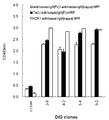
- Figure 6 shows the results of analysis by ELISA the competition assay (competition assay) for VEGF and Ang-2-Fc using DIG 0001.
- FIG. 7 shows the results of the survival assay (survival assay) for HUVEC of DIG 0001 according to the present invention.
- FIG. 10 shows the tumor growth inhibitory effect of DIG 0001 according to the present invention in a Glioblastoma mouse model.
- the DNA related to the binding domain of Ang2 that binds Tie-2 was obtained by PCR, and the DNA used as a template for the HEK293 cell line producing human Ang2-RBD from Dr. Dimitar B. Nikolov of Memorial Sloan Kettering Cancer Center, USA (Barton et al. , Structure , 13: 825, 2005) Genomic DNA was extracted and used. PCR was performed under the following conditions to amplify only Ang2 binding domain (F281-F496) using the extracted DNA: 94 ° C 4 min, (94 ° C 45 sec / 50 ° C 45 sec / 72 ° C 1 min) 30 Times, 72 ° C. for 7 minutes, 4 ° C. ⁇ .
- the reaction composition used was as follows: primer F-ksw001 (5'-CAC T CC AGC GGT GTG G GT TCC TTC AGA GAC TGT GCT GAA GTA TTC, SEQ ID NO: 1) having a Bst XI restriction enzyme recognition site; Reverse primer R'-ksw001 (5'-ACT ACC TCC GCC TCC TGA GAA ATC TGC TGG TCG GAT CAT CAT GGT TG, SEQ ID NO: 2) 2 ⁇ L (10 pmole / ⁇ L) each, 1 ⁇ L genomic DNA as template DNA ( 100 ng / ⁇ l), i-Max TM II Taq 2.5 U as polymerase (Intron # 25261, South Korea), 5 ⁇ l of 10 ⁇ buffer, 2 ⁇ l of dNTP (2.5 mM each), 37.5 ⁇ l of distilled water.
- primer F-ksw001 5'-CAC T CC AGC GGT GTG G GT TCC TTC AGA GAC TGT GCT
- PCR was subjected to electrophoresis on 1% agarose gel, and then faint bands of less than 700 bp were separated using HiYield TM Gel / PCR DNA Extraction Kit (RBC Bioscience # YDF300, Taiwan). .
- PCR was performed again using the isolated DNA as a template to obtain an Ang2 binding domain fragment to which a linker was fused (named mAng2).
- the PCR method used was R-ksw001 (5'-GGA GCC TCC TCC GCC ACT ACC TCC GCC TCC TGA GAA ATC TGC TGG TCG GAT CAT CAT GGT TG, SEQ ID NO: 3) as a reverse primer. Same as the method.
- the light chain portion of TTAC0001 to which the Ang2 binding domain was fused was amplified by PCR under the following conditions: 94 ° C 4 minutes, (94 ° C 30 seconds / 50 ° C 30 seconds / 72 ° C 30 seconds), 30 times, 72 ° C 5 Min, 4 ° C. ⁇ .
- the PCR reaction product using the composition is as follows: the part of the linker moiety is added primers ksw002-F (5'-AGT GGC GGA GGA TCC GGC GGT TCC AAT TTT ATG CTG ACT CAG, SEQ ID NO: 4) with the restriction enzyme Bst Primer R-ksw002 containing XI recognition site (5'-CAG ATC TTT CCA CGA GGC TGG CTC CTC, SEQ ID NO: 5) 2 ⁇ l each (10 pmole / ⁇ l), pIgGLD-TTAC0001 Lgt 10 ng (PCT as template DNA) / KR07 / 003077), i-Max TM II Taq 2.5 U (Intron # 25261, Korea) as polymerase, 5 ⁇ l of 10 ⁇ buffer, 2 ⁇ l of dNTP (2.5 mM each), 37.5 ⁇ l of distilled water.
- primers ksw002-F 5'-AGT GGC GGA
- the product obtained by PCR was subjected to electrophoresis through 1% agarose gel, and the TTAC0001 light chain fragment corresponding to about 350 bp was separated using a HiYield TM Gel / PCR DNA Extraction Kit (RBC Bioscience # YDF300, Taiwan). (Named TTAC0001 lgt).
- SOE-PCR was performed to fuse the Ang2 fragment portion (mAng2) obtained from the PCR and the TTAC0001 light chain region (TTAC0001_lgt), respectively.
- the PCR conditions used were as follows: 94 ° C 4 minutes, (94 ° C 45 seconds / 50 ° C 45 seconds / 72 ° C 1 minute) 30 times, 72 ° C 7 minutes, 4 ° C ⁇ .
- the PCR reaction composition used was as follows: 2 ⁇ l (10 pmole / ⁇ l) of primers F-ksw001 and R-ksw002 each having a Bst XI restriction enzyme recognition site, 10 ng each of mAng2 and TTAC0001 lgt as template DNA, I-Max TM II Taq 2.5 U (Intron # 25261, South Korea) as polymerase, 5 ⁇ l of 10 ⁇ buffer, 2 ⁇ l of dNTP (2.5 mM each), 37.5 ⁇ l of distilled water.
- the product obtained by PCR was subjected to electrophoresis through a 1% agarose gel, and a mAng2-TTAC0001 lgt fusion PCR product corresponding to about 1 kb was subjected to HiYield TM Gel / PCR DNA Extraction Kit (RBC Bioscience # YDF300, Taiwan). Was separated (named mAng2-TTAC0001 lgt).
- the isolated PCR product was inserted into T-vector using TOPcloner TA cloning kit (Enzymonics # EZ111, South Korea), transformed into E. coli DH5, and treated with miniprep and restriction enzyme Bst XI. DNA sequencing was requested and confirmed for the vector containing (Fig. 1 and SEQ ID NO: 6).
- the light chain expression vector preparation method for DIG 0001 dual target antibody expression is as follows (Fig. 2).
- our TTAC0001 light chain expression vector pIgGLD-TTAC0001 Lgt (PCT / KR07 / 003077) was treated with Bst XI and subjected to electrophoresis to separate only those parts that could be used as vectors from 1% agarose gels.
- T-vectors with mAng2-TTAC0001 lgt were also treated with Bst XI to separate only fragments that were cut from the 1% agarose gel via electrophoresis.
- the separated two fragments were prepared as one completed vector by using T4 DNA ligase (Enzynomics # M001S, Republic of Korea) for 12 hours at 4 °C.
- the prepared vector was transformed through E. coli DH5, and finally confirmed whether mAng2-TTAC0001 lgt was inserted through Bst XI treatment after miniprep.
- the identified recombinant vector was named 'pIgGLD-mAng2-TTAC0001 Lgt'.
- a DNA-lipofectamin TM 2000 complex was formed by reacting the DNA dilution with lipofectamin TM 2000 dilution for 20 minutes at room temperature. After removing the existing medium from the cultured cells, 500 ⁇ l of DNA-lipofectamin TM 2000 complex and 500 ⁇ l of serum-free ⁇ MEM medium were added to each well, and the cells were incubated for 6 hours in a CO 2 incubator at 37 ° C. After incubation for 48-72 hours by adding 1 ml of ⁇ MEM medium containing 20% of dialysis fetal calf serum, the supernatant was isolated and confirmed by SDS-PAGE and Western blotting (FIG. 3).
- SDS-PAGE and Western blotting were applied according to the methods commonly used in the art, and the samples used were as follows: 12% SDS-polyacrylamide Gel, PVDF membrane (Millipore # IPVH00010, USA), HRP-conjugated goat anti -human IgG (kappa) antibodies, and HRP-conjugated goat anti-human IgG (Fc) antibodies (Pierce, USA).
- DIG 0001 producing cell lines were constructed through CHO-DG44 ( dhfr -deficeint CHO) cells.
- the transduction procedure for establishing the recombinant antibody expressing CHO-DG44 cell line is the same as described above.
- ⁇ MEM medium without hypoxantine-thymidine was used and 400 ⁇ g / ml of G418 (Sigma-aldrich, USA) as a selection marker.
- Primary selection was done using ml zeocine (Invitrogen, USA).
- the primary selected cells were diluted to a density of 10 cells / ml, inoculated in 96-well plates (Nunc, USA), cultured for 2 weeks, and single colonies formed by dividing from single cells. Isolation to establish parental clones.
- the cells were passaged three to five times in a medium to which methotrexate (MTX) at various concentrations (40 nM, 80 nM, 160 nM, 320 nM, 700 nM) was added, and the expression level was ELISA. Confirmed by.
- MTX methotrexate
- VEGFR-2 and Tie-2 were used as primary antibodies, and HISA-conjugated goat anti-human IgG (kappa) was used as a secondary antibody to confirm the results.
- clones with the highest expression rates at MTX 700 nM were established as high expressing cell lines (FIG. 4). Cultures of high expressing cell lines consisted of 10% dialysate serum (KDR, Korea), 100 units / ml penicillin (Hyclone, USA), 100 ⁇ g / ml streptomycin (Hyclone, USA), and ⁇ MEM medium (Welgene, Korea) Cell culture was performed under humidified 5% CO 2 mixed air conditions using a 37 °C incubator.
- the double-target antibody DIG 0001 obtained through the culture of high expressing cell lines has 95% purity using fast protein liquid chromatography (FPLC) with Protein A affinity column, SP-sepharose column and size exclusion chromatography. Only the above purified antibodies were obtained (FIG. 5).
- FPLC fast protein liquid chromatography
- the culture medium was separated into a cell mass and a medium by centrifugation, and DIG 0001 in the separated medium was concentrated through an UF membrane (Millipore, USA) having a molecular weight cut-off of 10,000 Da or less.
- the medium through UF was first purified using protein A affinity chromatography. The process is briefly described as follows.
- cation exchange chromatography was performed according to the following procedure to remove contamination of DNA, Endotoxin, and protein-A that may remain in the sample separated through the affinity column.
- the sample eluted from the protein-A column is mixed with an equal volume of 20 mM sodium phosphate (pH 6.0) buffer.
- 10 mM sodium phosphate (pH 6.0) buffer containing 50 mM NaCl DNA, endotoxin, etc. were washed by adding samples.
- the antibody molecules bound to the resin were eluted using pH, salt gradient (50 mM sodium phosphate (pH 7.0), 1 M NaCl).
- the sample was placed in a Superdex 200 (16 mm x 60 cm, GE healthcare) column stabilized with PBS, and then subjected to size exclusion chromatography.
- Cell and in vivo assays were performed using antibodies that completed the above purification process.
- a competitive assay was performed using ELISA to determine whether the dual target antibody DIG 0001 can compete with VEGF and Ang2 against VEGFR-2 and Tie-2.
- 200 ng of VEGF165 and Ang2-RBD were respectively dispensed into 96-well plates and coated in a well at room temperature for one day, and then reacted at 37 ° C. for 2 hours using 2% skim milk / PBS. After the reaction plate was washed with PBS, various concentrations (0-250 nM) were added to the mixed solution A group (100 ng of Fc cleaved VEGFR-2 (ECD1-3), which was pre-reacted for 1 hour at room temperature.
- DIG 0001 was placed in a well coated with VEGF165 and reacted at room temperature for 2 hours.
- a well coated Ang2-RBD in the same manner, add the mixed solution group B (500 ng of Tie-2-Fc mixed with various concentrations (0-250 nM) of DIG 0001) for 1 hour at room temperature The reaction was carried out at room temperature for 2 hours. After the reaction was completed for 2 hours, the cells were washed with PBS and 37 ° C. after addition of 5 ⁇ g / ml of anti-VEGFR-2 mouse antibody (Reliatech, Germany) as a primary reaction antibody to VEGF165-coated wells. The reaction was carried out for 1 hour at.
- HUVEC human umbilical vein endothelial cells
- Culture of HUVEC was performed at 20% fetal bovine serum (Hyclone, USA), penicillin 100 units / ml (Hyclone, USA), streptomycin 100 ⁇ g / ml (Hyclone, USA), fibroblast growth factor (Upstate Biotechnology, USA) 3 ng / ml, phenol red-free M199 medium (Invitrogen, USA) with 5 units / ml of heparin (Sigma-Aldrich, USA) was used, and the cell culture was incubated in a humidified 5% CO 2 mixed air in a 37 ° C.
- vascular endothelial cells were incubated for 24 hours at a density of 2 ⁇ 10 4 cells / well in 24-well plates. Then, after washing twice with M199 medium, and cultured for 6 hours at low serum concentration conditions of M199 medium containing 1% fetal bovine serum (Hyclone, USA). Antibodies of various concentrations were pretreated with cells for 30 minutes, followed by 10 ng / ml VEGF (R & D systems, USA) and 100 ng / ml Ang1 (R & D systems, USA). After 48 hours of incubation, WST-8 (Dojindo, Japan) was treated for 2 hours to measure absorbance at 450 nm wavelength, and cell viability under each condition was compared (FIG. 7).
- the cells pretreated with various concentrations of antibodies for 30 minutes were evenly sprayed with 100 ⁇ l of the upper transwell, followed by incubation for 3.5 hours in a 37 ° C cell incubator.
- Cells were stained with hematoxylin-eosin (Sigma, USA) or Crystal Violet (Sigma, USA), and unmigrated cells attached to the top of the filter were removed using a cotton swab, leaving only the migrated cells on the bottom of the filter.
- the optical microscope equipped with a digital camera Olympus, IX71, Japan
- Example 7 Intracellular VEGFR-2 and Tie-2 Phosphorylation Inhibition Assay by Immunoprecipitation and Western Blotting
- Vascular endothelial cells cultured for 24 hours were incubated for 6 hours under conditions of M199 medium containing 1% fetal bovine serum, followed by pretreatment with 26.7 ⁇ g / ml of DIG 0001 antibody for 30 minutes. Thereafter, 10 ng / ml VEGF and 100 ng / ml Ang1 were treated for 15 minutes.
- lysis buffer 1% (w / v) SDS, 10 mM Tris (pH 7.4), 2 mM sodium orthovanadate, 2 mM EGTA, 2 mM EDTA, 1 mM phenylmethylsulfonyl fluoride, and 1 mM) Sodium fluoride
- compositions of the present invention can be used to treat diseases associated with neovascularization, in particular cancer.
Landscapes
- Health & Medical Sciences (AREA)
- Chemical & Material Sciences (AREA)
- Life Sciences & Earth Sciences (AREA)
- Organic Chemistry (AREA)
- Medicinal Chemistry (AREA)
- General Health & Medical Sciences (AREA)
- Engineering & Computer Science (AREA)
- Animal Behavior & Ethology (AREA)
- Veterinary Medicine (AREA)
- Pharmacology & Pharmacy (AREA)
- Public Health (AREA)
- Chemical Kinetics & Catalysis (AREA)
- General Chemical & Material Sciences (AREA)
- Bioinformatics & Cheminformatics (AREA)
- Nuclear Medicine, Radiotherapy & Molecular Imaging (AREA)
- Immunology (AREA)
- Genetics & Genomics (AREA)
- Molecular Biology (AREA)
- Biochemistry (AREA)
- Biophysics (AREA)
- Proteomics, Peptides & Aminoacids (AREA)
- Biomedical Technology (AREA)
- Rheumatology (AREA)
- Zoology (AREA)
- Cardiology (AREA)
- Heart & Thoracic Surgery (AREA)
- Microbiology (AREA)
- Oncology (AREA)
- General Engineering & Computer Science (AREA)
- Wood Science & Technology (AREA)
- Biotechnology (AREA)
- Dermatology (AREA)
- Hematology (AREA)
- Orthopedic Medicine & Surgery (AREA)
- Mycology (AREA)
- Epidemiology (AREA)
- Cell Biology (AREA)
- Ophthalmology & Optometry (AREA)
- Physics & Mathematics (AREA)
- Pain & Pain Management (AREA)
Priority Applications (11)
| Application Number | Priority Date | Filing Date | Title |
|---|---|---|---|
| SG2011082542A SG175971A1 (en) | 2009-05-20 | 2009-07-22 | Dual targeting antibody of novel form, and use thereof |
| EP09844974.7A EP2433968B1 (en) | 2009-05-20 | 2009-07-22 | Dual targeting antibody of novel form, and use thereof |
| CN200980159382.XA CN102428104B (zh) | 2009-05-20 | 2009-07-22 | 双重靶定抗体及其用途 |
| CA2762555A CA2762555C (en) | 2009-05-20 | 2009-07-22 | Dual targeting antibody of novel form, and use thereof |
| JP2012511742A JP5744012B2 (ja) | 2009-05-20 | 2009-07-22 | 新規な形態の二重標的抗体およびその使用 |
| RU2011146088/10A RU2520824C2 (ru) | 2009-05-20 | 2009-07-22 | Антитело двойной направленности в новой форме и его применение |
| ES09844974.7T ES2605604T3 (es) | 2009-05-20 | 2009-07-22 | Anticuerpo de dirección doble de forma nueva y uso del mismo |
| AU2009346447A AU2009346447B2 (en) | 2009-05-20 | 2009-07-22 | Dual targeting antibody of novel form, and use thereof |
| US13/319,899 US10125194B2 (en) | 2009-05-20 | 2009-07-22 | Dual targeting antibody of novel form, and use thereof |
| DK09844974.7T DK2433968T3 (en) | 2009-05-20 | 2009-07-22 | Dual targeting antibody of novel form and use thereof |
| BRPI0924535-9A BRPI0924535B1 (pt) | 2009-05-20 | 2009-07-22 | Anticorpo direcionado a dois alvos e seu método de produção, dna, vetor de expressão recombinante e composição farmacêutica |
Applications Claiming Priority (2)
| Application Number | Priority Date | Filing Date | Title |
|---|---|---|---|
| KR10-2009-0044032 | 2009-05-20 | ||
| KR1020090044032A KR101224468B1 (ko) | 2009-05-20 | 2009-05-20 | 신규한 형태의 이중표적항체 및 그 용도 |
Publications (1)
| Publication Number | Publication Date |
|---|---|
| WO2010134666A1 true WO2010134666A1 (ko) | 2010-11-25 |
Family
ID=43126324
Family Applications (1)
| Application Number | Title | Priority Date | Filing Date |
|---|---|---|---|
| PCT/KR2009/004084 Ceased WO2010134666A1 (ko) | 2009-05-20 | 2009-07-22 | 신규한 형태의 이중표적항체 및 그 용도 |
Country Status (13)
| Country | Link |
|---|---|
| US (1) | US10125194B2 (enExample) |
| EP (1) | EP2433968B1 (enExample) |
| JP (2) | JP5744012B2 (enExample) |
| KR (1) | KR101224468B1 (enExample) |
| CN (1) | CN102428104B (enExample) |
| AU (1) | AU2009346447B2 (enExample) |
| BR (1) | BRPI0924535B1 (enExample) |
| CA (1) | CA2762555C (enExample) |
| DK (1) | DK2433968T3 (enExample) |
| ES (1) | ES2605604T3 (enExample) |
| RU (1) | RU2520824C2 (enExample) |
| SG (1) | SG175971A1 (enExample) |
| WO (1) | WO2010134666A1 (enExample) |
Cited By (38)
| Publication number | Priority date | Publication date | Assignee | Title |
|---|---|---|---|---|
| WO2018011421A1 (en) | 2016-07-14 | 2018-01-18 | Genmab A/S | Multispecific antibodies against cd40 and cd137 |
| WO2018162749A1 (en) | 2017-03-09 | 2018-09-13 | Genmab A/S | Antibodies against pd-l1 |
| WO2018178396A1 (en) | 2017-03-31 | 2018-10-04 | Genmab Holding B.V. | Bispecific anti-cd37 antibodies, monoclonal anti-cd37 antibodies and methods of use thereof |
| WO2019025545A1 (en) | 2017-08-04 | 2019-02-07 | Genmab A/S | BINDING AGENTS BINDING TO PD-L1 AND CD137 AND THEIR USE |
| WO2019182333A1 (ko) * | 2018-03-19 | 2019-09-26 | 주식회사 파멥신 | 항-vegfr-2 항체 |
| WO2020060406A1 (en) | 2018-09-19 | 2020-03-26 | Lava Therapeutics B.V. | Novel bispecific antibodies for use in the treatment of hematological malignancies |
| WO2020070313A1 (en) | 2018-10-04 | 2020-04-09 | Genmab Holding B.V. | Pharmaceutical compositions comprising bispecific anti-cd37 antibodies |
| WO2020094744A1 (en) | 2018-11-06 | 2020-05-14 | Genmab A/S | Antibody formulation |
| WO2020159368A1 (en) | 2019-02-01 | 2020-08-06 | Lava Therapeutics B.V. | Novel cd40-binding antibodies |
| NL2022494B1 (en) | 2019-02-01 | 2020-08-19 | Lava Therapeutics B V | Novel CD40-binding antibodies |
| EP3792283A1 (en) | 2019-09-16 | 2021-03-17 | Lava Therapeutics B.V. | Treatment of cancer comprising administration of vgamma9vdelta2 t cell receptor binding antibodies |
| WO2021156258A1 (en) | 2020-02-04 | 2021-08-12 | BioNTech SE | Treatment involving antigen vaccination and binding agents binding to pd-l1 and cd137 |
| WO2021185934A1 (en) | 2020-03-18 | 2021-09-23 | Genmab A/S | Antibodies binding to b7h4 |
| WO2022008646A1 (en) | 2020-07-08 | 2022-01-13 | LAVA Therapeutics N.V. | Antibodies that bind psma and gamma-delta t cell receptors |
| WO2022029011A1 (en) | 2020-08-06 | 2022-02-10 | BioNTech SE | Binding agents for coronavirus s protein |
| US11359015B2 (en) | 2015-07-15 | 2022-06-14 | Genmab A/S | Humanized or chimeric CD3 antibodies |
| WO2022122973A1 (en) | 2020-12-10 | 2022-06-16 | LAVA Therapeutics N.V. | Antibodies that bind gamma-delta t cell receptors |
| WO2022180271A1 (en) | 2021-02-26 | 2022-09-01 | LAVA Therapeutics N.V. | Antibodies that bind CD123 and gamma-delta T cell receptors |
| WO2022234146A1 (en) | 2021-05-07 | 2022-11-10 | Genmab A/S | PHARMACEUTICAL COMPOSITIONS COMPRISING BISPECIFIC ANTIBODIES BINDING TO B7H4 and CD3 |
| WO2022268740A1 (en) | 2021-06-21 | 2022-12-29 | Genmab A/S | Combination dosage regime of cd137 and pd-l1 binding agents |
| WO2023037333A1 (en) | 2021-09-13 | 2023-03-16 | Janssen Biotech, Inc | CD33 X Vδ2 MULTISPECIFIC ANTIBODIES FOR THE TREATMENT OF CANCER |
| WO2023057571A1 (en) | 2021-10-08 | 2023-04-13 | Genmab A/S | Antibodies binding to cd30 and cd3 |
| WO2023067138A1 (en) | 2021-10-21 | 2023-04-27 | LAVA Therapeutics N.V. | Uses of gamma delta t cell activating antibodies |
| WO2023174952A1 (en) | 2022-03-15 | 2023-09-21 | Genmab A/S | Binding agents binding to epcam and/or cd137 |
| EP4285926A1 (en) | 2022-05-30 | 2023-12-06 | LAVA Therapeutics N.V. | Combination treatment for chronic lymphocytic leukemia |
| US11845805B2 (en) | 2020-09-10 | 2023-12-19 | Genmab A/S | Bispecific antibody against CD3 and CD20 in combination therapy for treating diffuse large B-cell lymphoma |
| EP4292610A1 (en) | 2022-06-15 | 2023-12-20 | LAVA Therapeutics N.V. | Variant antibodies that bind gamma-delta t cell receptors |
| EP4292609A1 (en) | 2022-06-15 | 2023-12-20 | LAVA Therapeutics N.V. | Compositions comprising antibodies that bind gamma-delta t cell receptors |
| US11858995B2 (en) | 2020-09-10 | 2024-01-02 | Genmab A/S | Bispecific antibodies against CD3 and CD20 for treating chronic lymphocytic leukemia |
| WO2024010445A1 (en) | 2022-07-06 | 2024-01-11 | ACADEMISCH ZIEKENHUIS LEIDEN (h.o.d.n. LUMC) | Bispecific antibody and uses thereof |
| EP4438624A1 (en) | 2023-03-27 | 2024-10-02 | LAVA Therapeutics N.V. | Antibodies that bind nectin-4 and gamma-delta t cell receptors |
| WO2024200573A1 (en) | 2023-03-27 | 2024-10-03 | LAVA Therapeutics N.V. | Nectin-4 binding agents and methods of use |
| WO2024208898A1 (en) | 2023-04-05 | 2024-10-10 | Genmab A/S | Pharmaceutical compositions comprising antibodies binding to cd30 and cd3 |
| WO2025003280A1 (en) | 2023-06-30 | 2025-01-02 | Genmab A/S | Antibodies binding to fibroblast activation protein alpha and death receptor 4 |
| WO2025012118A2 (en) | 2023-07-07 | 2025-01-16 | LAVA Therapeutics N.V. | 5t4 binding agents and methods of use |
| WO2025024780A1 (en) | 2023-07-27 | 2025-01-30 | LAVA Therapeutics N.V. | Antibodies that bind gamma-delta t cell receptors for the treatment of cancer |
| WO2025056778A1 (en) | 2023-09-15 | 2025-03-20 | BioNTech SE | Methods of treatment using agents binding to epcam and cd137 in combination with pd-1 axis binding antagonists |
| US12435154B2 (en) | 2020-05-08 | 2025-10-07 | Genmab A/S | Bispecific antibodies against CD3 and CD20 |
Families Citing this family (25)
| Publication number | Priority date | Publication date | Assignee | Title |
|---|---|---|---|---|
| AR085091A1 (es) | 2011-01-26 | 2013-09-11 | Kolltan Pharmaceuticals Inc | Anticuerpos anti-kit y sus usos |
| KR20120130658A (ko) * | 2011-05-23 | 2012-12-03 | 주식회사 파멥신 | 펩타이드가 융합된 이중표적항체 및 그 용도 |
| WO2013075740A1 (en) | 2011-11-23 | 2013-05-30 | Sanofi | Antibody purification method |
| LT2782598T (lt) | 2011-11-23 | 2020-07-27 | In3Bio Ltd. | Rekombinantiniai baltymai ir jų terapinis panaudojimas |
| SG11201500489YA (en) | 2012-07-25 | 2015-02-27 | Kolltan Pharmaceuticals Inc | Anti-kit antibodies and uses thereof |
| JP6144771B2 (ja) * | 2012-11-21 | 2017-06-07 | ファームアブシン インコーポレイテッド | Vegfr−2とdll4を標的とする二重標的抗体及びこれを含む薬学的組成物 |
| WO2014108854A1 (en) | 2013-01-09 | 2014-07-17 | Fusimab Ltd. | Monospecific anti-hgf and anti-ang2 antibodies and bispecific anti-hgf/anti-ang2 antibodies |
| KR102049991B1 (ko) | 2013-03-28 | 2019-12-02 | 삼성전자주식회사 | 항 c-Met/항 Her2 이중 특이 항체 |
| KR102074421B1 (ko) | 2013-03-29 | 2020-02-10 | 삼성전자주식회사 | 항 c-Met/항 EGFR 이중 특이 항체 |
| KR102060540B1 (ko) | 2013-04-03 | 2019-12-31 | 삼성전자주식회사 | 항 c-Met 항체 및 항 Ang2 항체를 포함하는 병용 투여용 약학 조성물 |
| HUE038741T2 (hu) * | 2013-05-06 | 2018-11-28 | Sanofi Sa | Folyamatos többlépéses eljárás antitestek tisztítására |
| KR20150063728A (ko) * | 2013-12-02 | 2015-06-10 | 삼성전자주식회사 | 항 VEGF-C/항 Ang2 이중 특이 항체 |
| KR102223502B1 (ko) | 2014-05-09 | 2021-03-05 | 삼성전자주식회사 | 항 c-Met/항 EGFR/항 Her3 다중 특이 항체 및 이의 이용 |
| AR100271A1 (es) | 2014-05-19 | 2016-09-21 | Lilly Co Eli | Compuestos de vegfr2 / ang2 |
| CN106659782B (zh) | 2014-05-23 | 2021-11-09 | 塞尔德克斯医疗公司 | 一种用于嗜酸性粒细胞或肥大细胞相关病症治疗的抗体 |
| KR20160024639A (ko) | 2014-08-26 | 2016-03-07 | 삼성전자주식회사 | c-Met 표적 치료제의 저항성 또는 효능 예측을 위한 바이오마커 PDGF |
| WO2016060297A1 (ko) * | 2014-10-16 | 2016-04-21 | 주식회사 파멥신 | VEGFR-2 및 c-Met에 대하여 결합성을 갖는 이중표적항체 |
| KR102309881B1 (ko) | 2014-11-21 | 2021-10-06 | 삼성전자주식회사 | c-Met 및 EGFR의 이중 저해제 및 IGF-1R 저해제를 포함하는 병용 투여용 약학 조성물 |
| KR102201992B1 (ko) * | 2016-09-08 | 2021-01-12 | 주식회사 우리기술 | clec14a에 특이적으로 결합하는 탈당화 항체 및 그 용도 |
| EP3768313A4 (en) * | 2018-03-20 | 2022-01-05 | Yuh, Chiou Hwa | DUAL-FUNCTIONAL ANTIBODIES AGAINST VEGFR2 AND VEGFR3 DISHES |
| CN119881293A (zh) | 2018-03-21 | 2025-04-25 | 沃特世科技公司 | 基于非抗体高亲和力的样品制备、吸附剂、装置和方法 |
| EP3546475A1 (en) | 2018-03-27 | 2019-10-02 | Sanofi | Full flow-through process for purifying recombinant proteins |
| CA3136975C (en) * | 2019-08-14 | 2024-06-25 | Pharmabcine Inc. | Anti-tie2 antibody and use thereof |
| JP2023545520A (ja) | 2020-10-14 | 2023-10-30 | ビリジアン セラピューティクス, インコーポレイテッド | 甲状腺眼疾患を治療するための組成物及び方法 |
| WO2023019171A1 (en) | 2021-08-10 | 2023-02-16 | Viridian Therapeutics, Inc. | Compositions, doses, and methods for treatment of thyroid eye disease |
Citations (11)
| Publication number | Priority date | Publication date | Assignee | Title |
|---|---|---|---|---|
| US4816567A (en) | 1983-04-08 | 1989-03-28 | Genentech, Inc. | Recombinant immunoglobin preparations |
| US5545807A (en) | 1988-10-12 | 1996-08-13 | The Babraham Institute | Production of antibodies from transgenic animals |
| US5545806A (en) | 1990-08-29 | 1996-08-13 | Genpharm International, Inc. | Ransgenic non-human animals for producing heterologous antibodies |
| US5569825A (en) | 1990-08-29 | 1996-10-29 | Genpharm International | Transgenic non-human animals capable of producing heterologous antibodies of various isotypes |
| US5625126A (en) | 1990-08-29 | 1997-04-29 | Genpharm International, Inc. | Transgenic non-human animals for producing heterologous antibodies |
| US5633425A (en) | 1990-08-29 | 1997-05-27 | Genpharm International, Inc. | Transgenic non-human animals capable of producing heterologous antibodies |
| US5661016A (en) | 1990-08-29 | 1997-08-26 | Genpharm International Inc. | Transgenic non-human animals capable of producing heterologous antibodies of various isotypes |
| US5750373A (en) | 1990-12-03 | 1998-05-12 | Genentech, Inc. | Enrichment method for variant proteins having altered binding properties, M13 phagemids, and growth hormone variants |
| US7090843B1 (en) * | 2000-11-28 | 2006-08-15 | Seattle Genetics, Inc. | Recombinant anti-CD30 antibodies and uses thereof |
| EP1916001A2 (en) | 2002-03-04 | 2008-04-30 | Imclone Systems, Inc. | Human antibodies specific to KDR and uses thereof |
| KR100883430B1 (ko) * | 2007-06-13 | 2009-02-12 | 한국생명공학연구원 | 혈관내피성장인자 수용체를 중화하는 인간 단클론항체 및그 용도 |
Family Cites Families (12)
| Publication number | Priority date | Publication date | Assignee | Title |
|---|---|---|---|---|
| EP0642585B1 (en) | 1992-05-18 | 2005-12-28 | Genentech, Inc. | Activation of oligomerizing receptors by using fused receptor ligands |
| US5942602A (en) * | 1997-02-13 | 1999-08-24 | Schering Aktiengessellschaft | Growth factor receptor antibodies |
| CN1308347C (zh) * | 1999-04-28 | 2007-04-04 | 德克萨斯大学董事会 | 用于通过选择性抑制vegf来治疗癌症的组合物和方法 |
| CA2482607C (en) * | 2002-04-22 | 2013-06-11 | Fraunhofer-Gesellschaft Zur Foerderung Der Angewandten Forschung E.V. | Antibodies, recombinant antibodies, recombinant antibody fragments and fusions mediated plant disease resistance against fungi |
| EP1601697B1 (en) | 2003-02-28 | 2007-05-30 | Lonza Biologics plc | Antibody purification by Protein A and ion exchange chromatography |
| US20090111146A1 (en) | 2003-09-02 | 2009-04-30 | National Institute Of Advanced Industrial Science | Antibody Drug |
| CN100503640C (zh) * | 2004-07-08 | 2009-06-24 | 中国人民解放军军事医学科学院生物工程研究所 | 一种抗肿瘤融合蛋白及其编码基因与应用 |
| WO2006005361A1 (en) | 2004-07-13 | 2006-01-19 | Centre National De La Recherche Scientifique | Peptides liable to bind to the tie2 receptor, nucleic acids encoding them, and their uses |
| US20060058311A1 (en) * | 2004-08-14 | 2006-03-16 | Boehringer Ingelheim International Gmbh | Combinations for the treatment of diseases involving cell proliferation |
| CN1884300A (zh) * | 2005-06-24 | 2006-12-27 | 中国人民解放军军事医学科学院微生物流行病研究所 | 一种具有靶向功能的抗肝癌超抗原,其制备方法及用途 |
| WO2008090958A1 (ja) * | 2007-01-24 | 2008-07-31 | Kyowa Hakko Kirin Co., Ltd. | ドメイン交換された遺伝子組換え抗体組成物 |
| KR102060540B1 (ko) * | 2013-04-03 | 2019-12-31 | 삼성전자주식회사 | 항 c-Met 항체 및 항 Ang2 항체를 포함하는 병용 투여용 약학 조성물 |
-
2009
- 2009-05-20 KR KR1020090044032A patent/KR101224468B1/ko not_active Expired - Fee Related
- 2009-07-22 EP EP09844974.7A patent/EP2433968B1/en active Active
- 2009-07-22 JP JP2012511742A patent/JP5744012B2/ja not_active Expired - Fee Related
- 2009-07-22 ES ES09844974.7T patent/ES2605604T3/es active Active
- 2009-07-22 CA CA2762555A patent/CA2762555C/en active Active
- 2009-07-22 BR BRPI0924535-9A patent/BRPI0924535B1/pt not_active IP Right Cessation
- 2009-07-22 US US13/319,899 patent/US10125194B2/en active Active
- 2009-07-22 DK DK09844974.7T patent/DK2433968T3/en active
- 2009-07-22 SG SG2011082542A patent/SG175971A1/en unknown
- 2009-07-22 WO PCT/KR2009/004084 patent/WO2010134666A1/ko not_active Ceased
- 2009-07-22 CN CN200980159382.XA patent/CN102428104B/zh not_active Expired - Fee Related
- 2009-07-22 RU RU2011146088/10A patent/RU2520824C2/ru active
- 2009-07-22 AU AU2009346447A patent/AU2009346447B2/en not_active Ceased
-
2014
- 2014-12-26 JP JP2014263739A patent/JP2015119705A/ja active Pending
Patent Citations (11)
| Publication number | Priority date | Publication date | Assignee | Title |
|---|---|---|---|---|
| US4816567A (en) | 1983-04-08 | 1989-03-28 | Genentech, Inc. | Recombinant immunoglobin preparations |
| US5545807A (en) | 1988-10-12 | 1996-08-13 | The Babraham Institute | Production of antibodies from transgenic animals |
| US5545806A (en) | 1990-08-29 | 1996-08-13 | Genpharm International, Inc. | Ransgenic non-human animals for producing heterologous antibodies |
| US5569825A (en) | 1990-08-29 | 1996-10-29 | Genpharm International | Transgenic non-human animals capable of producing heterologous antibodies of various isotypes |
| US5625126A (en) | 1990-08-29 | 1997-04-29 | Genpharm International, Inc. | Transgenic non-human animals for producing heterologous antibodies |
| US5633425A (en) | 1990-08-29 | 1997-05-27 | Genpharm International, Inc. | Transgenic non-human animals capable of producing heterologous antibodies |
| US5661016A (en) | 1990-08-29 | 1997-08-26 | Genpharm International Inc. | Transgenic non-human animals capable of producing heterologous antibodies of various isotypes |
| US5750373A (en) | 1990-12-03 | 1998-05-12 | Genentech, Inc. | Enrichment method for variant proteins having altered binding properties, M13 phagemids, and growth hormone variants |
| US7090843B1 (en) * | 2000-11-28 | 2006-08-15 | Seattle Genetics, Inc. | Recombinant anti-CD30 antibodies and uses thereof |
| EP1916001A2 (en) | 2002-03-04 | 2008-04-30 | Imclone Systems, Inc. | Human antibodies specific to KDR and uses thereof |
| KR100883430B1 (ko) * | 2007-06-13 | 2009-02-12 | 한국생명공학연구원 | 혈관내피성장인자 수용체를 중화하는 인간 단클론항체 및그 용도 |
Non-Patent Citations (67)
| Title |
|---|
| AHMAD ET AL., CANCER, vol. 92, 2001, pages 1138 |
| BARTON ET AL., STRUCTURE, vol. 13, 2005, pages 825 |
| BARTON W.A. ET AL., NAT. STRUCT. BIOL., vol. 13, 2006, pages 524 |
| BOERNER ET AL., J. IMMUNOL., vol. 147, no. 1, 1991, pages 86 - 95 |
| BRENNAN ET AL., SCIENCE, vol. 229, 1985, pages 81 |
| CARMELIET, JAIN, NATURE, vol. 407, 2000, pages 249 |
| CHANG ET AL., CLIN. CANCER RES., vol. 13, 2007, pages 5586 |
| CHO ET AL., PROC. NATL. ACAD. SCI. U.S.A., vol. 101, 2004, pages 5547 |
| CLACKSON ET AL., NATURE, vol. 352, 1991, pages 624 - 628 |
| COLE ET AL.: "Monoclonal Antibodies and Cancer Therapy", 1985, ALAN R LISS, pages: 77 |
| COLOMA, MORRISON, NAT. BIOTECHNOL., vol. 15, 1997, pages 159 |
| DAN LU ET AL: "Simultaneous Blockade of Both the Epidermal Growth Factor Receptor and the Insulin-like Growth Factor Receptor Signaling Pathways in Cancer Cells with a Fully Human Recombinant Bispecific Antibody", THE JOURNAL OF BIOLOGICAL CHEMISTRY, vol. 279, no. 4, 23 January 2004 (2004-01-23), pages 2856 - 2865, XP002316541 * |
| DAVIS ET AL., NAT. STRUT. BIOL., vol. 10, 2003, pages 38 |
| DE KRUIF, LOGTENBERG, J. BIOL. CHEM., vol. 271, 1996, pages 7630 |
| ELLIS, HICKLIN, NATURE REV. CANCER, vol. 8, 2008, pages 579 |
| ETER ET AL., BIODRGUS, vol. 20, 2006, pages 167 |
| FERRARA ET AL., BIOCHEM. BIOPHY. RES. COMM., vol. 333, 2005, pages 328 |
| FERRARA, KERBEL, NATURE, vol. 435, 2005, pages 967 |
| FISHWILD ET AL., NATURE BIOTECHNOLOGY, vol. 14, 1996, pages 845 - 51 |
| HAYES ET AL., BR. J. CANCER, vol. 83, 2000, pages 1154 |
| HOLASH ET AL., PNAS, vol. 99, 2002, pages 11393 |
| HOLLIGER ET AL., PROC. NATL. ACAD. SCI. U.S.A., vol. 90, 1993, pages 6444 |
| HOOGENBOOM, WINTER, J.MOL.BIOL., vol. 227, 1991, pages 381 |
| HUDSON, KORTT, J. IMMUNOL. METHODS, vol. 231, 1999, pages 177 |
| KIEWE, THIEL, EXPERT OPIN. INVESTIG. DRUGS, vol. 17, 2008, pages 1553 |
| KIM ET AL., ONCOGENE, vol. 19, 2000, pages 4549 |
| KIPRIYANOV ET AL., J. MOL. BIOL., vol. 293, 1999, pages 41 |
| KIPRIYANOV, LE GALL, CURR. OPIN. DRUG DISCOVERY DEV., vol. 7, 2004, pages 233 |
| KLAGSBRUN, MOSES, CHEM. BIOL., vol. 6, 1999, pages 217 |
| KOHLER ET AL., NATURE, vol. 256, 1975, pages 495 |
| KONG ET AL., CANCER RES., vol. 61, 2001, pages 6248 |
| KOSTELNY ET AL., J. IMMUNOL., vol. 148, 1992, pages 1547 |
| KUFER ET AL., TREND IN BIOTECHNOL., vol. 22, 2004, pages 238 |
| LEUNG ET AL., SCIENCE, vol. 246, 1989, pages 1306 |
| LONBERG ET AL., NATURE, vol. 368, 1994, pages 856 - 859 |
| LONBERG, HUSZAR, INTEM. REV. IMMUNOL., vol. 13, 1995, pages 65 - 93 |
| LU ET AL., J. BIOL. CHEM., vol. 279, 2004, pages 2856 |
| LU ET AL., J. BIOL. CHEM., vol. 280, 2005, pages 19665 |
| LU ET AL., J. IMMUNOL. METHODS, vol. 267, 2002, pages 213 |
| MAISONPIERRE ET AL., SCIENCE, vol. 277, 1997, pages 55 |
| MARKS ET AL., BIOTECHNOLOGY, vol. 10, 1992, pages 779 - 783 |
| MARKS ET AL., J. MOL. BIOL., vol. 222, 1991, pages 581 - 597 |
| MARKS ET AL., J.MOL.BIOL., vol. 222, 1991, pages 581 |
| MARVIN, ZHU, CURR. OPIN. DRUG DISCOVERY DEV., vol. 9, 2006, pages 184 |
| MERCHANT ET AL., NAT. BIOTECHNOL., vol. 16, 1998, pages 677 |
| MORRISON, NATURE, vol. 368, 1994, pages 812 - 13 |
| MULLER ET AL., FEBS LETT., vol. 432, 1998, pages 45 |
| NEUBERGER, NATURE BIOTECHNOLOGY, vol. 14, 1996, pages 826 |
| PROCOPIO ET AL., J. BIOL. CHEM., vol. 274, 1999, pages 30196 |
| RISAU, NATURE, vol. 386, 1997, pages 671 |
| ROBINSON ET AL., BRIT. J. CANCER, vol. 99, 2008, pages 1415 |
| ROSSI ET AL., CANCER RES., vol. 68, 2008, pages 8384 |
| ROSSI ET AL., PROC. NATL. ACAD. SCI. U.S.A., vol. 103, 2006, pages 6841 |
| SCHLESSINGER, CELL, vol. 103, 2000, pages 211 |
| SCHOONJANS ET AL., J. IMMUNOL., vol. 165, 2000, pages 7050 |
| See also references of EP2433968A4 * |
| SHEETS ET AL., PNAS (USA, vol. 95, 1998, pages 6157 - 6162 |
| SHEN ET AL., J. BIOL. CHEM., vol. 281, 2006, pages 10706 |
| SHEN ET AL., J. IMMUNOL. METHODS, vol. 318, 2007, pages 65 |
| SHEN, ZHU, CURR. OPIN. MOL. THER., vol. 10, 2008, pages 273 |
| SURI ET AL., CELL, vol. 87, 1996, pages 1171 |
| TISHER ET AL., J. BIOL. CHEM., vol. 266, 1991, pages 11947 |
| TUTT ET AL., J. IMMUNOL., vol. 147, 1991, pages 60 |
| VAN SPRIEL ET AL., IMMUNOL. TODAY, vol. 21, 2000, pages 391 |
| VAUGHAN ET AL., NATURE BIOTECHNOLOGY, vol. 14, 1996, pages 309 - 314 |
| VEIKKOLA, ALITALO, SEMIN CANCER BIOL., vol. 9, 1999, pages 211 |
| YOUSSOUFIAN ET AL., CLIN. CANCER RES., vol. 13, 2007, pages 5544S |
Cited By (52)
| Publication number | Priority date | Publication date | Assignee | Title |
|---|---|---|---|---|
| US11359015B2 (en) | 2015-07-15 | 2022-06-14 | Genmab A/S | Humanized or chimeric CD3 antibodies |
| WO2018011421A1 (en) | 2016-07-14 | 2018-01-18 | Genmab A/S | Multispecific antibodies against cd40 and cd137 |
| WO2018162749A1 (en) | 2017-03-09 | 2018-09-13 | Genmab A/S | Antibodies against pd-l1 |
| EP4527854A2 (en) | 2017-03-09 | 2025-03-26 | Genmab A/S | Antibodies against pd-l1 |
| WO2018178396A1 (en) | 2017-03-31 | 2018-10-04 | Genmab Holding B.V. | Bispecific anti-cd37 antibodies, monoclonal anti-cd37 antibodies and methods of use thereof |
| WO2019025545A1 (en) | 2017-08-04 | 2019-02-07 | Genmab A/S | BINDING AGENTS BINDING TO PD-L1 AND CD137 AND THEIR USE |
| KR102644938B1 (ko) | 2018-03-19 | 2024-03-07 | 주식회사 파멥신 | 항-vegfr-2 항체 |
| WO2019182333A1 (ko) * | 2018-03-19 | 2019-09-26 | 주식회사 파멥신 | 항-vegfr-2 항체 |
| KR20190110063A (ko) * | 2018-03-19 | 2019-09-27 | 주식회사 파멥신 | 항-vegfr-2 항체 |
| WO2020060406A1 (en) | 2018-09-19 | 2020-03-26 | Lava Therapeutics B.V. | Novel bispecific antibodies for use in the treatment of hematological malignancies |
| WO2020060405A1 (en) | 2018-09-19 | 2020-03-26 | Lava Therapeutics B.V. | Dual acting cd1d immunoglobulin |
| WO2020070313A1 (en) | 2018-10-04 | 2020-04-09 | Genmab Holding B.V. | Pharmaceutical compositions comprising bispecific anti-cd37 antibodies |
| WO2020094744A1 (en) | 2018-11-06 | 2020-05-14 | Genmab A/S | Antibody formulation |
| NL2022494B1 (en) | 2019-02-01 | 2020-08-19 | Lava Therapeutics B V | Novel CD40-binding antibodies |
| WO2020159368A1 (en) | 2019-02-01 | 2020-08-06 | Lava Therapeutics B.V. | Novel cd40-binding antibodies |
| EP3792283A1 (en) | 2019-09-16 | 2021-03-17 | Lava Therapeutics B.V. | Treatment of cancer comprising administration of vgamma9vdelta2 t cell receptor binding antibodies |
| WO2021052995A1 (en) | 2019-09-16 | 2021-03-25 | Lava Therapeutics B.V. | TREATMENT OF CANCER COMPRISING ADMINISTRATION OF Vγ9Vẟ2 T CELL RECEPTOR BINDING ANTIBODIES |
| WO2021156258A1 (en) | 2020-02-04 | 2021-08-12 | BioNTech SE | Treatment involving antigen vaccination and binding agents binding to pd-l1 and cd137 |
| WO2021155916A1 (en) | 2020-02-04 | 2021-08-12 | BioNTech SE | Treatment involving antigen vaccination and binding agents binding to pd-l1 and cd137 |
| WO2021185934A1 (en) | 2020-03-18 | 2021-09-23 | Genmab A/S | Antibodies binding to b7h4 |
| US11261254B1 (en) | 2020-03-18 | 2022-03-01 | Genmab A/S | Antibodies |
| US12435154B2 (en) | 2020-05-08 | 2025-10-07 | Genmab A/S | Bispecific antibodies against CD3 and CD20 |
| WO2022008646A1 (en) | 2020-07-08 | 2022-01-13 | LAVA Therapeutics N.V. | Antibodies that bind psma and gamma-delta t cell receptors |
| WO2022029011A1 (en) | 2020-08-06 | 2022-02-10 | BioNTech SE | Binding agents for coronavirus s protein |
| US11858995B2 (en) | 2020-09-10 | 2024-01-02 | Genmab A/S | Bispecific antibodies against CD3 and CD20 for treating chronic lymphocytic leukemia |
| US11845805B2 (en) | 2020-09-10 | 2023-12-19 | Genmab A/S | Bispecific antibody against CD3 and CD20 in combination therapy for treating diffuse large B-cell lymphoma |
| WO2022122973A1 (en) | 2020-12-10 | 2022-06-16 | LAVA Therapeutics N.V. | Antibodies that bind gamma-delta t cell receptors |
| WO2022180271A1 (en) | 2021-02-26 | 2022-09-01 | LAVA Therapeutics N.V. | Antibodies that bind CD123 and gamma-delta T cell receptors |
| WO2022234146A1 (en) | 2021-05-07 | 2022-11-10 | Genmab A/S | PHARMACEUTICAL COMPOSITIONS COMPRISING BISPECIFIC ANTIBODIES BINDING TO B7H4 and CD3 |
| WO2022268740A1 (en) | 2021-06-21 | 2022-12-29 | Genmab A/S | Combination dosage regime of cd137 and pd-l1 binding agents |
| WO2023037333A1 (en) | 2021-09-13 | 2023-03-16 | Janssen Biotech, Inc | CD33 X Vδ2 MULTISPECIFIC ANTIBODIES FOR THE TREATMENT OF CANCER |
| WO2023057571A1 (en) | 2021-10-08 | 2023-04-13 | Genmab A/S | Antibodies binding to cd30 and cd3 |
| WO2023067138A1 (en) | 2021-10-21 | 2023-04-27 | LAVA Therapeutics N.V. | Uses of gamma delta t cell activating antibodies |
| WO2023174952A1 (en) | 2022-03-15 | 2023-09-21 | Genmab A/S | Binding agents binding to epcam and/or cd137 |
| WO2023174521A1 (en) | 2022-03-15 | 2023-09-21 | Genmab A/S | Binding agents binding to epcam and cd137 |
| EP4285926A1 (en) | 2022-05-30 | 2023-12-06 | LAVA Therapeutics N.V. | Combination treatment for chronic lymphocytic leukemia |
| WO2023232805A1 (en) | 2022-05-30 | 2023-12-07 | LAVA Therapeutics N.V. | Combination treatment for chronic lymphocytic leukemia |
| EP4292610A1 (en) | 2022-06-15 | 2023-12-20 | LAVA Therapeutics N.V. | Variant antibodies that bind gamma-delta t cell receptors |
| EP4292609A1 (en) | 2022-06-15 | 2023-12-20 | LAVA Therapeutics N.V. | Compositions comprising antibodies that bind gamma-delta t cell receptors |
| WO2023242319A1 (en) | 2022-06-15 | 2023-12-21 | LAVA Therapeutics N.V. | Variant antibodies that bind gamma-delta t cell receptors |
| WO2023242320A1 (en) | 2022-06-15 | 2023-12-21 | LAVA Therapeutics N.V. | Compositions comprising antibodies that bind gamma-delta t cell receptors |
| WO2024010445A1 (en) | 2022-07-06 | 2024-01-11 | ACADEMISCH ZIEKENHUIS LEIDEN (h.o.d.n. LUMC) | Bispecific antibody and uses thereof |
| NL2032398B1 (en) | 2022-07-06 | 2024-01-23 | Academisch Ziekenhuis Leiden | Bispecific antibody and uses thereof |
| WO2024200573A1 (en) | 2023-03-27 | 2024-10-03 | LAVA Therapeutics N.V. | Nectin-4 binding agents and methods of use |
| EP4438624A1 (en) | 2023-03-27 | 2024-10-02 | LAVA Therapeutics N.V. | Antibodies that bind nectin-4 and gamma-delta t cell receptors |
| WO2024208898A1 (en) | 2023-04-05 | 2024-10-10 | Genmab A/S | Pharmaceutical compositions comprising antibodies binding to cd30 and cd3 |
| WO2025003280A1 (en) | 2023-06-30 | 2025-01-02 | Genmab A/S | Antibodies binding to fibroblast activation protein alpha and death receptor 4 |
| US12351650B2 (en) | 2023-06-30 | 2025-07-08 | Genmab A/S | Antibodies binding to fibroblast activation protein alpha and death receptor 4 |
| WO2025012118A2 (en) | 2023-07-07 | 2025-01-16 | LAVA Therapeutics N.V. | 5t4 binding agents and methods of use |
| WO2025024780A1 (en) | 2023-07-27 | 2025-01-30 | LAVA Therapeutics N.V. | Antibodies that bind gamma-delta t cell receptors for the treatment of cancer |
| WO2025056778A1 (en) | 2023-09-15 | 2025-03-20 | BioNTech SE | Methods of treatment using agents binding to epcam and cd137 in combination with pd-1 axis binding antagonists |
| WO2025056180A1 (en) | 2023-09-15 | 2025-03-20 | BioNTech SE | Methods of treatment using agents binding to epcam and cd137 in combination with pd-1 axis binding antagonists |
Also Published As
| Publication number | Publication date |
|---|---|
| JP5744012B2 (ja) | 2015-07-01 |
| EP2433968A4 (en) | 2012-12-05 |
| RU2520824C2 (ru) | 2014-06-27 |
| DK2433968T3 (en) | 2016-12-19 |
| CA2762555C (en) | 2018-02-20 |
| ES2605604T3 (es) | 2017-03-15 |
| KR101224468B1 (ko) | 2013-01-23 |
| EP2433968A1 (en) | 2012-03-28 |
| AU2009346447B2 (en) | 2013-11-14 |
| BRPI0924535A2 (pt) | 2015-06-30 |
| EP2433968B1 (en) | 2016-09-07 |
| CN102428104A (zh) | 2012-04-25 |
| US20120065380A1 (en) | 2012-03-15 |
| RU2011146088A (ru) | 2013-06-27 |
| JP2015119705A (ja) | 2015-07-02 |
| AU2009346447A1 (en) | 2011-12-01 |
| BRPI0924535B1 (pt) | 2021-07-20 |
| JP2012527234A (ja) | 2012-11-08 |
| US10125194B2 (en) | 2018-11-13 |
| KR20100125033A (ko) | 2010-11-30 |
| CN102428104B (zh) | 2015-03-04 |
| CA2762555A1 (en) | 2010-11-25 |
| SG175971A1 (en) | 2011-12-29 |
Similar Documents
| Publication | Publication Date | Title |
|---|---|---|
| KR101224468B1 (ko) | 신규한 형태의 이중표적항체 및 그 용도 | |
| RU2597973C2 (ru) | Биспецифические двухвалентные антитела анти-vegf/анти-ang-2 | |
| WO2012161372A1 (ko) | 펩타이드가 융합된 이중표적항체 및 그 용도. | |
| JP7778148B2 (ja) | 四価FZD及びWNTコレセプター(co-receptor)結合抗体分子並びにその使用 | |
| JP2023153984A (ja) | 腫瘍治療薬及びその応用 | |
| KR102444797B1 (ko) | α-SYN/IGF1R에 대한 이중 특이 항체 및 그 용도 | |
| TW202227509A (zh) | 針對vegf及ang2之雙特異性結合分子 | |
| CA2763488A1 (en) | Antigen-binding proteins | |
| EP3194438A1 (en) | Antibodies binding to bmp4, and uses thereof | |
| US9580499B2 (en) | VEGFR2/Ang2 compounds | |
| WO2016060297A1 (ko) | VEGFR-2 및 c-Met에 대하여 결합성을 갖는 이중표적항체 | |
| KR20240056422A (ko) | 인간 안지오포이에틴-2에 특이적으로 결합하는 제1 항원 결합 부위를 포함하는 이중특이적 항체 및 그 응용 | |
| KR20250130525A (ko) | 신규한 항-Ang-2 항체 및 이의 용도 | |
| WO2024085606A1 (ko) | 인간 안지오포이에틴-2에 특이적으로 결합하는 제1 항원 결합 부위를 포함하는 이중특이적 항체 및 그 응용 | |
| HK1115302B (en) | Antibodies against vascular endothelial growth factor receptor-1 | |
| HK1115302A1 (en) | Antibodies against vascular endothelial growth factor receptor-1 |
Legal Events
| Date | Code | Title | Description |
|---|---|---|---|
| WWE | Wipo information: entry into national phase |
Ref document number: 200980159382.X Country of ref document: CN |
|
| 121 | Ep: the epo has been informed by wipo that ep was designated in this application |
Ref document number: 09844974 Country of ref document: EP Kind code of ref document: A1 |
|
| REEP | Request for entry into the european phase |
Ref document number: 2009844974 Country of ref document: EP |
|
| WWE | Wipo information: entry into national phase |
Ref document number: 2009844974 Country of ref document: EP |
|
| WWE | Wipo information: entry into national phase |
Ref document number: 13319899 Country of ref document: US |
|
| WWE | Wipo information: entry into national phase |
Ref document number: 2009346447 Country of ref document: AU Ref document number: 8289/CHENP/2011 Country of ref document: IN |
|
| WWE | Wipo information: entry into national phase |
Ref document number: 2762555 Country of ref document: CA |
|
| WWE | Wipo information: entry into national phase |
Ref document number: 2012511742 Country of ref document: JP |
|
| NENP | Non-entry into the national phase |
Ref country code: DE |
|
| ENP | Entry into the national phase |
Ref document number: 2009346447 Country of ref document: AU Date of ref document: 20090722 Kind code of ref document: A |
|
| ENP | Entry into the national phase |
Ref document number: 2011146088 Country of ref document: RU Kind code of ref document: A |
|
| REG | Reference to national code |
Ref country code: BR Ref legal event code: B01A Ref document number: PI0924535 Country of ref document: BR |
|
| ENP | Entry into the national phase |
Ref document number: PI0924535 Country of ref document: BR Kind code of ref document: A2 Effective date: 20111121 |