WO2008010503A1 - Copolymerized polyester, copolymerized polyester composition for powdery coating agent comprising the same, and powdery coating agent - Google Patents
Copolymerized polyester, copolymerized polyester composition for powdery coating agent comprising the same, and powdery coating agent Download PDFInfo
- Publication number
- WO2008010503A1 WO2008010503A1 PCT/JP2007/064141 JP2007064141W WO2008010503A1 WO 2008010503 A1 WO2008010503 A1 WO 2008010503A1 JP 2007064141 W JP2007064141 W JP 2007064141W WO 2008010503 A1 WO2008010503 A1 WO 2008010503A1
- Authority
- WO
- WIPO (PCT)
- Prior art keywords
- acid
- group
- compound
- ester
- copolyester
- Prior art date
- Legal status (The legal status is an assumption and is not a legal conclusion. Google has not performed a legal analysis and makes no representation as to the accuracy of the status listed.)
- Ceased
Links
Classifications
-
- C—CHEMISTRY; METALLURGY
- C09—DYES; PAINTS; POLISHES; NATURAL RESINS; ADHESIVES; COMPOSITIONS NOT OTHERWISE PROVIDED FOR; APPLICATIONS OF MATERIALS NOT OTHERWISE PROVIDED FOR
- C09D—COATING COMPOSITIONS, e.g. PAINTS, VARNISHES OR LACQUERS; FILLING PASTES; CHEMICAL PAINT OR INK REMOVERS; INKS; CORRECTING FLUIDS; WOODSTAINS; PASTES OR SOLIDS FOR COLOURING OR PRINTING; USE OF MATERIALS THEREFOR
- C09D5/00—Coating compositions, e.g. paints, varnishes or lacquers, characterised by their physical nature or the effects produced; Filling pastes
- C09D5/03—Powdery paints
-
- C—CHEMISTRY; METALLURGY
- C08—ORGANIC MACROMOLECULAR COMPOUNDS; THEIR PREPARATION OR CHEMICAL WORKING-UP; COMPOSITIONS BASED THEREON
- C08G—MACROMOLECULAR COMPOUNDS OBTAINED OTHERWISE THAN BY REACTIONS ONLY INVOLVING UNSATURATED CARBON-TO-CARBON BONDS
- C08G18/00—Polymeric products of isocyanates or isothiocyanates
- C08G18/06—Polymeric products of isocyanates or isothiocyanates with compounds having active hydrogen
- C08G18/28—Polymeric products of isocyanates or isothiocyanates with compounds having active hydrogen characterised by the compounds used containing active hydrogen
- C08G18/40—High-molecular-weight compounds
- C08G18/42—Polycondensates having carboxylic or carbonic ester groups in the main chain
- C08G18/4263—Polycondensates having carboxylic or carbonic ester groups in the main chain containing carboxylic acid groups
-
- C—CHEMISTRY; METALLURGY
- C08—ORGANIC MACROMOLECULAR COMPOUNDS; THEIR PREPARATION OR CHEMICAL WORKING-UP; COMPOSITIONS BASED THEREON
- C08G—MACROMOLECULAR COMPOUNDS OBTAINED OTHERWISE THAN BY REACTIONS ONLY INVOLVING UNSATURATED CARBON-TO-CARBON BONDS
- C08G18/00—Polymeric products of isocyanates or isothiocyanates
- C08G18/06—Polymeric products of isocyanates or isothiocyanates with compounds having active hydrogen
- C08G18/70—Polymeric products of isocyanates or isothiocyanates with compounds having active hydrogen characterised by the isocyanates or isothiocyanates used
- C08G18/72—Polyisocyanates or polyisothiocyanates
- C08G18/80—Masked polyisocyanates
- C08G18/8061—Masked polyisocyanates masked with compounds having only one group containing active hydrogen
-
- C—CHEMISTRY; METALLURGY
- C08—ORGANIC MACROMOLECULAR COMPOUNDS; THEIR PREPARATION OR CHEMICAL WORKING-UP; COMPOSITIONS BASED THEREON
- C08G—MACROMOLECULAR COMPOUNDS OBTAINED OTHERWISE THAN BY REACTIONS ONLY INVOLVING UNSATURATED CARBON-TO-CARBON BONDS
- C08G63/00—Macromolecular compounds obtained by reactions forming a carboxylic ester link in the main chain of the macromolecule
- C08G63/02—Polyesters derived from hydroxycarboxylic acids or from polycarboxylic acids and polyhydroxy compounds
- C08G63/12—Polyesters derived from hydroxycarboxylic acids or from polycarboxylic acids and polyhydroxy compounds derived from polycarboxylic acids and polyhydroxy compounds
- C08G63/16—Dicarboxylic acids and dihydroxy compounds
- C08G63/20—Polyesters having been prepared in the presence of compounds having one reactive group or more than two reactive groups
-
- C—CHEMISTRY; METALLURGY
- C08—ORGANIC MACROMOLECULAR COMPOUNDS; THEIR PREPARATION OR CHEMICAL WORKING-UP; COMPOSITIONS BASED THEREON
- C08G—MACROMOLECULAR COMPOUNDS OBTAINED OTHERWISE THAN BY REACTIONS ONLY INVOLVING UNSATURATED CARBON-TO-CARBON BONDS
- C08G63/00—Macromolecular compounds obtained by reactions forming a carboxylic ester link in the main chain of the macromolecule
- C08G63/78—Preparation processes
- C08G63/82—Preparation processes characterised by the catalyst used
- C08G63/84—Boron, aluminium, gallium, indium, thallium, rare-earth metals, or compounds thereof
-
- C—CHEMISTRY; METALLURGY
- C09—DYES; PAINTS; POLISHES; NATURAL RESINS; ADHESIVES; COMPOSITIONS NOT OTHERWISE PROVIDED FOR; APPLICATIONS OF MATERIALS NOT OTHERWISE PROVIDED FOR
- C09D—COATING COMPOSITIONS, e.g. PAINTS, VARNISHES OR LACQUERS; FILLING PASTES; CHEMICAL PAINT OR INK REMOVERS; INKS; CORRECTING FLUIDS; WOODSTAINS; PASTES OR SOLIDS FOR COLOURING OR PRINTING; USE OF MATERIALS THEREFOR
- C09D167/00—Coating compositions based on polyesters obtained by reactions forming a carboxylic ester link in the main chain; Coating compositions based on derivatives of such polymers
- C09D167/02—Polyesters derived from dicarboxylic acids and dihydroxy compounds
-
- C—CHEMISTRY; METALLURGY
- C09—DYES; PAINTS; POLISHES; NATURAL RESINS; ADHESIVES; COMPOSITIONS NOT OTHERWISE PROVIDED FOR; APPLICATIONS OF MATERIALS NOT OTHERWISE PROVIDED FOR
- C09D—COATING COMPOSITIONS, e.g. PAINTS, VARNISHES OR LACQUERS; FILLING PASTES; CHEMICAL PAINT OR INK REMOVERS; INKS; CORRECTING FLUIDS; WOODSTAINS; PASTES OR SOLIDS FOR COLOURING OR PRINTING; USE OF MATERIALS THEREFOR
- C09D175/00—Coating compositions based on polyureas or polyurethanes; Coating compositions based on derivatives of such polymers
- C09D175/04—Polyurethanes
- C09D175/06—Polyurethanes from polyesters
-
- C—CHEMISTRY; METALLURGY
- C08—ORGANIC MACROMOLECULAR COMPOUNDS; THEIR PREPARATION OR CHEMICAL WORKING-UP; COMPOSITIONS BASED THEREON
- C08G—MACROMOLECULAR COMPOUNDS OBTAINED OTHERWISE THAN BY REACTIONS ONLY INVOLVING UNSATURATED CARBON-TO-CARBON BONDS
- C08G2150/00—Compositions for coatings
- C08G2150/20—Compositions for powder coatings
Definitions
- Copolyester, copolymer polyester composition for powder coating comprising the same, and powder coating
- the present invention does not use a metal compound such as a tin compound, an antimony compound, a germanium compound, or a titanium compound as a main component of the catalyst, and a polycondensation catalyst mainly composed of an aluminum compound.
- the present invention relates to a copolymerized polyester and a copolymerized polyester composition having excellent transparency and color tone, and a powder coating material having excellent long-term weather resistance and excellent coating properties.
- Polyester resin has been used in many fields in terms of its physical properties, environmental suitability, adhesive properties, cost, and the like.
- low molecular weight polyesters having a number average molecular weight of less than 7000 are used in powder paints, adhesives, various coating agents, binders and the like.
- a catalyst for promoting esterification or transesterification reaction is usually used for polyester polymerization.
- antimony, titanium, germanium, and tin compounds are often used. These catalyst compounds are selected from the viewpoint of catalytic activity.
- the color of rosin is darkened when antimony is used, and yellow when titanium is used.
- germanium there is another problem that it is difficult to use germanium in that it has a good hue of rosin and is very expensive. It is a problem common to germanium and titanium
- force polymerization there is also a problem that the catalyst activity is lowered due to the generated water, and the polymerization time is prolonged or the addition of a catalyst is required.
- tin compounds there is a problem that the color of the resin becomes yellow.
- Polyester for white powder coatings having excellent color tone by esterification with an organotin compound and polycondensation reaction using a phosphoric acid / antioxidant and triacid / antimony A technique for producing a resin has been disclosed (for example, see Patent Document 1). However, this technique has completely solved the problem of the resin when the color of the resin is darkened.
- polymerization catalysts such as tin compounds and antimony compounds contain heavy metals, and polyester resins for powder coatings are desired without these.
- Patent Document 1 Japanese Patent Laid-Open No. 9-286847
- An object of the present invention is to solve the above-mentioned problems of the prior art, and metal compounds such as these titanium compounds, antimony compounds, tin compounds, germanium compounds and the like are used. Not included as the main component of the catalyst! / Copolyester polycondensed using a soot catalyst, that is, using a catalyst that can be polycondensed at a speed that does not cause any problems in productivity compared to so-called heavy metal catalysts.
- Copolymer polyester with excellent properties, color tone, weather resistance, and impact resistance, and weather resistance and coating film properties comprising the same, and excellent reactivity at the time of crosslinking with a curing agent, especially gel fraction, workability, water resistance
- An object of the present invention is to provide a powder coating material that is excellent in adhesion, and adhesion after water resistance.
- the present invention has been completed as a result of intensive studies in order to solve the above problems. That is, the present invention is as follows.
- the a trifunctional or higher polycarboxylic acid is 1 to 10 mol%, or, the number 20 following the alkylene glycol having a carbon 90 to 99 mole 0/0, the trifunctional or higher polyhydric alcohol is 1 to: Copolyester according to (1), characterized in that it is L0 mol%.
- the polyvalent carboxylic acid component contains at least one selected from the group power of isophthalic acid, orthophthalic acid, 2, 6 naphthalene dicarboxylic acid power, and the co-polymer according to (1) or (2) Polymerized polyester.
- An alkylene glycol having 20 or less carbon atoms is ethylene glycol, 1,2 propanediol, 1,3 propanediol, 1,4 butanediol, 1,6 hexanediol, 1,4-cyclohexanedimethanol, 2 Any one of (1) to (3), characterized in that it contains at least one selected from the group consisting of methyl-1,3 propanediol, neopentyl darcol, 3-methyl-1,5 pentanediol Copolymer polyester.
- the polycondensation catalyst has at least one kind selected from a group force consisting of an aluminum compound power and at least one kind selected from a phosphorus compound, (1) to (4), Copolyester as described.
- the polycondensation catalyst is composed of at least one selected from the group force of an aluminum compound force and an alkali metal and / or an alkaline earth metal. (1) to (4) Copolyester as described.
- the polycondensation catalyst is characterized by comprising at least one selected from a group force consisting of an aluminum compound, at least one selected from phosphorus compounds, and an alkali metal and / or an alkaline earth metal.
- the copolymer polyester according to any one of (1) to (4).
- the phosphorus compound includes at least one of a phosphonic acid compound, a phosphinic acid compound, a phosphine oxide compound, a phosphonous acid compound, a phosphinic acid compound, or a phosphine compound.
- a phosphonic acid compound a phosphinic acid compound, a phosphine oxide compound, a phosphonous acid compound, a phosphinic acid compound, or a phosphine compound.
- (5), (7) and (8) ! Copolyester described in any of the above.
- a copolymer polyester for powder coatings comprising the copolymer polyester according to any one of (1) to (10) and a curing agent capable of reacting with the copolymer polyester. Composition.
- a powder paint comprising the copolyester composition for powder paint according to any one of (11) or (12).
- the copolymerized polyester of the present invention has transparency using a catalyst capable of polycondensation at a speed that does not cause any problems in productivity compared with heavy metal catalysts such as tin compounds and antimony compounds. From this, it is possible to obtain a powder coating material excellent in weather resistance, color tone and coating film properties, particularly with good reactivity with a curing agent.
- metal aluminum As the aluminum compound constituting the polycondensation catalyst used in the polyester of the present invention, metal aluminum, known aluminum compounds can be used without limitation.
- the aluminum compound include aluminum formate, aluminum acetate, basic aluminum acetate, aluminum propionate, aluminum oxalate, aluminum acrylate, aluminum laurate, aluminum stearate, aluminum benzoate, aluminum Carboxylates such as aluminum lichloroacetate, aluminum lactate, aluminum citrate, aluminum salicylate, inorganic salts such as aluminum chloride, aluminum hydroxide, aluminum hydroxide chloride, aluminum carbonate, aluminum phosphate, aluminum phosphonate, aluminum Methoxide, aluminum ethoxide, aluminum n-propoxide, aluminum iso-propoxide, aluminum n-butoxide, aluminum Aluminum alkoxides such as side, aluminum acetyl cetate, aluminum acetyl acetate, aluminum cetyl acetate, aluminum acetyl acetate di-iso-propoxide, etc., trimethylaluminum, triethylaluminum And organoaluminum compounds such as these and partial partial water hydrolys
- carboxylic acid salts Inorganic acid salts, and chelate compounds are preferred.
- the amount of the aluminum compound used in the polyester of the present invention is 0.001 based on the monolet number of all the constituent units of the carboxylic acid component such as dicarboxylic acid and polycarboxylic acid of the obtained polyester. ⁇ 1.0 mono %%, more preferably 0.005 to 0.5 mol%.
- the amount of the additive of the aluminum component is required to be wide because the catalytic activity varies greatly depending on the type and combination of polyvalent carboxylic acid and diol used, and the polycondensation method. This shows the same tendency with other polycondensation catalysts. In particular, if polycondensation is not performed under reduced pressure, the amount of polycondensation catalyst must be greatly increased.
- the polycondensation catalyst used in the polyester of the present invention exhibits sufficient catalytic activity. As a result, the resulting polyester has excellent thermal stability, thermal acid stability, and hydrolysis resistance, and foreign substances caused by aluminum. Generation and coloring are suppressed.
- Examples of preparation of an aqueous solution of basic aluminum acetate are as follows. That is, after adding water to basic aluminum acetate and thoroughly diffusing at room temperature, an aqueous solution is prepared by dissolving at room temperature to 100 ° C. In this case, a lower temperature is preferable and a shorter heating is preferable.
- the concentration of the aqueous solution is preferably 10 to 30 g / l, particularly preferably 15 to 20 g / l.
- the basic aluminum acetate aqueous solution is the same ethylene glycol solution. That is, ethylene glycol is added to the above aqueous solution.
- the added amount of ethylene glycol is preferably 0.5 to 5.0 times the volume of the aqueous solution. More preferably 0.8 to 2.0 times the amount.
- the water is distilled off by heating and stirring at 80 to 120 ° C. More preferably, heating is performed under reduced pressure and / or in an atmosphere of an inert gas such as nitrogen or argon, and water is distilled off to prepare a catalyst solution.
- an inert gas such as nitrogen or argon
- ethylene glycol is an example, and other alkylene glycols can be used in the same manner.
- the basic aluminum acetate described above is soluble in water and other solvents such as water glycol, especially water and water soluble in Z or ethylene glycol. This is also preferable from the viewpoint of reducing foreign matter.
- the phosphorus compound constituting the polycondensation catalyst used in the polyester of the present invention is not particularly limited, but includes phosphoric acid, trimethyl phosphoric acid, triethyl phosphoric acid, phenylphosphoric acid, triphenylphosphoric acid, and the like.
- More preferable phosphorus compounds used in the polyester of the present invention include a phosphonic acid compound, a phosphinic acid compound, a phosphine oxide compound, a phosphonous acid compound, a phosphinic acid compound, and a phosphine compound. It is at least one Linyi compound selected from the group.
- these phosphorus compounds an effect of improving the catalytic activity is seen, and an effect of improving physical properties such as thermal stability of the polyester is seen.
- the use of phosphonic acid-based compounds is preferable because of their great effects of improving physical properties and improving catalytic activity.
- it is preferable to use a compound having an aromatic ring structure because of the large effect of improving physical properties and the improvement of catalytic activity.
- Examples of the phosphonic acid compound used in the polyester of the present invention include dimethyl methyl phosphonate, diphenyl methyl phosphonate, dimethyl phosphophosphonate, jetyl phosphophosphonate, diphenol phosphophosphonate, benzyl phosphonic acid. Examples thereof include dimethyl and benzyl phosphonate.
- Examples of phosphinic acid compounds used in the polyester of the present invention include diphenylphosphinic acid and diphenylphosphine. And methyl phosphinate, phenyl phosphinate, phenyl phosphinate, phenyl phosphinate, phenyl phosphinate, and phenyl phosphinate.
- Examples of the phosphine oxide compound used in the polyester of the present invention include diphenylphosphine oxide, methyldiphenylphosphine oxide, triphenylphosphine oxide, and the like.
- the phosphorus compound used in the polyester of the present invention is represented by the following formula:
- the compounds represented by 7) to (Chemical Formula 12) are preferred.
- the phosphorus compound used in the polyester of the present invention is represented by the following general formula:
- RR 4 and RR 6 are each independently hydrogen, a hydrocarbon group having 1 to 50 carbon atoms, a carbon group containing a hydroxyl group, a halogen group, an alkoxyl group, or an amino group.
- R 2 and R 3 each independently represent a hydrocarbon group having 1 to 50 carbon atoms including hydrogen, a hydrocarbon group having 1 to 50 carbon atoms, a hydroxyl group or an alkoxyl group.
- the hydrocarbon group may contain an alicyclic structure such as cyclohexyl or an aromatic ring structure such as phenyl naphthyl.
- Examples of the phosphorus compound used in the polyester of the present invention include compounds in which R 4 , R 5 and R 6 are groups having an aromatic ring structure in the above formulas (Chemical Formula 13) to (Chemical Formula 15). preferable.
- Examples of the phosphorus compound used in the polyester of the present invention include dimethyl methylphosphonate, diphenyl methylphosphonate, dimethyl phenylphosphonate, jetyl phenylphosphonate, diphenol phenylphosphonate, benzylphosphone.
- dimethyl ferrphosphonate and jetyl benzylphosphonate are particularly preferred.
- a phosphorus metal salt compound is particularly preferable as the phosphorus compound.
- the phosphorus metal salt compound is not particularly limited as long as it is a phosphorus compound metal salt.
- a metal salt of a phosphonic acid compound is used, the polyester which is the subject of the present invention is used.
- the effect of improving the physical properties and improving the catalytic activity are greatly preferred.
- metal salts of phosphorus compounds include monometal salts, dimetal salts, and trimetal salts.
- the catalytic activity is obtained when the metal portion of the metal salt is selected from Li, Na, K, Be, Mg, Sr, Ba, Mn, Ni, Cu, and Zn.
- the improvement effect is greatly preferred.
- Li, Na, and Mg are particularly preferable.
- R 1 represents hydrogen, a hydrocarbon group having 1 to 50 carbon atoms, a hydrocarbon group having 1 to 50 carbon atoms including a hydroxyl group, a halogen group, an alkoxyl group, or an amino group.
- R 2 represents hydrogen, a hydrocarbon group having 1 to 50 carbon atoms, a hydrocarbon group having 1 to 50 carbon atoms including a hydroxyl group or an alkoxyl group
- R 3 represents hydrogen, a hydrocarbon having 1 to 50 carbon atoms Represents a hydrocarbon group having 1 to 50 carbon atoms, including a group, a hydroxyl group or an alkoxyl group or carbonyl, 1 is an integer of 1 or more, m is 0 or an integer of 1 or more, and l + m is 4 or less.
- M represents a (l + m) -valent metal cation
- n represents an integer of 1 or more
- the hydrocarbon group includes an alicyclic structure such as cyclohexyl, a branched structure, and an aromatic ring structure such as phenyl naphthyl.
- R 1 examples include phenyl, 1-naphthyl, 2-naphthyl, 9-anthryl, 4-biphenyl, 2-biphenyl, and the like.
- R 2 examples include hydrogen, methyl group, ethyl group, propyl group, isopropyl group, n butyl group, sec butyl group, tert butyl group, long chain aliphatic group, fur group, naphthyl group. A substituted full group, a naphthyl group, a group represented by CH 2 CH 3 OH, and the like.
- Examples include hydroxide ions, alcoholate ions, acetate ions and cetylacetone ions.
- R 1 represents hydrogen, a hydrocarbon group having 1 to 50 carbon atoms, a hydrocarbon group having 1 to 50 carbon atoms including a hydroxyl group, a halogen group, an alkoxyl group, or an amino group.
- R 3 represents hydrogen, a hydrocarbon group having 1 to 50 carbon atoms, a hydroxyl group, an alkoxyl group, or a hydrocarbon group containing 1 to 50 carbon atoms, 1 is an integer of 1 or more, m is 0 Or an integer of 1 or more, l + m is 4 or less, M represents a (l + m) -valent metal cation, and the hydrocarbon group is an alicyclic structure such as cyclohexyl, a branched structure, or phenyl naphthyl. Or an aromatic ring structure such as
- R 1 examples include phenyl, 1-naphthyl, 2-naphthyl, 9-anthryl, 4-biphenyl, 2-biphenyl, and the like.
- R 30 examples include hydroxide ions, alcohol ions, acetate ions and acetylacetone ions.
- Phosphorus metal salt compounds used in the polyester of the present invention include lithium [(1-naphthinole) methinorephosphonate ethinore], sodium [(1 naphthinore) methinorephosphonate ethyl], magnesium bis [ (1 naphthyl) methylphosphonate], potassium [(2-naphthyl) methylphosphonate], magnesium bis [(2-naphthyl) methylphosphonate], lithium [benzylphosphonate], sodium [benzylphosphonate] ,
- lithium [(1-naphthyl) methylphosphonate] sodium [(1 naphthyl) methylphosphonate]
- magnesium bis [(1 naphthyl) methylphosphonate] lithium [benzylphosphonate]
- sodium [Benzylphosphonate] magnesium bis [benzylphosphonate]
- sodium benzylphosphonate sodium benzylphosphonate
- magnesium bis [benzylphosphonate] sodium benzylphosphonate
- sodium benzylphosphonate sodium benzylphosphonate
- magnesium bis [benzylphosphonate] sodium benzylphosphonate
- a phosphorus compound having at least one P—OH bond is particularly preferable as the phosphorus compound.
- these phosphorus compounds are combined with the aluminum compound used in the polyester of the present invention during the polycondensation of the polyester. The effect of improving the catalytic activity can be seen greatly when used together.
- the phosphorus compound having at least one P—OH bond is not particularly limited as long as it is a phosphorus compound having at least one P—OH in the molecule.
- the use of a phosphonic acid compound having at least one POH bond facilitates complex formation with an aluminum compound, thereby improving the physical properties of the polyester and improving the catalytic activity. Largely preferred.
- the physical properties can be improved by using at least one compound selected from the compound power represented by the following general formula (Chemical Formula 18).
- the effect and the improvement effect of catalyst activity are large and preferable.
- R 1 represents hydrogen, a hydrocarbon group having 1 to 50 carbon atoms, a hydrocarbon group having 1 to 50 carbon atoms including a hydroxyl group, a halogen group, an alkoxyl group, or an amino group.
- R 2 represents hydrogen, a hydrocarbon group having 1 to 50 carbon atoms, a hydroxyl group or an alkoxyl group, and a hydrocarbon group having 1 to 50 carbon atoms, n represents an integer of 1 or more, (It may also contain alicyclic structures such as hexyl, branched structures, and aromatic ring structures such as phenyl naphthyl.)
- R 1 examples include phenyl, 1-naphthyl, 2-naphthyl, 9-anthryl, 4-biphenyl, 2-biphenyl, and the like.
- R 2 examples include hydrogen, methyl group, ethyl group, propyl group, isopropyl group, n butyl group, sec butyl group, tert butyl group, long chain aliphatic group, fur group, naphthyl group. A substituted full group, a naphthyl group, a group represented by CH 2 CH 3 OH, and the like.
- Examples of the phosphorus compound having at least one P-OH bond used in the polyester of the present invention include (1-naphthyl) methylphosphonate, (1-naphthyl) methylphosphonate, (2-naphthyl) methylphosphonate. Ethyl, benzyl phosphonate, benzyl phosphonate, (9-anthryl) methyl phosphonate, 4-hydroxybenzyl phosphonate, 2-methylbenzyl phosphonate, 4-clonal benzyl phosphonate, 4-amino benzyl phosphone And methyl 4-ethyl and 4-methoxybenzylphosphonate. Of these, (1 naphthyl) methylphosphonate, benzylphosphonate are particularly preferred.
- Preferable phosphorus compounds used in the polyester of the present invention include phosphorus compounds represented by the chemical formula (Chemical Formula 19). [0064] [Chemical 19]
- R 1 represents a hydrocarbon group having 1 to 49 carbon atoms, or a hydrocarbon group having 1 to 49 carbon atoms including a hydroxyl group, a halogen group, an alkoxyl group, or an amino group.
- R 2 and R 3 each independently represent hydrogen, a hydrocarbon group having 1 to 50 carbon atoms, a hydrocarbon group having 1 to 50 carbon atoms including a hydroxyl group or an alkoxyl group, which is an alicyclic structure or branched structure. And may contain an aromatic ring structure.
- the phosphorus compound used in the polyester of the present invention has a large molecular weight and thus is less likely to be distilled off at the time of polycondensation.
- the phosphorus compound used in the polyester of the present invention is preferably a phosphorus compound having a phenol moiety in the same molecule.
- a phosphorus compound having a phenol moiety in the same molecule in addition to enhancing the physical properties of the polyester by containing a phosphorus compound having a phenol moiety in the same molecule, the use of a phosphorus compound having a phenol moiety in the same molecule during polycondensation of the polyester The effect of increasing the catalytic activity is greater, so the polyester productivity is excellent.
- the phosphorus compound having a phenol moiety in the same molecule is not particularly limited as long as it is a phosphorus compound having a phenol structure, but a phosphor compound having a phenol moiety in the same molecule.
- Sphonic acid compounds, phosphinic acid compounds, phosphine oxide compounds, phosphonous acid compounds, phosphinic acid compounds, phosphine compound power Physical properties of polyester when one or more compounds selected from the group consisting of The improvement effect and the improvement effect of catalyst activity are large and preferable.
- the use of a phosphonic acid compound having one or more phenol moieties in the same molecule is particularly preferred for improving the physical properties and improving the catalytic activity of the polyester.
- R 1 represents a substituent having a phenol moiety, such as a hydrocarbon group having 1 to 50 carbon atoms, a hydroxyl group, a halogen group, an alkoxyl group, or an amino group.
- R 4 , R 5 and R 6 each independently represents hydrogen, a hydrocarbon group having 1 to 50 carbon atoms, a hydroxyl group, a halogen group or an alkoxyl group, Represents a hydrocarbon group having 1 to 50 carbon atoms containing a substituent such as an amino group, etc.
- R 2 and R 3 are each independently a substituent such as hydrogen, a hydrocarbon group having 1 to 50 carbon atoms, a hydroxyl group or an alkoxyl group. Represents a hydrocarbon group having 1 to 50 carbon atoms, including a branched structure, which may include an alicyclic structure such as cyclohexyl or an aromatic ring structure such as phenyl naphthyl. The ends of R 2 and R 4 may be bonded to each other.)
- a phosphorus compound having a phenol moiety used in the polyester of the present invention in the same molecule For example, p-hydroxyphenylphosphonic acid, p-hydroxyphenylphosphonic acid dimethyl, p-hydroxyphenylphosphonic acid jetyl, p-hydroxyphenylphosphonic acid diphenol, bis (p-hydroxyphenyl- ) Phosphinic acid, bis (p-hydroxyphenol) methyl phosphinate, bis (p-hydroxyphenol) phosphinate, p-hydroxyphenol phosphinic acid, p-hydroxyphenol -Methyl phosphinate, p-hydroxyphenol phosphinate, p-hydroxyphenol phosphinate, p-hydroxyphenol phosphinate, p-hydroxyphenol phosphinate phenyl, Bis (p-hydroxyphenol) phosphine oxide, Tris (p-hydroxyphenol) phosphine oxide, Bis ( and p-hydroxyphenyl) methylphosphine oxide and compounds represented
- SANKO-220 manufactured by Sanko Co., Ltd. is available and can be used.
- the compound is selected from a metal salt compound of a specific phosphorus represented by the following general formula (Chemical Formula 33) At least one is particularly preferred.
- R 2 each independently represents hydrogen or a hydrocarbon group having 1 to 30 carbon atoms.
- R 3 represents hydrogen, a hydrocarbon group having 1 to 50 carbon atoms, a hydrocarbon group having 1 to 50 carbon atoms including a hydroxyl group or an alkoxyl group.
- R 4 represents hydrogen, a hydrocarbon group having 1 to 50 carbon atoms, a hydroxyl group, an alkoxyl group, or a hydrocarbon group having 1 to 50 carbon atoms including carbonyl.
- R 4 Examples of the o include hydroxide ions, alcohol ions, acetate ions, and acetylacetone ions.
- 1 represents an integer of 1 or more
- m represents 0 or an integer of 1 or more
- l + m is 4 or less.
- M represents a (l + m) -valent metal cation.
- n represents an integer of 1 or more.
- the hydrocarbon group may contain an alicyclic structure such as cyclohexyl, a branched structure, or an aromatic ring structure such as phenyl naphthyl.
- At least one selected from the compound power represented by the following general formula (Formula 34) is preferable.
- ⁇ ⁇ ⁇ ⁇ represents an n-valent metal cation.
- N represents 1, 2, 3 or 4.
- M is selected from Li, Na, K, Be, Mg, Sr, Ba, Mn, Ni, Cu and Zn.
- Li, Na, and Mg are particularly preferable.
- Specific phosphorus metal salt compounds used in the polyester of the present invention include lithium [3,5-di-tert-butyl 4-hydroxybenzylphosphonate], sodium [3,5-di-tert Butyl-4-hydroxybenzylphosphonate], sodium [3,5-di-tert-butyl 4-hydroxybenzylphosphonate], potassium [3,5-ditert-butyl 4-hydroxybenzylphosphonate], magnesium bis [3,5-di-tert-butylenyl 4-hydroxybenzenolephosphonate ethinole] ⁇ magnesium bis [3,5-di-tert-butyl 4-hydroxybenzylphosphonic acid], beryllium bis [3,5-di-tert-butyl 4 —Methyl hydroxybenzylphosphonate], strontium bis [3,5-ditert-butyl-4-hydroxybenzylphosphonate], normbisbis [3,5-di 1-tert-butyl 4-hydroxybenzenorephosphonic acid
- lithium [3,5-diter tert-butyl 4-hydroxybenzylphosphonate] sodium [3,5-ditert-butyl 1-hydroxybenzylphosphonate]
- magnesium bis [3 , 5-di-tert-butyl 4-hydroxybenzylphosphonate] is particularly preferred!
- a specific phosphorus compound having at least one P-OH bond represented by the following general formula (Formula 35) Particularly preferred is at least one selected from U ⁇ .
- R 2 independently represents hydrogen or a hydrocarbon group having 1 to 30 carbon atoms.
- R 3 represents hydrogen, a hydrocarbon group having 1 to 50 carbon atoms, a hydrocarbon group having 1 to 50 carbon atoms, a hydroxyl group or an alkoxyl group.
- n represents an integer of 1 or more.
- the hydrocarbon group may contain an alicyclic structure such as cyclohexyl, a branched structure, or an aromatic ring structure such as phenyl naphthyl.
- At least one selected from compound power represented by the following general formula (Formula 36) is preferable.
- R 3 represents hydrogen, a hydrocarbon group having 1 to 50 carbon atoms, a hydrocarbon group having 1 to 50 carbon atoms including a hydroxyl group or an alkoxyl group.
- a hydrocarbon group having 1 to 50 carbon atoms including a hydroxyl group or an alkoxyl group.
- R 3 examples include hydrogen, methyl group, ethyl group, propyl group, isopropyl group, n-butyl group, sec-butyl group, tert-butyl group, long-chain aliphatic group, phenol group, and naphthyl.
- R 3 examples include hydrogen, methyl group, ethyl group, propyl group, isopropyl group, n-butyl group, sec-butyl group, tert-butyl group, long-chain aliphatic group, phenol group, and naphthyl.
- Specific phosphorus compounds having at least one P—OH bond used in the polyester of the present invention include 3,5-ditertbutyl 4-hydroxybenzylphosphonate, 3,5-ditert-butyl 4- Methyl hydroxybenzyl phosphonate, 3,5-di-tert-butyl 4 Isopropyl hydroxybenzyl phosphonate, 3,5-di-tert butyl 4-hydroxybenzyl phosphonate phenol, 3,5-di-tert-butyl 4-hydroxy Examples include octadecyl benzyl phosphonate, 3,5-ditert-butyl 4-hydroxybenzyl phosphonate, and the like. Of these, ethyl 3,5-ditert-butyl-4-hydroxybenzylphosphonate and methyl 3,5-ditert-butyl 4-hydroxybenzylphosphonate are particularly preferred.
- phosphorus compounds having the phenol moiety used in the polyester of the present invention in the same molecule at least one phosphorus compound having a specific phosphorus compound force represented by the following general formula (Chemical Formula 37) is also selected. Compounds are preferred.
- R ⁇ R 2 each independently represents hydrogen or a hydrocarbon group having 1 to 30 carbon atoms.
- R 4 each independently represents hydrogen, a hydrocarbon group having 1 to 50 carbon atoms, a hydrocarbon group having 1 to 50 carbon atoms including a hydroxyl group or an alkoxyl group.
- n represents an integer of 1 or more.
- the hydrocarbon group may contain an alicyclic structure such as cyclohexyl, a branched structure, or an aromatic ring structure such as phenyl naphthyl.
- the compound is selected from the compounds represented by the following General Formula (Chemical Formula 38) It is preferable to use at least one of the above, since the effect of improving the physical properties of the polyester and the effect of improving the catalytic activity are high.
- each RR 4 independently represents hydrogen, a hydrocarbon group having 1 to 50 carbon atoms, a hydrocarbon group having 1 to 50 carbon atoms including a hydroxyl group or an alkoxyl group.
- the group may contain an alicyclic structure such as cyclohexyl, a branched structure, or an aromatic ring structure such as phenyl naphthyl.
- R 3 and R 4 include a short-chain aliphatic group such as hydrogen, a methyl group, and a butyl group, a long-chain aliphatic group such as octadecyl, a phenyl group, a naphthyl group, and a substituted group.
- a short-chain aliphatic group such as hydrogen, a methyl group, and a butyl group
- a long-chain aliphatic group such as octadecyl
- a phenyl group a naphthyl group
- a substituted group examples include an aromatic group such as a naphthyl group and a group represented by CH 2 CH 3 OH.
- Specific phosphorus compounds used in the polyester of the present invention include diisopropyl 3,5-ditert-butyl 4-hydroxybenzylphosphonate, 3,5-ditert-butyl 4-hydroxybenzylphosphonic acid Examples thereof include di n-butyl, 3,5-di-tert-butyl 4-hydroxybenzylphosphonate dioctadecyl, 3,5-di-tert-butyl 4-hydroxybenzil phosphonate diphenol, and the like. Of these, dioctadecyl 3,5-ditertbutyl 4-hydroxybenzyl phosphonate and diphenyl 3,5-ditertbutyl 4-hydroxybenzylphosphonate are particularly preferred.
- Irganoxl222 manufactured by Ciba 'Specialty' Chemicals
- Irganoxl425 manufactured by Chinoku 'Specialty' Chemicals
- phosphorus compounds preferably used in the present invention include the following phosphonic acid compounds having a linking group (X) represented by (Chemical Formula 41) or (Chemical Formula 42) or (Chemical Formula 43). And a phosphonic acid compound having no linking group (X) represented by:
- R 1 represents an aromatic ring structure having 6 to 50 carbon atoms or a heterocyclic structure having 4 to 50 carbon atoms, and the aromatic ring structure or heterocyclic structure has a substituent.
- X is a linking group and is an aliphatic hydrocarbon having 1 to 10 carbon atoms (a linear, branched or alicyclic structure does not matter) or a substituent containing 1 to 10 carbon atoms. Aliphatic hydrocarbon (does not matter even if it is linear, branched or alicyclic), O 1, -OCH 1, SO-, 1 CO-, -COCH 1, -CH OCO, 1 NHCO-
- R 2 and R 3 each independently represents a hydrogen atom, a hydrocarbon group having 1 to 20 carbon atoms, a hydrocarbon group having 1 to 20 carbon atoms including a hydroxyl group or an alkoxyl group.
- the hydrocarbon group has an alicyclic structure, a branched structure, or an aromatic ring structure! /. ]
- the aromatic ring structure and heterocyclic structure substituent of the phosphorus compound represented by the formula (Chemical Formula 41) is a hydrocarbon group having 1 to 50 carbon atoms (even if it is a straight chain, an alicyclic structure, a branched structure)
- An aromatic ring structure which may be halogen-substituted), a hydroxyl group, a halogen group, an alkoxyl group having 1 to 10 carbon atoms or an amino group (alkyl having 1 to 10 carbon atoms).
- it can be substituted with an alkenol, or is a tro group or a carboxyl group, is an aliphatic carboxylic acid ester group having 1 to 10 carbon atoms!
- Is a formyl group or an acyl group Is a sulfonic acid group, a sulfonic acid amide group (it does not matter if it is substituted with an alkyl or alkyl group having 1 to 10 carbon atoms), phosphoryl-containing group, nitrile group, cyanoalkyl group, force 1 type or 2 selected More than a seed.
- Examples of the phosphorus compound represented by the formula (Formula 41) include the following. Specifically, benzylphosphonic acid, benzylphosphonic acid monoethyl ester, 1-naphthylmethylphosphonic acid, 1 naphthylmethylphosphonic acid monoethyl ester, 2-naphthylmethylphosphonic acid, 2 naphthylmethylphosphonic acid monoethyl ester 4-phenyl, benzylphosphonic acid, 4-phenyl, benzylphosphonic acid monoethyl ester, 2-phenyl, benzylphosphonic acid, 2-phenyl, benzylphosphonic acid monoethyl ester, 4-chloro, benzene 4-chloro, benzylphosphonic acid monoethyl ester, 4-chloro, benzylphosphonic acid monoethyl ester, 4-methoxy, benzylphosphonic acid, 4-methoxy, benzylphosphonic acid monoethyl este
- R represents a hydroxyl group, an alkyl group of C1 -C10, COOH group or - CO OR 4 (R 4 represents an alkyl group C1 -C4), an alkylene glycol group or Monoa alkoxy Represents an alkylene glycol group (monoalkoxy represents C1-C4, alkylene glycol represents C1-C4 glycol).
- R 1 is benzene, naphthalene, biphenyl, diphenylenoatenore, diphenenorethioatenore, diphenenolesnorephone, diphenenoremethane, diphenyldimethylmethane, diphenylketone, anthracene, phenanthrene and pyrene, etc.
- Represents an aromatic ring structure of R 2 and R 3 each independently represent a hydrogen atom, a C1-C4 hydrocarbon group, a hydroxyl group or a C1-C4 hydrocarbon group having an alkoxyl group.
- m represents an integer of 1 to 5, and when there are a plurality of groups, they may be the same substituent or a combination of different substituents.
- n represents 0 or an integer of 1 to 5.
- examples of the phosphorus compound in which the aromatic ring structure having a substituent is benzene include the following. That is, 2-hydroxybenzylphosphonic acid jetyl ester, 2-hydroxybenzylphosphonic acid monoethyl ester, 2-hydroxybenzylphosphonic acid, 4-hydroxybenzylphosphonic acid jetyl ester, 4-hydroxybenzylphosphonic acid monoethyl ester, 4-hydroxy Examples include, but are not limited to, benzylphosphonic acids in which a hydroxyl group is introduced into the benzene ring, such as benzylphosphonic acid, 6-hydroxybenzylphosphonic acid diethyl ester, 6-hydroxybenzylphosphonic acid monoethyl ester, and 6-hydroxybenzylphosphonic acid. It's not something.
- 2 n-butylbenzylphosphonic acid jetyl ester 2 n-butylbenzylphosphonic acid monomethyl ester, 2 n-butylbenzylphosphonic acid, 3 n-butylbenzylphosphonic acid jetyl ester, 3-n-butylbenzyl Phosphonic acid monoethyl ester, 3-n-butylbenzylphosphonic acid, 4 n-butylbenzylphosphonic acid jetyl ester, 4 n-butylbenzylphosphonic acid monoethyl ester, 4 n-butylbenzylphosphonic acid, 2,5 n-dibutylbenzyl Phosphonic acid jetyl ester, 2,5 n-dibutylbenzylphosphonic acid monoethyl ester, 2,5 n-dibutylbenzylphosphonic acid, 3,5-n-dibutylbenzylphosphonic acid jetyl ester, 3,5-n-dibutylbenz
- 2 carboxybenzylphosphonic acid jetyl ester 2 carboxybenzylphosphonic acid monoethyl ester, 2 carboxybenzylphosphonic acid, 3 carboxybenzylphosphonic acid jetyl ester, 3-carboxybenzylphosphonic acid monoethyl ester, 3 —Carboxybenzylphosphonic acid, 4 Carboxybenzylphosphonic acid jetyl ester, 4 Carboxybenzylphosphonic acid monoethyl ester, 4 Carboxybenzylphosphonic acid, 2, 5 Dicarboxybenzylphosphonic acid jetyl ester, 2, 5 Dicarboxybenzylphosphonic acid Acid monoethyl ester, 2,5 dicarboxybenzylphosphonic acid, 3,5-dicarboxybenzylphosphonic acid jetyl ester, 3,5-dicarboxybenzylphosphonic acid monoethyl ester, 3, 5- Carboxy benzylated acid, 2-methoxycarbonyl - le benzyl
- the phosphorus compound in which the aromatic ring structure having a substituent is benzene is not limited to the above-mentioned single substituent species.
- a hybrid of a substituted group, a hydroxyl group, an alkyl group, a carboxyl group, a carboxyester group, a 2-hydroxyethoxy group, and a 2-methoxyethoxy group can also be used.
- examples of the phosphorus compound in which the aromatic ring structure having a substituent is naphthalene include the following.
- naphthalene rings such as butyl methylphosphonic acid monoethyl ester and 2- (6-methoxyethoxy) naphthylmethyl phosphonic acid.
- naphthalene rings such as butyl methylphosphonic acid monoethyl ester and 2- (6-methoxyethoxy) naphthylmethyl phosphonic acid.
- examples thereof include, but are not limited to, phosphonic acids.
- the phosphorus compound having an aromatic ring structure having a substituent is naphthalene is not limited to the above-mentioned single substituent species.
- a mixture of the above-mentioned substituent, hydroxyl group, alkyl group, carboxyl group, carboxyester group, 2-hydroxyethoxy group, and 2-methoxyethoxy group can also be used.
- examples of the phosphorus compounds represented by the formula (Chemical Formula 42) used in the polyester of the present invention are bifuran are as follows. . 4 (4-hydroxyphenol) benzylphosphonic acid jetyl ester, 4 -(4-hydroxyphenyl) benzylphosphonic acid monoethyl ester, 4- (4-hydroxyphenyl) benzylphosphonic acid, 4- (4 n-butylphenol) benzylphosphonic acid jetyl ester, 4- (4 — N-butylphenyl) benzylphosphonic acid monoethyl ester, 4- (4-n-butylphenol) benzylphosphonic acid, 4- (4-carboxyphenyl) benzylphosphonic acid jetyl ester, 4- (4- Carboxyphenol) benzylphosphonic acid monoethyl ester, 4- (4-carboxyphenyl) benzylphosphonic acid, 4- (4-me
- Examples thereof include, but are not limited to, phosphonic acids in which an alkyl group, a carboxyl group, a carboxylic acid ester group, an alkylene glycol group, a monomethoxyalkylene glycol group, or the like is introduced into the ring ring.
- the phosphorus compound in which the aromatic ring structure having a substituent is biphenyl is not limited to the above-mentioned single substituent species.
- a mixture of the above-mentioned substituent, hydroxyl group, alkyl group, carboxyl group, carboxyester group, 2-hydroxyethoxy group, and 2-methoxyethoxy group can also be used.
- examples of the phosphorus compound in which the aromatic ring structure having a substituent is diphenyl ether include the following. It is done.
- the Linich compound in which the aromatic ring structure having a substituent is diphenyl ether is not limited to the above-mentioned single substituent species. And a hybrid of a substituted group, a hydroxyl group, an alkyl group, a carboxyl group, a carboxyester group, a 2-hydroxyethoxy group, and a 2-methoxyethoxy group can be used.
- examples of the phosphorus compound having a substituent aromatic ring structure as diphenyl ether are as follows. That is, 4- (4-hydroxyphenylthio) benzylphosphonic acid methyl ester, 4- (4-hydroxyphenylthio) benzylphosphonic acid monoethyl ester, 4- (4-hydroxyphenylthio) benzylphosphonic acid, 4- (4-n —Butylphenyl-thiothio) benzylphosphonic acid monoethyl ester, 4- (4 n-butylphenol) benzylphosphonic acid monoethyl ester, 4- (4-butylphenylthio) benzylphosphonic acid, 4- (4-carboxy (Phenylthio) benzylphosphonic acid monoethyl ester, 4- (4-carboxyphenylthio) benzylphosphonic acid monoeth
- the phosphorus compound in which the aromatic ring structure having a substituent is a diphenyl ether is not limited to the above-mentioned single substituent species. And a hybrid of a substituted group, a hydroxyl group, an alkyl group, a carboxyl group, a carboxyester group, a 2-hydroxyethoxy group, and a 2-methoxyethoxy group can be used.
- phosphorus compounds represented by the formula (Formula 42) used in the polyester of the present invention examples include the following. It is done.
- the phosphorus compound whose aromatic ring structure having a substituent is diphenylsulfone is not limited to the above-mentioned single substituent species.
- a mixture of the above-described substituent, hydroxyl group, alkyl group, carboxyl group, carboxyester group, 2-hydroxyethoxy group, and 2-methoxyethoxy group can also be used.
- examples of the phosphorus compound in which the aromatic ring structure having a substituent is diphenylmethane include the following. It is done.
- the phosphorus compounds represented by the formula (Chemical Formula 42) are limited to the above-mentioned single substituent species.
- a mixture of the above-mentioned substituents, hydroxyl group, alkyl group, carboxyl group, carboxyester group, 2-hydroxyethoxy group, and 2-methoxyethoxy group can also be used.
- phosphorus compounds represented by the formula (Chemical Formula 42) used in the polyester of the present invention examples of the phosphorus compound in which the aromatic ring structure having a substituent is diphenyldimethylmethane are as follows. Can be mentioned.
- the phosphorus compound in which the aromatic ring structure having a substituent is diphenyldimethylmethane is not limited to the above-mentioned single substituent species.
- a mixture of the above-mentioned substituent, hydroxyl group, alkyl group, carboxyl group, carboxyester group, 2-hydroxyethoxy group, and 2-methoxyethoxy group can also be used.
- examples of the phosphorus compound in which the aromatic ring structure having a substituent is diphenol ketone include the following. It is done.
- the phosphorus compounds whose aromatic ring structure having a substituent is diphenylketone are not limited to the above-mentioned single substituent species.
- a mixture of a substituent, a hydroxyl group, an alkyl group, a carboxyl group, a carboxyester group, a 2-hydroxyethoxy group, and a 2-methoxyethoxy group can also be used.
- examples of the phosphorus compound in which the aromatic ring structure having a substituent is anthracene include the following. . 9- (10-hydroxy) anthrylmethylphosphonic acid jetyl ester, 9- (10-hydroxy) anthrylmethylphosphonic acid monoethyl ester, 9- (10-hydroxy) anthrylmethylphosphonic acid, 9- (10 — N-Butyl) anthrylmethylphosphonic acid jetyl ester, 9- (10—n-butyl) anthrylmethylphosphonic acid monoethyl ester, 9— (10—n-butyl) anthrylylmethylphosphonic acid, 9— (10-carboxyl) C) Anthrylmethylphosphonic acid jetyl ester, 9- (10-carboxy) anthrylmethylphosphonic acid monoethyl ester, 9- (10-carboxy) anthrylmethylphosphonic acid, 9- (10-carboxy
- the phosphorus compound having an aromatic ring structure having an anthracene is not limited to the above-mentioned single substituent species.
- a hybrid of the above-described substituent, hydroxyl group, alkyl group, carboxyl group, carboxyester group, 2-hydroxyethoxy group, and 2-methoxyethoxy group can also be used.
- examples of the phosphorus compounds represented by the formula (Chemical Formula 42) used in the polyester of the present invention examples of the phosphorus compounds having a substituted aromatic ring structure as phenanthrene include the following.
- the phosphorus compound having a substituent aromatic ring structure is phenanthrene is not limited to the above-mentioned single substituent species.
- a hybrid of the above-described substituent, hydroxyl group, alkyl group, carboxyl group, carboxyester group, 2-hydroxyethoxy group, and 2-methoxyethoxy group can also be used.
- examples of the phosphorus compound in which the aromatic ring structure having a substituent is pyrene include the following. That is, 1- (5-hydroxy) pyrenylmethylphosphonic acid jetyl ester, 1- (5-hydroxy) pyrenylmethylphosphonic acid monoethyl ester, 1- (5-hydroxy) pyrenylmethylphosphonic acid, 1 (5-n-butyl) pyrylmethylphosphonate monoethyl ester, 1- (5-n-butyl) pyrylmethylphosphonate monoethyl ester, l- (5-n-butyl) 1- (5-carboxy) pyrenylmethylphosphonic acid, 1- (5-carboxy) pyrenylmethylphosphonic acid diethyl ester, 1- (5-carboxy) pyrenylmethylphosphonic acid monoethyl ester, 1- (5-carboxy) pyrenyl
- alkyl group on the pyrene ring, alkyl group, carboxyl group, carboxylic acid ester group, alkylene glycol group, monomethoxy group
- alkylene glycol group monomethoxy group
- examples thereof include, but are not limited to, phosphonic acids into which an alkylene glycol group has been introduced.
- the phosphorus compound in which the aromatic ring structure having a substituent is pyrene is not limited to the above-mentioned single substituent species. And a mixture of a substituted group, a hydroxyl group, an alkyl group, a carboxyl group, a carboxyester group, a 2-hydroxyethoxy group, and a 2-methoxyethoxy group can be used.
- Substituents such as hydroxyl group, alkyl group, carboxyl group, force oxyester group, 2-hydroxyethoxy group, and 2-methoxyethoxy group introduced into the series of aromatic rings are the same as those in the polycondensation of polyester. Presumably involved in complex formation with aluminum atoms.
- a carboxyl group or a hydroxyl group that is a functional group at the time of polyester formation is also included, and it is easily dissolved or taken into the polyester matrix. Therefore, it is considered to be particularly effective in reducing polymerization activity and foreign matters.
- Examples of the substituent bonded to the aromatic ring structure include C1 to C10 alkyl groups, carboxyl and carboxy ester groups, alkylene glycols and monoalkoxyalkylene glycols. More preferred in terms of the effect of reducing foreign matter are carboxyl and carboxyl ester groups, alkylene glycols and monoalkoxyalkylene glycols. The reason for this is unknown, but it is presumed to be due to improved compatibility with the polyester and the catalyst medium, alkylendalycol.
- a phosphorus compound (Chemical Formula 43) having no linking group (X) that is preferably used in the present invention is as follows.
- R 1 is an aromatic ring structure having 6 to 50 carbon atoms, represents a heterocyclic structure having 4 to 50 carbon atoms, and the aromatic ring structure or the heterocyclic structure may have a substituent!
- R 2 and R 3 each independently represent a hydrogen atom, a hydrocarbon group having 1 to 20 carbon atoms, a hydrocarbon group having 1 to 20 carbon atoms including a hydroxyl group or an alkoxyl group.
- the structure or branched structure may have an aromatic ring structure.
- the substituent of the aromatic ring structure and heterocyclic structure of the phosphorus compound represented by the formula (Chemical Formula 43) is a hydrocarbon group having 1 to 50 carbon atoms (even if it is a straight chain, an alicyclic structure, a branched structure, an aromatic ring These may be structures which may be halogen-substituted), hydroxyl groups, halogen groups, C1-C10 alkoxyl groups or amino groups (C1-C10 alkyl or alkyl groups). ) Or -tro group or carboxy group is an aliphatic carboxylic acid ester group having 1 to 10 carbon atoms!
- Is a formyl group or an acyl group ⁇ is a sulfonic acid group , Sulfonic acid amide groups (which may not be substituted even if substituted with an alkyl or alkyl group having 1 to 10 carbon atoms), phosphoryl-containing groups, nitrile groups, and cyanoalkyl groups are also selected from one or more.
- the aromatic ring structure of (Chemical Formula 43) is also selected from benzene, naphthalene, biphenyl, diphenyl ether, diphenyl thioether, diphenyl sulfone, diphenyl methane, diphenyl dimethyl methane, anthracene, phenanthrene, and pyrene power.
- the heterocyclic structure is selected from furan, benzofuran, isobenzofuran, dibenzofuran, naphthalane and phthalide .
- at least one of R 2 and R 3 in the above formula (Formula 43) is a hydrogen atom.
- Examples of the phosphorus compound represented by the formula (Formula 43) that can be used in the present invention include the following phosphorus compounds. That is, (3--toro, 5-methyl) -phenylphosphonic acid jetyl ester, (3--toro, 5-methyl) -phenylphosphonic acid monoethyl ester, (3--toro, 5-methyl) -Phenolphosphonic acid, (3-Tro, 5-methoxy) -Phenolphosphonic acid ethyl ester, (3-Tro, 5-methoxy) -Phenolphosphonic acid monoethyl ester, (3-Nitro, 5 —Methoxy) -phenylphosphonic acid, (4 chloro) -phenylphosphonic acid jetyl ester, (4 chloro,)-phenylphosphonic acid monoethyl ester, (4 chloro) -phenylphosphonic acid, (5-chloro) ,)-Phenolphosphonic acid jet
- Phosphorus compound is a force known as a heat stabilizer for polyesters. Even if these compounds are used in combination with conventional metal-containing polyester polycondensation catalysts, melt polycondensation can be greatly promoted. It was an unprecedented force. Actually, when the polyester is melt polycondensed using a polycondensation catalyst such as an antimony compound, a titanium compound, a tin compound, or a germanium compound, which is a typical catalyst for polyester polycondensation, the polyester of the present invention is used. Addition of the phosphorus compound used is not observed to promote polycondensation to a substantially useful level.
- a polycondensation catalyst such as an antimony compound, a titanium compound, a tin compound, or a germanium compound, which is a typical catalyst for polyester polycondensation
- the amount of Rini ⁇ product to be used in the polyester of the present invention 0.1 relative to the number of moles of the entire constituent units of polycarboxylic acid components in the resulting Poriesu ether 001 to 2.0 mole 0/0 Is more preferably 0.005 to 1.0 mol%. If the addition amount of the phosphorus compound is less than 0.001 mol%, the effect of addition may not be exhibited. If the addition amount exceeds 2.0 mol%, the catalytic activity as a polyester polycondensation catalyst may be reduced. There is a tendency of the change depending on the amount of aluminum used.
- the present invention in addition to aluminum or a compound thereof, it is preferable that a small amount of alkali metal, alkaline earth metal and at least one selected from the compound force coexist as a second metal-containing component. It is an aspect.
- the coexistence of a strong second metal-containing component in the catalyst system is effective in improving productivity because a catalyst component having higher catalytic activity and thus higher reaction rate can be obtained.
- alkali metal when adding alkaline earth metals and their compounds, its amount M (mol 0/0), to the number of moles of all the polycarboxylic acids units constituting the polyester, 1 X 10- 6 or 1.0 is preferably more preferably fixture less than mole% 5 X 10- 6 ⁇ 0. 5 Mo A le%, more preferably 1 X 10- 5 ⁇ 0. 3 mol%, particularly preferably 1 X 10 ⁇ 0. 1 mol%. Since the amount of alkali metal and alkaline earth metal added is small, it is possible to increase the reaction rate without causing problems such as reduced thermal stability, generation of foreign matter, coloring, and degradation of hydrolysis resistance. It is.
- the alkali metal and alkaline earth metal constituting the second metal-containing component include Li, Na, K, Rb, Cs. Among these, at least one selected from Li, Na, Mg or its compound power is more preferable among at least one selected from Be, Mg, Ca, Sr, and Ba.
- the alkali metal or alkaline earth metal compound include saturated aliphatic carboxylates such as formic acid, acetic acid, propionic acid, butyric acid, and succinic acid of these metals, and unsaturated aliphatic carboxylates such as acrylic acid and methacrylic acid.
- Aromatic carboxylates such as acid salts and benzoic acid, halogen-containing carboxylates such as trichlorodiacetic acid, hydroxycarboxylates such as lactic acid, citrate, and salicylic acid, carbonic acid, sulfuric acid, nitric acid, phosphoric acid, phosphonic acid, carbonic acid Inorganic acid salts such as hydrogen, hydrogen phosphate, hydrogen sulfide, sulfurous acid, thiosulfuric acid, hydrochloric acid, hydrobromic acid, chloric acid, bromic acid, 1-propanesulfonic acid, 1-pentanesulfonic acid, naphthalenesulfonic acid, etc.
- Organic sulfonates organic sulfates such as lauryl sulfate, methoxy, ethoxy, n-propoxy, isopropoxy, n-butoxy, tert butoxy Alkoxides, Kiretoi ⁇ products of such Asechirua Setoneto, hydrides, oxides, and hydroxides and the like.
- alkali metals alkaline earth metals, or compounds thereof
- a strongly alkaline substance such as a hydroxide
- these are dissolved in an organic solvent such as a diol such as ethylene glycol or an alcohol.
- a diol such as ethylene glycol or an alcohol.
- it since there is a tendency, it must be added to the polycondensation system in an aqueous solution, which may cause a problem in the polycondensation process.
- an alkaline strong material such as a hydroxide
- the polyester tends to be subjected to side reactions such as hydrolysis during polycondensation, and the polycondensed polyester tends to be easily colored, resulting in resistance to heat. Water decomposability also tends to decrease.
- the Al force used in the polyester of the present invention Suitable as a lithium metal or a compound thereof or an alkaline earth metal or a compound thereof is a saturated aliphatic carboxylate, unsaturated aliphatic carboxylate, aromatic carboxylate or halogen of an alkali metal or alkaline earth metal. Containing carboxylate, hydroxycarboxylate, sulfuric acid, nitric acid, phosphoric acid, phosphonic acid, hydrogen phosphate, hydrogen sulfide, sulfurous acid, thiosulfuric acid, hydrochloric acid, hydrobromic acid, chloric acid, bromic acid Organic sulfonates, organic sulfates, chelate compounds, and acids.
- a saturated aliphatic carboxylate of alkali metal or alkaline earth metal particularly acetate.
- a cobalt compound is further added as a cobalt atom in an amount of less than lOppm with respect to the polyester.
- Cobalt compounds are known to have a certain degree of polymerization activity per se, but as mentioned above, when added to such an extent that a sufficient catalytic effect is exerted, the brightness of the resulting polyester is reduced and the heat stability is increased. Sexual decline occurs.
- the polyester obtained according to the present invention can be obtained by adding a power compound having good color tone and thermal stability in an addition amount such that the catalytic effect of the addition is not clear in a small amount as described above. Coloring can be more effectively eliminated without causing a decrease in the brightness of the resulting polyester.
- the cobalt compound in the present invention is for the purpose of eliminating coloration, and the addition time does not matter at any stage of polycondensation or after completion of the polycondensation reaction.
- the cobalt compound is not particularly limited, and specific examples include cobalt acetate, cobalt nitrate, cobalt chloride, cobalt acetylacetonate, cobalt naphthenate, and hydrates thereof. Of these, cobalt acetate tetrahydrate is particularly preferred.
- the addition amount of the cobalt compound is preferably such that the total of aluminum atoms and cobalt atoms is 50 ppm or less and the cobalt atoms are less than lOppm with respect to the finally obtained polymer.
- the total force of the aluminum atom and the cobalt atom is Oppm or less
- the cobalt atom is 8 ppm or less
- more preferably the sum of the aluminum atom and the cobalt atom is 25 ppm or less
- the cobalt atom is 5 ppm or less.
- the total of aluminum atoms and cobalt atoms is less than 50 ppm and that the cobalt atoms are lOppm or less. Also enough touch In order to have a medium activity, the total amount of aluminum atoms and cobalt atoms is preferably more than 0.001 ppm.
- the catalyst used in the present invention has catalytic activity not only in a polycondensation reaction but also in an esterification reaction and an ester exchange reaction.
- polycondensation by transesterification of an alkyl ester of dicarboxylic acid such as dimethyl terephthalate with glycol such as ethylene glycol is usually performed in the presence of a transesterification catalyst such as a titanium compound or a zinc compound.
- a transesterification catalyst such as a titanium compound or a zinc compound.
- the catalyst used in the present invention can be used in place of these catalysts or in the presence of these catalysts.
- the catalyst used in the present invention has catalytic activity not only in melt polycondensation but also in solid phase polymerization and solution polycondensation, and polyester can be produced by any method.
- the polycondensation catalyst used in the present invention can be added to the reaction system at any stage of the polycondensation reaction. For example, before the start of the esterification reaction or transesterification reaction and at any stage during the reaction, is immediately before the start of the polycondensation reaction !, can be added to the reaction system at any stage during the polycondensation reaction .
- aluminum or its compound is preferably added immediately before the start of the polycondensation reaction.
- the polycondensation catalyst used in the present invention is composed of one or more other polycondensation catalysts such as antimony compounds, titanium compounds, germanium compounds, tin compounds, and the like.
- the addition of ingredients in the range of additions that do not cause problems in the product, such as polyester characteristics, processability, and color tone as described above, is useful for improving productivity by shortening the polycondensation time.
- the antimony compound can be added in an amount of 50 ppm or less as an antimony atom to the polyester obtained by polycondensation. More preferably, it is added in an amount of 30 ppm or less. When the amount of added antimony is more than 50 ppm, metallic antimony is precipitated, and darkening and foreign matter are generated in the polyester.
- the titanium compound can be added in a range of 10 ppm or less with respect to the polymer obtained by polycondensation. More preferably, it is added in an amount of 5 ppm or less, more preferably 2 ppm or less. If the amount of added force of titanium is more than lOppm, the thermal stability of the resulting resin will be significantly reduced.
- the germanium compound can be added so that the amount of germanium atoms remaining in the polyester obtained by polycondensation is 30 ppm or less. A more preferred residual amount is 20 ppm or less. If the residual amount of germanium is 30 ppm or more, it is not preferable because it is costly disadvantageous.
- an antimony compound, a titanium compound, a germanium compound, or a tin compound can be used.
- the antimony compound, titanium compound, germanium compound and tin compound used in the present invention are not particularly limited.
- antimony compound examples include antimony trioxide, antimony pentoxide, antimony acetate, antimony glycoxide, and the like, among which antimony trioxide is preferable.
- titanium compounds include tetra-n-propyl titanate, tetraisopropyl titanate, tetra-n-butyl titanate, tetraisobutyl titanate, tetra-tert-butyl titanate, tetracyclohexyl titanate, tetraphenyl titanate, and oxalic acid titanate.
- tetra n-butoxy titanate is preferable.
- germanium compounds include germanium dioxide, germanium tetrachloride, and the like. Among these, germanium dioxide is preferable.
- tin compounds include dibutyltin oxide, methylphenol tin oxide, tetraethyltin, hexaethylditin oxide, triethyltinno, id-oxide, monobutylhydroxytin oxide, triisobutyltin adetate, diphenoltin Examples include dilaurate, monobutyltin trichloride, dibutyltin sulfide, dibutylhydroxytin oxide, methylstannic acid, ethylstannic acid, and particularly preferable is use of monobutylhydroxytin oxide.
- the addition method of the polycondensation catalyst used in the present invention may be powdered or neat added calorie, or addition of Daricols such as ethylene glycol in the form of a slurry or solution.
- Daricols such as ethylene glycol
- it may be added as a mixture or complex in which aluminum metal or a compound thereof and other components, preferably the phosphorus compound used in the present invention are mixed in advance, or these may be added separately.
- Aluminum Alternatively, the metal metal or a compound thereof and other components, preferably a phosphorus compound, may be added to the polycondensation system at the same addition time, or the respective components may be added at different addition times.
- Basic aluminum acetate (hydroxyaluminum diacetate; manufactured by Aldrich) was dispersed in distilled water at a concentration of 2 Og / 1, and dissolved by heating at 95 ° C. for 2 hours with stirring.
- An equal amount (volume ratio) of ethylene glycol was charged into the flask together with the aqueous solution, and water was distilled off from the system while stirring at 70 to 90 ° C under reduced pressure (133 Pa) to obtain a 20 g / l aluminum compound.
- An ethylene glycol solution was prepared.
- Irganox 1222 (manufactured by Chinoku 'Specialty 1' Chemicals) as a phosphorus compound was charged into the flask together with the ethanol render, and heated for 12 hours at a liquid temperature of 160 ° C with stirring under nitrogen. An ethylene glycol solution was prepared.
- Lithium acetate manufactured by Nacalai Co., Ltd., reagent grade
- ethylene glycol was charged into a flask together with ethylene glycol, and an ethylene glycol solution of an alkali metal compound at 30 g / l was prepared at room temperature while stirring under nitrogen substitution.
- an alkali metal compound and / or an alkaline earth metal ethylene glycol solution is used in combination with the ethylene glycol solution / phosphorus compound ethylene glycol solution of the above aluminum compound. Needless to say, it can also be used.
- the amount of terephthalic acid based on the total polyvalent carboxylic acid component of the copolyester of the present invention is preferably 55 mol% or more, more preferably 60 mol% or more. If it is less than 50 mol%, impact resistance tends to decrease when used as a powder coating.
- Examples of other polyvalent carboxylic acids used in the present invention include isophthalic acid, orthophthalic acid, and 2,6 naphthalenedicarboxylic acid. When these are used, they are heat resistant and weather resistant. The improvement of property can be aimed at.
- the polyvalent carboxylic acid component other than the polyvalent carboxylic acid used in the present invention includes 1,3 naphthalenedicarboxylic acid, 1,4 naphthalenedicarboxylic acid, 1,5 naphthalenedicarboxylic acid, 2 , 7 Naphthalenedicarboxylic acid, diphenyl 4,4-dicarboxylic acid, 4,4, biphenyl ether dicarboxylic acid, 1,2 bis (phenoxy) ethane-p, p, -dicarboxylic acid, anthracene dicarboxylic acid and Succinic acid, malonic acid, succinic acid, glutaric acid, adipic acid, pimelic acid, suberic acid, azelaic acid, sebacic acid, decanedicarboxylic acid, dodecanedicarboxylic acid, tetradecanedicarboxylic acid, hexadecanedicarboxylic acid, 1, 3- Cyclobutanedica
- the amount of alkylene glycol is 20 hereinafter carbon atoms, preferably 90 to 99 mole 0/0, more preferably 92-97 mol% . If it is less than 90 mol%, it is preferable since a weather-resistant copolyester excellent in chemical resistance cannot be obtained.
- the alkylene glycol having 20 or less carbon atoms used in the present invention includes, for example, ethylene glycol, propylene glycol, 1,3-propanediol, 1,4-butylene glycol, 1,2-butylene.
- Glycol 1,3-butylene glycol, 2,3-butylene glycol, 1,5-pentanediol, 1,6-hexanediol, 1,2-cyclohexanediol, 1,3-cyclohexanediol, 1,4-cyclohexane diol, 1,2-cyclohexane dimethanol, 1,3-cyclohexane dimethanol, 1,4-sic hexane dimethanol, 1,4-cyclohexane dimethanol, 3-methyl- 1 , 5-pentanediol, 2-methyl-1,5-pentanediol, 2-methyl-1,3-propanediol, 2-ethyl-1,3-propanediol, neo Nethyl glycol, 2-ethyl 2-methyl-1,3-propanediol, 2,2-jetyl 1,3-propanediol, 2-methyl-2-n-butyl-1,3-prop
- ethylene glycol is also preferred for economic efficiency, and neopentyl glycol is preferred from the viewpoint of improving weather resistance.
- alkylene dialys having more than 20 carbon atoms have a low soft spot and are difficult to handle because they tend to block.
- polyhydric alcohol components can be used in the form of one or a mixture of two or more.
- glycols used in the present invention include aliphatic glycols such as diethylene glycol, triethylene glycol, polyethylene glycol, polytrimethylene glycol, polytetramethylene glycol, and polypropylene glycol, hydroquinone, 4,4, -dihydroxyl Cisphenol, 1,4-bis (j8-hydroxyethoxy) benzene, 1,4-bis ( ⁇ -hydroxyethoxyphenyl) sulfone, bis ( ⁇ -hydroxyphenyl) ether, bis ( ⁇ -hydroxyphenyl) sulfone, bis ( ⁇ -hydroxyphenyl) methane, 1,2-bis ( ⁇ -hydroxyphenyl) -Aromatic glycols such as ethane, bisphenol ⁇ , and alkylene oxide adducts of bisphenol ⁇ .
- aliphatic glycols such as diethylene glycol, triethylene glycol, polyethylene glycol, polytrimethylene glycol, polytetramethylene glycol, and polypropylene glycol, hydroquinon
- the trifunctional or higher polyvalent carboxylic acid constituting the copolymerized polyester of the present invention includes trimellitic acid, pyromellitic acid, methylcyclohexenticarboxylic acid, oxydiphthalic acid dihydrate (ODPA), 3,3 ', 4,4'—Benzophenone tetracarboxylic dianhydride (BTDA), 3, 3, 4, 4, diphenyltetracarboxylic dianhydride (BPDA) 3, 3, 4, 4, -diphenyl sulfonetetracarboxylic dianhydride (DSDA), 4, 4, mono (hexafluoroisopropylidene) diphthalic dianhydride (6FDA) 2,2, monobis [(dicarboxyphenoxy) Phenyl] propan anhydride (BSAA) and the like.
- trimellitic acid trimellitic acid
- pyromellitic acid methylcyclohexenticarboxylic acid
- ODPA oxydiphthalic acid dihydrate
- Examples of the tri- or higher functional polyhydric alcohol constituting the copolymer polyester of the present invention include glycerin, pentaerythritol, trimethylolethane, trimethylolpentane, and trimethylolpropane. From these, one or more can be selected and used.
- These tri- or higher functional polycarboxylic acid and polyhydric alcohol are each 0 to 10 mol%, preferably 1 to 10 mol%, based on the total acid component and total glycol component constituting the copolymer polyester. mole 0/0, more preferably 3 to 8 mol 0/0. Even if both of these trifunctional or more polyfunctional rubonic acids and polyhydric alcohols are 0 mol%, and the other composition is as described above, a fatal problem does not occur when a coating film is formed. However, when the deviation of polycarboxylic acid or polyhydric alcohol is 1 mol% or more, the reaction between the main agent (copolyester) and the curing agent occurs after baking after electrostatic coating. Tend to improve and the occurrence of sagging of the paint film tends to be reduced. On the other hand, if it exceeds 10 mol%, gelling is likely to occur, which is a problem.
- the copolymerized polyester of the present invention may contain a known phosphorus compound as a copolymerization component.
- a bifunctional phosphorus compound is preferable, for example, (2-carboxylethyl) methylphosphinic acid, (2-carboxyethyl) phenylphosphinic acid, 9, 10 dihydro-1,10-oxa (2, 3-Carboxypropyl) 10 phosphaphenanthrene 10-oxide and the like.
- Copolymerize these phosphorus compounds By including it as a component, it is possible to improve the flame retardancy of the copolymerized polyester obtained.
- the copolymer polyester of the present invention is obtained by removing the catalyst from the copolymer polyester after polycondensation or by deactivating the catalyst with an additive such as a phosphorus compound.
- the thermal stability of can be further increased.
- the number average molecular weight measured by gel permeation chromatography is preferably 2000 to 7000, more preferably 2500 to 6500. . If the number average molecular weight is lower than 2000, the mechanical properties of the coating film may be insufficient, and if it exceeds 7000, the smoothness of the coating film may be inferior. When used for other purposes, those having a number average molecular weight of 2000 to 500000 are preferred.
- the hydroxyl value is preferably 20 to 70 mgKOHZg, more preferably 25 to 65 mgKOHZg. If the hydroxyl value is lower than 20 mgKOHZg, sufficient mechanical properties tend to be difficult to obtain, and if it exceeds the range of 70 mg KOHZg, an appropriate amount of curing agent (for example, blocked isocyanate) should be added. In addition, the cost is increased, the strength and the performance of the coating film cannot be expected, and the hardness of the coating film is increased and the flexibility may be deteriorated.
- curing agent for example, blocked isocyanate
- the blending amount of the block silicate curing agent is less than the amount commensurate with the hydroxyl value, sufficient mechanical properties of the coating film can be obtained.
- those with a hydroxyl value of less than 20 mg KOHZg are also used.
- the copolymer polyester of the present invention has a soft spot measured by the ring and ball method (JIS K2207) of 105 to 140 ° C when used as a powder coating, more preferably 110 to 135 ° C. is there . When used for water-dispersed or solvent-soluble types, those with a soft spot of 140-220 ° C are also used.
- the copolymer polyester of the present invention preferably has a glass transition temperature measured by differential scanning calorimetry (DSC) of 40 to 75 ° C, more preferably 40 to 70 ° C when used as a powder coating. is there.
- soft softening point and glass transition temperature when the softening point is lower than 105 ° C and the glass transition point temperature is lower than 40 ° C, when powder coating is used, blocking is likely to occur during storage.
- the softening point is 140 ° C.
- the glass transition temperature higher than the above is higher than 75 ° C, the finished appearance of the coating film, in particular, smoothness may be deteriorated.
- glass transition temperature below 40 ° C or above 75 ° C is used.
- the solution haze of the copolymerized polyester of the present invention is 10.0% or less, preferably 5.0% or less, more preferably 3.0% or less, still more preferably 2.0% or less, and most preferably. 1. It is preferably 5% or less. 10. If the content exceeds 0%, there are many problems such as poor transparency of the molded product with many foreign substances in the copolyester, poor gloss of the coating film of the powder coating, or during filtration in the molding process. Problems such as frequent filter clogging are undesirable.
- the method for producing the copolyester of the present invention is not particularly limited, and is a direct esterification method between a polycarboxylic acid containing terephthalic acid and a polyhydric alcohol, or an alkyl ester such as terephthalic acid and a polyhydric alcohol.
- An oligomer of terephthalic acid or the like and a polyhydric alcohol can be obtained by this transesterification method, and then subjected to melt polycondensation under normal pressure or reduced pressure to obtain the copolymer polyester of the present invention.
- an esterified soot catalyst or the aforementioned polycondensation catalyst can be used as necessary.
- the melt polycondensation reaction may be performed in a batch reactor or may be performed in a continuous reactor.
- the esterification reaction or ester exchange reaction may be performed in one step or may be performed in multiple steps.
- the melt polycondensation reaction may be performed in one stage or may be performed in multiple stages.
- a depolymerization reaction or a modification reaction may be performed after completion of the above polymerization reaction.
- a polyvalent carboxylic acid and Z or a polyhydric alcohol to the molten polyester to react.
- auxiliary raw material component for example, polyhydric carboxylic acid or polyhydric alcohol capable of constituting the above-described copolymer polyester can be used. At this time, the reaction is controlled, and the reactive end groups are increased.
- terephthalic acid, isophthalic acid, trimellitic acid, pyromellitic acid, ethylene glycol, neopentyl glycol, trimethylolpropan, pentaerythritol Glycerin and the like are preferably used.
- the reaction is preferably carried out in the range of 150 to 290 ° C for 1 to 300 minutes.
- Examples of the modification reaction include a ring-opening addition reaction of a latathone monomer to a copolyester. This makes it possible to produce a block-type copolymer polyester in which a poly-strength prolatatone is bonded to the end of the copolymer polyester.
- ⁇ -force prolatatone is preferable.
- the reaction is preferably carried out in the range of 150 to 290 ° C. over a period of 1 to 300 minutes.
- grafting polyacrylicol containing double bonds to the copolymerized polyester and graft copolymerizing acrylic, acrylic silicon, etc. with the double bond as a base point by grafting, There is a tendency to improve weather resistance, rain resistance and chemical resistance. Examples thereof include methods such as JP 2000-204292, JP 2000-178473, JP 2000-204291, and JP 2003-020317.
- the copolymer polyester of the present invention can be blended with a curing agent capable of reacting therewith to form a copolymer polyester composition for powder coatings.
- the curing agent capable of reacting with the copolyester include alkyl etherified aminoformaldehyde resins, epoxy compounds and isocyanate compounds, alkyl ether phenol resins, and silane coupling agents.
- alkyl etheraminoformaldehyde resins are preferred in terms of reactivity and hardness.
- Epoxy compounds are preferred in terms of weather resistance and acid resistance.
- blocked isocyanate is preferable in terms of solution stability and toughness.
- Alkyl etherified aminoformaldehyde resins are, for example, formaldehyde or paraformaldehyde alkylated with 1 to 4 carbon atoms such as methanol, ethanol, n-propanol, isopropanol, and n-butanol.
- Examples thereof include benzoguanamine, methoxylated methylol melamine, butoxylated methylol melamine, methoxy Z-butoxy mixed methylol melamine, and butoxylated methylol benzoguanamine.
- epoxy compounds diglycidyl ether of bisphenol A and its oligomer, diglycidyl ether of hydrogenated bisphenol A and its oligomer, ortho Diglycidyl phthalate, diglycidyl isophthalate, diglycidyl terephthalate, p-oxybenzoic acid diglycidyl ester, tetrahydrophthalic acid diglycidyl ester, hexahydrophthalic acid diglycidyl ester, succinic acid diglycidyl ester, Adipic acid diglycidyl ester, sebacic acid diglycidyl ester, ethylene glycol diglycidyl ether, propylene glycol diglycidyl ether, 1,4 butanediol diglycidyl ether, 1,6 hexanediol diglycidyl ether and polyalkylene glycol diglycidyl Ethers, trimellitic acid triglycidinole esterol,
- the isocyanate compounds include aromatic and aliphatic diisocyanates and trivalent or higher polyisocyanates, which may be either low molecular compounds or high molecular compounds.
- aromatic and aliphatic diisocyanates and trivalent or higher polyisocyanates, which may be either low molecular compounds or high molecular compounds.
- the isocyanate compound may be a blocked isocyanate.
- Isocyanate blocking agents include, for example, phenols such as phenol, thiophenol, methylthiophenol, ethinoretioenole, crezo monole, xylenenole, resonoresinole, nitrophenol, kuroenofenol, acetooxime, methyl Oximes such as ethyl ketoxime and hexanone oxime, methanol, ethanol, propanol, butane Alcohols such as diols, halogen-substituted alcohols such as ethylene chlorohydrin, 1,3-dichloro-2-propanol, tertiary alcohols such as t-butanol and t-pentanol, ⁇ —force prolatatum, ⁇ — Examples include ratatams such as valerolatatam, y -butyral latatam, and
- the blocked isocyanate is obtained by subjecting the above isocyanate compound and the isocyanate blocking agent to an addition reaction by a conventionally known appropriate method.
- silane coupling agents include j8— (3,4 epoxycyclohexylene) ethinotritrimethoxysilane, j8— (3,4 epoxycyclohexyl) ethyltrimethylsilane, ⁇ -glycidoxypropyl Examples include methyl ethoxysilane and ⁇ -glycidoxypropyl methyl jetoxy silane.
- the hardener component is preferably a blocked isocyanate compound from the viewpoint of handling reactivity when used as a powder coating.
- the mixing ratio of the curing agent is preferably such that the ratio of the reactive functional group equivalent of the curing agent to the hydroxyl equivalent of the copolymerized polyester is in the range of 0.8 to 1.2.
- the copolyester composition for powder coatings of the present invention includes pigments such as titanium oxide, carbon black, organic color pigments, and inorganic color pigments, dyes, aluminum flakes, and silica depending on the purpose and application.
- pigments such as titanium oxide, carbon black, organic color pigments, and inorganic color pigments, dyes, aluminum flakes, and silica depending on the purpose and application.
- Additives such as extender pigments such as talc and barium sulfate, glass fiber, colloidal silica, and wax can be added.
- the inorganic pigment used in the present invention is an inorganic pigment, a colored pigment, a bright material, an extender pigment, an anti-glare pigment, or the like.
- inorganic pigments such as titanium dioxide, iron oxide, chromium oxide, chromate, carbon black, acid silicate, zinc phosphate, iron phosphate, aluminum phosphate, zinc phosphite, aluminum tripolyphosphate, etc.
- Phosphoric acid-based anti-pigment pigments calcium molybdate, aluminum molybdate, barium molybdate, etc., molybdate-type anti-fog pigments, vanadium-type anti-fog pigments such as vanadium oxide, chromate pigments such as strontium chromate and zinc chromate
- silicate pigments such as calcium silicate, fine silica such as water-dispersed silica, fumed silica, and the like can be used.
- Aluminum frame Bright materials such as copper, copper bronze flakes, mica-like iron oxides, mica flakes, mica-like iron oxides coated with metal oxides, mica flakes coated with metal oxides can also be mentioned.
- organic pigments such as phthalocyanine blue, phthalocyanine green, carbazole dioxazine violet, anthrapyrimidine yellow, isoindolinone yellow, indanthrene bunore, quinatalidone red may be used in combination.
- the copolymerized polyester of the present invention is preferable because its effect is maximized when it is used as a raw material for powder coatings. Of course, it can be used at all as a solvent-soluble or water-dispersed coating raw material. .
- the copolymerized polyester of the present invention When used as a powder coating, it is usually added to the copolymerized polyester of the present invention with a pigment or other filler, a flow modifier such as an acrylate polymer, a curing catalyst, benzoin, etc. Are mixed with a known melt-kneader and then pulverized and classified into a powder coating material.
- a pigment or other filler such as an acrylate polymer, a curing catalyst, benzoin, etc.
- the powder coating thus obtained is applied and baked onto a metal steel plate or the like by a known electrostatic coating method or fluidized immersion coating method.
- copolymerized polyester of the present invention can be used widely for adhesives, coating agents, toner binders, raw materials for synthesizing polyurethane resin, plasticizers, molded products, laminates, etc., only for paint applications. .
- Example 1 the copolymerized polyester of the present invention can be used widely for adhesives, coating agents, toner binders, raw materials for synthesizing polyurethane resin, plasticizers, molded products, laminates, etc., only for paint applications. .
- KF—802, 804, 806 were used.
- 0.2 g of the pulverized polyester sample was dissolved in 20 cm 3 of black mouth form, and titrated with 0.1 N potassium hydroxide ethanol solution.
- As the indicator phenolphthalein was used. Units mgKOHZg.
- acetylating agent acetic anhydride pyridine solution 0.5 mol ZL
- 10 ml of pure water was added and allowed to cool to room temperature.
- the solution was titrated with ⁇ / 5-NaOH-CH OH solution using phenolphthalein as an indicator. The unit is mgKOH / g.
- DSC differential scanning calorimeter
- NMR analysis was carried out using a Varian nuclear magnetic resonance analyzer (NMR) diemi--200 in heavy chloroform solvent, and the integral ratio was determined.
- NMR Varian nuclear magnetic resonance analyzer
- the polyester was evaluated and judged as described below by visual observation while maintaining a sheet shape of almost the same thickness after polycondensation.
- the powder paint is fused to form a lump, and it does not break even if it is held by hand.
- the paint film is colored yellow or gray
- the coated steel sheet was measured with Nippon Denshoku TC108 DPA by the 60 ° method according to optical conditions JIS K-5400.
- the coated steel sheet was measured for impact resistance using a DuPont method from the back side of the painted surface using a sphere with a diameter of 1.27 mm and a weight of 500 g.
- the height (cm) when a crack occurred in the coating film was measured. (Higher shows better properties.)
- a 180-degree fold is provided at the bottom of the paint plate with the coating surface facing outward, and a special l-type fold-up type Dubon impact tester is used.
- the length of the cracks in the coating film at the bent part that occurred when the weight was dropped as much as 50 cm in height was measured and evaluated according to the following criteria.
- the coated plate was dipped in 125 ° C deionized water for 35 minutes in an autoclave and pulled up, and then the whitening state of the coated film was observed and evaluated according to the following criteria.
- Table 1 shows the resin properties, powder coating properties, and coating properties of the resulting copolyester.
- the copolymerized polyester had good coloration and solution haze, and also exhibited good properties such as powder coating blocking resistance, coating color tone, accelerated weather resistance, and impact resistance.
- Copolyesters having the respective compositions shown in Table 1 were obtained by a method according to the synthesis of the copolyester of Example 1.
- Table 1 shows the composition and characteristic values of each copolyester obtained.
- a copolyester was obtained by polycondensation in the same manner as in Example 1 except that the raw material composition was changed as shown in Table 1.
- Table 1 shows the composition and characteristic values of the obtained copolyester.
- the impact resistance of the coating film is low, which is a problem.
- a copolyester was obtained by polycondensation in the same manner as in Example 1 except that the polycondensation catalyst was changed to antimony triacid-antimony (0.04 mol% in terms of antimony atom based on the total acid component).
- Table 1 shows the composition and characteristic values of the obtained copolyester.
- the appearance color of the resin is gray, the solution haze is 11.0%, and the color of the paint film is also gray.
- a copolyester was obtained by polycondensation in the same manner as in Example 1 except that the polycondensation catalyst was changed to tetrabutyl titanate (0.008% in terms of titanium atom based on the total acid component).
- Table 1 shows the composition and characteristic values of the obtained copolyester.
- the solution haze was as low as 0.8%, but the appearance color of the resin was extremely yellow, and the color of the coating film was yellow, which is a problem with X.
- the present invention uses a polycondensation catalyst mainly composed of an aluminum compound without using a metal compound such as a tin compound, an antimony compound, a germanium compound and a titanium compound as a main component of the catalyst.
- a polycondensation catalyst mainly composed of an aluminum compound without using a metal compound such as a tin compound, an antimony compound, a germanium compound and a titanium compound as a main component of the catalyst.
- a copolyester having excellent transparency and color tone, and a powder coating having excellent long-term weather resistance and excellent coating properties.
Landscapes
- Chemical & Material Sciences (AREA)
- Organic Chemistry (AREA)
- Chemical Kinetics & Catalysis (AREA)
- Health & Medical Sciences (AREA)
- Medicinal Chemistry (AREA)
- Polymers & Plastics (AREA)
- Life Sciences & Earth Sciences (AREA)
- Engineering & Computer Science (AREA)
- Materials Engineering (AREA)
- Wood Science & Technology (AREA)
- Polyesters Or Polycarbonates (AREA)
- Paints Or Removers (AREA)
Description
明 細 書
共重合ポリエステル、それからなる粉体塗料用共重合ポリエステル組成物 並びに粉体塗料
技術分野
[0001] 本発明は、スズィ匕合物、アンチモンィ匕合物、ゲルマニウム化合物およびチタンィ匕合 物などのような金属化合物を触媒主成分として用いな 、、主としてアルミニウム化合 物からなる重縮合触媒を用いた、透明性および色調に優れた共重合ポリエステル並 びに共重合ポリエステル組成物、及びこれからなる長期の耐候性に優れ、かつ、優 れた塗膜特性を有する粉体塗料に関する。
背景技術
[0002] ポリエステル榭脂はその物理的性状、環境適性、接着特性、価格等の面より多方 面で使用されている。特に数平均分子量が 7000未満の低分子量ポリエステルにつ いては、粉体塗料、接着剤、各種コーティング剤、バインダー等に用いられている。
[0003] 近年、地球環境への関心が高まりつつあり、塗料の分野においても、環境問題へ の配慮が重要な課題のひとつとなっている。その様な状況下、有機溶剤を使用しな い粉体塗料は、塗料中の揮発成分がゼロに等しいことから、大気を汚染しないなどの 理由によって、年々その使用量が増加している。
[0004] この低分子量ポリエステル榭脂を重合するにあたっては、カルボキシル基含有ィ匕合 物とグリコールを用いて、脱水による直接エステル化反応を利用する方法や、カルボ ン酸メチルエステルとグリコールを用いて、脱メタノールによるエステル交換反応を利 用する方法が知られている。
[0005] ポリエステル重合には、通常エステル化やエステル交換反応を促進するための触 媒が用いられる。特にアンチモン、チタン、ゲルマニウム、スズィ匕合物がよく用いられ る。これら触媒化合物は、触媒活性の観点から選択されているが、アンチモンを使用 すると榭脂の色相が全体に黒ずむこと、チタンを使用すると黄色くなることが知られて いる。ゲルマニウムについては榭脂の色相は良好である力 非常に高価であるという 点で使用しにくいという別の問題もある。ゲルマニウムとチタンに共通する問題である
力 重合の際、生成する水分により触媒活性が低下し、重合時間が長くなつたり、あ るいは触媒の追加が必要になったりするという問題もある。また、スズィ匕合物を用いる と榭脂の色相が黄色くなるという問題がある。
[0006] また、有機スズ系化合物でエステル化反応し、リン系酸ィ匕防止剤と三酸ィ匕アンチモ ンを用いて重縮合反応をすることによって色調が優れた白色粉体塗料用ポリエステ ル榭脂を製造する技術が開示((例えば、特許文献 1参照)されているが、この技術に よっても榭脂の色調が黒ずむと 、う問題が完全に解決されて 、な 、。
[0007] また、スズ化合物やアンチモン化合物等の重合触媒は重金属を含み、これらを含ま な 、粉体塗料用ポリエステル榭脂が望まれて 、る。
特許文献 1:特開平 9 - 286847号公報
発明の開示
発明が解決しょうとする課題
[0008] 本発明の目的は、上記従来の技術が有する課題を解決することであり、これらチタ ン化合物、アンチモンィ匕合物、スズィ匕合物、ゲルマニウム化合物などのような金属化 合物を触媒主成分として含まな!/ヽ触媒を用いて重縮合した共重合ポリエステル、す なわち、いわゆる重金属触媒ではなぐ生産性の点でも問題のない速度で重縮合が 可能な触媒を用いた、透明性、色調、耐候性、耐衝撃性に優れた共重合ポリエステ ルおよびそれからなる耐候性及び塗膜特性、硬化剤との架橋時の反応性に優れる ため、特にゲル分率、加工性、耐水性、密着性、及び耐水後の密着性に優れたに優 れた粉体塗料を提供することを目的とする。
課題を解決するための手段
[0009] 本発明は、上記課題を解決するため、鋭意研究した結果、本発明を完成するに到 つた。即ち、本発明は、以下の通りである。
(1) アルミニウムおよびその化合物からなる群より選ばれる一種以上を含む重縮合 触媒を用いて重縮合された共重合ポリエステルであって、共重合ポリエステルを構成 する多価カルボン酸成分のうち、テレフタル酸が 50モル%以上、 3官能以上の多価 カルボン酸力^〜 10モル%であり、共重合ポリエステルを構成する多価アルコール 成分のうち、炭素数 20以下のアルキレングリコールが 90〜: LOOモル%、 3官能以上
の多価アルコールカ^〜 10モル%であることを特徴とする共重合ポリエステル。
(2) 前記 3官能以上の多価カルボン酸が 1〜10モル%である、または、前記炭素数 20以下のアルキレングリコールが 90〜99モル0 /0、前記 3官能以上の多価アルコー ルが 1〜: L0モル%であることを特徴とする(1)に記載の共重合ポリエステル。
(3) 前記多価カルボン酸成分として、イソフタル酸、オルソフタル酸、 2、 6 ナフタ レンジカルボン酸力 なる群力 選ばれる少なくとも一種を含むことを特徴とする(1) または(2)に記載の共重合ポリエステル。
(4) 炭素数 20以下のアルキレングリコールが、エチレングリコール、 1, 2 プロパン ジオール、 1, 3 プロパンジオール、 1, 4 ブタンジオール、 1, 6 へキサンジォー ル、 1, 4ーシクロへキサンジメタノール、 2 メチル -1, 3 プロパンジオール、ネオペ ンチルダリコール、 3—メチルー 1, 5 ペンタンジオールからなる群から選ばれる少 なくとも一種を含むことを特徴とする(1)〜(3)のいずれかに記載の共重合ポリエステ ル。
(5) 前記重縮合触媒が、アルミニウム化合物力 なる群力 選ばれる少なくとも一種 と、リンィ匕合物から選ばれる少なくとも一種力もなることを特徴とする(1)〜 (4)のいず れかに記載の共重合ポリエステル。
(6) 前記重縮合触媒が、アルミニウム化合物力 なる群力 選ばれる少なくとも一種 と、アルカリ金属および/またはアルカリ土類金属とからなることを特徴とする(1)〜 (4 )の 、ずれかに記載の共重合ポリエステル。
(7) 前記重縮合触媒が、アルミニウム化合物力 なる群力 選ばれる少なくとも一種 と、リンィ匕合物から選ばれる少なくとも一種と、さらにアルカリ金属および/またはアル カリ土類金属とからなることを特徴とする(1)〜 (4)のいずれかに記載の共重合ポリェ ステル。
(8) 前記アルミニウム化合物がカルボン酸含有ィ匕合物であることを特徴とする(1) 〜(7)の 、ずれかに記載の共重合ポリエステル。
(9) 前記リン化合物が、ホスホン酸系化合物、ホスフィン酸系化合物、ホスフィンォ キサイド系化合物、亜ホスホン酸系化合物、亜ホスフィン酸系化合物、もしくは、ホス フィン系化合物のうち少なくともいずれか一つを含むことを特徴とする(5)、 (7)およ
び(8)の!、ずれかに記載の共重合ポリエステル。
(10) 前記アルカリ金属およびアルカリ土類金属力 Li, Na, Mgないしその化合物 力 選択される少なくとも一種であることを特徴とする(6)〜(8)のいずれかに記載の 共重合ポリエステル。
(11) (1)〜(10)のいずれかに記載の共重合ポリエステルと、前記共重合ポリエス テルと反応し得る硬化剤と、を含有することを特徴とする粉体塗料用共重合ポリエス テル組成物。
(12) 硬化剤がブロックドイソシァネートであることを特徴とする(11)に記載の粉体 塗料用共重合ポリエステル組成物。
(13) ( 11)または( 12)の ヽずれかに記載の粉体塗料用共重合ポリエステル組成 物を含有してなることを特徴とする粉体塗料。
発明の効果
[0010] 本発明の共重合ポリエステルは、スズィ匕合物やアンチモンィ匕合物などの重金属触 媒ではなぐ生産性の点でも問題のない速度で重縮合が可能な触媒を用いた、透明 性や色相に優れた共重合ポリエステルであり、これから耐候性、色調及び塗膜特性 に優れた、特に硬化剤との反応性が良好な粉体塗料を得ることが出来る。
発明を実施するための最良の形態
[0011] 本発明を詳細に説明する。
本発明のポリエステルに用いられる重縮合触媒を構成するアルミニウム化合物とし ては、金属アルミニウムのほ力、公知のアルミニウム化合物は限定なく使用できる。
[0012] アルミニウム化合物としては、具体的には、ギ酸アルミニウム、酢酸アルミニウム、塩 基性酢酸アルミニウム、プロピオン酸アルミニウム、蓚酸アルミニウム、アクリル酸アル ミニゥム、ラウリン酸アルミニウム、ステアリン酸アルミニウム、安息香酸アルミニウム、ト リクロロ酢酸アルミニウム、乳酸アルミニウム、クェン酸アルミニウム、サリチル酸アルミ ニゥムなどのカルボン酸塩、塩化アルミニウム、水酸化アルミニウム、水酸化塩化アル ミニゥム、炭酸アルミニウム、リン酸アルミニウム、ホスホン酸アルミニウムなどの無機酸 塩、アルミニウムメトキサイド、アルミニウムエトキサイド、アルミニウム n-プロポキサイド 、アルミニウム iso-プロポキサイド、アルミニウム n-ブトキサイド、アルミニウム tーブトキ
サイドなどアルミニウムアルコキサイド、アルミニウムァセチルァセトネート、アルミ-ゥ ムァセチルアセテート、アルミニウムェチルァセトアセテート、アルミニウムェチルァセ トアセテートジ iso-プロポキサイドなどのアルミニウムキレート化合物、トリメチルアルミ ユウム、トリェチルアルミニウムなどの有機アルミニウム化合物およびこれらの部分カロ 水分解物、酸ィ匕アルミニウムなどが挙げられる。これらのうちカルボン酸塩、無機酸塩 およびキレートイ匕合物が好ましぐこれらの中でもさらに酢酸アルミニウム、塩基性酢 酸アルミニウム、塩化アルミニウム、水酸化アルミニウム、水酸化塩化アルミニウムお よびアルミニウムァセチルァセトネートが特に好ましい。
[0013] 本発明のポリエステルに用いられるアルミニウム化合物の使用量としては、得られる ポリエステルのジカルボン酸や多価カルボン酸などのカルボン酸成分の全構成ュ- ットのモノレ数に対して 0. 001〜1.0モノレ%カ 子ましく、さらに好ましくは、 0. 005〜0 . 5モル%である。このようにアルミニウム成分の添カ卩量は、使用する多価カルボン酸 およびジオールの種類やその組合せ、さらには重縮合方法によって大きく触媒活性 が変動するため広い範囲が求められる。このことは他の重縮合触媒でも同様の傾向 を示す。特に減圧下で重縮合を実施しな!ヽ場合は重縮合触媒量を大幅に増加する 必要がある。本発明のポリエステルに用いられる重縮合触媒は十分な触媒活性を示 すため、その結果、得られるポリエステルの熱安定性や熱酸ィ匕安定性、耐加水分解 性が優れ、アルミニウムに起因する異物の発生や着色が抑制される。
[0014] 以下に、アルミニウム化合物として、塩基性酢酸アルミニウムを用いた同溶液の調 製方法の具体例を示す。
塩基性酢酸アルミニウムの水溶液の調製例としては、下記の通りである。すなわち、 塩基性酢酸アルミニウムに水を加え室温で十分拡散させた後、室温〜 100°Cで溶解 させることで水溶液を調製する。この場合の温度は低い方が好ましぐ加熱は短い方 が好ましい。水溶液の濃度は、 10〜30g/lが好ましぐとくに 15〜20g/lが好ましい。
[0015] さらに、触媒添カ卩時のヒートショックを抑制するために、塩基性酢酸アルミニウム水 溶液を同エチレングリコール溶液にすることが好ましい態様である。すなわち、上述 の水溶液に対してエチレングリコールを加える。エチレングリコールの添力卩量は水溶 液に対して容量比で 0. 5〜5. 0倍量が好ましい。より好ましくは 0. 8〜2. 0倍量であ
る。該溶液を攪拌することで均一な水 Zエチレングリコール混合溶液を得た後、該溶 液を加熱し、水を留去することでエチレングリコール溶液を得ることができる。温度は
70°C以上が好ましぐ 130°C以下が好ましい。より好ましくは 80〜120°Cで加熱 '攪 拌して水を留去することが好ましい。さらに好ましくは、減圧下および/または窒素、ァ ルゴンなどの不活性ガス雰囲気下で加熱し、水を留去し触媒溶液を調製することで ある。
上記エチレングリコールは一例であって、他のアルキレングリコールも同様にして使 用できる。
[0016] 上述の塩基性酢酸アルミニウムは水ゃグリコールなどの溶媒に可溶ィ匕したもの、とく に水および Zまたはエチレングリコールに可溶ィ匕したものを用いることが触媒活性や 得られるポリエステルの異物低減の観点からも好ましい。
[0017] 本発明のポリエステルに用いられる重縮合触媒を構成するリンィ匕合物としては、特 に限定はされないが、リン酸ならびにトリメチルリン酸、トリェチルリン酸、フエ二ルリン 酸、トリフエ-ルリン酸等のリン酸エステル、亜リン酸ならびにトリメチルホスファイト、ト リエチルホスファイト、トリフエ-ルホスフアイト、トリス(2,4-ジ- tert-ブチルフエ-ル)ホ スフアイト、テトラキス(2,4-ジ -tert-ブチルフエ-ル) 4,4' -ビフエ-レンジホスファイト 等の亜リン酸エステルなどが挙げられる。
[0018] 本発明のポリエステルに用いられるより好ましいリンィ匕合物は、ホスホン酸系化合物 、ホスフィン酸系化合物、ホスフィンオキサイド系化合物、亜ホスホン酸系化合物、亜 ホスフィン酸系化合物、ホスフィン系化合物からなる群より選ばれる少なくとも一種の リンィ匕合物である。これらのリンィ匕合物を用いることで触媒活性の向上効果が見られ るとともに、ポリエステルの熱安定性等の物性が改善する効果が見られる。これらの 中でも、ホスホン酸系化合物を用いると物性改善効果や触媒活性の向上効果が大き く好ましい。上記したリンィ匕合物の中でも、芳香環構造を有する化合物を用いると物 性改善効果や触媒活性の向上効果が大きく好ましい。
[0019] 本発明で言うホスホン酸系化合物、ホスフィン酸系化合物、ホスフィンオキサイド系 化合物、亜ホスホン酸系化合物、亜ホスフィン酸系化合物、ホスフィン系化合物とは、 それぞれ下記式 (化 1)〜 (化 6)で表される構造を有する化合物のことを言う。
[0020] [化 1]
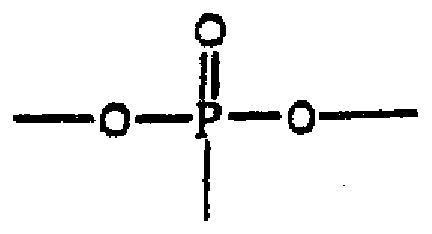
[0021] [化 2]
0
II
■p一 0
[0022] [化 3]

[0023] [化 4] 一 0一 p一 0
[0024] [化 5]
P— 0-
[0025] [化 6]
 本発明のポリエステルに用いられるホスホン酸系化合物としては、例えば、メチルホ スホン酸ジメチル、メチルホスホン酸ジフエ-ル、フエ-ルホスホン酸ジメチル、フエ- ルホスホン酸ジェチル、フエ-ルホスホン酸ジフエ-ル、ベンジルホスホン酸ジメチル 、ベンジルホスホン酸ジェチルなどが挙げられる。本発明のポリエステルに用いられ るホスフィン酸系化合物としては、例えば、ジフエ-ルホスフィン酸、ジフエ-ルホスフ
イン酸メチル、ジフエニルホスフィン酸フエニル、フエニルホスフィン酸、フエ-ルホスフ イン酸メチル、フエ-ルホスフィン酸フエ-ルなどが挙げられる。本発明のポリエステ ルに用いられるホスフィンオキサイド系化合物としては、例えば、ジフエ-ルホスフィン オキサイド、メチルジフエ-ルホスフィンオキサイド、トリフエ-ルホスフィンオキサイド などが挙げられる。
本発明のポリエステルに用いられるホスホン酸系化合物としては、例えば、メチルホ スホン酸ジメチル、メチルホスホン酸ジフエ-ル、フエ-ルホスホン酸ジメチル、フエ- ルホスホン酸ジェチル、フエ-ルホスホン酸ジフエ-ル、ベンジルホスホン酸ジメチル 、ベンジルホスホン酸ジェチルなどが挙げられる。本発明のポリエステルに用いられ るホスフィン酸系化合物としては、例えば、ジフエ-ルホスフィン酸、ジフエ-ルホスフ
イン酸メチル、ジフエニルホスフィン酸フエニル、フエニルホスフィン酸、フエ-ルホスフ イン酸メチル、フエ-ルホスフィン酸フエ-ルなどが挙げられる。本発明のポリエステ ルに用いられるホスフィンオキサイド系化合物としては、例えば、ジフエ-ルホスフィン オキサイド、メチルジフエ-ルホスフィンオキサイド、トリフエ-ルホスフィンオキサイド などが挙げられる。
[0027] ホスフィン酸系化合物、ホスフィンオキサイド系化合物、亜ホスホン酸系化合物、亜 ホスフィン酸系化合物、ホスフィン系化合物の中では、本発明のポリエステルに用い られるリンィ匕合物としては、下記式 (化 7)〜 (化 12)で表される化合物が好ま 、。
[0028] [化 7]

[0029] [化 8]

[0030] [化 9]

[0031] [化 10]

[0032] [化 11]

[0033] [化 12]
[ (c¾) (c¾) 7] 3p
[0034] 上記したリン化合物の中でも、芳香環構造を有する化合物を用いると物性改善効 果ゃ触媒活性の向上効果が大きく好ましい。
[0035] また、本発明のポリエステルに用いられるリン化合物としては、下記一般式 (化 13)
〜(化 15)で表される化合物を用いると物性改善効果や触媒活性の向上効果が特 大きく好ましい。
[0036] [化 13]
PC^ OR2) (OR3)
[0037] [化 14]
PC^R^^OR2)
[0038] [化 15]
P (=0) f R5R6
[0039] (式 (化 13)〜(化 15)中、 R R4、 R R6はそれぞれ独立に水素、炭素数 1〜50の 炭化水素基、水酸基またはハロゲン基またはアルコキシル基またはアミノ基を含む炭 素数 1〜50の炭化水素基を表す。 R2、 R3はそれぞれ独立に水素、炭素数 1〜50の 炭化水素基、水酸基またはアルコキシル基を含む炭素数 1〜50の炭化水素基を表 す。ただし、炭化水素基はシクロへキシル等の脂環構造やフ ニルゃナフチル等の 芳香環構造を含んでいてもよい。 )
[0040] 本発明のポリエステルに用いられるリンィ匕合物としては、上記式 (化 13)〜(化 15) 中、 R4、 R5、 R6が芳香環構造を有する基である化合物がとくに好ましい。
[0041] 本発明のポリエステルに用いられるリンィ匕合物としては、例えば、メチルホスホン酸 ジメチル、メチルホスホン酸ジフエ-ル、フエ-ルホスホン酸ジメチル、フエニルホスホ ン酸ジェチル、フエ-ルホスホン酸ジフエ-ル、ベンジルホスホン酸ジメチル、ベンジ ルホスホン酸ジェチル、ジフエ-ルホスフィン酸、ジフエ-ルホスフィン酸メチル、ジフ ェ-ルホスフィン酸フエ-ル、フエニルホスフィン酸、フエ-ルホスフィン酸メチル、フエ -ルホスフィン酸フエ-ル、ジフエ-ルホスフィンオキサイド、メチルジフエ-ルホスフィ ンオキサイド、トリフエ-ルホスフィンオキサイドなどが挙げられる。これらのうちで、フ ェ-ルホスホン酸ジメチル、ベンジルホスホン酸ジェチルがとくに好まし 、。
[0042] 上述したリンィ匕合物の中でも、本発明では、リンィ匕合物としてリンの金属塩ィ匕合物が とくに好ましい。リンの金属塩ィ匕合物とは、リンィ匕合物の金属塩であれば特に限定は されな 、が、ホスホン酸系化合物の金属塩を用 V、ると本発明の課題であるポリエステ ルの物性改善効果や触媒活性の向上効果が大きく好ましい。リン化合物の金属塩と しては、モノ金属塩、ジ金属塩、トリ金属塩などが含まれる。
[0043] また、上記したリン化合物の中でも、金属塩の金属部分が、 Li、 Na、 K、 Be、 Mg、 Sr、 Ba、 Mn、 Ni、 Cu、 Znから選択されたものを用いると触媒活性の向上効果が大 きく好ましい。これらのうち、 Li、 Na、 Mgがとくに好ましい。
[0044] 本発明のポリエステルに用いられるリンの金属塩ィ匕合物としては、下記一般式 (化 1 6)で表される化合物力 選択される少なくとも一種を用いると物性改善効果や触媒
活性の向上効果が大きく好ま
[0045] [化 16]

[0046] (式 (化 16)中、 R1は水素、炭素数 1〜50の炭化水素基、水酸基またはハロゲン基ま たはアルコキシル基またはアミノ基を含む炭素数 1〜50の炭化水素基を表す。 R2は 、水素、炭素数 1〜50の炭化水素基、水酸基またはアルコキシル基を含む炭素数 1 〜50の炭化水素基を表す。 R3は、水素、炭素数 1〜50の炭化水素基、水酸基また はアルコキシル基またはカルボニルを含む炭素数 1〜50の炭化水素基を表す。 1は 1 以上の整数、 mは 0または 1以上の整数を表し、 l+mは 4以下である。 Mは (l+m)価の金 属カチオンを表す。 nは 1以上の整数を表す。炭化水素基はシキロへキシル等の脂 環構造や分岐構造やフエニルゃナフチル等の芳香環構造を含んで!/ヽてもよ ヽ。 )
[0047] 上記の R1としては、例えば、フエ-ル、 1 ナフチル、 2 ナフチル、 9 アンスリル、 4 ビフエ-ル、 2 ビフエ-ルなどが挙げられる。上記の R2としては例えば、水素、メ チル基、ェチル基、プロピル基、イソプロピル基、 n ブチル基、 sec ブチル基、 ter t ブチル基、長鎖の脂肪族基、フ -ル基、ナフチル基、置換されたフ -ル基ゃ ナフチル基、 CH CH OHで表される基などが挙げられる。 RsO—としては例えば、
2 2
水酸化物イオン、アルコラ一トイオン、アセテートイオンゃァセチルアセトンイオンなど が挙げられる。
[0048] 上記一般式 (化 16)で表される化合物の中でも、下記一般式 (化 17)で表される化 合物から選択される少なくとも一種を用いることが好ま U、。
[0049] [化 17]
M ( 30_)m
 l
l
[0050] (式 (化 17)中、 R1は水素、炭素数 1〜50の炭化水素基、水酸基またはハロゲン基ま たはアルコキシル基またはアミノ基を含む炭素数 1〜50の炭化水素基を表す。 R3は 、水素、炭素数 1〜50の炭化水素基、水酸基またはアルコキシル基またはカルボ二 ルを含む炭素数 1〜50の炭化水素基を表す。 1は 1以上の整数、 mは 0または 1以上 の整数を表し、 l+mは 4以下である。 Mは (l+m)価の金属カチオンを表す。炭化水素基 はシキロへキシル等の脂環構造や分岐構造やフエニルゃナフチル等の芳香環構造 を含んでいてもよい。 )
[0051] 上記の R1としては、例えば、フエ-ル、 1 ナフチル、 2 ナフチル、 9 アンスリル、 4 ビフエ-ル、 2 ビフエ-ルなどが挙げられる。 R30—としては例えば、水酸化物ィ オン、アルコラ一トイオン、アセテートイオンゃァセチルアセトンイオンなどが挙げられ る。
[0052] 上記したリン化合物の中でも、芳香環構造を有する化合物を用いると物性改善効 果ゃ触媒活性の向上効果が大きく好ましい。
[0053] 上記式(ィ匕 17)の中でも、 Mが、 Li, Na、 K、 Be、 Mg、 Sr、 Ba、 Mn、 Ni、 Cu、 Zn 力も選択されたものを用いると触媒活性の向上効果が大きく好ましい。これらのうち、 Li、 Na、 Mgがとくに好ましい。
[0054] 本発明のポリエステルに用いられるリンの金属塩ィ匕合物としては、リチウム [ (1ーナ フチノレ)メチノレホスホン酸ェチノレ]、ナトリウム [ ( 1 ナフチノレ)メチノレホスホン酸ェチ ル]、マグネシウムビス [ (1 ナフチル)メチルホスホン酸ェチル]、カリウム [ (2—ナフ チル)メチルホスホン酸ェチル]、マグネシウムビス [ (2—ナフチル)メチルホスホン酸 ェチル]、リチウム [ベンジルホスホン酸ェチル]、ナトリウム [ベンジルホスホン酸ェチ ル]、マグネシウムビス [ベンジルホスホン酸ェチル]、ベリリウムビス [ベンジルホスホ ン酸ェチル]、ストロンチウムビス [ベンジルホスホン酸ェチル]、マンガンビス [ベンジ
ルホスホン酸ェチル]、ベンジルホスホン酸ナトリウム、マグネシウムビス [ベンジルホ スホン酸]、ナトリウム [ (9—アンスリル)メチルホスホン酸ェチル]、マグネシウムビス [ ( 9—アンスリル)メチルホスホン酸ェチル]、ナトリウム [4 ヒドロキシベンジルホスホン 酸ェチル]、マグネシウムビス [4ーヒドロキシベンジルホスホン酸ェチル]、ナトリウム [ 4—クロ口べンジルホスホン酸フエ-ル]、マグネシウムビス [4 -クロ口べンジルホスホ ン酸ェチル]、ナトリウム [4—ァミノべンジルホスホン酸メチル]、マグネシウムビス [4 —ァミノべンジルホスホン酸メチル]、フエ-ルホスホン酸ナトリウム、マグネシウムビス [フエ-ルホスホン酸ェチル]、亜鉛ビス [フエ-ルホスホン酸ェチル]などが挙げられ る。これらの中で、リチウム [ (1—ナフチル)メチルホスホン酸ェチル]、ナトリウム [ (1 ナフチル)メチルホスホン酸ェチル]、マグネシウムビス [ ( 1 ナフチル)メチルホス ホン酸ェチル]、リチウム [ベンジルホスホン酸ェチル]、ナトリウム [ベンジルホスホン 酸ェチル]、マグネシウムビス [ベンジルホスホン酸ェチル]、ベンジルホスホン酸ナト リウム、マグネシウムビス [ベンジルホスホン酸]がとくに好まし!/、。
[0055] 上述したリンィ匕合物の中でも、本発明では、リンィ匕合物として P— OH結合を少なく とも一つ有するリンィ匕合物がとくに好まし 、。これらのリンィ匕合物を含有することでポリ エステルの物性改善効果がとくに高まることに加えて、ポリエステルの重縮合時に、こ れらのリンィ匕合物を本発明のポリエステルに用いられるアルミニウム化合物と共存し て用いることで触媒活性の向上効果が大きく見られる。
P— OH結合を少なくとも一つ有するリン化合物とは、分子内に P— OHを少なくとも 一つ有するリンィ匕合物であれば特に限定はされない。これらのリンィ匕合物の中でも、 P OH結合を少なくとも一つ有するホスホン酸系化合物を用 、るとアルミニウム化合 物との錯体形成が容易になり、ポリエステルの物性改善効果や触媒活性の向上効果 が大きく好ましい。
[0056] 上記したリン化合物の中でも、芳香環構造を有する化合物を用いると物性改善効 果ゃ触媒活性の向上効果が大きく好ましい。
[0057] 本発明のポリエステルに用いられる P— OH結合を少なくとも一つ有するリンィ匕合物 としては、下記一般式 (化 18)で表される化合物力 選択される少なくとも一種を用い ると物性改善効果や触媒活性の向上効果が大きく好ましい。
[0058] [化 18]

[0059] (式 (化 18)中、 R1は水素、炭素数 1〜50の炭化水素基、水酸基またはハロゲン基ま たはアルコキシル基またはアミノ基を含む炭素数 1〜50の炭化水素基を表す。 R2は 、水素、炭素数 1〜50の炭化水素基、水酸基またはアルコキシル基を含む炭素数 1 〜50の炭化水素基を表す。 nは 1以上の整数を表す。炭化水素基はシキロへキシル 等の脂環構造や分岐構造やフ ニルゃナフチル等の芳香環構造を含んでいてもよ い。)
[0060] 上記の R1としては、例えば、フエ-ル、 1 ナフチル、 2 ナフチル、 9 アンスリル、 4 ビフエ-ル、 2 ビフエ-ルなどが挙げられる。上記の R2としては例えば、水素、メ チル基、ェチル基、プロピル基、イソプロピル基、 n ブチル基、 sec ブチル基、 ter t ブチル基、長鎖の脂肪族基、フ -ル基、ナフチル基、置換されたフ -ル基ゃ ナフチル基、 CH CH OHで表される基などが挙げられる。
2 2
[0061] 上記したリン化合物の中でも、芳香環構造を有する化合物を用いると物性改善効 果ゃ触媒活性の向上効果が大きく好ましい。
[0062] 本発明のポリエステルに用いられる P— OH結合を少なくとも一つ有するリンィ匕合物 としては、 (1—ナフチル)メチルホスホン酸ェチル、 (1—ナフチル)メチルホスホン酸 、(2—ナフチル)メチルホスホン酸ェチル、ベンジルホスホン酸ェチル、ベンジルホス ホン酸、(9—アンスリル)メチルホスホン酸ェチル、 4—ヒドロキシベンジルホスホン酸 ェチル、 2 メチルベンジルホスホン酸ェチル、 4 クロ口べンジルホスホン酸フエ- ル、 4—ァミノべンジルホスホン酸メチル、 4—メトキシベンジルホスホン酸ェチルなど が挙げられる。これらの中で、 (1 ナフチル)メチルホスホン酸ェチル、ベンジルホス ホン酸ェチルがとくに好まし 、。
[0063] 本発明のポリエステルに用いられる好ましいリン化合物としては、化学式 (化 19)で あらわされるリンィ匕合物が挙げられる。
[0064] [化 19]
R1-C¾-P(-0) (OR2) (OR3)
[0065] (式 (化 19)中、 R1は炭素数 1〜49の炭化水素基、または水酸基またはハロゲン基ま たはアルコキシル基またはアミノ基を含む炭素数 1〜49の炭化水素基を表し、 R2,R3 はそれぞれ独立に水素、炭素数 1〜50の炭化水素基、水酸基またはアルコキシル 基を含む炭素数 1〜50の炭化水素基を表す。炭化水素基は脂環構造や分岐構造 や芳香環構造を含んでいてもよい。 )
[0066] また、更に好ましくは、化学式 (化 19)

を含む化合物である。
[0067] これらのリン化合物の具体例を以下に示す。
[0068] [化 20]

BPADE
[0069] [化 21]

MPA
[0070] [化 22]

2 -隱
[0071] [化 23]

AMPA
[0072] [化 24]
0
、ヽ " "CH2一 一0 C2H5
OC3H5
4PBPADE
[0073] [化 25]

2PBPADE
[0074] また、本発明のポリエステルに用いられるリン化合物は、分子量が大きいものの方 が重縮合時に留去されにく 、ため効果が大きく好ま 、。
[0075] 本発明のポリエステルに用いられるリンィ匕合物は、フエノール部を同一分子内に有 するリンィ匕合物であることが好ましい。フエノール部を同一分子内に有するリンィ匕合物 を含有することでポリエステルの物性改善効果が高まることに加えて、ポリエステルの 重縮合時にフエノール部を同一分子内に有するリンィ匕合物を用いることで触媒活性 を高める効果がより大きぐ従ってポリエステルの生産性に優れる。
[0076] フエノール部を同一分子内に有するリン化合物としては、フエノール構造を有するリ ン化合物であれば特に限定はされないが、フエノール部を同一分子内に有する、ホ
スホン酸系化合物、ホスフィン酸系化合物、ホスフィンオキサイド系化合物、亜ホスホ ン酸系化合物、亜ホスフィン酸系化合物、ホスフィン系化合物力 なる群より選ばれる 一種または二種以上の化合物を用いるとポリエステルの物性改善効果や触媒活性 の向上効果が大きく好ましい。これらの中でも、一種または二種以上のフエノール部 を同一分子内に有するホスホン酸系化合物を用いるとポリエステルの物性改善効果 や触媒活性の向上効果がとくに大きく好ま 、。
[0077] 本発明のポリエステルに用いられるフエノール部を同一分子内に有するリンィ匕合物 としては、下記一般式 (化 26)〜 (化 28)で表される化合物が好ま 、。
[0078] [化 26]
P(-0)R1 (0R2) COR3) ( 1 )
[0079] [化 27]
POC f^^COR2) ( 2 )
[0080] [化 28]

[0081] (式 (化 26)〜(化 28)中、 R1はフ ノール部を含む炭素数 1〜50の炭化水素基、水 酸基またはハロゲン基またはアルコキシル基またはアミノ基などの置換基およびフエ ノール部を含む炭素数 1〜50の炭化水素基を表す。 R4,R5,R6はそれぞれ独立に水素 、炭素数 1〜50の炭化水素基、水酸基またはハロゲン基またはアルコキシル基また はァミノ基などの置換基を含む炭素数 1〜50の炭化水素基を表す。 R2,R3はそれぞれ 独立に水素、炭素数 1〜50の炭化水素基、水酸基またはアルコキシル基などの置換 基を含む炭素数 1〜50の炭化水素基を表す。ただし、炭化水素基は分岐構造ゃシ クロへキシル等の脂環構造やフ ニルゃナフチル等の芳香環構造を含んでいてもよ い。 R2と R4の末端どうしは結合していてもよい。 )
[0082] 本発明のポリエステルに用いられるフエノール部を同一分子内に有するリンィ匕合物
としては、例えば、 p—ヒドロキシフエ-ルホスホン酸、 p—ヒドロキシフエ-ルホスホン 酸ジメチル、 p—ヒドロキシフエ-ルホスホン酸ジェチル、 p—ヒドロキシフエ-ルホスホ ン酸ジフエ-ル、ビス(p -ヒドロキシフエ-ル)ホスフィン酸、ビス(p -ヒドロキシフエ- ル)ホスフィン酸メチル、ビス(p -ヒドロキシフエ-ル)ホスフィン酸フエ-ル、 p -ヒドロ キシフエ-ルフエ-ルホスフィン酸、 p -ヒドロキシフエ-ルフエ-ルホスフィン酸メチル 、 p—ヒドロキシフエ-ルフエ-ルホスフィン酸フエ-ル、 p—ヒドロキシフエ-ルホスフィ ン酸、 p—ヒドロキシフエ-ルホスフィン酸メチル、 p—ヒドロキシフエ-ルホスフィン酸フ ェニル、ビス(p—ヒドロキシフエ-ル)ホスフィンオキサイド、トリス(p—ヒドロキシフエ- ル)ホスフィンオキサイド、ビス(p—ヒドロキシフエ-ル)メチルホスフィンオキサイド、お よび下記式 (化 29)〜(化 32)で表される化合物などが挙げられる。これらのうちで、 下記式 (化 31 )で表される化合物および p—ヒドロキシフエ-ルホスホン酸ジメチルが とくに好ましい。
[0083] [化 29]

[0084] [化 30]

[0085] [化 31]

[0086] [化 32]

[0087] 上記の式 (化 31)にて示される化合物としては、 SANKO-220 (三光株式会社製)が あり、使用可能である。
[0088] 本発明のポリエステルに用いられるフエノール部を同一分子内に有するリンィ匕合物 の中でも、下記一般式 (化 33)で表される特定のリンの金属塩ィ匕合物から選択される 少なくとも一種がとくに好ましい。
[0089] [化 33]
( -0")ノ m

[0090] (式 (化 33)中、
 R2はそれぞれ独立に水素、炭素数 1〜30の炭化水素基を表す。
R3は、水素、炭素数 1〜50の炭化水素基、水酸基またはアルコキシル基を含む炭素 数 1〜50の炭化水素基を表す。 R4は、水素、炭素数 1〜50の炭化水素基、水酸基ま たはアルコキシル基またはカルボニルを含む炭素数 1〜50の炭化水素基を表す。 R4
o一としては例えば、水酸化物イオン、アルコラ一トイオン、アセテートイオンやァセチ ルアセトンイオンなどが挙げられる。 1は 1以上の整数、 mは 0または 1以上の整数を表 し、 l+mは 4以下である。 Mは (l+m)価の金属カチオンを表す。 nは 1以上の整数を表す 。炭化水素基はシキロへキシル等の脂環構造や分岐構造やフエニルゃナフチル等 の芳香環構造を含んでいてもよい。 )
[0091] これらの中でも、下記一般式 (化 34)で表される化合物力も選択される少なくとも一 種が好ましい。
[0092] [化 34]

[0093] (式 (化 34)中、 ΜηΊま n価の金属カチオンを表す。 nは 1, 2, 3または 4を表す。 ) [0094] 上記式(ィ匕 33)または(ィ匕 34)の中でも、 Mが、 Li, Na、 K、 Be、 Mg、 Sr、 Ba、 Mn 、 Ni、 Cu、 Znから選択されたものを用いると触媒活性の向上効果が大きく好ましい。 これらのうち、 Li、 Na、 Mgがとくに好ましい。
[0095] 本発明のポリエステルに用いられる特定のリンの金属塩ィ匕合物としては、リチウム [3 ,5—ジ一 tert ブチル 4—ヒドロキシベンジルホスホン酸ェチル]、ナトリウム [3, 5— ジ tert ブチルー 4ーヒドロキシベンジルホスホン酸ェチル]、ナトリウム [3,5—ジ t ert -ブチル 4—ヒドロキシベンジルホスホン酸]、カリウム [3 ,5—ジ一 tert ブチル 4ーヒドロキシベンジルホスホン酸ェチル]、マグネシウムビス [3,5—ジ tert ブチ ノレ 4 ヒドロキシベンジノレホスホン酸ェチノレ]ゝマグネシウムビス [3 , 5—ジー tert ブ チル一 4—ヒドロキシベンジルホスホン酸]、ベリリウムビス [3, 5—ジ一 tert ブチル 4 —ヒドロキシベンジルホスホン酸メチル]、ストロンチウムビス [3, 5—ジ一 tert ブチル -4-ヒドロキシベンジルホスホン酸ェチル]、ノ リゥムビス [3 ,5—ジ一 tert -ブチル 4ーヒドロキシベンジノレホスホン酸フエ二ノレ]、マンガンビス [3,5—ジー tert—ブチノレー 4—ヒドロキシベンジルホスホン酸ェチル]、ニッケルビス [3,5—ジ— tert—ブチル—4
-ヒドロキシベンジルホスホン酸ェチル]、銅ビス [3,5—ジ一 tert プチル 4—ヒドロ キシベンジルホスホン酸ェチル]、亜鉛ビス [3,5—ジ— tert—ブチル—4—ヒドロキシ ベンジルホスホン酸ェチル]などが挙げられる。これらの中で、リチウム [3,5—ジ ter t -ブチル 4—ヒドロキシベンジルホスホン酸ェチル]、ナトリウム [3 ,5—ジ一 tert ブ チル一 4—ヒドロキシベンジルホスホン酸ェチル]、マグネシウムビス [3,5—ジ一 tert— ブチル 4—ヒドロキシベンジルホスホン酸ェチル]がとくに好まし!/、。
[0096] 本発明のポリエステルに用いられるフエノール部を同一分子内に有するリンィ匕合物 の中でも、下記一般式 (化 35)で表される P-OH結合を少なくとも一つ有する特定のリ ン化合物から選択される少なくとも一種がとくに好ま Uヽ。
[0097] [化 35]

[0098] ( (式 (化 35)中、
 R2はそれぞれ独立に水素、炭素数 1〜30の炭化水素基を表す 。 R3は、水素、炭素数 1〜50の炭化水素基、水酸基またはアルコキシル基を含む炭 素数 1〜50の炭化水素基を表す。 nは 1以上の整数を表す。炭化水素基はシキロへ キシル等の脂環構造や分岐構造やフ ニルゃナフチル等の芳香環構造を含んでい てちよい。 )
[0099] これらの中でも、下記一般式 (化 36)で表される化合物力も選択される少なくとも一 種が好ましい。
[0100] [化 36]

[0101] (式 (化 36)中、 R3は、水素、炭素数 1〜50の炭化水素基、水酸基またはアルコキシ ル基を含む炭素数 1〜50の炭化水素基を表す。炭化水素基はシキロへキシル等の
脂環構造や分岐構造やフエニルゃナフチル等の芳香環構造を含んで!/ゝてもよ ヽ。 )
[0102] 上記の R3としては例えば、水素、メチル基、ェチル基、プロピル基、イソプロピル基 、 n ブチル基、 sec ブチル基、 tert ブチル基、長鎖の脂肪族基、フエ-ル基、 ナフチル基、置換されたフヱ-ル基ゃナフチル基、 CH CH OHで表される基など
2 2
が挙げられる。
[0103] 本発明のポリエステルに用いられる P— OH結合を少なくとも一つ有する特定のリン 化合物としては、 3,5—ジ tert ブチル 4 ヒドロキシベンジルホスホン酸ェチル、 3,5—ジ一 tert ブチル 4—ヒドロキシベンジルホスホン酸メチル、 3,5—ジ一 tert— ブチル 4 ヒドロキシベンジルホスホン酸イソプロピル、 3 ,5—ジ tert ブチル 4 -ヒドロキシベンジルホスホン酸フエ-ル、 3 ,5—ジ一 tert ブチル 4—ヒドロキシべ ンジルホスホン酸ォクタデシル、 3 ,5—ジ一 tert ブチル 4—ヒドロキシベンジルホス ホン酸などが挙げられる。これらの中で、 3,5—ジ tert—ブチルー 4ーヒドロキシベン ジルホスホン酸ェチル、 3 ,5—ジ一 tert -ブチル 4—ヒドロキシベンジルホスホン酸メ チルがとくに好ましい。
[0104] 本発明のポリエステルに用いられるフエノール部を同一分子内に有するリンィ匕合物 の中でも、下記一般式 (化 37)で表される特定のリンィ匕合物力も選ばれる少なくとも一 種のリン化合物が好ましい。
[0105] [化 37]

[0106] (上記式 (化 37)中、 R\ R2はそれぞれ独立に水素、炭素数 1〜30の炭化水素基を 表す。
 R4はそれぞれ独立に水素、炭素数 1〜50の炭化水素基、水酸基またはァ ルコキシル基を含む炭素数 1〜50の炭化水素基を表す。 nは 1以上の整数を表す。 炭化水素基はシクロへキシル等の脂環構造や分岐構造やフ ニルゃナフチル等の 芳香環構造を含んでいてもよい。 )
[0107] 上記一般式 (化 37)の中でも、下記一般式 (化 38)で表される化合物から選択され
る少なくとも一種を用 、るとポリエステルの物性改善効果や触媒活性の向上効果力 S 高く好ましい。
[化 38]

[0109] (上記式 (化 38)中、 R R4はそれぞれ独立に水素、炭素数 1〜50の炭化水素基、 水酸基またはアルコキシル基を含む炭素数 1〜50の炭化水素基を表す。炭化水素 基はシクロへキシル等の脂環構造や分岐構造やフエニルゃナフチル等の芳香環構 造を含んでいてもよい。 )
[0110] 上記の R3、 R4としては例えば、水素、メチル基、ブチル基等の短鎖の脂肪族基、ォ クタデシル等の長鎖の脂肪族基、フ ニル基、ナフチル基、置換されたフ -ル基ゃ ナフチル基等の芳香族基、 CH CH OHで表される基などが挙げられる。
2 2
[0111] 本発明のポリエステルに用いられる特定のリンィ匕合物としては、 3,5—ジ一 tert ブ チル 4—ヒドロキシベンジルホスホン酸ジイソプロピル、 3 ,5—ジ一 tert ブチル 4 -ヒドロキシベンジルホスホン酸ジ n ブチル、 3 ,5—ジ一 tert -ブチル 4—ヒドロ キシベンジルホスホン酸ジォクタデシル、 3 ,5—ジ一 tert -ブチル 4—ヒドロキシベン ジルホスホン酸ジフエ-ルなどが挙げられる。これらの中で、 3,5—ジ tert ブチル 4 ヒドロキシベンジルホスホン酸ジォクタデシル、 3 ,5—ジ tert ブチル 4ーヒ ドロキシベンジルホスホン酸ジフエ-ルがとくに好まし 、。
[0112] 本発明のポリエステルに用いられるフエノール部を同一分子内に有するリンィ匕合物 の中でも、本発明でとくに望ましいィ匕合物は、化学式 (化 39)、(化 40)で表される化 合物から選ばれる少なくとも一種のリンィ匕合物である。
[0113] [化 39]


[0115] 上記の化学式(ィ匕 39)にて示される化合物としては、 Irganoxl222 (チバ 'スぺシャ ルティ'ケミカルズ社製)が市販されており、また化学式 (化 40)にて示される化合物と しては Irganoxl425 (チノく'スペシャルティ'ケミカルズ社製)が市販されており、使用 可能である。
[0116] 本発明で使用することが好ましいその他のリンィ匕合物としては、下記する (化 41)、 ( 化 42)で表される連結基 (X)を有するホスホン酸系化合物あるいは (化 43)で表される 連結基 (X)を有さな 、ホスホン酸系化合物などが挙げられる。
[0117] (化 41) R1 - X - (P = 0)(OR2) (OR3)
[式 (化 41)中、 R1は炭素数 6〜50の芳香環構造あるいは炭素数 4〜50の複素環構 造を表し、該芳香環構造あるいは複素環構造は置換基を有していてもよい。 Xは連 結基であり、炭素数 1〜10の脂肪族炭化水素 (直鎖状あるいは分岐構造あるいは脂 環構造であっても力まわない)、あるいは置換基を含有する炭素数 1〜10の脂肪族 炭化水素(直鎖状あるいは分岐構造あるいは脂環構造であっても力まわない)、 O 一、 -OCH 一、 SO —、 一 CO—、 -COCH 一、 -CH OCO 、 一 NHCO—
2 2 2 2
、 一NH 、 一 NHCONH 、 一 NHSO —、 一 NHC H OCH CH O から選ば
2 3 6 2 2
れる。また、 R2および R3はそれぞれ独立に、水素原子、炭素数 1〜20の炭化水素基 、水酸基またはアルコキシル基を含む炭素数 1〜20の炭化水素基を表す。炭化水 素基は脂環構造や分岐構造や芳香環構造を有して!/、てもよ 、。 ]
[0118] 式 (化 41)で表されるリン化合物の芳香環構造および複素環構造の置換基が、炭素 数 1〜50の炭化水素基 (直鎖状であっても脂環構造、分岐構造、芳香環構造であつ てもよぐこれらがハロゲン置換されたものであってもよい)または水酸基またはハロゲ ン基または炭素数 1〜10のアルコキシル基またはアミノ基 (炭素数 1〜10のアルキル
あるいはアル力ノール置換されて ヽても力まわな 、)あるいは-トロ基あるいはカルボ キシル基ある 、は炭素数 1〜10の脂肪族カルボン酸エステル基ある!/、はホルミル基 あるいはァシル基ある ヽはスルホン酸基、スルホン酸アミド基 (炭素数 1〜10のアルキ ルあるいはアル力ノール置換されていても力まわない)、ホスホリル含有基、二トリル基 、シァノアルキル基、力 選ばれる 1種もしくは 2種以上である。
式 (化 41)で表されるリンィ匕合物には次のようなものが挙げられる。具体的には、ベ ンジルホスホン酸、ベンジルホスホン酸モノェチルエステル、 1—ナフチルメチルホス ホン酸、 1 ナフチルメチルホスホン酸モノェチルエステル、 2—ナフチルメチルホス ホン酸、 2 ナフチルメチルホスホン酸モノェチルエステル、 4 フエ-ル,ベンジルホ スホン酸、 4 フエ-ル,ベンジルホスホン酸モノェチルエステル、 2 フエ-ル,ベンジ ルホスホン酸、 2 フエ-ル,ベンジルホスホン酸モノェチルエステル、 4-クロル,ベン ジルホスホン酸、 4-クロル,ベンジルホスホン酸モノェチルエステル、 4-クロル,ベンジ ルホスホン酸ジェチルエステル、 4ーメトキシ,ベンジルホスホン酸、 4ーメトキシ,ベン ジルホスホン酸モノェチルエステル、 4ーメトキシ,ベンジルホスホン酸ジェチルエステ ル、 4ーメチル,ベンジルホスホン酸、 4ーメチル,ベンジルホスホン酸モノェチルエス テル、 4ーメチル,ベンジルホスホン酸ジェチルエステル、 4 -トロ,ベンジルホスホン 酸、 4— -トロ,ベンジルホスホン酸モノェチルエステル、 4— -トロ,ベンジルホスホン 酸ジェチルエステル、 4—ァミノ,ベンジルホスホン酸、 4—ァミノ,ベンジルホスホン酸 モノェチルエステル、 4ーァミノ,ベンジルホスホン酸ジェチルエステル、 2—メチル, ベンジルホスホン酸、 2—メチル,ベンジルホスホン酸モノェチルエステル、 2—メチ ル,ベンジルホスホン酸ジェチルエステル、 10—アンスラ-ルメチルホスホン酸、 10 アンスラ-ルメチルホスホン酸モノェチルエステル、 10—アンスラ-ルメチルホスホ ン酸ジェチルエステル、 (4ーメトキシフエ-ル-,エトキシ -)メチルホスホン酸、 (4ーメ トキシフエ-ル-,エトキシ -)メチルホスホン酸モノメチルエステル、 (4—メトキシフエ- ル-,エトキシ -)メチルホスホン酸ジメチルエステル、 (フエ-ル-,ヒドロキシ-)メチル ホスホン酸、(フエ-ル-,ヒドロキシ-)メチルホスホン酸モノェチルエステル、 (フエ- ル-,ヒドロキシ-)メチルホスホン酸ジェチルエステル、 (フエ-ル-,クロル-)メチルホス ホン酸、(フエ-ル-,クロル-)メチルホスホン酸モノェチルエステル、 (フエ-ル-,クロ
ル-)メチルホスホン酸ジェチルエステル、 (4 クロルフエ-ル) -ィミノホスホン酸、(4 —クロルフエ-ル) -ィミノホスホン酸モノェチルエステル、 (4 -クロルフエ-ル) -ィミノ ホスホン酸ジェチルエステル、 (4—ヒドロキシフエ-ル-,ジフエ-ル-)メチルホスホン 酸、(4ーヒドロキシフエ-ル-,ジフエ-ル-)メチルホスホン酸モノェチルエステル、 (4 —ヒドロキシフエ-ル-,ジフエ-ル-)メチルホスホン酸ジェチルエステル、 (4—クロル フエ-ル-,ヒドロキシ-)メチルホスホン酸、(4—クロルフエ-ル-,ヒドロキシ-)メチル ホスホン酸モノメチルエステル、 (4—クロルフエ-ル-,ヒドロキシ-)メチルホスホン酸 ジメチルエステル、その他、複素環を含有するリンィ匕合物としては、 2—べンゾフラ- ルメチルホスホン酸ジェチルエステル、 2—ベンゾフラ-ルメチルホスホン酸モノェチ ルエステル、 2 ベンゾフラ-ルメチルホスホン酸、 2— (5—メチル)ベンゾフラ -ルメ チルホスホン酸ジェチルエステル、 2—(5—メチル)ベンゾフラ-ルメチルホスホン酸 モノェチルエステル、 2—(5—メチル)ベンゾフラ-ルメチルホスホン酸などが挙げら れる。上記の連結基を有するリン化合物は、重合活性の点で好ましい態様である。
[0120] 本発明で使用することが好ましい連結基 (X)を有するその他の化合物としては式( 化 42)で表されるリンィ匕合物が挙げられる。
[0121] (化 42) (R°) — Rl— (CH )— (P = 0) (OR2) (OR3)
m 2 n
[式(ィ匕 42)中、 Rは、水酸基、 C1〜C10のアルキル基、 COOH基あるいは— CO OR4 (R4は、 C1〜C4のアルキル基を表す)、アルキレングリコール基あるいはモノア ルコキシアルキレングリコール基を表す(モノアルコキシは C1〜C4を、アルキレングリ コールは C1〜C4のグリコールを表す)。 R1はベンゼン、ナフタレン、ビフエ-ル、ジフ ェニノレエーテノレ、ジフエニノレチォエーテノレ、ジフエニノレスノレホン、ジフエ二ノレメタン、 ジフエニルジメチルメタン、ジフエ二ルケトン、アントラセン、フエナントレンおよびピレ ンなどの芳香環構造を表す。 R2および R3は、それぞれ独立に、水素原子、 C1〜C4 の炭化水素基、水酸基またはアルコシキル基を有する C1〜C4の炭化水素基を表す 。 mは 1〜5の整数を表し、 が複数個の場合、同一置換基あるいは異なる置換基の 組合せであってもかまわない。 nは 0あるいは 1〜5の整数を表す。 ]
[0122] 本発明のポリエステルに用いられる式 (化 42)で表されるリン化合物の内、置換基を 有する芳香環構造がベンゼンであるリンィ匕合物としては次のようなものが挙げられる。
すなわち、 2—ヒドロキシベンジルホスホン酸ジェチルエステル、 2—ヒドロキシベンジ ルホスホン酸モノェチルエステル、 2 ヒドロキシベンジルホスホン酸、 4 ヒドロキシ ベンジルホスホン酸ジェチルエステル、 4 -ヒドロキシベンジルホスホン酸モノェチル エステル、 4—ヒドロキシベンジルホスホン酸、 6—ヒドロキシベンジルホスホン酸ジェ チルエステル、 6—ヒドロキシベンジルホスホン酸モノェチルエステル、 6—ヒドロキシ ベンジルホスホン酸などのベンゼン環に水酸基を導入したベンジルホスホン酸類が 挙げられるがこれらに限定されるものではな 、。
[0123] また、 2 n-ブチルベンジルホスホン酸ジェチルエステル、 2 n-ブチルベンジル ホスホン酸モノメチルエステル、 2 n-ブチルベンジルホスホン酸、 3 n-ブチルベン ジルホスホン酸ジェチルエステル、 3—n-ブチルベンジルホスホン酸モノェチルエス テル、 3— n-ブチルベンジルホスホン酸、 4 n-ブチルベンジルホスホン酸ジェチル エステル、 4 n-ブチルベンジルホスホン酸モノェチルエステル、 4 n-ブチルベン ジルホスホン酸、 2, 5 n-ジブチルベンジルホスホン酸ジェチルエステル、 2, 5 n- ジブチルベンジルホスホン酸モノェチルエステル、 2, 5 n-ジブチルベンジルホスホ ン酸、 3, 5— n-ジブチルベンジルホスホン酸ジェチルエステル、 3, 5— n-ジブチル ベンジルホスホン酸モノェチルエステル、 3, 5— n-ジブチルベンジルホスホン酸など のベンゼン環にアルキルを導入したベンジルホスホン酸類が挙げられるがこれらに限 定されるものではない。
[0124] さらに、 2 カルボキシベンジルホスホン酸ジェチルエステル、 2 カルボキシベン ジルホスホン酸モノェチルエステル、 2 カルボキシベンジルホスホン酸、 3 カルボ キシベンジルホスホン酸ジェチルエステル、 3—カルボキシベンジルホスホン酸モノ ェチルエステル、 3—カルボキシベンジルホスホン酸、 4 カルボキシベンジルホスホ ン酸ジェチルエステル、 4 カルボキシベンジルホスホン酸モノェチルエステル、 4 カルボキシベンジルホスホン酸、 2, 5 ジカルボキシベンジルホスホン酸ジェチルェ ステル、 2, 5 ジカルボキシベンジルホスホン酸モノェチルエステル、 2, 5 ジカル ボキシベンジルホスホン酸、 3, 5—ジカルボキシベンジルホスホン酸ジェチルエステ ル、 3, 5—ジカルボキシベンジルホスホン酸モノェチルエステル、 3, 5—ジカルボキ シベンジルホスホン酸、 2—メトキシカルボ-ルベンジルホスホン酸ジェチルエステル
、 2—メトキシカルボニルベンジルホスホン酸モノェチルエステル、 2—メトキシカルボ -ルベンジルホスホン酸、 3—メトキシカルボ-ルベンジルホスホン酸ジェチルエステ ル、 3—メトキシカルボニルベンジルホスホン酸モノェチルエステル、 3—メトキシカル ボ-ルベンジルホスホン酸、 4ーメトキシカルボ-ルベンジルホスホン酸ジェチルエス テル、 4ーメトキシカルボ-ルペンジルホスホン酸モノェチルエステル、 4ーメトキシカ ルポ-ルペンジルホスホン酸、 2, 5—ジメトキシカルボ-ルベンジルホスホン酸ジェ チルエステル、 2, 5—ジメトキシカルボニルベンジルホスホン酸モノェチルエステル、 2, 5—ジメトキシカルボニルベンジルホスホン酸、 3, 5—ジメトキシカルボニルベンジ ルホスホン酸ジェチルエステル、 3, 5—ジメトキシカルボ-ルベンジルホスホン酸モノ ェチルエステル、 3, 5—ジメトキシカルボ-ルペンジルホスホン酸などのベンゼン環 にカルボキル基あるいはカルボン酸エステル基を導入したベンジルホスホン酸類が 挙げられるがこれらに限定されるものではな 、。
さらに、 2—(2—ヒドロキシエトキシ)ベンジルホスホン酸ジェチルエステル、 2—(2— ヒドロキシエトキシ)ベンジルホスホン酸モノェチルエステル、 2— (2—ヒドロキシェトキ シ)ベンジルホスホン酸、 3—(2—ヒドロキシエトキシ)ベンジルホスホン酸ジェチルエス テル、 3— (2—ヒドロキシエトキシ)ベンジルホスホン酸モノェチルエステル、 3— (2—ヒ ドロキシエトキシ)ベンジルホスホン酸、 4一(2—ヒドロキシエトキシ)ベンジルホスホン 酸ジェチルエステル、 4一(2—ヒドロキシエトキシ)ベンジルホスホン酸モノェチルエス テル、 4— (2—ヒドロキシエトキシ)ベンジルホスホン酸、 2, 5—ジ (2—ヒドロキシェトキ シ)ベンジルホスホン酸ジェチルエステル、 2, 5—ジ (2—ヒドロキシエトキシ)ベンジル ホスホン酸モノェチルエステル、 2, 5—ジ (2—ヒドロキシエトキシ)ベンジルホスホン酸 、 3, 5—ジ (2—ヒドロキシエトキシ)ベンジルホスホン酸ジェチルエステル、 3, 5—ジ( 2—ヒドロキシエトキシ)ベンジルホスホン酸モノェチルエステル、 3, 5—ジ (2—ヒドロ キシエトキシ)ベンジルホスホン酸、 2—(2—メトキシエトキシ)ベンジルホスホン酸ジェ チルエステル、 2—(2—メトキシエトキシ)ベンジルホスホン酸モノェチルエステル、 1 - (2—メトキシエトキシ)ベンジルホスホン酸、 3 - (2—メトキシエトキシ)ベンジルホス ホン酸モノメチルエステル、 3—(2—メトキシエトキシ)ベンジルホスホン酸ジェチルェ ステル、 3— (2—メトキシエトキシ)ベンジルホスホン酸モノェチルエステル、 3— (2—メ
トキシエトキシ)ベンジルホスホン酸、 4 (2—メトキシエトキシ)ベンジルホスホン酸ジ ェチルエステル、 4一(2—メトキシエトキシ)ベンジルホスホン酸モノェチルエステル、 4一(2—メトキシエトキシ)ベンジルホスホン酸、 2, 5 ジ (2—メトキシェトキシ)ベンジ ルホスホン酸ジェチルエステル、 2, 5 ジ (2—メトキシエトキシ)ベンジルホスホン酸 モノェチルエステル、 2, 5 ジ (2—メトキシエトキシ)ベンジルホスホン酸、 3, 5 ジ (2 ーメトキシエトキシ)ベンジルホスホン酸ジェチルエステル、 3, 5 ジ (2—メトキシエト キシ)ベンジルホスホン酸モノェチルエステル、 3, 5 ジ (2—メトキシェトキシ)ベンジ ルホスホン酸などのベンゼン環にアルキレングリコール基あるいはモノアルコキシ化 アルキレングリコール基を導入したベンジルホスホン酸類が挙げられる。
[0126] (化 42)で表されるリンィ匕合物の内、置換基を有する芳香環構造がベンゼンであるリ ン化合物としては、上述した単一置換基種に限定されるものではなぐ上述した置換 基、ヒドロキシル基、アルキル基、カルボキシル基、カルボキシエステル基、 2—ヒドロ キシエトキシ基、 2—メトキシェトキシ基の混成されたものも使用できる。
[0127] 本発明のポリエステルに用いられる式 (化 42)で表されるリン化合物の内、置換基を 有する芳香環構造がナフタレンであるリンィ匕合物としては次のようなものが挙げられる 。すなわち、 1一(5 ヒドロキシ)ナフチルメチルホスホン酸ジェチルエステル、 1ー(5 ーヒドロキシ)ナフチルメチルホスホン酸モノェチルエステル、 1一(5 ヒドロキシ)ナ フチルメチルホスホン酸、 1一(5 ヒドロキシ)ナフチルメチルホスホン酸ジェチルェ ステル、 1— (5—ヒドロキシ)ナフチルメチルホスホン酸モノェチルエステル、 1— (5— ヒドロキシ)ナフチルメチルホスホン酸、 1一(5—n—ブチル)ナフチルメチルホスホン 酸ジェチルエステル、 1一(5— n—ブチル)ナフチルメチルホスホン酸モノェチルエス テル、 1一(5— n—ブチル)ナフチルメチルホスホン酸、 1一(4 カルボキシ)ナフチ ルメチルホスホン酸ジェチルエステル、 1一(4 カルボキシ)ナフチルメチルホスホン 酸モノェチルエステル、 1一(4 カルボキシ)ナフチルメチルホスホン酸、 1ー(4ーメ トキシカルボ-ル)ナフチルメチルホスホン酸ジェチルエステル、 1一(4ーメトキシカ ルポ-ル)ナフチルメチルホスホン酸モノェチルエステル、 1一(4ーメトキシカルボ- ル)ナフチルメチルホスホン酸、 1 [4一(2 ヒドロキシェトキシ)]ナフチルメチルホス ホン酸ジェチルエステル、 1 [4一(2 ヒドロキシェトキシ)]ナフチルメチルホスホン
酸モノェチルエステル、 1ー[4一(2—ヒドロキシェトキシ) ]ナフチルメチルホスホン酸 、 1一(4ーメトキシエトキシ)ナフチルメチルホスホン酸ジェチルエステル、 1一(4ーメ トキシエトキシ)ナフチルメチルホスホン酸モノェチルエステル、 1一(4ーメトキシエト キシ)ナフチルメチルホスホン酸、 1一(5—ヒドロキシ)ナフチルメチルホスホン酸ジェ チルエステル、 2—(6—ヒドロキシ)ナフチルメチルホスホン酸ジェチルエステル、 2 一(6—ヒドロキシ)ナフチルモノェチルホスホン酸、 2—(6—ヒドロキシ)ナフチルメチ ルホスホン酸、 2- (6—n—ブチル)ナフチルメチルホスホン酸ジェチルエステル、 2 一(6—n—ブチル)ナフチルメチルホスホン酸モノェチルエステル、 2—(6—n—ブ チル)ナフチルメチルホスホン酸、 2—(6—カルボキシ)ナフチルメチルホスホン酸ジ ェチルエステル、 2—(6—カルボキシ)ナフチルメチルホスホン酸モノェチルエステ ル、 2—(6—カルボキシ)ナフチルメチルホスホン酸、 2—(6—メトキシカルボ-ル)ナ フチルメチルホスホン酸ジェチルエステル、 2—(6—メトキシカルボ-ル)ナフチルメ チルホスホン酸モノェチルエステル、 2—(6—メトキシカルボ-ル)ナフチルメチルホ スホン酸、 2— [6—(2—ヒドロキシェトキシ)]ナフチルメチルホスホン酸ジェチルエス テル、 2— [6—(2—ヒドロキシェトキシ) ]ナフチルメチルホスホン酸モノェチルエステ ル、 2— [6— (2—ヒドロキシェトキシ) ]ナフチルメチルホスホン酸、 2— (6—メトキシェ トキシ)ナフチルメチルホスホン酸ジェチルエステル、 2—(6—メトキシェトキシ)ナフ チルメチルホスホン酸モノェチルエステル、 2—(6—メトキシエトキシ)ナフチルメチル ホスホン酸などのナフタレン環にアルキル基、カルボキキシル基、カルボン酸エステ ル基、アルキレングリコール基、モノアルコキシアルキレングリコール基などが導入さ れたホスホン酸類などが挙げられるがこれらに限定されるものではない。
[0128] 式 (化 42)で表されるリンィ匕合物の内、置換基を有する芳香環構造がナフタレンで あるリンィ匕合物は、上述した単一置換基種に限定されるものではなぐ上述した置換 基、ヒドロキシル基、アルキル基、カルボキシル基、カルボキシエステル基、 2—ヒドロ キシエトキシ基、 2—メトキシェトキシ基の混成されたものも使用できる。
[0129] 本発明のポリエステルに用いられる式 (化 42)で表されるリン化合物の内、置換基を 有する芳香環構造がビフ 二ルであるリン化合物としては次のようなものが挙げられ る。すなわち、 4一(4ーヒドロキシフエ-ル)ベンジルホスホン酸ジェチルエステル、 4
- (4—ヒドロキシフエ-ル)ベンジルホスホン酸モノェチルエステル、 4— (4ーヒドロキ シフエ-ル)ベンジルホスホン酸、 4一(4 n ブチルフエ-ル)ベンジルホスホン酸 ジェチルエステル、 4— (4— n—ブチルフエ-ル)ベンジルホスホン酸モノェチルエス テル、 4— (4— n—ブチルフエ-ル)ベンジルホスホン酸、 4— (4—カルボキシフエ- ル)ベンジルホスホン酸ジェチルエステル、 4— (4—カルボキシフエ-ル)ベンジルホ スホン酸モノェチルエステル、 4— (4—カルボキシフエ-ル)ベンジルホスホン酸、 4 - (4—メトキシカルボ-ルフエ-ル)ベンジルホスホン酸ジェチルエステル、 4— (4— メトキシカルボ-ルフエ-ル)ベンジルホスホン酸モノェチルエステル、 4— (4—メトキ シカルボ-ルフエ-ル)ベンジルホスホン酸、 4— (4—ヒドロキシエトキシフエ-ル)ベ ンジルホスホン酸ジェチルエステル、 4— (4—ヒドロキシエトキシフエ-ル)ベンジルホ スホン酸モノェチルエステル、 4— (4—ヒドロキシエトキシフエ-ル)ベンジルホスホン 酸、 4一(4ーメトキシェトキシフエ-ル)ベンジルホスホン酸ジェチルエステル、 4一(4 —メトキシェトキシフエ-ル)ベンジルホスホン酸モノェチルエステル、 4— (4—メトキ シエトキシフエ-ル)ベンジルホスホン酸などのビフエ-ル環にアルキル基、カルボキ キシル基、カルボン酸エステル基、アルキレングリコール基、モノメトキシアルキレング リコール基などが導入されたホスホン酸類などが挙げられるがこれらに限定されるも のではない。
[0130] 式 (化 42)で表されるリン化合物の内、置換基を有する芳香環構造がビフエ二ルで あるリンィ匕合物は、上述した単一置換基種に限定されるものではなぐ上述した置換 基、ヒドロキシル基、アルキル基、カルボキシル基、カルボキシエステル基、 2—ヒドロ キシエトキシ基、 2—メトキシェトキシ基の混成されたものも使用できる。
[0131] 本発明のポリエステルに用いられる式 (化 42)で表されるリン化合物の内、置換基を 有する芳香環構造がジフエ-ルエーテルであるリンィ匕合物としては次のようなものが 挙げられる。すなわち、 4一(4ーヒドロキシフエ-ルォキシ)ベンジルホスホン酸ジェ チルエステル、 4一(4ーヒドロキシフエ-ルォキシ)ベンジルホスホン酸モノエチルェ ステル、 4— (4—ヒドロキシフエ-ルォキシ)ベンジルホスホン酸、 4— (4— n—ブチル フエ-ルォキシ)ベンジルホスホン酸モノェチルエステル、 4— (4— n—ブチルフエ- ルォキシ)ベンジルホスホン酸モノェチルエステル、 4— (4—ブチルフエニルォキシ)
ベンジルホスホン酸、 4— (4—カルボキシフエ-ルォキシ)ベンジルホスホン酸モノエ チルエステル、 4一(4 カルボキシフエ-ルォキシ)ベンジルホスホン酸モノェチル エステル、 4— (4—カルボキシフエ-ルォキシ)ベンジルホスホン酸、 4— (4—メトキ シカルボ-ルフエ-ルォキシ)ベンジルホスホン酸モノェチルエステル、 4— (4—メト キシカルボ-ルフエ-ルォキシ)ベンジルホスホン酸モノェチルエステル、 4— (4—メ トキシカルボ-ルフエ-ルォキシ)ベンジルホスホン酸、 4— (4—ヒドロキシエトキシフ ェ -ルォキシ)ベンジルホスホン酸モノェチルエステル、 4— (4—ヒドロキシメトキシフ ェ -ルォキシ)ベンジルホスホン酸モノェチルエステル、 4— (4—ヒドロキシメトキシフ ェ -ルォキシ)ベンジルホスホン酸、 4— (4—メトキシェトキシフエ-ルォキシ)ベンジ ルホスホン酸モノェチルエステル、 4一(4ーメトキシェトキシフエ-ルォキシ)ベンジル ホスホン酸モノェチルエステル、 4— (4—メトキシェトキシフエ-ルォキシ)ベンジルホ スホン酸などのジフエ-ルエーテル環にアルキル基、カルボキキシル基、カルボン酸 エステル基、アルキレングリコール基、モノメトキシアルキレングリコール基などが導入 されたホスホン酸類などが挙げられるがこれらに限定されるものではない。
[0132] 式 (化 42)で表されるリン化合物の内、置換基を有する芳香環構造がジフエニルェ 一テルであるリンィヒ合物は、上述した単一置換基種に限定されるものではなぐ上述 した置換基、ヒドロキシル基、アルキル基、カルボキシル基、カルボキシエステル基、 2—ヒドロキシエトキシ基、 2—メトキシェトキシ基の混成されたものも使用できる。
[0133] 本発明のポリエステルに用いられる式 (化 42)で表されるリン化合物の内、置換基を 有する芳香環構造がジフエ-チォエーテルであるリン化合物としては次のようなもの が挙げられる。すなわち、 4一(4ーヒドロキシフエ-ルチオ)ベンジルホスホン酸ジェ チルエステル、 4一(4ーヒドロキシフエ-ルチオ)ベンジルホスホン酸モノェチルエス テル、 4— (4—ヒドロキシフエ-ルチオ)ベンジルホスホン酸、 4— (4— n—ブチルフエ -ルチオ)ベンジルホスホン酸モノェチルエステル、 4一(4 n—ブチルフエ-ルチ ォ)ベンジルホスホン酸モノェチルエステル、 4一(4 ブチルフエ-ルチオ)ベンジル ホスホン酸、 4— (4—カルボキシフエ-ルチオ)ベンジルホスホン酸モノェチルエステ ル、 4一(4 カルボキシフエ-ルチオ)ベンジルホスホン酸モノェチルエステル、 4 (4一カルボキシフエ-ルチオ)ベンジルホスホン酸、 4一(4ーメトキシカルボ-ルフエ
-ルチオ)ベンジルホスホン酸モノェチルエステル、 4一(4ーメトキシカルボ-ルフエ -ルチオ)ベンジルホスホン酸モノェチルエステル、 4一(4ーメトキシカルボ-ルフエ -ルチオ)ベンジルホスホン酸、 4一(4ーヒドロキシエトキシフエ-ルチオ)ベンジルホ スホン酸モノェチルエステル、 4— (4—ヒドロキシメトキシフエ-ルチオ)ベンジルホス ホン酸モノェチルエステル、 4一(4ーヒドロキシメトキシフエ-ルチオ)ベンジルホスホ ン酸、 4一(4ーメトキシェトキシフエ-ルチオ)ベンジルホスホン酸モノェチルエステル 、 4一(4ーメトキシェトキシフエ-ルチオ)ベンジルホスホン酸モノェチルエステル、 4 一(4ーメトキシェトキシフエ-ルチオ)ベンジルホスホン酸などのジフエ-ルチオエー テル環にアルキル基、カルボキキシル基、カルボン酸エステル基、アルキレングリコ ール基、モノメトキシアルキレングリコール基などが導入されたホスホン酸類などが挙 げられるがこれらに限定されるものではな 、。
[0134] 式 (化 42)で表されるリン化合物の内、置換基を有する芳香環構造がジフエニルチ ォエーテルであるリンィ匕合物は、上述した単一置換基種に限定されるものではなぐ 上述した置換基、ヒドロキシル基、アルキル基、カルボキシル基、カルボキシエステル 基、 2—ヒドロキシエトキシ基、 2—メトキシェトキシ基の混成されたものも使用できる。
[0135] 本発明のポリエステルに用いられる式 (化 42)で表されるリン化合物の内、置換基を 有する芳香環構造がジフヱ-ルスルホンであるリンィ匕合物としては次のようなものが 挙げられる。 4— (4—ヒドロキシフエ-ルスルホ -ル)ベンジルホスホン酸ジェチルェ ステル、 4— (4—ヒドロキシフエ-ルスルホ -ル)ベンジルホスホン酸モノェチルエス テル、 4— (4—ヒドロキシフエ-ルスルホ -ル)ベンジルホスホン酸、 4— (4— n—ブチ ルフエ-ルスルホ -ル)ベンジルホスホン酸モノェチルエステル、 4— (4— n—ブチル フエ-ルスルホ -ル)ベンジルホスホン酸モノェチルエステル、 4— (4 ブチルフエ- ルスルホ -ル)ベンジルホスホン酸、 4— (4—カルボキシフエ-ルスルホ -ル)ベンジ ルホスホン酸モノェチルエステル、 4— (4—カルボキシフエ-ルスルホ -ル)ベンジル ホスホン酸モノェチルエステル、 4— (4—カルボキシフエ-ルスルホ -ル)ベンジルホ スホン酸、 4— (4—メトキシカルボ-ルフエ-ルスルホ -ル)ベンジルホスホン酸モノ ェチルエステル、 4— (4—メトキシカルボ-ルフエ-ルスルホ -ル)ベンジルホスホン 酸モノェチルエステル、 4— (4—メトキシカルボ-ルフエ-ルスルホ -ル)ベンジルホ
スホン酸、 4— (4—ヒドロキシエトキシフエ-ルスルホ -ル)ベンジルホスホン酸モノエ チルエステル、 4— (4—ヒドロキシメトキシフエ-ルスルホ -ル)ベンジルホスホン酸モ ノエチルエステル、 4— (4—ヒドロキシメトキシフエ-ルスルホ -ル)ベンジルホスホン 酸、 4— (4—メトキシェトキシフエ-ルスルホ -ル)ベンジルホスホン酸モノェチルエス テル、 4一(4ーメトキシェトキシフエ-ルスルホ -ル)ベンジルホスホン酸モノエチルェ ステル、 4— (4—メトキシェトキシフエ-ルスルホ -ル)ベンジルホスホン酸などのジフ ェ-ルスルホン環にアルキル基、カルボキキシル基、カルボン酸エステル基、アルキ レンダリコール基、モノメトキシアルキレングリコール基などが導入されたホスホン酸類 などが挙げられるがこれらに限定されるものではない。
[0136] 式 (化 42)で表されるリンィ匕合物の内、置換基を有する芳香環構造がジフエニルス ルホンであるリンィヒ合物は、上述した単一置換基種に限定されるものではなぐ上述 した置換基、ヒドロキシル基、アルキル基、カルボキシル基、カルボキシエステル基、 2—ヒドロキシエトキシ基、 2—メトキシェトキシ基の混成されたものも使用できる。
[0137] 本発明のポリエステルに用いられる式 (化 42)で表されるリン化合物の内、置換基を 有する芳香環構造がジフエ-ルメタンであるリンィ匕合物としては次のようなものが挙げ られる。すなわち、 4— (4—ヒドロキシベンジル)ベンジルホスホン酸ジェチルエステ ル、 4— (4—ヒドロキシベンジル)ベンジルホスホン酸モノェチルエステル、 4一(4 ヒドロキシベンジル)ベンジルホスホン酸、 4— (4— n—ブチルベンジル)ベンジルホ スホン酸モノェチルエステル、 4— (4— n—ブチルベンジル)ベンジルホスホン酸モノ ェチルエステル、 4— (4—ブチルベンジル)ベンジルホスホン酸、 4— (4—カルボキ シベンジル)ベンジルホスホン酸モノェチルエステル、 4— (4—カルボキシベンジル) ベンジルホスホン酸モノェチルエステル、 4— (4—カルボキシベンジル)ベンジルホ スホン酸、 4— (4—メトキシカルボ-ルベンジル)ベンジルホスホン酸モノェチルエス テル、 4一(4ーメトキシカルボ-ルペンジル)ベンジルホスホン酸モノェチルエステル 、 4— (4—メトキシカルボ-ルペンジル)ベンジルホスホン酸、 4— (4—ヒドロキシエト キシベンジル)ベンジルホスホン酸モノェチルエステル、 4— (4—ヒドロキシメトキシべ ンジル)ベンジルホスホン酸モノェチルエステル、 4— (4—ヒドロキシメトキシベンジル )ベンジルホスホン酸、 4— (4—メトキシェトキシベンジル)ベンジルホスホン酸モノエ
チルエステル、 4一(4ーメトキシェトキシベンジル)ベンジルホスホン酸モノエチルェ ステル、 4— (4—メトキシェトキシベンジル)ベンジルホスホン酸などのジフエ-ルメタ ン環にアルキル基、カルボキキシル基、カルボン酸エステル基、アルキレングリコー ル基、モノメトキシアルキレングリコール基などが導入されたホスホン酸類などが挙げ られるがこれらに限定されるものではな 、。
[0138] 式 (化 42)で表されるリンィ匕合物の内、置換基を有する芳香環構造がジフエ-ルメタ ンであるリンィ匕合物は、上述した単一置換基種に限定されるものではなぐ上述した 置換基、ヒドロキシル基、アルキル基、カルボキシル基、カルボキシエステル基、 2— ヒドロキシエトキシ基、 2—メトキシェトキシ基の混成されたものも使用できる。
[0139] 本発明のポリエステルに用いられる式 (化 42)で表されるリン化合物の内、置換基を 有する芳香環構造がジフヱ-ルジメチルメタンであるリンィ匕合物としては次のようなも のが挙げられる。すなわち、 4一(4ーヒドロキシフエ-ルジメチルメチル)ベンジルホス ホン酸ジェチルエステル、 4— (4—ヒドロキシフエ-ルジメチルメチル)ベンジルホス ホン酸モノェチルエステル、 4— (4—ヒドロキシフエ-ルジメチルメチル)ベンジルホス ホン酸、 4一(4 n—ブチルフエ-ルジメチルメチル)ベンジルホスホン酸モノェチル エステル、 4一(4 n—ブチルフエ-ルジメチルメチル)ベンジルホスホン酸モノェチ ルエステル、 4— (4—ブチルフエ-ルジメチルメチル)ベンジルホスホン酸、 4一(4 カルボキシフエ-ルジメチルメチル)ベンジルホスホン酸モノェチルエステル、 4一(4 —カルボキシフエ-ルジメチルメチル)ベンジルホスホン酸モノェチルエステル、 4— ( 4一カルボキシフエ-ルジメチルメチル)ベンジルホスホン酸、 4一(4ーメトキシカルボ -ルフエ-ルジメチルメチル)ベンジルホスホン酸モノェチルエステル、 4— (4—メト キシカルボ-ルフエ-ルジメチルメチル)ベンジルホスホン酸モノェチルエステル、 4 - (4—メトキシカルボ-ルフエ-ルジメチルメチル)ベンジルホスホン酸、 4— (4—ヒ ドロキシエトキシフエ-ルジメチルメチル)ベンジルホスホン酸モノェチルエステル、 4 - (4—ヒドロキシメトキシフエ-ルジメチルメチル)ベンジルホスホン酸モノェチルエス テル、 4— (4—ヒドロキシメトキシフエ-ルジメチルメチル)ベンジルホスホン酸、 4— ( 4ーメトキシェトキシフエ-ルジメチルメチル)ベンジルホスホン酸モノェチルエステル 、 4— (4—メトキシェトキシフエ-ルジメチルメチル)ベンジルホスホン酸モノエチルェ
ステル、 4— (4—メトキシェトキシフエ-ルジメチルメチル)ベンジルホスホン酸などの ジフエ-ルメタン環にアルキル基、カルボキキシル基、カルボン酸エステル基、アルキ レンダリコール基、モノメトキシアルキレングリコール基などが導入されたホスホン酸類 などが挙げられるがこれらに限定されるものではない。
[0140] 式 (化 42)で表されるリン化合物の内、置換基を有する芳香環構造がジフエニルジ メチルメタンであるリンィ匕合物は、上述した単一置換基種に限定されるものではなぐ 上述した置換基、ヒドロキシル基、アルキル基、カルボキシル基、カルボキシエステル 基、 2—ヒドロキシエトキシ基、 2—メトキシェトキシ基の混成されたものも使用できる。
[0141] 本発明のポリエステルに用いられる式 (化 42)で表されるリン化合物の内、置換基を 有する芳香環構造がジフエ-ルケトンであるリンィ匕合物としては次のようなものが挙げ られる。すなわち、 4— (4—ヒドロキシベンゾィル)ベンジルホスホン酸ジェチルエステ ル、 4一(4ーヒドロキシベンゾィル)ベンジルホスホン酸モノェチルエステル、 4一(4 —ヒドロキシベンゾィル)ベンジルホスホン酸、 4— (4— n—ブチルベンゾィル)ベンジ ルホスホン酸モノェチルエステル、 4— (4— n—ブチルベンゾィル)ベンジルホスホン 酸モノェチルエステル、 4— (4—ブチルベンゾィル)ベンジルホスホン酸、 4一(4一力 ルボキシベンゾィル)ベンジルホスホン酸モノェチルエステル、 4一(4 カルボキシ ベンゾィル)ベンジルホスホン酸モノェチルエステル、 4— (4—カルボキシベンゾィル )ベンジルホスホン酸、 4— (4—メトキシカルボ-ルベンゾィル)ベンジルホスホン酸モ ノエチルエステル、 4— (4—メトキシカルボ-ルペンゾィル)ベンジルホスホン酸モノ ェチルエステル、 4— (4—メトキシカルボ-ルペンゾィル)ベンジルホスホン酸、 4— ( 4—ヒドロキシエトキシベンゾィル)ベンジルホスホン酸モノェチルエステル、 4一(4 ヒドロキシメトキシベンゾィル)ベンジルホスホン酸モノェチルエステル、 4— (4—ヒドロ キシメトキシベンゾィル)ベンジルホスホン酸、 4— (4—メトキシェトキシベンゾィル)ベ ンジルホスホン酸モノェチルエステル、 4— (4—メトキシェトキシベンゾィル)ベンジル ホスホン酸モノェチルエステル、 4— (4—メトキシェトキシベンゾィル)ベンジルホスホ ン酸などのジフエ-ルケトン環にアルキル基、カルボキキシル基、カルボン酸エステ ル基、アルキレングリコール基、モノメトキシアルキレングリコール基などが導入された ホスホン酸類などが挙げられるがこれらに限定されるものではない。
[0142] 式 (化 42)で表されるリン化合物の内、置換基を有する芳香環構造がジフエ二ルケ トンであるリン化合物は、上述した単一置換基種に限定されるものではなぐ上述した 置換基、ヒドロキシル基、アルキル基、カルボキシル基、カルボキシエステル基、 2— ヒドロキシエトキシ基、 2—メトキシェトキシ基の混成されたものも使用できる。
[0143] 本発明のポリエステルに用いられる式 (化 42)で表されるリン化合物の内、置換基を 有する芳香環構造がアンスラセンであるリンィ匕合物としては次のようなものが挙げられ る。すなわち、 9- (10—ヒドロキシ)アンスリルメチルホスホン酸ジェチルエステル、 9 - (10—ヒドロキシ)アンスリルメチルホスホン酸モノェチルエステル、 9— (10—ヒドロ キシ)アンスリルメチルホスホン酸、 9- (10— n—ブチル)アンスリルメチルホスホン酸 ジェチルエステル、 9- (10— n—ブチル)アンスリルメチルホスホン酸モノエチルェ ステル、 9— (10— n—ブチル)アンスリルィルメチルホスホン酸、 9— (10—カルボキ シ)アンスリルメチルホスホン酸ジェチルエステル、 9一(10—カルボキシ)アンスリル メチルホスホン酸モノェチルエステル、 9一(10—カルボキシ)アンスリルメチルホスホ ン酸、 9— (10—カルボキシ) 9— (2—ヒドロキシエトキシ)アンスリルメチルホスホン酸 ジェチルエステル、 9- (2—ヒドロキシエトキシ)アンスリルメチルホスホン酸モノェチ ルエステル、 9- (2—ヒドロキシエトキシ)アンスリルメチルホスホン酸、 9— (2—メトキ シエトキシ)アンスリルメチルホスホン酸ジェチルエステル、 9一(2—メトキシエトキシ) アンスリルメチルホスホン酸モノェチルエステル、 9— (2—メトキシエトキシ)アンスリル メチルホスホン酸、 9一(2—メトキシカルボ-ル)アンスリルメチルホスホン酸ジェチル エステル、 9一(2—メトキシカルボ-ル)アンスリルメチルホスホン酸モノェチルエステ ル、 9一(2—メトキシカルボ-ル)アンスリルメチルホスホン酸などのアンスラセン環に アルキル基、カルボキキシル基、カルボン酸エステル基、アルキレングリコール基、モ ノメトキシアルキレングリコール基などが導入されたホスホン酸類などが挙げられるが これらに限定されるものではない。
[0144] 式 (化 42)で表されるリンィ匕合物の内、置換基を有する芳香環構造がアンスラセン であるリンィ匕合物は、上述した単一置換基種に限定されるものではなぐ上述した置 換基、ヒドロキシル基、アルキル基、カルボキシル基、カルボキシエステル基、 2—ヒド ロキシエトキシ基、 2—メトキシェトキシ基の混成されたものも使用できる。
[0145] 本発明のポリエステルに用いられる式 (化 42)で表されるリン化合物の内、置換基を 有する芳香環構造がフエナントレンであるリン化合物としては次のようなものが挙げら れる。すなわち、 1一(7— n—ブチル)フエナントリルメチルホスホン酸ジェチルエステ ル、 1一(7— n—ブチル)フエナントリルメチルホスホン酸モノェチルエステル、 1ー(7 —n—ブチル)フエナントリルメチルホスホン酸、 1一(7—カルボキシ)フエナントリルメ チルホスホン酸ジェチルエステル、 1一(7—カルボキシ)フエナントリルメチルホスホ ン酸モノェチルエステル、 1一(7—カルボキシ)フエナントリルメチルホスホン酸、 1一 (7—ヒドロキシエトキシ)フエナントリルメチルホスホン酸ジェチルエステル、 1— (7— ヒドロキシエトキシ)フエナントリルメチルホスホン酸モノェチルエステル、 1— (7—ヒド ロキシエトキシ)フエナントリルメチルホスホン酸、 1— (7—メトキシエトキシ)フエナント リルメチルホスホン酸ジェチルエステル、 1— (7—メトキシエトキシ)フエナントリルメチ ルホスホン酸モノェチルエステル、 1一(7—メトキシエトキシ)フエナントリルメチルホス ホン酸、 1一(7—メトキシカルボ-ル)フエナントリルメチルホスホン酸ジェチルエステ ル、 1一(7—メトキシカルボ-ル)フエナントリルメチルホスホン酸モノェチルエステル 、 1— (7—メトキシカルボ-ル)フエナントリルメチルホスホン酸などのフエナントレン環 にアルキル基、カルボキキシル基、カルボン酸エステル基、アルキレングリコール基、 モノメトキシアルキレングリコール基などが導入されたホスホン酸類などが挙げられる 力 Sこれらに限定されるものではない。
[0146] 式 (化 42)で表されるリンィ匕合物の内、置換基を有する芳香環構造がフエナントレン であるリンィ匕合物は、上述した単一置換基種に限定されるものではなぐ上述した置 換基、ヒドロキシル基、アルキル基、カルボキシル基、カルボキシエステル基、 2—ヒド ロキシエトキシ基、 2—メトキシェトキシ基の混成されたものも使用できる。
[0147] 本発明のポリエステルに用いられる式 (化 42)で表されるリン化合物の内、置換基を 有する芳香環構造がピレンであるリンィ匕合物としては次のようなものが挙げられる。す なわち、 1— (5—ヒドロキシ)ピレニルメチルホスホン酸ジェチルエステル、 1— (5—ヒ ドロキシ)ピレニルメチルホスホン酸モノェチルエステル、 1— (5—ヒドロキシ)ピレニ ルメチルホスホン酸、 1一(5— n-ブチル)ピレ-リルメチルホスホン酸ジェチルエステ ル、 1一(5— n-ブチル)ピレ-ルメチルホスホン酸モノェチルエステル、 l—(5—n-ブ
チル)ピレ-ルメチルホスホン酸、 1一(5 カルボキシ)ピレ-ルメチルホスホン酸ジ ェチルエステル、 1一(5 カルボキシ)ピレニルメチルホスホン酸モノェチルエステル 、 1— (5—カルボキシ)ピレニルメチルホスホン酸、 1— (5 ヒドロキシエトキシ)ピレニ ルメチルホスホン酸ジェチルエステル、 1— (5—ヒドロキシエトキシ)ピレ -ルメチルホ スホン酸モノェチルエステル、 1— (5—ヒドロキシエトキシ)ピレニルメチルホスホン酸 、 1一(5—メトキシエトキシ)ピレニルメチルホスホン酸ジェチルエステル、 1一(5—メ トキシエトキシ)ピレニルメチルホスホン酸モノェチルエステル、 1一(5—メトキシェトキ シ)ピレニルメチルホスホン酸、 1一(5 メトキシカルボ-ル)ピレニルルメチルホスホ ン酸ジェチルエステル、 1一(5—メトキシカルボ-ル)ピレ-ルメチルホスホン酸モノ ェチルエステル、 1一(5—メトキシカルボ-ル)ピレニルメチルホスホン酸などのピレ ン環にアルキル基、カルボキキシル基、カルボン酸エステル基、アルキレングリコー ル基、モノメトキシアルキレングリコール基などが導入されたホスホン酸類などが挙げ られるがこれらに限定されるものではな 、。
[0148] 式 (化 42)で表されるリンィ匕合物の内、置換基を有する芳香環構造がピレンであるリ ン化合物は、上述した単一置換基種に限定されるものではなぐ上述した置換基、ヒ ドロキシル基、アルキル基、カルボキシル基、カルボキシエステル基、 2—ヒドロキシェ トキシ基、 2—メトキシェトキシ基の混成されたものも使用できる。
[0149] 上記一連の芳香環に導入されるヒドロキシル基、アルキル基、カルボキシル基、力 ルポキシエステル基、 2—ヒドロキシエトキシ基、 2—メトキシエトキシ基などの置換基 は、ポリエステルの重縮合時のアルミニウム原子との錯体形成に深く関わるものと推 定される。また、ポリエステル形成時の官能基であるカルボキシル基あるいは水酸基 と類似のものも含まれており、ポリエステルマトリックス中に溶解または取り込まれやす いため、重合活性、異物低減などに特に有効であると考えられる。
[0150] 芳香環構造 (R1)に結合した Rが水素原子である未置換基に比べ、本発明のポリ エステノレに用 ヽられる C 1〜C 10のァノレキノレ基、 - COOH基ある!/ヽは COOR4 (R4 は、 C1〜C4のアルキル基を表す)、アルキレングリコール基あるいはモノアルコキシ アルキレングリコール基(モノアルコキシは C1〜C4を、アルキレングリコールは Cl〜 C4のグリコールを表す)で置換されたリンィ匕合物は、触媒活性を改善するだけでなく
、異物低減効果の点で好ましい。
芳香環構造に結合した置換基は、 C1〜C10のアルキル基、カルボキシルおよび力 ルボキシルエステル基、アルキレングリコールおよびモノアルコキシアルキレングリコ ールなどが挙げられる。異物低減効果の点でより好ましくは、カルボキシルおよび力 ルボキシルエステル基、アルキレングリコールおよびモノアルコキシアルキレングリコ ールである。その理由は不明であるが、ポリエステルおよび触媒の媒体であるアルキ レンダリコールとの相溶性が改善されることによると推測している。
[0151] 本発明で使用することが好ましい連結基 (X)を持たないリンィ匕合物 (化 43)は次のよ うなものである。
[0152] (化 43) R1— (P = 0)(OR2) (OR3)
(R1は炭素数 6〜50の芳香環構造ある 、は炭素数 4〜50の複素環構造を表し、該 芳香環構造あるいは複素環構造は置換基を有して!/ヽてもよ ヽ。 R2および R3はそれぞ れ独立に、水素原子、炭素数 1〜20の炭化水素基、水酸基またはアルコキシル基を 含む炭素数 1〜20の炭化水素基を表す。炭化水素基は脂環構造や分岐構造ゃ芳 香環構造を有していてもよい。 )
式 (化 43)で表されるリン化合物の芳香環構造および複素環構造の置換基が、炭素 数 1〜50の炭化水素基 (直鎖状であっても脂環構造、分岐構造、芳香環構造であつ てもよぐこれらがハロゲン置換されたものであってもよい)または水酸基またはハロゲ ン基または炭素数 1〜10のアルコキシル基またはアミノ基 (炭素数 1〜10のアルキル あるいはアル力ノール置換されて ヽても力まわな 、)あるいは-トロ基あるいはカルボ キシル基ある 、は炭素数 1〜10の脂肪族カルボン酸エステル基ある!/、はホルミル基 あるいはァシル基ある ヽはスルホン酸基、スルホン酸アミド基 (炭素数 1〜10のアルキ ルあるいはアル力ノール置換されていても力まわない)、ホスホリル含有基、二トリル基 、シァノアルキル基力も選ばれる 1種もしくは 2種以上である。また、前記 (化 43)の芳 香環構造がベンゼン、ナフタレン、ビフエ-ル、ジフエ-ルエーテル、ジフエ-ルチオ エーテル、ジフエニルスルホン、ジフエニルメタン、ジフエニルジメチルメタン、アントラ セン、フエナントレンおよびピレン力も選ばれる。および前記複素環構造がフラン、ベ ンゾフラン、イソべンゾフラン、ジベンゾフラン、ナフタランおよびフタリドから選ばれる
。また、上記式 (化 43)中の R2および R3の少なくとも一方が水素原子であることが好ま しい。
本発明で使用できる式 (化 43)で表されるリンィ匕合物としては、下記のリンィ匕合物な どが挙げられる。すなわち、(3— -トロ, 5—メチル) -フエ-ルホスホン酸ジェチルエス テル、(3— -トロ, 5—メチル) -フエ-ルホスホン酸モノェチルエステル、 (3— -トロ, 5 —メチル) -フエ-ルホスホン酸、(3— -トロ, 5—メトキシ)-フエ-ルホスホン酸ジェチ ルエステル、 (3— -トロ, 5—メトキシ) -フエ-ルホスホン酸モノェチルエステル、 (3— ニトロ, 5—メトキシ) -フエ-ルホスホン酸、(4 クロル) -フエ-ルホスホン酸ジェチル エステル、 (4 クロル,)-フエ-ルホスホン酸モノェチルエステル、 (4 クロル) -フエ -ルホスホン酸、(5—クロル,)-フエ-ルホスホン酸ジェチルエステル、 (5—クロル,)- フエ-ルホスホン酸モノェチルエステル、 (5—クロル,)-フエ-ルホスホン酸、(3— - トロ, 5—メチル) -フエ-ルホスホン酸ジェチルエステル、(3— -トロ, 5—メチル) -フエ -ルホスホン酸モノェチルエステル、(3— -トロ, 5—メチル) -フエ-ルホスホン酸、(4 -トロ) -フエ-ルホスホン酸ジェチルエステル、 (4 -トロ) -フエ-ルホスホン酸モ ノエチルエステル、(4 -トロ) -フエ-ルホスホン酸、(5— -トロ) -フエ-ルホスホン酸 ジェチノレエステノレ、(5— -トロ) -フエ-ノレホスホン酸モノエチノレエステノレ、(5— -トロ) - フエ-ルホスホン酸、(6—二トロ)-フエ-ルホスホン酸ジェチルエステル、(6— -トロ)- フエ-ルホスホン酸モノェチルエステル、(6— -トロ) -フエ-ルホスホン酸、(4 -トロ , 6 -メチル) -フエ-ルホスホン酸ジェチルエステル、(4— -トロ, 6—メチル) - フエ-ルホスホン酸モノェチルエステル、(4— -トロ, 6—メチル) -フエ-ルホスホン酸 、その他、式 (化 42)で表されるリンィ匕合物において、上述のベンゼン、ナフタレン、ビ フエニル、ジフエニルエーテル、ジフエ二ルチオエーテル、ジフエニルスルホン、ジフ ェニルメタン、ジフエニルジメチルメタン、ジフエ二ルケトン、アントラセン、フエナントレ ンおよびピレンなどの芳香環構造を有するそれぞれの構造式力 連結基であるメチ レン鎖すなわち、 CH を取り除いたリン化合物群、さらに複素環含有リン化合物
2
として、 5—べンゾフラニルホスホン酸ジェチルエステル、 5—べンゾフラニルホスホン 酸モノェチルエステル、 5 べンゾフラ-ルホスホン酸、 5—(2—メチル)ベンゾフラ- ルホスホン酸ジェチルエステル、 5—(2—メチル)ベンゾフラ-ルホスホン酸モノェチ
ルエステル、 5— (2—メチル)ベンゾフラ-ルホスホン酸などが挙げられる。上述の連 結基を有しないリンィ匕合物は、前述の連結基を有するリン化合物に比べ重合活性は 若干劣る場合もあるが、本発明の触媒調製法を使用した場合、ポリエステル重縮合 触媒として使用することは可能である。
[0154] 本発明のポリエステルに用いられるリンィ匕合物を併用することにより、ポリエステル 重縮合触媒中のアルミニウムとしての添加量が少量でも十分な触媒効果を発揮する 触媒が得られる。
[0155] リンィ匕合物は、ポリエステルの熱安定剤としては知られていた力 これらの化合物を 従来の金属含有ポリエステル重縮合触媒と組み合わせて使用しても、溶融重縮合を 大きく促進することはこれまで知られていな力つた。実際に、ポリエステル重縮合の代 表的な触媒であるアンチモン化合物、チタンィ匕合物、スズィ匕合物あるいはゲルマニウ ム化合物を重縮合触媒としてポリエステルを溶融重縮合する際に、本発明のポリエス テルに用いられるリンィ匕合物を添加しても、実質的に有用なレベルまで重縮合が促 進されることは認められない。
[0156] 本発明のポリエステルに用いられるリンィ匕合物の使用量としては、得られるポリエス テルのポリカルボン酸成分の全構成ユニットのモル数に対して 0. 001〜2. 0モル0 /0 が好ましぐ 0. 005〜1. 0モル%であることがさらに好ましい。リン化合物の添加量が 0. 001モル%未満の場合には添加効果が発揮されない場合があり、 2. 0モル%を 超えて添加すると逆にポリエステル重縮合触媒としての触媒活性が低下する場合が あり、その低下の傾向は、アルミニウムの使用量等により変化する。
[0157] また一方で、本発明においてアルミニウムもしくはその化合物に加えて少量のアル カリ金属、アルカリ土類金属並びにその化合物力 選択される少なくとも 1種を第 2金 属含有成分として共存させることが好まし 、態様である。力かる第 2金属含有成分を 触媒系に共存させることは、触媒活性を高め、従って反応速度をより高めた触媒成分 が得られ、生産性向上に有効である。
[0158] アルカリ金属、アルカリ土類金属並びにその化合物を添加する場合、その使用量 M (モル0 /0)は、ポリエステルを構成する全ポリカルボン酸ユニットのモル数に対して、 1 X 10— 6以上 1. 0モル%未満であることが好ましぐより好ましくは 5 X 10— 6〜0. 5モ
ル%であり、さらに好ましくは 1 X 10— 5〜0. 3モル%であり、特に好ましくは、 1 X 10 〜0. 1モル%である。アルカリ金属、アルカリ土類金属の添カ卩量が少量であるため、 熱安定性低下、異物の発生、着色、耐加水分解性の低下等の問題を発生させること なぐ反応速度を高めることが可能である。アルカリ金属、アルカリ土類金属並びにそ の化合物の使用量 Mが 1. 0モル%以上になると熱安定性の低下、異物発生や着色 の増加、並びに耐加水分解性の低下が製品加工上問題となる場合が発生する。 M が I X 10—6未満では、添加してもその効果が明確ではない。
[0159] 本発明にお 、てアルミニウムもしくはその化合物にカ卩えて使用することが好ま ヽ 第 2金属含有成分を構成するアルカリ金属、アルカリ土類金属としては、 Li, Na, K, Rb, Cs, Be, Mg, Ca, Sr, Baから選択される少なくとも 1種であることが好ましぐこ のうち Li, Na, Mgないしその化合物力 選択される少なくとも 1種の使用がより好ま しい。アルカリ金属やアルカリ土類金属の化合物としては、例えば、これら金属のギ 酸、酢酸、プロピオン酸、酪酸、蓚酸などの飽和脂肪族カルボン酸塩、アクリル酸、メ タクリル酸などの不飽和脂肪族カルボン酸塩、安息香酸などの芳香族カルボン酸塩 、トリクロ口酢酸などのハロゲン含有カルボン酸塩、乳酸、クェン酸、サリチル酸などの ヒドロキシカルボン酸塩、炭酸、硫酸、硝酸、リン酸、ホスホン酸、炭酸水素、リン酸水 素、硫化水素、亜硫酸、チォ硫酸、塩酸、臭化水素酸、塩素酸、臭素酸などの無機 酸塩、 1—プロパンスルホン酸、 1—ペンタンスルホン酸、ナフタレンスルホン酸などの 有機スルホン酸塩、ラウリル硫酸などの有機硫酸塩、メトキシ、エトキシ、 n—プロポキ シ、 iso プロポキシ、 n—ブトキシ、 tert ブトキシなどのアルコキサイド、ァセチルァ セトネートなどとのキレートイ匕合物、水素化物、酸化物、水酸化物などが挙げられる。
[0160] これらのアルカリ金属、アルカリ土類金属またはそれらの化合物のうち、水酸化物等 のアルカリ性の強いものを用いる場合、これらはエチレングリコール等のジオールもし くはアルコール等の有機溶媒に溶解しにく 、傾向があるため、水溶液で重縮合系に 添加しなければならず重縮合工程上問題となる場合が有る。さらに、水酸化物等の アルカリ性の強 ヽものを用いた場合、重縮合時にポリエステルが加水分解等の副反 応を受け易くなるとともに、重縮合したポリエステルは着色し易くなる傾向があり、耐加 水分解性も低下する傾向がある。従って、本発明のポリエステルに用いられるアル力
リ金属またはそれらの化合物あるいはアルカリ土類金属またはそれらの化合物として 好適なものは、アルカリ金属あるいはアルカリ土類金属の飽和脂肪族カルボン酸塩、 不飽和脂肪族カルボン酸塩、芳香族カルボン塩、ハロゲン含有カルボン酸塩、ヒドロ キシカルボン酸塩、硫酸、硝酸、リン酸、ホスホン酸、リン酸水素、硫化水素、亜硫酸 、チォ硫酸、塩酸、臭化水素酸、塩素酸、臭素酸から選ばれる無機酸塩、有機スル ホン酸塩、有機硫酸塩、キレートイ匕合物、及び酸ィ匕物である。これらの中でもさら〖こ、 取り扱い易さや入手のし易さ等の観点から、アルカリ金属あるいはアルカリ土類金属 の飽和脂肪族カルボン酸塩、特に酢酸塩の使用が好まし 、。
[0161] 本発明に係るポリエステルには、さらに、コバルト化合物をコバルト原子としてポリェ ステルに対して lOppm未満の量で添加する事が好ましい態様である。
コバルト化合物はそれ自体ある程度の重合活性を有して ヽることは知られて ヽるが 、前述のように十分な触媒効果を発揮する程度に添加すると得られるポリエステルの 明るさの低下や熱安定性の低下が起こる。本発明によれば得られるポリエステルは、 色調並びに熱安定性が良好である力 コノ レト化合物を上記のような少量で添加に よる触媒効果が明確でないような添加量にて添加することにより、得られるポリエステ ルの明るさの低下を起こすことなく着色をさらに効果的に消去できる。なお本発明に おけるコバルト化合物は、着色の消去が目的であり、添加時期は重縮合のどの段階 であってもよぐ重縮合反応終了後であっても力まわない。
[0162] コバルト化合物としては特に限定はないが、具体的にはたとえば、酢酸コバルト、硝 酸コバルト、塩化コバルト、コバルトァセチルァセトネート、ナフテン酸コバルトおよび それらの水和物などが挙げられる。その中でも特に酢酸コバルト四水塩が好ましい。 コバルト化合物の添加量は、最終的に得られるポリマーに対してアルミニウム原子と コバルト原子の合計が 50ppm以下かつ、コバルト原子は lOppm未満となることが好 ましい。より好ましくはアルミニウム原子とコバルト原子の合計力 Oppm以下かつ、コ バルト原子は 8ppm以下、さらに好ましくはアルミニウム原子とコバルト原子の合計が 25ppm以下かつ、コバルト原子は 5ppm以下である。
[0163] ポリエステルの熱安定性の点から、アルミニウム原子とコバルト原子の合計が 50pp mより少ないこと、コバルト原子が lOppm以下であることが好ましい。また、十分な触
媒活性を有するためには、アルミニウム原子とコバルト原子の合計量が 0. Olppmよ り多いことが好ましい。
[0164] 本発明に使用される触媒は、重縮合反応のみならずエステル化反応およびエステ ル交換反応にも触媒活性を有する。たとえば、テレフタル酸ジメチルなどのジカルボ ン酸のアルキルエステルとエチレングリコールなどのグリコールとのエステル交換反 応による重縮合は、通常チタンィ匕合物や亜鉛ィ匕合物などのエステル交換触媒の存 在下で行われる力 これらの触媒に代えて、もしくはこれらの触媒に共存させて本発 明に使用される触媒を用いることもできる。また、本発明に使用される触媒は、溶融 重縮合のみならず固相重合や溶液重縮合においても触媒活性を有しており、いずれ の方法によってもポリエステルを製造することが可能である。
[0165] 本発明に使用される重縮合触媒は、重縮合反応の任意の段階で反応系に添加す ることができる。たとえばエステルイ匕反応もしくはエステル交換反応の開始前および 反応途中の任意の段階ある 、は重縮合反応の開始直前ある!、は重縮合反応途中 の任意の段階で反応系への添加することが出きる。特に、アルミニウムないしそのィ匕 合物は重縮合反応の開始直前に添加することが好ましい。
[0166] 本発明に使用される重縮合触媒は、アンチモンィ匕合物、チタンィ匕合物、ゲルマニウ ム化合物、スズィ匕合物などの他の重縮合触媒 1種または 2種以上を、これらの成分の 添加が前述の様なポリエステルの特性、加工性、色調など製品に問題が生じない添 加量の範囲内において共存させて用いることは、重縮合時間の短縮による生産性を 向上させる際に有利であり、好ましい。
[0167] ただし、アンチモン化合物としては重縮合して得られるポリエステルに対してアンチ モン原子として 50ppm以下の量で添カ卩可能である。より好ましくは 30ppm以下の量 で添加することである。アンチモンの添力卩量を 50ppmより多くすると、金属アンチモン の析出が起こり、ポリエステルに黒ずみや異物が発生するため好ましくない。
[0168] チタンィ匕合物としては重縮合して得られるポリマーに対して lOppm以下の範囲で 添加する事が可能である。より好ましくは 5ppm以下、さらに好ましくは 2ppm以下の 量で添加することである。チタンの添力卩量を lOppmより多くすると得られるレジンの熱 安定性が著しく低下する。
[0169] また、ゲルマニウム化合物は、重縮合して得られたポリエステル中に残存するゲル マニウム原子の残存量として 30ppm以下の量になるように添カ卩可能である。より好ま しい残存量は 20ppm以下である。ゲルマニウムの残存量を 30ppm以上にすると、コ スト的に不利になるため好ましくない。
[0170] 本発明に使用される重縮合触媒を用いてポリエステルを重縮合する際には、アン チモン化合物、チタンィ匕合物、ゲルマニウム化合物、スズ化合物を使用できる。 本発明で用いられるアンチモンィ匕合物、チタン化合物、ゲルマニウム化合物および スズィ匕合物は特に限定はな 、。
[0171] 具体的には、アンチモンィ匕合物としては、三酸ィ匕アンチモン、五酸化アンチモン、 酢酸アンチモン、アンチモングリコキサイドなどが挙げられ、これらのうち三酸化アン チモンが好ましい。
また、チタンィ匕合物としては、テトラー n—プロピルチタネート、テトライソプロピルチ タネート、テトラー n—ブチルチタネート、テトライソブチルチタネート、テトラー tert— ブチルチタネート、テトラシクロへキシルチタネート、テトラフエ-ルチタネート、蓚酸チ タンなどが挙げられ、これらのうちテトラー n—ブトキシチタネートが好ましい。
[0172] そしてゲルマニウム化合物としては二酸化ゲルマニウム、四塩化ゲルマニウムなど が挙げられ、これらのうち二酸化ゲルマニウムが好ましい。
また、スズィ匕合物としては、ジブチルスズオキサイド、メチルフエ-ルスズオキサイド 、テトラエチルスズ、へキサェチルジスズオキサイド、トリェチルスズノ、イド口オキサイド 、モノブチルヒドロキシスズオキサイド、トリイソブチルスズアデテート、ジフエ-ルスズ ジラウレート、モノブチルスズトリクロライド、ジブチルスズサルファイド、ジブチルヒドロ キシスズオキサイド、メチルスタンノン酸、ェチルスタンノン酸などが挙げられ、特にモ ノブチルヒドロキシスズオキサイドの使用が好まし 、。
[0173] 本発明で用いられる重縮合触媒の添加方法は、粉末状ないしはニート状での添カロ であってもよいし、エチレングリコールなどのダリコール類のスラリー状もしくは溶液状 での添加であってもよぐ特に限定されない。また、アルミニウム金属もしくはその化 合物と他の成分、好ましくは本発明で用いられるリン化合物とを予め混合した混合物 あるいは錯体として添カロしてもよいし、これらを別々に添カロしてもよい。またアルミ-ゥ
ム金属もしくはその化合物と他の成分、好ましくはリンィ匕合物とを同じ添加時期に重 縮合系に添加してもよぐそれぞれの成分を別々の添加時期に添加してもよい。
[0174] 以下に、アルミニウム化合物として、塩基性酢酸アルミニウムを用いた場合の、ェチ レンダリコール溶液の調製方法の具体例を示す。
[0175] (1)アルミニウム化合物のエチレングリコール溶液の調製例
塩基性酢酸アルミニウム(ヒドロキシアルミニウムジアセテート;アルドリッチ社製)を 2 Og/1の濃度で蒸留水に分散させ、攪拌下 95°Cで 2時間加熱処理をして溶解させた。 該水溶液に対して等量 (容量比)のエチレングリコールを共にフラスコへ仕込み、減 圧(133Pa)下、 70〜90°Cで攪拌しながら系から水を留去し、 20g/lのアルミニウム 化合物のエチレングリコール溶液を調製した。
[0176] (2)リン化合物のエチレングリコール溶液の調製例
リン化合物として Irganox 1222 (チノく'スペシャルティ一'ケミカルズ社製)をェチ レンダリコールと共にフラスコへ仕込み、窒素置換下攪拌しながら液温 160°Cで 12時 間加熱し、 30gZlのリンィ匕合物のエチレングリコール溶液を調製した。
[0177] (3)アルミニウム化合物のエチレングリコール溶液/リン化合物のエチレングリコール 溶液の混合物の調製例
上記アルミニウム化合物の調製例 1および上記リン化合物の調製例 1で得られたそ れぞれのエチレングリコール溶液をフラスコに仕込み、アルミニウム原子とリン原子が モル比で 1: 2となるように室温で混合し、 5時間攪拌して触媒溶液を調製した。
[0178] (4)アルカリ金属化合物のエチレングリコール溶液の調製例
アルカリ金属化合物として酢酸リチウム (ナカライ (株)製、試薬特級)をエチレンダリ コールと共にフラスコへ仕込み、窒素置換下攪拌しながら室温で 30g/lのアルカリ 金属化合物のエチレングリコール溶液を調製した。 )
[0179] なお、アルミニウム化合物のネオペンチルダリコール溶液の調整時の水溜去段階 の温度は 135〜150°Cとし、アルミニウム化合物のネオペンチルグリコール溶液/リン 化合物のネオペンチルダリコール溶液の混合物の調製は、 135〜 150°Cで混合した
。全ての調整後のネオペンチルダリコール溶液は、重縮合に用いるまでは 135°Cで 保管した。
[0180] また、本発明の重縮合触媒の別の態様として、上記アルミニウム化合物のエチレン グリコール溶液/リンィ匕合物のエチレングリコール溶液にアルカリ金属化合物および/ またはアルカリ土類金属のエチレングリコール溶液を併用して使用することも可能で あることはいうまでもない。
[0181] 本発明の共重合ポリエステルの全多価カルボン酸成分に対するテレフタル酸の量 は、好ましくは 55モル%以上、より好ましくは 60モル%以上である。 50モル%未満で は粉体塗料として用いられる際に耐衝撃性が低下する傾向にある。
[0182] 本発明で用いられるその他の多価カルボン酸としては、イソフタル酸、オルソフタル 酸、 2, 6 ナフタレンジカルボン酸が挙げられ、これらを用いることで粉体塗料として 用いられる際に耐熱性ゃ耐候性の向上を図ることが出来る。
[0183] また、本発明で用いられる前記の多価カルボン酸以外の多価カルボン酸成分とし ては、 1, 3 ナフタレンジカルボン酸、 1, 4 ナフタレンジカルボン酸、 1, 5 ナフタ レンジカルボン酸、 2, 7 ナフタレンジカルボン酸、ジフエ-ルー 4, 4ージカルボン 酸、 4, 4,ービフエ-ルエーテルジカルボン酸、 1, 2 ビス(フエノキシ)エタンー p, p ,ージカルボン酸、アントラセンジカルボン酸などの芳香族ジカルボン酸や蓚酸、マロ ン酸、コハク酸、グルタル酸、アジピン酸、ピメリン酸、スベリン酸、ァゼライン酸、セバ シン酸、デカンジカルボン酸、ドデカンジカルボン酸、テトラデカンジカルボン酸、へ キサデカンジカルボン酸、 1, 3—シクロブタンジカルボン酸、 1, 3—シクロペンタンジ カルボン酸、 1, 2—シクロへキサンジカルボン酸、 1, 3—シクロへキサンジカルボン 酸、 1, 4ーシクロへキサンジカルボン酸、 2, 5—ノルボルナンジカルボン酸、ダイマ 一酸、水添ダイマー酸などに例示される脂肪族ジカルボン酸や脂環族ジカルボン酸 、フマル酸、ィタコン酸などの不飽和ジカルボン酸を用いることが出来る。これらのジ カルボン酸は、多価カルボン酸成分のうち、 0〜40モル%、好ましくは 0〜15モル0 /0 の範囲で用いることができる。
[0184] 本発明の共重合ポリエステルの全多価アルコール成分に対する、炭素数が 20以 下のアルキレングリコールの量は、好ましくは 90〜99モル0 /0、より好ましくは 92〜97 モル%である。 90モル%未満では、耐候性ゃ耐薬品性に優れた共重合ポリエステル が得られな ヽので好ましくな 、。
[0185] また、本発明で用いられる炭素数が 20以下のアルキレングリコールとしては、例え ば、エチレングリコール、プロピレングリコール、 1, 3—プロパンジオール、 1, 4ーブ チレングリコール、 1, 2—ブチレングリコール、 1, 3—ブチレングリコール、 2, 3—ブ チレングリコール、 1, 5—ペンタンジオール、 1, 6—へキサンジオール、 1, 2—シクロ へキサンジオール、 1, 3—シクロへキサンジオール、 1, 4ーシクロへキサンジオール 、 1, 2—シクロへキサンジメタノール、 1, 3—シクロへキサンジメタノール、 1, 4ーシク 口へキサンジメタノール、 1, 4ーシクロへキサンジエタノール、 3—メチルー 1, 5—ぺ ンタンジオール、 2—メチルー 1, 5—ペンタンジオール、 2—メチルー 1, 3—プロパン ジオール、 2—ェチルー 1, 3—プロパンジオール、ネオペンチルグリコール、 2—ェ チルー 2—メチルー 1, 3—プロパンジオール、 2, 2—ジェチルー 1, 3—プロパンジ オール、 2—メチルー 2— n—ブチルー 1, 3—プロパンジオール、 2— n—ブチルー 2 ーェチルー 1, 3—プロパンジオール、 2, 2—ジー n—ブチルー 1, 3—プロパンジォ ール、 2—ェチルー 2—n—へキシルー 1, 3—プロパンジオール、 2, 2—ジ—n—へ キシルー 1, 3—プロパンジオール、 1, 9ーノナンジオール、 1, 10—デカンジオール 、 1, 12—ドデカンジオール、などが挙げられ、これらのうち、エチレングリコール、プ ロピレングリコール、 1, 3—プロパンジオール、 1, 4ーブチレングリコーノレ、 1, 6—へ キサンジオール、 1, 4ーシクロへキサンジメタノール、 2—メチルー 1, 3—プロパンジ オール、ネオペンチルグリコール、 3—メチルー 1, 5—ペンタンジオールの使用が好 ましぐ特に、エチレングリコールは経済性の点力も好ましぐまた、ネオペンチルグリ コールは耐候性の改良の点から好ましい。また、炭素数が 20を超えるアルキレンダリ コールでは軟ィ匕点が低くなり、ブロッキングし易くなるので取り扱いにくくなり問題であ る。
これらの多価アルコール成分は、 1種あるいは 2種以上を混合した形で使用すること ちでさる。
[0186] 本発明で用いられるその他のグリコールとしては、ジエチレングリコール、トリエチレ ングリコール、ポリエチレングリコール、ポリトリメチレングリコール、ポリテトラメチレング リコール、ポリプロピレングリコールなどの脂肪族グリコール、ヒドロキノン、 4, 4,ージヒ ドロキシビスフエノール、 1, 4—ビス(j8—ヒドロキシエトキシ)ベンゼン、 1, 4—ビス(
β—ヒドロキシエトキシフエ-ル)スルホン、ビス(ρ ヒドロキシフエ-ル)エーテル、ビ ス(ρ ヒドロキシフエ-ル)スルホン、ビス(ρ ヒドロキシフエ-ル)メタン、 1, 2—ビス( ρ ヒドロキシフエ-ル)ェタン、ビスフエノール Α、ビスフエノール Αのアルキレンォキ サイド付加物などの芳香族グリコールなどが挙げられる。
[0187] 本発明の共重合ポリエステルを構成する 3官能以上の多価カルボン酸としては、トリ メリット酸、ピロメリット酸、メチルシクロへキセントリカルボン酸、ォキシジフタル酸二無 水物(ODPA)、 3,3' ,4,4'—べンゾフエノンテトラカルボン酸二無水物(BTDA)、 3, 3,, 4,4,ージフエ-ルテトラカルボン酸二無水物(BPDA)、 3,3,, 4,4,ージフエ-ル スルホンテトラカルボン酸二無水物(DSDA)、 4, 4,一(へキサフロロイソプロピリデン )ジフタル酸二無水物(6FDA) 2,2,一ビス [ (ジカルボキシフエノキシ)フエニル]プロ パンニ無水物(BSAA)などをあげることができる。また、本発明の共重合ポリエステ ルを構成する 3官能以上の多価アルコールとしては、グリセリン、ペンタエリスリトール 、トリメチロールェタン、トリメチロールペンタン、トリメチロールプロパンを挙げることが できる。これらの中から、 1種または 2種以上を選択して使用できる。
[0188] これらの 3官能以上の多価カルボン酸及び多価アルコールはそれぞれ、共重合ポ リエステルを構成する全酸成分及び全グリコール成分に対して、 0〜10モル%、好ま しくは 1〜10モル0 /0、より好ましくは 3〜8モル0 /0である。これらの 3官能以上の多価力 ルボン酸及び多価アルコールの両方が 0モル%でも、その他の組成が上記の通りで あれば、塗膜とした場合、致命的な問題は発生せず好ましい態様であるが、多価力 ルボン酸または多価アルコールの 、ずれかが 1モル%以上であることで、静電塗装 の後の焼付けを行う際に主剤(共重合ポリエステル)と硬化剤との反応性が向上して 塗膜の垂れの発生が小さくなる傾向にある。また、 10モル%を超えるとゲルイ匕が起こ り易くなり問題である。
[0189] また、本発明の共重合ポリエステルには公知のリン化合物を共重合成分として含む ことができる。リン系化合物としては二官能性リン系化合物が好ましぐたとえば(2— カルボキシルェチル)メチルホスフィン酸、(2—カルボキシェチル)フエニルホスフィ ン酸、 9, 10 ジヒドロ一 10—ォキサ一(2, 3—カルボキシプロピル)一 10 ホスファ フエナンスレン 10—オキサイドなどが挙げられる。これらのリン系化合物を共重合
成分として含むことで、得られる共重合ポリエステルの難燃性などを向上させることが 可能である。
[0190] また、本発明の共重合ポリエステルは、重縮合後に、この共重合ポリエステルから 触媒を除去するか、またはリン系化合物などの添カ卩によって触媒を失活させることに よって、共重合ポリエステルの熱安定性をさらに高めることができる。
[0191] 本発明の共重合ポリエステルを粉体塗料として用いる場合は、ゲルパーミネーショ ンクロマトグラフィー(GPC)によって測定した数平均分子量が 2000〜7000が好まし ぐより好ましくは 2500〜6500である。数平均分子量が 2000よりも低い場合は塗膜 の機械物性が不充分となるおそれがあり、また 7000を超えると塗膜の平滑性が劣つ たものとなることがある。その他の用途に用いる場合は数平均分子量が 2000〜500 00のものが好ましい。
[0192] 本発明の共重合ポリエステルを粉体塗料として用いる場合は、水酸基価が好ましく は 20〜70mgKOHZg、より好ましくは 25〜65mgKOHZgである。水酸基価が 20 mgKOHZgより低い場合は、充分な機械物性が得られにくい傾向にあり、また 70m gKOHZgの範囲を超えた場合は、それに見合う量の硬化剤(例えば、ブロックドイソ シァネート)を配合すればコスト高になり、し力も塗膜性能の向上の期待もできない上 、むしろ塗膜の硬度が高くなり可とう性に劣るものになることがある。また、ブロックドィ ソシァネート硬化剤の配合量を水酸基価に見合う量以下では充分な塗膜の機械物 性は得られに《なる。その他の用途に用いる場合は水酸基価が 20mgKOHZg未 満のものも用いられる。
[0193] 本発明の共重合ポリエステルは、環球法 (JIS K2207)で測定した軟ィ匕点が粉体 塗料として用いる場合は 105〜140°Cが好ましぐより好ましくは 110〜135°Cである 。水分散タイプや溶剤溶解タイプに用いる場合は軟ィ匕点が 140〜220°Cのものも用 いられる。本発明の共重合ポリエステルは、示查走査熱量測定法 (DSC)によって測 定したガラス転移点温度が粉体塗料として用いる場合は 40〜75°Cが好ましく、より 好ましくは 40〜70°Cである。軟ィ匕点およびガラス転移点温度については、軟化点が 105°Cより低ぐガラス転移点温度が 40°Cより低い場合には粉体塗料とした場合、保 管中にブロッキングを起こしやす 、などの欠点を持ったものとなり、軟化点が 140°C
以上より高ぐガラス転移点温度が 75°Cより高い場合には、塗膜の仕上がり外観、特 に平滑性が劣る結果となる場合がある。その他の用途に用いる場合はガラス転移点 温度が 40°C未満のものや 75°Cを超えるものも用いられる。
[0194] 本発明の共重合ポリエステルの溶液ヘイズは、 10. 0%以下、好ましくは 5. 0%以 下、より好ましくは 3. 0%以下、さらに好ましくは 2. 0%以下、最も好ましくは 1. 5% 以下であることが好ましい。 10. 0%を超える場合は、共重合ポリエステル中の異物 が多ぐ成形体の透明性が悪くなるという問題や粉体塗料の塗膜の光沢の悪化など の問題、あるいは成形工程での濾過時のフィルター詰まり多発などの問題が生じ好 ましくない。
[0195] 本発明の共重合ポリエステルの製造法としては特に制限はなぐテレフタル酸を含 む多価カルボン酸と多価アルコールとの直接エステル化法もしくは、テレフタル酸な どのアルキルエステルと多価アルコールとのエステル交換法によってテレフタル酸な どと多価アルコールとのオリゴマーを得、し力る後、常圧あるいは減圧下で溶融重縮 合し、本発明の共重合ポリエステルを得ることができる。このとき必要に応じてエステ ルイ匕触媒もしくは前記の重縮合触媒を用いることができる。
[0196] 前記溶融重縮合反応は、回分式反応装置で行っても良いし、また連続式反応装置 で行っても良い。これらいずれの方式においても、エステル化反応、あるいはエステ ル交換反応は 1段階で行っても良いし、また多段階に分けて行っても良い。溶融重 縮合反応も 1段階で行っても良いし、また多段階に分けて行っても良い。
[0197] 本発明においては、上記重合反応の終了後、解重合反応あるいは変性反応を行 なっても良い。解重合反応においては、多価カルボン酸および Zまたは多価アルコ ールを溶融ポリエステルに添加して反応させるものが好まし 、。ここで用いる副原料 成分としては、例えば上述した共重合ポリエステルを構成することの出来る多価カル ボン酸、多価アルコールを用いることが出来る。この際、反応をコントロールしゃすい 、反応性の末端基が増加する等の理由から、テレフタル酸、イソフタル酸、トリメリット 酸、ピロメリット酸、エチレングリコール、ネオペンチルグリコール、トリメチロールプロ パン、ペンタエリスリトール、グリセリン等が好ましく用いられる。反応は 150〜290°C の範囲で、 1〜300分の時間をかけて行うことが好ましい。
[0198] 変性反応としては、共重合ポリエステルへのラタトンモノマーの開環付加反応が例 示できる。これにより共重合ポリエステルの末端にポリ力プロラタトンが結合したブロッ クタイプの共重合ポリエステルを製造することが可能となる。用いるモノマーとしては ε—力プロラタトンが好ましい。反応は 150〜290°Cの範囲で、 1〜300分の時間を かけて行うことが好ましい。更には、共重合ポリエステルに二重結合を含むポリ酸ゃリ グコールを共重合して、二重結合を基点として、アクリルやアクリルシリコン等をグラフ ト共重合することが出来る、グラフトすることで、耐候性や雨だれ性、耐薬品性が向上 する傾向がある。例示として、特開 2000-204292号公報、特開 2000-178473号公報、 特開 2000-204291号公報、特開 2003-020317号公報等の方法が上げられる。
[0199] 本発明の共重合ポリエステルに、これと反応し得る硬化剤を配合して粉体塗料用共 重合ポリエステル組成物とすることが出来る。共重合ポリエステルと反応し得る硬化 剤としては、アルキルエーテル化ァミノホルムアルデヒド榭脂、エポキシ化合物および イソシァネートイ匕合物、アルキルエーテルィ匕フエノール榭脂、シランカップリング剤な どが挙げられる。これらを共重合ポリエステルと組み合わせて使用するとき、アルキル エーテルィ匕ァミノホルムアルデヒド榭脂は反応性、硬度などの点で好ましい。ェポキ シ化合物は耐候性、耐酸性などの点で好ましい。また、ブロックドイソシァネートは溶 液安定性、強靭性の点で好ましい。
[0200] アルキルエーテル化ァミノホルムアルデヒド榭脂とは、たとえばメタノール、エタノー ル、 n—プロパノール、イソプロパノール、 n—ブタノールなどの炭素原子数 1〜4のァ ルコールによってアルキルエーテル化されたホルムアルデヒドあるいはパラホルムァ ルデヒドなどと尿素、 N, N—エチレン尿素、ジシアンジアミド、アミノトリアジン等との 縮合生成物であり、メトキシ化メチロール— N, N—エチレン尿素、メトキシ化メチロー ルジシアンジアミド、メトキシ化メチロールべンゾグアナミン、ブトキシ化メチロールベン ゾグアナミン、メトキシ化メチロールメラミン、ブトキシ化メチロールメラミン、メトキシィ匕 Zブトキシィ匕混合型メチロールメラミン、ブトキシ化メチロールべンゾグアナミンなどが 挙げられる。
[0201] エポキシ化合物としてはビスフエノール Aのジグリシジルエーテルおよびそのオリゴ マー、水素化ビスフエノール Aのジグリシジルエーテルおよびそのオリゴマー、オルソ
フタル酸ジグリシジルエステル、イソフタル酸ジグリシジルエステル、テレフタル酸ジグ リシジルエステル、 p ォキシ安息香酸ジグリシジルエステル、テトラハイドロフタル酸 ジグリシジルエステル、へキサハイドロフタル酸ジグリシジルエステル、コハク酸ジグリ シジルエステル、アジピン酸ジグリシジルエステル、セバシン酸ジグリシジルエステル 、エチレングリコールジグリシジルエーテル、プロピレングリコールジグリシジルエーテ ル、 1、 4 ブタンジオールジグリシジルエーテル、 1、 6 へキサンジオールジグリシ ジルエーテルおよびポリアルキレングリコールジグリシジルエーテル類、トリメリット酸ト リグリシジノレエステノレ、 トリグリシジルイソシァヌレート、 1、 4ージグリシジノレ才キシベン ゼン、ジグリシジルプロピレン尿素、グリセロールトリグリシジルエーテル、トリメチロー ノレエタントリグリシジノレエーテノレ、 トリメチローノレプロパントリグリシジノレエーテノレ、ペン タエリスリトールテトラグリシジルエーテル、グリセロールアルキレンオキサイド付カロ物 のトリグリシジルエーテルなどを挙げることができる。
[0202] さらにイソシァネートイ匕合物としては芳香族、脂肪族のジイソシァネート、 3価以上の ポリイソシァネートがあり、低分子化合物、高分子化合物のいずれでもよい。たとえば 、テトラメチレンジイソシァネート、へキサメチレンジイソシァネート、トルエンジイソシァ ネート、ジフエ-ルメタンジイソシァネート、水素化ジフエ-ルメタンジイソシァネート、 キシリレンジイソシァネート、水素化キシリレンジイソシァネート、イソホロンジイソシァ ネートあるいはこれらのイソシァネート化合物の 3量体、およびこれらのイソシァネート 化合物の過剰量と、たとえばエチレングリコール、プロピレングリコール、トリメチロー ルプロパン、グリセリン、ソルビトール、エチレンジァミン、モノエタノールァミン、ジエタ ノールァミン、トリエタノールァミンなどの低分子活性水素化合物または各種ポリエス テルポリオール類、ポリエーテルポリオール類、ポリアミド類の高分子活性水素化合 物などとを反応させて得られる末端イソシァネート基含有化合物が挙げられる。
[0203] イソシァネートイ匕合物としてはブロックドイソシァネートであってもよい。イソシァネー トブロック化剤としては、例えばフエノール、チォフエノール、メチルチオフエノール、 ェチノレチオフエノーノレ、クレゾ一ノレ、キシレノーノレ、レゾノレシノーノレ、ニトロフエノーノレ 、クロ口フエノールなどのフエノール類、ァセトキシム、メチルェチルケトォキシム、シク 口へキサノンォキシムなどのォキシム類、メタノール、エタノール、プロパノール、ブタ
ノールなどのアルコール類、エチレンクロルヒドリン、 1、 3—ジクロロー 2—プロパノー ルなどのハロゲン置換アルコール類、 tーブタノール、 t—ペンタノール、などの第 3級 アルコール類、 ε—力プロラタタム、 §—バレロラタタム、 y—ブチ口ラタタム、 e—プ 口ピロラタタムなどのラタタム類が挙げられ、その他にも芳香族ァミン類、イミド類、ァセ チルアセトン、ァセト酢酸エステル、マロン酸ェチルエステルなどの活性メチレン化合 物、メルカプタン類、イミン類、尿素類、ジァリールイ匕合物類重亜硫酸ソーダなども挙 げられる。ブロックドイソシァネートは上記イソシァネートイ匕合物とイソシァネートブロッ ク化剤とを従来公知の適宜の方法より付加反応させて得られる。
[0204] シランカップリング剤としては、例えば j8— (3, 4エポキシシクロへキシノレ)ェチノレトリ メトキリシラン、 j8 — (3, 4エポキシシクロへキシル)ェチルトリメトキリシラン、 γ—グリ シドキシプロピル口リメチルエトキシシラン、 γ—グリシドキシプロピルメチルジェトキシ シランなどがある。
[0205] 本発明において、硬化剤成分としては、粉体塗料として用いるときはその取り扱い 反応性の観点力 ブロックドイソシァネートイ匕合物が好ましい。
[0206] 上記硬化剤の配合割合は、共重合ポリエステルの水酸基当量に対する上記硬化 剤の反応性官能基当量の比が 0. 8〜1. 2の範囲になるようにするのが好ましい。
[0207] 本発明の粉体塗料用共重合ポリエステル組成物には、 目的、用途に応じて酸化チ タン、カーボンブラック、有機系着色顔料、無機系着色顔料などの顔料、染料、アル ミフレーク、シリカ、タルク、硫酸バリウムなどの体質顔料、ガラスファイバー、コロイダ ルシリカ、ワックスなどの添加剤を添加することができる。
[0208] 本発明に用いられる無機顔料は、無機顔料、着色顔料、光輝材、体質顔料、防鲭 顔料などを示す。例えば、二酸化チタン、酸化鉄、酸化クロム、クロム酸塩、カーボン ブラック、酸ィ匕ケィ素等の無機顔料、リン酸亜鉛、リン酸鉄、リン酸アルミニウム、亜リ ン酸亜鉛、トリポリリン酸アルミニウム等のリン酸系防鲭顔料、モリブデン酸カルシウム 、モリブデン酸アルミニウム、モリブデン酸バリウム、等のモリブデン酸系防鲭顔料、 酸ィ匕バナジウムなどのバナジウム系防鲭顔料、ストロンチウムクロメート、ジンクロメー トなどのクロメート顔料、カルシウムシリケートなどのシリケート系顔料、水分散シリカ、 ヒュームドシリカ、等の微粒シリカなどを用いることができる。また、アルミニウムフレー
ク、銅ブロンズフレーク、雲母状酸化鉄、マイカフレーク、金属酸化物を被覆した雲母 状酸化鉄、金属酸ィ匕物を被覆したマイカフレーク等の光輝材も挙げることができる。 また、フタロシア二ブルー、フタロシアニングリーン、カルバゾールジォキサジンバイオ レット、アントラピリミジンイェロー、イソインドリノンイェロー、インダンスレンブノレー、キ ナタリドンレッド等の有機顔料を併用しても良 、。
[0209] 本発明の共重合ポリエステルは、粉体塗料の原料として用いたときにその効果が最 大限に発揮され好ましいが、もちろん溶剤溶解型や水分散型の塗料原料として用い ても全く差し支えない。
[0210] 本発明の共重合ポリエステルを粉体塗料とする場合は、通常、本発明の共重合ポリ エステルに顔料またはその他の充填剤、アタリレート重合体などの流動調整剤、硬化 触媒、ベンゾインなどのピンホール防止剤などが配合され、公知の溶融混練装置を 用いて混練され、次!、で粉砕'分級して粉体塗料とされる。
[0211] このようにして得られた粉体塗料は公知の静電塗装法または流動浸漬塗装法など により、金属鋼板などに塗装 '焼付けされる。
さらにまた、本発明の共重合ポリエステルは塗料用途だけでなぐ接着剤、コーティ ング剤、トナー用バインダー、ポリウレタン榭脂合成のための原料、可塑剤、成形体、 積層体等幅広く使用することが出来る。 実施例
[0212] 以下、本発明をさらに具体的に実施例と比較例を用いて説明する。実施例におけ る測定は以下の手順により行った。
[0213] 1.ポリエステルの数平均分子量
テトラヒドロフランを溶離液としたウォーターズ社製ゲル浸透クロマトグラフィー(GPC
) 150cを用いて、カラム温度 35°C、流量 lmlZ分にて GPC測定を行なった結果から 計算して、ポリスチレン換算の測定値を得た。ただしカラムは昭和電工 (株) shodex
KF— 802、 804、 806を用いた。
[0214] 2.酸価
粉砕したポリエステル試料 0. 2gを 20cm3のクロ口ホルムに溶解し、 0. 1Nの水酸化 カリウムエタノール溶液で滴定した。指示薬はフエノールフタレインを用いた。単位は
mgKOHZgである。
[0215] 3.水酸基価
粉砕したポリエステル試料 0. 50gを精秤し、ァセチル化剤(無水酢酸ピリジン溶液 0. 5モル ZL) 10mlを加え、 95°C以上の水槽に 90分間浸漬した。水槽力も取り出し た直後、純水 10mlを添加し室温まで放冷した。フエノールフタレインを指示薬として Ν/5-NaOH-CH OH溶液で滴定した。単位は mgKOH/gである。
3
[0216] 4.ガラス転移点温度
サンプル 5mgをアルミニウム製サンプルパンに入れて密封し、セイコーインスツルメ ンッ (株)製示差走査熱量分析計 (DSC) DSC— 220を用いて、 200°Cまで、昇温速 度 20°CZ分にて測定した。ガラス転移温度は、ガラス転移温度以下のベースライン の延長線と遷移部における最大傾斜を示す接線との交点の温度で求めた。
[0217] 5.共重合ポリエステルの組成の分析
重クロ口ホルム溶媒中でヴアリアン社製核磁気共鳴分析計 (NMR)ジエミ-— 200 を用いて、 — NMR分析を行なってその積分比より決定した。
[0218] 6.ポリエステルの外観着色の程度
ポリエステルを重縮合後のほぼ同一厚みのシート状のままで目視により下記のよう に評価判定した。
〇:ほとんど着色なし
△:やや黄色着色あり、あるいは灰色あり
X:著しく黄色着色あり
[0219] 7.溶液ヘイズ
ポリエステル 5gを前記(1)の混合溶媒 50ccに溶解させた後、その溶液を 20mm厚 さのセルに入れて日本電色 (株)製ヘイズメーター、 modelNDH2000で測定した。
[0220] 8.塗料化および塗装'焼付け操作
(1)粉体塗料の調製
共重合ポリエステル榭脂 850重量部、硬化剤としてのブロックドイソシァネート B— 1 530 (ヒュルス社製)を 150重量部、酸化チタン (タイペータ CR— 93;石原産業 (株) 製)を 400重量部、ベンゾイン 10重量部、流動調整剤 (ポリフロー S ;共栄社油脂化
学工業 (株)製) 6重量部、硬化触媒 (TK— 1;武田薬品 (株)製) 3重量部をへンシェ ルミキサーでドライブレンドし、次いで、ブス社コエーダー PR— 46にスクリュ温度 50 °C、バレル温度 110°Cで溶解混練を行い、冷却後粉砕'分級し 150メッシュの篩い通 過分を粉体塗料として以下の塗装に使用した。
(2)塗装'焼付け操作
上記粉体塗料を静電粉体塗装機を用 、て燐酸亜鉛鋼板 (SPCC— SB、 PB3118 M処理、板厚 0. 8mm)に、膜厚が 40〜60ミクロンになるように塗付し、熱風乾燥炉 で 180°Cで 20分間焼付けて硬化塗膜を得た。
[0221] 9.粉体塗料の耐ブロッキング性
上記で作製した、粉体塗料 20gを直径 25mm、高さ 150mmの一端を閉じた塩ビ 管に静かに充填し、上力も約 66gの塩ビ棒をゆっくり挿入して荷重 (約 13. 5g/cm2 )をかけた後、それを垂直に立てて 35°Cの恒温槽中で 7日問静置してから、静かに 中身を取り出し、その状態を観察して次のように評価した。
〇 : 粉体塗料に塊がなぐサラサラの粉状のままである。
△ : 粉体塗料に塊があっても、それを手で触ると壊れて粉状に戻る。
X : 粉体塗料が融着して塊を作り、それを手で持っても壊れない。
[0222] 10.塗膜の色調
目視観察して下記のように評価した。
〇 : 塗膜が着色していない
X : 塗膜が黄色又は灰色に着色している
[0223] 11.塗膜の光沢
上記塗膜鋼板を、 日本電色 TC108 DPAにて光学条件 JIS K— 5400による 60° 法にて測定を実施した。
[0224] 12.耐衝撃性
上記塗膜鋼板を、塗装面の裏面より DuPont式にて、直径 1. 27mm,重量 500gの 球を用いて耐衝撃性を測定した。塗膜に割れが発生した時の高さ (cm)を測定した。 (高い方が、良好な特性を示す。 )
[0225] 13.促進耐候性
J1S K5400の促進耐候性(サンシャインカーボンアーク灯式)試験に準じた。 60 0時間試験後の表面状態を観察し、試験前との色相(Δ Ε)、光沢の有無により、次の ように判定した。
〇: 試験前との間でほとんど変化が認められない。
X: 色相(Δ Ε)あるいは光沢変化が明らかに認められる。
[0226] 14.ゲル分率
フラスコ内に、重量 Wの塗装板を入れ、メチルェチルケトン
2 Z塗装板の塗装面積
= 100ccZlOOcm2となるようにメチルェチルケトンを入れ、加熱還流下で 1. 5時間 抽出を行った後、塗装板を取出し 120°Cで 30分間乾燥させ室温まで冷却後、重量 Wを測定した。塗装板に塗料を塗装する前のブリキ板の重量を Wとし、ゲル分率(
3 1
%)は下記式によって求めた。
ゲル分率(%) = { (w -w ) / (W -W ) } X 100
3 1 2 1
[0227] 15.加工性
塗装板の下部に塗膜面を外側にして 180度折曲げ部を設け、特殊ノ、ゼ折り型デュ ボン衝撃試験機を用いて、この折曲げ部に接触面が平らな重さ lkgの鉄の錘を高さ 50cm力も落下させた時に生ずる折曲げ部分の塗膜の亀裂の長さを測定し、以下の 基準で評価した。
©: 5mm未満
〇: 5mm以上で 10mm未満
△: 10mm以上で 20mm未満
X: 20mm以上
[0228] 16.耐水性
塗装板をオートクレープ中、 125°Cの脱イオン水に 35分間浸漬し引上げた後、塗 膜の白化状態を観察し以下の基準により評価した。
◎:塗膜に全く白化が認められな ヽ
〇:塗膜に僅かな白化が認められる
△:塗膜にかなりの白化が認められる
X:塗膜に著しい白化が認められる
[0229] 17.密着性 1
塗装板の塗膜にナイフを使用して約 1. 5mmの幅で縦、横それぞれ 11本の切り目 をゴバン目に入れ、 24mm幅のセロハン粘着テープを密着させ、強く剥離した時のゴ バン目部の塗膜を観察し、以下の基準により評価した。
◎:全く剥離が認められない
〇:僅かな剥離が認められる
△:かなりの剥離が認められる
X:著しい剥離が認められる
[0230] 18.耐水試験後の密着性
塗装板をオートクレープ中、 125°Cの脱イオン水に 35分間浸漬し引上げた後、塗 膜にナイフを使用して約 1. 5mmの幅で縦、横それぞれ 11本の切り目をゴバン目に 入れ、 24mm幅のセロハン粘着テープを密着させ、強く剥離した時のゴバン目部の 塗膜を観察した。評価は上記密着性試験の評価基準にて行った。
[0231] (実施例 1)
撹拌装置、加熱装置、温度計、分留装置および不活性ガス導入口を有するステン レス製反応釜に表 1に記載の各成分モル0 /0になるようにテレフタル酸、イソフタル酸、 エチレングリコール、ネオペンチルダリコール、トリメリット酸および前記アルミニウム化 合物のエチレングリコール溶液 Zリン化合物のエチレングリコール溶液の混合物の 調整例で説明した触媒溶液 (アルミニウム系重縮合触媒は前記した"(3)アルミ-ゥ ム化合物のエチレングリコール溶液およびリンィ匕合物のエチレングリコール溶液の混 合物の調製例"で記述したものを使用)を全酸成分に対しアルミニウムおよびリン原 子換算で 0. 02モル%および 0. 04モル%になるように仕込み、窒素ガス気流下、生 成する縮合水を分留装置頂部の温度計が 100°Cを超えな!/、ように系外へ除去しな がら、徐々に 230°Cまで昇温してエステル化反応を実施した。反応の途中で適宜反 応物を採取し、酸価を測定した。これらの値が所定の範囲に入るように反応の終点を 決定した。
得られた共重合ポリエステルの榭脂特性、粉体塗料の特性および塗膜特性を表 1 に示す。
共重合ポリエステルの着色、溶液ヘイズが良好であり、粉体塗料の耐ブロッキング 性及び塗膜の色調、促進耐候性、耐衝撃性、も良好な特性を示した。
[0232] (実施例 2〜6)
実施例 1の共重合ポリエステルの合成に準じた方法で、表 1に記載の各組成の共 重合ポリエステルを得た。得られた各共重合ポリエステルの組成と特性値などを表 1 に示す。
[0233] (比較例 1)
原料組成を表 1に記載のように変更する以外は実施例 1と同様にして重縮合して共 重合ポリエステルを得た。得られた共重合ポリエステルの組成および特性値を表 1に 示す。
塗膜の耐衝撃性が低く問題である。
[0234] (比較例 2)
重縮合触媒を三酸ィ匕アンチモン (全酸成分に対しアンチモン原子換算で 0. 04モ ル%)に変更する以外は実施例 1と同様にして重縮合して共重合ポリエステルを得た 。得られた共重合ポリエステルの組成および特性値を表 1に示す。
榭脂の外観着色は灰色がカゝつており、溶液ヘイズは 11. 0%と高ぐ塗膜の色調も 灰色で Xと問題である。
[0235] (比較例 3)
重縮合触媒をテトラブチルチタネート (全酸成分に対しチタン原子換算で 0. 0008 ル%)に変更する以外は実施例 1と同様にして重縮合して共重合ポリエステルを得た 。得られた共重合ポリエステルの組成および特性値を表 1に示す。
溶液ヘイズは 0. 8%と低カゝつたが、榭脂の外観着色は著しく黄色に着色しており、 また塗膜の色調も黄色で Xと問題である。
[0236] [表 1]
実施例 実施例 実施例 実施例 実施例 実施例 比較例 比較例 比較例 1 2 3 4 5 6 1 2 3 共重 酸成 テレフタル酸 80 9フ 50 50 80 90 30 80 80 合ポ 分 イソフタル酸 1 5 50 30 1〇 70 1 5 1 5 リェ 才ルソフタル醆 20
ステ ナフタレンジカルボン酸 1 5
ル トリメリット醆 5 3 5 5 5 アル エチレングリコール 88 40 1〇 1〇 88 50 88 88 コ一 ジエチレングリコール 2 1 1 1 2 2 2 2 ル ネ才ペンチルグリコール 1〇 59 69 80 89 40 1〇 1〇 成分 3-メチルペンタンジオール 20 1〇
グリセリン 1〇
卜リメチロールプロパン 1〇 8
触媒金属 AI AI AI AI AI AI AI Sb Ti 樹脂 数平均分子量 3500 3400 3500 3500 3400 3500 3500 3400 3500 特性 溶液ヘイズ(%) 1 . 〇 1 . 〇 1 .〇 1 .〇 1 .〇 1 .〇 1 . 〇 1 1 . 0 0. 8 醆価 (m gKOHZg) 1 . 5 1 . 6 2. 1 2. 2 2.〇 1 . 2 2. 2 2. 〇 0. 9 水酸基価 (m gKOHZg) 44. 5 40. 5 30. 〇 58. 1 44. 1 42.〇 51 .〇 40. 1 40. 1 ガラス転移点 (°c) 60 63 58 60 69 60 60 60 60 着色 O O O O O O O Δ 粉体塗料 耐プロ'リキンゲ性 〇 〇 〇 〇 〇 〇 〇 〇 〇 塗膜特性 色調 〇 〇 〇 〇 〇 〇 〇
光沢値 (%) 25 26 25 28 27 26 28 26 25 促進耐候性 〇 〇 〇 〇 〇 〇 〇
耐衝撃性 (cm) 40 50 40 40 40 50 20 30 30 ゲル分率 (%) 94 95 94 94 94 94 88 87 86 加工性 O O O O O O △〜〇 X 耐水性 〇 〇 〇 〇 〇 〇 △〜。 △ △ 密着性 1 O O O O O O △〜〇 Δ Δ 耐水試験後の密着性 〇 〇 〇 〇 〇 〇 △〜。 △ △ 産業上の利用可能性
本発明は、スズィ匕合物、アンチモンィ匕合物、ゲルマニウム化合物およびチタンィ匕合 物などのような金属化合物を触媒主成分として用いな 、、主としてアルミニウム化合 物からなる重縮合触媒を用いた、透明性、色調に優れた共重合ポリエステル並びに これからなる長期の耐候性に優れ、かつ、優れた塗膜特性を有する粉体塗料などを 提供する。
Claims
[1] アルミニウムおよびその化合物力 なる群より選ばれる一種以上を含む重縮合触媒 を用いて重縮合された共重合ポリエステルであって、共重合ポリエステルを構成する 多価カルボン酸成分のうち、テレフタル酸が 50モル%以上、 3官能以上の多価カル ボン酸が 0〜10モル%であり、共重合ポリエステルを構成する多価アルコール成分 のうち、炭素数 20以下のアルキレングリコールが 90〜100モル。 /0、 3官能以上の多 価アルコールが 0〜10モル%であることを特徴とする共重合ポリエステル。
[2] 前記 3官能以上の多価カルボン酸が 1〜: L0モル%である、または、前記炭素数 20以 下のアルキレングリコールが 90〜99モル%、前記 3官能以上の多価アルコールが 1 〜: L0モル%であることを特徴とする請求項 1に記載の共重合ポリエステル。
[3] 前記多価カルボン酸成分として、イソフタル酸、オルソフタル酸、 2、 6—ナフタレンジ カルボン酸力 なる群力 選ばれる少なくとも一種を含むことを特徴とする請求項 1ま たは 2に記載の共重合ポリエステル。
[4] 炭素数 20以下のアルキレングリコール力 エチレングリコール、 1, 2—プロパンジォ ール、 1, 3 プロパンジオール、 1, 4 ブタンジオール、 1, 6 へキサンジオール、 1, 4ーシクロへキサンジメタノール、 2 メチル -1, 3 プロパンジオール、ネオペン チルダリコール、 3ーメチルー; L, 5—ペンタンジオールからなる群力 選ばれる少なく とも一種を含むことを特徴とする請求項 1〜3のいずれかに記載の共重合ポリエステ ル。
[5] 前記重縮合触媒が、アルミニウム化合物力 なる群力 選ばれる少なくとも一種と、リ ン化合物力 選ばれる少なくとも一種力 なることを特徴とする請求項 1〜4のいずれ かに記載の共重合ポリエステル。
[6] 前記重縮合触媒が、アルミニウム化合物力 なる群力 選ばれる少なくとも一種と、ァ ルカリ金属および/またはアルカリ土類金属とからなることを特徴とする請求項 1〜4の V、ずれかに記載の共重合ポリエステル。
[7] 前記重縮合触媒が、アルミニウム化合物力 なる群力 選ばれる少なくとも一種と、リ ン化合物力 選ばれる少なくとも一種と、さらにアルカリ金属および/またはアルカリ土 類金属とからなることを特徴とする請求項 1〜4のいずれかに記載の共重合ポリエス
テノレ。
[8] 前記アルミニウム化合物がカルボン酸含有ィ匕合物であることを特徴とする請求項 1〜
7の 、ずれかに記載の共重合ポリエステル。
[9] 前記リン化合物が、ホスホン酸系化合物、ホスフィン酸系化合物、ホスフィンォキサイ ド系化合物、亜ホスホン酸系化合物、亜ホスフィン酸系化合物、もしくは、ホスフィン 系化合物のうち少なくともいずれか一つを含むことを特徴とする請求項 5、 7および 8 の!、ずれかに記載の共重合ポリエステル。
[10] 前記アルカリ金属およびアルカリ土類金属力 Li, Na, Mgないしその化合物力も選 択される少なくとも一種であることを特徴とする請求項 6〜8のいずれかに記載の共重 合ポリエステル。
[11] 請求項 1〜: LOのいずれかに記載の共重合ポリエステルと、前記共重合ポリエステル と反応し得る硬化剤と、を含有することを特徴とする粉体塗料用共重合ポリエステル 組成物。
[12] 硬化剤がブロックドイソシァネートであることを特徴とする請求項 11に記載の粉体塗 料用共重合ポリエステル組成物。
[13] 請求項 11または 12の ヽずれかに記載の粉体塗料用共重合ポリエステル組成物を含 有してなることを特徴とする粉体塗料。
Priority Applications (1)
| Application Number | Priority Date | Filing Date | Title |
|---|---|---|---|
| JP2008525872A JP5267795B2 (ja) | 2006-07-19 | 2007-07-18 | 共重合ポリエステル、それからなる粉体塗料用共重合ポリエステル組成物並びに粉体塗料 |
Applications Claiming Priority (2)
| Application Number | Priority Date | Filing Date | Title |
|---|---|---|---|
| JP2006-196452 | 2006-07-19 | ||
| JP2006196452 | 2006-07-19 |
Publications (1)
| Publication Number | Publication Date |
|---|---|
| WO2008010503A1 true WO2008010503A1 (en) | 2008-01-24 |
Family
ID=38956834
Family Applications (1)
| Application Number | Title | Priority Date | Filing Date |
|---|---|---|---|
| PCT/JP2007/064141 Ceased WO2008010503A1 (en) | 2006-07-19 | 2007-07-18 | Copolymerized polyester, copolymerized polyester composition for powdery coating agent comprising the same, and powdery coating agent |
Country Status (2)
| Country | Link |
|---|---|
| JP (1) | JP5267795B2 (ja) |
| WO (1) | WO2008010503A1 (ja) |
Cited By (2)
| Publication number | Priority date | Publication date | Assignee | Title |
|---|---|---|---|---|
| KR20110088505A (ko) * | 2008-09-18 | 2011-08-03 | 그루포 페트로테멕스 에스.에이. 데 씨.브이. | 개선된 열산화 안정성을 갖는 폴리에스터 용융상 조성물, 및 이의 제조 방법 및 이용 방법 |
| WO2020080051A1 (ja) * | 2018-10-16 | 2020-04-23 | 東洋紡株式会社 | 熱収縮性フィルム用ポリエステル樹脂、熱収縮性フィルム、熱収縮性ラベル、及び包装体 |
Citations (10)
| Publication number | Priority date | Publication date | Assignee | Title |
|---|---|---|---|---|
| JPH04505343A (ja) * | 1989-05-23 | 1992-09-17 | ピーピージー インダストリーズ,インコーポレイテッド | 粉体塗料組成物 |
| JPH0770475A (ja) * | 1993-09-02 | 1995-03-14 | Nippon Yupika Kk | 粉体塗料および粉体塗料用ポリエステル樹脂 |
| JP2001106775A (ja) * | 1999-10-04 | 2001-04-17 | Nippon Ester Co Ltd | 粉体塗料用ポリエステル樹脂及び組成物、並びにこれを用いた粉体塗料 |
| JP2001163964A (ja) * | 1999-09-29 | 2001-06-19 | Toyobo Co Ltd | ポリエステル重合触媒およびこれを用いて製造されたポリエステルならびにポリエステルの製造方法 |
| JP2001163963A (ja) * | 1999-09-30 | 2001-06-19 | Toyobo Co Ltd | ポリエステル重合触媒およびこれを用いて製造されたポリエステルならびにポリエステルの製造方法 |
| JP2002322254A (ja) * | 2001-02-20 | 2002-11-08 | Toyobo Co Ltd | ポリエステルおよびその製造方法 |
| JP2002332337A (ja) * | 2001-03-07 | 2002-11-22 | Toyobo Co Ltd | ポリエステルおよびその製造方法 |
| JP2006290907A (ja) * | 2005-04-05 | 2006-10-26 | Toyobo Co Ltd | 塗料用樹脂組成物およびこれを塗布した塗装金属板 |
| JP2006312721A (ja) * | 2005-04-04 | 2006-11-16 | Toyobo Co Ltd | 共重合ポリエステル樹脂およびそれを用いた塗料 |
| JP2007009139A (ja) * | 2005-07-04 | 2007-01-18 | Nippon Ester Co Ltd | ポリエステル系粉体塗料用樹脂およびその製造方法、ならびにポリエステル系粉体塗料 |
Family Cites Families (3)
| Publication number | Priority date | Publication date | Assignee | Title |
|---|---|---|---|---|
| JPH0672178B2 (ja) * | 1988-03-07 | 1994-09-14 | 大日精化工業株式会社 | 絶縁塗料 |
| JP2002249567A (ja) * | 2001-02-23 | 2002-09-06 | Toyobo Co Ltd | 共重合ポリエステル、中空成形体、およびシート状物質 |
| JP2006233068A (ja) * | 2005-02-25 | 2006-09-07 | Nippon Ester Co Ltd | 共重合ポリエステル |
-
2007
- 2007-07-18 WO PCT/JP2007/064141 patent/WO2008010503A1/ja not_active Ceased
- 2007-07-18 JP JP2008525872A patent/JP5267795B2/ja active Active
Patent Citations (10)
| Publication number | Priority date | Publication date | Assignee | Title |
|---|---|---|---|---|
| JPH04505343A (ja) * | 1989-05-23 | 1992-09-17 | ピーピージー インダストリーズ,インコーポレイテッド | 粉体塗料組成物 |
| JPH0770475A (ja) * | 1993-09-02 | 1995-03-14 | Nippon Yupika Kk | 粉体塗料および粉体塗料用ポリエステル樹脂 |
| JP2001163964A (ja) * | 1999-09-29 | 2001-06-19 | Toyobo Co Ltd | ポリエステル重合触媒およびこれを用いて製造されたポリエステルならびにポリエステルの製造方法 |
| JP2001163963A (ja) * | 1999-09-30 | 2001-06-19 | Toyobo Co Ltd | ポリエステル重合触媒およびこれを用いて製造されたポリエステルならびにポリエステルの製造方法 |
| JP2001106775A (ja) * | 1999-10-04 | 2001-04-17 | Nippon Ester Co Ltd | 粉体塗料用ポリエステル樹脂及び組成物、並びにこれを用いた粉体塗料 |
| JP2002322254A (ja) * | 2001-02-20 | 2002-11-08 | Toyobo Co Ltd | ポリエステルおよびその製造方法 |
| JP2002332337A (ja) * | 2001-03-07 | 2002-11-22 | Toyobo Co Ltd | ポリエステルおよびその製造方法 |
| JP2006312721A (ja) * | 2005-04-04 | 2006-11-16 | Toyobo Co Ltd | 共重合ポリエステル樹脂およびそれを用いた塗料 |
| JP2006290907A (ja) * | 2005-04-05 | 2006-10-26 | Toyobo Co Ltd | 塗料用樹脂組成物およびこれを塗布した塗装金属板 |
| JP2007009139A (ja) * | 2005-07-04 | 2007-01-18 | Nippon Ester Co Ltd | ポリエステル系粉体塗料用樹脂およびその製造方法、ならびにポリエステル系粉体塗料 |
Cited By (8)
| Publication number | Priority date | Publication date | Assignee | Title |
|---|---|---|---|---|
| KR20110088505A (ko) * | 2008-09-18 | 2011-08-03 | 그루포 페트로테멕스 에스.에이. 데 씨.브이. | 개선된 열산화 안정성을 갖는 폴리에스터 용융상 조성물, 및 이의 제조 방법 및 이용 방법 |
| JP2012503066A (ja) * | 2008-09-18 | 2012-02-02 | グルポ、ペトロテメックス、ソシエダッド、アノニマ、デ、カピタル、バリアブレ | 熱酸化安定性が改良されたポリエステル溶融相組成物およびその製造方法、ならびにその使用方法 |
| KR101722271B1 (ko) | 2008-09-18 | 2017-03-31 | 그루포 페트로테멕스 에스.에이. 데 씨.브이. | 개선된 열산화 안정성을 갖는 폴리에스터 용융상 조성물, 및 이의 제조 방법 및 이용 방법 |
| WO2020080051A1 (ja) * | 2018-10-16 | 2020-04-23 | 東洋紡株式会社 | 熱収縮性フィルム用ポリエステル樹脂、熱収縮性フィルム、熱収縮性ラベル、及び包装体 |
| JP6741184B1 (ja) * | 2018-10-16 | 2020-08-19 | 東洋紡株式会社 | 熱収縮性フィルム用ポリエステル樹脂、熱収縮性フィルム、熱収縮性ラベル、及び包装体 |
| KR20210039504A (ko) * | 2018-10-16 | 2021-04-09 | 도요보 가부시키가이샤 | 열수축성 필름용 폴리에스테르 수지, 열수축성 필름, 열수축성 라벨 및 포장체 |
| KR102296003B1 (ko) | 2018-10-16 | 2021-09-01 | 도요보 가부시키가이샤 | 열수축성 필름용 폴리에스테르 수지, 열수축성 필름, 열수축성 라벨 및 포장체 |
| US12134679B2 (en) | 2018-10-16 | 2024-11-05 | Toyobo Co., Ltd. | Polyester resin for heat-shrinkable film, heat-shrinkable film, heat-shrinkable label, and packaged product |
Also Published As
| Publication number | Publication date |
|---|---|
| JP5267795B2 (ja) | 2013-08-21 |
| JPWO2008010503A1 (ja) | 2009-12-17 |
Similar Documents
| Publication | Publication Date | Title |
|---|---|---|
| JP6011742B1 (ja) | 共重合ポリエステル樹脂、及びその製造方法 | |
| PL181186B1 (pl) | Sposób wytwarzania poliestrów i kopoliestrów | |
| JP2015518915A (ja) | ポリエステル樹脂およびその製造方法 | |
| WO2006095901A1 (ja) | 共重合ポリエステル樹脂及びその製造方法、並びに共重合ポリエステル樹脂を含む樹脂組成物 | |
| JP2006206860A (ja) | ポリエステル樹脂の製造方法 | |
| JP5267795B2 (ja) | 共重合ポリエステル、それからなる粉体塗料用共重合ポリエステル組成物並びに粉体塗料 | |
| JP2008007718A (ja) | アルキッド樹脂、水系アルキッド塗料用樹脂組成物およびそれらの製造方法 | |
| JP7697369B2 (ja) | 共重合ポリエステル樹脂、成形品、熱収縮性フィルム、及び繊維 | |
| JP2008081576A (ja) | ポリエステル樹脂の製造方法及びそれにより得られたポリエステル樹脂 | |
| JP4701516B2 (ja) | 光学用被覆フィルム | |
| JP2008007717A (ja) | ウレタン変性アルキッド樹脂、水系ウレタン変性アルキッド塗料用樹脂組成物およびそれらの製造方法 | |
| TW202421696A (zh) | 共聚聚酯樹脂 | |
| KR20250126832A (ko) | 공중합 폴리에스테르 수지의 제조 방법 | |
| JP2008001855A (ja) | ポリエステルおよびその用途 | |
| JP2006312721A (ja) | 共重合ポリエステル樹脂およびそれを用いた塗料 | |
| JP2008001854A (ja) | ポリエステルおよびその成形体 | |
| CN113603872A (zh) | 一种超延时机械性能的聚酯树脂及其制备方法和应用 | |
| JP2007077268A (ja) | 缶内面用塗料樹脂組成物およびこれを塗布した缶内面用塗装金属板 | |
| JP2008007716A (ja) | (メタ)アクリル変性油性アルキッド樹脂、水系アルキッド塗料用樹脂組成物およびそれらの製造方法 | |
| JP2006290907A (ja) | 塗料用樹脂組成物およびこれを塗布した塗装金属板 | |
| JP7548469B2 (ja) | 共重合ポリエステル樹脂 | |
| JP2008007714A (ja) | 油性アルキッド樹脂、油性アルキッド塗料用樹脂組成物およびそれらの製造方法 | |
| JP5911734B2 (ja) | ポリエステル樹脂組成物及びその製造方法 | |
| JP2006282938A (ja) | 共重合ポリエステル樹脂の製造方法、共重合ポリエステル樹脂、塗料用樹脂組成物及びこれを塗布した塗装金属板 | |
| JP2008007715A (ja) | オイルフリーアルキッド樹脂、オイルフリーアルキッド塗料用樹脂組成物およびそれらの製造方法 |
Legal Events
| Date | Code | Title | Description |
|---|---|---|---|
| 121 | Ep: the epo has been informed by wipo that ep was designated in this application |
Ref document number: 07790896 Country of ref document: EP Kind code of ref document: A1 |
|
| WWE | Wipo information: entry into national phase |
Ref document number: 2008525872 Country of ref document: JP |
|
| NENP | Non-entry into the national phase |
Ref country code: DE |
|
| NENP | Non-entry into the national phase |
Ref country code: RU |
|
| 122 | Ep: pct application non-entry in european phase |
Ref document number: 07790896 Country of ref document: EP Kind code of ref document: A1 |