US8772000B2 - Transformant for enhancing bioethanol production, and method for producing ethanol by using said strain - Google Patents
Transformant for enhancing bioethanol production, and method for producing ethanol by using said strain Download PDFInfo
- Publication number
- US8772000B2 US8772000B2 US13/641,946 US201113641946A US8772000B2 US 8772000 B2 US8772000 B2 US 8772000B2 US 201113641946 A US201113641946 A US 201113641946A US 8772000 B2 US8772000 B2 US 8772000B2
- Authority
- US
- United States
- Prior art keywords
- glycerol
- transformant
- yeast
- saccharomyces cerevisiae
- present
- Prior art date
- Legal status (The legal status is an assumption and is not a legal conclusion. Google has not performed a legal analysis and makes no representation as to the accuracy of the status listed.)
- Active
Links
Images





Classifications
-
- C—CHEMISTRY; METALLURGY
- C07—ORGANIC CHEMISTRY
- C07K—PEPTIDES
- C07K14/00—Peptides having more than 20 amino acids; Gastrins; Somatostatins; Melanotropins; Derivatives thereof
- C07K14/37—Peptides having more than 20 amino acids; Gastrins; Somatostatins; Melanotropins; Derivatives thereof from fungi
- C07K14/39—Peptides having more than 20 amino acids; Gastrins; Somatostatins; Melanotropins; Derivatives thereof from fungi from yeasts
- C07K14/395—Peptides having more than 20 amino acids; Gastrins; Somatostatins; Melanotropins; Derivatives thereof from fungi from yeasts from Saccharomyces
-
- C—CHEMISTRY; METALLURGY
- C12—BIOCHEMISTRY; BEER; SPIRITS; WINE; VINEGAR; MICROBIOLOGY; ENZYMOLOGY; MUTATION OR GENETIC ENGINEERING
- C12N—MICROORGANISMS OR ENZYMES; COMPOSITIONS THEREOF; PROPAGATING, PRESERVING, OR MAINTAINING MICROORGANISMS; MUTATION OR GENETIC ENGINEERING; CULTURE MEDIA
- C12N15/00—Mutation or genetic engineering; DNA or RNA concerning genetic engineering, vectors, e.g. plasmids, or their isolation, preparation or purification; Use of hosts therefor
- C12N15/09—Recombinant DNA-technology
- C12N15/63—Introduction of foreign genetic material using vectors; Vectors; Use of hosts therefor; Regulation of expression
- C12N15/79—Vectors or expression systems specially adapted for eukaryotic hosts
- C12N15/80—Vectors or expression systems specially adapted for eukaryotic hosts for fungi
- C12N15/81—Vectors or expression systems specially adapted for eukaryotic hosts for fungi for yeasts
-
- C—CHEMISTRY; METALLURGY
- C07—ORGANIC CHEMISTRY
- C07K—PEPTIDES
- C07K14/00—Peptides having more than 20 amino acids; Gastrins; Somatostatins; Melanotropins; Derivatives thereof
- C07K14/37—Peptides having more than 20 amino acids; Gastrins; Somatostatins; Melanotropins; Derivatives thereof from fungi
- C07K14/39—Peptides having more than 20 amino acids; Gastrins; Somatostatins; Melanotropins; Derivatives thereof from fungi from yeasts
-
- C—CHEMISTRY; METALLURGY
- C12—BIOCHEMISTRY; BEER; SPIRITS; WINE; VINEGAR; MICROBIOLOGY; ENZYMOLOGY; MUTATION OR GENETIC ENGINEERING
- C12N—MICROORGANISMS OR ENZYMES; COMPOSITIONS THEREOF; PROPAGATING, PRESERVING, OR MAINTAINING MICROORGANISMS; MUTATION OR GENETIC ENGINEERING; CULTURE MEDIA
- C12N9/00—Enzymes; Proenzymes; Compositions thereof; Processes for preparing, activating, inhibiting, separating or purifying enzymes
- C12N9/0004—Oxidoreductases (1.)
- C12N9/0006—Oxidoreductases (1.) acting on CH-OH groups as donors (1.1)
-
- C—CHEMISTRY; METALLURGY
- C12—BIOCHEMISTRY; BEER; SPIRITS; WINE; VINEGAR; MICROBIOLOGY; ENZYMOLOGY; MUTATION OR GENETIC ENGINEERING
- C12N—MICROORGANISMS OR ENZYMES; COMPOSITIONS THEREOF; PROPAGATING, PRESERVING, OR MAINTAINING MICROORGANISMS; MUTATION OR GENETIC ENGINEERING; CULTURE MEDIA
- C12N9/00—Enzymes; Proenzymes; Compositions thereof; Processes for preparing, activating, inhibiting, separating or purifying enzymes
- C12N9/10—Transferases (2.)
- C12N9/1085—Transferases (2.) transferring alkyl or aryl groups other than methyl groups (2.5)
-
- C—CHEMISTRY; METALLURGY
- C12—BIOCHEMISTRY; BEER; SPIRITS; WINE; VINEGAR; MICROBIOLOGY; ENZYMOLOGY; MUTATION OR GENETIC ENGINEERING
- C12N—MICROORGANISMS OR ENZYMES; COMPOSITIONS THEREOF; PROPAGATING, PRESERVING, OR MAINTAINING MICROORGANISMS; MUTATION OR GENETIC ENGINEERING; CULTURE MEDIA
- C12N9/00—Enzymes; Proenzymes; Compositions thereof; Processes for preparing, activating, inhibiting, separating or purifying enzymes
- C12N9/10—Transferases (2.)
- C12N9/12—Transferases (2.) transferring phosphorus containing groups, e.g. kinases (2.7)
- C12N9/1205—Phosphotransferases with an alcohol group as acceptor (2.7.1), e.g. protein kinases
-
- C—CHEMISTRY; METALLURGY
- C12—BIOCHEMISTRY; BEER; SPIRITS; WINE; VINEGAR; MICROBIOLOGY; ENZYMOLOGY; MUTATION OR GENETIC ENGINEERING
- C12P—FERMENTATION OR ENZYME-USING PROCESSES TO SYNTHESISE A DESIRED CHEMICAL COMPOUND OR COMPOSITION OR TO SEPARATE OPTICAL ISOMERS FROM A RACEMIC MIXTURE
- C12P7/00—Preparation of oxygen-containing organic compounds
- C12P7/02—Preparation of oxygen-containing organic compounds containing a hydroxy group
- C12P7/04—Preparation of oxygen-containing organic compounds containing a hydroxy group acyclic
- C12P7/06—Ethanol, i.e. non-beverage
-
- C—CHEMISTRY; METALLURGY
- C12—BIOCHEMISTRY; BEER; SPIRITS; WINE; VINEGAR; MICROBIOLOGY; ENZYMOLOGY; MUTATION OR GENETIC ENGINEERING
- C12Y—ENZYMES
- C12Y101/00—Oxidoreductases acting on the CH-OH group of donors (1.1)
- C12Y101/05—Oxidoreductases acting on the CH-OH group of donors (1.1) with a quinone or similar compound as acceptor (1.1.5)
- C12Y101/05003—Glycerol-3-phosphate dehydrogenase (1.1.5.3)
-
- C—CHEMISTRY; METALLURGY
- C12—BIOCHEMISTRY; BEER; SPIRITS; WINE; VINEGAR; MICROBIOLOGY; ENZYMOLOGY; MUTATION OR GENETIC ENGINEERING
- C12Y—ENZYMES
- C12Y205/00—Transferases transferring alkyl or aryl groups, other than methyl groups (2.5)
- C12Y205/01—Transferases transferring alkyl or aryl groups, other than methyl groups (2.5) transferring alkyl or aryl groups, other than methyl groups (2.5.1)
- C12Y205/0101—(2E,6E)-Farnesyl diphosphate synthase (2.5.1.10), i.e. geranyltranstransferase
-
- C—CHEMISTRY; METALLURGY
- C12—BIOCHEMISTRY; BEER; SPIRITS; WINE; VINEGAR; MICROBIOLOGY; ENZYMOLOGY; MUTATION OR GENETIC ENGINEERING
- C12Y—ENZYMES
- C12Y207/00—Transferases transferring phosphorus-containing groups (2.7)
- C12Y207/01—Phosphotransferases with an alcohol group as acceptor (2.7.1)
- C12Y207/01029—Glycerone kinase (2.7.1.29), i.e. dihydroxyacetone kinase
-
- C—CHEMISTRY; METALLURGY
- C12—BIOCHEMISTRY; BEER; SPIRITS; WINE; VINEGAR; MICROBIOLOGY; ENZYMOLOGY; MUTATION OR GENETIC ENGINEERING
- C12N—MICROORGANISMS OR ENZYMES; COMPOSITIONS THEREOF; PROPAGATING, PRESERVING, OR MAINTAINING MICROORGANISMS; MUTATION OR GENETIC ENGINEERING; CULTURE MEDIA
- C12N9/00—Enzymes; Proenzymes; Compositions thereof; Processes for preparing, activating, inhibiting, separating or purifying enzymes
- C12N9/88—Lyases (4.)
-
- C—CHEMISTRY; METALLURGY
- C12—BIOCHEMISTRY; BEER; SPIRITS; WINE; VINEGAR; MICROBIOLOGY; ENZYMOLOGY; MUTATION OR GENETIC ENGINEERING
- C12Y—ENZYMES
- C12Y101/00—Oxidoreductases acting on the CH-OH group of donors (1.1)
- C12Y101/01—Oxidoreductases acting on the CH-OH group of donors (1.1) with NAD+ or NADP+ as acceptor (1.1.1)
- C12Y101/01001—Alcohol dehydrogenase (1.1.1.1)
-
- C—CHEMISTRY; METALLURGY
- C12—BIOCHEMISTRY; BEER; SPIRITS; WINE; VINEGAR; MICROBIOLOGY; ENZYMOLOGY; MUTATION OR GENETIC ENGINEERING
- C12Y—ENZYMES
- C12Y101/00—Oxidoreductases acting on the CH-OH group of donors (1.1)
- C12Y101/01—Oxidoreductases acting on the CH-OH group of donors (1.1) with NAD+ or NADP+ as acceptor (1.1.1)
- C12Y101/01006—Glycerol dehydrogenase (1.1.1.6)
-
- C—CHEMISTRY; METALLURGY
- C12—BIOCHEMISTRY; BEER; SPIRITS; WINE; VINEGAR; MICROBIOLOGY; ENZYMOLOGY; MUTATION OR GENETIC ENGINEERING
- C12Y—ENZYMES
- C12Y207/00—Transferases transferring phosphorus-containing groups (2.7)
- C12Y207/01—Phosphotransferases with an alcohol group as acceptor (2.7.1)
- C12Y207/01027—Erythritol kinase (2.7.1.27)
-
- C—CHEMISTRY; METALLURGY
- C12—BIOCHEMISTRY; BEER; SPIRITS; WINE; VINEGAR; MICROBIOLOGY; ENZYMOLOGY; MUTATION OR GENETIC ENGINEERING
- C12Y—ENZYMES
- C12Y401/00—Carbon-carbon lyases (4.1)
- C12Y401/01—Carboxy-lyases (4.1.1)
- C12Y401/01001—Pyruvate decarboxylase (4.1.1.1)
-
- Y—GENERAL TAGGING OF NEW TECHNOLOGICAL DEVELOPMENTS; GENERAL TAGGING OF CROSS-SECTIONAL TECHNOLOGIES SPANNING OVER SEVERAL SECTIONS OF THE IPC; TECHNICAL SUBJECTS COVERED BY FORMER USPC CROSS-REFERENCE ART COLLECTIONS [XRACs] AND DIGESTS
- Y02—TECHNOLOGIES OR APPLICATIONS FOR MITIGATION OR ADAPTATION AGAINST CLIMATE CHANGE
- Y02E—REDUCTION OF GREENHOUSE GAS [GHG] EMISSIONS, RELATED TO ENERGY GENERATION, TRANSMISSION OR DISTRIBUTION
- Y02E50/00—Technologies for the production of fuel of non-fossil origin
- Y02E50/10—Biofuels, e.g. bio-diesel
Definitions
- the present invention relates to a transformant for enhancing bioethanol production, which is prepared by deleting glycerol production genes from a Saccharomyces cerevisiae strain engineered so as to use glycerol as a fermentation source or by introducing the TATA-binding proteins SPT3 and STP15 into the Saccharomyces cerevisiae strain so as to overexpress the SPT3 and STP15 proteins, and to a method of producing ethanol using the transformant.
- Ethanol currently has a huge market as an industrial solvent, and it is expected that ethanol can be actually used as a transportation fuel for automobiles and the like and the demand therefor continue to increase.
- Glycerol (C 3 H 8 O 3 ) is converted from glucose (C 6 H 12 O 6 ) by one-step reduction and can provide improved reducing power during the metabolism of a microorganism. Many substances produced by fermentation frequently require reducing power in their metabolic pathways. Therefore, if glycerol can be effectively used as a substrate, the yield and productivity of the desired fermentation product can be improved. With a rapid increase in the production of biodiesel, the production of glycerol has increased, thus the price thereof is decreasing rapidly. As the production of biodiesel increases rapidly, the production of the byproduct glycerol also increases, and thus problems associated with the effective treatment of byproducts including glycerol will occur. Accordingly, the production of useful fermentation products by effective fermentation of glycerol will result in many effects.
- the present inventors previously reported a transformant having an enhanced ability to produce ethanol from glycerol in Saccharomyces cerevisiae (Yu et al. Bioresour Technol. 101(11):4157-61 (2010)).
- an increase in glycerol productivity was achieved by blocking a pathway in which about 10% glycerol is produced as a byproduct in the production of ethanol in Saccharomyces cerevisiae.
- Strains known to be used in the microbial production of glycerol include yeasts such as S. cerevisiae, C. magnoliae, P. farinose, C. glycerinogens , bacteria such as B. subtilis , and algae such as D. tertiolecta . It is known that microorganisms generated by manipulating the glycerol biosynthesis pathway found in microorganisms known as glycerol-producing strains can be used. Generally, a carbon substrate such as glucose is converted to glucose-6-phosphate by hexokinase in the presence of ATP.
- Glucose-6-phosphate is converted by glucose-phosphate isomerase to fructose-6-phosphate which is then converted to fructose-1,6-diphosphate by 6-phosphofructokinase.
- the fructose-1,6-diphosphate is converted to dihydroxyacetone phosphate (DHAP) by aldolase.
- DHAP dihydroxyacetone phosphate
- G3P glycerol-3-phosphate
- G3PDH NADH-dependent glycerol-3-phosphate dehydrogenase
- the G3P is then dephosphorylated to glycerol by glycerol-3-phosphate phosphatase (Hou J et al. Appl Microbiol Biotechnol. 85(4):1123-30 (2010)).
- GPD1 is known as a gene encoding glycerol-3-phosphate dehydrogenase that converts DHAP to glycerol-3-phosphate.
- GPP2 from Saccharomyces cerevisiae is known as a gene encoding glycerol-3-phosphate phosphatase that converts glycerol-3-phosphate to glycerol.
- DHAP dihydroxyacetone phosphate
- GPD glycerol-3-phosphate dehydrogenase
- Fps1 glycerol export channel
- glycerol uptake protein provides recovery against osmotic stress, and an increase in ethanol production was achieved.
- the present inventors developed broad regulatory functions of sigma factors for facilitating whole cell manipulation by TATA-binding proteins overexpression and induction of multiple simultaneous gene expression changes similarly.
- the present invention can be applied to fungal cells and RNA polymerase II factors related to such eukaryotic cells.
- the present invention may encompass the use of other eukaryotic cells and transcriptional mechanisms corresponding to such cells, for improving phenotype characteristics, particularly the resistance of glycerol (and other sugars) and/or ethanol in culture medium and the production of ethanol by cells from various sources known in the art.
- the present invention has been made in order to solve the above-described problems and to satisfy the above need, and an object of the present invention is to provide a strain improved to have an increased capability to produce bioethanol, the strain being obtained by blocking the glycerol production pathway in a yeast strain that produces bioethanol using glycerol as a fermentation source.
- Another object of the present invention is to provide an improved yeast strain that can produce an increased amount of bioethanol using glycerol as a fermentation source.
- Still another object of the present invention is to provide a method for preparing said transformant.
- Yet another object of the present invention is to provide a method of producing ethanol using said transformant.
- a further object of the present invention is to provide a composition for producing ethanol comprising said transformant.
- the present invention provides a transformant deleted for a glycerol-3-phosphate dehydrogenase 2 gene and an FPS1 (glycerol facilitator channel) gene encoding yeast glycerol channel FPS1.
- FPS1 glycerol facilitator channel
- the glycerol-3-phosphate dehydrogenase 2 preferably has an amino acid sequence set forth in SEQ ID NO: 1.
- a mutant comprising one or more mutations (such as substitution, deletion or addition) in the amino acid sequence of SEQ ID NO: 1 and having glycerol-3-phosphate dehydrogenase activity is also included in the definition of glycerol-3-phosphate dehydrogenase of the present invention.
- the glycerol-3-phosphate dehydrogenase gene preferably has a nucleotide sequence set forth in SEQ ID NO: 2.
- a gene having a homology of at least 80%, preferably at least 85%, more preferably at least 90%, and most preferably at least 95%, with the nucleotide sequence of SEQ ID NO: 2 is also included in the definition of the glycerol-3-phosphate dehydrogenase gene of the present invention.
- FPS1 encoding the yeast glycerol channel Fps1 preferably has an amino acid sequence set forth in SEQ ID NO: 3.
- a mutant comprising one or more mutations (such as substitution, deletion or addition) in the amino acid sequence of SEQ ID NO: 3) and having glycerol facilitator channel activity is also included in the definition of the yeast glycerol channel of the present invention.
- the FPS1 gene encoding the yeast glycerol channel Fps1 preferably has a nucleotide sequence set forth in SEQ ID NO: 4.
- a gene having a homology of at least 80%, preferably at least 85%, more preferably at least 90%, and most preferably at least 95%, with the nucleotide sequence of SEQ ID NO: 4 is also included in the definition of the yeast glycerol channel gene of the present invention.
- the deleted genes are preferably derived from yeasts, and more preferably Saccharomyces cerevisiae microorganisms, but are not limited thereto.
- the transformant of the present invention is derived from yeasts, preferably Saccharomyces cerevisiae microorganisms, but is not limited thereto.
- the present invention also provides a method for preparing a transformant deleted for a glycerol-3-phosphate dehydrogenase 2 gene and a FPS1 (glycerol facilitator channel) gene encoding yeast glycerol channel FPS1, the method comprising the steps of: a) performing PCR using pPICZ vector DNA having a cleavage map of FIG.
- a forward primer comprising the sequence from start codon to 40-mer of yeast glycerol channel FPS1 and a reverse primer comprising the sequence from residue 1971 to stop codon of yeast glycerol channel FPS1, thereby obtaining a PCR product comprising the start and stop codons of Fps1 gene; b) performing PCR using pET28a vector DNA having a cleavage of FIG.
- a forward primer comprising the sequence from start codon to 40-mer of glycerol-3-phosphate dehydrogenase 2 and a reverse primer comprising the sequence from residue 1324 to stop codon of glycerol-3-phosphate dehydrogenase 2, thereby obtaining a PCR product; and c) performing homologous recombination of the PCR products of steps a) and b) in yeast.
- the forward primer comprising the sequence from start codon to 40-mer of yeast glycerol channel FPS1, and the reverse primer comprising the sequence from residue 1971 to stop codon of yeast glycerol channel FPS1 are preferably primers set forth in SEQ ID NO: 5 and SEQ ID NO: 6, respectively, but are not limited.
- the forward primer comprising the sequence from start codon to 40-mer of glycerol-3-phosphate dehydrogenase 2 are preferably primers set forth in SEQ ID NO: 7 and SEQ ID NO: 8, respectively, but are not limited thereto.
- the present invention also provides a transformant comprising, in addition to the above-described transformant, glycerol dehydrogenase, dihydroxyacetone kinase, and glycerol uptake protein genes.
- the transformant is preferably yeast Saccharomyces cerevisiae YPH499fps1 ⁇ gpd2 ⁇ (pGcyaDak, pGup1Cas) (accession number: KCCM11071P), but is not limited thereto.
- the present invention also provides an expression vector pGcyaDakAdhPdc comprising a gene encoding Saccharomyces cerevisiae pyruvate decarboxylase and a gene encoding alcohol dehydrogenase.
- the pyruvate decarboxylase preferably has an amino acid sequence set forth in SEQ ID NO: 17.
- a mutant comprising one or more mutations (such as substitution, deletion or addition) in the amino acid sequence of SEQ ID NO: 17 and having glycerol-3-phosphate dehydrogenase activity is also included in the definition of the pyruvate decarboxylase of the present invention.
- the gene encoding the pyruvate decarboxylase preferably has a nucleotide sequence in SEQ ID NO: 18.
- a gene having a homology of at least 80%, preferably at least 85%, more preferably at least 90%, and most preferably at least 95%, with the nucleotide sequence of SEQ ID NO: 18, is also included in the definition of the pyruvate decarboxylase of the present invention.
- the alcohol dehydrogenase preferably has an amino acid sequence set forth in SEQ ID NO: 19.
- a mutant comprising one or more mutations (such as substitution, deletion or addition) in SEQ ID NO: 19 and having alcohol dehydrogenase activity is also included in the definition of the alcohol dehydrogenase of the present invention.
- the gene encoding alcohol dehydrogenase preferably has a nucleotide sequence set forth in SEQ ID NO: 20.
- a gene having a homology of at least 80%, preferably at least 85%, more preferably 90%, and most preferably at least 95% is also included in the definition of the alcohol dehydrogenase of the present invention.
- the expression vector is preferably the expression vector pGcyaDakAdhPdc having a cleavage map shown in FIG. 11 , but is not limited thereto.
- the present invention also provides a transformant comprising, in addition to the above-described transformant of the present invention, either a gene encoding Saccharomyces cerevisiae pyruvate decarboxylase and a gene encoding alcohol dehydrogenase, or an expression vector pGcyaDakAdhPdc containing a gene encoding Saccharomyces cerevisiae pyruvate decarboxylase and a gene encoding alcohol dehydrogenase.
- the transformant is derived from yeasts, preferably Saccharomyces cerevisiae microorganisms, but is not limited thereto.
- the present invention also provides a method for preparing a transformant for producing ethanol using glycerol, the method comprising steps a) to c) of the above preparation method and a step of transforming the transformant of step c) with recombinant vectors pGcyaDak and pGupCas.
- the recombinant vectors pGcyaDak and pGupCas preferably have cleavage maps shown in FIGS. 4 and 5 , respectively, but are not limited thereto.
- the present invention also provides an expression vector pGupSpt3.15 containing Saccharomyces cerevisiae SPT (Suppressor of Ty)3 and SPT (Suppressor of Ty) 15 (hereinafter referred to as “SPT 3” and “SPT15”, respectively) genes.
- the TATA-binding protein SPT3 preferably has an amino acid sequence set forth in SEQ ID NO: 25.
- a mutant comprising one or more mutations (such as substitution, deletion or addition) in the amino acid sequence of SEQ ID NO: 25 and having SPT3 activity is also included in the definition of SPT3 of the present invention.
- the TATA-binding protein SPT3 preferably has a nucleotide sequence set forth in SEQ ID NO: 26.
- a gene having a homology of at least 80%, preferably at least 85%, more preferably at least 90%, and most preferably at least 95%, with the nucleotide sequence of SEQ ID NO: 26, is also included in the definition of the SPT3 gene of the present invention.
- the TATA-binding protein SPT15 preferably has an amino acid sequence set forth in SEQ ID NO: 27.
- a mutant comprising one or more mutations (such as substitution, deletion or addition) in the amino acid sequence of SEQ ID NO: 27 and having TATA-binding protein SPT15 activity is also included in the definition of the TATA-binding protein SPT15 of the present invention.
- the TATA-binding protein SPT15 preferably has a nucleotide sequence set forth in SEQ ID NO: 28.
- a gene having a homology of at least 80%, preferably at least 85%, more preferably at least 90%, and most preferably at least 95%, with the nucleotide sequence of SEQ ID NO: 28, is also included in the definition of the TATA-binding protein SPT15 of the present invention.
- the expression vector of the present invention preferably has a cleavage map shown in FIG. 14 , but is not limited thereto.
- the present invention also provides a transformant prepared by introducing the expression vector pGupSpt3.15 of the present invention into the transformant containing the glycerol dehydrogenase, dihydroxyacetone kinase and glycerol uptake protein genes, wherein the transformant is preferably yeast Saccharomyces cerevisiae YPH499 (pGcyaDak, pGupSpt3.15Cas) (accession number: KCCM 11153P), but is not limited thereto.
- the present invention also provides a method for producing ethanol, comprising a step of culturing the transformant of the present invention using glycerol as a substrate.
- the glycerol is preferably glycerol produced as a byproduct of biodiesel production, but is not limited thereto.
- the present invention also provides a composition for producing ethanol, comprising the transformant of the present invention.
- the inventive composition for producing ethanol comprises, for example, a polypeptide, a broth, a cell lysate, a purified or non-purified enzyme extract or a polypeptide, which is suitable for producing ethanol by culturing the transformant using glycerol as a substrate.
- examples of an expression vector that may be used in the present invention include YEp13, YCp50, pRS and pYEX vectors.
- examples of a promoter that may be used in the present invention include a GAL promoter, an AOD promoter and the like.
- Examples of a method that may be used for introduction of recombinant DNA into yeast include an electroporation method (Method Enzymol., 194, 182-187 (1990)), a spheroplast method (Proc. Natl. Acad. Sci. USA, 84, 1929-1933 (1978)), a lithium acetate method (J. Bacteriol., 153, 163-168 (1983)) and the like.
- the recombinant vector may have fragment for inhibition of expression which has a variety of functions for suppression, amplification or triggering of expression, a marker for selection of a transformant; a antibiotic resistance gene, or a gene encoding a signal for extracellular secretion.
- the transformant of the present invention may be cultured by a conventional method which used for culture of hosts.
- the culture of the transformant may be carried out using any conventional method for microbial culture, including a batch culture method, a fed-batch culture method, a continuous culture method, and a reactor-type culture method.
- a medium for culturing the transformant using bacteria such as E. coli a host include complete media or synthetic, for example, LB medium, NB medium and the like.
- the transformant is cultured at a predetermined temperature, so that glycerol dehydrogenase and dihydroxyacetone kinase or glycerol uptake protein are accumulated in microbial and collected.
- Carbon sources are required for the proliferation of microorganisms, and examples thereof include sugars such as glucose, fructose, sucrose, maltose, galactose or starch; lower alcohols such as ethanol, propanol or butanol; polyhydric alcohols such as glycerol; organic acids such as acetic acid, citric acid, succinic acid, tartaric acid, lactic acid or gluconic acid; and fatty acids such as propionic acid, butanoic acid, pentanoic acid, hexanoic acid, heptanoic acid, octanoic acid, nonanoic acid, decanoic acid, undecanoic acid or dodecanoic acid.
- sugars such as glucose, fructose, sucrose, maltose, galactose or starch
- lower alcohols such as ethanol, propanol or butanol
- polyhydric alcohols such as glycerol
- organic acids such as ace
- nitrogen sources include ammonium salts, such as ammonia, ammonium chloride, ammonium sulfate or ammonium phosphate, and materials of natural origin, such as peptone, meat juice, yeast extracts, malt extracts, casein hydrolysates, or corn steep liquor.
- examples of minerals include monopotassium phosphate, dipotassium phosphate, magnesium phosphate, magnesium sulfate, sodium chloride and the like.
- the medium may be supplemented with an antibiotic such as kanamycin, ampicillin, tetracycline, chloramphenicol or streptomycin.
- an inducer suitable for the kind of promoter may be added to the medium.
- the inducer include isopropyl- ⁇ -D-thiogalactopyranoside (IPTG), tetracycline, indole acrylic acid (IAA), and the like.
- Glycerol dehydrogenase and dihydroxyacetone kinase or glycerol uptake protein can be obtained by centrifuging the culture medium of the transformant, collecting a cell or a supernatant from the centrifuged medium, and subjecting the collected cell or supernatant to one or a combination of two or more selected from cell lysis, extraction, affinity chromatography, cation or anion exchange chromatography, and gel filtration.
- the determination of whether the resulting purified substance is the desired yeast can be performed using a conventional method, for example, SDS-polyacrylamide gel electrophoresis or Western blotting.
- the present invention relates to a transformant having an increased ability to produce the main product bioethanol, the transformant being prepared by deleting glycerol production genes from a Saccharomyces cerevisiae (manipulated so as to use glycerol as a fermentation source) so as to reduce the production of the byproduct glycerol, and a method for producing ethanol using the transformant.
- the present invention relates to a yeast transformant having an increased ability to produce ethanol while having a reduced ability to produce glycerol, the yeast transformant being prepared by deleting two glycerol production genes, glycerol-3-phosphate dehydrogenase 2 and FPS1 encoding yeast glycerol channel Fps1p from Saccharomyces cerevisiae , and a method for producing an increased amount of ethanol using the transformant.
- the glycerol uptake protein from Saccharomyces cerevisiae microorganisms is an enzyme allowing glycerol permeation and helping to have resistance to osmotic pressure when glycerol is used as a fermentation source in a strain having a reduced ability to produce glycerol.
- inventive yeast transformant having a reduced ability to produce glycerol, prepared from Saccharomyces cerevisiae microorganisms constructed so as to use glycerol as a carbon source, can be effectively used in processes.
- the results of fermentation carried out using glycerol as a substrate indicated that the yeast transformant deleted for the above genes produced a larger amount of ethanol compared to a transformant from which the above genes have not been deleted.
- DHAP dihydroxyacetone phosphate
- GPD glycerol-3-phosphate dehydrogenase
- GPD glycerol-3-phosphate dehydrogenase
- glycerol-3-phosphate phosphatase glycerol which is then excreted from cells through the glycerol export channel Fps1.
- glycerol-3-phosphate dehydrogenase and yeast glycerol channel Fps1 gene are deleted from the strain engineered so as to use glycerol as a carbon source, thereby increasing ethanol production in the strain.
- PCR was performed using pPICZ vector DNA as a template, a forward primer comprising the sequence from start codon to 40-mer of Fps1 and a reverse primer comprising the stop codon of Fps1, thereby obtaining a 1.5-kb PCR product.
- the obtained Zeocin-resistant gene PCR product was subjected to homologous recombination, thereby constructing a Fps1 gene-deleted strain.
- PCR was performed using pET28a vector DNA as a template, a forward primer comprising the sequence from start codon to 40-mer of Gpd2 and a reverse primer comprising the stop codon of Gpd2, thereby obtaining a 1.5-kb PCR product, and the obtained kanamycin-resistant gene PCR product was subjected to homologous recombination in yeast, thereby constructing a strain deleted for Fps1 and Gpd2 gene. Then, yeast host cells were transformed with the recombinant vector having Gcy and Dak inserted therein. Then, for insertion of Gup1 gene, a yeast-integration vector was constructed and inserted into Saccharomyces cerevisiae . The production of ethanol in the resulting strain using glycerol was examined.
- the present inventors developed a yeast transformant by deleting glycerol-3-phosphate dehydrogenase (gpd2) and yeast glycerol channel Fps1 genes from Saccharomyces cerevisiae , transforming the strain with a recombinant vector containing genes which allow the strain to use glycerol, and introducing glycerol uptake protein (Gup1) into the strain.
- gpd2 glycerol-3-phosphate dehydrogenase
- yeast glycerol channel Fps1 genes from Saccharomyces cerevisiae
- the developed strain was deposited with the Korean Culture Center of Microorganisms (KCCM) (Yurim Building, Hongje-1-dong, Seodaemun-Ku, Seoul, Korea) on Mar. 10, 2010 under the accession number KCCM11071P.
- KCCM Korean Culture Center of Microorganisms
- the yeast transformant efficiently produces an increased amount of ethanol by efficiently using glycerol as a carbon source, thereby completing the present invention.
- ethanol production is further increased by the overexpression of pyruvate decarboxylase and alcohol dehydrogenase in the Saccharomyces cerevisiae strain having an increased ability to produce ethanol as a result of the deletion of glycerol-3-phosphate dehydrogenase (gpd) and glycerol channel Fps1 genes which are involved in glycerol production in Saccharomyces cerevisiae.
- gpd glycerol-3-phosphate dehydrogenase
- Fps1 glycerol channel Fps1 genes which are involved in glycerol production in Saccharomyces cerevisiae.
- 1.6-kb PDC1 and 1.0-kb ADH1 fragments were obtained by performing PCR using Saccharomyces cerevisiae as a template.
- the obtained PCR products were cloned into pGcyaDak gene, which was then transformed into the yeast strain in which the glycerol production pathway has been impaired, thereby constructing a strain having a higher ability to produce ethanol.
- Gup1 gene a yeast-integration vector was constructed and inserted into the Saccharomyces cerevisiae strain. Ethanol production in this strain using glycerol was examined.
- yeast Saccharomyces cerevisiae a typical strain which produces ethanol using glycerol
- the present inventors developed a yeast Saccharomyces cerevisiae transformant which overexpresses pyruvate decarboxylase and alcohol dehydrogenase and in which the glycerol production pathway was blocked.
- the developed yeast transformant was named “ Saccharomyces cerevisiae YPH499fps1 ⁇ gpd2 ⁇ (pGcyaDakAdhPdc, pGupCas)” and deposited with the Korean Culture Center of Microorganisms (KCCM) (Yurim Building, Hong-1-donor, Seodaemun-Ku, Seoul, Korea) on Dec. 17, 2010 under the accession number KCCM11152P. In addition, it was found that the yeast transformant efficiently produces an increased amount of ethanol by efficiently using glycerol as a carbon source.
- KCCM Korean Culture Center of Microorganisms
- a gene encoding Saccharomyces cerevisiae pyruvate decarboxylase and a gene encoding alcohol dehydrogenase were introduced into the transformant strain deleted for two glycerol production genes, glycerol-3-phosphate dehydrogenase 2 and yeast glycerol channel Fps1, and it was found that ethanol production in this strain was increased.
- the present invention is also directed to a Saccharomyces cerevisiae transformant which has an increased ability to produce bioethanol, the transformant being prepared by introducing the TATA-binding proteins SPT3 and SPT15 into the Saccharomyces cerevisiae strain engineered so as to use glycerol as a fermentation source, so that the TATA-binding proteins SPT3 and SPT3 are overexpressed in the transformant, and to a method for producing ethanol using the transformant.
- the present invention is directed to a Saccharomyces cerevisiae transformant having an increased ability to produce ethanol and having increased resistance to osmotic stress, the transformant being prepared by introducing yeast RNA polymerase factors, for example, SPT3 and SPT15, into the Saccharomyces cerevisiae strain constructed so as to use glycerol as a fermentation source, so that SPT3 and SPT15 are overexpressed in the transformant, and to a method for producing an increased amount of ethanol using the transformant.
- yeast RNA polymerase factors for example, SPT3 and SPT15
- the Saccharomyces cerevisiae transformant strain which overexpresses the TATA-binding proteins SPT3 and SPT15 to increase the ethanol production ability and resistance to osmotic stress, is transformed with a gene that efficiently uses glycerol, the resulting strain has an increased ability to produce ethanol, compared to existing transformants.
- the inventive yeast transformant having a reduced ability to produce glycerol prepared from the Saccharomyces cerevisiae strain constructed so as to use glycerol as a carbon source, can be effectively used in processes.
- the results of fermentation carried out using glycerol as a substrate indicated that the yeast transformant deleted for the above genes produced a larger amount of ethanol compared to a transformant from which the above genes have not been deleted.
- 1.0-kb SPT3 and 0.7-kb SPT15 fragments were obtained by PCR using Saccharomyces cerevisiae as a template, and the obtained PCR products were transformed into yeast, thereby constructing a strain overexpressing the TATA-binding proteins SPT3 and SPT15. Then, yeast host cells were transformed with a recombinant vector containing Gcy and Dak inserted therein. Then, for insertion of Gup1 gene, a yeast-integration vector was constructed and inserted into Saccharomyces cerevisiae . The production of ethanol in the resulting strain using glycerol was examined.
- This developed transformant was deposited with the Korean Culture Center of Microorganisms (KCCM) (Yurim Building Hongje-1-dong, Seodaemun-Ku, Seoul, Korea) on December 2010 under the accession number KCCM11153P.
- KCCM Korean Culture Center of Microorganisms
- glycerol production in a Saccharomyces cerevisiae strain was inhibited by deleting glycerol-3-phosphate dehydrogenase (gpd2) and yeast glycerol channel Fps1 (glycerol export channel) from the strain.
- gpd2 glycerol-3-phosphate dehydrogenase
- Fps1 glycerol export channel
- a recombinant vector containing glycerol uptake protein was introduced into a yeast transformant introduced with glycerol dehydrogenase and dihydroxyacetone kinase genes. Then, it was found that ethanol production in the transformant was increased compared to that in the yeast strain.
- the inventive yeast transformant constructed by deleting glycerol production genes from the strain engineered so as to use glycerol as a carbon source can produce a large amount of ethanol using a glycerol which is produced as a byproduct of biodiesel production, and thus the present invention is a very useful invention.
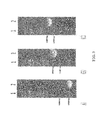
- FIG. 1 shows the results of agarose gel electrophoresis of the homology arms of a PCR product, conducted to confirm homology arms for the deletion of glycerol-3-phosphate dehydrogenase 2 and FPS1 genes.
- Lane 1 shows 1-kb DNA marker
- Lane 2 shows that a Fps1 homology arm was formed at the 5′ and 3′ ends of a zeocin resistance gene to delete Fps1 gene
- Lane 3 shows that a Gpd2 homology arm was formed at the 5′ and 3′ ends of a kanamycin resistance gene to delete Gpd2 gene.
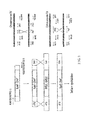
- FIG. 2 is a schematic diagram showing a method of deleting glycerol-3-phosphate dehydrogenase 2 and FPS1 genes according to the present invention.
- FIG. 3(A) shows the results of agarose gel electrophoresis of the PCR product of a glycerol dehydrogenase gene in the present invention. Lane 1: 1-kb DNA marker; and lane 2: Gcy PCR product.
- FIG. 3(B) shows the results of agarose gel electrophoresis of the PCR product of a dihydroxyacetone kinase gene in the present invention. Lane 1: 1-kb DNA marker; and lane 2: Dak PCR product.
- FIG. 3(C) shows the results of agarose gel electrophoresis of the PCR product of a glycerol uptake protein gene in the present invention. Lane 1: 1-kb DNA marker; and lane 2: Gup PCR product.
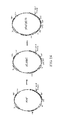
- FIG. 4 is a schematic diagram showing a process of preparing the recombinant vector pGcyaDak containing the glycerol dehydrogenase and dihydroxyacetone kinase genes inserted therein according to the present invention.
- FIG. 5 is a schematic diagram showing a process of preparing the recombinant vector pGup for insertion of glycerol uptake protein according to the present invention.
- FIG. 6 shows the influence of osmotic stress on the gene deletion strain YPH499fps1 ⁇ gpd2 ⁇ according to the present invention and shows that the strain recovers from osmotic stress by pGup1cas.
- FIG. 6(A) shows a medium containing glycerol as a carbon source
- FIG. 6(B) shows a YPD medium containing 1 M NaCl and 10 mM glycerol.
- Lane 1 YPH499 (pESC-TRP); lane 2: YPH499fps1 ⁇ gpd2 (pESC-TRP); lane 3: YPH499fps1 ⁇ gpd2 (pGcyaDak); and lane 4: YPH499fps1 ⁇ gpd2 ⁇ (pGcyaDak,pGupCas).
- FIG. 7 is a graph showing that, when the gene deletion strain according to the present invention is transformed with the recombinant vector pGcyaDak, pGup, the ability of the strain to produce using ethanol as a substrate is increased.
- ⁇ YPH499 (pGcyaDak,pGupCas); and ⁇ : YPH499fps1 ⁇ gpd2 ⁇ (pGcyaDak,pGupCas).
- FIG. 8 is a cleavage map of a pPICZ vector.
- FIG. 9 is a cleavage map of a pET28a vector.
- FIG. 10 shows the results of agarose gel electrophoresis conducted to confirm genes which encode pyruvate decarboxylase and alcohol dehydrogenase.
- Lane 1 1-kb DNA marker
- lane 2 PDC1 gene
- lane 3 ADH1 gene.
- FIG. 11 is a schematic diagram showing a process of inserting pyruvate decarboxylase and alcohol dehydrogenase genes into the recombinant vector pGcyaDak in which glycerol dehydrogenase and dihydroxyacetone kinase genes have been inserted.
- FIG. 12 is a graph showing that, when the gene deletion strain according to the present invention is transformed with the recombinant vector pGcyaDakAdhPdc, pGup, the ability of the strain to produce ethanol using glycerol as a substrate is increased.
- FIG. 12 is a graph showing that, when the gene deletion strain according to the present invention is transformed with the recombinant vector pGcyaDakAdhPdc, pGup, the ability of the strain to produce ethanol using glycerol as a substrate is increased.
- FIG. 13 shows the results of agarose gel electrophoresis conducted to confirm the presence of the TATA-binding proteins SPT3 and SPT15.
- Lane 1 1-kb DNA marker
- lane 2 SPT3
- lane 3 SPT15.
- FIG. 14 is a schematic diagram showing a process of constructing the recombinant vector pGupSpt3.15Cas by inserting the TATA-binding proteins SPT3 and SPT15 into the recombinant vector pGup containing glycerol uptake protein gene.
- FIG. 15 is a schematic diagram showing a process of constructing the recombinant vector pGcyaDak containing the glycerol dehydrogenase and dihydroxyacetone kinase genes inserted therein according to the present invention.
- FIG. 16 is a graph showing that, when a vector overexpressing the TATA-binding proteins SPT3 and SPT15 according to the present invention is transformed with pGcyaDak, the ability of the vector to produce ethanol using glycerol as a substrate is increased.
- ⁇ YPH499 (pESC-TRP); ⁇ : YPH499 (pGcyaDak, pGupCas); and ⁇ : YPH499 (pGcyaDak, pGupSpt3Cas); X,YPH499 (pGcyaDak, pGupSpt3. 15Cas).
- PCR was performed using the DNA of a pPICZ vector (Invitrogen, USA; FIG.
- a forward primer comprising the sequence from start codon to 40-mer of Fps1 (5-atgagtaatcctcaaaaagctctaaacgactgagccatattcaacgggaaacgtcttgctc agtttcatttgatgctcgatgagttttttccattatggtaatgctaagaaggtaacatga-3; SEQ ID NO: 5) and a reverse primer comprising the sequence the stop codon of Fps1 (5′-gtcaaagtaaactacgagctactcaaaaaggtaataccattactattcttccattgtactt catgttaccttcttatcattaccataatggaaaaactcatcgagcatcaaatgaaactg-3′; SEQ ID NO: 6), thereby obtaining a 1.5
- PCR was performed using the DNA of a pET28a vector (Invitrogen, USA; FIG. 7 b ) as a template, a forward primer (5-atgcttgctgtcagaagattaacaagatacacattccttagtgttgacaattaatcatcgg catagtatagggadgctcgaaggctttaatttgcaagct-3; SEQ ID NO: 7) and a reverse primer (5′-attgaagagctagacatcgatgacgaatagcccctgcgagcttccgaaattaaacgttcga taacttctcgatctgtagctactgcttattattcgtcatcgatgtctagctcttcaatagc ttgcaaattaaagccttcgagcgtccccccccccccccccc
- the obtained PCR products were subjected to homologous recombination in yeast YPH499 (MATa ura3-52lys2-801_amberade2-101_ochretrp1- ⁇ 63his3- ⁇ 2001eu2- ⁇ 1) (Clontech Laboratories, Inc.), thereby constructing a strain deleted for the Fps1 and Gpd2 genes.
- the gene deletion strain was selected using an YPD medium (1% yeast extract, 2% Bacto peptone, and 2% glucose, 2% agar) containing zeocin and kanamycin.
- FIG. 1 shows the results of agarose gel electrophoresis of the PCR products
- FIG. 2 shows a method of deleting the gpd2 and Fps1 genes as described above.
- the obtained strain was named “ Saccharomyces cerevisiae YPH499fps1 ⁇ gpd2 ⁇ ”.
- the following primers containing recognition sequences were designed and synthesized with reference to the nucleotide sequences of peptide moieties from Saccharomyces cerevisiae genomic DNA (BY4741): for cloning of Gcy, BamH (5-ggatccatgcctgctactttacatgattct-3; SEQ ID NO: 9), and Sal (5-gtcgacatacttgaatacttcgaaaggag-3; SEQ ID NO: 10); for Dak, Spe (5-actagtatgtccgctaaatcgtttgaagtc-3; SEQ ID NO: 11), and Cla (5-atcgatatacaaggcgctttgaaccccctt-3; SEQ ID NO: 12); and for
- Example 2-1 The amplification products obtained in Example 2-1 were electrophoresed on 0.8% agarose gel, and the DNA fragments on the agarose gel were recovered using a Biospin gel extraction kit (Bioflux).
- Gcy was digested with BamH and Sal
- Dak was digested with Spe and Cla
- Gup1 was digested with EcoR and Spe
- each of the digested genes was ligated into a pESC-trp (Clontech) (yeast- E. coli shuttle vector) which was then transformed into E. coli DH5a.
- pESC-trp yeast- E. coli shuttle vector
- the recombinant vectors were named “pESC-Gcy”, “pESC-Dak”, and “pESC-Gup”, respectively.
- Dak was cloned into the pESC-Gcy vector which was then transformed into E.
- pGcyaDak This recombinant vector was named “pGcyaDak” and is shown in FIG. 4 .
- a sense primer (5-ggatccatgt cagcattttaggtaaattccgtg-3; SEQ ID NO: 15) and an anti-sense primer (5-ggatccataatgtcgctgatcagcatcctg tct-3; SEQ ID NO: 16) were constructed so as to contain a BamH1 recognition sequence, and using these primers, pESC-Gup1 was cloned into the yeast integration vector YIP-5 which was then inserted into Saccharomyces cerevisiae genomic DNA.
- the recombinant vector pGcyaDak, pGupCas was transformed into the gene deletion strain (YPH499fps1 ⁇ gpd2 ⁇ ) using a YEASTMAKER yeast transformation kit2 (Clontech) according to the manufacturer's instruction. Then, the transformant was selected using a tryptophan-deficient SD medium (0.67% yeast nitrogen base, 2% glucose, 0.067% yeast nitrogen base w/o trp, 2% agar) containing zeocin and kanamycin and was named “ Saccharomyces cerevisiae YPH499fps1 ⁇ gpd2 ⁇ (pGcyaDak, pGupCas).
- Example 3-1 The amplification products obtained in Example 3-1 were electrophoresed on 0.8% agarose gel, and the DNA fragments on the agarose gel were recovered using a Biospin gel extraction kit (Bioflux).
- PDC1 was digested with Pst and Sph
- ADH1 was digested with Xba and Sal, and then the genes were digested with the respective restriction enzymes.
- the digested genes were ligated into the vector pGcyaDak inserted with the glycerol dehydrogenase and dihydroxyacetone kinase genes, and then the vector was transformed into E. coli DH5a (Invitrogen). Then, ligated recombinant plasmid DNA was separated from the transformant.
- the recombinant vector was named “pGupCaspGcyaDakAdhPdc” and shown in FIG. 11 .
- the recombinant vector pGcyaDakAdhPdc, pGupCas was transformed into the mutant strain (YPH499fps1gpd2), in which the glycerol production pathway had been impaired, using a YEASTMAKER yeast transformation kit2 (Clontech) according to the manufacturer's instruction.
- the transformant was selected using a tryptophan-deficient SD medium (0.67% yeast nitrogen base, 2% glucose, 0.067% yeast nitrogen base w/o trp, 2% agar) and was named “ Saccharomyces cerevisiae YPH499fps1 ⁇ gpd2 ⁇ (pGcyaDakAdhPdc, pGupCas)”.
- Example 4-1 The amplification products obtained in Example 4-1 were electrophoresed on 0.8% agarose gel, and the DNA fragments on the agarose gel were recovered using a Biospin gel extraction kit (Bioflux).
- a sense primer (5-ggatccatgt cagcattttaggtaaattccgtg-3; SEQ ID NO: 15) and an anti-sense primer (5-ggatccataatgtcgctgatcagcatcctg tct-3; SEQ ID NO: 16) were constructed so as to contain a BamH1 recognition sequence, and using these primers, pGupSpt3.15 was cloned into the yeast integration vector YIP-5 (ATCC). The resulting construct was named “pGupSpt3.15Cas” and shown in FIG. 14 .
- the pGupSpt3.15Cas was inserted into Saccharomyces cerevisiae genomic DNA.
- the recombinant vector pGupSpt3.15Cas was transformed into a wild type strain (YPH499, Clontech Laboratories Inc.) using a YEASTMAKER yeast transformation kit2 (Clontech) according to the manufacturer's instruction.
- the transformant was selected using tryptophan-deficient SD medium (0.67% yeast nitrogen base, 2% glucose, 0.067% yeast nitrogen base w/o trp, 2% agar) and was named “ Saccharomyces cerevisiae YPH499 (pGcyaDak, pGupSpt3.Spt15Cas)”.
- a growth test was carried out in different media. Specifically, the strain was cultured in a medium containing glucose as a carbon source, and then diluted to an OD600 of 1, followed by dilution to 1/10. 10 ⁇ l of the dilution was dispensed while the formation of colonies was examined. To examine the influence of osmotic stress, NaCl was used at increasing concentrations. The results of the test are shown in FIG. 6 .
- Saccharomyces cerevisiae YPH499fps1 ⁇ gpd2 ⁇ prepared in Example 2
- Saccharomyces cerevisiae YPH499fps1 ⁇ gpd2 ⁇ prepared in Example 3 was pre-cultured in an SG medium containing galactose for 24 hours, and then shake-cultured in a fermentation medium containing 2% glycerol as a substrate for 48 hours until the absorbance at 600 nm reached 1.
- Each of the fermentation cultures was incubated at 30° C.
- Each of YPH499 (pGcyaDak, pGupCas) and the YPH499 (pGcyaDak, pGupSpt3.15Cas) prepared in Example 4 was pre-cultured in an SG medium containing galactose for 24 hours, and then shake-cultured in a fermentation medium containing 2% glycerol as a substrate for 48 hours until the absorbance at 600 nm reached 1.
- Each of the fermentation cultures was incubated at 30° C. and 100 rpm while it was sampled at varying points of time and subjected to gas chromatography to measure the production of ethanol.
Landscapes
- Chemical & Material Sciences (AREA)
- Life Sciences & Earth Sciences (AREA)
- Health & Medical Sciences (AREA)
- Organic Chemistry (AREA)
- Genetics & Genomics (AREA)
- Engineering & Computer Science (AREA)
- Zoology (AREA)
- Wood Science & Technology (AREA)
- Bioinformatics & Cheminformatics (AREA)
- Biochemistry (AREA)
- General Health & Medical Sciences (AREA)
- General Engineering & Computer Science (AREA)
- Microbiology (AREA)
- Molecular Biology (AREA)
- Biotechnology (AREA)
- Medicinal Chemistry (AREA)
- Biomedical Technology (AREA)
- Mycology (AREA)
- Biophysics (AREA)
- Gastroenterology & Hepatology (AREA)
- Proteomics, Peptides & Aminoacids (AREA)
- Chemical Kinetics & Catalysis (AREA)
- General Chemical & Material Sciences (AREA)
- Physics & Mathematics (AREA)
- Plant Pathology (AREA)
- Preparation Of Compounds By Using Micro-Organisms (AREA)
- Micro-Organisms Or Cultivation Processes Thereof (AREA)
Applications Claiming Priority (7)
| Application Number | Priority Date | Filing Date | Title |
|---|---|---|---|
| KR10-2010-0035853 | 2010-04-19 | ||
| KR1020100035853A KR20110116438A (ko) | 2010-04-19 | 2010-04-19 | 바이오 에탄올 생산 향상용 글리세롤 생산 유전자 결손 변이체 및 그 균주를 이용한 에탄올 생성방법 |
| KR1020110003479A KR101262999B1 (ko) | 2011-01-13 | 2011-01-13 | 바이오 에탄올 생산 향상용 피루브산 탈카르복실산 효소와 알코올 탈수소화 효소를 코딩하는 유전자가 도입된 형질전환체 및 그 균주를 이용한 에탄올 생성방법 |
| KR10-2011-0003476 | 2011-01-13 | ||
| KR10-2011-0003479 | 2011-01-13 | ||
| KR1020110003476A KR101259956B1 (ko) | 2011-01-13 | 2011-01-13 | 바이오 에탄올 생산 향상용 tata 결합 단백질 spt3 와 15가 유전자 삽입된 형질전환체 및 그 균주를 이용한 에탄올 생성방법 |
| PCT/KR2011/002712 WO2011132890A2 (ko) | 2010-04-19 | 2011-04-15 | 바이오 에탄올 생산 향상용 형질전환체 및 그 균주를 이용한 에탄올 생성방법 |
Publications (2)
| Publication Number | Publication Date |
|---|---|
| US20130109070A1 US20130109070A1 (en) | 2013-05-02 |
| US8772000B2 true US8772000B2 (en) | 2014-07-08 |
Family
ID=44834609
Family Applications (1)
| Application Number | Title | Priority Date | Filing Date |
|---|---|---|---|
| US13/641,946 Active US8772000B2 (en) | 2010-04-19 | 2011-04-15 | Transformant for enhancing bioethanol production, and method for producing ethanol by using said strain |
Country Status (2)
| Country | Link |
|---|---|
| US (1) | US8772000B2 (ko) |
| WO (1) | WO2011132890A2 (ko) |
Families Citing this family (3)
| Publication number | Priority date | Publication date | Assignee | Title |
|---|---|---|---|---|
| GB2506178A (en) * | 2012-09-25 | 2014-03-26 | Vib Vzw | Mutant yeast strain with decreased glycerol production |
| AR097479A1 (es) * | 2013-08-29 | 2016-03-16 | Dsm Ip Assets Bv | Células convertidoras de glicerol y ácido acético con un transporte de glicerol mejorado |
| WO2016008819A1 (de) * | 2014-07-14 | 2016-01-21 | Jacobs University Bremen Ggmbh | Gentechnisch veränderte hefe mit verbessertem glycerol-katabolismus |
Citations (1)
| Publication number | Priority date | Publication date | Assignee | Title |
|---|---|---|---|---|
| WO2009056984A1 (en) * | 2007-10-29 | 2009-05-07 | Technische Universität Berlin | Method of modifying a yeast cell for the production of ethanol |
-
2011
- 2011-04-15 WO PCT/KR2011/002712 patent/WO2011132890A2/ko not_active Ceased
- 2011-04-15 US US13/641,946 patent/US8772000B2/en active Active
Patent Citations (1)
| Publication number | Priority date | Publication date | Assignee | Title |
|---|---|---|---|---|
| WO2009056984A1 (en) * | 2007-10-29 | 2009-05-07 | Technische Universität Berlin | Method of modifying a yeast cell for the production of ethanol |
Non-Patent Citations (19)
| Title |
|---|
| Aristidou et al., Metabolic engineering applications to renewable resource utilization, Curr. Opin. Biotech, 2000, 11, 187-98. * |
| Cao, L., et al., "Overexpression of GLT1 in fps1Delta gpdDelta mutant for optimum ethanol formation by Saccharomyces cerevisiae.", "Biomolecular Engineering", Dec. 2007, pp. 638-642, vol. 24, No. 6. |
| Cao, L., et al., "Overexpression of GLT1 in fps1Δ gpdΔ mutant for optimum ethanol formation by Saccharomyces cerevisiae.", "Biomolecular Engineering", Dec. 2007, pp. 638-642, vol. 24, No. 6. |
| GenBank Accession No. NM-001181863, 2013, www.ncbi.nlm.nih.gov. * |
| GenBank Accession No. NM—001181863, 2013, www.ncbi.nlm.nih.gov. * |
| GenBank Accession No. V01292.1, 2005, www.ncbi.nlm.nih.gov. * |
| GenBank Accession No. X77316, 2006, www.ncbi.nlm.nih.gov. * |
| GenBank Accession No. Z74801.1, 1997, www.ncbi.nlm.nih.gov. * |
| Holst et al., GUP1 and its close homologue GUP2, encoding multimembrane-spanning proteins involved in active glyceral uptake in Saccharomyces cerevisiae, Mol. Microbiol., 2000, 37, 108-24. * |
| Hou, J., et al., "Using regulatory information to manipulate glycerol metabolism in Saccharomyces cerevisiae.", "Appl Microbiol Biotechnol", Jan. 2010, pp. 1123-1130, vol. 85, No. 4. |
| Hou, L., et al., "Effect of overexpression of transcription factors on the fermentation properties of Saccharomyces cerevisiae industrial strains", "Letters in Applied Microbiology", Apr. 17, 2009, pp. 14-19, vol. 49, No. 1. |
| Ohta, K., et al., "Genetic Improvement of Escherichia coli for Ethanol Production: Chromosomal Integration of Zymomonas mobilis Genes Encoding Pyruvate Decarboxylase and Alcohol Dehydrogenase II", "Applied and Environmental Microbiology", Apr. 1991, pp. 893-900, vol. 57, No. 4. |
| Oliveira, R., et al., "Fps1p channel is the mediator of the major part of glycerol passive diffusion in Saccharomyces cerevisiae: artefacts and re-definitions", "Biochimica et Biophysica Acta", Jun. 27, 2003, pp. 57-71, vol. 1613, No. 1-2. |
| Smits, P., et al., "Simultaneous overexpression of enzymes of the lower part of glycolysis can enhance the fermentative capacity of Saccharomyces cerevisiae", "Yeast", Oct. 2000, pp. 1325-1334, vol. 16, No. 14. |
| UniProt, Accession No. P14065, Jan. 1990, www.uniprot.org. * |
| UniProt, Accession No. P53154, Oct. 1996, www.uniprot.org. * |
| UniProt, Accession No. P54838, Oct. 1996, www.uniprot.org. * |
| Yu, K., et al., "Engineering of glycerol utilization pathway for ethanol production by Saccharomyces cerevisiae", "Bioresource Technology", Feb. 9, 2010, pp. 4157-4161, vol. 101. |
| Yu, K., et al., "Reduction of glycerol production to improve ethanol yield in an engineered Saccharomyces cerevisiae using glycerol as a substrate", "Journal of Biotechnology", Oct. 15, 2010, pp. 209-214, vol. 150. |
Also Published As
| Publication number | Publication date |
|---|---|
| US20130109070A1 (en) | 2013-05-02 |
| WO2011132890A2 (ko) | 2011-10-27 |
| WO2011132890A3 (ko) | 2012-05-10 |
| WO2011132890A9 (ko) | 2012-06-14 |
Similar Documents
| Publication | Publication Date | Title |
|---|---|---|
| Bonnefoy et al. | Cloning of a human gene involved in cytochrome oxidase assembly by functional complementation of an oxa1-mutation in Saccharomyces cerevisiae. | |
| US20090053784A1 (en) | Expression of an active carrier from xylose in genetically modified saccharomyces cerevisae | |
| CN112852650B (zh) | 一种高产檀香烯和檀香醇的酿酒酵母工程菌及其构建方法与应用 | |
| CN118580978A (zh) | 用于使用经工程化的酵母产生乙醇的方法 | |
| JPH09510618A (ja) | 真菌類におけるリボフラビン生合成 | |
| WO2023220547A1 (en) | Genetically modified yeast and fermentation processes for the production of polyols | |
| CN113528362A (zh) | 甘油产生受到抑制的重组耐酸酵母和使用其生产乳酸的方法 | |
| KR101262999B1 (ko) | 바이오 에탄올 생산 향상용 피루브산 탈카르복실산 효소와 알코올 탈수소화 효소를 코딩하는 유전자가 도입된 형질전환체 및 그 균주를 이용한 에탄올 생성방법 | |
| CN110892073B (zh) | 增强型代谢物生产酵母 | |
| CN112789353A (zh) | 抑制乙醇产生的重组耐酸酵母以及使用其制备乳酸的方法 | |
| US8772000B2 (en) | Transformant for enhancing bioethanol production, and method for producing ethanol by using said strain | |
| CN116064266B (zh) | 盐胁迫抗性增强的重组酿酒酵母菌及其构建方法与应用 | |
| KR101240507B1 (ko) | 신규 알콜 탈수소효소 HpADH1 및 이를 이용한 바이오에탄올의 제조 방법 | |
| US8652815B2 (en) | Transformant comprising gene coding for ws/dgat and method of producing fatty acid ethyl esters using the same | |
| Kurylenko et al. | New approaches for improving the production of the 1st and 2nd generation ethanol by yeast | |
| CN103261397A (zh) | 木糖异构酶和木糖醇脱氢酶组合用于木糖发酵为乙醇,以及脆弱拟杆菌木糖脱氢酶 | |
| AU2012272947A1 (en) | Recombinant yeast expressing AGT1 | |
| KR101259956B1 (ko) | 바이오 에탄올 생산 향상용 tata 결합 단백질 spt3 와 15가 유전자 삽입된 형질전환체 및 그 균주를 이용한 에탄올 생성방법 | |
| CN119752749A (zh) | 用于芳香族氨基酸生产的工程改造微生物和方法 | |
| US20250277193A1 (en) | Genetically modified yeast and fermentation processes for the production of arabitol | |
| US20250277244A1 (en) | Genetically modified yeast and fermentation processes for the production of arabitol | |
| KR102306725B1 (ko) | 아세토인 생산능을 갖는 유전적으로 조작된 효모 및 이를 이용한 아세토인 생산방법 | |
| EP0483691A2 (en) | Xyloseisomerase gene of thermus aquaticus, xyloseisomerase and process for preparation of fructose | |
| KR20110116438A (ko) | 바이오 에탄올 생산 향상용 글리세롤 생산 유전자 결손 변이체 및 그 균주를 이용한 에탄올 생성방법 | |
| KR101102460B1 (ko) | 글리세롤을 발효원으로 하는 바이오 에탄올 생산능이 향상된 재조합벡터, 형질전환체 및 그 전환체를 이용한 에탄올 생산방법 |
Legal Events
| Date | Code | Title | Description |
|---|---|---|---|
| AS | Assignment |
Owner name: KOREA UNIVERSITY RESEARCH AND BUSINESS FOUNDATION, Free format text: ASSIGNMENT OF ASSIGNORS INTEREST;ASSIGNORS:HAN, SUNG OK;YU, KYUNG OK;KIM, SEUNG WOOK;REEL/FRAME:029424/0789 Effective date: 20121126 |
|
| FEPP | Fee payment procedure |
Free format text: PAYOR NUMBER ASSIGNED (ORIGINAL EVENT CODE: ASPN); ENTITY STATUS OF PATENT OWNER: SMALL ENTITY |
|
| STCF | Information on status: patent grant |
Free format text: PATENTED CASE |
|
| CC | Certificate of correction | ||
| MAFP | Maintenance fee payment |
Free format text: PAYMENT OF MAINTENANCE FEE, 4TH YR, SMALL ENTITY (ORIGINAL EVENT CODE: M2551) Year of fee payment: 4 |
|
| MAFP | Maintenance fee payment |
Free format text: PAYMENT OF MAINTENANCE FEE, 8TH YR, SMALL ENTITY (ORIGINAL EVENT CODE: M2552); ENTITY STATUS OF PATENT OWNER: SMALL ENTITY Year of fee payment: 8 |
|
| FEPP | Fee payment procedure |
Free format text: MAINTENANCE FEE REMINDER MAILED (ORIGINAL EVENT CODE: REM.); ENTITY STATUS OF PATENT OWNER: SMALL ENTITY |