US8771755B2 - Preparation and compositions of highly bioavailable zerovalent sulfur and uses thereof - Google Patents
Preparation and compositions of highly bioavailable zerovalent sulfur and uses thereof Download PDFInfo
- Publication number
- US8771755B2 US8771755B2 US13/614,820 US201213614820A US8771755B2 US 8771755 B2 US8771755 B2 US 8771755B2 US 201213614820 A US201213614820 A US 201213614820A US 8771755 B2 US8771755 B2 US 8771755B2
- Authority
- US
- United States
- Prior art keywords
- sulfur
- tac
- composition
- mice
- disease
- Prior art date
- Legal status (The legal status is an assumption and is not a legal conclusion. Google has not performed a legal analysis and makes no representation as to the accuracy of the status listed.)
- Active
Links
Images




Classifications
-
- A—HUMAN NECESSITIES
- A61—MEDICAL OR VETERINARY SCIENCE; HYGIENE
- A61K—PREPARATIONS FOR MEDICAL, DENTAL OR TOILETRY PURPOSES
- A61K33/00—Medicinal preparations containing inorganic active ingredients
- A61K33/04—Sulfur, selenium or tellurium; Compounds thereof
-
- A—HUMAN NECESSITIES
- A61—MEDICAL OR VETERINARY SCIENCE; HYGIENE
- A61K—PREPARATIONS FOR MEDICAL, DENTAL OR TOILETRY PURPOSES
- A61K33/00—Medicinal preparations containing inorganic active ingredients
- A61K33/06—Aluminium, calcium or magnesium; Compounds thereof, e.g. clay
-
- A—HUMAN NECESSITIES
- A61—MEDICAL OR VETERINARY SCIENCE; HYGIENE
- A61K—PREPARATIONS FOR MEDICAL, DENTAL OR TOILETRY PURPOSES
- A61K45/00—Medicinal preparations containing active ingredients not provided for in groups A61K31/00 - A61K41/00
- A61K45/06—Mixtures of active ingredients without chemical characterisation, e.g. antiphlogistics and cardiaca
-
- A—HUMAN NECESSITIES
- A61—MEDICAL OR VETERINARY SCIENCE; HYGIENE
- A61P—SPECIFIC THERAPEUTIC ACTIVITY OF CHEMICAL COMPOUNDS OR MEDICINAL PREPARATIONS
- A61P1/00—Drugs for disorders of the alimentary tract or the digestive system
- A61P1/04—Drugs for disorders of the alimentary tract or the digestive system for ulcers, gastritis or reflux esophagitis, e.g. antacids, inhibitors of acid secretion, mucosal protectants
-
- A—HUMAN NECESSITIES
- A61—MEDICAL OR VETERINARY SCIENCE; HYGIENE
- A61P—SPECIFIC THERAPEUTIC ACTIVITY OF CHEMICAL COMPOUNDS OR MEDICINAL PREPARATIONS
- A61P1/00—Drugs for disorders of the alimentary tract or the digestive system
- A61P1/16—Drugs for disorders of the alimentary tract or the digestive system for liver or gallbladder disorders, e.g. hepatoprotective agents, cholagogues, litholytics
-
- A—HUMAN NECESSITIES
- A61—MEDICAL OR VETERINARY SCIENCE; HYGIENE
- A61P—SPECIFIC THERAPEUTIC ACTIVITY OF CHEMICAL COMPOUNDS OR MEDICINAL PREPARATIONS
- A61P11/00—Drugs for disorders of the respiratory system
-
- A—HUMAN NECESSITIES
- A61—MEDICAL OR VETERINARY SCIENCE; HYGIENE
- A61P—SPECIFIC THERAPEUTIC ACTIVITY OF CHEMICAL COMPOUNDS OR MEDICINAL PREPARATIONS
- A61P11/00—Drugs for disorders of the respiratory system
- A61P11/04—Drugs for disorders of the respiratory system for throat disorders
-
- A—HUMAN NECESSITIES
- A61—MEDICAL OR VETERINARY SCIENCE; HYGIENE
- A61P—SPECIFIC THERAPEUTIC ACTIVITY OF CHEMICAL COMPOUNDS OR MEDICINAL PREPARATIONS
- A61P13/00—Drugs for disorders of the urinary system
- A61P13/12—Drugs for disorders of the urinary system of the kidneys
-
- A—HUMAN NECESSITIES
- A61—MEDICAL OR VETERINARY SCIENCE; HYGIENE
- A61P—SPECIFIC THERAPEUTIC ACTIVITY OF CHEMICAL COMPOUNDS OR MEDICINAL PREPARATIONS
- A61P15/00—Drugs for genital or sexual disorders; Contraceptives
-
- A—HUMAN NECESSITIES
- A61—MEDICAL OR VETERINARY SCIENCE; HYGIENE
- A61P—SPECIFIC THERAPEUTIC ACTIVITY OF CHEMICAL COMPOUNDS OR MEDICINAL PREPARATIONS
- A61P17/00—Drugs for dermatological disorders
-
- A—HUMAN NECESSITIES
- A61—MEDICAL OR VETERINARY SCIENCE; HYGIENE
- A61P—SPECIFIC THERAPEUTIC ACTIVITY OF CHEMICAL COMPOUNDS OR MEDICINAL PREPARATIONS
- A61P17/00—Drugs for dermatological disorders
- A61P17/04—Antipruritics
-
- A—HUMAN NECESSITIES
- A61—MEDICAL OR VETERINARY SCIENCE; HYGIENE
- A61P—SPECIFIC THERAPEUTIC ACTIVITY OF CHEMICAL COMPOUNDS OR MEDICINAL PREPARATIONS
- A61P17/00—Drugs for dermatological disorders
- A61P17/06—Antipsoriatics
-
- A—HUMAN NECESSITIES
- A61—MEDICAL OR VETERINARY SCIENCE; HYGIENE
- A61P—SPECIFIC THERAPEUTIC ACTIVITY OF CHEMICAL COMPOUNDS OR MEDICINAL PREPARATIONS
- A61P17/00—Drugs for dermatological disorders
- A61P17/08—Antiseborrheics
-
- A—HUMAN NECESSITIES
- A61—MEDICAL OR VETERINARY SCIENCE; HYGIENE
- A61P—SPECIFIC THERAPEUTIC ACTIVITY OF CHEMICAL COMPOUNDS OR MEDICINAL PREPARATIONS
- A61P17/00—Drugs for dermatological disorders
- A61P17/14—Drugs for dermatological disorders for baldness or alopecia
-
- A—HUMAN NECESSITIES
- A61—MEDICAL OR VETERINARY SCIENCE; HYGIENE
- A61P—SPECIFIC THERAPEUTIC ACTIVITY OF CHEMICAL COMPOUNDS OR MEDICINAL PREPARATIONS
- A61P19/00—Drugs for skeletal disorders
- A61P19/02—Drugs for skeletal disorders for joint disorders, e.g. arthritis, arthrosis
-
- A—HUMAN NECESSITIES
- A61—MEDICAL OR VETERINARY SCIENCE; HYGIENE
- A61P—SPECIFIC THERAPEUTIC ACTIVITY OF CHEMICAL COMPOUNDS OR MEDICINAL PREPARATIONS
- A61P21/00—Drugs for disorders of the muscular or neuromuscular system
-
- A—HUMAN NECESSITIES
- A61—MEDICAL OR VETERINARY SCIENCE; HYGIENE
- A61P—SPECIFIC THERAPEUTIC ACTIVITY OF CHEMICAL COMPOUNDS OR MEDICINAL PREPARATIONS
- A61P25/00—Drugs for disorders of the nervous system
- A61P25/18—Antipsychotics, i.e. neuroleptics; Drugs for mania or schizophrenia
-
- A—HUMAN NECESSITIES
- A61—MEDICAL OR VETERINARY SCIENCE; HYGIENE
- A61P—SPECIFIC THERAPEUTIC ACTIVITY OF CHEMICAL COMPOUNDS OR MEDICINAL PREPARATIONS
- A61P25/00—Drugs for disorders of the nervous system
- A61P25/28—Drugs for disorders of the nervous system for treating neurodegenerative disorders of the central nervous system, e.g. nootropic agents, cognition enhancers, drugs for treating Alzheimer's disease or other forms of dementia
-
- A—HUMAN NECESSITIES
- A61—MEDICAL OR VETERINARY SCIENCE; HYGIENE
- A61P—SPECIFIC THERAPEUTIC ACTIVITY OF CHEMICAL COMPOUNDS OR MEDICINAL PREPARATIONS
- A61P27/00—Drugs for disorders of the senses
- A61P27/02—Ophthalmic agents
-
- A—HUMAN NECESSITIES
- A61—MEDICAL OR VETERINARY SCIENCE; HYGIENE
- A61P—SPECIFIC THERAPEUTIC ACTIVITY OF CHEMICAL COMPOUNDS OR MEDICINAL PREPARATIONS
- A61P27/00—Drugs for disorders of the senses
- A61P27/02—Ophthalmic agents
- A61P27/12—Ophthalmic agents for cataracts
-
- A—HUMAN NECESSITIES
- A61—MEDICAL OR VETERINARY SCIENCE; HYGIENE
- A61P—SPECIFIC THERAPEUTIC ACTIVITY OF CHEMICAL COMPOUNDS OR MEDICINAL PREPARATIONS
- A61P27/00—Drugs for disorders of the senses
- A61P27/16—Otologicals
-
- A—HUMAN NECESSITIES
- A61—MEDICAL OR VETERINARY SCIENCE; HYGIENE
- A61P—SPECIFIC THERAPEUTIC ACTIVITY OF CHEMICAL COMPOUNDS OR MEDICINAL PREPARATIONS
- A61P29/00—Non-central analgesic, antipyretic or antiinflammatory agents, e.g. antirheumatic agents; Non-steroidal antiinflammatory drugs [NSAID]
-
- A—HUMAN NECESSITIES
- A61—MEDICAL OR VETERINARY SCIENCE; HYGIENE
- A61P—SPECIFIC THERAPEUTIC ACTIVITY OF CHEMICAL COMPOUNDS OR MEDICINAL PREPARATIONS
- A61P3/00—Drugs for disorders of the metabolism
- A61P3/02—Nutrients, e.g. vitamins, minerals
-
- A—HUMAN NECESSITIES
- A61—MEDICAL OR VETERINARY SCIENCE; HYGIENE
- A61P—SPECIFIC THERAPEUTIC ACTIVITY OF CHEMICAL COMPOUNDS OR MEDICINAL PREPARATIONS
- A61P3/00—Drugs for disorders of the metabolism
- A61P3/06—Antihyperlipidemics
-
- A—HUMAN NECESSITIES
- A61—MEDICAL OR VETERINARY SCIENCE; HYGIENE
- A61P—SPECIFIC THERAPEUTIC ACTIVITY OF CHEMICAL COMPOUNDS OR MEDICINAL PREPARATIONS
- A61P3/00—Drugs for disorders of the metabolism
- A61P3/08—Drugs for disorders of the metabolism for glucose homeostasis
- A61P3/10—Drugs for disorders of the metabolism for glucose homeostasis for hyperglycaemia, e.g. antidiabetics
-
- A—HUMAN NECESSITIES
- A61—MEDICAL OR VETERINARY SCIENCE; HYGIENE
- A61P—SPECIFIC THERAPEUTIC ACTIVITY OF CHEMICAL COMPOUNDS OR MEDICINAL PREPARATIONS
- A61P31/00—Antiinfectives, i.e. antibiotics, antiseptics, chemotherapeutics
-
- A—HUMAN NECESSITIES
- A61—MEDICAL OR VETERINARY SCIENCE; HYGIENE
- A61P—SPECIFIC THERAPEUTIC ACTIVITY OF CHEMICAL COMPOUNDS OR MEDICINAL PREPARATIONS
- A61P31/00—Antiinfectives, i.e. antibiotics, antiseptics, chemotherapeutics
- A61P31/04—Antibacterial agents
-
- A—HUMAN NECESSITIES
- A61—MEDICAL OR VETERINARY SCIENCE; HYGIENE
- A61P—SPECIFIC THERAPEUTIC ACTIVITY OF CHEMICAL COMPOUNDS OR MEDICINAL PREPARATIONS
- A61P31/00—Antiinfectives, i.e. antibiotics, antiseptics, chemotherapeutics
- A61P31/12—Antivirals
-
- A—HUMAN NECESSITIES
- A61—MEDICAL OR VETERINARY SCIENCE; HYGIENE
- A61P—SPECIFIC THERAPEUTIC ACTIVITY OF CHEMICAL COMPOUNDS OR MEDICINAL PREPARATIONS
- A61P31/00—Antiinfectives, i.e. antibiotics, antiseptics, chemotherapeutics
- A61P31/12—Antivirals
- A61P31/14—Antivirals for RNA viruses
-
- A—HUMAN NECESSITIES
- A61—MEDICAL OR VETERINARY SCIENCE; HYGIENE
- A61P—SPECIFIC THERAPEUTIC ACTIVITY OF CHEMICAL COMPOUNDS OR MEDICINAL PREPARATIONS
- A61P31/00—Antiinfectives, i.e. antibiotics, antiseptics, chemotherapeutics
- A61P31/12—Antivirals
- A61P31/14—Antivirals for RNA viruses
- A61P31/18—Antivirals for RNA viruses for HIV
-
- A—HUMAN NECESSITIES
- A61—MEDICAL OR VETERINARY SCIENCE; HYGIENE
- A61P—SPECIFIC THERAPEUTIC ACTIVITY OF CHEMICAL COMPOUNDS OR MEDICINAL PREPARATIONS
- A61P31/00—Antiinfectives, i.e. antibiotics, antiseptics, chemotherapeutics
- A61P31/12—Antivirals
- A61P31/20—Antivirals for DNA viruses
- A61P31/22—Antivirals for DNA viruses for herpes viruses
-
- A—HUMAN NECESSITIES
- A61—MEDICAL OR VETERINARY SCIENCE; HYGIENE
- A61P—SPECIFIC THERAPEUTIC ACTIVITY OF CHEMICAL COMPOUNDS OR MEDICINAL PREPARATIONS
- A61P35/00—Antineoplastic agents
-
- A—HUMAN NECESSITIES
- A61—MEDICAL OR VETERINARY SCIENCE; HYGIENE
- A61P—SPECIFIC THERAPEUTIC ACTIVITY OF CHEMICAL COMPOUNDS OR MEDICINAL PREPARATIONS
- A61P37/00—Drugs for immunological or allergic disorders
-
- A—HUMAN NECESSITIES
- A61—MEDICAL OR VETERINARY SCIENCE; HYGIENE
- A61P—SPECIFIC THERAPEUTIC ACTIVITY OF CHEMICAL COMPOUNDS OR MEDICINAL PREPARATIONS
- A61P37/00—Drugs for immunological or allergic disorders
- A61P37/08—Antiallergic agents
-
- A—HUMAN NECESSITIES
- A61—MEDICAL OR VETERINARY SCIENCE; HYGIENE
- A61P—SPECIFIC THERAPEUTIC ACTIVITY OF CHEMICAL COMPOUNDS OR MEDICINAL PREPARATIONS
- A61P39/00—General protective or antinoxious agents
-
- A—HUMAN NECESSITIES
- A61—MEDICAL OR VETERINARY SCIENCE; HYGIENE
- A61P—SPECIFIC THERAPEUTIC ACTIVITY OF CHEMICAL COMPOUNDS OR MEDICINAL PREPARATIONS
- A61P39/00—General protective or antinoxious agents
- A61P39/06—Free radical scavengers or antioxidants
-
- A—HUMAN NECESSITIES
- A61—MEDICAL OR VETERINARY SCIENCE; HYGIENE
- A61P—SPECIFIC THERAPEUTIC ACTIVITY OF CHEMICAL COMPOUNDS OR MEDICINAL PREPARATIONS
- A61P43/00—Drugs for specific purposes, not provided for in groups A61P1/00-A61P41/00
-
- A—HUMAN NECESSITIES
- A61—MEDICAL OR VETERINARY SCIENCE; HYGIENE
- A61P—SPECIFIC THERAPEUTIC ACTIVITY OF CHEMICAL COMPOUNDS OR MEDICINAL PREPARATIONS
- A61P7/00—Drugs for disorders of the blood or the extracellular fluid
-
- A—HUMAN NECESSITIES
- A61—MEDICAL OR VETERINARY SCIENCE; HYGIENE
- A61P—SPECIFIC THERAPEUTIC ACTIVITY OF CHEMICAL COMPOUNDS OR MEDICINAL PREPARATIONS
- A61P7/00—Drugs for disorders of the blood or the extracellular fluid
- A61P7/02—Antithrombotic agents; Anticoagulants; Platelet aggregation inhibitors
-
- A—HUMAN NECESSITIES
- A61—MEDICAL OR VETERINARY SCIENCE; HYGIENE
- A61P—SPECIFIC THERAPEUTIC ACTIVITY OF CHEMICAL COMPOUNDS OR MEDICINAL PREPARATIONS
- A61P9/00—Drugs for disorders of the cardiovascular system
-
- A—HUMAN NECESSITIES
- A61—MEDICAL OR VETERINARY SCIENCE; HYGIENE
- A61P—SPECIFIC THERAPEUTIC ACTIVITY OF CHEMICAL COMPOUNDS OR MEDICINAL PREPARATIONS
- A61P9/00—Drugs for disorders of the cardiovascular system
- A61P9/02—Non-specific cardiovascular stimulants, e.g. drugs for syncope, antihypotensives
-
- A—HUMAN NECESSITIES
- A61—MEDICAL OR VETERINARY SCIENCE; HYGIENE
- A61P—SPECIFIC THERAPEUTIC ACTIVITY OF CHEMICAL COMPOUNDS OR MEDICINAL PREPARATIONS
- A61P9/00—Drugs for disorders of the cardiovascular system
- A61P9/04—Inotropic agents, i.e. stimulants of cardiac contraction; Drugs for heart failure
-
- A—HUMAN NECESSITIES
- A61—MEDICAL OR VETERINARY SCIENCE; HYGIENE
- A61P—SPECIFIC THERAPEUTIC ACTIVITY OF CHEMICAL COMPOUNDS OR MEDICINAL PREPARATIONS
- A61P9/00—Drugs for disorders of the cardiovascular system
- A61P9/06—Antiarrhythmics
-
- A—HUMAN NECESSITIES
- A61—MEDICAL OR VETERINARY SCIENCE; HYGIENE
- A61P—SPECIFIC THERAPEUTIC ACTIVITY OF CHEMICAL COMPOUNDS OR MEDICINAL PREPARATIONS
- A61P9/00—Drugs for disorders of the cardiovascular system
- A61P9/10—Drugs for disorders of the cardiovascular system for treating ischaemic or atherosclerotic diseases, e.g. antianginal drugs, coronary vasodilators, drugs for myocardial infarction, retinopathy, cerebrovascula insufficiency, renal arteriosclerosis
-
- A—HUMAN NECESSITIES
- A61—MEDICAL OR VETERINARY SCIENCE; HYGIENE
- A61P—SPECIFIC THERAPEUTIC ACTIVITY OF CHEMICAL COMPOUNDS OR MEDICINAL PREPARATIONS
- A61P9/00—Drugs for disorders of the cardiovascular system
- A61P9/12—Antihypertensives
-
- Y—GENERAL TAGGING OF NEW TECHNOLOGICAL DEVELOPMENTS; GENERAL TAGGING OF CROSS-SECTIONAL TECHNOLOGIES SPANNING OVER SEVERAL SECTIONS OF THE IPC; TECHNICAL SUBJECTS COVERED BY FORMER USPC CROSS-REFERENCE ART COLLECTIONS [XRACs] AND DIGESTS
- Y02—TECHNOLOGIES OR APPLICATIONS FOR MITIGATION OR ADAPTATION AGAINST CLIMATE CHANGE
- Y02A—TECHNOLOGIES FOR ADAPTATION TO CLIMATE CHANGE
- Y02A50/00—TECHNOLOGIES FOR ADAPTATION TO CLIMATE CHANGE in human health protection, e.g. against extreme weather
- Y02A50/30—Against vector-borne diseases, e.g. mosquito-borne, fly-borne, tick-borne or waterborne diseases whose impact is exacerbated by climate change
Definitions
- the invention features zerovalent-sulfur-rich compositions and methods of preparation, formulation, and prevention and treatment of pathological conditions associated with oxidative stress.
- cardiovascular disease Despite the abundance of medications to lower blood pressure, reduce cholesterol, and treat cardiovascular conditions, cardiovascular disease remains the number one killer in the United States. The incidence of cardiovascular problems is likely to continue its steady rise as the “Baby Boomer” generation ages and as obesity and diabetes rates continue to rise. Therefore, development of better therapies is of utmost importance.
- Hydrogen sulfide is a recognized endogenous signaling molecule that has been shown to modulate immune and mitochondrial function, act both directly and indirectly as an antioxidant, and increase blood flow by a variety of mechanisms.
- hydrogen sulfide is a potent anti-inflammatory agent and modulator of cell death. This plethora of properties makes hydrogen sulfide an ideal candidate for the treatment of cardiovascular disease, cancers, inflammatory disease, diabetes, dyslipidemia, neurodegenerative disease, AIDS, and other pathological conditions associated with oxidative stress, an imbalance in redox homeostasis, and/or immune dysfunction.
- H 2 S displays prooxidant and proapoptotic effects.
- Hydrogen sulfide is produced endogenously from cysteine by the enzymes cystathionine beta-synthase, cystathionine gamma-lyase, and 3-mercaptopyruvate sulfurtransferase.
- Hydrogen sulfide prodrugs can provide an exogenous source for hydrogen sulfide in the body, however, currently used hydrogen sulfide prodrugs contain no more than 57% bioactive sulfur (sulfur capable of being converted into hydrogen sulfide in vivo).
- NaHS sodium hydrogen sulfide
- sodium hydrosulfide sodium hydrosulfide
- the invention features a composition including 90-99.9% (w/w) elemental alpha sulfur and 0.01-10% (w/w) highly polar components.
- the composition can optionally include one or more pharmaceutically acceptable excipients.
- the composition can include about 99% (w/w) zerovalent sulfur and about 1% (w/w) highly polar components, wherein the highly polar components are selected from sodium sulfate, sodium polythionates, and sodium thiosulfate.
- the invention also features a composition including an elemental alpha sulfur and one or more highly polar components in a ratio from about 10 to about 150 parts elemental alpha sulfur to 1 part highly polar components (w/w) for enteral, topical, or parenteral administration.
- the ratio of elemental alpha sulfur to highly polar components is 15:1, 20:1, 30:1, 35:1, 40:1, 45:1, 50:1, 55:1, 60:1, 70:1, 80:1, 90:1, 100:1, 110:1, 120:1, 130:1, 140:1, or 145:1.
- a composition of the invention is formulated for enteral administration and the elemental alpha sulfur and the highly polar components are present together in an amount of 400 mg.
- the composition is a capsule.
- a composition of the invention is formulated for topical administration, and the composition includes 1-20% zerovalent sulfur content.
- the composition is a cream.
- the cream includes (i) 5-20% zerovalent sulfur content and (ii) polyethylene glycol or petroleum jelly.
- the cream includes 5-15% zerovalent sulfur content.
- the cream includes 2%, 3%, 4%, 5%, 6%, 7%, 8%, 9%, 10%, 11%, 12%, 13%, 14%, 15%, 16%, 17%, 18%, or 19% zerovalent sulfur content.
- the highly polar components can be selected from the group consisting of sodium polythionate, potassium polythionate, ammonium polythionate, calcium polythionate, sodium thiosulfate, potassium thiosulfate, ammonium thiosulfate, calcium thiosulfate, sodium sulfate, potassium sulfate, ammonium sulfate, sodium bisulfite, potassium bisulfite, ammonium bisulfite, calcium bisulfite, sodium chloride, potassium chloride, ammonium chloride, calcium chloride, sodium acetate, sodium palmitate, potassium palmitate, and ammonium laurate.
- the compositions of the invention further include a third agent.
- the third agent is a cardiovascular disease drug, an anti-inflammatory drug, an anti-neurodegenerative drug, or an anticancer/anti-proliferative drug.
- the third agent is a dietary supplement.
- the elemental alpha sulfur, the highly polar components, and the third agent are present in an effective amount to treat a condition associated with oxidative stress.
- the elemental alpha sulfur, the highly polar components, and the third agent are present in an effective amount to promote or maintain general health.
- the invention also features a method for preparing a composition including 90-99.9% (w/w) elemental alpha sulfur and 0.01-10% (w/w) highly polar components, the method includes: (a) providing a first inorganic compound including sulfur in the ⁇ 2 (minus two) oxidation state, (b) reacting the first inorganic compound with a second compound including sulfur in the + 4 (plus four) oxidation state and optionally an acid, wherein the reacting produces a composition including 90-99.9% (w/w) elemental alpha sulfur and 0.01-10% (w/w) highly polar components.
- the first inorganic compound is sodium hydrogen sulfide or sodium sulfide.
- the second inorganic compound is sodium metabisulfite, sodium bisulfite, or sodium sulfite.
- the acid is concentrated sulfuric acid.
- the invention also features a method of treating a condition associated with oxidative stress in a subject in need thereof by administering an effective amount of a composition including 90-99.9% (w/w) elemental alpha sulfur and 0.01-10% (w/w) highly polar components, and optionally including one or more pharmaceutically acceptable excipients.
- the composition can also include about 99% (w/w) zerovalent sulfur and about 1% (w/w) highly polar components, wherein the highly polar components are selected from sodium sulfate, sodium polythionates, and sodium thiosulfate.
- the invention also features a method of treating a condition associated with oxidative stress in a subject in need thereof by administering an effective amount of a composition including an elemental alpha sulfur and one or more highly polar components in a ratio from about 10 to about 150 parts elemental alpha sulfur to 1 part highly polar components (w/w) for enteral, topical, or parenteral administration.
- the condition associated with oxidative stress is selected from the group consisting of: schizophrenia, bipolar disorder, fragile X syndrome, sickle cell disease, chronic fatigue syndrome, osteoarthritis cataract, macular degeneration, toxic hepatitis, viral hepatitis, cirrhosis, chronic hepatitis, oxidative stress from dialysis, renal toxicity, kidney failure, ulcerative colitis, bacterial infection, viral infections, such as HIV and AIDS, herpes, ear infection, upper respiratory tract diseases, hypertension, balding and hair loss, male infertility, over-training syndrome related to athletic performance, athlete's foot, psoriases, eczema, scleroderma, atopic dermatitis, polymyositis, rosacea, dermatitis herpetiformis, other neurodegenerative diseases, other inflammatory disease, and a cancer.
- the condition associated with oxidative stress is a cardiovascular disease.
- the cardiovascular disease is selected from the group consisting of: arteriosclerosis, coronary heart disease, ischemia, endothelium dysfunction, in particular those dysfunctions affecting blood vessel elasticity, restenosis, thrombosis, angina, high blood pressure, cardiomyopathy, hypertensive heart disease, heart failure, cor pulmonale, cardiac dysrhythmias, endocarditis, inflammatory cardiomegaly, myocarditis, myocardial infarction, valvular heart disease, stroke and cerebrovascular disease, aortic valve stenosis, congestive heart failure, and peripheral arterial disease.
- the invention also features a method of increasing hydrogen sulfide levels in a subject having a sulfur nutritional deficiency by administering an effective amount of a composition including 90-99.9% (w/w) elemental alpha sulfur and 0.01-10% (w/w) highly polar components, and optionally including one or more pharmaceutically acceptable excipients.
- the invention also features a method for assessing the treatment of a cardiovascular disease by administering a composition including 90-99.9% (w/w) elemental alpha sulfur and 0.01-10% (w/w) highly polar components, and optionally including one or more pharmaceutically acceptable excipients.
- the method includes the steps of: determining the level of hydrogen sulfide in a sample from the subject, adjusting the dose of the composition in an amount sufficient to treat the cardiovascular disease, wherein an increase in the level of hydrogen sulfide or an improvement in a cardiovascular parameter results in the treatment of the cardiovascular disease.
- the cardiovascular parameter is selected from the group consisting of end-diastolic volume (EDV), end-systolic volume (ESV), stroke volume, ejection fraction, heart rate, and cardiac output.
- Elemental alpha sulfur is meant orthorhombic elemental sulfur having the formula S 8 . Elemental alpha sulfur exists as S 8 (cyclooctasulfur molecules), but can also include S 7 (cycloheptasulfur molecules) and S 6 (cyclohexasulfur molecules).
- “elemental beta sulfur” is meant monoclinic elemental sulfur having the formula S 8 and consisting mainly of cyclooctasulfur molecules.
- high polar component is meant a compound whose molecules contain at least one ionic bond or one highly polar covalent bond.
- Highly polar components include, e.g., sodium polythionates, potassium polythionates, ammonium polythionates, calcium polythionates, sodium thiosulfate, potassium thiosulfate, ammonium thiosulfate, calcium thiosulfate, sodium sulfate, potassium sulfate, ammonium sulfate, sodium bisulfite, potassium bisulfite, ammonium bisulfite, calcium bisulfite, sodium chloride, potassium chloride, ammonium chloride, calcium chloride, sodium acetate, sodium palmitate, potassium palmitate, and/or ammonium laurate.
- Highly polar components also include molecules containing highly polar O—H covalent bonds, e.g., water, alcohols, polyols, polythionic acids, carboxylic acids, and/or sorbitan monostearate.
- Highly polar components further include compounds whose molecules contain highly polar N—H covalent bonds, for example, primary amines, amino acids, primary amides, peptides and proteins.
- polythionate is meant an anion or group of the formula ⁇ O 3 S—S n SO 3 ⁇ (e.g., where n is an integer from 1 to 60, preferably from 1-20, and more preferably 1, 2, 3, 4, 5, or 6).
- zerovalent sulfur is meant a sulfur atom with an oxidation state of zero, as calculated according to an agreed-upon set of rules well known to a person skilled in the art (e.g., each cyclooctasulfur molecule (S 8 ) contains eight zerovalent sulfur atoms, each thiosulfate ion (S 2 O 3 ⁇ 2 ) contains one zerovalent sulfur atom, and each polythionate ion contains “n” zerovalent sulfur atoms. Zerovalent sulfur can be found in sulfane sulfur compounds.
- zerovalent sulfur content is meant the amount of zerovalent sulfur present in a composition containing elemental alpha sulfur and highly polar components, such as, sodium polythionates, potassium polythionates, ammonium polythionates, calcium polythionates, sodium thiosulfate, potassium thiosulfate, ammonium thiosulfate, calcium thiosulfate, sodium sulfate, potassium sulfate, and ammonium sulfate.
- Sulfane sulfur is meant a labile, highly reactive sulfur atom at a reduced oxidation state with a valence of 0 or ⁇ 1, covalently bound to another sulfur atom.
- Sulfane sulfur compounds can include, e.g., persulfides, polysulfides, polythionates, polysulfanes, thiotaurine, thiosulfate, and/or elemental sulfur.
- Sulfane sulfur compounds can be formed in the anaerobic cysteine sulfur metabolism with the participation of enzymes such as cystathionase, 3-mercaptopyruvate sulfurtransferase, and/or rhodanese.
- the last step in enzymatic H 2 S-generating pathways generally involves sulfane sulfur-containing species.
- Compounds containing sulfane sulfur can participate in cell regulation processes through activation or inactivation of enzymes such as, e.g., oxidoreductase containing an iron or molybdenum atom, e.g., xanthine oxidase, aldehyde oxidase, and malate dehydrogenase).
- enteral administration that involves any part of the gastrointestinal tract. Enteral administration can include: by mouth in the form of tablets, capsules, or drops, by gastric feeding tube, duodenal feeding tube, or rectally.
- topical is meant administration that is local or systemic, particularly epicutaneous, inhalational, eye drops, and/or ear drops.
- parenteral is meant administering the composition of the invention by means other than oral intake, particularly by injection of a form of liquid into the body.
- Parenteral administration can include: intravenous, intra-arterial, intraosseous infusion, intra-muscular, intracerebral, intracerebroventricular, and subcutaneous administration.
- cardiovascular disease drug is meant a class of agents or substances that are used to treat diseases that affect the cardiovascular system, particularly cardiac disease, vascular disease of the brain and kidney, and peripheral arterial disease.
- anti-inflammatory drug an agent or substance that act by reducing inflammation.
- anticancer/anti-proliferative drug an agent, substance, and/or mixture of substances that reduces, prevents, and/or interferes with the uncontrolled growth of cells, its initiation, promotion, progression, and/or spread to other organs.
- anti-neurodegenerative drug an agent, substance, and/or mixture of substances that restores and/or improves neuron function by acting directly on neurons or indirectly on pathways associated with neuronal function (e.g., axonal transport pathways, protein misfolding pathways, protein degradation pathways, and programmed cell death pathways).
- dietary supplement is meant an agent, substance, and/or mixture of substances that is a food supplement or nutritional supplement intended to supplement the diet and provide nutrients, such as vitamins, minerals, fiber, fatty acids, or amino acids that may be missing or may not be consumed in sufficient quantities in a person's diet.
- promote or maintain general health is meant to aid in accomplishing a state of human health that is characterized by homeostatic balance with the stable condition of properties such as temperature, pH, electrolytes, and/or metabolites.
- organic is meant a compound that is not an organic compound.
- oxidation state is meant a measure of the degree of oxidation of an atom in a molecule of a substance defined as the charge an atom might be imagined to have when electrons are counted according to an agreed-upon set of rules well known to a person skilled in the art.
- acid is meant an Arrhenius acid, a Bronsted-Lowry acid, and/or a Lewis acid.
- An Arrhenius acid is a substance that increases the concentration of the hydronium ion when dissolved in water.
- a Bronsted-Lowry acid is a species that donates a proton to a Bronsted-Lowry base.
- a Lewis acid is a species that accepts a pair of electrons from another species.
- condition associated with oxidative stress is meant a condition characterized by or originated from imbalance between the systemic manifestation of reactive oxygen species and a biological system's ability to readily detoxify the reactive intermediates and/or to repair the resulting damage.
- hydroxide is meant a compound having the formula H 2 S that is produced in small amounts by many cells of the mammalian body and has a number of biological signaling functions (e.g., a relaxant of smooth muscle, a vasodilator, increases response of NMDA receptor, facilitates long term potentiation, and involvement in memory formation).
- biological signaling functions e.g., a relaxant of smooth muscle, a vasodilator, increases response of NMDA receptor, facilitates long term potentiation, and involvement in memory formation.
- increasing hydrogen sulfide levels is meant increasing in the level of hydrogen sulfide produced in the mammalian body (e.g., from cysteine by the enzymes cystathionine beta-synthase and cystathionine gamma-lyase) by at least about 5%, 10%, 20%, 30%, 40%, 50%, 60%, 70%, 80%, 90%, or 100% as compared to a control reference sample.
- Levels of hydrogen sulfide can be determined using any useful methods known in the art.
- sulfur nutritional deficiency is meant a condition characterized by an imbalance in enzyme activity, hormone levels, and immune system function due to a lack of sufficient amounts of sulfur in a regular diet.
- Symptoms of sulfur nutritional deficiency include, for example, impaired hepatic and renal function, fragile nails, shedding of hair, itchy skin or scalp, eczema, acne, diaper rash, migraine headaches, flatulence, indigestion, vomiting, diarrhea, hemorrhoids, impotence, painful and irregular menstruation, frequent episodes of infections of bacterial or viral origin, sore throat, toothache, nosebleeds, measles, joint pain, hay fever, fever, bed wetting, and/or breastfeeding problems.
- a cardiovascular parameter e.g., end-diastolic volume (EDV), end-systolic volume (ESV), stroke volume, ejection fraction, heart rate, and cardiac output
- a cardiovascular parameter e.g., end-diastolic volume (EDV), end-systolic volume (ESV), stroke volume, ejection fraction, heart rate, and cardiac output
- EDV end-diastolic volume
- ESV end-systolic volume
- stroke volume ejection fraction
- heart rate ejection fraction
- cardiac output e.g., a change in a cardiovascular parameter to normal ranges (e.g., an end-diastolic volume (EDV) from about 65-240 mL, an end-systolic volume (ESV) from about 16-143 mL, a stroke volume from about 55-100 mL, an ejection fraction from about 55-70%, a heart rate from about 60-100 bpm, and/or
- beneficial or desired results can include, but are not limited to, improvement in quality of life, alleviation or amelioration of one or more symptoms or conditions; diminishment of extent of disease, disorder, or condition; stabilization (i.e., not worsening) of a state of disease, disorder, or condition; prevention of spread of disease, disorder, or condition; delay or slowing the progress of the disease, disorder, or condition; amelioration or palliation of the disease, disorder, or condition; and remission (whether partial or total), whether detectable or undetectable.
- subject is meant a mammal (e.g., a human or a non-human).
- an agent is meant the amount of the agent sufficient to effect beneficial or desired result (e.g., treatment of cardiovascular diseases, cancers (e.g., malignant cell hyperproliferation), inflammatory diseases, diabetes, dyslipidemia, neurodegenerative diseases, AIDS, and other pathological conditions associated with oxidative stress, an imbalance in redox homeostasis, and/or immune dysfunction), and, as such, an amount of the composition sufficient to achieve an increase in in vivo hydrogen sulfide and/or sulfane sulfur levels, as compared to the level of hydrogen sulfide and/or sulfane sulfur without administration of the composition.
- beneficial or desired result e.g., treatment of cardiovascular diseases, cancers (e.g., malignant cell hyperproliferation), inflammatory diseases, diabetes, dyslipidemia, neurodegenerative diseases, AIDS, and other pathological conditions associated with oxidative stress, an imbalance in redox homeostasis, and/or immune dysfunction
- an amount of the composition sufficient to achieve an increase in in vivo hydrogen
- composition is meant a system comprising a substance described herein, optionally formulated with an acceptable excipient, and manufactured or sold with the approval of a governmental regulatory agency as part of a therapeutic regimen for the treatment of disease in a mammal or to promote and maintain general health.
- Pharmaceutical compositions can be formulated, for example, for oral administration in unit dosage form (e.g., a tablet, capsule, caplet, gel cap, or syrup); for topical administration (e.g., as a cream, gel, lotion, or ointment); for intravenous administration (e.g., as a sterile solution or colloidal dispersion free of particulate emboli and in a solvent system suitable for intravenous use); or in any other formulation described herein.
- unit dosage form e.g., a tablet, capsule, caplet, gel cap, or syrup
- topical administration e.g., as a cream, gel, lotion, or ointment
- intravenous administration e.g., as a ster
- acceptable excipient any ingredient other than the substance described herein (for example, a vehicle capable of suspending or dissolving the active substance and/or substances, e.g., petroleum jelly and polyethylene glycol) and having the properties of being nontoxic and non-inflammatory in a patient.
- a vehicle capable of suspending or dissolving the active substance and/or substances e.g., petroleum jelly and polyethylene glycol
- Excipients may include, for example: antiadherents, antioxidants, binders, coatings, compression aids, disintegrants, dyes (colors), emollients, emulsifiers, fillers (diluents), film formers or coatings, flavors, fragrances, glidants (flow enhancers), lubricants, preservatives, printing inks, sorbents, suspending or dispersing agents, colloid stabilizers, sweeteners, and water.
- antiadherents antioxidants, binders, coatings, compression aids, disintegrants, dyes (colors), emollients, emulsifiers, fillers (diluents), film formers or coatings, flavors, fragrances, glidants (flow enhancers), lubricants, preservatives, printing inks, sorbents, suspending or dispersing agents, colloid stabilizers, sweeteners, and water.
- Exemplary excipients include, but are not limited to: butylated hydroxytoluene (BHT), calcium carbonate, calcium phosphate (dibasic), calcium stearate, croscarmellose, crosslinked polyvinyl pyrrolidone, citric acid, crospovidone, ethylcellulose, gelatin, hydroxypropyl cellulose, hydroxypropyl methylcellulose, lactose, magnesium stearate, maltitol, mannitol, methylcellulose, methyl paraben, microcrystalline cellulose, polyethylene glycol, polyvinyl pyrrolidone, povidone, pregelatinized starch, propyl paraben, shellac, silicon dioxide, sodium carboxymethyl cellulose, sodium starch glycolate, sorbitol, starch (corn), stearic acid, sucrose, talc, titanium dioxide, and xylitol.
- BHT butylated hydroxytoluene
- Canton calcium carbon
- Excipients may also include diluents (e.g., saline and aqueous buffer solutions), aqueous carriers, and nonaqueous carriers, for example, water, ethanol, polyols (such as glycerol, propylene glycol, polyethylene glycol, and the like), and suitable mixtures thereof, vegetable oils, such as olive oil, and injectable organic esters, such as ethyl oleate.
- diluents e.g., saline and aqueous buffer solutions
- aqueous carriers e.g., water, ethanol, polyols (such as glycerol, propylene glycol, polyethylene glycol, and the like), and suitable mixtures thereof, vegetable oils, such as olive oil, and injectable organic esters, such as ethyl oleate.
- diluents e.g., saline and aqueous buffer solutions
- aqueous carriers e.g
- FIGS. 1A-1H are data showing that heart failure reduces sulfide levels in humans and mice.
- FIGS. 1A-1D show representative gas chromatograph peaks and summary data of circulating free hydrogen sulfide (H 2 S) and sulfane sulfur levels in normal controls and heart failure patients.
- FIGS. 1E-1F show circulating levels of free H 2 S and sulfane sulfur after 6 weeks of pressure overload-induced heart failure (TAC) in groups of mice maintained on a standard chow (TAC+Vehicle) or maintained on a chow containing the H 2 S donor SG-1002 (TAC+SG-1002, 20 mg/kg/day).
- FIGS. 1G-1H show myocardial levels of free H 2 S and sulfane sulfur in the experimental groups. Results are expressed as mean ⁇ SEM. Numbers in bars represent the sample size. **p ⁇ 0.01 and ***p ⁇ 0.001 vs. Sham.
- FIGS. 2A-2F are data showing that deficiency of cystathionine gamma lyase (CSE) exacerbates cardiac dysfunction following TAC.
- FIG. 2A is representative heart pictures of wild-type (WT+TAC) mice, CSE deficient (CSE KO+TAC) mice, and CSE KO mice treated with SG-1002 (CSE KO+TAC+SG-1002) at 12 weeks of TAC.
- FIG. 2B shows the ratio of heart weight/tibia length ratio and lung weight/tibia length at 12 weeks following TAC.
- FIG. 2C shows intraventricular septal end-diastolic dimension (IVSd in mm).
- FIG. 2D shows LV end-diastolic diameter (LVEDD in mm)
- FIG. 2E shows LV end-systolic diameter (LVESD in mm)
- FIG. 2F shows LV ejection fraction (%) following TAC.
- Wall thickness increased similarly in all groups at 1 week up to 12 weeks following TAC.
- CSE KO mice exhibited dilatation and dysfunction starting at 6 weeks of TAC.
- WT and CSE KO mice treated with SG-1002 exhibited no significant change in LV dimensions and exhibited preserved cardiac function. Results are expressed as mean ⁇ SEM. ⁇ p ⁇ 0.05, ⁇ p ⁇ 0.01 and # p ⁇ 0.001 vs. WT. *p ⁇ 0.05 and ***p ⁇ 0.001 vs. Baseline.
- FIGS. 3A-3F are data showing cardiac specific overexpression of CSE attenuates cardiac dilatation and cardiac dysfunction following TAC.
- FIG. 3A is representative photomicrographs of wild-type (WT+TAC) and cardiac specific CSE transgenic mice (CS-CSE Tg+TAC) at 12 weeks of TAC.
- FIG. 3B shows myocardial weights (mg/cm) and lung weights (mg/cm) expressed as ratio of tibia length at 12 weeks of TAC.
- FIG. 3C shows IVSd (mm)
- FIG. 3D shows LVEDD (mm)
- FIG. 3E shows LVESD (mm)
- FIG. 3F shows LV ejection fraction (%) following TAC.
- Wall thickness increased similarly in WT and CSE Tg mice from 1 week to 12 weeks of TAC. CSE Tg mice experienced significantly less dilatation and cardiac dysfunction compared to WT mice. Results are expressed as mean ⁇ SEM. **p ⁇ 0.01 and ***p ⁇ 0.001 vs. Baseline.
- FIGS. 4A-4H are data showing exogenous H 2 S therapy prevents cardiac dilatation and dysfunction following TAC.
- FIG. 4A is representative heart pictures of Sham, Vehicle (TAC+Vehicle), and SG-1002 (TAC+SG-1002) treated mice at 12 weeks of TAC.
- FIG. 4B shows the ratio of heart weight/tibia lengths.
- FIG. 4C shows the ratio of lung weight/tibia lengths.
- FIG. 4D shows circulating BNP levels (ng/mL) at 6 and 12 weeks of TAC.
- FIG. 4E shows IVSd (mm)
- FIG. 4F shows LVEDD (mm)
- FIG. 4G shows LVESD (mm)
- FIG. 4H shows ejection fraction (%) following TAC.
- Wall thickness increased similarly in both groups following TAC.
- SG-1002 diet prevented cardiac dilatation and dysfunction starting at 6 weeks of TAC. Results are expressed as mean ⁇ SEM. *p ⁇ 0.05, **p ⁇ 0.01, and ***p
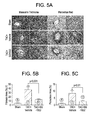
- FIGS. 5A-5C are data showing H 2 S attenuates the intermuscular and perivascular fibrosis following TAC.
- FIG. 5A is representative photomicrographs of Masson's Trichrome and Picrosirius Red stained heart sections depicting intermuscular and perivascular fibrosis in hearts from Sham, TAC+Vehicle, and TAC+SG-1002 treated mice at 6 weeks of TAC.
- FIG. 5B is a summary of fibrosis area as % of the LV as calculated from Masson's Trichrome sections.
- FIG. 5C is a summary of fibrosis area as % of the LV calculated from the Picrosirius Red sections. Results are expressed as mean ⁇ SEM. **p ⁇ 0.01, and ***p ⁇ 0.001 vs. Sham.
- FIGS. 6A-6H are data showing H 2 S upregulates Akt phosphorylation, VEGF expression, and activates the eNOS-NO pathway following TAC.
- FIG. 6A is representative immunoblots of total Akt, Akt-P Ser473 , and Akt-P Thr308 .
- FIG. 6B is densitometric analysis of the expression of total Akt.
- FIG. 6C is densitometric analysis of Akt-P Ser473 and Akt-P Thr308 in hearts from Sham, TAC+Vehicle, and TAC+SG-1002 at 6 weeks of TAC.
- FIG. 6D is representative immunoblots and densitometric analysis of cardiac VEGF expression at 6 weeks of TAC.
- 6E-6F are representative immunoblots and densitometric analysis of the expression of total eNOS and eNOS-P Ser1177 in hearts from Sham, TAC+Vehicle, and TAC+SG-1002 at 6 weeks of TAC.
- FIGS. 6G-6H show nitrite and nitrate levels in the hearts of the experimental groups at 6 weeks of TAC. Results are expressed as mean ⁇ SEM.
- FIGS. 7A-7F are data showing H2S preserves mitochondrial respiratory function and attenuates oxidative stress following TAC.
- FIG. 7A shows mitochondrial respiratory function (j.JM 02/sec/mg) in State 3 and State 4 in hearts from Sham, TAC+Vehicle, and TAC+SG-1002 at 6 weeks of TAC.
- FIG. 7B shows the respiratory control ratio (RCR) from the hearts of the experimental groups at 6 weeks of TAC.
- FIGS. 7C-7D show plasma and heart 8-isoprostane levels at 6 weeks of TAC.
- FIG. 7E is representative immunoblots and densitometric analysis of NADPH oxidase 4 (Nox4) in hearts of the experimental groups at 6 weeks of TAC.
- 7F is representative immunoblots and densitometric analysis of heme oxygenase 1 (HO-1) in hearts of the experimental groups at 6 weeks of TAC Results are expressed as mean ⁇ SEM. *p ⁇ 0.05 and ***p ⁇ 0.001 vs. Sham.
- FIGS. 8A-8D are representative immunoblots of cystathionine gamma lyase (CSE), cystathionine beta synthase (CBS), and 3-mercaptopyruvate sulfutransferase (3-MST) in the hearts of Sham, TAC+Vehicle, and TAC+SG-1002 treated mice at 6 weeks of TAC.
- FIGS. 8B-8D show densitometric analysis of CSE, CBS, and 3-MST in Sham, TAC+Vehicle, and TAC+SG-1002 groups at 6 weeks following TAC. Results are expressed as mean ⁇ SEM. Numbers in bars represent the sample size.
- FIGS. 9A-9D show circulating free hydrogen sulfide (H 2 S) and FIG. 9B shows circulating sulfane sulfur levels (IJM) in wild-type (WT) control, CSE deficient (CSE KO) and CSE KO mice fed a diet containing the H 2 S donor SG-1002, FIG. 9C shows free H 25 and FIG. 9D shows sulfane sulfur levels (nmol/mg wet weight) in the hearts of WT, CSE KO and CSE KO+SG-1002 mice. Results are expressed as mean ⁇ SEM. *p ⁇ 0.05, **p ⁇ 0.01 vs. WT.
- FIGS. 10A-10C show Kaplan-Meier survival curves for TAC+WT mice, TAC+CSE KO mice and CSE KO mice fed a SG-1002 diet (TAC+CSE KO+SG-1002) during the 12 week TAC protocol.
- FIG. 10B shows Kaplan-Meier survival curves for TAC+WT and cardiac-specific CSE transgenic mice (TAC+CS-CSE Tg) following 12 weeks of TAC.
- FIG. 10C shows Kaplan-Meier survival curves for mice fed a control diet (TAC+Vehicle) and mice fed a SG-1002 diet (TAC+SG-1002) following 12 weeks of TAC.
- FIG. 11 is representative immunoblots of cystathionine beta synthase (CBS), and 3-mercaptopyruvate sulfutransferase (3-MST) from the hearts of Wild-type and CS-CSE transgenic mice.
- CBS cystathionine beta synthase
- 3-MST 3-mercaptopyruvate sulfutransferase
- FIGS. 12A-12D show the intraventricular septum end-diastolic dimension (IVSd, m), FIG. 12B shows the LV end-diastolic diameter (LVEDD, m), FIG. 12C shows the LV end-systolic diameter (LVESD, m), and FIG. 12D shows the LV ejection fraction (%) from treated with SG-1002 for 6 weeks following TAC (SG-1002), mice treated with SG-1002 for 1 week following TAC and then SG-1002 was withdrawn for 5 weeks and mice treated with SG-1002 for 3 weeks following TAC and SG-1002 was withdrawn for 3 weeks. Results are expressed as mean ⁇ SEM. *p ⁇ 0.05, ***p ⁇ 0.001 vs. Baseline.
- FIGS. 13A-13D show serum levels (pg/mL) of VEGF-A in TAC+Vehicle, and TAC+SG-1002 treated mice at 6 weeks following TAC.
- FIG. 13B is representative immunoblots for myocardial nNOS and iNOS from the hearts of Sham, TAC+Vehicle, and TAC+SG-1002 treated mice at 6 weeks of TAC.
- FIG. 13C shows a densitometric analysis of nNOS protein relative to fibrillarin in Sham, TAC+Vehicle, and TAC+SG-1002 hearts.
- 13D shows a bar graph of densitometric analysis of myocardial iNOS protein relative to fibrillarin in Sham, TAC+Vehicle, and TAC+SG-1002 mice following 6 weeks of TAC. Results are expressed as mean ⁇ SEM. *p ⁇ 0.05, **p ⁇ 0.01 vs. Sham.
- FIG. 14 is a schematic diagram highlighting the proposed mechanism by which cystathionine gamma lyase (CSE) or exogenous hydrogen sulfide protects the heart following transverse aortic constriction (TAC).
- CSE cystathionine gamma lyase
- TAC transverse aortic constriction
- the highly bioavailable zerovalent-sulfur-rich compositions of the invention contain at least 96% bioactive zerovalent sulfur that readily undergoes bioconversion into hydrogen sulfide.
- the highly bioavailable zerovalent-sulfur-rich compositions are obtained by Procedure I outlined below to prepare a 2.7 kg lot of a composition comprising highly bioavailable zerovalent sulfur.
- the starting materials are listed in Table 4 and suitable equipment is listed in Table 5.
- Low-torque stirrer pH meter or pH measuring — sticks
- Thermometer ( ⁇ 5-110° C.) — Measuring cylinders — Scales — 4 L-Kitasato flask — Buchner funnel 185 mm internal diameter
- Two additional funnels graduated At least 2 full-face safety — masks fitted with cartridges designed to absorb acid fumes Vacuum pump or water ejection — vacuum system Procedure I
- the dry product is a material that consists of easily friable lumps and an impalpable powder. Disaggregate the lumps and sift to make sure that the material goes through a 325 standard sieve.
- Procedure I yields a product (SG-1002) containing about 99% zerovalent sulfur and about 1% highly polar components (e.g., sodium sulfate and traces of sodium polythionates and sodium thio sulfate).
- highly polar components e.g., sodium sulfate and traces of sodium polythionates and sodium thio sulfate.
- Procedure I may be used to obtain similar materials.
- Such procedures include but are not limited to the following:
- the reactants used in the procedure can include any compound comprising sulfur in the minus two oxidation state and another compound comprising sulfur in the plus four oxidation state, and optionally an acid and/or catalyst(s).
- vacuum-aided filtration may be replaced by pressure-aided filtration and/or centrifugation.
- closed reactors may be used, a heat-exchange cooling system may be substituted for ice addition, spray drying may substitute air drying, and one and/or more steps (e.g., washing with alcohol) may be omitted. It should be understood that embodiments involving a larger or smaller scale of operation are also within the scope of the present invention.
- the standard yield of dry, sifted product is 2.7 kg of an impalpable, odorless, fluffy, light yellow, microcrystalline powder with the following properties:
- composition obtained by adhering to Procedure I consists of microcrystals rich in zerovalent sulfur; its solubility in carbon disulfide is lower than that of alpha-sulfur (rhombic sulfur) and contains measurable amounts of sodium and oxygen. X-ray diffraction patterns of the composition are consistent with that of alpha sulfur.
- the methods used to obtain the data described herein include the following.
- the solubility of the composition in carbon disulfide was obtained by adding 6 mL of carbon disulfide to 0.500 g of the final product and determining the weight of the residue.
- Zerovalent sulfur content was measured by sulfitolysis not correcting for the fact that sulfitolysis converts all sulfur atoms in S 8 into thiosulfate but only (n ⁇ 1) sulfur atoms in Na + ⁇ O 3 S—S n SO 3 ⁇ Na + .
- Sodium content was determined by Galbraith Laboratories, USA (GLI procedure ME-70).
- Particle size distribution was measured using a Partica LA-950 laser diffraction particle size analyzer from Horiba Instruments.
- Highly polar groups such as ⁇ SO 3 Na may be associated with molecules of water of hydration and may, under some circumstances, undergo cationic exchange, yielding, e.g., ⁇ SO 3 H groups.
- hydrophilicity of the surface of this unique microcrystalline material is in stark contrast with the hydrophobic nature of the surface of crystals of pure alpha- or beta-elemental sulfur. Pure alpha- or beta-elemental sulfur in contrast, is completely soluble in carbon disulfide. Also without being limited by any hypothesis or theory, it is likely that the low bioavailability of ordinary alpha sulfur is directly related to the hydrophobic nature of its surface.
- the composition can be micro- or nanosized, comprising particles rich in alpha sulfur but always modified so as to possess hydrophilic surfaces. Similar compositions also within the scope of the present invention can be obtained by any chemical, electrochemical, mechanochemical, sonochemical, photochemical, microwave-assisted, biochemical and/or biotechnological processes known in the art. Compositions comprising elemental beta sulfur and surface modifying polar groups further constitute embodiments of the present invention. As established, elemental alpha sulfur is converted into beta sulfur when heated and vice versa.
- the zerovalent sulfur content of the composition of the invention can be determined using the method described herein to measure the percentage (w/w) of zerovalent sulfur in alpha sulfur, sodium thiosulfate, and sodium polythionates.
- the sulfitolysis method for determining zerovalent sulfur content described herein does not correct for the fact that sulfitolysis of polythionate molecules stops at the trithionate as shown in equation (ii), therefore, one of the zerovalent sulfur atoms present in each polythionate molecule escapes sulfitolysis and is not converted into thiosulfate (equation (ii)).
- the sulfitolysis reactions equation (i) and (ii) proceed as in the volumetric method for quantitative determination of elemental sulfur in aromatic hydrocarbons reported by Morris et al., Anal. Chem. 20:1037-1039, 1948.
- the sulfitolysis method described herein is improved compared to the method of Morris et al. in several ways, including the use of n-hexadecyl pyridinium chloride as a sulfitolysis catalyst.
- Hexadecylpyridinium Weigh 1 gram solid monohydrate and chloride monohydrate dissolve in 99 mL distilled water. (1% w/w) solution in water Soluble starch (5 g/L, Weigh 1 gram soluble starch, add 10 mg aqueous solution) red mercuric iodide, add cold water to form a paste, then add 200 mL boiling water and boil for 1 or 2 minutes while stirring. Allow the solution to cool to room temperature.
- the resulting solution should be colorless. Titrate the contents in the flask with 0.2N KIO 3 solution using a 25 mL burette. As the titration starts, the contents of the flask become amber-colored, but the color disappears quickly. As the equivalence point is approached be very careful not to overstep. The final point is reached when a drop of titrating solution produces no color change.
- the highly bioavailable zerovalent-sulfur-rich compositions described herein can be used to treat a cardiovascular disease, hyperproliferative diseases (e.g., cancer), an inflammatory disease, diabetes, dyslipidemia, a neurodegenerative disease, AIDS, and other pathological conditions associated with oxidative stress, an imbalance in redox homeostasis, and/or immune dysfunction.
- hyperproliferative diseases e.g., cancer
- an inflammatory disease e.g., diabetes, dyslipidemia, a neurodegenerative disease, AIDS, and other pathological conditions associated with oxidative stress, an imbalance in redox homeostasis, and/or immune dysfunction.
- compositions of the invention are administered to a subject already suffering from a cardiovascular disease, an inflammatory disease, a neurodegenerative disease, AIDS, and a pathological condition associated with oxidative stress and/or an imbalance in redox homeostasis, or cancer.
- compositions of the invention may also be administered to a subject at risk for developing a cardiovascular disease, hyperproliferative diseases (e.g., cancer), an inflammatory disease, diabetes, dyslipidemia, a neurodegenerative disease, AIDS, and other pathological condition associated with oxidative stress, an imbalance in redox homeostasis, and/or immune dysfunction.
- compositions of the invention are also useful in treating cardiovascular diseases.
- cardiovascular diseases included, but are not limited to, arteriosclerosis, coronary heart disease, ischemia, endothelium dysfunction, in particular those dysfunctions affecting blood vessel elasticity, restenosis, thrombosis, angina, high blood pressure, cardiomyopathy, hypertensive heart disease, heart failure, cor pulmonale, cardiac dysrhythmias, endocarditis, inflammatory cardiomegaly, myocarditis, myocardial infarction, valvular heart disease, stroke and cerebrovascular disease, aortic valve stenosis, congestive heart failure, and peripheral arterial disease.
- the invention includes methods of administering the highly bioavailable zerovalent-sulfur-rich compositions for chronic treatment.
- the invention also includes methods of administering the highly bioavailable zerovalent-sulfur-rich compositions for acute treatment.
- the highly bioavailable zerovalent-sulfur-rich compositions of the invention will restore and/or improve cardiovascular parameters to normal ranges in a subject diagnosed with or at risk of a cardiovascular disease.
- Normal ranges of cardiovascular parameters include but are not limited to, an end-diastolic volume (EDV) from about 65-240 mL, an end-systolic volume (ESV) from about 16-143 mL, a stroke volume from about 55-100 mL, an ejection fraction from about 55-70%, a heart rate from about 60-100 bpm, and/or cardiac output of about 4.0-8.0 L/min.
- Highly bioavailable zerovalent-sulfur-rich compositions of the invention may also be used to treat inflammatory diseases.
- inflammatory diseases include, but are not limited to acne vulgaris, asthma, autoimmune diseases (e.g., acute disseminated encephalomyelitis (ADEM), Addison's disease, agammaglbulinemia, alopecia greata, amyotrophic lateral sclerosis, ankylosing spondylitis, antiphospholipid syndrome, antisynthetase syndrome, atopic allergy, atopic dermatitis, autoimmune aplastic anemia, autoimmune cardiomyopathy, autoimmune enteropathy, autoimmunehemolytic anemia, autoimmune hepatitis, autoimmune inner ear disease, autoimmune lymphoproliferative syndrome, autoimmune peripheral neuropathy, autoimmune pancreatitis, autoimmune polyendocrine syndrome, autoimmune progesterone dermatitis, autoimmune thrombocytopenic purpura, autoimmune urticaria, autoimmune uveitis
- Neurodegenerative diseases are any diseases that are characterized by the progressive loss of structure or function of neurons, including death of neurons.
- Neurodegenerative diseases may be caused by genetic mutations (e.g., CAG nucleotide triplet mutation), protein misfolding (e.g., aggregation of alpha-synuclein, hyperphosphorylated tau protein, and aggregation of beta amyloid), misregulation in protein degradation pathways (e.g., ubiquitin-proteasome pathway and autophagy-lysosome pathways), membrane damage, mitochondrial dysfunction, defects in axonal transport, and misregulation of programmed cell death pathways (e.g., apoptosis, autophagic, and cytoplasmic).
- genetic mutations e.g., CAG nucleotide triplet mutation
- protein misfolding e.g., aggregation of alpha-synuclein, hyperphosphorylated tau protein, and aggregation of beta amyloid
- misregulation in protein degradation pathways
- neurodegenerative diseases include, but are not limited to Alzheimer's disease, Parkinson's disease, Huntington's disease, amyotrophic lateral sclerosis (ALS), Creutzfeldt-Jakob disease, primary progressive aphasia, progressive supranuclear palsy, spinocerebellar ataxia type 3, frontotemporal dementia, dementia with Lewy bodies, corticobasal degeneration, prion disorders, multiple system atrophy, hereditary spastic paraparesis, Friedreich's ataxia, and amyloidoses.
- ALS amyotrophic lateral sclerosis
- Creutzfeldt-Jakob disease primary progressive aphasia
- progressive supranuclear palsy progressive supranuclear palsy
- frontotemporal dementia dementia with Lewy bodies
- corticobasal degeneration corticobasal degeneration
- prion disorders multiple system atrophy
- Highly bioavailable zerovalent-sulfur-rich compositions of the invention may be useful in treating other conditions associated with oxidative stress including but not limited to autism, schizophrenia, bipolar disorder, fragile X syndrome, sickle cell disease, chronic fatigue syndrome, osteoarthritis cataract, macular degeneration, toxic hepatitis, viral hepatitis, cirrhosis, chronic hepatitis, oxidative stress from dialysis, renal toxicity, kidney failure, ulcerative colitis, bacterial infection, viral infections, such as HIV and AIDS, herpes, ear infection, upper respiratory tract diseases, hypertension, balding and hair loss, over-training syndrome related to athletic performance, eczema, scleroderma, atopic dermatitis, polymyositis, and dermatitis herpetiformis.
- the compositions of the invention can be formulated for topical administration and/or enteral administration to treat conditions such as psoriasis, athlete's foot, and/or rosacea.
- the highly bioavailable zerovalent-sulfur-rich compositions of the invention may be useful in healing wounds by influencing the stages of wound healing including but not limited to hemostasis, inflammatory, proliferative, and remodeling.
- the highly bioavailable zerovalent-sulfur-rich compositions of the invention also enhance athletic performance by increasing one or more of the factors of: endurance, energy, strength, visual acuity, and/or coordination.
- compositions of the invention can be formulated for enteral administration to treat male infertility.
- Oxidative stress plays a major role in the etiology of sperm dysfunction via induction of peroxidative damage to the plasma membrane. Furthermore, oxidative stress affects the integrity of the sperm nuclear and mitochondrial genomes, leading to DNA strand breaks, aberrant recombination, and/or defective packing, as well as chromatin cross-linking.
- ROS reactive oxygen species
- the high susceptibility toward irreversible oxidative damage of mammalian sperm cells may be attributed to: (i) the particularly high content of polyunsaturated fatty acids, plasmalogens, and sphingomyelins of their membranes, (ii) the lack of adequate repair mechanisms for oxidative damage, derived from a dearth of cytosolic antioxidant enzymes associated with the loss of most of their cytoplasm upon spermiation, (iii) the fact that mature post-epididymal sperm cells possess highly condensed nuclear chromatin (due to the replacement of histones by protamine, with increased disulfide bond formation); this compactness contributes to silencing the paternal chromosomes, which are unable to engage in transcriptional activation by ROS, (iv) the fact that sperm cells are particularly rich in highly active mitochondria, because they need a constant supply of energy to support their motility.
- H 2 S may be used by cells to synthesize L-cysteine, which can then serve as a building block in protein synthesis, as described in Predmore et al., Antioxid Redox Signal. 17:119-140, 2012.
- Sulfur-deficient diets are common and may lead to cysteine deficiency-especially in males and consequently to deficits in the biosynthesis of important cysteine-rich proteins such as CRISPs.
- the CRISPs are found only in vertebrates, within the male reproductive tract. CRISPs have been implicated in many aspects of spermatogenesis, as well as in the actual process of fertilization as reported in Koppers et al., Asian J. Androl. 13:111-117, 2011, and down-regulation of CRISP-2 mRNA by a factor of 4.3 in asthenospermic patients was recently reported in Jing et al., Natl. J. Androl. 17:203-207, 2011.
- GSH glutathione
- antioxidants include vitamin B, vitamin C, vitamin E, selenium, magnesium, zinc, zinc plus vitamin E, zinc plus vitamin E plus vitamin C, combined antioxidants plus minerals (e.g., vitamin C, vitamin E, zinc, selenium, folic acid, lycopene, and garlic oil), L-acetylcarnitine
- the highly bioavailable zerovalent-sulfur-rich composition of the invention was used in a clinical trial conducted by Mexican researchers (see Example 8) and the results were highly encouraging for several reasons including: a treatment duration of only 2.5 months versus an average of 4.1 months for all trials described in Showell et al., Cochrane Database Syst Rev. 1:CD007411, 2011, and a single-component formulation instead of an un-optimized miscellaneous mixture of 7-10 or more presumably active ingredients.
- Oxidative stress is associated with an increase in the production of oxidizing species (e.g., superoxide, peroxides, free radicals) and/or a significant decrease in effectiveness and/or levels of antioxidant defenses, such as glutathione.
- oxidizing species e.g., superoxide, peroxides, free radicals
- antioxidant defenses such as glutathione.
- the highly bioavailable zerovalent-sulfur-rich compositions of the invention when administered will desirably act to restore the cysteine and glutathione levels thus restoring the redox homeostasis in the body.
- compositions of the invention may also be useful for treating diabetes and its complications.
- Diabetes can be any metabolic disease in which a person has high blood sugar, either because the body does not produce enough insulin, or because cells do not respond to the insulin that is produced.
- Non-limiting examples of diabetes includes, type 1 diabetes mellitus, type 2 diabetes mellitus, gestational diabetes, congenital diabetes, cystic fibrosis-related diabetes, steroid diabetes, latent autoimmune diabetes of adults, and monogenic diabetes.
- Complications associated with diabetes include but are not limited to hypoglycemia, diabetic ketoacidosis, nonketotic hyperosmolar coma, cardiovascular disease, chronic renal failure, diabetic nephropathy, diabetic neuropathy, diabetes-related foot problems (e.g., diabetic foot ulcers), and diabetic retinopathy.
- Cancers are generally characterized by unregulated cell growth, formation of malignant tumors, and invasion to nearby parts of the body. Cancers may also spread to more distant parts of the body through the lymphatic system or bloodstream. Cancers may be a result of gene damage due to tobacco use, certain infections, radiation, lack of physical activity, obesity, and/or environmental pollutants. Cancers may also be a result of existing genetic faults within cells to cause diseases due to genetic heredity. Screenings may be used to detect cancers before any noticeable symptoms appear and treatment may be given to those who are at higher risks of developing cancers (e.g., people with a family history of cancers).
- screening techniques for cancer include but are not limited to physical examination, blood or urine tests, medical imaging, and/or genetic testing.
- Non-limiting examples of cancers include: bladder cancer, breast cancer, colon and rectal cancer, endometrial cancer, kidney or renal cell cancer, leukemia, lung cancer, melanoma, Non-Hodgkin lymphoma, pancreatic cancer, prostate cancer, ovarian cancer, stomach cancer, wasting disease, and thyroid cancer.
- the zerovalent-sulfur-rich composition of the invention are expected to be effective in treating ischemia-reperfusion injury from reconstructive and transplantation procedures.
- Water dispersions of fine particles of the zerovalent-sulfur-rich composition can be used to treat flaps of tissue from plastic or reconstructive surgery and solid organs from transplants in order to prevent/minimize ischemia-reperfusion injury and to protect the mitochondria during the operative procedures.
- Exemplary tissues and organs to be treated using the composition of the invention have active metabolism and increased mitochondrial function and are susceptible to reperfusion injury after brief periods of ischemia and include but are not limited to; skeletal muscle, the heart, the liver, large intestine, small intestine, the brain, the skin, the limbs (e.g., arms, legs, feet, hands).
- the present invention also relates to pharmaceutical compositions that contain the highly bioavailable zerovalent sulfur-rich compositions or a combination of one of the highly bioavailable zerovalent sulfur-rich compositions described herein and a second therapeutic agent (e.g., an antiplatelet drug, a ⁇ blocker, an angiotensin-converting-enzyme (ACE) inhibitor or angiotensin-receptor blocker (ARB), a statin, fibrates, biguanides, blood pressure lowering agents, cytokines, cholesterol lowering agents, erectile dysfunction drugs, anti-inflammatory drugs, anti-thrombosis drugs, anticancer drugs, anti-diabetic drugs, and/or dietary supplements).
- a second therapeutic agent e.g., an antiplatelet drug, a ⁇ blocker, an angiotensin-converting-enzyme (ACE) inhibitor or angiotensin-receptor blocker (ARB), a statin, fibrates, biguanides, blood pressure lowering agents, cytokines, cholesterol
- a composition of the present invention can be administered by a variety of methods known in the art. As will be appreciated by the skilled artisan, the route and/or mode of administration will vary depending upon the desired results.
- the pharmaceutical compositions can be formulated for parenteral, intranasal, topical, oral, or local administration, such as by a transdermal means, for prophylactic and/or therapeutic treatment.
- the pharmaceutical compositions can be administered parenterally (e.g., by intravenous, intramuscular, or subcutaneous injection), or by oral ingestion, or by topical application or intraarticular injection at areas affected by the vascular or cancer condition.
- compositions for parenteral administration that comprise the above mentioned agents dissolved, colloidally dispersed, or suspended in an acceptable carrier, preferably an aqueous carrier, e.g., water, buffered water, saline, PBS, and the like.
- an acceptable carrier preferably an aqueous carrier, e.g., water, buffered water, saline, PBS, and the like.
- the compositions may contain pharmaceutically acceptable auxiliary substances as required to approximate physiological conditions, such as pH adjusting and buffering agents, tonicity adjusting agents, wetting agents, detergents and the like.
- the therapeutic composition may be in the form of a solution, colloidal dispersion, a suspension, an emulsion, an infusion device, or a delivery device for implantation or it may be presented as a dry powder to be used as such or to be reconstituted with water or another suitable vehicle before use.
- the composition can be in the form of a tablet, capsule (e.g., hard gelatin capsule and soft gelatin capsule), liquid, or sustained release tablet for oral administration; or a liquid for intravenous, intrathecal, subcutaneous or parenteral administration; or a cream or ointment for topical administration, or a polymer or other sustained release vehicle for local administration.
- Formulations for parenteral administration may, for example, contain excipients, sterile water, saline, polyalkylene glycols such as polyethylene glycol, oils of vegetable origin, or hydrogenated napthalenes.
- Biocompatible, biodegradable lactide polymer, lactide/glycolide copolymer, or polyoxyethylene-polyoxypropylene copolymers may be used to control the release of the substances.
- Nanoparticulate formulations may be used to control the biodistribution of the substances.
- Other potentially useful delivery systems include ethylene-vinyl acetate copolymer particles, osmotic pumps, intrathecal pumps, implantable infusion systems, and liposomes.
- concentration of the substance in the formulation varies depending upon a number of factors, including the dosage of the drug to be administered, and the route of administration.
- compositions of the invention may be necessary to coat the composition with, or co-administer the composition with a material to prevent its inactivation.
- the composition may be administered to a subject in an appropriate carrier, for example, liposomes, or a diluent.
- suitable diluents include saline and aqueous buffer solutions.
- Liposomes include water-in-oil-in-water CGF emulsions as well as conventional liposomes (Strejan et al., J. Neuroimmunol. 7:27-41, 1984).
- Pharmaceutically acceptable carriers include sterile aqueous solutions or dispersions and sterile powders for the extemporaneous preparation of sterile injectable colloidal solutions or dispersion.
- sterile aqueous solutions or dispersions and sterile powders for the extemporaneous preparation of sterile injectable colloidal solutions or dispersion.
- the use of such media and agents for pharmaceutically active substances is known in the art and is included in the invention except where any conventional media or agent is incompatible with the active substance.
- Supplementary active substances can also be incorporated into the compositions.
- compositions typically must be sterile and stable under the conditions of manufacture and storage.
- the composition can be formulated as a suspension, microemulsion, liposome, or other ordered structure suitable to high drug concentration.
- the carrier can be a solvent or dispersion medium containing, for example, water, ethanol, petroleum jelly (e.g., Vaseline®), polyol (e.g., glycerol, propylene glycol, and liquid polyethylene glycol, and the like), and suitable mixtures thereof, formulated at different percentages (e.g., 5, 10, 15, 20, 25, 30, 35, 40, 45, or 50% by weight in a dispersion medium described herein).
- the proper fluidity can be maintained, for example, by the use of a coating such as lecithin, by the maintenance of the required particle size in the case of dispersion and by the use of surfactants.
- a coating such as lecithin
- surfactants for example, sugars, polyalcohols such as mannitol, sorbitol, or sodium chloride in the composition.
- Prolonged absorption of the injectable compositions can be brought about by including in the composition an agent that delays absorption, for example, monostearate salts and gelatin. Colloidal dispersions may be stabilized through addition of agents well known in the art.
- compositions of the invention may be sterilized by conventional sterilization techniques, or may be sterile filtered.
- the resulting aqueous dispersions may be packaged for use as is, or lyophilized, the lyophilized preparation being combined with a sterile aqueous carrier prior to administration.
- the pH of the preparations typically will be between 3 and 11, more preferably between 5 and 9 or between 6 and 8, and most preferably between 7 and 8, such as 7 to 7.5.
- the resulting compositions in solid or semisolid form may be packaged in multiple single dose units, each containing a fixed amount of the composition, such as in a sealed package of tablets or capsules.
- the composition in solid form can also be packaged in a container for a flexible quantity, such as in a squeezable tube designed for a topically applicable cream or ointment.
- Preferred formulations of the invention include but are not limited to: preparation of hard gelatin capsules containing 100-400 mg of a highly bioavailable zerovalent-sulfur-rich composition of the invention, preparation of a suspension of about 5-20% (5.5%, 6%, 6.5%, 7%, 8%, 10%, 15%, 17%, or 19%) of highly bioavailable zerovalent-sulfur-rich composition of the invention and petroleum jelly (e.g., Vaseline®) or polyethylene glycol, or a colloidal dispersion of about 5-20% (5.5%, 6%, 6.5%, 7%, 8%, 10%, 15%, 17%, or 19%) of highly bioavailable zerovalent-sulfur-rich composition of the invention in water or oil.
- petroleum jelly e.g., Vaseline®
- polyethylene glycol e.g., polyethylene glycol
- Sterile injectable colloidal suspensions can be prepared by incorporating the active compound in the required amount in an appropriate solvent with one or a combination of ingredients enumerated above, as required, optionally followed by sterilization microfiltration.
- dispersions are prepared by incorporating the active compound into a sterile vehicle that contains a basic dispersion medium and the required other ingredients from those enumerated above.
- Dosage regimens are adjusted to provide the optimum desired response (e.g., a therapeutic or prophylactic response). For example, a single bolus may be administered, several divided doses may be administered over time or the dose may be proportionally reduced or increased as indicated by the exigencies of the therapeutic or prophylactic situation.
- the compositions of the invention may be administered once or twice weekly by subcutaneous injection or once or twice monthly by subcutaneous injection.
- Dosage unit form refers to physically discrete units suited as unitary dosages for the subjects to be treated; each unit contains a predetermined quantity of active compound calculated to produce the desired therapeutic or prophylactic effect, optionally in association with the required pharmaceutical carrier.
- the specifications for the dosage unit forms of the invention are dictated by and directly dependent on (a) the unique characteristics of the active substance and the particular therapeutic or prophylactic effect to be achieved, and (b) the limitations inherent in the art of compounding such an active substance for the treatment of sensitivity in individuals.
- the substances of the present invention are administered as pharmaceuticals, to humans and animals, they can be given alone or as a pharmaceutical composition containing, for example, 1 to 100% (more preferably, 10 to 100%, such as 90 to 100%) of active ingredient, optionally in combination with one more pharmaceutically acceptable carriers or excipients.
- compositions containing an effective amount can be administered for prophylactic or therapeutic treatments.
- compositions can be administered to a patient with a clinically determined predisposition or increased susceptibility to development of cardiovascular diseases, hyperproliferative diseases (e.g., cancer), inflammatory diseases, diabetes, dyslipidemia, neurodegenerative diseases, AIDS, and other pathological conditions associated with oxidative stress, an imbalance in redox homeostasis, and/or immune dysfunction.
- Compositions of the invention can be administered to the patient (e.g., a human) in an amount sufficient to delay, reduce, or preferably prevent the onset of the clinical disease.
- compositions are administered to a patient (e.g., a human) already suffering from a cardiovascular disease, hyperproliferative diseases (e.g., cancer), an inflammatory disease, diabetes, dyslipidemia, a neurodegenerative disease, AIDS, and other pathological conditions associated with oxidative stress, an imbalance in redox homeostasis, and/or immune dysfunction, in an amount sufficient to cure or at least partially arrest the symptoms of the condition and its complications.
- An amount adequate to accomplish this purpose is defined as a “therapeutically effective dose,” an amount of a compound sufficient to substantially improve some symptom associated with a disease or a medical condition.
- hyperproliferative diseases e.g., cancer
- an inflammatory disease e.g., diabetes, dyslipidemia, a neurodegenerative disease, AIDS, and other pathological conditions associated with oxidative stress, an imbalance in redox homeostasis, and/or immune dysfunction
- an agent or substance which decreases, prevents, delays, suppresses, or arrests any symptom of the disease or condition would be therapeutically effective.
- a therapeutically effective amount of an agent or substance is not required to cure a disease or condition but will provide a treatment for a disease or condition such that the onset of the disease or condition is delayed, hindered, or prevented, or the disease or condition symptoms are ameliorated, or the term of the disease or condition is changed or, for example, is less severe or recovery is accelerated in an individual.
- compositions and formulations of the present invention may be used in combination with either conventional methods of treatment or therapy or may be used separately from conventional methods of treatment or therapy.
- substances and formulations of this invention are administered in combination therapies with other agents, they may be administered sequentially or concurrently to an individual.
- pharmaceutical compositions according to the present invention include a combination of a substance or formulation of the present invention optionally in association with a pharmaceutically acceptable excipient, as described herein, and another therapeutic or prophylactic agent known in the art.
- kits that contain, e.g., two pills, a pill and a powder, a suppository and a liquid in a vial, two topical creams, etc.
- the kit can include optional components that aid in the administration of the unit dose to patients, such as vials for reconstituting powder forms, syringes for injection, customized IV delivery systems, inhalers, etc.
- the unit dose kit can contain instructions for preparation and administration of the compositions.
- the kit may be manufactured as a single use unit dose for one patient, multiple uses for a particular patient (at a constant dose or in which the individual compounds may vary in potency as therapy progresses); or the kit may contain multiple doses suitable for administration to multiple patients (“bulk packaging”).
- the kit components may be assembled in cartons, blister packs, bottles, tubes, and the like.
- compositions of the present invention are formulated into pharmaceutically acceptable dosage forms by conventional methods known to those of skill in the art. Actual dosage levels of the active ingredients in the pharmaceutical compositions of the present invention may be varied so as to obtain an amount of the active ingredient which is effective to achieve the desired therapeutic response for a particular patient, composition, and mode of administration, without being toxic to the patient.
- the selected dosage level will depend upon a variety of pharmacokinetic factors including the activity of the particular compositions of the present invention employed, the route of administration, the time of administration, the rate of absorption of the particular agent being employed, the duration of the treatment, other drugs, substances, and/or materials used in combination with the particular compositions employed, the age, sex, weight, condition, general health and prior medical history of the patient being treated, and like factors well known in the medical arts.
- a physician or veterinarian having ordinary skill in the art can readily determine and prescribe the effective amount of the pharmaceutical composition required. For example, the physician or veterinarian can start doses of the substances of the invention employed in the pharmaceutical composition at levels lower than that required in order to achieve the desired therapeutic effect and gradually increase the dosage until the desired effect is achieved.
- a suitable daily dose of a composition of the invention will be that amount of the substance which is the lowest dose effective to produce a therapeutic effect. Such an effective dose will generally depend upon the factors described above.
- the effective daily dose of a therapeutic composition may be administered as two, three, four, five, six or more sub-doses administered separately at appropriate intervals throughout the day, optionally, in unit dosage forms.
- Preferred therapeutic dosage levels are between about 800 mg to about 1600 mg (e.g., 800, 850, 900, 1000, 1050, 1100, 1200, 1300, 1400, 1450, 1500, 1550, and 1600 mg) of active zerovalent-sulfur-rich composition per day administered orally to adults of average weight afflicted with most of the symptoms, syndromes and pathological conditions described herein, Preferred prophylactic dosage levels are between about 100 mg to about 1200 mg (e.g., 110, 140, 200, 250, 300, 350, 400, 460, 700, 750, 800, 900, 1000, 1100, and 1150 mg).
- Preferred prophylactic dosage levels are between about 100 mg to about 1200 mg (e.g., 110, 140, 200, 250, 300, 350, 400, 460, 700, 750, 800, 900, 1000, 1100, and 1150 mg).
- the preferred oral dosage levels are 2400 mg per day or higher (e.g., 2450, 2500, 3000, 3500, 4000, 8000 mg, 1 g) for an adult of average weight.
- the dose may be titrated (e.g., the dose may be escalated gradually until signs of gastrointestinal toxicity appear, such as diarrhea or nausea).
- the highly bioavailable zerovalent-sulfur-rich compositions of the invention are extremely safe for oral administration and most patients can tolerate higher dosages as treatment progresses.
- the highly bioavailable zerovalent-sulfur-rich compositions of the invention are safe for topical administration.
- Acceptable dosage forms for topical administration can be formulated as creams, lotions, pastes, gels, and/or ointments containing the highly bioavailable zerovalent-sulfur-rich compositions.
- Final dosage forms suitable for administration to human subjects may comprise one of the highly bioavailable zerovalent-sulfur-rich compositions as pharmacologically-active agent or further comprise other active agents such as alpha-lipoic acid, carnitine, carnitine tartrate, carnitine fumarate, coenzyme Q10, selenium, alpha-ketoglutaric acid, potassium alpha-ketoglutarate, diethyl alpha-ketoglutarate, oxaloacetic acid, sodium oxaloacetate, diethyl oxaloacetate, 2-oxo-3-(ethoxycarbonyl)-pentanodioc acid diethyl ester, L-cystine, paracetamol, a sulfa drug, an NSAID, a corticosteroid, taurine, a vitamin, a prebiotic, another anticancer drug, including but not limited to another mitocan (e.g., a drug targeting the mitochondrial electron transport chain
- procarbazine dacarbazine, altretamine, cisplatin
- methotrexate purine antagonists (e.g., mercaptopurine, thioguanine, cladribine, pentostatin), pyrimidine antagonists (e.g., fluorouracil, cytarabine, azacitidine), plant alkaloids (e.g., vinblastine, etoposide, topotecan), hormonal agents (e.g., tamoxifen, flutamide), antibiotics (e.g., doxorubicin, daunorubicin, mitomycin, bleomycin), and mitocans (e.g., sodium dichloroacetate and 3-bromopyruvic acid).
- purine antagonists e.g., mercaptopurine, thioguanine, cladribine, pentostatin
- pyrimidine antagonists e.g., fluorouracil,
- the present invention also relates to highly bioavailable zerovalent-sulfur-rich compositions as medical food for daily intake and for maintaining and promoting general health.
- Evidence indicates that daily ingestion by an adult of average weight of about 800 mg of the highly bioavailable zerovalent sulfur-rich composition described herein during extended periods is safe and beneficial to health because it brings about a marked reduction in the frequency and severity of digestive and respiratory infections (e.g., of viral and bacterial origin) and allergic episodes.
- Daily intake of the composition of the invention is also associated with a greatly reduced probability of being afflicted by cancer, AIDS, a neurodegenerative condition, stroke, diabetes and its complications, cardiovascular disease, and confers protection from cardiovascular, cerebrovascular, gastric, and hepatic damage caused by xenobiotics including, drugs such as paracetamol, corticosteroids, NSAIDs and antiretrovirals, toxins and poisons (e.g., cyanide, thallium, methanol).
- Daily intake of the composition of the invention can also result in faster growth of hair and nails, firmer skin, a prebiotic-like effect, and a sense of general wellness.
- highly bioavailable zerovalent-sulfur-rich compositions of the invention are used as a paravitamin to provide a supplemental source of cysteine and its derivatives.
- Cysteine and its derivatives e.g., glutathione, taurine, taurine conjugates with bile acids, hydrogen sulfide, and sulfate ions
- cysteine and its derivatives play a role similar to that of vitamins.
- cysteine and its derivatives play a role in the oxidant/antioxidant balance and indirectly in the regulation of metabolic processes.
- Cysteine supplementation on top of the normal diet can have various beneficial effects, for example, cysteine supplementation can lead to an increase in muscle function, immune function, plasma albumin concentration and a decrease in TNF- ⁇ concentration. Supplementation can also restore the body's reservoirs of cysteine and glutathione levels which are driving forces behind multiple ageing-related processes.
- the paravitamins are medical foods providing a minimum amount of calories and maximum amount of a bioavailable form of sulfur intended for humans not receiving enough sulfur in their diets.
- Studies from a preliminary clinical trial showed that in 120 men and women participants given the highly bioavailable zerovalent-sulfur-rich composition as a paravitamin, most participants noticed faster growth of hair and nails.
- evidence obtained from in vivo experiments showed that in mammals, hydrogen sulfide, sulfane sulfur, and glutathione levels are increased in blood and tissues upon administration of the highly-bioavailable sulfur-rich compositions as paravitamins.
- the highly bioavailable zerovalent-sulfur-rich composition is rapidly and efficiently converted into hydrogen sulfide in the body, which in turn is largely transformed into L-cysteine.
- L-cysteine may be used as a building block in the synthesis of peptides enzymes, and other proteins and small sulfur-containing biomolecules (e.g., keratin which constitutes 14% of hair and nails, e.g., glutathione, a tripeptide needed for regulating and potentiating immune function and for cellular protection from oxidants, electrophiles, e.g., taurine, which is essential for cardiovascular function, development, and function of skeletal muscle, the retina, the central nervous system, it is a major constituent of bile; has many fundamental biological roles such as conjugation of bile acids, antioxidant, osmoregulation, membrane stabilization, and modulation of calcium signaling, e.g., sulfate, which is necessary for the synthesis of cartilage and for detoxification of
- the zerovalent sulfur-rich composition is transformed and stored as sulfane sulfur.
- Sulfane sulfur is conveniently used by the body as highly versatile precursor of hydrogen sulfide which readily releases hydrogen sulfide whenever and wherever this species is needed to activate protective genes, block inflammation, and protect cells from free-radical damage.
- the maximum human life span may be increased beyond the previous limit by providing compositions of the invention as paravitamins, glutathione levels will be restored to a normal level in the cells of the immune system thereby normalizing the function of the immune system and restoring health and well-being.
- the present invention also relates to highly bioavailable zerovalent-sulfur-rich compositions as antidotes for various poisons and drug overdose.
- the composition of the invention can be used as an antidote for cyanide poisoning.
- Cyanide poisoning can occur from inhalation and/or ingestion of poisonous cyanide compounds (e.g., hydrogen cyanide gas, potassium cyanide, and sodium cyanide), constant exposure to pesticides and insecticides containing poisonous cyanide compounds, tobacco smoke, inhalation of smoke from building fires and foods including almonds, apricot kernel, cassava, yucca, manioc, and apple seeds.
- Signs of cyanide poisoning can include but are not limited to permanent paralysis, nervous lesions, hypothyroidism, miscarriages, weakness, mild liver damage, and mild kidney damage.
- composition of the invention can be used as an antidote for drug overdoses including but not limited to acetaminophen overdose and sulfa drug overdose (e.g., sulfamethoxazole, fulfisomidine, dichlorophenamide, acetazolamide, bumetanide, chlorthalidone, clopamide, furosemide, hydrochlorothiazide, mefruside, metolazone, xipamide, acetazolamide, ethoxzolamide, sultiame, zonisamide, mafenide, sumatriptan, fulfasalazine, tipranavir, and probenecid).
- acetaminophen overdose and sulfa drug overdose e.g., sulfamethoxazole, fulfisomidine, dichlorophenamide, acetazolamide, bumetanide, chlorthalidone,
- compositions of the invention can be administered in combination therapy, i.e., combined with other agents (e.g., an antiplatelet drug, a ⁇ blocker, an ACE inhibitor or ARB, a statin, fibrates, biguanides, blood pressure lowering agents, cytokines, cholesterol lowering agents, erectile dysfunction drugs, anti-inflammatory drugs, anti-thrombosis drugs, anticancer drugs, anti-diabetic drugs, and/or dietary supplements) depending on the condition to be treated.
- agents e.g., an antiplatelet drug, a ⁇ blocker, an ACE inhibitor or ARB, a statin, fibrates, biguanides, blood pressure lowering agents, cytokines, cholesterol lowering agents, erectile dysfunction drugs, anti-inflammatory drugs, anti-thrombosis drugs, anticancer drugs, anti-diabetic drugs, and/or dietary supplements.
- compositions of the invention can be administered in combination with one or more drugs that are used as secondary prevention drugs for cardiovascular diseases.
- preventative drugs include, but are not limited to, ⁇ blockers (e.g., nonselective agents, e.g., alprenolol, carteolol, oxprenolol, sotalol, timolol, e.g., ⁇ 1 -selective agents, e.g., acebutolol, betaxolol, celiprolol, metoprolol, e.g., ⁇ 2 -selective agents, e.g., butaxamine, e.g., ⁇ 3 -selective agents, e.g., SR 59230A), statins (e.g., atorvastatin, cerivastatin, fluvastatin, lovastatin, mevastatin, pravastatin, simvastatin
- the highly bioavailable zerovalent-sulfur-rich composition of the invention can be administered in combination with one or more drugs for treatment of erectile dysfunction.
- drugs for treatment of erectile dysfunction include, but are not limited to: sildenafil, tadalafil, vardenafil, alprostadil, avanafil, and yohimbine.
- the highly bioavailable zerovalent-sulfur-rich composition of the invention can be administered in combination with one or more anti-neurodegenerative drugs.
- anti-neurodegenerative drugs include, but are not limited to, acetylcholinesterase inhibitors (e.g., donepezil, galantamine, and rivastigmine), anti-glutamate agent (e.g., amantadine, GABA-ergic, valproic acid), reserpine, tetrabenazine, typical/atypical neuroleptics, tricyclic antidepressants, SSRIs, carbamazepine, baclofen, tizanidine, and lamotrigine.
- acetylcholinesterase inhibitors e.g., donepezil, galantamine, and rivastigmine
- anti-glutamate agent e.g., amantadine, GABA-ergic, valproic acid
- reserpine te
- the highly bioavailable zerovalent-sulfur-rich composition of the invention can be administered in combination with one or more anti-inflammatory drugs.
- anti-inflammatory drugs include, but are not limited to, steroids (e.g., glucocorticoids, e.g., corticosteroids), non-steroidal anti-inflammatory drugs (NSAIDs) (e.g., aspirin, diflunisal, salsalate, ibuprofen, naproxen, fenoprofen, ketoprofen, flurbiprofen, sulindac, etodolac, ketorolac, nabumetone, piroxicam, meloxicam, tenoxicam, mefenamic acid, flufenamic acid, tolfenamic acid, celecoxib, rofecoxib, parecoxib, etoricoxib, firocoxib, nimesulide, and licofelone), immune selective anti-inflammatory derivatives (ImSAIDs) (
- composition of the invention can be administered in combination with one or more dietary supplements to promote and/or maintain general health.
- dietary supplements include, but are not limited to, a vitamin (e.g., Vitamin A, Vitamin B 1 , B 2 , B 3 , B 5 , B 6 , B 7 , B 9 , B 12 , Vitamin C, Vitamin D, Vitamin E, and Vitamin K), a mineral (e.g., potassium, chlorine, sodium, calcium, magnesium, phosphorus, zinc, iron, manganese, copper, iodine, selenium, and molybdenum), an herb or botanical (e.g., St.
- John's-wort, kava, Shilajit, and Chinese herbal medicines an amino acid (e.g., glycine, serine, methionine, cysteine, aspartic acid, glutamic acid, glutamine, tryptophan, and phenylalanine), and a concentrate, constituent, extract, and/or a combination of any of the above.
- amino acid e.g., glycine, serine, methionine, cysteine, aspartic acid, glutamic acid, glutamine, tryptophan, and phenylalanine
- a concentrate, constituent, extract, and/or a combination of any of the above e.g., glycine, serine, methionine, cysteine, aspartic acid, glutamic acid, glutamine, tryptophan, and phenylalanine
- the highly bioavailable zerovalent-sulfur-rich composition can be formulated or administered in combination with one or more anticancer drugs.
- anticancer agents include, but are not limited to: chemotherapeutic agents (e.g., arsenic trioxide, cisplatin, carboplatin, chlorambucil, melphalan, nedaplatin, oxaliplatin, triplatin tetranitrate, satraplatin, imatinib, nilotinib, dasatinib, and radicicol), immunomodulatory agents (e.g., methotrexate, leflunomide, cyclophosphamide, cyclosporine A, minocycline, azathioprine, antibiotics (e.g., tacrolimus), methylprednisolone, corticosteroids, steroids, mycophenolate mofetil, rapamycin, mizoribine, deoxyspergualin, brequinar, T cell
- Serum samples were obtained from a cardiac tissue and blood biorepository at the University of Louisville. All procedures were approved by the Institutional Review Board of the University of Louisville. The samples procured after informed consent from patients with advanced heart failure undergoing LV assist device placement. Additional serum samples from control patients were obtained from a commercial vendor (Innovative Research).
- CSE deficient mice C57/Sv129 background
- cardiac restricted ( ⁇ MHC) CSE Tg mice C57BL/6J background
- Male C57BL/6J mice 8-10 weeks of age were purchased from The Jackson Laboratory (Bar Harbor, Me.). All experimental protocols were approved by the Institute for Animal Care and Use Committee at Emory University School of Medicine and conformed to the Guide for the Care and Use of Laboratory Animals, published by the National Institutes of Health (NIH Publication No. 86-23, revised 1996), and with federal and state regulations.
- TAC Transverse Aortic Constriction
- mice were anesthetized with Ketamine (100 mg/kg) and Xylazine (8 mg/kg) and the core body temperature was maintained in normal range (36-37° C.). Mice were then orally intubated and placed on a rodent ventilator to maintain respiration during the surgical procedure.
- the second intercostal muscle was incised to visualize the aortic arch. Following identification and dissection of the aortic arch, 7-0 silk suture was placed around the aortic arch between the brachiocephalic trunk and the left carotid artery and ligated around a 27 G blunt needle. The needle was immediately removed after ligation.
- mice were euthanized and heart, lung and blood samples were collected.
- a zerovalent-sulfur-rich composition (SG-1002, containing about 99% zerovalent sulfur, melting between 119 and 120° C.) was administered in the diet to mice to achieve dosages of 20 mg/kg/day in C57BL/6J mice or 40 mg/kg/day in CSE KO mice at one week prior to TAC procedure and was continued up to 12 weeks following TAC.
- some C57BL/6J mice receiving SG-1002 diet were placed on the control diet at 1 week or 3 weeks following TAC.
- IVSd intraventricular septal end diastolic dimension
- LVEDD LV end diastolic dimension
- LVESD LV end systolic dimension
- LVEF LV ejection fraction
- Hydrogen sulfide and sulfane sulfur levels were measured in heart and blood according to methods known in the art.
- the amount of H 2 S is reported as nmol/mg wet weight.
- the amount of H 2 S is reported as ⁇ m.
- the film was scanned to make a digital copy and densitometric analysis was performed to calculate relative intensity with ImageJ software from the National Institutes of Health (version 1.40 g) using the Rodbard function.
- the membranes were incubated with the phospho-specific antibody first. Membranes were then stripped and incubated with the total-specific antibody. Results are presented as the ratio of the expression of phosphorylated protein to total protein. All experiments were performed in triplicate. For each membrane the relative intensity of each band was normalized to the value of the weakest band (smallest intensity). The values for each individual sample were averaged to obtain one value for each sample. The values for each group were then averaged and subsequently normalized to the mean of the control group (Sham).
- Nitrite (NO 2 ⁇ ) and nitrate (NO 3 ⁇ ) analysis of cardiac tissue was determined by ion chromatography (ENO20 Analyzer, Eicom) as previously described in Li et al., Annu. Rev. Pharmacol. Toxicol. 51:169-187, 2011.
- VEGF vascular endothelial growth factor
- BNP EIA brain natriuretic peptide
- the myocardial mitochondria were isolated and mitochondrial respiratory capacity was assessed using methods known in the art. Mice were euthanized by cervical dislocation, and hearts were quickly excised and placed in ice-cold isolation buffer (300 mM sucrose, 20 mM Tris, 2 mM EGTA, 1 mM ATP, 5 mM MgCl 2 , and 1% fat free BSA). Hearts were finely chopped and homogenized with a Tissue Tearor (Biospec Products, Bartlesville, Okla.) on low to medium speed for ⁇ 10 s. Homogenates were centrifuged for 3 min at 2,500 rpm. The supernatant was collected and centrifuged for 5 min at 9,000 rpm.
- Tissue Tearor Biospec Products, Bartlesville, Okla.
- the supernatant was discarded, and the pellet was resuspended in isolation buffer and centrifuged for 5 min at 10,000 rpm and repeated two additional times. The final pellet was suspended in 100 ⁇ L isolation buffer. Protein concentration was determined by a Lowry protein assay kit (Bio-Rad Laboratories, Hercules, Calif.). The O 2 consumption of isolated mitochondria (500 ⁇ g/mL) was monitored using a Clark-type oxygen electrode (Hansatech Instruments, Amesbury, Mass.).
- Mitochondria were incubated in respiration buffer (100 mM KCl, 25 mM sucrose, 5 mM KH 2 P0 4 , 1 mM MgCl 2 , 1 mM EGTA, 10 mM HEPES, 10 mM glutamate, and 2.5 mM malate), and the respiratory capacity was assessed by measuring state 3 (i.e., ADP-dependent) and state 4 (i.e., ADP-independent) respiration.
- the respiratory control ratio (RCR) was calculated as the ratio of state 3 and state 4 respiration rates.
- hearts were collected at the indicated times, fixed in 10% buffered formalin, and embedded in paraffin. Serial 5 ⁇ m heart sections from each group were stained with Masson's trichrome and Picrosirius Red (to detect fibrosis). Digital images of the slides were then captured and analyzed using ImageJ. For each heart, we analyzed multiple sections taken from the mid-ventricle and then averaged these numbers to obtain a single % fibrosis/LV measurement for each animal.
- Type A Motility comprised rapid progression
- type B motility comprised medium progression
- type C mobility comprised slow or clumsy progression
- type D mobility comprised immotile.
- Oligozoospermia was defined as a concentration of less than 20 million sperm per milliliter, according to the criteria of the World Health Organization.
- Oligoasthenozoospermia was defined as the presence of oligozoospermia and asthenozoospermia in the same patient. In each semen analysis, morphology was manually assessed using Kruger strict criteria.
- Randomization of the substance given to each patient was performed by placing in a drawer at random all the containers having exactly the same color, size, and shape with the three separate substances (hydrogen sulfide prodrug, resveratrol, and placebo) without any kind of reference as to the content.
- Each container had a label with a serial number.
- the attending physician and the patient were unaware of the contents of the container.
- a third researcher had a log and database for each label and the contents of the container.
- Each patient was asked to take a container at random and the container number was recorded in the patient's medical record.
- At the end of the study before statistical analysis, we obtained the relationship between the numbers on the labels and the contents, grouping patients according to the substance.
- Each patient was given a treatment adherence form (a patient log) in order to count the days of medication and record adverse events, if these occurred, including the type and frequency.
- the patients were scheduled one month after starting treatment (third visit) in order to document adverse effects and adherence to treatment. If the patient did not attend the event data were collected by phone.
- FIGS. 8A and 8B The analysis revealed that the expression of CBS was unaltered ( FIGS. 8A and 8B ). However, CSE expression was upregulated in the vehicle mice compared to the sham ( FIGS. 8A and 8C ; p ⁇ 0.001), whereas 3-MST expression was significantly downregulated compared to Sham levels ( FIGS. 8A and 8D ; p ⁇ 0.01). Interestingly, free H 2 S and sulfane sulfur levels were significantly lower in the blood (p ⁇ 0.01) and heart (p ⁇ 0.001) of TAC+Vehicle mice when compared to Sham-operated mice ( FIGS. 1E-1H ).
- CSE KO mice exhibited significant LV cavity dilatation, as seen by increases in both LVEDD and LVESD, and exhibited exacerbated cardiac dysfunction from 3 weeks to 12 weeks following TAC compared to WT mice ( FIGS. 2D-2F ).
- FIGS. 2D-2F Despite the increased cardiac structure and functional changes in the CSE KO mice, no difference in the mortality was observed after TAC when compared to the WT mice ( FIG. 10A ).
- FIGS. 4A-4H the effects of administration of oral H 2 S therapy on pressure overload-induced cardiac hypertrophy and dysfunction.
- SG-1002 (20 mg/kg/day) in the chow.
- Initial studies found that SG-1002 treatment partially restored free H 2 S and significantly restored sulfane sulfur levels in the blood ( FIGS. 1E-1F ; p ⁇ 0.05 vs. TAC+Vehicle) and heart ( FIGS. 1G-1H ; p ⁇ 0.05 vs. TAC+Vehicle).
- Gross morphologic analysis at 12 weeks following TAC revealed that hearts from vehicle mice enlarged to a greater extent compared to SG-1002 treated mice ( FIG.
- BNP levels increased significantly (p ⁇ 0.01) in vehicle mice at 6 and 12 weeks compared to sham mice, but SG-1002 treatment significantly inhibited BNP (p ⁇ 0.01 vs. TAC+Vehicle) levels following TAC ( FIG. 4D ).
- Echocardiography analysis revealed that SG-1002 treatment did not alter the increase in IVSd thickness following TAC ( FIG. 4E ), but did prevent cardiac dilatation ( FIGS. 4F-4G ; p ⁇ 0.01 vs. TAC+Vehicle) and cardiac contractile dysfunction ( FIG. 4H ; p ⁇ 0.001 vs. TAC+Vehicle) from 6 weeks to 12 weeks following TAC.
- FIGS. 9A-9D Further analysis revealed that the administration of SG-1002 to CSE KO mice slightly, but not significantly, increased free H 2 S levels in the blood and heart, whereas administration of SG-1002 did significantly increase sulfane sulfur levels in both the blood (p ⁇ 0.001) and the heart (p ⁇ 0.05) as compared to CSE KO mice fed a control diet ( FIGS. 9A-9D ).
- the administration of SG-1002 also completely diminished LV cavity dilatation in CSE KO mice when compared to CSE KO mice fed a control diet ( FIGS. 2D-2E ; p ⁇ 0.05).
- mice were administered in the chow for 1 week and then subjected different groups of mice to 6 weeks of TAC: (1) Mice received SG-1002 in the chow for 6 weeks following TAC, (2) Mice received SG-1002 in the chow for 1 week following TAC and then received normal chow for 5 weeks; (3) Mice received SG-1002 in the chow for 3 weeks following TAC and then received normal chow for 3 weeks. Echocardiography analysis revealed that all three groups of mice displayed similar degrees of increased IVSd thickness, as well as similar LVEDD diameters from 1 week to 6 weeks following TAC ( FIGS.
- SG-1002 treatment was examined to see whether activation Akt phosphorylation was activated in the heart following TAC. Representative Western blots for Akt phosphorylation status in the heart at 6 weeks following TAC are shown in FIG. 6A .
- SG-1002 treatment did not alter total Akt expression in the heart ( FIG. 6B ) but did significantly increase the expression of phosphorylated Akt at threonine residue 308 (Akt-P Thr308 ) (p ⁇ 0.001) and serine residue 473 (Akt-P Ser473 ) when compared to vehicle mice ( FIG. 6 e ; p ⁇ 0.001).
- SG-1002 treatment was examined to determine if VEGF, a potent angiogenic and cytoprotective cytokine in the myocardium was upregulated.
- VEGF vascular endothelial growth factor
- FIG. 6D p ⁇ 0.01 vs. Sham and p ⁇ 0.05 vs. TAC+Vehicle
- Nitric oxide (NO) generated from endothelial nitric oxide synthase (eNOS) is known to promote vascular and myocardial cell cytoprotection during ischemic conditions.
- eNOS-P Ser1177 the expression and the phosphorylation status of eNOS at serine residue 1177 (eNOS-P Ser1177 ) were assessed by Western blot analysis in the hearts of Sham, vehicle, and SG-1002 treated mice.
- FIGS. 6 E- 6 F There were no differences in total eNOS expression in the heart among all groups ( FIGS. 6 E- 6 F). However, the eNOS activation site (eNOS—P Ser1177 ) exhibited significantly greater phosphorylation following SG-1002 when compared to Sham and TAC+Vehicle mice ( FIGS. 6E-6F ; p ⁇ 0.01). Furthermore, SG-1002 treatment increased cardiac NOx (nitrite and nitrate) levels, following TAC compared to Sham mice ( FIG. 6 G-H; p ⁇ 0.05), which is indicative of increased NO bioavailability following H 2 S therapy. Myocardial expression of both nNOS and iNOS in mice subjected to TAC that received either vehicle or SG-1002 ( FIGS.
- Mitochondrial energetic failure is considered one of the central pathological mechanisms in heart failure resulting from cardiac hypertrophy. Therefore, respiratory function of isolated mitochondria obtained from mouse hearts at 6 weeks following TAC was investigated. A significant decrease in State 3 respiration rates ( FIG. 7A ; p ⁇ 0.01) and RCR ( FIG. 7B ; p ⁇ 0.001) was observed in the TAC+Vehicle mice compared to the Sham mice. However, SG-1002 treatment preserved mitochondrial respiratory function when compared to TAC+Vehicle mice (p ⁇ 0.05 for State 3 and p ⁇ 0.01 for RCR). No difference in State 4 respiration was observed among any of the study groups ( FIG. 7A ).
- Mitochondrial dysfunction leads to impaired ATP production and increased reactive oxygen species (ROS) generation that can result in increased apoptosis. Therefore, 8-isoprostane levels were examined as a marker of antioxidant deficiency and oxidative stress in both the plasma and heart at 6 weeks following TAC. Both the TAC+Vehicle and TAC+SG-1002 treated mice exhibited higher plasma levels of 8-isoprostane compared to sham mice ( FIG. 7C ; p ⁇ 0.05).
- TAC+Vehicle mice exhibited significantly higher 8-isoprostane levels in the heart compared to sham mice (p ⁇ 0.001), whereas the administration of SG-1002 attenuated the TAC-induced increase in 8-isoprostane levels ( FIG. 7D ; p ⁇ 0.05 vs. TAC+Vehicle).
- cardiac Nox4 expression was assessed as another marker of oxidative stress.
- myocardial NADPH oxidase 4 (Nox4) expression was significantly upregulated in the TAC+Vehicle mice compared to Sham mice ( FIG. 7E ; p ⁇ 0.01).
- SG-1002 treatment significantly inhibited the upregulation of Nox4 (p ⁇ 0.01 vs. TAC+Vehicle). Additional analysis revealed that SG-1002 treatment resulted in an upregulation in the expression of the antioxidant heme oxygenase 1 (HO1) in the heart following TAC ( FIG. 7F ; p ⁇ 0.01 vs. Sham and TAC+Vehicle).
- HO1 antioxidant heme oxygenase 1
- examples described in examples 1-7 provide several lines of evidence to support the idea that sulfide levels may be an important predictor of heart failure severity.
- First in agreement with previous clinical studies, further evidence is provided showing that circulating levels of sulfide are lower in heart failure patients.
- Second data is provided showing that this is mirrored in an experimental model of pressure overload-induced heart failure, as evidenced by the finding that both myocardial and circulating levels of free H 2 S and sulfane sulfur are significantly reduced after TAC.
- a deficiency in endogenously produced H 2 S results in an exacerbation of cardiac dysfunction following TAC, whereas genetic overexpression of CSE significantly preserved left ventricular function.
- VEGF vascular endothelial growth factor
- Akt activation in inducible transgenic mice induces physiological hypertrophy with maintained vascular density, whereas deficiency in Akt results in exacerbated cardiac dysfunction due to lack of exercise-induced cardiac hypertrophy.
- SG-1002 treatment was demonstrated to activate a VEGF-Akt-eNOS-NO signaling pathway at 6 weeks following the induction of TAC (a time point when cardiac hypertrophy and left ventricular dysfunction are significant).
- H 2 S directly scavenges reactive oxygen species (ROS) in vitro. Therefore, endogenous H 2 S may directly and/or indirectly contribute to modulation of oxidative stress in the setting of pressure overload-induced hypertrophy.
- ROS reactive oxygen species
- SG-1002 attenuates the TAC-induced upregulation of Nox4, a member of the NADPH oxidase family that is a major source of ROS-related cardiac dysfunction in the setting of pressure overload. It was also determined that SG-1002 upregulated the expression of HO-1 and preserved mitochondrial respiratory function. Since, mitochondrial respiratory dysfunction in the heart leads to metabolic remodeling, deficit cardiac energetics, and increased oxidative stress, the preserved mitochondrial respiratory function observed in the current study could be an additional mechanism to explain the inhibition of oxidative stress by H 2 S following TAC.
- H 2 S and NO exert their biological effects via independent signaling pathways. Recent experimental evidence suggests that there is crosstalk between the H 2 S and NO signaling pathways, which could provide synergistic and additional regulatory effects.
- H 2 S upregulates NO production in endothelial cells through the activation of eNOS in an Akt-dependent manner.
- NO has been shown to enhance the production of H 2 S from vascular tissue and more recently, Coletta et al., Proc. Natl. Acad. Sci. USA. 109:9161-9166, 2012, demonstrated that NO and H 2 S are mutually required for the control of vascular function.
- the findings of the current study indicate that preserving sulfide levels during the development of pressure overload-induced heart failure preserves cardiac function and prevents the transition from compensated to decompensated cardiac hypertrophy. Furthermore, the current study indicates that administration of a novel oral H 2 S donor facilitates these protective effects by activating a VEGF-Akt-eNOS-NO signaling pathway significantly increasing NO bioavailability ( FIG. 14 ). This cardioprotective signaling cascade ultimately results in the inhibition of oxidative stress, attenuated cardiac fibrosis, preservation of mitochondrial respiration, and preserved left ventricular function. The study suggests that endogenously produced H 2 S plays an important role in the preservation of cardiac function in heart failure and that oral H 2 S therapy may be a therapeutic option for the treatment of LV dysfunction in the setting of pressure overload-induced hypertrophy.
- Mean sperm baseline concentration was 10.84 million per milliliter, with 0.5 million per milliliter being the lowest concentration and 19.9 million per milliliter, the highest concentration.
- the mean concentration in the first sample was 11.02, 10.9 and 10.64 million per milliliter for the hydrogen sulfide prodrug, resveratrol, and placebo groups, respectively.
- A+B type motility had a mean of 13.43%, 14.43%, and 8.33% for the hydrogen sulfide prodrug, resveratrol and placebo groups, respectively.
- sample 1 The morphology recorded in sample 1 was also similar in the three groups: 31.6% for the hydrogen sulfide prodrug group, 32.06% for the resveratrol group, and 30.06% for the placebo group with no statistically significant difference.
- the mobile forms recovered (MFR) obtained post-sperm capacitation were 0.579, 0.40 and 0.371 million for the hydrogen sulfide prodrug, resveratrol and placebo group, respectively (Table 8).
- the data obtained from the first samples of the placebo group were compared with data obtained from the hydrogen sulfide prodrug. No statistically significant differences were found between the placebo group and the hydrogen sulfide prodrug group. Samples that were collected after treatment showed different data among the groups.
- antioxidants such as SG1002 (i.e., agents that act not only as free radical/reactive oxygen species scavengers but also as indirect antioxidants that induce genes to generate other small-molecule antioxidants, antioxidant enzymes and enzymes that regulate lipid metabolism) as a valid method for improving spermatogenesis in carefully selected patients.
- SG1002 i.e., agents that act not only as free radical/reactive oxygen species scavengers but also as indirect antioxidants that induce genes to generate other small-molecule antioxidants, antioxidant enzymes and enzymes that regulate lipid metabolism
- the treatment regimen consisted of administration of nine hard gelatin capsules (each containing 400 mg SG-1002) per day of the highly bioavailable zerovalent sulfur-rich composition for 12 weeks.
- the X-ray showed reduction of the limb soft tissue surrounding the tumor.
- inflammation of the extremity had fallen dramatically to almost disappearance.
- There was no pain and the X-ray radiograph showed signs of growth of the cortical bone.
- the inflammation had completely disappeared.
- the mood of the patient was excellent. There was no pain and the X-ray radiograph showed greater cohesion bone. At the end of the twelfth week, the X-ray radiograph clearly showed greater cohesion bone.
- the bone was consolidated with angulation, product of the original pathological fracture.
- the patient was 13 years old.
- the baseline condition was characterized as telangiectasis osteosarcoma of the left proximal humerus presented with a pathological fracture and important tumor-related swelling and loss of function of the left shoulder. His physical examination was remarkable for the presence of a soft tissue mass and redness at the site of the primary tumor.
- Conventional X-rays showed a cystic, lucent lesion with a soft tissue mass with periosteal reaction.
- the patient received six cycles of chemotherapy with cisplatin, doxorubicin, high dose methotrexate, ifosfamide, and etoposide with modest clinical response.
- the treatment regimen consisted of administration of 9 capsules per day of the highly bioavailable zerovalent sulfur-rich composition for 12 weeks.
- the patient began to feel better, the pain subsided and the inflammation also began to decline.
- the X-ray radiograph showed reduction of the limb soft tissue surrounding the tumor.
- the CAT scan showed no improvement of the pulmonary metastases although metastases no longer progressed.
- the limb inflammation had decreased, although still noticeable.
- the patient had no pain and the X-ray radiograph showed that the tumor had not progressed.
- the soft tissue swelling persisted.
- the mood of the patient was excellent. There was no pain and the X-ray radiograph showed no progression of the cancer in the bone.
- the CAT scan showed no new pulmonary metastases.
- the patient began to show signs of improvement at the end of the second week.
- the sleepiness improved and by the end of the eighth week the patient was fully conscious and without clinical evidence of headache, vomiting or irritability.
- the patient had an important neurological recovery and at the end of the twelfth week, the patient was able to stand and walk a few steps.
- the radiological evidence of the tumor disappeared and the patient could walk unaided and eat normally in the next few weeks.
- the sleepiness was improved and by the end of the eighth week the patient was fully conscious and without clinical evidence of headache, vomiting, or irritability.
- the patient had an important neurological recovery at the end of the twelfth week and the patient was able to stand and walk a few steps.
- the radiological evidence of the residual tumor decreased but did not disappear.
- the third trial was conducted on a patient who was 5 years old. She presented with non specific signs of increased intracranial pressure with hydrocephalus, vomiting, headaches, somnolence, and upward gaze palsy. MRI showed an enlarged pineal heterogeneous mass with calcifications. Surgery was planned, a CSF shunt was placed, and an incomplete resection was performed. Pathology results were consistent with pinealoblastoma. She was treated at that time with various cycles of medulloblastoma type chemotherapy with initial good response but months later showed evidence of relapse. The parents of the patient decided at that time not to give their child further treatment.
- a treatment regimen consisting of administration of 6 hard gelatin capsules (each containing 400 mg SG-1002) per day of the highly bioavailable zerovalent sulfur-rich composition was then initiated for a period of 12 weeks.
- the patient began to show improvement by the third week.
- the sleepiness was improved and at the end of the twelfth week the patient was fully conscious and without clinical evidence of headache, vomiting, or irritability. Radiological evidence of the residual tumor decreased but did not disappear.
- Treatment regimen consisted of administration of six hard gelatin capsules (each containing 400 mg SG-1002) per day of the highly bioavailable zerovalent-sulfur-rich composition for 12 weeks.
- the patient showed a slight improvement by the third week. Headache and drowsiness improved but did not disappear.
- the patient felt better, had occasional headache, no vomiting, and the hemiparesis did not progress.
- the radiological evidence of residual tumor after 14 th weeks showed that there was no increase in the size compared to the last study.
- MRI showed a supratentorial tumor mass with signs of hemorrage and calcifications.
- Surgery was planned, a CSF shunt was placed, and a partial resection was performed. Pathology results were consistent with anaplastic ependymoma.
Landscapes
- Health & Medical Sciences (AREA)
- Life Sciences & Earth Sciences (AREA)
- Chemical & Material Sciences (AREA)
- Pharmacology & Pharmacy (AREA)
- Veterinary Medicine (AREA)
- Public Health (AREA)
- General Health & Medical Sciences (AREA)
- Medicinal Chemistry (AREA)
- Animal Behavior & Ethology (AREA)
- General Chemical & Material Sciences (AREA)
- Organic Chemistry (AREA)
- Nuclear Medicine, Radiotherapy & Molecular Imaging (AREA)
- Chemical Kinetics & Catalysis (AREA)
- Engineering & Computer Science (AREA)
- Bioinformatics & Cheminformatics (AREA)
- Virology (AREA)
- Cardiology (AREA)
- Diabetes (AREA)
- Heart & Thoracic Surgery (AREA)
- Epidemiology (AREA)
- Communicable Diseases (AREA)
- Oncology (AREA)
- Dermatology (AREA)
- Hematology (AREA)
- Inorganic Chemistry (AREA)
- Neurology (AREA)
- Pulmonology (AREA)
- Molecular Biology (AREA)
- Obesity (AREA)
- Ophthalmology & Optometry (AREA)
- Neurosurgery (AREA)
- Immunology (AREA)
- Biomedical Technology (AREA)
- Psychiatry (AREA)
- Urology & Nephrology (AREA)
- Toxicology (AREA)
- Rheumatology (AREA)
- Hospice & Palliative Care (AREA)
- Orthopedic Medicine & Surgery (AREA)
- Physical Education & Sports Medicine (AREA)
Priority Applications (2)
| Application Number | Priority Date | Filing Date | Title |
|---|---|---|---|
| US13/614,820 US8771755B2 (en) | 2011-09-14 | 2012-09-13 | Preparation and compositions of highly bioavailable zerovalent sulfur and uses thereof |
| US14/254,396 US20140322361A1 (en) | 2011-09-14 | 2014-04-16 | Preparation and compositions of highly bioavailable zerovalent sulfur and uses thereof |
Applications Claiming Priority (2)
| Application Number | Priority Date | Filing Date | Title |
|---|---|---|---|
| US201161534585P | 2011-09-14 | 2011-09-14 | |
| US13/614,820 US8771755B2 (en) | 2011-09-14 | 2012-09-13 | Preparation and compositions of highly bioavailable zerovalent sulfur and uses thereof |
Related Child Applications (1)
| Application Number | Title | Priority Date | Filing Date |
|---|---|---|---|
| US14/254,396 Continuation US20140322361A1 (en) | 2011-09-14 | 2014-04-16 | Preparation and compositions of highly bioavailable zerovalent sulfur and uses thereof |
Publications (2)
| Publication Number | Publication Date |
|---|---|
| US20130064904A1 US20130064904A1 (en) | 2013-03-14 |
| US8771755B2 true US8771755B2 (en) | 2014-07-08 |
Family
ID=47830038
Family Applications (3)
| Application Number | Title | Priority Date | Filing Date |
|---|---|---|---|
| US13/614,820 Active US8771755B2 (en) | 2011-09-14 | 2012-09-13 | Preparation and compositions of highly bioavailable zerovalent sulfur and uses thereof |
| US14/345,044 Abandoned US20150064286A1 (en) | 2011-09-14 | 2012-09-13 | Preparation and compositions of highly bioavailable zerovalent sulfur and uses thereof |
| US14/254,396 Abandoned US20140322361A1 (en) | 2011-09-14 | 2014-04-16 | Preparation and compositions of highly bioavailable zerovalent sulfur and uses thereof |
Family Applications After (2)
| Application Number | Title | Priority Date | Filing Date |
|---|---|---|---|
| US14/345,044 Abandoned US20150064286A1 (en) | 2011-09-14 | 2012-09-13 | Preparation and compositions of highly bioavailable zerovalent sulfur and uses thereof |
| US14/254,396 Abandoned US20140322361A1 (en) | 2011-09-14 | 2014-04-16 | Preparation and compositions of highly bioavailable zerovalent sulfur and uses thereof |
Country Status (11)
| Country | Link |
|---|---|
| US (3) | US8771755B2 (enExample) |
| EP (2) | EP2756757B1 (enExample) |
| JP (2) | JP5992525B2 (enExample) |
| CN (2) | CN104080334A (enExample) |
| AU (3) | AU2012321444B2 (enExample) |
| BR (3) | BR112014005144B1 (enExample) |
| CA (2) | CA2847589C (enExample) |
| ES (1) | ES2739628T3 (enExample) |
| HK (1) | HK1200278A1 (enExample) |
| MX (3) | MX360050B (enExample) |
| WO (2) | WO2013055199A1 (enExample) |
Cited By (4)
| Publication number | Priority date | Publication date | Assignee | Title |
|---|---|---|---|---|
| US9795676B2 (en) | 2014-03-03 | 2017-10-24 | Shayne Kenneth Morris | Chromium 4-hydroxyisoleucinate compound methods for prepartion and use |
| WO2018147986A1 (en) * | 2017-02-09 | 2018-08-16 | Noxsano Inc. | Electrochemical gasotransmitter generating compositions and methods of using same and dressings and treatment systems incorporating same |
| US20230165893A1 (en) * | 2020-05-04 | 2023-06-01 | Sulfagenix, Inc. | Treatment of viral infections |
| WO2024127426A1 (en) * | 2022-12-12 | 2024-06-20 | Polishetty Ravishankar | An herbal formulation prs-01 for regeneration of the cardiomyocytes |
Families Citing this family (27)
| Publication number | Priority date | Publication date | Assignee | Title |
|---|---|---|---|---|
| US8541396B2 (en) | 2009-04-24 | 2013-09-24 | National University Of Singapore | Morpholin-4-ium 4 methoxyphenyl (morpholino) phosphinodithioate (GYY4137) as a novel vasodilator agent |
| US9306218B2 (en) | 2011-08-11 | 2016-04-05 | Arizona Board Of Regents On Behalf Of The University Of Arizona | High sulfur content copolymers and composite materials and electrochemical cells and optical elements using them |
| US11795248B2 (en) | 2011-08-11 | 2023-10-24 | Arizona Board Of Regents On Behalf Of The University Of Arizona | Copolymerization of elemental sulfur and epoxy functional styrenics |
| US11015023B2 (en) | 2011-08-11 | 2021-05-25 | Arizona Board Of Regents On Behalf Of The University Of Arizona | Fire retardant compositions utilizing elemental sulfur |
| US10920020B2 (en) | 2011-08-11 | 2021-02-16 | Arizona Board Of Regents On Behalf Of The University Of Arizona | 3D-printing of ultra-high refractive index polymers |
| US9567439B1 (en) | 2011-08-11 | 2017-02-14 | The Arizona Board Of Regents On Behalf Of The University Of Arizona | Sulfur composites and polymeric materials from elemental sulfur |
| HK1200278A1 (en) * | 2011-09-14 | 2015-08-07 | Nuevas Alternativas Naturales, S.A.P.I. de C.V. | Preparation and compositions of highly bioavailable zerovalent sulfur and uses thereof |
| US10894863B2 (en) | 2014-02-14 | 2021-01-19 | Arizona Board Of Regents On Behalf Of The University Of Arizona | Cathode materials for Li—S batteries |
| KR20160122838A (ko) * | 2014-02-14 | 2016-10-24 | 더 아리조나 보드 오브 리전츠 온 비해프 오브 더 유니버시티 오브 아리조나 | 원소 황에서 유래된 황 복합체 및 폴리머 재료 |
| EP3151671A4 (en) * | 2014-06-03 | 2018-03-07 | Sulfagenix, Inc. | Methods and compositions for treating nitric oxide deficiency disorders and related conditions |
| JP6806965B2 (ja) * | 2014-07-29 | 2021-01-06 | 国立大学法人 筑波大学 | 精子機能改善剤とこれを含む医薬品組成物、飼料、食品組成物及び家畜または家禽の精子機能改善方法 |
| WO2016159612A1 (ko) * | 2015-03-27 | 2016-10-06 | 서울대학교산학협력단 | 폴리설파이드 공중합체 나노입자 및 그의 제조 방법 |
| US11078333B2 (en) | 2015-07-13 | 2021-08-03 | Arizona Board Of Regents On Behalf Of The University Of Arizona | Copolymerization of elemental sulfur to synthesize high sulfur content polymeric materials |
| US10238685B2 (en) * | 2015-12-02 | 2019-03-26 | Johnson & Johnson Consumer Inc. | Compositions containing polymeric sulfur and uses thereof |
| US20170252369A1 (en) * | 2016-03-03 | 2017-09-07 | Frederick J. Sawaya | Method for treating parkinson disease, neurodegenerative disorders, and autoimmune diseases |
| CN107281215A (zh) * | 2016-04-01 | 2017-10-24 | 复旦大学附属妇产科医院 | 硫化氢供体硫氢化钠在制药中的用途 |
| WO2018107169A1 (en) | 2016-12-09 | 2018-06-14 | Arizona Board Of Regents On Behalf Of The University Of Arizona | Metallopolymers for catalytic generation of hydrogen |
| US20180271823A1 (en) * | 2017-03-23 | 2018-09-27 | Washington State University | Sulfur-based broad spectrum antivirals |
| US11674005B2 (en) | 2017-06-15 | 2023-06-13 | Arizona Board Of Regents On Behalf Of The University Of Arizona | Chalcogenide Hybrid Inorganic/organic Polymer (CHIP) materials as improved crosslinking agents for vulcanization |
| FR3072024A1 (fr) * | 2017-10-11 | 2019-04-12 | Olivier Petitjean | Prevention et traitement de l’hyperplasie benigne de la prostate a l‘aide d’un inhibiteur selectif de la production d’especes reactives de l’oxygene d’origine mitochondriale |
| CN108486081B (zh) * | 2018-05-04 | 2021-07-02 | 山西大学 | 一种植物巯基丙酮酸硫转移酶及其应用 |
| WO2020046635A1 (en) * | 2018-08-28 | 2020-03-05 | The Regents Of The University Of California | Tetrathionate for cyanide and methylmercaptan poisoning |
| WO2021092392A1 (en) * | 2019-11-07 | 2021-05-14 | Cornell University | Use of membrane inhibitors to enhance vaccine development against enveloped viruses |
| FR3125409A1 (fr) * | 2021-07-26 | 2023-01-27 | Nuribiol | Complément alimentaire permettant de lutter contre l’infertilité féminine et masculine |
| IT202100021548A1 (it) * | 2021-08-09 | 2023-02-09 | Universita’ Di Pisa | Coniugati della metformina e loro impiego terapeutico |
| WO2023079466A2 (en) * | 2021-11-03 | 2023-05-11 | Sulfagenix, Inc. | Treatment of sequelae of coronavirus infections |
| EP4212149A1 (en) | 2022-01-18 | 2023-07-19 | Rijksuniversiteit Groningen | Oral dosage forms of acid-labile salt and methods and uses related thereto |
Citations (14)
| Publication number | Priority date | Publication date | Assignee | Title |
|---|---|---|---|---|
| EP0242553A1 (en) | 1986-03-14 | 1987-10-28 | Giovanni Campo | Use of allantoin and sulfur in the manufacture of a medicament for the treatment of odontostomatologic diseases |
| US5100653A (en) | 1991-02-08 | 1992-03-31 | Giovanni Campo | Topical compositions for treating mouth tissues |
| US20020132015A1 (en) | 2000-06-30 | 2002-09-19 | Medicis Pharmaceutical Corporation | Compositions and methods for high sorption of skin materials and delivery of sulfur |
| US20030235571A1 (en) | 2002-06-19 | 2003-12-25 | Gabriel Gojon-Romanillos | Systemic treatment of pathological conditions resulting from oxidative stress and/or redox imbalance |
| US20040057972A2 (en) | 2000-06-30 | 2004-03-25 | Medicis Pharmaceutical Corporation | Sulfur containing dermatological compositions and methods for reducing malodors in dermatological compositions |
| US20080199541A1 (en) | 2006-10-05 | 2008-08-21 | Ikaria Holdings | Liquid chalcogenide compositions and methods of manufacturing and using the same |
| WO2009004082A2 (en) | 2007-07-05 | 2009-01-08 | INSERM (Institut National de la Santé et de la Recherche Médicale) | Anticonvulsive pharmaceutical compositions |
| US20090304819A1 (en) | 2002-06-19 | 2009-12-10 | Gabriel Gojon-Romanillos | Systemic Treatment of Pathological Conditions Resulting from Oxidative Stress and/or Redox Imbalance |
| WO2010029021A1 (en) | 2008-09-12 | 2010-03-18 | INSERM (Institut National de la Santé et de la Recherche Médicale) | Taurine or taurine-like substances for the prevention of brain oedema |
| US7741359B2 (en) | 2005-05-27 | 2010-06-22 | Antibe Therapeutics Inc. | Hydrogen sulfide derivatives of non-steroidal anti-inflammatory drugs |
| RU2406477C1 (ru) | 2009-08-25 | 2010-12-20 | Федеральное государственное учреждение "Научно-исследовательский центр курортологии и реабилитации Федерального агентства по здравоохранению и социальному развитию" (ФГУ "НИЦКиР Росздрава") | Способ лечения ишемической болезни сердца, стенокардии напряжения i-ii функциональных классов |
| US20110195945A1 (en) | 2010-02-11 | 2011-08-11 | Ikaria, Inc. | Compounds, Compositions and Methods for Treating or Preventing Hypoxic or Ischemic Injury |
| US20120135091A1 (en) | 2007-01-18 | 2012-05-31 | Roth Mark B | Methods and compositions for enhancing lifespan involving sirtuin-modulating compounds and chalcogenides |
| WO2012075242A2 (en) | 2010-12-01 | 2012-06-07 | Washington State University Research Foundation | Controlled chemical release of hydrogen sulfide |
Family Cites Families (6)
| Publication number | Priority date | Publication date | Assignee | Title |
|---|---|---|---|---|
| AUPS255402A0 (en) * | 2002-05-27 | 2002-06-13 | Monash University | Agents and methods for the treatment of disorders associated with oxidative stress |
| CN1320925C (zh) * | 2005-03-30 | 2007-06-13 | 淮北市辉克药业有限公司 | 长期使用的治疗糖尿病的复方制剂 |
| US20100172992A1 (en) * | 2006-06-02 | 2010-07-08 | Natural Ma Inc. | Pathogenic attenuation via the administration of an equilibiotic compound |
| EP2170356A1 (en) * | 2007-06-25 | 2010-04-07 | Fred Hutchinson Cancer Research Center | Methods and compositions regarding polychalcogenide compositions |
| CN101467991B (zh) * | 2007-08-02 | 2012-02-01 | 复旦大学 | 烯丙基半胱氨酸及其类似物在制备治疗心肌损伤药物中的用途 |
| HK1200278A1 (en) * | 2011-09-14 | 2015-08-07 | Nuevas Alternativas Naturales, S.A.P.I. de C.V. | Preparation and compositions of highly bioavailable zerovalent sulfur and uses thereof |
-
2012
- 2012-09-13 HK HK15100737.1A patent/HK1200278A1/xx unknown
- 2012-09-13 EP EP12840653.5A patent/EP2756757B1/en active Active
- 2012-09-13 WO PCT/MX2012/000086 patent/WO2013055199A1/es not_active Ceased
- 2012-09-13 WO PCT/US2012/055205 patent/WO2013040240A1/en not_active Ceased
- 2012-09-13 US US13/614,820 patent/US8771755B2/en active Active
- 2012-09-13 BR BR112014005144-5A patent/BR112014005144B1/pt not_active IP Right Cessation
- 2012-09-13 BR BR112014004859A patent/BR112014004859A2/pt unknown
- 2012-09-13 JP JP2014530618A patent/JP5992525B2/ja not_active Expired - Fee Related
- 2012-09-13 MX MX2014003289A patent/MX360050B/es active IP Right Grant
- 2012-09-13 ES ES12840653T patent/ES2739628T3/es active Active
- 2012-09-13 MX MX2018012760A patent/MX386642B/es unknown
- 2012-09-13 BR BR122020020392-7A patent/BR122020020392B1/pt not_active IP Right Cessation
- 2012-09-13 CA CA2847589A patent/CA2847589C/en active Active
- 2012-09-13 CN CN201280055604.5A patent/CN104080334A/zh active Pending
- 2012-09-13 AU AU2012321444A patent/AU2012321444B2/en not_active Ceased
- 2012-09-13 US US14/345,044 patent/US20150064286A1/en not_active Abandoned
- 2012-09-13 MX MX2014003288A patent/MX2014003288A/es unknown
- 2012-09-13 CA CA2847264A patent/CA2847264A1/en not_active Abandoned
- 2012-09-13 EP EP12830924.2A patent/EP2755478A4/en not_active Withdrawn
- 2012-09-13 JP JP2014530796A patent/JP2014526511A/ja active Pending
- 2012-09-13 AU AU2012308501A patent/AU2012308501A1/en not_active Abandoned
- 2012-09-13 CN CN201280055643.5A patent/CN104080339B/zh not_active Expired - Fee Related
-
2014
- 2014-04-16 US US14/254,396 patent/US20140322361A1/en not_active Abandoned
-
2015
- 2015-08-06 AU AU2015210403A patent/AU2015210403B2/en not_active Ceased
Patent Citations (17)
| Publication number | Priority date | Publication date | Assignee | Title |
|---|---|---|---|---|
| EP0242553A1 (en) | 1986-03-14 | 1987-10-28 | Giovanni Campo | Use of allantoin and sulfur in the manufacture of a medicament for the treatment of odontostomatologic diseases |
| US5100653A (en) | 1991-02-08 | 1992-03-31 | Giovanni Campo | Topical compositions for treating mouth tissues |
| US20040057972A2 (en) | 2000-06-30 | 2004-03-25 | Medicis Pharmaceutical Corporation | Sulfur containing dermatological compositions and methods for reducing malodors in dermatological compositions |
| US20020132015A1 (en) | 2000-06-30 | 2002-09-19 | Medicis Pharmaceutical Corporation | Compositions and methods for high sorption of skin materials and delivery of sulfur |
| US20090304819A1 (en) | 2002-06-19 | 2009-12-10 | Gabriel Gojon-Romanillos | Systemic Treatment of Pathological Conditions Resulting from Oxidative Stress and/or Redox Imbalance |
| US20090181081A1 (en) | 2002-06-19 | 2009-07-16 | Gabriel Gojon-Romanillos | Systemic Treatment of Pathological Conditions Resulting From Oxidative Stress and/or Redox Imbalance |
| US20030235571A1 (en) | 2002-06-19 | 2003-12-25 | Gabriel Gojon-Romanillos | Systemic treatment of pathological conditions resulting from oxidative stress and/or redox imbalance |
| US8361514B2 (en) | 2002-06-19 | 2013-01-29 | Nuevas Alternatives Naturales Thermafat, S.A.P.I. de C.V. | Systemic treatment of pathological conditions resulting from oxidative stress and/or redox imbalance |
| US8389005B2 (en) | 2002-06-19 | 2013-03-05 | Nuevas Alternativas Naturales Thermafat, S.A.P.I. De C.V. | Systemic treatment of pathological conditions resulting from oxidative stress and/or redox imbalance |
| US7741359B2 (en) | 2005-05-27 | 2010-06-22 | Antibe Therapeutics Inc. | Hydrogen sulfide derivatives of non-steroidal anti-inflammatory drugs |
| US20080199541A1 (en) | 2006-10-05 | 2008-08-21 | Ikaria Holdings | Liquid chalcogenide compositions and methods of manufacturing and using the same |
| US20120135091A1 (en) | 2007-01-18 | 2012-05-31 | Roth Mark B | Methods and compositions for enhancing lifespan involving sirtuin-modulating compounds and chalcogenides |
| WO2009004082A2 (en) | 2007-07-05 | 2009-01-08 | INSERM (Institut National de la Santé et de la Recherche Médicale) | Anticonvulsive pharmaceutical compositions |
| WO2010029021A1 (en) | 2008-09-12 | 2010-03-18 | INSERM (Institut National de la Santé et de la Recherche Médicale) | Taurine or taurine-like substances for the prevention of brain oedema |
| RU2406477C1 (ru) | 2009-08-25 | 2010-12-20 | Федеральное государственное учреждение "Научно-исследовательский центр курортологии и реабилитации Федерального агентства по здравоохранению и социальному развитию" (ФГУ "НИЦКиР Росздрава") | Способ лечения ишемической болезни сердца, стенокардии напряжения i-ii функциональных классов |
| US20110195945A1 (en) | 2010-02-11 | 2011-08-11 | Ikaria, Inc. | Compounds, Compositions and Methods for Treating or Preventing Hypoxic or Ischemic Injury |
| WO2012075242A2 (en) | 2010-12-01 | 2012-06-07 | Washington State University Research Foundation | Controlled chemical release of hydrogen sulfide |
Non-Patent Citations (586)
Cited By (5)
| Publication number | Priority date | Publication date | Assignee | Title |
|---|---|---|---|---|
| US9795676B2 (en) | 2014-03-03 | 2017-10-24 | Shayne Kenneth Morris | Chromium 4-hydroxyisoleucinate compound methods for prepartion and use |
| WO2018147986A1 (en) * | 2017-02-09 | 2018-08-16 | Noxsano Inc. | Electrochemical gasotransmitter generating compositions and methods of using same and dressings and treatment systems incorporating same |
| US10342706B2 (en) | 2017-02-09 | 2019-07-09 | Noxsano Inc. | Electrochemical gasotransmitter generating compositions and methods of using same and dressings and treatment systems incorporating same |
| US20230165893A1 (en) * | 2020-05-04 | 2023-06-01 | Sulfagenix, Inc. | Treatment of viral infections |
| WO2024127426A1 (en) * | 2022-12-12 | 2024-06-20 | Polishetty Ravishankar | An herbal formulation prs-01 for regeneration of the cardiomyocytes |
Also Published As
Similar Documents
| Publication | Publication Date | Title |
|---|---|---|
| US8771755B2 (en) | Preparation and compositions of highly bioavailable zerovalent sulfur and uses thereof | |
| Greenshields et al. | Piperine inhibits the growth and motility of triple-negative breast cancer cells | |
| US9623042B2 (en) | Combination preparation for improving sperm quality | |
| JP2019065049A (ja) | 脂質レベルを低下させるロイシンおよびニコチン酸 | |
| WO2014116097A2 (es) | Composiciones para tratamiento sistémico de condiciones patológicas resultantes de estrés oxidativo y/o desequilibrio redox | |
| US20170087180A1 (en) | Methods and compositions for treating nitric oxide deficiency disorders and related conditions | |
| ES2906614T3 (es) | Agente para evitar o mejorar el deterioro de la función cerebral | |
| ES2606200T3 (es) | Composición farmacéutica para su uso en el tratamiento o prevención de deficiencias vitamínicas y minerales en pacientes que han sido sometidos a una cirugía de baipás gástrico | |
| Dualé et al. | An advanced formulation of a magnesium dietary supplement adapted for a long-term use supplementation improves magnesium bioavailability: In vitro and clinical comparative studies | |
| HK1200277B (en) | Preparation and compositions of zero-valent sulphur having high bioavailability, and uses thereof | |
| US20010049364A1 (en) | Prevention of cancer | |
| US20070010492A1 (en) | Composition and method for reducing homocysteine caused by drugs containing methyl compounds | |
| WO2022112806A2 (en) | Food supplement or medicinal or pharmaceutical composition inhibiting virus infection, advantageously infection of sars-cov-2 and ibv coronaviruses and formulation thereof | |
| Lewis | Perspective on Using Glutathione for a Wide Range of Patients with Chronic Inflammatory Response Syndromes. |
Legal Events
| Date | Code | Title | Description |
|---|---|---|---|
| AS | Assignment |
Owner name: NUEVAS ALTERNATIVAS NATURALES, S.A.P.I. DE C.V., M Free format text: ASSIGNMENT OF ASSIGNORS INTEREST;ASSIGNORS:GOJON-ROMANILLOS, GABRIEL;GOJON-ZORRILLA, GABRIEL;REEL/FRAME:031742/0134 Effective date: 20131121 |
|
| STCF | Information on status: patent grant |
Free format text: PATENTED CASE |
|
| AS | Assignment |
Owner name: NUEVAS ALTERNATIVAS NATURALES, S.A.P.I. DE C.V., M Free format text: ACCEPTANCE OF ASSIGNMENT;ASSIGNORS:GOJON-ROMANILLOS, GABRIEL;GOJON-ZORRILLA, GABRIEL;REEL/FRAME:041703/0898 Effective date: 20131121 |
|
| FPAY | Fee payment |
Year of fee payment: 4 |
|
| AS | Assignment |
Owner name: SULFAGENIX, INC., ARIZONA Free format text: ASSIGNMENT OF ASSIGNORS INTEREST;ASSIGNOR:NUEVAS ALTERNATIVAS NATURALES, S.A.P.I. DE C.V.;REEL/FRAME:052945/0395 Effective date: 20200610 |
|
| FEPP | Fee payment procedure |
Free format text: MAINTENANCE FEE REMINDER MAILED (ORIGINAL EVENT CODE: REM.); ENTITY STATUS OF PATENT OWNER: SMALL ENTITY |
|
| FEPP | Fee payment procedure |
Free format text: 7.5 YR SURCHARGE - LATE PMT W/IN 6 MO, SMALL ENTITY (ORIGINAL EVENT CODE: M2555); ENTITY STATUS OF PATENT OWNER: SMALL ENTITY |
|
| MAFP | Maintenance fee payment |
Free format text: PAYMENT OF MAINTENANCE FEE, 8TH YR, SMALL ENTITY (ORIGINAL EVENT CODE: M2552); ENTITY STATUS OF PATENT OWNER: SMALL ENTITY Year of fee payment: 8 |
|
| MAFP | Maintenance fee payment |
Free format text: PAYMENT OF MAINTENANCE FEE, 12TH YR, SMALL ENTITY (ORIGINAL EVENT CODE: M2553); ENTITY STATUS OF PATENT OWNER: SMALL ENTITY Year of fee payment: 12 |