US5420243A - Biologically active TGF-β2 peptides - Google Patents
Biologically active TGF-β2 peptides Download PDFInfo
- Publication number
- US5420243A US5420243A US08/009,448 US944893A US5420243A US 5420243 A US5420243 A US 5420243A US 944893 A US944893 A US 944893A US 5420243 A US5420243 A US 5420243A
- Authority
- US
- United States
- Prior art keywords
- tgf
- peptides
- peptide
- amino acid
- dimer
- Prior art date
- Legal status (The legal status is an assumption and is not a legal conclusion. Google has not performed a legal analysis and makes no representation as to the accuracy of the status listed.)
- Expired - Lifetime
Links
- 102000011117 Transforming Growth Factor beta2 Human genes 0.000 title description 48
- 101800000304 Transforming growth factor beta-2 Proteins 0.000 title description 48
- 108090000765 processed proteins & peptides Proteins 0.000 claims abstract description 162
- 239000000539 dimer Substances 0.000 claims abstract description 36
- 239000000178 monomer Substances 0.000 claims abstract description 26
- 125000000151 cysteine group Chemical group N[C@@H](CS)C(=O)* 0.000 claims abstract description 12
- FWMNVWWHGCHHJJ-SKKKGAJSSA-N 4-amino-1-[(2r)-6-amino-2-[[(2r)-2-[[(2r)-2-[[(2r)-2-amino-3-phenylpropanoyl]amino]-3-phenylpropanoyl]amino]-4-methylpentanoyl]amino]hexanoyl]piperidine-4-carboxylic acid Chemical compound C([C@H](C(=O)N[C@H](CC(C)C)C(=O)N[C@H](CCCCN)C(=O)N1CCC(N)(CC1)C(O)=O)NC(=O)[C@H](N)CC=1C=CC=CC=1)C1=CC=CC=C1 FWMNVWWHGCHHJJ-SKKKGAJSSA-N 0.000 claims abstract description 5
- 125000003275 alpha amino acid group Chemical group 0.000 claims abstract 6
- 239000000203 mixture Substances 0.000 claims description 22
- 230000000694 effects Effects 0.000 claims description 20
- 238000000034 method Methods 0.000 claims description 18
- 125000003178 carboxy group Chemical group [H]OC(*)=O 0.000 claims description 3
- 125000002924 primary amino group Chemical group [H]N([H])* 0.000 claims description 3
- 239000003937 drug carrier Substances 0.000 claims description 2
- 101100386054 Saccharomyces cerevisiae (strain ATCC 204508 / S288c) CYS3 gene Proteins 0.000 claims 1
- 101150035983 str1 gene Proteins 0.000 claims 1
- 102000004196 processed proteins & peptides Human genes 0.000 abstract description 97
- ZRKFYGHZFMAOKI-QMGMOQQFSA-N tgfbeta Chemical compound C([C@H](NC(=O)[C@H](C(C)C)NC(=O)CNC(=O)[C@H](CCC(O)=O)NC(=O)[C@H](CCCNC(N)=N)NC(=O)[C@H](CC(N)=O)NC(=O)[C@H](CC(C)C)NC(=O)[C@H]([C@@H](C)O)NC(=O)[C@H](CCC(O)=O)NC(=O)[C@H]([C@@H](C)O)NC(=O)[C@H](CC(C)C)NC(=O)CNC(=O)[C@H](C)NC(=O)[C@H](CO)NC(=O)[C@H](CCC(N)=O)NC(=O)[C@@H](NC(=O)[C@H](C)NC(=O)[C@H](C)NC(=O)[C@@H](NC(=O)[C@H](CC(C)C)NC(=O)[C@@H](N)CCSC)C(C)C)[C@@H](C)CC)C(=O)N[C@@H]([C@@H](C)O)C(=O)N[C@@H](C(C)C)C(=O)N[C@@H](CC=1C=CC=CC=1)C(=O)N[C@@H](C)C(=O)N1[C@@H](CCC1)C(=O)N[C@@H]([C@@H](C)O)C(=O)N[C@@H](CC(N)=O)C(=O)N[C@@H](CCC(O)=O)C(=O)N[C@@H](C)C(=O)N[C@@H](CC=1C=CC=CC=1)C(=O)N[C@@H](CCCNC(N)=N)C(=O)N[C@@H](C)C(=O)N[C@@H](CC(C)C)C(=O)N1[C@@H](CCC1)C(=O)N1[C@@H](CCC1)C(=O)N[C@@H](CCCNC(N)=N)C(=O)N[C@@H](CCC(O)=O)C(=O)N[C@@H](CCCNC(N)=N)C(=O)N[C@@H](CO)C(=O)N[C@@H](CCCNC(N)=N)C(=O)N[C@@H](CC(C)C)C(=O)N[C@@H](CC(C)C)C(O)=O)C1=CC=C(O)C=C1 ZRKFYGHZFMAOKI-QMGMOQQFSA-N 0.000 abstract description 22
- 230000004071 biological effect Effects 0.000 abstract description 8
- 102000046299 Transforming Growth Factor beta1 Human genes 0.000 description 25
- 101800002279 Transforming growth factor beta-1 Proteins 0.000 description 25
- 150000001413 amino acids Chemical group 0.000 description 24
- 230000004054 inflammatory process Effects 0.000 description 23
- 206010061218 Inflammation Diseases 0.000 description 22
- 210000004027 cell Anatomy 0.000 description 22
- 102000004887 Transforming Growth Factor beta Human genes 0.000 description 17
- 108090001012 Transforming Growth Factor beta Proteins 0.000 description 17
- 235000001014 amino acid Nutrition 0.000 description 16
- WEVYAHXRMPXWCK-UHFFFAOYSA-N Acetonitrile Chemical compound CC#N WEVYAHXRMPXWCK-UHFFFAOYSA-N 0.000 description 15
- 238000003556 assay Methods 0.000 description 15
- 230000005764 inhibitory process Effects 0.000 description 15
- 108091003079 Bovine Serum Albumin Proteins 0.000 description 14
- 210000004072 lung Anatomy 0.000 description 14
- 230000035755 proliferation Effects 0.000 description 14
- 241000772415 Neovison vison Species 0.000 description 13
- 238000011282 treatment Methods 0.000 description 13
- 210000002919 epithelial cell Anatomy 0.000 description 12
- 206010028980 Neoplasm Diseases 0.000 description 11
- 238000002835 absorbance Methods 0.000 description 10
- 229940098773 bovine serum albumin Drugs 0.000 description 9
- 239000007943 implant Substances 0.000 description 9
- 230000027455 binding Effects 0.000 description 8
- 230000004663 cell proliferation Effects 0.000 description 8
- 241001465754 Metazoa Species 0.000 description 6
- 210000000988 bone and bone Anatomy 0.000 description 6
- 239000000969 carrier Substances 0.000 description 6
- 238000009472 formulation Methods 0.000 description 6
- 210000003205 muscle Anatomy 0.000 description 6
- 235000018102 proteins Nutrition 0.000 description 6
- 102000004169 proteins and genes Human genes 0.000 description 6
- 108090000623 proteins and genes Proteins 0.000 description 6
- 230000004044 response Effects 0.000 description 6
- UCSJYZPVAKXKNQ-HZYVHMACSA-N streptomycin Chemical compound CN[C@H]1[C@H](O)[C@@H](O)[C@H](CO)O[C@H]1O[C@@H]1[C@](C=O)(O)[C@H](C)O[C@H]1O[C@@H]1[C@@H](NC(N)=N)[C@H](O)[C@@H](NC(N)=N)[C@H](O)[C@H]1O UCSJYZPVAKXKNQ-HZYVHMACSA-N 0.000 description 6
- 125000000539 amino acid group Chemical group 0.000 description 5
- 210000003098 myoblast Anatomy 0.000 description 5
- 238000010647 peptide synthesis reaction Methods 0.000 description 5
- 241000894007 species Species 0.000 description 5
- 230000009885 systemic effect Effects 0.000 description 5
- 230000015572 biosynthetic process Effects 0.000 description 4
- 238000004113 cell culture Methods 0.000 description 4
- 239000007924 injection Substances 0.000 description 4
- 238000002347 injection Methods 0.000 description 4
- 208000014674 injury Diseases 0.000 description 4
- 239000002674 ointment Substances 0.000 description 4
- 238000007910 systemic administration Methods 0.000 description 4
- JKMHFZQWWAIEOD-UHFFFAOYSA-N 2-[4-(2-hydroxyethyl)piperazin-1-yl]ethanesulfonic acid Chemical compound OCC[NH+]1CCN(CCS([O-])(=O)=O)CC1 JKMHFZQWWAIEOD-UHFFFAOYSA-N 0.000 description 3
- WFDIJRYMOXRFFG-UHFFFAOYSA-N Acetic anhydride Chemical compound CC(=O)OC(C)=O WFDIJRYMOXRFFG-UHFFFAOYSA-N 0.000 description 3
- 108020004414 DNA Proteins 0.000 description 3
- RTZKZFJDLAIYFH-UHFFFAOYSA-N Diethyl ether Chemical compound CCOCC RTZKZFJDLAIYFH-UHFFFAOYSA-N 0.000 description 3
- 239000006144 Dulbecco’s modified Eagle's medium Substances 0.000 description 3
- -1 Fmoc amino acids Chemical class 0.000 description 3
- PEDCQBHIVMGVHV-UHFFFAOYSA-N Glycerine Chemical compound OCC(O)CO PEDCQBHIVMGVHV-UHFFFAOYSA-N 0.000 description 3
- ZDXPYRJPNDTMRX-VKHMYHEASA-N L-glutamine Chemical compound OC(=O)[C@@H](N)CCC(N)=O ZDXPYRJPNDTMRX-VKHMYHEASA-N 0.000 description 3
- 229930182816 L-glutamine Natural products 0.000 description 3
- 241001529936 Murinae Species 0.000 description 3
- 229930182555 Penicillin Natural products 0.000 description 3
- JGSARLDLIJGVTE-MBNYWOFBSA-N Penicillin G Chemical compound N([C@H]1[C@H]2SC([C@@H](N2C1=O)C(O)=O)(C)C)C(=O)CC1=CC=CC=C1 JGSARLDLIJGVTE-MBNYWOFBSA-N 0.000 description 3
- FAPWRFPIFSIZLT-UHFFFAOYSA-M Sodium chloride Chemical compound [Na+].[Cl-] FAPWRFPIFSIZLT-UHFFFAOYSA-M 0.000 description 3
- HEMHJVSKTPXQMS-UHFFFAOYSA-M Sodium hydroxide Chemical compound [OH-].[Na+] HEMHJVSKTPXQMS-UHFFFAOYSA-M 0.000 description 3
- 208000027418 Wounds and injury Diseases 0.000 description 3
- 230000002411 adverse Effects 0.000 description 3
- 239000002246 antineoplastic agent Substances 0.000 description 3
- 210000000845 cartilage Anatomy 0.000 description 3
- 229940044683 chemotherapy drug Drugs 0.000 description 3
- 210000002808 connective tissue Anatomy 0.000 description 3
- 201000010099 disease Diseases 0.000 description 3
- 208000037265 diseases, disorders, signs and symptoms Diseases 0.000 description 3
- 238000010494 dissociation reaction Methods 0.000 description 3
- 230000005593 dissociations Effects 0.000 description 3
- 238000005516 engineering process Methods 0.000 description 3
- 239000012091 fetal bovine serum Substances 0.000 description 3
- 230000011132 hemopoiesis Effects 0.000 description 3
- 238000001727 in vivo Methods 0.000 description 3
- 230000001939 inductive effect Effects 0.000 description 3
- 230000002401 inhibitory effect Effects 0.000 description 3
- 239000000463 material Substances 0.000 description 3
- 239000002609 medium Substances 0.000 description 3
- 230000003278 mimic effect Effects 0.000 description 3
- 229940049954 penicillin Drugs 0.000 description 3
- 229920001184 polypeptide Polymers 0.000 description 3
- 238000002360 preparation method Methods 0.000 description 3
- 238000001959 radiotherapy Methods 0.000 description 3
- 239000011347 resin Substances 0.000 description 3
- 229920005989 resin Polymers 0.000 description 3
- 229960005322 streptomycin Drugs 0.000 description 3
- 229940104230 thymidine Drugs 0.000 description 3
- 239000013638 trimer Substances 0.000 description 3
- 210000004881 tumor cell Anatomy 0.000 description 3
- XLYOFNOQVPJJNP-UHFFFAOYSA-N water Substances O XLYOFNOQVPJJNP-UHFFFAOYSA-N 0.000 description 3
- 230000029663 wound healing Effects 0.000 description 3
- MYRTYDVEIRVNKP-UHFFFAOYSA-N 1,2-Divinylbenzene Chemical compound C=CC1=CC=CC=C1C=C MYRTYDVEIRVNKP-UHFFFAOYSA-N 0.000 description 2
- GZCWLCBFPRFLKL-UHFFFAOYSA-N 1-prop-2-ynoxypropan-2-ol Chemical compound CC(O)COCC#C GZCWLCBFPRFLKL-UHFFFAOYSA-N 0.000 description 2
- 238000010600 3H thymidine incorporation assay Methods 0.000 description 2
- 102000013563 Acid Phosphatase Human genes 0.000 description 2
- 108010051457 Acid Phosphatase Proteins 0.000 description 2
- VHUUQVKOLVNVRT-UHFFFAOYSA-N Ammonium hydroxide Chemical compound [NH4+].[OH-] VHUUQVKOLVNVRT-UHFFFAOYSA-N 0.000 description 2
- 241000283690 Bos taurus Species 0.000 description 2
- 208000026310 Breast neoplasm Diseases 0.000 description 2
- 102000008186 Collagen Human genes 0.000 description 2
- 108010035532 Collagen Proteins 0.000 description 2
- DHMQDGOQFOQNFH-UHFFFAOYSA-N Glycine Chemical compound NCC(O)=O DHMQDGOQFOQNFH-UHFFFAOYSA-N 0.000 description 2
- 102000000589 Interleukin-1 Human genes 0.000 description 2
- 108010002352 Interleukin-1 Proteins 0.000 description 2
- ISWSIDIOOBJBQZ-UHFFFAOYSA-N Phenol Chemical compound OC1=CC=CC=C1 ISWSIDIOOBJBQZ-UHFFFAOYSA-N 0.000 description 2
- 108020004511 Recombinant DNA Proteins 0.000 description 2
- 206010040070 Septic Shock Diseases 0.000 description 2
- 108091005735 TGF-beta receptors Proteins 0.000 description 2
- 102000005876 Tissue Inhibitor of Metalloproteinases Human genes 0.000 description 2
- 108010005246 Tissue Inhibitor of Metalloproteinases Proteins 0.000 description 2
- 102000016715 Transforming Growth Factor beta Receptors Human genes 0.000 description 2
- 229920004890 Triton X-100 Polymers 0.000 description 2
- 239000013504 Triton X-100 Substances 0.000 description 2
- 241000251539 Vertebrata <Metazoa> Species 0.000 description 2
- 239000002253 acid Substances 0.000 description 2
- 230000001154 acute effect Effects 0.000 description 2
- 208000038016 acute inflammation Diseases 0.000 description 2
- 230000006022 acute inflammation Effects 0.000 description 2
- 239000000908 ammonium hydroxide Substances 0.000 description 2
- 210000004102 animal cell Anatomy 0.000 description 2
- 239000012298 atmosphere Substances 0.000 description 2
- 210000000481 breast Anatomy 0.000 description 2
- 208000035269 cancer or benign tumor Diseases 0.000 description 2
- 230000022159 cartilage development Effects 0.000 description 2
- 238000001516 cell proliferation assay Methods 0.000 description 2
- 238000006243 chemical reaction Methods 0.000 description 2
- 239000003795 chemical substances by application Substances 0.000 description 2
- 230000001684 chronic effect Effects 0.000 description 2
- 208000037976 chronic inflammation Diseases 0.000 description 2
- 230000006020 chronic inflammation Effects 0.000 description 2
- 229920001436 collagen Polymers 0.000 description 2
- 230000006378 damage Effects 0.000 description 2
- LOKCTEFSRHRXRJ-UHFFFAOYSA-I dipotassium trisodium dihydrogen phosphate hydrogen phosphate dichloride Chemical compound P(=O)(O)(O)[O-].[K+].P(=O)(O)([O-])[O-].[Na+].[Na+].[Cl-].[K+].[Cl-].[Na+] LOKCTEFSRHRXRJ-UHFFFAOYSA-I 0.000 description 2
- 239000002552 dosage form Substances 0.000 description 2
- 230000004064 dysfunction Effects 0.000 description 2
- 230000002500 effect on skin Effects 0.000 description 2
- 239000012894 fetal calf serum Substances 0.000 description 2
- 230000001723 fibrinogenic effect Effects 0.000 description 2
- 210000002950 fibroblast Anatomy 0.000 description 2
- 238000001914 filtration Methods 0.000 description 2
- 230000002496 gastric effect Effects 0.000 description 2
- 239000001963 growth medium Substances 0.000 description 2
- 230000001506 immunosuppresive effect Effects 0.000 description 2
- 239000003112 inhibitor Substances 0.000 description 2
- 230000007257 malfunction Effects 0.000 description 2
- 239000002953 phosphate buffered saline Substances 0.000 description 2
- 238000001525 receptor binding assay Methods 0.000 description 2
- 230000002829 reductive effect Effects 0.000 description 2
- 210000002345 respiratory system Anatomy 0.000 description 2
- 238000004007 reversed phase HPLC Methods 0.000 description 2
- 206010039073 rheumatoid arthritis Diseases 0.000 description 2
- 230000036303 septic shock Effects 0.000 description 2
- 239000007787 solid Substances 0.000 description 2
- 239000007790 solid phase Substances 0.000 description 2
- 239000000126 substance Substances 0.000 description 2
- 238000006467 substitution reaction Methods 0.000 description 2
- 239000000758 substrate Substances 0.000 description 2
- 239000013589 supplement Substances 0.000 description 2
- 238000013268 sustained release Methods 0.000 description 2
- 239000012730 sustained-release form Substances 0.000 description 2
- 238000012360 testing method Methods 0.000 description 2
- 210000001519 tissue Anatomy 0.000 description 2
- 230000017423 tissue regeneration Effects 0.000 description 2
- 230000000699 topical effect Effects 0.000 description 2
- 229940099456 transforming growth factor beta 1 Drugs 0.000 description 2
- 230000008733 trauma Effects 0.000 description 2
- WCDDVEOXEIYWFB-VXORFPGASA-N (2s,3s,4r,5r,6r)-3-[(2s,3r,5s,6r)-3-acetamido-5-hydroxy-6-(hydroxymethyl)oxan-2-yl]oxy-4,5,6-trihydroxyoxane-2-carboxylic acid Chemical compound CC(=O)N[C@@H]1C[C@H](O)[C@@H](CO)O[C@H]1O[C@@H]1[C@@H](C(O)=O)O[C@@H](O)[C@H](O)[C@H]1O WCDDVEOXEIYWFB-VXORFPGASA-N 0.000 description 1
- VYMPLPIFKRHAAC-UHFFFAOYSA-N 1,2-ethanedithiol Chemical compound SCCS VYMPLPIFKRHAAC-UHFFFAOYSA-N 0.000 description 1
- ASOKPJOREAFHNY-UHFFFAOYSA-N 1-Hydroxybenzotriazole Chemical compound C1=CC=C2N(O)N=NC2=C1 ASOKPJOREAFHNY-UHFFFAOYSA-N 0.000 description 1
- XZKIHKMTEMTJQX-UHFFFAOYSA-N 4-Nitrophenyl Phosphate Chemical compound OP(O)(=O)OC1=CC=C([N+]([O-])=O)C=C1 XZKIHKMTEMTJQX-UHFFFAOYSA-N 0.000 description 1
- 229920001817 Agar Polymers 0.000 description 1
- 208000033116 Asbestos intoxication Diseases 0.000 description 1
- 230000003844 B-cell-activation Effects 0.000 description 1
- 208000031729 Bacteremia Diseases 0.000 description 1
- 208000035143 Bacterial infection Diseases 0.000 description 1
- 241000282472 Canis lupus familiaris Species 0.000 description 1
- 201000009030 Carcinoma Diseases 0.000 description 1
- 206010009944 Colon cancer Diseases 0.000 description 1
- 239000000055 Corticotropin-Releasing Hormone Substances 0.000 description 1
- CMSMOCZEIVJLDB-UHFFFAOYSA-N Cyclophosphamide Chemical compound ClCCN(CCCl)P1(=O)NCCCO1 CMSMOCZEIVJLDB-UHFFFAOYSA-N 0.000 description 1
- 201000003883 Cystic fibrosis Diseases 0.000 description 1
- 201000004624 Dermatitis Diseases 0.000 description 1
- 206010012442 Dermatitis contact Diseases 0.000 description 1
- QOSSAOTZNIDXMA-UHFFFAOYSA-N Dicylcohexylcarbodiimide Chemical compound C1CCCCC1N=C=NC1CCCCC1 QOSSAOTZNIDXMA-UHFFFAOYSA-N 0.000 description 1
- 239000006145 Eagle's minimal essential medium Substances 0.000 description 1
- 102000009025 Endorphins Human genes 0.000 description 1
- 108010049140 Endorphins Proteins 0.000 description 1
- 208000004232 Enteritis Diseases 0.000 description 1
- 102000004190 Enzymes Human genes 0.000 description 1
- 108090000790 Enzymes Proteins 0.000 description 1
- 241000283086 Equidae Species 0.000 description 1
- 241000282326 Felis catus Species 0.000 description 1
- 208000007882 Gastritis Diseases 0.000 description 1
- 208000018522 Gastrointestinal disease Diseases 0.000 description 1
- 239000004471 Glycine Substances 0.000 description 1
- 208000024869 Goodpasture syndrome Diseases 0.000 description 1
- 208000013875 Heart injury Diseases 0.000 description 1
- 101500025624 Homo sapiens Transforming growth factor beta-2 Proteins 0.000 description 1
- 206010062016 Immunosuppression Diseases 0.000 description 1
- 208000008839 Kidney Neoplasms Diseases 0.000 description 1
- 102000002397 Kinins Human genes 0.000 description 1
- 108010093008 Kinins Proteins 0.000 description 1
- 206010058467 Lung neoplasm malignant Diseases 0.000 description 1
- 206010025323 Lymphomas Diseases 0.000 description 1
- SGDBTWWWUNNDEQ-UHFFFAOYSA-N Merphalan Chemical compound OC(=O)C(N)CC1=CC=C(N(CCCl)CCCl)C=C1 SGDBTWWWUNNDEQ-UHFFFAOYSA-N 0.000 description 1
- MSFSPUZXLOGKHJ-UHFFFAOYSA-N Muraminsaeure Natural products OC(=O)C(C)OC1C(N)C(O)OC(CO)C1O MSFSPUZXLOGKHJ-UHFFFAOYSA-N 0.000 description 1
- 241000699670 Mus sp. Species 0.000 description 1
- 201000002481 Myositis Diseases 0.000 description 1
- 206010030216 Oesophagitis Diseases 0.000 description 1
- 206010031252 Osteomyelitis Diseases 0.000 description 1
- 208000001132 Osteoporosis Diseases 0.000 description 1
- 101710160107 Outer membrane protein A Proteins 0.000 description 1
- 206010033128 Ovarian cancer Diseases 0.000 description 1
- 206010061535 Ovarian neoplasm Diseases 0.000 description 1
- 241001494479 Pecora Species 0.000 description 1
- 108010013639 Peptidoglycan Proteins 0.000 description 1
- 108010047620 Phytohemagglutinins Proteins 0.000 description 1
- 206010035226 Plasma cell myeloma Diseases 0.000 description 1
- 201000004681 Psoriasis Diseases 0.000 description 1
- 208000001647 Renal Insufficiency Diseases 0.000 description 1
- 206010038389 Renal cancer Diseases 0.000 description 1
- 206010040047 Sepsis Diseases 0.000 description 1
- MTCFGRXMJLQNBG-UHFFFAOYSA-N Serine Natural products OCC(N)C(O)=O MTCFGRXMJLQNBG-UHFFFAOYSA-N 0.000 description 1
- 201000010001 Silicosis Diseases 0.000 description 1
- VMHLLURERBWHNL-UHFFFAOYSA-M Sodium acetate Chemical compound [Na+].CC([O-])=O VMHLLURERBWHNL-UHFFFAOYSA-M 0.000 description 1
- 208000007107 Stomach Ulcer Diseases 0.000 description 1
- 241000282887 Suidae Species 0.000 description 1
- 230000006052 T cell proliferation Effects 0.000 description 1
- 206010053615 Thermal burn Diseases 0.000 description 1
- 102000009618 Transforming Growth Factors Human genes 0.000 description 1
- 108010009583 Transforming Growth Factors Proteins 0.000 description 1
- 102000004142 Trypsin Human genes 0.000 description 1
- 108090000631 Trypsin Proteins 0.000 description 1
- 208000025865 Ulcer Diseases 0.000 description 1
- 206010052428 Wound Diseases 0.000 description 1
- CLZISMQKJZCZDN-UHFFFAOYSA-N [benzotriazol-1-yloxy(dimethylamino)methylidene]-dimethylazanium Chemical compound C1=CC=C2N(OC(N(C)C)=[N+](C)C)N=NC2=C1 CLZISMQKJZCZDN-UHFFFAOYSA-N 0.000 description 1
- 150000007513 acids Chemical class 0.000 description 1
- 230000003213 activating effect Effects 0.000 description 1
- 239000000654 additive Substances 0.000 description 1
- 239000000443 aerosol Substances 0.000 description 1
- 239000008272 agar Substances 0.000 description 1
- 230000001668 ameliorated effect Effects 0.000 description 1
- 238000004458 analytical method Methods 0.000 description 1
- 208000010123 anthracosis Diseases 0.000 description 1
- 239000002260 anti-inflammatory agent Substances 0.000 description 1
- 229940121363 anti-inflammatory agent Drugs 0.000 description 1
- 230000003110 anti-inflammatory effect Effects 0.000 description 1
- 238000013459 approach Methods 0.000 description 1
- 206010003441 asbestosis Diseases 0.000 description 1
- 208000010668 atopic eczema Diseases 0.000 description 1
- 230000003190 augmentative effect Effects 0.000 description 1
- 230000001363 autoimmune Effects 0.000 description 1
- 230000001580 bacterial effect Effects 0.000 description 1
- 208000022362 bacterial infectious disease Diseases 0.000 description 1
- 230000008827 biological function Effects 0.000 description 1
- 230000008512 biological response Effects 0.000 description 1
- 239000000872 buffer Substances 0.000 description 1
- 201000011510 cancer Diseases 0.000 description 1
- 239000006143 cell culture medium Substances 0.000 description 1
- 238000002701 cell growth assay Methods 0.000 description 1
- 238000011072 cell harvest Methods 0.000 description 1
- 239000006285 cell suspension Substances 0.000 description 1
- 210000002421 cell wall Anatomy 0.000 description 1
- 230000001413 cellular effect Effects 0.000 description 1
- 238000005119 centrifugation Methods 0.000 description 1
- 230000035605 chemotaxis Effects 0.000 description 1
- 206010009887 colitis Diseases 0.000 description 1
- 210000001072 colon Anatomy 0.000 description 1
- 230000009137 competitive binding Effects 0.000 description 1
- 230000000295 complement effect Effects 0.000 description 1
- 230000021615 conjugation Effects 0.000 description 1
- 208000010247 contact dermatitis Diseases 0.000 description 1
- 238000013270 controlled release Methods 0.000 description 1
- 239000012050 conventional carrier Substances 0.000 description 1
- 238000007796 conventional method Methods 0.000 description 1
- IDLFZVILOHSSID-OVLDLUHVSA-N corticotropin Chemical compound C([C@@H](C(=O)N[C@@H](CO)C(=O)N[C@@H](CCSC)C(=O)N[C@@H](CCC(O)=O)C(=O)N[C@@H](CC=1NC=NC=1)C(=O)N[C@@H](CC=1C=CC=CC=1)C(=O)N[C@@H](CCCNC(N)=N)C(=O)N[C@@H](CC=1C2=CC=CC=C2NC=1)C(=O)NCC(=O)N[C@@H](CCCCN)C(=O)N1[C@@H](CCC1)C(=O)N[C@@H](C(C)C)C(=O)NCC(=O)N[C@@H](CCCCN)C(=O)N[C@@H](CCCCN)C(=O)N[C@@H](CCCNC(N)=N)C(=O)N[C@@H](CCCNC(N)=N)C(=O)N1[C@@H](CCC1)C(=O)N[C@@H](C(C)C)C(=O)N[C@@H](CCCCN)C(=O)N[C@@H](C(C)C)C(=O)N[C@@H](CC=1C=CC(O)=CC=1)C(=O)N1[C@@H](CCC1)C(=O)N[C@@H](CC(N)=O)C(=O)NCC(=O)N[C@@H](C)C(=O)N[C@@H](CCC(O)=O)C(=O)N[C@@H](CC(O)=O)C(=O)N[C@@H](CCC(O)=O)C(=O)N[C@@H](CO)C(=O)N[C@@H](C)C(=O)N[C@@H](CCC(O)=O)C(=O)N[C@@H](C)C(=O)N[C@@H](CC=1C=CC=CC=1)C(=O)N1[C@@H](CCC1)C(=O)N[C@@H](CC(C)C)C(=O)N[C@@H](CCC(O)=O)C(=O)N[C@@H](CC=1C=CC=CC=1)C(O)=O)NC(=O)[C@@H](N)CO)C1=CC=C(O)C=C1 IDLFZVILOHSSID-OVLDLUHVSA-N 0.000 description 1
- 229960000258 corticotropin Drugs 0.000 description 1
- 230000008878 coupling Effects 0.000 description 1
- 238000010168 coupling process Methods 0.000 description 1
- 238000005859 coupling reaction Methods 0.000 description 1
- 229960004397 cyclophosphamide Drugs 0.000 description 1
- 235000018417 cysteine Nutrition 0.000 description 1
- XUJNEKJLAYXESH-UHFFFAOYSA-N cysteine Natural products SCC(N)C(O)=O XUJNEKJLAYXESH-UHFFFAOYSA-N 0.000 description 1
- 229940127089 cytotoxic agent Drugs 0.000 description 1
- 239000002254 cytotoxic agent Substances 0.000 description 1
- 231100000599 cytotoxic agent Toxicity 0.000 description 1
- 231100000135 cytotoxicity Toxicity 0.000 description 1
- 230000003013 cytotoxicity Effects 0.000 description 1
- 230000003247 decreasing effect Effects 0.000 description 1
- 230000007812 deficiency Effects 0.000 description 1
- 238000012217 deletion Methods 0.000 description 1
- 230000037430 deletion Effects 0.000 description 1
- 230000008021 deposition Effects 0.000 description 1
- 238000009792 diffusion process Methods 0.000 description 1
- 238000006471 dimerization reaction Methods 0.000 description 1
- 125000002228 disulfide group Chemical group 0.000 description 1
- 229940079593 drug Drugs 0.000 description 1
- 239000003814 drug Substances 0.000 description 1
- 238000002651 drug therapy Methods 0.000 description 1
- 208000000718 duodenal ulcer Diseases 0.000 description 1
- 238000010828 elution Methods 0.000 description 1
- 239000002158 endotoxin Substances 0.000 description 1
- 238000001976 enzyme digestion Methods 0.000 description 1
- 230000002327 eosinophilic effect Effects 0.000 description 1
- 210000001339 epidermal cell Anatomy 0.000 description 1
- 208000006881 esophagitis Diseases 0.000 description 1
- 239000000706 filtrate Substances 0.000 description 1
- 239000012530 fluid Substances 0.000 description 1
- 239000012634 fragment Substances 0.000 description 1
- 238000004108 freeze drying Methods 0.000 description 1
- 230000005714 functional activity Effects 0.000 description 1
- 230000002538 fungal effect Effects 0.000 description 1
- 239000000499 gel Substances 0.000 description 1
- 238000007429 general method Methods 0.000 description 1
- 239000011521 glass Substances 0.000 description 1
- 239000003365 glass fiber Substances 0.000 description 1
- 201000001573 granulomatous gastritis Diseases 0.000 description 1
- 230000012010 growth Effects 0.000 description 1
- 230000035876 healing Effects 0.000 description 1
- 210000003958 hematopoietic stem cell Anatomy 0.000 description 1
- 229940014041 hyaluronate Drugs 0.000 description 1
- NPZTUJOABDZTLV-UHFFFAOYSA-N hydroxybenzotriazole Substances O=C1C=CC=C2NNN=C12 NPZTUJOABDZTLV-UHFFFAOYSA-N 0.000 description 1
- 230000008105 immune reaction Effects 0.000 description 1
- 208000026278 immune system disease Diseases 0.000 description 1
- 230000004957 immunoregulator effect Effects 0.000 description 1
- 238000002650 immunosuppressive therapy Methods 0.000 description 1
- 238000000099 in vitro assay Methods 0.000 description 1
- 238000011065 in-situ storage Methods 0.000 description 1
- 230000002779 inactivation Effects 0.000 description 1
- 238000010348 incorporation Methods 0.000 description 1
- 238000011534 incubation Methods 0.000 description 1
- 208000015181 infectious disease Diseases 0.000 description 1
- 230000004968 inflammatory condition Effects 0.000 description 1
- 230000028709 inflammatory response Effects 0.000 description 1
- 238000007912 intraperitoneal administration Methods 0.000 description 1
- 208000028867 ischemia Diseases 0.000 description 1
- 230000000302 ischemic effect Effects 0.000 description 1
- 210000001503 joint Anatomy 0.000 description 1
- 210000003734 kidney Anatomy 0.000 description 1
- 201000010982 kidney cancer Diseases 0.000 description 1
- 201000006370 kidney failure Diseases 0.000 description 1
- 239000007788 liquid Substances 0.000 description 1
- 238000005567 liquid scintillation counting Methods 0.000 description 1
- 230000004807 localization Effects 0.000 description 1
- 201000005296 lung carcinoma Diseases 0.000 description 1
- 210000005265 lung cell Anatomy 0.000 description 1
- 206010025135 lupus erythematosus Diseases 0.000 description 1
- 238000004949 mass spectrometry Methods 0.000 description 1
- 210000003622 mature neutrocyte Anatomy 0.000 description 1
- 230000001404 mediated effect Effects 0.000 description 1
- 201000001441 melanoma Diseases 0.000 description 1
- 230000002503 metabolic effect Effects 0.000 description 1
- 239000003226 mitogen Substances 0.000 description 1
- 238000010369 molecular cloning Methods 0.000 description 1
- 238000012544 monitoring process Methods 0.000 description 1
- 206010028417 myasthenia gravis Diseases 0.000 description 1
- 201000000050 myeloid neoplasm Diseases 0.000 description 1
- 210000004165 myocardium Anatomy 0.000 description 1
- 230000001613 neoplastic effect Effects 0.000 description 1
- 210000000056 organ Anatomy 0.000 description 1
- 230000011164 ossification Effects 0.000 description 1
- 201000008482 osteoarthritis Diseases 0.000 description 1
- 208000002865 osteopetrosis Diseases 0.000 description 1
- 230000003071 parasitic effect Effects 0.000 description 1
- 238000007911 parenteral administration Methods 0.000 description 1
- 230000010412 perfusion Effects 0.000 description 1
- 239000002504 physiological saline solution Substances 0.000 description 1
- 230000001885 phytohemagglutinin Effects 0.000 description 1
- 239000006187 pill Substances 0.000 description 1
- BXRNXXXXHLBUKK-UHFFFAOYSA-N piperazine-2,5-dione Chemical compound O=C1CNC(=O)CN1 BXRNXXXXHLBUKK-UHFFFAOYSA-N 0.000 description 1
- 206010035653 pneumoconiosis Diseases 0.000 description 1
- 239000002244 precipitate Substances 0.000 description 1
- 230000002028 premature Effects 0.000 description 1
- 230000002265 prevention Effects 0.000 description 1
- 230000008569 process Effects 0.000 description 1
- 230000002035 prolonged effect Effects 0.000 description 1
- 238000011321 prophylaxis Methods 0.000 description 1
- 238000001742 protein purification Methods 0.000 description 1
- 238000000163 radioactive labelling Methods 0.000 description 1
- 239000011541 reaction mixture Substances 0.000 description 1
- 230000010410 reperfusion Effects 0.000 description 1
- 230000004043 responsiveness Effects 0.000 description 1
- 208000013223 septicemia Diseases 0.000 description 1
- 238000012163 sequencing technique Methods 0.000 description 1
- 125000003607 serino group Chemical group [H]N([H])[C@]([H])(C(=O)[*])C(O[H])([H])[H] 0.000 description 1
- 230000035939 shock Effects 0.000 description 1
- 239000001632 sodium acetate Substances 0.000 description 1
- 235000017281 sodium acetate Nutrition 0.000 description 1
- 239000011780 sodium chloride Substances 0.000 description 1
- 210000004872 soft tissue Anatomy 0.000 description 1
- 239000000243 solution Substances 0.000 description 1
- 239000007921 spray Substances 0.000 description 1
- 238000003756 stirring Methods 0.000 description 1
- 238000007920 subcutaneous administration Methods 0.000 description 1
- 239000000829 suppository Substances 0.000 description 1
- 238000001356 surgical procedure Methods 0.000 description 1
- 230000002459 sustained effect Effects 0.000 description 1
- 238000003786 synthesis reaction Methods 0.000 description 1
- 239000003826 tablet Substances 0.000 description 1
- 230000008685 targeting Effects 0.000 description 1
- 230000001225 therapeutic effect Effects 0.000 description 1
- 230000036575 thermal burns Effects 0.000 description 1
- HNKJADCVZUBCPG-UHFFFAOYSA-N thioanisole Chemical compound CSC1=CC=CC=C1 HNKJADCVZUBCPG-UHFFFAOYSA-N 0.000 description 1
- 238000011200 topical administration Methods 0.000 description 1
- 239000006208 topical dosage form Substances 0.000 description 1
- 239000012049 topical pharmaceutical composition Substances 0.000 description 1
- 231100000331 toxic Toxicity 0.000 description 1
- 230000002588 toxic effect Effects 0.000 description 1
- 229940072041 transforming growth factor beta 2 Drugs 0.000 description 1
- 238000002054 transplantation Methods 0.000 description 1
- 230000000472 traumatic effect Effects 0.000 description 1
- 230000001960 triggered effect Effects 0.000 description 1
- 239000012588 trypsin Substances 0.000 description 1
- 231100000397 ulcer Toxicity 0.000 description 1
- 241001430294 unidentified retrovirus Species 0.000 description 1
- 230000003612 virological effect Effects 0.000 description 1
- DGVVWUTYPXICAM-UHFFFAOYSA-N β‐Mercaptoethanol Chemical compound OCCS DGVVWUTYPXICAM-UHFFFAOYSA-N 0.000 description 1
Images


Classifications
-
- C—CHEMISTRY; METALLURGY
- C07—ORGANIC CHEMISTRY
- C07K—PEPTIDES
- C07K14/00—Peptides having more than 20 amino acids; Gastrins; Somatostatins; Melanotropins; Derivatives thereof
- C07K14/435—Peptides having more than 20 amino acids; Gastrins; Somatostatins; Melanotropins; Derivatives thereof from animals; from humans
- C07K14/475—Growth factors; Growth regulators
- C07K14/495—Transforming growth factor [TGF]
-
- A—HUMAN NECESSITIES
- A61—MEDICAL OR VETERINARY SCIENCE; HYGIENE
- A61P—SPECIFIC THERAPEUTIC ACTIVITY OF CHEMICAL COMPOUNDS OR MEDICINAL PREPARATIONS
- A61P19/00—Drugs for skeletal disorders
-
- A—HUMAN NECESSITIES
- A61—MEDICAL OR VETERINARY SCIENCE; HYGIENE
- A61P—SPECIFIC THERAPEUTIC ACTIVITY OF CHEMICAL COMPOUNDS OR MEDICINAL PREPARATIONS
- A61P29/00—Non-central analgesic, antipyretic or antiinflammatory agents, e.g. antirheumatic agents; Non-steroidal antiinflammatory drugs [NSAID]
-
- A—HUMAN NECESSITIES
- A61—MEDICAL OR VETERINARY SCIENCE; HYGIENE
- A61P—SPECIFIC THERAPEUTIC ACTIVITY OF CHEMICAL COMPOUNDS OR MEDICINAL PREPARATIONS
- A61P43/00—Drugs for specific purposes, not provided for in groups A61P1/00-A61P41/00
-
- A—HUMAN NECESSITIES
- A61—MEDICAL OR VETERINARY SCIENCE; HYGIENE
- A61K—PREPARATIONS FOR MEDICAL, DENTAL OR TOILETRY PURPOSES
- A61K38/00—Medicinal preparations containing peptides
-
- Y—GENERAL TAGGING OF NEW TECHNOLOGICAL DEVELOPMENTS; GENERAL TAGGING OF CROSS-SECTIONAL TECHNOLOGIES SPANNING OVER SEVERAL SECTIONS OF THE IPC; TECHNICAL SUBJECTS COVERED BY FORMER USPC CROSS-REFERENCE ART COLLECTIONS [XRACs] AND DIGESTS
- Y10—TECHNICAL SUBJECTS COVERED BY FORMER USPC
- Y10S—TECHNICAL SUBJECTS COVERED BY FORMER USPC CROSS-REFERENCE ART COLLECTIONS [XRACs] AND DIGESTS
- Y10S930/00—Peptide or protein sequence
- Y10S930/01—Peptide or protein sequence
- Y10S930/12—Growth hormone, growth factor other than t-cell or b-cell growth factor, and growth hormone releasing factor; related peptides
Definitions
- the present invention relates to biologically active, peptides corresponding to regions of the amino acid sequence of transforming growth factor ⁇ 1 or ⁇ 2 that are capable of mimicking the activity of the respective full length TGF- ⁇ s.
- TGF- ⁇ 1 transforming growth factor ⁇ 1
- U.S. Pat. No. 4,843,063 describes two cartilage inducing factors, CIF-A and CIF-B, found in mammalian bone that (1) are cofactors for inducing cartilage formation in vivo; (2) promote connective tissue deposition in vivo in the absence of any added activating agent or cofactor; and (3) are active in the anchorage-independent cell growth assay used to characterize TGF- ⁇ .
- the assay is referred to as the TGF- ⁇ assay herein and is described in Methods for Preparation of Media, Supplements, and Substrate for Serum-free Animal Cell Culture (1984) pp. 181-194, Alan R. Liss, Inc.
- CIF-A and CIF-B both possess anti-inflammatory activity and are inhibitors of mitogen stimulated T cell proliferation and B cell activation. It also reports that CIF is localized in centers of hematopoiesis and lymphopoiesis and that CIF may, therefore, be useful for treating indications associated with malfunction or dysfunction of hematopoiesis or lymphopoiesis.
- CIF-A has since been shown to be identical to TGF- ⁇ 1.
- CIF-B has since been recognized as a new form of ⁇ -type transforming growth factor and is now called TGF- ⁇ 2.
- European Patent Application 0 353 772 A2 filed Aug. 4, 1988, discloses a method and compositions for inhibiting proliferation of epidermal cells with TGF- ⁇ 1, TGF- ⁇ 2, or a fragment thereof.
- the invention relates to biologically active peptides corresponding to regions of the amino acid sequence of TGF- ⁇ 1 or of TGF- ⁇ 2.
- the peptides retain and thus mimic the biological activities of mature, active TGF- ⁇ s.
- the peptides are thus suitable for use in any application for which TGF- ⁇ s are indicated.
- the peptides either in monomeric or polymeric forms, retain at least some of the biological activity of the respective full length TGF- ⁇ .
- the monomeric form of the peptide derived from TGF- ⁇ 1 comprises the following amino acid sequence: CVRQLYIDFRKDLGWKWIHEPKGYHANFCLGP (SEQ ID No: 1).
- the monomeric form of the peptide derived from TGF- ⁇ 2 comprises the following amino acid sequence: CLRPLYIDFKRDLGWKWIHEPKGYNANFCAGA (SEQ ID NO: 2). Dimers may be formed via disulfide bonds between the amino-terminal, carboxy-terminal, or amino- and carboxy-terminal cysteine residues of the monomer subunits.
- the present invention further provides compositions comprising the peptides of the invention and a pharmaceutically acceptable carrier therefor and methods of mimicking the effects of TGF- ⁇ s comprising administering to a patient an effective amount of such a composition.
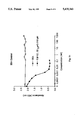
- FIGS. 1a through 1h depict the results of the mink lung cell proliferation assay described in Example 2. More particularly:
- FIG. 1a shows the inhibition curves (absorbance vs. concentration) for a TGF- ⁇ 1 16-31 dimer and TGF- ⁇ 2.
- FIG. 1b shows the inhibition curves (absorbance vs. concentration) for a TGF- ⁇ 1 16-47 monomer and TGF- ⁇ 2.
- FIG. 1c shows the inhibition curves (absorbance vs. concentration) for a TGF- ⁇ 1 16-47 , fraction 8 (F8), dimer and TGF- ⁇ 2.
- FIG. 1d shows the inhibition curves (absorbance vs. concentration) for a TGF- ⁇ 2 16-47 dimer and TGF- ⁇ 2.
- FIG. 1e shows the inhibition curves (absorbance vs. concentration) for a TGF- ⁇ 2 16-31 dimer and TGF- ⁇ 2.
- FIG. 1f shows the inhibition curves (absorbance vs. concentration) for a TGF- ⁇ 1 16-47 , fraction 7 (F7), dimer and TGF- ⁇ 2.
- FIG. 1g shows the inhibition curves (absorbance vs. concentration) for a TGF- ⁇ 1 16-47 trimer and TGF- ⁇ 2.
- FIG. 1h shows the inhibition curves (absorbance vs. concentration) for the control (bovine serum albumin) and TGF- ⁇ 2.
- the methods for making the peptides employ, unless otherwise indicated, conventional techniques of synthetic organic chemistry, protein chemistry, molecular biology, microbiology, and recombinant DNA technology, which are within the skill of one in the art. Such techniques are explained fully in the literature. See, e.g., Scopes, Protein Purification Principles and Practices, 2d ed. (Springer-Verlag, 1987), Methods in Enzymology (Colowick and Kaplan, eds., Academic Press, Inc.); Sambrook et al., Molecular Cloning: A Laboratory Manual, 2d ed., Cold Spring Harbor Press, Cold Spring Harbor, NY, 1989, Handbook of Experimental Immunology,Vols.
- TGF- ⁇ 1 is that described by Derynck et al., Nucl. Acids Res., 15:3188-3189 (1987).
- the amino acid sequence of TGF- ⁇ 2 is that described by Madisen et al., DNA, 7:1-8 (1988).
- the term "fibrinogenic” refers to factors that promote healing of damaged connective tissue resulting from injury inflicted by various types of trauma, inflammation, and immune reactions. These factors include but are not limited to those involved in fibroblast chemotaxis, synthesis of collagen, hyaluronate, and tissue inhibitor of metalloproteinase (TIMP) .
- biologically active refers to the ability to mediate a biological function.
- peptide refers to an oligomer of at least two contiguous amino acid residues. Further, as used herein, the phrase “the peptides” refers to the peptides described herein unless otherwise indicated.
- the term "treat” is intended to mean prophylaxis or attenuation of an existing condition. Accordingly, in the case of inflammation, the invention method may be used to prevent inflammation or alleviate existing inflammation.
- inflammation is intended to encompass both acute responses (i.e. a response in which the inflammatory processes are active) and chronic responses (i.e. a response marked by slow progress and formation of new connective tissue).
- Chronic and acute inflammation may be distinguished by the cell types involved. Acute inflammation often involves polymorphonuclear neutrophils; whereas chronic inflammation is normally characterized by a lymphohistiocytic and/or granulomatous response. Examples of specific types of inflammation are diffuse inflammation, focal inflammation, croupous inflammation, interstitial inflammation, obliterative inflammation, reactive inflammation, specific inflammation, toxic inflammation, and traumatic inflammation.
- an amino acid sequence "substantially corresponding" to TGF- ⁇ 1 or TGF- ⁇ 2 will have at least 70% sequence homology with the amino acid sequence of TGF- ⁇ 1 or TGF- ⁇ 2, respectively, and retain functional activity. Further, it is preferable that any differences in sequence homology possessed by a peptide or protein having a "substantially corresponding" sequence are differences which do not adversely affect a desired property of that peptide or protein.
- the term "septic shock” refers to the sequence of events triggered by bacteremia during which cell wall substances (endotoxin in Gram-negative organisms and peptidoglycan/teichoic acid complex in Gram-positive organisms) activate the complement, kinin, and ACTH/endorphin systems. This series of metabolic events ultimately progresses to a state of shock.
- the term "patient” refers to animals including humans suffering from a condition that can be cured or ameliorated by a TGF- ⁇ .
- TGF- ⁇ s exhibit activity in the TGF- ⁇ assay described in Methods for Preparation of Media, Supplements, and Substrate for Serum-free Animal Cell Culture (1984) pp. 181-194, Alan R. Liss, Inc.
- the assay determines the ability to induce anchorage-independent growth in non-neoplastic normal rat kidney fibroblasts by measuring the formation of cell colonies in soft agar.
- TGF- ⁇ s isolated to date are nonspecies specific as regards TGF- ⁇ activity.
- TGF- ⁇ s derived from other species are thus highly "homologous" in that they are similar in amino acid residue sequences and activity.
- These polypeptides are believed to have been highly conserved among animal species (i.e, wherein a given polypeptide from different mammalian species has an amino acid sequence that varies little, if at all, between species with respect to amino acid residue deletions, additives, or substitutions, and which variations do not adversely affect the non-species-specific activity of the molecule adversely) and have cross-species functionality.
- the peptides may be derived from cells or tissue of diverse animal origin or may be obtained by recombinant DNA technology.
- the peptides thus encompass the amino acid residue sequences of homologous TGF- ⁇ s.
- peptides from one vertebrate species may be used to treat another vertebrate species.
- the most common therapeutic uses of the peptides is in the treatment of patients such as humans, domestic animals such as cattle, sheep, and pigs, and sports or pet animals such as dogs, cats, and horses.
- the peptides are useful in any application for which a TGF- ⁇ is indicated.
- the peptides mimic TGF- ⁇ activities including but not limited to inducing cartilage/bone formation and for repairing, replacing, or augmenting cartilage/bone tissue in animals including humans.
- Effective amounts of the peptides will normally be formulated with pharmacologically acceptable fluids or solid carriers.
- An effective amount of the peptides is an amount sufficient to evoke the biological response required to ameliorate the condition suffered by the patient.
- the peptides may also be used in the same manner as other TGF- ⁇ s to promote (provoke and sustain) non-species specific cellular proliferation.
- Clinical applications of the cellular proliferation activity of these compositions include topical administration, for instance, for burn or wound healing or tissue repair.
- an effective amount of the peptides are formulated with pharmacologically acceptable carriers.
- An effective amount of the peptides is an amount sufficient to induce soft tissue cell proliferation.
- Topical dosage forms of the peptides can be formulated for instance as sprays, gels, ointments, or salves. Suitable dosage forms are those that are pharmacologically acceptable and into which an amount of the peptides can be dispersed so as to allow diffusion of an effective amount of the peptides to the treatment site.
- the peptides alone or in combination, may be dispersed into or incorporated into a polymeric substance and coated onto implants.
- implants include, but are not limited to, collagenous soft and hard tissue implants, prostheses, sponges, wound dressings, and sutures.
- the peptides modulate local inflammatory responses to these foreign bodies and promote attachment of the implants, particularly prostheses. Since such implants are often made from permeable materials peptides incorporated into the implants can diffuse from the implant to exert their properties.
- the peptides may also be useful systemically, for instance, for treating bone deficiencies, such as osteoporosis and osteopetrosis.
- the peptides are formulated in therapeutically effective amounts with injectable carriers and administered parenterally to the patient.
- the dose is typically be in the range of about 0,001 ⁇ g/kg to 10 g/kg with a preferred range of about 100 ⁇ g/kg to 1 g/kg.
- Systemic dosage forms may be formulated for gastrointestinal administration (i.e., liquids, pills, tablets, or suppositories) or for parenteral injection.
- gastrointestinal administration i.e., liquids, pills, tablets, or suppositories
- parenteral injection i.e., parenteral injection.
- the determination of dosages used in such applications are within the skill of one in the art and depend on factors such as the nature of the condition being treated, the size of the patient, and responsiveness to the peptides administered, and are therefore determined by the caregiver.
- the peptides may be used as oncostats in treating any type of cellular neoplasm, including, without limitation, carcinomas, myelomas, melanomas, and lymphomas. Particularly preferred targets are breast, lung, colon, and ovarian carcinomas.
- the peptides may be administered locally or systemically, depending on the nature and degree of the neoplasm being treated. For local administration an oncostatically effective amount of the peptides or mixtures formulated thereof are combined with a pharmacologically acceptable carrier and administered as a solid or semisolid implant which may or may not be of a sustained or a controlled release form.
- the peptides may also be formulated into an injectable for parenteral administration.
- the peptides can be delivered to solid tumors in particular, including inoperable tumors, using current catheter technology for localized delivery via the arterial supply to the tumor.
- the peptides are mixed with a vasoocclusive agent, such as injectable collagen, which would provide a means to reduce perfusion of the tumor and at the same time provide for the localized delivery of the peptides.
- Clips may also be used to occlude venous drainage, and thus maintain high doses of the peptides in the tumor mass.
- oncostatically effective amounts of the peptides are formulated with pharmacologically acceptable carriers used for water soluble proteins including but not limited to physiological saline, sugar solutions and the like for injection into circulation.
- the peptides may be formulated as a sustained release formulation to release the peptides into the circulation over a prolonged time period.
- Specific targeting of the factor for tumor cells in systemic applications may be accomplished for instance by conjugation of a peptide to an antibody directed against tumor specific cell surface antigen(s).
- Enhanced tumor cell cytotoxicity may be accomplished by covalently radiolabeling the fibrinogenic peptide with 131 I, a cytotoxic agent.
- the peptides are readily iodinated and retain full biological activity.
- Monoclonal antibody preparations with specificity for particular tumor types, such as breast and ovarian tumors, are well known in the art.
- Other oncostats or chemotherapeutic drugs may be included in the formulation if desired.
- oncostatically effective is intended to indicate a dose that effects a significant (>50%) inhibition of tumor cell proliferation.
- 50% inhibition is generally observed at TGF- ⁇ concentrations of the order of 0.2 ng/ml and saturation is achieved at 10 ng/ml.
- Inhibition may be monitored in vivo by monitoring the patient's tumor burden.
- the dose of peptide that is oncostatically effective in a given treatment depend upon the patient, the type and degree of cancer being treated and the mode of administration. In general, the amounts administered to adult humans are in the range of about 0.001 ⁇ g/kg to 10 g/kg. Corresponding systemic administration involves the higher segment of the range (100 ⁇ g/kg to 1 g/kg) due to clearance or other in situ inactivation of the polypeptide.
- the peptides are useful in the treatment of both local and systemic inflammation.
- the peptides When used as a local anti-inflammatory agent, the peptides are usually formulated in effective amounts with pharmacologically acceptable carriers in weight ratios to carrier in the range of 1:1,000 to 1:20,000.
- the peptides When used to treat inflammation at internal sites locally, the peptides, alone or in combination, may be injected, inhaled, placed surgically, or otherwise administered locally, depending on the particular formulation and the site where inflammation control is desired.
- the peptides may be formulated with conventional carriers used with water soluble proteins for injection into circulation. Alternatively, they may be formulated as a sustained release implant formulation if the indication being treated so requires.
- the amount of the peptides administered to treat inflammation depends upon the patient, the inflammatory condition being treated, and the mode of administration. In general, amounts administered to adult humans are in the range of about 1 mg to 10 g. When the peptides are administered locally, amounts in the lower portion of the range are normally used, typically 1 ⁇ g to 100 mg. Correspondingly, systemic administration typically involves amounts in the 100 ⁇ g/kg to 1 g/kg range.
- the peptides may be particularly effective in the treatment of inflammation involving the respiratory system.
- the peptides may be administered by inhalation with a suitable aerosol.
- the peptides would be useful for the treatment of diffuse interstitial diseases of the lung including but not limited to, asbestosis, silicosis, or coal-miner's pneumoconiosis; the treatment of immunological diseases that involve the respiratory tract including, but not limited to, rheumatoid arthritis, lupus erythematosus, or Goodpasture's syndrome; and the treatment of granulomatosis and eosinophilic granulomatosis.
- the peptides may be combined with carriers in the form of a salve, ointment, or other topical formulation and thereby be useful in the control of dermal inflammation by topical application.
- Such formulations would be particularly useful in the local treatment of skin conditions including, but not limited to, psoriasis vulgaris, contact dermatitis, dermal ulcers, and acute or chronic eczematous dermatitis.
- the peptides may be used either alone or combined with a slow release carrier and injected into or around joints, bone, or muscle for wound healing or control of inflammation associated with various diseases.
- diseases include but are not limited to myositis (due to viral, bacterial, parasitic, fungal, or autoimmune processes); myasthenia gravis; osteomyelitis; osteoarthritis and rheumatoid arthritis.
- TGF- ⁇ molecules have been shown to be stable at low pH and resistant to enzyme digestion, these factors may be delivered gastrointestinally.
- the peptides are thus particularly useful for the treatment of gastrointestinal disorders including but not limited to gastric and duodenal ulcers, granulomatous gastritis, esophagitis, enteritis and colitis.
- TGF- ⁇ s have also been shown to be effective for the treatment of septic shock.
- the peptides may be administered prophylactically or therapeutically, i.e., before, simultaneous with, or after an infection has set in.
- the peptides may be used to treat patients who are at-risk to bacterial infection, or who suffer from septicemia. Patients who are at risk include but are not limited to those receiving immunosuppressive therapy and those suffering from severe thermal burns or other serious injury, cystic fibrosis, renal failure, or cancer, or who are undergoing extensive surgical procedures or organ transplantation.
- the peptides may further be used to treat a patient for an indication associated with a dysfunction or malfunction of hematopoiesis or lymphopoiesis.
- the peptides may be administered to these patients by any suitable technique, including systemic or local, as discussed above and will take into consideration the requirements of the individual patient, the method of administration, and other factors known to practitioners. Doses will typically be in the range of from about 100 ⁇ g/kg to 1 g/kg.
- the peptides may also be used to protect hematopoietic stem cells from the myelotoxicity of chemotherapeutic drugs, such as cyclophosphamide and mephalan, or radiation therapy.
- chemotherapeutic drugs such as cyclophosphamide and mephalan
- a therapeutically effective amount of the peptides will be administered usually 3-72 hours prior to the administration of the chemotherapeutic drug or radiation therapy.
- the mode of administration is preferably interfemoral arterial, intraperitoneal, or subcutaneous, and is preferably by injection.
- Compositions and doses may be formulated as discussed for the above applications, taking into consideration the requirements of the individual patient, the nature of the drug or radiation therapy used, the method of administration of the composition, and other factors known to practitioners. Doses will typically be in the range of 100 ⁇ g/kg to 1 g/kg.
- TGF- ⁇ may also be used in the prevention of severe cardiac injury resulting from reperfusion of ischemic myocardium. Lefer et al., Science, 249:61 (1990).
- the peptides thus may be administered, preferably intravenously or intracardiac, prior to or after the onset of ischemia.
- Peptide compositions and doses may be formulated as discussed for above applications, taking into consideration the requirements of the individual patient and other factors known to practitioners. Doses will typically be in the range of 100 ⁇ g/kg to 1 g/kg.
- TGF- ⁇ 1 16-31 corresponds to TGF- ⁇ 1 residues 16 through 31, and has the amino acid sequence
- TGF- ⁇ 2 16-31 corresponds to TGF- ⁇ 2 residues 16 through 31, and has the amino acid sequence
- TGF- ⁇ 1 16-47 corresponds to TGF- ⁇ 1 residues 16 through 47, and has the amino acid sequence
- TGF- ⁇ 2 16-47 corresponds to TGF- ⁇ 2 residues 16 through 47, and has the amino acid sequence
- Peptides were synthesized on an Applied Biosystems model 431A peptide synthesizer using Fmoc amino acids (Applied Biosystems). Fmoc amino acids were coupled through reactions mediated with N,N-dicyclohexylcarbodiimide (DCC) or [2-(1H-benzotriazol-1-yl)-1,1,3,3-tetramethyluronium hexafluorophosphate] (HBTU) in 1-hydroxybenzotriazole (HOBt). The peptide synthesis protocol was modified to double couple certain residues and to shorten the coupling times of certain residues to minimize premature termination of peptide synthesis by diketopiperazine formation.
- DCC N,N-dicyclohexylcarbodiimide
- HBTU 1-hydroxybenzotriazole
- the peptides were synthesized on 4-hydroxymethylphenoxymethyl copolystyrene-1% divinylbenzene resin (HMP-resin). Reactive sites on the HMP-resin were capped with acetic anhydride following addition of the first residue.
- HMP-resin 4-hydroxymethylphenoxymethyl copolystyrene-1% divinylbenzene resin
- the crude peptide (approximately 250 ⁇ mol) was cleaved from the resin in 11.25 ml of 89% TFA, containing 0.75 g of crystalline phenol, 0.25 ml of ethylene dithiol, 0.5 ml of thioanisole, and water, at room temperature for over 1.5 hr.
- the resin was removed by filtration through a glass fritted disk and the filtrate was concentrated to 2 ml by using a rotoevaporator at 30° C.
- Crude peptide was precipitated by adding 50 ml of ice-cold diethyl ether and collected by filtration.
- the crude peptide was dissolved in 0.1% TFA, 30% acetonitrile and lyophilized. The dry peptide was stored at -20° C.
- the dried crude peptide was dissolved in 0.1% TFA, 18% acetonitrile and chromatographed on a C18-reverse phase HPLC column (1 ⁇ 25 cm, Vydac, C18TP510). Peptides were eluted with a linear acetonitrile gradient in 0.1% TFA. The peak containing the desired peptide was identified by N-terminal sequencing and was confirmed by amino acid analysis. Protein concentration was determined with a BCA assay (Pierce, Rockford, Ill.). Reduced forms of cysteine residues were assayed using 5,5,'-dithio-bis-(2-nitrobenzoic acid). Ellman, Arch. Biochem. Biophys., 74:443 (1958).
- peptides, disulfide bonds were formed as follows. Purified peptide was dissolved at 5 mg/ml in 20% acetonitrile/80% dilute ammonium hydroxide (pH adjusted to 8.5 to 9.5 with 3% ammonium hydroxide). After stirring for 1 to 16 hr, precipitate that formed was dissolved by decreasing the pH to approximately 2 with 10% TFA. The reaction mixture was applied onto a C18-reverse phase HPLC column (1 ⁇ 25 cm, Vydac, C18TP510) and eluted with a linear acetonitrile gradient in 0.1% TFA.
- the dimeric and trimeric forms of the peptides were identified by the shift in the elution position of the peak relative to the monomeric peptides. Monomeric and dimeric trimeric forms were confirmed by assaying for non-disulfide bonded cysteine residues and by mass spectroscopy.
- TGF- ⁇ is known to inhibit proliferation of mink lung epithelial cells.
- the mink lung epithelial cell assay was thus used to test the ability of the peptides to mimic the biological activity of TGF- ⁇ .
- Mink lung epithelial cells (ATCC, Rockville, Md., Mv1Lu CCL64) were plated at 0.5-1.0 ⁇ 10 6 cells/plate in 100 mm culture plates and grown in Eagle's minimal essential medium (MEM) supplemented with 50 units/ml penicillin, 50 ⁇ g/ml streptomycin, nonessential amino acids, L-glutamine, and 10% fetal bovine serum (FBS). Cells were passaged while the cell density was subconfluent. Cells were detached with trypsin, collected by centrifugation at 800 ⁇ g for 2 min, and resuspended in the culture medium at 20,000 cells/mi. The cells were plated in 96-well microtiter plates at 1000 cells (50 ⁇ l)/well.
- MEM Eagle's minimal essential medium
- FBS fetal bovine serum
- TGF- ⁇ 1 16-31' TGF- ⁇ 1 16-47' TGF- ⁇ 2 16-31' TGF- ⁇ 2 16-47 in monomeric and dimeric forms were lyophilized in the presence of sterile bovine serum albumin (BSA) carrier.
- BSA bovine serum albumin
- a trimeric form of TGF- ⁇ 1 16-47 was similarly lyophilized.
- Samples (50 ⁇ l ) of the peptides were dissolved in the cell culture medium and added to the wells in triplicate. Recombinant human TGF- ⁇ 2 was used as the standard. The plates were incubated under a 5% CO 2 /95% (V/V) air atmosphere at 37° C. for 4 days.
- the number of cells/well in this assay is proportional to the activity of the constitutively expressed enzyme, acid phosphatase.
- acid phosphatase activity To measure acid phosphatase activity, the wells were rinsed with phosphate-buffered saline (PBS), filled with 100 ⁇ l of 0.1M sodium acetate, pH 5.5/0.1% Triton X-100/100 mM p-nitrophenyl phosphate, and the plates were incubated at 37° C. for 2 hr. Ten ⁇ l of 1.0N NaOH was added to each well, and after 20 min at room temperature, the absorbance at 405 nm was measured.
- PBS phosphate-buffered saline
- TGF- ⁇ 1 16-31 dimer inhibited proliferation of mink lung epithelial cells with an ED 50 of 1-3 ⁇ M, comparable to levels of specific biological activity previously reported for this peptide. Chen et al., J. Bone Min. Res., 5: Abstract 26; and WO 90/14359.
- TGF- ⁇ 2 16-31' a peptide homologous to the TGF- ⁇ 1 16-31 peptide, was not active in either monomeric or dimeric form in the assay.
- the activity of the TGF- ⁇ 1 synthetic peptide increased considerably when 16 additional carboxy terminal amino acid residues were added to form TGF- ⁇ 1 16-47 .
- the dimer of TGF- ⁇ 1 16-47 exhibited an ED 50 of about 150 nM.
- TGF- ⁇ 1 16-47 peptide monomer exhibited some activity.
- the trimer of TGF- ⁇ 1 16-47 exhibited an Ed 50 of about 32.7 nM.
- TGF- ⁇ 2 16-47 peptide dimer exhibited an ED 50 of about 4-14 nM.
- bovine bone TGF- ⁇ 2 inhibited proliferation of the cells with an ED 50 of 0.4 to 1.0 pM. BSA alone was inactive in this assay.
- dimerized TGF- ⁇ 2 16-47 possesses about 11-38 fold more activity than dimerized TGF- ⁇ 1 16-47 . None of the monomeric peptides were active below 1 ⁇ M.
- Single-cell suspensions of thymocytes were prepared from 4 to 8 week old C3H/HeJ mice and the cells were suspended in Eagle's MEM supplemented with 5% fetal calf serum (FCS), 100 units/ml penicillin, 100 ⁇ g/ml streptomycin, 2 mM L-glutamine and 50 ⁇ M ⁇ -mercaptoethanol to 6.66 ⁇ 10 6 cells/ml.
- FCS fetal calf serum
- the thymocytes were plated into 96-well microtiter plates at 10 6 cells/well (150 ⁇ l ).
- the cells were activated with 1.0 ⁇ g/ml of phytohemagglutinin and 8 units/ml of interleukin-1 (IL-1) (Boehringer Mannheim, Indianapolis, Ind.).
- IL-1 interleukin-1
- 0.02 to 200 pmol of the peptides or 0.02 to 50 fmol of TGF- ⁇ 2 were added and the total volume was adjusted to 250 ⁇ l with the culture medium.
- the cells were incubated at 37° C. for 72 hr in a humidified incubator in 5% CO 2 -95% air atmosphere.
- the cells were pulsed with 0.5 ⁇ Ci/well of 3 H-thymidine 24 hours prior to cell harvest.
- the thymocytes were harvested onto glass fiber filters and dried. The amount of 3 H-thymidine incorporation was determined by liquid scintillation counting method.
- TGF- ⁇ 2 inhibited incorporation of 3 H-thymidine into the DNA of murine thymocytes with an ED 50 of approximately 4 pM.
- the TGF- ⁇ 2 16-47 dimer was also active as an inhibitor of thymocyte proliferation in this assay with an ED 50 of 57 nM.
- both TGF- ⁇ 1 16-31 dimer and TGF- ⁇ 2 16-31 dimer did not affect 3 H-thymidine incorporation at concentrations up to 0.8 ⁇ M.
- Rat muscle myoblasts (L6, American Type Culture Collection) were plated in 6-well culture plates and cultured in DMEM supplemented with 100 units/ml penicillin, 100 ⁇ g/ml streptomycin, 2 mM L-glutamine, 10% FBS until the cells were 70-90% confluent. Medium was aspirated from the wells; and 1 ml of ice cold 20 mM glycine, 135 mM NaCl, pH 3.0 was added to each well for 2 min. The buffer was aspirated and each well was rinsed 2 times with 1 ml of DMEM, 25 mM Hepes, pH 7.4, 0.1% BSA.
- TGF- ⁇ 1 and TGF- ⁇ 2 (3 to 1600 pM) and of peptides (0.1 to 30 ⁇ M), each containing 25 pM 125 I-TGF- ⁇ 1 or 125 I-TGF- ⁇ 2 were prepared in DMEM, 25 mM Hepes, pH 7.4, 0.1% BSA and added in 500 ⁇ l aliquots to the wells.
- Radiolabeled TGF- ⁇ samples (500 ⁇ l ) either without unlabeled TGF- ⁇ or with excess unlabeled TGF- ⁇ (20-25 nM) were prepared and added to other wells. After 1 hr incubation at room temperature, each well was rinsed 2 times with 1 ml of Hank's balanced saline solution, 0.1% BSA.
- TGF- ⁇ 1 16-31 and TGF- ⁇ 2 16-47 peptide monomers, and TGF- ⁇ 1 16-47 and TGF- ⁇ 2 16-31 peptide monomers and dimers at concentrations of up to 30 ⁇ M were found to be either inactive or weakly active in competing against the binding of 125 I-TGF- ⁇ 1 or 125 I-TGF- ⁇ 2.
- TGF- ⁇ 2 16-47 dimer competed against the binding of 125 I-TGF- ⁇ 2 with an apparent dissociation constant of approximately 3 ⁇ M.
- TGF- ⁇ 1 16-31 peptide dimer competed against the binding of 125 I-TGF- ⁇ 1with an apparent dissociation constant of 10-15 ⁇ M.
- TGF- ⁇ 2 16-47 was synthesized and compared to TGF- ⁇ 2 16-31 .
- TGF- ⁇ 2 16-31 peptide the N-terminal half of the TGF- ⁇ 2 16-47 peptide, was found to be inactive in the mink lung epithelial cell and thymocyte proliferation assays and in the receptor binding assay, performed as discussed above.
- the dimeric form of the TGF- ⁇ 32-47 peptide was prepared by forming a disulfide bond at Cys 44 between the two monomeric peptides.
- the TGF- ⁇ 2 32-47 peptide as monomer and as dimer at concentrations up to 30 ⁇ M did not compete against the binding of 125 I-TGF- ⁇ 2 to the L6 rat muscle myoblasts. Furthermore, as shown in Table 4, the peptide as monomer and dimer at concentrations up to 10 ⁇ M did not inhibit the proliferation of mink lung epithelial cells. Since TGF- ⁇ 2 16-31 and TGF- ⁇ 2 32-47 peptides were not active in these assays, the activity of the TGF- ⁇ 2 16-47 peptide resides in the full length peptide.
- the TGF- ⁇ 2 16-47 peptide contains two cysteine residues, Cys 16 and Cys 44 . It has been demonstrated by assaying for the reduced form of cysteine, that the two monomers are linked by a single disulfide bond, rather than two disulfide bonds involving both Cys 16 and Cys 44 . Dimerization could thus occur by a disulfide bond between Cys 16 -Cys 16' Cys 44 -Cys 44' or Cys 16 -Cys 44 .
- Two peptides, TGF- ⁇ 2 16-47 Ser 16 and TGF- ⁇ 2 16-47 Ser 44' in which either Cys 16 or Cys 44 had been substituted with serine respectively, were synthesized as described in Example 1. Each of these peptides was able to dimerize to like peptides only by forming Cys 16 -Cys 16 or Cys 44 -Cys 44 disulfide bonds. The results are shown in Table 4.
- TGF- ⁇ 2 16-47 Ser 16 peptide monomer and dimer inhibited the proliferation of mink lung epithelial cells with an ED 50 of 1.3 ⁇ M and 380 nM, respectively. While TGF- ⁇ 2 16-47 Ser 44 peptide dimer inhibited cell proliferation with an ED 50 of 450 nM, the peptide monomer was inactive at concentrations of up to 10 ⁇ M.
- these Ser-substituted peptides are significantly less active than TGF- ⁇ 2 16-47 peptide dimer in inhibiting proliferation of mink lung epithelial cells.
Landscapes
- Health & Medical Sciences (AREA)
- Chemical & Material Sciences (AREA)
- Life Sciences & Earth Sciences (AREA)
- Organic Chemistry (AREA)
- Medicinal Chemistry (AREA)
- General Health & Medical Sciences (AREA)
- Veterinary Medicine (AREA)
- Public Health (AREA)
- General Chemical & Material Sciences (AREA)
- Pharmacology & Pharmacy (AREA)
- Chemical Kinetics & Catalysis (AREA)
- Animal Behavior & Ethology (AREA)
- Nuclear Medicine, Radiotherapy & Molecular Imaging (AREA)
- Toxicology (AREA)
- Biochemistry (AREA)
- Proteomics, Peptides & Aminoacids (AREA)
- Molecular Biology (AREA)
- Bioinformatics & Cheminformatics (AREA)
- Zoology (AREA)
- Gastroenterology & Hepatology (AREA)
- Engineering & Computer Science (AREA)
- Biophysics (AREA)
- Genetics & Genomics (AREA)
- Rheumatology (AREA)
- Pain & Pain Management (AREA)
- Physical Education & Sports Medicine (AREA)
- Peptides Or Proteins (AREA)
- Medicines That Contain Protein Lipid Enzymes And Other Medicines (AREA)
- Medicinal Preparation (AREA)
Priority Applications (10)
| Application Number | Priority Date | Filing Date | Title |
|---|---|---|---|
| US08/009,448 US5420243A (en) | 1993-01-26 | 1993-01-26 | Biologically active TGF-β2 peptides |
| CA002153789A CA2153789C (en) | 1993-01-26 | 1994-01-21 | Biologically active tgf-.beta.1 and tgf-.beta.2 peptides |
| JP51721994A JP3763479B2 (ja) | 1993-01-26 | 1994-01-21 | 生物学的に活性なTGF−β1およびTGF−β2ペプチド |
| DE69424576T DE69424576T2 (de) | 1993-01-26 | 1994-01-21 | Biologisch aktive tgf-beta1 und tgf-beta2 peptide |
| EP94907287A EP0791011B1 (en) | 1993-01-26 | 1994-01-21 | Biologically active tgf-beta1 and tgf-beta2 peptides |
| PCT/US1994/000782 WO1994017099A2 (en) | 1993-01-26 | 1994-01-21 | BIOLOGICALLY ACTIVE TGF-β1 AND TGF-β2 PEPTIDES |
| AU60932/94A AU685084B2 (en) | 1993-01-26 | 1994-01-21 | Biologically active TGF-beta1 and TGF-beta2 peptides |
| ES94907287T ES2146253T3 (es) | 1993-01-26 | 1994-01-21 | Peptidos de tgf-beta 1 y tgf-beta 2 biologicamente activos. |
| US08/400,607 US5658883A (en) | 1993-01-26 | 1995-03-08 | Biologically active TGF-β1 peptides |
| AU40977/97A AU697916B2 (en) | 1993-01-26 | 1997-10-14 | Biologically active TGF-beta1 and TGF-beta2 peptides |
Applications Claiming Priority (1)
| Application Number | Priority Date | Filing Date | Title |
|---|---|---|---|
| US08/009,448 US5420243A (en) | 1993-01-26 | 1993-01-26 | Biologically active TGF-β2 peptides |
Related Child Applications (1)
| Application Number | Title | Priority Date | Filing Date |
|---|---|---|---|
| US08/400,607 Division US5658883A (en) | 1993-01-26 | 1995-03-08 | Biologically active TGF-β1 peptides |
Publications (1)
| Publication Number | Publication Date |
|---|---|
| US5420243A true US5420243A (en) | 1995-05-30 |
Family
ID=21737716
Family Applications (2)
| Application Number | Title | Priority Date | Filing Date |
|---|---|---|---|
| US08/009,448 Expired - Lifetime US5420243A (en) | 1993-01-26 | 1993-01-26 | Biologically active TGF-β2 peptides |
| US08/400,607 Expired - Lifetime US5658883A (en) | 1993-01-26 | 1995-03-08 | Biologically active TGF-β1 peptides |
Family Applications After (1)
| Application Number | Title | Priority Date | Filing Date |
|---|---|---|---|
| US08/400,607 Expired - Lifetime US5658883A (en) | 1993-01-26 | 1995-03-08 | Biologically active TGF-β1 peptides |
Country Status (8)
| Country | Link |
|---|---|
| US (2) | US5420243A (enExample) |
| EP (1) | EP0791011B1 (enExample) |
| JP (1) | JP3763479B2 (enExample) |
| AU (1) | AU685084B2 (enExample) |
| CA (1) | CA2153789C (enExample) |
| DE (1) | DE69424576T2 (enExample) |
| ES (1) | ES2146253T3 (enExample) |
| WO (1) | WO1994017099A2 (enExample) |
Cited By (24)
| Publication number | Priority date | Publication date | Assignee | Title |
|---|---|---|---|---|
| US6150163A (en) * | 1996-07-25 | 2000-11-21 | Genzyme Corporation | Chondrocyte media formulations and culture procedures |
| US6166090A (en) | 1993-05-13 | 2000-12-26 | Neorx Corporation | Prevention and treatment of pathologies associated with abnormally proliferative smooth muscle cells |
| US20020182659A1 (en) * | 1993-05-13 | 2002-12-05 | Neorx Corporation | Method to determine TGF-beta |
| US6491938B2 (en) | 1993-05-13 | 2002-12-10 | Neorx Corporation | Therapeutic inhibitor of vascular smooth muscle cells |
| US20020187104A1 (en) * | 2001-06-08 | 2002-12-12 | Wyeth | Calcuim phosphate delivery vehicles for osteoinductive proteins |
| US20030049826A1 (en) * | 1986-07-01 | 2003-03-13 | Genetics Institute, Inc. | Novel BMP products |
| US20030170208A1 (en) * | 2001-06-01 | 2003-09-11 | Brian Clancy | Compositions and methods for systemic administration of sequences encoding bone morphogenetic proteins |
| US6734208B2 (en) | 1997-04-11 | 2004-05-11 | Neorx Corporation | Compounds and therapies for the prevention of vascular and non-vascular pathologies |
| US20040142417A1 (en) * | 1993-09-17 | 2004-07-22 | Genetics Institute, Llc. | Receptor proteins |
| US20040192605A1 (en) * | 1999-02-01 | 2004-09-30 | Genetics Institute, Llc | Methods and compositions for healing and repair of articular cartilage |
| US20050089579A1 (en) * | 2003-09-12 | 2005-04-28 | Rebecca Li | Injectable calcium phosphate solid rods and pastes for delivery of osteogenic proteins |
| US20050287135A1 (en) * | 2002-05-17 | 2005-12-29 | Wyeth | Injectable solid hyaluronic acid carriers for delivery of osteogenic proteins |
| US6984623B2 (en) | 1993-12-07 | 2006-01-10 | Genetics, Institute Institute, LLC. | Tendon-inducing compositions |
| US20060166251A1 (en) * | 2005-01-26 | 2006-07-27 | Archambault Joanne M | Use of sFRPs as markers of BMP activity |
| US20060239951A1 (en) * | 2005-03-30 | 2006-10-26 | Alexandre Valentin | Methods for stimulating hair growth by administering BMPs |
| US20060252724A1 (en) * | 2000-12-01 | 2006-11-09 | Wyeth | Method and composition for modulating bone growth |
| US7189392B1 (en) | 1999-10-15 | 2007-03-13 | Genetics Institute, Llc | Injectable carrier formulations of hyaluronic acid derivatives for delivery of osteogenic proteins |
| US20080139474A1 (en) * | 1991-11-04 | 2008-06-12 | David Israel | Recombinant bone morphogenetic protein heterodimers, compositions and methods of use |
| US20090105137A1 (en) * | 1991-11-04 | 2009-04-23 | David Israel | Recombinant bone morphogenetic protein heterodimers, compositions and methods of use |
| US7625410B2 (en) | 2001-05-02 | 2009-12-01 | Boston Scientific Scimed, Inc. | Stent device and method |
| US8067022B2 (en) | 1992-09-25 | 2011-11-29 | Boston Scientific Scimed, Inc. | Therapeutic inhibitor of vascular smooth muscle cells |
| US8097642B2 (en) | 1995-02-15 | 2012-01-17 | Boston Scientific Scimed, Inc. | Therapeutic inhibitor of vascular smooth muscle cells |
| US9763868B2 (en) | 2011-02-09 | 2017-09-19 | Megmilk Snow Brand Co., Ltd. | Skin collagen production-promoting agent |
| US20220315634A1 (en) * | 2019-06-05 | 2022-10-06 | Io Biotech Aps | Tgf-beta vaccine |
Families Citing this family (12)
| Publication number | Priority date | Publication date | Assignee | Title |
|---|---|---|---|---|
| US5955430A (en) * | 1993-09-24 | 1999-09-21 | University Of Southern California | Use of angiotensin II fragments and analogs thereof in tissue repair |
| US5780436A (en) * | 1995-05-01 | 1998-07-14 | The Regents Of The University Of California | Peptide compositions with growth factor-like activity |
| US5661127A (en) * | 1995-05-01 | 1997-08-26 | The Regents Of The University Of California | Peptide compositions with growth factor-like activity |
| US5767078A (en) * | 1995-06-07 | 1998-06-16 | Johnson; Dana L. | Agonist peptide dimers |
| US6040431A (en) * | 1995-06-07 | 2000-03-21 | Stryker Corporation | Single chain analogs of the TGF-β superfamily (morphons) |
| EP1074620A1 (en) * | 1999-08-06 | 2001-02-07 | HyGene AG | Monomeric protein of the TGF-beta family |
| EP0877031A1 (en) * | 1997-05-06 | 1998-11-11 | Instituut Voor Dierhouderij En Diergezondheid (Id-Dlo) | TGF-Beta1 derived peptides mimicking the activity of transforming growth factor-Beta1 |
| JP4104671B2 (ja) * | 1997-05-12 | 2008-06-18 | 協和醗酵工業株式会社 | 潜在型TGF―βの活性化を促進するペプチドおよびTGF―β活性調節化合物のスクリーニング方法 |
| AU2001246393A1 (en) * | 2000-03-31 | 2001-10-08 | Vaccine Chip Technology Aps | Immunostimulating properties of a fragment of tgf-beta |
| JP3887588B2 (ja) * | 2002-08-30 | 2007-02-28 | 株式会社リガク | X線回折による応力測定法 |
| US20060293228A1 (en) * | 2005-06-24 | 2006-12-28 | Bhatnagar Rajendra S | Therapeutic compositions and methods using transforming growth factor-beta mimics |
| WO2010119997A1 (ko) * | 2009-04-14 | 2010-10-21 | (주)케어젠 | 형질전환 성장인자의 활성을 가지는 펩타이드 및 그의 용도 |
Citations (4)
| Publication number | Priority date | Publication date | Assignee | Title |
|---|---|---|---|---|
| US4806523A (en) * | 1985-08-06 | 1989-02-21 | Collagen Corporation | Method of treating inflammation |
| US4822606A (en) * | 1986-04-07 | 1989-04-18 | Duke University | Immunosuppressive synthetic peptides and analogs thereof based on retroviral envelope sequences |
| EP0353722A2 (en) * | 1988-08-02 | 1990-02-07 | UNION CARBIDE CHEMICALS AND PLASTICS COMPANY INC. (a New York corporation) | Carbonylation process |
| WO1990014359A1 (en) * | 1989-05-25 | 1990-11-29 | Genentech, Inc. | Biologically active polypeptides based on transforming growth factor-beta sequences |
Family Cites Families (2)
| Publication number | Priority date | Publication date | Assignee | Title |
|---|---|---|---|---|
| CA2005120A1 (en) * | 1988-12-15 | 1990-06-15 | Anthony F. Purchio | Tgf-beta 1/beta 2: a novel chimeric transforming growth factor-beta |
| JPH05501500A (ja) * | 1989-10-18 | 1993-03-25 | クリエイティブ・バイオマリキュールズ・インコーポレーテッド | TGF―βの生合成構築物 |
-
1993
- 1993-01-26 US US08/009,448 patent/US5420243A/en not_active Expired - Lifetime
-
1994
- 1994-01-21 ES ES94907287T patent/ES2146253T3/es not_active Expired - Lifetime
- 1994-01-21 EP EP94907287A patent/EP0791011B1/en not_active Expired - Lifetime
- 1994-01-21 JP JP51721994A patent/JP3763479B2/ja not_active Expired - Fee Related
- 1994-01-21 WO PCT/US1994/000782 patent/WO1994017099A2/en not_active Ceased
- 1994-01-21 DE DE69424576T patent/DE69424576T2/de not_active Expired - Fee Related
- 1994-01-21 CA CA002153789A patent/CA2153789C/en not_active Expired - Fee Related
- 1994-01-21 AU AU60932/94A patent/AU685084B2/en not_active Ceased
-
1995
- 1995-03-08 US US08/400,607 patent/US5658883A/en not_active Expired - Lifetime
Patent Citations (5)
| Publication number | Priority date | Publication date | Assignee | Title |
|---|---|---|---|---|
| US4806523A (en) * | 1985-08-06 | 1989-02-21 | Collagen Corporation | Method of treating inflammation |
| US4822606A (en) * | 1986-04-07 | 1989-04-18 | Duke University | Immunosuppressive synthetic peptides and analogs thereof based on retroviral envelope sequences |
| EP0353722A2 (en) * | 1988-08-02 | 1990-02-07 | UNION CARBIDE CHEMICALS AND PLASTICS COMPANY INC. (a New York corporation) | Carbonylation process |
| WO1990014359A1 (en) * | 1989-05-25 | 1990-11-29 | Genentech, Inc. | Biologically active polypeptides based on transforming growth factor-beta sequences |
| US5061786A (en) * | 1989-05-25 | 1991-10-29 | Genentech, Inc. | Biologically active polypeptides based on transforming growth factor-β |
Non-Patent Citations (6)
| Title |
|---|
| Cianciolo et al Clinical Research 38(2):325A (1990). * |
| Hazarika et al Life Science 42:252831 (1988). * |
| Tam et al Int J Peptide Protein Res 39:464 71 (1992). * |
| Tam et al Int J Peptide Protein Res 39:464-71 (1992). |
| Van den Eijnden VanRaaij et al. J. of Immunol Methods 133:107 118 (1990). * |
| Van den Eijnden-VanRaaij et al. J. of Immunol Methods 133:107-118 (1990). |
Cited By (43)
| Publication number | Priority date | Publication date | Assignee | Title |
|---|---|---|---|---|
| US20050159348A9 (en) * | 1986-07-01 | 2005-07-21 | Elizabeth Wang | Methods of treatment of periodontal disease |
| US7217691B2 (en) | 1986-07-01 | 2007-05-15 | Genetics Institute, Llc | Methods of treatment of periodontal disease |
| US7300772B2 (en) | 1986-07-01 | 2007-11-27 | Genetics Institute, Llc | BMP products |
| US20030049826A1 (en) * | 1986-07-01 | 2003-03-13 | Genetics Institute, Inc. | Novel BMP products |
| US20040009916A1 (en) * | 1986-07-01 | 2004-01-15 | Elizabeth Wang | Methods of treatment of periodontal disease |
| US20080139474A1 (en) * | 1991-11-04 | 2008-06-12 | David Israel | Recombinant bone morphogenetic protein heterodimers, compositions and methods of use |
| US7678885B2 (en) | 1991-11-04 | 2010-03-16 | Genetics Institute, Llc | Recombinant bone morphogenetic protein heterodimers, compositions and methods of use |
| US20090105137A1 (en) * | 1991-11-04 | 2009-04-23 | David Israel | Recombinant bone morphogenetic protein heterodimers, compositions and methods of use |
| US8067022B2 (en) | 1992-09-25 | 2011-11-29 | Boston Scientific Scimed, Inc. | Therapeutic inhibitor of vascular smooth muscle cells |
| US20060029986A1 (en) * | 1992-09-25 | 2006-02-09 | Grainger David J | Prevention and treatment of cardiovascular pathologies |
| US6569441B2 (en) | 1993-01-28 | 2003-05-27 | Neorx Corporation | Therapeutic inhibitor of vascular smooth muscle cells |
| US6491938B2 (en) | 1993-05-13 | 2002-12-10 | Neorx Corporation | Therapeutic inhibitor of vascular smooth muscle cells |
| US20020182659A1 (en) * | 1993-05-13 | 2002-12-05 | Neorx Corporation | Method to determine TGF-beta |
| US6166090A (en) | 1993-05-13 | 2000-12-26 | Neorx Corporation | Prevention and treatment of pathologies associated with abnormally proliferative smooth muscle cells |
| US7094550B2 (en) | 1993-05-13 | 2006-08-22 | Neorx Corporation | Method to determine TGF-beta |
| US20040142417A1 (en) * | 1993-09-17 | 2004-07-22 | Genetics Institute, Llc. | Receptor proteins |
| US7091007B2 (en) | 1993-09-17 | 2006-08-15 | Genetics Institute, Llc | DNA molecules encoding BMP receptor proteins |
| US7365052B2 (en) | 1993-12-07 | 2008-04-29 | Genetics Institute, Llc. | Tendon-inducing methods |
| US6984623B2 (en) | 1993-12-07 | 2006-01-10 | Genetics, Institute Institute, LLC. | Tendon-inducing compositions |
| US8158670B2 (en) | 1995-02-15 | 2012-04-17 | Boston Scientific Scimed, Inc. | Therapeutic inhibitor of vascular smooth muscle cells |
| US8097642B2 (en) | 1995-02-15 | 2012-01-17 | Boston Scientific Scimed, Inc. | Therapeutic inhibitor of vascular smooth muscle cells |
| US6150163A (en) * | 1996-07-25 | 2000-11-21 | Genzyme Corporation | Chondrocyte media formulations and culture procedures |
| US20060084696A1 (en) * | 1997-04-11 | 2006-04-20 | Grainger David J | Compounds and therapies for the prevention of vascular and non-vascular pathologies |
| US6734208B2 (en) | 1997-04-11 | 2004-05-11 | Neorx Corporation | Compounds and therapies for the prevention of vascular and non-vascular pathologies |
| US7511070B2 (en) | 1997-04-11 | 2009-03-31 | Poniard Pharmaceuticals, Inc. | Compounds and therapies for the prevention of vascular and non-vascular pathologies |
| US20040192605A1 (en) * | 1999-02-01 | 2004-09-30 | Genetics Institute, Llc | Methods and compositions for healing and repair of articular cartilage |
| US7323445B2 (en) | 1999-02-01 | 2008-01-29 | Genetics Institute, Llc | Methods and compositions for healing and repair of articular cartilage |
| US7189392B1 (en) | 1999-10-15 | 2007-03-13 | Genetics Institute, Llc | Injectable carrier formulations of hyaluronic acid derivatives for delivery of osteogenic proteins |
| US20060252724A1 (en) * | 2000-12-01 | 2006-11-09 | Wyeth | Method and composition for modulating bone growth |
| US7625410B2 (en) | 2001-05-02 | 2009-12-01 | Boston Scientific Scimed, Inc. | Stent device and method |
| US7226587B2 (en) | 2001-06-01 | 2007-06-05 | Wyeth | Compositions and methods for systemic administration of sequences encoding bone morphogenetic proteins |
| US20030170208A1 (en) * | 2001-06-01 | 2003-09-11 | Brian Clancy | Compositions and methods for systemic administration of sequences encoding bone morphogenetic proteins |
| US7413753B2 (en) | 2001-06-08 | 2008-08-19 | Wyeth | Calcium phosphate delivery vehicles for osteoinductive proteins |
| US20020187104A1 (en) * | 2001-06-08 | 2002-12-12 | Wyeth | Calcuim phosphate delivery vehicles for osteoinductive proteins |
| US20050287135A1 (en) * | 2002-05-17 | 2005-12-29 | Wyeth | Injectable solid hyaluronic acid carriers for delivery of osteogenic proteins |
| US7771755B2 (en) | 2003-09-12 | 2010-08-10 | Wyeth | Injectable calcium phosphate solid rods and pastes for delivery of osteogenic proteins |
| US20100273706A1 (en) * | 2003-09-12 | 2010-10-28 | Wyeth and ETEX Corp. | Injectable Calcium Phosphate Solid Rods and Pastes for Delivery of Osteogenic Proteins |
| US20050089579A1 (en) * | 2003-09-12 | 2005-04-28 | Rebecca Li | Injectable calcium phosphate solid rods and pastes for delivery of osteogenic proteins |
| US8507008B2 (en) | 2003-09-12 | 2013-08-13 | Etex Corporation | Injectable calcium phosphate solid rods and pastes for delivery of osteogenic proteins |
| US20060166251A1 (en) * | 2005-01-26 | 2006-07-27 | Archambault Joanne M | Use of sFRPs as markers of BMP activity |
| US20060239951A1 (en) * | 2005-03-30 | 2006-10-26 | Alexandre Valentin | Methods for stimulating hair growth by administering BMPs |
| US9763868B2 (en) | 2011-02-09 | 2017-09-19 | Megmilk Snow Brand Co., Ltd. | Skin collagen production-promoting agent |
| US20220315634A1 (en) * | 2019-06-05 | 2022-10-06 | Io Biotech Aps | Tgf-beta vaccine |
Also Published As
| Publication number | Publication date |
|---|---|
| WO1994017099A3 (en) | 1995-01-05 |
| US5658883A (en) | 1997-08-19 |
| ES2146253T3 (es) | 2000-08-01 |
| DE69424576D1 (de) | 2000-06-21 |
| JP3763479B2 (ja) | 2006-04-05 |
| EP0791011A2 (en) | 1997-08-27 |
| EP0791011B1 (en) | 2000-05-17 |
| WO1994017099A2 (en) | 1994-08-04 |
| AU6093294A (en) | 1994-08-15 |
| DE69424576T2 (de) | 2001-01-18 |
| CA2153789C (en) | 2007-04-17 |
| JPH08510443A (ja) | 1996-11-05 |
| AU685084B2 (en) | 1998-01-15 |
| CA2153789A1 (en) | 1994-08-04 |
Similar Documents
| Publication | Publication Date | Title |
|---|---|---|
| US5658883A (en) | Biologically active TGF-β1 peptides | |
| US5462925A (en) | Transforming growth factor β2,3 | |
| EP0451439B1 (en) | Use of a cartilage-inducing factor (CIF) for treating hematopoietic or lymphopoietic disorders | |
| Thomas et al. | Pure brain-derived acidic fibroblast growth factor is a potent angiogenic vascular endothelial cell mitogen with sequence homology to interleukin 1. | |
| JP4519324B2 (ja) | 共有結合で架橋されたインスリンダイマー | |
| JP4067058B2 (ja) | Peg化hgf | |
| RO117177B1 (ro) | Proteine recombinante, anti-obezitate, murine şi umane, secvenţă adn, care le codifică, procedeu de producere a proteinei şi conjugat cu acestea | |
| EP0492614B1 (en) | Epitheliocyte growth accelerator | |
| EA020019B1 (ru) | Аналоги глюкозозависимого инсулинотропного полипептида | |
| EP0271211A2 (en) | Use of cartilage-inducing factor B (cif-B) for the manufacture of a medicament for inhibiting tumor growth | |
| EP0687270B1 (en) | Osteogenic growth oligopeptides and pharmaceutical compositions containing them | |
| EP1177290A2 (en) | Recombinant laminin 5 | |
| WO1995003067A1 (en) | Pharmaceutical with immunomodulating activity | |
| US5908828A (en) | Synthetic peptide derivatives and the salts thereof | |
| JP3945846B2 (ja) | 膵臓機能改善剤 | |
| AU598423B2 (en) | Peptides and compositions | |
| AU697916B2 (en) | Biologically active TGF-beta1 and TGF-beta2 peptides | |
| US6703363B1 (en) | Recombinant laminin 5 | |
| US5622935A (en) | Medicine for preventing and curing bone fracture | |
| NZ218634A (en) | Peptide identified by its cross reactivity with a cell growth factor, dna, antibodies to peptide and test kits | |
| TW202241927A (zh) | 一類用於修復皮膚損傷或黏膜損傷之多肽及其應用 | |
| JPS6233126A (ja) | 炎症治療用組成物 | |
| JPH07138183A (ja) | 胃・十二指腸疾患治療剤 |
Legal Events
| Date | Code | Title | Description |
|---|---|---|---|
| STCF | Information on status: patent grant |
Free format text: PATENTED CASE |
|
| FEPP | Fee payment procedure |
Free format text: PAT HLDR NO LONGER CLAIMS SMALL ENT STAT AS SMALL BUSINESS (ORIGINAL EVENT CODE: LSM2); ENTITY STATUS OF PATENT OWNER: LARGE ENTITY |
|
| FPAY | Fee payment |
Year of fee payment: 4 |
|
| FEPP | Fee payment procedure |
Free format text: PAYOR NUMBER ASSIGNED (ORIGINAL EVENT CODE: ASPN); ENTITY STATUS OF PATENT OWNER: LARGE ENTITY |
|
| FPAY | Fee payment |
Year of fee payment: 8 |
|
| FEPP | Fee payment procedure |
Free format text: PAYER NUMBER DE-ASSIGNED (ORIGINAL EVENT CODE: RMPN); ENTITY STATUS OF PATENT OWNER: LARGE ENTITY Free format text: PAYOR NUMBER ASSIGNED (ORIGINAL EVENT CODE: ASPN); ENTITY STATUS OF PATENT OWNER: LARGE ENTITY |
|
| FPAY | Fee payment |
Year of fee payment: 12 |