US10968253B2 - Methods and products for genetic engineering - Google Patents
Methods and products for genetic engineering Download PDFInfo
- Publication number
- US10968253B2 US10968253B2 US15/769,534 US201615769534A US10968253B2 US 10968253 B2 US10968253 B2 US 10968253B2 US 201615769534 A US201615769534 A US 201615769534A US 10968253 B2 US10968253 B2 US 10968253B2
- Authority
- US
- United States
- Prior art keywords
- derived
- virus
- protein
- cas9
- nucleic acid
- Prior art date
- Legal status (The legal status is an assumption and is not a legal conclusion. Google has not performed a legal analysis and makes no representation as to the accuracy of the status listed.)
- Active
Links
Images




Classifications
-
- C—CHEMISTRY; METALLURGY
- C07—ORGANIC CHEMISTRY
- C07K—PEPTIDES
- C07K14/00—Peptides having more than 20 amino acids; Gastrins; Somatostatins; Melanotropins; Derivatives thereof
- C07K14/005—Peptides having more than 20 amino acids; Gastrins; Somatostatins; Melanotropins; Derivatives thereof from viruses
-
- C—CHEMISTRY; METALLURGY
- C12—BIOCHEMISTRY; BEER; SPIRITS; WINE; VINEGAR; MICROBIOLOGY; ENZYMOLOGY; MUTATION OR GENETIC ENGINEERING
- C12N—MICROORGANISMS OR ENZYMES; COMPOSITIONS THEREOF; PROPAGATING, PRESERVING, OR MAINTAINING MICROORGANISMS; MUTATION OR GENETIC ENGINEERING; CULTURE MEDIA
- C12N15/00—Mutation or genetic engineering; DNA or RNA concerning genetic engineering, vectors, e.g. plasmids, or their isolation, preparation or purification; Use of hosts therefor
- C12N15/09—Recombinant DNA-technology
- C12N15/10—Processes for the isolation, preparation or purification of DNA or RNA
- C12N15/102—Mutagenizing nucleic acids
-
- C—CHEMISTRY; METALLURGY
- C12—BIOCHEMISTRY; BEER; SPIRITS; WINE; VINEGAR; MICROBIOLOGY; ENZYMOLOGY; MUTATION OR GENETIC ENGINEERING
- C12N—MICROORGANISMS OR ENZYMES; COMPOSITIONS THEREOF; PROPAGATING, PRESERVING, OR MAINTAINING MICROORGANISMS; MUTATION OR GENETIC ENGINEERING; CULTURE MEDIA
- C12N15/00—Mutation or genetic engineering; DNA or RNA concerning genetic engineering, vectors, e.g. plasmids, or their isolation, preparation or purification; Use of hosts therefor
- C12N15/09—Recombinant DNA-technology
- C12N15/11—DNA or RNA fragments; Modified forms thereof; Non-coding nucleic acids having a biological activity
- C12N15/113—Non-coding nucleic acids modulating the expression of genes, e.g. antisense oligonucleotides; Antisense DNA or RNA; Triplex- forming oligonucleotides; Catalytic nucleic acids, e.g. ribozymes; Nucleic acids used in co-suppression or gene silencing
-
- C—CHEMISTRY; METALLURGY
- C12—BIOCHEMISTRY; BEER; SPIRITS; WINE; VINEGAR; MICROBIOLOGY; ENZYMOLOGY; MUTATION OR GENETIC ENGINEERING
- C12N—MICROORGANISMS OR ENZYMES; COMPOSITIONS THEREOF; PROPAGATING, PRESERVING, OR MAINTAINING MICROORGANISMS; MUTATION OR GENETIC ENGINEERING; CULTURE MEDIA
- C12N15/00—Mutation or genetic engineering; DNA or RNA concerning genetic engineering, vectors, e.g. plasmids, or their isolation, preparation or purification; Use of hosts therefor
- C12N15/09—Recombinant DNA-technology
- C12N15/87—Introduction of foreign genetic material using processes not otherwise provided for, e.g. co-transformation
- C12N15/90—Stable introduction of foreign DNA into chromosome
-
- C—CHEMISTRY; METALLURGY
- C12—BIOCHEMISTRY; BEER; SPIRITS; WINE; VINEGAR; MICROBIOLOGY; ENZYMOLOGY; MUTATION OR GENETIC ENGINEERING
- C12N—MICROORGANISMS OR ENZYMES; COMPOSITIONS THEREOF; PROPAGATING, PRESERVING, OR MAINTAINING MICROORGANISMS; MUTATION OR GENETIC ENGINEERING; CULTURE MEDIA
- C12N7/00—Viruses; Bacteriophages; Compositions thereof; Preparation or purification thereof
-
- C—CHEMISTRY; METALLURGY
- C12—BIOCHEMISTRY; BEER; SPIRITS; WINE; VINEGAR; MICROBIOLOGY; ENZYMOLOGY; MUTATION OR GENETIC ENGINEERING
- C12N—MICROORGANISMS OR ENZYMES; COMPOSITIONS THEREOF; PROPAGATING, PRESERVING, OR MAINTAINING MICROORGANISMS; MUTATION OR GENETIC ENGINEERING; CULTURE MEDIA
- C12N9/00—Enzymes; Proenzymes; Compositions thereof; Processes for preparing, activating, inhibiting, separating or purifying enzymes
- C12N9/14—Hydrolases (3)
- C12N9/16—Hydrolases (3) acting on ester bonds (3.1)
- C12N9/22—Ribonucleases [RNase]; Deoxyribonucleases [DNase]
-
- C—CHEMISTRY; METALLURGY
- C07—ORGANIC CHEMISTRY
- C07K—PEPTIDES
- C07K2319/00—Fusion polypeptide
-
- C—CHEMISTRY; METALLURGY
- C07—ORGANIC CHEMISTRY
- C07K—PEPTIDES
- C07K2319/00—Fusion polypeptide
- C07K2319/40—Fusion polypeptide containing a tag for immunodetection, or an epitope for immunisation
- C07K2319/43—Fusion polypeptide containing a tag for immunodetection, or an epitope for immunisation containing a FLAG-tag
-
- C—CHEMISTRY; METALLURGY
- C07—ORGANIC CHEMISTRY
- C07K—PEPTIDES
- C07K2319/00—Fusion polypeptide
- C07K2319/50—Fusion polypeptide containing protease site
-
- C—CHEMISTRY; METALLURGY
- C12—BIOCHEMISTRY; BEER; SPIRITS; WINE; VINEGAR; MICROBIOLOGY; ENZYMOLOGY; MUTATION OR GENETIC ENGINEERING
- C12N—MICROORGANISMS OR ENZYMES; COMPOSITIONS THEREOF; PROPAGATING, PRESERVING, OR MAINTAINING MICROORGANISMS; MUTATION OR GENETIC ENGINEERING; CULTURE MEDIA
- C12N2310/00—Structure or type of the nucleic acid
- C12N2310/10—Type of nucleic acid
- C12N2310/20—Type of nucleic acid involving clustered regularly interspaced short palindromic repeats [CRISPR]
-
- C—CHEMISTRY; METALLURGY
- C12—BIOCHEMISTRY; BEER; SPIRITS; WINE; VINEGAR; MICROBIOLOGY; ENZYMOLOGY; MUTATION OR GENETIC ENGINEERING
- C12N—MICROORGANISMS OR ENZYMES; COMPOSITIONS THEREOF; PROPAGATING, PRESERVING, OR MAINTAINING MICROORGANISMS; MUTATION OR GENETIC ENGINEERING; CULTURE MEDIA
- C12N2740/00—Reverse transcribing RNA viruses
- C12N2740/00011—Details
- C12N2740/10011—Retroviridae
- C12N2740/10023—Virus like particles [VLP]
-
- C—CHEMISTRY; METALLURGY
- C12—BIOCHEMISTRY; BEER; SPIRITS; WINE; VINEGAR; MICROBIOLOGY; ENZYMOLOGY; MUTATION OR GENETIC ENGINEERING
- C12N—MICROORGANISMS OR ENZYMES; COMPOSITIONS THEREOF; PROPAGATING, PRESERVING, OR MAINTAINING MICROORGANISMS; MUTATION OR GENETIC ENGINEERING; CULTURE MEDIA
- C12N2740/00—Reverse transcribing RNA viruses
- C12N2740/00011—Details
- C12N2740/10011—Retroviridae
- C12N2740/10041—Use of virus, viral particle or viral elements as a vector
- C12N2740/10042—Use of virus, viral particle or viral elements as a vector virus or viral particle as vehicle, e.g. encapsulating small organic molecule
-
- C—CHEMISTRY; METALLURGY
- C12—BIOCHEMISTRY; BEER; SPIRITS; WINE; VINEGAR; MICROBIOLOGY; ENZYMOLOGY; MUTATION OR GENETIC ENGINEERING
- C12N—MICROORGANISMS OR ENZYMES; COMPOSITIONS THEREOF; PROPAGATING, PRESERVING, OR MAINTAINING MICROORGANISMS; MUTATION OR GENETIC ENGINEERING; CULTURE MEDIA
- C12N2740/00—Reverse transcribing RNA viruses
- C12N2740/00011—Details
- C12N2740/10011—Retroviridae
- C12N2740/13011—Gammaretrovirus, e.g. murine leukeamia virus
- C12N2740/13023—Virus like particles [VLP]
-
- C—CHEMISTRY; METALLURGY
- C12—BIOCHEMISTRY; BEER; SPIRITS; WINE; VINEGAR; MICROBIOLOGY; ENZYMOLOGY; MUTATION OR GENETIC ENGINEERING
- C12N—MICROORGANISMS OR ENZYMES; COMPOSITIONS THEREOF; PROPAGATING, PRESERVING, OR MAINTAINING MICROORGANISMS; MUTATION OR GENETIC ENGINEERING; CULTURE MEDIA
- C12N2740/00—Reverse transcribing RNA viruses
- C12N2740/00011—Details
- C12N2740/10011—Retroviridae
- C12N2740/13011—Gammaretrovirus, e.g. murine leukeamia virus
- C12N2740/13041—Use of virus, viral particle or viral elements as a vector
- C12N2740/13042—Use of virus, viral particle or viral elements as a vector virus or viral particle as vehicle, e.g. encapsulating small organic molecule
-
- C—CHEMISTRY; METALLURGY
- C12—BIOCHEMISTRY; BEER; SPIRITS; WINE; VINEGAR; MICROBIOLOGY; ENZYMOLOGY; MUTATION OR GENETIC ENGINEERING
- C12N—MICROORGANISMS OR ENZYMES; COMPOSITIONS THEREOF; PROPAGATING, PRESERVING, OR MAINTAINING MICROORGANISMS; MUTATION OR GENETIC ENGINEERING; CULTURE MEDIA
- C12N2800/00—Nucleic acids vectors
- C12N2800/80—Vectors containing sites for inducing double-stranded breaks, e.g. meganuclease restriction sites
Definitions
- the present invention relates to the field of gene targeting by methods using viral-derived vector systems related to Clustered Regularly Interspaced Short Palindromic Repeats (CRISPR) and components thereof.
- CRISPR Clustered Regularly Interspaced Short Palindromic Repeats
- Genome editing using targetable nucleases is an emerging technology for the precise genome modification of organisms ranging from bacteria to plants and animals, including humans. Its attraction is that it can be used for almost all organisms in which targeted genome modification has not been possible with other kinds of methods.
- ZFNs zinc-finger nucleases
- TALENs transcription-activator like effector nucleases
- Cas9 must be complexed with both a crRNA and a separate trans-activating crRNA (tracrRNA or trRNA), that is partially complementary to the crRNA (11).
- the tracrRNA is required for crRNA maturation from a primary transcript encoding multiple pre-crRNAs.
- the HNH and RuvC-like nuclease domains cut both DNA strands, generating double-stranded breaks (DSBs) at sites defined by a 20-nucleotide guide sequence within an associated crRNA transcript that base pairs with the target DNA sequence.
- the HNH domain cleaves the target DNA strand that is complementary to the guide RNA, while the RuvC domain cleaves the non-complementary strand.
- the double-stranded endonuclease activity of Cas9 also requires that a short conserved sequence, (2-5 nts) known as protospacer-associated motif (PAM), follows immediately 3′-of the crRNA complementary sequence.
- PAM protospacer-associated motif
- the first is wild-type Cas9, which can site-specifically cleave double-stranded DNA, resulting in the activation of the double-strand break (DSB) repair machinery.
- DSBs can be repaired by the cellular Non-Homologous End Joining (NHEJ) pathway (Overballe-Petersen et al., 2013, Proc Natl Acad Sci USA, Vol. 110: 19860-19865), resulting in insertions and/or deletions (indels) which disrupt the targeted locus.
- NHEJ Non-Homologous End Joining
- the DSB may be repaired by the homology-directed repair (HDR) pathway allowing for precise replacement mutations to be made (Overballe-Petersen et al., 2013, Proc Natl Acad Sci USA, Vol. 110: 19860-19865; Gong et al., 2005, Nat. Struct Mol Biol, Vol. 12: 304-312).
- HDR homology-directed repair
- Cas9D10A cleaves only one DNA strand, and does not activate NHEJ. Instead, when provided with a homologous repair template, DNA repairs are conducted via the high-fidelity HDR pathway only, resulting in reduced indel mutations (Cong et al., 2013, Science, Vol. 339: 819-823; Jinek et al., 2012, Science, Vol. 337: 816-821; Qi et al., 2013 Cell, Vol. 152: 1173-1183). Cas9D10A is even more appealing in terms of target specificity when loci are targeted by paired Cas9 complexes designed to generate adjacent DNA nicks (Ran et al., 2013, Cell, Vol. 154: 1380-1389).
- the third variant is a nuclease-deficient Cas9 (Qi et al., 2013 Cell, Vol. 152: 1173-1183). Mutations H840A in the HNH domain and D10A in the RuvC domain inactivate cleavage activity, but do not prevent DNA binding. Therefore, this variant can be used to target in a sequence-specific manner any region of the genome without cleavage. Instead, by fusing with various effector domains, dCas9 can be used either as a gene silencing or activation tools. Furthermore, it can be used as a visualization tool by coupling the guide RNA or the Cas9 protein to a fluorophore or a fluorescent protein.
- CRISPR/Cas9 requires only the redesign of the crRNA to change target specificity. This contrasts with other genome editing tools, including zinc finger and TALENs, where redesign of the protein-DNA interface is required. Furthermore, CRISPR/Cas9 enables rapid genome-wide interrogation of gene function by generating large gRNA libraries for genomic screening.
- the CRISPR/Cas9 technology can be easily adapted to any gene of interest and may offer unchallenged possibilities to alter genes (knock-out, knock-in, introduction of precise mutations). Its spread in the scientific community is incredibly rapid and has triggered a recent burst of scientific communications using it.
- CRISPR's delivery is commonly performed by DNA transfection or through the use of viral vectors encoding Cas9, both methods being convenient but limited to certain cell types as well as being rather intrusive. Furthermore, maintenance of Cas9 expression for a long period is possibly toxic and at best not necessary, since Cas9-mediated cleavage occurs rapidly (Jinek et al., 2013, eLife, Vol. 2, e00471) and could even be toxic on long term. Other approaches have succeeded in exploiting recombinant Cas9 and synthetic RNAs to transfer the RNPc by Proteo transfection or by physical microinjection but these CRISPRs systems remain limited to target fragile primary cells.
- the present invention relates to products and methods for generating alterations in genomic nucleic acids; which alterations encompass mutations by introduction of nucleic acid insertion and nucleic acid deletion, which include knock-in and knock-out genomic alterations.
- this invention relates to products aimed at generating nucleic acid alteration events caused by CRISPR-Cas complexes, and especially caused by CRISPR-Cas9 complexes, as well as to methods using the same.
- This invention relates to a virus-derived particle comprising one or more Cas protein(s), and especially Cas9 protein.
- the said virus-derived particle further comprises, or is further complexed with, one or more CRISPR-Cas system guide RNA(s).
- the said virus-derived particle further comprises, or is further complexed with a targeting nucleic acid.
- the said virus-derived particle is a retrovirus-derived particle, e.g. a lentivirus-derived vector particle.
- compositions for altering a target nucleic acid in a eukaryotic cell which composition comprises a virus-derived particle comprising one or more Cas protein(s), and especially Cas9 protein.
- the said composition further comprises, or alternatively is further complexed with, one or more CRISPR-Cas system guide RNA(s).
- the said composition further comprises a targeting nucleic acid.
- This invention also concerns a kit comprising the required substances for preparing a virus-derived particle or a composition as defined above.
- It also relates to genetically modified cells producing virus-derived particles as defined herein, especially cells which are under the form of stable cell lines.
- This invention further relates to a fusion protein comprising (i) a viral protein that self assembles for generating a virus-derived particle, the said viral protein being fused to (ii) a Cas protein.
- the said fusion protein comprises a cleavable site located between the said viral protein and the said Cas protein, and especially a cleavable site located between a Gag protein and a Cas9 protein.
- FIG. 1 Molecular Basis of Cas9-VLP assembly and transfer of CRISPRs-components into recipient cells.
- GAG-CAS9, GAG ProPol and a viral envelope protein are transfected in HEK293T cells in association with a construct encoding a guide RNA.
- GAG and the viral envelope tend to localize at the membrane where the assembly of a virus-derived particle (which may be also termed “Virus-Like Particle” or “VLP” herein) takes place (2).
- VLP virus-Like Particle
- concentration of GAG increases, mechanical forces induce the formation of a particle (3) that will bud from the producer cell after having incorporated all the actors of the CRISPR machinery (4).
- These particles can be concentrated and are stable at 4° C. more than 15 days. Due to the maturation process, the viral protease may have released most Cas9 proteins from the GAG platform within the particle (5).
- VLPs will be able to bind and fuse the with cell membrane through an envelope/receptor interaction that thus depends on the envelope used to pseudotype particles and the considered target cell.
- VLPs transfer their cargo within recipient cells which may include Cas9/gRNAs ribonucleocomplexes, free gRNAs or Cas9 possibly associated with non-protease GAG (not yet clarified).
- Fully active CRISPRs RNPc are nevertheless delivered into the nucleus of recipient cells (possibly due to a re-association of Cas9 and free gRNAs within the target cell) and mediate the cleavage of genomic-DNA in the very position specified by the gRNA (6).
- hCMVp human cytomegalovirus early promoter drives the expression of a mRNA incorporating an intron (rBG) and a poly adenylation (rBGpA) signal both deriving from the rabbit beta globin gene sequence.
- the construct consists of the fusion of the MLV-GAG polyprotein with the codon-optimized Cas9 sequence from Streptococcus pyogenes . Both moieties are separated by a MLV protease cleavage site (ps) and a flag-tag sequence fused to the Cas9 sequence.
- FIG. 2 Molecular validation of genetic cleavage by YFP-CRISPRs-VLPs
- FIG. 3 CRISPR-mediated disruption of YFP in L929 murine cells by Cas9-VLPs.
- a guide RNA was raised to target YFP downstream the initiation codon ATG. After cleavage cells could repair this gap by NHEJ, a mechanism that could create small deletions and indels, a scar that could alter the YFP frame in some cells. 3 different versions of repaired YFP could thus be generated by the natural reparation machinery, only one of them restauring an in-frame YFP and a maintenance of the YFP phenotype. Accordingly, cleavage should induce a detectable but incomplete decrease of YFP in target cells.
- VLPs loaded with Cas9 and a guide RNAs targeting YFP were produced and directly introduced into the medium of YFP-L929 cells, a murine fibroblastic cell line# where YFP was stably integrated into the genome by lentivector transduction. Envelope-less VLPs were also produced and used as a negative control. 72 h after treatment cells were analyzed by flow cytometry (FACS) and global Mean Fluorescence Intensity (MFI) was monitored revealing the strong effect of YFP-breaking Cas9-VLPs on YFP L929 target cells.
- FACS flow cytometry
- MFI global Mean Fluorescence Intensity
- a 7-fold decrease of MFI was measured for cells treated by enveloped VLPs as compared with non treated YFP-cells or treated by env less VLPs*.
- Cas9-VLPs loaded with a specific guide RNA can be used without further concentration/purification process as CRISPR delivery agents.
- FIG. 4 Deletion of the Myd88 locus using conventional Cas9 delivery methods vs Cas9 VLPs
- FIG. 1 Schematic representation of the Myd88 genomic DNA and localization of the different tools used for the Myd88 cleaving assay.
- Two different CRISPRs sequences were designed against the human Myd88 gene as represented in purple and green. Grey boxes correspond to the regions where the two PCR primers hybridize. They have been optimized for the amplification of gMyd88 which generate an amplicon size of 420 nts. Should the CRISPRs system be active in target cells, a deletion of 160 nts occurs in some cells and can be repaired by NHEJ which gives rises to a 260 nts-in size truncated version of the gene.
- VLPs were produced following the procedure described in FIG. 1 and different experimental procedures were explored, varying for the ratio of plasmid used and the nature of the envelope (R1-R4). After collecting and concentrating them, VLPs were introduced into the medium of HEK or Hela cells and efficiency of the Myd88 cleavage was next assessed by PCR.
- FIG. 5 Dose dependent cleavage of the Myd88 gene induced by Cas9-VLPs
- Cas9-VLPs loaded with two gRNAs targeting the Myd88 gene were produced, concentrated and stored 15 days at 4° C. Increasing amount of VLPs were next added to the medium of HEK293T target cells plated in a 12-w plate (150000 cells/w). 20 h after VLP treatment, cells were lysed and genomic DNA was purified to analyze the genetic cleavage of the Myd88 locus. The signal revealing the deletion of Myd88 (260 nts) increases with the amount of VLPs introduced in the medium.
- VLP preparation can be stable at least 15 days at 4° C.
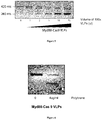
- FIG. 6 Cleavage of the Myd88 gene in HEK targets by Cas9-VLPs is potentiated by polybrene.
- Suboptimal doses of Cas9-VLPs loaded with two gRNAs targeting the Myd88 gene were introduced in the medium of 3 ⁇ 10e6 HEK target cells grown in complete medium supplemented or not with Hexadimethrine bromide (polybrene), a polycation favoring the contact of particles with target cells.
- polybrene Hexadimethrine bromide
- 48 h after VLP treatment cells were lysed and genomic DNA was purified to analyze the genetic cleavage of the Myd88 locus. In this condition where under-saturating amounts of VLPs were used, the Myd-88 cleavage is undetectable in cells cultivated in a standard medium but is strongly potentiated by polybrene addition.
- FIG. 7 Cleavage of the Myd88 gene induced by Cas9-VLPs in human monocytes-derived macrophages
- FIG. 8 Cleavage of the Myd88 gene induced by Cas9-VLPs in freshly-purified primary human lymphocytes.
- Human purified lymphocytes (Ficoll/percoll) were plated at 40 ⁇ 10e6 cells/ml in 200 ul in a 48 w plate. Cells were next treated with a fresh preparation of Cas9-VLPs targeting Myd88 and an older one kept 20 days at 4° C., in a transduction medium supplemented with polybrene (4 ug/ml). After 2 h, 500 ⁇ l of fresh medium was added to the transduction medium and cells where maintained in culture for 40 h before their lysis and genomic DNA extraction. Cleavage of Myd88 was next investigated by PCR revealing the wt or the cleaved form of Myd88. In both VLP conditions, the Myd88 gene was cleaved. 1 million of quiescent lymphocytes were genetically modified in less than 48 h with a single treatment of VLPs without any apparent toxicity.
- FIG. 9 Cleavage of the Myd88 gene induced by Cas9-VLPs in murine bone marrow-derived macrophages
- Macrophages were differentiated from bone marrow cells flushed-out from mouse femurs incubated during 8 days in MCSF containing medium. Cells were next treated with a fresh preparation of Cas9-VLPs targeting mMyd88 in a medium supplemented with polybrene (4 ug/ml). It is noteworthy that two new gRNAs were designed for this experiment that specifically targeted the murine gene.
- FIG. 10 Targeted insertion of a flag-tag sequence in the endogenous DDX3 genomic locus mediated by ‘all in one’ Cas9-VLPs
- the purple arrow represents the locus cleaved by the DDX3 CRISPR and the grey region an intronic region of DDX3.
- the FLAG IN rep primer (ssODN) is represented as a single strand DNA exhibiting 40 nt homology-repair arms, flanking the Flag-tag sequence, that are homologous to the DDX3 locus. Primers used in the PCR assay are represented.
- VLPs were then combined with increasing doses of ssODNs and complexes added on HEK target cells cultivated in classic growing medium. Target cells were next lysed 72 h later for preparation of protein extracts and genomic DNA (C) Western-Blot analysis of cells treated with ‘all in one’ DDX3 VLPs. A Western-blot signal revealed by the flag antibody and corresponding to the DDX3 expected molecular weight (86 KDa) can be detected at the highest concentrations of ssODNs. This indicates that the Flag sequence was successfully inserted at the DDX3 locus of VLP-treated cells. This was further confirmed by PCR on the genomic DNA extracted from VLP-treated cells.
- Primers used should amplify a DNA segment only if the Flag sequence is inserted in the DDX3 gene since the forward primer hybridizes to the Flag sequence and the reverse primer hybridizes to the intron of DDX3). As shown in lower panels, the genetic modification is obvious for higher concentration of primers and decreases with the dose but remains detectable—at the DNA level—for a concentration as low as 0.01 nmol/ml (lane 4).
- D Introduction of the Flag sequence upstream the endogenous locus of DDX3 in human monocyte-derived dendritic cells (Mo-derived DCs).
- VLPs and ssODN were complexed and the mix used to treat Mo-derived DCs in a transduction medium containing polybrene (4 ug/ml). Genomic DNA analysis indicates that the flag sequence was successfully engrafted into the endogenous locus of DDX3 in human primary DCs by a single treatment of VLPs.
- FIG. 11 Panel of possibilities using Nanoblades and their association with ‘helper’ VLPs
- VLPs incorporating Cas9, gRNAs and possibly combined with a reparation ssDNA can be generated and deliver the complete package in recipient cells.
- This agent depicted in (a) is highly versatile in itself. Since VLPs can incorporate several gRNAs and may certainly be complexed after production with different reparation primers, many possibilities are offered to a scientist/company to create customized tools at low cost. As referenced in (Abe et al. J Virol 1998), VLPs of different nature may be complexed outside the cell after production and may complement each other, one helping the other to enter into the cell for example.
- FIG. 12 Western blot analysis and characterization of CAS9 Virus-derived particles separated on a discontinuous sucrose gradient.
- FIG. 12A illustrates a Western blot gel electrophoresis. Lanes from left to right: (i) incubation with anti-Flag antibodies; (ii) incubation with anti-VSV-G antibodies; (iii) incubation with anti-CAS9 antibodies; (iv) incubation with anti-GAGmlv antibodies.
- FIG. 12B illustrates a dot blots of fractions 1 to 24 collected after performing the separation of CAS9 virus-derived particles on a discontinuous sucrose gradient. Columns from left to right: fractions no 1 to no 24. Lanes from the upper part to the lower part of FIG. 12B : (i) incubation with anti-VSV-G antibodies; (ii) incubation with anti-CAS9 antibodies, (iii) incubation with anti-GAGmlv antibodies.
- FIG. 13 Gag/Cas9 fusion actively loads guideRNAs within Virus-like particles (VLPs).
- VLPs Virus-like particles
- FIG. 14A Schematic representation of the coding cassettes designed for the production of MLV-based VLPs or HIV-1-based VLPs. Both cassettes were incorporated in an eucaryotic expression vector equipped with the early hCMV promoter, the rabbit-Bglobin intron and the rabbit pA signal. Both systems were optimized by exploration and test of diverse proteolytic sites separating the GAG cassette from the Cas9 gene. MLV based VLPs were produced as described elsewhere while HIV-1 based VLPs were produced similarly except that an HIV-1 helper construct encoding GAG POL Tat Rev proteins was transfected instead of the MLV GAG POL plasmid. Production of HIV-1 VLPs follows the same procedure as compared with MLV-based VLPs.
- FIG. 14B Concentrated VLPs engineered to incorporate a guide RNA targeting the GFP gene were used to transduce 30000 HEK293T cells expressing GFP. HIV-1 and
- MLV-based particles were produced with the same loaded gRNA (target sequence: CGAGGAGCTGTTCACCGGGG—SEQ ID NO. 38). Recipient cells were plated the day before in a 96-w plate. Transduction medium was supplemented with polybrene (4 ug/ml). 72 hours after treatment with 3 increasing doses of each VLP-batch, fluorescence intensities were measured by a Fluorometer (Excitation 488, Emission 535). Fluorescence decrease was evident in VLPs-treated cells as compared with control non-treated cells (C), revealing the cleavage of the GFP gene within recipient cells. Results indicate that HIV-1 based VLPs are efficient in delivering the CRISPR/CAS9 system to a level slightly less efficient than MLV-based VLPs in these recipient cells (1.5-2 fold less efficient).
- FIG. 14C Cleavage of the WASP gene in primary human T cells stimulated with IL7.
- two guide RNAs targeting the human WASP gene were incorporated within HIV-1 or MLV-based VLPs before treatment of freshly purified T-cells stimulated with IL7.
- 500000 cells were plated in a 24 w plate in 400 ul of RPMI medium supplemented with polybrene (4 ug/ml) and IL-7.
- Concentrated HIV-1 or MLV VLPs (10 ul of VLP dosed at 1 uM CAS9) were added in the culture medium.
- WASP deletion by CRISPR-CAS9 was next measured by PCR in recipient cells 24 hours after treatment. Primer used for amplification of genomic WASP gene were:
- PCR conditions are: 95° C. 5 min followed by 25 cycles of (95° 30 sec-57° 30 sec-72° 30 sec) followed by 5 min at 72° C.
- Amplicons were next loaded on a gel to reveal the state of WASP into VLP recipient T-cells: wt or cleaved.
- Gel analysis performed using the ImageJ software allowed a quantification of double-cutting efficiencies for MLV-based VLPs (32%) and HIV-1-based VLPs (6%).
- FIG. 15 CRISPR delivery into Thy1-GFP mouse embryos by Cas9-containing virus-derived particles
- FIG. 15A illustrates the injection of CAS-containing virus-derived particles in the zona pellucida of Thy1-GFP mouse embryos.
- FIG. 15B shows the results of cleaving the Thy1-GFP allele in the adult mice (F0) originating from the mouse embryos injected with CAS9-containing virus-derived particles
- FIG. 15C shows the alteration of the Thy1-GFP allele in the F1 mice originating from the F0 mice depicted in FIG. 15B .
- FIGS. 15 D, E, F and G Percent of GFP alteration in mice #78, #79, #21 and #22, respectively, as calculated from chromatograms wherein the results are compared with a non-treated Thy-GFP control mouse.
- abscissa percent of GFP alteration in F1 mice.
- Thy1-GFP line carries several copies of GFP/allele (6 to 10). Results should be reproduced in a mouse line bearing one single constitutive GFP copy per allele, which is under preperation
- the present invention relates to the use of virus-derived particles to deliver CRISPR/Cas protein to target cells for generating targeted alteration(s) in the genome of an eukaryotic organism, preferably of a mammal, and especially of a human organism.
- a site-directed genome alteration e.g. a site directed genome deletion or a site-directed genome insertion
- a Cas protein may be successfully performed by delivering a Cas protein to the target cells through the use of viral vector particles wherein the said Cas protein has been packaged.
- the present inventors have conceived a powerful method to transfer the CRISPRs active machinery within human and other mammalian cells, including primary cell types, by using versatile virus-derived particles (which are also termed “Virus Like Particles” or “VLPs” herein).
- VLPs Virus Like Particles
- CRISPR-RNPc also termed “CRISPR-RiboNucleoProtein complex”
- the inventors when taking the Myd-88 gene as readout, the inventors have observed a complete cleavage of the latter gene in less than 6 hours in human cells, thus with a striking rapidity that may be attributed to the high efficiency of the virus-derived particles system described herein, which system comprises delivering directly a Cas protein, and most preferably a Cas9 protein, as well as CRISPR guide RNAs (also termed “gRNAs” herein) instead of performing a nucleic acid transfer of polynucleotides encoding Cas protein as it is the case for most already known CRISPRs delivery systems.
- CRISPR guide RNAs are efficiently encapsulated in the CAS-containing VLPs.
- encapsulation of the CRISPR guide RNAs is highly subjected to the presence of the CAS protein in the VLPs.
- the CAS-containing VLPs may be prepared from a variety of virus-derived particles, and especially with virus-derived particles wherein the GAG protein contained therein may originate from a variety of viruses. Notably, it is described in the examples CAS-containing virus-derived particles comprising a MLV-derived GAG protein, as well as CAS-containing virus-derived particles comprising HIV1-derived GAG protein. It is shown herein that both kinds of CAS-containing virus-derived particles efficiently engineer a targeted gene, e.g., efficiently cleave a targeted gene.
- the inventors have shown that the GAG-containing virus-derived particles efficiently alter desired target sequences in vivo.
- the GAG-containing virus-derived particles may be used to induce desired genomic alterations (e.g. induce a cleavage at a desired location in the genome) in living embryos.
- desired genomic alterations e.g. induce a cleavage at a desired location in the genome
- the genomic alterations performed in the living embryos are present in the resulting adult mammal and are then transferred to the subsequent generations.
- the inventors findings are of a particular importance when considering that major gene expression processes (such as transcription and translation) are less active in some primary cells subsets that may be major targets for CRISPRs strategies and could therefore decrease the efficiency of conventional delivery methods like DNA transfection and conventional lentiviral vectors.
- the Cas9-virus-derived particles technology that has been conceived by the inventors appears as a tool of choice for genome editing, especially for genome editing in non-activated, non-dividing primary cells like lymphocytes, which poorly support transfection/transduction procedures, and display a low metabolism prior activation.
- the effect of the CRISPR RNPc is transient in the recipient target cell and is expected to exert its biological activity for at most a few hours after introduction of the RNPc through the contact of the virus-derived particles described herein with the target cells.
- this technology does not introduce plasmidic DNA in the target cells allows avoiding the potential incorporation of exogenous-DNA in the target genome.
- treatment of fragile human stem-CD34 + cells or human lymphocytes with the virus-derived particles described herein has not induced detectable cell toxicity and has not led to cell-death, even after a massive input of the said virus-derived particles.
- the present inventors have engineered a chimeric Cas9-protein upon fusion with the structural GAG protein of the murine leukemia virus to have the Cas9 protein packaged into MLV-derived VLPs or to HIV-1-derived VLPs.
- virus-derived particles produced as described herein are shown to efficiently transfer the CRISPR-RNPc into the desired target cells. Exploiting the technology of virus-derived particles described herein offers a large panel of viral envelopes that can be selected to pseudotype the said virus-derived particles, thus conferring particular properties to the preparation (tropism, complement resistance, robustness).
- Insertion of the coding sequences of a Cas protein and one or more CRISPR gRNAs in expression cassettes, and especially the coding sequences of Cas9 and a specifically designed gRNA in expression cassettes, may also be performed in the backbone of recombinant viruses like Measles or certain Influenza strains, permissive to incorporation of foreign sequences. This allows an extensive diffusion of the active CRISPR RNPc in specific cells/tissues/organs permissive to the considered virus.
- the technology described herein is easily extended to Cas proteins from other organisms that can be alternatively fused with a structural viral protein.
- the growing cohort of Cas9-derivatives may also be delivered by the virus-derived particles described herein so as to achieve a large variety of genome alterations, such as cleaving only one DNA-strand, activating transcription and labelling precise genomic loci.
- the technology described herein also allows performing a Cas-based CRISPR strategy, especially a Cas9-based CRISPR strategy, for targeting intracellular mRNAs and induce their cleavage, as described by O'Connell et al. (2014, Nature, Vol.
- virus-derived particles technology described herein may be adapted to this RNA targeting approach by a simple combination of particles with ssDNA PAMmers on the model of the flagging-DDX3 strategy described in the examples (See also FIG. 10 herein).
- virus-derived particles described herein after their production, with ssDNA or even dsDNA offers vast possibilities in terms of industrial developments and rapid and costless customizations for various nucleic acid engineering purposes.
- viral-derived nanoparticles differing for their envelope or their proteic/nucleic cargo can trans-complement when combined as a mixture, as it was described in another technical context by Abe et al. (1998, J Virol, Vol. 72: 6356-6361).
- virus-derived particles of the invention A plurality of ways of combining the virus-derived particles of the invention and to transfer the CRISPRs effect into target cells are described elsewhere in the present specification. Some of these various embodiments are depicted in FIG. 11 herein.
- Preliminary data indicate that the virus-derived particles comprising a Cas protein, especially a Cas9 protein, may be combined with vesicles incorporating one or more CRISPR gRNA(s) when these virus-derived particles and vesicles are prepared and used as taught in another technical context by Mangeot et al. (2011, Mol Ther J Am Soc Gene Ther, Vol.
- the Cas-containing virus-derived particles described herein may be easily produced in large amounts in the absence of gRNAs, to obtain VLP batches that are carefully dosed and quality-controlled.
- These Cas9-VLPs can later be combined in a custom-dependent manner with gRNA(s)-containing vesicles and/or targeting nucleic acid-containing vesicles, so as to complement the system by specific gRNAs or specific reparation template, or both.
- the Cas-containing virus-derived particles technology that is described herein offers new possibilities to the CRISPR community and notably upgrade the available toolbox to target challenging cell-types and explore innovative therapeutic CRISPR-based approaches for in/ex vivo gene therapy.
- the inventors have successfully packaged a Cas protein into virus-derived particles by conceiving packaging cells expressing a cleavable fusion protein between (i) a viral structural protein and (ii) the said Cas protein.
- the present invention relates to a virus-derived particle comprising one or more Cas protein(s).
- a virus-derived particle means a particle formed from the assembly of viral structural proteins which are associated so as to form the particle core that will be later enveloped with a membrane, (which virus-derived particle does not contain any nucleic acid encoding a nucleic acid or a protein of interest).
- a virus-derived particle as described herein is designed for delivering proteins, and optionally non-coding nucleic acids in the transduced cells, i.e. at least a Cas protein.
- a virus-derived particle according to the invention may also contain one or more non-coding nucleic acids, which non-coding nucleic acids encompass CRISPR-Cas system guide RNA(s) and targeting nucleic acids.
- non-coding nucleic acids encompass CRISPR-Cas system guide RNA(s) and targeting nucleic acids.
- a virus-derived particle as described herein may contain traces of coding nucleic acids originating from the cells that are used for producing them, such as traces of mRNAs or plasmidic DNA originating from the said producing cells.
- the small amount of coding nucleic acids that may in some occasions be present within the virus-derived particles are generally passively encapsulated.
- virus-derived particles described herein are not at all dedicated to transport any coding nucleic acid of interest but, as described in detail throughout the entire specification, these virus-derived particles are in contrast only dedicated to transport proteins, mainly one or more proteins having a Cas endonuclease activity, and in some embodiments also non-coding nucleic acids of interest, namely (i) one or more CRISPR-guide RNA(s) and/or one or more targeting nucleic acid(s).
- the said cleavable fusion protein between (i) a viral structural protein and (ii) the said Cas protein is successfully incorporated in the virus-derived particles that are produced by the packaging cells and the resulting virus-derived particles successfully deliver the Cas protein to the target cells for altering the target cells genome through site-directed genomic DNA cleavage and, in some embodiments, also nucleic acid insertion by homologous recombination.
- the said fusion protein contributes to the formation of the virus-derived particles wherein it is associated with the viral structural proteins.
- the inventors have notably shown that successful genomic alteration is obtained by using these virus-derived particles in combination with one or more CRIPSR-Cas system guide RNA(s), and in particular by using virus-derived particles further containing the said one or more CRIPSR-Cas system guide RNA(s) inside the said particles.
- virus-derived particles described herein have been successfully used for disrupting or deleting various genes, both in vitro and in vivo, so as to generate organisms wherein the said various genes have been knocked-out.
- virus-derived particles described herein have been successfully used for the targeted insertion of nucleic acids of interest in the genome of target cells, so as to generate knock-in organisms.
- the inventors have fused a Cas9 protein with the GAG protein of Murine Leukemia Virus and have used this construct to produce functional Cas9-loaded virus-derived particles delivering the Cas9 activity into recipient cells.
- the inventors have fused a Cas9 protein with the GAG protein of HIV-1 and have used this construct to produce functional Cas9-loaded virus-derived particles delivering the Cas9 activity into recipient cells.
- the guide RNAs can also be incorporated successfully in virus-derived particles, creating a fully active CRISPR-RNPc within viral like particles that can be transmitted into recipient cells.
- the experimental results of the inventors illustrate the high efficiency of these Cas-containing virus-derived particles. These virus-derived particles are fully able to deliver CRISPRs in different cells types, including primary cells, without apparent toxicity. Cleavage efficiency of the genomic target nucleic acid is remarkably close to 100% in human naive lymphocytes simply treated by the said virus-derived particles cleaving the human (hMyd88) gene.
- the present invention relates to a virus-derived particle comprising one or more Cas protein(s).
- a virus-derived particle comprising one or more Cas protein(s).
- FIG. 11 Various embodiments of the virus-derived particles described in the present specification are illustrated in FIG. 11 .
- a virus-derived particle consists of a virus-like particle formed by one or more virus-derived protein(s), which virus-derived particle is substantially devoid of any nucleic acid encoding a nucleic acid or a protein of interest, or alternatively is devoid of any nucleic acid encoding a nucleic acid or a protein of interest.
- a virus-derived particle according to the invention is substantially devoid of any nucleic acid encoding a viral nucleic acid or a viral protein of interest, or alternatively is devoid of any nucleic acid encoding a viral nucleic acid or a viral protein of interest.
- a virus-derived particle according to the invention is replication-incompetent.
- Any virus suitable for gene therapy may be used, including but not limited to adeno-associated virus (“AAV”); adenovirus; herpes virus; lentivirus and retrovirus.
- Adeno-associated virus (“AAV”) may be selected in a group comprising AAV1, AAV6, AAV7, AAV8, AAV9 or rh10, which AAV are particularly suitable for use in human subjects.
- viral vector particles which generally contain coding nucleic acids of interest
- the general methods that are known in the art for producing viral vector particles, which generally contain coding nucleic acids of interest, may also be used for producing the virus-derived particles according to the present invention, which do not contain coding nucleic acids of interest.
- viral vector particles encompass retroviral, lentiviral, adenoviral and adeno-associated viral vector particles that are well known in the art.
- the one skilled in the art may notably refer to Kushnir et al. (2012, Vaccine, Vol. 31: 58-83), Zeltons (2013, Mol Biotechnol, Vol. 53: 92-107), Ludwig et al. (2007, Curr Opin Biotechnol, Vol. 18(no 6): 537-55) and Naskalaska et al. (2015, Vol. 64 (no 1): 3-13).
- references to various methods using virus-derived particles for delivering proteins to cells are found by the one skilled in the art in the article of Maetzig et al. (2012, Current Gene therapy, Vol. 12: 389-409) as well as the article of Kaczmarczyk et al. (2011, Proc Natl Acad Sci USA, Vol. 108 (no 41): 16998-17003).
- virus-derived particle that is used according to the invention, which virus-derived particle may also be termed “Virus-Like Particle” or “VLP”, is formed by one or more virus-derived structural protein(s) and/or one more virus-derived envelope protein.
- a virus-derived particle that is used according to the present invention is replication incompetent in a host cell wherein it has entered.
- a virus-derived particle is formed by one or more retrovirus-derived structural protein(s) and optionally one or more virus-derived envelope protein(s).
- the virus-derived structural protein is a retroviral gag protein or a peptide fragment thereof.
- Gag and Gag/pol precursors are expressed from full length genomic RNA as polyproteins, which require proteolytic cleavage, mediated by the retroviral protease (PR), to acquire a functional conformation.
- PR retroviral protease
- Gag which is structurally conserved among the retroviruses, is composed of at least three protein units: matrix protein (MA), capsid protein (CA) and nucleocapsid protein (NC), whereas Pol consists of the retroviral protease, (PR), the retrotranscriptase (RT) and the integrase (IN).
- a virus-derived particle comprises a retroviral Gag protein but does not comprise a Pol protein.
- retroviral vector including lentiviral vectors
- Pseudotyped lentiviral vectors consist of viral vector particles bearing glycoproteins derived from other enveloped viruses. Such pseudotyped viral vector particles possess the tropism of the virus from which the glycoprotein is derived.
- a virus-derived particle is a pseudotyped virus-derived particle comprising one or more viral structural protein(s) or viral envelope protein(s) imparting a tropism to the said virus-derived particle for certain eukaryotic cells.
- a pseudotyped virus-derived particle as described herein may comprise, as the viral protein used for pseudotyping, a viral envelope protein selected in a group comprising VSV-G protein, Measles virus HA protein, Measles virus F protein, Influenza virus HA protein, Moloney virus MLV-A protein, Moloney virus MLV-E protein, Baboon Endogenous retrovirus (BAEV) envelope protein, Ebola virus glycoprotein and foamy virus envelope protein, or a combination of two or more of these viral envelope proteins.
- pseudotyping viral vector particles consists of the pseudotyping of viral vector particles with the vesicular stomatitis virus glycoprotein (VSV-G).
- VSV-G vesicular stomatitis virus glycoprotein
- the one skilled in the art may notably refer to Yee et al. (1994, Proc Natl Acad Sci, USA, Vol. 91: 9564-9568) Cronin et al. (2005, Curr Gene Ther, Vol. 5(no 4): 387-398).
- VSV-G pseudotypes virus-derived particles for delivering protein(s) of interest into target cells
- the one skilled in the art may refer to Mangeot et al. (2011, Molecular Therapy, Vol. 19 (no 9): 1656-1666).
- the VSV-G protein which is used for pseudotyping a virus-derived particle of the invention has the amino acid sequence of SEQ ID NO. 23, that may be encoded by a nucleic acid comprising the sequence of SEQ ID NO. 28.
- the BAEV-G (BAEV) protein which is used for pseudotyping a virus-derived particle of the invention has the amino acid sequence of SEQ ID NO. 25, that may be encoded by a nucleic acid comprising the sequence of SEQ ID NO. 27.
- a virus-derived particle further comprises a viral envelope protein, wherein either (i) the said viral envelope protein originates from the same virus as the viral structural protein, e.g. originates from the same virus as the viral Gag protein, or (ii) the said viral envelope protein originates from a virus distinct from the virus from which originates the viral structural protein, e.g. originates from a virus distinct from the virus from which originates the viral Gag protein.
- a virus-derived particle that is used according to the invention may be selected in a group comprising Moloney murine leukemia virus-derived vector particles, Bovine immunodeficiency virus-derived particles, Simian immunodeficiency virus-derived vector particles, Feline immunodeficiency virus-derived vector particles, Human immunodeficiency virus-derived vector particles, Equine infection anemia virus-derived vector particles, Caprine arthritis encephalitis virus-derived vector particle, Baboon endogenous virus-derived vector particles, Rabies virus-derived vector particles, Influenza virus-derived vector particles, Norovirus-derived vector particles, Respiratory syncytial virus-derived vector particles, Hepatitis A virus-derived vector particles, Hepatitis B virus-derived vector particles, Hepatitis E virus-derived vector particles, Newcastle disease virus-derived vector particles, Norwalk virus-derived vector particles, Parvovirus-derived vector particles, Papillomavirus-derived vector particles, Yeast retrotransposon-derived vector particles,
- a virus-derived particle that is used according to the invention is a retrovirus-derived particle.
- retrovirus may be selected among Moloney murine leukemia virus, Bovine immunodeficiency virus, Simian immunodeficiency virus, Feline immunodeficiency virus, Human immunodeficiency virus, Equine infection anemia virus, and Caprine arthritis encephalitis virus.
- a virus-derived particle that is used according to the invention is a lentivirus-derived particle.
- Lentiviruses belong to the retroviruses family, and have the unique ability of being able to infect non-dividing cells.
- Such lentivirus may be selected among Bovine immunodeficiency virus, Simian immunodeficiency virus, Feline immunodeficiency virus, Human immunodeficiency virus, Equine infection anemia virus, and Caprine arthritis encephalitis virus.
- Moloney murine leukemia virus-derived vector particles For preparing Moloney murine leukemia virus-derived vector particles, the one skilled in the art may notably refer to the methods disclosed by Sharma et al. (1997, Proc Natl Acad Sci USA, Vol. 94: 10803+-10808), Guibingua et al. (2002, Molecular Therapy, Vol. 5(no 5): 538-546).
- Moloney murine leukemia virus-derived (MLV-derived) vector particles may be selected in a group comprising MLV-A-derived vector particles and MLV-E-derived vector particles.
- Bovine Immunodeficiency virus-derived vector particles For preparing Bovine Immunodeficiency virus-derived vector particles, the one skilled in the art may notably refer to the methods disclosed by Rasmussen et al. (1990, Virology, Vol. 178(no 2): 435-451)
- Simian immunodeficiency virus-derived vector particles including VSV-G pseudotyped SIV virus-derived particles
- the one skilled in the art may notably refer to the methods disclosed by Mangeot et al. (2000, Journal of Virology, Vol. 71(no 18): 8307-8315), Negre et al. (2000, Gene Therapy, Vol. 7: 1613-1623) Mangeot et al. (2004, Nucleic Acids Research, Vol. 32 (no 12), e102)
- Feline Immunodeficiency virus-derived vector particles For preparing Feline Immunodeficiency virus-derived vector particles, the one skilled in the art may notably refer to the methods disclosed by Saenz et al. (2012, Cold Spring Harb Protoc, (1): 71-76; 2012, Cold Spring Harb Protoc, (1): 124-125; 2012, Cold Spring Harb Protoc, (1): 118-123).
- Equine infection anemia virus-derived vector particles For preparing Equine infection anemia virus-derived vector particles, the one skilled in the art may notably refer to the methods disclosed by Olsen (1998, Gene Ther, Vol. 5(no 11): 1481-1487).
- Caprine arthritis encephalitis virus-derived vector particles For preparing Caprine arthritis encephalitis virus-derived vector particles, the one skilled in the art may notably refer to the methods disclosed by Mselli-Lakhal et al. (2006, J Virol Methods, Vol. 136(no 1-2): 177-184).
- Rabies virus-derived vector particles For preparing Rabies virus-derived vector particles, the one skilled in the art may notably refer to the methods disclosed by Kang et al. (2015, Viruses, Vol. 7: 1134-1152, doi:10.3390/v7031134), Fontana et al. (2014, Vaccine, Vol. 32(no 24): 2799-27804) or to the PCT application published under no WO 2012/0618.
- Influenza virus-derived vector particles For preparing Influenza virus-derived vector particles, the one skilled in the art may notably refer to the methods disclosed by Quan et al. (2012, Virology, Vol. 430: 127-135) and to Latham et al. (2001, Journal of Virology, Vol. 75(no 13): 6154-6155).
- Norovirus-derived vector particles For preparing Norovirus-derived vector particles, the one skilled in the art may notably refer to the methods disclosed by Tomé-Amat et al., (2014, Microbial Cell Factories, Vol. 13: 134-142).
- Respiratory syncytial virus-derived vector particles For preparing Respiratory syncytial virus-derived vector particles, the one skilled in the art may notably refer to the methods disclosed by Walpita et al. (2015, PlosOne, DOI: 10.1371/journal.pone.0130755)
- Hepatitis B virus-derived vector particles For preparing Hepatitis B virus-derived vector particles, the one skilled in the art may notably refer to the methods disclosed by Hong et al. (2013, Vol. 87(no 12): 6615-6624).
- Hepatitis E virus-derived vector particles For preparing Hepatitis E virus-derived vector particles, the one skilled in the art may notably refer to the methods disclosed by Li et al. (1997, Journal of Virology, Vol. 71(no 10): 7207-7213).
- Newcastle disease virus-derived vector particles For preparing Newcastle disease virus-derived vector particles, the one skilled in the art may notably refer to the methods disclosed by Murawski et al. (2010, Journal of Virology, Vol. 84(no 2): 1110-1123)
- Norwalk virus-derived vector particles For preparing Norwalk virus-derived vector particles, the one skilled in the art may notably refer to the methods disclosed by Herbst-Kralovetz et al. (2010, Expert Rev Vaccines, Vol. 9(no 3): 299-307).
- Parvovirus-derived vector particles For preparing Parvovirus-derived vector particles, the one skilled in the art may notably refer to the methods disclosed by Ogasawara et al. (2006, In Vivo, Vol. 20: 319-324)
- Measles virus-derived vector particles For preparing Measles virus-derived vector particles, the one skilled in the art may notably refer to the methods disclosed by Brandler et al. (2008, Vol. 31(no 2-3): 271-291).
- bacteriophage-derived vector particles and in particular Q-beta virus-like particles
- the one skilled in the art may notably refer to the methods disclosed by Brown et al. (2009, Biochemistry, Vol. 48(no 47): 11155-11157).
- a virus-derived particle that is used herein comprises a Gag protein, and most preferably a Gag protein originating from a virus selected in a group comprising Rous Sarcoma Virus (RSV) Feline Immunodeficiency Virus (FIV), Simian Immunodeficiency Virus (SIV), Moloney Leukemia Virus (MLV) and Human Immunodeficiency Viruses (HIV-1 and HIV-2) especially Human Immunodeficiency Virus of type 1 (HIV-1).
- RSV Rous Sarcoma Virus
- FIV Feline Immunodeficiency Virus
- SIV Simian Immunodeficiency Virus
- MMV Moloney Leukemia Virus
- HIV-1 and HIV-2 Human Immunodeficiency Viruses
- a virus-derived particle may also comprise one or more viral envelope protein(s).
- the presence of one or more viral envelope protein(s) may impart to the said virus-derived particle a more specific tropism for the cells which are targeted, as it is known in the art.
- the one or more viral envelope protein(s) may be selected in a group comprising envelope proteins from retroviruses, envelope proteins from non-retroviral viruses, and chimeras of these viral envelope proteins with other peptides or proteins.
- An example of a non-lentiviral envelope glycoprotein of interest is the lymphocytic choriomeningitis virus (LCMV) strain WE54 envelope glycoprotein. These envelope glycoproteins increase the range of cells that can be transduced with retroviral derived vectors.
- LCMV lymphocytic choriomeningitis virus
- the virus-derived particle comprises a Gag protein originating from a virus selected in a group comprising Rous Sarcoma Virus (RSV) and Moloney Leukemia Virus (MLV).
- RSV Rous Sarcoma Virus
- MMV Moloney Leukemia Virus
- a virus-derived particle that is used herein further comprises a pseudotyping viral envelope protein, and most preferably a VSV-G protein.
- a virus-derived particle comprises a Cas protein.
- the said Cas protein may be selected in a group comprising a type I Cas protein, a type II Cas protein and a type III Cas protein.
- the Cas protein may consist of the Type II Cas protein named Cpfl which is disclosed by Zeische et al. (2015, Cell, dx.doi.org/10.1016/j.cell.2015.09.038, in Press).
- a virus-derived protein comprises a type II Cas protein.
- a type II Cas protein is most preferably a Cas9 protein.
- the Cas protein which is contained inside a virus-derived particle as described herein is a Cas9 protein, or an homolog or a derivative thereof.
- the Cas9 protein may be selected in a group comprising a Cas9 protein originating from Streptococcus thermophilus and a Cas9 protein originating from Streptococcus pyogenes , or an homolog thereof or a derivative thereof.
- Cas9 protein originating from Streptococcus thermophilus is described notably by Gasiunas et al. (2012, Proc Natl Acad Sci USA, Vol. 109(no 39): E2579-E2586).
- Cas9 protein originating from Streptococcus pyogenes is described notably by Heler et al. (2015, Nature, Vol. 519(no 7542): 199-202) and Sanjana et al. (2014, Nat Methods, Vol. 11(no 18): 783-784).
- a Cas9 protein that may be used according to the present invention encompasses proteins which are homologs, variants or derivatives of the naturally occurring Cas9 proteins, such as the Cas9 proteins described by Cong et al. (2013, Science, Vol. 339: 819-823).
- Cas9 protein as well as vectors encoding a Cas9 protein are commercially available from Sigma-Aldrich Company. Cas9 protein and variants thereof that may be used in virus-derived particles described herein are also described in the PCT applications published under no WO 2013/163628, WO 2014/093595, WO 2015/089247 and WO 2015/089486.
- Cas9 protein is produced so as to be incorporated in the virus-derived particles during their formation.
- Cas9 may be encoded by a nucleic acid sequence inserted in an expression vector contained in the virus-derived particles producing cells.
- the Cas9-encoding nucleic acid is placed under the control of regulatory sequences allowing its over-expression in the producing cells.
- the Cas9 protein consists of the protein of SEQ ID NO. 31, which is encoded by the nucleic acid sequence of SEQ ID NO. 32.
- the Cas protein is produced and integrated within the said virus-derived particle as a fusion protein between (i) a viral structural protein and (ii) the said Cas protein.
- the Cas protein is produced and integrated within the said virus-derived particle as a GAG-Cas9 fusion protein.
- a fusion protein is successfully integrated within the resulting virus-derived particle and the Cas moiety is fully active, i.e. the Cas moiety possesses its endonuclease activity.
- the embedded Cas protein is released inside the target cells following the entering of the virus-derived particles.
- a Cas protein comprised in a virus-derived particle is initially produced as a cleavable fusion protein between (i) a viral structural protein and (ii) a Cas protein.
- a cleavable fusion protein is the cleavable GAG-Cas9 protein that is described in the examples herein.
- the said cleavable fusion protein is integrated within the resulting virus-derived particle at the time of its production by the producing cells.
- part or all of the said fusion proteins may be cleaved in the final virus-derived particles, leading to a population of virus-derived particles comprising (i) a part of the virus-derived particles wherein none the said cleavable fusion protein has been cleaved, (ii) a part of the virus-derived particles wherein at least a part of the said cleavable fusion proteins have been cleaved, leading the release of Cas protein moiety inside the virus-derived particles and (iii) a part of the virus-derived particles wherein all or almost all of the said cleavable fusion proteins have been cleaved, leading the release of all or almost all of the Cas protein moieties inside the virus-derived particles.
- a cleavable GAG-Cas9 protein is the GAG-Cas9 protein having the amino acid sequence of SEQ ID NO. 22, that may be encoded by a sequence of SEQ ID NO. 26. In other embodiments, it may be used a cleavable GAG-Cas9 protein encoded by the nucleic acid sequence of SEQ ID NO. 34 (that may be termed “KLAP229” herein).
- the Cas protein may be present either as (i) a non-cleavable fusion protein, typically a non-cleavable Gag-Cas9 fusion protein, as (ii) a cleavable fusion protein, typically a cleavable Gag-Cas9 fusion protein, as (iii) a Cas protein, typically a Cas9 protein, resulting from the proteolytic cleavage of the said fusion protein, or (iv) both the fusion protein and the Cas protein.
- a non-cleavable fusion protein typically a non-cleavable Gag-Cas9 fusion protein
- a cleavable fusion protein typically a cleavable Gag-Cas9 fusion protein
- Cas protein typically a Cas9 protein, resulting from the proteolytic cleavage of the said fusion protein, or (iv) both the fusion protein and the Cas protein.
- a virus-derived particle as used herein is produced in packaging cells that notably express a protein between (i) a viral structural protein and (ii) a Cas protein, typically a cleavable Gag-Cas9 fusion protein, which encompasses the cleavable fusion protein between (i) a viral structural protein and (ii) a Cas protein, typically the cleavable Gag-Cas9 fusion protein.
- the cleavable fusion protein is incorporated as such in the virus-derived particle and is then at least partly cleaved in the virus-derived particle so as to release the Cas protein, which is functional in the virus-derived particle as it is shown in the examples herein.
- the Cas protein is initially incorporated in the virus-derived particles under the form of the said cleavable fusion protein, there are a number of intermediate states wherein the Cas protein is partly present under the form of the cleavable fusion protein and partly present as a free Cas protein resulting from the cleavage of the cleavable fusion protein.
- the fusion protein comprises a proteolysis cleavage site located between the viral structural protein moiety and the Cas protein moiety, typically between the Gag protein moiety and the Cas9 protein moiety.
- proteolysis cleavage site located between the viral structural protein moiety and the Cas protein moiety, typically between the Gag protein moiety and the Cas9 protein moiety.
- proteolytic sites which may also be termed protease sites, are well known form the one skilled in the art.
- a protease site that may be contained in the cleavable fusion protein may be a site that is cleavable by a protease selected in a group comprising trypsin (EC 3.4.21.4), chymotrypsin (EC 3.4.21.1), endoproteinase Glu C (EC 3.4.21.19), endoproteinase Lys-C (EC 3.4.21.50), pepsin (EC 3.4.23.1), elastase (EC 3.4.21.36) abd carboxypeptidase (EC 3.4.17.1).
- the protease cleavage site is selected in a group comprising the amino acid sequences SSLYPALTP (SEQ ID No 29), that may be encoded by a sequence comprising SEQ ID NO. 30.
- Protease cleavable fusion protein between Gag and a protein of interest are notably described by Voelkel et al. (2010, Proc Natl Acad Sci USA, Vol. 107(no 17): 7805-7810), to which the one skilled in the art may refer.
- a virus-derived particles are formed in packaging cells expressing a Gag-Pro-Pol viral protein.
- the Pro protein i.e. the viral protease
- the fusion protein typically the Gag Cas fusion protein, especially the Gag-Cas9 fusion protein, so as to generate the free Cas protein, especially the free Cas9 protein.
- the Gag-Pro-Pol protein has the amino acid sequence of SEQ ID NO. 24.
- a functional Cas protein is released in the target cells in the embodiments wherein the virus-derived particles are devoid of any viral protease, e.g.; when the virus-derived particles are formed in packaging cells that express a viral structural protein (e.g. Gag) and optionally one or more viral envelope protein (e.g. VSV-G and/or BAEV-G).
- a viral structural protein e.g. Gag
- a viral envelope protein e.g. VSV-G and/or BAEV-G
- one or more CRISPR-Cas guide RNAs are required.
- CRISPR-Cas guide RNAs which may also be termed “guide RNAs” or “gRNAs”, may vary depending of the kind of alteration(s) to the target nucleic acids which is(are) sought.
- a single guide RNA may be used in combination with a virus-derived particle for generating a single DNA cleavage event in the target nucleic acid.
- Two or more guide RNAs may be used in combination with a virus-derived particle for generating two or more cleavage events in the target nucleic acids, or alternatively to generate cleavage event(s) in a plurality of target nucleic acids.
- RNAs that, when combined with a Cas protein, generate the cleavage of a target nucleic acid, are well known from the one skilled in the art.
- a guide RNA is a polynucleotide having sufficient complementarity with a target nucleic acid to hybridize with the said target nucleic acid and direct sequence-specific binding of a CRISPR complex to the said target nucleic acid.
- GenCRISPRTM gRNA constructs by the Company GenScript (United States).
- GenCRISPRTM gRNA constructs collection comprise about six guide RNAs to specifically target each of about 20,000 genes in the human genome.
- Guide RNAs may also be designed according to the teachings of Ran et al. (2013, Cell, Vol. 154: 1380-1389), Mail et al. (2013, Science, Vol. 339: 823-826), Wang et al. (2013, Cell, Vol. 153: 910-918), Jao et al. (2013, Proc Natl Acad Sic USA, Vol.
- a virus-derived particle as described herein further comprises one or more CRISPR-Cas guide RNA(s).
- Each guide RNA hybridizes with a specific target sequence comprised in a target nucleic acid.
- a virus-derived particle as described herein comprises a single guide RNA. Such embodiments of a virus-derived particle allow generating a single cleavage at a desired location of the target nucleic acid.
- a virus-derived particle as described herein comprises two distinct guide RNAs, each guide RNA hybridizing with a specific target sequence comprised in the same target nucleic acid, so as to generate two cleavage events at the sites recognized by the respective two distinct guide RNAs.
- Such embodiments allow introducing a deletion of the polynucleotide framed by the two cleavage sites within the target nucleic acid.
- a template nucleic acid of interest is further added, such embodiments allow the insertion of a desired exogenous nucleic acid of interest in the nucleic acid target, between these two cleavage sites.
- the one or more guide RNAs are comprised inside the virus-derived particle.
- the virus-derived particles are produced by packaging cells expressing (i) the required viral structural protein(s) (e.g. Gag), (ii) the one or more viral envelope protein(s) (e.g. VSV-G and/or BAEV-G), (iii) the Cas fusion protein (e.g. a Gag-Cas9 fusion protein) and (iv) the one or more CRISPR-Cas guide RNAs.
- the one or more guide RNAs are incorporated within the virus-derived particles while these are produced by the packaging cells.
- the virus-derived particles comprise a Cas protein, especially a Cas9 protein, and one or more guide RNA(s)
- the said virus-derived particles comprise CRISPR-Cas ribonucleoprotein complexes which are complexes of the Cas protein with a guide RNA.
- the said virus-derived particles comprise one or more kinds of complexes of a Cas protein and a guide RNA, wherein each CRISPR-Cas complex comprise a single Cas protein complexed with a single guide RNA.
- the said virus-derived particles comprise the same number of kinds of CRISPR-Cas complexes, each kind of CRIPSR-Cas complex being specific for generating a DNA cleavage at a desired location of a target nucleic acid to which the corresponding guide RNA hybridize.
- the one or more guide RNAs are initially produced by specific packaging cells expressing the said one or more guide RNAs and also expressing the viral protein(s) which are required for producing other viral particles or other viral vesicles (or other Virus-Like Particles or VLPs). Then, the guide RNA(s)-containing viral particles are brought into contact with a virus-derived particle comprising a Cas protein, so as to generate, by complementation, the final virus-derived particles comprising both a Cas protein and the one or more guide RNAs that were initially contained in the said other viral particles.
- the one skilled in the art may notably refer to Abe et al. (1998, Journal of Virology, Vol.
- Gag-based Virus-derived particles comprising a Cas protein which are described herein may be brought into contact with VSV-G-based viral particles comprising one or more CRISPS-Cas guide RNAs, so as to obtain final virus-derived particles comprising the said Cas protein and the said one or more CRISPR-Cas guide RNAs and wherein the said final virus-derived particles consist of VSV-G pseudotyped Gag-based VLPs.
- part of all of the said one or more guide RNAs are not comprised inside the virus-derived particles but are instead complexed with these virus-derived particles.
- the guide RNAs which are complexed with the virus-derived particles also enter into the target cells with the virus-derived particles to which these guide RNAs are complexed.
- a targeting nucleic acid for the purpose of altering a target nucleic acid by using virus-derived particles as described herein, especially when an alteration of the target nucleic acid by homologous recombination is sought, it is further made use of a targeting nucleic acid in combination with these virus-derived particles.
- a homologous repair donor nucleic acid comprises (i) a first sequence that is homologous to a first locus of the targeted genomic sequence and (ii) a second sequence that is homologous to a second locus of the genomic sequence.
- the said first sequence (i) and the said second sequence (ii) are located at each side of the cleavage site created by the CRISPR-Cas/guide RNA(s) complex.
- an Homologous Recombination template nucleic acid which may also be termed a template nucleic acid herein, comprises an exogenous sequence of variable length, flanked at its 5′ and 3′ ends, respectively, by sequences that hybridizes to the target nucleic acid. If the exogenous sequence that will be inserted in the genome is below 50 nt long, the flanking hybridizing sequences, also called homology recombination arms, should range from 20 to 50 nucleotides in length. If the exogenous sequence to insert is longer than 100 nt, the homology recombination arms should be considerably longer (around 800 bp).
- the targeting nucleic acid, or template nucleic acid may have any suitable length, such as about 10, 15, 20, 25, 50, 75, 100, 150, 200, 500, 1000 or more nucleotides in length.
- a targeting nucleic acid might overlap with one or more nucleotides of a target sequence, e.g. about or more than about 1, 5, 10, 15, 20 or more nucleotides.
- a targeting nucleic acid is comprised inside a virus-derived particle as described herein.
- the virus-derived particle comprising a Cas protein, one or more guide RNAs and one or more targeting nucleic acids are preferably produced by packaging cells that express the said Cas protein, the required viral proteins, the required guide RNAs and the requited targeting nucleic acid(s).
- a targeting nucleic acid is not comprised inside the virus-derived particle but is complexed to the virus-derived particles.
- a virus-derived particle as described herein is produced in cells, also named packaging cells herein, which express the required proteins, i.e. at least a fusion viral structural protein/Cas protein and one or more viral proteins required for forming the viral particles, which may also be termed Virus-Like Particles or VLPs.
- the packaging cells also express one or more CRISPR-Cas guide RNAs and, when necessary, also a targeting nucleic acid (also termed template nucleic acid).
- expression vector refers to a recombinant DNA molecule containing a desired coding sequence and appropriate nucleic acid sequences necessary for the expression of the operably linked coding sequence in a particular host organism.
- Nucleic acid sequences necessary for expression in eukaryotic cells generally comprise promoters, enhancers, and termination and polyadenylation signals.
- “expression vectors” are used in order to permit pseudotyping of the viral envelope proteins.
- vectors for expressing the required proteins or nucleic acids are vector suitable for expressing nucleic sequences within the desired host cells that are used as packaging cells.
- the packaging cells are mammalian cells.
- vectors for expressing the required proteins or nucleic acids comprise an open reading frame which is placed under the control of regulatory elements that are functional in the packaging cell wherein their expression is sought.
- these vectors comprise, for each protein or nucleic acid to be expressed, an open reading frame which is placed under the control of a suitable promoter sequence, as well as a polyadenylation sequence.
- the packaging cell line provides the viral proteins required for particle assembly (Markowitz et al., 1988, J. Virol., Vol. 62:1120).
- a nucleic acid vector is introduced into the packaging cell by any of a variety of techniques (e.g., calcium phosphate co-precipitation, lipofection, electroporation).
- the viral proteins produced by the packaging cell mediate the insertion of the viral protein(s) and of the Cas protein into virus-derived particles, which are then released into the culture supernatant.
- the nucleic acid vectors used may be derived from a retrovirus (e.g., a lentivirus).
- Retrovirus vectors suitable for producing the virus-derived particles described herein allow (1) transfection of the packaging vectors and envelope vectors into the host cell to form a packaging cell line that produces the virus-derived particles essentially free from packaging vector RNA, and (2) the packaging of the Cas protein and optionally also of the CRISPR guide RNA(s) and eventually of a targeting nucleic acid into the virus-derived particles.
- a vector for expressing the viral structural protein/Cas protein may be prepared by the one skilled in the art as taught by Voelkel et al. (2010, Proc Natl Acad Sci USA, Vol. 107: 7805-7810).
- a vector for expressing the viral structural protein e.g. a Gag protein or a Gag-Pro-Pol fusion protein, and optionally also a viral envelope protein, e.g. a VSV-G protein or a BAEV-G protein, may be prepared by the one skilled in the art according to the teachings of Negre et al. (2000, Gene Ther, Vol. 7: 1613-1623) and of Yee et al. (1994, Methids Cell Biol, Vol. 43 PtA: 99-112).
- a vector for expressing a CRISPR guide RNA may be prepared as taught by Kieusseian et al. (2006, Blood, Vol. 107: 492-500).
- the host cell is a cell into which a vector of interest may be introduced and wherein it may be replicated, and, in the case of an expression vector, in which one or more vector-based genes may be expressed.
- Any suitable permissive or packaging cell known in the art may be employed in the production of the virus-derived particles described herein.
- Mammalian cells or insect cells are preferred.
- Examples of cells useful for the production of the virus-derived particles in the practice of the invention include, for example, human cell lines, such as VERO, WI38, MRC5, A549, HEK293, HEK293T, B-50 or any other HeLa cells, HepG2, Saos-2, HuH7, and HT1080 cell lines.
- Illustrative cell lines for use as packaging cells are insect cell lines. Any insect cell which allows for replication of AAV and which can be maintained in culture can be used in accordance with the present invention. Examples include Spodoptera frugiperda , such as the Sf9 or Sf21 cell lines, Drosophila spp. cell lines, or mosquito cell lines, e.g., Aedes albopictus derived cell lines. A preferred insect cell line is the Spodoptera frugiperda Sf9 cell line.
- Spodoptera frugiperda such as the Sf9 or Sf21 cell lines, Drosophila spp. cell lines, or mosquito cell lines, e.g., Aedes albopictus derived cell lines.
- a preferred insect cell line is the Spodoptera frugiperda Sf9 cell line.
- the following references are incorporated herein for their teachings concerning use of insect cells for expression of heterologous polypeptides, methods of introducing nucleic acids into such cells, and methods
- the cells may be supplied with any one or more of the stated functions already incorporated, e.g., a cell line with one or more vector functions incorporated extra-chromosomally or integrated into the cell's chromosomal DNA, a cell line with one or more packaging functions incorporated extra-chromosomally or integrated into the cell's chromosomal DNA, or a cell line with helper functions incorporated extra-chromosomally or integrated into the cell's chromosomal DNA.
- a cell line with one or more vector functions incorporated extra-chromosomally or integrated into the cell's chromosomal DNA e.g., a cell line with one or more vector functions incorporated extra-chromosomally or integrated into the cell's chromosomal DNA, a cell line with one or more packaging functions incorporated extra-chromosomally or integrated into the cell's chromosomal DNA, or a cell line with helper functions incorporated extra-chromosomally or integrated into the cell's
- a packaging cell line is a suitable host cell transfected by one or more nucleic acid vectors that, under achievable conditions, produces virus-derived particles comprising a Cas protein and, in some embodiments, also one or more CRIPSR guide RNA(s) and eventually also a targeting nucleic acid.
- packaging cell lines is typically used in reference to cell lines that express viral structural proteins (e.g., gag, pol and env), but do not contain a packaging signal.
- a cell line has been genetically engineered to carry at one chromosomal site within its genome, a 5′-LTR-gag-pol-3′-LTR fragment that lacks a functional psi+ sequence (designated as A-psi), and a 5′-LTR-env-3′-LTR fragment that is also A-psi located at another chromosomal site.
- a number of cell types can be used, which encompasses:
- NIH-3T3 murine cells which are currently widely used as packaging cells producing recombinant retroviruses in clinical use (Takahara et al., Journal of Virology, (June 1992), 66 (6) 3725-32).
- TK ⁇ cell lines have already been described, including NIH-3T3 TK cells (F. Wagner et al., EMBO Journal (1985), Vol. 4 (no 3): 663-666); these cells can be killed when they are cultivated in selective culture media such as HAT. If they are complemented for the kinase thymidine function, for example those from the HSV1-TK virus, they can grow in a selective medium; such lines thus offer the possibility of using the HSV1-TK gene as a selection gene.
- the gene coding for the thymidine kinase of HSV1 or one of its functional derivatives is also widely used as a transgene as a pro-drug transforming ganciclovir or acyclovir into a drug which is cytotoxic for the cell, and it can thus be applied to selective cell destruction, for example of cancerous cells (see, for example, International patent application WO 95/22617).
- the packaging cells may be the well-known HEK293T cell line, as shown in the examples herein.
- the present invention also relates to a cell line for producing a virus-derived particle as described herein, comprising:
- a nucleic acid encoding a protein required for forming the said virus-derived particle encompasses a nucleic acid encoding a viral structural protein, such as a Gag protein.
- the said cell line also comprises a nucleic acid encoding a viral envelope protein, such as a viral envelope protein selected in a group comprising a VSV-G protein and a BAEV-G protein.
- a viral envelope protein such as a viral envelope protein selected in a group comprising a VSV-G protein and a BAEV-G protein.
- the said cell line further comprises nucleic acid(s) encoding one or more CRISPR guide RNA(s).
- the said cell line further comprises nucleic acid(s) encoding one or more targeting nucleic acid(s).
- the present invention provides virus-derived particles compositions and kits suitable for use in therapy (in vivo or ex vivo) that are described herein.
- the said compositions comprise virus-derived particles comprising a Cas protein, especially a Cas9 protein, and is devoid of a guide RNA and of a targeting nucleic acid.
- the gRNA(s) or the targeting nucleic acid are absent from the virus-derived particles, either as nucleic acids located inside the said virus-derived particles or as nucleic acids complexed with the said virus-derived particles.
- the present invention relates to a composition for altering a target nucleic acid in a eukaryotic cell, which composition comprises at least one virus-derived particle as described in the present specification.
- the said composition further comprises one or more CRISPR-Cas system guide RNA(s).
- the said one or more CRISPR-Cas system guide RNA(s) is(are) comprised in virus-derived particles.
- the said one or more CRISPR-Cas system guide RNA(s) is(are) complexed with the said virus-derived particles.
- the said compositions comprise (i) Cas-containing virus-derived particles in combination with (ii) vesicles comprising gRNA(s) and/or targeting nucleic acid(s).
- each gRNA present in the composition is comprised in a specific kind vesicles.
- more than one gRNA, which includes all gRNA(s) are comprised in a specific kind of vesicles.
- a targeting nucleic acid is comprised in a specific kind of vesicles.
- all the targeting nucleic acids are all comprised in a specific kind of vesicles.
- the whole gRNA(s) and targeting nucleic acid(s) present in the composition are all comprised in the same vesicles.
- a “specific kind” of vesicle as used herein is defined uniquely as regards its specific content in gRNA(s) and/or targeting nucleic acid(s), irrespective of the structural features of the vesicle itself.
- the said vesicles are comprised of viral proteins.
- the said vesicles have the same structural features of viral proteins as the virus-derived particles containing a Cas protein that are described in the present specification.
- the said vesicles are mainly or fully composed of viral envelope proteins, such as, for example, VSV-G or BAEV-G.
- the Cas-containing virus-derived particles and the gRNA(s)- and/or targeting nucleic acid-containing vesicles trans-complement so as to efficiently generate the desired nucleic acid alteration(s) in the target cells.
- Such a trans-complementation in another technical context is taught by Mangeot et al. (2011, Ther J am Soc Gene Ther, Vol. 19: 1656-1666).
- compositions as described herein encompass pharmaceutical compositions that are used for the purpose of performing a method of gene therapy in mammals in need thereof, which includes non-human mammals and human individuals in need thereof.
- compositions of the invention may be formulated for delivery to animals for veterinary purposes (e.g., livestock such as cattle, pigs, etc), and other non-human mammalian subjects, as well as to human subjects.
- livestock e.g., livestock such as cattle, pigs, etc
- the virus-derived particles may be formulated with a physiologically acceptable carrier for use in gene transfer and gene therapy applications.
- the said composition further comprises one or more transduction helper compounds.
- the transduction helper compounds are preferably selected in a group comprising cationic polymers, as described notably by Zuris et al. (2015, Nat Biotechnol, Vol. 33(no 1): 73-80).
- the transduction helper compound may be selected in a group comprising polybrene (that may be also termed hexadimethrine bromide), protamine sulfate, 12-myristate 13-acetate (also termed phorbol myristate acetate or PMA, as described by Johnston et al., 2014, Gene Ther, Vol.
- vectofusin as described by Fenard et al., 2013, Molecular Therapy Nucleic Acids, Vol. 2: e90
- poloxamer P338 as described by Anastasov et al., 2016, Lentiviral vectors and exosomes as gene and protein delivery tools, in Methods in Molecular Biology, Vol.
- RetroNectin® Reagent commercialized by Clontech Laboratories Inc.
- Viral Plus® transduction enhancer commercialized by Applied Biological Materials Inc.
- TransPlus® Virus Transduction Enhancer commercialized by Clinisciences
- Lentiboost® commercialized by Sirion Biotech
- ExpressMag® Transduction System commercialized by Sigma-Aldrich.
- the said cationic transduction helper compound may consist of polybrene.
- the virus-derived particles may be formulated in a conventional manner using one or more physiologically acceptable carriers or excipients.
- the virus-derived particles may be formulated for parenteral administration by injection, e.g., by bolus injection or continuous infusion.
- Formulations for injection may be presented in unit dosage form, e.g., in ampoules or in multi-dose containers, with an added preservative.
- the virus-derived particles compositions may take such forms as suspensions, solutions or emulsions in oily or aqueous vehicles, and may contain formulation agents such as suspending, stabilizing and/or dispersing agents.
- Liquid preparations of the virus-derived particles compositions may be prepared by conventional means with pharmaceutically acceptable additives such as suspending agents (e.g., sorbitol syrup, cellulose derivatives or hydrogenated edible fats); emulsifying agents (e.g., lecithin or acacia); non-aqueous vehicles (e.g., almond oil, oily esters, ethyl alcohol or fractionated vegetable oils); and preservatives (e.g., methyl or propyl-p-hydroxybenzoates or sorbic acid).
- the preparations may also contain buffer salts.
- the compositions may be in powder form for constitution with a suitable vehicle, e.g., sterile pyrogen-free water, before use.
- the virus-derived particles compositions of the invention may be administered to a subject at therapeutically effective doses to generate the desired genome alteration in a target nucleic acid contained in a target cell, in a target tissue or organ or in a target organism, particularly a target mammal, which encompasses a target non-human mammal and a human individual.
- a therapeutically effective dose refers to an amount of the pharmaceutical composition sufficient to result in amelioration of symptoms caused by the occurrence of the desired genome alteration event in the target nucleic acid.
- an amount of virus-derived particles composition of the invention is administered at a dose unit that is in the range of about 0.1-5 micrograms (g)/kilogram (kg).
- a virus-derived particles composition of the invention may be formulated in doses in the range of about 7 mg to about 350 mg to treat to treat an average subject of 70 kg in body weight.
- the amount of virus-derived particles composition of the invention that may be administered may be selected in a group comprising 0.1 mg/kg, 0.2 mg/kg, 0.3 mg/kg, 0.4 mg/kg, 0.5 mg/kg, 0.6 mg/kg, 0.7 mg/kg, 0.8 mg/kg, 0.9 mg/kg, 1.0 mg/kg, 1.5 mg/kg, 2.0 mg/kg, 2.5 mg/kg, 3.0 mg/kg, 3.5 mg/kg, 4.0 mg/kg, 4.5 mg/kg or 5.0 mg/kg.
- the dose of virus-derived particles in a unit dosage of the composition may be selected in a group comprising 7 mg, 8 mg, 9 mg, 10 mg, 20 mg, 25 mg, 30 mg, 35 mg, 40 mg, 45 mg, 50 mg, 55 mg, 60 mg, 65 mg, 70 mg, 75 mg, 80 mg, 85 mg 90 mg, 95 mg, 100 mg, 125 mg, 150 mg, 175 mg, 200 mg, 225 mg, 250 mg, 275 mg, 300 mg, 325 mg, 350 mg, 375 mg, 400 mg, 425 mg, 450 mg, 475 mg, 500 mg, 525 mg, 550 mg, 575 mg, 600 mg, 625 mg, 650 mg, 675 mg, 700 mg, 725 mg, or 750 mg, especially for treating an average subject of 70 kg in body weight.
- a virus-derived particles composition may be administered to a subject in one dose, or in two doses, or in three doses, or in four doses, or in five doses, or in six doses or more. The interval between dosages may be determined based the practitioner's determination that there is a need thereof.
- the virus-derived particles compositions may, if desired, be presented in a pack or dispenser device that may contain one or more unit dosage forms containing the active ingredient.
- the pack may for example comprise metal or plastic foil, such as a blister pack.
- the pack or dispenser device may be accompanied by instructions for administration.
- a virus-derived particles composition may be in liquid or solid (e.g. lyophilized) form.
- the present invention further relates to kits for preparing the virus-derived particles described in the present specification.
- This invention concerns a kit for preparing virus-derived particles for altering a target nucleic acid in a eukaryotic cell comprising:
- the said kit further comprises a nucleic acid comprising an expression cassette encoding a pseudotyping viral envelope protein.
- the virus-derived assembly protein is a virus-derived Gag protein.
- the said Gag protein is encoded by an expression cassette selected in a group comprising an expression cassette encoding a GAG-PRO-POL polyprotein and an expression cassette encoding a GAG protein.
- the said kit further comprises one or more nucleic acid(s) encoding a CRISPR-Cas system guide RNA
- the said nucleic acids are localized in an eukaryotic cell as a result of its transfection into the said eukaryotic cell.
- the said nucleic acids are under the form of nucleic acid vectors in the said eukaryotic cells, which cells may also be termed packaging cells herein.
- part or all of these nucleic acids are integrated in the genome of these eukaryotic cells, which cells may also be termed packaging cells herein.
- the said eukaryotic cell consists of a packaging cell line.
- kits of the present invention may optionally comprise different containers (e.g., vial, ampoule, test tube, flask or bottle) for each individual composition or element comprised therein.
- the kit may contain additional reagents, such as buffers, diluents and the like, for formulation the individual components.
- Each component will generally be suitable as aliquoted in its respective container or provided in a concentrated form.
- the instructional material may comprise a publication, a recording, a diagram, or any other medium of expression which can be used to communicate the usefulness of the method of the invention in the kit for assessment of oocyte quality.
- a package insert may comprise text housed in any physical medium, e.g., paper, cardboard, film, or may be housed in an electronic medium such as a diskette, chip, memory stick or other electronic storage form.
- the instructional material of the kit of the invention may, for example, be affixed to a container which contains other contents of the kit, or be shipped together with a container which contains the kit. Alternatively, the instructional material may be shipped separately from the container with the intention that the instructional material and the contents of the kit be used cooperatively by the recipient.
- virus-derived particles as well as the compositions comprising them may be used for gene therapy.
- a further aspect of the invention is a method of treating subjects with the virus-derived particles according to the invention or with compositions comprising them.
- Administration of the virus-derived particles to a human subject or an animal in need thereof can be by any means known in the art for administering virus vectors.
- Exemplary modes of administration include rectal, transmucosal, topical, transdermal, inhalation, parenteral (e.g., intravenous, subcutaneous, intradermal, intramuscular, and intraarticular) administration, and the like, as well as direct tissue or organ injection, alternatively, intrathecal, direct intramuscular, intraventricular, intravenous, intraperitoneal, intranasal, or intraocular injections.
- injectables can be prepared in conventional forms, either as liquid solutions or suspensions, solid forms suitable for solution or suspension in liquid prior to injection, or as emulsions.
- This invention also relates to a method for altering a target nucleic acid comprising at least a target sequence in an eukaryotic cell, comprising the steps of:
- the virus-derived particles, or compositions comprising them are administered directly to the subject, in vivo.
- subject's cells are provided, and then the said cells are transduced in vitro with the virus-derived particles, or with a composition comprising them.
- the transduced subject's cells are administered back to the body of the subject.
- said method is performed in vitro or ex vivo.
- the present invention also relates to a composition as described in the present specification, for its use for preventing or treating any disease or disorder that is amenable to gene therapy.
- treatment refers to an amelioration of a disease or disorder, or at least one discernible symptom thereof.
- treatment refers to an amelioration of at least one measurable physical parameter associated with a disease or disorder, not necessarily discernible by the subject.
- treatment or “treating” refers to inhibiting the progression of a disease or disorder, either physically, e.g., stabilization of a discernible symptom, physiologically, e.g., stabilization of a physical parameter, or both.
- Other conditions including cancer, immune disorders, and veterinary conditions, may also be treated.
- Types of diseases and disorders that can be treated by methods of the present invention include, but are not limited to, age-related macular degeneration; diabetic retinopathy; infectious diseases e.g., HIV pandemic flu, category 1 and 2 agents of biowarfare, or any new emerging viral infection; autoimmune diseases; cancer; multiple myeloma; diabetes; systemic lupus erythematosus (SLE); hepatitis C; multiple sclerosis; Alzheimer's disease; parkinson's disease; amyotrophic lateral sclerosis (ALS), huntington's disease; epilepsy; chronic obstructive pulmonary disease (COPD); joint inflammation, arthritis; myocardial infarction (MI); congestive heart failure (CHF); hemophilia A; or hemophilia B.
- infectious diseases e.g., HIV pandemic flu, category 1 and 2 agents of biowarfare, or any new emerging viral infection
- autoimmune diseases cancer
- cancer multiple myeloma
- diabetes system
- Infectious diseases that can be treated or prevented by the methods of the present invention are caused by infectious agents including, but not limited to, viruses, bacteria, fungi, protozoa, helminths, and parasites.
- infectious agents including, but not limited to, viruses, bacteria, fungi, protozoa, helminths, and parasites.
- the invention is not limited to treating or preventing infectious diseases caused by intracellular pathogens.
- Many medically relevant microorganisms have been described extensively in the literature, e.g., see C. G. A Thomas, Medical Microbiology, Bailliere Tindall, Great Britain 1983, the entire contents of which are hereby incorporated herein by reference.
- Types of cancers that can be treated or prevented by the methods of the present invention include, but are not limited to human sarcomas and carcinomas, e.g., fibrosarcoma, myxosarcoma, liposarcoma, chondrosarcoma, osteogenic sarcoma, chordoma, angiosarcoma, endotheliosarcoma, lymphangiosarcoma, lymphangioendotheliosarcoma, synovioma, mesothelioma, Ewing's tumor, leiomyosarcoma, rhabdomyosarcoma, colon carcinoma, pancreatic cancer, breast cancer, ovarian cancer, prostate cancer, squamous cell carcinoma, basal cell carcinoma, adenocarcinoma, sweat gland carcinoma, sebaceous gland carcinoma, papillary carcinoma, papillary adenocarcinomas, cystadenocarcinoma, medullary carcinoma, bronchogenic carcinoma, renal cell
- the GAG-Cas9 coding plasmid was designed as described in (Voelkel et al., 2010).
- the codon-optimized sequence of flag-Cas9 from Streptococcus pyogenes was PCR-amplified using the lentiCRISPR plasmid (Addgene plasmid 4953) as a template. This last construct was a gift from F. Zhang laboratory (Shalem et al., 2014, Science, Vol. 343: 84-87).
- Flag-Cas9 was next inserted downstream the Murine Leukemia Virus GAG sequence (MA-CA-NC). Frames were harmonized to generate a polyprotein.
- Both moieties were separated by a MLV-protease cleavage site that releases flag-Cas9 from GAG during the viral maturation process.
- This chimeric protein was expressed under control of the hCMV promoter and is equipped with an intron and a poly A signal both derived from the rabbit beta-Globin mRNA.
- the expression plasmid encoding the GagProPol polyprotein of MLV (Nègre et al., 2000, Gene Ther, Vol. 7: 1613-1623) and the VSVG coding plasmid (Yee et al., 1994, Methods Cell Biol, Vol. 43 PtA: 99-112) were described elsewhere.
- the gRNA coding plasmids termed as «CRIZI» derives from a previously described lentiviral construct (Kieusseian et al., 2006, Blood, Vol. 107: 492-500) in which was inserted the U6 cassette from the lentiCRISPR plasmid. Cloning of CRISPR gRNA sequences in CRIZI was performed between BsmBI sites upstream the U6 promoter following the procedure described by the authors. Sequences of gRNAs used in this study were designed using the Crispseek software (potential off-targets>3 mismatches) (Zhu et al., 2014, PloS One, Vol. 9: e108424). Primer sequences are given for each gRNA:
- YFP YFPgRNA1f caccgCGAGGAGCTGTTCACCGGGG
- SEQ ID NO. 1 YFPgRNA1r aaacCCCCGGTGAACAGCTCCTCGc
- SEQ ID NO. 2 YFPgRNA2f caccgTCACCATACCGGTAGCCAGC
- SEQ ID NO. 3 YFPgRNA2r aaacGCTGGCTaccggtATGGTGAc
- Myd88 hMyd88gRNA1f caccgGAGACCTCAAGGGTAGAGGT
- hMyd88gRNA1r aaacACCTCTACCCTTGAGGTCTCc
- hMyd88gRNA2f caccgGCAGCCATGGCGGGCGGTCC
- hMyd88gRNA2r aaacGGACCGCCCGCCATGGCTGCc
- mMyd88gRNA1f caccggagcgtactggacggcaccg
- mMyd88gRNA1r aaaccggtgccgtccagtacgctcc
- mMyd88gRNA2f caccggcccatctcctccgccagca SEQ ID NO.
- Cas9-VLP refereed as a preparation of VLPs incorporating one of several gRNAs targeting a specific gene. Preparation of VLPs requires a cotransfection of several plasmids. VLPs were produced upon transfection of Lenti-XTM 293T (Clontech) using JetPei (Polyplus) following the manufacturer instructions. The JetPrime transfection agent (Polyplus) or the Calcium phosphate method (CalPhos mammalian kit, Clontech) may be used as well.
- HEK293T cells plated at 3 ⁇ 10e6 cells/10 cm-plate 24 h prior transfection were transfected with a mix containing:
- VLP-containing supernatants were collected and clarified by a short centrifugation (2000 g, 3 min). Clarified Cas9-YFPVLPs were used directly to transduce L929 cells.
- Cas9-h-h/mMyd88VLPs and Cas9-DDX3VLPs were pelleted by ultracentrifugation 1 h at 35000 rpm in a SW41-rotor and re-suspended in ice-cold PBS by overnight gentle agitation. 10 ml of supernatant were concentrated to produce 100 ul of concentrated VLPs in ice-cold PBS (concentration fold: 100 ⁇ ). Concentrated VLPs batches were stored at ⁇ 80° C. and were shown to be stable at least 2 weeks at 4° C. after thawing. Filtration of VLP-containing supernatant can be performed with a 0.45 um-in-size pore filter before centrifugation/transduction.
- 3 ⁇ 10e5 L929-YFP cells were transduced with Cas9-YFPVLPs by addition of 400 ul of clarified VLP-containing supernatant in 400 ul of medium in a 6 well plate. After two hours, medium was supplemented with 2 ml of DMEM 10% FCS.
- Transduction of primary cells was classically performed in 48-well plates upon addition of 5-20 ul of 100 ⁇ VLPs in 300 ul of medium. After two hours, this transduction medium was supplemented by 0.5 ml of fresh culture medium. Polybrene addition was shown to potentialize proteotransduction when used at a final concentration of 4 ug/ml in the transduction medium.
- Genomic-DNA extraction of cells treated by VLPs was achieved using the Nucleospin Tissue Kit (Machery Nagel) according to the manufacturer instructions. DNA preparations were performed 24-48 h after VLP-treatment but additional experiments indicate that cleavage was complete in HEK293T recipient cells as soon as 6 h after exposure with VLPs.
- PCR amplifications of Myd88 were performed in 50 ul using the GOTAQ polymerase (Promega). 100 ng of cellular genomic DNA was used as a template for a PCR reaction as follow: 94° C. 5 min, 3 cycles (94° C. 30 sec, 68° C. 30 sec), 3 cycles (94° C. 30 sec, 64° C. 30 sec, 72° C., 30 sec), 27 cycles (94° C. 30 sec, 57° C. 30 sec, 72° C. 30 sec), 72° C. 5 min, 12° C. PCR amplicons were analysed in Ethidium Bromide stained 2.5% agarose gels.
- VLPs Molecular engineering of viral structures allows the generation of viruses/VLPs that can incorporate a protein of interest.
- numerous examples can be cited the design of an HIV-1 clone incorporating a fluorescent gene allowing an easy monitoring of infection (Dale et al., 2011, Methods San Diego Calif., Vol. 53: 20-26), VLPs harboring viral epitopes useful for vaccination purposes in animal (Garrone et al., 2011, Sci Transl Med, Vol. 3: 94ra71), or VLPs used to deliver their proteic functional cargo in recipient cells (Voelkel et al., 2010, Proc Natl Acad Sci USA, Vol.
- Cas9 was fused to the structural GAG protein of murine Leukemia Virus (MLV) as previously described (Voelkel et al., 2010, Supra). Basically, expression of this chimeric protein with a viral protease (Pro) and an envelope in HEK293T cells is expected to produce VLPs incorporating a Cas9 moiety in their viral core, Cas9 being cleaved from the GAG platform by the viral protease.
- MMV murine Leukemia Virus
- VLPs to incorporate several gRNAs in order to mediate the deletion of the hMyd88 gene.
- Myd88 is a crucial adapter protein transmitting the signal of most TLRs to activate the transcription of nuclear factors and is notably implicated in the survival of macrophages in certain conditions (Lombardo et al., 2007, J Immunol Baltim Md. 1950, Vol. 178: 3731-3739).
- Two gRNAs were designed to mediate two distinct cleavages in the human Myd88 gene resulting in a deletion of the endogenous gene ( FIG. 4A-B ).
- Cas9-Myd88VLPs were produced upon transfection of different combinations of plasmids (described in Material and method).
- FIGS. 4 C and D indicate that all Cas9-VLPs types loaded with Myd88 gRNAs were efficient in deleting the expected portion of the Myd88 gene in HEK293T cells.
- Hela cells seemed more reluctant and were poorly modified by particular VLP species.
- VLPs devoid of protease (R4) were inefficient in Hela cells while remaining fully active in HEK293T target cells.
- VLPs to cleave an endogenous gene and to have it repaired in the cell by a homologous recombination-like mechanism (HR) using the provided reparation template.
- HR homologous recombination-like mechanism
- FIG. 10 depicts the principle of this ‘All in one’ VLP strategy that we have directly investigated both in transformed cells and primary cells.
- Cas9-DDX3VLPs combined with the Flag reparation primer successfully cleaved the DDX3 gene (not shown) and allowed the genetic targeted insertion of the flag sequence at the correct predicted site in the 5′-sequence of DDX3.
- CAS9 VLPS were produced as disclosed in the Materials and Methods section and concentrated by a first Ultracentrifugation on a 20% sucrose cushion. Resulting pellet was next resuspended in PBS and recentrifuged on two sucrose cushions: a 50% sucrose cushion at the bottom of the tube and a 20%-sucrose cushion separating the 50% cushion from the sample. After 2 h of centrifugation the interface separating the 50% and the 20% was harvested and recentrifuged to obtain highly pure CAS9-VLPs resuspended in PBS. 10 ug of VLPs were lysed in Laemlli buffer and heat at 95° C. during 5 min before western blot analysis.
- FIG. 12A Western blot analysis is represented in FIG. 12A (10 ug per lane).
- Antibodies used were directed against GAGmlv (ABCAM R187), against VSVG (ABCAM P5D4), against CAS9 (7A9-3A3 clone Cell SIgnaling), against the Flag sequence engrafted on Cas9 (Sigma).
- GAGmlv ABCAM R187
- VSVG ABCAM P5D4
- CAS9 7A9-3A3 clone Cell SIgnaling
- VSVG is clearly detected in the particle preparation at its expected size.
- CAS9 antibody reveals a higher product above 200 KDa which corresponds to the GAG-CAS9 fusion (225 KDA expected), a protein that is also detected by the Flag antibody (left panel).
- Both CAS9 and FLAG antibodies reveals smaller CAS9 products (ranging from 160 to 200 KDa) that might corresponds to the free CAS9 protein or cleaved CAS9 products, released from GAG
- Example 6 shows that the CAS9 virus-derived particles efficiently integrate guide RNAs.
- RNA extracted from the supernatant of the corresponding producer cells (Lane 5 corresponds to the supernatant of cells from lane 2 and so on) after clearing cellular debris and filtrating on a 0.8 ⁇ m filter.
- Lane 7 shows that when the Gag/Cas9 fusion is not expressed, the guideRNA is not efficiently incorporated within particles.
- the modified guideRNA with a longer stem structure (lanes 3 and 6) does not appear to be incorporated more efficiently into VLPs than the wild-type guideRNA (lanes 2 and 5).
- Example 7 Comparison of MLV-Based Virus-Derived Particles with HIV-Based Virus-Derived Particles
- FIG. 14A illustrates a schematic representation of the coding cassettes designed for the production of MLV-based VLPs or HIV-1-based VLPs.
- Both cassettes were incorporated in an eucaryotic expression vector equipped with the early hCMV promoter, the rabbit-Bglobin intron and the rabbit pA signal. Both systems were optimized by exploration and test of diverse proteolytic sites separating the GAG cassette from the Cas9 gene.
- MLV based VLPs were produced as described in the Materials and Methods section while HIV-1 based VLPs were produced similarly except that an HIV-1 helper construct (construct of SEQ ID NO. 33) encoding GAG POL Tat Rev proteins was transfected instead of the MLV GAG POL plasmid. Production of HIV-1 VLPs follows the same procedure as compared with MLV-based VLPs.
- FIG. 14B illustrates the test of concentrated VLPs engineered to incorporate a guide RNA targeting the GFP gene were used to transduce 30000 HEK293T cells expressing GFP.
- HIV-1 and MLV-based particles were produced with the same loaded gRNA (target sequence: CGAGGAGCTGTTCACCGGGG—SEQ ID NO. 35).
- Recipient cells were plated the day before in a 96-w plate.
- Transduction medium was supplemented with polybrene (4 ug/ml). 72 hours after treatment with 3 increasing doses of each VLP-batch, fluorescence intensities were measured by a Fluorometer (Excitation 488, Emission 535).
- FIG. 14C illustrates the cleavage of the WASP gene in primary human T cells stimulated with IL7.
- two guide RNAs targeting the human WASP gene were incorporated within HIV-1 or MLV-based VLPs before treatment of freshly purified T-cells stimulated with IL7.
- WASP deletion by CRISPR-CAS9 was next measured by PCR in recipient cells 24 hours after treatment.
- Gel analysis performed using the ImageJ software allowed a quantification of double-cutting efficiencies for MLV-based VLPs (32%) and HIV-1-based VLPs (6%).
- Example 8 CRISPR Delivery into Thy1-GFP Mouse Embryos by Cas9-Containing Virus-Derived Particles
- Cas9 VLPs incorporating a guide RNA targeting the GFP gene were produced and highly purified before injection into the zona pellucida of mouse embryos (stage 1-cell). Heterozygous embryos were all carrying the Thy1-GFP allele responsible for GFP expression in motoneurons.
- the aim of the study is to evaluate the capacity of VLPs to cleave GFP within embryos and to generate animals altered in their Thy1-GFP cassette after reimplantation of VLP-treated embryos into female mice. Few nanoliters of a preparation (6.5 uM Cas9) were used for two rounds of injections performed without performing the cell membrane as depicted in A. No embryo died upon this injection protocol. After reimplantion we obtained a total of 20 animals (F0).
- Genomic DNAs from new borns-fingers were extracted and analysed by a T7-endonuclease assay revealing the cleavage of the GFP cassette.
- 6 animals amongst 20 were positive for the assay (arrow) and 4/9 for the first injection experiment (left panel): animals 5, 7, 8, 12 and animal 40 and 45 (weak) for the second injection.
- Animals 7 8 and 12 were next crossed with wt-C57B6 animals to evaluate the transmission of the cleaved GFP allele to descendants. Roughly half of the F1-descendance was noted to be heterozygous for the Thy1-GFP allele (for all 3 founders) as expected.
- the state of the Thy1-GFP allele in heterozygous F1 mice was next measured by a T7-endonuclease assay shown in C*.GFP was shown to be altered in all F1 heterozygous descendants of mice 7 and mice 12 and 33% of descendants of mice 8. Sequencing of the Thy1-GFP allele was next performed on the allele of animals #78 #79 #21 and #22 and chromatograms were compared to a sequence obtained for a Thy1-GFP non treated animal. TIDE software was used for this purpose and provided histograms describing the nature of indels for each animal and the % of sequence alteration**. Results given in D E F and G indicate the % of GFP alteration in F1-mice***. Altogether these date show that Cas9-VLPs can assist animal transgenesis and be used as CRISPR-delivering agents to alter genes into mammal embryos without transfer of genetic material nor harming the egg-cell.
- Mouse genomic DNAs were extracted from mouse fingers using the Nucleospin Tissue Kit (Macherey Nagel). 3 ul of DNA template were next used in a 50 ul-PCR reaction (PCR conditions are: 95° C. 5 min followed by 3 cycles of (95° 30 sec-64° 30 sec-72° 30 sec) and 25 cycles of (95° 30 sec-57° 30 sec-72° 30 sec) followed by 5 min at 72° C. using primers:
- Thy1-GFP Amplicons were next submitted to the T7 endonuclease assay (NEB) as described by the manufacturer in a 40 ul reaction tube. (neb.com/protocols/2014/08/11/determining-genome-targeting-efficiency-using-t7-endonuclease-i) Digestions were finally loaded on a 2.5%-agarose gel.
- Thy1-GFP line carries several copies of GFP/allele (6 to 10). Results should be reproduced in a mouse line bearing one single constitutive GFP copy per allele, which is under preparation.
- GAG-Cas9 Amino acid sequence (SEQ ID NO. 22): MGQAVTTPLSLTLDHWKDVERTAHNLSVEVRKRRWVTFCSAEWPTFNVGWPRDGTFNPDIITQVKIKVFSPGPHGHPDQVPYI VTWEAIAVDPPPWVRPFVHPKPPLSLPPSAPSLPPEPPLSTPPQSSLYPALTSPLNTKPRPQVLPDSGGPLIDLLTEDPPPYR DPGPPSPDGNGDSGEVAPTEGAPDPSPMVSRLRGRKEPPVADSTTSQAFPLRLGGNGQYQYWPFSSSDLYNWKNNNPSFSEDP AKLTALIESVLLTHQPTWDDCQQLLGTLLTGEEKQRVLLEARKAVRGEDGRPTQLPNDINDAFPLERPDWDYNTQRGRNHLVH YRQLLLAGLQNAGRSPTNLAKVKGITQGPNESPSAFLERLKEAYRRYTPYDPEDPGQETNVAMSFIW
- Nucleic acid YFPgRNA1f primer 2 Nucleic acid YFPgRNA1r primer 3
- Nucleic acid YFPgRNA2r primer 5 Nucleic acid hMyd88gRNA1f primer 6
- Nucleic acid mMyd88gRNA1f primer 10 Nucleic acid mMyd88gRNA1r primer 11
- Nucleic acid mMyd88gRNA2f primer 12 Nucleic acid mMyd88gRNA2r primer 13
- Nucleic acid DDX3gRNA1r primer 15 Nucleic acid YFPf primer 16
- Nucleic acid YFPr primer 17 Nucleic acid hMyd88f2 primer 18
Landscapes
- Health & Medical Sciences (AREA)
- Life Sciences & Earth Sciences (AREA)
- Chemical & Material Sciences (AREA)
- Genetics & Genomics (AREA)
- Engineering & Computer Science (AREA)
- Organic Chemistry (AREA)
- Bioinformatics & Cheminformatics (AREA)
- Zoology (AREA)
- Wood Science & Technology (AREA)
- Biomedical Technology (AREA)
- Molecular Biology (AREA)
- Biotechnology (AREA)
- General Engineering & Computer Science (AREA)
- General Health & Medical Sciences (AREA)
- Biochemistry (AREA)
- Microbiology (AREA)
- Biophysics (AREA)
- Medicinal Chemistry (AREA)
- Physics & Mathematics (AREA)
- Virology (AREA)
- Plant Pathology (AREA)
- Proteomics, Peptides & Aminoacids (AREA)
- Gastroenterology & Hepatology (AREA)
- Crystallography & Structural Chemistry (AREA)
- Immunology (AREA)
- Mycology (AREA)
- Micro-Organisms Or Cultivation Processes Thereof (AREA)
- Peptides Or Proteins (AREA)
- Enzymes And Modification Thereof (AREA)
- Apparatus Associated With Microorganisms And Enzymes (AREA)
Applications Claiming Priority (4)
| Application Number | Priority Date | Filing Date | Title |
|---|---|---|---|
| EP15306678 | 2015-10-20 | ||
| EPEP15306678 | 2015-10-20 | ||
| EP15306678 | 2015-10-20 | ||
| PCT/EP2016/075289 WO2017068077A1 (en) | 2015-10-20 | 2016-10-20 | Methods and products for genetic engineering |
Related Parent Applications (1)
| Application Number | Title | Priority Date | Filing Date |
|---|---|---|---|
| PCT/EP2016/075289 A-371-Of-International WO2017068077A1 (en) | 2015-10-20 | 2016-10-20 | Methods and products for genetic engineering |
Related Child Applications (1)
| Application Number | Title | Priority Date | Filing Date |
|---|---|---|---|
| US17/174,405 Continuation US11649264B2 (en) | 2015-10-20 | 2021-02-12 | Methods and products for genetic engineering |
Publications (2)
| Publication Number | Publication Date |
|---|---|
| US20190055288A1 US20190055288A1 (en) | 2019-02-21 |
| US10968253B2 true US10968253B2 (en) | 2021-04-06 |
Family
ID=55024029
Family Applications (6)
| Application Number | Title | Priority Date | Filing Date |
|---|---|---|---|
| US15/769,534 Active US10968253B2 (en) | 2015-10-20 | 2016-10-20 | Methods and products for genetic engineering |
| US17/174,405 Active US11649264B2 (en) | 2015-10-20 | 2021-02-12 | Methods and products for genetic engineering |
| US18/130,375 Active US12202860B2 (en) | 2015-10-20 | 2023-04-03 | Methods and products for genetic engineering |
| US18/518,304 Active US12049480B2 (en) | 2015-10-20 | 2023-11-22 | Methods and products for genetic engineering |
| US18/742,986 Active US12365707B2 (en) | 2015-10-20 | 2024-06-13 | Methods and products for genetic engineering |
| US19/245,080 Pending US20250376492A1 (en) | 2015-10-20 | 2025-06-20 | Methods and products for genetic engineering |
Family Applications After (5)
| Application Number | Title | Priority Date | Filing Date |
|---|---|---|---|
| US17/174,405 Active US11649264B2 (en) | 2015-10-20 | 2021-02-12 | Methods and products for genetic engineering |
| US18/130,375 Active US12202860B2 (en) | 2015-10-20 | 2023-04-03 | Methods and products for genetic engineering |
| US18/518,304 Active US12049480B2 (en) | 2015-10-20 | 2023-11-22 | Methods and products for genetic engineering |
| US18/742,986 Active US12365707B2 (en) | 2015-10-20 | 2024-06-13 | Methods and products for genetic engineering |
| US19/245,080 Pending US20250376492A1 (en) | 2015-10-20 | 2025-06-20 | Methods and products for genetic engineering |
Country Status (3)
| Country | Link |
|---|---|
| US (6) | US10968253B2 (enExample) |
| JP (3) | JP7059179B2 (enExample) |
| WO (1) | WO2017068077A1 (enExample) |
Cited By (15)
| Publication number | Priority date | Publication date | Assignee | Title |
|---|---|---|---|---|
| WO2017068077A1 (en) | 2015-10-20 | 2017-04-27 | Institut National De La Sante Et De La Recherche Medicale (Inserm) | Methods and products for genetic engineering |
| US20200325494A1 (en) * | 2017-04-21 | 2020-10-15 | Seattle Children's Hospital dba ( Seattle Children's Research Institute) | Therapeutic genome editing in wiskott-aldrich syndrome and x-linked thrombocytopenia |
| WO2024026377A1 (en) | 2022-07-27 | 2024-02-01 | Sana Biotechnology, Inc. | Methods of transduction using a viral vector and inhibitors of antiviral restriction factors |
| US11976277B2 (en) | 2021-06-09 | 2024-05-07 | Scribe Therapeutics Inc. | Particle delivery systems |
| US12281338B2 (en) | 2018-10-29 | 2025-04-22 | The Broad Institute, Inc. | Nucleobase editors comprising GeoCas9 and uses thereof |
| US12319938B2 (en) | 2020-07-24 | 2025-06-03 | The General Hospital Corporation | Enhanced virus-like particles and methods of use thereof for delivery to cells |
| US12351815B2 (en) | 2019-06-13 | 2025-07-08 | The General Hospital Corporation | Engineered human-endogenous virus-like particles and methods of use thereof for delivery to cells |
| US12351837B2 (en) | 2019-01-23 | 2025-07-08 | The Broad Institute, Inc. | Supernegatively charged proteins and uses thereof |
| US12435330B2 (en) | 2019-10-10 | 2025-10-07 | The Broad Institute, Inc. | Methods and compositions for prime editing RNA |
| US12473573B2 (en) | 2013-09-06 | 2025-11-18 | President And Fellows Of Harvard College | Switchable Cas9 nucleases and uses thereof |
| US12473543B2 (en) | 2019-04-17 | 2025-11-18 | The Broad Institute, Inc. | Adenine base editors with reduced off-target effects |
| US12509680B2 (en) | 2019-03-19 | 2025-12-30 | The Broad Institute, Inc. | Methods and compositions for prime editing nucleotide sequences |
| US12522807B2 (en) | 2018-07-09 | 2026-01-13 | The Broad Institute, Inc. | RNA programmable epigenetic RNA modifiers and uses thereof |
| US12553037B2 (en) | 2021-09-21 | 2026-02-17 | Scribe Therapeutics Inc. | Engineered class 2, type V repressor systems |
| US12565647B2 (en) | 2021-05-28 | 2026-03-03 | The Regents Of The University Of California | Compositions and methods for targeted delivery of CRISPR-Cas effector polypeptides and transgenes |
Families Citing this family (81)
| Publication number | Priority date | Publication date | Assignee | Title |
|---|---|---|---|---|
| WO2010045659A1 (en) | 2008-10-17 | 2010-04-22 | American Gene Technologies International Inc. | Safe lentiviral vectors for targeted delivery of multiple therapeutic molecules |
| WO2013066438A2 (en) | 2011-07-22 | 2013-05-10 | President And Fellows Of Harvard College | Evaluation and improvement of nuclease cleavage specificity |
| US9163284B2 (en) | 2013-08-09 | 2015-10-20 | President And Fellows Of Harvard College | Methods for identifying a target site of a Cas9 nuclease |
| US9359599B2 (en) | 2013-08-22 | 2016-06-07 | President And Fellows Of Harvard College | Engineered transcription activator-like effector (TALE) domains and uses thereof |
| US9526784B2 (en) | 2013-09-06 | 2016-12-27 | President And Fellows Of Harvard College | Delivery system for functional nucleases |
| US9322037B2 (en) | 2013-09-06 | 2016-04-26 | President And Fellows Of Harvard College | Cas9-FokI fusion proteins and uses thereof |
| US20150166984A1 (en) | 2013-12-12 | 2015-06-18 | President And Fellows Of Harvard College | Methods for correcting alpha-antitrypsin point mutations |
| AU2015298571B2 (en) | 2014-07-30 | 2020-09-03 | President And Fellows Of Harvard College | Cas9 proteins including ligand-dependent inteins |
| US11980663B2 (en) | 2015-07-08 | 2024-05-14 | American Gene Technologies International Inc. | HIV pre-immunization and immunotherapy |
| WO2017070632A2 (en) | 2015-10-23 | 2017-04-27 | President And Fellows Of Harvard College | Nucleobase editors and uses thereof |
| IL297238B2 (en) | 2016-01-15 | 2024-08-01 | American Gene Tech Int Inc | Methods and preparations for gamma-delta T-cell activation |
| US10137144B2 (en) | 2016-01-15 | 2018-11-27 | American Gene Technologies International Inc. | Methods and compositions for the activation of gamma-delta T-cells |
| JP7153332B2 (ja) | 2016-02-08 | 2022-10-14 | アメリカン ジーン テクノロジーズ インターナショナル インコーポレイテッド | Hivワクチン接種および免疫療法 |
| ES2911448T3 (es) | 2016-03-09 | 2022-05-19 | American Gene Tech Int Inc | Vectores combinados y métodos para el tratamiento del cáncer |
| WO2017213697A1 (en) | 2016-06-08 | 2017-12-14 | American Gene Technologies International Inc. | Non-integrating viral delivery system and methods related thereto |
| CA3028982A1 (en) | 2016-07-08 | 2018-01-11 | American Gene Technologies International Inc. | Hiv pre-immunization and immunotherapy |
| WO2018017882A1 (en) | 2016-07-21 | 2018-01-25 | American Gene Technologies International Inc. | Viral vectors for treating parkinson's disease |
| WO2018027078A1 (en) | 2016-08-03 | 2018-02-08 | President And Fellows Of Harard College | Adenosine nucleobase editors and uses thereof |
| AU2017308889B2 (en) | 2016-08-09 | 2023-11-09 | President And Fellows Of Harvard College | Programmable Cas9-recombinase fusion proteins and uses thereof |
| WO2018039438A1 (en) | 2016-08-24 | 2018-03-01 | President And Fellows Of Harvard College | Incorporation of unnatural amino acids into proteins using base editing |
| KR20240007715A (ko) | 2016-10-14 | 2024-01-16 | 프레지던트 앤드 펠로우즈 오브 하바드 칼리지 | 핵염기 에디터의 aav 전달 |
| WO2018119359A1 (en) | 2016-12-23 | 2018-06-28 | President And Fellows Of Harvard College | Editing of ccr5 receptor gene to protect against hiv infection |
| KR20190123328A (ko) | 2017-03-09 | 2019-10-31 | 프레지던트 앤드 펠로우즈 오브 하바드 칼리지 | 암 백신 |
| WO2018165504A1 (en) | 2017-03-09 | 2018-09-13 | President And Fellows Of Harvard College | Suppression of pain by gene editing |
| CN110914310A (zh) | 2017-03-10 | 2020-03-24 | 哈佛大学的校长及成员们 | 胞嘧啶至鸟嘌呤碱基编辑器 |
| IL306092A (en) | 2017-03-23 | 2023-11-01 | Harvard College | Nucleic base editors that include nucleic acid programmable DNA binding proteins |
| US11820999B2 (en) | 2017-04-03 | 2023-11-21 | American Gene Technologies International Inc. | Compositions and methods for treating phenylketonuria |
| US11560566B2 (en) | 2017-05-12 | 2023-01-24 | President And Fellows Of Harvard College | Aptazyme-embedded guide RNAs for use with CRISPR-Cas9 in genome editing and transcriptional activation |
| US12559769B2 (en) | 2017-06-16 | 2026-02-24 | American Gene Technologies International Inc. | Methods and compositions for the activation of tumor cytotoxicity via human gamma-delta t-cells |
| EP3658573A1 (en) | 2017-07-28 | 2020-06-03 | President and Fellows of Harvard College | Methods and compositions for evolving base editors using phage-assisted continuous evolution (pace) |
| EP3676376B1 (en) | 2017-08-30 | 2025-01-15 | President and Fellows of Harvard College | High efficiency base editors comprising gam |
| CA3082251A1 (en) | 2017-10-16 | 2019-04-25 | The Broad Institute, Inc. | Uses of adenosine base editors |
| US12406749B2 (en) | 2017-12-15 | 2025-09-02 | The Broad Institute, Inc. | Systems and methods for predicting repair outcomes in genetic engineering |
| KR102446690B1 (ko) * | 2017-12-22 | 2022-09-23 | 에이에스엠엘 네델란즈 비.브이. | 광학 수차를 포함하는 패터닝 공정 개선 |
| JP2019198250A (ja) * | 2018-05-14 | 2019-11-21 | 石原産業株式会社 | ゲノム編集用キット |
| WO2019226953A1 (en) | 2018-05-23 | 2019-11-28 | The Broad Institute, Inc. | Base editors and uses thereof |
| US20210261957A1 (en) * | 2018-07-10 | 2021-08-26 | Alia Therapeutics S.R.L. | Vesicles for traceless delivery of guide rna molecules and/or guide rna molecule/rna-guided nuclease complex(es) and a production method thereof |
| JP7306721B2 (ja) * | 2018-07-13 | 2023-07-11 | 国立大学法人京都大学 | ウイルス様粒子及びその使用 |
| WO2020022802A1 (ko) * | 2018-07-25 | 2020-01-30 | 주식회사 툴젠 | 인위적인 유전자 조작을 통한 자가면역질환 치료 |
| EP3852813A4 (en) | 2018-09-18 | 2022-06-22 | VNV Newco Inc. | ARC-BASED CAPSIDS AND THEIR USES |
| US20210403907A1 (en) | 2018-09-18 | 2021-12-30 | Vnv Newco Inc. | Arc-based capsids and uses thereof |
| EP3876952A4 (en) | 2018-11-05 | 2022-08-24 | American Gene Technologies International Inc. | VECTOR SYSTEM FOR EXPRESSING REGULATORY RNA |
| CN113330023A (zh) | 2018-11-08 | 2021-08-31 | 代表亚利桑那州立大学的亚利桑那校董会 | 体内具有crispr超级阻遏子的合成免疫调控 |
| WO2020102709A1 (en) * | 2018-11-16 | 2020-05-22 | The Regents Of The University Of California | Compositions and methods for delivering crispr/cas effector polypeptides |
| US20220194990A1 (en) * | 2019-01-31 | 2022-06-23 | Board Of Regents Of The University Of Nebraska | Virus-like particles and methods of use thereof |
| EP4009972A4 (en) | 2019-08-09 | 2023-03-08 | University of Utah Research Foundation | "trpswitch" - a step function chemo-optogenetic ligand |
| EP4025698A1 (en) | 2019-09-03 | 2022-07-13 | Sana Biotechnology, Inc. | Cd24-associated particles and related methods and uses thereof |
| US12551560B2 (en) | 2019-09-09 | 2026-02-17 | Scribe Therapeutics Inc. | Compositions and methods for use in immunotherapy |
| EP4028522A1 (en) | 2019-09-09 | 2022-07-20 | Scribe Therapeutics Inc. | Compositions and methods for the targeting of sod1 |
| CN114616336B (zh) * | 2019-09-20 | 2025-11-14 | 博德研究所 | 用于将货物递送至靶细胞的组合物和方法 |
| US20240083973A1 (en) | 2019-10-09 | 2024-03-14 | Ecole Normale Supérieure de Lyon | T cells modified to express mutated cxcr4 or partially deleted and uses thereof |
| WO2021113763A1 (en) * | 2019-12-06 | 2021-06-10 | Scribe Therapeutics Inc. | Compositions and methods for the targeting of rhodopsin |
| WO2021113772A1 (en) * | 2019-12-06 | 2021-06-10 | Scribe Therapeutics Inc. | Particle delivery systems |
| EP4069846A1 (en) * | 2019-12-07 | 2022-10-12 | Scribe Therapeutics Inc. | Compositions and methods for the targeting of htt |
| CA3177481A1 (en) | 2020-05-08 | 2021-11-11 | David R. Liu | Methods and compositions for simultaneous editing of both strands of a target double-stranded nucleotide sequence |
| IL308836A (en) | 2021-05-28 | 2024-01-01 | Sana Biotechnology Inc | Lipid Particles Containing Baboon Truncated Endogenous Retrovirus (BAEV) Envelope Glycoprotein and Related Methods and Uses |
| WO2023077107A1 (en) | 2021-10-29 | 2023-05-04 | Sana Biotechnology, Inc. | Methods and reagents for amplifying viral vector nucleic acid products |
| US20250223584A2 (en) * | 2021-12-03 | 2025-07-10 | The Broad Institute, Inc. | Compositions and methods for efficient in vivo delivery |
| IL313146A (en) * | 2021-12-03 | 2024-07-01 | Harvard College | Self-assembling virus-like particles for delivery of prime editors and methods of making and using same |
| AU2022400961A1 (en) * | 2021-12-03 | 2024-05-30 | President And Fellows Of Harvard College | Self-assembling virus-like particles for delivery of nucleic acid programmable fusion proteins and methods of making and using same |
| WO2023114949A1 (en) | 2021-12-16 | 2023-06-22 | Sana Biotechnology, Inc. | Methods and systems of particle production |
| EP4448775A1 (en) | 2021-12-17 | 2024-10-23 | Sana Biotechnology, Inc. | Modified paramyxoviridae attachment glycoproteins |
| US20250059239A1 (en) | 2021-12-17 | 2025-02-20 | Sana Biotechnology, Inc. | Modified paramyxoviridae fusion glycoproteins |
| US20250082777A1 (en) | 2022-01-10 | 2025-03-13 | Sana Biotechnology, Inc. | Methods of ex vivo dosing and administration of lipid particles or viral vectors and related systems and uses |
| WO2023150518A1 (en) | 2022-02-01 | 2023-08-10 | Sana Biotechnology, Inc. | Cd3-targeted lentiviral vectors and uses thereof |
| WO2023150647A1 (en) | 2022-02-02 | 2023-08-10 | Sana Biotechnology, Inc. | Methods of repeat dosing and administration of lipid particles or viral vectors and related systems and uses |
| WO2024044655A1 (en) | 2022-08-24 | 2024-02-29 | Sana Biotechnology, Inc. | Delivery of heterologous proteins |
| EP4590688A1 (en) | 2022-09-21 | 2025-07-30 | Sana Biotechnology, Inc. | Lipid particles comprising variant paramyxovirus attachment glycoproteins and uses thereof |
| EP4602174A1 (en) | 2022-10-13 | 2025-08-20 | Sana Biotechnology, Inc. | Viral particles targeting hematopoietic stem cells |
| WO2024119157A1 (en) | 2022-12-02 | 2024-06-06 | Sana Biotechnology, Inc. | Lipid particles with cofusogens and methods of producing and using the same |
| WO2024197008A2 (en) * | 2023-03-20 | 2024-09-26 | The Broad Institute, Inc. | Nuclease-guided non-ltr retrotransposons and uses thereof |
| EP4698666A1 (en) | 2023-04-18 | 2026-02-25 | Sana Biotechnology, Inc. | Universal protein g fusogens and adapter systems thereof and related lipid particles and uses |
| WO2024220560A1 (en) | 2023-04-18 | 2024-10-24 | Sana Biotechnology, Inc. | Engineered protein g fusogens and related lipid particles and methods thereof |
| AU2024274792A1 (en) | 2023-05-23 | 2025-10-23 | Sana Biotechnology, Inc. | Tandem fusogens and related lipid particles |
| WO2025137322A1 (en) * | 2023-12-20 | 2025-06-26 | The Board Of Trustees Of The Leland Stanford Junior University | Secreted particle information transfer (spit) system for genetic engineering |
| AU2025208175A1 (en) | 2024-01-12 | 2026-06-25 | Sana Biotechnology, Inc. | Safety switches to control in vitro and in vivo proliferation of cell therapy products |
| WO2025184529A1 (en) | 2024-03-01 | 2025-09-04 | Sana Biotechnology, Inc. | Viral particles with fusogen display and related compositions and methods |
| CN118547011A (zh) * | 2024-06-05 | 2024-08-27 | 广州达博生物制品有限公司 | 一种稳定高表达人源悬浮细胞系的构建方法 |
| WO2025262314A1 (en) | 2024-06-21 | 2025-12-26 | Institut National De La Sante Et De La Recherche Medicale | Methods and products for prime editing genetic engineering |
| WO2025262311A1 (en) | 2024-06-21 | 2025-12-26 | Institut National De La Sante Et De La Recherche Medicale | Methods and products for prime editing genetic engineering |
| WO2026107131A2 (en) | 2024-11-14 | 2026-05-21 | Orbital Therapeutics, Inc. | Engineered viral particles for targeted delivery |
Citations (9)
| Publication number | Priority date | Publication date | Assignee | Title |
|---|---|---|---|---|
| WO1992012237A1 (en) * | 1991-01-02 | 1992-07-23 | The Johns Hopkins University | Fusions of a viral protein and a destructive enzyme |
| WO2010040023A2 (en) * | 2008-10-03 | 2010-04-08 | Government Of The United States Of America, As Represented By The Secretary, Department Of Health & Human Services | Methods and compositions for protein delivery |
| WO2014131833A1 (en) | 2013-02-27 | 2014-09-04 | Helmholtz Zentrum München Deutsches Forschungszentrum Für Gesundheit Und Umwelt (Gmbh) | Gene editing in the oocyte by cas9 nucleases |
| US20160074427A1 (en) * | 2014-09-07 | 2016-03-17 | Selecta Biosciences, Inc. | Methods and compositions for attenuating gene expression modulating anti-viral transfer vector immune responses |
| WO2016073433A1 (en) * | 2014-11-06 | 2016-05-12 | E. I. Du Pont De Nemours And Company | Peptide-mediated delivery of rna-guided endonuclease into cells |
| US20160340661A1 (en) * | 2013-12-12 | 2016-11-24 | The Broad Institute Inc. | Delivery, use and therapeutic applications of the crispr-cas systems and compositions for genome editing |
| US20160367702A1 (en) * | 2013-07-11 | 2016-12-22 | Moderna Thrapeutics, Inc. | COMPOSITIONS COMPRISING SYNTHETIC POLYNUCLEOTIDES ENCODING CRISPR RELATED PROTEINS AND SYNTHETIC SGRNAs AND METHODS OF USE |
| WO2017106822A1 (en) * | 2015-12-17 | 2017-06-22 | The Penn State Research Foundation | Paramyxovirus virus-like particles as protein delivery vehicles |
| US20190010518A1 (en) * | 2014-05-30 | 2019-01-10 | The Board Of Trustees Of The Leland Stanford Junior University | Compositions and Methods of Delivering Treatments for Latent Viral Infections |
Family Cites Families (15)
| Publication number | Priority date | Publication date | Assignee | Title |
|---|---|---|---|---|
| GB9227068D0 (en) | 1992-12-29 | 1993-02-24 | British Bio Technology | Novel proteinaceous particles |
| FR2716459B1 (fr) | 1994-02-22 | 1996-05-10 | Univ Paris Curie | Système hôte-vecteur utilisable en thérapie génique. |
| US6204059B1 (en) | 1994-06-30 | 2001-03-20 | University Of Pittsburgh | AAV capsid vehicles for molecular transfer |
| AU2221600A (en) * | 1998-12-31 | 2000-07-31 | Chiron Corporation | Improved expression of hiv polypeptides and production of virus-like particles |
| WO2010062757A1 (en) * | 2008-11-03 | 2010-06-03 | Ligocyte Pharmaceuticals, Inc. | Improved methods for isolating enveloped virus-based vlps free of infectious agents |
| DE102010025907A1 (de) | 2010-07-02 | 2012-01-05 | Robert Bosch Gmbh | Wellenenergiewandler zur Umwandlung von kinetischer Energie in elektrische Energie |
| JP6232544B2 (ja) | 2011-11-11 | 2017-11-22 | ヴァリエーション バイオテクノロジーズ インコーポレイテッド | サイトメガロウイルスの治療のための組成物及び方法 |
| EP2841572B1 (en) | 2012-04-27 | 2019-06-19 | Duke University | Genetic correction of mutated genes |
| ES2728782T3 (es) * | 2012-05-25 | 2019-10-28 | Univ California | Métodos y composiciones para la modificación de ADN objetivo dirigida por ARN y para la modulación de la transcripción dirigida por ARN |
| KR102955556B1 (ko) | 2012-12-12 | 2026-04-22 | 더 브로드 인스티튜트, 인코퍼레이티드 | 서열 조작을 위한 crispr-cas 성분 시스템, 방법 및 조성물 |
| CN105283553B (zh) * | 2013-06-11 | 2021-06-25 | 克隆技术实验室有限公司 | 蛋白质富集的微泡及其制备和使用方法 |
| JP6793547B2 (ja) | 2013-12-12 | 2020-12-02 | ザ・ブロード・インスティテュート・インコーポレイテッド | 最適化機能CRISPR−Cas系による配列操作のための系、方法および組成物 |
| ES2843552T3 (es) | 2013-12-12 | 2021-07-19 | Dow Agrosciences Llc | Control selectivo de malas hierbas con halauxifen |
| CA2990883A1 (en) | 2015-06-30 | 2017-01-05 | Ethris Gmbh | Atp-binding cassette family coding polyribonucleotides and formulations thereof |
| JP7059179B2 (ja) | 2015-10-20 | 2022-04-25 | アンスティチュ ナショナル ドゥ ラ サンテ エ ドゥ ラ ルシェルシュ メディカル | 遺伝子操作のための方法及び製品 |
-
2016
- 2016-10-20 JP JP2018520155A patent/JP7059179B2/ja active Active
- 2016-10-20 WO PCT/EP2016/075289 patent/WO2017068077A1/en not_active Ceased
- 2016-10-20 US US15/769,534 patent/US10968253B2/en active Active
-
2021
- 2021-02-12 US US17/174,405 patent/US11649264B2/en active Active
- 2021-12-27 JP JP2021212300A patent/JP7621930B2/ja active Active
-
2023
- 2023-04-03 US US18/130,375 patent/US12202860B2/en active Active
- 2023-11-22 US US18/518,304 patent/US12049480B2/en active Active
-
2024
- 2024-06-13 US US18/742,986 patent/US12365707B2/en active Active
-
2025
- 2025-01-15 JP JP2025005188A patent/JP7879292B2/ja active Active
- 2025-06-20 US US19/245,080 patent/US20250376492A1/en active Pending
Patent Citations (10)
| Publication number | Priority date | Publication date | Assignee | Title |
|---|---|---|---|---|
| WO1992012237A1 (en) * | 1991-01-02 | 1992-07-23 | The Johns Hopkins University | Fusions of a viral protein and a destructive enzyme |
| WO2010040023A2 (en) * | 2008-10-03 | 2010-04-08 | Government Of The United States Of America, As Represented By The Secretary, Department Of Health & Human Services | Methods and compositions for protein delivery |
| US20110189159A1 (en) * | 2008-10-03 | 2011-08-04 | The United states of America as presented by the S deparetment of Health and human services | Methods and compositions for protein delivery |
| WO2014131833A1 (en) | 2013-02-27 | 2014-09-04 | Helmholtz Zentrum München Deutsches Forschungszentrum Für Gesundheit Und Umwelt (Gmbh) | Gene editing in the oocyte by cas9 nucleases |
| US20160367702A1 (en) * | 2013-07-11 | 2016-12-22 | Moderna Thrapeutics, Inc. | COMPOSITIONS COMPRISING SYNTHETIC POLYNUCLEOTIDES ENCODING CRISPR RELATED PROTEINS AND SYNTHETIC SGRNAs AND METHODS OF USE |
| US20160340661A1 (en) * | 2013-12-12 | 2016-11-24 | The Broad Institute Inc. | Delivery, use and therapeutic applications of the crispr-cas systems and compositions for genome editing |
| US20190010518A1 (en) * | 2014-05-30 | 2019-01-10 | The Board Of Trustees Of The Leland Stanford Junior University | Compositions and Methods of Delivering Treatments for Latent Viral Infections |
| US20160074427A1 (en) * | 2014-09-07 | 2016-03-17 | Selecta Biosciences, Inc. | Methods and compositions for attenuating gene expression modulating anti-viral transfer vector immune responses |
| WO2016073433A1 (en) * | 2014-11-06 | 2016-05-12 | E. I. Du Pont De Nemours And Company | Peptide-mediated delivery of rna-guided endonuclease into cells |
| WO2017106822A1 (en) * | 2015-12-17 | 2017-06-22 | The Penn State Research Foundation | Paramyxovirus virus-like particles as protein delivery vehicles |
Non-Patent Citations (24)
| Title |
|---|
| Cai et al: "Targeted genome editing by lentiviral protein transduction of zinc-tinger and TAL-effector nucleases", Elife Sciences Publications, vol. 3, pp. 1-19, Apr. 24, 2014. |
| Choi JG, Dang Y, Abraham S, Ma H, Zhang J, Guo H, Cai Y, Mikkelsen JG, Wu H, Shankar P, Manjunath N. Lentivirus pre-packed with Cas9 protein for safer gene editing. Gene Ther. Jul. 2016;23(7):627-33. doi: 10.1038/gt.2016.27. Epub Apr. 7, 2016. * |
| Dale et al.: "Tracking and quantitation of fluorescent Hiv during cell-cell transmission", Methods. Jan. 2011; 53(1): 20-26. DOI:10.1016/J.YMETH.2010.06.018. |
| Fenard D, lngrao D, Seye A, Buisset J, Genries S, Martin S, Kichler A, Galy A. Vectofusin-1, a new viral entry enhancer, strongly promotes lentiviral transduction of human hematopoietic stem cells. Mol Ther Nucleic Acids. May 7, 2013;2:e90. * |
| Fu A, Tang R, Hardie J, Farkas ME, Rotello VM. Promises and pitfalls of intracellular delivery of proteins. Bioconjug Chem. Sep. 17, 2014;25(9):1602-8. Epub Sep. 2, 2014. * |
| Garrone et al.: "A prime-boost Strategy Using Virus-Like Particles Pseudotyped for HCV Proteins Triggers Broadly Neutralizing Antibodies in Macaques", Science Tanslation Medicine. Aug. 3, 2011. vol. 3 Issue 94 94RA71. |
| Gori JL, Hsu PD, Maeder ML, Shen S, Welstead GG, Bumcrot D. Delivery and Specificity of CRISPR-Cas9 Genome Editing Technologies for Human Gene Therapy. Hum Gene Ther. Jul. 2015;26(7):443-51. * |
| Hackett PB, Somia NV. Delivering the second revolution in site-specific nucleases. Elife. May 8, 2014;3:e02904. * |
| Hill BD, Zak A, Khera E, Wen F. Engineering Virus-like Particles for Antigen and Drug Delivery. Curr Protein Pept Sci. 2018;19(1):112-127. * |
| Horii et al: "Efficient generation of knockin mice by CRISPR/Cas system", Experimental Animals vol. 64, abstract, 2015. |
| Kaczmarczyk SJ, Sitaraman K, Young HA, Hughes SH, Chatterjee DK. Protein delivery using engineered virus-like particles. Proc Natl Acad Sci U S A. Oct. 11, 2011;108(41):16998-7003. Epub Sep. 26, 2011. * |
| Kim et al: "Highly efficient RNA-guided genome editing in human cells via delivery of purified Cas9 ribonucleoproteins", Genome Research, vol. 24, pp. 1012-1019, 2014. |
| Lafountaine et al: "Delivery and therapeutic applications of gene editing technologies ZFNs, TALENs, and CRISPR/Cas9", International Journal of Pharmaceutics, vol. 494, pp. 180-194, Aug. 13, 2015. |
| Mangeot et al.: "Protein Transfer Into Human Cells by VSV-G-induced Nanovesicles", the American Society of Gene & Cell Therapy. Published Online Jul. 12, 2011. DOI:10.1038/MT.2011.138. |
| Mateu MG. Assembly, Engineering and Applications of Virus-Based Protein Nanoparticles. Adv Exp Med Biol. 2016;940:83-120. Review. PubMed PMID: 27677510. * |
| Oji et al: "Complex genome editing in mouse ES cells using the CRISPR/Cas system", Experimental Animals vol. 64, abstract, 2015. |
| Qazi et al: "Programmed Self-Assembly of an Active P22-Cas9 Nanocarrier System", Molecular Phamaceutics, vol. 13, pp. 1191-1196, Mar. 7, 2016. |
| Ramakrishna et al: "Gene disruption by cell-penetrating peptide-mediated delivery of Cas9 protein and guide RNA", Genome Research, vol. 24, pp. 1020-1027, Apr. 2, 2014. |
| Rohovie MJ, Nagasawa M, Swartz Jr. Virus-like particles: Next-generation nanoparticles for targeted therapeutic delivery. Bioeng Transl Med. Jan. 19, 2017;2(1):43-57. * |
| Sakuma T, Nishikawa A, Kume S, Chayama K, Yamamoto T. Multiplex genome engineering in human cells using all-in-one CRISPR/Cas9 vector system. Sci Rep. Jun. 23, 2014;4:5400. * |
| Skipper KA, Mikkelsen JG. Delivering the Goods for Genome Engineering and Editing. Hum Gene Ther. Aug. 2015;26(8):486-97. * |
| Sun et al: "Self-Assembled DNA Nanoclews for the Efficient Delivery of CRISPR-Cas9 for Genome Editing", Angewandte Chemie International Edition, vol. 54, No. 41, pp. 12029-12033, Oct. 5, 2015. |
| Voelkel C, Galla M, Maetzig T, Warlich E, Kuehle J, Zychlinski D, Bode J, Cantz T, Schambach A, Baum C. Protein transduction from retroviral Gag precursors. Proc Natl Acad Sci USA. Apr. 27, 2010;107(17):7805-10. doi: 10.1073/pnas.0914517107. Epub Apr. 12, 2010. * |
| Voelkel et al.: "Protein transduction from retroviral Gag precursors", www.pnas.org/cgi/doi/10.1073/pnas.0914517107, Apr. 27, 2010. |
Cited By (25)
| Publication number | Priority date | Publication date | Assignee | Title |
|---|---|---|---|---|
| US12473573B2 (en) | 2013-09-06 | 2025-11-18 | President And Fellows Of Harvard College | Switchable Cas9 nucleases and uses thereof |
| US12365707B2 (en) | 2015-10-20 | 2025-07-22 | Institut National De La Sante Et De La Recherche Medicale (Inserm) | Methods and products for genetic engineering |
| US12049480B2 (en) | 2015-10-20 | 2024-07-30 | Institut National De La Sante Et De La Recherche Medicale (INSERM) Paris, FRANCE | Methods and products for genetic engineering |
| US12202860B2 (en) | 2015-10-20 | 2025-01-21 | Institut National De La Sante Et De La Recherche Medicale (Inserm) | Methods and products for genetic engineering |
| WO2017068077A1 (en) | 2015-10-20 | 2017-04-27 | Institut National De La Sante Et De La Recherche Medicale (Inserm) | Methods and products for genetic engineering |
| US11643671B2 (en) * | 2017-04-21 | 2023-05-09 | Seattle Children's Hospital | Therapeutic genome editing in Wiskott-Aldrich syndrome and X-linked thrombocytopenia |
| US12692518B2 (en) | 2017-04-21 | 2026-07-28 | Seattle Children's Hospital | Therapeutic genome editing in Wiskott-Aldrich syndrome and x-linked thrombocytopenia |
| US20200325494A1 (en) * | 2017-04-21 | 2020-10-15 | Seattle Children's Hospital dba ( Seattle Children's Research Institute) | Therapeutic genome editing in wiskott-aldrich syndrome and x-linked thrombocytopenia |
| US12522807B2 (en) | 2018-07-09 | 2026-01-13 | The Broad Institute, Inc. | RNA programmable epigenetic RNA modifiers and uses thereof |
| US12281338B2 (en) | 2018-10-29 | 2025-04-22 | The Broad Institute, Inc. | Nucleobase editors comprising GeoCas9 and uses thereof |
| US12351837B2 (en) | 2019-01-23 | 2025-07-08 | The Broad Institute, Inc. | Supernegatively charged proteins and uses thereof |
| US12570972B2 (en) | 2019-03-19 | 2026-03-10 | The Broad Institute, Inc. | Methods and compositions for prime editing nucleotide sequences |
| US12624354B2 (en) | 2019-03-19 | 2026-05-12 | The Broad Institute, Inc. | Methods and compositions for prime editing nucleotide sequences |
| US12509680B2 (en) | 2019-03-19 | 2025-12-30 | The Broad Institute, Inc. | Methods and compositions for prime editing nucleotide sequences |
| US12624353B2 (en) | 2019-03-19 | 2026-05-12 | The Broad Institute, Inc. | Methods and compositions for prime editing nucleotide sequences |
| US12473543B2 (en) | 2019-04-17 | 2025-11-18 | The Broad Institute, Inc. | Adenine base editors with reduced off-target effects |
| US12351814B2 (en) | 2019-06-13 | 2025-07-08 | The General Hospital Corporation | Engineered human-endogenous virus-like particles and methods of use thereof for delivery to cells |
| US12404525B2 (en) | 2019-06-13 | 2025-09-02 | The General Hospital Corporation | Engineered human-endogenous virus-like particles and methods of use thereof for delivery to cells |
| US12351815B2 (en) | 2019-06-13 | 2025-07-08 | The General Hospital Corporation | Engineered human-endogenous virus-like particles and methods of use thereof for delivery to cells |
| US12435330B2 (en) | 2019-10-10 | 2025-10-07 | The Broad Institute, Inc. | Methods and compositions for prime editing RNA |
| US12319938B2 (en) | 2020-07-24 | 2025-06-03 | The General Hospital Corporation | Enhanced virus-like particles and methods of use thereof for delivery to cells |
| US12565647B2 (en) | 2021-05-28 | 2026-03-03 | The Regents Of The University Of California | Compositions and methods for targeted delivery of CRISPR-Cas effector polypeptides and transgenes |
| US11976277B2 (en) | 2021-06-09 | 2024-05-07 | Scribe Therapeutics Inc. | Particle delivery systems |
| US12553037B2 (en) | 2021-09-21 | 2026-02-17 | Scribe Therapeutics Inc. | Engineered class 2, type V repressor systems |
| WO2024026377A1 (en) | 2022-07-27 | 2024-02-01 | Sana Biotechnology, Inc. | Methods of transduction using a viral vector and inhibitors of antiviral restriction factors |
Also Published As
| Publication number | Publication date |
|---|---|
| WO2017068077A1 (en) | 2017-04-27 |
| US12202860B2 (en) | 2025-01-21 |
| US20240132547A1 (en) | 2024-04-25 |
| JP7059179B2 (ja) | 2022-04-25 |
| JP2025063185A (ja) | 2025-04-15 |
| US20190055288A1 (en) | 2019-02-21 |
| US20240228546A9 (en) | 2024-07-11 |
| US12049480B2 (en) | 2024-07-30 |
| US20240409588A1 (en) | 2024-12-12 |
| US20240109940A1 (en) | 2024-04-04 |
| US20250376492A1 (en) | 2025-12-11 |
| JP7621930B2 (ja) | 2025-01-27 |
| US20210284697A1 (en) | 2021-09-16 |
| US11649264B2 (en) | 2023-05-16 |
| JP7879292B2 (ja) | 2026-06-23 |
| JP2022046680A (ja) | 2022-03-23 |
| US12365707B2 (en) | 2025-07-22 |
| JP2018531023A (ja) | 2018-10-25 |
Similar Documents
| Publication | Publication Date | Title |
|---|---|---|
| US12365707B2 (en) | Methods and products for genetic engineering | |
| EP3365437B1 (en) | Methods and products for genetic engineering | |
| JP2018531023A6 (ja) | 遺伝子操作のための方法及び製品 | |
| US12435320B2 (en) | CRISPR having or associated with destabilization domains | |
| US12595478B2 (en) | Crispr-Cas systems having destabilization domain | |
| US20210353543A1 (en) | Targeted lipid particles and compositions and uses thereof | |
| US20170349914A1 (en) | DELIVERY, USE AND THERAPEUTIC APPLICATIONS OF CRISPR SYSTEMS AND COMPOSITIONS FOR GENOME EDITING AS TO HEMATOPOIETIC STEM CELLS (HSCs) | |
| WO2016049163A2 (en) | Use and production of chd8+/- transgenic animals with behavioral phenotypes characteristic of autism spectrum disorder | |
| WO2016094867A1 (en) | Protected guide rnas (pgrnas) | |
| US20240279685A1 (en) | Methods and compositions for producing viral fusosomes | |
| JP2017527256A (ja) | HBV及びウイルス性疾患及び障害のためのCRISPR−Cas系及び組成物の送達、使用及び治療適用 | |
| JP2002508184A (ja) | 高力価で安全な組換えレンチウイルスベクター作成の方法及び手段 | |
| US11492614B2 (en) | Stem loop RNA mediated transport of mitochondria genome editing molecules (endonucleases) into the mitochondria | |
| KR20250068794A (ko) | 게놈 편집을 위한 crispr-cas 시스템 및 조성물의 전달, 용도 및 치료적 응용 | |
| WO2024064838A1 (en) | Lipid particles comprising variant paramyxovirus attachment glycoproteins and uses thereof | |
| US20250144235A1 (en) | Methods of repeat dosing and administration of lipid particles or viral vectors and related systems and uses | |
| EP4636083A2 (en) | Methods and products for genetic engineering | |
| WO2025262311A1 (en) | Methods and products for prime editing genetic engineering | |
| WO2025262314A1 (en) | Methods and products for prime editing genetic engineering |
Legal Events
| Date | Code | Title | Description |
|---|---|---|---|
| FEPP | Fee payment procedure |
Free format text: ENTITY STATUS SET TO UNDISCOUNTED (ORIGINAL EVENT CODE: BIG.); ENTITY STATUS OF PATENT OWNER: LARGE ENTITY |
|
| AS | Assignment |
Owner name: UNIVERSITE CLAUDE BERNARD LYON 1, FRANCE Free format text: ASSIGNMENT OF ASSIGNORS INTEREST;ASSIGNORS:OHLMANN, THEOPHILE;MANGEOT, PHILIPPE;RICCI, EMILIANO;REEL/FRAME:046126/0232 Effective date: 20180522 Owner name: CENTRE NATIONAL DE LA RECHERCHE SCIENTIFIQUE (CNRS Free format text: ASSIGNMENT OF ASSIGNORS INTEREST;ASSIGNORS:OHLMANN, THEOPHILE;MANGEOT, PHILIPPE;RICCI, EMILIANO;REEL/FRAME:046126/0232 Effective date: 20180522 Owner name: ECOLE NORMALE SUPERIEURE DE LYON, FRANCE Free format text: ASSIGNMENT OF ASSIGNORS INTEREST;ASSIGNORS:OHLMANN, THEOPHILE;MANGEOT, PHILIPPE;RICCI, EMILIANO;REEL/FRAME:046126/0232 Effective date: 20180522 Owner name: INSTITUT NATIONAL DE LA SANTE ET DE LA RECHERCHE M Free format text: ASSIGNMENT OF ASSIGNORS INTEREST;ASSIGNORS:OHLMANN, THEOPHILE;MANGEOT, PHILIPPE;RICCI, EMILIANO;REEL/FRAME:046126/0232 Effective date: 20180522 Owner name: CENTRE NATIONAL DE LA RECHERCHE SCIENTIFIQUE (CNRS), FRANCE Free format text: ASSIGNMENT OF ASSIGNORS INTEREST;ASSIGNORS:OHLMANN, THEOPHILE;MANGEOT, PHILIPPE;RICCI, EMILIANO;REEL/FRAME:046126/0232 Effective date: 20180522 Owner name: INSTITUT NATIONAL DE LA SANTE ET DE LA RECHERCHE MEDICALE (INSERM), FRANCE Free format text: ASSIGNMENT OF ASSIGNORS INTEREST;ASSIGNORS:OHLMANN, THEOPHILE;MANGEOT, PHILIPPE;RICCI, EMILIANO;REEL/FRAME:046126/0232 Effective date: 20180522 |
|
| STPP | Information on status: patent application and granting procedure in general |
Free format text: NON FINAL ACTION MAILED |
|
| STPP | Information on status: patent application and granting procedure in general |
Free format text: RESPONSE TO NON-FINAL OFFICE ACTION ENTERED AND FORWARDED TO EXAMINER |
|
| STPP | Information on status: patent application and granting procedure in general |
Free format text: FINAL REJECTION MAILED |
|
| STPP | Information on status: patent application and granting procedure in general |
Free format text: ADVISORY ACTION MAILED |
|
| STPP | Information on status: patent application and granting procedure in general |
Free format text: DOCKETED NEW CASE - READY FOR EXAMINATION |
|
| STPP | Information on status: patent application and granting procedure in general |
Free format text: NON FINAL ACTION MAILED |
|
| STPP | Information on status: patent application and granting procedure in general |
Free format text: NOTICE OF ALLOWANCE MAILED -- APPLICATION RECEIVED IN OFFICE OF PUBLICATIONS |
|
| STPP | Information on status: patent application and granting procedure in general |
Free format text: PUBLICATIONS -- ISSUE FEE PAYMENT VERIFIED |
|
| STCF | Information on status: patent grant |
Free format text: PATENTED CASE |
|
| MAFP | Maintenance fee payment |
Free format text: PAYMENT OF MAINTENANCE FEE, 4TH YEAR, LARGE ENTITY (ORIGINAL EVENT CODE: M1551); ENTITY STATUS OF PATENT OWNER: LARGE ENTITY Year of fee payment: 4 |