JP5898103B2 - GAME CONTROL DEVICE, PROGRAM, GAME SYSTEM - Google Patents
GAME CONTROL DEVICE, PROGRAM, GAME SYSTEM Download PDFInfo
- Publication number
- JP5898103B2 JP5898103B2 JP2013021843A JP2013021843A JP5898103B2 JP 5898103 B2 JP5898103 B2 JP 5898103B2 JP 2013021843 A JP2013021843 A JP 2013021843A JP 2013021843 A JP2013021843 A JP 2013021843A JP 5898103 B2 JP5898103 B2 JP 5898103B2
- Authority
- JP
- Japan
- Prior art keywords
- user
- battle
- reward
- game
- information
- Prior art date
- Legal status (The legal status is an assumption and is not a legal conclusion. Google has not performed a legal analysis and makes no representation as to the accuracy of the status listed.)
- Active
Links
Images







Description
本発明は、複数のユーザの各々の操作に応じて、各ユーザによるゲームの進行を制御する技術に関する。 The present invention relates to a technique for controlling the progress of a game by each user in accordance with each operation of a plurality of users.
近年、特定のサービス提供者によるソーシャルネットワーキングサービス(SNS)において、ゲーム用アプリケーションによって実行される、いわゆるソーシャルゲーム(Social Game)が普及している。ソーシャルゲームは、不特定多数のユーザ間でコミュニケーションをとりながらプレイするオンラインゲームの一種であると言える。ユーザは、インターネットに接続可能であって、かつウェブブラウザが搭載された通信端末を備えていれば、時間と場所を問わずソーシャルゲームを楽しむことができる。 In recent years, in a social networking service (SNS) by a specific service provider, a so-called social game executed by a game application has become widespread. It can be said that the social game is a kind of online game that is played while communicating among an unspecified number of users. If a user can connect to the Internet and has a communication terminal equipped with a web browser, the user can enjoy a social game regardless of time and place.
上述したソーシャルゲームでは、従来のオンラインゲームよりも、ユーザ間の交流を図るためのコミュニケーション機能が充実している点が特徴の1つとなっている。ソーシャルゲームでは、例えば、他のユーザ(仲間)との対戦プレイ、協力プレイのほか、仲間との挨拶や連絡など仲間とコミュニケーションを取ることによる情報交換、仲間との間のゲーム上のアイテムのプレゼントあるいはアイテムの交換が行なわれている。このようなソーシャルゲームの一例として、下記の非特許文献1に記載されたデジタルカードゲーム(ドラゴンコレクション(登録商標))が知られている。
One of the features of the above-described social game is that it has a richer communication function for interacting with users than conventional online games. In social games, for example, in addition to battle play with other users (companies), cooperative play, information exchange by communicating with friends such as greetings and contacts with friends, gifts of items on the game with friends Or items are exchanged. As an example of such a social game, a digital card game (Dragon Collection (registered trademark)) described in Non-Patent
従来のソーシャルゲームでは、ユーザ間の対戦プレイを促進するために、対戦の勝者に報酬としてアイテムやポイントを付与すること、付与されたポイントによるランキングに基づきアイテムを付与することが行われるが、ユーザ間の対戦は非同期で行われていた。例えば、上述したデジタルカードゲームでは、各ユーザは、手持ちの複数のカードの中から攻撃用のチームに含まれるカード群と、防御用のチームに含まれるカード群とを設定する(俗に「デッキを組む」ともいう。)。このとき、ゲームにアクセス中のユーザは、攻撃用のチームに含まれるカード群を用いて他のユーザに対して対戦を仕掛ける。攻撃を仕掛けられた他のユーザ(対戦相手)は、予め設定された防御用のグループに含まれるカード群によってバトル(対戦)に応戦することになるが、そのバトルに対して影響を与えうる何らかの操作ができない仕組みとなっている。バトルを仕掛けた、ゲームにアクセス中のユーザは、バトルの結果を直ちに知ることができるが、その対戦相手は、バトルの終了後にゲームにアクセスした段階でバトルの勝敗を知ることになる。
しかし、上述した非同期の対戦において対戦の勝者に報酬を付与する場合、アクセス中のユーザは報酬を得るために自分よりも弱い他のユーザを選択して対戦プレイを行う傾向がある。この結果、弱いユーザが自分よりも強い他のユーザから集中的に対戦相手として選択され、連敗してしまうことがある。特に初心者ユーザでは、ゲームを開始して間もない時期に連敗することによりゲームを継続するモチベーションが低下し、ゲームの面白さを知る前にゲームをやめてしまうおそれがある。
In a conventional social game, in order to promote a battle play between users, an item or a point is given as a reward to a winner of the battle, or an item is given based on a ranking based on the given point. The battle between them was asynchronous. For example, in the digital card game described above, each user sets a card group included in an attack team and a card group included in a defense team from a plurality of cards on hand (commonly “deck” Is also called " At this time, the user who is accessing the game sets up a battle against another user using a card group included in the team for attack. Other users (opponents) who have been attacked will respond to a battle (match) with a card group included in a preset group for defense, but some kind of influence that may affect the battle It is a mechanism that cannot be operated. Although the user who is accessing the game who set up the battle can immediately know the result of the battle, the opponent knows the victory or defeat of the battle when the game is accessed after the battle is over.
However, when a reward is given to the winner of the battle in the above-described asynchronous battle, the accessing user tends to select another user who is weaker than himself in order to obtain the battle. As a result, a weak user may be intensively selected as an opponent from other users who are stronger than himself and may lose in a row. In particular, a beginner user may lose motivation to continue the game by losing consecutively at a short time after starting the game, and may stop the game before knowing the fun of the game.
本発明は上述した観点に鑑みてなされたもので、対戦プレイにおいて弱いユーザがゲームを継続するモチベーションを維持することができる、ゲーム制御装置、ゲーム制御方法、プログラム、ゲームシステム、オンラインシステムを提供することを目的とする。 The present invention has been made in view of the above-described viewpoints, and provides a game control device, a game control method, a program, a game system, and an online system that can maintain motivation for a weak user to continue a game in a battle play. For the purpose.
本発明の第1の観点は、ゲーム制御装置である。
このゲーム制御装置は、
第1ユーザと前記第1ユーザにより選択された第2ユーザとの対戦処理を実行する対戦処理手段(52)、
前記第1ユーザが勝利した場合に、前記第2ユーザの対戦履歴に基づいて変動する報酬を前記第1ユーザに付与する報酬付与手段(55)、
前記第1ユーザにより前記第2ユーザとして選択されるユーザのリストを、前記ユーザの対戦履歴に基づく情報又は前記第1ユーザに付与される報酬に関する情報とともに前記第1ユーザに対戦処理前に提示する第1提示手段(56)、
の各手段を備える。
A first aspect of the present invention is a game control device.
This game control device
A battle processing means (52) for executing a battle process between the first user and the second user selected by the first user;
When the first user wins, a reward granting means (55) for granting the first user a reward that varies based on the battle history of the second user,
The list of users selected as the second user by the first user is presented to the first user before the battle process together with information based on the battle history of the user or information related to rewards given to the first user. First presentation means (56),
Each means is provided.
本発明に係るゲーム制御装置は、ユーザの通信端末上でゲームを表示するために当該通信端末との間で無線又は有線による通信を確立できるサーバ等の情報処理装置であってもよい。
本発明において「報酬」とは、ゲーム上のオブジェクトやポイント等を含む。「オブジェクト」とは、例えば、ゲーム上のキャラクタやアイテム等を含む。キャラクタは、例えばゲーム上の仮想的な人物や生物、若しくはモンスター等であり、それらがカードに表示されているものをも含む。
本発明において、「対戦履歴」とは、例えば、過去の対戦処理におけるユーザの勝利回数、敗北回数、勝率、敗率、連勝回数、連敗回数等である。
本発明において、「対戦履歴に基づく情報」とは、例えば、対戦履歴を明示する情報(例えば、「連敗回数:3回」等のテキスト)であってもよいし、対戦履歴を暗示する情報(例えば、連敗回数が2回であれば星1つの画像情報等)であってもよい。
本発明において、「報酬に関する情報」とは、例えば、報酬を明示する情報(例えば、「1000ポイント」等のテキスト)であってもよいし、報酬を暗示する情報(例えば、1000ポイントであれば星1つの画像情報等)であってもよい。
このゲーム制御装置によれば、対戦に勝利したユーザに付与する報酬を、対戦相手の対戦履歴に基づいて、弱いユーザを対戦相手として選択しないように変動させるとともに、ユーザの対戦履歴に基づく情報又は報酬に関する情報を提示することで、ユーザに自分よりも弱いユーザを対戦相手として選択しないように促すことができる。このため、弱いユーザがゲームを継続するモチベーションを維持することができる。
The game control apparatus according to the present invention may be an information processing apparatus such as a server that can establish wireless or wired communication with the communication terminal in order to display a game on the user's communication terminal.
In the present invention, “reward” includes game objects and points. “Object” includes, for example, characters and items on the game. The character is, for example, a virtual person or creature on the game, a monster, or the like, and includes characters displayed on a card.
In the present invention, the “match history” is, for example, the number of wins, the number of losses, the win rate, the loss rate, the number of consecutive wins, the number of consecutive losses, etc. of the user in the past battle process.
In the present invention, the “information based on the battle history” may be, for example, information that clearly indicates the battle history (for example, text such as “number of consecutive losses: 3 times”) or information that implies the battle history ( For example, if the number of consecutive losses is two, image information of one star may be used.
In the present invention, the “information relating to reward” may be, for example, information that clearly indicates the reward (for example, text such as “1000 points”), or information that implies the reward (for example, 1000 points). 1 star image information).
According to this game control device, the reward given to the user who has won the battle is changed based on the battle history of the opponent so that a weak user is not selected as the battle opponent, and information based on the user's battle history or By presenting information about the reward, it is possible to prompt the user not to select a weaker user as an opponent. For this reason, the motivation that a weak user continues a game can be maintained.
上記ゲーム制御装置において、前記報酬付与手段(55)は、前記対戦処理において前記第2ユーザが敗北した場合に更新される履歴情報を用いて前記報酬を変動させてもよい。
ここで、「ユーザが敗北した場合に更新される履歴情報」とは、例えば、ユーザが敗北した場合に増加又は減少するパラメータである。ユーザが敗北した場合に増加するパラメータは、例えば、敗北回数、敗率、連敗回数等である。ユーザが敗北した場合に減少するパラメータは、例えば、勝率、連勝回数(敗北することで0となる)等である。
このゲーム制御装置によれば、ユーザが敗北した場合に更新される履歴情報を用いて、敗北回数が多いユーザ、敗率が高いユーザ、連敗回数が多いユーザを避けるように報酬を変動させることができる。
The said game control apparatus WHEREIN: The said reward provision means (55) may fluctuate the said reward using the historical information updated when the said 2nd user loses in the said battle process.
Here, “history information updated when a user loses” is, for example, a parameter that increases or decreases when the user loses. The parameters that increase when the user loses are, for example, the number of defeats, the loss rate, the number of consecutive losses. The parameters that decrease when the user loses are, for example, the winning percentage, the number of consecutive wins (0 when lost).
According to this game control apparatus, using the history information that is updated when a user loses, the reward can be varied so as to avoid users with a high number of losses, users with a high loss rate, and users with a high number of consecutive losses. it can.
上記ゲーム制御装置において、前記報酬付与手段(55)は、前記第2ユーザが前記対戦処理直前の対戦処理で敗北している場合、前記第1ユーザに付与される報酬を減少させてもよい。
このゲーム制御装置によれば、第2ユーザが直前の対戦処理で敗北している場合に、第1ユーザが勝利時に得られる報酬を減少させることで、直前に敗北した第2ユーザが第1ユーザによって対戦相手として狙われるのを避けることができる。
The said game control apparatus WHEREIN: The said reward provision means (55) may reduce the reward provided to a said 1st user, when the said 2nd user is defeated by the battle process immediately before the said battle process.
According to this game control device, when the second user is defeated in the previous battle process, the first user loses the reward obtained at the time of victory, so that the second user who was defeated immediately before is the first user. Can avoid being targeted as an opponent.
上記ゲーム制御装置において、前記報酬付与手段(55)は、前記第2ユーザが前記対戦処理前の所定期間又は所定回数の対戦処理において連続して敗北している場合、連続敗北回数に応じて前記第1ユーザに付与される報酬を減少させてもよい。
なお、対戦処理前の所定期間又は所定回数よりもさらに前の連続敗北回数によっては報酬を減少させなくてもよい。
このゲーム制御装置によれば、連敗している第2ユーザに勝利した場合に、連続敗北回数に応じて得られる報酬が少なくなるので、連敗している第2ユーザが第1ユーザによって対戦相手として狙われるのを避けることができる。
In the above-described game control device, the reward granting means (55), when the second user is defeated continuously in a predetermined period before the battle process or a predetermined number of battle processes, according to the number of consecutive defeats, The reward given to the first user may be reduced.
The reward may not be reduced depending on the predetermined period before the battle process or the number of consecutive defeats before the predetermined number of times.
According to this game control device, when a winning second user is won, the reward obtained according to the number of consecutive defeats is reduced, so that the second user who has lost consecutively becomes the opponent by the first user. You can avoid being targeted.
上記ゲーム制御装置において、前記報酬付与手段(55)は、前記対戦処理前の所定期間又は所定回数の対戦処理における前記第2ユーザの勝率が低いほど前記第1ユーザに付与される報酬を減少させてもよい。
このゲーム制御装置によれば、第2ユーザに勝利した場合に得られる報酬が、第2ユーザの勝率が低いほど少なくなるので、勝率が低い第2ユーザが第1ユーザによって対戦相手として狙われるのを避けることができる。
In the game control device, the reward granting means (55) decreases the reward given to the first user as the winning rate of the second user in the predetermined period or the predetermined number of battle processes before the battle process is lower. May be.
According to this game control device, since the reward obtained when winning the second user decreases as the second user's winning rate decreases, the second user having a low winning rate is targeted by the first user as an opponent. Can be avoided.
上記ゲーム制御装置において、前記報酬付与手段(55)は、前記第2ユーザの対戦履歴と前記第1ユーザの対戦履歴を比較して、前記第1ユーザに付与される報酬を変動させてもよい。
このゲーム制御装置によれば、対戦するユーザ同士の対戦履歴を比較して、弱いユーザに勝利したときに得られる報酬を減らすことができるため、第1ユーザよりも相対的に弱いユーザが第1ユーザによって対戦相手として狙われるのを避けることができる。
In the game control device, the reward granting means (55) may vary the reward given to the first user by comparing the battle history of the second user with the battle history of the first user. .
According to this game control device, since it is possible to reduce the reward obtained when winning against a weak user by comparing the battle histories of competing users, a user who is relatively weaker than the first user is the first. It is possible to avoid being targeted by the user as an opponent.
上記ゲーム制御装置において、
ユーザと他のユーザを関連付ける関連付け手段(57)、
前記第2ユーザが前記第2ユーザに関連付けられた第3ユーザに対して前記第1ユーザとの対戦処理への参加を要請する要請手段(58)、
前記第2ユーザの対戦相手のリストを、前記第2ユーザの対戦履歴に基づく情報又は前記第3ユーザに付与される報酬に関する情報とともに前記第3ユーザに対戦処理前に提示する第2提示手段(59)、
を備え、
前記報酬付与手段(55)は、前記第3ユーザが勝利した場合に、前記第2ユーザの対戦履歴に基づいて変動する報酬を前記第3ユーザに付与してもよい。
このゲーム制御装置によれば、対戦処理において第3ユーザが勝利した場合に、第2ユーザの対戦履歴に基づいて変動する報酬を第3ユーザに付与することで、第2ユーザが弱いほど第3ユーザが第2ユーザによって要請された対戦処理への参加を動機付けられる。このため、第2ユーザが弱いほど第3ユーザの対戦における協力を得られやすくなる。また、第1ユーザが第3ユーザからの攻撃を避けるために自分よりも弱いユーザを対戦相手として選択しないように促すことができる。このため、弱い第1ユーザがゲームを継続するモチベーションを維持することができる。
In the above game control device,
Association means (57) for associating the user with other users;
Request means (58) for the second user to request a third user associated with the second user to participate in the battle process with the first user,
Second presentation means for presenting the list of opponents of the second user to the third user before the battle process together with information based on the battle history of the second user or information related to rewards given to the third user ( 59),
With
The reward granting means (55) may grant a reward that fluctuates based on the battle history of the second user to the third user when the third user wins.
According to this game control device, when the third user wins in the battle process, by giving the third user a reward that varies based on the battle history of the second user, the third user is weaker as the second user is weaker. The user is motivated to participate in the battle process requested by the second user. For this reason, it becomes easier to obtain cooperation in the battle of the third user as the second user is weaker. Further, the first user can be prompted not to select a weaker user as an opponent in order to avoid an attack from the third user. For this reason, the weak 1st user can maintain the motivation which continues a game.
上記ゲーム制御装置において、前記報酬付与手段(55)は、前記要請手段(58)により参加要請の対象となっている対戦処理の直前の対戦処理で前記第2ユーザが敗北している場合、前記第3ユーザに付与される報酬を増加させてもよい。
このゲーム制御装置によれば、第1ユーザが直前の対戦処理で敗北している場合に、第3ユーザが勝利時に得られる報酬を増加させることで、第2ユーザが敗北した後に要請された対戦処理への参加を第3ユーザに動機付けることができる。
In the game control device, when the second user is defeated in the battle process immediately before the battle process that is the target of the participation request by the request unit (58), the reward granting unit (55) The reward given to the third user may be increased.
According to this game control device, when the first user has been defeated in the previous battle process, the battle requested after the second user has been defeated by increasing the reward obtained when the third user wins. A third user can be motivated to participate in the process.
上記ゲーム制御装置において、前記報酬付与手段(55)は、前記第2ユーザが前記対戦処理前の所定期間又は所定回数の対戦処理において連続して敗北している場合、連続敗北回数に応じて前記第3ユーザに付与される報酬を増加させてもよい。
このゲーム制御装置によれば、連敗している第2ユーザに要請された対戦処理に参加して勝利した場合に、第2ユーザの連続敗北回数に応じて得られる報酬が増えるので、第2ユーザが連敗した後に要請された対戦処理への参加を第3ユーザに動機付けることができる。
In the above-described game control device, the reward granting means (55), when the second user is defeated continuously in a predetermined period before the battle process or a predetermined number of battle processes, according to the number of consecutive defeats, The reward given to the third user may be increased.
According to this game control apparatus, when the player wins by participating in the battle process requested by the second user who has lost consecutively, the reward obtained according to the number of consecutive defeats of the second user increases. It is possible to motivate the third user to participate in the battle process requested after the consecutive defeat.
上記ゲーム制御装置において、前記報酬付与手段(55)は、前記対戦処理前の所定期間又は所定回数の対戦処理における前記第2ユーザの勝率が低いほど前記第3ユーザに付与される報酬を増加させてもよい。
このゲーム制御装置によれば、第2ユーザに勝利した場合に第3ユーザが得られる報酬が、第2ユーザの勝率が低いほど少なくなるので、勝率が低い第2ユーザに要請された対戦処理への参加を第3ユーザに動機付けることができる。
In the game control device, the reward granting means (55) increases the reward given to the third user as the winning percentage of the second user in the predetermined period or the predetermined number of battle processes before the battle process is lower. May be.
According to this game control device, when the second user wins, the reward obtained by the third user decreases as the second user's winning rate decreases. Can be motivated by a third user.
上記ゲーム制御装置において、前記報酬付与手段(55)は、前記第1ユーザの対戦履歴と前記第2ユーザの対戦履歴を比較して、前記第3ユーザに付与される報酬を変動させてもよい。
このゲーム制御装置によれば、ユーザ同士の対戦履歴を比較して、例えば第1ユーザよりも相対的に弱い第2ユーザから参加を要請された対戦処理において勝利したときに与えられる第3ユーザへの報酬を増やすことで、第2ユーザが相対的に弱いユーザであるほど対戦処理への参加を第3ユーザに動機付けることができる。
In the above game control device, the reward granting means (55) may vary the reward given to the third user by comparing the battle history of the first user and the battle history of the second user. .
According to this game control device, the battle history between the users is compared, for example, to the third user given when winning in the battle process requested to participate by the second user who is relatively weaker than the first user. By increasing the reward, it is possible to motivate the third user to participate in the battle process as the second user is a relatively weak user.
上記ゲーム制御装置において、前記対戦処理において減少し、対戦処理能力が制限される対戦処理用パラメータを前記第1ユーザ及び前記第2ユーザに対応付ける対応付け手段(60)を備え、
前記報酬付与手段(55)は、前記第2ユーザに対応付けられた前記対戦処理用パラメータに基づいて前記第1ユーザに付与される報酬を変動させてもよい。
このゲーム制御装置によれば、対戦処理用パラメータが減少して対戦処理能力が制限されるユーザに勝利したときに得られる報酬を減らし、特定のユーザが連続して対戦相手として選択されることを回避することができる。
In the game control device, the game control device further includes association means (60) for associating the battle processing parameters, which are reduced in the battle processing and the battle processing capability is limited, with the first user and the second user,
The reward granting means (55) may vary the reward given to the first user based on the battle processing parameter associated with the second user.
According to this game control device, the reward obtained when winning a user whose battle processing ability is reduced due to a decrease in the battle processing parameter is reduced, and a specific user is continuously selected as an opponent. It can be avoided.
本発明の第2の観点は、ゲーム制御装置である。
このゲーム制御装置は、
第1ユーザと前記第1ユーザにより選択された第2ユーザとの対戦処理を実行する対戦処理手段(52)、
前記対戦処理において減少し、対戦処理能力が制限される対戦処理用パラメータを前記第1ユーザ及び前記第2ユーザに対応付ける対応付け手段(60)、
前記第1ユーザが勝利した場合に、前記第2ユーザの対戦処理用パラメータに基づいて変動する報酬を前記第1ユーザに付与する報酬付与手段(55)、
前記第1ユーザにより前記第2ユーザとして選択されるユーザのリストを、前記ユーザの対戦処理用パラメータに関する情報又は前記第1ユーザに付与される報酬に関する情報とともに前記第1ユーザに対戦処理前に提示する第1提示手段(56)、
の各手段を備える。
A second aspect of the present invention is a game control device.
This game control device
A battle processing means (52) for executing a battle process between the first user and the second user selected by the first user;
Corresponding means (60) for associating the parameters for battle processing, which are reduced in the battle processing and whose battle processing capability is limited, with the first user and the second user,
When the first user wins, reward granting means (55) for granting the first user a reward that fluctuates based on the second user's battle processing parameters;
A list of users selected as the second user by the first user is presented to the first user before the battle process together with information about the user's battle process parameters or information about the reward given to the first user. First presentation means (56) for
Each means is provided.
本発明の第3の観点は、ゲーム制御装置である。
このゲーム制御装置は、
第1ユーザと前記第1ユーザにより選択された第2ユーザとの対戦処理を実行する対戦処理手段(52)、
前記対戦処理の結果を記憶装置に記憶させる記憶手段(53)、
前記記憶装置から前記第2ユーザの敗北履歴を取得し、前記第2ユーザの敗北履歴に基づく報酬を決定する決定手段(54)、
前記第1ユーザが勝利した場合に、前記決定手段(54)により決定された報酬を前記第1ユーザに付与する報酬付与手段(55)、
前記第1ユーザにより前記第2ユーザとして選択されるユーザのリストを、前記ユーザの敗北履歴に基づく情報又は前記第1ユーザに付与される報酬に関する情報とともに前記第1ユーザに対戦処理前に提示する第1提示手段(56)、
の各手段を備える。
なお、「敗北履歴」には、例えば、敗北回数、敗率、連敗回数等が含まれる。
A third aspect of the present invention is a game control device.
This game control device
A battle processing means (52) for executing a battle process between the first user and the second user selected by the first user;
Storage means (53) for storing the result of the battle processing in a storage device;
Determining means (54) for acquiring a defeat history of the second user from the storage device and determining a reward based on the defeat history of the second user;
Reward granting means (55) for granting the reward determined by the decision means (54) to the first user when the first user wins;
The list of users selected as the second user by the first user is presented to the first user before the battle process together with information based on the user's defeat history or information relating to the reward given to the first user. First presentation means (56),
Each means is provided.
The “defeat history” includes, for example, the number of defeats, the loss rate, the number of consecutive losses, and the like.
本発明の第4の観点は、ゲーム制御方法である。
このゲーム制御方法は、
第1ユーザと前記第1ユーザにより選択された第2ユーザとの対戦処理を実行するステップ、
前記第1ユーザが勝利した場合に、前記第2ユーザの対戦履歴に基づいて変動する報酬を前記第1ユーザに付与するステップ、
前記第1ユーザにより前記第2ユーザとして選択されるユーザのリストを、前記ユーザの対戦履歴に基づく情報又は前記第1ユーザに付与される報酬に関する情報とともに前記第1ユーザに対戦処理前に提示するステップ、
を含む。
A fourth aspect of the present invention is a game control method.
This game control method
Executing a battle process between the first user and the second user selected by the first user;
When the first user wins, a step of giving a reward that fluctuates based on the battle history of the second user to the first user;
The list of users selected as the second user by the first user is presented to the first user before the battle process together with information based on the battle history of the user or information related to rewards given to the first user. Step,
including.
本発明の第5の観点は、コンピュータに、
第1ユーザと前記第1ユーザにより選択された第2ユーザとの対戦処理を実行する機能、
前記第1ユーザが勝利した場合に、前記第2ユーザの対戦履歴に基づいて変動する報酬を前記第1ユーザに付与する機能、
前記第1ユーザにより前記第2ユーザとして選択されるユーザのリストを、前記ユーザの対戦履歴に基づく情報又は前記第1ユーザに付与される報酬に関する情報とともに前記第1ユーザに対戦処理前に提示する機能、
を実現するためのプログラムである。
According to a fifth aspect of the present invention, a computer
A function of executing a battle process between the first user and the second user selected by the first user;
A function of giving a reward that fluctuates based on a battle history of the second user to the first user when the first user wins;
The list of users selected as the second user by the first user is presented to the first user before the battle process together with information based on the battle history of the user or information related to rewards given to the first user. function,
It is a program for realizing.
コンピュータは、例えばネットワークサーバ、大型計算機等であってよい。また、このプログラムは、光ディスク(DVD−ROM、CD−ROM等)、フレキシブルディスク、半導体メモリ等のコンピュータ読み取り可能な情報記憶媒体に格納されてもよい。 The computer may be a network server, a large computer, or the like, for example. The program may be stored in a computer-readable information storage medium such as an optical disk (DVD-ROM, CD-ROM, etc.), a flexible disk, or a semiconductor memory.
本発明の第6の観点は、複数のユーザの通信端末(10)と、当該通信端末(10)からアクセスされるサーバ(20)とを含む、ゲームシステムである。
このゲームシステムは、
第1ユーザと前記第1ユーザにより選択された第2ユーザとの対戦処理を実行する対戦処理手段(52)、
前記第1ユーザが勝利した場合に、前記第2ユーザの対戦履歴に基づいて変動する報酬を前記第1ユーザに付与する報酬付与手段(55)、
前記第1ユーザにより前記第2ユーザとして選択されるユーザのリストを、前記ユーザの対戦履歴に基づく情報又は前記第1ユーザに付与される報酬に関する情報とともに前記第1ユーザに対戦処理前に提示する第1提示手段(56)、
の各手段を、前記通信端末(10)または前記サーバ(20)のいずれか一方が備える。
A sixth aspect of the present invention is a game system including a communication terminal (10) of a plurality of users and a server (20) accessed from the communication terminal (10).
This game system
A battle processing means (52) for executing a battle process between the first user and the second user selected by the first user;
When the first user wins, a reward granting means (55) for granting the first user a reward that varies based on the battle history of the second user,
The list of users selected as the second user by the first user is presented to the first user before the battle process together with information based on the battle history of the user or information related to rewards given to the first user. First presentation means (56),
Either one of the communication terminal (10) and the server (20) includes these means.
なお、上記では、本発明の理解を容易にするため、適宜図面に記載された符号を括弧書きで記載しているが、これにより本発明に係るゲーム制御装置等が図示の態様に限定されるものではない。 In the above, in order to facilitate the understanding of the present invention, the reference numerals shown in the drawings are appropriately described in parentheses, but this restricts the game control device and the like according to the present invention to the illustrated embodiment. It is not a thing.
本発明のゲーム制御装置、ゲーム制御方法、プログラム、ゲームシステムによれば、対戦プレイにおいて弱いユーザがゲームを継続するモチベーションを維持することができる。 According to the game control device, the game control method, the program, and the game system of the present invention, it is possible to maintain motivation for a weak user to continue the game in the battle play.
以下、本発明のゲームシステムの一実施形態について説明する。 Hereinafter, an embodiment of the game system of the present invention will be described.
(1)ゲームシステムの構成
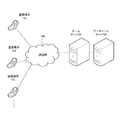
図1は、実施形態のゲームシステムのシステム構成例を示している。図1に示すように、このゲームシステムは、例えばインターネットなどの通信網NW(ネットワーク)に接続可能な通信端末10a,10b,10c,…と、通信網NWに接続されているゲームサーバ20と、データベースサーバ30とによって構成されている。各通信端末10a,10b,10c,…はそれぞれ、個々のユーザによって操作される端末であり、例えば、携帯端末、スマートフォン、PDA(Personal Digital Assistant)、パーソナルコンピュータ、双方向の通信機能を備えたテレビジョン受像機(いわゆる多機能型のスマートテレビも含む。)などの通信端末である。なお、以下の説明において、各通信端末10a,10b,10c,…に共通して言及するときには、通信端末10と表記する。
このゲームシステムにおいて、ゲームサーバ20は、クライアントである通信端末10と通信可能に構成されており、通信端末10に対してゲーミングサービスを提供する。ゲームサーバ20には、ゲーム用アプリケーションとしてウェブブラウザ上で動作可能なアプリケーションが実装されている。データベースサーバ30は、ゲームを実行する上での後述する様々な情報を格納しており、それらの情報の読み書きのためにゲームサーバ20と有線又は無線で接続される。なお、ゲームサーバ20とデータベースサーバ30は、通信網NWを介して接続してもよい。
通信端末10は、ゲームサーバ20によって提供されるウェブページを表示可能なウェブブラウザを備えており、ユーザは、通信端末10上でウェブページに対する操作を行うことにより、ゲームを実行する。
(1) Configuration of Game System FIG. 1 shows a system configuration example of a game system according to the embodiment. As shown in FIG. 1, the game system includes
In this game system, the
The
また、図1には図示していないが、ゲームサーバ20とは別に各通信端末10のユーザを認証するための認証サーバを設けてもよい。また、多くの通信端末10からのアクセスを受け入れるために複数のゲームサーバ20を設ける場合は、その複数のゲームサーバ20間の負荷を調整するためのロードバランサを設けてもよい。また、ゲームサーバ20は単一のサーバ装置として構成してもよいが、機能を分散させた複数のサーバ装置として構成してもよい。
Although not shown in FIG. 1, an authentication server for authenticating the user of each
(2)通信端末の構成
図2A、図2B及び図3を参照して通信端末10について説明する。
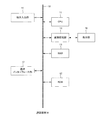
図2A、図2Bは、通信端末10の外観の例を示す図である。図2Aは、例えば折り畳み式の携帯端末(携帯電話機)などの釦入力方式の通信端末を例示したものであり、図2Bは、例えばスマートフォンなどのタッチパネル入力方式の通信端末を例示したものである。図3は、通信端末10の内部構成を示すブロック図である。
図3に示すように、通信端末10は、CPU(Central Processing Unit)11、ROM(Read Only Memory)12、RAM(Random Access Memory)13、画像処理部14、指示入力部15、表示部16、及び、信号送受信部としての通信インタフェース部17を備えており、各部間の制御信号あるいはデータ信号を伝送するためのバス18が設けられている。
(2) Configuration of Communication Terminal The
2A and 2B are diagrams illustrating an example of the appearance of the
As shown in FIG. 3, the
CPU11は、ROM12内のウェブブラウザをRAM13にロードして実行する。そして、CPU11は、指示入力部15等によってユーザに入力されるURL(Uniform Resource Locator)の適切な指定に基づき、通信インタフェース部17を介して、ゲームサーバ20からウェブページを表示するためのデータ、すなわち、HTML(HyperText Markup Language)文書や当該文書と関連付けられた画像などのオブジェクトのデータ(以下、総称して適宜「HTMLデータ」と表記する。)を、通信インタフェース部17を介して取得し、そのHTMLデータを解釈する。なお、通信端末10には、ウェブブラウザのブラウザ機能を拡張するための様々なプラグインが実装されていてよい。そのようなプラグインの一例は、アドビシステムズ社(米国)によるフラッシュプレイヤである。あるいは、本実施形態でのHTMLデータを、動画及び音声の再生機能を備えたHTML5形式としてもよい。
なお、HTMLデータの取得に当たって、CPU11は、予め登録されたユーザID(ユーザ識別情報)、あるいは指示入力部15を介して入力されるユーザIDを含むアクセス要求メッセージを、通信インタフェース部17を介してゲームサーバ20へ通知する。
The
In acquiring the HTML data, the
ウェブブラウザは、ゲームサーバ20とHTTP(HyperText Transfer Protocol)に従った通信を行う。ウェブブラウザは、ゲームサーバ20から取得したHTMLデータを解釈して、画像処理部14を介してウェブページを表示部16に表示する。また、ウェブブラウザは、ユーザが指示入力部15の操作によってウェブページ上のハイパーリンク(Hyperlink)またはメニューが選択されると、ウェブページの更新のために、その選択結果に応じたHTTPリクエストをゲームサーバ20に送信する。
The web browser performs communication with the
画像処理部14は、HTMLデータの解析結果としてCPU11から与えられる表示用画像データに基づいて、表示部16にウェブページを表示する。表示部16は、例えば、マトリクス状に画素単位で配置された薄膜トランジスタを含むLCD(Liquid Cristal Display)モニタであり、表示用画像データに基づいて薄膜トランジスタを駆動することでウェブページの画像を表示画面16aに表示する。
The
通信端末10が釦入力方式の通信端末(図2Aに示す)である場合、指示入力部15は、ユーザの操作入力を受け入れるための方向指示釦と決定釦などの複数の指示入力釦を含む釦群15a、及び、テンキーなどの複数の指示入力釦を含む釦群15bを備え、各釦の押下(操作)入力を認識してCPU11へ出力するためのインタフェース回路を含む。例えば、方向指示釦は、表示部16に表示されているウェブページをスクロールして表示することをCPU11へ指示するために設けられる。また、決定釦は、例えばウェブページ上で複数のハイパーリンクまたはメニューが表示されるときに、アクティブ表示(例えば強調表示)されている1つのハイパーリンクまたはメニューをユーザが選択することをCPU11へ指示するために設けられる。なお、通信端末10を小型の携帯端末によって構成する場合には、これらの釦は、ユーザが通信端末10を片手で保持したままその親指で操作(クリック)しやすいように、通信端末10の前面に配置されていることが好ましい。図2Bに示す例では、釦群15bは、釦群15aの下方に配置され、「0」〜「9」、「*」、「#」(テンキー)が表記された複数の指示入力釦を含む。
When the
通信端末10がタッチパネル入力方式の通信端末(図2Bに示す)である場合、指示入力部15は、主として表示画面16aに指先あるいはペンで触れることによるタッチパネル方式の入力を受け付ける。タッチパネル入力方式は、静電容量方式などの公知の方式でよい。なお、図2Bに示すように、通信端末10がタッチパネル入力方式の場合であっても釦群15aが設けられる場合もある。
When the
通信端末10に表示されるウェブページ上のメニューの選択は、例えば通信端末10が携帯端末である場合には、方向指示釦の押下操作によってメニューを選択し、決定釦の押下操作によって、選択したメニューを確定することによって行われる。また、メニューの選択は、例えば通信端末10がタッチパネル入力方式の場合には、ウェブページが表示されている表示画面16a上のメニューの位置を指あるいはペンで指示(タッチ操作)することによって行われる。
For example, when the
(3)ゲームサーバの構成
図4を参照してゲームサーバ20の構成について説明する。
ゲームサーバ20は、例えば階層構造の複数のウェブページからなるゲームのウェブサイトを管理しており、通信端末10に対してゲームのウェブサービスを提供する。図4に示すように、ゲームサーバ20は、CPU21、ROM22、RAM23、データベース(DB)アクセス部24、及び、通信インタフェース部25を備えており、各部間の制御信号あるいはデータ信号を伝送するためのバス26が設けられている。なお、ゲームサーバ20は、ハードウエアに関しては汎用のウェブサーバと同一の構成をとることができる。
(3) Configuration of Game Server The configuration of the
The
ROM22には、クライアントである通信端末10のウェブブラウザに対してHTML文書や画像などのオブジェクトの表示(ウェブページの表示)のサービスを提供するアプリケーションプログラムが格納されている。ROM22には、アプリケーションプログラム以外にもCPU21によって参照される各種データが格納されている。
CPU21は、ROM22内のゲームプログラムをRAM23にロードして実行し、通信インタフェース部25を介して、各種の処理を行う。
The
The
例えば、CPU21は、通信インタフェース部25を介して、ゲームサーバ20のウェブブラウザとの間でHTTPに従った通信を行う。例えば、CPU21は、通信インタフェース部25を介して、通信端末10から受信したHTTPリクエスト(例えば、ウェブページ上でのユーザのハイパーリンクまたはメニューの選択結果を含む。)に基づいて所定のデータ処理や、演算処理を行い、その処理結果を含むHTTPレスポンスをゲームサーバ20のウェブブラウザに返す。HTTPレスポンスには、ウェブページを更新するためのHTMLデータが含まれる。また、ゲームサーバ20が通信端末10のユーザの認証処理を行う場合には、CPU21はその認証処理を行う。
データベースアクセス部24は、CPU21がデータベースサーバ30に対してデータの読み書きを行うときのインタフェースである。
For example, the
The
(4)データベースサーバの構成
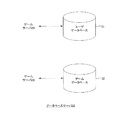
データベースサーバ30(記憶装置)は、大容量のハードディスク装置やRAID(Redundant Arrays of Inexpensive Disks)等の形態の装置等、汎用ストレージで実現できる。データベースサーバ30内の各データベースは、ゲームサーバ20のデータベースアクセス部24を介してCPU21からのデータの読み書きが可能となるように構成されている。
図5に、データベースサーバ30の構成の一例を示す。図5に示すように、データベースサーバ30は、ユーザデータベース(ユーザDB)31と、ゲームデータベース(ゲームDB)32を備える。
(4) Configuration of Database Server The database server 30 (storage device) can be realized by a general-purpose storage such as a large-capacity hard disk device or a device in the form of RAID (Redundant Arrays of Inexpensive Disks). Each database in the
FIG. 5 shows an example of the configuration of the
本実施形態のゲームのタイプは特に限定されるものではないが、以下では、実施形態のゲームの一例として、モンスターカード(以下適宜、単に「カード」という。)を用いたデジタルカードゲーム(以下適宜、単に「ゲーム」あるいは「本実施形態のゲーム」という。)を採り上げる。このゲームは、ユーザが、モンスターが描かれたデジタルカード(モンスターカード)を入手することによって自らのチーム(カードデッキ)を作り上げ、コンピュータ又は他のユーザのチームとバトルを行うように構成されている。なお、カードデッキは、一般的に複数のカードによって構成されている。
このゲームは、例えば、以下の処理を含む。
・クエスト処理:
少なくとも一枚のカードからなる自らのチームを作り上げていくために、ゲーム上で設定されているエリアを探索してカードを得る処理である。このゲームでは、クエスト処理を実行することで一定量の体力ポイント(後述する)を消費し、一定量の強化ポイント(後述する)を獲得する。
・対戦処理:
ユーザのチームと、コンピュータ又は他のユーザのチームとの間で対戦を行う処理である。ここで、コンピュータのチームとは、例えばCPU21によって任意に抽出された複数のカードからなるチームである。対戦処理では、ユーザの入力に基づき、ユーザのチームとコンピュータのチームとの間で対戦を行うイベント(以下、COM対戦という。)、あるいはユーザのチームと他のユーザのチームとの間で対戦を行うイベント(以下、ユーザ間対戦という。)のいずれかが発生するようになっている。対戦処理において勝利したユーザは対戦相手に応じた強化ポイントを獲得し、敗北したユーザは自身の保有する強化ポイントの一部を失う。
なお、ここでは詳しく述べないが、本実施形態のゲームは、ユーザがゲーム上保有するカードから、対戦処理に用いられるチームを構成するカードを選択して登録する(チームを編成する)編成処理を含んでいる。
The type of game of the present embodiment is not particularly limited, but in the following, as an example of the game of the embodiment, a digital card game using a monster card (hereinafter simply referred to as “card” as appropriate) (hereinafter referred to as appropriate). Simply called “game” or “game of this embodiment”). This game is configured so that a user can create a team (card deck) by obtaining a digital card (monster card) on which a monster is drawn and battle with a computer or a team of other users. . A card deck is generally composed of a plurality of cards.
This game includes the following processes, for example.
・ Quest processing:
This is a process of searching for an area set in the game and obtaining a card in order to build up a team of at least one card. In this game, a certain amount of physical strength points (described later) are consumed by executing the quest process, and a certain amount of strengthening points (described later) are acquired.
・ Battle processing:
This is a process of performing a battle between a team of users and a team of computers or other users. Here, the computer team is, for example, a team composed of a plurality of cards arbitrarily extracted by the
Although not described in detail here, the game according to the present embodiment performs a knitting process for selecting and registering (organizing a team) a card that constitutes a team used in the battle process from cards held by the user in the game. Contains.
また、ここでは詳しく述べないが、本実施形態のゲームは、例えば、ユーザがゲーム上保有するカードを強化するための強化処理等を含んでもよい。 Although not described in detail here, the game of the present embodiment may include, for example, a strengthening process for strengthening a card held by the user in the game.
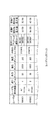
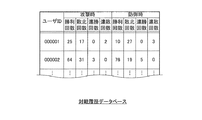
図6A、図6Bに、本実施形態のゲームにおいて適用されるユーザデータベース31の一例を示す。図6Aに示すように、ユーザデータベース31は、ユーザID(ユーザ識別情報)ごとに、ユーザ名/表示画像、進行レベル、体力ポイント、強化ポイント、抽選ポイント、仲間のユーザID、保有カード、アイテムの識別コード、攻撃P(攻撃ポイント)現在値/最大値、防御P(防御ポイント)現在値/最大値、の各項目についての情報を含む。
6A and 6B show an example of the
以下の説明では、ユーザデータベース31に含まれるユーザIDごとのデータを総称してユーザデータという。ユーザデータを構成するデータのうち、図6Aの各項目のデータは、以下のとおりである。
・ユーザ名/表示画像
ゲームの実行時に通信端末10のユーザを特定するために表示されるユーザ名及び表示画像である。ユーザ名はユーザによって予め指定される所定長以下のテキストであり、表示画像は例えばユーザによって予め選択されるアバタ画像である。ユーザ名は、ゲームサーバ20によって提供されるネットワーク環境(あるいはゲームコミュニティ)上でユーザを特定する名称である。
・進行レベル
ゲーム上のユーザの進行レベルを示すデータである。例えばLv1(レベル1)からLv100(レベル100)までの範囲のレベル値であり、例えば、クエスト処理が継続的に実行されることで、順次進行レベルが上がるように構成される。
・体力ポイント
体力ポイントは、ユーザがクエスト処理を行う際に消費するコストを示すパラメータであり、ユーザがクエスト処理を行うことで、体力ポイントは減少する。ユーザ毎に体力ポイントの上限値を定めてもよく、体力ポイントの上限値は、進行レベルが増加するにつれて増加するように設定されていてもよい。体力ポイントは、時間の経過によって上限値まで増加(回復)するように設定してもよい。
・強化ポイント
ユーザが、クエスト処理や対戦処理においてシステム又は他のユーザより取得したポイントである。このゲームでは、ユーザがカードを強化する強化処理を行う際に所定量の強化ポイントが消費される。
・抽選ポイント
抽選ポイントは、ユーザが抽選処理を行う際に消費するコストを示すパラメータであり、ユーザが抽選処理を行うことで、抽選ポイントは減少する。このゲームでは、他のユーザとの間で例えばメッセージの送受信等の交流を行うことで、ユーザが抽選ポイントを獲得する。なお、抽選ポイントは、時間の経過によって増加するように設定してもよい。
・仲間のユーザID
例えば仲間になるための申請などを契機として、ユーザと関連付けられた他のユーザ(仲間)のユーザIDのリストである。
・保有カード、アイテムの識別コード
ユーザがゲーム上保有するカードやアイテム(体力ポイントを回復させる回復アイテム等)の識別コードである。識別コードに対応するカード等のデータの内容については後述する。
・攻撃P(攻撃ポイント)現在値/最大値
対戦処理において、ユーザが攻撃側となった場合に使用可能なカードのコストである。攻撃ポイントは、ユーザが攻撃側となった場合に、使用したカードのコストに応じて減少し、時間の経過に応じて(例えば、2分ごとに1ポイント)最大値まで回復する。なお、図6Aでは、○/○の形式で、現在値/最大値が記載されている。
・防御P(防御ポイント)現在値/最大値
対戦処理において、ユーザが防御側となった場合に使用可能なカードのコストである。防御ポイントは、ユーザが防御側となった場合に、一定の割合(例えば、20%)減少し、時間の経過に応じて(例えば、2分ごとに1ポイント)最大値まで回復する。なお、図6Aでは、○/○の形式で、現在値/最大値が記載されている。
なお、攻撃ポイント及び防御ポイントの最大値は、ユーザの進行レベルに応じて増加するように設定してもよい。また、攻撃側となった場合と防御側となった場合とで使用可能なカードのコストを示すパラメータを分けずに、同一のパラメータを用いてもよい。
In the following description, data for each user ID included in the
User name / display image A user name and a display image that are displayed to identify the user of the
Progress level data indicating the progress level of the user on the game. For example, it is a level value in a range from Lv1 (level 1) to Lv100 (level 100). For example, the quest process is continuously executed, and the progress level is sequentially increased.
-Physical strength point Physical strength point is a parameter which shows the cost consumed when a user performs a quest process, and a physical strength point decreases when a user performs a quest process. The upper limit value of the physical fitness point may be determined for each user, and the upper limit value of the physical fitness point may be set to increase as the progress level increases. You may set a physical strength point so that it may increase (recover) to an upper limit with progress of time.
Strengthening points Points acquired by the user from the system or other users in the quest process or battle process. In this game, a predetermined amount of strengthening points is consumed when the user performs a strengthening process for strengthening a card.
-Lottery point The lottery point is a parameter indicating the cost consumed when the user performs the lottery process, and the lottery point decreases as the user performs the lottery process. In this game, a user acquires a lottery point by performing exchanges such as message transmission and reception with other users. In addition, you may set a lottery point so that it may increase with progress of time.
・ Friend's user ID
For example, it is a list of user IDs of other users (companies) associated with the user, triggered by an application for becoming a friend.
-Owned card, item identification code This is an identification code of a card or item (such as a recovery item for recovering physical strength points) held by the user in the game. The contents of data such as a card corresponding to the identification code will be described later.
Attack P (attack point) current value / maximum value This is the cost of a card that can be used when the user becomes the attacking side in the battle process. When the user becomes the attacking side, the attack point decreases according to the cost of the card used, and recovers to the maximum value as time passes (for example, 1 point every 2 minutes). In FIG. 6A, the current value / maximum value is described in the format of ○ / ○.
Defense P (Defense Point) Current Value / Maximum Value This is the cost of a card that can be used when the user becomes the defender in the battle process. When the user becomes the defender, the defense point decreases by a certain rate (for example, 20%) and recovers to the maximum value as time passes (for example, 1 point every 2 minutes). In FIG. 6A, the current value / maximum value is described in the format of ○ / ○.
In addition, you may set so that the maximum value of an attack point and a defense point may increase according to a user's progress level. Further, the same parameter may be used without dividing the parameter indicating the cost of the card that can be used in the case of becoming the attack side and the case of becoming the defense side.
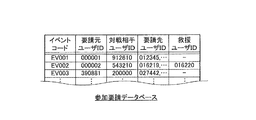
また、ユーザデータベース31は、図6Bに例示する対戦履歴データベースを含む。対戦履歴データベースは、ユーザIDごとに、後述する対戦処理における対戦履歴に基づく情報を含む。本実施形態では、対戦履歴に基づく情報は、勝利回数、敗北回数、連勝回数、連敗回数、等を含む。各項目のデータは、以下のとおりである。
・勝利回数
対戦処理におけるユーザの勝利回数である。
・敗北回数
対戦処理におけるユーザの敗北回数である。
・連勝回数
対戦処理におけるユーザの連続勝利回数である。なお、連勝回数は、ユーザが対戦処理において敗北することで0に戻る。
・連敗回数
対戦処理におけるユーザの連続敗北回数である。なお、連敗回数は、ユーザが対戦処理において勝利することで0に戻る。
なお、対戦履歴データベースは、対戦履歴に基づく情報として、勝率、敗率等のデータをさらに含んでもよい。
なお、図6Bでは、ユーザが攻撃した場合(攻撃側となった場合)とユーザが攻撃された場合(防御側となった場合)とで別々に勝利回数、敗北回数、連勝回数、連敗回数を記録しているが、両者を合算してもよい。
勝利回数、敗北回数、連勝回数、連敗回数は、対戦処理が行われることにより更新される。なお、所定期間(例えば1日、1週間)毎に、連勝回数、連敗回数に「0」を書き込むことで、連勝回数、連敗回数をリセットしてもよい。また、所定回数の対戦処理が行われる毎に「連勝回数」及び「連敗回数」のリセットを行ってもよい。
ユーザデータベース31に含まれる情報は、ゲームサーバ20によって逐次更新されうる。
The
-Number of wins This is the number of wins of the user in the battle process.
-Number of defeats This is the number of defeats of the user in the battle process.
-Number of consecutive wins This is the number of consecutive wins of the user in the battle process. Note that the number of consecutive wins returns to 0 when the user loses in the battle process.
-Number of consecutive losses This is the number of consecutive losses of the user in the battle process. Note that the number of consecutive losses returns to 0 when the user wins the battle process.
The battle history database may further include data such as a win rate and a loss rate as information based on the battle history.
In FIG. 6B, the number of wins, the number of defeats, the number of consecutive wins, and the number of consecutive losses are separately shown when the user attacks (when becoming the attacking side) and when the user is attacked (when becoming the defending side). Although recorded, both may be added together.
The number of wins, the number of defeats, the number of consecutive wins, and the number of consecutive losses are updated by performing a battle process. Note that the number of consecutive wins and the number of consecutive losses may be reset by writing “0” in the number of consecutive wins and the number of consecutive losses every predetermined period (for example, one day, one week). Further, every time a predetermined number of battle processes are performed, the “number of consecutive wins” and the “number of consecutive losses” may be reset.
Information included in the
図5に戻り、ゲームデータベース32は、ゲームサーバ20からのアクセスに基づき、ゲームサーバ20によって実行されたゲームの進行に関する情報を記憶、更新する。ゲームの進行に関する情報は、ゲームの性質によって多様な情報を含みうる。
また、ゲームデータベース32は、上述した各種処理に関連して、カードデータベースを記憶する。
Returning to FIG. 5, the
Further, the
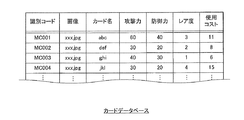
カードデータベースは、本実施形態のゲームで用意される全てのカードの情報が記述されているデータベースである。
図7は、カードデータベースのデータ構成の一例を示す図である。図7に例示するカードデータベースは、カードの識別コード(図の例では、MC001,MC002,…)ごとに、対象となるカードの画像データ(画像)、対象となるカードの名前(モンスター名)、対象となるカードのパラメータ(図の例では、モンスターの能力を示す攻撃力や防御力及びレア度)、及びカードの使用コストの各項目のデータを含む。例えば、攻撃力や防御力などのパラメータが大きいほど、カードに対応するモンスターの対戦処理等における能力が高いことを示すように設定されてもよい。
また、レア度は、カードの希少価値の度合を示す値であり、例えば、その値が高い(つまり、希少価値が高い)ほど、ゲーム内で出現する確率が低く設定されてもよい。例えば、レア度を1〜5の5段階で表した場合、能力の際立ったモンスターや人気のあるモンスターに対応するカードのレア度が高く(例えば、4あるいは5など)設定されてもよい。
使用コストは、対戦処理においてカードを使用するのに必要な攻撃ポイントまたは防御ポイントの値である。レア度が高いカードほど使用コストが高く設定されてもよい。
The card database is a database in which information on all cards prepared in the game of this embodiment is described.
FIG. 7 is a diagram showing an example of the data structure of the card database. The card database illustrated in FIG. 7 includes image data (image) of a target card, name of the target card (monster name), for each card identification code (MC001, MC002,... It includes data for each item of target card parameters (in the example of the figure, attack power, defense power, and rarity indicating the ability of the monster), and card use cost. For example, it may be set to indicate that the higher the parameters such as the attack power and the defense power, the higher the ability of the monster corresponding to the card in the battle process or the like.
The rare degree is a value indicating the degree of the rare value of the card. For example, the higher the value (that is, the higher the rare value), the lower the probability of appearing in the game may be set. For example, when the rare degree is expressed in five stages of 1 to 5, the rare degree of a card corresponding to a monster with outstanding abilities or a popular monster may be set high (for example, 4 or 5).
The usage cost is a value of an attack point or a defense point necessary for using the card in the battle process. A card with a higher degree of rarity may have a higher usage cost.
(5)本実施形態のゲーム
以下、本実施形態のゲームについて、図8、図9を参照しながら説明する。
なお、以下の説明において、通信端末10に表示されるウェブページ上で表示されるメニュー、マーク等はウェブページ上で所望の位置に配置されるものであって、通信端末10で視認されるメニュー、マーク等の表示画面上の位置は、ユーザの方向指示釦あるいはタッチパネル操作によるウェブページのスクロール操作によって変化しうる。
(5) Game of this embodiment Hereinafter, the game of this embodiment is demonstrated, referring FIG. 8, FIG.
In the following description, menus, marks and the like displayed on the web page displayed on the
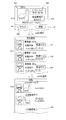
図8のトップページP1は、モンスター画像表示領域101、ユーザデータ表示領域102及びメニュー表示領域103を含む。トップページP1は処理対象のユーザ毎に構成されるが、図8のトップページP1は、処理対象のユーザが「A」というユーザ(以下、「ユーザ:A」と表記する。)である場合の例である。
モンスター画像表示領域101は、処理対象となるユーザのユーザデータベースに記録された識別コードに対応する複数のカードのうち、当該ユーザによって予め指定されたカードの画像が表示される領域である。ユーザデータ表示領域102は、処理対象となるユーザのユーザデータベースに記録された、進行レベル、体力ポイント等の各項目のデータ(図6A参照)が表示される領域である。メニュー表示領域103には、本実施形態のゲームに設けられるイベント処理(クエスト処理、対戦処理)にそれぞれ対応するメニューm1(「クエスト」)、メニューm2(「対戦」)が含まれる。なお、メニュー表示領域103には、上述した編成処理、強化処理に対応するメニューが含まれてもよい。
このトップページP1上で、メニューm1、m2が選択されることで、ゲームの実行が開始される。
8 includes a monster
The monster
When the menus m1 and m2 are selected on the top page P1, the execution of the game is started.
〔クエスト処理〕
先ず、クエスト処理の一例を説明する。図8のトップページP1上でユーザ:Aがメニューm1を選択すると、クエスト処理が開始され、P2に示すようにウェブページが更新される。ウェブページP2には、探索の対象となるエリアの進行度合いを示す達成率のゲージと、探索の対象となるエリアの探索処理を実行するための「クエスト実行」と表記されたメニューm10と、1回の探索に要する体力ポイントの値、1回の探索で得られる強化ポイントなどが含まれる。
ユーザ:Aがメニューm10を選択する度に、所定の条件に沿った、あるいはランダムな増加量で達成率の値が増加する。そして、達成率が100%に達すると、エリアの探索が終了して次のエリアに進むことができる。メニューm10が選択される度に、ユーザ:Aの体力ポイントが所定量(図8の例では、8)だけ消費される。探索対象のエリアは、複数設けられてもよい。
ウェブページP2においてメニューm10の選択を繰り返し行うと、上述したように体力ポイントが低下していくが、体力ポイントが1回の探索に要する体力ポイント(例えば8)よりも少なくなると、それ以上探索の実行ができない状態となる。その場合、ユーザが再び探索を実行できるようになるには、時間の経過によって体力ポイントが回復(増加)するまで待機することが必要となる。
なお、クエスト処理では、メニューm10が選択される度に、所定の、あるいはランダムな確率で、ゲーム上で用意されているカードあるいはアイテムなどのオブジェクトをユーザが入手できるように構成されている。メニューm10が選択されたときにユーザがカードを入手したときは、例えばP3に示すように、入手したカードの情報を含むウェブページに更新される。
[Quest processing]
First, an example of a quest process will be described. When the user: A selects the menu m1 on the top page P1 in FIG. 8, the quest process is started, and the web page is updated as shown in P2. The web page P2 includes an achievement rate gauge indicating the degree of progress of an area to be searched, a menu m10 written as “quest execution” for executing search processing for the area to be searched, and 1 The value of physical strength points required for one search, the strengthening points obtained by one search, and the like are included.
User: Every time A selects menu m10, the achievement rate increases in accordance with a predetermined condition or with a random increase amount. When the achievement rate reaches 100%, the area search is completed and the process can proceed to the next area. Each time the menu m10 is selected, the user: A's physical strength points are consumed by a predetermined amount (8 in the example of FIG. 8). A plurality of search target areas may be provided.
When the menu m10 is repeatedly selected on the web page P2, the health point decreases as described above. However, when the health point is less than the health point required for one search (for example, 8), further search is performed. Cannot execute. In that case, in order for the user to be able to execute the search again, it is necessary to wait until the physical fitness point recovers (increases) over time.
The quest process is configured such that each time the menu m10 is selected, the user can obtain objects such as cards or items prepared on the game with a predetermined or random probability. When the user obtains the card when the menu m10 is selected, for example, as shown in P3, the web page including the information on the obtained card is updated.
〔対戦処理〕
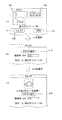
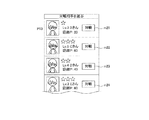
次に、対戦処理の一例を説明する。図8のトップページP1上でメニューm2が選択されると、対戦処理が開始され、図9のP4に示すようにウェブページが更新される。ウェブページP4には、攻撃側ユーザ(ユーザ:A)の対戦相手(防御側ユーザ)の候補となる他のユーザ:B、C、D、Eの情報とともに、対戦相手を決定するためのメニューm21〜24(「対戦」)などが含まれる。
また、他のユーザ:B、C、D、Eの情報には、それぞれ、ユーザ:Aが対戦して勝利したときに得られる報酬に関する情報が含まれる。ウェブページP4の例では、報酬に関する情報として、ユーザ:Bの欄に星が1つ、ユーザ:Cの欄に星が3つ、ユーザ:Dの欄に星が2つ、ユーザ:Eの欄に星が3つ、それぞれ含まれる。星の数は、ユーザ:Aが対戦して勝利したときに得られる報酬を暗示しており、ウェブページP4では、例えば、ユーザ:Bに勝利した場合よりもユーザ:Dに勝利したほうが得られる報酬が多いことを示している。
(Competition processing)
Next, an example of a battle process will be described. When the menu m2 is selected on the top page P1 in FIG. 8, the battle process is started, and the web page is updated as indicated by P4 in FIG. The web page P4 includes a menu m21 for determining an opponent along with information on other users: B, C, D, and E who are candidates for the opponent (defender user) of the attacking user (user: A). To 24 (“match”) and the like.
In addition, information on other users: B, C, D, and E includes information on rewards that are obtained when the user: A wins against each other. In the example of the web page P4, as information relating to reward, the user: B column has one star, the user: C column has three stars, the user: D column has two stars, and the user: E column. Each contains three stars. The number of stars implies a reward that is obtained when the user: A wins against the game. In the web page P4, for example, the user: D can be won more than the user: B. It shows that there are many rewards.
ウェブページP4上でユーザ:Aが例えばユーザ:Eに対応するメニューm24を選択すると、P5に示すようにウェブページが更新される。ウェブページP5には、ユーザ:Aの対戦相手として選択されたユーザ:Eの画像とともに、対戦の実行を指示するためのメニューm25(「対戦開始」)等が含まれる。なお、図示しないが、ウェブページP5は、ユーザ:Aのチームの編成処理用のウェブページへのショートカットメニューを含んでいてもよい。
ウェブページP5上でユーザ:Aがメニューm25(「対戦開始」)の選択を行うと、ユーザ:Aのチームと対戦相手であるユーザ:Eのチームとの間で対戦が行われる。ここで、ユーザ:Aのチームは、チームを構成するカードとしてユーザ:Aが登録したカードから、カードの使用コストがユーザ:Aの攻撃ポイントの現在値の範囲内となるように決定される。同様に、ユーザ:Eのチームは、チームを構成するカードとしてユーザ:Eが登録したカードから、カードの使用コストがユーザ:Eの防御ポイントの現在値の範囲内となるように決定される。
なお、ユーザ間の対戦は非同期で行われるため、ユーザ:Eとの対戦を開始する際に、ユーザ:Aはユーザ:Eから対戦の承諾を得る必要はない。
対戦処理は、例えば、攻撃側のチームのカード情報、および、防御側のチームのカード情報に基づいて実施される。例えば、攻撃側のチームのカードの攻撃力の総和と、防御側のチームのカードの防御力の総和とを比較し、数字が大きい側を勝利、小さい側を敗北と決定することで、対戦結果を決定することができる。
なお、本実施例では、攻撃ポイント、防御ポイントに応じて使用できるカードが選択され、選択されたカードに基づき、攻撃力、防御力が決定されるような対戦処理としたが、対戦処理はこれに限られない。例えば、攻撃ポイントや防御ポイントをデータとして持たずに、ユーザが登録しているカード(オブジェクト)の攻撃力・防御力で対戦を行っても良いし、ユーザ:Aがあらかじめ登録した攻撃側のチームのカードの攻撃力の総和に、ユーザ:Aの攻撃ポイントの現在値/最大値の割合を乗じた値と、ユーザ:Eがあらかじめ登録した防御側のチームのカードの防御力の総和に、ユーザ:Eの防御ポイントの現在値/最大値の割合を乗じた値とを比較し、数字が大きい側を勝利、小さい側を敗北と決定してもよい。
また、対戦処理は攻撃力・防御力等のパラメータの総和の比較によるものに限らず、チームに設定されたカードの攻撃力・防御力を所定の計算式により変動させた上で比較し勝敗を決定してもよいし、パラメータの数値の大小に応じて勝つ確率を変動させた上で抽選処理を行い、勝敗を決定してもよい。
When the user: A selects the menu m24 corresponding to, for example, the user: E on the web page P4, the web page is updated as shown in P5. The web page P5 includes a menu m25 (“start battle”) and the like for instructing execution of the battle, together with an image of the user: E selected as the user: A battle opponent. Although not shown, the web page P5 may include a shortcut menu to the web page for the organization process of the user: A team.
When the user: A selects the menu m25 ("start of battle") on the web page P5, a battle is performed between the user: A team and the opponent user: E team. Here, the team of the user: A is determined from the cards registered by the user: A as cards constituting the team so that the use cost of the card is within the current value range of the attack points of the user: A. Similarly, the user: E team is determined from the cards registered by the user: E as cards constituting the team so that the cost of using the card falls within the current value range of the defense points of the user: E.
In addition, since the battle | competition between users is performed asynchronously, when starting the battle | competition with the user: E, the user: A does not need to obtain the consent of the battle from the user: E.
The battle process is performed based on, for example, card information of the attacking team and card information of the defending team. For example, by comparing the total attack power of the attacking team's cards with the total defense power of the defending team's cards, it is determined that the side with the larger number wins and the side with the smaller side loses. Can be determined.
In this embodiment, the battle process is such that a card that can be used is selected according to the attack point and defense point, and the attack power and defense power are determined based on the selected card. Not limited to. For example, without having attack points and defense points as data, a battle may be performed with the attack power / defense power of the card (object) registered by the user, or the attacking team registered in advance by the user: A The sum of the attack strengths of the cards of the user is multiplied by the ratio of the current value / maximum value of the attack point of the user: A, and the sum of the defense strengths of the cards of the defending team registered in advance by the user: E : The value obtained by multiplying the ratio of the current value / maximum value of the defense points of E may be compared, and it may be determined that the side with the larger number wins and the side with the smaller number loses.
In addition, the battle process is not limited to the comparison of the sum of the parameters such as attack power and defense power, but the attack power and defense power of the cards set in the team are changed according to a predetermined calculation formula to compare and win or lose. It may be determined, or the winning / losing may be determined by performing a lottery process after changing the probability of winning according to the value of the parameter.
対戦が終了すると、対戦の結果を通知するウェブページ(P6に例示するウェブページ)がユーザ:Aの通信端末10上に表示される。なお、ウェブページP6は、ユーザ:Aが対戦に勝利した場合に通信端末10の表示部16に表示されるウェブページの一例を示している。このゲームでは、ユーザ:Aが対戦相手であるユーザ:Eに勝利すると、所定量の強化ポイント(図9の例では1000)又は所定のアイテムが特典としてユーザ:Aに付与される。なお、ウェブページP4で提示された星の数により、ユーザ:Aが勝利したときに付与される強化ポイント又はアイテムを変動させてもよい。例えば、星が3つ提示されたユーザ:Cに勝利した場合には、星が1つのみ提示されたユーザ:Eに勝利した場合よりも多くの強化ポイント(例えば、3000ポイント)が付与される。あるいは、星の数に応じたアイテムを付与してもよい。
なお、防御側ユーザであるユーザ:Eが勝利した場合には、ユーザ:Eに特典が付与される。この場合、ユーザ:Eに付与する特典は変動させなくてもよいし、攻撃側ユーザ:Aの対戦履歴に応じて変動させてもよい。
When the battle is over, a web page (web page exemplified in P6) notifying the result of the battle is displayed on the
In addition, when the user: E who is a defending user wins, a privilege is given to the user: E. In this case, the privilege given to the user: E may not be changed, or may be changed according to the battle history of the attacking user: A.
(6)ゲーム制御装置における各機能の概要
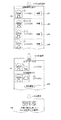
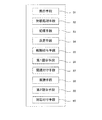
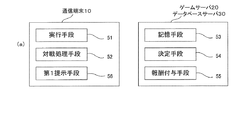
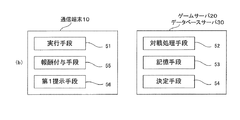
本実施形態では、ゲームサーバ20及びデータベースサーバ30によってゲーム制御装置が構成されている。以下では、上述したゲームが適用される場合を例として、本実施形態のゲーム制御装置で実現される機能について、図10を参照して説明する。図10は、本実施形態のゲーム制御装置で主要な役割を果たす機能を説明するための機能ブロック図である。
なお、図10の機能ブロック図において、対戦処理手段52、報酬付与手段55、及び第1提示手段56が本発明の主要な構成に対応している。その他の手段(つまり、実行手段51、記憶手段53、決定手段54)は必ずしも必須の構成ではないが、本発明をさらに好ましくするための構成要素である。
(6) Overview of Functions in Game Control Device In the present embodiment, the game control device is configured by the
In the functional block diagram of FIG. 10, the battle processing means 52, the reward giving means 55, and the first presentation means 56 correspond to the main configuration of the present invention. The other means (that is, the execution means 51, the storage means 53, and the determination means 54) are not necessarily indispensable components, but are components for making the present invention more preferable.
実行手段51は、通信端末10に対するユーザのウェブページ上の選択に応じてHTTPリクエストを受信し、通信端末10に表示されるウェブページを逐次更新するためのHTMLデータ(つまり、HTTPレスポンス)を送信することで、ウェブサービスにより本実施形態のゲームを実行する機能を備える。
実行手段51は、ゲームで実行される複数の処理が各々割り当てられた複数のメニューを通信端末10に表示させる。具体的には、CPU21は、複数のメニューを含むウェブページを表示するためのHTMLデータを生成して通信端末10宛に送信する。そして、CPU21は、通信端末10においてウェブページ上のメニューが選択されたときに、選択されたメニューについての情報を通信端末10から受信し、受信した情報に基づいて、選択されたメニューに割り当てられた処理を実行する。CPU21は、処理の実行結果を含むHTMLデータを生成して通信端末10へ返す。
The
The execution means 51 displays on the
実行手段51がクエスト処理を実行する機能は、例えば以下のようにして実現される。
ゲームサーバ20のCPU21は、トップページ(図9のP1に例示するウェブページ)上でメニューm1が選択されると、クエスト処理用のウェブページ(図9のP2に例示するウェブページ)を表示するためのHTMLデータを生成して、ユーザの通信端末10宛に送信する。次に、CPU21は、メニューm10(「クエスト実行」)の選択結果を含むHTTPリクエストを受信すると、以下の一連の処理を行う。すなわち、CPU21は、ユーザデータベースにアクセスし、対象となるユーザIDの体力ポイントの値を更新する(減少させる)。次に、CPU21は、ユーザの達成率の値を所定量だけ増加させる。さらに、CPU21は、例えば、増加した達成率の値を含むHTMLデータを生成して、ユーザの通信端末10へ送信する。このとき、CPU21は、達成率の値が100%に達したと判断した場合には、探索対象を次のエリアに移行するように、HTMLデータを生成する。
クエスト処理では、探索対象となるエリアごとに、1回の探索に要する体力ポイントが異なってもよい。つまり、探索対象となるエリアごとに、1回の探索で減少する(消費される)体力ポイントの量が異なってもよい。例えば、ユーザの進行レベルが上がるごとに、消費される体力ポイントの量を多くしてもよい。
The function that the execution means 51 executes the quest process is realized as follows, for example.
When the menu m1 is selected on the top page (web page illustrated as P1 in FIG. 9), the
In the quest process, the strength points required for one search may be different for each area to be searched. That is, the amount of physical strength points that are reduced (consumed) in one search may be different for each area to be searched. For example, as the user's progress level increases, the amount of physical strength points consumed may be increased.
対戦処理手段52は、攻撃側ユーザ(第1ユーザ)と、攻撃側ユーザにより選択された防御側ユーザ(第2ユーザ)との対戦処理を実行する機能を備える。この機能は、例えば以下のようにして実現される。ゲームサーバ20のCPU21は、ウェブページP5上でメニューm20(「対戦開始」)が選択されたことを認識した場合、CPU21は、ユーザデータベースにアクセスし、攻撃側ユーザの攻撃ポイントの現在値、及び、防御側ユーザの防御ポイントの現在値を取得する。次に、CPU21は、取得した攻撃ポイントの現在値に基づいて攻撃側ユーザのチームを構成するカードを決定するとともに、取得した防御ポイントの現在値を用いて防御側ユーザのチームを構成するカードを決定する。
ここで、CPU21は、チームを構成するカードとして攻撃側ユーザが登録したカードから、カードの使用コストが攻撃ポイントの現在値の範囲内となるように攻撃側ユーザのチームを構成するカードを決定する。同様に、CPU21は、チームを構成するカードとして防御側ユーザが登録したカードから、カードの使用コストが防御ポイントの現在値の範囲内となるように、防御側ユーザのチームを構成するカードを決定する。
次に、CPU21は、攻撃側ユーザのチームと、対戦相手として選択された防御側ユーザのチームとの対戦結果を決定する処理を行う。
本実施形態では、攻撃側ユーザと防御側ユーザとの対戦は、非同期で行われる。つまり、攻撃側ユーザの対戦相手は、防御側ユーザによるアクセスの如何に関わらず、攻撃側ユーザによる選択によって決定される。
対戦結果の決定方法は、各チームに含まれるカードのパラメータの値がその勝敗に影響を与える方法である限り如何なる方法を採ることができる。例えば、対戦を行う2つのチームの各々に含まれる複数のカードのパラメータの値の合計を比較し、合計が大きな方のチームが高い確率(例えば、60〜90%の範囲内の所定の確率)をもって勝利するように設定してもよい。この勝率は、パラメータの値の合計の差が大きいほど高い確率としてもよい。このとき、図7に示したように、パラメータの値を示す項目が複数(図7の例では、攻撃力と防御力の2つ)存在する場合には、各カードのパラメータの値を代表する値として、各項目の値に対して所定の重み付け(例えば、図7の例では、「攻撃力」を0.4、「防御力」を0.2の重み付けにする等)を行うことにより、総合的なパラメータの値を設定してもよい。
なお、攻撃側のチームのカードの攻撃力の総和と、防御側のチームのカードの防御力の総和とを比較する代わりに、攻撃側ユーザがあらかじめ登録した攻撃側のチームのカードの攻撃力の総和に、攻撃側ユーザの攻撃ポイントの現在値/最大値の割合を乗じた値と、防御側ユーザがあらかじめ登録した防御側のチームのカードの防御力の総和に、防御側ユーザの防御ポイントの現在値/最大値の割合を乗じた値とを比較し、数字が大きい側を勝利、小さい側を敗北と決定してもよい。
The battle processing means 52 has a function of executing a battle process between the attacking user (first user) and the defending user (second user) selected by the attacking user. This function is realized as follows, for example. When the
Here, CPU21 determines the card | curd which comprises a team of attacking users from the card | curd which the attacking user registered as a card | curd which comprises a team so that the use cost of a card may be in the range of the present value of an attack point. . Similarly, CPU21 determines the card | curd which comprises a team of defending users from the card | curd which the defending user registered as a card | curd which comprises a team so that the use cost of a card may be in the range of the present value of a defense point. To do.
Next, the
In this embodiment, the battle between the attacking user and the defending user is performed asynchronously. That is, the opponent of the attacking user is determined by the selection by the attacking user regardless of the access by the defending user.
As a determination method of the battle result, any method can be adopted as long as the parameter value of the card included in each team affects the winning or losing. For example, the total of the parameter values of a plurality of cards included in each of the two teams to be played is compared, and the team with the larger sum has a higher probability (for example, a predetermined probability within a range of 60 to 90%). You may set to win. The win rate may be higher as the difference between the parameter values is larger. At this time, as shown in FIG. 7, if there are a plurality of items indicating parameter values (two in the example of FIG. 7, attack power and defense power), the parameter values of each card are represented. By performing predetermined weighting on the value of each item as a value (for example, in the example of FIG. 7, “attack power” is 0.4, “defense power” is 0.2, etc.) A comprehensive parameter value may be set.
Instead of comparing the total attack power of the attacking team's cards with the total defense power of the defending team's cards, the attacking team's card attack power registered in advance by the attacking user The sum of the sum of the attacking user's attack point's current value / maximum value ratio and the defense strength of the defending team's card registered in advance by the defending user It may be compared with a value obtained by multiplying the ratio of the current value / maximum value, and it may be determined that the side with the larger number wins and the side with the smaller number loses.
記憶手段53は、対戦処理の結果を記憶装置に記憶させる機能を備える。記憶手段53の機能は、例えば以下のようにして実現される。ユーザデータベース31は、記憶装置の一例である。
対戦結果を決定すると、CPU21は、図6Bに例示する対戦履歴データベースにアクセスし、攻撃側ユーザの「攻撃時」の対戦履歴(「勝利回数」、「敗北回数」、「連勝回数」、「連敗回数」)、及び、防御側ユーザの「防御時」の対戦履歴を更新する。
具体的には、攻撃側ユーザが勝利した場合、CPU21は、攻撃側ユーザの「攻撃時」の「勝利回数」に1を加算するとともに、「攻撃時」の「連勝回数」に1を加算する。なお、攻撃側ユーザの加算前の「攻撃時」の「連勝回数」が0の場合は、「攻撃時」の「連勝回数」に1を書き込むとともに、「攻撃時」の「連敗回数」に0を書き込み、「攻撃時」の「連敗回数」をリセットする。また、CPU21は、敗北した防御側ユーザの「防御時」の「敗北回数」に1を加算するとともに、「防御時」の「連敗回数」に1を加算する。なお、防御側ユーザの加算前の「防御時」の「連敗回数」が「0」の場合は、「防御時」の「連敗回数」に1を書き込むとともに、「防御時」の「連勝回数」に「0」を書き込み、「防御時」の「連勝回数」をリセットする。
一方、攻撃側ユーザが敗北した場合、CPU21は、敗北した攻撃側ユーザの「攻撃時」の「敗北回数」に1を加算するとともに、「攻撃時」の「連敗回数」に1を加算する。なお、攻撃側ユーザの加算前の「攻撃時」の「連敗回数」が「0」の場合は、「攻撃時」の「連敗回数」に1を書き込むとともに、「攻撃時」の「連勝回数」に「0」を書き込み、「攻撃時」の「連勝回数」をリセットする。また、CPU21は、勝利した防御側ユーザの「防御時」の「勝利回数」に1を加算するとともに、「防御時」の「連勝回数」に1を加算する。なお、防御側ユーザの加算前の「防御時」の「連勝回数」が0の場合は、「防御時」の「連勝回数」に1を書き込むとともに、「防御時」の「連敗回数」に0を書き込み、「防御時」の「連敗回数」をリセットする。
なお、「連勝回数」及び「連敗回数」のリセットを行う度に、「連勝回数」及び「連敗回数」の値をユーザ毎に記録しておいてもよい。また、所定回数の対戦処理が行われる毎にリセットを行ってもよい。また、所定期間(例えば1日、1週間)毎にリセットを行ってもよい。
The
When the battle result is determined, the
Specifically, when the attacking user wins, the
On the other hand, when the attacking user is defeated, the
Each time the “number of consecutive wins” and the “number of consecutive losses” are reset, the values of “number of consecutive wins” and “number of consecutive losses” may be recorded for each user. Further, reset may be performed every time a predetermined number of battle processes are performed. The reset may be performed every predetermined period (for example, one day, one week).
決定手段54は、対戦相手として選択されるユーザ(防御側ユーザ)の対戦履歴に基づいて、対戦相手を選択したユーザ(攻撃側ユーザ)が勝利した場合に付与する報酬を決定する機能を備える。決定手段54の機能は、例えば以下のようにして実現される。
CPU21は、ユーザデータベースにアクセスし、防御側ユーザとなるユーザの「防御時」の対戦履歴を取得する。次に、CPU21は、対戦履歴に基づいて報酬を決定する。例えば、CPU21は、防御側ユーザの「防御時」の勝率、すなわち、「防御時」の勝利数/(勝利数+敗北数)が低いほど少ない報酬を決定することができる。例えば、勝率に比例する強化ポイントを報酬として決定することができる。あるいは、勝率に比例する数のアイテム、あるいは勝率に比例するパラメータ(攻撃力、レア度等)を備えたカード等を報酬として決定することができる。
あるいは、CPU21は、防御側ユーザの「防御時」の「連敗回数」に応じて変動する報酬を決定することができる。例えば、防御側ユーザの「連敗回数」に比例する強化ポイントを報酬として決定することができる。あるいは、報酬として付与するアイテムの数を「防御時」の「連敗回数」に応じて変動させることができる。例えば、防御側ユーザの「防御時」の「連敗回数」が0であればアイテムを3つ、防御側ユーザの「防御時」の「連敗回数」が1であればアイテムを2つ、防御側ユーザの「防御時」の「連敗回数」が2であればアイテムを1つ付与するとともに、防御側ユーザの「防御時」の「連敗回数」が3以上であればアイテムを付与しないことを決定することができる。
また、防御側ユーザの「防御時」の「連敗回数」が0であれば報酬を付与し、防御側ユーザの「連敗回数」が1以上であれば報酬を付与しないこと、あるいは「連敗回数」が0の場合よりも少ない報酬を付与することを決定してもよい。すなわち、防御側ユーザが直前の対戦処理で敗北している場合に報酬を減少させることを決定してもよい。
なお、CPU21は、防御側ユーザの「攻撃時」の対戦履歴に基づいて報酬を決定してもよいし、「攻撃時」及び「防御時」の両方の対戦履歴に基づいて報酬を決定してもよい。
あるいは、CPU21は、防御側ユーザの「防御時」の対戦履歴と攻撃側ユーザの「攻撃時」の対戦履歴を比較して、報酬を決定してもよい。例えば、防御側ユーザの「防御時」の勝率が攻撃側ユーザの「攻撃時」の勝率よりも低い場合は報酬としてアイテムを1つ、防御側ユーザの「防御時」の勝率が攻撃側ユーザの「攻撃時」の勝率よりも高い場合は報酬としてアイテムを2つ付与することを決定してもよい。あるいは、防御側ユーザの「防御時」の勝率が攻撃側ユーザの「攻撃時」の勝率よりも高い場合、防御側ユーザの「防御時」の勝率が攻撃側ユーザの「攻撃時」の勝率よりも低い場合の2倍の強化ポイントを報酬として決定してもよい。
なお、防御側ユーザが勝利した場合に付与する報酬については、攻撃側ユーザの対戦履歴に基づいて同様に決定してもよいし、攻撃側ユーザの対戦履歴によらずに一律に決定してもよい。
また、CPU21は、防御側ユーザの「防御時」の対戦履歴と攻撃側ユーザの「防御時」の対戦履歴の比較結果、防御側ユーザの「攻撃時」の対戦履歴と攻撃側ユーザの「攻撃時」の対戦履歴の比較結果、防御側ユーザの「攻撃時」の対戦履歴と攻撃側ユーザの「防御時」の対戦履歴の比較結果のいずれかに基づいて報酬を決定してもよい。
また、「攻撃時」及び「防御時」の両方の対戦履歴を合算した比較結果に基づいて報酬を決定してもよい。また、「攻撃時」と「防御時」に分けずに対戦履歴を記録し、当該対戦履歴の比較結果に基づいて報酬を決定してもよい。
The
CPU21 accesses a user database and acquires the battle | competition log | history at the time of defense of the user who becomes a defending user. Next, the
Or CPU21 can determine the reward which fluctuates according to "the number of consecutive losses" of "at the time of defense" of a defending user. For example, a strengthening point proportional to the “number of consecutive losses” of the defending user can be determined as a reward. Alternatively, the number of items to be given as a reward can be varied according to the “number of consecutive losses” at the time of “defense”. For example, if the defending user's “defense” “number of consecutive losses” is 0, three items, if the defending user ’s “defense” “number of consecutive losses” is 1, two items, defender If the user's “Defense” “Number of consecutive losses” is 2, one item will be granted, and if the defending user's “Defense” “Number of consecutive losses” is 3 or more, no item will be granted can do.
In addition, if the defending user's “number of consecutive losses” at the time of defense is 0, a reward is given, and if the defending user's “number of consecutive losses” is 1 or more, no reward is given, or “the number of consecutive losses” You may decide to give less reward than the case where is 0. That is, when the defending user is defeated in the previous battle process, it may be determined to reduce the reward.
The
Alternatively, the
In addition, about the reward provided when a defending user wins, you may determine similarly based on a battle history of an attacking user, or you may determine uniformly regardless of a battle history of an attacking user Good.
In addition, the
Further, the reward may be determined based on a comparison result obtained by adding up the battle history of both “at the time of attack” and “at the time of defense”. Also, the battle history may be recorded without being divided into “at the time of attack” and “at the time of defense”, and the reward may be determined based on the comparison result of the battle history.
報酬付与手段55は、対戦処理において勝利したユーザに対し、決定された報酬を付与する機能を備える。報酬付与手段55の機能は、例えば以下のとおり実現される。
CPU21は、対戦処理において攻撃側ユーザが勝利したと判定すると、ユーザデータベースにアクセスし、防御側ユーザの対戦履歴を取得する。次に、CPU21は、対戦履歴に基づいて報酬を上述したように決定する。その後、CPU21は、決定した報酬を攻撃側ユーザに付与する。例えば、決定した報酬が強化ポイントであれば、CPU21は、ユーザデータベースにアクセスし、攻撃側ユーザの強化ポイントに報酬分の強化ポイントを加算する。また、報酬がアイテムであれば、CPU21は、ユーザデータベースにアクセスし、攻撃側ユーザの「保有カード、アイテムの識別コード」の欄に報酬として付与するアイテムの識別コードを書き込む。
The reward giving means 55 has a function of giving a determined reward to a user who has won in the battle process. The function of the reward provision means 55 is implement | achieved as follows, for example.
When the
第1提示手段56は、攻撃側ユーザにより対戦相手(防御側ユーザ)として選択されるユーザのリストを、防御側ユーザの対戦履歴に基づく情報又は攻撃側ユーザに付与される報酬に関する情報とともに攻撃側ユーザに対戦処理前に提示する機能を備える。第1提示手段56の機能は、例えば以下の通り実現される。 The first presenting means 56 displays the list of users selected as the opponent (defensive user) by the attacking user together with information based on the fighting history of the defending user or information about the reward given to the attacking user. A function to be presented to the user before the battle process is provided. The function of the 1st presentation means 56 is implement | achieved as follows, for example.
CPU21は、図8のトップページP1上でユーザ(攻撃側ユーザ)によりメニューm2が選択されたことを認識すると、他のユーザから防御側ユーザとなるユーザを決定する。この際、CPU21は、他のユーザの対戦履歴に基づいて、防御側ユーザとなるユーザを選択してもよい。例えば、連敗回数が所定回数以上のユーザ、敗率が所定割合以上のユーザ、敗北回数が所定回数以上のユーザを除外して防御側ユーザとなるユーザを決定してもよい。あるいは、連敗回数、敗率、敗北回数に応じて、防御側ユーザとなる確率を変更してもよい。例えば、防御側ユーザとなる確率を、連敗回数が3回以上であれば10%、連敗回数が2回であれば20%、連敗回数が1回であれば30%、連敗回数が0であれば40%、となるように設定してもよい。
次に、CPU21は、ユーザデータベースにアクセスし、決定した防御側ユーザの対戦履歴を取得する。次に、CPU21は、取得した防御側ユーザの対戦履歴に基づく情報、又は、決定した攻撃側ユーザに付与される報酬に関する情報とともに、攻撃側ユーザにより対戦相手として選択されるユーザのリストを含むウェブページP4のHTMLデータを生成して、ユーザの通信端末10宛に送信する。
例えば、防御側ユーザの対戦履歴に基づく情報は、対戦履歴を明示する情報(例えば、「勝率:10%」(「敗率:90%」)、「連敗回数:3回」、「敗北回数:129回」等のテキスト)であってもよいし、対戦履歴を暗示する情報であってもよい。
例えば、防御側ユーザの勝率が50%以上であれば星3つ、勝率が30%以上50%未満であれば星2つ、勝率が10%以上30%未満であれば星1つの画像情報を提示し、勝率が10%未満であれば星の画像情報を提示しないことで対戦履歴を暗示してもよい。あるいは、防御側ユーザの連敗回数が0であれば星3つ、連敗回数が1回であれば星2つ、連敗回数が2回であれば星1つの画像情報を提示し、連敗回数が3回以上であれば星の画像情報を提示しないことで対戦履歴を暗示してもよい。あるいは、敗北回数が20回未満であれば星3つ、20回以上50回未満であれば星2つ、50回以上100回未満であれば星1つの画像情報を提示し、100回以上であれば星の画像情報を提示しないことで対戦履歴を暗示してもよい。
また、報酬に関する情報は、例えば、報酬を明示する情報(例えば、アイテム名、「1000強化ポイント」等)であってもよいし、報酬を暗示する情報であってもよい。
例えば、報酬が1000強化ポイントであれば星1つ、2000強化ポイントであれば星2つ、3000強化ポイントであれば星3つの画像情報を提示することで報酬を暗示してもよい。
あるいは、報酬がアイテム1つであれば星1つ、アイテム2つであれば星2つ、アイテム3つであれば星3つの画像情報を提示することで報酬を暗示してもよい。
あるいは、「多い」、「やや多い」、「やや少ない」、「少ない」等のテキストにより報酬を暗示してもよい。
When the
Next, the
For example, the information based on the battle history of the defending user is information that clearly indicates the battle history (for example, “win rate: 10%” (“loss rate: 90%”), “number of consecutive losses: 3 times”, “number of losses: 129 times "or the like, or information that implies the battle history.
For example, if the winning rate of the defending user is 50% or more, 3 stars, 2 stars if the winning rate is 30% or more and less than 50%, and 1 star information if the winning rate is 10% or more and less than 30%. If the winning percentage is less than 10%, the battle history may be implied by not presenting star image information. Alternatively, if the defending user has 0 consecutive losses, 3 stars are displayed, if the consecutive losses are 1 2 stars, and if the consecutive losses are 2 stars, 1 star is displayed. If it is more than once, the battle history may be implied by not presenting the star image information. Or, if the number of defeats is less than 20, 3 star images, 2 stars if 20 times or more and less than 50 times, 1 star image information if 50 times or more and less than 100 times, and 100 times or more If it exists, the battle history may be implied by not presenting star image information.
Further, the information related to the reward may be, for example, information that clearly indicates the reward (for example, an item name, “1000 enhancement points”, etc.), or information that implies the reward.
For example, the reward may be implied by presenting image information of 1 star if the reward is 1000 strengthening points, 2 stars if the reward is 2000 strengthening points, and 3 stars if the reward is 3000 strengthening points.
Alternatively, the reward may be implied by presenting image information of one star if the reward is one item, two stars if the item is two, and three stars if the item is three.
Alternatively, the reward may be implied by a text such as “more”, “somewhat more”, “somewhat less”, “less”.
(7)本実施形態のゲーム制御装置の主要な処理のフロー
次に、本実施形態のゲーム制御装置により行われる主要な処理のフローの一例について、図11〜図12のフローチャートを参照して説明する。図11は、本実施形態のゲームにおいてクエスト処理を行うときのフローチャートである。図12は、本実施形態のゲームにおいて、対戦処理を行うときのフローチャートである。
なお、図11〜図12のフローチャートにおける各処理の実行に伴って適宜、P1〜P6の各ウェブページを表示するためのHTMLデータがゲームサーバ20から通信端末10宛に送信されるが、煩雑とならないようにHTMLデータの送信処理をフローチャートには記載しない場合もある。フローチャート上で、ウェブページP1〜P6の各々が表示されるタイミングは、P1〜P6の符号で示してある。
なお、図11〜図12のフローチャートでは、ユーザ:Aがゲームを実行する場合を一例として説明する。
(7) Flow of main processing of game control device of this embodiment Next, an example of the flow of main processing performed by the game control device of this embodiment will be described with reference to the flowcharts of FIGS. To do. FIG. 11 is a flowchart when the quest process is performed in the game of the present embodiment. FIG. 12 is a flowchart for performing a battle process in the game of the present embodiment.
In addition, HTML data for displaying each web page of P1 to P6 is appropriately transmitted from the
In addition, in the flowchart of FIGS. 11-12, the case where user: A performs a game is demonstrated as an example.
〔クエスト処理〕
図11を参照して、クエスト処理を行うときのフローチャートの一例を説明する。
CPU21は、図8のトップページP1でメニューm1(「クエスト」)が選択されたことを認識すると、クエスト処理を開始する。まず、ウェブページP2のメニューm10(「クエスト実行」)が選択されたことを認識すると(ステップS100:YES)、CPU21は、ユーザデータベースにアクセスしてユーザ:Aの達成率、体力ポイント、経験値等を更新する(ステップS102)。次に、CPU21は、複数のカードの中から選択されたカードをユーザ:Aに付与するか否かについて、所定の、あるいはランダムな確率で決定する(ステップS104)。ステップS104において、カードをユーザ:Aに付与することを決定すると(ステップS104:YES)、CPU21は、ユーザ:Aにカードを付与する(ステップS106)。すなわち、CPU21は、ユーザデータベースにアクセスして、付与されることが決定したカードの識別コードを、ユーザ:Aのその後、CPU21は、クエスト処理を終了する。
ステップS104において、カードをユーザ:Aに付与しないことを決定すると(ステップS104:NO)、CPU21は、クエスト処理を終了する。
なお、メニューm10以外が選択された場合(ステップS100:NO)、CPU21は、クエスト処理を終了する。
[Quest processing]
With reference to FIG. 11, an example of a flowchart when performing the quest process will be described.
When the
If it is determined in step S104 that the card is not given to the user A (step S104: NO), the
In addition, when other than menu m10 is selected (step S100: NO), CPU21 complete | finishes a quest process.
〔対戦処理〕
次に、図12を参照して、対戦処理を行うときのフローチャートの一例を説明する。
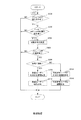
CPU21は、図8のトップページP1でメニューm2(「対戦」)が選択されたことを認識すると、対戦処理を開始する。まず、ユーザ:A(攻撃側ユーザ)以外のユーザから対戦相手の候補となる防御側ユーザを決定する(ステップS200)。次に、CPU21は、防御側ユーザのリストとともに提示する、防御側ユーザの対戦履歴に基づく情報又は攻撃側ユーザに付与される報酬に関する情報を決定する(ステップS202)。具体的には、CPU21は、ユーザデータベースにアクセスし、防御側ユーザの対戦履歴を取得し、対戦履歴に基づく情報又は報酬に関する情報を決定する。
次に、CPU21は、ウェブページP5でメニューm21〜24(「対戦」)のいずれかが選択されたか否かを判定する(ステップS204)。メニューm21〜m24(「対戦」)以外が選択された場合(ステップS204:NO)、CPU21は、対戦処理を終了する。
メニューm21〜24のいずれかが選択された場合(ステップS204:YES)、CPU21は、攻撃側ユーザ(ユーザ:A)の対戦相手として選択された防御側ユーザ(図9ではユーザ:E)の画像とともに、対戦の実行を指示するためのメニューm25(「対戦開始」)が提示されたウェブページP5において、メニューm25が選択されたか否かを判定する(ステップS206)。メニューm25以外が選択された場合(ステップS206:NO)、対戦処理を終了する。
ウェブページP5上でメニューm20(「対戦開始」)が選択されたことを認識すると(ステップS206:YES)、CPU21は、対戦結果を決定する(ステップS208)。
攻撃側ユーザ(ユーザ:A)が対戦に勝利した場合(ステップS208:YES)、CPU21は、攻撃側ユーザ(ユーザ:A)に対して付与する報酬を決定する処理を行う(ステップS210)。すなわち、CPU21は、ユーザデータベースにアクセスして防御側ユーザの対戦履歴を取得し、対戦履歴に基づいて報酬を決定する。あるいはCPU21は、ステップS202で決定した、対戦履歴に基づく報酬をRAM13から読み出す。
次に、CPU21は、決定した報酬を攻撃側ユーザ(ユーザ:A)に付与する(ステップS212)。報酬が強化ポイントであれば、CPU21は、ユーザデータベースにアクセスして、ユーザ:AのユーザIDに対応する強化ポイントの値を所定値(例えば1000)だけ増加させる。また、報酬がアイテムであれば、CPU21は、ユーザデータベースにアクセスし、ユーザ:AのユーザIDに対応する「保有カード、アイテムの識別コード」の欄に報酬として付与するアイテムの識別コードを書き込む。その後、CPU21は、対戦処理を終了する。
一方、ユーザ:Aが対戦に敗北した場合(ステップS208:NO)、CPU21は、ユーザ:Aに攻撃された防御側ユーザ(ユーザ:E)に付与する報酬を決定する(ステップS214)。すなわち、CPU21は、ユーザデータベースにアクセスして攻撃側ユーザ(ユーザ:A)の対戦履歴を取得し、対戦履歴に基づいて報酬を決定する。なお、防御側ユーザが勝利した場合の報酬を攻撃側ユーザ(ユーザ:A)の対戦履歴によらず一律に設定してもよい。
次に、CPU21は、決定した報酬を防御側ユーザ(ユーザ:E)に付与する(ステップS216)。報酬が強化ポイントであれば、CPU21は、ユーザデータベースにアクセスして、ユーザ:EのユーザIDに対応する強化ポイントの値を所定値(例えば1000)だけ増加させる。また、報酬がアイテムであれば、CPU21は、ユーザデータベースにアクセスし、ユーザ:EのユーザIDに対応する「保有カード、アイテムの識別コード」の欄に報酬として付与するアイテムの識別コードを書き込む。その後、CPU21は、対戦処理を終了する。
なお、ステップS200とステップS202の順番を逆にしてもよい。すなわち、防御側ユーザの対戦履歴に基づく情報又は攻撃側ユーザに付与される報酬に関する情報をあらかじめ定めておき、当該情報に合致するユーザを抽出して防御側ユーザとして決定してもよい。
(Competition processing)
Next, an example of a flowchart when performing a battle process will be described with reference to FIG.
When the
Next, the
When any of the menus m21 to 24 is selected (step S204: YES), the
When recognizing that the menu m20 (“start of battle”) is selected on the web page P5 (step S206: YES), the
When the attacking user (user: A) wins the battle (step S208: YES), the
Next, the
On the other hand, when the user: A loses the battle (step S208: NO), the
Next, the
Note that the order of step S200 and step S202 may be reversed. That is, information based on the defense history of the defending user or information related to the reward given to the attacking user may be determined in advance, and a user that matches the information may be extracted and determined as the defending user.
以上説明したように、このゲーム制御装置では、攻撃側ユーザが勝利した場合に攻撃側ユーザに付与する報酬を、防御側ユーザの対戦履歴に基づいて変動させることで、攻撃側ユーザが弱い防御側ユーザを対戦相手として選択しないように促すことができる。
特に本発明に係るゲームでは、防御側ユーザの承諾なしに非同期で対戦処理が行われるため、防御側ユーザはチームを構成するカードを変更することができず、かつ対戦の結果に影響を与える操作ができない状態にある。このため、対戦処理の開始前に編成処理を行うことができる攻撃側ユーザと比較して、防御側ユーザは不利な立場にあり、連続して敗北しやすくなる。本発明によれば、このような不利な立場に陥った防御側ユーザの対戦相手としての魅力を失わせ、攻撃側ユーザから対戦相手として選択されにくくすることができる。このため、弱い防御側ユーザがゲームを継続するモチベーションを維持することができる。
なお、上記実施形態においては、対戦相手となる防御側ユーザのリストを提示するとき(図12のステップS202)、及び、報酬を決定するとき(図12のステップS210)に対戦履歴を取得していたが、本発明はこれに限らず、報酬付与前であれば対戦処理中の任意の時点で対戦履歴を取得することができる。例えば、攻撃側ユーザがメニューm25(「対戦開始」)の選択をしたとき(図12のステップS206)に対戦履歴を取得してもよい。
また、上記実施形態においては、対戦結果が決定した後(図12のステップS208の後)に報酬を決定していたが、本発明はこれに限らず、報酬付与前であれば対戦処理中の任意の時点で報酬を決定することができる。例えば、攻撃側ユーザに提示する情報を決定するとき(図12のステップS202)、攻撃側ユーザがメニューm25(「対戦開始」)の選択をしたとき(図12のステップS206)に報酬を決定してもよい。また、ステップS208で判定された、ユーザ:Aとユーザ:Eの対戦結果が反映された対戦履歴に基づいて報酬を決定してもよいし、ステップS208で判定された対戦結果が反映される前の対戦履歴に基づいて報酬を決定してもよい。
また、上記実施形態においては、報酬付与手段55は、対戦履歴に基づいて報酬の多寡を変動させていたが、本発明はこれに限らない、報酬付与手段55は、対戦履歴に基づいて報酬として付与するオブジェクト(アイテムやカード等)の質を変動させてもよい。例えば、敗北回数が多い、又は、敗北率が高いほど、質(ゲーム内外の有益度)の高いアイテム又はカードが付与されるとしても良い。なお、質の高いオブジェクトを付与とは、例えば、報酬をカードとした場合に、より高いレア度のカードを付与することでも良い。
また、報酬付与手段55は、対戦履歴に基づいて報酬を付与する確率を変動させてもよい。例えば、敗北率が高い、又は、敗北回数が多いほど、報酬を獲得できる確率を高くしても良い。この場合において、第1提示手段56も報酬を付与する確率に関する情報を提示することとしても良い。
また、上記実施形態においては、ユーザ間の対戦を非同期で行っていたが、本発明はこれに限らず、ユーザ間対戦を同期させて行い、攻撃側ユーザが防御側ユーザに対戦の申し込みをし、防御側ユーザから対戦の承諾を得た後に対戦処理を実行してもよい。
As described above, in this game control device, when the attacking user wins, the reward given to the attacking user is changed based on the battle history of the defending user, so that the attacking user is weak It can be urged not to select the user as an opponent.
In particular, in the game according to the present invention, since the battle process is performed asynchronously without the consent of the defending user, the defending user cannot change the cards constituting the team, and the operation affects the result of the battle. Is in a state where it cannot. For this reason, the defending user is at a disadvantage as compared to the attacking user who can perform the composition process before the battle process is started, and is easily defeated continuously. According to the present invention, it is possible to lose the attractiveness as an opponent of the defending user who has fallen into such a disadvantageous position, and to make it difficult for the attacking user to be selected as the opponent. For this reason, the motivation that a weak defense user continues a game can be maintained.
In the above embodiment, the battle history is acquired when a list of defending users who are opponents is presented (step S202 in FIG. 12) and when a reward is determined (step S210 in FIG. 12). However, the present invention is not limited to this, and the battle history can be acquired at any time during the battle process before the reward is given. For example, the battle history may be acquired when the attacking user selects the menu m25 (“start battle”) (step S206 in FIG. 12).
Moreover, in the said embodiment, although the reward was determined after the battle result was determined (after step S208 of FIG. 12), this invention is not restricted to this, If it is before reward provision, it is in the battle process. Rewards can be determined at any time. For example, when determining the information to be presented to the attacking user (step S202 in FIG. 12), the reward is determined when the attacking user selects the menu m25 (“start battle”) (step S206 in FIG. 12). May be. Further, the reward may be determined based on the battle history reflecting the battle result of the user: A and the user: E determined in step S208, or before the battle result determined in step S208 is reflected. The reward may be determined based on the battle history.
Moreover, in the said embodiment, although the reward provision means 55 was changing the amount of rewards based on a battle | competition history, this invention is not restricted to this, The reward provision means 55 is based on a battle | competition history as a reward. You may change the quality of the object (item, card, etc.) to give. For example, as the number of defeats increases or the defeat rate increases, items or cards having higher quality (benefits in and outside the game) may be given. Note that giving a high-quality object may be giving a card with a higher rarity when, for example, a reward is a card.
The reward granting means 55 may change the probability of granting a reward based on the battle history. For example, the probability of obtaining a reward may be increased as the defeat rate is higher or the number of defeats is higher. In this case, the 1st presentation means 56 is good also as presenting the information regarding the probability of giving a reward.
In the above embodiment, the battle between users is performed asynchronously. However, the present invention is not limited to this, and the battle between users is performed in synchronization, and the attacking user applies to the defending user for the battle. The battle process may be executed after obtaining the approval of the battle from the defending user.
(8)変形例
以下、上述した実施形態の変形例について説明する。
(8) Modification Hereinafter, a modification of the above-described embodiment will be described.
(8−1)変形例1
図13は本変形例に係る対戦処理において用いられる参加要請データベースの一例である。参加要請データベースは、データベースサーバ30に記憶される。
この例では、参加要請データベースは、イベントコードごとに、対戦処理において参加を要請したユーザ(要請元ユーザ)のユーザID、要請元ユーザの対戦相手のユーザ(対戦相手ユーザ)のユーザID、要請元ユーザにより参加を要請されたユーザ(要請先ユーザ)のユーザID、参加の要請をされて対戦処理に参加済みのユーザ(救援ユーザ)のユーザIDの各項目についての情報を含む。要請元ユーザは第2ユーザの一例であり、対戦相手ユーザは第1ユーザの一例であり、要請先ユーザは第3ユーザの一例である。以下では、要請元ユーザの例としてユーザ:E、対戦相手ユーザの例としてユーザ:A、要請先ユーザの例としてユーザ:G、H、I、救援ユーザの例としてユーザ:Gを挙げて説明する。
(8-1)
FIG. 13 is an example of a participation request database used in the battle process according to this modification. The participation request database is stored in the
In this example, the participation request database includes, for each event code, the user ID of the user who requested participation in the battle process (request source user), the user ID of the opponent user of the request source user (competitor user), and the request source. It includes information about each item of the user ID of the user (requested user) requested to participate by the user and the user ID of the user (rescue user) who has been requested to participate and who has already participated in the battle process. The requesting user is an example of a second user, the opponent user is an example of a first user, and the requesting user is an example of a third user. Below, user: E will be described as an example of a request source user, user: A as an example of an opponent user, user: G, H, I as an example of a request destination user, and user: G as an example of a rescue user. .
本変形例のゲームについて、図14を参照しながら説明する。図14のP7は本変形例に係る対戦処理において、防御側のユーザ:Eが敗北した場合にユーザの通信端末に表示されるウェブページの一例である。図14のウェブページP7は、ユーザ:Eが他のユーザから攻撃され、敗北したことを示すメニューm3(「防御失敗」)を含む。
ユーザ:Eがメニューm3を選択すると、図14のP8に示すようにウェブページが更新される。ウェブページP8は、ユーザ:Eを攻撃したユーザ:Aに関する情報、及び、ユーザ:Aとの対戦処理への参加を仲間に要請するためのメニューm30(「救援要請」)を含む。
ユーザ:EがウェブページP8においてメニューm30を選択すると、図14のP9に示すようにウェブページが更新される。ウェブページP9は、ユーザ:Eの仲間(ユーザ:G、H、I)に対してユーザ:Aとの対戦処理への参加の要請がされたことを示す情報(「以下の仲間に救援要請をしました」)を含む。
なお、ユーザ:Eが要請先ユーザを選択可能としてもよい。
The game of this modification will be described with reference to FIG. P <b> 7 in FIG. 14 is an example of a web page displayed on the user's communication terminal when the defending user E is defeated in the battle process according to the present modification. The web page P7 of FIG. 14 includes a menu m3 (“defense failure”) indicating that the user: E has been attacked and defeated by another user.
User: When E selects menu m3, the web page is updated as shown at P8 in FIG. The web page P8 includes information on the user: A who attacked the user: E, and a menu m30 (“rescue request”) for requesting a friend to participate in the battle process with the user: A.
When the user: E selects the menu m30 on the web page P8, the web page is updated as shown at P9 in FIG. The web page P9 includes information indicating that the user: E's companion (users: G, H, I) has been requested to participate in the battle process with the user: A (“rescue request to the following companions ")".
Note that the user: E may be able to select the requested user.
要請先ユーザ(ここでは、ユーザ:G)が、その後、ゲームにアクセスすると、図15に示すようなトップページP10がユーザ:Gの通信端末10上に表示される。トップページP10は、救援要請があったことを示すメニューm4(「救援要請があります」)を含む。
トップページP10において、ユーザ:Gがメニューm4を選択操作すると、図15のP11に例示するウェブページがユーザ:Gの通信端末10上に表示される。ウェブページP11は、ユーザ:Gに救援要請をした要請者のユーザ名、対戦処理の対戦相手、ユーザ:Gが救援して勝利したときに得られる報酬に関する情報が含まれる。ウェブページP10の例では、要請者:E(対戦相手:A)の欄に星が3つの画像、要請者:H(対戦相手:C)の欄に星が3つの画像、要請者:I(対戦相手:D)の欄に星が2つの画像が、それぞれ含まれる。星の数は、ユーザ:Gが対戦して勝利したときに得られる報酬を暗示しており、ウェブページP10では、例えば、対戦相手:Dに勝利した場合よりも対戦相手:Aに勝利したほうが得られる報酬が多いことを示している。
また、ウェブページP10は、ユーザ:Gが救援する要請者(及びユーザ:Gの対戦相手)を決定するためのメニューm41〜m43(「救援する」)などが含まれる。
When the requested user (here, user: G) subsequently accesses the game, a top page P10 as shown in FIG. 15 is displayed on the
When the user: G selects and operates the menu m4 on the top page P10, the web page exemplified in P11 of FIG. 15 is displayed on the
The web page P10 includes menus m41 to m43 (“rescue”) for determining a requester (and a user: G's opponent) that the user: G rescues.
ウェブページP10上でユーザ:Gが例えば要請者:E(対戦相手:A)に対応するメニューm41を選択すると、P12に示すようにウェブページが更新される。ウェブページP12には、ユーザ:Gの対戦相手として選択されたユーザ:Aの画像とともに、対戦の実行を指示するためのメニューm44(「対戦開始」)等が含まれる。
ウェブページP12上でユーザ:Gがメニューm44(「対戦開始」)の選択を行うと、ユーザ:Gのチームと対戦相手:Aのチームとの間で対戦が行われる。以後、上記実施形態と同様に対戦処理が行われる。
When the user: G selects, for example, the menu m41 corresponding to the requester: E (the opponent: A) on the web page P10, the web page is updated as shown in P12. The web page P12 includes an image of the user: A selected as the user: G opponent, and a menu m44 (“starting battle”) for instructing execution of the battle.
When the user: G selects the menu m44 ("start of battle") on the web page P12, a battle is performed between the user: G team and the opponent: A team. Thereafter, the battle process is performed as in the above embodiment.
次に、本変形例に係るゲーム制御装置の機能ブロック図を、図16に示す。図16に示すように、本変形例では、図10の機能ブロック図と比較して、関連付け手段57、要請手段58、第2提示手段59が追加された点で異なる。
Next, FIG. 16 shows a functional block diagram of the game control apparatus according to this modification. As shown in FIG. 16, this modification is different from the functional block diagram of FIG. 10 in that an
関連付け手段57は、ユーザと他のユーザを関連付ける機能を備える。
関連付け手段57の機能は、例えば以下のようにして実現される。
The associating
The function of the association means 57 is realized as follows, for example.
ユーザ:Eが他のユーザ:Gに対して仲間申請をし、ユーザ:Gが申請を承認した場合、CPU21は、ユーザデータベースにアクセスし、ユーザ:EのユーザIDの「仲間のユーザID」の欄にユーザ:GのユーザIDを書き込むとともに、ユーザ:GのユーザIDの「仲間のユーザID」の欄にユーザ:EのユーザIDを書き込む。
なお、関連付け手段57は、上述した申請及び承認の手順を省略して、ユーザ同士の関連付けを行っても良い。例えば、CPU21は、仲間になりたいユーザID(あるいは、対応するユーザ名)を指定した申請メッセージ(申請)を受け付けることで、指定先のユーザIDのユーザの承諾を得ることなく指定先のユーザIDを仲間として登録してもよい。
なお、ユーザ同士を関係付ける条件は、上述したものに限られず、同一のゲーム上のステージ若しくはエリアを実行するユーザや試合を行ったユーザ同士を仲間として登録してもよい。あるいは、所定回数の挨拶メッセージを送信するユーザ同士を自動的に仲間として登録してもよいし、ユーザ間で対戦を所定回数以上対戦を行ったユーザ同士や、協力して敵キャラクタと対戦をしたユーザ同士を自動的に仲間として登録してもよい。
また、イベントへの参加要請や参加申請を契機にしてユーザ同士を関連付けてもよい。
ゲーム内でユーザ同士のグループ(ギルド等)が設定されている場合、例えば、あるユーザ(「ユーザ:E」とする。)があるグループへの参加が承認されたときに、当該グループ内の他のユーザ(「ユーザ:G、H、I」とする。)のユーザIDをユーザ:Eの「仲間のユーザID」の欄に書き込むとともに、ユーザ:Eのユーザデータにユーザ:G、H、IのユーザIDを「仲間のユーザID」の欄に書き込んでもよい。
本実施形態では、ユーザ同士の仲間関係の登録をユーザデータベース31にデータを書き込むことによって実現する例を示したが、この例に限られない。仲間関係に関するデータは、ゲームサーバ20からアクセス可能なネットワーク上の外部の記憶装置に書き込まれるようにしてもよい。
When the user: E makes a friend application to another user: G, and the user: G approves the application, the
The
In addition, the conditions which relate users are not restricted to what was mentioned above, You may register the user who performs the stage or area on the same game, or the users who played the game as a friend. Alternatively, users who send a predetermined number of greeting messages may be automatically registered as friends, users who have played a battle more than a predetermined number of times between users, or cooperated with enemy characters Users may be automatically registered as friends.
In addition, users may be associated with each other in response to a request for participation or an application for participation in an event.
When a group of users (guilds, etc.) is set in the game, for example, when a certain user (“user: E”) is approved to participate in a certain group, The user ID of the user (referred to as “user: G, H, I”) is written in the “friend user ID” field of user: E, and the user: G, H, I is added to the user data of user: E. May be written in the column of “friend user ID”.
In this embodiment, although the example which implement | achieves by registering data in the
要請手段58は、要請元ユーザが、自分の仲間として関連付けられたユーザに対して、対戦相手ユーザとの対戦処理への参加を要請する機能を有する。要請手段58の機能は、例えば以下のようにして実現される。
The requesting
CPU21は、ウェブページP8において要請元ユーザ:Eによりメニューm30が選択されたことを認識すると、ユーザデータベースにアクセスし、要請元ユーザ:Eの仲間のユーザのユーザIDを取得する。次に、CPU21は、参加要請データベースにアクセスし、新たなイベントコードに対して、要請元ユーザ(ユーザ:E)のユーザID、ユーザ:Eにより参加要請がされた対戦処理における対戦相手ユーザ(ユーザ:A)のユーザID、参加を要請された要請先ユーザのユーザID(ユーザ:Eの仲間のユーザのユーザID)を書き込む。なお、この時点では、参加済みのユーザ(救援ユーザ)のユーザIDは書き込まれていない。
その後、要請先ユーザ(ユーザ:G)がゲームにアクセスし、ウェブページP11においてメニューm41の選択を行ったことを認識すると、CPU21は、要請先ユーザ:GのユーザIDを対応する救援要請データベースの救援ユーザIDに書き込む。
When the
Thereafter, when the request destination user (user: G) accesses the game and recognizes that the menu m41 is selected on the web page P11, the
第2提示手段59は、要請先ユーザに対し、対戦相手のリストを、要請元ユーザの対戦履歴に基づく情報又は要請先ユーザに付与される報酬に関する情報とともに要請先ユーザに対戦処理前に提示する機能を有する。第2提示手段59の機能は、例えば以下のようにして実現される。 The second presenting means 59 presents a list of opponents to the request destination user, together with information based on the request history of the request source user or information related to the reward given to the request destination user, before the battle processing. It has a function. The function of the 2nd presentation means 59 is implement | achieved as follows, for example.
CPU21は、ユーザ:Gがゲームにアクセスすると、図13に例示する参加要請データベースにアクセスし、ユーザ:Gに対応するユーザIDがいずれかのイベントコードの要請先ユーザIDの欄に記録されているか否かを判定する。ユーザ:Gに対応するユーザIDがいずれかのイベントIDの要請先ユーザIDの欄に記録されている場合、CPU21は、図15に示すように、メニューm4を含むトップページP9のHTMLデータを生成し、ユーザ:Gの通信端末10宛に送信する。
トップページP9において、要請先ユーザ:Gがメニューm4を選択操作した場合、CPU21は、参加要請データベースにアクセスし、ユーザ:GのユーザIDが要請先ユーザIDに記録されたイベントIDの欄に記録された情報に基づき、要請元ユーザ及び対戦相手ユーザのユーザIDを取得する。次に、CPU21は、ユーザデータベースにアクセスして取得された、要請元ユーザの対戦履歴に基づく情報、又は、対戦履歴に基づいて決定された、要請先ユーザ:Gが勝利した場合に付与する報酬に関する情報とともに、要請先ユーザ:Gが救援する要請元ユーザ(要請者)及び対戦相手ユーザ(対戦相手)のリストを含むウェブページP10のHTMLデータを生成して、ユーザの通信端末10宛に送信する。
When the user: G accesses the game, the
On the top page P9, when the requested user: G selects and operates the menu m4, the
次に、要請先ユーザが参加要請を受諾し、参加要請を受諾した要請先ユーザ(救援ユーザ)が要請元ユーザを救援するために対戦相手と対戦する救援処理のフローの一例について、図17のフローチャートを参照して説明する。
CPU21は、トップページP9において、要請先ユーザ(ユーザ:G)がメニューm4を選択したか否かを判定する(ステップS300)。要請先ユーザ:Gがメニューm4以外の選択を行った場合(ステップS300:NO)、CPU21は、救援処理を終了する。
要請先ユーザ:Gがメニューm4を選択した場合(ステップS300:YES)、CPU21は、ウェブページP10において、ユーザ:Gがメニューm41〜m43を選択したか否かを判定する(ステップS302)。要請先ユーザ:Gがメニューm41〜m43以外の選択を行った場合(ステップS302:NO)、CPU21は、救援処理を終了する。
要請先ユーザ:Gがメニューm41〜m43のいずれかの選択を行った場合(ステップS302:YES)、CPU21は、選択されたメニューm41〜m43に応じて対戦相手を決定する(ステップS304)。すなわち、CPU21は、要請先ユーザ:GのユーザIDを対応する救援要請データベースの救援ユーザIDに書き込むとともに、対戦相手ユーザのユーザIDを取得する。以後、ユーザ:Gは救援ユーザとなる。
次に、CPU21は、ウェブページP11において、救援ユーザ:Gがメニューm44を選択したか否かを判定する(ステップS306)。救援ユーザ:Gがメニューm43以外の選択操作を行った場合(ステップS306:NO)、CPU21は、救援処理を終了する。
Next, FIG. 17 shows an example of a relief process flow in which the request destination user accepts the participation request and the request destination user (rescue user) who accepted the participation request battles with the opponent in order to rescue the request source user. This will be described with reference to a flowchart.
The
When the requested user: G selects the menu m4 (step S300: YES), the
When the request destination user: G selects any of the menus m41 to m43 (step S302: YES), the
Next, the
救援ユーザ:Gがメニューm44を選択した場合(ステップS306:YES)、CPU21は、対戦結果を決定する(ステップS308)。
救援ユーザ:Gが対戦に勝利した場合(ステップS308:YES)、CPU21は、救援ユーザ:Gに対して付与する報酬を決定する処理を行う(ステップS310)。すなわち、CPU21は、ユーザデータベースにアクセスして要請元ユーザ:Eの対戦履歴を取得し、対戦履歴に基づいて報酬を決定する。
次に、CPU21は、決定した報酬を救援ユーザ:Gに付与する(ステップS312)。報酬が強化ポイントであれば、CPU21は、ユーザデータベースにアクセスして、ユーザ:GのユーザIDに対応する強化ポイントの値を所定値(例えば1000)だけ増加させる。また、報酬がアイテムであれば、CPU21は、ユーザデータベースにアクセスし、救援ユーザ:GのユーザIDに対応する「保有カード、アイテムの識別コード」の欄に報酬として付与するアイテムの識別コードを書き込む。その後、CPU21は、救援処理を終了する。
一方、救援ユーザ:Gが対戦に敗北した場合(ステップS308:NO)、CPU21は、対戦相手ユーザ(ユーザ:A)に付与する報酬を決定する(ステップS314)。すなわち、CPU21は、ユーザデータベースにアクセスして救援ユーザ:Gの対戦履歴を取得し、対戦履歴に基づいて報酬を決定する。なお、対戦相手ユーザが勝利した場合の報酬を救援ユーザの対戦履歴によらず一律に設定してもよい。
次に、CPU21は、決定した報酬を対戦相手ユーザ(ユーザ:A)に付与する(ステップS316)。報酬が強化ポイントであれば、CPU21は、ユーザデータベースにアクセスして、対戦相手ユーザ:AのユーザIDに対応する強化ポイントの値を所定値(例えば1000)だけ増加させる。また、報酬がアイテムであれば、CPU21は、ユーザデータベースにアクセスし、対戦相手ユーザ:AのユーザIDに対応する「保有カード、アイテムの識別コード」の欄に報酬として付与するアイテムの識別コードを書き込む。その後、CPU21は、対戦処理を終了する。
When the rescue user: G selects the menu m44 (step S306: YES), the
When the rescue user: G wins the battle (step S308: YES), the
Next, the
On the other hand, when the rescue user G is defeated in the battle (step S308: NO), the
Next, the
本変形例においては、対戦処理において救援ユーザが勝利した場合に、要請元ユーザの対戦履歴に基づいて変動する報酬が救援ユーザに付与される。このため、要請元ユーザが弱いほど救援ユーザに要請された対戦処理への参加を動機付けることができる。また、攻撃側ユーザが救援ユーザからの攻撃を避けるために自分よりも弱いユーザを対戦相手として選択しないように促すことができる。このため、弱い攻撃側ユーザがゲームを継続するモチベーションを維持することができる。
なお、本変形例においては、要請先ユーザを要請元ユーザの仲間に限定しているが、本発明はこれに限らず、仲間以外の任意のユーザに参加要請を可能としてもよい。例えば、要請元ユーザが参加要請をした時点でゲームにアクセスしているユーザにランダムに参加要請をしてもよい。つまり、関連付け手段57は必須ではなく、要請手段58は、第2ユーザが任意の第3ユーザに対して前記第1ユーザとの対戦処理への参加を要請しても良い。
また、本変形例では、防御側ユーザが要請元ユーザとなる場合について説明したが、本発明はこれに限らず、攻撃側ユーザが要請元ユーザとなってもよい。例えば、攻撃側ユーザ:Aと防御側ユーザ:Eとの対戦処理において、攻撃側ユーザ:Aが敗北した場合、攻撃側ユーザ:Aが要請元ユーザとして仲間のユーザに対して対戦処理への参加を仲間に要請可能としてもよい。
また、参加要請データベースにおいて要請先ユーザIDを記録する代わりに、ユーザデータベースにおいて要請元ユーザが参加要請をしたか否かをフラグにより管理してもよい。この場合、例えば、ユーザ:Gがゲームにアクセスした場合、CPU21はユーザデータベースにアクセスし、ユーザ:Gの仲間のユーザのフラグを確認する。フラグによりユーザ:E、H、Iが参加要請をしたことを認識した場合、CPU21は、図15に例示するトップページP10、ウェブページP11のHTMLデータを生成して、ユーザ:Gの通信端末10宛に送信する。
In this modification, when the rescue user wins in the battle process, a reward that varies based on the battle history of the requesting user is given to the rescue user. For this reason, participation to the battle | competition process requested | required of the rescue user can be motivated, so that a request origin user is weak. Moreover, in order for an attacking user to avoid an attack from a rescue user, it can be prompted not to select a weaker user as an opponent. For this reason, the motivation that a weak attacker user continues a game can be maintained.
In addition, in this modification, although a request destination user is limited to the friend of a request source user, this invention is not restricted to this, It is good also as possible to request | require participation from arbitrary users other than a friend. For example, the user who is accessing the game when the requesting user makes a participation request may randomly request participation. In other words, the
Moreover, although this modification demonstrated the case where a defense user became a request origin user, this invention is not limited to this, An attack side user may be a request origin user. For example, in the battle process between the attacking user: A and the defending user: E, when the attacking user: A is defeated, the attacking user: A participates in the battle process for the fellow user as the requesting user. It may be possible to request a friend.
Further, instead of recording the requested user ID in the participation request database, whether or not the requesting user has requested participation in the user database may be managed by a flag. In this case, for example, when the user: G accesses the game, the
(8−2)変形例2
図18のP13は本変形例に係る対戦処理において、対戦相手を選択するために攻撃側ユーザ:Aの通信端末に表示されるウェブページの一例である。ウェブページP13は、ユーザ:Aの対戦相手の候補となる他のユーザ:B、C、D、Eの情報とともに、対戦相手を決定するためのメニューm21〜24(「対戦」)などが含まれる。
また、対戦相手の候補となる他のユーザ:B、C、D、Eの情報には、それぞれ、ユーザ:B、C、D、Eの防御ポイント(防御P)の現在値と、ユーザ:Aが対戦して勝利したときに得られる報酬に関する情報が含まれる。ウェブページP4の例では、報酬に関する情報として、ユーザ:Bの欄に星が1つ、ユーザ:Cの欄に星が3つ、ユーザ:Dの欄に星が2つ、ユーザ:Eの欄に星が3つ、それぞれ含まれる。星の数は、ユーザ:Aが対戦して勝利したときに得られる報酬を暗示しており、ウェブページP4では、例えば、ユーザ:Bに勝利した場合よりもユーザ:Dに勝利したほうが得られる報酬が多いことを示している。
(8-2)
P13 in FIG. 18 is an example of a web page displayed on the communication terminal of the attacking user: A in order to select an opponent in the battle process according to this modification. Web page P13 includes menus m21 to 24 ("match") for determining an opponent, along with information on other users: B, C, D, and E who are candidates for the opponent of user A. .
In addition, information on other users who are candidates for the opponent: B, C, D, and E includes the current values of the defense points (defense P) of the users: B, C, D, and E, and the user: A, respectively. Contains information about the rewards earned when the player wins in a match. In the example of the web page P4, as information relating to reward, the user: B column has one star, the user: C column has three stars, the user: D column has two stars, and the user: E column. Each contains three stars. The number of stars implies a reward that is obtained when the user: A wins against the game. In the web page P4, for example, the user: D can be won more than the user: B. It shows that there are many rewards.
本変形例に係るゲーム制御装置の機能ブロック図を、図19に示す。図19に示すように、本変形例では、図16の機能ブロック図と比較して、対応付け手段60が追加された点で異なる。
FIG. 19 shows a functional block diagram of the game control apparatus according to this modification. As shown in FIG. 19, the present modification is different from the functional block diagram of FIG. 16 in that an
本変形例における決定手段54は、防御側ユーザの防御ポイントの現在値に基づいて、攻撃側ユーザが勝利した場合に付与する報酬を決定する機能を備える。決定手段54の機能は、例えば以下のようにして実現される。
CPU21は、ユーザデータベースにアクセスし、防御側ユーザの防御ポイントの現在値を取得する。次に、CPU21は、防御ポイントの現在値に基づいて報酬を決定する。例えば、CPU21は、防御側ユーザの防御ポイントの現在値が低いほど少ない報酬を決定することができる。例えば、防御側ユーザの防御ポイントの現在値に比例する強化ポイントを報酬として決定することができる。
なお、防御側ユーザが勝利した場合に防御側ユーザに付与する報酬については、攻撃側ユーザの攻撃ポイントの現在値に基づいて同様に決定してもよいし、攻撃側ユーザの攻撃ポイントの現在値によらずに一律に決定してもよい。
The determination means 54 in this modification has a function of determining a reward to be given when the attacking user wins based on the current value of the defense point of the defending user. The function of the determination means 54 is implement | achieved as follows, for example.
CPU21 accesses a user database and acquires the present value of the defense user's defense point. Next, the
The reward to be given to the defending user when the defending user wins may be similarly determined based on the current value of the attacking user's attack point, or the current value of the attacking user's attack point. You may decide uniformly without depending on.
対応付け手段60は、攻撃ポイントの現在値及び防御ポイントの現在値をユーザに対応付ける機能を有する。攻撃ポイントの現在値及び防御ポイントの現在値は、対戦処理において減少し、対戦処理能力が制限される対戦処理用パラメータの一例である。対応付け手段60の機能は、例えば以下のようにして実現される。 The association means 60 has a function of associating the current value of the attack point and the current value of the defense point with the user. The current value of the attack point and the current value of the defense point are an example of a battle processing parameter that is reduced in the battle processing and the battle processing capability is limited. The function of the correlation means 60 is implement | achieved as follows, for example.
CPU21は、一定時間(例えば、2分)経過するごとに、ユーザデータベースにアクセスし、各ユーザの攻撃P及び防御Pの現在値が最大値であるか否かを判定し、最大値でなければ1を加算する。
また、CPU21は、対戦処理が行われると、ユーザデータベースにアクセスし、攻撃側ユーザのユーザIDに対応する攻撃P(ポイント)の現在値を、攻撃側ユーザが対戦処理において使用したカードの使用コストの合計値に応じて減少させる。例えば、攻撃側ユーザの攻撃ポイントの現在値が50であり、攻撃側ユーザが対戦処理において使用したカードの使用コストの合計値が30であれば、対戦処理後の攻撃側ユーザの攻撃ポイントの現在値を20に書き換える。なお、使用コストの合計値の所定の割合(例えば50%)の値を攻撃ポイントの現在値から減少させてもよい。
また、CPU21は、防御側ユーザのユーザIDに対応する防御P(ポイント)の現在値を、所定の減少率で減少させる。例えば、所定の減少率が20%の場合、防御側ユーザの防御ポイントの現在値が50であれば、対戦処理後の防御側ユーザの防御ポイントの現在値を40に書き換える。なお、所定の値(例えば5ポイント)を防御ポイントの現在値から減少させてもよい。
The
Further, when the battle process is performed, the
In addition, the
本変形例における決定手段54は、防御側ユーザの防御ポイントの現在値に基づいて、攻撃側ユーザが勝利した場合に付与する報酬を決定する機能を備える。決定手段54の機能は、例えば以下のようにして実現される。
CPU21は、ユーザデータベースにアクセスし、防御側ユーザの防御ポイントの現在値を取得する。次に、CPU21は、防御ポイントの現在値に基づいて報酬を決定する。例えば、CPU21は、防御側ユーザの防御ポイントの現在値が小さいほど少ない報酬を決定することができる。例えば、防御側ユーザの防御ポイントの現在値に比例する強化ポイントを報酬として決定することができる。あるいは、防御側ユーザの防御ポイントの現在値に比例する数のアイテムを報酬として決定してもよい。例えば、防御ポイントの現在値が20未満であればアイテムなし、防御ポイントの現在値が20以上40未満であればアイテム1つ、防御ポイントの現在値が40以上60未満であればアイテム2つ、防御ポイントの現在値が60以上であればアイテム3つを報酬として決定してもよい。
また、決定手段54は、攻撃側ユーザが仲間に対戦処理への参加を要請し、要請先ユーザが対戦処理に参加して勝利した場合に付与する報酬についても、防御側ユーザの防御ポイントの現在値に基づいて決定してもよい。
The determination means 54 in this modification has a function of determining a reward to be given when the attacking user wins based on the current value of the defense point of the defending user. The function of the determination means 54 is implement | achieved as follows, for example.
CPU21 accesses a user database and acquires the present value of the defense user's defense point. Next, the
In addition, the determination means 54 also asks the fellow user to participate in the battle process, and the reward given when the requested user participates in the battle process and wins is also determined as the current defense point of the defending user. You may decide based on a value.
本変形例における第1提示手段56は、攻撃側ユーザにより対戦相手(防御側ユーザ)として選択されるユーザのリストを、防御側ユーザの防御ポイントの現在値に関する情報又は攻撃側ユーザに付与される報酬に関する情報とともに攻撃側ユーザに対戦処理前に提示する機能を備える。第1提示手段56の機能は、例えば以下の通り実現される。 The 1st presentation means 56 in this modification is given to the information on the current value of the defense point of the defending user, or the attacking user, the list of users selected as the opponent (defending user) by the attacking user. It has a function of presenting information about the reward to the attacking user before the battle process. The function of the 1st presentation means 56 is implement | achieved as follows, for example.
CPU21は、図8のトップページP1上でユーザ(攻撃側ユーザ)によりメニューm2が選択されたことを認識すると、他のユーザから防御側ユーザとなるユーザを決定する。次に、CPU21は、ユーザデータベースにアクセスし、決定した防御側ユーザの防御ポイントの現在値を取得する。次に、CPU21は、取得した防御ポイントの現在値に基づく情報、又は、決定した攻撃側ユーザに付与される報酬に関する情報とともに、攻撃側ユーザにより対戦相手として選択されるユーザのリストを含むウェブページP4のHTMLデータを生成して、ユーザの通信端末10宛に送信する。
例えば、防御側ユーザの防御ポイントの現在値に基づく情報は、防御ポイントの現在値を明示する情報(例えば、「防御P:20」等)であってもよいし、防御ポイントの現在値を暗示する情報であってもよい。
例えば、防御ポイントの現在値が20未満であれば星なし、防御ポイントの現在値が20以上40未満であれば星1つ、防御ポイントの現在値が40以上60未満であれば星2つ、防御ポイントの現在値が60以上であれば星3つの画像情報を提示することで対戦履歴を暗示してもよい。あるいは、防御側ユーザの連敗回数が3回以上であれば星なし、連敗回数が2回であれば星1つ、連敗回数が1回であれば星2つ、連敗回数が0であれば星3つの画像情報を提示することで対戦履歴を暗示してもよい。あるいは、敗北回数が100回以上であれば星なし、50回以上100回未満であれば星1つ、20回以上50回未満であれば星2つ、20回未満であれば星3つの画像情報を提示することで対戦履歴を暗示してもよい。
また、報酬に関する情報は、例えば、報酬を明示する情報(例えば、アイテム名、「1000強化ポイント」等)であってもよいし、報酬を暗示する情報であってもよい。
例えば、報酬が1000強化ポイントであれば星1つ、2000強化ポイントであれば星2つ、3000強化ポイントであれば星3つの画像情報を提示することで対戦履歴を暗示してもよい。
あるいは、報酬がアイテム1つであれば星1つ、アイテム2つであれば星2つ、アイテム3つであれば星3つの画像情報を提示することで対戦履歴を暗示してもよい。
When the
For example, the information based on the current value of the defense point of the defending user may be information that clearly indicates the current value of the defense point (for example, “defense P: 20” or the like), or implies the current value of the defense point It may be information.
For example, if the current value of the defense point is less than 20, there is no star, if the current value of the defense point is 20 or more and less than 40, 1 star, if the current value of the defense point is 40 or more and less than 60, 2 stars, If the current value of the defense points is 60 or more, the battle history may be implied by presenting image information of three stars. Alternatively, if the defending user has 3 or more consecutive losses, there is no star, if the number of consecutive losses is 2, 1 star, if the number of consecutive losses is 2, 2 stars, if the number of consecutive losses is 0, The battle history may be implied by presenting three pieces of image information. Or, if the number of defeats is 100 times or more, there is no star, if it is 50 times or more and less than 100 times, 1 star, if it is 20 times or more and less than 50 times, 2 stars, if it is less than 20 images, 3 stars The competition history may be implied by presenting information.
Further, the information related to the reward may be, for example, information that clearly indicates the reward (for example, an item name, “1000 enhancement points”, etc.), or information that implies the reward.
For example, the battle history may be implied by presenting image information of 1 star if the reward is 1000 strengthening points, 2 stars if the reward is 2000 strengthening points, and 3 stars if the reward is 3000 strengthening points.
Alternatively, the battle history may be implied by presenting image information of one star if the reward is one item, two stars if the item is two, and three stars if the item is three.
本変形例においても、図12のフローチャートと同様に対戦処理が行われる。なお、本変形例では、図12のフローチャートのステップS210において、攻撃側ユーザに付与する報酬を決定するとき、CPU21は、防御側ユーザの防御ポイントの現在値に基づいて報酬を決定する。なお、ステップS208で判定された、対戦結果が反映された防御ポイントの現在値に基づいて報酬を決定してもよいし、ステップS208で判定された対戦結果が反映される前の防御ポイントの現在値に基づいて報酬を決定してもよい。
また、本変形例では、図12のフローチャートのステップS214において、防御側ユーザに付与する報酬を決定するとき、CPU21は、攻撃側ユーザの攻撃ポイントの現在値に基づいて報酬を決定する。なお、防御側ユーザが勝利した場合の報酬を一律に設定してもよい。
Also in this modified example, the battle process is performed as in the flowchart of FIG. In this modification, when determining the reward to be given to the attacking user in step S210 of the flowchart of FIG. 12, the
Further, in this modification, when determining the reward to be given to the defending user in step S214 in the flowchart of FIG. 12, the
本変形例に係るゲームでは、防御側ユーザが短期間に連続して対戦相手として選択されると、防御ポイントが急激に減少してしまい、防御側ユーザのチームを構成するカードが少なくなり、連続して敗北するおそれがある。
本変形例においては、防御ポイント対戦処理用パラメータが減少して対戦処理能力が制限されるユーザに勝利したときに得られる報酬を減らすことで、特定のユーザが連続して対戦相手として選択されることを回避することができる。
なお、第2提示手段59において、第1提示手段56と同様に、防御側ユーザの防御ポイントの現在値に基づく情報を提示してもよい。
In the game according to this modified example, when a defending user is selected as an opponent in a short period of time, the defense points are rapidly reduced, and the number of cards constituting the defending user's team is reduced. There is a risk of defeat.
In this modification, a specific user is continuously selected as an opponent by reducing a reward obtained when a user who has a reduced defense point battle processing parameter and whose battle processing ability is limited wins. You can avoid that.
Note that the
以上、本発明の実施形態について詳細に説明したが、本発明は上記実施形態に限定されない。また、実施形態は、本発明の主旨を逸脱しない範囲において、種々の改良や変更をしてもよいのは勿論である。上記実施形態及び各変形例に記載された技術的事項は適宜組合せて適用してもよい。 As mentioned above, although embodiment of this invention was described in detail, this invention is not limited to the said embodiment. In addition, the embodiment may of course be variously improved and changed without departing from the gist of the present invention. The technical matters described in the above embodiment and each modification may be applied in appropriate combination.
上述した実施形態では、対戦型のカードゲームについて説明したが、本発明はこれに限らず、任意の対戦型のゲームに適用することができる。例えば、対戦型のアクションゲーム、対戦型のスポーツゲームや対戦型の音楽ゲームにも本発明を適用することができる。
上述した実施形態では、ユーザによる通信端末に対する所定の操作入力は、ユーザの通信端末に対する所定の操作釦の押下操作の入力や、タッチパネル機能を備えた通信端末に対する表示画面上のタッチ操作の入力であるとしたが、操作入力はこれに限られない。操作入力は、加速度センサを備えた通信端末を振ることによる操作入力、あるいはジェスチャによる操作入力(ジェスチャ入力)であってもよい。ジェスチャ入力では、撮像機能を備えた通信端末に対する所定のジェスチャを行うことで通信端末がそのジェスチャを画像認識し、予めジェスチャに対応付けられた操作入力を認識する。また、音声認識プログラムを実行可能な通信端末の場合には、操作入力は、音声を入力することにより行われてもよい。
In the embodiment described above, the battle type card game has been described. However, the present invention is not limited to this, and can be applied to any battle type game. For example, the present invention can be applied to a battle-type action game, a battle-type sports game, or a battle-type music game.
In the above-described embodiment, the predetermined operation input by the user to the communication terminal is an input of a pressing operation of a predetermined operation button on the user's communication terminal or an input of a touch operation on the display screen to the communication terminal having a touch panel function. Although there is, the operation input is not limited to this. The operation input may be an operation input by shaking a communication terminal provided with an acceleration sensor, or an operation input by gesture (gesture input). In gesture input, by performing a predetermined gesture on a communication terminal having an imaging function, the communication terminal recognizes an image of the gesture and recognizes an operation input previously associated with the gesture. In the case of a communication terminal capable of executing a voice recognition program, the operation input may be performed by inputting voice.
本発明に係るゲーム制御装置は、ユーザの通信端末上でゲームを表示するために当該通信端末との間で無線又は有線による通信を確立できるサーバ等の情報処理装置であってもよい。
上述した各実施形態では、ネットワーク上のゲームサーバ20及びデータベースサーバ30によって、実行手段51、対戦処理手段52、記憶手段53、決定手段54、報酬付与手段55、第1提示手段56の各機能を実現する構成としたが、この構成に限られない。これらの少なくとも一部の手段を通信端末10によって実現する構成としてもよい。通信端末10とゲームサーバ20とでは実質的に同一のハードウエア構成を採ることができるため、上記各実施形態に記載したようにして通信端末10によっても一部の機能を実現できる。例えば、図20A、図20Bに、図10に示した機能ブロック図の各機能について、通信端末10と、ゲームサーバ20及びデータベースサーバ30との機能分担の例を示す。また、上述した各実施形態では、各種データ(例えば、カードデータベース、ユーザ毎の登録テーブルなど)をデータベースサーバ30(ゲームデータベース32)が記憶している構成としたが、その一部を通信端末10内の記憶装置に記憶させてもよい。その場合には、記憶装置は、通信端末10内のRAM13や図示しないHDD(Hard Disk Drive)などの大容量記憶装置であってよい。
The game control apparatus according to the present invention may be an information processing apparatus such as a server that can establish wireless or wired communication with the communication terminal in order to display a game on the user's communication terminal.
In each of the embodiments described above, the functions of the execution means 51, the battle processing means 52, the storage means 53, the determination means 54, the reward giving means 55, and the first presentation means 56 are performed by the
上述した実施形態では、ユーザ間の対戦ゲームがネットワーク上のサーバを介して実現される場合について説明したが、この場合に限られない。サーバを用いずに直接ユーザ端末間で行われる通信方式、例えばP2P(Peer to Peer)や無線アドホックネットワークによる通信を利用して、ユーザ間の対戦ゲームを実現してもよい。 In the above-described embodiment, a case has been described in which a battle game between users is realized via a server on a network, but the present invention is not limited to this case. You may implement | achieve the battle game between users using the communication system performed directly between user terminals, without using a server, for example, communication by P2P (Peer to Peer) or a wireless ad hoc network.
10…通信端末
11…CPU
12…ROM
13…RAM
14…画像処理部
15…指示入力部
16…表示部
17…通信インタフェース部
18…バス
20…ゲームサーバ
21…CPU
22…ROM
23…RAM
24…データベースアクセス部
25…通信インタフェース部
26…バス
30…データベースサーバ
31…ユーザデータベース
32…ゲームデータベース
51…実行手段
52…対戦処理手段
53…記憶手段
54…決定手段
55…報酬付与手段
56…第1提示手段
57…関連付け手段
58…要請手段
59…第2提示手段
60…対応付け手段
10:
12 ... ROM
13 ... RAM
DESCRIPTION OF
22 ... ROM
23 ... RAM
24 ...
Claims (5)
対戦処理前に、第1ユーザの指示に応じて、前記第1ユーザの対戦相手の候補である複数の候補ユーザに関する情報と、前記対戦処理において前記第1ユーザが前記候補ユーザに勝利した場合に前記第1ユーザに付与される報酬の量に関する情報とを含む候補ユーザリストを、前記第1ユーザに提示する第1提示手段と、
前記第1ユーザの指示に応じて、前記候補ユーザの中から、前記対戦処理において前記第1ユーザの対戦相手となる第2ユーザを識別するためのユーザ識別情報を選択する選択手段と、
前記第1ユーザを識別するためのユーザ識別情報に対応付けられたユーザ情報と、前記選択手段によって選択されたユーザ識別情報に対応付けられたユーザ情報と、を参照して、前記第1ユーザと前記第2ユーザとの対戦処理を実行する対戦処理手段と、
前記対戦処理において前記第1ユーザが勝利した場合、前記第1ユーザを識別するためのユーザ識別情報に、前記第1ユーザに付与する報酬を示す情報を対応付けて記憶する報酬付与手段と、を備え、
前記第1提示手段は、前記候補ユーザリストに含まれる前記複数の候補ユーザのそれぞれについて、前記候補ユーザに関する情報と、前記候補ユーザに勝利した場合に前記第1ユーザに付与される前記報酬の量に関する情報との組み合わせを、前記第1ユーザが識別可能な表示態様で提示すると共に、前記報酬の量に関する情報を、前記第1ユーザが前記複数の候補ユーザ間で比較可能な表示態様で提示し、
前記報酬の量に関する情報は、前記報酬の量を暗示する情報である、
ゲーム制御装置。 Game control that can access a storage device that stores user information associated with user identification information for identifying each of a plurality of users, and that executes a battle process that is a process of causing a plurality of users to battle each other A device,
Before the battle process, in response to an instruction from the first user, information on a plurality of candidate users who are candidates for the first user's opponent, and when the first user wins the candidate user in the battle process First presenting means for presenting to the first user a candidate user list including information relating to the amount of reward given to the first user;
Selecting means for selecting user identification information for identifying a second user who is an opponent of the first user in the battle process from the candidate users in response to an instruction of the first user;
With reference to the user information associated with the user identification information for identifying the first user and the user information associated with the user identification information selected by the selection means, the first user and Battle processing means for executing battle processing with the second user;
If the first user in the match process wins, the user identification information for identifying the first user, and reward giving means for storing in association with information indicating a reward to be given to the first user, the Prepared,
The first presenting means includes, for each of the plurality of candidate users included in the candidate user list, information on the candidate user and the amount of the reward given to the first user when the candidate user is won. The information related to the amount of reward is presented in a display manner that the first user can compare among the plurality of candidate users. ,
The information related to the amount of reward is information that implies the amount of reward,
Game control device.
請求項1または2に記載のゲーム制御装置。 Information regarding the amount of reward is determined based on a predetermined condition for each candidate user.
The game control device according to claim 1 or 2 .
請求項1〜3のいずれかに記載のゲーム制御装置の各手段を、前記通信端末または前記サーバのいずれか一方が備えた、ゲームシステム。 A game system including a plurality of communication terminals and a server accessed from the communication terminals,
The means of the game control device according to any one of claims 1 to 3, one of the communication terminal or the server includes a game system.
Priority Applications (1)
| Application Number | Priority Date | Filing Date | Title |
|---|---|---|---|
| JP2013021843A JP5898103B2 (en) | 2013-02-06 | 2013-02-06 | GAME CONTROL DEVICE, PROGRAM, GAME SYSTEM |
Applications Claiming Priority (1)
| Application Number | Priority Date | Filing Date | Title |
|---|---|---|---|
| JP2013021843A JP5898103B2 (en) | 2013-02-06 | 2013-02-06 | GAME CONTROL DEVICE, PROGRAM, GAME SYSTEM |
Publications (3)
| Publication Number | Publication Date |
|---|---|
| JP2014150910A JP2014150910A (en) | 2014-08-25 |
| JP2014150910A5 JP2014150910A5 (en) | 2014-10-02 |
| JP5898103B2 true JP5898103B2 (en) | 2016-04-06 |
Family
ID=51573412
Family Applications (1)
| Application Number | Title | Priority Date | Filing Date |
|---|---|---|---|
| JP2013021843A Active JP5898103B2 (en) | 2013-02-06 | 2013-02-06 | GAME CONTROL DEVICE, PROGRAM, GAME SYSTEM |
Country Status (1)
| Country | Link |
|---|---|
| JP (1) | JP5898103B2 (en) |
Families Citing this family (13)
| Publication number | Priority date | Publication date | Assignee | Title |
|---|---|---|---|---|
| JP2015065642A (en) | 2013-08-29 | 2015-04-09 | パナソニックIpマネジメント株式会社 | Camera device attachment unit |
| JP5964374B2 (en) * | 2014-08-28 | 2016-08-03 | グリー株式会社 | Program, game control method, and information processing apparatus |
| JP2016120131A (en) * | 2014-12-25 | 2016-07-07 | 株式会社バンダイナムコエンターテインメント | Game system and server |
| JP6183385B2 (en) * | 2015-01-16 | 2017-08-23 | 株式会社コナミデジタルエンタテインメント | GAME SYSTEM, GAME DEVICE, AND PROCESSING PROGRAM |
| JP6601964B2 (en) * | 2016-06-29 | 2019-11-06 | グリー株式会社 | Program, game control method, and information processing apparatus |
| JP6952955B2 (en) * | 2016-06-30 | 2021-10-27 | ネット株式会社 | Pachinko machine |
| JP7160553B2 (en) * | 2018-05-07 | 2022-10-25 | 株式会社タイトー | game system |
| JP7170415B2 (en) * | 2018-05-07 | 2022-11-14 | 株式会社タイトー | game system |
| KR102017480B1 (en) * | 2018-10-19 | 2019-10-21 | 넷마블 주식회사 | Method and apparatus for game matching |
| JP7390107B2 (en) * | 2019-03-06 | 2023-12-01 | 株式会社バンダイナムコエンターテインメント | Programs, game systems and game service provision methods |
| JP6802871B2 (en) * | 2019-03-14 | 2020-12-23 | グリー株式会社 | Programs, game control methods, and information processing equipment |
| JP7209428B2 (en) * | 2019-12-25 | 2023-01-20 | 株式会社コロプラ | Program and information processing device |
| JP7733998B2 (en) * | 2021-06-09 | 2025-09-04 | 株式会社 ディー・エヌ・エー | Electronic game providing system, electronic game providing method, and electronic game providing program |
Family Cites Families (8)
| Publication number | Priority date | Publication date | Assignee | Title |
|---|---|---|---|---|
| JP2001120841A (en) * | 1999-07-14 | 2001-05-08 | Sega Corp | Communication game system and communication game processing method |
| JP2002325976A (en) * | 2001-05-02 | 2002-11-12 | Lay Up:Kk | Game method using network terminal and its apparatus |
| JP3561511B2 (en) * | 2002-05-14 | 2004-09-02 | 株式会社スクウェア・エニックス | Network game system, game server device, network game progress method, program, and recording medium |
| KR101153230B1 (en) * | 2007-06-22 | 2012-06-05 | 다나카 세쓰조 | Match-up game system |
| JP5423938B2 (en) * | 2007-08-01 | 2014-02-19 | 株式会社セガ | Game device control program |
| JP5710432B2 (en) * | 2011-03-09 | 2015-04-30 | 株式会社コナミデジタルエンタテインメント | GAME CONTROL DEVICE, GAME PROGRAM, GAME SYSTEM |
| JP5174209B2 (en) * | 2011-05-11 | 2013-04-03 | 株式会社コナミデジタルエンタテインメント | GAME OPERATING DEVICE, GAME OPERATING METHOD, AND GAME OPERATING PROGRAM |
| JP5102406B1 (en) * | 2012-07-06 | 2012-12-19 | 株式会社 ディー・エヌ・エー | Game management server device program, game management server device, and terminal device program |
-
2013
- 2013-02-06 JP JP2013021843A patent/JP5898103B2/en active Active
Also Published As
| Publication number | Publication date |
|---|---|
| JP2014150910A (en) | 2014-08-25 |
Similar Documents
| Publication | Publication Date | Title |
|---|---|---|
| JP5898103B2 (en) | GAME CONTROL DEVICE, PROGRAM, GAME SYSTEM | |
| JP5889777B2 (en) | GAME CONTROL DEVICE, PROGRAM, GAME SYSTEM | |
| JP5436612B2 (en) | GAME CONTROL DEVICE, GAME CONTROL METHOD, PROGRAM, GAME SYSTEM | |
| JP5529184B2 (en) | GAME CONTROL DEVICE, PROGRAM, GAME SYSTEM | |
| JP5551210B2 (en) | GAME CONTROL DEVICE, GAME CONTROL METHOD, PROGRAM, GAME SYSTEM | |
| JP5442810B2 (en) | GAME CONTROL DEVICE, PROGRAM, GAME SYSTEM | |
| JP5789233B2 (en) | GAME CONTROL DEVICE, PROGRAM, GAME SYSTEM | |
| JPWO2013157396A1 (en) | GAME CONTROL DEVICE, GAME CONTROL METHOD, PROGRAM, RECORDING MEDIUM, GAME SYSTEM | |
| JP5535272B2 (en) | GAME CONTROL DEVICE, GAME CONTROL METHOD, PROGRAM, GAME SYSTEM | |
| JP5290460B2 (en) | GAME CONTROL DEVICE, GAME CONTROL METHOD, PROGRAM, GAME SYSTEM | |
| JP5779568B2 (en) | GAME CONTROL DEVICE, PROGRAM, GAME SYSTEM | |
| JP5260783B2 (en) | GAME CONTROL DEVICE, GAME CONTROL METHOD, PROGRAM, GAME SYSTEM | |
| JP5731710B2 (en) | GAME CONTROL DEVICE, PROGRAM, GAME SYSTEM | |
| WO2013154020A1 (en) | Game control device, game control method, program, recording medium, game control system | |
| JP5395210B2 (en) | GAME CONTROL DEVICE, GAME CONTROL METHOD, PROGRAM, GAME SYSTEM, COMMUNICATION DEVICE | |
| JP2014027983A (en) | Game control device, game control method, program, game system | |
| JP5982302B2 (en) | GAME CONTROL DEVICE, PROGRAM, GAME SYSTEM | |
| JP5491551B2 (en) | GAME CONTROL DEVICE, GAME CONTROL METHOD, PROGRAM, GAME SYSTEM | |
| JP6176651B2 (en) | GAME CONTROL DEVICE, PROGRAM, GAME SYSTEM | |
| JP5894109B2 (en) | GAME CONTROL DEVICE, GAME CONTROL METHOD, PROGRAM, GAME SYSTEM | |
| JP5891182B2 (en) | GAME CONTROL DEVICE, PROGRAM, GAME SYSTEM | |
| JP6206764B2 (en) | GAME CONTROL DEVICE, PROGRAM, GAME SYSTEM | |
| JP5839711B2 (en) | GAME CONTROL DEVICE, PROGRAM, GAME SYSTEM | |
| JP2014147832A (en) | Game control device, game control method, program, and game system |
Legal Events
| Date | Code | Title | Description |
|---|---|---|---|
| A521 | Request for written amendment filed |
Free format text: JAPANESE INTERMEDIATE CODE: A523 Effective date: 20140624 |
|
| A621 | Written request for application examination |
Free format text: JAPANESE INTERMEDIATE CODE: A621 Effective date: 20140626 |
|
| A871 | Explanation of circumstances concerning accelerated examination |
Free format text: JAPANESE INTERMEDIATE CODE: A871 Effective date: 20141224 |
|
| A975 | Report on accelerated examination |
Free format text: JAPANESE INTERMEDIATE CODE: A971005 Effective date: 20150310 |
|
| A131 | Notification of reasons for refusal |
Free format text: JAPANESE INTERMEDIATE CODE: A131 Effective date: 20150317 |
|
| A521 | Request for written amendment filed |
Free format text: JAPANESE INTERMEDIATE CODE: A523 Effective date: 20150511 |
|
| A131 | Notification of reasons for refusal |
Free format text: JAPANESE INTERMEDIATE CODE: A131 Effective date: 20150602 |
|
| A521 | Request for written amendment filed |
Free format text: JAPANESE INTERMEDIATE CODE: A523 Effective date: 20150731 |
|
| A02 | Decision of refusal |
Free format text: JAPANESE INTERMEDIATE CODE: A02 Effective date: 20150915 |
|
| A521 | Request for written amendment filed |
Free format text: JAPANESE INTERMEDIATE CODE: A523 Effective date: 20151215 |
|
| A911 | Transfer to examiner for re-examination before appeal (zenchi) |
Free format text: JAPANESE INTERMEDIATE CODE: A911 Effective date: 20151222 |
|
| TRDD | Decision of grant or rejection written | ||
| A01 | Written decision to grant a patent or to grant a registration (utility model) |
Free format text: JAPANESE INTERMEDIATE CODE: A01 Effective date: 20160301 |
|
| A61 | First payment of annual fees (during grant procedure) |
Free format text: JAPANESE INTERMEDIATE CODE: A61 Effective date: 20160303 |
|
| R150 | Certificate of patent or registration of utility model |
Ref document number: 5898103 Country of ref document: JP Free format text: JAPANESE INTERMEDIATE CODE: R150 |
|
| R250 | Receipt of annual fees |
Free format text: JAPANESE INTERMEDIATE CODE: R250 |
|
| R250 | Receipt of annual fees |
Free format text: JAPANESE INTERMEDIATE CODE: R250 |
|
| S531 | Written request for registration of change of domicile |
Free format text: JAPANESE INTERMEDIATE CODE: R313531 |
|
| R350 | Written notification of registration of transfer |
Free format text: JAPANESE INTERMEDIATE CODE: R350 |
|
| R250 | Receipt of annual fees |
Free format text: JAPANESE INTERMEDIATE CODE: R250 |
|
| R250 | Receipt of annual fees |
Free format text: JAPANESE INTERMEDIATE CODE: R250 |
|
| R250 | Receipt of annual fees |
Free format text: JAPANESE INTERMEDIATE CODE: R250 |
|
| R250 | Receipt of annual fees |
Free format text: JAPANESE INTERMEDIATE CODE: R250 |
|
| R250 | Receipt of annual fees |
Free format text: JAPANESE INTERMEDIATE CODE: R250 |
|
| R250 | Receipt of annual fees |
Free format text: JAPANESE INTERMEDIATE CODE: R250 |