EP4248978A2 - Verfahren und verbindungen zur hemmung des mcm-komplexes und deren anwendung bei der behandlung von krebs - Google Patents
Verfahren und verbindungen zur hemmung des mcm-komplexes und deren anwendung bei der behandlung von krebs Download PDFInfo
- Publication number
- EP4248978A2 EP4248978A2 EP23177484.5A EP23177484A EP4248978A2 EP 4248978 A2 EP4248978 A2 EP 4248978A2 EP 23177484 A EP23177484 A EP 23177484A EP 4248978 A2 EP4248978 A2 EP 4248978A2
- Authority
- EP
- European Patent Office
- Prior art keywords
- cells
- mcm
- 17beta
- deacetyltanghinin
- subunits
- Prior art date
- Legal status (The legal status is an assumption and is not a legal conclusion. Google has not performed a legal analysis and makes no representation as to the accuracy of the status listed.)
- Pending
Links
Images







Classifications
-
- A—HUMAN NECESSITIES
- A61—MEDICAL OR VETERINARY SCIENCE; HYGIENE
- A61K—PREPARATIONS FOR MEDICAL, DENTAL OR TOILETRY PURPOSES
- A61K31/00—Medicinal preparations containing organic active ingredients
- A61K31/70—Carbohydrates; Sugars; Derivatives thereof
- A61K31/7042—Compounds having saccharide radicals and heterocyclic rings
- A61K31/7048—Compounds having saccharide radicals and heterocyclic rings having oxygen as a ring hetero atom, e.g. leucoglucosan, hesperidin, erythromycin, nystatin, digitoxin or digoxin
-
- A—HUMAN NECESSITIES
- A61—MEDICAL OR VETERINARY SCIENCE; HYGIENE
- A61K—PREPARATIONS FOR MEDICAL, DENTAL OR TOILETRY PURPOSES
- A61K31/00—Medicinal preparations containing organic active ingredients
- A61K31/56—Compounds containing cyclopenta[a]hydrophenanthrene ring systems; Derivatives thereof, e.g. steroids
- A61K31/58—Compounds containing cyclopenta[a]hydrophenanthrene ring systems; Derivatives thereof, e.g. steroids containing heterocyclic rings, e.g. danazol, stanozolol, pancuronium or digitogenin
- A61K31/585—Compounds containing cyclopenta[a]hydrophenanthrene ring systems; Derivatives thereof, e.g. steroids containing heterocyclic rings, e.g. danazol, stanozolol, pancuronium or digitogenin containing lactone rings, e.g. oxandrolone, bufalin
-
- A—HUMAN NECESSITIES
- A61—MEDICAL OR VETERINARY SCIENCE; HYGIENE
- A61P—SPECIFIC THERAPEUTIC ACTIVITY OF CHEMICAL COMPOUNDS OR MEDICINAL PREPARATIONS
- A61P35/00—Antineoplastic agents
-
- A—HUMAN NECESSITIES
- A61—MEDICAL OR VETERINARY SCIENCE; HYGIENE
- A61P—SPECIFIC THERAPEUTIC ACTIVITY OF CHEMICAL COMPOUNDS OR MEDICINAL PREPARATIONS
- A61P35/00—Antineoplastic agents
- A61P35/02—Antineoplastic agents specific for leukemia
-
- G—PHYSICS
- G01—MEASURING; TESTING
- G01N—INVESTIGATING OR ANALYSING MATERIALS BY DETERMINING THEIR CHEMICAL OR PHYSICAL PROPERTIES
- G01N33/00—Investigating or analysing materials by specific methods not covered by groups G01N1/00 - G01N31/00
- G01N33/48—Biological material, e.g. blood, urine; Haemocytometers
- G01N33/50—Chemical analysis of biological material, e.g. blood, urine; Testing involving biospecific ligand binding methods; Immunological testing
- G01N33/5005—Chemical analysis of biological material, e.g. blood, urine; Testing involving biospecific ligand binding methods; Immunological testing involving human or animal cells
- G01N33/5008—Chemical analysis of biological material, e.g. blood, urine; Testing involving biospecific ligand binding methods; Immunological testing involving human or animal cells for testing or evaluating the effect of chemical or biological compounds, e.g. drugs, cosmetics
- G01N33/5011—Chemical analysis of biological material, e.g. blood, urine; Testing involving biospecific ligand binding methods; Immunological testing involving human or animal cells for testing or evaluating the effect of chemical or biological compounds, e.g. drugs, cosmetics for testing antineoplastic activity
-
- G—PHYSICS
- G01—MEASURING; TESTING
- G01N—INVESTIGATING OR ANALYSING MATERIALS BY DETERMINING THEIR CHEMICAL OR PHYSICAL PROPERTIES
- G01N33/00—Investigating or analysing materials by specific methods not covered by groups G01N1/00 - G01N31/00
- G01N33/48—Biological material, e.g. blood, urine; Haemocytometers
- G01N33/50—Chemical analysis of biological material, e.g. blood, urine; Testing involving biospecific ligand binding methods; Immunological testing
- G01N33/5005—Chemical analysis of biological material, e.g. blood, urine; Testing involving biospecific ligand binding methods; Immunological testing involving human or animal cells
- G01N33/5008—Chemical analysis of biological material, e.g. blood, urine; Testing involving biospecific ligand binding methods; Immunological testing involving human or animal cells for testing or evaluating the effect of chemical or biological compounds, e.g. drugs, cosmetics
- G01N33/5044—Chemical analysis of biological material, e.g. blood, urine; Testing involving biospecific ligand binding methods; Immunological testing involving human or animal cells for testing or evaluating the effect of chemical or biological compounds, e.g. drugs, cosmetics involving specific cell types
-
- G—PHYSICS
- G01—MEASURING; TESTING
- G01N—INVESTIGATING OR ANALYSING MATERIALS BY DETERMINING THEIR CHEMICAL OR PHYSICAL PROPERTIES
- G01N33/00—Investigating or analysing materials by specific methods not covered by groups G01N1/00 - G01N31/00
- G01N33/48—Biological material, e.g. blood, urine; Haemocytometers
- G01N33/50—Chemical analysis of biological material, e.g. blood, urine; Testing involving biospecific ligand binding methods; Immunological testing
- G01N33/53—Immunoassay; Biospecific binding assay; Materials therefor
- G01N33/575—Immunoassay; Biospecific binding assay; Materials therefor for cancer
-
- G—PHYSICS
- G01—MEASURING; TESTING
- G01N—INVESTIGATING OR ANALYSING MATERIALS BY DETERMINING THEIR CHEMICAL OR PHYSICAL PROPERTIES
- G01N2458/00—Labels used in chemical analysis of biological material
-
- G—PHYSICS
- G01—MEASURING; TESTING
- G01N—INVESTIGATING OR ANALYSING MATERIALS BY DETERMINING THEIR CHEMICAL OR PHYSICAL PROPERTIES
- G01N2500/00—Screening for compounds of potential therapeutic value
- G01N2500/10—Screening for compounds of potential therapeutic value involving cells
Definitions
- This invention relates to a method for treating cancer by using an agent which is capable of inhibiting the functionality of the MCM complex, a heterohexameric ring formed from six subunits, in the process of DNA replication, and it further relates to a method of screening for such agents by detecting the locations and functions of the MCM subunits, such as hMcm2 and hMcm6, in cells treated with candidate compounds.
- Cancerous cells are cells that divide and grow uncontrollably, invade nearby parts of the body, and may also spread to other parts of the body through the lymphatic system and/or bloodstream.
- Cancer treatment usually involves removal or destruction of cancerous cells, such as, by surgery, chemotherapy, radiation therapy, or immunotherapy, etc.
- one of the challenges in all those forms of treatment is how to completely remove or destroy the cancerous cells and at the same time cause no serious damages to normal or healthy cells and tissues.
- screening for cytotoxic compounds had been the major focus of the research and development afford. A great number of chemical compounds have been indicated to have cytotoxic and anticancer activities.
- one object of the present invention is to provide a method of destroying cancerous cells with high specificity without causing significant damages to normal cells.
- This object is realized by a means of disrupting the formation of functional MCM (minichromosome maintenance) complex from its subunits.
- MCM minichromosome maintenance
- the MCM complex plays an essential role in pre-RC (i.e., pre-replicative complex) assembly, which is also referred to as replication licensing, and DNA replication elongation.
- Functional MCM complex requires all six MCM subunits (Mcm2-7) to form a heterohexameric ring, which is loaded onto replication origin with the help of Orcl-6, Noc3, Ipil-3, Cdtl, Cdc6 and perhaps some other proteins.
- the MCM complex moves along with the replication fork, likely to serve as the replicative helicase to unwind the DNA double strands.
- the inventors' previous research disclosed in the US Pat. Nos. 7393950 and 8318922 , has demonstrated that antisense oligonucleotides targeting genes of MCM subunits have the effect of inhibiting cell proliferation.
- the contents of the aforementioned patents are incorporated herewith by reference.
- MCM proteins must form an intact complex with a ring structure in order to be functional, disruption of their interactions (i.e., making them unable to form a functional complex) will inhibit DNA replication and induce apoptosis and, more importantly, the effect of disrupting MCM's functionality is only serious and permanent on cancerous cells, and not on normal and healthy cells.
- the high specificity of the present invention lies in the difference that normal cells possess intact checkpoints which arrest the cell cycle in G1 phase to avoid cell death, whereas cancer cells lack checkpoint controls and will enter into an abortive S phase.
- normal cells have the ability to sense whether the MCM complex has been formed and functional and only enter into the S phase when they know that the MCM complex is ready to play its rules in the DNA replication. Otherwise they will be temporarily arrested in G1 phase.
- this is like a running vehicle equipped with a functioning break. It can be stopped once the driver realizes that the bridge over the river ahead is broken.
- the cancerous cell is like a vehicle having a dysfunctional break and it cannot stop before reaching the broken bridge and will continue its course until falling into the river (that is, running into abortive S phase).
- Another object of the present invention is to provide a method of screening for anticancer drugs with high specificity which destroy cancerous cells while not causing serious damages to normal cells.
- This object is realized by a process to identify compounds that impair the formation of the functional MCM complex (a heterohexameric ring structure) from subunits, which will remain in the cytoplasm and cannot be transported to the nucleus.
- the method comprises steps of (a) contacting a number of candidate compounds with a population of cells for a period of time and (b) detecting the level of functional MCM complex in the cells treated with the candidate compounds. More preferably, step (b) is performed indirectly by detecting the portion of the MCM subunits located in the nucleus as compared with the portion located in the cytoplasm. Because only the functional MCM complex can be located within the nucleus, the less MCM subunits are located in the nucleus, the more potent the candidate compound's disruptive effect on the formation of functional MCM complex is.
- step (b) is performed by an indirect fluorescence method (immunostaining) where fluorescently labeled secondary antibodies that recognize the primary antibodies against one or more endogenous MCM proteins allow visualization of the sub-cellular locations of the endogenous MCM proteins after being exposed to the candidate compounds for a certain duration.
- step (b) may also be performed by a direct fluorescence method where the cells have been transfected with plasmids capable of expressing one or more MCM subunits fused with a fluorescent protein, such as, for example, hMcm2-GFP and/or hMcm6-GFP, whereby the locations of the fluorescent MCM fusion proteins after the cells being treated with the candidate compounds can be detected.
- Other methods for step (b) include detecting the physical interactions of the MCM subunits, or to measure the amount of MCM proteins bound on chromatin where MCM proteins normally perform their functions.
- step (b) additional steps may be performed to supplement step (b) or as a separate step to examine DNA replication defects by methods such as BrdU incorporation assay flow cytometry, etc. Further steps may also been taken to confirm that compounds identified with the ability to disrupt the formation of functional MCM complex are also having potent differential effects in terms of anti-proliferation and inducing apoptosis between cancerous cells and normal cells.
- the preferable compounds are of formula (I), comprising a 4-ring backbone structure: wherein R1 is H or substituted by one or more sugar units; R2 is a 5- or 6-membered ring group in a beta configuration; R3 and R4 are each H or OH, or R3 and R4 are a single O atom which forms a 3-membered ring with the two C atoms with which R3 and R4 are each respectively attached; and R5 is OH and R6 is H, or R5 and R6 are a single O atom which forms a 3-membered ring with the two C atoms with which R5 and R6 are each respectively attached.
- formula (I) comprising a 4-ring backbone structure: wherein R1 is H or substituted by one or more sugar units; R2 is a 5- or 6-membered ring group in a beta configuration; R3 and R4 are each H or OH, or R3 and R4 are a single O atom which forms a 3-membered ring with the two
- the method and compounds of the present invention is applicable to all forms of cancer sensitive to disruption of the MCM complex, for example, cervical cancer, prostate cancer, colon cancer, breast cancer, ovary cancer, acute myelocytic leukemia, chronic lymphocytic leukemia, Non-Hodgkin's disease lymphoma, Hodgkin's disease lymphoma, acute lymphocytic leukemia, pancreatic cancer, stomach cancer, skin cancer, bladder cancer, esophageal cancer, nasopharyngeal carcinoma, small cell lung cancer, follicular lymphoma, or non-small cell lung cancer.
- the special technical feature underlying the present invention involves an agent capable of selectively destroying cancerous cells by interrupting the formation of functional MCM complex from its subunits.
- HeLa cells cervical adenocarcinoma
- HepG2 cells hepatocellular carcinoma
- Hep3B cells hepatocellular carcinoma
- HK1 nasopharyngeal carcinoma
- C666-1 nasopharyngeal carcinoma
- L-02 cells normal human liver cells
- NP460 cells were cultured in 1:1 Keratinocyte-SFM (Invitrogen) and MEPI 500CA with supplement S0125 (Cascade Biologics). All cell lines were cultured at 37°C in a humidified atmosphere containing 5% of CO 2 .
- cancer cells including HepG2, HeLa and Hep3B (4 ⁇ 10 5 cells/well) and normal L-02 cells (5 ⁇ 10 5 cells/well) were respectively seeded in 96-well plates in 100 ⁇ l of culture medium and incubated for about 12 hrs at 37°C. The cells were treated with two-fold serial dilutions of the drugs for 48 hrs. Medium was removed and 100 ⁇ l of culture medium containing 1 ⁇ M WST-1 (water soluble tetrazolium-1) were added to each well. The cells were incubated for 2 hrs, and absorbance at 405 nm (reference at 630 nm) was then measured.
- WST-1 water soluble tetrazolium-1
- a general protocol for preparing chemical samples from natural source for the anticancer drug screen assay was as follows: 10-100 grams of the herb material (whole plant, root, stem, leave or fruit) were extracted with methanol at room temperature three times. Each total extract was suspended in water and then partitioned with EtzO, EtOAc, n-BuOH successively, to afford four fractions, i.e. EtzO fraction, EtOAc fraction, n-BuOH fraction and H 2 O fraction. Each total extract or fraction was dissolved in DMSO as a 10 mg/ml stock for the screening assay. Purified single compounds were prepared as 1 mg/ml stock each.
- the aglycone was identified as 3 ⁇ -hydroxy-7 ⁇ , 8 ⁇ -epoxy-14 ⁇ -hydroxy-card-20(22)-enolide by comparing its 13 C-NMR data with those reported.
- the sugar moiety was revealed to be ⁇ -L-thevetose (3-O-methyl-6-deoxy- ⁇ -L-glucopyranosyl) by comparison of its proton and the carbon signals with those described in the literature.
- HMG-17beta-Deacetyltanghinin was characterized to be 3 ⁇ -O-(3-O-methyl-6-deoxy- ⁇ -L-glucopyranosyl)-7 ⁇ , 8 ⁇ -epoxy-14 ⁇ -hydroxy-card-20(22)-enolide (17beta-Deacetyltanghinin):
- HeLa cells grown on cover slips (coated with poly-D-lysine) with or without drug treatment were fixed with 4% PFA in PBS at room temperature for 20 min. After permeabilization with 0.1% Triton X-100 and 1% BSA in PBS for 20 min, cells were blocked with 1% BSA and then incubated with rabbit anti-hMcm6 (Santa Cruz; 1:500) and mouse anti-hMcm2 (Becton Dickinson; 1:500) primary antibodies at room temperature for 1 hr.
- HeLa cells were pre-synchronized with 2 ⁇ M thymidine for 18 hrs, released into fresh medium for 6 hrs, and then arrested in early M phase with 0.1 ⁇ g/ml nocodozole for 6 hrs. HeLa cells were arrested at the G1/S phase boundary by treatment with 0.5 mM mimosine for 20 hrs. An aliquot of G1/S phase cells were then released into hydroxyurea-containing medium for 4 hrs to obtain early S phase cells.
- Extraction buffer (EB; ⁇ 20 ⁇ l/10 6 cells) (100 mM KCl, 50 mM HEPES-KOH pH7.5, 2.5 mM MgCl 2 , 50 mM NaF, 5 mM Na 4 P 2 O 7 , 0.1 mM NaVO 3 , 0.5% Triton X-100, 1 mM PMSF, 2 ⁇ g/ml Pepstatin A, 20 ⁇ g/ml Leupeptin, 20 ⁇ g/ml Aprotinin, 0.2 mM Pefabloc, 2 mM Benzamidine HCl and 0.2 mg/ml Bacitracin) was added to resuspend and lyse the cells by pippetting.
- EB Extraction buffer
- 17beta-Deacetyltanghinin ( FIG. 1 ) was isolated and identified after several rounds of activity-guided fractionation, purification and testing of the plant extracts, fractions and compounds.
- 17beta-Deacetyltanghinin 7beta-Deacetyltanghinin diol
- 17beta-Deacetyltanghinin 7beta-Deacetyltanghinin diol
- 17beta-Deacetyltanghinin diol 7beta-Deacetyltanghinin diol
- 17beta-Deacetyltanghinin 7beta-Deacetyltanghinin diol
- 17beta-Deacetyltanghinin 7beta-Deacetyltanghinin diol
- 17beta-Deacetyltanghinin 7beta-Deacetyltanghinin diol
- 17beta-Deacetyltanghinin 7
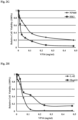
- 17beta-Deacetyltanghinin diol which is a novel chemical derivative of 17beta-Deacetyltanghinin that we synthesized (with a lower anticancer activity than 17beta-Deacetyltanghinin; FIG. 2E ), Bufalin, Resibufogenin and Cinobufagin (table below).
- 17 alpha-Deacetyltanghinin and 17 alpha-Neriifolin have little anti-proliferative activity (table below), indicating that the 17beta configuration is critical for the anti-proliferative activity of these compounds.
- 17beta-Deacetyltanghinin can specifically block the MCM nuclear localization.
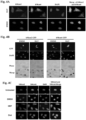
- 17beta-Neriifolin another compound isolated from Cerebra manhas and structurally related to 17beta-Deacetyltanghinin, can also disrupt the MCM nuclear localization as efficiently as 17beta-Deacetyltanghinin can, while 17beta-Deacetyltanghinin diol which is a chemical derivative of 17beta-Deacetyltanghinin has a weaker activity ( FIG. 4C ).
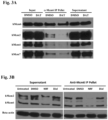
- the MCM complex plays a central role in the licensing of DNA replication. Since 17beta-Deacetyltanghinin can disrupt the interactions of hMcm2 and hMcm6 and prevent their nuclear localization, 17beta-Deacetyltanghinin should inhibit the chromatin association of MCM proteins, indicating failure of pre-RC assembly (replication licensing). To test this, we performed chromatin binding assays to detect chromatin-associated proteins. In FIG. 5A and B , asynchronous Hela cells were treated with 17beta-Deacetyltanghinin for 24 hrs and analyzed by the chromatin binding assay ( FIG. 5A ).
- Untreated cells Untreated cells (Untreat.), cells treated with the solvent DMSO, and those treated with 0.2, 0.4 or 0.8 ⁇ g/ml 17beta-Deacetyltanghinin were analyzed for pre-RC components in the chromatin and supernatant fractions by immunoblotting ( FIG. 5A ). Beta-actin was used as the loading control. Each cell sample was also analyzed for cell cycle distribution by flow cytometry ( FIG. 5B ). Experiments shown in FIG. 5C and D were similar to those in FIG. 5A and B , except that the cells were synchronized in M phase using Nocodazole (Noc.) and then released into fresh medium containing DMSO or 17beta-Deacetyltanghinin (DAT) as indicated.
- Nocodazole Nocodazole
- DAT 17beta-Deacetyltanghinin
- HeLa cells were first pre-synchronized in late G1/early S phase with thymidine and then arrested in M phase with nocadozole. The cells were then released into fresh medium in the presence of 17beta-Deacetyltanghinin. Control cells including DMSO-treated and untreated cells, could pass through M and G1 phases and enter S phase ( FIG. 5D ). However, 17beta-Deacetyltanghinin-treated cells only entered G1 phase, and most of the cells did not enter S phase ( FIG. 5D ).
- 17beta-Deacetyltanghinin As 17beta-Deacetyltanghinin disrupts the interactions between hMcm2 and hMcm6 and inhibits the association of MCM proteins with chromatin, 17beta-Deacetyltanghinin should block DNA replication.
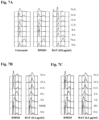
- FIG. 7 Hela cells were blocked at M phase by Nocodazole (Noc.; FIG. 7A ), the G1/S transition by mimosine (MMS; FIG. 7B ), or at early S phase by Hydroxyurea (HU; FIG. 7C ) and then released into fresh medium in the presence of 17beta-Deacetyltanghinin (DAT). The cells at different time points after release were analyzed by follow cytometry. Ayn. means asynchronous cells. Untreated cells and cells treated with the solvent DMSO could complete M, G1 and S phases after release ( FIG.
- 17beta-Deacetyltanghinin also induced apoptotic cell death in cancer cells, as a population of sub-G1 cancer cells, indicative of apoptosis, was detected by flow cytometry after treatment by 17beta-Deacetyltanghinin ( FIGS. 5B , 7 and 8A ), whereas normal L-02 cells were mostly arrested in G1 phase with reduced a G2/M population ( FIG. 8A ).
- flow cytometry was performed to analyze the DNA contents in HepG2 and L-02 cells treated with 17beta-Deacetyltanghinin at various concentrations for 24 hrs.
- FIG. 8A flow cytometry was performed to analyze the DNA contents in HepG2 and L-02 cells treated with 17beta-Deacetyltanghinin at various concentrations for 24 hrs.
- 17beta-Deacetyltanghinin inhibited DNA replication in asynchronous HeLa cells (by BrdU incorporation assay) ( FIG. 6 ), and most of the synchronized cells released from M phase entered G1 phase but apparently did not enter S phase in the presence of 17beta-Deacetyltanghinin as judged by the flow cytometry results ( FIG. 7A ). Longer incubation of cancer cells with 17beta-Deacetyltanghinin could induce apoptosis as evidenced by a sub-G1 population in the flow cytometry profiles ( FIG. 7A ) and by Annexin V staining ( FIG. 8B ).
- 17beta-Deacetyltanghinin In addition to 17beta-Deacetyltanghinin, a number of structurally related compounds, for example, 17beta-Neriifolin and 17beta-Deacetyltanghinin diol were also found to be able to induce apoptosis of cancer cells as indicated by the sub-G1 population of cells in flow cytometry analysis ( FIG. 8D ).
- FIGS. 2 and 8A indicate that the anti-proliferation compounds of this invention can specifically kill cancer cells with little cytotoxicity towards normal cells.
- L-02 (normal liver) cells and HepG2 (liver cancer) cells were incubated with 17beta-Deacetyltanghinin or DMSO for one day, 17beta-Deacetyltanghinin or DMSO was then removed, and the cells were further incubated with fresh growth medium for three days. Viable cell numbers were monitored daily by WST-1 assay.
- L+DAT refers to L-02 cells treated with 17beta-Deacetyltanghinin
- L+D represents L-02 cells treated with DMSO
- H+DAT refers to HepG2 cells treated with 17beta-Deacetyltanghinin
- H+D represents HepG2 cells treated with DMSO before being released into fresh medium.
- nude mice xenograft model In vivo anticancer activity tests were carried out in the nude mice xenograft model by inoculating nude mice with HeLa cells in both the left and right flanks. After random grouping, nude mice were treated intraperitoneally with 17beta-Deacetyltanghinin or the solvent (30% of propylene glycol in PBS). In the first test, 3 days after tumor inoculation when small tumors started to form, two groups of nude mice were treated on days 1-3 and 6-10 with 3.5 and 7.0 mg-drug/kg-body weight of 17beta-Deacetyltanghinin respectively, and another group of control mice were treated with the same volume of the solvent ( FIG. 10A ).
- the tumor volume data represented by the small-size data point symbol linked with thin lines were obtained on the days when both measurement of tumor size and drug injections were performed, and the tumor volume data represented by the large-size data point symbol linked with thick lines were obtained on the days without drug injection.
- Each tumor size was average of ten tumors in five mice in each group.
- the results showed that 17beta-Deacetyltanghinin significantly suppressed tumors growth by 90% at the high dose (7.0 mg/kg) and 70% at the low dose (3.5 mg/kg).
- the high dose for the last 5 continuous injections of 17beta-Deacetyltanghinin, tumors size even decreased, suggesting that 17beta-Deacetyltanghinin had induced the death of tumor cells in the mice.
- FIG. 10B A further set of animal experiments was then conducted with a longer period of time, in which fifteen drug injections at 5.0 mg/kg were performed one week after tumor inoculation when the tumor size reached 0.05-0.1 cm 3 .
- FIG. 10B drug injections and tumor size measurements were performed on the days represented by the data points, and the photographs in FIG. 10C were taken on day 20. The results showed that tumor growth was again significantly suppressed; tumors in the mice treated with 17beta-Deacetyltanghinin were over 80% smaller than those in the solvent-treated control mice ( FIG. 10B , C).
- Paclitaxel (Taxol) at 10 mg/kg per injection showed much less antitumor activities than 17beta-Deacetyltanghinin in the first 10 days, and the mice died on day 10 because of the toxicity of Taxol ( FIG. 10B ).
- FIG. 11A At the end of the drug treatment as described in FIG. 10B , no obvious weight loss was observed in the nude mice after intraperitoneal administration with 5.0 mg/kg of 17beta-Deacetyltanghinin for 20 days ( FIG. 11A ).
- S refers to solvent-treated mice without tumor inoculation
- S+T represents solvent-treated mice with tumor inoculation
- DAT refers to 17beta-Deacetyltanghinin-treated mice without tumor inoculation
- DAT+T represents 17beta-Deacetyltanghinin-treated mice with tumor inoculation
- P+T refers to Paelitaxel-treated mice with tumor inoculation.
- mice with intermediate tumor size in each group were selected for physiological parameters examination.
- the tumors (T) and internal organs including liver (L), heart (H) and kidney (K) were dissected from each mouse.
- the size of the tumors ( FIG. 11B ) were consistent with the tumor volume measurements presented in FIG. 10B . All organs looked normal, e.g., neither intumescence nor abnormal color was observed ( FIG. 11B ), and the organ weights relative to body weights were not significantly changed ( FIG. 11C ).
Landscapes
- Health & Medical Sciences (AREA)
- Life Sciences & Earth Sciences (AREA)
- Engineering & Computer Science (AREA)
- Chemical & Material Sciences (AREA)
- Immunology (AREA)
- Biomedical Technology (AREA)
- Molecular Biology (AREA)
- Medicinal Chemistry (AREA)
- General Health & Medical Sciences (AREA)
- Hematology (AREA)
- Urology & Nephrology (AREA)
- Pharmacology & Pharmacy (AREA)
- Animal Behavior & Ethology (AREA)
- Public Health (AREA)
- Veterinary Medicine (AREA)
- Cell Biology (AREA)
- Biotechnology (AREA)
- Epidemiology (AREA)
- Pathology (AREA)
- General Physics & Mathematics (AREA)
- Microbiology (AREA)
- Biochemistry (AREA)
- Analytical Chemistry (AREA)
- Food Science & Technology (AREA)
- Physics & Mathematics (AREA)
- Bioinformatics & Cheminformatics (AREA)
- Tropical Medicine & Parasitology (AREA)
- Toxicology (AREA)
- Nuclear Medicine, Radiotherapy & Molecular Imaging (AREA)
- General Chemical & Material Sciences (AREA)
- Chemical Kinetics & Catalysis (AREA)
- Organic Chemistry (AREA)
- Oncology (AREA)
- Pharmaceuticals Containing Other Organic And Inorganic Compounds (AREA)
- Investigating Or Analysing Biological Materials (AREA)
- Medicines That Contain Protein Lipid Enzymes And Other Medicines (AREA)
- Measuring Or Testing Involving Enzymes Or Micro-Organisms (AREA)
- Hospice & Palliative Care (AREA)
Applications Claiming Priority (3)
| Application Number | Priority Date | Filing Date | Title |
|---|---|---|---|
| US201261644442P | 2012-05-09 | 2012-05-09 | |
| PCT/US2013/040287 WO2013169989A1 (en) | 2012-05-09 | 2013-05-09 | Method and compounds for inhibiting the mcm complex and their application in cancer treatment |
| EP13787939.1A EP2846807B1 (de) | 2012-05-09 | 2013-05-09 | Verfahren und verbindungen zur hemmung des mcm-komplexes und deren anwendung bei der behandlung von krebs |
Related Parent Applications (1)
| Application Number | Title | Priority Date | Filing Date |
|---|---|---|---|
| EP13787939.1A Division EP2846807B1 (de) | 2012-05-09 | 2013-05-09 | Verfahren und verbindungen zur hemmung des mcm-komplexes und deren anwendung bei der behandlung von krebs |
Publications (2)
| Publication Number | Publication Date |
|---|---|
| EP4248978A2 true EP4248978A2 (de) | 2023-09-27 |
| EP4248978A3 EP4248978A3 (de) | 2023-11-08 |
Family
ID=49551267
Family Applications (2)
| Application Number | Title | Priority Date | Filing Date |
|---|---|---|---|
| EP13787939.1A Active EP2846807B1 (de) | 2012-05-09 | 2013-05-09 | Verfahren und verbindungen zur hemmung des mcm-komplexes und deren anwendung bei der behandlung von krebs |
| EP23177484.5A Pending EP4248978A3 (de) | 2012-05-09 | 2013-05-09 | Verfahren und verbindungen zur hemmung des mcm-komplexes und deren anwendung bei der behandlung von krebs |
Family Applications Before (1)
| Application Number | Title | Priority Date | Filing Date |
|---|---|---|---|
| EP13787939.1A Active EP2846807B1 (de) | 2012-05-09 | 2013-05-09 | Verfahren und verbindungen zur hemmung des mcm-komplexes und deren anwendung bei der behandlung von krebs |
Country Status (9)
| Country | Link |
|---|---|
| US (1) | US11648258B2 (de) |
| EP (2) | EP2846807B1 (de) |
| JP (6) | JP2015517500A (de) |
| CN (2) | CN104736157B (de) |
| AU (1) | AU2013259486B2 (de) |
| CA (2) | CA3111702C (de) |
| ES (1) | ES2949335T3 (de) |
| IN (1) | IN2014MN02513A (de) |
| WO (1) | WO2013169989A1 (de) |
Families Citing this family (4)
| Publication number | Priority date | Publication date | Assignee | Title |
|---|---|---|---|---|
| AU2019283946B2 (en) * | 2017-05-19 | 2021-05-20 | Enkang Pharmaceuticals (Guangzhou), Ltd. | Crystal characteristics, preparation processes and anticancer applications of 17beta-neriifolin crystal forms |
| CN108948119B (zh) * | 2017-05-19 | 2023-11-21 | 恩康药业科技(广州)有限公司 | 黄夹次甙乙多晶型的晶型特征、制备方法及在抗癌上的应用 |
| CN114177189A (zh) * | 2019-03-27 | 2022-03-15 | 天津中医药大学 | 黄夹次乙苷作为抗肿瘤药物的应用 |
| WO2025077888A1 (zh) * | 2023-10-13 | 2025-04-17 | 恩康药业科技(广州)有限公司 | 一种适合外用的化合物及药物组合物 |
Citations (2)
| Publication number | Priority date | Publication date | Assignee | Title |
|---|---|---|---|---|
| US7393950B2 (en) | 2002-08-29 | 2008-07-01 | Hong Kong University Of Science & Technology | Antisense oligonucleotides targeted to human CDC45 |
| US8318922B2 (en) | 2002-08-29 | 2012-11-27 | The Hong Kong Polytechnic University | Treatment and prevention of hyperproliferative conditions in humans and antisense oligonucleotide inhibition of human replication-initiation proteins |
Family Cites Families (12)
| Publication number | Priority date | Publication date | Assignee | Title |
|---|---|---|---|---|
| JPH0592990A (ja) | 1991-08-06 | 1993-04-16 | Taisho Pharmaceut Co Ltd | カルデノライド誘導体 |
| AU2001282088A1 (en) * | 2000-08-17 | 2002-02-25 | Terness, Peter | Immunosuppressive, antiinflammatory and analgetic compounds |
| JP2004131435A (ja) * | 2002-10-11 | 2004-04-30 | Mitsubishi Chemicals Corp | 抗癌剤のスクリーニング方法及び組織の癌化の判定方法 |
| DE10248751A1 (de) * | 2002-10-18 | 2004-05-06 | Berdel, Wolfgang E., Prof. Dr.med. | Dyslokalisationsmoleküle und deren Verwendung |
| EP1755649A1 (de) * | 2004-04-14 | 2007-02-28 | Medical Research Council | Selektive zerstörung von krebszellen durch induktion von acetyltransferase über tnf-alpha und il-6 |
| JP2008525479A (ja) * | 2004-12-22 | 2008-07-17 | オークランド ユニサービシス リミテッド | トレフォイル因子およびそれを用いた増殖性疾患の処置方法 |
| EP1787645A1 (de) * | 2005-11-18 | 2007-05-23 | Institut Curie | Neue Krebsbehandlung durch Modulierung des Calcineurin- und/oder Calcineurin/NFAT-Weg |
| US20090018088A1 (en) * | 2006-10-27 | 2009-01-15 | University Of Louisville Research Foundation | Treating cancer with cardiac glycosides |
| CN101683359B (zh) * | 2008-09-28 | 2012-05-09 | 上海秀新臣邦医药科技有限公司 | 一种治疗肿瘤的中药组合物及其制备方法 |
| CN101726577A (zh) * | 2008-10-13 | 2010-06-09 | 中山大学 | 通过干扰巢蛋白表达来筛选抑制肿瘤增殖和促进细胞凋亡的药物的方法 |
| WO2010068247A1 (en) * | 2008-12-10 | 2010-06-17 | Sloan-Kettering Institute For Cancer Research | Cardenolides for the treatment of ocular cancer |
| CN102219821A (zh) | 2011-05-05 | 2011-10-19 | 沈阳药科大学 | 一类强心苷类化合物及其抗肿瘤用途 |
-
2013
- 2013-05-09 EP EP13787939.1A patent/EP2846807B1/de active Active
- 2013-05-09 ES ES13787939T patent/ES2949335T3/es active Active
- 2013-05-09 CA CA3111702A patent/CA3111702C/en not_active Withdrawn - After Issue
- 2013-05-09 JP JP2015511684A patent/JP2015517500A/ja active Pending
- 2013-05-09 WO PCT/US2013/040287 patent/WO2013169989A1/en not_active Ceased
- 2013-05-09 US US14/399,960 patent/US11648258B2/en active Active
- 2013-05-09 CA CA2873283A patent/CA2873283C/en active Active
- 2013-05-09 CN CN201380024370.2A patent/CN104736157B/zh active Active
- 2013-05-09 CN CN201910489605.4A patent/CN110412285B/zh active Active
- 2013-05-09 EP EP23177484.5A patent/EP4248978A3/de active Pending
- 2013-05-09 AU AU2013259486A patent/AU2013259486B2/en active Active
- 2013-05-09 IN IN2513MUN2014 patent/IN2014MN02513A/en unknown
-
2018
- 2018-01-11 JP JP2018002988A patent/JP2018100274A/ja active Pending
-
2019
- 2019-12-27 JP JP2019237597A patent/JP2020073544A/ja active Pending
-
2021
- 2021-09-16 JP JP2021150771A patent/JP2021193132A/ja active Pending
-
2023
- 2023-09-21 JP JP2023154199A patent/JP2024001049A/ja active Pending
-
2025
- 2025-08-12 JP JP2025134199A patent/JP2025169320A/ja active Pending
Patent Citations (2)
| Publication number | Priority date | Publication date | Assignee | Title |
|---|---|---|---|---|
| US7393950B2 (en) | 2002-08-29 | 2008-07-01 | Hong Kong University Of Science & Technology | Antisense oligonucleotides targeted to human CDC45 |
| US8318922B2 (en) | 2002-08-29 | 2012-11-27 | The Hong Kong Polytechnic University | Treatment and prevention of hyperproliferative conditions in humans and antisense oligonucleotide inhibition of human replication-initiation proteins |
Also Published As
| Publication number | Publication date |
|---|---|
| EP2846807A4 (de) | 2016-07-27 |
| JP2024001049A (ja) | 2024-01-09 |
| US20150099712A1 (en) | 2015-04-09 |
| JP2018100274A (ja) | 2018-06-28 |
| EP4248978A3 (de) | 2023-11-08 |
| CN104736157B (zh) | 2019-06-11 |
| EP2846807C0 (de) | 2023-06-07 |
| JP2021193132A (ja) | 2021-12-23 |
| IN2014MN02513A (de) | 2015-07-17 |
| WO2013169989A1 (en) | 2013-11-14 |
| ES2949335T3 (es) | 2023-09-27 |
| JP2025169320A (ja) | 2025-11-12 |
| CA3111702A1 (en) | 2013-11-14 |
| CN110412285A (zh) | 2019-11-05 |
| EP2846807A1 (de) | 2015-03-18 |
| CA3111702C (en) | 2025-03-18 |
| JP2020073544A (ja) | 2020-05-14 |
| CN110412285B (zh) | 2022-11-15 |
| CA2873283C (en) | 2021-05-04 |
| AU2013259486B2 (en) | 2019-12-12 |
| US11648258B2 (en) | 2023-05-16 |
| AU2013259486A1 (en) | 2014-12-18 |
| CA2873283A1 (en) | 2013-11-14 |
| JP2015517500A (ja) | 2015-06-22 |
| CN104736157A (zh) | 2015-06-24 |
| EP2846807B1 (de) | 2023-06-07 |
Similar Documents
| Publication | Publication Date | Title |
|---|---|---|
| JP2025169320A (ja) | Mcm複合体の形成を阻害する方法および抗ガン化合物についてスクリーニングする方法 | |
| De et al. | Plumbagin from a tropical pitcher plant (Nepenthes alata Blanco) induces apoptotic cell death via a p53-dependent pathway in MCF-7 human breast cancer cells | |
| Liu et al. | Theanine from tea and its semi-synthetic derivative TBrC suppress human cervical cancer growth and migration by inhibiting EGFR/Met-Akt/NF-κB signaling | |
| Das et al. | Mahanine, A dietary phytochemical, represses mammary tumor burden in rat and inhibits subtype regardless breast cancer progression through suppressing self-renewal of breast cancer stem cells | |
| JP7537684B2 (ja) | 生物活性Ganoderma lucidum化合物および抗がん誘導体の合成;細胞の局在のためのエルゴステロールペルオキシドプローブ | |
| Xu et al. | In vitro and in vivo antitumor effects of plant-derived miliusanes and their induction of cellular senescence | |
| Li et al. | Solamargine induces apoptosis associated with p53 transcription-dependent and transcription-independent pathways in human osteosarcoma U2OS cells | |
| Li et al. | The effect of dihydroartemisinin on the malignancy and epithelial-mesenchymal transition of gastric cancer cells | |
| Guo et al. | Ginsengenin derivatives synthesized from 20 (R)-panaxotriol: Synthesis, characterization, and antitumor activity targeting HIF-1 pathway | |
| Li et al. | KLF4 suppresses anticancer effects of brusatol via transcriptional upregulating NCK2 expression in melanoma | |
| Geng et al. | Effect and mechanism of novel HDAC inhibitor ZDLT-1 in colorectal cancer by regulating apoptosis and inflammation | |
| US20230293564A1 (en) | Method and compounds for inhibiting the MCM complex and their application in cancer treatment | |
| KR101701235B1 (ko) | Hrp-3 억제제를 포함하는 방사선 또는 약물내성 암의 치료용 약학 조성물 | |
| HK40100635A (en) | Method and compounds for inhibiting the mcm complex and their application in cancer treatment | |
| Chen et al. | Ovatodiolide inhibited hepatocellular carcinoma stemness through SP1/MTDH/STAT3 signaling pathway | |
| Liu et al. | LingZhi oligopeptides amino acid sequence analysis and anticancer potency evaluation | |
| HK40016841A (en) | Method and compounds for inhibiting the mcm protein complex and their application in cancer treatment | |
| HK40016841B (en) | Method and compounds for inhibiting the mcm protein complex and their application in cancer treatment | |
| Fallit et al. | Targeting FOXP3 in glioblastoma: Blockade of tumor intrinsic effects boosts response to chemo-radiotherapy | |
| KR102943670B1 (ko) | 오미자 유래 화합물을 유효성분으로 포함하는 암의 예방 또는 치료용 약학적 조성물 | |
| US9895345B2 (en) | Use of Lappaol F to inhibit tumor cell growth | |
| WO2017122736A1 (ja) | 白血病幹細胞のニッチ形成抑制活性を有する海洋生物由来の抽出物、化合物及び医薬組成物 |
Legal Events
| Date | Code | Title | Description |
|---|---|---|---|
| PUAI | Public reference made under article 153(3) epc to a published international application that has entered the european phase |
Free format text: ORIGINAL CODE: 0009012 |
|
| STAA | Information on the status of an ep patent application or granted ep patent |
Free format text: STATUS: THE APPLICATION HAS BEEN PUBLISHED |
|
| AC | Divisional application: reference to earlier application |
Ref document number: 2846807 Country of ref document: EP Kind code of ref document: P |
|
| AK | Designated contracting states |
Kind code of ref document: A2 Designated state(s): AL AT BE BG CH CY CZ DE DK EE ES FI FR GB GR HR HU IE IS IT LI LT LU LV MC MK MT NL NO PL PT RO RS SE SI SK SM TR |
|
| REG | Reference to a national code |
Ref country code: DE Ref legal event code: R079 Free format text: PREVIOUS MAIN CLASS: A61K0031704800 Ipc: A61K0031585000 |
|
| PUAL | Search report despatched |
Free format text: ORIGINAL CODE: 0009013 |
|
| AK | Designated contracting states |
Kind code of ref document: A3 Designated state(s): AL AT BE BG CH CY CZ DE DK EE ES FI FR GB GR HR HU IE IS IT LI LT LU LV MC MK MT NL NO PL PT RO RS SE SI SK SM TR |
|
| RIC1 | Information provided on ipc code assigned before grant |
Ipc: A61K 31/7048 20060101ALI20231005BHEP Ipc: A61P 35/00 20060101ALI20231005BHEP Ipc: A61K 31/585 20060101AFI20231005BHEP |
|
| REG | Reference to a national code |
Ref country code: HK Ref legal event code: DE Ref document number: 40100635 Country of ref document: HK |
|
| STAA | Information on the status of an ep patent application or granted ep patent |
Free format text: STATUS: REQUEST FOR EXAMINATION WAS MADE |
|
| 17P | Request for examination filed |
Effective date: 20240506 |
|
| RBV | Designated contracting states (corrected) |
Designated state(s): AL AT BE BG CH CY CZ DE DK EE ES FI FR GB GR HR HU IE IS IT LI LT LU LV MC MK MT NL NO PL PT RO RS SE SI SK SM TR |
|
| STAA | Information on the status of an ep patent application or granted ep patent |
Free format text: STATUS: EXAMINATION IS IN PROGRESS |
|
| 17Q | First examination report despatched |
Effective date: 20260105 |