EP4201435A1 - Antimikrobielles verfahren und antimikrobielle vorrichtung - Google Patents
Antimikrobielles verfahren und antimikrobielle vorrichtung Download PDFInfo
- Publication number
- EP4201435A1 EP4201435A1 EP21858250.0A EP21858250A EP4201435A1 EP 4201435 A1 EP4201435 A1 EP 4201435A1 EP 21858250 A EP21858250 A EP 21858250A EP 4201435 A1 EP4201435 A1 EP 4201435A1
- Authority
- EP
- European Patent Office
- Prior art keywords
- antimicrobial
- workspace
- treatment process
- ion
- unit
- Prior art date
- Legal status (The legal status is an assumption and is not a legal conclusion. Google has not performed a legal analysis and makes no representation as to the accuracy of the status listed.)
- Pending
Links
Images





Classifications
-
- A—HUMAN NECESSITIES
- A61—MEDICAL OR VETERINARY SCIENCE; HYGIENE
- A61L—METHODS OR APPARATUS FOR STERILISING MATERIALS OR OBJECTS IN GENERAL; DISINFECTION, STERILISATION OR DEODORISATION OF AIR; CHEMICAL ASPECTS OF BANDAGES, DRESSINGS, ABSORBENT PADS OR SURGICAL ARTICLES; MATERIALS FOR BANDAGES, DRESSINGS, ABSORBENT PADS OR SURGICAL ARTICLES
- A61L9/00—Disinfection, sterilisation or deodorisation of air
- A61L9/015—Disinfection, sterilisation or deodorisation of air using gaseous or vaporous substances, e.g. ozone
-
- A—HUMAN NECESSITIES
- A61—MEDICAL OR VETERINARY SCIENCE; HYGIENE
- A61L—METHODS OR APPARATUS FOR STERILISING MATERIALS OR OBJECTS IN GENERAL; DISINFECTION, STERILISATION OR DEODORISATION OF AIR; CHEMICAL ASPECTS OF BANDAGES, DRESSINGS, ABSORBENT PADS OR SURGICAL ARTICLES; MATERIALS FOR BANDAGES, DRESSINGS, ABSORBENT PADS OR SURGICAL ARTICLES
- A61L2/00—Disinfection or sterilisation of materials or objects, in general; Accessories therefor
- A61L2/02—Disinfection or sterilisation of materials or objects, in general; Accessories therefor using physical processes
- A61L2/08—Radiation
- A61L2/10—Ultraviolet [UV] radiation
-
- A—HUMAN NECESSITIES
- A61—MEDICAL OR VETERINARY SCIENCE; HYGIENE
- A61L—METHODS OR APPARATUS FOR STERILISING MATERIALS OR OBJECTS IN GENERAL; DISINFECTION, STERILISATION OR DEODORISATION OF AIR; CHEMICAL ASPECTS OF BANDAGES, DRESSINGS, ABSORBENT PADS OR SURGICAL ARTICLES; MATERIALS FOR BANDAGES, DRESSINGS, ABSORBENT PADS OR SURGICAL ARTICLES
- A61L2/00—Disinfection or sterilisation of materials or objects, in general; Accessories therefor
- A61L2/02—Disinfection or sterilisation of materials or objects, in general; Accessories therefor using physical processes
- A61L2/14—Plasma, i.e. ionised gases
-
- A—HUMAN NECESSITIES
- A61—MEDICAL OR VETERINARY SCIENCE; HYGIENE
- A61L—METHODS OR APPARATUS FOR STERILISING MATERIALS OR OBJECTS IN GENERAL; DISINFECTION, STERILISATION OR DEODORISATION OF AIR; CHEMICAL ASPECTS OF BANDAGES, DRESSINGS, ABSORBENT PADS OR SURGICAL ARTICLES; MATERIALS FOR BANDAGES, DRESSINGS, ABSORBENT PADS OR SURGICAL ARTICLES
- A61L2/00—Disinfection or sterilisation of materials or objects, in general; Accessories therefor
- A61L2/16—Disinfection or sterilisation of materials or objects, in general; Accessories therefor using chemical substances
- A61L2/18—Liquid substances
-
- A—HUMAN NECESSITIES
- A61—MEDICAL OR VETERINARY SCIENCE; HYGIENE
- A61L—METHODS OR APPARATUS FOR STERILISING MATERIALS OR OBJECTS IN GENERAL; DISINFECTION, STERILISATION OR DEODORISATION OF AIR; CHEMICAL ASPECTS OF BANDAGES, DRESSINGS, ABSORBENT PADS OR SURGICAL ARTICLES; MATERIALS FOR BANDAGES, DRESSINGS, ABSORBENT PADS OR SURGICAL ARTICLES
- A61L2/00—Disinfection or sterilisation of materials or objects, in general; Accessories therefor
- A61L2/16—Disinfection or sterilisation of materials or objects, in general; Accessories therefor using chemical substances
- A61L2/20—Gaseous substances, e.g. vapours
- A61L2/202—Ozone
-
- A—HUMAN NECESSITIES
- A61—MEDICAL OR VETERINARY SCIENCE; HYGIENE
- A61L—METHODS OR APPARATUS FOR STERILISING MATERIALS OR OBJECTS IN GENERAL; DISINFECTION, STERILISATION OR DEODORISATION OF AIR; CHEMICAL ASPECTS OF BANDAGES, DRESSINGS, ABSORBENT PADS OR SURGICAL ARTICLES; MATERIALS FOR BANDAGES, DRESSINGS, ABSORBENT PADS OR SURGICAL ARTICLES
- A61L2/00—Disinfection or sterilisation of materials or objects, in general; Accessories therefor
- A61L2/24—Apparatus using programmed or automatic operation
-
- A—HUMAN NECESSITIES
- A61—MEDICAL OR VETERINARY SCIENCE; HYGIENE
- A61L—METHODS OR APPARATUS FOR STERILISING MATERIALS OR OBJECTS IN GENERAL; DISINFECTION, STERILISATION OR DEODORISATION OF AIR; CHEMICAL ASPECTS OF BANDAGES, DRESSINGS, ABSORBENT PADS OR SURGICAL ARTICLES; MATERIALS FOR BANDAGES, DRESSINGS, ABSORBENT PADS OR SURGICAL ARTICLES
- A61L9/00—Disinfection, sterilisation or deodorisation of air
- A61L9/14—Disinfection, sterilisation or deodorisation of air using sprayed or atomised substances including air-liquid contact processes
-
- A—HUMAN NECESSITIES
- A61—MEDICAL OR VETERINARY SCIENCE; HYGIENE
- A61L—METHODS OR APPARATUS FOR STERILISING MATERIALS OR OBJECTS IN GENERAL; DISINFECTION, STERILISATION OR DEODORISATION OF AIR; CHEMICAL ASPECTS OF BANDAGES, DRESSINGS, ABSORBENT PADS OR SURGICAL ARTICLES; MATERIALS FOR BANDAGES, DRESSINGS, ABSORBENT PADS OR SURGICAL ARTICLES
- A61L9/00—Disinfection, sterilisation or deodorisation of air
- A61L9/16—Disinfection, sterilisation or deodorisation of air using physical phenomena
- A61L9/18—Radiation
- A61L9/20—Ultraviolet radiation
-
- A—HUMAN NECESSITIES
- A61—MEDICAL OR VETERINARY SCIENCE; HYGIENE
- A61L—METHODS OR APPARATUS FOR STERILISING MATERIALS OR OBJECTS IN GENERAL; DISINFECTION, STERILISATION OR DEODORISATION OF AIR; CHEMICAL ASPECTS OF BANDAGES, DRESSINGS, ABSORBENT PADS OR SURGICAL ARTICLES; MATERIALS FOR BANDAGES, DRESSINGS, ABSORBENT PADS OR SURGICAL ARTICLES
- A61L9/00—Disinfection, sterilisation or deodorisation of air
- A61L9/16—Disinfection, sterilisation or deodorisation of air using physical phenomena
- A61L9/22—Ionisation
-
- A—HUMAN NECESSITIES
- A61—MEDICAL OR VETERINARY SCIENCE; HYGIENE
- A61L—METHODS OR APPARATUS FOR STERILISING MATERIALS OR OBJECTS IN GENERAL; DISINFECTION, STERILISATION OR DEODORISATION OF AIR; CHEMICAL ASPECTS OF BANDAGES, DRESSINGS, ABSORBENT PADS OR SURGICAL ARTICLES; MATERIALS FOR BANDAGES, DRESSINGS, ABSORBENT PADS OR SURGICAL ARTICLES
- A61L2103/00—Materials or objects being the target of disinfection or sterilisation
- A61L2103/75—Room floors or walls
-
- A—HUMAN NECESSITIES
- A61—MEDICAL OR VETERINARY SCIENCE; HYGIENE
- A61L—METHODS OR APPARATUS FOR STERILISING MATERIALS OR OBJECTS IN GENERAL; DISINFECTION, STERILISATION OR DEODORISATION OF AIR; CHEMICAL ASPECTS OF BANDAGES, DRESSINGS, ABSORBENT PADS OR SURGICAL ARTICLES; MATERIALS FOR BANDAGES, DRESSINGS, ABSORBENT PADS OR SURGICAL ARTICLES
- A61L2209/00—Aspects relating to disinfection, sterilisation or deodorisation of air
- A61L2209/10—Apparatus features
- A61L2209/11—Apparatus for controlling air treatment
-
- A—HUMAN NECESSITIES
- A61—MEDICAL OR VETERINARY SCIENCE; HYGIENE
- A61L—METHODS OR APPARATUS FOR STERILISING MATERIALS OR OBJECTS IN GENERAL; DISINFECTION, STERILISATION OR DEODORISATION OF AIR; CHEMICAL ASPECTS OF BANDAGES, DRESSINGS, ABSORBENT PADS OR SURGICAL ARTICLES; MATERIALS FOR BANDAGES, DRESSINGS, ABSORBENT PADS OR SURGICAL ARTICLES
- A61L2209/00—Aspects relating to disinfection, sterilisation or deodorisation of air
- A61L2209/20—Method-related aspects
- A61L2209/21—Use of chemical compounds for treating air or the like
-
- A—HUMAN NECESSITIES
- A61—MEDICAL OR VETERINARY SCIENCE; HYGIENE
- A61L—METHODS OR APPARATUS FOR STERILISING MATERIALS OR OBJECTS IN GENERAL; DISINFECTION, STERILISATION OR DEODORISATION OF AIR; CHEMICAL ASPECTS OF BANDAGES, DRESSINGS, ABSORBENT PADS OR SURGICAL ARTICLES; MATERIALS FOR BANDAGES, DRESSINGS, ABSORBENT PADS OR SURGICAL ARTICLES
- A61L2209/00—Aspects relating to disinfection, sterilisation or deodorisation of air
- A61L2209/20—Method-related aspects
- A61L2209/21—Use of chemical compounds for treating air or the like
- A61L2209/212—Use of ozone, e.g. generated by UV radiation or electrical discharge
Definitions
- the present invention relates to an antimicrobial method and an antimicrobial device.
- PTL 1 discloses an example of a safety cabinet that forms a clean space.
- sterilization treatments are performed at an appropriate timing for the cell culture. Sterilization treatments are typically performed by using formalin, a peracetic acid preparation, hydrogen peroxide, ultraviolet rays, or the like. However, because such sterilization treatments are harmful to a human body, it must be ensured that there is no residue of the substance used for the sterilization treatment before a worker enters the clean space after the sterilization treatment. Contamination can occur in a clean space during time to ensure no residue of the substance, when a worker enters the clean space, or the like.
- the present invention is made in view of the problems described above, and an object thereof is to provide an antimicrobial method and an antimicrobial device that can favorably maintain a hygienic environment in a target space.
- an antimicrobial method includes at least two antimicrobial treatment processes, and an ion treatment process.
- the antimicrobial treatment process at least one of light having an antimicrobial effect, a gas having an antimicrobial effect, or liquid particles having an antimicrobial effect is delivered toward a target space.
- the ion treatment process ions are delivered toward the target space.
- a start time of the ion treatment process is included in a period from a start time of a first instance of the antimicrobial treatment process to before a start time of a second instance of the antimicrobial treatment process.
- An end time of the ion treatment process is after an end time of the first instance of the antimicrobial treatment process.
- an antimicrobial device includes an antimicrobial unit, an ion unit, and a control unit.
- the antimicrobial unit delivers at least one of light having an antimicrobial effect, a gas having an antimicrobial effect, or liquid particles having an antimicrobial effect toward a target space.
- the ion unit delivers ions toward the target space.
- the control unit controls the antimicrobial unit and the ion unit.
- an antimicrobial method and an antimicrobial device of the present invention it is possible to favorably maintain a hygienic environment in a target space.
- FIG. 1 is a diagram illustrating a configuration of the antimicrobial system 100 according to a first embodiment of the present invention.
- the antimicrobial system 100 is, for example, a cell culture facility for culturing a cell of a multicellular organism related to regenerative medicine and for workers to perform cell culture related work.
- the cell is, for example, a cell derived from an animal and a plant and, in the first embodiment, is an induced pluripotent stem cell (iPS cell).
- iPS cell induced pluripotent stem cell
- the antimicrobial system 100 may be used as a system for culturing a cell other than a cell for the regenerative medicine.
- the antimicrobial system 100 includes a workroom 10 and an antimicrobial device 50.
- the antimicrobial system 100 may include a plurality of the workrooms 10.
- the antimicrobial system 100 may also include a plurality of the antimicrobial devices 50.
- the workroom 10 includes a plurality of wall surfaces 11, a floor 12, and a ceiling 13.
- a workspace 14 is defined by the plurality of wall surfaces 11, the floor 12, and the ceiling 13.
- the workspace 14 is an example of a target space.
- the workspace 14 is a space for culturing cells and performing cell culture related work.
- a door 15 is provided on at least one wall surface 11 of the plurality of wall surfaces 11. A worker enters and exits the workspace 14 by the door 15 being opened and closed.
- the arrangement of the safety cabinet 21, the clean chamber 22, and the incubator 23 is not particularly limited, and only a part of the safety cabinet 21, the clean chamber 22, and the incubator 23 may be disposed.
- the antimicrobial device 50 includes an antimicrobial unit 60, an ion unit 70, and a control unit 80.
- the antimicrobial device 50 is disposed in at least one location of the plurality of wall surfaces 11, the floor 12, or the ceiling 13. Specifically, the antimicrobial device 50 is disposed in the ceiling 13.
- the antimicrobial unit 60 delivers at least one of light having an antimicrobial effect, a gas having an antimicrobial effect, or liquid particles having an antimicrobial effect toward the workspace 14. In other words, the antimicrobial unit 60 executes an antimicrobial treatment process.
- the concept of "antimicrobial” includes not only the killing of microorganisms such as bacteria, molds, and viruses, for example, but also the inhibiting of growth and proliferation of the microorganisms.
- the antimicrobial unit 60 includes an ozone generation device and a delivery unit.
- the ozone generation device is, for example, an electric discharge device that generates ozone (O 3 ) from oxygen molecules (O 2 ) by electric discharge.
- Ozone (O 3 ) is an example of a gas having an antimicrobial effect.
- the ozone generation device includes a pair of electric discharge electrodes (not illustrated). Examples of an electric discharge method include the plasma discharge or the corona discharge.
- the delivery unit delivers ozone (O 3 ) toward the workspace 14.
- the delivery unit is, for example, a fan.
- the fan rotates.
- the fan generates an air current by rotating.
- the air current generated by the delivery unit includes ozone (O 3 ), and the delivery unit delivers the ozone (O 3 ) toward the workspace 14.
- an installation position and an airflow direction of the antimicrobial unit 60 are set so that the air current generated by the delivery unit reaches every corner of the workspace 14. As a result, the ozone (O 3 ) diffuses throughout the workspace 14.
- the ozone (O 3 ) surrounds a surface of the microorganism when released into the air.
- the ozone (O 3 ) can inactivate the microorganism to reduce the life activity of the microorganism.
- ozone (O 3 ) is an active species having high oxidizability and thus may adversely affect not only microorganisms, but also humans and cells when released to humans and cells.
- the ion unit 70 delivers ions toward the workspace 14. In other words, the ion unit 70 executes an ion treatment process.
- the antimicrobial effect of ions is weaker than the antimicrobial effect of ozone (O 3 ).
- O 3 ozone
- ions can inactivate microorganisms to reduce the life activity of the microorganisms.
- ions have little or no adverse effect on humans and cells.
- an ion generation unit is an electric discharge device that generates ions by electric discharge. More specifically, the ion generation unit is an electric discharge device that generates a positive ion and a negative ion by electric discharge. Note that the ion generation unit may be an electric discharge device that generates only one of the positive ion and the negative ion by electric discharge.
- the control unit 80 controls the antimicrobial unit 60 and the ion unit 70.
- the control unit 80 is, for example, a computer.
- the control unit 80 includes a processor such as a central processing unit (CPU), for example.
- CPU central processing unit
- the control unit 80 switches the antimicrobial unit 60 and the ion unit 70 on and off.
- On refers to, for example, a power source being turned on.
- Off refers to, for example, the power source being turned off.
- control unit 80 turns on the antimicrobial unit 60 in a first period and turns off the antimicrobial unit 60 in periods other than the first period.
- control unit 80 executes the antimicrobial treatment process in which ozone (O 3 ) is delivered from the antimicrobial unit 60 toward the workspace 14 during the first period.
- control unit 80 executes at least two antimicrobial treatment processes. For example, the control unit 80 executes antimicrobial treatment processes at a predetermined interval (for example, 1 day or 1 week).
- control unit 80 turns on the ion unit 70 in a second period and turns off the ion unit 70 in periods other than the second period. In other words, the control unit 80 executes the ion treatment process of delivering ions from the ion unit 70 toward the workspace 14 during the second period.
- a part of the second period is included in a period after execution of the antimicrobial treatment process and before execution of the next antimicrobial treatment process.
- a part of the second period is included in a period after execution of the antimicrobial treatment process and before execution of the next antimicrobial treatment process immediately following the antimicrobial treatment process.
- a start time of the ion treatment process is included in a period from a start time of the first antimicrobial treatment process to before a start time of the next antimicrobial treatment process.
- the start time of the ion treatment process may be a time before an end time of the first antimicrobial treatment process, may be the same time as the end time of the first antimicrobial treatment process, or may be a time after the end time of the first antimicrobial treatment process.
- an end time of the ion treatment process is a time after the end time of the first antimicrobial treatment process.
- the end time of the ion treatment process may be a time before the start time of the next antimicrobial treatment process, may be the same time as the start time of the next antimicrobial treatment process, or may be a time after the start time of the next antimicrobial treatment process.
- the ion treatment process is executed throughout the period after execution of the antimicrobial treatment process to before execution of the next antimicrobial treatment process. More preferably, the start time of the ion treatment process is a time before the end time of the first antimicrobial treatment process.
- the start time of the ion treatment process is included in the period from the start time of the first antimicrobial treatment process to before the start time of the next antimicrobial treatment process.
- the end time of the ion treatment process is a time after the end time of the first antimicrobial treatment process.
- ions are delivered to the workspace 14 during the period after execution of the first antimicrobial treatment process to before execution of the next antimicrobial treatment process.
- ions are present in the workspace 14 during the period after execution of the first antimicrobial treatment process to before execution of the next antimicrobial treatment process, making it possible to favorably maintain a hygienic environment in the workspace 14.
- FIG. 2 is a flowchart illustrating the antimicrobial method according to the first embodiment. As illustrated in FIG. 2 , the antimicrobial method includes step S1 to step S6. The antimicrobial method is executed by the antimicrobial system 100.
- step S1 the antimicrobial unit 60 starts an antimicrobial treatment process of delivering ozone (O 3 ) toward the workspace 14 under control of the control unit 80. As a result, ozone (O 3 ) is present in the workspace 14.
- step S2 the antimicrobial unit 60 ends the antimicrobial treatment process of delivering ozone (O 3 ) toward the workspace 14 under control of the control unit 80.
- step S3 the ion unit 70 starts the ion treatment process of delivering ions toward the workspace 14 under control of the control unit 80. As a result, ions are present in the workspace 14.
- step S4 the ion unit 70 ends the ion treatment process of delivering ions toward the workspace 14 under control of the control unit 80.
- step S5 the antimicrobial unit 60 starts an antimicrobial treatment process of delivering ozone (O 3 ) toward the workspace 14 under control of the control unit 80. As a result, ozone (O 3 ) is present in the workspace 14.
- step S6 the antimicrobial unit 60 ends the antimicrobial treatment process of delivering ozone (O 3 ) toward the workspace 14 under control of the control unit 80. With this, the antimicrobial method ends.
- two antimicrobial treatment processes are executed at a predetermined interval. Furthermore, ions are delivered to the workspace 14 during the period after execution of the antimicrobial treatment process to before execution of the next antimicrobial treatment process. As a result, ions are present in the workspace 14 during the period after execution of the antimicrobial treatment process to before execution of the next antimicrobial treatment process, making it possible to favorably maintain a hygienic environment in the workspace 14.
- the ion unit 70 includes an ion generation unit and a delivery unit.
- the ion generation unit includes a pair of electric discharge electrodes (not illustrated).
- a positive voltage is applied to one of the pair of electric discharge electrodes.
- a water molecule (H 2 O) in the air is electrically decomposed by electric discharge, and a hydrogen ion H + is mainly generated.
- the water molecules (H 2 O) in the air condense around the generated hydrogen ion H + , and a stable cluster ion H + (H 2 O) m having a positive charge is formed.
- m is a natural number.
- the stable cluster ion H + (H 2 O) m having a positive charge is an example of a positive ion. Note that generation of the cluster ion H + (H 2 O) m can be confirmed by time-of-flight mass spectrometry.
- a negative voltage is applied to the other of the pair of electric discharge electrodes.
- an oxygen molecule (O 2 ) in the air is ionized by electric discharge, and an oxygen molecular ion (superoxide ion) O 2 - is mainly generated.
- the water molecules (H 2 O) in the air condense around the generated oxygen molecular ion (superoxide ion) O 2 - , and a stable cluster ion O 2 - (H 2 O) n having a negative charge is formed.
- n is a natural number.
- the stable cluster ion O 2 - (H 2 O) n having a negative charge is an example of a negative ion. Note that generation of the cluster ion H + (H 2 O) m can be confirmed by time-of-flight mass spectrometry.
- the delivery unit delivers the cluster ion H + (H 2 O) m and the cluster ion O 2 - (H 2 O) n to the workspace 14.
- the delivery unit is, for example, a fan.
- the fan rotates.
- the fan generates an air current by rotating.
- the air current generated by the delivery unit includes the cluster ion H + (H 2 O) m and the cluster ion O 2 - (H 2 O) n
- the delivery unit can deliver the cluster ion H + (H 2 O) m and the cluster ion O 2 - (H 2 O) n toward the workspace 14.
- an installation position and an airflow direction of the ion unit 70 are set so that the air current generated by the delivery unit reaches every corner of the workspace 14.
- the cluster ion H + (H 2 O) m and the cluster ion O 2 - (H 2 O) n are diffused throughout the workspace 14.
- the cluster ion H + (H 2 O) m and the cluster ion O 2 - (H 2 O) n are released into the air at the same time, the cluster ion H + (H 2 O) m and the cluster ion O 2 - (H 2 O) n surround the surface of the microorganism. Then, the cluster ion H + (H 2 O) m and the cluster ion O 2 - (H 2 O) n are momentarily bonded together, and [ • OH] (hydroxyl radical) is generated on the surface of the microorganism.
- the [ • OH] is an active species having high oxidizability, and thus inactivates the microorganism, making it possible to reduce the life activity of the microorganism.
- the ion unit 70 preferably supplies the cluster ion H + (H 2 O) m and the cluster ion O 2 - (H 2 O) n so that concentrations of the cluster ion H + (H 2 O) m and the cluster ion O 2 - (H 2 O) n in the workspace 14 are each 7000 pcs/cm 3 or greater. As long as the concentrations of the cluster ion H + (H 2 O) m and the cluster ion O 2 - (H 2 O) n are each 7000 pcs/cm 3 or greater, the growth and the proliferation of bacteria, viruses, and the like can be reduced.
- concentrations of the cluster ion H + (H 2 O) m and the cluster ion O 2 - (H 2 O) n differ depending on the cells to be cultured.
- concentrations of the cluster ion H + (H 2 O) m and the cluster ion O 2 - (H 2 O) n in the workspace 14 may be set depending on the type of cell to be cultured.
- the ion unit 70 preferably supplies the cluster ion H + (H 2 O) m and the cluster ion O 2 - (H 2 O) n so that the concentrations of the cluster ion H + (H 2 O) m and the cluster ion O 2 - (H 2 O) n in the workspace 14 are each 1 million pcs/cm 3 or less.
- the cluster ion H + (H 2 O) m and the cluster ion O 2 - (H 2 O) n can function as antimicrobials without adversely affecting cells.
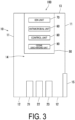
- FIG. 3 is a diagram illustrating the configuration of the antimicrobial system 100 according to the first embodiment.
- the antimicrobial device 50 further includes an ozone discharging unit 90.
- the ozone discharging unit 90 discharges ozone (O 3 ) from the workspace 14.
- the ozone discharging unit 90 is a fan. The fan rotates. The fan generates an air current by rotating.
- the control unit 80 switches the ozone discharging unit 90 on and off. Specifically, the control unit 80 turns on the ozone discharging unit 90 during a predetermined period after the first period. In other words, the control unit 80 executes a discharge treatment process of discharging ozone (O 3 ) during the predetermined period after the first period. As a result, ozone (O 3 ) is not present in the workspace 14. Thus, a person can be present in the workspace 14. Specifically, the concentration of ozone (O 3 ) in the workspace 14 is measured by using an ozone detector or the like, and a worker enters the workspace 14 after the concentration of ozone (O 3 ) is equal to or less than a safe standard value.
- FIG. 4 is a timetable illustrating the antimicrobial method according to the first embodiment.
- the antimicrobial method includes an antimicrobial treatment process P1, a discharge treatment process P2, an ion treatment process P3, work P4, and a preservation treatment process P5.
- the antimicrobial method is executed by the antimicrobial system 100.
- cell culture related work is performed by the worker in the workspace 14.
- the work P4 is performed in periods other than the first period. In other words, the worker is not present in the workspace 14 during the first period. As a result, the worker is not adversely affected by ozone (O 3 ).
- the preservation treatment process P5 cells of a multicellular organism related to regenerative medicine are preserved and cultured in the workspace 14.
- the preservation treatment process P5 is performed in periods other than the first period. In other words, cells are not present in the workspace 14 during the first period. As a result, the cells are not adversely affected by ozone (O 3 ).
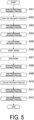
- FIG. 5 is a flowchart illustrating the antimicrobial method according to the first embodiment.
- the antimicrobial method includes step S101 to step S112.
- the antimicrobial treatment process P1 is started at time t1.
- the antimicrobial unit 60 starts delivery of ozone (O) 3 toward the workspace 14 under control of the control unit 80.
- ozone (O 3 ) is present in the workspace 14.
- step S102 the ion unit 70 starts delivery of the cluster ion H + (H 2 O) m and the cluster ion O 2 - (H 2 O) n toward the workspace 14 under control of the control unit 80.
- the cluster ion H + (H 2 O) m and the cluster ion O 2 - (H 2 O) n are present in the workspace 14.
- step S103 the antimicrobial unit 60 ends delivery of ozone (O 3 ) toward the workspace 14 under control of the control unit 80.
- step S104 the ozone discharging unit 90 starts discharging ozone (O 3 ) from the workspace 14 under control of the control unit 80.
- step S105 the ozone discharging unit 90 ends discharge of ozone (O 3 ) from the workspace 14 under control of the control unit 80. As a result, ozone (O 3 ) is not present in the workspace 14.
- step S106 the worker starts performing the work P4 related to cell culture in the workspace 14. Specifically, the worker enters the workspace 14 by opening and closing the door 15. The worker along with the cluster ion H + (H 2 O) m and the cluster ion O 2 - (H 2 O) n are present in the workspace 14.
- step S107 the worker ends performing the work P4 related to cell culture in the workspace 14. Specifically, the worker along with the cluster ion H + (H 2 O) m and the cluster ion O 2 - (H 2 O) n are present in the workspace 14. The worker exits the workspace 14 by opening and closing the door 15.
- step S108 the culturing of cells in the workspace 14 is started. Specifically, the cells along with the cluster ion H + (H 2 O) m and the cluster ion O 2 - (H 2 O) n are present in the workspace 14.
- step S109 the culturing of cells in the workspace 14 is ended. Specifically, the cells along with the cluster ion H + (H 2 O) m and the cluster ion O 2 - (H 2 O) n are present in the workspace 14.
- step S110 the ion unit 70 ends delivery of the cluster ion H + (H 2 O) m and the cluster ion O 2 - (H 2 O) n toward the workspace 14 under control of the control unit 80. Specifically, the worker enters and exits the workspace 14 in order to remove the cultured cells from the workspace 14 by opening and closing the door 15.
- step S 111 the antimicrobial unit 60 starts delivery of ozone (O 3 ) toward the workspace 14 under control of the control unit 80. As a result, ozone (O 3 ) is present in the workspace 14.
- step S 112 the antimicrobial unit 60 ends delivery of ozone (O 3 ) toward the workspace 14 under control of the control unit 80. With this, the antimicrobial method ends.
- the worker when the ion treatment process P3 is executed during the period after execution of the antimicrobial treatment process P1 and before execution of the next antimicrobial treatment process P1, the worker performs the work P4 related to cell culture and performs the preservation treatment process P5. As a result, the worker can perform the work P4 and perform the preservation treatment process P5 in the workspace 14 in which a hygienic environment is favorably maintained. Specifically, after the antimicrobial treatment process P1, the ion treatment process P3 is continually performed during a work phase in which the worker enters and performs work.
- an antimicrobial system 200 according to a second embodiment of the present invention will be described with reference to FIG. 6 .
- the antimicrobial system 200 of the second embodiment differs from that in the first embodiment in being an operating room. Furthermore, the antimicrobial system 200 of the second embodiment differs from that in the first embodiment in including a plurality of ultraviolet light source units 260.
- matters of the second embodiment that are different from those of the first embodiment will be described, and description of parts that are duplicates of the first embodiment will be omitted.
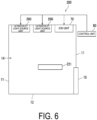
- FIG. 6 is a diagram illustrating a configuration of the antimicrobial system 200 according to the second embodiment of the present invention.
- the antimicrobial system 200 is an operating room for a physician to perform surgery on a patient, for example.
- surgical equipment 221 is disposed.
- the antimicrobial device 50 includes the plurality of ultraviolet light source units 260.
- Each of the plurality of ultraviolet light source units 260 includes an ultraviolet light source.
- the ultraviolet light source emits ultraviolet light.
- the ultraviolet light is an example of light having an antimicrobial effect. Specifically, installation positions and the number of the ultraviolet light source units 260 are set so that ultraviolet light reaches every corner of the workspace 14. As a result, the entire workspace 14 is irradiated with ultraviolet light.
- ultraviolet light When a microorganism is irradiated with ultraviolet light, ultraviolet light can inactivate the microorganism and reduce the life activity of the microorganism. Note that ultraviolet light has very high energy and thus may adversely affect not only microorganisms, but also humans and cells when humans and cells are irradiated therewith.
- control unit 80 turns on the ultraviolet light source units 260 in the first period and turns off the ultraviolet light source units 260 in periods other than the first period. In other words, the control unit 80 executes an antimicrobial treatment process of irradiating the workspace 14 with ultraviolet light from the ultraviolet light source units 260 during the first period.
- the antimicrobial treatment process of irradiating the workspace 14 with ultraviolet light is executed at a predetermined interval (for example, 1 day or 1 week). Furthermore, the cluster ion H + (H 2 O) m and the cluster ion O 2 - (H 2 O) n are delivered to the workspace 14 during the period after execution of the antimicrobial treatment process to before execution of the next antimicrobial treatment process. As a result, the cluster ion H + (H 2 O) m and the cluster ion O 2 - (H 2 O) n are present in the workspace 14, making it possible to suppress the presence of microorganisms in the workspace 14. Furthermore, in the case of irradiation with ultraviolet light, there is no residue of a substance such as ozone (O 3 ), and thus it is possible enter the workspace 14 from the moment the ultraviolet light source units 260 are turned off.
- a predetermined interval for example, 1 day or 1 week.
- an antimicrobial system 300 according to a third embodiment of the present invention will be described with reference to FIG. 7 .
- the antimicrobial system 300 of the third embodiment differs from that in the first embodiment in being a food factory.
- the antimicrobial device 50 according to the third embodiment differs from that in the first embodiment in including a liquid spraying unit 360 and a liquid tank 390.
- matters of the third embodiment that are different from those of the first embodiment will be described, and description of parts that are duplicates of the first embodiment will be omitted.
- FIG. 7 is a diagram illustrating a configuration of the antimicrobial system 300 according to the third embodiment of the present invention.
- the antimicrobial system 300 is, for example, a food factory for a worker to process food with yeast.
- factory equipment 321 is disposed.
- the antimicrobial device 50 includes the liquid spraying unit 360 and the liquid tank 390.
- the liquid spraying unit 360 is, for example, a device for spraying ethanol from the liquid tank 390 as liquid particles.
- Ethanol is an example of liquid particles having an antimicrobial effect.
- installation positions and the number of the liquid spraying units 360 are set so that the liquid particles reach every corner of the workspace 14. As a result, ethanol diffuses throughout the workspace 14.
- Ethanol surrounds the surface of the microorganism when released into the air. Ethanol can inactivate the microorganism and reduce the life activity of microorganism. Note that ethanol may adversely affect, not only the microorganism, but humans and yeast when released to humans and yeast.
- control unit 80 turns on the liquid spraying unit 360 in the first period and turns off the liquid spraying unit 360 in periods other than the first period.
- control unit 80 executes an antimicrobial treatment process of spraying the workspace 14 with ethanol from the liquid spraying unit 360 during the first period.
- the antimicrobial treatment process of spraying the workspace 14 with ethanol is executed at a predetermined interval (for example, 1 day or 1 week). Furthermore, the cluster ion H + (H 2 O) m and the cluster ion O 2 - (H 2 O) n are delivered to the workspace 14 during the period after execution of the antimicrobial treatment process to before execution of the next antimicrobial treatment process. As a result, the cluster ion H + (H 2 O) m and the cluster ion O 2 - (H 2 O) n are present in the workspace 14, making it possible to favorably maintain a hygienic environment in the workspace 14.
- a predetermined interval for example, 1 day or 1 week.
- an antimicrobial system 400 according to a fourth embodiment of the present invention will be described with reference to FIG. 8 . Furthermore, the antimicrobial system 400 of the fourth embodiment differs from that in the first embodiment in being a container. Hereinafter, matters of the fourth embodiment that are different from those of the first embodiment will be described, and description of parts that are duplicates of the first embodiment will be omitted.
- FIG. 8 is a diagram illustrating a configuration of the antimicrobial system 400 according to the fourth embodiment of the present invention.
- the antimicrobial system 400 is, for example, a container for containing a food SA.
- the antimicrobial system 400 includes a container 410 and the antimicrobial device 50.
- the container 410 includes a plurality of wall surfaces 411, a bottom wall 412, and an upper wall 413.
- An accommodation space 414 is defined by the plurality of wall surfaces 411, the bottom wall 412, and the upper wall 413.
- the accommodation space 414 is an example of a target space.
- the accommodation space 414 is a space for accommodating food.
- a door 415 is provided on at least one wall surface 411 of the plurality of wall surfaces 411. The food SA is put into and taken out from the accommodation space 414 by the door 415 being opened and closed.
- the antimicrobial device 50 is disposed on at least one location of the plurality of wall surfaces 411, the bottom wall 412, and the upper wall 413. Specifically, the antimicrobial device 50 is disposed on the upper wall 413.
- the antimicrobial treatment process of delivering ozone (O 3 ) toward the accommodation space 414 is executed at a predetermined interval (for example, 1 day or 1 week). Furthermore, the cluster ion H + (H 2 O) m and the cluster ion O 2 - (H 2 O) n are delivered to the accommodation space 414 during the period after execution of the antimicrobial treatment process to before execution of the next antimicrobial treatment process. As a result, the cluster ion H + (H 2 O) m and the cluster ion O 2 - (H 2 O) n are present in the accommodation space 414, making it possible to favorably maintain a hygienic environment in the accommodation space 414.
- a predetermined interval for example, 1 day or 1 week.
- the present invention is applicable in the fields of an antimicrobial method and an antimicrobial device.
Landscapes
- Health & Medical Sciences (AREA)
- Epidemiology (AREA)
- Life Sciences & Earth Sciences (AREA)
- Animal Behavior & Ethology (AREA)
- General Health & Medical Sciences (AREA)
- Public Health (AREA)
- Veterinary Medicine (AREA)
- Chemical & Material Sciences (AREA)
- Chemical Kinetics & Catalysis (AREA)
- General Chemical & Material Sciences (AREA)
- Physics & Mathematics (AREA)
- Engineering & Computer Science (AREA)
- Plasma & Fusion (AREA)
- Apparatus For Disinfection Or Sterilisation (AREA)
Applications Claiming Priority (2)
| Application Number | Priority Date | Filing Date | Title |
|---|---|---|---|
| JP2020138768 | 2020-08-19 | ||
| PCT/JP2021/029755 WO2022039103A1 (ja) | 2020-08-19 | 2021-08-12 | 抗菌方法及び抗菌装置 |
Publications (2)
| Publication Number | Publication Date |
|---|---|
| EP4201435A1 true EP4201435A1 (de) | 2023-06-28 |
| EP4201435A4 EP4201435A4 (de) | 2024-01-24 |
Family
ID=80322737
Family Applications (1)
| Application Number | Title | Priority Date | Filing Date |
|---|---|---|---|
| EP21858250.0A Pending EP4201435A4 (de) | 2020-08-19 | 2021-08-12 | Antimikrobielles verfahren und antimikrobielle vorrichtung |
Country Status (5)
| Country | Link |
|---|---|
| US (1) | US20230285622A1 (de) |
| EP (1) | EP4201435A4 (de) |
| JP (1) | JP7847401B2 (de) |
| CN (1) | CN116096436B (de) |
| WO (1) | WO2022039103A1 (de) |
Family Cites Families (28)
| Publication number | Priority date | Publication date | Assignee | Title |
|---|---|---|---|---|
| JPS55122555A (en) * | 1979-03-15 | 1980-09-20 | Nitta Belt Kk | Method of sterilizing clean room* etc* |
| ATE285800T1 (de) * | 1999-05-06 | 2005-01-15 | Intecon Systems Inc | Reinigung von partikelfeststoffen und chemischen verunreinigungen von händen |
| CN101396567B (zh) * | 2000-05-18 | 2011-07-27 | 夏普公司 | 杀菌方法、离子发生元件、离子发生装置和空气调节装置 |
| JP2002065828A (ja) * | 2000-08-23 | 2002-03-05 | Toto Ltd | 空気清浄装置 |
| JP2002065282A (ja) * | 2000-09-04 | 2002-03-05 | Iwate Prefecture | シイタケラッカーゼ遺伝子 |
| JP2005519721A (ja) * | 2001-11-01 | 2005-07-07 | インテコン システムズ インコーポレイテッド | 活性洗浄液ミストを用いて生化学的物質を変性させる方法、及び装置 |
| JP2003153995A (ja) * | 2001-11-19 | 2003-05-27 | Sharp Corp | 殺菌・脱臭装置 |
| JP3403723B1 (ja) * | 2002-03-29 | 2003-05-06 | 株式会社Inax | 空気調節装置 |
| WO2003089017A1 (en) * | 2002-04-16 | 2003-10-30 | Prompt Care, Inc. | Method for abatement of allergens, pathogens and volatile organic compounds |
| JP3693663B2 (ja) * | 2003-07-08 | 2005-09-07 | シャープ株式会社 | 空気調節装置 |
| JP3979652B2 (ja) * | 2003-08-21 | 2007-09-19 | 株式会社相羽 | 空気清浄装置及び空気清浄方法 |
| KR100625771B1 (ko) * | 2004-05-27 | 2006-09-26 | 연세대학교 산학협력단 | 공기순환식 유인 오존 살균시스템 및 방법 |
| KR20090005625U (ko) * | 2007-12-05 | 2009-06-10 | 박천귀 | 무균실 출입용 항균장치 |
| KR20090005619U (ko) * | 2007-12-05 | 2009-06-10 | 박천귀 | 병원체 방어용 생물안전 작업대 |
| JP5266816B2 (ja) * | 2008-03-14 | 2013-08-21 | 株式会社日立プラントテクノロジー | 空気殺菌システム |
| KR20100007262A (ko) * | 2008-07-11 | 2010-01-22 | 삼성전자주식회사 | 공기청정기 |
| MX344243B (es) * | 2009-07-06 | 2016-12-08 | Medizone Int Inc * | Proceso y sistema de desinfeccion de centros de atencion medica con mezcla de oxigeno/ozono. |
| JP5189635B2 (ja) * | 2010-10-06 | 2013-04-24 | 有限会社シャンティー | 低温プラズマ・紫外線複合殺菌装置 |
| CN102284075B (zh) * | 2011-08-25 | 2014-12-31 | 佛山柯维光电股份有限公司 | 一种高效的空气消毒杀菌方法及其装置 |
| JP5461736B1 (ja) * | 2013-05-13 | 2014-04-02 | 株式会社 片野工業 | イオン・オゾン風発生装置及び方法 |
| WO2016102478A1 (en) * | 2014-12-23 | 2016-06-30 | Koninklijke Philips N.V. | Effective anti-bacteria and anti-viral air treatment device |
| KR101600742B1 (ko) * | 2015-02-03 | 2016-03-08 | 한국기계연구원 | 하전된 항균물질을 이용하는 항균 장치 |
| JP6486725B2 (ja) * | 2015-03-10 | 2019-03-20 | 株式会社日立産機システム | クリーンエア装置 |
| US9907874B2 (en) * | 2016-05-17 | 2018-03-06 | IONaer International Arizona, LLC | Air ionization systems and methods |
| EP3778849A4 (de) * | 2018-03-26 | 2021-05-26 | Sharp Kabushiki Kaisha | Reinraumaufrechterhaltungsvorrichtung, gebäudestruktur und zellzüchtungsverfahren und zellproduktionsverfahren |
| CN110671756B (zh) * | 2018-07-02 | 2020-11-10 | 西安电子科技大学 | 一种室内空气净化方法 |
| CN111256240A (zh) * | 2020-02-12 | 2020-06-09 | 李明 | 一种多功能空气净化系统及方法 |
| CN111184903B (zh) * | 2020-04-14 | 2020-08-04 | 山东乐康电器科技有限公司 | 一种智能负离子紫外快速杀菌装置 |
-
2021
- 2021-08-12 EP EP21858250.0A patent/EP4201435A4/de active Pending
- 2021-08-12 JP JP2022543921A patent/JP7847401B2/ja active Active
- 2021-08-12 WO PCT/JP2021/029755 patent/WO2022039103A1/ja not_active Ceased
- 2021-08-12 US US18/021,459 patent/US20230285622A1/en active Pending
- 2021-08-12 CN CN202180055814.3A patent/CN116096436B/zh active Active
Also Published As
| Publication number | Publication date |
|---|---|
| CN116096436B (zh) | 2025-05-16 |
| EP4201435A4 (de) | 2024-01-24 |
| JP7847401B2 (ja) | 2026-04-17 |
| CN116096436A (zh) | 2023-05-09 |
| JPWO2022039103A1 (de) | 2022-02-24 |
| WO2022039103A1 (ja) | 2022-02-24 |
| US20230285622A1 (en) | 2023-09-14 |
Similar Documents
| Publication | Publication Date | Title |
|---|---|---|
| EP3731884B1 (de) | Verfahren und system zur dekontamination von kleinen gehäusen | |
| KR101534817B1 (ko) | 이중제트노즐을 구비하는 과산화수소 플라즈마 이온화 발생장치 | |
| US9101043B2 (en) | Microplasma source and sterilization system including the same | |
| CN106163578B (zh) | 饱和度增强、低浓度汽化过氧化氢清洁方法 | |
| JPWO2011027542A1 (ja) | 液体にイオンを供給する方法および装置並びに殺菌方法および装置 | |
| JP6344948B2 (ja) | 殺菌成分除去装置、除菌装置、除菌環境維持システム及び殺菌成分除去方法 | |
| WO2021236816A1 (en) | System for reducing microbial burden on a surface | |
| Mohammed et al. | DBD plasma as a practical approach to sterilization of dental instruments | |
| Matthes et al. | Efficacy of different carrier gases for barrier discharge plasma generation compared to chlorhexidine on the survival of Pseudomonas aeruginosa embedded in biofilm in vitro | |
| KR20070053742A (ko) | 살균방법 및 살균장치 | |
| EP4201435A1 (de) | Antimikrobielles verfahren und antimikrobielle vorrichtung | |
| Pereira et al. | Beyond Ethylene Oxide (EtO): a comprehensive review of sustainable sterilization technologies for medical devices | |
| KR101905030B1 (ko) | 이온화된 과산화수소 에어로졸을 생성하기 위한 플라즈마 전원 장치 | |
| KR101910152B1 (ko) | 습도 반응형 분사 제어 장치를 부착한 과산화수소연무발생장치 | |
| CN214910898U (zh) | 等离子体活化水雾消毒装置 | |
| JP7524054B2 (ja) | 建築構造体、動物細胞培養方法および動物細胞製造方法 | |
| KR101870811B1 (ko) | 자기장을 이용한 ihpa 제어 장치 | |
| KR101870806B1 (ko) | 이온화된 과산화수소 에어로졸을 생성하기 위한 면 플라즈마 장치 | |
| KR101899786B1 (ko) | 과산화수소용액 분사 구동신호 제어장치를 부착한 과산화수소연무발생장치 | |
| KR20170114868A (ko) | 이온화된 과산화수소 에어로졸을 생성하기 위한 플라즈마 전원 장치 | |
| US20220401610A1 (en) | Ozone system for the inactivation of bacteria and viruses | |
| Neuber | Non-thermal atmospheric-pressure plasma for sterilization of surfaces and biofilms | |
| JP2004097464A (ja) | 空気浄化機能付き保管箱 | |
| CN117679650A (zh) | 医用等离子设备及其应用 | |
| Ryan et al. | Antimicrobial outcomes in plasma medicine |
Legal Events
| Date | Code | Title | Description |
|---|---|---|---|
| STAA | Information on the status of an ep patent application or granted ep patent |
Free format text: STATUS: THE INTERNATIONAL PUBLICATION HAS BEEN MADE |
|
| PUAI | Public reference made under article 153(3) epc to a published international application that has entered the european phase |
Free format text: ORIGINAL CODE: 0009012 |
|
| STAA | Information on the status of an ep patent application or granted ep patent |
Free format text: STATUS: REQUEST FOR EXAMINATION WAS MADE |
|
| 17P | Request for examination filed |
Effective date: 20230307 |
|
| AK | Designated contracting states |
Kind code of ref document: A1 Designated state(s): AL AT BE BG CH CY CZ DE DK EE ES FI FR GB GR HR HU IE IS IT LI LT LU LV MC MK MT NL NO PL PT RO RS SE SI SK SM TR |
|
| DAV | Request for validation of the european patent (deleted) | ||
| DAX | Request for extension of the european patent (deleted) | ||
| A4 | Supplementary search report drawn up and despatched |
Effective date: 20231221 |
|
| RIC1 | Information provided on ipc code assigned before grant |
Ipc: A61L 2/24 20060101ALI20231215BHEP Ipc: A61L 2/20 20060101ALI20231215BHEP Ipc: A61L 2/18 20060101ALI20231215BHEP Ipc: A61L 2/14 20060101ALI20231215BHEP Ipc: A61L 2/10 20060101ALI20231215BHEP Ipc: C12M 1/12 20060101ALI20231215BHEP Ipc: A61L 9/20 20060101ALI20231215BHEP Ipc: A61L 9/14 20060101ALI20231215BHEP Ipc: A61L 9/015 20060101ALI20231215BHEP Ipc: A61L 9/22 20060101AFI20231215BHEP |
|
| STAA | Information on the status of an ep patent application or granted ep patent |
Free format text: STATUS: EXAMINATION IS IN PROGRESS |
|
| 17Q | First examination report despatched |
Effective date: 20260105 |