EP4159563B1 - Verfahren und vorrichtung zur steuerung des drehmoments eines hybridfahrzeugs, speichermedium und elektronische vorrichtung - Google Patents
Verfahren und vorrichtung zur steuerung des drehmoments eines hybridfahrzeugs, speichermedium und elektronische vorrichtung Download PDFInfo
- Publication number
- EP4159563B1 EP4159563B1 EP21914044.9A EP21914044A EP4159563B1 EP 4159563 B1 EP4159563 B1 EP 4159563B1 EP 21914044 A EP21914044 A EP 21914044A EP 4159563 B1 EP4159563 B1 EP 4159563B1
- Authority
- EP
- European Patent Office
- Prior art keywords
- torque
- gradient
- change
- total
- dct
- Prior art date
- Legal status (The legal status is an assumption and is not a legal conclusion. Google has not performed a legal analysis and makes no representation as to the accuracy of the status listed.)
- Active
Links
Images

Classifications
-
- B—PERFORMING OPERATIONS; TRANSPORTING
- B60—VEHICLES IN GENERAL
- B60W—CONJOINT CONTROL OF VEHICLE SUB-UNITS OF DIFFERENT TYPE OR DIFFERENT FUNCTION; CONTROL SYSTEMS SPECIALLY ADAPTED FOR HYBRID VEHICLES; ROAD VEHICLE DRIVE CONTROL SYSTEMS FOR PURPOSES NOT RELATED TO THE CONTROL OF A PARTICULAR SUB-UNIT
- B60W20/00—Control systems specially adapted for hybrid vehicles
- B60W20/10—Controlling the power contribution of each of the prime movers to meet required power demand
-
- B—PERFORMING OPERATIONS; TRANSPORTING
- B60—VEHICLES IN GENERAL
- B60W—CONJOINT CONTROL OF VEHICLE SUB-UNITS OF DIFFERENT TYPE OR DIFFERENT FUNCTION; CONTROL SYSTEMS SPECIALLY ADAPTED FOR HYBRID VEHICLES; ROAD VEHICLE DRIVE CONTROL SYSTEMS FOR PURPOSES NOT RELATED TO THE CONTROL OF A PARTICULAR SUB-UNIT
- B60W10/00—Conjoint control of vehicle sub-units of different type or different function
- B60W10/04—Conjoint control of vehicle sub-units of different type or different function including control of propulsion units
- B60W10/06—Conjoint control of vehicle sub-units of different type or different function including control of propulsion units including control of combustion engines
-
- B—PERFORMING OPERATIONS; TRANSPORTING
- B60—VEHICLES IN GENERAL
- B60W—CONJOINT CONTROL OF VEHICLE SUB-UNITS OF DIFFERENT TYPE OR DIFFERENT FUNCTION; CONTROL SYSTEMS SPECIALLY ADAPTED FOR HYBRID VEHICLES; ROAD VEHICLE DRIVE CONTROL SYSTEMS FOR PURPOSES NOT RELATED TO THE CONTROL OF A PARTICULAR SUB-UNIT
- B60W10/00—Conjoint control of vehicle sub-units of different type or different function
- B60W10/04—Conjoint control of vehicle sub-units of different type or different function including control of propulsion units
- B60W10/08—Conjoint control of vehicle sub-units of different type or different function including control of propulsion units including control of electric propulsion units, e.g. motors or generators
-
- B—PERFORMING OPERATIONS; TRANSPORTING
- B60—VEHICLES IN GENERAL
- B60W—CONJOINT CONTROL OF VEHICLE SUB-UNITS OF DIFFERENT TYPE OR DIFFERENT FUNCTION; CONTROL SYSTEMS SPECIALLY ADAPTED FOR HYBRID VEHICLES; ROAD VEHICLE DRIVE CONTROL SYSTEMS FOR PURPOSES NOT RELATED TO THE CONTROL OF A PARTICULAR SUB-UNIT
- B60W2510/00—Input parameters relating to a particular sub-units
- B60W2510/06—Combustion engines, Gas turbines
- B60W2510/0657—Engine torque
- B60W2510/0661—Torque change rate
-
- B—PERFORMING OPERATIONS; TRANSPORTING
- B60—VEHICLES IN GENERAL
- B60W—CONJOINT CONTROL OF VEHICLE SUB-UNITS OF DIFFERENT TYPE OR DIFFERENT FUNCTION; CONTROL SYSTEMS SPECIALLY ADAPTED FOR HYBRID VEHICLES; ROAD VEHICLE DRIVE CONTROL SYSTEMS FOR PURPOSES NOT RELATED TO THE CONTROL OF A PARTICULAR SUB-UNIT
- B60W2510/00—Input parameters relating to a particular sub-units
- B60W2510/08—Electric propulsion units
- B60W2510/083—Torque
-
- B—PERFORMING OPERATIONS; TRANSPORTING
- B60—VEHICLES IN GENERAL
- B60W—CONJOINT CONTROL OF VEHICLE SUB-UNITS OF DIFFERENT TYPE OR DIFFERENT FUNCTION; CONTROL SYSTEMS SPECIALLY ADAPTED FOR HYBRID VEHICLES; ROAD VEHICLE DRIVE CONTROL SYSTEMS FOR PURPOSES NOT RELATED TO THE CONTROL OF A PARTICULAR SUB-UNIT
- B60W2510/00—Input parameters relating to a particular sub-units
- B60W2510/10—Change speed gearings
- B60W2510/105—Output torque
- B60W2510/1055—Output torque change rate
-
- B—PERFORMING OPERATIONS; TRANSPORTING
- B60—VEHICLES IN GENERAL
- B60W—CONJOINT CONTROL OF VEHICLE SUB-UNITS OF DIFFERENT TYPE OR DIFFERENT FUNCTION; CONTROL SYSTEMS SPECIALLY ADAPTED FOR HYBRID VEHICLES; ROAD VEHICLE DRIVE CONTROL SYSTEMS FOR PURPOSES NOT RELATED TO THE CONTROL OF A PARTICULAR SUB-UNIT
- B60W2710/00—Output or target parameters relating to a particular sub-units
- B60W2710/06—Combustion engines, Gas turbines
- B60W2710/0666—Engine torque
-
- B—PERFORMING OPERATIONS; TRANSPORTING
- B60—VEHICLES IN GENERAL
- B60W—CONJOINT CONTROL OF VEHICLE SUB-UNITS OF DIFFERENT TYPE OR DIFFERENT FUNCTION; CONTROL SYSTEMS SPECIALLY ADAPTED FOR HYBRID VEHICLES; ROAD VEHICLE DRIVE CONTROL SYSTEMS FOR PURPOSES NOT RELATED TO THE CONTROL OF A PARTICULAR SUB-UNIT
- B60W2710/00—Output or target parameters relating to a particular sub-units
- B60W2710/06—Combustion engines, Gas turbines
- B60W2710/0666—Engine torque
- B60W2710/0672—Torque change rate
-
- B—PERFORMING OPERATIONS; TRANSPORTING
- B60—VEHICLES IN GENERAL
- B60W—CONJOINT CONTROL OF VEHICLE SUB-UNITS OF DIFFERENT TYPE OR DIFFERENT FUNCTION; CONTROL SYSTEMS SPECIALLY ADAPTED FOR HYBRID VEHICLES; ROAD VEHICLE DRIVE CONTROL SYSTEMS FOR PURPOSES NOT RELATED TO THE CONTROL OF A PARTICULAR SUB-UNIT
- B60W2710/00—Output or target parameters relating to a particular sub-units
- B60W2710/08—Electric propulsion units
- B60W2710/083—Torque
-
- B—PERFORMING OPERATIONS; TRANSPORTING
- B60—VEHICLES IN GENERAL
- B60W—CONJOINT CONTROL OF VEHICLE SUB-UNITS OF DIFFERENT TYPE OR DIFFERENT FUNCTION; CONTROL SYSTEMS SPECIALLY ADAPTED FOR HYBRID VEHICLES; ROAD VEHICLE DRIVE CONTROL SYSTEMS FOR PURPOSES NOT RELATED TO THE CONTROL OF A PARTICULAR SUB-UNIT
- B60W2710/00—Output or target parameters relating to a particular sub-units
- B60W2710/08—Electric propulsion units
- B60W2710/083—Torque
- B60W2710/085—Torque change rate
-
- Y—GENERAL TAGGING OF NEW TECHNOLOGICAL DEVELOPMENTS; GENERAL TAGGING OF CROSS-SECTIONAL TECHNOLOGIES SPANNING OVER SEVERAL SECTIONS OF THE IPC; TECHNICAL SUBJECTS COVERED BY FORMER USPC CROSS-REFERENCE ART COLLECTIONS [XRACs] AND DIGESTS
- Y02—TECHNOLOGIES OR APPLICATIONS FOR MITIGATION OR ADAPTATION AGAINST CLIMATE CHANGE
- Y02T—CLIMATE CHANGE MITIGATION TECHNOLOGIES RELATED TO TRANSPORTATION
- Y02T10/00—Road transport of goods or passengers
- Y02T10/60—Other road transportation technologies with climate change mitigation effect
- Y02T10/62—Hybrid vehicles
Definitions
- the present invention relates to the technical field of vehicles, and more particularly to a method for torque control of hybrid vehicle, an apparatus for torque control of hybrid vehicle, a storage medium, and an electronic device.
- a hybrid vehicle having a P2 architecture refers to a conventional vehicle additionally provided with an electric motor and a K0 clutch, where an engine is mounted at the front of the K0 clutch, and the electric motor is mounted at the rear of the K0 clutch, the electric motor mounted at the rear of the K0 clutch is generally abbreviated as a P2 electric motor, and an architecture composed of the engine, the electric motor and the K0 clutch is referred to as the P2 architecture.
- two power sources i.e., the engine and the electric motor
- the two power sources need to transmit torque externally through a dual clutch transmission (Dual Clutch Transmission, DCT).
- US 2011/276207 A1 discloses a method for a torque control of a hybrid vehicle comprising a step of determining a target-total-torque-change-gradient under a condition that a limitation requirement based on a gradient of a torque change is received and a step of determining a torque request of an electric motor and an actual-torque-response-change-gradient of an engine.
- An objective of the present invention is to provide a method and an apparatus for torque control of a hybrid vehicle, a storage medium, and an electronic device, thereby solving a technical problem that the actual total torque responses of the electric motor and the engine exceed the limitation requirement of the gradient of torque change of the DCT because that the actual torque response of the engine does not meet the limitation requirement of the gradient of torque change of the engine, and improving the drivability of the whole vehicle.
- a method for torque control of a hybrid vehicle in the embodiments of the present invention, this method includes:
- the method further includes: determining the total-torque-request-filter-gradient of the front-axle as the target-total-torque-change-gradient, when the limitation requirement for the gradient of torque change of the DCT is not received.
- the limitation requirement based on the gradient of torque change of the DCT is sent out by an automatic transmission control unit under a preset operating condition of the hybrid vehicle.
- said determining the target-total-torque-change-gradient when the limitation requirement based on the gradient of torque change of the DCT is received includes:
- an apparatus for torque control of a hybrid vehicle includes:
- the apparatus further includes: a third determination module configured to determine the total-torque-request-filter-gradient of the front-axle as the target-total-torque-change-gradient when the limitation requirement of the gradient of torque change of the DCT is not received.
- a third determination module configured to determine the total-torque-request-filter-gradient of the front-axle as the target-total-torque-change-gradient when the limitation requirement of the gradient of torque change of the DCT is not received.
- the limitation requirement based on the gradient of torque change of the DCT is sent out by an automatic transmission control unit under a preset operating condition of the hybrid vehicle.
- the first determination module includes:
- the target-total-torque-change-gradient is determined, where the target-total-torque-change-gradient is the minimum of the gradient of torque change of the DCT and the total-torque-request-filter-gradient of the front-axle; and the torque request of the electric motor and the actual-torque-response-change-gradient of the engine are determined.
- the gradient of torque change of the electric motor is determined according to the target-total-torque-change-gradient and the actual-torque-response-change-gradient of the engine.
- the torque request of the electric motor is filtered according to the gradient of torque change of the electric motor.
- the gradient of torque change of the electric motor is determined according to the target-total-torque-change-gradient and the actual-torque-response-change-gradient of the engine.
- the smoothness and drivability of the vehicle may be influenced. If the gradient of torque change of the two power sources is lower than the limitation of the gradient of total torque change, the power performance of the vehicle may be affected. Therefore, how to limit the gradient of torque change in the two power sources is particularly important.
- the actual torque response of the engine is not linear, that is, the torque request of the engine cannot be changed according to the gradient of torque change of the engine, so that the gradient of torque change of the actual response of the engine is inconsistent with the corresponding gradient of torque change of the engine.
- the gradient of torque change of the electric motor is calculated according to the gradient of torque change of the engine, and the torque request of the electric motor can be well changed according to the gradient of torque change of the electric motor.
- a method and an apparatus for controlling hybrid vehicle, a storage medium, and an electronic device are provided in the present invention.
- the gradient of torque change of the electric motor is calculated according to the actual-torque-response-change-gradient of the engine and the target-total-torque-change-gradient, and the gradient of torque change of the DCT is considered.
- the gradient of actual torque change of the front axle can meet the gradient of torque change of the DCT, and the drivability of the whole vehicle and the accuracy of control of the DCT are ensured.
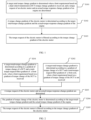
- FIG. 1 is a flowchart of a method for a torque control of a hybrid vehicle according to one exemplary embodiment. As shown in FIG. 1 , the method for the torque control of the hybrid vehicle may be applied to a vehicle controller, and the method for the torque control of the hybrid vehicle includes the following steps:
- a target-total-torque-change-gradient is determined when a limitation requirement based on a gradient of torque change of a DCT is received, and a torque request of an electric motor and an actual-torque-response-change-gradient of an engine are determined.
- the vehicle controller determines one of the gradient of torque change of the DCT and the total-torque-request-filter-gradient of the front-axle as the target-total-torque-change-gradient.
- the gradient of torque change of the DCT and the total-torque-request-filter-gradient of the front-axle are obtained by analysis according to the actual operating condition of the vehicle.
- the analysis method may be obtained from the related art, and the detail of the analysis method are not described herein in this embodiment.
- the target-total-torque-change-gradient is the minimum of the gradient of torque change of the DCT and the total-torque-request-filter-gradient of the front-axle.
- the minimum one between the gradient of torque change of the DCT and the total-torque-request-filter-gradient of the front-axle needs to be selected as the target-total-torque-change-gradient for limiting the torque changes of the engine and the electric motor before and after a time, so that a problem that the vehicle has a poor smoothness and low drivability because that the vehicle exceeds the minimum gradient change limitation is further avoided.
- the torque request of the electric motor needs to be calculated based on the total torque request of the front axle and the torque request of the engine. It can be understood that the total torque request of the front axle is determined by an intention of driving force of a driver. It can be understood that the intention of driving force can be reflected through an accelerator pedal, and a pedaling force of the driver represents the total torque request of the front axle of the driver.
- the vehicle controller may perform allocation and calculation on the torque requests of the engine and the electric motor according to the total torque request of the front axle. During the allocation process, the vehicle controller needs to fully consider the performance of the engine and allocate an optimal engine torque request to the engine. After the torque request of the engine is determined, the vehicle controller calculates the torque request of the electric motor according to the torque request of the engine and the total torque request of the front axle.
- the total torque request of the front axle is equal to the sum of the torque request of the engine and the torque request of the electric motor.
- the actual torque response of the engine since the actual torque response of the engine may be suddenly changed due to a function such as turbocharging, the actual torque response of the engine is inconsistency with the torque response obtained through the torque request of the engine according to the gradient of torque change of the engine. Therefore, a gradient of engine response is different from the gradient of torque change of the engine. Where the gradient of torque change of the engine is calculated by the vehicle controller. Thus, it is necessary to determine the actual-torque-response-change-gradient of the engine to further determine the gradient of torque change of the electric motor.
- the actual-torque-response-change-gradient of the engine may be calculated according to the actual torque response.
- a gradient of torque change of the electric motor is determined according to the target-total-torque-change-gradient and the actual-torque-response-change-gradient of the engine.
- the target-total-torque-change-gradient is the sum of the limitation of the gradient of torque change of the engine and the limitation of the gradient of torque change of the electric motor.
- the difference between the target-total-torque-change-gradient and the actual-torque-response-change-gradient of the engine is used as the gradient of torque change of the electric motor.
- step of S103 the torque request of the electric motor is filtered according to the gradient of torque change of the electric motor.
- the vehicle controller selects the minimum one of the gradient of torque change of the DCT and the total-torque-request-filter-gradient of the front-axle so as to meet the limitation requirement of the gradient of torque change of the DCT, and the vehicle controller determines the gradient of torque change of the electric motor according to the target-total-torque-change-gradient and the actual-torque-response-change-gradient of the engine, thereby ensuring that the gradient of the actual torque of the front axle (i.e., the sum of the gradient of the actual torque change of the engine and the gradient of the actual torque change of the electric motor) meets the limitation requirement of the gradient of torque change of the DCT, and thereby ensuring the driving performance and the drivability of the whole vehicle.
- the gradient of the actual torque of the front axle i.e., the sum of the gradient of the actual torque change of the engine and the gradient of the actual torque change of the electric motor
- FIG. 2 is another flowchart of a method for a torque control of a hybrid vehicle according to one exemplary embodiment. As shown in FIG. 2 , this method includes the following steps:
- a target-total-torque-change-gradient is determined from a gradient of torque change of a DCT and a total-torque-request-filter-gradient of a front-axle under a condition that a limitation requirement based on the gradient of torque change of the DCT is received.
- the total-torque-request-filter-gradient of the front-axle is determined as the target-total-torque-change-gradient when the limitation requirement of the gradient of torque change of the DCT is not received.
- a torque request of an electric motor and an actual-torque-response-change-gradient of an engine are determined.
- the gradient of torque change of the electric motor is determined according to the target-total-torque-change-gradient and the actual-torque-response-change-gradient of the engine.
- step of S205 the torque request of the electric motor is filtered according to the gradient of torque change of the electric motor.
- step S201 and the step S203 are similar to the implementation process of the step S101 shown in FIG. 1 .
- the details of the step S201 and the step S203 are not repeatedly described in this embodiment.
- step S204 is similar to the implementation process of the step S102 shown in FIG. 1 . Thus, the details of the step S204 are not repeatedly described in this embodiment.
- step S205 is similar to the implementation process of the step S104 shown in FIG. 1 . Thus, the details of the step S205 are not repeatedly described in this embodiment.
- the limitation requirement based on the gradient of torque change of the DCT is sent out by the automatic transmission control unit under a preset operating condition.
- the preset operating condition is determined by the automatic transmission control unit.
- a difference value between the gradient of torque change of the DCT and the total-torque-request-filter-gradient of the front-axle is determined based on the gradient of torque change of the DCT and the total-torque-request-filter-gradient of the front-axle.
- the difference value and zero are compared to determine the target-total-torque-change-gradient.
- the difference value is greater than zero, the total-torque-request-filter-gradient of the front-axle is determined as the target-total-torque-change-gradient; in the condition that the difference value is less than or equal to zero, the gradient of torque change of the DCT is determined as the target-total-torque-change-gradient.
- the target-total-torque-change-gradient is determined in a simple value comparison manner.
- the gradient of torque change of the DCT and the total-torque-request-filter-gradient of the front-axle are obtained by analysis according to the actual operating condition of the vehicle.
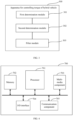
- An apparatus for torque control of a hybrid vehicle includes:
- the apparatus further includes: a third determination module configured to determine the total-torque-request-filter-gradient of the front-axle as the target-total-torque-change-gradient when the limitation requirement of the gradient of torque change of the DCT is not received.
- a third determination module configured to determine the total-torque-request-filter-gradient of the front-axle as the target-total-torque-change-gradient when the limitation requirement of the gradient of torque change of the DCT is not received.
- the limitation requirement based on the gradient of torque change of the DCT is sent out by an automatic transmission control unit under a preset operating condition of the hybrid vehicle.
- the first determination module 301 includes:
- a computer-readable storage medium is further provided in the present invention, this computer-readable storage medium stores a computer program code, that, when executed by a processor, implement the steps of the method for torque control of the hybrid vehicle in the aforesaid method embodiment.
- this electronic device includes:
- FIG. 4 is a block diagram of an electronic device 400 according to one exemplary embodiment.
- the electronic device 400 may include a processor 401 and a memory 402.
- the electronic device 400 may further include one or more of a multimedia component 403, an input/output (I/O) interface 404, and a communication component 405.
- the processor 401 is configured to control an overall operation of the electronic device 400 so as to complete all or some of the steps of the method for torque control of the hybrid vehicle.
- the memory 402 is configured to store various types of data so as to support the operation of the electronic device 400.
- the data may include such as instructions for any application program or method operating on the electronic device 400 and application-related data, such as contact data, transmitted and received messages, pictures, audios, videos, etc.
- the memory 402 may be implemented by any type of volatile or non-volatile storage device or a combination thereof, such as a static random access memory (Static Random Access Memory, abbreviated as SRAM), an electrically erasable programmable read-only memory (Electrically Erasable Programmable Read-Only Memory, abbreviated as EEPROM), an erasable programmable read-only memory (Erasable Programmable Read-Only Memory, abbreviated as EPROM), a magnetic memory, a flash memory, a magnetic disk, and an optical disc.
- SRAM static random access memory
- EEPROM Electrically erasable programmable read-only memory
- EPROM erasable programmable Read-Only Memory
- the multimedia component 403 may include a screen and an audio component. Where the screen may be such as a touch screen, the audio component is configured to output and/or input an audio signal.
- the audio component may include a microphone for receiving an external audio signal.
- the received audio signal may be further stored in the memory 402 or transmitted through the communication component 405.
- the audio component further includes at least one speaker for outputting audio signal.
- An input/output (Input/Output, I/O) interface 404 provides an interface between the processor 401 and other interface modules, the aforesaid other interface modules may be keyboards, mouses, buttons, or the like. These buttons may be virtual keys or physical buttons.
- the communication component 405 is configured to perform a wired or wireless communication between the electronic device 400 and other devices.
- the wireless communication can be such as Wi-Fi, Bluetooth, near field communication (Near Field Communication, NFC), 2G (Second Generation Telecommunication), 3G (Third Generation Telecommunication), 4G (Fourth Generation Telecommunication), narrow band Internet of things (Narrow Band Internet of Things, NB-IoT), eMTC, or other 5G (Fifth Generation Telecommunication), etc., or a combination of one or more thereof, the wireless communication is not limited herein. Accordingly, the corresponding communication component 405 may include a Wi-Fi module, a Bluetooth module, a NFC module, and the like.
- the electronic device 400 may be implemented by one or more of an application specific integrated circuit (Application Specific Integrated Circuit, ASIC), digital signal processor (Digital Signal Processors, DSP), digital signal processing device (Digital Signal Processing Device, DSPD), programmable logic device (Programmable Logic Device, PLD), field programmable gate array (Field Programmable Gate Array, FPGA), controller, micro-controller, microprocessor, or other electronic component.
- ASIC Application Specific Integrated Circuit
- DSP Digital Signal Processors
- DSPD Digital Signal Processing Device
- PLD programmable logic device
- FPGA field programmable gate array
- controller micro-controller, microprocessor, or other electronic component.
- micro-controller microprocessor
- a computer-readable storage medium including the program instruction is further provided, when the program instruction is executed by the processor, the steps in the method for torque control of the hybrid vehicle are implemented.
- the computer-readable storage medium can be the memory 402 including the program instruction, the program instruction can be executed by the electronic device 400 to accomplish the method for torque control of the hybrid vehicle.
- a computing and processing device is further provided in the present invention, the computing and processing device includes:
- a computer program is further provided in the present invention.
- the computer program includes a computer-readable code, that, when executed by the computing and processing device, causes the computing and processing device to perform the method for heating battery pack.
- a computer-readable storage medium is further provided in the present invention, where the computer-readable storage medium stores the computer program.
- FIG. 5 illustrates a schematic structural diagram of the computing and processing according to one embodiment of the present invention.
- the computing and processingdevice generally includes a processor 510 and a computer program product or computer-readable medium in the form of memory 530.
- the memory 530 may be an electronic memory such as a flash memory, an electrically erasable programmable read-only memory (Electrically Erasable Programmable Read-Only Memory, EEPROM), an erasable programmable read-only memory (Erasable Programmable Read-Only Memory, EPROM), a hard disk, or a read-only memory (Read-Only Memory, ROM).
- the memory 530 has a storage space 550 for executing a program code 551 of the method steps in the method.
- These program codes may be read out from one or more computer program products or be written into the one or more computer program products.
- These computer program products include a program code carrier such as a hard disk, a compact disc (Compact Disc, CD), a memory card, or a floppy disk.
- This computer program product is generally a portable or fixed storage unit as shown in FIG. 6 .
- the storage unit may have a storage segment, or a storage space arranged in a manner similar to that of the memory 530 in a server of FIG. 5 .
- the program code may be compressed, for example, the program code may be compressed in an appropriate form.
- the storage unit includes a computer-readable code 551' (i.e., a code that can be read by a processor such as the processor 510), that, when executed by a server, causes the server to perform the various steps in the method as described above.
- a computer-readable code 551' i.e., a code that can be read by a processor such as the processor 510
- the descriptions of the reference terms such as “one embodiment”, “some embodiments”, “example”, “specific example” or “some examples” and the like means that the specific technical features, structures, materials or characteristics which are described with reference to the embodiments or the examples are included in at least one embodiment or example of the present application.
- a schematic expressions of the terms mentioned above don't necessarily aim at the same embodiment or example.
- first and second are only used for description purposes, and should not be considered as indicating or implying any relative importance, or implicitly indicating the number of indicated technical features.
- technical feature(s) restricted by “the first” or “the second” can explicitly or implicitly comprise one or more such technical feature(s).
- a plurality of has the meaning of at least two, such as two, three, and the like, unless there is additional explicit and specific limitation.
- the logic and/or steps represented in the flowcharts or described in other manner can be, for example, considered as a fixed sequence table of executable instruction for implementing logical functions, may be implemented in any computer-readable medium, and are used by an instruction execution system, an apparatus, or a device (e.g., a computer-based system, a system including a processor, or other systems that may obtain and execute instructions from the instruction execution system), or used in combination with the instruction execution system, the apparatus and the device.
- a "computer-readable medium” may be any device that can contain, store, communicate, propagate, or transmit a program so as to be used by the instruction execution system, the apparatus and the device or in combination with the instruction execution system, the apparatus and the device.
- the computer-readable medium include: an electrical connection part (e.g., electronic device) having one or more wires, a portable computer diskette (magnetic device), a random access memory (Random Access Memory, RAM), a read-only memory (Read-Only Memory, ROM), an erasable programmable read-only memory (Erasable Programmable Read-Only Memory, EPROM) or a flash memory, an optical fiber device, and a portable compact disc read-only memory (Compact Disc Read-Only Memory, CD-ROM).
- an electrical connection part e.g., electronic device having one or more wires
- a portable computer diskette magnetic device
- RAM random access memory
- ROM read-only memory
- EPROM erasable programmable Read-Only Memory
- flash memory an optical fiber device
- Compact Disc Read-Only Memory Compact Disc Read-Only Memory
- the computer-readable medium may even be a paper or other suitable medium on which the program can be printed, since the program can be obtained electronically, for example, the program can be obtained by optically scanning paper or other medium, then editing, interpreting, or otherwise processing when necessary, and then storing it in a computer memory.
- the parts of the present invention can be implemented with any one or the combination of the following techniques known in the art, which include: a discrete logic circuit having a logic gate circuit for implementing logic functions on data signals, an application specific integrated circuit (Application Specific Integrated Circuit, ASIC) having a suitable combinational logic gate circuit, a programmable gate array (Programmable Gate Array, PGA), a field programmable gate array (Field Programmable Gate Array, FPGA), etc.
- ASIC Application Specific Integrated Circuit
- the various functional units in each of the embodiments of the present application may be integrated into a single processing unit, or exist individually and physically, or two or more than two units are integrated into a single unit.
- the aforesaid integrated unit can either be achieved by hardware, or be achieved in the form of software functional units.
- the integrated unit may be stored in a computer-readable storage medium.
- the storage medium mentioned above may be a ROM, a magnetic disc or an optical disk.
Landscapes
- Engineering & Computer Science (AREA)
- Chemical & Material Sciences (AREA)
- Combustion & Propulsion (AREA)
- Transportation (AREA)
- Mechanical Engineering (AREA)
- Automation & Control Theory (AREA)
- Electric Propulsion And Braking For Vehicles (AREA)
- Hybrid Electric Vehicles (AREA)
Claims (8)
- Verfahren zur Drehmomentsteuerung eines Hybridfahrzeugs, mit:Bestimmen (S201) eines Zielgesamtdrehmomentänderungsgradienten; undBestimmen (S203) einer Drehmomentanforderung eines Elektromotors und eines Istdrehmomentreaktionsänderungsgradienten eines Motors;Bestimmen (S204) eines Gradienten der Drehmomentänderung des Elektromotors gemäß dem Zielgesamtdrehmomentänderungsgradienten und dem Ist-Drehmomentänderungsgradienten des Motors;Filtern (S205) der Drehmomentanforderung des Elektromotors gemäß dem Gradienten der Drehmomentänderung des Elektromotors,dadurch gekennzeichnet, dass der Zielgesamtdrehmomentänderungsgradient unter einer Bedingung bestimmt wird, dass eine Begrenzungsanforderung basierend auf einem Drehmomentänderungsgradienten eines Doppelkupplungsgetriebes (DCT) empfangen wird, wobei der Zielgesamtdrehmomentänderungsgradient ein Minimum des Gradienten der Drehmomentänderung des DCT und eines Gesamtdrehmomentanforderungsfiltergradienten einer Vorderachse ist.
- Verfahren nach Anspruch 1, ferner mit:
Bestimmen (S202) des Gesamtdrehmomentanforderungsfiltergradienten der Vorderachse als den Zielgesamtdrehmomentänderungsgradienten, wenn die Begrenzungsanforderung für den Drehmomentänderungsgradienten des DCT nicht empfangen wird. - Verfahren nach Anspruch 1, wobei die Begrenzungsanforderung basierend auf dem Drehmomentänderungsgradienten des DCT von einer Automatikgetriebesteuerungseinheit unter einer voreingestellten Betriebsbedingung des Hybridfahrzeugs ausgesendet wird.
- Verfahren nach einem der Ansprüche 1 bis 3, wobei das Bestimmen des Zielgesamtdrehmomentänderungsgradienten, wenn die Begrenzungsanforderung basierend auf dem Drehmomentänderungsgradienten des DCT empfangen wird, aufweist:Erhalten des Drehmomentänderungsgradienten des DCT und des Gesamtdrehmomentanforderungsfiltergradienten der Vorderachse;Bestimmen eines Differenzwertes zwischen dem Drehmomentänderungsgradienten des DCT und dem Gesamtdrehmomentanforderungsfiltergradienten der Vorderachse gemäß dem Drehmomentänderungsgradienten des DCT und dem Gesamtdrehmomentanforderungsfiltergradienten der Vorderachse;Bestimmen des Gesamtdrehmomentanforderungsfiltergradienten der Vorderachse als den Zielgesamtdrehmomentänderungsgradienten, wenn der Differenzwert größer als Null ist; oderBestimmen des Drehmomentänderungsgradienten des DCT als den Zielgesamtdrehmomentänderungsgradienten, wenn der Differenzwert kleiner oder gleich Null ist.
- Vorrichtung (300) zur Drehmomentsteuerung eines Hybridfahrzeugs, mit:einem ersten Bestimmungsmodul (301), das konfiguriert ist, einen Zielgesamtdrehmomentänderungsgradienten zu bestimmen;einem zweiten Bestimmungsmodul (302), das konfiguriert ist, einen Drehmomentänderungsgradienten des Elektromotors gemäß dem Zielgesamtdrehmomentänderungsgradienten und dem Istdrehmomentreaktionsänderungsgradienten des Motors zu bestimmen;ein Filtermodul (303), das konfiguriert ist, die Drehmomentanforderung des Elektromotors gemäß dem Drehmomentänderungsgradienten des Elektromotors zu filtern,dadurch gekennzeichnet, dass der Zielgesamtdrehmomentänderungsgradient bestimmt wird, wenn eine Begrenzungsanforderung basierend auf einem Drehmomentänderungsgradienten eines Doppelkupplungsgetriebes (DCT) empfangen wird, und eine Drehmomentanforderung eines Elektromotors und einen Istdrehmomentreaktionsänderungsgradienten eines Motors bestimmt; wobei der Zielgesamtdrehmomentänderungsgradient ein Minimum des Drehmomentänderungsgradienten des DCT und eines Gesamtdrehmomentanforderungsfiltergradienten der Vorderachse ist.
- Vorrichtung (303) nach Anspruch 5, ferner mit:
ein drittes Bestimmungsmodul, das konfiguriert ist, den Gesamtdrehmomentanforderungsfiltergradienten der Vorderachse als den Zieldrehmomentänderungsgradienten zu bestimmen, wenn die Begrenzungsanforderung des Drehmomentänderungsgradienten des DCT nicht empfangen wird. - Vorrichtung (303) nach Anspruch 5, wobei die auf dem Drehmomentänderungsgradienten des DCT basierende Begrenzungsanforderung von einer Automatikgetriebesteuerungseinheit unter einer voreingestellten Betriebsbedingung des Hybridfahrzeugs ausgesendet wird.
- Vorrichtung (303) nach einem der Ansprüche 5 bis 7, wobei das erste Bestimmungsmodul (301) aufweist:ein Abrufsubmodul, das konfiguriert ist, einen Drehmomentänderungsgradienten des DCT und einen Gesamtdrehmomentanforderungsfiltergradienten der Vorderachse zu erhalten;ein Differenzwertbestimmungssubmodul, das konfiguriert ist, einen Differenzwert zwischen dem Drehmomentänderungsgradienten des DCT und dem Gesamtdrehmomentanforderungsfiltergradienten der Vorderachse gemäß dem Drehmomentänderungsgradienten des DCT und dem Gesamtdrehmomentanforderungsfiltergradienten der Vorderachse zu bestimmen;ein erstes Bestimmungssubmodul, das konfiguriert ist, den Gesamtdrehmomentanforderungsfiltergradienten der Vorderachse als den Zielgesamtdrehmomentänderungsgradienten zu bestimmen, wenn der Differenzwert größer als null ist;ein zweites Bestimmungssubmodul, das konfiguriert ist, den Drehmomentänderungsgradienten des DCT als den Zielgesamtdrehmomentänderungsgradienten zu bestimmen, wenn der Differenzwert kleiner oder gleich null ist.
Applications Claiming Priority (2)
| Application Number | Priority Date | Filing Date | Title |
|---|---|---|---|
| CN202011582147.8A CN112644453B (zh) | 2020-12-28 | 2020-12-28 | 混动车辆扭矩控制方法、装置、存储介质及电子设备 |
| PCT/CN2021/140115 WO2022143305A1 (zh) | 2020-12-28 | 2021-12-21 | 混动车辆扭矩控制方法、装置、存储介质及电子设备 |
Publications (3)
| Publication Number | Publication Date |
|---|---|
| EP4159563A1 EP4159563A1 (de) | 2023-04-05 |
| EP4159563A4 EP4159563A4 (de) | 2024-02-21 |
| EP4159563B1 true EP4159563B1 (de) | 2025-04-02 |
Family
ID=75363494
Family Applications (1)
| Application Number | Title | Priority Date | Filing Date |
|---|---|---|---|
| EP21914044.9A Active EP4159563B1 (de) | 2020-12-28 | 2021-12-21 | Verfahren und vorrichtung zur steuerung des drehmoments eines hybridfahrzeugs, speichermedium und elektronische vorrichtung |
Country Status (4)
| Country | Link |
|---|---|
| US (1) | US12202463B2 (de) |
| EP (1) | EP4159563B1 (de) |
| CN (1) | CN112644453B (de) |
| WO (1) | WO2022143305A1 (de) |
Families Citing this family (3)
| Publication number | Priority date | Publication date | Assignee | Title |
|---|---|---|---|---|
| CN112644453B (zh) * | 2020-12-28 | 2021-12-10 | 长城汽车股份有限公司 | 混动车辆扭矩控制方法、装置、存储介质及电子设备 |
| CN115123231B (zh) * | 2022-01-07 | 2025-08-29 | 长城汽车股份有限公司 | 混动车扭矩梯度确定方法及相关装置 |
| CN121608726B (zh) * | 2026-01-29 | 2026-04-17 | 长城汽车股份有限公司 | 车辆扭矩控制方法及车辆 |
Family Cites Families (20)
| Publication number | Priority date | Publication date | Assignee | Title |
|---|---|---|---|---|
| JP3454226B2 (ja) * | 2000-05-11 | 2003-10-06 | トヨタ自動車株式会社 | ハイブリッド車両の制御装置 |
| DE102008041897A1 (de) * | 2008-09-09 | 2010-03-11 | Robert Bosch Gmbh | Verfahren zum Betreiben eines Antriebs eines Kraftfahrzeugs sowie Antriebsvorrichtung und elektronisches Steuergerät |
| FR2955548B1 (fr) * | 2010-01-28 | 2012-04-13 | Peugeot Citroen Automobiles Sa | Procede de motricite curative pour vehicule hybride |
| JP2013067352A (ja) | 2011-09-26 | 2013-04-18 | Mitsubishi Motors Corp | 車両の変速制御装置 |
| CN103183024B (zh) | 2011-12-31 | 2015-11-25 | 上海汽车集团股份有限公司 | 一种混合动力车辆模式切换扭矩控制方法 |
| US20130297125A1 (en) * | 2012-05-07 | 2013-11-07 | Ford Global Technologies, Llc | Torque filling and torque coordination during transients in a hybrid vehicle |
| CN104853952B (zh) * | 2012-12-12 | 2016-12-14 | 日产自动车株式会社 | 车辆的驱动扭矩控制装置 |
| US8731762B1 (en) * | 2013-04-24 | 2014-05-20 | GM Global Technology Operations LLC | Method and system of controlling a powertrain system to reduce turbo lag in a hybrid vehicle |
| JP2015150974A (ja) * | 2014-02-13 | 2015-08-24 | トヨタ自動車株式会社 | ハイブリッド車両の制御装置 |
| CN106427979B (zh) * | 2015-08-04 | 2018-11-09 | 北京宝沃汽车有限公司 | 获取滤波系数的方法及混合动力车的扭矩滤波方法和系统 |
| KR102237064B1 (ko) * | 2015-10-15 | 2021-04-06 | 현대자동차 주식회사 | 하이브리드 차량 및 그 제어 방법 |
| CN106740824B (zh) | 2015-11-20 | 2019-04-23 | 北汽福田汽车股份有限公司 | 需求扭矩滤波方法、系统及混合动力汽车 |
| CN109720331A (zh) * | 2017-10-31 | 2019-05-07 | 长城汽车股份有限公司 | 一种混合动力汽车的扭矩调节方法及装置 |
| CN109955726A (zh) | 2017-12-26 | 2019-07-02 | 长城汽车股份有限公司 | 一种电机扭矩滤波方法、装置及车辆 |
| US20200039503A1 (en) * | 2018-08-02 | 2020-02-06 | GM Global Technology Operations LLC | Vehicle and method of coordinated lash management |
| DE102018212926B4 (de) * | 2018-08-02 | 2020-07-09 | Audi Ag | Verfahren zum Betreiben einer Hybridantriebseinrichtung eines Kraftfahrzeugs sowie entsprechende Hybridantriebseinrichtung |
| CN111114520B (zh) | 2018-10-31 | 2021-02-19 | 上海汽车集团股份有限公司 | 一种加速踏板扭矩识别方法及装置 |
| CN109484390A (zh) | 2018-12-19 | 2019-03-19 | 安徽江淮汽车集团股份有限公司 | 一种混合动力汽车整车控制器控制电动机扭矩的方法 |
| CN110509912A (zh) * | 2019-09-24 | 2019-11-29 | 安徽江淮汽车集团股份有限公司 | 一种混合动力汽车扭矩控制方法及装置 |
| CN112644453B (zh) * | 2020-12-28 | 2021-12-10 | 长城汽车股份有限公司 | 混动车辆扭矩控制方法、装置、存储介质及电子设备 |
-
2020
- 2020-12-28 CN CN202011582147.8A patent/CN112644453B/zh active Active
-
2021
- 2021-12-21 EP EP21914044.9A patent/EP4159563B1/de active Active
- 2021-12-21 US US18/011,209 patent/US12202463B2/en active Active
- 2021-12-21 WO PCT/CN2021/140115 patent/WO2022143305A1/zh not_active Ceased
Also Published As
| Publication number | Publication date |
|---|---|
| EP4159563A1 (de) | 2023-04-05 |
| EP4159563A4 (de) | 2024-02-21 |
| US20230303055A1 (en) | 2023-09-28 |
| CN112644453B (zh) | 2021-12-10 |
| CN112644453A (zh) | 2021-04-13 |
| US12202463B2 (en) | 2025-01-21 |
| WO2022143305A1 (zh) | 2022-07-07 |
Similar Documents
| Publication | Publication Date | Title |
|---|---|---|
| EP4159563B1 (de) | Verfahren und vorrichtung zur steuerung des drehmoments eines hybridfahrzeugs, speichermedium und elektronische vorrichtung | |
| US20160288801A1 (en) | Vehicle System Control Method and Control System | |
| CN112731837B (zh) | 确定车辆状态的方法、装置、设备、介质、产品和车辆 | |
| CN112015489A (zh) | 一种车载软件的管理方法、装置、存储介质及系统 | |
| WO2019205018A1 (zh) | 界面切换方法、系统、设备及计算机可读存储介质 | |
| KR101489158B1 (ko) | 마스터 부트 레코드가 저장되어 있는 저장매체, 이를포함하는 컴퓨터 시스템 및 그 부팅방법 | |
| CN115111358B (zh) | 用于混动车的换挡控制方法、装置、车辆及存储介质 | |
| CN114194194A (zh) | 自动切换车辆驾驶模式的方法和装置 | |
| US10407051B2 (en) | Apparatus and method for controlling driving of hybrid vehicle | |
| CN118167789B (zh) | 变速器的扭矩控制方法、装置、设备及介质 | |
| CN109358928A (zh) | 在车载设备的桌面展示数据的方法、装置以及车载设备 | |
| EP4707076A1 (de) | Verfahren und vorrichtung zur integrierten steuerung einer antriebsstrangdomäne, elektronische vorrichtung und lesbares speichermedium | |
| CN113954657A (zh) | 电动汽车及其模式切换方法、装置、存储介质 | |
| CN111516701A (zh) | 车辆及其限速方法和装置 | |
| US11332119B2 (en) | Apparatus and method for controlling vehicle, and vehicle system | |
| US11948409B2 (en) | System and method for processing diagnostic message of vehicle | |
| CN113752966A (zh) | 车机系统的交互方法、装置和计算机可读介质 | |
| KR102060023B1 (ko) | 디스플레이 장치 및 그 화면 처리 방법 | |
| US20200174614A1 (en) | Touch and display driver, driving method, host and touch display apparatus | |
| CN114572190B (zh) | 升档过程中扭矩控制的方法及终端设备 | |
| US20210354713A1 (en) | Agent control device, agent control method, and storage medium storing agent control program | |
| WO2022142967A1 (zh) | 控制方法、装置及车辆 | |
| US12472978B2 (en) | Information management device, non-transitory computer-readable storage medium storing information management program, and method for managing information | |
| CN118560405B (zh) | 车机控制方法、装置以及车机 | |
| CN112102787A (zh) | 应用于液晶显示屏的背光亮度控制方法及相关产品 |
Legal Events
| Date | Code | Title | Description |
|---|---|---|---|
| STAA | Information on the status of an ep patent application or granted ep patent |
Free format text: STATUS: THE INTERNATIONAL PUBLICATION HAS BEEN MADE |
|
| PUAI | Public reference made under article 153(3) epc to a published international application that has entered the european phase |
Free format text: ORIGINAL CODE: 0009012 |
|
| STAA | Information on the status of an ep patent application or granted ep patent |
Free format text: STATUS: REQUEST FOR EXAMINATION WAS MADE |
|
| 17P | Request for examination filed |
Effective date: 20221229 |
|
| AK | Designated contracting states |
Kind code of ref document: A1 Designated state(s): AL AT BE BG CH CY CZ DE DK EE ES FI FR GB GR HR HU IE IS IT LI LT LU LV MC MK MT NL NO PL PT RO RS SE SI SK SM TR |
|
| A4 | Supplementary search report drawn up and despatched |
Effective date: 20240119 |
|
| RIC1 | Information provided on ipc code assigned before grant |
Ipc: B60W 10/08 20060101ALI20240115BHEP Ipc: B60W 10/06 20060101ALI20240115BHEP Ipc: B60W 20/10 20160101AFI20240115BHEP |
|
| DAV | Request for validation of the european patent (deleted) | ||
| DAX | Request for extension of the european patent (deleted) | ||
| GRAP | Despatch of communication of intention to grant a patent |
Free format text: ORIGINAL CODE: EPIDOSNIGR1 |
|
| STAA | Information on the status of an ep patent application or granted ep patent |
Free format text: STATUS: GRANT OF PATENT IS INTENDED |
|
| INTG | Intention to grant announced |
Effective date: 20241024 |
|
| GRAS | Grant fee paid |
Free format text: ORIGINAL CODE: EPIDOSNIGR3 |
|
| GRAA | (expected) grant |
Free format text: ORIGINAL CODE: 0009210 |
|
| STAA | Information on the status of an ep patent application or granted ep patent |
Free format text: STATUS: THE PATENT HAS BEEN GRANTED |
|
| AK | Designated contracting states |
Kind code of ref document: B1 Designated state(s): AL AT BE BG CH CY CZ DE DK EE ES FI FR GB GR HR HU IE IS IT LI LT LU LV MC MK MT NL NO PL PT RO RS SE SI SK SM TR |
|
| REG | Reference to a national code |
Ref country code: GB Ref legal event code: FG4D |
|
| REG | Reference to a national code |
Ref country code: CH Ref legal event code: EP |
|
| REG | Reference to a national code |
Ref country code: IE Ref legal event code: FG4D |
|
| REG | Reference to a national code |
Ref country code: DE Ref legal event code: R096 Ref document number: 602021028704 Country of ref document: DE |
|
| REG | Reference to a national code |
Ref country code: NL Ref legal event code: MP Effective date: 20250402 |
|
| PG25 | Lapsed in a contracting state [announced via postgrant information from national office to epo] |
Ref country code: NL Free format text: LAPSE BECAUSE OF FAILURE TO SUBMIT A TRANSLATION OF THE DESCRIPTION OR TO PAY THE FEE WITHIN THE PRESCRIBED TIME-LIMIT Effective date: 20250402 |
|
| REG | Reference to a national code |
Ref country code: AT Ref legal event code: MK05 Ref document number: 1781028 Country of ref document: AT Kind code of ref document: T Effective date: 20250402 |
|
| PG25 | Lapsed in a contracting state [announced via postgrant information from national office to epo] |
Ref country code: ES Free format text: LAPSE BECAUSE OF FAILURE TO SUBMIT A TRANSLATION OF THE DESCRIPTION OR TO PAY THE FEE WITHIN THE PRESCRIBED TIME-LIMIT Effective date: 20250402 Ref country code: FI Free format text: LAPSE BECAUSE OF FAILURE TO SUBMIT A TRANSLATION OF THE DESCRIPTION OR TO PAY THE FEE WITHIN THE PRESCRIBED TIME-LIMIT Effective date: 20250402 Ref country code: PT Free format text: LAPSE BECAUSE OF FAILURE TO SUBMIT A TRANSLATION OF THE DESCRIPTION OR TO PAY THE FEE WITHIN THE PRESCRIBED TIME-LIMIT Effective date: 20250804 |
|
| REG | Reference to a national code |
Ref country code: LT Ref legal event code: MG9D |
|
| PG25 | Lapsed in a contracting state [announced via postgrant information from national office to epo] |
Ref country code: NO Free format text: LAPSE BECAUSE OF FAILURE TO SUBMIT A TRANSLATION OF THE DESCRIPTION OR TO PAY THE FEE WITHIN THE PRESCRIBED TIME-LIMIT Effective date: 20250702 Ref country code: GR Free format text: LAPSE BECAUSE OF FAILURE TO SUBMIT A TRANSLATION OF THE DESCRIPTION OR TO PAY THE FEE WITHIN THE PRESCRIBED TIME-LIMIT Effective date: 20250703 |
|
| PG25 | Lapsed in a contracting state [announced via postgrant information from national office to epo] |
Ref country code: PL Free format text: LAPSE BECAUSE OF FAILURE TO SUBMIT A TRANSLATION OF THE DESCRIPTION OR TO PAY THE FEE WITHIN THE PRESCRIBED TIME-LIMIT Effective date: 20250402 |
|
| PG25 | Lapsed in a contracting state [announced via postgrant information from national office to epo] |
Ref country code: BG Free format text: LAPSE BECAUSE OF FAILURE TO SUBMIT A TRANSLATION OF THE DESCRIPTION OR TO PAY THE FEE WITHIN THE PRESCRIBED TIME-LIMIT Effective date: 20250402 |
|
| PG25 | Lapsed in a contracting state [announced via postgrant information from national office to epo] |
Ref country code: HR Free format text: LAPSE BECAUSE OF FAILURE TO SUBMIT A TRANSLATION OF THE DESCRIPTION OR TO PAY THE FEE WITHIN THE PRESCRIBED TIME-LIMIT Effective date: 20250402 |
|
| PG25 | Lapsed in a contracting state [announced via postgrant information from national office to epo] |
Ref country code: AT Free format text: LAPSE BECAUSE OF FAILURE TO SUBMIT A TRANSLATION OF THE DESCRIPTION OR TO PAY THE FEE WITHIN THE PRESCRIBED TIME-LIMIT Effective date: 20250402 |
|
| PG25 | Lapsed in a contracting state [announced via postgrant information from national office to epo] |
Ref country code: RS Free format text: LAPSE BECAUSE OF FAILURE TO SUBMIT A TRANSLATION OF THE DESCRIPTION OR TO PAY THE FEE WITHIN THE PRESCRIBED TIME-LIMIT Effective date: 20250702 |
|
| PG25 | Lapsed in a contracting state [announced via postgrant information from national office to epo] |
Ref country code: IS Free format text: LAPSE BECAUSE OF FAILURE TO SUBMIT A TRANSLATION OF THE DESCRIPTION OR TO PAY THE FEE WITHIN THE PRESCRIBED TIME-LIMIT Effective date: 20250802 |
|
| PG25 | Lapsed in a contracting state [announced via postgrant information from national office to epo] |
Ref country code: LV Free format text: LAPSE BECAUSE OF FAILURE TO SUBMIT A TRANSLATION OF THE DESCRIPTION OR TO PAY THE FEE WITHIN THE PRESCRIBED TIME-LIMIT Effective date: 20250402 |
|
| REG | Reference to a national code |
Ref country code: DE Ref legal event code: R097 Ref document number: 602021028704 Country of ref document: DE |
|
| PGFP | Annual fee paid to national office [announced via postgrant information from national office to epo] |
Ref country code: GB Payment date: 20251229 Year of fee payment: 5 |
|
| PG25 | Lapsed in a contracting state [announced via postgrant information from national office to epo] |
Ref country code: DK Free format text: LAPSE BECAUSE OF FAILURE TO SUBMIT A TRANSLATION OF THE DESCRIPTION OR TO PAY THE FEE WITHIN THE PRESCRIBED TIME-LIMIT Effective date: 20250402 Ref country code: SM Free format text: LAPSE BECAUSE OF FAILURE TO SUBMIT A TRANSLATION OF THE DESCRIPTION OR TO PAY THE FEE WITHIN THE PRESCRIBED TIME-LIMIT Effective date: 20250402 |
|
| PGFP | Annual fee paid to national office [announced via postgrant information from national office to epo] |
Ref country code: FR Payment date: 20251230 Year of fee payment: 5 |
|
| PG25 | Lapsed in a contracting state [announced via postgrant information from national office to epo] |
Ref country code: CZ Free format text: LAPSE BECAUSE OF FAILURE TO SUBMIT A TRANSLATION OF THE DESCRIPTION OR TO PAY THE FEE WITHIN THE PRESCRIBED TIME-LIMIT Effective date: 20250402 |
|
| PG25 | Lapsed in a contracting state [announced via postgrant information from national office to epo] |
Ref country code: EE Free format text: LAPSE BECAUSE OF FAILURE TO SUBMIT A TRANSLATION OF THE DESCRIPTION OR TO PAY THE FEE WITHIN THE PRESCRIBED TIME-LIMIT Effective date: 20250402 |
|
| PG25 | Lapsed in a contracting state [announced via postgrant information from national office to epo] |
Ref country code: SK Free format text: LAPSE BECAUSE OF FAILURE TO SUBMIT A TRANSLATION OF THE DESCRIPTION OR TO PAY THE FEE WITHIN THE PRESCRIBED TIME-LIMIT Effective date: 20250402 |
|
| PG25 | Lapsed in a contracting state [announced via postgrant information from national office to epo] |
Ref country code: IT Free format text: LAPSE BECAUSE OF FAILURE TO SUBMIT A TRANSLATION OF THE DESCRIPTION OR TO PAY THE FEE WITHIN THE PRESCRIBED TIME-LIMIT Effective date: 20250402 |
|
| PLBE | No opposition filed within time limit |
Free format text: ORIGINAL CODE: 0009261 |
|
| STAA | Information on the status of an ep patent application or granted ep patent |
Free format text: STATUS: NO OPPOSITION FILED WITHIN TIME LIMIT |
|
| PG25 | Lapsed in a contracting state [announced via postgrant information from national office to epo] |
Ref country code: RO Free format text: LAPSE BECAUSE OF FAILURE TO SUBMIT A TRANSLATION OF THE DESCRIPTION OR TO PAY THE FEE WITHIN THE PRESCRIBED TIME-LIMIT Effective date: 20250402 |
|
| REG | Reference to a national code |
Ref country code: CH Ref legal event code: L10 Free format text: ST27 STATUS EVENT CODE: U-0-0-L10-L00 (AS PROVIDED BY THE NATIONAL OFFICE) Effective date: 20260211 |
|
| 26N | No opposition filed |
Effective date: 20260105 |
|
| PGFP | Annual fee paid to national office [announced via postgrant information from national office to epo] |
Ref country code: DE Payment date: 20251231 Year of fee payment: 5 |