EP4122492A1 - Use of inactivated nonreplicating modified vaccinia virus ankara (mva)as monoimmunotherapy or in combination with immune checkpoint blocking agents for solid tumors - Google Patents
Use of inactivated nonreplicating modified vaccinia virus ankara (mva)as monoimmunotherapy or in combination with immune checkpoint blocking agents for solid tumors Download PDFInfo
- Publication number
- EP4122492A1 EP4122492A1 EP22180849.6A EP22180849A EP4122492A1 EP 4122492 A1 EP4122492 A1 EP 4122492A1 EP 22180849 A EP22180849 A EP 22180849A EP 4122492 A1 EP4122492 A1 EP 4122492A1
- Authority
- EP
- European Patent Office
- Prior art keywords
- mva
- tumor
- cells
- heat
- inactivated
- Prior art date
- Legal status (The legal status is an assumption and is not a legal conclusion. Google has not performed a legal analysis and makes no representation as to the accuracy of the status listed.)
- Withdrawn
Links
Images










Classifications
-
- A—HUMAN NECESSITIES
- A61—MEDICAL OR VETERINARY SCIENCE; HYGIENE
- A61K—PREPARATIONS FOR MEDICAL, DENTAL OR TOILETRY PURPOSES
- A61K39/00—Medicinal preparations containing antigens or antibodies
- A61K39/0005—Vertebrate antigens
- A61K39/0011—Cancer antigens
-
- A—HUMAN NECESSITIES
- A61—MEDICAL OR VETERINARY SCIENCE; HYGIENE
- A61K—PREPARATIONS FOR MEDICAL, DENTAL OR TOILETRY PURPOSES
- A61K39/00—Medicinal preparations containing antigens or antibodies
- A61K39/12—Viral antigens
- A61K39/275—Poxviridae, e.g. avipoxvirus
- A61K39/285—Vaccinia virus or variola virus
-
- A—HUMAN NECESSITIES
- A61—MEDICAL OR VETERINARY SCIENCE; HYGIENE
- A61K—PREPARATIONS FOR MEDICAL, DENTAL OR TOILETRY PURPOSES
- A61K39/00—Medicinal preparations containing antigens or antibodies
- A61K39/12—Viral antigens
-
- A—HUMAN NECESSITIES
- A61—MEDICAL OR VETERINARY SCIENCE; HYGIENE
- A61K—PREPARATIONS FOR MEDICAL, DENTAL OR TOILETRY PURPOSES
- A61K39/00—Medicinal preparations containing antigens or antibodies
- A61K39/395—Antibodies; Immunoglobulins; Immune serum, e.g. antilymphocytic serum
- A61K39/39533—Antibodies; Immunoglobulins; Immune serum, e.g. antilymphocytic serum against materials from animals
- A61K39/39541—Antibodies; Immunoglobulins; Immune serum, e.g. antilymphocytic serum against materials from animals against normal tissues, cells
-
- A—HUMAN NECESSITIES
- A61—MEDICAL OR VETERINARY SCIENCE; HYGIENE
- A61K—PREPARATIONS FOR MEDICAL, DENTAL OR TOILETRY PURPOSES
- A61K39/00—Medicinal preparations containing antigens or antibodies
- A61K39/395—Antibodies; Immunoglobulins; Immune serum, e.g. antilymphocytic serum
- A61K39/39533—Antibodies; Immunoglobulins; Immune serum, e.g. antilymphocytic serum against materials from animals
- A61K39/39558—Antibodies; Immunoglobulins; Immune serum, e.g. antilymphocytic serum against materials from animals against tumor tissues, cells, antigens
-
- A—HUMAN NECESSITIES
- A61—MEDICAL OR VETERINARY SCIENCE; HYGIENE
- A61K—PREPARATIONS FOR MEDICAL, DENTAL OR TOILETRY PURPOSES
- A61K45/00—Medicinal preparations containing active ingredients not provided for in groups A61K31/00 - A61K41/00
- A61K45/06—Mixtures of active ingredients without chemical characterisation, e.g. antiphlogistics and cardiaca
-
- A—HUMAN NECESSITIES
- A61—MEDICAL OR VETERINARY SCIENCE; HYGIENE
- A61P—SPECIFIC THERAPEUTIC ACTIVITY OF CHEMICAL COMPOUNDS OR MEDICINAL PREPARATIONS
- A61P1/00—Drugs for disorders of the alimentary tract or the digestive system
- A61P1/04—Drugs for disorders of the alimentary tract or the digestive system for ulcers, gastritis or reflux esophagitis, e.g. antacids, inhibitors of acid secretion, mucosal protectants
-
- A—HUMAN NECESSITIES
- A61—MEDICAL OR VETERINARY SCIENCE; HYGIENE
- A61P—SPECIFIC THERAPEUTIC ACTIVITY OF CHEMICAL COMPOUNDS OR MEDICINAL PREPARATIONS
- A61P17/00—Drugs for dermatological disorders
-
- A—HUMAN NECESSITIES
- A61—MEDICAL OR VETERINARY SCIENCE; HYGIENE
- A61P—SPECIFIC THERAPEUTIC ACTIVITY OF CHEMICAL COMPOUNDS OR MEDICINAL PREPARATIONS
- A61P35/00—Antineoplastic agents
-
- A—HUMAN NECESSITIES
- A61—MEDICAL OR VETERINARY SCIENCE; HYGIENE
- A61P—SPECIFIC THERAPEUTIC ACTIVITY OF CHEMICAL COMPOUNDS OR MEDICINAL PREPARATIONS
- A61P35/00—Antineoplastic agents
- A61P35/04—Antineoplastic agents specific for metastasis
-
- A—HUMAN NECESSITIES
- A61—MEDICAL OR VETERINARY SCIENCE; HYGIENE
- A61P—SPECIFIC THERAPEUTIC ACTIVITY OF CHEMICAL COMPOUNDS OR MEDICINAL PREPARATIONS
- A61P37/00—Drugs for immunological or allergic disorders
- A61P37/02—Immunomodulators
- A61P37/04—Immunostimulants
-
- C—CHEMISTRY; METALLURGY
- C07—ORGANIC CHEMISTRY
- C07K—PEPTIDES
- C07K16/00—Immunoglobulins [IG], e.g. monoclonal or polyclonal antibodies
- C07K16/18—Immunoglobulins [IG], e.g. monoclonal or polyclonal antibodies against material from animals or humans
- C07K16/28—Immunoglobulins [IG], e.g. monoclonal or polyclonal antibodies against material from animals or humans against receptors, cell surface antigens or cell surface determinants
- C07K16/2803—Immunoglobulins [IG], e.g. monoclonal or polyclonal antibodies against material from animals or humans against receptors, cell surface antigens or cell surface determinants against the immunoglobulin superfamily
- C07K16/2818—Immunoglobulins [IG], e.g. monoclonal or polyclonal antibodies against material from animals or humans against receptors, cell surface antigens or cell surface determinants against the immunoglobulin superfamily against CD28 or CD152
-
- C—CHEMISTRY; METALLURGY
- C07—ORGANIC CHEMISTRY
- C07K—PEPTIDES
- C07K16/00—Immunoglobulins [IG], e.g. monoclonal or polyclonal antibodies
- C07K16/18—Immunoglobulins [IG], e.g. monoclonal or polyclonal antibodies against material from animals or humans
- C07K16/28—Immunoglobulins [IG], e.g. monoclonal or polyclonal antibodies against material from animals or humans against receptors, cell surface antigens or cell surface determinants
- C07K16/2803—Immunoglobulins [IG], e.g. monoclonal or polyclonal antibodies against material from animals or humans against receptors, cell surface antigens or cell surface determinants against the immunoglobulin superfamily
- C07K16/2827—Immunoglobulins [IG], e.g. monoclonal or polyclonal antibodies against material from animals or humans against receptors, cell surface antigens or cell surface determinants against the immunoglobulin superfamily against B7 molecules, e.g. CD80, CD86
-
- A—HUMAN NECESSITIES
- A61—MEDICAL OR VETERINARY SCIENCE; HYGIENE
- A61K—PREPARATIONS FOR MEDICAL, DENTAL OR TOILETRY PURPOSES
- A61K39/00—Medicinal preparations containing antigens or antibodies
- A61K2039/505—Medicinal preparations containing antigens or antibodies comprising antibodies
-
- A—HUMAN NECESSITIES
- A61—MEDICAL OR VETERINARY SCIENCE; HYGIENE
- A61K—PREPARATIONS FOR MEDICAL, DENTAL OR TOILETRY PURPOSES
- A61K39/00—Medicinal preparations containing antigens or antibodies
- A61K2039/51—Medicinal preparations containing antigens or antibodies comprising whole cells, viruses or DNA/RNA
- A61K2039/525—Virus
- A61K2039/5252—Virus inactivated (killed)
-
- A—HUMAN NECESSITIES
- A61—MEDICAL OR VETERINARY SCIENCE; HYGIENE
- A61K—PREPARATIONS FOR MEDICAL, DENTAL OR TOILETRY PURPOSES
- A61K39/00—Medicinal preparations containing antigens or antibodies
- A61K2039/54—Medicinal preparations containing antigens or antibodies characterised by the route of administration
-
- A—HUMAN NECESSITIES
- A61—MEDICAL OR VETERINARY SCIENCE; HYGIENE
- A61K—PREPARATIONS FOR MEDICAL, DENTAL OR TOILETRY PURPOSES
- A61K39/00—Medicinal preparations containing antigens or antibodies
- A61K2039/58—Medicinal preparations containing antigens or antibodies raising an immune response against a target which is not the antigen used for immunisation
- A61K2039/585—Medicinal preparations containing antigens or antibodies raising an immune response against a target which is not the antigen used for immunisation wherein the target is cancer
-
- C—CHEMISTRY; METALLURGY
- C07—ORGANIC CHEMISTRY
- C07K—PEPTIDES
- C07K2317/00—Immunoglobulins specific features
- C07K2317/70—Immunoglobulins specific features characterized by effect upon binding to a cell or to an antigen
- C07K2317/76—Antagonist effect on antigen, e.g. neutralization or inhibition of binding
-
- C—CHEMISTRY; METALLURGY
- C12—BIOCHEMISTRY; BEER; SPIRITS; WINE; VINEGAR; MICROBIOLOGY; ENZYMOLOGY; MUTATION OR GENETIC ENGINEERING
- C12N—MICROORGANISMS OR ENZYMES; COMPOSITIONS THEREOF; PROPAGATING, PRESERVING, OR MAINTAINING MICROORGANISMS; MUTATION OR GENETIC ENGINEERING; CULTURE MEDIA
- C12N2710/00—MICROORGANISMS OR ENZYMES; COMPOSITIONS THEREOF; PROPAGATING, PRESERVING, OR MAINTAINING MICROORGANISMS; MUTATION OR GENETIC ENGINEERING; CULTURE MEDIA dsDNA viruses
- C12N2710/00011—Details
- C12N2710/24011—Poxviridae
- C12N2710/24111—Orthopoxvirus, e.g. vaccinia virus, variola
- C12N2710/24132—Use of virus as therapeutic agent, other than vaccine, e.g. as cytolytic agent
-
- C—CHEMISTRY; METALLURGY
- C12—BIOCHEMISTRY; BEER; SPIRITS; WINE; VINEGAR; MICROBIOLOGY; ENZYMOLOGY; MUTATION OR GENETIC ENGINEERING
- C12N—MICROORGANISMS OR ENZYMES; COMPOSITIONS THEREOF; PROPAGATING, PRESERVING, OR MAINTAINING MICROORGANISMS; MUTATION OR GENETIC ENGINEERING; CULTURE MEDIA
- C12N2710/00—MICROORGANISMS OR ENZYMES; COMPOSITIONS THEREOF; PROPAGATING, PRESERVING, OR MAINTAINING MICROORGANISMS; MUTATION OR GENETIC ENGINEERING; CULTURE MEDIA dsDNA viruses
- C12N2710/00011—Details
- C12N2710/24011—Poxviridae
- C12N2710/24111—Orthopoxvirus, e.g. vaccinia virus, variola
- C12N2710/24134—Use of virus or viral component as vaccine, e.g. live-attenuated or inactivated virus, VLP, viral protein
Definitions
- Poxviruses such as engineered vaccinia viruses
- Vaccinia viruses are large DNA viruses, which have a rapid life cycle [20].
- Poxviruses are well suited as vectors to express multiple transgenes in cancer cells and thus to enhance therapeutic efficacy [21].
- Preclinical studies and clinical trials have demonstrated efficacy of using oncolytic vaccinia viruses and other poxviruses for treatment of advanced cancers refractory to conventional therapy [22-24].
- Poxvirus-based oncolytic therapy has the advantage of killing cancer cells through a combination of cell lysis, apoptosis, and necrosis.
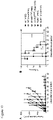
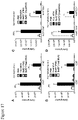
- Figure 17A-B are graphs of absolute numbers of tumor infiltrating CD3 + and CD8 + per gram of injected (A) and non-injected (B) tumors after intratumoral injection of PBS or Heat-MVA to the right flank tumors on WT and Batf3 -/- mice.
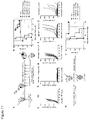
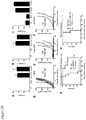
- Figure 18C-D are graphs of injected (C) and non-injected (D) tumor volumes over days after PBS injection.
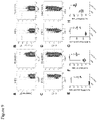
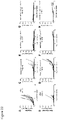
- Figure 21 is a series of graphical representations of data showing that the combination of intratumoral injection of Heat-MVA with systemic delivery of anti-CTLA-4 or anti-PD-Ll antibodies significantly increases the overall response and cure rates in tumor-bearing animals.
- Figure 21A-B are graphs of injected (A) and non-injected (B) tumor volume plotted against time (days) after PBS injection.
- Figure 21C-D are graphs of injected (C) and non-injected (D) tumor volume plotted against time (days) after intratumoral injection of PBS and intraperitoneal delivery of anti-CTLA-4 antibody.
- Figure 21E-F are graphs of injected (E) and non-injected (F) tumor volume plotted against time (days) after intratumoral injection of PBS and intraperitoneal delivery of anti-anti-PD-L1 antibody.
- Figure 21G-H are graphs of injected (G) and non-injected (H) tumor volume plotted against time (days) after intratumoral injection of Heat-MVA and intraperitoneal delivery of isotype antibody control.
- Figure 21I-J are graphs of injected (I) and non-injected (J) tumor volume plotted against time (days) after intratumoral injection of Heat-MVA and intraperitoneal delivery of anti-CTLA-4 antibody.
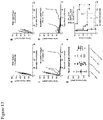
- Figure 22 is a series of graphical representations of data showing that the co-administration of Heat-MVA and anti-CTLA-4 intratumorally significantly increases the overall response and cure rates in a bilateral B16-F10 tumor implantation model.
- Some of the most common solid tumors for which the compositions and methods of the present disclosure would be useful include: head-and-neck cancer, rectal adenocarcinoma, glioma, medulloblastoma, urothelial carcinoma, pancreatic adenocarcinoma, endometrial cancer, ovarian cancer, prostate adenocarcinoma, non-small cell lung cancer (squamous and adenocarcinoma), small cell lung cancer, melanoma, breast carcinoma, renal cell carcinoma, and hepatocellular carcinoma.
- head-and-neck cancer rectal adenocarcinoma, glioma, medulloblastoma, urothelial carcinoma, pancreatic adenocarcinoma, endometrial cancer, ovarian cancer, prostate adenocarcinoma, non-small cell lung cancer (squamous and adenocarcinoma), small cell lung cancer, melanoma, breast carcinoma, renal
- Metastasis refers to the spread of cancer from its primary site to neighboring tissues or distal locations in the body. Cancer cells can break away from a primary tumor, penetrate into lymphatic and blood vessels, circulate through the bloodstream, and grow in in normal tissues elsewhere in the body. Metastasis is a sequential process, contingent on tumor cells (or cancer stem cells) breaking off from the primary tumor, traveling through the bloodstream or lymphatics, and stopping at a distant site. Once at another site, cancer cells re-penetrate through the blood vessels or lymphatic walls, continue to multiply, and eventually form a new tumor (metastatic tumor). In some embodiments, this new tumor is referred to as a metastatic (or secondary) tumor.
- a T cell response may include generation, proliferation or expansion, or stimulation of a particular type of T cell, or subset of T cells, for example, effector CD4 + , cytotoxic CD8 + , or natural killer (NK) cells.
- T cell subsets may be identified by detecting one or more cell receptors or cell surface molecules (e.g., CD or cluster of differentiation molecules).
- a T cell response may also include altered expression (statistically significant increase or decrease) of a cellular factor, such as a soluble mediator (e.g., a cytokine, lymphokine, cytokine binding protein, or interleukin) that influences the differentiation or proliferation of other cells.
- a soluble mediator e.g., a cytokine, lymphokine, cytokine binding protein, or interleukin
- IFN- ⁇ / ⁇ Type I interferon
- Type I IFN is induced in response to activation of dendritic cells, in turn a sentinel of the innate immune system.
- T cell refers to a thymus derived lymphocyte that participates in a variety of cell-mediated adaptive immune reactions.
- Cytotoxic T cell refers to a T cell that usually bears CD8 molecular markers on its surface (CD8+) and that functions in cell-mediated immunity by destroying a target cell having a specific antigenic molecule on its surface. Cytotoxic T cells also release Granzyme, a serine protease that can enter target cells via the perforin-formed pore and induce apoptosis (cell death). Granzyme serves as a marker of Cytotoxic phenotype. Other names for cytotoxic T cell include CTL, cytolytic T cell, cytolytic T lymphocyte, killer T cell, or killer T lymphocyte.
- cytotoxic T cells may include virus-infected cells, cells infected with bacterial or protozoal parasites, or cancer cells. Most cytotoxic T cells have the protein CD8 present on their cell surfaces. CD8 is attracted to portions of the Class I MHC molecule. Typically, a cytotoxic T cell is a CD8+ cell.
- Parenter when used in the context of administration of a therapeutic substance includes any route of administration other than administration through the alimentary tract. Particularly relevant for the methods disclosed herein are intravenous (including for example through the hepatic portal vein), intratumoral or intrathecal administration.
- Oncolytic virus refers to a virus that preferentially infects cancer cells, replicates in such cells, and induces lysis of the cancer cells through its replication process.
- Nonlimiting examples of naturally occurring oncolytic viruses include vesicular stomatitis virus, reovirus, as well as viruses engineered to be oncoselective such as adenovirus, Newcastle disease virus and herpes simplex virus [19, 73-75].
- Vaccinia virus infects many types of cells but replicates preferentially in tumor cells due to the fact that tumor cells have a metabolism that favors replication, exhibit activation of certain pathways that also favor replication and create an environment that evades the innate immune system, which also favors viral replication. Heat-inactivated MVA does not fit the definition of oncolytic virus.
- MVA means "modified vaccinia Ankara” and refers to a highly attenuated strain of vaccinia derived from the Ankara strain and developed for use as a vaccine and vaccine adjuvant.
- the original MVA was isolated from the wild-type Ankara strain by successive passage through chicken embryonic cells. Treated thus, it lost about 15% of the genome of wild-type vaccinia including its ability to replicate efficiently in primate (including human) cells [76].
- the smallpox vaccination strain MVA marker, genetic structure, experience gained with the parenteral vaccination and behavior in organisms with a debilitated defense mechanism. MVA is considered an appropriate candidate for development as a recombinant vector for gene or vaccination delivery against infectious diseases or tumors [77].
- MVA has a genome of 178 kb in length and a sequence first disclosed in Antoine, G et al [78]. Sequences are also disclosed in Genbank U94848.1. Clinical grade MVA is commercially and publicly available from Bavarian Nordic A/S Kvistgaard, Denmark. Additionally, MVA is available from ATCC, Rockville, MD and from CMCN (Institut Pasteur Collection Nationale des Microorganismes) Paris, France. Mutant MVA E3L knockout ( ⁇ E3L-MVA) and its preparation have been described for example in U.S. Patent 7,049,145 .
- Heat-inactivated MVA or "heat MVA” means MVA which has been further treated by exposure to heat under conditions that do not destroy its immunogenicity or its ability to enter target cells (tumor cells) but remove residual replication ability of the virus as well as factors that inhibit the host's immune response (for example, such factors as inhibit the induction of IFN Type I in infected cells).
- An example of such conditions is exposure to a temperature within the range of about 50 to about 60°C for a period of time of about an hour. Other times and temperatures can be determined with routine experimentation and IFN Type I induction in infected cDC's can be compared to the Heat-MVA used in experiments described herein and should be higher than that of MVA.
- UV-inactivated MVA or "UV-MVA” means MVA that has been inactivated by exposure to UV under conditions that do not destroy its immunogenicity or its ability to enter target cells (tumor cells) but remove residual replication ability of the virus.
- An example of such conditions which can be useful in the present methods, is exposure to UV using for example a 365 nm UV bulb for a period of about 30 min to about 1 hour [56, 79].
- the limits of these conditions of UV wavelength and exposure can be determined by routine experimentation by determining Type I IFN induced by UV-MVA having received a given exposure and comparing it to the Type I IFN induced by UV-MVA used in the experiments below and to untreated MVA. UV-MVA is similarly safe to Heat-MVA and also induces significant Type I IFN.
- inactivated MVA shall be used as a generic term comprising heat-inactivated MVA and UV-inactivated MVA which are infective, nonreplicative and do not suppress IFN Type I production in infected DC cells. MVA inactivated by a combination of heat and UV radiation is also within the scope of the present disclosure.
- Subject means any animal (mammalian, human or other) patient that can be afflicted with cancer.
- an effective amount of the inactivated-MVA is an amount that (administered for a suitable period of time and at a suitable frequency) reduces the number of cancer cells; or reduces the tumor size or eradicates the tumor; or inhibits (i.e., slows down or stops) cancer cell infiltration into peripheral organs; inhibits (i.e., slows down or stops) metastatic growth; inhibits (i.e., stabilizes or arrests) tumor growth; allows for treatment of the tumor, and/or induces an immune response against the tumor.
- an appropriate therapeutic amount in any individual case may be determined by one of ordinary skill in the art using routine experimentation in light of the present disclosure. Such determination will begin with amounts found effective in vitro and amounts found effective in animals. The therapeutically effective amount will be initially determined based on the concentration or concentrations found to confer a benefit to cells in culture. Effective amounts can be extrapolated from data within the cell culture and can be adjusted up or down based on factors such as detailed herein. An example of an effective amount range is from 10 5 viral particles to about 10 12 viral particles per administration.
- the amount that is therapeutically effective may vary depending on such factors as the particular inactivated MVA used in the composition, the age and condition of the subject being treated, the extent of tumor formation, the presence or absence of other therapeutic modalities, and the like.
- the dosage of the composition to be administered and the frequency of its administration will depend on a variety of factors, such as the potency of the active ingredient, the duration of its activity once administered, the route of administration, the size, age, sex and physical condition of the subject, the risk of adverse reactions and the judgment of the medical practitioner.
- the compositions are administered in a variety of dosage forms, such injectable solutions.
- terapéuticaally effective amount for an immune checkpoint blocking agent shall mean an amount of an immune checkpoint blocking agent sufficient to block an immune checkpoint from averting apoptosis response in tumor cells of the subject being treated.
- CD28 inhibitors such as CTL4 inhibitors (e.g., ipilimumab), PD-1 inhibitors (e.g., nivolumab, pembrolizumab, pidilizumab, lambrolizumab) PD-L1 inhibitors (MPDL3280A, BMS-936559, MEDI4736, MSB 00107180) ICOS and BTLA or decoy molecules of them.
- CTL4 inhibitors e.g., ipilimumab
- PD-1 inhibitors e.g., nivolumab, pembrolizumab, pidilizumab, lambrolizumab
- PD-L1 inhibitors MPDL3280A, BMS-936559, MEDI4736, MSB 00107180
- ICOS BTLA or decoy molecules of them.
- the tumor expresses the particular checkpoint but this is not strictly necessary as immune checkpoint blocking agents block more generally immune suppressive mechanisms within the tumors, elicited by tumor cells, stromal cell, and tumor infiltrating immune cells.
- the CTLA4 inhibitor ipilimumab when administered as adjuvant therapy after surgery in melanoma is administered at 1-2 mg/mL over 90 minutes for a total infusion amount of 3 mg/kg every three weeks for a total of 4 doses.
- This therapy is often accompanied by severe even life-threatening immune-mediated adverse reactions, which limits the tolerated dose as well as the cumulative amount that can be administered. It is anticipated that it will be possible to reduce the dose and/or cumulative amount of ipilimumab when it is administered conjointly with inactivated MVA.
- CTLA4 inhibitor's dose if it is administered directly to the tumor simultaneously or sequentially with inactivated MVA. Accordingly, the amounts provided above for ipilimumab will be a starting point for determining the particular dosage and cumulative amount to be given to a patient in conjoint administration but dosing studies will be required to determine optimum amounts.
- Pembrolizumab is prescribed for administration as adjuvant therapy in melanoma diluted to 25 mg/mL is administered at a dosage of 2 mg/kg over 30 minutes every three weeks.
- Nivolumab is prescribed for administration at 3 mg/kg as an intravenous infusion over 60 minutes every two weeks.
- “Pharmaceutically acceptable excipient” includes pharmaceutically acceptable carriers or diluents, such as any and all solvents, dispersion media, coatings, isotonic and absorption delaying agents and the like. It also includes preservatives and antibacterial and antifungal agents. The use of such media and agents for biologically active substances is well known in the art. Further details of excipients are provided below.
- Delivering used in connection with depositing the inactivated-MVA of the present disclosure in the tumor microenvironment whether this is done by local administration to the tumor or by systemic administration, for example intravenous route.
- the term focuses on inactivated-MVA that reaches the tumor itself.
- Consint administration refers to administration of a second therapeutic modality in combination with inactivated MVA for example an immune checkpoint blocking agent administered and in close temporal proximity with the inactivated MVA.
- a PD-1/PDL-1 inhibitor and/or a CTLA4 inhibitor in more specific embodiments, an antibody
- can be administered simultaneously with the heat-inactivated MVA by intravenous or intratumoral injection when the inactivated- MVA is administered intratumorally or systemically as stated above
- the inactivated-MVA administration can be administered 1-7 days apart or even up to three weeks apart, this would be within "close temporal proximity" as stated herein.
- the present disclosure relates to a method for eliciting an antitumor immune response in subjects with tumors comprising delivering to the tumor an amount of inactivated MVA effective to bring about one or more of the following:
- the present inventors have explored the mechanism of the immune response and concluded that it is initiated by the cytosolic DNA-sensing pathway mediated by cGAS/STING which mediates production of Type 1 IFN. Further insights into the mechanism and the immune cells that are recruited are provided in the Examples. The conclusions presented therein are not confined to the specific experimental milieu where these mechanisms are being elucidated.
- the present disclosure provides a method of treating a subject diagnosed with a solid tumor comprising delivering to the tumor a therapeutic effective amount of the Heat-MVA described herein.
- the present disclosure provides a method for inducing anti-tumor immunity in a subject diagnosed with cancer comprising administering to the subject a therapeutically effective amount of inactivated MVA.
- the methods of the present disclosure include induction of anti-tumor immunity that can reduce the size of the tumor, eradicate the tumor, inhibit growth of the tumor, or inhibit metastasis or metastatic growth of the tumor.
- the present disclosure provides a method for enhancing, stimulating, or eliciting, in a subject diagnosed with a solid malignant tumor, an anti-tumor immune response that may include an innate immune response and/or an adaptive immune response such as a T cell response by exposing the tumor to inactivated MVA in a therapeutically effective amount.
- the present disclosure provides methods of eliciting an immune response that mediates adaptive immune responses both in terms of T-cell cytotoxicity directed against tumor cells and in terms of eliciting T helper cells also directed against tumor cells.
- the methods comprise administering to a subject intratumorally or intravenously a composition comprising a nonreplicative heat- or UV-inactivated MVA wherein administration of said composition results in a tumor-specific immune response against the tumor and, eventually, in reduction, inhibition or abrogation of tumor growth and/or in inhibition of metastatic growth.
- the present inventors have shown that cancer cells are being killed and that the immune response can migrate to remote locations, as would be the case with metastases.
- the present disclosure provides methods of eliciting an immune response that mediates adaptive immune responses both in terms of T-cell cytotoxicity directed against tumor cells and in terms of eliciting T helper cells also directed against tumor cells.
- the methods comprise administering to a subject parenterally a composition comprising an inactivated-MVA wherein administration of said composition results in a tumor-specific immune response against the tumor and, eventually, in reduction, inhibition or eradication of tumor growth and/or in inhibition of metastatic growth.
- the present inventors have shown that cancer cells are being killed and that the immune response can migrate to remote locations, as would be the case with metastases.
- inactivated MVA is not replication competent, it does not exert its effect on the immune system the same way as replication competent vaccines or vectors. Thus, while it is believed that stimulation of the immune system is a barrier to efficacy for oncolysis [19], inactivated MVA is able to harness the innate immune system to stimulate adaptive immunity, both in terms of cytotoxicity and more broadly of T effector cell activation against the tumor.
- the present disclosure thus provides a method for treating a solid malignant tumor, delivering to a tumor of the subject an amount of inactivated-MVA effective to bring an increase of cytotoxic CD8+ cells and reduction of regulatory CD4+ cells in the tumor and inducing an immune response in a subject diagnosed with solid tumor.
- the present disclosure also provides a method for generating antitumor systemic immunity by treating a solid malignant tumor, comprising delivering to a tumor of the subject an amount of inactivated-MVA effective to bring about a considerable even dramatic increase in immune cells in the non-injected tumors, including CD103 + DCs, cytotoxic CD8 + cells and CD4 + effector cells, and thereby causing one or both of rejection of non-injected tumors in said subject and resistance to tumor metastasis (which the present inventors test by tumor rechallenge).
- MVA Modified Vaccinia Ankara
- Modified Vaccinia Ankara (MVA) virus is a member of the genera Orthopoxvirus in the family of Poxviridae. MVA was generated by approximately 570 serial passages on chicken embryo fibroblasts (CEF) of the Ankara strain of vaccinia virus (CVA) [80]. As a consequence of these long-term passages, the resulting MVA virus contains extensive genome deletions and is highly host cell restricted to avian cells [30]. It was shown in a variety of animal models that the resulting MVA is significantly avirulent [76].
- MVA has been extensively tested and documented in clinical trials, particularly against the human smallpox disease. These studies included over 120,000 individuals and have demonstrated excellent efficacy and safety in humans. Moreover, compared to other vaccinia based vaccines, MVA has weakened virulence (infectiousness) while it triggers a good specific immune response. Thus, MVA has been established as a safe vaccine vector, with the ability to induce a specific immune response.
- MVA became an attractive target for to the development of engineered MVA vectors, used for recombinant gene expression and vaccines.
- MVA has been investigated against numerous pathological conditions, including HIV, tuberculosis and malaria, as well as cancer [33, 34].
- MVA infection of human monocyte-derived dendritic cells causes DC activation, characterized by the upregulation of co-stimulatory molecules and secretion of proinflammatory cytokines [56].
- WT-VAC standard wild type Vaccinia virus
- Dendritic cells can be classified into two main subtypes: conventional dendritic cells (cDCs) and plasmacytoid dendritic cells (pDCs).
- cDCs conventional dendritic cells
- pDCs plasmacytoid dendritic cells
- the former especially the CD8+ subtype, are particularly adapted to presenting antigens to T cells; the latter are strong producers of Type I IFN.
- Viral infection of human cells results in activation of an innate immune response (the first line of defense) mediated by type I interferons, notably interferon-alpha ( ⁇ ). This normally leads to activation of an immunological "cascade,” with recruitment and proliferation of activated T cells (both CTL and helper) and eventually with antibody production.
- ⁇ interferon-alpha
- MVA is a better immunogen than WT-VAC and replicates poorly in mammalian cells [81].
- immune responses may also include suppression, attenuation, or any other down-regulation of detectable immunity, so as to reestablish homeostasis and prevent excessive damage to the host's own organs and tissues.
- an immune response that is induced according to the methods of the present disclosure generates cytotoxic CD8 + T cells or activated T helper cells or both that can bring about directly or indirectly the death, or loss of the ability to propagate, of a tumor cell.
- Induction of an immune response by the methods of the present disclosure may be determined by detecting any of a variety of well-known immunological parameters [82, 83]. Induction of an immune response may therefore be established by any of a number of well-known assays, including immunological assays, Such assays include, but need not be limited to, in vivo, ex vivo, or in vitro determination of soluble immunoglobulins or antibodies; soluble mediators such as cytokines, chemokines, hormones, growth factors and the like as well as other soluble small peptides, carbohydrate, nucleotide and/or lipid mediators; cellular activation state changes as determined by altered functional or structural properties of cells of the immune system, for example cell proliferation, altered motility, altered intracellular cation gradient or concentration (such as calcium); phosphorylation or dephosphorylation of cellular polypeptides; induction of specialized activities such as specific gene expression or cytolytic behavior; cellular differentiation by cells of the immune system, including altered surface antigen expression
- cell surface markers that distinguish immune cell types may be detected by specific antibodies that bind to CD4+, CD8+, or NK cells.
- Other markers and cellular components that can be detected include but are not limited to interferon ⁇ (IFN- ⁇ ), tumor necrosis factor (TNF), IFN- ⁇ , IFN- ⁇ , IL-6, and CCL5.
- IFN- ⁇ interferon ⁇
- TNF tumor necrosis factor
- IFN- ⁇ tumor necrosis factor
- IFN- ⁇ tumor necrosis factor
- IFN- ⁇ tumor necrosis factor-6
- CCL5 Common methods for detecting the immune response include, but are not limited to flow cytometry, ELISA, immunohistochemistry. Procedures for performing these and similar assays are widely known and may be found, for example in Letkovits (Immunology Methods Manual: The Comprehensive Sourcebook of Techniques, Current Protocols in Immunology, 1998).
- the proper fluidity can be maintained, for example, by the use of a coating such as lecithin, by the maintenance of the required particle size in the case of dispersion and by the use of surfactants and/or wetting agents such as sodium lauryl sulfate or ethanol.
- the prevention of the action of microorganisms can be effected by various preservatives, antibacterial and antifungal agents, for example, parabens, chlorobutanol, phenol, sorbic acid, thimerosal, benzalcomium chloride, benzethonium chloride and the like.
- compositions and preparations comprising inactivated-MVA may be manufactured by means of conventional mixing, dissolving, emulsifying, or lyophilizing processes.
- Pharmaceutical viral compositions may be formulated in conventional manner using one or more physiologically acceptable carriers, diluents, excipients or auxiliaries that facilitate formulating virus preparations suitable for in vitro, in vivo, or ex vivo use.
- the compositions can be combined with one or more additional biologically active agents (for example parallel administration of GM-CSF) and may be formulated with a pharmaceutically acceptable carrier, diluent or excipient to generate pharmaceutical (including biologic) or veterinary compositions of the instant disclosure suitable for parenteral or intra-tumoral administration.
- therapeutically effective amount of inactivated MVA in accordance with the present disclosure may vary according to factors such as the disease state, age, sex, weight, and general condition of the subject, the size of the tumor, the ability of inactivated-MVA to elicit a desired immunological response to a degree sufficient to combat the tumor in the particular subject and the ability of the immune system of the subject to mount such a response.
- dosage will necessarily occur depending for example on the condition of the subject being treated, route of administration and the subject's responsiveness to the therapy and the maximum tolerated dose for the subject.
- the dosage will also vary depending upon such factors as the general medical condition, previous medical history, disease progression, tumor burden and the like.
- Dosage unit form refers to physically discrete units suited as unitary dosages for the mammalian subjects to be treated; each unit containing a predetermined quantity of active material calculated to produce the desired therapeutic effect in association with the required pharmaceutically acceptable carrier.
- inactivated-MVA can be achieved using a combination of routes, including parenteral, for example intratumoral, or intravenous administration.
- inactivated-MVA is administered directly into the tumor, e.g. by intratumoral injection, where a direct local reaction is desired.
- administration routes of inactivated-MVA can vary, e.g., first administration using an intratumoral injection, and subsequent administration via an intravenous injection, or any combination thereof.
- a therapeutically effective amount of inactivated-MVA injection can be administered for a prescribed period of time and at a prescribed frequency of administration.
- inactivated-MVA can be used in conjunction with other therapeutic treatments.
- inactivated-MVA can be administered in a neoadjuvant (preoperative) or adjuvant (postoperative) setting for subjects inflicted with bulky primary tumors. It is anticipated that such optimized therapeutic regimen will induce an immune response against the tumor, and reduce the tumor burden in a subject before and/or after primary therapy, such as surgery. Furthermore, inactivated-MVA can be administered in conjunction with other therapeutic treatments such as chemotherapy or radiation.
- the inactivated-MVA virus is administered repeatedly at spaced apart intervals, for example at least once weekly or monthly but can be administered more often if needed, such as two times weekly for several weeks, months, years or even indefinitely as long as s persist. More frequent administrations are contemplated if tolerated and if they result in sustained or increased benefits.
- Benefits of the present methods include but are not limited to the following: reduction of the number of cancer cells, reduction of the tumor size, eradication of tumor, inhibition of cancer cell infiltration into peripheral organs, inhibition or stabilization of metastatic growth, inhibition or stabilization of tumor growth, and stabilization or improvement of quality of life.
- the benefits may include induction of an immune response against the tumor, activation of T helper cells, an increase of cytotoxic CD8 + T cells, or reduction of regulatory CD4 + cells.
- a benefit may be a lack of recurrences or metastasis within one, two, three, four, five or more years of the initial diagnosis of melanoma. Similar assessments can be made for colon cancer and other solid tumors.
- the tumor mass or tumor cells are treated with inactivated-MVA in vivo, ex vivo, or in vitro.
- reagents employed herein are from commercial sources or I, not, counterparts thereof are available commercially or publicly.
- MVA viruses were kindly provided by Gerd Sutter (University of Munich), propagated in BHK-21 (baby hamster kidney cell, ATCC CCL-10) cells, but both materials are commercially and/or publicly available. Viruses were purified through a 36% sucrose cushion. BSC40 cells were maintained in Dulbecco's modified Eagle's medium (DMEM, can be purchased from Life Technologies, Cat# 11965-092) supplemented with 5% fetal bovine serum (FBS), penicillin (100 units/ml), and streptomycin (100 ⁇ g/ml).
- DMEM Dulbecco's modified Eagle's medium
- FBS fetal bovine serum
- penicillin 100 units/ml
- streptomycin 100 ⁇ g/ml
- mice Female C57BL/6J mice between 6 and 10 weeks of age were purchased from the Jackson Laboratory (Stock # 000664) and were used for the preparation of bone marrow-derived dendritic cells and for in vivo experiments. These mice were maintained in the animal facility at the Sloan Kettering Institute. All procedures were performed in strict accordance with the recommendations in the Guide for the Care and Use of Laboratory Animals of the National Institute of Health. The protocol was approved by the Committee on the Ethics of Animal Experiments of Sloan-Kettering Cancer Institute. cGAS -/- , IRF3 -/- , IRF7 -/- , IRF5 -/- , Batf3 -/- , and STING Gt/Gt mice were generated in the laboratories of Drs.
- IFNAR1 -/- mice were provided by Dr. Eric Pamer (Sloan Kettering Institute); the mice were purchased from B&K Universal and were backcrossed with C57BL/6 mice for more than six generations.
- IRF5 -/- mice were backcrossed to C57BL/6J mice for at least six generations in Dr. Paula M. Pitha's laboratory before they were transferred to Sloan Kettering Institute.
- Taniguchi Taniguchi lab https://www2.brc.riken.jp/lab/animal/detail.php?brc_no RBRC01420 IRF5 -/- Tak Mak Jackson stock# 017311 Batf3 -/- Kenneth Murphy Jackson stock# 013755 IFNAR1 -/- Eric Pamer Jackson stock# 010830
- the bone marrow cells from the tibia and femur of mice were collected by first removing muscles from the bones, and then flushing the cells out using 0.5 cc U-100 insulin syringes (Becton Dickinson) with RPMI with 10% FCS. After centrifugation, cells were re-suspended in ACK Lysing Buffer (Lonza) for red blood cells lysis by incubating the cells on ice for 1-3 min. Cells were then collected, re-suspended in fresh medium, and filtered through a 40- ⁇ m cell strainer (BD Biosciences). The number of cells was counted.
- GM-CSF-BMDCs For the generation of GM-CSF-BMDCs, the bone marrow cells (5 million cells in each 15 cm cell culture dish) were cultured in CM in the presence of GM-CSF (30 ng/ml, produced by the Monoclonal Antibody Core facility at the Sloan Kettering Institute) for 10-12 days.
- CM is RPMI 1640 medium supplemented with 10% fetal bovine serum (FBS), 100 Units/ml penicillin, 100 ⁇ g/ml streptomycin, 0.1mM essential and nonessential amino acids, 2 mM L-glutamine, 1 mM sodium pyruvate, and 10 mM HEPES buffer. Cells were fed every 2 days by replacing 50% of the old medium with fresh medium and re-plated every 3-4 days to remove adherent cells. Only non-adherent cells were used for experiments.
- FBS fetal bovine serum
- penicillin 100 ⁇ g/ml
- streptomycin 100 ⁇ g
- GPDH glyceraldehyde-3-phosphate dehydrogenase
- IFNA4 forward 5'-CCTGTGTGATGCAGGAACC-3'
- IFNA4 reverse 5'-TCACCTCCCAGGCACAGA-3'
- IFNB forward 5'-TGGAGATGACGGAGAAGATG-3'
- IFNB reverse 5'-TTGGATGGCAAAGGCAGT-3'
- GAPDH forward 5'-ATCAAGAAGGTGGTGAAGCA-3'
- GAPDH reverse 5'-AGACAACCTGGTCCTCAGTGT-3'.
- Relative expression was normalized to the levels of glyceraldehyde-3-phosphate dehydrogenase (GADPH).
- BMDCs (1 ⁇ 10 6 ) from WT and KO mice were infected with MVA at a MOI (multiplicity of infection) of 10 or an equivalent amount of Heat-MVA, or UV-MVA. At various times post-infection, the medium was removed and cells were collected. Whole-cell lysates were prepared. Equal amounts of proteins were subjected to sodium dodecyl sulfate-polyacrylamide gel electrophoresis and the polypeptides were transferred to a nitrocellulose membrane. Phosphorylation of IRF3 was determined using a rabbit polyclonal antibody specific for phosphoserine-396 of IRF3 (Cell Signaling).
- the level of IRF3 was determined using a rabbit polyclonal antibody against IRF3 (Cell Signaling). Anti- STING antibodies were purchased from Cell Signaling. Vaccinia E3 protein level was determined by using anti-E3 monoclonal antibody (MAb 3015B2) kindly provided by Dr. Stuart N. Isaacs (University of Pennsylvania) [85]. Anti-glyceraldehyde-3-phosphate dehydrogenase (GADPH) or anti- ⁇ -actin antibodies (Cell Signaling) were used as loading controls.
- B16-F10 melanoma cells were infected with MVA at a MOI of 10 or with an equivalent amount of Heat-MVA.
- Cell lysates were collected at various times post infection.
- Western blot analysis was performed using anti-phospho-IRF3, anti-IRF3, and anti-GAPDH antibodies as described above.
- B16-F10 melanoma (1 ⁇ 10 5 cells in a volume of 50 ⁇ l) were implanted intradermally into the shaved skin on the right flank of STING Gt/Gt , or Batf3 -/- , or age-matched WT C57BL/6J mice.
- tumor sizes were measured and tumors that are 3 mm in diameter or larger will be injected with Heat-MVA (equivalent to 2 ⁇ 10 7 pfu of MVA in a volume of 50 ⁇ l) or PBS when the mice were under anesthesia.
- Viruses were injected weekly or twice weekly as specified in each experiment. Mice were monitored daily and tumor sizes were measured twice a week.
- Tumor volumes were calculated according the following formula: 1 (length) x w (width)x h(height)/2. Mice were euthanized for signs of distress or when the diameter of the tumor reached 10 mm. Serum were collected when the mice were euthanized.
- mice either with intratumoral injection of Heat-MVA or PBS in the presence or absence of anti-CTLA-4 antibody (100 ⁇ g in a volume of 100 ⁇ l) delivered intraperitoneally.
- the mice received virus and antibodies every 3-4 days (twice per week).
- the animals were monitored daily, and measured for tumor size every 3 days.
- Tumor volumes were calculated according the following formula: 1 (length) x w (width)x h(height)/2. Mice were euthanized for signs of distress or when the diameter of the tumor reached 10 mm.
- 1 ⁇ 10 5 MC38 colon adenocarcinoma cells were implanted intradermally on the right flank of shave mice. After 7 days, tumors were injected with either PBS, Heat-MVA, or UV-MVA at the same dose as described above twice weekly. The animals were monitored daily, and measured for tumor size every 3 days. Tumor volumes were calculated according the following formula: 1 (length) x w (width)x h(height)/2. Mice were euthanized for signs of distress or when the diameter of the tumor reached 10 mm.
- mice were implanted by injection of 1 ⁇ 10 5 cells (in a volume of 50 ⁇ l) on the right flank intradermally and treated with intratumoral delivery of PBS or Heat-MVA (an equivalent of heat-inactivated 2 ⁇ 10 7 pfu of MVA in a volume of 50 ⁇ l).
- the mice were monitored for tumor growth and survival for 30-80 days.
- the survived mice were rechallenged with either intradermally delivery of a lethal dose of B16-F10 (1 ⁇ 10 5 cells) at the contralateral side.
- Mice were monitored for 30-80 days for tumor growth.
- they were challenged by intravenous delivery of a lethal dose of B16-F10 (1 ⁇ 10 5 cells) and then euthanized at 3 weeks post rechallenge to evaluate the presence of tumors on the surface of lungs.
- Cell suspensions were generated by repeated pipetting, filtered through a 70- ⁇ m nylon filter, and then washed with complete RPMI prior to Ficoll purification to remove dead cells.
- Cells were processed for surface labeling with anti-CD3, CD45, CD4, and CD8 antibodies.
- Live cells are distinguished from dead cells by using fixable dye eFluor506 (eBioscience). They were further permeabilized using FoxP3 fixation and permeabilization kit (eBioscience), and stained for Ki-67, FoxP3, and Granzyme B. Data were acquired using the LSRII Flow cytometer (BD Biosciences). Data were analyzed with FlowJo software (Treestar).
- mice 5 ⁇ 10 4 B16-F10 cells in 100 ⁇ l medium/well were add to 96 well culture plate and incubated overnight at 37°C. The plates were washed twice with PBST. Cells were treated with 10% buffered formalin (125 ⁇ l) and fixed for 15 min at room temperature. The plates were then washed three times with PBS. After blocking with PBS with 1% BSA (250 ⁇ l) at room temperature for 1 h, mouse serum diluted in PBS with 1% BSA (1:500) was added at 100 ⁇ l/well. The plate was washed with PBST five times. Incubate for 1 hr at 37°C.
- HRP horseradish peroxidase
- CpG oligodeoxynucleotide ODN2216 (Invitrogen); We used the following antibodies.
- Therapeutic anti-CTLA4 (clone 9H10 and 9D9), anti-PDl (clone RMP1-14) were purchased from BioXcell; Antibodies used for flow cytometry were purchased from eBioscience (CD45.2 Alexa Fluor 700, CD3 PE-Cy7, CD4 APC-efluor780, CD8 PerCP-efluor710, FOXP3 Alexa Fluor 700, MHC Class I APC, CD40 APC, CD80 APC, CD86 APC), Invitrogen (CD4 QDot 605, Granzyme B PE-Texas Red, Granzyme B APC), BD Pharmingen (Ki-67-Alexa Fluor 488).
- Heat-inactivated MVA induces higher levels of type I IFN production in murine cDCs than MVA
- MVA heat-inactivation of MVA (Heat-MVA)
- Heat-MVA heat-inactivation of MVA
- MVA was incubated at 55°C for 1 h, which resulted in the reduction of infectivity by 1000-fold.
- Bone marrow-derived dendritic cells were cultured in the presence of GM-CSF (GM-CSF-BMDCs or cDCs) and infected with either MVA at a multiplicity of infection (MOI) of 10 or with an equivalent amount of Heat-MVA.
- MOI multiplicity of infection
- STING is a critical adaptor for the cytosolic DNA-sensing pathway [59, 69, 87, 88].
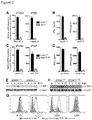
- cDCs were also generated from STING Gt/Gt mice, which lack functional STING [89]. It was found that Heat-MVA induced type I IFN gene expression and that IFN- ⁇ / ⁇ secretion from the cDCs is also dependent on STING ( Figure 2C, D ). Western blot analysis demonstrated that Heat-MVA induced phosphorylation of IRF3 at ser-396 at 4 and 8 h post infection, which was abolished in cGAS or STING-deficient cells ( Figure 2E, F ).
- Heat-WA triggers type I IFN production in vivo in a STING / IRF3 / IRF7-dependent manner
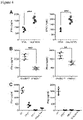
- Heat-MVA-induced IFN- ⁇ secretion was reduced by 89% in STING Gt/Gt mice compared with WT controls, whereas Heat-MVA-induced IFN- ⁇ secretion was abolished in STING Gt/Gt mice ( Figure 4C ), indicating that Heat-MVA-induced type I IFN production in vivo is also dependent on STING. Furthermore, it was found that Heat-MVA-induced IFN- ⁇ was reduced by 74% in IRF3 -/- mice compared with WT controls, whereas Heat-MVA-induced IFN- ⁇ was reduced by 98% in IRF3 -/- mice. Heat-MVA-induced IFN- ⁇ and IFN- ⁇ secretions were diminished in IRF7 -/- mice ( Figure 4C ). These results indicate that Heat-MVA-induced type I IFN in vivo requires STING and IRF3/IRF7.
- B16-F10 melanoma cells were infected with MVA at an MOI of 10, or with equivalent amounts of Heat-MVA, and cells were collected at 6 h post infection and supernatants were collected at 22 h post infection.
- Quantitative real-time PCR analysis showed that Heat-MVA infection of B16-F10 cells induced higher levels of Ifna4, Ifnb, Ccl5, and 116 gene expression than MVA ( Figure 5A ).
- ELISA analysis showed that Heat-MVA induced higher levels of IFN- ⁇ , IFN- ⁇ , CCL5, and IL-6 protein secretion in B16-F10 cells than MVA ( Figure 5B ).
- tumors were harvested at 3 days post intratumoral injection of Heat-MVA or PBS and the immune cell infiltrates were analyzed by FACS.
- An increase in the percentage of CD8 + T cells that express Granzyme B i.e.
- TDLNs tumor-draining lymph nodes
- TDLNs were isolated from Heat-MVA-treated or PBS-treated mice and analyzed by FACS.
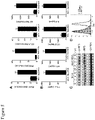
- the percentage of Granzyme B + CD8 + T cells in TDLNs increased from 0.15% in mice treated with PBS to 3.04% in mice treated with Heat-MVA (P ⁇ 0.0001; Figure 9A and E ).
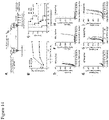
- CD4 + T cells The role of CD4 + T cells in antitumor effect was further demonstrated by the lack of protection against tumor challenge in mice successfully treated with Heat-MVA in the presence of CD4-depleting antibody ( Figure 11H-I ). By contrast, mice successfully treated with Heat-MVA in the presence or absence of NK/NKT-depleting antibody efficiently rejected tumor challenge ( Figure 11H-I ).
- CD4 + T cells are not absolutely required for eradicating Heat-MVA-injected tumor, but they are critical for the development of anti-tumor adaptive immunity, possibly for the generation of antitumor antibodies.
- Example 8 Taken together with Example 8, 9, 10, and 11, we surmise that intratumoral delivery of Heat-MVA leads to induction of type I IFN in immune cells and tumor cells, which leads to the activation of CD103 + dendritic cells, resulting in tumor antigen cross-presentation to CD8 + T cells within the tumors and in the circulation, as well as the generation of adaptive antitumor immunity.
- Anti-tumor antibody production is an important aspect of adaptive immunity.
- Heat-MVA induces anti-melanoma antibody production
- mice treated with Heat-MVA or mock-treated We found that only Heat-MVA treated mice produced anti-melanoma antibodies ( Figure 12A ). This induction is abolished in STING or Batf3-deficient mice ( Figure 12A ). By contrast, the production of antiviral antibodies is not dependent on either STING or Batf3 ( Figure 12B ).
- CD8 + T cells are critical for tumor killing at the injected tumors, and therefore are important for the release of tumor antigens, which can be processed by B cells to generate antigen-specific antibodies in the presence of helper CD4 + T cells.
- B cells can be processed by B cells to generate antigen-specific antibodies in the presence of helper CD4 + T cells.
- both anti-tumor CD4 + and CD8 + T cells are lacking, which contribute to the failure of production of anti-melanoma antibodies.
- Heat-MVA is a stronger inducer of antitumor immunity than MVA
- MVA is an attenuated vaccinia virus that is non-replicative in most mammalian cells.
- MVA modestly replicates in B16 melanoma cells ( Figure 12A ).
- Heat-MVA has reduced infectivity by 1000-fold and does not replicate in B16 melanoma cells (data not shown).
- Heat-MVA might be a stronger activator of antitumor immunity than MVA, given that Heat-MVA induces higher levels of type I IFN than MVA in infected cDCs and tumor cells in vitro (Examples 1 and 5) as well as in vivo (Example 4).
- MVA is less potent than Heat-MVA in inducing Granzyme B + CD8 + in the non-injected tumors ( Figure 15B ).
- Heat-MVA is more capable than MVA in the recruitment and activation of a variety of immune cells, especially with Granzyme B + CD8 + T cells, in the non-injected tumors. This correlates with its enhanced efficacy in eradicating or delaying the growth of non-injected tumors and prolongation of survival compared with MVA.
- Batf3 KO mice are deficient in developing antitumor CD8+ and CD4 + T cells in response to intratumoral delivery of Heat-MVA
- CD103 + DCs are capable of presenting tumor antigen on MHC Class II to naive CD4 + T cells.
- the number of tumor-reactive CD4 + T cells in the non-injected tumors was much lower in Batf3 -/- mice than in WT mice ( Figure 17D ). It is possible that the lack of CD8 + T cells in the tumors in the Batf3 -/- mice leads to defective tumor killing and poor release of tumor antigen, which affects the generation of tumor-reactive CD4 + T cells.
- UV-MVA induces type I interferon in cDCs in a STING-dependent manner
- Example 7 and 14 showed that intratumoral injection of Heat-MVA leads to tumor eradication and systemic anti-tumoral immunity in a murine transplantable B16-F10 melanoma model.
- Heat-MVA or UV-MVA is capable of eradicating other solid tumors.
- Colon adenocarcinoma is representative of a solid tumor not related to melanoma but was otherwise an arbitrary choice. 5 ⁇ 10 5 MC38 colon carcinoma cells were intradermally implanted into the right flank of C57B/6 mice.
- mice To test whether survived mice have developed systemic antitumor immunity, we challenged the mice with a lethal dose of MC38 cells (1 ⁇ 10 5 ) at the contralateral side and monitored survival. We found that whereas all of the naive mice developed tumors and died, 100% of the Heat- or UV-MVA-treated mice rejected tumor challenge ( Figure 20H ). We also tested whether infection of MC38 cells with Heat-MVA or UV-MVA induces higher levels of inflammatory cytokines and chemokines than MVA, we infected MC38 cells with MVA at a MOI of 10, or with an equivalent amount of Heat-MVA or UV-MVA. Supernatants were collected at 22 h post infection.
- Intratumoral co-injection of Heat-MVA and isotype antibody eradicated 7 out of 10 injected tumors, but only cleared 1 out of 10 non-injected tumors ( Figure 22 C-D ).
- intratumoral co-injection of Heat-MVA and anti-CTLA-4 antibody (10 ⁇ g/mouse) eradicated 10 out of 10 injected tumors, and cleared 7 out of 10 non-injected tumors ( Figure 22 E-F ), which is comparable to the therapeutic effects of the combination of intratumoral injection of Heat-MVA and intraperitoneal delivery of anti-CTLA-4 antibody (100 ⁇ g/mouse) ( Figure 22 G-H ).
- this innovative approach has several advantages: (i) this provides "in situ therapeutic vaccine” through the activation of innate immunity via the STING-dependent cytosolic DNA-sensing mechanism and the activation of adaptive immunity via the Batf3-dependent CD103 + /CD8 ⁇ cross-presenting DCs; (ii) this allows robust activation of CD8 + and CD4 + cytotoxic T cells in the presence of anti-CTLA-4 antibody; (iii) this combination results in further depletion of CD4 + regulatory T cells; (iv) this results in massive tumor killing via the action of CD8 + and CD4 + cytotoxic T cells, release of tumor antigens, and optimal generation of anti-tumor adaptive immunity, including anti-tumor antibodies; and (v) this approach also lower the systemic toxicity of anti-CTLA-4 antibody by delivering intratumorally at one tenth of the dosage used in a intraperitoneal delivery.
- the inventors will deliver combined inactivated MVA and both anti-CTLA-4 and anti-PD-1/anti-PD-L1 (the blocking agents typically delivered at lower doses than monotherapy and lower doses than conjoint administration by different routes (intratumoral v. intravenous for example) will be delivered intratumorally. It is anticipated that this will result in additional augmentation of antitumor immunity and further improved survival with lower incidence of side effects.
- immune checkpoint blockade antibodies will be included in such conjoint delivery such as anti-LAG-3, anti-TIM-3, and anti-TIGIT antibodies fin or the treatment of various solid tumors in preclinical models such as those described above.
Landscapes
- Health & Medical Sciences (AREA)
- Life Sciences & Earth Sciences (AREA)
- Chemical & Material Sciences (AREA)
- Immunology (AREA)
- Medicinal Chemistry (AREA)
- General Health & Medical Sciences (AREA)
- Public Health (AREA)
- Veterinary Medicine (AREA)
- Animal Behavior & Ethology (AREA)
- Pharmacology & Pharmacy (AREA)
- Organic Chemistry (AREA)
- Engineering & Computer Science (AREA)
- Epidemiology (AREA)
- Microbiology (AREA)
- Mycology (AREA)
- Bioinformatics & Cheminformatics (AREA)
- Virology (AREA)
- Nuclear Medicine, Radiotherapy & Molecular Imaging (AREA)
- General Chemical & Material Sciences (AREA)
- Chemical Kinetics & Catalysis (AREA)
- Biomedical Technology (AREA)
- Proteomics, Peptides & Aminoacids (AREA)
- Molecular Biology (AREA)
- Genetics & Genomics (AREA)
- Biophysics (AREA)
- Biochemistry (AREA)
- Oncology (AREA)
- Dermatology (AREA)
- Medicines That Contain Protein Lipid Enzymes And Other Medicines (AREA)
- Medicines Containing Material From Animals Or Micro-Organisms (AREA)
- Medicines Containing Antibodies Or Antigens For Use As Internal Diagnostic Agents (AREA)
Applications Claiming Priority (3)
| Application Number | Priority Date | Filing Date | Title |
|---|---|---|---|
| US201562120862P | 2015-02-25 | 2015-02-25 | |
| EP16762124.2A EP3261669B1 (en) | 2015-02-25 | 2016-02-25 | Use of inactivated nonreplicating modified vaccinia virus ankara (mva)as monoimmunotherapy or in combination with immune checkpoint blocking agents for solid tumors |
| PCT/US2016/019663 WO2016144564A2 (en) | 2015-02-25 | 2016-02-25 | Use of inactivated nonreplicating modified vaccinia virus ankara (mva)as monoimmunotherapy or in combination with immune checkpoint blocking agents for solid tumors |
Related Parent Applications (2)
| Application Number | Title | Priority Date | Filing Date |
|---|---|---|---|
| EP16762124.2A Division-Into EP3261669B1 (en) | 2015-02-25 | 2016-02-25 | Use of inactivated nonreplicating modified vaccinia virus ankara (mva)as monoimmunotherapy or in combination with immune checkpoint blocking agents for solid tumors |
| EP16762124.2A Division EP3261669B1 (en) | 2015-02-25 | 2016-02-25 | Use of inactivated nonreplicating modified vaccinia virus ankara (mva)as monoimmunotherapy or in combination with immune checkpoint blocking agents for solid tumors |
Publications (1)
| Publication Number | Publication Date |
|---|---|
| EP4122492A1 true EP4122492A1 (en) | 2023-01-25 |
Family
ID=56879727
Family Applications (2)
| Application Number | Title | Priority Date | Filing Date |
|---|---|---|---|
| EP22180849.6A Withdrawn EP4122492A1 (en) | 2015-02-25 | 2016-02-25 | Use of inactivated nonreplicating modified vaccinia virus ankara (mva)as monoimmunotherapy or in combination with immune checkpoint blocking agents for solid tumors |
| EP16762124.2A Active EP3261669B1 (en) | 2015-02-25 | 2016-02-25 | Use of inactivated nonreplicating modified vaccinia virus ankara (mva)as monoimmunotherapy or in combination with immune checkpoint blocking agents for solid tumors |
Family Applications After (1)
| Application Number | Title | Priority Date | Filing Date |
|---|---|---|---|
| EP16762124.2A Active EP3261669B1 (en) | 2015-02-25 | 2016-02-25 | Use of inactivated nonreplicating modified vaccinia virus ankara (mva)as monoimmunotherapy or in combination with immune checkpoint blocking agents for solid tumors |
Country Status (9)
| Country | Link |
|---|---|
| US (2) | US10639366B2 (https=) |
| EP (2) | EP4122492A1 (https=) |
| JP (1) | JP2018510143A (https=) |
| KR (1) | KR20170138996A (https=) |
| CN (2) | CN115300622A (https=) |
| AU (1) | AU2016229408A1 (https=) |
| BR (1) | BR112017018160A2 (https=) |
| CA (1) | CA2977660A1 (https=) |
| WO (1) | WO2016144564A2 (https=) |
Families Citing this family (18)
| Publication number | Priority date | Publication date | Assignee | Title |
|---|---|---|---|---|
| EP4122492A1 (en) | 2015-02-25 | 2023-01-25 | Memorial Sloan Kettering Cancer Center | Use of inactivated nonreplicating modified vaccinia virus ankara (mva)as monoimmunotherapy or in combination with immune checkpoint blocking agents for solid tumors |
| KR20180006916A (ko) * | 2015-04-17 | 2018-01-19 | 메모리얼 슬로안-케터링 캔서 센터 | 고형 종양에 대한 면역치료제로서 mva 또는 mva델타e3l의 용도 |
| JP7025339B2 (ja) | 2016-02-25 | 2022-02-24 | メモリアル スローン ケタリング キャンサー センター | 癌免疫療法のための、チミジンキナーゼの欠失を伴い、ヒトflt3lまたはgm-csfの発現を伴うかまたは伴わない、複製可能な弱毒化ワクシニアウイルス |
| CN109152827B (zh) | 2016-02-25 | 2023-07-21 | 纪念斯隆凯特琳癌症中心 | 重组mva或表达人flt3l的mvaδe3l及其作为抗固体肿瘤的免疫治疗剂的用途 |
| KR20240132482A (ko) * | 2017-04-21 | 2024-09-03 | 신라젠(주) | 항암 백시니아 바이러스와 관문 저해제 병용 요법 |
| EP3621646A4 (en) | 2017-05-12 | 2021-06-02 | Memorial Sloan Kettering Cancer Center | VACCINIA VIRUS MUTANTS FOR CANCER IMMUNOTHERAPY |
| EP3973973A1 (en) | 2017-10-31 | 2022-03-30 | KaliVir Immunotherapeutics, Inc. | Platform oncolytic vector for systemic delivery |
| WO2019090343A1 (en) * | 2017-11-06 | 2019-05-09 | Memorial Sloan Kettering Cancer Center | Heat-inactivated vaccinia virus as a vaccine immune adjuvant |
| AU2019234642A1 (en) * | 2018-03-13 | 2020-09-24 | Memorial Sloan Kettering Cancer Center | Oncolytic vaccinia virus expressing immune checkpoint blockade for cancer immunotherapy |
| US20210085736A1 (en) * | 2018-04-20 | 2021-03-25 | The University Of Hong Kong | Immuno-oncolytic modified vaccinia tian tan virus and methods of treating cancer |
| WO2019241315A1 (en) | 2018-06-12 | 2019-12-19 | Obsidian Therapeutics, Inc. | Pde5 derived regulatory constructs and methods of use in immunotherapy |
| EP3847246A1 (en) * | 2018-09-06 | 2021-07-14 | Bavarian Nordic A/S | Storage improved poxvirus compositions |
| BR112021004692A2 (pt) | 2018-09-15 | 2021-06-08 | Memorial Sloan Kettering Cancer Center | poxvírus recombinantes para imunoterapia de câncer |
| US20210196813A1 (en) * | 2019-12-27 | 2021-07-01 | Rush University Medical Center | Utilizing Vaccines to Treat Cancer and Enhance the Success Rate of Cancer Immunotherapy |
| JP2023533111A (ja) * | 2020-05-15 | 2023-08-02 | イミューンセンサー セラピューティクス、インコーポレイテッド | 免疫チェックポイント阻害剤とのstingアゴニスト併用治療 |
| CA3191866A1 (en) * | 2020-08-17 | 2022-02-24 | Nordic Science Group Aps | Compositions for treating gastrointestinal adenocarcinomas by altering the tumor microenvironment |
| CA3197371A1 (en) | 2020-11-19 | 2022-05-27 | Kalivir Immunotherapeutics, Inc. | Oncolytic immunotherapy by tumor micro-environment remodeling |
| MX2023009008A (es) * | 2021-02-02 | 2023-10-05 | Geovax Inc | Constructos virales para usarse en potenciar el cebado de linfocitos t durante la vacunación. |
Family Cites Families (120)
| Publication number | Priority date | Publication date | Assignee | Title |
|---|---|---|---|---|
| US5833975A (en) | 1989-03-08 | 1998-11-10 | Virogenetics Corporation | Canarypox virus expressing cytokine and/or tumor-associated antigen DNA sequence |
| DE69233158T2 (de) | 1991-03-07 | 2004-05-13 | Connaught Technology Corp., Greenville | Gentechnologisch hergestellter stamm für impfstoffe |
| AU694519B2 (en) | 1994-04-29 | 1998-07-23 | Immuno Aktiengesellschaft | Recombinant poxviruses with foreign polynucleotides in essential regions |
| US6093700A (en) | 1995-05-11 | 2000-07-25 | Thomas Jefferson University | Method of inducing an immune response using vaccinia virus recombinants encoding GM-CSF |
| JP3907698B2 (ja) | 1994-10-03 | 2007-04-18 | アメリカ合衆国 | 抗原を発現する組み換えウイルスと免疫刺激分子を発現する組み換えウイルスとを含む組成物 |
| US6004777A (en) | 1997-03-12 | 1999-12-21 | Virogenetics Corporation | Vectors having enhanced expression, and methods of making and uses thereof |
| US20030044384A1 (en) | 1997-10-09 | 2003-03-06 | Pro-Virus, Inc. | Treatment of neoplasms with viruses |
| WO2000073487A1 (en) | 1999-05-27 | 2000-12-07 | Arizona Board Of Regents | Novel viral vectors having enhanced effectiveness with dramatically reduced virulence |
| CA2375189C (en) | 1999-05-28 | 2010-02-09 | The Government Of The United States Of America | A combined growth factor-deleted and thymidine kinase-deleted vaccinia virus vector |
| EP1955703A1 (en) | 1999-11-12 | 2008-08-13 | Oncolytics Biotech Inc. | Viruses for the treatment of cellular proliferative disorders |
| CN1291012C (zh) * | 2000-03-14 | 2006-12-20 | 巴法里安诺迪克有限公司 | 修饰的安卡拉牛痘病毒(mva)的变株 |
| US7306902B2 (en) | 2002-06-28 | 2007-12-11 | Oncolyties Biotech Inc. | Oncolytic viruses as phenotyping agents for neoplasms |
| JP2004513184A (ja) | 2000-11-20 | 2004-04-30 | オンコリティクス バイオテック, インコーポレイティッド | 固形腫瘍塊への最適なウイルス送達法 |
| PL212047B1 (pl) | 2000-11-23 | 2012-08-31 | Bavarian Nordic As | Zmodyfikowany wirus krowianki szczepu Ankara MVA-BN i jego pochodna, genom i zawierające je kompozycja farmaceutyczna, zwłaszcza szczepionka oraz ich zastosowania |
| US6750043B2 (en) | 2001-04-19 | 2004-06-15 | Arizona Board Of Regents | Viral vectors having reduced virulence |
| US6372455B1 (en) | 2001-04-19 | 2002-04-16 | Arizona Board Of Regents | Recombinant vaccinia viral vectors |
| US20040091995A1 (en) | 2001-06-15 | 2004-05-13 | Jeffrey Schlom | Recombinant non-replicating virus expressing gm-csf and uses thereof to enhance immune responses |
| US20030113919A1 (en) | 2001-08-17 | 2003-06-19 | Aventis Pasteur, Ltd. | Immunogenic targets for melanoma |
| DE10144664B4 (de) | 2001-09-11 | 2005-06-09 | GSF-Forschungszentrum für Umwelt und Gesundheit GmbH | Vacciniavirus MVA-E3L-Knock-Out-Mutanten und Verwendung hiervon |
| US7001718B2 (en) | 2001-12-20 | 2006-02-21 | Massachusetts Institute Of Technology | Method of inhibiting pathogenicity of infectious agents |
| NZ536592A (en) * | 2002-04-19 | 2007-01-26 | Bavarian Nordic As | Modified vaccinia virus ankara for the vaccination of neonates |
| US20070178065A1 (en) | 2002-05-03 | 2007-08-02 | Lattime Edmund C | Neutralizing factors as vaccine adjuvants |
| DE10221411B4 (de) | 2002-05-14 | 2004-07-08 | GSF-Forschungszentrum für Umwelt und Gesundheit GmbH | Rekombinantes Fowlpox-Virus |
| CN102703393A (zh) | 2002-05-16 | 2012-10-03 | 巴法里安诺迪克有限公司 | 表达插入痘病毒基因组中的同源基因的重组痘病毒 |
| WO2004042001A2 (en) | 2002-05-17 | 2004-05-21 | Emory University | Virus-like particles, methods of preparation, and immonogenic compositions |
| JP2004031674A (ja) | 2002-06-26 | 2004-01-29 | Disco Abrasive Syst Ltd | コンタミネーション除去装置 |
| WO2004009763A2 (en) | 2002-07-24 | 2004-01-29 | Arizona Board Of Regents | Use of vaccinia virus deleted for the e3l gene as a vaccine vector |
| AU2003267361A1 (en) | 2002-09-12 | 2004-04-30 | Gsf-Forschungszentrum Fur Umwelt Und Gesundheit Gmbh | Orthopoxvirus antigens and use thereof |
| CA2511625A1 (en) | 2002-12-23 | 2004-07-15 | City Of Hope | Modified vaccinia ankara expressing p53 in cancer immunotherapy |
| WO2004087047A2 (en) | 2003-02-07 | 2004-10-14 | Arizona Board Of Regents | Mutants of replication competent vaccinia virus |
| EP1644492B1 (en) | 2003-06-18 | 2009-01-07 | Genelux Corporation | Modified recombinant vaccinia viruses, uses thereof |
| US20070036758A1 (en) | 2003-07-08 | 2007-02-15 | Bertram Jacobs | Mutants of vaccinia virus as oncolytic agents |
| CA2436196A1 (en) | 2003-07-25 | 2005-01-25 | Oncolytics Biotech Inc. | Oncolytic virus for purging cellular compositions of cells of lymphoid malignancies |
| CA2435967A1 (en) | 2003-07-25 | 2005-01-25 | Oncolytics Biotech, Inc. | Reovirus for the treatment of lymphoid malignancies |
| WO2005028634A2 (en) | 2003-09-18 | 2005-03-31 | Emory University | Improved mva vaccines |
| EP1518932A1 (en) | 2003-09-29 | 2005-03-30 | GSF-Forschungszentrum für Umwelt und Gesundheit GmbH | Modified vaccinia virus Ankara (MVA) mutant and use thereof |
| EP2338524B1 (en) | 2004-08-12 | 2013-05-22 | Cedars-Sinai Medical Center | Combined gene therapy for the treatment of macroscopic gliomas |
| EP1683870A1 (en) | 2005-01-24 | 2006-07-26 | GSF-Forschungszentrum für Umwelt und Gesundheit GmbH | Vaccines based on the use of MVA |
| WO2006120474A2 (en) | 2005-05-13 | 2006-11-16 | Oxxon Therapeutics Ltd | Compositions for inducing an immune response against tumor antigens |
| ES2281252B1 (es) | 2005-07-27 | 2009-02-16 | Consejo Superior De Investigaciones Cientificas | Vectores recombinantes basados en el virus modificado de ankara (mva) como vacunas preventivas y terapeuticas contra el sida. |
| US8980246B2 (en) | 2005-09-07 | 2015-03-17 | Sillajen Biotherapeutics, Inc. | Oncolytic vaccinia virus cancer therapy |
| US20070077231A1 (en) | 2005-09-30 | 2007-04-05 | Contag Christopher H | Immune effector cells pre-infected with oncolytic virus |
| DK1989224T3 (da) | 2006-02-24 | 2011-02-14 | Us Gov Health & Human Serv | Immunogene peptider og anvendelsesmetoder |
| KR100788930B1 (ko) | 2006-04-18 | 2007-12-27 | 포항공과대학교 산학협력단 | 항암 조성물 |
| DK2073837T3 (da) | 2006-10-06 | 2014-09-29 | Bavarian Nordic Inc | Rekombinant modificeret vaccinia-ankara-virus, der koder for et her-2-antigen, i kombination med en taxan til anvendelse til behandling af cancer |
| EP2426142A3 (en) | 2006-10-16 | 2012-06-13 | Genelux Corporation | Modified vaccinia virus strains for use in a diagnostic and therapeutic method |
| WO2008108890A2 (en) | 2006-10-18 | 2008-09-12 | University Of Rochester | Conditionally replicating viruses for cancer therapy |
| KR20080084528A (ko) | 2007-03-15 | 2008-09-19 | 제네렉스 바이오테라퓨틱스 인크. | 종양살상형 백시니아 바이러스 암 치료 |
| JP5213075B2 (ja) | 2007-06-15 | 2013-06-19 | ジェネラックス・コーポレイション | 腫瘍の画像化および/または処置のための微生物 |
| WO2009011924A1 (en) | 2007-07-18 | 2009-01-22 | Genelux Corporation | Use of a chemotherapeutic agent in the preparation of a medicament for treating or ameliorating an adverse side effect associated with oncolytic viral therapy |
| NZ601827A (en) | 2007-10-18 | 2014-01-31 | Bavarian Nordic Inc | Use of mva to treat prostate cancer |
| EP2211880A4 (en) | 2007-10-22 | 2012-11-14 | Oncolytics Biotech Inc | TREATMENT PROCEDURE FOR PROLIFERATIVE DISEASES |
| CA2705869C (en) | 2007-11-19 | 2012-10-30 | Philippe Erbs | Poxviral oncolytic vectors |
| KR101542275B1 (ko) | 2007-11-19 | 2015-08-06 | 트랜스진 에스.에이. | 폭스바이러스성 온콜리틱 벡터 |
| WO2009139921A2 (en) | 2008-05-16 | 2009-11-19 | Genelux Corporation | Microorganisms for preventing and treating neoplasms accompanying cellular therapy |
| US20110142874A1 (en) | 2008-06-09 | 2011-06-16 | Arizona Board Of Regents | Compositions, Methods, and Kits for Eliciting an Immune Response |
| JP2012500229A (ja) | 2008-08-21 | 2012-01-05 | オタワ ホスピタル リサーチ インスティチュート | 遺伝子操作された相乗的腫瘍溶解性ウイルス共生 |
| WO2010127115A1 (en) | 2009-04-30 | 2010-11-04 | Centre Hospitalier Universitaire Vaudois Lausanne (Chuv) | Modified immunization vectors |
| CA2709292A1 (en) | 2009-07-10 | 2011-01-10 | The Governors Of The University Of Alberta | Oncolytic viruses and methods for treating neoplastic disorders |
| BR112012005774B8 (pt) | 2009-09-14 | 2023-02-14 | Jennerex Inc | uso de um inibidor de quinase antiangiogênico no tratamento de câncer |
| GB201006405D0 (en) | 2010-04-16 | 2010-06-02 | Isis Innovation | Poxvirus expression system |
| WO2011156470A1 (en) | 2010-06-08 | 2011-12-15 | Arizona Board of Regents, a body corporate acting for and on behalf of Arizona State University | A method for inserting genetic material into genomic dna |
| US20130230884A1 (en) | 2010-07-16 | 2013-09-05 | John Chaput | Methods to Identify Synthetic and Natural RNA Elements that Enhance Protein Translation |
| WO2012040474A2 (en) | 2010-09-23 | 2012-03-29 | Baxter International Inc. | Recombinant viral vectors and methods for inducing an immune response to yellow fever virus |
| KR101942237B1 (ko) | 2011-01-04 | 2019-01-25 | 신라젠(주) | 종양 항원에 대한 항체의 생산 및 종양용해 우두 바이러스의 투여에 의한 종양 특이적 보체 의존적 세포독성의 생산 |
| CN114262690A (zh) | 2011-04-15 | 2022-04-01 | 吉恩勒克斯公司 | 减毒的痘苗病毒的克隆毒株及其使用方法 |
| FI20115914A7 (fi) | 2011-09-16 | 2013-03-17 | Oncos Therapeutics Ltd | Muunnettu onkolyyttinen virus |
| US8859256B2 (en) | 2011-10-05 | 2014-10-14 | Genelux Corporation | Method for detecting replication or colonization of a biological therapeutic |
| WO2013063348A1 (en) | 2011-10-28 | 2013-05-02 | Arizona Board Of Regents, A Body Corporate Of The State Of Arizona, Acting For And On Behalf Of Arizona State University | Genetic element that enhances protein translation |
| WO2013138522A2 (en) | 2012-03-16 | 2013-09-19 | Genelux Corporation | Methods for assessing effectiveness and monitoring oncolytic virus treatment |
| WO2014031693A1 (en) | 2012-08-20 | 2014-02-27 | Genelux Corporation | Compositions containing protein polymers and vaccinia virus, and methods of use thereof |
| JP6457940B2 (ja) | 2012-08-30 | 2019-01-23 | アムジエン・インコーポレーテツド | 単純ヘルペスウイルスおよび免疫チェックポイント阻害薬を使用して、メラノーマを治療するための方法 |
| WO2014037124A1 (en) | 2012-09-04 | 2014-03-13 | Bavarian Nordic A/S | Methods and compositions for enhancing vaccine immune responses |
| US20150250837A1 (en) | 2012-09-20 | 2015-09-10 | Morningside Technology Ventures Ltd. | Oncolytic virus encoding pd-1 binding agents and uses of the same |
| TWI690322B (zh) | 2012-10-02 | 2020-04-11 | 法商傳斯堅公司 | 含病毒的調配物及其使用 |
| US20150283220A1 (en) | 2012-10-19 | 2015-10-08 | Bavarian Nordic, Inc. | Methods and compositions for the treatment of cancer |
| US20180200320A1 (en) | 2012-11-21 | 2018-07-19 | Aviratek Biomedical Solutions, Llc | Method and compositions for the use of botanical extracts in the treatment of viral infections, cancer, pain, itch, and inflammation |
| US20140193859A1 (en) | 2013-01-08 | 2014-07-10 | Bertram Jacobs | Temperature-dependent insertion of genetic material into genomic DNA |
| US20140271549A1 (en) | 2013-03-15 | 2014-09-18 | Aladar A. Szalay | Use of Antibiotics to Enhance Treatment With Therapeutic Viruses |
| WO2014193973A2 (en) | 2013-05-28 | 2014-12-04 | Dcb-Usa Llc | Antibody locker for the inactivation of protein drug |
| GB201310917D0 (en) | 2013-06-19 | 2013-07-31 | Cancer Res Inst Royal | Vaccinia virus for gene-directed enzyme prodrug therapy |
| DK3036329T3 (da) | 2013-08-22 | 2021-01-11 | Univ Pittsburgh Commonwealth Sys Higher Education | Immunonkolytiske terapier |
| WO2015066715A1 (en) | 2013-11-04 | 2015-05-07 | Viracell Advanced Products, Llc | Virus-like particles and methods related thereto |
| WO2015069571A1 (en) | 2013-11-05 | 2015-05-14 | Bavarian Nordic, Inc. | Combination therapy for treating cancer with a poxvirus expressing a tumor antigen and an antagonist and/or agonist of an immune checkpoint inhibitor |
| WO2015084897A2 (en) | 2013-12-02 | 2015-06-11 | Mirimmune, Llc | Immunotherapy of cancer |
| EP3082853A2 (en) | 2013-12-20 | 2016-10-26 | The Broad Institute, Inc. | Combination therapy with neoantigen vaccine |
| US20170106065A1 (en) | 2013-12-31 | 2017-04-20 | Bavarian Nordic A/S | Combination Therapy for Treating Cancer with a Poxvirus Expressing a Tumor Antigen and an Antagonist of TIM-3 |
| WO2015138471A1 (en) | 2014-03-10 | 2015-09-17 | Arizona Board Of Regents On Behalf Of Arizona State University | Heat inactivated poxvirus improves vaccination results |
| WO2015138741A1 (en) | 2014-03-12 | 2015-09-17 | Cars-N-Kids Llc | Systems and methods for determining if a child safety seat is in a moving vehicle |
| GB201405834D0 (en) | 2014-04-01 | 2014-05-14 | Univ London Queen Mary | Oncolytic virus |
| EP3142690B1 (en) | 2014-05-13 | 2022-02-23 | Bavarian Nordic A/S | Combination therapy for treating cancer with a recombinant poxvirus expressing a tumor antigen and an immune checkpoint molecule antagonist or agonist |
| AU2015289081B2 (en) | 2014-07-16 | 2020-02-06 | Transgene Sa | Combination of oncolytic virus with immune checkpoint modulators |
| DK3169341T3 (da) | 2014-07-16 | 2019-08-05 | Transgene Sa | Onkolytisk virus til ekspression af immun-checkpoint-modulatorer |
| EP3188752A2 (en) * | 2014-09-03 | 2017-07-12 | Bavarian Nordic A/S | Recombinant modified vaccinia virus ankara (mva) filovirus vaccine |
| US10512684B2 (en) | 2014-09-26 | 2019-12-24 | Bavarian Nordic A/S | Methods and compositions for intra-nasal immunization with recombinant MVA encoding flagellin |
| KR101645642B1 (ko) | 2014-10-16 | 2016-08-11 | 대한민국 | Kvac103 유래의 재조합 백시니아 바이러스 |
| ES3011733T3 (en) | 2015-02-13 | 2025-04-08 | Transgene | Immunotherapeutic vaccine and antibody combination therapy |
| EP4122492A1 (en) * | 2015-02-25 | 2023-01-25 | Memorial Sloan Kettering Cancer Center | Use of inactivated nonreplicating modified vaccinia virus ankara (mva)as monoimmunotherapy or in combination with immune checkpoint blocking agents for solid tumors |
| KR20180006916A (ko) | 2015-04-17 | 2018-01-19 | 메모리얼 슬로안-케터링 캔서 센터 | 고형 종양에 대한 면역치료제로서 mva 또는 mva델타e3l의 용도 |
| EP3307330B1 (en) | 2015-06-15 | 2021-03-10 | New York University | Method of treatment using oncolytic viruses |
| CN108025056B (zh) | 2015-06-19 | 2022-01-14 | 新罗杰股份有限公司 | 用于病毒栓塞的组合物和方法 |
| CN105039269A (zh) | 2015-07-24 | 2015-11-11 | 北京鼎成肽源生物技术有限公司 | 一种用于治疗非小细胞肺癌的新型病毒疫苗及其制备方法 |
| EP4137150A1 (en) | 2015-08-03 | 2023-02-22 | The United States of America, as represented by the Secretary, Department of Health and Human Services | Brachyury deletion mutants, non-yeast vectors encoding brachyury deletion mutants, and their use |
| HK1255192A1 (zh) | 2015-09-08 | 2019-08-09 | Sillajen, Inc. | 表达细胞因子和羧酸酯酶的修饰的溶瘤痘苗病毒及其使用方法 |
| EP3347473A4 (en) | 2015-09-09 | 2019-04-10 | Tvax Biomedical I, LLC | METHOD FOR COMBINING ADOPTIVE T CELL THERAPY WITH ONCOLYTIC VIRUS ATTACHMENT THERAPY |
| JP7171433B2 (ja) | 2015-10-30 | 2022-11-15 | ザ ユナイテッド ステイツ オブ アメリカ, アズ リプレゼンテッド バイ ザ セクレタリー, デパートメント オブ ヘルス アンド ヒューマン サービシーズ | Her-2発現固形腫瘍の処置のための組成物および方法 |
| EA201891022A1 (ru) | 2015-12-17 | 2019-01-31 | Псайоксус Терапьютикс Лимитед | Вирус, кодирующий антитело к комплексу tcr или фрагмент указанного антитела |
| US10881725B2 (en) | 2016-01-29 | 2021-01-05 | Bavarian Nordic A/S | Recombinant modified vaccinia virus Ankara (MVA) equine encephalitis virus vaccine |
| JP7025339B2 (ja) | 2016-02-25 | 2022-02-24 | メモリアル スローン ケタリング キャンサー センター | 癌免疫療法のための、チミジンキナーゼの欠失を伴い、ヒトflt3lまたはgm-csfの発現を伴うかまたは伴わない、複製可能な弱毒化ワクシニアウイルス |
| CN109152827B (zh) | 2016-02-25 | 2023-07-21 | 纪念斯隆凯特琳癌症中心 | 重组mva或表达人flt3l的mvaδe3l及其作为抗固体肿瘤的免疫治疗剂的用途 |
| PL3426271T3 (pl) | 2016-03-10 | 2025-11-24 | Cg Oncology, Inc. | Sposoby leczenia guzów litych terapią skojarzoną |
| US10842835B2 (en) | 2016-05-25 | 2020-11-24 | Arizona Board Of Regents On Behalf Of Arizona State University | Oncolytic vaccinia virus mutants and using same for cancer treatment |
| US10888594B2 (en) | 2016-05-30 | 2021-01-12 | National University Corporation Tottori University | Genetically engineered vaccinia viruses |
| JP7312695B2 (ja) | 2016-07-19 | 2023-07-21 | ユニバーシティ オブ ピッツバーグ -オブ ザ コモンウェルス システム オブ ハイヤー エデュケイション | Stat3を標的とする腫瘍溶解性ウイルス |
| KR102190326B1 (ko) | 2016-07-21 | 2020-12-11 | 코오롱생명과학 주식회사 | 재조합 백시니아 바이러스 및 이의 용도 |
| WO2018031694A1 (en) | 2016-08-09 | 2018-02-15 | City Of Hope | Chimeric poxvirus compositions and uses thereof |
| WO2018049261A1 (en) | 2016-09-09 | 2018-03-15 | Icellhealth Consulting Llc | Oncolytic virus expressing immune checkpoint modulators |
| CN110022867A (zh) | 2016-09-21 | 2019-07-16 | 斯蒂芬·H·索恩 | 高迁移率族蛋白box i突变体 |
| US20200046784A1 (en) | 2016-09-30 | 2020-02-13 | University Health Network | Recombinant oncolytic viruses for cancer therapy |
| BR112021004692A2 (pt) | 2018-09-15 | 2021-06-08 | Memorial Sloan Kettering Cancer Center | poxvírus recombinantes para imunoterapia de câncer |
-
2016
- 2016-02-25 EP EP22180849.6A patent/EP4122492A1/en not_active Withdrawn
- 2016-02-25 US US15/553,222 patent/US10639366B2/en active Active
- 2016-02-25 CN CN202210518832.7A patent/CN115300622A/zh active Pending
- 2016-02-25 CA CA2977660A patent/CA2977660A1/en active Pending
- 2016-02-25 KR KR1020177025812A patent/KR20170138996A/ko not_active Withdrawn
- 2016-02-25 JP JP2017544930A patent/JP2018510143A/ja active Pending
- 2016-02-25 CN CN201680023964.5A patent/CN107735103B/zh not_active Expired - Fee Related
- 2016-02-25 AU AU2016229408A patent/AU2016229408A1/en not_active Abandoned
- 2016-02-25 BR BR112017018160-6A patent/BR112017018160A2/pt not_active Application Discontinuation
- 2016-02-25 WO PCT/US2016/019663 patent/WO2016144564A2/en not_active Ceased
- 2016-02-25 EP EP16762124.2A patent/EP3261669B1/en active Active
-
2020
- 2020-01-31 US US16/779,174 patent/US11426460B2/en active Active
Non-Patent Citations (96)
| Title |
|---|
| "Cyclic GMP-AMP synthase is activated by double-stranded DNA-induced oligomerization", IMMUNITY, vol. 39, no. 6, 2013, pages 1019 - 1031 |
| "Host type I IFN signals are required for antitumor CD8+ T cell responses through CD8{alpha}+ dendritic cells", J EXP MED, vol. 208, no. 10, 2011, pages 2005 - 2016 |
| "Host-range restriction of vaccinia virus E3L-specific deletion mutants", VIRUS GENES, vol. 12, no. 1, 1996, pages 89 - 94 |
| "Innate immune sensing of modified vaccinia virus Ankara (MVA) is mediated by TLR2-TLR6, MDA-5 and the NALP3 inflammasome", PLOS PATHOG, vol. 5, no. 6, 2009, pages e1000480 |
| "The adaptor protein MITA links virus-sensing receptors to IRF3 transcription factor activation", IMMUNITY, vol. 29, no. 4, 2008, pages 538 - 550 |
| ABLASSER, A.M. GOLDECKT. CAVIART. DEIMLINGG. WITTEI. ROHLK.P. HOPFNERJ. LUDWIGV. HORNUNG: "cGAS produces a 2'-5'-linked cyclic dinucleotide second messenger that activates STING", NATURE, vol. 498, no. 7454, 2013, pages 380 - 384, XP055376054, DOI: 10.1038/nature12306 |
| ANGELL, H.J. GALON.: "From the immune contexture to the Immunoscore: the role of prognostic and predictive immune markers in cancer", CURR OPIN IMMUNOL, vol. 25, no. 2, 2013, pages 261 - 267 |
| ANTOINE, G., F. SCHEIFLINGER, F. DORNER, AND F.G. FALKNER.: "The complete genomic sequence of the modified vaccinia Ankara strain: comparison with other orthopoxviruses", VIROLOGY, vol. 244, no. 2, pages 365 - 396, XP004445824, DOI: 10.1006/viro.1998.9123 |
| BARTLETT, N.J.A. SYMONSD.C. TSCHARKEG.L. SMITH: "The vaccinia virus NlL protein is an intracellular homodimer that promotes virulence", J GEN VIROL, vol. 83, no. 8, 2002, pages 1965 - 1976, XP002409054 |
| BOWIE, A., E. KISS-TOTH, J.A. SYMONS, G.L. SMITH, S.K. DOWER, AND L.A. O'NEILL.: "A46R and A52R from vaccinia virus are antagonists of host IL-1 and toll-like receptor signaling.", PROC NATL ACAD SCI U S A, vol. 97, no. 18, 2000, pages 10162 - 10167, XP002264055, DOI: 10.1073/pnas.160027697 |
| BRANDLER, S., A. LEPELLEY, M. DESDOUITS, F. GUIVEL-BENHASSINE, P.E. CECCALDI, Y. LEVY, O SCHWARTZ, AND A. MORIS: "Preclinical studies of a modified vaccinia virus Ankara-based H IV candidate vaccine: antigen presentation and antiviral effect.", J VIROL, vol. 84, no. 10, 2010, pages 5314 - 5328 |
| BRANDT, T.A.B.L. JACOBS: "Both carboxy- and amino-terminal domains of the vaccinia virus interferon resistance gene, E3L, are required for pathogenesis in a mouse model", J VIROL, vol. 75, no. 2, 2001, pages 850 - 856, XP002951113, DOI: 10.1128/JVI.75.2.850-856.2001 |
| BREITBACH, C.J.S.H. THORNEJ.C. BELLD.H. KIRN.: "Targeted and armed oncolytic poxviruses for cancer: the lead example of JX-594", CURR PHARM BIOTECHNOL, vol. 13, no. 9, 2012, pages 1768 - 1772, XP008173880, DOI: 10.2174/138920112800958922 |
| CHANG, H.W.J.C. WATSONB.L. JACOBS: "The E3L gene of vaccinia virus encodes an inhibitor of the interferon-induced, double-stranded RNA-dependent protein kinase", PROC NATL ACAD SCI U S A, vol. 89, no. 11, 1992, pages 4825 - 4829, XP002944024, DOI: 10.1073/pnas.89.11.4825 |
| CIVRIL, F.T. DEIMLINGC.C. DE OLIVEIRA MANNA. ABLASSERM. MOLDTG. WITTEV. HORNUNGK.P. HOPFNER: "Structural mechanism of cytosolic DNA sensing by cGAS", NATURE, vol. 498, no. 7454, 2013, pages 332 - 337, XP055691342, DOI: 10.1038/nature12305 |
| COFFEY, M.C.J.E. STRONGP.A. FORSYTHP.W. LEE: "Reovirus therapy of tumors with activated Ras pathway", SCIENCE, vol. 282, no. 5392, 1998, pages 1332 - 1334, XP002145200, DOI: 10.1126/science.282.5392.1332 |
| CORRALES, L.L.H. GLICKMANS.M. MCWHIRTERD.B. KANNEK.E. SIVICKG.E. KATIBAHS.R. WOOE. LEMMENST. BANDAJ.J. LEONG: "Direct Activation of STING in the Tumor Microenvironment Leads to Potent and Systemic Tumor Regression and Immunity", CELL REP, vol. 11, no. 7, 2015, pages 1018 - 1030, XP055771217, DOI: 10.1016/j.celrep.2015.04.031 |
| DAI ET AL, vol. 4, no. 1 Suppl, B031, January 2016 (2016-01-01) - January 2016 (2016-01-01), XP002782058, Retrieved from the Internet <URL:http://cancerimmunolres.aacrjournals.org/content/4/1_Supplement/B031> [retrieved on 20180604] * |
| DAI, P.W. WANGH. CAOF. AVOGADRIL. DAII. DREXLERJ.A. JOYCEX.D. LIZ. CHENT. MERGHOUB: "Modified vaccinia virus Ankara triggers type I IFN production in murine conventional dendritic cells via a cGAS/STING-mediated cytosolic DNA-sensing pathway", PLOS PATHOG, vol. 10, no. 4, 2014, pages e1003989, XP055321210, DOI: 10.1371/journal.ppat.1003989 |
| DENG, L., P. DAI, W. DING, R.D. GRANSTEIN, AND S. SHUMAN: "Vaccinia virus infection attenuates innate immune responses and antigen presentation by epidermal dendritic cells", J VIROL, vol. 80, no. 20, 2006, pages 9977 - 9987 |
| DENG, L.H. LIANGM. XUX. YANGB. BURNETTEA. ARINAX.D. LIH. MAUCERIM. BECKETTT. DARGA: "STING-Dependent Cytosolic DNA Sensing Promotes Radiation-Induced Type I Interferon-Dependent Antitumor Immunity in Immunogenic Tumors", IMMUNITY, vol. 41, no. 5, 2014, pages 843 - 852, XP055426473, DOI: 10.1016/j.immuni.2014.10.019 |
| DENG, L.P. DAIT. PARIKHH. CAOV. BHOJQ. SUNZ. CHENT. MERGHOUBA. HOUGHTONS. SHUMAN: "Vaccinia virus subverts a mitochondrial antiviral signaling protein-dependent innate immune response in keratinocytes through its double-stranded RNA binding protein, E3", J VIROL, vol. 82, no. 21, 2008, pages 10735 - 10746 |
| DIAMOND, M.S.M. KINDERH. MATSUSHITAM. MASHAYEKHIG.P. DUNNJ.M. ARCHAMBAULTH. LEEC.D. ARTHURJ.M. WHITEU. KALINKE: "Type I interferon is selectively required by dendritic cells for immune rejection of tumors", J EXP MED, vol. 208, no. 10, 2011, pages 1989 - 2003 |
| DIPERNA, G.J. STACKA.G. BOWIEA. BOYDG. KOTWALZ. ZHANGS. ARVIKARE. LATZK.A. FITZGERALDW.L. MARSHALL.: "Poxvirus protein NlL targets the 1-kappaB kinase complex, inhibits signaling to NF-kappaB by the tumor necrosis factor superfamily of receptors, and inhibits NF-kappaB and IRF3 signaling by toll-like receptors", J BIOL CHEM, vol. 279, no. 35, 2004, pages 36570 - 36578, XP002441811, DOI: 10.1074/jbc.M400567200 |
| DRILLIEN ROBERT ET AL: "Modified vaccinia virus Ankara induces moderate activation of human dendritic cells", JOURNAL OF GENERAL VIROLOGY, SOCIETY FOR GENERAL MICROBIOLOGY, SPENCERS WOOD, GB, vol. 85, no. Pt 8, 1 August 2004 (2004-08-01), pages 2167 - 2175, XP002420666, ISSN: 0022-1317, DOI: 10.1099/VIR.0.79998-0 * |
| DRILLIEN, R.D. SPEHNERD. HANAU: "Modified vaccinia virus Ankara induces moderate activation of human dendritic cells", J GEN VIROL, vol. 85, no. 8, 2004, pages 2167 - 2175, XP002420666, DOI: 10.1099/vir.0.79998-0 |
| EDELSON, B.T.W. KCR. JUANGM. KOHYAMAL.A. BENOITP.A. KLEKOTKAC. MOONJ.C. ALBRINGW. ISED.G. MICHAEL: "Peripheral CD103+ dendritic cells form a unified subset developmentally related to CD8alpha+ conventional dendritic cells", J EXP MED, vol. 207, no. 4, 2010, pages 823 - 836 |
| ENGELMAYER, J.M. LARSSONM. SUBKLEWEA. CHAHROUDIW.I. COXR.M. STEINMANN. BHARDWAJ: "Vaccinia virus inhibits the maturation of human dendritic cells: a novel mechanism of immune evasion", J IMMUNOL, vol. 163, no. 12, 1999, pages 6762 - 6768, XP002420667 |
| FUERTES, M.B.S.R. WOOB. BURNETTY.X. FUT.F. GAJEWSKI: "Type I interferon response and innate immune sensing of cancer", TRENDS IMMUNOL, vol. 34, no. 2, 2013, pages 67 - 73, XP055855419, DOI: 10.1016/j.it.2012.10.004 |
| GAO, P.M. ASCANOT. ZILLINGERW. WANGP. DAIA.A. SERGANOVB.L. GAFFNEYS. SHUMANR.A. JONESL. DENG: "Structure-function analysis of STING activation by c[G(2',5')pA(3',5')p] and targeting by antiviral DMXAA", CELL, vol. 154, no. 4, 2013, pages 748 - 762, XP055315012, DOI: 10.1016/j.cell.2013.07.023 |
| GAO, P.M. ASCANOY. WUW. BARCHETB.L. GAFFNEYT. ZILLINGERA.A. SERGANOVY. LIUR.A. JONESG. HARTMANN: "Cyclic [G(2',5')pA(3',5')p] is the metazoan second messenger produced by DNA-activated cyclic GMP-AMP synthase", CELL, vol. 153, no. 5, 2013, pages 1094 - 1107, XP055172271, DOI: 10.1016/j.cell.2013.04.046 |
| GARCIA, F.J.C. BERNALDO DE QUIROSC.E. GOMEZB. PERDIGUEROJ.L. NAJERAV. JIMENEZJ. GARCIA-ARRIAZAA.C. GUARDOI. PEREZV. DIAZ-BRITO: "Safety and immunogenicity of a modified pox vector-based HIV/AIDS vaccine candidate expressing Env, Gag, Pol and Nef proteins of HIV-1 subtype B (MVA-B) in healthy HIV-1-uninfected volunteers: A phase I clinical trial (RISVAC02", VACCINE, vol. 29, no. 46, 2011, pages 8309 - 8316, XP028314378, DOI: 10.1016/j.vaccine.2011.08.098 |
| GOEPFERT, P.A.M.L. ELIZAGAA. SATOL. QINM. CARDINALIC.M. HAYJ. HURALS.C. DEROSAO.D. DEFAWEG.D. TOMARAS: "Phase 1 safety and immunogenicity testing of DNA and recombinant modified vaccinia Ankara vaccines expressing HIV-1 virus-like particles", J INFECT DIS, vol. 203, no. 5, 2011, pages 610 - 619 |
| GOMEZ, C.E.J.L. NAJERAM. KRUPAB. PERDIGUEROM. ESTEBAN: "MVA and NYVAC as vaccines against emergent infectious diseases and cancer", CURR GENE THER, vol. 11, no. 3, 2011, pages 189 - 217, XP009191008 |
| GOMEZ, C.E.J.L. NAJERAM. KRUPAM. ESTEBAN: "The poxvirus vectors MVA and NYVAC as gene delivery systems for vaccination against infectious diseases and cancer", CURR GENE THER, vol. 8, no. 2, 2008, pages 97 - 120, XP009149369 |
| GRAHAM, S.C., M.W. BAHAR, S. COORAY, R.A. CHEN, D.M. WHALEN, N.G. ABRESCIA, D. ALDERTON,R.J. OWENS, D.I. STUART, G.L. SMITH, AND J: "Vaccinia virus proteins A52 and B14 Share a Bcl-2-like fold but have evolved to inhibit NF-kappaB rather than apoptosis. ", PLOS PATHOG, vol. 4, no. 8, pages e1000128 |
| GUERRA, S.A. CACERESK.P. KNOBELOCHI. HORAKM. ESTEBAN: "Vaccinia virus E3 protein prevents the antiviral action of ISG15", PLOS PATHOG, vol. 4, no. 7, 2008, pages e1000096 |
| HAMID, O., C. ROBERT, A. DAUD, F.S. HODI, W.J. HWU, R. KEFFORD, J.D. WOLCHOK, P. HERSEY, R.W. JOSEPH, J.S. WEBER, R. DRONCA, T.C. : "Safety and Tumor Responses with Lambrolizumab (Anti-PD-1) in Melanoma", N ENGL J MED., 2013 |
| HARTE, M.T.I.R. HAGAG. MALONEYP. GRAYP.C. READINGN.W. BARTLETTG.L. SMITHA. BOWIEL.A. O'NEILL: "The poxvirus protein A52R targets Toll-like receptor signaling complexes to suppress host defense", J EXP MED, vol. 197, no. 3, 2003, pages 343 - 351, XP002264056, DOI: 10.1084/jem.20021652 |
| HILDNER, K., B.T. EDELSON, W.E. PURTHA, M. DIAMOND, H. MATSUSHITA, M. KOHYAMA, B. CALDERON B.U. SCHRAML, E.R. UNANUE, M.S. DIAMOND: "Batf3 deficiency reveals a critical role for CD8alpha+ dendritic cells in cytotoxic T cell immunity", SCIENCE, vol. 322, no. 5904, 2008, pages 1097 - 1100, XP055422537, DOI: 10.1126/science.1164206 |
| HODI, F.S., S.J. O'DAY, D.F. MCDERMOTT, R.W. WEBER, J.A. SOSMAN, J.B. HAANEN, R. GONZALEZ, C. ROBERT, D. SCHADENDORF, J.C. HASSEL,: "Improved survival with ipilimumab in patients with metastatic melanoma", N ENGL J MED, vol. 363, no. 8, 2010, pages 711 - 723, XP055689480, DOI: 10.1056/NEJMoa1003466 |
| HUBER, J.P.J.D. FARRAR: "Regulation of effector and memory T-cell functions by type I interferon", IMMUNOLOGY, vol. 132, no. 4, 2011, pages 466 - 474 |
| ISHIKAWA, H.G.N. BARBER: "STING is an endoplasmic reticulum adaptor that facilitates innate immune signalling", NATURE, vol. 455, no. 7213, 2008, pages 674 - 678, XP055021546, DOI: 10.1038/nature07317 |
| ISHIKAWA, H.Z. MAG.N. BARBER: "STING regulates intracellular DNA-mediated, type I interferon-dependent innate immunity", NATURE, vol. 461, no. 7265, 2009, pages 788 - 792, XP055021931, DOI: 10.1038/nature08476 |
| J.M. WIGGINTONA. GUPTAM. SZNOL.: "Nivolumab plus ipilimumab in advanced melanoma", N ENGL J MED, vol. 369, no. 2, 2013, pages 122 - 133 |
| JENNE, L.C. HAUSERJ.F. ARRIGHIJ.H. SAURATA.W. HUGIN: "Poxvirus as a vector to transduce human dendritic cells for immunotherapy: abortive infection but reduced APC function", GENE THER, vol. 7, no. 18, 2000, pages 1575 - 1583, XP037773139, DOI: 10.1038/sj.gt.3301287 |
| JOCHEMS, C.J. SCHLOM.: "Tumor-infiltrating immune cells and prognosis: the potential link between conventional cancer therapy and immunity", EXP BIOL MED (MAYWOOD), vol. 236, no. 5, 2011, pages 567 - 579, XP055073049, DOI: 10.1258/ebm.2011.011007 |
| KIRN, D., R.L. MARTUZA, AND J. ZWIEBEL.: "Biological principles, risk management and future directions", NAT MED, vol. 7, no. 7, 2001, pages 781 - 787 |
| KIRN, D.H.S.H. THORNE.: "Targeted and armed oncolytic poxviruses: a novel multi-mechanistic therapeutic class for cancer", NAT REV CANCER, vol. 9, no. 1, 2009, pages 64 - 71, XP055158592, DOI: 10.1038/nrc2545 |
| KIRN, D.H.Y. WANGF. LE BOEUFJ. BELLS.H. THORNE: "Targeting of interferon-beta to produce a specific, multi-mechanistic oncolytic vaccinia virus", PLOS MED, vol. 4, no. 12, 2007, pages e353 |
| KOTWAL, G.J.A.W. HUGINB. MOSS.: "Mapping and insertional mutagenesis of a vaccinia virus gene encoding a 13,800-Da secreted protein", VIROLOGY, vol. 171, no. 2, 1989, pages 579 - 587, XP023059172, DOI: 10.1016/0042-6822(89)90627-2 |
| LACY, K.E., S.N. KARAGIANNIS, AND F.O. NESTLE: "Immunotherapy for Melanoma", REV DERMATOL, vol. 7, no. 1, 2012, pages 51 - 68 |
| LANGLAND, J.O.J.C. KASHV. CARTERM.J. THOMASM.G. KATZEB.L. JACOBS: "Suppression of proinflammatory signal transduction and gene expression by the dual nucleic acid binding domains of the vaccinia virus E3L proteins", J VIROL, vol. 80, no. 20, 2006, pages 10083 - 10095 |
| LI, P.N. WANGD. ZHOUC.S. YEEC.H. CHANGR.R. BRUTKIEWICZJ.S. BLUM: "Disruption of MHC class II-restricted antigen presentation by vaccinia virus", J IMMUNOL, vol. 175, no. 10, 2005, pages 6481 - 6488 |
| LI, X.D.J. WUD. GAOH. WANGL. SUNZ.J. CHEN: "Pivotal roles of cGAS-cGAMP signaling in antiviral defense and immune adjuvant effects", SCIENCE, vol. 341, no. 6152, 2013, pages 1390 - 1394, XP055514114, DOI: 10.1126/science.1244040 |
| LYNCH, H.E.C.A. RAYK.L. OIEJ.J. POLLARAI.T. PETTYA.J. SADLERB.R. WILLIAMSD.J. PICKUP: "Modified vaccinia virus Ankara can activate NF-kappaB transcription factors through a double-stranded RNA-activated protein kinase (PKR)-dependent pathway during the early phase of virus replication", VIROLOGY, vol. 391, no. 2, 2009, pages 177 - 186 |
| MAYR, A., H. STICKL, H.K. MULLER, K. DANNER, AND H. SINGER: "The smallpox vaccination strain MVA: marker, genetic structure, experience gained with the parenteral vaccination and behavior in organisms with a debilitated defence mechanism (author's transl) ", BAKTERIOLB, vol. 167, no. 5-6, pages 375 - 390 |
| MAYR, A.HOCHSTEIN-MINTZEL VSTICKL H.: "Passage history, properties, and applicability of the attenuated vaccinia virus strain MVA [in German", INFECTION, vol. 3, 1975, pages 6 - 14 |
| MCCURDY, L.H., B.D. LARKIN, J.E. MARTIN, AND B.S. GRAHAM: "Modified vaccinia Ankara:potential as an alternative smallpox vaccine. ", CLIN INFECT DIS, vol. 38, no. 12, 2004, pages 1749 - 1753 |
| MEYER, H.G. SUTTERA. MAYR.: "Mapping of deletions in the genome of the highly attenuated vaccinia virus MVA and their influence on virulence", J GEN VIROL, vol. 72, no. 5, 1991, pages 1031 - 1038, XP000952390 |
| MLECNIK, B.G. BINDEAF. PAGESJ. GALON: "Tumor immunosurveillance in human cancers", CANCER METASTASIS REV, vol. 30, no. 1, 2011, pages 5 - 12, XP019885783, DOI: 10.1007/s10555-011-9270-7 |
| MOSS, B.: "Fields Virology", LIPPINCOTT WILLIAMS & WILKINS, article "Poxviridae: The viruses and their replication.", pages: 2905 - 2946 |
| NAGORSEN, D.E. WANGF.M. MARINCOLAJ. EVEN: "Transcriptional analysis of tumor-specific T-cell responses in cancer patients", CRIT REV IMMUNOL, vol. 22, no. 5-6, 2002, pages 449 - 462, XP009016190 |
| NEMUNAITIS, J.: "Oncolytic viruses", INVEST NEW DRUGS, vol. 17, no. 4, 1999, pages 375 - 386, XP008022175, DOI: 10.1023/A:1006334404767 |
| OBLE, D.A.R. LOEWEP. YUM.C. MIHM, JR.: "Focus on TILs: prognostic significance of tumor infiltrating lymphocytes in human melanoma", CANCER IMMUN, vol. 9, 2009, pages 3 |
| PARDOLL, D.M.: "The blockade of immune checkpoints in cancer immunotherapy", REV CANCER, vol. 12, no. 4, 2012, pages 252 - 264, XP037114946, DOI: 10.1038/nrc3239 |
| PARK, B.H.T. HWANGT.C. LIUD.Y. SZEJ.S. KIMH.C. KWONS.Y. OHS.Y. HANJ.H. YOONS.H. HONG: "Use of a targeted oncolytic poxvirus, JX-594, in patients with refractory primary or metastatic liver cancer: a phase I trial", LANCET ONCOL, vol. 9, no. 6, 2008, pages 533 - 542, XP022688852, DOI: 10.1016/S1470-2045(08)70107-4 |
| PEIHONG DAI ET AL: "Intratumoral delivery of inactivated modified vaccinia virus Ankara (iMVA) induces systemic antitumor immunity via STING and Batf3-dependent dendritic cells", SCIENCE IMMUNOLOGY, vol. 2, no. 11, 19 May 2017 (2017-05-19), pages eaal1713, XP055480983, DOI: 10.1126/sciimmunol.aal1713 * |
| PRAMANICK, S.SINGODIA, D.CHANDEL, V.: "Excipient selection in parenteral formulation development", PHARMA TIMES, vol. 45, no. 3, 2013, pages 65 - 77, XP055449954 |
| S. GREINER ET AL: "The highly attenuated vaccinia virus strain modified virus Ankara induces apoptosis in melanoma cells and allows bystander dendritic cells to generate a potent anti-tumoral immunity", CLINICAL AND EXPERIMENTAL IMMUNOLOGY, vol. 146, no. 2, 1 November 2006 (2006-11-01), GB, pages 344 - 353, XP055481306, ISSN: 0009-9104, DOI: 10.1111/j.1365-2249.2006.03177.x * |
| SAUER, J.D., K. SOTELO-TROHA, J. VON MOLTKE, K.M. MONROE, C.S. RAE, S.W. BRUBAKER, M. HYODO,Y. HAYAKAWA, J.J. WOODWARD, D.A. PORTN: "The N-ethyl-N-nitrosourea-induced Goldenticket mouse mutant reveals an essential function of Sting in the in vivo interferon response to Listeria monocytogenes and cyclic dinucleotides. ", IMMUN, vol. 79, no. 2, 2011, pages 688 - 694 |
| SEET, B.T.J.B. JOHNSTONC.R. BRUNETTIJ.W. BARRETTH. EVERETTC. CAMERONJ. SYPULAS.H. NAZARIANA. LUCASG. MCFADDEN: "Poxviruses and immune evasion", ANNU REV, vol. 21, 2003, pages 377 - 423, XP002360870, DOI: 10.1146/annurev.immunol.21.120601.141049 |
| SHARMA, P.J.P. ALLISON: "The future of immune checkpoint therapy", SCIENCE, vol. 348, no. 6230, 2015, pages 56 - 61, XP055402824, DOI: 10.1126/science.aaa8172 |
| SMITH, E.J.I. MARIEA. PRAKASHA. GARCIA-SASTRED.E. LEVY: "IRF3 and IRF7 phosphorylation in virus-infected cells does not require double-stranded RNA-dependent protein kinase R or Ikappa B kinase but is blocked by Vaccinia virus E3L protein", J BIOL CHEM, vol. 276, no. 12, 2001, pages 8951 - 8957 |
| SUN, L., J. WU, F. DU, X. CHEN, AND Z.J. CHEN.: "DNA sensor that activates the type I interferon pathway", SCIENCE, vol. 339, no. 6121, pages 786 - 791, XP055294100, DOI: 10.1126/science.1232458 |
| SUTTER, G.C. STAIB.: "Vaccinia vectors as candidate vaccines: the development of modified vaccinia virus Ankara for antigen delivery", CURR DRUG TARGETS INFECT DISORD, vol. 3, no. 3, 2003, pages 263 - 271, XP009068362, DOI: 10.2174/1568005033481123 |
| TAKAOKA, A.T. TANIGUCHI: "New aspects of IFN-alpha/beta signalling in immunity, oncogenesis and bone metabolism", CANCER SCI, vol. 94, no. 5, 2003, pages 405 - 411 |
| TANAKA, Y.Z.J. CHEN.: "STING specifies IRF3 phosphorylation by TBK1 in the cytosolic DNA signaling pathway", SCI SIGNAL, vol. 5, no. 214, 2012, pages 20, XP055255589, DOI: 10.1126/scisignal.2002521 |
| THORNE, S.H.T.H. HWANGW.E. O'GORMAND.L. BARTLETTS. SEIF. KANJIC. BROWNJ. WERIERJ.H. CHOD.E. LEE: "Rational strain selection and engineering creates a broad-spectrum, systemically effective oncolytic poxvirus, JX-963", J, vol. 117, no. 11, 2007, pages 3350 - 3358, XP002689198, DOI: 10.1172/jci32727 |
| TOPALIAN, S.L.F.S. HODIJ.R. BRAHMERS.N. GETTINGERD.C. SMITHD.F. MCDERMOTTJ.D. POWDERLYR.D. CARVAJALJ.A. SOSMANM.B. ATKINS: "Safety, activity, and immune correlates of anti-PD-1 antibody in cancer", N ENGL J MED, vol. 366, no. 26, 2012, pages 2443 - 2454, XP055098235, DOI: 10.1056/NEJMoa1200690 |
| TSUNG, K.J.H. YIMW. MARTIR.M. BULLERJ.A. NORTON: "Gene expression and cytopathic effect of vaccinia virus inactivated by psoralen and long-wave UV light", J VIROL, vol. 70, no. 1, 1996, pages 165 - 171 |
| TUMEH, P.C.C.L. HARVIEWJ.H. YEARLEYI.P. SHINTAKUE.J. TAYLORL. ROBERTB. CHMIELOWSKIM. SPASICG. HENRYV. CIOBANU: "PD-1 blockade induces responses by inhibiting adaptive immune resistance", NATURE, vol. 515, no. 7528, 2014, pages 568 - 571, XP055247294, DOI: 10.1038/nature13954 |
| VERHEUST, C.M. GOOSSENSK. PAUWELSD. BREYER.: "Biosafety aspects of modified vaccinia virus Ankara (MVA)-based vectors used for gene therapy or vaccination", VACCINE, vol. 30, no. 16, 2012, pages 2623 - 2632 |
| VOLLMAR, J.N. ARNDTZK.M. ECKLT. THOMSENB. PETZOLDL. MATEOB. SCHLERETHA. HANDLEYL. KINGV. HULSEMANN: "Safety and immunogenicity of IMVAMUNE, a promising candidate as a third generation smallpox vaccine", VACCINE, vol. 24, no. 12, 2006, pages 2065 - 2070, XP028010537, DOI: 10.1016/j.vaccine.2005.11.022 |
| WAIBLER, Z.M. ANZAGHEH. LUDWIGS. AKIRAS. WEISSG. SUTTERU. KALINKE: "Modified vaccinia virus Ankara induces Toll-like receptor-independent type I interferon responses", J VIROL, vol. 81, no. 22, 2007, pages 12102 - 12110, XP055031314, DOI: 10.1128/JVI.01190-07 |
| WEAVER, J.R., M. SHAMIM, E. ALEXANDER, D.H. DAVIES, P.L. FEIGNER, AND S.N. ISAACS.: "The identification and characterization of a monoclonal antibody to the vaccinia virus E3 protein.", VIRUS RES, vol. 130, no. 1-2, 2007, pages 269 - 274, XP022331864, DOI: 10.1016/j.virusres.2007.05.012 |
| WILLIS, K.L.S. PATELY. XIANGJ.L. SHISLER: "The effect of the vaccinia K1 protein on the PKR-elF2alpha pathway in RK13 and HeLa cells", VIROLOGY, vol. 394, no. 1, 2009, pages 73 - 81, XP026705071, DOI: 10.1016/j.virol.2009.08.020 |
| WOLCHOK, J.D., B. NEYNS, G. LINETTE, S. NEGRIER, J. LUTZKY, L. THOMAS, W. WATERFIELD, D.SCHADENDORF, M. SMYLIE, T. GUTHRIE, JR., J: "Ipilimumab monotherapy in patients with pretreated advanced melanoma: a randomised, double-blind, multicentre, phase 2, dose-ranging study.", ONCOL, vol. 11, no. 2, pages 155 - 164, XP026884318, DOI: 10.1016/S1470-2045(09)70334-1 |
| WOO, S.R.M.B. FUERTESL. CORRALESS. SPRANGERM.J. FURDYNAM.Y. LEUNGR. DUGGANY. WANGG.N. BARBERK.A. FITZGERALD: "Immunity", STING-DEPENDENT CYTOSOLIC DNA SENSING MEDIATES INNATE IMMUNE RECOGNITION OF IMMUNOGENIC TUMORS, vol. 41, no. 5, 2014, pages 830 - 842 |
| WU, J.L. SUNX. CHENF. DUH. SHIC. CHENZ.J. CHEN: "Cyclic GMP-AMP is an endogenous second messenger in innate immune signaling by cytosolic DNA", SCIENCE, vol. 339, no. 6121, 2013, pages 826 - 830, XP055426759, DOI: 10.1126/science.1229963 |
| WYATT, L.S.I.M. BELYAKOVP.L. EARLJ.A. BERZOFSKYB. MOSS.: "Enhanced cell surface expression, immunogenicity and genetic stability resulting from a spontaneous truncation of HIV Env expressed by a recombinant MVA", VIROLOGY, vol. 372, no. 2, 2008, pages 260 - 272, XP022496344, DOI: 10.1016/j.virol.2007.10.033 |
| XIANG, Y.R.C. CONDITS. VIJAYSRIB. JACOBSB.R. WILLIAMSR.H. SILVERMAN: "Blockade of interferon induction and action by the E3L double-stranded RNA binding proteins of vaccinia virus", J VIROL, vol. 76, no. 10, 2002, pages 5251 - 5259, XP002410981, DOI: 10.1128/JVI.76.10.5251-5259.2002 |
| XIAO, T.S.K.A. FITZGERALD: "The cGAS-STING pathway for DNA sensing", MOL CELL, vol. 51, no. 2, 2013, pages 135 - 139, XP055508317, DOI: 10.1016/j.molcel.2013.07.004 |
| Z. WAIBLER ET AL: "Modified Vaccinia Virus Ankara Induces Toll-Like Receptor-Independent Type I Interferon Responses", JOURNAL OF VIROLOGY, vol. 181, no. 22, 15 November 2007 (2007-11-15), pages 12102 - 12110, XP055031314, ISSN: 0022-538X, DOI: 10.1128/JVI.01190-07 * |
| ZAMARIN, D.R.B. HOLMGAARDS.K. SUBUDHIJ.S. PARKM. MANSOURP. PALESET. MERGHOUBJ.D. WOLCHOKJ.P. ALLISON: "Localized oncolytic virotherapy overcomes systemic tumor resistance to immune checkpoint blockade immunotherapy", SCI TRANSL MED, vol. 6, no. 226, 2014, pages 226 - 232, XP055296235, DOI: 10.1126/scitranslmed.3008095 |
| ZHANG, X., H. SHI, J. WU, X. ZHANG, L. SUN, C. CHEN, AND Z.J. CHEN.: "Cyclic GMP-AMP containing mixed phosphodiester linkages is an endogenous high-affinity ligand for STING.", MOL CELL, vol. 51, no. 2, 2013, pages 226 - 235, XP055300246, DOI: 10.1016/j.molcel.2013.05.022 |
Also Published As
| Publication number | Publication date |
|---|---|
| EP3261669A2 (en) | 2018-01-03 |
| CN107735103B (zh) | 2022-05-27 |
| EP3261669B1 (en) | 2022-08-03 |
| CA2977660A1 (en) | 2016-09-15 |
| US11426460B2 (en) | 2022-08-30 |
| US20200237902A1 (en) | 2020-07-30 |
| US20180236062A1 (en) | 2018-08-23 |
| AU2016229408A1 (en) | 2017-09-14 |
| BR112017018160A2 (pt) | 2018-04-10 |
| CN107735103A (zh) | 2018-02-23 |
| HK1251459A1 (zh) | 2019-02-01 |
| WO2016144564A2 (en) | 2016-09-15 |
| WO2016144564A9 (en) | 2016-11-03 |
| CN115300622A (zh) | 2022-11-08 |
| US10639366B2 (en) | 2020-05-05 |
| JP2018510143A (ja) | 2018-04-12 |
| KR20170138996A (ko) | 2017-12-18 |
| EP3261669A4 (en) | 2018-07-25 |
Similar Documents
| Publication | Publication Date | Title |
|---|---|---|
| US11426460B2 (en) | Use of inactivated nonreplicating modified vaccinia virus Ankara (MVA) as monoimmunotherapy or in combination with immune checkpoint blocking agents for solid tumors | |
| US12036279B2 (en) | Recombinant MVA or MVADELE3L expressing human FLT3L and use thereof as immuno-therapeutic agents against solid tumors | |
| US12397029B2 (en) | Use of MVA or MVADELTAE3L as immunotherapeutic agents against solid tumors | |
| US11884939B2 (en) | Vaccinia virus mutants useful for cancer immunotherapy | |
| HK40086848A (en) | Use of inactivated nonreplicating modified vaccinia virus ankara (mva) as monoimmunotherapy or in combination with immune checkpoint blocking agents for solid tumors | |
| HK1251459B (en) | Use of inactivated nonreplicating modified vaccinia virus ankara (mva)as monoimmunotherapy or in combination with immune checkpoint blocking agents for solid tumors |
Legal Events
| Date | Code | Title | Description |
|---|---|---|---|
| PUAI | Public reference made under article 153(3) epc to a published international application that has entered the european phase |
Free format text: ORIGINAL CODE: 0009012 |
|
| STAA | Information on the status of an ep patent application or granted ep patent |
Free format text: STATUS: THE APPLICATION HAS BEEN PUBLISHED |
|
| AC | Divisional application: reference to earlier application |
Ref document number: 3261669 Country of ref document: EP Kind code of ref document: P |
|
| AK | Designated contracting states |
Kind code of ref document: A1 Designated state(s): AL AT BE BG CH CY CZ DE DK EE ES FI FR GB GR HR HU IE IS IT LI LT LU LV MC MK MT NL NO PL PT RO RS SE SI SK SM TR |
|
| STAA | Information on the status of an ep patent application or granted ep patent |
Free format text: STATUS: REQUEST FOR EXAMINATION WAS MADE |
|
| 17P | Request for examination filed |
Effective date: 20230717 |
|
| RBV | Designated contracting states (corrected) |
Designated state(s): AL AT BE BG CH CY CZ DE DK EE ES FI FR GB GR HR HU IE IS IT LI LT LU LV MC MK MT NL NO PL PT RO RS SE SI SK SM TR |
|
| REG | Reference to a national code |
Ref country code: HK Ref legal event code: DE Ref document number: 40086848 Country of ref document: HK |
|
| STAA | Information on the status of an ep patent application or granted ep patent |
Free format text: STATUS: THE APPLICATION HAS BEEN WITHDRAWN |
|
| 18W | Application withdrawn |
Effective date: 20250214 |