EP4043433A1 - Bissulfonatverbindung, verfahren zu ihrer herstellung, elektrolytlösung und energiespeichervorrichtung - Google Patents
Bissulfonatverbindung, verfahren zu ihrer herstellung, elektrolytlösung und energiespeichervorrichtung Download PDFInfo
- Publication number
- EP4043433A1 EP4043433A1 EP20867884.7A EP20867884A EP4043433A1 EP 4043433 A1 EP4043433 A1 EP 4043433A1 EP 20867884 A EP20867884 A EP 20867884A EP 4043433 A1 EP4043433 A1 EP 4043433A1
- Authority
- EP
- European Patent Office
- Prior art keywords
- energy storage
- storage device
- electrolyte solution
- compound
- bissulfonate
- Prior art date
- Legal status (The legal status is an assumption and is not a legal conclusion. Google has not performed a legal analysis and makes no representation as to the accuracy of the status listed.)
- Granted
Links
Images

Classifications
-
- C—CHEMISTRY; METALLURGY
- C07—ORGANIC CHEMISTRY
- C07C—ACYCLIC OR CARBOCYCLIC COMPOUNDS
- C07C309/00—Sulfonic acids; Halides, esters, or anhydrides thereof
- C07C309/63—Esters of sulfonic acids
- C07C309/64—Esters of sulfonic acids having sulfur atoms of esterified sulfo groups bound to acyclic carbon atoms
- C07C309/65—Esters of sulfonic acids having sulfur atoms of esterified sulfo groups bound to acyclic carbon atoms of a saturated carbon skeleton
-
- H—ELECTRICITY
- H01—ELECTRIC ELEMENTS
- H01M—PROCESSES OR MEANS, e.g. BATTERIES, FOR THE DIRECT CONVERSION OF CHEMICAL ENERGY INTO ELECTRICAL ENERGY
- H01M10/00—Secondary cells; Manufacture thereof
- H01M10/05—Accumulators with non-aqueous electrolyte
- H01M10/056—Accumulators with non-aqueous electrolyte characterised by the materials used as electrolytes, e.g. mixed inorganic/organic electrolytes
- H01M10/0564—Accumulators with non-aqueous electrolyte characterised by the materials used as electrolytes, e.g. mixed inorganic/organic electrolytes the electrolyte being constituted of organic materials only
- H01M10/0566—Liquid materials
- H01M10/0567—Liquid materials characterised by the additives
-
- C—CHEMISTRY; METALLURGY
- C07—ORGANIC CHEMISTRY
- C07C—ACYCLIC OR CARBOCYCLIC COMPOUNDS
- C07C303/00—Preparation of esters or amides of sulfuric acids; Preparation of sulfonic acids or of their esters, halides, anhydrides or amides
- C07C303/02—Preparation of esters or amides of sulfuric acids; Preparation of sulfonic acids or of their esters, halides, anhydrides or amides of sulfonic acids or halides thereof
- C07C303/22—Preparation of esters or amides of sulfuric acids; Preparation of sulfonic acids or of their esters, halides, anhydrides or amides of sulfonic acids or halides thereof from sulfonic acids, by reactions not involving the formation of sulfo or halosulfonyl groups; from sulfonic halides by reactions not involving the formation of halosulfonyl groups
-
- C—CHEMISTRY; METALLURGY
- C07—ORGANIC CHEMISTRY
- C07C—ACYCLIC OR CARBOCYCLIC COMPOUNDS
- C07C303/00—Preparation of esters or amides of sulfuric acids; Preparation of sulfonic acids or of their esters, halides, anhydrides or amides
- C07C303/26—Preparation of esters or amides of sulfuric acids; Preparation of sulfonic acids or of their esters, halides, anhydrides or amides of esters of sulfonic acids
- C07C303/28—Preparation of esters or amides of sulfuric acids; Preparation of sulfonic acids or of their esters, halides, anhydrides or amides of esters of sulfonic acids by reaction of hydroxy compounds with sulfonic acids or derivatives thereof
-
- C—CHEMISTRY; METALLURGY
- C07—ORGANIC CHEMISTRY
- C07C—ACYCLIC OR CARBOCYCLIC COMPOUNDS
- C07C305/00—Esters of sulfuric acids
- C07C305/26—Halogenosulfates, i.e. monoesters of halogenosulfuric acids
-
- H—ELECTRICITY
- H01—ELECTRIC ELEMENTS
- H01M—PROCESSES OR MEANS, e.g. BATTERIES, FOR THE DIRECT CONVERSION OF CHEMICAL ENERGY INTO ELECTRICAL ENERGY
- H01M10/00—Secondary cells; Manufacture thereof
- H01M10/05—Accumulators with non-aqueous electrolyte
- H01M10/052—Li-accumulators
- H01M10/0525—Rocking-chair batteries, i.e. batteries with lithium insertion or intercalation in both electrodes; Lithium-ion batteries
-
- H—ELECTRICITY
- H01—ELECTRIC ELEMENTS
- H01M—PROCESSES OR MEANS, e.g. BATTERIES, FOR THE DIRECT CONVERSION OF CHEMICAL ENERGY INTO ELECTRICAL ENERGY
- H01M10/00—Secondary cells; Manufacture thereof
- H01M10/05—Accumulators with non-aqueous electrolyte
- H01M10/056—Accumulators with non-aqueous electrolyte characterised by the materials used as electrolytes, e.g. mixed inorganic/organic electrolytes
- H01M10/0564—Accumulators with non-aqueous electrolyte characterised by the materials used as electrolytes, e.g. mixed inorganic/organic electrolytes the electrolyte being constituted of organic materials only
- H01M10/0566—Liquid materials
- H01M10/0568—Liquid materials characterised by the solutes
-
- H—ELECTRICITY
- H01—ELECTRIC ELEMENTS
- H01M—PROCESSES OR MEANS, e.g. BATTERIES, FOR THE DIRECT CONVERSION OF CHEMICAL ENERGY INTO ELECTRICAL ENERGY
- H01M10/00—Secondary cells; Manufacture thereof
- H01M10/05—Accumulators with non-aqueous electrolyte
- H01M10/056—Accumulators with non-aqueous electrolyte characterised by the materials used as electrolytes, e.g. mixed inorganic/organic electrolytes
- H01M10/0564—Accumulators with non-aqueous electrolyte characterised by the materials used as electrolytes, e.g. mixed inorganic/organic electrolytes the electrolyte being constituted of organic materials only
- H01M10/0566—Liquid materials
- H01M10/0569—Liquid materials characterised by the solvents
-
- H—ELECTRICITY
- H01—ELECTRIC ELEMENTS
- H01M—PROCESSES OR MEANS, e.g. BATTERIES, FOR THE DIRECT CONVERSION OF CHEMICAL ENERGY INTO ELECTRICAL ENERGY
- H01M2300/00—Electrolytes
- H01M2300/0017—Non-aqueous electrolytes
- H01M2300/0025—Organic electrolyte
- H01M2300/0028—Organic electrolyte characterised by the solvent
- H01M2300/0037—Mixture of solvents
-
- H—ELECTRICITY
- H01—ELECTRIC ELEMENTS
- H01M—PROCESSES OR MEANS, e.g. BATTERIES, FOR THE DIRECT CONVERSION OF CHEMICAL ENERGY INTO ELECTRICAL ENERGY
- H01M2300/00—Electrolytes
- H01M2300/0088—Composites
- H01M2300/0091—Composites in the form of mixtures
-
- Y—GENERAL TAGGING OF NEW TECHNOLOGICAL DEVELOPMENTS; GENERAL TAGGING OF CROSS-SECTIONAL TECHNOLOGIES SPANNING OVER SEVERAL SECTIONS OF THE IPC; TECHNICAL SUBJECTS COVERED BY FORMER USPC CROSS-REFERENCE ART COLLECTIONS [XRACs] AND DIGESTS
- Y02—TECHNOLOGIES OR APPLICATIONS FOR MITIGATION OR ADAPTATION AGAINST CLIMATE CHANGE
- Y02E—REDUCTION OF GREENHOUSE GAS [GHG] EMISSIONS, RELATED TO ENERGY GENERATION, TRANSMISSION OR DISTRIBUTION
- Y02E60/00—Enabling technologies; Technologies with a potential or indirect contribution to GHG emissions mitigation
- Y02E60/10—Energy storage using batteries
Definitions
- the present invention relates to the technical field of electrolyte solution, in particular to a bissulfonate compound, a preparation method thereof, an electrolyte solution and an energy storage device.
- Lithium ion battery is widely used in power, energy storage, aerospace, digital and other fields due to its advantages of high energy density, high charging efficiency and long cycle life. With continuous progress of technology, higher requirements on the performance of batteries are put forward by consumers. In addition to good performance of the battery at room temperature, it is also expected that the battery can still have good performance under high temperature and low temperature conditions.
- solvents with high boiling point are generally selected to prepare electrolyte solutions; and in order to improve the low-temperature performance of the battery, solvents with lower melting point are selected to prepare electrolyte solutions.
- the bissulfonate compound has a structure shown by General Formula (I): wherein R 1 is selected from the group consisting of chain alkyl containing 1 to 6 carbon atoms, ternary cycloalkyl, quaternary cycloalkyl, 5-membered cycloalkyl, 6-membered cycloalkyl, phenyl, tolyl, 5-membered heterocyclic group or 6-membered heterocyclic group; and R 2 and R 3 are independently selected from the group consisting of hydrogen atom, halogen atom, alkyl containing 1 to 6 carbon atoms or haloalkyl containing 1 to 6 carbon atoms.
- R 1 is selected from the group consisting of chain alkyl containing 1 to 6 carbon atoms, ternary cycloalkyl, quaternary cycloalkyl, 5-membered cycloalkyl, 6-membered cycloalkyl, phenyl, tolyl, 5-membered heterocycl
- R 1 is selected from the group consisting of methylene, cyclopropyl, cyclobutyl, cyclopentyl, cyclohexyl, phenyl, furan, thiophene, pyrrole, thiazole, imidazole, pyridine, pyrazine, pyrimidine or pyridazine.
- R 2 and R 3 are independently selected from the group consisting of hydrogen atom, fluorine atom, methyl, ethyl, propyl, butyl, pentyl, hexyl, isopropyl, isobutyl, sec-butyl, tert-butyl, isopentyl, isohexyl, fluoromethyl, fluoroethyl, fluoropropyl, fluorobutyl, fluoropentyl, fluorohexyl, fluoroisopropyl, fluoroisobutyl, fluorosec-butyl, fluorotert-butyl, fluoroisopentyl or fluoroisohexyl.
- R 2 and R 3 are independently selected from the group consisting of trifluoromethyl, trifluoroethyl, trifluopropyl, trifluorobutyl, trifluoropentyl, trifluorohexyl, trifluoroisopropyl, trifluoroisobutyl, trifluorosec-butyl, trifluorotert-butyl, trifluoroisopentyl or trifluoroisohexyl.
- the method for preparing the bissulfonate compound as described in any one of above-mentioned embodiments includes the following step: reacting a dihydroxy compound having General Formula (II), a first sulfonyl halide having General Formula (III) and a second sulfonyl halide having General Formula (IV) in a solvent added with alkali under a protective gas atmosphere, HO——R 1 ——OH (II) wherein, X 1 and X 2 are independently selected from halogen atoms; reaction temperature is -50 °C to 100 °C; and reaction time is 0.1 h to 24 h.
- a ratio of a sum of amounts of substance of the first sulfonyl halide and the second sulfonyl halide to an amount of substance of the dihydroxy compound is (0.5 ⁇ 5): 1; and a ratio of the sum of the amounts of substance of the first sulfonyl halide and the second sulfonyl halide to an amount of substance of the alkali is 1: (0.5 ⁇ 3).
- the alkali is one or more of potassium hydroxide, potassium carbonate, sodium hydroxide, calcium hydroxide, pyridine, pyrrole, imidazole, trimethylamine and triethylamine; and/or said solvent is one or more of toluene, dichloroethane, acetonitrile, dimethyl sulfoxide and acetone.
- the electrolyte solution includes an electrolyte, a solvent and an additive, said additive is the bissulfonate compound as described in any one of above-mentioned embodiments.
- said electrolyte accounts for 5% to 20% of the weight of said electrolyte solution.
- said additive accounts for 0.01% to 10% of the weight of said electrolyte solution.
- said electrolyte is one or more of lithium hexafluorophosphate, lithium tetrafluoroborate, lithium difluorophosphate and lithium bisfluorosulfimide.
- said cyclic solvent is one or more of ethylene carbonate, propylene carbonate, ⁇ -butyrolactone, phenyl acetate, 1,4-butylsultone and 3,3,3-trifluoropropene carbonate; and said linear solvent is one or more of dimethyl carbonate, methyl ethyl carbonate, diethyl carbonate, ethyl acetate, methyl propyl carbonate, propyl propionate, 1,1,2,2-tetrafluoroethyl-2,2,3,3-tetrafluoropropyl ether, 2,2-difluoroethyl acetate, 2,2-difluoroethyl propionate and methyl 2,2-difluoroethyl carbonate.
- An additive in an electrolyte solution of the energy storage device is the bissulfonate compound as described in any one of above-mentioned embodiments.
- said energy storage device is a lithium ion battery or a super capacitor.
- the bissulfonate compound When the above-mentioned bissulfonate compound is applied to the energy storage device as an additive, the bissulfonate compound decomposes, so that a stable SEI film can be formed on a surface of an anode of the energy storage device, and the decomposition of a solvent in the electrolytic solution can be suppressed.
- the stable SEI film can be formed on the surface of the anode, lithium ions can be smoothly intercalated and deintercalated at a low temperature, thereby improving the low-temperature performance of the energy storage device.
- a sulfonate group in the bissulfonate compound can coordinate with transition metal ions to form a complex, so that the surface of the cathode is passivated, the dissolution of the metal ions of the cathode is suppressed, and the decomposition effect of the solvent by an active substance in a high oxidation state is reduced, thereby improving the electrochemical performance of the energy storage device under a high temperature condition.
- the bissulfonate compound can inhibit the increase of the direct current internal resistance, and improve the high temperature performance and the low-temperature performance of the energy storage device.
- the additive in the electrolyte solution of the energy storage device is the bissulfonate compound, and due to the action of the bissulfonate compound, a stable SEI film can be formed on the surface of the anode of the energy storage device, the surface of the cathode is passivated, and the bissulfonate compound can inhibit the increase of DC internal resistance, so that the above-mentioned energy storage device achieves good high-temperature performance and low-temperature performance.
- An embodiment of the present invention provides a bissulfonate compound having a structure shown by General Formula (I): wherein R 1 is selected from chain alkyl containing 1 to 6 carbon atoms, ternary cycloalkyl, quaternary cycloalkyl, 5-membered cycloalkyl, 6-membered cycloalkyl, phenyl, tolyl, 5-membered heterocyclic group or 6-membered heterocyclic group; R 2 and R 3 are independently selected from the group consisting of hydrogen atom, halogen atom, alkyl containing 1 to 6 carbon atoms or haloalkyl containing 1 to 6 carbon atoms.
- R 1 is selected from chain alkyl containing 1 to 6 carbon atoms, ternary cycloalkyl, quaternary cycloalkyl, 5-membered cycloalkyl, 6-membered cycloalkyl, phenyl, tolyl, 5-membered heterocyclic group or
- the bissulfonate compound in this embodiment When the bissulfonate compound in this embodiment is applied to the energy storage device as an additive, the bissulfonate compound decomposes, so that a stable SEI film can be formed on a surface of an anode of the energy storage device, and the decomposition of a solvent in the electrolytic solution can be suppressed.
- the stable SEI film can be formed on the surface of the anode, lithium ions can be smoothly intercalated and deintercalated at a low temperature, thereby improving the low-temperature performance of the energy storage device.
- a sulfonate group in the bissulfonate compound can coordinate with transition metal ions to form a complex, so that the surface of the cathode is passivated, the dissolution of the metal ions of the cathode is suppressed, and the decomposition effect of the solvent by an active substance in a high oxidation state is reduced, thereby improving the electrochemical performance of the energy storage device under a high temperature condition.
- the bissulfonate compound can inhibit the increase of the direct current internal resistance, and improve the high temperature performance and the low-temperature performance of the energy storage device.
- R 1 is selected from the group consisting of ternary cycloalkyl, quaternary cycloalkyl, 5-membered cycloalkyl, 6-membered cycloalkyl, phenyl, 5-membered heterocyclic group or 6-membered heterocyclic group, and and are in ortho-position, meta-position or para-position.
- R 1 is selected from the group consisting of methylene, cyclopropyl, cyclobutyl, cyclopentyl, cyclohexyl, phenyl, furan, thiophene, pyrrole, thiazole, imidazole, pyridine, pyrazine, pyrimidine or pyridazine.
- R 2 and R 3 are independently selected from the group consisting of hydrogen atom, fluorine atom, methyl, ethyl, propyl, butyl, pentyl, hexyl, isopropyl, isobutyl, sec-butyl, tert-butyl, isopentyl, isohexyl, fluoromethyl, fluoroethyl, fluoropropyl, fluorobutyl, fluoropentyl, fluorohexyl, fluoroisopropyl, fluoroisobutyl, fluorosec-butyl, fluorotert-butyl, fluoroisopentyl or fluoroisohexyl.
- R 2 and R 3 contain fluorine atoms.
- the bissulfonate compounds composed of R 2 and R 3 containing fluorine atoms can form a stable and flexible SEI in the energy storage device, which is more favorable for improving the high-temperature performance and low-temperature performance of the energy storage device.
- R 2 and R 3 are independently selected from the group consisting of trifluoromethyl, trifluoroethyl, trifluopropyl, trifluorobutyl, trifluoropentyl, trifluorohexyl, trifluoroisopropyl, trifluoroisobutyl, trifluorosec-butyl, trifluorotert-butyl, trifluoroisopentyl or trifluoroisohexyl.
- An embodiment of the present invention provides a method for preparing the above-mentioned bissulfonate compound, which includes the following step: reacting a dihydroxy compound having General Formula (II), a first sulfonyl halide having General Formula (III) and a second sulfonyl halide having General Formula (IV) in a solvent added with alkali under a protective gas atmosphere, HO——R 1 ——OH (II) wherein, X 1 and X 2 are independently selected from halogen atoms; reaction temperature is -50 °C to 100 °C; and reaction time is 0.1 h to 24 h.
- the protective gas atmosphere is nitrogen protective atmosphere. It can be understood that the protective gas atmosphere can also be an inert gas protective atmosphere.
- the reaction temperature is -20 °C to 60 °C. If the reaction temperature is too low, the reaction activity of reactants will become low and the reaction time will be long; while if the reaction temperature is too high, the degree of side reaction will increase, and even the product decomposition will occur.
- the reaction temperature is -20 °C to 60 °C, the activity of the reactant is relatively high and the degree of side reaction is relatively low, which is favorable for improving the reaction rate and reaction yield.
- the reaction time is 0.5 h to 10 h. If the reaction time is too short, there will be reactant residues, the reaction will be insufficient and the reaction yield will be low; while if the reaction time is too long, the degree of side reaction will increase, and even the product decomposition will occur. In the actual production process, the appropriate reaction time can be selected according to the reaction scale and reaction temperature.
- a ratio of a sum of amounts of substance of the first sulfonyl halide and the second sulfonyl halide to an amount of the substance of the dihydroxy compound is (0.5 ⁇ 5): 1; and a ratio of the sum of the amounts of substance of the first sulfonyl halide and the second sulfonyl halide to an amount of substance of the alkali is 1: (0.5 ⁇ 3).
- the ratio of the sum of the amounts of substances of the first sulfonyl halide and the second sulfonyl halide to the amount of substance of the dihydroxy compound is (0.9 ⁇ 2.3):1; and the ratio of the sum of the amounts of substance of the first sulfonyl halide and the second sulfonyl halide to the amount of substance of the alkali is 1: (0.9 ⁇ 1.3).
- the alkali is one or more of potassium hydroxide, potassium carbonate, sodium hydroxide, calcium hydroxide, pyridine, pyrrole, imidazole, trimethylamine and triethylamine; and/ or the solvent is one or more of toluene, dichloroethane, acetonitrile, dimethyl sulfoxide and acetone.
- An embodiment of the present invention provides an electrolyte solution comprising an electrolyte, a solvent and an additive, and the additive is the above-mentioned bissulfonate compound.
- the electrolyte accounts for 5% to 20% of the weight of the electrolyte solution.
- the electrolyte accounts for 5% to 20% of the weight of the electrolyte solution, positive and negative ions have high transport rate, and the electrochemical performance of energy storage device can be improved.
- the electrolyte accounts for 10% to 18% of the weight of the electrolyte solution.
- the additive accounts for 0.01% to 10% of the weight of the electrolyte solution. If the additive content is too low, the improvement effect on the high and low temperature performance of the energy storage device will be poor; while too high additive content (the additive accounts for more than 10% of the weight of the electrolyte solution) will lead to the formation of a too thick SEI film, which will increase the impedance of the battery.
- the additive accounts for 0.01% to 0.08%, 0.1% to 5%, and 6% to 9% of the weight of the electrolyte solution.
- the bissulfonate compound accounts for 0.05%, 0.5%, 1%, 2%, 3%, and 8% of the weight of the electrolyte solution.
- the cyclic solvent is one or more of ethylene carbonate, propylene carbonate, ⁇ -butyrolactone, phenyl acetate, 1,4-butylsultone and 3,3,3-trifluoropropene carbonate;
- the linear solvent is one or more of dimethyl carbonate, methyl ethyl carbonate, diethyl carbonate, ethyl acetate, methyl propyl carbonate, propyl propionate, 1,1,2,2-tetrafluoroethyl-2,2,3,3-tetrafluoropropyl ether, 2,2-difluoroethylacetate, 2,2-difluoroethylpropionate and methyl 2,2-difluoroethyl carbonate.
- An embodiment of the present invention provides an energy storage device, and an additive in an electrolyte solution of the energy storage device is the above-mentioned bissulfonate compound.
- the additive in the electrolyte solution of the energy storage device in this embodiment is the above-mentioned bissulfonate compound. Due to the action of the bissulfonate compound, a stable SEI film can be formed on the surface of the anode of the energy storage device, the surface of the cathode is passivated, and the bissulfonate compound can inhibit the increase of DC internal resistance, so that the above-mentioned energy storage device achieves good high-temperature performance and low-temperature performance.
- This energy storage device has good high-temperature performance and low-temperature performance, and has good capacity retention when stored or used under high-temperature and low-temperature conditions.
- the preparation method of the bissulfonate compound of Formula (V) was as follows: hydroquinone, toluene and triethylamine were added into a reactor at room temperature under nitrogen protective atmosphere, and a first sulfonyl halide (R 2 was trifluoromethyl, and X 1 was fluorine atom) and a second sulfonyl halide (R 3 was trifluoromethyl, and X 2 was fluorine atom) were then added into the reactor at 0 °C to 10 °C. Reaction temperature was adjusted to 40 °C to 45 °C; and reaction time was 8 h to 10 h.
- the amount of substance of the first sulfonyl halide was equal to that of the second sulfonyl halide, and the ratio of the sum of the amounts of substance of the two to the amount of substance of hydroquinone was 2:1.
- the ratio of the sum of the amounts of substance of the first sulfonyl halide and the second sulfonyl halide to the amount of substance of triethylamine was 1:1.
- the bissulfonate compound accounted for 1% of the weight of the electrolyte solution; the electrolyte was lithium hexafluorophosphate, which accounted for 13% of the weight of the electrolyte solution; the solvent was a mixture of ethylene carbonate and dimethyl carbonate in a weight ratio of 1:2; the cathode material was LiNi 0.8 Co 0.1 Mn 0.1 O 2 ; the anode material was artificial graphite; and the separator was polyethylene film. All components were assembled to form a soft-packing battery according to a conventional method.
- the bissulfonate compound accounted for 0.5% of the weight of the electrolyte solution; the electrolyte was lithium hexafluorophosphate, which accounted for 13% of the weight of the electrolyte solution; the solvent was a mixture of ethylene carbonate and dimethyl carbonate in a weight ratio of 1:2; the cathode material was LiNi 0.8 Co 0.1 Mn 0.1 O 2 ; the anode material was artificial graphite; the separator was polyethylene film. All components were assembled to form a soft-packing battery according to a conventional method.
- the preparation method of the bissulfonate compound in Formula (VI) was as follows: hydroquinone, toluene and triethylamine were added into a reactor at room temperature under nitrogen protective atmosphere, and a first sulfonyl halide (R 2 was fluorine atom, and X 1 was fluorine atom) and a second sulfonyl halide (R 3 was fluorine atom, and X 2 was fluorine atom) were then added into the reactor at 0 °C to 10 °C. Reaction temperature was adjusted to 43 °C to 50 °C; and reaction time was 1 h to 4 h.
- the amount of substance of the first sulfonyl halide was equal to that of the second sulfonyl halide, and the ratio of the sum of the amounts of substance of the two to the amount of substance of hydroquinone was 2:1.
- the ratio of the sum of the amounts of substance of the first sulfonyl halide and the second sulfonyl halide to the amount of substance of triethylamine was 1:1.
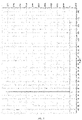
- the fluorine nuclear magnetic resonance spectrum of the bissulfonate compound of Formula (VI) was shown in FIG. 1 , 19F-NMR (400MHz, deuterated DMSO), ⁇ 39.2ppm (s, 2F).
- the bissulfonate compound accounted for 10% of the weight of the electrolyte solution; the electrolyte was lithium hexafluorophosphate, which accounted for 13% of the weight of the electrolyte solution; the solvent was a mixture of ethylene carbonate and dimethyl carbonate in a weight ratio of 1:2; the cathode material was LiNi 0.8 Co 0.1 Mn 0.1 O 2 ; the anode material was artificial graphite; and the separator was polyethylene film. All components were assembled to form a soft-packing battery according to a conventional method.
- the bissulfonate compound accounted for 1% of the weight of the electrolyte solution; the electrolyte was lithium hexafluorophosphate, which accounted for 13% of the weight of the electrolyte solution; the solvent was a mixture of ethylene carbonate and dimethyl carbonate in a weight ratio of 1:2; the cathode material was LiNi 0.8 Co 0.1 Mn 0.1 O 2 ; the anode material was silicon carbon composite material; and the separator was polyethylene film. All components were assembled to form a soft-packing battery according to a conventional method.
- the bissulfonate compound accounted for 1% of the weight of the electrolyte solution; the electrolyte was lithium hexafluorophosphate, which accounted for 18% of the weight of the electrolyte solution; the solvent was a mixture of ethylene carbonate and dimethyl carbonate in a weight ratio of 1:2; the cathode material was LiNi 0.6 Co 0.2 Mn 0.2 O 2 ; the anode material was artificial graphite; and the separator was polyethylene film. All components were assembled to form a soft-packing battery according to a conventional method.
- the bissulfonate compound accounted for 1% of the weight of the electrolyte solution; the electrolyte was lithium hexafluorophosphate, which accounted for 13% of the weight of the electrolyte solution; the solvent was a mixture of ethylene carbonate and 2,2-difluoroethyl propionate in a weight ratio of 1:2; the cathode material was LiNi 0.8 Co 0.1 Mn 0.1 O 2 ; the anode material was artificial graphite; and the separator was polyethylene film. All components were assembled to form a soft-packing battery according to a conventional method.
- the bissulfonate compound accounted for 1% of the weight of the electrolyte solution
- the electrolyte was lithium hexafluorophosphate and lithium bisfluorosulfimide, which accounted for 10% and 3% of the weight of the electrolyte solution, respectively
- the solvent was a mixture of ethylene carbonate and 2,2-difluoroethyl propionate in a weight ratio of 1:2
- the cathode material was LiNi 0.8 Co 0.1 Mn 0.1 O 2
- the anode material was artificial graphite
- the separator was polyethylene film. All components were assembled to form a soft-packing battery according to a conventional method.
- the bissulfonate compound accounted for 1% of the weight of the electrolyte solution; the electrolyte was lithium hexafluorophosphate, which accounted for 13% of the weight of the electrolyte solution; the solvent was a mixture of 3,3,3-trifluoropropene carbonate and 2,2-difluoroethyl acetate in a weight ratio of 1:2; the cathode material was LiNi 0.8 Co 0.1 Mn 0.1 O 2 ; the anode material was artificial graphite; and the separator was polyethylene film. All components were assembled to form a soft-packing battery according to a conventional method.
- Example 1 Compared with Example 1, the difference of Comparative Example 1 was that the bissulfonate compound was not contained in the electrolyte solution.
- Example 2 Compared with Example 1, the difference of Comparative Example 2 was that the additive was an ethylene sulfate additive which accounted for 1% of the weight of the electrolyte solution.
- Example 3 Compared with Example 1, the difference of Comparative Example 3 was that the additive was a 1,3-propane sultone additive which accounted for 1% of the weight of the electrolyte solution.
- Lithium ion batteries in Examples 1 to 10 and Comparative Examples 1 to 3 were tested on their high and low temperature performances.
- the test method was as follows:
Landscapes
- Chemical & Material Sciences (AREA)
- Organic Chemistry (AREA)
- Engineering & Computer Science (AREA)
- Chemical Kinetics & Catalysis (AREA)
- Electrochemistry (AREA)
- Manufacturing & Machinery (AREA)
- General Chemical & Material Sciences (AREA)
- Inorganic Chemistry (AREA)
- General Physics & Mathematics (AREA)
- Condensed Matter Physics & Semiconductors (AREA)
- Physics & Mathematics (AREA)
- Materials Engineering (AREA)
- Secondary Cells (AREA)
- Primary Cells (AREA)
Applications Claiming Priority (2)
| Application Number | Priority Date | Filing Date | Title |
|---|---|---|---|
| CN201910900418.0A CN110668978B (zh) | 2019-09-23 | 2019-09-23 | 双磺酸酯化合物及其制备方法以及电解液和储能装置 |
| PCT/CN2020/115937 WO2021057597A1 (zh) | 2019-09-23 | 2020-09-17 | 双磺酸酯化合物及其制备方法以及电解液和储能装置 |
Publications (3)
| Publication Number | Publication Date |
|---|---|
| EP4043433A1 true EP4043433A1 (de) | 2022-08-17 |
| EP4043433A4 EP4043433A4 (de) | 2022-12-07 |
| EP4043433B1 EP4043433B1 (de) | 2024-03-20 |
Family
ID=69077326
Family Applications (1)
| Application Number | Title | Priority Date | Filing Date |
|---|---|---|---|
| EP20867884.7A Active EP4043433B1 (de) | 2019-09-23 | 2020-09-17 | Bissulfonatverbindung, verfahren zu ihrer herstellung, elektrolytlösung und energiespeichervorrichtung |
Country Status (4)
| Country | Link |
|---|---|
| US (1) | US12580227B2 (de) |
| EP (1) | EP4043433B1 (de) |
| CN (1) | CN110668978B (de) |
| WO (1) | WO2021057597A1 (de) |
Families Citing this family (13)
| Publication number | Priority date | Publication date | Assignee | Title |
|---|---|---|---|---|
| CN110668978B (zh) * | 2019-09-23 | 2025-08-26 | 广州天赐高新材料股份有限公司 | 双磺酸酯化合物及其制备方法以及电解液和储能装置 |
| CN110931869B (zh) | 2019-12-02 | 2022-05-27 | 广州天赐高新材料股份有限公司 | 一种高温型锂二次电池电解液及电池 |
| CN111313090A (zh) * | 2020-02-18 | 2020-06-19 | 白银科奥夫化学科技有限公司 | 一种锂离子电池电解液及含该电解液的锂离子二次电池 |
| CN111342133B (zh) * | 2020-03-10 | 2022-02-18 | 桑顿新能源科技(长沙)有限公司 | 一种新型锂离子电池用非水电解液及锂离子电池 |
| CN111883833B (zh) * | 2020-07-24 | 2023-09-12 | 香河昆仑新能源材料股份有限公司 | 一种锂离子电池非水电解液、以及包含其的锂离子电池 |
| CN112490502B (zh) * | 2020-12-04 | 2022-01-21 | 广州天赐高新材料股份有限公司 | 一种电解液及锂二次电池 |
| CN114024027B (zh) * | 2021-10-29 | 2024-04-19 | 湖南法恩莱特新能源科技有限公司 | 一种高浓度电解液及其制备方法和应用 |
| CN113871717A (zh) * | 2021-10-29 | 2021-12-31 | 湖南法恩莱特新能源科技有限公司 | 一种锂二次电池用电解液及其制备方法和应用 |
| CN116478071A (zh) * | 2023-03-30 | 2023-07-25 | 湖南法恩莱特新能源科技有限公司 | 双磺酸酯添加剂的制备方法以及电解液和电化学装置 |
| CN118486898B (zh) * | 2024-07-09 | 2024-10-25 | 广州天赐高新材料股份有限公司 | 一种电解液添加剂、电解液及电化学装置 |
| CN121642151A (zh) * | 2024-09-02 | 2026-03-10 | 广州天赐高新材料股份有限公司 | 一种电解液、电池 |
| CN121642155A (zh) * | 2024-09-05 | 2026-03-10 | 广州天赐高新材料股份有限公司 | 一种电解液及二次电池 |
| CN121035359B (zh) * | 2025-10-30 | 2026-02-17 | 广州天赐高新材料股份有限公司 | 电解液及磷酸铁锂电池 |
Family Cites Families (18)
| Publication number | Priority date | Publication date | Assignee | Title |
|---|---|---|---|---|
| US3346612A (en) * | 1964-07-02 | 1967-10-10 | Minnesota Mining & Mfg | Perfluoroalkane sulfonate esters |
| US3733304A (en) * | 1971-04-01 | 1973-05-15 | American Cyanamid Co | Aryl sulfate polymers and methods for their production |
| AU2003221334A1 (en) | 2002-03-08 | 2003-09-22 | Mitsubishi Chemical Corporation | Nonaqueous electrolyte and lithium-ion secondary battery containing the same |
| CN100563056C (zh) | 2005-06-15 | 2009-11-25 | 三菱化学株式会社 | 锂二次电池 |
| KR101486618B1 (ko) * | 2007-11-01 | 2015-01-26 | 우베 고산 가부시키가이샤 | 설폰산 페닐 화합물, 그것을 사용한 비수 전해액 및 리튬 전지 |
| JP2009140921A (ja) * | 2007-11-15 | 2009-06-25 | Ube Ind Ltd | スルホン酸フェニル化合物、それを用いた非水電解液、及びリチウム電池 |
| KR20120084709A (ko) * | 2009-08-17 | 2012-07-30 | 우베 고산 가부시키가이샤 | 비수 전해액 및 그것을 이용한 전기 화학 소자 |
| JP5861635B2 (ja) * | 2010-08-05 | 2016-02-16 | 和光純薬工業株式会社 | 非水系電解液及びそれを用いた非水系電解液電池 |
| US9583789B2 (en) * | 2012-06-28 | 2017-02-28 | Nec Corporation | Non-aqueous electrolyte secondary battery |
| CN103094616A (zh) * | 2013-01-30 | 2013-05-08 | 江西优锂新材股份有限公司 | 一种电解液添加剂和含有该电解液添加剂的高电压电解液及锂离子电池 |
| JP6738326B2 (ja) * | 2014-06-06 | 2020-08-12 | ザ スクリプス リサーチ インスティテュート | フッ化硫黄(vi)化合物およびそれの製造方法 |
| US9574046B1 (en) * | 2015-08-18 | 2017-02-21 | Dow Global Technologies Llc | Method of forming polyaryl polymers and polymers formed thereby |
| CN105489935B (zh) * | 2016-01-11 | 2018-06-12 | 东莞新能源科技有限公司 | 电解液以及包括该电解液的锂离子电池 |
| TWI602857B (zh) * | 2016-11-23 | 2017-10-21 | 國立臺灣科技大學 | 寡聚物高分子與鋰電池 |
| CN110212235B (zh) * | 2019-06-12 | 2022-04-08 | 广州天赐高新材料股份有限公司 | 一种降低电池阻抗的锂二次电池电解液及其锂二次电池 |
| CN110668978B (zh) | 2019-09-23 | 2025-08-26 | 广州天赐高新材料股份有限公司 | 双磺酸酯化合物及其制备方法以及电解液和储能装置 |
| CN110931869B (zh) | 2019-12-02 | 2022-05-27 | 广州天赐高新材料股份有限公司 | 一种高温型锂二次电池电解液及电池 |
| CN112786966A (zh) * | 2021-03-01 | 2021-05-11 | 远景动力技术(江苏)有限公司 | 一种电解液和锂离子电池 |
-
2019
- 2019-09-23 CN CN201910900418.0A patent/CN110668978B/zh active Active
-
2020
- 2020-09-17 WO PCT/CN2020/115937 patent/WO2021057597A1/zh not_active Ceased
- 2020-09-17 US US17/762,307 patent/US12580227B2/en active Active
- 2020-09-17 EP EP20867884.7A patent/EP4043433B1/de active Active
Also Published As
| Publication number | Publication date |
|---|---|
| EP4043433A4 (de) | 2022-12-07 |
| WO2021057597A1 (zh) | 2021-04-01 |
| US12580227B2 (en) | 2026-03-17 |
| EP4043433B1 (de) | 2024-03-20 |
| US20230009549A1 (en) | 2023-01-12 |
| CN110668978A (zh) | 2020-01-10 |
| CN110668978B (zh) | 2025-08-26 |
Similar Documents
| Publication | Publication Date | Title |
|---|---|---|
| EP4043433B1 (de) | Bissulfonatverbindung, verfahren zu ihrer herstellung, elektrolytlösung und energiespeichervorrichtung | |
| US12537226B2 (en) | High-temperature lithium secondary battery electrolyte and battery cell | |
| EP2924796B1 (de) | Lithium-ionen-sekundärbatterie | |
| EP3664211B1 (de) | Nicht-wässriger elektrolyt für lithium-ionen-batterie, und lithium-ionen-batterie denselben umfassend | |
| US20220181690A1 (en) | Electrolyte additive, non-aqueous electrolyte, and lithium ion battery using same | |
| CN109326824A (zh) | 锂离子电池非水电解液及锂离子电池 | |
| CN111029656A (zh) | 一种锂离子电池非水电解液及其锂离子电池 | |
| EP4625587A1 (de) | Additiv, elektrolyt damit und lithium-ionen-batterie | |
| CN111244550B (zh) | 用于高镍体系的锂离子电池电解液添加剂及电解液和电池 | |
| WO2025156897A1 (zh) | 电解液、锂离子电池和用电设备 | |
| CN120398860A (zh) | 环状碳酸酯-硫酸酯化合物及其制备方法、应用、非水电解液、二次电池 | |
| EP4265622A1 (de) | Elektrolyt mit einer salzstruktur auf stickstoffbasis, herstellungsverfahren dafür und verwendung davon | |
| CN113066975B (zh) | 锂离子电池 | |
| CN114300747A (zh) | 一种电解液及含该电解液的锂离子电池 | |
| CN113725485A (zh) | 一种高电压锂离子电池电解液及锂离子电池 | |
| CN113903995A (zh) | 锂电池用非水电解液及其制备方法和锂离子电池 | |
| CN113948774B (zh) | 一种功率型锂二次电池电解液及电池 | |
| JP2010238385A (ja) | 二次電池用非水電解液及び非水電解液二次電池 | |
| EP3618166B1 (de) | Nicht-wässriger elektrolyt für lithium-batterien und lithiumionen-batterie | |
| CN108987809A (zh) | 一种锂离子电池非水电解液及使用该电解液的锂离子电池 | |
| CN114639871A (zh) | 一种含亚磷酸酯锂盐添加剂的电解液及锂电池 | |
| EP3667802B1 (de) | Additiv für nichtwässrigen elektrolyten, nichtwässriger elektrolyt und stromspeichervorrichtung | |
| CN113972398B (zh) | 一种非水系电解液和使用其的非水系电解液电池 | |
| CN113451652B (zh) | 一种锂离子电池非水电解液添加剂及其应用 | |
| CN117117316A (zh) | 一种电解液高压稳定添加剂、锂电池电解液和锂离子电池 |
Legal Events
| Date | Code | Title | Description |
|---|---|---|---|
| STAA | Information on the status of an ep patent application or granted ep patent |
Free format text: STATUS: THE INTERNATIONAL PUBLICATION HAS BEEN MADE |
|
| PUAI | Public reference made under article 153(3) epc to a published international application that has entered the european phase |
Free format text: ORIGINAL CODE: 0009012 |
|
| STAA | Information on the status of an ep patent application or granted ep patent |
Free format text: STATUS: REQUEST FOR EXAMINATION WAS MADE |
|
| 17P | Request for examination filed |
Effective date: 20220421 |
|
| AK | Designated contracting states |
Kind code of ref document: A1 Designated state(s): AL AT BE BG CH CY CZ DE DK EE ES FI FR GB GR HR HU IE IS IT LI LT LU LV MC MK MT NL NO PL PT RO RS SE SI SK SM TR |
|
| A4 | Supplementary search report drawn up and despatched |
Effective date: 20221108 |
|
| RIC1 | Information provided on ipc code assigned before grant |
Ipc: C07C 305/26 20060101ALI20221102BHEP Ipc: C07C 303/22 20060101ALI20221102BHEP Ipc: H01M 10/0567 20100101ALI20221102BHEP Ipc: C07C 309/65 20060101ALI20221102BHEP Ipc: C07C 303/28 20060101AFI20221102BHEP |
|
| DAV | Request for validation of the european patent (deleted) | ||
| DAX | Request for extension of the european patent (deleted) | ||
| GRAP | Despatch of communication of intention to grant a patent |
Free format text: ORIGINAL CODE: EPIDOSNIGR1 |
|
| STAA | Information on the status of an ep patent application or granted ep patent |
Free format text: STATUS: GRANT OF PATENT IS INTENDED |
|
| INTG | Intention to grant announced |
Effective date: 20231016 |
|
| GRAS | Grant fee paid |
Free format text: ORIGINAL CODE: EPIDOSNIGR3 |
|
| GRAA | (expected) grant |
Free format text: ORIGINAL CODE: 0009210 |
|
| STAA | Information on the status of an ep patent application or granted ep patent |
Free format text: STATUS: THE PATENT HAS BEEN GRANTED |
|
| AK | Designated contracting states |
Kind code of ref document: B1 Designated state(s): AL AT BE BG CH CY CZ DE DK EE ES FI FR GB GR HR HU IE IS IT LI LT LU LV MC MK MT NL NO PL PT RO RS SE SI SK SM TR |
|
| REG | Reference to a national code |
Ref country code: GB Ref legal event code: FG4D |
|
| REG | Reference to a national code |
Ref country code: CH Ref legal event code: EP |
|
| P01 | Opt-out of the competence of the unified patent court (upc) registered |
Effective date: 20240229 |
|
| REG | Reference to a national code |
Ref country code: IE Ref legal event code: FG4D |
|
| REG | Reference to a national code |
Ref country code: DE Ref legal event code: R096 Ref document number: 602020027691 Country of ref document: DE |
|
| PG25 | Lapsed in a contracting state [announced via postgrant information from national office to epo] |
Ref country code: LT Free format text: LAPSE BECAUSE OF FAILURE TO SUBMIT A TRANSLATION OF THE DESCRIPTION OR TO PAY THE FEE WITHIN THE PRESCRIBED TIME-LIMIT Effective date: 20240320 |
|
| REG | Reference to a national code |
Ref country code: LT Ref legal event code: MG9D |
|
| PG25 | Lapsed in a contracting state [announced via postgrant information from national office to epo] |
Ref country code: GR Free format text: LAPSE BECAUSE OF FAILURE TO SUBMIT A TRANSLATION OF THE DESCRIPTION OR TO PAY THE FEE WITHIN THE PRESCRIBED TIME-LIMIT Effective date: 20240621 |
|
| PG25 | Lapsed in a contracting state [announced via postgrant information from national office to epo] |
Ref country code: HR Free format text: LAPSE BECAUSE OF FAILURE TO SUBMIT A TRANSLATION OF THE DESCRIPTION OR TO PAY THE FEE WITHIN THE PRESCRIBED TIME-LIMIT Effective date: 20240320 Ref country code: RS Free format text: LAPSE BECAUSE OF FAILURE TO SUBMIT A TRANSLATION OF THE DESCRIPTION OR TO PAY THE FEE WITHIN THE PRESCRIBED TIME-LIMIT Effective date: 20240620 |
|
| REG | Reference to a national code |
Ref country code: NL Ref legal event code: MP Effective date: 20240320 |
|
| PG25 | Lapsed in a contracting state [announced via postgrant information from national office to epo] |
Ref country code: RS Free format text: LAPSE BECAUSE OF FAILURE TO SUBMIT A TRANSLATION OF THE DESCRIPTION OR TO PAY THE FEE WITHIN THE PRESCRIBED TIME-LIMIT Effective date: 20240620 Ref country code: NO Free format text: LAPSE BECAUSE OF FAILURE TO SUBMIT A TRANSLATION OF THE DESCRIPTION OR TO PAY THE FEE WITHIN THE PRESCRIBED TIME-LIMIT Effective date: 20240620 Ref country code: LT Free format text: LAPSE BECAUSE OF FAILURE TO SUBMIT A TRANSLATION OF THE DESCRIPTION OR TO PAY THE FEE WITHIN THE PRESCRIBED TIME-LIMIT Effective date: 20240320 Ref country code: HR Free format text: LAPSE BECAUSE OF FAILURE TO SUBMIT A TRANSLATION OF THE DESCRIPTION OR TO PAY THE FEE WITHIN THE PRESCRIBED TIME-LIMIT Effective date: 20240320 Ref country code: GR Free format text: LAPSE BECAUSE OF FAILURE TO SUBMIT A TRANSLATION OF THE DESCRIPTION OR TO PAY THE FEE WITHIN THE PRESCRIBED TIME-LIMIT Effective date: 20240621 Ref country code: FI Free format text: LAPSE BECAUSE OF FAILURE TO SUBMIT A TRANSLATION OF THE DESCRIPTION OR TO PAY THE FEE WITHIN THE PRESCRIBED TIME-LIMIT Effective date: 20240320 Ref country code: BG Free format text: LAPSE BECAUSE OF FAILURE TO SUBMIT A TRANSLATION OF THE DESCRIPTION OR TO PAY THE FEE WITHIN THE PRESCRIBED TIME-LIMIT Effective date: 20240320 |
|
| REG | Reference to a national code |
Ref country code: AT Ref legal event code: MK05 Ref document number: 1667726 Country of ref document: AT Kind code of ref document: T Effective date: 20240320 |
|
| PG25 | Lapsed in a contracting state [announced via postgrant information from national office to epo] |
Ref country code: SE Free format text: LAPSE BECAUSE OF FAILURE TO SUBMIT A TRANSLATION OF THE DESCRIPTION OR TO PAY THE FEE WITHIN THE PRESCRIBED TIME-LIMIT Effective date: 20240320 Ref country code: LV Free format text: LAPSE BECAUSE OF FAILURE TO SUBMIT A TRANSLATION OF THE DESCRIPTION OR TO PAY THE FEE WITHIN THE PRESCRIBED TIME-LIMIT Effective date: 20240320 |
|
| PG25 | Lapsed in a contracting state [announced via postgrant information from national office to epo] |
Ref country code: NL Free format text: LAPSE BECAUSE OF FAILURE TO SUBMIT A TRANSLATION OF THE DESCRIPTION OR TO PAY THE FEE WITHIN THE PRESCRIBED TIME-LIMIT Effective date: 20240320 |
|
| PG25 | Lapsed in a contracting state [announced via postgrant information from national office to epo] |
Ref country code: NL Free format text: LAPSE BECAUSE OF FAILURE TO SUBMIT A TRANSLATION OF THE DESCRIPTION OR TO PAY THE FEE WITHIN THE PRESCRIBED TIME-LIMIT Effective date: 20240320 |
|
| PG25 | Lapsed in a contracting state [announced via postgrant information from national office to epo] |
Ref country code: IS Free format text: LAPSE BECAUSE OF FAILURE TO SUBMIT A TRANSLATION OF THE DESCRIPTION OR TO PAY THE FEE WITHIN THE PRESCRIBED TIME-LIMIT Effective date: 20240720 |
|
| PG25 | Lapsed in a contracting state [announced via postgrant information from national office to epo] |
Ref country code: SM Free format text: LAPSE BECAUSE OF FAILURE TO SUBMIT A TRANSLATION OF THE DESCRIPTION OR TO PAY THE FEE WITHIN THE PRESCRIBED TIME-LIMIT Effective date: 20240320 Ref country code: PT Free format text: LAPSE BECAUSE OF FAILURE TO SUBMIT A TRANSLATION OF THE DESCRIPTION OR TO PAY THE FEE WITHIN THE PRESCRIBED TIME-LIMIT Effective date: 20240722 |
|
| PG25 | Lapsed in a contracting state [announced via postgrant information from national office to epo] |
Ref country code: ES Free format text: LAPSE BECAUSE OF FAILURE TO SUBMIT A TRANSLATION OF THE DESCRIPTION OR TO PAY THE FEE WITHIN THE PRESCRIBED TIME-LIMIT Effective date: 20240320 |
|
| PG25 | Lapsed in a contracting state [announced via postgrant information from national office to epo] |
Ref country code: EE Free format text: LAPSE BECAUSE OF FAILURE TO SUBMIT A TRANSLATION OF THE DESCRIPTION OR TO PAY THE FEE WITHIN THE PRESCRIBED TIME-LIMIT Effective date: 20240320 Ref country code: CZ Free format text: LAPSE BECAUSE OF FAILURE TO SUBMIT A TRANSLATION OF THE DESCRIPTION OR TO PAY THE FEE WITHIN THE PRESCRIBED TIME-LIMIT Effective date: 20240320 |
|
| PG25 | Lapsed in a contracting state [announced via postgrant information from national office to epo] |
Ref country code: AT Free format text: LAPSE BECAUSE OF FAILURE TO SUBMIT A TRANSLATION OF THE DESCRIPTION OR TO PAY THE FEE WITHIN THE PRESCRIBED TIME-LIMIT Effective date: 20240320 |
|
| PG25 | Lapsed in a contracting state [announced via postgrant information from national office to epo] |
Ref country code: PL Free format text: LAPSE BECAUSE OF FAILURE TO SUBMIT A TRANSLATION OF THE DESCRIPTION OR TO PAY THE FEE WITHIN THE PRESCRIBED TIME-LIMIT Effective date: 20240320 |
|
| PG25 | Lapsed in a contracting state [announced via postgrant information from national office to epo] |
Ref country code: SK Free format text: LAPSE BECAUSE OF FAILURE TO SUBMIT A TRANSLATION OF THE DESCRIPTION OR TO PAY THE FEE WITHIN THE PRESCRIBED TIME-LIMIT Effective date: 20240320 |
|
| PG25 | Lapsed in a contracting state [announced via postgrant information from national office to epo] |
Ref country code: SM Free format text: LAPSE BECAUSE OF FAILURE TO SUBMIT A TRANSLATION OF THE DESCRIPTION OR TO PAY THE FEE WITHIN THE PRESCRIBED TIME-LIMIT Effective date: 20240320 Ref country code: SK Free format text: LAPSE BECAUSE OF FAILURE TO SUBMIT A TRANSLATION OF THE DESCRIPTION OR TO PAY THE FEE WITHIN THE PRESCRIBED TIME-LIMIT Effective date: 20240320 Ref country code: RO Free format text: LAPSE BECAUSE OF FAILURE TO SUBMIT A TRANSLATION OF THE DESCRIPTION OR TO PAY THE FEE WITHIN THE PRESCRIBED TIME-LIMIT Effective date: 20240320 Ref country code: PT Free format text: LAPSE BECAUSE OF FAILURE TO SUBMIT A TRANSLATION OF THE DESCRIPTION OR TO PAY THE FEE WITHIN THE PRESCRIBED TIME-LIMIT Effective date: 20240722 Ref country code: PL Free format text: LAPSE BECAUSE OF FAILURE TO SUBMIT A TRANSLATION OF THE DESCRIPTION OR TO PAY THE FEE WITHIN THE PRESCRIBED TIME-LIMIT Effective date: 20240320 Ref country code: IS Free format text: LAPSE BECAUSE OF FAILURE TO SUBMIT A TRANSLATION OF THE DESCRIPTION OR TO PAY THE FEE WITHIN THE PRESCRIBED TIME-LIMIT Effective date: 20240720 Ref country code: ES Free format text: LAPSE BECAUSE OF FAILURE TO SUBMIT A TRANSLATION OF THE DESCRIPTION OR TO PAY THE FEE WITHIN THE PRESCRIBED TIME-LIMIT Effective date: 20240320 Ref country code: EE Free format text: LAPSE BECAUSE OF FAILURE TO SUBMIT A TRANSLATION OF THE DESCRIPTION OR TO PAY THE FEE WITHIN THE PRESCRIBED TIME-LIMIT Effective date: 20240320 Ref country code: CZ Free format text: LAPSE BECAUSE OF FAILURE TO SUBMIT A TRANSLATION OF THE DESCRIPTION OR TO PAY THE FEE WITHIN THE PRESCRIBED TIME-LIMIT Effective date: 20240320 Ref country code: AT Free format text: LAPSE BECAUSE OF FAILURE TO SUBMIT A TRANSLATION OF THE DESCRIPTION OR TO PAY THE FEE WITHIN THE PRESCRIBED TIME-LIMIT Effective date: 20240320 |
|
| PG25 | Lapsed in a contracting state [announced via postgrant information from national office to epo] |
Ref country code: IT Free format text: LAPSE BECAUSE OF FAILURE TO SUBMIT A TRANSLATION OF THE DESCRIPTION OR TO PAY THE FEE WITHIN THE PRESCRIBED TIME-LIMIT Effective date: 20240320 |
|
| REG | Reference to a national code |
Ref country code: DE Ref legal event code: R097 Ref document number: 602020027691 Country of ref document: DE |
|
| PG25 | Lapsed in a contracting state [announced via postgrant information from national office to epo] |
Ref country code: IT Free format text: LAPSE BECAUSE OF FAILURE TO SUBMIT A TRANSLATION OF THE DESCRIPTION OR TO PAY THE FEE WITHIN THE PRESCRIBED TIME-LIMIT Effective date: 20240320 |
|
| PG25 | Lapsed in a contracting state [announced via postgrant information from national office to epo] |
Ref country code: DK Free format text: LAPSE BECAUSE OF FAILURE TO SUBMIT A TRANSLATION OF THE DESCRIPTION OR TO PAY THE FEE WITHIN THE PRESCRIBED TIME-LIMIT Effective date: 20240320 |
|
| PLBE | No opposition filed within time limit |
Free format text: ORIGINAL CODE: 0009261 |
|
| STAA | Information on the status of an ep patent application or granted ep patent |
Free format text: STATUS: NO OPPOSITION FILED WITHIN TIME LIMIT |
|
| PG25 | Lapsed in a contracting state [announced via postgrant information from national office to epo] |
Ref country code: DK Free format text: LAPSE BECAUSE OF FAILURE TO SUBMIT A TRANSLATION OF THE DESCRIPTION OR TO PAY THE FEE WITHIN THE PRESCRIBED TIME-LIMIT Effective date: 20240320 |
|
| 26N | No opposition filed |
Effective date: 20241223 |
|
| PG25 | Lapsed in a contracting state [announced via postgrant information from national office to epo] |
Ref country code: MC Free format text: LAPSE BECAUSE OF FAILURE TO SUBMIT A TRANSLATION OF THE DESCRIPTION OR TO PAY THE FEE WITHIN THE PRESCRIBED TIME-LIMIT Effective date: 20240320 Ref country code: SI Free format text: LAPSE BECAUSE OF FAILURE TO SUBMIT A TRANSLATION OF THE DESCRIPTION OR TO PAY THE FEE WITHIN THE PRESCRIBED TIME-LIMIT Effective date: 20240320 |
|
| REG | Reference to a national code |
Ref country code: CH Ref legal event code: PL |
|
| PG25 | Lapsed in a contracting state [announced via postgrant information from national office to epo] |
Ref country code: LU Free format text: LAPSE BECAUSE OF NON-PAYMENT OF DUE FEES Effective date: 20240917 |
|
| REG | Reference to a national code |
Ref country code: BE Ref legal event code: MM Effective date: 20240930 |
|
| PG25 | Lapsed in a contracting state [announced via postgrant information from national office to epo] |
Ref country code: BE Free format text: LAPSE BECAUSE OF NON-PAYMENT OF DUE FEES Effective date: 20240930 |
|
| PG25 | Lapsed in a contracting state [announced via postgrant information from national office to epo] |
Ref country code: CH Free format text: LAPSE BECAUSE OF NON-PAYMENT OF DUE FEES Effective date: 20240930 |
|
| PG25 | Lapsed in a contracting state [announced via postgrant information from national office to epo] |
Ref country code: IE Free format text: LAPSE BECAUSE OF NON-PAYMENT OF DUE FEES Effective date: 20240917 |
|
| PGFP | Annual fee paid to national office [announced via postgrant information from national office to epo] |
Ref country code: DE Payment date: 20250919 Year of fee payment: 6 |
|
| PGFP | Annual fee paid to national office [announced via postgrant information from national office to epo] |
Ref country code: GB Payment date: 20250825 Year of fee payment: 6 |
|
| PGFP | Annual fee paid to national office [announced via postgrant information from national office to epo] |
Ref country code: FR Payment date: 20250820 Year of fee payment: 6 |
|
| PG25 | Lapsed in a contracting state [announced via postgrant information from national office to epo] |
Ref country code: CY Free format text: LAPSE BECAUSE OF FAILURE TO SUBMIT A TRANSLATION OF THE DESCRIPTION OR TO PAY THE FEE WITHIN THE PRESCRIBED TIME-LIMIT; INVALID AB INITIO Effective date: 20200917 |
|
| PG25 | Lapsed in a contracting state [announced via postgrant information from national office to epo] |
Ref country code: HU Free format text: LAPSE BECAUSE OF FAILURE TO SUBMIT A TRANSLATION OF THE DESCRIPTION OR TO PAY THE FEE WITHIN THE PRESCRIBED TIME-LIMIT; INVALID AB INITIO Effective date: 20200917 |