EP3736331A1 - Neuartige trypsinisoformen und deren verwendung - Google Patents
Neuartige trypsinisoformen und deren verwendung Download PDFInfo
- Publication number
- EP3736331A1 EP3736331A1 EP20169710.9A EP20169710A EP3736331A1 EP 3736331 A1 EP3736331 A1 EP 3736331A1 EP 20169710 A EP20169710 A EP 20169710A EP 3736331 A1 EP3736331 A1 EP 3736331A1
- Authority
- EP
- European Patent Office
- Prior art keywords
- trypsin
- isoforms
- amino acid
- cod
- seq
- Prior art date
- Legal status (The legal status is an assumption and is not a legal conclusion. Google has not performed a legal analysis and makes no representation as to the accuracy of the status listed.)
- Pending
Links
Images


Classifications
-
- C—CHEMISTRY; METALLURGY
- C12—BIOCHEMISTRY; BEER; SPIRITS; WINE; VINEGAR; MICROBIOLOGY; ENZYMOLOGY; MUTATION OR GENETIC ENGINEERING
- C12N—MICROORGANISMS OR ENZYMES; COMPOSITIONS THEREOF; PROPAGATING, PRESERVING, OR MAINTAINING MICROORGANISMS; MUTATION OR GENETIC ENGINEERING; CULTURE MEDIA
- C12N9/00—Enzymes; Proenzymes; Compositions thereof; Processes for preparing, activating, inhibiting, separating or purifying enzymes
- C12N9/14—Hydrolases (3)
- C12N9/48—Hydrolases (3) acting on peptide bonds (3.4)
- C12N9/50—Proteinases, e.g. Endopeptidases (3.4.21-3.4.25)
- C12N9/64—Proteinases, e.g. Endopeptidases (3.4.21-3.4.25) derived from animal tissue
- C12N9/6421—Proteinases, e.g. Endopeptidases (3.4.21-3.4.25) derived from animal tissue from mammals
- C12N9/6424—Serine endopeptidases (3.4.21)
- C12N9/6427—Chymotrypsins (3.4.21.1; 3.4.21.2); Trypsin (3.4.21.4)
-
- C—CHEMISTRY; METALLURGY
- C12—BIOCHEMISTRY; BEER; SPIRITS; WINE; VINEGAR; MICROBIOLOGY; ENZYMOLOGY; MUTATION OR GENETIC ENGINEERING
- C12N—MICROORGANISMS OR ENZYMES; COMPOSITIONS THEREOF; PROPAGATING, PRESERVING, OR MAINTAINING MICROORGANISMS; MUTATION OR GENETIC ENGINEERING; CULTURE MEDIA
- C12N9/00—Enzymes; Proenzymes; Compositions thereof; Processes for preparing, activating, inhibiting, separating or purifying enzymes
- C12N9/14—Hydrolases (3)
- C12N9/48—Hydrolases (3) acting on peptide bonds (3.4)
- C12N9/50—Proteinases, e.g. Endopeptidases (3.4.21-3.4.25)
- C12N9/64—Proteinases, e.g. Endopeptidases (3.4.21-3.4.25) derived from animal tissue
- C12N9/6402—Proteinases, e.g. Endopeptidases (3.4.21-3.4.25) derived from animal tissue from non-mammals
- C12N9/6405—Proteinases, e.g. Endopeptidases (3.4.21-3.4.25) derived from animal tissue from non-mammals not being snakes
- C12N9/6408—Serine endopeptidases (3.4.21)
-
- A—HUMAN NECESSITIES
- A61—MEDICAL OR VETERINARY SCIENCE; HYGIENE
- A61K—PREPARATIONS FOR MEDICAL, DENTAL OR TOILETRY PURPOSES
- A61K38/00—Medicinal preparations containing peptides
- A61K38/16—Peptides having more than 20 amino acids; Gastrins; Somatostatins; Melanotropins; Derivatives thereof
- A61K38/17—Peptides having more than 20 amino acids; Gastrins; Somatostatins; Melanotropins; Derivatives thereof from animals; from humans
- A61K38/1703—Peptides having more than 20 amino acids; Gastrins; Somatostatins; Melanotropins; Derivatives thereof from animals; from humans from vertebrates
- A61K38/1706—Peptides having more than 20 amino acids; Gastrins; Somatostatins; Melanotropins; Derivatives thereof from animals; from humans from vertebrates from fish
-
- A—HUMAN NECESSITIES
- A61—MEDICAL OR VETERINARY SCIENCE; HYGIENE
- A61K—PREPARATIONS FOR MEDICAL, DENTAL OR TOILETRY PURPOSES
- A61K38/00—Medicinal preparations containing peptides
- A61K38/16—Peptides having more than 20 amino acids; Gastrins; Somatostatins; Melanotropins; Derivatives thereof
- A61K38/43—Enzymes; Proenzymes; Derivatives thereof
- A61K38/46—Hydrolases (3)
- A61K38/48—Hydrolases (3) acting on peptide bonds (3.4)
- A61K38/482—Serine endopeptidases (3.4.21)
- A61K38/4826—Trypsin (3.4.21.4) Chymotrypsin (3.4.21.1)
-
- A—HUMAN NECESSITIES
- A61—MEDICAL OR VETERINARY SCIENCE; HYGIENE
- A61K—PREPARATIONS FOR MEDICAL, DENTAL OR TOILETRY PURPOSES
- A61K47/00—Medicinal preparations characterised by the non-active ingredients used, e.g. carriers or inert additives; Targeting or modifying agents chemically bound to the active ingredient
- A61K47/06—Organic compounds, e.g. natural or synthetic hydrocarbons, polyolefins, mineral oil, petrolatum or ozokerite
- A61K47/08—Organic compounds, e.g. natural or synthetic hydrocarbons, polyolefins, mineral oil, petrolatum or ozokerite containing oxygen, e.g. ethers, acetals, ketones, quinones, aldehydes, peroxides
- A61K47/10—Alcohols; Phenols; Salts thereof, e.g. glycerol; Polyethylene glycols [PEG]; Poloxamers; PEG/POE alkyl ethers
-
- A—HUMAN NECESSITIES
- A61—MEDICAL OR VETERINARY SCIENCE; HYGIENE
- A61K—PREPARATIONS FOR MEDICAL, DENTAL OR TOILETRY PURPOSES
- A61K8/00—Cosmetics or similar toiletry preparations
- A61K8/18—Cosmetics or similar toiletry preparations characterised by the composition
- A61K8/30—Cosmetics or similar toiletry preparations characterised by the composition containing organic compounds
- A61K8/33—Cosmetics or similar toiletry preparations characterised by the composition containing organic compounds containing oxygen
- A61K8/34—Alcohols
- A61K8/345—Alcohols containing more than one hydroxy group
-
- A—HUMAN NECESSITIES
- A61—MEDICAL OR VETERINARY SCIENCE; HYGIENE
- A61K—PREPARATIONS FOR MEDICAL, DENTAL OR TOILETRY PURPOSES
- A61K8/00—Cosmetics or similar toiletry preparations
- A61K8/18—Cosmetics or similar toiletry preparations characterised by the composition
- A61K8/30—Cosmetics or similar toiletry preparations characterised by the composition containing organic compounds
- A61K8/64—Proteins; Peptides; Derivatives or degradation products thereof
- A61K8/66—Enzymes
-
- A—HUMAN NECESSITIES
- A61—MEDICAL OR VETERINARY SCIENCE; HYGIENE
- A61P—SPECIFIC THERAPEUTIC ACTIVITY OF CHEMICAL COMPOUNDS OR MEDICINAL PREPARATIONS
- A61P11/00—Drugs for disorders of the respiratory system
-
- A—HUMAN NECESSITIES
- A61—MEDICAL OR VETERINARY SCIENCE; HYGIENE
- A61P—SPECIFIC THERAPEUTIC ACTIVITY OF CHEMICAL COMPOUNDS OR MEDICINAL PREPARATIONS
- A61P17/00—Drugs for dermatological disorders
- A61P17/02—Drugs for dermatological disorders for treating wounds, ulcers, burns, scars, keloids, or the like
-
- A—HUMAN NECESSITIES
- A61—MEDICAL OR VETERINARY SCIENCE; HYGIENE
- A61P—SPECIFIC THERAPEUTIC ACTIVITY OF CHEMICAL COMPOUNDS OR MEDICINAL PREPARATIONS
- A61P17/00—Drugs for dermatological disorders
- A61P17/04—Antipruritics
-
- A—HUMAN NECESSITIES
- A61—MEDICAL OR VETERINARY SCIENCE; HYGIENE
- A61P—SPECIFIC THERAPEUTIC ACTIVITY OF CHEMICAL COMPOUNDS OR MEDICINAL PREPARATIONS
- A61P17/00—Drugs for dermatological disorders
- A61P17/06—Antipsoriatics
-
- A—HUMAN NECESSITIES
- A61—MEDICAL OR VETERINARY SCIENCE; HYGIENE
- A61P—SPECIFIC THERAPEUTIC ACTIVITY OF CHEMICAL COMPOUNDS OR MEDICINAL PREPARATIONS
- A61P17/00—Drugs for dermatological disorders
- A61P17/12—Keratolytics, e.g. wart or anti-corn preparations
-
- A—HUMAN NECESSITIES
- A61—MEDICAL OR VETERINARY SCIENCE; HYGIENE
- A61P—SPECIFIC THERAPEUTIC ACTIVITY OF CHEMICAL COMPOUNDS OR MEDICINAL PREPARATIONS
- A61P19/00—Drugs for skeletal disorders
- A61P19/02—Drugs for skeletal disorders for joint disorders, e.g. arthritis, arthrosis
-
- A—HUMAN NECESSITIES
- A61—MEDICAL OR VETERINARY SCIENCE; HYGIENE
- A61P—SPECIFIC THERAPEUTIC ACTIVITY OF CHEMICAL COMPOUNDS OR MEDICINAL PREPARATIONS
- A61P21/00—Drugs for disorders of the muscular or neuromuscular system
-
- A—HUMAN NECESSITIES
- A61—MEDICAL OR VETERINARY SCIENCE; HYGIENE
- A61P—SPECIFIC THERAPEUTIC ACTIVITY OF CHEMICAL COMPOUNDS OR MEDICINAL PREPARATIONS
- A61P25/00—Drugs for disorders of the nervous system
- A61P25/04—Centrally acting analgesics, e.g. opioids
-
- A—HUMAN NECESSITIES
- A61—MEDICAL OR VETERINARY SCIENCE; HYGIENE
- A61P—SPECIFIC THERAPEUTIC ACTIVITY OF CHEMICAL COMPOUNDS OR MEDICINAL PREPARATIONS
- A61P29/00—Non-central analgesic, antipyretic or antiinflammatory agents, e.g. antirheumatic agents; Non-steroidal antiinflammatory drugs [NSAID]
-
- A—HUMAN NECESSITIES
- A61—MEDICAL OR VETERINARY SCIENCE; HYGIENE
- A61P—SPECIFIC THERAPEUTIC ACTIVITY OF CHEMICAL COMPOUNDS OR MEDICINAL PREPARATIONS
- A61P31/00—Antiinfectives, i.e. antibiotics, antiseptics, chemotherapeutics
- A61P31/04—Antibacterial agents
-
- A—HUMAN NECESSITIES
- A61—MEDICAL OR VETERINARY SCIENCE; HYGIENE
- A61P—SPECIFIC THERAPEUTIC ACTIVITY OF CHEMICAL COMPOUNDS OR MEDICINAL PREPARATIONS
- A61P31/00—Antiinfectives, i.e. antibiotics, antiseptics, chemotherapeutics
- A61P31/10—Antimycotics
-
- A—HUMAN NECESSITIES
- A61—MEDICAL OR VETERINARY SCIENCE; HYGIENE
- A61P—SPECIFIC THERAPEUTIC ACTIVITY OF CHEMICAL COMPOUNDS OR MEDICINAL PREPARATIONS
- A61P31/00—Antiinfectives, i.e. antibiotics, antiseptics, chemotherapeutics
- A61P31/12—Antivirals
-
- A—HUMAN NECESSITIES
- A61—MEDICAL OR VETERINARY SCIENCE; HYGIENE
- A61P—SPECIFIC THERAPEUTIC ACTIVITY OF CHEMICAL COMPOUNDS OR MEDICINAL PREPARATIONS
- A61P31/00—Antiinfectives, i.e. antibiotics, antiseptics, chemotherapeutics
- A61P31/12—Antivirals
- A61P31/14—Antivirals for RNA viruses
- A61P31/16—Antivirals for RNA viruses for influenza or rhinoviruses
-
- A—HUMAN NECESSITIES
- A61—MEDICAL OR VETERINARY SCIENCE; HYGIENE
- A61P—SPECIFIC THERAPEUTIC ACTIVITY OF CHEMICAL COMPOUNDS OR MEDICINAL PREPARATIONS
- A61P33/00—Antiparasitic agents
-
- A—HUMAN NECESSITIES
- A61—MEDICAL OR VETERINARY SCIENCE; HYGIENE
- A61P—SPECIFIC THERAPEUTIC ACTIVITY OF CHEMICAL COMPOUNDS OR MEDICINAL PREPARATIONS
- A61P33/00—Antiparasitic agents
- A61P33/02—Antiprotozoals, e.g. for leishmaniasis, trichomoniasis, toxoplasmosis
-
- A—HUMAN NECESSITIES
- A61—MEDICAL OR VETERINARY SCIENCE; HYGIENE
- A61P—SPECIFIC THERAPEUTIC ACTIVITY OF CHEMICAL COMPOUNDS OR MEDICINAL PREPARATIONS
- A61P37/00—Drugs for immunological or allergic disorders
- A61P37/02—Immunomodulators
-
- A—HUMAN NECESSITIES
- A61—MEDICAL OR VETERINARY SCIENCE; HYGIENE
- A61P—SPECIFIC THERAPEUTIC ACTIVITY OF CHEMICAL COMPOUNDS OR MEDICINAL PREPARATIONS
- A61P37/00—Drugs for immunological or allergic disorders
- A61P37/02—Immunomodulators
- A61P37/06—Immunosuppressants, e.g. drugs for graft rejection
-
- A—HUMAN NECESSITIES
- A61—MEDICAL OR VETERINARY SCIENCE; HYGIENE
- A61P—SPECIFIC THERAPEUTIC ACTIVITY OF CHEMICAL COMPOUNDS OR MEDICINAL PREPARATIONS
- A61P9/00—Drugs for disorders of the cardiovascular system
-
- A—HUMAN NECESSITIES
- A61—MEDICAL OR VETERINARY SCIENCE; HYGIENE
- A61Q—SPECIFIC USE OF COSMETICS OR SIMILAR TOILETRY PREPARATIONS
- A61Q19/00—Preparations for care of the skin
-
- C—CHEMISTRY; METALLURGY
- C12—BIOCHEMISTRY; BEER; SPIRITS; WINE; VINEGAR; MICROBIOLOGY; ENZYMOLOGY; MUTATION OR GENETIC ENGINEERING
- C12Y—ENZYMES
- C12Y304/00—Hydrolases acting on peptide bonds, i.e. peptidases (3.4)
- C12Y304/21—Serine endopeptidases (3.4.21)
- C12Y304/21004—Trypsin (3.4.21.4)
-
- A—HUMAN NECESSITIES
- A61—MEDICAL OR VETERINARY SCIENCE; HYGIENE
- A61K—PREPARATIONS FOR MEDICAL, DENTAL OR TOILETRY PURPOSES
- A61K38/00—Medicinal preparations containing peptides
Definitions
- the present invention relates to the novel trypsin ZT isoforms.
- the invention relates to the use of trypsin ZT isoforms in medical devices, pharmaceuticals and cosmetics.
- Proteinases are enzymes that are defined by their ability to cleave proteins. Proteinases can cleave substrates at different amino residues within a protein sequence demonstrating a difference in substrate specificity. Trypsins are proteinases and are partly specified by their preference in cleaving C-terminal to arginine or lysine residues ( Olsen, Ong et al., 2004, Mol Cell Proteomics 3: 608-614 ). The Multiplex Substrate Profiling method reveals cleavage sites of proteinases and discloses the critical importance of residues surrounding their cleavage site for their specificity ( O'Donoghue, Eroy-Reveles et al., 2012, Nat Methods 9: 1095-1100 ).
- U.S. Patent Nos. 4,801,451 and 4,963,491 disclose a mixture of exo- and endopeptidases isolated from Antarctic krill ( Euphasia superba ) and the use of this mixture as a cleaning solution. 4,801,451 discloses the use of such enzymes to remove foreign matter and dead tissue from wounds.
- WO 85/04809 discloses the use of krill enzymes as a digestion-promoting agent.
- EP-A1-0170115 discloses the use of krill enzymes to dissolve blood clots.
- all of these references disclose impure or poorly characterized materials.
- a purified peptidase or mixture of purified peptidases is desirable to provide a pharmaceutically useful product.
- WO 96/24371 discloses the use of a krill-derived multifunctional proteolytic enzyme and a family of crustacean and fish derived proteolytic enzymes having structural similarity to the multifunctional enzyme derived from Antarctic krill.
- the document also relates to methods of purifying the multifunctional enzyme and to pharmaceutical, cosmetic and other uses of the multifunctional enzyme.
- Structural similarity to the multifunctional enzyme derived from Antarctic krill is defined in that document as at least 70% homology with the krill derived multifunctional hydrolase.
- WO 2000078332 discloses the use of cod derived trypsins and chymotrypsins in pharmaceutical compositions or medicaments for local and topical application to treat internal diseases and disorders and cosmetic use of such enzymes. The topical use for treating local, internal disorders, without the enzyme having to penetrate through open wounds or mucous tissue, was found to be effective.
- the serine proteinases disclosed in WO 2000078332 are proteinases that have at least 90% amino acid sequence homology with trypsin I, trypsin II, trypsin III, trypsin IV derived from Atlantic cod and proteinases that are chymotrypsin having at least 90% amino acid sequence homology with any of chymotrypsin A and chymotrypsin B isolated from Atlantic cod.
- a complementary DNA (cDNA) encoding trypsin Y was isolated from an Atlantic cod cDNA library ( Spilliaert and Gudmundsdottir, 1999, Mar Biotechnol (NY) 1: 598-607 ). Cod trypsin Y has approximately 45% identity to the two Atlantic cod trypsin I and X ( WO 2000078332 ). The native trypsin Y and recombinant forms of trypsin Y have previously briefly been described ( Palsdottir and Gudmundsdottir, 2007, Protein Expr Purif 51: 243-252 , Palsdottir and Gudmundsdottir, 2008, Food Chemistry 111: 408-414 ).
- the present invention provides novel trypsin isoforms, called trypsin ZT isoforms. Such isoforms are derivable from fish, such as the Atlantic cod, or derivable in recombinant form using protein expression systems.
- the present invention further provides compositions comprising at least one isolated cod trypsin ZT isoform according to the invention, together with suitable excipients and carriers.
- the inventors have identified unexpected, beneficial and unique characteristics of the novel trypsin ZT isoforms over trypsins known previously. These characteristics provide an advantage in using trypsin ZT isoforms for various applications in medical devices, pharmaceuticals and cosmetics.
- the present invention provides said trypsin ZT isoforms per se and for use in treating or preventing diseases caused by pathogenic organisms. This is particularly relevant for use in treating or preventing a disease in the upper respiratory tract caused by pathogenic microorganisms.
- trypsin ZT isoforms can for example be used in medical devices or as active ingredient(s) in a pharmaceutical.
- the present invention provides said trypsin ZT isoforms for use in the treatment of wound infections and wounds from burns, for use in removing dead or peeling skin from otherwise healthy skin for example in a medical device, as a pharmaceutical or as a cosmetic.
- the present invention further provides methods of preparing cod trypsin ZT isoforms of the present invention.
- the present invention provides novel trypsin isoforms, called trypsin ZT isoforms.
- Such isoforms are derivable from fish, such as the Atlantic cod, or derivable in recombinant form using protein expression systems.
- the present invention relates to using such trypsin ZT isoforms for treatment and prevention of disease and to the cosmetic field.
- the invention relates to novel Atlantic cod trypsin ZT isoforms, useful as pharmaceuticals, in medical devices, and cosmetics.
- trypsin ZT novel trypsin isoforms termed trypsin ZT isoforms.
- Trypsin ZT includes at least the following isoforms: Atlantic cod trypsin ZT-1 isoform, Atlantic cod trypsin ZT-2 isoform, Atlantic cod trypsin ZT-3 isoform and Atlantic cod trypsin ZT-4 isoform. All four Atlantic cod trypsin ZT isoforms have a similar molecular mass of about 25 kDa.
- the Atlantic cod trypsin ZT isoforms of the present invention are represented by the following amino acid sequences:
- Trypsin ZT isoforms of the present invention have less than 50% amino acid identity with the trypsins disclosed in WO 2000078332 and less than 45% homology with the chymotrypsins disclosed in WO 2000078332 .
- trypsin ZT isoforms represents the active variants of these trypsins, i.e. variants that have been activated when the N terminus of the trypsins have been cleaved off.
- These trypsins are proteins expressed in the pyloric caeca (pancreatic tissue in fish) with a number of amino acids on the N terminal end that are important for secretion out of the cells and for keeping the enzyme inactive.
- the full length trypsin ZT isoforms are also disclosed herein as
- Multiplex substrate profiling is used to analyze the substrate specificity of enzymes (proteinases) ( O'Donoghue, Eroy-Reveles et al., 2012, Nat Methods 9: 1095-1100 ). Proteinases can cleave substrates at different amino residues within a peptide sequence demonstrating a difference in substrate specificity. Trypsins are specified by their preference in cleaving C-terminal to arginine or lysine residues. Unexpectedly, multiplex substrate profiling on trypsin ZT isoforms revealed that amino acids surrounding arginine or lysine in a substrate have a different effect on its cleavage compared to trypsin I.
- trypsin ZT isoforms or trypsin I were incubated (5, 15 and 60 min.) with a library of peptides (124 defined peptides, 14-mer sequences, total of 1612 peptide bonds) with an extensive physiochemical diversity ( O'Donoghue, Eroy-Reveles et al., 2012, Nat Methods 9: 1095-1100 ). After incubation, cleavage sites were identified by mass spectrometry analysis. The results are presented in the following examples and show that there are numerous cleavage sites unique to trypsin ZT compared trypsin I.
- Trypsin ZT isoforms have specific antimicrobial properties. Based on the values generated and presented in the examples, it can be seen that trypsin ZT isoforms are much better adapted in cleaving peptides containing several consecutive positively charged residues (arginine or lysine) compared to trypsin I. Those types of sequences (lysine and arginine rich amino acid sequence) are frequently found in viral proteins ( Suzuki, Orba et al., 2010, PLoS Pathog 6: e1000801 , Jiang, Cun et al., 2012, J Virol 86: 7256-7267 , Gallaher and Garry, 2015, Viruses 7:285-305 ).
- Viroporins is a group of proteins that interact with plasma membranes modifying permeability and can promote the release of viral particles. Clustered lysine and/or arginine residues are important for the activity of viroporins. Based on the multiplex substrate profiling analysis, trypsin ZT isoforms can act as antiviral agents against RNA viruses as it can cleave these clustered basic amino acid residues .
- Viroporins have been described as present in a number of virus families, including the Flaviviridae, Picornaviridae, Retroviridae, Coronaviridae, Reoviridae and Paramyxoviridae ( Royle, Dobson et al., 2015, Viruses 7: 5375-5387 ). Studies have shown that basic residues, lysine or arginine, in viroporins are a critical requirement for their function. The majority of viroporins have been identified in RNA viruses.
- Viruses that contain lysine and arginine rich viroporins that would be a target for trypsin ZT isoforms include human immunodeficiency virus (HIV), rotavirus, Ebola, Reston virus (RESTV), Lloviu virus (LLOV), Sudan virus (SUDV), Bundibugyo (BDBV), Tai Forest virus (TAFV) ( Suzuki, Orba et al., 2010, PLoS Pathog 6: e1000801 , Gallaher and Garry, 2015, Viruses 7: 285-305 ).
- the viroporins are found in a wide variety of DNA and RNA viruses such as Paramecium bursaria chlorella virus 1, simian virus 40 (SV40), human polyoma JC (JCV), severe acute respiratory syndrome coronavirus (SARS-CoV) ( Kang, Moroni et al., 2004, Proc Natl Acad Sci USA 101: 5318-5324 , Liao, Tam et al., 2006, Adv Exp Med Biol 581: 199-202 , Daniels, Sadowicz et al., 2007, PLoS Pathog 3: e98 ).
- SV40 Paramecium bursaria chlorella virus 1
- JCV human polyoma JC
- SARS-CoV severe acute respiratory syndrome coronavirus
- agnoproteins Highly basic viral proteins, termed agnoproteins, have recently have been identified from DNA viruses such as from the Polyomaviridae and Papillomaviridae family ( Royle, Dobson et al., 2015, Viruses 7: 5375-5387 ). These proteins show a number of viroporin characteristics. conserveed sequences have been identified in agnoproteins that contain a number of clustered basic amino acid residues ( Royle, Dobson et al., 2015, Viruses 7: 5375-5387 ).
- trypsin ZT isoforms can act as antiviral agents against DNA viruses as it can cleave these clustered basic amino acid residues ( Royle, Dobson et al., 2015, Viruses 7: 5375-5387 ).
- viruses and bacteria have developed mechanisms to gain cell entry using cell penetrating peptides or proteins ( Milletti, 2012, Drug Discov Today 17: 850-860 ).
- the viruses include pestiviruses of the Flaviviridae family, herpes virus (HSV-1), human immunodeficiency virus (HIV-1, hepatitis B and human respiratory syncytial virus (RSV) ( Elliott and O'Hare, 1997, Cell 88: 223-233 , Oess and Hildt, 2000, Gene Ther7: 750-758 , Langedijk, 2002, J Biol Chem 277: 5308-5314 , Langedijk, Olijhoek et al., 2005, International Congress Series 1277: 95-107 , Lu, Tager et al., 2006, Anal Biochem 353: 7-14 , Godet, Guergnon et al., 2010, PLoS One 5: e13760 ).
- Parasites depend on virulence determinants such as proteins containing arginine rich domains for example Toxoplasma gondii ( Fentress, Steinfeldt et al., 2012, Cell Microbiol 14: 1921-1933 ). Multiplex substrate profiling analysis showed that trypsin ZT isoforms would be beneficial against parasites by acting against such proteins.
- the Basic Local Alignment Search Tool was used to search for some of the unique and preferential amino acid sequences cleaved by trypsin ZT isoforms.
- the search results demonstrated that these types of sequences are found in many pathogens including viruses (e.g. from the Paramyxoviridae and Coronaviridae family of viruses), bacteria (e.g. Haemophilus genus) and parasites (e.g. Plasmodium genus).
- the Paramyxoviridae family includes viruses such as the respiratory syncytial virus (RSV) and human parainfluenza viruses and viruses that cause mumps and measles.
- the Coronaviridae family includes viruses that cause Severe Acute Respiratory Syndrome (SARS).
- SARS Severe Acute Respiratory Syndrome
- the Haemophilus genus of bacteria includes Haemophilus parainfluenzae that is associated with endocarditis, meningitis, and bacteremia.
- the Plasmodium genus includes Plasmodium falciparum that causes malaria.
- medical device is meant, but not limited to, any instrument, apparatus, appliance, software, material or other article for the purpose of diagnosis, prevention, monitoring, treatment, or alleviation of disease, such as diagnosis, monitoring, treatment, alleviation of or compensation; for an injury or handicap, such as investigation, replacement or modification of the anatomy or of a physiological process; control of conception; including devices that do not achieve their principal intended action in or on the human body by pharmacological, immunological or metabolic means - but may be assisted in their function by such means.
- the present invention relates to the novel trypsin ZT isoforms.
- the invention describes unpredicted and unique protein cleaving properties of trypsin ZT isoforms that make it valuable in medical applications.
- the invention relates to the novel Atlantic cod trypsin ZT isoforms, useful as pharmaceuticals, in medical devices, and cosmetics.
- an isolated cod trypsin ZT isoform comprising an amino acid sequence according to SEQ ID NO:1, or an amino acid sequence with 80% sequence homology or more, thereof. Typically, such sequence homology is 85, 90, 95 or 99% homologous to the amino acid sequence of SEQ ID NO:1.
- an isolated cod trypsin ZT isoform selected from trypsin ZT-1, comprising an amino acid sequence according to SEQ ID NO:2; trypsin ZT-2 comprising an amino acid sequence according to SEQ ID NO:3; trypsin ZT-3 comprising an amino acid sequence according to SEQ ID NO:4; and trypsin ZT-4, comprising an amino acid sequence according to SEQ ID NO:5, or an amino acid sequence with 80% sequence homology or more, thereof. Included are also amino acid sequences with 80% sequence homology or more, to amino acid sequences set out in SEQ ID NOS:2-5. Typically, such sequence homology is 85, 90, 95 or 99% homologous to the amino acid sequence of SEQ ID NOS:2-5.
- a composition comprising at least one cod trypsin ZT isoform according to the invention, together with suitable excipients and carriers.
- Said cod trypsin ZT isoform may be selected from cod trypsin ZT-1, comprising an amino acid sequence according to SEQ ID NO:2; cod trypsin ZT-2 comprising an amino acid sequence according to SEQ ID NO:3; cod trypsin ZT-3 comprising an amino acid sequence according to SEQ ID NO:4; and cod trypsin ZT-4 comprising an amino acid sequence according to SEQ ID NO:5.
- cod trypsin ZT-1 comprising an amino acid sequence according to SEQ ID NO:2
- cod trypsin ZT-2 comprising an amino acid sequence according to SEQ ID NO:3
- cod trypsin ZT-3 comprising an amino acid sequence according to SEQ ID NO:4
- cod trypsin ZT-4 comprising an amino acid sequence according to SEQ ID NO:5.
- Included are also amino acid sequences with 80% sequence
- said composition comprises said cod trypsin ZT isoforms present in admixture with other cod trypsins.
- said cod trypsin ZT isoforms comprises at least 5% (w/w) of the total content of cod trypsins in said composition, such as at least 10, 15, 20, 25, 30, 35, 40, 45 or 50% or more (w/w) of the total content of cod trypsins in said composition.
- Said composition is typically administered topically, as a lotion, a hydrogel, a mouth spray or a nasal spray.
- Said composition may further comprise a polyvalent alcohol, such as glycerol.
- composition for use in therapy.
- composition for use in treating or preventing a disease caused by a pathogenic organism selected from the group consisting of a virus, a bacterium, a fungus, a parasite and a protozoan.
- composition for use in treating or preventing a disease in the upper respiratory tract caused by pathogenic organisms such as viruses, bacteria and fungus.
- said composition for use in treating or preventing pain, acute inflammation, chronic inflammation, arthritis, inflamed joints, bursitis, osteoarthritis, rheumatoid arthritis, juvenile rheumatoid arthritis, septic arthritis, fibromyalgia, systemic lupus erythematosus, phlebitis, tendinitis, rash, psoriasis, acne, eczema, facial seborrheic eczema, eczema of the hands, face or neck, foreskin infections, athlete's foot, fistulae infections, infected topical ulcers, navel infections in newborns, wrinkles, scars, kelloids, boils, warts and allergic itch, hemorrhoids, a fungal infection and an immunological disorder including an autoimmune disease.
- composition for use in the treatment of wound infections and wounds from burns.
- composition for use in removing dead or peeling skin from otherwise healthy skin.
- composition for cosmetic use Said composition may further comprise an additional cosmetically active compound.
- a method of treating disease comprising administering a therapeutically effective amount of a composition according to the present invention, to a patient in need thereof.
- said disease is caused by a pathogenic organism selected from the group consisting of a virus, a bacterium, a fungus, a parasite and a protozoan
- said disease is a disease in the upper respiratory tract caused by pathogenic organisms such as viruses and bacteria.
- said disease is selected from pain, acute inflammation, chronic inflammation, arthritis, inflamed joints, bursitis, osteoarthritis, rheumatoid arthritis, juvenile rheumatoid arthritis, septic arthritis, fibromyalgia, systemic lupus erythematosus, phlebitis, tendinitis, rash, psoriasis, acne, eczema, facial seborrheic eczema, eczema of the hands, face or neck, foreskin infections, athlete's foot, fistulae infections, infected topical ulcers, navel infections in newborns, wrinkles, scars, kelloids, boils, warts and allergic itch, hemorrhoids, a fungal infection and an immunological disorder including an autoimmune disease.
- said disease is wound infections or wounds from burns.
- an isolated cod trypsin ZT isoform selected from full length trypsin ZT-1, comprising an amino acid sequence according to SEQ ID NO:19; full length trypsin ZT-2 comprising an amino acid sequence according to SEQ ID NO:20; full length trypsin ZT-3 comprising an amino acid sequence according to SEQ ID NO:21; and full length trypsin ZT-4, comprising an amino acid sequence according to SEQ ID NO:22.
- a method of preparing cod trypsin ZT isoforms comprising an amino acid sequence according to any one of SEQ ID NO:2 to SEQ ID NO:5, comprising
- said method further comprises at least one step using an anionic exchange resin after said affinity chromatography step (ii).
- said cod trypsin ZT isoforms are selected from trypsin ZT-1, comprising an amino acid sequence according to SEQ ID NO:2; trypsin ZT-2 comprising an amino acid sequence according to SEQ ID NO:3; trypsin ZT-3 comprising an amino acid sequence according to SEQ ID NO:4; and trypsin ZT-4 comprising an amino acid sequence according to SEQ ID NO:5, or a mixture thereof.
- Cod viscera is typically used to purify and isolate trypsin ZT isoforms.
- the inventors have identified novel methods described below, useful for a commercial scale production of trypsin ZT isoforms. Extraction is conducted at a pH of 6-8 at a temperature below 10°C. Cod viscera is mixed with water at a ratio (w/w) of 1:6 to 1:20. The extract is separated from the leftover offal and further clarified by sedimentation and filtration. This is followed by microfiltration and ultrafiltration resulting a solution containing trypsin ZT isoforms that is used for chromatography separation that may include several steps.
- An affinity chromatography is conducted, preferably by amino benzamidine affinity chromatography, to purify trypsin ZT isoforms. Trypsin ZT isoforms can then be further purified with anion exchange chromatography.
- trypsin ZT isoforms or mixtures of purified cod trypsins containing trypsin ZT isoforms is in a preparation of hydrogel or lotion and water containing 0 to 90% (vol/vol) of a polyvalent alcohol (polyol) such as glycerol.
- a suitable concentration of trypsin ZT isoforms constitutes at least 1 to 100 protein concentration ratio to other trypsin forms, preferably 5%, or higher (w/w) of the total content of cod trypsins.
- the trypsin activity is 0.1 to 10,000 enzyme units of activity for CBZ-Gly-Pro-Arg-pNA (carbobenzoxy Gly-Pro-Arg-para nitroanilide) per 100 milliliters of the final hydrogel/lotion preparation.
- the invention further provides (a) methods relating to certain conditions using effective amounts of the purified trypsin ZT isoforms described above, (b) compositions or substances for use in such methods, (c) pharmaceutical or medical device compositions containing effective amounts of trypsin ZT isoforms for use in such methods, and (d) uses of the enzyme or enzyme composition for manufacturing a medicament (pharmaceutical and medical devices) for use in such methods.
- the methods are inter alia for:
- the method comprises administering a composition comprising the trypsin ZT isoforms as described above.
- the invention provides topical cosmetic and medical compositions comprising trypsin ZT isoforms described above; and gel, cream or suppository composition.
- the invention further provides a method of inhibiting or prophylactically preventing the transmission of a pathogenic microbe by administering trypsin ZT isoforms with or without other trypsins.
- trypsin ZT with or without other trypsins is applied to the portion of the body that comprises the primary transmission entryway for the microbe in question.
- a spray, ointment or wash is applied to a body orifice involved in sexual activity, for instance, to prevent HIV or hepatitis transmission.
- trypsin ZT isoforms or related peptidases is applied to the upper airways, for example, via an aerosol, to inhibit or prevent the transmission of a common cold virus, such as a rhinovirus or a coronavirus.
- the method of extra-corporeally treating a tissue, body fluid or composition of cells to remove cell adhesion components reduces the immune rejection of tissue, body fluid or composition of cells that is transplanted from one individual to another.
- such treatments remove or inactivate the cell adhesion components found in the treated tissue, body fluid or composition of cells involved in a microbial infection.
- appropriate routes of administration include systemic administration.
- vaginal infections associated with shock vaginal flushes, creams, gels or suppositories may be used as a method of administration.
- appropriate routes of administration would include without limitation creams, gels or suppositories, in particular but not limited to hydrogels containing glycerol or other polyols.
- a fungal infection such as systemic, skin, oral, vaginal or esophageal fungal, including for example, yeast infection, including a fungal nail infection and Candida infections and immune disorders including autoimmune diseases
- appropriate routes of administration would include creams, gels or suppositories, in particular but not limited to hydrogel
- Trypsin ZT isoforms can be obtained at a high yield and in a relatively simple manner from cod viscera. It has been found that trypsin ZT isoforms can be purified on a commercial scale in a relatively straightforward manner with reasonable yields. Trypsin ZT isoforms without or along with other Atlantic serine proteases can be used for the purpose of the invention.
- Trypsin ZT isoforms presented in the present disclosure can be desorbed from the affinity matrix by applying conditions that will destabilize the interaction between the enzyme and the affinity ligand. Such conditions include high salt followed by low pH, preferably in 30% or more glycerol. The column eluent is allowed to flow into a neutralizing buffer to stabilize the cod trypsin after the acid elution step. Trypsin ZT isoforms can then be further purified using anion exchange and eluted with increasing salt concentration. By these methods trypsin ZT isoforms with a purity in excess of about 90% can be isolated.
- the cod trypsin fraction thus obtained contains 2-3 major isoforms as manifested by SDS electrophoresis, which yields two bands and MALDI-TOF mass spectrometry analysis.
- the molecular mass of trypsin ZT isoforms is about 25 kDa, whereas the calculated isoelectric point is 4.35 - 4.49 depending on the isoform.
- Trypsin ZT isoforms with or without other trypsins in specific formulations can be used as a pharmaceutical, in medical devices (such as chemical formulations) or in cosmetics depending on intended use. Trypsin ZT isoforms (with or without other trypsins) of the invention are administered topically, orally, rectally, vaginally, by instillation (for instance into the urinary tract or into fistulas), by the pulmonary route e.g.
- Trypsin ZT isoforms are administered in solution or combined with a pharmaceutically acceptable carrier or excipient according to standard pharmaceutical practice.
- trypsin ZT isoforms are used in the form of tablets, capsules, lozenges, chewing gum, troches, powders, syrups, elixirs, aqueous solutions and suspensions, and the like.
- trypsin ZT isoforms are usually prepared, and the pH values of the solutions are suitably adjusted and buffered.
- the total concentration of solutes should be controlled to render the preparation isotonic.
- ointments or droppable liquids may be delivered by ocular delivery systems known to the art such as applicators or eye droppers.
- diluents and/or carriers will be selected to be appropriate to allow the formation of an aerosol.
- trypsin ZT isoforms are typically administered in a hydrogel, containing 0 to 85% glycerol, such as about 20% to 30% glycerol and possibly up to 85 % glycerol.
- a suitable dose of trypsin ZT isoforms with or without other trypsins per application ranges from about 0.01 ⁇ g/cm 2 to about 1 mg/cm 2 , preferably from about 0.1 ⁇ g/cm 2 to about 0.01 mg/cm 2 (using e.g. about 0.01 mg/ml enzyme gel).
- dosages will generally be selected to maintain a serum level of trypsin ZT isoforms with or without other trypsins between about 0.1 mg/100 ml and about 100 mg/100ml, preferably between about 0.5 mg/100 ml and about 2.0 mg/100 ml.
- preferably from about 0.1 mg/kg to about 10 mg/kg, more preferably about 1 mg/kg will be used.
- suitable flushing/instillation solutions of trypsin ZT isoforms will generally have concentrations from about 1 ⁇ g/ml to about 15 mg/ml, preferably from about 100 ⁇ g/ml to about 3 mg/ml.
- the enzyme composition will generally be applied from about 1 to about 10 times per day, preferably from about 2 to about 5 times per day.
- trypsin ZT isoforms with or without other trypsins are preferably applied more often than simply at the time at which the wound is first dressed.
- trypsin ZT isoforms are applied at least about every time the wound dressing is changed.
- Trypsin ZT isoforms can also be applied at least about every other day, more preferably, every day, or few times per day.
- a trypsin ZT isoform (with or without other trypsins) hydrogel is preferably applied every day, more preferably twice per day.
- trypsin ZT isoforms are preferably applied every day more preferably twice every day.
- Percent Identity was calculated using ClustalW2 (version Clustal2.1) when making sequence comparisons (EMBL-EBI website http://www.ebi.ac.uk/Tools/msa/clustalw2/ date 4th of May 2015).
- CM carboxymethyl
- GE healthcare carboxymethyl fast flow cation exchange resin
- p-aminobenzamidine affinity ligand coupled to a sepharose resin
- the CM and p-aminobenzamidine columns were pre-equilibrated with about 10 column volumes of 25 mM Tris buffer of pH 7.8, containing 2.5 mM calcium chloride (buffer A).
- the concentrate was pumped onto the CM and p-aminobenzamidine columns at a flow rate of about 100 ml per minute.
- the purified cod trypsin ZT isoform-containing preparation was homogeneous by SDS PAGE electrophoresis.
- the purified preparation was filter-sterilized through a 0.22 micron filter and stored frozen at about -20°C.
- the cod trypsin ZT isoform-containing preparation was filter-sterilized through a 0.22 micron filter and stored frozen at about -20°C.
- the cod trypsin ZT isoform-containing preparation was applied to an anion exchange chromatography column (MonoQ) and proteins eluted with a salt gradient ( FIG 1 ).
- the column was equilibrated with a buffer (20 mM Tris, 10 mM CaCl 2 , pH 8.0), and the enzymes were eluted with a linear 0-150 mM NaCl gradient in 40 column volumes, linear 150-620 mM NaCl in 6 column volumes, 620-850 mM NaCl in 10 column volumes at a flow rate of 1 mL/min.
- the proteins in the peak labeled trypsin ZT from FIG 1 were subjected to SDS-PAGE analysis ( FIG 2 ).
- the protein band on the gel from the trypsin ZT peak was excised from the gel and analyzed using Matrix-Assisted Laser Desorption/Ionization Time-of-Flight Mass Spectrometry (MALDI-TOF MS).
- MALDI-TOF MS Matrix-Assisted Laser Desorption/Ionization Time-of-Flight Mass Spectrometry
- MS mass spectrometry
- Antibodies against trypsin I and trypsin X were prepared in rabbits against a peptide ((NH 2 -) CVLSGWVRDTMA (-COOH)) (SEQ ID NO: 23) corresponding to residues 228-239 at the extreme C terminus of cod trypsin I and cod trypsin X.
- the antibodies were affinity purified from rabbit serum using the peptide coupled to a gel bead support.
- Polyclonal antibodies against trypsin ZT isoforms were made in mouse ascitic fluid as described in Overkamp et al. ( Overkamp, Mohammed-Ali et al., 1988, J Immunoassay 9: 51-68 ).
- a purified form of recombinant trypsin ZT-4 was injected intraperitoneally (i.p.) into Balb/C2 mice. The mice were sacrificed on day 34 and ascitic fluid collected. The respective antibodies were used in Western blot analysis. Western blot analysis was performed on the proteins in the peak labeled trypsin ZT from FIG 1 ( FIG 3 ). Trypsin ZT isoform antibody reacted against the proteins from the peak labeled trypsin ZT whereas an antibody against trypsin I and trypsin X did not ( FIG 3 ).
- Table 1 shows peptide masses obtained from MS analysis on protein band from SDS-PAGE gel in Figure 2 (non guanidilated sample), see column 1 Mr (expt). Mr stands for relative molecular mass in Da.
- Columns 2, 3 and 4 show the calculated values (for masses matching to masses in column 1) from an in silico trypsin digest of the amino acid sequences trypsin ZT-1, trypsin ZT-2, trypsin ZT-3 and trypsin ZT-4.
- Column 5 shows the sequence of the peptide that give the mass value from the in silico digest.
- Column 6 shows modifications of the different peptides based on the in silico digest.
- Table 2 shows peptide masses obtained from MS analysis on protein band from SDS-PAGE gel in Figure 2 (guanidilated sample), see column 1 Mr (expt). Mr stands for relative molecular mass in Da.
- Columns 2, 3 and 4 show the calculated values (for masses matching to masses in column 1) from an in silico trypsin digest of the amino acid sequences of trypsin ZT-1, trypsin ZT-2, trypsin ZT-3 and trypsin ZT-4.
- Column 5 shows the sequence of the peptide that give the mass value from the in silico digest.
- Column 6 shows modifications of the different peptides based on the in silico digest.
- Proteinases enzymes
- Trypsins are specified by their preference in cleaving C-terminal to arginine or lysine residues.
- the cod trypsin isoenzymes were separated by applying benzamidine purified cod trypsin to a MonoQ HR 5/5 ion exchange column.
- trypsin I the column was equilibrated with 20 mM Tris, 5 mM ethanolamine, 10 mM CaCl 2 , pH 9.1, and the enzymes were eluted with a linear 0-200 mM NaCl gradient in 80 column volumes, linear 200-1000 mM NaCl gradient in 10 column volumes at a flow rate of 1 mL/min.
- the sample pH was adjusted to pH 9.1 with 1 M NaOH before application.
- the column was equilibrated with 25 mM Tris, 25 mM CaCl 2 ,15% (vol/vol) glycerol, pH 7.5, and the enzymes were eluted with a linear 0-150 mM NaCl gradient in 5 column volumes, linear 150-550 mM NaCl gradient in 20 column volumes, linear 500-1000 mM NaCl gradient in 1 column volume at a flow rate of 1 mL/min.
- composition of both enzyme samples was adjusted so the final concentration of Tris was 60 mM, CaCl 2 30 mM and glycerol 15% (vol/vol) with a pH of 8.5.
- the purified trypsin ZT isoforms or trypsin I were incubated (5, 15 and 60 min.) with a library of peptides (124 defined peptides, 14-mer sequences, total of 1612 peptide bonds) with an extensive physiochemical diversity as described in O'Donoghue, Eroy-Reveles et al. ( O'Donoghue, Eroy-Reveles et al., 2012, Nat Methods 9: 1095-1100 ). After incubation, cleavage sites were identified by mass spectrometry analysis ( O'Donoghue, Eroy-Reveles et al., 2012, Nat Methods 9: 1095-1100 ).
- the multiplex substrate profiling analysis unexpectedly showed that there are numerous cleavage sites unique to trypsin ZT isoforms compared trypsin I, disclosed in WO 2000078332 ( FIG 4 and Table 4). Also, cleavage sites that showed preferential cleavage by trypsin ZT isoforms compared to trypsin I were identified (Table 4). Based on the results from the multiplex substrate profiling analysis, a table containing numerical values based on standard scores (Z-score) ratio at the P4-P4' positions in the substrate was generated where the substrate specificity of trypsin ZT was compared to trypsin I (Table 3).
- Z-score Positive values reflect a preference for the amino acid residue in a certain P position in favor of trypsin ZT isoforms compared to trypsin I.
- multiplex substrate profiling on trypsin ZT isoforms revealed that amino acids surrounding arginine or lysine in a substrate have a different effect on its cleavage compared to trypsin I.
- Table 3 shows numerical values based on standard scores (Z-score) ratio at the P4-P4' positions in the substrate comparing the substrate specificity of trypsin ZT and trypsin I after incubation for 5, 15 and 60 min.
- Amino acid residues in a substrate undergoing cleavage were designated P1,P2, P3, P4 in the N-terminal direction from the cleaved bond ( Schechter and Berger, 1967, Biochem Biophys Res Commun 27: 157-162 , Schechter and Berger, 1968, Biochem Biophys Res Commun 32: 898-902 ).
- the residues in C-terminal direction are designated P1', P2', P3', P4'.
- the P positions are provided in the columns and the rows show amino acids in the different P positions.
- Positive values (Z-score) in the table reflect a preference for the amino acid residue in a certain P position in favor of trypsin ZT isoforms compared to trypsin I.
- Negative values (Z-score) reflect a preference in favor of trypsin I compared trypsin ZT. For example, based on the values from Table 3 it can be seen that trypsin ZT is much better adapted in cleaving peptides containing several consecutive positively charged residues (arginine or lysine) compared to trypsin I.
- Table 4 shows precursor ion intensities of selected peptides from multiplex profiling after incubation with trypsin ZT or with trypsin I.
- the precursor ion intensities are peptide peak intensities in the MS before fragmentation that represent a measure of relative abundance for a given species.
- X in peptide sequence denotes a placeholder for the absence of an amino acid in a peptide sequence.
- the data shows that trypsin ZT isoforms are exclusively able to cleave three peptide sequences (QGKKAPXX, WGNRSPLE and QAVRPNGM) compared to trypsin I.
- trypsin ZT isoforms preferentially cleave two peptides compared to trypsin I. Trypsin ZT isoforms were able to cleave XIARQPWN within 5 minutes and FDNRVGKW within 15 minutes whereas cleavage within these two peptides was only detected with trypsin I after 60 minute incubation.
- Table 4 Sequence SEQ ID NO.
- Example 2 About 12 liters of ultrafiltered and diafiltered concentrate as obtained in Example 1 was applied to a continuous connected series of about 1 liter packed chromatography columns, the first containing a CM fast flow cation exchange resin (GE healthcare), the second one a p-aminobenzamidine affinity ligand coupled to a sepharose resin (GE healthcare) and the third one DEAE fast flow anion exchange resin (GE healthcare).
- the CM and p-aminobenzamidine columns were pre-equilibrated with about 10 column volumes of 25 mM Tris buffer of pH 7.8, containing 2.5 mM calcium chloride.
- the concentrate was pumped onto the CM and p-aminobenzamidine columns at a flow rate of about 100 ml per minute.
- the cod trypsin fraction was collected into a neutralizing buffer of 200 mM Tris pH 8.5 containing 30% glycerol.
- the DEAE anion exchange column was pre-equilibrated with about 10 column volumes of 25 mM Tris buffer of pH 7.8, containing 2.5 mM calcium chloride.
- the cod trypsin fraction was applied to the DEAE anion exchange resin and washed with about 5 column volumes of the equilibration buffer. Trypsin ZT isoforms were then desorbed from the column using up to a 0.9 M NaCl gradient salt solution.
- the purified cod trypsin ZT isoform preparation was homogeneous by SDS PAGE electrophoresis and FPLC Mono Q chromatography. The purified preparation was filter-sterilized through a 0.22 micron filter and stored frozen at about -20°C.
- the purified cod trypsin ZT isoform containing preparation of Example 2 was mixed with hydrocolloid gel comprising an aqueous gel containing 0.8% w/v Carbomer 940 and 40% glycerol.
- the cod trypsin preparation was mixed in a 1:1 ratio with the hydrogel to give a final concentration of 4 enzyme unit per mg (U/mg) of the final gel-enzyme mixture (the enzyme hydrogel ointment), the enzyme unit being determined using Cbz- GPR-pNA as substrate as previously described.
- the resulting enzyme hydrogel ointment contained about 0.01 mg/ml, or 1 U/ml of the cod trypsin enzymes, 0.4% Carbomer 940, 20% glycerol and 0.04% paraoxybenzoate.
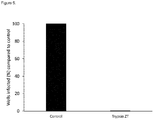
- Picornaviruses are small single-stranded positive sense RNA viruses that lack a lipid envelope. Enterovirus and rhinovirus are two genera of Picornaviridae. Enterovirus replicates initially in the oropharynx and survives the acidic environment of the stomach. The small intestine is the major invasion site of enterovirus. Rhinovirus replicates in the nasal passages but is destroyed in the acidic environment of the stomach. Rhinovirus and enterovirus have an identical morphology but can be distinguished based on clinical, biophysical and epidemiological studies. Rhinovirus is problematic to handle in cell cultures ( Racaniello, 2007, Fields virology, 5th ed: 795-838 ). Therefore, enterovirus was used as a model for rhinovirus to analyze the antiviral properties of trypsin ZT isoforms.
- Cod trypsin isoenzymes were separated by applying benzamidine purified cod trypsin to a MonoQ HR 5/5 ion exchange column.
- the column was equilibrated with 25 mM Tris, 25 mM CaCl 2 , pH 7.5, and the enzymes were eluted with a linear 0-400 mM NaCl gradient in 5 column volumes, linear 400-1000 mM NaCl in 20 column volumes at a flow rate of 1 mL/min.
- the MA-104 cells were grown in a 96-well microtiter plate to 95% confluency.
- the enterovirus was diluted from a stock solution to 10 -6 using minimum essential medium (MEM) and 1.5 mL of the diluted solution was placed in two different vials.
- the vials were treated with 1.5 mL of trypsin ZT isoforms and 1.5 mL MEM as positive control.
- Negative control was MEM (3 mL) without virus. All vials were incubated at 34 °C and 5% CO 2 for 90 min before adding 100 ⁇ L of benzamidine agarose solution to remove residual trypsin and incubated for another 30 min.
- the solution was centrifuged at 5500 rpm for 3 min before placing 2 mL of the supernatant into an Eppendorf vial. 200 ⁇ L of the solution was placed in each well, total of 10 wells in the microtiter plate. The plate was incubated for 30 min. After incubation, the media was thrown off and MEM with 1% newborn calf serum (NCS) added to all the wells. A microscope was used to monitor for the presence of infection.
- NCS newborn calf serum
- Trypsin ZT isoforms were very effective as antiviral agents against enterovirus (Coxsackievirus B2) that was used as a model for rhinovirus. The results are presented in FIG 5 .
Landscapes
- Health & Medical Sciences (AREA)
- Life Sciences & Earth Sciences (AREA)
- Chemical & Material Sciences (AREA)
- General Health & Medical Sciences (AREA)
- Veterinary Medicine (AREA)
- Organic Chemistry (AREA)
- Engineering & Computer Science (AREA)
- Public Health (AREA)
- Animal Behavior & Ethology (AREA)
- Medicinal Chemistry (AREA)
- Pharmacology & Pharmacy (AREA)
- Bioinformatics & Cheminformatics (AREA)
- General Chemical & Material Sciences (AREA)
- Chemical Kinetics & Catalysis (AREA)
- Nuclear Medicine, Radiotherapy & Molecular Imaging (AREA)
- Zoology (AREA)
- Immunology (AREA)
- Wood Science & Technology (AREA)
- Genetics & Genomics (AREA)
- Biomedical Technology (AREA)
- Epidemiology (AREA)
- Dermatology (AREA)
- Virology (AREA)
- Molecular Biology (AREA)
- General Engineering & Computer Science (AREA)
- Biochemistry (AREA)
- Communicable Diseases (AREA)
- Oncology (AREA)
- Microbiology (AREA)
- Biotechnology (AREA)
- Birds (AREA)
- Pulmonology (AREA)
- Marine Sciences & Fisheries (AREA)
- Proteomics, Peptides & Aminoacids (AREA)
- Gastroenterology & Hepatology (AREA)
- Neurology (AREA)
- Tropical Medicine & Parasitology (AREA)
- Orthopedic Medicine & Surgery (AREA)
- Physical Education & Sports Medicine (AREA)
- Rheumatology (AREA)
Applications Claiming Priority (3)
| Application Number | Priority Date | Filing Date | Title |
|---|---|---|---|
| EP15178208.3A EP3121272A1 (de) | 2015-07-24 | 2015-07-24 | Neuartige fischtrypsinisoformen und deren verwendung |
| PCT/EP2016/067531 WO2017017012A1 (en) | 2015-07-24 | 2016-07-22 | Novel trypsin isoforms and their use |
| EP16745663.1A EP3325618B1 (de) | 2015-07-24 | 2016-07-22 | Neuartige fischtrypsinisoformen und deren verwendung |
Related Parent Applications (2)
| Application Number | Title | Priority Date | Filing Date |
|---|---|---|---|
| EP16745663.1A Division-Into EP3325618B1 (de) | 2015-07-24 | 2016-07-22 | Neuartige fischtrypsinisoformen und deren verwendung |
| EP16745663.1A Division EP3325618B1 (de) | 2015-07-24 | 2016-07-22 | Neuartige fischtrypsinisoformen und deren verwendung |
Publications (1)
| Publication Number | Publication Date |
|---|---|
| EP3736331A1 true EP3736331A1 (de) | 2020-11-11 |
Family
ID=53758073
Family Applications (3)
| Application Number | Title | Priority Date | Filing Date |
|---|---|---|---|
| EP15178208.3A Withdrawn EP3121272A1 (de) | 2015-07-24 | 2015-07-24 | Neuartige fischtrypsinisoformen und deren verwendung |
| EP20169710.9A Pending EP3736331A1 (de) | 2015-07-24 | 2016-07-22 | Neuartige trypsinisoformen und deren verwendung |
| EP16745663.1A Active EP3325618B1 (de) | 2015-07-24 | 2016-07-22 | Neuartige fischtrypsinisoformen und deren verwendung |
Family Applications Before (1)
| Application Number | Title | Priority Date | Filing Date |
|---|---|---|---|
| EP15178208.3A Withdrawn EP3121272A1 (de) | 2015-07-24 | 2015-07-24 | Neuartige fischtrypsinisoformen und deren verwendung |
Family Applications After (1)
| Application Number | Title | Priority Date | Filing Date |
|---|---|---|---|
| EP16745663.1A Active EP3325618B1 (de) | 2015-07-24 | 2016-07-22 | Neuartige fischtrypsinisoformen und deren verwendung |
Country Status (19)
| Country | Link |
|---|---|
| US (2) | US11179311B2 (de) |
| EP (3) | EP3121272A1 (de) |
| JP (2) | JP6869979B2 (de) |
| KR (1) | KR20180032588A (de) |
| CN (2) | CN107849551B (de) |
| AU (1) | AU2016299760B2 (de) |
| BR (1) | BR112018001404A2 (de) |
| CA (1) | CA2992821A1 (de) |
| DK (3) | DK3325618T3 (de) |
| ES (1) | ES2813551T3 (de) |
| HR (1) | HRP20201290T1 (de) |
| HU (1) | HUE050121T2 (de) |
| MX (1) | MX390126B (de) |
| PL (1) | PL3325618T3 (de) |
| PT (1) | PT3325618T (de) |
| RS (1) | RS60711B1 (de) |
| RU (1) | RU2739945C2 (de) |
| SI (1) | SI3325618T1 (de) |
| WO (1) | WO2017017012A1 (de) |
Cited By (1)
| Publication number | Priority date | Publication date | Assignee | Title |
|---|---|---|---|---|
| WO2023012224A1 (en) * | 2021-08-03 | 2023-02-09 | Zymiq Technology Ab | Peptidase formulation for treatment of microbial infections in the upper respiratory tract |
Families Citing this family (9)
| Publication number | Priority date | Publication date | Assignee | Title |
|---|---|---|---|---|
| JP3387844B2 (ja) | 1999-01-29 | 2003-03-17 | 株式会社ノダ | 幅木材と床材の納まり構造 |
| EP3121272A1 (de) | 2015-07-24 | 2017-01-25 | Zymetech ehf. | Neuartige fischtrypsinisoformen und deren verwendung |
| GB201701315D0 (en) | 2017-01-26 | 2017-03-15 | Enzymatica Ab | Novel treatments |
| US20190201344A1 (en) * | 2017-12-28 | 2019-07-04 | Consegna Pharma Inc. | Long acting opioid antagonists |
| GB201800274D0 (en) | 2018-01-08 | 2018-02-21 | Enzymatica Ab | Novel treatments |
| GB201801982D0 (en) | 2018-02-07 | 2018-03-28 | Enzymatica Ab | Novel treatments |
| CA3139871A1 (en) * | 2019-05-13 | 2020-11-19 | Bioseutica B.V. | Purified fish proteases with high specific activities and its process of production |
| US11441261B2 (en) | 2020-09-10 | 2022-09-13 | WABESO Enhanced Enzymatics, Inc. | Self-sterilizing fabrics incorporating anti-viral cold-active proteases |
| WO2024044679A2 (en) * | 2022-08-24 | 2024-02-29 | Ohio State Innovation Foundation | Methods of synthesizing peptides with free n-terminal cysteine and products thereof |
Citations (6)
| Publication number | Priority date | Publication date | Assignee | Title |
|---|---|---|---|---|
| WO1985004809A1 (en) | 1984-04-24 | 1985-11-07 | Hellgren Lars G I | An enzyme composition acting as a digestion promotor on various levels in the alimentary tract, and a method for facilitating digestion |
| EP0170115A1 (de) | 1984-07-20 | 1986-02-05 | Kao Corporation | Auflösungsmittel für Thrombus |
| US4801451A (en) | 1983-04-22 | 1989-01-31 | Hellgren Lars G I | Cleaning with enzymes from krill |
| US4963491A (en) | 1982-10-25 | 1990-10-16 | Hellgren Lars G I | Process of removing biological contaminants with enzymes from krill |
| WO1996024371A1 (en) | 1995-02-08 | 1996-08-15 | Phairson Medical, Inc. | Multifunctional enzyme |
| WO2000078332A2 (en) | 1999-06-18 | 2000-12-28 | Jon Bragi Bjarnason | Fish serine proteinases and their pharmaceutical and cosmetic use |
Family Cites Families (10)
| Publication number | Priority date | Publication date | Assignee | Title |
|---|---|---|---|---|
| US7070953B1 (en) | 1999-10-20 | 2006-07-04 | Nordur Ehf | Protein hydrolysates produced with the use of cod proteases |
| RU2286171C1 (ru) * | 2005-04-12 | 2006-10-27 | Эдуард Артемович Макарян | Препарат для профилактики и лечения респираторных и желудочно-кишечных инфекционных заболеваний бактериальной и вирусной этиологии сельскохозяйственных животных и способ профилактики и лечения респираторных и желудочно-кишечных инфекционных заболеваний бактериальной и вирусной этиологии сельскохозяйственных животных |
| NZ596269A (en) * | 2006-07-05 | 2012-12-21 | Catalyst Biosciences Inc | Protease screening methods and proteases identified thereby |
| CN101250574A (zh) * | 2007-03-22 | 2008-08-27 | 中国海洋大学 | 一种梯级分子量鳕鱼鱼皮胶原肽的制备方法 |
| WO2011063394A2 (en) | 2009-11-23 | 2011-05-26 | Olmstead Stephen F | Compositions and methods comprising serratia peptidase for inhibition and treatment of biofilms related to certain conditions |
| GB0921288D0 (en) * | 2009-12-04 | 2010-01-20 | Health Prot Agency | Therapies for preventing or suppressing clostridium difficile infection |
| WO2012164380A2 (en) | 2011-05-31 | 2012-12-06 | Hutchison Biofilm Medical Solutions Limited | Dispersion and detachment of cell aggregates |
| CN102228126B (zh) * | 2011-06-10 | 2013-03-13 | 天津市虎豹调味品酿造有限公司何庄分公司 | 一种鳕鱼骨水解蛋白液的制备方法 |
| CN103320485B (zh) * | 2013-06-03 | 2015-12-23 | 王南平 | 一种医用级生物材料用鱼皮胶原的制备方法 |
| EP3121272A1 (de) * | 2015-07-24 | 2017-01-25 | Zymetech ehf. | Neuartige fischtrypsinisoformen und deren verwendung |
-
2015
- 2015-07-24 EP EP15178208.3A patent/EP3121272A1/de not_active Withdrawn
-
2016
- 2016-07-22 EP EP20169710.9A patent/EP3736331A1/de active Pending
- 2016-07-22 AU AU2016299760A patent/AU2016299760B2/en active Active
- 2016-07-22 CN CN201680042929.8A patent/CN107849551B/zh active Active
- 2016-07-22 EP EP16745663.1A patent/EP3325618B1/de active Active
- 2016-07-22 CN CN202111184339.8A patent/CN113846079B/zh active Active
- 2016-07-22 US US15/746,897 patent/US11179311B2/en active Active
- 2016-07-22 PT PT167456631T patent/PT3325618T/pt unknown
- 2016-07-22 CA CA2992821A patent/CA2992821A1/en active Pending
- 2016-07-22 ES ES16745663T patent/ES2813551T3/es active Active
- 2016-07-22 SI SI201630894T patent/SI3325618T1/sl unknown
- 2016-07-22 RU RU2018106533A patent/RU2739945C2/ru active
- 2016-07-22 PL PL16745663T patent/PL3325618T3/pl unknown
- 2016-07-22 JP JP2018522869A patent/JP6869979B2/ja active Active
- 2016-07-22 HU HUE16745663A patent/HUE050121T2/hu unknown
- 2016-07-22 KR KR1020187004156A patent/KR20180032588A/ko not_active Ceased
- 2016-07-22 RS RS20201012A patent/RS60711B1/sr unknown
- 2016-07-22 WO PCT/EP2016/067531 patent/WO2017017012A1/en not_active Ceased
- 2016-07-22 DK DK16745663.1T patent/DK3325618T3/da active
- 2016-07-22 HR HRP20201290TT patent/HRP20201290T1/hr unknown
- 2016-07-22 BR BR112018001404-4A patent/BR112018001404A2/pt not_active Application Discontinuation
- 2016-07-22 MX MX2018000570A patent/MX390126B/es unknown
-
2018
- 2018-01-24 DK DKPA201870049A patent/DK180405B1/en active IP Right Grant
-
2020
- 2020-11-30 DK DKPA202070808A patent/DK181080B1/en active IP Right Grant
-
2021
- 2021-04-14 JP JP2021068447A patent/JP7116823B2/ja active Active
- 2021-10-15 US US17/502,921 patent/US11918674B2/en active Active
Patent Citations (6)
| Publication number | Priority date | Publication date | Assignee | Title |
|---|---|---|---|---|
| US4963491A (en) | 1982-10-25 | 1990-10-16 | Hellgren Lars G I | Process of removing biological contaminants with enzymes from krill |
| US4801451A (en) | 1983-04-22 | 1989-01-31 | Hellgren Lars G I | Cleaning with enzymes from krill |
| WO1985004809A1 (en) | 1984-04-24 | 1985-11-07 | Hellgren Lars G I | An enzyme composition acting as a digestion promotor on various levels in the alimentary tract, and a method for facilitating digestion |
| EP0170115A1 (de) | 1984-07-20 | 1986-02-05 | Kao Corporation | Auflösungsmittel für Thrombus |
| WO1996024371A1 (en) | 1995-02-08 | 1996-08-15 | Phairson Medical, Inc. | Multifunctional enzyme |
| WO2000078332A2 (en) | 1999-06-18 | 2000-12-28 | Jon Bragi Bjarnason | Fish serine proteinases and their pharmaceutical and cosmetic use |
Non-Patent Citations (27)
| Title |
|---|
| DANIELSSADOWICZ ET AL., PLOS PATHOG, vol. 3, 2007, pages e98 |
| DATABASE UniProt [online] 24 June 2015 (2015-06-24), XP002751139, Database accession no. Q8JFQ7 * |
| ELLIOTTO'HARE, CELL, vol. 88, 1997, pages 223 - 233 |
| FENTRESSSTEINFELDT ET AL., CELL MICROBIOL, vol. 14, 2012, pages 1921 - 1933 |
| GALDIEROFALANGA ET AL., CURR PROTEIN PEPT SCI, vol. 13, 2012, pages 843 - 854 |
| GODETGUERGNON ET AL., PLOS ONE, vol. 5, 2010, pages e13760 |
| JIANGCUN ET AL., J VIROL, vol. 86, 2012, pages 7256 - 7267 |
| KANGMORONI ET AL., PROC NATL ACAD SCI USA, vol. 101, 2004, pages 5318 - 5324 |
| LANGEDIJK, J BIOL CHEM, vol. 277, 2002, pages 5308 - 5314 |
| LANGEDIJKOLIJHOEK ET AL., INTERNATIONAL CONGRESS SERIES, vol. 1277, 2005, pages 95 - 107 |
| LIAOTAM ET AL., ADV EXP MED BIOL, vol. 581, 2006, pages 199 - 202 |
| LUTAGER ET AL., ANAL BIOCHEM, vol. 353, 2006, pages 7 - 14 |
| MILLETTI, DRUG DISCOV TODAY, vol. 17, 2012, pages 850 - 860 |
| O'DONOGHUEEROY-REVELES ET AL., NAT METHODS, vol. 9, 2012, pages 1095 - 1100 |
| OESSHILDT, GENE THER, vol. 7, 2000, pages 750 - 758 |
| OLSENONG ET AL., MOL CELL PROTEOMICS, vol. 3, 2004, pages 608 - 614 |
| OVERKAMPMOHAMMED-ALI ET AL., J IMMUNOASSAY, vol. 9, 1988, pages 51 - 68 |
| PALSDOTTIRGUDMUNDSDOTTIR, FOOD CHEMISTRY, vol. 111, 2008, pages 408 - 414 |
| PALSDOTTIRGUDMUNDSDOTTIR, PROTEIN EXPR PURIF, vol. 51, 2007, pages 243 - 252 |
| RACANIELLO: "Fields virology", 2007, pages: 795 - 838 |
| REEDMUENCH, AMERICAN JOURNAL OF EPIDEMIOLOGY, vol. 27, 1938, pages 493 - 497 |
| ROYLEDOBSON ET AL., VIRUSES, vol. 7, 2015, pages 5375 - 5387 |
| SCHECHTERBERGER, BIOCHEM BIOPHYS RES COMMUN, vol. 27, 1967, pages 157 - 162 |
| SCHECHTERBERGER, BIOCHEM BIOPHYS RES COMMUN, vol. 32, 1968, pages 898 - 902 |
| SPILLIAERT R ET AL: "Atlantic cod trypsin Y-member of a novel trypsin group", 1 January 1999, MARINE BIOTECHNOLOGY, SPRINGER VERLAG, NEW YORK, NY, US, PAGE(S) 598 - 607, ISSN: 1436-2228, XP009187291 * |
| SPILLIAERTGUDMUNDSDOTTIR, MAR BIOTECHNOL (NY, vol. 1, 1999, pages 598 - 607 |
| SUZUKIORBA ET AL., PLOS PATHOG, vol. 6, 2010, pages e1000801 |
Cited By (1)
| Publication number | Priority date | Publication date | Assignee | Title |
|---|---|---|---|---|
| WO2023012224A1 (en) * | 2021-08-03 | 2023-02-09 | Zymiq Technology Ab | Peptidase formulation for treatment of microbial infections in the upper respiratory tract |
Also Published As
Similar Documents
| Publication | Publication Date | Title |
|---|---|---|
| US11918674B2 (en) | Trypsin isoforms and their use | |
| CN1356907A (zh) | 鱼丝氨酸蛋白酶及其在制药和化妆品上的应用 | |
| KR101853463B1 (ko) | 보툴리눔 독소의 정제 방법 | |
| CN104560924B (zh) | 一种鼠妇纤溶酶及其应用 | |
| CN1824301A (zh) | 纯化的乌司他丁及其制备方法和含有该乌司他丁的药物组合物 | |
| RU2814729C2 (ru) | Новая изоформа трипсина и ее применение | |
| EP2212352A1 (de) | Neue synthetische argininsubstituierte peptide und ihre verwendung | |
| CN104892723B (zh) | 带鱼肝脏抗菌肽的制备方法 | |
| JPH029600B2 (de) | ||
| RU2268736C1 (ru) | Способ получения альфа-1-антитрипсина и продукт для использования в медицине | |
| CN1336385A (zh) | 大蹼铃蟾蛋白酶抑制剂及其制备方法和在制药中的应用 | |
| JP2915032B2 (ja) | 新規なセリンプロテアーゼインヒビター蛋白質、これを含む医薬、この蛋白質のためにコードするdna配列及びこれら蛋白質、医薬及びdna配列を作り出す方法 | |
| JPH0813271B2 (ja) | 線溶活性蛋白質およびその製造法 | |
| CN121653105A (zh) | 中性粒细胞弹性蛋白酶的融合蛋白及其制备方法与应用 | |
| CN118434880A (zh) | 由酵母生产的α-1抗胰蛋白酶用于治疗病毒感染的用途 | |
| CN120699137A (zh) | 一种菲牛蛭活体高效提取水蛭素的方法 | |
| JPH07233197A (ja) | 細胞増殖促進作用とマクロファージに対する遊走作用とを有する蛋白、その製法及び用途 | |
| HK1157816B (en) | A throbin-like enzyme of agkistrodon acutus | |
| HK1157816A1 (en) | A throbin-like enzyme of agkistrodon acutus | |
| MXPA96004207A (en) | Novedous remedy for tractor pyrrato viral disease |
Legal Events
| Date | Code | Title | Description |
|---|---|---|---|
| PUAI | Public reference made under article 153(3) epc to a published international application that has entered the european phase |
Free format text: ORIGINAL CODE: 0009012 |
|
| STAA | Information on the status of an ep patent application or granted ep patent |
Free format text: STATUS: THE APPLICATION HAS BEEN PUBLISHED |
|
| AC | Divisional application: reference to earlier application |
Ref document number: 3325618 Country of ref document: EP Kind code of ref document: P |
|
| AK | Designated contracting states |
Kind code of ref document: A1 Designated state(s): AL AT BE BG CH CY CZ DE DK EE ES FI FR GB GR HR HU IE IS IT LI LT LU LV MC MK MT NL NO PL PT RO RS SE SI SK SM TR |
|
| STAA | Information on the status of an ep patent application or granted ep patent |
Free format text: STATUS: REQUEST FOR EXAMINATION WAS MADE |
|
| 17P | Request for examination filed |
Effective date: 20210510 |
|
| STAA | Information on the status of an ep patent application or granted ep patent |
Free format text: STATUS: EXAMINATION IS IN PROGRESS |
|
| 17Q | First examination report despatched |
Effective date: 20220610 |
|
| P01 | Opt-out of the competence of the unified patent court (upc) registered |
Effective date: 20230509 |
|
| REG | Reference to a national code |
Ref country code: DE Ref legal event code: R079 Free format text: PREVIOUS MAIN CLASS: C12N0009760000 Ipc: A61P0009000000 |
|
| REG | Reference to a national code |
Ref country code: DE Ref legal event code: R079 Free format text: PREVIOUS MAIN CLASS: A61P0009000000 Ipc: A61P0017000000 |
|
| RIC1 | Information provided on ipc code assigned before grant |
Ipc: A61P 9/00 20060101AFI20260312BHEP Ipc: A61P 11/00 20060101ALI20260312BHEP Ipc: A61P 17/00 20060101ALI20260312BHEP Ipc: A61P 21/00 20060101ALI20260312BHEP Ipc: A61P 25/04 20060101ALI20260312BHEP Ipc: A61P 31/04 20060101ALI20260312BHEP Ipc: C12N 9/76 20060101ALI20260312BHEP |
|
| GRAP | Despatch of communication of intention to grant a patent |
Free format text: ORIGINAL CODE: EPIDOSNIGR1 |
|
| STAA | Information on the status of an ep patent application or granted ep patent |
Free format text: STATUS: GRANT OF PATENT IS INTENDED |
|
| RIC1 | Information provided on ipc code assigned before grant |
Ipc: A61P 17/00 20060101AFI20260330BHEP Ipc: A61P 19/00 20060101ALI20260330BHEP Ipc: A61P 29/00 20060101ALI20260330BHEP Ipc: A61P 33/00 20060101ALI20260330BHEP Ipc: A61P 37/00 20060101ALI20260330BHEP Ipc: C12N 9/76 20060101ALI20260330BHEP |