EP3712259B1 - Car-codierende nukleotidsequenz, car-exprimierende robo1-car-nk-zelle sowie herstellung dafür und verwendung davon - Google Patents
Car-codierende nukleotidsequenz, car-exprimierende robo1-car-nk-zelle sowie herstellung dafür und verwendung davon Download PDFInfo
- Publication number
- EP3712259B1 EP3712259B1 EP18886924.2A EP18886924A EP3712259B1 EP 3712259 B1 EP3712259 B1 EP 3712259B1 EP 18886924 A EP18886924 A EP 18886924A EP 3712259 B1 EP3712259 B1 EP 3712259B1
- Authority
- EP
- European Patent Office
- Prior art keywords
- cells
- car
- robo1
- cancer
- cell
- Prior art date
- Legal status (The legal status is an assumption and is not a legal conclusion. Google has not performed a legal analysis and makes no representation as to the accuracy of the status listed.)
- Active
Links
Images




Classifications
-
- C—CHEMISTRY; METALLURGY
- C07—ORGANIC CHEMISTRY
- C07K—PEPTIDES
- C07K14/00—Peptides having more than 20 amino acids; Gastrins; Somatostatins; Melanotropins; Derivatives thereof
- C07K14/435—Peptides having more than 20 amino acids; Gastrins; Somatostatins; Melanotropins; Derivatives thereof from animals; from humans
- C07K14/705—Receptors; Cell surface antigens; Cell surface determinants
- C07K14/70503—Immunoglobulin superfamily
- C07K14/7051—T-cell receptor (TcR)-CD3 complex
-
- A—HUMAN NECESSITIES
- A61—MEDICAL OR VETERINARY SCIENCE; HYGIENE
- A61K—PREPARATIONS FOR MEDICAL, DENTAL OR TOILETRY PURPOSES
- A61K38/00—Medicinal preparations containing peptides
- A61K38/16—Peptides having more than 20 amino acids; Gastrins; Somatostatins; Melanotropins; Derivatives thereof
- A61K38/17—Peptides having more than 20 amino acids; Gastrins; Somatostatins; Melanotropins; Derivatives thereof from animals; from humans
-
- A—HUMAN NECESSITIES
- A61—MEDICAL OR VETERINARY SCIENCE; HYGIENE
- A61K—PREPARATIONS FOR MEDICAL, DENTAL OR TOILETRY PURPOSES
- A61K40/00—Cellular immunotherapy
- A61K40/10—Cellular immunotherapy characterised by the cell type used
- A61K40/15—Natural-killer [NK] cells; Natural-killer T [NKT] cells
-
- A—HUMAN NECESSITIES
- A61—MEDICAL OR VETERINARY SCIENCE; HYGIENE
- A61K—PREPARATIONS FOR MEDICAL, DENTAL OR TOILETRY PURPOSES
- A61K40/00—Cellular immunotherapy
- A61K40/30—Cellular immunotherapy characterised by the recombinant expression of specific molecules in the cells of the immune system
- A61K40/31—Chimeric antigen receptors [CAR]
-
- A—HUMAN NECESSITIES
- A61—MEDICAL OR VETERINARY SCIENCE; HYGIENE
- A61K—PREPARATIONS FOR MEDICAL, DENTAL OR TOILETRY PURPOSES
- A61K40/00—Cellular immunotherapy
- A61K40/40—Cellular immunotherapy characterised by antigens that are targeted or presented by cells of the immune system
- A61K40/41—Vertebrate antigens
- A61K40/42—Cancer antigens
- A61K40/4202—Receptors, cell surface antigens or cell surface determinants
- A61K40/421—Immunoglobulin superfamily
-
- A—HUMAN NECESSITIES
- A61—MEDICAL OR VETERINARY SCIENCE; HYGIENE
- A61P—SPECIFIC THERAPEUTIC ACTIVITY OF CHEMICAL COMPOUNDS OR MEDICINAL PREPARATIONS
- A61P35/00—Antineoplastic agents
-
- C—CHEMISTRY; METALLURGY
- C07—ORGANIC CHEMISTRY
- C07K—PEPTIDES
- C07K14/00—Peptides having more than 20 amino acids; Gastrins; Somatostatins; Melanotropins; Derivatives thereof
- C07K14/435—Peptides having more than 20 amino acids; Gastrins; Somatostatins; Melanotropins; Derivatives thereof from animals; from humans
- C07K14/705—Receptors; Cell surface antigens; Cell surface determinants
- C07K14/70503—Immunoglobulin superfamily
- C07K14/70517—CD8
-
- C—CHEMISTRY; METALLURGY
- C07—ORGANIC CHEMISTRY
- C07K—PEPTIDES
- C07K14/00—Peptides having more than 20 amino acids; Gastrins; Somatostatins; Melanotropins; Derivatives thereof
- C07K14/435—Peptides having more than 20 amino acids; Gastrins; Somatostatins; Melanotropins; Derivatives thereof from animals; from humans
- C07K14/705—Receptors; Cell surface antigens; Cell surface determinants
- C07K14/70578—NGF-receptor/TNF-receptor superfamily, e.g. CD27, CD30, CD40, CD95
-
- C—CHEMISTRY; METALLURGY
- C07—ORGANIC CHEMISTRY
- C07K—PEPTIDES
- C07K16/00—Immunoglobulins [IG], e.g. monoclonal or polyclonal antibodies
- C07K16/18—Immunoglobulins [IG], e.g. monoclonal or polyclonal antibodies against material from animals or humans
- C07K16/28—Immunoglobulins [IG], e.g. monoclonal or polyclonal antibodies against material from animals or humans against receptors, cell surface antigens or cell surface determinants
- C07K16/2803—Immunoglobulins [IG], e.g. monoclonal or polyclonal antibodies against material from animals or humans against receptors, cell surface antigens or cell surface determinants against the immunoglobulin superfamily
-
- C—CHEMISTRY; METALLURGY
- C12—BIOCHEMISTRY; BEER; SPIRITS; WINE; VINEGAR; MICROBIOLOGY; ENZYMOLOGY; MUTATION OR GENETIC ENGINEERING
- C12N—MICROORGANISMS OR ENZYMES; COMPOSITIONS THEREOF; PROPAGATING, PRESERVING, OR MAINTAINING MICROORGANISMS; MUTATION OR GENETIC ENGINEERING; CULTURE MEDIA
- C12N15/00—Mutation or genetic engineering; DNA or RNA concerning genetic engineering, vectors, e.g. plasmids, or their isolation, preparation or purification; Use of hosts therefor
- C12N15/09—Recombinant DNA-technology
- C12N15/11—DNA or RNA fragments; Modified forms thereof; Non-coding nucleic acids having a biological activity
- C12N15/62—DNA sequences coding for fusion proteins
-
- C—CHEMISTRY; METALLURGY
- C12—BIOCHEMISTRY; BEER; SPIRITS; WINE; VINEGAR; MICROBIOLOGY; ENZYMOLOGY; MUTATION OR GENETIC ENGINEERING
- C12N—MICROORGANISMS OR ENZYMES; COMPOSITIONS THEREOF; PROPAGATING, PRESERVING, OR MAINTAINING MICROORGANISMS; MUTATION OR GENETIC ENGINEERING; CULTURE MEDIA
- C12N15/00—Mutation or genetic engineering; DNA or RNA concerning genetic engineering, vectors, e.g. plasmids, or their isolation, preparation or purification; Use of hosts therefor
- C12N15/09—Recombinant DNA-technology
- C12N15/63—Introduction of foreign genetic material using vectors; Vectors; Use of hosts therefor; Regulation of expression
- C12N15/79—Vectors or expression systems specially adapted for eukaryotic hosts
- C12N15/85—Vectors or expression systems specially adapted for eukaryotic hosts for animal cells
- C12N15/86—Viral vectors
-
- C—CHEMISTRY; METALLURGY
- C12—BIOCHEMISTRY; BEER; SPIRITS; WINE; VINEGAR; MICROBIOLOGY; ENZYMOLOGY; MUTATION OR GENETIC ENGINEERING
- C12N—MICROORGANISMS OR ENZYMES; COMPOSITIONS THEREOF; PROPAGATING, PRESERVING, OR MAINTAINING MICROORGANISMS; MUTATION OR GENETIC ENGINEERING; CULTURE MEDIA
- C12N15/00—Mutation or genetic engineering; DNA or RNA concerning genetic engineering, vectors, e.g. plasmids, or their isolation, preparation or purification; Use of hosts therefor
- C12N15/09—Recombinant DNA-technology
- C12N15/63—Introduction of foreign genetic material using vectors; Vectors; Use of hosts therefor; Regulation of expression
- C12N15/79—Vectors or expression systems specially adapted for eukaryotic hosts
- C12N15/85—Vectors or expression systems specially adapted for eukaryotic hosts for animal cells
- C12N15/86—Viral vectors
- C12N15/867—Retroviral vectors
-
- C—CHEMISTRY; METALLURGY
- C12—BIOCHEMISTRY; BEER; SPIRITS; WINE; VINEGAR; MICROBIOLOGY; ENZYMOLOGY; MUTATION OR GENETIC ENGINEERING
- C12N—MICROORGANISMS OR ENZYMES; COMPOSITIONS THEREOF; PROPAGATING, PRESERVING, OR MAINTAINING MICROORGANISMS; MUTATION OR GENETIC ENGINEERING; CULTURE MEDIA
- C12N5/00—Undifferentiated human, animal or plant cells, e.g. cell lines; Tissues; Cultivation or maintenance thereof; Culture media therefor
- C12N5/10—Cells modified by introduction of foreign genetic material
-
- A—HUMAN NECESSITIES
- A61—MEDICAL OR VETERINARY SCIENCE; HYGIENE
- A61K—PREPARATIONS FOR MEDICAL, DENTAL OR TOILETRY PURPOSES
- A61K39/00—Medicinal preparations containing antigens or antibodies
- A61K2039/505—Medicinal preparations containing antigens or antibodies comprising antibodies
-
- A—HUMAN NECESSITIES
- A61—MEDICAL OR VETERINARY SCIENCE; HYGIENE
- A61K—PREPARATIONS FOR MEDICAL, DENTAL OR TOILETRY PURPOSES
- A61K39/00—Medicinal preparations containing antigens or antibodies
- A61K2039/80—Vaccine for a specifically defined cancer
- A61K2039/812—Breast
-
- A—HUMAN NECESSITIES
- A61—MEDICAL OR VETERINARY SCIENCE; HYGIENE
- A61K—PREPARATIONS FOR MEDICAL, DENTAL OR TOILETRY PURPOSES
- A61K2239/00—Indexing codes associated with cellular immunotherapy of group A61K40/00
- A61K2239/31—Indexing codes associated with cellular immunotherapy of group A61K40/00 characterized by the route of administration
-
- A—HUMAN NECESSITIES
- A61—MEDICAL OR VETERINARY SCIENCE; HYGIENE
- A61K—PREPARATIONS FOR MEDICAL, DENTAL OR TOILETRY PURPOSES
- A61K2239/00—Indexing codes associated with cellular immunotherapy of group A61K40/00
- A61K2239/38—Indexing codes associated with cellular immunotherapy of group A61K40/00 characterised by the dose, timing or administration schedule
-
- A—HUMAN NECESSITIES
- A61—MEDICAL OR VETERINARY SCIENCE; HYGIENE
- A61K—PREPARATIONS FOR MEDICAL, DENTAL OR TOILETRY PURPOSES
- A61K2239/00—Indexing codes associated with cellular immunotherapy of group A61K40/00
- A61K2239/46—Indexing codes associated with cellular immunotherapy of group A61K40/00 characterised by the cancer treated
- A61K2239/47—Brain; Nervous system
-
- A—HUMAN NECESSITIES
- A61—MEDICAL OR VETERINARY SCIENCE; HYGIENE
- A61K—PREPARATIONS FOR MEDICAL, DENTAL OR TOILETRY PURPOSES
- A61K2239/00—Indexing codes associated with cellular immunotherapy of group A61K40/00
- A61K2239/46—Indexing codes associated with cellular immunotherapy of group A61K40/00 characterised by the cancer treated
- A61K2239/49—Breast
-
- A—HUMAN NECESSITIES
- A61—MEDICAL OR VETERINARY SCIENCE; HYGIENE
- A61K—PREPARATIONS FOR MEDICAL, DENTAL OR TOILETRY PURPOSES
- A61K2239/00—Indexing codes associated with cellular immunotherapy of group A61K40/00
- A61K2239/46—Indexing codes associated with cellular immunotherapy of group A61K40/00 characterised by the cancer treated
- A61K2239/53—Liver
-
- A—HUMAN NECESSITIES
- A61—MEDICAL OR VETERINARY SCIENCE; HYGIENE
- A61K—PREPARATIONS FOR MEDICAL, DENTAL OR TOILETRY PURPOSES
- A61K2239/00—Indexing codes associated with cellular immunotherapy of group A61K40/00
- A61K2239/46—Indexing codes associated with cellular immunotherapy of group A61K40/00 characterised by the cancer treated
- A61K2239/54—Pancreas
-
- A—HUMAN NECESSITIES
- A61—MEDICAL OR VETERINARY SCIENCE; HYGIENE
- A61K—PREPARATIONS FOR MEDICAL, DENTAL OR TOILETRY PURPOSES
- A61K2239/00—Indexing codes associated with cellular immunotherapy of group A61K40/00
- A61K2239/46—Indexing codes associated with cellular immunotherapy of group A61K40/00 characterised by the cancer treated
- A61K2239/55—Lung
-
- C—CHEMISTRY; METALLURGY
- C07—ORGANIC CHEMISTRY
- C07K—PEPTIDES
- C07K2317/00—Immunoglobulins specific features
- C07K2317/60—Immunoglobulins specific features characterized by non-natural combinations of immunoglobulin fragments
- C07K2317/62—Immunoglobulins specific features characterized by non-natural combinations of immunoglobulin fragments comprising only variable region components
- C07K2317/622—Single chain antibody (scFv)
-
- C—CHEMISTRY; METALLURGY
- C07—ORGANIC CHEMISTRY
- C07K—PEPTIDES
- C07K2317/00—Immunoglobulins specific features
- C07K2317/70—Immunoglobulins specific features characterized by effect upon binding to a cell or to an antigen
- C07K2317/73—Inducing cell death, e.g. apoptosis, necrosis or inhibition of cell proliferation
-
- C—CHEMISTRY; METALLURGY
- C07—ORGANIC CHEMISTRY
- C07K—PEPTIDES
- C07K2319/00—Fusion polypeptide
-
- C—CHEMISTRY; METALLURGY
- C07—ORGANIC CHEMISTRY
- C07K—PEPTIDES
- C07K2319/00—Fusion polypeptide
- C07K2319/01—Fusion polypeptide containing a localisation/targetting motif
- C07K2319/03—Fusion polypeptide containing a localisation/targetting motif containing a transmembrane segment
Definitions
- the present invention relates to the field of biological medicine, in particular to a nucleotide sequence for encoding CAR, a ROBO1 CAR-NK cell of expressing the CAR, a pharmaceutical composition, and.a method for preparation of a medicament for treating and/or preventing cancer.
- Breast is composed of skin, fibrous tissue, mammary glands and fat.
- Breast cancer is a malignant tumor that occurs in the epithelium of the mammary glands. 99% of breast cancer occurs in women, and only 1% in men.
- breast cancer is not an important organ in maintaining human life. Breast cancer in situ is not fatal. However, the breast cancer cells lost their normal character, and are loosely connected with the surrounding cells, easy to fall off. Once the cancer cells are fallen off, the free cancer cells can spread all over the whole body with blood or lymph fluid, causing metastasis and endangering life. At present, breast cancer has become a common tumor that threatens women's physical and mental health.
- Chimeric antigen receptor (abbreviated CAR) modified immune cells is to use genetic engineering methods to modify immune cells , which makes the immune cells express exogenous anti-tumor gene.
- the CAR gene mainly includes an extracellular recognition domain and an intracellular signal transduction domain: wherein the former is used to recognize tumor surface specific molecules, and the latter is used to initiate immune cell responses after the recognise of the tumor surface molecules and exert cytotoxicity.
- the CAR mainly uses T-cell as a carrier.
- the levels of IL-6 and other cytokines will increase dramatically, resulting in cytokine release syndrome phenomenon and problems such as on-target/off-target toxicity and neurotoxicity, which will endanger the life of a patient in severe cases.
- T cells must be isolated out of the body (this process is time-consuming and expensive). Furthermore, considering the T cells are modified for specific patients, however some patients may not be competent for collection of T cells or do not have enough time to wait for the preparation process of T cells. Although nowadays the CAR-T is developing towards a universal CAR-T, which also increases the clinical risk and the difficulty of operation. In addition, to face the high cost of CAR-T, these limitations may lead to that some patients who are expected to benefit from CAR-T immunotherapy cannot be administered.
- NK cells Natural killer cells are an important part of the non-specific immune system and are the key mediator cells of the innate immune system.
- NK cells are a kind of broad spectrum immune cells, which has the specific function of rapidly discovering and destroying abnormal cells (such as cancer cells or virus infected cells), and can demonstrate strong ability of dissolving abnormal cells without requiring being sensitized in advance or HLA matching.
- immune cells including NK cells
- This new therapy is expected to be promising for the treatment of tumors that are refractory to traditional surgery, chemotherapy and radiotherapy.
- PCT patent application number WO2017181552A1 describes a nucleotide sequence for encoding a chimeric antigen receptor (CAR), which comprises an antigen binding domain which specifically binds to the FN3 domain of ROBOI, a CD8 transmembrane domain and a 4-1 BB-CD3 ⁇ costimulatory signal transduction region, and wherein the CAR encode by said nucleic acid sequence has 100% identity with SEQ ID No:l of the present application.
- CAR chimeric antigen receptor
- PCT patent application number WO2016069647A1 discloses a nucleotide sequence for encoding a chimeric antigen receptor, which CAR comprises an antigen binding domain which binds to ROBO1, a CD8 transmembrane domain and a CD3 ⁇ costimulatory signal transduction region.
- NK cells and cancer you can teach innate cells new tricks"( MG Morvan, LL Lanier, Journal of Nature reviews. Cancer, vol. 16, no. 1, 1 January 2016, pages 7-19 ) describes the advantages of NK cells expressing CARs in treating tumours.
- the present invention provides a nucleotide sequence for encoding CAR, a ROBO1 CAR-NK cell for expressing the CAR, a pharmaceutical composition, and.a method for preparation of a medicament for treating and/or preventing cancer.
- the ROBO1 CAR-NK cell specifically recognize and kill tumor, and has more effective tumor killing activity, and has little toxic side effect and higher safety.
- the present invention provides a nucleotide sequence for encoding a chimeric antigen receptor, which comprises an antigen binding domain, a transmembrane domain and a costimulatory signal transduction region, wherein the antigen binding domain specifically bind to tumor specific antigen ROBO1, and activate NK cells through the transmembrane domain and the costimulatory signal transduction region, and
- the transmembrane domain is CD8 transmembrane domain.
- the costimulatory signal transduction region contains the intracellular domains of 4-1BB and CD3 ⁇ .
- the encoding nucleotide sequence of the fusion protein ScFV-CD8-4-1BB-CD3 ⁇ is shown in SEQ ID NO: 4.
- Another aspect of the present invention provides a construct, comprising the above-mentioned nucleotide sequence for encoding a chimeric antigen receptor.
- Another aspect of the present invention provides a chimeric antigen receptor encoded by the above-mentioned nucleotide sequence.
- ROBO1 CAR-NK cell which can express a chimeric antigen receptor, wherein the chimeric antigen receptor comprises an antigen binding domain, a transmembrane domain and a costimulatory signal transduction region, and the antigen binding domain specifically bind to tumor specific antigen ROBO1 and activate NK cells through the transmembrane domain and the costimulatory signal transduction region,and
- the transmembrane domain is CD8 transmembrane domain; and the costimulatory signal transduction region contains the intracellular domains of 4-1BB and CD3 ⁇ .
- the nucleotide sequences of the fusion protein ScFV-CD8-4-1BB-CD3 ⁇ is shown in SEQ ID NO:4.
- theROBO1 CAR-NK cell can effectively destroy or kill lung cancer cell line, pancreatic cancer cell line, hepatoma cell line, glioma cell line, breast cancer cell line, colon cancer cell line or prostate cancer cell line.
- the cell lung cancer cell line is H1299 or A549.
- pancreatic cancer cell line is ASPC-1 or BXPC3.
- the hepatoma cell line is HepG2.
- the glioma cell line is U87-MG or SH-SY5Y.
- the breast cancer cell line is MCF-7, HCC1143, HCC1187, HCC1599, HCC1806, HCC38, HCC1937 or MDA-MB-453.
- Another aspect of the present invention provides a preparation method of the above-mentioned ROBO1 CAR-NK cells, which includes the following steps:
- the present invention also provides a pharmaceutical composition comprising an effective therapeutic amount of the above-mentioned ROBO1 CAR-NK cells.
- the effector-to-target ratio of ROBO1 CAR-NK cells to tumor cells in the pharmaceutical composition is 0.5:2 to 1:2; preferably, the effector-to-target ratio is 0.5:1 to 1:1.
- the pharmaceutical composition also includes optional pharmaceutically acceptable adjuvants.
- the dosage form of the pharmaceutical composition is aqua.
- the pharmaceutically acceptable adjuvants described herein are preferably pharmaceutically acceptable adjuvants for injection, such as isotonic sterile salt solutions (such as sodium dihydrogen phosphate, sodium hydrogen phosphate, sodium chloride, potassium chloride, calcium chloride, magnesium chloride, and the like, or the mixtures thereof), or dried, such as freeze-dried compositions, which are properly formed into injectable solvent with sterile water or normal saline.
- isotonic sterile salt solutions such as sodium dihydrogen phosphate, sodium hydrogen phosphate, sodium chloride, potassium chloride, calcium chloride, magnesium chloride, and the like, or the mixtures thereof
- dried such as freeze-dried compositions, which are properly formed into injectable solvent with sterile water or normal saline.
- the present invention also describes a method for treating and/or preventing cancer by using the above-mentioned ROBO1 CAR-NK cells or the pharmaceutical composition, including administering an effective amount of drug containing ROBO1 CAR-NK cells to patients needing treatment.
- the cancer is a tumor with highly expressing of ROBO1 molecules and related diseases.
- the cancer is liver cancer, breast cancer, colon cancer, pancreatic cancer, prostate cancer, glioma, or lung cancer.
- the cancer is breast cancer.
- the dosage of ROBO1 CAR-NK cells is 0.5 ⁇ 10 9 cells/time to 5 ⁇ 10 9 cells/time.
- the administration mode of the drugs containing ROBO1 CAR-NK cells is intratumoral injection, intravenous injection, intrathoracic injection or local intervention.
- the administration mode of the drugs containing ROBO1 CAR-NK cells is intravenous injection.
- the present invention also provides a method for preparation of a medicament for treating and/or preventing cancer, comprising providing the above-mentioned ROBO1 CAR-NK cells.
- the cancer is a tumor with highly expressing of ROBO1 molecules and related diseases.
- the cancer is liver cancer, breast cancer, colon cancer, pancreatic cancer, prostate cancer, glioma, or lung cancer; preferably, the cancer is breast cancer.
- the ROBO1 CAR-NK cells has at least one of the following advantages: it can specifically kill tumor cells by using ROBO1 CAR-NK cells through using ROBO1 antibody for the construction of CAR-NK cells and using ROBO1 molecules as target antigens; it can be used as a therapeutic agent for tumor diseases, for the treatment of tumor with highly expressing ROBO1, without harmful phenomena such as cytokine release syndrome, thus providing a new treatment for the tumors which are refractory to traditional surgery, chemotherapy and radiotherapy; it can improve its targeting ability by transforming NK92 cells with CAR, moreover, greatly improve its anti-tumor ability while increasing anti-tumor targeting sites ROBO1; in addition, the ROBO1 CAR-NK cells has a significantly better specific lysis activity compared with ROBO1 CAR-T cells, and can be more effective in killing tumors; that is to say, by transforming NK92 cells with CAR, the ROBO1 CAR-NK cells constructed by the present invention can not only have significantly improved targeting ability, but also get
- the nucleotide sequence for encoding fusion protein ScFVCD8-4-1BB-CD3 ⁇ in the present invention is any DNA sequence that can encode the fusion protein; preferably, the sequence is SEQ ID NO: 2 or its complementary sequence, or SEQ ID NO: 4 or its complementary sequence.
- the nucleotide sequence for encoding fusion protein ScFVCD8-4-1BB-CD3 ⁇ in the present invention can be the polynucleotide or its complementary sequence which can hybridize with the nucleotide sequence of SEQ ID NO:2 or SEQ ID NO:4 under stringent condition, and can encode the fusion protein.
- stringent condition can be selected from low stringent condition, moderate stringent condition and high stringent condition.
- low stringent condition can be the conditions of 30°C, 5 ⁇ SSC, 5 ⁇ Denhardt solution, 0.5%SDS and 52% formamide
- moderate stringent condition can be the conditions of 40°C, 5 ⁇ SSC, 5 ⁇ Denhardt solution, 0.5%SDS and 52% formamide
- high stringent condition can be the condition of 50°C, 5 ⁇ SSC, 5 ⁇ Denhardt solution, 0.5%SDS and 52% formamide.
- the skilled in the art should understand that the higher the temperature is, the more highly homologous polynucleotides can be obtained. Besides, the skilled in the art can choose the factors which can affect the stringency of hybridization, such as temperature, probe concentration, probe length, ionic strength, time and salt concentration, to achieve the corresponding stringency.
- the hybridizable polynucleotides can also be the polynucleotides which has the identity of about 60% or more, 70% or more, 71% or more, 72% or more, 73% or more, 74% or more, 75% or more, 76% or more, 77% or above, 78% or above, 79% or above, 80% or above, 81% or above, 82% or above, 83% or above, 84% or above, 85% or above, 86% or above, 87% or above, 88% or above, 89% or above, 90% or more, 91% or more, 92% or above, 93% or more, 94% or more, 95% or more, 96% or more, 97% or more, 98% or more, 99% or more, 99.1% or more, 99.2% or more, 99.3% or more, 99.4% or more, 99.5% or more, 99.6% or more, 99.7% or more, 99.8% or more, 99.9% or more to polynucleotide encoding sequence number 6when calculated using default
- nucleotide sequences can be determined by using algorithm rule BLAST of Karlin and Altschul (Proc. Natl. Acad. Sci. USA 87: 2264-2268,1990 ; Proc. Natl. Acad. Sci. USA 90:5873,1993 ).
- the softwares of BLASTN and BLASTX based on the algorithm rule BLAST have been developed ( Altschul SF, et al: J Mol Biol 215: 403, 1990 ).
- the effective dose of the drug in the present invention can be any amount, as long as it would be effective to treat cancer or alleviate cancer symptoms or inhibit cancer cells, exemplarily it can be equivalent to about 0.1 ⁇ 10 9 cells to 10.0 ⁇ 10 9 cells.
- the determination of effective dose is within the ability of the skilled in the art, especially considering the inspiration of the content disclosed in this present invention.
- the pharmaceutical products (drugs, pharmaceuticals) or pharmaceutical compositions of the present invention can be administered to the subjects at any effective dose.
- the pharmaceutical products (drugs, pharmaceuticals) or pharmaceutical compositions of the present invention can be administered at multiple doses, for example, from about 2 to about 20 doses, preferably from about 4 to about 10 doses.
- the pharmaceutical products (drugs, pharmaceuticals) or pharmaceutical compositions of the present invention is administered to a subject at the frequency of about once every three weeks via injection, infusion or oral administration, among the others.
- the drug is administered with intra-tumor injection.
- compositions of the present invention can be formulated in any suitable way for administering drugs.
- the dosage unit of the pharmaceutical product (drug, pharmaceutical) or pharmaceutical composition of the present invention is based on the administration mode of the drug.
- the dosage unit can be suitable for dosing frequency, such as more than once a day, once a week, once a month, etc.
- the dosage unit can be on the basis of two times per week, that is, two times a week, such as once every three days.
- the instructions contained in the pharmaceutical product of the present invention can contain the following content: indications (such as breast cancer), dosage (such as the above illustrative description), and possible side effects and so on.
- the term "antibody” refers to the immunoglobulin molecule specifically binding to antigen.
- the antibody can be a complete immunoglobulin originated from natural sources or from a recombination source, and can be an immuno reactive part of a whole immunoglobulin.
- the antibody is usually a tetramer of immunoglobulin molecules.
- Antibodies in the present invention can exist in various forms, including, for example, polyclonal antibody, monoclonal antibody, Fv, Fab and F(ab)2, as well as single chain antibody and humanized antibody ( Harlowet., 1999, In: Using Antibodies: A Laboratory Manual, Cold Spring Harbor Laboratory Press, NY ; Harlow et., 1989, In: Antibodies: A Laboratory Manual, Cold Spring Harbor, New York ; Houston et., 1988, Proc. Natl. Acad. Sci. USA 85:5879-5883 ; Bird et., 1988, Science 242: 423-426 ) and the like.
- antibody fragment refers to a part of the whole antibody, and refers to the antigenic determining variable region of the whole antibody.
- the antibody fragments include, but are not limited to, Fab, Fab', F(ab')2 and Fv fragments.
- antibody fragments can form into linear antibody, ScFV antibody and multiple specific antibody.
- encoding nucleotide includes all nucleotide sequences that are degenerate versions of each other and can encode the same amino acid sequence.
- the nucleotide sequence for encoding protein can contain introns.
- lentivirus refers to the genus of retroviruses, which can effectively infect non-cyclical and mitotic cells. They can transmit significant amounts of genetic information into DNA of host cells, so that they are one of the most effective methods of gene delivery vectors.
- promoter is defined as a DNA sequence needed to start the specific transcription of polynucleotide sequences, which is identified by organelle or is to guide organelle.
- binding means recognizing specific antigens but basically not recognizing or binding other molecules in the sample.
- carrier or "vector” is a physical composition, which includes isolated nucleic acids, and can be used to transfer isolated nucleic acids into a cell.
- Many vectors which have been known in this field, including, but not limited to, linear polynucleotides, and the polynucleotides, plasmids and viruses related to ions or amphiphilic compound.
- carrier or “vector”includes autonomously replicating plasmids or viruses.
- the term should also be interpreted as including non-plasmid or non-viral compounds that facilitate transferring nucleic acids into cells, such as polylysine compounds and liposomes and the like.
- examples of viral vectors include, but not limited to, adenovirus vectors, adeno-associated virus vectors, retroviral vectors, and so on.
- cancer is defined as a disease characterized by rapid and uncontrolled growth of aberrant cells. Cancer cells can spread locally or spread to other parts of the body through blood flow and lymphatic system. Examples of various cancers include, but not limited to, breast cancer, prostate cancer, ovarian cancer, cervical cancer, skin cancer, pancreatic cancer, colorectal cancer, kidney cancer, liver cancer, brain cancer, lymphoma, and leucocythemia, lung cancer and so on.
- NK is a human normal NK cell or NKT cell, or NK cell line including NK-92 cell, YT cell, NKL cell, HANK-1 cell, NK-YS cell, KHYG-1 cell, SNK-6 cell and IMC-1 cell.
- NK-92 cell is taken as an example.
- the lentivirus vector and ROBO1 CAR-NK cells involve ScFV(Anti ROBO1-FN3)-CD8-4-1BB-CD3 ⁇ with amino acid sequence shown in SEQ ID No: 1 and gene sequence shown in SEQ ID No: 2, which are not within the protection scope of the present invention.
- sequences of ScFV(Anti ROBO1-FN3)-CD8-4-1BB-CD3 ⁇ fusion gene (its amino acid sequence is shown in SEQ ID NO:1 and its gene sequence is shown in SEQ ID NO:2) and the sequences of mutant ScFV(Anti ROBO1-FN3)-CD8-4-1BB-CD3 ⁇ fusion gene (its amino acid sequence is shown in SEQ ID NO:3 and its gene sequence is shown in SEQ ID NO:4) synthesized separately.
- the ScFV(Anti ROBO1-FN3)-CD8-4-1BB-CD3 ⁇ fusion gene is taken as an example to illustrate the preparation process of ROBO1 CAR-NK cells, while the preparation process of ROBOIM CAR-NK cells using mutant ScFV(Anti ROBO1-FN3)-CD8-4-1BB-CD3 ⁇ fusion gene is identical.
- the sequence of ScFV(Anti ROBO1-FN3)-CD8-4-1BB-CD3 ⁇ fusion gene was transformed and ligated into PRRSLIN vector by enzyme digestion, wherein the upstream of the gene was EP-1 ⁇ promoter.
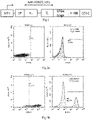
- the vector was transformed into Stbl3 Escherichia coli strain, which was screened by ampicillin to obtain positive clones. Then plasmid was extracted and the clone was identified by enzyme digestion, so that PRRLSIN-ScFV(anti ROBO1-FN3) lentiviral vector was obtained (as shown in Figure 1 ).
- Solution B was mixed completely, and dropwise added into solution A while gently swirling solution A, so that a mixture of solution A and B was obtained, which was then rested to stand for 5 to 15 minutes.
- the mixture of solution A and B was gently swirled and dropwise added into a petri dish containing 293T cells.
- the obtained petri dish was gently shaken back and forth to evenly distribute the mixture of DNA and calcium ions.
- Then the petri dish was incubated for 16-18 hours in incubator (without being rotated). The medium was replaced by fresh one and the cultivation was continued.
- the supernatants containing virus was collected after 48 hours and 72 hours separately, and the supernatants was centrifuged at 500g for 10minat 25°C and then filtered by PES membrane (0.45 ⁇ m).
- Ultra-clear SW28 centrifuge tubes (by the manufacture of BECKMAN COULTER) were sterilized with 70% ethanol and then disinfected under ultraviolet light for 30 min.
- the filtered lentivirus supernatants were transferred into the prepared centrifuge tube which had been carefully laid a layer of 20% sucrose (1mL sucrose per 8mL supernatant) at the bottom.
- the liquid was balanced with PBS buffer and then centrifuged at 25000rpm(82,700g) at 4 °C for 2 hours.
- the centrifuge tubes were taken out carefully, and the supernatants were poured out, and then centrifuge tubes were inverted to remove the residual liquid.
- centrifuge tubes were added by 100 ⁇ l PBS, sealed, stood at 4 °C for 2 hours, swirled every 20 minutes, and finally centrifuged (500g) for 1 min (25 °C) to collect the supernatant containing virus.
- the collected supernatant was cooled on ice and then stored at -80 °C.
- the density of NK-92 cells was adjusted to 2 ⁇ 10 5 /mL to 3 ⁇ 10 5 /mL.
- ROBO1 CAR NK-92 cells were continuously cultured in GMP workshop, and then expanded to the required measurement for clinical use. After that, centrifugation and three washing (by PBS solution) were performed, then the obtained ROBO1 CAR-NK 92 cells were resuspended in normal saline for clinical reinfusion.
- the positive rate of CAR NK-92 cells was detected by flow cytometry, and the results were shown in Fig. 2a and Fig. 2b .
- the antibodies used were shown as APC fluorescence label and represented on the abscissa. If NK92 cells successfully expressed CAR molecules, the signal value would increase significantly. It can be seen from Fig. 2a and Fig. 2b that the signal value of the fluorescence label increased significantly, indicating that CAR molecules were successfully expressed by NK92 cells.
- the positive rate of CAR-NK92 was 98.89%.
- Fig. 3a and 3b show the results of the positive rate of CD56 molecules detected by ROBO1 CAR-NK flow detection.
- Fig.3a is the control group
- Fig.3b is the experimental group. It can be seen from Fig. 3a and 3b that the CD56 molecule is positive indicating that the prepared CAR-NK92 cells did not lose CD56 molecules, and there was no other forms of differentiation, which means the basic characteristics of NK cells had been preserved.
- ROBOIM CAR-NK cells were prepared in the same way.
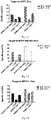
- the specific lysis activity of ROBO1 CAR-NK cells and ROBOIM CAR-NK cells on various tumor cell lines were detected using CCK-8 method (reference: Human Leukocyte Antigen-G Inhibits the Anti-Tumor Effect of Natural Killer Cells via Immunoglobulin-Like Transcript 2 in Gastric Cancer, Rui Wan Zi-Wei Wang Hui Li, et al.).
- the tumor cell lines include: lung cancer cell line H1299, lung cancer cell line A549, pancreatic cancer cell line ASPC-1 and hepatoma cell line HepG2.
- the process of the experiment includes:
- Fig. 5a-5d confirm that ROBO1-CAR NK 92 cells and ROBOIM-CAR NK 92 cells have strong specific lysis activity on all of lung cancer cell line H1299, lung cancer cell line A549, pancreatic cancer cell line ASPC-1 and hepatoma cell line HepG2, and the effect is better than that of ordinary NK-92 cells.
- ROBOIM-CAR NK 92 cells the specific lysis activity of ROBOIM-CAR NK 92 cells is better than that of ROBO1-CAR NK 92 cells, and ROBOIM-CAR NK 92 cells can kill tumors more effectively.
- the following clinical trials use ROBOIM-CAR NK 92 cells.
- Fig. 5F and Fig. 5E show that the specific lysis activity of ROBOIM-CAR NK cells on glioma cell line U87-MG and glioma cell SH-SY5Y is significantly better than that of NK 92 cells.
- the Anti ROBO1 CAR-NK cell provided in the present invention has specific lysis activity to various of cancer cells such as lung cancer cell line H1299, lung cancer cell line A549, pancreatic cancer cell line ASPC-1, hepatoma cell line HepG2, glioma cell line U87-MG, glioma cell SH-SY5Y, mammary gland cell line MCF-7, mammary gland cell line HCC1143, mammary gland cell line HCC1187, mammary gland cell line HCC1599, mammary gland cell line HCC1806 and mammary gland cell line HCC38, which provides hope for the treatment of cancer patients.
- cancer cells such as lung cancer cell line H1299, lung cancer cell line A549, pancreatic cancer cell line ASPC-1, hepatoma cell line HepG2, glioma cell line U87-MG, glioma cell SH-SY5Y, mammary gland cell line MCF-7, mammary gland cell line HCC1143, mammary gland
- the patient Wang, who was female and aged 55 years old. when she took a bath in June, 2016, she found a streak lump on the right side of the breast which cannot be moved by pushing, and accompanying with yellow odorous liquid overflowing from the nipple. There were multiple swollen lymph nodes in her right axilla, with no pain, no nausea and vomit, no dizziness, no headache or other discomfort.
- dexamethasone and promethazine hydrochloride were given before the injection of cells, and if the tolerance was good, the dosage of dexamethasone should be reduced or canceled. If the patient respond after the local injection, systemic treatment should be given.
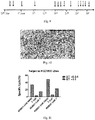
- Fig.9 is a schematic diagram of the therapy process using RobolM CAR-NK cells.
- the solid arrow refers to directly injecting into the tumor tissue
- the dotted arrow refers to intravenous infusion.
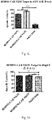
- Fig.8a and Fig.8b showed that no matter RobolM CAR-NK cells were injected locally into the tumor or injected with blood, only a single increase in IL-10 was observed in the patient's body, and no significant changes of IL-6 or other cytokines were observed. Combined with the good condition of the patients during the treatment, it indicated that the product of RobolM CAR-NK cells has good safety, which could avoid adverse effects such as cytokine release syndrome and so on, and could effectively treat tumors and improved the survival rate.
- the specific lysis activity ofROBO1 CAR-T cells and ROBOIM CAR-NK cells on various tumor cell lines using T cells as control were detected by CFSE staining method.
- the tumor cell lines include: breast cancer cell lines including HCC1937, MCF7 and MDA-MB-453, and pancreatic cancer cell line BXPC3.
- the ROBO1 CAR-NK cells provided in the present invention can specifically kill tumor cells by using ROBO1 antibody for the construction of CAR-NK cells and using ROBO1 molecules as target antigens; it can be used as a therapeutic agent for tumor diseases, for the treatment of tumor with highly expressing ROBO1, without harmful phenomena such as cytokine release syndrome, thus providing new treatments for the tumors which are ineffective in traditional surgery, chemotherapy and radiotherapy; it can improve its targeting ability by transforming NK92 cells with CAR, moreover, greatly improve its anti-tumor ability while increasing t anti-tumor targeting sites ROBO1; in addition, the ROBO1 CAR-NK cells has a significantly better specific lysis activity compared with ROBO1 CAR-T cells, and can be more effective in killing tumors; that is to say, by transforming NK92 cells through engaging CAR, the ROBO1 CAR-NK cells constructed by the present invention can not only be significantly improved in its targeting ability, but also get higher safety, lower toxicity and side effects and lower costs by transforming
Landscapes
- Health & Medical Sciences (AREA)
- Life Sciences & Earth Sciences (AREA)
- Chemical & Material Sciences (AREA)
- Genetics & Genomics (AREA)
- Organic Chemistry (AREA)
- General Health & Medical Sciences (AREA)
- Engineering & Computer Science (AREA)
- Immunology (AREA)
- Zoology (AREA)
- Molecular Biology (AREA)
- Biomedical Technology (AREA)
- Biochemistry (AREA)
- Animal Behavior & Ethology (AREA)
- Bioinformatics & Cheminformatics (AREA)
- Veterinary Medicine (AREA)
- Public Health (AREA)
- Medicinal Chemistry (AREA)
- Biophysics (AREA)
- Biotechnology (AREA)
- Wood Science & Technology (AREA)
- General Engineering & Computer Science (AREA)
- Epidemiology (AREA)
- Proteomics, Peptides & Aminoacids (AREA)
- Cell Biology (AREA)
- Gastroenterology & Hepatology (AREA)
- Toxicology (AREA)
- Microbiology (AREA)
- Pharmacology & Pharmacy (AREA)
- Physics & Mathematics (AREA)
- Plant Pathology (AREA)
- Nuclear Medicine, Radiotherapy & Molecular Imaging (AREA)
- General Chemical & Material Sciences (AREA)
- Chemical Kinetics & Catalysis (AREA)
- Virology (AREA)
- Medicines Containing Material From Animals Or Micro-Organisms (AREA)
- Developmental Biology & Embryology (AREA)
- Hematology (AREA)
- Micro-Organisms Or Cultivation Processes Thereof (AREA)
- Medicinal Preparation (AREA)
- Medicines That Contain Protein Lipid Enzymes And Other Medicines (AREA)
Claims (11)
- Ein einen chimären Antigenrezeptor codierendes Polynukleotid, wobei der chimäre Antigenrezeptor eine Antigenbindungsdomäne, eine Transmembrandomäne und eine Costimulationssignaltransduktionsregion beinhaltet, wobei die Antigenbindungsdomäne spezifisch an das tumorspezifische Antigen ROBO1 bindet und durch die Transmembrandomäne und die Costimulationssignaltransduktionsregion natürliche Killerzellen (NK-Zellen) aktiviert, wobei die Antigenbindungsdomäne ein ScFv ist, das spezifisch an die FN3-Domäne von ROBO1 bindet; wobei der chimäre Antigenrezeptor ein Fusionsprotein mit der Struktur ScFV-CD8-4-1BB-CD3ζ ist und die Aminosäuresequenz des ScFV-CD8-4-1BB-CD3ζ-Fusionsproteins in SEQ ID NO: 3 gezeigt ist.
- Den chimären Antigenrezeptor codierendes Polynukleotid gemäß Anspruch 1, wobei die Transmembrandomäne eine CD8-Transmembrandomäne ist und die Costimulationssignaltransduktionsregion die intrazellulären Domänen von 4-1BB und CD3ζ enthält.
- Das ScFV-CD8-4-1BB-CD3ζ-Fusionsprotein codierendes Polynukleotid gemäß Anspruch 1, wobei die Nukleotidsequenz des Polynukleotids in SEQ ID NO: 4 gezeigt ist.
- Eine natürliche Killerzelle mit chimärem ROB01-Antigenrezeptor (ROBO1-CAR-NK-Zelle), die den durch das Polynukleotid gemäß Anspruch 1 codierten chimären Antigenrezeptor exprimiert.
- ROBO1-CAR-NK-Zelle gemäß Anspruch 4, wobei die Transmembrandomäne eine CD8-Transmembrandomäne ist und
die Costimulationssignaltransduktionsregion die intrazellulären Domänen von 4-1BB und CD3ζ enthält. - ROBO1-CAR-NK-Zelle gemäß Anspruch 4, wobei die das ScFV-CD8-4-1BB-CD3ζ-Fusionsprotein codierende Nukleotidsequenz des Polynukleotids in SEQ ID NO:4 gezeigt ist.
- Eine pharmazeutische Zusammensetzung, dadurch gekennzeichnet, dass die pharmazeutische Zusammensetzung eine wirksame therapeutische Menge der ROBO1-CAR-NK-Zellen gemäß einem der Ansprüche 4 bis 6 beinhaltet.
- Pharmazeutische Zusammensetzung gemäß Anspruch 7, wobei die pharmazeutische Zusammensetzung auch pharmazeutisch akzeptable Hilfsmittel umfasst, wobei die pharmazeutische Zusammensetzung vorzugsweise Aqua ist.
- Ein Verfahren zur Herstellung eines Medikaments zur Behandlung und/oder Vorbeugung von Krebs, beinhaltend das Bereitstellen der ROBO1-CAR-NK-Zellen gemäß einem der Ansprüche 4 bis 6.
- Verfahren gemäß Anspruch 9, wobei der Krebs ein Tumor ist, der das tumorspezifische Antigen ROBO1 in hohem Maße exprimiert.
- Verfahren gemäß Anspruch 10, wobei der Krebs Leberkrebs, Brustkrebs, Dickdarmkrebs, Bauchspeicheldrüsenkrebs, Prostatakrebs, Gliom oder Lungenkrebs ist.
Applications Claiming Priority (2)
| Application Number | Priority Date | Filing Date | Title |
|---|---|---|---|
| CN201711276303 | 2017-12-06 | ||
| PCT/CN2018/117897 WO2019109838A1 (zh) | 2017-12-06 | 2018-11-28 | 编码car的核苷酸序列、表达该car的robo1 car-nk细胞及其制备和应用 |
Publications (3)
| Publication Number | Publication Date |
|---|---|
| EP3712259A1 EP3712259A1 (de) | 2020-09-23 |
| EP3712259A4 EP3712259A4 (de) | 2021-03-17 |
| EP3712259B1 true EP3712259B1 (de) | 2022-10-05 |
Family
ID=66601571
Family Applications (1)
| Application Number | Title | Priority Date | Filing Date |
|---|---|---|---|
| EP18886924.2A Active EP3712259B1 (de) | 2017-12-06 | 2018-11-28 | Car-codierende nukleotidsequenz, car-exprimierende robo1-car-nk-zelle sowie herstellung dafür und verwendung davon |
Country Status (6)
| Country | Link |
|---|---|
| US (1) | US11738051B2 (de) |
| EP (1) | EP3712259B1 (de) |
| JP (1) | JP7104949B2 (de) |
| CN (1) | CN109810995B (de) |
| AU (1) | AU2018378395B2 (de) |
| WO (1) | WO2019109838A1 (de) |
Families Citing this family (9)
| Publication number | Priority date | Publication date | Assignee | Title |
|---|---|---|---|---|
| CN108977453A (zh) * | 2017-06-02 | 2018-12-11 | 阿思科力(苏州)生物科技有限公司 | 一种以robo1为靶点的嵌合抗原受体细胞及其制备和应用 |
| JP2023518281A (ja) | 2020-03-19 | 2023-04-28 | ヴァスキュラー バイオサイエンスィズ | コロナウイルス生存率改善のためのcarペプチド |
| CN112301059B (zh) * | 2020-09-23 | 2023-04-25 | 杭州美中疾病基因研究院有限公司 | 一种基于复制缺陷性重组慢病毒的car-nk转基因载体及其构建方法和应用 |
| CN113462652A (zh) * | 2021-09-06 | 2021-10-01 | 阿思科力(苏州)生物科技有限公司 | 细胞、免疫治疗产品、基因编辑方法、细胞制备方法及应用 |
| CN114921411A (zh) * | 2022-03-08 | 2022-08-19 | 闫书印 | 一种nk细胞的培育方法及应用 |
| CN116178566A (zh) * | 2022-09-30 | 2023-05-30 | 深圳博雅感知药业有限公司 | 靶向cd33的嵌合抗原受体和制备b16-cd33 car-nk细胞的方法 |
| CN116254233B (zh) * | 2022-12-30 | 2025-08-05 | 四川阿思科力生物科技有限公司 | 一种robo1 car nk细胞的复苏及培养方法 |
| CN115873133B (zh) * | 2023-01-18 | 2023-09-29 | 汕头普罗凯融生物医药科技有限公司 | 一种用于治疗结肠癌的特异性识别抗原robo1的嵌合抗原受体 |
| WO2025056020A1 (zh) * | 2023-09-14 | 2025-03-20 | 北京拓界生物医药科技有限公司 | 包含robo结构域的蛋白及其医药用途 |
Family Cites Families (11)
| Publication number | Priority date | Publication date | Assignee | Title |
|---|---|---|---|---|
| WO2013051718A1 (ja) * | 2011-10-07 | 2013-04-11 | 国立大学法人三重大学 | キメラ抗原受容体 |
| AU2014368892B2 (en) * | 2013-12-20 | 2019-06-13 | Fred Hutchinson Cancer Center | Tagged chimeric effector molecules and receptors thereof |
| CN106459916A (zh) * | 2014-06-18 | 2017-02-22 | 乔治-施派尔-豪斯化学疗法研究所 | 作为细胞治疗剂的car‑表达nk‑92细胞 |
| MX389823B (es) * | 2014-10-27 | 2025-03-20 | Fred Hutchinson Cancer Center | Composiciones y metodos para reforzar la eficacia de inmunoterapia celular adoptiva. |
| EP3307282A4 (de) * | 2015-06-12 | 2019-05-01 | Immunomedics, Inc. | Krankheitstherapie mit konstrukten von chimärem antigen-rezeptor (car) und t-zellen- (car-t) oder nk-zellen (car-nk)-exprimierenden car-konstrukten |
| WO2016201251A1 (en) * | 2015-06-12 | 2016-12-15 | Immungene, Inc. | Focused interferon immunotherapy for treatment of cancer |
| JP6762485B2 (ja) * | 2015-06-24 | 2020-09-30 | 学校法人慶應義塾 | 抗グリピカン−1−免疫抗原受容体 |
| CN105907719B (zh) * | 2016-04-18 | 2019-10-18 | 阿思科力(苏州)生物科技有限公司 | Anti ROBO1 CAR-T细胞及其制备和应用 |
| CN106220736B (zh) * | 2016-07-20 | 2020-01-10 | 深圳市体内生物医药科技有限公司 | 一种嵌合抗原受体、表达其的细胞及其制备方法和用途 |
| CN109097402B (zh) * | 2017-03-31 | 2021-09-07 | 国健呈诺生物科技(北京)有限公司 | 一种重组载体CAR-CD244-antiCD19的制备方法 |
| CN108977453A (zh) * | 2017-06-02 | 2018-12-11 | 阿思科力(苏州)生物科技有限公司 | 一种以robo1为靶点的嵌合抗原受体细胞及其制备和应用 |
-
2018
- 2018-11-21 CN CN201811394153.3A patent/CN109810995B/zh active Active
- 2018-11-28 EP EP18886924.2A patent/EP3712259B1/de active Active
- 2018-11-28 AU AU2018378395A patent/AU2018378395B2/en active Active
- 2018-11-28 WO PCT/CN2018/117897 patent/WO2019109838A1/zh not_active Ceased
- 2018-11-28 JP JP2020549850A patent/JP7104949B2/ja active Active
-
2020
- 2020-06-05 US US16/893,989 patent/US11738051B2/en active Active
Also Published As
| Publication number | Publication date |
|---|---|
| JP2021508253A (ja) | 2021-03-04 |
| JP7104949B2 (ja) | 2022-07-22 |
| EP3712259A4 (de) | 2021-03-17 |
| US20200289573A1 (en) | 2020-09-17 |
| AU2018378395B2 (en) | 2022-02-03 |
| WO2019109838A1 (zh) | 2019-06-13 |
| AU2018378395A1 (en) | 2020-07-02 |
| CN109810995B (zh) | 2020-10-02 |
| US11738051B2 (en) | 2023-08-29 |
| CN109810995A (zh) | 2019-05-28 |
| EP3712259A1 (de) | 2020-09-23 |
Similar Documents
| Publication | Publication Date | Title |
|---|---|---|
| US11738051B2 (en) | Nucleotide sequences for encoding CAR, ROBO1 CAR-NK cells of expressing the CAR, and preparation and application thereof | |
| US20200360437A1 (en) | Chimeric antigen receptor, nkg2d car-nk cells expressing the chimeric antigen receptor, and preparation and application thereof | |
| Wang et al. | Immunotherapy for recurrent glioblastoma: practical insights and challenging prospects | |
| US12486324B2 (en) | Chimeric antigen receptor cells targeting ROBO1, preparation method and use thereof | |
| Huarte et al. | Depletion of dendritic cells delays ovarian cancer progression by boosting antitumor immunity | |
| CN110248645A (zh) | 新型的基于外来体的抗癌剂 | |
| KR20180042284A (ko) | 암 치료에 사용하기 위한 천연두 백신 | |
| EA030337B1 (ru) | Генетически модифицированные неопластические клетки, содержащие агонист tlr и экспрессирующие gm-csf, и их применение против неоплазии | |
| JP2023502190A (ja) | Cd19標的キメラ抗原受容体およびその使用 | |
| Yu et al. | Novel formulation of c-di-GMP with cytidinyl/cationic lipid reverses T cell exhaustion and activates stronger anti-tumor immunity | |
| WO2019051047A1 (en) | CHIMERIC ANTIGEN RECEPTOR T-LYMPHOCYTES EXPRESSING THE INTERLEUKIN-8 RECEPTOR | |
| Ishizaki et al. | Modified vaccinia Ankara expressing survivin combined with gemcitabine generates specific antitumor effects in a murine pancreatic carcinoma model | |
| Sarangi et al. | Cancer vaccines: a novel revolutionized approach to cancer therapy | |
| CN118159297A (zh) | 一种抗胰腺癌的疫苗、及其医药用途 | |
| CN106177947A (zh) | 免疫监测点阻断药物和肿瘤疫苗联合的制药用途 | |
| WO2017147894A1 (zh) | 增强对异常细胞杀伤力的组合物及其应用 | |
| JP7211815B2 (ja) | 抗腫瘍性組成物 | |
| CN108410893A (zh) | 一种由NF-κB启动的肿瘤细胞特异效应基因表达载体及其表达产物和应用 | |
| Zhou et al. | Effects of Exercise Intensity and Time on Efficacy of Paclitaxel and Doxorubicin and Immune Microenvironment in the 4T1 Breast Cancer Model | |
| CN113117088A (zh) | 钙激活氯离子通道的抑制剂在肿瘤免疫疗法中的应用 | |
| JP2006516258A (ja) | ワクチンおよび抗腫瘍ワクチンを調製する方法 | |
| CN117143254B (zh) | 一种嵌合抗原受体(car)以及在抗癌中的应用 | |
| CN110251666A (zh) | 一种用于癌症靶向或免疫治疗的组合物及其应用 | |
| CN101327317B (zh) | 一种治疗肿瘤的注射液及其制备方法 | |
| CN1948342B (zh) | 一种新的候选癌基因hRabJ来源的HLA-A2限制性表位多肽及其应用 |
Legal Events
| Date | Code | Title | Description |
|---|---|---|---|
| STAA | Information on the status of an ep patent application or granted ep patent |
Free format text: STATUS: THE INTERNATIONAL PUBLICATION HAS BEEN MADE |
|
| PUAI | Public reference made under article 153(3) epc to a published international application that has entered the european phase |
Free format text: ORIGINAL CODE: 0009012 |
|
| STAA | Information on the status of an ep patent application or granted ep patent |
Free format text: STATUS: REQUEST FOR EXAMINATION WAS MADE |
|
| 17P | Request for examination filed |
Effective date: 20200618 |
|
| AK | Designated contracting states |
Kind code of ref document: A1 Designated state(s): AL AT BE BG CH CY CZ DE DK EE ES FI FR GB GR HR HU IE IS IT LI LT LU LV MC MK MT NL NO PL PT RO RS SE SI SK SM TR |
|
| AX | Request for extension of the european patent |
Extension state: BA ME |
|
| RIC1 | Information provided on ipc code assigned before grant |
Ipc: A61K 38/17 20060101ALI20201214BHEP Ipc: C12N 15/86 20060101ALI20201214BHEP Ipc: C07K 14/725 20060101AFI20201214BHEP Ipc: C12N 15/62 20060101ALI20201214BHEP Ipc: C07K 16/28 20060101ALI20201214BHEP Ipc: C12N 5/10 20060101ALI20201214BHEP Ipc: A61P 35/00 20060101ALI20201214BHEP Ipc: C07K 19/00 20060101ALI20201214BHEP |
|
| REG | Reference to a national code |
Ref country code: DE Ref legal event code: R079 Ref document number: 602018041554 Country of ref document: DE Free format text: PREVIOUS MAIN CLASS: C12N0005100000 Ipc: C07K0014725000 |
|
| A4 | Supplementary search report drawn up and despatched |
Effective date: 20210215 |
|
| DAV | Request for validation of the european patent (deleted) | ||
| DAX | Request for extension of the european patent (deleted) | ||
| RIC1 | Information provided on ipc code assigned before grant |
Ipc: C07K 16/28 20060101ALI20210209BHEP Ipc: C07K 14/725 20060101AFI20210209BHEP Ipc: A61P 35/00 20060101ALI20210209BHEP Ipc: C12N 15/86 20060101ALI20210209BHEP Ipc: A61K 39/00 20060101ALI20210209BHEP Ipc: C07K 19/00 20060101ALI20210209BHEP Ipc: C12N 5/10 20060101ALI20210209BHEP Ipc: A61K 38/17 20060101ALI20210209BHEP Ipc: C12N 15/867 20060101ALI20210209BHEP Ipc: A61K 35/17 20150101ALI20210209BHEP |
|
| STAA | Information on the status of an ep patent application or granted ep patent |
Free format text: STATUS: EXAMINATION IS IN PROGRESS |
|
| 17Q | First examination report despatched |
Effective date: 20211004 |
|
| GRAP | Despatch of communication of intention to grant a patent |
Free format text: ORIGINAL CODE: EPIDOSNIGR1 |
|
| STAA | Information on the status of an ep patent application or granted ep patent |
Free format text: STATUS: GRANT OF PATENT IS INTENDED |
|
| INTG | Intention to grant announced |
Effective date: 20220511 |
|
| GRAS | Grant fee paid |
Free format text: ORIGINAL CODE: EPIDOSNIGR3 |
|
| GRAA | (expected) grant |
Free format text: ORIGINAL CODE: 0009210 |
|
| STAA | Information on the status of an ep patent application or granted ep patent |
Free format text: STATUS: THE PATENT HAS BEEN GRANTED |
|
| AK | Designated contracting states |
Kind code of ref document: B1 Designated state(s): AL AT BE BG CH CY CZ DE DK EE ES FI FR GB GR HR HU IE IS IT LI LT LU LV MC MK MT NL NO PL PT RO RS SE SI SK SM TR |
|
| REG | Reference to a national code |
Ref country code: GB Ref legal event code: FG4D |
|
| REG | Reference to a national code |
Ref country code: CH Ref legal event code: EP |
|
| REG | Reference to a national code |
Ref country code: AT Ref legal event code: REF Ref document number: 1522697 Country of ref document: AT Kind code of ref document: T Effective date: 20221015 |
|
| REG | Reference to a national code |
Ref country code: IE Ref legal event code: FG4D |
|
| REG | Reference to a national code |
Ref country code: DE Ref legal event code: R096 Ref document number: 602018041554 Country of ref document: DE |
|
| REG | Reference to a national code |
Ref country code: LT Ref legal event code: MG9D |
|
| REG | Reference to a national code |
Ref country code: NL Ref legal event code: MP Effective date: 20221005 |
|
| REG | Reference to a national code |
Ref country code: AT Ref legal event code: MK05 Ref document number: 1522697 Country of ref document: AT Kind code of ref document: T Effective date: 20221005 |
|
| PG25 | Lapsed in a contracting state [announced via postgrant information from national office to epo] |
Ref country code: NL Free format text: LAPSE BECAUSE OF FAILURE TO SUBMIT A TRANSLATION OF THE DESCRIPTION OR TO PAY THE FEE WITHIN THE PRESCRIBED TIME-LIMIT Effective date: 20221005 |
|
| PG25 | Lapsed in a contracting state [announced via postgrant information from national office to epo] |
Ref country code: SE Free format text: LAPSE BECAUSE OF FAILURE TO SUBMIT A TRANSLATION OF THE DESCRIPTION OR TO PAY THE FEE WITHIN THE PRESCRIBED TIME-LIMIT Effective date: 20221005 Ref country code: PT Free format text: LAPSE BECAUSE OF FAILURE TO SUBMIT A TRANSLATION OF THE DESCRIPTION OR TO PAY THE FEE WITHIN THE PRESCRIBED TIME-LIMIT Effective date: 20230206 Ref country code: NO Free format text: LAPSE BECAUSE OF FAILURE TO SUBMIT A TRANSLATION OF THE DESCRIPTION OR TO PAY THE FEE WITHIN THE PRESCRIBED TIME-LIMIT Effective date: 20230105 Ref country code: LT Free format text: LAPSE BECAUSE OF FAILURE TO SUBMIT A TRANSLATION OF THE DESCRIPTION OR TO PAY THE FEE WITHIN THE PRESCRIBED TIME-LIMIT Effective date: 20221005 Ref country code: FI Free format text: LAPSE BECAUSE OF FAILURE TO SUBMIT A TRANSLATION OF THE DESCRIPTION OR TO PAY THE FEE WITHIN THE PRESCRIBED TIME-LIMIT Effective date: 20221005 Ref country code: ES Free format text: LAPSE BECAUSE OF FAILURE TO SUBMIT A TRANSLATION OF THE DESCRIPTION OR TO PAY THE FEE WITHIN THE PRESCRIBED TIME-LIMIT Effective date: 20221005 Ref country code: AT Free format text: LAPSE BECAUSE OF FAILURE TO SUBMIT A TRANSLATION OF THE DESCRIPTION OR TO PAY THE FEE WITHIN THE PRESCRIBED TIME-LIMIT Effective date: 20221005 |
|
| PG25 | Lapsed in a contracting state [announced via postgrant information from national office to epo] |
Ref country code: RS Free format text: LAPSE BECAUSE OF FAILURE TO SUBMIT A TRANSLATION OF THE DESCRIPTION OR TO PAY THE FEE WITHIN THE PRESCRIBED TIME-LIMIT Effective date: 20221005 Ref country code: PL Free format text: LAPSE BECAUSE OF FAILURE TO SUBMIT A TRANSLATION OF THE DESCRIPTION OR TO PAY THE FEE WITHIN THE PRESCRIBED TIME-LIMIT Effective date: 20221005 Ref country code: LV Free format text: LAPSE BECAUSE OF FAILURE TO SUBMIT A TRANSLATION OF THE DESCRIPTION OR TO PAY THE FEE WITHIN THE PRESCRIBED TIME-LIMIT Effective date: 20221005 Ref country code: IS Free format text: LAPSE BECAUSE OF FAILURE TO SUBMIT A TRANSLATION OF THE DESCRIPTION OR TO PAY THE FEE WITHIN THE PRESCRIBED TIME-LIMIT Effective date: 20230205 Ref country code: HR Free format text: LAPSE BECAUSE OF FAILURE TO SUBMIT A TRANSLATION OF THE DESCRIPTION OR TO PAY THE FEE WITHIN THE PRESCRIBED TIME-LIMIT Effective date: 20221005 Ref country code: GR Free format text: LAPSE BECAUSE OF FAILURE TO SUBMIT A TRANSLATION OF THE DESCRIPTION OR TO PAY THE FEE WITHIN THE PRESCRIBED TIME-LIMIT Effective date: 20230106 |
|
| REG | Reference to a national code |
Ref country code: CH Ref legal event code: PL |
|
| REG | Reference to a national code |
Ref country code: DE Ref legal event code: R097 Ref document number: 602018041554 Country of ref document: DE |
|
| REG | Reference to a national code |
Ref country code: BE Ref legal event code: MM Effective date: 20221130 |
|
| PG25 | Lapsed in a contracting state [announced via postgrant information from national office to epo] |
Ref country code: SM Free format text: LAPSE BECAUSE OF FAILURE TO SUBMIT A TRANSLATION OF THE DESCRIPTION OR TO PAY THE FEE WITHIN THE PRESCRIBED TIME-LIMIT Effective date: 20221005 Ref country code: RO Free format text: LAPSE BECAUSE OF FAILURE TO SUBMIT A TRANSLATION OF THE DESCRIPTION OR TO PAY THE FEE WITHIN THE PRESCRIBED TIME-LIMIT Effective date: 20221005 Ref country code: MC Free format text: LAPSE BECAUSE OF FAILURE TO SUBMIT A TRANSLATION OF THE DESCRIPTION OR TO PAY THE FEE WITHIN THE PRESCRIBED TIME-LIMIT Effective date: 20221005 Ref country code: LI Free format text: LAPSE BECAUSE OF NON-PAYMENT OF DUE FEES Effective date: 20221130 Ref country code: EE Free format text: LAPSE BECAUSE OF FAILURE TO SUBMIT A TRANSLATION OF THE DESCRIPTION OR TO PAY THE FEE WITHIN THE PRESCRIBED TIME-LIMIT Effective date: 20221005 Ref country code: DK Free format text: LAPSE BECAUSE OF FAILURE TO SUBMIT A TRANSLATION OF THE DESCRIPTION OR TO PAY THE FEE WITHIN THE PRESCRIBED TIME-LIMIT Effective date: 20221005 Ref country code: CZ Free format text: LAPSE BECAUSE OF FAILURE TO SUBMIT A TRANSLATION OF THE DESCRIPTION OR TO PAY THE FEE WITHIN THE PRESCRIBED TIME-LIMIT Effective date: 20221005 Ref country code: CH Free format text: LAPSE BECAUSE OF NON-PAYMENT OF DUE FEES Effective date: 20221130 |
|
| PLBE | No opposition filed within time limit |
Free format text: ORIGINAL CODE: 0009261 |
|
| STAA | Information on the status of an ep patent application or granted ep patent |
Free format text: STATUS: NO OPPOSITION FILED WITHIN TIME LIMIT |
|
| PG25 | Lapsed in a contracting state [announced via postgrant information from national office to epo] |
Ref country code: SK Free format text: LAPSE BECAUSE OF FAILURE TO SUBMIT A TRANSLATION OF THE DESCRIPTION OR TO PAY THE FEE WITHIN THE PRESCRIBED TIME-LIMIT Effective date: 20221005 Ref country code: LU Free format text: LAPSE BECAUSE OF NON-PAYMENT OF DUE FEES Effective date: 20221128 Ref country code: AL Free format text: LAPSE BECAUSE OF FAILURE TO SUBMIT A TRANSLATION OF THE DESCRIPTION OR TO PAY THE FEE WITHIN THE PRESCRIBED TIME-LIMIT Effective date: 20221005 |
|
| 26N | No opposition filed |
Effective date: 20230706 |
|
| PG25 | Lapsed in a contracting state [announced via postgrant information from national office to epo] |
Ref country code: IE Free format text: LAPSE BECAUSE OF NON-PAYMENT OF DUE FEES Effective date: 20221128 |
|
| PG25 | Lapsed in a contracting state [announced via postgrant information from national office to epo] |
Ref country code: SI Free format text: LAPSE BECAUSE OF FAILURE TO SUBMIT A TRANSLATION OF THE DESCRIPTION OR TO PAY THE FEE WITHIN THE PRESCRIBED TIME-LIMIT Effective date: 20221005 Ref country code: BE Free format text: LAPSE BECAUSE OF NON-PAYMENT OF DUE FEES Effective date: 20221130 |
|
| PG25 | Lapsed in a contracting state [announced via postgrant information from national office to epo] |
Ref country code: CY Free format text: LAPSE BECAUSE OF FAILURE TO SUBMIT A TRANSLATION OF THE DESCRIPTION OR TO PAY THE FEE WITHIN THE PRESCRIBED TIME-LIMIT Effective date: 20221005 |
|
| PG25 | Lapsed in a contracting state [announced via postgrant information from national office to epo] |
Ref country code: MK Free format text: LAPSE BECAUSE OF FAILURE TO SUBMIT A TRANSLATION OF THE DESCRIPTION OR TO PAY THE FEE WITHIN THE PRESCRIBED TIME-LIMIT Effective date: 20221005 Ref country code: IT Free format text: LAPSE BECAUSE OF FAILURE TO SUBMIT A TRANSLATION OF THE DESCRIPTION OR TO PAY THE FEE WITHIN THE PRESCRIBED TIME-LIMIT Effective date: 20221005 Ref country code: HU Free format text: LAPSE BECAUSE OF FAILURE TO SUBMIT A TRANSLATION OF THE DESCRIPTION OR TO PAY THE FEE WITHIN THE PRESCRIBED TIME-LIMIT; INVALID AB INITIO Effective date: 20181128 |
|
| PG25 | Lapsed in a contracting state [announced via postgrant information from national office to epo] |
Ref country code: BG Free format text: LAPSE BECAUSE OF FAILURE TO SUBMIT A TRANSLATION OF THE DESCRIPTION OR TO PAY THE FEE WITHIN THE PRESCRIBED TIME-LIMIT Effective date: 20221005 |
|
| PG25 | Lapsed in a contracting state [announced via postgrant information from national office to epo] |
Ref country code: MT Free format text: LAPSE BECAUSE OF FAILURE TO SUBMIT A TRANSLATION OF THE DESCRIPTION OR TO PAY THE FEE WITHIN THE PRESCRIBED TIME-LIMIT Effective date: 20221005 |
|
| PGFP | Annual fee paid to national office [announced via postgrant information from national office to epo] |
Ref country code: DE Payment date: 20241108 Year of fee payment: 7 |
|
| PGFP | Annual fee paid to national office [announced via postgrant information from national office to epo] |
Ref country code: GB Payment date: 20241122 Year of fee payment: 7 |
|
| PGFP | Annual fee paid to national office [announced via postgrant information from national office to epo] |
Ref country code: FR Payment date: 20241120 Year of fee payment: 7 |
|
| PG25 | Lapsed in a contracting state [announced via postgrant information from national office to epo] |
Ref country code: TR Free format text: LAPSE BECAUSE OF FAILURE TO SUBMIT A TRANSLATION OF THE DESCRIPTION OR TO PAY THE FEE WITHIN THE PRESCRIBED TIME-LIMIT Effective date: 20221005 |