EP3600301B1 - Kdm4 inhibitors - Google Patents
Kdm4 inhibitors Download PDFInfo
- Publication number
- EP3600301B1 EP3600301B1 EP18774276.2A EP18774276A EP3600301B1 EP 3600301 B1 EP3600301 B1 EP 3600301B1 EP 18774276 A EP18774276 A EP 18774276A EP 3600301 B1 EP3600301 B1 EP 3600301B1
- Authority
- EP
- European Patent Office
- Prior art keywords
- kdm4
- cancer
- cells
- compound
- cell
- Prior art date
- Legal status (The legal status is an assumption and is not a legal conclusion. Google has not performed a legal analysis and makes no representation as to the accuracy of the status listed.)
- Active
Links
Images








Classifications
-
- C—CHEMISTRY; METALLURGY
- C07—ORGANIC CHEMISTRY
- C07D—HETEROCYCLIC COMPOUNDS
- C07D213/00—Heterocyclic compounds containing six-membered rings, not condensed with other rings, with one nitrogen atom as the only ring hetero atom and three or more double bonds between ring members or between ring members and non-ring members
- C07D213/02—Heterocyclic compounds containing six-membered rings, not condensed with other rings, with one nitrogen atom as the only ring hetero atom and three or more double bonds between ring members or between ring members and non-ring members having three double bonds between ring members or between ring members and non-ring members
- C07D213/04—Heterocyclic compounds containing six-membered rings, not condensed with other rings, with one nitrogen atom as the only ring hetero atom and three or more double bonds between ring members or between ring members and non-ring members having three double bonds between ring members or between ring members and non-ring members having no bond between the ring nitrogen atom and a non-ring member or having only hydrogen or carbon atoms directly attached to the ring nitrogen atom
- C07D213/60—Heterocyclic compounds containing six-membered rings, not condensed with other rings, with one nitrogen atom as the only ring hetero atom and three or more double bonds between ring members or between ring members and non-ring members having three double bonds between ring members or between ring members and non-ring members having no bond between the ring nitrogen atom and a non-ring member or having only hydrogen or carbon atoms directly attached to the ring nitrogen atom with hetero atoms or with carbon atoms having three bonds to hetero atoms with at the most one bond to halogen, e.g. ester or nitrile radicals, directly attached to ring carbon atoms
- C07D213/78—Carbon atoms having three bonds to hetero atoms, with at the most one bond to halogen, e.g. ester or nitrile radicals
- C07D213/79—Acids; Esters
-
- A—HUMAN NECESSITIES
- A61—MEDICAL OR VETERINARY SCIENCE; HYGIENE
- A61K—PREPARATIONS FOR MEDICAL, DENTAL OR TOILETRY PURPOSES
- A61K31/00—Medicinal preparations containing organic active ingredients
- A61K31/33—Heterocyclic compounds
- A61K31/395—Heterocyclic compounds having nitrogen as a ring hetero atom, e.g. guanethidine or rifamycins
- A61K31/435—Heterocyclic compounds having nitrogen as a ring hetero atom, e.g. guanethidine or rifamycins having six-membered rings with one nitrogen as the only ring hetero atom
- A61K31/44—Non condensed pyridines; Hydrogenated derivatives thereof
-
- A—HUMAN NECESSITIES
- A61—MEDICAL OR VETERINARY SCIENCE; HYGIENE
- A61K—PREPARATIONS FOR MEDICAL, DENTAL OR TOILETRY PURPOSES
- A61K9/00—Medicinal preparations characterised by special physical form
- A61K9/20—Pills, tablets, discs, rods
- A61K9/2004—Excipients; Inactive ingredients
- A61K9/2013—Organic compounds, e.g. phospholipids, fats
-
- A—HUMAN NECESSITIES
- A61—MEDICAL OR VETERINARY SCIENCE; HYGIENE
- A61K—PREPARATIONS FOR MEDICAL, DENTAL OR TOILETRY PURPOSES
- A61K9/00—Medicinal preparations characterised by special physical form
- A61K9/20—Pills, tablets, discs, rods
- A61K9/2004—Excipients; Inactive ingredients
- A61K9/2022—Organic macromolecular compounds
- A61K9/205—Polysaccharides, e.g. alginate, gums; Cyclodextrin
- A61K9/2054—Cellulose; Cellulose derivatives, e.g. hydroxypropyl methylcellulose
-
- A—HUMAN NECESSITIES
- A61—MEDICAL OR VETERINARY SCIENCE; HYGIENE
- A61P—SPECIFIC THERAPEUTIC ACTIVITY OF CHEMICAL COMPOUNDS OR MEDICINAL PREPARATIONS
- A61P35/00—Antineoplastic agents
-
- C—CHEMISTRY; METALLURGY
- C07—ORGANIC CHEMISTRY
- C07D—HETEROCYCLIC COMPOUNDS
- C07D405/00—Heterocyclic compounds containing both one or more hetero rings having oxygen atoms as the only ring hetero atoms, and one or more rings having nitrogen as the only ring hetero atom
- C07D405/02—Heterocyclic compounds containing both one or more hetero rings having oxygen atoms as the only ring hetero atoms, and one or more rings having nitrogen as the only ring hetero atom containing two hetero rings
- C07D405/12—Heterocyclic compounds containing both one or more hetero rings having oxygen atoms as the only ring hetero atoms, and one or more rings having nitrogen as the only ring hetero atom containing two hetero rings linked by a chain containing hetero atoms as chain links
-
- G—PHYSICS
- G01—MEASURING; TESTING
- G01N—INVESTIGATING OR ANALYSING MATERIALS BY DETERMINING THEIR CHEMICAL OR PHYSICAL PROPERTIES
- G01N33/00—Investigating or analysing materials by specific methods not covered by groups G01N1/00 - G01N31/00
- G01N33/48—Biological material, e.g. blood, urine; Haemocytometers
- G01N33/50—Chemical analysis of biological material, e.g. blood, urine; Testing involving biospecific ligand binding methods; Immunological testing
- G01N33/5005—Chemical analysis of biological material, e.g. blood, urine; Testing involving biospecific ligand binding methods; Immunological testing involving human or animal cells
- G01N33/5008—Chemical analysis of biological material, e.g. blood, urine; Testing involving biospecific ligand binding methods; Immunological testing involving human or animal cells for testing or evaluating the effect of chemical or biological compounds, e.g. drugs, cosmetics
- G01N33/5011—Chemical analysis of biological material, e.g. blood, urine; Testing involving biospecific ligand binding methods; Immunological testing involving human or animal cells for testing or evaluating the effect of chemical or biological compounds, e.g. drugs, cosmetics for testing antineoplastic activity
Definitions
- the embodiments described herein relate to compounds for inhibiting the activity of the enzyme lysine demethylase 4 (KDM4).
- the KDM4-associated cancer can be a triple-negative breast cancer.
- the KDM4-associated cancer can be a colon cancer.
- the KDM4-associated cancer can be Burkitt's lymphoma.
- FIG. 1A to FIG. 1H present data related to characterization of breast cancer stem cells (BCSC), and cell lines and xenografts derived therefrom.
- FIG. 1A shows representative growth data for a limiting-dilution assay of BCSC1 cell xenografts in immunocompromised mice.
- FIG. 1B shows immunohistochemical analysis of the original BCSC1 patient tumor and the BCSC1 xenograft tumor comprising hematoxylin and eosin (H&E), anti-CK8, anti-Ki67, anti-E-cadherin, and anti-vimentin staining. Scale bar: 100 ⁇ m.
- FIG. 1A shows representative growth data for a limiting-dilution assay of BCSC1 cell xenografts in immunocompromised mice.
- FIG. 1B shows immunohistochemical analysis of the original BCSC1 patient tumor and the BCSC1 xenograft tumor comprising hematoxylin and eos
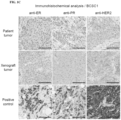
- FIG. 1C shows anti-ER, anti-PR and HER2 immunohistochemical staining of the original BCSC1 patient tumor, the BCSC1 xenograft tumor, and positive control sample.
- ER estrogen receptor
- PR progesterone receptor
- HER2 human epidermal growth factor 2
- scale bar 100 ⁇ m.
- FIG. 1D provides an unsupervised hierarchical cluster analysis of RNA microarray data presented as a cluster dendrogram. Samples are original patient tumors BCSC1, BCSC2, BCSC3, and BCSC4; derived BCSC1-4 lines; and BCSC1-4 xenograft tumors derived from the BCSC lines 1-4.
- FIG. 1E is representative pictures showing the cellular phenotype of BCSC1 cells cultured in 3D (top panel) and 2D (bottom panel) conditions. Scale bar, 100 ⁇ m.
- FIG. 2A to FIG. 2F demonstrate that KDM4 inhibitors ("KDM4(i)") are potent inhibitors of BCSC1 cells.
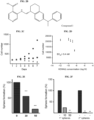
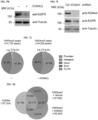
- FIG. 2A shows anti-KDM4A, antiKDM4B, anti-KDM4C, anti-KDM4D, and anti-tubulin western blots. Samples are lysates from HEK293T; HEK293T transfected with expression plasmids expressing KDM4A, KDM4B, KDM4C, or KDM4D; BCSC1; and BCSC2 cells.
- FIG. 2B illustrates the formula/structure of KDM4(i), Compound I.
- FIG. 3A to FIG. 3J shows that a KDM4(i) can target BCSC through EGFR regulation.
- FIG. 3A is a pie chart displaying the number of genes that are differentially regulated in BCSC1 cells upon treatment with a KDM4(i): the transcriptome of BCSC1 cells with or without KDM(i) exposure (580 genes, p ⁇ 1e-5): 254 upregulated genes and 326 downregulated genes.
- FIG. 3B is a pie chart showing genomic distribution of KDM4A in BCSC1 cells as determined by ChIP-seq analysis: KDM4A peaks (172,692 peaks): 12.5% promoter; 40.5% intergenic; 41.0% intron; 3.3% exon; and 2.7% 3'UTR.
- FIG. 3A is a pie chart displaying the number of genes that are differentially regulated in BCSC1 cells upon treatment with a KDM4(i): the transcriptome of BCSC1 cells with or without KDM(i) exposure (580 genes, p
- FIG. 3C is a Venn diagram showing the intersection and number of genes where KDM4A is present on the promoter region with genes that are differentially regulated in BCSC1 cells upon treatment with a KDM4(i). A hypergeometric test calculated significance of overlaps (c; p ⁇ 10-50).
- FIG. 3D illustrates KEGG pathways analyses (pathway enrichment analysis/common pathways) (pathways enriched for the set of 419 genes depicted in FIG. 3C ).
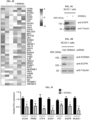
- FIG. 3E reflects mRNA level analysis, more specifically a heat-map representing the mRNA levels found in BCSC1 cells cultured in absence (-) and presence (+) of a KDM4(i).
- the 37 direct target genes of KDM4A represent a gene signature common for all the pathways represented in FIG.
- FIG. 3G and FIG. 3H are photos of anti-EGFR, anti-KDM4A, and anti-tubulin western blots generated from lysates of BCSC1 cells in the absence (-) and presence (+) of a KDM4(i) ( FIG. 3G ); or BCSC1 cells treated with shRNA control (Ctrl) or anti-KDM4A shRNA ( FIG. 3H ).
- FIG. 3G and FIG. 3H are photos of anti-EGFR, anti-KDM4A, and anti-tubulin western blots generated from lysates of BCSC1 cells in the absence (-) and presence (+) of a KDM4(i
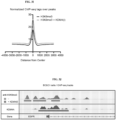
- FIG. 3I is a graph showing meta-analysis of sequencing read density based on H3K9me3 ChIPseqs around KDM4A peaks in BCSC1 cells cultured in the presence (gray) or absence (black) of a KDM4(i). A hypergeometric test was done to calculate the significance of the overlaps; p ⁇ 10-50).
- FIG. 3J shows BCSC1 cells ChIP-Seq tracks analysis in the absence (dark) or presence (light) of a KDM4(i). Normalized levels of H3K9me3 tracks at the EGFR promoter.
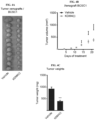
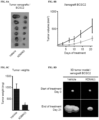
- FIG. 4A to FIG. 4F show that KDM4(i) inhibits xenograft tumor growth from BCSC1 cells. Mice bearing BCSC1 xenograft tumors were treated for 21 consecutive days with either vehicle or a KDM4(i).
- FIG. 4A is a photo of representative xenograft BCSC1 tumors isolated from individual animals after 21 day of treatment.
- FIG. 4A is a photo of representative xenograft BCSC1 tumors isolated from individual animals after 21 day of treatment.
- FIG. 5C shows photos of anti-ER, anti-PR and HER2 immunohistochemical staining of the original BCSC2 patient tumor and the BCSC2 xenograft tumor.
- ER estrogen receptor
- PR progesterone receptor
- HER2 uuman epidermal growth factor 2
- scale bar 100 ⁇ m.
- FIG. 5D shows representative photos of BCSC2 cells cultured in 3D and 2D conditions.
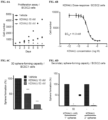
- FIG. 6A to FIG. 6F show that a KDM4(i) is a potent inhibitor of BCSC2 cells.
- FIG. 6A is a graph reflecting a cell proliferation assay in which BCSC2 cells were culture in the absence (•) or presence of 10 nm ( ⁇ ) or 50 nm ( ⁇ ) KDM4(i).
- FIG. 6A is a graph reflecting a cell proliferation assay in which BCSC2 cells were culture in the absence (•) or presence of 10 nm ( ⁇ ) or 50 nm ( ⁇ ) KDM4(i).
- FIG. 6D is a bar graph of primary and secondary sphere-forming capacity of BCSC2 cells in Matrigel. For the primary week, cells were culture in absence (-) and presence (50 nM) of a KDM4(i). Comparisons via one-way ANOVA. Data represent means ⁇ s.e.m.*P ⁇ 0.05, **P ⁇ 0.01, ***P ⁇ 0.001.
- FIG. 7A to FIG. 7K demonstrate that an embodiment of a KDM4(i) targets BCSC2 through EGFR regulation.
- FIG. 7A is a Venn diagram of BCSC1 cells and KDM4A locations, displaying the number of locations in control BCSC1 cells (Ctrl (172,639)) and BCSC1 cells infected with an adenovirus expressing an shRNA against KDM4A (KDM4A KD (3,215)) showing an overlap of 1110 locations.
- FIG. 7B and FIG. 7C show data of proliferation assays of BCSC cells, more specifically representative proliferation of BCSC1 ( FIG. 7B ) and BCSC2 ( FIG.
- Data represent means ⁇ s.e.m.
- Data represent means ⁇ s.e.m.
- FIG. 7F and FIG. 7G show BCSC1 ( FIG. 7F ) and BCSC2 ( FIG.
- 7K is a Venn diagram showing number and intersection of KDM4A and H3K9me3 locations in BCSC1 cells cultured in the absence or presence of a KDM4(i). A hypergeometric test was done to calculate the significance of the overlaps (i; p ⁇ 10 -50 ).
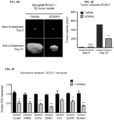
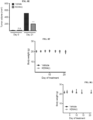
- FIG. 8F and FIG. 8G show body weight of mice bearing BCSC1 xenograft tumors ( FIG. 8F ) or BCSC2 xenograft tumors ( FIG. 8G ) over the treatment time-span of 21 consecutive days with either vehicle or a KDM4(i). Data represent means ⁇ s.e.m.
- the embodiments described herein provide therapy particularly indicated when the disease state of the subject (e.g., cancer or neoplastic disease) is associated with epigenetics or the epigenetic state of the subject.
- the disease state of the subject e.g., cancer or neoplastic disease
- chromatin There are six classes of histones (HI, H2A, H2B, H3, H4, and H5) organized into two groups: core histones (H2A, H2B, H3, and H4) and linker histones (HI and H5).
- the basic unit of chromatin is the nucleosome, which consists of about 147 base pairs of DNA wrapped around the core histone octamer, consisting of two copies each of the core histones H2A, H2B, H3, and H4. Changes in chromatin structure are affected by covalent modifications of histone proteins and by non-histone binding proteins.
- DNA methylation, acetylation, and other post-translational modifications of the nucleosome histone proteins alter chromatin organization and gene expression without altering the underlying DNA sequence.
- alterations in the cellular epigenetic environment, and not only primary genetic mutations play an important role in tumor formation, progression and resistance to treatment, because epigenetic modification may influence if, when, or where specific genes are expressed.
- Chaidos et al. 6 Ther. Adv. Hematol. 128 (2015 ).
- Epigenetic modification is a dynamic and reversible process that is written, erased, and read by various enzyme families. Several classes of enzymes are known which modify histones at various sites. Arrowsmith et al., 11 Nature Rev. Drug Discov. 384 (2012 ). See also, U.S. Patent No. No. 9,255,097 .
- KDM4 K (lysine) demethylase 4.
- the KDM4 subfamily includes KDM4A, B, C, and D.
- KDM4 can recognize di- and tri-methylated H3K9 and H3K36, as well as trimethylated H1.4K26, as substrates.
- ectopic expression of KDM4 family members dramatically decreased levels of tri- and di-methylated H3K9, and increased levels of mono-methylated H3K9, which then delocalized heterochromatin protein 1 and reduced overall levels of heterochromatin in vivo.
- KDM4 demethylases Dysregulation of the KDM4 demethylases has been documented in a variety of cancers including breast cancer. Berry & Janknecht, 2013. It has been shown that KDM4 controls tumor cell proliferation, particularly in aggressive breast cancers. Ye et al., Genetic alterations of KDM4 subfamily & therapeutic effect of novel demethylase inhibitor in breast cancer, 5 Am. J. Cancer. Res. 1519 (2015 ). Therapy resistance and metastatic dissemination are the main problems faced during breast cancer treatment. Breast cancer stem-cells have been suggested to be responsible for both therapy resistance and metastatic dissemination. Chu et al., 2014; Ansieau, EMT in breast cancer stem cell generation, 338 Cancer Lett. 63 (2013 ).
- BCSC1-4 patient original tumor, BCSC1-4 cell lines, and BCSC1-4 xenografts Patient Tumor Xenograft Tumor ID Primary Diagnosis Neoadjuvantly administered chemotherapeutic drugs Classification Tumor formation BCSC1 IC FEC, FAC, TAC, TC, Cisplatin Triple-negative 36/38 BCSC2 IDC Taxol, Myocet Triple-negative 30/43 BCSC3 IDC EC, Taxotere Triple-negative 7/7 BCSC4 MC AC, Taxol, GemCa Triple-negative
- the estimated frequency of cancer stem-cells in the BCSC cultures was determined (by limiting dilution cell number transplantation) to range from 0.26 to 179 in 1 ⁇ 10 5 cells, as reflected in Table 2: Table 2.
- Limiting dilution / xenograft tumor formation Number of cells 1 ⁇ 10 5 1 ⁇ 10 4 1 ⁇ 10 3
- FIG. 1D The BCSC lines clustered separately from host tumor and xenograft, specifying the unique properties of these cells. Nevertheless, they clustered within the host tumor subtype depicting a close correlation between the three entities.
- FIG. 1D The BCSC lines clustered separately from host tumor and xenograft, specifying the unique properties of these cells. Nevertheless, they clustered within the host tumor subtype depicting a close correlation between the three entities.
- the BCSCs were also cultivated in a 3D and 2D environment, growing as spheroids and mainly epithelial clusters, respectively.
- FIG. 1E ; FIG. 5D When challenged in an anchorage-independent growth assay, BCSC1 and BCSC2 cells demonstrated a sphere-forming capacity of 11% and 17%, respectively.
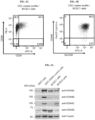
- FIG. 1F ; FIG. 5E Unsorted BCSCs, isolated and cultivated as described above, expressed to varying degrees the well-known CSC markers such as CD24/CD44 ( FIG. 1G ; FIG. 5I) and CD49f/EpCAM ( FIG. 1H ; FIG. 5J). Taken together, the data show that BCSCs from triple-negative breast tumors can be isolated and cultivated directly from patient tissue to provide an in vitro cellular platform representing this disease. This allows for the identification and validation of novel cancer targeting strategies in vitro and in vivo.
- KDM4A was expressed at high levels in both BCSC1 and BCSC2 cells. These cells also exhibited heterogeneous expression levels of KDM4B, KDM4C, and KDM4D. These observations indicate that KDM4 are therapeutic targets for treatment of BCSC populations. Accordingly, a screen to characterize KDM4(i) was performed to explore compounds suitable for treating cancers, in particular cancers such as therapy resistant clonal BCSC-originating tumors.
- KDM4(i) This screen confirmed the efficacy of a particular KDM4(i) shown in FIG. 2B (Compound I). Importantly, this KDM4(i) specifically blocked the demethylase activities of KDM4A, 4B, 4C, and 4D (IC 50 ⁇ 105 nM) but did not affect the demethylase activity of the other KDMs. Of note, KDM4(i) exhibited a weak effect on the demethylase activity of KDM5B. Table 3 shows the half-maximal inhibitory concentration (IC 50 ) of a Compound I against KDM demethylases: Table 3.
- KDM4(i) IC 50 per KDM4 member KDM4 family member Compound I IC 50 ( ⁇ M) KDM4A 0.104 KDM4B 0.056 KDM4C 0.035 KDM4D 0.104 KDM2A >10 KDM2B >10 KDM5B 0.750 KDM6A >10 KDM6B >10
- KDM4(i) strongly inhibited proliferation of several types of cancer cell lines, including the triple-negative breast cancer cells: MDA-MB-231.
- Table 4 shows the half-maximal effective concentration (EC 50 ) of Compound I on various cancer cell lines as shown in a 7-day cell MTS assay: Table 4.
- KDM4(i) EC 50 per cancer cell line Cell line Compound I EC 50 (nM) Jurkat 1.1 Kyse-150 5.1 MDA-MB-231 5.9
- PC-3 8.2 HCT-116 11 Raji 12 DU-145 13 HCC-70 27 Kasumi 34 HL-60 43 NCI-H1792 65 NCI-H460 68 U-87 >10,000 IR-90 >10,000 ZR-75-1 >10,000
- the KDM4-associated cancer can be a triple-negative breast cancer.
- compound A and an amine compound B are mixed and treated under a variety of conditions to form compound C.
- the mixture of compound A and an amine B can be subjected to microwave irradiation in an appropriate solvent, at temperatures ranging from 120°C to 172°C.
- the ester compound E can be prepared from compound C and an alcohol D using a coupling reagent, such as HATU, in the presence of a base.
- the KGM4(i) compounds described herein typically contain one or more asymmetric centers and thus give rise to enantiomers, diastereomers, and other stereoisomeric forms that are defined, in terms of absolute stereochemistry, as ( R ) or ( S ). Likewise, all possible isomers, as well as their racemic and optically pure forms, and all tautomeric forms are also intended to be included.
- positional isomer refers to structural isomers around a central ring, such as ortho-, meta- and para-isomers around a benzene ring.
- a "stereoisomer” refers to a compound made up of the same atoms bonded by the same bonds but having different three-dimensional structures, which are not interchangeable.
- compositions suitable for injectable use include sterile aqueous solutions (where water soluble) or dispersions and sterile powders for the extemporaneous preparation of sterile injectable solutions or dispersion.
- suitable carriers include physiological saline, bacteriostatic water, Cremophor EL TM (BASF, Parsippany, N.J., US) or phosphate buffered saline (PBS).
- the composition must be sterile and should be fluid to the extent that easy syringeability exists. It must be stable under the conditions of manufacture and storage and must be preserved against the contaminating action of microorganisms such as bacteria and fungi.
- the compounds are delivered in the form of an aerosol spray from pressured container or dispenser which contains a suitable propellant, e.g., a gas such as carbon dioxide, or a nebulizer.
- a suitable propellant e.g., a gas such as carbon dioxide, or a nebulizer.
- Oral compositions generally include an inert diluent or an edible carrier. They can be enclosed in gelatin capsules or compressed into tablets.
- the active compound can be incorporated with excipients and used in the form of tablets, troches, or capsules.
- Oral compositions can also be prepared using a fluid carrier for use as a mouthwash, wherein the compound in the fluid carrier is applied orally and swished and expectorated or swallowed.
- Pharmaceutically compatible binding agents, and/or adjuvant materials can be included as part of the composition.
- the active ingredients can be entrapped in microcapsules prepared, for example, by coacervation techniques or by interfacial polymerization, for example, hydroxymethylcellulose or gelatin-microcapsules and poly-(methylmethacrylate) microcapsules, respectively, in colloidal drug delivery systems (for example, liposomes, albumin microspheres, microemulsions, nano-particles, and nanocapsules) or in macroemulsions.
- colloidal drug delivery systems for example, liposomes, albumin microspheres, microemulsions, nano-particles, and nanocapsules
- copolymers of L-glutamic acid and ⁇ ethyl-L-glutamate copolymers of L-glutamic acid and ⁇ ethyl-L-glutamate, non-degradable ethylene-vinyl acetate, degradable lactic acid-glycolic acid copolymers such as the LUPRON DEPOT ® (injectable microspheres composed of lactic acid-glycolic acid copolymer and leuprolide acetate), and poly-D-(-)-3-hydroxybutyric acid. While polymers such as ethylene-vinyl acetate and lactic acid-glycolic acid enable release of molecules for over 100 days, certain hydrogels release proteins for shorter time periods.
- Liposomal suspensions can also be used as pharmaceutically acceptable carriers. These preparations can be prepared according to methods known to those skilled in the art.
- Oral or parenteral compositions may be formulated in dosage unit form for ease of administration and uniformity of dosage.
- Dosage unit form as used herein refers to physically discrete units suited as unitary dosages for the subject to be treated; each unit containing a predetermined quantity of active compound calculated to produce the desired therapeutic effect in association with the required pharmaceutical carrier.
- the specification for the dosage unit forms disclosed here are dictated by and directly dependent on the unique characteristics of the active compound and the particular therapeutic effect to be achieved, and the limitations inherent in the art of compounding such an active compound for the treatment of individuals.
- compositions or dosage units can be included in a container, pack, or dispenser together with instructions for administration.
- the formulation can also contain more than one active compound as necessary for the particular indication being treated, preferably those with complementary activities that do not adversely affect each other.
- the composition can comprise an agent that enhances its function, such as, for example, an immunostimulatory agent, chemotherapeutic agent, cytokine, antibody, or growth-inhibitory agent.
- an agent that enhances its function such as, for example, an immunostimulatory agent, chemotherapeutic agent, cytokine, antibody, or growth-inhibitory agent.
- Such molecules are suitably present in combination in amounts that are effective for the purpose intended.
- a “pharmaceutical formulation,” “formulation,” or “pharmaceutical composition” refers to a drug product that includes at least one active agent and may further include at least one pharmaceutically acceptable excipient, carrier, buffer, stabilizer, or other material well-known to those skilled in the art.
- a typical injectable pharmaceutical formulation includes a parenterally acceptable aqueous solution which is pyrogen-free and has suitable pH, isotonicity, and stability.
- Pharmaceutical compositions can have diagnostic, therapeutic, or research utility in various species, such as for example in human patients or subjects.
- a pharmaceutical composition comprises a bromodomain inhibitor and a chemotherapeutic agent such as temozolomide, protein-bound paclitaxel, or romidepsin.
- a pharmaceutical formulation can include a therapeutically effective amount of at least one active agent.
- Such effective amounts can be readily determined by one of ordinary skill in the art based, in part, on the effect of the administered dosage form, or the combinatorial effect of an agent and one or more additional active agents, if more than one agent is used.
- a therapeutically effective amount of an active agent can also vary according to factors such as the disease state, age, sex, and weight of the individual, and the ability of the agent (and one or more additional active agents) to elicit a desired response in the individual, e.g., amelioration of at least one condition parameter.
- compositions are administered in a manner appropriate to the condition treated ( see below).
- An appropriate dose and suitable duration and frequency of dose administration can be determined based on the condition of the subject, the type and severity of the subject's disease, the particular form of the active compound, and the method of administration.
- an appropriate dose and treatment regimen provides active composition(s) in an amount sufficient to provide therapeutic or prophylactic benefit (e.g., an improved clinical outcome, such as more frequent complete or partial remissions, or longer disease-free or overall survival, or a lessening of symptom severity, see below).
- Optimal doses are generally determined using experimental models or clinical trials, then adjusted for the body mass, weight, or blood volume of the subject.
- the dose of the pharmaceutical composition comprising at least one substituted pyridine derivative KDM4(i) compound may differ depending upon the condition of the subject (e.g., human patient), such as stage of the disease, general health status, age, and other factors.
- the KDM4(i) compounds as disclosed here may be administered in combination therapy, i.e., combined with other agents, e.g., therapeutic agents, that are useful for treating pathological conditions or disorders, such as various forms of cancer, autoimmune disorders and inflammatory diseases.
- agents e.g., therapeutic agents
- the term "in combination” in this context means that the agents are given substantially contemporaneously, either simultaneously or sequentially. If given sequentially, at the onset of administration of the second compound, the first of the two compounds is preferably still detectable at effective concentrations at the site of treatment.
- the combination therapy can include one or more antibodies disclosed here coformulated with, or coadministered with, one or more additional therapeutic agents, e.g., one or more cytokine and growth factor inhibitors, immunosuppressants, anti-inflammatory agents, metabolic inhibitors, enzyme inhibitors, or cytotoxic or cytostatic agents.
- additional therapeutic agents e.g., one or more cytokine and growth factor inhibitors, immunosuppressants, anti-inflammatory agents, metabolic inhibitors, enzyme inhibitors, or cytotoxic or cytostatic agents.
- Such combination therapies may advantageously utilize lower dosages of the administered therapeutic agents, thus avoiding possible toxicities or complications associated with the various monotherapies.
- a therapeutic KDM4(i) compound disclosed here may be used in combination with an antibody and further include those agents that interfere at different stages in an inflammatory response.
- KDM4(i) compounds described herein may be coformulated with, or coadministered with, one or more additional agents such as other chemotherapeutic agents, or biologics such as vaccines, immunotoxins, cytokine or growth factor antagonists (e.g., soluble receptors, peptide inhibitors, small molecules, ligand fusions); antibodies or antigen binding portions thereof (e.g., antibodies that bind to tumor markers, cytokines or growth factors or their receptors); and anti-inflammatory cytokines or agonists thereof.
- additional agents such as other chemotherapeutic agents, or biologics such as vaccines, immunotoxins, cytokine or growth factor antagonists (e.g., soluble receptors, peptide inhibitors, small molecules, ligand fusions); antibodies or antigen binding portions thereof (e.g., antibodies that bind to tumor markers, cytokines or growth factors or their receptors); and anti-inflammatory cytokines or agonists thereof.
- a KDM4(i) compound can be co-formulated or coadministered with at least one additional chemotherapeutic agent.
- the chemotherapeutic agent may be a bromodomain inhibitor (see, e.g., WO 2015058160 ; Patent Pub. No. US 20150111885 ; U.S. Patent No. 9,034,900 ), an alkylating agent, or a mitotic inhibitor.
- an active agent i.e., KDM4(i) compound
- a KDM4(i) compound can be administered to a subject as a monotherapy, or as a combination therapy with another active agent in a combination dosage form, or as an additional treatment, e.g., another treatment for the same, an associated, or an additional disorder.
- a KDM4(i) compound can be combined with a chemotherapeutic agent, such as a bromodomain inhibitor, romidepsin, temozolomide, protein-bound paclitaxel, and the like, in the same formulation, or in a different formulation administered simultaneously or sequentially.
- combination therapy can include administering to the subject (e.g., a human patient) one or more agents (e.g., antibiotics, anti-coagulants, anti-hypertensives, or anti-inflammatory drugs) that provide a therapeutic benefit to subject.
- agents e.g., antibiotics, anti-coagulants, anti-hypertensives, or anti-inflammatory drugs
- combination therapy can include administering to the subject a KDM4(i) compound and one or more additional agents that provide therapeutic benefit to a subject who has cancer, such as triple-negative or refractory breast cancer.
- combination therapy can include administering to the subject a KDM4(i) compound, protein-bound paclitaxel, or a combination comprising a KDM4(i) compound and paclitaxel, and one or more additional agents that provide therapeutic benefit to a subject who has cancer.
- an active agent is administered first in time and an additional active agent(s) is administered second in time.
- one or more additional active agents are administered at the same time, but using different drug delivery devices or delivery modes, for example, providing for combination therapy comprising administration of a KDM4(i) compound and temozolomide, or comprising a KDM4(i) compound and paclitaxel, or comprising a KDM4(i) compound and romidepsin.
- the KDM4(i) compound is Compound I.
- Cancers that may be treated with therapy including administration of KDM4(i) compounds include carcinoma, sarcoma, germ cell tumor, lymphoma or leukemia, blastoma, or other cancers.
- Carcinomas include epithelial and glandular neoplasms, transitional cell carcinoma, adenoid cystic carcinoma, insulinoma, hepatocellular carcinoma, cholangiocarcinoma, carcinoid tumor of appendix, linitis plastica, larynx carcinoma, hypopharynx carcinoma, mouth cancer, hypopharyngeal cancer, salivary gland carcinoma, tongue carcinoma, gastric carcinoma, prolactinoma, oncocytoma, hepatocellular carcinoma, kidney parenchyma carcinoma, papillary renal carcinoma, gall bladder carcinoma, bronchial carcinoma, Grawitz tumor, carcinoma of unknown primary site, multiple endocrine adenomas, endometrioid adenoma, adnexal and skin appendage neoplasms,
- Sarcomas include Askin's tumor, botryodies, Ewing's sarcoma, Kaposi's sarcoma, malignant hemangio endothelioma, malignant schwannoma, osteosarcoma, soft tissue sarcomas (including alveolar soft part sarcoma, angiosarcoma, cystosarcoma phyllodes, dermatofibrosarcoma, desmoid tumor, desmoplastic small round cell tumor, epithelioid sarcoma, extraskeletal chondrosarcoma, extraskeletal osteosarcoma, hemangiopericytoma, hemangiosarcoma, lymphangiosarcoma, lympho-sarcoma, malignant fibrous histiocytoma, neurofibrosarcoma, and synovial sarcoma).
- Lymphoma and leukemia include acute lymphoblastic leukemia, acute myeloid leukemia, hairy cell leukemia, multiple myeloma, chronic myelogenous leukemia; chronic myeloproliferative disorders; chronic lymphocytic leukemia/small lymphocytic lymphoma, B-cell prolymphocytic leukemia, lympho-plasmacytic lymphoma (such as Waldenstrom macroglobulinemia), splenic marginal zone lymphoma, plasma cell myeloma, plasmacytoma, monoclonal immunoglobulin deposition diseases, heavy chain diseases, extranodal marginal zone B-cell lymphoma, also called malt lymphoma, nodal marginal zone B-cell lymphoma, Burkitt's lymphoma, non-Hodgkin lymphoma (including diffuse large B-cell lymphoma, follicular lymphoma, Mycosis fungoides and the Sézary syndrome, mantle
- Germ cell tumors include without limitation germinoma, dysgerminoma, nongerminomatous germ cell tumor, endodermal sinus turmor, extracranial germ cell tumor; extragonadal germ cell tumor, teratoma, polyembryoma, and gonadoblastoma.
- Blastomas include ependymoblastoma, esthesioneuroblastoma, and nephroblastoma.
- cancers associated with hard tumors that may be treated with substituted pyridine derivative KDM4(i) compounds include breast cancer, fibrosarcoma, myxosarcoma, liposarcoma, chondrosarcoma, osteogenic sarcoma, chordoma, angiosarcoma, endotheliosarcoma, lymphangiosarcoma, lymphangioendotheliosarcoma, synovioma, mesothelioma, Ewing's tumor, leiomyosarcoma, rhabdomyosarcoma, colon cancer, colorectal cancer, kidney cancer, pancreatic cancers (such as glucagonoma, gastrinoma, pancreatic neuroendocrine tumor (VIPoma)), bone cancer, ovarian cancer, prostate cancer, esophageal cancer, stomach cancer, oral cancer, nasal cancer, throat cancer, squamous cell carcinoma, basal cell carcinoma, adenocarcinoma,
- Chemotherapeutic agents are often characterized by functionality, chemical structure, and relationship to another drug.
- Chemotherapeutic agents include, for example: alkylating agents (e.g., azacitidine, nitrogen mustards: mechlorethamine, chlorambucil, cyclophosphamide (CYTOXAN ® ), ifosfamide, bendamustine (LEVACT ® ) and melphalan; nitrosoureas: streptozocin, carmustine (BCNU), lomustine, and bischloroethylnitrosurea; alkyl sulfonates: busulfan, triazines: dacarbazine (DTIC) and temozolomide (TEMODAR ® ); ethylenimines: thiotepa and altretamine (hexamethylmelamine); platinum drugs (such as cisplatin, carboplatin, satraplatin (JM-216), CI-973, and
- Administration of a pharmaceutical composition comprising a KDM4(i) compound may replace or augment a previously or currently administered therapy.
- administration of an additional active agent(s) can cease or be diminished, e.g., be administered at lower concentrations or with longer intervals between administrations.
- administration of a previous therapy can be maintained.
- a previous therapy is maintained until the level of an active agent reaches a level sufficient to provide a therapeutic effect. Accordingly, two therapies can be administered in combination, sequentially, or simultaneously.
- administration of a KDM4(i) in combination with an additional active agent may provide a synergistic therapeutic result. Combined therapy provided may be administered at once or multiple times at intervals of time.
- dosage and duration of treatment may vary with the age, weight, and condition of the patient being treated, and may be determined empirically using known testing protocols or by extrapolation from in vivo or in vitro test or diagnostic data. It is further understood that for any particular individual, specific dosage regimens should be adjusted over time according to the individual need and the professional judgment of the person administering or supervising the administration of the formulations.
- “Therapeutic benefit” generally means eradication or amelioration of the underlying disorder being treated.
- a therapeutic benefit may also be achieved with the eradication or amelioration of one or more of the physiological symptoms associated with the underlying disorder such that an improvement is observed in the patient, notwithstanding that the patient is still afflicted with the underlying disorder.
- a therapeutic benefit is not necessarily a cure for a particular cancer, but rather encompasses a result that most typically includes alleviation; increased survival; elimination of a tumor; reduction of a symptom associated with a cancer; prevention or alleviation of a secondary disease, disorder, or condition resulting from the occurrence of a cancer; or prevention of metastasis.
- compositions may be administered to a patient at risk of developing a particular disease, or to a patient reporting one or more of the physiological symptoms of a disease, even though a diagnosis of this disease has not been made.
- BCSC Primary breast cancer stem cells
- the digest medium was diluted with 10 ml DPBS and filtered through a cell strainer (40 ⁇ m, Becton Dickenson, Carlsbad, Cal., US), and remaining tissue clumps smashed with a piston from a 2 mL syringe. Following centrifugation at 200 g for 5 min, the supernatant was discarded and the cell pellet washed once with MEBM medium (GIBCO). If red blood cells were visible in the pellet, 1 mL ACK Lysis buffer (GIBCO) was added to the cell pellet. After 1 min incubation at room temp, up to 6 mL MEBM was added and the preparation centrifuged at 200 g for 5 min.
- a cell strainer 40 ⁇ m, Becton Dickenson, Carlsbad, Cal., US
- the pellet was resuspended in 1 mL MEBM and filtered through a 40 ⁇ m strainer. Following centrifugation at 200 g for 5 min, the supernatant was discarded and remaining cell pellet taken up in mammary stem-cell (MSC, see below) medium. Cells were counted in a Neubauer chamber (hemocytometer), then plated in a 24-well low attachment plate (CORNING ® , Corning, N.Y., US) at 2 ⁇ 10 4 cells per well in an ice-cold 1: 1 mix of MSC medium and MATRIGEL ® matrix (CORNING, #354230).
- MSC mammary stem-cell
- each well was topped with 500 ⁇ L MSC medium.
- the cells were cultured at 37°C under low-oxygen conditions (3% O 2 , 5% CO 2 , 92% N 2 ). When cells proliferated stably in 3D, they were cultured in 2D culture for cell expansion.
- DAPI Sigma-Aldrich
- Immunoprecipitation was performed with specific antibodies, anti-KDM4A (Schuele Lab. #5766, lot 5766), anti-H3K9me3 (#C15410056, lot A1675-001P, Diagenode), on GammaBind TM G-Sepharose TM (GE-Healthcare). Libraries were prepared from immunoprecipitated DNA according to standard methods. ChIP-seq libraries were sequenced using a HiSeq 2000 (Illumina) and mapped to the hg19 reference genome using Bowtie2 software (e.g., Johns Hopkins Univ., Baltimore, Md., US).
- the uniquely mapped reads were used to generate the genome-wide intensity profiles, which were visualized using the Integrative Genomics Viewer (IGV) genome browser (e.g., Broad Inst., Cambridge, Mass. US). Thorvaldsdottir et al., Integrative Genomics Viewer (IGV): high-performance genomics data visualization and exploration, 14 Brief Bioinform. 178 (2013 ). HOMER software (e.g., Univ. Calif. San Diego) was used to annotate peaks, to calculate overlaps between different peak files, and for motif searches. Heinz et al., Simple combinations of lineage-determining transcription factors prime cis-regulatory elements required for macrophage and B cell identities, 38 Mol. Cell 576 (2010 ).
- Apoptosis was detected using a FITC Annexin V Apoptosis Detection Kit I (BD Bioscience) according to manufacturer instruction.
- cells were collected with 0.05% trypsin-EDTA solution, washed, and diluted to 1 ⁇ 10 6 cells per ml in 1 ⁇ Binding Buffer. Staining was performed for 15 min at room temp in the dark by adding 5 ⁇ L FITC-coupled antibody solution and 5 ⁇ L PI to the cells in 100 ⁇ L binding buffer. Afterwards, 400 ⁇ L binding buffer was added, and cells were analyzed using a BD LSR Fortessa and BD FACS Diva Software (Becton Dickinson). A total of 1 ⁇ 10 5 cells were counted. Analysis was performed with FlowJo software v6.
- Example 3 In vivo tumorigenicity assay in NOD/SCID mice bearing orthotopic BC xenografts
Landscapes
- Health & Medical Sciences (AREA)
- Chemical & Material Sciences (AREA)
- Life Sciences & Earth Sciences (AREA)
- Organic Chemistry (AREA)
- Medicinal Chemistry (AREA)
- General Health & Medical Sciences (AREA)
- Engineering & Computer Science (AREA)
- Public Health (AREA)
- Veterinary Medicine (AREA)
- Pharmacology & Pharmacy (AREA)
- Animal Behavior & Ethology (AREA)
- Immunology (AREA)
- Biomedical Technology (AREA)
- Molecular Biology (AREA)
- Epidemiology (AREA)
- Hematology (AREA)
- Urology & Nephrology (AREA)
- Chemical Kinetics & Catalysis (AREA)
- Analytical Chemistry (AREA)
- Tropical Medicine & Parasitology (AREA)
- Biotechnology (AREA)
- Cell Biology (AREA)
- Toxicology (AREA)
- Microbiology (AREA)
- Bioinformatics & Cheminformatics (AREA)
- General Chemical & Material Sciences (AREA)
- Food Science & Technology (AREA)
- Physics & Mathematics (AREA)
- Nuclear Medicine, Radiotherapy & Molecular Imaging (AREA)
- Biochemistry (AREA)
- General Physics & Mathematics (AREA)
- Pathology (AREA)
- Biophysics (AREA)
- Pharmaceuticals Containing Other Organic And Inorganic Compounds (AREA)
- Investigating Or Analysing Biological Materials (AREA)
- Pyridine Compounds (AREA)
- Plural Heterocyclic Compounds (AREA)
- Medicinal Preparation (AREA)
- Nitrogen Condensed Heterocyclic Rings (AREA)
Applications Claiming Priority (3)
| Application Number | Priority Date | Filing Date | Title |
|---|---|---|---|
| US201762478785P | 2017-03-30 | 2017-03-30 | |
| US201762513875P | 2017-06-01 | 2017-06-01 | |
| PCT/US2018/024624 WO2018183370A2 (en) | 2017-03-30 | 2018-03-27 | Kdm4 inhibitors |
Publications (3)
| Publication Number | Publication Date |
|---|---|
| EP3600301A2 EP3600301A2 (en) | 2020-02-05 |
| EP3600301A4 EP3600301A4 (en) | 2020-08-12 |
| EP3600301B1 true EP3600301B1 (en) | 2024-07-03 |
Family
ID=63678220
Family Applications (1)
| Application Number | Title | Priority Date | Filing Date |
|---|---|---|---|
| EP18774276.2A Active EP3600301B1 (en) | 2017-03-30 | 2018-03-27 | Kdm4 inhibitors |
Country Status (6)
| Country | Link |
|---|---|
| US (3) | US20200039938A1 (enExample) |
| EP (1) | EP3600301B1 (enExample) |
| JP (1) | JP7442439B2 (enExample) |
| ES (1) | ES2991090T3 (enExample) |
| TW (1) | TWI814723B (enExample) |
| WO (1) | WO2018183370A2 (enExample) |
Families Citing this family (6)
| Publication number | Priority date | Publication date | Assignee | Title |
|---|---|---|---|---|
| SG11201610813TA (en) * | 2014-06-25 | 2017-01-27 | Quanticel Pharmaceuticals Inc | Histone demethylase inhibitors |
| CN113876953B (zh) * | 2020-07-02 | 2022-12-09 | 中国科学院上海营养与健康研究所 | 新型细胞衰老干预靶点及其在化疗抗癌中的靶向应用 |
| EP4319748A4 (en) * | 2021-04-09 | 2025-02-26 | Tachyon Therapeutics, Inc. | TREATMENT OF CANCER WITH KDM4 INHIBITORS |
| US20250129056A1 (en) * | 2021-08-18 | 2025-04-24 | Celgene Corporation | Process for preparing histone demethylase inhibitors |
| US20250134874A1 (en) * | 2021-12-23 | 2025-05-01 | Tachyon Therapeutics, Inc. | Pharmaceutical formulations comprising 3-({[(4r)-7-{methyl[4-(propan-2-yl)phenyl]amino}-3,4-dihydro-2h-1-benzopyran-4-yl]methyl}amino)pyridine-4-carboxylic acid |
| CA3268325A1 (en) * | 2022-09-21 | 2024-03-28 | Celgene Corp | CRYSTALLINE FORMS OF L-LYSINE SALT OF 3-({[(4R)-7-{METHYL[4-(PROPAN-2-YL)PHENYL]AMINO}-3,4-DIHYDRO-2H-1-BENZOPYRAN-4-YL]METHYL}AMINO)PYRIDINE-4-CARBOXYLIC ACID AS A HISTONE DEMETHYLASE INHIBITOR |
Family Cites Families (9)
| Publication number | Priority date | Publication date | Assignee | Title |
|---|---|---|---|---|
| US3773919A (en) | 1969-10-23 | 1973-11-20 | Du Pont | Polylactide-drug mixtures |
| US20140163041A1 (en) * | 2011-02-08 | 2014-06-12 | Oryzon Genomics S.A. | Lysine demethylase inhibitors for myeloproliferative or lymphoproliferative diseases or disorders |
| ES2718495T3 (es) * | 2012-12-21 | 2019-07-02 | Celgene Quanticel Res Inc | Inhibidores de la histona desmetilasa |
| EA035727B1 (ru) | 2013-10-18 | 2020-07-31 | Селджен Квонтисел Рисёрч, Инк. | Ингибиторы бромодомена |
| US9890434B2 (en) * | 2014-03-19 | 2018-02-13 | National Tsing Hua University | Method for identifying compound for inhibiting an activity of a histone lysine demethylase |
| AR099890A1 (es) * | 2014-03-31 | 2016-08-24 | Epitherapeutics Aps | Inhibidores de histona demetilasas |
| SG11201609033TA (en) | 2014-05-01 | 2016-11-29 | Celgene Quanticel Res Inc | Inhibitors of lysine specific demethylase-1 |
| SG11201610813TA (en) * | 2014-06-25 | 2017-01-27 | Quanticel Pharmaceuticals Inc | Histone demethylase inhibitors |
| US10059687B2 (en) * | 2015-12-28 | 2018-08-28 | Celgene Quanticel Research, Inc. | Histone demethylase inhibitors |
-
2018
- 2018-03-27 US US16/498,714 patent/US20200039938A1/en not_active Abandoned
- 2018-03-27 ES ES18774276T patent/ES2991090T3/es active Active
- 2018-03-27 WO PCT/US2018/024624 patent/WO2018183370A2/en not_active Ceased
- 2018-03-27 US US15/936,811 patent/US20180290977A1/en not_active Abandoned
- 2018-03-27 EP EP18774276.2A patent/EP3600301B1/en active Active
- 2018-03-27 JP JP2020503253A patent/JP7442439B2/ja active Active
- 2018-03-29 TW TW107110863A patent/TWI814723B/zh active
-
2022
- 2022-05-20 US US17/749,233 patent/US20240076271A1/en active Pending
Also Published As
| Publication number | Publication date |
|---|---|
| TW201840537A (zh) | 2018-11-16 |
| US20200039938A1 (en) | 2020-02-06 |
| TWI814723B (zh) | 2023-09-11 |
| WO2018183370A3 (en) | 2018-12-20 |
| US20240076271A1 (en) | 2024-03-07 |
| JP2020515645A (ja) | 2020-05-28 |
| WO2018183370A2 (en) | 2018-10-04 |
| EP3600301A4 (en) | 2020-08-12 |
| US20180290977A1 (en) | 2018-10-11 |
| ES2991090T3 (es) | 2024-12-02 |
| JP7442439B2 (ja) | 2024-03-04 |
| EP3600301A2 (en) | 2020-02-05 |
Similar Documents
| Publication | Publication Date | Title |
|---|---|---|
| EP3600301B1 (en) | Kdm4 inhibitors | |
| JP2022017495A (ja) | 癌を治療するための併用療法 | |
| JP6046702B2 (ja) | 脳腫瘍の処置用のcsf−1r阻害剤 | |
| US20200354331A1 (en) | Icariin derivatives | |
| JP2015528437A (ja) | 固形腫瘍の治療のためのニクロサミド | |
| WO2014082085A1 (en) | Use of itk inhibitors for the treatment of cancer | |
| US20220280590A1 (en) | Use of inhibitors of yap and sox2 for the treatment of cancer | |
| EP3061451A1 (en) | Kinase inhibitors for the treatment of cancer | |
| US20230065640A1 (en) | Combination therapies and biomarkers for treating b-cell lymphomas | |
| EP3999053A1 (en) | Method of treating neoplastic diseases with a cdc42-specific inhibitor | |
| EP1971690B1 (en) | Translational dysfunction based therapeutics | |
| US11427543B2 (en) | Compounds for targeting cancer stem cells | |
| EP2397149A1 (en) | Pharmaceutical preparation comprising actinomycin D for the treatment of B-CLL in patients having del(17p) | |
| WO2012078982A2 (en) | Xzh-5 inhibits constitutive and interleukin-6-induced stat3 phosphorylation in human hepatocellular carcinoma cells | |
| KR20180120565A (ko) | Alk 저해제에 내성을 획득한 eml4-alk 양성 비소세포폐암의 치료를 위한 약물 선택의 정보 제공 방법 | |
| JP7388702B2 (ja) | 抗腫瘍剤及び配合剤 | |
| US20150065518A1 (en) | Methods of treating cancer having an active wnt/beta-catenin pathway | |
| Xie et al. | Diallyl Trisulfide Suppresses Tumor‐Associated Macrophage M2‐Like Polarization and Recruitment and Improves the Tumor Microenvironment Through Blocking CCL5/STAT3 Signaling Pathway Against Lung Cancer | |
| CN107849033A (zh) | 用于治疗Rac‑GTP酶介导的病症的化合物 | |
| WO2025199440A1 (en) | Methods of treating liposarcoma using a pyrazole compound | |
| TW202412766A (zh) | Fak抑制劑及拓撲異構酶抑制劑的藥物組合及用途 | |
| JP2024509887A (ja) | Ep300分解剤および神経芽細胞腫におけるその使用 | |
| CN119857097A (zh) | 化合物c4在制备治疗胃癌药物中的应用 | |
| Yang | MDM2 Degradation as a Novel and Efficacious Cancer Therapy | |
| CN105078983A (zh) | 阿司咪唑、其盐或溶剂合物在制备预防和/或治疗恶性淋巴瘤的药物中的用途 |
Legal Events
| Date | Code | Title | Description |
|---|---|---|---|
| STAA | Information on the status of an ep patent application or granted ep patent |
Free format text: STATUS: THE INTERNATIONAL PUBLICATION HAS BEEN MADE |
|
| PUAI | Public reference made under article 153(3) epc to a published international application that has entered the european phase |
Free format text: ORIGINAL CODE: 0009012 |
|
| STAA | Information on the status of an ep patent application or granted ep patent |
Free format text: STATUS: REQUEST FOR EXAMINATION WAS MADE |
|
| 17P | Request for examination filed |
Effective date: 20191029 |
|
| AK | Designated contracting states |
Kind code of ref document: A2 Designated state(s): AL AT BE BG CH CY CZ DE DK EE ES FI FR GB GR HR HU IE IS IT LI LT LU LV MC MK MT NL NO PL PT RO RS SE SI SK SM TR |
|
| AX | Request for extension of the european patent |
Extension state: BA ME |
|
| DAV | Request for validation of the european patent (deleted) | ||
| DAX | Request for extension of the european patent (deleted) | ||
| REG | Reference to a national code |
Ref country code: DE Ref legal event code: R079 Free format text: PREVIOUS MAIN CLASS: A61K0031436000 Ipc: C07D0213790000 Ref document number: 602018071319 Country of ref document: DE |
|
| A4 | Supplementary search report drawn up and despatched |
Effective date: 20200714 |
|
| RIC1 | Information provided on ipc code assigned before grant |
Ipc: C07D 213/79 20060101AFI20200708BHEP Ipc: A61P 25/00 20060101ALI20200708BHEP Ipc: A61K 31/44 20060101ALI20200708BHEP |
|
| REG | Reference to a national code |
Ref country code: HK Ref legal event code: DE Ref document number: 40023818 Country of ref document: HK |
|
| STAA | Information on the status of an ep patent application or granted ep patent |
Free format text: STATUS: EXAMINATION IS IN PROGRESS |
|
| 17Q | First examination report despatched |
Effective date: 20210802 |
|
| GRAP | Despatch of communication of intention to grant a patent |
Free format text: ORIGINAL CODE: EPIDOSNIGR1 |
|
| STAA | Information on the status of an ep patent application or granted ep patent |
Free format text: STATUS: GRANT OF PATENT IS INTENDED |
|
| INTG | Intention to grant announced |
Effective date: 20230711 |
|
| GRAJ | Information related to disapproval of communication of intention to grant by the applicant or resumption of examination proceedings by the epo deleted |
Free format text: ORIGINAL CODE: EPIDOSDIGR1 |
|
| STAA | Information on the status of an ep patent application or granted ep patent |
Free format text: STATUS: EXAMINATION IS IN PROGRESS |
|
| INTC | Intention to grant announced (deleted) | ||
| GRAP | Despatch of communication of intention to grant a patent |
Free format text: ORIGINAL CODE: EPIDOSNIGR1 |
|
| STAA | Information on the status of an ep patent application or granted ep patent |
Free format text: STATUS: GRANT OF PATENT IS INTENDED |
|
| INTG | Intention to grant announced |
Effective date: 20240115 |
|
| GRAS | Grant fee paid |
Free format text: ORIGINAL CODE: EPIDOSNIGR3 |
|
| GRAA | (expected) grant |
Free format text: ORIGINAL CODE: 0009210 |
|
| STAA | Information on the status of an ep patent application or granted ep patent |
Free format text: STATUS: THE PATENT HAS BEEN GRANTED |
|
| AK | Designated contracting states |
Kind code of ref document: B1 Designated state(s): AL AT BE BG CH CY CZ DE DK EE ES FI FR GB GR HR HU IE IS IT LI LT LU LV MC MK MT NL NO PL PT RO RS SE SI SK SM TR |
|
| REG | Reference to a national code |
Ref country code: CH Ref legal event code: EP |
|
| REG | Reference to a national code |
Ref country code: DE Ref legal event code: R096 Ref document number: 602018071319 Country of ref document: DE |
|
| REG | Reference to a national code |
Ref country code: LT Ref legal event code: MG9D |
|
| REG | Reference to a national code |
Ref country code: NL Ref legal event code: MP Effective date: 20240703 |
|
| REG | Reference to a national code |
Ref country code: ES Ref legal event code: FG2A Ref document number: 2991090 Country of ref document: ES Kind code of ref document: T3 Effective date: 20241202 |
|
| PG25 | Lapsed in a contracting state [announced via postgrant information from national office to epo] |
Ref country code: PT Free format text: LAPSE BECAUSE OF FAILURE TO SUBMIT A TRANSLATION OF THE DESCRIPTION OR TO PAY THE FEE WITHIN THE PRESCRIBED TIME-LIMIT Effective date: 20241104 |
|
| REG | Reference to a national code |
Ref country code: AT Ref legal event code: MK05 Ref document number: 1699712 Country of ref document: AT Kind code of ref document: T Effective date: 20240703 |
|
| PG25 | Lapsed in a contracting state [announced via postgrant information from national office to epo] |
Ref country code: NL Free format text: LAPSE BECAUSE OF FAILURE TO SUBMIT A TRANSLATION OF THE DESCRIPTION OR TO PAY THE FEE WITHIN THE PRESCRIBED TIME-LIMIT Effective date: 20240703 |
|
| PG25 | Lapsed in a contracting state [announced via postgrant information from national office to epo] |
Ref country code: PT Free format text: LAPSE BECAUSE OF FAILURE TO SUBMIT A TRANSLATION OF THE DESCRIPTION OR TO PAY THE FEE WITHIN THE PRESCRIBED TIME-LIMIT Effective date: 20241104 Ref country code: NL Free format text: LAPSE BECAUSE OF FAILURE TO SUBMIT A TRANSLATION OF THE DESCRIPTION OR TO PAY THE FEE WITHIN THE PRESCRIBED TIME-LIMIT Effective date: 20240703 |
|
| PG25 | Lapsed in a contracting state [announced via postgrant information from national office to epo] |
Ref country code: NO Free format text: LAPSE BECAUSE OF FAILURE TO SUBMIT A TRANSLATION OF THE DESCRIPTION OR TO PAY THE FEE WITHIN THE PRESCRIBED TIME-LIMIT Effective date: 20241003 |
|
| PG25 | Lapsed in a contracting state [announced via postgrant information from national office to epo] |
Ref country code: FI Free format text: LAPSE BECAUSE OF FAILURE TO SUBMIT A TRANSLATION OF THE DESCRIPTION OR TO PAY THE FEE WITHIN THE PRESCRIBED TIME-LIMIT Effective date: 20240703 Ref country code: GR Free format text: LAPSE BECAUSE OF FAILURE TO SUBMIT A TRANSLATION OF THE DESCRIPTION OR TO PAY THE FEE WITHIN THE PRESCRIBED TIME-LIMIT Effective date: 20241004 Ref country code: PL Free format text: LAPSE BECAUSE OF FAILURE TO SUBMIT A TRANSLATION OF THE DESCRIPTION OR TO PAY THE FEE WITHIN THE PRESCRIBED TIME-LIMIT Effective date: 20240703 |
|
| PG25 | Lapsed in a contracting state [announced via postgrant information from national office to epo] |
Ref country code: BG Free format text: LAPSE BECAUSE OF FAILURE TO SUBMIT A TRANSLATION OF THE DESCRIPTION OR TO PAY THE FEE WITHIN THE PRESCRIBED TIME-LIMIT Effective date: 20240703 |
|
| PG25 | Lapsed in a contracting state [announced via postgrant information from national office to epo] |
Ref country code: LV Free format text: LAPSE BECAUSE OF FAILURE TO SUBMIT A TRANSLATION OF THE DESCRIPTION OR TO PAY THE FEE WITHIN THE PRESCRIBED TIME-LIMIT Effective date: 20240703 |
|
| PG25 | Lapsed in a contracting state [announced via postgrant information from national office to epo] |
Ref country code: IS Free format text: LAPSE BECAUSE OF FAILURE TO SUBMIT A TRANSLATION OF THE DESCRIPTION OR TO PAY THE FEE WITHIN THE PRESCRIBED TIME-LIMIT Effective date: 20241103 Ref country code: AT Free format text: LAPSE BECAUSE OF FAILURE TO SUBMIT A TRANSLATION OF THE DESCRIPTION OR TO PAY THE FEE WITHIN THE PRESCRIBED TIME-LIMIT Effective date: 20240703 |
|
| PG25 | Lapsed in a contracting state [announced via postgrant information from national office to epo] |
Ref country code: CZ Free format text: LAPSE BECAUSE OF FAILURE TO SUBMIT A TRANSLATION OF THE DESCRIPTION OR TO PAY THE FEE WITHIN THE PRESCRIBED TIME-LIMIT Effective date: 20240703 Ref country code: HR Free format text: LAPSE BECAUSE OF FAILURE TO SUBMIT A TRANSLATION OF THE DESCRIPTION OR TO PAY THE FEE WITHIN THE PRESCRIBED TIME-LIMIT Effective date: 20240703 |
|
| PG25 | Lapsed in a contracting state [announced via postgrant information from national office to epo] |
Ref country code: RS Free format text: LAPSE BECAUSE OF FAILURE TO SUBMIT A TRANSLATION OF THE DESCRIPTION OR TO PAY THE FEE WITHIN THE PRESCRIBED TIME-LIMIT Effective date: 20241003 |
|
| PG25 | Lapsed in a contracting state [announced via postgrant information from national office to epo] |
Ref country code: RS Free format text: LAPSE BECAUSE OF FAILURE TO SUBMIT A TRANSLATION OF THE DESCRIPTION OR TO PAY THE FEE WITHIN THE PRESCRIBED TIME-LIMIT Effective date: 20241003 Ref country code: PL Free format text: LAPSE BECAUSE OF FAILURE TO SUBMIT A TRANSLATION OF THE DESCRIPTION OR TO PAY THE FEE WITHIN THE PRESCRIBED TIME-LIMIT Effective date: 20240703 Ref country code: NO Free format text: LAPSE BECAUSE OF FAILURE TO SUBMIT A TRANSLATION OF THE DESCRIPTION OR TO PAY THE FEE WITHIN THE PRESCRIBED TIME-LIMIT Effective date: 20241003 Ref country code: LV Free format text: LAPSE BECAUSE OF FAILURE TO SUBMIT A TRANSLATION OF THE DESCRIPTION OR TO PAY THE FEE WITHIN THE PRESCRIBED TIME-LIMIT Effective date: 20240703 Ref country code: IS Free format text: LAPSE BECAUSE OF FAILURE TO SUBMIT A TRANSLATION OF THE DESCRIPTION OR TO PAY THE FEE WITHIN THE PRESCRIBED TIME-LIMIT Effective date: 20241103 Ref country code: HR Free format text: LAPSE BECAUSE OF FAILURE TO SUBMIT A TRANSLATION OF THE DESCRIPTION OR TO PAY THE FEE WITHIN THE PRESCRIBED TIME-LIMIT Effective date: 20240703 Ref country code: GR Free format text: LAPSE BECAUSE OF FAILURE TO SUBMIT A TRANSLATION OF THE DESCRIPTION OR TO PAY THE FEE WITHIN THE PRESCRIBED TIME-LIMIT Effective date: 20241004 Ref country code: FI Free format text: LAPSE BECAUSE OF FAILURE TO SUBMIT A TRANSLATION OF THE DESCRIPTION OR TO PAY THE FEE WITHIN THE PRESCRIBED TIME-LIMIT Effective date: 20240703 Ref country code: CZ Free format text: LAPSE BECAUSE OF FAILURE TO SUBMIT A TRANSLATION OF THE DESCRIPTION OR TO PAY THE FEE WITHIN THE PRESCRIBED TIME-LIMIT Effective date: 20240703 Ref country code: BG Free format text: LAPSE BECAUSE OF FAILURE TO SUBMIT A TRANSLATION OF THE DESCRIPTION OR TO PAY THE FEE WITHIN THE PRESCRIBED TIME-LIMIT Effective date: 20240703 Ref country code: AT Free format text: LAPSE BECAUSE OF FAILURE TO SUBMIT A TRANSLATION OF THE DESCRIPTION OR TO PAY THE FEE WITHIN THE PRESCRIBED TIME-LIMIT Effective date: 20240703 |
|
| REG | Reference to a national code |
Ref country code: DE Ref legal event code: R097 Ref document number: 602018071319 Country of ref document: DE |
|
| PG25 | Lapsed in a contracting state [announced via postgrant information from national office to epo] |
Ref country code: DK Free format text: LAPSE BECAUSE OF FAILURE TO SUBMIT A TRANSLATION OF THE DESCRIPTION OR TO PAY THE FEE WITHIN THE PRESCRIBED TIME-LIMIT Effective date: 20240703 Ref country code: SM Free format text: LAPSE BECAUSE OF FAILURE TO SUBMIT A TRANSLATION OF THE DESCRIPTION OR TO PAY THE FEE WITHIN THE PRESCRIBED TIME-LIMIT Effective date: 20240703 Ref country code: RO Free format text: LAPSE BECAUSE OF FAILURE TO SUBMIT A TRANSLATION OF THE DESCRIPTION OR TO PAY THE FEE WITHIN THE PRESCRIBED TIME-LIMIT Effective date: 20240703 |
|
| PG25 | Lapsed in a contracting state [announced via postgrant information from national office to epo] |
Ref country code: EE Free format text: LAPSE BECAUSE OF FAILURE TO SUBMIT A TRANSLATION OF THE DESCRIPTION OR TO PAY THE FEE WITHIN THE PRESCRIBED TIME-LIMIT Effective date: 20240703 |
|
| PG25 | Lapsed in a contracting state [announced via postgrant information from national office to epo] |
Ref country code: SK Free format text: LAPSE BECAUSE OF FAILURE TO SUBMIT A TRANSLATION OF THE DESCRIPTION OR TO PAY THE FEE WITHIN THE PRESCRIBED TIME-LIMIT Effective date: 20240703 |
|
| PLBE | No opposition filed within time limit |
Free format text: ORIGINAL CODE: 0009261 |
|
| STAA | Information on the status of an ep patent application or granted ep patent |
Free format text: STATUS: NO OPPOSITION FILED WITHIN TIME LIMIT |
|
| 26N | No opposition filed |
Effective date: 20250404 |
|
| PG25 | Lapsed in a contracting state [announced via postgrant information from national office to epo] |
Ref country code: SE Free format text: LAPSE BECAUSE OF FAILURE TO SUBMIT A TRANSLATION OF THE DESCRIPTION OR TO PAY THE FEE WITHIN THE PRESCRIBED TIME-LIMIT Effective date: 20240703 |
|
| PGFP | Annual fee paid to national office [announced via postgrant information from national office to epo] |
Ref country code: ES Payment date: 20250901 Year of fee payment: 8 |
|
| PGFP | Annual fee paid to national office [announced via postgrant information from national office to epo] |
Ref country code: DE Payment date: 20250827 Year of fee payment: 8 |
|
| PG25 | Lapsed in a contracting state [announced via postgrant information from national office to epo] |
Ref country code: MC Free format text: LAPSE BECAUSE OF FAILURE TO SUBMIT A TRANSLATION OF THE DESCRIPTION OR TO PAY THE FEE WITHIN THE PRESCRIBED TIME-LIMIT Effective date: 20240703 |
|
| PGFP | Annual fee paid to national office [announced via postgrant information from national office to epo] |
Ref country code: IT Payment date: 20250820 Year of fee payment: 8 |
|
| PGFP | Annual fee paid to national office [announced via postgrant information from national office to epo] |
Ref country code: GB Payment date: 20250827 Year of fee payment: 8 |
|
| PGFP | Annual fee paid to national office [announced via postgrant information from national office to epo] |
Ref country code: FR Payment date: 20250825 Year of fee payment: 8 |
|
| REG | Reference to a national code |
Ref country code: CH Ref legal event code: H13 Free format text: ST27 STATUS EVENT CODE: U-0-0-H10-H13 (AS PROVIDED BY THE NATIONAL OFFICE) Effective date: 20251023 |
|
| PG25 | Lapsed in a contracting state [announced via postgrant information from national office to epo] |
Ref country code: LU Free format text: LAPSE BECAUSE OF NON-PAYMENT OF DUE FEES Effective date: 20250327 |