EP3578587B1 - Neuartige, aus ishige okamurae isolierte hexadecaphlorethol-verbindung und verwendung davon - Google Patents
Neuartige, aus ishige okamurae isolierte hexadecaphlorethol-verbindung und verwendung davon Download PDFInfo
- Publication number
- EP3578587B1 EP3578587B1 EP18186250.9A EP18186250A EP3578587B1 EP 3578587 B1 EP3578587 B1 EP 3578587B1 EP 18186250 A EP18186250 A EP 18186250A EP 3578587 B1 EP3578587 B1 EP 3578587B1
- Authority
- EP
- European Patent Office
- Prior art keywords
- hdp
- food
- composition
- glucose
- diabetes
- Prior art date
- Legal status (The legal status is an assumption and is not a legal conclusion. Google has not performed a legal analysis and makes no representation as to the accuracy of the status listed.)
- Active
Links
Images




Classifications
-
- C—CHEMISTRY; METALLURGY
- C07—ORGANIC CHEMISTRY
- C07C—ACYCLIC OR CARBOCYCLIC COMPOUNDS
- C07C43/00—Ethers; Compounds having groups, groups or groups
- C07C43/02—Ethers
- C07C43/257—Ethers having an ether-oxygen atom bound to carbon atoms both belonging to six-membered aromatic rings
- C07C43/295—Ethers having an ether-oxygen atom bound to carbon atoms both belonging to six-membered aromatic rings containing hydroxy or O-metal groups
-
- A—HUMAN NECESSITIES
- A61—MEDICAL OR VETERINARY SCIENCE; HYGIENE
- A61P—SPECIFIC THERAPEUTIC ACTIVITY OF CHEMICAL COMPOUNDS OR MEDICINAL PREPARATIONS
- A61P3/00—Drugs for disorders of the metabolism
- A61P3/08—Drugs for disorders of the metabolism for glucose homeostasis
- A61P3/10—Drugs for disorders of the metabolism for glucose homeostasis for hyperglycaemia, e.g. antidiabetics
-
- A—HUMAN NECESSITIES
- A23—FOODS OR FOODSTUFFS; TREATMENT THEREOF, NOT COVERED BY OTHER CLASSES
- A23L—FOODS, FOODSTUFFS OR NON-ALCOHOLIC BEVERAGES, NOT OTHERWISE PROVIDED FOR; PREPARATION OR TREATMENT THEREOF
- A23L2/00—Non-alcoholic beverages; Dry compositions or concentrates therefor; Preparation or treatment thereof
- A23L2/52—Adding ingredients
-
- A—HUMAN NECESSITIES
- A23—FOODS OR FOODSTUFFS; TREATMENT THEREOF, NOT COVERED BY OTHER CLASSES
- A23L—FOODS, FOODSTUFFS OR NON-ALCOHOLIC BEVERAGES, NOT OTHERWISE PROVIDED FOR; PREPARATION OR TREATMENT THEREOF
- A23L33/00—Modifying nutritive qualities of foods; Dietetic products; Preparation or treatment thereof
- A23L33/10—Modifying nutritive qualities of foods; Dietetic products; Preparation or treatment thereof using additives
-
- A—HUMAN NECESSITIES
- A61—MEDICAL OR VETERINARY SCIENCE; HYGIENE
- A61K—PREPARATIONS FOR MEDICAL, DENTAL OR TOILETRY PURPOSES
- A61K31/00—Medicinal preparations containing organic active ingredients
- A61K31/075—Ethers or acetals
- A61K31/085—Ethers or acetals having an ether linkage to aromatic ring nuclear carbon
- A61K31/09—Ethers or acetals having an ether linkage to aromatic ring nuclear carbon having two or more such linkages
-
- A—HUMAN NECESSITIES
- A61—MEDICAL OR VETERINARY SCIENCE; HYGIENE
- A61K—PREPARATIONS FOR MEDICAL, DENTAL OR TOILETRY PURPOSES
- A61K36/00—Medicinal preparations of undetermined constitution containing material from algae, lichens, fungi or plants, or derivatives thereof, e.g. traditional herbal medicines
- A61K36/02—Algae
- A61K36/03—Phaeophycota or phaeophyta (brown algae), e.g. Fucus
-
- A—HUMAN NECESSITIES
- A23—FOODS OR FOODSTUFFS; TREATMENT THEREOF, NOT COVERED BY OTHER CLASSES
- A23V—INDEXING SCHEME RELATING TO FOODS, FOODSTUFFS OR NON-ALCOHOLIC BEVERAGES AND LACTIC OR PROPIONIC ACID BACTERIA USED IN FOODSTUFFS OR FOOD PREPARATION
- A23V2002/00—Food compositions, function of food ingredients or processes for food or foodstuffs
Definitions
- the present disclosure relates to hexadecaphlorethol, which is a novel compound isolated from Ishige okamurae, and use thereof and, more particularly, to hexadecaphlorethol and the use thereof in anti-diabetes treatment and exercise performance improvement.
- Diabetes mellitus commonly referred to as diabetes, is generally classified into insulin-dependent diabetes (type I diabetes) and non-insulin-dependent diabetes (type II diabetes).
- Insulin-dependent diabetes is characterized by insulin deficiency resulting from the loss of the insulin-producing beta cells of the pancreatic islets, caused by, for example, viral infection.
- Non-insulin-independent diabetes is traditionally termed "juvenile diabetes" because a majority of these diabetes cases occur in young people in their teens or twenties.
- insulin-dependent diabetes implies the requirement of external insulin supply for life maintenance.
- Non-insulin-independent diabetes begins with insulin resistance, a condition in which cells fail to respond to insulin properly, which is mainly caused by obesity.
- Non-insulin-dependent diabetes is mostly found in people in their thirties or later and is referred to as adult-onset diabetes.
- the name non-insulin-dependent diabetes implies that external insulin supply is not indispensable for life maintenance, but does not mean that insulin is unnecessary for regulating high blood sugar.
- Diabetes is accompanied by complications including myocardial infarction, angina pectoris, damage to the eye, foot ulcers, etc. as chronic high blood sugar lasts with deficient insulin action.
- Insulin regulates the metabolism of carbohydrates, fats, and proteins by promoting the absorption of glucose from blood into liver, fat, and skeletal muscle cells. Diabetes is fundamentally an aberrant carbohydrate metabolism which results, however, in aberrance in protein and protein metabolism and electrolyte metabolism in vivo.
- diabetes is a group of metabolic disorders ( J Korean Soc Food Sci Nutr. 2002 31:1071-1077 ). Therefore, the regulation of blood sugar is believed to be a therapy for preventing or delaying the onset of acute complications attributed to diabetes.
- Carbohydrates in the digestive organs are degraded by ⁇ -amylase and ⁇ -glucosidase and other digestive enzymes finally into glucose and fructose which are then absorbed into villi of the small intestine.
- glucose is not properly processed, thus aggravating the hyperglycemic state.
- Inhibition of ⁇ -amylase and ⁇ -glucosidase in the digestive organs makes the uptake of glucose slow, thereby regulating post-meal blood sugar ( Int J Obes. 1984. 8 Suppl 1:181-90 ; Asia Pac J Clin Nutr. 2004. 13(4):401-8 ; J Int Med Res. 1998 Oct-Nov 26(5):219-32 ; Diabetes Care. 1999 Jun 22(6):960-4 ).
- ⁇ -glucosidase is an enzyme that acts at the final step of carbohydrate digestion to catalyze conversion into glucose.
- An ⁇ -glucosidase inhibitor can aid to regulate blood sugar by interfering with the degradation of polysaccharides into monosaccharides to delay sugar uptake ( Journal of Life Science. 2008. 18(7):1005-1010 ; J. Ethnopharmacol. 2000. 72:129-133 ).
- an ⁇ -glucosidase inhibitor interferes with sugar uptake in the small intestine without acting on the secretion of insulin, thereby minimizing side-effects of conventional drugs, such as hypoglycemia, hepatotoxicity, beta cell hypofunction, etc. ( European Journal of Pharmacology. 2009. 615:252-256 ; Journal of Life Science. 2008. 18(7):1005-1010 ; Food Chem. 2008. 108:965-972 ).
- acarbose Widely used as ⁇ -glucosidase inhibitors in clinics are acarbose and voglibose.
- acarbose is known to have a useful anti-diabetic effect by suppressing glucose uptake in the small intestine ( Eur J Clin Invest. 1994 Aug, 24 Suppl 3:3-10 ), but may produce gastroenteric troubles such as abdominal distension, abdominal pain, vomiting, diarrhea, etc. as well as side effects, such as gas, diarrhea, and constipation, caused by the degradation of undigested disaccharides by bacteria in the large intestine ( World J Gastroenterol. 2008 Oct 21. 14(39):6087-92 ).
- Skeletal muscle has the principal role of relaxing and contracting muscles.
- calcium ions in the cytoplasm of skeletal muscle cells act as a core secondary transmitter in the contraction and relaxation of skeletal muscle.
- Calcium ions play an important extra- and intracellular role in the human body and are minutely controlled to maintain proper functions thereof in various tissues.
- Extracellular calcium is involved in the excitation-contraction coupling of the heart and muscle and in the synaptic transmission of the nerve system as well as being a main component of the cartilage and bone.
- Intracellular calcium is maintained at a concentration 10,000-fold lower than that of extracellular calcium, playing a key role as a signal transmitter in cell division, muscular contraction, cell migration, membrane transmission, and secretion ( Clin J Am Soc Nephrol. 2010. 5 Suppl 1:S23-30 ; Nephro Physiol. 2011. 118:22-7 ; Nat.Rev.Mol.Cell.Biol.2003.4:517-29 ).
- the concentration of intracellular free calcium ions is much lower than that of extracellular fluid upon stability, but the depolarization of a myocyte membrane in response to nerve stimulation causes the influx or release of calcium ions into the cytoplasm from extracellular fluid or an intracellular calcium reservoir.
- intracellular calcium concentration reaches a certain level, muscle contraction occurs. Particularly, skeletal muscle contraction persists even upon removal of calcium outside myocytes.
- muscles are known as an important intracellular calcium reservoir ( Annul. Rev. Physiol. 1976. 38:293-313 ; Physio. Rev. 1977. 71-108 ).
- SR sarcoplasmic reticulum
- SERCA a calcium pump present on the surface of the sarcoplasmic reticulum moves calcium ions from the cytosol of the cell to the lumen of the SR to control the homeostasis of intracellular calcium ion concentrations
- actin-myosin bonds act to transfer calcium ions to the SR to form actin-myosin bonds, resulting in muscle contraction.
- calcium ions return back to the original position (extracellular space through SR) by active transport at an expense of ATP which binds to myosin to cleave the actin-myosin bond, allowing muscle relaxation.
- the ATP necessary for the active transport is generated through three metabolic energy pathways including the phosphagen system, glycolysis, and the aerobic system. Particularly, an increase in glucagon release is most important for producing needed glucose during exercise ( J Clin Invest. 1984. 74(4):1404-13 ). It is reported that exercise increases the number of glucose transporter type 4 (GLUT4) expressed in cell membranes and the concentration of GLUT4 in cell tissues ( JAMA. 1991. 266:1535-42 ; J Clin invest. 1979. 64:1011-15 ; Am J Physiol. 1987. 252:E170-175 ), which supports the opinion that an increase in the glucose uptake of muscles during exercise promotes the regeneration of ATP, increasing the rate of glucose transport.
- GLUT4 glucose transporter type 4
- glycogen depletion in the muscle and the liver during exercise is a main cause of fatigue and ATP in skeletal muscles is an immediately usable energy source generated in mitochondria upon muscular contraction. Therefore, a glycogen content in skeletal muscles or an ATP content in muscles, measured by using cell experiments or liver or muscle tissues of experimental animals, is used as a biomarker in the functionality evaluation for exercise performance capacity ( Guideline of functionality evaluation for health functional food, 2016, the Korean Ministry of Food and Drug Safety ).
- WO2013/111924 discloses an octaphlorethol derivative isolated from Ishige foliacea for use against diabetes.
- the present disclosure discloses the novel material HdP isolated and identified from Ishige okamurae and its anti-diabetic activity and activity of enhancing exercise performance.
- a purpose of the present disclosure is to provide a composition for improving exercise performance, using HdP, a novel material isolated and identified from Ishige okamurae.
- C2C12 which is a differentiated myoblast cell line.
- the novel material was observed to reduce blood glucose levels in zebrafish which was rendered to secrete a reduced level of insulin by treatment with alloxan, increase an intracellular concentration of calcium ions necessary for muscle contraction and motility enhancement, and induce intracellular uptake of glucose, which is an energy source necessary for muscle contraction.
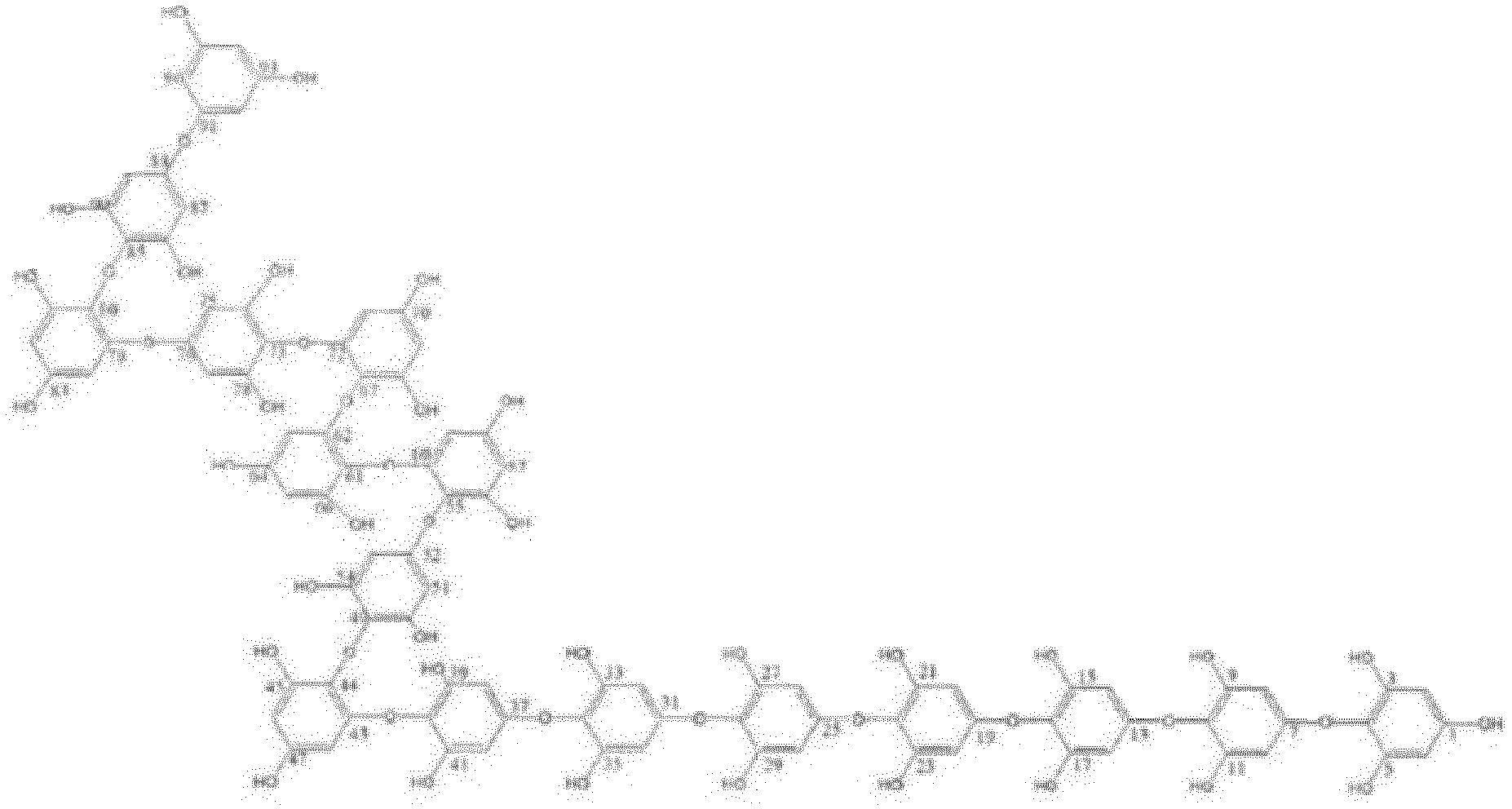
- one aspect of the present disclosure contemplates the compound represented by Chemical Formula 1, a hydrate thereof, or a solvate thereof.
- Another aspect of the present disclosure contemplates an anti-diabetic composition comprising the compound of Chemical Formula 1, a hydrate thereof, or a solvate thereof as an effective ingredient.
- a further aspect of the present disclosure contemplates a composition comprising the compound of Chemical Formula 1, a hydrate thereof, or a solvate thereof as an effective ingredient for improving exercise performance.
- hydrate means a compound that is associated with water, without chemical bonds between water and the compound.
- solvate means a compound formed between molecules or ions of a solute and molecules or ions of a solvent.
- anti-diabetic or "anti-diabetes”, as used herein, means alleviation, prevention, or treatment of a symptom of diabetes.
- diabetes means insulin-dependent diabetes mellitus (type 1 diabetes mellitus) and non-insulin dependent diabetes mellitus (type 2 diabetes mellitus) and is further intended to encompass diabetes resulting from pancreatic damage caused by a different disorder, for example, diabetes caused by hyperthyroidism, hyperadrenocorticism, hypersecretion of growth hormone, or hypersecretion of catecholamine, and gestational diabetes.
- a certain amount (effective amount) thereof may be contained in the composition of the present disclosure and may vary, depending on use, formulation, etc. Typically, the effective ingredient may be determined within the range of 0.001 % by weight to 15 % by weight.
- the term "effective amount" refers to an amount of an effective ingredient contained in the composition of the present disclosure which is capable of producing a desirable medical and pharmaceutical effect such as exercise performance improvement, etc., when the composition is administered to a subject, such as a mammal, particularly a human, for a period of administration according to the suggestion of a medical expert.
- Such an effective amount may be empirically determined within the typical ability of a person skilled in the art.
- composition of the present disclosure may further comprise any compound or natural extract that has been verified for safety and known to have corresponding activities in order to synergistically reinforce an anti-diabetic effect or an exercise performance improvement effect or to increase the convenience of administration or intake through addition of similar activities such as body fat reduction, fatigue alleviation, etc.
- Such compounds or extracts may be compounds or extracts described in the official compendium of each country, such as pharmacopoeia (e.g., Korean Pharmacopoeia in Korea), health functional food standards codex (e.g., "Health Function Food Standards and Specifications” notified by the Korean Ministry of Food and Drug Safety in Korea), compounds or extracts approved according to instructions of each country which regulate production and sales of drug products ("the Pharmaceutical Affairs Act” in Korea), and compounds or extracts which are approved for functionality according to instructions in each country which regulate production and sales of health functional foods (e.g., "the Health Functional Foods Act” in Korea).
- pharmacopoeia e.g., Korean Pharmacopoeia in Korea
- health functional food standards codex e.g., "Health Function Food Standards and Specifications” notified by the Korean Ministry of Food and Drug Safety in Korea
- compounds or extracts approved according to instructions of each country which regulate production and sales of drug products (“the Pharmaceutical Affairs Act” in Korea)
- At least one of such compounds or natural extracts may be contained in combination with the effective ingredient in the composition of the present invention.
- composition of the present disclosure may be regarded as a food.
- the food composition of the present disclosure may be prepared into any form, for example, beverages such as tea, juice, a carbonated beverage, an ion beverage, etc.; processed milk products, such as milk, yogurt, etc.; foods, such as gum, rice cake, traditional Korean sweets and cookies, breads, confectionery, noodles, etc.; and agents for health functional foods, such as tablets, capsules, pills, granules, liquids, powders, flakes, pastes, syrups, gels, jellies, bars, etc.
- the food composition of the present invention may be in the form of any product complying with legal and functional classifications according to an enforcement at the time of production and distribution.
- the composition may be a health functional food according to "the Health Functional Foods Act” of Korea or may be confectionery, beans, teas, beverages, or special purpose foods according to the food types stipulated by the Korean Food Standards Codex ("Health Function Food Standards and Specifications" notified by the Korean Ministry of Food and Drug Safety in Korea) of the Food Sanitation Act in Korea.
- the food composition of the present disclosure may include a food additive in addition to the effective ingredient.
- a food additive may be understood as a substance that can be added to, mixed with, or precipitated in a food during food preparation, processing, or preservation.
- a food additive should be guaranteed safety because it may be ingested together with food every day and for a long period of time. Safety-guaranteed, food additives are limitedly stipulated in terms of components or functions by a food additives codex according to an act in each country ("Food Sanitation Act" in Korea) which regulates the production and distribution of foods.
- the Korean Food Additives Codex stipulates food additives in terms of components into categories of chemical synthetic products, natural additives, and mixed agents. Such food additives may be divided into sweeteners, flavoring agents, preservatives, emulsifiers, acidifiers, thickeners, etc. in view of functions.
- a sweetener which is to provide a food with a sweet taste, may be used in the food composition of the present invention irrespective of whether natural or synthetic.
- a natural sweetener Preferable is a natural sweetener.
- sugar sweeteners such as a corn syrup solid, honey, sucrose, fructose, lactose, maltose, etc.
- a flavoring agent which is to make a taste or a smell better, may be used irrespective of whether natural or synthetic.
- Preferable is a natural flavoring agent.
- a natural flavoring agent may be used for nutrition as well as enhancing flavor.
- Natural flavoring agents may be obtained from apples, lemons, tangerine, grapes, strawberries, peaches, etc. or from green tea leaves, Solomon's seals, bamboo leaves, cinnamon, chrysanthemum, jasmine, etc.
- a natural flavoring agent obtained from ginseng (red ginseng), bamboo sprouts, aloe vera, ginkgo nuts, etc. may be used.
- the natural flavoring agent may be a concentrated liquid or an extract of a solid phase.
- a synthetic flavoring agent such as ester, alcohol, aldehyde, terpene, etc. may be used.
- An available preservative may be exemplified by calcium sorbate, sodium sorbate, potassium sorbate, calcium benzoate, sodium benzoate, potassium benzoate, and EDTA (ethylenediaminetetraacetic acid).
- acacia gum, carboxymethylcellulose, xanthan gum, pectin, etc. may be used.
- acidifiers include citric acid, malic acid, fumaric acid, adipic acid, phosphoric acid, gluconic acid, tartaric acid, ascorbic acid, acetic acid.
- An acidifier may be added to adjust a pH of the food composition with the aim of restraining microbial growth as well as improving a taste.
- Available for use as a thickener are a suspending agent, a precipitating agent, a gelling agent, and a swelling agent.
- the food composition of the present disclosure may further comprise bioactive substances or minerals which are known in the art and guaranteed safety as food additives in order to supplement functionality and nutrition.
- Such bioactive substances include catechins such as those contained in green tea; vitamins such as vitamin Bl, vitamin C, vitamin E, vitamin B12, etc.; tocopherol; dibenzoyl thiamine, etc.
- Examples of available minerals include calcium agents such as calcium citrate; magnesium agents such as magnesium stearate; iron agents such as iron citrate; chrome chloride; potassium iodide; selenium; germanium; vanadium; and zinc.
- the food composition of the present disclosure may contain the above-mentioned food additives in respective appropriate amounts enough to achieve the purposes of addition according to types of the product.
- composition of the present disclosure may be understood as a pharmaceutical composition.
- the pharmaceutical composition of the present disclosure may comprise a pharmaceutically acceptable carrier in addition to the effective ingredient and may be prepared into an oral or parenteral formulation according to administration routes in a typical manner.
- pharmaceutically acceptable means retaining no more toxicity than is too high for an application (treatment) subject to adapt without limiting the activity of the effective ingredient.
- the pharmaceutical composition of the present disclosure may be prepared, together with a suitable carrier, into a dosage form, such as a powder, a granule, a tablet, a pill, a sugar-coated pill, a capsule, a liquid, a gel, a syrup, a suspension, a wafer, etc., according to a method known in the art.
- a dosage form such as a powder, a granule, a tablet, a pill, a sugar-coated pill, a capsule, a liquid, a gel, a syrup, a suspension, a wafer, etc.
- examples of pharmaceutically acceptable carriers include: sugars, such as lactose, glucose, sucrose, dextrose, sorbitol, mannitol, xylitol; starches, such as corn starch, potato starch, wheat starch, etc.; celluloses such as cellulose, methyl cellulose, ethyl cellulose, sodium carboxymethyl cellulose, hydroxypropylmethyl cellulose, etc.; polyvinyl pyrrolidone; water; methylhydroxy benzoate; propylhydroxy benzoate; magnesium stearate; mineral oil; malt; gelatin; talc; polyol; and vegetable oil.
- the composition may be formulated, together with a diluent and/or an excipient, such as a filler, a thickener, a binder, a humectant, a disintegrant, etc.
- the pharmaceutical composition of the present disclosure may be prepared, together with a suitable carrier, into a dosage form, such as an eye drop, an injection, a transdermal agent, a nasal inhaler, a suppository, etc.
- a suitable carrier such as an eye drop, an injection, a transdermal agent, a nasal inhaler, a suppository, etc.
- a carrier suitable for use in an eye drop may be exemplified by an isotonic solution such as sterile water, a saline, and 5 % dextrose.
- benzalkonium chloride, methyl paraben, ethyl paraben, etc. may be used for preservation.
- the composition may include a carrier such as sterile water, ethanol, polyol, e.g., glycerol or propylene glycol, or a combination thereof.
- a carrier such as sterile water, ethanol, polyol, e.g., glycerol or propylene glycol, or a combination thereof.
- a Ringer's solution triethanol amine-containing phosphate buffered saline (PBS) or sterile water for injection, an isotonic solution such as 5 % dextrose, etc.
- a transdermal agent may be in the form of an ointment, a cream, a lotion, a gel, an external use liquid, a paste, a liniment, an aerosol, etc.
- a nasal inhaler may be prepared into an aerosol spray in which a suitable propellant such as dichlorofluoromethane, trichlorofluoromethane, dichlorotetrafluoroethane, carbon dioxide, etc. may be used.
- a suitable propellant such as dichlorofluoromethane, trichlorofluoromethane, dichlorotetrafluoroethane, carbon dioxide, etc.
- a suitable propellant such as dichlorofluoromethane, trichlorofluoromethane, dichlorotetrafluoroethane, carbon dioxide, etc.
- a suitable propellant such as dichlorofluoromethane, trichlorofluoromethane, dichlorotetrafluoroethane, carbon dioxide, etc.
- Witepsol Triethoxyethylene sorbitan fatty acid esters
- polyoxyethylene stearates polyoxyethylene stearates
- the preferable dose of the pharmaceutical composition in accordance with the present disclosure may vary, depending on various factors including the patient's heath state, weight, sex, and age, the severity of disease, and the route of administration.
- the effective amount of the pharmaceutical composition of the present invention may range in a daily dose from 0.001 mg/kg to 10 g/kg, and more preferably from 0.001 mg/kg to 1 g/kg.
- the composition may be administered in a single dose, or may be divided into multiple doses per day. Such doses should be construed to limit the scope of the present disclosure in no way.
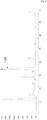
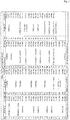
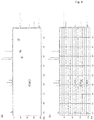
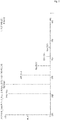
- Hdp was isolated from an Ishige okamurae extract as follows, and a schematic view of the isolation process thereof is depicted in FIG. 1 .
- Ishige okamurae was gathered in an area of Sungsan, Jeju Island, Korea, desalted by washing with fresh water twice, and naturally dried. The dried Ishige okamurae was ground into powder in a blender and 100 g of the powder was immersed in 2 L of 50 % ethanol for 24 hours at room temperature. Following filtration, concentration at a reduced pressure removed the solvent to leave an extract in a powder phase.
- CPC centrifugal partition chromatography
- a solvent system consisting of n-hexane-ethylacetate-methanol-water was preferentially selected through a preparative experiment. Investigation was made into an optimal partition coefficient K while component ratios in the solvent system were changed. As a result, a K value of 0.5 was identified to be optimal when n-hexane, ethylacetate, methanol, and water in the solvent system were present at a volume ratio of 1:9:4.5:6.5.
- the solvent system was put in a separatory funnel and thoroughly equilibrated by being vigorously shaken at room temperature to separate an upper organic layer and a lower phase which were used as a stationary phase and a mobile phase, respectively.
- the CPC column was filled with the upper organic phase (stationary phase). While the column was then rotated at 1,000 rpm, the lower phase was injected at a flow rate of 2 ml/min to the column until the pump pressure was constantly maintained. After the pressure reached a constant value, 60 ml of a sample (a solution of 500 mg of the ethylacetate fraction in 6 mL of a mixture of 1:1 of water and methanol) was injected. While the effluent was monitored at 230 nm, fractions were collected. Relatively non-polar fractions were separated at 70 min to 120 min after the sample injection.
- a sample a solution of 500 mg of the ethylacetate fraction in 6 mL of a mixture of 1:1 of water and methanol
- the CPC fractions thus obtained were subjected to HPLC, using a semi-preparative HPLC column (YMC-Pack ODS-A, 10 x 250 mm, 5 ⁇ m particle size, YMC Co Ltd, Tokyo, Japan) .
- a semi-preparative HPLC column YMC-Pack ODS-A, 10 x 250 mm, 5 ⁇ m particle size, YMC Co Ltd, Tokyo, Japan
- 32% acetonitrile containing 0.1% formic acid and 68% water containing 0.1% formic acid were used as a mobile phase which was allowed to flow at a flow rate of 2 mL/min.
- the effluent was monitored with a UV detector at 230 nm and a compound having the second highest intensity, detected at 17.302 min, was isolated.
- An HPLC chromatogram accounting for the compound is depicted in FIG. 2 .
- Inhibitory activity against ⁇ -glucosidase was evaluated using a yeast enzyme according to the method of Watanabe et al. (Watanabe, Kawabata, Kurihara, & Niki, 1997).
- Watanabe Kawabata, Kurihara, & Niki, 1997.
- PNP-G 5mM p-nitrophenyl ⁇ -D-glucopyranoside
- a dilution of 32 mU/ml enzyme yeast ⁇ -glucosidase, Sigma
- inhibitory activity was measured using spectrophotometry.
- the sample was reacted with PNP-G for 5 min and the absorbance of 4-nitrophenol released upon the hydrolysis of PNP-G was read at 405 nm. Subsequently, the same amount of the substrate solution was added and reacted at room temperature for an additional five min., after which the reaction was stopped by adding 0.5 M Na 2 CO 3 . A change in absorbance at 405 nm was measured. Inhibitory activity % against ⁇ -glucosidase was calculated according to the formula 1 ⁇ absorbance of sample ⁇ added group / absorbance of solvent ⁇ added group ⁇ 100 ) .
- Acabose which is an oral hypoglycemic agent inhibitory of ⁇ -glucosidase, was used as a positive control.
- the mouse-derived myoblast C2C12 cells (ATCC, Manassas, VA, USA) were suspended in DMEM (Dulbecco's Modified Eagle's Media) medium supplemented with 10 % FBS and an antibiotic and cultured at 37°C under a 5% CO2 atmosphere in an incubator.
- DMEM Dulbecco's Modified Eagle's Media
- the C2C12 cells subjected to differentiation in a DMEM medium containing 2 % horse serum and a low concentration of glucose for 5 days, with the medium freshly changed every three days.
- the differentiated cells were serum starved for 12 hours in serum-free DMEM containing a low concentration of glucose, washed with PBS, and then reacted for 24 hours with the sample (HdP) in a fresh serum-free DMEM.
- Glucose uptake of mouse-derived myoblast C2C12 cells was measured using flow cytometry (FACS) according to the (2-(N-(7-nitrobenz-2 oxa-1,3-diazol-4-yl)amino)-2-deoxyglucose (2-NBDG) assay method (Cell Death Dis. 2017 Oct 5. 8(10):e3078).
- the cultured cells were incubated with 10 ⁇ M 2-NBDG at 37°C for 24 hours and then analyzed using BD FACS CantoII (BD Biosciences, NJ, USA), with the fluorescence of 2-NBDG detected in a FITC channel.
- zebrafish For use in experiments, adult zebrafish were purchased from a market (Jeju Aquarium, Jeju Island, Korea). They were acclimated to a condition of a temperature of 28.5 ⁇ 1°C and a 14/10 h light-dark cycle in a 3.5 L acryl tank and fed twice a day (Tetra GmgH D-49304 Melle, made in Germany). Experiments with zebrafish were approved by the Institutional Animal Care and Use Committee of Jeju University.
- Wild-type adult zebrafish were treated for 1 hour with 2mg/ml alloxan and then for 1 hour with 1 % glucose in the absence of insulin. Subsequently, the reaction solution was exchanged with water in which the zebrafish were then left for 1 hour before treatment with HdP, metformin, or BAPTA-AM for 90 min.
- the experiment groups included a non-treated group, an alloxan-treated group (control), a group treated with alloxan and HdP (0.3 ⁇ g/g body weight), a group treated with alloxan and metformin (5 ⁇ g/g body weight), a group treated with alloxan and BAPTA-AM (3 ⁇ g/g body weight), and a group treated with alloxan, BAPTA-AM(3 ⁇ g/g body weight), and HdP (0.3 ⁇ g/g body weight).
- HdP according to the present disclosure exhibited higher inhibitory activity against ⁇ -glucosidase than acarbose did.
- Glucose uptake by HdP in differentiated CeC12 cells was measured and the results are depicted in FIG. 7 .
- FACS is an instrument isolating fluorescence-marked cells from a heterogeneous cell mixture.
- C2C12 cells which were treated with the fluorescence-marked glucose analogue 2-NBDG fluorescence intensity became stronger with the detection of more 2-NBDG through a FITC filter.
- the detected cell populations migrated right in the graph.
- glucose uptake into the differentiated C2C12 cells treated with HdP for 24 hours is shown to significantly increase in a dependent manner on the dose of HdP, indicating that HdP can lower a blood glucose level.
- Glucose uptake into differentiated C2C12 cells is known as an index accounting for a reduction in blood glucose level ( Diabetes 30 (1981) 1000-1007 ; Biochemical and Biophysical Research Communications 420 (2012) 576-581 ; Nat. Rev. Mol. Cell Biol. 7 (2006) 85-96 ; Eur. J. Cell Biol. 87 (2008) 337-351 )
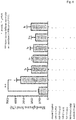
- results are depicted in FIG. 8 .
- HdP was observed to significantly reduce blood glucose levels of alloxan-treated adult zebrafishes in a dose-dependent manner. This effect was similar to that of metformin, which is commercially used to control blood glucose. Particularly, when account is taken of the fact that HdP was used at a concentration of 0.3 ⁇ g/g in contrast to 5ug/g metformin, a similar glucose uptake effect is expected even with a concentration of HdP which is 16.7-fold lower than that of metformin.
- zebrafish For use in experiments, adult zebrafish were purchased from a market (Jeju Aquarium, Jeju Island, Korea) . They were acclimated to a condition of a temperature of 28.5 ⁇ 1°C and a 14/10 h light-dark cycle in a 3.5 L acryl tank and fed twice a day (Tetra GmgH D-49304 Melle, made in Germany). Experiments with zebrafish were approved by the Institutional Animal Care and Use Committee of Jeju University.
- Intracellular calcium levels of zebrafish embryos were measured using a calcium-sensitive Fluo-4 probe. Embryos were incubated with Fluo-4 at 28.5 ⁇ 1°C for 30 min before treatment with HdP (0.6, 3, and 6 ⁇ g/ml). In order to block the entry of calcium into cells, the embryos were reacted with the calcium chelator BAPTA-AM 0.1 mM for 1 hour before incubation with Fluo-4.
- the experiment groups included a non-treated group (N), a group treated with Fluo-4 alone (F), a group treated with HdP alone (0.6, 3, and 6 ⁇ g/ml), a group treated with Fluo-4 and HdP (0.6, 3, and 6 ⁇ g/ml), and a group treated with Fluo-4, BAPTA-AM, and HdP (6 ⁇ g/ml).
- Wild-type adult zebrafish were treated for 1 hour with 2mg/ml alloxan and then for 1 hour with 1 % glucose in the absence of insulin. Subsequently, the reaction solution was exchanged with water in which the zebrafish were then left for 1 hour before treatment with HdP, metformin, or BAPTA-AM for 90 min.
- the experiment groups included a non-treated group, an alloxan-treated group (control), a group treated with alloxan and HdP (0.3 ⁇ g/g body weight), a group treated with alloxan and metformin (5 ⁇ g/g body weight), a group treated with alloxan and BAPTA-AM (3 ⁇ g/g body weight), and a group treated with alloxan, BAPTA-AM(3 ⁇ g/g body weight), and HdP(0.3 ⁇ g/g body weight).
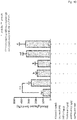
- Intracellular calcium level changes by HdP in zebrafish embryo cells were observed with Fluo-4.
- the group treated with HdP alone did not undergo a special phosphorescence change, compared to the non-treated group (N) or the Fluo-4-treated group (F) (left panel in FIG. 9 ), indicating no HdP-induced phosphorescence change.
- a significant increase in phosphorescence was observed in the group treated with HdP and Fluo-4 in combination, compared to the Fluo-4-treated group (F), indicating that treatment with HdP increases intracellular Ca 2+ levels.
- a phosphorescence decrease in the group treated with the calcium chelator BAPTA-AM in combination with HdP identified the intracellular influx of Ca 2+ (right panel in FIG. 9 ) .
- HdP Blood glucose levels in the alloxan-treated adult zebrafishes were significantly reduced by HdP. This effect was similar to that of metformin, which is commercially used to control blood glucose. Particularly, when account is taken of the fact that HdP was used at a concentration of 0.3 ⁇ g/g in contrast to 5 ⁇ g/g metformin, a similar glucose uptake effect is expected even with a concentration of HdP which is 16.7-fold lower than that of metformin.
- compositions for improving exercise performance using a novel compound HdP isolated from Ishige okamurae, as described hitherto.
- the composition of the present invention may be prepared into a food or drug product.
Landscapes
- Health & Medical Sciences (AREA)
- Chemical & Material Sciences (AREA)
- Life Sciences & Earth Sciences (AREA)
- Organic Chemistry (AREA)
- Engineering & Computer Science (AREA)
- Natural Medicines & Medicinal Plants (AREA)
- Biotechnology (AREA)
- Pharmacology & Pharmacy (AREA)
- Medicinal Chemistry (AREA)
- Animal Behavior & Ethology (AREA)
- General Health & Medical Sciences (AREA)
- Public Health (AREA)
- Veterinary Medicine (AREA)
- Diabetes (AREA)
- Mycology (AREA)
- Food Science & Technology (AREA)
- Polymers & Plastics (AREA)
- Epidemiology (AREA)
- Nutrition Science (AREA)
- Medical Informatics (AREA)
- Microbiology (AREA)
- Botany (AREA)
- Alternative & Traditional Medicine (AREA)
- Hematology (AREA)
- Endocrinology (AREA)
- Bioinformatics & Cheminformatics (AREA)
- Emergency Medicine (AREA)
- Obesity (AREA)
- Chemical Kinetics & Catalysis (AREA)
- General Chemical & Material Sciences (AREA)
- Nuclear Medicine, Radiotherapy & Molecular Imaging (AREA)
- Pharmaceuticals Containing Other Organic And Inorganic Compounds (AREA)
- Coloring Foods And Improving Nutritive Qualities (AREA)
- Organic Low-Molecular-Weight Compounds And Preparation Thereof (AREA)
- Medicines Containing Plant Substances (AREA)
Claims (7)
- Verbindung, repräsentiert durch die nachfolgende chemische Formel 1, ein Hydrat davon, oder ein Solvat davon:

- Antidiabetische Zusammensetzung, umfassend eine Verbindung, repräsentiert durch die nachfolgende chemische Formel 1, ein Hydrat davon, oder ein Solvat davon als ein wirksamer Inhaltsstoff:

- Antidiabetische Zusammensetzung nach Anspruch 2, die in der Form einer Lebensmittelzusammensetzung ist.
- Antidiabetische Zusammensetzung nach Anspruch 2, die in der Form einer pharmazeutischen Zusammensetzung ist.
- Zusammensetzung, umfassend eine Verbindung, repräsentiert durch die nachfolgende chemische Formel 1, ein Hydrat davon, oder ein Solvat davon, als ein wirksamer Inhaltsstoff zum Verbessern der Leistungsfähigkeit bei Übungen:


- Zusammensetzung nach Anspruch 5, die in der Form einer Lebensmittelzusammensetzung ist.
- Zusammensetzung nach Anspruch 5, die in der Form einer pharmazeutischen Zusammensetzung ist.
Applications Claiming Priority (3)
| Application Number | Priority Date | Filing Date | Title |
|---|---|---|---|
| KR1020180063999A KR101964080B1 (ko) | 2018-06-04 | 2018-06-04 | 패에서 분리한 신규 화합물인 헥사데카플로레톨을 이용한 운동수행능력 개선용 조성물 |
| KR1020180063998A KR101935199B1 (ko) | 2018-06-04 | 2018-06-04 | 디플로르에토하이드록시카르마롤(Diphlorethohydroxycarmalol, DPHC)를 이용한 운동 능력 개선용 조성물 |
| KR1020180064000A KR101935200B1 (ko) | 2018-06-04 | 2018-06-04 | 패에서 분리한 신규 화합물 헥사데카플로레톨 및 그 화합물을 이용한 항당뇨 조성물 |
Publications (2)
| Publication Number | Publication Date |
|---|---|
| EP3578587A1 EP3578587A1 (de) | 2019-12-11 |
| EP3578587B1 true EP3578587B1 (de) | 2021-01-20 |
Family
ID=63103795
Family Applications (1)
| Application Number | Title | Priority Date | Filing Date |
|---|---|---|---|
| EP18186250.9A Active EP3578587B1 (de) | 2018-06-04 | 2018-07-30 | Neuartige, aus ishige okamurae isolierte hexadecaphlorethol-verbindung und verwendung davon |
Country Status (3)
| Country | Link |
|---|---|
| US (2) | US20190367437A1 (de) |
| EP (1) | EP3578587B1 (de) |
| JP (1) | JP6622867B2 (de) |
Families Citing this family (1)
| Publication number | Priority date | Publication date | Assignee | Title |
|---|---|---|---|---|
| CN118794905A (zh) * | 2024-09-11 | 2024-10-18 | 浙江衡美健康科技股份有限公司 | 一种利用斑马鱼模型快速评价抑制升糖功效的方法 |
Family Cites Families (1)
| Publication number | Priority date | Publication date | Assignee | Title |
|---|---|---|---|---|
| WO2013111924A1 (ko) * | 2012-01-25 | 2013-08-01 | 제주대학교산학협력단 | 넓패 유래 신규 화합물 및 이의 용도 |
-
2018
- 2018-07-26 JP JP2018139945A patent/JP6622867B2/ja active Active
- 2018-07-30 EP EP18186250.9A patent/EP3578587B1/de active Active
- 2018-11-15 US US16/192,216 patent/US20190367437A1/en not_active Abandoned
-
2020
- 2020-01-22 US US16/749,030 patent/US10961176B2/en active Active
Non-Patent Citations (1)
| Title |
|---|
| None * |
Also Published As
| Publication number | Publication date |
|---|---|
| JP6622867B2 (ja) | 2019-12-18 |
| US10961176B2 (en) | 2021-03-30 |
| EP3578587A1 (de) | 2019-12-11 |
| JP2019210270A (ja) | 2019-12-12 |
| US20200157031A1 (en) | 2020-05-21 |
| US20190367437A1 (en) | 2019-12-05 |
Similar Documents
| Publication | Publication Date | Title |
|---|---|---|
| KR101800632B1 (ko) | 엔테로코커스 패칼리스, 이의 배양액 또는 이의 사균체를 유효성분으로 함유하는 근육감퇴, 약화 및 근위축 예방, 개선 또는 치료용 약학 조성물, 식품 조성물 및 식품첨가제 | |
| KR101974442B1 (ko) | 사이클로덱스트린을 포함하는 카테킨 생체 이용률 증진제 | |
| EP3075384B1 (de) | Zusammensetzung gegen adipositas | |
| US20110038959A1 (en) | Plant-origin drug for preventing or improving hyperuricemia | |
| KR101997060B1 (ko) | 발효 녹용을 유효성분으로 포함하는 근육 질환 예방 또는 치료용, 또는 근 기능 개선용 조성물 | |
| JP2024102128A (ja) | エンテロコッカス・フェカーリス、その培養液またはその死菌体を有効成分として含有する筋肉の減退、低下及び筋萎縮の予防、改善または治療用の薬学組成物、食品組成物及び食品添加剤 | |
| US9839660B2 (en) | Metabolism accelerating composition comprising Astragali radix extract | |
| KR102054597B1 (ko) | 패 추출물을 이용한 운동수행능력 개선용 조성물 | |
| EP1656943A1 (de) | Pflanzenextrakt aus der japanischen petersilien-familie und verfahren zu seiner herstellung | |
| KR101226824B1 (ko) | 수수 추출물을 유효성분으로 함유하는 당뇨병 예방 및 치료용 약학조성물 | |
| US10961176B2 (en) | Compound hexadecaphlorethol isolated from Ishige okamurae and use thereof | |
| EP2351559B1 (de) | Neue verwendung eines panduratin-derivats oder boesenbergia pandurata-extrakts | |
| KR102025572B1 (ko) | 고욤나무 잎 및 포도송이 줄기 추출물의 혼합물을 유효성분으로 함유하는 대사성 질환의 예방, 개선 또는 치료용 조성물 | |
| KR20240013823A (ko) | 틸리아닌을 유효성분으로 함유하는 근육 질환 개선, 치료 또는 예방용, 또는 근 기능 개선용 조성물 | |
| WO2005074961A1 (ja) | 体脂肪調整剤 | |
| US20060210659A1 (en) | Anti-obesity agent | |
| KR20090020279A (ko) | 3,4,5-트리히드록시벤즈알데히드를 유효성분으로 포함하는고지혈증 및 mmp 과다활성으로 인한 혈관질환 예방 및치료용 조성물 | |
| KR102517662B1 (ko) | 차가버섯을 유효성분으로 함유하는 근육 질환 개선, 치료 또는 예방용, 또는 근 기능 개선용 조성물 | |
| US20070092587A1 (en) | Extract from plant of japanese parsley family and process for producing the same | |
| KR101991746B1 (ko) | 카테킨 생체 이용률 증진제 | |
| KR102380295B1 (ko) | 귀리 추출물을 포함하는 근감소증 예방, 개선 또는 치료용 조성물 | |
| KR20230128186A (ko) | 아로니아 및 배즙을 포함하는 혼합 발효물을 유효성분으로 함유하는 대사성 질환의 개선, 예방 또는 치료용 조성물 | |
| KR102113563B1 (ko) | 하이드란제놀을 유효성분으로 하는 근육 질환 예방 및 치료, 근기능 개선, 또는 운동수행능력 향상용 조성물 | |
| KR20240069664A (ko) | 칸나비디올 및 타우린을 포함하는 치매 예방 또는 치료용 조성물 | |
| KR20240178188A (ko) | 찔레나무 추출물을 포함하는 비알코올성 지방간 질환의 개선, 예방 또는 치료용 조성물 |
Legal Events
| Date | Code | Title | Description |
|---|---|---|---|
| PUAI | Public reference made under article 153(3) epc to a published international application that has entered the european phase |
Free format text: ORIGINAL CODE: 0009012 |
|
| STAA | Information on the status of an ep patent application or granted ep patent |
Free format text: STATUS: REQUEST FOR EXAMINATION WAS MADE |
|
| 17P | Request for examination filed |
Effective date: 20191001 |
|
| AK | Designated contracting states |
Kind code of ref document: A1 Designated state(s): AL AT BE BG CH CY CZ DE DK EE ES FI FR GB GR HR HU IE IS IT LI LT LU LV MC MK MT NL NO PL PT RO RS SE SI SK SM TR |
|
| AX | Request for extension of the european patent |
Extension state: BA ME |
|
| GRAP | Despatch of communication of intention to grant a patent |
Free format text: ORIGINAL CODE: EPIDOSNIGR1 |
|
| STAA | Information on the status of an ep patent application or granted ep patent |
Free format text: STATUS: GRANT OF PATENT IS INTENDED |
|
| RIC1 | Information provided on ipc code assigned before grant |
Ipc: C07C 43/295 20060101ALI20200504BHEP Ipc: A61P 3/10 20060101ALI20200504BHEP Ipc: A61K 31/09 20060101ALI20200504BHEP Ipc: C08G 65/44 20060101AFI20200504BHEP |
|
| INTG | Intention to grant announced |
Effective date: 20200529 |
|
| GRAS | Grant fee paid |
Free format text: ORIGINAL CODE: EPIDOSNIGR3 |
|
| GRAA | (expected) grant |
Free format text: ORIGINAL CODE: 0009210 |
|
| STAA | Information on the status of an ep patent application or granted ep patent |
Free format text: STATUS: THE PATENT HAS BEEN GRANTED |
|
| AK | Designated contracting states |
Kind code of ref document: B1 Designated state(s): AL AT BE BG CH CY CZ DE DK EE ES FI FR GB GR HR HU IE IS IT LI LT LU LV MC MK MT NL NO PL PT RO RS SE SI SK SM TR |
|
| REG | Reference to a national code |
Ref country code: GB Ref legal event code: FG4D |
|
| REG | Reference to a national code |
Ref country code: CH Ref legal event code: EP |
|
| REG | Reference to a national code |
Ref country code: DE Ref legal event code: R096 Ref document number: 602018011981 Country of ref document: DE |
|
| REG | Reference to a national code |
Ref country code: AT Ref legal event code: REF Ref document number: 1356362 Country of ref document: AT Kind code of ref document: T Effective date: 20210215 |
|
| REG | Reference to a national code |
Ref country code: IE Ref legal event code: FG4D |
|
| REG | Reference to a national code |
Ref country code: NL Ref legal event code: MP Effective date: 20210120 |
|
| REG | Reference to a national code |
Ref country code: LT Ref legal event code: MG9D |
|
| REG | Reference to a national code |
Ref country code: AT Ref legal event code: MK05 Ref document number: 1356362 Country of ref document: AT Kind code of ref document: T Effective date: 20210120 |
|
| PG25 | Lapsed in a contracting state [announced via postgrant information from national office to epo] |
Ref country code: FI Free format text: LAPSE BECAUSE OF FAILURE TO SUBMIT A TRANSLATION OF THE DESCRIPTION OR TO PAY THE FEE WITHIN THE PRESCRIBED TIME-LIMIT Effective date: 20210120 Ref country code: GR Free format text: LAPSE BECAUSE OF FAILURE TO SUBMIT A TRANSLATION OF THE DESCRIPTION OR TO PAY THE FEE WITHIN THE PRESCRIBED TIME-LIMIT Effective date: 20210421 Ref country code: HR Free format text: LAPSE BECAUSE OF FAILURE TO SUBMIT A TRANSLATION OF THE DESCRIPTION OR TO PAY THE FEE WITHIN THE PRESCRIBED TIME-LIMIT Effective date: 20210120 Ref country code: BG Free format text: LAPSE BECAUSE OF FAILURE TO SUBMIT A TRANSLATION OF THE DESCRIPTION OR TO PAY THE FEE WITHIN THE PRESCRIBED TIME-LIMIT Effective date: 20210420 Ref country code: NO Free format text: LAPSE BECAUSE OF FAILURE TO SUBMIT A TRANSLATION OF THE DESCRIPTION OR TO PAY THE FEE WITHIN THE PRESCRIBED TIME-LIMIT Effective date: 20210420 Ref country code: PT Free format text: LAPSE BECAUSE OF FAILURE TO SUBMIT A TRANSLATION OF THE DESCRIPTION OR TO PAY THE FEE WITHIN THE PRESCRIBED TIME-LIMIT Effective date: 20210520 Ref country code: LT Free format text: LAPSE BECAUSE OF FAILURE TO SUBMIT A TRANSLATION OF THE DESCRIPTION OR TO PAY THE FEE WITHIN THE PRESCRIBED TIME-LIMIT Effective date: 20210120 |
|
| PG25 | Lapsed in a contracting state [announced via postgrant information from national office to epo] |
Ref country code: AT Free format text: LAPSE BECAUSE OF FAILURE TO SUBMIT A TRANSLATION OF THE DESCRIPTION OR TO PAY THE FEE WITHIN THE PRESCRIBED TIME-LIMIT Effective date: 20210120 Ref country code: PL Free format text: LAPSE BECAUSE OF FAILURE TO SUBMIT A TRANSLATION OF THE DESCRIPTION OR TO PAY THE FEE WITHIN THE PRESCRIBED TIME-LIMIT Effective date: 20210120 Ref country code: LV Free format text: LAPSE BECAUSE OF FAILURE TO SUBMIT A TRANSLATION OF THE DESCRIPTION OR TO PAY THE FEE WITHIN THE PRESCRIBED TIME-LIMIT Effective date: 20210120 Ref country code: RS Free format text: LAPSE BECAUSE OF FAILURE TO SUBMIT A TRANSLATION OF THE DESCRIPTION OR TO PAY THE FEE WITHIN THE PRESCRIBED TIME-LIMIT Effective date: 20210120 Ref country code: SE Free format text: LAPSE BECAUSE OF FAILURE TO SUBMIT A TRANSLATION OF THE DESCRIPTION OR TO PAY THE FEE WITHIN THE PRESCRIBED TIME-LIMIT Effective date: 20210120 |
|
| PG25 | Lapsed in a contracting state [announced via postgrant information from national office to epo] |
Ref country code: IS Free format text: LAPSE BECAUSE OF FAILURE TO SUBMIT A TRANSLATION OF THE DESCRIPTION OR TO PAY THE FEE WITHIN THE PRESCRIBED TIME-LIMIT Effective date: 20210520 |
|
| REG | Reference to a national code |
Ref country code: DE Ref legal event code: R097 Ref document number: 602018011981 Country of ref document: DE |
|
| PG25 | Lapsed in a contracting state [announced via postgrant information from national office to epo] |
Ref country code: EE Free format text: LAPSE BECAUSE OF FAILURE TO SUBMIT A TRANSLATION OF THE DESCRIPTION OR TO PAY THE FEE WITHIN THE PRESCRIBED TIME-LIMIT Effective date: 20210120 Ref country code: CZ Free format text: LAPSE BECAUSE OF FAILURE TO SUBMIT A TRANSLATION OF THE DESCRIPTION OR TO PAY THE FEE WITHIN THE PRESCRIBED TIME-LIMIT Effective date: 20210120 Ref country code: SM Free format text: LAPSE BECAUSE OF FAILURE TO SUBMIT A TRANSLATION OF THE DESCRIPTION OR TO PAY THE FEE WITHIN THE PRESCRIBED TIME-LIMIT Effective date: 20210120 |
|
| PLBE | No opposition filed within time limit |
Free format text: ORIGINAL CODE: 0009261 |
|
| STAA | Information on the status of an ep patent application or granted ep patent |
Free format text: STATUS: NO OPPOSITION FILED WITHIN TIME LIMIT |
|
| PG25 | Lapsed in a contracting state [announced via postgrant information from national office to epo] |
Ref country code: RO Free format text: LAPSE BECAUSE OF FAILURE TO SUBMIT A TRANSLATION OF THE DESCRIPTION OR TO PAY THE FEE WITHIN THE PRESCRIBED TIME-LIMIT Effective date: 20210120 Ref country code: DK Free format text: LAPSE BECAUSE OF FAILURE TO SUBMIT A TRANSLATION OF THE DESCRIPTION OR TO PAY THE FEE WITHIN THE PRESCRIBED TIME-LIMIT Effective date: 20210120 Ref country code: SK Free format text: LAPSE BECAUSE OF FAILURE TO SUBMIT A TRANSLATION OF THE DESCRIPTION OR TO PAY THE FEE WITHIN THE PRESCRIBED TIME-LIMIT Effective date: 20210120 |
|
| 26N | No opposition filed |
Effective date: 20211021 |
|
| PG25 | Lapsed in a contracting state [announced via postgrant information from national office to epo] |
Ref country code: AL Free format text: LAPSE BECAUSE OF FAILURE TO SUBMIT A TRANSLATION OF THE DESCRIPTION OR TO PAY THE FEE WITHIN THE PRESCRIBED TIME-LIMIT Effective date: 20210120 Ref country code: ES Free format text: LAPSE BECAUSE OF FAILURE TO SUBMIT A TRANSLATION OF THE DESCRIPTION OR TO PAY THE FEE WITHIN THE PRESCRIBED TIME-LIMIT Effective date: 20210120 |
|
| PG25 | Lapsed in a contracting state [announced via postgrant information from national office to epo] |
Ref country code: SI Free format text: LAPSE BECAUSE OF FAILURE TO SUBMIT A TRANSLATION OF THE DESCRIPTION OR TO PAY THE FEE WITHIN THE PRESCRIBED TIME-LIMIT Effective date: 20210120 |
|
| REG | Reference to a national code |
Ref country code: CH Ref legal event code: PL |
|
| PG25 | Lapsed in a contracting state [announced via postgrant information from national office to epo] |
Ref country code: MC Free format text: LAPSE BECAUSE OF FAILURE TO SUBMIT A TRANSLATION OF THE DESCRIPTION OR TO PAY THE FEE WITHIN THE PRESCRIBED TIME-LIMIT Effective date: 20210120 |
|
| REG | Reference to a national code |
Ref country code: BE Ref legal event code: MM Effective date: 20210731 |
|
| PG25 | Lapsed in a contracting state [announced via postgrant information from national office to epo] |
Ref country code: LI Free format text: LAPSE BECAUSE OF NON-PAYMENT OF DUE FEES Effective date: 20210731 Ref country code: IT Free format text: LAPSE BECAUSE OF FAILURE TO SUBMIT A TRANSLATION OF THE DESCRIPTION OR TO PAY THE FEE WITHIN THE PRESCRIBED TIME-LIMIT Effective date: 20210120 Ref country code: CH Free format text: LAPSE BECAUSE OF NON-PAYMENT OF DUE FEES Effective date: 20210731 |
|
| PG25 | Lapsed in a contracting state [announced via postgrant information from national office to epo] |
Ref country code: IS Free format text: LAPSE BECAUSE OF FAILURE TO SUBMIT A TRANSLATION OF THE DESCRIPTION OR TO PAY THE FEE WITHIN THE PRESCRIBED TIME-LIMIT Effective date: 20210520 Ref country code: LU Free format text: LAPSE BECAUSE OF NON-PAYMENT OF DUE FEES Effective date: 20210730 Ref country code: FR Free format text: LAPSE BECAUSE OF NON-PAYMENT OF DUE FEES Effective date: 20210731 |
|
| PG25 | Lapsed in a contracting state [announced via postgrant information from national office to epo] |
Ref country code: IE Free format text: LAPSE BECAUSE OF NON-PAYMENT OF DUE FEES Effective date: 20210730 Ref country code: BE Free format text: LAPSE BECAUSE OF NON-PAYMENT OF DUE FEES Effective date: 20210731 |
|
| GBPC | Gb: european patent ceased through non-payment of renewal fee |
Effective date: 20220730 |
|
| PG25 | Lapsed in a contracting state [announced via postgrant information from national office to epo] |
Ref country code: GB Free format text: LAPSE BECAUSE OF NON-PAYMENT OF DUE FEES Effective date: 20220730 |
|
| PG25 | Lapsed in a contracting state [announced via postgrant information from national office to epo] |
Ref country code: NL Free format text: LAPSE BECAUSE OF NON-PAYMENT OF DUE FEES Effective date: 20210120 Ref country code: CY Free format text: LAPSE BECAUSE OF FAILURE TO SUBMIT A TRANSLATION OF THE DESCRIPTION OR TO PAY THE FEE WITHIN THE PRESCRIBED TIME-LIMIT Effective date: 20210120 |
|
| PG25 | Lapsed in a contracting state [announced via postgrant information from national office to epo] |
Ref country code: HU Free format text: LAPSE BECAUSE OF FAILURE TO SUBMIT A TRANSLATION OF THE DESCRIPTION OR TO PAY THE FEE WITHIN THE PRESCRIBED TIME-LIMIT; INVALID AB INITIO Effective date: 20180730 |
|
| PG25 | Lapsed in a contracting state [announced via postgrant information from national office to epo] |
Ref country code: MK Free format text: LAPSE BECAUSE OF FAILURE TO SUBMIT A TRANSLATION OF THE DESCRIPTION OR TO PAY THE FEE WITHIN THE PRESCRIBED TIME-LIMIT Effective date: 20210120 |
|
| PG25 | Lapsed in a contracting state [announced via postgrant information from national office to epo] |
Ref country code: TR Free format text: LAPSE BECAUSE OF FAILURE TO SUBMIT A TRANSLATION OF THE DESCRIPTION OR TO PAY THE FEE WITHIN THE PRESCRIBED TIME-LIMIT Effective date: 20210120 |
|
| PG25 | Lapsed in a contracting state [announced via postgrant information from national office to epo] |
Ref country code: MT Free format text: LAPSE BECAUSE OF FAILURE TO SUBMIT A TRANSLATION OF THE DESCRIPTION OR TO PAY THE FEE WITHIN THE PRESCRIBED TIME-LIMIT Effective date: 20210120 |
|
| PGFP | Annual fee paid to national office [announced via postgrant information from national office to epo] |
Ref country code: DE Payment date: 20250731 Year of fee payment: 8 |