EP3544624B1 - Treatments for heart failure and cardiac ischaemic reperfusion injury - Google Patents
Treatments for heart failure and cardiac ischaemic reperfusion injury Download PDFInfo
- Publication number
- EP3544624B1 EP3544624B1 EP17817018.9A EP17817018A EP3544624B1 EP 3544624 B1 EP3544624 B1 EP 3544624B1 EP 17817018 A EP17817018 A EP 17817018A EP 3544624 B1 EP3544624 B1 EP 3544624B1
- Authority
- EP
- European Patent Office
- Prior art keywords
- inhibitor
- shockwave
- dpp
- heart failure
- administration
- Prior art date
- Legal status (The legal status is an assumption and is not a legal conclusion. Google has not performed a legal analysis and makes no representation as to the accuracy of the status listed.)
- Active
Links
Images




Classifications
-
- A—HUMAN NECESSITIES
- A61—MEDICAL OR VETERINARY SCIENCE; HYGIENE
- A61K—PREPARATIONS FOR MEDICAL, DENTAL OR TOILETRY PURPOSES
- A61K38/00—Medicinal preparations containing peptides
- A61K38/16—Peptides having more than 20 amino acids; Gastrins; Somatostatins; Melanotropins; Derivatives thereof
- A61K38/43—Enzymes; Proenzymes; Derivatives thereof
- A61K38/46—Hydrolases (3)
- A61K38/48—Hydrolases (3) acting on peptide bonds (3.4)
- A61K38/4813—Exopeptidases (3.4.11. to 3.4.19)
-
- A—HUMAN NECESSITIES
- A61—MEDICAL OR VETERINARY SCIENCE; HYGIENE
- A61B—DIAGNOSIS; SURGERY; IDENTIFICATION
- A61B17/00—Surgical instruments, devices or methods
- A61B17/22—Implements for squeezing-off ulcers or the like on inner organs of the body; Implements for scraping-out cavities of body organs, e.g. bones; for invasive removal or destruction of calculus using mechanical vibrations; for removing obstructions in blood vessels, not otherwise provided for
- A61B17/225—Implements for squeezing-off ulcers or the like on inner organs of the body; Implements for scraping-out cavities of body organs, e.g. bones; for invasive removal or destruction of calculus using mechanical vibrations; for removing obstructions in blood vessels, not otherwise provided for for extracorporeal shock wave lithotripsy [ESWL], e.g. by using ultrasonic waves
-
- A—HUMAN NECESSITIES
- A61—MEDICAL OR VETERINARY SCIENCE; HYGIENE
- A61K—PREPARATIONS FOR MEDICAL, DENTAL OR TOILETRY PURPOSES
- A61K31/00—Medicinal preparations containing organic active ingredients
- A61K31/33—Heterocyclic compounds
- A61K31/395—Heterocyclic compounds having nitrogen as a ring hetero atom, e.g. guanethidine or rifamycins
- A61K31/495—Heterocyclic compounds having nitrogen as a ring hetero atom, e.g. guanethidine or rifamycins having six-membered rings with two or more nitrogen atoms as the only ring heteroatoms, e.g. piperazine or tetrazines
- A61K31/4985—Pyrazines or piperazines ortho- or peri-condensed with heterocyclic ring systems
-
- A—HUMAN NECESSITIES
- A61—MEDICAL OR VETERINARY SCIENCE; HYGIENE
- A61K—PREPARATIONS FOR MEDICAL, DENTAL OR TOILETRY PURPOSES
- A61K31/00—Medicinal preparations containing organic active ingredients
- A61K31/33—Heterocyclic compounds
- A61K31/395—Heterocyclic compounds having nitrogen as a ring hetero atom, e.g. guanethidine or rifamycins
- A61K31/495—Heterocyclic compounds having nitrogen as a ring hetero atom, e.g. guanethidine or rifamycins having six-membered rings with two or more nitrogen atoms as the only ring heteroatoms, e.g. piperazine or tetrazines
- A61K31/505—Pyrimidines; Hydrogenated pyrimidines, e.g. trimethoprim
- A61K31/519—Pyrimidines; Hydrogenated pyrimidines, e.g. trimethoprim ortho- or peri-condensed with heterocyclic rings
- A61K31/52—Purines, e.g. adenine
- A61K31/522—Purines, e.g. adenine having oxo groups directly attached to the heterocyclic ring, e.g. hypoxanthine, guanine, acyclovir
-
- A—HUMAN NECESSITIES
- A61—MEDICAL OR VETERINARY SCIENCE; HYGIENE
- A61K—PREPARATIONS FOR MEDICAL, DENTAL OR TOILETRY PURPOSES
- A61K35/00—Medicinal preparations containing materials or reaction products thereof with undetermined constitution
- A61K35/12—Materials from mammals; Compositions comprising non-specified tissues or cells; Compositions comprising non-embryonic stem cells; Genetically modified cells
- A61K35/14—Blood; Artificial blood
- A61K35/15—Cells of the myeloid line, e.g. granulocytes, basophils, eosinophils, neutrophils, leucocytes, monocytes, macrophages or mast cells; Myeloid precursor cells; Antigen-presenting cells, e.g. dendritic cells
-
- A—HUMAN NECESSITIES
- A61—MEDICAL OR VETERINARY SCIENCE; HYGIENE
- A61K—PREPARATIONS FOR MEDICAL, DENTAL OR TOILETRY PURPOSES
- A61K35/00—Medicinal preparations containing materials or reaction products thereof with undetermined constitution
- A61K35/12—Materials from mammals; Compositions comprising non-specified tissues or cells; Compositions comprising non-embryonic stem cells; Genetically modified cells
- A61K35/28—Bone marrow; Haematopoietic stem cells; Mesenchymal stem cells of any origin, e.g. adipose-derived stem cells
-
- A—HUMAN NECESSITIES
- A61—MEDICAL OR VETERINARY SCIENCE; HYGIENE
- A61K—PREPARATIONS FOR MEDICAL, DENTAL OR TOILETRY PURPOSES
- A61K38/00—Medicinal preparations containing peptides
- A61K38/005—Enzyme inhibitors
-
- A—HUMAN NECESSITIES
- A61—MEDICAL OR VETERINARY SCIENCE; HYGIENE
- A61K—PREPARATIONS FOR MEDICAL, DENTAL OR TOILETRY PURPOSES
- A61K38/00—Medicinal preparations containing peptides
- A61K38/16—Peptides having more than 20 amino acids; Gastrins; Somatostatins; Melanotropins; Derivatives thereof
- A61K38/17—Peptides having more than 20 amino acids; Gastrins; Somatostatins; Melanotropins; Derivatives thereof from animals; from humans
- A61K38/22—Hormones
- A61K38/29—Parathyroid hormone, i.e. parathormone; Parathyroid hormone-related peptides
-
- A—HUMAN NECESSITIES
- A61—MEDICAL OR VETERINARY SCIENCE; HYGIENE
- A61P—SPECIFIC THERAPEUTIC ACTIVITY OF CHEMICAL COMPOUNDS OR MEDICINAL PREPARATIONS
- A61P9/00—Drugs for disorders of the cardiovascular system
-
- A—HUMAN NECESSITIES
- A61—MEDICAL OR VETERINARY SCIENCE; HYGIENE
- A61P—SPECIFIC THERAPEUTIC ACTIVITY OF CHEMICAL COMPOUNDS OR MEDICINAL PREPARATIONS
- A61P9/00—Drugs for disorders of the cardiovascular system
- A61P9/04—Inotropic agents, i.e. stimulants of cardiac contraction; Drugs for heart failure
-
- A—HUMAN NECESSITIES
- A61—MEDICAL OR VETERINARY SCIENCE; HYGIENE
- A61P—SPECIFIC THERAPEUTIC ACTIVITY OF CHEMICAL COMPOUNDS OR MEDICINAL PREPARATIONS
- A61P9/00—Drugs for disorders of the cardiovascular system
- A61P9/10—Drugs for disorders of the cardiovascular system for treating ischaemic or atherosclerotic diseases, e.g. antianginal drugs, coronary vasodilators, drugs for myocardial infarction, retinopathy, cerebrovascula insufficiency, renal arteriosclerosis
-
- A—HUMAN NECESSITIES
- A61—MEDICAL OR VETERINARY SCIENCE; HYGIENE
- A61K—PREPARATIONS FOR MEDICAL, DENTAL OR TOILETRY PURPOSES
- A61K2300/00—Mixtures or combinations of active ingredients, wherein at least one active ingredient is fully defined in groups A61K31/00 - A61K41/00
-
- C—CHEMISTRY; METALLURGY
- C12—BIOCHEMISTRY; BEER; SPIRITS; WINE; VINEGAR; MICROBIOLOGY; ENZYMOLOGY; MUTATION OR GENETIC ENGINEERING
- C12Y—ENZYMES
- C12Y304/00—Hydrolases acting on peptide bonds, i.e. peptidases (3.4)
- C12Y304/14—Dipeptidyl-peptidases and tripeptidyl-peptidases (3.4.14)
- C12Y304/14005—Dipeptidyl-peptidase IV (3.4.14.5)
Definitions
- the present invention relates to the use of extracorporeal cardiac shockwave therapy in the treatment or prophylaxis of heart disease, particularly heart failure and cardiac ischaemic reperfusion injury.
- the invention relates to agents, particularly to inhibitors of dipeptidyl peptidase-4 (DPP-4 inhibitors) and pharmaceutical compositions comprising said agents, and their use in combination with shockwave therapy for the treatment or prophylaxis of heart disorders, such as heart failure and cardiac ischaemic reperfusion injury.
- the agents may be useful alone or in combination with other therapeutically active agents, such as stem cell mobilizing agents, particularly parathyroid hormone, and stem cells, such as bone marrow-derived mononuclear cells, particularly hematopoietic progenitor cells.
- Heart failure affects 1-2% of the population in the UK and it is increasingly prevalent with age (1% under 65, 6-7% of those aged 75-84, 12-22% over 85 years old).
- the major cause of heart failure in the UK is due to coronary artery disease (about 70% of heart failure patients) with an average life expectancy of 3 years after diagnosis, which is worse than many forms of malignancy and about 14% of heart failure patients die within 6 months of diagnosis.
- Heart failure accounts for 5% of medical admissions and 1-2% of the NHS budget.
- the syndrome not only carries a significant health and economic burden but also has adverse effects on the quality of life.
- Coronary heart disease commonly culminates in a myocardial infarction (heart attack) and whilst primary angioplasties and stents to treat patients with heart attacks have increased the chance of their survival, the prevalence of heart failure is actually increasing. It is thought that this increase in the prevalence of heart failure is partly attributable to the fact that reperfusion injury accounts for 50% of the final infarct size and 25% of acute heart failure cases.
- a myocardial infarction results in a severe deficiency in oxygen to cardiac tissue and subsequent treatment (e.g. removal or bypass of the blockage) allows reperfusion of the tissue and consequent reoxygenation the cardiac cells.
- subsequent treatment e.g. removal or bypass of the blockage
- a proportion of cells in the tissue will exceed a certain stress threshold, which commences an irreversible process of programmed cell death known as apoptosis. Whilst the cells may remain structurally intact, they will be removed from the body in a controlled fashion because they are no long viable.
- Heart homeostasis is maintained by multipotent cardiac stem cells and this capacity for developmental plasticity holds promise for the prevention and treatment of heart failure in humans by reconstituting infarcted tissue with viable progenitor cells.
- Cellular therapy indeed can produce functional improvement following myocardial infarction.
- stem cells have been administered to failing hearts directly through various surgical methods, including intravenous, intracoronary, transendocardial and intramyocardial injections.
- the improvements in heart function observed to date are minor. This may be due to poor cell retention within the heart, poor cell survival and/or the fact that a single dose might not be sufficient to promote a sustained improvement in left ventricular function.
- there are numerous disadvantages to these invasive procedures not least the potentially fatal complications associated with invasive heart surgery. Indeed, surgical administration of stem cells is expensive and time consuming, due in part to the process of producing stem cells.
- hypoxic cardiomyocytes In work leading up to the present invention, it was surprisingly determined that it is possible to rescue hypoxic cardiomyocytes from apoptosis by exposing the cells to low energy shockwaves.
- the inventor has established that treatment of hypoxic cardiomyocytes with shockwaves increases the phosphorylation, i.e. activation, of Protein kinase B (also known as Akt).
- Akt is a key regulator of apoptosis and activated Akt phosphorylates and inhibits various pro-apoptotic proteins, including Bcl-2 family members Bad, Bax, caspase-9, GSK-3, and FoxO1.
- apoptosis i.e. cell death
- heart tissue e.g. cardiomyocytes
- shockwave therapy i.e. extracorporeal cardiac shockwave therapy
- combination therapies or combined therapies pharmaceutical or pharmacological therapies
- Such therapeutic methods and pharmaceutical agents may be combined with cellular therapies to repair and/or restore cardiac tissue and function.
- methods are disclosed herein for treating subjects suffering from acute myocardial infarction by administering extracorporeal cardiac shockwave therapy, particularly as an adjuvant treatment alongside coronary angioplasty and stenting. It is advantageous to commence the extracorporeal cardiac shockwave therapy as soon as possible after a myocardial infarction. However, for patients admitted to hospital following a delay and who do not qualify for acute revascularisation or have contraindications for the procedure, the extracorporeal cardiac shockwave therapy may be used alone.
- the extracorporeal cardiac shockwave therapy may delay the progressive loss of the remaining cardiomyocytes via the prevention of apoptosis, which may be particularly advantageous in patients with established infarctions, i.e. to prevent, reduce or minimise the probability of heart failure.
- the shockwave therapy is effective as an anti-apoptotic therapy for cardiomyocytes in vitro, e.g. at preventing, reducing or minimising apoptosis of cardiomyocytes in vitro.
- methods and means for preventing, reducing or minimising apoptosis of cardiomyocytes in vitro e.g. in culture, such as in the cultivation of cardiomyocytes for the production of artificial or synthetic tissues
- ex vivo e.g. in heart tissue removed from a subject, e.g. in a heart or heart tissue, e.g. valve, for transplantation.
- the inventor has established that the exposure of heart tissue to shockwaves increases the secretion of various chemokines, particularly pro-survival chemokines such as SDF-1 (stromal cell-derived factor 1, also known as C-X-C motif chemokine 12 (CXCL12), MCP1 (monocyte chemoattractant protein 1, also known as CCL2), substance P and IGF1 (Insulin-like growth factor 1), i.e. shockwaves increase the pro-survival "secretome” in heart tissue.
- the secretome may be in the form of one or more exosomes, e.g. cell-derived vesicles containing one or more chemokines.
- the increase in the pro-survival secretome does not explain the anti-apoptotic effect of shockwaves on cardiomyocytes, it is thought that the increase in these pro-survival chemokines may enhance the survival of cardiac cells exposed to the stress conditions associated with cardiac ischaemia and reperfusion.
- the rapid turnover of chemokines means that the increased pro-survival secretome caused by shockwave therapy may be transient, meaning that repeated shockwave treatments might be necessary to maximise the effects of shockwave therapy described above.
- repeated shockwave therapy may be or become impractical.
- repeated shockwave treatments may cause discomfort resulting in missed treatments, which may reduce the overall efficacy of the treatment.
- DPP-IV dipeptidyl peptidase-IV
- CD26 cluster of differentiation 26
- DPP-4 is an antigenic enzyme expressed on the surface of most cell types. It is an intrinsic membrane glycoprotein and a serine exopeptidase that cleaves X-proline dipeptides from the N-terminus of polypeptides.
- DPP-4 has a diverse range of substrates, including SDF-1, MCP1, substance P and IGF1.
- shockwave therapy may advantageously be combined with one or more protease inhibitors to reduce, prevent or minimise the degradation and/or inactivation of chemokines induced by shockwave therapy, i.e. to prolong the half-life of the pro-survival secretome (which may be in the form of one or more exosomes) of heart tissue resulting from shockwave therapy (referred to herein as a combination therapy or combined therapy).
- chemokines induced by shockwave therapy i.e. to prolong the half-life of the pro-survival secretome (which may be in the form of one or more exosomes) of heart tissue resulting from shockwave therapy
- combination therapy or combined therapy referred to herein as a combination therapy or combined therapy.
- DPP-4 inhibitors are well-known in the art and can be combined readily with the shockwave therapy methods and uses described above.
- DPP-4 inhibitors may potentiate the effect of shockwave therapy in the methods and uses described above, i.e. may potentiate or enhance the anti-apoptotic effect of shockwaves on heart tissue, particularly cardiomyocytes, thereby improving the treatment of cardiac ischaemic reperfusion injury or minimising or preventing the damage of heart tissue, particularly heart muscle, caused by cardiac ischaemia and reperfusion, e.g. further improving the prognosis of a subject with, or at risk of, heart failure.
- the combined therapy may function to reduce the size of the final infarct and/or prevent, retard or delay the progression to heart failure.
- the invention provides a DPP-4 inhibitor, or a pharmaceutical composition containing said inhibitor, for use in:
- a DPP-4 inhibitor or a pharmaceutical composition containing said inhibitor, for use in improving the prognosis of a subject with, or at risk of, heart failure, wherein said subject has been administered extracorporeal cardiac shockwave therapy and wherein said inhibitor or composition is for administration prior to, simultaneously with, and/or after administration of said shockwave therapy.
- the inventor has also determined that the combination of shockwave treatment and DPP-4 inhibitor therapy also functions to promote angiogenesis in heart tissue, which may be particularly beneficial in the treatment of subjects with heart failure (e.g. chronic ischaemic heart disease or chronic myocardial ischemia) or cardiac ischaemic reperfusion injury.
- heart failure e.g. chronic ischaemic heart disease or chronic myocardial ischemia
- cardiac ischaemic reperfusion injury e.g. chronic myocardial ischemia
- a DPP-4 inhibitor for use in inducing angiogenesis in the heart tissue of a subject (e.g. a subject with heart failure (e.g. chronic ischaemic heart disease or chronic myocardial ischemia) or cardiac ischaemic reperfusion injury), wherein said subject has been administered extracorporeal cardiac shockwave therapy and wherein said inhibitor or composition is for administration prior to, simultaneously with, and/or after administration of said shockwave therapy.
- a subject with heart failure e.g. chronic ischaemic heart disease or chronic myocardial ischemia
- cardiac ischaemic reperfusion injury e.g. chronic myocardial ischemia
- the invention provides a DPP-4 inhibitor, or a pharmaceutical composition containing said inhibitor, for use in treating or preventing heart failure (e.g.
- chronic ischaemic heart disease or chronic myocardial ischemia or treating cardiac ischaemic reperfusion injury in a subject by inducing angiogenesis in the heart tissue of said subject, wherein said subject has been administered extracorporeal cardiac shockwave therapy and wherein said inhibitor or composition is for administration prior to, simultaneously with, and/or after administration of said shockwave therapy.
- Stem cells are also known to secrete paracrine factors that have anti-apoptotic effects that could be beneficial in patients suffering from heart attacks and/or heart failure, particularly heart failure caused by ischaemic reperfusion injury.
- the administration of stem cells to the heart is very invasive, expensive and associated with poor cell retention.
- the shockwave therapies described above may minimise the damage to heart tissue caused by a myocardial infarction, e.g. cardiac ischaemic reperfusion injury, they do not provide any functional benefit to the heart in terms of the improvement of the ejection fraction, i.e. the shockwave therapies described above do not restore the function of the heart or repair damage caused by a myocardial infarction, e.g. cardiac ischaemic reperfusion injury.
- the inventor has further determined that the uses described above may be further enhanced by providing subjects with stem cells or progenitor cells that can replace cardiac cells, particularly cardiomyocytes, that died as a consequence of the stress conditions associated with myocardial infarction, e.g. ischaemic reperfusion injury.
- the pro-survival secretome (which may be in the form of one or more exosomes) induced in heart tissue on exposure to shockwaves may function to attract or recruit stem cells to the damaged tissue, thereby enhancing the retention of the cells within the heart and enabling the effective repair of damaged tissue (i.e. restoring, at least some of, the lost cardiac function).
- the shockwave therapy may be seen to provide an environment that facilitates or potentiates the retention of stem cells within heart tissue and subsequent engraftment of said cells within the heart tissue.
- stem cells may be administered to the heart tissue directly, e.g. via intravenous, intracoronary, transendocardial and/or intramyocardial injection as described above, it will be evident from the discussion below that the present invention removes the need for invasive administration of stem cells.
- the heart tissue secretome (which may be in the form of one or more exosomes) induced by the shockwave therapy may function to attract or recruit stem cells from sites other than the heart, e.g. stem cells that are present in blood.
- the therapy disclosed herein may facilitate the homing of stem cells to the heart. This may enable stem cells to be administered non-invasively, i.e. by injection at a site other than the heart, e.g. injection into the peripheral blood circulation.
- the present invention obviates the need for open heart surgery and direct injection of stem cells to heart tissue, e.g. using catheters into the coronary blood supply, is not necessary.
- the present invention supports the use of endogenous stem cells, e.g. stem cells that are present in the blood of the subject to be treated.
- the shockwave therapy may result in the non-invasive homing (i.e. recruitment and subsequent engraftment) of stem cells in the peripheral circulation to the heart tissue.
- it may be useful to increase the number of stem cells present in the blood, e.g. using a pharmacological stem cell mobiliser, such as parathyroid hormone as discussed in more detail below.
- the DPP-4 inhibitor or pharmaceutical composition comprising said inhibitor is provided as a combined preparation with a pharmacological stem cell mobiliser, e.g. parathyroid hormone or a fragment thereof, for separate, simultaneous or sequential use or administration to the subject (a so-called combination therapy).
- a pharmacological stem cell mobiliser e.g. parathyroid hormone or a fragment thereof
- stem cells from the subject may be beneficial to harvest stem cells from the subject (e.g. prior to the start of treatment) and administer said cells to the subject (e.g. via injection into the peripheral circulation) at the most appropriate time, e.g. prior to shockwave therapy as discussed in more detail below.
- agents used to mobilise the stem cells e.g. parathyroid hormone
- It may be useful to expand the population of stem cells in vitro i.e. to culture the subject's endogenous stem cells in vitro ) prior to administration. Such expansion methods are well-known in the art.
- the DPP-4 inhibitor or pharmaceutical composition comprising said inhibitor is provided as a combined preparation with stem cells for separate, simultaneous or sequential use or administration to a subject (a so-called combination therapy).
- the stem cells are obtained from said subject and optionally expanded in vitro prior to administration.
- the stem cells are exogenous stem cells, e.g. autogeneic stem cells.
- stem cells may be used in combination with pharmacological agents suitable for mobilising stem cells, such as parathyroid hormone or a fragment thereof (a so-called combination therapy).
- the stem cells are exogenous donor stem cells, i.e. allogeneic stem cells.
- stem cells obtained or harvested from a subject may not be suitable for immediate administration, i.e. it may be necessary or advantageous to modify the stem cells prior to administration.
- the stem cells may be treated to differentiate the cells to make them more suitable for use, e.g. to differentiate the cells into cell types that may be particularly advantageous in the therapies of the invention, e.g. M2c macrophage cells as discussed below.
- harvesting or obtaining stem cells may involve isolating blood progenitor cells from a subject (e.g.
- the subject to be treated or a donor subject such as bone marrow-derived mononuclear cells
- the blood progenitor cells do not undergo differentiation in vitro, i.e. in some embodiments the stem cells for administration are blood progenitor cells, e.g. bone marrow-derived mononuclear cells.
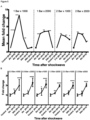
- the inventor has determined that exposure of vascular endothelial cells to shockwaves results in the rapid and transient increase in the gene expression of SDF-1.
- Maximum expression of SDF-1 is seen between 2-6 hours, i.e. about 4 hours, after exposure to shockwaves, returning to baseline levels by the 24 hour time point.
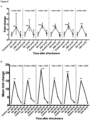
- a similar expression pattern was observed for VEGFA and MCP1 in cardiac fibroblasts, in which maximum expression is observed around 3 hours after exposure to shockwaves.
- shockwaves increases SDF-1 expression in fibroblasts, there is a lag in expression such that maximum expression is not seen until at least about 24 hours after exposure to shockwaves.
- stem cells and/or a pharmacological mobiliser of stem cells may be administered (i.e. for administration) at least 8 hours before the shockwave therapy, e.g. at least 12, 16, 20, 24 hours before the shockwave therapy.
- stem cells and/or a pharmacological mobiliser of stem cells may be administered (i.e. for administration) at least 24, 30, 36, 42 or 48 hours before the shockwave therapy.
- stem cells and/or a pharmacological mobiliser of stem cells immediately after shockwave therapy, i.e. as soon as possible after shockwave therapy.
- This may be in addition to the prior administration described above or as an alternative embodiment, i.e. in some embodiments the stem cells and/or a pharmacological mobiliser of stem cells are not administered before shockwave therapy.
- Administration immediately or as soon as possible after shockwave therapy means within minutes or hours after shockwave therapy has been completed, e.g. within 5, 10, 15, 20, 30, 45, 60, 90 or 120 minutes of the completion of shockwave therapy, i.e. the completion of a shockwave therapy dose, e.g. 500-2000 pulses.
- administration may be within 1, 2, 3, 4, 5, 6, 7, 8, 9, 10, 11 or 12 hours of the completion of shockwave therapy.
- the shockwave therapy dose (e.g. 500-2000 pulses) may be administered over more than one session, i.e. administration of the dose may be interrupted.
- the stem cells and/or a pharmacological mobiliser of stem cells may be administered during the shockwave therapy, e.g. during an interruption in the administration of a shockwave dose.
- shockwave therapy and “Extracorporeal Shockwave Therapy” (ESWT) are used interchangeably herein and refer to the administration of high amplitude pulses of mechanical energy (acoustic pressure waves), similar to soundwaves, typically generated by an electromagnetic coil.
- ESWT refers to the use of "low energy” shockwaves.
- “high energy” shockwaves may be defined as those used in “Extracorporeal shock wave lithotripsy” (ESWL), which is a non-invasive treatment of kidney stones.
- ESWL Extracorporeal shock wave lithotripsy
- the "low energy” shockwaves for use in the present invention are distinct from shockwaves used in ESWL.
- low energy shockwaves may be defined as shockwaves having energy of about 0.01-0.50 mJ/mm 2 (approximately 0.1-5 Bar).
- high energy shockwave may be defined as shockwaves having energy of at least 0.85 mJ/mm 2 (approximately 8.5 Bar).
- the low energy shockwaves for use in the present invention have energy of approximately 0.01-0.45 mJ/mm 2 , e.g. 0.02-0.40, 0.03-0.35, 0.04-0.30 or 0.05-0.25 mJ/mm 2 (approximately 0.1-4.5 Bar, e.g. 0.2-4, 0.3-3.5, 0.4-3.0 or 0.5-2.5 Bar).
- the low energy shockwaves for use in the present invention have energy of about 0.05, 0.10, 0.15, 0.2 or 0.25 mJ/mm 2 (approximately 0.5, 1, 1.5, 2 or 2.5 Bar).
- the low energy shockwaves may be administered using any suitable means known in the art.
- the shockwave therapy may be administered using an electro-hydraulic extracorporeal shockwave lithotripter, such as a DUOLITH ® SD1 lithotripter.
- the Examples describe the administration of shockwaves in vitro using apparatus that generates radial shockwaves.
- Radial shockwaves spread out over a large surface area and thus do not penetrate deep tissue.
- radial shockwaves typically find utility in the treatment of near surface pathologies such as myofascial pain syndromes. Accordingly, radial shockwaves are particularly suitable for in vitro experiments, where deep penetration is not required.
- the uses of the invention typically use apparatus capable of generating focussed shockwaves, which are capable of penetrating deep tissue, such as the heart. Focussed shockwaves have a small focal point that enables a specific area of tissue to be targeted. Both radial shockwaves and focussed shockwaves are "pressure waves" which generate similar biological responses, i.e.
- the primary difference between radial and focussed shockwaves in the context of the present invention relates to the depth of tissue penetration. Accordingly, in a preferred aspect of the invention, the shockwaves used in the uses of the invention are focussed shockwaves.
- Extracorporeal means that the shockwaves are generated externally to the body and transmitted, e.g. from a pad, through the skin.
- shockwave therapy involves the administration of multiple low energy shockwave pulses.
- shockwave therapy i.e. a dose of low energy shockwaves
- shockwave therapy comprises administration of about 500-2000 pulses, e.g. 600-1900, 700-1800, 800-1700, 900-1600 or 1000-1500 pulses.
- shockwave therapy for use in the present invention is extracorporeal cardiac shockwave therapy, meaning that the shockwaves are focussed on the cardiac tissue, as described in more detail below.
- the shockwave pulses are delivered (i.e. administered) during the isovolumic contraction and/or isovolumic relaxation periods of the cardiac cycle.
- shockwave therapy comprises administration of shockwave pulses (i.e. one or more pulses) during the isovolumic contraction and/or isovolumic relaxation period of the heart.
- the isovolumic (isovolumetric) contraction period is the time in early systole during which the ventricles contract with no volume change (isovolumetrically). This short-lasting portion of their contraction takes place during a moment when the heart valves are all closed.
- IVRT isovolumic relaxation time
- shockwave pulses e.g. 500-2000 pulses
- the length of treatment i.e. the amount of time required to deliver (administer) as dose of shockwaves, e.g. 500-2000 pulses
- all of the shockwave pulses e.g. 500-2000 pulses
- shockwave pulses are administered in more than one session, i.e. the 500-2000 pulses are administered over multiple sessions. Preferably all of the sessions are within the time period mentioned above, i.e. within a 4 hour period.
- the shockwave pulses are delivered (i.e. administered) to the diseased segments or areas of the heart (e.g. the infarcted tissue) and its surrounding cardiac tissue.
- the focal point of the shockwave pulses may be targeted to a specific region of the cardiac tissue, i.e. the diseased segments.
- the location of the diseased or affected (e.g. infarcted) segments may be determined generally using electrocardiogram (ECG) pattern recognition and/or echocardiography (echo) visualisation (i.e. a cardiac echo, which is a sonogram of the heart).
- ECG electrocardiogram
- echo echocardiography
- the region of the heart (i.e. cardiac tissue) to be targeted by shockwave therapy is determined by echocardiography (echo) visualisation and/or ECG pattern recognition.
- the location of diseased segments of the heart may be determined precisely using cardiac magnetic resonance imaging (MRI).
- MRI cardiac magnetic resonance imaging
- cardiac MRI may be used to determine the area at risk, salvage index and to measure other functional indices.
- Cardiac MRI should ideally be performed as soon as possible after the myocardial infarction, e.g. within one week of myocardial infarction.
- the region of the heart (i.e. cardiac tissue) to be targeted by shockwave therapy i.e. the region on which the focal point of the shockwave pulses is targeted
- MRI magnetic resonance imaging
- a step of determining the size of the diseased segment of the cardiac tissue may be required, i.e. determining or evaluating the area and/or volume of the infarcted tissue, e.g. scar tissue.
- Cardiac MRI may be used to assess the efficacy of the therapeutic uses of the invention.
- a step of MRI the heart of a subject following treatment according to the invention may be used to determine the efficacy of the treatment and/or to determine the prognosis of the subject.
- Such steps may be performed at appropriate time intervals, e.g. daily, weekly, monthly and/or annually.
- shockwave treatment i.e. doses of shockwave pulses
- the weekly treatment session(s) may be repeated or cycled, e.g. every week, every two weeks, every month or every two months for up to 6 months.
- these cycles may be repeated, e.g. quarterly, bi-annually, annually etc., e.g.
- the efficacy of the treatment may be monitored using cardiac MRI and an appropriate treatment schedule will depend on the subject to be treated and is within the purview of a person of skill in the art.
- the DPP-4 inhibitor for use in the combined therapy of the invention may be administered prior to, simultaneously with and/or after administration of the shockwave therapy.
- administration of the DPP-4 inhibitor commences prior to shockwave therapy and is administered throughout the course of the shockwave therapy.
- the DPP-4 inhibitor is administered to the subject continuously over that period, e.g. daily or weekly doses of the DPP-4 inhibitor are administered to the subject over the period of shockwave treatment.
- the DPP-4 inhibitor will be administered prior to the start of shockwave therapy and may be continued after shockwave therapy to maximise the effects.
- administration of the DPP-4 inhibitor may commence weeks, e.g.
- shockwave pulses prior to the first dose of shockwave pulses and may continue for weeks or months after the last dose of shockwave pulses, e.g. at least 1, 2, 3, 4, 5 or 6 weeks, such as 1, 2, 3, 4, 5 or 6 months after the last dose of shockwave pulses are administered.
- DPP-4 inhibitor or "DPP-4 antagonist” refer to agents capable of directly or indirectly inhibiting, reducing or blocking the activity or function of DPP-4.
- direct inhibitors include agents that interact directly with DPP-4 to inhibit, reduce or block the activity or function of DPP-4. Such agents may work via competitive inhibition, uncompetitive inhibition, on-competitive inhibition or mixed inhibition. Indirect inhibitors do not interact directly with DPP-4.
- indirect inhibitors may inhibit, reduce or block the activity or function of DPP-4 by reducing the expression of the gene encoding the DPP-4 enzyme.
- the DPP-4 inhibitor directly inhibits, reduces or blocks the activity or function of DPP-4.
- DPP-4 inhibitor refers to a class of oral hypoglycaemic drugs that block DPP-4 activity directly.
- DPP-4 inhibitors typically are used to block the degradation of glucagon-like peptide 1 (GLP1) and find utility in the treatment of diabetes.
- GLP1 glucagon-like peptide 1
- DPP-4 inhibitors include Sitagliptin, Linagliptin, Vildagliptin, Saxagliptin, Gemigliptin, Anagliptin, Teneligliptin, Alogliptin, Trelagliptin, Dutogliptin, Omarigliptinand Lupeol.
- the DPP-4 inhibitor for use in the invention may be Sitagliptin, Linagliptin, Vildagliptin, Gemigliptin, Anagliptin, Teneligliptin, Trelagliptin, Dutogliptin, Omarigliptin, Lupeol or a combination thereof.
- the DPP-4 inhibitor for use in the invention may be Sitagliptin, Linagliptin or a combination thereof.
- the DPP-4 inhibitor for use in the invention is not Alogliptin or Saxagliptin.
- salts of such compounds including both organic and inorganic salts (e.g. with alkali and alkaline earth metals, ammonium, ethanolamine, diethanolamine and meglumine, chloride, hydrogen carbonate, phosphate, sulphate and acetate counterions).
- organic and inorganic salts e.g. with alkali and alkaline earth metals, ammonium, ethanolamine, diethanolamine and meglumine, chloride, hydrogen carbonate, phosphate, sulphate and acetate counterions.
- solvates with water or organic solvents such as ethanol. Such solvates are also included within the scope of this invention.
- stem cell and “progenitor cell” as used herein refer to undifferentiated biological cells that can differentiate into specialized cells, i.e. totipotent, pluripotent or multipotent cells.
- the stem cells are non-embryonic stem cells.
- the stem cells or progenitor cells for use in the present invention are capable of differentiating into cardiac stem cells and/or cardiomyocytes.
- the stem cells or progenitor cells may be derived or recruited from the peripheral circulation, i.e. blood.
- the stem cells or progenitor cells typically may be harvested or obtained from the peripheral circulation, i.e. blood, of the subject to be treated or a donor subject.
- the stem cells or progenitor cells may be harvested or obtained from other appropriate tissues, such as bone marrow.
- the stem cells or progenitor cells are derived from or comprise bone marrow-derived mononuclear cells.
- BM-MNCs bone marrow-derived mononuclear cells
- lymphoid cells lymphoid cells
- monocytes monocytes
- macrophages monocytes
- M2 macrophages and hematopoietic progenitor cells may act in combination in the rescue, repair or facilitate the replacement of damaged or dead cardiomyocytes, e.g. resulting from ischaemic reperfusion injury.
- T-cells are attracted (recruited) to heart tissue following the shockwave therapy (including combined therapy), which would create an environment conducive for cell survival.
- the stem cells or progenitor cells comprise a population of cell comprising hematopoietic progenitor cells and optionally one or more cell types selected from lymphoid cells (lymphocytes, e.g. T-cells), monocytes and macrophages.
- lymphoid cells e.g. lymphoid cells
- monocytes e.g. monocytes
- macrophages e.g. monocytes
- the stem cells or progenitor cells are or comprise hematopoietic progenitor cells and optionally macrophages, particularly M2 macrophages.
- M2 macrophages (also referred to as alternatively activated macrophages) broadly refers to macrophages that function in constructive processes like wound healing and tissue repair. M2 macrophages may also turn off damaging immune system activation by producing anti-inflammatory cytokines like IL-10. M2 macrophages produce high levels of IL-10, TGF-beta and low levels of IL-12. Notably, M2 macrophages do not constitute a uniform population and often are further subdivided into M2a, M2b and M2c categories. M2a macrophages are involved in the Th2 type immune response, e.g. against parasites.
- M2b macrophages are considered immunity-regulating and are induced by IL-1, LPS and immune complexes.
- M2c macrophages are induced in the presence of IL-10 and TGF-b. They are often referred to as deactivated or anti-inflammatory and are known to be involved in tissue repair and remodelling. They produce large amounts of IL-10 and TGF-beta and express multiple receptors, such as: CD163, CD206, RAGE and other scavenger receptors.
- the M2 macrophages are M2c macrophages.
- pharmacological stem cell mobiliser refers to agents capable of directly or indirectly inducing, enhancing or increasing the number of stem cells in the peripheral circulation of a subject.
- the pharmacological stem cell mobiliser may be a hematopoietic stem cell mobiliser.
- agents are known in the art, such as parathyroid hormone, G-CSF, ancestim, Mozobil, plerixafor and Stemgen and any such agent may be used in the uses of the invention.
- the pharmacological stem cell mobiliser is parathyroid hormone or a fragment thereof.
- Parathyroid hormone also called parathormone or parathyrin
- PTH is a hormone secreted by the parathyroid glands.
- PTH is secreted by the chief cells of the parathyroid glands as a polypeptide containing 84 amino acids, which is a prohormone.
- the effective hormone-receptor interaction requires solely the 34-N-terminal amino acids of the prohormone.
- the fragment of PTH for use in the invention comprises at least the 34-N-terminal amino acids of PTH.
- the fragment comprises or consists of teriparatide.
- Teriparatide is a recombinant form of PTH consisting of the 34-N-terminal amino acids of PTH.
- engraftment refers to the incorporation of grafted tissue into the body of the host.
- engraftment refers to the incorporation of stem cells into the heart tissue of the subject to be treated.
- the stem cells may be endogenous to the subject to be treated, e.g. mobilised as a result of the administration of a stem cell mobiliser, such as parathyroid hormone.
- the stem cells may be exogenous, i.e. administered separately, e.g. obtained or harvested from the subject to be treated or a donor subject, optionally modified in vitro, and subsequently administered to the subject to be treated.
- heart failure includes any condition characterised by impaired cardiac function, specifically impaired ventricular function (ventricular dysfunction), either due to reduced pump action (systolic dysfunction) or reduced filling (diastolic dysfunction).
- ventricular dysfunction may be described as a condition of ventricular contractile dysfunction. Inadequate ventricular emptying is seen.
- Diastolic dysfunction may be described as resistance to ventricular filing.
- Heart failure may thus be seen as a ventricular condition or condition of ventricular failure.
- the heart failure may be left-sided (left ventricular involvement or dysfunction) or right-sided (right ventricular involvement or dysfunction) or it may involve both the sides of the heart (both right and left ventricles).
- Heart failure implies impaired function of the myocardium of the heart.
- the therapeutic uses disclosed herein may improve the function of the myocardium of the heart.
- the ejection fraction discussed below
- various compensatory mechanisms may increase the stroke volume such that the ejection fraction is not immediately reduced (e.g. by alteration of the preload, afterload, systemic vascular resistance or other compensatory mechanism).
- the therapeutic uses disclosed herein may maintain the function of the myocardium of the heart.
- chronic forms of heart failure i.e. chronic heart failure
- chronic heart failure i.e. chronic heart failure
- heart failure can be defined as a disorder which may result from any condition that reduces the ability of the heart to pump blood.
- the cause is decreased contractility of the myocardium resulting from diminished coronary blood flow (e.g. heart failure caused by coronary artery disease (CAD) or coronary ischemic disease), but failure to pump adequate quantities of blood can also be caused by damage to heart valves, external pressure around the heart, primary cardiac muscle diseases (e.g. idiopathic dilated cardiomyopathy) or any other abnormality which makes the heart a hypoeffective pump.
- CAD coronary artery disease
- ischemic disease coronary ischemic disease
- chronic heart failure is particularly concerned.
- heart failure caused by or resulting from ischaemic heart disease (ischaemic cardiomyopathy), particularly chronic ischaemic heart disease (e.g. chronic myocardial ischemia).
- heart failure to be treated by the uses of the invention is chronic or ischaemic heart failure.
- heart failure to be treated by the uses of the present invention is a result of cardiac ischaemic reperfusion injury, e.g. caused by myocardial infarction.
- cardiac ischaemic reperfusion injury refers to the damage to cardiac tissue caused when blood supply returns to the cardiac tissue after a period of ischemia or lack of oxygen (anoxia, hypoxia).
- anoxia anoxia, hypoxia
- the absence of oxygen and nutrients from blood during the ischemic period creates a condition in which the restoration of circulation and rapid elevation of oxygen levels (i.e. normoxia or hyperoxia) results in inflammation and oxidative damage through the induction of oxidative stress rather than restoration of normal function. This in turn may result in apoptosis of cardiomyocytes and a subsequent impairment of the myocardium of the heart.
- “Hypoxia” refers to a condition of low oxygen tension, typically in the range 1-5% O 2 , and is often found in the central region of tumours due to poor vascularisation. "Anoxia” refers to a substantial absence of oxygen, e.g. oxygen tensions of less than 0.5% O 2 , such as less than 0.1% O 2 . “Normoxia” refers oxygen tensions between 10-21 %. “Hyperoxia” refers of oxygen tensions above 21%.
- Heart failure may be manifest in two ways: (1) by a decrease in cardiac output or (2) by a damming of blood in the veins behind the left or right heart.
- the heart can fail as a whole unit or either the left side or the right side can fail independently of the other. Either way, heart failure may lead to circulatory congestion and this has in the past been referred to as congestive heart failure.
- Heart failure can be divided into two phases, acute heart failure (short term and unstable) and chronic heart failure (long term and relatively stable).
- the division between the two is difficult to define precisely, but generally acute heart failure is the stage of failure which occurs immediately after heart damage (i.e. has a rapid onset and short course) and is associated with instability in cardiac function and circulation, for example a sudden drop in cardiac output.
- Providing the acute phase is not so severe as to result in death, the sympathetic reflexes of the body are immediately activated and can compensate for the sudden loss in cardiac function. Such compensation can often be so effective and rapid that it is possible that no noticeable effect on the subject will be felt if a subject remains calm.
- a prolonged secondary state begins. This is characterised by a retention of fluid by the kidneys and by the progressive recovery of the heart over a period of several weeks to months up until the point at which the cardiac condition stabilises. This phase of stability is known as chronic heart failure. Although the heart has compensated and stabilised it is still weak and may become progressively weaker.
- the stability associated with the chronic phase of heart failure can take a matter of months to develop.
- a patient exhibiting symptoms of heart failure for greater than 3 months or more preferably greater than 6 months can be regarded as having chronic heart failure, providing that no further symptoms of acute heart failure have occurred during this 3 month or 6 month period.
- the heart failure may be systolic heart failure.
- a reduced ventricular ejection fraction particularly a reduced left ventricular ejection fraction (LVEF) when compared to a "normal" subject who has not suffered from heart failure.
- LVEF left ventricular ejection fraction
- a reduced left ventricular ejection fraction is usually above 60% (typically between 55%-70%), while an ejection fraction less than 45%, particularly less than 40%, is characterized as systolic dysfunction.
- a LVEF of less than 45% is characteristic of reduced heart function in subjects with heart failure, particularly chronic heart failure.
- an ejection fraction of 35%-45% may be characterised as mildly impaired heart function.
- An ejection fraction of 25%-35% may be characterised as moderately impaired heart function.
- An ejection fraction of less than 25% may be characterised as severely impaired heart function.
- Subjects with an ejection fraction of less than 15% may be characterised as having end-stage heart failure and may be candidates for a heart transplant. Subjects with an ejection fraction of less than 5% are not expected to survive long-term.
- diastolic dysfunction in which the ejection fraction is relatively preserved (e.g. left ventricular EF>40%) or normal, but where ventricular filling, e.g. left ventricular filling, is reduced.
- Preferred subjects for treatment according to the present invention include those with a LVEF of less than 40% (LVEF ⁇ 0.40). In some embodiments, subjects may be defined as those with an LVEF of less than 35% (LVEF ⁇ 0.35). However, as mentioned above, some subjects in the early phase of heart failure may have a normal LVEF, e.g. 45% or higher. Thus, in some embodiments, subjects for treatment according to the present invention include those with a LVEF of less than 60% (LVEF ⁇ 0.60), preferably less than 55% (LVEF ⁇ 0.55), such as less than 50% (LVEF ⁇ 0.50) or less than 45% (LVEF ⁇ 0.45).
- NYHA The New York Heart Association (NYHA) classification system divides heart disease into four classes, depending on the severity of disease.
- NYHA class I Patients with cardiac disease but without resulting limitations of physical activity, e.g. no shortness of breath, fatigue or heart palpitations with ordinary physical activity;
- Class II Patients with cardiac disease resulting in slight limitation of physical activity, e.g. shortness of breath, fatigue or heart palpitations with ordinary physical activity, but patients are comfortable at rest.
- Class III Patients with cardiac disease resulting in marked limitation of physical performance, e.g. shortness of breath, fatigue, or heart palpitations with less than ordinary physical activity, but patients are comfortable at rest.
- Class IV Patients with cardiac disease resulting in inability to carry on any physical activity without discomfort, e.g. shortness of breath, fatigue or heart palpitations with any physical exertion and symptoms may be present even at rest.
- the invention may be used for the treatment or prophylaxis of all classes of heart failure but particularly the classes II-IV or subjects in classes III-IV.
- the patient or subject may be in any one or more of classes I to IV, but preferably they are in classes II-IV or III-IV.
- the present invention may be used for the treatment or prevention (prophylaxis) of any kind of heart failure, irrespective of cause or aetiology.
- the resistance of the heart to heart failure may be increased.
- the present invention may thus be used to treat established or symptomatic or overt heart failure, particularly chronic heart failure, but including also acute heart failure or heart failure which is evolving or developing, including incipient heart failure or heart failure which is asymptomatic. It may also be used to prevent or delay the onset of heart failure or to prevent, limit or reduce the development of heart failure, for example to reduce or limit the extent or degree to which the heart failure develops or to reduce the susceptibility of the heart to heart failure. Thus, for example the development of terminal heart failure may be delayed.
- the invention may be used to improve the prognosis of a subject with, or at risk of, heart failure.
- the heart failure, particularly chronic heart failure, to be treated according to the present invention may result from any cause, e.g. may be the result of a primary disease or may be secondary to another disease.
- the heart failure to be treated is chronic heart failure secondary to either idiopathic dilated cardiomyopathy (IDCM) and/or coronary ischemic disease (coronary artery disease - CAD).
- IDCM idiopathic dilated cardiomyopathy
- coronary ischemic disease coronary artery disease - CAD
- the heart failure to be treated according to the invention is post-infarction heart failure or ischaemic heart failure.
- Heart failure arising from any other cause, for example as mentioned above, is included within the scope of this invention.
- subjects to be treated according to the present invention may exhibit symptomatic heart failure.
- Symptoms of heart failure are listed above and may include weight gain, swelling of feet and ankles or abdomen, pronounced neck veins, loss of appetite, indigestion, nausea and vomiting, shortness of breath with activity or after lying down, difficulty sleeping, fatigue, weakness or faintness, palpitations, irregular or rapid pulse, decreased alertness or concentration, cough, decreased urine output, and need to urinate at night, although not all or any of these symptoms may be present with heart failure.
- LV and/or RV reduced ejection fractions
- impaired haemodynamic variables such as those listed above.
- the subjects may be receiving standard treatment(s) for heart failure, including standard pharmacological treatments such as one or more of beta blockers, ACE inhibitors, ARBs, aldosterone antagonists, diuretics, antihypertensives, cardiac glycosides, angiotensin receptor-neprilysin inhibitor (ARNI) combination therapy (e.g. Valsartan/sacubitril) etc.
- ARNI angiotensin receptor-neprilysin inhibitor
- the subjects may or may not be receiving beta blockers.
- the subject may be receiving treatment with an NPR-A agonist, such as BNP, e.g. recombinant BNP or an analogue or derivative thereof, or another natriuretic peptide or an analogue or derivative thereof.
- an NPR-A agonist such as BNP, e.g. recombinant BNP or an analogue or derivative thereof, or another natriuretic peptide or an analogue or derivative thereof.
- ventricular remodelling particularly left ventricular remodelling, which manifests as gradual increases in left ventricular end-diastolic and end-systolic volumes, wall thinning, and a change in chamber geometry to a more spherical, less elongated shape. This process is usually associated with a continuous decline in ejection fraction.
- remodelling, and particularly ventricular, preferably left ventricular, remodelling may be reduced or prevented.
- Remodelling may lead to ventricular dysfunction, particularly left ventricular dysfunction.
- ventricular dysfunction is treated or prevented.
- treatment refers to reducing, alleviating, ameliorating or eliminating the disease (which term includes any disease, condition or disorder), or one or more symptoms thereof, which is being treated (e.g. the heart failure or a symptom thereof), relative to the disease or symptom prior to the treatment.
- Treatment may include an improvement or increase in cardiac function or performance, and in particular ventricular function or performance, more particularly left ventricular function or performance.
- Prophylaxis refers to delaying, limiting or reducing the disease or the onset of the disease, or one or more symptoms thereof, for example relative to the disease or symptom prior to the prophylactic or preventative treatment. Prophylaxis thus explicitly includes both absolute prevention of occurrence or development of the disease or symptom, or reduction or limitation of the development or progression of the disease or symptom.
- the subject or patient of treatment or prophylaxis may be any human or non-human animal subject, but preferably will be a mammal, for example a human or any livestock or domestic animal, e.g. mice, rats, pigs, cats, dogs, sheep, rabbits, horses, cows or monkeys. Most preferably the subject will be a human subject.
- treatment in accordance with the present invention includes an improvement or alleviation of any of the symptoms associated with the heart failure and also an improved quality of life for a patient and, ultimately a prolonged lifetime and improved survival, i.e. an improved prognosis.
- Treatment in accordance with the present invention also includes an improvement or increase of the functionality of the heart or, in other words a long-term improvement or increase in cardiac function or performance.
- treatment in accordance with the present invention may result in an improvement or increase in any one or more of the symptoms and functional parameters associated with heart failure and in particular the symptoms and parameters relating to ventricular and particularly left ventricular function.
- LVEF left ventricular ejection fraction
- echo i.e. a cardiac echo
- ECG electrocardiogram
- MUGA scan ECG synchronized gated radionuclide ventriculography
- MRI magnetic resonance imaging
- An improvement in LVEF has been found to be associated with improved survival amongst heart failure patients. Thus, this is an important and advantageous parameter to be improved in subjects treated in accordance with the present invention. RVEF may also be increased.
- LVEF LVEF
- a number of other parameters associated with cardiac performance may be improved in accordance with the present invention.
- One of these is a significant improvement in overall clinical status and thus clinical performance as evaluated by NYHA functional class.
- the NYHA functional class of a patient may be reduced after treatment in accordance with the present invention.
- Such a clinical evaluation may normally be carried out by a trained cardiologist.
- exercise capacity for example, as measured by peak oxygen uptake and peak work load.
- a decreased exercise capacity is an inconvenient and potentially debilitating symptom of many heart failure patients.
- Methods for measuring exercise capacity are well known and documented in the art.
- exercise testing can be carried out using an electrically braked bicycle ergometer.
- An exemplary protocol might consist of a starting work rate of 20 W increasing by 20 W every second minute until exhaustion (defined as an inability to keep the pedalling rate steady at 60 rpm).
- Oxygen uptake (VO2) can be measured using for example the EOS/SPRINT system. Peak VO2, is taken as the highest VO2 observed.
- Another example of exercise testing is the 6-minute walk test, where the patient is asked to walk as long as possible during 6-minutes under standardised conditions, and the walked distance represents a measure of exercise capacity.
- Hemodynamic echocardiographic parameters and variables may also be assessed to indicate improved cardiac function.
- improved cardiac function may be indicated by a decrease in pulmonary capillary wedged pressure and/or in pulmonary artery pressure, and/or an increase in peak heart rate, peak systolic blood pressure and mitral velocity deceleration time.
- Echocardiographic variables may conveniently be measured by echocardiography carried out by a trained cardiologist and haemodynamic variables can conveniently be assessed by right-sided heart catheterization according to standard techniques.
- Nt-proANP or Nt-proBNP Another important variable which may be assessed is the plasma level of Nt-proANP or Nt-proBNP. Increased or generally high levels of Nt-proANP or Nt-proBNP have been recognised as markers of cardiac dysfunction. Moreover, levels of Nt-proANP have been shown in the past to correlate with pulmonary artery pressures in heart failure and provide important prognostic information in heart failure patients. Levels of Nt-proANP or Nt-proBNP in a blood sample can be measured in a number of ways well known and documented in the art, for example by radioimmunoassay. Prior to the immunoassay, plasma is separated from a blood sample taken from the patient again by methods well known and documented in the art.
- the above described "improvement” or “increase” in the symptoms, parameters and/or prognosis of the subject includes any measurable improvement or increase when the parameter in question is compared with the equivalent parameter in a non-treated individual or when the parameter in question is compared with the equivalent parameter in the same individual taken at an earlier time point (e.g. comparison with a "base line” level).
- the improvement or increase will be statistically significant.
- the improvement or increase in the symptoms, parameters and/or prognosis will be associated with the improved health of the patient concerned and more preferably a prolonged survival.
- a parameter is generally regarded as significant if a statistical comparison using a two-tailed significance test such as a Student t-test or Mann-Whitney U Rank-Sum test shows a probability value of ⁇ 0.05.
- the present invention may be used in the improvement of cardiac function, particularly cardiac function in heart failure. More specifically, in the long-term, the present invention may be used to increase ventricular function, particularly left ventricular function (e.g. LVEF), more particularly in heart failure.
- LVEF left ventricular function
- the present invention may result in the reduction of plasma Nt-proANP or Nt-proBNP levels.
- a reduction in the plasma levels of Nt-proANP or Nt-proBNP is an indicator of improved cardiac function and performance.
- "Reduction" as used herein includes any measurable reduction when the parameter in question is compared with the equivalent parameter in a non-treated individual or when the parameter in question is compared with the equivalent parameter in the same individual taken at an earlier time point (e.g. comparison with a "base line” level).
- the reduction is statistically significant as discussed above.
- the reduction in the levels of Nt-proANP or Nt-proBNP will be associated with an improved feeling of health in the patient concerned and more preferably a prolonged survival.
- the patient or subject may be identified as in need of treatment or prophylaxis of heart failure (e.g. as suffering from heart failure, or as being at risk of developing, or susceptible to, heart failure), before the combined therapy of the invention is administered.
- a patient or subject may be identified as in need of treatment or prophylaxis of heart failure (e.g. as suffering from heart failure, or as being at risk of developing, or susceptible to, heart failure), before the combined therapy of the invention is administered.
- Such identification can be on the basis of symptoms and/or parameters which are indicative of heart failure, or risk of heart failure, as discussed above.
- cardiac performance may be increased following the administration of the combined therapy of the invention.
- the various aspects of the present invention as presented and discussed above may further include assessing the subject being treated for an improvement in cardiac performance, or in the heart failure or symptom thereof following administration of the combined therapy of the invention.
- this assessment may be an assessment for an improvement in cardiac performance or function, particularly ventricular and especially left ventricular, performance or function or for an improvement in any symptom or parameter of heart failure, as discussed above.
- the subject may be assessed for one or more factors which are risk factors for heart failure.
- these may be ischaemic disease or conditions, e.g. coronary artery disease, cardiomyopathy, hypertension, valvular disease, congenital heart defects or any other predisposing condition or factor known in the art or described or mentioned above.
- the subject may be assessed for the development of heart failure or for one or more risk factors for heart failure.
- the shockwave therapy is used in combination with a pharmacological agent, i.e. a DPP-4 inhibitor and optionally a mobiliser of stem cells (e.g. parathyroid hormone), wherein the pharmacological agent may be conveniently formulated in a pharmaceutical composition for use according to the present invention.
- a pharmaceutical composition refers to a composition comprising a pharmacological agent (i.e. a pharmacologically active agent or ingredient), e.g. a DPP-4 inhibitor and/or mobiliser of stem cells (e.g. parathyroid hormone) with at least one pharmaceutically acceptable carrier, diluent or excipient.
- the present invention may be viewed as providing a pharmaceutical composition for use in the treatment or prevention (prophylaxis) of heart failure, or in the treatment of cardiac ischaemic reperfusion injury, in a subject, wherein said subject has been administered extracorporeal cardiac shockwave therapy and wherein said composition comprises a DPP-4 inhibitor together with at least one pharmaceutically acceptable carrier, and is for administration prior to, simultaneously with, and/or after administration of said shockwave therapy.
- active ingredient a pharmacological agent, i.e. a pharmacologically active agent or ingredient
- the active ingredient in such compositions may comprise from 0.05% to 99% by weight of the formulation, for example from 0.1% to 1.0% or around 0.5%.
- concentration of active ingredient in the formulation will depend on the type of formulation. For example, enteral products (e.g. tablets and capsules) can typically have 5% to 50% active ingredients by weight, whereas parenteral formulations usually have a lower concentration of active compound e.g. 0.1% to 3% active ingredient by weight, for example in an injection solution.
- pharmaceutically acceptable is meant that the ingredients must be compatible with other ingredients of the composition as well as physiologically acceptable to the recipient.
- a pharmaceutical composition may be formulated according to any of the conventional methods known in the art and widely described in the literature.
- the active ingredient e.g. a DPP-4 inhibitor
- the active ingredient may be incorporated, optionally together with other active substances, with one or more conventional carriers, diluents and/or excipients, to produce conventional galenic preparations which are suitable or can be made suitable for oral, subcutaneous, intramuscular, intravenous or any other administration such as powders, sachets, cachets, elixirs, suspensions, emulsions, solutions, syrups, ointments, sterile injectable solutions, sterile packaged powders, and the like.
- a pharmaceutical composition comprising an active ingredient (e.g.
- parathyroid hormone may be prepared in a form appropriate for infusion or injection into a patient.
- Such infusion or injection is preferably intramuscular (i.m.) but may also be given subcutaneously (s.c.) or intravenously (i.v.).
- compositions comprising the DPP-4 inhibitor may be provided in a form adapted for oral administration.
- pharmaceutical forms may include plain or coated tablets, capsules, suspensions and solutions containing the active component (e.g. DPP-4 inhibitor) optionally together with one or more inert conventional carriers and/or diluents.
- compositions comprising the pharmacological agent for mobilising stem cells may be provided in a form adapted for parenteral administration, particularly intramuscular or intra-abdominal administration.
- pharmaceutical forms may include sterile injectable solutions or suspensions optionally together with one or more inert conventional carriers and/or diluents.
- Suitable carriers, excipients, and diluents are lactose, dextrose, sucrose, maltose, glucose, sorbitol, mannitol, starches, gum acacia, calcium phosphate, aglinates, tragacanth, gelatin, calcium silicate, microcrystalline cellulose, polyvinylpyrrolidone, cellulose, water syrup, water, water/ethanol, water/ glycol, water/polyethylene, glycol, propylene glycol, methyl cellulose, methylhydroxybenzoates, propyl hydroxybenzoates, talc, magnesium stearate, mineral oil or fatty substances such as hard fat or suitable mixtures thereof.
- compositions may additionally include lubricating agents, wetting agents, emulsifying agents, suspending agents, preserving agents, sweetening agents, flavouring agents, and the like.
- the compositions may be formulated so as to provide quick, sustained or delayed release of the active ingredient after administration to the patient by employing procedures well known in the art.
- Solubilizing and/or stabilizing agents may also be used, e.g. cyclodextrins (CD) ⁇ , ⁇ , ⁇ and HP- ⁇ cyclodextrin.
- CD cyclodextrins
- Suitable doses will vary from patient to patient and can be determined by the physician in accordance with the weight, age and sex of the patient, mode of administration, and the severity of the condition and also the particular active ingredient used for treatment.
- Exemplary unit doses for oral administration may contain 1 to 250 mg, of the active ingredient, although it will be understood that this may of course vary, depending on the particular antagonist used etc.
- a unit dose of sitagliptin may be in the range of 100mg, e.g. 75-125mg
- a unit dose of linagliptin may be in the range of 5mg, e.g. 1-10mg.
- the daily dose for oral administration may for example be in the range of approximately 0.01 to 10 mg/kg/day, e.g. 0.1 to 5 mg/kg/day, for example 0.1 to 2 mg/kg/day.
- a 70 kg adult would receive a daily dose of 1 to 700 mg or 0.7 to 700 mg, more usually 1 to 350 mg or 7 to 350 mg for example 7 to 140 mg.
- parenteral (e.g. intravenous or intramuscular) administration e.g. parathyroid hormone
- exemplary unit doses may be between 0.1 ⁇ g and 100 ⁇ g, for example between 0.1 ⁇ g and 50 ⁇ g, such as 1-40, 2-35, 3-40, 4-35 or 5-25 ⁇ g, e.g. 20 ⁇ g.
- the daily dose for parenteral administration may for example be in the range of approximately 0.001 to 1 ⁇ g/kg/day, e.g. 0.001 to 0.5 ⁇ g/kg/day, for example 0.001 to 0.3 ⁇ g/kg/day.
- a 70 kg adult would receive a daily dose of 0.01 to 70 ⁇ g or 0.07 to 70 ⁇ g, more usually 0.07 to 35 ⁇ g or 0.7 to 35 ⁇ g for example 0.7 to 21 ⁇ g.
- the improvements seen in patients treated in accordance with the present invention may be seen after a few days, weeks or months depending on the individual patient. Once the initial improvement is seen, continued improvement over the subsequent weeks and months may also occur. As indicated above, treatment can be continued for as long as is desired or is necessary.
- the combination therapy of the present invention may be in place of, or in addition to (i.e. in combination with) the use of other drugs for treatment of heart failure.
- other drugs known to treat heart failure might be included in the pharmaceutical compositions described above or may be administered separately, in a manner appropriate for the drug concerned.
- Suitable additional or supplementary drugs or agents for treatment of heart failure are well known and documented in the art and include known drugs for use in the treatment of heart disorders.
- diuretics, vasodilators, inotropic drugs such as digoxin or digitoxin, or other compounds such as anticoagulants, ⁇ blockers, angiotensin II blockers, angiotensin converting enzyme inhibitors, angiotensin receptor-neprilysin inhibitor (ARNI) combination therapies (e.g. Valsartan/sacubitril) or aldosterone antagonists may be used.
- the combination therapies of the invention utilise DPP-4 inhibitors, which block the degradation of glucagon-like peptide 1 (GLP-1). GLP-1 increases insulin secretion while inhibiting glucagon release, thereby lowering plasma glucose levels.
- the supplementary or additional agent for administration to the subject to be treated is glucose.
- the additional or supplementary drugs or agents may be separately formulated, for administration alongside, e.g. at the same time or sequentially with, or at separate intervals from, the active agents for use in the combined shockwave therapy of the invention (e.g. DPP-4 inhibitor and/or pharmacological mobiliser of stem cells, e.g. parathyroid hormone).
- the active agents for use in the combined shockwave therapy of the invention e.g. DPP-4 inhibitor and/or pharmacological mobiliser of stem cells, e.g. parathyroid hormone.
- kits may comprise, for example separate containers for (e.g. comprising or containing) the active agents for use in the combined shockwave therapy of the invention and additional or supplementary drugs or agents, respectively, optionally together with instructions for use.
- kits or product containing:
- rat cardiomyocytes were isolated using the Langendorff method, where the explanted hearts were retrogradely perfused through the aorta with oxygenated low calcium solutions and collagenase solutions. The hearts were then diced and agitated in collagenase solutions to release the cells. The cells were washed and the cardiomyocytes were then positively selected using low-speed centrifugation and by adherence to laminin-coated culture plates (Petri dishes).
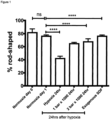
- the rat cardiomyocytes were exposed to severe hypoxia for 30 minutes (0% O 2 , 100% N 2 ).
- the groups receiving shockwave treatments 1000 pulses of 1 bar or 2 bar) were treated immediately upon return to normoxia.
- Shockwaves were delivered from the underneath the Petri dishes via direct contact between the shockwave applicator, on the handpiece of Swiss Dolarclast (EMS) shockwave system, coupled with ultrasound gel.
- EMS Swiss Dolarclast
- the group receiving exogenous SDF received no shockwave treatment upon returned to normoxia.
- the viability of the cells was assessed by counting the number of rod-shaped and round-shaped cells (wherein rod-shaped cells are viable) in triplicate 24 hours after shockwave or SDF treatment. The results are shown in Figure 1 and demonstrate that post-conditioning using shockwave therapy immediately after hypoxia increases cardiomyocyte viability relative to untreated controls, which suggests that shockwave therapy may attenuate ischemic reperfusion injury.
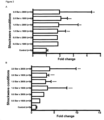
- Explanted human cardiac ventricular tissue was cut into small pieces and individually cultured in 24-well plates in M199 media. Exposure to various shockwave conditions was performed by temporarily placing the tissue pieces in 1.5ml Eppendorf tubes in M199 media. The shockwave applicator described in Example 1 was directly coupled to the tubes using ultrasound gel. The tissue pieces were then returned to their respective culture media in the incubator (37°C and 5% CO 2 ) for the 4-hour time points and then stored in RNA-Later at -80°C. In batches, the samples were completely homogenised in Trizol using a power homogenizer. The RNA was purified using chloroform and commercial spin columns. The quality of RNA was inspected using a Nanodrop spectrophotometer and reverse transcription reactions were performed.
- SDF1 Stromal derived factor 1
- VEGFA Vascular endothelial growth factor A
- MCP1 Monocyte chemotactic protein 1
- ANGP1 Angiopoietin
- TAC1 Tachykinin Precursor 1
- NOS3 Netric Oxide Synthase 3
- Human cardiac ventricular tissues were dissociated using collagenase and the single-cell suspensions were washed, plated and cultured in DMEM supplemented with 10% FCS.
- HLIVECs were harvested from the human umbilical cords and cultured in EGM2. Cells passages 3-5 were used in the experiments.
- the human cardiac fibroblasts and HUVECs were subjected to shockwave treatment as described in Example 1 and upon reaching the time points, the media was removed and the cells lysed using Trizol. SDF1 gene expression was measured at various time points after shockwave treatment in accordance with the method described in Example 2. The results are shown in Figure 5 .
- Human cardiac fibroblasts were obtained according to the method described in Example 3 and subjected to shockwave treatment as described in Example 1.
- VEGFA and MCP1 gene expression was measured at various time points after shockwave treatment in accordance with the method described in Example 2. The results are shown in Figure 6 and show that, in contrast with SDF1, VEGFA and MCP1 gene expression rapidly increased by the 3 hour time point and returned to baseline levels by the 24 hour time point.
- SDF1 expression in fibroblasts lags behind the SDF1 expression of the endothelial cells by 24hr, creating a temporal and spatial gradient from intravascular to cardiac tissue.
- Rat cardiomyocytes were cultured in standard conditions and subjected to treatment with: shockwaves (1000 pulses at 1 bar); exogenous SDF; or a PI3 kinase inhibitor (LY294002).
- shockwaves 1000 pulses at 1 bar
- exogenous SDF or a PI3 kinase inhibitor (LY294002).
- AKT phosphorylation was measured at various time points using Western Blot normalised using pan-AKT and COX IV as a loading control.
- Rat cardiomyocytes were cultured according to the method in Example 1 and subjected to treatment with shockwaves (1000 pulses at 1 bar or 2 bar). SDF1 and VEGFA gene expression was measured 4 hours after treatment as described in Example 2. The results are shown in Figure 8 and demonstrate that there is no statistically significance difference between the untreated controls and the shockwave conditions for both SDF1 and VEGFA gene expression. This indicates that the anti-apoptotic effect of shockwaves on cardiomyocytes is independent of anti-apoptotic factors such as SDF1 and VEGFA.
- Male Lewis rats (250-275g) were subjected to the following treatments for four days: (1) no treatment; (2) extracorporeal cardiac shockwave treatment on day 2 of 4 and daily water oral gavages; (3) extracorporeal cardiac shockwave treatment on day 2 of 4 and daily DPP4i oral gavages; and (4) daily DPP4i oral gavages.
- Shockwave treatments (0.25mJ/mm 2 x 1000 pulses at 4Hz using a Storz Medical DUOLITH ® SD1 device) were administered under general anaesthesia (1.5-2% isoflurane in 100% O 2 ). The shockwaves were administered continuously and targeted to the heart, which was located using finger palpation and echocardiography coupled with ultrasound gel.
- DPP4 inhibitor Linagliptin, 3mg per rat delivered as a 1mg/ml solution
- water was administered directly into the stomach via a gavage needle.
- the animals were culled and the hearts were explanted 4 days after the onset of the experiment. Blood was washed off the hearts with phosphate buffered saline, fixed in 4% paraformaldehyde overnight, cryoprotected in 30% sucrose overnight and then embedded in OCT for cryosectioning using a Cryostat.
- Figure 10 shows appearance of rat hearts after overnight incubation with 4% paraformaldehyde: A) untreated normal control, B) shockwave only; C) shockwave and DPP4i, and D) DPP4i only. It was observed that hearts from rats treated with shockwave and DPP4i have very prominent blood vessels compared to hearts from rats treated only with shockwaves. Hearts from untreated rats and rats treated only with DPP4i are very similar. It was concluded that DPP4i enhances the angiogenic process induced by shockwave and DPP4i on its own has a neutral effect.
Landscapes
- Health & Medical Sciences (AREA)
- Life Sciences & Earth Sciences (AREA)
- Animal Behavior & Ethology (AREA)
- Veterinary Medicine (AREA)
- Public Health (AREA)
- General Health & Medical Sciences (AREA)
- Engineering & Computer Science (AREA)
- Medicinal Chemistry (AREA)
- Pharmacology & Pharmacy (AREA)
- Chemical & Material Sciences (AREA)
- Epidemiology (AREA)
- Bioinformatics & Cheminformatics (AREA)
- Immunology (AREA)
- Endocrinology (AREA)
- Zoology (AREA)
- Cardiology (AREA)
- Nuclear Medicine, Radiotherapy & Molecular Imaging (AREA)
- Heart & Thoracic Surgery (AREA)
- Proteomics, Peptides & Aminoacids (AREA)
- Organic Chemistry (AREA)
- Developmental Biology & Embryology (AREA)
- Gastroenterology & Hepatology (AREA)
- General Chemical & Material Sciences (AREA)
- Chemical Kinetics & Catalysis (AREA)
- Cell Biology (AREA)
- Biomedical Technology (AREA)
- Hematology (AREA)
- Surgery (AREA)
- Vascular Medicine (AREA)
- Virology (AREA)
- Biotechnology (AREA)
- Hospice & Palliative Care (AREA)
- Medical Informatics (AREA)
- Molecular Biology (AREA)
- Orthopedic Medicine & Surgery (AREA)
- Urology & Nephrology (AREA)
- Medicines That Contain Protein Lipid Enzymes And Other Medicines (AREA)
- Medicines Containing Material From Animals Or Micro-Organisms (AREA)
- Nitrogen Condensed Heterocyclic Rings (AREA)
- Pharmaceuticals Containing Other Organic And Inorganic Compounds (AREA)
Priority Applications (2)
| Application Number | Priority Date | Filing Date | Title |
|---|---|---|---|
| RS20250446A RS66778B9 (sr) | 2016-11-24 | 2017-11-17 | Lečenje srčane insuficijencije i ishemijske reperfuzione povrede srca |
| HRP20250664TT HRP20250664T1 (hr) | 2016-11-24 | 2017-11-17 | Liječenje zatajenja srca i srčane ishemijske reperfuzijske ozljede |
Applications Claiming Priority (2)
| Application Number | Priority Date | Filing Date | Title |
|---|---|---|---|
| GBGB1619861.6A GB201619861D0 (en) | 2016-11-24 | 2016-11-24 | Treatments for heart failure and cardiac ischaemic reperfusion injury |
| PCT/GB2017/053473 WO2018096319A1 (en) | 2016-11-24 | 2017-11-17 | Treatments for heart failure and cardiac ischaemic reperfusion injury |
Publications (3)
| Publication Number | Publication Date |
|---|---|
| EP3544624A1 EP3544624A1 (en) | 2019-10-02 |
| EP3544624C0 EP3544624C0 (en) | 2025-02-12 |
| EP3544624B1 true EP3544624B1 (en) | 2025-02-12 |
Family
ID=58073526
Family Applications (1)
| Application Number | Title | Priority Date | Filing Date |
|---|---|---|---|
| EP17817018.9A Active EP3544624B1 (en) | 2016-11-24 | 2017-11-17 | Treatments for heart failure and cardiac ischaemic reperfusion injury |
Country Status (16)
| Country | Link |
|---|---|
| US (1) | US20190374623A1 (https=) |
| EP (1) | EP3544624B1 (https=) |
| JP (1) | JP7231543B2 (https=) |
| KR (1) | KR102678011B1 (https=) |
| CN (1) | CN109996558A (https=) |
| AU (1) | AU2017365926B2 (https=) |
| CA (1) | CA3044624A1 (https=) |
| ES (1) | ES3017482T3 (https=) |
| GB (1) | GB201619861D0 (https=) |
| HR (1) | HRP20250664T1 (https=) |
| HU (1) | HUE071244T2 (https=) |
| MY (1) | MY200960A (https=) |
| PL (1) | PL3544624T3 (https=) |
| RS (1) | RS66778B9 (https=) |
| RU (1) | RU2767445C2 (https=) |
| WO (1) | WO2018096319A1 (https=) |
Families Citing this family (4)
| Publication number | Priority date | Publication date | Assignee | Title |
|---|---|---|---|---|
| WO2023281447A1 (en) * | 2021-07-07 | 2023-01-12 | Radius Health, Inc. | Methods of treating a cardiovascular ischemic event |
| US20240122794A1 (en) * | 2022-10-12 | 2024-04-18 | Softwave Tissue Regeneration Technologies, Inc. | Acoustic shock wave or pressure pulse treatment and methods of use for anti-aging |
| CN115998768B (zh) * | 2023-02-07 | 2024-01-30 | 西南医科大学 | M2型巨噬细胞外泌体在制备治疗心肌缺血再灌注损伤药物中的应用 |
| CN117257785A (zh) * | 2023-11-09 | 2023-12-22 | 新疆医科大学 | 没食子酸及其衍生物在制备预防和/或治疗心肌损伤药物中的应用 |
Family Cites Families (4)
| Publication number | Priority date | Publication date | Assignee | Title |
|---|---|---|---|---|
| PL2007416T3 (pl) * | 2006-04-19 | 2018-05-30 | Ludwig-Maximilians-Universität München | Parathormon (PTH) do zastosowania w leczeniu niedokrwienia |
| US8455435B2 (en) * | 2006-04-19 | 2013-06-04 | Ludwig-Maximilians-Universitat Munchen | Remedies for ischemia |
| MX2011009852A (es) * | 2009-03-27 | 2011-09-29 | Bristol Myers Squibb Co | Metodos para prevenir episodios cardiovasculares adversos mayores con inhibidores de dipeptidil peptidasa iv. |
| EP3110449B1 (en) * | 2014-02-28 | 2023-06-28 | Boehringer Ingelheim International GmbH | Medical use of a dpp-4 inhibitor |
-
2016
- 2016-11-24 GB GBGB1619861.6A patent/GB201619861D0/en not_active Ceased
-
2017
- 2017-11-17 PL PL17817018.9T patent/PL3544624T3/pl unknown
- 2017-11-17 EP EP17817018.9A patent/EP3544624B1/en active Active
- 2017-11-17 US US16/463,615 patent/US20190374623A1/en active Pending
- 2017-11-17 RS RS20250446A patent/RS66778B9/sr unknown
- 2017-11-17 KR KR1020197017933A patent/KR102678011B1/ko active Active
- 2017-11-17 MY MYPI2019002914A patent/MY200960A/en unknown
- 2017-11-17 CA CA3044624A patent/CA3044624A1/en active Pending
- 2017-11-17 HU HUE17817018A patent/HUE071244T2/hu unknown
- 2017-11-17 CN CN201780073002.5A patent/CN109996558A/zh active Pending
- 2017-11-17 AU AU2017365926A patent/AU2017365926B2/en not_active Expired - Fee Related
- 2017-11-17 RU RU2019119110A patent/RU2767445C2/ru active
- 2017-11-17 HR HRP20250664TT patent/HRP20250664T1/hr unknown
- 2017-11-17 WO PCT/GB2017/053473 patent/WO2018096319A1/en not_active Ceased
- 2017-11-17 JP JP2019528748A patent/JP7231543B2/ja active Active
- 2017-11-17 ES ES17817018T patent/ES3017482T3/es active Active
Non-Patent Citations (6)
| Title |
|---|
| CIRCULATION, vol. 118, no. 18, Suppl. 2, October 2008 (2008-10-01), 81ST ANNUAL SCIENTIFIC SESSION OF THE AMERICAN-HEART-ASSOCIATION; NEW ORLEANS, LA, USA; NOVEMBER 08 -12, 2008, pages S291, ISSN: 0009-7322 * |
| DATABASE BIOSIS [online] BIOSCIENCES INFORMATION SERVICE, PHILADELPHIA, PA, US; October 2008 (2008-10-01), ITO YOSHITAKA ET AL: "Extracorporeal Cardiac Shock Wave Therapy Ameliorates Left Ventricular Remodeling after Myocardial Ischemia-Reperfusion Injury in Pigs", XP002777908, Database accession no. PREV200900196733 * |
| DATABASE MEDLINE [online] US NATIONAL LIBRARY OF MEDICINE (NLM), BETHESDA, MD, US; 2010, VASIUK IU A ET AL: "[Efficacy of shock-wave therapy in the treatment of chronic ischemic heart failure].", XP002777909, Database accession no. NLM21591388 * |
| DATABASE MEDLINE [online] US NATIONAL LIBRARY OF MEDICINE (NLM), BETHESDA, MD, US; August 2010 (2010-08-01), ITO YOSHITAKA ET AL: "Cardiac shock wave therapy ameliorates left ventricular remodeling after myocardial ischemia-reperfusion injury in pigs in vivo.", Database accession no. NLM20617568 * |
| ITO YOSHITAKA ET AL: "Cardiac shock wave therapy ameliorates left ventricular remodeling after myocardial ischemia-reperfusion injury in pigs in vivo.", CORONARY ARTERY DISEASE AUG 2010, vol. 21, no. 5, August 2010 (2010-08-01), pages 304 - 311, XP009503304, ISSN: 1473-5830, DOI: 10.1097/MCA.0b013e32833aec62 * |
| VASIUK IU A ET AL: "[Efficacy of shock-wave therapy in the treatment of chronic ischemic heart failure].", KARDIOLOGIIA 2010, vol. 50, no. 12, 2010, pages 22 - 26, ISSN: 0022-9040 * |
Also Published As
| Publication number | Publication date |
|---|---|
| GB201619861D0 (en) | 2017-01-11 |
| RS66778B1 (sr) | 2025-06-30 |
| WO2018096319A1 (en) | 2018-05-31 |
| RU2767445C2 (ru) | 2022-03-17 |
| RU2019119110A3 (https=) | 2021-08-30 |
| JP2020510616A (ja) | 2020-04-09 |
| PL3544624T4 (pl) | 2025-11-03 |
| JP7231543B2 (ja) | 2023-03-01 |
| MY200960A (en) | 2024-01-26 |
| HUE071244T2 (hu) | 2025-07-28 |
| EP3544624C0 (en) | 2025-02-12 |
| HRP20250664T1 (hr) | 2025-10-24 |
| RU2019119110A (ru) | 2020-12-24 |
| KR20190100199A (ko) | 2019-08-28 |
| PL3544624T3 (pl) | 2025-11-03 |
| US20190374623A1 (en) | 2019-12-12 |
| KR102678011B1 (ko) | 2024-06-25 |
| AU2017365926A1 (en) | 2019-07-04 |
| CA3044624A1 (en) | 2018-05-31 |
| ES3017482T3 (en) | 2025-05-13 |
| EP3544624A1 (en) | 2019-10-02 |
| AU2017365926B2 (en) | 2025-06-05 |
| RS66778B9 (sr) | 2025-08-29 |
| CN109996558A (zh) | 2019-07-09 |
Similar Documents
| Publication | Publication Date | Title |
|---|---|---|
| van der Meer et al. | Erythropoietin induces neovascularization and improves cardiac function in rats with heart failure after myocardial infarction | |
| US8455435B2 (en) | Remedies for ischemia | |
| EP3544624B1 (en) | Treatments for heart failure and cardiac ischaemic reperfusion injury | |
| KR102778218B1 (ko) | 심혈관 병태에서의 세마글루타이드 | |
| JP2014533697A (ja) | デフェリプロンを用いた処置方法 | |
| D’Amario et al. | Granulocyte colony-stimulating factor for the treatment of cardiovascular diseases: an update with a critical appraisal | |
| Li et al. | Cardiac shock wave therapy: an alternative non-invasive therapy for refractory angina. | |
| Rajani et al. | Post-infarct morphine treatment mitigates left ventricular remodeling and dysfunction in a rat model of ischemia-reperfusion | |
| JP2013528649A (ja) | 肺高血圧症の処置のために使用するためのラノラジン | |
| JP6940512B2 (ja) | 心血管疾患におけるリラグルチド | |
| Babalis et al. | Effects of ranolazine on left ventricular diastolic and systolic function in patients with chronic coronary disease and stable angina | |
| CN1406132A (zh) | 处理或抑制细胞损伤或细胞死亡的方法 | |
| US20170231946A1 (en) | Cafestol for treating diabetes | |
| CN119894507A (zh) | 嵌合抗原受体(car)t细胞辅助疗法 | |
| Engelmann et al. | G-CSF in patients suffering from late revascularized ST elevation myocardial infarction: analysis on the timing of G-CSF administration | |
| Ripa et al. | Safety of Bone Marrow Stem Cell Mobilization Induced by Granulocyte-Colony Stimulating Factor: 30 Days’ Blinded Clinical Results from the Stem Cells in Myocardial Infarction (STEMMI) Trial | |
| Kawaguchi et al. | The effect of telmisartan on the ventricular systolic function in dogs with experimental supraventricular tachyarrhythmia | |
| JP2022516199A (ja) | ニューレグリンを用いて心筋損傷を予防、治療、又は緩和するための方法及びそのための組成物 | |
| US20070032557A1 (en) | Method for administering levosimendan | |
| Hoette et al. | Dual receptor blockade by bosentan: clinical experience in treatment of pulmonary hypertension | |
| Nikolaeva et al. | Results of the Cardiological Study Invest: A New Word in the Therapy of Patients with Hypertension | |
| Pastormerlo et al. | P4025 Sympathetic renal denervation after acute myocardial infarction results in increased myocardial salvage in pigs | |
| Miyatake | Impaired systolic torsion in dilated cardiomyopathy: Reversal of apical rotation at mid-systole characterized with | |
| Lipsic et al. | Low-dose erythropoietin treatment preserves cardiac function and mobilizes endothelial progenitor cells in rats with ischemic heart failure | |
| NEGREA | THE EFFECTS OF ANGIOTENSIN RECEPTOR BLOCKERS ON LEFT VENTRICULAR MASS IN HYPERTENSIVE PATIENTS |
Legal Events
| Date | Code | Title | Description |
|---|---|---|---|
| REG | Reference to a national code |
Ref country code: HR Ref legal event code: TUEP Ref document number: P20250664T Country of ref document: HR |
|
| STAA | Information on the status of an ep patent application or granted ep patent |
Free format text: STATUS: UNKNOWN |
|
| STAA | Information on the status of an ep patent application or granted ep patent |
Free format text: STATUS: THE INTERNATIONAL PUBLICATION HAS BEEN MADE |
|
| PUAI | Public reference made under article 153(3) epc to a published international application that has entered the european phase |
Free format text: ORIGINAL CODE: 0009012 |
|
| STAA | Information on the status of an ep patent application or granted ep patent |
Free format text: STATUS: REQUEST FOR EXAMINATION WAS MADE |
|
| 17P | Request for examination filed |
Effective date: 20190620 |
|
| AK | Designated contracting states |
Kind code of ref document: A1 Designated state(s): AL AT BE BG CH CY CZ DE DK EE ES FI FR GB GR HR HU IE IS IT LI LT LU LV MC MK MT NL NO PL PT RO RS SE SI SK SM TR |
|
| AX | Request for extension of the european patent |
Extension state: BA ME |
|
| DAV | Request for validation of the european patent (deleted) | ||
| DAX | Request for extension of the european patent (deleted) | ||
| REG | Reference to a national code |
Ref country code: HK Ref legal event code: DE Ref document number: 40015398 Country of ref document: HK |
|
| STAA | Information on the status of an ep patent application or granted ep patent |
Free format text: STATUS: EXAMINATION IS IN PROGRESS |
|
| 17Q | First examination report despatched |
Effective date: 20200929 |
|
| GRAP | Despatch of communication of intention to grant a patent |
Free format text: ORIGINAL CODE: EPIDOSNIGR1 |
|
| STAA | Information on the status of an ep patent application or granted ep patent |
Free format text: STATUS: GRANT OF PATENT IS INTENDED |
|
| RIC1 | Information provided on ipc code assigned before grant |
Ipc: A61P 9/00 20060101ALI20240523BHEP Ipc: A61K 35/28 20150101ALI20240523BHEP Ipc: A61K 31/522 20060101ALI20240523BHEP Ipc: A61P 9/04 20060101ALI20240523BHEP Ipc: A61K 38/29 20060101AFI20240523BHEP |
|
| INTG | Intention to grant announced |
Effective date: 20240606 |
|
| GRAS | Grant fee paid |
Free format text: ORIGINAL CODE: EPIDOSNIGR3 |
|
| GRAA | (expected) grant |
Free format text: ORIGINAL CODE: 0009210 |
|
| STAA | Information on the status of an ep patent application or granted ep patent |
Free format text: STATUS: THE PATENT HAS BEEN GRANTED |
|
| AK | Designated contracting states |
Kind code of ref document: B1 Designated state(s): AL AT BE BG CH CY CZ DE DK EE ES FI FR GB GR HR HU IE IS IT LI LT LU LV MC MK MT NL NO PL PT RO RS SE SI SK SM TR |
|
| REG | Reference to a national code |
Ref country code: GB Ref legal event code: FG4D |
|
| REG | Reference to a national code |
Ref country code: CH Ref legal event code: EP |
|
| REG | Reference to a national code |
Ref country code: DE Ref legal event code: R096 Ref document number: 602017087734 Country of ref document: DE |
|
| REG | Reference to a national code |
Ref country code: IE Ref legal event code: FG4D |
|
| REG | Reference to a national code |
Ref country code: CH Ref legal event code: PK Free format text: BERICHTIGUNGEN |
|
| RAP4 | Party data changed (patent owner data changed or rights of a patent transferred) |
Owner name: NARODDEN, SALOMON |
|
| RIN2 | Information on inventor provided after grant (corrected) |
Inventor name: NARODDEN, SALOMON |
|
| U01 | Request for unitary effect filed |
Effective date: 20250311 |
|
| U07 | Unitary effect registered |
Designated state(s): AT BE BG DE DK EE FI FR IT LT LU LV MT NL PT RO SE SI Effective date: 20250327 |
|
| REG | Reference to a national code |
Ref country code: ES Ref legal event code: FG2A Ref document number: 3017482 Country of ref document: ES Kind code of ref document: T3 Effective date: 20250513 |
|
| REG | Reference to a national code |
Ref country code: HR Ref legal event code: NPPZ Ref document number: P20250664T Country of ref document: HR |
|
| REG | Reference to a national code |
Ref country code: SK Ref legal event code: T3 Ref document number: E 46327 Country of ref document: SK |
|
| PG25 | Lapsed in a contracting state [announced via postgrant information from national office to epo] |
Ref country code: IS Free format text: LAPSE BECAUSE OF FAILURE TO SUBMIT A TRANSLATION OF THE DESCRIPTION OR TO PAY THE FEE WITHIN THE PRESCRIBED TIME-LIMIT Effective date: 20250612 |
|
| REG | Reference to a national code |
Ref country code: HU Ref legal event code: AG4B |
|
| REG | Reference to a national code |
Ref country code: GR Ref legal event code: EP Ref document number: 20250400975 Country of ref document: GR Effective date: 20250613 |
|
| REG | Reference to a national code |
Ref country code: HU Ref legal event code: AG4A Ref document number: E071244 Country of ref document: HU |
|
| REG | Reference to a national code |
Ref country code: HR Ref legal event code: NPPU Ref document number: P20250664T Country of ref document: HR |
|
| PG25 | Lapsed in a contracting state [announced via postgrant information from national office to epo] |
Ref country code: SM Free format text: LAPSE BECAUSE OF FAILURE TO SUBMIT A TRANSLATION OF THE DESCRIPTION OR TO PAY THE FEE WITHIN THE PRESCRIBED TIME-LIMIT Effective date: 20250212 |
|
| REG | Reference to a national code |
Ref country code: HR Ref legal event code: T1PR Ref document number: P20250664 Country of ref document: HR |
|
| PLBE | No opposition filed within time limit |
Free format text: ORIGINAL CODE: 0009261 |
|
| STAA | Information on the status of an ep patent application or granted ep patent |
Free format text: STATUS: NO OPPOSITION FILED WITHIN TIME LIMIT |
|
| 26N | No opposition filed |
Effective date: 20251113 |
|
| PGFP | Annual fee paid to national office [announced via postgrant information from national office to epo] |
Ref country code: GB Payment date: 20260113 Year of fee payment: 9 |