EP3530768B9 - Metallbeschichtetes stahlblech, herstellungsverfahren für feuerverzinktes stahlblech und herstellungsverfahren für nach dem galvanisieren wärmebehandeltes stahlblech - Google Patents
Metallbeschichtetes stahlblech, herstellungsverfahren für feuerverzinktes stahlblech und herstellungsverfahren für nach dem galvanisieren wärmebehandeltes stahlblech Download PDFInfo
- Publication number
- EP3530768B9 EP3530768B9 EP16919237.4A EP16919237A EP3530768B9 EP 3530768 B9 EP3530768 B9 EP 3530768B9 EP 16919237 A EP16919237 A EP 16919237A EP 3530768 B9 EP3530768 B9 EP 3530768B9
- Authority
- EP
- European Patent Office
- Prior art keywords
- steel sheet
- less
- hot
- temperature
- content
- Prior art date
- Legal status (The legal status is an assumption and is not a legal conclusion. Google has not performed a legal analysis and makes no representation as to the accuracy of the status listed.)
- Active
Links
Images
Classifications
-
- B—PERFORMING OPERATIONS; TRANSPORTING
- B32—LAYERED PRODUCTS
- B32B—LAYERED PRODUCTS, i.e. PRODUCTS BUILT-UP OF STRATA OF FLAT OR NON-FLAT, e.g. CELLULAR OR HONEYCOMB, FORM
- B32B15/00—Layered products comprising a layer of metal
- B32B15/01—Layered products comprising a layer of metal all layers being exclusively metallic
-
- C—CHEMISTRY; METALLURGY
- C21—METALLURGY OF IRON
- C21D—MODIFYING THE PHYSICAL STRUCTURE OF FERROUS METALS; GENERAL DEVICES FOR HEAT TREATMENT OF FERROUS OR NON-FERROUS METALS OR ALLOYS; MAKING METAL MALLEABLE, e.g. BY DECARBURISATION OR TEMPERING
- C21D1/00—General methods or devices for heat treatment, e.g. annealing, hardening, quenching or tempering
- C21D1/18—Hardening; Quenching with or without subsequent tempering
- C21D1/25—Hardening, combined with annealing between 300 degrees Celsius and 600 degrees Celsius, i.e. heat refining ("Vergüten")
-
- C—CHEMISTRY; METALLURGY
- C21—METALLURGY OF IRON
- C21D—MODIFYING THE PHYSICAL STRUCTURE OF FERROUS METALS; GENERAL DEVICES FOR HEAT TREATMENT OF FERROUS OR NON-FERROUS METALS OR ALLOYS; MAKING METAL MALLEABLE, e.g. BY DECARBURISATION OR TEMPERING
- C21D6/00—Heat treatment of ferrous alloys
- C21D6/001—Heat treatment of ferrous alloys containing Ni
-
- C—CHEMISTRY; METALLURGY
- C21—METALLURGY OF IRON
- C21D—MODIFYING THE PHYSICAL STRUCTURE OF FERROUS METALS; GENERAL DEVICES FOR HEAT TREATMENT OF FERROUS OR NON-FERROUS METALS OR ALLOYS; MAKING METAL MALLEABLE, e.g. BY DECARBURISATION OR TEMPERING
- C21D6/00—Heat treatment of ferrous alloys
- C21D6/002—Heat treatment of ferrous alloys containing Cr
-
- C—CHEMISTRY; METALLURGY
- C21—METALLURGY OF IRON
- C21D—MODIFYING THE PHYSICAL STRUCTURE OF FERROUS METALS; GENERAL DEVICES FOR HEAT TREATMENT OF FERROUS OR NON-FERROUS METALS OR ALLOYS; MAKING METAL MALLEABLE, e.g. BY DECARBURISATION OR TEMPERING
- C21D6/00—Heat treatment of ferrous alloys
- C21D6/005—Heat treatment of ferrous alloys containing Mn
-
- C—CHEMISTRY; METALLURGY
- C21—METALLURGY OF IRON
- C21D—MODIFYING THE PHYSICAL STRUCTURE OF FERROUS METALS; GENERAL DEVICES FOR HEAT TREATMENT OF FERROUS OR NON-FERROUS METALS OR ALLOYS; MAKING METAL MALLEABLE, e.g. BY DECARBURISATION OR TEMPERING
- C21D6/00—Heat treatment of ferrous alloys
- C21D6/008—Heat treatment of ferrous alloys containing Si
-
- C—CHEMISTRY; METALLURGY
- C21—METALLURGY OF IRON
- C21D—MODIFYING THE PHYSICAL STRUCTURE OF FERROUS METALS; GENERAL DEVICES FOR HEAT TREATMENT OF FERROUS OR NON-FERROUS METALS OR ALLOYS; MAKING METAL MALLEABLE, e.g. BY DECARBURISATION OR TEMPERING
- C21D8/00—Modifying the physical properties of ferrous metals or ferrous alloys by deformation combined with, or followed by, heat treatment
- C21D8/02—Modifying the physical properties of ferrous metals or ferrous alloys by deformation combined with, or followed by, heat treatment during manufacturing of plates or strips
- C21D8/04—Modifying the physical properties of ferrous metals or ferrous alloys by deformation combined with, or followed by, heat treatment during manufacturing of plates or strips to produce plates or strips for drawing, e.g. for deep-drawing
- C21D8/0421—Modifying the physical properties of ferrous metals or ferrous alloys by deformation combined with, or followed by, heat treatment during manufacturing of plates or strips to produce plates or strips for drawing, e.g. for deep-drawing characterised by the working steps
- C21D8/0442—Flattening; Dressing; Flexing
-
- C—CHEMISTRY; METALLURGY
- C21—METALLURGY OF IRON
- C21D—MODIFYING THE PHYSICAL STRUCTURE OF FERROUS METALS; GENERAL DEVICES FOR HEAT TREATMENT OF FERROUS OR NON-FERROUS METALS OR ALLOYS; MAKING METAL MALLEABLE, e.g. BY DECARBURISATION OR TEMPERING
- C21D8/00—Modifying the physical properties of ferrous metals or ferrous alloys by deformation combined with, or followed by, heat treatment
- C21D8/02—Modifying the physical properties of ferrous metals or ferrous alloys by deformation combined with, or followed by, heat treatment during manufacturing of plates or strips
- C21D8/04—Modifying the physical properties of ferrous metals or ferrous alloys by deformation combined with, or followed by, heat treatment during manufacturing of plates or strips to produce plates or strips for drawing, e.g. for deep-drawing
- C21D8/0447—Modifying the physical properties of ferrous metals or ferrous alloys by deformation combined with, or followed by, heat treatment during manufacturing of plates or strips to produce plates or strips for drawing, e.g. for deep-drawing characterised by the heat treatment
- C21D8/0473—Final recrystallisation annealing
-
- C—CHEMISTRY; METALLURGY
- C21—METALLURGY OF IRON
- C21D—MODIFYING THE PHYSICAL STRUCTURE OF FERROUS METALS; GENERAL DEVICES FOR HEAT TREATMENT OF FERROUS OR NON-FERROUS METALS OR ALLOYS; MAKING METAL MALLEABLE, e.g. BY DECARBURISATION OR TEMPERING
- C21D9/00—Heat treatment, e.g. annealing, hardening, quenching or tempering, adapted for particular articles; Furnaces therefor
- C21D9/46—Heat treatment, e.g. annealing, hardening, quenching or tempering, adapted for particular articles; Furnaces therefor for sheet metals
-
- C—CHEMISTRY; METALLURGY
- C21—METALLURGY OF IRON
- C21D—MODIFYING THE PHYSICAL STRUCTURE OF FERROUS METALS; GENERAL DEVICES FOR HEAT TREATMENT OF FERROUS OR NON-FERROUS METALS OR ALLOYS; MAKING METAL MALLEABLE, e.g. BY DECARBURISATION OR TEMPERING
- C21D9/00—Heat treatment, e.g. annealing, hardening, quenching or tempering, adapted for particular articles; Furnaces therefor
- C21D9/46—Heat treatment, e.g. annealing, hardening, quenching or tempering, adapted for particular articles; Furnaces therefor for sheet metals
- C21D9/48—Heat treatment, e.g. annealing, hardening, quenching or tempering, adapted for particular articles; Furnaces therefor for sheet metals deep-drawing sheets
-
- C—CHEMISTRY; METALLURGY
- C22—METALLURGY; FERROUS OR NON-FERROUS ALLOYS; TREATMENT OF ALLOYS OR NON-FERROUS METALS
- C22C—ALLOYS
- C22C38/00—Ferrous alloys, e.g. steel alloys
-
- C—CHEMISTRY; METALLURGY
- C22—METALLURGY; FERROUS OR NON-FERROUS ALLOYS; TREATMENT OF ALLOYS OR NON-FERROUS METALS
- C22C—ALLOYS
- C22C38/00—Ferrous alloys, e.g. steel alloys
- C22C38/001—Ferrous alloys, e.g. steel alloys containing N
-
- C—CHEMISTRY; METALLURGY
- C22—METALLURGY; FERROUS OR NON-FERROUS ALLOYS; TREATMENT OF ALLOYS OR NON-FERROUS METALS
- C22C—ALLOYS
- C22C38/00—Ferrous alloys, e.g. steel alloys
- C22C38/002—Ferrous alloys, e.g. steel alloys containing In, Mg, or other elements not provided for in one single group C22C38/001 - C22C38/60
-
- C—CHEMISTRY; METALLURGY
- C22—METALLURGY; FERROUS OR NON-FERROUS ALLOYS; TREATMENT OF ALLOYS OR NON-FERROUS METALS
- C22C—ALLOYS
- C22C38/00—Ferrous alloys, e.g. steel alloys
- C22C38/005—Ferrous alloys, e.g. steel alloys containing rare earths, i.e. Sc, Y, Lanthanides
-
- C—CHEMISTRY; METALLURGY
- C22—METALLURGY; FERROUS OR NON-FERROUS ALLOYS; TREATMENT OF ALLOYS OR NON-FERROUS METALS
- C22C—ALLOYS
- C22C38/00—Ferrous alloys, e.g. steel alloys
- C22C38/02—Ferrous alloys, e.g. steel alloys containing silicon
-
- C—CHEMISTRY; METALLURGY
- C22—METALLURGY; FERROUS OR NON-FERROUS ALLOYS; TREATMENT OF ALLOYS OR NON-FERROUS METALS
- C22C—ALLOYS
- C22C38/00—Ferrous alloys, e.g. steel alloys
- C22C38/06—Ferrous alloys, e.g. steel alloys containing aluminium
-
- C—CHEMISTRY; METALLURGY
- C22—METALLURGY; FERROUS OR NON-FERROUS ALLOYS; TREATMENT OF ALLOYS OR NON-FERROUS METALS
- C22C—ALLOYS
- C22C38/00—Ferrous alloys, e.g. steel alloys
- C22C38/08—Ferrous alloys, e.g. steel alloys containing nickel
-
- C—CHEMISTRY; METALLURGY
- C22—METALLURGY; FERROUS OR NON-FERROUS ALLOYS; TREATMENT OF ALLOYS OR NON-FERROUS METALS
- C22C—ALLOYS
- C22C38/00—Ferrous alloys, e.g. steel alloys
- C22C38/14—Ferrous alloys, e.g. steel alloys containing titanium or zirconium
-
- C—CHEMISTRY; METALLURGY
- C22—METALLURGY; FERROUS OR NON-FERROUS ALLOYS; TREATMENT OF ALLOYS OR NON-FERROUS METALS
- C22C—ALLOYS
- C22C38/00—Ferrous alloys, e.g. steel alloys
- C22C38/16—Ferrous alloys, e.g. steel alloys containing copper
-
- C—CHEMISTRY; METALLURGY
- C22—METALLURGY; FERROUS OR NON-FERROUS ALLOYS; TREATMENT OF ALLOYS OR NON-FERROUS METALS
- C22C—ALLOYS
- C22C38/00—Ferrous alloys, e.g. steel alloys
- C22C38/18—Ferrous alloys, e.g. steel alloys containing chromium
- C22C38/22—Ferrous alloys, e.g. steel alloys containing chromium with molybdenum or tungsten
-
- C—CHEMISTRY; METALLURGY
- C22—METALLURGY; FERROUS OR NON-FERROUS ALLOYS; TREATMENT OF ALLOYS OR NON-FERROUS METALS
- C22C—ALLOYS
- C22C38/00—Ferrous alloys, e.g. steel alloys
- C22C38/18—Ferrous alloys, e.g. steel alloys containing chromium
- C22C38/38—Ferrous alloys, e.g. steel alloys containing chromium with more than 1.5% by weight of manganese
-
- C—CHEMISTRY; METALLURGY
- C22—METALLURGY; FERROUS OR NON-FERROUS ALLOYS; TREATMENT OF ALLOYS OR NON-FERROUS METALS
- C22C—ALLOYS
- C22C38/00—Ferrous alloys, e.g. steel alloys
- C22C38/18—Ferrous alloys, e.g. steel alloys containing chromium
- C22C38/40—Ferrous alloys, e.g. steel alloys containing chromium with nickel
- C22C38/58—Ferrous alloys, e.g. steel alloys containing chromium with nickel with more than 1.5% by weight of manganese
-
- C—CHEMISTRY; METALLURGY
- C23—COATING METALLIC MATERIAL; COATING MATERIAL WITH METALLIC MATERIAL; CHEMICAL SURFACE TREATMENT; DIFFUSION TREATMENT OF METALLIC MATERIAL; COATING BY VACUUM EVAPORATION, BY SPUTTERING, BY ION IMPLANTATION OR BY CHEMICAL VAPOUR DEPOSITION, IN GENERAL; INHIBITING CORROSION OF METALLIC MATERIAL OR INCRUSTATION IN GENERAL
- C23C—COATING METALLIC MATERIAL; COATING MATERIAL WITH METALLIC MATERIAL; SURFACE TREATMENT OF METALLIC MATERIAL BY DIFFUSION INTO THE SURFACE, BY CHEMICAL CONVERSION OR SUBSTITUTION; COATING BY VACUUM EVAPORATION, BY SPUTTERING, BY ION IMPLANTATION OR BY CHEMICAL VAPOUR DEPOSITION, IN GENERAL
- C23C2/00—Hot-dipping or immersion processes for applying the coating material in the molten state without affecting the shape; Apparatus therefor
- C23C2/02—Pretreatment of the material to be coated, e.g. for coating on selected surface areas
- C23C2/022—Pretreatment of the material to be coated, e.g. for coating on selected surface areas by heating
-
- C—CHEMISTRY; METALLURGY
- C23—COATING METALLIC MATERIAL; COATING MATERIAL WITH METALLIC MATERIAL; CHEMICAL SURFACE TREATMENT; DIFFUSION TREATMENT OF METALLIC MATERIAL; COATING BY VACUUM EVAPORATION, BY SPUTTERING, BY ION IMPLANTATION OR BY CHEMICAL VAPOUR DEPOSITION, IN GENERAL; INHIBITING CORROSION OF METALLIC MATERIAL OR INCRUSTATION IN GENERAL
- C23C—COATING METALLIC MATERIAL; COATING MATERIAL WITH METALLIC MATERIAL; SURFACE TREATMENT OF METALLIC MATERIAL BY DIFFUSION INTO THE SURFACE, BY CHEMICAL CONVERSION OR SUBSTITUTION; COATING BY VACUUM EVAPORATION, BY SPUTTERING, BY ION IMPLANTATION OR BY CHEMICAL VAPOUR DEPOSITION, IN GENERAL
- C23C2/00—Hot-dipping or immersion processes for applying the coating material in the molten state without affecting the shape; Apparatus therefor
- C23C2/02—Pretreatment of the material to be coated, e.g. for coating on selected surface areas
- C23C2/022—Pretreatment of the material to be coated, e.g. for coating on selected surface areas by heating
- C23C2/0224—Two or more thermal pretreatments
-
- C—CHEMISTRY; METALLURGY
- C23—COATING METALLIC MATERIAL; COATING MATERIAL WITH METALLIC MATERIAL; CHEMICAL SURFACE TREATMENT; DIFFUSION TREATMENT OF METALLIC MATERIAL; COATING BY VACUUM EVAPORATION, BY SPUTTERING, BY ION IMPLANTATION OR BY CHEMICAL VAPOUR DEPOSITION, IN GENERAL; INHIBITING CORROSION OF METALLIC MATERIAL OR INCRUSTATION IN GENERAL
- C23C—COATING METALLIC MATERIAL; COATING MATERIAL WITH METALLIC MATERIAL; SURFACE TREATMENT OF METALLIC MATERIAL BY DIFFUSION INTO THE SURFACE, BY CHEMICAL CONVERSION OR SUBSTITUTION; COATING BY VACUUM EVAPORATION, BY SPUTTERING, BY ION IMPLANTATION OR BY CHEMICAL VAPOUR DEPOSITION, IN GENERAL
- C23C2/00—Hot-dipping or immersion processes for applying the coating material in the molten state without affecting the shape; Apparatus therefor
- C23C2/02—Pretreatment of the material to be coated, e.g. for coating on selected surface areas
- C23C2/024—Pretreatment of the material to be coated, e.g. for coating on selected surface areas by cleaning or etching
-
- C—CHEMISTRY; METALLURGY
- C23—COATING METALLIC MATERIAL; COATING MATERIAL WITH METALLIC MATERIAL; CHEMICAL SURFACE TREATMENT; DIFFUSION TREATMENT OF METALLIC MATERIAL; COATING BY VACUUM EVAPORATION, BY SPUTTERING, BY ION IMPLANTATION OR BY CHEMICAL VAPOUR DEPOSITION, IN GENERAL; INHIBITING CORROSION OF METALLIC MATERIAL OR INCRUSTATION IN GENERAL
- C23C—COATING METALLIC MATERIAL; COATING MATERIAL WITH METALLIC MATERIAL; SURFACE TREATMENT OF METALLIC MATERIAL BY DIFFUSION INTO THE SURFACE, BY CHEMICAL CONVERSION OR SUBSTITUTION; COATING BY VACUUM EVAPORATION, BY SPUTTERING, BY ION IMPLANTATION OR BY CHEMICAL VAPOUR DEPOSITION, IN GENERAL
- C23C2/00—Hot-dipping or immersion processes for applying the coating material in the molten state without affecting the shape; Apparatus therefor
- C23C2/04—Hot-dipping or immersion processes for applying the coating material in the molten state without affecting the shape; Apparatus therefor characterised by the coating material
- C23C2/06—Zinc or cadmium or alloys based thereon
-
- C—CHEMISTRY; METALLURGY
- C23—COATING METALLIC MATERIAL; COATING MATERIAL WITH METALLIC MATERIAL; CHEMICAL SURFACE TREATMENT; DIFFUSION TREATMENT OF METALLIC MATERIAL; COATING BY VACUUM EVAPORATION, BY SPUTTERING, BY ION IMPLANTATION OR BY CHEMICAL VAPOUR DEPOSITION, IN GENERAL; INHIBITING CORROSION OF METALLIC MATERIAL OR INCRUSTATION IN GENERAL
- C23C—COATING METALLIC MATERIAL; COATING MATERIAL WITH METALLIC MATERIAL; SURFACE TREATMENT OF METALLIC MATERIAL BY DIFFUSION INTO THE SURFACE, BY CHEMICAL CONVERSION OR SUBSTITUTION; COATING BY VACUUM EVAPORATION, BY SPUTTERING, BY ION IMPLANTATION OR BY CHEMICAL VAPOUR DEPOSITION, IN GENERAL
- C23C2/00—Hot-dipping or immersion processes for applying the coating material in the molten state without affecting the shape; Apparatus therefor
- C23C2/26—After-treatment
- C23C2/28—Thermal after-treatment, e.g. treatment in oil bath
-
- C—CHEMISTRY; METALLURGY
- C23—COATING METALLIC MATERIAL; COATING MATERIAL WITH METALLIC MATERIAL; CHEMICAL SURFACE TREATMENT; DIFFUSION TREATMENT OF METALLIC MATERIAL; COATING BY VACUUM EVAPORATION, BY SPUTTERING, BY ION IMPLANTATION OR BY CHEMICAL VAPOUR DEPOSITION, IN GENERAL; INHIBITING CORROSION OF METALLIC MATERIAL OR INCRUSTATION IN GENERAL
- C23C—COATING METALLIC MATERIAL; COATING MATERIAL WITH METALLIC MATERIAL; SURFACE TREATMENT OF METALLIC MATERIAL BY DIFFUSION INTO THE SURFACE, BY CHEMICAL CONVERSION OR SUBSTITUTION; COATING BY VACUUM EVAPORATION, BY SPUTTERING, BY ION IMPLANTATION OR BY CHEMICAL VAPOUR DEPOSITION, IN GENERAL
- C23C2/00—Hot-dipping or immersion processes for applying the coating material in the molten state without affecting the shape; Apparatus therefor
- C23C2/26—After-treatment
- C23C2/28—Thermal after-treatment, e.g. treatment in oil bath
- C23C2/29—Cooling or quenching
-
- C—CHEMISTRY; METALLURGY
- C23—COATING METALLIC MATERIAL; COATING MATERIAL WITH METALLIC MATERIAL; CHEMICAL SURFACE TREATMENT; DIFFUSION TREATMENT OF METALLIC MATERIAL; COATING BY VACUUM EVAPORATION, BY SPUTTERING, BY ION IMPLANTATION OR BY CHEMICAL VAPOUR DEPOSITION, IN GENERAL; INHIBITING CORROSION OF METALLIC MATERIAL OR INCRUSTATION IN GENERAL
- C23C—COATING METALLIC MATERIAL; COATING MATERIAL WITH METALLIC MATERIAL; SURFACE TREATMENT OF METALLIC MATERIAL BY DIFFUSION INTO THE SURFACE, BY CHEMICAL CONVERSION OR SUBSTITUTION; COATING BY VACUUM EVAPORATION, BY SPUTTERING, BY ION IMPLANTATION OR BY CHEMICAL VAPOUR DEPOSITION, IN GENERAL
- C23C2/00—Hot-dipping or immersion processes for applying the coating material in the molten state without affecting the shape; Apparatus therefor
- C23C2/34—Hot-dipping or immersion processes for applying the coating material in the molten state without affecting the shape; Apparatus therefor characterised by the shape of the material to be treated
- C23C2/36—Elongated material
- C23C2/40—Plates; Strips
-
- C—CHEMISTRY; METALLURGY
- C21—METALLURGY OF IRON
- C21D—MODIFYING THE PHYSICAL STRUCTURE OF FERROUS METALS; GENERAL DEVICES FOR HEAT TREATMENT OF FERROUS OR NON-FERROUS METALS OR ALLOYS; MAKING METAL MALLEABLE, e.g. BY DECARBURISATION OR TEMPERING
- C21D2211/00—Microstructure comprising significant phases
- C21D2211/001—Austenite
-
- C—CHEMISTRY; METALLURGY
- C21—METALLURGY OF IRON
- C21D—MODIFYING THE PHYSICAL STRUCTURE OF FERROUS METALS; GENERAL DEVICES FOR HEAT TREATMENT OF FERROUS OR NON-FERROUS METALS OR ALLOYS; MAKING METAL MALLEABLE, e.g. BY DECARBURISATION OR TEMPERING
- C21D2211/00—Microstructure comprising significant phases
- C21D2211/002—Bainite
-
- C—CHEMISTRY; METALLURGY
- C21—METALLURGY OF IRON
- C21D—MODIFYING THE PHYSICAL STRUCTURE OF FERROUS METALS; GENERAL DEVICES FOR HEAT TREATMENT OF FERROUS OR NON-FERROUS METALS OR ALLOYS; MAKING METAL MALLEABLE, e.g. BY DECARBURISATION OR TEMPERING
- C21D2211/00—Microstructure comprising significant phases
- C21D2211/005—Ferrite
-
- C—CHEMISTRY; METALLURGY
- C21—METALLURGY OF IRON
- C21D—MODIFYING THE PHYSICAL STRUCTURE OF FERROUS METALS; GENERAL DEVICES FOR HEAT TREATMENT OF FERROUS OR NON-FERROUS METALS OR ALLOYS; MAKING METAL MALLEABLE, e.g. BY DECARBURISATION OR TEMPERING
- C21D2211/00—Microstructure comprising significant phases
- C21D2211/008—Martensite
Definitions
- the material to be used in each technical field has been required to have special and sophisticated performance.
- the automobile steel sheet has been required to have high strength for the improvement of fuel efficiency achieved by vehicle body weight reduction.
- the strength means both a yield strength and a tensile strength.
- a technique to contain retained austenite in a metal structure has been proposed so far.
- a steel sheet containing retained austenite exhibits large elongation by transformation induced plasticity (TRIP) to occur by austenite transforming into martensite during working.
- TRIP transformation induced plasticity
- Patent Literature 3 there has been disclosed a manufacturing method of a high-strength galvannealed steel sheet in which Si and Mn are contained by a certain percentage or more relative to C to thereby suppress transformation of austenite during a galvannealing and form a metal structure with retained austenite mixing in ferrite.
- Si and Mn are contained by a certain percentage or more relative to C to thereby suppress transformation of austenite during a galvannealing and form a metal structure with retained austenite mixing in ferrite.
- no consideration is given to the deterioration in local ductility to be the problem in the steel sheet containing retained austenite in a metal structure.
- Patent Literature 4 there has been disclosed a high-tensile hot-dip galvanized steel sheet excellent in ductility, stretch flangeability, and fatigue resistance in which retained austenite and low-temperature transformation generating phases are dispersed in ferrite and tempered martensite with an average crystal grain diameter of 10 ⁇ m or less.
- the tempered martensite is effective for improving the stretch flangeability and the fatigue resistance, and when the tempered martensite is made fine, these properties further improve.
- EP2738278 A1 discloses a high-strength steel sheet excellent in shape fixability and a method for manufacturing the same.
- the present inventors earnestly examined a method of improving the uniform ductility and the local ductility while securing the tensile strength and the yield strength in a hot-dip galvanized steel sheet and a galvannealed steel sheet. As a result, they obtained the following findings (A) to (E).
- the present inventors further learned based on the above findings of (A) to (E) that after being subjected to hot-dip galvanizing or being subjected to hot-dip galvanizing and further being subjected to a galvannealing, a steel sheet (material steel sheet) is subjected to temper rolling to be reheated, thereby making it possible to manufacture a hot-dip galvanized steel sheet and a galvannealed steel sheet that have a metal structure containing retained austenite with a high C concentration and a high Mn concentration, tempered martensite, and polygonal ferrite, are excellent in uniform ductility and local ductility, and further high in yield strength and tensile strength.
- a hot-dip galvanized steel sheet and a galvannealed steel sheet that are excellent in uniform ductility and local ductility, high in yield strength and tensile strength, and further excellent in formability and impact absorbability.
- C is an element effective for obtaining retained austenite.
- the C content is preferably 0.10% or more, more preferably 0.13% or more, and further preferably 0.16% or more.
- the C content is preferably 0.30% or less, more preferably 0.26% or less, and further preferably 0.24% or less.
- Si is an element that exhibits a function of suppressing precipitation of cementite and promoting generation of retained austenite. Further, Si is also an element that exhibits a function of preventing excessive softening of tempered martensite and maintaining strength. When the Si content is less than 0.25%, the effects are not exhibited sufficiently, and thus the Si content is set to 0.25% or more.
- the Si content is preferably greater than 0.60%, more preferably greater than 1.00%, and further preferably greater than 1.45%.
- the Si content exceeds 2.50%, platability of the steel sheet decreases significantly, and at the same time, the weldability of the steel sheet decreases, and thus the Si content is set to 2.50% or less.
- the Si content is preferably 2.30% or less, more preferably 2.10% or less, and further preferably 1.90% or less.
- Al is an element that deoxidizes a molten steel.
- the sol. Al content is preferably 0.015% or more, more preferably 0.025% or more, and further preferably 0.045% or more.
- Al exhibits, similarly to Si, the function of promoting generation of retained austenite, and is an element effective for obtaining the later-described metal structure containing retained austenite and tempered martensite. From this viewpoint, the sol. Al content is preferably set to 0.050% or more.
- the sol. Al content is more preferably 0.055% or more and further preferably 0.060% or more.
- the Cr content and the Mo content exceed 2.000% and the B content exceeds 0.0200%, the effect is saturated and the manufacturing cost increases.
- the Cr content and the Mo content are each set to 2.000% or less, and the B content is set to 0.0200% or less.
- the Cr content is 1.000% or less
- the Mo content is 0.500% or less
- the B content is 0.0030% or less.
- Ca, Mg, and REM are elements that adjust shapes of inclusions to contribute to the improvement in local ductility.
- the C content in the retained austenite means the C concentration in an austenite phase
- the Mn content in the retained austenite means the Mn concentration in the austenite phase.
- the volume fraction of the retained austenite is set to greater than 5.0%.
- the volume fraction of the retained austenite is preferably greater than 6.0%, more preferably greater than 8.0%, and further preferably greater than 10.0%.
- the volume fraction of the retained austenite is preferably less than 30.0%.
- the volume fraction of the retained austenite is more preferably less than 20.0% and further preferably less than 15.0%.
- the volume fraction of the polygonal ferrite is preferably less than 35.0%.
- the volume fraction of the polygonal ferrite is more preferably less than 30.0%, further preferably less than 25.0%, and particularly preferably less than 20.0%.
- the C content in the retained austenite is set to 0.85 mass% or more in order to stabilize the retained austenite and improve the uniform ductility and the local ductility.
- [Mn] ⁇ /[Mn] ave is set to 1.10 or more and preferably 1.15 or more.
- the upper limit of [Mn] ⁇ /[Mn] ave is not limited in particular, but is 2.00 practically. From the viewpoint of productivity, [Mn] ⁇ /[Mn] ave is preferably 1.35 or less and more preferably 1.25 or less.
- the volume fraction of the pearlite is preferably less than 10.0%.
- the volume fraction of the pearlite is more preferably less than 5.0% or less and further preferably less than 3.0%.
- the tempered martensite can be distinguished from the bainite by the point that iron carbides existing inside the structure are expanded in a plurality of directions.
- the polygonal ferrite can be distinguished from the acicular ferrite by the point that it exhibits a massive form and the point that a dislocation density is low.
- the volume fraction of the retained austenite and the C content in the retained austenite are found in a manner that a test piece is collected from an arbitrary position of the steel sheet and a rolled surface is chemically polished to a depth positioned at 1/4 of the sheet thickness of the steel sheet being a base material from the boundary between the steel sheet being a base material and the plating layer to measure an X-ray diffraction intensity and a diffraction peak position by using an X-ray diffractometer (XRD).
- XRD X-ray diffractometer
- the mechanical properties of the hot-dip galvanized steel sheet and the galvannealed steel sheet according to this embodiment are not limited to specific mechanical properties, in particular.
- the steel ingot in a high-temperature state after the continuous casting or the steel billet in a high-temperature state after the bloom rolling may be subjected to hot rolling directly without being reheated or may be subjected to hot rolling after being heated subsidiarily.
- the steel ingot and the steel billet that are subjected to hot rolling are generically referred to as a "slab.”
- the temperature of the slab to be subjected to hot rolling is preferably less than 1250°C in order to prevent coarsening of austenite.
- the slab temperature is more preferably 1200°C or less.
- the lower limit of the temperature of the slab to be subjected to hot rolling is not limited in particular, but the temperature is preferred to be a temperature at which the hot rolling can be completed at the Ar 3 point or more.
- the condition of the hot rolling is not limited in particular, but when the completion temperature of the hot rolling is too low, there is a risk that in the metal structure of a hot-rolled steel sheet, a coarse low-temperature transformation structure elongated in the rolling direction is generated to interfere with the uniform ductility and the local ductility, and thus the completion temperature of the hot rolling is preferably the Ar 3 point or more and greater than 850°C.
- the completion temperature of the hot rolling is more preferably the Ar 3 point or more and greater than 880°C and further preferably the Ar 3 point or more and greater than 900°C.
- the upper limit of the completion temperature of the hot rolling is not limited in particular, but is preferably 1000°C or less from the point of making grains in the metal structure of the hot-rolled steel sheet fine.
- the hot rolling is composed of rough rolling and finish rolling
- the finish rolling is completed within the above-described temperature range, and thus a rough rolled material may be heated between the rough rolling and the finish rolling.
- the rough rolled material is heated so as to make the temperature of a rear end of the rough rolled material higher than that of a leading end of the rough rolled material, and the variation in temperature over the entire length of the rough rolled material at the time when the finish rolling starts is suppressed to 140°C or less preferably.
- uniformity of properties in a coil made by coiling the hot-rolled steel sheet improves.
- the heating of the rough rolled material may be performed by using a well-known means.
- a solenoid induction heating apparatus may be provided and a temperature increased amount by heating by the solenoid induction heating apparatus may be controlled based on a temperature distribution in the longitudinal direction of the rough rolled material on the upstream side of this induction heating apparatus or the like.
- the condition between finish of the hot rolling and start of coiling is not limited in particular, but in order to increase a cold-rolling property of the hot-rolled steel sheet by softening the hot-rolled steel sheet, the coiling temperature (temperature when coiling starts) is preferably set to 600°C or more.
- the coiling temperature is more preferably 640°C or more and further preferably 680°C or more.
- the coiling temperature is preferably 750°C or less and more preferably less than 720°C.
- step conditions in the manufacturing method of the hot-dip galvanized steel sheet and the manufacturing method of the galvannealed steel sheet in this embodiment will be explained.
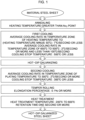
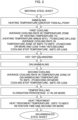
- Heating temperature greater than the Ac 1 point
- the material steel sheet is heated.
- the heating temperature is set to greater than the Ac 1 point in order to generate austenite at the time of heating.
- the Ac 1 point is the temperature at which austenite starts to be generated in the metal structure when the material steel sheet is heated.
- the material steel sheet is preferably heated to greater than the Ac 3 point to be annealed in order to improve the local ductility of the hot-dip galvanized steel sheet and the galvannealed steel sheet by uniformizing the metal structure.
- the Ac 3 point is the temperature at which ferrite disappears in the metal structure when the material steel sheet is heated.
- the material steel sheet is heated to the above-described temperature range, namely to an austenite region, and thereby carbide melts and in the metal structure of the hot-dip galvanized steel sheet and the galvannealed steel sheet, the content of the retained austenite and the C content in the retained austenite increase.
- the upper limit of the heating temperature is not limited in particular, but when the heating temperature is too high, the austenite becomes coarse and the local ductility is impaired, and thus the heating temperature is preferably the Ac 3 point plus 100°C or less and more preferably the Ac 3 point plus 50°C or less.
- a retention time at the heating temperature is not limited in particular despite the heating temperature, but in order to uniformize the metal structure in a coil, the retention time is preferably 10 seconds or more, and from the point of suppressing the coarsening of austenite, the retention time is preferably within 240 seconds.
- the average cooling rate in the temperature zone of the heating temperature to the heating temperature minus 50°C exceeds 7°C/second, the Mn content in the retained austenite decreases, and at the same time, the content of the polygonal ferrite decreases and the uniform ductility and the local ductility are impaired.
- the average cooling rate in the above-described temperature zone is preferably set to 7°C/second or less. More preferably, the average cooling rate in the above-described temperature zone is 5°C/second or less.
- the lower limit of the average cooling rate is not defined in particular, but is preferably 1°C/second or more from the viewpoint of productivity.
- the material steel sheet is preferably cooled at the average cooling rate of 7°C/second or less, and in a temperature zone of the heating temperature to the heating temperature minus 150°C, the material steel sheet is more preferably cooled at the average cooling rate of 7°C/second or less.
- the average cooling rate in the temperature zone of 650°C to 500°C is set to 2°C/second or more and less than 100°C/second, and the material steel sheet is cooled down to 500°C or less without performing isothermal holding in the middle.
- the average cooling rate in the temperature zone of 650°C to 500°C is set to 2°C /second or more.
- the average cooling rate in the above-described temperature zone is preferably 3°C /second or more, more preferably 4°C/second or more, and further preferably 5°C/ second or more.
- the average cooling rate in the temperature zone of 650°C to 500°C is 100°C /second or more, the shape of the steel sheet is impaired, and thus the average cooling rate in the above-described temperature zone is set to less than 100°C/second.
- the average cooling rate in the above-described temperature zone is preferably 50°C/second or less, more preferably 30°C/second or less, and further preferably 20°C/second.
- hot-dip galvanizing is performed on the material steel sheet. Between the step of performing the first cooling and the step of performing the hot-dip galvanizing, at least one of cooling and heating may be performed on the material steel sheet as necessary.
- a bath temperature and a bath composition of the hot-dip galvanizing may be general ones and are not limited in particular.
- a plating deposition amount is also not limited in particular and may be within a normal range. For example, a deposition amount of 20 g/m 2 to 80 g/m 2 per one side of the material steel sheet is preferable.
- a plating temperature is not limited in particular, but is 460°C to 470°C normally.
- the material steel sheet on which the hot-dip galvanizing has been performed is heated to a temperature necessary for the hot-dip galvanizing to be alloyed (galvannealing temperature) to be subjected to a galvannealing.
- the heat treatment temperature is set to 200°C or more.
- the heat treatment temperature is preferably 240°C or more, more preferably 260°C or more, and further preferably 280°C or more.
- the upper limit of the heat treatment time is preferably 5760 minutes or less.
- the heat treatment time is more preferably 2880 minutes or less, and further preferably 1440 minutes or less.
- the material steel sheets were cooled down to 460°C under cooling conditions illustrated in Table 2, the material steel sheets were immersed in a hot-dip galvanizing bath kept at 460°C, and hot-dip galvanizing was performed on the material steel sheets. Some of the material steel sheets were heated up to 520°C after the hot-dip galvanizing and were subjected to a galvannealing.
- each test piece for XRD measurement was collected and a rolled surface of each of the test pieces was chemically polished to a depth positioned at 1/4 of the sheet thickness of the steel sheet from the boundary between the steel sheet and a plating layer.
- An X-ray diffraction test was performed on this rolled surface to measure the volume fraction of retained austenite and the C content in the retained austenite.
- the volume fraction of the fresh martensite was found by subtracting the volume fraction of the retained austenite measured by the above-described XRD measurement from the total of the volume fractions of the retained austenite and the fresh martensite measured by the LePera etching.
- a yield strength (YS), a tensile strength (TS), and uniform elongation (UEl) were found by collecting a JIS No. 5 tensile test piece from the plated steel sheet along a direction perpendicular to the rolling direction and performing a tensile test on this test piece.
- a tensile speed was set to 1 mm/minute until reaching a yield point and was set to 10 mm/minute on and after the yield point.
- a yield ratio (YR) was found by dividing YS by TS.
- TEl total elongation
- LEl local elongation
- a tensile test was performed on a JIS No. 5 tensile test piece collected along a direction perpendicular to the rolling direction, an actual measured value of the total elongation (TEl 0 ) and an actual measured value of the uniform elongation (UEl) were used, and corresponding values equivalent to the case of the sheet thickness being 1.2 mm were found based on Expression (2) and Expression (3) above.
- test numbers A1 to A3, A9, A11, A13, A14, A19, A21, A23, A26, A28 to A37, and A40 to A45 each had 10000 or more of TS ⁇ UEl and 5000 or more of TS ⁇ LEl and exhibited good uniform ductility and local ductility. Further, as for YR, they exhibited a high value of 0.59 or more.
- test numbers A11, A21, A26, A28, A30, A31, and A34 each contained 16% or more of tempered martensite and greater than 2.0% of polygonal ferrite, had 12000 or more of TS ⁇ UEl and 6000 or more of TS ⁇ LEl, and exhibited particularly good uniform ductility and local ductility.
- the average cooling rate (secondary cooling rate) in the temperature zone of the galvannealing temperature to 300°C was too low in the second cooling step, and thus in the test number A8, the values of YR and TS ⁇ LEl were low, and in the test number A18, the values of TS ⁇ UEl and TS ⁇ LEl were low.
Landscapes
- Chemical & Material Sciences (AREA)
- Engineering & Computer Science (AREA)
- Materials Engineering (AREA)
- Mechanical Engineering (AREA)
- Metallurgy (AREA)
- Organic Chemistry (AREA)
- Physics & Mathematics (AREA)
- Thermal Sciences (AREA)
- Chemical Kinetics & Catalysis (AREA)
- Crystallography & Structural Chemistry (AREA)
- Oil, Petroleum & Natural Gas (AREA)
- Heat Treatment Of Sheet Steel (AREA)
- Coating With Molten Metal (AREA)
Claims (13)
- Ein metallbeschichtetes Stahlblech, wobei
eine chemische Zusammensetzung, in Massen-%,
C: 0,03% bis 0,70%,
Si: 0,25% bis 2,50%,
Mn: 1,00% bis 5,00%,
P: 0,100% oder weniger,
S: 0,010% oder weniger,
lösliches Al: 0,001% oder mehr und 0,075% oder weniger,
N: 0,020% oder weniger,
Ti: 0% bis 0,300%,
Nb: 0% bis 0,300%,
V: 0% bis 0,300%,
Cr: 0% bis 2,000%,
Mo: 0% bis 2,000%,
B: 0% bis 0,0200%,
Cu: 0% bis 2,000%,
Ni: 0% bis 2,000%,
Ca: 0% bis 0,0100%,
Mg: 0% bis 0,0100%,
Seltenerdmetalle: 0% bis 0,1000%,
Bi: 0% bis 0,0500%, und
einen Rest, zusammengesetzt aus Eisen und Verunreinigungen,
enthält,
eine Metallstruktur mehr als 5,0 Vol.-% Restaustenit und mehr als 16,0 Vol.-% getemperten Martensit enthält,
ein C-Gehalt in dem Restaustenit 0,85 Massen-% oder mehr beträgt, und
ein Mn-Gehalt in dem Restaustenit nachstehenden Ausdruck (1) erfüllt
[Mn]Durchschnitt: Mn-Gehalt der chemischen Zusammensetzung des Stahlblechs in Massen-%. - Das metallbeschichtete Stahlblech nach Anspruch 1, wobei
die Metallstruktur fernermehr als 2,0 Vol.-% polygonales Ferrit enthält. - Das metallbeschichtete Stahlblech nach Anspruch 1 oder 2, wobei
die chemische Zusammensetzung ferner, in Massen-%, eine Art oder zwei Arten oder mehr, ausgewählt aus der Gruppe bestehend aus
Ti: 0,001% bis 0,300%,
Nb: 0,001% bis 0,300%, und
V: 0,001% bis 0,300%
enthält. - Das metallbeschichtete Stahlblech nach einem der Ansprüche 1 bis 3, wobei
die chemische Zusammensetzung ferner, in Massen-%, eine Art oder zwei Arten oder mehr, ausgewählt aus der Gruppe bestehend aus
Cr: 0,001% bis 2,000%,
Mo: 0,001% bis 2,000%, und
B: 0,0001% bis 0,0200%
enthält. - Das metallbeschichtete Stahlblech nach einem der Ansprüche 1 bis 4, wobei
die chemische Zusammensetzung ferner, in Massen-%, eine Art oder zwei Arten, ausgewählt aus der Gruppe bestehend aus
Cu: 0,001% bis 2,000%, und
Ni: 0,001% bis 2,000%
enthält. - Das metallbeschichtete Stahlblech nach einem der Ansprüche 1 bis 5, wobei
die chemische Zusammensetzung ferner, in Massen-%, eine Art oder zwei Arten oder mehr, ausgewählt aus der Gruppe bestehend aus
Ca: 0,0001% bis 0,0100%,
Mg: 0,0001% bis 0,0100%, und
Seltenerdmetalle: 0,0001% bis 0,1000%
enthält. - Das metallbeschichtete Stahlblech nach einem der Ansprüche 1 bis 6, wobei
die chemische Zusammensetzung ferner, in Massen-%,
Bi: 0,0001% bis 0,0500%
enthält. - Das metallbeschichtete Stahlblech nach einem der Ansprüche 1 bis 7, wobei
das metallbeschichtete Stahlblech ein feuerverzinktes Stahlblech ist, das eine Feuerverzinkungsschicht beinhaltet. - Das metallbeschichtete Stahlblech nach einem der Ansprüche 1 bis 7, wobei
das metallbeschichtete Stahlblech ein nach dem Galvanisieren wärmebehandeltes Stahlblech ist, das eine galvanische Verzinkungsschicht beinhaltet. - Ein Verfahren zur Herstellung eines feuerverzinkten Stahlblechs, umfassend:einen Schritt des Durchführens von Glühen, durch Erwärmen über den Ac1-Punkt, eines kaltgewalzten Stahlblechs mit einer chemischen Zusammensetzung, die, in Massen-%,C: 0,03% bis 0,70%,Si: 0,25% bis 2,50%,Mn: 1,00% bis 5,00%,P: 0,100% oder weniger,S: 0,010% oder weniger,lösliches Al: 0,001% bis 2,500%,N: 0,020% oder weniger,Ti: 0% bis 0,300%,Nb: 0% bis 0,300%,V: 0% bis 0,300%,Cr: 0% bis 2,000%,Mo: 0% bis 2,000%,B: 0% bis 0,0200%,Cu: 0% bis 2,000%,Ni: 0% bis 2,000%,Ca: 0% bis 0,0100%,Mg: 0% bis 0,0100%,Seltenerdmetalle: 0% bis 0,1000%,Bi: 0% bis 0,0500%, undeinen Rest, zusammengesetzt aus Eisen und Verunreinigungen,enthält;einen Schritt des Durchführens eines ersten Abkühlens, wobei das Stahlblech aus geglühtem Material nach dem Schritt des Durchführens des Glühens bei einer mittleren Abkühlgeschwindigkeit von 2°C/Sekunde oder mehr und weniger als 100°C/Sekunde in einem Temperaturbereich von 650°C bis 500°C abgekühlt wird und weiter auf 500°C oder weniger herabgekühlt wird;einen Schritt des Durchführens von Feuerverzinken an dem Stahlblech aus dem Material des ersten Abkühlens nach dem Schritt des Durchführens des ersten Abkühlens;einen Schritt des Durchführens eines zweiten Abkühlens, wobei das Stahlblech aus feuerverzinktem Material nach dem Schritt des Durchführens des Feuerverzinkens von einer Plattierungstemperatur im Schritt des Durchführens des Feuerverzinkens mit einer mittleren Abkühlgeschwindigkeit von 2°C/Sekunde oder mehr auf 300°C herabgekühlt wird und weiter auf 300°C oder weniger herabgekühlt wird;einen Schritt des Durchführens von Temperwalzen an dem Stahlblech aus Material des zweiten Abkühlens bei einer Dehnung in Prozent von 0,10% oder mehr nach dem Schritt des Durchführens des zweiten Abkühlens; undeinen Schritt des Durchführens einer Wärmebehandlung, wobei das Stahlblech aus tempergewalztem Material nach dem Schritt des Durchführens des Temperwalzens auf eine Temperatur zwischen 200°C und 600°C erwärmt wird und für 1 Sekunde oder mehr gehalten wird.
- Das Verfahren zur Herstellung des feuerverzinkten Stahlblechs nach Anspruch 10, wobei
in dem Schritt des Durchführens des Glühens das kaltgewalzte Stahlblech auf über den Ac3-Punkt erwärmt und geglüht wird, und
nach dem Schritt des Durchführens des Glühens das Stahlblech aus geglühtem Material bei einer mittleren Abkühlgeschwindigkeit von 7°C/Sekunde oder weniger in einem Temperaturbereich von der Erwärmungstemperatur bis zur Erwärmungstemperatur minus 50°C herabgekühlt wird. - Ein Verfahren zur Herstellung eines nach dem Galvanisieren wärmebehandelten Stahlblechs, umfassend:einen Schritt des Durchführens von Glühen, durch Erwärmen auf über den Ac1-Punkt,eines kaltgewalzten Stahlblechs mit einer chemischen Zusammensetzung, die, in Massen-%,C: 0,03% bis 0,70%,Si: 0,25% bis 2,50%,Mn: 1,00% bis 5,00%,P: 0,100% oder weniger,S: 0,010% oder weniger,lösliches Al: 0,001% bis 2,500%,N: 0,020% oder weniger,Ti: 0% bis 0,300%,Nb: 0% bis 0,300%,V: 0% bis 0,300%,Cr: 0% bis 2,000%,Mo: 0% bis 2,000%,B: 0% bis 0,0200%,Cu: 0% bis 2,000%,Ni: 0% bis 2,000%,Ca: 0% bis 0,0100%,Mg: 0% bis 0,0100%,Seltenerdmetalle: 0% bis 0,1000%,Bi: 0% bis 0,0500%, undeinen Rest, zusammengesetzt aus Eisen und Verunreinigungen,enthält;einen Schritt des Durchführens eines ersten Abkühlens, wobei das Stahlblech aus geglühtem Material nach dem Schritt des Durchführens des Glühens bei einer mittleren Abkühlgeschwindigkeit von 2°C/Sekunde oder mehr und weniger als 100°C/Sekunde in einem Temperaturbereich von 650°C bis 500°C abgekühlt wird und weiter auf 500°C oder weniger herabgekühlt wird;einen Schritt des Durchführens von Feuerverzinken an dem Stahlblech aus dem Material des ersten Abkühlens nach dem Schritt des Durchführens des ersten Abkühlens;einen Schritt des Durchführens von galvanischem Verzinken an dem Stahlblech aus feuerverzinktem Material bei einer galvanischen Verzinkungstemperatur nach dem Schritt des Durchführens des Feuerverzinkens;einen Schritt des Durchführens eines zweiten Abkühlens, wobei das Stahlblech aus nach dem Galvanisieren wärmebehandelten Material nach dem Schritt des Durchführens des galvanischen Verzinkens von der galvanischen Verzinkungstemperatur bei einer mittleren Abkühlgeschwindigkeit von 2°C/Sekunde oder mehr auf 300°C herabgekühlt wird und weiter auf 300°C oder weniger herabgekühlt wird;einen Schritt des Durchführens von Temperwalzen an dem Stahlblech aus Material des zweiten Abkühlens bei einer Dehnung in Prozent von 0,10% oder mehr nach dem Schritt des Durchführens des zweiten Abkühlens; undeinen Schritt des Durchführens einer Wärmebehandlung, wobei das Stahlblech aus tempergewalztem Material nach dem Schritt des Durchführens des Temperwalzen auf eine Temperatur zwischen 200°C und 600°C erwärmt wird und für 1 Sekunde oder mehr gehalten wird.
- Das Verfahren zur Herstellung des nach dem Galvanisieren wärmebehandelten Stahlblechs nach Anspruch 12, wobei
in dem Schritt des Durchführens des Glühens das kaltgewalzte Stahlblech auf über den Ac3-Punkt erwärmt und geglüht wird, und
nach dem Schritt des Durchführens des Glühens das Stahlblech aus geglühtem Material bei einer mittleren Abkühlgeschwindigkeit von 7°C/Sekunde oder weniger in einem Temperaturbereich von der Erwärmungstemperatur bis zur Erwärmungstemperatur minus 50°C herabgekühlt wird.
Applications Claiming Priority (1)
| Application Number | Priority Date | Filing Date | Title |
|---|---|---|---|
| PCT/JP2016/081018 WO2018073919A1 (ja) | 2016-10-19 | 2016-10-19 | めっき鋼板、溶融亜鉛めっき鋼板の製造方法及び合金化溶融亜鉛めっき鋼板の製造方法 |
Publications (4)
| Publication Number | Publication Date |
|---|---|
| EP3530768A1 EP3530768A1 (de) | 2019-08-28 |
| EP3530768A4 EP3530768A4 (de) | 2020-03-11 |
| EP3530768B1 EP3530768B1 (de) | 2021-08-04 |
| EP3530768B9 true EP3530768B9 (de) | 2024-07-10 |
Family
ID=62018949
Family Applications (1)
| Application Number | Title | Priority Date | Filing Date |
|---|---|---|---|
| EP16919237.4A Active EP3530768B9 (de) | 2016-10-19 | 2016-10-19 | Metallbeschichtetes stahlblech, herstellungsverfahren für feuerverzinktes stahlblech und herstellungsverfahren für nach dem galvanisieren wärmebehandeltes stahlblech |
Country Status (8)
| Country | Link |
|---|---|
| US (1) | US11732341B2 (de) |
| EP (1) | EP3530768B9 (de) |
| JP (1) | JP6809532B2 (de) |
| KR (1) | KR102276055B1 (de) |
| CN (1) | CN109790606B (de) |
| BR (1) | BR112019004943A2 (de) |
| MX (1) | MX2019004000A (de) |
| WO (1) | WO2018073919A1 (de) |
Families Citing this family (15)
| Publication number | Priority date | Publication date | Assignee | Title |
|---|---|---|---|---|
| KR101830538B1 (ko) * | 2016-11-07 | 2018-02-21 | 주식회사 포스코 | 항복비가 우수한 초고강도 강판 및 그 제조방법 |
| CN112154222B (zh) * | 2018-06-29 | 2022-04-01 | 日本制铁株式会社 | 高强度钢板及其制造方法 |
| MX2021004073A (es) * | 2018-10-10 | 2021-06-04 | Jfe Steel Corp | Lamina de acero de alta resistencia y metodo para la fabricacion de la misma. |
| WO2020128574A1 (en) | 2018-12-18 | 2020-06-25 | Arcelormittal | Cold rolled and heat-treated steel sheet and method of manufacturing the same |
| KR102500089B1 (ko) * | 2019-01-29 | 2023-02-14 | 제이에프이 스틸 가부시키가이샤 | 고강도 용융 아연 도금 강판 및 그의 제조 방법 |
| MX2021015578A (es) | 2019-06-28 | 2022-01-24 | Nippon Steel Corp | Lamina de acero. |
| KR102348527B1 (ko) | 2019-12-18 | 2022-01-07 | 주식회사 포스코 | 가공성이 우수한 고강도 강판 및 그 제조방법 |
| KR102321285B1 (ko) | 2019-12-18 | 2021-11-03 | 주식회사 포스코 | 가공성이 우수한 고강도 강판 및 그 제조방법 |
| KR102321292B1 (ko) | 2019-12-18 | 2021-11-03 | 주식회사 포스코 | 가공성이 우수한 고강도 강판 및 그 제조방법 |
| JP7364963B2 (ja) * | 2020-04-03 | 2023-10-19 | 日本製鉄株式会社 | 鋼板およびその製造方法 |
| CN113802051A (zh) | 2020-06-11 | 2021-12-17 | 宝山钢铁股份有限公司 | 一种塑性优异的超高强度钢及其制造方法 |
| CN114606446B (zh) * | 2020-12-08 | 2023-03-24 | 清华大学 | 一种高强度韧性钢及其制备方法、以及热浸镀锌钢的制备方法 |
| KR20240069745A (ko) | 2021-12-13 | 2024-05-20 | 제이에프이 스틸 가부시키가이샤 | 강판 및 부재, 그리고, 그들의 제조 방법 |
| CN114875336A (zh) * | 2022-05-31 | 2022-08-09 | 山东钢铁集团日照有限公司 | 一种增塑性热镀锌复相钢的生产调控方法 |
| WO2024190415A1 (ja) * | 2023-03-10 | 2024-09-19 | 日本製鉄株式会社 | 鋼板 |
Family Cites Families (23)
| Publication number | Priority date | Publication date | Assignee | Title |
|---|---|---|---|---|
| JPS61157625A (ja) | 1984-12-29 | 1986-07-17 | Nippon Steel Corp | 高強度鋼板の製造方法 |
| JPS61217529A (ja) | 1985-03-22 | 1986-09-27 | Nippon Steel Corp | 延性のすぐれた高強度鋼板の製造方法 |
| JP3527092B2 (ja) | 1998-03-27 | 2004-05-17 | 新日本製鐵株式会社 | 加工性の良い高強度合金化溶融亜鉛めっき鋼板とその製造方法 |
| JP3840864B2 (ja) | 1999-11-02 | 2006-11-01 | Jfeスチール株式会社 | 高張力溶融亜鉛めっき鋼板およびその製造方法 |
| CA2387322C (en) * | 2001-06-06 | 2008-09-30 | Kawasaki Steel Corporation | High-ductility steel sheet excellent in press formability and strain age hardenability, and method for manufacturing the same |
| JP5029361B2 (ja) * | 2005-08-03 | 2012-09-19 | 住友金属工業株式会社 | 熱延鋼板及び冷延鋼板並びにそれらの製造方法 |
| JP5223360B2 (ja) * | 2007-03-22 | 2013-06-26 | Jfeスチール株式会社 | 成形性に優れた高強度溶融亜鉛めっき鋼板およびその製造方法 |
| JP5369663B2 (ja) * | 2008-01-31 | 2013-12-18 | Jfeスチール株式会社 | 加工性に優れた高強度溶融亜鉛めっき鋼板およびその製造方法 |
| JP5092858B2 (ja) * | 2008-04-11 | 2012-12-05 | 新日本製鐵株式会社 | 溶融亜鉛めっき用鋼板及び合金化溶融亜鉛めっき鋼板 |
| JP5136609B2 (ja) | 2010-07-29 | 2013-02-06 | Jfeスチール株式会社 | 成形性および耐衝撃性に優れた高強度溶融亜鉛めっき鋼板およびその製造方法 |
| EP2439290B1 (de) | 2010-10-05 | 2013-11-27 | ThyssenKrupp Steel Europe AG | Mehrphasenstahl, aus einem solchen Mehrphasenstahl hergestelltes kaltgewalztes Flachprodukt und Verfahren zu dessen Herstellung |
| JP5141811B2 (ja) | 2010-11-12 | 2013-02-13 | Jfeスチール株式会社 | 均一伸びとめっき性に優れた高強度溶融亜鉛めっき鋼板およびその製造方法 |
| WO2013005670A1 (ja) * | 2011-07-06 | 2013-01-10 | 新日鐵住金株式会社 | 溶融めっき冷延鋼板およびその製造方法 |
| KR101598309B1 (ko) * | 2011-07-29 | 2016-02-26 | 신닛테츠스미킨 카부시키카이샤 | 형상 동결성이 우수한 고강도 강판, 고강도 아연 도금 강판 및 그들의 제조 방법 |
| ES2755414T3 (es) * | 2011-07-29 | 2020-04-22 | Nippon Steel Corp | Lámina de acero de alta resistencia excelente en resistencia al impacto y método de fabricación de la misma, y lámina de acero galvanizado de alta resistencia y método de fabricación de la misma |
| WO2013047821A1 (ja) * | 2011-09-30 | 2013-04-04 | 新日鐵住金株式会社 | 焼付硬化性に優れた高強度溶融亜鉛めっき鋼板、高強度合金化溶融亜鉛めっき鋼板、並びにそれらの製造方法 |
| ES2737678T3 (es) * | 2011-09-30 | 2020-01-15 | Nippon Steel Corp | Chapa de acero galvanizado por inmersión en caliente de alta resistencia con excelentes características de corte mecánico, chapa de acero galvanizado por inmersión en caliente aleado de alta resistencia, y método de fabricación de las mismas |
| JP2013241636A (ja) * | 2012-05-18 | 2013-12-05 | Jfe Steel Corp | 低降伏比型高強度溶融亜鉛めっき鋼板、低降伏比型高強度合金化溶融亜鉛めっき鋼板、低降伏比型高強度溶融亜鉛めっき鋼板の製造方法、および低降伏比型高強度合金化溶融亜鉛めっき鋼板の製造方法 |
| EP2881484B1 (de) | 2012-08-06 | 2017-10-25 | Nippon Steel & Sumitomo Metal Corporation | Kaltgewalztes stahlblech, herstellungsverfahren dafür und durch warmpressen geformter gegenstand |
| JP5857909B2 (ja) | 2012-08-09 | 2016-02-10 | 新日鐵住金株式会社 | 鋼板およびその製造方法 |
| JP6052472B2 (ja) | 2015-01-15 | 2016-12-27 | Jfeスチール株式会社 | 高強度溶融亜鉛めっき鋼板およびその製造方法 |
| JP6348436B2 (ja) | 2015-02-27 | 2018-06-27 | 株式会社神戸製鋼所 | 高強度高延性鋼板 |
| JP6801716B2 (ja) * | 2016-09-21 | 2020-12-16 | 日本製鉄株式会社 | 冷延鋼板 |
-
2016
- 2016-10-19 EP EP16919237.4A patent/EP3530768B9/de active Active
- 2016-10-19 JP JP2018546093A patent/JP6809532B2/ja active Active
- 2016-10-19 CN CN201680089860.4A patent/CN109790606B/zh active Active
- 2016-10-19 WO PCT/JP2016/081018 patent/WO2018073919A1/ja not_active Ceased
- 2016-10-19 KR KR1020197007499A patent/KR102276055B1/ko active Active
- 2016-10-19 BR BR112019004943A patent/BR112019004943A2/pt not_active IP Right Cessation
- 2016-10-19 MX MX2019004000A patent/MX2019004000A/es unknown
- 2016-10-19 US US16/332,329 patent/US11732341B2/en active Active
Also Published As
| Publication number | Publication date |
|---|---|
| JPWO2018073919A1 (ja) | 2019-06-24 |
| US11732341B2 (en) | 2023-08-22 |
| US20190218652A1 (en) | 2019-07-18 |
| CN109790606A (zh) | 2019-05-21 |
| KR102276055B1 (ko) | 2021-07-13 |
| KR20190040018A (ko) | 2019-04-16 |
| EP3530768B1 (de) | 2021-08-04 |
| CN109790606B (zh) | 2021-08-06 |
| EP3530768A4 (de) | 2020-03-11 |
| MX2019004000A (es) | 2019-08-14 |
| JP6809532B2 (ja) | 2021-01-06 |
| WO2018073919A1 (ja) | 2018-04-26 |
| BR112019004943A2 (pt) | 2019-06-25 |
| EP3530768A1 (de) | 2019-08-28 |
Similar Documents
| Publication | Publication Date | Title |
|---|---|---|
| EP3530768B1 (de) | Metallbeschichtetes stahlblech, herstellungsverfahren für feuerverzinktes stahlblech und herstellungsverfahren für nach dem galvanisieren wärmebehandeltes stahlblech | |
| EP3415655B1 (de) | Hochfestes stahlblech und verfahren zur herstellung davon | |
| EP3309273B1 (de) | Galvanisiertes stahlblech und verfahren zu dessen herstellung | |
| JP5983895B2 (ja) | 高強度鋼板およびその製造方法、ならびに高強度亜鉛めっき鋼板の製造方法 | |
| CN106574342B (zh) | 高强度钢板及其制造方法、以及高强度镀锌钢板的制造方法 | |
| CN106574340B (zh) | 高强度钢板及其制造方法、以及高强度镀锌钢板的制造方法 | |
| US9028973B2 (en) | High strength galvanized steel sheet having excellent uniform elongation and zinc coatability | |
| EP3050989B1 (de) | Hochfestes stahlblech und verfahren zur herstellung davon | |
| EP3173494B1 (de) | Verfahren zur herstellung eines hochfesten feuerverzinkten stahlblechs | |
| CN106574341B (zh) | 高强度钢板及其制造方法、以及高强度镀锌钢板的制造方法 | |
| EP2762583B1 (de) | Hochfestes schmelztauchgalvanisiertes stahlblech mit hervorragender beständigkeit gegen verzögerten bruch und herstellungsverfahren dafür | |
| CN104040011B (zh) | 热冲压成型体以及热冲压成型体的制造方法 | |
| EP3663426A1 (de) | Feuerverzinktes stahlblech | |
| EP2752500B1 (de) | Heissgewalzte stahlplatte für ein kaltgewalztes stahlblech, heissgewalztes stahlblech für ein feuerverzinktes galvanisiertes stahlblech, verfahren zur herstellung der heissgewalzten stahlplatte für ein kaltgewalztes stahlblech und verfahren zur herstellung des heissgewalzten stahlblechs für ein feuerverzinktes galvanisiertes stahlblech | |
| EP3929321B1 (de) | Heissgepresstes bauteil, kaltgewalztes stahlblech zum heisspressen und verfahren zu dessen herstellung | |
| EP3409808B1 (de) | Hochfestes verzinktes stahlblech mit hohem streckgrenzenverhältnis und verfahren zur herstellung davon | |
| CN114555845B (zh) | 高强度钢板及其制造方法 | |
| EP3617336A1 (de) | Hochfestes stahlblech und verfahren zur herstellung davon | |
| EP3896186A1 (de) | Hochfestes feuerverzinktes stahlblech und verfahren zur herstellung davon | |
| CN116806274A (zh) | 高强度钢板及其制造方法 | |
| WO2020017607A1 (ja) | 鋼板 | |
| TW201816141A (zh) | 鍍敷鋼板、熔融鍍鋅鋼板的製造方法及合金化熔融鍍鋅鋼板的製造方法 |
Legal Events
| Date | Code | Title | Description |
|---|---|---|---|
| STAA | Information on the status of an ep patent application or granted ep patent |
Free format text: STATUS: THE INTERNATIONAL PUBLICATION HAS BEEN MADE |
|
| PUAI | Public reference made under article 153(3) epc to a published international application that has entered the european phase |
Free format text: ORIGINAL CODE: 0009012 |
|
| STAA | Information on the status of an ep patent application or granted ep patent |
Free format text: STATUS: REQUEST FOR EXAMINATION WAS MADE |
|
| 17P | Request for examination filed |
Effective date: 20190228 |
|
| AK | Designated contracting states |
Kind code of ref document: A1 Designated state(s): AL AT BE BG CH CY CZ DE DK EE ES FI FR GB GR HR HU IE IS IT LI LT LU LV MC MK MT NL NO PL PT RO RS SE SI SK SM TR |
|
| AX | Request for extension of the european patent |
Extension state: BA ME |
|
| DAV | Request for validation of the european patent (deleted) | ||
| DAX | Request for extension of the european patent (deleted) | ||
| A4 | Supplementary search report drawn up and despatched |
Effective date: 20200211 |
|
| RIC1 | Information provided on ipc code assigned before grant |
Ipc: C23C 2/02 20060101ALI20200205BHEP Ipc: C22C 38/58 20060101ALI20200205BHEP Ipc: C22C 38/08 20060101ALI20200205BHEP Ipc: C22C 38/06 20060101ALI20200205BHEP Ipc: C23C 2/40 20060101ALI20200205BHEP Ipc: C23C 2/06 20060101ALI20200205BHEP Ipc: B32B 15/01 20060101ALI20200205BHEP Ipc: C22C 38/00 20060101AFI20200205BHEP Ipc: C22C 38/16 20060101ALI20200205BHEP Ipc: C23C 2/28 20060101ALI20200205BHEP Ipc: C21D 8/04 20060101ALI20200205BHEP Ipc: C21D 9/48 20060101ALI20200205BHEP Ipc: C22C 38/38 20060101ALI20200205BHEP Ipc: C22C 38/22 20060101ALI20200205BHEP Ipc: C21D 1/25 20060101ALI20200205BHEP Ipc: C22C 38/02 20060101ALI20200205BHEP Ipc: C22C 38/14 20060101ALI20200205BHEP Ipc: C21D 9/46 20060101ALI20200205BHEP |
|
| GRAP | Despatch of communication of intention to grant a patent |
Free format text: ORIGINAL CODE: EPIDOSNIGR1 |
|
| STAA | Information on the status of an ep patent application or granted ep patent |
Free format text: STATUS: GRANT OF PATENT IS INTENDED |
|
| RIC1 | Information provided on ipc code assigned before grant |
Ipc: C22C 38/58 20060101ALI20201116BHEP Ipc: C23C 2/40 20060101ALI20201116BHEP Ipc: C22C 38/08 20060101ALI20201116BHEP Ipc: C23C 2/06 20060101ALI20201116BHEP Ipc: C22C 38/06 20060101ALI20201116BHEP Ipc: B32B 15/01 20060101ALI20201116BHEP Ipc: C22C 38/00 20060101AFI20201116BHEP Ipc: C23C 2/28 20060101ALI20201116BHEP Ipc: C22C 38/16 20060101ALI20201116BHEP Ipc: C21D 8/04 20060101ALI20201116BHEP Ipc: C21D 9/48 20060101ALI20201116BHEP Ipc: C22C 38/38 20060101ALI20201116BHEP Ipc: C21D 1/25 20060101ALI20201116BHEP Ipc: C22C 38/22 20060101ALI20201116BHEP Ipc: C22C 38/02 20060101ALI20201116BHEP Ipc: C22C 38/14 20060101ALI20201116BHEP Ipc: C23C 2/02 20060101ALI20201116BHEP |
|
| INTG | Intention to grant announced |
Effective date: 20201211 |
|
| RIN1 | Information on inventor provided before grant (corrected) |
Inventor name: HAGA, JUN Inventor name: KAMEDA, MASAHARU Inventor name: SANO, KOHICHI Inventor name: UENISHI, AKIHIRO Inventor name: HAYASHI, KOUTAROU Inventor name: KAWATA, HIROYUKI Inventor name: HAYASHI, KUNIO |
|
| GRAJ | Information related to disapproval of communication of intention to grant by the applicant or resumption of examination proceedings by the epo deleted |
Free format text: ORIGINAL CODE: EPIDOSDIGR1 |
|
| STAA | Information on the status of an ep patent application or granted ep patent |
Free format text: STATUS: REQUEST FOR EXAMINATION WAS MADE |
|
| GRAS | Grant fee paid |
Free format text: ORIGINAL CODE: EPIDOSNIGR3 |
|
| STAA | Information on the status of an ep patent application or granted ep patent |
Free format text: STATUS: GRANT OF PATENT IS INTENDED |
|
| GRAP | Despatch of communication of intention to grant a patent |
Free format text: ORIGINAL CODE: EPIDOSNIGR1 |
|
| INTC | Intention to grant announced (deleted) | ||
| INTG | Intention to grant announced |
Effective date: 20210525 |
|
| GRAA | (expected) grant |
Free format text: ORIGINAL CODE: 0009210 |
|
| STAA | Information on the status of an ep patent application or granted ep patent |
Free format text: STATUS: THE PATENT HAS BEEN GRANTED |
|
| AK | Designated contracting states |
Kind code of ref document: B1 Designated state(s): AL AT BE BG CH CY CZ DE DK EE ES FI FR GB GR HR HU IE IS IT LI LT LU LV MC MK MT NL NO PL PT RO RS SE SI SK SM TR |
|
| REG | Reference to a national code |
Ref country code: GB Ref legal event code: FG4D |
|
| REG | Reference to a national code |
Ref country code: AT Ref legal event code: REF Ref document number: 1417066 Country of ref document: AT Kind code of ref document: T Effective date: 20210815 |
|
| REG | Reference to a national code |
Ref country code: CH Ref legal event code: EP |
|
| REG | Reference to a national code |
Ref country code: DE Ref legal event code: R096 Ref document number: 602016061833 Country of ref document: DE |
|
| REG | Reference to a national code |
Ref country code: IE Ref legal event code: FG4D |
|
| REG | Reference to a national code |
Ref country code: LT Ref legal event code: MG9D |
|
| REG | Reference to a national code |
Ref country code: NL Ref legal event code: MP Effective date: 20210804 |
|
| REG | Reference to a national code |
Ref country code: AT Ref legal event code: MK05 Ref document number: 1417066 Country of ref document: AT Kind code of ref document: T Effective date: 20210804 |
|
| PG25 | Lapsed in a contracting state [announced via postgrant information from national office to epo] |
Ref country code: SE Free format text: LAPSE BECAUSE OF FAILURE TO SUBMIT A TRANSLATION OF THE DESCRIPTION OR TO PAY THE FEE WITHIN THE PRESCRIBED TIME-LIMIT Effective date: 20210804 Ref country code: RS Free format text: LAPSE BECAUSE OF FAILURE TO SUBMIT A TRANSLATION OF THE DESCRIPTION OR TO PAY THE FEE WITHIN THE PRESCRIBED TIME-LIMIT Effective date: 20210804 Ref country code: LT Free format text: LAPSE BECAUSE OF FAILURE TO SUBMIT A TRANSLATION OF THE DESCRIPTION OR TO PAY THE FEE WITHIN THE PRESCRIBED TIME-LIMIT Effective date: 20210804 Ref country code: BG Free format text: LAPSE BECAUSE OF FAILURE TO SUBMIT A TRANSLATION OF THE DESCRIPTION OR TO PAY THE FEE WITHIN THE PRESCRIBED TIME-LIMIT Effective date: 20211104 Ref country code: AT Free format text: LAPSE BECAUSE OF FAILURE TO SUBMIT A TRANSLATION OF THE DESCRIPTION OR TO PAY THE FEE WITHIN THE PRESCRIBED TIME-LIMIT Effective date: 20210804 Ref country code: NO Free format text: LAPSE BECAUSE OF FAILURE TO SUBMIT A TRANSLATION OF THE DESCRIPTION OR TO PAY THE FEE WITHIN THE PRESCRIBED TIME-LIMIT Effective date: 20211104 Ref country code: PT Free format text: LAPSE BECAUSE OF FAILURE TO SUBMIT A TRANSLATION OF THE DESCRIPTION OR TO PAY THE FEE WITHIN THE PRESCRIBED TIME-LIMIT Effective date: 20211206 Ref country code: HR Free format text: LAPSE BECAUSE OF FAILURE TO SUBMIT A TRANSLATION OF THE DESCRIPTION OR TO PAY THE FEE WITHIN THE PRESCRIBED TIME-LIMIT Effective date: 20210804 Ref country code: ES Free format text: LAPSE BECAUSE OF FAILURE TO SUBMIT A TRANSLATION OF THE DESCRIPTION OR TO PAY THE FEE WITHIN THE PRESCRIBED TIME-LIMIT Effective date: 20210804 Ref country code: FI Free format text: LAPSE BECAUSE OF FAILURE TO SUBMIT A TRANSLATION OF THE DESCRIPTION OR TO PAY THE FEE WITHIN THE PRESCRIBED TIME-LIMIT Effective date: 20210804 |
|
| PG25 | Lapsed in a contracting state [announced via postgrant information from national office to epo] |
Ref country code: PL Free format text: LAPSE BECAUSE OF FAILURE TO SUBMIT A TRANSLATION OF THE DESCRIPTION OR TO PAY THE FEE WITHIN THE PRESCRIBED TIME-LIMIT Effective date: 20210804 Ref country code: LV Free format text: LAPSE BECAUSE OF FAILURE TO SUBMIT A TRANSLATION OF THE DESCRIPTION OR TO PAY THE FEE WITHIN THE PRESCRIBED TIME-LIMIT Effective date: 20210804 Ref country code: GR Free format text: LAPSE BECAUSE OF FAILURE TO SUBMIT A TRANSLATION OF THE DESCRIPTION OR TO PAY THE FEE WITHIN THE PRESCRIBED TIME-LIMIT Effective date: 20211105 |
|
| PG25 | Lapsed in a contracting state [announced via postgrant information from national office to epo] |
Ref country code: NL Free format text: LAPSE BECAUSE OF FAILURE TO SUBMIT A TRANSLATION OF THE DESCRIPTION OR TO PAY THE FEE WITHIN THE PRESCRIBED TIME-LIMIT Effective date: 20210804 |
|
| PG25 | Lapsed in a contracting state [announced via postgrant information from national office to epo] |
Ref country code: DK Free format text: LAPSE BECAUSE OF FAILURE TO SUBMIT A TRANSLATION OF THE DESCRIPTION OR TO PAY THE FEE WITHIN THE PRESCRIBED TIME-LIMIT Effective date: 20210804 |
|
| REG | Reference to a national code |
Ref country code: DE Ref legal event code: R097 Ref document number: 602016061833 Country of ref document: DE |
|
| REG | Reference to a national code |
Ref country code: CH Ref legal event code: PL |
|
| PG25 | Lapsed in a contracting state [announced via postgrant information from national office to epo] |
Ref country code: SM Free format text: LAPSE BECAUSE OF FAILURE TO SUBMIT A TRANSLATION OF THE DESCRIPTION OR TO PAY THE FEE WITHIN THE PRESCRIBED TIME-LIMIT Effective date: 20210804 Ref country code: SK Free format text: LAPSE BECAUSE OF FAILURE TO SUBMIT A TRANSLATION OF THE DESCRIPTION OR TO PAY THE FEE WITHIN THE PRESCRIBED TIME-LIMIT Effective date: 20210804 Ref country code: RO Free format text: LAPSE BECAUSE OF FAILURE TO SUBMIT A TRANSLATION OF THE DESCRIPTION OR TO PAY THE FEE WITHIN THE PRESCRIBED TIME-LIMIT Effective date: 20210804 Ref country code: EE Free format text: LAPSE BECAUSE OF FAILURE TO SUBMIT A TRANSLATION OF THE DESCRIPTION OR TO PAY THE FEE WITHIN THE PRESCRIBED TIME-LIMIT Effective date: 20210804 Ref country code: CZ Free format text: LAPSE BECAUSE OF FAILURE TO SUBMIT A TRANSLATION OF THE DESCRIPTION OR TO PAY THE FEE WITHIN THE PRESCRIBED TIME-LIMIT Effective date: 20210804 Ref country code: AL Free format text: LAPSE BECAUSE OF FAILURE TO SUBMIT A TRANSLATION OF THE DESCRIPTION OR TO PAY THE FEE WITHIN THE PRESCRIBED TIME-LIMIT Effective date: 20210804 |
|
| PLBE | No opposition filed within time limit |
Free format text: ORIGINAL CODE: 0009261 |
|
| STAA | Information on the status of an ep patent application or granted ep patent |
Free format text: STATUS: NO OPPOSITION FILED WITHIN TIME LIMIT |
|
| REG | Reference to a national code |
Ref country code: BE Ref legal event code: MM Effective date: 20211031 |
|
| PG25 | Lapsed in a contracting state [announced via postgrant information from national office to epo] |
Ref country code: MC Free format text: LAPSE BECAUSE OF FAILURE TO SUBMIT A TRANSLATION OF THE DESCRIPTION OR TO PAY THE FEE WITHIN THE PRESCRIBED TIME-LIMIT Effective date: 20210804 |
|
| 26N | No opposition filed |
Effective date: 20220506 |
|
| GBPC | Gb: european patent ceased through non-payment of renewal fee |
Effective date: 20211104 |
|
| PG25 | Lapsed in a contracting state [announced via postgrant information from national office to epo] |
Ref country code: LU Free format text: LAPSE BECAUSE OF NON-PAYMENT OF DUE FEES Effective date: 20211019 Ref country code: IT Free format text: LAPSE BECAUSE OF FAILURE TO SUBMIT A TRANSLATION OF THE DESCRIPTION OR TO PAY THE FEE WITHIN THE PRESCRIBED TIME-LIMIT Effective date: 20210804 Ref country code: BE Free format text: LAPSE BECAUSE OF NON-PAYMENT OF DUE FEES Effective date: 20211031 |
|
| PG25 | Lapsed in a contracting state [announced via postgrant information from national office to epo] |
Ref country code: SI Free format text: LAPSE BECAUSE OF FAILURE TO SUBMIT A TRANSLATION OF THE DESCRIPTION OR TO PAY THE FEE WITHIN THE PRESCRIBED TIME-LIMIT Effective date: 20210804 Ref country code: LI Free format text: LAPSE BECAUSE OF NON-PAYMENT OF DUE FEES Effective date: 20211031 Ref country code: CH Free format text: LAPSE BECAUSE OF NON-PAYMENT OF DUE FEES Effective date: 20211031 |
|
| PG25 | Lapsed in a contracting state [announced via postgrant information from national office to epo] |
Ref country code: IE Free format text: LAPSE BECAUSE OF NON-PAYMENT OF DUE FEES Effective date: 20211019 Ref country code: GB Free format text: LAPSE BECAUSE OF NON-PAYMENT OF DUE FEES Effective date: 20211104 |
|
| PG25 | Lapsed in a contracting state [announced via postgrant information from national office to epo] |
Ref country code: CY Free format text: LAPSE BECAUSE OF FAILURE TO SUBMIT A TRANSLATION OF THE DESCRIPTION OR TO PAY THE FEE WITHIN THE PRESCRIBED TIME-LIMIT Effective date: 20210804 |
|
| PG25 | Lapsed in a contracting state [announced via postgrant information from national office to epo] |
Ref country code: HU Free format text: LAPSE BECAUSE OF FAILURE TO SUBMIT A TRANSLATION OF THE DESCRIPTION OR TO PAY THE FEE WITHIN THE PRESCRIBED TIME-LIMIT; INVALID AB INITIO Effective date: 20161019 |
|
| PG25 | Lapsed in a contracting state [announced via postgrant information from national office to epo] |
Ref country code: MK Free format text: LAPSE BECAUSE OF FAILURE TO SUBMIT A TRANSLATION OF THE DESCRIPTION OR TO PAY THE FEE WITHIN THE PRESCRIBED TIME-LIMIT Effective date: 20210804 |
|
| REG | Reference to a national code |
Ref country code: CH Ref legal event code: PK Free format text: BERICHTIGUNG B9 |
|
| PG25 | Lapsed in a contracting state [announced via postgrant information from national office to epo] |
Ref country code: MT Free format text: LAPSE BECAUSE OF FAILURE TO SUBMIT A TRANSLATION OF THE DESCRIPTION OR TO PAY THE FEE WITHIN THE PRESCRIBED TIME-LIMIT Effective date: 20210804 |
|
| PGFP | Annual fee paid to national office [announced via postgrant information from national office to epo] |
Ref country code: FR Payment date: 20250908 Year of fee payment: 10 |
|
| PG25 | Lapsed in a contracting state [announced via postgrant information from national office to epo] |
Ref country code: TR Free format text: LAPSE BECAUSE OF FAILURE TO SUBMIT A TRANSLATION OF THE DESCRIPTION OR TO PAY THE FEE WITHIN THE PRESCRIBED TIME-LIMIT Effective date: 20210804 |
|
| PGFP | Annual fee paid to national office [announced via postgrant information from national office to epo] |
Ref country code: DE Payment date: 20250902 Year of fee payment: 10 |