EP3468554B1 - Methods for treating heterotopic ossification - Google Patents
Methods for treating heterotopic ossification Download PDFInfo
- Publication number
- EP3468554B1 EP3468554B1 EP17809505.5A EP17809505A EP3468554B1 EP 3468554 B1 EP3468554 B1 EP 3468554B1 EP 17809505 A EP17809505 A EP 17809505A EP 3468554 B1 EP3468554 B1 EP 3468554B1
- Authority
- EP
- European Patent Office
- Prior art keywords
- flare
- subject
- days
- palovarotene
- pharmaceutically acceptable
- Prior art date
- Legal status (The legal status is an assumption and is not a legal conclusion. Google has not performed a legal analysis and makes no representation as to the accuracy of the status listed.)
- Active
Links
Images

Classifications
-
- A—HUMAN NECESSITIES
- A61—MEDICAL OR VETERINARY SCIENCE; HYGIENE
- A61K—PREPARATIONS FOR MEDICAL, DENTAL OR TOILETRY PURPOSES
- A61K31/00—Medicinal preparations containing organic active ingredients
- A61K31/33—Heterocyclic compounds
- A61K31/395—Heterocyclic compounds having nitrogen as a ring hetero atom, e.g. guanethidine or rifamycins
- A61K31/41—Heterocyclic compounds having nitrogen as a ring hetero atom, e.g. guanethidine or rifamycins having five-membered rings with two or more ring hetero atoms, at least one of which being nitrogen, e.g. tetrazole
- A61K31/415—1,2-Diazoles
-
- A—HUMAN NECESSITIES
- A61—MEDICAL OR VETERINARY SCIENCE; HYGIENE
- A61K—PREPARATIONS FOR MEDICAL, DENTAL OR TOILETRY PURPOSES
- A61K31/00—Medicinal preparations containing organic active ingredients
-
- A—HUMAN NECESSITIES
- A61—MEDICAL OR VETERINARY SCIENCE; HYGIENE
- A61K—PREPARATIONS FOR MEDICAL, DENTAL OR TOILETRY PURPOSES
- A61K31/00—Medicinal preparations containing organic active ingredients
- A61K31/33—Heterocyclic compounds
- A61K31/395—Heterocyclic compounds having nitrogen as a ring hetero atom, e.g. guanethidine or rifamycins
- A61K31/495—Heterocyclic compounds having nitrogen as a ring hetero atom, e.g. guanethidine or rifamycins having six-membered rings with two or more nitrogen atoms as the only ring heteroatoms, e.g. piperazine or tetrazines
- A61K31/505—Pyrimidines; Hydrogenated pyrimidines, e.g. trimethoprim
- A61K31/519—Pyrimidines; Hydrogenated pyrimidines, e.g. trimethoprim ortho- or peri-condensed with heterocyclic rings
-
- A—HUMAN NECESSITIES
- A61—MEDICAL OR VETERINARY SCIENCE; HYGIENE
- A61K—PREPARATIONS FOR MEDICAL, DENTAL OR TOILETRY PURPOSES
- A61K45/00—Medicinal preparations containing active ingredients not provided for in groups A61K31/00 - A61K41/00
- A61K45/06—Mixtures of active ingredients without chemical characterisation, e.g. antiphlogistics and cardiaca
-
- A—HUMAN NECESSITIES
- A61—MEDICAL OR VETERINARY SCIENCE; HYGIENE
- A61K—PREPARATIONS FOR MEDICAL, DENTAL OR TOILETRY PURPOSES
- A61K9/00—Medicinal preparations characterised by special physical form
- A61K9/0012—Galenical forms characterised by the site of application
- A61K9/0014—Skin, i.e. galenical aspects of topical compositions
-
- A—HUMAN NECESSITIES
- A61—MEDICAL OR VETERINARY SCIENCE; HYGIENE
- A61K—PREPARATIONS FOR MEDICAL, DENTAL OR TOILETRY PURPOSES
- A61K9/00—Medicinal preparations characterised by special physical form
- A61K9/0012—Galenical forms characterised by the site of application
- A61K9/0053—Mouth and digestive tract, i.e. intraoral and peroral administration
-
- A—HUMAN NECESSITIES
- A61—MEDICAL OR VETERINARY SCIENCE; HYGIENE
- A61P—SPECIFIC THERAPEUTIC ACTIVITY OF CHEMICAL COMPOUNDS OR MEDICINAL PREPARATIONS
- A61P19/00—Drugs for skeletal disorders
- A61P19/04—Drugs for skeletal disorders for non-specific disorders of the connective tissue
-
- A—HUMAN NECESSITIES
- A61—MEDICAL OR VETERINARY SCIENCE; HYGIENE
- A61P—SPECIFIC THERAPEUTIC ACTIVITY OF CHEMICAL COMPOUNDS OR MEDICINAL PREPARATIONS
- A61P19/00—Drugs for skeletal disorders
- A61P19/08—Drugs for skeletal disorders for bone diseases, e.g. rachitism, Paget's disease
-
- A—HUMAN NECESSITIES
- A61—MEDICAL OR VETERINARY SCIENCE; HYGIENE
- A61P—SPECIFIC THERAPEUTIC ACTIVITY OF CHEMICAL COMPOUNDS OR MEDICINAL PREPARATIONS
- A61P31/00—Antiinfectives, i.e. antibiotics, antiseptics, chemotherapeutics
Definitions
- FOP fibrodysplasia ossificans progressiva
- the invention features dosing regimens and pharmaceutical formulations for oral administration of palovarotene.
- the invention features a method of reducing heterotopic ossification in a subject with fibrodysplasia ossificans progressiva (also known as myositis ossificans progressive, a disease characterized by damage to muscle tissue) characterized by a quiescent period and a non-quiescent period as defined in the claims.
- fibrodysplasia ossificans progressiva also known as myositis ossificans progressive, a disease characterized by damage to muscle tissue
- the daily maintenance dose is continued for an additional 28 days (i.e., a total of 140 days) if the subject continues to experience flare-ups or flare-up symptoms, or the maintenance dose regimen is continued until the flare-ups or flare-up symptoms subside or cease.
- a daily loading dose of 20 mg is administered for 28 days
- a daily maintenance dose of 10 mg is administered for 56 days and the amount administered during the quiescent period is 5 mg/day.
- a daily loading dose of 15 mg is administered for 28 days and a daily maintenance dose of 10 mg is administered for 56 days and the amount administered during the quiescent period is 5 mg/day.
- the invention features a method of reducing heterotopic ossification in a subject with fibrodysplasia ossificans progressiva characterized by quiescent periods and non-quiescent periods, the method including: (i) administering 3.0 +/- 2.0 mg/day palovarotene, or a pharmaceutically acceptable salt thereof, during quiescent periods, and (ii) administering an amount between 10 mg/day palovarotene, or a pharmaceutically acceptable salt thereof, and 20 mg/day palovarotene, or a pharmaceutically acceptable salt thereof, for from 84 to 140 days following the start of a non-quiescent period.
- the invention features a method of reducing heterotopic ossification in a subject with fibrodysplasia ossificans progressiva characterized by quiescent periods and non-quiescent periods, the method including: (i) administering 5 mg/day palovarotene, or a pharmaceutically acceptable salt thereof, during quiescent periods, and (ii) administering 20 mg/day palovarotene, or a pharmaceutically acceptable salt thereof, for 28 days followed by 10 mg/day palovarotene, or a pharmaceutically acceptable salt thereof, for 56 days following the start of a non-quiescent period.
- the invention features a method of reducing heterotopic ossification in a subject with fibrodysplasia ossificans progressiva characterized by quiescent periods and non-quiescent periods, the method including: (i) administering 5 mg/day palovarotene, or a pharmaceutically acceptable salt thereof, during quiescent periods, and (ii) administering 20 mg/day palovarotene, or a pharmaceutically acceptable salt thereof, for 28 days followed by 10 mg/day palovarotene, or a pharmaceutically acceptable salt thereof, for 84 days following the start of a non-quiescent period.
- the invention features a method of reducing heterotopic ossification in a subject with fibrodysplasia ossificans progressiva characterized by quiescent periods and non-quiescent periods, the method including: (i) administering 5 mg/day palovarotene, or a pharmaceutically acceptable salt thereof, during quiescent periods, and (ii) administering 20 mg/day palovarotene, or a pharmaceutically acceptable salt thereof, for 28 days followed by 10 mg/day palovarotene, or a pharmaceutically acceptable salt thereof, for 112 days following the start of a non-quiescent period.
- the invention features a method of reducing heterotopic ossification in a subject with fibrodysplasia ossificans progressiva characterized by a quiescent period and a non-quiescent period, the method including: (i) during the quiescent period administering daily to the subject an amount of 5 mg of palovarotene, or a pharmaceutically acceptable salt thereof, and (ii) during the non-quiescent period administering daily to the subject 20 mg of palovarotene, or a pharmaceutically acceptable salt thereof, for 28 days, followed by administering daily to the subject 10 mg of palovarotene, or a pharmaceutically acceptable salt thereof, for at least 56 days.
- the daily 10 mg dose is continued for an additional 28 days (i.e., a total of 84 days) if the subject continues to experience flare-ups or flare-up symptoms, or the 10 mg dose regimen is continued until the flare-ups or flare-up symptoms subside or cease.
- the daily 10 mg dose is continued for an additional 28 days (i.e., a total of 112 days) if the subject continues to experience flare-ups or flare-up symptoms, or the 10 mg dose regimen is continued until the flare-ups or flare-up symptoms subside or cease.
- the daily 10 mg dose is continued for an additional 28 days (i.e., a total of 140 days) if the subject continues to experience flare-ups or flare-up symptoms, or the 10 mg dose regimen is continued until the flare-ups or flare-up symptoms subside or cease.
- the invention features a method of reducing heterotopic ossification in a subject with fibrodysplasia ossificans progressiva characterized by a quiescent period and a non-quiescent period, wherein the subject weighs from 10 to 20 kg, the method including: (i) during the quiescent period administering daily to the subject an amount of 2.5 mg of palovarotene, or a pharmaceutically acceptable salt thereof, and (ii) during the non-quiescent period administering daily to the subject 10 mg of palovarotene, or a pharmaceutically acceptable salt thereof, for 28 days, followed by administering daily to the subject 5 mg of palovarotene, or a pharmaceutically acceptable salt thereof, for at least 56 days.
- the daily 5 mg dose is continued for an additional 28 days (i.e., a total of 84 days) if the subject continues to experience flare-ups or flare-up symptoms, or the 5 mg dose regimen is continued until the flare-ups or flare-up symptoms subside or cease.
- the daily 5 mg dose is continued for an additional 28 days (i.e., a total of 112 days) if the subject continues to experience flare-ups or flare-up symptoms, or the 5 mg dose regimen is continued until the flare-ups or flare-up symptoms subside or cease.
- the daily 5 mg dose is continued for an additional 28 days (i.e., a total of 140 days) if the subject continues to experience flare-ups or flare-up symptoms, or the 5 mg dose regimen is continued until the flare-ups or flare-up symptoms subside or cease.
- the invention features a method of reducing heterotopic ossification in a subject with fibrodysplasia ossificans progressiva characterized by a quiescent period and a non-quiescent period, wherein the subject weighs from 20 to 40 kg, the method including: (i) during the quiescent period administering daily to the subject an amount of 3 mg of palovarotene, or a pharmaceutically acceptable salt thereof, and (ii) during the non-quiescent period administering daily to the subject 12.5 mg of palovarotene, or a pharmaceutically acceptable salt thereof, for 28 days, followed by administering daily to the subject 6 mg of palovarotene, or a pharmaceutically acceptable salt thereof, for at least 56 days.
- the daily 6 mg dose is continued for an additional 28 days (i.e., a total of 84 days) if the subject continues to experience flare-ups or flare-up symptoms, or the 6 mg dose regimen is continued until the flare-ups or flare-up symptoms subside or cease.
- the daily 6 mg dose is continued for an additional 28 days (i.e., a total of 112 days) if the subject continues to experience flare-ups or flare-up symptoms, or the 6 mg dose regimen is continued until the flare-ups or flare-up symptoms subside or cease.
- the daily 6 mg dose is continued for an additional 28 days (i.e., a total of 140 days) if the subject continues to experience flare-ups or flare-up symptoms, or the 6 mg dose regimen is continued until the flare-ups or flare-up symptoms subside or cease.
- the invention features a method of reducing heterotopic ossification in a subject with fibrodysplasia ossificans progressiva characterized by a quiescent period and a non-quiescent period, wherein the subject weighs from 40 to 60 kg, the method including: (i) during the quiescent period administering daily to the subject an amount of 4 mg of palovarotene, or a pharmaceutically acceptable salt thereof, and (ii) during the non-quiescent period administering daily to the subject 15 mg of palovarotene, or a pharmaceutically acceptable salt thereof, for 28 days, followed by administering daily to the subject 7.5 mg of palovarotene, or a pharmaceutically acceptable salt thereof, for at least 56 days.
- the daily 7.5 mg dose is continued for an additional 28 days (i.e., a total of 84 days) if the subject continues to experience flare-ups or flare-up symptoms, or the 7.5 mg dose regimen is continued until the flare-ups or flare-up symptoms subside or cease.
- the daily 7.5 mg dose is continued for an additional 28 days (i.e., a total of 112 days) if the subject continues to experience flare-ups or flare-up symptoms, or the 7.5 mg dose regimen is continued until the flare-ups or flare-up symptoms subside or cease.
- the daily 7.5 mg dose is continued for an additional 28 days (i.e., a total of 140 days) if the subject continues to experience flare-ups or flare-up symptoms, or the 7.5 mg dose regimen is continued until the flare-ups or flare-up symptoms subside or cease.
- the invention features a method of reducing heterotopic ossification in a subject with fibrodysplasia ossificans progressiva characterized by a quiescent period and a non-quiescent period, wherein the subject weighs 60 kg or more, the method including: (i) during the quiescent period administering daily to the subject an amount of 5 mg of palovarotene, or a pharmaceutically acceptable salt thereof, and (ii) during the non-quiescent period administering daily to the subject 20 mg of palovarotene, or a pharmaceutically acceptable salt thereof, for 28 days, followed by administering daily to the subject 10 mg of palovarotene, or a pharmaceutically acceptable salt thereof, for at least 56 days.
- the daily 10 mg dose is continued for an additional 28 days (i.e., a total of 84 days) if the subject continues to experience flare-ups or flare-up symptoms, or the 10 mg dose regimen is continued until the flare-ups or flare-up symptoms subside or cease.
- the daily 10 mg dose is continued for an additional 28 days (i.e., a total of 112 days) if the subject continues to experience flare-ups or flare-up symptoms, or the 10 mg dose regimen is continued until the flare-ups or flare-up symptoms subside or cease.
- the daily 10 mg dose is continued for an additional 28 days (i.e., a total of 140 days) if the subject continues to experience flare-ups or flare-up symptoms, or the 10 mg dose regimen is continued until the flare-ups or flare-up symptoms subside or cease.
- the invention features a method of reducing heterotopic ossification in a subject with fibrodysplasia ossificans progressiva characterized by a quiescent period and a non-quiescent period, the method including: (i) during the quiescent period administering daily to the subject an amount of 4 mg of palovarotene, or a pharmaceutically acceptable salt thereof, and (ii) during the non-quiescent period administering daily to the subject 15 mg of palovarotene, or a pharmaceutically acceptable salt thereof, for 28 days, followed by administering daily to the subject 7.5 mg of palovarotene, or a pharmaceutically acceptable salt thereof, for at least 56 days.
- the daily 7.5 mg dose is continued for an additional 28 days (i.e., a total of 84 days) if the subject continues to experience flare-ups or flare-up symptoms, or the 7.5 mg dose regimen is continued until the flare-ups or flare-up symptoms subside or cease.
- the daily 7.5 mg dose is continued for an additional 28 days (i.e., a total of 112 days) if the subject continues to experience flare-ups or flare-up symptoms, or the 7.5 mg dose regimen is continued until the flare-ups or flare-up symptoms subside or cease.
- the daily 7.5 mg dose is continued for an additional 28 days (i.e., a total of 140 days) if the subject continues to experience flare-ups or flare-up symptoms, or the 7.5 mg dose regimen is continued until the flare-ups or flare-up symptoms subside or cease.
- the invention features a method of reducing heterotopic ossification in a subject with fibrodysplasia ossificans progressiva characterized by a quiescent period and a non-quiescent period, wherein the subject weighs from 10 to 20 kg, the method including: (i) during the quiescent period administering daily to the subject an amount of 1 mg of palovarotene, or a pharmaceutically acceptable salt thereof, and (ii) during the non-quiescent period administering daily to the subject 7.5 mg of palovarotene, or a pharmaceutically acceptable salt thereof, for 28 days, followed by administering daily to the subject 3 mg of palovarotene, or a pharmaceutically acceptable salt thereof, for at least 56 days.
- the daily 3 mg dose is continued for an additional 28 days (i.e., a total of 84 days) if the subject continues to experience flare-ups or flare-up symptoms, or the 3 mg dose regimen is continued until the flare-ups or flare-up symptoms subside or cease.
- the daily 3 mg dose is continued for an additional 28 days (i.e., a total of 112 days) if the subject continues to experience flare-ups or flare-up symptoms, or the 3 mg dose regimen is continued until the flare-ups or flare-up symptoms subside or cease.
- the daily 3 mg dose is continued for an additional 28 days (i.e., a total of 140 days) if the subject continues to experience flare-ups or flare-up symptoms, or the 3 mg dose regimen is continued until the flare-ups or flare-up symptoms subside or cease.
- the invention features a method of reducing heterotopic ossification in a subject with fibrodysplasia ossificans progressiva characterized by a quiescent period and a non-quiescent period, wherein the subject weighs from 20 to 40 kg, the method including: (i) during the quiescent period administering daily to the subject an amount of 2.5 mg of palovarotene, or a pharmaceutically acceptable salt thereof, and (ii) during the non-quiescent period administering daily to the subject 10 mg of palovarotene, or a pharmaceutically acceptable salt thereof, for 28 days, followed by administering daily to the subject 5 mg of palovarotene, or a pharmaceutically acceptable salt thereof, for at least 56 days.
- the daily 5 mg dose is continued for an additional 28 days (i.e., a total of 84 days) if the subject continues to experience flare-ups or flare-up symptoms, or the 5 mg dose regimen is continued until the flare-ups or flare-up symptoms subside or cease.
- the daily 5 mg dose is continued for an additional 28 days (i.e., a total of 112 days) if the subject continues to experience flare-ups or flare-up symptoms, or the 5 mg dose regimen is continued until the flare-ups or flare-up symptoms subside or cease.
- the daily 5 mg dose is continued for an additional 28 days (i.e., a total of 140 days) if the subject continues to experience flare-ups or flare-up symptoms, or the 5 mg dose regimen is continued until the flare-ups or flare-up symptoms subside or cease.
- the invention features a method of reducing heterotopic ossification in a subject with fibrodysplasia ossificans progressiva characterized by a quiescent period and a non-quiescent period, wherein the subject weighs from 40 to 60 kg, the method including: (i) during the quiescent period administering daily to the subject an amount of 3 mg of palovarotene, or a pharmaceutically acceptable salt thereof, and (ii) during the non-quiescent period administering daily to the subject 12.5 mg of palovarotene, or a pharmaceutically acceptable salt thereof, for 28 days, followed by administering daily to the subject 6 mg of palovarotene, or a pharmaceutically acceptable salt thereof, for at least 56 days.
- the daily maintenance dose is continued for an additional 28 days (i.e., a total of 84 days) if the subject continues to experience flare-ups or flare-up symptoms, or the 6 mg dose regimen is continued until the flare-ups or flare-up symptoms subside or cease.
- the daily 6 mg dose is continued for an additional 28 days (i.e., a total of 112 days) if the subject continues to experience flare-ups or flare-up symptoms, or the 6 mg dose regimen is continued until the flare-ups or flare-up symptoms subside or cease.
- the daily 6 mg dose is continued for an additional 28 days (i.e., a total of 140 days) if the subject continues to experience flare-ups or flare-up symptoms, or the 6 mg dose regimen is continued until the flare-ups or flare-up symptoms subside or cease.
- the invention features a method of reducing heterotopic ossification in a subject with fibrodysplasia ossificans progressiva characterized by a quiescent period and a non-quiescent period, wherein the subject weighs 60 kg or more, the method including: (i) during the quiescent period administering daily to the subject an amount of 4 mg of palovarotene, or a pharmaceutically acceptable salt thereof, and (ii) during the non-quiescent period administering daily to the subject 15 mg of palovarotene, or a pharmaceutically acceptable salt thereof, for 28 days, followed by administering daily to the subject 7.5 mg of palovarotene, or a pharmaceutically acceptable salt thereof, for at least 56 days.
- the daily 7.5 mg dose is continued for an additional 28 days (i.e., a total of 84 days) if the subject continues to experience flare-ups or flare-up symptoms, or the 7.5 mg dose regimen is continued until the flare-ups or flare-up symptoms subside or cease.
- the daily 7.5 mg dose is continued for an additional 28 days (i.e., a total of 112 days) if the subject continues to experience flare-ups or flare-up symptoms, or the 7.5 mg dose regimen is continued until the flare-ups or flare-up symptoms subside or cease.
- the daily 7.5 mg dose is continued for an additional 28 days (i.e., a total of 140 days) if the subject continues to experience flare-ups or flare-up symptoms, or the 7.5 mg dose regimen is continued until the flare-ups or flare-up symptoms subside or cease.
- the invention features a method of reducing heterotopic ossification in a subject with fibrodysplasia ossificans progressiva characterized by a quiescent period and a non-quiescent period, the method including: (i) during the quiescent period administering daily to the subject an amount of 5 mg of palovarotene, or a pharmaceutically acceptable salt thereof, and (ii) during the non-quiescent period administering daily to the subject 10 mg of palovarotene, or a pharmaceutically acceptable salt thereof, for at least 56 days.
- the 10 mg daily dose is continued for an additional 28 days (i.e., a total of 84 days) if the subject continues to experience flare-ups or flare-up symptoms, or the 10 mg dose regimen is continued until the flare-ups or flare-up symptoms subside or cease.
- the daily 10 mg dose is continued for an additional 28 days (i.e., a total of 112 days) if the subject continues to experience flare-ups or flare-up symptoms, or the 10 mg dose regimen is continued until the flare-ups or flare-up symptoms subside or cease.
- the daily 10 mg dose is continued for an additional 28 days (i.e., a total of 140 days) if the subject continues to experience flare-ups or flare-up symptoms, or the 10 mg dose regimen is continued until the flare-ups or flare-up symptoms subside or cease.
- the invention features a method of reducing heterotopic ossification in a subject with fibrodysplasia ossificans progressiva characterized by a quiescent period and a non-quiescent period, said method including: (i) during the quiescent period administering daily to the subject an amount of 5 mg of palovarotene, or a pharmaceutically acceptable salt thereof, and (ii) during the non-quiescent period administering daily to the subject 15 mg of palovarotene, or a pharmaceutically acceptable salt thereof, for 28 days, followed by administering daily to the subject 10 mg of palovarotene, or a pharmaceutically acceptable salt thereof, for at least 56 days.
- the 10 mg daily dose is continued for an additional 28 days (i.e., a total of 84 days) if the subject continues to experience flare-ups or flare-up symptoms, or the 10 mg dose regimen is continued until the flare-ups or flare-up symptoms subside or cease.
- the daily 10 mg dose is continued for an additional 28 days (i.e., a total of 112 days) if the subject continues to experience flare-ups or flare-up symptoms, or the 10 mg dose regimen is continued until the flare-ups or flare-up symptoms subside or cease.
- the daily 10 mg dose is continued for an additional 28 days (i.e., a total of 140 days) if the subject continues to experience flare-ups or flare-up symptoms, or the 10 mg dose regimen is continued until the flare-ups or flare-up symptoms subside or cease.
- the invention features a method of reducing heterotopic ossification in a subject with fibrodysplasia ossificans progressiva characterized by a quiescent period and a non-quiescent period, said method comprising: (i) during the quiescent period administering daily to the subject an amount of 5 mg of palovarotene, or a pharmaceutically acceptable salt thereof, and (ii) during the non-quiescent period administering daily to the subject 10 mg of palovarotene, or a pharmaceutically acceptable salt thereof, for 28 days, followed by administering daily to the subject 10 mg of palovarotene, or a pharmaceutically acceptable salt thereof, for at least 56 days.
- the 10 mg daily dose is continued for an additional 28 days (i.e., a total of 84 days) if the subject continues to experience flare-ups or flare-up symptoms, or the 10 mg dose regimen is continued until the flare-ups or flare-up symptoms subside or cease.
- the daily 10 mg dose is continued for an additional 28 days (i.e., a total of 112 days) if the subject continues to experience flare-ups or flare-up symptoms, or the 10 mg dose regimen is continued until the flare-ups or flare-up symptoms subside or cease.
- the daily 10 mg dose is continued for an additional 28 days (i.e., a total of 140 days) if the subject continues to experience flare-ups or flare-up symptoms, or the 10 mg dose regimen is continued until the flare-ups or flare-up symptoms subside or cease.
- the subject can be an adult.
- the subject can be a child or adolescent who has not achieved 90% skeletal maturity.
- the method can further include administering to the subject an antihistamine (e.g., topically or systemically).
- an antihistamine e.g., topically or systemically.
- the method can further include administering to the skin of the subject an emollient.
- the method can further include administering to the subject a corticosteroid, (e.g., topically or systemically).
- a corticosteroid e.g., topically or systemically.
- HO heterotopic ossification
- fibrodysplasia ossificans progressiva, a rare genetic condition.
- reducing the flare-up rate refers to a reduction in the number or frequency of flare-ups in subjects undergoing treatment with palovarotene using the methods described herein in comparison to untreated subjects.
- quiescent period refers to time periods during which a subject with FOP is not experiencing a non-quiescent period.
- non-quiescent period refers to time periods during which a subject with FOP is experiencing a flare-up or is at risk of heterotopic ossification triggered by a flare-up or surgery.
- reducing the severity of flare-ups refers to an average reduction in one or more flare-up symptoms in subjects undergoing treatment with palovarotene using the methods described herein in comparison to untreated subjects.
- reducing heterotopic ossification refers to the average reduction in the amount of bone formed, or number of sites at which bone is formed, in soft tissue by subjects undergoing treatment with palovarotene using the methods described herein in comparison to untreated subjects.
- the term "flare-up” refers to symptoms related to a local inflammation at an anatomical site where HO is initiated.
- a local flare-up is characterized by swelling, pain, erythema, warmth, stiffness and decreased range of motion preceding overt bone formation.
- Such local inflammation, and early stage lesions can be associated with the presence and accumulation of innate immune cells, including mast cells that are thought to have an important role in inducing and initiating the HO formation process.
- the current standard of care for FOP patients includes systemic treatment with corticosteroids within 24 hours of the onset of a flare-up, with treatment continued for several days to reduce inflammation and pain.
- corticosteroids have not been shown to reliably prevent HO.
- Flare-ups are often injury induced and can include, for example, flare-ups following surgery to excise bone from a soft tissue in FOP subject. The methods described herein can be useful for the treatment of FOP following surgery.
- the invention features dosing regimens and pharmaceutical formulations for oral administration of palovarotene.
- the dosing regimens can reduce heterotopic ossification, reduce the number of flare-ups, and/or reduce the severity of flare-ups in subjects suffering from fibrodysplasia ossificans progressiva.
- FOP is a chronic disease characterized by episodes of acute flare-ups that result in new heterotopic ossification formation and progressively worsening disability.
- Interspersed with periods of flare-up activity i.e., non-quiescent periods) are variable-length intervals of apparent disease quiescence in which clinical symptoms are not present, and during which it was not known whether bone formation was occurring or not.
- the present invention can improve upon the earlier treatment protocols by (i) providing palovarotene administered chronically (i.e., daily) during quiescent periods; (ii) increasing the dosing level during non-quiescent periods following flare-ups; and (iii) extending the dosing duration during non-quiescent periods to reduce late-emerging new heterotopic ossification.
- Administering treatment daily during quiescent periods e.g., 5 mg daily
- more intensive treatment at the time of a flare-up e.g., higher dose administration of 20 or 10 mg daily, for 84, 112 or 140 days after initiation of a flare-up
- Palovarotene also called 4-[(1E)-2-[5,6,7,8-Tetrahydro-5,5,8,8-tetramethyl-3-(1H-pyrazol-1-ylmethyl)-2-naphthalenyl]-ethenyl]-benzoic acid
- RAR ⁇ retinoic acid receptor gamma
- palovarotene is administered under the dosing regimens described herein to a subject with FOP.
- FOP is a rare, severely disabling disease characterized by painful, recurrent episodes of soft tissue swelling (flare-ups) and abnormal heterotopic ossification (HO) in muscles, tendons, and ligaments. Flare-up symptoms, their progression and frequency in FOP patients have been described in detail (e.g. Pignolo, R. J. et al. J. Bone Miner. Res. 31, 650-656 (2016 )).
- FOP is caused by an activating mutation in the bone morphogenetic protein (BMP) type I receptor, or activin receptor type 1A (ACVR1), also known as activin-like-kinase 2 (ALK2) type I receptor.
- BMP bone morphogenetic protein
- AVR1 activin receptor type 1A
- R206H point mutation
- R206H classical FOP
- the prevalence is estimated at approximately 1 in 2 million individuals, with no geographic, ethnic, racial, or gender preference.
- Heterotopic ossification is episodic and cumulative throughout life, resulting in segments, sheets, and ribbons of extra bone developing throughout the body and across joints, progressively restricting movement. Rapidly growing bony spurs have been known to protrude through the skin causing pain and a risk of infections. Asymmetric HO in the rib cage and subsequent contralateral growth can lead to a rapid progression in spinal deformity and cause thoracic insufficiency syndrome. Ankyloses of the temporomandibular joints results in severe tooth decay and malnutrition.
- the presence of muscle necrosis as detected by imaging may indicate an increased risk of HO formation.
- the presence of substantial muscle necrosis in some subjects observed in imaging performed within 7 days of flare-up symptom onset suggest that the process that ultimately leads to new HO formation may start before clinical symptoms are reported. Based on these observations, in some embodiments, it may be helpful to provide a non-flare-up based dosing in order to provide exposure to palovarotene when the process initiates, and before clinical symptoms are evident.
- periods of flare-up activity are interspersed with variable-length intervals of apparently quiescent disease in the absence of obvious clinical symptoms.
- heterotopic ossification In a patient with FOP heterotopic ossification (HO) can be measured using a variety of methods known in the art including but not limited to low dose CT-scan imaging, magnetic resonance imaging (MRI) and X-ray imaging.
- MRI magnetic resonance imaging
- HO Hepatiossification
- One clinically relevant measure of HO in FOP is the proportion of flare-ups in a patient with no new HO, the number of flare-ups or non-quiescent periods experienced by a patient over a given time-period that do not result in new heterotopic bone formation.
- palovarotene For administration to a subject, palovarotene can be provided in pharmaceutically acceptable compositions. These pharmaceutically acceptable compositions include palovarotene and one or more pharmaceutically acceptable carriers and excipients. Pharmaceutical compositions may be formulated for administration in solid or liquid form.
- the palovarotene can be administered in neutral form (i.e., the free base or zwitterionic neutral form).
- palovarotene may be administered as a pharmaceutically acceptable salt, such as a non-toxic acid addition salts or metal complexes that are commonly used in the pharmaceutical industry.
- Examples of acid addition salts that could be used in the methods of the invention include organic acids such as acetic, lactic, pamoic, maleic, citric, malic, ascorbic, succinic, benzoic, palmitic, suberic, salicylic, tartaric, methanesulfonic, toluenesulfonic, or trifluoroacetic acids or the like; polymeric acids such as tannic acid, carboxymethyl cellulose, or the like; and inorganic acid such as hydrochloric acid, hydrobromic acid, sulfuric acid phosphoric acid, or the like.
- Metal complexes that could be used in the methods of the invention include calcium, zinc, and iron, among others.
- a pharmaceutical composition including palovarotene is prepared for oral administration.
- a pharmaceutical composition is formulated by combining palovarotene with one or more pharmaceutically acceptable carriers and excipients. Such carriers and excipients enable the pharmaceutical composition to be formulated as tablets, pills, dragees, capsules, liquids, gels, syrups, slurries, and suspensions, for oral ingestion by a subject.
- compositions for oral use are obtained by mixing palovarotene and one or more carriers and excipients.
- suitable carriers and excipients include, but are not limited to, fillers, such as sugars, including lactose, sucrose, mannitol, or sorbitol; cellulose preparations such as, for example, maize starch, wheat starch, rice starch, potato starch, gelatin, gum tragacanth, methyl cellulose, hydroxypropylmethyl-cellulose, sodium carboxymethylcellulose, and/or polyvinylpyrrolidone (PVP).
- PVP polyvinylpyrrolidone
- such a mixture is optionally ground and auxiliaries are optionally added.
- pharmaceutical compositions are formed to obtain tablets or dragee cores.
- disintegrating agents e.g., cross-linked polyvinyl pyrrolidone, agar, or alginic acid or a salt thereof, such as sodium alginate are added.
- a pharmaceutical composition containing palovarotene may be in unit dosage form (e.g., liquid or solid unit dosage form).
- concentration and/or amount of palovarotene in the formulation may vary depending on, e.g., the dosage of palovarotene to be administration and the frequency of administration.
- Palovarotene may be administered to a subject with FOP regardless of whether the subject is experiencing a flare-up.
- a non-flare-up based dosing i.e., administering palovarotene during quiescent periods
- palovarotene may be administered to a subject with FOP chronically (e.g., chronic daily treatment during quiescent and non-quiescent periods).
- palovarotene may be administered to a subject with FOP chronically (e.g., chronic daily treatment during quiescent periods) and the dosage of palovarotene may be increased during flare-ups (e.g., acute daily treatment during non-quiescent periods, or for a period following initiation of a non-quiescent period from 84 days to 112 or 140 days in length during which there is risk of further heterotopic ossification).
- FOP chronically e.g., chronic daily treatment during quiescent periods
- flare-ups e.g., acute daily treatment during non-quiescent periods, or for a period following initiation of a non-quiescent period from 84 days to 112 or 140 days in length during which there is risk of further heterotopic ossification.
- the end of the non-quiescent treatment period is marked by a reduction in the risk of heterotopic ossification in some cases 84 days following the initiation of non-quiescent period treatment, i.e., 84 days following occurrence of flare-up symptoms. If a patient subject experiences persistent flare-up symptoms, the non-quiescent treatment period can be extended by, e.g., another 28 days or 56 days. During the non-quiescent period the subject can be treated with higher daily doses of palovarotene (i.e. loading doses and/or maintenance doses). At the end of the non-quiescent period, the subject can return to treatment with lower daily doses of palovarotene administered during quiescent periods.
- the determination about when to transition from non-quiescent dosing to quiescent dosing, i.e. the end of the non-quiescent period, depends upon, and can be defined by, the symptoms experienced by the subject, a determination that can be made in consultation with a subject's care provider or by the patient alone.
- the subject can return to a non-quiescent dosing level after the subject has not experienced flare-up symptoms for at least 2 weeks, 3 weeks, 4 weeks, or 5 weeks consecutively.
- 5 mg daily is administered to a subject during quiescent periods, 20 mg daily is administered for 28 days following initiation of a non-quiescent period followed by 10 mg daily for 56 days and returning to a dose of 5 mg per day if the patient is no longer experiencing any flare-up symptoms.
- treatment with 10 mg daily can be extended for an additional 28 days or 56 days if the patient continues to experience flare-up symptoms (i.e., the non-quiescent period persists).
- Palovarotene dosing regimens of the inventions comprise administering a higher dose following initiation of a non-quiescent phase a loading dose e.g. 20 mg/day for 28 days followed by a maintenance dose e.g. 10 mg/day for 56 days and administering a lower dose during quiescent periods e.g. 5 mg/day.
- Adult loading doses for use in the treatment regimens of the invention are from 15 to 20 mg/day and maybe adjusted based on patient weight or palovarotene tolerability in a patient.
- Adult maintenance doses for use in the treatment regimens of the invention are from 7.5 to 10 mg/day and may be adjusted based on patient weight or palovarotene tolerability in a patient.
- palovarotene is co-administered with one or more other pharmaceutical agents including, but not limited to, glucocorticoids for managing flare-up symptoms, non-steroidal antiinflammatory medications, cyclo-oxygenase-2 inhibitors, leukotriene inhibitors and mast cell stabilizers, aminobisphosphonates, and imatinib mesylate (see Briggs et al., Expert Opinion on Orphan Drugs 3:1137-1154 (2015 ) and Kaplan et al., Clin Proc Intl Clin Consort FOP 4:1 -100 (2011 )).
- such one or more other pharmaceutical agents are designed to treat the same disease or condition as palovarotene.
- such one or more other pharmaceutical agents are designed to treat a different disease or condition as palovarotene. In some embodiments, such one or more other pharmaceutical agents are designed to treat an undesired effect of palovarotene. In some embodiments, palovarotene and one or more other pharmaceutical agents are administered at the same time. In some embodiments, palovarotene and one or more other pharmaceutical agents are administered at different times. In some embodiments, palovarotene and one or more other pharmaceutical agents are prepared together in a single formulation. In some embodiments, palovarotene and one or more other pharmaceutical agents are prepared separately.
- palovarotene is administered in the form of a dosage unit (e.g., tablet, capsule, etc.).
- a dosage unit e.g., tablet, capsule, etc.
- palovarotene is administered in a dose selected from 1.5 mg, 2 mg, 2.5 mg, 3 mg, 4 mg, 5 mg, 6 mg, 7.5 mg, 10 mg, 12.5 mg, 15 mg, or 20 mg.
- the dose can be administered at intervals ranging from more than once per day (e.g., twice per day or three times per day) to once daily, for as long as needed to sustain the desired effect.
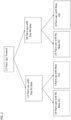
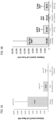
- New HO was observed in 14 of 61 flare-ups, ten in the double-blind study and four in the open-label extension study. The majority of these flare-ups (10 of 14) resulted in new HO at the end of the 6-week treatment (Day 42), and four resulted in new HO at the end of the 6-week follow-up (Day 84).
- Ratio's age includes individuals who have achieved at least 90% skeletal maturity irrespective of age. Individuals in the adult cohort received palovarotene (neutral form) at 5 mg once daily as a non-flare-up based treatment (e.g., during periods when symptoms of a flare-up were not present). This dosing regimen ensured that subjects were exposed to palovarotene when the HO process began, prior to the presence of clinical symptoms.
- palovarotene neutral form
- This dosing regimen ensured that subjects were exposed to palovarotene when the HO process began, prior to the presence of clinical symptoms.
- Pediatric cohort includes individuals under 18 who have not achieved 90% skeletal maturity as determined by hand/wrist radiographs. Individuals in the pediatric cohort who experience a flare-up receive palovarotene (neutral form) at 20 mg once daily (or a weight adjusted equivalent dose as shown in Table 1) for 28 days, followed by 10 mg once daily (or a weight adjusted equivalent dose as shown in Table 1) for at least 56 days (a total of 3 months treatment). Treatment may be extended by 4-week increments if the flare-up is ongoing at the end of the original 3-months.
- pediatric patients can be treated chronically during a quiescent period, (i.e., when the patient is not experiencing and flare-up symptoms or has not experienced flare-up symptoms within at least the last, e.g., 2 weeks, 4 weeks, 6 weeks, 8 weeks, or 84 days) with between 2.5 and 5 mg paloverotene once daily.
- Table 1 Table 1.
- an alternative de-escalated dosing regimen can be employed as provided in Tables 2 and 3.
- the quiescent period (Q) dosing level is administered chronically during the quiescent period (e.g., when patient is not experiencing flare-up or to individuals who have not experienced flare-up symptoms for at least 4 weeks consecutively).
- the non-quiescent (NQ) dosing level is administered during non-quiescent period.
- Non-quiescent period (NQ) loading dose is administered for 20 to 40 days (e.g., 21 to 30 days, or 28 days) following initiation of a flare-up (e.g., within 7 days of patient experiencing one or more symptoms of flare-up).
- the NQ maintenance dosing level is administered immediately following the NQ loading dose for a period of at least 56 days and can be extended beyond 56 days in 4 week increments, e.g., 4, 8 or 12 weeks, if patient's flare-up symptoms persist until symptoms of flare-up resolve. Table 2.
Landscapes
- Health & Medical Sciences (AREA)
- Pharmacology & Pharmacy (AREA)
- Veterinary Medicine (AREA)
- Public Health (AREA)
- Chemical & Material Sciences (AREA)
- General Health & Medical Sciences (AREA)
- Medicinal Chemistry (AREA)
- Animal Behavior & Ethology (AREA)
- Life Sciences & Earth Sciences (AREA)
- Epidemiology (AREA)
- Physical Education & Sports Medicine (AREA)
- Engineering & Computer Science (AREA)
- Chemical Kinetics & Catalysis (AREA)
- Organic Chemistry (AREA)
- Nuclear Medicine, Radiotherapy & Molecular Imaging (AREA)
- General Chemical & Material Sciences (AREA)
- Bioinformatics & Cheminformatics (AREA)
- Rheumatology (AREA)
- Orthopedic Medicine & Surgery (AREA)
- Biomedical Technology (AREA)
- Physiology (AREA)
- Nutrition Science (AREA)
- Communicable Diseases (AREA)
- Oncology (AREA)
- Dermatology (AREA)
- Pharmaceuticals Containing Other Organic And Inorganic Compounds (AREA)
- Medicinal Preparation (AREA)
- Nitrogen Condensed Heterocyclic Rings (AREA)
- Nitrogen And Oxygen Or Sulfur-Condensed Heterocyclic Ring Systems (AREA)
- Medicines That Contain Protein Lipid Enzymes And Other Medicines (AREA)
- Acyclic And Carbocyclic Compounds In Medicinal Compositions (AREA)
Priority Applications (1)
| Application Number | Priority Date | Filing Date | Title |
|---|---|---|---|
| EP23189636.6A EP4249490A3 (en) | 2016-06-08 | 2017-06-08 | Methods for treating heterotopic ossification |
Applications Claiming Priority (2)
| Application Number | Priority Date | Filing Date | Title |
|---|---|---|---|
| US201662347381P | 2016-06-08 | 2016-06-08 | |
| PCT/CA2017/050701 WO2017210792A1 (en) | 2016-06-08 | 2017-06-08 | Methods for treating heterotopic ossification |
Related Child Applications (1)
| Application Number | Title | Priority Date | Filing Date |
|---|---|---|---|
| EP23189636.6A Division EP4249490A3 (en) | 2016-06-08 | 2017-06-08 | Methods for treating heterotopic ossification |
Publications (4)
| Publication Number | Publication Date |
|---|---|
| EP3468554A1 EP3468554A1 (en) | 2019-04-17 |
| EP3468554A4 EP3468554A4 (en) | 2020-01-22 |
| EP3468554B1 true EP3468554B1 (en) | 2023-08-09 |
| EP3468554C0 EP3468554C0 (en) | 2023-08-09 |
Family
ID=60578331
Family Applications (2)
| Application Number | Title | Priority Date | Filing Date |
|---|---|---|---|
| EP17809505.5A Active EP3468554B1 (en) | 2016-06-08 | 2017-06-08 | Methods for treating heterotopic ossification |
| EP23189636.6A Pending EP4249490A3 (en) | 2016-06-08 | 2017-06-08 | Methods for treating heterotopic ossification |
Family Applications After (1)
| Application Number | Title | Priority Date | Filing Date |
|---|---|---|---|
| EP23189636.6A Pending EP4249490A3 (en) | 2016-06-08 | 2017-06-08 | Methods for treating heterotopic ossification |
Country Status (18)
| Country | Link |
|---|---|
| US (6) | US10864194B2 (enExample) |
| EP (2) | EP3468554B1 (enExample) |
| JP (2) | JP7023868B2 (enExample) |
| KR (1) | KR102486607B1 (enExample) |
| CN (2) | CN109562099A (enExample) |
| AU (2) | AU2017276835B2 (enExample) |
| BR (1) | BR112018075422A2 (enExample) |
| CA (1) | CA3025854A1 (enExample) |
| CL (1) | CL2018003502A1 (enExample) |
| EA (1) | EA201892497A1 (enExample) |
| ES (1) | ES2963348T3 (enExample) |
| IL (3) | IL263440B (enExample) |
| MX (2) | MX390115B (enExample) |
| MY (1) | MY200642A (enExample) |
| PH (1) | PH12018502563A1 (enExample) |
| SG (1) | SG11201810658PA (enExample) |
| WO (1) | WO2017210792A1 (enExample) |
| ZA (1) | ZA201808102B (enExample) |
Families Citing this family (8)
| Publication number | Priority date | Publication date | Assignee | Title |
|---|---|---|---|---|
| CN111773213B (zh) | 2010-09-01 | 2023-02-24 | 托马斯杰弗逊大学 | 用于肌肉修复和再生的组合物和方法 |
| ES2963348T3 (es) * | 2016-06-08 | 2024-03-26 | Clementia Pharmaceuticals Inc | Métodos para tratar la osificación heterotópica |
| JP7018957B2 (ja) | 2016-11-16 | 2022-02-14 | クレメンティア ファーマシューティカルズ インコーポレイテッド | 多発性骨軟骨腫(mo)を処置するための方法 |
| WO2020118405A1 (en) * | 2018-12-13 | 2020-06-18 | Clementia Pharmaceuticals Inc. | Methods for treating heterotopic ossification |
| EP4186505A4 (en) * | 2020-06-11 | 2024-06-19 | Yang Sheng Tang Company, Ltd. | USE OF PALOVAROTEN TO TREAT HBV VIRUS |
| EP4470537A1 (en) * | 2023-05-30 | 2024-12-04 | Queen's University At Kingston | Compound for use in treating fibrodysplasia ossificans progressiva (fop) |
| EP4470536A1 (en) * | 2023-05-30 | 2024-12-04 | Queen's University At Kingston | Compound for use in treating fibrodysplasia ossificans progressiva (fop) |
| CN119185298B (zh) * | 2024-10-30 | 2025-09-26 | 武汉大学人民医院(湖北省人民医院) | 帕罗伐汀在制备用于治疗脑出血后急性脑损伤的药物中的应用 |
Family Cites Families (46)
| Publication number | Priority date | Publication date | Assignee | Title |
|---|---|---|---|---|
| US5824685A (en) | 1995-02-01 | 1998-10-20 | The Johns Hopkins University School Of Medicine | Method of preventing proliferation of retinal pigment epithelium by retinoic acid receptor agonists |
| US5624957A (en) | 1995-06-06 | 1997-04-29 | Bristol-Myers Squibb Company | Rary-specific retinobenzoic acid derivatives |
| US5919970A (en) | 1997-04-24 | 1999-07-06 | Allergan Sales, Inc. | Substituted diaryl or diheteroaryl methanes, ethers and amines having retinoid agonist, antagonist or inverse agonist type biological activity |
| US7514074B2 (en) | 1997-07-14 | 2009-04-07 | Osiris Therapeutics, Inc. | Cardiac muscle regeneration using mesenchymal stem cells |
| US6204288B1 (en) | 1999-03-08 | 2001-03-20 | The University Of Mississippi | 1,2-dithiolane derivatives |
| US20030114482A1 (en) | 1999-12-15 | 2003-06-19 | Maurizio Pacifici | Use of retinoid receptor antagonists or agonists in the treatment of cartilage and bone pathologies |
| US6313168B1 (en) | 1999-12-15 | 2001-11-06 | Allergan Sales, Inc. | Use of retinoid receptor antagonists in the treatment of cartilage and bone pathologies |
| CA2402413A1 (en) | 2000-03-14 | 2001-09-20 | The University Of Western Ontario | Compositions and methods for affecting osteogenesis |
| WO2002028810A2 (en) | 2000-10-02 | 2002-04-11 | F. Hoffmann-La Roche Ag | Retinoids for the treatment of emphysema |
| BR0212583A (pt) | 2001-09-18 | 2004-10-13 | Hoffmann La Roche | Agonistas i para retinóides de alquil uréia |
| AU2002340886B2 (en) | 2001-09-18 | 2008-01-31 | F. Hoffmann-La Roche Ag | Substituted urea retinoid agonists II |
| AUPR892501A0 (en) | 2001-11-16 | 2001-12-13 | Peter Maccallum Cancer Institute, The | Method of enhancing self renewal of stem cells and uses thereof |
| US20050101581A1 (en) | 2002-08-28 | 2005-05-12 | Reading Christopher L. | Therapeutic treatment methods 2 |
| JP2005206544A (ja) | 2004-01-23 | 2005-08-04 | Yasuyoshi Uchida | 筋肉再生剤 |
| AU2005240078A1 (en) | 2004-04-30 | 2005-11-17 | Allergan, Inc. | Retinoid-containing sustained release intraocular drug delivery systems and related methods of manufacturing |
| WO2005115304A2 (en) | 2004-05-24 | 2005-12-08 | Ab Science | Use of c-kit inhibitors for treating fibrodysplasia |
| US20060210638A1 (en) | 2005-03-17 | 2006-09-21 | Elan Pharma International Limited | Injectable compositions of nanoparticulate immunosuppressive compounds |
| US7345931B2 (en) | 2005-08-01 | 2008-03-18 | Infineon Technologies Ag | Maintaining internal voltages of an integrated circuit in response to a clocked standby mode |
| US20090281184A1 (en) | 2005-09-27 | 2009-11-12 | Sapporo Medical University | Pharmaceutical for prevention and treatment of ophthalmic disease induced by in-crease in vasopermeability |
| US20070213308A1 (en) * | 2006-01-26 | 2007-09-13 | Lessem Jan N | Methods, compositions, and kits for the treatment of musculoskeletal disorders and symptoms associated therewith |
| CA2647275A1 (en) | 2006-03-31 | 2007-10-11 | F. Hoffmann-La Roche Ag | Process for preparing retinoid compounds |
| CN101472572B (zh) | 2006-05-16 | 2012-10-10 | Io治疗有限责任公司 | Rar拮抗剂或反向激动剂在治疗化学疗法和/或放射疗法副作用中的用途 |
| US8614103B2 (en) | 2006-10-27 | 2013-12-24 | Lpath, Inc. | Compositions and methods for treating sphingosine-1-phosphate (S1P) related ocular diseases and conditions |
| US9119777B2 (en) | 2008-05-30 | 2015-09-01 | Microdose Therapeutx, Inc. | Methods and compositions for administration of oxybutynin |
| EP2265603B1 (en) | 2008-03-13 | 2014-05-07 | The General Hospital Corporation | Inhibitors of the bmp signaling pathway |
| JP2009235031A (ja) | 2008-03-28 | 2009-10-15 | Nano Egg:Kk | 角膜組織の再生促進剤 |
| EP2379174A4 (en) | 2008-12-18 | 2012-11-14 | Astrazeneca Ab | PHARMACEUTICAL PRODUCT USING A P38 KINASE INHIBITOR AND A SECOND ACTIVE SUBSTANCE |
| WO2010088735A1 (en) | 2009-02-05 | 2010-08-12 | Regenertech Pty Ltd | Method of producing progenitor cells from differentiated cells |
| US20120277156A1 (en) * | 2009-07-21 | 2012-11-01 | University Of Washington Trhough It's Center For Commercialization | Inhibition of pathological bone formation |
| CN111773213B (zh) | 2010-09-01 | 2023-02-24 | 托马斯杰弗逊大学 | 用于肌肉修复和再生的组合物和方法 |
| US20120077786A1 (en) | 2010-09-27 | 2012-03-29 | Byron David A | Methods and compositions for disease treatment using inhalation |
| WO2012125724A1 (en) | 2011-03-14 | 2012-09-20 | Beth Israel Deaconess Medical Center | Methods and compositions for the treatment of proliferative disorders |
| WO2012129562A2 (en) | 2011-03-24 | 2012-09-27 | The Scripps Research Institute | Compounds and methods for inducing chondrogenesis |
| WO2013006372A1 (en) * | 2011-07-01 | 2013-01-10 | The United States Of America, As Represented By The Secretary, Department Of Health And Human Services | Method of treating pathologic heterotopic ossification |
| US8772273B2 (en) | 2011-10-04 | 2014-07-08 | Quretino Therapeutics, Inc. | Formulations and uses of retinoic acid receptor selective agonists |
| AU2013222345B2 (en) * | 2012-02-22 | 2017-09-07 | Sanford-Burnham Medical Research Institute | Sulfonamide compounds and uses as TNAP inhibitors |
| JP6430383B2 (ja) | 2012-09-28 | 2018-11-28 | ヴァンダービルト ユニバーシティーVanderbilt University | 選択的bmp阻害剤としての縮合複素環化合物 |
| WO2014073209A1 (ja) | 2012-11-08 | 2014-05-15 | 国立大学法人山口大学 | 角結膜障害の治療剤 |
| EP2964651A4 (en) | 2013-03-04 | 2016-11-30 | Brigham & Womens Hospital | BMP HEMMER AND METHOD OF USE THEREOF |
| JP6542192B2 (ja) | 2013-03-14 | 2019-07-10 | ザ ブリガム アンド ウィメンズ ホスピタル インコーポレイテッドThe Brigham and Women’s Hospital, Inc. | Bmp阻害剤およびその使用方法 |
| US10702502B2 (en) | 2013-05-22 | 2020-07-07 | Yamaguchi University | Inhibitor for retinochoroidal disorders |
| EP3201187A4 (en) * | 2014-10-01 | 2018-04-11 | The Brigham and Women's Hospital, Inc. | Compositions and methods for inhibiting bmp |
| US20180311356A1 (en) | 2015-10-19 | 2018-11-01 | The Children's Medical Center Corporation | Method to inhibit endothelial-to-mesenchymal transition |
| WO2017112431A1 (en) * | 2015-12-24 | 2017-06-29 | The Regents Of The University Of Michigan | Method of treating heterotopic ossification |
| ES2963348T3 (es) | 2016-06-08 | 2024-03-26 | Clementia Pharmaceuticals Inc | Métodos para tratar la osificación heterotópica |
| WO2020118405A1 (en) | 2018-12-13 | 2020-06-18 | Clementia Pharmaceuticals Inc. | Methods for treating heterotopic ossification |
-
2017
- 2017-06-08 ES ES17809505T patent/ES2963348T3/es active Active
- 2017-06-08 IL IL263440A patent/IL263440B/en unknown
- 2017-06-08 EP EP17809505.5A patent/EP3468554B1/en active Active
- 2017-06-08 JP JP2018563519A patent/JP7023868B2/ja active Active
- 2017-06-08 EA EA201892497A patent/EA201892497A1/ru unknown
- 2017-06-08 US US16/308,012 patent/US10864194B2/en active Active
- 2017-06-08 CN CN201780035660.5A patent/CN109562099A/zh active Pending
- 2017-06-08 MY MYPI2018002302A patent/MY200642A/en unknown
- 2017-06-08 IL IL295440A patent/IL295440B2/en unknown
- 2017-06-08 SG SG11201810658PA patent/SG11201810658PA/en unknown
- 2017-06-08 MX MX2018015108A patent/MX390115B/es unknown
- 2017-06-08 IL IL317726A patent/IL317726A/en unknown
- 2017-06-08 CN CN202510415662.3A patent/CN120204216A/zh active Pending
- 2017-06-08 CA CA3025854A patent/CA3025854A1/en active Pending
- 2017-06-08 BR BR112018075422-6A patent/BR112018075422A2/pt not_active Application Discontinuation
- 2017-06-08 WO PCT/CA2017/050701 patent/WO2017210792A1/en not_active Ceased
- 2017-06-08 EP EP23189636.6A patent/EP4249490A3/en active Pending
- 2017-06-08 KR KR1020197000339A patent/KR102486607B1/ko active Active
- 2017-06-08 AU AU2017276835A patent/AU2017276835B2/en active Active
-
2018
- 2018-11-29 ZA ZA2018/08102A patent/ZA201808102B/en unknown
- 2018-12-05 PH PH12018502563A patent/PH12018502563A1/en unknown
- 2018-12-05 MX MX2022001991A patent/MX2022001991A/es unknown
- 2018-12-06 CL CL2018003502A patent/CL2018003502A1/es unknown
-
2020
- 2020-11-17 US US16/950,604 patent/US11622959B2/en active Active
-
2021
- 2021-12-06 JP JP2021197653A patent/JP2022019995A/ja not_active Withdrawn
-
2022
- 2022-03-29 AU AU2022202148A patent/AU2022202148B2/en active Active
-
2023
- 2023-03-13 US US18/182,463 patent/US12458626B2/en active Active
-
2024
- 2024-04-17 US US18/637,711 patent/US12138245B2/en active Active
- 2024-06-28 US US18/758,242 patent/US12201614B2/en active Active
-
2025
- 2025-06-18 US US19/242,219 patent/US20260021073A1/en active Pending
Also Published As
Similar Documents
| Publication | Publication Date | Title |
|---|---|---|
| US12201614B2 (en) | Methods for treating heterotopic ossification | |
| Ringe et al. | Avoidance of vertebral fractures in men with idiopathic osteoporosis by a three year therapy with calcium and low-dose intermittent monofluorophosphate | |
| AU2018337933A1 (en) | Synthetic transdermal cannabidiol for the treatment of focal epilepsy in adults | |
| Kuna et al. | Once-daily dosing with budesonide/formoterol compared with twice-daily budesonide/formoterol and once-daily budesonide in adults with mild to moderate asthma | |
| EP3893880A1 (en) | Methods for treating heterotopic ossification | |
| HK40100879A (en) | Methods for treating heterotopic ossification | |
| EA047841B1 (ru) | Способы лечения гетеротопической оссификации | |
| BG63103B1 (bg) | Използуване на алендронат за профилактика на остеопороза | |
| HK40006943A (en) | Methods for treating heterotopic ossification | |
| EA042153B1 (ru) | Способы лечения гетеротопической оссификации | |
| JP6839076B2 (ja) | 変形性関節症の治療のためのネリドロン酸またはその塩の使用 | |
| WO2017053605A1 (en) | Iminosugars for improving bone mineral density in bone disease | |
| EA028400B1 (ru) | Способ профилактики и лечения ожирения и избыточного веса и связанных с ними нарушений |
Legal Events
| Date | Code | Title | Description |
|---|---|---|---|
| STAA | Information on the status of an ep patent application or granted ep patent |
Free format text: STATUS: THE INTERNATIONAL PUBLICATION HAS BEEN MADE |
|
| PUAI | Public reference made under article 153(3) epc to a published international application that has entered the european phase |
Free format text: ORIGINAL CODE: 0009012 |
|
| STAA | Information on the status of an ep patent application or granted ep patent |
Free format text: STATUS: REQUEST FOR EXAMINATION WAS MADE |
|
| 17P | Request for examination filed |
Effective date: 20181205 |
|
| AK | Designated contracting states |
Kind code of ref document: A1 Designated state(s): AL AT BE BG CH CY CZ DE DK EE ES FI FR GB GR HR HU IE IS IT LI LT LU LV MC MK MT NL NO PL PT RO RS SE SI SK SM TR |
|
| AX | Request for extension of the european patent |
Extension state: BA ME |
|
| DAV | Request for validation of the european patent (deleted) | ||
| DAX | Request for extension of the european patent (deleted) | ||
| A4 | Supplementary search report drawn up and despatched |
Effective date: 20200103 |
|
| RIC1 | Information provided on ipc code assigned before grant |
Ipc: C07D 231/12 20060101ALI20191218BHEP Ipc: A61K 31/519 20060101ALI20191218BHEP Ipc: A61P 3/00 20060101ALI20191218BHEP Ipc: A61P 19/04 20060101ALI20191218BHEP Ipc: A61K 31/44 20060101ALI20191218BHEP Ipc: C07D 213/30 20060101ALI20191218BHEP Ipc: A61K 31/415 20060101AFI20191218BHEP Ipc: C07D 487/04 20060101ALI20191218BHEP |
|
| STAA | Information on the status of an ep patent application or granted ep patent |
Free format text: STATUS: EXAMINATION IS IN PROGRESS |
|
| 17Q | First examination report despatched |
Effective date: 20201202 |
|
| GRAP | Despatch of communication of intention to grant a patent |
Free format text: ORIGINAL CODE: EPIDOSNIGR1 |
|
| STAA | Information on the status of an ep patent application or granted ep patent |
Free format text: STATUS: GRANT OF PATENT IS INTENDED |
|
| INTG | Intention to grant announced |
Effective date: 20230310 |
|
| GRAS | Grant fee paid |
Free format text: ORIGINAL CODE: EPIDOSNIGR3 |
|
| GRAA | (expected) grant |
Free format text: ORIGINAL CODE: 0009210 |
|
| STAA | Information on the status of an ep patent application or granted ep patent |
Free format text: STATUS: THE PATENT HAS BEEN GRANTED |
|
| P01 | Opt-out of the competence of the unified patent court (upc) registered |
Effective date: 20230622 |
|
| AK | Designated contracting states |
Kind code of ref document: B1 Designated state(s): AL AT BE BG CH CY CZ DE DK EE ES FI FR GB GR HR HU IE IS IT LI LT LU LV MC MK MT NL NO PL PT RO RS SE SI SK SM TR |
|
| REG | Reference to a national code |
Ref country code: GB Ref legal event code: FG4D |
|
| REG | Reference to a national code |
Ref country code: CH Ref legal event code: EP |
|
| REG | Reference to a national code |
Ref country code: IE Ref legal event code: FG4D |
|
| REG | Reference to a national code |
Ref country code: DE Ref legal event code: R096 Ref document number: 602017072527 Country of ref document: DE |
|
| P04 | Withdrawal of opt-out of the competence of the unified patent court (upc) registered |
Effective date: 20230828 |
|
| U01 | Request for unitary effect filed |
Effective date: 20230908 |
|
| U07 | Unitary effect registered |
Designated state(s): AT BE BG DE DK EE FI FR IT LT LU LV MT NL PT SE SI Effective date: 20230914 |
|
| PG25 | Lapsed in a contracting state [announced via postgrant information from national office to epo] |
Ref country code: GR Free format text: LAPSE BECAUSE OF FAILURE TO SUBMIT A TRANSLATION OF THE DESCRIPTION OR TO PAY THE FEE WITHIN THE PRESCRIBED TIME-LIMIT Effective date: 20231110 |
|
| PG25 | Lapsed in a contracting state [announced via postgrant information from national office to epo] |
Ref country code: IS Free format text: LAPSE BECAUSE OF FAILURE TO SUBMIT A TRANSLATION OF THE DESCRIPTION OR TO PAY THE FEE WITHIN THE PRESCRIBED TIME-LIMIT Effective date: 20231209 |
|
| PG25 | Lapsed in a contracting state [announced via postgrant information from national office to epo] |
Ref country code: RS Free format text: LAPSE BECAUSE OF FAILURE TO SUBMIT A TRANSLATION OF THE DESCRIPTION OR TO PAY THE FEE WITHIN THE PRESCRIBED TIME-LIMIT Effective date: 20230809 Ref country code: NO Free format text: LAPSE BECAUSE OF FAILURE TO SUBMIT A TRANSLATION OF THE DESCRIPTION OR TO PAY THE FEE WITHIN THE PRESCRIBED TIME-LIMIT Effective date: 20231109 Ref country code: IS Free format text: LAPSE BECAUSE OF FAILURE TO SUBMIT A TRANSLATION OF THE DESCRIPTION OR TO PAY THE FEE WITHIN THE PRESCRIBED TIME-LIMIT Effective date: 20231209 Ref country code: HR Free format text: LAPSE BECAUSE OF FAILURE TO SUBMIT A TRANSLATION OF THE DESCRIPTION OR TO PAY THE FEE WITHIN THE PRESCRIBED TIME-LIMIT Effective date: 20230809 Ref country code: GR Free format text: LAPSE BECAUSE OF FAILURE TO SUBMIT A TRANSLATION OF THE DESCRIPTION OR TO PAY THE FEE WITHIN THE PRESCRIBED TIME-LIMIT Effective date: 20231110 |
|
| PG25 | Lapsed in a contracting state [announced via postgrant information from national office to epo] |
Ref country code: PL Free format text: LAPSE BECAUSE OF FAILURE TO SUBMIT A TRANSLATION OF THE DESCRIPTION OR TO PAY THE FEE WITHIN THE PRESCRIBED TIME-LIMIT Effective date: 20230809 |
|
| REG | Reference to a national code |
Ref country code: ES Ref legal event code: FG2A Ref document number: 2963348 Country of ref document: ES Kind code of ref document: T3 Effective date: 20240326 |
|
| PG25 | Lapsed in a contracting state [announced via postgrant information from national office to epo] |
Ref country code: SM Free format text: LAPSE BECAUSE OF FAILURE TO SUBMIT A TRANSLATION OF THE DESCRIPTION OR TO PAY THE FEE WITHIN THE PRESCRIBED TIME-LIMIT Effective date: 20230809 Ref country code: RO Free format text: LAPSE BECAUSE OF FAILURE TO SUBMIT A TRANSLATION OF THE DESCRIPTION OR TO PAY THE FEE WITHIN THE PRESCRIBED TIME-LIMIT Effective date: 20230809 Ref country code: CZ Free format text: LAPSE BECAUSE OF FAILURE TO SUBMIT A TRANSLATION OF THE DESCRIPTION OR TO PAY THE FEE WITHIN THE PRESCRIBED TIME-LIMIT Effective date: 20230809 Ref country code: SK Free format text: LAPSE BECAUSE OF FAILURE TO SUBMIT A TRANSLATION OF THE DESCRIPTION OR TO PAY THE FEE WITHIN THE PRESCRIBED TIME-LIMIT Effective date: 20230809 |
|
| REG | Reference to a national code |
Ref country code: DE Ref legal event code: R097 Ref document number: 602017072527 Country of ref document: DE |
|
| U20 | Renewal fee for the european patent with unitary effect paid |
Year of fee payment: 8 Effective date: 20240509 |
|
| PLBE | No opposition filed within time limit |
Free format text: ORIGINAL CODE: 0009261 |
|
| STAA | Information on the status of an ep patent application or granted ep patent |
Free format text: STATUS: NO OPPOSITION FILED WITHIN TIME LIMIT |
|
| 26N | No opposition filed |
Effective date: 20240513 |
|
| PG25 | Lapsed in a contracting state [announced via postgrant information from national office to epo] |
Ref country code: MC Free format text: LAPSE BECAUSE OF FAILURE TO SUBMIT A TRANSLATION OF THE DESCRIPTION OR TO PAY THE FEE WITHIN THE PRESCRIBED TIME-LIMIT Effective date: 20230809 |
|
| PG25 | Lapsed in a contracting state [announced via postgrant information from national office to epo] |
Ref country code: IE Free format text: LAPSE BECAUSE OF NON-PAYMENT OF DUE FEES Effective date: 20240608 |
|
| U20 | Renewal fee for the european patent with unitary effect paid |
Year of fee payment: 9 Effective date: 20250509 |
|
| PGFP | Annual fee paid to national office [announced via postgrant information from national office to epo] |
Ref country code: ES Payment date: 20250703 Year of fee payment: 9 |
|
| PGFP | Annual fee paid to national office [announced via postgrant information from national office to epo] |
Ref country code: CH Payment date: 20250701 Year of fee payment: 9 |
|
| PG25 | Lapsed in a contracting state [announced via postgrant information from national office to epo] |
Ref country code: CY Free format text: LAPSE BECAUSE OF FAILURE TO SUBMIT A TRANSLATION OF THE DESCRIPTION OR TO PAY THE FEE WITHIN THE PRESCRIBED TIME-LIMIT; INVALID AB INITIO Effective date: 20170608 |
|
| PG25 | Lapsed in a contracting state [announced via postgrant information from national office to epo] |
Ref country code: HU Free format text: LAPSE BECAUSE OF FAILURE TO SUBMIT A TRANSLATION OF THE DESCRIPTION OR TO PAY THE FEE WITHIN THE PRESCRIBED TIME-LIMIT; INVALID AB INITIO Effective date: 20170608 |
|
| PG25 | Lapsed in a contracting state [announced via postgrant information from national office to epo] |
Ref country code: TR Free format text: LAPSE BECAUSE OF FAILURE TO SUBMIT A TRANSLATION OF THE DESCRIPTION OR TO PAY THE FEE WITHIN THE PRESCRIBED TIME-LIMIT Effective date: 20230809 |
|
| U20 | Renewal fee for the european patent with unitary effect paid |
Year of fee payment: 10 Effective date: 20260507 |
|
| REG | Reference to a national code |
Ref country code: CH Ref legal event code: U11 Free format text: ST27 STATUS EVENT CODE: U-0-0-U10-U11 (AS PROVIDED BY THE NATIONAL OFFICE) Effective date: 20260701 |
|
| PGFP | Annual fee paid to national office [announced via postgrant information from national office to epo] |
Ref country code: GB Payment date: 20260408 Year of fee payment: 10 |