EP3407730B1 - Nahrungsformulierungen mit einem erbsenproteinisolat - Google Patents
Nahrungsformulierungen mit einem erbsenproteinisolat Download PDFInfo
- Publication number
- EP3407730B1 EP3407730B1 EP17706582.8A EP17706582A EP3407730B1 EP 3407730 B1 EP3407730 B1 EP 3407730B1 EP 17706582 A EP17706582 A EP 17706582A EP 3407730 B1 EP3407730 B1 EP 3407730B1
- Authority
- EP
- European Patent Office
- Prior art keywords
- protein
- pea protein
- pea
- formulation
- nutritional
- Prior art date
- Legal status (The legal status is an assumption and is not a legal conclusion. Google has not performed a legal analysis and makes no representation as to the accuracy of the status listed.)
- Active
Links
Images




Classifications
-
- A—HUMAN NECESSITIES
- A23—FOODS OR FOODSTUFFS; TREATMENT THEREOF, NOT COVERED BY OTHER CLASSES
- A23L—FOODS, FOODSTUFFS OR NON-ALCOHOLIC BEVERAGES, NOT OTHERWISE PROVIDED FOR; PREPARATION OR TREATMENT THEREOF
- A23L33/00—Modifying nutritive qualities of foods; Dietetic products; Preparation or treatment thereof
- A23L33/10—Modifying nutritive qualities of foods; Dietetic products; Preparation or treatment thereof using additives
- A23L33/17—Amino acids, peptides or proteins
- A23L33/185—Vegetable proteins
-
- A—HUMAN NECESSITIES
- A23—FOODS OR FOODSTUFFS; TREATMENT THEREOF, NOT COVERED BY OTHER CLASSES
- A23J—PROTEIN COMPOSITIONS FOR FOODSTUFFS; WORKING-UP PROTEINS FOR FOODSTUFFS; PHOSPHATIDE COMPOSITIONS FOR FOODSTUFFS
- A23J3/00—Working-up of proteins for foodstuffs
- A23J3/14—Vegetable proteins
-
- A—HUMAN NECESSITIES
- A23—FOODS OR FOODSTUFFS; TREATMENT THEREOF, NOT COVERED BY OTHER CLASSES
- A23J—PROTEIN COMPOSITIONS FOR FOODSTUFFS; WORKING-UP PROTEINS FOR FOODSTUFFS; PHOSPHATIDE COMPOSITIONS FOR FOODSTUFFS
- A23J3/00—Working-up of proteins for foodstuffs
- A23J3/30—Working-up of proteins for foodstuffs by hydrolysis
- A23J3/32—Working-up of proteins for foodstuffs by hydrolysis using chemical agents
- A23J3/34—Working-up of proteins for foodstuffs by hydrolysis using chemical agents using enzymes
- A23J3/346—Working-up of proteins for foodstuffs by hydrolysis using chemical agents using enzymes of vegetable proteins
-
- A—HUMAN NECESSITIES
- A23—FOODS OR FOODSTUFFS; TREATMENT THEREOF, NOT COVERED BY OTHER CLASSES
- A23L—FOODS, FOODSTUFFS OR NON-ALCOHOLIC BEVERAGES, NOT OTHERWISE PROVIDED FOR; PREPARATION OR TREATMENT THEREOF
- A23L11/00—Pulses, i.e. fruits of leguminous plants, for production of food; Products from legumes; Preparation or treatment thereof
- A23L11/60—Drinks from legumes, e.g. lupine drinks
-
- A—HUMAN NECESSITIES
- A23—FOODS OR FOODSTUFFS; TREATMENT THEREOF, NOT COVERED BY OTHER CLASSES
- A23L—FOODS, FOODSTUFFS OR NON-ALCOHOLIC BEVERAGES, NOT OTHERWISE PROVIDED FOR; PREPARATION OR TREATMENT THEREOF
- A23L2/00—Non-alcoholic beverages; Dry compositions or concentrates therefor; Preparation or treatment thereof
- A23L2/52—Adding ingredients
- A23L2/66—Proteins
-
- A—HUMAN NECESSITIES
- A23—FOODS OR FOODSTUFFS; TREATMENT THEREOF, NOT COVERED BY OTHER CLASSES
- A23L—FOODS, FOODSTUFFS OR NON-ALCOHOLIC BEVERAGES, NOT OTHERWISE PROVIDED FOR; PREPARATION OR TREATMENT THEREOF
- A23L33/00—Modifying nutritive qualities of foods; Dietetic products; Preparation or treatment thereof
- A23L33/10—Modifying nutritive qualities of foods; Dietetic products; Preparation or treatment thereof using additives
- A23L33/17—Amino acids, peptides or proteins
- A23L33/19—Dairy proteins
-
- A—HUMAN NECESSITIES
- A23—FOODS OR FOODSTUFFS; TREATMENT THEREOF, NOT COVERED BY OTHER CLASSES
- A23L—FOODS, FOODSTUFFS OR NON-ALCOHOLIC BEVERAGES, NOT OTHERWISE PROVIDED FOR; PREPARATION OR TREATMENT THEREOF
- A23L33/00—Modifying nutritive qualities of foods; Dietetic products; Preparation or treatment thereof
- A23L33/40—Complete food formulations for specific consumer groups or specific purposes, e.g. infant formula
-
- A—HUMAN NECESSITIES
- A61—MEDICAL OR VETERINARY SCIENCE; HYGIENE
- A61P—SPECIFIC THERAPEUTIC ACTIVITY OF CHEMICAL COMPOUNDS OR MEDICINAL PREPARATIONS
- A61P3/00—Drugs for disorders of the metabolism
- A61P3/02—Nutrients, e.g. vitamins, minerals
-
- A—HUMAN NECESSITIES
- A23—FOODS OR FOODSTUFFS; TREATMENT THEREOF, NOT COVERED BY OTHER CLASSES
- A23C—DAIRY PRODUCTS, e.g. MILK, BUTTER OR CHEESE; MILK OR CHEESE SUBSTITUTES; MAKING OR TREATMENT THEREOF
- A23C9/00—Milk preparations; Milk powder or milk powder preparations
- A23C9/12—Fermented milk preparations; Treatment using microorganisms or enzymes
- A23C9/13—Fermented milk preparations; Treatment using microorganisms or enzymes using additives
-
- A—HUMAN NECESSITIES
- A23—FOODS OR FOODSTUFFS; TREATMENT THEREOF, NOT COVERED BY OTHER CLASSES
- A23V—INDEXING SCHEME RELATING TO FOODS, FOODSTUFFS OR NON-ALCOHOLIC BEVERAGES AND LACTIC OR PROPIONIC ACID BACTERIA USED IN FOODSTUFFS OR FOOD PREPARATION
- A23V2002/00—Food compositions, function of food ingredients or processes for food or foodstuffs
-
- A—HUMAN NECESSITIES
- A23—FOODS OR FOODSTUFFS; TREATMENT THEREOF, NOT COVERED BY OTHER CLASSES
- A23V—INDEXING SCHEME RELATING TO FOODS, FOODSTUFFS OR NON-ALCOHOLIC BEVERAGES AND LACTIC OR PROPIONIC ACID BACTERIA USED IN FOODSTUFFS OR FOOD PREPARATION
- A23V2200/00—Function of food ingredients
- A23V2200/30—Foods, ingredients or supplements having a functional effect on health
-
- A—HUMAN NECESSITIES
- A23—FOODS OR FOODSTUFFS; TREATMENT THEREOF, NOT COVERED BY OTHER CLASSES
- A23V—INDEXING SCHEME RELATING TO FOODS, FOODSTUFFS OR NON-ALCOHOLIC BEVERAGES AND LACTIC OR PROPIONIC ACID BACTERIA USED IN FOODSTUFFS OR FOOD PREPARATION
- A23V2250/00—Food ingredients
- A23V2250/54—Proteins
- A23V2250/542—Animal Protein
- A23V2250/5424—Dairy protein
-
- A—HUMAN NECESSITIES
- A23—FOODS OR FOODSTUFFS; TREATMENT THEREOF, NOT COVERED BY OTHER CLASSES
- A23V—INDEXING SCHEME RELATING TO FOODS, FOODSTUFFS OR NON-ALCOHOLIC BEVERAGES AND LACTIC OR PROPIONIC ACID BACTERIA USED IN FOODSTUFFS OR FOOD PREPARATION
- A23V2250/00—Food ingredients
- A23V2250/54—Proteins
- A23V2250/548—Vegetable protein
-
- A—HUMAN NECESSITIES
- A23—FOODS OR FOODSTUFFS; TREATMENT THEREOF, NOT COVERED BY OTHER CLASSES
- A23V—INDEXING SCHEME RELATING TO FOODS, FOODSTUFFS OR NON-ALCOHOLIC BEVERAGES AND LACTIC OR PROPIONIC ACID BACTERIA USED IN FOODSTUFFS OR FOOD PREPARATION
- A23V2250/00—Food ingredients
- A23V2250/54—Proteins
- A23V2250/55—Peptide, protein hydrolysate
Definitions
- the present invention relates to nutritional formulations comprising pea protein isolate.
- Nutritional powders and liquids manufactured in pediatrics, for children or adults include a selection of well-defined nutritional ingredients (carbohydrates, proteins, fats, fibers, vitamins and/or trace elements, etc.).
- These nutritional products include powders that can be reconstituted, with water or another aqueous liquid, into nutritional liquids such as enteral bags or ready-to-drink beverages.
- Powdered nutritional formulations are typically prepared by intimately mixing different powders.
- Ready-to-drink or enterally administered nutritional formulations are typically prepared by making one or two separate solutions which are then mixed together, then heat treated to allow storage of at least 12 months at room temperature.
- One solution represents the aqueous phase containing carbohydrates, proteins, fibers, minerals, and water-soluble emulsifiers, and the second represents the lipid phase containing oil and fat-soluble emulsifiers.
- milk proteins are mainly used.
- Soy proteins are used in the vast majority, but also rice, wheat and potato proteins (in particular to improve the vegetable taste of finished products).
- pea proteins must meet certain functionalities such as good solubility, low viscosity in solution, good resistance to heat treatments for heat-treated liquids as well as good viscosity stability over time.
- Fermented milk or desserts such as stirred, Greek, firm yogurts
- a yogurt, yoghurt or yoghourt is milk inoculated with lactic ferments in order to thicken it and keep it longer.
- yogurt To be called yogurt, it must contain only two specific ferments, Lactobacillus delbrueckii subsp bulgaricus and Streptococcus thermophilus, which give it its specific taste and texture and also provide certain nutritional and health benefits.
- fermented milks have been created in recent years. They may or may not contain these two bacteria, and in addition strains such as Lactobacillus acidophilus, Lactobacillus casei, Bifidobacterium bifidum, B. longum, B. infantis and B. breve.
- Yogurts are therefore an excellent source of probiotics, i.e. live microorganisms which, when ingested in sufficient quantities, have positive effects on health, beyond traditional nutritional effects.
- stirred yogurt also called “Bulgarian”
- the milk is inoculated in a tank, then stirred before being poured into its pot.
- liquid yogurt also called drinking yogurt
- drinking yogurt is stirred and beaten until the right texture is obtained and poured into bottles.
- the fat percentage can also affect the texture of the yogurt, which can be made from whole, semi-skimmed or skimmed milk (a label containing only the word "yogurt” necessarily designates a yogurt made with semi-skimmed milk).
- Yogurt solutions based on plant milks have therefore been proposed, because plant milks are much more digestible than cow's milk, and are rich in vitamins, minerals and unsaturated fatty acids.
- yogurt even if the origin of the proteins is not dairy (officially, “yogurts” that are made from ingredients other than fermented milk, dairy ingredients, or classic ferments such as Lactobacillus delbrueckii subsp bulgaricus and Streptococcus thermophilus are not entitled to this name).
- soy milk has the highest calcium and protein content, it is also very indigestible; this is why it is not recommended for children.
- Milk is a food that contains a significant source of high biological quality proteins. For a long time, animal proteins have been praised for their excellent nutritional qualities because they contain all the essential amino acids in adequate proportions.
- Dairy allergy is one of the most common allergic reactions. Studies show that 65% of people who suffer from food allergies are allergic to milk.
- the adult form of milk allergy here called “dairy allergy”
- CMPA cow's milk protein allergy
- This allergy is different from cow's milk protein allergy (bovine proteins), also called CMPA, which affects newborns and children.
- CMPA cow's milk protein allergy
- the clinical manifestations of this allergy are mainly gastrointestinal (50 to 80% of cases), also cutaneous (10 to 39% of cases) and respiratory (19% of cases).
- Plant milks obtained from plant ingredients, can be an alternative to milks of animal origin. They compensate for and avoid CMPA. They are free of casein, lactose, cholesterol, are rich in vitamins and mineral salts, are also rich in essential fatty acids but low in saturated fatty acids. Some also have interesting fiber levels.
- the Applicant Company has also undertaken this research in order to be able to meet the growing demands of manufacturers and consumers for compounds with interesting nutritional properties without having the drawbacks of certain already existing compounds.
- the Applicant's work focused on the formulation of new plant-based milks with indisputable and recognized safety, and which can therefore be consumed by the whole family.
- Dairy creams are products with more than 30% fat (MF) obtained by concentration of milk, in the form of an emulsion of oil droplets in skimmed milk. They can be used for different applications, either directly as a consumer product (used for example as coffee cream) or as a raw material in industry for the manufacture of other products such as butter, cheese, whipped creams, sauces, ice creams, or even toppings and cake decorations.
- MF fat
- MF fat
- Creams are distinguished by their fat content, their conservation and their texture.
- Raw cream is the cream resulting from the separation of milk and cream, directly after skimming and without going through the pasteurization stage. It is liquid and contains 30 to 40% fat.
- pasteurized cream has undergone the pasteurization process. It has therefore been heated to 72°C for about twenty seconds in order to eliminate microorganisms that are undesirable to humans.
- This cream is particularly well suited to whipping. It thus takes on a lighter and more voluminous texture by being beaten to incorporate air bubbles. It is perfect for whipped cream, for example.
- Some liquid creams sold in stores are said to have a long shelf life. They can be stored for several weeks in a cool, dry place. To keep them for so long, these creams have been either sterilized or heated using the UHT process. For sterilization, the cream is heated for 15 to 20 minutes at 115°C. With the UHT (or Ultra High Temperature) process, the cream is heated for 2 seconds at 150°C. The cream is then quickly cooled, which results in better preserving its taste qualities.
- UHT Ultra High Temperature
- Cream is naturally liquid, once it is separated from the milk, after skimming. In order for it to take on a thick texture, it goes through the seeding stage. Lactic ferments are thus incorporated which, after maturation, will give the cream this thicker texture and this more acidic and richer taste.
- reconstituted dairy creams can benefit from the image of naturalness generally attributed to dairy products, since the regulations require for their manufacture the exclusive use of dairy ingredients with or without the addition of drinking water and the same characteristics of finished product as milk cream ( Codex Alimentarius, 2007 ).
- Vegetable creams are products similar to dairy creams in which the milk fat is replaced by vegetable fat ( Codex Alimentarius, codex Stan 192, 1995 ).
- Physicochemical parameters such as particle size, rheology, stability and foaming capacity are the characteristics that are of primary interest to manufacturers and researchers in the field of replacing dairy creams with vegetable creams.
- the size of the dispersed droplets is a key parameter in the characterization of creams because it has a significant impact, on the one hand, on other physicochemical properties such as rheology and stability, and on the other hand, on sensory properties such as the texture and color of the creams.
- emulsifier type includes both low molecular weight emulsifiers such as mono-, diglycerides and phospholipids, as well as high molecular weight emulsifiers such as proteins, as well as protein/low molecular weight emulsifier interactions.
- the concentration of the lipid emulsifier also influences the droplet size of creams.
- a very high concentration of the lipid emulsifier can lead to a strong increase in the average droplet size, due to a strong aggregation of the droplets following protein desorption.
- creams based on protein sources rich in caseins such as skim milk powder
- creams based on protein sources rich in whey proteins such as whey powder
- the protein concentration in the formulation influences the particle size of the creams. Indeed, it has been shown that at a constant oil mass fraction, the droplet size decreases with the protein concentration up to a certain concentration beyond which the size varies very little.
- vegetable creams can provide new functionalities and show textural properties comparable to or even more interesting than those of dairy creams, the fact remains that they can present sensory defects, particularly in relation to their taste and smell, even sometimes after the addition of flavorings (case of soy proteins, or pea proteins).
- the Applicant company therefore carried out work on vegetable creams (including the field of "non-dairy” coffee creamers) in order to gain deeper knowledge of the influence of their ingredients, such as pea proteins and their interactions with each other (protein-protein, protein-fat, protein-water, etc.) on the final properties of the creams.
- the Applicant Company has also developed vegan cheese recipes.
- Cheese is normally a food obtained from coagulated milk or dairy cream, then drained followed or not by fermentation and possibly ripening.
- Cheese is thus made from cow's milk mainly, but also from sheep, goat, buffalo or other mammals.
- the milk is acidified, generally using a bacterial culture.
- An enzyme, rennet, or a substitute such as acetic acid or vinegar, is then added to cause coagulation and form curdled milk and whey.
- the Applicant Company found that the use of pea protein isolates in accordance with the invention made it possible to meet these specifications, particularly in terms of shredability, melting and flavor.
- Ice creams typically contain animal or vegetable fats, proteins (milk proteins, egg proteins) and/or lactose.
- the proteins then play the role of texturizer in addition to adding flavor to the ice cream.
- Dried plant proteins obtained in the classical processes of aqueous or hydro-alcoholic extraction and after drying in powder form have often been used.
- proteins appear to be heterogeneous mixtures of polypeptides, some fractions of which possess to varying degrees particularly good properties as emulsifiers or gel-forming agents, as water-binding agents, foam or texture-improving agents.
- the Applicant company therefore carried out work on vegetable creams and found that the pea protein isolates according to the invention made it possible to meet the required specifications.
- the caloric intake linked to proteins must be equal to or greater than 20% of the total energy intake of the finished product.
- the Applicant Company has already proposed a pea protein, NUTRALYS ® BF, to increase the protein content of biscuits, while limiting the negative impacts on the preparation and the finished product.
- the solution came from a pea protein with few or no functional properties (emulsifying power/gelling power) and little interaction with water, this protein being poorly soluble.
- the Applicant company has therefore continued to work to optimize the qualities of plant proteins, particularly those derived from peas, by proposing new pea protein isolates in accordance with the invention, which make it possible to better respond to technological challenges such as the protein enrichment of baking products.
- the pea protein isolate obtained according to the invention makes it possible to combine the benefits of NUTRALYSO BF, namely little functionality (emulsifying power / gelling power) but with high solubility.
- the invention also leads to improving the taste of pea protein (reduction of pea notes, green notes) to be more neutral in applications/finished products (high protein content and standards) using pea protein isolate as a partial or total replacement for milk proteins, an important property for all types of dairy products, dairy or vegetable drinks, fermented milks such as yogurts, dairy or vegetable creams, etc.
- the pea protein isolate has a digestibility expressed according to the Digestive Utilization Coefficient (DUC) of a value between 93.5 and 95%.
- DUC Digestive Utilization Coefficient
- Pea protein isolate has a degree of hydrolysis (DH) of between 5 and 10%.
- pea protein isolate is presented, according to the SYMPHID test, as a “rapid viscosity” protein, reflecting rapid duodenal assimilation of the constituent amino acids of said isolate.
- the pea protein isolate has been pasteurized at high temperature and short time before being spray dried.
- the nutritional formulation comprises at least one pea protein isolate and at least one milk protein.
- the milk protein preferably represents at least 10, 15, 20, 25, 30, 40, 45 or 50% by weight relative to the total weight of proteins, when the nutritional formulation is in powder form.
- the nutritional formulation comprises at least one pea protein isolate, another vegetable protein, such as a soy, rice and/or wheat protein, and at least one milk protein.
- pea protein isolates in the recipe For vegan cheeses, about 5% by weight of pea protein isolates in the recipe is sufficient to improve their technical and organoleptic characteristics.
- the pea protein isolate according to the present invention represents 20-100% by weight of the total protein in the nutritional formulation.
- the invention also relates to the use of this nutritional formulation as a single protein source or as a food supplement, intended for infants, children and/or adults.
- the present invention relates to nutritional formulations comprising a pea protein isolate according to claims 1-8.
- the invention relates to the application of these nutritional formulations in drinks, by means of mixtures of powders to be reconstituted, for dietary nutrition (sport, slimming), and in ready-to-drink drinks for clinical nutrition (oral route or enteral bag) and dietetics, where a low viscosity of the drink and an improvement in the solubility of the pea protein are sought.
- the invention relates to the application of these nutritional formulations in dairy or vegetable drinks, in fermented milks of the yogurt type (stirred, Greek, drinkable) and in dairy or vegetable creams, frozen desserts or sorbets.
- the invention relates to the application of these nutritional formulations in biscuits, muffins, pancakes, nutritional bars (intended for specialized nutrition/slimming or sports), in breads or gluten-free breads enriched with proteins, in small cereals obtained by extrusion cooking ("crisps") high in protein, where high-protein solutions are more particularly sought without negative impact on the preparation process or the texture of the preparations or finished products.
- crisps extrusion cooking
- dry blend refers to the mixing of components or ingredients to form a base nutritional powder or, the addition of a dry, powdered or granulated component or powder-based ingredient to form a powdered nutritional formulation.
- powdered food formulations and methods of making the same of the present invention may comprise, consist of, or consist essentially of the essential elements of the invention as described herein, as well as any additional or optional elements described herein or otherwise useful in the nutritional formulation applications.
- the powdered nutritional formulations of the present invention are generally in the form of flowable or substantially fluid particulate compositions, or at least particulate compositions that can be readily molded and measured using a spoon or other similar device, wherein the compositions can be readily reconstituted by the intended user with an aqueous solution, typically water, to form a liquid nutritional formulation for immediate oral or enteral use.
- use “immediately” usually means within about 48 hours, more typically within about 24 hours, preferably immediately after reconstitution.
- the powdered nutritional formulations include pea protein isolates which, in some embodiments, can comprise up to 100% of the protein provided.
- Powdered food formulations may be formulated with any type and quantity of nutrients sufficient to form a dietary supplement, or a specialized nutritional formulation intended for use by individuals following a particular diet intended for sports and weight loss dietetics.
- Powdered food formulations may have a caloric density tailored to the nutritional needs of the end user, although in most cases reconstituted powders comprise from about 350 to about 400 kcal/100 ml.
- Powdered food formulations may have a protein level tailored to the nutritional needs of the end user, although in most cases reconstituted powders will comprise from about 20 to about 91 g protein/100 g, including from about 40 to about 65 g protein/100 g.
- the formulation may comprise between 20 and 95% protein relative to the total weight of the formulation, for example between 20-90%, 30-80%, or 40-60%.
- the pea protein isolate of the present invention may represent 40-50%, 50-60%, 60-70%, 70-80%, 80-90% or 90-100% of the total protein in the formulation, or any combination of these percentage ranges.
- powdered food formulations may have a fat content adapted to the nutritional needs of the end user, although in most cases reconstituted powders comprise from about 0.5 to about 13 g/100 g, including from about 3 to about 7 g/100 g.
- the formulation may comprise between 0 and 20% lipids relative to the total weight of the formulation, for example between 0.5-15%, 1-10%, or 3-7% (in particular % by weight).
- the powdered nutritional formulations of the present invention may be packaged and sealed in single or multi-use containers and then stored at ambient conditions for up to about 36 months or longer, more typically about 12 to about 24 months.
- multi-use containers they can be opened and covered for repeated use by the end user, provided that the covered package is then stored at ambient conditions (e.g. avoid extreme temperatures) and the contents used within approximately a month or two.
- ambient conditions e.g. avoid extreme temperatures
- Protein intake is also important for athletes who practice bodybuilding or muscle strengthening.
- Ready-to-drink protein or high-protein drinks then provide the body with a choice protein intake, with fewer calories.
- plant-based drinks that are alternatives to cow's milk contain on average 4.5 to 11 g of protein per 100 ml of drink, preferably around 7 g of protein per 100 ml, and are very low in fibre (around 0.5 to 1 g per 100 ml).
- So the drink can include between 1 and 20% protein relative to the total weight of the drink, for example between 3-15%, or 6-8%.
- the pea protein isolate of the present invention may represent 50-60%, 60-70%, 70-80%, 80-90% or 90-100% of the total protein, or any combination of these percentage ranges. Preferably, it represents at least 52%. In particular, the pea protein intake is between 52 and 100% of the total protein intake.
- the pea protein content may range from 0 to 100%, preferably from 0.01 or 0.1 to 100%.
- the pea protein isolate of the present invention may represent 20-30%, 40-50%, 50-60%, 60-70%, 70-80%, 80-90% or 90-100% of the total protein, or any combination of these percentage ranges.
- this protein source is well suited to all types of drinks and, thanks to its moderate viscosity, can be incorporated up to 100% without altering the final taste (although, for very high contents, it may be advantageous to add aromas).
- Protein drinks or protein-enriched drinks are not only effective for rapid muscle gain. This type of drink is also very beneficial as part of a weight loss diet based on protein consumption.
- enteral nutrition is a therapeutic solution of tube nutrition which is used when the digestive tract is functional and accessible but when the patient cannot eat normally or in cases of severe malnutrition.
- This technique allows nutrients to be delivered directly into the digestive tract. It replaces, in whole or in part, traditional oral feeding with "complete" nutritional formulas providing all the nutrients necessary for the body.
- These nutritional blends are composed of proteins, lipids, carbohydrates, vitamins and minerals with or without fiber.
- Semi-elementals are iso or hypercaloric normo or hyperprotein mixtures, based on peptides and medium chain triglycerides.
- Pea protein isolates as a protein source, due to their functional properties are particularly well suited for this use.
- dairy proteins are sought whose functional properties are equivalent, or even improved, compared to dairy proteins.
- Proteins also play an important role in the sensory properties of the food matrices in which they are used, and there is a real synergy between functional properties and sensory properties.
- the functional properties of proteins or functionalities are therefore the physical or physicochemical properties which have an impact on the sensory qualities of food systems generated during technological transformations, conservation or domestic culinary preparations.
- proteins The functionality of proteins is the result of molecular interactions between them and their environment (other molecules, pH, temperature, etc.).
- Pea protein isolates as a protein source, particularly for their taste-enhancing properties, are particularly well suited for this use.
- a protein content of over 70% is sought in these high-protein crisps, which has the effect of considerably reducing the proportion of starch in the recipe, which is responsible for expansion and therefore crispiness. Without these starches, high-protein crisps are dense and very hard.
- NUTRALYS ® BF pea protein was developed because it has low solubility and little interaction with water.
- NUTRALYS ® BF also does not achieve the desired crispy texture.
- the developed pea protein isolates exhibit both high solubility and low viscosity, which is a novel combination of properties.
- the pea protein isolates according to the invention are first characterized by their free amino acid content (determined according to standard NF EN ISO13903:2005).
- This value is between 0.5 and 2%.
- this value can be between 0.5-1%, 1-1.5% or 1.5-2%, or any combination of these percentage ranges.
- pea proteins (such as NUTRALYS ® S85F) have a free amino acid content of around 0.18%.
- Pea protein isolates have a total protein content expressed as N.6.25 of more than at least 70% by weight of dry product, preferably at least 80% by weight, for example between 80 and 99%, 80 and 95%, 80 and 90% or 80 and 85%.
- Pea protein isolates are then characterized by their water solubility profile, as a function of pH.
- Pea protein isolates are also characterized by their total digestibility profile, compared to an intact pea protein, and by their digestion kinetics.
- the digestibility measured in vivo makes it possible to assign to the pea protein isolates according to the invention a Digestive Utilization Coefficient (CUD) of a value between 93.5 and 95%.
- CCD Digestive Utilization Coefficient
- the behavior of the isolates according to the invention in such a model shows their original positioning between intact pea proteins (digestion of the "rapid intermediate” type) and whey proteins (digestion of the "rapid” type).
- Pea protein isolates are finally characterized in an in vitro digestibility model as “rapidly digestible proteins”.
- Protein digestion kinetics depend to a large extent on residence time in the stomach and gastric emptying time.
- Viscosity is an important characteristic determining the gastric emptying rate. Thus, in vitro viscosity measurements under gastric conditions are selected as relevant parameters to characterize proteins.
- the protein preparations are introduced into an in vitro system for simulating gastrointestinal digestion, in this case the system developed by the company NIZO (SIMPHYD system for SIMulation of PHYsiological Digestion) as presented on the website www.nizo.com in their brochure entitled Bioavailability of your ingredients which refers to the article published in Appl Environ Microbiol. 2007, Jan;73(2):508-15 .
- NIZO SIMPHYD system for SIMulation of PHYsiological Digestion
- This device presents an online rheological measurement system which allows to compare the behavior of the tested proteins.
- Viscosity profiles over time are measured under gastric pH and enzyme release conditions.
- the pea protein isolates according to the invention are therefore rapidly transported into the duodenum, which will result in rapid assimilation of their amino acids.
- pea protein isolates The evaluation of the emulsifying properties of pea protein isolates is carried out in comparison with pea proteins and milk proteins.
- the principle of measurement is based on the diffraction of light.
- the powders are dissolved at 1% by weight in azide water with stirring for 6 h at 750 rpm.
- the whole is passed through a homogenizer (Ultraturax) for 3 minutes at 13500 rpm, then the emulsions thus formed are analyzed with a granulometer in order to determine the size of the fat globules.
- a homogenizer Ultraturax
- the pea protein isolates according to the invention exhibit better emulsifying properties than dairy proteins.
- the present invention relates to the pea protein isolate as described above and to its use for the preparation of a nutritional formulation.
- the preparation of the pea protein isolates according to the invention comprises hydrolysis of the pea proteins by enzymatic or non-enzymatic means, such that said pea protein isolate has a degree of hydrolysis (DH) of between 5% and 10%, preferably between 6% and 8%, even more specifically from 6.5% to 7%.
- DH degree of hydrolysis
- the hydrolysis is carried out by an endopeptidase.
- a non-specific endopeptidase is chosen, derived from a strain of Aspergillus , in particular a strain of Aspergillus spp or Aspergillus Oryzae.
- an endopeptidase EC 3-4-11 is chosen.
- the pea protein suspension is brought to a value of 5 to 20% by weight of dry matter, in particular 15 to 20%.
- the reaction temperature is adjusted to a value between 50 and 60°C, preferably of the order of 55°C.
- the enzyme system or an enzyme is added to the suspension in amounts in the range of about 0.3 to 1% weight/volume.
- the hydrolysis reaction is typically carried out for a desired length of time to achieve the desired degree of hydrolysis and/or molecular weight profile, herein for a period of about 45 minutes to about 2 hours 30 minutes, preferably about 1 hour.
- time required for the hydrolysis reaction depends on the characteristics as noted above, but can be readily determined by one skilled in the art.
- the pea protein-containing suspension may be hydrolyzed using non-enzymatic means, for example by mechanical (physical) and/or chemical hydrolysis. This technique is also well known in the state of the art.
- the hydrolysis reaction is stopped, for example, by inactivation of the enzyme, or by other conventional means.
- the inactivation of the enzyme is carried out by heat treatment.
- the enzyme preparation may conveniently be inactivated by increasing the temperature of the incubation suspension to a temperature at which the enzymes become inactivated, for example to about 70°C for about 10 minutes.
- the resulting pea protein isolates are then treated at high temperature short time (HTST) and then pasteurized, optionally concentrated to a dry matter of 10 to 30%, before being spray dried.
- HTST high temperature short time
- the isolate may be pasteurized at a temperature of between 130°C and 150°C for a period of about 1 second to about 30 seconds.
- the present invention also relates to a nutritional formulation comprising a pea protein isolate according to the invention as well as to the use of this isolate for preparing a nutritional formulation.
- the pea protein isolates according to the invention are present in the nutritional formulation according to the invention in an amount of up to 100% by weight, in particular, in an amount of between 52 and 60% by weight, in particular of the nutritional formulation.
- the pea protein isolate according to the present invention may represent 20-30%, 40-50%, 50-60%, 60-70%, 70-80%, 80-90% or 90-100% of the total protein of the nutritional formulation, or any combination of these percentage ranges.
- the pea protein isolate according to the present invention may represent 0.1-10%, 10-20%, 20-30%, 40-50%, 50-60%, 60-70%, 70-80%, 80-90% or 90-100% by weight of the nutritional formulation, or any combination of these percentage ranges. Preferably, it represents 0.1-60%, 1-50%, 1-20% or 1-10% or any combination of these percentage ranges.
- the pea protein isolate of the present invention may represent 0.1-10%, 10-20%, 20-30%, 40-50%, 50-60%, 60-70%, 70-80%, 80-90% or 90-100% by weight of the nutritional formulation, or any combination of these percentage ranges and may represent 0.1-10%, 10-20%, 20-30%, 40-50%, 50-60%, 60-70%, 70-80%, 80-90% or 90-100% of the total protein of the nutritional formulation, or any combination of these percentage ranges. Preferably it represents 0.1-60%, 1-50%, 1-20% or 1-10% or any combination of these percentage ranges.
- At least a portion of the pea protein isolates present in powdered food formulations are spray dried before being introduced (via dry mixing or otherwise) into the powdered nutritional formulation.
- Nutritional powder formulations may include at least one fat, protein or carbohydrate, wherein at least a portion of the protein is a pea protein isolate.
- Liquid nutritional formulations may include at least one protein, carbohydrate and fat wherein at least a portion of the protein is a pea protein isolate.
- a source of fat, carbohydrate and protein, in addition to the pea protein isolate may be used herein, provided that these macronutrients are also compatible with the essential elements of the nutritional formulations according to the invention.
- Non-limiting examples of fats (powdered or liquid) or suitable sources thereof for use in the powdered and liquid food formulations described herein include coconut oil, fractionated coconut oil, soybean oil, corn oil, olive oil, safflower oil, high oleic safflower oil, sunflower oil, high oleic sunflower oil, palm and palm kernel oils, palm olein, canola oil, marine oils, cottonseed oils, dairy fats, and combinations thereof.
- Non-limiting examples of carbohydrates or suitable sources thereof for use in the powdered and liquid food formulations described herein may include maltodextrins, dextrins, hydrolyzed or modified starch or corn starch, glucose polymers, corn syrup, rice-derived carbohydrates, glucose, fructose, lactose, high fructose syrup, honey, sugar alcohols (e.g., maltitol, erythritol, sorbitol), and combinations thereof.
- Non-limiting examples of proteins, in addition to pea protein isolates, for use in powdered and liquid food formulations include hydrolyzed, partially hydrolyzed or non-hydrolyzed proteins or protein sources, which may be derived from any known source, such as milk (e.g., casein, whey), animals (e.g., meat, fish), cereals (e.g., rice, corn), oilseeds (soybeans, canola), grain legumes (lentils, chickpeas, beans) or combinations thereof.
- milk e.g., casein, whey
- animals e.g., meat, fish
- cereals e.g., rice, corn
- oilseeds soybeans, canola
- grain legumes lentils, chickpeas, beans
- Non-limiting examples of such proteins include milk protein isolates, milk protein concentrates, such as whey protein concentrates, casein, whey protein isolates, caseinates, whole cow's milk, skim milk, partially or fully hydrolyzed soy protein isolates, concentrated soy proteins, and the like.
- the powdered nutritional formulation comprises a combination of a pea protein isolate and a milk-based protein.
- the milk-based protein is present in the powdered nutritional formulation in an amount of at least 10, 15, 20, 25, 30, 40, 45 or 50% by weight relative to the total protein weight, preferably about 45% by weight relative to the total protein weight.
- the milk-based protein is present in the nutritional powder formulation in an amount of 10-60%, 20-50%, 30-40% by weight relative to the total protein weight.
- the remainder of the protein is provided by the pea protein isolate according to the invention.
- the milk-based protein is present in the liquid nutritional formulation for clinical nutrition in an amount of at least 10, 15, 20, 25, 30, 40, 45 or 50% by weight relative to the total weight of protein, preferably about 50% by weight.
- the milk-based protein is present in the liquid nutritional formulation for clinical nutrition in an amount of 10-60%, 20-50%, 30-40% or 45-55% by weight relative to the total weight of protein.
- the remainder of the protein is provided by the pea protein isolate according to the invention.
- the milk-based protein is present in the liquid sports nutrition formulation in an amount of at least 10, 15, 20, 25, 30, 40, 50, 60 or 75% by weight relative to the total protein weight, preferably about 75% by weight.
- the milk-based protein is present in the liquid sports nutrition formulation in an amount of 10-60%, 20-50%, 30-40% or 45-55% by weight relative to the total protein weight.
- the remainder of the protein is provided by the pea protein isolate according to the invention.
- the nutritional formulations according to the invention may further comprise other ingredients which may modify the chemical, physical, hedonic or transformation characteristics of the products or serve as pharmaceutical or complementary nutritional components when used for certain targeted population.
- Non-limiting examples of such optional ingredients include preservatives, antioxidants, emulsifying agents, buffering agents, pharmaceutical active agents, additional nutrients, coloring agents, flavoring agents, thickening agents and stabilizers, etc.
- Powdered or liquid nutritional formulations may further include vitamins or related nutrients, such as vitamin A, vitamin E, vitamin K, thiamine, riboflavin, pyridoxine, vitamin B12, carotenoids, niacin, folic acid, pantothenic acid, biotin, vitamin C, choline, inositol, their salts and derivatives, and combinations thereof.
- vitamins or related nutrients such as vitamin A, vitamin E, vitamin K, thiamine, riboflavin, pyridoxine, vitamin B12, carotenoids, niacin, folic acid, pantothenic acid, biotin, vitamin C, choline, inositol, their salts and derivatives, and combinations thereof.
- Powdered or liquid nutritional formulations may further include minerals, such as phosphorus, magnesium, iron, zinc, manganese, copper, sodium, potassium, molybdenum, chromium, selenium, chloride, and combinations thereof.
- Powdered or liquid nutritional formulations may also include one or more masking agents to reduce, for example, bitter flavors in reconstituted powders.
- Suitable masking agents include natural and artificial sweeteners, sodium sources, such as sodium chloride, and hydrocolloids such as guar gum, xanthan gum, carrageenan, and combinations thereof.
- the amount of masking agent in the powdered nutritional formulation may vary depending on the particular masking agent selected, other ingredients in the formulation, and other formulation or target product variables.
- the nutritional base powder (comprising the pea protein isolate according to the invention) is prepared according to the method of claim 9.
- the pea protein isolate may be high temperature short time (HTST) processed and then pasteurized before being spray dried.
- HTST high temperature short time
- pea protein isolate can be added to water and allowed to hydrate; the water may or may not be heated.
- the pea protein isolate may be conventionally homogenized after the HTST treatment and before spray drying.
- the isolate may be pasteurized at a temperature between 130°C and 150°C for a period of about 1 second to about 30 seconds.
- the spray drying step is a conventional spray drying step that is performed at well-known, conventional temperatures and times to produce a spray-dried plant protein.
- the dry-mixed powdered nutritional formulations described comprising pea protein isolates according to the invention, upon reconstitution, exhibit an improved mouthfeel.
- An individual may preferably consume at least one serving of the reconstituted powdered nutritional formulation daily, and in some embodiments, may consume two, three, or even more servings per day.
- Each portion is preferably administered as a single dose, although the portion may also be divided into two or more partial portions, to be taken two or more times during the day.
- Powdered nutritional formulations can be reconstituted for use in infants, children and adults.
- This measurement is based on the method for determining amino nitrogen on proteins and protein isolates according to the invention by the MEGAZYME kit (reference K-PANOPA) and the calculation of the degree of hydrolysis.
- amino nitrogen groups of the free amino acids in the sample react with N-acetyl-L-cysteine and OPhthaldialdehyde (OPA) to form isoindole derivatives.
- OPA OPhthaldialdehyde
- the amount of isoindole derivative formed during this reaction is stoichiometric with the amount of free amino nitrogen. It is the isoindole derivative that is measured by the increase in absorbance at 340 nm.
- test portion P* In a 100 ml beaker, introduce a test portion P*, exactly weighed, of the sample to be analyzed. (This test portion will be 0.5 to 5.0 g depending on the amino nitrogen content of the sample.)
- DH Nitrogen amine % ⁇ 100 Nitrogen protein % where protein nitrogen is determined according to the DUMAS method according to ISO 16634.
- This measurement is based on diluting the sample in distilled water, centrifuging it and analyzing the supernatant.
- NIZO's SIMPHYD device is a static model for simulating digestion processes along the gastrointestinal tract.
- Gastric digestion is combined with an online viscosity measurement over time. Adapted to physiological conditions, gastric acidification is initiated with concentrated HCl and the enzymatic digestion enzymes (pepsin and lipase) are added.
- pepsin and lipase enzymatic digestion enzymes
- Viscosity was monitored for 3 hours using a TA Instruments AR-2000 rheometer at a shear rate of 75 s -1 .
- the measurements are taken in duplicate. If the difference between two measurements is too great, a third measurement is taken.
- the apparent viscosity of the control whey protein sample does not change during the gastric process, while the apparent viscosity of the Na-caseinate control increases after gastric acidification and remains high after the addition of digestive enzymes.
- pea proteins After 5 minutes of acidification, pea proteins (NUTRALYS ® S85M) show a first viscosity peak, followed by a second at 15 minutes, then the viscosity profile returns to that of whey proteins, at slightly higher values.
- Viscosity begins to drop before digestive enzymes are added.
- pea protein isolates according to the invention show a very small increase in apparent viscosity, which decreases again to values slightly above those of whey proteins, over 30 minutes.
- the behavior of the pea protein isolates according to the invention reflects their "rapid" character characteristic of more satietogenic proteins than so-called “slow” proteins. This induces faster gastric emptying and a post-absorptive increase in plasma amino acids.
- the measurements are carried out by light scattering of protein powder re-dissolved, the emulsions obtained being analyzed by granulometer for the size of the fat globules formed.
- the ⁇ D corresponds to the difference between the D90 and the D10; it reflects the state of dispersion of the emulsions.
- Emulsifying capacity emulsion size (Dmode in ⁇ m) Emulsion stability ( ⁇ D) Dmode D(4,3) D10 D50 D90 pea protein isolate according to invention no. 1 23.4 20.5 2.1 19.4 38.4 36.3 pea protein isolate according to invention no.
- the reaction is inhibited by heating the medium to 70°C and maintaining it at this temperature for at least 10 minutes.
- UHT treatment is applied (scale 140°C - 10 s).
- the enzymatic reaction is inhibited by heating the medium to 70°C and maintaining it for at least 10 minutes.
- UHT treatment is applied (scale 140°C - 10 s).
- the solution Before measurement, the solution is stirred for at least 10 hours, at 750 rpm and at 20°C. The pH is not adjusted.
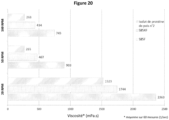
- pea protein isolates in accordance with the invention exhibit Newtonian behavior like that of milk proteins, while the NUTRALYS ® S85F pea protein has very marked shear-thinning behavior.
- the viscosities of pea protein isolates #1 and #2 are very close to the viscosities of milk proteins, or even lower.
- a study of the stability over time of the pea protein isolates in accordance with the invention is carried out in order to measure their behavior compared to intact pea proteins.
- Pea protein isolate according to invention no. 1 Pea protein isolate according to the invention no. 2 NUTRALYS ® S85F Pea Protein Solubility in % After 6 months of storage pH 3 -12.2 -27.7 -44.0 pH 4 -10.8 -14.8 -18.4 pH 5 -6.9 -9.8 - 5.2 pH 6 -8.5 -14.7 -19.6 pH 7 -8.8 -19.9 -47.4 pH 8 -5.9 -22.0 -57.9
- NUTRALYS ® S85F loses approximately half of its solubility, whereas pea protein isolates only lose a maximum of 1/5 of their solubility, and in all cases retain a solubility greater than that of the initial NUTRALYS ® S85F.
- the aim of this study is to evaluate the total protein digestibility of pea protein isolates according to the invention No. 1 and 2 and to compare it to NUTRALYS ® S85F.
- the rats Upon arrival, the rats underwent a 7-day quarantine period during which they received a standard diet for growing rats.
- Quantities are given as a percentage by weight.
- Food and drink consumption and weight gain are monitored on the first and fifth days of the study and then daily until the tenth and last day of the study.
- CUD % quantity . absorbed ⁇ quantity . excreted . In . THE . faeces quantity . absorbed
- This assay uses an in vitro protein digestion simulation technique according to the following method.
- in vitro digestion methods allows efficient screening of different protein-rich food products based on their physicochemical properties and their behavior during their passage through the stomach and small intestine.
- This digestion model is coupled with real-time monitoring of viscosity using an imposed stress rheometer (AR-2000, TA Instruments, New Castle, DE, USA) equipped with a stainless steel vane rotor (height 39 mm and diameter 28 mm).
- AR-2000 TA Instruments, New Castle, DE, USA
- the protein solutions were tested under the same conditions, namely regular shearing at 37°C and at a speed of 150 s -1 for 3 h.
- the base viscosity was monitored for 5 minutes before gradually acidifying the solution to a pH between 1.5 and 2.
- This acidification generally takes 15 minutes.
- Viscosity monitoring during in vitro digestion reflects the kinetics of protein digestion well. Thus, whey digestion does not result in a change in viscosity because it is a rapidly digested protein. Casein, on the other hand, shows a very increased viscosity after acidification, which reflects slow digestion.
- NUTRALYS ® type pea protein demonstrates intermediate behavior between these two standards; it is called a “rapid intermediate”.
- pea protein isolates according to the invention No. 1 and No. 2 still show intermediate behavior between NUTRALYS ® S85F and whey.
- fast proteins can facilitate digestion and lengthen the diffusion time of amino acids into the bloodstream, which is of interest for protein synthesis within the muscles after a long effort.
- Example 2 Replacement of milk proteins with pea protein isolates in UHT-treated ready-to-drink beverages for clinical nutrition
- Nutritional formulations based on milk proteins, pea proteins and pea protein isolates are presented in the following table: Ingredients Control formulation Nutritional formulation according to invention no. 1 Nutritional formulation according to invention no. 2 Nutritional formulation with pea proteins Maltodextrin GLUCIDEX ® IT19 (ROQUETTE FRERES) 17.10 17.60 17.60 17.60 Milk protein concentrate (MPC 80-FONTERRA) 11.00 5.53 5.53 5.53 NUTRALYS ® S85F pea proteins 5.67 Pea protein isolate no. 1 (according to the invention - see example 1 above) 5.67 Pea protein isolate no.
- Quantities are given as a percentage by weight.
- Control formulation Nutritional formulation according to invention no. 1
- Nutritional formulation according to invention no. 2 Nutritional formulation with pea proteins Caloric energy (kCal) 204 203 203 198 Protein content (g) 10.0 10.0 10.0 9.75 Including milk proteins 10.0 5.0 5.0 4.9 Pea protein isolates 0 5.0 5.0 0 pea protein 0 0 0 4.9 Fat (g) 8.0 8.0 8.0 7.85 Carbohydrates (g) Of which sucrose 5.1 5.1 5.1 5.0 Fiber (g) Of which soluble 0.0 0.0 0.0 0.0 Not soluble 0.0 0.1 0.1 0.1 0.1 0.1 0.1 0.1 0.1
- the objective here is to analyze the aspect of nutritional formulations based on pea protein isolates compared to the control based on milk proteins.
- Dmode is the main particle diameter.
- d10, d50 and d90 are the particle diameter values representing 10%, 50% and 90% of the total particles respectively.
- Nutritional formulation according to invention no. 1 50% pea protein isolates no. 1 + 50% milk proteins 0.3 0.2 0.9 10.3
- the four samples show a bimodal particle distribution.
- the first peak (first particle family), centered on 0.3 ⁇ m, is the majority in the first three formulations. For the nutritional formulation with pea proteins, this population is a minority.
- pea protein isolates No. 1 and No. 2 make it possible to obtain drink emulsion sizes close to those obtained with milk protein.
- pea protein isolate #2 even gives a better emulsion size distribution (less bimodal distribution and better emulsion stability represented by the difference between D90 and D10) than pea protein isolate #1.
- the objective here is to demonstrate the stability of nutritional formulations based on pea protein isolates compared to the milk protein control, and also to demonstrate the technological advantage of choosing these isolates compared to pea proteins.
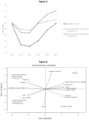
- control formulation has the highest viscosity, then the pea protein base formulation.
- control formulation After heat treatment, on the contrary, the control formulation has the lowest viscosity, then the formulation in accordance with invention no. 1.
- nutritional formula No. 1 according to the invention and the control formula based on milk proteins have a rheological behavior which is similar in terms of viscosity and thermal resistance.
- Drinks containing pea protein isolates #1 and #2 are much more stable than the drink containing pea protein, and approach the stability of the drink containing milk protein.
- Example 3 Replacement of milk proteins with pea protein isolates in UHT-treated ready-to-drink beverages for sports nutrition
- the nutritional formulas have the following compositions: Recipe No. 1 2 3 4 5 % by weight % by weight % by weight % by weight % by weight % by weight Milk protein concentrate (MPC 80 DMV) 8.05 4.85 4.85 4.85 4.85 4.85 Pea protein isolate no. 1 (according to the invention - see example 1 above) 3.30 Pea protein isolate no.
- Quantities are given as a percentage by weight.
- the conditions for preparing said beverages are the same as those in example 2.
- Viscosity measurements of said ready-to-drink sports drinks are carried out.
- the objective here is also to demonstrate the stability of nutritional formulations based on pea protein isolates compared to the milk protein control, and also to demonstrate the technological advantage of choosing these isolates compared to pea proteins.
- Pea protein isolates are therefore more stable to heat treatment than pea proteins and are more suitable for ready-to-drink UHT sports drinks due to their low viscosity, properties required by ready-to-drink UHT sports drinks.
- Example 4 Replacement of milk proteins with pea protein isolates in a UHT-treated liquid nutritional formula for clinical enteral nutrition
- the nutritional formulas then have the following compositions: 1 2 Witness 100% Calcium Caseinate 50% Milk Protein Substitution Calcium caseinate (DMV) 4.96 2.48 Pea Protein Isolate No. 1 or No. 2 0.00 2.82 Maltodextrin GLUCIDEX ® IT 19 14.60 14.60 Rapeseed oil 4.40 4.40 Water 75.04 74.70 Vitablend Mineral Mix 1.00 1.00 TOTAL 100.00 100.00
- Quantities are given as a percentage by weight.
- the nutritional values per 100 ml are as follows. Recipe No. 1 2 Dry matter (%) 24.2 24.5 Caloric energy (kCal) per 100 g 116 117 Fat (g) 4.5 4.7 Protein content (g) 4.52 4.52 Including milk proteins .4.52 2.26 pea protein isolate 0 2.26 Carbohydrates (g) 14 14 Including sugars 0.9 0.9 Fiber (g) 0 0 Of which soluble 0 0 Not soluble 0 0
- pea protein isolates can be advantageously used to replace milk proteins.
- Example 5 Comparison of the sensory properties of 4 powder mixes formulated with pea protein isolates in accordance with the invention for athletes
- the panel consists of 13 people.
- the method also allows them to express themselves on other descriptors which would not have been anticipated in this list.
- Nutritional formulas are powder mixes intended for athletes with the following composition: Report Pea proteins or pea protein isolates according to the invention / Milk proteins 55/45 55/45 55/45 55/45 Nutritional formulas based on: NUTRALYS ® S85F Pea Protein Pea protein isolate according to invention no. 1 Pea protein isolate according to the invention no. 2 PISANE ® pea protein from COSUCRA % by weight % by weight % by weight % by weight Whey Protein Concentrate (WPC 80 Fonterra) 43.2 43.2 43.2 43.2 43.2 Pea protein isolate according to invention no. 1 0 52.8 Pea protein isolate according to the invention no.
- Quantities are given as a percentage by weight.
- the method used to compare the products was the Flash Profile ( JM Sieffermann, 2000 - The Flash profile: A rapid and innovative tool for descriptive sensory evaluation. In: Innovation: from idea to success - Twelfth AGORAL meetings. Pp. 335-340, March 22 & 23, 2000. Paris, France: Lavoisier, Tec & Doc. ).
- the products are all presented simultaneously. This involves comparing the products with each other by carrying out a series of rankings: the panelists choose the descriptors that seem most relevant to them in order to discriminate between the products and rank the products according to these descriptors; it is possible that several products are grouped in the same rank.
- the statistical processing method suitable for this type of data is Multiple Factor Analysis ( J. Pagès, 1994 - Multiple factor analysis (AFMULT package). In: Computational Statistics & Data Analysis, Volume 18, Issue 1, August 1994, Pages 121-140 ) on product rank data.
- 3 groups are distinguished: the PISANE ® pea protein marketed by the company COSUCRA, the NUTRALYS ® S85F pea protein, and the two pea protein isolates in accordance with the invention of example 1.
- Example 6 Comparison of sensory properties of “ready-to-drink ” beverages for clinical nutrition
- the panel consists of 14 people.
- the method also allows them to express themselves on other descriptors which would not have been anticipated in this list.
- the products are “ready-to-drink” beverages whose recipes are those of example 2.
- the products are all presented simultaneously. This involves comparing the products with each other by carrying out a series of rankings: the panelists choose the descriptors that seem most relevant to them in order to discriminate between the products and rank the products according to these descriptors; it is possible that several products are grouped in the same rank.
- the statistical processing method adapted to this type of data is Multiple Factor Analysis (J. Pagès, 1994) on product rank data. To make the results clearer, the MFA was carried out several times; overall, and by criterion (appearance, odor, taste, texture). The graphs presented summarize all the results provided by this method.
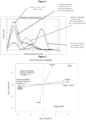
- the NUTRALYS ® S85F was presented in duplicate to test the repeatability of the panel: we can see on the graph that the two points are close on the first dimension (the most important) but not on the second, we therefore consider that this second dimension is made up of measurement noise. Thus there is no significant difference between the two pea protein isolates in accordance with the invention, since they are close on the first dimension.
- the two pea protein isolates in accordance with the invention are more vanilla/caramel and salty than NUTRALYS ® S85F which is more pea/vegetable and astringent in taste; more creamy/coating, thick and sticky in texture.
- Example 7 Comparison of sensory properties of “ready-to-drink ” sports drinks
- the panel consists of 12 people.
- the products are “ready-to-drink” beverages whose recipes are those of example 3. They are presented to the panelists at room temperature.
- the products are all presented simultaneously. This involves comparing the products with each other by carrying out a series of rankings: the panelists choose the descriptors that seem most relevant to them in order to discriminate between the products and rank the products according to these descriptors; it is possible that several products are grouped in the same rank.
- the statistical processing method adapted to this type of data is Multiple Factor Analysis (J. Pagès, 1994) on product ratings.
- the set of descriptors generated by a judge is a group of variables.
- the graphs presented summarize all the results provided by this method.
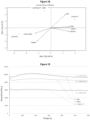
- the drink with pea protein isolate according to invention No. 1 is more vanilla than the pea protein isolate according to invention No. 2, while with PISANE ® , the smell is more pea.
- PISANE ® appears pungent and chemical and as for the smell, more pea, nutty and vegetal. Ready-to-drink beverages with PISANE and NUTRALYS ® S85F have in common the bitter and paper-cardboard character.
- drink No. 1 (with isolate No. 1) is more milky and vanilla and drink No. 2 is more cereal and milk jam/caramel.
- Example 8 Replacement of milk proteins with pea protein isolates in UHT-treated dessert creams for clinical nutrition.
- the nutritional formulations based on milk proteins, pea proteins, competitor pea proteins and pea protein isolates according to the invention are presented in the following table (substitution of the order of 23%): Ingredients Control formulation Nutritional formulation according to invention no. 2 Nutritional formulation with pea proteins Nutritional formulation with competing pea proteins Demineralized water 64.30 64.30 64.30 64.30 Sucrose 12.40 12.40 12.40 12.40 Milk Protein Isolate (MPI - Ingredia) 12.00 9.60 9.60 9.60 9.60 Rapeseed oil 3.94 3.94 3.94 3.94 CLEARAM ® CR3020 modified corn starch (ROQUETTE FRERES) 3.50 3.50 3.50 3.50 Maltodextrin GLUCIDEX ® IT19 (ROQUETTE FRERES) 1.70 1.70 1.70 1.70 NUTROSE ® corn DEXTRIN FM06 1.50 1.50 1.50 1.50 Milk flavor 0.36 0.36 0.36 0.36 Soy lecithin 0.30 0.30 0.30 0.30 Pea protein isolate no. 2 (accord
- Quantities are given as a percentage by weight.
- the nutritional values per 100 g are as follows: Control formulation Nutritional formulation according to invention no. 2 Nutritional formulation with pea proteins Nutritional formulation with competing pea proteins Caloric energy (kCal) 151 153 153 153 Protein content (g) 10.3 10.1 10.1 10.1 Including milk proteins 10.3 8.1 8.1 8.1 Including pea protein isolates 0 0 0 0 Including pea protein 0 2 2 Fat (g) 4.7 4.9 4.9 4.9 Carbohydrates (g) 17.8 17.7 17.7 17.7 Of which sucrose 12.9 12.8 12.8 12.8 Fiber (g) 1.2 1.3 1.3 1.3 Of which soluble 1.2 1.3 1.3 1.3 Not soluble 0 0 0 0 0
- the panel is made up of 26 people, among the Roquette staff, and on the day of the tasting, 11 people were present, among whom 6 were specifically trained on the theme of dessert creams.
- the products were prepared and then stored in the refrigerator.
- the products are all presented simultaneously. This involves comparing the products with each other by carrying out a series of rankings: the panelists choose the descriptors that seem most relevant to them in order to discriminate between the products and rank the products according to these descriptors; it is possible that several products are grouped in the same rank.
- Ice Creamy which has a soft touch and melts in the mouth (not creamy / very creamy) Take a unit of product in the mouth and check if it causes a soft contact and if it coats the oral cavity Thick crèmeuddle Grainy (in the mouth) which has particles (smooth / very grainy) Slide the tongue against the palate and assess the perception of small grains in the mouth Brown sugar Residual phase (changes made during chewing) Sticky which adheres to the walls of the oral cavity (not sticky / very sticky) place a sample on the tongue, compress it against the palate and assess the force required to remove it with the tongue Soft caramel
- the statistical processing method adapted to this type of data is Multiple Factor Analysis (J. Pagès, 1994) on product rank data. To make the results clearer, the MFA was carried out several times; overall, and by criterion (appearance, odor, taste, texture). The graphs presented summarize all the results provided by this method.
- the milk witness is the brightest in appearance, melts in the mouth but is the least thick, and has the sweetest taste.
- the dessert creams with PISANE ® C9 and NUTRALYS ® S85F are thicker than those with the pea protein isolate according to the invention.
- the dessert cream with pea protein isolate is less pea-like than the test with PISANE ® C9 and NUTRALYS ® S85F.
- Example 9 Replacement of milk proteins with pea protein isolates in ice creams/frozen desserts
- proliferative capacity of the preparations made with the pea protein isolates in accordance with the invention is identical to that of the control and is not significantly different from that made with the pea protein.
- the recipe with pea protein has the highest viscosities.
- the recipes with pea protein isolate in accordance with the invention are equivalent to the control recipe.
- the particle size distribution tends to decrease or become more monomodal after maturation.
- recipe no. 3 (with pea protein isolate in accordance with invention no. 2) is as good an emulsifier as the recipe with 100% milk protein.
- Pea protein isolate according to invention No. 1 is less emulsifying than pea protein isolate according to invention No. 2 after homogenization but tends to be as good after maturation.
- Example 10 Complete substitution of milk proteins with pea protein isolates in ice creams/frozen desserts
- Quantities are given as a percentage by weight.
- the nutritional values (per 100 g are as follows):
- Trust Recipe 1 Recipe2 Energy value (kcal) 172 172 172 Total fat 8.5 8.5 8.5 of which saturated fat 7.6 7.6 7.6 Carbohydrates, no fiber 21.2 21.2 21.2 whose sugars 14.6 14.6 14.6 Fibers 0.1 0.1 0.1 Proteins 2.8 2.8 2.8 Salt (sodiumx2.5) 0.11 0.14 0.14 Dry matter 33.1 33.2 33.2
- the hardness is generally better for recipes with pea protein isolates according to the invention. More particularly, the pea protein isolate according to the invention No. 2 has a remarkably high hardness, undoubtedly in relation to its higher foaming power (101%).
- the final ice cream is introduced unthawed into the bowl of the granulometer. After melting and dispersing the ice, the measurement is carried out.
- the emulsion of the mixture containing pea protein has a smaller particle size than the emulsions prepared from the pea protein isolates according to the invention.
- SDS Dx 10 ⁇ m Dx (50) ⁇ m Dx (90) ⁇ m Dmode ⁇ m D (4.3) ⁇ m
- Test 0.103 0.340 1,010 0.389 0.698 Recipe 1 0.065 0.605 5,110 0.621 1,650 Recipe 2 0.115 0.503 1,830 0.564 0.913
- the emulsion size of ice cream is measured without the presence of SDS. Without SDS Dx (10) ⁇ m Dx (50) ⁇ m Dx (90) ⁇ m Dmode ⁇ m D (4.3) ⁇ m Witness 0.092 0.333 3,950 0.352 2,390 Recipe 1 0.131 0.776 15,900 0.531 5,820 Recipe 2 0.178 0.814 51,400 0.518 14,500
- the size of the major peak (Dmode) is similar for all three ice creams. However, the formulas with the pea protein isolates according to the invention are more polydisperse, especially with isolate No. 2.
- the panel consists of 15 people.
- those of the invention are less bitter, have less pea flavor and are less colored.
- Frozen desserts with pea protein isolates according to invention no. 1 have a few ice crystals and a more pronounced vanilla taste, are sweeter, and fattier than the other products.
- Frozen desserts with pea protein isolates according to invention No. 2 are sweet and fatty, creamier. They have a slightly more pronounced “green tea” taste.
- the pea protein isolates according to the invention lead to a lower viscosity in comparison with pea proteins.
- the texture with isolate #1 is harder, but is not perceived by the panelists.
- Example 11 Comparison of sensory properties of ice creams
- the panel consists of 20 people.
- Chocolate mousse Aqueous Property valuation of Taste a unit of product Watermelon surface texture qualifying the perception of the quantity of water released by a product. (not watery / very watery) and assess the amount of water perceived in the mouth. Water crystals Assessment of the presence of water crystals (no crystals / many crystals) Rub your tongue against the roof of your mouth and check if the product contains crystals. Recrystallized ice Fat Assessment of the fatty film after swallowing. (not fatty / very fatty) After swallowing a unit of product, assess the presence or absence of a greasy film on the palate or teeth by sweeping their surface with the tongue. Olive oil
- the method also allows them to express themselves on other descriptors which would not have been anticipated in this list.
- the ice creams are recipes #1, #2 and #3, those from example 9.
- the products are all presented simultaneously. This involves comparing the products with each other by carrying out a series of rankings: the panelists choose the descriptors that seem most relevant to them in order to discriminate between the products and rank the products according to these descriptors; it is possible that several products are grouped in the same rank.
- the statistical processing method adapted to this type of data is Multiple Factor Analysis (J. Pagès, 1994) on product rank data. To make the results clearer, the MFA was carried out several times; overall, and by criterion (appearance, odor, taste, texture). The graphs presented summarize all the results provided by this method.
- the software is a working environment that requires the loading of modules containing the calculation functions such as the FactoMineR package version 1.19
- the 3 samples are all evaluated in texture smooth/creamy, cold and melting and in taste pea, vanilla and bitter.
- Example 12 Use of pea protein isolates in non-dairy coffee creamer/whitener matrices
- the aim here is to replace 100% of sodium caseinates and obtain a stable product in coffee.
- the recipes developed are as follows: Recipe 1 (Control Recipe) Recipe 2 Recipe 3 Recipe 4 100% sodium caseinate (60% MS) 100% pea protein isolates according to invention no. 1 (60% MS) 100% pea protein isolates according to invention no. 2 (60% MS) 100% NUTRALYS ® S85F (60% MS) % % % % Glucose syrup 3072 (Roquette FRERES) 45.85 45.85 45.85 45.85 45.85 Hydrogenated Coconut Oil 32-34 (Dislab) 23.36 23.36 23.36 23.36 NUTRALYS ® S85F batch WB67J 1.75 Pea protein isolates according to invention no. 1 1.75 Pea protein isolates according to invention no.
- Quantities are given as a percentage by weight.
- Viscosity measurements of concentrated emulsions after the heat treatment step are carried out at 65°C, the usual atomization temperature.
- FIG. 14 illustrates the evolution of the solubility of the pea protein isolates according to the invention compared to caseinate, as a function of pH, and reflects their excellent behavior.
- Flocculation in coffee appears to be less significant with recipes containing the pea protein isolates according to the invention, compared to that obtained with pea protein. However, this may be correlated with the improvement in solubility of said isolates compared to pea protein.
- the aim here is to replace 50% of sodium caseinates and obtain a stable product in coffee.
- Quantities are given as a percentage by weight.
- the nutritional values per 100 g are as follows. Recipe No. Recipe 1 Recipes 2 and 3 Humidity (%) 40 40 Caloric energy (kCal) per 100 g 369 369 Fat (g) 24.0 24.0 Protein content (g) 1.6 1.5 Including milk proteins 1.6 0.8 pea protein isolate 0 0.7 Carbohydrates (g) 33.0 33.0 Including sugars 5.3 5.3
- the lower viscosity of the 50/50 blend allows atomization to a higher dry matter than that conventionally required for caseinates.
- the stability of the emulsion in coffee is determined by measuring the variation in colour of the preparation - colour measurement according to the codifications L (white balance), a (yellow balance) and b (green balance), the white colour in coffee being one of the key criteria sought by the industrialist and the consumer.
- the aim here is to replace 30% of milk proteins.
- Measuring temperature 13°C
- Rheometer Physica MCR 301 Anton Paar Geometry: CC27 method : 0 to 350 s -1 in 180 s and return from 350 s -1 to 0 in 180 s
- Recipe 1 is more viscous and shear resistant than Recipe 3 at D+7, but this is reversed from D+14.
- Recipe 2 with the pea protein isolate according to the invention, is the most viscous of the 4 recipes, and is more viscous than the Control recipe. Its viscosity decreases over time.
- the panel For the taste evaluation, the panel consists of 11 people. For the texture evaluation, the panel consists of 12 people.
- Cranberry juice Fat Assessment of the fatty film after swallowing (not fatty / very fatty) swallowing a unit of product, assess the presence or absence of a greasy film on the palate or teeth by sweeping their surface with the tongue.
- Olive oil Creamy Smooth Evaluation of the soft and melting texture of the product. (not creamy / very creamy) Chew one unit of product and check if it feels soft and coats the mouth. Crème Pain, heavy cream Thick Evaluation of the ease with which the product flows in the mouth. (not thick / very thick) Rub your tongue against the roof of your mouth and check if the product flows easily. Sweetened condensed milk, honey Sticky Evaluation of the force required to detach products that adhere to the inside of the oral cavity.
- control recipe, recipe 1 and recipe 2 were evaluated 3 days after their production and were presented at a temperature of approximately 10°C (products stored in the refrigerator, evaluated upon removal).
- the products are all presented simultaneously. This involves comparing the products with each other by carrying out a series of rankings: the panelists choose the descriptors that seem most relevant to them in order to discriminate between the products and rank the products according to these descriptors; it is possible that several products are grouped in the same rank.
- the statistical processing method adapted to this type of data is Multiple Factor Analysis (J. Pagès, 1994) on product rank data. To make the results clearer, the MFA was carried out several times; overall, and by criterion (appearance, odor, taste, texture). The graphs presented summarize all the results provided by this method.
- Example 15 Use of pea protein isolates for the preparation of strawberry-flavored dairy drinks
- the goal here is to replace 50% of milk proteins.
- the recipes developed are as follows: 100% Milk Protein Control 50% substitution with pea protein isolate according to invention no. 1 50% substitution with NUTRALYS ® S85F Quantities are given as a percentage by weight. % % % UHT skimmed milk 86.7 56.1 56.1 Water 28.3 28.3 Sucrose 5.80 7.20 7.20 Cream (35% fat) METRO 4.70 4.20 4.20 Milk Protein Concentrate 4892 (Fonterra) 1.05 NUTRALYS ® S85F batch WB67J 2.40 Pea protein isolate according to invention no.
- Example 16 Comparison of sensory properties of strawberry-flavored dairy drinks
- the panel consists of 12 people.
- the products are all presented simultaneously. This involves comparing the products with each other by carrying out a series of rankings: the panelists choose the descriptors that seem most relevant to them in order to discriminate between the products and rank the products according to these descriptors; it is possible that several products are grouped in the same rank.
- the statistical processing method adapted to this type of data is Multiple Factor Analysis (J. Pagès, 1994) on product rank data. So that the results To be clearer, the AFM has been carried out several times; overall, and by criterion (appearance, odor, taste, texture). The graphs presented summarize all the results provided by this method.
- the panelists In terms of taste, the panelists well identified the control as sweeter, milkier (smell and taste), and strawberry (smell and taste) than the trials formulated with pea protein.
- test with the pea protein isolate according to the invention no. 1 is qualified in odor and taste of vegetable-cereal while retaining a milky odor, while the test with NUTRALYS remains in odor and taste of vegetable-pea.
- Example 17 Protein enrichment of biscuits (intended for specialized nutrition / slimming or sports)
- the formulations have the following composition: Witness NUTRALYS ® S85F Roquette Brothers NUTRALYS ® Pea-BF Pea protein isolate according to invention no. 1 Pea protein isolate according to the invention no. 2 Water 6 7.4 6.7 6.5 6.5 Sodium bicarbonate 0.3 0.3 0.3 0.3 0.3 0.3 0.3 0.3 Ammonium bicarbonate 0.2 0.2 0.2 0.2 0.2 Sucrose 18 17.7 17.7 17.9 17.9 Glucose syrup 4779 Roquette Fromme 2.5 2.5 2.5 2.5 2.5 2.5 2.5 2.5 2.5 Fat Biscuitine 500 13 12.8 12.8 12.9 12.9 Soy lecithin 0.2 0.2 0.2 0.2 0.2 0.2 Wheat flour 57.8 37.2 37.2 37.6 37.6 Proteins tested 0 19.7 19.7 19.9 19.9 Skimmed milk powder 1.5 1.5 1.5 1.5 1.5 1.5 Salt 0.2 0.2 0.2 0.2 0.2 0.2 0.2 Sodium pyrophosphate 0.2 0.2 0.2 0.2 0.2 0.2 0.2 0.1
- Soluble but poorly functional proteins such as the pea protein isolates of the present invention thus make it possible to limit this correction to only +8% of added water compared to almost 12% for a non-functional and non-soluble protein and more than 23% for a soluble and functional protein.
- Example 18 Protein enrichment of chocolate muffins (intended for specialized nutrition / slimming or sports)
- the formulations have the following composition: NUTRALYS ® S85F Roquette Brothers NUTRALYS ® XF Roquette Brothers Pea protein isolate according to the invention no. 2 Whole wheat flour 120.0 120.0 120.0 SweetPearl ® P200 Roquette Fromme 210.0 210.0 210.0 Skimmed milk powder 10.0 10.0 10.0 Coconut powder (deoiled) 15.0 15.0 15.0 NUTRISOFT ® 55 from Brenntag 5.0 5.0 5.0 Baking powder 5 5 5 5 5 5 Proteins tested 60.0 60.0 60.0 NUTRALYS ® WF Roquette Brothers 60.0 60.0 60.0 WPC 515 from FONTERRA 52.0 52.0 52.0 Salt 2.0 2.0 2.0 Vegetable oil 80.0 80.0 80.0 NEOSORB ® 70/70 Roquette Fromme 50.0 50.0 50.0 Dark chocolate 20.0 20.0 20.0 Water 160.0 160.0 160.0 Vanilla extract 10.0 10.0 10.0 Liquid whole egg 140.0 140.0 140.0 1000.0 1000.0 1000.0 1000.0 1000.0 1000.0 1000.0 1000.0 1000.0
- the viscosity of the preparation will have an impact on the rise during cooking and therefore on the final volume.
- the pea protein isolates according to the invention show a much lower viscosity than other pea proteins.
- Example 19 protein enrichment of an instant pancake mix (intended for specialized nutrition / slimming or sports)
- the goal here is to replace 50% of dairy proteins.
- the formulations have the following composition: NUTRALYS ® S85F NUTRALYS ® S85XF Pea protein isolate according to the invention no. 2 % % % Whole wheat flour 14 14 14 WPC 450 from FONTERRA 12.5 6.2 6.2 Proteins - 6.3 6.3 Wheat flour 7.3 7.3 7.3 Skimmed milk powder 2 2 2 Egg white powder 1.6 1.6 1.6 CEGEPAL powdered fat 1.4 1.4 1.4 Baking powder 0.8 0.8 0.8 Salt 0.4 0.4 0.4 Water 60 60 60 100 100 100 100 100 100 100 100 100 100 100 100 100 100 100 100 100 100 100 100 100 100 100 100 100 100 100 100 100 100 100 100 100 100 100 100 100 100 100 100 100 100 100 100 100 100 100 100 100 100 100 100 100 100 100 100 100 100 100 100 100 100 100 100 100 100 100 100 100 100 100 100 100 100 100 100 100 100 100 100 100 100 100 100 100 100 100 100 100 100 100 100 100 100 100 100 100 100 100 100 100 100 100 100 100 100 100 100 100 100 100 100 100 100 100 100 100 100 100 100 100 100
- Quantities are given as a percentage by weight.
- the measurement is carried out in an RVA rheometer, with the following profile: Time (s) Speed (rpm) Temperature (°C) 60 20 25 120 50 25 180 100 25
- RVA viscosity measurements of protein-enriched preparations show that those with the pea protein isolate according to the invention are less viscous than those with other pea proteins.
- Example 20 Gluten-free bread enriched with protein.
- gluten-free products on the other hand, the protein content is very low. Protein supplementation of these products is then sought to rebalance the nutritional values thanks to gluten-free proteins such as pea protein.
- the formulations have the following composition: MIX B SCHAR Pea proteins from various sources g % g % MIX B SCHAR 500.0 49.1% 430.0 42.2% Pea protein 0.0 0.0% 70.0 6.9% Dry yeast 8.0 0.8% 8.0 0.8% Water 500.0 49.1% 500.0 49.1% Canola oil 6.0 0.6% 6.0 0.6% Salt 5.0 0.5% 5.0 0.5% 1019.0 100% 1019.0 100%
- Viscosity of pastes obtained from 4 different pea protein sources (including isolates according to the invention): MIX B SCH ⁇ R NUTRALYS ® F85F NUTRALYS ® S85F NUTRALYS ® PEA-BF Pea protein isolate according to invention no. 1 Pea protein isolate according to the invention no.
- the SCH ⁇ R mix here corresponds to the control reference for a gluten-free bread.
- the results show that the protein enrichment of this mix has an impact on the viscosity of the preparation and on the final volume (maximum height) except for the pea protein isolates obtained according to the invention which do not affect either the viscosity of the preparation or the final volume.
- the formulations have the following composition: NUTRALYS ® BF Pea protein isolate according to the invention no. 2 Wheat flour 900 900 Pea protein 100 100 Salt 18 18 Dry yeast 7 7 Ascorbic acid 0.2 0.2 NUTRILIFE ® AM17, enzyme 0.2 0.2 water (20°C) 725 725 1750.4 1750.4
- volume and density are in favor of the pea protein isolates according to the invention, which allows for better rising and therefore a more airy and softer, less dense bread.
- Example 22 high protein crisps (protein content >60%)
- High-protein crisps are small cereals obtained by extrusion cooking with a protein content greater than 60%.
- These cereals are used as inclusions in cereal preparations such as cereal bars or clusters.
- the technical difficulty with high-protein crisps is to achieve protein contents above 60%, or even 70%, while preserving the crispiness.
- the formulations of the hyperprotein crisps with 75% protein have the following composition: NUTRALYS ® BF NUTRALYS ® S85F Pea protein isolate according to invention no. 1 Pea protein 88% 88% 88% PREGEFLO ® C100: pre-gelatinized waxy corn starch 8% 8% 8% Corn starch 4% 4% 4% 4%
- Quantities are given as a percentage by weight.
- the procedure is as follows: The extruded crisps or cereals were obtained on a CLEXTRAL Evolum 25 co-rotating twin-screw extruder equipped with a shearing screw profile.
- the extrusion process is as follows. Fixed parameters Screw speed (RPM) 300 Cutting speed (RPM) 800 Powder flow rate (kg/h) 6 Water flow rate (kg/h) 1.4 Sector 3 holes (3 mm diameter) including 2 plugged Sheath temperatures 1 to 6 (°C) 50-80-100-130-150-130 Knife blades double
- the method for evaluating the quality of crisps is based on the sum of the scores obtained on different appearance and texture criteria according to the reference detailed below.
- a poorly functional and poorly soluble protein such as NUTRALYS ® BF pea protein gives products that are average in terms of texture but unacceptable in terms of appearance.
- a soluble and functional protein such as NUTRALYS ® S85F gives mediocre results in appearance and texture.
- Example 23 High-protein nutritional bars for athletes
- the technical challenge in high-protein nutritional bars is controlling the texture over the shelf life of the product.
- Quantities are given as a percentage by weight.
- the hardness is monitored (determined on an INSTRON® penetrometer - force required for the penetration of a knife at 40% of the thickness of the bar at constant speed) for 1 month, with measurements at D +1 , D +7 , D +14 , D +21 , D +28 on the different recipes presented above.
- the increase in the incorporation rate of the pea protein isolate according to invention No. 2 is inversely proportional to the decrease in the hardness of the bars, regardless of the storage time.
- Example 24 Food Mozzarella-type cheeses containing pea protein isolates.
- the witness is a recipe containing pea proteins of the NUTRALYS F85F type.
- Recipe No. 1 No. 2 NUTRALYS F85F Pea protein isolate according to the invention no. 2 Rapeseed oil 7.98 7.98 Coconut oil 14.82 14.82 CLEARAM PG 9020 acetylated potato starch from Roquette Fromme 22.9 22.9 pea protein or protein isolate 5 5 Citric acid 0.3 0.3 Salt 1.7 1.7 Inactivated yeasts 1.1 1.1 Water 41.7 41.9 Cheese flavor 0.25 0.25 Cassava starch 4 4 OSI Pea masker 9767A 0.25 0.25 Total 100 100
- Quantities are given as a percentage by weight.
Landscapes
- Life Sciences & Earth Sciences (AREA)
- Chemical & Material Sciences (AREA)
- Health & Medical Sciences (AREA)
- Nutrition Science (AREA)
- Engineering & Computer Science (AREA)
- Polymers & Plastics (AREA)
- Food Science & Technology (AREA)
- Mycology (AREA)
- Biochemistry (AREA)
- Proteomics, Peptides & Aminoacids (AREA)
- General Chemical & Material Sciences (AREA)
- Chemical Kinetics & Catalysis (AREA)
- Pediatric Medicine (AREA)
- Agronomy & Crop Science (AREA)
- Botany (AREA)
- Veterinary Medicine (AREA)
- Bioinformatics & Cheminformatics (AREA)
- Public Health (AREA)
- Animal Behavior & Ethology (AREA)
- Pharmacology & Pharmacy (AREA)
- Organic Chemistry (AREA)
- Nuclear Medicine, Radiotherapy & Molecular Imaging (AREA)
- Medicinal Chemistry (AREA)
- Obesity (AREA)
- Hematology (AREA)
- Diabetes (AREA)
- General Health & Medical Sciences (AREA)
- Dairy Products (AREA)
- Coloring Foods And Improving Nutritive Qualities (AREA)
- Confectionery (AREA)
- Medicines Containing Material From Animals Or Micro-Organisms (AREA)
- Grain Derivatives (AREA)
- Bakery Products And Manufacturing Methods Therefor (AREA)
- Non-Alcoholic Beverages (AREA)
- Medicinal Preparation (AREA)
- Medicines Containing Plant Substances (AREA)
Claims (13)
- Nahrungsformulierung, die ein Erbsenproteinisolat umfasst, dadurch gekennzeichnet, dass das Erbsenproteinisolat:∘ zwischen 0,5 und 2 % freie Aminosäuren aufweist, wobei der Gehalt an freien Aminosäuren nach dem in der Beschreibung beschriebenen Messverfahren bestimmt wird,∘ eine Viskosität bei 20 °C in Wasser von 15 % Trockenmasse aufweist:• von 11 bis 18.10-3 Pa.s. bei einer Scherrate von 10 s-1,• von 9 bis 16.10-3 Pa.s. bei einer Scherrate von 40 s-1 und• von 8 bis 16.10-3 Pa.s. bei einer Scherrate von 600 s-1,wobei die Viskosität nach dem in der Beschreibung beschriebenen Messverfahren bestimmt wird,∘ eine Löslichkeit in Wasser bei 20 °C aufweist:• von 30 bis 40 % in pH-Bereichen von 4 bis 5,• von 40 bis 70 % in pH-Bereichen von 6 bis 8,wobei die Löslichkeit nach dem in der Beschreibung beschriebenen Messverfahren bestimmt wird,∘ einen Hydrolysegrad (HG) zwischen 5 und 10 % aufweist, wobei der Hydrolysegrad gemäß dem in der Beschreibung beschriebenen Messverfahren bestimmt wird,∘ 20-100 Gew.-% des Gesamtproteins der Nahrungsformulierung ausmacht.
- Formulierung nach Anspruch 1, dadurch gekennzeichnet, dass das Erbsenproteinisolat eine Verdaulichkeit, ausgedrückt durch den Nahrungsverwertungskoeffizeinten (DUC), von 93,5 bis 95 % aufweist, wobei die Verdaulichkeit gemäß der in der Beschreibung beschriebenen Messmethode bestimmt wird.
- Formulierung nach einem der Ansprüche 1 bis 2, dadurch gekennzeichnet, dass das Erbsenproteinisolat gemäß dem in der Beschreibung beschriebenen SYMPHID-Test als Protein mit schneller Viskosität dargestellt wird, was eine schnelle duodenale Assimilation der das Isolat bildenden Aminosäuren widerspiegelt.
- Formulierung nach einem der Ansprüche 1 bis 3, wobei das Erbsenproteinisolat bei einer Temperatur von 130 °C bis 150 °C für einen Zeitraum von etwa 1 Sekunde bis etwa 30 Sekunden kurzzeitig hochtemperaturpasteurisiert wurde, bevor es sprühgetrocknet wird.
- Formulierung nach einem der Ansprüche 1 bis 4, die ferner wenigstens ein Milchprotein umfasst.
- Nahrungsformulierung nach Anspruch 5, wobei die Formulierung pulverförmig ist und wenigstens ein Erbsenproteinisolat und wenigstens ein Milchprotein umfasst, wobei das Milchprotein wenigstens 10, 15, 20, 25, 30, 40, 45 oder 50 Gew.-% bezogen auf das Gesamtgewicht des Proteins in der pulverförmigen Nahrungsformulierung ausmacht.
- Formulierung nach einem der Ansprüche 1 bis 6, wobei die Formulierung ist:- ein Getränk in Pulverform zum Rekonstituieren oder ein trinkfertiges Getränk,- ein Getränk zur diätetischen Ernährung (Sport, Schlankheit) oder zur klinischen Ernährung,
oder- eine Dessertcreme in der klinischen Ernährung, eine enteral verabreichte Nährflüssigkeit,- eine fermentierte Milch vom Typ Joghurt (gerührt, nach griechischer Art, zum Trinken...),- ein Milch-/Pflanzendrink,- eine Milch-/Pflanzensahne (z. B. ein "Coffee Whitener"),- ein Eisdessert oder Sorbet,- ein Keks, Muffin, Pfannkuchen oder Riegel,- ein Brot oder ein glutenfreies Brot, das mit Proteinen angereichert ist,- proteinreiche Cerealien, die durch Kochextrusion hergestellt werden. - Formulierung nach Anspruch 7, wobei das Erbsenproteinisolat ausmacht:∘ zwischen 40 und 100 %, bevorzugt zwischen 50 und 100 % des Gesamtproteins in der pulverförmigen Nahrungsformulierung,∘ zwischen 20 % und 100 % des Gesamtproteins in trinkfertigen Getränken für klinische Ernährung und Schlankheitskuren, und∘ zwischen 52 % und 100 % des Gesamtproteins bei trinkfertigen Getränken für die Sporternährung,∘ zwischen 20 % und 100 % des Gesamtproteins bei joghurtartigen fermentierten Milchsorten,∘ zwischen 20 % und 100 % des Gesamtproteins für Milchgetränke,∘ zwischen 20 % und 100 % des Gesamtproteins für Milchcremes, Eisdesserts oder Sorbets, insbesondere zwischen 50 % und 100 % des Gesamtproteins für Coffee Whitener,∘ zwischen 20 % und 100 % des Gesamtproteins für Kekse, Muffins, Pfannkuchen, Ernährungsriegel,∘ zwischen 20 % und 100 % des Gesamtproteins für mit Protein angereicherte glutenfreie Brote oder Brötchen,∘ zwischen 20 % und 100 % des Gesamtproteins für proteinreiche Cerealien, die durch Kochextrusion hergestellt werden.
- Verfahren zur Herstellung einer pulverförmigen Nahrungsformulierung, die ein Erbsenproteinisolat nach einem der Ansprüche 1-6 enthält, umfassend die folgenden Schritte:- Herstellung eines Basispulvers, das wenigstens Kohlenhydrate, Vitamine und Mineralien enthält,- Trockenes Einmischen des Erbsenproteinisolats in das Basispulver,
- Verfahren nach Anspruch 9, wobei das Basispulver Milchprotein umfasst, bevorzugt wenigstens 10, 15, 20, 25, 30, 40, 45 oder 50 Gew.-%, bezogen auf das Gesamtgewicht des Proteins in der pulverförmigen Nahrungsformulierung.
- Verfahren nach Anspruch 10, wobei das Erbsenproteinisolat sprühgetrocknet und kurzzeitig hochtemperaturpasteurisiert wird, bevor es trocken in das Basispulver eingemischt wird.
- Verfahren nach Anspruch 11, wobei das Erbsenproteinisolat bei einer Temperatur von 130 °C bis 150 °C für einen Zeitraum von etwa 1 Sekunde bis etwa 30 Sekunden kurzzeitig hochtemperaturpasteurisiert wird.
- Verwendung der Nahrungsformulierung nach einem der Ansprüche 1 bis 8 als einzige Proteinquelle oder als Nahrungsergänzungsmittel für Säuglinge, Kinder und/oder Erwachsene.
Priority Applications (1)
| Application Number | Priority Date | Filing Date | Title |
|---|---|---|---|
| EP19186686.2A EP3571930B1 (de) | 2016-01-29 | 2017-01-27 | Isolat von erbsenproteinen |
Applications Claiming Priority (5)
| Application Number | Priority Date | Filing Date | Title |
|---|---|---|---|
| FR1650710A FR3047151B1 (fr) | 2016-01-29 | 2016-01-29 | Formulations nutritionnelles comprenant un isolat de proteines de pois |
| FR1651865 | 2016-03-07 | ||
| FR1653861 | 2016-04-29 | ||
| FR1656605A FR3053572B1 (fr) | 2016-07-08 | 2016-07-08 | Formulations nutritionnelles comprenant un isolat de proteines de pois |
| PCT/FR2017/050195 WO2017129921A1 (fr) | 2016-01-29 | 2017-01-27 | Formulations nutritionnelles comprenant un isolat de proteines de pois |
Related Child Applications (2)
| Application Number | Title | Priority Date | Filing Date |
|---|---|---|---|
| EP19186686.2A Division EP3571930B1 (de) | 2016-01-29 | 2017-01-27 | Isolat von erbsenproteinen |
| EP19186686.2A Division-Into EP3571930B1 (de) | 2016-01-29 | 2017-01-27 | Isolat von erbsenproteinen |
Publications (3)
| Publication Number | Publication Date |
|---|---|
| EP3407730A1 EP3407730A1 (de) | 2018-12-05 |
| EP3407730B1 true EP3407730B1 (de) | 2024-10-09 |
| EP3407730C0 EP3407730C0 (de) | 2024-10-09 |
Family
ID=58098654
Family Applications (2)
| Application Number | Title | Priority Date | Filing Date |
|---|---|---|---|
| EP17706582.8A Active EP3407730B1 (de) | 2016-01-29 | 2017-01-27 | Nahrungsformulierungen mit einem erbsenproteinisolat |
| EP19186686.2A Active EP3571930B1 (de) | 2016-01-29 | 2017-01-27 | Isolat von erbsenproteinen |
Family Applications After (1)
| Application Number | Title | Priority Date | Filing Date |
|---|---|---|---|
| EP19186686.2A Active EP3571930B1 (de) | 2016-01-29 | 2017-01-27 | Isolat von erbsenproteinen |
Country Status (10)
| Country | Link |
|---|---|
| US (3) | US20190021387A1 (de) |
| EP (2) | EP3407730B1 (de) |
| JP (1) | JP6974329B2 (de) |
| KR (1) | KR102833607B1 (de) |
| CN (2) | CN108601371B (de) |
| BR (1) | BR112018015417B1 (de) |
| CA (1) | CA3011053A1 (de) |
| ES (2) | ES3002332T3 (de) |
| MX (1) | MX391748B (de) |
| WO (1) | WO2017129921A1 (de) |
Families Citing this family (34)
| Publication number | Priority date | Publication date | Assignee | Title |
|---|---|---|---|---|
| BR112018015417B1 (pt) * | 2016-01-29 | 2022-12-06 | Roquette Freres | Formulação nutricional que contém um isolado de proteína de ervilha, processo para preparar uma formulação nutricional em forma de pó e uso da formulação nutricional |
| WO2019090011A1 (en) | 2017-11-03 | 2019-05-09 | Cargill, Incorporated | Pea protein hydrolysate |
| EP3488710A1 (de) * | 2017-11-28 | 2019-05-29 | Cosucra Groupe Warcoing S.A. | Milchfreies instant-joghurtpulver auf pflanzlicher basis |
| WO2019115280A1 (en) | 2017-12-11 | 2019-06-20 | Nestec S.A. | Plant-protein based texturized oil-in-water emulsions |
| WO2019115407A1 (en) | 2017-12-11 | 2019-06-20 | Roquette Freres | High protein crips |
| WO2019164651A1 (en) * | 2018-02-23 | 2019-08-29 | The Aquafaba Company, Llc | Edible product comprising plant oils or creams and cooked legumes |
| FR3080004B1 (fr) * | 2018-04-17 | 2021-07-30 | Groupe Lactalis | Composition nutritionnelle de type dessert, acide, a teneur elevee en proteines, sterilisee, et longue conservation |
| US10806169B2 (en) | 2018-05-15 | 2020-10-20 | Kate Farms, Inc. | Hydrolyzed pea protein-based nutrient composition |
| US20190374569A1 (en) * | 2018-06-12 | 2019-12-12 | Richard Laver | Intact pea protein-based nutrient composition |
| FR3082390B1 (fr) * | 2018-06-15 | 2021-08-13 | Roquette Freres | Confiserie gelifiee exempte de gelatine et procede de preparation d'une telle confiserie |
| WO2020064821A1 (en) * | 2018-09-25 | 2020-04-02 | Roquette Freres | Food composition containing a mixture of leguminous proteins and casein |
| WO2020061698A1 (en) * | 2018-09-27 | 2020-04-02 | Burcon Nutrascience (Mb) Corp. | Ph adjusted pulse protein product |
| EP3890513B1 (de) | 2018-12-03 | 2025-01-22 | Société des Produits Nestlé S.A. | Lebensmittel- oder getränkeprodukt mit agglomeriertem erbsenprotein |
| FR3094180B1 (fr) * | 2019-03-25 | 2022-05-27 | Roquette Freres | Composition proteique de feverole |
| WO2020208734A1 (ja) * | 2019-04-10 | 2020-10-15 | 株式会社Mizkan Holdings | 植物性タンパク質含有液状組成物及びその製造方法 |
| EP4013242A1 (de) * | 2019-08-14 | 2022-06-22 | Abbott Laboratories | Nahrungszusammensetzungen auf pflanzlicher basis |
| CN114727626B (zh) | 2019-11-26 | 2025-05-06 | 罗盖特公司 | 包含豌豆蛋白或蚕豆蛋白以及改善的营养矿物质分布的液体食物组合物 |
| GR1009952B (el) * | 2019-12-30 | 2021-03-09 | Δημητρης Στεφανου Ζαχοπουλος | Χρηση θερμοαντοχων πρωτεϊνων σε προϊοντα ζαχαροπλαστικης |
| JP7477862B2 (ja) * | 2020-04-08 | 2024-05-02 | 奥野製薬工業株式会社 | 食品用風味改良剤およびそれを用いた食品の風味改良方法 |
| EP4178370A4 (de) * | 2020-07-12 | 2024-11-06 | Glanbia Nutritionals Limited | Verfahren zur herstellung von extrudiertem gepufftem protein |
| US12035723B1 (en) | 2020-07-22 | 2024-07-16 | Chobani Llc | Oat flour based food composition and method of manufacture |
| FR3116177B1 (fr) * | 2020-11-13 | 2024-06-21 | Even Sante Ind | Composition nutritionnelle pour usage medical formulee a partir d’une proteine vegetale |
| US20220192242A1 (en) * | 2020-12-16 | 2022-06-23 | Société des Produits Nestlé S.A. | Meal replacement bar comprising natural and/or real food ingredients and methods for making and using the meal replacement bar |
| US11771121B1 (en) | 2021-01-05 | 2023-10-03 | Chobani Llc | Plant-based zero sugar food product and associated method |
| KR102690070B1 (ko) | 2021-02-26 | 2024-07-31 | (주)서울에프엔비 | 항산화 기능성이 우수한 유청단백질 가수분해물이 첨가된 발효유 및 그 제조방법 |
| WO2022229212A1 (en) | 2021-04-26 | 2022-11-03 | Stockeld Dreamery Ab | Fermented food product |
| FR3124359B1 (fr) | 2021-06-28 | 2026-01-16 | Roquette Freres | Proteines de legumineuses texturees ayant une fermete amelioree |
| FR3127370B1 (fr) | 2021-09-24 | 2025-04-18 | Roquette Freres | Methode de reduction de l’amertume d’une proteine de legumineuse |
| WO2023092068A1 (en) * | 2021-11-18 | 2023-05-25 | Cargill, Incorporated | Plant-based protein powders for beverages |
| US20230309574A1 (en) * | 2022-04-05 | 2023-10-05 | Vertage LLC | Plant-based cheese composition and method of making |
| KR102821317B1 (ko) | 2022-05-27 | 2025-06-17 | (주)서울에프엔비 | 피부 노화 예방 기능성 요구르트의 제조방법 및 이를 이용하여 제조한 요구르트 제품 |
| FR3142654A1 (fr) | 2022-12-02 | 2024-06-07 | Roquette Freres | Proteines vegetales texturees par voie humide |
| FR3142653A1 (fr) | 2022-12-05 | 2024-06-07 | Roquette Freres | Compositions de cacao aux proteines vegetales a texture amelioree |
| US12538930B2 (en) | 2023-04-19 | 2026-02-03 | John J Murphy | Weight loss supplement composition and method of preparing the same |
Family Cites Families (14)
| Publication number | Priority date | Publication date | Assignee | Title |
|---|---|---|---|---|
| CA2104595A1 (en) * | 1991-03-07 | 1992-09-08 | Svend Eriksen | Pea protein hydrolyzate, method for production thereof and use thereof |
| US5514656A (en) * | 1993-05-28 | 1996-05-07 | Abbott Laboratories | Method of providing enteral nutritional support for patients undergoing radiation therapy and/or chemotherapy |
| US6426110B1 (en) * | 2000-08-11 | 2002-07-30 | Global Health Sciences, Inc. | Low-carbohydrate high-protein creamer powder |
| ZA200306233B (en) * | 2001-02-12 | 2004-08-12 | Quest Int Serv Bv | Method of manufacturing an aerated carbohydrate containing food product. |
| FR2889416B1 (fr) | 2005-08-05 | 2007-10-26 | Roquette Freres | Composition de proteines de pois |
| JP5710506B2 (ja) * | 2009-03-02 | 2015-04-30 | ロケット フレールRoquette Freres | 植物性ミルク造粒粉末、植物性ミルクを生産するための方法、およびその使用 |
| FR2955743B1 (fr) * | 2010-02-03 | 2016-04-29 | Roquette Freres | Confiseries aux proteines de pois |
| MX347477B (es) * | 2010-08-24 | 2017-04-27 | Abbott Laboratories * | Productos nutricionales que tienen propiedades organolépticas mejoradas. |
| WO2012027287A1 (en) * | 2010-08-24 | 2012-03-01 | Abbott Laboratories | Nutritional products including pea protein hydrolysates |
| WO2013005069A1 (en) * | 2011-07-07 | 2013-01-10 | Compagnie Gervais Danone | Composition with a yogurt-like texture |
| CN107028195A (zh) * | 2011-09-20 | 2017-08-11 | 雅培制药有限公司 | 包含喷雾干燥的植物蛋白的粉末状营养组合物 |
| DE102013000955A1 (de) * | 2013-01-21 | 2014-07-24 | Rovita Gmbh | Verfahren zur Herstellung von Fleischersatzprodukten |
| KR101614120B1 (ko) * | 2014-06-20 | 2016-04-20 | 재단법인 임실치즈과학연구소 | 콩가루와 유청단백질에 의해 단백질이 강화된 발효유의 제조방법 |
| BR112018015417B1 (pt) * | 2016-01-29 | 2022-12-06 | Roquette Freres | Formulação nutricional que contém um isolado de proteína de ervilha, processo para preparar uma formulação nutricional em forma de pó e uso da formulação nutricional |
-
2017
- 2017-01-27 BR BR112018015417-2A patent/BR112018015417B1/pt active IP Right Grant
- 2017-01-27 US US16/070,311 patent/US20190021387A1/en not_active Abandoned
- 2017-01-27 ES ES17706582T patent/ES3002332T3/es active Active
- 2017-01-27 EP EP17706582.8A patent/EP3407730B1/de active Active
- 2017-01-27 EP EP19186686.2A patent/EP3571930B1/de active Active
- 2017-01-27 JP JP2018539417A patent/JP6974329B2/ja active Active
- 2017-01-27 ES ES19186686T patent/ES2998486T3/es active Active
- 2017-01-27 WO PCT/FR2017/050195 patent/WO2017129921A1/fr not_active Ceased
- 2017-01-27 KR KR1020187021439A patent/KR102833607B1/ko active Active
- 2017-01-27 CN CN201780008626.9A patent/CN108601371B/zh active Active
- 2017-01-27 MX MX2018009230A patent/MX391748B/es unknown
- 2017-01-27 CN CN202310454132.0A patent/CN116569984B/zh active Active
- 2017-01-27 CA CA3011053A patent/CA3011053A1/fr active Pending
-
2019
- 2019-11-20 US US16/689,239 patent/US20200154753A1/en not_active Abandoned
-
2023
- 2023-10-17 US US18/380,818 patent/US20240138459A1/en active Pending
Also Published As
| Publication number | Publication date |
|---|---|
| CA3011053A1 (fr) | 2017-08-03 |
| BR112018015417A2 (pt) | 2018-12-18 |
| MX391748B (es) | 2025-03-21 |
| WO2017129921A1 (fr) | 2017-08-03 |
| EP3571930A1 (de) | 2019-11-27 |
| JP2019503195A (ja) | 2019-02-07 |
| US20200154753A1 (en) | 2020-05-21 |
| ES3002332T3 (en) | 2025-03-06 |
| CN116569984A (zh) | 2023-08-11 |
| CN116569984B (zh) | 2025-08-15 |
| US20190021387A1 (en) | 2019-01-24 |
| CN108601371B (zh) | 2023-08-08 |
| EP3571930C0 (de) | 2024-10-09 |
| EP3407730A1 (de) | 2018-12-05 |
| MX2018009230A (es) | 2019-05-20 |
| ES2998486T3 (en) | 2025-02-20 |
| EP3407730C0 (de) | 2024-10-09 |
| BR112018015417B1 (pt) | 2022-12-06 |
| KR20180103921A (ko) | 2018-09-19 |
| US20240138459A1 (en) | 2024-05-02 |
| CN108601371A (zh) | 2018-09-28 |
| EP3571930B1 (de) | 2024-10-09 |
| KR102833607B1 (ko) | 2025-07-15 |
| JP6974329B2 (ja) | 2021-12-01 |
Similar Documents
| Publication | Publication Date | Title |
|---|---|---|
| EP3407730B1 (de) | Nahrungsformulierungen mit einem erbsenproteinisolat | |
| EP3426059B1 (de) | Nahrungsformulierungen wie joghurt, sahne, cremesüssspeisen oder gefrorene süssspeisen mit einem erbsenproteinisolat und verwendung der formulierung als proteinquelle | |
| EP2403350B1 (de) | Granulat mit pflanzenproteinen und maltodextrinen, herstellungsverfahren dafür und ihre verwendung | |
| EP2403352B1 (de) | Granulat mit pflanzenproteinen und -fasern, herstellungsverfahren dafür und ihre verwendung | |
| EP2403351B2 (de) | Pfanzliches milchgranulat, verfahren zur herstellung von pflanzlicher milch und ihre verwendung | |
| FR2917949A1 (fr) | Nouveau produit alimentaire fonctionnel comprenant un melange specifique de fibres | |
| CA3133425A1 (fr) | Composition proteique de feverole | |
| FR3053572B1 (fr) | Formulations nutritionnelles comprenant un isolat de proteines de pois | |
| US20240099350A1 (en) | Nutritional formulations comprising a pea protein isolate | |
| FR3142067A1 (fr) | Produits nutritifs adaptés aux personnes souffrant de dysphagie | |
| FR3047151A1 (fr) | Formulations nutritionnelles comprenant un isolat de proteines de pois |
Legal Events
| Date | Code | Title | Description |
|---|---|---|---|
| STAA | Information on the status of an ep patent application or granted ep patent |
Free format text: STATUS: UNKNOWN |
|
| STAA | Information on the status of an ep patent application or granted ep patent |
Free format text: STATUS: THE INTERNATIONAL PUBLICATION HAS BEEN MADE |
|
| PUAI | Public reference made under article 153(3) epc to a published international application that has entered the european phase |
Free format text: ORIGINAL CODE: 0009012 |
|
| STAA | Information on the status of an ep patent application or granted ep patent |
Free format text: STATUS: REQUEST FOR EXAMINATION WAS MADE |
|
| 17P | Request for examination filed |
Effective date: 20180705 |
|
| AK | Designated contracting states |
Kind code of ref document: A1 Designated state(s): AL AT BE BG CH CY CZ DE DK EE ES FI FR GB GR HR HU IE IS IT LI LT LU LV MC MK MT NL NO PL PT RO RS SE SI SK SM TR |
|
| AX | Request for extension of the european patent |
Extension state: BA ME |
|
| DAV | Request for validation of the european patent (deleted) | ||
| DAX | Request for extension of the european patent (deleted) | ||
| STAA | Information on the status of an ep patent application or granted ep patent |
Free format text: STATUS: EXAMINATION IS IN PROGRESS |
|
| 17Q | First examination report despatched |
Effective date: 20200430 |
|
| GRAP | Despatch of communication of intention to grant a patent |
Free format text: ORIGINAL CODE: EPIDOSNIGR1 |
|
| STAA | Information on the status of an ep patent application or granted ep patent |
Free format text: STATUS: GRANT OF PATENT IS INTENDED |
|
| INTG | Intention to grant announced |
Effective date: 20231214 |
|
| GRAJ | Information related to disapproval of communication of intention to grant by the applicant or resumption of examination proceedings by the epo deleted |
Free format text: ORIGINAL CODE: EPIDOSDIGR1 |
|
| STAA | Information on the status of an ep patent application or granted ep patent |
Free format text: STATUS: EXAMINATION IS IN PROGRESS |
|
| GRAP | Despatch of communication of intention to grant a patent |
Free format text: ORIGINAL CODE: EPIDOSNIGR1 |
|
| STAA | Information on the status of an ep patent application or granted ep patent |
Free format text: STATUS: GRANT OF PATENT IS INTENDED |
|
| INTC | Intention to grant announced (deleted) | ||
| INTG | Intention to grant announced |
Effective date: 20240510 |
|
| GRAS | Grant fee paid |
Free format text: ORIGINAL CODE: EPIDOSNIGR3 |
|
| GRAA | (expected) grant |
Free format text: ORIGINAL CODE: 0009210 |
|
| STAA | Information on the status of an ep patent application or granted ep patent |
Free format text: STATUS: THE PATENT HAS BEEN GRANTED |
|
| AK | Designated contracting states |
Kind code of ref document: B1 Designated state(s): AL AT BE BG CH CY CZ DE DK EE ES FI FR GB GR HR HU IE IS IT LI LT LU LV MC MK MT NL NO PL PT RO RS SE SI SK SM TR |
|
| REG | Reference to a national code |
Ref country code: CH Ref legal event code: EP |
|
| REG | Reference to a national code |
Ref country code: DE Ref legal event code: R096 Ref document number: 602017085334 Country of ref document: DE |
|
| REG | Reference to a national code |
Ref country code: IE Ref legal event code: FG4D Free format text: LANGUAGE OF EP DOCUMENT: FRENCH |
|
| U01 | Request for unitary effect filed |
Effective date: 20241106 |
|
| U07 | Unitary effect registered |
Designated state(s): AT BE BG DE DK EE FI FR IT LT LU LV MT NL PT RO SE SI Effective date: 20241114 |
|
| U20 | Renewal fee for the european patent with unitary effect paid |
Year of fee payment: 9 Effective date: 20250127 |
|
| REG | Reference to a national code |
Ref country code: ES Ref legal event code: FG2A Ref document number: 3002332 Country of ref document: ES Kind code of ref document: T3 Effective date: 20250306 |
|
| PG25 | Lapsed in a contracting state [announced via postgrant information from national office to epo] |
Ref country code: HR Free format text: LAPSE BECAUSE OF FAILURE TO SUBMIT A TRANSLATION OF THE DESCRIPTION OR TO PAY THE FEE WITHIN THE PRESCRIBED TIME-LIMIT Effective date: 20241009 Ref country code: IS Free format text: LAPSE BECAUSE OF FAILURE TO SUBMIT A TRANSLATION OF THE DESCRIPTION OR TO PAY THE FEE WITHIN THE PRESCRIBED TIME-LIMIT Effective date: 20250209 |
|
| PGFP | Annual fee paid to national office [announced via postgrant information from national office to epo] |
Ref country code: ES Payment date: 20250203 Year of fee payment: 9 |
|
| PG25 | Lapsed in a contracting state [announced via postgrant information from national office to epo] |
Ref country code: NO Free format text: LAPSE BECAUSE OF FAILURE TO SUBMIT A TRANSLATION OF THE DESCRIPTION OR TO PAY THE FEE WITHIN THE PRESCRIBED TIME-LIMIT Effective date: 20250109 |
|
| PG25 | Lapsed in a contracting state [announced via postgrant information from national office to epo] |
Ref country code: GR Free format text: LAPSE BECAUSE OF FAILURE TO SUBMIT A TRANSLATION OF THE DESCRIPTION OR TO PAY THE FEE WITHIN THE PRESCRIBED TIME-LIMIT Effective date: 20250110 |
|
| PG25 | Lapsed in a contracting state [announced via postgrant information from national office to epo] |
Ref country code: PL Free format text: LAPSE BECAUSE OF FAILURE TO SUBMIT A TRANSLATION OF THE DESCRIPTION OR TO PAY THE FEE WITHIN THE PRESCRIBED TIME-LIMIT Effective date: 20241009 |
|
| PG25 | Lapsed in a contracting state [announced via postgrant information from national office to epo] |
Ref country code: RS Free format text: LAPSE BECAUSE OF FAILURE TO SUBMIT A TRANSLATION OF THE DESCRIPTION OR TO PAY THE FEE WITHIN THE PRESCRIBED TIME-LIMIT Effective date: 20250109 |
|
| PG25 | Lapsed in a contracting state [announced via postgrant information from national office to epo] |
Ref country code: SM Free format text: LAPSE BECAUSE OF FAILURE TO SUBMIT A TRANSLATION OF THE DESCRIPTION OR TO PAY THE FEE WITHIN THE PRESCRIBED TIME-LIMIT Effective date: 20241009 |
|
| PG25 | Lapsed in a contracting state [announced via postgrant information from national office to epo] |
Ref country code: SK Free format text: LAPSE BECAUSE OF FAILURE TO SUBMIT A TRANSLATION OF THE DESCRIPTION OR TO PAY THE FEE WITHIN THE PRESCRIBED TIME-LIMIT Effective date: 20241009 |
|
| PG25 | Lapsed in a contracting state [announced via postgrant information from national office to epo] |
Ref country code: CZ Free format text: LAPSE BECAUSE OF FAILURE TO SUBMIT A TRANSLATION OF THE DESCRIPTION OR TO PAY THE FEE WITHIN THE PRESCRIBED TIME-LIMIT Effective date: 20241009 |
|
| PLBE | No opposition filed within time limit |
Free format text: ORIGINAL CODE: 0009261 |
|
| STAA | Information on the status of an ep patent application or granted ep patent |
Free format text: STATUS: NO OPPOSITION FILED WITHIN TIME LIMIT |
|
| REG | Reference to a national code |
Ref country code: CH Ref legal event code: PL |
|
| PG25 | Lapsed in a contracting state [announced via postgrant information from national office to epo] |
Ref country code: MC Free format text: LAPSE BECAUSE OF FAILURE TO SUBMIT A TRANSLATION OF THE DESCRIPTION OR TO PAY THE FEE WITHIN THE PRESCRIBED TIME-LIMIT Effective date: 20241009 |
|
| 26N | No opposition filed |
Effective date: 20250710 |
|
| GBPC | Gb: european patent ceased through non-payment of renewal fee |
Effective date: 20250127 |
|
| PG25 | Lapsed in a contracting state [announced via postgrant information from national office to epo] |
Ref country code: GB Free format text: LAPSE BECAUSE OF NON-PAYMENT OF DUE FEES Effective date: 20250127 |
|
| PG25 | Lapsed in a contracting state [announced via postgrant information from national office to epo] |
Ref country code: CH Free format text: LAPSE BECAUSE OF NON-PAYMENT OF DUE FEES Effective date: 20250131 |
|
| PG25 | Lapsed in a contracting state [announced via postgrant information from national office to epo] |
Ref country code: IE Free format text: LAPSE BECAUSE OF NON-PAYMENT OF DUE FEES Effective date: 20250127 |