EP3400066B1 - Treatments and prevention of opioid neonatal abstinence syndrome - Google Patents
Treatments and prevention of opioid neonatal abstinence syndrome Download PDFInfo
- Publication number
- EP3400066B1 EP3400066B1 EP17736392.6A EP17736392A EP3400066B1 EP 3400066 B1 EP3400066 B1 EP 3400066B1 EP 17736392 A EP17736392 A EP 17736392A EP 3400066 B1 EP3400066 B1 EP 3400066B1
- Authority
- EP
- European Patent Office
- Prior art keywords
- opioid
- brain
- composition
- antagonist
- naltrexol
- Prior art date
- Legal status (The legal status is an assumption and is not a legal conclusion. Google has not performed a legal analysis and makes no representation as to the accuracy of the status listed.)
- Active
Links
Images

Classifications
-
- A—HUMAN NECESSITIES
- A61—MEDICAL OR VETERINARY SCIENCE; HYGIENE
- A61K—PREPARATIONS FOR MEDICAL, DENTAL OR TOILETRY PURPOSES
- A61K31/00—Medicinal preparations containing organic active ingredients
- A61K31/33—Heterocyclic compounds
- A61K31/395—Heterocyclic compounds having nitrogen as a ring hetero atom, e.g. guanethidine or rifamycins
- A61K31/435—Heterocyclic compounds having nitrogen as a ring hetero atom, e.g. guanethidine or rifamycins having six-membered rings with one nitrogen as the only ring hetero atom
- A61K31/47—Quinolines; Isoquinolines
- A61K31/485—Morphinan derivatives, e.g. morphine, codeine
-
- A—HUMAN NECESSITIES
- A61—MEDICAL OR VETERINARY SCIENCE; HYGIENE
- A61K—PREPARATIONS FOR MEDICAL, DENTAL OR TOILETRY PURPOSES
- A61K31/00—Medicinal preparations containing organic active ingredients
- A61K31/33—Heterocyclic compounds
- A61K31/395—Heterocyclic compounds having nitrogen as a ring hetero atom, e.g. guanethidine or rifamycins
- A61K31/41—Heterocyclic compounds having nitrogen as a ring hetero atom, e.g. guanethidine or rifamycins having five-membered rings with two or more ring hetero atoms, at least one of which being nitrogen, e.g. tetrazole
- A61K31/4164—1,3-Diazoles
- A61K31/4178—1,3-Diazoles not condensed 1,3-diazoles and containing further heterocyclic rings, e.g. pilocarpine, nitrofurantoin
-
- A—HUMAN NECESSITIES
- A61—MEDICAL OR VETERINARY SCIENCE; HYGIENE
- A61K—PREPARATIONS FOR MEDICAL, DENTAL OR TOILETRY PURPOSES
- A61K45/00—Medicinal preparations containing active ingredients not provided for in groups A61K31/00 - A61K41/00
- A61K45/06—Mixtures of active ingredients without chemical characterisation, e.g. antiphlogistics and cardiaca
-
- A—HUMAN NECESSITIES
- A61—MEDICAL OR VETERINARY SCIENCE; HYGIENE
- A61P—SPECIFIC THERAPEUTIC ACTIVITY OF CHEMICAL COMPOUNDS OR MEDICINAL PREPARATIONS
- A61P25/00—Drugs for disorders of the nervous system
- A61P25/30—Drugs for disorders of the nervous system for treating abuse or dependence
- A61P25/36—Opioid-abuse
Definitions
- the present invention relates to compounds, compositions, and methods for the treatment and prevention of opioid neonatal abstinence syndrome.
- NAS infants are often born prematurely and display a range of symptoms: underweight, breathing and feeding difficulties, irritability, feeding intolerance, emesis, and seizures ( Dryden, C, et al. (2009) BJOG 116:665-671 ; Patrick SW, et al. (2012) JAMA 307:1934-1940 ).
- NAS presents a huge financial burden for society because of long intensive care retention times and likely effects on long-term cognitive, emotional and social development of affected children.
- the consensus strategy for newborns with NAS is oral methadone.
- NAS opioid neonatal abstinence syndrome
- a method for reducing or preventing opioid dependence in a fetus carried by a drug dependent or opioid tolerant pregnant subject receiving opioid therapy or maintenance to reduce or prevent neonatal abstinence syndrome (NAS)).
- the method involves administering to the pregnant subject a composition comprising a neutral antagonist to a ⁇ -opioid receptor in an amount effective to reduce or prevent fetal opioid dependence, wherein the opioid antagonist a) is orally available and reaches the circulation of the pregnant subject, b) is substantially excluded from the pregnant subject's brain by the blood brain barrier, and c) penetrates the placenta and enters the fetal brain.
- the opioid antagonist is administered systemically (for example, subcutaneously in a sustained release formulation, or transdermally) while being substantially excluded from the subject's brain by the blood brain barrier, and penetrating the placenta and entering the fetal brain.
- the opioid antagonist is a neutral antagonist and not an inverse agonist.
- the opioid antagonist comprises 6 ⁇ -naltrexol.
- the opioid antagonist does not comprise naloxone or naltrexone.
- the composition comprises a sustained drug release formulation.
- the method further comprises administering to the subject a palliative therapy.
- the opioid antagonist therapy is continued after birth of the newborn (neonate or infant) in increasing amounts effective to facilitate weaning the neonate from continued opioid maintenance administered when neonatal abstinence is observed.
- NAS opioid neonatal abstinence syndrome
- a method for reducing or preventing opioid dependence in a fetus carried by a drug dependent or opioid tolerant pregnant subject receiving opioid therapy or maintenance to reduce or prevent neonatal abstinence syndrome (NAS)).
- the method involves administering to the pregnant subject a composition comprising an opioid antagonist in an amount effective to reduce or prevent fetal opioid dependence, wherein the opioid antagonist a) is orally available and reaches the circulation of the pregnant subject, b) is substantially excluded from the pregnant subject's brain by the blood brain barrier, and c) penetrates the placenta and enters the fetal brain.
- the opioid antagonist is administered systemically (for example, subcutaneously in a sustained release formulation, or transdermally) while being substantially excluded from the subject's brain by the blood brain barrier, and penetrating the placenta and entering the fetal brain.
- the opioid antagonist therapy is continued after birth of the newborn in increasing amounts effective to facilitate weaning the neonate from continued opioid maintenance administered when neonatal abstinence is observed.
- a method for preventing neonatal withdrawal or abstinence syndrome comprising:
- Also disclosed herein is a method for treating withdrawal or abstinence syndrome in a drug dependent or opioid tolerant pregnant subject, comprising administering to the subject a composition comprising an opioid antagonist in an amount effective to treat the withdrawal or abstinence syndrome, wherein the opioid antagonist reaches the circulation of the pregnant subject but is substantially excluded from the subject's brain by the blood brain barrier, and wherein the opioid antagonist penetrates the placenta and enters the fetal brain.
- the amount of opioid antagonist postnatally administered to the infant is higher on a per weight basis than the dose administered prenatally to the pregnant subject.
- the infant's blood brain barrier has continued to mature and thus a higher dose may be needed to reach the newborn's brain.
- the opioid antagonist is a neutral antagonist and not an inverse agonist.
- the opioid antagonist does not comprises naloxone or naltrexone.
- the opioid antagonist comprises 6 ⁇ -naltrexol.
- the composition comprises a sustained drug release formulation.
- the method further comprises administering to the subject a palliative therapy.
- the method further comprises administering to the subject a 5-HT antagonist.
- the 5-HT antagonist is ondansetron.
- the opioid antagonist is delivered in two daily subdoses. In some embodiments, the opioid antagonist is delivered in a daily dosage range from about 0.1mg to about 100 mg. In some embodiments, the opioid antagonist is orally available.
- subject or "host” refers to any individual who is the target of administration or treatment.
- the subject can be a vertebrate, for example, a mammal.
- the subject can be a human or veterinary patient.
- patient refers to a subject under the treatment of a clinician, e.g., physician.
- terapéuticaally effective refers to the amount of the composition used is of sufficient quantity to ameliorate one or more causes or symptoms of a disease or disorder. Such amelioration only requires a reduction or alteration, not necessarily elimination.
- pharmaceutically acceptable refers to those compounds, materials, compositions, and/or dosage forms which are, within the scope of sound medical judgment, suitable for use in contact with the tissues of human beings and animals without excessive toxicity, irritation, allergic response, or other problems or complications commensurate with a reasonable benefit/risk ratio.
- pharmaceutically acceptable salts refers to those salts which are, within the scope of sound medical judgment, suitable for use in contact with hosts (e.g., human hosts) without undue toxicity, irritation, allergic response, and the like, commensurate with a reasonable benefit/risk ratio, and effective for their intended use, as well as the zwitterionic forms, where possible, of the compounds of the presently disclosed host matter.
- carrier means a compound, composition, substance, or structure that, when in combination with a compound or composition, aids or facilitates preparation, storage, administration, delivery, effectiveness, selectivity, or any other feature of the compound or composition for its intended use or purpose.
- a carrier can be selected to minimize any degradation of the active ingredient and to minimize any adverse side effects in the subject.
- treatment refers to the medical management of a patient with the intent to cure, ameliorate, stabilize, or prevent a disease, pathological condition, or disorder.
- This term includes active treatment, that is, treatment directed specifically toward the improvement of a disease, pathological condition, or disorder, and also includes causal treatment, that is, treatment directed toward removal of the cause of the associated disease, pathological condition, or disorder.
- this term includes palliative treatment, that is, treatment designed for the relief of symptoms rather than the curing of the disease, pathological condition, or disorder; preventative treatment, that is, treatment directed to minimizing or partially or completely inhibiting the development of the associated disease, pathological condition, or disorder; and supportive treatment, that is, treatment employed to supplement another specific therapy directed toward the improvement of the associated disease, pathological condition, or disorder.
- prevent refers to a treatment that forestalls or slows the onset of a disease or condition or reduced the severity of the disease or condition.
- a treatment can treat a disease in a subject having symptoms of the disease, it can also prevent that disease in a subject who has yet to suffer some or all of the symptoms.
- compositions disclosed can be used therapeutically in combination with a pharmaceutically acceptable carrier.
- pharmaceutically acceptable is employed herein to refer to those compounds, materials, compositions, and/or dosage forms which are, within the scope of sound medical judgment, suitable for use in contact with the tissues of human beings and animals without excessive toxicity, irritation, allergic response, or other problems or complications commensurate with a reasonable benefit/risk ratio.
- the compounds described herein, or their salt, isotopic analog, or prodrug can be administered to the host using any suitable approach which achieves the desired therapeutic result.
- the amount and timing of active compound administered will, of course, be dependent on the host being treated, the instructions of the supervising medical specialist, on the time course of the exposure, on the manner of administration, on the pharmacokinetic properties of the particular active compound, and on the judgment of the prescribing physician.
- the dosages given below are a guideline and the physician can titrate doses of the compound to achieve the treatment that the physician considers appropriate for the host.
- compositions can be prepared for any desired route of administration including, but not limited to, systemic, topical, oral, intravenous, subcutaneous, transdermal, percutaneous (with optional penetration enhancers), buccal, sublingual, rectal, intraaortal, intranasal, parenteral, or aerosol administration. Some of these administration routes may avoid the first-pass effects in the liver.
- parenteral administration include, but are not limited to, suspensions, solutions, emulsions in oily or aqueous vehicles, pastes, and implantable sustained-release or biodegradable formulations.
- a pharmaceutical composition can take the form of solutions, suspensions, tablets, pills, capsules, powders, and the like.
- Tablets containing various excipients such as sodium citrate, calcium carbonate and calcium phosphate may be employed along with various disintegrants such as starch (e.g., potato or tapioca starch) and certain complex silicates, together with binding agents such as polyvinylpyrrolidone, sucrose, gelatin and acacia.
- binding agents such as polyvinylpyrrolidone, sucrose, gelatin and acacia.
- lubricating agents such as magnesium stearate, sodium lauryl sulfate, and talc are often very useful for tableting purposes.
- Solid compositions of a similar type may be employed as fillers in soft and hard-filled gelatin capsules.
- compositions in this connection also include lactose or milk sugar as well as high molecular weight polyethylene glycols.
- lactose or milk sugar as well as high molecular weight polyethylene glycols.
- the compounds of the presently disclosed host matter can be combined with various sweetening agents, flavoring agents, coloring agents, emulsifying agents and/or suspending agents, as well as such diluents as water, ethanol, propylene glycol, glycerin and various like combinations thereof.
- the disclosed opioid antagonist is administered to a subject (for example, a human subject) in a dose equivalent to parenteral administration of about 0.1 ng to about 100 g per kg of body weight, about 10 ng to about 50 g per kg of body weight, about 100 ng to about 1 g per kg of body weight, from about 1 ⁇ g to about 100 mg per kg of body weight, from about 1 ⁇ g to about 50 mg per kg of body weight, from about 1 mg to about 500 mg per kg of body weight; and from about 1 mg to about 50 mg per kg of body weight.
- the amount of opioid antagonist administered to achieve a therapeutic effective dose is about 0.1 ng, 1 ng, 10 ng, 100 ng, 1 ⁇ g, 10 ⁇ g, 100 ⁇ g, 1 mg, 2 mg, 3 mg, 4 mg, 5 mg, 6 mg, 7 mg, 8 mg, 9 mg, 10 mg, 11 mg, 12 mg, 13 mg, 14 mg, 15 mg, 16 mg, 17 mg, 18 mg, 19 mg, 20 mg, 30 mg, 40 mg, 50 mg, 60 mg, 70 mg, 80 mg, 90 mg, 100 mg, 500 mg per kg of body weight or greater.
- the dosage range is from about 0.1 mg to about 100 mg when given orally. In one embodiment, the dosage range is from about 0.001 mg to about 1 mg per kg of body weight when given orally.
- the daily dosage can be administered in two (or more) daily subdoses.
- the disclosed opioid antagonist is administered in a controlled-release implant or depot.
- a slow release formulation if a slow release formulation is implanted, it may bypass the GI tract and liver, and thus a fifth of the dosage is needed per day (for example, if the bioavailability is about 20%).
- Pharmaceutical formulations can be designed for immediate release, sustained release, or delayed release of one or more opioid antagonists in a therapeutically effective amount. In one embodiment, the formulation provides a sustained release.
- the compounds described herein can be formulated for parenteral administration. Parenteral formulations can be prepared as aqueous compositions using techniques is known in the art.
- compositions can be prepared as injectable formulations, for example, solutions or suspensions; solid forms suitable for using to prepare solutions or suspensions upon the addition of a reconstitution medium prior to injection; emulsions, such as water-in-oil (w/o) emulsions, oil-in-water (o/w) emulsions, and microemulsions thereof, liposomes, or emulsomes.
- injectable formulations for example, solutions or suspensions
- solid forms suitable for using to prepare solutions or suspensions upon the addition of a reconstitution medium prior to injection emulsions, such as water-in-oil (w/o) emulsions, oil-in-water (o/w) emulsions, and microemulsions thereof, liposomes, or emulsomes.
- the carrier can be a solvent or dispersion medium containing, for example, water, ethanol, one or more polyols (e.g., glycerol, propylene glycol, and liquid polyethylene glycol), oils, such as vegetable oils (e.g., peanut oil, corn oil, sesame oil, etc.), and combinations thereof.
- polyols e.g., glycerol, propylene glycol, and liquid polyethylene glycol
- oils such as vegetable oils (e.g., peanut oil, corn oil, sesame oil, etc.), and combinations thereof.
- the proper fluidity can be maintained, for example, by the use of a coating, such as lecithin, by the maintenance of the required particle size in the case of dispersion and/or by the use of surfactants.
- a coating such as lecithin
- surfactants for example, sugars or sodium chloride.
- Solutions and dispersions of the active compounds as the free acid or base or pharmacologically acceptable salts thereof can be prepared in water or another solvent or dispersing medium suitably mixed with one or more pharmaceutically acceptable excipients including, but not limited to, surfactants, dispersants, emulsifiers, pH modifying agents, and combination thereof.
- Suitable surfactants may be anionic, cationic, amphoteric or nonionic surface active agents.
- Suitable anionic surfactants include, but are not limited to, those containing carboxylate, sulfonate and sulfate ions.
- anionic surfactants include sodium, potassium, ammonium of long chain alkyl sulfonates and alkyl aryl sulfonates such as sodium dodecylbenzene sulfonate; dialkyl sodium sulfosuccinates, such as sodium dodecylbenzene sulfonate; dialkyl sodium sulfosuccinates, such as sodium bis-(2-ethylthioxyl)-sulfosuccinate; and alkyl sulfates such as sodium lauryl sulfate.
- Cationic surfactants include, but are not limited to, quaternary ammonium compounds such as benzalkonium chloride, benzethonium chloride, cetrimonium bromide, stearyl dimethylbenzyl ammonium chloride, polyoxyethylene and coconut amine.
- nonionic surfactants include ethylene glycol monostearate, propylene glycol myristate, glyceryl monostearate, glyceryl stearate, polyglyceryl-4-oleate, sorbitan acylate, sucrose acylate, PEG-150 laurate, PEG-400 monolaurate, polyoxyethylene monolaurate, polysorbates, polyoxyethylene octylphenylether, PEG-1000 cetyl ether, polyoxyethylene tridecyl ether, polypropylene glycol butyl ether, Poloxamer® 401, stearoyl monoisopropanolamide, and polyoxyethylene hydrogenated tallow amide.
- amphoteric surfactants include sodium N-dodecyl- ⁇ -alanine, sodium N-lauryl- ⁇ -iminodipropionate, myristoamphoacetate, lauryl betaine and lauryl sulfobetaine.
- the formulation can contain a preservative to prevent the growth of microorganisms. Suitable preservatives include, but are not limited to, parabens, chlorobutanol, phenol, sorbic acid, and thimerosal.
- the formulation may also contain an antioxidant to prevent degradation of the active agent(s).
- the formulation is typically buffered to a pH of 3-8 for parenteral administration upon reconstitution.
- Suitable buffers include, but are not limited to, phosphate buffers, acetate buffers, and citrate buffers.
- Water soluble polymers are often used in formulations for parenteral administration. Suitable water-soluble polymers include, but are not limited to, polyvinylpyrrolidone, dextran, carboxymethylcellulose, and polyethylene glycol.
- Sterile injectable solutions can be prepared by incorporating the active compounds in the required amount in the appropriate solvent or dispersion medium with one or more of the excipients listed above, as required, followed by filtered sterilization.
- dispersions are prepared by incorporating the various sterilized active ingredients into a sterile vehicle which contains the basic dispersion medium and the required other ingredients from those listed above.
- the preferred methods of preparation are vacuum-drying and freeze-drying techniques which yield a powder of the active ingredient plus any additional desired ingredient from a previously sterile-filtered solution thereof.
- the powders can be prepared in such a manner that the particles are porous in nature, which can increase dissolution of the particles. Methods for making porous particles are well known in the art.
- the compounds, and optionally one or more additional active agents can be incorporated into microparticles, nanoparticles, or combinations thereof that provide controlled release.
- the formulations contains two or more drugs
- the drugs can be formulated for the same type of controlled release (e.g., delayed, extended, immediate, or pulsatile) or the drugs can be independently formulated for different types of release (e.g., immediate and delayed, immediate and extended, delayed and extended, delayed and pulsatile, etc.).
- the compounds and/or one or more additional active agents can be incorporated into polymeric microparticles which provide controlled release of the drug(s). Release of the drug(s) is controlled by diffusion of the drug(s) out of the microparticles and/or degradation of the polymeric particles by hydrolysis and/or enzymatic degradation.
- Suitable polymers include ethylcellulose and other natural or synthetic cellulose derivatives.
- Polymers which are slowly soluble and form a gel in an aqueous environment may also be suitable as materials for drug containing microparticles.
- Other polymers include, but are not limited to, polyanhydrides, poly(ester anhydrides), polyhydroxy acids, such as polylactide (PLA), polyglycolide (PGA), poly(lactide-co-glycolide) (PLGA), poly-3-hydroxybutyrate (PHB) and copolymers thereof, poly-4-hydroxybutyrate (P4HB) and copolymers thereof, polycaprolactone and copolymers thereof, and combinations thereof.
- PLA polylactide
- PGA polyglycolide
- PLGA poly(lactide-co-glycolide)
- PHB poly-4-hydroxybutyrate
- P4HB polycaprolactone and copolymers thereof, and combinations thereof.
- the drug(s) can be incorporated into microparticles prepared from materials which are insoluble in aqueous solution or slowly soluble in aqueous solution, but are capable of degrading within the GI tract by means including enzymatic degradation, surfactant action of bile acids, and/or mechanical erosion.
- slowly soluble in water refers to materials that are not dissolved in water within a period of 30 minutes. Preferred examples include fats, fatty substances, waxes, wax-like substances and mixtures thereof.
- Suitable fats and fatty substances include fatty alcohols (such as lauryl, myristyl stearyl, cetyl or cetostearyl alcohol), fatty acids and derivatives, including, but not limited to, fatty acid esters, fatty acid glycerides (mono-, di- and tri-glycerides), and hydrogenated fats.
- fatty alcohols such as lauryl, myristyl stearyl, cetyl or cetostearyl alcohol
- fatty acids and derivatives including, but not limited to, fatty acid esters, fatty acid glycerides (mono-, di- and tri-glycerides), and hydrogenated fats.
- Specific examples include, but are not limited to hydrogenated vegetable oil, hydrogenated cottonseed oil, hydrogenated castor oil, hydrogenated oils available under the trade name Sterotex®, stearic acid, cocoa butter, and stearyl alcohol.
- Suitable waxes and wax-like materials include natural or synthetic waxes, hydrocarbons
- waxes include beeswax, glycowax, castor wax, carnauba wax, paraffins and candelilla wax.
- a wax-like material is defined as any material which is normally solid at room temperature and has a melting point of from about 30 to 300°C.
- rate-controlling (wicking) agents may be formulated along with the fats or waxes listed above.
- rate-controlling materials include certain starch derivatives (e.g., waxy maltodextrin and drum dried corn starch), cellulose derivatives (e.g., hydroxypropylmethyl-cellulose, hydroxypropylcellulose, methylcellulose, and carboxymethylcellulose), alginic acid, lactose and talc.
- a pharmaceutically acceptable surfactant for example, lecithin may be added to facilitate the degradation of such microparticles.
- Proteins which are water insoluble can also be used as materials for the formation of drug containing microparticles.
- proteins, polysaccharides and combinations thereof which are water soluble can be formulated with drug into microparticles and subsequently cross-linked to form an insoluble network.
- cyclodextrins can be complexed with individual drug molecules and subsequently cross-linked.
- Encapsulation or incorporation of drug into carrier materials to produce drug containing microparticles can be achieved through known pharmaceutical formulation techniques.
- the carrier material is typically heated above its melting temperature and the drug is added to form a mixture comprising drug particles suspended in the carrier material, drug dissolved in the carrier material, or a mixture thereof.
- Microparticles can be subsequently formulated through several methods including, but not limited to, the processes of congealing, extrusion, spray chilling or aqueous dispersion.
- wax is heated above its melting temperature, drug is added, and the molten wax-drug mixture is congealed under constant stirring as the mixture cools.
- the molten wax-drug mixture can be extruded and spheronized to form pellets or beads.
- a solvent evaporation technique to produce drug containing microparticles.
- drug and carrier material are co-dissolved in a mutual solvent and microparticles can subsequently be produced by several techniques including, but not limited to, forming an emulsion in water or other appropriate media, spray drying or by evaporating off the solvent from the bulk solution and milling the resulting material.
- drug in a particulate form is homogeneously dispersed in a water-insoluble or slowly water soluble material.
- the drug powder itself may be milled to generate fine particles prior to formulation. The process of jet milling, known in the pharmaceutical art, can be used for this purpose.
- drug in a particulate form is homogeneously dispersed in a wax or wax like substance by heating the wax or wax like substance above its melting point and adding the drug particles while stirring the mixture.
- a pharmaceutically acceptable surfactant may be added to the mixture to facilitate the dispersion of the drug particles.
- the particles can also be coated with one or more modified release coatings.
- Solid esters of fatty acids which are hydrolyzed by lipases, can be spray coated onto microparticles or drug particles.
- Zein is an example of a naturally water-insoluble protein. It can be coated onto drug containing microparticles or drug particles by spray coating or by wet granulation techniques.
- some substrates of digestive enzymes can be treated with cross-linking procedures, resulting in the formation of non-soluble networks.
- Many methods of cross-linking proteins initiated by both chemical and physical means, have been reported. One of the most common methods to obtain cross-linking is the use of chemical cross-linking agents.
- cross-linking agents examples include aldehydes (gluteraldehyde and formaldehyde), epoxy compounds, carbodiimides, and genipin.
- aldehydes gluteraldehyde and formaldehyde
- epoxy compounds carbodiimides
- genipin examples include aldehydes (gluteraldehyde and formaldehyde), epoxy compounds, carbodiimides, and genipin.
- oxidized and native sugars have been used to cross-link gelatin ( Cortesi, R., et al., Biomaterials 19 (1998) 1641-1649 ).
- Cross-linking can also be accomplished using enzymatic means; for example, transglutaminase has been approved as a GRAS substance for cross-linking seafood products.
- cross-linking can be initiated by physical means such as thermal treatment, UV irradiation and gamma irradiation.
- a water soluble protein can be spray coated onto the microparticles and subsequently cross-linked by the one of the methods described above.
- drug containing microparticles can be microencapsulated within protein by coacervation-phase separation (for example, by the addition of salts) and subsequently cross-linked.
- suitable proteins for this purpose include gelatin, albumin, casein, and gluten.
- Polysaccharides can also be cross-linked to form a water-insoluble network. For many polysaccharides, this can be accomplished by reaction with calcium salts or multivalent cations which cross-link the main polymer chains. Pectin, alginate, dextran, amylose and guar gum are subject to cross-linking in the presence of multivalent cations. Complexes between oppositely charged polysaccharides can also be formed; pectin and chitosan, for example, can be complexed via electrostatic interactions.
- carrier includes but is not limited to diluents, binders, lubricants, disintegrators, fillers, matrix-forming compositions and coating compositions. "Carrier” also includes all components of the coating composition which may include plasticizers, pigments, colorants, stabilizing agents, and glidants.
- the delayed release dosage formulations may be prepared as described in references such as " Pharmaceutical dosage form tablets", eds. Liberman et. al.
- suitable coating materials include, but are not limited to, cellulose polymers such as cellulose acetate phthalate, hydroxypropyl cellulose, hydroxypropyl methylcellulose, hydroxypropyl methylcellulose phthalate and hydroxypropyl methylcellulose acetate succinate; polyvinyl acetate phthalate, acrylic acid polymers and copolymers, and methacrylic resins that are commercially available under the trade name Eudragit® (Roth Pharma, Westerstadt, Germany), Zein, shellac, and polysaccharides.
- cellulose polymers such as cellulose acetate phthalate, hydroxypropyl cellulose, hydroxypropyl methylcellulose, hydroxypropyl methylcellulose phthalate and hydroxypropyl methylcellulose acetate succinate
- polyvinyl acetate phthalate acrylic acid polymers and copolymers
- methacrylic resins that are commercially available under the trade name Eudragit® (Roth Pharma, Westerstadt, Germany), Zein, shella
- Optional pharmaceutically acceptable excipients present in the drug-containing tablets, beads, granules or particles include, but are not limited to, diluents, binders, lubricants, disintegrants, colorants, stabilizers, and surfactants.
- Diluents also termed “fillers,” are typically necessary to increase the bulk of a solid dosage form so that a practical size is provided for compression of tablets or formation of beads and granules.
- Suitable diluents include, but are not limited to, dicalcium phosphate dihydrate, calcium sulfate, lactose, sucrose, mannitol, sorbitol, cellulose, microcrystalline cellulose, kaolin, sodium chloride, dry starch, hydrolyzed starches, pre-gelatinized starch, silicone dioxide, titanium oxide, magnesium aluminum silicate and powder sugar.
- Binders are used to impart cohesive qualities to a solid dosage formulation, and thus ensure that a tablet or bead or granule remains intact after the formation of the dosage forms.
- Suitable binder materials include, but are not limited to, starch, pre-gelatinized starch, gelatin, sugars (including sucrose, glucose, dextrose, lactose and sorbitol), polyethylene glycol, waxes, natural and synthetic gums such as acacia, tragacanth, sodium alginate, cellulose, including hydroxypropylmethylcellulose, hydroxypropylcellulose, ethylcellulose, and veegum, and synthetic polymers such as acrylic acid and methacrylic acid copolymers, methacrylic acid copolymers, methyl methacrylate copolymers, aminoalkyl methacrylate copolymers, polyacrylic acid/polymethacrylic acid and polyvinylpyrrolidone.
- Some of the materials which are suitable as binders can also be used
- Lubricants are used to facilitate tablet manufacture.
- suitable lubricants include, but are not limited to, magnesium stearate, calcium stearate, stearic acid, glycerol behenate, polyethylene glycol, talc, and mineral oil.
- Disintegrants are used to facilitate dosage form disintegration or "breakup" after administration, and generally include, but are not limited to, starch, sodium starch glycolate, sodium carboxymethyl starch, sodium carboxymethylcellulose, hydroxypropyl cellulose, pre-gelatinized starch, clays, cellulose, alginine, gums or cross linked polymers, such as cross-linked PVP (Polyplasdone® XL from GAF Chemical Corp).
- PVP Polyplasdone® XL from GAF Chemical Corp.
- Stabilizers are used to inhibit or retard drug decomposition reactions which include, by way of example, oxidative reactions.
- Surfactants may be anionic, cationic, amphoteric or nonionic surface active agents.
- Suitable anionic surfactants include, but are not limited to, those containing carboxylate, sulfonate and sulfate ions.
- anionic surfactants include sodium, potassium, ammonium salts of long chain alkyl sulfonates and alkyl aryl sulfonates such as sodium dodecylbenzene sulfonate; dialkyl sodium sulfosuccinates, such as sodium dodecylbenzene sulfonate; dialkyl sodium sulfosuccinates, such as sodium bis-(2-ethylthioxyl)-sulfosuccinate; and alkyl sulfates such as sodium lauryl sulfate.
- Cationic surfactants include, but are not limited to, quaternary ammonium compounds such as benzalkonium chloride, benzethonium chloride, cetrimonium bromide, stearyl dimethylbenzyl ammonium chloride, polyoxyethylene and coconut amine.
- nonionic surfactants include ethylene glycol monostearate, propylene glycol myristate, glyceryl monostearate, glyceryl stearate, polyglyceryl-4-oleate, sorbitan acylate, sucrose acylate, PEG-150 laurate, PEG-400 monolaurate, polyoxyethylene monolaurate, polysorbates, polyoxyethylene octylphenylether, PEG-1000 cetyl ether, polyoxyethylene tridecyl ether, polypropylene glycol butyl ether, Poloxamer® 401, stearoyl monoisopropanolamide, and polyoxyethylene hydrogenated tallow amide.
- amphoteric surfactants include sodium N-dodecyl-.beta.-alanine, sodium N-lauryl-.beta.-iminodipropionate, myristoamphoacetate, lauryl betaine and lauryl sulfobetaine.
- the tablets, beads, granules or particles may also contain minor amount of nontoxic auxiliary substances such as wetting or emulsifying agents, dyes, pH buffering agents, and preservatives.
- the delayed-release portion is designed to enable drug release after a defined period of time. In one embodiment, in the case of an orally delivered formulation, this would be in the upper part of the gastrointestinal (GI) tract. Delayed release in an oral formulation can be achieved using enteric coatings.
- the enteric coated formulation remains intact or substantially intact in the stomach but dissolves and releases the contents of the dosage form once it reaches the small intestine or large intestines.
- Other types of coatings can be used to provide delayed release following injection subcutaneously, intra-tissue or intramuscularly at a site near or at the area to be treated.
- the extended release formulations are generally prepared as diffusion or osmotic systems, for example, as described in " Remington - The science and practice of pharmacy” (20th ed., Lippincott Williams & Wilkins, Baltimore, MD, 2000 ).
- a diffusion system typically consists of two types of devices, a reservoir and a matrix, and is well known and described in the art.
- the matrix devices are generally prepared by compressing the drug with a slowly dissolving polymer carrier into a tablet form.
- the three major types of materials used in the preparation of matrix devices are insoluble plastics, hydrophilic polymers, and fatty compounds.
- Plastic matrices include, but are not limited to, methyl acrylate-methyl methacrylate, polyvinyl chloride, and polyethylene.
- Hydrophilic polymers include, but are not limited to, cellulosic polymers such as methyl and ethyl cellulose, hydroxyalkylcelluloses such as hydroxypropyl-cellulose, hydroxypropylmethylcellulose, sodium carboxymethylcellulose, and Carbopol® 934, polyethylene oxides and mixtures thereof.
- Fatty compounds include, but are not limited to, various waxes such as carnauba wax and glyceryl tristearate and wax-type substances including hydrogenated castor oil or hydrogenated vegetable oil, or mixtures thereof.
- Opioid antagonists can be administered adjunctively with other active compounds such as analgesics, anti-inflammatory drugs, antipyretics, antiepileptics, antihistamines, antimigraine drugs, antimuscarinics, anxioltyics, sedatives, hypnotics, antipsychotics, bronchodilators, antiasthma drugs, cardiovascular drugs, corticosteroids, dopaminergics, electrolytes, parasympathomimetics, stimulants, anorectics and anti-narcoleptics.
- active compounds such as analgesics, anti-inflammatory drugs, antipyretics, antiepileptics, antihistamines, antimigraine drugs, antimuscarinics, anxioltyics, sedatives, hypnotics, antipsychotics, bronchodilators, antiasthma drugs, cardiovascular drugs, corticosteroids, dopaminergics, electrolytes,
- the opioid antagonists can be administered in combination with other active compounds including a 5HT antagonist.
- the 5-HT antagonist is ondansetron. Additional examples of 5-HT (or 5-HT 3 ) antagonists include, ergot alkaloids, granisetron, metoclopramide, trimethobenzamide, tropisetron, dolasetron, batanopride, zacopride, azasetron, ramosetron, lerisetron, cilansetron, itasetron, and indisetron.
- Example 1 Delivery of an opioid antagonist to the fetal brain in pregnant mice.
- mice of the C57BL/6NTac strain were produced in a breeding colony at Ohio State. Animals were housed in micro-isolator racks with positive air-flow and 24 hr access to food and water. They were kept on a 12:12 light dark cycle. All procedures were approved by The Ohio State University Institutional Animal Care and Use Committee and are in compliance with guidelines established by the National Institutes of Health published in Guide for the Care and Use of Laboratory Animals.
- 6 ⁇ -naltrexol and naltrexone were provided by the National Institute for Drug Addiction (NIDA) as previously reported ( Wang, D, et al. (2004) J Pharmacol Exp Ther 308:512-520 ).
- Drugs were dissolved in saline at concentrations between 10 and 20 mg/ml, and all dilutions were made in saline.
- Morphine was purchased from the Ohio State Medical Center pharmacy as a 15 mg/ml solution in saline. Animals were injected subcutaneously in the region around the right hind-quarters. Injection volume typically did not exceed 150 ⁇ l (juveniles ranged from 50 - 100 ⁇ l), and the drug dose in most cases was 10 mg/kg (except for the behavior studies as indicated below).
- mice After injection and variable survival times adult and pregnant mice were euthanized by cervical dislocation, and brain, liver and plasma were collected, quickly frozen on dry-ice and stored at -70°C until processing. After euthanizing the dam, embryos were collected into a large (150 x 15 mm) petri dish and kept on ice while maternal tissues were processed. All embryonic tissues were then dissected and collected in a cold room at 4°C in order to facilitate and preserve tissue integrity during dissection, then stored at -70°C.
- Tissues from pregnant mice and embryos that had been dosed with 6 ⁇ -naltrexol or naltrexone (pregnant female was dosed subcutaneously with 10 mg/kg) were resected, weighed, and quickly frozen on dry ice in individual microcentrifuge tubes. Samples were later thawed, processed and analyzed via liquid chromatography-tandem mass spectrometry (LC-MS/MS) to quantify levels of drug. Detailed methods for tissue processing and LC-MS/MS analysis are located in the supplemental information.
- LC-MS/MS liquid chromatography-tandem mass spectrometry
- the 6 ⁇ -naltrexol dose is reported as a ratio relative to Morphine, or as a dose range.
- mice Immediately upon injection with naloxone mice were placed in a clear plastic container with a 6 inch square base and 10 inches tall, with a lid. Withdrawal jumping was videotaped and jumps were scored in a 15 minute interval.
- AUCs were integrated over the time span analyzed (i.e., from 0 to 240 min; Wolfsegger, MJ, et al. (2009) J Pharmacokinet Pharmacodyn 36:479-494 ). Confidence intervals for AUCs were obtained by bootstrapping, as recommended in Jaki & Wolfsegger ( Jaki, T, et al. (2009) Pharmaceutical Statistics 8:12-24 ).
- Blank mouse plasma, brain and liver tissues were obtained, weighed, and quickly frozen on dry ice in individual microcentrifuge tubes.
- the brain and liver samples were made into separate tissue homogenates with Omni-Inc GLH-01 homogenator with a final concentration of 0.5mg/ml tissue in 50% methanol. Each tissue was aliquoted into 100 ⁇ l 1.5ml microcentrifuge tubes for future use in standard curves or for use as QC's.
- Tissues from pregnant mice and embryos that had been dosed with 6 ⁇ -naltrexol or naltrexone (pregnant female was dosed subcutaneously with 10.0 mg/kg) were resected, weighed, and quickly frozen on dry ice in individual microcentrifuge tubes. They were then thawed on ice and homogenized with Omni-Inc GLH-01 homogenator with a final concentration of 0.5mg/ml tissue in 50% methanol. Mouse embryo brains and mouse embryo livers each were pooled to obtain adequate quantities for analysis. Each sample was aliquoted into 100 ⁇ l 1.5ml microcentrifuge tubes.
- Each standard concentration sample was then spiked with 10 ⁇ l internal standard (IS) nalbuphine at 2000ng/ml to obtain a final concentration of 200ng/ml.
- the samples for each curve were then extracted with the addition of 1ml of 4°C 100% methanol, vortex mixed vigorously for 30 seconds then centrifuged at 13,000 g's for 10 minutes.
- the liquid from each tube was then decanted to new 5ml glass test tube.
- Each tube was then placed in a nitrogen evaporator system until completely dry ( ⁇ 2.5 hours). 120 ⁇ l of 10mM ammonia formate and 0.1% formic acid was used to resolubilize the contents of each tube.
- the tubes were vortex mixed and centrifuged at 13,000g for 10 minutes.
- Calibration standards were prepared as follows. A dilution series of combined naltrexol, naltrexone, and naltrexamide in 50% methanol was made at the following concentrations: 5000, 2000, 1000, 500, 200, 100, 50, 20, 10, and 5 ng/mL. 10 ⁇ l of each of these standards was added to 100 ⁇ l of thawed plasma and tissue homogenates to make final concentrations of 500, 200, 100, 50, 20, 10, 5, 2, 1, and 0.5 ng/mL. Each standard concentration sample was then spiked with 10 ⁇ l the internal standard (IS) nalbuphine at 2000ng/ml to obtained a final concentration of 200ng/ml.
- IS internal standard
- the samples for each curve were then extracted with the addition of 1ml of 4°C 100% methanol. They were then vortex mixed vigorously for 30 seconds and centrifuged at 13,000xg for 10 minutes. Supernatant from each tube was transferred to new 5ml glass test tubes and dried in a nitrogen evaporator system ( ⁇ 2.5 hours). 120 ⁇ l of 10mM ammonia formate and 0.1% formic acid was used to resolubilize the contents of each tube. The tubes were vortex mixed, aliquoted into new microcentrifuge tubes and centrifuged at 13,000g for 10 minutes. 80 ⁇ l liquid was transferred into autosampler compatible tubes for analysis. 20 ⁇ l of each sample were injected into LC-MS system.
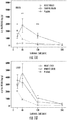
- 6 ⁇ -naltrexol levels in adult and embryonic liver are not significantly different from embryonic brain levels (p > 0.05), supporting the finding that 6 ⁇ -naltrexol diffuses unimpeded into fetal brain.
- the measured 6 ⁇ -naltrexol levels were also examined using a non-compartmental pharmacokinetic model.
- the area under the curve (AUC) for embryonic brain was 6-fold greater than that of adult brain (302+60 x 10 3 ng/ml-min with 95%CI of 146-1060 for embryonic brain vs 49+2 x 10 3 with 95%CI of 44-54 for adult brain; significant based on 95% confidence intervals).
- AUC for adult vs embryonic liver was not significantly different (274+36 x 10 3 ng/ml-min with 95%CI of 208-372 for adult liver and 373+84 with 95%CI of 46-1380 for embryonic liver).
- the brain KP ratio based on AUC's was 0.58 and was significantly different from unity based on 95% CI's, again supporting adult brain exclusion of drug (83+6 x 10 3 ng/ml-min with 95%CI of 70-98 x 10 3 for plasma and 49+2 x 10 3 with 95%CI of 44-54 x 10 3 for adult brain).
- the greater KP ratio calculated based on AUC's integrated over 4 hrs compared to single time-points reflects the more rapid elimination of 6 ⁇ -naltrexol from the circulation than from the brain in mice (see Figure 1 ); therefore, KP ratios measured under non-equilibrium conditions can vary with time as a function of rate of elimination and tissue distribution.
- the fetal brain:maternal plasma KP ratio was 2.7 at 45 min. after drug injection (p ⁇ 0.05 for difference from unity; see Figs. 1 & 2 ) and the ratio was 15.7 at 120 min after injection (p ⁇ 0.01 for difference from unity) (see Figs. 1 & 2 ).
- the fetal brain KP ratio is not significantly different from unity (p > 0.05), indicating rapid entry into fetal brain, and longer persistence than in maternal blood ( Fig. 1 ).
- the fetal brain KP ratio based on non-compartmental AUC's is 3.6, which is significantly different from unity (83+6 x 10 3 ng/ml-min with 95%CI of 70-98 x 10 3 for maternal plasma and 302+60 x 10 3 with 95%CI of 146-1060 x 10 3 for fetal brain).
- the KP ratios based on AUC's is 4.3 for fetal liver and 2.6 for adult liver.
- drug levels in fetal brain, and fetal and adult liver are consistently higher than those in plasma. Owing to rapid elimination, 6 ⁇ -naltrexol is largely depleted from all tissues between 2 and 4 hours after injection ( Figure 1 and Table 1).
- naltrexone (the parent compound) has free access to the brain (Table 4) confirming previous results (see Kastin, AJ, et al. (1991) Pharmacol Biochem Behav 40:771-774 ; Wang, D, et al. (2004) J Pharmacol Exp Ther 308:512-520 ).
- the contrast of low 6 ⁇ -naltrexol and high naltrexone levels in adult brain highlights the relative exclusion of 6 ⁇ -naltrexol by the intact BBB. Table 4.
- 6 ⁇ -naltrexol is relatively excluded from adult brain, it might accumulate slowly upon multiple dosing because of slow exit from the brain. Therefore, experiments were conducted to determine whether 6 ⁇ -naltrexol accumulates in tissues over time after chronic delivery, and especially through retention in adult brain. After 4 injections of 6 ⁇ -naltrexol over a 24 hr period (every 6 hrs), 6 ⁇ -naltrexol levels were measured in fetal and maternal tissues 4 hrs after the last dose, and accumulation assessed in comparison to a single injection with a 4 hr survival. As shown in Table 2, a small increase of 6 ⁇ -naltrexol occurred after cumulative injections with an average of ⁇ 1.5-fold for all tissues.
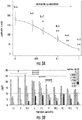
- 6 ⁇ -naltrexol A single injection of 6 ⁇ -naltrexol was made in mice at PD7, PD14, PD20, PD32, and PD50, and drug levels measured after 45 minutes (data for embryos and adults were added for comparison).
- 6 ⁇ -naltrexol levels in mice in plasma, brain, and liver varied over a wide range during postnatal development as a result of drastically changing clearance rates.
- Plasma levels decreased progressively from 3660+350 ng/ml at PD7 to 170+30 ng/ml at PD32, then reversed to 930+220 ng/ml in adults.
- Table 3 summarizes the brain:plasma and liver:plasma KP ratios for the indicated survival time points, showing that levels are lower in brain than plasma at PD20 and older (with ratios that range from 0.22 - 0.35). In contrast the levels in liver are higher than in plasma at all ages (with KP ratios that range from 1.3 - 4.2). Thus, the exclusion of 6 ⁇ -naltrexol from brain starting at PD20 is unique to that tissue.
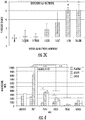
- the brain:plasma ratio for naltrexone is greater than unity at all ages ( Figure 4 ), consistent with its previously reported ability to cross the BBB ( Kastin, AJ, et al. (1991) Pharmacol Biochem Behav 40:771-774 ; Wang, D, et al. (2004) J Pharmacol Exp Ther 308:512-520 ). This is in stark contrast to the data for 6 ⁇ -naltrexol. Table 3.
- mice Considering that 6 ⁇ -naltrexol continues to penetrate the brain at high levels prior to PD20 experiments were conducted to determine whether concomitant administration of 6 ⁇ -naltrexol reduces withdrawal behaviors in pre-weaning age mice.
- a morphine dosing schedule was adapted based on studies in early postnatal rats and adult mice ( Kest B, et al. (2002) Neuroscience 115:463-469 ; Jones, KL, et al. (1995) Behav. Neurosci. 109:1189-1198 ). Mice were injected with morphine alone, with morphine in combination with increasing concentrations of 6 ⁇ -naltrexol, or saline alone, starting at P12 and continuing for 6 days.
- This example identifies a new paradigm for preventing NAS in neonates born to mothers engaged in opioid maintenance therapy.
- An opioid antagonist that is largely excluded from the maternal brain (enabling ongoing opioid therapy), but which is able to penetrate the placenta and immature BBB in the fetus, can protect the fetus from opioid exposure and thereby prevent NAS.
- Previous studies had already indicated that the opioid antagonist, 6 ⁇ -naltrexol, is largely excluded from the brain while acting as a potent antagonist in the periphery ( Wang, D, et al. (2004) J Pharmacol Exp Ther 308:512-520 ; Yancey-Wrona JE, et al. (2009) Life Sci.
- 6 ⁇ -naltrexol The ability of 6 ⁇ -naltrexol to prevent opioid dependence in preweaning juvenile mice when the BBB is still immature was also examined. When administered in combination with morphine for several days during a period when the mouse BBB is still undeveloped, 6 ⁇ -naltrexol prevents withdrawal behavior with extreme potency, owing to ready access to the neonatal brain lacking full BBB protection (ID50 0.022-0.044 mg/kg).
- This 6 ⁇ -naltrexol dose is ⁇ 500-fold lower than the morphine dose used for inducing dependence, and is 20- to 500-fold lower than the ID50 of 6 ⁇ -naltrexol for the blockade of opiate antinociception in adults depending on the agonist used and the route (and timing) of administration ( Yancey-Wrona JE, et al. (2009) Life Sci. 85:413-420 ; Wang D, et al. (2001) J Neurochem. 77:1590-1600 ; Sirohi S, et al. (2009) J Pharmacol Exp Ther. 330:513-519 ).
- 6 ⁇ -naltrexol can be utilized in pregnant women undergoing opioid maintenance treatments to selectively block fetal dependence without interfering with the mother's pain and/or maintenance therapy.
- the current example further reveals substantial changes in both 6 ⁇ -naltrexol and naltrexone clearance across developmental age in mice.
- a similar profile across early human development has been reported for half-lives of a broad panel of 45 drugs, including glucuronidated drugs such as morphine ( Ginsberg G, et al. (2002) Toxicol Sci. 66:185-200 ).
- the studied drugs generally display a long half-life in premature and full-term neonates, then the half-life decreases progressively over several months after birth, even below adult values, and then recovers to adult levels. This time course was attributed at least partly to the immaturity of hepatic and renal systems in the early postnatal period.
- the disclosed example shows a surprising stability of 6 ⁇ -naltrexol from embryogenesis through the first two weeks after birth, after which levels drop precipitously as a result of increased clearance. This indicates that in addition to the known developmental delay in the brain of mice compared to humans at birth, there may also be a delay in developmental processes affecting drug metabolism and renal clearance in the postnatal period (6 ⁇ -naltrexol is cleared both renally and by metabolism).
- 6 ⁇ -naltrexol 1) a neutral antagonist of the ⁇ -opioid receptor with low propensity to cause withdrawal compared to naloxone and naltrexone, 2) its relative exclusion from the adult CNS, and 3) its ability to enter the fetal circulation and brain show its utility and importance for preventive therapy for NAS.
- 6 ⁇ -naltrexol is the main metabolite of naltrexone in humans (but not in mice), which is FDA approved for the treatment of alcoholism ( Pettinati, H.M, et al. (2006) Journal of clinical psychopharmacology 26:610-625 ). Therefore, 6 ⁇ -naltrexol's known safety profile can facilitate its use in pregnant women.
Landscapes
- Health & Medical Sciences (AREA)
- Life Sciences & Earth Sciences (AREA)
- Animal Behavior & Ethology (AREA)
- General Health & Medical Sciences (AREA)
- Public Health (AREA)
- Veterinary Medicine (AREA)
- Chemical & Material Sciences (AREA)
- Medicinal Chemistry (AREA)
- Pharmacology & Pharmacy (AREA)
- Epidemiology (AREA)
- Addiction (AREA)
- Emergency Medicine (AREA)
- Organic Chemistry (AREA)
- Psychiatry (AREA)
- Biomedical Technology (AREA)
- Neurology (AREA)
- Neurosurgery (AREA)
- Chemical Kinetics & Catalysis (AREA)
- Bioinformatics & Cheminformatics (AREA)
- General Chemical & Material Sciences (AREA)
- Engineering & Computer Science (AREA)
- Nuclear Medicine, Radiotherapy & Molecular Imaging (AREA)
- Pharmaceuticals Containing Other Organic And Inorganic Compounds (AREA)
- Medicinal Preparation (AREA)
- Medicines That Contain Protein Lipid Enzymes And Other Medicines (AREA)
- Polysaccharides And Polysaccharide Derivatives (AREA)
- Saccharide Compounds (AREA)
- Solid-Sorbent Or Filter-Aiding Compositions (AREA)
Applications Claiming Priority (2)
| Application Number | Priority Date | Filing Date | Title |
|---|---|---|---|
| US201662276691P | 2016-01-08 | 2016-01-08 | |
| PCT/US2017/012452 WO2017120417A1 (en) | 2016-01-08 | 2017-01-06 | Treatments and prevention of opioid neonatal abstinence syndrome |
Publications (3)
| Publication Number | Publication Date |
|---|---|
| EP3400066A1 EP3400066A1 (en) | 2018-11-14 |
| EP3400066A4 EP3400066A4 (en) | 2019-06-26 |
| EP3400066B1 true EP3400066B1 (en) | 2021-07-28 |
Family
ID=59274434
Family Applications (1)
| Application Number | Title | Priority Date | Filing Date |
|---|---|---|---|
| EP17736392.6A Active EP3400066B1 (en) | 2016-01-08 | 2017-01-06 | Treatments and prevention of opioid neonatal abstinence syndrome |
Country Status (7)
| Country | Link |
|---|---|
| US (3) | US10925870B2 (enExample) |
| EP (1) | EP3400066B1 (enExample) |
| JP (1) | JP7061568B2 (enExample) |
| CN (1) | CN108778423A (enExample) |
| AU (1) | AU2017206041B2 (enExample) |
| DK (1) | DK3400066T3 (enExample) |
| WO (1) | WO2017120417A1 (enExample) |
Families Citing this family (5)
| Publication number | Priority date | Publication date | Assignee | Title |
|---|---|---|---|---|
| CA3066284A1 (en) * | 2018-04-09 | 2019-10-17 | Katana Pharmaceuticals, Inc. | Oxytocin compositions and methods of use |
| EP3883571B1 (en) * | 2019-01-04 | 2026-01-28 | Aether Therapeutics Inc. | 6-beta-naltrexol for use in a method of treating opioid dependency |
| US10653690B1 (en) * | 2019-07-09 | 2020-05-19 | Orexo Ab | Pharmaceutical composition for nasal delivery |
| US20240325379A1 (en) * | 2021-07-06 | 2024-10-03 | Aether Therapeutics Inc. | Low-dose naltrexol and uses thereof |
| US11977085B1 (en) | 2023-09-05 | 2024-05-07 | Elan Ehrlich | Date rape drug detection device and method of using same |
Family Cites Families (7)
| Publication number | Priority date | Publication date | Assignee | Title |
|---|---|---|---|---|
| AU4743601A (en) * | 2000-03-15 | 2001-09-24 | Wolfgang Sadee | Neutral antagonists and use thereof in treating drug abuse |
| DE602004009449T2 (de) * | 2003-07-25 | 2008-07-24 | Euro-Celtique S.A. | Behandlung von entzug |
| EP1817023A4 (en) * | 2004-11-16 | 2010-08-18 | Limerick Biopharma Inc | METHODS AND COMPOSITIONS FOR TREATING PAIN |
| CA2702680A1 (en) | 2007-10-18 | 2009-04-23 | Aiko Biotechnology | Combination analgesic employing opioid and neutral antagonist |
| US8748448B2 (en) | 2007-10-18 | 2014-06-10 | Aiko Biotechnology | Combination analgesic employing opioid agonist and neutral antagonist |
| WO2009079489A1 (en) * | 2007-12-17 | 2009-06-25 | The Ohio State University Research Foundation | Methods for screening of opioid receptor neutral antagonists and inverse agonists and uses thereof |
| WO2010065930A1 (en) * | 2008-12-04 | 2010-06-10 | The Board Of Trustees Of The Leland Stanford Junior University | Methods and compositions for treating or preventing narcotic withdrawal symptoms |
-
2017
- 2017-01-06 EP EP17736392.6A patent/EP3400066B1/en active Active
- 2017-01-06 AU AU2017206041A patent/AU2017206041B2/en active Active
- 2017-01-06 DK DK17736392.6T patent/DK3400066T3/da active
- 2017-01-06 WO PCT/US2017/012452 patent/WO2017120417A1/en not_active Ceased
- 2017-01-06 CN CN201780015234.5A patent/CN108778423A/zh active Pending
- 2017-01-06 JP JP2018535324A patent/JP7061568B2/ja active Active
- 2017-01-06 US US16/068,593 patent/US10925870B2/en active Active
-
2021
- 2021-02-22 US US17/180,945 patent/US12161641B2/en active Active
-
2024
- 2024-12-06 US US18/972,105 patent/US20250177379A1/en active Pending
Non-Patent Citations (1)
| Title |
|---|
| None * |
Also Published As
| Publication number | Publication date |
|---|---|
| EP3400066A4 (en) | 2019-06-26 |
| US20250177379A1 (en) | 2025-06-05 |
| WO2017120417A1 (en) | 2017-07-13 |
| JP7061568B2 (ja) | 2022-04-28 |
| EP3400066A1 (en) | 2018-11-14 |
| AU2017206041B2 (en) | 2022-07-28 |
| JP2019501194A (ja) | 2019-01-17 |
| US10925870B2 (en) | 2021-02-23 |
| US12161641B2 (en) | 2024-12-10 |
| DK3400066T3 (da) | 2021-10-18 |
| US20210205296A1 (en) | 2021-07-08 |
| CN108778423A (zh) | 2018-11-09 |
| AU2017206041A1 (en) | 2018-07-26 |
| CA3010609A1 (en) | 2017-07-13 |
| US20190015406A1 (en) | 2019-01-17 |
| NZ744112A (en) | 2025-05-30 |
Similar Documents
| Publication | Publication Date | Title |
|---|---|---|
| US20250177379A1 (en) | Treatments and prevention of opioid neonatal abstinence syndrome | |
| TWI843707B (zh) | 尼拉帕尼(niraparib)調配物 | |
| KR102271048B1 (ko) | 콜히친의 서방형 제형 및 이의 이용 방법 | |
| BRPI0707043B1 (pt) | comprimidos matriciais insolúveis em água a base de oxicodona, seu processo de fabricação e uso de uma composição farmacêutica | |
| US20250228833A1 (en) | Methods and compositions for treating agitation | |
| KR20210147082A (ko) | 디메틸푸마레이트를 포함하는 일일 저용량 투여용 약제학적 조성물 | |
| ES2656412T3 (es) | Nueva combinación | |
| KR20230043222A (ko) | 다낭성 난소 증후군을 치료하기 위한 방법 및 조성물 | |
| TWI483738B (zh) | 具有改良之味道遮蔽性的擠出物 | |
| RU2696563C9 (ru) | Композиционный препарат, включающий слой пленочного покрытия, содержащий активный ингредиент | |
| MX2007000632A (es) | Composicion antihistaminica. | |
| WO2009146608A1 (zh) | 含有咪唑5-羧酸类衍生物的药用组合物,其制备方法及用途 | |
| HK1260764A1 (en) | Treatments and prevention of opioid neonatal abstinence syndrome | |
| CN100488514C (zh) | 伊维菌素微球缓释固体剂 | |
| US20240325379A1 (en) | Low-dose naltrexol and uses thereof | |
| HK40111880A (en) | Low-dose naltrexol and uses thereof | |
| PHARMACEUTICS | FORMULATION AND CHARACTERIZATION OF RIZATRIPTAN BENZOATE SUBLINGUAL TABLET WITH VARIOUS PERMEATION ENHANCERS | |
| RU2424803C2 (ru) | Фармацевтическая композиция с противомигреневым действием (варианты) | |
| CN104306954B (zh) | Wry三肽在制备治疗阿尔茨海默症药物中的用途 | |
| RU2343908C1 (ru) | Средство для профилактики и лечения алкоголизма и способ его применения | |
| HK40014031A (en) | Use of sublingual dexmedetomidine for the treatment of agitation | |
| JPH03218323A (ja) | 中枢性疾患治療剤 |
Legal Events
| Date | Code | Title | Description |
|---|---|---|---|
| STAA | Information on the status of an ep patent application or granted ep patent |
Free format text: STATUS: THE INTERNATIONAL PUBLICATION HAS BEEN MADE |
|
| PUAI | Public reference made under article 153(3) epc to a published international application that has entered the european phase |
Free format text: ORIGINAL CODE: 0009012 |
|
| STAA | Information on the status of an ep patent application or granted ep patent |
Free format text: STATUS: REQUEST FOR EXAMINATION WAS MADE |
|
| 17P | Request for examination filed |
Effective date: 20180726 |
|
| AK | Designated contracting states |
Kind code of ref document: A1 Designated state(s): AL AT BE BG CH CY CZ DE DK EE ES FI FR GB GR HR HU IE IS IT LI LT LU LV MC MK MT NL NO PL PT RO RS SE SI SK SM TR |
|
| AX | Request for extension of the european patent |
Extension state: BA ME |
|
| RIN1 | Information on inventor provided before grant (corrected) |
Inventor name: SADEE, WOLFGANG Inventor name: OBERDICK, JOHN |
|
| DAV | Request for validation of the european patent (deleted) | ||
| DAX | Request for extension of the european patent (deleted) | ||
| RIC1 | Information provided on ipc code assigned before grant |
Ipc: A61P 25/36 20060101AFI20190515BHEP Ipc: C07D 403/02 20060101ALI20190515BHEP Ipc: A61K 31/485 20060101ALI20190515BHEP |
|
| A4 | Supplementary search report drawn up and despatched |
Effective date: 20190524 |
|
| GRAP | Despatch of communication of intention to grant a patent |
Free format text: ORIGINAL CODE: EPIDOSNIGR1 |
|
| STAA | Information on the status of an ep patent application or granted ep patent |
Free format text: STATUS: GRANT OF PATENT IS INTENDED |
|
| INTG | Intention to grant announced |
Effective date: 20200930 |
|
| GRAJ | Information related to disapproval of communication of intention to grant by the applicant or resumption of examination proceedings by the epo deleted |
Free format text: ORIGINAL CODE: EPIDOSDIGR1 |
|
| STAA | Information on the status of an ep patent application or granted ep patent |
Free format text: STATUS: REQUEST FOR EXAMINATION WAS MADE |
|
| GRAP | Despatch of communication of intention to grant a patent |
Free format text: ORIGINAL CODE: EPIDOSNIGR1 |
|
| GRAJ | Information related to disapproval of communication of intention to grant by the applicant or resumption of examination proceedings by the epo deleted |
Free format text: ORIGINAL CODE: EPIDOSDIGR1 |
|
| GRAP | Despatch of communication of intention to grant a patent |
Free format text: ORIGINAL CODE: EPIDOSNIGR1 |
|
| GRAP | Despatch of communication of intention to grant a patent |
Free format text: ORIGINAL CODE: EPIDOSNIGR1 |
|
| STAA | Information on the status of an ep patent application or granted ep patent |
Free format text: STATUS: GRANT OF PATENT IS INTENDED |
|
| INTC | Intention to grant announced (deleted) | ||
| INTG | Intention to grant announced |
Effective date: 20210226 |
|
| INTG | Intention to grant announced |
Effective date: 20210303 |
|
| GRAS | Grant fee paid |
Free format text: ORIGINAL CODE: EPIDOSNIGR3 |
|
| GRAA | (expected) grant |
Free format text: ORIGINAL CODE: 0009210 |
|
| STAA | Information on the status of an ep patent application or granted ep patent |
Free format text: STATUS: THE PATENT HAS BEEN GRANTED |
|
| AK | Designated contracting states |
Kind code of ref document: B1 Designated state(s): AL AT BE BG CH CY CZ DE DK EE ES FI FR GB GR HR HU IE IS IT LI LT LU LV MC MK MT NL NO PL PT RO RS SE SI SK SM TR |
|
| REG | Reference to a national code |
Ref country code: GB Ref legal event code: FG4D |
|
| REG | Reference to a national code |
Ref country code: CH Ref legal event code: EP |
|
| REG | Reference to a national code |
Ref country code: DE Ref legal event code: R096 Ref document number: 602017042900 Country of ref document: DE |
|
| REG | Reference to a national code |
Ref country code: AT Ref legal event code: REF Ref document number: 1414159 Country of ref document: AT Kind code of ref document: T Effective date: 20210815 |
|
| REG | Reference to a national code |
Ref country code: IE Ref legal event code: FG4D |
|
| REG | Reference to a national code |
Ref country code: DK Ref legal event code: T3 Effective date: 20211015 |
|
| REG | Reference to a national code |
Ref country code: SE Ref legal event code: TRGR |
|
| REG | Reference to a national code |
Ref country code: NL Ref legal event code: FP Ref country code: LT Ref legal event code: MG9D |
|
| REG | Reference to a national code |
Ref country code: AT Ref legal event code: MK05 Ref document number: 1414159 Country of ref document: AT Kind code of ref document: T Effective date: 20210728 |
|
| PG25 | Lapsed in a contracting state [announced via postgrant information from national office to epo] |
Ref country code: NO Free format text: LAPSE BECAUSE OF FAILURE TO SUBMIT A TRANSLATION OF THE DESCRIPTION OR TO PAY THE FEE WITHIN THE PRESCRIBED TIME-LIMIT Effective date: 20211028 Ref country code: PT Free format text: LAPSE BECAUSE OF FAILURE TO SUBMIT A TRANSLATION OF THE DESCRIPTION OR TO PAY THE FEE WITHIN THE PRESCRIBED TIME-LIMIT Effective date: 20211129 Ref country code: ES Free format text: LAPSE BECAUSE OF FAILURE TO SUBMIT A TRANSLATION OF THE DESCRIPTION OR TO PAY THE FEE WITHIN THE PRESCRIBED TIME-LIMIT Effective date: 20210728 Ref country code: FI Free format text: LAPSE BECAUSE OF FAILURE TO SUBMIT A TRANSLATION OF THE DESCRIPTION OR TO PAY THE FEE WITHIN THE PRESCRIBED TIME-LIMIT Effective date: 20210728 Ref country code: AT Free format text: LAPSE BECAUSE OF FAILURE TO SUBMIT A TRANSLATION OF THE DESCRIPTION OR TO PAY THE FEE WITHIN THE PRESCRIBED TIME-LIMIT Effective date: 20210728 Ref country code: BG Free format text: LAPSE BECAUSE OF FAILURE TO SUBMIT A TRANSLATION OF THE DESCRIPTION OR TO PAY THE FEE WITHIN THE PRESCRIBED TIME-LIMIT Effective date: 20211028 Ref country code: LT Free format text: LAPSE BECAUSE OF FAILURE TO SUBMIT A TRANSLATION OF THE DESCRIPTION OR TO PAY THE FEE WITHIN THE PRESCRIBED TIME-LIMIT Effective date: 20210728 Ref country code: RS Free format text: LAPSE BECAUSE OF FAILURE TO SUBMIT A TRANSLATION OF THE DESCRIPTION OR TO PAY THE FEE WITHIN THE PRESCRIBED TIME-LIMIT Effective date: 20210728 Ref country code: HR Free format text: LAPSE BECAUSE OF FAILURE TO SUBMIT A TRANSLATION OF THE DESCRIPTION OR TO PAY THE FEE WITHIN THE PRESCRIBED TIME-LIMIT Effective date: 20210728 |
|
| PG25 | Lapsed in a contracting state [announced via postgrant information from national office to epo] |
Ref country code: PL Free format text: LAPSE BECAUSE OF FAILURE TO SUBMIT A TRANSLATION OF THE DESCRIPTION OR TO PAY THE FEE WITHIN THE PRESCRIBED TIME-LIMIT Effective date: 20210728 Ref country code: LV Free format text: LAPSE BECAUSE OF FAILURE TO SUBMIT A TRANSLATION OF THE DESCRIPTION OR TO PAY THE FEE WITHIN THE PRESCRIBED TIME-LIMIT Effective date: 20210728 Ref country code: GR Free format text: LAPSE BECAUSE OF FAILURE TO SUBMIT A TRANSLATION OF THE DESCRIPTION OR TO PAY THE FEE WITHIN THE PRESCRIBED TIME-LIMIT Effective date: 20211029 |
|
| REG | Reference to a national code |
Ref country code: DE Ref legal event code: R097 Ref document number: 602017042900 Country of ref document: DE |
|
| PG25 | Lapsed in a contracting state [announced via postgrant information from national office to epo] |
Ref country code: SM Free format text: LAPSE BECAUSE OF FAILURE TO SUBMIT A TRANSLATION OF THE DESCRIPTION OR TO PAY THE FEE WITHIN THE PRESCRIBED TIME-LIMIT Effective date: 20210728 Ref country code: SK Free format text: LAPSE BECAUSE OF FAILURE TO SUBMIT A TRANSLATION OF THE DESCRIPTION OR TO PAY THE FEE WITHIN THE PRESCRIBED TIME-LIMIT Effective date: 20210728 Ref country code: RO Free format text: LAPSE BECAUSE OF FAILURE TO SUBMIT A TRANSLATION OF THE DESCRIPTION OR TO PAY THE FEE WITHIN THE PRESCRIBED TIME-LIMIT Effective date: 20210728 Ref country code: EE Free format text: LAPSE BECAUSE OF FAILURE TO SUBMIT A TRANSLATION OF THE DESCRIPTION OR TO PAY THE FEE WITHIN THE PRESCRIBED TIME-LIMIT Effective date: 20210728 Ref country code: CZ Free format text: LAPSE BECAUSE OF FAILURE TO SUBMIT A TRANSLATION OF THE DESCRIPTION OR TO PAY THE FEE WITHIN THE PRESCRIBED TIME-LIMIT Effective date: 20210728 Ref country code: AL Free format text: LAPSE BECAUSE OF FAILURE TO SUBMIT A TRANSLATION OF THE DESCRIPTION OR TO PAY THE FEE WITHIN THE PRESCRIBED TIME-LIMIT Effective date: 20210728 |
|
| PLBE | No opposition filed within time limit |
Free format text: ORIGINAL CODE: 0009261 |
|
| STAA | Information on the status of an ep patent application or granted ep patent |
Free format text: STATUS: NO OPPOSITION FILED WITHIN TIME LIMIT |
|
| 26N | No opposition filed |
Effective date: 20220429 |
|
| PG25 | Lapsed in a contracting state [announced via postgrant information from national office to epo] |
Ref country code: IT Free format text: LAPSE BECAUSE OF FAILURE TO SUBMIT A TRANSLATION OF THE DESCRIPTION OR TO PAY THE FEE WITHIN THE PRESCRIBED TIME-LIMIT Effective date: 20210728 |
|
| PG25 | Lapsed in a contracting state [announced via postgrant information from national office to epo] |
Ref country code: MC Free format text: LAPSE BECAUSE OF FAILURE TO SUBMIT A TRANSLATION OF THE DESCRIPTION OR TO PAY THE FEE WITHIN THE PRESCRIBED TIME-LIMIT Effective date: 20210728 |
|
| REG | Reference to a national code |
Ref country code: BE Ref legal event code: MM Effective date: 20220131 |
|
| PG25 | Lapsed in a contracting state [announced via postgrant information from national office to epo] |
Ref country code: LU Free format text: LAPSE BECAUSE OF NON-PAYMENT OF DUE FEES Effective date: 20220106 |
|
| PG25 | Lapsed in a contracting state [announced via postgrant information from national office to epo] |
Ref country code: BE Free format text: LAPSE BECAUSE OF NON-PAYMENT OF DUE FEES Effective date: 20220131 |
|
| P01 | Opt-out of the competence of the unified patent court (upc) registered |
Effective date: 20230528 |
|
| PG25 | Lapsed in a contracting state [announced via postgrant information from national office to epo] |
Ref country code: HU Free format text: LAPSE BECAUSE OF FAILURE TO SUBMIT A TRANSLATION OF THE DESCRIPTION OR TO PAY THE FEE WITHIN THE PRESCRIBED TIME-LIMIT; INVALID AB INITIO Effective date: 20170106 |
|
| PG25 | Lapsed in a contracting state [announced via postgrant information from national office to epo] |
Ref country code: MK Free format text: LAPSE BECAUSE OF FAILURE TO SUBMIT A TRANSLATION OF THE DESCRIPTION OR TO PAY THE FEE WITHIN THE PRESCRIBED TIME-LIMIT Effective date: 20210728 Ref country code: CY Free format text: LAPSE BECAUSE OF FAILURE TO SUBMIT A TRANSLATION OF THE DESCRIPTION OR TO PAY THE FEE WITHIN THE PRESCRIBED TIME-LIMIT Effective date: 20210728 |
|
| PG25 | Lapsed in a contracting state [announced via postgrant information from national office to epo] |
Ref country code: MT Free format text: LAPSE BECAUSE OF FAILURE TO SUBMIT A TRANSLATION OF THE DESCRIPTION OR TO PAY THE FEE WITHIN THE PRESCRIBED TIME-LIMIT Effective date: 20210728 |
|
| PGFP | Annual fee paid to national office [announced via postgrant information from national office to epo] |
Ref country code: NL Payment date: 20250127 Year of fee payment: 9 |
|
| PGFP | Annual fee paid to national office [announced via postgrant information from national office to epo] |
Ref country code: DK Payment date: 20250127 Year of fee payment: 9 |
|
| PG25 | Lapsed in a contracting state [announced via postgrant information from national office to epo] |
Ref country code: TR Free format text: LAPSE BECAUSE OF FAILURE TO SUBMIT A TRANSLATION OF THE DESCRIPTION OR TO PAY THE FEE WITHIN THE PRESCRIBED TIME-LIMIT Effective date: 20210728 |
|
| REG | Reference to a national code |
Ref country code: CH Ref legal event code: U11 Free format text: ST27 STATUS EVENT CODE: U-0-0-U10-U11 (AS PROVIDED BY THE NATIONAL OFFICE) Effective date: 20260201 |
|
| PGFP | Annual fee paid to national office [announced via postgrant information from national office to epo] |
Ref country code: SE Payment date: 20260127 Year of fee payment: 10 |
|
| PGFP | Annual fee paid to national office [announced via postgrant information from national office to epo] |
Ref country code: GB Payment date: 20260127 Year of fee payment: 10 |
|
| PGFP | Annual fee paid to national office [announced via postgrant information from national office to epo] |
Ref country code: DE Payment date: 20260128 Year of fee payment: 10 Ref country code: IE Payment date: 20260127 Year of fee payment: 10 |
|
| PGFP | Annual fee paid to national office [announced via postgrant information from national office to epo] |
Ref country code: FR Payment date: 20260126 Year of fee payment: 10 |
|
| PGFP | Annual fee paid to national office [announced via postgrant information from national office to epo] |
Ref country code: CH Payment date: 20260201 Year of fee payment: 10 |