EP3390643B1 - Plasmidkonstrukte zur heterologen proteinexpression und verfahren zur verwendung - Google Patents
Plasmidkonstrukte zur heterologen proteinexpression und verfahren zur verwendung Download PDFInfo
- Publication number
- EP3390643B1 EP3390643B1 EP16876875.2A EP16876875A EP3390643B1 EP 3390643 B1 EP3390643 B1 EP 3390643B1 EP 16876875 A EP16876875 A EP 16876875A EP 3390643 B1 EP3390643 B1 EP 3390643B1
- Authority
- EP
- European Patent Office
- Prior art keywords
- antigen
- tumor
- expression
- cells
- expression plasmid
- Prior art date
- Legal status (The legal status is an assumption and is not a legal conclusion. Google has not performed a legal analysis and makes no representation as to the accuracy of the status listed.)
- Active
Links
Images



Classifications
-
- C—CHEMISTRY; METALLURGY
- C12—BIOCHEMISTRY; BEER; SPIRITS; WINE; VINEGAR; MICROBIOLOGY; ENZYMOLOGY; MUTATION OR GENETIC ENGINEERING
- C12N—MICROORGANISMS OR ENZYMES; COMPOSITIONS THEREOF; PROPAGATING, PRESERVING, OR MAINTAINING MICROORGANISMS; MUTATION OR GENETIC ENGINEERING; CULTURE MEDIA
- C12N15/00—Mutation or genetic engineering; DNA or RNA concerning genetic engineering, vectors, e.g. plasmids, or their isolation, preparation or purification; Use of hosts therefor
- C12N15/09—Recombinant DNA-technology
- C12N15/63—Introduction of foreign genetic material using vectors; Vectors; Use of hosts therefor; Regulation of expression
- C12N15/79—Vectors or expression systems specially adapted for eukaryotic hosts
- C12N15/85—Vectors or expression systems specially adapted for eukaryotic hosts for animal cells
-
- A—HUMAN NECESSITIES
- A61—MEDICAL OR VETERINARY SCIENCE; HYGIENE
- A61K—PREPARATIONS FOR MEDICAL, DENTAL OR TOILETRY PURPOSES
- A61K38/00—Medicinal preparations containing peptides
- A61K38/16—Peptides having more than 20 amino acids; Gastrins; Somatostatins; Melanotropins; Derivatives thereof
- A61K38/17—Peptides having more than 20 amino acids; Gastrins; Somatostatins; Melanotropins; Derivatives thereof from animals; from humans
- A61K38/19—Cytokines; Lymphokines; Interferons
- A61K38/20—Interleukins [IL]
- A61K38/208—IL-12
-
- A—HUMAN NECESSITIES
- A61—MEDICAL OR VETERINARY SCIENCE; HYGIENE
- A61K—PREPARATIONS FOR MEDICAL, DENTAL OR TOILETRY PURPOSES
- A61K38/00—Medicinal preparations containing peptides
- A61K38/16—Peptides having more than 20 amino acids; Gastrins; Somatostatins; Melanotropins; Derivatives thereof
- A61K38/17—Peptides having more than 20 amino acids; Gastrins; Somatostatins; Melanotropins; Derivatives thereof from animals; from humans
- A61K38/19—Cytokines; Lymphokines; Interferons
- A61K38/20—Interleukins [IL]
- A61K38/2086—IL-13 to IL-16
-
- A—HUMAN NECESSITIES
- A61—MEDICAL OR VETERINARY SCIENCE; HYGIENE
- A61K—PREPARATIONS FOR MEDICAL, DENTAL OR TOILETRY PURPOSES
- A61K39/00—Medicinal preparations containing antigens or antibodies
- A61K39/0005—Vertebrate antigens
-
- A—HUMAN NECESSITIES
- A61—MEDICAL OR VETERINARY SCIENCE; HYGIENE
- A61K—PREPARATIONS FOR MEDICAL, DENTAL OR TOILETRY PURPOSES
- A61K39/00—Medicinal preparations containing antigens or antibodies
- A61K39/12—Viral antigens
- A61K39/29—Hepatitis virus
-
- A—HUMAN NECESSITIES
- A61—MEDICAL OR VETERINARY SCIENCE; HYGIENE
- A61K—PREPARATIONS FOR MEDICAL, DENTAL OR TOILETRY PURPOSES
- A61K9/00—Medicinal preparations characterised by special physical form
- A61K9/0002—Galenical forms characterised by the drug release technique; Application systems commanded by energy
- A61K9/0009—Galenical forms characterised by the drug release technique; Application systems commanded by energy involving or responsive to electricity, magnetism or acoustic waves; Galenical aspects of sonophoresis, iontophoresis, electroporation or electroosmosis
-
- A—HUMAN NECESSITIES
- A61—MEDICAL OR VETERINARY SCIENCE; HYGIENE
- A61K—PREPARATIONS FOR MEDICAL, DENTAL OR TOILETRY PURPOSES
- A61K9/00—Medicinal preparations characterised by special physical form
- A61K9/0012—Galenical forms characterised by the site of application
- A61K9/0019—Injectable compositions; Intramuscular, intravenous, arterial, subcutaneous administration; Compositions to be administered through the skin in an invasive manner
-
- A—HUMAN NECESSITIES
- A61—MEDICAL OR VETERINARY SCIENCE; HYGIENE
- A61P—SPECIFIC THERAPEUTIC ACTIVITY OF CHEMICAL COMPOUNDS OR MEDICINAL PREPARATIONS
- A61P35/00—Antineoplastic agents
-
- C—CHEMISTRY; METALLURGY
- C07—ORGANIC CHEMISTRY
- C07K—PEPTIDES
- C07K14/00—Peptides having more than 20 amino acids; Gastrins; Somatostatins; Melanotropins; Derivatives thereof
- C07K14/435—Peptides having more than 20 amino acids; Gastrins; Somatostatins; Melanotropins; Derivatives thereof from animals; from humans
- C07K14/52—Cytokines; Lymphokines; Interferons
-
- C—CHEMISTRY; METALLURGY
- C07—ORGANIC CHEMISTRY
- C07K—PEPTIDES
- C07K14/00—Peptides having more than 20 amino acids; Gastrins; Somatostatins; Melanotropins; Derivatives thereof
- C07K14/435—Peptides having more than 20 amino acids; Gastrins; Somatostatins; Melanotropins; Derivatives thereof from animals; from humans
- C07K14/52—Cytokines; Lymphokines; Interferons
- C07K14/54—Interleukins [IL]
-
- C—CHEMISTRY; METALLURGY
- C07—ORGANIC CHEMISTRY
- C07K—PEPTIDES
- C07K14/00—Peptides having more than 20 amino acids; Gastrins; Somatostatins; Melanotropins; Derivatives thereof
- C07K14/435—Peptides having more than 20 amino acids; Gastrins; Somatostatins; Melanotropins; Derivatives thereof from animals; from humans
- C07K14/52—Cytokines; Lymphokines; Interferons
- C07K14/54—Interleukins [IL]
- C07K14/5434—IL-12
-
- C—CHEMISTRY; METALLURGY
- C07—ORGANIC CHEMISTRY
- C07K—PEPTIDES
- C07K14/00—Peptides having more than 20 amino acids; Gastrins; Somatostatins; Melanotropins; Derivatives thereof
- C07K14/435—Peptides having more than 20 amino acids; Gastrins; Somatostatins; Melanotropins; Derivatives thereof from animals; from humans
- C07K14/52—Cytokines; Lymphokines; Interferons
- C07K14/54—Interleukins [IL]
- C07K14/5443—IL-15
-
- C—CHEMISTRY; METALLURGY
- C07—ORGANIC CHEMISTRY
- C07K—PEPTIDES
- C07K14/00—Peptides having more than 20 amino acids; Gastrins; Somatostatins; Melanotropins; Derivatives thereof
- C07K14/435—Peptides having more than 20 amino acids; Gastrins; Somatostatins; Melanotropins; Derivatives thereof from animals; from humans
- C07K14/52—Cytokines; Lymphokines; Interferons
- C07K14/555—Interferons [IFN]
- C07K14/57—IFN-gamma
-
- C—CHEMISTRY; METALLURGY
- C07—ORGANIC CHEMISTRY
- C07K—PEPTIDES
- C07K14/00—Peptides having more than 20 amino acids; Gastrins; Somatostatins; Melanotropins; Derivatives thereof
- C07K14/435—Peptides having more than 20 amino acids; Gastrins; Somatostatins; Melanotropins; Derivatives thereof from animals; from humans
- C07K14/705—Receptors; Cell surface antigens; Cell surface determinants
- C07K14/715—Receptors; Cell surface antigens; Cell surface determinants for cytokines; for lymphokines; for interferons
- C07K14/7155—Receptors; Cell surface antigens; Cell surface determinants for cytokines; for lymphokines; for interferons for interleukins [IL]
-
- G—PHYSICS
- G01—MEASURING; TESTING
- G01N—INVESTIGATING OR ANALYSING MATERIALS BY DETERMINING THEIR CHEMICAL OR PHYSICAL PROPERTIES
- G01N33/00—Investigating or analysing materials by specific methods not covered by groups G01N1/00 - G01N31/00
- G01N33/48—Biological material, e.g. blood, urine; Haemocytometers
- G01N33/50—Chemical analysis of biological material, e.g. blood, urine; Testing involving biospecific ligand binding methods; Immunological testing
- G01N33/53—Immunoassay; Biospecific binding assay; Materials therefor
- G01N33/575—Immunoassay; Biospecific binding assay; Materials therefor for cancer
-
- A—HUMAN NECESSITIES
- A61—MEDICAL OR VETERINARY SCIENCE; HYGIENE
- A61K—PREPARATIONS FOR MEDICAL, DENTAL OR TOILETRY PURPOSES
- A61K39/00—Medicinal preparations containing antigens or antibodies
- A61K2039/555—Medicinal preparations containing antigens or antibodies characterised by a specific combination antigen/adjuvant
- A61K2039/55511—Organic adjuvants
- A61K2039/55516—Proteins; Peptides
-
- A—HUMAN NECESSITIES
- A61—MEDICAL OR VETERINARY SCIENCE; HYGIENE
- A61K—PREPARATIONS FOR MEDICAL, DENTAL OR TOILETRY PURPOSES
- A61K39/00—Medicinal preparations containing antigens or antibodies
- A61K2039/58—Medicinal preparations containing antigens or antibodies raising an immune response against a target which is not the antigen used for immunisation
- A61K2039/585—Medicinal preparations containing antigens or antibodies raising an immune response against a target which is not the antigen used for immunisation wherein the target is cancer
-
- C—CHEMISTRY; METALLURGY
- C07—ORGANIC CHEMISTRY
- C07K—PEPTIDES
- C07K2319/00—Fusion polypeptide
Definitions
- the present invention relates to recombinant expression vectors for intratumoral delivery of at least two genes encoding each chain of a therapeutically active multimeric polypeptide.
- Each nucleic acid chain encoding the multimer is separated by at least one translation modulating element. Additional genes encoding therapeutic polypeptides and tracking antigens can be added using additional translation modifiers to the nucleic acid chain or as a separate gene in the expression vector.
- E. coli plasmids have long been an important source of recombinant DNA molecules used by researchers and by industry.
- Expression plasmid DNA may find application as vehicles to deliver therapeutic proteins to sites on a patient where treatment is needed, e.g., tumors.
- Immunotherapy has recently drawn attention as a fourth method following surgery, chemotherapy and radiation therapy for treating tumors. Since immunotherapy utilizes the immunity inherent to humans, it is said that the physical burden on patients are less in immunotherapy than those in other therapies.
- the therapeutic approaches known as immunotherapies include: cell transfer therapy in which cells such as lymphokine-activated cells, natural killer T-cells or ⁇ T cells obtained, for example, from exogenously-induced cytotoxic T-lymphocytes (CTLs) or peripheral blood lymphocytes by expansion culture using various method are transferred; dendritic cell-transfer therapy or peptide vaccine therapy by which in vivo induction of antigen-specific CTLs is expected; Th1 cell therapy; and immune gene therapy in which genes expected to have various effects are introduced ex vivo into the above-mentioned cells to transfer them in vivo.
- CTLs exogenously-induced cytotoxic T-lymphocytes
- Th1 cell therapy cytotoxic T-lymphocytes
- immune gene therapy in which genes expected to have various effects are introduced ex vivo into the above-mentioned cells to transfer them in vivo.
- CD4-positive T cells and CD8-positive T cells have traditionally known to play a critical role.
- In vivo electroporation is a gene delivery technique that has been used successfully for efficient delivery of plasmid DNA to many different tissues. Studies have reported the administration of in vivo electroporation for delivery of plasmid DNA to B16 melanomas and other tumor tissues. Systemic and local expression of a gene or cDNA encoded by a plasmid can be obtained with administration of in vivo electroporation. Use of in vivo electroporation enhances plasmid DNA uptake in tumor tissue, resulting in expression within the tumor, and delivers plasmids to muscle tissue, resulting in systemic cytokine expression.
- electroporation can be used to transfect cells in vivo with plasmid DNA. Recent studies have shown that electroporation is capable of enhancing delivery of plasmid DNA as an antitumor agent. Electroporation has been administered for treatment of hepatocellular carcinomas, adenocarcinoma, breast tumors, squamous cell carcinoma and B16.F10 melanoma in rodent models. The B16.F10 murine melanoma model has been used extensively for testing potential immunotherapy protocols for the delivery of an immunomodulatory molecule including cytokines either as recombinant protein or by gene therapy.
- protocols known in the art can be utilized for the delivery of plasmid encoding an immunomodulatory protein utilizing in vivo electroporation for the treatment of cancer.
- the protocols known in the art describe in vivo electroporation mediated cytokine based gene therapy, both intratumor and intramuscular, utilizing low-voltage and long-pulse currents.
- Combination immunotherapies that involve various phases of the cancer-immunity cycle may enhance the ability to prevent immune escape by targeting multiple mechanisms by which tumor cells avoid elimination by the immune system, with synergistic effects that may offer improved efficacy in broader patient populations.
- these combination therapeutic immunomodulatory proteins are complex molecules involving one or more homo- or heterodimeric chains, e.g., IL-12 or IL-15/IL-15R ⁇ , fusion proteins encoding genetic adjuvants and shared tumor antigens.
- Administration of multiple proteins as therapeutics is complex and costly.
- Use of intratumoral delivery of multiple encoded proteins using expression plasmids is simpler and more cost effective.
- current expression plasmid constructs do not address the need for adequate production of each immunomodulatory protein.
- the present invention addresses this need by providing expression plasmids encoding multiple immunomodulators with appropriately placed promoters and translation modifiers.
- the invention is as defined in claims 1 to 12.
- the present invention provides an expression plasmid construct comprising a plurality of expression cassettes defined by the formula: P - A - T- B where: a) P is an expression promoter; b) A and B encode immunomodulatory molecules; and c) T is a translation modification element.
- P is selected from the group consisting of a human CMV promoter, a simian CMV promoter, SV-40, mPGK, and ⁇ -Actin
- the immunomodulatory molecules are selected from the group consisting of immunostimulatory cytokines and genetic adjuvants fused to at least one antigen.
- the present invention provides an expression plasmid comprising a plurality of expression cassettes defined by the formula: P - A - T - A' - T - B where a) P is an expression promoter; b) A and A' are chains of a heterodimeric cytokine; c) B is at least one genetic adjuvant fused to at least one antigen; and d) T is a translation modification element.
- P is selected from the group consisting of a human CMV promoter, a simian CMV promoter, SV-40, mPGK, and ⁇ -Actin;
- the heterodimeric cytokine is selected from the group consisting of IL-12, IL-15, IL-23, and IL-27;
- A is selected from the group consisting of IL-12p35, IL-23p19, EBI3, IL-15;
- A' is selected from the group consisting of IL-12p40, IL-27p28, and IL-15R ⁇ ;
- the translation modification element is selected from the group consisting of a P2A family member and IRES;
- the genetic adjuvant is selected from the group consisting of Flt3 ligand, LAMP-1, Calreticulin, Human heat shock protein 96; GM-CSF, and CSF Receptor 1;
- antigen is selected from the group consisting of: NYESO-1, OVA, RNEU, MAGE-A1, MAGE
- the present invention provides for an expression plasmid comprising a plurality of expression cassettes defined by the formula: P - A - T - B - T - B ' where P is an expression promoter; A is at least one genetic adjuvant fused to at least one antigen; B and B' are chains of a heterodimeric cytokine; and T is a translation modification element.
- P is selected from the group consisting of a human CMV promoter, a simian CMV promoter, SV-40, mPGK, and ⁇ -Actin;
- the heterodimeric cytokine is selected from the group consisting of IL-12, IL-15, IL-23, and IL-27;
- A is selected from the group consisting of IL-12p35, IL-23p19, EBI3, IL-15;
- A' is selected from the group consisting of IL-12p40, IL-27p28, and IL-15R ⁇ ;
- the translation modification element is selected from the group consisting of a P2A family member and IRES;
- the genetic adjuvant is selected from the group consisting of Flt3 ligand; LAMP-1; Calreticulin; Human heat shock protein 96; GM-CSF; and CSF Receptor 1; and
- the antigen is selected from the group consisting of : NYESO-1, OVA, RNEU, MAGE-A
- the present invention provides the expression plasmind of the invention for use in treating a tumor in a subject wherein treating comprises delivering the expression plasmid of either of the formulas P - A - T - A' - T - B or P - A - T - B' - T - B' into the tumor using at least one intratumoral electroporation pulse.
- the intratumoral electroporation pulse has a field strength of about 200 V/cm to 1500 V/cm; the subject is a human; the tumor is selected from the group of melanoma, triple negative breast cancer, Merkel Cell Carcinoma, CTCL, and head and neck squamous cell carcinoma; and the electroporation pulse is delivered by a generator capable of electrochemical impedance spectroscopy.
- the present invention provides an expression plasmid construct comprising a plurality of expression cassettes defined by the formula: P - A - T- A' where a) P is an expression promoter; b) A, and A' encode subunits of an immunomodulatory molecule; and c) T is a translation modification sequence.
- P is selected from group consisting of human CMV promoter, a simian CMV promoter, SV-40, mPGK, and ⁇ -Actin;
- A is selected from the group consisting of IL-12p35, IL-23p19, EBI3, IL-15;
- A' is selected from the group consisting of IL-12p40, IL-27p28, and IL-15R ⁇ ; and
- T is selected from the group consisting of a P2A and IRES.
- Activity of a molecule may describe or refer to the binding of the molecule to a ligand or to a receptor, to catalytic activity, to the ability to stimulate gene expression, to antigenic activity, to the modulation of activities of other molecules, and the like. "Activity” of a molecule may also refer to activity in modulating or maintaining cell-to-cell interactions, e.g., adhesion, or activity in maintaining a structure of a cell, e.g., cell membranes or cytoskeleton. “Activity” may also mean specific activity, e.g., [catalytic activity]/[mg protein], or [immunological activity]/[mg protein], or the like.
- Translation modulating element or “translation modifier” as used herein, means a specific translation initiator or ribosomal skipping modulator wherein a picornavirus-derived sequence in the nascent polypeptide chain prevents covalent amide linkage with the next amino acid. Incorporation of this sequence results in co-expression of each chain of a heterodimeric protein with equal molar levels of the translated polypeptides. Contemplated are: the 2A family of ribosomal skipping modulators that include, but are not limited to, P2A, T2A, E2A or F2A, all of which share the PG/P cleavage site (See Table 5); and internal ribosomal entry sites (IRES).
- polynucleotide includes DNA or RNA.
- the polynucleotide is the circular plasmid pOMI2A.
- a "coding sequence” or a sequence “encoding” an expression product such as a RNA or peptide (e.g., an immunoglobulin chain), is a nucleotide sequence that, when expressed, results in production of the product.
- oligonucleotide refers to a nucleic acid, generally of no more than about 300 nucleotides (e.g., 30, 40, 50, 60, 70, 80, 90, 150, 175, 200, 250 or 300), that may be hybridizable to a genomic DNA molecule, a cDNA molecule, or an mRNA molecule encoding a gene, mRNA, cDNA, or other nucleic acid of interest. Oligonucleotides are usually single-stranded, but may be double-stranded.
- Oligonucleotides can be labeled, e.g., by incorporation of 32P-nucleotides, 3H-nucleotides, 14C-nucleotides, 35S-nucleotides or nucleotides to which a label, such as biotin, has been covalently conjugated.
- a labeled oligonucleotide can be used as a probe to detect the presence of a nucleic acid.
- oligonucleotides (one or both of which may be labeled) can be used as PCR primers, either for cloning full length or a fragment of the gene, or to detect the presence of nucleic acids.
- oligonucleotides are prepared synthetically, e.g., on a nucleic acid synthesizer.
- a “protein sequence,” “peptide sequence” or “polypeptide sequence,” or “amino acid sequence” refers to a series of two or more amino acids in a protein, peptide or polypeptide.
- Protein includes a contiguous string of two or more amino acids.
- isolated polynucleotide or “isolated polypeptide” includes a polynucleotide (e.g., RNA or DNA molecule, or a mixed polymer) or a polypeptide, respectively, which is partially or fully separated from other components that are normally found in cells or in recombinant DNA expression systems or any other contaminant. These components include, but are not limited to, cell membranes, cell walls, ribosomes, polymerases, serum components and extraneous genomic sequences.
- An isolated polynucleotide (e.g., pOMI2A) or polypeptide will, preferably, be an essentially homogeneous composition of molecules but may contain some heterogeneity.
- host cell includes any cell of any organism that is selected, modified, transfected, transformed, grown, or used or manipulated in any way, for the production of a substance by the cell, for example the expression or replication, by the cell, of a gene, a polynucleotide such as a circular plasmid (e.g., pOMI2A) or RNA or a protein.
- a host cell may be a mammalian cell or bacterial cell (e.g., E.
- coli or any isolated cell capable of maintaining pOMI2A plasmid and, in an embodiment of the invention, promoting expression of a polypeptide encoded by a polynucleotide in the plasmid, e.g., an immunoglobulin chain.
- Vectors of the invention may be introduced into host cells according to any of the many techniques known in the art, e.g., dextran-mediated transfection, polybrene-mediated transfection, protoplast fusion, electroporation, calcium phosphate co-precipitation, lipofection, direct microinjection of the vector into nuclei, or any other means appropriate for a given host cell type.
- a “cassette” or an “expression cassette” refers to a DNA coding sequence or segment of DNA that codes for an expression product (e.g., peptide or RNA) that can be inserted into a vector, e.g., at defined restriction sites.
- the expression cassette may comprise a promoter and/or a terminator and/or polyA signal operably linked to the DNA coding sequence.
- a “promoter” or “promoter sequence” is a DNA regulatory region capable of binding an RNA polymerase in a cell (e.g., directly or through other promoter-bound proteins or substances) and initiating transcription of a coding sequence.
- a promoter sequence is, in general, bounded at its 3' terminus by the transcription initiation site and extends upstream (5' direction) to include the minimum number of bases or elements necessary to initiate transcription at any level. Within the promoter sequence may be found a transcription initiation site (conveniently defined, for example, by mapping with nuclease S1), as well as protein binding domains (consensus sequences) responsible for the binding of RNA polymerase.
- the promoter may be operably associated with or operably linked to other expression control sequences, including enhancer and repressor sequences or with a nucleic acid to be expressed.
- An expression control sequence is operably associated with or operably linked to a promoter if it regulates expression from said promoter.
- Promoters which may be used to control gene expression include, but are not limited to, SR ⁇ promoter ( Takebe et al., Molec. and Cell. Bio. 8:466-472 (1988 )), the human CMV immediate early promoter ( Boshart et al., Cell 41:521-530 (1985 ); Foecking et al., Gene 45:101-105 (1986 )), the mouse CMV immediate early promoter, the SV40 early promoter region ( Benoist et al., Nature 290:304-310 (1981 )), the Orgyia pseudotsugata immediate early promoter, the herpes thymidine kinase promoter ( Wagner et al., Proc. Natl. Acad. Sci.
- SR ⁇ promoter Takebe et al., Molec. and Cell. Bio. 8:466-472 (1988 )
- the human CMV immediate early promoter Boshart et al., Cell 41:521-530 (1985
- promoter elements from yeast or other fungi such as the GAL1, GAL4 or GAL10 promoter, the ADH (alcohol dehydrogenase) promoter, PGK (phosphoglycerol kinase) promoter or the alkaline phosphatase promoter.
- Viral long terminal repeat promoters such as the mouse mammary tumor virus long terminal repeat (MMTV-LTR) ( Fasel et al., EMBO J. 1(1):3-7 (1982 )), the moloney murine sarcoma virus long terminal repeat ( Reddy et al., Proc. Natl. Acad. Sci. USA 77(9): 5234-5238 (1980 )), the moloney murine leukemia virus long terminal repeat ( Van Beveren et al., Proc. Natl. Acad. Sci. USA 77(6): 3307-3311 (1980 )), the HIV LTR (Genbank Accession No. AB100245), the bovine foamy virus LTR (Genbank Accession No.
- NC-001831), RSV 5'-LTR (Genbank Accession No. K00087), the HIV-2 LTR (Genbank Accession No. NC-001722), an avian retroviral LTR ( Ju et al., Cell 22: 379-386 (1980 )) and the human herpesvirus LTR (Genbank Accession No. NC-001806) may be included in the vectors of the present invention.
- promoters include the human and simian CMV5 promoter, the murine CMV promoter, the EF1 ⁇ promoter, the SV40 promoter, a hybrid CMV promoter for liver specific expression (e.g., made by conjugating CMV immediate early promoter with the transcriptional promoter elements of either human ⁇ 1-antitrypsin (HAT) or albumin (HAL) promoter), or promoters for hepatoma specific expression (e.g., wherein the transcriptional promoter elements of either human albumin (HAL; about 1000 bp) or human ⁇ 1-antitrypsin (HAT, about 2000 bp) are combined with a 145 bp long enhancer element of human ⁇ 1-microglobulin and bikunin precursor gene (AMBP); HAL-AMBP and HAT-AMBP).
- HAL human albumin
- AMBP ⁇ 1-microglobulin precursor gene
- Table 1 provides examples of promoters that may be utilized.
- Table 1 Transcriptional Promoter/Enhancer DNA element Structure Nucleotide sequence Human CMV promoter/enhancer Seq ID 1 Simian CMV promoter/enhancer Seq ID 2 SV-40 promoter/enhancer Seq ID 3 mPGK promoter/enhancer Seq ID 4
- One or more promoters on a single plasmid construct may be employed to drive expression of one or more expression cassettes.
- bacterial promoters such as the T7 RNA Polymerase promoter or the tac promoter, may be used to control expression.
- the promoter is the human CMV (hCMV) promoter.
- hCMV human CMV
- the hCMV promoter provides a high level of expression in a variety of mammalian cell types.
- a coding sequence is "under the control of”, “functionally associated with”, “operably linked to” or “operably associated with” transcriptional and translational control sequences in a cell when the sequences direct or regulate expression of the sequence.
- a promoter operably linked to a gene will direct RNA polymerase mediated transcription of the coding sequence into RNA, preferably mRNA, which may then be spliced (if it contains introns) and, optionally, translated into a protein encoded by the coding sequence.
- a terminator/polyA signal operably linked to a gene terminates transcription of the gene into RNA and directs addition of a polyA signal onto the RNA.
- RNA and DNA sequence mean allowing or causing the information in a gene, RNA or DNA sequence to become manifest; for example, producing a protein by activating the cellular functions involved in transcription and translation of a corresponding gene.
- "Express” and “expression” include transcription of DNA to RNA and of RNA to protein.
- a DNA sequence is expressed in or by a cell to form an "expression product” such as an RNA (e.g., mRNA) or a protein.
- the expression product itself may also be said to be “expressed” by the cell.
- transformation means the introduction of a nucleic acid into a cell.
- the introduced gene or sequence may be called a "clone”.
- a host cell that receives the introduced DNA or RNA has been "transformed” and is a “transformant” or a "clone.”
- the DNA or RNA introduced to a host cell can come from any source, including cells of the same genus or species as the host cell, or from cells of a different genus or species. Examples of transformation methods which are very well known in the art include liposome delivery, electroporation, CaPO4 transformation, DEAE-Dextran transformation, microinjection and viral infection.
- the present invention includes vectors which comprise polynucleotides of the invention.
- the term "vector” may refer to a vehicle (e.g., a plasmid) by which a DNA or RNA sequence can be introduced into a host cell, so as to transform the host and, optionally, promote expression and/or replication of the introduced sequence.
- the polynucleotides of the invention may be expressed in an expression system.
- expression system means a host cell and compatible vector which, under suitable conditions, can express a protein or nucleic acid which is carried by the vector and introduced to the host cell.
- Common expression systems include E. coli host cells and plasmid vectors, insect host cells and baculovirus vectors, and mammalian host cells and vectors such as plasmids, cosmids, BACs, YACs and viruses such as adenovirus and adenovirus associated virus (AAV).
- AAV adenovirus and adenovirus associated virus
- immunostimulatory cytokine or “immunostimulatory cytokines” refer to protein naturally secreted by cells involved in immunity that have the capacity to stimulate an immune response. Examples of immunostimulatory cytokines are provided in Table 2A and 2B.
- tumor antigens containing shared tumor antigens refers to fusion proteins of receptor tyrosine kinases and known tumor antigens as described in Table 4.
- the present invention provides expression vectors that allow adequate expression of multiple proteins following transfection of an in vivo cell, particularly a tumor cell.
- Vectors are provided that contain some or all of the modifications described herein designed to improve their efficacy and safety.
- the optimization of the vectors includes the incorporation of sequences encoding appropriate peptides and the tailoring of sites to maximize gene expression.
- a peptide is understood to be any translation product regardless of size, and whether or not post-translationally modified, as, for example, in glycosylation and phosphorylation.
- the present invention provides expression vectors comprising the translation control element, e.g., P2A, operatively linked to gene sequences to be expressed.
- the expression vector comprises at least two nucleic acid sequences to be translated and the translation control element is operatively linked to at least one of the sequences to be translated.
- Vectors are known or can be constructed by those skilled in the art and contain all expression elements necessary to achieve the desired transcription of the sequences in addition to the sequence of the present invention as shown in the Examples herein below.
- the vectors contain elements for use in either prokaryotic or eukaryotic host systems depending on their use. One of ordinary skill in the art will know which host systems are compatible with a particular vector.
- Adequate recombinant expression of diverse immunomodulators including, e.g., heterodimeric proteins such as IL-12, IL-15/IL-15Ra, IL-23, IL-27; and genetic adjuvants containing shared tumor antigens, e.g., Flt3L-NYESO-1 fusion protein, in expression plasmids. This is especially true when the plasmid is delivered to a tumor (intratumoral delivery) via in vivo electroporation.
- immunostimulatory cytokines examples include immunostimulatory cytokines.
- NP_008831.3 NM_024013.2.
- NP_076918.1 IFN ⁇ Full length protein NM_002176.3.
- NP_002167.1 INF ⁇ Full length protein SEQ ID 12
- NP_000610.2 TNF ⁇ Full length protein X02910
- ADV31546 IL-4 Full length protein NM_000589.3
- NP_000580.1 IL-7 Full length protein NM_001199886.1
- NP_001186815.1 IL-9 Full length protein
- NP_000581.1 IL-21 Full length protein NM_021803.3
- NP_068575.1 IL-2 Full length protein NM_000586.3.
- innate immunity regulators as described in Table 2B.
- Table 5 Translational modifiers DNA element Structure Nucleotide sequence P2A Exon skipping motif in mRNA Seq ID 19 T2A Exon skipping motif in mRNA Seq ID 20 E2A Exon skipping motif in mRNA Seq ID 21 F2A Exon skipping motif in mRNA Seq ID 21 IRES Internal Ribosome Entry Site Seq ID 23
- the invention finds use in intratumoral gene electrotransfer.
- the current plasmid constructs can be used to generate adequate concentrations of several recombinantly expressed immunomodulatory molecules such as, multimeric cytokines or combination of multimeric cytokines, co-stimulatory molecules in native or engineered forms, genetic adjuvants containing shared tumor antigens, etc..
- an electroporation device is employed to achieve transfer of the instant plasmid constructs into a tissue, e.g., a tumor.
- the devices and methods of the present embodiment work to treat cancerous tumors by delivering electrical therapy continuously and/or in pulses for a period of time ranging from a fraction of a second to several days, weeks, and/or months to tumors.
- electrical therapy is direct current electrical therapy.
- electroporation i.e. rendering cellular membranes permeable
- electroporation may be caused by any amount of coulombs, voltage, and/or current delivered to a patient in any period of time sufficient to open holes in cellular membranes (e.g. to allow diffusion of molecules such as pharmaceuticals, solutions, genes, and other agents into a viable cell).
- Delivering electrical therapy to tissue causes a series of biological and electrochemical reactions. At a high enough voltage, cellular structures and cellular metabolism are severely disturbed by the application of electrical therapy. Although both cancerous and non-cancerous cells are destroyed at certain levels of electrical therapy tumor cells are more sensitive to changes in their microenvironment than are non-cancerous cells. Distributions of macroelements and microelements are changed as a result of electrical therapy. Destruction of cells in the vicinity of the electroporation is known as irreversible electroporation.
- Reversible electroporation occurs when the electricity applied with the electrodes is below the electric field threshold of the target tissue. Because the electricity applied is below the cells' threshold, cells are able to repair their phospholipid bilayer and continue on with their normal cell functions. Reversible electroporation is typically done with treatments that involve getting a drug or gene (or other molecule that is not normally permeable to the cell membrane) into the cell. ( Garcia, et al. (2010) “Non-thermal irreversible electroporation for deep intracranial disorders". 2010 Annual International Conference of the IEEE Engineering in Medicine and Biology: 2743-6 .)
- voltage may be applied for fractions of seconds to hours between a lead electrode and the generator housing, to begin destruction of cancerous tissue.
- Application of a given voltage may be in a series of pulses, with each pulse lasting fractions of a second to several minutes.
- the pulse duration or width can be from about.
- Low voltage may also be applied for of a duration of fractions of seconds to minutes, which may attract white blood cells to the tumor site.
- the cell mediated immune system may remove dead tumor cells and may develop antibodies against tumor cells.
- the stimulated immune system may attack borderline tumor cells and metastases.
- adjuvants may be used to increase any immunological response, depending on the host species, including but not limited to Freund's adjuvant (complete and incomplete), mineral salts such as aluminum hydroxide or aluminum phosphate, various cytokines, surface active substances such as lysolecithin, pluronic polyols, polyanions, peptides, oil emulsions, and potentially useful human adjuvants such as BCG (bacille Calmette-Guerin) and Corynebacterium parvum.
- BCG Bacille Calmette-Guerin
- Corynebacterium parvum bacille Calmette-Guerin
- the immune response could be enhanced by combination and or coupling with molecules such as keyhole limpet hemocyanin, tetanus toxoid, diphtheria toxoid, ovalbumin, cholera toxin or fragments thereof.
- molecules such as keyhole limpet hemocyanin, tetanus toxoid, diphtheria toxoid, ovalbumin, cholera toxin or fragments thereof.
- U.S. Patent No. 7,245,963 by Draghia-Akli, et al. describes modular electrode systems and their use for facilitating the introduction of a biomolecule into cells of a selected tissue in a body or plant.
- the modular electrode systems comprise a plurality of needle electrodes; a hypodermic needle; an electrical connector that provides a conductive link from a programmable constant-current pulse controller to the plurality of needle electrodes; and a power source.
- An operator can grasp the plurality of needle electrodes that are mounted on a support structure and firmly insert them into the selected tissue in a body or plant.
- the biomolecules are then delivered via the hypodermic needle into the selected tissue.
- the programmable constant-current pulse controller is activated and constant-current electrical pulse is applied to the plurality of needle electrodes.
- the applied constant-current electrical pulse facilitates the introduction of the biomolecule into the cell between the plurality of electrodes.
- U.S. Patent Pub. 2005/0052630 describes an electroporation device which may be used to effectively facilitate the introduction of a biomolecule into cells of a selected tissue in a body or plant.
- the electroporation device comprises an electro-kinetic device ("EKD device") whose operation is specified by software or firmware.
- the EKD device produces a series of programmable constant-current pulse patterns between electrodes in an array based on user control and input of the pulse parameters, and allows the storage and acquisition of current waveform data.
- the electroporation device also comprises a replaceable electrode disk having an array of needle electrodes, a central injection channel for an injection needle, and a removable guide disk (see, e.g., U.S. Patent Pub. 2005/0052630 ).
- the electrode arrays and methods described in U.S. Patent No. 7,245,963 and U.S. Patent Pub. 2005/0052630 are adapted for deep penetration into not only tissues such as muscle, but also other tissues or organs. Because of the configuration of the electrode array, the injection needle (to deliver the biomolecule of choice) is also inserted completely into the target organ, and the injection is administered perpendicular to the target issue, in the area that is pre-delineated by the electrodes.
- electroporation devices incorporating electrochemical impedance spectroscopy (“EIS"). Such devices provide real-time information on in vivo, in particular, intratumoral electroporation efficiency, allowing for the optimization of conditions. Examples of electroporation devices incorporating EIS can be found, e.g., in WO2016161201 .
- Plasma is one of the four fundamental states of matter, the others being solid, liquid, and gas. Plasma is an electrically neutral medium of unbound positive and negative particles (i.e. the overall charge of a plasma is roughly zero).
- a plasma can be created by heating a gas or subjecting it to a strong electromagnetic field, applied with a laser or microwave generator. This decreases or increases the number of electrons, creating positive or negative charged particles called ions ( Luo, et al. (1998) Phys. Plasma 5:2868-2870 ) and is accompanied by the dissociation of molecular bonds, if present.
- Cold plasmas are produced by the delivery of pulsed high voltage signals to a suitable electrode.
- Cold plasma devices may take the form of a gas jet device or a dielectric barrier discharge (DBD) device.
- Cold temperature plasmas have attracted a great deal of enthusiasm and interest by virtue of their provision of plasmas at relatively low gas temperatures. The provision of plasmas at such a temperature is of interest to a variety of applications, including wound healing, anti-bacterial processes, various other medical therapies and sterilization.
- cold plasmas i.e., non-thermal plasmas
- Cold plasma devices may take the form of a gas jet device, a dielectric barrier discharge (DBD) device or multi-frequency harmonic-rich power supply.
- Dielectric barrier discharge device relies on a different process to generate the cold plasma.
- a dielectric barrier discharge (DBD) device contains at least one conductive electrode covered by a dielectric layer.
- the electrical return path is formed by the ground that can be provided by the target substrate undergoing the cold plasma treatment or by providing an in-built ground for the electrode.
- Energy for the dielectric barrier discharge device can be provided by a high voltage power supply, such as that mentioned above. More generally, energy is input to the dielectric barrier discharge device in the form of pulsed DC electrical voltage to form the plasma discharge. By virtue of the dielectric layer, the discharge is separated from the conductive electrode and electrode etching and gas heating is reduced.
- the pulsed DC electrical voltage can be varied in amplitude and frequency to achieve varying regimes of operation. Any device incorporating such a principle of cold plasma generation (e.g., a DBD electrode device) falls within the scope of various embodiments of the present invention.
- Cold plasma has been employed to transfect cells with foreign nucleic acids.
- transfection of tumor cells see, e.g., Connolly, et al. (2012) Human Vaccines & Immunotherapeutics 8:1729-1733 ; and Connolly et al (2015) Bioelectrochemistry 103: 15-21 ).
- the devices are contemplated for use in patients afflicted with cancer or other non-cancerous (benign) growths.
- These growths may manifest themselves as any of a lesion, polyp, neoplasm (e.g. papillary urothelial neoplasm), papilloma, malignancy, tumor (e.g. Klatskin tumor, hilar tumor, noninvasive papillary urothelial tumor, germ cell tumor, Ewing's tumor, Askin's tumor, primitive neuroectodermal tumor, Leydig cell tumor, Wilms' tumor, Sertoli cell tumor), sarcoma, carcinoma (e.g.
- Tumors treated with the devices and methods of the present embodiment may be any of noninvasive, invasive, superficial, papillary, flat, metastatic, localized, unicentric, multicentric, low grade, and high grade.
- the devices are contemplated for use in numerous types of malignant tumors (i.e. cancer) and benign tumors.
- the devices and methods described herein are contemplated for use in adrenal cortical cancer, anal cancer, bile duct cancer (e.g. periphilar cancer, distal bile duct cancer, intrahepatic bile duct cancer) bladder cancer, benign and cancerous bone cancer (e.g.
- osteoma osteoid osteoma
- osteoblastoma osteochrondroma
- hemangioma chondromyxoid fibroma
- osteosarcoma chondrosarcoma
- fibrosarcoma malignant fibrous histiocytoma, giant cell tumor of the bone, chordoma, lymphoma, multiple myeloma
- brain and central nervous system cancer e.g.
- meningioma astocytoma, oligodendrogliomas, ependymoma, gliomas, medulloblastoma, ganglioglioma, Schwannoma, germinoma, craniopharyngioma), breast cancer (e.g. ductal carcinoma in situ, infiltrating ductal carcinoma, infiltrating lobular carcinoma, lobular carcinoma in situ, gynecomastia), Castleman disease (e.g. giant lymph node hyperplasia, angiofollicular lymph node hyperplasia), cervical cancer, colorectal cancer, endometrial cancer (e.g.
- esophagus cancer gallbladder cancer (mucinous adenocarcinoma, small cell carcinoma), gastrointestinal carcinoid tumors (e.g. choriocarcinoma, chorioadenoma destruens), Hodgkin's disease, non-Hodgkin's lymphoma, Cutaneous T-Cell Lymphoma (CTCL), Kaposi's sarcoma, kidney cancer (e.g. renal cell cancer), laryngeal and hypopharyngeal cancer, liver cancer (e.g.
- lung cancer e.g. small cell lung cancer, non-small cell lung cancer
- mesothelioma plasmacytoma, nasal cavity and paranasal sinus cancer (e.g. esthesioneuroblastoma, midline granuloma), nasopharyngeal cancer, neuroblastoma, oral cavity and oropharyngeal cancer, ovarian cancer, pancreatic cancer, penile cancer, pituitary cancer, prostate cancer, retinoblastoma, rhabdomyosarcoma (e.g.
- rhabdomyosarcoma embryonal rhabdomyosarcoma, alveolar rhabdomyosarcoma, pleomorphic rhabdomyosarcoma), salivary gland cancer, skin cancer, both melanoma and non-melanoma skin cancer (including Merkel Cell Carcinoma), stomach cancer, testicular cancer (e.g. seminoma, nonseminoma germ cell cancer), thymus cancer, thyroid cancer (e.g. follicular carcinoma, anaplastic carcinoma, poorly differentiated carcinoma, medullary thyroid carcinoma, thyroid lymphoma), vaginal cancer, vulvar cancer, and uterine cancer (e.g. uterine leiomyosarcoma).
- testicular cancer e.g. seminoma, nonseminoma germ cell cancer
- thymus cancer thyroid cancer
- thyroid cancer e.g. follicular carcinoma, anaplastic carcinoma, poorly differentiated carcinoma, medullary thyroid carcinoma, thyroid
- intratumoral electroporation of DNA encoding immune-modulory proteins can be administered with other therapeutic entities.
- Table 6 provides possible combinations. Administration of the combination therapies can be achieved by electroporation alone or a combination of electroporation and systemic delivery.
- Table 6: Combination Therapies Combination Proposed delivery method Reference IT-pOMI-2A/EP + Anti-PD1 antagonist Ab Intratumoral Electroporation ('IT-EP") of plasmids encoding cytokines, co-stimulators, immune-directors in pOMI-2A plus systemic anti-PD-1 Ab treatment i.e. Quetglas et al. Can, Immol, Res. 2015, 3:449 1. co-administration 2.
- intratumoral EP of drug + IT-pOMI-2A i.e. Zhang et al., 2015,J. Immunother. 38:137 2.
- EP of IT-pOMI-2A + system delivery of drug IT-pOMI-2A/EP + small molecule inhibitors i.e. Sunitinib, Imatinib, Vemurafenib, Trastuzumab, Bevacizumab , Cetuximb, rapamycin, Bortezomib, PI3K-AKT inhibitors, IAP inhibitors 1.
- EP of IT-pOMI-2A combined with local drug delivery Hu-Lieskovan et al.. (2014) J. Clin. Oncol. 32(21):2248-54 2.
- Fluorescent reagents suitable for modifying nucleic acids including nucleic acid primers and probes, polypeptides, and antibodies, for use, e.g., as diagnostic reagents, are available.
- Molecular Probes (2003) Catalogue, Molecular Probes, Inc. , Eugene, Oreg.; Sigma-Aldrich (2003) Catalogue, St. Louis, Mo .
- a pUMVC3 backbone was purchased from Aldevron (Fargo, ND).
- a 1071 bp DNA fragment (gene block) encoding the translation modulating element P2A linked in-frame to hIL12p40 (P2A-hIL12p40) was purchased from IDT (Coralville, IA).
- the p40 geneblock was PCR amplified using Phusion polymerase (NEB, Ipswich MA, cat.# M0530S) and ligated into pUMVC3 downstream of the CMV promoter/enhancer using standard restriction enzyme pairing and T4 DNA ligase (Life Technologies, Grand Island NY, cat.# 15224-017). Positives clones of P2A-hIL12p40/pOMI2A were identified via restriction enzyme digests and verified with DNA sequencing.
- Human p35 was ordered as a 789bp geneblock from IDT (Coralville IA) with internal BamH1, BglII and Xba1 sites removed to facilitate cloning.
- the p35 geneblock was PCR amplified as described above and ligated upstream of the p40 geneblock in P2A-hIL12p40/pOMI2A. Positives clones of hIL12p35-P2A-p40/pOMI2A were identified via restriction enzyme digests and verified with DNA sequencing.
- a 1384bp geneblock was ordered from IDT encoding hIL15 and hIL15R ⁇ , linked together in-frame with the translation-modulating element P2A.
- the geneblock was PCR amplified as described above and ligated into pOMI2A. Positives clones were identified via restriction enzyme digests and verified with DNA sequencing.
- a mutant form of IL-15 showing increased activity was also subcloned into the pOMI2A vector as above (see, e.g., Zhu, et al. (2009) J. Immunol. 183:3598 ).
- a 708bp DNA geneblock was ordered from IDT encoding the human IgG1 Fc sequence.
- the geneblock was PCR amplified as described above and ligated downstream of IL-15-P2A-IL-15R ⁇ in pOMI2A.
- the stop site between IL15Ra and Fc was then removed via a QuikChange mutagenesis reaction (Agilent Technologies, La Jolla CA, cat.# 200521).
- the complete IL15-P2A-IL15R ⁇ -IgG1Fc sequence was PCR amplified and ligated back into pOMI2A.
- a 501bp DNA geneblock was ordered from IDT encoding the full-length human INF gamma coding sequence.
- the geneblock was PCR amplified as described above and ligated into pUMVC3 (Aldevron). Positives clones were identified via restriction enzyme digests and verified with DNA sequencing. Finally, the IFN ⁇ insert was PCR amplified and ligated into various pOMI2A vectors.
- FMS-like tyrosine kinase 3 ligand has been shown to direct antigen to antigen presenting cells (APC) for preferential presentation to T cells ( Kim et al. Nat Comm. 2014 , Kreiter et al., Cancer Res. 2011, 71:6132 ).
- a soluble, secreted form of Flt3L is fused to a variety of protein or peptide antigen s (Table 4; Kim et al. Nat Comm. 2014 ).
- An example protocol is given for generating a FLT3L-NY-ESO-1 fusion protein construct.
- patient-specific neoantigens could be identified and immunogenic peptide antigens tailored to that patient can be fused to Flt3L for personalized therapy via intratumoral electroporation, (see, e.g., Beckhove et al., J.. Clin. Invest. 2010, 120:2230 ).
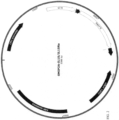
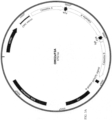
- FIG. 3 A schematic diagram of the vector is shown in Figure 3 . All three genes are expressed from the same promoter, with intervening exon skipping motifs to allow all three proteins to be expressed from a single polycistronic message.
- An example subcloning protocol is given for IL-12 heterodimeric cytokine, and Flt3L-NY-ESO-1.
- a DNA geneblock (IDT) encoding FLT3L-NYESO-1 was PCR-amplified with an upstream P2A site and flanking restriction sites and ligated downstream of hIL-12p40.
- Quikchange mutagenesis was performed to delete the stop site 3' of p40. Positives clones were identified via restriction enzyme digests and verified with DNA sequencing.
- a forth gene can be added either upstream or downstream of the three genes already in the polycistronic message using the same methods.
- Clones of OMI2A-IL-12 and OMI2A-IL-15/IL-15R, and OMI2x2A-IL 12-Flt3L-NY-ESO-1 were transfected into HEK293 cells using TransiT LT-1 (Mirus, Madison WI, cat.# MIR 2300) according to the manufacturer's recommendations. Two days later, supernatants were collected and spun for 5 minutes at 3000 rpm to remove any cell debris. Cleared supernatants were transferred to new tubes, aliquoted and frozen at -86°C.
- the levels of hIL-12p70 and hIL15-IL15R ⁇ heterodimeric proteins in the conditioned media were quantitated using an ELISA that specifically detects the complexes (R&D Systems, Minneapolis MN cat.# DY1270, DY6924).
- the level of FLT3L-NYESO-1 fusion protein were quantified by ELISA with anti-Flt3L antibodies (R&D Systems, Minneapolis MN cat.# DY308).
- Frozen human PBMCs were purchased from ATCC (Manassas VA, cat.# PCS-800-011) thawed and pre-stimulated for 5 days in RPMI 1640 supplemented with 10% FBS, 1% P/S, 50 ng/mL recombinant human IL-2 and 10 ⁇ g/mL PHA-L.
- Cells (2 ⁇ 10 4 ) were then seeded into triplicate wells of opaque white 96-well plates and cultured for 72 hours in growth media (RPMI 1640 containing 10% FBS and 1% P/S) with increasing amounts of II-12p35/p40 heterodimer-containing HEK293 cell culture supernatant, protein concentration was determined via ELISA as described above.
- Human CD8+ T cells were purchased fresh from AllCells (Alameda CA, cat.# PB009-3), resuspended in RPMI 1640 containing 10% FBS and 1% P/S, and then seeded in triplicate wells of a black 96-well plate (2 ⁇ 10 4 cells per well). Increasing amounts of IL15/IL15Ra-containing HEK293 cell culture supernatant (determined via ELISA as described above) were added and the cells were cultured for 3 days at 37°C, 5% CO2.
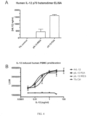
- Tissue culture supernatants from cells expressing pOMIP2A-IL12-Flt3L-NY-ESO-1 were tested for the expression of functional IL-12 p70 using HEK-Blue cells. These cells are engineered to express human IL-12 receptors, and a STAT4-driven secreted form of alkaline phosphatase.
- This reporter assay was performed according to the manufacturer protocol (HEK-Blue IL-12 cells, InvivoGen catalog #hkb-il12). Expression of secreted alkaline phosphatase (SEAP) was measured according to the manufacturer's protocol (Quanti-Blue, InvivoGen catalog # rep-qbl).
- IL-1 p70 protein expressed and secreted from the OMIP2A polycistronic vector demonstrated strong activity in the induction of SEAP protein ( Figure 6 ). This activity was comparable to rhIL-12 protein controls, and was blocked by a neutralizing IL-12 antibody (R&D systems; AB-219-NA) ( Figure 6 ).
- HEK cells were transfected with pOMIP2A-hFlt3L or pOMIP2A-hFlt3L-NYESO-1 (80-180aa) using Mirus TransiT LT-1. Supernatants were collected after 72 hours. The amount of secreted FLT3L proteins was quantified using hFlt3L ELISA (R&D Systems cat. # DY308).
- the THP-1 monocyte cell line was cultured in RPMI + 10% FBS + 1% P/S (ATCC, cat. #TIB-202). For each experiment, 750,000 THP-1 cells were washed in Fc buffer (PBS + 5% filtered FBS + 0.1% NaN3), preincubated with human Fc block (TruStain FcX, Biolegend 422301) for 10 minutes and then incubated with 150ng of recombinant hFlt3L-Fc (R&D Systems, cat.# AAA17999.1) or HEK 293 conditioned media containing 150ng hFlt3L or hFlt3L-NYESO-1 protein and incubated for 1 hour at 4°C.
- Fc buffer PBS + 5% filtered FBS + 0.1% NaN3
- human Fc block TruStain FcX, Biolegend 422301
- 150ng of recombinant hFlt3L-Fc R&D Systems, cat.# AAA17
- Table 8 Secreted recombinant Flt3 ligand proteins bind to Flt3 receptors of the surface of THP-1 monocytes Cell line Mean fluorescence intensity unstained Control super hFlt3L h-Flt3L-NYESO1 THP-1 9.0 9.7 32.2 52.2 HEK293 9.0 7.5 8.4 8.8
- HEK 293 conditioned media were used to test for induction of dendritic cell maturation in mouse splenocytes.
- Spleens were excised from a B16-F10 tumor bearing C58/BL6 mice. Under sterile conditions, spleens were placed in DMEM media into the 70 micron cell strainer (Miltenyi) and mechanically dissociated using the rubber tip of the plunger from a 3ml syringe. Once the spleen is completely dissociated, 10 mls of HBSS with 10% FBS (PFB) wad used to wash the strainer. Flow-though was spun in a centrifuge at 300xgfor 10 mins. to pellet cells. Cells were washed once with PFB. Red blood cells were lysed with ACK lysis buffer according to the manufacturer's instructions (Thermo Fisher A1049201).
- RPMI-10 media 1.5 million splenocytes were plated in a 12 well plate and allowed to adhere to the plate approximately 3hrs. Non-adherent cells were removed and 2 mls of complete RPMI-10 media containing murine GMCSF (100ng/ml) and murine IL4 (50ng/ml) were added. The media was changed every 2 days for a week.
- the adherent dendritic cells were treated in triplicate wells with 1 ml of HEK 293 conditioned supernatants (containing 100 ng/ml Flt3L-NY-ESO-1 fusion protein) for 7 days.100ng Recombinant Human Flt-3 Ligand Protein was compared as a positive control ( R&D systems, AAA17999.1). Cells were gently scraped from a plate and the number of CD11c+ cells was determined by flow cytometric analysis.
- conditioned media from cells transfected with pOMIP2A-Flt3L-NYESO1 plasmid generated a significant increase in the number of these cells as compared to splenocytes incubated with conditioned media from un-transfected cells.
- mice Female C57BI/6J or Balb/c mice, 6-8 weeks of age were obtained from Jackson Laboratories and housed in accordance with AALAM guidelines.
- B16.F10 cells were cultured with McCoy's 5A medium (2 mM L-Glutamine) supplemented with 10% FBS and 50 ug/ml gentamicin. Cells were harvested by trypsinizing with 0.25% trypsin and resuspended in Hank's balanced salt solution (HBSS). Anesthetized mice were subcutaneously injected with 1 million cells in a total volume of 0.1 ml into the right flank of each mouse. 0.5 million cells in a total volume of 0.1 ml were injected subcutaneously into the left flank of each mouse Tumor growth was monitored by digital caliper measurements starting day 8 until average tumor volume reaches ⁇ 100 mm 3 . Once tumors are staged to the desired volume, mice with very large or small tumors were culled. Remaining mice were divided into groups of 10 mice each, randomized by tumor volume implanted on right flank.
- Additional tumor cell types were tested including B16OVA in C57BI/6J mice as well as CT26 and 4T1 in Balb/c mice.
- Circular plasmid DNA was diluted to 1 ug/ul in sterile 0.9% saline. 50 ul of plasmid DNA was injected centrally into primary tumors using a 1 ml syringe with a 26 Ga needle. Electroporation was performed immediately after injection. Electroporation of DNA was achieved using a Medpulser with clinical electroporation parameters of 1500 V/cm, 100 ⁇ s pulses, 0.5 cm, 6 needle electrode. Alternative parameters used were 400 V/cm,10-msec pulses, using either a BTX generator or a generator incorporating impedance spectroscopy, as described above. Tumor volumes were measured twice weekly. Mice were euthanized when the total tumor burden of the primary and contralateral reached 2000 mm 3 .
- tumor tissue was isolated from sacrificed mice at various time point to determine expression of the transgenes.
- Tumor were dissected from mice and transferred to a cryotube in liquid nitrogen. The frozen tumor was transferred to a 4 ml tube containing 300 ul of tumor lysis buffer (50 mM TRIS pH 7.5, 150 mM NaCl, 1 mM EDTA, 0.5% Triton X-100, Protease inhibitor cocktail) and placed on ice and homogenized for 30 seconds (LabGen 710 homogenizer). Lysates were transferred to 1.5 ml centrifuge tube and spun at 10,000 x g for 10 minutes at 4'C.
- tumor lysis buffer 50 mM TRIS pH 7.5, 150 mM NaCl, 1 mM EDTA, 0.5% Triton X-100, Protease inhibitor cocktail
- Table 11 B16F0 tumor regression for treated and untreated tumors after intratumoral electroporation (IT-EP) of OMI vectors encoding mouse IL-12. Electroporation with the parameters of 1500 V/cm, 100 ⁇ s, 0.5 cm, 6 needle electrode was performed 8,12, and 15 days after implantation. Tumor volume measurements shown were taken 16 days after implantation.
- Table 14 B16F10 tumor regression for treated and untreated tumors after intratumoral electroporation of pOMI2A plasmids containing genes encoding mIL-12 and Flt3L-OVA using 350 V/cm, and 8 10-msec pulses on day 7 and 14 after tumor cell inoculation; tumors measurements shown from Day 16.
- Electroporation of plasmid expressing both mouse IL-12 p70 and human Flt3L-NY-ESO-1 fusion protein caused complete regression of the treated tumor in 7 days.
- mice where immunomodulatory genes were introduced by electroporation as compared with electroporation of empty vector control, indicating not only a local effect within the treated tumor microenvironment, but an increase in systemic immunity as well.
- mice were sacrificed and tumor and spleen tissue were surgically removed.
- Splenocytes were isolated by pressing spleens through a 70 micron filter, followed by red blood cell lysis (RBC lysis buffer, VWR, 420301OBL), and lympholyte (Cedarlane CL5035) fractionation. Lymphocytes were stained with SIINFEKL-tetramers (MBL International T03002), followed by staining with antibody cocktails containing: anti-CD3 (Biolegend 100225), anti-CD4 (Biolegend 100451), anti-CD8a (Biolegend 100742), anti-CD19 (Biolegend 115546), and vital stain (live-dead Aqua; Thermo-Fisher L-34966). Cells were fixed and analyzed on an LSR II flow cytometer (Beckman).
- Tumors were dissociated using Gentle-MACS for tumors (Miltenyi tumor dissociation kit 130-096-730, C-tubes, 130-093-237) and homogenized using an Miltenyi gentleMACS TM Octo Dissociator with Heaters (130-096-427).
- Cells were pelleted at 800 x g for 5 min at 4'C and re-suspended in 5 mL of PBS + 2% FBS + 1 mM EDTA (PFB) and overlaid onto 5 mL of Lympholyte-M (Cedarlane). Lympholyte columns were spun in centrifuge at 1500 x g for 20 min at room temperature with no brake. Lymphocyte layer was washed with PBF.
- MBL SIINFEKL teramer
- IT-pIL12-EP increased SIINFEKL-tetramer-binding CD8+ T cells in the spleens of treated, B16OVA tumor-bearing mice. Mice were electroporated intratumorally (IT-EP) once on Day 0 using 350 V/cm, 10-msec pulses, 300ms pulse frequency, with 0.5cm acupuncture needles.
- IT-pIL12-EP induces an increase in circulating CD8 + T cells directed against the SIINFEKL peptide from ovalbumin, the dominant antigen in B16OVA tumors. These data indicate that local IL-12 therapy can lead to system tumor immunity in mice.
- Table 17 Intratumoral electroporation of pIL12 alters the immune environment in B16OVA contralateral tumors. Mice were electroporated intratumorally (IT-EP) once on Day 0 using 350 V/cm, 10-msec pulses, 300ms pulse frequency, with 0.5cm acupuncture needles. The composition of infiltrating lymphocytes (TIL) in untreated tumors measured 18 days after treatment is shown.
- TIL infiltrating lymphocytes
- Electroporation of OMI2A-pIL-12 into the primary tumor can significantly alter the composition of TILs within the contralateral, untreated tumor.
- NanoString was used for analysis of changes in gene expression in treated and untreated tumors induced by IT-EP of pOMIP2A-IL12 and pOMI-Flt3L-NYESO1 plasmids.
- Tumor tissue was carefully harvested from mice using scalpel and flash frozen in liquid nitrogen. Tissues were weighed using a balance (Mettler Toledo, Model ML54). 1 ml of Trizol (Thermo Fisher Scientific, Waltham, MA) was added to the tissue and homogenized using a probe homogenizer on ice. RNA was extracted from Trizol using manufacturer's instructions. Contaminating DNA was removed by Dnase (Thermo Fisher, Cat no: EN0525) treatment.
- RNA concentrations were determined using the NanoDrop ND-1000 spectrophotometer (Thermo Fisher Scientific). Gene expression profiling was performed using NanoString technology. In brief, 50ng of Total RNA was hybridized at 96°C overnight with the nCounter ® (Mouse immune 'v1' Expression Panel NanoString ® Technologies). This panel profiles 561 immunology-related mouse gene as well as two types of built-in controls: positive controls (spiked RNA at various concentrations to evaluate the overall assay performance) and 15 negative controls (to normalize for differences in total RNA input). Hybridized samples were then digitally analyzed for frequency of each RNA species using the nCounter SPRINT TM profiler.
- Intratumoral electroporation of an OMI plasmid encoding human Flt3L-NY-ESO-1 fusion protein alone also had effects on tumor regression and changes to the immune phenotype of tumor TIL.
- Table 20 IT-EP of pOMI-Flt3L-NYESO1 plasmid reduced tumor growth.
- Subcutaneous 4T1 tumors were electroporated once at 350 V/cm, 8 10 msec pulses with acupuncture needles after plasmids injection. Tumor measurements on Day 6 after treatment are shown.
- API antigen presentation machinery
- B16F10 tumors were electroporated with pOMI-Flt3L-OVA and the host response to the OVA antigen was measured. Mice were injected with 1 million B16F10 cells on the right flank. Seven days later, tumors were electroporated with pOMI-mIL 12-mFlt3L-OVA, empty vector, or left untreated. Electroporation was done using the Genesis generator, 400 V/cm, 8 10-msec pulses. Tumors regression was observed with pOMI-mIL12-mFLT3-OVA (Table 15).
- Detection of tracking antigen-specific CD8+ T cells in mouse was tested inguinal lymph nodes 7 days after introduction of plasmid encoding FLt3L-OVA fusion proteins into tumors.
- Lymph nodes were isolated 7 days after electroporation treatment. Mice were sacrificed; inguinal lymph nodes were excised, mashed in PBS + 2% FBS + 1 mM EDTA (PFB) and then strained through a 70 micro filter. Cells were pelleted in a centrifuge at 300 x g at 4'C and washed in PFB, and counted on a Cellometer (Nexcelom).
- Lymph node cell pellets were gently re-suspended in PFB with Fc block (BD Biosciences 553142). Cells were then mixed with a solution of SIINFEKL tetramer (MBL), according to the manufacturers instruction and incubated for 10 minutes at room temperature.
- MBL SIINFEKL tetramer
- Splenocytes were isolated as described above, washed with PFB and re-suspended in PFB with Fc block (BD Biosciences 553142) and incubated for 10 minutes at room temp.
- Antibody cocktails containing the following were added: Anti NK1.1 (Biolegend108731), Live/Dead Aqua (), anti-CD4 (Biolegend 100547), anti-F4/80 (Biolegend 123149), anti-CD19 (Biolegend 115555), Anti-I-A/I-E (Biolegend 107645), Anti-CDS (MBL International D271-4), anti-CD80 (Biolegend 104722), anti-CD3 (Biolegend 117308), anti-CD40 (Biolegend 124630), anti-GR-1 (Biolegend 108424), anti-CD11c (Biolegend 117324), anti-CD86 (Biolegend 105024, anti-CD11b (Biolegend 101212).
Landscapes
- Health & Medical Sciences (AREA)
- Life Sciences & Earth Sciences (AREA)
- Chemical & Material Sciences (AREA)
- Organic Chemistry (AREA)
- General Health & Medical Sciences (AREA)
- Genetics & Genomics (AREA)
- Medicinal Chemistry (AREA)
- Zoology (AREA)
- Molecular Biology (AREA)
- Biochemistry (AREA)
- Engineering & Computer Science (AREA)
- Biophysics (AREA)
- Proteomics, Peptides & Aminoacids (AREA)
- Gastroenterology & Hepatology (AREA)
- Toxicology (AREA)
- Immunology (AREA)
- Animal Behavior & Ethology (AREA)
- Veterinary Medicine (AREA)
- Public Health (AREA)
- Pharmacology & Pharmacy (AREA)
- Bioinformatics & Cheminformatics (AREA)
- Biomedical Technology (AREA)
- Biotechnology (AREA)
- Epidemiology (AREA)
- General Engineering & Computer Science (AREA)
- Wood Science & Technology (AREA)
- Microbiology (AREA)
- Physics & Mathematics (AREA)
- Cell Biology (AREA)
- Chemical Kinetics & Catalysis (AREA)
- Plant Pathology (AREA)
- General Chemical & Material Sciences (AREA)
- Nuclear Medicine, Radiotherapy & Molecular Imaging (AREA)
- Urology & Nephrology (AREA)
- Hematology (AREA)
- Dermatology (AREA)
- Virology (AREA)
- Mycology (AREA)
- Food Science & Technology (AREA)
- Analytical Chemistry (AREA)
Claims (12)
- Ein Expressionsplasmid, das eine Expressionskassette beinhaltet, die durch die folgende Formel dargestellt wird:
P-A-T-B
wobei:a) P ein Expressionspromotor ist;b) A ein immunstimulierendes Zytokin kodiert, das ausgewählt ist aus der Gruppe, bestehend aus Folgendem: IL-12, IL-15/IL-15-Rezeptor, IL-23, IL-27, IFNα, IFNβ, INFγ, TNFα, IL-4, IL-7, IL-9, IL-21 und IL-2;c) B ein genetisches Adjuvans kodiert, das an mindestens ein Antigen fusioniert ist, wobei das Antigen ein Tumorantigen oder ein virales Antigen ist; undd) T einen ribosomalen Skipping-Modulator der 2A-Familie oder ein IRES-Translationsmodulatorelement (IRES, Internal Ribosomal Entry Site, interne ribosomale Eintrittsstelle) kodiert. - Expressionsplasmid gemäß Anspruch 1, wobei das immunstimulierende Zytokin ausgewählt ist aus der Gruppe, bestehend aus Folgendem: IL-12, IL-15, IL-23 und IL-27; und das genetische Adjuvans ausgewählt ist aus der Gruppe, bestehend aus Folgendem: Flt3-Ligand, LAMP-1, Calreticulin, menschlichem Hitzeschockprotein 96, GM-CSF und CSF-Rezeptor 1.
- Ein Expressionsplasmid, das eine Expressionskassette beinhaltet, die durch die folgende Formel dargestellt wird:
P-A-T-A'-T-B
oder
P-B-T-A-T-A'
wobei:a) P ein Expressionspromotor ist;b) A und A' Ketten eines heterodimeren Zytokins kodieren, das ausgewählt ist aus der Gruppe, bestehend aus IL-12, IL-15, IL-23 und IL-27;c) B mindestens ein genetisches Adjuvans kodiert, das an mindestens ein Antigen fusioniert ist, wobei das genetische Adjuvans ausgewählt ist aus der Gruppe, bestehend aus Folgendem: Flt3-Ligand, LAMP-1, Calreticulin, menschlichem Hitzeschockprotein 96, GM-CSF und CSF-Rezeptor 1; undd) T ein ribosomaler Skipping-Modulator der 2A-Familie oder ein IRES-Translationsmodulatorelement (IRES, Internal Ribosomal Entry Site, interne ribosomale Eintrittsstelle) ist. - Expressionsplasmid gemäß einem der Ansprüche 1-3, wobei P ausgewählt ist aus der Gruppe, bestehend aus einem menschlichen CMV-Promotor, einem Affen-CMV-Promotor, SV-40, mPGK und β-Actin.
- Expressionsplasmid gemäß Anspruch 3, wobeia) A IL-12p35, IL-23p19, EBI3 oder IL-15 kodiert; undb) A' IL-12p40, IL-27p28 oder IL-15Rα kodiert.
- Expressionsplasmid gemäß Anspruch 3, wobei A IL-12p35 kodiert und A' IL-12p40 kodiert.
- Expressionsplasmid gemäß einem der Ansprüche 1-6, wobei der ribosomale Skipping-Modulator der 2A-Familie einen ribosomalen Skipping-Modulator von P2A beinhaltet.
- Expressionsplasmid gemäß einem der Ansprüche 1-7, wobei das genetische Adjuvans ein Flt3-Ligand ist und das Antigen ausgewählt ist aus der Gruppe, bestehend aus Folgendem: einem NYESO-1-Antigen, einem MAGE-A1-Antigen, einem MAGE-A2-Antigen, einem Mage-A10-Antigen, einem SSX-2-Antigen, einem Melan-A-Antigen, einem MART-1-Antigen, einem Tyrosinase-Antigen, einem Gp100-Antigen, einem Survivin-Antigen, einem hTERT-Antigen, einem PRS-pan-DR-Antigen, einem B7-H6-Antigen, einem HPV-E7-Antigen, einem HPV16-E6/E7-Antigen, einem HPV11-E6-Antigen, einem HPV6b/11-E7-Antigen, einem Influenza-HA-Antigen, einem Influenza-NA-Antigen, einem Polyomavirus-Antigen, einem HCV-NS3-Antigen und einem MAGE-A3-Antigen; wobei das an mindestens ein Antigen fusionierte genetische Adjuvans optional die Aminosäuresequenz von SEQ ID NO: 14, SEQ ID NO: 16 oder SEQ ID NO: 18 beinhaltet.
- Expressionsplasmid gemäß einem der Ansprüche 1-8 zur Verwendung bei der Behandlung eines Tumors in einem Individuum, wobei die Behandlung das Zuführen des Expressionsplasmids zu dem Tumor und das Verabreichen von mindestens einem intratumoralen Elektroporationsimpuls an den Tumor beinhaltet; und wobei das Individuum optional ein Mensch ist.
- Expressionsplasmid zur Verwendung gemäß Anspruch 9, wobei der intratumorale Elektroporationsimpuls eine Feldstärke von 200 V/cm bis 1 500 V/cm aufweist.
- Expressionsplasmid zur Verwendung gemäß Anspruch 9 oder 10, wobei der Tumor ausgewählt ist aus der Gruppe von Melanom, dreifach negativem Brustkrebs, Merkelzellkarzinom, kutanem T-Zell-Lymphom (CTCL) und Kopf-Hals-Plattenepithelkarzinom.
- Expressionsplasmid zur Verwendung gemäß einem der Ansprüche 9-11, wobei der Elektroporationsimpuls von einem Generator zugeführt wird, der zur elektrochemischen Impedanzspektroskopie fähig ist.
Applications Claiming Priority (3)
| Application Number | Priority Date | Filing Date | Title |
|---|---|---|---|
| US201562269702P | 2015-12-18 | 2015-12-18 | |
| US201662375245P | 2016-08-15 | 2016-08-15 | |
| PCT/US2016/067388 WO2017106795A1 (en) | 2015-12-18 | 2016-12-16 | Plasmid constructs for heterologous protein expression and methods of use |
Publications (4)
| Publication Number | Publication Date |
|---|---|
| EP3390643A1 EP3390643A1 (de) | 2018-10-24 |
| EP3390643A4 EP3390643A4 (de) | 2019-08-28 |
| EP3390643B1 true EP3390643B1 (de) | 2023-06-28 |
| EP3390643B8 EP3390643B8 (de) | 2023-08-02 |
Family
ID=59057754
Family Applications (1)
| Application Number | Title | Priority Date | Filing Date |
|---|---|---|---|
| EP16876875.2A Active EP3390643B8 (de) | 2015-12-18 | 2016-12-16 | Plasmidkonstrukte zur heterologen proteinexpression und verfahren zur verwendung |
Country Status (10)
| Country | Link |
|---|---|
| US (2) | US11713467B2 (de) |
| EP (1) | EP3390643B8 (de) |
| JP (2) | JP7079729B2 (de) |
| KR (1) | KR20190031424A (de) |
| CN (1) | CN109642240A (de) |
| AU (2) | AU2016369608B2 (de) |
| CA (1) | CA3009123A1 (de) |
| IL (2) | IL299646A (de) |
| SG (2) | SG10201913163PA (de) |
| WO (1) | WO2017106795A1 (de) |
Families Citing this family (26)
| Publication number | Priority date | Publication date | Assignee | Title |
|---|---|---|---|---|
| US10426847B2 (en) | 2015-03-26 | 2019-10-01 | Oncosec Medical Incorporated | Method for the treatment of malignancies |
| MA45037A (fr) | 2016-05-18 | 2019-03-27 | Modernatx Inc | Polythérapie à base d'arnm pour le traitement du cancer |
| AU2017331275A1 (en) * | 2016-09-23 | 2019-05-16 | Oncosec Medical Incorporated | Modulating responses to checkpoint inhibitor therapy |
| WO2018229696A1 (en) * | 2017-06-13 | 2018-12-20 | Oncosec Medical Incorporated | Multigene construct for immune-modulatory protein expression and methods of use |
| GB201710973D0 (en) | 2017-07-07 | 2017-08-23 | Avacta Life Sciences Ltd | Scaffold proteins |
| CN107164538B (zh) * | 2017-07-11 | 2021-03-02 | 复旦大学附属华山医院 | 一种检测calr基因突变的内参扩增引物组合物及其扩增体系 |
| SG11202008261WA (en) * | 2018-03-08 | 2020-09-29 | Rubius Therapeutics Inc | Therapeutic cell systems and methods for treating cancer and infectious diseases |
| EP3856910B1 (de) * | 2018-09-24 | 2024-11-20 | Merck Sharp & Dohme LLC | Expressionsvektoren für eukaryotische expressionssysteme |
| TWI850282B (zh) * | 2018-11-27 | 2024-08-01 | 香港商弘年發展有限公司 | 用於治療癌症之質體建構體和使用方法 |
| US20220040328A1 (en) * | 2018-12-11 | 2022-02-10 | Oncosec Medical Incorporated | Multigene construct for immune-modulatory protein expression and methods of use |
| KR102524247B1 (ko) | 2018-12-21 | 2023-04-21 | 가톨릭대학교 산학협력단 | p40-EBI3의 복합체 및 이의 용도 |
| US12098212B2 (en) | 2019-08-12 | 2024-09-24 | Purinomia Biotech, Inc. | Methods and compositions for promoting and potentiating T-cell mediated immune responses through ADCC targeting of CD39 expressing cells |
| GB2700048B (en) | 2019-09-18 | 2026-03-04 | Aldevron Llc | synthetic dna vectors and method of use |
| TW202128775A (zh) | 2019-10-16 | 2021-08-01 | 英商阿法克塔生命科學有限公司 | PD-L1抑制劑-TGFβ抑制劑雙特異性藥物部分 |
| CR20220367A (es) * | 2020-02-05 | 2022-08-30 | Novartis Ag | Célula cho que expresa heterodímeros il-15 |
| GB202101299D0 (en) | 2020-06-09 | 2021-03-17 | Avacta Life Sciences Ltd | Diagnostic polypetides and methods |
| EP4228610A1 (de) | 2020-10-13 | 2023-08-23 | Kriya Therapeutics, Inc. | Virale vektorkonstrukte zur abgabe von cytokin-codierenden nukleinsäuren und verwendungen davon zur behandlung von krebs |
| CN112126644B (zh) * | 2020-11-25 | 2021-03-12 | 北京立康生命科技有限公司 | 一种非依赖帽结构下进行细胞外转录的mRNA、呈递细胞及应用 |
| CA3207359A1 (en) | 2021-02-05 | 2022-08-11 | Cecile Chartier-Courtaud | Adjuvant therapy for cancer |
| KR102393402B1 (ko) * | 2021-03-26 | 2022-05-04 | (주)와이디생명과학 | 세포 내 존재 단백질과 세포 외부로 분비되는 단백질을 동시 발현하는 이중발현벡터를 포함하는 암의 예방 또는 치료용 조성물 |
| WO2022234003A1 (en) | 2021-05-07 | 2022-11-10 | Avacta Life Sciences Limited | Cd33 binding polypeptides with stefin a protein |
| EP4412711A1 (de) | 2021-10-07 | 2024-08-14 | Avacta Life Sciences Limited | Serumhalbwertszeiterweiterte pd-l1-bindende polypeptide |
| EP4413038A1 (de) | 2021-10-07 | 2024-08-14 | Avacta Life Sciences Limited | Pd-l1-bindende affimere |
| EP4477665A4 (de) | 2022-02-10 | 2025-08-20 | Affyxell Therapeutics Co Ltd | Stefin-a-proteinvarianten mit spezifischer bindung an cd40l und verwendungen davon |
| EP4514389A1 (de) | 2022-04-29 | 2025-03-05 | Purinomia Biotech, Inc. | Verfahren und zusammensetzungen zur behandlung von eosinophil-bedingten erkrankungen und störungen |
| CN116510022B (zh) * | 2022-11-23 | 2023-12-05 | 武汉滨会生物科技股份有限公司 | 一种用于抗肿瘤的组合物、重组质粒组合物及其应用 |
Family Cites Families (24)
| Publication number | Priority date | Publication date | Assignee | Title |
|---|---|---|---|---|
| IL112820A0 (en) | 1994-03-07 | 1995-05-26 | Merck & Co Inc | Coordinate in vivo gene expression |
| EP0803573A1 (de) * | 1996-04-25 | 1997-10-29 | Gesellschaft für Biotechnologische Forschung mbH (GBF) | Polycistronische Expressionskonstrukt mit Cytokinen für multivalente Impstoffe |
| US5891432A (en) * | 1997-07-29 | 1999-04-06 | The Immune Response Corporation | Membrane-bound cytokine compositions comprising GM=CSF and methods of modulating an immune response using same |
| EP1210447A2 (de) | 1999-04-21 | 2002-06-05 | Genzyme Corporation | Adenovirale vektoren mit nukleinsäuren, die für immunomodulierende molekülen kodieren |
| AU6120600A (en) | 1999-06-08 | 2000-12-28 | Uab Research Foundation | Herpes simplex virus expressing foreign genes and method for treating cancers therewith |
| JP2004500047A (ja) * | 1999-10-20 | 2004-01-08 | ザ ジョンズ ホプキンス ユニバーシティー スクール オブ メディシン | キメラ免疫原性組成物およびこれらをコードする核酸 |
| US6714816B1 (en) * | 2000-02-22 | 2004-03-30 | University Of South Florida | Electroporation and electrophoresis system and method for achieving molecular penetration into cells in vivo |
| AU2001239581B2 (en) * | 2000-03-15 | 2006-01-05 | Genexine, Inc. | Genes of IL-12p40 subunit mutated for improving the activity of IL-12 and use thereof for DNA vaccine adjuvant |
| US7245963B2 (en) | 2002-03-07 | 2007-07-17 | Advisys, Inc. | Electrode assembly for constant-current electroporation and use |
| US8209006B2 (en) | 2002-03-07 | 2012-06-26 | Vgx Pharmaceuticals, Inc. | Constant current electroporation device and methods of use |
| DE10248141B4 (de) * | 2002-10-11 | 2007-04-19 | Universitätsklinikum Hamburg-Eppendorf | Nukleinsäuren und deren Verwendung für die Gentherapie |
| KR20060031610A (ko) | 2003-05-30 | 2006-04-12 | 유니버시티 오브 사우스 플로리다 | 악성 종양 치료 방법 |
| US8802643B1 (en) | 2003-05-30 | 2014-08-12 | University Of South Florida | Method for the treatment of malignancies |
| DE102005055128B4 (de) * | 2005-11-15 | 2015-04-02 | Universität Rostock | Viraler Vektor, dessen Verwendung zur Therapie von Leberzellkarzinomen und pharmazeutische Mittel umfassend den Vektor |
| WO2008046251A1 (fr) | 2006-10-19 | 2008-04-24 | Sunbio Biotech Pharmaceuticals(Tianjin) Co., Ltd. | Protéines hybrides contenant un domaine n de la calréticuline humaine et des protéines e6 ou e7 du papillomavirus humain de type 16, et utilisations associées |
| US9273300B2 (en) | 2007-02-07 | 2016-03-01 | Strike Bio, Inc | Methods and compositions for modulating sialic acid production and treating hereditary inclusion body myopathy |
| KR100911624B1 (ko) * | 2007-05-14 | 2009-08-12 | 연세대학교 산학협력단 | Il-12 및 il-23의 효율적인 공동발현 방법 |
| AU2008269032B2 (en) * | 2007-06-27 | 2013-12-05 | Novartis Ag | Complexes of IL-15 and IL-15Ralpha and uses thereof |
| WO2010042189A2 (en) | 2008-10-08 | 2010-04-15 | Intrexon Corporation | Engineered cells expressing multiple immunomodulators and uses thereof |
| PL4289948T3 (pl) | 2012-05-25 | 2025-06-02 | The Regents Of The University Of California | Sposoby i kompozycje do modyfikacji kierowanego na rna docelowego dna i do nakierowanej na rna modulacji transkrypcji |
| WO2015164818A1 (en) | 2014-04-25 | 2015-10-29 | Strike Bio, Inc. | Multiple targeted rnai for the treatment of cancers |
| CN107872982B (zh) | 2015-03-31 | 2022-10-28 | 昂科赛克医疗公司 | 用于改进的基于组织感测的电穿孔的系统和方法 |
| CN109561691A (zh) | 2016-06-07 | 2019-04-02 | 太平洋心肺血研究所 | 用于治疗癌症的组合物和方法 |
| WO2018229696A1 (en) | 2017-06-13 | 2018-12-20 | Oncosec Medical Incorporated | Multigene construct for immune-modulatory protein expression and methods of use |
-
2016
- 2016-12-16 EP EP16876875.2A patent/EP3390643B8/de active Active
- 2016-12-16 WO PCT/US2016/067388 patent/WO2017106795A1/en not_active Ceased
- 2016-12-16 US US16/062,983 patent/US11713467B2/en active Active
- 2016-12-16 KR KR1020187020538A patent/KR20190031424A/ko not_active Withdrawn
- 2016-12-16 CA CA3009123A patent/CA3009123A1/en active Pending
- 2016-12-16 SG SG10201913163PA patent/SG10201913163PA/en unknown
- 2016-12-16 IL IL299646A patent/IL299646A/en unknown
- 2016-12-16 JP JP2018532285A patent/JP7079729B2/ja not_active Expired - Fee Related
- 2016-12-16 AU AU2016369608A patent/AU2016369608B2/en not_active Ceased
- 2016-12-16 CN CN201680081690.5A patent/CN109642240A/zh active Pending
- 2016-12-16 SG SG11201805162VA patent/SG11201805162VA/en unknown
-
2018
- 2018-06-14 IL IL260039A patent/IL260039B2/en unknown
-
2020
- 2020-09-25 US US17/032,034 patent/US20210062218A1/en not_active Abandoned
-
2022
- 2022-05-23 JP JP2022083896A patent/JP2022116129A/ja active Pending
-
2023
- 2023-05-02 AU AU2023202722A patent/AU2023202722A1/en not_active Abandoned
Non-Patent Citations (3)
| Title |
|---|
| HAJIZADEH-SIKAROODI SHOHREH ET AL: "Lentiviral Mediating Genetic Engineered Mesenchymal Stem Cells for Releasing IL-27 as a Gene Therapy Approach for Autoimmune Diseases", CELL JOURNAL, vol. 16, no. 3, 2014, pages 255 - 262, ISSN: 2228-5806(print) * |
| RIVOLTINI LICIA ET AL: "Human tumor-derived heat shock protein 96 mediates in vitro activation and in vivo expansion of melanoma- and colon carcinoma-specific T cells.", JOURNAL OF IMMUNOLOGY, vol. 171, no. 7, 1 October 2003 (2003-10-01), pages 3467 - 3474, ISSN: 0022-1767 * |
| YO Y-T ET AL: "Coexpression of Flt3 ligand and GM-CSF genes modulates immune responses induced by HER2/neu DNA vaccine", CANCER GENE THERAPY, vol. 14, no. 11, November 2007 (2007-11-01), pages 904 - 917, ISSN: 0929-1903 * |
Also Published As
| Publication number | Publication date |
|---|---|
| IL299646A (en) | 2023-03-01 |
| IL260039A (en) | 2018-07-31 |
| CN109642240A (zh) | 2019-04-16 |
| EP3390643B8 (de) | 2023-08-02 |
| AU2016369608B2 (en) | 2023-02-02 |
| US20190153469A1 (en) | 2019-05-23 |
| JP2022116129A (ja) | 2022-08-09 |
| CA3009123A1 (en) | 2017-06-22 |
| US11713467B2 (en) | 2023-08-01 |
| SG11201805162VA (en) | 2018-07-30 |
| EP3390643A1 (de) | 2018-10-24 |
| SG10201913163PA (en) | 2020-03-30 |
| IL260039B2 (en) | 2023-06-01 |
| JP7079729B2 (ja) | 2022-06-02 |
| AU2016369608A1 (en) | 2018-08-02 |
| US20210062218A1 (en) | 2021-03-04 |
| AU2023202722A1 (en) | 2023-05-18 |
| KR20190031424A (ko) | 2019-03-26 |
| WO2017106795A1 (en) | 2017-06-22 |
| JP2018537989A (ja) | 2018-12-27 |
| EP3390643A4 (de) | 2019-08-28 |
Similar Documents
| Publication | Publication Date | Title |
|---|---|---|
| EP3390643B1 (de) | Plasmidkonstrukte zur heterologen proteinexpression und verfahren zur verwendung | |
| US20210369813A9 (en) | Modulating responses to checkpoint inhibitor therapy | |
| Fabbi et al. | Context-dependent role of IL-18 in cancer biology and counter-regulation by IL-18BP | |
| Lu et al. | Treatment failure of a TLR-7 agonist occurs due to self-regulation of acute inflammation and can be overcome by IL-10 blockade | |
| US20200123566A1 (en) | Multigene construct for immune-modulatory protein expression and methods of use | |
| CN117838729A (zh) | 组合癌症免疫疗法 | |
| TWI772282B (zh) | 樹突細胞組成物 | |
| EP3242947B1 (de) | Gentherapie und elektroporation zur behandlung von malignomen | |
| JP2023017930A (ja) | 免疫調節タンパク質発現のための多重遺伝子構築物および使用方法 | |
| Hughson et al. | Local Delivery of SBRT and IL12 by mRNA Technology Overcomes Immunosuppressive Barriers to Eliminate Pancreatic Cancer | |
| US20230272043A1 (en) | Method for the treatment of malignancies | |
| Ferris et al. | They Contain Multitudes: The Diverse Roles of CD4+ T Cells in Cancer Immunity | |
| Cicchelero | Mono-and combination immunotherapy in dogs with spontaneous tumors: stimulation of the adaptive and innate immune system against cancer and suppression of immunosuppressive immune cells | |
| HK40049266A (en) | Gene therapy using co-stimulatory molecule and cytokine for the treatment of malignancies | |
| James | Mechanisms of Action for Ad5-TRAIL/CpG Immunotherapy for the Treatment of Renal Cell Carcinoma |
Legal Events
| Date | Code | Title | Description |
|---|---|---|---|
| STAA | Information on the status of an ep patent application or granted ep patent |
Free format text: STATUS: THE INTERNATIONAL PUBLICATION HAS BEEN MADE |
|
| PUAI | Public reference made under article 153(3) epc to a published international application that has entered the european phase |
Free format text: ORIGINAL CODE: 0009012 |
|
| STAA | Information on the status of an ep patent application or granted ep patent |
Free format text: STATUS: REQUEST FOR EXAMINATION WAS MADE |
|
| 17P | Request for examination filed |
Effective date: 20180716 |
|
| AK | Designated contracting states |
Kind code of ref document: A1 Designated state(s): AL AT BE BG CH CY CZ DE DK EE ES FI FR GB GR HR HU IE IS IT LI LT LU LV MC MK MT NL NO PL PT RO RS SE SI SK SM TR |
|
| AX | Request for extension of the european patent |
Extension state: BA ME |
|
| DAV | Request for validation of the european patent (deleted) | ||
| DAX | Request for extension of the european patent (deleted) | ||
| RIC1 | Information provided on ipc code assigned before grant |
Ipc: A61K 39/00 20060101ALI20190416BHEP Ipc: C12N 15/63 20060101ALI20190416BHEP Ipc: C12N 15/79 20060101ALI20190416BHEP Ipc: A61K 48/00 20060101ALI20190416BHEP Ipc: C12N 15/85 20060101AFI20190416BHEP Ipc: A61P 35/00 20060101ALI20190416BHEP Ipc: A61K 39/39 20060101ALI20190416BHEP Ipc: C12N 15/09 20060101ALI20190416BHEP |
|
| A4 | Supplementary search report drawn up and despatched |
Effective date: 20190731 |
|
| RIC1 | Information provided on ipc code assigned before grant |
Ipc: A61K 39/39 20060101ALI20190725BHEP Ipc: C12N 15/85 20060101AFI20190725BHEP Ipc: A61K 39/00 20060101ALI20190725BHEP Ipc: C12N 15/09 20060101ALI20190725BHEP Ipc: C12N 15/79 20060101ALI20190725BHEP Ipc: A61K 48/00 20060101ALI20190725BHEP Ipc: C12N 15/63 20060101ALI20190725BHEP Ipc: A61P 35/00 20060101ALI20190725BHEP |
|
| REG | Reference to a national code |
Ref country code: HK Ref legal event code: DE Ref document number: 1262038 Country of ref document: HK |
|
| RAP1 | Party data changed (applicant data changed or rights of an application transferred) |
Owner name: ONCOSEC MEDICAL INCORPORATED |
|
| STAA | Information on the status of an ep patent application or granted ep patent |
Free format text: STATUS: EXAMINATION IS IN PROGRESS |
|
| 17Q | First examination report despatched |
Effective date: 20200720 |
|
| INTG | Intention to grant announced |
Effective date: 20230117 |
|
| GRAS | Grant fee paid |
Free format text: ORIGINAL CODE: EPIDOSNIGR3 |
|
| STAA | Information on the status of an ep patent application or granted ep patent |
Free format text: STATUS: GRANT OF PATENT IS INTENDED |
|
| GRAA | (expected) grant |
Free format text: ORIGINAL CODE: 0009210 |
|
| STAA | Information on the status of an ep patent application or granted ep patent |
Free format text: STATUS: THE PATENT HAS BEEN GRANTED |
|
| P01 | Opt-out of the competence of the unified patent court (upc) registered |
Effective date: 20230510 |
|
| AK | Designated contracting states |
Kind code of ref document: B1 Designated state(s): AL AT BE BG CH CY CZ DE DK EE ES FI FR GB GR HR HU IE IS IT LI LT LU LV MC MK MT NL NO PL PT RO RS SE SI SK SM TR |
|
| REG | Reference to a national code |
Ref country code: DE Ref legal event code: R081 Ref document number: 602016080707 Country of ref document: DE Owner name: ONCOSEC MEDICAL INC., EWING, US Free format text: FORMER OWNER: ONCOSEC MEDICAL INCORPORATED, PENNINGTON, NJ, US |
|
| REG | Reference to a national code |
Ref country code: CH Ref legal event code: EP |
|
| REG | Reference to a national code |
Ref country code: CH Ref legal event code: PK Free format text: BERICHTIGUNG B8 |
|
| REG | Reference to a national code |
Ref country code: AT Ref legal event code: REF Ref document number: 1582741 Country of ref document: AT Kind code of ref document: T Effective date: 20230715 |
|
| RAP4 | Party data changed (patent owner data changed or rights of a patent transferred) |
Owner name: ONCOSEC MEDICAL INCORPORATED |
|
| REG | Reference to a national code |
Ref country code: IE Ref legal event code: FG4D |
|
| REG | Reference to a national code |
Ref country code: DE Ref legal event code: R096 Ref document number: 602016080707 Country of ref document: DE |
|
| REG | Reference to a national code |
Ref country code: LT Ref legal event code: MG9D |
|
| PG25 | Lapsed in a contracting state [announced via postgrant information from national office to epo] |
Ref country code: SE Free format text: LAPSE BECAUSE OF FAILURE TO SUBMIT A TRANSLATION OF THE DESCRIPTION OR TO PAY THE FEE WITHIN THE PRESCRIBED TIME-LIMIT Effective date: 20230628 Ref country code: NO Free format text: LAPSE BECAUSE OF FAILURE TO SUBMIT A TRANSLATION OF THE DESCRIPTION OR TO PAY THE FEE WITHIN THE PRESCRIBED TIME-LIMIT Effective date: 20230928 |
|
| REG | Reference to a national code |
Ref country code: NL Ref legal event code: MP Effective date: 20230628 |
|
| REG | Reference to a national code |
Ref country code: AT Ref legal event code: MK05 Ref document number: 1582741 Country of ref document: AT Kind code of ref document: T Effective date: 20230628 |
|
| PG25 | Lapsed in a contracting state [announced via postgrant information from national office to epo] |
Ref country code: RS Free format text: LAPSE BECAUSE OF FAILURE TO SUBMIT A TRANSLATION OF THE DESCRIPTION OR TO PAY THE FEE WITHIN THE PRESCRIBED TIME-LIMIT Effective date: 20230628 Ref country code: NL Free format text: LAPSE BECAUSE OF FAILURE TO SUBMIT A TRANSLATION OF THE DESCRIPTION OR TO PAY THE FEE WITHIN THE PRESCRIBED TIME-LIMIT Effective date: 20230628 Ref country code: LV Free format text: LAPSE BECAUSE OF FAILURE TO SUBMIT A TRANSLATION OF THE DESCRIPTION OR TO PAY THE FEE WITHIN THE PRESCRIBED TIME-LIMIT Effective date: 20230628 Ref country code: LT Free format text: LAPSE BECAUSE OF FAILURE TO SUBMIT A TRANSLATION OF THE DESCRIPTION OR TO PAY THE FEE WITHIN THE PRESCRIBED TIME-LIMIT Effective date: 20230628 Ref country code: HR Free format text: LAPSE BECAUSE OF FAILURE TO SUBMIT A TRANSLATION OF THE DESCRIPTION OR TO PAY THE FEE WITHIN THE PRESCRIBED TIME-LIMIT Effective date: 20230628 Ref country code: GR Free format text: LAPSE BECAUSE OF FAILURE TO SUBMIT A TRANSLATION OF THE DESCRIPTION OR TO PAY THE FEE WITHIN THE PRESCRIBED TIME-LIMIT Effective date: 20230929 |
|
| PG25 | Lapsed in a contracting state [announced via postgrant information from national office to epo] |
Ref country code: FI Free format text: LAPSE BECAUSE OF FAILURE TO SUBMIT A TRANSLATION OF THE DESCRIPTION OR TO PAY THE FEE WITHIN THE PRESCRIBED TIME-LIMIT Effective date: 20230628 |
|
| PG25 | Lapsed in a contracting state [announced via postgrant information from national office to epo] |
Ref country code: SK Free format text: LAPSE BECAUSE OF FAILURE TO SUBMIT A TRANSLATION OF THE DESCRIPTION OR TO PAY THE FEE WITHIN THE PRESCRIBED TIME-LIMIT Effective date: 20230628 |
|
| PG25 | Lapsed in a contracting state [announced via postgrant information from national office to epo] |
Ref country code: ES Free format text: LAPSE BECAUSE OF FAILURE TO SUBMIT A TRANSLATION OF THE DESCRIPTION OR TO PAY THE FEE WITHIN THE PRESCRIBED TIME-LIMIT Effective date: 20230628 |
|
| PG25 | Lapsed in a contracting state [announced via postgrant information from national office to epo] |
Ref country code: IS Free format text: LAPSE BECAUSE OF FAILURE TO SUBMIT A TRANSLATION OF THE DESCRIPTION OR TO PAY THE FEE WITHIN THE PRESCRIBED TIME-LIMIT Effective date: 20231028 |
|
| PG25 | Lapsed in a contracting state [announced via postgrant information from national office to epo] |
Ref country code: SM Free format text: LAPSE BECAUSE OF FAILURE TO SUBMIT A TRANSLATION OF THE DESCRIPTION OR TO PAY THE FEE WITHIN THE PRESCRIBED TIME-LIMIT Effective date: 20230628 Ref country code: SK Free format text: LAPSE BECAUSE OF FAILURE TO SUBMIT A TRANSLATION OF THE DESCRIPTION OR TO PAY THE FEE WITHIN THE PRESCRIBED TIME-LIMIT Effective date: 20230628 Ref country code: RO Free format text: LAPSE BECAUSE OF FAILURE TO SUBMIT A TRANSLATION OF THE DESCRIPTION OR TO PAY THE FEE WITHIN THE PRESCRIBED TIME-LIMIT Effective date: 20230628 Ref country code: PT Free format text: LAPSE BECAUSE OF FAILURE TO SUBMIT A TRANSLATION OF THE DESCRIPTION OR TO PAY THE FEE WITHIN THE PRESCRIBED TIME-LIMIT Effective date: 20231030 Ref country code: IS Free format text: LAPSE BECAUSE OF FAILURE TO SUBMIT A TRANSLATION OF THE DESCRIPTION OR TO PAY THE FEE WITHIN THE PRESCRIBED TIME-LIMIT Effective date: 20231028 Ref country code: ES Free format text: LAPSE BECAUSE OF FAILURE TO SUBMIT A TRANSLATION OF THE DESCRIPTION OR TO PAY THE FEE WITHIN THE PRESCRIBED TIME-LIMIT Effective date: 20230628 Ref country code: EE Free format text: LAPSE BECAUSE OF FAILURE TO SUBMIT A TRANSLATION OF THE DESCRIPTION OR TO PAY THE FEE WITHIN THE PRESCRIBED TIME-LIMIT Effective date: 20230628 Ref country code: CZ Free format text: LAPSE BECAUSE OF FAILURE TO SUBMIT A TRANSLATION OF THE DESCRIPTION OR TO PAY THE FEE WITHIN THE PRESCRIBED TIME-LIMIT Effective date: 20230628 Ref country code: AT Free format text: LAPSE BECAUSE OF FAILURE TO SUBMIT A TRANSLATION OF THE DESCRIPTION OR TO PAY THE FEE WITHIN THE PRESCRIBED TIME-LIMIT Effective date: 20230628 |
|
| PG25 | Lapsed in a contracting state [announced via postgrant information from national office to epo] |
Ref country code: PL Free format text: LAPSE BECAUSE OF FAILURE TO SUBMIT A TRANSLATION OF THE DESCRIPTION OR TO PAY THE FEE WITHIN THE PRESCRIBED TIME-LIMIT Effective date: 20230628 |
|
| REG | Reference to a national code |
Ref country code: DE Ref legal event code: R097 Ref document number: 602016080707 Country of ref document: DE |
|
| PG25 | Lapsed in a contracting state [announced via postgrant information from national office to epo] |
Ref country code: DK Free format text: LAPSE BECAUSE OF FAILURE TO SUBMIT A TRANSLATION OF THE DESCRIPTION OR TO PAY THE FEE WITHIN THE PRESCRIBED TIME-LIMIT Effective date: 20230628 |
|
| PLBE | No opposition filed within time limit |
Free format text: ORIGINAL CODE: 0009261 |
|
| STAA | Information on the status of an ep patent application or granted ep patent |
Free format text: STATUS: NO OPPOSITION FILED WITHIN TIME LIMIT |
|
| PG25 | Lapsed in a contracting state [announced via postgrant information from national office to epo] |
Ref country code: IT Free format text: LAPSE BECAUSE OF FAILURE TO SUBMIT A TRANSLATION OF THE DESCRIPTION OR TO PAY THE FEE WITHIN THE PRESCRIBED TIME-LIMIT Effective date: 20230628 |
|
| 26N | No opposition filed |
Effective date: 20240402 |
|
| REG | Reference to a national code |
Ref country code: DE Ref legal event code: R119 Ref document number: 602016080707 Country of ref document: DE |
|
| PG25 | Lapsed in a contracting state [announced via postgrant information from national office to epo] |
Ref country code: SI Free format text: LAPSE BECAUSE OF FAILURE TO SUBMIT A TRANSLATION OF THE DESCRIPTION OR TO PAY THE FEE WITHIN THE PRESCRIBED TIME-LIMIT Effective date: 20230628 |
|
| REG | Reference to a national code |
Ref country code: CH Ref legal event code: PL |
|
| PG25 | Lapsed in a contracting state [announced via postgrant information from national office to epo] |
Ref country code: LU Free format text: LAPSE BECAUSE OF NON-PAYMENT OF DUE FEES Effective date: 20231216 |
|
| PG25 | Lapsed in a contracting state [announced via postgrant information from national office to epo] |
Ref country code: MC Free format text: LAPSE BECAUSE OF FAILURE TO SUBMIT A TRANSLATION OF THE DESCRIPTION OR TO PAY THE FEE WITHIN THE PRESCRIBED TIME-LIMIT Effective date: 20230628 |
|
| GBPC | Gb: european patent ceased through non-payment of renewal fee |
Effective date: 20231216 |
|
| REG | Reference to a national code |
Ref country code: BE Ref legal event code: MM Effective date: 20231231 |
|
| PG25 | Lapsed in a contracting state [announced via postgrant information from national office to epo] |
Ref country code: MC Free format text: LAPSE BECAUSE OF FAILURE TO SUBMIT A TRANSLATION OF THE DESCRIPTION OR TO PAY THE FEE WITHIN THE PRESCRIBED TIME-LIMIT Effective date: 20230628 Ref country code: LU Free format text: LAPSE BECAUSE OF NON-PAYMENT OF DUE FEES Effective date: 20231216 |
|
| REG | Reference to a national code |
Ref country code: IE Ref legal event code: MM4A |
|
| PG25 | Lapsed in a contracting state [announced via postgrant information from national office to epo] |
Ref country code: DE Free format text: LAPSE BECAUSE OF NON-PAYMENT OF DUE FEES Effective date: 20240702 Ref country code: IE Free format text: LAPSE BECAUSE OF NON-PAYMENT OF DUE FEES Effective date: 20231216 |
|
| PG25 | Lapsed in a contracting state [announced via postgrant information from national office to epo] |
Ref country code: GB Free format text: LAPSE BECAUSE OF NON-PAYMENT OF DUE FEES Effective date: 20231216 |
|
| PG25 | Lapsed in a contracting state [announced via postgrant information from national office to epo] |
Ref country code: BE Free format text: LAPSE BECAUSE OF NON-PAYMENT OF DUE FEES Effective date: 20231231 |
|
| PG25 | Lapsed in a contracting state [announced via postgrant information from national office to epo] |
Ref country code: FR Free format text: LAPSE BECAUSE OF NON-PAYMENT OF DUE FEES Effective date: 20231231 |
|
| PG25 | Lapsed in a contracting state [announced via postgrant information from national office to epo] |
Ref country code: CH Free format text: LAPSE BECAUSE OF NON-PAYMENT OF DUE FEES Effective date: 20231231 |
|
| PG25 | Lapsed in a contracting state [announced via postgrant information from national office to epo] |
Ref country code: IE Free format text: LAPSE BECAUSE OF NON-PAYMENT OF DUE FEES Effective date: 20231216 Ref country code: GB Free format text: LAPSE BECAUSE OF NON-PAYMENT OF DUE FEES Effective date: 20231216 Ref country code: FR Free format text: LAPSE BECAUSE OF NON-PAYMENT OF DUE FEES Effective date: 20231231 Ref country code: DE Free format text: LAPSE BECAUSE OF NON-PAYMENT OF DUE FEES Effective date: 20240702 Ref country code: CH Free format text: LAPSE BECAUSE OF NON-PAYMENT OF DUE FEES Effective date: 20231231 Ref country code: BE Free format text: LAPSE BECAUSE OF NON-PAYMENT OF DUE FEES Effective date: 20231231 |
|
| PG25 | Lapsed in a contracting state [announced via postgrant information from national office to epo] |
Ref country code: BG Free format text: LAPSE BECAUSE OF FAILURE TO SUBMIT A TRANSLATION OF THE DESCRIPTION OR TO PAY THE FEE WITHIN THE PRESCRIBED TIME-LIMIT Effective date: 20230628 |
|
| PG25 | Lapsed in a contracting state [announced via postgrant information from national office to epo] |
Ref country code: BG Free format text: LAPSE BECAUSE OF FAILURE TO SUBMIT A TRANSLATION OF THE DESCRIPTION OR TO PAY THE FEE WITHIN THE PRESCRIBED TIME-LIMIT Effective date: 20230628 |
|
| PG25 | Lapsed in a contracting state [announced via postgrant information from national office to epo] |
Ref country code: CY Free format text: LAPSE BECAUSE OF FAILURE TO SUBMIT A TRANSLATION OF THE DESCRIPTION OR TO PAY THE FEE WITHIN THE PRESCRIBED TIME-LIMIT; INVALID AB INITIO Effective date: 20161216 |
|
| PG25 | Lapsed in a contracting state [announced via postgrant information from national office to epo] |
Ref country code: HU Free format text: LAPSE BECAUSE OF FAILURE TO SUBMIT A TRANSLATION OF THE DESCRIPTION OR TO PAY THE FEE WITHIN THE PRESCRIBED TIME-LIMIT; INVALID AB INITIO Effective date: 20161216 |
|
| PG25 | Lapsed in a contracting state [announced via postgrant information from national office to epo] |
Ref country code: TR Free format text: LAPSE BECAUSE OF FAILURE TO SUBMIT A TRANSLATION OF THE DESCRIPTION OR TO PAY THE FEE WITHIN THE PRESCRIBED TIME-LIMIT Effective date: 20230628 |