EP0803573A1 - Polycistronische Expressionskonstrukt mit Cytokinen für multivalente Impstoffe - Google Patents
Polycistronische Expressionskonstrukt mit Cytokinen für multivalente Impstoffe Download PDFInfo
- Publication number
- EP0803573A1 EP0803573A1 EP96106531A EP96106531A EP0803573A1 EP 0803573 A1 EP0803573 A1 EP 0803573A1 EP 96106531 A EP96106531 A EP 96106531A EP 96106531 A EP96106531 A EP 96106531A EP 0803573 A1 EP0803573 A1 EP 0803573A1
- Authority
- EP
- European Patent Office
- Prior art keywords
- expression construct
- sag
- cag
- pcmv
- construct according
- Prior art date
- Legal status (The legal status is an assumption and is not a legal conclusion. Google has not performed a legal analysis and makes no representation as to the accuracy of the status listed.)
- Withdrawn
Links
Images















Classifications
-
- C—CHEMISTRY; METALLURGY
- C07—ORGANIC CHEMISTRY
- C07K—PEPTIDES
- C07K14/00—Peptides having more than 20 amino acids; Gastrins; Somatostatins; Melanotropins; Derivatives thereof
- C07K14/005—Peptides having more than 20 amino acids; Gastrins; Somatostatins; Melanotropins; Derivatives thereof from viruses
-
- C—CHEMISTRY; METALLURGY
- C07—ORGANIC CHEMISTRY
- C07K—PEPTIDES
- C07K14/00—Peptides having more than 20 amino acids; Gastrins; Somatostatins; Melanotropins; Derivatives thereof
- C07K14/435—Peptides having more than 20 amino acids; Gastrins; Somatostatins; Melanotropins; Derivatives thereof from animals; from humans
- C07K14/52—Cytokines; Lymphokines; Interferons
-
- C—CHEMISTRY; METALLURGY
- C12—BIOCHEMISTRY; BEER; SPIRITS; WINE; VINEGAR; MICROBIOLOGY; ENZYMOLOGY; MUTATION OR GENETIC ENGINEERING
- C12N—MICROORGANISMS OR ENZYMES; COMPOSITIONS THEREOF; PROPAGATING, PRESERVING, OR MAINTAINING MICROORGANISMS; MUTATION OR GENETIC ENGINEERING; CULTURE MEDIA
- C12N15/00—Mutation or genetic engineering; DNA or RNA concerning genetic engineering, vectors, e.g. plasmids, or their isolation, preparation or purification; Use of hosts therefor
- C12N15/09—Recombinant DNA-technology
- C12N15/63—Introduction of foreign genetic material using vectors; Vectors; Use of hosts therefor; Regulation of expression
- C12N15/79—Vectors or expression systems specially adapted for eukaryotic hosts
- C12N15/85—Vectors or expression systems specially adapted for eukaryotic hosts for animal cells
-
- A—HUMAN NECESSITIES
- A61—MEDICAL OR VETERINARY SCIENCE; HYGIENE
- A61K—PREPARATIONS FOR MEDICAL, DENTAL OR TOILETRY PURPOSES
- A61K39/00—Medicinal preparations containing antigens or antibodies
-
- A—HUMAN NECESSITIES
- A61—MEDICAL OR VETERINARY SCIENCE; HYGIENE
- A61K—PREPARATIONS FOR MEDICAL, DENTAL OR TOILETRY PURPOSES
- A61K48/00—Medicinal preparations containing genetic material which is inserted into cells of the living body to treat genetic diseases; Gene therapy
-
- C—CHEMISTRY; METALLURGY
- C07—ORGANIC CHEMISTRY
- C07K—PEPTIDES
- C07K2319/00—Fusion polypeptide
-
- C—CHEMISTRY; METALLURGY
- C12—BIOCHEMISTRY; BEER; SPIRITS; WINE; VINEGAR; MICROBIOLOGY; ENZYMOLOGY; MUTATION OR GENETIC ENGINEERING
- C12N—MICROORGANISMS OR ENZYMES; COMPOSITIONS THEREOF; PROPAGATING, PRESERVING, OR MAINTAINING MICROORGANISMS; MUTATION OR GENETIC ENGINEERING; CULTURE MEDIA
- C12N2710/00—MICROORGANISMS OR ENZYMES; COMPOSITIONS THEREOF; PROPAGATING, PRESERVING, OR MAINTAINING MICROORGANISMS; MUTATION OR GENETIC ENGINEERING; CULTURE MEDIA dsDNA viruses
- C12N2710/00011—Details
- C12N2710/20011—Papillomaviridae
- C12N2710/20022—New viral proteins or individual genes, new structural or functional aspects of known viral proteins or genes
-
- C—CHEMISTRY; METALLURGY
- C12—BIOCHEMISTRY; BEER; SPIRITS; WINE; VINEGAR; MICROBIOLOGY; ENZYMOLOGY; MUTATION OR GENETIC ENGINEERING
- C12N—MICROORGANISMS OR ENZYMES; COMPOSITIONS THEREOF; PROPAGATING, PRESERVING, OR MAINTAINING MICROORGANISMS; MUTATION OR GENETIC ENGINEERING; CULTURE MEDIA
- C12N2730/00—Reverse transcribing DNA viruses
- C12N2730/00011—Details
- C12N2730/10011—Hepadnaviridae
- C12N2730/10111—Orthohepadnavirus, e.g. hepatitis B virus
- C12N2730/10122—New viral proteins or individual genes, new structural or functional aspects of known viral proteins or genes
-
- C—CHEMISTRY; METALLURGY
- C12—BIOCHEMISTRY; BEER; SPIRITS; WINE; VINEGAR; MICROBIOLOGY; ENZYMOLOGY; MUTATION OR GENETIC ENGINEERING
- C12N—MICROORGANISMS OR ENZYMES; COMPOSITIONS THEREOF; PROPAGATING, PRESERVING, OR MAINTAINING MICROORGANISMS; MUTATION OR GENETIC ENGINEERING; CULTURE MEDIA
- C12N2740/00—Reverse transcribing RNA viruses
- C12N2740/00011—Details
- C12N2740/10011—Retroviridae
- C12N2740/13011—Gammaretrovirus, e.g. murine leukeamia virus
- C12N2740/13022—New viral proteins or individual genes, new structural or functional aspects of known viral proteins or genes
-
- C—CHEMISTRY; METALLURGY
- C12—BIOCHEMISTRY; BEER; SPIRITS; WINE; VINEGAR; MICROBIOLOGY; ENZYMOLOGY; MUTATION OR GENETIC ENGINEERING
- C12N—MICROORGANISMS OR ENZYMES; COMPOSITIONS THEREOF; PROPAGATING, PRESERVING, OR MAINTAINING MICROORGANISMS; MUTATION OR GENETIC ENGINEERING; CULTURE MEDIA
- C12N2800/00—Nucleic acids vectors
- C12N2800/30—Vector systems comprising sequences for excision in presence of a recombinase, e.g. loxP or FRT
-
- C—CHEMISTRY; METALLURGY
- C12—BIOCHEMISTRY; BEER; SPIRITS; WINE; VINEGAR; MICROBIOLOGY; ENZYMOLOGY; MUTATION OR GENETIC ENGINEERING
- C12N—MICROORGANISMS OR ENZYMES; COMPOSITIONS THEREOF; PROPAGATING, PRESERVING, OR MAINTAINING MICROORGANISMS; MUTATION OR GENETIC ENGINEERING; CULTURE MEDIA
- C12N2830/00—Vector systems having a special element relevant for transcription
- C12N2830/001—Vector systems having a special element relevant for transcription controllable enhancer/promoter combination
- C12N2830/005—Vector systems having a special element relevant for transcription controllable enhancer/promoter combination repressible enhancer/promoter combination, e.g. KRAB
- C12N2830/006—Vector systems having a special element relevant for transcription controllable enhancer/promoter combination repressible enhancer/promoter combination, e.g. KRAB tet repressible
-
- C—CHEMISTRY; METALLURGY
- C12—BIOCHEMISTRY; BEER; SPIRITS; WINE; VINEGAR; MICROBIOLOGY; ENZYMOLOGY; MUTATION OR GENETIC ENGINEERING
- C12N—MICROORGANISMS OR ENZYMES; COMPOSITIONS THEREOF; PROPAGATING, PRESERVING, OR MAINTAINING MICROORGANISMS; MUTATION OR GENETIC ENGINEERING; CULTURE MEDIA
- C12N2830/00—Vector systems having a special element relevant for transcription
- C12N2830/42—Vector systems having a special element relevant for transcription being an intron or intervening sequence for splicing and/or stability of RNA
-
- C—CHEMISTRY; METALLURGY
- C12—BIOCHEMISTRY; BEER; SPIRITS; WINE; VINEGAR; MICROBIOLOGY; ENZYMOLOGY; MUTATION OR GENETIC ENGINEERING
- C12N—MICROORGANISMS OR ENZYMES; COMPOSITIONS THEREOF; PROPAGATING, PRESERVING, OR MAINTAINING MICROORGANISMS; MUTATION OR GENETIC ENGINEERING; CULTURE MEDIA
- C12N2840/00—Vectors comprising a special translation-regulating system
- C12N2840/20—Vectors comprising a special translation-regulating system translation of more than one cistron
-
- C—CHEMISTRY; METALLURGY
- C12—BIOCHEMISTRY; BEER; SPIRITS; WINE; VINEGAR; MICROBIOLOGY; ENZYMOLOGY; MUTATION OR GENETIC ENGINEERING
- C12N—MICROORGANISMS OR ENZYMES; COMPOSITIONS THEREOF; PROPAGATING, PRESERVING, OR MAINTAINING MICROORGANISMS; MUTATION OR GENETIC ENGINEERING; CULTURE MEDIA
- C12N2840/00—Vectors comprising a special translation-regulating system
- C12N2840/20—Vectors comprising a special translation-regulating system translation of more than one cistron
- C12N2840/203—Vectors comprising a special translation-regulating system translation of more than one cistron having an IRES
-
- C—CHEMISTRY; METALLURGY
- C12—BIOCHEMISTRY; BEER; SPIRITS; WINE; VINEGAR; MICROBIOLOGY; ENZYMOLOGY; MUTATION OR GENETIC ENGINEERING
- C12N—MICROORGANISMS OR ENZYMES; COMPOSITIONS THEREOF; PROPAGATING, PRESERVING, OR MAINTAINING MICROORGANISMS; MUTATION OR GENETIC ENGINEERING; CULTURE MEDIA
- C12N2840/00—Vectors comprising a special translation-regulating system
- C12N2840/20—Vectors comprising a special translation-regulating system translation of more than one cistron
- C12N2840/203—Vectors comprising a special translation-regulating system translation of more than one cistron having an IRES
- C12N2840/206—Vectors comprising a special translation-regulating system translation of more than one cistron having an IRES having multiple IRES
Definitions
- Polycistronic expression constructs A 'foreign' polypeptide can be expressed in a vertebrate cell when an expression plasmid DNA that encodes the polypeptide gene cloned into the construct of the plasmid is introduced into the cell.
- Polycistronic expression plasmids allow the simultaneous expression of two and more distinct gene products at stochiometrically defined ratios from a single transcript within the transfected cell; ref. is made, for example, to WO-A1-9 405 785 and WO-A1-9 405 786.
- the adaptive immune system of vertebrates Two major compartments constitute the adaptive immune system of mammals: the humoral and the cellular system.
- Humoral immunity is mediated by soluble protein molecules (antibodies) secreted by a specialized class of lymphocytes (B cells) into body fluids.
- the variable (polymorphic) part of the antibody molecules binds directly to native and denatured antigens (of diverse chemical composition) in the soluble phase.
- cellular immunity is mediated by a different class of lymphocytes (T cells) that recognize only cell-associated protein antigens that have been intracellularly processed (partially digested) and are presented on the cell surface of antigen presenting cells (APC) in the context of major histocompatibility complex (MHC) glycoproteins.
- APC antigen presenting cells
- Antigen-recognizing T lymphocytes potentially express a large repertoire of effector molecules, such as for example cytokines.
- a particular antigen-stimulated clone expresses only a minor subset of effector molecules from the large potential repertoire, i.e ., only a limited set of effector functions is coexpressed in a particular T lymphocyte clone while most effector molecules are not produced.
- Particular functional phenotypes of T cells are hence clonally distributed.
- the cellular immune system is composed of two subsets that differ in surface marker expression and functional phenotype, as well as in the restricting class of MHC molecules that present antigenic peptides to the respective T cell subsets.
- CD8 + 'killer' (cytotoxic) T lymphocytes (CTL) recognize antigen in the context of MHC class I molecules, are often cytotoxic, and express interferon- ⁇ .
- CD4 + 'helper' T cells recognize antigen in the context of MHC class II molecules, are usually not cytotoxic, and express different, mutually exclusive profiles of cytokines.
- T cells do not recognize native antigens but respond to peptide fragments of protein antigens presented on the surface of antigen presenting cells (APC) by polymorphic MHC molecules. Processing of protein antigens is required to specifically stimulate T cells. Different pathways of intracellular processing of protein antigens control the activation of CD4 + and CD8 + T cell responses. In the exogenous processing pathway , extracellular protein antigens are endocytosed by APC and partially degraded in a specialized endosomal compartment to 12 to 15 residue peptides by acid proteolysis. These peptides bind haplotype-specific to MHC class II molecules and subsequently transit to the surface of the APC.
- APC antigen presenting cells
- Soluble protein antigens processed in this pathway preferentially elicit MHC class II-restricted CD4 + T cell responses.
- MHC class I-restricted CD8 + CTL responses are stimulated by protein antigens processed in the alternate endogenous processing pathway .
- antigenec peptides derived from cytosolic proteins are transported into the lumen of the endoplasmic reticulum (ER) by a peptide transporter complex where they bind to nascent MHC class I heavy chain/b 2 m microglobulin dimers. This generates trimeric, transport-competent MHC class I complexes that move rapidly by the default secretory route to the APC surface.
- protein antigens derived from, either an exogenous, or an endogenous source seem to be processed in two alternative, mutually exclusive pathways for MHC restricted presentation of antigenic peptides to T cells.
- Vaccination with immunogenic, recombinant protein antigens can attenuate or eliminate disease manifestations induced by microbial pathogens.
- Various problems have emerged that limit the general usefulness of recombinant protein antigens as vaccines.
- Many recombinant proteins are of low intrinsic immunogenicity and require association with strong adjuvants to elicit an immune response. Given as soluble, native protein antigens, they usually do not prime many types of T cell responses. When mixtures of antigenic proteins are injected, the immune response against one of them (the 'immunodominant' antigen) often dominates the response.
- DNA-based vaccination New approaches to vaccination are opened by the injection of plasmid DNA; cf., for example, WO-A1-9 011 092.
- plasmid DNA cf., for example, WO-A1-9 011 092.
- the vector constructs used, their mode of delivery, and the spectrum of specific immune reactivities they elicit, are of interest.
- Intramuscular inoculation of plasmid DNA carrying microbial genes cloned under appropriate promoter control has been shown to prime specific immune responses and to confer protection against influenza virus, rabies virus, lymphocytic choriomenigitis virus induced pathology, malaria, or leishmaniasis. Intramuscular DNA vaccination seems attractive because of its efficacy.
- the inoculated plasmid DNA seems to persist episomally without replication in the nuclei of myocytes without integrating into the genome.
- Expression of antigens after intramuscular plasmid DNA injection has been shown in striated muscle cells. This may cause persistent antigen presentation leading to prolonged stimulation of the immune response.
- DNA-based vaccination efficiently induces MHC class I-restricted cytotoxic T lymphocyte (CTL) responses and serum antibody responses to different antigens.
- CTL cytotoxic T lymphocyte
- polycistronic expression constructs have, however, been used merely in vitro. Further, polycistronic expression constructs have not yet been suggested for any use for an DNA-based vaccination. An approach for the use of multi-gene vectors for vaccination has, however, been described in Genetic Engineering News, (March 1) (1996) 14-16.
- the problem underlaying the invention is solved by a polycistronic expression construct of a vector comprising at least one antigen gene and at least one cytokine gene.
- the problem underlaying the invention is solved by a polycistronic expression construct of a vector comprising at least two antigen genes and, facultatively, at least one cytokine gene.
- a preferred embodiment concerns an expression construct according to the invention, which is characterized in that the antigen genes are viral, bacterial, fungal, protozoal, tumor and/or prion antigens.
- Another preferred embodiment concerns an expression construct according to the invention, which is characterized in that the antigen genes are from the same and/or different pathogens.
- Another preferred embodiment concerns an expression construct according to the invention, which is characterized by one or more genes coding for chimeric proteins composed of immunogenic domains of different proteins.
- Another preferred embodiment concerns an expression construct according to the invention, which is characterized in that the antigen genes are derived from small viruses, especially pathogenic strains of hepadna, papova, and/or retro viruses.
- Another preferred embodiment concerns an expression construct according to the invention, which is characterized by cAg, sAg, LS, HBVpol L1 and/or cT-Ag as viral antigens.
- Another preferred embodiment concerns an expression construct according to the invention, which is characterized by cytokine genes encoding IL, especially IL-2, IL-4, IL-6, IL-7, IL-10, IL-12 and/or IL-15; IFN, especially IFNalpha, IFN ⁇ and/or IFNg; and/or GM-CSF.
- Another preferred embodiment concerns an expression construct according to the invention, which is characterized in that it comprises more than one and especially two or more than two genes of the same cytokine.
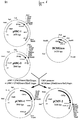
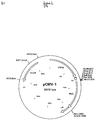
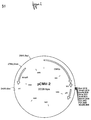
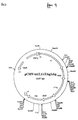
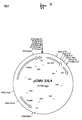
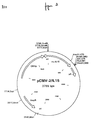
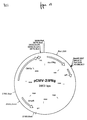
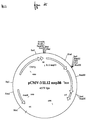
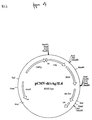
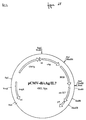
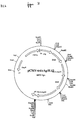
- Another preferred embodiment concerns an expression construct according to the invention, which comprises the following genes:
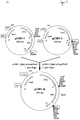
- Another preferred embodiment concerns an expression construct according to the invention, which comprises the following genes:
- Another preferred embodiment concerns an expression construct according to the invention, which is characterized in that the vector is derived from pSPC-1 or pSPC-2.
- Another preferred embodiment concerns an expression construct according to the invention, which is characterized in that the CMVp sequence has been replaced for the SV40p sequence.
- Another preferred embodiment concens an expression construct according to the invention, which is characterized by a suicide gene inducible with a therapeutically acceptable drug.
- the problem underlaying the invention is further solved by a vaccine which comprises an expression construct according to the invention.
- the problem underlaying the invention is further solved by a use of an expression construct according to the invention for the production of a vaccine.
- Coexpression of different proteins in stochiometrically defined ratios within a single cell can be achieved by polycistronic expression constructs. Following the intramuscular inoculation of 'naked' plasmid DNA encoding an antigen, humoral and cellular immune responses against the respective antigen expressed by the construct can be primed.
- the use of polycistronic nucleotide vectors in DNA-based immunization allows the use of three novel options for genetic immunizations.
- the present invention offers the possibility to design recombinant subunit vaccines that:
- a tricistronic expression vector was constructed for the expression of recombinant antibody in mammalian cells.
- the vector contains a strong MPSV (Myoproliferative Sarkoma Virus) Promotor which drives an expression unit containing the following elements:
- the first cistron consists of IgG light chain antigen followed by an IRES element (Poliovirus derived), followed by an IgG heavy chain, followed by a second (identical) IRES element, followed by a puromycin resistance gene (puromycin acetyl transferase), followed by a polyAdenylation signal for termination of primary transcripts.
- This expression unit is integrated in a simple pBR-based vector backbone.
- This construct was introduced into BHK-21 cells. Puromycin resistant cell clones were isolated and IgG expression up to 5 ⁇ g/ml.24 hours (heterodimeric) could be found. Five cell clones were constantly cultivated in the presence of puromycin. In no case, the expression of IgG was lost. However, when these cell clones were cultivated in the absence of Puromycin, IgG expression declined rapidly. The decrease in IgG expression varied from cell clone to cell clone. A screening of more than 500 cell clones for IgG overexpression and stability revealed a few cell clones which stably expressed IgG in the absence of Puromycin. However, the expression level was below 1 ⁇ g/ml.24 hours.
- the construct contains two identical IRES elements the plasmids seemed to be stable in E. coli and mammalian cells.
- a number of suicide vectors in bicistronic expression vectors have been constructed and tested in mammalian cells. Basically, all constructs depend on a pBR-based vector backbone with one expression cassette integrated.
- the cassette contains a promotor (constitutive or regulatable), a gene as a first cistron, followed by an IRES element (Poliovirus derived) and as a second gene (a) the wild-type or (b) fusion protein gene of Herpes Simplex Virus Thymidin kinase gene (HSVtk), followed by a polyAdenylation site.
- TET Tetracyclin
- Hygromycin B selected HIH3T3 cells show absence of cre expression in the presence of TET (Ganciclovir resistant cells).
- TET Ganciclovir resistant cells
- cell populations can be generated that allow a precise and tight conditional control of cre expression.
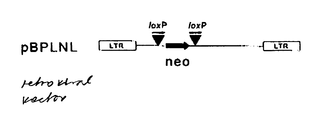
- Table 1 we show the power of this system in 5 mixtures of cre -expressing transfectants, which were infected with a retroviral vector carrying a loxP-neo-loxP cassette in absence and presence of TET.
- the excision ratio reflects the level of cre activity. If compared to a single positive selection the positive/negative selection procedure enhances excision ratio more than 100-fold (data not shown).
- the time course of cre -mediated excision efficiency on a chromosomal target was determined ( table 2) .
- pTCH/pUHD15-1 co-transfected cells were selected according to the protocol outlined in figure 1 .
- the cells were infected with pBPLNL and selected for integration of complete proviruses by growth in presence of G418 and TET (absence of cre ).
- resistant cells were directly seeded in medium supplemented with G418+Hygromycin B (presence of cre ) or G418+TET (absence of cre ). Specific excision is defined by the percental ratio of cell clones obtained after selection in these media.
- G418 resistant cells were cultivated in absence of TET and G418 for indicated times (2, 7 and 31 days) and subsequently seeded in the selection media (G418+Hygromycin B and G418+TET). TABLE 2 times (days) of cre expression 0 2 7 31 % excision 33 90 97 99
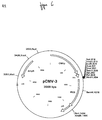
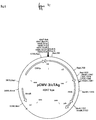
- mice immunized with plasmid ⁇ g DNA/mouse cytotoxic T response 1 humoral response 2 Ag + target Ag - target 1 pCMV-1/cAg 100 43 ⁇ 11 4 ⁇ 3 1.8 ⁇ 0.5 2 pCMV-1/cAg 10 12 ⁇ 8 8 ⁇ 5 ⁇ 0.1 3 pCMV-1/cAg 1 7 ⁇ 5 5 ⁇ 4 ⁇ 0.1 4 pCMV-2/sAg 100 89 ⁇ 5 4 ⁇ 3 28.000 ⁇ 1650 5 pCMV-2/sAg 10 22 ⁇ 11 3 ⁇ 2 935 ⁇ 560 6 pCMV-2/sAg 1 6 ⁇ 5 5 ⁇ 4 ⁇ 50 Mice (5 animals per group) were injected intramuscularly with 'naked' plasmid DNA.
- 3 x 10 7 responder cells were cocultured with 1.5 x 10 6 syngeneic, HBcAg-expressing RBL5/C or HBsAg-expressing P815/S transfectants (irradiated with 20.000 rad) in 10 ml medium in upright 25 cm 2 tissue culture flasks in a humidified atmosphere/7% CO 2 at 37 °C. Cytotoxic effector populations were harvested after varying intervals of in vitro culture and washed twice. Serial dilutions of effector cells were cultured with 2 x 10 3 51 Cr-labeled targets in 200 ⁇ l round-bottom wells.
- Antibodies against HBcAg were detected in mouse sera using the CORE R anti-HBc kit (cat.no. 2259-20; Abbott GmbH, Wiesbaden, FRG). Concentrations of anti-HBc were standardized against a reference standard of the Paul-Ehrlich-Institute (Langen, FRG). Anti-HBeAg antibody titers in sera of DNA-immunized mice were determined using the IMX anti-HBe assay (Abbot). This assay was also standardized using a reference from the Paul-Ehrlich-Institute.
- Antibodies against HBsAg were detected in mouse sera using the commercially available test IMxAUSAB (Abbott, Wiesbaden, FRG). In this readout, microparticles coated with HBsAg were mixed with mouse serum samples to allow specific binding of anti-HBsAg antibodies. Microparticles coated with antigen-antibody complexes were transferred and irreversibly bound to a glass fibre matrix. Biotinylated recombinant HBsAg was added, and binding to the complex was traced by an alkaline phosphatase conjugated anti-biotin antibody followed by the addition of the substrate 4-methyl-lumbelliferyl-phosphate. Antibody levels were quantified using six standard sera (0 to 1000 mIU/ml).
- the tested sera were diluted so that the measured OD values were between standard serum one and six. Values presented in this paper are calculated by multiplying the serum dilution with the measured antibody level (mIU/ml). Serum titers shown are the mean of 5 individual mice ( ⁇ SD).
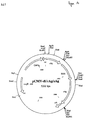
- mice immunized with plasmid ⁇ g DNA/mouse cytotoxic T response 1 humoral response 2 anti-sAg anti-cAg anti-sAg anti-cAg P815/S P815 RBL5/C RBL5 1 pCMV-di/cAg/sAg 100 78 ⁇ 9 5 ⁇ 3 39 ⁇ 5 7 ⁇ 5 22.054 ⁇ 2350 1.9 ⁇ 6 2 pCMV-di/cAg/sAg 10 26 ⁇ 7 6 ⁇ 4 18 ⁇ 6 5 ⁇ 3 874 ⁇ 2340 0.7 ⁇ 0.4 F1 (BALB/c x C57BL/6) mice were immunized with 'naked' plasmid DNA.
- Cytotoxic effector populations were harvested after varying intervals of in vitro culture and washed twice. Serial dilutions of effector cells were cultured with 2 x 10 3 51 Cr-labeled targets in 200 ⁇ l round-bottom wells. Specific cytolytic activity of cells was tested in short-term 51 Cr-release assays against transfected (Ag + ) or non-transfected (Ag - ) control targets. After a 4 h incubation at 37 ⁇ C, 100 ⁇ l of supernatant were collected for g-radiation counting. The percentage specific release was calculated as [(experimental release - spontaneous release)/(total release - spontaneous release)] x 100 . Total counts were measured by resuspending target cells.
- F1 BALB/c x C57BL/6 mice were immunized with 'naked' plasmid DNA. Legend as above. nd, not detectable (in western) 1 Cytotoxicity assay for specicif T cell reactivity . Spleen cells from immunized mice were suspended in a-MEM tissue culture medium supplemented with 10 mM HEPES buffer, 5 x 10 -5 M 2-ME, antibiotics and 10% v/v fetal calf serum.
- 3 x 10 7 responder cells were cocultured with 1.5 x 10 6 syngeneic, HBcAg-expressing RBL5/C or HBsAg-expressing P815/S transfectants (irradiated with 20.000 rad) in 10 ml medium in upright 25 cm 2 tissue culture flasks in a humidified atmosphere/7% CO 2 at 37 °C. Cytotoxic effector populations were harvested after varying intervals of in vitro culture and washed twice. Serial dilutions of effector cells were cultured with 2 x 10 3 51 Cr-labeled targets in 200 ⁇ l round-bottom wells.
- Antibodies against HBcAg were detected in mouse sera using the CORE R anti-HBc kit (cat.no. 2259-20; Abbott GmbH, Wiesbaden, FRG). Concentrations of anti-HBc were standardized against a reference standard of the Paul-Ehrlich-Institute (Langen, FRG). Anti-HBeAg antibody titers in sera of DNA-immunized mice were determined using the IMX anti-HBe assay (Abbot). This assay was also standardized using a reference from the Paul-Ehrlich-Institute.
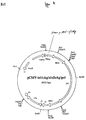
- mice immunized with plasmid ⁇ g DNA/mouse cytotoxic T response 1 RBL5/C RBL5 1 pCMV-di/cAg/IL2 100 36 ⁇ 11 3 ⁇ 1 2 pCMV-di/cAg/IL2 10 25 ⁇ 9 7 ⁇ 6 3 pCMV-di/cAg/IL2 1 14 ⁇ 10 4 ⁇ 4 4 pCMV-di/cAg/IL15 100 76 ⁇ 21 6 ⁇ 5 5 pCMV-di/cAg/IL15 10 53 ⁇ 35 4 ⁇ 3 6 pCMV-di/cAg/IL15 1 24 ⁇ 11 3 ⁇ 3 C57BL/6 (H-2 b ) mice (5 animals per group) were immunized with plasmid DNA i.m.
- cytotoxic T lymphocyte (CTL) response was read out 2 weeks post-immunization. All responses listed in the tables are of defined restriction and epitope specificity and mediated by CD4 - CD8 + T cells primed in vivo .
- Cytotoxicity assay for specicif T cell reactivity Spleen cells from immunized mice were suspended in a-MEM tissue culture medium supplemented with 10 mM HEPES buffer, 5 x 10 -5 M 2-ME, antibiotics and 10% v/v fetal calf serum.
- 3 x 10 7 responder cells were cocultured with 1.5 x 10 6 syngeneic, HBcAg-expressing RBL5/C or HBsAg-expressing P815/S transfectants (irradiated with 20.000 rad) in 10 ml medium in upright 25 cm 2 tissue culture flasks in a humidified atmosphere/7% CO 2 at 37 °C. Cytotoxic effector populations were harvested after varying intervals of in vitro culture and washed twice. Serial dilutions of effector cells were cultured with 2 x 10 3 51 Cr-labeled targets in 200 ⁇ l round-bottom wells.
- DNA immunization is a simple and efficient technique to sensitize T cells. It involves the injection into animals of expression plasmid DNA that encodes the antigen of interest (1-37). Transient expression of the DNA in an antigen-presenting cell (APC) in the skin (5,24), muscle (1,6,8-10,13,17,38), endothelium or vascular smooth muscle (3) allows the priming of immune responses. DNA immunization has been reported to successfully induce MHC class I-restricted CTL against different pathogens (17,25,27) including the core antigen of hepatitis C virus (31).
- APC antigen-presenting cell
- DNA immunization has been shown to confer protection against influenza virus (13,17,26,30), rabies virus (27,35), lymphocytic choriomenigitis virus-induced pathology (32,37), malaria (25), and leishmaniasis (28,36).
Landscapes
- Health & Medical Sciences (AREA)
- Chemical & Material Sciences (AREA)
- Life Sciences & Earth Sciences (AREA)
- Organic Chemistry (AREA)
- Genetics & Genomics (AREA)
- Biophysics (AREA)
- Biochemistry (AREA)
- General Health & Medical Sciences (AREA)
- Engineering & Computer Science (AREA)
- Zoology (AREA)
- Molecular Biology (AREA)
- Proteomics, Peptides & Aminoacids (AREA)
- Bioinformatics & Cheminformatics (AREA)
- Wood Science & Technology (AREA)
- Medicinal Chemistry (AREA)
- General Engineering & Computer Science (AREA)
- Gastroenterology & Hepatology (AREA)
- Biomedical Technology (AREA)
- Biotechnology (AREA)
- Physics & Mathematics (AREA)
- Plant Pathology (AREA)
- Virology (AREA)
- Microbiology (AREA)
- Toxicology (AREA)
- Micro-Organisms Or Cultivation Processes Thereof (AREA)
- Medicines Containing Antibodies Or Antigens For Use As Internal Diagnostic Agents (AREA)
- Medicines That Contain Protein Lipid Enzymes And Other Medicines (AREA)
Priority Applications (2)
| Application Number | Priority Date | Filing Date | Title |
|---|---|---|---|
| EP96106531A EP0803573A1 (de) | 1996-04-25 | 1996-04-25 | Polycistronische Expressionskonstrukt mit Cytokinen für multivalente Impstoffe |
| PCT/EP1997/001974 WO1997041241A1 (en) | 1996-04-25 | 1997-04-18 | Polycistronic expression constructs, their use and vaccines |
Applications Claiming Priority (1)
| Application Number | Priority Date | Filing Date | Title |
|---|---|---|---|
| EP96106531A EP0803573A1 (de) | 1996-04-25 | 1996-04-25 | Polycistronische Expressionskonstrukt mit Cytokinen für multivalente Impstoffe |
Publications (1)
| Publication Number | Publication Date |
|---|---|
| EP0803573A1 true EP0803573A1 (de) | 1997-10-29 |
Family
ID=8222710
Family Applications (1)
| Application Number | Title | Priority Date | Filing Date |
|---|---|---|---|
| EP96106531A Withdrawn EP0803573A1 (de) | 1996-04-25 | 1996-04-25 | Polycistronische Expressionskonstrukt mit Cytokinen für multivalente Impstoffe |
Country Status (2)
| Country | Link |
|---|---|
| EP (1) | EP0803573A1 (de) |
| WO (1) | WO1997041241A1 (de) |
Cited By (9)
| Publication number | Priority date | Publication date | Assignee | Title |
|---|---|---|---|---|
| WO2002019968A3 (en) * | 2000-09-08 | 2002-05-16 | Univ Maryland Biotech Inst | Genetically engineered co-expression dna vaccines, construction methods and uses thereof |
| EP1100546A4 (de) * | 1998-07-28 | 2002-08-14 | Rappaport Family Inst For Res | Dns-impfstoff, der für ein zytokin kodiert, und seine verwendung für den immunschutz gegen multiple sklerose |
| US6969609B1 (en) * | 1998-12-09 | 2005-11-29 | The United States Of America As Represented By The Department Of Health And Human Serivces | Recombinant vector expressing multiple costimulatory molecules and uses thereof |
| US7388087B2 (en) * | 2000-11-09 | 2008-06-17 | The Board Of Trustees Of The University Of Illinois | Enhancement of immune response to vaccine by interferon alpha |
| EP2085467A2 (de) | 2002-10-29 | 2009-08-05 | The Government Of The United States Of America As Represented By The Secretary Of The Department Of Health And Human Services | Lutzomyia Longipalpis-Polypeptide und Verwendungsverfahren |
| EP2158917A1 (de) | 2002-09-19 | 2010-03-03 | The Government of the United States of America, as represented by the Secretary of the Department of Health and Human Services | P. ariasi Polypeptide, P. perniciosus Polypeptide und Verwendungsverfahren |
| WO2013012446A1 (en) | 2011-07-20 | 2013-01-24 | Merial Limited | Recombinant feline leukemia virus vaccine containing optimized feline leukemia virus envelope gene |
| WO2013142371A1 (en) | 2012-03-20 | 2013-09-26 | Merial Limited | Recombinant equine herpesvirus-1 vaccine containing mutated glycoprotein c and uses thereof |
| EP2899203A2 (de) | 2008-05-08 | 2015-07-29 | Merial Limited | Leishmania Impfstoff unter Verwendung von Sandmücke Speichelimmunogen |
Families Citing this family (8)
| Publication number | Priority date | Publication date | Assignee | Title |
|---|---|---|---|---|
| US8663622B2 (en) * | 2002-12-16 | 2014-03-04 | The United States Of America, As Represented By The Secretary, Department Of Health & Human Services | Recombinant vaccine viruses expressing IL-15 and methods using the same |
| CN101595228A (zh) | 2005-07-21 | 2009-12-02 | 艾博特公司 | 包括sorf构建体的多基因表达和使用多蛋白、前体蛋白和蛋白酶解的方法 |
| SG10201913163PA (en) * | 2015-12-18 | 2020-03-30 | Oncosec Medical Inc | Plasmid constructs for heterologous protein expression and methods of use |
| KR102945203B1 (ko) | 2017-05-08 | 2026-03-31 | 시애틀 프로젝트 코포레이션 | 알파바이러스 신생항원 벡터 |
| AU2019275070A1 (en) * | 2018-05-23 | 2021-01-14 | Gritstone Bio, Inc. | Immune checkpoint inhibitor co-expression vectors |
| KR20210090650A (ko) | 2018-11-07 | 2021-07-20 | 그릿스톤 바이오, 인코포레이티드 | 알파바이러스 신생항원 벡터 및 인터페론 억제제 |
| SG11202113187WA (en) | 2019-05-30 | 2021-12-30 | Gritstone Bio Inc | Modified adenoviruses |
| IL300026A (en) | 2020-08-06 | 2023-03-01 | Gritstone Bio Inc | Multiepitope vaccine cassettes |
Citations (4)
| Publication number | Priority date | Publication date | Assignee | Title |
|---|---|---|---|---|
| EP0154576A1 (de) * | 1984-02-06 | 1985-09-11 | INTERFERON SCIENCES, INC a Delaware Corporation | Hybrid-Nucleinsäuresequenzen mit tandemartig angeordneten Genen |
| US4859465A (en) * | 1984-04-20 | 1989-08-22 | The Regents Of The University Of California | Vaccine capable of eliciting multivalent antibodies |
| EP0406857A1 (de) * | 1989-07-07 | 1991-01-09 | Takeda Chemical Industries, Ltd. | Proteine und deren Herstellung |
| WO1994013824A1 (fr) * | 1992-12-16 | 1994-06-23 | Universite Pierre Et Marie Curie (Paris Vi) | Vecteurs retroviraux pour le traitement des tumeurs, et lignees cellulaires les contenant |
Family Cites Families (2)
| Publication number | Priority date | Publication date | Assignee | Title |
|---|---|---|---|---|
| JP3626187B2 (ja) * | 1993-06-07 | 2005-03-02 | バイカル インコーポレイテッド | 遺伝子治療に適するプラスミド |
| IL112820A0 (en) * | 1994-03-07 | 1995-05-26 | Merck & Co Inc | Coordinate in vivo gene expression |
-
1996
- 1996-04-25 EP EP96106531A patent/EP0803573A1/de not_active Withdrawn
-
1997
- 1997-04-18 WO PCT/EP1997/001974 patent/WO1997041241A1/en not_active Ceased
Patent Citations (4)
| Publication number | Priority date | Publication date | Assignee | Title |
|---|---|---|---|---|
| EP0154576A1 (de) * | 1984-02-06 | 1985-09-11 | INTERFERON SCIENCES, INC a Delaware Corporation | Hybrid-Nucleinsäuresequenzen mit tandemartig angeordneten Genen |
| US4859465A (en) * | 1984-04-20 | 1989-08-22 | The Regents Of The University Of California | Vaccine capable of eliciting multivalent antibodies |
| EP0406857A1 (de) * | 1989-07-07 | 1991-01-09 | Takeda Chemical Industries, Ltd. | Proteine und deren Herstellung |
| WO1994013824A1 (fr) * | 1992-12-16 | 1994-06-23 | Universite Pierre Et Marie Curie (Paris Vi) | Vecteurs retroviraux pour le traitement des tumeurs, et lignees cellulaires les contenant |
Non-Patent Citations (1)
| Title |
|---|
| DIFMOND P.F: "Therion combines technologies to produce vaccines and immunotherapeutics", GENETIC ENGINEERING NEWS, 1 March 1996 (1996-03-01), pages 14 - 16, XP002012721 * |
Cited By (12)
| Publication number | Priority date | Publication date | Assignee | Title |
|---|---|---|---|---|
| EP1100546A4 (de) * | 1998-07-28 | 2002-08-14 | Rappaport Family Inst For Res | Dns-impfstoff, der für ein zytokin kodiert, und seine verwendung für den immunschutz gegen multiple sklerose |
| US6969609B1 (en) * | 1998-12-09 | 2005-11-29 | The United States Of America As Represented By The Department Of Health And Human Serivces | Recombinant vector expressing multiple costimulatory molecules and uses thereof |
| US7771715B2 (en) | 1998-12-09 | 2010-08-10 | The United States Of America As Represented By The Department Of Health And Human Services | Recombinant vector expressing multiple costimulatory molecules and uses thereof |
| WO2002019968A3 (en) * | 2000-09-08 | 2002-05-16 | Univ Maryland Biotech Inst | Genetically engineered co-expression dna vaccines, construction methods and uses thereof |
| EP2329846A1 (de) * | 2000-09-08 | 2011-06-08 | University of Maryland Biotechnology Institute | Genetisch veränderte Koexpressions-DNA-Impfstoffe, Herstellungsverfahren und Verwendungen davon |
| US7388087B2 (en) * | 2000-11-09 | 2008-06-17 | The Board Of Trustees Of The University Of Illinois | Enhancement of immune response to vaccine by interferon alpha |
| US7767653B2 (en) | 2000-11-09 | 2010-08-03 | The Board Of Trustees Of The University Of Illinois | Enhancement of immune response to vaccine by interferon alpha |
| EP2158917A1 (de) | 2002-09-19 | 2010-03-03 | The Government of the United States of America, as represented by the Secretary of the Department of Health and Human Services | P. ariasi Polypeptide, P. perniciosus Polypeptide und Verwendungsverfahren |
| EP2085467A2 (de) | 2002-10-29 | 2009-08-05 | The Government Of The United States Of America As Represented By The Secretary Of The Department Of Health And Human Services | Lutzomyia Longipalpis-Polypeptide und Verwendungsverfahren |
| EP2899203A2 (de) | 2008-05-08 | 2015-07-29 | Merial Limited | Leishmania Impfstoff unter Verwendung von Sandmücke Speichelimmunogen |
| WO2013012446A1 (en) | 2011-07-20 | 2013-01-24 | Merial Limited | Recombinant feline leukemia virus vaccine containing optimized feline leukemia virus envelope gene |
| WO2013142371A1 (en) | 2012-03-20 | 2013-09-26 | Merial Limited | Recombinant equine herpesvirus-1 vaccine containing mutated glycoprotein c and uses thereof |
Also Published As
| Publication number | Publication date |
|---|---|
| WO1997041241A1 (en) | 1997-11-06 |
Similar Documents
| Publication | Publication Date | Title |
|---|---|---|
| EP0695347B1 (de) | Verfahren und stoffe für die behandlung von individuen, die infiziert sind mit intrazellulär infektiösen agentien | |
| Schirmbeck et al. | Nucleic acid vaccination primes hepatitis B virus surface antigen-specific cytotoxic T lymphocytes in nonresponder mice | |
| Chow et al. | Development of Th1 and Th2 populations and the nature of immune responses to hepatitis B virus DNA vaccines can be modulated by codelivery of various cytokine genes | |
| US10646557B2 (en) | Vaccine composition | |
| WO1997041241A1 (en) | Polycistronic expression constructs, their use and vaccines | |
| Wild et al. | Priming MHC-I-restricted cytotoxic T lymphocyte responses to exogenous hepatitis B surface antigen is CD4+ T cell dependent | |
| Böhm et al. | DNA vector constructs that prime hepatitis B surface antigen-specific cytotoxic T lymphocyte and antibody responses in mice after intramuscular injection | |
| Wild et al. | Polyvalent vaccination against hepatitis B surface and core antigen using a dicistronic expression plasmid | |
| Kwissa et al. | Efficient vaccination by intradermal or intramuscular inoculation of plasmid DNA expressing hepatitis B surface antigen under desmin promoter/enhancer control | |
| Kuhröber et al. | DNA vaccination with plasmids encoding the intracellular (HBcAg) or secreted (HBeAg) form of the core protein of hepatitis B virus primes T cell responses to two overlapping Kb-and Kd-restricted epitopes. | |
| Schirmbeck et al. | DNA vaccination primes MHC class I-restricted, simian virus 40 large tumor antigen-specific CTL in H-2d mice that reject syngeneic tumors | |
| JP2010265313A (ja) | 3つの完全な転写単位を有するプラスミドおよびhivに対する免疫応答を誘発するための免疫原組成物 | |
| JP7519417B2 (ja) | Sting経路を活性化する遺伝子アジュバントの発現のためのウイルスベクター構築物 | |
| Tenbusch et al. | Coexpression of GM-CSF and antigen in DNA prime-adenoviral vector boost immunization enhances polyfunctional CD8+ T cell responses, whereas expression of GM-CSF antigen fusion protein induces autoimmunity | |
| Weiner et al. | Development of gene-based vectors for immunization | |
| JP7519418B2 (ja) | Cd40およびsting経路を活性化する遺伝子アジュバントの発現のためのウイルスベクター構築物 | |
| US10864265B2 (en) | Lentiviral vectors for expression of hepatitis B virus (HBV) antigens | |
| WO2019106432A2 (en) | Viral vector constructs for expression of genetic adjuvants mimicking cd40 signaling | |
| Nawrath et al. | A DNA VACCINE AGAINST MALIGNANT MELANOМА СОЕXPRESSING ANTIGEN AND CYTOKINE | |
| Boyer et al. | Engineering DNA vaccination as an approach to HIV immune therapy | |
| CN102575256A (zh) | 编码间日疟原虫抗原的经遗传修饰的序列 | |
| EP0805207A1 (de) | Polycistronische Expressionsplasmid für Tumorabstossungen |
Legal Events
| Date | Code | Title | Description |
|---|---|---|---|
| PUAI | Public reference made under article 153(3) epc to a published international application that has entered the european phase |
Free format text: ORIGINAL CODE: 0009012 |
|
| AK | Designated contracting states |
Kind code of ref document: A1 Designated state(s): AT BE CH DE DK ES FI FR GB GR IE IT LI NL PT SE |
|
| AX | Request for extension of the european patent |
Free format text: LT;LV;SI |
|
| STAA | Information on the status of an ep patent application or granted ep patent |
Free format text: STATUS: THE APPLICATION HAS BEEN WITHDRAWN |
|
| RBV | Designated contracting states (corrected) |
Designated state(s): AT BE CH DE DK ES FI FR GB GR IE IT LI NL PT SE |
|
| 18W | Application withdrawn |
Withdrawal date: 19980109 |