EP3204771B1 - Methods and systems for distinguishing irritable bowel syndrome from inflammatory bowel disease and celiac disease - Google Patents
Methods and systems for distinguishing irritable bowel syndrome from inflammatory bowel disease and celiac disease Download PDFInfo
- Publication number
- EP3204771B1 EP3204771B1 EP15849701.6A EP15849701A EP3204771B1 EP 3204771 B1 EP3204771 B1 EP 3204771B1 EP 15849701 A EP15849701 A EP 15849701A EP 3204771 B1 EP3204771 B1 EP 3204771B1
- Authority
- EP
- European Patent Office
- Prior art keywords
- antibodies
- ibs
- vinculin
- cdtb
- level
- Prior art date
- Legal status (The legal status is an assumption and is not a legal conclusion. Google has not performed a legal analysis and makes no representation as to the accuracy of the status listed.)
- Active
Links
Images


Classifications
-
- G—PHYSICS
- G01—MEASURING; TESTING
- G01N—INVESTIGATING OR ANALYSING MATERIALS BY DETERMINING THEIR CHEMICAL OR PHYSICAL PROPERTIES
- G01N33/00—Investigating or analysing materials by specific methods not covered by groups G01N1/00 - G01N31/00
- G01N33/48—Biological material, e.g. blood, urine; Haemocytometers
- G01N33/50—Chemical analysis of biological material, e.g. blood, urine; Testing involving biospecific ligand binding methods; Immunological testing
- G01N33/68—Chemical analysis of biological material, e.g. blood, urine; Testing involving biospecific ligand binding methods; Immunological testing involving proteins, peptides or amino acids
- G01N33/6854—Immunoglobulins
-
- G—PHYSICS
- G01—MEASURING; TESTING
- G01N—INVESTIGATING OR ANALYSING MATERIALS BY DETERMINING THEIR CHEMICAL OR PHYSICAL PROPERTIES
- G01N33/00—Investigating or analysing materials by specific methods not covered by groups G01N1/00 - G01N31/00
- G01N33/48—Biological material, e.g. blood, urine; Haemocytometers
- G01N33/50—Chemical analysis of biological material, e.g. blood, urine; Testing involving biospecific ligand binding methods; Immunological testing
- G01N33/53—Immunoassay; Biospecific binding assay; Materials therefor
- G01N33/564—Immunoassay; Biospecific binding assay; Materials therefor for pre-existing immune complex or autoimmune disease, i.e. systemic lupus erythematosus, rheumatoid arthritis, multiple sclerosis, rheumatoid factors or complement components C1-C9
-
- G—PHYSICS
- G01—MEASURING; TESTING
- G01N—INVESTIGATING OR ANALYSING MATERIALS BY DETERMINING THEIR CHEMICAL OR PHYSICAL PROPERTIES
- G01N2333/00—Assays involving biological materials from specific organisms or of a specific nature
- G01N2333/195—Assays involving biological materials from specific organisms or of a specific nature from bacteria
- G01N2333/205—Assays involving biological materials from specific organisms or of a specific nature from bacteria from Campylobacter (G)
-
- G—PHYSICS
- G01—MEASURING; TESTING
- G01N—INVESTIGATING OR ANALYSING MATERIALS BY DETERMINING THEIR CHEMICAL OR PHYSICAL PROPERTIES
- G01N2800/00—Detection or diagnosis of diseases
- G01N2800/06—Gastro-intestinal diseases
- G01N2800/065—Bowel diseases, e.g. Crohn, ulcerative colitis, IBS
-
- G—PHYSICS
- G01—MEASURING; TESTING
- G01N—INVESTIGATING OR ANALYSING MATERIALS BY DETERMINING THEIR CHEMICAL OR PHYSICAL PROPERTIES
- G01N2800/00—Detection or diagnosis of diseases
- G01N2800/52—Predicting or monitoring the response to treatment, e.g. for selection of therapy based on assay results in personalised medicine; Prognosis
Definitions
- This invention relates to diarrhea predominant irritable bowel syndrome (D-IBS), the diagnosis and the selection of treatments thereof.
- D-IBS diarrhea predominant irritable bowel syndrome
- IBS Irritable bowel syndrome
- IBS symptoms appear to be related to alterations in small bowel microbial flora. The evidence for this is based on breath testing, small bowel culture, small bowel flora deep sequencing, and the clinical response to the gut-specific antibiotic, rifaximin.
- the second microbial concept is that a subset of subjects develops IBS following an episode of acute gastroenteritis (AGE). Meta-analyses of classic outbreaks suggest that the rate of IBS developing after AGE is approximately 10%.
- IBS is a condition that results in chronic changes in bowel function including diarrhea, constipation and alternating patterns, as well as abdominal symptoms including pain and bloating. Because the symptoms of IBS can overlap with organic diseases such as IBD and celiac disease, the diagnosis of IBS is often made after excluding organic diseases. In a recent multinational initiative, IBS experts agreed that these subjects suffer from significant changes in bowel habit and bloating as principal symptoms. In the absence of a clear pathophysiology of IBS, identification of subjects is based on a "diagnosis of exclusion" approach. This approach involves a great deal of expense and morbidity to patients with IBS, particularly those with D-IBS, including frequent body imaging, endoscopy and blood testing to rule out alternative organic explanations for their symptoms.
- Rome criteria have been valuable in the standardization of IBS recruitment for clinical trials, these criteria still rely on a "diagnosis of exclusion" approach as they are non-specific. For example, the majority of subjects with Crohn's disease or ulcerative colitis satisfy the Rome Criteria. The Rome II Criteria were further helpful in defining IBS based on predominant bowel pattern such as diarrhea and constipation predominant forms. This approach led to drug pipelines for IBS treatment based on controlling symptoms in IBS. Prokinetics and secretagogues have been developed for C-IBS and anti-kinetics for D-IBS. However, these therapies are not based on causative mechanism of IBS and are instead based on symptom control. As a result, they can result in creating opposite symptoms.
- Virandera P. Bhalla et al. (2013) Gasteroenterology Vol 144(5) page s914 discloses antibodies to Cytolethal Distending Toxin B (CdtB) and auto-antibodies to Human Vinculin are elevated in IBS subjects.
- CdtB Cytolethal Distending Toxin B
- WO 2014/042828 discloses methods of distinguishing IBS from IBD in a biological sample using optical density measurements.
- the biological sample can be whole blood, serum, or plasma.
- Detecting in the biological sample can comprise using enzyme-linked immunosorbent assay (ELISA).
- detecting in the biological sample can comprise using immunohistochemistry, flow cytometry, fluorescence in situ hybridization (FISH), radioimmuno assays, or affinity purification.
- ELISA enzyme-linked immunosorbent assay
- FISH fluorescence in situ hybridization
- the anti-vinculin antibodies can be capable of binding specifically to an epitope on vinculin or SEQ ID NO:7.
- the anti-CdtB antibodies can be capable of binding specifically to an epitope on CdtB of Campylobacter jejuni or SEQ ID NO:5.
- the diagnosis of IBS can be made if the level of anti-vinculin antibodies is higher than the established control level of anti-vinculin antibodies. In certain embodiments, the diagnosis of IBS can be made if the level of anti-CdtB antibodies is higher than the established control level of anti-CdtB antibodies. In varous embodiments, the diagnosis of IBS can be made if both levels of anti-vinculin antibodies and anti-CdtB antibodies are higher than the established control levels of anti-vinculin antibodies and anti-CdtB antibodies.
- the established control level of anti-vinculin antibodies, anti-CdtB antibodies, or both can be an optical density measurement.
- the established control level of anti-vinculin antibodies, anti-CdtB antibodies, or both can be an optical density measurement.
- the diagnosis of IBS can be made if the level of anti-vinculin antibodies is higher than the established control level of anti-vinculin antibodies. In certain embodiments, the diagnosis of IBS can be made if the level of anti-CdtB antibodies is higher than the established control level of anti-CdtB antibodies. In certain embodiments, the diagnosis of IBS can be made if both levels of anti-vinculin antibodies and anti-CdtB antibodies are higher than the established control levels of anti-vinculin antibodies and anti-CdtB antibodies.
- mammal refers to any member of the class Mammalia, including, without limitation, humans and nonhuman primates such as chimpanzees, and other apes and monkey species; farm animals such as cattle, sheep, pigs, goats and horses; domestic mammals such as dogs and cats; laboratory animals including rodents such as mice, rats and guinea pigs, and the like.
- the term does not denote a particular age or sex. Thus adult and newborn subjects, as well as fetuses, whether male or female, are intended to be including within the scope of this term.
- Treatment and “treating,” as used herein refer to both therapeutic treatment and prophylactic or preventative measures (e.g., to reduce the likelihood of having the condition or disease condition), wherein the object is to prevent or slow down (lessen) the targeted pathologic condition or disorder even if the treatment is ultimately unsuccessful.
- Those in need of treatment include those already with the condition or disorder as well as those prone to have the condition or disorder or those in whom the condition or disorder is to be prevented (e.g., reducing the likelihood of having the condition or disorder).
- Antibody or “antibodies” as used herein include polyclonal antibodies, monoclonal antibodies, antibody variants such as single chain (recombinant) Fv, human antibodies, humanized antibodies, chimeric antibodies, and immunologically active fragments of antibodies.
- “”Binds specifically” as used herein refers to the act of an antibody binding to its antigen and is intended to exclude low-level, non-specific binding that may occur between random proteins. "Binds specifically” as used herein is not intended and does not imply that the antibody will not bind to any protein other than the proteins or polypeptides as disclosed herein since antibodies can cross-react with any protein that includes the relevant epitope.
- PI-IBS post-infectious IBS
- Campylobacter jejuni A newly validated animal model of post-infectious IBS (PI-IBS) based on infection with Campylobacter jejuni suggests that AGE precipitates PI-IBS, leading to significant alterations in small bowel microbial colonization.
- CdtB cytolethal distending toxin B
- PI-IBS occurs primarily, though not exclusively, after bacterial infections such as Campylobacter jejuni, Salmonella, E. coli and Shigella.
- bacterial infections such as Campylobacter jejuni, Salmonella, E. coli and Shigella.
- One toxin commonly produced by all four of these organisms is cytolethal distending toxin, a heterotrimeric complex of three subunits, CdtA, CdtB, and CdtC, of which CdtB is the active subunit.
- a validated animal model developed using C. jejuni 81-176 has been shown to exhibit an IBS-like phenotype. Significantly, these rats exhibit changes in stool form, small intestinal bacterial overgrowth (SIBO) and the increased rectal intra-epithelial lymphocytes characteristic of humans with IBS. In this model the effects appeared to be due to changes in gut neuroanatomy, with a notable reduction in interstitial cells of Cajal. Further, rats infected with a mutant C. jejuni strain lacking CdtB exhibited a significantly mitigated IBS-like phenotype compared to those infected with wild-type C. jejuni, suggesting that CdtB was important in the development of IBS in this model.
- SIBO small intestinal bacterial overgrowth
- CdtB appeared not to simply be acting through direct toxicity but rather through the cross-reaction of antibodies to CdtB with the host protein vinculin.
- levels of circulating antibodies to CdtB and vinculin correlated with the development and levels of SIBO in these animals.
- Vinculin is a 117-kDa cytoplasmic actin-binding protein that is a key component of both focal adhesions and adherens junctions, forming the link between integrins or cadherins respectively and the actin cytoskeleton. Furthermore, vinculin appears important in neuronal cell motility and contractility and cardiac formation, as evidenced by the neural tube, myocardial and endocardial defects in vinculin knockout mice, as well as stress-induced cardiomyopathy in heterozygous mutants. In a recently published study, Cdt from Helicobacter pullorum has been shown to target vinculin in intestinal epithelial cells, triggering an atypical delocalization of vinculin from focal adhesions coupled with decreased cellular adherence. Another study demonstrated that vinculin is used by the IpA toxin of Shigella to achieve cell entry.
- tTG is a robust test for celiac disease, in the workup of chronic diarrhea, a real unmet need is a biomarker that could reliably distinguish IBS from IBD.
- anti-CdtB but not anti-vinculin, was high in celiac disease as well.
- Another significant unmet need for celiac disease is a test that readily distinguishes functional symptoms from ongoing gluten exposure. Studies suggest that after gluten exposure, IBS is the second most common cause of non-responsive celiac disease, and therefore, a test that could distinguish between these causes of symptoms would be useful clinically.
- circulating anti-CdtB and anti-vinculin antibodies are biomarkers for D-IBS and offer some unique perspectives on the pathophysiology of PI-IBS. While not wishing to be bound by any particular theory, first, these are biomarkers based on a mechanism for the development of IBS which may involve alterations to the enteric nervous system and gut motility. Secondly, they represent the first opportunity to make IBS a diagnosis of inclusion rather than a "diagnosis of exclusion". Since not all D-IBS subjects test positive for these biomarkers, it is also possible that these antibodies identify a subgroup of IBS for which a mechanism and therapies could be developed. Finally, it suggests that IBS may have an organic basis. As a biomarker, measurements of anti-vinculin and anti-CdtB antibodies could help to identify D-IBS without excessive investigation and may help to target investigations in those where the test is negative.
- Various embodiments of the present invention provide for methods of distinguishing IBS from both IBD and Celiac disease wherein the IBS is D-IBS.
- the method can comprise examining a biological sample from a subject desiring a diagnosis to distinguish IBS from both IBD and Celiac disease, detecting in the biological sample, a presence of anti-vinculin and anti-CdtB antibodies, and making a diagnosis of IBS if the presence of anti-vinculin and anti-CdtB antibodies are detected, or making a diagnosis of IBD, suspicion of IBD, Celiac disease or suspicion of Celiac disease if there are an absence of anti-vinculin and anti-CdtB antibodies.
- the method further comprises analyzing the biological sample for the presence or absence of anti-vinculin and anti-CdtB antibodies.
- the method further comprises selecting an IBS treatment if IBS is diagnosed, selecting an IBD treatment if IBD is diagnosed or suspected, or selecting a Celiac treatment if Celiac disease is diagnosed or suspected.
- the method can comprise examining a biological sample from a subject desiring a diagnosis to distinguish IBS from both IBD and Celiac disease, detecting in the biological sample, a level of anti-vinculin and anti-CdtB antibodies, and making a diagnosis of IBS if the levels of anti-vinculin and anti-CdtB antibodies are significantly higher than an established control level.
- the established control levels are levels of anti-vinculin and anti-CdtB antibodies within two standard deviations of anti-vinculin and anti-CdtB antibody levels from healthy subjects without IBS, IBD, Celiac disease or combinations thereof.
- the method further comprises analyzing the biological sample levels of anti-vinculin and anti-CdtB antibodies.
- the method further comprises selecting an IBS treatment if IBS is diagnosed.
- the method can comprise examining a biological sample from a subject desiring a diagnosis to distinguish between both IBS and IBD, detecting in the biological sample, a level of anti-vinculin and anti-CdtB antibodies, and making a diagnosis of IBS if the level of anti-vinculin and anti-CdtB antibodies is significantly higher than an established control level.
- the established control levels are levels of anti-vinculin and anti-CdtB antibodies from subjects without IBS, IBD, Celiac disease or combinations thereof.
- the method further comprises analyzing the biological sample for levels of anti-vinculin and anti-CdtB antibodies.
- the method further comprises selecting an IBS treatment if IBS is diagnosed.
- the assay is an enzyme-linked immunosorbent assay (ELISA), including but not limited to indirect ELISA, sandwich ELISA, competitive ELISA, multiple and portable ELISA.
- ELISA enzyme-linked immunosorbent assay
- the assay comprises a first reagent to react with the biological sample if the biological sample comprises the anti-vinculin antibody (if anti-vinculin antibodies are not present, then the first reagent will not react the biological sample, but the first reagent is still present in the assay), a second reagent (e.g., secondary antibody) to react with the anti-vinculin antibody or a second reagent to react with the first reagent, and a substrate.
- the first reagent is vinculin or a fragment thereof.
- the second reagent comprises a label to produce a signal to indicate the presence of the anti-vinculin antibody.
- the label is a radiolabel, a chromophore, a fluorophore, a quantum dot, an enzyme, horseradish peroxidase (HRP), an alkaline phosphatase (AP), biotin, or a combination thereof.
- the label is an enzyme that will react with the substrate.
- the first reagent is on a solid phase (e.g., plate, multi-well plate).
- the assay comprises a first reagent to react with the anti-vinculin antibody.
- the first reagent comprises a label to produce a signal to indicate the presence of the anti-vinculin antibody.
- the label is a radiolabel, a chromophore, a fluorophore, a quantum dot, an enzyme, horseradish peroxidase (HRP), an alkaline phosphatase (AP), biotin, or a combination thereof.
- the reagent is on a solid phase (e.g., plate, multi-well plate).
- the present invention concerns a method of selecting a treatment for D-IBS for a subject in need thereof.
- Selecting a therapy as used herein includes but is not limited to selecting, choosing, prescribing, advising, recommending, instructing, or counseling the subject with respect to the treatment.
- the selected therapy may comprise administering a course of antibiotic therapy to treat D-IBS.
- the therapy is an available therapy in the prior art.
- the method comprises: detecting the presence of anti-vinculin antibodies and anti-CdtB antibodies; and selecting a course of antibiotic therapy to treat D-IBS.
- antibiotics examples include but are not limited to aminoglycosides (e.g., amikacin, gentamicin, kanamycin, neomycin, netilmicin, streptomycin, tobramycin, paromomycin), ansamycins (e.g., geldanamycin, herbimycin), carbacephems (e.g., loracarbef), carbapenems (e.g., ertapenem, doripenem, imipenem, cilastatin, meropenem), cephalosporins (e.g., first generation: cefadroxil, cefazolin, cefalotin or cefalothin, cefalexin; second generation: cefaclor, cefamandole, cefoxitin, cefprozil, cefuroxime; third generation: cefixime, cefdinir, cefditoren, cefoperazone, cef
- the selected antibiotics are preferably non-absorbable antibiotics.
- non-absorbable antibiotics include but are not limited to rifaximin, neomycin, Bacitracin, vancomycin, teicoplanin, ramoplanin, and paramomycin.
- optical density is used to measure the level of anti-vinculin antibodies and/or anti-CDT antibodies.
- the optical density serves as the established control level in various embodiments.
- OD optical density
- these OD numbers are based on a dilution of the biological sample of 1:32 and antigen concentration of 1.2ug/ml.
- the subject when the OD of anti-CDT antibodies (OD CDT ) is greater than 2.48 or 2.79, the subject is determined to have IBS. In various embodiments, when the OD of anti-CDT antibodies (OD CDT ) is greater than 2.00, 2.25, 2.50, 2.75, 3.00, the subject is determined to have IBS. In certain embodiments, these OD numbers are based on a dilution of the biological sample of 1:512 and antigen concentration of 1.2ug/ml.
- the OD V and the OD CDT cutoff points can be determined based on different dilutions of the biological sample and the antigens and are included within the embodiments of the present invention.
- the above determinations may be used to direct the treatment for the subject.
- a subject with the likely presence of IBS or a likelihood of having IBS may be treated with one or more therapies for IBS.
- antibiotics such as rifaximin and neomycin can be used to treat IBS.
- rifaximin can be used to treat diarrhea-predominant IBS
- a rifaximin/neomycin combination can be used to treat constipation-predominant IBS.
- the anti-vinculin antibody detected according to the invention is an antibody that binds specifically to vinculin.
- the anti-vinculin antibody is an antibody that binds specifically to a 5, 6, 7, 8, 9, 10, 11, 12, 13, 14, 15, 16, 17, 18, 19, 20, 21, or 22 residue peptide that has at least 95%, 96%, 97%, 98%, 99% or 100% homology with 5, 6, 7, 8, 9, 10, 11, 12, 13, 14, 15, 16, 17, 18, 19, 20, 21, or 22 contiguous residues of vinculin.
- the anti-vinculin antibody binds specifically to a polypeptide comprising 5, 6, 7, 8, 9, 10, 11, 12, 13, 14, 15, 16, 17, 18, 19, 20, 21, or 22 residues that has at least 95%, 96%, 97%, 98%, 99% or 100% homology with 5, 6, 7, 8, 9, 10, 11, 12, 13, 14, 15, 16, 17, 18, 19, 20, 21, or 22 contiguous residues of vinculin.
- the anti-vinculin antibody binds specifically to a polypeptide comprising or consisting of 5, 6, 7, 8, 9, 10, 11, 12, 13, 14, 15, 16, 17, 18, 19, 20, 21, or 22 contiguous residues of vinculin.
- the anti-vinculin antibody may be an antibody that binds specifically to SEQ ID NO:7.
- the anti-vinculin antibody may be an antibody that binds specifically to a 5, 6, 7, 8, 9, 10, 11, 12, 13, 14, 15, 16, 17, 18, 19, 20, 21, or 22 residue peptide that has at least 95%, 96%, 97%, 98%, 99% or 100% homology with 5, 6, 7, 8, 9, 10, 11, 12, 13, 14, 15, 16, 17, 18, 19, 20, 21, or 22 contiguous residues of SEQ ID NO:7.
- the anti-vinculin antibody binds specifically to a polypeptide comprising 5, 6, 7, 8, 9, 10, 11, 12, 13, 14, 15, 16, 17, 18, 19, 20, 21, or 22 residues that has at least 95%, 96%, 97%, 98%, 99% or 100% homology with 5, 6, 7, 8, 9, 10, 11, 12, 13, 14, 15, 16, 17, 18, 19, 20, 21, or 22 contiguous residues of SEQ ID NO:7.
- the anti-vinculin antibody binds specifically to a polypeptide comprising or consisting of 5, 6, 7, 8, 9, 10, 11, 12, 13, 14, 15, 16, 17, 18, 19, 20, 21, or 22 contiguous residues of SEQ ID NO:7.
- Contiguous residues of vinculin or SEQ ID NO:7 include those beginning at any amino acid and ending at any amino acid of vinculin or SEQ ID NO:7.
- detecting the presence or absence of the antibody is performed on a biological sample obtained from the subject. In another embodiment, detecting the presence or absence of the antibody is performed on a blood, serum, or stool sample obtained from the subject.
- detecting the presence or absence of the antibody is performed on a blood, serum, or stool sample obtained from the subject.
- methods and systems that can be used to detect the presence or absence of an antibody that binds specifically to vinculin, SEQ ID NO: 7 or a fragment thereof. These methods and systems include but are not limited to ELISA, immunohistochemistry, flow cytometry, fluorescence in situ hybridization (FISH), radioimmuno assays, and affinity purification.
- vinculin, SEQ ID NO: 7 or a fragment thereof is used as a substrate or reagent (e.g., collector, trap) to bind anti-vinculin antibodies (if present).
- reagent e.g., collector, trap
- detecting the presence or absence of an antibody that binds specifically to vinculin, SEQ ID NO: 7 or a fragment thereof may be performed by contacting vinculin, SEQ ID NO: 7 or a fragment thereof to a biological sample obtained from the subject to isolate the antibody that binds specifically to vinculin, SEQ ID NO: 7 or a fragment thereof, wherein the isolation of the antibody that binds specifically to vinculin, SEQ ID NO: 7 or a fragment thereof indicates the presence of the antibody and the lack of isolation of the antibody that binds specifically to vinculin, SEQ ID NO: 7 or a fragment thereof indicates the lack of the antibody.
- the fragment of vinculin or SEQ ID NO: 7 may be the fragments as described herein.
- an affinity matrix comprising vinculin, SEQ ID NO: 7 or a fragment thereof can be bound to a solid support; the biological sample can be contacted to the affinity matrix to produce an affinity matrix-antibody complex (if the antibody is present); the affinity matrix-antibody complex can be separated from the remainder of the biological sample; and the antibody can be released from the affinity matrix.
- a label e.g., fluorescent label
- the labeled vinculin, SEQ ID NO: 7 or a fragment thereof can be contacted with a biological sample to allow the antibody (if present) to bind specifically to the labeled vinculin, SEQ ID NO: 7 or a fragment thereof.
- the labeled vinculin, SEQ ID NO: 7 or a fragment thereof can be separated out and analyzed for its binding to the antibody.
- the anti-CdtB antibody use according to the invention is an antibody that binds specifically to CdtB subunit of CDT.
- An example of a CdtB amino acid sequence is Campylobacter jejuni cytolethal distending toxin B, which has the amino acid sequence (SEQ ID NO: 5).
- Another example of a CdtB amino acid sequence is Campylobacter coli cytolethal distending toxin B, which has the amino acid sequence (SEQ ID NO: 1) and nucleic acid sequence (SEQ ID NO:2).
- the antibody binds specifically to SEQ ID NO:5 (CdtB of C . jejuni ).
- the anti-CdtB antibody is an antibody that binds specifically to an amino acid sequence at least 80%, 85%, 90%, 95%, 96%, 97%, 98%, or 99% identical to SEQ ID NO: 5.
- the anti-CdtB antibody is an antibody that binds specifically to SEQ ID NO:1 (CdtB of C . coli ). In various embodiments, the anti-CdtB antibody is an antibody that binds specifically to an amino acid sequence at least 80%, 85%, 90%, 95%, 96%, 97%, 98%, or 99% identical to SEQ ID NO: 1.
- the anti-CdtB antibody is an antibody that binds specifically to a 17 residue peptide of CdtB (e.g., 17 residues of SEQ. ID NOs: 1 or 5).
- the 17 residue peptide has the following sequence: LDYAITGNSNRQQTYTP (SEQ ID NO:3).
- the anti-CdtB antibody is an antibody that binds specifically to a 17 residue peptide that has at least 80%, 85%, 90%, 95%, 96%, 97%, 98%, 99% or 100% homology with 17 contiguous residues of CdtB (e.g., 17 contiguous residues of SEQ. ID NOs: 1 or 5).
- the 17 residues of CdtB have the following sequence: LDYAITGNSNRQQTYTP (SEQ ID NO:3).
- the anti-CdtB antibody is an antibody that binds specifically to a polypeptide comprising 17 residues that have at least 80%, 85%, 90%, 95%, 96%, 97%, 98%, 99% or 100% homology with 17 contiguous residues of CdtB (e.g., 17 residues of SEQ. ID NOs: 1 or 5).
- the 17 contiguous residues of CdtB have the following sequence: LDYAITGNSNRQQTYTP (SEQ ID NO:3).
- the anti-CdtB antibody is an antibody that antibody binds specifically to an 18 residue peptide having the following sequence: CLDYAITGNSNRQQTYTP (SEQ ID NO:4).
- the cysteine at the N-terminus was added to SEQ ID NO:3 for purposes of conjugation.
- the anti-CdtB antibody is an antibody that binds specifically to a polypeptide comprising 18 residues that have at least 80%, 85%, 90%, 95%, 96%, 97%, 98%, 99% or 100% homology to CLDYAITGNSNRQQTYTP (SEQ ID NO:4).
- the anti-CdtB antibody is an antibody that binds specifically to a 5, 6, 7, 8, 9, 10, 11, 12, 13, 14, 15, 16, 17, 18, 19, 20, 21, or 22 residue peptide that has at least 80%, 85%, 90%, 95%, 96%, 97%, 98%, 99% or 100% homology with 5, 6, 7, 8, 9, 10, 11, 12, 13, 14, 15, 16, 17, 18, 19, 20, 21, or 22 contiguous residues of CdtB (e.g., 5, 6, 7, 8, 9, 10, 11, 12, 13, 14, 15, 16, 17, 18, 19, 20, 21, or 22 contiguous residues of SEQ ID NOs:1 or 5).
- the anti-CdtB antibody is an antibody that binds specifically to a polypeptide comprising 5, 6, 7, 8, 9, 10, 11, 12, 13, 14, 15, 16, 17, 18, 19, 20, 21, or 22 residues that has at least 80%, 85%, 90%, 95%, 96%, 97%, 98%, 99% or 100% homology with 5, 6, 7, 8, 9, 10, 11, 12, 13, 14, 15, 16, 17, 18, 19, 20, 21, or 22 contiguous residues of CdtB (e.g., 5, 6, 7, 8, 9, 10, 11, 12, 13, 14, 15, 16, 17, 18, 19, 20, 21, or 22 contiguous residues of SEQ ID NOs:1 or 5).
- Contiguous residues of SEQ ID NO:1 include those beginning at any amino acid and ending at any amino acid of SEQ ID NO:1.
- Contiguous residues of SEQ ID NO:5 include those beginning at any amino acid and ending at any amino acid of SEQ ID NO:5.
- the anti-CdtB antibody is an antibody that antibody binds specifically to a 5, 6, 7, 8, 9, 10, 11, 12, 13, 14, 15, 16, or 17 residue peptide that has at least 80%, 85%, 90%, 95%, 96%, 97%, 98%, 99% or 100% homology with 5, 6, 7, 8, 9, 10, 11, 12, 13, 14, 15, 16, or 17 contiguous residues of LDYAITGNSNRQQTYTP (SEQ ID NO:3) (e.g., 5, 6, 7, 8, 9, 10, 11, 12, 13, 14, 15, 16, or 17 contiguous residues of SEQ ID NO:3).
- the purified antibody binds specifically to a polypeptide comprising 5, 6, 7, 8, 9, 10, 11, 12, 13, 14, 15, 16, or 17 residues that has at least 80%, 85%, 90%, 95%, 96%, 97%, 98%, 99% or 100% homology with 5, 6, 7, 8, 9, 10, 11, 12, 13, 14, 15, 16, or 17 contiguous residues of SEQ ID NO:3 (e.g., 5, 6, 7, 8, 9, 10, 11, 12, 13, 14, 15, 16, or 17 contiguous residues of SEQ ID NO:3).
- Contiguous residues of SEQ ID NO: 3 include those beginning at any amino acid and ending at any amino acid of SEQ ID NO: 3.
- the anti-CdtB antibody is an antibody that binds specifically to a 17 residue peptide encoded by the CdtB gene sequence.
- the anti-CdtB antibody is an antibody that binds specifically to a 17 residue peptide encoded by SEQ ID NO: 2.
- the anti-CdtB antibody is an antibody that binds specifically to a 14, 15, 16, 17, 18, 19, 20, 21, or 22 residue peptide encoded by SEQ ID NO: 2.
- the purified antibody binds specifically to a 14, 15, 16, 17, 18, 19, 20, 21, or 22 residue peptide that has at least 80%, 85%, 90%, 95%, 96%, 97%, 98%, 99% or 100% homology to 14, 15, 16, 17, 18, 19, 20, 21, or 22 contiguous residues encoded by SEQ ID NO: 2.
- the anti-CdtB antibody is an antibody that binds specifically to a polypeptide comprising 14, 15, 16, 17, 18, 19, 20, 21, or 22 residues that have at least 80%, 85%, 90%, 95%, 96%, 97%, 98%, 99% or 100% homology to 14, 15, 16, 17, 18, 19, 20, 21, or 22 contiguous residues encoded by SEQ ID NO: 2.
- the anti-CdtB antibody is an antibody that binds specifically to a peptide encoded by the nucleic acid sequence having the following sequence: CTTGATTATGCAATTACAGGAAATTCAAATAGACAACAAACCTATACTCCA (SEQ ID NO:6), which encodes the 17 amino acid peptide of SEQ ID NO. 3.
- the anti-CdtB antibody is an antibody that binds specifically to a polypeptide comprising a peptide encoded by SEQ ID NO:6.
- the anti-CdtB antibody is an antibody that binds specifically to CdtB purified from E. coli overexpressing a near full-length CdtB ORF. ( See Infection and Immunity, December 2000, p. 6535-6541, Vol. 68, No. 12 , herein incorporated by reference in its entirety as though fully set forth.)
- vinculin protein or a fragment thereof as described herein is used as the antigen at about 1.2 ⁇ g/ml concentration.
- the concentration can be about 0.1, 0.2, 0.3, 0.4, 0.5, 0.6, 0.7, 0.8, 0.9, 1.0, 1.1., 1.3, 1.4, 1.5, 1.6, 1.7, 1.8, 1.9 or 2.0 ⁇ g/ml concentration.
- an about 1:32 dilution of the biological sample e.g., plasma
- the biological sample e.g., plasma
- an about 1:8, 1:10, 1:12; 1:16, 1:20, 1:24, 1:30, 1:36, 1:48, or 1:64 dilution of the biological sample is used in the determination of the presence or level of anti-vinculin antibodies.
- an about 1:8 to 1:64 dilution of the biological sample is used in the determination of the presence or level of anti-vinculin antibodies.
- CdtB protein or a fragment thereof as described herein is used as the antigen at about 1.2 ⁇ g/ml concentration.
- the concentration can be about 0.1, 0.2, 0.3, 0.4, 0.5, 0.6, 0.7, 0.8, 0.9, 1.0, 1.1., 1.3, 1.4, 1.5, 1.6, 1.7, 1.8, 1.9 or 2.0 ⁇ g/ml concentration.
- a 1:512 dilution of the biological sample e.g., plasma
- the biological sample e.g., plasma
- an about 1:128, 1:256, 1:768, or 1:1024 dilution of the biological sample is used in the determination of the presence or level of anti-CdtB antibodies.
- an about 1:100, 1:150, 1:200, 1:250, 1:300, 1:350, 1:400, 1:500, 1:550; 1:600, 1:650, 1:700, 1:750, 1:800, 1:850, 1:900, 1:950, or 1:1000 dilution of the biological sample (e.g., plasma) is used in the determination of the presence or level of anti-CdtB antibodies.
- an about 1:100 - 1:1000 dilution of the biological sample is used in the determination of the presence or level of anti-CdtB antibodies.
- Antigens are immobilized for about 8, 9, 10, 11, 12, 13, 14, 15, 16, 17, 18, 19 or 20 hours (e.g., overnight, >16 hours) at about 4°C onto high-binding plates (e.g., 96-well plates) in Borate Buffered Saline (BBS) at a pH of 8.2. Wells are alternately coated with antigen or left uncoated in BBS to allow determination of non-specific binding of plasma. Wells are blocked with about 3% bovine serum albumin in 1xPBS for about 1 hour at about room temperature. Coated and uncoated wells are then incubated with a 1:512 dilution of plasma for CdtB and a 1:32 dilution of plasma for vinculin for about 1 hour at room temperature.
- BBS Borate Buffered Saline
- Antibodies to CdtB and vinculin are used as positive controls. This was followed by about 1 hour incubation with HRP conjugated secondary antibodies. Each step is followed by a series of washes using 0.05% PBS-Tween 20. Finally, a 3,3',5,5'-Tetramethylbenzidine (TMB) substrate solution is used for visualization and immediately read on a plate reader (e.g., BioTek Synergy HT; Winooski, VT). The optical densities (OD) are read for about 90 minutes at 370nm and used to compare levels of anti-CdtB or anti-vinculin. Raw OD values were used for the data analysis.
- TMB 3,3',5,5'-Tetramethylbenzidine
- IBS may present as constipation predominant IBS (C-IBS), diarrhea predominant IBS (D-IBS), alternating IBS (A-IBS) (more recently re-named as mixed (M-IBS)), or post-infectious irritable bowel syndrome (PI-IBS).
- C-IBS constipation predominant IBS
- D-IBS diarrhea predominant IBS
- A-IBS alternating IBS
- M-IBS mixed IBS
- PI-IBS post-infectious irritable bowel syndrome
- IBS symptoms include but are not limited to diarrhea, constipation, bloating, and abdominal pain.
- biological samples include but are not limited to body fluids, whole blood, plasma, stool, intestinal fluids or aspirate, and stomach fluids or aspirate, serum, cerebral spinal fluid (CSF), urine, sweat, saliva, tears, pulmonary secretions, breast aspirate, prostate fluid, seminal fluid, cervical scraping, amniotic fluid, intraocular fluid, mucous, and moisture in breath.
- the biological sample may be whole blood, blood plasma, blood serum, stool, intestinal fluid or aspirate or stomach fluid or aspirate.
- the biological sample may be whole blood.
- the biological sample may be serum.
- the biological sample may be plasma.
- D-IBS diarrhea-predominant IBS
- TARGET 3 subjects from a 180 center large scale randomized controlled therapeutic trial in diarrhea-predominant IBS
- Subjects with D-IBS were selected based on the presence of Rome III criteria.
- 6 Healthy controls were recruited from Cedars-Sinai Medical Center and the Beth Israel Deaconess Medical Center. All healthy controls were screened for prior history of gastrointestinal disease and for active gastrointestinal symptoms based on history and completion of a bowel symptom questionnaire.
- Subjects with inflammatory bowel disease (IBD) and celiac disease were recruited based on the presence of intestinal complaints and histologic confirmation of chronic inflammatory changes in the colon or small intestine consistent with Crohn's disease, ulcerative colitis (UC) or celiac disease.
- IBD inflammatory bowel disease
- UC ulcerative colitis
- Subjects were excluded from the study if they had a history of diabetes, HIV, unstable thyroid disease, and chronic narcotic use.
- bowel surgery excluding cholecystectomy or appendectomy was also an exclusion criteria.
- Patient demographics were obtained for all subjects including age and gender.
- IBD the type of disease (UC or Crohn's disease).
- ELISAs were performed using either a complete recombinant Campylobacter CdtB protein (Creative Biomart, Shirley, NY) or full length vinculin protein (Novoprotein, Short Hills, NJ) as antigens at 1.2 ⁇ g/ml concentration. Antigens were immobilized overnight at 4°C onto high-binding 96-well plates (Grenier Bio-One, Monroe, NC) in Borate Buffered Saline (BBS) (Medicago, Uppsala, Sweden) at a pH of 8.2. Wells were alternately coated with antigen or left uncoated in BBS to allow determination of non-specific binding of plasma. Wells were blocked with 3% bovine serum albumin in 1xPBS for 1 hour at room temperature.
- BBS Borate Buffered Saline
- Sensitivity, specificity and likelihood ratios of each independent value of anti-vinculin and anti-CdtB to a precision of 0.01 OD were calculated and were assessed to capture the optimal cut-offs. A P value of ⁇ 0.05 was considered significant. Analysis was performed using STATA version 11.2 (STATA Corp., Texas, USA)
- Numerical variables were summarized by mean ⁇ standard deviation. Normality of the data distributions was assessed using histograms with overlapping Kernel density and normal distributions curves. The anti-vinculin distribution was normalized by a square root transformation. Homogeneity of variance was assessed by Bartlett's test.
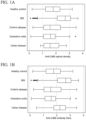
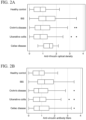
- anti-CdtB antibody levels in D-IBS subjects (2.53 ⁇ 0.69) were significantly higher than healthy subjects (1.81 ⁇ 0.73), Crohn's disease (1.72 ⁇ 0.81), ulcerative colitis (1.54 ⁇ 0.68) and celiac disease (2.23 ⁇ 0.70) (P ⁇ 0.001) ( Figure 1B ).
- Receiver operating characteristics were used to assess the utility of anti-vinculin and anti-CdtB levels in differentiating IBS subjects from non-IBS, IBD and healthy individuals.
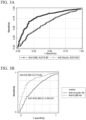
- Figures 3A and 4 demonstrate the ROC curves for these two tests when comparing IBS subjects to all non-IBS subjects and to IBD subjects, respectively.
- the anti-CdtB test performed better than anti-vinculin and appeared equally discriminating of IBS from all non-IBS subjects and from the IBD group alone. In subgroup analysis, there appeared to be no difference based on the type of IBD (data not shown).
- the ROC curve for both anti-CdtB and anti-vinculin show that D-IBS can be discriminated from healthy subjects based on this test.
- optical density (OD) levels for each test were then used to determine the ideal threshold for identification of D-IBS.
- Tables 2A and 3A demonstrate some potential optical density thresholds for the identification of IBS based on sensitivity, specificity and likelihood ratio. For D-IBS, a higher specificity even when associated with a lower sensitivity is more desirable. In D-IBS an ideal test would definitively diagnose IBS, thus reducing the need for invasive testing. So specificity and likelihood ratio was deemed more important. Based on the ROC curves, the ideal level for anti-CdtB appeared to be a level of ⁇ 2.48 and for anti-vinculin the optimal level was of ⁇ 1.62 appear to optimize specificity with relatively limited effects on sensitivity.
- Table 2A Favorable cutoffs of anti-CdtB for diagnosis of IBS over other causes OD Specificity % Sensitivity % +LR -LR ⁇ 2.48 84.7 60.7 4.0 0.5 ⁇ 2.79 91.1 44.4 5.0 0.6 OD- optical density, +LR- positive likelihood ratio, -LR- negative likelihood ratio
- Table 3A Favorable cutoffs of anti-vinculin for diagnosis of IBS over other causes OD Specificity % Sensitivity % +LR -LR ⁇ 1.62 82.3 35.0 2.0 0.78 ⁇ 1.86 86.7 26.5 2.0 0.8 ⁇ 2.23 92.1 15.7 2.0 0.9 OD- optical density, +LR- positive likelihood ratio, -LR- negative likelihood ratio
- Receiver operating characteristics were used to assess the utility of anti-vinculin and anti-CdtB levels in differentiating D-IBS subjects from IBD subjects.
- Figure 3B demonstrates the ROC curves for these two tests when comparing D-IBS subjects to IBD subjects. While both tests were effective at discriminating D-IBS subjects from the IBD group, the area-under-the-curve (AUC) for the diagnosis of D-IBS vs. IBD was higher for anti-CdtB than for anti-vinculin (0.81 and 0.62, respectively). In subgroup analysis, there appeared to be no difference based on the type of IBD (data not shown). The ROC curves for D-IBS compared to non-IBS, celiac subjects and healthy controls were also discriminatory.
- optical density (OD) levels for each test were then used to determine the ideal threshold for identification of D-IBS as compared to IBD.
- Tables 2B and 3B demonstrate some potential optical density thresholds for the identification of D-IBS based on sensitivity, specificity and likelihood ratio. An ideal test would definitively diagnose IBS, thus reducing the need for invasive testing. Therefore, we focused on specificity and positive likelihood ratio. Based on this, the ideal threshold for anti-CdtB to identify D-IBS appeared to be ⁇ 2.80, while for anti-vinculin the optimal threshold appeared to be ⁇ 1.68.
- Table 2B Favorable cut offs for anti-CdtB for the diagnosis of D-IBS over IBD OD Specificity % Sensitivity % +LR -LR ⁇ 2.49 85.9 60.0 4.3 0.5 ⁇ 2.80 91.6 43.7 5.2 0.6 ⁇ 3.04 95.8 28.3 6.7 0.7 OD- optical density, +LR - positive likelihood ratio, -LR - negative likelihood ratio
- Table 3B Favorable cut offs for anti-vinculin for the diagnosis of D-IBS over IBD OD Specificity % Sensitivity % +LR -LR ⁇ 1.53 80.3 37.8 1.9 0.8 ⁇ 1.68 83.8 32.6 2.0 0.8 ⁇ 1.80 84.5 28.9 1.8 0.8 OD- optical density, +LR - positive likelihood ratio, -LR - negative likelihood ratio
- Anti-CdtB and anti-vinculin levels were also compared in females only and in males only. Despite gender differences between subjects with D-IBS and control groups, both biomarkers could be used to successfully identify D-IBS in both males and females.
Landscapes
- Health & Medical Sciences (AREA)
- Life Sciences & Earth Sciences (AREA)
- Immunology (AREA)
- Engineering & Computer Science (AREA)
- Hematology (AREA)
- Urology & Nephrology (AREA)
- Molecular Biology (AREA)
- Biomedical Technology (AREA)
- Chemical & Material Sciences (AREA)
- Physics & Mathematics (AREA)
- Biochemistry (AREA)
- Cell Biology (AREA)
- Pathology (AREA)
- Biotechnology (AREA)
- Food Science & Technology (AREA)
- Medicinal Chemistry (AREA)
- General Physics & Mathematics (AREA)
- Analytical Chemistry (AREA)
- Microbiology (AREA)
- General Health & Medical Sciences (AREA)
- Proteomics, Peptides & Aminoacids (AREA)
- Rheumatology (AREA)
- Rehabilitation Therapy (AREA)
- Peptides Or Proteins (AREA)
- Measuring Or Testing Involving Enzymes Or Micro-Organisms (AREA)
- Medicines That Contain Protein Lipid Enzymes And Other Medicines (AREA)
Applications Claiming Priority (3)
| Application Number | Priority Date | Filing Date | Title |
|---|---|---|---|
| US201462061877P | 2014-10-09 | 2014-10-09 | |
| US201462085825P | 2014-12-01 | 2014-12-01 | |
| PCT/US2015/054655 WO2016057772A1 (en) | 2014-10-09 | 2015-10-08 | Methods and systems for distinguishing irritable bowel syndrome from inflammatory bowel disease and celiac disease |
Publications (3)
| Publication Number | Publication Date |
|---|---|
| EP3204771A1 EP3204771A1 (en) | 2017-08-16 |
| EP3204771A4 EP3204771A4 (en) | 2018-03-14 |
| EP3204771B1 true EP3204771B1 (en) | 2025-03-12 |
Family
ID=55653760
Family Applications (1)
| Application Number | Title | Priority Date | Filing Date |
|---|---|---|---|
| EP15849701.6A Active EP3204771B1 (en) | 2014-10-09 | 2015-10-08 | Methods and systems for distinguishing irritable bowel syndrome from inflammatory bowel disease and celiac disease |
Country Status (16)
| Country | Link |
|---|---|
| US (2) | US10132814B2 (enExample) |
| EP (1) | EP3204771B1 (enExample) |
| JP (1) | JP6784669B2 (enExample) |
| KR (1) | KR102426541B1 (enExample) |
| CN (1) | CN107003308B (enExample) |
| AU (1) | AU2015330872B2 (enExample) |
| CA (1) | CA2962493C (enExample) |
| ES (1) | ES3028294T3 (enExample) |
| IL (1) | IL251606B (enExample) |
| MX (1) | MX384921B (enExample) |
| NZ (1) | NZ730490A (enExample) |
| PL (1) | PL3204771T3 (enExample) |
| PT (1) | PT3204771T (enExample) |
| RU (1) | RU2706361C2 (enExample) |
| SG (1) | SG11201702395WA (enExample) |
| WO (1) | WO2016057772A1 (enExample) |
Families Citing this family (8)
| Publication number | Priority date | Publication date | Assignee | Title |
|---|---|---|---|---|
| US9110081B2 (en) | 2009-02-11 | 2015-08-18 | Cedars-Sinai Medical Center | Antibody to cytolethal distending toxin of Campylobacter jejuni |
| US11693009B2 (en) | 2009-02-11 | 2023-07-04 | Cedars-Sinai Medical Center | Methods for detecting post-infectious irritable bowel syndrome |
| US9702884B2 (en) | 2012-09-17 | 2017-07-11 | Cedars-Sinai Medical Center | Methods for detecting the presence of irritable bowel syndrome and system for diagnosing same |
| NZ717633A (en) | 2013-10-09 | 2021-07-30 | Cedars Sinai Medical Center | Diagnosis and treatment of irritable bowel syndrome and inflammatory bowel disease |
| CN107003308B (zh) | 2014-10-09 | 2020-02-11 | 西达-赛奈医疗中心 | 用于区分肠易激综合征与炎性肠病和乳糜泻的方法和系统 |
| EP3573650A4 (en) | 2017-01-30 | 2020-12-09 | Cedars-Sinai Medical Center | DIAGNOSIS OF SCLERODERMIA |
| EP3913371A1 (en) | 2020-05-18 | 2021-11-24 | Neuroimmun GmbH | Method and kit for diagnosting irritable bowel syndrome and for its relief through dietary interventions |
| CN114895025B (zh) * | 2021-07-01 | 2025-08-12 | 浙江大学 | 一种检测抗粘着斑蛋白-IgG抗体的试剂盒 |
Family Cites Families (29)
| Publication number | Priority date | Publication date | Assignee | Title |
|---|---|---|---|---|
| US4946778A (en) | 1987-09-21 | 1990-08-07 | Genex Corporation | Single polypeptide chain binding molecules |
| US5530101A (en) | 1988-12-28 | 1996-06-25 | Protein Design Labs, Inc. | Humanized immunoglobulins |
| US5691151A (en) | 1994-10-07 | 1997-11-25 | Regents Of University Of California | Methods of screening for ulcerative colitis and crohn's disease by detecting VH3-15 autoantibody and panca |
| US6861053B1 (en) | 1999-08-11 | 2005-03-01 | Cedars-Sinai Medical Center | Methods of diagnosing or treating irritable bowel syndrome and other disorders caused by small intestinal bacterial overgrowth |
| US7048906B2 (en) | 1995-05-17 | 2006-05-23 | Cedars-Sinai Medical Center | Methods of diagnosing and treating small intestinal bacterial overgrowth (SIBO) and SIBO-related conditions |
| US6562629B1 (en) | 1999-08-11 | 2003-05-13 | Cedars-Sinai Medical Center | Method of diagnosing irritable bowel syndrome and other disorders caused by small intestinal bacterial overgrowth by detecting the presence of anti-saccharomyces cerivisiae antibodies (asca) in human serum |
| FR2806805A1 (fr) | 2000-03-22 | 2001-09-28 | Centre Nat Rech Scient | SEQUENCE PEPTIDIQUES COMPRENANT UN OU PLUSIEURS MOTIFS DE LIAISON AUX PROTEINES DE LA FAMILLE Ena/VASP, ET LEURS UTILISATIONS |
| AU2003233576A1 (en) | 2002-05-17 | 2003-12-02 | Sugen, Inc. | Novel biomarkers of tyrosine kinase inhibitor exposure and activity in mammals |
| AU2003291625B2 (en) | 2002-09-16 | 2009-10-08 | Genentech, Inc. | Compositions and methods for the treatment of immune related diseases |
| US7595386B2 (en) | 2003-01-24 | 2009-09-29 | William Beaumont Hospital | Methods and compositions for heat activated gene therapy using cytolethal distending toxin |
| JP2006522817A (ja) * | 2003-04-08 | 2006-10-05 | プロジェニックス ファーマシューティカルズ,インコーポレーテッド | 過敏性腸症候群を処置するための末梢オピオイドアンタゴニスト、特にメチルナルトレキソンの使用 |
| EP2280286A1 (en) | 2003-09-15 | 2011-02-02 | Oklahoma Medical Research Foundation | Method of using cytokine assays to diagnose, treat, and evaluate systemic lupus erythematosus |
| CN1914322B (zh) | 2003-12-05 | 2012-05-30 | 扶桑药品工业株式会社 | 细胞致死肿胀毒素及以其为目标的弯曲杆菌属细菌的检测 |
| US20080085524A1 (en) | 2006-08-15 | 2008-04-10 | Prometheus Laboratories Inc. | Methods for diagnosing irritable bowel syndrome |
| EP2102367A2 (en) | 2006-11-09 | 2009-09-23 | XDX, Inc. | Methods for diagnosing and monitoring the status of systemic lupus erythematosus |
| CA2747253A1 (en) | 2007-12-20 | 2009-07-02 | Index Diagnostics Ab | Method and kit for use in the differentiation of ibd and ibs and further distinction between disease types of ibd |
| WO2010045180A1 (en) | 2008-10-13 | 2010-04-22 | Metabolon, Inc. | Biomarkers for inflammatory bowel disease and methods using the same |
| JP5564512B2 (ja) | 2008-11-24 | 2014-07-30 | セダーズ−シナイ メディカル センター | 抗酸化カンプトセシン誘導体及びその抗酸化、抗新生物ナノスフェア |
| US9110081B2 (en) | 2009-02-11 | 2015-08-18 | Cedars-Sinai Medical Center | Antibody to cytolethal distending toxin of Campylobacter jejuni |
| US20110294726A1 (en) | 2009-02-11 | 2011-12-01 | Cedars-Sinai Medical Center | Antibiotic therapy to reduce the likelihood of developing post-infectious irritable bowel syndrome |
| US9702884B2 (en) | 2012-09-17 | 2017-07-11 | Cedars-Sinai Medical Center | Methods for detecting the presence of irritable bowel syndrome and system for diagnosing same |
| FR2942541A1 (fr) | 2009-02-25 | 2010-08-27 | Assist Publ Hopitaux De Paris | Procede de diagnostic d'une vascularite |
| RU2397178C1 (ru) * | 2009-02-27 | 2010-08-20 | Федеральное государственное учреждение науки "Центральный научно-исследовательский институт эпидемиологии" Федеральной службы по надзору в сфере защиты прав потребителей и благополучия человека | Диагностическая тест-система в формате иммуночипа и способ серологической дифференциальной диагностики сифилиса |
| IT1400989B1 (it) | 2010-07-13 | 2013-07-05 | Segix Italia S R L Ora Istituto Biochimico Naz Savio S R L | Forme di somministrazione orale a rilascio controllato di rifampicina per il trattamento di infezioni batteriche dell' apparato intestinale. |
| GB201017520D0 (en) | 2010-10-15 | 2010-12-01 | Sense Proteomic Ltd | Biomarkers |
| JP5477671B2 (ja) | 2012-02-28 | 2014-04-23 | 三菱マテリアル株式会社 | サーミスタ用金属窒化物材料及びその製造方法並びにフィルム型サーミスタセンサ |
| NZ717633A (en) | 2013-10-09 | 2021-07-30 | Cedars Sinai Medical Center | Diagnosis and treatment of irritable bowel syndrome and inflammatory bowel disease |
| CN107003308B (zh) | 2014-10-09 | 2020-02-11 | 西达-赛奈医疗中心 | 用于区分肠易激综合征与炎性肠病和乳糜泻的方法和系统 |
| EP3573650A4 (en) | 2017-01-30 | 2020-12-09 | Cedars-Sinai Medical Center | DIAGNOSIS OF SCLERODERMIA |
-
2015
- 2015-10-08 CN CN201580067387.5A patent/CN107003308B/zh active Active
- 2015-10-08 AU AU2015330872A patent/AU2015330872B2/en active Active
- 2015-10-08 RU RU2017115663A patent/RU2706361C2/ru active IP Right Revival
- 2015-10-08 WO PCT/US2015/054655 patent/WO2016057772A1/en not_active Ceased
- 2015-10-08 US US14/878,416 patent/US10132814B2/en active Active
- 2015-10-08 CA CA2962493A patent/CA2962493C/en active Active
- 2015-10-08 PT PT158497016T patent/PT3204771T/pt unknown
- 2015-10-08 KR KR1020177011301A patent/KR102426541B1/ko active Active
- 2015-10-08 MX MX2017004516A patent/MX384921B/es unknown
- 2015-10-08 ES ES15849701T patent/ES3028294T3/es active Active
- 2015-10-08 EP EP15849701.6A patent/EP3204771B1/en active Active
- 2015-10-08 SG SG11201702395WA patent/SG11201702395WA/en unknown
- 2015-10-08 PL PL15849701.6T patent/PL3204771T3/pl unknown
- 2015-10-08 NZ NZ730490A patent/NZ730490A/en unknown
- 2015-10-08 JP JP2017518834A patent/JP6784669B2/ja active Active
-
2017
- 2017-04-05 IL IL251606A patent/IL251606B/en active IP Right Grant
-
2018
- 2018-10-05 US US16/152,806 patent/US10690679B2/en active Active
Also Published As
| Publication number | Publication date |
|---|---|
| PT3204771T (pt) | 2025-05-20 |
| JP6784669B2 (ja) | 2020-11-11 |
| PL3204771T3 (pl) | 2025-07-28 |
| EP3204771A4 (en) | 2018-03-14 |
| AU2015330872A1 (en) | 2017-04-13 |
| ES3028294T3 (en) | 2025-06-18 |
| KR20170067795A (ko) | 2017-06-16 |
| CA2962493C (en) | 2023-01-10 |
| AU2015330872B2 (en) | 2021-04-22 |
| IL251606B (en) | 2020-08-31 |
| RU2017115663A (ru) | 2018-11-13 |
| IL251606A0 (en) | 2017-06-29 |
| EP3204771A1 (en) | 2017-08-16 |
| CN107003308A (zh) | 2017-08-01 |
| SG11201702395WA (en) | 2017-04-27 |
| US20190187153A1 (en) | 2019-06-20 |
| RU2017115663A3 (enExample) | 2019-05-16 |
| US20160103136A1 (en) | 2016-04-14 |
| WO2016057772A1 (en) | 2016-04-14 |
| NZ730490A (en) | 2021-07-30 |
| CN107003308B (zh) | 2020-02-11 |
| KR102426541B1 (ko) | 2022-07-29 |
| CA2962493A1 (en) | 2016-04-14 |
| JP2017531801A (ja) | 2017-10-26 |
| US10132814B2 (en) | 2018-11-20 |
| US10690679B2 (en) | 2020-06-23 |
| MX2017004516A (es) | 2017-10-12 |
| RU2706361C2 (ru) | 2019-11-18 |
| MX384921B (es) | 2025-03-14 |
Similar Documents
| Publication | Publication Date | Title |
|---|---|---|
| US10690679B2 (en) | Methods and systems for distinguishing irritable bowel syndrome from inflammatory bowel disease and celiac disease | |
| AU2015205899B2 (en) | Methods for diagnosing irritable bowel syndrome | |
| KR102259588B1 (ko) | 과민성 장 증후군 및 염증성 장 질환의 진단 및 치료 | |
| US12222352B2 (en) | Diagnosis of scleroderma | |
| US20200271665A1 (en) | Diagnosis and treatment of motility disorders of the gut and bladder, and of fibromyalgia | |
| US20240159772A1 (en) | Methods for Detecting and Treating Irritable Bowel Syndrome | |
| Shen et al. | Human defensin 5 expression in intestinal metaplasia of the upper gastrointestinal tract | |
| HK1234824A1 (en) | Methods and systems for distinguishing irritable bowel syndrome from inflammatory bowel disease and celiac disease | |
| HK1234824B (en) | Methods and systems for distinguishing irritable bowel syndrome from inflammatory bowel disease and celiac disease | |
| HK1221898B (en) | Diagnosis and treatment of irritable bowel syndrome and inflammatory bowel disease |
Legal Events
| Date | Code | Title | Description |
|---|---|---|---|
| STAA | Information on the status of an ep patent application or granted ep patent |
Free format text: STATUS: THE INTERNATIONAL PUBLICATION HAS BEEN MADE |
|
| PUAI | Public reference made under article 153(3) epc to a published international application that has entered the european phase |
Free format text: ORIGINAL CODE: 0009012 |
|
| STAA | Information on the status of an ep patent application or granted ep patent |
Free format text: STATUS: REQUEST FOR EXAMINATION WAS MADE |
|
| 17P | Request for examination filed |
Effective date: 20170404 |
|
| AK | Designated contracting states |
Kind code of ref document: A1 Designated state(s): AL AT BE BG CH CY CZ DE DK EE ES FI FR GB GR HR HU IE IS IT LI LT LU LV MC MK MT NL NO PL PT RO RS SE SI SK SM TR |
|
| AX | Request for extension of the european patent |
Extension state: BA ME |
|
| DAV | Request for validation of the european patent (deleted) | ||
| DAX | Request for extension of the european patent (deleted) | ||
| REG | Reference to a national code |
Ref country code: HK Ref legal event code: DE Ref document number: 1234824 Country of ref document: HK |
|
| A4 | Supplementary search report drawn up and despatched |
Effective date: 20180208 |
|
| RIC1 | Information provided on ipc code assigned before grant |
Ipc: G01N 33/564 20060101AFI20180202BHEP |
|
| STAA | Information on the status of an ep patent application or granted ep patent |
Free format text: STATUS: EXAMINATION IS IN PROGRESS |
|
| 17Q | First examination report despatched |
Effective date: 20220930 |
|
| REG | Reference to a national code |
Ref country code: DE Ref legal event code: R079 Free format text: PREVIOUS MAIN CLASS: G01N0033564000 Ipc: G01N0033680000 Ref country code: DE Ref legal event code: R079 Ref document number: 602015091210 Country of ref document: DE Free format text: PREVIOUS MAIN CLASS: G01N0033564000 Ipc: G01N0033680000 |
|
| GRAP | Despatch of communication of intention to grant a patent |
Free format text: ORIGINAL CODE: EPIDOSNIGR1 |
|
| STAA | Information on the status of an ep patent application or granted ep patent |
Free format text: STATUS: GRANT OF PATENT IS INTENDED |
|
| RIC1 | Information provided on ipc code assigned before grant |
Ipc: G01N 33/68 20060101AFI20240918BHEP |
|
| INTG | Intention to grant announced |
Effective date: 20241004 |
|
| GRAS | Grant fee paid |
Free format text: ORIGINAL CODE: EPIDOSNIGR3 |
|
| GRAA | (expected) grant |
Free format text: ORIGINAL CODE: 0009210 |
|
| STAA | Information on the status of an ep patent application or granted ep patent |
Free format text: STATUS: THE PATENT HAS BEEN GRANTED |
|
| AK | Designated contracting states |
Kind code of ref document: B1 Designated state(s): AL AT BE BG CH CY CZ DE DK EE ES FI FR GB GR HR HU IE IS IT LI LT LU LV MC MK MT NL NO PL PT RO RS SE SI SK SM TR |
|
| REG | Reference to a national code |
Ref country code: GB Ref legal event code: FG4D |
|
| REG | Reference to a national code |
Ref country code: CH Ref legal event code: EP |
|
| REG | Reference to a national code |
Ref country code: DE Ref legal event code: R096 Ref document number: 602015091210 Country of ref document: DE |
|
| REG | Reference to a national code |
Ref country code: IE Ref legal event code: FG4D |
|
| REG | Reference to a national code |
Ref country code: PT Ref legal event code: SC4A Ref document number: 3204771 Country of ref document: PT Date of ref document: 20250520 Kind code of ref document: T Free format text: AVAILABILITY OF NATIONAL TRANSLATION Effective date: 20250515 |
|
| REG | Reference to a national code |
Ref country code: SE Ref legal event code: TRGR |
|
| REG | Reference to a national code |
Ref country code: ES Ref legal event code: FG2A Ref document number: 3028294 Country of ref document: ES Kind code of ref document: T3 Effective date: 20250618 |
|
| PG25 | Lapsed in a contracting state [announced via postgrant information from national office to epo] |
Ref country code: RS Free format text: LAPSE BECAUSE OF FAILURE TO SUBMIT A TRANSLATION OF THE DESCRIPTION OR TO PAY THE FEE WITHIN THE PRESCRIBED TIME-LIMIT Effective date: 20250612 |
|
| PG25 | Lapsed in a contracting state [announced via postgrant information from national office to epo] |
Ref country code: FI Free format text: LAPSE BECAUSE OF FAILURE TO SUBMIT A TRANSLATION OF THE DESCRIPTION OR TO PAY THE FEE WITHIN THE PRESCRIBED TIME-LIMIT Effective date: 20250312 |
|
| REG | Reference to a national code |
Ref country code: LT Ref legal event code: MG9D |
|
| PG25 | Lapsed in a contracting state [announced via postgrant information from national office to epo] |
Ref country code: HR Free format text: LAPSE BECAUSE OF FAILURE TO SUBMIT A TRANSLATION OF THE DESCRIPTION OR TO PAY THE FEE WITHIN THE PRESCRIBED TIME-LIMIT Effective date: 20250312 |
|
| REG | Reference to a national code |
Ref country code: NL Ref legal event code: MP Effective date: 20250312 |
|
| PG25 | Lapsed in a contracting state [announced via postgrant information from national office to epo] |
Ref country code: LV Free format text: LAPSE BECAUSE OF FAILURE TO SUBMIT A TRANSLATION OF THE DESCRIPTION OR TO PAY THE FEE WITHIN THE PRESCRIBED TIME-LIMIT Effective date: 20250312 |
|
| PG25 | Lapsed in a contracting state [announced via postgrant information from national office to epo] |
Ref country code: GR Free format text: LAPSE BECAUSE OF FAILURE TO SUBMIT A TRANSLATION OF THE DESCRIPTION OR TO PAY THE FEE WITHIN THE PRESCRIBED TIME-LIMIT Effective date: 20250613 Ref country code: BG Free format text: LAPSE BECAUSE OF FAILURE TO SUBMIT A TRANSLATION OF THE DESCRIPTION OR TO PAY THE FEE WITHIN THE PRESCRIBED TIME-LIMIT Effective date: 20250312 |
|
| P01 | Opt-out of the competence of the unified patent court (upc) registered |
Free format text: CASE NUMBER: APP_29756/2025 Effective date: 20250623 |
|
| REG | Reference to a national code |
Ref country code: AT Ref legal event code: MK05 Ref document number: 1775400 Country of ref document: AT Kind code of ref document: T Effective date: 20250312 |
|
| PG25 | Lapsed in a contracting state [announced via postgrant information from national office to epo] |
Ref country code: NL Free format text: LAPSE BECAUSE OF FAILURE TO SUBMIT A TRANSLATION OF THE DESCRIPTION OR TO PAY THE FEE WITHIN THE PRESCRIBED TIME-LIMIT Effective date: 20250312 |
|
| PG25 | Lapsed in a contracting state [announced via postgrant information from national office to epo] |
Ref country code: SM Free format text: LAPSE BECAUSE OF FAILURE TO SUBMIT A TRANSLATION OF THE DESCRIPTION OR TO PAY THE FEE WITHIN THE PRESCRIBED TIME-LIMIT Effective date: 20250312 |
|
| PGFP | Annual fee paid to national office [announced via postgrant information from national office to epo] |
Ref country code: PT Payment date: 20250919 Year of fee payment: 11 |
|
| PGFP | Annual fee paid to national office [announced via postgrant information from national office to epo] |
Ref country code: PL Payment date: 20250922 Year of fee payment: 11 |
|
| PG25 | Lapsed in a contracting state [announced via postgrant information from national office to epo] |
Ref country code: AT Free format text: LAPSE BECAUSE OF FAILURE TO SUBMIT A TRANSLATION OF THE DESCRIPTION OR TO PAY THE FEE WITHIN THE PRESCRIBED TIME-LIMIT Effective date: 20250312 |
|
| PG25 | Lapsed in a contracting state [announced via postgrant information from national office to epo] |
Ref country code: EE Free format text: LAPSE BECAUSE OF FAILURE TO SUBMIT A TRANSLATION OF THE DESCRIPTION OR TO PAY THE FEE WITHIN THE PRESCRIBED TIME-LIMIT Effective date: 20250312 Ref country code: CZ Free format text: LAPSE BECAUSE OF FAILURE TO SUBMIT A TRANSLATION OF THE DESCRIPTION OR TO PAY THE FEE WITHIN THE PRESCRIBED TIME-LIMIT Effective date: 20250312 |
|
| PG25 | Lapsed in a contracting state [announced via postgrant information from national office to epo] |
Ref country code: RO Free format text: LAPSE BECAUSE OF FAILURE TO SUBMIT A TRANSLATION OF THE DESCRIPTION OR TO PAY THE FEE WITHIN THE PRESCRIBED TIME-LIMIT Effective date: 20250312 |
|
| PG25 | Lapsed in a contracting state [announced via postgrant information from national office to epo] |
Ref country code: SK Free format text: LAPSE BECAUSE OF FAILURE TO SUBMIT A TRANSLATION OF THE DESCRIPTION OR TO PAY THE FEE WITHIN THE PRESCRIBED TIME-LIMIT Effective date: 20250312 |
|
| PG25 | Lapsed in a contracting state [announced via postgrant information from national office to epo] |
Ref country code: IS Free format text: LAPSE BECAUSE OF FAILURE TO SUBMIT A TRANSLATION OF THE DESCRIPTION OR TO PAY THE FEE WITHIN THE PRESCRIBED TIME-LIMIT Effective date: 20250712 |
|
| REG | Reference to a national code |
Ref country code: CH Ref legal event code: U11 Free format text: ST27 STATUS EVENT CODE: U-0-0-U10-U11 (AS PROVIDED BY THE NATIONAL OFFICE) Effective date: 20251101 |
|
| REG | Reference to a national code |
Ref country code: DE Ref legal event code: R097 Ref document number: 602015091210 Country of ref document: DE |
|
| PGFP | Annual fee paid to national office [announced via postgrant information from national office to epo] |
Ref country code: DE Payment date: 20251013 Year of fee payment: 11 |
|
| PGFP | Annual fee paid to national office [announced via postgrant information from national office to epo] |
Ref country code: GB Payment date: 20251020 Year of fee payment: 11 |
|
| PGFP | Annual fee paid to national office [announced via postgrant information from national office to epo] |
Ref country code: NO Payment date: 20251021 Year of fee payment: 11 |
|
| PG25 | Lapsed in a contracting state [announced via postgrant information from national office to epo] |
Ref country code: DK Free format text: LAPSE BECAUSE OF FAILURE TO SUBMIT A TRANSLATION OF THE DESCRIPTION OR TO PAY THE FEE WITHIN THE PRESCRIBED TIME-LIMIT Effective date: 20250312 |
|
| PGFP | Annual fee paid to national office [announced via postgrant information from national office to epo] |
Ref country code: IT Payment date: 20251013 Year of fee payment: 11 |
|
| PGFP | Annual fee paid to national office [announced via postgrant information from national office to epo] |
Ref country code: FR Payment date: 20251017 Year of fee payment: 11 |
|
| PLBE | No opposition filed within time limit |
Free format text: ORIGINAL CODE: 0009261 |
|
| STAA | Information on the status of an ep patent application or granted ep patent |
Free format text: STATUS: NO OPPOSITION FILED WITHIN TIME LIMIT |
|
| PGFP | Annual fee paid to national office [announced via postgrant information from national office to epo] |
Ref country code: CH Payment date: 20251101 Year of fee payment: 11 Ref country code: SE Payment date: 20251017 Year of fee payment: 11 |
|
| PGFP | Annual fee paid to national office [announced via postgrant information from national office to epo] |
Ref country code: IE Payment date: 20251017 Year of fee payment: 11 |
|
| REG | Reference to a national code |
Ref country code: CH Ref legal event code: L10 Free format text: ST27 STATUS EVENT CODE: U-0-0-L10-L00 (AS PROVIDED BY THE NATIONAL OFFICE) Effective date: 20260121 |
|
| PGFP | Annual fee paid to national office [announced via postgrant information from national office to epo] |
Ref country code: ES Payment date: 20251110 Year of fee payment: 11 |
|
| 26N | No opposition filed |
Effective date: 20251215 |
|
| PG25 | Lapsed in a contracting state [announced via postgrant information from national office to epo] |
Ref country code: LU Free format text: LAPSE BECAUSE OF NON-PAYMENT OF DUE FEES Effective date: 20251008 |
|
| REG | Reference to a national code |
Ref country code: BE Ref legal event code: MM Effective date: 20251031 |
|
| PG25 | Lapsed in a contracting state [announced via postgrant information from national office to epo] |
Ref country code: LT Free format text: LAPSE BECAUSE OF FAILURE TO SUBMIT A TRANSLATION OF THE DESCRIPTION OR TO PAY THE FEE WITHIN THE PRESCRIBED TIME-LIMIT Effective date: 20250312 |
|
| PG25 | Lapsed in a contracting state [announced via postgrant information from national office to epo] |
Ref country code: MC Free format text: LAPSE BECAUSE OF FAILURE TO SUBMIT A TRANSLATION OF THE DESCRIPTION OR TO PAY THE FEE WITHIN THE PRESCRIBED TIME-LIMIT Effective date: 20250312 |
|
| PG25 | Lapsed in a contracting state [announced via postgrant information from national office to epo] |
Ref country code: BE Free format text: LAPSE BECAUSE OF NON-PAYMENT OF DUE FEES Effective date: 20251031 |