EP3177307B1 - Interleukin-2/interleukin-2 receptor alpha fusion proteins and methods of use - Google Patents
Interleukin-2/interleukin-2 receptor alpha fusion proteins and methods of use Download PDFInfo
- Publication number
- EP3177307B1 EP3177307B1 EP15750560.3A EP15750560A EP3177307B1 EP 3177307 B1 EP3177307 B1 EP 3177307B1 EP 15750560 A EP15750560 A EP 15750560A EP 3177307 B1 EP3177307 B1 EP 3177307B1
- Authority
- EP
- European Patent Office
- Prior art keywords
- fusion protein
- seq
- sequence
- activity
- polypeptide
- Prior art date
- Legal status (The legal status is an assumption and is not a legal conclusion. Google has not performed a legal analysis and makes no representation as to the accuracy of the status listed.)
- Active
Links
Images



Classifications
-
- C—CHEMISTRY; METALLURGY
- C07—ORGANIC CHEMISTRY
- C07K—PEPTIDES
- C07K14/00—Peptides having more than 20 amino acids; Gastrins; Somatostatins; Melanotropins; Derivatives thereof
- C07K14/435—Peptides having more than 20 amino acids; Gastrins; Somatostatins; Melanotropins; Derivatives thereof from animals; from humans
- C07K14/52—Cytokines; Lymphokines; Interferons
- C07K14/54—Interleukins [IL]
- C07K14/55—IL-2
-
- A—HUMAN NECESSITIES
- A61—MEDICAL OR VETERINARY SCIENCE; HYGIENE
- A61P—SPECIFIC THERAPEUTIC ACTIVITY OF CHEMICAL COMPOUNDS OR MEDICINAL PREPARATIONS
- A61P1/00—Drugs for disorders of the alimentary tract or the digestive system
-
- A—HUMAN NECESSITIES
- A61—MEDICAL OR VETERINARY SCIENCE; HYGIENE
- A61P—SPECIFIC THERAPEUTIC ACTIVITY OF CHEMICAL COMPOUNDS OR MEDICINAL PREPARATIONS
- A61P1/00—Drugs for disorders of the alimentary tract or the digestive system
- A61P1/04—Drugs for disorders of the alimentary tract or the digestive system for ulcers, gastritis or reflux esophagitis, e.g. antacids, inhibitors of acid secretion, mucosal protectants
-
- A—HUMAN NECESSITIES
- A61—MEDICAL OR VETERINARY SCIENCE; HYGIENE
- A61P—SPECIFIC THERAPEUTIC ACTIVITY OF CHEMICAL COMPOUNDS OR MEDICINAL PREPARATIONS
- A61P1/00—Drugs for disorders of the alimentary tract or the digestive system
- A61P1/12—Antidiarrhoeals
-
- A—HUMAN NECESSITIES
- A61—MEDICAL OR VETERINARY SCIENCE; HYGIENE
- A61P—SPECIFIC THERAPEUTIC ACTIVITY OF CHEMICAL COMPOUNDS OR MEDICINAL PREPARATIONS
- A61P17/00—Drugs for dermatological disorders
- A61P17/06—Antipsoriatics
-
- A—HUMAN NECESSITIES
- A61—MEDICAL OR VETERINARY SCIENCE; HYGIENE
- A61P—SPECIFIC THERAPEUTIC ACTIVITY OF CHEMICAL COMPOUNDS OR MEDICINAL PREPARATIONS
- A61P17/00—Drugs for dermatological disorders
- A61P17/14—Drugs for dermatological disorders for baldness or alopecia
-
- A—HUMAN NECESSITIES
- A61—MEDICAL OR VETERINARY SCIENCE; HYGIENE
- A61P—SPECIFIC THERAPEUTIC ACTIVITY OF CHEMICAL COMPOUNDS OR MEDICINAL PREPARATIONS
- A61P19/00—Drugs for skeletal disorders
- A61P19/02—Drugs for skeletal disorders for joint disorders, e.g. arthritis, arthrosis
-
- A—HUMAN NECESSITIES
- A61—MEDICAL OR VETERINARY SCIENCE; HYGIENE
- A61P—SPECIFIC THERAPEUTIC ACTIVITY OF CHEMICAL COMPOUNDS OR MEDICINAL PREPARATIONS
- A61P21/00—Drugs for disorders of the muscular or neuromuscular system
-
- A—HUMAN NECESSITIES
- A61—MEDICAL OR VETERINARY SCIENCE; HYGIENE
- A61P—SPECIFIC THERAPEUTIC ACTIVITY OF CHEMICAL COMPOUNDS OR MEDICINAL PREPARATIONS
- A61P25/00—Drugs for disorders of the nervous system
-
- A—HUMAN NECESSITIES
- A61—MEDICAL OR VETERINARY SCIENCE; HYGIENE
- A61P—SPECIFIC THERAPEUTIC ACTIVITY OF CHEMICAL COMPOUNDS OR MEDICINAL PREPARATIONS
- A61P29/00—Non-central analgesic, antipyretic or antiinflammatory agents, e.g. antirheumatic agents; Non-steroidal antiinflammatory drugs [NSAID]
-
- A—HUMAN NECESSITIES
- A61—MEDICAL OR VETERINARY SCIENCE; HYGIENE
- A61P—SPECIFIC THERAPEUTIC ACTIVITY OF CHEMICAL COMPOUNDS OR MEDICINAL PREPARATIONS
- A61P3/00—Drugs for disorders of the metabolism
- A61P3/08—Drugs for disorders of the metabolism for glucose homeostasis
- A61P3/10—Drugs for disorders of the metabolism for glucose homeostasis for hyperglycaemia, e.g. antidiabetics
-
- A—HUMAN NECESSITIES
- A61—MEDICAL OR VETERINARY SCIENCE; HYGIENE
- A61P—SPECIFIC THERAPEUTIC ACTIVITY OF CHEMICAL COMPOUNDS OR MEDICINAL PREPARATIONS
- A61P31/00—Antiinfectives, i.e. antibiotics, antiseptics, chemotherapeutics
- A61P31/12—Antivirals
- A61P31/14—Antivirals for RNA viruses
-
- A—HUMAN NECESSITIES
- A61—MEDICAL OR VETERINARY SCIENCE; HYGIENE
- A61P—SPECIFIC THERAPEUTIC ACTIVITY OF CHEMICAL COMPOUNDS OR MEDICINAL PREPARATIONS
- A61P35/00—Antineoplastic agents
-
- A—HUMAN NECESSITIES
- A61—MEDICAL OR VETERINARY SCIENCE; HYGIENE
- A61P—SPECIFIC THERAPEUTIC ACTIVITY OF CHEMICAL COMPOUNDS OR MEDICINAL PREPARATIONS
- A61P37/00—Drugs for immunological or allergic disorders
- A61P37/02—Immunomodulators
-
- A—HUMAN NECESSITIES
- A61—MEDICAL OR VETERINARY SCIENCE; HYGIENE
- A61P—SPECIFIC THERAPEUTIC ACTIVITY OF CHEMICAL COMPOUNDS OR MEDICINAL PREPARATIONS
- A61P37/00—Drugs for immunological or allergic disorders
- A61P37/02—Immunomodulators
- A61P37/04—Immunostimulants
-
- A—HUMAN NECESSITIES
- A61—MEDICAL OR VETERINARY SCIENCE; HYGIENE
- A61P—SPECIFIC THERAPEUTIC ACTIVITY OF CHEMICAL COMPOUNDS OR MEDICINAL PREPARATIONS
- A61P37/00—Drugs for immunological or allergic disorders
- A61P37/02—Immunomodulators
- A61P37/06—Immunosuppressants, e.g. drugs for graft rejection
-
- A—HUMAN NECESSITIES
- A61—MEDICAL OR VETERINARY SCIENCE; HYGIENE
- A61P—SPECIFIC THERAPEUTIC ACTIVITY OF CHEMICAL COMPOUNDS OR MEDICINAL PREPARATIONS
- A61P43/00—Drugs for specific purposes, not provided for in groups A61P1/00-A61P41/00
-
- A—HUMAN NECESSITIES
- A61—MEDICAL OR VETERINARY SCIENCE; HYGIENE
- A61P—SPECIFIC THERAPEUTIC ACTIVITY OF CHEMICAL COMPOUNDS OR MEDICINAL PREPARATIONS
- A61P9/00—Drugs for disorders of the cardiovascular system
-
- C—CHEMISTRY; METALLURGY
- C07—ORGANIC CHEMISTRY
- C07K—PEPTIDES
- C07K14/00—Peptides having more than 20 amino acids; Gastrins; Somatostatins; Melanotropins; Derivatives thereof
- C07K14/435—Peptides having more than 20 amino acids; Gastrins; Somatostatins; Melanotropins; Derivatives thereof from animals; from humans
- C07K14/705—Receptors; Cell surface antigens; Cell surface determinants
- C07K14/715—Receptors; Cell surface antigens; Cell surface determinants for cytokines; for lymphokines; for interferons
- C07K14/7155—Receptors; Cell surface antigens; Cell surface determinants for cytokines; for lymphokines; for interferons for interleukins [IL]
-
- A—HUMAN NECESSITIES
- A61—MEDICAL OR VETERINARY SCIENCE; HYGIENE
- A61K—PREPARATIONS FOR MEDICAL, DENTAL OR TOILETRY PURPOSES
- A61K38/00—Medicinal preparations containing peptides
-
- C—CHEMISTRY; METALLURGY
- C07—ORGANIC CHEMISTRY
- C07K—PEPTIDES
- C07K2319/00—Fusion polypeptide
-
- C—CHEMISTRY; METALLURGY
- C07—ORGANIC CHEMISTRY
- C07K—PEPTIDES
- C07K2319/00—Fusion polypeptide
- C07K2319/20—Fusion polypeptide containing a tag with affinity for a non-protein ligand
- C07K2319/21—Fusion polypeptide containing a tag with affinity for a non-protein ligand containing a His-tag
Definitions
- the presently disclosed subject matter generally relates to Interleukin2/Interleukin-2 Receptor alpha fusion proteins and methods and compositions for modulating the immune response employing such fusion proteins.
- Interleukin-2 is a biologic that has been used in attempts to boost immune responses in cancer and HIV/AID patients. More recently lower doses of IL-2 have been used to selectively boost tolerance to suppress unwanted immune responses associated with autoimmune-like attack of self tissues. Importantly, these low doses of IL-2 have not shown any signs of enhancing or reactivation of autoreactive T cells. Nevertheless, IL-2 has important drawbacks as a therapeutic, including a very short-half life in vivo, which limits its efficacy, and toxicity at high doses. For these reasons new IL-2 biologics are needed having improved pharmacokinetics and durability of responses for use.
- the development of attenuated interleukin-2 fusion proteins that can be activated by proteases is described in Puskas et al., Immunology. 2011 Jun; 133(2): 206-220 and WO 2011/123683 .
- the fusion protein Albuleukin is a recombinant human interleukin-2 genetically fused to recombinant human serum albumin.
- the therapeutic efficacy of Albuleukin is said to be improved in mice by prolonging its in vivo half-life ( Melder et al., Cancer Immunol Immunother. 2005 Jun;54(6):535-47 ).
- the fusion of cytokines to its extracellular receptor might generate a potent, long-acting agonist with slow absorption and elimination ( Wilkinson et al., Nat Med. 2007 Sep;13(9):1108-13 ).
- the present invention relates in a first aspect to a fusion protein comprising: (a) a first polypeptide comprising Interleukin-2 (IL-2); wherein the first polypeptide has at least 70% sequence identity to SEQ ID NO: 2 (b) a second polypeptide, fused in frame to the first polypeptide by a linker, wherein the linker is the sequence set forth in SEQ ID NO: 13, and wherein the second polypeptide comprises an extracellular domain of Interleukin-2 Receptor alpha (IL-2R ⁇ ), wherein the second polypeptide has at least 70% sequence identity to SEQ ID NO: 7; which has biological activity of the IL-2R ⁇ extracellular domain; wherein the fusion protein has an increased IL-2 activity when compared to native IL-2; or wherein the fusion protein has an increased persistent IL-2 stimulation of IL-2R bearing lymphocytes in vivo when compared to native IL-2.
- IL-2 Interleukin-2
- the first polypeptide comprising IL-2 has at least 75%, at least 85%, at least 90%, at least 95%, at least 99%, or 100% sequence identity to SEQ ID NO: 2.
- the second polypeptide comprising the extracellular domain of IL-2R ⁇ has at least 75%, at least 85%, at least 90%, at least 95%, at least 99%, or 100% sequence identity to SEQ ID NO: 7.
- the fusion protein of the invention comprises (a) the amino acid sequence of any one of SEQ ID NO: 26, 27, 36, 37, 57, or 59; or (b) a sequence having at least 80%, 85%, 90%, or 95% sequence identity to any one of SEQ ID NO: 26, 27, 36, 57, or 59.
- the fusion protein comprises: the amino acid sequence of SEQ ID NO: 62; or a sequence having at least 80%, 85%, 90%, or 95% sequence identity to SEQ ID NO: 62.
- the invention in a second aspect, relates to a polynucleotide comprising a nucleotide sequence encoding the fusion protein of the invention.
- the invention relates to a host cell comprising the polynucleotide encoding the fusion protein of the invention.
- the invention in a fourth aspect, relates to a method of producing the fusion protein of the invention, the method comprising expressing the polynucleotide encoding the fusion protein of the invention in the host cells disclosed herein and recovering the fusion protein so produced.
- the invention relates to the fusion protein of the invention for use in decreasing the immune response in a subject in need thereof.
- the subject has an autoimmune disease; optionally wherein the autoimmune disease is selected from the group consisting of type 1 diabetes, multiple sclerosis, rheumatoid arthritis, celiac disease, systemic lupus erythematous, juvenile idiopathic arthritis, Crohn's disease, ulcerative colitis or systemic sclerosis, graft versus host disease, psoriasis, alopecia areata, and HCV-induced vasculitis.
- the autoimmune disease is selected from the group consisting of type 1 diabetes, multiple sclerosis, rheumatoid arthritis, celiac disease, systemic lupus erythematous, juvenile idiopathic arthritis, Crohn's disease, ulcerative colitis or systemic sclerosis, graft versus host disease, psoriasis, alopecia areata, and HCV-induced vasculitis.
- a therapeutically effective amount of the fusion protein comprises 10 3 to 10 6 IU of IL-2 activity per adult or 10 4 ⁇ 100 fold of IL-2 activity per adult.
- the subject is a human.
- the invention relates to the fusion protein of the invention for use in enhancing the immunogenicity of a vaccine in a subject in need thereof or overcoming a suppressed immune response to a vaccine in a subject in need thereof.
- the fusion protein and the vaccine are to be administered simultaneously.
- the fusion protein and the vaccine are to be administered sequentially in any order.
- said vaccine is a cancer vaccine.
- a therapeutically effective amount of the fusion protein comprises at least 10 4 to 10 7 IU of IL-2 activity per adult or at least 10 5 ⁇ 10 of IL-2 activity per adult.
- the subject is a human.
- Interleukin-2 Interleukin-2
- IL-2R ⁇ Interleukin-2 receptor alpha
- the size of the IL-2/IL-2R ⁇ fusion proteins will increase its half-life in vivo.
- the weak interaction between IL-2 and IL-2R ⁇ (one subunit of the IL-2R) in the context of the IL-2/IL-2R ⁇ fusion proteins provides another mechanism to prolong the availability of the IL-2. While not being limited to the specific mechanism of action, the prolonged availability of the IL-2 activity might occur through a competitive interaction between the IL-2 moiety with IL-2R ⁇ of the IL-2/IL-2R ⁇ fusion and with cells that express the IL-2R.
- Fusion proteins comprise a first polypeptide comprising interleukin-2 (IL-2) or a functional variant or fragment thereof fused in frame to a second polypeptide comprising or consisting of the extracellular domain of the Interleukin-2 Receptor Alpha (IL-2R ⁇ ) polypeptide or a functional variant or fragment thereof.
- IL-2 interleukin-2
- IL-2R ⁇ Interleukin-2 Receptor Alpha
- the fusion protein comprises a first polypeptide comprising IL-2 and having at least 70% sequence identity to SEQ ID NO:2; and a second polypeptide, fused in frame to the first polypeptide by a linker, wherein the linker is the sequence set forth in SEQ ID NO: 13, and wherein the second polypeptide comprises an extracellular domain of Interleukin-2 Receptor alpha (IL-2R ⁇ ), wherein the second polypeptide has at least 70% sequence identity to SEQ ID NO: 7; which has biological activity of the IL-2R ⁇ extracellular domain.
- IL-2R ⁇ Interleukin-2 Receptor alpha
- fusion protein refers to the in frame genetic linkage of at least two heterologous polypeptides. Upon transcription/translation, a single protein is made. In this way, multiple proteins, or fragments thereof can be incorporated into a single polypeptide. "Operably linked” is intended to mean a functional linkage between two or more elements. For example, an operable linkage between two polypeptides fuses both polypeptides together in frame to produce a single polypeptide fusion protein.
- the fusion protein further comprises a third polypeptide which, as discussed in further detail below, can comprise a linker sequence.
- the IL-2/IL-2R ⁇ fusion proteins or the active variants or fragments thereof disclosed herein can have one or more the following properties/activities: (1) increasing activity of regulatory T cells (Tregs) and/or increasing immune tolerance in low dose IL-2 based therapies; (2) increasing immune response and memory in higher dose therapies; (3) increasing IL-2 availability when compared to recombinant IL-2; and/or (4) increasing persistent IL-2 stimulation of IL-2R bearing lymphocytes in vivo.
- Tregs regulatory T cells
- the fusion protein has increased IL-2 activity, or increased persistent IL-2 stimulation of IL-2R bearing lymphocytes in vivo, when compared to native IL-2.
- an increased activity of Tregs that results from the IL-2/IL-2R ⁇ fusion proteins or the active variants or fragments thereof disclosed herein can be assayed in a variety of ways including, for example, (1) an increased representation and number of Tregs in the CD4 + T cell compartment; (2) upregulation of IL-2-dependent CD25; (3) increased proliferation as assessed by expression of the proliferative marker Ki67; and (4) an increased fraction of IL-2-dependent terminally differentiated KIrgl + Treg subset.
- Such effects on Tregs can be seen, for example, in the spleen and the inflamed pancreas.
- the IL-2/IL-2R ⁇ fusion proteins or the active variants or fragments thereof disclosed herein increase tolerogenic and immune suppressive Tregs and immunity through increasing T effector/memory responses and, in further embodiments, they exhibit improved pharmacokinetics by delivering such responses at (1) lower effective levels of IL-2 activity compared to native or recombinant IL-2; (2) displays more persistent biological responses than native or recombinant IL-2; and/or (3) retains the hierarchy with Tregs responsive at lower level doses that T effector/memory cells.
- the fusion proteins disclosed herein have an improved activity over the native or recombinant IL-2.
- the effect of the IL-2/IL-2R ⁇ fusion proteins can increase tolerogenic Tregs at about 2 fold, 5 fold, 10 fold, 20 fold, 30 fold, 40 fold, 50 fold, 60 fold, 70 fold, 80 fold, 90 fold, 100 fold 150 fold, 200 fold or lower level IL-2 activity in comparison to native or recombinant IL-2.
- the IL-2/IL-2R ⁇ fusion proteins disclosed herein are more effective than native or recombinant IL-2 in inducing persistent augmentation of Tregs and related properties.
- IL-2 and IL-2R ⁇ fragments and variants from a variety of organism can be used to generate the IL-2/IL-2R ⁇ extracellular domain fusion proteins disclosed herein. Such components are discussed in further detailed elsewhere herein. Examples of non-limiting unprocessed IL-2/IL-2R ⁇ extracellular domain fusion proteins are set forth in SEQ ID NO: 27, 36, 57, and 59 while non-limiting examples of mature forms of the IL-2/IL-R ⁇ extracellular domain fusion proteins are set forth in SEQ ID NOS: 26, 37, and 62. Non-limiting examples of polynucleotides encoding such fusion proteins are set forth in SEQ ID NO: 33, 34, 42, and 63.
- secretory signal sequence denotes a polynucleotide sequence that encodes a polypeptide (a "secretory peptide") that, as a component of a larger polypeptide, directs the larger polypeptide through a secretory pathway of the cell in which it is synthesized.
- the larger polypeptide is commonly cleaved to remove the secretory peptide during the transit through the secretory pathway.
- a "mature" form of a fusion protein or polypeptide comprises the processed form of the polypeptide that has had the secretory peptide removed.
- the "unprocessed" form of the fusion protein retains the secretory peptide sequence.
- Such a functional polypeptide variant can comprise at least 75%, 80%, 85%, 90%, 91%, 92%, 93%, 94%, 95%, 96%, 97%, 98%, or 99% sequence identity to the sequence set forth in SEQ ID NO: 26, 27, 36, 37, 57, 59, or 62.
- polynucleotides encoding the IL-2/IL-R ⁇ extracellular domain fusion proteins are further disclosed.
- Such polynucleotide can comprise the polynuclotide encoding the polypeptides set forth in SEQ ID NO: 26, 27, 36, 37, 57, 59, or 62 and continue to encode a functional IL-2/IL-Ra extracellular domain fusion proteins.
- the components of the IL-2/IL-2R ⁇ fusion proteins as disclosed herein can be found any order.
- the IL-2 polypeptide is at the N-terminus and the extracellular domain of IL-2R ⁇ is at the C-terminus of the fusion proteins disclosed herein.
- the fusion protein of the invention comprises a first polypeptide comprising Interleukin-2 (IL-2); wherein the first polypeptide has at least 70% sequence identity to SEQ ID NO: 2.
- Interleukin-2 or "IL-2” refers to any native or recombinant IL-2 from any vertebrate source, including mammals such as primates (e.g. humans) and rodents (e.g. mice and rats), and domesticated or agricultural mammals unless otherwise indicated.
- the term encompasses unprocessed IL-2, as well as, any form of IL-2 that results from processing in the cell (i.e, the mature form of IL-2).
- the term also encompasses naturally occurring variants and fragments of IL-2, e.g.
- the amino acid sequence of an exemplary mature form of human IL-2 (having the 20 amino acid signal sequence) is shown in SEQ ID NO: 2.
- Unprocessed human IL-2 additionally comprises an N-terminal 20 amino acid signal peptide (SEQ ID NO: 1), which is absent in the mature IL-2 molecule.
- the amino acid sequence of an exemplary mature form of mouse IL-2 (having the 20 amino acid signal sequence) is shown in SEQ ID NO: 4.
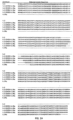
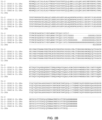
- Unprocessed mouse IL-2 additionally comprises an N-terminal 20 amino acid signal peptide (SEQ ID NO: 3), which is absent in the mature IL-2 molecule. See also FIG. 2A and FIG. 2B .
- a “native IL-2” also termed "wild-type IL-2”
- wild-type IL-2 is meant a naturally occurring or recombinant IL-2.
- IL-2 Additional nucleic acid and amino acid sequences for IL-2 are known. See, for example, GenBank Accession Nos: Q7JFM2 ( Aotus lemurinus (Gray-bellied night monkey)); Q7JFM5 ( Aotus nancymaae (Ma's night monkey)); P05016 ( Bos taurus (Bovine)); Q29416 ( Canis familiaris (Dog) (Canis lupus familiaris)); P36835 ( Capra hircus (Goat)); and, P37997 ( Equus caballus (Horse)).
- Q7JFM2 Aotus lemurinus (Gray-bellied night monkey)
- Q7JFM5 Aotus nancymaae (Ma's night monkey)
- P05016 Bos taurus (Bovine)
- Q29416 Canis familiaris (Dog) (Canis lupus familiaris)
- P36835 Capra
- IL-2 active variants or fragments will retain IL-2 activity.
- biological activity of IL-2 refers to one or more of the biological activities of IL-2, including but not limited to, the ability to stimulate IL-2 receptor bearing lymphocytes. Such activity can be measured both in vitro and in vivo.
- IL-2 is a global regulator of immune activity and the effects seen here are the sum of such activities. For example, it is regulates survival activity (Bc1-2), induces T effector activity (IFN-gamma, Granzyme B, and Perforin), and promotes T regulatory activity (FoxP3). See, for example, Malek et al. (2010) Immunity 33(2):153-65 .
- Biologically active variants of IL-2 are known. See, for example, US Application Publications 20060269515 and 20060160187 and WO 99/60128 .
- Biologically active fragments and variants of IL-2 can be employed in the fusion proteins disclosed herein.
- Such a functional fragment can comprise at least 75%, 80%, 85%, 90%, 91%, 92%, 93%, 94%, 95%, 96%, 97%, 98%, or 99% sequence identity to the sequence set forth in SEQ ID NO: 2.
- Such a functional polynucleotide can comprise at least 75%, 80%, 85%, 90%, 91%, 92%, 93%, 94%, 95%, 96%, 97%, 98%, or 99% sequence identity to the polynucleotide encoding the amino sequence set forth in SEQ ID NO: 2 and continue to encode a functional IL-2 polypeptide.
- the fusion protein of the invention comprises a second polypeptide comprising an extracellular domain of Interleukin-2 Receptor alpha (IL-2R ⁇ ), wherein the second polypeptide has at least 70% sequence identity to SEQ ID NO: 7; which has biological activity of the IL-2R ⁇ extracellular domain.
- IL-2R ⁇ Interleukin-2 Receptor alpha
- CD25 or "IL-2 receptor ⁇ "or “IL-2R ⁇ ” as used herein, refers to any native or recombinant IL-2R ⁇ from any vertebrate source, including mammals such as primates (e.g. humans) and rodents (e.g., mice and rats) and domesticated or agricultural mammals unless otherwise indicated.
- the term also encompasses naturally occurring variants of IL-2R ⁇ , e.g. splice variants or allelic variants, or non-naturally occurring variants.
- Human IL-2 exerts its biological effects via signaling through its receptor system, IL-2R.
- IL-2 and its receptor (IL-2R) are required for T-cell proliferation and other fundamental functions which are crucial of the immune response.
- IL-2R consists of 3 noncovalently linked type I transmembrane proteins which are the alpha (p55), beta (p75), and gamma (p65) chains.
- the human IL-2R alpha chain contains an extracellular domain of 219 amino acids, a transmembrane domain of 19 amino acids, and an intracellular domain of 13 amino acids.
- the secreted extracellular domain of IL-2R alpha (IL-2R-a) can be employed in the fusion proteins describe herein.
- the amino acid sequence of an exemplary mature form of human IL-2R ⁇ is shown in SEQ ID NO: 6.
- Unprocessed human IL-2R ⁇ is shown in SEQ ID NO: 5.
- the extracellular domain of SEQ ID NO: 6 is set forth in SEQ ID NO: 7.
- the amino acid sequence of an exemplary mature form of mouse IL-2R ⁇ is shown in SEQ ID NO: 9.
- Unprocessed mouse IL-2R ⁇ is shown in SEQ ID NO: 8.
- the extracellular domain of SEQ ID NO: 9 is set forth in SEQ ID NO: 10.
- IL-2R ⁇ The sequence of a native human IL-2R ⁇ molecule is shown in SEQ ID NO: 5 and 6. Nucleic acid and amino acid sequences for IL-2R ⁇ are known. See, for example, GenBank Accession Nos: NP_001030597.1 ( P.troglodytes); NP_001028089.1 (M.mulatta); NM_001003211.1 (C.lupus); NP_776783.1 (B.taurus); NP_032393.3 (M.musculus); and, NP_037295.1 (R.norvegicus).
- Biologically active fragments and variants of the extracellular domain of IL-2R ⁇ are also disclosed herein. Such IL-2R ⁇ extracellular domain active variants or fragments will retain the IL-2R ⁇ extracellular domain activity.
- biological activity of the IL-2R ⁇ extracellular domain refers to one or more of the biological activities of extracellular domain of IL-2R ⁇ , including but not limited to, the ability to enhance intracellular signaling in IL-2 receptor responsive cells.
- Non-limiting examples of biologically active fragments and variants of the IL-2R ⁇ are disclosed, for example, in Robb et al., Proc. Natl. Acad. Sci. USA, 85:5654-5658, 1988 .
- Biologically active fragments and variants of the extracellular domain of IL-2R ⁇ can be employed in the fusion proteins disclosed herein.
- Such a functional variant can comprise at least 75%, 80%, 85%, 90%, 91%, 92%, 93%, 94%, 95%, 96%, 97%, 98%, or 99% sequence identity to the sequence set forth in SEQ ID NO: 7
- the fusion proteins disclosed herein can comprise at least one mutation within the extracellular domain of IL-2R ⁇ .
- the Arginine at position 35 of IL-2R ⁇ can be mutated to a Threonine and/or the Arginine at position 36 of IL-2R ⁇ can be mutated to a Serine.
- Such a fusion protein can have increased IL-2 activity compared to a fusion protein not comprising these mutations in the extracellular domain of IL-2R ⁇ and/or compared to native or recombinant IL-2.
- the amino acid sequences of exemplary fusion proteins comprising IL-2R ⁇ with mutations within the extracellular domain of IL-2R ⁇ are set forth in SEQ ID NOS: 62 and 64.
- the fusion protein according to the invention comprises the amino acid sequence of any one of SEQ ID NO: 62; or a sequence having at least 80%, 85%, 90%, or 95% to SEQ ID NO: 62.
- Such a functional polynucleotide can comprise at least 80%, 85%, 90%, 91%, 92%, 93%, 94%, 95%, 96%, 97%, 98%, or 99% sequence identity to the polynucleotide encoding the amino sequence set forth in SEQ ID NO: 7 and continue to encode a protein having the extracellular domain activity of IL-2R ⁇ .
- the IL-2/IL-2R ⁇ fusion proteins disclosed herein can further comprise additional elements. Such elements can aid in the expression of the fusion protein, aid in the secretion of the fusion protein, improve the stability of the fusion protein, allow for more efficient purification of the protein, and/or modulate the activity of the fusion protein.
- Heterologous in reference to a polypeptide or polynucleotide is a polypeptide or polynucleotide that originates from a different protein or polynucleotide.
- the additional components of the fusion protein can originate from the same organism as the other polypeptide components of the fusion protein, or the additional components can be from a different organism than the other polypeptide components of the fusion protein.
- the IL-2/IL-2R ⁇ fusion proteins disclosed herein comprise a linker sequence located between the IL-2 polypeptide and the IL-2R ⁇ polypeptide.
- the second polypeptide is fused in frame to the first polypeptide by a linker, wherein the linker sequence comprises a combination of glycine and serine amino acid residues, i.e., the linker sequence is GGGSGGGSGGGS (SEQ ID NO: 13) (also noted as (Gly 3 Ser) 3 ).
- linkers that may be used but are not specifically claimed are a linker of any length and comprising at least 1, 2, 3, 4, 5, 6, 7, 8, 9, 10, 11, 12, 13, 14, 15, 16, 17, 18, 19, 20, 25, 30, 31, 32, 33, 34, 35, 36, 37, 38, 39, 40, 50 or 60 or more amino acids; a linker comprising glycine amino acid residues; and glycine/serine linkers can comprising any combination of the amino acid residues, including, the peptide GGGS or GGGGS or repeats of the same, including 1, 2, 3, 4, 5, 6, 7, 8, 9, 10 or more repeats of these given peptides.
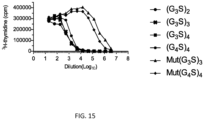
- linker sequences can comprise GGGSGGGSGGGSGGGS (SEQ ID NO: 11) (also noted as (Gly 3 Ser) 4 ); or (Gly 3 Ser) 5 ; (Gly 3 Ser) 6 ; (Gly 3 Ser) 7 , etc.
- Linker sequences can further comprise (Gly 4 Ser) 3 as set forth in SEQ ID NO: 50; GGGGSGGGGSGGGGSGGGGS (SEQ ID NO: 40) (also noted as (Gly 4 Ser) 4 ); GGGGSGGGGSGGGGSGGGGSGGGGS (SEQ ID NO: 41) (also noted as (Gly 4 Ser) 5 ); (Gly 4 Ser) 2 , (Gly 4 Ser) 1 , (Gly 4 Ser)6; (Gly 4 Ser) 7 ; (Gly 4 Ser) 8 , etc.
- active variants and fragments of any linker can further be employed.
- the polynucleotide encoding the IL-2/IL-2R ⁇ fusion proteins can comprise additional elements that aid in the translation of the fusion protein.
- Such sequences include, for example, Kozak sequences attached to the 5' end of the polynucleotide encoding the fusion protein.
- the Kozak consensus sequence is a sequence which occurs on eukaryotic mRNA that plays a role in the initiation of the translation process and has the consensus (gcc)gccRccAUGG (SEQ ID NO: 35); wherein (1) a lower case letter denotes the most common base at a position where the base can nevertheless vary; (2) upper case letters indicate highly-conserved bases, i.e.
- the Kozak sequence comprises the sequence set forth in SEQ ID NO: 53.
- the IL-2/IL-2R ⁇ fusion proteins disclosed herein comprise an IL-2 leader optimized Kozak sequence as set forth in SEQ ID NO: 28 or a functional variant or fragment thereof.
- a functional variant or fragment of a Kozak sequence will retain the ability to increase translation of the protein when compared to the level of translation from a sequence lacking the leader.
- Such a functional fragment can comprise at least 5, 6, 7, 8, 9, 10, 11, 12, 13, 14, 15, 16, 17, 18, 19, 20, 30, 40 continuous nucleotides of a kozak sequence or the sequence set forth in SEQ ID NO: 28 or 53.
- a functional variant can comprise at least 80%, 85%, 90%, 91%, 92%, 93%, 94%, 95%, 96%, 97%, 98%, or 99% sequence identity to the kozak sequence or the sequence set forth in SEQ ID NO: 28 or 53.
- the IL-2/IL-2R ⁇ fusion proteins disclosed herein comprise one or more tags at the C-terminus to aid in the purification of the polypeptide.
- tags are known and include, for example, a Histidine tag.
- a 6X His tag is employed. It is further recognized that an additional linker sequence can be employed between the fusion protein and the His tag.
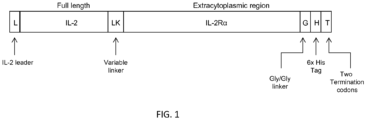
- Non-limiting embodiment of an IL-2/IL-2R ⁇ fusion protein is set forth in FIG. 1 .
- Such a fusion protein comprises a leader peptide, IL-2 or a functional variant or fragment thereof, a variable linker, IL2Ra, a glycine linker, 6x his tag, and two termination codons.
- Fragments and variants of the polynucleotides encoding the IL-2/IL-2R ⁇ extracellular domain fusion proteins or the various components contained therein can be employed in the various methods and compositions disclosed herein.
- fragment is intended a portion of the polynucleotide and hence the protein encoded thereby or a portion of the polypeptide.
- Fragments of a polynucleotide may encode protein fragments that retain the biological activity of the native protein and hence have IL-2 activity, IL-2R ⁇ extracellular domain activity, IL-2/IL-2R ⁇ fusion protein activity, or if encoding a linker sequence, provide for the desired activity of the IL-2/IL-2R ⁇ fusion proteins.
- a biologically active portion of a IL-2R ⁇ extracellular domain, IL-2 polypeptide, IL-2/IL-2R ⁇ fusion protein, Kozak sequence, or linker sequence can be prepared by isolating a portion of one of the polynucleotides encoding the portion of the IL-2R ⁇ extracellular domain or IL-2 polypeptide and expressing the encoded portion of the polypeptide (e.g., by recombinant expression in vitro), and assessing the activity of the portion of the IL-2R ⁇ extracellular domain or/and IL-2 polypeptide or the activity of the IL-2/IL-R ⁇ fusion proteins.
- Variants have a high degree of sequence similarity.
- conservative variants include those sequences that, because of the degeneracy of the genetic code, encode the amino acid sequence of one of the IL-2R ⁇ extracellular domain polypeptides, IL-2 polypeptides, IL-2/IL-2R ⁇ fusion proteins, or linker sequences.
- Variants such as these can be identified with the use of well-known molecular biology techniques, as, for example, polymerase chain reaction (PCR) and hybridization techniques.
- PCR polymerase chain reaction
- Variant polynucleotides also include synthetically derived nucleotide sequences, such as those generated, for example, by using site-directed mutagenesis but which still encode an IL-2R ⁇ extracellular domain, IL-2 polypeptide, IL-2/IL-2R ⁇ fusion protein, a Kozak sequence, or the linker sequence.
- variant protein is intended a protein derived from the native protein by deletion (so-called truncation) or addition of one or more amino acids to the N-terminal and/or C-terminal end of the native protein; deletion or addition of one or more amino acids at one or more sites in the native protein; or substitution of one or more amino acids at one or more sites in the native protein.
- Variant proteins are biologically active, that is they continue to possess the desired biological activity, that is, IL-2/IL-2R ⁇ fusion protein activity, IL-2 activity or IL-2R ⁇ extracellular domain activity. Such variants may result from, for example, genetic polymorphism or from human manipulation.
- Biologically active variants of a IL-2/IL-2R ⁇ fusion protein or any one of its components will have at least about 70%, 75%, 80%, 85%, 90%, 91%, 92%, 93%, 94%, 95%, 96%, 97%, 98%, 99% or more sequence identity to the amino acid sequence for the native protein as determined by sequence alignment programs and parameters described elsewhere herein.
- a biologically active variant of a protein may differ from that protein by as few as 1-15 amino acid residues, as few as 1-10, such as 6-10, as few as 5, as few as 4, 3, 2, or even 1 amino acid residue.
- Proteins may be altered in various ways including amino acid substitutions, deletions, truncations, and insertions. Methods for such manipulations are generally known in the art. For example, amino acid sequence variants of the IL-2R ⁇ extracellular domain, IL-2 polypeptide, IL-2/IL-2R ⁇ fusion protein, or linker sequences can be prepared by mutations in the DNA. Methods for mutagenesis and nucleotide sequence alterations are well known in the art. See, for example, Kunkel (1985) Proc. Natl. Acad. Sci. USA 82:488-492 ; Kunkel et al. (1987) Methods in Enzymol. 154:367-382 ; U.S. Patent No.
- the polynucleotides disclosed herein can include the naturally occurring sequences, the "native" sequences, as well as mutant forms.
- the proteins used in the methods disclosed herein encompass naturally occurring proteins as well as variations and modified forms thereof. Such variants will continue to possess the ability to implement a recombination event.
- the mutations made in the polynucleotide encoding the variant polypeptide should not place the sequence out of reading frame, and/or create complementary regions that could produce secondary mRNA structure. See, EP Patent Application Publication No. 75,444 .
- Variant polynucleotides and proteins also encompass sequences and proteins derived from a mutagenic and recombinogenic procedure such as DNA shuffling. With such a procedure, one or more different IL-2R ⁇ extracellular domain or IL-2 coding sequences can be manipulated to create a new IL-2R ⁇ extracellular domain or IL-2 polypeptides possessing the desired properties.
- libraries of recombinant polynucleotides are generated from a population of related sequence polynucleotides comprising sequence regions that have substantial sequence identity and can be homologously recombined in vitro or in vivo. Strategies for such DNA shuffling are known in the art. See, for example, Stemmer (1994) Proc. Natl.
- compositions disclosed herein further include isolated polynucleotides that encode the various fusion proteins described herein above, and variants and fragments thereof.
- Vectors and expression cassettes comprising the polynucleotides described herein are further disclosed.
- Expression cassettes will generally include a promoter operably linked to a polynucleotide and a transcriptional and translational termination region.
- polynucleotide is not intended to limit the present invention to polynucleotides comprising DNA.
- polynucleotides can comprise ribonucleotides and combinations of ribonucleotides and deoxyribonucleotides.
- deoxyribonucleotides and ribonucleotides include both naturally occurring molecules and synthetic analogues.
- an "isolated” or “purified” polynucleotide or protein, or biologically active portion thereof, is substantially or essentially free from components that normally accompany or interact with the polynucleotide or protein as found in its naturally occurring environment.
- an isolated or purified polynucleotide or protein is substantially free of other cellular material, or culture medium when produced by recombinant techniques, or substantially free of chemical precursors or other chemicals when chemically synthesized.
- an "isolated" polynucleotide is free of sequences (optimally protein encoding sequences) that naturally flank the polynucleotide (i.e., sequences located at the 5' and 3' ends of the polynucleotide) in the genomic DNA of the organism from which the polynucleotide is derived.
- the isolated polynucleotide can contain less than about 5 kb, 4 kb, 3 kb, 2 kb, 1 kb, 0.5 kb, or 0.1 kb of nucleotide sequence that naturally flank the polynucleotide in genomic DNA of the cell from which the polynucleotide is derived.
- a protein that is substantially free of cellular material includes preparations of protein having less than about 30%, 20%, 10%, 5%, or 1% (by dry weight) of contaminating protein.
- optimally culture medium represents less than about 30%, 20%, 10%, 5%, or 1% (by dry weight) of chemical precursors or non-protein-of-interest chemicals.
- a vector which comprises the above-described polynucleotides operably linked to a promoter is also disclosed herein.
- a nucleotide sequence is "operably linked" to an expression control sequence (e.g., a promoter) when the expression control sequence controls and regulates the transcription and translation of that sequence.
- the term "operably linked" when referring to a nucleotide sequence includes having an appropriate start signal (e.g., ATG) in front of the nucleotide sequence to be expressed and maintaining the correct reading frame to permit expression of the sequence under the control of the expression control sequence and production of the desired product encoded by the sequence.
- a "vector” is a replicon, such as plasmid, phage or cosmid, to which another nucleic acid segment may be attached so as to bring about the replication of the attached segment.
- the promoter may be, or is identical to, a bacterial, yeast, insect or mammalian promoter.
- the vector may be a plasmid, cosmid, yeast artificial chromosome (YAC), bacteriophage or eukaryotic viral DNA.
- vector backbones known in the art as useful for expressing protein may be employed.
- Such vectors include, but are not limited to: adenovirus, simian virus 40 (SV40), cytomegalovirus (CMV), mouse mammary tumor virus (MMTV), Moloney murine leukemia virus, DNA delivery systems, i.e. liposomes, and expression plasmid delivery systems.
- SV40 simian virus 40
- CMV cytomegalovirus
- MMTV mouse mammary tumor virus
- Moloney murine leukemia virus DNA delivery systems
- DNA delivery systems i.e. liposomes
- expression plasmid delivery systems i.e. liposomes
- one class of vectors comprises DNA elements derived from viruses such as bovine papilloma virus, polyoma virus, baculovirus, retroviruses or Semliki Forest virus.
- Such vectors may be obtained commercially or assembled from the sequences described by methods well-known in the art.
- Suitable host cells include, but are not limited to, prokaryotic or eukaryotic cells, e.g. bacterial cells (including gram positive cells), yeast cells, fungal cells, insect cells, and animal cells. Numerous mammalian cells may be used as hosts, including, but not limited to, the mouse fibroblast cell NIH 3T3, CHO cells, HeLa cells, Ltk - cells, etc.
- Additional animal cells such as R1.1, B-W and L-M cells, African Green Monkey kidney cells (e.g., COS 1, COS 7, BSC1, BSC40, and BMT10), insect cells (e.g., Sf9), and human cells and plant cells in tissue culture can also be used.
- African Green Monkey kidney cells e.g., COS 1, COS 7, BSC1, BSC40, and BMT10
- insect cells e.g., Sf9
- human cells and plant cells in tissue culture can also be used.
- useful expression vectors may consist of segments of chromosomal, non-chromosomal and synthetic DNA sequences.
- Suitable vectors include derivatives of SV40 and known bacterial plasmids, e.g., E.
- phage DNAS e.g., the numerous derivatives of phage ⁇ , e.g., NM989, and other phage DNA, e.g., M13 and filamentous single stranded phage DNA
- any of a wide variety of expression control sequences may be used in these vectors to express the polynucleotide sequences provided herein.
- useful expression control sequences include, for example, the early or late promoters of SV40, CMV, vaccinia, polyoma or adenovirus, the lac system, the trp system, the TAC system, the TRC system, the LTR system, the major operator and promoter regions of phage ⁇ , the control regions of fd coat protein, the promoter for 3-phosphoglycerate kinase or other glycolytic enzymes, the promoters of acid phosphatase (e.g., PhoS), the promoters of the yeast ⁇ -mating factors, and other sequences known to control the expression of genes of prokaryotic or eukaryotic cells or their viruses, and various combinations thereof.
- the early or late promoters of SV40, CMV, vaccinia, polyoma or adenovirus the lac system, the
- Suitable unicellular hosts will be selected by consideration of, e.g., their compatibility with the chosen vector, their secretion characteristics, their ability to fold proteins correctly, and their fermentation requirements, as well as the toxicity to the host of the product encoded by the nucleotide sequences to be expressed, and the ease of purification of the expression products.
- the various polynucleotides may be manipulated, so as to provide for the polynucleotide sequences in the proper orientation and, as appropriate, in the proper reading frame.
- adapters or linkers may be employed to join the polynucleotides or other manipulations may be involved to provide for convenient restriction sites, removal of superfluous DNA, removal of restriction sites, or the like.
- linkers such as two glycines may be added between polypeptides.
- Methionine residues encoded by atg nucleotide sequences may be added to allow initiation of gene transcription.
- in vitro mutagenesis, primer repair, restriction, annealing, resubstitutions, e.g., transitions and transversions may be involved.
- a method of producing a polypeptide which comprises expressing a polynucleotide encoding a fusion protein disclosed herein in a host cell under suitable conditions permitting the production of the polypeptide and recovering the polypeptide so produced; wherein the polypeptide is the fusion protein according to the invention.
- modulating includes inducing, inhibiting, potentiating, elevating, increasing, or decreasing a given activity or response.
- subject is intended mammals, e.g., primates, humans, agricultural and domesticated animals such as, but not limited to, dogs, cats, cattle, horses, pigs, sheep, and the like.
- subject undergoing treatment with the pharmaceutical formulations disclosed herein is a human.
- a "therapeutically effective amount" of an IL-2/IL-2R ⁇ fusion protein refers to the amount of the IL-2/IL-2R ⁇ fusion proteins sufficient to elicit a desired biological response.
- the absolute amount of a particular IL-2/IL-2R ⁇ fusion protein that is effective can vary depending on such factors as the desired biological endpoint, the IL-2/IL-2R ⁇ fusion proteins to be delivered, the target cell or tissue, and the like.
- an effective amount can be administered in a single dose, or can be achieved by administration of multiple doses (i.e., 1, 2, 3, 4, 5, 6, 7, 8, 9, 10 or more doses).
- Such methods comprise administering to a subject in need of an increase in the immune response a therapeutically effective amount of an IL-2/IL-2R ⁇ fusion protein.
- transient application of higher doses of IL-2 are employed to boosted immune effector and memory responses.
- the various IL-2/IL-2R ⁇ fusion proteins can be used in combination with an antigen to enhance the immune response to the antigen.
- the IL-2/IL-2R ⁇ fusion proteins can also be used as a vaccine adjuvant especially to boost cell-mediated immune memory.
- the IL-2/IL-2R ⁇ fusion protein according to the invention can be used in enhancing a vaccine preparation.
- the various IL-2/IL-2R ⁇ fusion proteins are useful for increasing the efficacy of anti-cancer vaccines or for vaccines that are poorly immunogenic.
- the fusion protein of the invention can be used in a method of enhancing the efficacy or immunogenicity of a vaccine in a subject, or overcoming a suppressed immune response to a vaccine in a subject, including (i) administering to the subject a therapeutically effective amount of an IL-2/IL-2R ⁇ fusion protein and (ii) administering to the subject a vaccine.
- vaccine is intended a composition useful for stimulating a specific immune response (or immunogenic response) in a subject.
- the immunogenic response is protective or provides protective immunity.
- the vaccine in the case of a disease-causing organism the vaccine enables the subject to better resist infection with or disease progression from the organism against which the vaccine is directed.
- the vaccine strengthens the subject's natural defenses against cancers that have already developed. These types of vaccines may also prevent the further growth of existing cancers, prevent the recurrence of treated cancers, and/or eliminate cancer cells not killed by prior treatments.
- Representative vaccines include, but are not limited to, vaccines against diphtheria, tetanus, pertussis, polio, measles, mumps, rubella, hepatitis B, Haemophilus influenzae type b, varicella, meningitis, human immunodeficiency virus, tuberculosis, Epstein Barr virus, malaria, hepatitis E, dengue, rotavirus, herpes, human papillomavirus, and cancers.
- Vaccines of interest include the two vaccines that have been licensed by the U.S.
- the hepatitis B vaccine which prevents infection with the hepatitis B virus, an infectious agent associated with liver cancer ( MMWR Morb. Mortal. Wkly. Rep. 46:107-09, 1997 ); and Gardasil TM , which prevents infection with the two types of human papillomavirus that together cause 70 percent of cervical cancer cases worldwide ( Speck and Tyring, Skin Therapy Lett. 11:1-3, 2006 ).
- treatment vaccines of interest include therapeutic vaccines for the treatment of cancer, cervical cancer, follicular B cell non-Hodgkin's lymphoma, kidney cancer, cutaneous melanoma, ocular melanoma, prostate cancer, and multiple myeloma.
- enhancing the efficacy or “enhancing the immunogenicity” with regard to a vaccine is intended improving an outcome, for example, as measured by a change in a specific value, such as an increase or a decrease in a particular parameter of an activity of a vaccine associated with protective immunity.
- enhancement refers to at least a 5%, 10%, 25%, 50%, 100% or greater than 100% increase in a particular parameter.
- enhancement refers to at least a 5%, 10%, 25%, 50%, 100% or greater than 100% decrease in a particular parameter.
- enhancement of the efficacy/immunogenicity of a vaccine refers to an increase in the ability of the vaccine to inhibit or treat disease progression, such as at least a 5%, 10%, 25%, 50%, 100%, or greater than 100% increase in the effectiveness of the vaccine for that purpose.
- enhancement of the efficacy/immunogenicity of a vaccine refers to an increase in the ability of the vaccine to recruit the subject's natural defenses against cancers that have already developed, such as at least a 5%, 10%, 25%, 50%, 100%, or greater than 100% increase in the effectiveness of the vaccine for that purpose.
- overcoming a suppressed immune response with regard to a vaccine is intended improving an outcome, for example, as measured by a change in a specific value, such as a return to a formerly positive value in a particular parameter of an activity of a vaccine associated with protective immunity.
- overcoming refers to at least a 5%, 10%, 25%, 50%, 100% or greater than 100% increase in a particular parameter.
- overcoming a suppressed immune response to a vaccine refers to a renewed ability of the vaccine to inhibit or treat disease progression, such as at least a 5%, 10%, 25%, 50%, 100%, or greater than 100% renewal in the effectiveness of the vaccine for that purpose.
- overcoming a suppressed immune response to a vaccine refers to a renewed ability of the vaccine to recruit the subject's natural defenses against cancers that have already developed, such as at least a 25%, 50%, 100%, or greater than 100% renewal in the effectiveness of the vaccine for that purpose.
- therapeutically effective amount is intended an amount that is useful in the treatment, prevention or diagnosis of a disease or condition.
- a therapeutically effective amount of an IL-2/IL-2R ⁇ fusion protein is an amount which, when administered to a subject, is sufficient to achieve a desired effect, such as modulating an immune response in a subject without causing a substantial cytotoxic effect in the subject.
- a therapeutically effective amount of an IL-2/IL-2R ⁇ fusion protein can be administered to a subject to increase an immune response, enhance the immune response to an antigen, enhance the efficacy or immunogenicity of a vaccine in a subject, or to overcome a suppressed immune response to a vaccine.
- the effective amount of an IL-2/IL-2R ⁇ fusion protein useful for modulating such functions will depend on the subject being treated, the severity of the affliction, and the manner of administration of the IL-2/IL-2R ⁇ fusion proteins.
- Exemplary doses include about 10 4 to about 10 7 IU of IL-2 activity per adult, about 10 4 to 10 5 IU of IL-2 activity per adult, about 10 5 to about 10 6 IU of IL-2 activity per adult, about 10 6 to about 10 7 IU of IL-2 activity per adult.
- the therapeutically effective dose of the IL-2/IL-2R ⁇ fusion proteins is about 10 5 IU of IL-2 activity ⁇ 100-fold, is about 10 5 IU of IL-2 activity ⁇ 10-fold, about 10 5 IU of IL-2 activity ⁇ 2-fold, about 10 5 IU of IL-2 activity ⁇ 20-fold, about 10 5 IU of IL-2 activity ⁇ 30-fold, about 10 5 IU of IL-2 activity ⁇ 40-fold, about 10 5 IU of IL-2 activity ⁇ 50-fold, about 10 5 IU of IL-2 activity ⁇ 60-fold, about 10 5 IU of IL-2 activity ⁇ 70-fold, about 10 5 IU of IL-2 activity ⁇ 80-fold, or about 10 5 IU of IL-2 activity ⁇ 90-fold.
- a human IL-2 fusion protein is administered at this dosage.
- the reference standard for the mouse IL-2 fusion protein is the mouse IL-2 is from eBiosciences (Catalog Number: 14-8021). Briefly, the bioactivity of mouse IL-2 from eBioscience is as follows: The ED50 of this protein, as measured by CTLL-2 cell proliferation assay, is less than or equal to 175 pg/mL. This corresponds to a specific activity of greater than or equal to 5.7 x 10 6 Units/mg.
- the reference standard for the human IL-2 fusion protein is the human IL-2 drug Aldesleukin (Proleukin).
- the IL-2 fusion proteins disclosed herein are directly compared to the fusion protein to the IL-2 drug that is used in low dose or high dose IL-2 therapy.
- IL-2 activity for mouse and human IL-2 use the same assay and their activity in units/mg are similar.
- the human IL-2 drug i.e. aldesleukin (Proleukin)
- the standard measure of an amount IL-2 is the International Unit (IU) which technically is not a fixed amount but the amount that produces a fixed effect in a specific assay of biological activity, i.e. CTLL proliferation assay.
- appropriate doses of a functional agent depend upon the potency of the active agent with respect to the activity to be modulated. Such appropriate doses may be determined using the assays described herein.
- the specific dose level for any particular animal subject will depend upon a variety of factors including the activity of the specific compound employed, the age, body weight, general health, gender, and diet of the subject, the time of administration, the route of administration, the rate of excretion, and/or any drug combination.
- administration When administration is for the purpose of treatment, administration may be for either a prophylactic or therapeutic purpose.
- the substance When provided prophylactically, the substance is provided in advance of any symptom.
- the prophylactic administration of the substance serves to prevent or attenuate any subsequent symptom.
- the substance When provided therapeutically, the substance is provided at (or shortly after) the onset of a symptom.
- the therapeutic administration of the substance serves to attenuate any actual symptom.
- treatment of a subject with a therapeutically effective amount of an IL-2/IL-2R ⁇ fusion protein can include a single treatment or, preferably, can include a series of treatments. It will also be appreciated that the effective dosage of an IL-2/IL-2R ⁇ fusion protein used for treatment may increase or decrease over the course of a particular treatment. Changes in dosage may result and become apparent from the results of diagnostic assays as described herein.
- Therapeutically effective amounts of an IL-2/IL-2R ⁇ fusion protein can be determined by animal studies. When animal assays are used, a dosage is administered to provide a target in vivo concentration similar to that which has been shown to be effective in the animal assays.
- the invention further includes a fusion protein according to the present invention for use in decreasing the immune response in a subject.
- a fusion protein according to the present invention for use in decreasing the immune response in a subject.
- Various methods are disclosed for decreasing the immune response in a subject. Such methods comprise administering to a subject in need of a decrease in the immune response a therapeutically effective amount of an IL-2/IL-2R ⁇ fusion protein.
- IL-2/IL-2R ⁇ fusion proteins disclosed herein represent a new and improved form of IL-2 that more potentially enhances Tregs.
- the IL-2/IL-2R ⁇ fusion proteins can be administered to patients with autoimmune diseases, chronic graft versus host disease, transplant rejection reactions, and other conditions where the goal is to suppress self-reactivity.
- a therapeutically effective amount of an IL-2/IL-2R ⁇ fusion protein that promotes immune tolerance can find use, for example, in treating a subject having an autoimmune or an inflammatory disorder, including but not limited to, graft rejections and allergies.
- a fusion protein according to the invention for use in a method of treating a subject having an autoimmune or inflammatory disorder is provided. Such a method comprises administering to the subject a therapeutically effective amount of an IL-2/IL-2R ⁇ fusion protein.
- Non-limiting examples of autoimmune disorders that can be treated or prevented include type 1 diabetes, multiple sclerosis, rheumatoid arthritis, celiac disease, systemic lupus erythematous, juvenile idiopathic arthritis, Crohn's disease, ulcerative colitis or systemic sclerosis, graft versus host disease, HCV-induced vasculitis, alopecia areata or psoriasis.
- Additional autoimmune diseases include those where there is already an indication that Tregs may be impaired and would benefit from IL-2-dependent boosting of Tregs.
- SNPs single nucleotide polymorphisms
- IL-2R ⁇ single nucleotide polymorphisms
- IL-2R ⁇ single nucleotide polymorphisms
- IL-2R ⁇ single nucleotide polymorphisms
- IL-2R ⁇ single nucleotide polymorphisms
- IL-2R ⁇ single nucleotide polymorphisms
- IL-2R13 single nucleotide polymorphisms
- studies suggest that the genetic risk is related to impaired Treg numbers and/or activity.
- low dose IL-2 therapy has shown to benefit patients with chronic GvHD and HCV-induced vasculitis.
- such patients populations can also be administered a therapeutically effective amount of an IL-2/IL-2R ⁇ fusion protein.
- the IL-2/IL-2R ⁇ fusion proteins as disclosed can be used in combination with a therapeutic agent to reduce the immune response to the agent (i.e. protein).
- the IL-2/IL-2R ⁇ fusion proteins as disclosed can be used in combination with a therapeutic protein which must be chronically administered to a subject.
- the method comprises includes administering to the subject at least one additional therapeutic agent in combination with an IL-2/IL-2R ⁇ fusion protein.
- Such therapeutic agents include but are not limited to, a cytokine, a glucocorticoid, an anthracycline (e.g ., doxorubicin or epirubicin), a fluoroquinolone (e.g., ciprofloxacin), an antifolate (e.g., methotrexate), an antimetabolite (e.g., fluorouracil), a topoisomerase inhibitor (e.g ., camptothecin, irinotecan or etoposide), an alkylating agent ( e.g ., cyclophosphamide, ifosfamide, mitolactol, or melphalan), an antiandrogen (e.g., flutamide), an antiestrogen (e.g., tamoxifen), a platinum compound (e.g., cisplatin), a vinca alkaloid (e.g., vinorelbine
- the therapeutically effective amount of the IL-2/IL-2R ⁇ fusion proteins as disclosed can further be administered in combination therapies to increase Tregs and tolerance.
- Such combination therapies can comprises the therapeutically effective amount of the IL-2/IL-2R ⁇ fusion proteins in combination with anti-TNF ⁇ or other agents to inhibit inflammatory responses.
- the therapeutically effective amount of an IL-2/IL-2R ⁇ fusion protein useful for decreasing an immune response will depend on the subject being treated, the severity of the affliction, and the manner of administration of the IL-2/IL-2R ⁇ fusion proteins. Exemplary doses include about 10 3 IU to about 10 6 IU of IL-2 activity per adult or about 10 4 IU to about 10 6 IU of IL-2 activity per adult.
- Exemplary doses include about 10 3 to about 10 6 IU of IL-2 activity per adult, about 10 3 to about 10 4 IU of IL-2 activity per adult, about 10 4 to about 10 6 IU of IL-2 activity per adult, about 10 4 to 10 5 IU of IL-2 activity per adult, or about 10 5 to about 10 6 IU of IL-2 activity per adult.
- the therapeutically effective dose of the IL-2/IL-2R ⁇ fusion proteins is about 10 4 IU of IL-2 activity ⁇ 100-fold, is about 10 4 IU of IL-2 activity ⁇ 10-fold, about 10 4 IU of IL-2 activity ⁇ 2-fold, about 10 4 IU of IL-2 activity ⁇ 20-fold, about 10 4 IU of IL-2 activity ⁇ 30-fold, about 10 4 IU of IL-2 activity ⁇ 40-fold, about 10 4 IU of IL-2 activity ⁇ 50-fold, about 10 4 IU of IL-2 activity ⁇ 60-fold, about 10 4 IU of IL-2 activity ⁇ 70-fold, about 10 4 IU of IL-2 activity ⁇ 80-fold, or about 10 4 IU of IL-2 activity ⁇ 90-fold.
- a human IL-2 fusion protein is administered at this dosage.
- the reference standard for the mouse IL-2 fusion protein is the mouse IL-2 is from eBiosciences (Catalog Number: 14-8021). Briefly, the bioactivity of mouse IL-2 from eBioscience is as follows: The ED50 of this protein, as measured by CTLL-2 cell proliferation assay, is less than or equal to 175 pg/mL. This corresponds to a specific activity of greater than or equal to 5.7 x 10 6 Units/mg.
- the reference standard for the human IL-2 fusion protein is the human IL-2 drug Aldesleukin (Proleukin).
- the IL-2 fusion proteins disclosed herein are directly compared to the fusion protein to the IL-2 drug that is used in low dose or high dose IL-2 therapy.
- IL-2 activity for mouse and human IL-2 use the same assay and their activity in units/mg are similar.
- the human IL-2 drug i.e. aldesleukin (Proleukin)
- the standard measure of an amount IL-2 is the International Unit (IU) which technically is not a fixed amount but the amount that produces a fixed effect in a specific assay of biological activity, i.e. CTLL proliferation assay.
- appropriate doses of a functional agent depend upon the potency of the active agent with respect to the expression or activity to be modulated. Such appropriate doses may be determined using the assays described herein.
- the specific dose level for any particular animal subject will depend upon a variety of factors including the activity of the specific compound employed, the age, body weight, general health, gender, and diet of the subject, the time of administration, the route of administration, the rate of excretion, and/or any drug combination.
- administration When administration is for the purpose of treatment, administration may be for either a prophylactic or therapeutic purpose.
- the substance When provided prophylactically, the substance is provided in advance of any symptom.
- the prophylactic administration of the substance serves to prevent or attenuate any subsequent symptom.
- the substance When provided therapeutically, the substance is provided at (or shortly after) the onset of a symptom.
- the therapeutic administration of the substance serves to attenuate any actual symptom.
- treatment of a subject with a therapeutically effective amount of an IL-2/IL-2R ⁇ fusion protein can include a single treatment or, preferably, can include a series of treatments. It will also be appreciated that the effective dosage of an IL-2/IL-2R ⁇ fusion protein used for treatment may increase or decrease over the course of a particular treatment. Changes in dosage may result and become apparent from the results of diagnostic assays as described herein.
- Therapeutically effective amounts of an IL-2/IL-2R ⁇ fusion protein can be determined by animal studies. When animal assays are used, a dosage is administered to provide a target tissue concentration similar to that which has been shown to be effective in the animal assays.
- compositions suitable for administration can be incorporated into pharmaceutical compositions suitable for administration.
- Such compositions typically comprise the fusion protein and a pharmaceutically acceptable carrier.
- pharmaceutically acceptable carrier is intended to include any and all solvents, dispersion media, coatings, antibacterial and antifungal agents, isotonic and absorption delaying agents, and the like, compatible with pharmaceutical administration.
- the use of such media and agents for pharmaceutically active substances is well known in the art. Except insofar as any conventional media or agent is incompatible with the active compound, use thereof in the compositions is contemplated. Supplementary active compounds can also be incorporated into the compositions.
- a pharmaceutical composition as disclosed herein is formulated to be compatible with its intended route of administration.
- routes of administration include parenteral, e.g., intravenous, intradermal, subcutaneous, oral (e.g., inhalation), transdermal (topical), and transmucosal.
- the therapeutically effective amount of the pharmaceutical composition is delivered in a vesicle, such as liposomes (see, e.g., Langer, Science 249:1527-33, 1990 and Treat et al., in Liposomes in the Therapy of Infectious Disease and Cancer, Lopez Berestein and Fidler (eds.), Liss, N.Y., pp. 35365, 1989 ).
- a vesicle such as liposomes
- the therapeutically effective amount of the pharmaceutical composition can be delivered in a controlled release system.
- a pump can be used (see, e.g., Langer, Science 249:1527-33, 1990 ; Sefton, Crit. Rev. Biomed. Eng. 14:201-40, 1987 ; Buchwald et al., Surgery 88:507-16, 1980 ; Saudek et al., N. Engi. J. Med. 321:574-79, 1989 ).
- polymeric materials can be used (see, e.g., Levy et al., Science 228:190-92, 1985 ; During et al., Ann. Neurol. 25:351-56, 1989 ; Howard et al., J. Neurosurg. 71:105-12, 1989 ).
- Other controlled release systems such as those discussed by Langer ( Science 249:1527-33, 1990 ), can also be used.
- Solutions or suspensions used for parenteral, intradermal, or subcutaneous application can include the following components: a sterile diluent such as water for injection, saline solution, fixed oils, polyethylene glycols, glycerine, propylene glycol or other synthetic solvents; antibacterial agents such as benzyl alcohol or methyl parabens; antioxidants such as ascorbic acid or sodium bisulfite; chelating agents such as ethylenediaminetetraacetic acid; buffers such as acetates, citrates or phosphates and agents for the adjustment of tonicity such as sodium chloride or dextrose. pH can be adjusted with acids or bases, such as hydrochloric acid or sodium hydroxide.
- the parenteral preparation can be enclosed in ampoules, disposable syringes, or multiple dose vials made of glass or plastic.
- compositions suitable for injectable use include sterile aqueous solutions (where water soluble) or dispersions and sterile powders for the extemporaneous preparation of sterile injectable solutions or dispersions.
- suitable carriers include physiological saline, bacteriostatic water, Cremophor EL ⁇ (BASF; Parsippany, NJ), or phosphate buffered saline (PBS).
- the composition must be sterile and should be fluid to the extent that easy syringability exists. It must be stable under the conditions of manufacture and storage and must be preserved against the contaminating action of microorganisms such as bacteria and fungi.
- the carrier can be a solvent or dispersion medium containing, for example, water, ethanol, polyol (for example, glycerol, propylene glycol, and liquid polyetheylene glycol, and the like), and suitable mixtures thereof.
- the proper fluidity can be maintained, for example, by the use of a coating such as lecithin, by the maintenance of the required particle size in the case of dispersion, and by the use of surfactants.
- Prevention of the action of microorganisms can be achieved by various antibacterial and antifungal agents, for example, parabens, chlorobutanol, phenol, ascorbic acid, thimerosal, and the like.
- isotonic agents for example, sugars, polyalcohols such as mannitol, sorbitol, sodium chloride, in the composition.
- Prolonged absorption of the injectable compositions can be brought about by including in the composition an agent that delays absorption, for example, aluminum monostearate and gelatin.
- Sterile injectable solutions can be prepared by incorporating the active compound in the required amount in an appropriate solvent with one or a combination of ingredients enumerated above, as required, followed by filtered sterilization.
- dispersions are prepared by incorporating the active compound into a sterile vehicle that contains a basic dispersion medium and the required other ingredients from those enumerated above.
- the preferred methods of preparation are vacuum drying and freeze-drying, which yields a powder of the active ingredient plus any additional desired ingredient from a previously sterile-filtered solution thereof.
- the compounds are delivered in the form of an aerosol spray from a pressurized container or dispenser that contains a suitable propellant, e.g., a gas such as carbon dioxide, or a nebulizer.
- a suitable propellant e.g., a gas such as carbon dioxide, or a nebulizer.
- Systemic administration can also be by transmucosal or transdermal means.
- penetrants appropriate to the barrier to be permeated are used in the formulation.
- penetrants are generally known in the art, and include, for example, for transmucosal administration, detergents, bile salts, and fusidic acid derivatives.
- Transmucosal administration can be accomplished through the use of nasal sprays or suppositories.
- the active compounds are formulated into ointments, salves, gels, or creams as generally known in the art.
- the compounds can also be prepared in the form of suppositories (e.g., with conventional suppository bases such as cocoa butter and other glycerides) or retention enemas for rectal delivery.
- the active compounds may be prepared with carriers that will protect the compound against rapid elimination from the body, such as a controlled release formulation, including implants and microencapsulated delivery systems.
- a controlled release formulation including implants and microencapsulated delivery systems.
- Biodegradable, biocompatible polymers can be used, such as ethylene vinyl acetate, polyanhydrides, polyglycolic acid, collagen, polyorthoesters, and polylactic acid. Methods for preparation of such formulations will be apparent to those skilled in the art.
- the materials can also be obtained commercially from Alza Corporation and Nova Pharmaceuticals, Inc.
- Liposomal suspensions (including liposomes targeted to infected cells with monoclonal antibodies to viral antigens) can also be used as pharmaceutically acceptable carriers. These can be prepared according to methods known to those skilled in the art, for example, as described in U.S. Patent No. 4,522,811 .
- compositions can be included in a container, pack, or dispenser together with instructions for administration.
- a “kit” comprises an IL-2/IL-2R ⁇ fusion protein for use in modulating the immune response, as described elsewhere herein.
- the terms “kit” and “system,” as used herein are intended to refer to at least one or more IL-2/IL-2R ⁇ fusion proteins which, in specific embodiments, are in combination with one or more other types of elements or components (e.g., other types of biochemical reagents, containers, packages, such as packaging intended for commercial sale, instructions of use, and the like).
- active variants and fragments of the IL-2/IL-2R ⁇ fusion proteins or the polynucleotide encoding the same, including the various components of the IL-2/IL-2R ⁇ fusions protein are disclosed.
- Such components include, IL-2, the extracellular domain of IL-2R ⁇ , the linker sequences or the Kozak sequence.
- the activity retained by the active variant or fragment of the fusion protein or a given component of the fusion protein is discussed in further detail elsewhere herein.
- Such variants can have at least 90%, 91%, 92%, 93%, 94%, 95%, 96%, 97%, 98%, or 99% sequence identity to a given reference polypeptide or polynucleotide.
- a fragment can comprise at least 10, 20, 30, 50, 75, 100, 200, 300, 400, 500, 600, 700, 800, 900, 1000, 1500, 2000 contiguous nucleotides of a given reference nucleotide sequence or up to the full length of a given nucleotide reference sequence; or a fragment can comprise at least 10, 20, 30, 40, 50, 60, 70, 75, 80, 90, 100, 110, 120, 130, 140, 150, 160, 170, 180, 190, 200 contiguous amino acids or up to the full length of a given reference polypeptide sequence.
- sequence identity or “identity” in the context of two polynucleotides or polypeptide sequences makes reference to the residues in the two sequences that are the same when aligned for maximum correspondence over a specified comparison window.
- sequence identity or “identity” in the context of two polynucleotides or polypeptide sequences makes reference to the residues in the two sequences that are the same when aligned for maximum correspondence over a specified comparison window.
- percentage of sequence identity is used in reference to proteins it is recognized that residue positions which are not identical often differ by conservative amino acid substitutions, where amino acid residues are substituted for other amino acid residues with similar chemical properties (e.g., charge or hydrophobicity) and therefore do not change the functional properties of the molecule.
- sequences differ in conservative substitutions the percent sequence identity may be adjusted upwards to correct for the conservative nature of the substitution.
- Sequences that differ by such conservative substitutions are said to have "sequence similarity" or "similarity”. Means for making this adjustment are well known to those of skill in the art. Typically this involves scoring a conservative substitution as a partial rather than a full mismatch, thereby increasing the percentage sequence identity. Thus, for example, where an identical amino acid is given a score of 1 and a non-conservative substitution is given a score of zero, a conservative substitution is given a score between zero and 1. The scoring of conservative substitutions is calculated, e.g., as implemented in the program PC/GENE (Intelligenetics, Mountain View, California).
- percentage of sequence identity means the value determined by comparing two optimally aligned sequences over a comparison window, wherein the portion of the polynucleotide sequence in the comparison window may comprise additions or deletions (i.e., gaps) as compared to the reference sequence (which does not comprise additions or deletions) for optimal alignment of the two sequences. The percentage is calculated by determining the number of positions at which the identical nucleic acid base or amino acid residue occurs in both sequences to yield the number of matched positions, dividing the number of matched positions by the total number of positions in the window of comparison, and multiplying the result by 100 to yield the percentage of sequence identity.
- sequence identity/similarity values provided herein refer to the value obtained using GAP Version 10 using the following parameters: % identity and % similarity for a nucleotide sequence using GAP Weight of 50 and Length Weight of 3, and the nwsgapdna.cmp scoring matrix; % identity and % similarity for an amino acid sequence using GAP Weight of 8 and Length Weight of 2, and the BLOSUM62 scoring matrix; or any equivalent program thereof.
- equivalent program is intended any sequence comparison program that, for any two sequences in question, generates an alignment having identical nucleotide or amino acid residue matches and an identical percent sequence identity when compared to the corresponding alignment generated by GAP Version 10.
- IL-2 is a biologic that has been used in attempts to boost immune responses in cancer and HIV/AID patients. More recently much lower doses of IL-2 have been used to selectively boost tolerance to suppress unwanted immune responses associated with autoimmune-like attack of self-tissues. Importantly, these low doses of IL-2 have not shown signs of enhancing or reactivation of autoreactive T cells. Nevertheless, IL-2 has important drawbacks as a therapeutic, including a very short-half life in vivo, which limits its efficacy, and toxicity at high doses.
- IL-2 biologic has been produced with the goals of improving its pharmacokinetics and durability of responses for use 1) in low dose IL-2-based therapy to boost regulatory T cells (Tregs) and immune tolerance and 2) in adjuvant therapy with higher doses to boost immune responses and memory.
- IL-2/IL-2R ⁇ fusion proteins have been developed, where these fusions were designed to increase IL-2 availability by increasing persistent IL-2 stimulation of IL-2R-bearing lymphocytes in vivo.
- These fusions consist of engineered proteins as follows ( FIG.
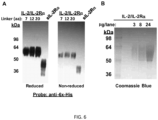
- IL-2/(Gly 3 Ser) 3 /IL-2Ra and IL-2/(Gly 4 Ser) 4 /IL-2R ⁇ were prepared after expression in CHO cells and purified by affinity chromatography through binding of the 6x His tag of the fusion protein to immobilized nickel.
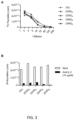
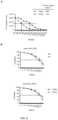
- the mouse IL-2/(Gly 3 Ser) 3 /IL-2Ra fusion protein showed greater IL-2 bioactivity than IL-2/(Gly 4 Ser) 4 /IL-2R ⁇ ( FIG. 4A ) even though both fusion proteins similarly inhibited the binding of two anti-IL-2R ⁇ antibodies (PC61 and 7D4) ( FIG. 4B ) to cells expressing IL-2R ⁇ , confirming greater IL-2 activity is associated with the former fusion protein.
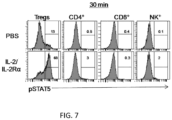
- mice with mouse IL-2/(Gly 3 Ser) 3 /IL-2Ra resulted in extensive and selective activation of pSTAT5 in Tregs 30 min post-treatment ( FIG. 7 ).
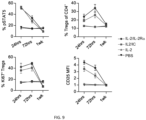
- Dose-response studies showed that mouse IL-2/(Gly 3 Ser) 3 /IL-2Ra affected a number of key activities of Tregs in vivo ( FIG. 8 ).
- These effects on Tregs included: increased representation ( FIG. 8A ) and number (not shown) of Tregs in the CD4 + T cell compartment; upregulation of IL-2-dependent CD25 ( FIG.8B ); increased proliferation as assess by expression of the proliferative marker Ki67 ( FIG.
- C57/BL6 mice treated with IL-2/(Gly 3 Ser) 3 /IL-2Ra (2000 units of IL-2 activity) were compared to mice that received recombinant IL-2 (25,000 units) or agonist complexes of IL-2/anti-IL-2 (IL2/IC) (10,000 units of IL-2 activity) ( FIG. 9 ).
- IL-2/(Gly 3 Ser) 3 /IL-2R ⁇ was much more effective than recombinant IL-2 and slightly more effective than IL2/IC in inducing persistent augmentation of Tregs and related properties ( FIG. 9 ). These increases in tolerogenic Tregs occurred at 5- and 12.5-fold lower levels of IL-2 activity in comparison to IL2/IC and recombinant IL-2, respectively.
- CD44 hi CD62L1 lo CD127 hi effector-memory (EM) cells dominated the memory pool; however, with increasing time CD44 hi CD62L hi CD127 hi central memory (CM) cells increased, and CM cells dominated the memory pool 202 days post-immunization ( FIG. 12 ).
- IL-2/(Gly 3 Ser) 3 /IL-2Ra functions in an analogous manner to recombinant IL-2 to boost tolerogenic and immune suppressive Tregs and immunity through increasing T effector/memory responses, but it exhibits improved pharmacokinetics by delivering such responses: 1) at a lower effective levels of IL-2 activity; 2) with more persistent biological responses; and 3) retaining the hierarchy with Tregs responsive at lower doses than T effector/memory cells.
- IL-2/IL-2R ⁇ fusion proteins were also produced that comprise human IL-2 and human IL-2R ⁇ ( FIG. 1 , FIG. 2B ). These cDNAs were expressed in CHO cells and the secreted fusion proteins were purified on Nickel affinity chromatography based on the 6x-His tag. Fusion proteins varied in the length of the glycine/serine linkers in an analogous manner to those used for mouse IL-2/IL-2R ⁇ . All 4 of the resulting human IL-2/IL-2R ⁇ fusion proteins exhibited IL-2 bioactivity using the mouse CTLL assay (FIG. 13A). Western blot analysis confirmed that human IL-2/IL-2R ⁇ also showed a heterogeneous band between 55-60 kDa (FIG.
- the IL-2/IL-2R ⁇ fusion proteins with the (G3S)3 and especially the (G4S)4 linkers may have greater activity because less fusion protein was seen even though equivalent amount of IL-2 activity was loaded on each lane (FIG. 13B).
- the capacity of the fusion protein to inhibit the binding of anti-IL-2R ⁇ monoclonal antibodies, M-A257 and BC96, to cells bearing human IL-2R ⁇ indicates that IL-2R ⁇ of the fusion protein retained sufficient tertiary structure to bind these antibodies ( FIG. 14 ).
- fusion proteins only partially inhibited the binding of a monoclonal antibody (BC96) directed to the IL-2 binding site of IL-2R ⁇ , implying that IL-2 within the IL-2/IL-2R ⁇ fusion protein is spatially near the binding site of IL-2R ⁇ .
- BC96 monoclonal antibody
- the distinct activities between human and mouse IL-2/IL-2R ⁇ is at least partially accounted for by a relative ineffectiveness of the human fusion protein to support the proliferation of mouse CTLL cells in the bioassay compared to the mouse fusion proteins or mouse and human recombinant IL-2 (not shown).
- These relatively low specific activities and the antibody blocking results raised the possibility that there is a specific intramolecular interaction between IL-2 and IL-2R ⁇ in the context of the fusion protein that limits the amount of IL-2 in the fusion protein to stimulate cells bearing the IL-2R.
- two arginine residues within the IL-2 binding site of human IL-2R ⁇ see Robb et al., Proc. Nati.
- NP_000408.1 6 Human IL-2R ⁇ mature form First 1-21 AA removed from NP_000408.1 7 AA Human Mature form of IL-2R ⁇ extracellular domain 8 AA Mouse IL-2R ⁇ unprocessed form Acc No. NP_032393.3 9 AA Mouse IL-2R ⁇ mature form aa 1-21 removed from Acc No.
Landscapes
- Health & Medical Sciences (AREA)
- Life Sciences & Earth Sciences (AREA)
- Chemical & Material Sciences (AREA)
- Organic Chemistry (AREA)
- Medicinal Chemistry (AREA)
- General Health & Medical Sciences (AREA)
- Public Health (AREA)
- Veterinary Medicine (AREA)
- Animal Behavior & Ethology (AREA)
- Pharmacology & Pharmacy (AREA)
- Chemical Kinetics & Catalysis (AREA)
- General Chemical & Material Sciences (AREA)
- Nuclear Medicine, Radiotherapy & Molecular Imaging (AREA)
- Bioinformatics & Cheminformatics (AREA)
- Engineering & Computer Science (AREA)
- Immunology (AREA)
- Proteomics, Peptides & Aminoacids (AREA)
- Molecular Biology (AREA)
- Toxicology (AREA)
- Biophysics (AREA)
- Biochemistry (AREA)
- Gastroenterology & Hepatology (AREA)
- Zoology (AREA)
- Genetics & Genomics (AREA)
- Diabetes (AREA)
- Cell Biology (AREA)
- Neurology (AREA)
- Virology (AREA)
- Dermatology (AREA)
- Physical Education & Sports Medicine (AREA)
- Orthopedic Medicine & Surgery (AREA)
- Rheumatology (AREA)
- Epidemiology (AREA)
- Neurosurgery (AREA)
- Endocrinology (AREA)
- Pain & Pain Management (AREA)
- Oncology (AREA)
- Communicable Diseases (AREA)
- Cardiology (AREA)
- Heart & Thoracic Surgery (AREA)
Priority Applications (6)
| Application Number | Priority Date | Filing Date | Title |
|---|---|---|---|
| SM20240414T SMT202400414T1 (it) | 2014-08-06 | 2015-08-05 | Proteine di fusione interleuchina-2/recettore per l'interleuchina-2 alfa e metodi di utilizzo |
| EP24181690.9A EP4438621A3 (en) | 2014-08-06 | 2015-08-05 | Interleukin-2/interleukin-2 receptor alpha fusion proteins and methods of use |
| SI201532026T SI3177307T1 (sl) | 2014-08-06 | 2015-08-05 | Fuzijske beljakovine interleukin-2/interleukin-2 receptor alfa in načini uporabe |
| MA40721A MA40721B1 (fr) | 2014-08-06 | 2015-08-05 | Protéines de fusion de l'interleukine-2/récepteur alpha de l'interleukine-2 et procédés d'utilisation |
| HRP20241258TT HRP20241258T1 (hr) | 2014-08-06 | 2015-08-05 | Interleukin-2/interleukin-2 receptor alfa fuzijski proteini i postupci upotrebe |
| RS20240999A RS65930B1 (sr) | 2014-08-06 | 2015-08-05 | Interleukin-2/interleukin-2 receptor alfa fuzioni proteini i postupci upotrebe |
Applications Claiming Priority (2)
| Application Number | Priority Date | Filing Date | Title |
|---|---|---|---|
| US201462033726P | 2014-08-06 | 2014-08-06 | |
| PCT/US2015/043792 WO2016022671A1 (en) | 2014-08-06 | 2015-08-05 | Interleukin-2/interleukin-2 receptor alpha fusion proteins and methods of use |
Related Child Applications (2)
| Application Number | Title | Priority Date | Filing Date |
|---|---|---|---|
| EP24181690.9A Division EP4438621A3 (en) | 2014-08-06 | 2015-08-05 | Interleukin-2/interleukin-2 receptor alpha fusion proteins and methods of use |
| EP24181690.9A Division-Into EP4438621A3 (en) | 2014-08-06 | 2015-08-05 | Interleukin-2/interleukin-2 receptor alpha fusion proteins and methods of use |
Publications (2)
| Publication Number | Publication Date |
|---|---|
| EP3177307A1 EP3177307A1 (en) | 2017-06-14 |
| EP3177307B1 true EP3177307B1 (en) | 2024-07-17 |
Family
ID=53836871
Family Applications (2)
| Application Number | Title | Priority Date | Filing Date |
|---|---|---|---|
| EP15750560.3A Active EP3177307B1 (en) | 2014-08-06 | 2015-08-05 | Interleukin-2/interleukin-2 receptor alpha fusion proteins and methods of use |
| EP24181690.9A Pending EP4438621A3 (en) | 2014-08-06 | 2015-08-05 | Interleukin-2/interleukin-2 receptor alpha fusion proteins and methods of use |
Family Applications After (1)
| Application Number | Title | Priority Date | Filing Date |
|---|---|---|---|
| EP24181690.9A Pending EP4438621A3 (en) | 2014-08-06 | 2015-08-05 | Interleukin-2/interleukin-2 receptor alpha fusion proteins and methods of use |
Country Status (32)
| Country | Link |
|---|---|
| US (3) | US12084483B2 (OSRAM) |
| EP (2) | EP3177307B1 (OSRAM) |
| JP (3) | JP6723982B2 (OSRAM) |
| KR (1) | KR102653758B1 (OSRAM) |
| CN (2) | CN113912737A (OSRAM) |
| AU (3) | AU2015301071C1 (OSRAM) |
| BR (1) | BR112017001940A2 (OSRAM) |
| CA (1) | CA2957273C (OSRAM) |
| CL (1) | CL2017000284A1 (OSRAM) |
| CO (1) | CO2017002166A2 (OSRAM) |
| DK (1) | DK3177307T3 (OSRAM) |
| EA (2) | EA035956B1 (OSRAM) |
| ES (1) | ES2986097T3 (OSRAM) |
| FI (1) | FI3177307T3 (OSRAM) |
| HR (1) | HRP20241258T1 (OSRAM) |
| HU (1) | HUE068478T2 (OSRAM) |
| IL (2) | IL250007B (OSRAM) |
| LT (1) | LT3177307T (OSRAM) |
| MA (2) | MA40094B1 (OSRAM) |
| MX (1) | MX388977B (OSRAM) |
| MY (1) | MY180831A (OSRAM) |
| PE (1) | PE20170503A1 (OSRAM) |
| PH (1) | PH12017500042A1 (OSRAM) |
| PT (1) | PT3177307T (OSRAM) |
| RS (1) | RS65930B1 (OSRAM) |
| SA (1) | SA517380842B1 (OSRAM) |
| SG (2) | SG11201700706WA (OSRAM) |
| SI (1) | SI3177307T1 (OSRAM) |
| SM (1) | SMT202400414T1 (OSRAM) |
| TN (1) | TN2017000020A1 (OSRAM) |
| WO (1) | WO2016022671A1 (OSRAM) |
| ZA (1) | ZA201700245B (OSRAM) |
Families Citing this family (32)
| Publication number | Priority date | Publication date | Assignee | Title |
|---|---|---|---|---|
| US20140044675A1 (en) | 2012-08-10 | 2014-02-13 | Roche Glycart Ag | Interleukin-2 fusion proteins and uses thereof |
| PE20161324A1 (es) | 2014-02-06 | 2016-11-25 | Hoffmann La Roche | Proteinas de fusion de interleucina-2 y usos de las mismas |
| MA40094B1 (fr) | 2014-08-06 | 2022-05-31 | Univ Miami | Protéines de fusion de l'interleukine-2/récepteur alpha de l'interleukine-2 et procédés d'utilisation |
| CN109689694B (zh) * | 2016-05-19 | 2022-11-22 | 通用医疗公司 | 与其受体IL-2Rβ结合的IL2作为用来增强自然杀伤细胞和调节性T细胞活性的平台 |
| BR112019005944A2 (pt) | 2016-09-28 | 2019-06-11 | Musc Foudation For Res Development | anticorpos que se ligam à interleucina 2 e usos dos mesmos |
| JP7165717B2 (ja) | 2017-03-15 | 2022-11-04 | パンディオン・オペレーションズ・インコーポレイテッド | 標的免疫寛容 |
| MX2019013517A (es) | 2017-05-24 | 2020-08-17 | Pandion Operations Inc | Inmunotolerancia dirigida. |
| US10946068B2 (en) | 2017-12-06 | 2021-03-16 | Pandion Operations, Inc. | IL-2 muteins and uses thereof |
| USRE50550E1 (en) | 2017-12-06 | 2025-08-26 | Pandion Operations, Inc. | IL-2 muteins and uses thereof |
| US10174091B1 (en) | 2017-12-06 | 2019-01-08 | Pandion Therapeutics, Inc. | IL-2 muteins |
| CA3084262A1 (en) * | 2017-12-06 | 2019-06-13 | The Board Of Trustees Of The Leland Stanford Junior University | Engineered proteins to enhance sensitivity of a cell to il-2 |
| EP3768700A1 (en) | 2018-03-23 | 2021-01-27 | Kite Pharma, Inc. | Chimeric transmembrane proteins and uses thereof |
| US11359000B2 (en) * | 2018-03-28 | 2022-06-14 | Bristol-Myers Squibb Company | Interleukin-2/Interleukin-2 receptor alpha fusion proteins and methods of use |
| MX2021011258A (es) * | 2019-03-18 | 2021-12-10 | Biontech Cell & Gene Therapies Gmbh | Variantes de interleucina-2 (il2) y receptor de interleucina-2 (il2r) para la activacion especifica de celulas efectoras inmunitarias. |
| CN111944036B (zh) | 2019-05-14 | 2024-09-06 | 上海盖浦生物科技有限公司 | 一种增殖免疫细胞的突变体蛋白 |
| EP3972992A4 (en) | 2019-05-20 | 2023-07-19 | Pandion Operations, Inc. | MADCAM TARGETED IMMUNOTLERANCE |
| JP2022533254A (ja) * | 2019-05-24 | 2022-07-21 | プロヴィヴァ セラピューティクス (ホン コン) リミテッド | Il-2組成物およびその使用方法 |
| US20210038684A1 (en) * | 2019-06-11 | 2021-02-11 | Alkermes Pharma Ireland Limited | Compositions and Methods for Cancer Immunotherapy |
| CN114450297A (zh) * | 2019-07-12 | 2022-05-06 | 普罗维瓦疗法香港有限公司 | Il-2组合物及其使用方法 |
| BR112022001320A2 (pt) * | 2019-07-25 | 2022-04-12 | Univ Chicago | Composições e métodos compreendendo agentes terapêuticos ativados por protease |
| WO2021055568A1 (en) * | 2019-09-19 | 2021-03-25 | Proviva Therapeutics (Hong Kong) Limited | Il-2 compositions and methods of use thereof |
| CN114555110A (zh) * | 2019-10-18 | 2022-05-27 | 奥克梅斯制药爱尔兰有限公司 | 与免疫检查点抑制剂组合的免疫调节性il-2剂 |
| US20210188934A1 (en) * | 2019-12-20 | 2021-06-24 | Regeneron Pharmaceuticals, Inc. | Novel il2 agonists and methods of use thereof |
| WO2021168079A1 (en) | 2020-02-21 | 2021-08-26 | Pandion Operations, Inc. | Tissue targeted immunotolerance with a cd39 effector |
| CN115996946A (zh) | 2020-04-30 | 2023-04-21 | 免疫靶向有限公司 | 可活化il2组合物和使用方法 |
| CN116194480A (zh) * | 2020-08-13 | 2023-05-30 | 百时美施贵宝公司 | 将il-2重定向到目的靶细胞的方法 |
| TW202317623A (zh) * | 2021-06-14 | 2023-05-01 | 美商再生元醫藥公司 | 基於il2之治療劑及其使用方法 |
| CA3243480A1 (en) * | 2022-02-11 | 2023-08-17 | Mural Oncology Inc | CANCER IMMUNOTHERAPY COMPOSITIONS AND METHODS |
| US20250154216A1 (en) * | 2022-02-16 | 2025-05-15 | University Of Miami | Il-2 and tl1a fusion proteins and methods of use thereof |
| CN114875069B (zh) * | 2022-04-22 | 2023-09-15 | 四川大学 | 基因工程修饰的il2细胞因子的重组载体、宿主细胞及其用途 |
| KR20250152067A (ko) * | 2023-02-22 | 2025-10-22 | 바이오사이토젠 파마슈티컬스 (베이징) 컴퍼니 리미티드 | 항-il2ra 항체 및 이의 용도 |
| WO2025207491A1 (en) * | 2024-03-25 | 2025-10-02 | Mural Oncology, Inc. | Compositions and methods for cancer immunotherapy |
Family Cites Families (22)
| Publication number | Priority date | Publication date | Assignee | Title |
|---|---|---|---|---|
| NZ201918A (en) | 1981-09-18 | 1987-04-30 | Genentech Inc | N-terminal methionyl analogues of bovine growth hormone |
| US4522811A (en) | 1982-07-08 | 1985-06-11 | Syntex (U.S.A.) Inc. | Serial injection of muramyldipeptides and liposomes enhances the anti-infective activity of muramyldipeptides |
| US4873192A (en) | 1987-02-17 | 1989-10-10 | The United States Of America As Represented By The Department Of Health And Human Services | Process for site specific mutagenesis without phenotypic selection |
| FR2619719B1 (fr) | 1987-09-01 | 1991-05-10 | Sanofi Sa | Procede d'obtention d'interleukine-2 a partir de cellules eucaryotes, vecteurs necessaires a sa mise en oeuvre et lignees cellulaires hautement productrices |
| US5250296A (en) * | 1990-11-29 | 1993-10-05 | Takeda Chemical Industries, Ltd. | Immunostimulant agent containing interleukin-2 and 5'-deoxy-5-fluorouridine |
| US5837458A (en) | 1994-02-17 | 1998-11-17 | Maxygen, Inc. | Methods and compositions for cellular and metabolic engineering |
| US5605793A (en) | 1994-02-17 | 1997-02-25 | Affymax Technologies N.V. | Methods for in vitro recombination |
| WO1996020219A2 (en) | 1994-12-28 | 1996-07-04 | University Of Kentucky | Murine monoclonal anti-idiotype antibody 3h1 |
| US6967092B1 (en) * | 1996-10-25 | 2005-11-22 | Mc Kearn John P | Multi-functional chimeric hematopoietic receptor agonists |
| DE19701141C1 (de) * | 1997-01-16 | 1998-04-09 | Hoechst Ag | Genkonstrukte für durch Proteasen aktivierbare Wirksubstanzen |
| DZ2788A1 (fr) | 1998-05-15 | 2003-12-01 | Bayer Ag | Agonistes et antagonistes selectifs à IL-2. |
| WO2003029475A1 (fr) * | 2001-09-28 | 2003-04-10 | Dnavec Research Inc. | Vecteur viral infectant une cellule de mammifere, codant pour la $g(b)2m liee a un epitope |
| AU2005227263A1 (en) | 2004-03-05 | 2005-10-06 | Novartis Vaccines And Diagnostics, Inc. | In vitro test system for predicting patient tolerability of therapeutic agents |
| PL1899364T5 (pl) * | 2005-05-17 | 2024-12-09 | University Of Connecticut | Kompozycje i sposoby immunomodulacji w organizmie |
| CN101255197B (zh) | 2008-03-28 | 2012-01-25 | 浙江海正药业股份有限公司 | 血清白蛋白与白介素1受体拮抗剂的融合蛋白及应用 |
| GB0815216D0 (en) * | 2008-08-21 | 2008-09-24 | Asterion Ltd | Interleukin |
| US8734774B2 (en) * | 2010-04-02 | 2014-05-27 | University Of Rochester | Protease activated cytokines |
| WO2012088383A2 (en) | 2010-12-23 | 2012-06-28 | Genentech, Inc. | PILR alpha INTERACTIONS AND METHODS OF MODIFYING SAME |
| WO2013184938A2 (en) * | 2012-06-08 | 2013-12-12 | Alkermes. Inc. | Fusion polypeptides comprising mucin-domain polypeptide linkers |
| US20140044675A1 (en) * | 2012-08-10 | 2014-02-13 | Roche Glycart Ag | Interleukin-2 fusion proteins and uses thereof |
| WO2014100913A1 (en) | 2012-12-24 | 2014-07-03 | Beijing Anxinhuaide Biotech. Co., Ltd | Improving the half life of a therapeutic polypeptide by fusing with a trimeric scaffold protein via a spacer |
| MA40094B1 (fr) | 2014-08-06 | 2022-05-31 | Univ Miami | Protéines de fusion de l'interleukine-2/récepteur alpha de l'interleukine-2 et procédés d'utilisation |
-
2015
- 2015-08-04 MA MA40094A patent/MA40094B1/fr unknown
- 2015-08-05 CN CN202110539190.4A patent/CN113912737A/zh active Pending
- 2015-08-05 US US15/501,392 patent/US12084483B2/en active Active
- 2015-08-05 SM SM20240414T patent/SMT202400414T1/it unknown
- 2015-08-05 SG SG11201700706WA patent/SG11201700706WA/en unknown
- 2015-08-05 PT PT157505603T patent/PT3177307T/pt unknown
- 2015-08-05 CN CN201580042330.XA patent/CN107074967B/zh active Active
- 2015-08-05 DK DK15750560.3T patent/DK3177307T3/da active
- 2015-08-05 SI SI201532026T patent/SI3177307T1/sl unknown
- 2015-08-05 RS RS20240999A patent/RS65930B1/sr unknown
- 2015-08-05 EA EA201790063A patent/EA035956B1/ru not_active IP Right Cessation
- 2015-08-05 MY MYPI2017700387A patent/MY180831A/en unknown
- 2015-08-05 AU AU2015301071A patent/AU2015301071C1/en active Active
- 2015-08-05 EP EP15750560.3A patent/EP3177307B1/en active Active
- 2015-08-05 WO PCT/US2015/043792 patent/WO2016022671A1/en not_active Ceased
- 2015-08-05 JP JP2017506395A patent/JP6723982B2/ja active Active
- 2015-08-05 CA CA2957273A patent/CA2957273C/en active Active
- 2015-08-05 SG SG10201913695PA patent/SG10201913695PA/en unknown
- 2015-08-05 PE PE2017000128A patent/PE20170503A1/es unknown
- 2015-08-05 LT LTEPPCT/US2015/043792T patent/LT3177307T/lt unknown
- 2015-08-05 ES ES15750560T patent/ES2986097T3/es active Active
- 2015-08-05 TN TN2017000020A patent/TN2017000020A1/en unknown
- 2015-08-05 EP EP24181690.9A patent/EP4438621A3/en active Pending
- 2015-08-05 EA EA202091342A patent/EA202091342A3/ru unknown
- 2015-08-05 MA MA40721A patent/MA40721B1/fr unknown
- 2015-08-05 FI FIEP15750560.3T patent/FI3177307T3/fi active
- 2015-08-05 KR KR1020177005686A patent/KR102653758B1/ko active Active
- 2015-08-05 MX MX2017001062A patent/MX388977B/es unknown
- 2015-08-05 HR HRP20241258TT patent/HRP20241258T1/hr unknown
- 2015-08-05 HU HUE15750560A patent/HUE068478T2/hu unknown
- 2015-08-05 BR BR112017001940A patent/BR112017001940A2/pt active Search and Examination
-
2017
- 2017-01-06 PH PH12017500042A patent/PH12017500042A1/en unknown
- 2017-01-09 IL IL250007A patent/IL250007B/en active IP Right Grant
- 2017-01-11 ZA ZA2017/00245A patent/ZA201700245B/en unknown
- 2017-02-03 CL CL2017000284A patent/CL2017000284A1/es unknown
- 2017-02-05 SA SA517380842A patent/SA517380842B1/ar unknown
- 2017-03-03 CO CONC2017/0002166A patent/CO2017002166A2/es unknown
-
2020
- 2020-05-22 AU AU2020203352A patent/AU2020203352B2/en active Active
- 2020-06-24 JP JP2020108721A patent/JP7272663B2/ja active Active
- 2020-07-09 IL IL275944A patent/IL275944B/en unknown
-
2022
- 2022-06-10 AU AU2022204034A patent/AU2022204034A1/en not_active Abandoned
- 2022-08-25 US US17/822,333 patent/US20230079120A1/en active Pending
-
2023
- 2023-04-20 JP JP2023069282A patent/JP2023099045A/ja active Pending
-
2025
- 2025-01-17 US US19/031,119 patent/US20250163118A1/en active Pending
Also Published As
Similar Documents
| Publication | Publication Date | Title |
|---|---|---|
| US20250163118A1 (en) | Interleukin-2/interleukin-2 receptor alpha fusion proteins and methods of use | |
| EP1349873B1 (en) | Modulation of il-2- and il-15-mediated t cell responses | |
| KR20170094341A (ko) | 인터류킨 15 단백질 복합체 및 그의 용도 | |
| JP2003533488A (ja) | 免疫抑制を達成するための組成物および方法 | |
| WO2003087320A2 (en) | Antagonists of il-21 and modulation of il-21-mediated t cell responses | |
| KR20220131529A (ko) | 변경된 icd stat 신호전달을 갖는 cd122 | |
| US20120164101A1 (en) | Gm-csf and interleukin-21 conjugates and uses thereof in the modulation of immune response and treatment of cancer | |
| HK40116369A (en) | Interleukin-2/interleukin-2 receptor alpha fusion proteins and methods of use | |
| HK1233501A1 (en) | Interleukin-2/interleukin-2 receptor alpha fusion proteins and methods of use | |
| HK1233501B (en) | Interleukin-2/interleukin-2 receptor alpha fusion proteins and methods of use | |
| EA045313B1 (ru) | Слитые белки интерлейкин-2/рецептор интерлейкина-2 альфа и способы применения | |
| JP2025517661A (ja) | 切断型インターロイキン33とインターロイキン2とを含む組成物 | |
| ES2790588T5 (en) | Compositions and methods for immunomodulation in an organism | |
| HK1061408B (en) | Modulation of il-2-and il-15-mediated t cell responses |
Legal Events
| Date | Code | Title | Description |
|---|---|---|---|
| REG | Reference to a national code |
Ref country code: HR Ref legal event code: TUEP Ref document number: P20241258T Country of ref document: HR |
|
| STAA | Information on the status of an ep patent application or granted ep patent |
Free format text: STATUS: THE INTERNATIONAL PUBLICATION HAS BEEN MADE |
|
| PUAI | Public reference made under article 153(3) epc to a published international application that has entered the european phase |
Free format text: ORIGINAL CODE: 0009012 |
|
| STAA | Information on the status of an ep patent application or granted ep patent |
Free format text: STATUS: REQUEST FOR EXAMINATION WAS MADE |
|
| 17P | Request for examination filed |
Effective date: 20170127 |
|
| AK | Designated contracting states |
Kind code of ref document: A1 Designated state(s): AL AT BE BG CH CY CZ DE DK EE ES FI FR GB GR HR HU IE IS IT LI LT LU LV MC MK MT NL NO PL PT RO RS SE SI SK SM TR |
|
| AX | Request for extension of the european patent |
Extension state: BA ME |
|
| REG | Reference to a national code |
Ref country code: HK Ref legal event code: DE Ref document number: 1233501 Country of ref document: HK |
|
| STAA | Information on the status of an ep patent application or granted ep patent |
Free format text: STATUS: EXAMINATION IS IN PROGRESS |
|
| 17Q | First examination report despatched |
Effective date: 20180319 |
|
| GRAP | Despatch of communication of intention to grant a patent |
Free format text: ORIGINAL CODE: EPIDOSNIGR1 |
|
| STAA | Information on the status of an ep patent application or granted ep patent |
Free format text: STATUS: GRANT OF PATENT IS INTENDED |
|
| INTG | Intention to grant announced |
Effective date: 20240215 |
|
| GRAS | Grant fee paid |
Free format text: ORIGINAL CODE: EPIDOSNIGR3 |
|
| GRAA | (expected) grant |
Free format text: ORIGINAL CODE: 0009210 |
|
| STAA | Information on the status of an ep patent application or granted ep patent |
Free format text: STATUS: THE PATENT HAS BEEN GRANTED |
|
| AK | Designated contracting states |
Kind code of ref document: B1 Designated state(s): AL AT BE BG CH CY CZ DE DK EE ES FI FR GB GR HR HU IE IS IT LI LT LU LV MC MK MT NL NO PL PT RO RS SE SI SK SM TR |
|
| REG | Reference to a national code |
Ref country code: GB Ref legal event code: FG4D |
|
| REG | Reference to a national code |
Ref country code: CH Ref legal event code: EP |
|
| REG | Reference to a national code |
Ref country code: DE Ref legal event code: R096 Ref document number: 602015089232 Country of ref document: DE |
|
| REG | Reference to a national code |
Ref country code: IE Ref legal event code: FG4D |
|
| REG | Reference to a national code |
Ref country code: MA Ref legal event code: VAGR Ref document number: 40721 Country of ref document: MA Kind code of ref document: B1 |
|
| P01 | Opt-out of the competence of the unified patent court (upc) registered |
Free format text: CASE NUMBER: APP_44019/2024 Effective date: 20240729 |
|
| REG | Reference to a national code |
Ref country code: PT Ref legal event code: SC4A Ref document number: 3177307 Country of ref document: PT Date of ref document: 20240913 Kind code of ref document: T Free format text: AVAILABILITY OF NATIONAL TRANSLATION Effective date: 20240906 |
|
| REG | Reference to a national code |
Ref country code: FI Ref legal event code: FGE |
|
| REG | Reference to a national code |
Ref country code: DK Ref legal event code: T3 Effective date: 20241004 |
|
| REG | Reference to a national code |
Ref country code: NL Ref legal event code: FP |
|
| REG | Reference to a national code |
Ref country code: EE Ref legal event code: FG4A Ref document number: E024430 Country of ref document: EE Effective date: 20240821 |
|
| REG | Reference to a national code |
Ref country code: SE Ref legal event code: TRGR |
|
| REG | Reference to a national code |
Ref country code: SK Ref legal event code: T3 Ref document number: E 44856 Country of ref document: SK |
|
| REG | Reference to a national code |
Ref country code: ES Ref legal event code: FG2A Ref document number: 2986097 Country of ref document: ES Kind code of ref document: T3 Effective date: 20241108 |
|
| REG | Reference to a national code |
Ref country code: HR Ref legal event code: ODRP Ref document number: P20241258T Country of ref document: HR Payment date: 20240916 Year of fee payment: 10 |
|
| REG | Reference to a national code |
Ref country code: GR Ref legal event code: EP Ref document number: 20240402092 Country of ref document: GR Effective date: 20241111 |
|
| REG | Reference to a national code |
Ref country code: HR Ref legal event code: T1PR Ref document number: P20241258 Country of ref document: HR |
|
| REG | Reference to a national code |
Ref country code: HU Ref legal event code: AG4A Ref document number: E068478 Country of ref document: HU |
|
| REG | Reference to a national code |
Ref country code: DE Ref legal event code: R097 Ref document number: 602015089232 Country of ref document: DE |
|
| PGFP | Annual fee paid to national office [announced via postgrant information from national office to epo] |
Ref country code: CY Payment date: 20240802 Year of fee payment: 10 |
|
| PLBE | No opposition filed within time limit |
Free format text: ORIGINAL CODE: 0009261 |
|
| STAA | Information on the status of an ep patent application or granted ep patent |
Free format text: STATUS: NO OPPOSITION FILED WITHIN TIME LIMIT |
|
| 26N | No opposition filed |
Effective date: 20250422 |
|
| PGFP | Annual fee paid to national office [announced via postgrant information from national office to epo] |
Ref country code: SM Payment date: 20250630 Year of fee payment: 11 |
|
| PGFP | Annual fee paid to national office [announced via postgrant information from national office to epo] |
Ref country code: SI Payment date: 20250715 Year of fee payment: 11 |
|
| PGFP | Annual fee paid to national office [announced via postgrant information from national office to epo] |
Ref country code: LU Payment date: 20250725 Year of fee payment: 11 Ref country code: NL Payment date: 20250704 Year of fee payment: 11 |
|
| REG | Reference to a national code |
Ref country code: HR Ref legal event code: ODRP Ref document number: P20241258 Country of ref document: HR Payment date: 20250711 Year of fee payment: 11 |
|
| PGFP | Annual fee paid to national office [announced via postgrant information from national office to epo] |
Ref country code: HU Payment date: 20250728 Year of fee payment: 11 |
|
| PGFP | Annual fee paid to national office [announced via postgrant information from national office to epo] |
Ref country code: ES Payment date: 20250909 Year of fee payment: 11 Ref country code: PT Payment date: 20250801 Year of fee payment: 11 Ref country code: FI Payment date: 20250814 Year of fee payment: 11 |
|
| PGFP | Annual fee paid to national office [announced via postgrant information from national office to epo] |
Ref country code: DK Payment date: 20250814 Year of fee payment: 11 Ref country code: LT Payment date: 20250703 Year of fee payment: 11 Ref country code: DE Payment date: 20250702 Year of fee payment: 11 |
|
| PGFP | Annual fee paid to national office [announced via postgrant information from national office to epo] |
Ref country code: MC Payment date: 20250728 Year of fee payment: 11 Ref country code: NO Payment date: 20250808 Year of fee payment: 11 Ref country code: GR Payment date: 20250716 Year of fee payment: 11 |
|
| PGFP | Annual fee paid to national office [announced via postgrant information from national office to epo] |
Ref country code: TR Payment date: 20250725 Year of fee payment: 11 Ref country code: PL Payment date: 20250714 Year of fee payment: 11 |
|
| PGFP | Annual fee paid to national office [announced via postgrant information from national office to epo] |
Ref country code: BG Payment date: 20250715 Year of fee payment: 11 Ref country code: GB Payment date: 20250703 Year of fee payment: 11 Ref country code: BE Payment date: 20250703 Year of fee payment: 11 |
|
| PGFP | Annual fee paid to national office [announced via postgrant information from national office to epo] |
Ref country code: HR Payment date: 20250711 Year of fee payment: 11 |
|
| PGFP | Annual fee paid to national office [announced via postgrant information from national office to epo] |
Ref country code: FR Payment date: 20250703 Year of fee payment: 11 Ref country code: AL Payment date: 20250806 Year of fee payment: 11 Ref country code: AT Payment date: 20250725 Year of fee payment: 11 |
|
| PGFP | Annual fee paid to national office [announced via postgrant information from national office to epo] |
Ref country code: CH Payment date: 20250901 Year of fee payment: 11 Ref country code: MT Payment date: 20250818 Year of fee payment: 11 Ref country code: SE Payment date: 20250702 Year of fee payment: 11 |
|
| PGFP | Annual fee paid to national office [announced via postgrant information from national office to epo] |
Ref country code: IE Payment date: 20250702 Year of fee payment: 11 Ref country code: CZ Payment date: 20250723 Year of fee payment: 11 Ref country code: RS Payment date: 20250710 Year of fee payment: 11 Ref country code: EE Payment date: 20250818 Year of fee payment: 11 |
|
| PGFP | Annual fee paid to national office [announced via postgrant information from national office to epo] |
Ref country code: RO Payment date: 20250725 Year of fee payment: 11 |
|
| PGFP | Annual fee paid to national office [announced via postgrant information from national office to epo] |
Ref country code: SK Payment date: 20250714 Year of fee payment: 11 |
|
| PGFP | Annual fee paid to national office [announced via postgrant information from national office to epo] |
Ref country code: IS Payment date: 20250718 Year of fee payment: 11 |
|
| PGFP | Annual fee paid to national office [announced via postgrant information from national office to epo] |
Ref country code: LV Payment date: 20250703 Year of fee payment: 11 |
|
| PGFP | Annual fee paid to national office [announced via postgrant information from national office to epo] |
Ref country code: MK Payment date: 20250703 Year of fee payment: 11 |
|
| VSFP | Annual fee paid to validation state [announced via postgrant information from national office to epo] |
Ref country code: MA Payment date: 20250813 Year of fee payment: 11 Ref country code: MA Payment date: 20240731 Year of fee payment: 10 |