EP3145517B1 - Functional oligodendrocytes derived from pluripotent stem cells and methods of making and using the same - Google Patents
Functional oligodendrocytes derived from pluripotent stem cells and methods of making and using the same Download PDFInfo
- Publication number
- EP3145517B1 EP3145517B1 EP15796034.5A EP15796034A EP3145517B1 EP 3145517 B1 EP3145517 B1 EP 3145517B1 EP 15796034 A EP15796034 A EP 15796034A EP 3145517 B1 EP3145517 B1 EP 3145517B1
- Authority
- EP
- European Patent Office
- Prior art keywords
- medium
- cells
- day
- hgf
- igf
- Prior art date
- Legal status (The legal status is an assumption and is not a legal conclusion. Google has not performed a legal analysis and makes no representation as to the accuracy of the status listed.)
- Active
Links
Images







Classifications
-
- C—CHEMISTRY; METALLURGY
- C12—BIOCHEMISTRY; BEER; SPIRITS; WINE; VINEGAR; MICROBIOLOGY; ENZYMOLOGY; MUTATION OR GENETIC ENGINEERING
- C12N—MICROORGANISMS OR ENZYMES; COMPOSITIONS THEREOF; PROPAGATING, PRESERVING, OR MAINTAINING MICROORGANISMS; MUTATION OR GENETIC ENGINEERING; CULTURE MEDIA
- C12N5/00—Undifferentiated human, animal or plant cells, e.g. cell lines; Tissues; Cultivation or maintenance thereof; Culture media therefor
- C12N5/06—Animal cells or tissues; Human cells or tissues
- C12N5/0602—Vertebrate cells
- C12N5/0618—Cells of the nervous system
- C12N5/0622—Glial cells, e.g. astrocytes, oligodendrocytes; Schwann cells
-
- A—HUMAN NECESSITIES
- A61—MEDICAL OR VETERINARY SCIENCE; HYGIENE
- A61K—PREPARATIONS FOR MEDICAL, DENTAL OR TOILETRY PURPOSES
- A61K35/00—Medicinal preparations containing materials or reaction products thereof with undetermined constitution
- A61K35/12—Materials from mammals; Compositions comprising non-specified tissues or cells; Compositions comprising non-embryonic stem cells; Genetically modified cells
- A61K35/30—Nerves; Brain; Eyes; Corneal cells; Cerebrospinal fluid; Neuronal stem cells; Neuronal precursor cells; Glial cells; Oligodendrocytes; Schwann cells; Astroglia; Astrocytes; Choroid plexus; Spinal cord tissue
-
- A—HUMAN NECESSITIES
- A61—MEDICAL OR VETERINARY SCIENCE; HYGIENE
- A61P—SPECIFIC THERAPEUTIC ACTIVITY OF CHEMICAL COMPOUNDS OR MEDICINAL PREPARATIONS
- A61P25/00—Drugs for disorders of the nervous system
-
- A—HUMAN NECESSITIES
- A61—MEDICAL OR VETERINARY SCIENCE; HYGIENE
- A61P—SPECIFIC THERAPEUTIC ACTIVITY OF CHEMICAL COMPOUNDS OR MEDICINAL PREPARATIONS
- A61P25/00—Drugs for disorders of the nervous system
- A61P25/28—Drugs for disorders of the nervous system for treating neurodegenerative disorders of the central nervous system, e.g. nootropic agents, cognition enhancers, drugs for treating Alzheimer's disease or other forms of dementia
-
- C—CHEMISTRY; METALLURGY
- C12—BIOCHEMISTRY; BEER; SPIRITS; WINE; VINEGAR; MICROBIOLOGY; ENZYMOLOGY; MUTATION OR GENETIC ENGINEERING
- C12N—MICROORGANISMS OR ENZYMES; COMPOSITIONS THEREOF; PROPAGATING, PRESERVING, OR MAINTAINING MICROORGANISMS; MUTATION OR GENETIC ENGINEERING; CULTURE MEDIA
- C12N2501/00—Active agents used in cell culture processes, e.g. differentation
- C12N2501/10—Growth factors
- C12N2501/105—Insulin-like growth factors [IGF]
-
- C—CHEMISTRY; METALLURGY
- C12—BIOCHEMISTRY; BEER; SPIRITS; WINE; VINEGAR; MICROBIOLOGY; ENZYMOLOGY; MUTATION OR GENETIC ENGINEERING
- C12N—MICROORGANISMS OR ENZYMES; COMPOSITIONS THEREOF; PROPAGATING, PRESERVING, OR MAINTAINING MICROORGANISMS; MUTATION OR GENETIC ENGINEERING; CULTURE MEDIA
- C12N2501/00—Active agents used in cell culture processes, e.g. differentation
- C12N2501/10—Growth factors
- C12N2501/12—Hepatocyte growth factor [HGF]
-
- C—CHEMISTRY; METALLURGY
- C12—BIOCHEMISTRY; BEER; SPIRITS; WINE; VINEGAR; MICROBIOLOGY; ENZYMOLOGY; MUTATION OR GENETIC ENGINEERING
- C12N—MICROORGANISMS OR ENZYMES; COMPOSITIONS THEREOF; PROPAGATING, PRESERVING, OR MAINTAINING MICROORGANISMS; MUTATION OR GENETIC ENGINEERING; CULTURE MEDIA
- C12N2501/00—Active agents used in cell culture processes, e.g. differentation
- C12N2501/10—Growth factors
- C12N2501/135—Platelet-derived growth factor [PDGF]
-
- C—CHEMISTRY; METALLURGY
- C12—BIOCHEMISTRY; BEER; SPIRITS; WINE; VINEGAR; MICROBIOLOGY; ENZYMOLOGY; MUTATION OR GENETIC ENGINEERING
- C12N—MICROORGANISMS OR ENZYMES; COMPOSITIONS THEREOF; PROPAGATING, PRESERVING, OR MAINTAINING MICROORGANISMS; MUTATION OR GENETIC ENGINEERING; CULTURE MEDIA
- C12N2501/00—Active agents used in cell culture processes, e.g. differentation
- C12N2501/30—Hormones
- C12N2501/38—Hormones with nuclear receptors
- C12N2501/385—Hormones with nuclear receptors of the family of the retinoic acid recptor, e.g. RAR, RXR; Peroxisome proliferator-activated receptor [PPAR]
-
- C—CHEMISTRY; METALLURGY
- C12—BIOCHEMISTRY; BEER; SPIRITS; WINE; VINEGAR; MICROBIOLOGY; ENZYMOLOGY; MUTATION OR GENETIC ENGINEERING
- C12N—MICROORGANISMS OR ENZYMES; COMPOSITIONS THEREOF; PROPAGATING, PRESERVING, OR MAINTAINING MICROORGANISMS; MUTATION OR GENETIC ENGINEERING; CULTURE MEDIA
- C12N2501/00—Active agents used in cell culture processes, e.g. differentation
- C12N2501/40—Regulators of development
- C12N2501/41—Hedgehog proteins; Cyclopamine (inhibitor)
-
- C—CHEMISTRY; METALLURGY
- C12—BIOCHEMISTRY; BEER; SPIRITS; WINE; VINEGAR; MICROBIOLOGY; ENZYMOLOGY; MUTATION OR GENETIC ENGINEERING
- C12N—MICROORGANISMS OR ENZYMES; COMPOSITIONS THEREOF; PROPAGATING, PRESERVING, OR MAINTAINING MICROORGANISMS; MUTATION OR GENETIC ENGINEERING; CULTURE MEDIA
- C12N2501/00—Active agents used in cell culture processes, e.g. differentation
- C12N2501/70—Enzymes
- C12N2501/72—Transferases [EC 2.]
- C12N2501/727—Kinases (EC 2.7.)
-
- C—CHEMISTRY; METALLURGY
- C12—BIOCHEMISTRY; BEER; SPIRITS; WINE; VINEGAR; MICROBIOLOGY; ENZYMOLOGY; MUTATION OR GENETIC ENGINEERING
- C12N—MICROORGANISMS OR ENZYMES; COMPOSITIONS THEREOF; PROPAGATING, PRESERVING, OR MAINTAINING MICROORGANISMS; MUTATION OR GENETIC ENGINEERING; CULTURE MEDIA
- C12N2501/00—Active agents used in cell culture processes, e.g. differentation
- C12N2501/999—Small molecules not provided for elsewhere
-
- C—CHEMISTRY; METALLURGY
- C12—BIOCHEMISTRY; BEER; SPIRITS; WINE; VINEGAR; MICROBIOLOGY; ENZYMOLOGY; MUTATION OR GENETIC ENGINEERING
- C12N—MICROORGANISMS OR ENZYMES; COMPOSITIONS THEREOF; PROPAGATING, PRESERVING, OR MAINTAINING MICROORGANISMS; MUTATION OR GENETIC ENGINEERING; CULTURE MEDIA
- C12N2506/00—Differentiation of animal cells from one lineage to another; Differentiation of pluripotent cells
- C12N2506/02—Differentiation of animal cells from one lineage to another; Differentiation of pluripotent cells from embryonic cells
-
- C—CHEMISTRY; METALLURGY
- C12—BIOCHEMISTRY; BEER; SPIRITS; WINE; VINEGAR; MICROBIOLOGY; ENZYMOLOGY; MUTATION OR GENETIC ENGINEERING
- C12N—MICROORGANISMS OR ENZYMES; COMPOSITIONS THEREOF; PROPAGATING, PRESERVING, OR MAINTAINING MICROORGANISMS; MUTATION OR GENETIC ENGINEERING; CULTURE MEDIA
- C12N2506/00—Differentiation of animal cells from one lineage to another; Differentiation of pluripotent cells
- C12N2506/45—Differentiation of animal cells from one lineage to another; Differentiation of pluripotent cells from artificially induced pluripotent stem cells
-
- C—CHEMISTRY; METALLURGY
- C12—BIOCHEMISTRY; BEER; SPIRITS; WINE; VINEGAR; MICROBIOLOGY; ENZYMOLOGY; MUTATION OR GENETIC ENGINEERING
- C12N—MICROORGANISMS OR ENZYMES; COMPOSITIONS THEREOF; PROPAGATING, PRESERVING, OR MAINTAINING MICROORGANISMS; MUTATION OR GENETIC ENGINEERING; CULTURE MEDIA
- C12N2533/00—Supports or coatings for cell culture, characterised by material
- C12N2533/90—Substrates of biological origin, e.g. extracellular matrix, decellularised tissue
Definitions
- Oligodendrocytes are central nervous system cells present in vertebrates. They produce a laminated, lipid-rich myelin sheath that wraps the neuronal axons and creates defined segments of electrical insulation to maximize the speed of action potential conduction. Myelin is also important for axonal integrity and survival, and it has been shown that even small changes affecting oligodendrocyte metabolism can lead to neurodegeneration. Kassmann, C.M. et al., Nature Genet. 39:969-976 (2007 ). The myelination process is particularly important in humans, as human brains have a higher content of myelinated neurons (white matter) and myelination continues after birth and throughout life.
- MS Multiple sclerosis
- adrenoleukodystrophy adrenoleukodystrophy
- vanishing white matter disease Pelizaeus-Merzbacher disease
- leukodystrophies are examples of demyelinating or dysmyelinating disorders.
- oligodendrocytes are emerging in many other neurological disorders and neurodegenerative conditions, including amyotrophic lateral sclerosis, Huntington's disease, Alzheimer's disease, and schizophrenia. Bernstein, H.G. et al., Schizophr. Res. 161:4-18 (2015 ); Behrendt, G. et al., Glia 61:273-286 (2013 ); Kang, J. et al., Ann. Vasc. Surg.
- Human oligodendrocyte progenitor cells can be used to develop in vitro myelination assays, to screen for myelinating compounds, and ultimately could become a source for autologous cell replacement therapies.
- OPCs Human oligodendrocyte progenitor cells
- iPSCs induced pluripotent stem cells
- Pluripotent stem cells have been used within the last two decades as an alternative, useful source from which any desired cell type can be generated. This has been achieved by recapitulating in vitro the fundamental steps of embryonic development. Irion, S. et al., Cold Spring Harb. Sym. 73:101-110 (2008 ). Notably, most of the critical pathways of lineage commitment are highly conserved between mice and humans and therefore, insights gained from mouse developmental biology have been successfully applied to produce numerous cell types, including oligodendrocytes, from human PSCs (hPSCs). Murry, C.E. et al., Cell 132:661-680 (2008 ).
- oligodendrocyte precursors arise within the motor neuron progenitor (pMN) domain.
- pMN motor neuron progenitor
- RA retinoic acid
- SHH sonic hedgehog
- an improved oligodendrocyte differentiation protocol that generates large numbers of purified OPCs in a relatively short time is highly desirable. Moreover, this protocol should be reproducible among different PSC lines and should be highly efficient.
- the present invention provides a robust differentiation protocol that generates 40% to 70% O4 + OPCs within 75 days.
- the O4 + cells are able to engraft and, in short term (16 weeks) transplantation studies into the shiverer ( shi / shi ) mouse model, show comparable myelination potential to human fetal OPCs.
- OPCs are purified by fluorescent activated cell sorting (FACS) at the stage where they express O4 rather than PDGFR ⁇ , which eliminates contaminant cells and minimizes the tumorigenic potential.
- FACS fluorescent activated cell sorting
- the invention provides a method of generating OLIG2+ oligodendrocyte progenitor cells (OPCs), the method comprising: (a) preparing human pluripotent stem cell (hPSC) colonies by ( i ) seeding hPSCs at low density of 8,000 to 11,000 cells/cm 2 on a surface; and ( ii ) culturing the hPSCs in an adherent culture for 1-2 days, thereby preparing hPSC colonies; (b) culturing the hPSC colonies to confluence in a medium comprising a low concentration of retinoic acid (RA) of 10nM to 250nM, at least one inhibitor of transforming growth factor beta (TGF ⁇ ) signaling selected from SB431542, GW788388, LDN193189, LY2109761, LY2157299, and LY364947, and at least one inhibitor of bone morphogenetic protein (BMP) signaling selected from LDN193189, D
- the method of this aspect may further comprise: (d) culturing three-dimensional cell aggregates of OLIG2+ OPCs in suspension in a medium comprising SAG and a low concentration of RA of 10nM to 250nM for about 8 days; (e) culturing the cell aggregates in suspension in a medium comprising platelet-derived growth factor (PDGF), hepatocyte growth factor (HGF), insulin-like growth factor 1 (IGF-1), and neurotrophin 3 (NT3) for about 10 days; (f) re-plating the cell aggregates at a density of 2 spheres/cm 2 ; and (g) culturing the cell aggregates in an adherent culture in a medium comprising ( i ) ascorbic acid (AA) or ( ii ) PDGF, HGF, IGF-1, and NT3 until cells are O4+; thereby generating O4+ OPCs.
- PDGF platelet-derived growth factor
- HGF hepatocyte growth factor
- IGF-1
- Mature oligodendrocytes can be generated by culturing the O4+ OPCs in the absence of PDGF, HGF, IGF-1, and NT3 for about three weeks; thereby generating oligodendrocytes, wherein the oligodendrocytes express myelin basic protein (MBP+).
- MBP+ myelin basic protein
- the method of this aspect may further comprise: (d) lifting the OLIG2+ OPCs from the surface, thereby allowing formation of three-dimensional cell aggregates; (e) culturing the cell aggregates in suspension in a medium comprising SAG and a low concentration of RA of 10nM to 250nM for about 8 days; (f) culturing the cell aggregates in suspension in a medium comprising PDGF, HGF, IGF-1, and NT3 for about 10 days; (g) re-plating the cell aggregates at a density of 2 spheres/cm 2 ; (h) culturing the cell aggregates in an adherent culture in a medium comprising ( i ) AA or ( ii ) PDGF, HGF, IGF-1, and NT3 until cells are O4+, thereby generating O4+ OPCs; and (i) culturing the O4+ OPCs in a medium comprising AA and lacking PDGF, HGF, IGF-1
- Another instance of the disclosure is a method of generating oligodendrocytes, the method comprising: (a) culturing PSCs in an adherent culture as a monolayer in a medium comprising a low concentration of RA, ( i ) with dual SMAD inhibition from day 0 to day 8, and ( ii ) with SHH or an agonist of Smoothened from day 8 to day 12, to produce OLIG2+ cells; (b) enriching for OLIG2+ cells by culturing the cells of step (a) in suspension ( i ) from day 12 to day 20 in a medium comprising SHH or an agonist of Smoothened and a low concentration of RA, and ( ii ) from day 20 to day 30 in a medium comprising PDGF, HGF, IGF-1, and NT3; (c) culturing the cells of step (b) in an adherent culture in a medium comprising PDGF, HGF, IGF-1, and NT3 from day 30 to day 75
- An additional instance of the disclosure is a method of generating oligodendrocytes, the method comprising: (a) culturing PSCs in an adherent culture as a monolayer in a medium comprising a low concentration of RA, ( i ) with dual SMAD inhibition from day 0 to day 8, and ( ii ) with SHH or an agonist of Smoothened from day 8 to day 12, to produce OLIG2+ cells; (b) enriching for OLIG2+ cells by culturing the cells of step (a) in suspension ( i ) from day 12 to day 20 in a medium comprising SHH or an agonist of Smoothened and a low concentration of RA, and ( ii ) from day 20 to day 30 in a medium comprising PDGF, HGF, IGF-1, and NT3; and (c) culturing the cells of step (b) in an adherent culture in a medium comprising AA and lacking PDGF, HGF, IGF-1, and NT3
- Also provided is a method of identifying a compound that promotes myelination comprising: (a) generating an oligodendrocyte by a method of the invention; (b) contacting the oligodendrocyte with a candidate compound; and (c) determining whether the candidate compound promotes neuron myelination.
- Also described herein is a method of treating a neurological disease or disorder in a subject, the method comprising: (a) generating oligodendrocytes by a method of the invention; and (b) administering to the subject an effective amount of the oligodendrocytes, wherein the oligodendrocytes promote myelinogenesis in the nervous system of the subject; thereby treating the neurological disease in the subject.
- the disclosure also encompasses oligodendrocyte progenitor cells and oligodendrocytes produced by the methods of the invention, and non-human mammals comprising them.
- O4 + oligodendrocyte progenitor cells can be isolated by cell sorting for myelination studies, or can be terminally differentiated to mature MBP + oligodendrocytes.
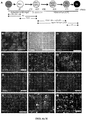
- the timeline of our oligodendrocyte differentiation protocol is shown in FIG. 1 .
- RA and SHH signaling mimic the pMN environment, inducing differentiation of the PSCs to OLIG2 progenitor cells.
- SHH signaling is activated through a Smoothened agonist instead of the human recombinant SHH protein.
- the present disclosure differs from recent work using iPSC-derived OPCs in that our iPSC lines are derived from PPMS patients. Further, the cells used for in vivo transplantation have been sorted using the late OPC marker O4, to maximally restrict the differentiation potential. Despite these differences, PPMS-derived O4 + -sorted OPCs exhibited similar engraftment efficiency, similar mitotic fraction and similar proportion of host ensheathed axons while generating fewer GFAP + astrocytes compared to unsorted iPSC-derived OPCs reported previously. Taken together, our data show that PPMS-derived OPCs performed in vivo at least as efficiently as healthy iPSC-derived cells (Wang et al. , 2013), and establish that our iPSC derivation and OPC induction protocols can generate myelinogenic oligodendrocytes from single-patient sample, which can be used in autologous cell-replacement therapies for MS.
- a particular instance of the disclosure is a method of generating OLIG2+ OPCs by first preparing PSC colonies.
- PSCs are seeded (plated) at low density and grown in an adherent culture for about 1-2 days.
- Low density means about 8,000 to about 11,000 cells/cm 2 .
- Cells are preferably seeded at about 9,500 to about 10,500 cells/cm 2 , more preferably at about 10,000 cells/cm 2 .
- the PSCs form colonies, which are preferably about 75 ⁇ m to about 300 ⁇ m in diameter, more preferably about 100 ⁇ m to about 250 ⁇ m in diameter.
- PSCs has its usual meaning in the art, i.e ., self-replicating cells that have the ability to develop into endoderm, ectoderm, and mesoderm cells.
- the PSCs described herein are hPSCs.
- hPSCs include ESCs and iPSCs, preferably hESCs and hiPSCs.
- PSCs can be seeded on a surface comprising a matrix, such as a gel or basement membrane matrix.
- a preferable matrix is the protein mixture secreted by Engelbreth-Holm-Swarm (EHS) mouse sarcoma cells, sold under trade names including MATRIGEL®, CULTREX®, and GELTREX®.
- Other suitable matrices include, without limitation, collagen, fibronectin, gelatin, laminin, poly-lysine, vitronectin, and combinations thereof.
- the medium in which PSCs are cultured preferably comprises an inhibitor of rho-associated protein kinase (ROCK), for example, GSK269962, GSK429286, H-1152, HA-1077, RKI-1447, thiazovivin, Y-27632, or derivatives thereof.
- ROCK rho-associated protein kinase
- the PSC colonies are then cultured in a monolayer to confluence in a medium comprising a low concentration of RA, at least one inhibitor of TGF ⁇ signaling, and at least one inhibitor of BMP signaling, wherein the first day of culturing in this medium is day 0.
- a "low concentration of RA" is about 10 nM to about 250 nM.
- the concentration of RA is preferably about 10 nM to about 100 nM, or about 25 nM to about 100 nM, or about 20 nM, 30 nM, 40 nM, 50 nM, 60 nM, 70 nM, 80 nM, 90 nM, and preferably, about 100 nM or less.
- Inhibitors of TGF ⁇ signaling described herein are GW788388, LDN193189, LY2109761, LY2157299, LY364947, and SB431542.
- Inhibitors of BMP signaling described herein are DMH1, dorsomorphin, K02288, Noggin, and LDN193189.
- SHH can be recombinant human SHH
- the medium lacks SHH
- the transition from PSCs to OLIG2 + progenitors is associated with massive proliferation causing the cultures to become overconfluent, resulting in the cells forming three-dimensional structures, ideally by about day 12.
- “Overconfluent” means that the cells begin piling up on one another, such that not all cells are in complete contact with the culture surface, and some cells are not in contact with the culture surface at all, but are only in contact with other cells. Preferably, at least about 50%, 60%, or 70% of the overconfluent cells are OLIG2+ by about day 12.
- OLIG2+ cells are to be further differentiated to O4+ cells, the overconfluent cells are lifted from the culture surface, which allows the formation of cell aggregates or spheres.
- OLIG2 - cells do not form aggregates, thus this process enriches for the OLIG2 + population, and OLIG2 - cells are eliminated gradually during subsequent media changes.
- aggregate and sphere are used interchangeably and refer to a multicellular three-dimensional structure, preferably, but not necessarily, of at least about 100 cells.
- Lifting can be performed mechanically, with a cell scraper or other suitable implement, or chemically.
- Chemical lifting can be achieved using a proteolytic enzyme, for example, collagenase, trypsin, trypsin-like proteinase, recombinant enzymes, such as that sold under the trade name TRYPLE®, naturally derived enzymes, such as that sold under the trade name ACCUTASE®, and combinations thereof.
- Chemical lifting can also be done using a chelator, such as EDTA, or a compound such as urea.
- Mechanical lifting or detachment offers the advantage of minimal cell death, however it produces aggregates of variable size, thus suitable spheres need to be selected through a manual picking process.
- Good spheres are defined as those having a round-shape, golden/brown color, with darker core and with a diameter between about 300 ⁇ m and about 800 ⁇ m.
- Detaching the cells using chemical methods, such as enzymatic digestion predominantly produces spheres that are appropriate for further culture. Therefore manual picking of spheres is not required, and the detachment steps can be adapted for automation and used in high throughput studies. However, enzymatic digestion increases cell death, resulting in a lower number of spheres.
- Three-dimensional aggregates of OLIG2+ OPCs are cultured in suspension in a medium comprising SAG and a low concentration of RA of 10nM to 250nM for about 8 days.
- the OLIG2+ OPCs can be generated a method of the invention, for example, as described above, or by other methods known in the art.
- the medium is changed to one comprising PDGF, HGF, IGF-1, and NT3, and optionally, insulin (preferably about 10 ⁇ g/ml to about 50 ⁇ g/ml, more preferably about 25 ⁇ g/ml), T3 (preferably about 20 ng/ml to about 100 ng/ml, more preferably about 60 ng/ml), biotin (preferably about 50 ng/ml to about 150 ng/ml, more preferably about 100 ng/ml), and/or cAMP (preferably about 100 nM to about 5 ⁇ M, more preferably about 1 ⁇ M).
- the medium preferably lacks bFGF and epidermal growth factor (EGF). If OLIG2+ cells are generated by the method of the invention, culture in suspension preferably begins on about day 12, and culture in the medium comprising PDGF, HGF, IGF-1, and NT3 preferably begins on about day 20.
- insulin preferably about 10 ⁇ g/ml to about 50 ⁇ g/ml, more
- the cell aggregates are plated in an adherent culture at a density of about 2 spheres/cm 2 .
- the surface on which the cell aggregates are plated and cultured can comprise an extracellular matrix protein (e.g., collagen, fibronectin, laminin) and/or a positively charged poly-amino acid (e.g ., poly-arginine, poly-lysine, poly-ornithine).
- the surface comprises laminin and/or poly-ornithine.
- the medium comprising PDGF, HGF, IGF-1, and NT3 can be continued (Option A), or a medium comprising AA and lacking growth factors (e.g ., PDGF, HGF, IGF-1, NT3, bFGF, and/or EGF) can be used (Option B).
- the medium comprising AA can optionally comprise insulin, T3, biotin, and/or cAMP.
- Cells cultured in the medium comprising PDGF, HGF, IGF-1, and NT3 are optimally O4+ by about 45 days after plating.
- At least about 35%, 40%, 45%, 50%, 55%, 60%, 65%, 70%, 75%, or 80% of these cells are O4+ by about 45 days after plating (day 75).
- Cells cultured in the medium comprising AA are optimally O4+ by about 25 days after plating.
- at least about 20%, 25%, 30%, 35%, or 40% of these cells are O4+ by about 25 days after plating (day 55).
- at least about 30%, 35%, 40%, 45%, 50%, 55%, or 60% of these cells are O4+ by about 33 days after plating (day 63).
- at least about 35%, 40%, 45%, 50%, 55%, 60%, 65%, 70%, or 75% of these cells are O4+ by about 45 days after plating (day 75).
- Mature oligodendrocytes expressing myelin basic protein can be generated by culturing the O4+ OPCs in the absence of PDGF, HGF, IGF-1, and NT3 for about three weeks, until cells are MBP+.
- at least about 20%, 25%, 30%, 35%, 40%, or 45% of the O4+ OPCs are MBP+ after about 20 days in culture in the medium lacking PDGF, HGF, IGF-1, and NT3. This occurs on about day 95 for "Option A” cells, and on about day 60 for "Option B” cells. Culturing "Option B" cells until at least about day 75 results in a higher efficiency of MBP+ expressing cells.
- the disclosure also encompasses OPCs, oligodendrocytes, and myelin-producing cells generated by the methods of the invention, and non-human mammals comprising them, preferably mice and/or rats.
- a myelin-producing cell is any cell that produces myelin, including without limitation, oligodendrocytes.
- myelin-producing cells are differentiated from PSCs, and in such instances, the PSCs can be iPSCs.
- the iPSCs can be derived from a somatic cell of a subject. In one instance, the subject has a demyelinating or dysmylelinating disease or disorder.
- the disclosure provides a method for generating viral and integration-free iPSCs from patients with MS, particularly PPMS.
- Our differentiation protocol can be used for the efficient differentiation of such iPSCs to OPCs and functional oligodendrocytes, as demonstrated by in vivo myelination in the shiverer mouse.
- the disclosure also provides a model system for a neurological disease, preferably a demyelinating or dysmyelinating disease or disorder.
- the model system comprises a myelin-producing cell differentiated from an iPSC derived from a subject having a demyelinating or dysmyelinating condition.
- the model system can further comprise a non-human mammal into which the myelin-producing cell has been transplanted.
- the non-human mammal is a mouse or a rat.
- Model systems provided by the disclosure can be used to study demyelinating or dysmyelinating diseases or disorders, including understanding underlying mechanisms and defining therapeutic targets.
- the disclosure also provides methods for treating and/or preventing a neurological disease or disorder in a subject by generating OPCs or oligodendrocytes according to a method of the invention; and administering an effective amount of the cells to the subject.
- the oligodendrocytes, or OPCs that have differentiated to oligodendrocytes in vivo promote myelinogenesis in the nervous system of the subject.
- the disclosure provides a use of the OPCs or oligodendrocytes of the disclosure in the treatment and/or prevention of a neurological disease or disorder in a subject.
- the neurological disease or disorder can be a demyelinating or dysmyelinating disease, or a neurodegenerative disease.
- the neurological disease or disorder can affect the central nervous system, the peripheral nervous system, or both.
- the demyelinating or dysmyleinating disease is an inflammatory demyelinating disease (such as multiple sclerosis, optic neuritis, Devic disease, acute-disseminated encephalomyelitis and transverse myelitis), viral demyelination, demyelination caused by acquired metabolic disorders, leukodystrophies (including hypomyelinating diseases, such as Pelizaeus-Merzbacher Disease and hereditary spastic paraplegia), X-linked disorders of proteo-lipid protein production, metabolic demyelinations and lysosomal storage disorders (such as metachromatic leukodystrophy-MLD, Tay-Sachs, Sandhoff's and Krabbe's diseases), vanishing white matter disease, and periventricular leukomalacia.
- MS and particularly PPMS are also conditions that can be treated or prevented by the methods of the disclosure.
- the OPCs or oligodendrocytes generated by a method of the disclosure are derived from iPSCs generated from a somatic cell of the subject.
- iPSC technology is emerging as a tool for developing new drugs and gaining insight into disease pathogenesis.
- the methods and cells of the disclosure will aid the development of high-throughput in vitro screens for compounds that promote myelination.
- the method comprising generating myelin-producing cell by a method of the invention; contacting the myelin-producing cell with a candidate compound; and determining whether the candidate compound promotes neuron myelination.
- the compound is a candidate therapeutic agent for treating a neurological disease or disorder, such as a demyelinating or dysmyelinating condition
- the method includes determining whether the candidate therapeutic agent has a beneficial effect on neuron myelination, wherein such beneficial effect is indicative of a candidate therapeutic agent for treating a demyelinating or dysmyelinating disease or disorder.
- the beneficial effect can be, for example, prevention of neuron demyelination, reduction of neuron demyelination, increased neuron conductance, and/or enhanced neuron myelination.
- the method is conducted in a high-throughput format.
- the cells, systems, and methods of the disclosure can also be useful for studying neurological diseases.
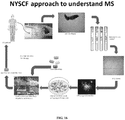
- the PPMS iPSC lines described here provide a new resource to investigate the process of neurodegeneration, particularly in MS ( FIG. 16 ).
- subject or “individual” or “patient” is meant any subject, particularly a mammalian subject, for whom diagnosis, prognosis, or therapy is desired.
- Mammalian subjects include humans, domestic animals, farm animals, sports animals, and zoo animals including, e.g., humans, non-human primates, dogs, cats, guinea pigs, rabbits, rats, mice, horses, cattle, pigs, and so on.
- Terms such as “treating” or “treatment” or “to treat” or “alleviating” or “to alleviate” refer to therapeutic measures that cure, slow down, lessen symptoms of, and/or halt progression of a diagnosed pathologic condition or disorder. Thus, those in need of treatment include those already with the disorder.
- a subject is successfully "treated” for a neurological disease or disorder, particularly a demyelinating or dysmyelinating disease or disorder, according to the methods provided herein if the patient shows, e.g., total, partial, or transient alleviation or elimination of symptoms associated with the disease or disorder.
- Prevent refers to prophylactic or preventative measures that prevent and/or slow the development of a targeted pathologic condition or disorder.
- those in need of prevention include those prone or susceptible to the disease or disorder.
- a neurological disease or disorder particularly a demyelinating or dysmyelinating disease or disorder, is successfully prevented according to the methods provided herein if the patient develops, transiently or permanently, e.g ., fewer or less severe symptoms associated with the disease or disorder, or a later onset of symptoms associated with the disease or disorder, than a patient who has not been subject to the methods of the disclosure.
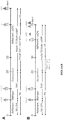
- FIG. 2B We then replaced the recombinant human SHH protein with SAG, which increased the yield further to 70.1% OLIG2 + progenitors ( FIG. 2B ).
- cells were detached and placed into low-attachment plates to promote their aggregation into spheres.
- the minimum number of cells required to form a sphere was at least 100 cells, and we noted that the majority of cells in the spheres were GFP + .
- PAX6 + cells arose at day 7, and by day 12 they arranged into multilayered structures ( FIG. 4B, 4C ). From day 12 to day 30, cells were grown as spheres and then plated onto poly-L-ornithine/laminin (pO/L)-coated dishes for the remainder of the protocol.
- pO/L poly-L-ornithine/laminin
- PDGF-AA, HGF, IGF1, and NT3 were added to the culture medium from day 20 onward.
- OLIG2 + progenitors upregulated NKX2.2, then SOX10, and finally matured to late OPCs identified by O4 live staining, and by their highly ramified processes ( FIG. 4D-4G ).
- O4 + OPCs expressing OLIG2, SOX10 and NG2 appeared as early as day 50 and their numbers increased dramatically around day 75.
- 40-50% of progenitor cells were proliferative, as indicated by Ki67 staining.
- the highly ramified O4 + cells did not divide in vitro ( FIG.
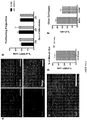
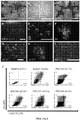
- O4 efficiencies ranged from 28% to 80% with nine different PSC lines, and the average was greater than 60% in four lines.
- Cells were stained with O4 antibody and analyzed by flow cytometry.
- One reference hESC line (RUES1) and eight hiPSC lines were tested. Technical replicates were performed using different batches of each line, at different passages. Results are also expressed as mean percentages ⁇ SEM. Table 1.
- O4 + OPCs can be purified through fluorescent activated cell sorting (FACS) and transplanted in vivo.
- FACS fluorescent activated cell sorting
- O4 + cells can also be cryopreserved immediately after sorting and thawed 24-48 hours prior transplantation.
- OPCs are characterized by PDGFR ⁇ and NG2 expression, followed by expression of O4. Jakovcevski, I. et al., Front Neuroanat. 3:5 (2009 ). Under our culture conditions, by day 75, most O4 + cells have lost PDGFR ⁇ but have retained NG2 expression. At this stage we did not observe any residual pluripotent cells in culture.
- O4 + cells can either be isolated via FACS or further differentiated to MBP + oligodendrocytes ( FIG. 7G, 7H ).
- Other cell-types also exist in day 75 cultures, although at lower percentages.
- GFAP + cells in about 15% of the total cell population and about 20% ⁇ III-Tubulin + cells ( FIG. 7H ).
- GFAP + cells in about 15% of the total cell population and about 20% ⁇ III-Tubulin + cells ( FIG. 7H ).
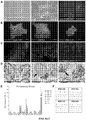
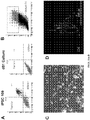
- FIG. 8C Expression profiling for seven pluripotency genes confirmed that all four iPSC lines exhibited a profile comparable to a reference hESC line and divergent from the parental fibroblasts ( FIG. 8C ). All iPSC lines displayed a normal karyotype ( FIG. 8D ) and were able to differentiate into cell types of the three germ layers, both in vitro, via spontaneous embryoid body differentiation ( FIG. 8E ), and in vivo via teratoma assay ( FIG. 8F ; FIG. 9 ).
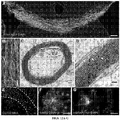
- hNA + cells were distributed throughout the corpus callosum and forebrain white matter.
- the density of hNA + cells in the corpus callosum at 12 weeks was 34,400 ⁇ 3,090 cells/mm 3 , and by 16 weeks, the number of human cells had approximately doubled since 12 weeks.
- FIG. 12E human MBP + oligodendrocytes were found diffusely throughout engrafted corpus callosum at 12 and 16 weeks ( FIG. 12A ). At 16 weeks, 31 ⁇ 3% of host mouse axons were ensheathed within the engrafted mouse corpus callosum ( FIG. 12B ).
- hNA + cells remained as NG2 + OPCs in the corpus callosum ( FIG. 12E ), and by 16 weeks they started to migrate to the overlying cerebral cortex ( FIG. 12F ).
- Very few O4-sorted cells underwent differentiation as hGFAP + astrocytes, and the majority of hGFAP + cells were localized to the SVZ and around the ventricles ( FIG. 12G ), suggesting that the local environment may induce astrocytic differentiation in these regions.
- hNESTIN-expressing cells were rarely found in corpus callosum and likewise concentrated in SVZ.
- ⁇ III-Tubulin + neurons were not detected in any of the engrafted animals.
- Reference RUES1 and reference HUES 45 are both NIH-approved hESC lines; OLIG2-GFP reporter line is derived from reference BG01 hESC line (University of Texas Health Science Center at Houston).
- iPSC lines were derived in our laboratory from skin biopsies of PPMS patients through the mRNA/miRNA method (Stemgent).
- HUESM human Embryonic Stem Medium
- bFGF mouse embryonic fibroblast
- MEF mouse embryonic fibroblast
- HUESM is composed by Knockout-DMEM, 20% Knock-out serum, glutamax 2mM, NEAA 0.1mM, 1X P/S and ⁇ -mercaptoethanol 0.1mM, all purchased from Life Technologies (Grand Island, NY). At all stages of differentiation cells are cultured in 5% CO 2 incubators.
- PSCs were plated on MATRIGEL® (BD Biosciences; San Jose, CA) at a density of 10x10 3 cells/cm 2 in mTeSR1 medium (Stemcell Technologies; Vancouver, BC, Canada) containing 10 ⁇ M ROCK inhibitor, Y-27632 (Stemgent; Cambridge, MA) for 24 hours.
- This density of plated hPSCs was optimized to give a confluent well by day 8 and multilayered structures at day 12 of differentiation. This set up does not require significant PSC expansion, as only one well (80% confluent) of a 6-well plate contains enough cells to differentiate and isolate at least 2x10 6 oligodendrocytes. Cells were incubated for 1-2 days, until hPSC colonies reached a diameter of 100-250 ⁇ m.
- Neural Induction Medium which is mTeSR Custom Medium (Stemcell Technologies) containing the small molecules SB431542 10 ⁇ M (Stemgent) and LDN193189 250nM (Stemgent), as well as 100nM all-trans-RA (Sigma-Aldrich; St. Louis, MO).
- mTeSR Custom Medium has the same composition as the commercially available mTeSR-1 medium but without five factors that sustain pluripotency, namely lithium chloride, GABA, pipecolic acid, bFGF, and TGF ⁇ 1 (Stemcell Technologies).
- DMEM/F12 instead of DMEM/F12 with the addition of about 25 ⁇ g/ml insulin. Media changes were performed daily until day 8, with fresh RA, SB431542, and LDN193189 added to the medium every day.
- Aggregates were re-plated into Ultra-low attachment plates in N 2 B 27 Medium containing 1 ⁇ M SAG, changing it every other day.
- medium was switched to PDGF Medium, and 2/3 media changes were performed every other day.
- gentle pipetting was used to break apart any aggregates sticking to one another.
- spheres were plated onto plates coated with poly-L-ornithine hydrobromide (50 ⁇ g/ml; Sigma-Aldrich) and Laminin (20 ⁇ g/ml; Life Technologies) at a density of 2 spheres/cm 2 (about 20 spheres per well in a 6-well plate).
- plated spheres were cultured in a medium containing mitogens (Option A) or in a medium without any mitogens (Option B).
- Option A was optimized to obtain the highest yield of O4 + cells, while Option B was developed to provide a shorter and less costly version of the protocol.
- Spheres were plated on pO/L plates, as described above, in PDGF Medium at day 30, changing 2/3 of the PDGF Medium every other day until day 75 of differentiation.
- the appearance of O4 + cells was assessed by live O4 staining from day 55 onwards ( FIG. 6 ).
- O4+ OPCs could be isolated by FACS ( FIG. 7I ).
- FIG. 7G, 7H cells were cultured in Glial Medium from day 75, changing 2/3 of the medium every 3 days for two weeks.
- Spheres were plated on pO/L plates, as described above, in Glial Medium at day 30, changing 2/3 of the Glial Medium every other day until day 55 of differentiation.
- O4 + cells were visualized by live O4 staining ( FIG. 6A-F , FIG. 7F ) or isolated by FACS ( FIG. 6G ).
- O4+ OPCs could be isolated by FACS.
- cultures were kept in Glial Medium until day 75 to increase the efficiency of O4+ cells ( FIG. 6 ). We observed MBP+ cells beginning at about day 60.
- aggregates at day 30, and cells at the end of the differentiation could be cryopreserved with a viability >70%. Aggregates' viability is based on the number of thawed spheres that re-attach onto pO/L coated dishes after thawing.
- the sorted O4 + cells could be frozen immediately after sorting. The expected post-thaw viability of the sorted O4 + cells is 70 - 80%.
- Table 2 provides a list of media compositions used in the protocol. Table 2. Detailed Composition of Culture Media Media Components Provider Final Conc. N 2 Medium DMEM/F12 Life Technologies Glutamax (100X) Life Technologies 1X Non-Essential Amino Acids (100X) Life Technologies 1X ⁇ -Mercaptoethanol (1000X) Life Technologies 1X Penicillin-Streptomycin (100X) Life Technologies 1X N 2 Supplement (100X) Life Technologies 1X N2B27 N 2 Medium B 27 Supplement (50X) Life Technologies 1X PDGF Medium N 2 B 27 Medium PDGF R&D Systems 10ng/ml IGF-1 R&D Systems 10ng/ml HGF R&D Systems 5ng/ml NT3 EMD Millipore 10ng/ml Insulin Sigma-Aldrich 25 ⁇ g/ml Biotin Sigma-Aldrich 100ng/ml cAMP Sigma-Aldrich 1 ⁇ M T3 Sigma-Aldrich 60ng/ml Glial Medium N 2 B 27 Medium
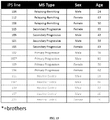
- Skin biopsies were obtained from MS patients and healthy individuals ( FIG. 13 ).
- Four de-identified patients at the Tisch Multiple Sclerosis Research Center of New York were diagnosed with PPMS according to the standard diagnostic criteria. Their biopsies were obtained upon institutional review board approval (BRANY) and informed consent. All patients are Caucasian.
- Patients 102 and 107 are male, 56 and 61 years old respectively; patients 104 and 109 are female, 62 and 50 years old respectively.
- Biopsy Collection Medium consisting of RPMI 1460 (Life Technologies) and 1X Antibiotic-Antimycotic (Life Technologies). Biopsies were sliced into smaller pieces ( ⁇ 1mm) and plated onto a TC-treated 35mm dish for 5 minutes to dry and finally they were incubated in Biopsy Plating Medium, composed by Knockout DMEM, 2mM GLUTAMAXTM, 0.1mM NEAA, 0.1mM ⁇ -Mercaptoethanol, 10% Fetal Bovine Serum (FBS), 1X Penicillin-Streptomycin (P/S; all from Life Technologies) and 1% Nucleosides (EMD Millipore), for 5 days or until the first fibroblasts grew out of the biopsy.
- biopsies were digested with 1000U/ml Collagenase 1A (Sigma-Aldrich) for 1.5 hours at 37°C, washed, collected and plated onto 1% gelatin-coated 35mm dish in Biopsy Plating Medium for 5 days. Fibroblasts were then expanded in Culture Medium, consisting of DMEM (Life Technologies), 2mM GLUTAMAXTM, 0.1mM NEAA, 0.1mM ⁇ -Mercaptoethanol, 10% FBS and 1X P/S changing medium every other day.
- DMEM Life Technologies
- 2mM GLUTAMAXTM 2mM GLUTAMAXTM
- 0.1mM NEAA 0.1mM ⁇ -Mercaptoethanol
- 10% FBS and 1X P/S changing medium every other day.
- Skin fibroblasts at passage 3 to 5 were reprogrammed using the Stemgent mRNA/miRNA kit, which results in the generation of integration-free, virus free human iPSCs, through modified RNAs for OCT4 , SOX2 , KLF4 , cMYC and LIN28 ( FIG. 14 ).
- the addition of a specific cluster of miRNA has been found to increase the efficiency of reprogramming (Stemgent). Briefly, fibroblasts were plated onto Matrigel-coated 6-well or 12-well plates in a 5.5x10 3 cells/cm 2 density in culture medium. The following day, medium was replaced with NuFF-conditioned Pluriton reprogramming medium containing B18R.
- Cells were transfected for 11 consecutive days using STEMFECTTM as following: day 0 miRNA only, day1 to day3 mRNA cocktail only, d4 miRNA plus mRNA cocktail, day 5 to day 11 mRNA cocktail only. After day 11, visible colonies positively stained for live TRA-1-60 were picked and re-plated on MEFs with HLTESM medium.
- iPSC colonies were dissociated using Collagenase (Sigma-Aldrich) for 15 minutes at 37°C, washed, collected, and re-suspended in 200 ⁇ l HUESM. Cells were then mixed with 200 ⁇ l MatrigelTM (BD Biosciences) on ice, and were injected subcutaneously into immunodeficient mice (Jackson Laboratory; Bar Harbor, ME). Teratomas were allowed to grow for 9-12 weeks, isolated by dissection, and fixed in 4% PFA overnight at 4°C. Fixed tissues were embedded in paraffin, sectioned at 10 ⁇ m thickness, and stained with hematoxylin and eosin (H&E).
- Collagenase Sigma-Aldrich
- iPSCs were dissociated with ACCUTASE® (Life Technologies) for 5 minutes at 37°C and seeded into Ultra-Low attachment 6-well plates in HUESM without bFGF, changing media every other day. After 3 weeks of culture, embryoid bodies (EBs) were plated onto 1% gelatin-coated TC-treated dishes for another 2 weeks. EBs and their outgrowth were fixed in 4% PFA for 8 minutes at RT and immunostained for the appropriate markers.
- ACCUTASE® Life Technologies
- RNA isolation was performed using the RNeasy Plus Mini Kit with QIAshredder (Qiagen; Hilden, Germany). Briefly, cells were pelleted, washed with PBS, and re-suspended in lysis buffer. Samples were then stored at -80°C until processed further according to manufacturer's instructions. RNA was eluted in 30 ⁇ l RNase free ddH 2 O and quantified with a NanoDrop 8000 spectrophotometer (Thermo Scientific; Somerset, NJ).
- cDNA was synthesized using the GoScriptTM Reverse Transcription System (Promega; Madison, WI) with 0.5 ⁇ g of RNA and random primers. 20ng of cDNA were then loaded to a 96-well reaction plate together with 10 ⁇ l GoTaq® qPCR Master Mix and 1 ⁇ l of each primer (10nM) in a 20 ⁇ l reaction and the plate was ran in Stratagene Mx300P qPCR System (Agilent Technologies; Santa Clara, CA). Table 3 lists primer sequences. Table 3. Sequences of Primers Used for qRT-PCR SEQ ID. NO. Target gene Forward primer SEQ ID. NO.
- RNA was isolated from undifferentiated iPSCs and hESC HUES45 as previously described. RNA (100 ng/sample) was loaded for the hybridization with the specific Reporter Code Set and Capture Probe Set (NanoString Technologies; Seattle, WA) according to manufacturer's instructions. Data were normalized to the following housekeeping genes: ACTB , POLR2A , ALAS1. Data were expressed as fold changes to the expression of the hESC line (HUES45 1). See FIG. 15 .
- Images were acquired using an Olympus IX71 inverted microscope, equipped with Olympus DP30BW black and white digital camera for fluorescence and DP72 digital color camera for H&E staining. Fluorescent colors were digitally applied using the Olympus software DP Manager or with ImageJ. For counting, at least three non-overlapping fields were imported to ImageJ, thresholded and scored manually.
- Cells were enzymatically harvested by ACCUTASE® treatment for 25 min at 37°C to obtain a single cell suspension. Cells were then re-suspended in 100 ⁇ l of their respective medium containing the appropriate amount of either primary antibody or fluorescence-conjugated antibodies and were incubated on ice for 30 minutes shielded from light. When secondary antibodies were used, primary antibodies were washed with PBS and secondary antibodies were applied for 30 minutes on ice. Stained or GFP expressing cells were washed with PBS and sorted immediately on a 5 laser BD Biosciences ARIA-IIuTM Cell Sorter using the 100 ⁇ m ceramic nozzle, and 20 psi. DAPI was used for dead cell exclusion. Flow cytometry data were analyzed using BD FACSDivaTM software.
- Human cells were identified with mouse antihuman nuclei (hNA) and myelin basic protein-expressing oligodendrocytes were labeled with MBP.
- Human astrocytes and OPCs were stained with human-specific antibodies against hGFAP and hNG2 respectively.
- Mouse neurofilament (NF) was stained by 1:1 mixture of SMI311 and SMI312.
- InvitrogenTM Alexa Fluor secondary antibodies, goat anti-mouse 488, 594, and 647 were used at 1:500 dilution (Life Technologies).
- tissue was processed as described previously. Sim, F.J. et al., Molec. Cell. Neurosci. 20:669-682 (2002 ).
- Table 4 provides a list of primary antibodies used. Table 4.
Landscapes
- Health & Medical Sciences (AREA)
- Engineering & Computer Science (AREA)
- Biomedical Technology (AREA)
- Life Sciences & Earth Sciences (AREA)
- Chemical & Material Sciences (AREA)
- Zoology (AREA)
- Biotechnology (AREA)
- Cell Biology (AREA)
- Bioinformatics & Cheminformatics (AREA)
- Neurology (AREA)
- Neurosurgery (AREA)
- Organic Chemistry (AREA)
- General Health & Medical Sciences (AREA)
- Wood Science & Technology (AREA)
- Developmental Biology & Embryology (AREA)
- Genetics & Genomics (AREA)
- Medicinal Chemistry (AREA)
- Pharmacology & Pharmacy (AREA)
- Animal Behavior & Ethology (AREA)
- Public Health (AREA)
- Veterinary Medicine (AREA)
- Epidemiology (AREA)
- Biochemistry (AREA)
- General Engineering & Computer Science (AREA)
- Immunology (AREA)
- Virology (AREA)
- Ophthalmology & Optometry (AREA)
- Microbiology (AREA)
- Chemical Kinetics & Catalysis (AREA)
- General Chemical & Material Sciences (AREA)
- Nuclear Medicine, Radiotherapy & Molecular Imaging (AREA)
- Psychiatry (AREA)
- Hospice & Palliative Care (AREA)
- Micro-Organisms Or Cultivation Processes Thereof (AREA)
- Measuring Or Testing Involving Enzymes Or Micro-Organisms (AREA)
- Medicines Containing Material From Animals Or Micro-Organisms (AREA)
Priority Applications (1)
| Application Number | Priority Date | Filing Date | Title |
|---|---|---|---|
| PL15796034T PL3145517T3 (pl) | 2014-05-22 | 2015-05-22 | Funkcjonalne oligodendrocyty pochodzące z pluripotencjalnych komórek macierzystych oraz sposoby ich otrzymywania i stosowania |
Applications Claiming Priority (2)
| Application Number | Priority Date | Filing Date | Title |
|---|---|---|---|
| US201462002048P | 2014-05-22 | 2014-05-22 | |
| PCT/US2015/032274 WO2015179822A1 (en) | 2014-05-22 | 2015-05-22 | Functional oligodendrocytes derived from pluripotent stem cells and methods of making and using the same |
Publications (3)
| Publication Number | Publication Date |
|---|---|
| EP3145517A1 EP3145517A1 (en) | 2017-03-29 |
| EP3145517A4 EP3145517A4 (en) | 2017-11-15 |
| EP3145517B1 true EP3145517B1 (en) | 2020-08-26 |
Family
ID=54554868
Family Applications (1)
| Application Number | Title | Priority Date | Filing Date |
|---|---|---|---|
| EP15796034.5A Active EP3145517B1 (en) | 2014-05-22 | 2015-05-22 | Functional oligodendrocytes derived from pluripotent stem cells and methods of making and using the same |
Country Status (10)
| Country | Link |
|---|---|
| US (3) | US10301592B2 (pl) |
| EP (1) | EP3145517B1 (pl) |
| JP (2) | JP6873705B2 (pl) |
| KR (2) | KR102324714B1 (pl) |
| CN (1) | CN106456672B (pl) |
| AU (1) | AU2015263951B2 (pl) |
| DK (1) | DK3145517T3 (pl) |
| ES (1) | ES2846860T3 (pl) |
| PL (1) | PL3145517T3 (pl) |
| WO (1) | WO2015179822A1 (pl) |
Families Citing this family (42)
| Publication number | Priority date | Publication date | Assignee | Title |
|---|---|---|---|---|
| CN106456672B (zh) * | 2014-05-22 | 2020-03-13 | 纽约干细胞基金会有限公司 | 源于多能干细胞的功能性少突胶质细胞及其制备和使用方法 |
| CN105567642B (zh) * | 2016-02-01 | 2019-07-12 | 中国科学院生物物理研究所 | 一种着色性干皮病人多能干细胞的制备方法 |
| AU2017240591B2 (en) * | 2016-03-30 | 2023-08-24 | Asterias Biotherapeutics, Inc. | Oligodendrocyte progenitor cell compositions |
| SG11201909501TA (en) * | 2017-04-13 | 2019-11-28 | Univ Leland Stanford Junior | Personalized 3d neural culture system for generating human oligodendrocytes and studying myelination in vitro |
| CA3069530A1 (en) * | 2017-07-13 | 2019-01-17 | Allele Biotechnology And Pharmaceuticals, Inc. | Induction of neural progenitor cells, oligodendrocyte progenitor cells, and oligodendrocytes by stem cell differentiation using landmark transcription factors |
| CA3006897A1 (en) | 2017-08-04 | 2019-02-04 | University Health Network | Generation of oligodendrogenic neural progenitor cells |
| WO2019023793A1 (en) * | 2017-08-04 | 2019-02-07 | University Health Network | GENERATION OF OLIGODENDROGENIC NEURON PROGENITOR CELLS |
| CN107858331B (zh) * | 2017-11-02 | 2021-01-15 | 北京全式金生物技术有限公司 | 一种诱导人多能性干细胞分化为脊髓运动神经前体细胞的方法 |
| WO2019108894A1 (en) | 2017-12-01 | 2019-06-06 | President And Fellows Of Harvard College | Methods and compositions for the production of oligodendrocyte progenitor cells |
| CN108384755A (zh) * | 2018-02-08 | 2018-08-10 | 北京呈诺医学科技有限公司 | 一种高效、快捷的诱导性多能干细胞向神经干细胞分化的方法 |
| CN112469818A (zh) * | 2018-04-17 | 2021-03-09 | 凯斯西储大学 | 人皮层球体中髓鞘少突胶质细胞的诱导 |
| CN108624560B (zh) * | 2018-06-01 | 2022-04-08 | 南京艾尔普再生医学科技有限公司 | 一种分化培养基及少突胶质前体细胞的制备方法 |
| TWI833764B (zh) * | 2018-06-14 | 2024-03-01 | 中央研究院 | 產生誘導式少突膠質譜系細胞之方法及使用該等細胞的治療 |
| CN113646422B (zh) | 2018-09-19 | 2025-03-11 | 谱系细胞疗法股份有限公司 | 用于在动态悬浮培养中分化多能干细胞的方法 |
| EP3660145A1 (en) * | 2018-11-30 | 2020-06-03 | Assistance Publique, Hopitaux De Paris | Use of oligodendrocytes from oral neuroectodermal stem cells in the repair of the nervous system |
| CN120060141A (zh) | 2019-01-23 | 2025-05-30 | 阿斯特里亚斯生物疗法股份有限公司 | 来自人多能干细胞的背源性少突胶质祖细胞 |
| WO2020243618A1 (en) * | 2019-05-29 | 2020-12-03 | New York Stem Cell Foundation, Inc. | Functional astrocytes derived from pluripotent stem cells and methods of making and using the same |
| CN114466933B (zh) * | 2019-05-31 | 2024-08-02 | 哈佛学院院长及董事 | Sox9-诱导的少突胶质细胞祖细胞 |
| WO2021041316A1 (en) | 2019-08-23 | 2021-03-04 | Sana Biotechnology, Inc. | Cd24 expressing cells and uses thereof |
| CN114375328B (zh) * | 2019-09-06 | 2024-12-27 | 学校法人庆应义塾 | 包含胶质前体细胞的细胞聚集体的制备方法 |
| CN110716595A (zh) * | 2019-09-11 | 2020-01-21 | 合肥众建翔新能源有限公司 | 一种基于新能源的养殖系统 |
| IL296665A (en) | 2020-03-25 | 2022-11-01 | Sana Biotechnology Inc | Hypoimmune neural cells for the treatment of disorders and conditions of the nervous system |
| WO2021235848A1 (ko) * | 2020-05-20 | 2021-11-25 | 고려대학교 산학협력단 | 희소돌기아교세포로 분화가 특화된 신경줄기세포로부터 희소돌기아교세포를 포함하는 오가노이드의 제조방법, 상기 방법으로 제조된 오가노이드 및 이의 용도 |
| US20220049226A1 (en) | 2020-08-13 | 2022-02-17 | Sana Biotechnology, Inc. | Methods of treating sensitized patients with hypoimmunogenic cells, and associated methods and compositions |
| KR102568532B1 (ko) * | 2021-01-13 | 2023-08-18 | 건국대학교 산학협력단 | 3차원 배양을 통한 신경줄기세포 제조 방법 |
| IL305671A (en) | 2021-03-30 | 2023-11-01 | Trailhead Biosystems Inc | Methods and preparations for the production of oligodendrocyte progenitor cells |
| KR20240013135A (ko) | 2021-05-27 | 2024-01-30 | 사나 바이오테크놀로지, 인크. | 조작된 hla-e 또는 hla-g를 포함하는 저면역원성 세포 |
| KR20240046319A (ko) | 2021-07-14 | 2024-04-08 | 사나 바이오테크놀로지, 인크. | 저면역원성 세포에서의 y 염색체-연결 항원의 변경된 발현 |
| CN113564122B (zh) * | 2021-08-05 | 2022-04-08 | 呈诺再生医学科技(珠海横琴新区)有限公司 | 人诱导性多能干细胞向少突胶质细胞分化的方法,试剂盒以及应用 |
| EP4384544A1 (en) | 2021-08-11 | 2024-06-19 | Sana Biotechnology, Inc. | Genetically modified cells for allogeneic cell therapy |
| AU2022325955A1 (en) | 2021-08-11 | 2024-02-08 | Sana Biotechnology, Inc. | Genetically modified cells for allogeneic cell therapy to reduce instant blood mediated inflammatory reactions |
| US20260053851A1 (en) | 2021-08-11 | 2026-02-26 | Sana Biotechnology, Inc. | Inducible systems for altering gene expression in hypoimmunogenic cells |
| US20240425820A1 (en) | 2021-08-11 | 2024-12-26 | Sana Biotechnology, Inc. | Genetically modified cells for allogeneic cell therapy to reduce complement-mediated inflammatory reactions |
| CN113699117B (zh) * | 2021-09-03 | 2023-06-30 | 呈诺再生医学科技(北京)有限公司 | 经基因改造的少突胶质祖细胞在多发性硬化症中的应用 |
| CN114262686B (zh) * | 2022-03-02 | 2022-06-24 | 深圳市夏同生物医药科技有限公司 | 一种少突胶质细胞的制备方法及应用 |
| WO2023183313A1 (en) | 2022-03-22 | 2023-09-28 | Sana Biotechnology, Inc. | Engineering cells with a transgene in b2m or ciita locus and associated compositions and methods |
| KR102898110B1 (ko) * | 2022-06-13 | 2025-12-12 | 고려대학교 산학협력단 | 키나아제 저해제를 유효성분으로 포함하는 탈수초성 질환 예방 또는 치료용 약학적 조성물 |
| IL318362A (en) * | 2022-08-08 | 2025-03-01 | Trailhead Biosystems Inc | Methods and compositions for producing oligodendrocyte progenitor cells |
| US20240052321A1 (en) * | 2022-08-15 | 2024-02-15 | Cellino Biotech, Inc. | Systems and methods for cell manufacturing |
| CN115322965B (zh) * | 2022-08-19 | 2024-01-30 | 同济大学 | 一种体外获得后脑底板细胞的方法、成套培养基及应用 |
| WO2025054202A1 (en) | 2023-09-05 | 2025-03-13 | Sana Biotechnology, Inc. | Method of screening a sample comprising a transgene with a unique barcode |
| US20250230470A1 (en) | 2024-01-12 | 2025-07-17 | Sana Biotechnology, Inc. | Safety switches to control in vitro and in vivo proliferation of cell therapy products |
Family Cites Families (5)
| Publication number | Priority date | Publication date | Assignee | Title |
|---|---|---|---|---|
| SG169231A1 (en) * | 2002-12-06 | 2011-03-30 | Singapore General Hospital Pte Ltd | Nogo, caspr, f3 nb-3 useful in the treatment of injury and disease to the central nervous system |
| US8809052B2 (en) * | 2006-08-28 | 2014-08-19 | Yeda Research And Development Co. Ltd. | Methods of generating mature oligodendrocytes |
| US8227247B2 (en) | 2007-12-20 | 2012-07-24 | Wisconsin Alumni Research Foundation | Method of generating myelinating oligodendrocytes |
| WO2015124725A1 (en) | 2014-02-21 | 2015-08-27 | Johan Ericson | Late born central nervous system cell types |
| CN106456672B (zh) * | 2014-05-22 | 2020-03-13 | 纽约干细胞基金会有限公司 | 源于多能干细胞的功能性少突胶质细胞及其制备和使用方法 |
-
2015
- 2015-05-22 CN CN201580033959.8A patent/CN106456672B/zh active Active
- 2015-05-22 DK DK15796034.5T patent/DK3145517T3/da active
- 2015-05-22 AU AU2015263951A patent/AU2015263951B2/en active Active
- 2015-05-22 WO PCT/US2015/032274 patent/WO2015179822A1/en not_active Ceased
- 2015-05-22 PL PL15796034T patent/PL3145517T3/pl unknown
- 2015-05-22 EP EP15796034.5A patent/EP3145517B1/en active Active
- 2015-05-22 US US15/313,079 patent/US10301592B2/en active Active
- 2015-05-22 ES ES15796034T patent/ES2846860T3/es active Active
- 2015-05-22 JP JP2016568940A patent/JP6873705B2/ja active Active
- 2015-05-22 KR KR1020167034668A patent/KR102324714B1/ko active Active
- 2015-05-22 KR KR1020217036151A patent/KR102585909B1/ko active Active
-
2019
- 2019-05-06 US US16/404,502 patent/US10676716B2/en active Active
-
2020
- 2020-06-03 US US16/892,181 patent/US11814648B2/en active Active
-
2021
- 2021-04-21 JP JP2021071974A patent/JP7410903B2/ja active Active
Non-Patent Citations (1)
| Title |
|---|
| None * |
Also Published As
| Publication number | Publication date |
|---|---|
| JP2021118718A (ja) | 2021-08-12 |
| JP7410903B2 (ja) | 2024-01-10 |
| US10301592B2 (en) | 2019-05-28 |
| KR20210138783A (ko) | 2021-11-19 |
| JP2017524340A (ja) | 2017-08-31 |
| PL3145517T3 (pl) | 2021-04-06 |
| DK3145517T3 (da) | 2020-11-30 |
| KR102324714B1 (ko) | 2021-11-11 |
| AU2015263951A1 (en) | 2016-12-01 |
| ES2846860T3 (es) | 2021-07-29 |
| AU2015263951B2 (en) | 2020-07-02 |
| US20200399595A1 (en) | 2020-12-24 |
| KR102585909B1 (ko) | 2023-10-05 |
| US10676716B2 (en) | 2020-06-09 |
| KR20170005844A (ko) | 2017-01-16 |
| US20170183627A1 (en) | 2017-06-29 |
| CN106456672B (zh) | 2020-03-13 |
| US20190256820A1 (en) | 2019-08-22 |
| JP6873705B2 (ja) | 2021-05-19 |
| US11814648B2 (en) | 2023-11-14 |
| EP3145517A4 (en) | 2017-11-15 |
| CN106456672A (zh) | 2017-02-22 |
| WO2015179822A1 (en) | 2015-11-26 |
| EP3145517A1 (en) | 2017-03-29 |
Similar Documents
| Publication | Publication Date | Title |
|---|---|---|
| US11814648B2 (en) | Functional oligodendrocytes derived from pluripotent stem cells and methods of making and using the same | |
| Curchoe et al. | Early acquisition of neural crest competence during hESCs neuralization | |
| KR101874463B1 (ko) | 세포의 재프로그램화 방법 및 이의 용도 | |
| Meneghini et al. | Generation of human induced pluripotent stem cell-derived bona fide neural stem cells for ex vivo gene therapy of metachromatic leukodystrophy | |
| CA3143449C (en) | In vitro production of medial ganglionic eminence precursor cells | |
| US20260034178A1 (en) | Method for producing cell mass including pituitary tissue, and cell mass thereof | |
| Massumi et al. | Efficient programming of human eye conjunctiva-derived induced pluripotent stem (ECiPS) cells into definitive endoderm-like cells | |
| JPWO2018199142A1 (ja) | 神経堤細胞および交感神経細胞の製造方法 | |
| US20070020608A1 (en) | Method for the generation of neural progenitor cells | |
| US20220251504A1 (en) | Functional astrocytes derived from pluripotent stem cells and methods of making and using the same | |
| EP3950933A1 (en) | Cell population including pluripotent stem cells and production method thereof | |
| US20220135940A1 (en) | Method for producing kidney structure having dendritically branched collecting duct from pluripotent stem cells | |
| HK1233498A1 (en) | Functional oligodendrocytes derived from pluripotent stem cells and methods of making and using the same | |
| HK1233498B (en) | Functional oligodendrocytes derived from pluripotent stem cells and methods of making and using the same | |
| JP2025507265A (ja) | 人工多能性幹細胞を網膜色素上皮細胞に分化させる方法、網膜色素上皮細胞、および網膜色素上皮細胞を使用する方法 | |
| EP4381051A1 (en) | Neural progenitor cells and therapeutic uses of same | |
| Sim et al. | Panagiotis Douvaras, Jing Wang, 2 Matthew Zimmer, Stephanie Hanchuk, Melanie A. O’Bara, 2 Saud Sadiq, 3 | |
| Kaur et al. | Neural stem cell assays | |
| Corti | Uncoupling Tumorigenicity from Dopaminergic Differentiation Potential of HiPSCs by Acting on Glypican4: Combining in Vitro Differentiation Studies with Preclinical Studies for Parkinson's Disease Therapy | |
| Chaddah | Clonal derivation of neural stem cells from human embryonic stem cells | |
| Gagliardi | Neural differentiation and reprogramming of rhesus cells | |
| Gonzalez | Molecular mechanisms controlling human embryonic stem cell self-renewal and differentiation |
Legal Events
| Date | Code | Title | Description |
|---|---|---|---|
| STAA | Information on the status of an ep patent application or granted ep patent |
Free format text: STATUS: THE INTERNATIONAL PUBLICATION HAS BEEN MADE |
|
| PUAI | Public reference made under article 153(3) epc to a published international application that has entered the european phase |
Free format text: ORIGINAL CODE: 0009012 |
|
| STAA | Information on the status of an ep patent application or granted ep patent |
Free format text: STATUS: REQUEST FOR EXAMINATION WAS MADE |
|
| 17P | Request for examination filed |
Effective date: 20161215 |
|
| AK | Designated contracting states |
Kind code of ref document: A1 Designated state(s): AL AT BE BG CH CY CZ DE DK EE ES FI FR GB GR HR HU IE IS IT LI LT LU LV MC MK MT NL NO PL PT RO RS SE SI SK SM TR |
|
| AX | Request for extension of the european patent |
Extension state: BA ME |
|
| DAV | Request for validation of the european patent (deleted) | ||
| DAX | Request for extension of the european patent (deleted) | ||
| A4 | Supplementary search report drawn up and despatched |
Effective date: 20171017 |
|
| RIC1 | Information provided on ipc code assigned before grant |
Ipc: C12N 5/079 20100101ALI20171011BHEP Ipc: A61K 35/30 20150101AFI20171011BHEP |
|
| REG | Reference to a national code |
Ref country code: HK Ref legal event code: DE Ref document number: 1233498 Country of ref document: HK |
|
| STAA | Information on the status of an ep patent application or granted ep patent |
Free format text: STATUS: EXAMINATION IS IN PROGRESS |
|
| 17Q | First examination report despatched |
Effective date: 20180719 |
|
| GRAP | Despatch of communication of intention to grant a patent |
Free format text: ORIGINAL CODE: EPIDOSNIGR1 |
|
| STAA | Information on the status of an ep patent application or granted ep patent |
Free format text: STATUS: GRANT OF PATENT IS INTENDED |
|
| INTG | Intention to grant announced |
Effective date: 20200327 |
|
| GRAS | Grant fee paid |
Free format text: ORIGINAL CODE: EPIDOSNIGR3 |
|
| GRAA | (expected) grant |
Free format text: ORIGINAL CODE: 0009210 |
|
| STAA | Information on the status of an ep patent application or granted ep patent |
Free format text: STATUS: THE PATENT HAS BEEN GRANTED |
|
| AK | Designated contracting states |
Kind code of ref document: B1 Designated state(s): AL AT BE BG CH CY CZ DE DK EE ES FI FR GB GR HR HU IE IS IT LI LT LU LV MC MK MT NL NO PL PT RO RS SE SI SK SM TR |
|
| REG | Reference to a national code |
Ref country code: GB Ref legal event code: FG4D |
|
| REG | Reference to a national code |
Ref country code: CH Ref legal event code: EP |
|
| REG | Reference to a national code |
Ref country code: AT Ref legal event code: REF Ref document number: 1305699 Country of ref document: AT Kind code of ref document: T Effective date: 20200915 |
|
| REG | Reference to a national code |
Ref country code: IE Ref legal event code: FG4D |
|
| REG | Reference to a national code |
Ref country code: DE Ref legal event code: R096 Ref document number: 602015058072 Country of ref document: DE |
|
| REG | Reference to a national code |
Ref country code: CH Ref legal event code: NV Representative=s name: NOVAGRAAF INTERNATIONAL SA, CH Ref country code: DK Ref legal event code: T3 Effective date: 20201124 |
|
| REG | Reference to a national code |
Ref country code: SE Ref legal event code: TRGR |
|
| REG | Reference to a national code |
Ref country code: NL Ref legal event code: FP |
|
| REG | Reference to a national code |
Ref country code: LT Ref legal event code: MG4D |
|
| PG25 | Lapsed in a contracting state [announced via postgrant information from national office to epo] |
Ref country code: FI Free format text: LAPSE BECAUSE OF FAILURE TO SUBMIT A TRANSLATION OF THE DESCRIPTION OR TO PAY THE FEE WITHIN THE PRESCRIBED TIME-LIMIT Effective date: 20200826 Ref country code: LT Free format text: LAPSE BECAUSE OF FAILURE TO SUBMIT A TRANSLATION OF THE DESCRIPTION OR TO PAY THE FEE WITHIN THE PRESCRIBED TIME-LIMIT Effective date: 20200826 Ref country code: BG Free format text: LAPSE BECAUSE OF FAILURE TO SUBMIT A TRANSLATION OF THE DESCRIPTION OR TO PAY THE FEE WITHIN THE PRESCRIBED TIME-LIMIT Effective date: 20201126 Ref country code: PT Free format text: LAPSE BECAUSE OF FAILURE TO SUBMIT A TRANSLATION OF THE DESCRIPTION OR TO PAY THE FEE WITHIN THE PRESCRIBED TIME-LIMIT Effective date: 20201228 Ref country code: NO Free format text: LAPSE BECAUSE OF FAILURE TO SUBMIT A TRANSLATION OF THE DESCRIPTION OR TO PAY THE FEE WITHIN THE PRESCRIBED TIME-LIMIT Effective date: 20201126 Ref country code: GR Free format text: LAPSE BECAUSE OF FAILURE TO SUBMIT A TRANSLATION OF THE DESCRIPTION OR TO PAY THE FEE WITHIN THE PRESCRIBED TIME-LIMIT Effective date: 20201127 Ref country code: HR Free format text: LAPSE BECAUSE OF FAILURE TO SUBMIT A TRANSLATION OF THE DESCRIPTION OR TO PAY THE FEE WITHIN THE PRESCRIBED TIME-LIMIT Effective date: 20200826 |
|
| REG | Reference to a national code |
Ref country code: AT Ref legal event code: MK05 Ref document number: 1305699 Country of ref document: AT Kind code of ref document: T Effective date: 20200826 |
|
| PG25 | Lapsed in a contracting state [announced via postgrant information from national office to epo] |
Ref country code: LV Free format text: LAPSE BECAUSE OF FAILURE TO SUBMIT A TRANSLATION OF THE DESCRIPTION OR TO PAY THE FEE WITHIN THE PRESCRIBED TIME-LIMIT Effective date: 20200826 Ref country code: RS Free format text: LAPSE BECAUSE OF FAILURE TO SUBMIT A TRANSLATION OF THE DESCRIPTION OR TO PAY THE FEE WITHIN THE PRESCRIBED TIME-LIMIT Effective date: 20200826 Ref country code: IS Free format text: LAPSE BECAUSE OF FAILURE TO SUBMIT A TRANSLATION OF THE DESCRIPTION OR TO PAY THE FEE WITHIN THE PRESCRIBED TIME-LIMIT Effective date: 20201226 |
|
| PG25 | Lapsed in a contracting state [announced via postgrant information from national office to epo] |
Ref country code: EE Free format text: LAPSE BECAUSE OF FAILURE TO SUBMIT A TRANSLATION OF THE DESCRIPTION OR TO PAY THE FEE WITHIN THE PRESCRIBED TIME-LIMIT Effective date: 20200826 Ref country code: SM Free format text: LAPSE BECAUSE OF FAILURE TO SUBMIT A TRANSLATION OF THE DESCRIPTION OR TO PAY THE FEE WITHIN THE PRESCRIBED TIME-LIMIT Effective date: 20200826 Ref country code: RO Free format text: LAPSE BECAUSE OF FAILURE TO SUBMIT A TRANSLATION OF THE DESCRIPTION OR TO PAY THE FEE WITHIN THE PRESCRIBED TIME-LIMIT Effective date: 20200826 Ref country code: CZ Free format text: LAPSE BECAUSE OF FAILURE TO SUBMIT A TRANSLATION OF THE DESCRIPTION OR TO PAY THE FEE WITHIN THE PRESCRIBED TIME-LIMIT Effective date: 20200826 |
|
| REG | Reference to a national code |
Ref country code: DE Ref legal event code: R097 Ref document number: 602015058072 Country of ref document: DE |
|
| PG25 | Lapsed in a contracting state [announced via postgrant information from national office to epo] |
Ref country code: AL Free format text: LAPSE BECAUSE OF FAILURE TO SUBMIT A TRANSLATION OF THE DESCRIPTION OR TO PAY THE FEE WITHIN THE PRESCRIBED TIME-LIMIT Effective date: 20200826 Ref country code: AT Free format text: LAPSE BECAUSE OF FAILURE TO SUBMIT A TRANSLATION OF THE DESCRIPTION OR TO PAY THE FEE WITHIN THE PRESCRIBED TIME-LIMIT Effective date: 20200826 |
|
| PG25 | Lapsed in a contracting state [announced via postgrant information from national office to epo] |
Ref country code: SK Free format text: LAPSE BECAUSE OF FAILURE TO SUBMIT A TRANSLATION OF THE DESCRIPTION OR TO PAY THE FEE WITHIN THE PRESCRIBED TIME-LIMIT Effective date: 20200826 |
|
| PLBE | No opposition filed within time limit |
Free format text: ORIGINAL CODE: 0009261 |
|
| STAA | Information on the status of an ep patent application or granted ep patent |
Free format text: STATUS: NO OPPOSITION FILED WITHIN TIME LIMIT |
|
| REG | Reference to a national code |
Ref country code: ES Ref legal event code: FG2A Ref document number: 2846860 Country of ref document: ES Kind code of ref document: T3 Effective date: 20210729 |
|
| 26N | No opposition filed |
Effective date: 20210527 |
|
| PG25 | Lapsed in a contracting state [announced via postgrant information from national office to epo] |
Ref country code: SI Free format text: LAPSE BECAUSE OF FAILURE TO SUBMIT A TRANSLATION OF THE DESCRIPTION OR TO PAY THE FEE WITHIN THE PRESCRIBED TIME-LIMIT Effective date: 20200826 |
|
| PG25 | Lapsed in a contracting state [announced via postgrant information from national office to epo] |
Ref country code: LU Free format text: LAPSE BECAUSE OF NON-PAYMENT OF DUE FEES Effective date: 20210522 Ref country code: MC Free format text: LAPSE BECAUSE OF FAILURE TO SUBMIT A TRANSLATION OF THE DESCRIPTION OR TO PAY THE FEE WITHIN THE PRESCRIBED TIME-LIMIT Effective date: 20200826 |
|
| PG25 | Lapsed in a contracting state [announced via postgrant information from national office to epo] |
Ref country code: HU Free format text: LAPSE BECAUSE OF FAILURE TO SUBMIT A TRANSLATION OF THE DESCRIPTION OR TO PAY THE FEE WITHIN THE PRESCRIBED TIME-LIMIT; INVALID AB INITIO Effective date: 20150522 |
|
| P01 | Opt-out of the competence of the unified patent court (upc) registered |
Effective date: 20230507 |
|
| PG25 | Lapsed in a contracting state [announced via postgrant information from national office to epo] |
Ref country code: CY Free format text: LAPSE BECAUSE OF FAILURE TO SUBMIT A TRANSLATION OF THE DESCRIPTION OR TO PAY THE FEE WITHIN THE PRESCRIBED TIME-LIMIT Effective date: 20200826 |
|
| PG25 | Lapsed in a contracting state [announced via postgrant information from national office to epo] |
Ref country code: MK Free format text: LAPSE BECAUSE OF FAILURE TO SUBMIT A TRANSLATION OF THE DESCRIPTION OR TO PAY THE FEE WITHIN THE PRESCRIBED TIME-LIMIT Effective date: 20200826 |
|
| PG25 | Lapsed in a contracting state [announced via postgrant information from national office to epo] |
Ref country code: TR Free format text: LAPSE BECAUSE OF FAILURE TO SUBMIT A TRANSLATION OF THE DESCRIPTION OR TO PAY THE FEE WITHIN THE PRESCRIBED TIME-LIMIT Effective date: 20200826 |
|
| PG25 | Lapsed in a contracting state [announced via postgrant information from national office to epo] |
Ref country code: MT Free format text: LAPSE BECAUSE OF FAILURE TO SUBMIT A TRANSLATION OF THE DESCRIPTION OR TO PAY THE FEE WITHIN THE PRESCRIBED TIME-LIMIT Effective date: 20200826 |
|
| PGFP | Annual fee paid to national office [announced via postgrant information from national office to epo] |
Ref country code: DE Payment date: 20250529 Year of fee payment: 11 |
|
| PGFP | Annual fee paid to national office [announced via postgrant information from national office to epo] |
Ref country code: GB Payment date: 20250527 Year of fee payment: 11 Ref country code: ES Payment date: 20250602 Year of fee payment: 11 |
|
| PGFP | Annual fee paid to national office [announced via postgrant information from national office to epo] |
Ref country code: IT Payment date: 20250521 Year of fee payment: 11 |
|
| PGFP | Annual fee paid to national office [announced via postgrant information from national office to epo] |
Ref country code: FR Payment date: 20250526 Year of fee payment: 11 |
|
| PGFP | Annual fee paid to national office [announced via postgrant information from national office to epo] |
Ref country code: NL Payment date: 20250826 Year of fee payment: 11 |
|
| PGFP | Annual fee paid to national office [announced via postgrant information from national office to epo] |
Ref country code: DK Payment date: 20250825 Year of fee payment: 11 |
|
| PGFP | Annual fee paid to national office [announced via postgrant information from national office to epo] |
Ref country code: PL Payment date: 20250818 Year of fee payment: 11 |
|
| PGFP | Annual fee paid to national office [announced via postgrant information from national office to epo] |
Ref country code: BE Payment date: 20250827 Year of fee payment: 11 |
|
| PGFP | Annual fee paid to national office [announced via postgrant information from national office to epo] |
Ref country code: SE Payment date: 20250827 Year of fee payment: 11 Ref country code: CH Payment date: 20250827 Year of fee payment: 11 |
|
| PGFP | Annual fee paid to national office [announced via postgrant information from national office to epo] |
Ref country code: IE Payment date: 20250827 Year of fee payment: 11 |