EP3125883B1 - Indole derivatives for use in medicine - Google Patents
Indole derivatives for use in medicine Download PDFInfo
- Publication number
- EP3125883B1 EP3125883B1 EP15710533.9A EP15710533A EP3125883B1 EP 3125883 B1 EP3125883 B1 EP 3125883B1 EP 15710533 A EP15710533 A EP 15710533A EP 3125883 B1 EP3125883 B1 EP 3125883B1
- Authority
- EP
- European Patent Office
- Prior art keywords
- cancer
- ido
- cell
- lymphoma
- compound
- Prior art date
- Legal status (The legal status is an assumption and is not a legal conclusion. Google has not performed a legal analysis and makes no representation as to the accuracy of the status listed.)
- Active
Links
- 0 C[n]1ncc(C2(CNC(C3=CC4=*C(Br)=CCC4N3)=O)COC2)c1 Chemical compound C[n]1ncc(C2(CNC(C3=CC4=*C(Br)=CCC4N3)=O)COC2)c1 0.000 description 9
- UQUKTVDHQVVRRS-UHFFFAOYSA-N CCOc1ccc2[nH]c(C(NC3(CC3)c3ccccc3)=O)cc2c1 Chemical compound CCOc1ccc2[nH]c(C(NC3(CC3)c3ccccc3)=O)cc2c1 UQUKTVDHQVVRRS-UHFFFAOYSA-N 0.000 description 3
- BLLAZQWGIVKMEZ-UHFFFAOYSA-N C[n]1ncc(C2(CC2)NC(c2cc3cc(C#N)ccc3[nH]2)=O)c1 Chemical compound C[n]1ncc(C2(CC2)NC(c2cc3cc(C#N)ccc3[nH]2)=O)c1 BLLAZQWGIVKMEZ-UHFFFAOYSA-N 0.000 description 3
- LWXCTUYUFLXBIL-UHFFFAOYSA-N C[n]1ncc(C2(CCC2)NC(c2cc3cc(Br)ccc3[nH]2)=O)c1 Chemical compound C[n]1ncc(C2(CCC2)NC(c2cc3cc(Br)ccc3[nH]2)=O)c1 LWXCTUYUFLXBIL-UHFFFAOYSA-N 0.000 description 3
- QREBATJHHIUGLE-UHFFFAOYSA-N C[n]1ncc(C2(COC2)NC(c2cc3cc(Br)ccc3[nH]2)=O)c1 Chemical compound C[n]1ncc(C2(COC2)NC(c2cc3cc(Br)ccc3[nH]2)=O)c1 QREBATJHHIUGLE-UHFFFAOYSA-N 0.000 description 2
- MAEGLKOAFNHLKE-UHFFFAOYSA-N O=C(c1cc(cc(cc2)Cl)c2[nH]1)NC1(COC1)c(cc1)ccc1F Chemical compound O=C(c1cc(cc(cc2)Cl)c2[nH]1)NC1(COC1)c(cc1)ccc1F MAEGLKOAFNHLKE-UHFFFAOYSA-N 0.000 description 2
- AIPYORVABWPOTO-UHFFFAOYSA-N O=C(c1cc2cc(Br)ccc2[nH]1)NC1(CC1)c1ccccc1 Chemical compound O=C(c1cc2cc(Br)ccc2[nH]1)NC1(CC1)c1ccccc1 AIPYORVABWPOTO-UHFFFAOYSA-N 0.000 description 2
- WYHUFYJEZKQNKB-UHFFFAOYSA-N O=C(c1cc2cc(Cl)ccc2[nH]1)NC1(CC1)c(cc1)ccc1Cl Chemical compound O=C(c1cc2cc(Cl)ccc2[nH]1)NC1(CC1)c(cc1)ccc1Cl WYHUFYJEZKQNKB-UHFFFAOYSA-N 0.000 description 2
- GNNUMZVURLHFNL-UHFFFAOYSA-N O=C(c1cc2cc(Cl)ccc2[nH]1)NC1(CC1)c(cc1)n[n]1-c1ccccc1 Chemical compound O=C(c1cc2cc(Cl)ccc2[nH]1)NC1(CC1)c(cc1)n[n]1-c1ccccc1 GNNUMZVURLHFNL-UHFFFAOYSA-N 0.000 description 2
- ABVQFMVJKMKIOC-UHFFFAOYSA-N O=C(c1cc2cc(Cl)ccc2[nH]1)NC1(CCCCC1)c1ccccc1 Chemical compound O=C(c1cc2cc(Cl)ccc2[nH]1)NC1(CCCCC1)c1ccccc1 ABVQFMVJKMKIOC-UHFFFAOYSA-N 0.000 description 2
- SPDJRXYRMQTZRZ-UHFFFAOYSA-N O=C(c1cc2cc(Cl)ccc2[nH]1)NC1(CCOCC1)c1ccccc1 Chemical compound O=C(c1cc2cc(Cl)ccc2[nH]1)NC1(CCOCC1)c1ccccc1 SPDJRXYRMQTZRZ-UHFFFAOYSA-N 0.000 description 2
- WUPKRVHVKUWESM-UHFFFAOYSA-N COc1ccc(C2(CC2)NC(c2cc3cc(Cl)ccc3[nH]2)=O)cc1 Chemical compound COc1ccc(C2(CC2)NC(c2cc3cc(Cl)ccc3[nH]2)=O)cc1 WUPKRVHVKUWESM-UHFFFAOYSA-N 0.000 description 1
- FDCHTMOFLKHZAP-UHFFFAOYSA-N COc1ccc2[nH]c(C(NC3(COC3)c3ccccc3)=O)cc2c1 Chemical compound COc1ccc2[nH]c(C(NC3(COC3)c3ccccc3)=O)cc2c1 FDCHTMOFLKHZAP-UHFFFAOYSA-N 0.000 description 1
- KUZPQPIJMKADIJ-UHFFFAOYSA-N C[n]1ncc(C2(CC2)NC(c([nH]c2c3)cc2cc(Cl)c3F)=O)c1 Chemical compound C[n]1ncc(C2(CC2)NC(c([nH]c2c3)cc2cc(Cl)c3F)=O)c1 KUZPQPIJMKADIJ-UHFFFAOYSA-N 0.000 description 1
- IDPCFWSLDGMVSC-UHFFFAOYSA-N C[n]1ncc(C2(CC2)NC(c([nH]c2ccc3Cl)cc2c3F)=O)c1 Chemical compound C[n]1ncc(C2(CC2)NC(c([nH]c2ccc3Cl)cc2c3F)=O)c1 IDPCFWSLDGMVSC-UHFFFAOYSA-N 0.000 description 1
- FBDONUPRDQZQBW-UHFFFAOYSA-N C[n]1ncc(C2(CC2)NC(c2cc3cc(Br)ccc3[nH]2)=O)c1 Chemical compound C[n]1ncc(C2(CC2)NC(c2cc3cc(Br)ccc3[nH]2)=O)c1 FBDONUPRDQZQBW-UHFFFAOYSA-N 0.000 description 1
- JJRFLWAQOUGXBF-UHFFFAOYSA-N C[n]1ncc(C2(CC2)NC(c2cc3cc(Cl)cc(F)c3[nH]2)=O)c1 Chemical compound C[n]1ncc(C2(CC2)NC(c2cc3cc(Cl)cc(F)c3[nH]2)=O)c1 JJRFLWAQOUGXBF-UHFFFAOYSA-N 0.000 description 1
- JMOPQVACYNUHTK-UHFFFAOYSA-N C[n]1ncc(C2(CC2)NC(c2cc3cc(OC)ccc3[nH]2)=O)c1 Chemical compound C[n]1ncc(C2(CC2)NC(c2cc3cc(OC)ccc3[nH]2)=O)c1 JMOPQVACYNUHTK-UHFFFAOYSA-N 0.000 description 1
- SAOGOTNAGNCTKZ-UHFFFAOYSA-N C[n]1ncc(C2(CCOCC2)NC(c2cc3cc(Cl)ccc3[nH]2)=O)c1 Chemical compound C[n]1ncc(C2(CCOCC2)NC(c2cc3cc(Cl)ccc3[nH]2)=O)c1 SAOGOTNAGNCTKZ-UHFFFAOYSA-N 0.000 description 1
- NRAKVJVFHIPQBC-UHFFFAOYSA-N C[n]1ncc(C2(COC2)NC(C(C2)NC3C2=CC(C#N)=CC3)=O)c1 Chemical compound C[n]1ncc(C2(COC2)NC(C(C2)NC3C2=CC(C#N)=CC3)=O)c1 NRAKVJVFHIPQBC-UHFFFAOYSA-N 0.000 description 1
- PCTFJDSRDXCFJH-UHFFFAOYSA-N C[n]1ncc(C2(COC2)NC(c2cc3cc(C#N)ccc3[nH]2)=O)c1 Chemical compound C[n]1ncc(C2(COC2)NC(c2cc3cc(C#N)ccc3[nH]2)=O)c1 PCTFJDSRDXCFJH-UHFFFAOYSA-N 0.000 description 1
- YWTVXLYHFOHXRD-UHFFFAOYSA-N Cc1c(C2(CC2)NC(c2cc3cc(Cl)ccc3[nH]2)=O)cn[n]1C Chemical compound Cc1c(C2(CC2)NC(c2cc3cc(Cl)ccc3[nH]2)=O)cn[n]1C YWTVXLYHFOHXRD-UHFFFAOYSA-N 0.000 description 1
- DMIIFJVCBVOACL-UHFFFAOYSA-N Cc1cc(C2(CC2)NC(c2cc(cc(cc3)C#N)c3[nH]2)=O)n[o]1 Chemical compound Cc1cc(C2(CC2)NC(c2cc(cc(cc3)C#N)c3[nH]2)=O)n[o]1 DMIIFJVCBVOACL-UHFFFAOYSA-N 0.000 description 1
- FHXOYCOHFIQKSB-UHFFFAOYSA-N N#Cc(cc1)cc2c1[nH]c(C(NC1(CC1)c(cc1)ccc1F)=O)c2 Chemical compound N#Cc(cc1)cc2c1[nH]c(C(NC1(CC1)c(cc1)ccc1F)=O)c2 FHXOYCOHFIQKSB-UHFFFAOYSA-N 0.000 description 1
- XCRFZVPEUQLRRJ-UHFFFAOYSA-N N#Cc1ccc2[nH]c(C(NC3(CC3)c3ccccc3)=O)cc2c1 Chemical compound N#Cc1ccc2[nH]c(C(NC3(CC3)c3ccccc3)=O)cc2c1 XCRFZVPEUQLRRJ-UHFFFAOYSA-N 0.000 description 1
- AXTOAFAGXYOFGH-UHFFFAOYSA-N N#Cc1ccc2[nH]c(C(NC3(COC3)c(cc3)ccc3F)=O)cc2c1 Chemical compound N#Cc1ccc2[nH]c(C(NC3(COC3)c(cc3)ccc3F)=O)cc2c1 AXTOAFAGXYOFGH-UHFFFAOYSA-N 0.000 description 1
- FPIQOMIFDXACCT-UHFFFAOYSA-N NC(C(C1)C1c(cc(cc1)N)c1N)NC1(C=CCC1)c1ccccc1 Chemical compound NC(C(C1)C1c(cc(cc1)N)c1N)NC1(C=CCC1)c1ccccc1 FPIQOMIFDXACCT-UHFFFAOYSA-N 0.000 description 1
- XUYZVSIJCPISLQ-UHFFFAOYSA-N O=C(c([nH]c1ccc2Cl)cc1c2F)NC1(COC1)c1ccccc1 Chemical compound O=C(c([nH]c1ccc2Cl)cc1c2F)NC1(COC1)c1ccccc1 XUYZVSIJCPISLQ-UHFFFAOYSA-N 0.000 description 1
- WQCPZNQJYWPEDT-UHFFFAOYSA-N O=C(c1cc(cc(cc2)Cl)c2[nH]1)NC1(CC1)c1c[n](-c2ccccc2)nc1 Chemical compound O=C(c1cc(cc(cc2)Cl)c2[nH]1)NC1(CC1)c1c[n](-c2ccccc2)nc1 WQCPZNQJYWPEDT-UHFFFAOYSA-N 0.000 description 1
- GYGSKLFPTFPFFH-UHFFFAOYSA-N O=C(c1cc(cc(cc2)Cl)c2[nH]1)NC1(CC1)c1nc(-c2ccccc2)n[o]1 Chemical compound O=C(c1cc(cc(cc2)Cl)c2[nH]1)NC1(CC1)c1nc(-c2ccccc2)n[o]1 GYGSKLFPTFPFFH-UHFFFAOYSA-N 0.000 description 1
- HKHXRLADWIUHAB-UHFFFAOYSA-N O=C(c1cc2cc(Cl)cc(F)c2[nH]1)NC1(CC1)c1ccccc1 Chemical compound O=C(c1cc2cc(Cl)cc(F)c2[nH]1)NC1(CC1)c1ccccc1 HKHXRLADWIUHAB-UHFFFAOYSA-N 0.000 description 1
- XVZQTWREWBMXEA-UHFFFAOYSA-N O=C(c1cc2cc(Cl)cc(F)c2[nH]1)NC1(COC1)c1ccccc1 Chemical compound O=C(c1cc2cc(Cl)cc(F)c2[nH]1)NC1(COC1)c1ccccc1 XVZQTWREWBMXEA-UHFFFAOYSA-N 0.000 description 1
- RZYSOPCJYSHPKX-UHFFFAOYSA-N O=C(c1cc2cc(Cl)ccc2[nH]1)NC1(CC1)c(cc1)ccc1F Chemical compound O=C(c1cc2cc(Cl)ccc2[nH]1)NC1(CC1)c(cc1)ccc1F RZYSOPCJYSHPKX-UHFFFAOYSA-N 0.000 description 1
- MCCJXUDPDRGSSS-UHFFFAOYSA-N O=C(c1cc2cc(Cl)ccc2[nH]1)NC1(CC1)c1ccccc1 Chemical compound O=C(c1cc2cc(Cl)ccc2[nH]1)NC1(CC1)c1ccccc1 MCCJXUDPDRGSSS-UHFFFAOYSA-N 0.000 description 1
- KUXKYAHJAILZCV-UHFFFAOYSA-N O=C(c1cc2cc(Cl)ccc2[nH]1)NC1(CC1)c1cccnc1 Chemical compound O=C(c1cc2cc(Cl)ccc2[nH]1)NC1(CC1)c1cccnc1 KUXKYAHJAILZCV-UHFFFAOYSA-N 0.000 description 1
- OKWARVNVOJTREC-UHFFFAOYSA-N O=C(c1cc2cc(Cl)ccc2[nH]1)NC1(CCC1)c1ccccc1 Chemical compound O=C(c1cc2cc(Cl)ccc2[nH]1)NC1(CCC1)c1ccccc1 OKWARVNVOJTREC-UHFFFAOYSA-N 0.000 description 1
- NLOUPEPYUGRKHG-UHFFFAOYSA-N O=C(c1cc2ccccc2[nH]1)Nc1cccnc1 Chemical compound O=C(c1cc2ccccc2[nH]1)Nc1cccnc1 NLOUPEPYUGRKHG-UHFFFAOYSA-N 0.000 description 1
Images
Classifications
-
- C—CHEMISTRY; METALLURGY
- C07—ORGANIC CHEMISTRY
- C07D—HETEROCYCLIC COMPOUNDS
- C07D209/00—Heterocyclic compounds containing five-membered rings, condensed with other rings, with one nitrogen atom as the only ring hetero atom
- C07D209/02—Heterocyclic compounds containing five-membered rings, condensed with other rings, with one nitrogen atom as the only ring hetero atom condensed with one carbocyclic ring
- C07D209/04—Indoles; Hydrogenated indoles
- C07D209/30—Indoles; Hydrogenated indoles with hetero atoms or with carbon atoms having three bonds to hetero atoms with at the most one bond to halogen, directly attached to carbon atoms of the hetero ring
- C07D209/42—Carbon atoms having three bonds to hetero atoms with at the most one bond to halogen, e.g. ester or nitrile radicals
-
- A—HUMAN NECESSITIES
- A61—MEDICAL OR VETERINARY SCIENCE; HYGIENE
- A61K—PREPARATIONS FOR MEDICAL, DENTAL OR TOILETRY PURPOSES
- A61K31/00—Medicinal preparations containing organic active ingredients
- A61K31/33—Heterocyclic compounds
- A61K31/395—Heterocyclic compounds having nitrogen as a ring hetero atom, e.g. guanethidine or rifamycins
- A61K31/40—Heterocyclic compounds having nitrogen as a ring hetero atom, e.g. guanethidine or rifamycins having five-membered rings with one nitrogen as the only ring hetero atom, e.g. sulpiride, succinimide, tolmetin, buflomedil
- A61K31/403—Heterocyclic compounds having nitrogen as a ring hetero atom, e.g. guanethidine or rifamycins having five-membered rings with one nitrogen as the only ring hetero atom, e.g. sulpiride, succinimide, tolmetin, buflomedil condensed with carbocyclic rings, e.g. carbazole
- A61K31/404—Indoles, e.g. pindolol
-
- A—HUMAN NECESSITIES
- A61—MEDICAL OR VETERINARY SCIENCE; HYGIENE
- A61K—PREPARATIONS FOR MEDICAL, DENTAL OR TOILETRY PURPOSES
- A61K31/00—Medicinal preparations containing organic active ingredients
- A61K31/33—Heterocyclic compounds
- A61K31/395—Heterocyclic compounds having nitrogen as a ring hetero atom, e.g. guanethidine or rifamycins
- A61K31/40—Heterocyclic compounds having nitrogen as a ring hetero atom, e.g. guanethidine or rifamycins having five-membered rings with one nitrogen as the only ring hetero atom, e.g. sulpiride, succinimide, tolmetin, buflomedil
- A61K31/403—Heterocyclic compounds having nitrogen as a ring hetero atom, e.g. guanethidine or rifamycins having five-membered rings with one nitrogen as the only ring hetero atom, e.g. sulpiride, succinimide, tolmetin, buflomedil condensed with carbocyclic rings, e.g. carbazole
- A61K31/404—Indoles, e.g. pindolol
- A61K31/4045—Indole-alkylamines; Amides thereof, e.g. serotonin, melatonin
-
- A—HUMAN NECESSITIES
- A61—MEDICAL OR VETERINARY SCIENCE; HYGIENE
- A61K—PREPARATIONS FOR MEDICAL, DENTAL OR TOILETRY PURPOSES
- A61K31/00—Medicinal preparations containing organic active ingredients
- A61K31/33—Heterocyclic compounds
- A61K31/395—Heterocyclic compounds having nitrogen as a ring hetero atom, e.g. guanethidine or rifamycins
- A61K31/40—Heterocyclic compounds having nitrogen as a ring hetero atom, e.g. guanethidine or rifamycins having five-membered rings with one nitrogen as the only ring hetero atom, e.g. sulpiride, succinimide, tolmetin, buflomedil
- A61K31/403—Heterocyclic compounds having nitrogen as a ring hetero atom, e.g. guanethidine or rifamycins having five-membered rings with one nitrogen as the only ring hetero atom, e.g. sulpiride, succinimide, tolmetin, buflomedil condensed with carbocyclic rings, e.g. carbazole
- A61K31/404—Indoles, e.g. pindolol
- A61K31/405—Indole-alkanecarboxylic acids; Derivatives thereof, e.g. tryptophan, indomethacin
-
- A—HUMAN NECESSITIES
- A61—MEDICAL OR VETERINARY SCIENCE; HYGIENE
- A61K—PREPARATIONS FOR MEDICAL, DENTAL OR TOILETRY PURPOSES
- A61K31/00—Medicinal preparations containing organic active ingredients
- A61K31/33—Heterocyclic compounds
- A61K31/395—Heterocyclic compounds having nitrogen as a ring hetero atom, e.g. guanethidine or rifamycins
- A61K31/40—Heterocyclic compounds having nitrogen as a ring hetero atom, e.g. guanethidine or rifamycins having five-membered rings with one nitrogen as the only ring hetero atom, e.g. sulpiride, succinimide, tolmetin, buflomedil
- A61K31/407—Heterocyclic compounds having nitrogen as a ring hetero atom, e.g. guanethidine or rifamycins having five-membered rings with one nitrogen as the only ring hetero atom, e.g. sulpiride, succinimide, tolmetin, buflomedil condensed with other heterocyclic ring systems, e.g. ketorolac, physostigmine
-
- A—HUMAN NECESSITIES
- A61—MEDICAL OR VETERINARY SCIENCE; HYGIENE
- A61K—PREPARATIONS FOR MEDICAL, DENTAL OR TOILETRY PURPOSES
- A61K31/00—Medicinal preparations containing organic active ingredients
- A61K31/33—Heterocyclic compounds
- A61K31/395—Heterocyclic compounds having nitrogen as a ring hetero atom, e.g. guanethidine or rifamycins
- A61K31/41—Heterocyclic compounds having nitrogen as a ring hetero atom, e.g. guanethidine or rifamycins having five-membered rings with two or more ring hetero atoms, at least one of which being nitrogen, e.g. tetrazole
- A61K31/415—1,2-Diazoles
- A61K31/4155—1,2-Diazoles non condensed and containing further heterocyclic rings
-
- A—HUMAN NECESSITIES
- A61—MEDICAL OR VETERINARY SCIENCE; HYGIENE
- A61K—PREPARATIONS FOR MEDICAL, DENTAL OR TOILETRY PURPOSES
- A61K31/00—Medicinal preparations containing organic active ingredients
- A61K31/33—Heterocyclic compounds
- A61K31/395—Heterocyclic compounds having nitrogen as a ring hetero atom, e.g. guanethidine or rifamycins
- A61K31/41—Heterocyclic compounds having nitrogen as a ring hetero atom, e.g. guanethidine or rifamycins having five-membered rings with two or more ring hetero atoms, at least one of which being nitrogen, e.g. tetrazole
- A61K31/415—1,2-Diazoles
- A61K31/416—1,2-Diazoles condensed with carbocyclic ring systems, e.g. indazole
-
- A—HUMAN NECESSITIES
- A61—MEDICAL OR VETERINARY SCIENCE; HYGIENE
- A61K—PREPARATIONS FOR MEDICAL, DENTAL OR TOILETRY PURPOSES
- A61K31/00—Medicinal preparations containing organic active ingredients
- A61K31/33—Heterocyclic compounds
- A61K31/395—Heterocyclic compounds having nitrogen as a ring hetero atom, e.g. guanethidine or rifamycins
- A61K31/41—Heterocyclic compounds having nitrogen as a ring hetero atom, e.g. guanethidine or rifamycins having five-membered rings with two or more ring hetero atoms, at least one of which being nitrogen, e.g. tetrazole
- A61K31/4164—1,3-Diazoles
- A61K31/4178—1,3-Diazoles not condensed 1,3-diazoles and containing further heterocyclic rings, e.g. pilocarpine, nitrofurantoin
-
- A—HUMAN NECESSITIES
- A61—MEDICAL OR VETERINARY SCIENCE; HYGIENE
- A61K—PREPARATIONS FOR MEDICAL, DENTAL OR TOILETRY PURPOSES
- A61K31/00—Medicinal preparations containing organic active ingredients
- A61K31/33—Heterocyclic compounds
- A61K31/395—Heterocyclic compounds having nitrogen as a ring hetero atom, e.g. guanethidine or rifamycins
- A61K31/41—Heterocyclic compounds having nitrogen as a ring hetero atom, e.g. guanethidine or rifamycins having five-membered rings with two or more ring hetero atoms, at least one of which being nitrogen, e.g. tetrazole
- A61K31/4164—1,3-Diazoles
- A61K31/4184—1,3-Diazoles condensed with carbocyclic rings, e.g. benzimidazoles
-
- A—HUMAN NECESSITIES
- A61—MEDICAL OR VETERINARY SCIENCE; HYGIENE
- A61K—PREPARATIONS FOR MEDICAL, DENTAL OR TOILETRY PURPOSES
- A61K31/00—Medicinal preparations containing organic active ingredients
- A61K31/33—Heterocyclic compounds
- A61K31/395—Heterocyclic compounds having nitrogen as a ring hetero atom, e.g. guanethidine or rifamycins
- A61K31/41—Heterocyclic compounds having nitrogen as a ring hetero atom, e.g. guanethidine or rifamycins having five-membered rings with two or more ring hetero atoms, at least one of which being nitrogen, e.g. tetrazole
- A61K31/4164—1,3-Diazoles
- A61K31/4188—1,3-Diazoles condensed with other heterocyclic ring systems, e.g. biotin, sorbinil
-
- A—HUMAN NECESSITIES
- A61—MEDICAL OR VETERINARY SCIENCE; HYGIENE
- A61K—PREPARATIONS FOR MEDICAL, DENTAL OR TOILETRY PURPOSES
- A61K31/00—Medicinal preparations containing organic active ingredients
- A61K31/33—Heterocyclic compounds
- A61K31/395—Heterocyclic compounds having nitrogen as a ring hetero atom, e.g. guanethidine or rifamycins
- A61K31/41—Heterocyclic compounds having nitrogen as a ring hetero atom, e.g. guanethidine or rifamycins having five-membered rings with two or more ring hetero atoms, at least one of which being nitrogen, e.g. tetrazole
- A61K31/4196—1,2,4-Triazoles
-
- A—HUMAN NECESSITIES
- A61—MEDICAL OR VETERINARY SCIENCE; HYGIENE
- A61K—PREPARATIONS FOR MEDICAL, DENTAL OR TOILETRY PURPOSES
- A61K31/00—Medicinal preparations containing organic active ingredients
- A61K31/33—Heterocyclic compounds
- A61K31/395—Heterocyclic compounds having nitrogen as a ring hetero atom, e.g. guanethidine or rifamycins
- A61K31/41—Heterocyclic compounds having nitrogen as a ring hetero atom, e.g. guanethidine or rifamycins having five-membered rings with two or more ring hetero atoms, at least one of which being nitrogen, e.g. tetrazole
- A61K31/42—Oxazoles
- A61K31/422—Oxazoles not condensed and containing further heterocyclic rings
-
- A—HUMAN NECESSITIES
- A61—MEDICAL OR VETERINARY SCIENCE; HYGIENE
- A61K—PREPARATIONS FOR MEDICAL, DENTAL OR TOILETRY PURPOSES
- A61K31/00—Medicinal preparations containing organic active ingredients
- A61K31/33—Heterocyclic compounds
- A61K31/395—Heterocyclic compounds having nitrogen as a ring hetero atom, e.g. guanethidine or rifamycins
- A61K31/41—Heterocyclic compounds having nitrogen as a ring hetero atom, e.g. guanethidine or rifamycins having five-membered rings with two or more ring hetero atoms, at least one of which being nitrogen, e.g. tetrazole
- A61K31/42—Oxazoles
- A61K31/423—Oxazoles condensed with carbocyclic rings
-
- A—HUMAN NECESSITIES
- A61—MEDICAL OR VETERINARY SCIENCE; HYGIENE
- A61K—PREPARATIONS FOR MEDICAL, DENTAL OR TOILETRY PURPOSES
- A61K31/00—Medicinal preparations containing organic active ingredients
- A61K31/33—Heterocyclic compounds
- A61K31/395—Heterocyclic compounds having nitrogen as a ring hetero atom, e.g. guanethidine or rifamycins
- A61K31/41—Heterocyclic compounds having nitrogen as a ring hetero atom, e.g. guanethidine or rifamycins having five-membered rings with two or more ring hetero atoms, at least one of which being nitrogen, e.g. tetrazole
- A61K31/42—Oxazoles
- A61K31/424—Oxazoles condensed with heterocyclic ring systems, e.g. clavulanic acid
-
- A—HUMAN NECESSITIES
- A61—MEDICAL OR VETERINARY SCIENCE; HYGIENE
- A61K—PREPARATIONS FOR MEDICAL, DENTAL OR TOILETRY PURPOSES
- A61K31/00—Medicinal preparations containing organic active ingredients
- A61K31/33—Heterocyclic compounds
- A61K31/395—Heterocyclic compounds having nitrogen as a ring hetero atom, e.g. guanethidine or rifamycins
- A61K31/41—Heterocyclic compounds having nitrogen as a ring hetero atom, e.g. guanethidine or rifamycins having five-membered rings with two or more ring hetero atoms, at least one of which being nitrogen, e.g. tetrazole
- A61K31/4245—Oxadiazoles
-
- A—HUMAN NECESSITIES
- A61—MEDICAL OR VETERINARY SCIENCE; HYGIENE
- A61K—PREPARATIONS FOR MEDICAL, DENTAL OR TOILETRY PURPOSES
- A61K31/00—Medicinal preparations containing organic active ingredients
- A61K31/33—Heterocyclic compounds
- A61K31/395—Heterocyclic compounds having nitrogen as a ring hetero atom, e.g. guanethidine or rifamycins
- A61K31/41—Heterocyclic compounds having nitrogen as a ring hetero atom, e.g. guanethidine or rifamycins having five-membered rings with two or more ring hetero atoms, at least one of which being nitrogen, e.g. tetrazole
- A61K31/425—Thiazoles
- A61K31/427—Thiazoles not condensed and containing further heterocyclic rings
-
- A—HUMAN NECESSITIES
- A61—MEDICAL OR VETERINARY SCIENCE; HYGIENE
- A61K—PREPARATIONS FOR MEDICAL, DENTAL OR TOILETRY PURPOSES
- A61K31/00—Medicinal preparations containing organic active ingredients
- A61K31/33—Heterocyclic compounds
- A61K31/395—Heterocyclic compounds having nitrogen as a ring hetero atom, e.g. guanethidine or rifamycins
- A61K31/435—Heterocyclic compounds having nitrogen as a ring hetero atom, e.g. guanethidine or rifamycins having six-membered rings with one nitrogen as the only ring hetero atom
- A61K31/4353—Heterocyclic compounds having nitrogen as a ring hetero atom, e.g. guanethidine or rifamycins having six-membered rings with one nitrogen as the only ring hetero atom ortho- or peri-condensed with heterocyclic ring systems
- A61K31/4355—Heterocyclic compounds having nitrogen as a ring hetero atom, e.g. guanethidine or rifamycins having six-membered rings with one nitrogen as the only ring hetero atom ortho- or peri-condensed with heterocyclic ring systems the heterocyclic ring system containing a five-membered ring having oxygen as a ring hetero atom
-
- A—HUMAN NECESSITIES
- A61—MEDICAL OR VETERINARY SCIENCE; HYGIENE
- A61K—PREPARATIONS FOR MEDICAL, DENTAL OR TOILETRY PURPOSES
- A61K31/00—Medicinal preparations containing organic active ingredients
- A61K31/33—Heterocyclic compounds
- A61K31/395—Heterocyclic compounds having nitrogen as a ring hetero atom, e.g. guanethidine or rifamycins
- A61K31/435—Heterocyclic compounds having nitrogen as a ring hetero atom, e.g. guanethidine or rifamycins having six-membered rings with one nitrogen as the only ring hetero atom
- A61K31/4353—Heterocyclic compounds having nitrogen as a ring hetero atom, e.g. guanethidine or rifamycins having six-membered rings with one nitrogen as the only ring hetero atom ortho- or peri-condensed with heterocyclic ring systems
- A61K31/437—Heterocyclic compounds having nitrogen as a ring hetero atom, e.g. guanethidine or rifamycins having six-membered rings with one nitrogen as the only ring hetero atom ortho- or peri-condensed with heterocyclic ring systems the heterocyclic ring system containing a five-membered ring having nitrogen as a ring hetero atom, e.g. indolizine, beta-carboline
-
- A—HUMAN NECESSITIES
- A61—MEDICAL OR VETERINARY SCIENCE; HYGIENE
- A61K—PREPARATIONS FOR MEDICAL, DENTAL OR TOILETRY PURPOSES
- A61K31/00—Medicinal preparations containing organic active ingredients
- A61K31/33—Heterocyclic compounds
- A61K31/395—Heterocyclic compounds having nitrogen as a ring hetero atom, e.g. guanethidine or rifamycins
- A61K31/435—Heterocyclic compounds having nitrogen as a ring hetero atom, e.g. guanethidine or rifamycins having six-membered rings with one nitrogen as the only ring hetero atom
- A61K31/44—Non condensed pyridines; Hydrogenated derivatives thereof
- A61K31/4427—Non condensed pyridines; Hydrogenated derivatives thereof containing further heterocyclic ring systems
- A61K31/4439—Non condensed pyridines; Hydrogenated derivatives thereof containing further heterocyclic ring systems containing a five-membered ring with nitrogen as a ring hetero atom, e.g. omeprazole
-
- A—HUMAN NECESSITIES
- A61—MEDICAL OR VETERINARY SCIENCE; HYGIENE
- A61K—PREPARATIONS FOR MEDICAL, DENTAL OR TOILETRY PURPOSES
- A61K31/00—Medicinal preparations containing organic active ingredients
- A61K31/33—Heterocyclic compounds
- A61K31/395—Heterocyclic compounds having nitrogen as a ring hetero atom, e.g. guanethidine or rifamycins
- A61K31/435—Heterocyclic compounds having nitrogen as a ring hetero atom, e.g. guanethidine or rifamycins having six-membered rings with one nitrogen as the only ring hetero atom
- A61K31/44—Non condensed pyridines; Hydrogenated derivatives thereof
- A61K31/445—Non condensed piperidines, e.g. piperocaine
- A61K31/4523—Non condensed piperidines, e.g. piperocaine containing further heterocyclic ring systems
- A61K31/454—Non condensed piperidines, e.g. piperocaine containing further heterocyclic ring systems containing a five-membered ring with nitrogen as a ring hetero atom, e.g. pimozide, domperidone
-
- A—HUMAN NECESSITIES
- A61—MEDICAL OR VETERINARY SCIENCE; HYGIENE
- A61K—PREPARATIONS FOR MEDICAL, DENTAL OR TOILETRY PURPOSES
- A61K31/00—Medicinal preparations containing organic active ingredients
- A61K31/33—Heterocyclic compounds
- A61K31/395—Heterocyclic compounds having nitrogen as a ring hetero atom, e.g. guanethidine or rifamycins
- A61K31/435—Heterocyclic compounds having nitrogen as a ring hetero atom, e.g. guanethidine or rifamycins having six-membered rings with one nitrogen as the only ring hetero atom
- A61K31/47—Quinolines; Isoquinolines
- A61K31/475—Quinolines; Isoquinolines having an indole ring, e.g. yohimbine, reserpine, strychnine, vinblastine
-
- A—HUMAN NECESSITIES
- A61—MEDICAL OR VETERINARY SCIENCE; HYGIENE
- A61K—PREPARATIONS FOR MEDICAL, DENTAL OR TOILETRY PURPOSES
- A61K31/00—Medicinal preparations containing organic active ingredients
- A61K31/33—Heterocyclic compounds
- A61K31/395—Heterocyclic compounds having nitrogen as a ring hetero atom, e.g. guanethidine or rifamycins
- A61K31/495—Heterocyclic compounds having nitrogen as a ring hetero atom, e.g. guanethidine or rifamycins having six-membered rings with two or more nitrogen atoms as the only ring heteroatoms, e.g. piperazine or tetrazines
- A61K31/496—Non-condensed piperazines containing further heterocyclic rings, e.g. rifampin, thiothixene or sparfloxacin
-
- A—HUMAN NECESSITIES
- A61—MEDICAL OR VETERINARY SCIENCE; HYGIENE
- A61K—PREPARATIONS FOR MEDICAL, DENTAL OR TOILETRY PURPOSES
- A61K31/00—Medicinal preparations containing organic active ingredients
- A61K31/33—Heterocyclic compounds
- A61K31/395—Heterocyclic compounds having nitrogen as a ring hetero atom, e.g. guanethidine or rifamycins
- A61K31/495—Heterocyclic compounds having nitrogen as a ring hetero atom, e.g. guanethidine or rifamycins having six-membered rings with two or more nitrogen atoms as the only ring heteroatoms, e.g. piperazine or tetrazines
- A61K31/505—Pyrimidines; Hydrogenated pyrimidines, e.g. trimethoprim
- A61K31/506—Pyrimidines; Hydrogenated pyrimidines, e.g. trimethoprim not condensed and containing further heterocyclic rings
-
- A—HUMAN NECESSITIES
- A61—MEDICAL OR VETERINARY SCIENCE; HYGIENE
- A61K—PREPARATIONS FOR MEDICAL, DENTAL OR TOILETRY PURPOSES
- A61K31/00—Medicinal preparations containing organic active ingredients
- A61K31/33—Heterocyclic compounds
- A61K31/395—Heterocyclic compounds having nitrogen as a ring hetero atom, e.g. guanethidine or rifamycins
- A61K31/495—Heterocyclic compounds having nitrogen as a ring hetero atom, e.g. guanethidine or rifamycins having six-membered rings with two or more nitrogen atoms as the only ring heteroatoms, e.g. piperazine or tetrazines
- A61K31/505—Pyrimidines; Hydrogenated pyrimidines, e.g. trimethoprim
- A61K31/517—Pyrimidines; Hydrogenated pyrimidines, e.g. trimethoprim ortho- or peri-condensed with carbocyclic ring systems, e.g. quinazoline, perimidine
-
- A—HUMAN NECESSITIES
- A61—MEDICAL OR VETERINARY SCIENCE; HYGIENE
- A61K—PREPARATIONS FOR MEDICAL, DENTAL OR TOILETRY PURPOSES
- A61K31/00—Medicinal preparations containing organic active ingredients
- A61K31/33—Heterocyclic compounds
- A61K31/395—Heterocyclic compounds having nitrogen as a ring hetero atom, e.g. guanethidine or rifamycins
- A61K31/535—Heterocyclic compounds having nitrogen as a ring hetero atom, e.g. guanethidine or rifamycins having six-membered rings with at least one nitrogen and one oxygen as the ring hetero atoms, e.g. 1,2-oxazines
- A61K31/5375—1,4-Oxazines, e.g. morpholine
- A61K31/5377—1,4-Oxazines, e.g. morpholine not condensed and containing further heterocyclic rings, e.g. timolol
-
- A—HUMAN NECESSITIES
- A61—MEDICAL OR VETERINARY SCIENCE; HYGIENE
- A61K—PREPARATIONS FOR MEDICAL, DENTAL OR TOILETRY PURPOSES
- A61K45/00—Medicinal preparations containing active ingredients not provided for in groups A61K31/00 - A61K41/00
- A61K45/06—Mixtures of active ingredients without chemical characterisation, e.g. antiphlogistics and cardiaca
-
- A—HUMAN NECESSITIES
- A61—MEDICAL OR VETERINARY SCIENCE; HYGIENE
- A61P—SPECIFIC THERAPEUTIC ACTIVITY OF CHEMICAL COMPOUNDS OR MEDICINAL PREPARATIONS
- A61P13/00—Drugs for disorders of the urinary system
- A61P13/12—Drugs for disorders of the urinary system of the kidneys
-
- A—HUMAN NECESSITIES
- A61—MEDICAL OR VETERINARY SCIENCE; HYGIENE
- A61P—SPECIFIC THERAPEUTIC ACTIVITY OF CHEMICAL COMPOUNDS OR MEDICINAL PREPARATIONS
- A61P15/00—Drugs for genital or sexual disorders; Contraceptives
-
- A—HUMAN NECESSITIES
- A61—MEDICAL OR VETERINARY SCIENCE; HYGIENE
- A61P—SPECIFIC THERAPEUTIC ACTIVITY OF CHEMICAL COMPOUNDS OR MEDICINAL PREPARATIONS
- A61P15/00—Drugs for genital or sexual disorders; Contraceptives
- A61P15/04—Drugs for genital or sexual disorders; Contraceptives for inducing labour or abortion; Uterotonics
-
- A—HUMAN NECESSITIES
- A61—MEDICAL OR VETERINARY SCIENCE; HYGIENE
- A61P—SPECIFIC THERAPEUTIC ACTIVITY OF CHEMICAL COMPOUNDS OR MEDICINAL PREPARATIONS
- A61P15/00—Drugs for genital or sexual disorders; Contraceptives
- A61P15/08—Drugs for genital or sexual disorders; Contraceptives for gonadal disorders or for enhancing fertility, e.g. inducers of ovulation or of spermatogenesis
-
- A—HUMAN NECESSITIES
- A61—MEDICAL OR VETERINARY SCIENCE; HYGIENE
- A61P—SPECIFIC THERAPEUTIC ACTIVITY OF CHEMICAL COMPOUNDS OR MEDICINAL PREPARATIONS
- A61P25/00—Drugs for disorders of the nervous system
-
- A—HUMAN NECESSITIES
- A61—MEDICAL OR VETERINARY SCIENCE; HYGIENE
- A61P—SPECIFIC THERAPEUTIC ACTIVITY OF CHEMICAL COMPOUNDS OR MEDICINAL PREPARATIONS
- A61P25/00—Drugs for disorders of the nervous system
- A61P25/14—Drugs for disorders of the nervous system for treating abnormal movements, e.g. chorea, dyskinesia
-
- A—HUMAN NECESSITIES
- A61—MEDICAL OR VETERINARY SCIENCE; HYGIENE
- A61P—SPECIFIC THERAPEUTIC ACTIVITY OF CHEMICAL COMPOUNDS OR MEDICINAL PREPARATIONS
- A61P25/00—Drugs for disorders of the nervous system
- A61P25/14—Drugs for disorders of the nervous system for treating abnormal movements, e.g. chorea, dyskinesia
- A61P25/16—Anti-Parkinson drugs
-
- A—HUMAN NECESSITIES
- A61—MEDICAL OR VETERINARY SCIENCE; HYGIENE
- A61P—SPECIFIC THERAPEUTIC ACTIVITY OF CHEMICAL COMPOUNDS OR MEDICINAL PREPARATIONS
- A61P25/00—Drugs for disorders of the nervous system
- A61P25/18—Antipsychotics, i.e. neuroleptics; Drugs for mania or schizophrenia
-
- A—HUMAN NECESSITIES
- A61—MEDICAL OR VETERINARY SCIENCE; HYGIENE
- A61P—SPECIFIC THERAPEUTIC ACTIVITY OF CHEMICAL COMPOUNDS OR MEDICINAL PREPARATIONS
- A61P25/00—Drugs for disorders of the nervous system
- A61P25/28—Drugs for disorders of the nervous system for treating neurodegenerative disorders of the central nervous system, e.g. nootropic agents, cognition enhancers, drugs for treating Alzheimer's disease or other forms of dementia
-
- A—HUMAN NECESSITIES
- A61—MEDICAL OR VETERINARY SCIENCE; HYGIENE
- A61P—SPECIFIC THERAPEUTIC ACTIVITY OF CHEMICAL COMPOUNDS OR MEDICINAL PREPARATIONS
- A61P27/00—Drugs for disorders of the senses
- A61P27/02—Ophthalmic agents
- A61P27/12—Ophthalmic agents for cataracts
-
- A—HUMAN NECESSITIES
- A61—MEDICAL OR VETERINARY SCIENCE; HYGIENE
- A61P—SPECIFIC THERAPEUTIC ACTIVITY OF CHEMICAL COMPOUNDS OR MEDICINAL PREPARATIONS
- A61P29/00—Non-central analgesic, antipyretic or antiinflammatory agents, e.g. antirheumatic agents; Non-steroidal antiinflammatory drugs [NSAID]
-
- A—HUMAN NECESSITIES
- A61—MEDICAL OR VETERINARY SCIENCE; HYGIENE
- A61P—SPECIFIC THERAPEUTIC ACTIVITY OF CHEMICAL COMPOUNDS OR MEDICINAL PREPARATIONS
- A61P31/00—Antiinfectives, i.e. antibiotics, antiseptics, chemotherapeutics
-
- A—HUMAN NECESSITIES
- A61—MEDICAL OR VETERINARY SCIENCE; HYGIENE
- A61P—SPECIFIC THERAPEUTIC ACTIVITY OF CHEMICAL COMPOUNDS OR MEDICINAL PREPARATIONS
- A61P31/00—Antiinfectives, i.e. antibiotics, antiseptics, chemotherapeutics
- A61P31/04—Antibacterial agents
-
- A—HUMAN NECESSITIES
- A61—MEDICAL OR VETERINARY SCIENCE; HYGIENE
- A61P—SPECIFIC THERAPEUTIC ACTIVITY OF CHEMICAL COMPOUNDS OR MEDICINAL PREPARATIONS
- A61P35/00—Antineoplastic agents
-
- A—HUMAN NECESSITIES
- A61—MEDICAL OR VETERINARY SCIENCE; HYGIENE
- A61P—SPECIFIC THERAPEUTIC ACTIVITY OF CHEMICAL COMPOUNDS OR MEDICINAL PREPARATIONS
- A61P35/00—Antineoplastic agents
- A61P35/02—Antineoplastic agents specific for leukemia
-
- A—HUMAN NECESSITIES
- A61—MEDICAL OR VETERINARY SCIENCE; HYGIENE
- A61P—SPECIFIC THERAPEUTIC ACTIVITY OF CHEMICAL COMPOUNDS OR MEDICINAL PREPARATIONS
- A61P37/00—Drugs for immunological or allergic disorders
-
- A—HUMAN NECESSITIES
- A61—MEDICAL OR VETERINARY SCIENCE; HYGIENE
- A61P—SPECIFIC THERAPEUTIC ACTIVITY OF CHEMICAL COMPOUNDS OR MEDICINAL PREPARATIONS
- A61P37/00—Drugs for immunological or allergic disorders
- A61P37/02—Immunomodulators
-
- A—HUMAN NECESSITIES
- A61—MEDICAL OR VETERINARY SCIENCE; HYGIENE
- A61P—SPECIFIC THERAPEUTIC ACTIVITY OF CHEMICAL COMPOUNDS OR MEDICINAL PREPARATIONS
- A61P37/00—Drugs for immunological or allergic disorders
- A61P37/08—Antiallergic agents
-
- A—HUMAN NECESSITIES
- A61—MEDICAL OR VETERINARY SCIENCE; HYGIENE
- A61P—SPECIFIC THERAPEUTIC ACTIVITY OF CHEMICAL COMPOUNDS OR MEDICINAL PREPARATIONS
- A61P43/00—Drugs for specific purposes, not provided for in groups A61P1/00-A61P41/00
-
- A—HUMAN NECESSITIES
- A61—MEDICAL OR VETERINARY SCIENCE; HYGIENE
- A61P—SPECIFIC THERAPEUTIC ACTIVITY OF CHEMICAL COMPOUNDS OR MEDICINAL PREPARATIONS
- A61P9/00—Drugs for disorders of the cardiovascular system
-
- A—HUMAN NECESSITIES
- A61—MEDICAL OR VETERINARY SCIENCE; HYGIENE
- A61P—SPECIFIC THERAPEUTIC ACTIVITY OF CHEMICAL COMPOUNDS OR MEDICINAL PREPARATIONS
- A61P9/00—Drugs for disorders of the cardiovascular system
- A61P9/10—Drugs for disorders of the cardiovascular system for treating ischaemic or atherosclerotic diseases, e.g. antianginal drugs, coronary vasodilators, drugs for myocardial infarction, retinopathy, cerebrovascula insufficiency, renal arteriosclerosis
-
- C—CHEMISTRY; METALLURGY
- C07—ORGANIC CHEMISTRY
- C07D—HETEROCYCLIC COMPOUNDS
- C07D263/00—Heterocyclic compounds containing 1,3-oxazole or hydrogenated 1,3-oxazole rings
- C07D263/52—Heterocyclic compounds containing 1,3-oxazole or hydrogenated 1,3-oxazole rings condensed with carbocyclic rings or ring systems
- C07D263/54—Benzoxazoles; Hydrogenated benzoxazoles
- C07D263/58—Benzoxazoles; Hydrogenated benzoxazoles with hetero atoms or with carbon atoms having three bonds to hetero atoms with at the most one bond to halogen, e.g. ester or nitrile radicals, directly attached in position 2
-
- C—CHEMISTRY; METALLURGY
- C07—ORGANIC CHEMISTRY
- C07D—HETEROCYCLIC COMPOUNDS
- C07D401/00—Heterocyclic compounds containing two or more hetero rings, having nitrogen atoms as the only ring hetero atoms, at least one ring being a six-membered ring with only one nitrogen atom
- C07D401/02—Heterocyclic compounds containing two or more hetero rings, having nitrogen atoms as the only ring hetero atoms, at least one ring being a six-membered ring with only one nitrogen atom containing two hetero rings
- C07D401/12—Heterocyclic compounds containing two or more hetero rings, having nitrogen atoms as the only ring hetero atoms, at least one ring being a six-membered ring with only one nitrogen atom containing two hetero rings linked by a chain containing hetero atoms as chain links
-
- C—CHEMISTRY; METALLURGY
- C07—ORGANIC CHEMISTRY
- C07D—HETEROCYCLIC COMPOUNDS
- C07D403/00—Heterocyclic compounds containing two or more hetero rings, having nitrogen atoms as the only ring hetero atoms, not provided for by group C07D401/00
- C07D403/02—Heterocyclic compounds containing two or more hetero rings, having nitrogen atoms as the only ring hetero atoms, not provided for by group C07D401/00 containing two hetero rings
- C07D403/12—Heterocyclic compounds containing two or more hetero rings, having nitrogen atoms as the only ring hetero atoms, not provided for by group C07D401/00 containing two hetero rings linked by a chain containing hetero atoms as chain links
-
- C—CHEMISTRY; METALLURGY
- C07—ORGANIC CHEMISTRY
- C07D—HETEROCYCLIC COMPOUNDS
- C07D405/00—Heterocyclic compounds containing both one or more hetero rings having oxygen atoms as the only ring hetero atoms, and one or more rings having nitrogen as the only ring hetero atom
- C07D405/02—Heterocyclic compounds containing both one or more hetero rings having oxygen atoms as the only ring hetero atoms, and one or more rings having nitrogen as the only ring hetero atom containing two hetero rings
- C07D405/12—Heterocyclic compounds containing both one or more hetero rings having oxygen atoms as the only ring hetero atoms, and one or more rings having nitrogen as the only ring hetero atom containing two hetero rings linked by a chain containing hetero atoms as chain links
-
- C—CHEMISTRY; METALLURGY
- C07—ORGANIC CHEMISTRY
- C07D—HETEROCYCLIC COMPOUNDS
- C07D405/00—Heterocyclic compounds containing both one or more hetero rings having oxygen atoms as the only ring hetero atoms, and one or more rings having nitrogen as the only ring hetero atom
- C07D405/14—Heterocyclic compounds containing both one or more hetero rings having oxygen atoms as the only ring hetero atoms, and one or more rings having nitrogen as the only ring hetero atom containing three or more hetero rings
-
- C—CHEMISTRY; METALLURGY
- C07—ORGANIC CHEMISTRY
- C07D—HETEROCYCLIC COMPOUNDS
- C07D409/00—Heterocyclic compounds containing two or more hetero rings, at least one ring having sulfur atoms as the only ring hetero atoms
- C07D409/02—Heterocyclic compounds containing two or more hetero rings, at least one ring having sulfur atoms as the only ring hetero atoms containing two hetero rings
- C07D409/12—Heterocyclic compounds containing two or more hetero rings, at least one ring having sulfur atoms as the only ring hetero atoms containing two hetero rings linked by a chain containing hetero atoms as chain links
-
- C—CHEMISTRY; METALLURGY
- C07—ORGANIC CHEMISTRY
- C07D—HETEROCYCLIC COMPOUNDS
- C07D413/00—Heterocyclic compounds containing two or more hetero rings, at least one ring having nitrogen and oxygen atoms as the only ring hetero atoms
- C07D413/02—Heterocyclic compounds containing two or more hetero rings, at least one ring having nitrogen and oxygen atoms as the only ring hetero atoms containing two hetero rings
- C07D413/12—Heterocyclic compounds containing two or more hetero rings, at least one ring having nitrogen and oxygen atoms as the only ring hetero atoms containing two hetero rings linked by a chain containing hetero atoms as chain links
-
- C—CHEMISTRY; METALLURGY
- C07—ORGANIC CHEMISTRY
- C07D—HETEROCYCLIC COMPOUNDS
- C07D417/00—Heterocyclic compounds containing two or more hetero rings, at least one ring having nitrogen and sulfur atoms as the only ring hetero atoms, not provided for by group C07D415/00
- C07D417/02—Heterocyclic compounds containing two or more hetero rings, at least one ring having nitrogen and sulfur atoms as the only ring hetero atoms, not provided for by group C07D415/00 containing two hetero rings
- C07D417/12—Heterocyclic compounds containing two or more hetero rings, at least one ring having nitrogen and sulfur atoms as the only ring hetero atoms, not provided for by group C07D415/00 containing two hetero rings linked by a chain containing hetero atoms as chain links
-
- C—CHEMISTRY; METALLURGY
- C07—ORGANIC CHEMISTRY
- C07D—HETEROCYCLIC COMPOUNDS
- C07D471/00—Heterocyclic compounds containing nitrogen atoms as the only ring hetero atoms in the condensed system, at least one ring being a six-membered ring with one nitrogen atom, not provided for by groups C07D451/00 - C07D463/00
- C07D471/02—Heterocyclic compounds containing nitrogen atoms as the only ring hetero atoms in the condensed system, at least one ring being a six-membered ring with one nitrogen atom, not provided for by groups C07D451/00 - C07D463/00 in which the condensed system contains two hetero rings
- C07D471/04—Ortho-condensed systems
Definitions
- the present invention relates to tryptophan-2,3-dioxygenase (TDO) or indoleamine-2,3-dioxygenase (IDO [IDO1 or IDO2]) inhibitors, and in particular TDO and IDO inhibitors for use in medicine.
- TDO tryptophan-2,3-dioxygenase
- IDO [IDO1 or IDO2]) inhibitors and in particular TDO and IDO inhibitors for use in medicine.
- the inhibitors of the invention may be used in pharmaceutical compositions, and in particular pharmaceutical compositions for use in treating a cancer, an inflammatory condition, an infectious disease, a central nervous system disease or disorder and other diseases, conditions and disorders.
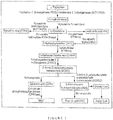
- the kynurenine pathway (KP) is responsible for >95% of the degradation of the essential amino acid tryptophan.
- the kynurenine pathway for tryptophan metabolism leads to the production of the essential pyridine nucleotide NAD+ and a number of neuroactive metabolites, including kynurenine (KYN), kynurenic acid (KYNA), the neurotoxic free-radical generator 3-hydroxykynurenine (3-HK), anthranilic acid, 3-HAA, picolinic acid (PIC), and the excitatory N-methyl-D-aspartate (NMDA) receptor agonist and neurotoxin, quinolinic acid (QUIN) (see Figure 1 ).
- the remaining 5% of tryptophan is metabolised by tryptophan hydroxylase to 5-hydroxytryptophan and then further to 5-hydroxytryptamine (serotonin) and melatonin.
- tryptophan catabolites act to supress antigen-specific T-cell and natural killer cell responses and induce the formation of regulatory T cells.
- tryptophan catabolism is induced by inflammatory mediators, notably IFN- ⁇ , it is thought to represent an endogenous mechanism that restricts excessive immune responses, thereby preventing immunopathology.
- this feedback loop may not be beneficial (reviewed in (Munn and Mellor, 2013).
- the first step of tryptophan catabolism is catalysed by either TDO or IDO. Both enzymes catalyze the oxidative cleavage of the 2,3 double bond in the indole ring, converting tryptophan to N-formylkynurenine. This is the rate-limiting step in tryptophan catabolism by the kynurenine pathway (Grohmann et al., 2003; Stone and Darlington, 2002).
- TDO is a homotetramer with each monomer having a molecular mass of 48 kDa, whereas IDO has a molecular mass of 45 kDa and a monomeric structure (Sugimoto et al., 2006; Thackray et al., 2008; Zhang et al., 2007). Despite mediating the same reaction, TDO and IDO are structurally distinct, sharing only 10% homology mainly within the active site (Thackray et al., 2008).
- TDO is expressed at high levels in the liver and is responsible for regulating systemic tryptophan levels. TDO is not induced or regulated by signals from the immune system, however TDO expression can be induced by tryptophan or corticosteroids (Miller et al., 2004; Salter and Pogson, 1985). More recently, TDO has been found to be expressed in the brain, where it regulates the production of neuroactive tryptophan metabolites such as kynurenic acid and quinolinic acid (Kanai et al., 2009).
- IDO is the predominant tryptophan catabolising enzyme extra hepatically and is found in numerous cells, including macrophages, microglia, neurons and astrocytes (Guillemin et al., 2007; Guillemin et al., 2001; Guillemin et al., 2003; Guillemin et al., 2005). IDO transcription is stringently controlled, responding to specific inflammatory mediators.
- the mouse and human IDO gene promoters contain multiple sequence elements that confer responsiveness to type I (IFN- ⁇ / ⁇ ) and, more potently, type II (IFN- ⁇ ) interferons (Chang et al., 2011; Dai and Gupta, 1990; Hassanain et al., 1993; Mellor et al., 2003).
- IDO myeloid-lineage cells
- fibroblasts endothelial cells
- endothelial cells express IDO after exposure to IFN- ⁇ (Burke et al., 1995; Hwu et al., 2000; Mellor et al., 2003; Munn et al., 1999; Varga et al., 1996).
- IFN- ⁇ IFN- ⁇
- the control of IDO transcription is complex and cell-type specific. IDO activity is found constitutively at the maternal-fetal interface, expressed by human extravillous trophoblast cells (Kudo and Boyd, 2000).
- IDO2 indoleamine-2,3-dioxygenase 2
- IDO2 indoleamine-2,3-dioxygenase 2
- its physiological relevance remains unclear due to its very low activity, the presence of common polymorphisms that inactivate its enzymatic activity in approximately half of all Caucasians and Asians, and the presence of multiple splice variants (Lob et al., 2008; Meininger et al., 2011; Metz et al., 2007).
- IDO-deficient mice are at a gross level phenotypical normal (Mellor et al., 2003), however, they are slightly more prone to induction of autoimmunity and stimulation of the innate immune system. IDO -/- knockout mice also display enhanced inflammatory-mediated colon carcinogenesis and exhibit resistance to inflammation-driven lung and skin cancers (Chang et al., 2011; Yan et al., 2010).
- TDO -/- knockout mice appears phenotypically normal. However, the TDO knockout mice have a 9-fold increase in the plasma concentration of L-Trp, while IDO -/- knockout mice had WT levels of L-Trp, this suggests that TDO and not IDO regulates systemic Trp.
- TDO ablation increases Trp in the brain as well as serotonin (5-HT) and is therefore a modulator of anxiety related behaviour (Kanai et al., 2009).
- TDO also plays a role in the maintenance of brain morphology in adult mice as TDO -/- mice show increased neurogenesis in the hippocampus and subventricular zone during adulthood (Funakoshi et al., 2011).
- Immunoregulation by tryptophan metabolism modulates the immune system by depletion of the TDO/IDO substrate (tryptophan) in the microenvironment and the accumulation of products such as kynurenine.
- Effector T cells are particularly susceptible to low tryptophan concentrations, therefore, depletion of the essential amino acid tryptophan from the local microenvironment resulting in effector T-cell anergy and apoptosis.
- the depletion of tryptophan is detected by the general control non-derepressible-2 kinase (GCN2) (Munn et al., 2005).
- GCN2 general control non-derepressible-2 kinase
- the activation of GCN2 triggers a stress-response program that results in cell-cycle arrest, differentiation, adaptation or apoptosis.
- T cells lacking GCN2 in mice are not susceptible to IDO-mediated anergy by myeloid cells, including dendritic cells in tumor-draining lymph nodes (Munn et al., 2005).
- AHR aryl hydrocarbon receptor
- KYN binds the AHR, translocates to the nucleus and activates transcription of target genes regulated by dioxin-responsive elements (DREs).
- DREs dioxin-responsive elements
- kynurenine results in the generation of regulatory T cells (Treg).
- Pharmacological inhibitors of TDO and/or IDO have utility in a wide range of indications, including Infectious diseases, cancer, neurological conditions and many other diseases.
- IDO Infection by bacteria, parasites, or viruses induces a strong IFN- ⁇ -dependent inflammatory response.
- IDO can dampen protective host immunity, thus indirectly leading to increased pathogen burdens.
- IDO activity attenuates Toxoplasma gondii replication in the lung, and the inflammatory damage is significantly decreased by the administration of the IDO inhibitor 1MT after infection (Murakami et al., 2012).
- MuLV murine leukaemia virus
- IDO was found to be highly expressed, and ablation of IDO enhanced control of viral replication and increased survival (Hoshi et al., 2010).
- IDO inhibitors could be used to improve the outcomes of patients with a wide variety of infectious diseases and inflammatory conditions.
- TDO inhibitors could also be used to improve the outcomes of patients with a wide variety of infectious diseases and inflammatory conditions.
- IDO plays a role in regulating mucosal immunity to the intestinal microbiota. IDO has been shown to regulate commensal induced antibody production in the gut; IDO-deficient mice had elevated baseline levels of immunoglobulin A (IgA) and immunoglobulin G (IgG) in the serum and increased IgA in intestinal secretions. Due to elevated antibody production, IDO deficient mice were more resistant to intestinal colonization by the gram-negative enteric bacterial pathogen Citrobacter rodentium than WT mice. IDO-deficient mice also displayed enhanced resistance to the colitis caused by infection with C. rodentium (Harrington et al., 2008).
- IgA immunoglobulin A
- IgG immunoglobulin G
- pharmacological targeting of IDO activity may represent a new approach to manipulating intestinal immunity and controlling the pathology caused by enteric pathogens including colitis (Harrington et al., 2008).
- HIV In HIV patients the upregulation of IDO acts to suppress immune responses to HIV antigens contributing to the immune evasion of the virus. HIV triggers high levels of IDO expression when it infects human macrophages in vitro (Grant et al., 2000), and simian immunodeficiency virus (SIV) infection of the brain in vivo induces IDO expression by cells of the macrophage lineage (Burudi et al., 2002).
- SIV simian immunodeficiency virus
- CD4+ T helper (TH) cells provide protective immunity and immune regulation through different immune cell functional subsets, including TH1, TH2, T regulatory (Treg), and TH17 cells.
- TH1, TH2, T regulatory (Treg) T regulatory
- TH17 cells Progressive HIV is associated with the loss of TH17 cells and a reciprocal increase in the fraction of the immunosuppressive Treg cells.
- the loss of TH17/Treg balance is associated with induction of IDO by myeloid antigen-presenting dendritic cells (Favre et al., 2010).
- IDO inhibitors could have utility in addressing the TH17/Treg balance in HIV.
- Systemic inflammation such as sepsis is characterized by arterial hypotension and systemic inflammatory response syndrome (Riedemann et al., 2003).
- the associated increase in circulating pro-inflammatory cytokines, including interferon-y (IFN- ⁇ ) leads to the unchecked production of effector molecules such as reactive oxygen and nitrogen species that themselves can contribute to pathology (Riedemann et al., 2003).
- IFN- ⁇ interferon-y
- the metabolism of tryptophan to kynurenine by IDO expressed in endothelial cells contributes to arterial vessel relaxation and the control of blood pressure (Wang et al., 2010).
- Infection of mice with malarial parasites ( Plasmodium berghei ) and experimental induction of endotoxemia, caused endothelial expression of IDO, resulting in decreased plasma tryptophan, increased kynurenine, and hypotension.
- Pharmacological inhibition of IDO increased blood pressure in systemically inflamed mice, but not in mice deficient for IDO or interferon-y, which is required for IDO induction.
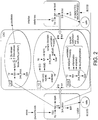
- kynurenine pathway In the central nervous system both fates of TRP which act as a precursor to kynurenine and serotonin are pathways of interest and importance. Metabolites produced by the kynurenine pathway have been implicated to play a role in the pathomechanism of neuroinflammatory and neurodegenerative disorder (summarised in Figure 2 ).
- the first stable intermediate from the kynurenine pathway is KYN.
- several neuroactive intermediates are generated. They include kynurenic acid (KYNA), 3-hydroxykynurenine (3-HK), and quinolinic acid (QUIN).
- 3-HK and QUIN are neurotoxic by distinct mechanisms; 3-HK is a potent free-radical generator (Hiraku et al., 1995; Ishii et al., 1992; Thevandavakkam et al., 2010), whereas QUIN is an excitotoxic N-methyl-D-aspartate (NMDA) receptor agonist (Schwarcz et al., 1983; Stone and Perkins, 1981).
- KYNA has neuroprotective properties as an antagonist of excitatory amino acid receptors and a free-radical scavenger (Carpenedo et al., 2001; Foster et al., 1984; Goda et al., 1999; Vecsei and Beal, 1990).
- kynurenines Changes in the concentration levels of kynurenines can shift the balance to pathological conditions.
- the ability to influence the metabolism towards the neuroprotective branch of the kynurenine pathway, i.e. towards kynurenic acid (KYNA) synthesis, may be one option in preventing neurodegenerative diseases.
- kynurenine pathway In the CNS, the kynurenine pathway is present to varying extents in most cell types, Infiltrating macrophages, activated microglia and neurons have the complete repertoire of kynurenine pathway enzymes.
- neuroprotective astrocytes and oligodendrocytes lack the enzyme, kynurenine 3-monooxygenase (KMO) and IDO respectively, and are incapable of synthesizing the excitotoxin, quinolinic acid (QUIN) (Guillemin et al., 2000; Lim et al., 2007).
- TDO is expressed in low quantities in the brain, and is induced by TRP or corticosteroids (Salter and Pogson 1985; Miller et al., 2004).
- IDO and/or TDO inhibitors could be used to improve the outcomes of patients with a wide variety of CNS diseases and neurodegeneration.
- ALS Amyotrophic lateral sclerosis
- Lou Gehrig's disease is a progressive and fatal neurodegenerative disease targeting the motor system. ALS results in the selective attacking and destruction of motor neurons in the motor cortex, brainstem and spinal cord.
- kynurenine pathway activated during neuroinflammation is emerging as a contributing factor.
- Initial inflammation may inflict a nonlethal injury to motor neurons of individuals with a susceptible genetic constitution, in turn triggering a progressive inflammatory process which activates microglia to produce neurotoxic kynurenine metabolites that further destroy motor neurons.
- Huntington's disease is a genetic autosomal dominant neurodegenerative disorder caused by expansion of the CAG repeats in the huntingtin (htt) gene.
- Patients affected by HD display progressive motor dysfunctions characterized by abnormality of voluntary and involuntary movements (choreoathetosis) and psychiatric and cognitive disturbances.
- In-life monitoring of metabolites with in the KYN pathway provide one of the few biomarkers that correlates with the number of CAG repeats and hence the severity of the disorder (Forrest et al., 2010).
- Post mortem very high levels of QUIN are found located in areas of neurodegeneration, while striatal glutamatergic neurones, on which QUIN acts as an excitotoxin, are a principal class lost in the disease.
- TDO ablation in a Drosophila model of Huntington's disease ameliorated neurodegeneration (Campesan et al., 2011).
- AD Alzheimer's disease
- a ⁇ intracellular ⁇ -amyloid
- a ⁇ (1-42) can activate primary cultured microglia and induce IDO expression (Guillemin et al., 2003; Walker et al., 2006). Furthermore, IDO over-expression and increased production of QUIN have been observed in microglia associated with the amyloid plaques in the brain of AD patients (Guillemin et al., 2005). QUIN has been shown to lead to tau hyperphosphorylation in human cortical neurons (Rahman et al., 2009). Thus, overexpression of IDO and over-activation of the KP in microglia are implicated in the pathogenesis of AD.
- TDO Alzheimer's disease
- TDO is upregulated in the brain of patients and AD mice models.
- TDO co-localizes with quinolinic acid, neurofibrillary tangles-tau and amyloid deposits in the hippocampus of AD patients (Wu et al., 2013). Therefore, the kynurenine pathway is over-activated in AD by both TDO and IDO and may be involved in neurofibrillary tangle formation and associated with senile plaque formation.
- tryptophan is processed through the kynurenine pathway.
- a small proportion of tryptophan is processed to 5-HT and hence to melatonin, both of which are also substrates for IDO. It has long been known that amongst other effects acute tryptophan depletion can trigger a depressive episode and produces a profound change in mood even in healthy individuals. These observations link well with the clinical benefits of serotonergic drugs both to enhance mood and stimulate neurogenesis.
- IDO1 plays a key role in this comorbidity. Recent studies have shown that IDO activity is linked to (a) decreased serotonin content and depression (Dantzer et al., 2008; Sullivan et al., 1992) and (b) increased kynurenine content and neuroplastic changes through the effect of its derivatives such as quinolinic acid on glutamate receptors (Heyes et al., 1992).
- proinflammatory cytokines have been implicated in the pathophysiology of both pain and depression, the regulation of brain IDO by proinflammatory cytokines serves as a critical mechanistic link in the comorbid relationship between pain and depression through the regulation of tryptophan metabolism.
- MS Multiple sclerosis
- QUIN Accumulation of neurotoxic kynurenine metabolites caused by the activation of the immune system is implicated in the pathogenesis of MS.
- QUIN was found to be selectively elevated in the spinal cords of rats with EAE, an autoimmune animal model of MS (Flanagan et al., 1995). The origin of the increased QUIN in EAE was suggested to be the macrophages.
- QUIN is an initiator of lipid peroxidation and high local levels of QUIN near myelin may contribute to the demyelination in EAE and possibly MS.
- Interferon beta 1b induces KP metabolism in macrophages at concentrations comparable to those found in the sera of IFN-b treated patients, this which may be a limiting factor in its efficacy in the treatment of MS (Guillemin et al., 2001).
- IFN- ⁇ administration increased kynurenine levels and kynurenine/tryptophan ratio were found in the plasma of MS patients receiving IFN-b injection compared to healthy subjects indicating an induction of IDO by IFN- ⁇ (Amirkhani et al., 2005).
- IFN- ⁇ 1b leads to production of QUIN at concentrations sufficient to disturb the ability of neuronal dendrites to integrate incoming signals and kill oligodendrocytes (Cammer 2001).
- concomitant blockade of the KP with an IDO/TDO inhibitor may improve its efficacy of IFN- ⁇ 1b.
- Parkinson's disease is a common neurodegenerative disorder characterised by loss of dopaminergic neurons and localized neuroinflammation.
- Parkinson's disease is associated with chronic activation of microglia (Gao and Hong, 2008).
- Microglia activation release neurotoxic substances including reactive oxygen species (ROS) and proinflammatory cytokines such as INF- ⁇ (Block et al., 2007), a potent activator of KP via induction of IDO expression.
- ROS reactive oxygen species
- INF- ⁇ proinflammatory cytokines
- KP in activated microglia leads to upregulation of 3HK and QUIN. 3HK is toxic primarily as a result of conversion to ROS (Okuda et al., 1998).
- the combined effects of ROS and NMDA receptor-mediated excitotoxicity by QUIN contribute to the dysfunction of neurons and their death (Braidy et al., 2009; Stone and Perkins, 1981).
- PIC picolinic acid
- HIV patients particularly those with HIV-linked dementia (Kandanearatchi & Brew 2012), often have significantly elevated KYN levels in CSF. These levels are directly related to the development of neurocognitive decline and often the presence of sever psychotic symptoms (Stone & Darlington 2013).
- tumours can induce tolerance to their own antigens. Tryptophan catabolism in cancer is increasingly being recognized as an important micro-environmental factor that suppresses antitumor immune responses. Depletion of tryptophan and accumulation of immunosuppressive tryptophan catabolites such as kynurenine create an immunosuppressive milieu in tumours and in tumour-draining lymph nodes by inducing T-cell anergy and apoptosis. Such immunosuppression in the tumour microenvironment may help cancers evade the immune response and enhance tumorigenicity (reviewed in Adam et al., 2012).
- TDO and IDO have been implicated in tumour progression.
- Individually TDO or IDO have been found to be overexpressed in various cancers, furthermore, several cancers overexpress both TDO and IDO.
- TDO and IDO mediate immunosuppressive effects through the metabolization of Trp to kynurenine, triggering downstream signalling through GCN2, mTOR and AHR that can affect differentiation and proliferation of T cells.
- expression of IDO by activated dendritic cells can serve to activate regulatory T cells (Tregs) and inhibit tumor-specific effector CD8+ T cells, thereby constituting a mechanism by which the immune system can restrict excessive lymphocyte reactivity (reviewed in Platten et al., 2012).
- IDO acute myeloid leukemia
- small-cell lung small-cell lung
- melanoma ovarian
- colorectal pancreatic
- endometrial cancers Okamoto et al., 2005; Ino et al., 2006.
- sera from cancer patients have higher kynurenine/tryptophan ratios than sera from normal volunteers (Liu et al., 2010; Weinlich et al., 2007; Huang et al., 2002).
- the level of IDO expression was also shown to correlate with the number of tumour infiltrating lymphocytes in colorectal carcinoma patients (Brandacher et al., 2006).
- IDO inhibition slows tumour growth and restores anti-tumour immunity (Koblish et al., 2010) and IDO inhibition synergises with cytotoxic agents, vaccines and cytokines to induce potent anti-tumour activity (Uyttenhove et al., 2003; Muller et al., 2005; Zeng et al., 2009).
- TDO is predominantly expressed in the liver and is believed to regulate systemic Trp concentrations, however, TDO was found to be frequently activated and constitutively expressed in glioma cells.
- TDO derived KYN was shown to suppress antitumor immune responses and promote tumor-cell survival and motility through the AhR in an autocrine manner (Opitz et al., 2011). It was also shown that TDO is elevated in human hepatocellular carcinomas and detected sporadically in other cancers. In a preclinical model, TDO expression prevented rejection of tumor grafts by preimmunized mice. Systemic administration of the TDO inhibitor, LM10, restored the ability of mice to reject TDO-expressing tumors (Pilotte et al., 2012).
- TDO or IDO could have wide ranging therapeutic efficacy in the treatment of cancer.
- dual inhibitors blocking both TDO and IDO may demonstrate improved clinical efficacy by targeting both of these key Trp-metabolising enzymes and would also treat a wider patient population: in a series of 104 human tumor lines of various histological types, 20 tumors expressed only TDO, 17 expressing only IDO and 16 expressed both. Therefore, targeting both IDO and TDO would allow reaching 51% of tumors instead of 32% with IDOl or 35% with TDO alone (Pilotte et al., 2012).
- TDO inhibitors could also be used to improve the outcomes of patients with a wide variety of cancers and neoplastic diseases that do not express TDO.
- IDO and/or TDO will dramatically lower kynurenine levels, relieving the brake on the immune system allowing it to attack and eliminate tumours. While there is evidence that a TDO/IDO inhibitor would be useful as a stand-alone agent, inhibitors of this type would be particularly effective when used in combination with other cancer immunotherapies.
- upregulation of IDO expression has been identified as a mechanism by which tumours gain resistance to the CTLA-4 blocking antibody ipilimumab. Ipilimumab blocks the co-stimulatory molecule CTLA-4, causing tumour-specific T cells to remain in an activated state.
- IDO knockout mice treated with anti-CTLA-4 antibody demonstrate a striking delay in B16 melanoma tumor growth and increased overall survival when compared with wild-type mice. Also, CTLA-4 blockade strongly synergizes with IDO inhibitors to mediate tumour rejection. Similar data was also reported for IDO inhibitors in combination with anti-PDl and anti-PDL-1 antibodies (Holmgaard et al., 2013).
- CAR-T chimeric antigen receptor T cell therapy
- kynurenines formed during IDO and TDO-mediated degradation of tryptophan can chemically modify proteins and have been shown to be cytotoxic (Morita et al., 2001; Okuda et al., 1998).
- inflammation and immune activation are associated with increased blood levels of kynurenine (Wirleitner et al., 2003) possibly via interferon- ⁇ -mediated activation of IDO.
- kynurenines In experimental chronic renal failure, activation of IDO leads to increased blood levels of kynurenines (Tankiewicz et al., 2003), and in uremic patients kynurenine-modified proteins are present in urine (Sala et al., 2004). Further, renal IDO expression may be deleterious during inflammation, because it enhances tubular cell injury.
- a cataract is a clouding of the lens inside the eye that leads to a decrease in vision.
- kynurenines might chemically alter protein structure in the human lens leading to cataract formation.
- IDO activity is present mainly in the anterior epithelium (Takikawa et al., 1999).
- kynurenines such as kynurenine (KYN), 3-hydroxykynurenine (30HKYN), and 3-hydroxykynurenine glucoside (30HKG) have been detected in the lens; where they were thought to protect the retina by absorbing UV light and therefore are commonly referred to as UV filters.
- Transgenic mouse lines that overexpress human IDO in the lens developed bilateral cataracts within 3 months of birth. It was demonstrated that IDO-mediated production of kynurenines results in defects in fibre cell differentiation and their apoptosis (Mailankot et al., 2009). Therefore inhibition of IDO may slow the progression of cataract formation.
- Endometriosis the presence of endometrium outside the uterine cavity, is a common gynaecological disorder, causing abdominal pain, dyspareunia and infertility.
- IDO expression was found to be higher in eutopic endometrium from women with endometriosis by microarray analysis (Burney et al., 2007 and Aghajanova et al., 2011). Furthermore, IDO was shown to enhance the survival and invasiveness of endometrial stromal cells (Mei et al., 2013). Therefore, an IDO/TDO inhibitor could be used as a treatment for endometriosis.
- an IDO/TDO inhibitor could be used as a contraceptive or abortive agent.
- TDO or IDO inhibitors and in particular TDO and IDO inhibitors for use in treating cancer. It is a further aim to provide pharmaceutical compositions comprising such inhibitors, and in particular to provide compounds and pharmaceutical compositions for treating a cancer.
- WO 2012/084971 discloses compounds which are similar to those presently envisaged, but which do not have an atom double-bonded to an oxygen atom unlike in substituent R 6 in the present compounds. These compounds are disclosed as being direct antibacterial agents. IDO and TDO inhibition is not mentioned, and there is no disclosure that the compounds have TDO or IDO inhibitory activity, or a pharmacology associated with a TDO or IDO mechanism.
- WO 94/19321 and WO 2014/009794 each disclose compounds for treating HIV. Some of the compounds are similar to those presently envisaged, but in WO 94/19321 are indicated to be direct reverse transcriptase inhibitors, whilst in WO 2014/009794 are indicated to be direct anti-virals. IDO and TDO inhibition is not mentioned, and there is no disclosure that the compounds have TDO or IDO inhibitory activity, or a pharmacology associated with a TDO or IDO mechanism.
- WO 2008/002674 and WO 03/035621 disclose protein kinase and phosphatase inhibitors, which may be employed inter alia in the treatment of cancer. Some such compounds are similar to those investigated by the present inventors, but IDO and TDO inhibition is not mentioned, and there is no disclosure that the compounds have TDO or IDO inhibitory activity, or a pharmacology associated with a TDO or IDO mechanism, i.e. the ablation of tryptophan depletion/kynurenine production, with the associated increase in T-cell proliferation and tumour immune response.
- the present invention provides a tryptophan-2,3-dioxygenase (TDO) and/or indoleamine-2,3-dioxygenase (IDO) inhibitor compound for use in the treatment of cancer, which compound comprises the following formula: wherein: 24306 Amended Description Feb 2020
- a heteroatom is an atom which is not a carbon atom.
- the heteroatom is selected from N, O, S, P, B or Si, or more typically is selected from N, O and S.
- a compound is considered to be a TDO inhibitor if its presence is capable of preventing, reducing or slowing the conversion of tryptophan into N-formylkynurenine by TDO as compared to the same conversion in its absence.
- a compound is considered to be an IDO inhibitor if its presence is capable of preventing, reducing or slowing the conversion of tryptophan into N-formylkynurenine by IDO as compared to the same conversion in its absence.
- a compound is considered to be a TDO inhibitor if its inhibitory activity is sufficiently high to score a '+' in the A172 human glioblastoma cell-based assay as set out in the examples.
- a compound is considered to be a IDO inhibitor if its inhibitory activity is sufficiently high to score a '+' in the SKOV-3 ovary adenocarcinoma cell-based assay as set out in the examples.
- the compounds of the invention may be selective TDO inhibitors, or selective IDO inhibitors, or may be inhibitors of both IDO and TDO.
- substituents are selected from H and an organic group.
- substituents are selected from H and an organic group.
- the terms 'substituent' and 'organic group' are not especially limited and may be any functional group or any atom, especially any functional group or atom common in organic chemistry.
- 'substituent' and 'organic group' may have any of the following meanings.
- the substituent or organic group may comprise any organic group and/or one or more atoms from any of groups IIIA, IVA, VA, VIA or VIIA of the Periodic Table, such as a B, Si, N, P, O, or S atom (e.g. OH, OR, NH 2 , NHR, NR 2 , SH, SR, SO 2 R, SO 3 H, PO 4 H 2 ) or a halogen atom (e.g. F, C1, Br or I) where R is a substituted or unsubstituted linear or branched lower hydrocarbon (1-6 C atoms) or a substituted or unsubstituted linear or branched higher hydrocarbon (7 C atoms or more, e.g. 7-40 C atoms).
- groups IIIA, IVA, VA, VIA or VIIA of the Periodic Table such as a B, Si, N, P, O, or S atom (e.g. OH, OR, NH 2 , NHR, NR 2
- the organic group preferably comprises a hydrocarbon group.
- the hydrocarbon group may comprise a straight chain, a branched chain, or a cyclic group. Independently, the hydrocarbon group may comprise an aliphatic or an aromatic group. Also, independently, the hydrocarbon group may comprise a saturated or unsaturated group.
- the hydrocarbon when the hydrocarbon comprises an unsaturated group, it may comprise one or more alkene functionalities and/or one or more alkyne functionalities. When the hydrocarbon comprises a straight or branched chain group, it may comprise one or more primary, secondary and/or tertiary alkyl groups.
- the hydrocarbon comprises a cyclic group it may comprise an aromatic ring, a non-aromatic ring, an aliphatic ring, a heterocyclic group, and/or fused ring derivatives of these groups.
- the ring may be fully saturated, partially saturated, or fully unsaturated.
- the cyclic group may thus comprise a benzene, naphthalene, anthracene, phenanthrene, phenalene, biphenylene, pentalene, indene, as -indacene, s -indacene, acenaphthylene, fluorene, fluoranthene, acephenanthrylene, azulene, heptalene, pyrrole, pyrazole, imidazole, 1,2,3-triazole, 1,2,4-triazole, tetrazole, pyrrolidine, furan, tetrahydrofuran, 2-aza-tetrahydrofuran, 3-aza-tetrahydrofuran, oxazole, isoxazole, furazan, 1,2,4-oxadiazol, 1,3,4-oxadiazole, thiophene, isothiazole, thiazole, thiolane, pyridine, pyrid
- pyrrole is intended to include 1 H -pyrrole, 2 H -pyrrole and 3 H -pyrrole.
- the number of carbon atoms in the hydrocarbon group is not especially limited, but preferably the hydrocarbon group comprises from 1-40 C atoms.
- the hydrocarbon group may thus be a lower hydrocarbon (1-6 C atoms) or a higher hydrocarbon (7 C atoms or more, e.g. 7-40 C atoms).
- the lower hydrocarbon group may be a methyl, ethyl, propyl, butyl, pentyl or hexyl group or regioisomers of these, such as isopropyl, isobutyl, tert-butyl, etc.
- the number of atoms in the ring of the cyclic group is not especially limited, but preferably the ring of the cyclic group comprises from 3-10 atoms, such as 3, 4, 5, 6, 7, 8, 9 or 10 atoms.
- the groups comprising heteroatoms described above, as well as any of the other groups defined above, may comprise one or more heteroatoms from any of groups IIIA, IVA, VA, VIA or VIIA of the Periodic Table, such as a B, Si, N, P, O, or S atom or a halogen atom (e.g. F, C1, Br or I).
- groups IIIA, IVA, VA, VIA or VIIA of the Periodic Table such as a B, Si, N, P, O, or S atom or a halogen atom (e.g. F, C1, Br or I).
- the substituent may comprise one or more of any of the common functional groups in organic chemistry, such as hydroxy groups, carboxylic acid groups, ester groups, ether groups, aldehyde groups, ketone groups, amine groups, amide groups, imine groups, thiol groups, thioether groups, sulphate groups, sulphonic acid groups, sulphonyl groups, and phosphate groups etc.
- the substituent may also comprise derivatives of these groups, such as carboxylic acid anhydrides and carboxylic acid halides.
- any substituent may comprise a combination of two or more of the substituents and/or functional groups defined above.
- the present invention provides a TDO or IDO compound for use in the treatment of cancer, which compound comprises a formula selected from one of the following:
- the invention also includes both of the possible isolated enantiomers and also the racemic mixture.
- a racemic mixture is indicated at a chiral centre (such as by a wavy line) the invention also includes both isolated enantiomers and the racemic mixture.
- no stereochemistry is given at a chiral centre the invention also includes both isolated enantiomers and the racemic mixture.
- the compounds of the present invention extend to isolated enantiomers, and/or a mixture of two or more enantiomers, and/or a mixture of two or more diastereomers (e.g.
- the cancer to be treated is one which may be treated, prevented or ameliorated by using a TDO and/or IDO inhibitor.
- the cancer may be a cancer selected from: a solid or liquid tumour including cancer of the eye, brain (such as gliomas, glioblastomas, medulloblastomas, craniopharyngioma, ependymoma, and astrocytoma), spinal cord, kidney, mouth, lip, throat, oral cavity, nasal cavity, small intestine, colon, parathyroid gland, gall bladder, head and neck, breast, bone, bile duct, cervix, heart, hypopharyngeal gland, lung, bronchus, liver, skin, ureter, urethra, testicles, vagina, anus, laryngeal gland, ovary, thyroid, oesophagus, nasopharyngeal gland, pituitary gland, salivary gland, prostate, pancreas, adrenal glands; an endometrial
- the cancer is a cancer selected from acute myeloid leukemia (AML), a small-cell lung cancer, a melanoma, an ovarian cancer, a colorectal cancer, a pancreatic cancer, an endometrial cancer, and a skin papilloma.
- AML acute myeloid leukemia
- TDO inhibitor typically (but not exclusively) the cancer is a cancer selected from a glioma, and a hepatocellular carcinoma.
- the present invention also provides a pharmaceutical composition
- a pharmaceutical composition comprising a compound as defined above.
- the composition further comprises a pharmaceutically acceptable additive and/or excipient.
- the compound as defined above may be present in the form described above but may alternatively be in a form suitable for improving bioavailability, solubility, and/or activity, and/or may be in a form suitable for improving formulation.
- the compound may be in the form of a pharmaceutically acceptable salt, hydrate, acid, ester, or other alternative suitable form.
- the composition is for treating a disease, condition or disorder as defined above.
- the compound may be present in the composition as a pharmaceutically acceptable salt, or other alternative form of the compound, in order to ameliorate pharmaceutical formulation.
- the pharmaceutical composition is a composition for treating a cancer, further comprising a further agent for treating cancer.
- the further agent for treating cancer is not especially limited, provided that it affords some utility for cancer treatment.
- typically the further agent for treating cancer is selected from anti-microtubule agents, platinum coordination complexes, alkylating agents, antibiotic agents, topoisomerase II inhibitors, antimetabolites, topoisomerase I inhibitors, hormones and hormone analogues, signal transduction pathway inhibitors, non-receptor tyrosine kinase angiogenesis inhibitors, immunotherapeutic agents, proapoptotic agents and cell cycle signalling inhibitors.
- An immunotherapeutic agent may consist of but is not limited to an anti-tumour vaccine, an oncolytic virus, an immune stimulatory antibody such as anti-CTLA4, anti-PDl, anti-PDL-1, anti-OX40, anti-41BB, anti-CD27, anti-anti-CD40, anti-LAG3, anti-TIM3, and anti-GITR, a novel adjuvant, a peptide, a cytokine, a chimeric antigen receptor T cell therapy (CAR-T), a small molecule immune modulator, tumour microenvironment modulators, and anti-angiogenic agents.
- an immune stimulatory antibody such as anti-CTLA4, anti-PDl, anti-PDL-1, anti-OX40, anti-41BB, anti-CD27, anti-anti-CD40, anti-LAG3, anti-TIM3, and anti-GITR
- a novel adjuvant a peptide, a cytokine, a chimeric antigen receptor T cell therapy (CAR-T), a small molecule
- the patient is an animal, typically a mammal, and more typically a human.
- a coupling reaction such as an amide coupling reaction
- the present invention provides compounds that were not previously known, such compounds comprising a formula selected from one of the following:
- the invention extends to such compounds wherein the compound may comprise an isolated enantiomer corresponding to the formula or may comprise a non-racemic mixture of enantiomers corresponding to the formula, a mixture of diastereomers corresponding to the formula, and/or a mixture of epimers corresponding to the formula.
- Exemplary compounds of the invention were prepared and tested to determine their effect as TDO and/or IDO inhibitors. These were compared with reference compound REF:
- the compounds of the invention may be synthesised using known coupling reactions and starting materials that are readily available. Exemplary syntheses of two compounds of the invention are shown below.
- TDO and IDO biochemical coupled assay which utilised recombinantly produced and purified TDO and IDO enzymes in combination with the enzyme formamidase.
- This coupled enzyme system allowed conversion of N-formylkynurenine produced by TDO or IDO activity to kynurenine which was then quantified by fluorescence following addition of Erhlich's Reagent.
- a cell-based assay for detecting the effect of test compounds on kynurenine production in two different cancer cell types This assay utilised cancer cells which expressed either TDO or IDO and as such was used as a means of testing compound activity at these two enzymes in a cell-based context. The protocols for these are set out below.
- 0.17 ⁇ M of human IDO protein was pre-incubated for 10 min or 120 min at RT with test compounds in the presence of 50 mM KPO 4 , pH 7.0, 0.5 mM EDTA, 0.5 mM EGTA, 0.05% Triton X-100, 20 mM ascorbate, 500 U/ml catalase, 10 ⁇ M methylene blue at RT in a 384 well plate.
- 0.05 ⁇ g/ ⁇ l kynurenine formamidase and 45 ⁇ M or 121 ⁇ M L-tryptophan (L-Trp) were added and the assays were incubated at RT for 17 min. Assays were stopped and the level of kynurenine was determined by incubation with Ehrlich's reagent to a final concentration of 1.33% at RT for 5 min. Fluorescence intensity was read at 475 nm/530 nm.
- A172 human glioblastoma (ATCC) were grown in DMEM + 2 mM L-glutamine medium supplemented with 10% foetal bovine serum and SKOV-3 ovary adenocarcinoma (ATCC) cells were grown in McCoys 5A + L-glutamax medium supplemented with 15% foetal bovine serum. On the day of assay, cells were detached using trypsin-EDTA (0.25% v/v), re-suspended in assay media (RPMI 1640 phenol red free + L-glutamine supplemented with 10% dialysed foetal bovine serum).
- A172 cells were seeded at 30K cells per well and SKOV-3 cells at 40K cells per well into 96-well plates containing test samples/vehicle control together with 500 ⁇ M L-Trp. Cells were then incubated for 48 h at 37°C, 5% CO 2 . In SK-OV-3 cells, IFN ⁇ was also added at 500 ng/ml for the 48 h incubation in order to induce expression of IDO. Plates were centrifuged and the supernatant was removed and incubated for 5 min in the presence of 1% Erhlich's reagent. Kynurenine levels were then quantified by measuring absorbance at 490 nm.
- Table 1 -pIC50 values for the inhibition of IDO (SKOV-3 cells) and TDO (A172 cells) determined for test compounds Compound TDO cellular assay (A172) IDO cellular assay (SKOV3) 128 + +++ 132 + +++ 136 - +++ 137 - +++ 138 - +++ 141 - +++ 142 + +++ 143 + +++ 145 - +++ 148 + +++ 150 ++ +++ 151 - +++ 169 - ++ 176 - +++ 178 - +++ 182 - +++ 188 + +++ 191 - +++ 194 - +++ 198 - +++ 204 - +++ 205 - +++ 209 ++ +++ 210 + +++ 213 - +++ 214 - +++ 215 - +++ 217 - +++ 219 - +++ 220 - +++ 224 ++ ++ 225 - +
- the Table shows that a large number of the test compounds show strong TDO and IDO inhibitory function in cell-based assays. This compares with the REF compound, which scored '-' and '-' on each of the tests, and which is therefore disclaimed in the present invention, since it is not TDO or IDO active.
- Biochemical enzyme assays were conducted according to the protocols described above, and the results confirmed the bona fide activity of the compounds as enzyme inhibitors.
- Compounds 83, 160, 178, 205, 215, 230 and 231 all showed a pIC 50 in the hIDO assay of > 5.
- compound 83 showed a pIC 50 in hIDO of 5.24. This compares with the REF compound, which scored ⁇ 3.99 and ⁇ 3.99 on the hTDO and hIDO tests respectively.
Landscapes
- Health & Medical Sciences (AREA)
- Chemical & Material Sciences (AREA)
- Organic Chemistry (AREA)
- Animal Behavior & Ethology (AREA)
- Medicinal Chemistry (AREA)
- Pharmacology & Pharmacy (AREA)
- Life Sciences & Earth Sciences (AREA)
- General Health & Medical Sciences (AREA)
- Public Health (AREA)
- Veterinary Medicine (AREA)
- Epidemiology (AREA)
- Chemical Kinetics & Catalysis (AREA)
- General Chemical & Material Sciences (AREA)
- Nuclear Medicine, Radiotherapy & Molecular Imaging (AREA)
- Bioinformatics & Cheminformatics (AREA)
- Engineering & Computer Science (AREA)
- Biomedical Technology (AREA)
- Neurology (AREA)
- Neurosurgery (AREA)
- Immunology (AREA)
- Reproductive Health (AREA)
- Oncology (AREA)
- Endocrinology (AREA)
- Ophthalmology & Optometry (AREA)
- Psychology (AREA)
- Pregnancy & Childbirth (AREA)
- Urology & Nephrology (AREA)
- Heart & Thoracic Surgery (AREA)
- Communicable Diseases (AREA)
- Gynecology & Obstetrics (AREA)
- Psychiatry (AREA)
- Cardiology (AREA)
- Hematology (AREA)
- Hospice & Palliative Care (AREA)
- Rheumatology (AREA)
- Pain & Pain Management (AREA)
- Pulmonology (AREA)
- Vascular Medicine (AREA)
- Pharmaceuticals Containing Other Organic And Inorganic Compounds (AREA)
- Indole Compounds (AREA)
Priority Applications (4)
| Application Number | Priority Date | Filing Date | Title |
|---|---|---|---|
| SI201531398T SI3125883T1 (sl) | 2014-04-04 | 2015-03-19 | Indol derivati za uporabo v medicini |
| PL15710533T PL3125883T3 (pl) | 2014-04-04 | 2015-03-19 | Pochodne indolu do stosowania w medycynie |
| HRP20201621TT HRP20201621T1 (hr) | 2014-04-04 | 2015-03-19 | Derivati indola za uporabu u medicini |
| RS20201190A RS60878B1 (sr) | 2014-04-04 | 2015-03-19 | Derivati indola za upotrebu u medicini |
Applications Claiming Priority (3)
| Application Number | Priority Date | Filing Date | Title |
|---|---|---|---|
| GB201406154A GB201406154D0 (en) | 2014-04-04 | 2014-04-04 | Pharmaceutical compound |
| GB201502156A GB201502156D0 (en) | 2015-02-10 | 2015-02-10 | Pharmaceutical compound |
| PCT/EP2015/055823 WO2015150097A1 (en) | 2014-04-04 | 2015-03-19 | Indole derivatives for use in medicine |
Publications (2)
| Publication Number | Publication Date |
|---|---|
| EP3125883A1 EP3125883A1 (en) | 2017-02-08 |
| EP3125883B1 true EP3125883B1 (en) | 2020-08-12 |
Family
ID=52686389
Family Applications (1)
| Application Number | Title | Priority Date | Filing Date |
|---|---|---|---|
| EP15710533.9A Active EP3125883B1 (en) | 2014-04-04 | 2015-03-19 | Indole derivatives for use in medicine |
Country Status (26)
| Country | Link |
|---|---|
| US (1) | US10167257B2 (pl) |
| EP (1) | EP3125883B1 (pl) |
| JP (2) | JP6554117B2 (pl) |
| KR (1) | KR20160140892A (pl) |
| CN (1) | CN106715417B (pl) |
| AU (1) | AU2015239886B2 (pl) |
| BR (1) | BR112016022785B8 (pl) |
| CA (1) | CA2944240A1 (pl) |
| CR (1) | CR20160514A (pl) |
| CY (1) | CY1123548T1 (pl) |
| DK (1) | DK3125883T3 (pl) |
| EA (1) | EA032760B1 (pl) |
| ES (1) | ES2823825T3 (pl) |
| GE (1) | GEP20217247B (pl) |
| HR (1) | HRP20201621T1 (pl) |
| HU (1) | HUE052099T2 (pl) |
| LT (1) | LT3125883T (pl) |
| MA (1) | MA39840B1 (pl) |
| MX (1) | MX385158B (pl) |
| NZ (1) | NZ725860A (pl) |
| PL (1) | PL3125883T3 (pl) |
| PT (1) | PT3125883T (pl) |
| RS (1) | RS60878B1 (pl) |
| SI (1) | SI3125883T1 (pl) |
| UA (1) | UA121386C2 (pl) |
| WO (1) | WO2015150097A1 (pl) |
Families Citing this family (92)
| Publication number | Priority date | Publication date | Assignee | Title |
|---|---|---|---|---|
| US10167257B2 (en) * | 2014-04-04 | 2019-01-01 | Iomet Pharma Ltd. | Indole derivatives for use in medicine |
| GB201419579D0 (en) | 2014-11-03 | 2014-12-17 | Iomet Pharma Ltd | Pharmaceutical compound |
| KR20160066490A (ko) * | 2014-12-02 | 2016-06-10 | 주식회사 씨앤드씨신약연구소 | 헤테로사이클 유도체 및 그의 용도 |
| US9708412B2 (en) | 2015-05-21 | 2017-07-18 | Harpoon Therapeutics, Inc. | Trispecific binding proteins and methods of use |
| GB201516411D0 (en) * | 2015-09-16 | 2015-10-28 | Iomet Pharma Ltd | Pharmaceutical compound |
| WO2017070089A1 (en) | 2015-10-19 | 2017-04-27 | Incyte Corporation | Heterocyclic compounds as immunomodulators |
| SG10202004618TA (en) | 2015-11-19 | 2020-06-29 | Incyte Corp | Heterocyclic compounds as immunomodulators |
| MA44075A (fr) | 2015-12-17 | 2021-05-19 | Incyte Corp | Dérivés de n-phényl-pyridine-2-carboxamide et leur utilisation en tant que modulateurs des interactions protéine/protéine pd-1/pd-l1 |
| AU2016379372A1 (en) | 2015-12-22 | 2018-08-02 | Incyte Corporation | Heterocyclic compounds as immunomodulators |
| CN110072864B (zh) | 2015-12-24 | 2022-05-27 | 基因泰克公司 | Tdo2抑制剂 |
| CN107619392B (zh) * | 2016-07-15 | 2021-01-01 | 西华大学 | 1h-吲唑-4-醚类化合物及其作为ido抑制剂的用途 |
| CN107033087B (zh) * | 2016-02-04 | 2020-09-04 | 西华大学 | 1h-吲唑-4-胺类化合物及其作为ido抑制剂的用途 |
| EP4234552A3 (en) | 2016-03-09 | 2023-10-18 | Raze Therapeutics, Inc. | 3-phosphoglycerate dehydrogenase inhibitors and uses thereof |
| WO2017156177A1 (en) * | 2016-03-09 | 2017-09-14 | Raze Therapeutics, Inc. | 3-phosphoglycerate dehydrogenase inhibitors and uses thereof |
| WO2017156181A1 (en) * | 2016-03-09 | 2017-09-14 | Raze Therapeutics, Inc. | 3-phosphoglycerate dehydrogenase inhibitors and uses thereof |
| DK3426243T3 (da) * | 2016-03-09 | 2021-07-19 | Raze Therapeutics Inc | 3-phosphoglyceratdehydrogenase-inhibitorer og anvendelser deraf |
| US10494360B2 (en) | 2016-03-09 | 2019-12-03 | Netherlands Translational Research Center B.V | Inhibitors of indoleamine 2,3-dioxygenase |
| EP3444031B1 (en) * | 2016-04-15 | 2022-11-30 | CE Pharm Co.,Ltd | Heterocyclic carboxylic acid amide ligand and applications thereof in copper catalyzed coupling reaction of aryl halogeno substitute |
| AR108396A1 (es) | 2016-05-06 | 2018-08-15 | Incyte Corp | Compuestos heterocíclicos como inmunomoduladores |
| US11623958B2 (en) | 2016-05-20 | 2023-04-11 | Harpoon Therapeutics, Inc. | Single chain variable fragment CD3 binding proteins |
| WO2017205464A1 (en) | 2016-05-26 | 2017-11-30 | Incyte Corporation | Heterocyclic compounds as immunomodulators |
| AR108586A1 (es) * | 2016-06-10 | 2018-09-05 | Lilly Co Eli | Compuestos de 2,3-dihidro-1h-indol |
| HUE060256T2 (hu) | 2016-06-20 | 2023-02-28 | Incyte Corp | Heterociklusos vegyületek mint immunmodulátorok |
| EP3484866B1 (en) | 2016-07-14 | 2022-09-07 | Incyte Corporation | Heterocyclic compounds as immunomodulators |
| CN107674029A (zh) * | 2016-08-02 | 2018-02-09 | 上海迪诺医药科技有限公司 | 多环化合物、其药物组合物及应用 |
| WO2018044783A1 (en) | 2016-08-29 | 2018-03-08 | Incyte Corporation | Heterocyclic compounds as immunomodulators |
| US10858319B2 (en) | 2016-10-03 | 2020-12-08 | Iomet Pharma Ltd. | Indole derivatives for use in medicine |
| US20180179202A1 (en) | 2016-12-22 | 2018-06-28 | Incyte Corporation | Heterocyclic compounds as immunomodulators |
| ES2874756T3 (es) | 2016-12-22 | 2021-11-05 | Incyte Corp | Derivados de triazolo[1,5-A]piridina como inmunomoduladores |
| JP7101678B2 (ja) | 2016-12-22 | 2022-07-15 | インサイト・コーポレイション | 免疫調節剤としての複素環式化合物 |
| WO2018119221A1 (en) | 2016-12-22 | 2018-06-28 | Incyte Corporation | Pyridine derivatives as immunomodulators |
| LT3558990T (lt) | 2016-12-22 | 2022-12-27 | Incyte Corporation | Tetrahidroimidazo[4,5-c]piridino dariniai kaip pd-l1 internalizavimo induktoriai |
| CA3047002A1 (en) | 2017-01-17 | 2018-07-26 | Board Of Regents, The University Of Texas System | Compounds useful as inhibitors of indoleamine 2,3-dioxygenase and/or tryptophan dioxygenase |
| CN108689938B (zh) * | 2017-04-10 | 2021-07-30 | 西华大学 | 多取代的吲唑类化合物及其作为ido抑制剂的用途 |
| BR102018007822A2 (pt) | 2017-04-20 | 2018-11-06 | Gilead Sciences, Inc. | composto, métodos para inibir pd-1, pd-l1 e/ou interação de pd-1/pd-l1 e para tratamento de câncer, composição farmacêutica, e, kit para tratamento de ou prevenção de câncer ou uma doença ou condição |
| EP3621994A4 (en) | 2017-05-12 | 2020-12-30 | Harpoon Therapeutics, Inc. | MESOTHELIN BINDING PROTEINS |
| JP2020522495A (ja) | 2017-05-30 | 2020-07-30 | ブリストル−マイヤーズ スクイブ カンパニーBristol−Myers Squibb Company | 抗lag−3抗体、pd−1経路阻害剤および免疫療法剤の組み合わせを含む組成物 |
| CN119405809A (zh) | 2017-08-14 | 2025-02-11 | Epizyme股份有限公司 | 通过抑制setd2治疗癌症的方法 |
| US11053230B2 (en) | 2017-09-01 | 2021-07-06 | Netherlands Translational Research Center B.V. | 3-hydroxy-imidazolidin-4-one compounds as inhibitors of indoleamine 2,3-dioxygenase |
| MX2020003915A (es) | 2017-10-13 | 2020-10-08 | Harpoon Therapeutics Inc | Proteinas trispecificas y metodos de uso. |
| IL315737A (en) | 2017-10-13 | 2024-11-01 | Harpoon Therapeutics Inc | B-cell maturation antigen-binding proteins |
| JP7306634B2 (ja) | 2017-10-19 | 2023-07-11 | 一般社団法人ファルマバレープロジェクト支援機構 | Ido/tdo阻害剤 |
| CN111386114A (zh) * | 2017-11-25 | 2020-07-07 | 百济神州有限公司 | 作为吲哚胺2,3-双加氧酶的选择性抑制剂的新颖苯并咪唑 |
| WO2019106087A1 (en) * | 2017-11-29 | 2019-06-06 | Syddansk Universitet | Ampk inhibitors |
| WO2019120212A1 (zh) * | 2017-12-19 | 2019-06-27 | 基石药业(苏州)有限公司 | Ido抑制剂 |
| CN111406050B (zh) * | 2018-01-17 | 2023-02-03 | 厦门宝太生物科技股份有限公司 | 吲哚胺2,3-双加氧酶抑制剂及其用途 |
| CR20200347A (es) | 2018-02-13 | 2020-09-23 | Gilead Sciences Inc | Inhibidores pd-1/pd-l1 |
| EP3768666A1 (en) | 2018-03-20 | 2021-01-27 | Plexxikon Inc. | Compounds and methods for ido and tdo modulation, and indications therefor |
| WO2019180686A1 (en) * | 2018-03-23 | 2019-09-26 | Cmg Pharmaceutical Co., Ltd. | Ido-tdo dual inhibitor and related methods of use |
| SMT202500157T1 (it) | 2018-03-30 | 2025-05-12 | Incyte Corp | Composti eterociclici come immunomodulatori |
| TWI712412B (zh) | 2018-04-19 | 2020-12-11 | 美商基利科學股份有限公司 | Pd‐1/pd‐l1抑制劑 |
| HUE061503T2 (hu) | 2018-05-11 | 2023-07-28 | Incyte Corp | Tetrahidro-imidazo[4,5-C]piridin-származékok mint PD-L1 immunmodulátorok |
| SG11202012425QA (en) | 2018-07-13 | 2021-01-28 | Gilead Sciences Inc | Pd-1/pd-l1 inhibitors |
| WO2020018670A1 (en) | 2018-07-17 | 2020-01-23 | Board Of Regents, The University Of Texas System | Compounds useful as inhibitors of indoleamine 2,3-dioxygenase and/or tryptophan dioxygenase |
| CN112585119A (zh) * | 2018-08-14 | 2021-03-30 | Epizyme股份有限公司 | 经取代的吲哚及其使用方法 |
| AU2019337603B2 (en) * | 2018-09-13 | 2026-03-05 | Nkarta, Inc. | Natural killer cell compositions and immunotherapy methods for treating tumors |
| US12195544B2 (en) | 2018-09-21 | 2025-01-14 | Harpoon Therapeutics, Inc. | EGFR binding proteins and methods of use |
| US10815311B2 (en) | 2018-09-25 | 2020-10-27 | Harpoon Therapeutics, Inc. | DLL3 binding proteins and methods of use |
| WO2020086556A1 (en) | 2018-10-24 | 2020-04-30 | Gilead Sciences, Inc. | Pd-1/pd-l1 inhibitors |
| CA3120563A1 (en) | 2018-11-26 | 2020-06-04 | Nkarta, Inc. | Methods for the simultaneous expansion of multiple immune cell types, related compositions and uses of same in cancer immunotherapy |
| EP3773918A4 (en) | 2019-03-05 | 2022-01-05 | Nkarta, Inc. | CD19 DIRECTED CHIMERIC ANTIGEN RECEPTORS AND THEIR USES IN IMMUNOTHERAPY |
| EP3936126A4 (en) * | 2019-03-07 | 2022-12-21 | Chia Tai Tianqing Pharmaceutical Group Co., Ltd. | COMBINATION OF IAP INHIBITOR AND IMMUNOCHECK POINT INHIBITOR |
| WO2020228823A1 (en) * | 2019-05-16 | 2020-11-19 | Hutchison Medipharma Limited | Novel amide compounds and uses thereof |
| US12496290B2 (en) | 2019-07-10 | 2025-12-16 | The Trustees Of Princeton University | Method and compounds for treating or preventing autoimmune disorders or immune responses modulated by the expression of IDO1 |
| WO2021024020A1 (en) | 2019-08-06 | 2021-02-11 | Astellas Pharma Inc. | Combination therapy involving antibodies against claudin 18.2 and immune checkpoint inhibitors for treatment of cancer |
| JP7665593B2 (ja) | 2019-08-09 | 2025-04-21 | インサイト・コーポレイション | Pd-1/pd-l1阻害剤の塩 |
| CA3151408A1 (en) * | 2019-09-26 | 2021-04-01 | The Global Alliance For Tb Drug Development, Inc. | Azaindole carboxamide compounds for the treatment of mycobacterial infections |
| PE20221038A1 (es) | 2019-09-30 | 2022-06-17 | Incyte Corp | Compuestos de pirido[3,2-d] pirimidina como inmunomoduladores |
| CA3160131A1 (en) | 2019-11-11 | 2021-05-20 | Incyte Corporation | Salts and crystalline forms of a pd-1/pd-l1 inhibitor |
| IL295654A (en) * | 2020-02-19 | 2022-10-01 | Epizyme Inc | Setd2 inhibitors and related methods and uses, including combination therapies |
| CA3169779A1 (en) * | 2020-02-28 | 2021-09-02 | Andrew Mark Griffin | Kcnt1 inhibitors and methods of use |
| US11839659B2 (en) | 2020-07-02 | 2023-12-12 | Northwestern University | Proteolysis-targeting chimeric molecules (PROTACs) that induce degradation of indoleamine 2,3-dioxygenase (IDO) protein |
| KR20230035576A (ko) | 2020-07-07 | 2023-03-14 | 비온테크 에스이 | Hpv 양성 암 치료용 rna |
| TW202233615A (zh) | 2020-11-06 | 2022-09-01 | 美商英塞特公司 | Pd—1/pd—l1抑制劑之結晶形式 |
| CR20230230A (es) | 2020-11-06 | 2023-07-27 | Incyte Corp | Proceso para hacer un inhibidor de pd-1/pdl1 y sales y formas cristalinas del mismo |
| WO2022099018A1 (en) | 2020-11-06 | 2022-05-12 | Incyte Corporation | Process of preparing a pd-1/pd-l1 inhibitor |
| CN116194451B (zh) * | 2020-11-27 | 2025-07-11 | 瑞石生物医药有限公司 | 芳基或杂芳基取代五元芳杂环化合物及其用途 |
| WO2022135667A1 (en) | 2020-12-21 | 2022-06-30 | BioNTech SE | Therapeutic rna for treating cancer |
| WO2022135666A1 (en) | 2020-12-21 | 2022-06-30 | BioNTech SE | Treatment schedule for cytokine proteins |
| TW202245808A (zh) | 2020-12-21 | 2022-12-01 | 德商拜恩迪克公司 | 用於治療癌症之治療性rna |
| EP4052705A1 (en) | 2021-03-05 | 2022-09-07 | Universität Basel Vizerektorat Forschung | Compositions for the treatment of ebv associated diseases or conditions |
| MX2023010371A (es) | 2021-03-05 | 2024-02-12 | Univ Basel | Composiciones para el tratamiento de enfermedades o condiciones asociadas al veb. |
| WO2023287704A1 (en) * | 2021-07-12 | 2023-01-19 | Nido Biosciences, Inc. | Bicyclic compounds as androgen receptor modulators |
| CA3225254A1 (en) | 2021-07-13 | 2023-01-19 | BioNTech SE | Multispecific binding agents against cd40 and cd137 in combination therapy for cancer |
| TW202333802A (zh) | 2021-10-11 | 2023-09-01 | 德商拜恩迪克公司 | 用於肺癌之治療性rna(二) |
| JP2025508076A (ja) | 2022-03-08 | 2025-03-21 | アレンティス・セラピューティクス・アクチェンゲゼルシャフト | T細胞の利用能を向上させるための抗クローディン-1抗体の使用 |
| JP2026501506A (ja) | 2022-12-14 | 2026-01-16 | アステラス・ファーマ・ヨーロッパ・ベスローデン・フェンノートシャップ | Cldn18.2及びcd3に結合する二重特異性結合剤並びに免疫チェックポイント阻害剤を含む併用療法 |
| AR132248A1 (es) * | 2023-03-29 | 2025-06-11 | Merck Sharp & Dohme Llc | Inhibidores de il4i1 y métodos para su uso |
| WO2025120866A1 (en) | 2023-12-08 | 2025-06-12 | Astellas Pharma Inc. | Combination therapy involving bispecific binding agents binding to cldn18.2 and cd3 and agents stabilizing or increasing expression of cldn18.2 |
| WO2026033885A1 (en) | 2024-08-08 | 2026-02-12 | Astellas Pharma Inc. | Combination therapy involving bispecific binding agents binding to cldn18.2 and cd3 and agents stabilizing or increasing expression of cldn18.2 |
| WO2025120867A1 (en) | 2023-12-08 | 2025-06-12 | Astellas Pharma Inc. | Combination therapy involving bispecific binding agents binding to cldn18.2 and cd3 and anti-vegfr2 antibodies |
| TW202541837A (zh) | 2023-12-08 | 2025-11-01 | 日商安斯泰來製藥公司 | 含有結合至cldn18.2和cd3之雙特異性結合劑和穩定或增加cldn18.2表現之藥劑之組合療法 |
Family Cites Families (21)
| Publication number | Priority date | Publication date | Assignee | Title |
|---|---|---|---|---|
| US3699123A (en) | 1970-03-24 | 1972-10-17 | Sandoz Ltd | 4-(3-amino-2-hydroxy-propoxy) indole derivatives |
| US5527819A (en) | 1991-09-06 | 1996-06-18 | Merck & Co., Inc. | Inhibitors of HIV reverse transcriptase |
| HU230030B1 (hu) | 1999-10-08 | 2015-05-28 | Debiopharm International Sa | Fab I inhibitorok |
| TWI290136B (en) | 2000-04-05 | 2007-11-21 | Daiichi Seiyaku Co | Ethylenediamine derivatives |
| US6660731B2 (en) | 2000-09-15 | 2003-12-09 | Vertex Pharmaceuticals Incorporated | Pyrazole compounds useful as protein kinase inhibitors |
| US6989385B2 (en) | 2000-12-21 | 2006-01-24 | Vertex Pharmaceuticals Incorporated | Pyrazole compounds useful as protein kinase inhibitors |
| WO2003035621A1 (en) * | 2001-10-22 | 2003-05-01 | The Research Foundation Of State University Of New York | Protein kinase and phosphatase inhibitors, methods for designing them, and methods of using them |
| US7838542B2 (en) * | 2006-06-29 | 2010-11-23 | Kinex Pharmaceuticals, Llc | Bicyclic compositions and methods for modulating a kinase cascade |
| WO2008036967A2 (en) | 2006-09-22 | 2008-03-27 | Reddy Us Therapeutics, Inc. | Novel heterocyclic compounds as lasy activators |
| MX2009008439A (es) | 2007-02-12 | 2009-08-13 | Intermune Inc | Nuevos inhibidores de la replicacion del virus de hepatitis c. |
| EP2002834A1 (de) | 2007-06-13 | 2008-12-17 | Bayer Schering Pharma Aktiengesellschaft | Aryl/Hetarylamide als Modulatoren des EP2-Rezeptors |
| ES2460897T3 (es) | 2007-10-04 | 2014-05-14 | F. Hoffmann-La Roche Ag | Derivados de ciclopropil aril amida y usos de los mismos |
| WO2009158375A1 (en) | 2008-06-25 | 2009-12-30 | Abbott Laboratories | Aza-cylic indole- 2 -carboxamides and methods of use thereof |
| JP2011525915A (ja) | 2008-06-26 | 2011-09-29 | アムジエン・インコーポレーテツド | キナーゼ阻害薬としてのアルキニルアルコール類 |
| WO2011050245A1 (en) * | 2009-10-23 | 2011-04-28 | Yangbo Feng | Bicyclic heteroaryls as kinase inhibitors |
| US8927550B2 (en) | 2009-10-27 | 2015-01-06 | Boehringer Ingelheim International Gmbh | Heterocyclic compounds as CCR1 receptor antagonists |
| JP2012107001A (ja) * | 2010-10-22 | 2012-06-07 | Shionogi & Co Ltd | インドールアミド化合物を含有する医薬 |
| US9334256B2 (en) | 2011-06-15 | 2016-05-10 | Nono Inc. | Agents and methods for treating ischemic and other diseases |
| ES2660210T3 (es) | 2012-09-07 | 2018-03-21 | Novartis Ag | Derivados de indolcarboxamida y usos de los mismos |
| EP2725025A1 (fr) | 2012-10-26 | 2014-04-30 | Sanofi | Dérives de 1H-indole-3-carboxamide et leurs utilisation comme antagonistes du P2Y12 |
| US10167257B2 (en) | 2014-04-04 | 2019-01-01 | Iomet Pharma Ltd. | Indole derivatives for use in medicine |
-
2015
- 2015-03-19 US US15/301,619 patent/US10167257B2/en active Active
- 2015-03-19 CN CN201580030284.1A patent/CN106715417B/zh not_active Expired - Fee Related
- 2015-03-19 NZ NZ725860A patent/NZ725860A/en not_active IP Right Cessation
- 2015-03-19 AU AU2015239886A patent/AU2015239886B2/en not_active Ceased
- 2015-03-19 SI SI201531398T patent/SI3125883T1/sl unknown
- 2015-03-19 MX MX2016012984A patent/MX385158B/es unknown
- 2015-03-19 RS RS20201190A patent/RS60878B1/sr unknown
- 2015-03-19 WO PCT/EP2015/055823 patent/WO2015150097A1/en not_active Ceased
- 2015-03-19 BR BR112016022785A patent/BR112016022785B8/pt not_active IP Right Cessation
- 2015-03-19 DK DK15710533.9T patent/DK3125883T3/da active
- 2015-03-19 HU HUE15710533A patent/HUE052099T2/hu unknown
- 2015-03-19 ES ES15710533T patent/ES2823825T3/es active Active
- 2015-03-19 CR CR20160514A patent/CR20160514A/es unknown
- 2015-03-19 EP EP15710533.9A patent/EP3125883B1/en active Active
- 2015-03-19 JP JP2016560772A patent/JP6554117B2/ja not_active Expired - Fee Related
- 2015-03-19 UA UAA201611040A patent/UA121386C2/uk unknown
- 2015-03-19 KR KR1020167030585A patent/KR20160140892A/ko not_active Ceased
- 2015-03-19 LT LTEP15710533.9T patent/LT3125883T/lt unknown
- 2015-03-19 PT PT157105339T patent/PT3125883T/pt unknown
- 2015-03-19 MA MA39840A patent/MA39840B1/fr unknown
- 2015-03-19 CA CA2944240A patent/CA2944240A1/en not_active Abandoned
- 2015-03-19 GE GEAP201514317A patent/GEP20217247B/en unknown
- 2015-03-19 HR HRP20201621TT patent/HRP20201621T1/hr unknown
- 2015-03-19 EA EA201692010A patent/EA032760B1/ru not_active IP Right Cessation
- 2015-03-19 PL PL15710533T patent/PL3125883T3/pl unknown
-
2016
- 2016-12-01 JP JP2016233718A patent/JP6134046B1/ja not_active Expired - Fee Related
-
2020
- 2020-10-15 CY CY20201100979T patent/CY1123548T1/el unknown
Non-Patent Citations (1)
| Title |
|---|
| None * |
Also Published As
Similar Documents
| Publication | Publication Date | Title |
|---|---|---|
| EP3125883B1 (en) | Indole derivatives for use in medicine | |
| EP3182972B1 (en) | Pharmaceutical compound | |
| EP3082802B1 (en) | Tryptophan-2,3-dioxygenase (tdo) and/or indolamine-2,3-dioxygenase (ido) inhibitors and their use | |
| EP3215155B1 (en) | Inhibitors of tryptophan-2,3-dioxygenase or indoleamine-2,3-dioxygenase | |
| EP3215156B1 (en) | Inhibitors of tryptophan-2,3-dioxygenase or indoleamine-2,3-dioxygenase | |
| US10336731B2 (en) | Substituted 1H-indole-2-carboxamide compounds as indoleamine-2,3-dioxygenase inhibitors | |
| JP2018531230A6 (ja) | 医薬化合物 | |
| US10858319B2 (en) | Indole derivatives for use in medicine |
Legal Events
| Date | Code | Title | Description |
|---|---|---|---|
| STAA | Information on the status of an ep patent application or granted ep patent |
Free format text: STATUS: THE INTERNATIONAL PUBLICATION HAS BEEN MADE |
|
| PUAI | Public reference made under article 153(3) epc to a published international application that has entered the european phase |
Free format text: ORIGINAL CODE: 0009012 |
|
| STAA | Information on the status of an ep patent application or granted ep patent |
Free format text: STATUS: REQUEST FOR EXAMINATION WAS MADE |
|
| 17P | Request for examination filed |
Effective date: 20161104 |
|
| AK | Designated contracting states |
Kind code of ref document: A1 Designated state(s): AL AT BE BG CH CY CZ DE DK EE ES FI FR GB GR HR HU IE IS IT LI LT LU LV MC MK MT NL NO PL PT RO RS SE SI SK SM TR |
|
| AX | Request for extension of the european patent |
Extension state: BA ME |
|
| DAX | Request for extension of the european patent (deleted) | ||
| STAA | Information on the status of an ep patent application or granted ep patent |
Free format text: STATUS: EXAMINATION IS IN PROGRESS |
|
| 17Q | First examination report despatched |
Effective date: 20190515 |
|
| GRAP | Despatch of communication of intention to grant a patent |
Free format text: ORIGINAL CODE: EPIDOSNIGR1 |
|
| STAA | Information on the status of an ep patent application or granted ep patent |
Free format text: STATUS: GRANT OF PATENT IS INTENDED |
|
| INTG | Intention to grant announced |
Effective date: 20191009 |
|
| RAP1 | Party data changed (applicant data changed or rights of an application transferred) |
Owner name: IOMET PHARMA LTD. |
|
| GRAJ | Information related to disapproval of communication of intention to grant by the applicant or resumption of examination proceedings by the epo deleted |
Free format text: ORIGINAL CODE: EPIDOSDIGR1 |
|
| STAA | Information on the status of an ep patent application or granted ep patent |
Free format text: STATUS: EXAMINATION IS IN PROGRESS |
|
| GRAP | Despatch of communication of intention to grant a patent |
Free format text: ORIGINAL CODE: EPIDOSNIGR1 |
|
| STAA | Information on the status of an ep patent application or granted ep patent |
Free format text: STATUS: GRANT OF PATENT IS INTENDED |
|
| INTC | Intention to grant announced (deleted) | ||
| INTG | Intention to grant announced |
Effective date: 20200225 |
|
| GRAS | Grant fee paid |
Free format text: ORIGINAL CODE: EPIDOSNIGR3 |
|
| GRAA | (expected) grant |
Free format text: ORIGINAL CODE: 0009210 |
|
| STAA | Information on the status of an ep patent application or granted ep patent |
Free format text: STATUS: THE PATENT HAS BEEN GRANTED |
|
| AK | Designated contracting states |
Kind code of ref document: B1 Designated state(s): AL AT BE BG CH CY CZ DE DK EE ES FI FR GB GR HR HU IE IS IT LI LT LU LV MC MK MT NL NO PL PT RO RS SE SI SK SM TR |
|
| REG | Reference to a national code |
Ref country code: CH Ref legal event code: EP |
|
| REG | Reference to a national code |
Ref country code: IE Ref legal event code: FG4D |
|
| REG | Reference to a national code |
Ref country code: DE Ref legal event code: R096 Ref document number: 602015057301 Country of ref document: DE |
|
| REG | Reference to a national code |
Ref country code: AT Ref legal event code: REF Ref document number: 1300841 Country of ref document: AT Kind code of ref document: T Effective date: 20200915 |
|
| REG | Reference to a national code |
Ref country code: CH Ref legal event code: NV Representative=s name: SERVOPATENT GMBH, CH |
|
| REG | Reference to a national code |
Ref country code: FI Ref legal event code: FGE |
|
| REG | Reference to a national code |
Ref country code: HR Ref legal event code: TUEP Ref document number: P20201621T Country of ref document: HR |
|
| REG | Reference to a national code |
Ref country code: PT Ref legal event code: SC4A Ref document number: 3125883 Country of ref document: PT Date of ref document: 20201012 Kind code of ref document: T Free format text: AVAILABILITY OF NATIONAL TRANSLATION Effective date: 20201007 |
|
| REG | Reference to a national code |
Ref country code: DK Ref legal event code: T3 Effective date: 20201015 |
|
| REG | Reference to a national code |
Ref country code: MA Ref legal event code: VAGR Ref document number: 39840 Country of ref document: MA Kind code of ref document: B1 |
|
| REG | Reference to a national code |
Ref country code: SE Ref legal event code: TRGR |
|
| REG | Reference to a national code |
Ref country code: NL Ref legal event code: FP |
|
| REG | Reference to a national code |
Ref country code: EE Ref legal event code: FG4A Ref document number: E019687 Country of ref document: EE Effective date: 20200929 |
|
| REG | Reference to a national code |
Ref country code: NO Ref legal event code: T2 Effective date: 20200812 |
|
| REG | Reference to a national code |
Ref country code: SK Ref legal event code: T3 Ref document number: E 35505 Country of ref document: SK |
|
| REG | Reference to a national code |
Ref country code: GR Ref legal event code: EP Ref document number: 20200402740 Country of ref document: GR Effective date: 20201116 |
|
| REG | Reference to a national code |
Ref country code: HR Ref legal event code: T1PR Ref document number: P20201621 Country of ref document: HR |
|
| REG | Reference to a national code |
Ref country code: HR Ref legal event code: ODRP Ref document number: P20201621 Country of ref document: HR Payment date: 20210312 Year of fee payment: 7 |
|
| REG | Reference to a national code |
Ref country code: HU Ref legal event code: AG4A Ref document number: E052099 Country of ref document: HU |
|
| PG25 | Lapsed in a contracting state [announced via postgrant information from national office to epo] |
Ref country code: SM Free format text: LAPSE BECAUSE OF FAILURE TO SUBMIT A TRANSLATION OF THE DESCRIPTION OR TO PAY THE FEE WITHIN THE PRESCRIBED TIME-LIMIT Effective date: 20200812 |
|
| REG | Reference to a national code |
Ref country code: ES Ref legal event code: FG2A Ref document number: 2823825 Country of ref document: ES Kind code of ref document: T3 Effective date: 20210510 |
|
| REG | Reference to a national code |
Ref country code: DE Ref legal event code: R097 Ref document number: 602015057301 Country of ref document: DE |
|
| PLBE | No opposition filed within time limit |
Free format text: ORIGINAL CODE: 0009261 |
|
| STAA | Information on the status of an ep patent application or granted ep patent |
Free format text: STATUS: NO OPPOSITION FILED WITHIN TIME LIMIT |
|
| 26N | No opposition filed |
Effective date: 20210514 |
|
| PG25 | Lapsed in a contracting state [announced via postgrant information from national office to epo] |
Ref country code: MC Free format text: LAPSE BECAUSE OF FAILURE TO SUBMIT A TRANSLATION OF THE DESCRIPTION OR TO PAY THE FEE WITHIN THE PRESCRIBED TIME-LIMIT Effective date: 20200812 |
|
| PGFP | Annual fee paid to national office [announced via postgrant information from national office to epo] |
Ref country code: RS Payment date: 20211228 Year of fee payment: 8 Ref country code: BG Payment date: 20211229 Year of fee payment: 8 |
|
| REG | Reference to a national code |
Ref country code: HR Ref legal event code: ODRP Ref document number: P20201621 Country of ref document: HR Payment date: 20220309 Year of fee payment: 8 |
|
| PGFP | Annual fee paid to national office [announced via postgrant information from national office to epo] |
Ref country code: PL Payment date: 20211217 Year of fee payment: 8 Ref country code: MT Payment date: 20211217 Year of fee payment: 8 |
|
| PGFP | Annual fee paid to national office [announced via postgrant information from national office to epo] |
Ref country code: LT Payment date: 20220304 Year of fee payment: 8 Ref country code: IE Payment date: 20220224 Year of fee payment: 8 Ref country code: HU Payment date: 20220222 Year of fee payment: 8 Ref country code: FI Payment date: 20220224 Year of fee payment: 8 Ref country code: DK Payment date: 20220224 Year of fee payment: 8 Ref country code: CH Payment date: 20220210 Year of fee payment: 8 Ref country code: AT Payment date: 20220224 Year of fee payment: 8 |
|
| PGFP | Annual fee paid to national office [announced via postgrant information from national office to epo] |
Ref country code: IS Payment date: 20220215 Year of fee payment: 8 Ref country code: TR Payment date: 20220311 Year of fee payment: 8 Ref country code: SK Payment date: 20220228 Year of fee payment: 8 Ref country code: SE Payment date: 20220308 Year of fee payment: 8 Ref country code: RO Payment date: 20220301 Year of fee payment: 8 Ref country code: PT Payment date: 20220225 Year of fee payment: 8 Ref country code: NO Payment date: 20220224 Year of fee payment: 8 Ref country code: NL Payment date: 20220217 Year of fee payment: 8 Ref country code: MK Payment date: 20220211 Year of fee payment: 8 Ref country code: LV Payment date: 20220211 Year of fee payment: 8 Ref country code: LU Payment date: 20220217 Year of fee payment: 8 Ref country code: IT Payment date: 20220311 Year of fee payment: 8 Ref country code: HR Payment date: 20220309 Year of fee payment: 8 Ref country code: GR Payment date: 20220224 Year of fee payment: 8 Ref country code: CZ Payment date: 20220214 Year of fee payment: 8 Ref country code: BE Payment date: 20220216 Year of fee payment: 8 Ref country code: EE Payment date: 20220211 Year of fee payment: 8 |
|
| PGFP | Annual fee paid to national office [announced via postgrant information from national office to epo] |
Ref country code: SI Payment date: 20220228 Year of fee payment: 8 |
|
| PGFP | Annual fee paid to national office [announced via postgrant information from national office to epo] |
Ref country code: ES Payment date: 20220412 Year of fee payment: 8 Ref country code: CY Payment date: 20220216 Year of fee payment: 8 |
|
| PGFP | Annual fee paid to national office [announced via postgrant information from national office to epo] |
Ref country code: AL Payment date: 20220317 Year of fee payment: 8 |
|
| P01 | Opt-out of the competence of the unified patent court (upc) registered |
Effective date: 20230519 |
|
| REG | Reference to a national code |
Ref country code: HR Ref legal event code: PBON Ref document number: P20201621 Country of ref document: HR Effective date: 20230319 |
|
| REG | Reference to a national code |
Ref country code: LT Ref legal event code: MM4D Effective date: 20230319 |
|
| REG | Reference to a national code |
Ref country code: EE Ref legal event code: MM4A Ref document number: E019687 Country of ref document: EE Effective date: 20230331 |
|
| REG | Reference to a national code |
Ref country code: NO Ref legal event code: MMEP |
|
| PG25 | Lapsed in a contracting state [announced via postgrant information from national office to epo] |
Ref country code: RO Free format text: LAPSE BECAUSE OF NON-PAYMENT OF DUE FEES Effective date: 20230319 Ref country code: PT Free format text: LAPSE BECAUSE OF NON-PAYMENT OF DUE FEES Effective date: 20230919 Ref country code: FI Free format text: LAPSE BECAUSE OF NON-PAYMENT OF DUE FEES Effective date: 20230319 Ref country code: CZ Free format text: LAPSE BECAUSE OF NON-PAYMENT OF DUE FEES Effective date: 20230319 Ref country code: CY Free format text: LAPSE BECAUSE OF NON-PAYMENT OF DUE FEES Effective date: 20230319 |
|
| REG | Reference to a national code |
Ref country code: CH Ref legal event code: PL Ref country code: SE Ref legal event code: EUG |
|
| REG | Reference to a national code |
Ref country code: DK Ref legal event code: EBP Effective date: 20230331 |
|
| REG | Reference to a national code |
Ref country code: SK Ref legal event code: MM4A Ref document number: E 35505 Country of ref document: SK Effective date: 20230319 Ref country code: NL Ref legal event code: MM Effective date: 20230401 |
|
| REG | Reference to a national code |
Ref country code: AT Ref legal event code: MM01 Ref document number: 1300841 Country of ref document: AT Kind code of ref document: T Effective date: 20230319 |
|
| PG25 | Lapsed in a contracting state [announced via postgrant information from national office to epo] |
Ref country code: RS Free format text: LAPSE BECAUSE OF NON-PAYMENT OF DUE FEES Effective date: 20230926 Ref country code: LV Free format text: LAPSE BECAUSE OF NON-PAYMENT OF DUE FEES Effective date: 20230319 |
|
| REG | Reference to a national code |
Ref country code: BE Ref legal event code: MM Effective date: 20230331 |
|
| PG25 | Lapsed in a contracting state [announced via postgrant information from national office to epo] |
Ref country code: NL Free format text: LAPSE BECAUSE OF NON-PAYMENT OF DUE FEES Effective date: 20230401 Ref country code: LU Free format text: LAPSE BECAUSE OF NON-PAYMENT OF DUE FEES Effective date: 20230319 |
|
| REG | Reference to a national code |
Ref country code: SI Ref legal event code: KO00 Effective date: 20231127 |
|
| PG25 | Lapsed in a contracting state [announced via postgrant information from national office to epo] |
Ref country code: SK Free format text: LAPSE BECAUSE OF NON-PAYMENT OF DUE FEES Effective date: 20230319 |
|
| REG | Reference to a national code |
Ref country code: IE Ref legal event code: MM4A |
|
| PG25 | Lapsed in a contracting state [announced via postgrant information from national office to epo] |
Ref country code: GR Free format text: LAPSE BECAUSE OF NON-PAYMENT OF DUE FEES Effective date: 20231009 |
|
| PG25 | Lapsed in a contracting state [announced via postgrant information from national office to epo] |
Ref country code: SK Free format text: LAPSE BECAUSE OF NON-PAYMENT OF DUE FEES Effective date: 20230319 Ref country code: SI Free format text: LAPSE BECAUSE OF NON-PAYMENT OF DUE FEES Effective date: 20230320 Ref country code: SE Free format text: LAPSE BECAUSE OF NON-PAYMENT OF DUE FEES Effective date: 20230320 Ref country code: NO Free format text: LAPSE BECAUSE OF NON-PAYMENT OF DUE FEES Effective date: 20230331 Ref country code: LT Free format text: LAPSE BECAUSE OF NON-PAYMENT OF DUE FEES Effective date: 20230319 Ref country code: LI Free format text: LAPSE BECAUSE OF NON-PAYMENT OF DUE FEES Effective date: 20230331 Ref country code: IE Free format text: LAPSE BECAUSE OF NON-PAYMENT OF DUE FEES Effective date: 20230319 Ref country code: HU Free format text: LAPSE BECAUSE OF NON-PAYMENT OF DUE FEES Effective date: 20230320 Ref country code: HR Free format text: LAPSE BECAUSE OF NON-PAYMENT OF DUE FEES Effective date: 20230319 Ref country code: GR Free format text: LAPSE BECAUSE OF NON-PAYMENT OF DUE FEES Effective date: 20231009 Ref country code: EE Free format text: LAPSE BECAUSE OF NON-PAYMENT OF DUE FEES Effective date: 20230331 Ref country code: CH Free format text: LAPSE BECAUSE OF NON-PAYMENT OF DUE FEES Effective date: 20230331 Ref country code: AT Free format text: LAPSE BECAUSE OF NON-PAYMENT OF DUE FEES Effective date: 20230319 |
|
| PG25 | Lapsed in a contracting state [announced via postgrant information from national office to epo] |
Ref country code: BE Free format text: LAPSE BECAUSE OF NON-PAYMENT OF DUE FEES Effective date: 20230331 |
|
| PG25 | Lapsed in a contracting state [announced via postgrant information from national office to epo] |
Ref country code: IT Free format text: LAPSE BECAUSE OF NON-PAYMENT OF DUE FEES Effective date: 20230319 Ref country code: DK Free format text: LAPSE BECAUSE OF NON-PAYMENT OF DUE FEES Effective date: 20230331 |
|
| REG | Reference to a national code |
Ref country code: ES Ref legal event code: FD2A Effective date: 20240507 |
|
| PG25 | Lapsed in a contracting state [announced via postgrant information from national office to epo] |
Ref country code: ES Free format text: LAPSE BECAUSE OF NON-PAYMENT OF DUE FEES Effective date: 20230320 |
|
| PG25 | Lapsed in a contracting state [announced via postgrant information from national office to epo] |
Ref country code: ES Free format text: LAPSE BECAUSE OF NON-PAYMENT OF DUE FEES Effective date: 20230320 |
|
| PG25 | Lapsed in a contracting state [announced via postgrant information from national office to epo] |
Ref country code: PL Free format text: LAPSE BECAUSE OF NON-PAYMENT OF DUE FEES Effective date: 20230319 |
|
| PG25 | Lapsed in a contracting state [announced via postgrant information from national office to epo] |
Ref country code: PL Free format text: LAPSE BECAUSE OF NON-PAYMENT OF DUE FEES Effective date: 20230319 |
|
| PG25 | Lapsed in a contracting state [announced via postgrant information from national office to epo] |
Ref country code: BG Free format text: LAPSE BECAUSE OF NON-PAYMENT OF DUE FEES Effective date: 20230319 |
|
| PG25 | Lapsed in a contracting state [announced via postgrant information from national office to epo] |
Ref country code: BG Free format text: LAPSE BECAUSE OF NON-PAYMENT OF DUE FEES Effective date: 20230319 |
|
| PG25 | Lapsed in a contracting state [announced via postgrant information from national office to epo] |
Ref country code: IS Free format text: LAPSE BECAUSE OF NON-PAYMENT OF DUE FEES Effective date: 20231002 |
|
| VS25 | Lapsed in a validation state [announced via postgrant information from nat. office to epo] |
Ref country code: MA Free format text: LAPSE BECAUSE OF NON-PAYMENT OF DUE FEES Effective date: 20230320 |
|
| VSFP | Annual fee paid to validation state [announced via postgrant information from national office to epo] |
Ref country code: MA Payment date: 20220304 Year of fee payment: 8 Ref country code: MA Payment date: 20210315 Year of fee payment: 7 |
|
| PGFP | Annual fee paid to national office [announced via postgrant information from national office to epo] |
Ref country code: GB Payment date: 20260211 Year of fee payment: 12 |
|
| PGFP | Annual fee paid to national office [announced via postgrant information from national office to epo] |
Ref country code: DE Payment date: 20260213 Year of fee payment: 12 |
|
| PGFP | Annual fee paid to national office [announced via postgrant information from national office to epo] |
Ref country code: FR Payment date: 20260209 Year of fee payment: 12 |