EP3049451B1 - Verwendung von kationische copolymere - Google Patents
Verwendung von kationische copolymere Download PDFInfo
- Publication number
- EP3049451B1 EP3049451B1 EP14747647.7A EP14747647A EP3049451B1 EP 3049451 B1 EP3049451 B1 EP 3049451B1 EP 14747647 A EP14747647 A EP 14747647A EP 3049451 B1 EP3049451 B1 EP 3049451B1
- Authority
- EP
- European Patent Office
- Prior art keywords
- occurrence
- different
- same
- mol
- cationic
- Prior art date
- Legal status (The legal status is an assumption and is not a legal conclusion. Google has not performed a legal analysis and makes no representation as to the accuracy of the status listed.)
- Active
Links
- XLXCHZCQTCBUOX-UHFFFAOYSA-N C=CC[n]1cncc1 Chemical compound C=CC[n]1cncc1 XLXCHZCQTCBUOX-UHFFFAOYSA-N 0.000 description 1
- OSSNTDFYBPYIEC-UHFFFAOYSA-N C=C[n]1cncc1 Chemical compound C=C[n]1cncc1 OSSNTDFYBPYIEC-UHFFFAOYSA-N 0.000 description 1
- WFKDPJRCBCBQNT-UHFFFAOYSA-N CC(C(NC)=O)=C Chemical compound CC(C(NC)=O)=C WFKDPJRCBCBQNT-UHFFFAOYSA-N 0.000 description 1
Classifications
-
- C—CHEMISTRY; METALLURGY
- C08—ORGANIC MACROMOLECULAR COMPOUNDS; THEIR PREPARATION OR CHEMICAL WORKING-UP; COMPOSITIONS BASED THEREON
- C08F—MACROMOLECULAR COMPOUNDS OBTAINED BY REACTIONS ONLY INVOLVING CARBON-TO-CARBON UNSATURATED BONDS
- C08F220/00—Copolymers of compounds having one or more unsaturated aliphatic radicals, each having only one carbon-to-carbon double bond, and only one being terminated by only one carboxyl radical or a salt, anhydride ester, amide, imide or nitrile thereof
- C08F220/02—Monocarboxylic acids having less than ten carbon atoms; Derivatives thereof
- C08F220/10—Esters
- C08F220/26—Esters containing oxygen in addition to the carboxy oxygen
- C08F220/28—Esters containing oxygen in addition to the carboxy oxygen containing no aromatic rings in the alcohol moiety
- C08F220/285—Esters containing oxygen in addition to the carboxy oxygen containing no aromatic rings in the alcohol moiety and containing a polyether chain in the alcohol moiety
- C08F220/286—Esters containing oxygen in addition to the carboxy oxygen containing no aromatic rings in the alcohol moiety and containing a polyether chain in the alcohol moiety and containing polyethylene oxide in the alcohol moiety, e.g. methoxy polyethylene glycol (meth)acrylate
-
- C—CHEMISTRY; METALLURGY
- C04—CEMENTS; CONCRETE; ARTIFICIAL STONE; CERAMICS; REFRACTORIES
- C04B—LIME, MAGNESIA; SLAG; CEMENTS; COMPOSITIONS THEREOF, e.g. MORTARS, CONCRETE OR LIKE BUILDING MATERIALS; ARTIFICIAL STONE; CERAMICS; REFRACTORIES; TREATMENT OF NATURAL STONE
- C04B24/00—Use of organic materials as active ingredients for mortars, concrete or artificial stone, e.g. plasticisers
- C04B24/24—Macromolecular compounds
- C04B24/26—Macromolecular compounds obtained by reactions only involving carbon-to-carbon unsaturated bonds
- C04B24/2641—Polyacrylates; Polymethacrylates
- C04B24/2647—Polyacrylates; Polymethacrylates containing polyether side chains
-
- C—CHEMISTRY; METALLURGY
- C04—CEMENTS; CONCRETE; ARTIFICIAL STONE; CERAMICS; REFRACTORIES
- C04B—LIME, MAGNESIA; SLAG; CEMENTS; COMPOSITIONS THEREOF, e.g. MORTARS, CONCRETE OR LIKE BUILDING MATERIALS; ARTIFICIAL STONE; CERAMICS; REFRACTORIES; TREATMENT OF NATURAL STONE
- C04B24/00—Use of organic materials as active ingredients for mortars, concrete or artificial stone, e.g. plasticisers
- C04B24/24—Macromolecular compounds
- C04B24/26—Macromolecular compounds obtained by reactions only involving carbon-to-carbon unsaturated bonds
- C04B24/2652—Nitrogen containing polymers, e.g. polyacrylamides, polyacrylonitriles
-
- C—CHEMISTRY; METALLURGY
- C04—CEMENTS; CONCRETE; ARTIFICIAL STONE; CERAMICS; REFRACTORIES
- C04B—LIME, MAGNESIA; SLAG; CEMENTS; COMPOSITIONS THEREOF, e.g. MORTARS, CONCRETE OR LIKE BUILDING MATERIALS; ARTIFICIAL STONE; CERAMICS; REFRACTORIES; TREATMENT OF NATURAL STONE
- C04B24/00—Use of organic materials as active ingredients for mortars, concrete or artificial stone, e.g. plasticisers
- C04B24/24—Macromolecular compounds
- C04B24/26—Macromolecular compounds obtained by reactions only involving carbon-to-carbon unsaturated bonds
- C04B24/2652—Nitrogen containing polymers, e.g. polyacrylamides, polyacrylonitriles
- C04B24/2658—Nitrogen containing polymers, e.g. polyacrylamides, polyacrylonitriles containing polyether side chains
-
- C—CHEMISTRY; METALLURGY
- C04—CEMENTS; CONCRETE; ARTIFICIAL STONE; CERAMICS; REFRACTORIES
- C04B—LIME, MAGNESIA; SLAG; CEMENTS; COMPOSITIONS THEREOF, e.g. MORTARS, CONCRETE OR LIKE BUILDING MATERIALS; ARTIFICIAL STONE; CERAMICS; REFRACTORIES; TREATMENT OF NATURAL STONE
- C04B28/00—Compositions of mortars, concrete or artificial stone, containing inorganic binders or the reaction product of an inorganic and an organic binder, e.g. polycarboxylate cements
- C04B28/006—Compositions of mortars, concrete or artificial stone, containing inorganic binders or the reaction product of an inorganic and an organic binder, e.g. polycarboxylate cements containing mineral polymers, e.g. geopolymers of the Davidovits type
-
- C—CHEMISTRY; METALLURGY
- C04—CEMENTS; CONCRETE; ARTIFICIAL STONE; CERAMICS; REFRACTORIES
- C04B—LIME, MAGNESIA; SLAG; CEMENTS; COMPOSITIONS THEREOF, e.g. MORTARS, CONCRETE OR LIKE BUILDING MATERIALS; ARTIFICIAL STONE; CERAMICS; REFRACTORIES; TREATMENT OF NATURAL STONE
- C04B28/00—Compositions of mortars, concrete or artificial stone, containing inorganic binders or the reaction product of an inorganic and an organic binder, e.g. polycarboxylate cements
- C04B28/02—Compositions of mortars, concrete or artificial stone, containing inorganic binders or the reaction product of an inorganic and an organic binder, e.g. polycarboxylate cements containing hydraulic cements other than calcium sulfates
-
- C—CHEMISTRY; METALLURGY
- C08—ORGANIC MACROMOLECULAR COMPOUNDS; THEIR PREPARATION OR CHEMICAL WORKING-UP; COMPOSITIONS BASED THEREON
- C08F—MACROMOLECULAR COMPOUNDS OBTAINED BY REACTIONS ONLY INVOLVING CARBON-TO-CARBON UNSATURATED BONDS
- C08F220/00—Copolymers of compounds having one or more unsaturated aliphatic radicals, each having only one carbon-to-carbon double bond, and only one being terminated by only one carboxyl radical or a salt, anhydride ester, amide, imide or nitrile thereof
- C08F220/02—Monocarboxylic acids having less than ten carbon atoms; Derivatives thereof
- C08F220/10—Esters
- C08F220/34—Esters containing nitrogen, e.g. N,N-dimethylaminoethyl (meth)acrylate
-
- Y—GENERAL TAGGING OF NEW TECHNOLOGICAL DEVELOPMENTS; GENERAL TAGGING OF CROSS-SECTIONAL TECHNOLOGIES SPANNING OVER SEVERAL SECTIONS OF THE IPC; TECHNICAL SUBJECTS COVERED BY FORMER USPC CROSS-REFERENCE ART COLLECTIONS [XRACs] AND DIGESTS
- Y02—TECHNOLOGIES OR APPLICATIONS FOR MITIGATION OR ADAPTATION AGAINST CLIMATE CHANGE
- Y02P—CLIMATE CHANGE MITIGATION TECHNOLOGIES IN THE PRODUCTION OR PROCESSING OF GOODS
- Y02P40/00—Technologies relating to the processing of minerals
- Y02P40/10—Production of cement, e.g. improving or optimising the production methods; Cement grinding
-
- Y—GENERAL TAGGING OF NEW TECHNOLOGICAL DEVELOPMENTS; GENERAL TAGGING OF CROSS-SECTIONAL TECHNOLOGIES SPANNING OVER SEVERAL SECTIONS OF THE IPC; TECHNICAL SUBJECTS COVERED BY FORMER USPC CROSS-REFERENCE ART COLLECTIONS [XRACs] AND DIGESTS
- Y02—TECHNOLOGIES OR APPLICATIONS FOR MITIGATION OR ADAPTATION AGAINST CLIMATE CHANGE
- Y02W—CLIMATE CHANGE MITIGATION TECHNOLOGIES RELATED TO WASTEWATER TREATMENT OR WASTE MANAGEMENT
- Y02W30/00—Technologies for solid waste management
- Y02W30/50—Reuse, recycling or recovery technologies
- Y02W30/91—Use of waste materials as fillers for mortars or concrete
Definitions
- the present invention relates to cationic copolymers, a process for the production of these cationic copolymers and the use of these cationic copolymers as dispersants for geopolymer binder systems.
- Portland cement was first referred to in British Patent BP 5022 , since which time it has undergone continual further development. It is nowadays considered one of the most widespread inorganic binders. Portland cement hardens hydraulically by virtue of its high CaO content.
- Certain slags from metallurgical processes can be used in the form of latent hydraulic binders as admixtures to Portland cement. Also possible is activation with strong alkalis, such as alkali metal hydroxides or waterglasses, for example.
- Inorganic binder systems based on reactive, water-insoluble compounds on the basis of SiO 2 in conjunction with Al 2 O 3 , which cure in an aqueous-alkali medium, are likewise common knowledge.
- Cured binder systems of this kind are also called "geopolymers" and are described for example in US 4,349,386 , WO 85/03699 and US 4,472,199 .
- Reactive oxide mixtures employed in this context include metakaolin, microsilica, slags, fly ashes, activated clay, pozzolans or mixtures thereof.
- the alkali medium for activating the binders consists typically of aqueous solutions of alkali metal carbonates, alkali metal fluorides, alkali metal hydroxides, alkali metal aluminates and/or alkali metal silicates, such as soluble waterglass.
- geopolymers may be more cost-effective and more stable, and may have a more favourable CO 2 emissions balance.
- Aqueous cement suspensions are often mixed with additives in the form of dispersants in order to improve their processing properties, such as kneadability, fluidity, sprayability, spreadability or pumpability.
- additives in the form of dispersants in order to improve their processing properties, such as kneadability, fluidity, sprayability, spreadability or pumpability.
- These admixtures are capable of disrupting agglomerates, by adsorption on the surface of the particles, and of dispersing the particles formed. Especially in the case of highly concentrated dispersions, this results in a marked improvement in processing properties.
- cement dispersants or plasticizers used primarily to date are salts of naphthalenesulphonic acid/formaldehyde condensates (cf. EP 214412 A1 ; identified hereinafter as naphthalenesulphonates), salts of melaminesulphonic acid/formaldehyde condensates (cf. DE 1671017 A ; identified below as melaminesulphonates), and also salts of polycarboxylic acids (cf. US 5,707,445 B1 , EP 1110981 A2 , EP 1142847 A2 ; identified below as polycarboxylates).
- Such polycarboxylates are prepared mostly by radical copolymerization of ethylenically unsaturated carboxylic acids (such as acrylic acid, methacrylic acid or maleic acid and/or salts thereof) and poly(alkylene oxides) having a polymerizable end group (such as methacrylates, allyl ethers or vinyl ethers). This mode of preparation leads to polymers having a comb-like structure.
- carboxylic acids such as acrylic acid, methacrylic acid or maleic acid and/or salts thereof
- poly(alkylene oxides) having a polymerizable end group such as methacrylates, allyl ethers or vinyl ethers.
- the activity of the molecules used derives from two different effects. Firstly, the negatively charged acid groups of the plasticizers adsorb on the cement grain surface, which is positively charged through calcium ions. The electrostatic double layer formed in this way results in electrostatic repulsion between the particles, which is relatively weak, however. In the case of the abovementioned comb polymers, this electrostatic repulsion is reinforced additionally by the steric bulk of the non-adsorbing poly(alkylene oxide) chains.
- the aforementioned geopolymers exhibit distinct differences relative to the cementitous systems, these differences making it more difficult or impossible to use the stated plasticizers.
- the reactive oxide components require strong alkaline activation.
- This higher level of alkalinity imposes particular requirements on the dispersants. These requirements, in the case of many commercial concrete plasticizers, not being sufficiently ensured.
- these low-calcium systems generally do not have any positively charged grain surfaces. Instead, the surfaces are silicate or SiO 2 surfaces, which at the pH values involved are often negatively charged.
- the high level of alkalinity that is required for activation also constitutes a high salt load, which may annul a dispersion effect that is possible at lower pH levels.
- WO 2012/076365 discloses cationic copolymers which are quite promising for dispersing geopolymer binder systems exhibiting negatively charged grain surfaces.
- these copolymers show a decay in positive charge over time when subjected to the highly alkaline environments that are present in geopolymer systems. This is due to the so-called Hoffmann elimination as shown in the following reaction scheme:
- the problem addressed by the inventors was that of substantially avoiding at least some of the disadvantages of the prior art discussed above.
- the intention more particularly was to find dispersants which are capable of adsorbing to low-calcium binders at relatively high pH levels and hence also of dispersing geopolymer systems. These dispersants ought to exhibit high affinity to negatively charged surfaces, preferably at very high pH levels. They should ideally also be suitable for the dispersion of mixed systems comprising not only geopolymer raw materials, such as microsilica, metakaolin, slags, fly ashes, clays, pozzolans or mixtures thereof (also known as "supplemental cementitious materials” or "SCM”) but also systems containing a minor amount of Portland cement.
- SCM supplemental cementitious materials
- the present invention thus firstly provides a cationic copolymer, comprising
- a "cationic copolymer” is a copolymer having cationic groups (as side chains) attached to a polymeric "backbone” or main chain.
- the cationic copolymers of the invention must also possess non-adsorbing polyoxyalkylene side chains, i.e. the polyoxyalkylene groups of formula (V).
- the cationic copolymers of the present invention like the polycarboxylate ether copolymers known in the art, form comb structures and may thus be referred to as comb polymers.
- the structural units (III) and (IV) may be arranged randomly, alternatingly, graduatedly and/or blockwise within the polymeric main chain.
- the monomer components corresponding to the structural units (III) and (IV) are preferably selected from vinyl ethers, vinyloxy C 1-6 -alkyl ethers, in particular vinyloxy butyl ethers, allyl ethers, methallyl ethers, 3-butenyl ethers, isoprenyl ethers, acrylic esters, methacrylic esters, acrylamides, methacrylamides, and mixtures thereof.
- preferred monomers corresponding to the structural units (III) and (IV) include, but are not limited to, the following partial structures:
- Acrylic esters, methacrylic esters, acrylamides, methacrylamides, and the like may be partially substituted by the corresponding unsaturated dicarboxylic acid derivatives such as maleic acid derivatives, provided that these do not possess free acid functionalities, and vinyl ethers and the like may be partially substituted by the corresponding diene derivatives, as long as these derivatives are radicalically co-polymerizable.
- o is preferably from 5 to 300, more preferably 10 to 200, and in particular 20 to 100.
- the oxyalkylene units of the polyoxyalkylene group of formula (V) are preferably selected from ethylene oxide groups and/or propylene oxide groups, which may be arranged randomly, alternatingly, graduatedly and/or blockwise within the polyoxyalkylene group.
- the polyoxyalkylene group of formula (V) is preferably a mixture with different values for "o" within the specified definition.
- the cationic copolymer of the invention preferably comprises 10 to 90 mol-% of the cationic structural unit and 90 to 10 mol-% of the macromonomeric structural unit, more preferably 25 to 75 mol-% of the cationic structural unit and 75 to 25 mol-% of the macromonomeric structural unit and in particular 40 to 60 mol-% of the cationic structural unit and 60 to 40 mol-% of the macromonomeric structural unit.
- That copolymer has preferably a molecular weight in the range of from 1000 to 500000, more preferably 2000 to 150000 and particularly 4000 to 100000 g/mol.
- the present invention provides a process for the production of the cationic copolymer of the invention, which is characterized in that 3 to 97 mol-% of a cationic monomer (A) and 97 to 3 mol-% of a macromonomer (B) are radically copolymerized, wherein R 1 to R 6 , I, m, n, o, Y, V, x and X have the meanings given above.
- the cationic monomer (A) is preferably selected from quaternized N-vinylimidazole, quaternized N-allylimidazole, quaternized 4-vinylpyridine, quaternized 1-[2-(acryloyloxy)ethyl]-1H-imidazole, 1-[2-(methacryloyloxy)ethyl]-1H-imidazole, and mixtures thereof.
- a graphical representation of these preferred cationic monomers (in non-quaternized form) is given hereinbelow:
- the present invention provides the use of the cationic copolymer of the invention as a dispersant for geopolymer binder systems.
- the present invention provides the use of the cationic copolymer of the invention for dispersing aqueous suspensions of geopolymer binders selected from the group comprising hydraulic binders, latent hydraulic binders, pozzolanic binders and/or alkali-activated aluminosilicate binders, and also mixtures thereof.
- the said binders are advantageously selected from the following groups: the hydraulic binders from cements, more particularly from Portland cement and aluminate cement, and also mixtures thereof, the latent hydraulic binders from industrial and/or synthetic slags, more particularly from blast furnace slag, slag sand, ground slag sand, electrothermic phosphorus slag, steel slag, and also mixtures thereof, and the pozzolanic binders from amorphous silica, preferably precipitated silica, pyrogenic silica and microsilica, finely ground glass, fly ash, preferably brown-coal fly ash and mineral coal fly ash, metakaolin, natural pozzolanas such as tuff, trass and volcanic ash, natural and synthetic zeolites, and also mixtures thereof.
- Portland cement contains about 70% by weight CaO + MgO, about 20% by weight SiO 2 and about 10% by weight Al 2 O 3 + Fe 2 O 3 .
- Aluminate cement (“high-alumina cement”) contains about 20% to 40% by weight CaO, up to about 5% by weight SiO 2 , about 40% to 80% by weight Al 2 O 3 and up to about 20% by weight Fe 2 O 3 . These cements are well known in the art.
- the slags may be both industrial slags, i.e. waste products from industrial processes, and synthetically reproduced slags.
- the latter is advantageous, since industrial slags are not always available in consistent quantity and quality.
- a latent hydraulic binder is preferably a binder in which the molar ratio of (CaO + MgO):SiO 2 is between 0.8 and 2.5 and more preferably between 1.0 and 2.0.
- Blast furnace slag a typical latent hydraulic binder, generally contains 30% to 45% by weight CaO, about 4% to 17% by weight MgO, about 30% to 45% by weight SiO 2 and about 5% to 15% by weight Al 2 O 3 , typically about 40% by weight CaO, about 10% by weight MgO, about 35% by weight SiO 2 and about 12% by weight Al 2 O 3 .
- the cured products generally have the properties of hydraulically cured systems.
- Blast furnace slag is a waste product of the blast furnace process.
- "Slag sand” is granulated blast furnace slag
- "ground granulated blast furnace slag” is finely pulverized slag sand.
- the ground slag sand varies, according to origin and processing form, in its particle size and grain-size distribution, with the particle size affecting the reactivity.
- the figure known as the Blaine value is employed, which is typically in the order of magnitude of 200 to 1000, preferably between 300 and 500 m 2 kg -1 . The finer the grind, the higher the reactivity.
- Electrothermic phosphorus slag is a waste product from the production of phosphorus by electrothermic means. It is less reactive than blast furnace slag and contains about 45% to 50% by weight CaO, about 0.5% to 3% by weight MgO, about 38% to 43% by weight SiO 2 about 2% to 5% by weight Al 2 O 3 and about 0.2% to 3% by weight Fe 2 O 3 , and also fluoride and phosphate.
- Steel slag is a waste product from various steel manufacturing processes, with a highly varying composition (see Caijun Shi, Pavel V. Krivenko, Della Roy, Alkali-Activated Cements and Concretes, Taylor & Francis, London & New York, 2006, pp. 42-51 ).
- Amorphous silica is preferably an X-ray-amorphous silica, i.e. a silica which exhibits no crystallinity in a powder diffraction procedure.
- the amorphous silica of the invention advantageously has an SiO 2 content of at least 80% by weight, preferably at least 90% by weight.
- Precipitated silica is obtained industrially via precipitation processes starting from waterglass. Depending on the manufacturing method, precipitated silica is also called silica gel.
- Pyrogenic silica is generated by reacting chlorosilanes, such as silicon tetrachloride, in an oxyhydrogen flame. Pyrogenic silica is an amorphous SiO 2 powder with a particle diameter of 5 to 50 nm and a specific surface area of 50 to 600 m 2 g -1 .
- Microsilica is a by-product of silicon or ferrosilicon manufacture and likewise consists very largely of amorphous SiO 2 powder.
- the particles have diameters in the order of magnitude of 0.1 ⁇ m.
- the specific surface area is in the order of magnitude of 15 to 30 m 2 g -1 .
- commercial silica sand is crystalline and has comparatively large particles and a comparatively low specific surface area. In accordance with the invention it serves as an inert aggregate.
- Fly ashes are formed in operations including the combustion of coal in power stations.
- Class C fly ash brown coal fly ash
- class F fly ash mineral coal fly ash
- CaO calcium oxide
- Metakaolin is formed in the dehydrogenation of kaolin. Whereas kaolin gives off physically bound water at 100 to 200°C, dehydroxylation occurs at 500 to 800°C, with collapse of the lattice structure and formation of metakaolin (Al 2 Si 2 O 7 ). Pure metakaolin, accordingly, contains about 54% by weight SiO 2 and about 46% by weight Al 2 O 3 .
- the above-mentioned alkali-activated aluminosilicate binders preferably comprise latent hydraulic and/or pozzolanic binders as defined above and also alkaline activators, such as aqueous solutions of alkali metal carbonates, alkali metal fluorides, alkali metal hydroxides, alkali metal aluminates and/or alkali metal silicates, such as soluble waterglass.
- alkaline activators such as aqueous solutions of alkali metal carbonates, alkali metal fluorides, alkali metal hydroxides, alkali metal aluminates and/or alkali metal silicates, such as soluble waterglass.
- alkali-activated alumosilicate binders are binder systems which comprise latent hydraulic and/or pozzolanic binders as defined above and also alkaline activators as defined above.
- alkali-activatable alumosilicate binders mean binder systems of the same kind which comprise the alkaline activators in a dry form. In both cases, the amount of Portland cement and/or aluminate cement in total ought to be kept below 20% by weight, preferably below 10% by weight, in order to rule out hydraulic curing of the cement component.
- the alkaline silicate is advantageously selected from compounds having the empirical formula m SiO 2 ⁇ n M 2 O, where M stands for Li, Na, K and NH 4 , and also mixtures thereof, preferably for Na and K.
- the molar ratio m:n is advantageously 0.5 to 4.0, preferably 0.6 to 3.0 and more particularly 0.7 to 2.5.
- the alkali metal silicate is preferably waterglass, more preferably a liquid waterglass, and more particularly a sodium or potassium waterglass. Use may also be made, however, of lithium or ammonium waterglasses, and also of mixtures of the stated waterglasses.
- m:n also called “modulus”
- modulus ought preferably not to be exceeded, since otherwise it is no longer likely that there will be any complete reaction of the components. It is also possible to employ lower moduli, such as around 0.2. Waterglasses having higher moduli ought before use to be adjusted to moduli in the range according to the invention, using a suitable aqueous alkali metal hydroxide.
- Potassium waterglasses in the advantageous modulus range are commercialized primarily as aqueous solutions, being highly hygroscopic; sodium waterglasses in the advantageous modulus range are also available commercially as solids.
- the solids contents of the aqueous waterglass solutions are generally 20% by weight to 60% by weight, preferably 30% to 50% by weight.
- Waterglasses can be prepared industrially by melting silica sand with the corresponding alkali metal carbonates. Alternatively they may also be obtained without difficulty from mixtures of reactive silicas with the corresponding aqueous alkali metal hydroxides. In accordance with the invention, therefore, it is possible to replace at least part of the alkali metal silicate by a mixture of a reactive silica and the corresponding alkali metal hydroxide.
- the cationic copolymer of the invention can be used as a dispersant for construction material formulations and/or in construction material products such as on-site concrete, pre-cast concrete parts, concrete ware, cast concrete stones and also in-situ concrete, air-placed concrete, ready-mixed concrete, construction adhesives and adhesives for thermal insulation composite systems, concrete repair systems, one-component and two-component sealing slurries, screeds, filling and levelling compounds, tile adhesives, renders, adhesives and sealants, coating systems, more particularly for tunnels, wastewater channels, splash protection and condensate lines, dry mortars, joint grouts, drainage mortars and/or repair mortars.
- the cationic copolymer of the invention ought advantageously to be added in the range from 0.01% to 10.0%, preferably from 0.1% to 5.0% and in particular from 0.5 to 2 %, by weight, based on the sum of the inorganic binders.
- fillers and aggregates such as sands and gravels, and also water and other possible additions.
- the cationic copolymer of the invention may be used together with further auxiliaries that are known per se in the art, selected from the group, comprising glycols, polyalcohols, amine alcohols, organic acids, amino acids, sugars, molasses, organic and inorganic salts, polycarboxylate ethers, naphthalenesulphonate, melamine/formaldehyde polycondensation products, lignosulphonate, and also mixtures thereof.
- auxiliaries that are known per se in the art, selected from the group, comprising glycols, polyalcohols, amine alcohols, organic acids, amino acids, sugars, molasses, organic and inorganic salts, polycarboxylate ethers, naphthalenesulphonate, melamine/formaldehyde polycondensation products, lignosulphonate, and also mixtures thereof.
- a particularly preferred embodiment of this invention is the use of the cationic copolymer of the invention together with a polyvalent anion. It was surprisingly found that the addition of a polyvalent anion not only enhances the effect of the cationic copolymer of the invention in dispersing geopolymer binder systems, but it also enhances the effect of cationic polymers of different types, including e.g. homopolymers without the macromonomeric structural unit of formula (IV) (i.e. 0 mol-%). This finding not only pertains to the selection of the anion X as defined hereinabove, but it also pertains to the fact that an additional source of a polyvalent anion may be added.
- This source may be the salt of the polyvalent anion with a monovalent, divalent and/or trivalent cation.
- This cation can be selected from alkali metals such as lithium, sodium and potassium, alkaline earth metals such as magnesium and calcium, earth metals such as aluminum, and/or transition metals such as zinc, iron, molybdenum and tungsten. Also organic cations are suitable.
- the polyvalent anion may also be added in the form of an acid, such as phosphoric acid, or in the form of an (acidic) salt, such as a hydrogen or dihydrogen phosphate or hydrogen sulfate.
- the salt should be water soluble. It has been found that an addition of 50 to 200 mM of phosphate is very effective in this respect. Such addition is very effective in the pH range of 11 to 14, and works well in systems where the activator is alkali waterglass, alkali carbonate and/or alkali hydroxide.
- the polyvalent anion is preferably selected from a sulfate, a disulfate, a phosphate, a diphosphate, a triphosphate, a polyphosphate and/or a phosphonate.
- the polyvalent anion may however be also selected from complex anions such as [M(CN) x ] n- , [M(SCN) x ]n - and/or [MF x ] n- , wherein M is Fe, W, and/or Mo, and [Mo 2 (Cl) 8 ] 4- , as well as from homo- and heteropolyoxometalates (for example Keggin- [XM 12 O 40 ] n- or Dawson-anions [X 2 M 18 O 62 ] n- , wherein M is Mo and/or W, and X is S, P, Si, etc.).
- complex anions such as [M(CN) x ] n- , [M(SCN) x ]n - and/or [MF x ] n- , wherein M is Fe, W, and/or Mo, and [Mo 2 (Cl) 8 ] 4- , as well as from homo- and heteropolyoxometalates (for
- the polyvalent anion may also be selected from multiply charged phosphonates, such as 1-hydroxyethane-1,1-diphosphonate (HEDP), amino-tris(methylenephosphonate) (ATMP), ethylenediamine-tetra (methylenephosphonate) (EDTMP), diethylenetriamine-penta (methylenephosphonate) (DTPMP), hexamethylenediamine-tetra(methylenephosphonate) (HDTMP), hydroxyethyl-amino-di(methylenephosphonate) (HEMPA), and the like.
- multiply charged phosphonates such as 1-hydroxyethane-1,1-diphosphonate (HEDP), amino-tris(methylenephosphonate) (ATMP), ethylenediamine-tetra (methylenephosphonate) (EDTMP), diethylenetriamine-penta (methylenephosphonate) (DTPMP), hexamethylenediamine-tetra(methylenephosphonate) (HDTMP),
- the average molecular weight of the polymer (Mw) was 5.9 kDa and the polydispersity index (PDI) was 1.87 (cationic GPC, Column Shodex OHpak SB 804HQ and 802.5HQ, (PHM gel, 8 x 300 mm), eluent 0.05 M ammonium formate/methanol: 80/20 (vol.-%), pH ⁇ 6.5, RI detection).
- Polyethylene glycol methyl ether methacrylate (average molecular weight 950 g/mol, 19.00 parts) was dissolved in water (40 parts) and nitrogen gas was bubbled through the resulting solution under stirring during 10 min. Then mercaptoethanol solution in water (4.76 %, 1.05 parts) was added and the obtained mixture was heated to 90 °C with reflux under continuous nitrogen flow.
- 2-(2-Dimethylaminoethyloxy)ethyl 2-methylprop-2-enoate was quaternized with methyl ester of p-toluenesulfonic acid in THF according to standard procedure.
- the obtained p-toluenesulfonate (60.45 parts) was dissolved in water (50 parts), and molten polyethylene glycol methyl ether methacrylate (average molecular weight 950 g/mol, 24.70 parts) was added. Nitrogen was bubbled through the resulting solution under stirring during 10 min, then mercaptoethanol solution in water (10.71 %, 1,12 parts) was added and the obtained mixture was heated to 90 °C with reflux under continuous nitrogen flow.
- Dimethyl-[2-(2-methylprop-2-enoyloxy)ethyl]-[2-(trimethylammonio)ethyl]ammonium bis-methosulfate (80 %, contained 85 % bis-methosulfate and 15 % of the analogous mono-methosulfate salt, 91.77 parts), molten polyethylene glycol methyl ether methacrylate (average molecular weight 950 g/mol, 47.50 parts) and water (130 parts) were mixed, and nitrogen was bubbled through the resulting solution under stirring during 10 min. Then mercaptoethanol solution in water (18.70 %, 1.23 parts) was added and the resulting mixture was heated to 90 °C with reflux under continuous nitrogen flow.
- Dimethyl-[2-(2-methylprop-2-enoyloxy)ethyl]-[2-(trimethylammonio)ethyl]ammonium bis-methosulfate (80 %, contained 85 % bis-methosulfate and 15 % of the analogous mono-methosulfate salt, 87.85 parts), molten polyethylene glycol methyl ether methacrylate (average molecular weight 950 g/mol, 23.75 parts) and water (130 parts) were mixed, and nitrogen was bubbled through the resulting solution under stirring during 10 min. Then mercaptoethanol solution in water (10.71 %, 1.12 parts) was added and the resulting mixture was heated to 90 °C with reflux under continuous nitrogen flow.
- the solution of monomers was introduced in the first dosing device, and the second dosing device was filled with a solution of 165 mg of the radical initiator WAKO VA-044 (2,2'-azobis[2-(2-imidazolin-2-yl)propane]dihydrochloride) in 15 g water.
- WAKO VA-044 the radical initiator
- the flask was heated to 90 °C.
- the contents of both dosing devices were added synchronously to the reaction flask during 3 hours. Subsequently the mixture was allowed to react for one additional hour at 90 °C.
- the content of dosing device 1 was added to the reaction mixture, which was cooled to 15 °C, during 30 min, and the content of dosing device 2 was subsequently added during 60 min. After the end of the addition of the rongalite solution the polymerization was finished.
- the flask was heated to 90 °C.
- the contents of both dosing devices were added synchronously to the reaction flask during 3 hours. Subsequently the mixture was allowed to react for one additional hour at 90 °C.
- the flask was heated to 90 °C.
- the contents of both dosing devices were added synchronously to the reaction flask during 3 hours. Subsequently the mixture was allowed to react for one additional hour at 90 °C.
- the flask was heated to 90 °C.
- the contents of both dosing devices were added synchronously to the reaction flask during 3 hours. Subsequently the mixture was allowed to react for one additional hour at 90 °C.
- the flask was heated to 90 °C.
- the contents of both dosing devices were added synchronously to the reaction flask during 3 hours. Subsequently the mixture was allowed to react for one additional hour at 90 °C.
- the flask was heated to 90 °C.
- the contents of both dosing devices were added synchronously to the reaction flask during 3 hours. Subsequently the mixture was allowed to react for one additional hour at 90 °C.
- the flask was heated to 90 °C.
- the contents of both dosing devices were added synchronously to the reaction flask during 3 hours. Subsequently the mixture was allowed to react for one additional hour at 90 °C.
- the solution was acidified with sulfuric acid to pH 3, subsequently degassed with nitrogen and filled in the second dosing device.
- the third dosing device was filled with a solution of 670 mg of the radical initiator WAKO VA-044 in 11.2 g water.
- the reaction flask was heated to 90 °C, and the contents of the three dosing devices was added during 3 hours. Subsequently the mixture was allowed to react for one additional hour at 90 °C.
- the solution of monomers was introduced in the first dosing device, and the second dosing device was filled with a solution of 750 mg of the radical initiator WAKO VA-044 in 15 g water.
- the flask was heated to 90 °C.
- the contents of both dosing devices were added synchronously to the reaction flask during 3 hours. Subsequently the mixture was allowed to react for one additional hour at 90 °C.
- Aluminosilicate mortars were produced using a mortar mixer according to DIN EN 196-1. All ingredients were mixed according DIN EN 196-1, expect that the quartz sand was added upfront to the mixer instead off adding it at the end of the mixing process.
- the mortar spread was measured by means of a Haegermann cone after 15 times knocking on a spread table (DIN EN 1015-3).
- the binder system contained of the ingredients blast furnace slag, fly ash type F and silica fume (amounts given in weight %).
- All tested cationic copolymers were formulated with 4 weight % Defoamer DF93, relative to the polymer.
- the polymer dosage was 1 weight %, relative to the geopolymer binder.
- the following geopolymer binder system was prepared: Silica fume 150 g Fly ash Type F 150 g Quartz sand 700 g KOH 13 g Cationic copolymer 3 g
- the following geopolymer binder system was prepared: Slag 300 g Quartz sand 700 g KOH 32 g Cationic copolymer 3 g
- the following geopolymer binder system was prepared: Slag 300 g Quartz sand 700 g Na 2 CO 3 6 g Cationic copolymer 3 g
- the following geopolymer binder system was prepared: Slag 300 g Quartz sand 700 g Na 2 SiO 3 6 g Cationic copolymer 3 g
- the following geopolymer binder system was prepared: Silica fume 150 g Fly ash Type F 150 g Quartz sand 700 g Na 2 SiO 3 24 g Cationic polymer 3 g
- the water/(silica fume + fly ash) ratio was 0.83.
- the spread values are given in Table 2. Spreads after 6 min and 30 min are given in cm. The sample numbers refer to the corresponding Experiments hereinabove.
- Table 6 presents the effect of dibasic sodium phosphate as added phosphate salt.
- Table 7 presents the effect of diethylenetriamine-penta (methylenephosphonate) (DTPMP) added as acid.
- Table 8 presents the effect of Amino-tris(methylenephosphonate) (ATMP) added as acid.
Landscapes
- Chemical & Material Sciences (AREA)
- Engineering & Computer Science (AREA)
- Ceramic Engineering (AREA)
- Organic Chemistry (AREA)
- Chemical Kinetics & Catalysis (AREA)
- Materials Engineering (AREA)
- Structural Engineering (AREA)
- Health & Medical Sciences (AREA)
- Medicinal Chemistry (AREA)
- Polymers & Plastics (AREA)
- Inorganic Chemistry (AREA)
- Environmental & Geological Engineering (AREA)
- Life Sciences & Earth Sciences (AREA)
- General Life Sciences & Earth Sciences (AREA)
- Geochemistry & Mineralogy (AREA)
- Geology (AREA)
- Curing Cements, Concrete, And Artificial Stone (AREA)
- Addition Polymer Or Copolymer, Post-Treatments, Or Chemical Modifications (AREA)
- Macromonomer-Based Addition Polymer (AREA)
- Emulsifying, Dispersing, Foam-Producing Or Wetting Agents (AREA)
- Civil Engineering (AREA)
- Combustion & Propulsion (AREA)
Claims (15)
- Verwendung eines kationischen Copolymers als Dispergiermittel für Geopolymerbindemittelsysteme, wobei das kationische Copolymer Folgendes umfasst:a) 3 bis 97 Mol-% einer kationischen Struktureinheit der Formel (III)
 R1 bei jedem Auftreten gleich oder verschieden ist und für Wasserstoff und/oder Methyl steht,R2 bei jedem Auftreten gleich oder verschieden ist und aus der Gruppe bestehend aus:

wobeiR3, R4 und R5 bei jedem Auftreten gleich oder verschieden sind und unabhängig voneinander jeweils für Wasserstoff, eine aliphatische Kohlenwasserstoffgruppierung mit 1 bis 20 Kohlenstoffatomen, eine cycloaliphatische Kohlenwasserstoffgruppierung mit 5 bis 8 Kohlenstoffatomen, Aryl mit 6 bis 14 Kohlenstoffatomen und/oder eine Polyethylenglykol(PEG)-Gruppierung stehen,l bei jedem Auftreten gleich oder verschieden ist und für eine ganze Zahl von 0 bis 2 steht,m bei jedem Auftreten gleich oder verschieden ist und für 0 oder 1 steht,n bei jedem Auftreten gleich oder verschieden ist und für eine ganze Zahl von 1 bis 10 steht,Y bei jedem Auftreten gleich oder verschieden ist und für eine fehlende Gruppe, Sauerstoff, NH und/oder NR3 steht,V bei jedem Auftreten gleich oder verschieden ist und für -(CH2)x-,
 x bei jedem Auftreten gleich oder verschieden ist und für eine ganze Zahl von 0 bis 6 steht, undX bei jedem Auftreten gleich oder verschieden ist und für ein Halogenatom, ein C1-4-Alkylsulfat, ein C1-4-Alkylsulfonat, ein C6-14-(Alk)arylsulfonat und/oder ein einwertiges Äquivalent eines mehrwertigen Kations, das aus einem Sulfat, einem Disulfat, einem Phosphat, einem Diphosphat, einem Triphosphat und/oder einem Polyphosphat ausgewählt ist, steht;b) 97 bis 3 Mol-% einer makromonomeren Struktureinheit der Formel (IV)
 R6 bei jedem Auftreten gleich oder verschieden ist und für eine Polyoxyalkylengruppe der folgenden Formel (V) steht:mit der Maßgabe, dass in beiden Struktureinheiten (III) und (IV) Y für eine fehlende Gruppe steht, wenn x = 0 ist.
 o bei jedem Auftreten gleich oder verschieden ist und für eine ganze Zahl von 1 bis 300 steht undR1, R3, l, m, Y, V und x die oben angegebenen Bedeutungen besitzen,
 - Verwendung nach Anspruch 1, wobei die Monomer komponenten des Copolymers, die den Struktureinheiten (III) und (IV) entsprechen, aus Vinylethern, Vinyloxy-C1-6-alkylethern, insbesondere Vinyloxybutylethern, Allylethern, Methallylethern, 3-Butenylethern, Isoprenylethern, Acrylsäureestern, Methacrylsäureestern, Acrylamiden, Methacrylamiden und Mischungen davon ausgewählt sind.
- Verwendung nach Anspruch 1 oder 2, wobei o für 5 bis 300, weiter bevorzugt 10 bis 200 und insbesondere 20 bis 100 steht.
- Verwendung nach einem der Ansprüche 1 bis 3, wobei die Oxyalkylen-Einheiten der Polyoxyalkylengruppe der Formel (V) aus Ethylenoxidgruppen und/oder Propylenoxidgruppen, die in der Polyoxyalkylengruppe statistisch, alternierend, graduell und/oder blockweise angeordnet sind, ausgewählt sind.
- Verwendung nach Anspruch 4, dadurch gekennzeichnet, dass die Polyoxyalkylengruppe der Formel (V) eine Mischung mit verschiedenen Werten für o im Rahmen der angegebenen Definition ist.
- Verwendung nach einem der Ansprüche 1 bis 5, wobei das Copolymer 10 bis 90 Mol-% der kationischen Struktureinheit und 90 bis 10 Mol-% der makromonomeren Struktureinheit, vorzugsweise 25 bis 75 Mol-% der kationischen Struktureinheit und 75 bis 25 Mol-% der makromonomeren Struktureinheit und insbesondere 40 bis 60 Mol-% der kationischen Struktureinheit und 60 bis 40 Mol-% der makromonomeren Struktureinheit umfasst.
- Verwendung nach einem der Ansprüche 1 bis 6, wobei das Copolymer ein durch GPC gemäß den Angaben in der Beschreibung bestimmtes Molekulargewicht im Bereich von 1000 bis 500.000, vorzugsweise 2000 bis 150.000 und insbesondere 4000 bis 10.000 g/mol aufweist.
- Kationisches Copolymer, umfassenda) 3 bis 97 Mol-% einer kationischen Struktureinheit der Formel (III)
 R1 bei jedem Auftreten gleich oder verschieden ist und für Wasserstoff und/oder Methyl steht,R2 bei jedem Auftreten gleich oder verschieden ist und aus der Gruppe bestehend aus:

wobeiR3, R4 und R5 bei jedem Auftreten gleich oder verschieden sind und unabhängig voneinander jeweils für Wasserstoff, eine aliphatische Kohlenwasserstoffgruppierung mit 1 bis 20 Kohlenstoffatomen, eine cycloaliphatische Kohlenwasserstoffgruppierung mit 5 bis 8 Kohlenstoffatomen, Aryl mit 6 bis 14 Kohlenstoffatomen und/oder eine Polyethylenglykol(PEG)-Gruppierung stehen,l bei jedem Auftreten gleich oder verschieden ist und für eine ganze Zahl von 0 bis 2 steht,m bei jedem Auftreten gleich oder verschieden ist und für 0 oder 1 steht,n bei jedem Auftreten gleich oder verschieden ist und für eine ganze Zahl von 1 bis 10 steht,Y bei jedem Auftreten gleich oder verschieden ist und für eine fehlende Gruppe, Sauerstoff, NH und/oder NR3 steht,V bei jedem Auftreten gleich oder verschieden ist und für -(CH2)x-,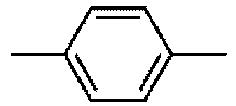
 x bei jedem Auftreten gleich oder verschieden ist und für eine ganze Zahl von 0 bis 6 steht, undX bei jedem Auftreten gleich oder verschieden ist und für ein Halogenatom, ein C1-4-Alkylsulfat, ein C1-4-Alkylsulfonat, ein C6-14-(Alk)arylsulfonat und/oder ein einwertiges Äquivalent eines mehrwertigen Kations, das aus einem Sulfat, einem Disulfat, einem Phosphat, einem Diphosphat, einem Triphosphat und/oder einem Polyphosphat ausgewählt ist, steht;b) 97 bis 3 Mol-% einer makromonomeren Struktureinheit der Formel (IV)
 R6 bei jedem Auftreten gleich oder verschieden ist und für eine Polyoxyalkylengruppe der folgenden Formel (V) steht:mit der Maßgabe, dass in beiden Struktureinheiten (III) und (IV) Y für eine fehlende Gruppe steht, wenn x = 0 ist,
 o bei jedem Auftreten gleich oder verschieden ist und für eine ganze Zahl von 1 bis 300 steht undR1, R3, l, m, Y, V und x die oben angegebenen Bedeutungen besitzen,
wobei das Copolymer ein durch GPC gemäß den Angaben in der Beschreibung bestimmtes Molekulargewicht im Bereich von 1000 bis 500.000, vorzugsweise 2000 bis 150.000 und insbesondere 4000 bis 10.000 g/mol aufweist. - Verfahren zur Herstellung eines kationischen Copolymers nach Anspruch 8, dadurch gekennzeichnet, dass man 3 bis 97 Mol-% eines kationischen Monomers (A)


wobei R1 bis R6, l, m, n, o, Y, V, x und X die oben angegebenen Bedeutungen besitzen. - Verfahren nach Anspruch 9, bei dem das kationische Monomer (A) aus quaternisiertem N-Vinylimidazol, quaternisiertem N-Allylimidazol, quaternisiertem 4-Vinylpyridin, quaternisiertem 1-[2-(Acryloyloxy)ethyl]-1H-imidazol, 1-[2-(Methacryloyloxy)-ethyl]-1H-imidazol und Mischungen davon ausgewählt wird.
- Verwendung nach einem der Ansprüche 1 bis 7 zum Dispergieren von wässrigen Suspensionen von Geopolymerbindemitteln aus der Gruppe umfassend hydraulische Bindemittel, latent hydraulische Bindemittel, puzzolanische Bindemittel und/oder alkaliaktivierte Alumosilikat-Bindemittel sowie Mischungen davon.
- Verwendung nach Anspruch 11, dadurch gekennzeichnet, dass
die hydraulischen Bindemittel aus Zementen, insbesondere aus Portlandzementen und Aluminatzementen, sowie Mischungen davon ausgewählt sind,
die latent hydraulischen Bindemittel aus industriellen und synthetischen Schlacken, insbesondere aus Hochofenschlacke, Hüttensand, Hüttensandmehl, elektrothermischer Phosphorschlacke, Stahlschlacke, sowie Mischungen davon ausgewählt sind
und die puzzolanischen Bindemittel aus amorpher Kieselsäure, vorzugsweise Fällungskieselsäure, pyrogener Kieselsäure und Mikrosilika, Glasmehl, Flugasche, vorzugsweise Braunkohleflugasche und Steinkohleflugasche, Metakaolin, natürlichen Puzzolanen wie Tuff, Trass und Vulkanasche, natürlichen und synthetischen Zeolithen, sowie Mischungen davon ausgewählt sind. - Verwendung nach Anspruch 11 oder 12, dadurch gekennzeichnet, dass die alkaliaktivierten Alumosilikat-Bindemittel latent hydraulische und/oder puzzolanische Bindemittel gemäß obiger Definition sowie alkalische Aktivatoren wie wässrige Lösungen von Alkalicarbonaten, Alkalifluoriden, Alkalihydroxiden, Alkalialuminaten und/oder Alkalisilikaten, wie löslichem Wasserglas, umfassen.
- Verwendung nach einem der Ansprüche 11 bis 13 zusammen mit einem mehrwertigen Anion, wobei das mehrwertige Anion in Form eines Salzes des mehrwertigen Anions mit einem einwertigen, zweiwertigen und/oder dreiwertigen Kation und/oder in Form einer Säure des mehrwertigen Anions zugegeben wird.
- Verwendung nach einem der Ansprüche 11 bis 14, wobei das mehrwertige Anion aus einem Sulfat, einem Disulfat, einem Phosphat, einem Diphosphat, einem Triphosphat, einem Polyphosphat und/oder einem Phosphonat ausgewählt ist.
Priority Applications (1)
| Application Number | Priority Date | Filing Date | Title |
|---|---|---|---|
| EP14747647.7A EP3049451B1 (de) | 2013-09-27 | 2014-08-05 | Verwendung von kationische copolymere |
Applications Claiming Priority (3)
| Application Number | Priority Date | Filing Date | Title |
|---|---|---|---|
| EP13186438.1A EP2853550A1 (de) | 2013-09-27 | 2013-09-27 | Kationische copolymere |
| PCT/EP2014/066772 WO2015043805A1 (en) | 2013-09-27 | 2014-08-05 | Cationic copolymers |
| EP14747647.7A EP3049451B1 (de) | 2013-09-27 | 2014-08-05 | Verwendung von kationische copolymere |
Publications (2)
| Publication Number | Publication Date |
|---|---|
| EP3049451A1 EP3049451A1 (de) | 2016-08-03 |
| EP3049451B1 true EP3049451B1 (de) | 2018-04-11 |
Family
ID=49237115
Family Applications (2)
| Application Number | Title | Priority Date | Filing Date |
|---|---|---|---|
| EP13186438.1A Withdrawn EP2853550A1 (de) | 2013-09-27 | 2013-09-27 | Kationische copolymere |
| EP14747647.7A Active EP3049451B1 (de) | 2013-09-27 | 2014-08-05 | Verwendung von kationische copolymere |
Family Applications Before (1)
| Application Number | Title | Priority Date | Filing Date |
|---|---|---|---|
| EP13186438.1A Withdrawn EP2853550A1 (de) | 2013-09-27 | 2013-09-27 | Kationische copolymere |
Country Status (13)
| Country | Link |
|---|---|
| US (1) | US10174144B2 (de) |
| EP (2) | EP2853550A1 (de) |
| JP (1) | JP6436978B2 (de) |
| CN (1) | CN105579479B (de) |
| AU (1) | AU2014327759B2 (de) |
| BR (1) | BR112016004925B8 (de) |
| CA (1) | CA2924137C (de) |
| ES (1) | ES2676699T3 (de) |
| MX (1) | MX385435B (de) |
| RU (1) | RU2668422C2 (de) |
| SA (1) | SA516370756B1 (de) |
| TR (1) | TR201809564T4 (de) |
| WO (1) | WO2015043805A1 (de) |
Families Citing this family (9)
| Publication number | Priority date | Publication date | Assignee | Title |
|---|---|---|---|---|
| EP3287427A1 (de) * | 2016-08-25 | 2018-02-28 | Imerys Ceramics France | Trockene partikelförmige zusammensetzungen zur herstellung von geopolymeren, verfahren zur herstellung von geopolymeren und damit hergestellte geopolymere |
| CA3032884A1 (en) * | 2016-08-05 | 2018-02-08 | Imertech Sas | Dry particulate compositions for the formation of geopolymers, a process for forming geopolymers and the geopolymers obtained as a result |
| ES2968464T3 (es) | 2017-11-10 | 2024-05-09 | Construction Research & Technology Gmbh | Microsílice para mejorar la fluidez de una suspensión de geopolímeros |
| EP3917898A1 (de) * | 2019-01-29 | 2021-12-08 | Construction Research & Technology GmbH | Rheologiemodifikator für geopolymere schaumformulierungen |
| CN114007998A (zh) | 2019-06-14 | 2022-02-01 | 巴斯夫欧洲公司 | 稳定的石膏颗粒 |
| EP4326687A1 (de) | 2021-04-24 | 2024-02-28 | Sika Technology AG | Geopolymerschaumstoffe auf basis von keramikmaterialien |
| JP7686466B2 (ja) * | 2021-06-16 | 2025-06-02 | 株式会社竹中工務店 | ジオポリマー組成物及びジオポリマー硬化体 |
| JP7643970B2 (ja) * | 2021-08-02 | 2025-03-11 | 株式会社フジタ | 外装材および外装材を有する建築物 |
| CN113582194B (zh) * | 2021-08-24 | 2022-11-08 | 广西民族大学 | 一种基于粉煤灰制备沸石微球的方法及沸石微球 |
Family Cites Families (35)
| Publication number | Priority date | Publication date | Assignee | Title |
|---|---|---|---|---|
| DE1671017C3 (de) | 1966-02-11 | 1978-10-05 | Sueddeutsche Kalkstickstoff-Werke Ag, 8223 Trostberg | Anorganisch-organischer Baustoff |
| FR2464227B1 (fr) | 1979-09-04 | 1985-09-20 | Cordi Coord Dev Innovation | Polymere mineral |
| FR2489291A1 (fr) | 1980-09-03 | 1982-03-05 | Davidovits Joseph | Compose polymerique mineral et procede d'obtention |
| US4509985A (en) | 1984-02-22 | 1985-04-09 | Pyrament Inc. | Early high-strength mineral polymer |
| DE3530258A1 (de) | 1985-08-23 | 1987-02-26 | Lentia Gmbh | Verwendung von salzen wasserloeslicher naphtalinsulfonsaeure-formaldehydkondensate als zusatzmittel fuer anorganische bindemittel und baustoff |
| US5071934A (en) | 1987-12-21 | 1991-12-10 | Exxon Research And Engineering Company | Cationic hydrophobic monomers and polymers |
| US5292793A (en) | 1992-07-14 | 1994-03-08 | Nalco Chemical Company | Hydrophobic polyelectrolytes used in color removal |
| JP2774445B2 (ja) | 1993-12-14 | 1998-07-09 | 花王株式会社 | コンクリート混和剤 |
| MY114306A (en) | 1995-07-13 | 2002-09-30 | Mbt Holding Ag | Cement dispersant method for production thereof and cement composition using dispersant |
| US5601725A (en) | 1995-10-23 | 1997-02-11 | Nalco Chemical Company | Hydrophobically modified polymers for sludge dewatering |
| US6069216A (en) * | 1997-06-11 | 2000-05-30 | Kao Corporation | Cationic group-containing copolymer and thickener |
| DE19806482A1 (de) | 1998-02-17 | 1999-08-19 | Sueddeutsche Kalkstickstoff | Wasserlösliche oder wasserquellbare sulfogruppenhaltige Copolymere, Verfahren zu deren Herstellung und ihre Verwendung |
| FR2777011B1 (fr) | 1998-04-01 | 2000-05-19 | Atochem Elf Sa | Emulsions eau dans eau, stables et de faible taille de particules leur procede de synthese et application en tant qu'epaississants |
| US6297335B1 (en) | 1999-02-05 | 2001-10-02 | Basf Aktiengesellschaft | Crosslinked, hydrophilic, highly swellable hydrogels, production thereof and use thereof |
| JP3600100B2 (ja) | 1999-12-20 | 2004-12-08 | 花王株式会社 | コンクリート混和剤 |
| JP3643003B2 (ja) * | 2000-02-09 | 2005-04-27 | 日本エヌエスシー株式会社 | 分散剤組成物 |
| DE10037629A1 (de) | 2000-08-02 | 2002-02-14 | Skw Bauwerkstoffe Deutschland | Wasserlösliche oder wasserquellbare sulfogruppenhaltige assoziativverdickende Copolymere, Verfahren zu deren Herstellung und deren Verwendung |
| DE10059830A1 (de) * | 2000-12-01 | 2002-06-13 | Clariant Gmbh | Kationisch modifizierte Kammpolymere auf Basis von Acryloyldimethyltaurinsäure |
| CN1541242A (zh) | 2001-02-08 | 2004-10-27 | Mbt�ع�����˾ | 聚合物结构支撑膜 |
| US20040209780A1 (en) | 2003-04-18 | 2004-10-21 | Harris Phillip C. | Methods of treating subterranean formations using hydrophobically modified polymers and compositions of the same |
| WO2005049676A1 (de) * | 2003-11-21 | 2005-06-02 | Basf Aktiengesellschaft | Polyalkylenoxidgruppen und quartäre stickstoffatome enthaltende copolymere |
| WO2005052107A1 (en) * | 2003-11-21 | 2005-06-09 | The Procter & Gamble Company | Laundry compositions having copolymers containing polyalkylene oxide groups and quanternary nitrogen atoms and a surfactant system |
| DE102004013158A1 (de) | 2004-03-17 | 2005-10-06 | Construction Research & Technology Gmbh | Polymere Zusammensetzung und deren Verwendung als Zusatzmittel in wässrigen Baustoffsystemen sowie in wasserbasierenden Anstrich- und Beschichtungssystemen |
| US7390774B2 (en) | 2004-04-08 | 2008-06-24 | Rohm And Haas Company | Antibacterial composition and methods of making and using the same |
| DE102004032304A1 (de) | 2004-07-03 | 2006-02-16 | Construction Research & Technology Gmbh | Wasserlösliche sulfogruppenhaltige Copolymere, Verfahren zu deren Herstellung und ihre Verwendung |
| US8343473B2 (en) | 2005-08-24 | 2013-01-01 | Purdue Research Foundation | Hydrophilized antimicrobial polymers |
| FR2904307B1 (fr) | 2006-07-28 | 2008-09-05 | Joseph Davidovits | Ciment geopolymerique a base de cendres volantes et a grande innocuite d'emploi. |
| DE102006050761A1 (de) | 2006-10-27 | 2008-05-08 | Construction Research & Technology Gmbh | Hydrophob modifizierte kationische Copolymere |
| DE102007023813A1 (de) * | 2007-05-21 | 2008-11-27 | Evonik Röhm Gmbh | Dispersion umfassend anorganische Partikel, Wasser und mindestens ein polymeres Additiv |
| DE102007027470A1 (de) | 2007-06-14 | 2008-12-24 | Construction Research & Technology Gmbh | Polymervergütete Baustofftrockenmischungen |
| JP2009242732A (ja) * | 2008-03-31 | 2009-10-22 | Fujifilm Corp | 高分子ゲル含有組成物、調光デバイス、及び調光方法 |
| JP2009242724A (ja) * | 2008-03-31 | 2009-10-22 | Fujifilm Corp | 高分子化合物及び吸油剤 |
| EP2458083A3 (de) * | 2010-11-23 | 2013-07-10 | Rohm and Haas Company | Verfahren zur dauerhaften antimikrobiellen Behandlung |
| EP2463317A1 (de) | 2010-12-09 | 2012-06-13 | BASF Construction Polymers GmbH | Additiv für fließmittel enthaltende Baustoffmischungen |
| CN103492341B (zh) * | 2011-04-21 | 2016-06-08 | 建筑研究和技术有限公司 | 促进剂组合物 |
-
2013
- 2013-09-27 EP EP13186438.1A patent/EP2853550A1/de not_active Withdrawn
-
2014
- 2014-08-05 JP JP2016517522A patent/JP6436978B2/ja active Active
- 2014-08-05 MX MX2016003786A patent/MX385435B/es unknown
- 2014-08-05 CA CA2924137A patent/CA2924137C/en active Active
- 2014-08-05 RU RU2016116311A patent/RU2668422C2/ru active
- 2014-08-05 TR TR2018/09564T patent/TR201809564T4/tr unknown
- 2014-08-05 AU AU2014327759A patent/AU2014327759B2/en active Active
- 2014-08-05 US US15/022,291 patent/US10174144B2/en active Active
- 2014-08-05 EP EP14747647.7A patent/EP3049451B1/de active Active
- 2014-08-05 ES ES14747647.7T patent/ES2676699T3/es active Active
- 2014-08-05 CN CN201480053563.5A patent/CN105579479B/zh active Active
- 2014-08-05 WO PCT/EP2014/066772 patent/WO2015043805A1/en not_active Ceased
- 2014-08-05 BR BR112016004925A patent/BR112016004925B8/pt active IP Right Grant
-
2016
- 2016-03-17 SA SA516370756A patent/SA516370756B1/ar unknown
Also Published As
| Publication number | Publication date |
|---|---|
| EP2853550A1 (de) | 2015-04-01 |
| US10174144B2 (en) | 2019-01-08 |
| AU2014327759A1 (en) | 2016-04-07 |
| WO2015043805A1 (en) | 2015-04-02 |
| US20160369024A1 (en) | 2016-12-22 |
| TR201809564T4 (tr) | 2018-07-23 |
| BR112016004925B8 (pt) | 2021-05-25 |
| ES2676699T3 (es) | 2018-07-24 |
| CA2924137A1 (en) | 2015-04-02 |
| EP3049451A1 (de) | 2016-08-03 |
| CN105579479A (zh) | 2016-05-11 |
| JP2016533403A (ja) | 2016-10-27 |
| AU2014327759B2 (en) | 2017-08-31 |
| SA516370756B1 (ar) | 2018-03-26 |
| RU2668422C2 (ru) | 2018-10-01 |
| JP6436978B2 (ja) | 2018-12-12 |
| RU2016116311A (ru) | 2017-11-01 |
| CN105579479B (zh) | 2020-05-19 |
| CA2924137C (en) | 2022-08-02 |
| MX2016003786A (es) | 2016-06-24 |
| MX385435B (es) | 2025-03-18 |
| BR112016004925B1 (pt) | 2021-03-30 |
Similar Documents
| Publication | Publication Date | Title |
|---|---|---|
| EP3049451B1 (de) | Verwendung von kationische copolymere | |
| EP3697742B1 (de) | Erstarrungssteuerungszusammensetzung für zementartige systeme | |
| US20150080500A1 (en) | Polycondensation product based on aromatic compounds, method for the preparation and use thereof | |
| US12595209B2 (en) | Mixture comprising glyoxylic acid or condensation or addition products thereof | |
| RU2743031C2 (ru) | Добавка для строительных химических композиций | |
| EP4306495A1 (de) | Copolymere aus carboxylaten und polyethern mit polyetherseitenketten unterschiedlicher länge und deren verwendung in mineralischen bindemittelzusammensetzungen | |
| EP3458495B1 (de) | Formulierung zur herstellung von säure- und hitzebeständigen konstruktionsprodukten | |
| JP7693696B2 (ja) | 無電荷の粘土不活化剤 | |
| EP4168370B1 (de) | Hydrierungssteuerungsmischung für mörtel- und zementzusammensetzungen | |
| JP2023028708A (ja) | 水硬性組成物用の分散剤組成物 | |
| CN115279818A (zh) | 用于水硬组合物的流化化合物 | |
| US20220371957A1 (en) | Copolymer and hydraulic binder composition |
Legal Events
| Date | Code | Title | Description |
|---|---|---|---|
| PUAI | Public reference made under article 153(3) epc to a published international application that has entered the european phase |
Free format text: ORIGINAL CODE: 0009012 |
|
| 17P | Request for examination filed |
Effective date: 20160428 |
|
| AK | Designated contracting states |
Kind code of ref document: A1 Designated state(s): AL AT BE BG CH CY CZ DE DK EE ES FI FR GB GR HR HU IE IS IT LI LT LU LV MC MK MT NL NO PL PT RO RS SE SI SK SM TR |
|
| AX | Request for extension of the european patent |
Extension state: BA ME |
|
| DAX | Request for extension of the european patent (deleted) | ||
| GRAP | Despatch of communication of intention to grant a patent |
Free format text: ORIGINAL CODE: EPIDOSNIGR1 |
|
| INTG | Intention to grant announced |
Effective date: 20180103 |
|
| GRAS | Grant fee paid |
Free format text: ORIGINAL CODE: EPIDOSNIGR3 |
|
| GRAA | (expected) grant |
Free format text: ORIGINAL CODE: 0009210 |
|
| AK | Designated contracting states |
Kind code of ref document: B1 Designated state(s): AL AT BE BG CH CY CZ DE DK EE ES FI FR GB GR HR HU IE IS IT LI LT LU LV MC MK MT NL NO PL PT RO RS SE SI SK SM TR |
|
| REG | Reference to a national code |
Ref country code: GB Ref legal event code: FG4D |
|
| REG | Reference to a national code |
Ref country code: CH Ref legal event code: EP |
|
| REG | Reference to a national code |
Ref country code: AT Ref legal event code: REF Ref document number: 987943 Country of ref document: AT Kind code of ref document: T Effective date: 20180415 |
|
| REG | Reference to a national code |
Ref country code: IE Ref legal event code: FG4D |
|
| REG | Reference to a national code |
Ref country code: DE Ref legal event code: R096 Ref document number: 602014023757 Country of ref document: DE |
|
| REG | Reference to a national code |
Ref country code: ES Ref legal event code: FG2A Ref document number: 2676699 Country of ref document: ES Kind code of ref document: T3 Effective date: 20180724 |
|
| REG | Reference to a national code |
Ref country code: NL Ref legal event code: FP |
|
| REG | Reference to a national code |
Ref country code: FR Ref legal event code: PLFP Year of fee payment: 5 |
|
| REG | Reference to a national code |
Ref country code: LT Ref legal event code: MG4D |
|
| PG25 | Lapsed in a contracting state [announced via postgrant information from national office to epo] |
Ref country code: NO Free format text: LAPSE BECAUSE OF FAILURE TO SUBMIT A TRANSLATION OF THE DESCRIPTION OR TO PAY THE FEE WITHIN THE PRESCRIBED TIME-LIMIT Effective date: 20180711 Ref country code: FI Free format text: LAPSE BECAUSE OF FAILURE TO SUBMIT A TRANSLATION OF THE DESCRIPTION OR TO PAY THE FEE WITHIN THE PRESCRIBED TIME-LIMIT Effective date: 20180411 Ref country code: BG Free format text: LAPSE BECAUSE OF FAILURE TO SUBMIT A TRANSLATION OF THE DESCRIPTION OR TO PAY THE FEE WITHIN THE PRESCRIBED TIME-LIMIT Effective date: 20180711 Ref country code: PL Free format text: LAPSE BECAUSE OF FAILURE TO SUBMIT A TRANSLATION OF THE DESCRIPTION OR TO PAY THE FEE WITHIN THE PRESCRIBED TIME-LIMIT Effective date: 20180411 Ref country code: LT Free format text: LAPSE BECAUSE OF FAILURE TO SUBMIT A TRANSLATION OF THE DESCRIPTION OR TO PAY THE FEE WITHIN THE PRESCRIBED TIME-LIMIT Effective date: 20180411 Ref country code: SE Free format text: LAPSE BECAUSE OF FAILURE TO SUBMIT A TRANSLATION OF THE DESCRIPTION OR TO PAY THE FEE WITHIN THE PRESCRIBED TIME-LIMIT Effective date: 20180411 Ref country code: AL Free format text: LAPSE BECAUSE OF FAILURE TO SUBMIT A TRANSLATION OF THE DESCRIPTION OR TO PAY THE FEE WITHIN THE PRESCRIBED TIME-LIMIT Effective date: 20180411 |
|
| PG25 | Lapsed in a contracting state [announced via postgrant information from national office to epo] |
Ref country code: HR Free format text: LAPSE BECAUSE OF FAILURE TO SUBMIT A TRANSLATION OF THE DESCRIPTION OR TO PAY THE FEE WITHIN THE PRESCRIBED TIME-LIMIT Effective date: 20180411 Ref country code: GR Free format text: LAPSE BECAUSE OF FAILURE TO SUBMIT A TRANSLATION OF THE DESCRIPTION OR TO PAY THE FEE WITHIN THE PRESCRIBED TIME-LIMIT Effective date: 20180712 Ref country code: RS Free format text: LAPSE BECAUSE OF FAILURE TO SUBMIT A TRANSLATION OF THE DESCRIPTION OR TO PAY THE FEE WITHIN THE PRESCRIBED TIME-LIMIT Effective date: 20180411 Ref country code: LV Free format text: LAPSE BECAUSE OF FAILURE TO SUBMIT A TRANSLATION OF THE DESCRIPTION OR TO PAY THE FEE WITHIN THE PRESCRIBED TIME-LIMIT Effective date: 20180411 |
|
| REG | Reference to a national code |
Ref country code: AT Ref legal event code: MK05 Ref document number: 987943 Country of ref document: AT Kind code of ref document: T Effective date: 20180411 |
|
| PG25 | Lapsed in a contracting state [announced via postgrant information from national office to epo] |
Ref country code: PT Free format text: LAPSE BECAUSE OF FAILURE TO SUBMIT A TRANSLATION OF THE DESCRIPTION OR TO PAY THE FEE WITHIN THE PRESCRIBED TIME-LIMIT Effective date: 20180813 |
|
| REG | Reference to a national code |
Ref country code: DE Ref legal event code: R097 Ref document number: 602014023757 Country of ref document: DE |
|
| PG25 | Lapsed in a contracting state [announced via postgrant information from national office to epo] |
Ref country code: CZ Free format text: LAPSE BECAUSE OF FAILURE TO SUBMIT A TRANSLATION OF THE DESCRIPTION OR TO PAY THE FEE WITHIN THE PRESCRIBED TIME-LIMIT Effective date: 20180411 Ref country code: RO Free format text: LAPSE BECAUSE OF FAILURE TO SUBMIT A TRANSLATION OF THE DESCRIPTION OR TO PAY THE FEE WITHIN THE PRESCRIBED TIME-LIMIT Effective date: 20180411 Ref country code: AT Free format text: LAPSE BECAUSE OF FAILURE TO SUBMIT A TRANSLATION OF THE DESCRIPTION OR TO PAY THE FEE WITHIN THE PRESCRIBED TIME-LIMIT Effective date: 20180411 Ref country code: EE Free format text: LAPSE BECAUSE OF FAILURE TO SUBMIT A TRANSLATION OF THE DESCRIPTION OR TO PAY THE FEE WITHIN THE PRESCRIBED TIME-LIMIT Effective date: 20180411 Ref country code: DK Free format text: LAPSE BECAUSE OF FAILURE TO SUBMIT A TRANSLATION OF THE DESCRIPTION OR TO PAY THE FEE WITHIN THE PRESCRIBED TIME-LIMIT Effective date: 20180411 Ref country code: SK Free format text: LAPSE BECAUSE OF FAILURE TO SUBMIT A TRANSLATION OF THE DESCRIPTION OR TO PAY THE FEE WITHIN THE PRESCRIBED TIME-LIMIT Effective date: 20180411 |
|
| PLBE | No opposition filed within time limit |
Free format text: ORIGINAL CODE: 0009261 |
|
| STAA | Information on the status of an ep patent application or granted ep patent |
Free format text: STATUS: NO OPPOSITION FILED WITHIN TIME LIMIT |
|
| PG25 | Lapsed in a contracting state [announced via postgrant information from national office to epo] |
Ref country code: SM Free format text: LAPSE BECAUSE OF FAILURE TO SUBMIT A TRANSLATION OF THE DESCRIPTION OR TO PAY THE FEE WITHIN THE PRESCRIBED TIME-LIMIT Effective date: 20180411 |
|
| 26N | No opposition filed |
Effective date: 20190114 |
|
| PG25 | Lapsed in a contracting state [announced via postgrant information from national office to epo] |
Ref country code: MC Free format text: LAPSE BECAUSE OF FAILURE TO SUBMIT A TRANSLATION OF THE DESCRIPTION OR TO PAY THE FEE WITHIN THE PRESCRIBED TIME-LIMIT Effective date: 20180411 |
|
| PG25 | Lapsed in a contracting state [announced via postgrant information from national office to epo] |
Ref country code: LU Free format text: LAPSE BECAUSE OF NON-PAYMENT OF DUE FEES Effective date: 20180805 |
|
| REG | Reference to a national code |
Ref country code: BE Ref legal event code: MM Effective date: 20180831 |
|
| REG | Reference to a national code |
Ref country code: IE Ref legal event code: MM4A |
|
| PG25 | Lapsed in a contracting state [announced via postgrant information from national office to epo] |
Ref country code: SI Free format text: LAPSE BECAUSE OF FAILURE TO SUBMIT A TRANSLATION OF THE DESCRIPTION OR TO PAY THE FEE WITHIN THE PRESCRIBED TIME-LIMIT Effective date: 20180411 |
|
| PG25 | Lapsed in a contracting state [announced via postgrant information from national office to epo] |
Ref country code: IE Free format text: LAPSE BECAUSE OF NON-PAYMENT OF DUE FEES Effective date: 20180805 |
|
| PG25 | Lapsed in a contracting state [announced via postgrant information from national office to epo] |
Ref country code: BE Free format text: LAPSE BECAUSE OF NON-PAYMENT OF DUE FEES Effective date: 20180831 |
|
| PG25 | Lapsed in a contracting state [announced via postgrant information from national office to epo] |
Ref country code: MT Free format text: LAPSE BECAUSE OF NON-PAYMENT OF DUE FEES Effective date: 20180805 |
|
| PG25 | Lapsed in a contracting state [announced via postgrant information from national office to epo] |
Ref country code: HU Free format text: LAPSE BECAUSE OF FAILURE TO SUBMIT A TRANSLATION OF THE DESCRIPTION OR TO PAY THE FEE WITHIN THE PRESCRIBED TIME-LIMIT; INVALID AB INITIO Effective date: 20140805 Ref country code: MK Free format text: LAPSE BECAUSE OF NON-PAYMENT OF DUE FEES Effective date: 20180411 Ref country code: CY Free format text: LAPSE BECAUSE OF FAILURE TO SUBMIT A TRANSLATION OF THE DESCRIPTION OR TO PAY THE FEE WITHIN THE PRESCRIBED TIME-LIMIT Effective date: 20180411 |
|
| PG25 | Lapsed in a contracting state [announced via postgrant information from national office to epo] |
Ref country code: IS Free format text: LAPSE BECAUSE OF FAILURE TO SUBMIT A TRANSLATION OF THE DESCRIPTION OR TO PAY THE FEE WITHIN THE PRESCRIBED TIME-LIMIT Effective date: 20180811 |
|
| PGFP | Annual fee paid to national office [announced via postgrant information from national office to epo] |
Ref country code: GB Payment date: 20250619 Year of fee payment: 12 |
|
| PGFP | Annual fee paid to national office [announced via postgrant information from national office to epo] |
Ref country code: NL Payment date: 20250627 Year of fee payment: 12 |
|
| PGFP | Annual fee paid to national office [announced via postgrant information from national office to epo] |
Ref country code: FR Payment date: 20250623 Year of fee payment: 12 |
|
| PGFP | Annual fee paid to national office [announced via postgrant information from national office to epo] |
Ref country code: ES Payment date: 20250902 Year of fee payment: 12 |
|
| PGFP | Annual fee paid to national office [announced via postgrant information from national office to epo] |
Ref country code: DE Payment date: 20250618 Year of fee payment: 12 |
|
| PGFP | Annual fee paid to national office [announced via postgrant information from national office to epo] |
Ref country code: TR Payment date: 20250725 Year of fee payment: 12 Ref country code: IT Payment date: 20250722 Year of fee payment: 12 |
|
| PGFP | Annual fee paid to national office [announced via postgrant information from national office to epo] |
Ref country code: CH Payment date: 20250901 Year of fee payment: 12 |