EP2956165B1 - Compositions and methods of enhancing immune responses to eimeria or limiting eimeria infection - Google Patents
Compositions and methods of enhancing immune responses to eimeria or limiting eimeria infection Download PDFInfo
- Publication number
- EP2956165B1 EP2956165B1 EP14751914.4A EP14751914A EP2956165B1 EP 2956165 B1 EP2956165 B1 EP 2956165B1 EP 14751914 A EP14751914 A EP 14751914A EP 2956165 B1 EP2956165 B1 EP 2956165B1
- Authority
- EP
- European Patent Office
- Prior art keywords
- seq
- polypeptide
- vaccine vector
- vaccine
- vector
- Prior art date
- Legal status (The legal status is an assumption and is not a legal conclusion. Google has not performed a legal analysis and makes no representation as to the accuracy of the status listed.)
- Active
Links
Images



Classifications
-
- A—HUMAN NECESSITIES
- A61—MEDICAL OR VETERINARY SCIENCE; HYGIENE
- A61K—PREPARATIONS FOR MEDICAL, DENTAL OR TOILETRY PURPOSES
- A61K39/00—Medicinal preparations containing antigens or antibodies
- A61K39/002—Protozoa antigens
-
- A—HUMAN NECESSITIES
- A61—MEDICAL OR VETERINARY SCIENCE; HYGIENE
- A61K—PREPARATIONS FOR MEDICAL, DENTAL OR TOILETRY PURPOSES
- A61K39/00—Medicinal preparations containing antigens or antibodies
- A61K39/002—Protozoa antigens
- A61K39/012—Coccidia antigens
-
- A—HUMAN NECESSITIES
- A61—MEDICAL OR VETERINARY SCIENCE; HYGIENE
- A61K—PREPARATIONS FOR MEDICAL, DENTAL OR TOILETRY PURPOSES
- A61K39/00—Medicinal preparations containing antigens or antibodies
- A61K39/002—Protozoa antigens
- A61K39/015—Hemosporidia antigens, e.g. Plasmodium antigens
-
- A—HUMAN NECESSITIES
- A61—MEDICAL OR VETERINARY SCIENCE; HYGIENE
- A61P—SPECIFIC THERAPEUTIC ACTIVITY OF CHEMICAL COMPOUNDS OR MEDICINAL PREPARATIONS
- A61P31/00—Antiinfectives, i.e. antibiotics, antiseptics, chemotherapeutics
- A61P31/04—Antibacterial agents
-
- C—CHEMISTRY; METALLURGY
- C07—ORGANIC CHEMISTRY
- C07K—PEPTIDES
- C07K14/00—Peptides having more than 20 amino acids; Gastrins; Somatostatins; Melanotropins; Derivatives thereof
- C07K14/435—Peptides having more than 20 amino acids; Gastrins; Somatostatins; Melanotropins; Derivatives thereof from animals; from humans
- C07K14/44—Peptides having more than 20 amino acids; Gastrins; Somatostatins; Melanotropins; Derivatives thereof from animals; from humans from protozoa
- C07K14/445—Plasmodium
-
- A—HUMAN NECESSITIES
- A61—MEDICAL OR VETERINARY SCIENCE; HYGIENE
- A61K—PREPARATIONS FOR MEDICAL, DENTAL OR TOILETRY PURPOSES
- A61K39/00—Medicinal preparations containing antigens or antibodies
- A61K2039/51—Medicinal preparations containing antigens or antibodies comprising whole cells, viruses or DNA/RNA
- A61K2039/52—Bacterial cells; Fungal cells; Protozoal cells
- A61K2039/523—Bacterial cells; Fungal cells; Protozoal cells expressing foreign proteins
-
- A—HUMAN NECESSITIES
- A61—MEDICAL OR VETERINARY SCIENCE; HYGIENE
- A61K—PREPARATIONS FOR MEDICAL, DENTAL OR TOILETRY PURPOSES
- A61K39/00—Medicinal preparations containing antigens or antibodies
- A61K2039/51—Medicinal preparations containing antigens or antibodies comprising whole cells, viruses or DNA/RNA
- A61K2039/53—DNA (RNA) vaccination
-
- A—HUMAN NECESSITIES
- A61—MEDICAL OR VETERINARY SCIENCE; HYGIENE
- A61K—PREPARATIONS FOR MEDICAL, DENTAL OR TOILETRY PURPOSES
- A61K39/00—Medicinal preparations containing antigens or antibodies
- A61K2039/54—Medicinal preparations containing antigens or antibodies characterised by the route of administration
- A61K2039/541—Mucosal route
- A61K2039/542—Mucosal route oral/gastrointestinal
-
- A—HUMAN NECESSITIES
- A61—MEDICAL OR VETERINARY SCIENCE; HYGIENE
- A61K—PREPARATIONS FOR MEDICAL, DENTAL OR TOILETRY PURPOSES
- A61K39/00—Medicinal preparations containing antigens or antibodies
- A61K2039/55—Medicinal preparations containing antigens or antibodies characterised by the host/recipient, e.g. newborn with maternal antibodies
-
- A—HUMAN NECESSITIES
- A61—MEDICAL OR VETERINARY SCIENCE; HYGIENE
- A61K—PREPARATIONS FOR MEDICAL, DENTAL OR TOILETRY PURPOSES
- A61K39/00—Medicinal preparations containing antigens or antibodies
- A61K2039/55—Medicinal preparations containing antigens or antibodies characterised by the host/recipient, e.g. newborn with maternal antibodies
- A61K2039/552—Veterinary vaccine
-
- A—HUMAN NECESSITIES
- A61—MEDICAL OR VETERINARY SCIENCE; HYGIENE
- A61K—PREPARATIONS FOR MEDICAL, DENTAL OR TOILETRY PURPOSES
- A61K39/00—Medicinal preparations containing antigens or antibodies
- A61K2039/555—Medicinal preparations containing antigens or antibodies characterised by a specific combination antigen/adjuvant
- A61K2039/55511—Organic adjuvants
- A61K2039/55583—Polysaccharides
-
- Y—GENERAL TAGGING OF NEW TECHNOLOGICAL DEVELOPMENTS; GENERAL TAGGING OF CROSS-SECTIONAL TECHNOLOGIES SPANNING OVER SEVERAL SECTIONS OF THE IPC; TECHNICAL SUBJECTS COVERED BY FORMER USPC CROSS-REFERENCE ART COLLECTIONS [XRACs] AND DIGESTS
- Y02—TECHNOLOGIES OR APPLICATIONS FOR MITIGATION OR ADAPTATION AGAINST CLIMATE CHANGE
- Y02A—TECHNOLOGIES FOR ADAPTATION TO CLIMATE CHANGE
- Y02A50/00—TECHNOLOGIES FOR ADAPTATION TO CLIMATE CHANGE in human health protection, e.g. against extreme weather
- Y02A50/30—Against vector-borne diseases, e.g. mosquito-borne, fly-borne, tick-borne or waterborne diseases whose impact is exacerbated by climate change
Definitions
- Coccidiosis an infectious disease of poultry, swine, and cattle caused by apicomplexan protozoan parasites ( Eimeria spp. and related parasites) presents problems worldwide. Coccidiosis is among the top ten infectious diseases of poultry in terms of its economic impact on the poultry industry with production losses estimated to be up to $2 billion annually. Other apicomplexan parasites also cause disease, including Plasmodium, Cryptosporidium and Toxoplasma, which are the causative agents of malaria, cryptosporidiosis and toxoplasmosis, respectively.
- Typical signs of coccidiosis include rapid loss of appetite, reduction in weight, diarrhea and acute mortality. Outbreaks in a flock occur upon exposure to high levels of pathogen and in most cases, coccidiosis predisposes birds to secondary bacterial infections. Traditional methods of disease control include the administration of antibiotics and chemotherapeutic agents. However, with continuous usage, this has led to resistance issues. Antibiotic use also decreases social acceptance of poultry meat. Vaccination is a rational approach because of its ability to confer long-term protection, typically for the entire lifespan of commercial chickens.
- This invention relates to vaccine vectors comprising a first polynucleotide sequence encoding an Apicomplexan Rhomboid polypeptide optionally expressed on the surface of the vaccine vector, wherein the Rhomboid polypeptide consists of SEQ ID NO: 2, SEQ ID NO: 37, or an immunogenic fragment of SEQ ID NO: 2 comprising amino acids 1-11, 18-27, or 31-43 of SEQ ID NO: 2 and further comprising a second polynucleotide sequence encoding an immunostimulatory polypeptide, wherein the immunostimulatory polypeptide is expressed on the surface of the vaccine vector, wherein the vaccine vector effects an immune response against an Apicomplexan parasite in a subject, and wherein the immune response is a protective immune response.
- the invention provides a pharmaceutical composition comprising the vaccine vector of the invention.
- the vaccine vector of the invention is for use in a method of enhancing the immune response against an Apicomplexan parasite in a subject, the method comprising administering to the subject the vaccine vector or the pharmaceutical composition, and optionally wherein the Apicomplexan parasite is selected from the group consisting of Eimeria, Plasmodium, Toxoplasma, Neospora and Cryptosporidium.
- a vaccine vector comprising a first polynucleotide sequence encoding an Apicomplexan Rhomboid polypeptide and methods of using the same are provided herein.
- a vaccine vector comprising a first polynucleotide encoding an Apicomlexan Rhomboid polypeptide or an immunogenic fragment thereof and a second polypeptide sequence encoding an immunostimulatory polypeptide is disclosed.
- the Apicomplexan Rhomboid polypeptide and the immunostimulatory polypeptide are suitably expressed on the surface of the vaccine vector.
- the Apicomplexan Rhomboid polypeptide may comprise SEQ ID NO: 1, SEQ ID NO: 2, SEQ ID NO: 3, SEQ ID NO: 4, SEQ ID NO: 37, SEQ ID NO: 38, an immunogenic fragment of at least one of SEQ ID NO: 1-4, 37-38 or combinations of SEQ ID NO: 1-4 and 37-38.
- the immunostimulatory polypeptide may be a CD154 polypeptide capable of binding CD40 or an HMGB1 polypeptide.
- the CD154 polypeptides include fewer than 50 amino acids and comprise amino acids 140-149 of CD154 or a homolog thereof.
- a vaccine vector comprising a first polynucleotide encoding an Apicomlexan Rhomboid polypeptide of SEQ ID NO: 1, SEQ ID NO: 2, SEQ ID NO: 3, SEQ ID NO: 4, SEQ ID NO: 37, SEQ ID NO: 38, an immunogenic fragment of at least one of SEQ ID NO: 1-4 or 37-38 or combinations of SEQ ID NO: 1-4 or 37-38.
- the Apicomplexan Rhomboid polypeptide may be expressed on the surface of the vaccine vector.
- Vaccine vectors according to the present invention may be a virus, yeast, bacterium, or liposome vector.
- Pharmaceutical compositions may be comprised of the vaccine vectors described herein and a pharmaceutically acceptable carrier.
- the enhanced immune response may be an enhanced antibody response, an enhanced T cell response or a combination thereof.
- kits for reducing morbidity and mortality associated with infection with an apicomplexan parasite in a subject by administering a vaccine vector as described herein to the subject are provided.
- the vaccine vector is capable of reducing the morbidity and mortality associated with subsequent infection with an apicomplexan parasite in subjects administered the vaccine vector as compared to controls.
- Species of Eimeria are highly immunogenic and are capable of stimulating robust host immune responses.
- the wide repertoire of antigens that are part of this eukaryote are highly specialized in function and are suitable targets for recombinant vaccine development.
- Sporozoites and merozoites are the most motile stages of the parasite and are responsible for initiating and sustaining an active infection. Invasion of these stages into intestinal epithelial cells is an essential process for the parasite to continue its life-cycle within host cells.
- a highly specialized set of organelles located at the anterior (apical) end of the parasite is involved in transporting the numerous proteins required for the translocation of these motile stages from the intestinal lumen into the epithelial layer.
- This apical complex consists of a variety of secretory organelles including a large number of micronemes that transport a milieu of proteins to the surface of motile apicomplexan zoites in support of the essential function of motility.
- thrombospondin-related adhesive protein has been used as a successful recombinant antigen in Salmonella recombinant and Bacillus-vectored systems as a vaccine candidate. See U.S. Publication No. 2011/0111015 .
- Many microneme proteins have a similar mode of action in that they are released from the microneme complex at the anterior end of the sporozoite as they approach a host cell and act as a link between the parasite and whatever substrate they are upon. The microneme protein is then translocated across the surface of the parasite posteriorly, thereby moving the parasite closer to the host cell.
- This gliding form of motility is typical of all apicomplexan parasites.
- the microneme protein When the microneme protein has been translocated to the posterior end of the parasite, it needs to be cleaved and released from the surface of the parasite in order to successfully complete the invasion process.
- This function is performed by a family of proteases that are constitutively expressed within or on the parasite cell membrane. The cleavage process occurs intracellularly and is an absolute requirement for propagating the infection.
- Rhomboid proteases are centrally implicated in the cleavage of microneme proteins and share good homology among different apicomplexan parasites.
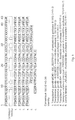
- Predicted antigenic regions of MPP were aligned and checked for homology among six different Apicomplexa ( Figure 1 ). The seven sequences compared are as follows: Eimeria tenella ROM4 (JN558353), Toxoplasma gondii ME49 ROM5 (XP_002370238), Toxoplasma gondii ROM5 (AAT84606), Toxoplasma gondii ROM5 (AY587208), Toxoplasma gondii RH ROM5 (AM055942), Toxoplasma gondii (AY634626), and the MPP insert from Eimeria maxima of SEQ ID NO: 2.
- Suitable Apicomplexan parasites include, but are not limited to: Eimeria species, including but not limited to Eimeria tenella, Eimeria maxima, and Eimeria brunetti; Toxoplasma gondii; Neospora caninum; Cryptosporidium species; and Plasmodium species, including but not limited to Plasmodium falciparum, Plasmodium malariae, Plasmodium knowlesi , and Plasmodium vivax.
- Recombinant DNA technologies enable relatively easy manipulation of many yeast, bacterial and viral species. Some microorganisms are mildly pathogenic or non-pathogenic, but are capable of generating a robust immune response. These microorganisms make attractive vaccine vectors for eliciting an immune response to antigens recombinantly expressed in the vector. Vaccines vectored by microorganisms may mimic a natural infection, help produce robust and long lasting mucosal immunity, and may be relatively inexpensive to produce and administer. In addition, such vectors can often carry more than one antigen and have potential to provide protection against multiple infectious agents.
- a vaccine vector comprising a first polynucleotide sequence encoding an Apicomplexan Rhomboid polypeptide of SEQ ID NO: 1-4, 37-38, an immunogenic fragment thereof or combinations thereof is provided.
- the vaccine vector may include a first polynucleotide encoding an Apicomplexan Rhomboid polypeptide and a second polynucleotide encoding an immunostimulatory polypeptide is provided. The Rhomboid polypeptide and the optional immunostimulatory polypeptide are expressed on the surface of the vaccine vector.
- the Rhomboid polypeptide may comprise the full-length protein (SEQ ID NO: 39) or an immunogenic fragment such as those provided in SEQ ID NO: 1-4 and 37-38.
- the Rhomboid polypeptide may comprise, may consist essentially of or may consist of SEQ ID NO: 1, SEQ ID NO: 2, SEQ ID NO: 3, SEQ ID NO: 4, SEQ ID NO: 37, SEQ ID NO: 38 or an immunogenic fragment of any of these SEQ ID NOs. Combinations of these fragments may also be used in a vaccine vector.
- a vaccine vector may include SEQ ID NO: 1-4 or 37-38.
- a single vaccine vector may include multiple copies of a single fragment as well.
- the immunogenic fragment of a Rhomboid polypeptide may be a sequence that is at least 5, 6, 7, 8, 10, 12, 14, 16, 18 or 20 amino acids long and has at least 85%, 90%, 92%, 94%, 95%, 96%, 97%, 98% or 99% percent identity to the fragments of SEQ ID NO: 1-4 or 37-38 provided herein.
- the vaccine vectors provided herein are believed to be reducing morbidity and mortality associated with Eimeria infection by inducing an antibody response that is capable of blocking invasion of the parasites into cells.
- B cells epitopes are often hydrophilic in nature and this information can be used to generate immunogenic fragments to the polypeptides of SEQ ID NO: 1-4 and 37-38 provided herein.
- a hydrophilicity plot of SEQ ID NO: 2 reveals three hydrophilic areas of the peptide and three potential B cell epitopes including amino acids 1-11, 18-27 and 31-43 of SEQ ID NO: 2. These amino acid fragments correspond to amino acids 7-16 of SEQ ID NO: 3 and 37 and amino acids 12-21 of SEQ ID NO: 4.
- amino acids corresponding to 18-27 of SEQ ID NO: 2 are highly conserved across species and genera of Apicomplexan parasites. An immune response to such a highly conserved epitope may allow for cross species or even cross genera immunity from a single vaccine.
- a vaccine includes any composition comprising a polynucleotide encoding an antigenic polypeptide that is capable of eliciting an immune response to the polypeptide.
- a vaccine vector is a composition that can be engineered to carry antigens or immunostimulatory polypeptides and may also comprise an adjuvant or be administered with an adjuvant to further increase the immune response to the parasite and provide better protection from morbidity and mortality associated with a subsequent infection.
- vectors such as bacterial vectors, for vaccination and generation of immune responses against Eimeria or other apicomplexan parasites such as Plasmodium (the causative agent of malaria), Toxoplasma and Cryptosporidium is disclosed.
- the immune responses after administration of the vaccine vector need not be fully protective, but may decrease the morbidity or percentage mortality (i.e. likelihood of mortality) associated with subsequent infection.
- Polynucleotides encoding Rhomboid polypeptide antigens of SEQ ID NO: 1-4, 37-38 or fragments thereof and other antigens from any number of pathogenic organisms may be inserted into the vector and expressed in the vector.
- the expression of these polynucleotides by the vector will allow generation of antigenic polypeptides following immunization of the subject.
- the polynucleotides may be inserted into the chromosome of the vector or encoded on plasmids or other extrachromosomal DNA.
- Those of skill in the art will appreciate that numerous methodologies exist for obtaining expression of polynucleotides in vectors such as Salmonella or Bacillus.
- the polynucleotides may be operably connected to a promoter (e.g., a constitutive promoter, an inducible promoter, etc.) by methods known to those of skill in the art.
- a promoter e.g., a constitutive promoter, an inducible promoter, etc.
- polynucleotides encoding the Rhomboid antigens are inserted into a vector, e.g., a bacterial vector, such that the polynucleotide is expressed.
- the polynucleotides encoding the Rhomboid antigens may be inserted in frame in a polynucleotide encoding a transmembrane protein.
- the polynucleotide encoding the Rhomboid antigen is inserted into the vector polynucleotide sequence to allow expression of the Rhomboid antigen on the surface of the vector.
- the polynucleotide encoding Rhomboid antigen may be inserted in frame into the vector polynucleotide in a region encoding an external loop region of a transmembrane protein such that the vector polynucleotide sequence remains in frame.
- the first polynucleotide encoding the Rhomboid polypeptide may be inserted into loop 9 of the lamB gene of Salmonella.
- the first polynucleotide is inserted into or at a surface exposed end of a protein that is attached to the cell wall, but is not a transmembrane protein.
- the protein may be a secreted protein that is anchored or attached to the cell wall via a protein or lipid anchor.
- the MPP (SEQ ID NO: 2) polypeptide is inserted at the 3' end of the fibronectin binding protein (FbpB) of Bacillus subtilis.
- the first polynucleotide encoding the Rhomboid antigen may be inserted into a polynucleotide encoding a secreted polypeptide.
- polynucleotide encoding the Rhomboid antigen could be inserted in a wide variety of vector polynucleotides to provide expression and presentation of the Rhomboid antigen to the immune cells of a subject treated with the vaccine.
- the polynucleotide encoding the Rhomboid antigen may be included in a single copy or more than one copy. The multiple copies may be inserted in a single location or more than one location.
- multiple epitopes such as combinations of the Rhomboid antigens provided herein as SEQ ID NO: 1-4 and 37-38 or combinations of this epitope with other apicomplexan epitopes such as TRAP or epitopes from other pathogens may be inserted into the vector at the same or more than one location.
- the first polynucleotide encodes a portion of the Rhomboid polypeptide, the entire Rhomboid polypeptide or more than one epitope from the Rhomboid polypeptide.
- the combination of epitopes from more than one polypeptide from a single parasite or pathogen or the combination of epitopes from related pathogens is specifically contemplated.
- the polynucleotide may be inserted into the vector and may be inserted as a fusion protein containing more than a single epitope.
- SEQ ID NOs: 2 and 15 (MPP-HMGB1) or SEQ ID NOs: 2, 40 and 15 (MPP-TRAP-HMGB1) were incorporated into a Bacillus vector.
- the portion of the Rhomboid polypeptide inserted into the vector is an antigenic fragment.
- An antigenic fragment is a peptide or polypeptide capable of eliciting a cellular or humoral immune response or capable of reducing the morbidity or mortality associated with subsequent infection with the parasite.
- An antigenic polypeptide or epitope includes any polypeptide that is immunogenic.
- the antigenic polypeptides include, but are not limited to, antigens that are pathogen-related, allergen-related, tumor-related or disease-related. Pathogens include viral, parasitic, fungal and bacterial pathogens as well as protein pathogens such as the prions.
- the antigenic polypeptides may be full-length proteins or portions thereof. It is well established that immune system recognition of many proteins is based on a relatively small number of amino acids, often referred to as the epitope. Epitopes may be only 4-8 amino acids long. Thus, the antigenic polypeptides described herein may be full-length proteins, four amino acid long epitopes or any portion between these extremes.
- the antigenic polypeptide may include more than one epitope from a single pathogen or protein.
- the antigenic polypeptides may have at least 85%, 90%, 92%, 94%, 95%, 96%, 97%, 98% or 99% percent identity to the SEQ ID NOs provided herein.
- an antigenic fragment of the Rhomboid antigen or polypeptide may be four, five, six, seven, eight, nine, 10 or more amino acids, 15 or more amino acids or 20 or more amino acids of the full-length protein sequence.
- the epitopes in the vaccine vector may be related and homologous to allow targeting of multiple related pathogens with a single vaccine vector. It is envisioned that several epitopes or antigens from the same or different pathogens or diseases may be administered in combination in a single vaccine vector to generate an enhanced immune response against multiple antigens.
- Recombinant vaccine vectors may encode antigens from multiple pathogenic microorganisms, viruses or tumor associated antigens. Administration of vaccine vectors capable of expressing multiple antigens has the advantage of inducing immunity against two or more diseases at the same time, providing broader protection against multiple strains of a single pathogen or a more robust immune response against a single pathogen.
- the MPP antigen (SEQ ID NO: 2) was co-expressed in several of the vectors with a second antigenic polypeptide.
- a high molecular mass, asexual stage antigen from Eimeria maxima (EmTFP250) was demonstrated to be a target for maternal antibodies produced by breeding hens infected with this protozoan parasite.
- Analysis of the amino acid sequence of the antigen revealed a novel member of the TRAP (thrombospondin-related anonymous protein) family, containing 16 thrombospondin type-1 repeats and 31 epidermal growth factor-like calcium binding domains. See U.S. Patent Publication No. 2011/0111015 .
- EmTFP250 or TRAP also contains two low complex, hydrophilic regions rich in glutamic acid and glycine residues, and a transmembrane domain/cytosolic tail associated with parasite gliding motility that is highly conserved within apicomplexan microneme proteins.
- SEQ ID NO: 1-3 and 11 of U.S. Patent Publication No. 2011/0111015 which are reproduced herein as SEQ ID NO: 5-8.
- SEQ ID NO: 40 was used in the Examples provided herein and is referred to as a TRAP antigen as well.
- SEQ ID NO: 40 and SEQ ID NO: 6 vary by a single amino acid.
- a proline at position 6 of SEQ ID NO: 6 is changed to an arginine at the same position 6 of SEQ ID NO: 40.
- This change was made to make the epitope more flexible and hydrophilic with the goal of making it a better antigen.
- Those of skill in the art may make other single amino acids changes to improve antigenicity within the scope of this disclosure. Due to the conserved nature of this antigen, expression of these epitopes by a vector may induce protective immunity against multiple apicomplexan parasites and administration of a vaccine vector comprising two distinct antigenic polypeptides may induce a more robust immune response.
- antigenic polypeptides from other pathogens may be used in the vaccine vectors to enhance the immune response against more than one pathogen by a single vaccine. It would be advantageous to administer a single vaccine directed against multiple pathogens.
- a vaccine capable of eliciting an immune response to an Apicomplexan parasite, such as Eimeria, in combination with Influenza, Salmonella, Campylobacter or other pathogens is envisioned.
- the second antigenic polypeptide may be an Influenza polypeptide, suitably it is an Influenza H5N1 polypeptide or a polypeptide associated with multiple strains of the Influenza virus such as a polypeptide of the Influenza M2 protein.
- the ectodomain of the Influenza A virus M2 protein known as M2e, protrudes from the surface of the virus.
- the M2e portion of the M2 protein contains about 24 amino acids.
- the M2e polypeptide varies little from one isolate to the next within Influenza. In fact, only a few naturally occurring mutations in M2e have been isolated from infected humans since the 1918 flu epidemic. In addition, influenza viruses isolated from avian and swine hosts have different, yet still conserved, M2e sequences.
- M2e polypeptide sequences isolated from human, avian and swine hosts see Liu et al., Microbes and Infection 7:171-177 (2005 ) and Reid et al., J. Virol. 76:10717-10723 (2002 ).
- the entire M2e polypeptide may be inserted into the vaccine vector or only a portion may be used.
- An eight amino acid polypeptide (LM2 having amino acid sequence: EVETPIRN, SEQ ID NO: 9 or its variant M2eA having amino acid sequence EVETPTRN, SEQ ID NO: 10) was incorporated into a vaccine vector and demonstrated to produce an antibody response after administration to chickens. See U.S. Publication No. 2011/0027309 .
- Suitable epitopes for inclusion in an Influenza A vaccine vector include, but are not limited to, polypeptides of the hemagglutinin (HA) or the nuclear protein (NP) of Influenza A.
- HA hemagglutinin
- NP nuclear protein
- the peptides of SEQ ID NO: 11, SEQ ID NO: 12, SEQ ID NO: 13 or SEQ ID NO: 14 may be included in a vaccine vector.
- any of these sequences may be used in combination with any other epitope including epitopes derived from other pathogens or antigens.
- Immunostimulatory molecules included as part of the vaccine vector could potentially activate parts of the immune system critical to long-lasting protection or provide an adjuvant effect.
- Immunostimulatory polypepetides may be polypeptides capable of stimulating a naive or adaptive immune response.
- the immunostimulatory polypeptides are not natively associated with the vaccine vector and are polypeptides natively associated with a vertebrate immune system, such as that of the subject to which the vaccine will be administered.
- Two immunostimulatory polypeptides are described herein, namely CD154 and High Mobility Group Box 1 (HMGB1) polypeptides, but one of skill in the art will appreciate that other immunostimulatory polypeptides could be used or alternatively could be used in combination with those described herein.
- HMGB1 High Mobility Group Box 1
- polynucleotides encoding polypeptides involved in triggering the immune system may also be included in a vaccine vector.
- the polynucleotides may encode immune system molecules known for their stimulatory effects, such as an interleukin, Tumor Necrosis Factor, interferon, complement, or another polynucleotide involved in immune-regulation.
- the vaccine may also include polynucleotides encoding peptides known to stimulate an immune response, such as the CD154 or HMGB1 polypeptides described herein.
- HMGB1 is secreted by activated macrophages and damaged cells, and acts as a cytokine mediator of inflammation, affecting the innate immune response. Portions of the HMGB1 sequence have been included in the vaccine vectors described in the Examples.
- the HMGB1 (High Mobility Group Box-1) protein was first identified as a DNA-binding protein critical for DNA structure and stability. It is a ubiquitously expressed nuclear protein that binds DNA with no sequence specificity. The protein is highly conserved and found in plants to mammals.
- the zebrafish, chicken and human HMGB1 amino acid sequences are provided in SEQ ID NO: 23, SEQ ID NO: 15 and SEQ ID NO: 22, respectively. The sequence throughout mammals is highly conserved with 98% amino acid identity and the amino acid changes are conservative.
- HMGB1 protein from one species can likely substitute for that from another species functionally.
- the full-length HMGB1 protein or a portion thereof may be used as the HMGB1 polypeptide in the vaccine vectors described herein.
- HMGB1 has two DNA binding regions termed A box as shown in SEQ ID NO: 16 and 17 and B box as shown in SEQ ID NO: 18 and 19. See Andersson and Tracey, Annu. Rev. Immunol. 2011, 29:13-162 .
- HMGB1 is a mediator of inflammation and serves as a signal of nuclear damage, such as from necrotic cells. HMGB1 can also be actively secreted by cells of the monocyte/macrophage lineage in a process requiring acetylation of the protein, translocation across the nucleus and secretion. Extracellular HMGB1 acts as a potent mediator of inflammation by signaling via the Receptor for Advanced Glycated End-products (RAGE) and via members of the Toll-like Receptor family (TLR), in particular TLR4.
- RAGE Receptor for Advanced Glycated End-products
- TLR Toll-like Receptor family
- the RAGE binding activity has been identified and requires the polypeptide of SEQ ID NO: 20. TLR4 binding requires the cysteine at position 106 of SEQ ID NO: 15, which is found in the B box region of HMGB1.
- HMGB1 The inflammatory activities of HMGB1 do not require the full-length protein and functional fragments have been identified.
- the B box has been shown to be sufficient to mediate the pro-inflammatory effects of HMGB1 and thus SEQ ID NO: 18 and 19 are HMGB1 polypeptides or functional fragments thereof within the context of the present invention.
- SEQ ID NO: 18 and 19 are HMGB1 polypeptides or functional fragments thereof within the context of the present invention.
- the RAGE binding site and the pro-inflammatory cytokine activity have been mapped to SEQ ID NO: 20 and SEQ ID NO: 21, respectively.
- these polypeptides are functional fragments of HMGB1 polypeptides in the context of the present invention.
- HMGB1 polypeptides includes the RAGE binding domain at amino acids 150-183 of SEQ ID NO:15 (SEQ ID NO: 20 or a homolog thereof) and the pro-inflammatory cytokine activity domain between amino acids 89-109 of SEQ ID NO: 15 (SEQ ID NO: 21 or a homolog thereof).
- HMGB1 polypeptides and functional fragments or homologs thereof include polypeptides identical to, or at least 99% identical, at least 98% identical, at least 97% identical, at least 96% identical, at least 95% identical, at least 90% identical, at least 85% identical, or at least 80% identical to the HMGB1 polypeptides of SEQ ID NOs: 15 or 16-23.
- a vaccine vector may include a CD154 polypeptide that is capable of binding CD40 in the subject and stimulating the subject to respond to the vector and its associated antigen.
- DCs dendritic cells
- APC antigen presenting cell
- Activated cytotoxic T cells are able to destroy virus-infected cells, tumor cells or even APCs infected with intracellular parasites (e.g., Salmonella ) and have been shown to be critical in the protection against viral infection.
- CD40 is a member of the TNF-receptor family of molecules and is expressed on a variety of cell types, including professional antigen-presenting cells (APCs), such as DCs and B cells. Interaction of CD40 with its ligand CD154 is extremely important and stimulatory for both humoral and cellular immunity. Stimulation of DCs via CD40, expressed on the surface of DCs, can be simulated by anti-CD40 antibodies.
- CD154 the natural ligand for CD40 (i.e. CD154) expressed on the surface of activated T-cells.
- CD40-binding regions of CD154 have been identified.
- the CD40-binding region of CD154 may be expressed on the surface of a vector, such as a Salmonella or Bacillus vector, and results in an enhanced immune response against a co-presented peptide sequence as shown in the Examples provided herein and in U.S. Patent Publication No. 2011/0027309 .
- a CD154 polypeptide may be a portion of CD154 full-length protein or the entire CD154 protein.
- the CD154 polypeptide is capable of binding CD40.
- a CD154 polynucleotide encoding a CD154 polypeptide that is capable of enhancing the immune response to the antigen may be included in the vaccine.
- the CD154 polypeptide is fewer than 50 amino acids long, more suitably fewer than 40, fewer than 30 or fewer than 20 amino acids in length.
- the polypeptide may be between 10 and 15 amino acids, between 10 and 20 amino acids or between 10 and 25 amino acids in length.
- the CD154 sequence and CD40 binding region are not highly conserved among the various species.
- the CD154 sequences of chicken and human are provided in SEQ ID NO: 24 and SEQ ID NO: 25, respectively.
- CD40 binding regions of CD154 have been determined for a number of species, including human, chicken, duck, mouse and cattle and are shown in SEQ ID NO: 26, SEQ ID NO: 27, SEQ ID NO: 28, SEQ ID NO: 29, and SEQ ID NO: 30, respectively. Although there is variability in the sequences in the CD40 binding region between species, the human CD154 polypeptide was able to enhance the immune response in chickens. Therefore, one may practice the invention using species specific CD154 polypeptides or a heterologous CD154 polypeptide.
- CD154 polypeptides of SEQ ID NO: 24-30 may be included in a vaccine vector or a polypeptide at least 99, 98, 97, 96, 95, 93, 90 or 85% identical to the sequences of SEQ ID NO: 24-30 may be included in a vaccine vector.
- the polypeptide from CD154 stimulates an immune response at least in part by binding to its receptor, CD40.
- a polypeptide homologous to the CD154 polypeptide which is expressed on immune cells of the subject and which is capable of binding to the CD40 receptor on macrophages and other antigen presenting cells. Binding of this ligand-receptor complex stimulates macrophage (and macrophage lineage cells such as dendritic cells) to enhance phagocytosis and antigen presentation while increasing cytokine secretions known to activate other local immune cells (such as B-lymphocytes).
- cytokine secretions known to activate other local immune cells (such as B-lymphocytes).
- molecules associated with the CD154 peptide are preferentially targeted for immune response and expanded antibody production.
- the antigenic polypeptides and the immunostimulatory polypeptides are delivered via a vaccine vector.
- the vaccine vectors may be bacterial, yeast, viral or liposome-based vectors.
- Potential vaccine vectors include, but are not limited to, Bacillus ( Bacillus subtilis ), Salmonella (Salmonella enteritidis), Shigella, Escherichia (E. coli), Yersinia, Bordetella, Lactococcus, Lactobacillus, Streptococcus, Vibrio ( Vibrio cholerae ), Listeria, yeast such as Saccharomyces, or Pichia, adenovirus, poxvirus, herpesvirus, alphavirus, and adeno-associated virus.
- Live bacterial, yeast or viral vaccine vectors may still pose risks to immunocompromised individuals and require additional regulatory scrutiny.
- use of vectors that are killed or inactivated or qualify as Generally Recognized As Safe (GRAS) organisms by the Food and Drug Administration (FDA) is desirable.
- the problem is generating a robust immune response using such vectors.
- Methods of inactivating or killing bacterial, yeast or viral vaccine vectors are known to those of skill in the art and include, but are not limited to methods such as formalin inactivation, antibiotic- based inactivation, heat treatment and ethanol treatment.
- HMGB1 high mobility group box 1
- HMGB1 high mobility group box 1
- At least a portion of the antigenic polypeptide and at least a portion of the immunostimulatory polypeptide are present or expressed on the surface of the vaccine vector.
- Present on the surface of the vaccine vector includes polypeptides that are comprised within an external loop of a transmembrane protein, interacting with, e.g., covalently or chemically cross-linked to, a transmembrane protein, a membrane lipid or membrane anchored carbohydrate or polypeptide.
- a polypeptide can be comprised within a transmembrane protein by having the amino acids comprising the polypeptide linked via a peptide bond to the N-terminus, C-terminus or anywhere within the transmembrane protein (i.e.
- the polypeptides may be inserted between two amino acids of the transmembrane protein or in place of one or more amino acids of the transmembrane protein (i.e. deletion-insertion)).
- the polypeptides may be inserted into an external loop of a transmembrane protein.
- Suitable transmembrane proteins are srtA, cotB and lamB , but those of skill in the art will appreciate many suitable transmembrane proteins are available.
- Polypeptides may be linked to a membrane or cell wall anchored protein or lipid such that the antigenic polypeptide and the immunostimulatory polypeptide are expressed on the surface of the vaccine vector.
- polynucleotides encoding the antigenic or immunostimulatory polypeptides may be inserted into the chromosome of the vector or maintained extrachromosomally (e.g., on a plasmid, BAC or YAC).
- these polynucleotides can be inserted in frame in a variety of polynucleotides and expressed in different parts of the vector or may be secreted.
- the polynucleotide encoding the immunostimulatory polypeptide capable of enhancing the immune response to the antigenic polypeptide may also encode the antigenic polypeptide.
- the polynucleotide encoding the antigenic polypeptide may be linked to the polynucleotide encoding the immunostimulatory polypeptide, such that in the vector, the two polypeptides are portions of the same polypeptide, such as in a fusion protein.
- a polynucleotide encoding the antigenic polypeptide also encodes the immunostimulatory polypeptide.
- the two polynucleotides encoding the polypeptides are both inserted in frame in loop 9 of the lamB gene of Salmonella enteritidis or another vaccine vector.
- bacterial polynucleotides encoding other transmembrane proteins and other loops of the lamB gene may also be used.
- the polynucleotide encoding the antigenic polypeptide and/or the immunostimulatory polypeptide may be inserted into a secreted polypeptide that is displayed or presented on the surface of the vaccine vector through association with a protein, lipid or carbohydrate on the surface of the vaccine vector.
- the polynucleotide encoding the antigenic polypeptide and/or the immunostimulatory polypeptide could be inserted in a wide variety of vaccine vector polynucleotides to provide expression and presentation of the antigenic polypeptide and/or the immunostimulatory polypeptide to the immune cells of a subject treated with the vaccine vector by expression on the surface of the vaccine vector.
- the coding region of the Apicomplexan Rhomboid polypeptide and the immunostimulatory polypeptide can be fused to the C-terminus of the Staphylococcus aureus fibronectin binding protein containing a sorting motif for sortase from Listeria. This allows the secreted proteins to be anchored on the cell wall of gram positive bacteria such as Bacillus. See Nguyen and Schumann, J Biotechnol (2006) 122: 473-482 . This system was used in the Examples to allow expression of the Rhomboid polypeptide linked to HMGB1 on the surface of Bacillus. Other similar methods may also be used.
- the polypeptides may be covalently or chemically linked to proteins, lipids or carbohydrates in the membrane, cell wall, or capsid if a viral vector is being used through methods available to persons of skill in the art.
- di-sulfide bonds or biotin - avidin cross-linking could be used to present the antigenic and immunostimulatory polypeptides on the surface of a vaccine vector.
- the antigenic polypeptide and the immunostimulatory polypeptide are part of a fusion protein.
- the two polypeptides may be directly linked via a peptide bond or may be separated by a linker, spacer, or a section of a third protein into which they are inserted in frame.
- an amino acid spacer was used between the polypeptides.
- a spacer may be between 2 and 20 amino acids, suitably between 4 and 10 amino acids, suitably between 6 and 8 amino acids.
- the amino acids in the spacer have a small side chain and are not charged, such as glycine, alanine or serine.
- a spacer including two glycine residues, two serine residues and arginine and two more serine residues was used. Those of skill in the art will appreciate other spacers could be used.
- the vaccine vectors have the antigenic polypeptides (MPP and/or TRAP polypeptides) and the immunostimulatory polypeptide (either CD154 or HMGB1 or both) encoded on the same polynucleotide and in frame with each other.
- the immunostimulatory polypeptide and the antigenic polypeptide may be encoded by distinct polynucleotides.
- compositions comprising the vaccine vector and a pharmaceutically acceptable carrier are also provided.
- a pharmaceutically acceptable carrier is any carrier suitable for in vivo administration.
- the pharmaceutically acceptable carrier is acceptable for oral, nasal or mucosal delivery.
- the pharmaceutically acceptable carrier may include water, buffered solutions, glucose solutions or bacterial culture fluids. Additional components of the compositions may suitably include excipients such as stabilizers, preservatives, diluents, emulsifiers and lubricants.
- Examples of pharmaceutically acceptable carriers or diluents include stabilizers such as carbohydrates (e.g., sorbitol, mannitol, starch, sucrose, glucose, dextran), proteins such as albumin or casein, protein-containing agents such as bovine serum or skimmed milk and buffers (e.g., phosphate buffer).
- stabilizers such as carbohydrates (e.g., sorbitol, mannitol, starch, sucrose, glucose, dextran), proteins such as albumin or casein, protein-containing agents such as bovine serum or skimmed milk and buffers (e.g., phosphate buffer).
- the composition is suitable for freeze-drying or spray-drying.
- the vaccine vector in the compositions may not be capable of replication, suitably the vaccine vector is inactivated or killed prior to addition to the composition.
- the vaccine vector may contain a first polynucleotide encoding an Aplicomplexan Rhomboid polypeptide and a second polynucleotide encoding an immunostimulatory polypeptide.
- the immunostimulatory polypeptide is suitably a polypeptide natively associated with a vertebrate immune system and involved in stimulating an immune response.
- the immunostimulatory polypeptide may stimulate the native or adaptive immune response of the subject.
- a HMGB1 polypeptide or a CD154 polypeptide as described more fully above may be used as the immunostimulatory polypeptide.
- the vaccine vector comprising an Apicomplexan Rhomboid polypeptide and an immunostimulatory polypeptide is administered to a subject in an amount effective to enhance or effect an immune response of the subject to the vaccine vector and in particular to the antigenic Rhomboid polypeptide and suitably to the apicomplexan parasite.
- the enhanced immune response may include the antibody or T cell response.
- the immune response is a protective immune response, but the immune response may not be fully protective, but may be capable of reducing the morbidity or mortality associated with infection.
- the immunostimulatory polypeptides may be used to enhance the immune response in the subject to any foreign antigen or antigenic polypeptide present in the vaccine vector in addition to the Rhomboid polypeptide.
- Enhancing an immune response includes, but is not limited to, inducing a therapeutic or prophylactic effect that is mediated by the immune system of the subject.
- enhancing an immune response may include, but is not limited to, enhanced production of antibodies, enhanced class switching of antibody heavy chains, maturation of antigen presenting cells, stimulation of helper T cells, stimulation of cytolytic T cells or induction of T and B cell memory.
- the vaccine vector contains a polynucleotide encoding a polypeptide including amino acids 150-183 and 89-109 of the HMGB1 polypeptide (SEQ ID NO: 15) or a homolog thereof.
- a 190 amino acid polypeptide of HMGB1 was used.
- the polynucleotide encodes a HMGB1 polypeptide from the same species as the subject.
- Heterologous combinations of HMGB1 polypeptides and subjects e.g. a human HMGB1 polypeptide for use in a chicken vaccine
- the HMGB1 polypeptide may be used to enhance the immune response to more than one antigenic polypeptide present in a vaccine vector.
- the polypeptide from HMGB1 stimulates an immune response at least in part by activating dendritic cells and macrophages and thus stimulating production of cytokines such as IL-1, IL-6, IFN- ⁇ and TNF- ⁇ .
- cytokines such as IL-1, IL-6, IFN- ⁇ and TNF- ⁇ .
- a polypeptide of HMGB1 was expressed on the surface of the vaccine vector.
- the vaccine vector may suitably contain a CD154 polypeptide capable of binding to CD40 and activating CD40.
- the vaccine comprising the polynucleotide encoding a CD154 polypeptide capable of binding to CD40 is administered to a subject in an amount effective to enhance or affect the immune response of the subject to the vaccine.
- the vaccine contains a polynucleotide encoding a polypeptide including amino acids 140-149 of the human CD154 polypeptide (SEQ ID NO: 25) or a homolog thereof.
- a homologue of amino acid 140-149 derived from one species may be used to stimulate an immune response in a distinct species.
- the polynucleotide encodes a CD154 polypeptide from the same species as the subject.
- a polynucleotide encoding the polypeptide of SEQ ID NO: 26 is used in human subjects
- a polynucleotide encoding the polypeptide of SEQ ID NO: 27 is used in chickens
- a polynucleotide encoding the polypeptide of SEQ ID NO: 28 is used in ducks
- a polynucleotide encoding the polypeptide of SEQ ID NO: 29 is used in mice
- a polynucleotide encoding the polypeptide of SEQ ID NO: 30 is used in cows.
- the human CD154 polypeptide (SEQ ID NO: 26) has been used in a chicken vaccine and was demonstrated to enhance the immune response to a foreign antigen. Thus other heterologous combinations of CD154 polypeptides and subjects may be useful in the application of the invention.
- the methods comprise administering to a subject an effective amount of a vaccine vector comprising a first polynucleotide sequence encoding an Apicomplexan Rhomboid polypeptide.
- the vaccine vector may also include a second polynucleotide encoding an immunostimulatory polypeptide in an effective amount.
- the Rhomboid polypeptides may include SEQ ID NO: 1-4, 37, 38 or combinations or fragments thereof.
- Rhomboid polypeptides into the vector may be accomplished in a variety of ways known to those of skill in the art, including but not limited to the scarless site-directed mutation system described in BMC Biotechnol. 2007 Sept, 17: 7(1): 59 , Scarless and Site-directed Mutagenesis in Salmonella Enteritidis chromosome, and the method used herein as described in Nguyen and Schumann J Biotechnol 2006 122: 473-482 .
- the vector may also be engineered to express the Rhomboid polypeptides in conjunction with other antigenic polypeptides from apicomplexan parasites such as TRAP or from other pathogens including viruses such as Influenza M2e or bacteria such as Salmonella or E. coli.
- a polypeptide of CD154 capable of binding CD40 or HMGB1 may be expressed by the vector to enhance the immune response of the subject to the Rhomboid polypeptide.
- compositions containing antigenic polypeptides may also be used to decrease the morbidity associated with subsequent infection by an apicomplexan parasite.
- the compositions may prevent the parasite from causing disease or may limit or reduce any associated morbidity in a subject to which the compositions or vaccine vectors described herein were administered.
- the compositions and vaccine vectors described herein may reduce the severity of subsequent disease by decreasing the length of disease, weight loss, severity of symptoms of the disease, decreasing the morbidity or mortality associated with the disease or reducing the likelihood of contracting the disease.
- the compositions may also reduce the spread of the parasite by inhibiting transmission.
- the morbidity or mortality associated with the disease after administration of the vaccine vectors described herein may be reduced by 25%, 30%, 40%, 50%, 60%, 70%, 80%, 90% or even 100% as compared to similar subjects not provided the vaccine vector.
- compositions may be administered by a variety of means including, but not limited to, intranasally, mucosally, by spraying, intradermally, parenterally, subcutaneously, intraperitonelly, intravenously, intracrannially, orally, by aerosol or intramuscularly. Eye-drop administration, oral gavage or addition to drinking water or food is additionally suitable.
- the compositions may be administered in ovo.
- Suitable subjects may include, but are not limited to, vertebrates, suitably mammals, suitably a human, and birds, suitably poultry such as chickens or turkeys. Other animals such as cows, cats, dogs or pigs may also be used.
- the subject is non-human and may be an agricultural animal.
- the useful dosage of the vaccine to be administered will vary depending on the age, weight and species of the subject, the mode and route of administration and the type of pathogen against which an immune response is sought.
- the composition may be administered in any dose sufficient to evoke an immune response. It is envisioned that doses ranging from 10 3 to 10 10 vector copies (i.e. colony forming units or plaque forming units), from 10 4 to 10 9 vector copies, or from 10 5 to 10 7 vector copies are suitable.
- the composition may be administered only once or may be administered two or more times to increase the immune response.
- the composition may be administered two or more times separated by one week, two weeks, three weeks, 1 month, 2 months, 3 months, 6 months, 1 year or more.
- the vaccine vector may comprise viable microorganisms prior to administration, but in some embodiments the vector may be killed prior to administration. In some embodiments, the vector may be able to replicate in the subject, while in other embodiments the vector may not be capable of replicating in the subject.
- Methods of inactivating microorganisms used as vectors are known to those of skill in the art. For example a bacterial vaccine vector may be inactivated using formalin, ethanol, heat exposure, or antibiotics. Those of skill in the art may use other methods as well.
- vaccines may encode antigens from multiple pathogenic microorganisms, viruses or tumor associated antigens.
- Administration of vaccine capable of expressing multiple antigens has the advantage of inducing immunity against two or more diseases at the same time.
- live attenuated bacteria provide a suitable vector for eliciting an immune response against multiple antigens from a single pathogen, e.g., TRAP (SEQ ID NO: 6) and MPP from Eimeria (SEQ ID NO: 2); or against multiple antigens from different pathogens, e.g., Eimeria and Influenza or Salmonella.
- TRAP SEQ ID NO: 6
- MPP MPP from Eimeria
- Salmonella e.g., Eimeria and Influenza or Salmonella.
- Vaccine vectors may be constructed using exogenous polynucleotides encoding antigens which may be inserted into the vaccine vector at any non-essential site or alternatively may be carried on a plasmid or other extra chromosomal vehicle (e.g. a BAC or YAC) using methods well known in the art.
- a plasmid or other extra chromosomal vehicle e.g. a BAC or YAC
- One suitable site for insertion of polynucleotides is within external portions of transmembrane proteins or coupled to sequences that target the exogenous polynucleotide for secretory pathways and/or allow attachment to the cell wall.
- a suitable transmembrane protein for insertion of polynucleotides is the lamB gene.
- One suitable method of cell wall attachment is provided in the Examples
- Exogenous polynucleotides include, but are not limited to, polynucleotides encoding antigens selected from pathogenic microorganisms or viruses and include polynucleotides that are expressed in such a way that an effective immune response is generated.
- Such polynucleotides may be derived from pathogenic viruses such as influenza (e.g., M2e, hemagglutinin, or neuraminidase), herpesviruses (e.g., the genes encoding the structural proteins of herpesviruses), retroviruses (e.g., the gp160 envelope protein), adenoviruses, paramyxoviruses, coronaviruses and the like.
- influenza e.g., M2e, hemagglutinin, or neuraminidase
- herpesviruses e.g., the genes encoding the structural proteins of herpesviruses
- retroviruses e.
- Exogenous polynucleotides can also be obtained from pathogenic bacteria, e.g., genes encoding bacterial proteins such as toxins, outer membrane proteins or other highly conserved proteins. Further, exogenous polynucleotides from parasites, such as other Apicomplexan parasites are attractive candidates for use in a vector vaccine.
- FIG. 2 A cartoon showing the constructs used in the examples is shown as Figure 2 .
- the TRAP MPP HMGB1, and MPP HMGB1 sequences were synthesized and inserted into pNDH10 plasmid for cell surface expression. Each sequence was synthesized with a BamHI restriction site at the 5' end and an AatII restriction site at the 3' end immediately adjacent to the fibronectin binding protein B ( fbpB ). Expression of the vaccine sequence and fbpB is regulated by a xyl operon previously inserted into pNDH10 plasmid [1].
- the fbpB included a sorting motif that was recognized by sortase A that anchors the fbpB to the cell surface of a sortase A expressing bacterium [1].
- the vaccine sequences are placed upstream and in frame with the fbpB sequence such that when the fbpB is anchored to sortase A on the cell wall the vaccine vector sequence will be expressed on the surface of the bacteria.
- Plasmid pNDH10 containing the vaccine sequence, fbpB , and xyl operon was transformed into Bacillus subtilis 1A857 expressing sortase A [2].
- Each plasmid was transformed into 1A857 by adding 0.6 ⁇ g insert/plasmid into a competent 1A857 culture with 0.1 M ethylene glycol tetraacetic acid (EGTA). After transformation, 1A857 expressing pNDH10 were selected on LB agar containing 5 ⁇ g/mL chloramphenicol to select only cells that carried antibiotic resistance conferred by the plasmid via a cat sequence that encodes chloramphenicol acetyl transferase.
- EGTA ethylene glycol tetraacetic acid
- Bacillus subtilis 1A857 transformed with MPP HMGB1 (SEQ ID NO: 33), or TRAP MPP HMGB1 (SEQ ID NO: 31) pNDH10 plasmids were confirmed by plasmid extraction followed by PCR.
- Each 1A857/pNDH10/insert construct was grown and induced in 0.6% xylose in LB broth +0.1% glucose with 5 ⁇ g/mL chloramphenicol for 9 h at 37°C while shaking.
- MPP-HMGB1 (SEQ ID NO: 34) and TRAP-MPP-HMGB1 (SEQ ID NO: 32) protein expression were confirmed by Western blot and indirect fluorescence microscopy with rabbit anti-HMGBl antibodies.
- Vectored vaccines MPP HMGB1 and TRAP MPP HMGB1 were tested for ability to provide protection against an Eimeria maxima challenge when administered through the drinking water in conjunction with a modified chitosan adjuvant.
- Broiler chicks were vaccinated at 4 and 14 days of age with the respective vaccine in the drinking water at a dilution of 1:128 (5 X 10 5 cfu/chick) for 24h.
- All groups were weighed and challenged with 4x10 4 sporulated oocysts of E. maxima by oral gavage.
- body weight (BW) and body weight gain of survivors (BWG) were recorded during the challenge period. Additionally, mortality was documented to determine vaccine candidate efficacy.
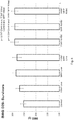
- BW was significantly higher in chicks vaccinated with TRAP-MPP-HMGB1 and MPP-HMGB1 when compared with non-vaccinated chicks ( Figure 3 ).
- BWG was significantly higher for all vaccinated groups 8d post-challenge when compared to controls ( Figure 4 ).
- Mortality was also significantly lower in the TRAP-MPP-HMGB1 and MPP-HMGB1 vaccinated groups with the unvaccinated group ( Figure 5 ).
Landscapes
- Health & Medical Sciences (AREA)
- Life Sciences & Earth Sciences (AREA)
- Chemical & Material Sciences (AREA)
- Tropical Medicine & Parasitology (AREA)
- Medicinal Chemistry (AREA)
- General Health & Medical Sciences (AREA)
- Animal Behavior & Ethology (AREA)
- Veterinary Medicine (AREA)
- Public Health (AREA)
- Pharmacology & Pharmacy (AREA)
- Organic Chemistry (AREA)
- Immunology (AREA)
- Microbiology (AREA)
- Epidemiology (AREA)
- Mycology (AREA)
- Zoology (AREA)
- Proteomics, Peptides & Aminoacids (AREA)
- Toxicology (AREA)
- Gastroenterology & Hepatology (AREA)
- Biochemistry (AREA)
- Biophysics (AREA)
- Genetics & Genomics (AREA)
- Molecular Biology (AREA)
- Communicable Diseases (AREA)
- Nuclear Medicine, Radiotherapy & Molecular Imaging (AREA)
- Oncology (AREA)
- Chemical Kinetics & Catalysis (AREA)
- General Chemical & Material Sciences (AREA)
- Medicines Containing Antibodies Or Antigens For Use As Internal Diagnostic Agents (AREA)
- Peptides Or Proteins (AREA)
- Medicines That Contain Protein Lipid Enzymes And Other Medicines (AREA)
- Micro-Organisms Or Cultivation Processes Thereof (AREA)
- Pharmaceuticals Containing Other Organic And Inorganic Compounds (AREA)
- Medicines Containing Material From Animals Or Micro-Organisms (AREA)
Priority Applications (2)
| Application Number | Priority Date | Filing Date | Title |
|---|---|---|---|
| EP19194676.3A EP3610887B8 (en) | 2013-02-14 | 2014-02-14 | Compositions and methods of enhancing immune responses to eimeria or limiting eimeria infection |
| PL14751914T PL2956165T3 (pl) | 2013-02-14 | 2014-02-14 | Kompozycje i sposoby wzmacniania odpowiedzi immunologicznych na Eimeria lub ograniczania infekcji Eimeria |
Applications Claiming Priority (2)
| Application Number | Priority Date | Filing Date | Title |
|---|---|---|---|
| US201361764681P | 2013-02-14 | 2013-02-14 | |
| PCT/US2014/016359 WO2014127185A1 (en) | 2013-02-14 | 2014-02-14 | Compositions and methods of enhancing immune responses to eimeria or limiting eimeria infection |
Related Child Applications (1)
| Application Number | Title | Priority Date | Filing Date |
|---|---|---|---|
| EP19194676.3A Division EP3610887B8 (en) | 2013-02-14 | 2014-02-14 | Compositions and methods of enhancing immune responses to eimeria or limiting eimeria infection |
Publications (3)
| Publication Number | Publication Date |
|---|---|
| EP2956165A1 EP2956165A1 (en) | 2015-12-23 |
| EP2956165A4 EP2956165A4 (en) | 2016-09-21 |
| EP2956165B1 true EP2956165B1 (en) | 2019-09-11 |
Family
ID=51354559
Family Applications (2)
| Application Number | Title | Priority Date | Filing Date |
|---|---|---|---|
| EP14751914.4A Active EP2956165B1 (en) | 2013-02-14 | 2014-02-14 | Compositions and methods of enhancing immune responses to eimeria or limiting eimeria infection |
| EP19194676.3A Active EP3610887B8 (en) | 2013-02-14 | 2014-02-14 | Compositions and methods of enhancing immune responses to eimeria or limiting eimeria infection |
Family Applications After (1)
| Application Number | Title | Priority Date | Filing Date |
|---|---|---|---|
| EP19194676.3A Active EP3610887B8 (en) | 2013-02-14 | 2014-02-14 | Compositions and methods of enhancing immune responses to eimeria or limiting eimeria infection |
Country Status (23)
| Country | Link |
|---|---|
| US (6) | US9603915B2 (https=) |
| EP (2) | EP2956165B1 (https=) |
| JP (2) | JP6532407B2 (https=) |
| KR (1) | KR102228324B1 (https=) |
| CN (2) | CN111956796B (https=) |
| AR (1) | AR094791A1 (https=) |
| AU (1) | AU2014216246B2 (https=) |
| BR (1) | BR112015019283B1 (https=) |
| CA (1) | CA2900644C (https=) |
| CL (1) | CL2015002273A1 (https=) |
| DK (1) | DK2956165T3 (https=) |
| EA (1) | EA030929B1 (https=) |
| ES (2) | ES2968398T3 (https=) |
| HU (1) | HUE047484T2 (https=) |
| MX (1) | MX2015010555A (https=) |
| MY (2) | MY173328A (https=) |
| NZ (1) | NZ711019A (https=) |
| PH (1) | PH12015501784A1 (https=) |
| PL (1) | PL2956165T3 (https=) |
| PT (1) | PT2956165T (https=) |
| SG (2) | SG10202109925TA (https=) |
| WO (1) | WO2014127185A1 (https=) |
| ZA (1) | ZA201505638B (https=) |
Families Citing this family (11)
| Publication number | Priority date | Publication date | Assignee | Title |
|---|---|---|---|---|
| PT3097926T (pt) * | 2007-11-01 | 2020-01-08 | Univ Guelph | Composições e métodos de potenciação das respostas imunitárias frente a eimeria |
| AR094791A1 (es) | 2013-02-14 | 2015-08-26 | Univ Arkansas | Composiciones y métodos para mejorar las respuestas inmunes ante una infección por eimeria o para limitar una infección por eimeria |
| AU2014239557B2 (en) | 2013-03-15 | 2019-01-03 | The Board Of Trustees Of The University Of Arkansas | Compositions and methods of enhancing immune responses to enteric pathogens |
| CN104940924B (zh) * | 2015-05-29 | 2018-01-16 | 中国农业大学 | 一种球虫佐剂及其应用 |
| KR102767638B1 (ko) * | 2016-05-03 | 2025-02-20 | 더 보드 오브 트러스티스 오브 더 유니버시티 오브 아칸소 | 면역자극 및 항원 폴리펩티드를 포함하는 효모 백신 벡터, 및 그를 이용하는 방법 |
| CN106047914A (zh) * | 2016-05-10 | 2016-10-26 | 吉林大学 | 一种用于预防猪弓形虫病的重组卡介苗及制备方法 |
| US10738338B2 (en) | 2016-10-18 | 2020-08-11 | The Research Foundation for the State University | Method and composition for biocatalytic protein-oligonucleotide conjugation and protein-oligonucleotide conjugate |
| WO2018226887A1 (en) | 2017-06-07 | 2018-12-13 | Spark Therapeutics, Inc. | ENHANCING AGENTS FOR IMPROVED CELL TRANSFECTION AND/OR rAAV VECTOR PRODUCTION |
| US12605239B2 (en) | 2020-07-29 | 2026-04-21 | North Carolina State University | Enhancement of hydration and improvement in gut health through cloacal delivery of products |
| US11497801B2 (en) * | 2021-02-19 | 2022-11-15 | Sherryll Layton | Compositions and methods of enhancing immune responses |
| CN115227810A (zh) * | 2022-04-18 | 2022-10-25 | 福建农林大学 | 一种鸡抗巨型艾美耳球虫口服重组芽孢疫苗及其制备方法 |
Family Cites Families (92)
| Publication number | Priority date | Publication date | Assignee | Title |
|---|---|---|---|---|
| JP3415145B2 (ja) | 1991-03-05 | 2003-06-09 | ザ ウエルカム ファウンデーション リミテッド | 弱毒化細菌における組換えタンパク質の発現 |
| US5961974A (en) | 1991-10-25 | 1999-10-05 | Immunex Corporation | Monoclonal antibodies to CD40 ligand, pharmaceutical composition comprising the same and hybridomas producing the same |
| US5981724A (en) | 1991-10-25 | 1999-11-09 | Immunex Corporation | DNA encoding CD40 ligand, a cytokine that binds CD40 |
| US5716805A (en) | 1991-10-25 | 1998-02-10 | Immunex Corporation | Methods of preparing soluble, oligomeric proteins |
| ES2198025T3 (es) | 1991-10-25 | 2004-01-16 | Immunex Corporation | Anticuerpos contra cd40-l. |
| US7405270B2 (en) | 1991-10-25 | 2008-07-29 | Immunex Corporation | CD40-Ligand lacking native-pattern glycosylation |
| US5962406A (en) | 1991-10-25 | 1999-10-05 | Immunex Corporation | Recombinant soluble CD40 ligand polypeptide and pharmaceutical composition containing the same |
| CA2143299A1 (en) | 1992-09-04 | 1994-03-17 | University Of Saskatchewan | Novel bacterial vaccines using vaccine strains of pathogenic bacteria |
| US5540926A (en) | 1992-09-04 | 1996-07-30 | Bristol-Myers Squibb Company | Soluble and its use in B cell stimulation |
| US5565321A (en) | 1993-01-22 | 1996-10-15 | Immunex Corporation | Detection of mutations in a CD40 ligand gene |
| WO1995014487A1 (en) | 1993-11-24 | 1995-06-01 | The Australian National University | Treatment of viral disease with cd40l peptide |
| ATE309267T1 (de) | 1994-04-28 | 2005-11-15 | Boehringer Ingelheim Pharma | Methode zur proliferation und differenzierung von b-zellen und verwendungen dafür |
| ES2179187T3 (es) | 1995-03-01 | 2003-01-16 | Immunex Corp | Oriteuba qye se yba a cd40 para estimular una respuesta inmune. |
| IL122174A (en) | 1995-06-07 | 2004-07-25 | Immunex Corp | Dna encoding a cd40l mutein and a cd40l polypeptide encoded by said dna |
| US6713279B1 (en) | 1995-12-07 | 2004-03-30 | Diversa Corporation | Non-stochastic generation of genetic vaccines and enzymes |
| US6479258B1 (en) | 1995-12-07 | 2002-11-12 | Diversa Corporation | Non-stochastic generation of genetic vaccines |
| US6306387B1 (en) | 1997-05-29 | 2001-10-23 | The Research Foundation Of State University Of New York | Antigen delivery system |
| US20030045492A1 (en) | 1997-08-13 | 2003-03-06 | Tang De-Chu C. | Vaccination by topical application of recombinant vectors |
| US6969609B1 (en) | 1998-12-09 | 2005-11-29 | The United States Of America As Represented By The Department Of Health And Human Serivces | Recombinant vector expressing multiple costimulatory molecules and uses thereof |
| CA2223225A1 (en) | 1997-11-28 | 1999-05-28 | Canadian Red Cross Society | Method for inhibiting in vivo immune response |
| IL136731A0 (en) | 1997-12-19 | 2001-06-14 | Immunex Corp | Method for reducing susceptibility to hiv infection |
| GB9806449D0 (en) | 1998-03-25 | 1998-05-27 | Peptide Therapeutics Ltd | Attenuated bacteria useful in vaccines |
| US6190669B1 (en) | 1998-05-13 | 2001-02-20 | University Of Maryland, Baltimore | Attenuated mutants of salmonella which constitutively express the Vi antigen |
| IT1299583B1 (it) | 1998-05-19 | 2000-03-16 | Vander Way Limited | Uso di proteine hmg-i per la preparazione di medicamenti ad attivita' citotossica |
| DE69939264D1 (de) | 1998-09-04 | 2008-09-18 | Emergent Product Dev Uk Ltd | Attenuierte salmonella spi2 mutante als antigen-träger |
| US7300774B1 (en) | 1999-12-09 | 2007-11-27 | The Regents Of The University Of California | Multimeric fusion proteins of the TNF superfamily ligands |
| EP1067194A1 (en) | 1999-04-16 | 2001-01-10 | F. Hoffmann-La Roche Ag | Vectors containing a gene coding for CD40 and/or CD40L under the control of a cytokine-inducible promoter which is a human acute phase amyloid A gene promoter. Methods for their production and uses thereof |
| JP2003508016A (ja) | 1999-04-16 | 2003-03-04 | エフ.ホフマン−ラ ロシュ アーゲー | Cd40/cd40lキメラポリペプチドをコードする核酸、それらの生成方法及びそれらの使用 |
| US7803765B2 (en) | 1999-05-05 | 2010-09-28 | Phylogica Limited | Methods of constructing biodiverse gene fragment libraries and biological modulators isolated therefrom |
| WO2001026608A2 (en) | 1999-10-14 | 2001-04-19 | Ledbetter Jeffrey A | Dna vaccines encoding antigen linked to a domain that binds cd40 |
| TR200401569T4 (tr) | 1999-12-28 | 2004-07-21 | Akzo Nobel N.V. | Flagelin ya da flagelle'ya karşı antikorların oluşumuna sebep olmayan salmonelle aşısı |
| CA2399790C (en) | 2000-02-02 | 2012-10-30 | Ralph A. Tripp | Cd40 ligand adjuvant for respiratory syncytial virus |
| DE60112413T2 (de) | 2000-03-17 | 2006-06-01 | Pharmacia & Upjohn Co. Llc, Kalamazoo | Ssa inaktivierte salmonella impfstoffe |
| GB0015426D0 (en) | 2000-06-24 | 2000-08-16 | Univ Southampton | Method for generating soluble highly multimeric proteins |
| US20030165538A1 (en) | 2000-06-26 | 2003-09-04 | Maxygen Incorporated | Methods and compositions for developing spore display systems for medicinal and industrial applications |
| AU2002221780A1 (en) | 2000-10-31 | 2002-05-15 | F.Hoffmann-La Roche Ag | Nucleic acids encoding cd40/cd40l chimeric polypeptides, methods for their production and uses thereof |
| CN100447154C (zh) | 2001-05-15 | 2008-12-31 | 费因斯坦医学研究学院 | 利用hmg片段作为抗炎症试剂 |
| US7220723B2 (en) | 2001-05-15 | 2007-05-22 | The Feinstein Institute For Medical Research | Inhibitors of the interaction between HMGB polypeptides and toll-like receptor 2 as anti-inflammatory agents |
| US7811816B2 (en) | 2001-05-15 | 2010-10-12 | Ortho-Mcneil Pharmaeutical, Inc. | Isolated CD8 +T lymphocytes specifically cytotoxic for a disease causing target cell |
| ZA200400479B (en) | 2001-07-06 | 2006-05-31 | Abic Biolog Lab Teva | Nucleic acids encoding recombinant 56 a 82 KDA antigens from gametocytes of Eimeria maxima and their use |
| CN100348608C (zh) | 2001-07-06 | 2007-11-14 | Abic特瓦生物实验室有限公司 | 编码重组的来源于巨型艾美球虫子孢子/裂殖子的250kDa抗原的核酸,和它们的应用 |
| ITMI20011986A1 (it) | 2001-09-25 | 2003-03-25 | San Raffaele Centro Fond | Metodo e composizione per l'attivazione di cellule presentanti l'antigene |
| US7378089B2 (en) | 2001-10-02 | 2008-05-27 | The Board Of Trustees Of The Leland Stanford Junior University | Gene therapy for the prevention of autoimmune disease |
| DE50212280D1 (de) | 2001-12-19 | 2008-06-26 | Alcedo Biotech Gmbh | Verwendung von hmgb-proteinen und dafür codierenden nukleinsäuren |
| ES2309224T3 (es) | 2001-12-21 | 2008-12-16 | Immunex Corporation | Polipeptidos recombinantes. |
| ATE421249T1 (de) | 2002-02-13 | 2009-02-15 | Immunology Lab Inc | Zusammensetzungen und verfahren für die behandlung von mikroorganismen-infektionen |
| US6923958B2 (en) | 2002-03-02 | 2005-08-02 | The Scripps Research Institute | DNA vaccines encoding CEA and a CD40 ligand and methods of use thereof |
| CA2526895A1 (en) | 2002-04-15 | 2003-11-27 | Washington University | Regulated attenuation of live vaccines to enhance cross protective immunogenicity |
| US7495090B2 (en) | 2002-05-23 | 2009-02-24 | The Regents Of The University Of California | Nucleic acids encoding chimeric CD154 polypeptides |
| US20060121047A1 (en) | 2002-11-20 | 2006-06-08 | Tracey Kevin J | Use of hmgb polypetides for increasing immune responses |
| JP2006510619A (ja) | 2002-11-20 | 2006-03-30 | クリティカル セラピューティクス,インコーポレイテッド | 抗炎症剤としてのhmgb断片の使用 |
| US20040141948A1 (en) | 2002-11-20 | 2004-07-22 | Critical Therapeutics, Inc. | Use of HMGB fragments as anti-inflammatory agents |
| US20040156851A1 (en) | 2002-11-20 | 2004-08-12 | Critical Therapeutics, Inc. | HMGB1 combination therapies |
| US20060014248A1 (en) | 2003-01-06 | 2006-01-19 | Xencor, Inc. | TNF super family members with altered immunogenicity |
| US20050181994A1 (en) | 2003-01-06 | 2005-08-18 | Xencor, Inc. | Novel variants of CD40L protein |
| US7696169B2 (en) | 2003-06-06 | 2010-04-13 | The Feinstein Institute For Medical Research | Inhibitors of the interaction between HMGB polypeptides and toll-like receptor 2 as anti-inflammatory agents |
| US7754209B2 (en) | 2003-07-26 | 2010-07-13 | Trubion Pharmaceuticals | Binding constructs and methods for use thereof |
| WO2005025604A2 (en) | 2003-09-10 | 2005-03-24 | The General Hospital Corporation | Use of hmgb and hmgb fragments to decrease specific immune response |
| EP1673389A2 (en) | 2003-10-10 | 2006-06-28 | Xencor Inc. | Novel variants of cd40l protein |
| CA2548347A1 (en) | 2003-12-11 | 2005-06-30 | Sidney Kimmel Cancer Center | Methods for generating immunity to antigen |
| US8828957B2 (en) | 2003-12-11 | 2014-09-09 | Microvax, Llc | Methods for generating immunity to antigen |
| WO2005113598A2 (en) | 2004-05-21 | 2005-12-01 | Xencor, Inc. | Tnf super family members with altered immunogenicity |
| US20080305120A1 (en) | 2004-06-17 | 2008-12-11 | Medimmune, Inc. | Immunogenic Compositions Comprising Hmgb 1 Polypeptides |
| WO2006012373A2 (en) | 2004-07-20 | 2006-02-02 | Critical Therapeutics, Inc. | Combination therapies of hmgb and complement inhibitors against inflammation |
| CN101044160A (zh) * | 2004-08-19 | 2007-09-26 | 蛋白质组系统知识产权有限公司 | 结核分支杆菌感染的诊断和治疗方法及所用试剂 |
| US8513008B2 (en) | 2004-10-07 | 2013-08-20 | Argos Therapeutics, Inc. | Mature dendritic cell compositions and methods for culturing same |
| WO2006042177A2 (en) | 2004-10-07 | 2006-04-20 | Argos Therapeutics, Inc. | Mature dendritic cell compositions and methods for culturing same |
| WO2006105972A1 (en) | 2005-04-07 | 2006-10-12 | Universite Libre De Bruxelles | Transgenic organism expressing cd40l and uses thereof |
| US7833979B2 (en) | 2005-04-22 | 2010-11-16 | Amgen Inc. | Toxin peptide therapeutic agents |
| WO2006130525A2 (en) | 2005-05-31 | 2006-12-07 | Sidney Kimmel Cancer Center | Methods for immunotherapy of cancer |
| WO2007011606A2 (en) | 2005-07-18 | 2007-01-25 | Critical Therapeutics, Inc. | USE OF HMGBl ANTAGONISTS FOR THE TREATMENT OF INFLAMMATORY SKIN CONDITIONS |
| AU2006301171B9 (en) | 2005-10-07 | 2012-03-29 | Proyecto De Biomedicina Cima, S.L. | Immunostimulatory combination for the prophylactics and treatment of hepatitis C |
| EP1951862B1 (en) | 2005-11-07 | 2013-07-24 | MicroVAX, LLC | Cd40 ligand fusion protein vaccine |
| WO2007054658A1 (en) | 2005-11-14 | 2007-05-18 | King's College London | Control of immune responses |
| US7829097B2 (en) | 2006-02-06 | 2010-11-09 | University Of Pittsburgh - Of The Commonwealth System Of Higher Education | Use of HMGB1 for protection against ischemia reperfusion injury |
| WO2007103048A2 (en) | 2006-03-01 | 2007-09-13 | Regents Of The University Of Colorado | Tlr agonist (flagellin)/cd40 agonist/antigen protein and dna conjugates and use thereof for inducing synergistic enhancement in immunity |
| US8802419B2 (en) | 2006-03-02 | 2014-08-12 | University Of Massachusetts | Modified pathogens for use as vaccines |
| PL2066339T3 (pl) | 2006-09-18 | 2015-02-27 | Univ Arkansas | Kompozycje i sposoby zwiększania odpowiedzi immunologicznych |
| WO2008109825A2 (en) | 2007-03-08 | 2008-09-12 | Mayo Foundation For Medical Education And Research | Inducing immune-mediated tumor cell death |
| CN101024076B (zh) | 2007-03-29 | 2010-08-18 | 中国农业大学 | 球虫的新用途 |
| WO2009059018A1 (en) | 2007-10-30 | 2009-05-07 | The Board Of Trustees Of The University Of Arkansas | Compositions and methods of enhancing immune responses to flagellated bacterium |
| PT3097926T (pt) | 2007-11-01 | 2020-01-08 | Univ Guelph | Composições e métodos de potenciação das respostas imunitárias frente a eimeria |
| CN101234196A (zh) | 2007-11-30 | 2008-08-06 | 吉林大学 | 球虫重组卡介苗及制备方法 |
| PT2329266E (pt) | 2008-09-11 | 2016-06-07 | Pasteur Institut | Monitorização e inibição da infecção pelo vírus da imunodeficiência humana mediante modulação do desencadeamento dependente de hmgb1 da replicação e persistência do vih-1 |
| EP2355844A2 (en) | 2008-11-13 | 2011-08-17 | Intervet International BV | Eimeria vaccine for turkeys |
| US20100150958A1 (en) | 2008-12-15 | 2010-06-17 | Vectogen Pty Ltd. | Methods and Compositions for Use of a Coccidiosis Vaccine |
| JP2011072284A (ja) * | 2009-10-01 | 2011-04-14 | Mitsubishi Chemicals Corp | 抗体の製造方法及びそれに用いる免疫原性組成物 |
| ES2643646T3 (es) * | 2010-01-21 | 2017-11-23 | The Board Of Trustees Of The University Of Arkansas | Vectores de vacuna y métodos para potenciar las respuestas inmunitarias |
| MX350306B (es) | 2010-06-09 | 2017-09-04 | Univ Arkansas | Vacuna y metodos para reducir una infeccion por campylobacter. |
| US20150297714A1 (en) | 2012-10-29 | 2015-10-22 | The Board Of Trustees Of The University Of Arkansas | Novel mucosal adjuvants and delivery systems |
| AR094791A1 (es) | 2013-02-14 | 2015-08-26 | Univ Arkansas | Composiciones y métodos para mejorar las respuestas inmunes ante una infección por eimeria o para limitar una infección por eimeria |
| AU2014239557B2 (en) | 2013-03-15 | 2019-01-03 | The Board Of Trustees Of The University Of Arkansas | Compositions and methods of enhancing immune responses to enteric pathogens |
-
2014
- 2014-02-14 AR ARP140100470A patent/AR094791A1/es active IP Right Grant
- 2014-02-14 JP JP2015558140A patent/JP6532407B2/ja not_active Expired - Fee Related
- 2014-02-14 EP EP14751914.4A patent/EP2956165B1/en active Active
- 2014-02-14 KR KR1020157024664A patent/KR102228324B1/ko not_active Expired - Fee Related
- 2014-02-14 PL PL14751914T patent/PL2956165T3/pl unknown
- 2014-02-14 BR BR112015019283-1A patent/BR112015019283B1/pt active IP Right Grant
- 2014-02-14 CN CN202010782256.8A patent/CN111956796B/zh active Active
- 2014-02-14 SG SG10202109925T patent/SG10202109925TA/en unknown
- 2014-02-14 CA CA2900644A patent/CA2900644C/en active Active
- 2014-02-14 EA EA201591488A patent/EA030929B1/ru unknown
- 2014-02-14 MY MYPI2015002038A patent/MY173328A/en unknown
- 2014-02-14 US US14/768,011 patent/US9603915B2/en active Active
- 2014-02-14 NZ NZ711019A patent/NZ711019A/en not_active IP Right Cessation
- 2014-02-14 CN CN201480021011.6A patent/CN105142665A/zh active Pending
- 2014-02-14 HU HUE14751914A patent/HUE047484T2/hu unknown
- 2014-02-14 MX MX2015010555A patent/MX2015010555A/es active IP Right Grant
- 2014-02-14 ES ES19194676T patent/ES2968398T3/es active Active
- 2014-02-14 ES ES14751914T patent/ES2758759T3/es active Active
- 2014-02-14 DK DK14751914T patent/DK2956165T3/da active
- 2014-02-14 SG SG11201506398SA patent/SG11201506398SA/en unknown
- 2014-02-14 MY MYPI2018001432A patent/MY200497A/en unknown
- 2014-02-14 WO PCT/US2014/016359 patent/WO2014127185A1/en not_active Ceased
- 2014-02-14 PT PT147519144T patent/PT2956165T/pt unknown
- 2014-02-14 AU AU2014216246A patent/AU2014216246B2/en active Active
- 2014-02-14 EP EP19194676.3A patent/EP3610887B8/en active Active
-
2015
- 2015-08-05 ZA ZA2015/05638A patent/ZA201505638B/en unknown
- 2015-08-13 PH PH12015501784A patent/PH12015501784A1/en unknown
- 2015-08-14 CL CL2015002273A patent/CL2015002273A1/es unknown
-
2017
- 2017-03-06 US US15/450,138 patent/US9884099B2/en active Active
-
2018
- 2018-01-23 US US15/877,598 patent/US10328137B2/en active Active
-
2019
- 2019-02-18 JP JP2019026326A patent/JP6874031B2/ja not_active Expired - Fee Related
- 2019-06-12 US US16/439,511 patent/US10792351B2/en active Active
-
2020
- 2020-09-17 US US17/023,795 patent/US11364290B2/en active Active
-
2022
- 2022-05-25 US US17/824,378 patent/US11904005B2/en active Active
Non-Patent Citations (2)
| Title |
|---|
| DATABASE UniProt [online] 29 October 2014 (2014-10-29), "SubName: Full=Rhomboid protease ROM5 {ECO:0000313|EMBL:KFG35423.1}; EC=3.4.21.105 {ECO:0000313|EMBL:KFG35423.1};", retrieved from EBI accession no. UNIPROT:A0A086JTF5 Database accession no. A0A086JTF5 * |
| NEIL S GREENSPAN ET AL: "Defining epitopes: It's not as easy as it seems", NATURE BIOTECHNO, GALE GROUP INC, US, vol. 17, no. 10, 1 October 1999 (1999-10-01), pages 936 - 937, XP008118453, ISSN: 1087-0156, DOI: 10.1038/13590 * |
Also Published As
Similar Documents
| Publication | Publication Date | Title |
|---|---|---|
| US11904005B2 (en) | Compositions and methods of enhancing immune responses to Eimeria or limiting Eimeria infection | |
| US11013792B2 (en) | Compositions and methods of enhancing immune responses to enteric pathogens | |
| US11382962B2 (en) | Yeast vaccine vector including immunostimulatory and antigenic polypeptides and methods of using the same | |
| Barta et al. | Compositions and methods of enhancing immune responses to Eimeria or limiting Eimeria infection | |
| HK1218880B (en) | Compositions and methods of enhancing immune responses to eimeria or limiting eimeria infection |
Legal Events
| Date | Code | Title | Description |
|---|---|---|---|
| PUAI | Public reference made under article 153(3) epc to a published international application that has entered the european phase |
Free format text: ORIGINAL CODE: 0009012 |
|
| 17P | Request for examination filed |
Effective date: 20150828 |
|
| AK | Designated contracting states |
Kind code of ref document: A1 Designated state(s): AL AT BE BG CH CY CZ DE DK EE ES FI FR GB GR HR HU IE IS IT LI LT LU LV MC MK MT NL NO PL PT RO RS SE SI SK SM TR |
|
| AX | Request for extension of the european patent |
Extension state: BA ME |
|
| RIN1 | Information on inventor provided before grant (corrected) |
Inventor name: BIELKE, LISA Inventor name: BERGHMAN, LUC Inventor name: BARTA, JOHN, R. Inventor name: SHIVARAMAIAH, SRICHAITANYA Inventor name: HARGIS, BILLY Inventor name: FAULKNER, OLIVIA, B. |
|
| DAX | Request for extension of the european patent (deleted) | ||
| A4 | Supplementary search report drawn up and despatched |
Effective date: 20160823 |
|
| RIC1 | Information provided on ipc code assigned before grant |
Ipc: A61K 39/002 20060101AFI20160817BHEP Ipc: C12N 15/00 20060101ALI20160817BHEP Ipc: A61K 39/012 20060101ALI20160817BHEP |
|
| REG | Reference to a national code |
Ref country code: HK Ref legal event code: DE Ref document number: 1218880 Country of ref document: HK |
|
| STAA | Information on the status of an ep patent application or granted ep patent |
Free format text: STATUS: EXAMINATION IS IN PROGRESS |
|
| 17Q | First examination report despatched |
Effective date: 20170914 |
|
| GRAP | Despatch of communication of intention to grant a patent |
Free format text: ORIGINAL CODE: EPIDOSNIGR1 |
|
| STAA | Information on the status of an ep patent application or granted ep patent |
Free format text: STATUS: GRANT OF PATENT IS INTENDED |
|
| INTG | Intention to grant announced |
Effective date: 20190328 |
|
| GRAS | Grant fee paid |
Free format text: ORIGINAL CODE: EPIDOSNIGR3 |
|
| GRAA | (expected) grant |
Free format text: ORIGINAL CODE: 0009210 |
|
| STAA | Information on the status of an ep patent application or granted ep patent |
Free format text: STATUS: THE PATENT HAS BEEN GRANTED |
|
| AK | Designated contracting states |
Kind code of ref document: B1 Designated state(s): AL AT BE BG CH CY CZ DE DK EE ES FI FR GB GR HR HU IE IS IT LI LT LU LV MC MK MT NL NO PL PT RO RS SE SI SK SM TR |
|
| REG | Reference to a national code |
Ref country code: GB Ref legal event code: FG4D |
|
| REG | Reference to a national code |
Ref country code: CH Ref legal event code: EP |
|
| REG | Reference to a national code |
Ref country code: AT Ref legal event code: REF Ref document number: 1177621 Country of ref document: AT Kind code of ref document: T Effective date: 20190915 |
|
| REG | Reference to a national code |
Ref country code: DE Ref legal event code: R096 Ref document number: 602014053457 Country of ref document: DE |
|
| REG | Reference to a national code |
Ref country code: IE Ref legal event code: FG4D |
|
| REG | Reference to a national code |
Ref country code: PT Ref legal event code: SC4A Ref document number: 2956165 Country of ref document: PT Date of ref document: 20191129 Kind code of ref document: T Free format text: AVAILABILITY OF NATIONAL TRANSLATION Effective date: 20191121 |
|
| REG | Reference to a national code |
Ref country code: DK Ref legal event code: T3 Effective date: 20191125 |
|
| REG | Reference to a national code |
Ref country code: RO Ref legal event code: EPE |
|
| REG | Reference to a national code |
Ref country code: SE Ref legal event code: TRGR |
|
| REG | Reference to a national code |
Ref country code: NL Ref legal event code: FP |
|
| REG | Reference to a national code |
Ref country code: LT Ref legal event code: MG4D Ref country code: NO Ref legal event code: T2 Effective date: 20190911 |
|
| PG25 | Lapsed in a contracting state [announced via postgrant information from national office to epo] |
Ref country code: BG Free format text: LAPSE BECAUSE OF FAILURE TO SUBMIT A TRANSLATION OF THE DESCRIPTION OR TO PAY THE FEE WITHIN THE PRESCRIBED TIME-LIMIT Effective date: 20191211 Ref country code: HR Free format text: LAPSE BECAUSE OF FAILURE TO SUBMIT A TRANSLATION OF THE DESCRIPTION OR TO PAY THE FEE WITHIN THE PRESCRIBED TIME-LIMIT Effective date: 20190911 Ref country code: LT Free format text: LAPSE BECAUSE OF FAILURE TO SUBMIT A TRANSLATION OF THE DESCRIPTION OR TO PAY THE FEE WITHIN THE PRESCRIBED TIME-LIMIT Effective date: 20190911 |
|
| PG25 | Lapsed in a contracting state [announced via postgrant information from national office to epo] |
Ref country code: RS Free format text: LAPSE BECAUSE OF FAILURE TO SUBMIT A TRANSLATION OF THE DESCRIPTION OR TO PAY THE FEE WITHIN THE PRESCRIBED TIME-LIMIT Effective date: 20190911 Ref country code: AL Free format text: LAPSE BECAUSE OF FAILURE TO SUBMIT A TRANSLATION OF THE DESCRIPTION OR TO PAY THE FEE WITHIN THE PRESCRIBED TIME-LIMIT Effective date: 20190911 Ref country code: GR Free format text: LAPSE BECAUSE OF FAILURE TO SUBMIT A TRANSLATION OF THE DESCRIPTION OR TO PAY THE FEE WITHIN THE PRESCRIBED TIME-LIMIT Effective date: 20191212 Ref country code: LV Free format text: LAPSE BECAUSE OF FAILURE TO SUBMIT A TRANSLATION OF THE DESCRIPTION OR TO PAY THE FEE WITHIN THE PRESCRIBED TIME-LIMIT Effective date: 20190911 |
|
| REG | Reference to a national code |
Ref country code: SK Ref legal event code: T3 Ref document number: E 32843 Country of ref document: SK |
|
| REG | Reference to a national code |
Ref country code: HU Ref legal event code: AG4A Ref document number: E047484 Country of ref document: HU |
|
| PG25 | Lapsed in a contracting state [announced via postgrant information from national office to epo] |
Ref country code: EE Free format text: LAPSE BECAUSE OF FAILURE TO SUBMIT A TRANSLATION OF THE DESCRIPTION OR TO PAY THE FEE WITHIN THE PRESCRIBED TIME-LIMIT Effective date: 20190911 |
|
| REG | Reference to a national code |
Ref country code: ES Ref legal event code: FG2A Ref document number: 2758759 Country of ref document: ES Kind code of ref document: T3 Effective date: 20200506 |
|
| PG25 | Lapsed in a contracting state [announced via postgrant information from national office to epo] |
Ref country code: SM Free format text: LAPSE BECAUSE OF FAILURE TO SUBMIT A TRANSLATION OF THE DESCRIPTION OR TO PAY THE FEE WITHIN THE PRESCRIBED TIME-LIMIT Effective date: 20190911 Ref country code: IS Free format text: LAPSE BECAUSE OF FAILURE TO SUBMIT A TRANSLATION OF THE DESCRIPTION OR TO PAY THE FEE WITHIN THE PRESCRIBED TIME-LIMIT Effective date: 20200224 |
|
| REG | Reference to a national code |
Ref country code: DE Ref legal event code: R097 Ref document number: 602014053457 Country of ref document: DE |
|
| REG | Reference to a national code |
Ref country code: AT Ref legal event code: UEP Ref document number: 1177621 Country of ref document: AT Kind code of ref document: T Effective date: 20190911 |
|
| PLBE | No opposition filed within time limit |
Free format text: ORIGINAL CODE: 0009261 |
|
| STAA | Information on the status of an ep patent application or granted ep patent |
Free format text: STATUS: NO OPPOSITION FILED WITHIN TIME LIMIT |
|
| PG2D | Information on lapse in contracting state deleted |
Ref country code: IS |
|
| PG25 | Lapsed in a contracting state [announced via postgrant information from national office to epo] |
Ref country code: IS Free format text: LAPSE BECAUSE OF FAILURE TO SUBMIT A TRANSLATION OF THE DESCRIPTION OR TO PAY THE FEE WITHIN THE PRESCRIBED TIME-LIMIT Effective date: 20200112 |
|
| 26N | No opposition filed |
Effective date: 20200615 |
|
| PG25 | Lapsed in a contracting state [announced via postgrant information from national office to epo] |
Ref country code: SI Free format text: LAPSE BECAUSE OF FAILURE TO SUBMIT A TRANSLATION OF THE DESCRIPTION OR TO PAY THE FEE WITHIN THE PRESCRIBED TIME-LIMIT Effective date: 20190911 |
|
| PG25 | Lapsed in a contracting state [announced via postgrant information from national office to epo] |
Ref country code: LU Free format text: LAPSE BECAUSE OF NON-PAYMENT OF DUE FEES Effective date: 20200214 Ref country code: MC Free format text: LAPSE BECAUSE OF FAILURE TO SUBMIT A TRANSLATION OF THE DESCRIPTION OR TO PAY THE FEE WITHIN THE PRESCRIBED TIME-LIMIT Effective date: 20190911 |
|
| PG25 | Lapsed in a contracting state [announced via postgrant information from national office to epo] |
Ref country code: MT Free format text: LAPSE BECAUSE OF FAILURE TO SUBMIT A TRANSLATION OF THE DESCRIPTION OR TO PAY THE FEE WITHIN THE PRESCRIBED TIME-LIMIT Effective date: 20190911 Ref country code: CY Free format text: LAPSE BECAUSE OF FAILURE TO SUBMIT A TRANSLATION OF THE DESCRIPTION OR TO PAY THE FEE WITHIN THE PRESCRIBED TIME-LIMIT Effective date: 20190911 |
|
| PG25 | Lapsed in a contracting state [announced via postgrant information from national office to epo] |
Ref country code: MK Free format text: LAPSE BECAUSE OF FAILURE TO SUBMIT A TRANSLATION OF THE DESCRIPTION OR TO PAY THE FEE WITHIN THE PRESCRIBED TIME-LIMIT Effective date: 20190911 |
|
| P01 | Opt-out of the competence of the unified patent court (upc) registered |
Effective date: 20230524 |
|
| PGFP | Annual fee paid to national office [announced via postgrant information from national office to epo] |
Ref country code: NL Payment date: 20240226 Year of fee payment: 11 |
|
| PGFP | Annual fee paid to national office [announced via postgrant information from national office to epo] |
Ref country code: AT Payment date: 20240201 Year of fee payment: 11 |
|
| PGFP | Annual fee paid to national office [announced via postgrant information from national office to epo] |
Ref country code: RO Payment date: 20240205 Year of fee payment: 11 Ref country code: HU Payment date: 20240207 Year of fee payment: 11 Ref country code: FI Payment date: 20240226 Year of fee payment: 11 Ref country code: CZ Payment date: 20240131 Year of fee payment: 11 Ref country code: PT Payment date: 20240205 Year of fee payment: 11 Ref country code: SK Payment date: 20240131 Year of fee payment: 11 Ref country code: CH Payment date: 20240301 Year of fee payment: 11 |
|
| PGFP | Annual fee paid to national office [announced via postgrant information from national office to epo] |
Ref country code: SE Payment date: 20240307 Year of fee payment: 11 Ref country code: PL Payment date: 20240201 Year of fee payment: 11 Ref country code: NO Payment date: 20240228 Year of fee payment: 11 Ref country code: DK Payment date: 20240226 Year of fee payment: 11 |
|
| REG | Reference to a national code |
Ref country code: DK Ref legal event code: EBP Effective date: 20250228 |
|
| REG | Reference to a national code |
Ref country code: SE Ref legal event code: EUG Ref country code: CH Ref legal event code: PL |
|
| REG | Reference to a national code |
Ref country code: NL Ref legal event code: MM Effective date: 20250301 |
|
| PG25 | Lapsed in a contracting state [announced via postgrant information from national office to epo] |
Ref country code: PT Free format text: LAPSE BECAUSE OF NON-PAYMENT OF DUE FEES Effective date: 20250814 |
|
| PG25 | Lapsed in a contracting state [announced via postgrant information from national office to epo] |
Ref country code: FI Free format text: LAPSE BECAUSE OF NON-PAYMENT OF DUE FEES Effective date: 20250214 |
|
| PG25 | Lapsed in a contracting state [announced via postgrant information from national office to epo] |
Ref country code: NO Free format text: LAPSE BECAUSE OF NON-PAYMENT OF DUE FEES Effective date: 20250228 |
|
| REG | Reference to a national code |
Ref country code: AT Ref legal event code: MM01 Ref document number: 1177621 Country of ref document: AT Kind code of ref document: T Effective date: 20250214 Ref country code: SK Ref legal event code: MM4A Ref document number: E 32843 Country of ref document: SK Effective date: 20250214 |
|
| PG25 | Lapsed in a contracting state [announced via postgrant information from national office to epo] |
Ref country code: HU Free format text: LAPSE BECAUSE OF NON-PAYMENT OF DUE FEES Effective date: 20250215 |
|
| PG25 | Lapsed in a contracting state [announced via postgrant information from national office to epo] |
Ref country code: AT Free format text: LAPSE BECAUSE OF NON-PAYMENT OF DUE FEES Effective date: 20250214 |
|
| PG25 | Lapsed in a contracting state [announced via postgrant information from national office to epo] |
Ref country code: CH Free format text: LAPSE BECAUSE OF NON-PAYMENT OF DUE FEES Effective date: 20250228 |
|
| PG25 | Lapsed in a contracting state [announced via postgrant information from national office to epo] |
Ref country code: CZ Free format text: LAPSE BECAUSE OF NON-PAYMENT OF DUE FEES Effective date: 20250214 |
|
| PG25 | Lapsed in a contracting state [announced via postgrant information from national office to epo] |
Ref country code: RO Free format text: LAPSE BECAUSE OF NON-PAYMENT OF DUE FEES Effective date: 20250214 |
|
| PG25 | Lapsed in a contracting state [announced via postgrant information from national office to epo] |
Ref country code: SK Free format text: LAPSE BECAUSE OF NON-PAYMENT OF DUE FEES Effective date: 20250214 |
|
| PG25 | Lapsed in a contracting state [announced via postgrant information from national office to epo] |
Ref country code: NL Free format text: LAPSE BECAUSE OF NON-PAYMENT OF DUE FEES Effective date: 20250301 |
|
| PG25 | Lapsed in a contracting state [announced via postgrant information from national office to epo] |
Ref country code: DK Free format text: LAPSE BECAUSE OF NON-PAYMENT OF DUE FEES Effective date: 20250228 |
|
| PGFP | Annual fee paid to national office [announced via postgrant information from national office to epo] |
Ref country code: GB Payment date: 20260227 Year of fee payment: 13 |
|
| PGFP | Annual fee paid to national office [announced via postgrant information from national office to epo] |
Ref country code: ES Payment date: 20260302 Year of fee payment: 13 |
|
| PGFP | Annual fee paid to national office [announced via postgrant information from national office to epo] |
Ref country code: DE Payment date: 20260227 Year of fee payment: 13 Ref country code: IE Payment date: 20260227 Year of fee payment: 13 |
|
| PGFP | Annual fee paid to national office [announced via postgrant information from national office to epo] |
Ref country code: BE Payment date: 20260227 Year of fee payment: 13 Ref country code: IT Payment date: 20260319 Year of fee payment: 13 |
|
| PGFP | Annual fee paid to national office [announced via postgrant information from national office to epo] |
Ref country code: FR Payment date: 20260225 Year of fee payment: 13 |
|
| PGFP | Annual fee paid to national office [announced via postgrant information from national office to epo] |
Ref country code: TR Payment date: 20260309 Year of fee payment: 13 |