EP2950806B1 - Behandlung von eisenmangel mit löslichem eisen (iii)-pyrophosphat - Google Patents
Behandlung von eisenmangel mit löslichem eisen (iii)-pyrophosphat Download PDFInfo
- Publication number
- EP2950806B1 EP2950806B1 EP14704273.3A EP14704273A EP2950806B1 EP 2950806 B1 EP2950806 B1 EP 2950806B1 EP 14704273 A EP14704273 A EP 14704273A EP 2950806 B1 EP2950806 B1 EP 2950806B1
- Authority
- EP
- European Patent Office
- Prior art keywords
- sfp
- dose
- iron
- esa
- administration
- Prior art date
- Legal status (The legal status is an assumption and is not a legal conclusion. Google has not performed a legal analysis and makes no representation as to the accuracy of the status listed.)
- Not-in-force
Links
Images

Classifications
-
- A—HUMAN NECESSITIES
- A61—MEDICAL OR VETERINARY SCIENCE; HYGIENE
- A61K—PREPARATIONS FOR MEDICAL, DENTAL OR TOILETRY PURPOSES
- A61K33/00—Medicinal preparations containing inorganic active ingredients
- A61K33/42—Phosphorus; Compounds thereof
-
- A—HUMAN NECESSITIES
- A61—MEDICAL OR VETERINARY SCIENCE; HYGIENE
- A61K—PREPARATIONS FOR MEDICAL, DENTAL OR TOILETRY PURPOSES
- A61K38/00—Medicinal preparations containing peptides
- A61K38/16—Peptides having more than 20 amino acids; Gastrins; Somatostatins; Melanotropins; Derivatives thereof
- A61K38/17—Peptides having more than 20 amino acids; Gastrins; Somatostatins; Melanotropins; Derivatives thereof from animals; from humans
- A61K38/18—Growth factors; Growth regulators
- A61K38/1816—Erythropoietin [EPO]
-
- A—HUMAN NECESSITIES
- A61—MEDICAL OR VETERINARY SCIENCE; HYGIENE
- A61P—SPECIFIC THERAPEUTIC ACTIVITY OF CHEMICAL COMPOUNDS OR MEDICINAL PREPARATIONS
- A61P13/00—Drugs for disorders of the urinary system
- A61P13/12—Drugs for disorders of the urinary system of the kidneys
-
- A—HUMAN NECESSITIES
- A61—MEDICAL OR VETERINARY SCIENCE; HYGIENE
- A61P—SPECIFIC THERAPEUTIC ACTIVITY OF CHEMICAL COMPOUNDS OR MEDICINAL PREPARATIONS
- A61P17/00—Drugs for dermatological disorders
-
- A—HUMAN NECESSITIES
- A61—MEDICAL OR VETERINARY SCIENCE; HYGIENE
- A61P—SPECIFIC THERAPEUTIC ACTIVITY OF CHEMICAL COMPOUNDS OR MEDICINAL PREPARATIONS
- A61P3/00—Drugs for disorders of the metabolism
-
- A—HUMAN NECESSITIES
- A61—MEDICAL OR VETERINARY SCIENCE; HYGIENE
- A61P—SPECIFIC THERAPEUTIC ACTIVITY OF CHEMICAL COMPOUNDS OR MEDICINAL PREPARATIONS
- A61P3/00—Drugs for disorders of the metabolism
- A61P3/02—Nutrients, e.g. vitamins, minerals
-
- A—HUMAN NECESSITIES
- A61—MEDICAL OR VETERINARY SCIENCE; HYGIENE
- A61P—SPECIFIC THERAPEUTIC ACTIVITY OF CHEMICAL COMPOUNDS OR MEDICINAL PREPARATIONS
- A61P43/00—Drugs for specific purposes, not provided for in groups A61P1/00-A61P41/00
-
- A—HUMAN NECESSITIES
- A61—MEDICAL OR VETERINARY SCIENCE; HYGIENE
- A61P—SPECIFIC THERAPEUTIC ACTIVITY OF CHEMICAL COMPOUNDS OR MEDICINAL PREPARATIONS
- A61P7/00—Drugs for disorders of the blood or the extracellular fluid
- A61P7/06—Antianaemics
-
- A—HUMAN NECESSITIES
- A61—MEDICAL OR VETERINARY SCIENCE; HYGIENE
- A61P—SPECIFIC THERAPEUTIC ACTIVITY OF CHEMICAL COMPOUNDS OR MEDICINAL PREPARATIONS
- A61P7/00—Drugs for disorders of the blood or the extracellular fluid
- A61P7/08—Plasma substitutes; Perfusion solutions; Dialytics or haemodialytics; Drugs for electrolytic or acid-base disorders, e.g. hypovolemic shock
-
- Y—GENERAL TAGGING OF NEW TECHNOLOGICAL DEVELOPMENTS; GENERAL TAGGING OF CROSS-SECTIONAL TECHNOLOGIES SPANNING OVER SEVERAL SECTIONS OF THE IPC; TECHNICAL SUBJECTS COVERED BY FORMER USPC CROSS-REFERENCE ART COLLECTIONS [XRACs] AND DIGESTS
- Y02—TECHNOLOGIES OR APPLICATIONS FOR MITIGATION OR ADAPTATION AGAINST CLIMATE CHANGE
- Y02A—TECHNOLOGIES FOR ADAPTATION TO CLIMATE CHANGE
- Y02A50/00—TECHNOLOGIES FOR ADAPTATION TO CLIMATE CHANGE in human health protection, e.g. against extreme weather
- Y02A50/30—Against vector-borne diseases, e.g. mosquito-borne, fly-borne, tick-borne or waterborne diseases whose impact is exacerbated by climate change
Definitions
- the invention provides a soluble ferric pyrophosphate composition (SFP) for use in methods of treating iron deficiency, improving erythropoiesis and thereby reducing or eliminating the need for erythropoiesis stimulating agent for achieving or maintaining target hemoglobin levels in a subject with or without anemia, as defined in the claims.
- SFP soluble ferric pyrophosphate composition
- Anemia is a common clinical feature of disease states characterized by concomitant inflammation such as cancer, autoimmune diseases, chronic infections and chronic kidney disease (CKD).
- CKD chronic kidney disease
- the anemia in CKD patients is multifactorial in origin ( Babitt & Lin, J. AM. Soc. Nephrol. 23: 1631, 1634, 2012 ).
- the anemia of CKD was previously largely attributed to impaired production of erythropoietin by the diseased kidneys.
- Treatment with recombinant human erythropoietin or other erythropoiesis stimulating agents (ESA) improves anemia partially but may be associated with adverse effects including worsening hypertension, seizures, and dialysis access clotting.
- ESAs may lead to increased risk of death, adverse cardiovascular events and strokes when administered to achieve hemoglobin (Hgb) levels > 11 g/dL. Therefore, it is important to detect and treat other etiological factors that lead to or worsen anemia in CKD patients, so that the minimum doses of ESAs can be used in any individual patient to treat anemia and prevent the need for blood transfusion, while minimizing the risks associated with use of ESAs.
- Hgb hemoglobin
- Iron deficiency is a major contributor to anemia in CKD patients. Absolute iron deficiency with depletion of iron stores can be corrected by intravenous administration of iron. However, the efficacy of intravenous iron in the setting of anemia of inflammation as in patients with CKD is impaired, since intravenously administered iron-carbohydrate complexes get trapped in the reticulo-endothelial system (RES) by the action of hepcidin, a peptide released from the liver cells in states of inflammation ( Babitt & Lin, J. AM. Soc. Nephrol. 23: 1631, 1634, 2012 ). This results in reticulo-endothelial block and thereby a state of functional iron deficiency.
- RES reticulo-endothelial system
- Hgb hemoglobin
- SFP soluble ferric pyrophosphate
- SFP soluble ferric pyrophosphate composition
- the disclosure relates to a soluble ferric pyrophosphate composition (SFP) for use in a method of treating iron deficiency that reduces or eliminates the dose of an erythropoiesis stimulating agent (ESA) for achieving or maintaining target hemoglobin levels in a subject suffering from anemia comprising (a) administering to the subject a dose of a soluble ferric pyrophosphate composition (SFP) effective to increase hemoglobin levels of the subject, and (b) after SFP administration, (i) administering to the subject a dose of ESA that is at least 15% less than the dose of ESA administered prior to SFP administration, or (ii) discontinuing ESA administration.
- the dose of ESA may be administered via parenteral or oral delivery.
- the disclosure relates to a soluble ferric pyrophosphate composition (SFP) for use in a method of reducing or eliminating the dose of an erythropoiesis stimulating agent (ESA) for maintaining hemoglobin (Hgb) levels in a subject suffering from anemia comprising (a) administering to the subject, a dose of a soluble ferric pyrophosphate composition (SFP) effective to increase Hgb levels of the subject, and (b) after SFP administration, (i) administering to the subject a dose of ESA that is at least 15% less than the dose of ESA administered prior to SFP administration, (ii) discontinuing ESA administration.
- the dose of ESA may be administered via parenteral or oral delivery.
- the disclosure further relates to a soluble ferric pyrophosphate composition (SFP) for use in a method of delaying or preventing iron deficiency and delaying or preventing the need for administration of a dose of an erythropoiesis stimulating agent (ESA) for achieving or maintaining target hemoglobin levels in a subject suffering from iron loss or iron deficiency comprising (a) administering to the subject a therapeutically effective does of soluble ferric pyrophosphate composition (SFP) effective to increase hemoglobin levels of the subject, and (b) delaying or preventing the administration of ESA, wherein the subject is not currently receiving ESA to achieve or maintain target hemoglobin levels.
- ESA erythropoiesis stimulating agent
- the dose of ESA may be administered via parenteral or oral delivery.
- the disclosure further relates to a soluble ferric pyrophosphate composition (SFP) for use in another method of delaying or preventing the need for administration an erythropoiesis stimulating agent (ESA) to increase or maintain Hgb levels in a subject suffering from anemia comprising (a) administering to the subject a dose of a soluble ferric pyrophosphate composition (SFP) effective to increase Hgb levels of the subject, and (b) delaying or preventing the administration of ESA, wherein the subject is not currently receiving ESA to maintain Hgb levels.
- the dose of ESA may be administered via parenteral or oral delivery.
- Oral delivery refers to administering a therapeutic agent such as a dose of SFP by mouth leading to gastrointestinal absorption.
- parenteral delivery refers to administering a therapeutic agent, such as a dose of SFP, by injection or infusion, such as via intravenous, subcutaneous, intramuscular, intradermal, transdermal, transbuccal, sublingual or intraperitoneal route.
- Parenteral delivery also includes administration via hemodialysis when added to (or in conjunction with) hemodialysis solutions, via peritoneal dialysis when added to (or in conjunction with) peritoneal dialysis solutions, or in conjunction with parenteral nutrition admixtures when added to parenteral nutrition admixture.
- a composition of SFP for use in a method of treating iron deficiency while reducing or eliminating the dose of ESA for achieving or maintaining target Hgb levels in a subject with or without anemia, wherein SFP is at a dose that is effective to increase Hgb levels of the subject, wherein the dose of SFP is administered via hemodialysate and is 110 ⁇ g Fe/L dialysate, wherein the dose of SFP ranges from 2.4 mg to 48 mg iron per day and is administered at a rate of 0.1 to 2 mg iron per hour, and wherein after administration of the SFP composition, the dose of ESA administered to the subject is at least 15% less than the dose of ESA administered prior to SFP administration or the ESA administration is discontinued.
- the composition may comprise SFP in a dose form for oral and/or parenteral delivery.
- composition of SFP disclosed herein may be also provided for use in a method of reducing or eliminating the dose of ESA for maintaining Hgb levels in a subject suffering from anemia.
- composition of SFP disclosed herein may be also provided for use in a method of delaying or preventing iron deficiency and delaying or preventing the need for administration of a dose of ESA to achieve or maintain target Hgb levels in a subject suffering from iron loss or iron deficiency, wherein SFP is at a dose that is effective to increase Hgb levels of the subject, and wherein administration of the composition results in the delay or prevention of administration of ESA in a subject that is not currently receiving ESA to achieve or maintain target Hgb levels.
- the composition may comprise SFP in a dose from for oral and/or parenteral delivery.
- composition of SFP disclosed herein may be also provided for use in a method of delaying or preventing the need for administration of a dose of ESA to increase or maintain Hgb levels in a subject suffering from iron deficiency or iron loss, wherein SFP is at a dose that is effective to increase Hgb levels of the subject, and wherein administration of the composition results in the delay or prevention of administration of ESA in a subject that is not currently receiving ESA to maintain Hgb levels.
- the present disclosure further relates to the use of a dose of SFP for the preparation of a medicament that is effective to increase Hgb levels of a subject, thereby reducing or eliminating the need for ESA for achieving or maintaining target Hgb levels in a subject suffering from anemia.
- the medicament may be formulated for delivery via oral and/or parenteral route. According to the invention, after SFP administration to a subject as defined in the claims, (i) the dose of ESA administered to the subject is at least 15% less than the dose of ESA administered prior to administration of the medicament, or (ii) ESA administration is discontinued.
- the present disclosure further relates to the use of a dose of SFP for the preparation of a medicament that is effective to increase Hgb levels of the subject, thereby reducing or eliminating the need for ESA for maintaining Hgb levels in a subject suffering from anemia.
- the medicament may be formulated for delivery via oral and/or parenteral route.
- the uses of the disclosure include the preparation of medicaments comprising SFP wherein, after administration of said medicament to a subject suffering from anemia, (i) the dose of ESA administered to the subject is at least 15% less than the dose of ESA administered prior to administration of the medicament, or (ii) ESA administration is discontinued.
- the present disclosure further relates to the use of a dose of SFP for the preparation of a medicament that is effective to increase Hgb levels of a subject, thereby delaying or preventing iron deficiency and delaying or preventing the need for ESA for maintaining Hgb levels in a subject suffering from iron loss or iron deficiency.
- the medicament may be formulated for delivery via oral and/or parenteral route.
- composition of SFP disclosed herein may be for use in methods of treating iron deficiency with and without anemia. These methods comprise administering a therapeutically effective dose of SFP.
- the therapeutically effective dose of SFP will increase markers of iron status such as serum iron, transferrin saturation, reticulocyte hemoglobin, serum ferritin, reticulocyte count, and whole blood hemoglobin while reducing or eliminating the need for ESAs if the patient is a candidate for ESA administration.
- the therapeutically effective dose will reduce or eliminate the need for transfusion of whole blood or packed red blood cell or blood substitutes.
- the therapeutically effective dose of SFP will reduce fatigue, increase physical and cognitive ability, and improve exercise tolerance. If an iron deficient patient, with or without anemia, suffers from restless leg syndrome (RLS) the therapeutically effective dose of SFP will reduce or abolish the clinical manifestations of RLS.
- RLS restless leg syndrome
- Anemic subjects have reduced Hgb levels and a dose of SFP effective to increases Hgb levels in the anemic subject can be administered for treatment.
- the dose of SFP administered increases Hgb level to that which is sufficient to adequately oxygenate the subject's tissues or provides improved oxygenation of the anemic subject's tissues.
- the dose of SFP administered increases or maintains the hemoglobin level of the subject at 9-10 g/dL or greater thereby reducing the need for blood transfusions, reducing fatigue, improving physical and cognitive functioning, improving cardiovascular function, improving exercise tolerance and enhancing quality of life.
- Hgb levels are increased to or maintained at a target level ranging from 9 to 10 g/dL, at a target level ranging from 9 g/dL to 12 g/dL, at a target level ranging from 10 g/dL to 12 g/dL, at a target level ranging from 9 g/dL to 14 g/dL, at a target level ranging from 10 g/dL to 14 g/dL, or at a target level ranging from 12 g/dL to 14 g/dL.
- administering a dose of SFP is effective to increase or maintain Hgb at a target level of at least about 9 g/dL, of at least about 10 g/dL, of at least about 11 g/dL, of at least about 12 g/dL, of at least about 13 g/dL of at least about 14 g/dL, of about 9-11 g/dL, of about 9-12 g/dL or at about 9-14 g/dL.
- a iron dose may be ranging from 90 ⁇ g/L dialysate to 150 ⁇ g/L dialysate, or at a dose ranging from 90 ⁇ g/L dialysate to 140 ⁇ g/L dialysate, or at a dose ranging from 90 ⁇ g/L dialysate to 130 ⁇ g/L dialysate, or at a dose ranging from 90 ⁇ g/L dialysate to 120 ⁇ g/L dialysate, or at a dose ranging from 90 ⁇ g/L dialysate to 110 ⁇ g/L dialysate, or at a dose ranging from 90 ⁇ g/L dialysate to 105 ⁇ g/L dialysate, or at a dose ranging from 105 ⁇ g/L dialysate to 115 ⁇ g/L dialysate, or at a dose ranging from 105 ⁇ g/L dialysate to 110
- the dose of SFP may be administered at a dose of 110 ⁇ g or 2 ⁇ moles SFP- iron per liter of hemodialysate.
- the dose of SFP iron is administered via dialysate at a dose of about 105 ⁇ g/L dialysate, about 106 ⁇ g/L dialysate, about 107 ⁇ g/L dialysate, about 108 ⁇ g/L dialysate, about 109 ⁇ g/L dialysate, about 110 ⁇ g/L dialysate, about 111 ⁇ g/L dialysate or about 112 ⁇ g/L dialysate.
- the dose of SFP is administered via infusion at a dose ranging from 2.4 mg to 48 mg per day at a rate of 0.1 to 2 mg per hour or may be administered via intravenous injection at a dose ranging from 2.4 mg to 48 mg per day at a rate of 0.1 to 2 mg per hour.
- the dose of SFP may be administered into the circulation at a dose ranging from 2.4 mg to 48 mg per day at a rate of 0.1 to 2 mg per hour.
- the dose administered to the subject is based on the bioavailability of SFP using the specific route of administration.
- the dose of SFP is administered via hemodialysate and is 110 ⁇ g Fe/L dialysate, and ranges from 2.4 mg to 48 mg iron per day administered at a rate of 0.1 to 2 mg iron per hour.
- Additional exemplary dose ranges for administering SFP-iron via infusion, intravenous injection or delivery into the circulation include a dose ranging from 5 mg to 48 mg per day at a rate of 0.1 to 2 mg per hour, or at a dose ranging from 10 mg to 48 mg per day at a rate of 0.1 to 2 mg per hour, or at a dose ranging from 20 mg to 48 mg per day at a rate of 0.1 to 2 mg per hour, or at a dose ranging from 30 mg to 48 mg per day at a rate of 0.1 to 2 mg per hour, or at a dose ranging from 40 mg to 48 mg per day at a rate of 0.1 to 2 mg per hour, or a dose ranging from 2.4 mg to 48 mg per day at a rate of 1 to 2 mg per hour, or a dose ranging from 5 mg to 48 mg per day at a rate of 1 to 2 mg per hour, or at a dose ranging from 10 mg to 48 mg per day at a rate of 1 to 2 mg per hour, or at a dose ranging from 20
- a dose of ESA required to be administered to the subject after SFP administration is at least 15% less than the dose of ESA required prior to SFP administration, or is at least 20% less than the dose of ESA required prior to SFP administration, or is at least 25% less than the dose of ESA required prior to SFP administration, or is at least 33% less than the dose of ESA required prior to SFP administration, or is at least 40% less than the dose of ESA required prior to SFP administration, or is at least 42% less than the dose of ESA required prior to SFP administration, or is at least 45% less than the dose of ESA required prior to SFP administration, or is at least 47% less than the dose of ESA required prior to SFP administration, or is at least 50% less than the dose of ESA required prior to SFP administration, or is at least 51% less than the dose of ESA required prior to SFP administration.
- the dose of ESA administered to the subject after SFP administration ranges from 15% to 50% less than the dose of ESA required prior to SFP administration, ranges from 15% to 45% less than the dose of ESA required prior to SFP administration, ranges from 15% to 40% less than the dose of ESA required prior to SFP administration, ranges from 15% to 35% less than the dose of ESA required prior to SFP administration, ranges from 15% to 30% less than the dose of ESA required prior to SFP administration, ranges from 15% to 25% less than the dose of ESA required prior to SFP administration, ranges from 15% to 20% less than the dose of ESA required prior to SFP administration, ranges from 15% to 18% less than the dose of ESA required prior to SFP administration, ranges from 20% to 50% less than the dose of ESA required prior to SFP administration, ranges from 20% to 45% less than the dose of ESA required prior to SFP administration, ranges from 20% to 40% less than the dose of ESA required prior to SFP administration, ranges from 20% to 35% less than the dose of E
- the disclosure relates to a soluble ferric pyrophosphate composition (SFP) for use in methods of increasing Hgb levels in subjects suffering from anemia comprising administering to the subject 110 ⁇ g SFP iron per liter of hemodialysate.
- SFP soluble ferric pyrophosphate composition
- These methods may further comprise administering a dose of ESA, after SFP administration, that is at less than the dose of ESA required prior to SFP administration wherein the subject is receiving erythropoiesis stimulating agent (ESA) to maintain hemoglobin levels prior to administration of SFP, such as 15%, 20%, or 25% less than the dose of ESA required prior to SFP administration.
- ESA erythropoiesis stimulating agent
- the method using the soluble ferric pyrophosphate composition (SFP) of the invention may increase or maintain the level of Hgb in an anemic subject to at least about 9 g/dL, or to at least about 10 g/dL, or to at least about 12 g/dL, or to at least about 14 g/dL.
- the methods using the soluble ferric pyrophosphate composition (SFP) of the invention increase or maintain the level of Hgb in an anemic subject so that the need for transfusions or whole blood, packed red blood cells or blood substitutes is reduced or eliminated.
- the soluble ferric pyrophosphate composition (SFP) disclosed herein may be used in methods of increasing Hgb levels in subjects suffering from anemia comprising administering to the subject 2.4 to 48 mg per day at a rate of 0.1 to 2 mg per hour SFP into the circulation of the subject by a route selected from the group consisting of oral, intramuscular, subcutaneous, intravenous, transbuccal, intradermal, transdermal, sublingual or intraperitoneal, in conjunction with the dialysis solutions in patients with kidney disease undergoing hemodialysis or peritoneal dialysis.
- the SFP may be administered into the circulation of the subject in conjunction with other drugs such as heparin or parenteral nutrition admixtures, and the dose administered to the patient is based on the bioavailability of SFP using the specific route of administration
- the subject is administered 2.4 to 40 mg, 2.4 to 30 mg, 2.4 to 20 mg, 2.4 to 10 mg, 2.4 to 5 mg, 5 to 40 mg, 5 to 30 mg, 5 to 20 mg, 5 to 10 mg, 10 to 40 mg, 10 to 30 mg, 10 to 20 mg, 20 to 40 mg, 20 to 30 mg, 30 to 40 mg per day at a rate of 0.1 to 2 mg per hour via intravenous injection or infusion, or 2.4 to 40 mg, 2.4 to 30 mg, 2.4 to 20 mg, 2.4 to 10 mg, 2.4 to 5 mg, 5 to 40 mg, 5 to 30 mg, 5 to 20 mg, 5 to 10 mg, 10 to 40 mg, 10 to 30 mg, 10 to 20 mg, 20 to 40 mg, 20 to 30 mg, 30 to 40 mg per day at a rate of
- These methods may further comprise administering a dose of ESA, after SFP administration, that is at less than the dose of ESA required prior to SFP administration wherein the subject is receiving erythropoiesis stimulating agent (ESA) to maintain hemoglobin levels prior to administration of SFP, such as 15%, 20%, or 25% less than the dose of ESA administered prior to SFP administration.
- ESA erythropoiesis stimulating agent
- the method using the soluble ferric pyrophosphate composition (SFP) of the invention increases or maintains the level of Hgb in an anemic subject to at least about 9 g/dL, or to at least about 10 g/dL, or to at least about 12 g/dL, or to at least about 14 g/dL.
- the methods using the soluble ferric pyrophosphate composition (SFP) of the invention increase or maintain the level of Hgb in an anemic subject so that the need for blood transfusions is reduced or eliminated.
- the soluble ferric pyrophosphate composition may be used for the preparation of a medicament for increasing Hgb levels in a subject suffering from anemia, wherein the medicament comprises about 110 ⁇ g/L of SFP and the medicament is administered via dialysate.
- the use of this medicament may also reduce the dose of ESA administered prior to SFP administration wherein the subject is receiving erythropoiesis stimulating agent (ESA) to maintain hemoglobin levels prior to administration of the medicament, such as 15%, 20%, or 25% less than the dose of ESA required prior to administration of the medicament.
- ESA erythropoiesis stimulating agent
- the soluble ferric pyrophosphate composition may be used for the preparation of a medicament for increasing Hgb levels in a subject suffering from anemia, wherein the medicament comprises 2.4 to 48 mg SFP per day at a rate of 0.1 to 2 mg per hour and the medicament is administered into the circulation of the subject by a route selected from the group consisting of oral, intramuscular, subcutaneous, intravenous, intradermal, transdermal, transbuccal, sublingual, intraperitoneal, in conjunction with the dialysis solutions in patients with kidney disease undergoing hemodialysis or peritoneal dialysis, in conjunction with heparin or in conjunction with parenteral nutrition admixtures, and the dose administered to the patient is based on the bioavailability of SFP using the specific route of administration.
- the medicament comprises 2.4 to 40 mg, 2.4 to 30 mg, 2.4 to 20 mg, 2.4 to 10 mg, 2.4 to 5 mg, 5 to 40 mg, 5 to 30 mg, 5 to 20 mg, 5 to 10 mg, 10 to 40 mg, 10 to 30 mg, 10 to 20 mg, 20 to 40 mg, 20 to 30 mg, 30 to 40 mg administered per day at a rate of 0.1 to 2 mg per hour via intravenous injection or infusion, or 2.4 to 40 mg, 2.4 to 30 mg, 2.4 to 20 mg, 2.4 to 10 mg, 2.4 to 5 mg, 5 to 40 mg, 5 to 30 mg, 5 to 20 mg, 5 to 10 mg, 10 to 40 mg, 10 to 30 mg, 10 to 20 mg, 20 to 40 mg, 20 to 30 mg, 30 to 40 mg administer per day at a rate of 0.5 to 1 mg per hour via intravenous injection or infusion, or 2.4 to 40 mg, 2.4 to 30 mg, 2.4 to 20 mg, 2.4 to 10 mg, 2.4 to 5 mg, 5 to 40 mg, 5 to 30 mg, 5 to 20
- this medicament may also reduce the dose of ESA administered prior to SFP administration wherein the subject is receiving erythropoiesis stimulating agent (ESA) to maintain hemoglobin levels prior to administration of the medicament, such as 15%, 20%, or 25% less than the dose of ESA required prior to administration of the medicament.
- ESA erythropoiesis stimulating agent
- the soluble ferric pyrophosphate composition (SFP) for increasing Hgb levels in a subject suffering from anemia comprises about 110 ⁇ g SFP-iron/L and the medicament is administered via dialysate.
- the use of this medicament may also reduce the dose of ESA administered prior to SFP administration, wherein the subject is receiving erythropoiesis stimulating agent (ESA) to maintain hemoglobin levels prior to administration of the medicament, such as 15%, 20%, or 25% less than the dose of ESA required prior to administration of the medicament.
- ESA erythropoiesis stimulating agent
- composition of SFP for increasing Hgb levels in a subject suffering from anemia comprise about 2.4 mg to 48 mg SFP administered per day at a rate of 0.1 to 2 mg per hour.
- the medicament can be administered into the circulation of the subject by a route selected from the group consisting of oral, intramuscular, subcutaneous, intravenous, intradermal, transdermal, transbuccal, sublingual, intraperitoneal, in conjunction with the dialysis solutions in patients with kidney disease undergoing hemodialysis or peritoneal dialysis, in conjunction with heparin or in conjunction with parenteral nutrition admixtures, and the dose administered to the patient is based on the bioavailability of SFP using the specific route of administration.
- the medicament comprises 2.4 to 40 mg, 2.4 to 30 mg, 2.4 to 20 mg, 2.4 to 10 mg, 2.4 to 5 mg, 5 to 40 mg, 5 to 30 mg, 5 to 20 mg, 5 to 10 mg, 10 to 40 mg, 10 to 30 mg, 10 to 20 mg, 20 to 40 mg, 20 to 30 mg, 30 to 40 mg administered per day at a rate of 0.1 to 2 mg per hour via intravenous injection or infusion, or 2.4 to 40 mg, 2.4 to 30 mg, 2.4 to 20 mg, 2.4 to 10 mg, 2.4 to 5 mg, 5 to 40 mg, 5 to 30 mg, 5 to 20 mg, 5 to 10 mg, 10 to 40 mg, 10 to 30 mg, 10 to 20 mg, 20 to 40 mg, 20 to 30 mg, 30 to 40 mg administered per day at a rate of 0.5 to 1 mg per hour via intravenous injection or infusion, or 2.4 to 40 mg, 2.4 to 30 mg, 2.4 to 20 mg, 2.4 to 10 mg, 2.4 to 5 mg, 5 to 40 mg, 5 to 30 mg, 5 to 20
- the SFP can be in the form of a citrate chelate, i.e. iron chelated with citrate and pyrophosphate.
- the SFP may comprise iron in an amount of 7% to 11% by weight, citrate in an amount of at least 14% by weight, and pyrophosphate in an amount of at least 10% by weight.
- the SFP may comprise citrate in the amount of 14% to 30% by weight.
- the SFP may also comprise phosphate in an amount of 2% or less, or in an amount of 1% or less.
- SFP can be administered via dialysate and the dose of intravenously administered iron after SFP administration is at least 10% less than the dose of intravenously administered iron without prior SFP administration, or is at least 12.5% less than the dose of intravenously administered iron without prior SFP administration, or is at least 25% less than the dose of intravenously administered iron without prior SFP administration, or is at least 30% less than the dose of intravenously administered iron without prior SFP administration or is at least 33% less than the dose of intravenously administered iron without prior SFP administration, or is at least 50% less than the dose of intravenously administered iron without prior SFP administration, or is at least 75% less than the dose of intravenously administered iron without prior SFP administration, or is 100% less than the dose of intravenously administered iron without prior SFP administration.
- the dose of intravenously administered iron after SFP administration ranges from at least about 10% less to about 50% less than the dose of intravenously administered iron required prior to SFP administration, or ranges from at least about 10% less to about 25% less than the dose of intravenously administered iron required prior to SFP administration, or ranges from at least about 25% less to about 50% less than the dose of intravenously administered iron required prior to SFP administration, or ranges from at least about 50% less to about 75% less than the dose of intravenously administered iron required prior to SFP administration, or ranges from at least about 75% less to about 100% less than the dose of intravenously administered iron required prior to SFP administration, or ranges from about 10% less to about 100% less than the dose of intravenously administered iron required prior to SFP administration, or from about 25% less to about 100% less than the dose of intravenously administered iron required prior to SFP administration.
- the subject may be suffering from chronic kidney disease, optionally stage II, III, IV or V.
- composition of the present invention is for use in any of the preceding methods, wherein the subject is undergoing hemodialysis.
- composition of the present invention is for use in any of the preceding methods, wherein the subject is suffering from anemia of inflammation.
- composition of the present invention is for use in any of the preceding methods, wherein the subject is suffering from infection, optionally chronic infection.
- composition of the present invention is for use in any of the preceding methods, wherein the subject is suffering from cancer, heart failure, autoimmune disease, sickle cell disease, thalassemia, blood loss, transfusion reaction, diabetes, vitamin B12 deficiency, collagen vascular disease, Shwachman syndrome, thrombocytopenic purpura, Celiac disease, endocrine deficiency state such as hypothyroidism or Addison's disease, autoimmune disease such as Crohn's Disease, systemic lupus erythematosus, rheumatoid arthritis or juvenile rheumatoid arthritis, ulcerative colitis immune disorders such as eosinophilic fasciitis, hypoimmunoglobulinemia, or thymoma/thymic carcinoma, graft vs.
- composition of the present invention is for use in any of the preceding methods, wherein the anemia is due to overt iron deficiency with depleted iron stores or a functional iron deficiency.
- composition of the present invention is for use in any of the preceding methods, wherein SFP is administered during hemodialysis within the hemodialysate solution.
- the composition may be used in any of the preceding methods, wherein SFP is administered during peritoneal dialysis within the peritoneal dialysis solution or wherein SFP is administered with parenteral nutrition within parenteral nutrition admixture.
- the SFP administration is by oral, intravenous, intramuscular, subcutaneous, transbuccal, sublingual, intraperitoneal, intradermal or transdermal routes, or in conjunction with the dialysis solutions in patients with kidney disease undergoing hemodialysis or peritoneal dialysis.
- the SFP is administered at a therapeutically effective dose that i) increases at least one marker of iron status selected from the group consisting of serum iron, transferrin saturation, reticulocyte hemoglobin, serum ferritin, reticulocyte count, and whole blood hemoglobin and ii) decreases or eliminates the need for ESA administration to achieve or maintain target hemoglobin levels, or the need for transfusion of whole blood, packed red blood cell or blood substitutes.
- a therapeutically effective dose that i) increases at least one marker of iron status selected from the group consisting of serum iron, transferrin saturation, reticulocyte hemoglobin, serum ferritin, reticulocyte count, and whole blood hemoglobin and ii) decreases or eliminates the need for ESA administration to achieve or maintain target hemoglobin levels, or the need for transfusion of whole blood, packed red blood cell or blood substitutes.
- administration of the therapeutically effective dose of SFP reduces fatigue, increases physical and cognitive ability, or improves exercise tolerance in the subject.
- SFP is administered in a therapeutically effective dose that will reduce or abolish the clinical manifestations of restless leg syndrome associated with iron deficiency.
- Doses include, for example, about 1-50 mg SFP-iron per day at a rate of 0.1 to 2 mg per hour, given by any administration route, or about 2 to 48 mg per day, or 2 to 25 mg per day, or 2 to 10 mg per day, or 3 to 48 mg per day, or 3 to 25 mg per day, or 3 to 10 mg per day, or 4 to 48 or 4 to 25 mg per day, or 4 to 30 mg per day, or 4 to 10 mg per day, or 5 to 50 mg per day, 10 to 50 mg per day, 5 to 45 mg per day, 10 to 45 mg per day, 5 to 25 mg per day, 5 to 10 mg per day, 10 to 25 mg per day, 10 to 30 mg per day. Any of these doses may be administered at a rate of 0.1 to 2 mg per hour, or at a rate of 0.5 to 1 mg per hour, or at a rate of 1 to 2 mg per hour.
- ESA chronic kidney disease
- Example 1 The clinical study described in Example 1 demonstrates that the magnitude of ESA reduction by SFP exceeds that seen with majority of other ESA-sparing interventions such as intravenous administration of carnitine, ascorbic acid or iron-carbohydrate complexes.
- Large doses of intravenously administered iron-carbohydrate complexes can also increase Hgb and reduce ESA need but lead to marked increase in tissue iron stores and inflammation as suggested by a marked increase in serum ferritin level ( Besarab et al. J. Am, Soc. Nephrol. 11: 530-538, 2000 ).
- hepcidin binds and induces degradation of ferroportin, the iron exporter that is present on duodenal enterocytes, reticuloendothelial macrophages, and hepatocytes, thereby inhibiting iron entry into plasma.
- Inflammatory cytokines directly induce hepcidin transcription, presumably as a mechanism to sequester iron from invading pathogens, leading to the iron sequestration, hypoferremia, and anemia that are hallmarks of many chronic diseases including CKD.
- SFP iron when delivered directly into the circulation by any parenteral route binds directly to the circulating iron carrier protein apotransferrin thereby forming monoferric or diferric transferrin, which then delivers iron directly to the red blood cell precursors in the bone marrow, bypassing processing by the reticulo-endothelial macrophages and hepatocytes.
- Parenteral routes for effective SFP delivery include intravenous, intramuscular, subcutaneous, intradermal, transdermal, transbuccal, sublingual, via hemodialysis when added to hemodialysis solutions, via peritoneal dialysis when added to peritoneal dialysis solutions, or in conjunction with parenteral nutrition admixtures when added to parenteral nutrition admixture.
- Erythropoiesis is the generation of red blood cells (RBC) in the bone marrow.
- RBC red blood cells
- erythropoiesis is used herein to describe the process of proliferation and differentiation of hematopoietic stem cells (HSCs) and hematopoietic progenitor cells, leading to the production of mature red blood cells.
- Erythropoiesis stimulating agents are agents that are capable of intimating and stimulating new red blood cell production.
- Erythropoietin is a circulating glycosylated protein hormone (34 KD) that is the primary regulator of RBC formation. Endogenous EPO is produced in amounts that correspond to the concentration of O 2 in the blood and is synthesized primarily in the kidney, although it is also made at lower levels in other tissues such as liver and brain.
- ESA applies to all agents that augment erythropoiesis through direct or indirect action on the erythropoietin receptor.
- ESA includes endogenous human erythropoietin (GenBank Accession No. AAA52400; Lin et al. (1985) Proc. Natl. Acad. Sci. USA 82:7580-7584 ) and recombinant erythropoietin and erythropoietin-like substances such as EPOETIN products under the trade names of EPOGENTM (Amgen, Inc., Thousand Oaks, Calif.), EPREXTM (Janssen-Cilag.
- Ortho Biologics LLC and NEORECORMONTM (Roche), ARANESP human recombinant erythropoietin (Amgen), PROCRITTM (Ortho Biotech Products, L.P., Raritan N.J.) and MIRCERA (Methoxy polyethylene glycol-epoetin beta; Roche), Peginesatide or Omontys® (Affymax Inc., Palo Alto, CA).
- ESA also includes water-soluble salts of transition metals such as manganese (Mn), cobalt (Co), and nickel (Ni); and also include titanium (Ti), vanadium (V), and chromium (Cr). Most, if not all, water-soluble salts of these transition metals are believed to stimulate red cell production when administered in suitable concentration in vivo.
- the salts thus include halides and most preferably chloride salts; carbonate and bicarbonate salts; sulfides, sulfites, and sulfates; nitrogen atom containing salts; oxides; and other conventional salt formats and formulations generally biocompatible and useful in vivo.
- the daily doses administered to subjects in need may vary for the respective ESAs. It should be noted that doses for individual patients and patient groups will often differ from the daily defined dose and will necessarily have to be based on individual characteristics (e.g. age and weight) and pharmacokinetic considerations.
- ESA are commonly used to treat anemia and are administered to subjects undergoing hemodialysis. Despite the positive effects ESA have on number of red blood cells and increasing Hgb levels, ESA treatment has many adverse effects and the FDA recommends administering the lowest dose of ESA sufficient to reduce or avoid the need for RBC transfusions.
- Hgb hemoglobin
- Hgb is a spheroidal protein that consists of four subunits, two pairs of identical polypeptide chains, each with a cleft or pocket on its exterior. The cleft contains a heme or iron-protoporphyrin group that is the site of oxygen uptake and release.
- a primary role of Hgb in RBCs is to carry O 2 to O 2 -dependent tissues.
- Hgb found in RBCs is a tetrameric haem iron-containing protein.
- An effective dose of SFP increases Hgb levels and preferably the Hgb levels are increased to a level that is sufficient to adequately oxygenate the subject's tissues and/or reduce the need for blood transfusion.
- An exemplary sufficient Hgb in level for an anemic subject is at least 9.5 g/dL.
- Normal Hgb levels for a human adult male range from 14 to 18 g/dL and for adult human women range from 12.0 to 16 g/dL.
- the target Hgb levels in a CKD patient receiving ESA is 9-11 g/dL.
- Hemoglobin levels are determined as g/dL of blood of the subject. Hemoglobin levels may be measured using any method known in the art. For example, hemoglobin levels may be measuring using photometric detection of cyanmetahemoglobin, photmetic detection of azide metahemoglobin, or a peroxidase method (e.g. Crosby-Furth method) to name a few.
- a peroxidase method e.g. Crosby-Furth method
- Ferric pyrophosphate (Fe 4 0 2 i P 6 ) has a molecular weight of 745.25. It has been used as a catalyst, in fireproofing synthetic fibers and in corrosion preventing pigments.
- Soluble ferric pyrophosphate (alternatively, "ferric pyrophosphate, soluble” or SFP) is an iron preparation of uncertain composition. No definite formula for its constitution is known. In general, it is described as “a mixture of ferric pyrophosphate and sodium citrate” or “a mixture of four salts (ferric and sodium pyrophosphates and ferric and sodium citrates)” or “ferric pyrophosphate that has been rendered soluble by sodium citrate”. Soluble ferric pyrophosphate is known to have the properties described in Table 1.
- the disclosure generally relates to methods of administering SFP via parenteral delivery to anemic subjects.
- US Patent No. 6779468 describes parenteral administration of SFP
- US Patent No. 6689275 describes compositions comprising SFP solutions
- US Patent No. 7,816,404 describes water-soluble SFP citrate chelate compositions.
- Soluble ferric pyrophosphate may be obtained commercially.
- Food grade soluble ferric pyrophosphate (FCC-SFP) is an apple-green solid containing from about 10.5% to about 12.5% iron. According to the manufacturers, soluble ferric pyrophosphate is stable for as long as three years provided that it is protected against exposure to air and light.
- Analysis of food grade soluble ferric pyrophosphates has shown that typical conventional preparations contain iron, pyrophosphate anion, citrate anion, phosphate anion, sulfate anion, and sodium (Table 2).
- any of the methods disclosed herein may be carried out with water-soluble ferric pyrophosphate citrate chelate compositions, having, by weight, from about 7% to about 11% iron, from about 14% to about 30% citrate, from about 10% to about 20% pyrophosphate and about 2% or less phosphate.
- the chelate compositions may have, by weight, about 1.5% phosphate or less, or about 1% phosphate or less.
- the chelate compositions may have, by weight, about 0.1% phosphate or less.
- U.S Patent No. 7,816,404 provides methods of preparing SFP-citrate chelate compositions in accordance with GMP standards (GMP-SFP). Any of the methods disclosed herein may be carried out with water-soluble ferric pyrophosphate citrate chelate compositions, having, by weight, from about 7% to about 11% iron, at least 14% citrate, at least 10% pyrophosphate.
- the chelate compositions may have, by weight, about 1.5% phosphate or less, or about 1% phosphate or less.
- the chelate compositions may have, by weight, about 0.1% phosphate or less.
- dialysis includes both hemodialysis and peritoneal dialysis and is defined as the movement of solute and water through a semipermeable membrane (the dialyzer) which separates the patient's blood from a cleansing solution (the dialysate). It is a clinical treatment procedure by which metabolic by-products, toxins, and excess fluid are removed from the blood of a subject with chronic kidney disease (CKD) by transfer across a dialysis membrane.
- Dialysis may be conventionally performed as hemodialysis, in which a synthetic membrane constitutes the dialysis membrane, or as peritoneal dialysis, in which a patient's peritoneal membrane constitutes the dialysis membrane.
- the patient's plasma tends to equilibrate with the dialysate solution over time.
- the composition of the dialysate permits one to remove, balance or even infuse solutes from and into the patient.
- the electrochemical concentration gradient is the driving force that allows the passive diffusion and equilibration between the dialysate and the patient's blood compartment.
- Dialysis-related iron deficiency affects about 90% of CKD patients by six months of treatment.
- the composition of the present invention is provided for use in a method of administering SFP to patients suffering from CKD and undergoing dialysis via parenteral delivery including within hemodialysis solution or within peritoneal dialysis solution.
- Hemodialysis refers to the use of a hemodialyzer to remove certain solutes from blood by virtue of their concentration gradients across a semipermeable membrane.
- the hemodialyzer also referred to as an artificial kidney, is an apparatus by which hemodialysis is performed, blood being separated by the semipermeable membrane from a solution of such composition as to secure diffusion of certain solutes from the blood.
- the hemodialyzer can be used for ultrafiltration by which differences in fluid pressure bring about filtration of a protein-free fluid from the blood.
- Hemodialysis includes acute hemodialysis and maintenance hemodialysis.
- Maintenance hemodialysis refers to long-term hemodialysis therapy for treatment of end stage renal failure. Patients on maintenance hemodialysis have been estimated to lose about 2 to 3 grams of iron per year, corresponding to approximately 6 ml per day (2 liters per year) blood loss from all sources ( Eschbach et al. Ann. Intern Med. 87(6): 710-3, 1977 ).
- peritoneal dialysis is the treatment of uremia by the application of kinetic transport of water-soluble metabolites by the force of diffusion and the transport of water by the force of osmosis across the peritoneum.
- the peritoneum is the largest serous membrane of the body (approximately 2 m 2 in an adult). It lines the inside of the abdominal wall (parietal peritoneum) and the viscera (visceral peritoneum).
- the space between the parietal and visceral portions of the membrane is called the "peritoneal cavity.”
- Aqueous solutions infused into the cavity (dialysate) contact the blood vascular space through the capillary network in the peritoneal membrane.
- the solution infused into the peritoneal cavity tends to equilibrate with plasma water over time and it is removed at the end of one exchange after partial or complete equilibration.
- the composition of the dialysate allows for the removal, balance or infusion of solutes from and into the patient.
- the electrochemical concentration gradient is the driving force that allows the passive diffusion and equilibration between the dialysate and blood compartment.
- compositions of this invention can be prepared by conventional techniques, as are described in Remington's Pharmaceutical Sciences, a standard reference in this field ( Gennaro A R, Ed. Remington: The Science and Practice of Pharmacy. 20th Ed. Baltimore: Lippincott, Williams & Williams, 2000 ).
- active components of this invention are ordinarily combined with one or more excipients appropriate to the indicated route of administration.
- a "dialysate solution or dialysate” is the solution used, on the opposite side of the membrane from the patient's blood, during dialysis.
- Dialysate is conventionally provided for use in either peritoneal dialysis (in which the peritoneal membrane constitutes the dialysis membrane) or hemodialysis (in which a synthetic membrane constitutes the dialysis membrane).
- Hemodialysate is generally prepared from two dry powder concentrates, including acid (“A”) and base (“B”) concentrates, which are reconstituted in treated water before use, or from two aqueous concentrates.
- the A concentrate containing an organic acid and electrolytes and osmotic agents other than bicarbonate, is mixed with B concentrate containing bicarbonate and treated water in a dialysis machine to make the final hemodialysate.
- Peritoneal dialysate is a premixed solution of osmotic agents, electrolytes, and water that is used in dialysis without further constitution.
- hemodialysis machines utilize an automated proportioning system to mix salts in deionized water in specific proportions to generate the final dialysate solution.
- the dialysate concentrates are usually supplied by the manufacturer either as a solution ready to use or as a premixed powder that is added to purified water in large reservoirs.
- the concentrates are pumped into a chamber in the dialysis machine where they are mixed with purified water to make the final dialysate solution.
- the ionic composition of the final dialysate solution for hemodialysis is as follows: Na + 132-145 mmol/L, K + 0-4.0 mmol/L, Cl - 99-112 mmol/L, Ca ++ 2.0-3.5 mEq/L, Mg +2 0.25-0.75 mmol/L, Dextrose 100-200 mg/dL.
- the correction of metabolic acidosis is one of the fundamental goals of dialysis. In dialysis, the process of H + removal from the blood is mainly achieved by the flux of alkaline equivalents from the dialysate into the blood, thereby replacing physiological buffers normally utilized in the chemical process of buffering.
- the peritoneal dialysis fluid usually contains Na + 132-135 mmol/L, K + 0-3 mmol/L, Ca ++ 1.25-1.75 mmol/L, Mg ++ 0.25-0.75 mmol/L, Cl - 95-107.5 mmol/L, acetate 35 mmol/L or lactate 35-40 mmol/L and glucose 1.5-4.25 gm/dL.
- anemia refers to a condition when the number of red blood cells and/or the amount of Hgb found in the red blood cells is below normal, and may be acute or chronic.
- anemia includes but is not limited to iron deficiency anemia, renal anemia, anemia of chronic diseases/inflammation, pernicious anemia such as macrocytic achylic anemia, juvenile pernicious anemia and congenital pernicious anemia, cancer-related anemia, chemotherapy-related anemia, radiotherapy-related anemia, pure red cell aplasia, refractory anemia with excess of blasts, aplastic anemia, X-lined siderobalstic anemia, hemolytic anemia, sickle cell anemia, anemia caused by impaired production of ESA, myelodysplastic syndromes, hypochromic anemia, microcytic anemia, sideroblastic anemia, autoimmune hemolytic anemia, Cooley's anemia, Mediterranean anemia, Diamond Blackfan anemia, Fanconi's anemia and drug-induced immune hemolytic anemia .
- Anemia may cause serious symptoms, including hypoxia, chronic fatigue, lack of concentration, pale skin, low blood pressure, dizziness and heart failure.
- Normal Hgb ranges for humans are about 14-18 g/dl for men and 12-16 for women g/dl with the average Hgb value for men at about 16 g/dL and for women at about 14 g/dL.
- Anemia may be considered a drop of Hgb levels below about 12 g/dL and severe anemia may be considered a drop in Hgb below about 8 g/dL.
- the grading system for anemia is provided in Table 3 below.
- Table 3 Grading System for Anemia * (Groopman & Itri, J. Natl. Cane. Inst. 91(19): 1616-1634.
- Anemia may be assessed by assays well-known in the art such as a Complete Blood Count (CBC) test that measures the red blood cell (RBC) count, hematocrit, Hgb levels, white blood cell count (WBC), differential blood count, and platelet count.
- CBC Complete Blood Count
- RBC red blood cell
- WBC white blood cell count
- differential blood count differential blood count
- platelet count the number of RBCs, hematocrit, and hemoglobin levels are the most commonly used in determining whether or not the patient is suffering from anemia.
- Total iron binding capacity measures the level for transferrin in the blood.
- Transferrin is a protein that carries iron in the blood and a higher than normal TIBC value is a sign of iron-deficiency anemia and a lower than normal level indicates anemia of inflammation, pernicious anemia, or hemolytic anemia.
- tests for anemia include reticulocyte count, serum ferritin, serum iron, transferrin saturation, reticulocyte Hgb, percentage of hypochromic RBCs., direct or indirect Coombs' test, indirect bilirubin levels, serum haptoglobin, vitamin B12 levels, folate levels, and urine Hgb.
- reticulocytes implant red blood cells
- the upper normal limit of reticulocytes is about 1.5%, a low count suggests problems with the bone marrow and a high count suggests hemolytic anemia (e.g., the patient's body is attempting to make up for a loss of RBCs).
- the anemic subject may have undergone or is currently undergoing cancer therapies (e.g. chemotherapy and radiation), bone marrow transplant hematopoietic stem cell transplant, exposure to toxins, hemodialysis, peritoneal dialysis, treatment with parenteral nutrition, gastrectomy surgery and/or pregnancy.
- cancer therapies e.g. chemotherapy and radiation
- bone marrow transplant hematopoietic stem cell transplant e.g., hemodialysis, peritoneal dialysis, treatment with parenteral nutrition, gastrectomy surgery and/or pregnancy.
- ESA-resistant anemia or hyporesponsiveness to erythropoietin refers to the presence of at least one of the following conditions: i) a significant decrease in Hgb levels at a constant dose of ESA treatment, ii) a significant increase in the ESA dose requirement to achieve or maintain a certain Hgb level, iii) a failure to raise the Hgb level to the target range despite the ESA dose equivalent to erythropoietin greater than 150 IU/kg/week or 0.75 mg/kg/week of darbepoeitn-alpha or continued need for such high dose of ESA to maintain the target Hgb level.
- the method may be particularly useful in maintaining and/or increasing Hgb levels in subjects suffering from ESA-resistant anemia.
- Anemia of inflammation is a type of anemia that commonly occurs with chronic, or long-term, illnesses or infections.
- the cytokines produced due to inflammation interfere with the body's ability to absorb and use iron and anemia results.
- cytokines may also interfere with the production and normal activity of erythropoietin.
- Hepcidin is thought to play a role as a key mediator of anemia of inflammation.
- the subject of any of the methods may be suffering from anemia of inflammation secondary to underlying disease state that is one of the following: chronic kidney disease, cancer, infectious diseases such as tuberculosis, HIV, endocarditis (infection in the heart), osteomyelitis (bone infection), hepatitis, inflammatory diseases such as rheumatoid arthritis and, lupus erthematosis, diabetes, heart failure, degenerative joint disease, and inflammatory bowel disease (IBD). IBD, including Crohn's disease, can also cause iron deficiency due to poor absorption of iron by the diseased intestine and bleeding from the gastrointestinal tract.
- infectious diseases such as tuberculosis, HIV, endocarditis (infection in the heart), osteomyelitis (bone infection), hepatitis, inflammatory diseases such as rheumatoid arthritis and, lupus erthematosis, diabetes, heart failure, degenerative joint disease, and inflammatory bowel disease (IBD).
- IBD
- CKD patients have increased iron losses due to chronic bleeding, frequent phlebotomy and blood trapping in the dialysis apparatus; and these patients have impaired dietary iron absorption Therefore, intravenous iron is commonly administered to hemodialysis patients because of the impaired dietary absorption ( Babitt & Lin, J. AM. Soc. Nephrol. 23: 1631, 1634, 2012 ).
- CKD patients also have functional iron deficiency characterized by impaired iron release from body stores that is unable to meet the demand for erythropoiesis (reticulo-endothelial blockade).
- CKD patients may have normal or high serum ferritin levels and the treatment with IV iron is likely to have poor effectiveness and has the potential for adverse effects including liver iron overload ( Vaziri, Am J. Med. 125(10);951-2, 2012 ), oxidant-mediated tissue injury due to excess iron deposition and increased risk of infection.
- liver iron overload Vaziri, Am J. Med. 125(10);951-2, 2012
- oxidant-mediated tissue injury due to excess iron deposition and increased risk of infection.
- hepcidin the main hormone responsible for maintaining systemic iron homeostatis. It is predicted that in patients with excess hepcidin, administration of IV iron would have limited effectiveness because much of the iron is taken up by the liver and sequestered ( Rostoker, Am J. Med. 125(10):991-999, 2012 ), and the remainder would be taken up by the red blood cells and would be recycled ineffectively. Plus, IV iron administration would further increase hepcidin levels.
- Babitt & Lin J. AM. Soc.
- While the methods disclosed herein are suitable for reducing or eliminating the dose of ESA to maintain Hgb levels in subjects suffering from anemia, these methods also reduce the dose of intravenously administered iron in subjects suffering from anemia.
- SFP when delivered directly into the circulation by any parenteral route binds directly to circulating iron carrier protein apotransferrin thereby forming monoferric or diferric transferrin, which then delivers iron directly to the red blood cell precursors in the bone marrow, bypassing processing by the reticuloendothelial macrophages and hepatocytes. Therefore, SFP increases or maintains the Hgb levels without increasing the iron stores (ferritin levels) in the subject and is an effective treatment of anemia of inflammation, a major contributor to the anemia seen in CKD patients.
- Intravenous iron therapy does have risks and disadvantages. Anaphylactoid reactions have been reported in patients ( Hamstra et al., J. Am. Med. Assoc. 243: 1726-31, 1980 ; Kumpf et al., DICP 24(2): 162-6, 1990 ). In addition, intravenous iron therapy can also cause hypotension, and loin and epigastric pain during dialysis, which may be severe enough to stop the treatment. Further, the intravenous drug is expensive and requires pharmacy and nursing time for administration. With intravenous iron therapy, serum iron, transferrin and ferritin levels have to be regularly monitored to estimate the need for iron and to measure a response to the therapy.
- Iron excess in dialysis patients refers to serum ferritin level of more than 500 ⁇ g/liter or more than 800 ⁇ g/liter or more than 1000 ⁇ g/liter.
- excess ferritin levels may result in ESA resistance.
- a prospective, randomized, double-blinded, multicenter, parallel control group clinical trial to determine the safety and efficacy of physiological iron maintenance in ESRD subjects by delivery of SFP via hemodialysate was carried out.
- the primary objective of this study was to compare the safety and efficacy in sparing the need for supplemental IV iron required to maintain Hgb ⁇ 10 g/dL in patients on 110 ⁇ g SFP-iron per liter of hemodialysate vs. conventional dialysate over 36 weeks.
- Conventional dialysate refers to hemodialysis without the addition of SFP to the dialysate.
- the primary endpoint for efficacy was the amount of therapeutic iron needed and for safety, adverse events, vital signs, and clinical laboratory tests. Secondary endpoints of efficacy included Hgb levels, ESA doses and ESA response index.
- the main inclusion criteria included adult ESRD patients on hemodialysis 3 times weekly, with an average Hgb 10 to 12 g/dL over the prior 2 months, that required any amount of IV iron over the prior 2 months, and having serum ferritin ⁇ 800 ⁇ g/L with TSAT ⁇ 40%.
- the main exclusion criteria were transferrin saturation (TSAT) ⁇ 25% with ferritin ⁇ 200 ⁇ /dL, IV iron requirements of >500 mg over any consecutive 4 weeks in the prior 2 months, able to maintain TSAT >25% and ferritin >200 ⁇ g/L without IV iron in prior 2 months, epoetin dose >30,000 units/week or darbepoetin >60 ⁇ g/week or active infection.
- Hgb and serum iron parameters were measured every 4 weeks and used to dose ESA, IV iron (Venofer®), and dialysate iron based on standardized criteria, with the goal of maintaining Hgb in the range of 11 to 12 g/dL, preferably 10.5 to 11.5 g/dL.
- Subjects in both groups were eligible to receive therapeutic doses of IV iron in order to maintain an iron replete state, with targets of TSAT 20% to 40% and ferritin 200 to 500 ⁇ g/L.
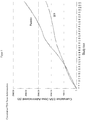
- the estimated mean weekly dose of ESA administered was 8,449 U for SFP compared to 14,384 U for placebo, a 41% reduction, as shown in Figure 3 .
- the mean ESA dose was 53.5% lower and the median ESA dose was 50.5% lower than the ESA dose for placebo. Therefore, the data from this study showed an approximately 50% reduction in ESA dose requirements as compared to placebo.
- SFP binds directly to circulating iron carrier protein apotransferrin (apo-Tf) thereby forming monoferric or diferric transferrin (Tf), which then delivers iron directly to the red blood cell precursors in the bone marrow, bypassing processing by the reticuloendothelial macrophages and hepatocytes.
- apo-Tf iron carrier protein
- Tf monoferric or diferric transferrin
- Tf receptor TfR1
- TfR1 plays an important role in erythropoiesis, besides the transport of Tf-bound iron into erythroid progenitors.
- TfR1 engagement by diferric Tf (Fe2-Tf) increases cell sensitivity to erythropoietin by inducing activation of mitogen-activated protein kinase and phosphatidylinositol 3-kinase signaling pathways.
- Fe2-Tf could act on TfR1 to promote robust erythropoiesis in both physiological and pathological situations, which may be relevant to SFP iron administration.
- Parenteral routes for effective SFP delivery include but are not limited to intravenous, intramuscular, subcutaneous, intradermal, transdermal, via hemodialysis when added to hemodialysis solutions, via peritoneal dialysis when added to peritoneal dialysis solutions, or in conjunction with parenteral nutrition admixtures when added to parenteral nutrition admixture.
- a 60 year old Caucasian male with hemodialysis dependent CKD and history of diabetes, hypertension, acute myocardial infarction, cerebrovascular accident and toe gangrene is receiving 400 units of recombinant erythropoietin per kilogram body weight per week to maintain Hgb in the 9-11 g/L target range.
- Patient has been receiving intravenous iron in a dose of 50 mg per week and is presumably iron replete as indicated by a serum ferritin level of 750 ⁇ g/L and a transferrin saturation of 25%. Intravenous iron is discontinued and the patient is started on SFP administration via the hemodialysate in a dose of 2 ⁇ moles of SFP iron per liter of hemodialysate.
- a 30 year old Hispanic male with hemodialysis dependent CKD secondary to glomerulonephritis is receiving 100 units of recombinant erythropoietin per kilogram body weight per week to maintain Hgb in the 9-11 g/L target range.
- Patient has been receiving intravenous iron in a dose of 100 mg every 2 weeks and is presumably iron replete as indicated by a serum ferritin level of 600 ⁇ g/L and a transferrin saturation of 27%. Intravenous iron is discontinued and the patient is started on SFP administration via the hemodialysate in a dose of 2 ⁇ moles of SFP iron per liter of hemodialysate.
- An outpatient hemodialysis facility has a total of 120 patients. All patients are administered 50 mg intravenous iron sucrose once a week, in order to maintain iron balance, as long as the serum ferritin level is under 500 ⁇ g/L and transferrin saturation is under 50%.
- the 60 patients on the Monday- Wednesday-Friday schedule are switched from intravenous iron sucrose administration to slow continuous intravenous infusion of 10 mg SFP-iron with every hemodialysis session 3 times a week.
- the 60 patients on the Tuesday-Thursday-Saturday dialysis schedule continue to receive regular doses of intravenous iron.
- a progressive decline in ESA doses is seen in the SFP group compared to the IV iron group.
- the patients in the SFP group are requiring on an average 60% less ESA dose compared to their baseline dose.
- the average dose in SFP group is 55% lower than the average dose in IV iron group.
- An outpatient hemodialysis facility has a total of 100 patients.
- the 50 patients on the Monday- Wednesday- Friday schedule are switched from regular intravenous iron administration to SFP administration via the hemodialysate in a dose of 2 ⁇ moles of SFP iron per liter of hemodialysate with every hemodialysis session 3 times a week.
- the 60 patients on the Tuesday-Thursday-Saturday dialysis schedule continue to receive regular doses of intravenous iron.
- ESA doses is seen in the SFP group compared to the IV iron group.
- After 6 months the patients in the SFP group are requiring on an average 50% less ESA dose compared to their baseline dose. Furthermore, at 6 months the average dose in SFP group is 55% less than the average dose in IV iron group.
Landscapes
- Health & Medical Sciences (AREA)
- Life Sciences & Earth Sciences (AREA)
- General Health & Medical Sciences (AREA)
- Chemical & Material Sciences (AREA)
- Veterinary Medicine (AREA)
- Medicinal Chemistry (AREA)
- Public Health (AREA)
- Pharmacology & Pharmacy (AREA)
- Animal Behavior & Ethology (AREA)
- Bioinformatics & Cheminformatics (AREA)
- Engineering & Computer Science (AREA)
- Epidemiology (AREA)
- Nuclear Medicine, Radiotherapy & Molecular Imaging (AREA)
- General Chemical & Material Sciences (AREA)
- Organic Chemistry (AREA)
- Chemical Kinetics & Catalysis (AREA)
- Inorganic Chemistry (AREA)
- Diabetes (AREA)
- Hematology (AREA)
- Immunology (AREA)
- Zoology (AREA)
- Gastroenterology & Hepatology (AREA)
- Proteomics, Peptides & Aminoacids (AREA)
- Obesity (AREA)
- Dermatology (AREA)
- Urology & Nephrology (AREA)
- Nutrition Science (AREA)
- Pharmaceuticals Containing Other Organic And Inorganic Compounds (AREA)
- Medicines That Contain Protein Lipid Enzymes And Other Medicines (AREA)
- Medicinal Preparation (AREA)
- Molecular Biology (AREA)
Claims (16)
- Lösliche Eisenpyrophosphat-Zusammensetzung (SFP) zur Anwendung in einem Verfahren zur Behandlung von Eisenmangel, welche die zum Erreichen oder Aufrechterhalten von Ziel-Hämoglobinwerten in einem Patienten mit oder ohne Anämie erforderliche Dosis eines Erythropoese-stimulierenden Mittels (ESA) reduziert oder eliminiert, umfassend(a) das Verabreichen einer Dosis einer löslichen Eisenpyrophosphat-Zusammensetzung (SFP) an den Patienten, welche die Hämoglobinwerte des Patienten wirksam erhöhen kann, wobei die SFP-Dosis per Hämodialysat verabreicht wird und 110 µg Fe/L Dialysat beträgt, wobei die SFP-Dosis zwischen 2,4 mg und 48 mg Eisen pro Tag beträgt und in einer Rate von 0,1 bis 2 mg Eisen pro Stunde verabreicht wird; und(b) nach der SFP-Verabreichung, (i) das Verabreichen einer ESA-Dosis an den Patienten, welche mindestens 15 % geringer ist als die ESA-Dosis, welche vor der SFP-Gabe verabreicht wurde, oder (ii) das Einstellen der ESA-Verabreichung.
- Lösliche Eisenpyrophosphat-Zusammensetzung (SFP) zur Anwendung in einem Verfahren nach Anspruch 1, wobei Schritt (b) (i) das Verabreichen einer ESA-Dosis an den Patienten umfasst, welche 15 % bis 50 % geringer ist als die ESA-Dosis, welche vor der SFP-Gabe verabreicht werden musste.
- Lösliche Eisenpyrophosphat-Zusammensetzung zur Anwendung nach einem der vorhergehenden Ansprüche, wobei die SFP-Dosis in Kombination mit Heparin verabreicht wird.
- Lösliche Eisenpyrophosphat-Zusammensetzung zur Anwendung nach einem der Ansprüche 1 bis 3, wobei die SFP-Dosis in den Blutkreislauf verabreicht wird.
- Lösliche Eisenpyrophosphat-Zusammensetzung zur Anwendung nach einem der vorhergehenden Ansprüche, wobei die ESA-Dosis, die dem Patienten nach der SFP-Gabe verabreicht wird,(i) mindestens 25 % geringer ist als die ESA-Dosis, welche vor der SFP-Gabe verabreicht wurde,(ii) mindestens 40 % geringer ist als die ESA-Dosis, welche vor der SFP-Gabe verabreicht wurde, oder(iii) 15 % bis 50 % geringer ist als die ESA-Dosis, welche vor der SFP-Gabe verabreicht wurde.
- Lösliche Eisenpyrophosphat-Zusammensetzung zur Anwendung nach einem der vorhergehenden Ansprüche, wobei die SFP mit Zitrat und Pyrophosphat chelatisiertes Eisen umfasst.
- Lösliche Eisenpyrophosphat-Zusammensetzung zur Anwendung nach einem der vorhergehenden Ansprüche, wobei die SFP Eisen in einem Anteil von 7 % bis 11 % bezogen auf das Gewicht, Zitrat in einem Anteil von mindestens 14 % bezogen auf das Gewicht und Pyrophosphat in einem Anteil von mindestens 10 % bezogen auf das Gewicht umfasst.
- Lösliche Eisenpyrophosphat-Zusammensetzung zur Anwendung nach einem der vorhergehenden Ansprüche, wobei die SFP per Dialysat verabreicht wird und die Dosis an intravenös verabreichtem Eisen nach der SFP-Gabe mindestens 10 % geringer ist als die Dosis an intravenös verabreichtem Eisen vor der Verabreichung von SFP.
- Lösliche Eisenpyrophosphat-Zusammensetzung zur Anwendung nach einem der vorhergehenden Ansprüche, wobei der Patient an einem chronischen Nierenleiden, optional der Stufe III, IV oder V, erkrankt ist, wobei der Patient vorzugsweise an einem chronischen Nierenleiden der Stufe IV oder V erkrankt ist.
- Lösliche Eisenpyrophosphat-Zusammensetzung zur Anwendung nach einem der vorhergehenden Ansprüche, wobei sich der Patient einer Hämodialyse unterzieht.
- Lösliche Eisenpyrophosphat-Zusammensetzung zur Anwendung nach einem der vorhergehenden Ansprüche, wobei der Patient als Leiden hat(i) Entzündungsanämie,(ii) Infektion, optional eine chronische Infektion,(iii) Krebs, Herzversagen, Autoimmunkrankheit, Sichelzellkrankheit, Thalassämie, Blutverlust, Transfusionsreaktion, Diabetes, Vitamin-B12-Mangel, kollagene Gefäßerkrankungen, thrombozytopenische Purpura, Zöliakie, endokrine Mangelzustände, Hypothyreose, Addison-Krankheit, Crohn-Krankheit, systemischer Lupus erythematodes, rheumatische Arthritis, jugendliche rheumatische Arthritis, Colitis ulcerosa, Immunerkrankungen, eosinophile Fasziitis, Hypoimmunglobulinämie, Thymom/ thymisches Karzinom, Transplantat-gegen-Wirt-Krankheit, Präleukämie, Nicht-hämatologisches Syndrom, Felty-Syndrom, hämolytisches urämisches Syndrom, myelodysplastisches Syndrom, nächtliche paroxysmale Hämoglobinurie, Osteomyelofibrose, Panzytopenie, isolierte Aplasie der roten Blutkörperchen, Schönlein-Henoch-Purpura, Malaria, Proteinmangel, Menorrhagie, systemische Sklerose, Leberzirrhose, hypometabolische Zustände, kongestives Herzversagen, chronische Infektion, HIV/ AIDS, Tuberkulose, Osteomyelitis, Hepatitis B, Hepatitis C, Epstein-Barr-Virus, Parvovirus, T-Zell-Leukämievirus, Syndrom der bakteriellen Überbesiedelung, Erythrozytenmembranstörung, hereditäre Sphärozytose, hereditäre Elliptozytose, Erythrozytenenzymdefekte, Hypersplenismus, Immunhämolyse oder paroxysmale nächtliche Hämoglobinurie.
- Lösliche Eisenpyrophosphat-Zusammensetzung zur Anwendung nach einem der vorhergehenden Ansprüche, wobei die Anämie auf einen offensichtlichen oder funktionellen Eisenmangel zurückzuführen ist.
- Lösliche Eisenpyrophosphat-Zusammensetzung (SFP) zur Anwendung in einem Verfahren nach einem der vorhergehenden Ansprüche, wobei die SFP-Dosis während der Hämodialyse in der Hämodialysatlösung verabreicht wird.
- Lösliche Eisenpyrophosphat-Zusammensetzung zur Anwendung nach einem der vorhergehenden Ansprüche, wobei SFP in einer therapeutisch wirksamen Dosis verabreicht wird, welche i) wenigstens einen Kennwert für den Eisenstatus erhöht, der ausgewählt ist aus einer Gruppe, die Serumeisen, Transferrinsättigung, Retikulozytenhämoglobin, Serumferritin, Retikulozytenanzahl und Vollbluthämoglobin umfasst, und ii) den Bedarf einer ESA-Gabe zum Erreichen oder Aufrechterhalten von Ziel-Hämoglobinwerten oder den Bedarf einer Transfusion von Vollblut, Erythrozytenkonzentraten oder Blutersatzmitteln verringert oder eliminiert, oder der Patient an einem nicht-anämischen Eisenmangel leidet und die Verabreichung der therapeutisch wirksamen SFP-Dosis die Müdigkeit reduziert, die physischen und kognitiven Fähigkeiten steigert oder die Bewegungstoleranz des Patienten verbessert.
- Lösliche Eisenpyrophosphat-Zusammensetzung zur Anwendung nach einem der vorhergehenden Ansprüche, wobei SFP in einer therapeutisch wirksamen Dosis verabreicht wird, welche die klinischen Erscheinungsformen von mit Eisenmangel assoziiertem Restless-Leg-Syndrom reduziert oder beseitigt.
- Lösliche Eisenpyrophosphat-Zusammensetzung zur Anwendung nach einem der vorhergehenden Ansprüche, wobei die SFP in Hämodialysat in einer Dosierung von etwa 2 µmol Fe/Liter Dialysat verabreicht wird.
Priority Applications (1)
| Application Number | Priority Date | Filing Date | Title |
|---|---|---|---|
| EP20185823.0A EP3789034A1 (de) | 2013-02-01 | 2014-02-01 | Behandlung von eisenmangel mit löslichem eisen (iii)-pyrophosphat |
Applications Claiming Priority (2)
| Application Number | Priority Date | Filing Date | Title |
|---|---|---|---|
| US201361759531P | 2013-02-01 | 2013-02-01 | |
| PCT/US2014/014341 WO2014121155A1 (en) | 2013-02-01 | 2014-02-01 | Methods of treating iron deficiency with soluble ferric pyrophosphate |
Related Child Applications (1)
| Application Number | Title | Priority Date | Filing Date |
|---|---|---|---|
| EP20185823.0A Division EP3789034A1 (de) | 2013-02-01 | 2014-02-01 | Behandlung von eisenmangel mit löslichem eisen (iii)-pyrophosphat |
Publications (2)
| Publication Number | Publication Date |
|---|---|
| EP2950806A1 EP2950806A1 (de) | 2015-12-09 |
| EP2950806B1 true EP2950806B1 (de) | 2020-07-15 |
Family
ID=50097899
Family Applications (2)
| Application Number | Title | Priority Date | Filing Date |
|---|---|---|---|
| EP14704273.3A Not-in-force EP2950806B1 (de) | 2013-02-01 | 2014-02-01 | Behandlung von eisenmangel mit löslichem eisen (iii)-pyrophosphat |
| EP20185823.0A Withdrawn EP3789034A1 (de) | 2013-02-01 | 2014-02-01 | Behandlung von eisenmangel mit löslichem eisen (iii)-pyrophosphat |
Family Applications After (1)
| Application Number | Title | Priority Date | Filing Date |
|---|---|---|---|
| EP20185823.0A Withdrawn EP3789034A1 (de) | 2013-02-01 | 2014-02-01 | Behandlung von eisenmangel mit löslichem eisen (iii)-pyrophosphat |
Country Status (19)
| Country | Link |
|---|---|
| US (3) | US20150366907A1 (de) |
| EP (2) | EP2950806B1 (de) |
| JP (3) | JP2016507527A (de) |
| KR (1) | KR102236714B1 (de) |
| CN (2) | CN104936609B (de) |
| AU (3) | AU2014212127A1 (de) |
| BR (1) | BR112015018549A8 (de) |
| CA (1) | CA2900043A1 (de) |
| CL (1) | CL2015002171A1 (de) |
| EA (1) | EA032407B1 (de) |
| IL (1) | IL240257A0 (de) |
| MX (1) | MX370139B (de) |
| NI (1) | NI201500100A (de) |
| PE (1) | PE20151751A1 (de) |
| PH (1) | PH12015501708A1 (de) |
| SG (1) | SG11201506022VA (de) |
| TW (1) | TW201517913A (de) |
| WO (1) | WO2014121155A1 (de) |
| ZA (1) | ZA201506364B (de) |
Families Citing this family (8)
| Publication number | Priority date | Publication date | Assignee | Title |
|---|---|---|---|---|
| WO2013185843A1 (en) | 2012-06-15 | 2013-12-19 | Symrise Ag | Cosmetic compositions comprising hyaluronan biosynthesis promoting agents |
| US20160250254A1 (en) * | 2013-11-05 | 2016-09-01 | Rockwell Medical, Inc. | Methods of reducing doses of erythropoietin stimulating agents in hyporesponsive patients |
| PE20181162A1 (es) * | 2015-09-04 | 2018-07-19 | Rockwell Medical Inc | Formulaciones de pirofosfato ferrico solido soluble, kits, y metodos de uso de las mismas |
| CN106581053A (zh) * | 2015-10-20 | 2017-04-26 | 华仁药业股份有限公司 | 一种具有补铁功能的腹膜透析液 |
| EP3842808A4 (de) * | 2018-08-24 | 2022-05-18 | National University Corporation Yokohama National University | Verabreichungsverwaltungsvorrichtung, verabreichungsverwaltungsverfahren und programm |
| US11278651B2 (en) * | 2018-10-17 | 2022-03-22 | Gambro Lundia Ab | Membrane and device for treating restless leg syndrome |
| CN110063965A (zh) * | 2019-06-04 | 2019-07-30 | 吉林省富生医疗器械有限公司 | 一种血液透析浓缩物 |
| US20230083600A1 (en) * | 2020-02-11 | 2023-03-16 | Quest Diagnostics Investments Llc | System for determining an underlying cause of anemia |
Family Cites Families (10)
| Publication number | Priority date | Publication date | Assignee | Title |
|---|---|---|---|---|
| US6689275B1 (en) | 1996-12-31 | 2004-02-10 | Ajay Gupta | Method and pharmaceutical composition for replacing iron losses in dialysis patients |
| US6779468B1 (en) * | 1997-08-07 | 2004-08-24 | Ajay Gupta | Method and pharmaceutical composition for iron delivery in hemodialysis and peritoneal dialysis patients |
| EP0951470B1 (de) * | 1996-12-31 | 2005-11-30 | Ajay Gupta | Verfahren und pharmazeutische zusammensetzung zur verabreichung von eisen an hämodialyse- oder peritonealdialyse-patienten |
| US6779648B2 (en) * | 2000-07-13 | 2004-08-24 | Psi Sales, Inc. | 360 Degree rotatable lifter arm for log singulator |
| JP2005068055A (ja) * | 2003-08-22 | 2005-03-17 | Fujiyakuhin Co Ltd | 無機元素含有水性コロイド分散液 |
| US7857977B2 (en) * | 2005-07-12 | 2010-12-28 | Rockwell Medical Technologies, Inc. | Packaging of ferric pyrophosphate for dialysis |
| CA2634751C (en) * | 2005-12-23 | 2017-10-31 | Ajay Gupta | Parenteral nutrition composition containing iron |
| US7816404B2 (en) * | 2007-07-20 | 2010-10-19 | Rockwell Medical Technologies, Inc. | Methods for the preparation and use of ferric pyrophosphate citrate chelate compositions |
| US8178709B2 (en) * | 2009-07-21 | 2012-05-15 | Biolink Life Sciences, Inc. | Iron preparation suitable for pharmaceutical formulation and process for the preparation thereof |
| AU2012204213A1 (en) * | 2011-01-07 | 2013-06-13 | Merrion Research Iii Limited | Pharmaceutical compositions of iron for oral administration |
-
2014
- 2014-02-01 EP EP14704273.3A patent/EP2950806B1/de not_active Not-in-force
- 2014-02-01 EP EP20185823.0A patent/EP3789034A1/de not_active Withdrawn
- 2014-02-01 SG SG11201506022VA patent/SG11201506022VA/en unknown
- 2014-02-01 CN CN201480003130.9A patent/CN104936609B/zh not_active Expired - Fee Related
- 2014-02-01 EA EA201591424A patent/EA032407B1/ru unknown
- 2014-02-01 WO PCT/US2014/014341 patent/WO2014121155A1/en not_active Ceased
- 2014-02-01 CN CN201710166250.6A patent/CN107007624A/zh active Pending
- 2014-02-01 BR BR112015018549A patent/BR112015018549A8/pt not_active Application Discontinuation
- 2014-02-01 KR KR1020157022737A patent/KR102236714B1/ko not_active Expired - Fee Related
- 2014-02-01 JP JP2015556190A patent/JP2016507527A/ja active Pending
- 2014-02-01 PE PE2015001600A patent/PE20151751A1/es unknown
- 2014-02-01 AU AU2014212127A patent/AU2014212127A1/en not_active Abandoned
- 2014-02-01 US US14/765,111 patent/US20150366907A1/en not_active Abandoned
- 2014-02-01 MX MX2015009968A patent/MX370139B/es active IP Right Grant
- 2014-02-01 CA CA2900043A patent/CA2900043A1/en not_active Abandoned
- 2014-02-05 TW TW103103727A patent/TW201517913A/zh unknown
-
2015
- 2015-07-30 IL IL240257A patent/IL240257A0/en unknown
- 2015-07-31 PH PH12015501708A patent/PH12015501708A1/en unknown
- 2015-07-31 NI NI201500100A patent/NI201500100A/es unknown
- 2015-08-03 CL CL2015002171A patent/CL2015002171A1/es unknown
- 2015-08-31 ZA ZA2015/06364A patent/ZA201506364B/en unknown
-
2017
- 2017-11-10 US US15/809,734 patent/US20180280432A1/en not_active Abandoned
-
2018
- 2018-12-12 AU AU2018278891A patent/AU2018278891B2/en not_active Ceased
-
2019
- 2019-06-18 JP JP2019112699A patent/JP2019151669A/ja active Pending
-
2020
- 2020-05-18 US US16/877,086 patent/US20200276232A1/en not_active Abandoned
- 2020-12-09 AU AU2020286223A patent/AU2020286223A1/en not_active Abandoned
-
2021
- 2021-07-26 JP JP2021121654A patent/JP2021169525A/ja active Pending
Non-Patent Citations (4)
| Title |
|---|
| AJAY GUPTA ET AL: "CONTINUOUS DELIVERY OF SOLUBLE FERRIC PYROPHOSPHATE (SFP) VIA THE DIALYSATE MAINTAINS IRON BALANCE IN CHRONIC HEMODIALYSIS PATIENTS: A PHASE II CLINICAL TRIAL", 21 June 2010 (2010-06-21), XP055475989, Retrieved from the Internet <URL:http://files.shareholder.com/downloads/RMTI/0x0x386024/56520c62-d50c-4f3f-8887-8c0ce2e408e9/RMFinal_21June10_GuptaPosterSa681_ERA_EDTA_2010.pdf> [retrieved on 20180516] * |
| AJAY GUPTA ET AL: "Ferric pyrophosphate citrate administered via dialysate reduces erythropoiesis-stimulating agent use and maintains hemoglobin in hemodialysis patients", KIDNEY INTERNATIONAL, vol. 88, no. 5, 1 November 2015 (2015-11-01), LONDON, GB, pages 1187 - 1194, XP055655413, ISSN: 0085-2538, DOI: 10.1038/ki.2015.203 * |
| AJAY GUPTA ET AL: "Reduced ESA Requirement by Continuous Delivery of Soluble Ferric Pyrophosphate (SFP) via Dialysate in CKD-HD Patients", 19 November 2010 (2010-11-19), XP055475990, Retrieved from the Internet <URL:http://files.shareholder.com/downloads/RMTI/0x0x429233/a5f288ec-49b5-4e55-9a67-7a80f6a247a3/Rockwell_Medical_RMTI_ASN_Poster_Reduced_ESA_Requirement_by_Continuous_Delivery_of_SFP_11-19-10.pdf> [retrieved on 20180516] * |
| ANONYMOUS: "Study NCT01286012 on date January 31, 2013 (v7) Continuous Soluble Ferric Pyrophosphate (SFP) Iron Delivery Via Dialysate in Hemodialysis Patients (PRIME)Study NCT01286012 on Date: January 31, 2013 (v7)", 31 January 2013 (2013-01-31), Retrieved from the Internet <URL:https://www.clinicaltrials.gov/ct2/history/NCT01286012?V_7=View#StudyPageTop> [retrieved on 20180518] * |
Also Published As
Similar Documents
| Publication | Publication Date | Title |
|---|---|---|
| AU2018278891B2 (en) | Methods of treating iron deficiency with soluble ferric pyrophosphate | |
| Atkinson et al. | Anemia in chronic kidney disease | |
| HUP0300740A2 (hu) | Betegeknek nagy aktivitású és csökkent mellékhatásokkal rendelkezż rekombináns eritropoietinnel való kezelésére szolgáló terápiás módszerek | |
| US20200360428A1 (en) | Methods of Reducing Doses of Erythropoietin Stimulating Agents in Hyporesponsive Patients | |
| JP2002504913A (ja) | エリトロポエチン及び修飾ヘモグロビンを含んでいる医薬配合製剤 | |
| Cheng et al. | Influence of thalassemia on the response to recombinant human erythropoietin in dialysis patients | |
| HK40048815A (en) | Treatment of iron deficiency with soluble ferric pyrophosphate | |
| HK1241748A1 (en) | Methods of treating iron deficiency with soluble ferric pyrophosphate | |
| HK1241748A (en) | Methods of treating iron deficiency with soluble ferric pyrophosphate | |
| NZ710691B2 (en) | Methods of treating iron deficiency with soluble ferric pyrophosphate | |
| HK1215185B (en) | Methods of treating iron deficiency with soluble ferric pyrophosphate | |
| Macdougall | Anaemia of Chronic Renal Failure | |
| Samtleben et al. | Recombinant human erythropoietin in nephrology | |
| Adult | Analysis of the factors in the cases resistant to recombinant human erythropoietin treatment | |
| CN110531090A (zh) | 血红蛋白及血红蛋白衍生物在制备用于抗贫血的注射药物制剂方面的用途 | |
| Wick et al. | Disturbances of Iron Utilization |
Legal Events
| Date | Code | Title | Description |
|---|---|---|---|
| PUAI | Public reference made under article 153(3) epc to a published international application that has entered the european phase |
Free format text: ORIGINAL CODE: 0009012 |
|
| 17P | Request for examination filed |
Effective date: 20150901 |
|
| AK | Designated contracting states |
Kind code of ref document: A1 Designated state(s): AL AT BE BG CH CY CZ DE DK EE ES FI FR GB GR HR HU IE IS IT LI LT LU LV MC MK MT NL NO PL PT RO RS SE SI SK SM TR |
|
| AX | Request for extension of the european patent |
Extension state: BA ME |
|
| DAX | Request for extension of the european patent (deleted) | ||
| 17Q | First examination report despatched |
Effective date: 20160727 |
|
| STAA | Information on the status of an ep patent application or granted ep patent |
Free format text: STATUS: EXAMINATION IS IN PROGRESS |
|
| GRAP | Despatch of communication of intention to grant a patent |
Free format text: ORIGINAL CODE: EPIDOSNIGR1 |
|
| STAA | Information on the status of an ep patent application or granted ep patent |
Free format text: STATUS: GRANT OF PATENT IS INTENDED |
|
| INTG | Intention to grant announced |
Effective date: 20200131 |
|
| GRAS | Grant fee paid |
Free format text: ORIGINAL CODE: EPIDOSNIGR3 |
|
| GRAA | (expected) grant |
Free format text: ORIGINAL CODE: 0009210 |
|
| STAA | Information on the status of an ep patent application or granted ep patent |
Free format text: STATUS: THE PATENT HAS BEEN GRANTED |
|
| AK | Designated contracting states |
Kind code of ref document: B1 Designated state(s): AL AT BE BG CH CY CZ DE DK EE ES FI FR GB GR HR HU IE IS IT LI LT LU LV MC MK MT NL NO PL PT RO RS SE SI SK SM TR |
|
| REG | Reference to a national code |
Ref country code: GB Ref legal event code: FG4D Ref country code: CH Ref legal event code: EP |
|
| REG | Reference to a national code |
Ref country code: DE Ref legal event code: R096 Ref document number: 602014067697 Country of ref document: DE |
|
| REG | Reference to a national code |
Ref country code: IE Ref legal event code: FG4D |
|
| REG | Reference to a national code |
Ref country code: AT Ref legal event code: REF Ref document number: 1290222 Country of ref document: AT Kind code of ref document: T Effective date: 20200815 |
|
| REG | Reference to a national code |
Ref country code: LT Ref legal event code: MG4D |
|
| REG | Reference to a national code |
Ref country code: AT Ref legal event code: MK05 Ref document number: 1290222 Country of ref document: AT Kind code of ref document: T Effective date: 20200715 |
|
| REG | Reference to a national code |
Ref country code: NL Ref legal event code: MP Effective date: 20200715 |
|
| PG25 | Lapsed in a contracting state [announced via postgrant information from national office to epo] |
Ref country code: HR Free format text: LAPSE BECAUSE OF FAILURE TO SUBMIT A TRANSLATION OF THE DESCRIPTION OR TO PAY THE FEE WITHIN THE PRESCRIBED TIME-LIMIT Effective date: 20200715 Ref country code: LT Free format text: LAPSE BECAUSE OF FAILURE TO SUBMIT A TRANSLATION OF THE DESCRIPTION OR TO PAY THE FEE WITHIN THE PRESCRIBED TIME-LIMIT Effective date: 20200715 Ref country code: FI Free format text: LAPSE BECAUSE OF FAILURE TO SUBMIT A TRANSLATION OF THE DESCRIPTION OR TO PAY THE FEE WITHIN THE PRESCRIBED TIME-LIMIT Effective date: 20200715 Ref country code: AT Free format text: LAPSE BECAUSE OF FAILURE TO SUBMIT A TRANSLATION OF THE DESCRIPTION OR TO PAY THE FEE WITHIN THE PRESCRIBED TIME-LIMIT Effective date: 20200715 Ref country code: PT Free format text: LAPSE BECAUSE OF FAILURE TO SUBMIT A TRANSLATION OF THE DESCRIPTION OR TO PAY THE FEE WITHIN THE PRESCRIBED TIME-LIMIT Effective date: 20201116 Ref country code: ES Free format text: LAPSE BECAUSE OF FAILURE TO SUBMIT A TRANSLATION OF THE DESCRIPTION OR TO PAY THE FEE WITHIN THE PRESCRIBED TIME-LIMIT Effective date: 20200715 Ref country code: SE Free format text: LAPSE BECAUSE OF FAILURE TO SUBMIT A TRANSLATION OF THE DESCRIPTION OR TO PAY THE FEE WITHIN THE PRESCRIBED TIME-LIMIT Effective date: 20200715 Ref country code: BG Free format text: LAPSE BECAUSE OF FAILURE TO SUBMIT A TRANSLATION OF THE DESCRIPTION OR TO PAY THE FEE WITHIN THE PRESCRIBED TIME-LIMIT Effective date: 20201015 Ref country code: GR Free format text: LAPSE BECAUSE OF FAILURE TO SUBMIT A TRANSLATION OF THE DESCRIPTION OR TO PAY THE FEE WITHIN THE PRESCRIBED TIME-LIMIT Effective date: 20201016 Ref country code: NO Free format text: LAPSE BECAUSE OF FAILURE TO SUBMIT A TRANSLATION OF THE DESCRIPTION OR TO PAY THE FEE WITHIN THE PRESCRIBED TIME-LIMIT Effective date: 20201015 |
|
| PG25 | Lapsed in a contracting state [announced via postgrant information from national office to epo] |
Ref country code: IS Free format text: LAPSE BECAUSE OF FAILURE TO SUBMIT A TRANSLATION OF THE DESCRIPTION OR TO PAY THE FEE WITHIN THE PRESCRIBED TIME-LIMIT Effective date: 20201115 Ref country code: PL Free format text: LAPSE BECAUSE OF FAILURE TO SUBMIT A TRANSLATION OF THE DESCRIPTION OR TO PAY THE FEE WITHIN THE PRESCRIBED TIME-LIMIT Effective date: 20200715 Ref country code: LV Free format text: LAPSE BECAUSE OF FAILURE TO SUBMIT A TRANSLATION OF THE DESCRIPTION OR TO PAY THE FEE WITHIN THE PRESCRIBED TIME-LIMIT Effective date: 20200715 Ref country code: RS Free format text: LAPSE BECAUSE OF FAILURE TO SUBMIT A TRANSLATION OF THE DESCRIPTION OR TO PAY THE FEE WITHIN THE PRESCRIBED TIME-LIMIT Effective date: 20200715 |
|
| PG25 | Lapsed in a contracting state [announced via postgrant information from national office to epo] |
Ref country code: NL Free format text: LAPSE BECAUSE OF FAILURE TO SUBMIT A TRANSLATION OF THE DESCRIPTION OR TO PAY THE FEE WITHIN THE PRESCRIBED TIME-LIMIT Effective date: 20200715 |
|
| REG | Reference to a national code |
Ref country code: DE Ref legal event code: R097 Ref document number: 602014067697 Country of ref document: DE |
|
| PG25 | Lapsed in a contracting state [announced via postgrant information from national office to epo] |
Ref country code: RO Free format text: LAPSE BECAUSE OF FAILURE TO SUBMIT A TRANSLATION OF THE DESCRIPTION OR TO PAY THE FEE WITHIN THE PRESCRIBED TIME-LIMIT Effective date: 20200715 Ref country code: SM Free format text: LAPSE BECAUSE OF FAILURE TO SUBMIT A TRANSLATION OF THE DESCRIPTION OR TO PAY THE FEE WITHIN THE PRESCRIBED TIME-LIMIT Effective date: 20200715 Ref country code: IT Free format text: LAPSE BECAUSE OF FAILURE TO SUBMIT A TRANSLATION OF THE DESCRIPTION OR TO PAY THE FEE WITHIN THE PRESCRIBED TIME-LIMIT Effective date: 20200715 Ref country code: EE Free format text: LAPSE BECAUSE OF FAILURE TO SUBMIT A TRANSLATION OF THE DESCRIPTION OR TO PAY THE FEE WITHIN THE PRESCRIBED TIME-LIMIT Effective date: 20200715 Ref country code: DK Free format text: LAPSE BECAUSE OF FAILURE TO SUBMIT A TRANSLATION OF THE DESCRIPTION OR TO PAY THE FEE WITHIN THE PRESCRIBED TIME-LIMIT Effective date: 20200715 Ref country code: CZ Free format text: LAPSE BECAUSE OF FAILURE TO SUBMIT A TRANSLATION OF THE DESCRIPTION OR TO PAY THE FEE WITHIN THE PRESCRIBED TIME-LIMIT Effective date: 20200715 |
|
| PLBE | No opposition filed within time limit |
Free format text: ORIGINAL CODE: 0009261 |
|
| STAA | Information on the status of an ep patent application or granted ep patent |
Free format text: STATUS: NO OPPOSITION FILED WITHIN TIME LIMIT |
|
| PG25 | Lapsed in a contracting state [announced via postgrant information from national office to epo] |
Ref country code: AL Free format text: LAPSE BECAUSE OF FAILURE TO SUBMIT A TRANSLATION OF THE DESCRIPTION OR TO PAY THE FEE WITHIN THE PRESCRIBED TIME-LIMIT Effective date: 20200715 |
|
| 26N | No opposition filed |
Effective date: 20210416 |
|
| PG25 | Lapsed in a contracting state [announced via postgrant information from national office to epo] |
Ref country code: SK Free format text: LAPSE BECAUSE OF FAILURE TO SUBMIT A TRANSLATION OF THE DESCRIPTION OR TO PAY THE FEE WITHIN THE PRESCRIBED TIME-LIMIT Effective date: 20200715 |
|
| PG25 | Lapsed in a contracting state [announced via postgrant information from national office to epo] |
Ref country code: SI Free format text: LAPSE BECAUSE OF FAILURE TO SUBMIT A TRANSLATION OF THE DESCRIPTION OR TO PAY THE FEE WITHIN THE PRESCRIBED TIME-LIMIT Effective date: 20200715 |
|
| PG25 | Lapsed in a contracting state [announced via postgrant information from national office to epo] |
Ref country code: MC Free format text: LAPSE BECAUSE OF FAILURE TO SUBMIT A TRANSLATION OF THE DESCRIPTION OR TO PAY THE FEE WITHIN THE PRESCRIBED TIME-LIMIT Effective date: 20200715 |
|
| REG | Reference to a national code |
Ref country code: BE Ref legal event code: MM Effective date: 20210228 |
|
| PG25 | Lapsed in a contracting state [announced via postgrant information from national office to epo] |
Ref country code: LU Free format text: LAPSE BECAUSE OF NON-PAYMENT OF DUE FEES Effective date: 20210201 Ref country code: LI Free format text: LAPSE BECAUSE OF NON-PAYMENT OF DUE FEES Effective date: 20210228 Ref country code: CH Free format text: LAPSE BECAUSE OF NON-PAYMENT OF DUE FEES Effective date: 20210228 |
|
| PG25 | Lapsed in a contracting state [announced via postgrant information from national office to epo] |
Ref country code: IE Free format text: LAPSE BECAUSE OF NON-PAYMENT OF DUE FEES Effective date: 20210201 |
|
| PGFP | Annual fee paid to national office [announced via postgrant information from national office to epo] |
Ref country code: GB Payment date: 20220225 Year of fee payment: 9 Ref country code: DE Payment date: 20220210 Year of fee payment: 9 |
|
| PGFP | Annual fee paid to national office [announced via postgrant information from national office to epo] |
Ref country code: FR Payment date: 20220216 Year of fee payment: 9 |
|
| PG25 | Lapsed in a contracting state [announced via postgrant information from national office to epo] |
Ref country code: BE Free format text: LAPSE BECAUSE OF NON-PAYMENT OF DUE FEES Effective date: 20210228 |
|
| PG25 | Lapsed in a contracting state [announced via postgrant information from national office to epo] |
Ref country code: HU Free format text: LAPSE BECAUSE OF FAILURE TO SUBMIT A TRANSLATION OF THE DESCRIPTION OR TO PAY THE FEE WITHIN THE PRESCRIBED TIME-LIMIT; INVALID AB INITIO Effective date: 20140201 |
|
| PG25 | Lapsed in a contracting state [announced via postgrant information from national office to epo] |
Ref country code: CY Free format text: LAPSE BECAUSE OF FAILURE TO SUBMIT A TRANSLATION OF THE DESCRIPTION OR TO PAY THE FEE WITHIN THE PRESCRIBED TIME-LIMIT Effective date: 20200715 |
|
| REG | Reference to a national code |
Ref country code: DE Ref legal event code: R119 Ref document number: 602014067697 Country of ref document: DE |
|
| GBPC | Gb: european patent ceased through non-payment of renewal fee |
Effective date: 20230201 |
|
| PG25 | Lapsed in a contracting state [announced via postgrant information from national office to epo] |
Ref country code: GB Free format text: LAPSE BECAUSE OF NON-PAYMENT OF DUE FEES Effective date: 20230201 |
|
| PG25 | Lapsed in a contracting state [announced via postgrant information from national office to epo] |
Ref country code: GB Free format text: LAPSE BECAUSE OF NON-PAYMENT OF DUE FEES Effective date: 20230201 Ref country code: FR Free format text: LAPSE BECAUSE OF NON-PAYMENT OF DUE FEES Effective date: 20230228 Ref country code: DE Free format text: LAPSE BECAUSE OF NON-PAYMENT OF DUE FEES Effective date: 20230901 |
|
| PG25 | Lapsed in a contracting state [announced via postgrant information from national office to epo] |
Ref country code: MK Free format text: LAPSE BECAUSE OF FAILURE TO SUBMIT A TRANSLATION OF THE DESCRIPTION OR TO PAY THE FEE WITHIN THE PRESCRIBED TIME-LIMIT Effective date: 20200715 |
|
| PG25 | Lapsed in a contracting state [announced via postgrant information from national office to epo] |
Ref country code: MT Free format text: LAPSE BECAUSE OF FAILURE TO SUBMIT A TRANSLATION OF THE DESCRIPTION OR TO PAY THE FEE WITHIN THE PRESCRIBED TIME-LIMIT Effective date: 20200715 |
|
| PG25 | Lapsed in a contracting state [announced via postgrant information from national office to epo] |
Ref country code: TR Free format text: LAPSE BECAUSE OF FAILURE TO SUBMIT A TRANSLATION OF THE DESCRIPTION OR TO PAY THE FEE WITHIN THE PRESCRIBED TIME-LIMIT Effective date: 20200715 |