EP2937087B1 - Zusammensetzung und nahrungsmittel oder getränk - Google Patents
Zusammensetzung und nahrungsmittel oder getränk Download PDFInfo
- Publication number
- EP2937087B1 EP2937087B1 EP13865394.4A EP13865394A EP2937087B1 EP 2937087 B1 EP2937087 B1 EP 2937087B1 EP 13865394 A EP13865394 A EP 13865394A EP 2937087 B1 EP2937087 B1 EP 2937087B1
- Authority
- EP
- European Patent Office
- Prior art keywords
- oryzanol
- incorporating
- particle
- composition
- administered
- Prior art date
- Legal status (The legal status is an assumption and is not a legal conclusion. Google has not performed a legal analysis and makes no representation as to the accuracy of the status listed.)
- Not-in-force
Links
- 239000000203 mixture Substances 0.000 title claims description 72
- 235000013305 food Nutrition 0.000 title claims description 25
- 239000002245 particle Substances 0.000 claims description 182
- FODTZLFLDFKIQH-FSVGXZBPSA-N gamma-Oryzanol (TN) Chemical compound C1=C(O)C(OC)=CC(\C=C\C(=O)O[C@@H]2C([C@@H]3CC[C@H]4[C@]5(C)CC[C@@H]([C@@]5(C)CC[C@@]54C[C@@]53CC2)[C@H](C)CCC=C(C)C)(C)C)=C1 FODTZLFLDFKIQH-FSVGXZBPSA-N 0.000 claims description 99
- 210000002472 endoplasmic reticulum Anatomy 0.000 claims description 29
- 235000013361 beverage Nutrition 0.000 claims description 24
- 102000004890 Interleukin-8 Human genes 0.000 claims description 22
- 108090001007 Interleukin-8 Proteins 0.000 claims description 22
- 210000002490 intestinal epithelial cell Anatomy 0.000 claims description 15
- 239000002202 Polyethylene glycol Substances 0.000 claims description 13
- 229920001223 polyethylene glycol Polymers 0.000 claims description 13
- 206010012601 diabetes mellitus Diseases 0.000 claims description 12
- 208000027866 inflammatory disease Diseases 0.000 claims description 12
- 230000028327 secretion Effects 0.000 claims description 11
- 206010022489 Insulin Resistance Diseases 0.000 claims description 10
- 208000008589 Obesity Diseases 0.000 claims description 10
- 229920001577 copolymer Polymers 0.000 claims description 10
- 239000003814 drug Substances 0.000 claims description 10
- 235000020824 obesity Nutrition 0.000 claims description 10
- 230000001629 suppression Effects 0.000 claims description 10
- 208000001072 type 2 diabetes mellitus Diseases 0.000 claims description 10
- 208000032928 Dyslipidaemia Diseases 0.000 claims description 9
- 208000017170 Lipid metabolism disease Diseases 0.000 claims description 9
- 201000010099 disease Diseases 0.000 claims description 9
- 208000037265 diseases, disorders, signs and symptoms Diseases 0.000 claims description 9
- 238000012986 modification Methods 0.000 claims description 9
- 230000004048 modification Effects 0.000 claims description 9
- 208000002705 Glucose Intolerance Diseases 0.000 claims description 8
- 208000011775 arteriosclerosis disease Diseases 0.000 claims description 8
- 230000006872 improvement Effects 0.000 claims description 8
- 201000009104 prediabetes syndrome Diseases 0.000 claims description 8
- 230000002265 prevention Effects 0.000 claims description 8
- 230000037396 body weight Effects 0.000 description 60
- WQZGKKKJIJFFOK-GASJEMHNSA-N Glucose Natural products OC[C@H]1OC(O)[C@H](O)[C@@H](O)[C@@H]1O WQZGKKKJIJFFOK-GASJEMHNSA-N 0.000 description 40
- 238000013116 obese mouse model Methods 0.000 description 39
- 229920001606 poly(lactic acid-co-glycolic acid) Polymers 0.000 description 38
- 210000004369 blood Anatomy 0.000 description 37
- 239000008280 blood Substances 0.000 description 37
- 239000008103 glucose Substances 0.000 description 37
- 241000699670 Mus sp. Species 0.000 description 34
- 239000002904 solvent Substances 0.000 description 33
- 210000004027 cell Anatomy 0.000 description 29
- 230000035882 stress Effects 0.000 description 27
- 238000000034 method Methods 0.000 description 26
- NOESYZHRGYRDHS-UHFFFAOYSA-N insulin Chemical compound N1C(=O)C(NC(=O)C(CCC(N)=O)NC(=O)C(CCC(O)=O)NC(=O)C(C(C)C)NC(=O)C(NC(=O)CN)C(C)CC)CSSCC(C(NC(CO)C(=O)NC(CC(C)C)C(=O)NC(CC=2C=CC(O)=CC=2)C(=O)NC(CCC(N)=O)C(=O)NC(CC(C)C)C(=O)NC(CCC(O)=O)C(=O)NC(CC(N)=O)C(=O)NC(CC=2C=CC(O)=CC=2)C(=O)NC(CSSCC(NC(=O)C(C(C)C)NC(=O)C(CC(C)C)NC(=O)C(CC=2C=CC(O)=CC=2)NC(=O)C(CC(C)C)NC(=O)C(C)NC(=O)C(CCC(O)=O)NC(=O)C(C(C)C)NC(=O)C(CC(C)C)NC(=O)C(CC=2NC=NC=2)NC(=O)C(CO)NC(=O)CNC2=O)C(=O)NCC(=O)NC(CCC(O)=O)C(=O)NC(CCCNC(N)=N)C(=O)NCC(=O)NC(CC=3C=CC=CC=3)C(=O)NC(CC=3C=CC=CC=3)C(=O)NC(CC=3C=CC(O)=CC=3)C(=O)NC(C(C)O)C(=O)N3C(CCC3)C(=O)NC(CCCCN)C(=O)NC(C)C(O)=O)C(=O)NC(CC(N)=O)C(O)=O)=O)NC(=O)C(C(C)CC)NC(=O)C(CO)NC(=O)C(C(C)O)NC(=O)C1CSSCC2NC(=O)C(CC(C)C)NC(=O)C(NC(=O)C(CCC(N)=O)NC(=O)C(CC(N)=O)NC(=O)C(NC(=O)C(N)CC=1C=CC=CC=1)C(C)C)CC1=CN=CN1 NOESYZHRGYRDHS-UHFFFAOYSA-N 0.000 description 24
- 230000000694 effects Effects 0.000 description 22
- CSCPPACGZOOCGX-UHFFFAOYSA-N Acetone Chemical compound CC(C)=O CSCPPACGZOOCGX-UHFFFAOYSA-N 0.000 description 21
- 239000002609 medium Substances 0.000 description 20
- 230000008859 change Effects 0.000 description 18
- 101150017921 DDIT3 gene Proteins 0.000 description 17
- 150000002632 lipids Chemical class 0.000 description 16
- 238000010521 absorption reaction Methods 0.000 description 15
- 229920000249 biocompatible polymer Polymers 0.000 description 15
- 239000000126 substance Substances 0.000 description 15
- 230000036962 time dependent Effects 0.000 description 15
- MZOFCQQQCNRIBI-VMXHOPILSA-N (3s)-4-[[(2s)-1-[[(2s)-1-[[(1s)-1-carboxy-2-hydroxyethyl]amino]-4-methyl-1-oxopentan-2-yl]amino]-5-(diaminomethylideneamino)-1-oxopentan-2-yl]amino]-3-[[2-[[(2s)-2,6-diaminohexanoyl]amino]acetyl]amino]-4-oxobutanoic acid Chemical compound OC[C@@H](C(O)=O)NC(=O)[C@H](CC(C)C)NC(=O)[C@H](CCCN=C(N)N)NC(=O)[C@H](CC(O)=O)NC(=O)CNC(=O)[C@@H](N)CCCCN MZOFCQQQCNRIBI-VMXHOPILSA-N 0.000 description 14
- LFQSCWFLJHTTHZ-UHFFFAOYSA-N Ethanol Chemical compound CCO LFQSCWFLJHTTHZ-UHFFFAOYSA-N 0.000 description 14
- 108060008682 Tumor Necrosis Factor Proteins 0.000 description 14
- 102000000852 Tumor Necrosis Factor-alpha Human genes 0.000 description 14
- 210000000577 adipose tissue Anatomy 0.000 description 14
- 102100035419 DnaJ homolog subfamily B member 9 Human genes 0.000 description 13
- 101710173651 DnaJ homolog subfamily B member 9 Proteins 0.000 description 13
- 239000006144 Dulbecco’s modified Eagle's medium Substances 0.000 description 13
- UFTFJSFQGQCHQW-UHFFFAOYSA-N triformin Chemical compound O=COCC(OC=O)COC=O UFTFJSFQGQCHQW-UHFFFAOYSA-N 0.000 description 13
- 102000004877 Insulin Human genes 0.000 description 12
- 108090001061 Insulin Proteins 0.000 description 12
- 229940125396 insulin Drugs 0.000 description 12
- JVTAAEKCZFNVCJ-UHFFFAOYSA-N lactic acid Chemical compound CC(O)C(O)=O JVTAAEKCZFNVCJ-UHFFFAOYSA-N 0.000 description 12
- XLYOFNOQVPJJNP-UHFFFAOYSA-N water Substances O XLYOFNOQVPJJNP-UHFFFAOYSA-N 0.000 description 12
- AEMRFAOFKBGASW-UHFFFAOYSA-N Glycolic acid Chemical compound OCC(O)=O AEMRFAOFKBGASW-UHFFFAOYSA-N 0.000 description 11
- 230000007423 decrease Effects 0.000 description 11
- 210000001035 gastrointestinal tract Anatomy 0.000 description 11
- 238000002360 preparation method Methods 0.000 description 11
- MHMNJMPURVTYEJ-UHFFFAOYSA-N fluorescein-5-isothiocyanate Chemical compound O1C(=O)C2=CC(N=C=S)=CC=C2C21C1=CC=C(O)C=C1OC1=CC(O)=CC=C21 MHMNJMPURVTYEJ-UHFFFAOYSA-N 0.000 description 10
- 239000000843 powder Substances 0.000 description 10
- 108090000623 proteins and genes Proteins 0.000 description 10
- 239000003981 vehicle Substances 0.000 description 10
- 102100021943 C-C motif chemokine 2 Human genes 0.000 description 9
- 101710155857 C-C motif chemokine 2 Proteins 0.000 description 9
- FBPFZTCFMRRESA-KVTDHHQDSA-N D-Mannitol Chemical compound OC[C@@H](O)[C@@H](O)[C@H](O)[C@H](O)CO FBPFZTCFMRRESA-KVTDHHQDSA-N 0.000 description 9
- OKKJLVBELUTLKV-UHFFFAOYSA-N Methanol Chemical class OC OKKJLVBELUTLKV-UHFFFAOYSA-N 0.000 description 9
- 230000003247 decreasing effect Effects 0.000 description 9
- 238000011156 evaluation Methods 0.000 description 9
- 210000004153 islets of langerhan Anatomy 0.000 description 9
- 238000012360 testing method Methods 0.000 description 9
- 210000003016 hypothalamus Anatomy 0.000 description 8
- 230000000968 intestinal effect Effects 0.000 description 8
- 239000003550 marker Substances 0.000 description 8
- 239000000243 solution Substances 0.000 description 8
- 229920001661 Chitosan Polymers 0.000 description 7
- 239000003795 chemical substances by application Substances 0.000 description 7
- 201000010063 epididymitis Diseases 0.000 description 7
- 238000011534 incubation Methods 0.000 description 7
- 229920002451 polyvinyl alcohol Polymers 0.000 description 7
- 239000000523 sample Substances 0.000 description 7
- 239000000725 suspension Substances 0.000 description 7
- 230000004584 weight gain Effects 0.000 description 7
- 235000019786 weight gain Nutrition 0.000 description 7
- 206010061218 Inflammation Diseases 0.000 description 6
- 239000004372 Polyvinyl alcohol Substances 0.000 description 6
- DNIAPMSPPWPWGF-UHFFFAOYSA-N Propylene glycol Chemical compound CC(O)CO DNIAPMSPPWPWGF-UHFFFAOYSA-N 0.000 description 6
- 239000000839 emulsion Substances 0.000 description 6
- 210000003608 fece Anatomy 0.000 description 6
- 238000007446 glucose tolerance test Methods 0.000 description 6
- 230000004054 inflammatory process Effects 0.000 description 6
- 239000004310 lactic acid Substances 0.000 description 6
- 235000014655 lactic acid Nutrition 0.000 description 6
- 210000004185 liver Anatomy 0.000 description 6
- 238000005259 measurement Methods 0.000 description 6
- 210000004877 mucosa Anatomy 0.000 description 6
- 229920000642 polymer Polymers 0.000 description 6
- 235000019422 polyvinyl alcohol Nutrition 0.000 description 6
- 238000007440 spherical crystallization Methods 0.000 description 6
- 239000006228 supernatant Substances 0.000 description 6
- 108091003079 Bovine Serum Albumin Proteins 0.000 description 5
- -1 D-lactide Chemical compound 0.000 description 5
- 239000002131 composite material Substances 0.000 description 5
- 230000001186 cumulative effect Effects 0.000 description 5
- 230000002354 daily effect Effects 0.000 description 5
- 238000005516 engineering process Methods 0.000 description 5
- 239000012091 fetal bovine serum Substances 0.000 description 5
- 230000005764 inhibitory process Effects 0.000 description 5
- 235000010355 mannitol Nutrition 0.000 description 5
- 210000000713 mesentery Anatomy 0.000 description 5
- 239000003960 organic solvent Substances 0.000 description 5
- 206010033675 panniculitis Diseases 0.000 description 5
- 239000002994 raw material Substances 0.000 description 5
- 210000004003 subcutaneous fat Anatomy 0.000 description 5
- 102000004127 Cytokines Human genes 0.000 description 4
- 108090000695 Cytokines Proteins 0.000 description 4
- JVTAAEKCZFNVCJ-REOHCLBHSA-N L-lactic acid Chemical compound C[C@H](O)C(O)=O JVTAAEKCZFNVCJ-REOHCLBHSA-N 0.000 description 4
- 241000209094 Oryza Species 0.000 description 4
- 235000007164 Oryza sativa Nutrition 0.000 description 4
- 229920006317 cationic polymer Polymers 0.000 description 4
- 229920002678 cellulose Polymers 0.000 description 4
- 239000001913 cellulose Substances 0.000 description 4
- 150000001875 compounds Chemical class 0.000 description 4
- 239000012153 distilled water Substances 0.000 description 4
- 229940079593 drug Drugs 0.000 description 4
- 239000003797 essential amino acid Substances 0.000 description 4
- 235000020776 essential amino acid Nutrition 0.000 description 4
- 238000004108 freeze drying Methods 0.000 description 4
- 235000009200 high fat diet Nutrition 0.000 description 4
- 210000002865 immune cell Anatomy 0.000 description 4
- 230000002757 inflammatory effect Effects 0.000 description 4
- 235000009566 rice Nutrition 0.000 description 4
- 230000000638 stimulation Effects 0.000 description 4
- 239000004094 surface-active agent Substances 0.000 description 4
- UHOVQNZJYSORNB-UHFFFAOYSA-N Benzene Chemical class C1=CC=CC=C1 UHOVQNZJYSORNB-UHFFFAOYSA-N 0.000 description 3
- 206010009900 Colitis ulcerative Diseases 0.000 description 3
- 208000011231 Crohn disease Diseases 0.000 description 3
- RTZKZFJDLAIYFH-UHFFFAOYSA-N Diethyl ether Chemical class CCOCC RTZKZFJDLAIYFH-UHFFFAOYSA-N 0.000 description 3
- XEKOWRVHYACXOJ-UHFFFAOYSA-N Ethyl acetate Chemical class CCOC(C)=O XEKOWRVHYACXOJ-UHFFFAOYSA-N 0.000 description 3
- 229920002153 Hydroxypropyl cellulose Polymers 0.000 description 3
- 229920002472 Starch Polymers 0.000 description 3
- 229930006000 Sucrose Natural products 0.000 description 3
- CZMRCDWAGMRECN-UGDNZRGBSA-N Sucrose Chemical compound O[C@H]1[C@H](O)[C@@H](CO)O[C@@]1(CO)O[C@@H]1[C@H](O)[C@@H](O)[C@H](O)[C@@H](CO)O1 CZMRCDWAGMRECN-UGDNZRGBSA-N 0.000 description 3
- YXFVVABEGXRONW-UHFFFAOYSA-N Toluene Chemical class CC1=CC=CC=C1 YXFVVABEGXRONW-UHFFFAOYSA-N 0.000 description 3
- 201000006704 Ulcerative Colitis Diseases 0.000 description 3
- DPXJVFZANSGRMM-UHFFFAOYSA-N acetic acid;2,3,4,5,6-pentahydroxyhexanal;sodium Chemical compound [Na].CC(O)=O.OCC(O)C(O)C(O)C(O)C=O DPXJVFZANSGRMM-UHFFFAOYSA-N 0.000 description 3
- 230000002411 adverse Effects 0.000 description 3
- 230000002776 aggregation Effects 0.000 description 3
- 238000004220 aggregation Methods 0.000 description 3
- 210000000227 basophil cell of anterior lobe of hypophysis Anatomy 0.000 description 3
- 230000015572 biosynthetic process Effects 0.000 description 3
- 235000021329 brown rice Nutrition 0.000 description 3
- 239000000872 buffer Substances 0.000 description 3
- 239000002299 complementary DNA Substances 0.000 description 3
- 235000009508 confectionery Nutrition 0.000 description 3
- 230000006806 disease prevention Effects 0.000 description 3
- 239000003937 drug carrier Substances 0.000 description 3
- 230000003203 everyday effect Effects 0.000 description 3
- 229940093181 glucose injection Drugs 0.000 description 3
- 239000001863 hydroxypropyl cellulose Substances 0.000 description 3
- 235000010977 hydroxypropyl cellulose Nutrition 0.000 description 3
- 238000007561 laser diffraction method Methods 0.000 description 3
- 238000004519 manufacturing process Methods 0.000 description 3
- 229920000609 methyl cellulose Polymers 0.000 description 3
- 239000001923 methylcellulose Substances 0.000 description 3
- 235000010981 methylcellulose Nutrition 0.000 description 3
- 239000011259 mixed solution Substances 0.000 description 3
- 239000012046 mixed solvent Substances 0.000 description 3
- 239000000546 pharmaceutical excipient Substances 0.000 description 3
- 229920000728 polyester Polymers 0.000 description 3
- 238000012545 processing Methods 0.000 description 3
- 230000002829 reductive effect Effects 0.000 description 3
- 238000000790 scattering method Methods 0.000 description 3
- 235000002639 sodium chloride Nutrition 0.000 description 3
- 239000008107 starch Substances 0.000 description 3
- 235000019698 starch Nutrition 0.000 description 3
- 150000005846 sugar alcohols Chemical class 0.000 description 3
- HDTRYLNUVZCQOY-UHFFFAOYSA-N α-D-glucopyranosyl-α-D-glucopyranoside Natural products OC1C(O)C(O)C(CO)OC1OC1C(O)C(O)C(O)C(CO)O1 HDTRYLNUVZCQOY-UHFFFAOYSA-N 0.000 description 2
- 108091032973 (ribonucleotides)n+m Proteins 0.000 description 2
- RKDVKSZUMVYZHH-UHFFFAOYSA-N 1,4-dioxane-2,5-dione Chemical compound O=C1COC(=O)CO1 RKDVKSZUMVYZHH-UHFFFAOYSA-N 0.000 description 2
- VBICKXHEKHSIBG-UHFFFAOYSA-N 1-monostearoylglycerol Chemical compound CCCCCCCCCCCCCCCCCC(=O)OCC(O)CO VBICKXHEKHSIBG-UHFFFAOYSA-N 0.000 description 2
- IIZPXYDJLKNOIY-JXPKJXOSSA-N 1-palmitoyl-2-arachidonoyl-sn-glycero-3-phosphocholine Chemical compound CCCCCCCCCCCCCCCC(=O)OC[C@H](COP([O-])(=O)OCC[N+](C)(C)C)OC(=O)CCC\C=C/C\C=C/C\C=C/C\C=C/CCCCC IIZPXYDJLKNOIY-JXPKJXOSSA-N 0.000 description 2
- XBBVURRQGJPTHH-UHFFFAOYSA-N 2-hydroxyacetic acid;2-hydroxypropanoic acid Chemical compound OCC(O)=O.CC(O)C(O)=O XBBVURRQGJPTHH-UHFFFAOYSA-N 0.000 description 2
- WRMNZCZEMHIOCP-UHFFFAOYSA-N 2-phenylethanol Chemical compound OCCC1=CC=CC=C1 WRMNZCZEMHIOCP-UHFFFAOYSA-N 0.000 description 2
- FWBHETKCLVMNFS-UHFFFAOYSA-N 4',6-Diamino-2-phenylindol Chemical compound C1=CC(C(=N)N)=CC=C1C1=CC2=CC=C(C(N)=N)C=C2N1 FWBHETKCLVMNFS-UHFFFAOYSA-N 0.000 description 2
- YEJRWHAVMIAJKC-UHFFFAOYSA-N 4-Butyrolactone Chemical compound O=C1CCCO1 YEJRWHAVMIAJKC-UHFFFAOYSA-N 0.000 description 2
- SJZRECIVHVDYJC-UHFFFAOYSA-N 4-hydroxybutyric acid Chemical compound OCCCC(O)=O SJZRECIVHVDYJC-UHFFFAOYSA-N 0.000 description 2
- JJTUDXZGHPGLLC-IMJSIDKUSA-N 4511-42-6 Chemical compound C[C@@H]1OC(=O)[C@H](C)OC1=O JJTUDXZGHPGLLC-IMJSIDKUSA-N 0.000 description 2
- OZJPLYNZGCXSJM-UHFFFAOYSA-N 5-valerolactone Chemical compound O=C1CCCCO1 OZJPLYNZGCXSJM-UHFFFAOYSA-N 0.000 description 2
- 241000251468 Actinopterygii Species 0.000 description 2
- 206010003210 Arteriosclerosis Diseases 0.000 description 2
- CIWBSHSKHKDKBQ-JLAZNSOCSA-N Ascorbic acid Chemical compound OC[C@H](O)[C@H]1OC(=O)C(O)=C1O CIWBSHSKHKDKBQ-JLAZNSOCSA-N 0.000 description 2
- 208000020925 Bipolar disease Diseases 0.000 description 2
- 108010012236 Chemokines Proteins 0.000 description 2
- KCXVZYZYPLLWCC-UHFFFAOYSA-N EDTA Chemical compound OC(=O)CN(CC(O)=O)CCN(CC(O)=O)CC(O)=O KCXVZYZYPLLWCC-UHFFFAOYSA-N 0.000 description 2
- 239000004278 EU approved seasoning Substances 0.000 description 2
- WSFSSNUMVMOOMR-UHFFFAOYSA-N Formaldehyde Chemical compound O=C WSFSSNUMVMOOMR-UHFFFAOYSA-N 0.000 description 2
- PEDCQBHIVMGVHV-UHFFFAOYSA-N Glycerine Chemical compound OCC(O)CO PEDCQBHIVMGVHV-UHFFFAOYSA-N 0.000 description 2
- 239000012981 Hank's balanced salt solution Substances 0.000 description 2
- 206010020772 Hypertension Diseases 0.000 description 2
- 208000001145 Metabolic Syndrome Diseases 0.000 description 2
- 239000012162 RNA isolation reagent Substances 0.000 description 2
- 238000011529 RT qPCR Methods 0.000 description 2
- CDBYLPFSWZWCQE-UHFFFAOYSA-L Sodium Carbonate Chemical compound [Na+].[Na+].[O-]C([O-])=O CDBYLPFSWZWCQE-UHFFFAOYSA-L 0.000 description 2
- FAPWRFPIFSIZLT-UHFFFAOYSA-M Sodium chloride Chemical compound [Na+].[Cl-] FAPWRFPIFSIZLT-UHFFFAOYSA-M 0.000 description 2
- 244000269722 Thea sinensis Species 0.000 description 2
- HDTRYLNUVZCQOY-WSWWMNSNSA-N Trehalose Natural products O[C@@H]1[C@@H](O)[C@@H](O)[C@@H](CO)O[C@@H]1O[C@@H]1[C@H](O)[C@@H](O)[C@@H](O)[C@@H](CO)O1 HDTRYLNUVZCQOY-WSWWMNSNSA-N 0.000 description 2
- 102000004142 Trypsin Human genes 0.000 description 2
- 108090000631 Trypsin Proteins 0.000 description 2
- 201000000690 abdominal obesity-metabolic syndrome Diseases 0.000 description 2
- 239000000654 additive Substances 0.000 description 2
- HDTRYLNUVZCQOY-LIZSDCNHSA-N alpha,alpha-trehalose Chemical compound O[C@@H]1[C@@H](O)[C@H](O)[C@@H](CO)O[C@@H]1O[C@@H]1[C@H](O)[C@@H](O)[C@H](O)[C@@H](CO)O1 HDTRYLNUVZCQOY-LIZSDCNHSA-N 0.000 description 2
- 230000001668 ameliorated effect Effects 0.000 description 2
- 238000000540 analysis of variance Methods 0.000 description 2
- 230000002421 anti-septic effect Effects 0.000 description 2
- 239000003963 antioxidant agent Substances 0.000 description 2
- 230000003078 antioxidant effect Effects 0.000 description 2
- 235000006708 antioxidants Nutrition 0.000 description 2
- 238000000149 argon plasma sintering Methods 0.000 description 2
- SESFRYSPDFLNCH-UHFFFAOYSA-N benzyl benzoate Chemical compound C=1C=CC=CC=1C(=O)OCC1=CC=CC=C1 SESFRYSPDFLNCH-UHFFFAOYSA-N 0.000 description 2
- 239000011230 binding agent Substances 0.000 description 2
- 239000006172 buffering agent Substances 0.000 description 2
- 238000010805 cDNA synthesis kit Methods 0.000 description 2
- 239000001768 carboxy methyl cellulose Substances 0.000 description 2
- 238000005119 centrifugation Methods 0.000 description 2
- OSASVXMJTNOKOY-UHFFFAOYSA-N chlorobutanol Chemical compound CC(C)(O)C(Cl)(Cl)Cl OSASVXMJTNOKOY-UHFFFAOYSA-N 0.000 description 2
- HVYWMOMLDIMFJA-DPAQBDIFSA-N cholesterol Chemical compound C1C=C2C[C@@H](O)CC[C@]2(C)[C@@H]2[C@@H]1[C@@H]1CC[C@H]([C@H](C)CCCC(C)C)[C@@]1(C)CC2 HVYWMOMLDIMFJA-DPAQBDIFSA-N 0.000 description 2
- 239000003086 colorant Substances 0.000 description 2
- 208000029078 coronary artery disease Diseases 0.000 description 2
- 239000013078 crystal Substances 0.000 description 2
- 238000009792 diffusion process Methods 0.000 description 2
- 239000007884 disintegrant Substances 0.000 description 2
- 238000009826 distribution Methods 0.000 description 2
- 238000012377 drug delivery Methods 0.000 description 2
- 238000001704 evaporation Methods 0.000 description 2
- 230000008020 evaporation Effects 0.000 description 2
- 238000002474 experimental method Methods 0.000 description 2
- 239000000796 flavoring agent Substances 0.000 description 2
- 235000019634 flavors Nutrition 0.000 description 2
- 235000011194 food seasoning agent Nutrition 0.000 description 2
- 235000003599 food sweetener Nutrition 0.000 description 2
- 229920003063 hydroxymethyl cellulose Polymers 0.000 description 2
- 229940031574 hydroxymethyl cellulose Drugs 0.000 description 2
- 229940071676 hydroxypropylcellulose Drugs 0.000 description 2
- 201000001421 hyperglycemia Diseases 0.000 description 2
- 239000007951 isotonicity adjuster Substances 0.000 description 2
- 239000000787 lecithin Substances 0.000 description 2
- 235000010445 lecithin Nutrition 0.000 description 2
- 229940067606 lecithin Drugs 0.000 description 2
- 231100001231 less toxic Toxicity 0.000 description 2
- 239000007788 liquid Substances 0.000 description 2
- 239000000314 lubricant Substances 0.000 description 2
- HQKMJHAJHXVSDF-UHFFFAOYSA-L magnesium stearate Chemical compound [Mg+2].CCCCCCCCCCCCCCCCCC([O-])=O.CCCCCCCCCCCCCCCCCC([O-])=O HQKMJHAJHXVSDF-UHFFFAOYSA-L 0.000 description 2
- 230000004060 metabolic process Effects 0.000 description 2
- 239000000178 monomer Substances 0.000 description 2
- 239000002105 nanoparticle Substances 0.000 description 2
- 229920005615 natural polymer Polymers 0.000 description 2
- 210000000440 neutrophil Anatomy 0.000 description 2
- 238000001543 one-way ANOVA Methods 0.000 description 2
- 238000007410 oral glucose tolerance test Methods 0.000 description 2
- 239000000825 pharmaceutical preparation Substances 0.000 description 2
- WVDDGKGOMKODPV-ZQBYOMGUSA-N phenyl(114C)methanol Chemical compound O[14CH2]C1=CC=CC=C1 WVDDGKGOMKODPV-ZQBYOMGUSA-N 0.000 description 2
- 239000001267 polyvinylpyrrolidone Substances 0.000 description 2
- 229920000036 polyvinylpyrrolidone Polymers 0.000 description 2
- 235000013855 polyvinylpyrrolidone Nutrition 0.000 description 2
- 239000000047 product Substances 0.000 description 2
- 235000018102 proteins Nutrition 0.000 description 2
- 102000004169 proteins and genes Human genes 0.000 description 2
- 238000011002 quantification Methods 0.000 description 2
- 238000003753 real-time PCR Methods 0.000 description 2
- 230000000717 retained effect Effects 0.000 description 2
- 150000003839 salts Chemical group 0.000 description 2
- 210000000813 small intestine Anatomy 0.000 description 2
- 239000007787 solid Substances 0.000 description 2
- 238000007619 statistical method Methods 0.000 description 2
- 230000004936 stimulating effect Effects 0.000 description 2
- UCSJYZPVAKXKNQ-HZYVHMACSA-N streptomycin Chemical compound CN[C@H]1[C@H](O)[C@@H](O)[C@H](CO)O[C@H]1O[C@@H]1[C@](C=O)(O)[C@H](C)O[C@H]1O[C@@H]1[C@@H](NC(N)=N)[C@H](O)[C@@H](NC(N)=N)[C@H](O)[C@H]1O UCSJYZPVAKXKNQ-HZYVHMACSA-N 0.000 description 2
- 238000007920 subcutaneous administration Methods 0.000 description 2
- 239000000375 suspending agent Substances 0.000 description 2
- 239000003765 sweetening agent Substances 0.000 description 2
- 235000019640 taste Nutrition 0.000 description 2
- 229940124597 therapeutic agent Drugs 0.000 description 2
- 210000001519 tissue Anatomy 0.000 description 2
- 150000003626 triacylglycerols Chemical class 0.000 description 2
- 239000012588 trypsin Substances 0.000 description 2
- 210000003462 vein Anatomy 0.000 description 2
- 238000005406 washing Methods 0.000 description 2
- LNAZSHAWQACDHT-XIYTZBAFSA-N (2r,3r,4s,5r,6s)-4,5-dimethoxy-2-(methoxymethyl)-3-[(2s,3r,4s,5r,6r)-3,4,5-trimethoxy-6-(methoxymethyl)oxan-2-yl]oxy-6-[(2r,3r,4s,5r,6r)-4,5,6-trimethoxy-2-(methoxymethyl)oxan-3-yl]oxyoxane Chemical compound CO[C@@H]1[C@@H](OC)[C@H](OC)[C@@H](COC)O[C@H]1O[C@H]1[C@H](OC)[C@@H](OC)[C@H](O[C@H]2[C@@H]([C@@H](OC)[C@H](OC)O[C@@H]2COC)OC)O[C@@H]1COC LNAZSHAWQACDHT-XIYTZBAFSA-N 0.000 description 1
- KSEBMYQBYZTDHS-HWKANZROSA-M (E)-Ferulic acid Natural products COC1=CC(\C=C\C([O-])=O)=CC=C1O KSEBMYQBYZTDHS-HWKANZROSA-M 0.000 description 1
- BJEPYKJPYRNKOW-REOHCLBHSA-N (S)-malic acid Chemical compound OC(=O)[C@@H](O)CC(O)=O BJEPYKJPYRNKOW-REOHCLBHSA-N 0.000 description 1
- 108020004463 18S ribosomal RNA Proteins 0.000 description 1
- YGZFYDFBHIDIBH-UHFFFAOYSA-N 2-[bis(2-hydroxyethyl)amino]icosan-1-ol Chemical compound CCCCCCCCCCCCCCCCCCC(CO)N(CCO)CCO YGZFYDFBHIDIBH-UHFFFAOYSA-N 0.000 description 1
- MSWZFWKMSRAUBD-IVMDWMLBSA-N 2-amino-2-deoxy-D-glucopyranose Chemical compound N[C@H]1C(O)O[C@H](CO)[C@@H](O)[C@@H]1O MSWZFWKMSRAUBD-IVMDWMLBSA-N 0.000 description 1
- AEDQNOLIADXSBB-UHFFFAOYSA-N 3-(dodecylazaniumyl)propanoate Chemical compound CCCCCCCCCCCCNCCC(O)=O AEDQNOLIADXSBB-UHFFFAOYSA-N 0.000 description 1
- PHOJOSOUIAQEDH-UHFFFAOYSA-N 5-hydroxypentanoic acid Chemical compound OCCCCC(O)=O PHOJOSOUIAQEDH-UHFFFAOYSA-N 0.000 description 1
- IWHLYPDWHHPVAA-UHFFFAOYSA-N 6-hydroxyhexanoic acid Chemical compound OCCCCCC(O)=O IWHLYPDWHHPVAA-UHFFFAOYSA-N 0.000 description 1
- GUBGYTABKSRVRQ-XLOQQCSPSA-N Alpha-Lactose Chemical compound O[C@@H]1[C@@H](O)[C@@H](O)[C@@H](CO)O[C@H]1O[C@@H]1[C@@H](CO)O[C@H](O)[C@H](O)[C@H]1O GUBGYTABKSRVRQ-XLOQQCSPSA-N 0.000 description 1
- 229920000856 Amylose Polymers 0.000 description 1
- 238000000035 BCA protein assay Methods 0.000 description 1
- 229920002749 Bacterial cellulose Polymers 0.000 description 1
- BVKZGUZCCUSVTD-UHFFFAOYSA-L Carbonate Chemical compound [O-]C([O-])=O BVKZGUZCCUSVTD-UHFFFAOYSA-L 0.000 description 1
- 229920002134 Carboxymethyl cellulose Polymers 0.000 description 1
- 102000019034 Chemokines Human genes 0.000 description 1
- 102000008186 Collagen Human genes 0.000 description 1
- 108010035532 Collagen Proteins 0.000 description 1
- 108060005980 Collagenase Proteins 0.000 description 1
- 102000029816 Collagenase Human genes 0.000 description 1
- 229920002261 Corn starch Polymers 0.000 description 1
- 229920002785 Croscarmellose sodium Polymers 0.000 description 1
- XDTMQSROBMDMFD-UHFFFAOYSA-N Cyclohexane Chemical class C1CCCCC1 XDTMQSROBMDMFD-UHFFFAOYSA-N 0.000 description 1
- FBPFZTCFMRRESA-FSIIMWSLSA-N D-Glucitol Natural products OC[C@H](O)[C@H](O)[C@@H](O)[C@H](O)CO FBPFZTCFMRRESA-FSIIMWSLSA-N 0.000 description 1
- 229930182843 D-Lactic acid Natural products 0.000 description 1
- FBPFZTCFMRRESA-JGWLITMVSA-N D-glucitol Chemical compound OC[C@H](O)[C@@H](O)[C@H](O)[C@H](O)CO FBPFZTCFMRRESA-JGWLITMVSA-N 0.000 description 1
- JVTAAEKCZFNVCJ-UWTATZPHSA-N D-lactic acid Chemical compound C[C@@H](O)C(O)=O JVTAAEKCZFNVCJ-UWTATZPHSA-N 0.000 description 1
- 239000004287 Dehydroacetic acid Substances 0.000 description 1
- 206010012335 Dependence Diseases 0.000 description 1
- 229920001353 Dextrin Polymers 0.000 description 1
- 239000004375 Dextrin Substances 0.000 description 1
- IAZDPXIOMUYVGZ-UHFFFAOYSA-N Dimethylsulphoxide Chemical compound CS(C)=O IAZDPXIOMUYVGZ-UHFFFAOYSA-N 0.000 description 1
- 238000008157 ELISA kit Methods 0.000 description 1
- 108090000790 Enzymes Proteins 0.000 description 1
- 102000004190 Enzymes Human genes 0.000 description 1
- 239000004386 Erythritol Substances 0.000 description 1
- UNXHWFMMPAWVPI-UHFFFAOYSA-N Erythritol Natural products OCC(O)C(O)CO UNXHWFMMPAWVPI-UHFFFAOYSA-N 0.000 description 1
- IMROMDMJAWUWLK-UHFFFAOYSA-N Ethenol Chemical compound OC=C IMROMDMJAWUWLK-UHFFFAOYSA-N 0.000 description 1
- LYCAIKOWRPUZTN-UHFFFAOYSA-N Ethylene glycol Chemical compound OCCO LYCAIKOWRPUZTN-UHFFFAOYSA-N 0.000 description 1
- 239000004354 Hydroxyethyl cellulose Substances 0.000 description 1
- 229920000663 Hydroxyethyl cellulose Polymers 0.000 description 1
- GUBGYTABKSRVRQ-QKKXKWKRSA-N Lactose Natural products OC[C@H]1O[C@@H](O[C@H]2[C@H](O)[C@@H](O)C(O)O[C@@H]2CO)[C@H](O)[C@@H](O)[C@H]1O GUBGYTABKSRVRQ-QKKXKWKRSA-N 0.000 description 1
- 108010052014 Liberase Proteins 0.000 description 1
- 229930195725 Mannitol Natural products 0.000 description 1
- 241000699666 Mus <mouse, genus> Species 0.000 description 1
- 206010067482 No adverse event Diseases 0.000 description 1
- 229930182555 Penicillin Natural products 0.000 description 1
- JGSARLDLIJGVTE-MBNYWOFBSA-N Penicillin G Chemical compound N([C@H]1[C@H]2SC([C@@H](N2C1=O)C(O)=O)(C)C)C(=O)CC1=CC=CC=C1 JGSARLDLIJGVTE-MBNYWOFBSA-N 0.000 description 1
- 229920006022 Poly(L-lactide-co-glycolide)-b-poly(ethylene glycol) Polymers 0.000 description 1
- 229920002873 Polyethylenimine Polymers 0.000 description 1
- 229920000954 Polyglycolide Polymers 0.000 description 1
- 229920000331 Polyhydroxybutyrate Polymers 0.000 description 1
- 108010039918 Polylysine Proteins 0.000 description 1
- 235000019774 Rice Bran oil Nutrition 0.000 description 1
- VYPSYNLAJGMNEJ-UHFFFAOYSA-N Silicium dioxide Chemical compound O=[Si]=O VYPSYNLAJGMNEJ-UHFFFAOYSA-N 0.000 description 1
- DBMJMQXJHONAFJ-UHFFFAOYSA-M Sodium laurylsulphate Chemical compound [Na+].CCCCCCCCCCCCOS([O-])(=O)=O DBMJMQXJHONAFJ-UHFFFAOYSA-M 0.000 description 1
- 229930182558 Sterol Natural products 0.000 description 1
- 208000013200 Stress disease Diseases 0.000 description 1
- 238000000692 Student's t-test Methods 0.000 description 1
- LSNNMFCWUKXFEE-UHFFFAOYSA-N Sulfurous acid Chemical compound OS(O)=O LSNNMFCWUKXFEE-UHFFFAOYSA-N 0.000 description 1
- GSEJCLTVZPLZKY-UHFFFAOYSA-N Triethanolamine Chemical compound OCCN(CCO)CCO GSEJCLTVZPLZKY-UHFFFAOYSA-N 0.000 description 1
- 239000008351 acetate buffer Substances 0.000 description 1
- 229920006322 acrylamide copolymer Polymers 0.000 description 1
- 150000001335 aliphatic alkanes Chemical class 0.000 description 1
- BJEPYKJPYRNKOW-UHFFFAOYSA-N alpha-hydroxysuccinic acid Natural products OC(=O)C(O)CC(O)=O BJEPYKJPYRNKOW-UHFFFAOYSA-N 0.000 description 1
- 125000003277 amino group Chemical group 0.000 description 1
- 238000004458 analytical method Methods 0.000 description 1
- 238000010171 animal model Methods 0.000 description 1
- 230000000879 anti-atherosclerotic effect Effects 0.000 description 1
- 230000003110 anti-inflammatory effect Effects 0.000 description 1
- 230000000845 anti-microbial effect Effects 0.000 description 1
- 229940064004 antiseptic throat preparations Drugs 0.000 description 1
- 239000007864 aqueous solution Substances 0.000 description 1
- 235000010323 ascorbic acid Nutrition 0.000 description 1
- 229960005070 ascorbic acid Drugs 0.000 description 1
- 239000011668 ascorbic acid Substances 0.000 description 1
- 235000003704 aspartic acid Nutrition 0.000 description 1
- 238000003556 assay Methods 0.000 description 1
- 239000005016 bacterial cellulose Substances 0.000 description 1
- 229960000686 benzalkonium chloride Drugs 0.000 description 1
- UREZNYTWGJKWBI-UHFFFAOYSA-M benzethonium chloride Chemical compound [Cl-].C1=CC(C(C)(C)CC(C)(C)C)=CC=C1OCCOCC[N+](C)(C)CC1=CC=CC=C1 UREZNYTWGJKWBI-UHFFFAOYSA-M 0.000 description 1
- 229960001950 benzethonium chloride Drugs 0.000 description 1
- 229960002903 benzyl benzoate Drugs 0.000 description 1
- CADWTSSKOVRVJC-UHFFFAOYSA-N benzyl(dimethyl)azanium;chloride Chemical compound [Cl-].C[NH+](C)CC1=CC=CC=C1 CADWTSSKOVRVJC-UHFFFAOYSA-N 0.000 description 1
- MSWZFWKMSRAUBD-UHFFFAOYSA-N beta-D-galactosamine Natural products NC1C(O)OC(CO)C(O)C1O MSWZFWKMSRAUBD-UHFFFAOYSA-N 0.000 description 1
- OQFSQFPPLPISGP-UHFFFAOYSA-N beta-carboxyaspartic acid Natural products OC(=O)C(N)C(C(O)=O)C(O)=O OQFSQFPPLPISGP-UHFFFAOYSA-N 0.000 description 1
- 238000003236 bicinchoninic acid assay Methods 0.000 description 1
- 230000000975 bioactive effect Effects 0.000 description 1
- 230000004071 biological effect Effects 0.000 description 1
- 229940088623 biologically active substance Drugs 0.000 description 1
- 235000015895 biscuits Nutrition 0.000 description 1
- 238000009835 boiling Methods 0.000 description 1
- 235000008429 bread Nutrition 0.000 description 1
- 235000014121 butter Nutrition 0.000 description 1
- CJZGTCYPCWQAJB-UHFFFAOYSA-L calcium stearate Chemical compound [Ca+2].CCCCCCCCCCCCCCCCCC([O-])=O.CCCCCCCCCCCCCCCCCC([O-])=O CJZGTCYPCWQAJB-UHFFFAOYSA-L 0.000 description 1
- 235000013539 calcium stearate Nutrition 0.000 description 1
- 239000008116 calcium stearate Substances 0.000 description 1
- 235000010948 carboxy methyl cellulose Nutrition 0.000 description 1
- 229920003123 carboxymethyl cellulose sodium Polymers 0.000 description 1
- 239000008112 carboxymethyl-cellulose Substances 0.000 description 1
- 229940105329 carboxymethylcellulose Drugs 0.000 description 1
- 229940084030 carboxymethylcellulose calcium Drugs 0.000 description 1
- 229940063834 carboxymethylcellulose sodium Drugs 0.000 description 1
- 239000003054 catalyst Substances 0.000 description 1
- 125000002091 cationic group Chemical group 0.000 description 1
- 210000000170 cell membrane Anatomy 0.000 description 1
- 229920002301 cellulose acetate Polymers 0.000 description 1
- 235000013339 cereals Nutrition 0.000 description 1
- 235000015218 chewing gum Nutrition 0.000 description 1
- 229960004926 chlorobutanol Drugs 0.000 description 1
- 235000012000 cholesterol Nutrition 0.000 description 1
- 239000007979 citrate buffer Substances 0.000 description 1
- 229920001436 collagen Polymers 0.000 description 1
- 229960002424 collagenase Drugs 0.000 description 1
- 239000008119 colloidal silica Substances 0.000 description 1
- 229940000425 combination drug Drugs 0.000 description 1
- 230000001609 comparable effect Effects 0.000 description 1
- 239000011246 composite particle Substances 0.000 description 1
- 235000014510 cooky Nutrition 0.000 description 1
- 239000008120 corn starch Substances 0.000 description 1
- 239000002537 cosmetic Substances 0.000 description 1
- 229960001681 croscarmellose sodium Drugs 0.000 description 1
- 235000010947 crosslinked sodium carboxy methyl cellulose Nutrition 0.000 description 1
- 238000002425 crystallisation Methods 0.000 description 1
- 230000008025 crystallization Effects 0.000 description 1
- 239000012228 culture supernatant Substances 0.000 description 1
- 238000012258 culturing Methods 0.000 description 1
- 229940022769 d- lactic acid Drugs 0.000 description 1
- 235000013365 dairy product Nutrition 0.000 description 1
- 235000019258 dehydroacetic acid Nutrition 0.000 description 1
- JEQRBTDTEKWZBW-UHFFFAOYSA-N dehydroacetic acid Chemical compound CC(=O)C1=C(O)OC(C)=CC1=O JEQRBTDTEKWZBW-UHFFFAOYSA-N 0.000 description 1
- 229940061632 dehydroacetic acid Drugs 0.000 description 1
- PGRHXDWITVMQBC-UHFFFAOYSA-N dehydroacetic acid Natural products CC(=O)C1C(=O)OC(C)=CC1=O PGRHXDWITVMQBC-UHFFFAOYSA-N 0.000 description 1
- 235000019425 dextrin Nutrition 0.000 description 1
- 235000005911 diet Nutrition 0.000 description 1
- 230000037213 diet Effects 0.000 description 1
- 230000029087 digestion Effects 0.000 description 1
- 238000004821 distillation Methods 0.000 description 1
- 238000007908 dry granulation Methods 0.000 description 1
- 235000015897 energy drink Nutrition 0.000 description 1
- 230000007613 environmental effect Effects 0.000 description 1
- 229940088598 enzyme Drugs 0.000 description 1
- 210000000918 epididymis Anatomy 0.000 description 1
- UNXHWFMMPAWVPI-ZXZARUISSA-N erythritol Chemical compound OC[C@H](O)[C@H](O)CO UNXHWFMMPAWVPI-ZXZARUISSA-N 0.000 description 1
- 229940009714 erythritol Drugs 0.000 description 1
- 235000019414 erythritol Nutrition 0.000 description 1
- BEFDCLMNVWHSGT-UHFFFAOYSA-N ethenylcyclopentane Chemical compound C=CC1CCCC1 BEFDCLMNVWHSGT-UHFFFAOYSA-N 0.000 description 1
- 230000001747 exhibiting effect Effects 0.000 description 1
- 230000002550 fecal effect Effects 0.000 description 1
- KSEBMYQBYZTDHS-HWKANZROSA-N ferulic acid Chemical compound COC1=CC(\C=C\C(O)=O)=CC=C1O KSEBMYQBYZTDHS-HWKANZROSA-N 0.000 description 1
- 229940114124 ferulic acid Drugs 0.000 description 1
- KSEBMYQBYZTDHS-UHFFFAOYSA-N ferulic acid Natural products COC1=CC(C=CC(O)=O)=CC=C1O KSEBMYQBYZTDHS-UHFFFAOYSA-N 0.000 description 1
- 235000001785 ferulic acid Nutrition 0.000 description 1
- 239000000706 filtrate Substances 0.000 description 1
- 238000009472 formulation Methods 0.000 description 1
- 239000011521 glass Substances 0.000 description 1
- 229960002442 glucosamine Drugs 0.000 description 1
- 150000002302 glucosamines Chemical class 0.000 description 1
- 230000004153 glucose metabolism Effects 0.000 description 1
- 125000005456 glyceride group Chemical group 0.000 description 1
- 235000011187 glycerol Nutrition 0.000 description 1
- 229940075507 glyceryl monostearate Drugs 0.000 description 1
- 235000009569 green tea Nutrition 0.000 description 1
- 229920001477 hydrophilic polymer Polymers 0.000 description 1
- 235000019447 hydroxyethyl cellulose Nutrition 0.000 description 1
- 229940071826 hydroxyethyl cellulose Drugs 0.000 description 1
- 239000001866 hydroxypropyl methyl cellulose Substances 0.000 description 1
- 229920003088 hydroxypropyl methyl cellulose Polymers 0.000 description 1
- 235000010979 hydroxypropyl methyl cellulose Nutrition 0.000 description 1
- UFVKGYZPFZQRLF-UHFFFAOYSA-N hydroxypropyl methyl cellulose Chemical compound OC1C(O)C(OC)OC(CO)C1OC1C(O)C(O)C(OC2C(C(O)C(OC3C(C(O)C(O)C(CO)O3)O)C(CO)O2)O)C(CO)O1 UFVKGYZPFZQRLF-UHFFFAOYSA-N 0.000 description 1
- 230000002267 hypothalamic effect Effects 0.000 description 1
- 230000036039 immunity Effects 0.000 description 1
- 238000001727 in vivo Methods 0.000 description 1
- 238000010348 incorporation Methods 0.000 description 1
- 238000002347 injection Methods 0.000 description 1
- 239000007924 injection Substances 0.000 description 1
- 238000012528 insulin ELISA Methods 0.000 description 1
- 230000003914 insulin secretion Effects 0.000 description 1
- 230000010354 integration Effects 0.000 description 1
- 235000015110 jellies Nutrition 0.000 description 1
- JJTUDXZGHPGLLC-UHFFFAOYSA-N lactide Chemical compound CC1OC(=O)C(C)OC1=O JJTUDXZGHPGLLC-UHFFFAOYSA-N 0.000 description 1
- 239000008101 lactose Substances 0.000 description 1
- 230000037356 lipid metabolism Effects 0.000 description 1
- 229960003511 macrogol Drugs 0.000 description 1
- 235000019359 magnesium stearate Nutrition 0.000 description 1
- 230000014759 maintenance of location Effects 0.000 description 1
- 239000001630 malic acid Substances 0.000 description 1
- 235000011090 malic acid Nutrition 0.000 description 1
- 238000007726 management method Methods 0.000 description 1
- 239000000594 mannitol Substances 0.000 description 1
- 239000000463 material Substances 0.000 description 1
- 235000012054 meals Nutrition 0.000 description 1
- 230000007246 mechanism Effects 0.000 description 1
- 108020004999 messenger RNA Proteins 0.000 description 1
- WVJKHCGMRZGIJH-UHFFFAOYSA-N methanetriamine Chemical compound NC(N)N WVJKHCGMRZGIJH-UHFFFAOYSA-N 0.000 description 1
- 229960002900 methylcellulose Drugs 0.000 description 1
- 239000001788 mono and diglycerides of fatty acids Substances 0.000 description 1
- 238000010172 mouse model Methods 0.000 description 1
- 230000003232 mucoadhesive effect Effects 0.000 description 1
- 239000002114 nanocomposite Substances 0.000 description 1
- 239000007908 nanoemulsion Substances 0.000 description 1
- 235000012149 noodles Nutrition 0.000 description 1
- 235000016709 nutrition Nutrition 0.000 description 1
- 229920002113 octoxynol Polymers 0.000 description 1
- 239000003921 oil Substances 0.000 description 1
- 235000019198 oils Nutrition 0.000 description 1
- 230000036542 oxidative stress Effects 0.000 description 1
- 230000000149 penetrating effect Effects 0.000 description 1
- 229940049954 penicillin Drugs 0.000 description 1
- 229940127557 pharmaceutical product Drugs 0.000 description 1
- 239000008363 phosphate buffer Substances 0.000 description 1
- 230000000704 physical effect Effects 0.000 description 1
- 229920002006 poly(N-vinylimidazole) polymer Polymers 0.000 description 1
- 229920000083 poly(allylamine) Polymers 0.000 description 1
- 229920001308 poly(aminoacid) Polymers 0.000 description 1
- 239000005015 poly(hydroxybutyrate) Substances 0.000 description 1
- 229920000218 poly(hydroxyvalerate) Polymers 0.000 description 1
- 229920000747 poly(lactic acid) Polymers 0.000 description 1
- 239000004633 polyglycolic acid Substances 0.000 description 1
- 239000004626 polylactic acid Substances 0.000 description 1
- 229920000656 polylysine Polymers 0.000 description 1
- 230000000379 polymerizing effect Effects 0.000 description 1
- 229920002714 polyornithine Polymers 0.000 description 1
- 108010055896 polyornithine Proteins 0.000 description 1
- 229940068984 polyvinyl alcohol Drugs 0.000 description 1
- 239000011148 porous material Substances 0.000 description 1
- 238000001556 precipitation Methods 0.000 description 1
- 108090000765 processed proteins & peptides Proteins 0.000 description 1
- 230000000069 prophylactic effect Effects 0.000 description 1
- 230000002685 pulmonary effect Effects 0.000 description 1
- AOJFQRQNPXYVLM-UHFFFAOYSA-N pyridin-1-ium;chloride Chemical compound [Cl-].C1=CC=[NH+]C=C1 AOJFQRQNPXYVLM-UHFFFAOYSA-N 0.000 description 1
- 230000009257 reactivity Effects 0.000 description 1
- 230000007115 recruitment Effects 0.000 description 1
- 239000006215 rectal suppository Substances 0.000 description 1
- 238000011160 research Methods 0.000 description 1
- 239000008165 rice bran oil Substances 0.000 description 1
- 235000013580 sausages Nutrition 0.000 description 1
- 210000002966 serum Anatomy 0.000 description 1
- 238000007873 sieving Methods 0.000 description 1
- RMAQACBXLXPBSY-UHFFFAOYSA-N silicic acid Chemical compound O[Si](O)(O)O RMAQACBXLXPBSY-UHFFFAOYSA-N 0.000 description 1
- 235000012239 silicon dioxide Nutrition 0.000 description 1
- 230000035943 smell Effects 0.000 description 1
- 229910000029 sodium carbonate Inorganic materials 0.000 description 1
- 235000019812 sodium carboxymethyl cellulose Nutrition 0.000 description 1
- 229920001027 sodium carboxymethylcellulose Polymers 0.000 description 1
- 239000011780 sodium chloride Substances 0.000 description 1
- 239000001509 sodium citrate Substances 0.000 description 1
- NLJMYIDDQXHKNR-UHFFFAOYSA-K sodium citrate Chemical compound O.O.[Na+].[Na+].[Na+].[O-]C(=O)CC(O)(CC([O-])=O)C([O-])=O NLJMYIDDQXHKNR-UHFFFAOYSA-K 0.000 description 1
- 235000019333 sodium laurylsulphate Nutrition 0.000 description 1
- 235000014214 soft drink Nutrition 0.000 description 1
- 239000002047 solid lipid nanoparticle Substances 0.000 description 1
- 235000010199 sorbic acid Nutrition 0.000 description 1
- 239000004334 sorbic acid Substances 0.000 description 1
- 229940075582 sorbic acid Drugs 0.000 description 1
- 239000000600 sorbitol Substances 0.000 description 1
- 229940032147 starch Drugs 0.000 description 1
- 239000007858 starting material Substances 0.000 description 1
- 150000003432 sterols Chemical class 0.000 description 1
- 235000003702 sterols Nutrition 0.000 description 1
- 210000002784 stomach Anatomy 0.000 description 1
- 229960005322 streptomycin Drugs 0.000 description 1
- 239000005720 sucrose Substances 0.000 description 1
- 230000002459 sustained effect Effects 0.000 description 1
- 208000024891 symptom Diseases 0.000 description 1
- 239000000454 talc Substances 0.000 description 1
- 229910052623 talc Inorganic materials 0.000 description 1
- 235000012222 talc Nutrition 0.000 description 1
- 235000013616 tea Nutrition 0.000 description 1
- 238000002560 therapeutic procedure Methods 0.000 description 1
- QURCVMIEKCOAJU-UHFFFAOYSA-N trans-isoferulic acid Natural products COC1=CC=C(C=CC(O)=O)C=C1O QURCVMIEKCOAJU-UHFFFAOYSA-N 0.000 description 1
- 150000003648 triterpenes Chemical class 0.000 description 1
- 239000006216 vaginal suppository Substances 0.000 description 1
- 229920002554 vinyl polymer Polymers 0.000 description 1
- 239000008215 water for injection Substances 0.000 description 1
- 230000003442 weekly effect Effects 0.000 description 1
- 235000013618 yogurt Nutrition 0.000 description 1
- PAPBSGBWRJIAAV-UHFFFAOYSA-N ε-Caprolactone Chemical compound O=C1CCCCCO1 PAPBSGBWRJIAAV-UHFFFAOYSA-N 0.000 description 1
Images






Classifications
-
- A—HUMAN NECESSITIES
- A61—MEDICAL OR VETERINARY SCIENCE; HYGIENE
- A61K—PREPARATIONS FOR MEDICAL, DENTAL OR TOILETRY PURPOSES
- A61K9/00—Medicinal preparations characterised by special physical form
- A61K9/48—Preparations in capsules, e.g. of gelatin, of chocolate
- A61K9/50—Microcapsules having a gas, liquid or semi-solid filling; Solid microparticles or pellets surrounded by a distinct coating layer, e.g. coated microspheres, coated drug crystals
- A61K9/51—Nanocapsules; Nanoparticles
- A61K9/5107—Excipients; Inactive ingredients
- A61K9/513—Organic macromolecular compounds; Dendrimers
- A61K9/5146—Organic macromolecular compounds; Dendrimers obtained otherwise than by reactions only involving carbon-to-carbon unsaturated bonds, e.g. polyethylene glycol, polyamines, polyanhydrides
- A61K9/5153—Polyesters, e.g. poly(lactide-co-glycolide)
-
- A—HUMAN NECESSITIES
- A23—FOODS OR FOODSTUFFS; TREATMENT THEREOF, NOT COVERED BY OTHER CLASSES
- A23L—FOODS, FOODSTUFFS OR NON-ALCOHOLIC BEVERAGES, NOT OTHERWISE PROVIDED FOR; PREPARATION OR TREATMENT THEREOF
- A23L2/00—Non-alcoholic beverages; Dry compositions or concentrates therefor; Preparation or treatment thereof
- A23L2/52—Adding ingredients
-
- A—HUMAN NECESSITIES
- A23—FOODS OR FOODSTUFFS; TREATMENT THEREOF, NOT COVERED BY OTHER CLASSES
- A23L—FOODS, FOODSTUFFS OR NON-ALCOHOLIC BEVERAGES, NOT OTHERWISE PROVIDED FOR; PREPARATION OR TREATMENT THEREOF
- A23L33/00—Modifying nutritive qualities of foods; Dietetic products; Preparation or treatment thereof
- A23L33/10—Modifying nutritive qualities of foods; Dietetic products; Preparation or treatment thereof using additives
- A23L33/105—Plant extracts, their artificial duplicates or their derivatives
-
- A—HUMAN NECESSITIES
- A61—MEDICAL OR VETERINARY SCIENCE; HYGIENE
- A61K—PREPARATIONS FOR MEDICAL, DENTAL OR TOILETRY PURPOSES
- A61K31/00—Medicinal preparations containing organic active ingredients
- A61K31/56—Compounds containing cyclopenta[a]hydrophenanthrene ring systems; Derivatives thereof, e.g. steroids
- A61K31/575—Compounds containing cyclopenta[a]hydrophenanthrene ring systems; Derivatives thereof, e.g. steroids substituted in position 17 beta by a chain of three or more carbon atoms, e.g. cholane, cholestane, ergosterol, sitosterol
-
- A—HUMAN NECESSITIES
- A61—MEDICAL OR VETERINARY SCIENCE; HYGIENE
- A61K—PREPARATIONS FOR MEDICAL, DENTAL OR TOILETRY PURPOSES
- A61K9/00—Medicinal preparations characterised by special physical form
- A61K9/14—Particulate form, e.g. powders, Processes for size reducing of pure drugs or the resulting products, Pure drug nanoparticles
- A61K9/16—Agglomerates; Granulates; Microbeadlets ; Microspheres; Pellets; Solid products obtained by spray drying, spray freeze drying, spray congealing,(multiple) emulsion solvent evaporation or extraction
- A61K9/1605—Excipients; Inactive ingredients
- A61K9/1629—Organic macromolecular compounds
- A61K9/1641—Organic macromolecular compounds obtained otherwise than by reactions only involving carbon-to-carbon unsaturated bonds, e.g. polyethylene glycol, poloxamers
- A61K9/1647—Polyesters, e.g. poly(lactide-co-glycolide)
-
- A—HUMAN NECESSITIES
- A61—MEDICAL OR VETERINARY SCIENCE; HYGIENE
- A61K—PREPARATIONS FOR MEDICAL, DENTAL OR TOILETRY PURPOSES
- A61K9/00—Medicinal preparations characterised by special physical form
- A61K9/48—Preparations in capsules, e.g. of gelatin, of chocolate
- A61K9/50—Microcapsules having a gas, liquid or semi-solid filling; Solid microparticles or pellets surrounded by a distinct coating layer, e.g. coated microspheres, coated drug crystals
- A61K9/5005—Wall or coating material
- A61K9/5021—Organic macromolecular compounds
- A61K9/5031—Organic macromolecular compounds obtained otherwise than by reactions only involving carbon-to-carbon unsaturated bonds, e.g. polyethylene glycol, poly(lactide-co-glycolide)
-
- A—HUMAN NECESSITIES
- A61—MEDICAL OR VETERINARY SCIENCE; HYGIENE
- A61P—SPECIFIC THERAPEUTIC ACTIVITY OF CHEMICAL COMPOUNDS OR MEDICINAL PREPARATIONS
- A61P1/00—Drugs for disorders of the alimentary tract or the digestive system
- A61P1/04—Drugs for disorders of the alimentary tract or the digestive system for ulcers, gastritis or reflux esophagitis, e.g. antacids, inhibitors of acid secretion, mucosal protectants
-
- A—HUMAN NECESSITIES
- A61—MEDICAL OR VETERINARY SCIENCE; HYGIENE
- A61P—SPECIFIC THERAPEUTIC ACTIVITY OF CHEMICAL COMPOUNDS OR MEDICINAL PREPARATIONS
- A61P29/00—Non-central analgesic, antipyretic or antiinflammatory agents, e.g. antirheumatic agents; Non-steroidal antiinflammatory drugs [NSAID]
-
- A—HUMAN NECESSITIES
- A61—MEDICAL OR VETERINARY SCIENCE; HYGIENE
- A61P—SPECIFIC THERAPEUTIC ACTIVITY OF CHEMICAL COMPOUNDS OR MEDICINAL PREPARATIONS
- A61P3/00—Drugs for disorders of the metabolism
- A61P3/04—Anorexiants; Antiobesity agents
-
- A—HUMAN NECESSITIES
- A61—MEDICAL OR VETERINARY SCIENCE; HYGIENE
- A61P—SPECIFIC THERAPEUTIC ACTIVITY OF CHEMICAL COMPOUNDS OR MEDICINAL PREPARATIONS
- A61P3/00—Drugs for disorders of the metabolism
- A61P3/06—Antihyperlipidemics
-
- A—HUMAN NECESSITIES
- A61—MEDICAL OR VETERINARY SCIENCE; HYGIENE
- A61P—SPECIFIC THERAPEUTIC ACTIVITY OF CHEMICAL COMPOUNDS OR MEDICINAL PREPARATIONS
- A61P3/00—Drugs for disorders of the metabolism
- A61P3/08—Drugs for disorders of the metabolism for glucose homeostasis
- A61P3/10—Drugs for disorders of the metabolism for glucose homeostasis for hyperglycaemia, e.g. antidiabetics
-
- A—HUMAN NECESSITIES
- A61—MEDICAL OR VETERINARY SCIENCE; HYGIENE
- A61P—SPECIFIC THERAPEUTIC ACTIVITY OF CHEMICAL COMPOUNDS OR MEDICINAL PREPARATIONS
- A61P43/00—Drugs for specific purposes, not provided for in groups A61P1/00-A61P41/00
-
- A—HUMAN NECESSITIES
- A61—MEDICAL OR VETERINARY SCIENCE; HYGIENE
- A61P—SPECIFIC THERAPEUTIC ACTIVITY OF CHEMICAL COMPOUNDS OR MEDICINAL PREPARATIONS
- A61P9/00—Drugs for disorders of the cardiovascular system
- A61P9/10—Drugs for disorders of the cardiovascular system for treating ischaemic or atherosclerotic diseases, e.g. antianginal drugs, coronary vasodilators, drugs for myocardial infarction, retinopathy, cerebrovascula insufficiency, renal arteriosclerosis
-
- A—HUMAN NECESSITIES
- A23—FOODS OR FOODSTUFFS; TREATMENT THEREOF, NOT COVERED BY OTHER CLASSES
- A23V—INDEXING SCHEME RELATING TO FOODS, FOODSTUFFS OR NON-ALCOHOLIC BEVERAGES AND LACTIC OR PROPIONIC ACID BACTERIA USED IN FOODSTUFFS OR FOOD PREPARATION
- A23V2002/00—Food compositions, function of food ingredients or processes for food or foodstuffs
-
- A—HUMAN NECESSITIES
- A23—FOODS OR FOODSTUFFS; TREATMENT THEREOF, NOT COVERED BY OTHER CLASSES
- A23V—INDEXING SCHEME RELATING TO FOODS, FOODSTUFFS OR NON-ALCOHOLIC BEVERAGES AND LACTIC OR PROPIONIC ACID BACTERIA USED IN FOODSTUFFS OR FOOD PREPARATION
- A23V2200/00—Function of food ingredients
Definitions
- the present invention relates to compositions, to their medical uses, and to food or beverages comprising such compositions.
- Brown rice diets have been known to improve insulin resistance for the better and to delay the onset of diabetes mellitus.
- Brown rice contains a biologically active substance, namely ⁇ -oryzanol and mechanisms of its biological activities have been gradually uncovered.
- Non Patent Literature 1 shows inhibition of lipid absorption from the small intestine, promotion of insulin secretion, decreased blood glucose level, and restriction of the taste for high fat diets in obese mice that are orally administered with ⁇ -oryzanol (320 mg/kg).
- Non Patent Literature 3 is directed to a study wherein ⁇ -oryzanol was incorporated into three different types of solid lipid: wax, triglycerides, a mixture of glycerides as solid lipid nanoparticles and liquid lipid (Miglyol 812) as nanoemulsion.
- a daily dose to attain the above effect of ⁇ -oryzanol ends up being large (e.g., the body weight of a patient is 60 kg, 19.2 g of ⁇ -oryzanol is required). If daily oral administration of such a large amount ⁇ -oryzanol extends for long period of time, there is a concern about adverse effects. In addition, even if the daily dose is divided to administer twice or more times, the number of times it is administered comes to be large, which makes administration management complicated. Because of these, it is not practical to orally administer a large amount of ⁇ -oryzanol every day for a long period of time.
- the present disclosure has been made; and an objective thereof is to provide compositions and food or beverages that allow the effect of ⁇ -oryzanol to be attained at less dose.
- DDSs drug delivery systems
- micro sized particle used in DDS have a property of readily adhering to the mucosa layer of the intestinal tract.
- nanosized particles can be added with functions of penetrating into the inside of the mucosa layer, releasing drug agents, delivering to the inside of the intestinal tract (see Non Patent Literature 2).
- compositions according to a first aspect of the present invention contain ⁇ -oryzanol and a biocompatible particle incorporating the ⁇ -oryzanol in the inside thereof, wherein the biocompatible particle has a number mean particle size of 2.5 to 1,000 nm and comprises a polylactideglycolide copolymer or a polyethylene glycol modification of the polylactideglycolide copolymer.
- the abovementioned biocompatible particle may contain polylactideglycolide copolymers with a number mean particle size of 2.5 to 1,000 nm or polyethylene glycol modifications thereof.
- the composition for use as a medicament there is provided the composition for use as a medicament.
- composition for use in suppression of IL-8 secretion from an intestinal epithelial cell.
- compositions for use in treatment or prevention of a disease selected from the group consisting of obesity, dyslipidemia, impaired glucose tolerance, diabetes mellitus, arteriosclerosis, and inflammatory diseases.
- composition may be administered to patients with a dosing interval of one day or more.
- the abovementioned dosing interval may be seven days or more and 14 days or less.
- Food or beverages according to a another aspect of the present invention, comprise the composition according to the first aspect of the present invention.
- the efficiency of ⁇ -oryzanol absorption from the intestinal tract is increased by incorporating it in biocompatible particles and therefore the effect of ⁇ -oryzanol can be attained at less dose.
- compositions according to the present embodiment contain ⁇ -oryzanol and a biocompatible particle incorporating the ⁇ -oryzanol in the inside thereof, wherein the biocompatible particle has a number mean particle size of 2.5 to 1,000 nm and comprises a polylactideglycolide copolymer or a polyethylene glycol modification of the polylactideglycolide copolymer.
- ⁇ -Oryzanol is a bioactive substance which is included in lipids of rice bran or the like.
- ⁇ -Oryzanol is a compound in which a sterol or triterpene alcohol is coupled with ferulic acid via an ester bond or a mixture thereof.
- ⁇ -Oryzanol can be extracted mainly from rice bran oil or rice germ oil.
- commercially available ⁇ -oryzanol can also be used (manufactured by Wako Pure Chemical Industries, Ltd.).
- Biocompatible particles that incorporate ⁇ -oryzanol inside thereof can be produced from biocompatible polymers.
- the biocompatible polymers vary in their average chain length, leading to difference in inherent viscosity and polymer characteristics.
- Polymers used in the present embodiment are preferably those that possess biocompatibility, being less stimulative and less toxic to organisms and that are biodegradable, being broken down after administered to be metabolized.
- Examples of the polymer that is biodegradable include polymers, such as polyhydroxybutyrate or polyhydroxyvalerate; natural polymers, such as collagen, cellulose acetate, bacterial cellulose, high amylose corn starch, starch, or chitosan.
- the biocompatible particle obtained from the biocompatible polymer preferably releases the incorporating ⁇ -oryzanol in a sustained, that is, controlled fashion. Because of this, those with a molecular weight of 5,000 to 200,000 or a molecular weight 15,000 to 25,000 are, for example, preferred as the biocompatible polymer.
- Biocompatible particles can be produced from biocompatible polymers, for example, biocompatible polyesters.
- the biocompatible polyester is a polyester synthesized by polymerizing one or more kinds of monomers selected from, for example, D,L-lactide, D-lactide, L-lactide, D,L-lactic acid, D-lactic acid, L-lactic acid, glycolide, glycolic acid, ⁇ -caprolactone, ⁇ -hydroxyhexanoic acid, ⁇ -butyrolactone, ⁇ -hydroxybutyric acid, ⁇ -valerolactone, ⁇ -hydroxyvaleric acid, hydroxybutyric acid, malic acid, and the like.
- the biocompatible polymer is preferably polylactic acid, polyglycolic acid, lactic acid ⁇ glycolic acid copolymers, or lactic acid ⁇ aspartic acid copolymers, and, in particular, poly(lactic-co-glycolic acid) (PLGA) or polyethylene glycol/chitosan modified-PLGA (PEG/CS-PLGA).
- PLGA poly(lactic-co-glycolic acid)
- PEG/CS-PLGA polyethylene glycol/chitosan modified-PLGA
- PLGA as a biocompatible polymer is a copolymer comprising lactic acid or lactide and glycolic acid or glycolide at a ratio of, for example, 1:99 to 99:1, and preferably 3:1.
- PLGA whose content of lactic acid and glycolic acid is 25% by weight to 65% by weight is amorphous and is preferred in that such a PLGA is soluble in organic solvents, such as acetone.
- the biocompatible particle may be produced so as to contain PLGA with a particle size of less than 1,000 nm, for example, 2.5 to 1,000 nm, preferably 5 to 800 nm, more preferably 25 to 500 nm, still more preferably about 50 to 300 nm, and most preferably 100 to 250 nm.
- the particle size can be measured by a sieving method, a precipitation method, a microscope method, a light scattering method, a laser diffraction/scattering method, an electrical resistance test, or the like.
- the particle size can be expressed in Stokes radius, equivalent circular diameter, or equivalent spherical diameter depending on a method for measurement.
- the particle size may be number mean particle size, volume mean particle size, area mean particle size, or the like, which represents a mean obtained by subjecting plural particles to the measurement.
- the number mean particle size is a mean particle size calculated from number distribution or the like based on measurement by a laser diffraction/scattering method or the like.
- 50% diameter (D50) which a particle size at a point where the cumulative curve reaches 50% may be considered to be as the mean particle size.
- the biocompatible particle produced with PLGA is easy to be retained in the mucosa layer of the intestinal tract (the small intestine) or the intestinal wall, and is preferred in that the incorporating ⁇ -oryzanol is sustainedly released in the mucosa layer of the intestinal tract, the intestinal wall, or the like.
- polyethylene glycol (PEG) modifications of PLGA may be used in the above production of the biocompatible particle.
- PEG polyethylene glycol
- the above biocompatible particle can be produced by any method as long as the method is a method capable of processing biocompatible polymers and ⁇ -oryzanol into particles with a number mean particle size of 2.5 to 1,000 nm, preferably 5 to 800 nm, more preferably 25 to 500 nm, still more preferably about 50 to 300 nm, and most preferably 100 to 250 nm, when measured by, for example, a laser diffraction/scattering method or the like.
- the biocompatible particle can be produced by, for example, spherical crystallization technique.
- the spherical crystallization technique is a method of making particles wherein crystals precipitated and deposited during crystallization operation are turned spherical.
- produced compounds can be processed while the physical property of the compound is being controlled.
- the spherical crystallization technique there is, for example, an emulsion solvent diffusion method (hereinafter referred to simply as "ESD method").
- the ESD method two types of solvent are used: a good solvent which dissolves biocompatible polymers and a poor solvent which does not dissolve biocompatible polymers.
- a good solvent organic solvents that dissolve biocompatible polymers and are miscible with the poor solvent are used.
- the kind of the good solvent and poor solvent is determined depending on the kind or the like of substances that are enclosed; and the kind of the good solvent and poor solvent is not particularly restricted. Because the biocompatible particles according to the present embodiment are used as raw materials of compositions that act mainly on the human body, it is preferred that those having a high safety to the human body and exhibiting less environmental burden be used.
- the poor solvent examples include water; and surfactants may be added to water.
- an aqueous polyvinyl alcohol solution is for example preferred.
- surfactants other than polyvinyl alcohol examples include lecithin, hydroxymethyl cellulose, and hydroxypropyl cellulose. It is to be noted that, when polyvinyl alcohol remains, polyvinyl alcohol may be removed by centrifugation or the like after the evaporation of the solvent.
- the good solvent examples include halogenated alkanes, acetone, methanol, ethanol, ethyl acetate, diethyl ether, cyclohexane, benzene, and toluene, which are organic solvents with a low boiling point and poor water solubility.
- acetone which exhibits less adverse effects on the environment or the human body is used solely or as a mixed solution with ethanol.
- a biocompatible polymer is first dissolved in a good solvent; and in order for the biocompatible polymer not to precipitate, a ⁇ -oryzanol solution is thereafter added to and mixed with the good solvent.
- the mixed solution containing the biocompatible polymer and the ⁇ -oryzanol is, while stirred, dropped to a poor solvent, the good solvent in the mixed solution rapidly diffuses and migrates into the poor solvent.
- the good solvent is emulsified in the poor solvent to form emulsion droplets of the good solvent with a diameter of about several ⁇ m.
- the organic solvent continuously diffuses from the inside of the emulsion to the poor solvent due to mutual diffusion between the good solvent and the poor solvent, the solubility of the biocompatible polymer and ⁇ -oryzanol in the emulsion droplet decreases.
- biocompatible particles which are spherical crystal particles incorporating ⁇ -oryzanol, are generated.
- the organic solvent which is the good solvent, is separated with centrifugation and distilled off under reduced pressure to obtain biocompatible particle powders.
- the obtained powders are used as they are or are, as necessary, subjected to composite formation via freeze-drying or the like to yield aggregation particles capable of being redispersed.
- the composite particles are filled in a vessel as ⁇ -oryzanol-incorporating particles.
- ⁇ -oryzanol-incorporating particle ⁇ -oryzanol is preferably incorporated in 0.1 to 99%(w/v), more preferably 0.1 to 30%(w/v), still more preferably 1 to 10%(w/v), and in particular preferably 3 to 5%(w/v).
- the obtained ⁇ -oryzanol- incorporating particle is substantially spherical in the above spherical crystallization technique, there is no need to consider a problem concerning residual catalysts or starting compounds.
- the spherical crystallization technique it is possible to readily form the ⁇ -oryzanol-incorporating particles with less variation of particle size.
- cationic polymers may be added to the poor solvent.
- the cationic polymer adsorbed on the surface of the biocompatible particle interacts with the ⁇ -oryzanol present on the surface of the emulsion droplet, which allows for inhibition of ⁇ -oryzanol leakage into the poor solvent.
- cationic polymer examples include chitosan and chitosan derivatives; cationized cellulose in which plural cationic groups are bound to cellulose; polyamino compounds, such as polyethyleneimine, polyvinylamine, or polyallylamine; poly amino acids, such as polyornithine or polylysine; polyvinyl imidazole, polyvinyl pyridinium chloride, alkylamino methacrylate quaternary salt polymer (DAM), and alkylamino methacrylate quaternary salt acrylamide copolymer (DAA).
- chitosan or derivatives thereof are suitably used.
- Chitosan is a natural polymer in which a large number of glucosamines are linked, which glucosamine is a type of sugar with an amino group; and has characteristics of emulsion stability, shape retainability, biodegradability, biocompatibility, antimicrobial activities, and the like; and thus widely used as raw materials of cosmetics, food products, clothing, pharmaceutical products, and the like. Addition of this chitosan to the poor solvent enables the production of the ⁇ -oryzanol-enclosing particles that exhibit no adverse effects to organisms and are highly safe.
- the ⁇ -oryzanol-incorporating particle obtained as described above can be subjected to composite formation to yield aggregate particles (nanocomposites) capable of being redispersed upon powderization by freeze-drying or the like.
- an organic or inorganic substance be turned into a composite capable of being redispersed and dried together with the ⁇ -oryzanol-incorporating particle.
- the sugar alcohol include mannitol, trehalose, sorbitol, erythritol, maltitose, and xylitose. Of these, trehalose is in particular preferred.
- This composite formation allows ⁇ -oryzanol-incorporating particles to become easy-to-handle aggregation particles.
- the aggregation particles are dissociated upon contact with water, the ⁇ -oryzanol-enclosing particles exhibit their characteristics, such as high reactivity.
- a fluidized bed dry granulation method using, for example, Agromaster AGM (manufactured by Hosokawa Micron Corporation) can be employed to form composites to achieve integration in a state where redispersion is feasible.
- compositions containing the ⁇ -oryzanol-enclosing particle according to the present embodiment are produced by a known method and contain, as an active component, ⁇ -oryzanol-incorporating particles at about 0.1% to 99%, about 1% to about 50%, and preferably 1 to 20% (% refers to % by weight).
- compositions containing the ⁇ -oryzanol-incorporating particle according to the present embodiment can be used, in their medicine application, as injections, rectal suppositories, vaginal suppositories, transnasal absorption preparations, transdermal absorption preparations, pulmonary absorption preparations, intraoral absorption preparations, or the like.
- the composition containing ⁇ -oryzanol-incorporating particle be used as an oral administration preparation because the composition exhibits a high absorption efficiency in the intestinal tract.
- such a composition may be formulated with, for example, a pharmaceutically acceptable carrier to be used as a combination drug product.
- the pharmaceutically acceptable carrier is various organic carrier substances or inorganic carrier substances that are used as formulation materials.
- the pharmaceutically acceptable carrier is formulated in therapeutic agents for oxidative stress diseases, for example, as an excipient, a lubricant, a binder, a disintegrant in the case of solid preparations; or as a solvent, a solubilizing agent, a suspending agent, an isotonic agent, a buffering agent, a soothing agent in the case of liquid preparations.
- additives such as antiseptics, antioxidants, coloring agents, or sweeteners, can be used as necessary.
- the excipient is, for example, lactose, white sugar, D-mannitol, starch, crystalline cellulose, light anhydrous silicic acid, or the like.
- the lubricant is, for example, magnesium stearate, calcium stearate, talc, colloidal silica, or the like.
- the binder is, for example, crystalline cellulose, white sugar, D-mannitol, dextrin, hydroxypropyl cellulose, hydroxy propyl methylcellulose, polyvinylpyrrolidone, or the like.
- the disintegrant is, for example, starch, carboxymethyl cellulose, carboxymethyl cellulose calcium, croscarmellose sodium, carboxymethyl cellulose sodium, or the like.
- the solvent is, for example, water for injection, alcohol, propylene glycol, macrogol, or the like.
- the solubilizing agent is, for example, polyethylene glycol, propylene glycol, D-mannitol, benzyl benzoate, ethanol, tris aminomethane, cholesterol, triethanolamine, sodium carbonate, sodium citrate, or the like.
- the suspending agent is a surfactant, a hydrophilic polymer, or the like, for example stearyltriethanolamine, sodium lauryl sulfate, laurylamino propionic acid, lecithin , benzalkonium chloride, benzethonium chloride, glyceryl monostearate , polyvinyl alcohol, polyvinylpyrrolidone, sodium carboxymethyl cellulose , methylcellulose , hydroxymethyl cellulose , hydroxyethyl cellulose , hydroxypropyl cellulose, or the like.
- stearyltriethanolamine sodium lauryl sulfate
- laurylamino propionic acid lecithin
- benzalkonium chloride benzethonium chloride
- glyceryl monostearate polyvinyl alcohol, polyvinylpyrrolidone, sodium carboxymethyl cellulose , methylcellulose , hydroxymethyl cellulose , hydroxyethyl cellulose ,
- the isotonic agent is, for example, sodium chloride, glycerin, D-mannitol, or the like.
- the buffering agent is, for example, phosphate buffer, acetate buffer, carbonate buffer, citrate buffer, or the like.
- the soothing agent is, for example, benzyl alcohol, or the like.
- the antiseptic is, for example, para-hydroxybenzonates, chlorobutanol, benzyl alcohol, phenethyl alcohol, dehydroacetic acid, sorbic acid, or the like.
- the antioxidant is, for example, sulfite, ascorbic acid, or the like.
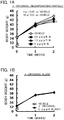
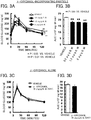
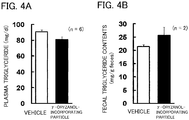
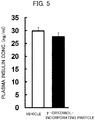
- compositions containing the ⁇ -oryzanol-incorporating particle according to the present embodiment are used for improvement of insulin resistance (insulin-sensitizing agents). Further, in addition to having effects of suppressing an increase in blood glucose levels, weight gain, and lipid absorption, such compositions are thought to have an antiatherosclerotic effect because the compositions decrease the concentration of triglyceride in the plasma. In the light of these, it is suitable that such compositions are used for treatment or prevention of diseases selected from, for example, obesity, dyslipidemia, impaired glucose tolerance, diabetes mellitus, and arteriosclerosis.
- compositions may be used for suppression of the ER stress, or treatment or prevention of diseases associated with the ER stress (ER stress suppressants).
- ER stress suppressants ER stress suppressants
- Such compositions significantly suppress the ER stress in the hypothalamus.
- Such compositions relieve addiction to high fat diet even at low dose because the ER stress in the hypothalamus which controls eating is involved in preference for high fat diet.
- such compositions are suitable for treatment or prevention of obesity, diabetes mellitus, or the like.
- compositions containing the ⁇ -oryzanol-incorporating particle may be used for treatment or prevention of diseases, such as coronary artery disease, hypertension, metabolic syndrome, neurodegenerating disease, and bipolar disorder, which are diseases associated with the ER stress.
- compositions containing the ⁇ -oryzanol-incorporating particle according to the present embodiment suppress IL-8 secretion from intestinal epithelial cells. It is thus suitable that such compositions are used for suppression of the IL-8 secretion from intestinal epithelial cells (IL-8 secretion suppressants).
- IL-8 secretion suppressants When the secretion of IL-8 increases, immune cells such as neutrophils are recruited. The immune cells release a large amount of inflammatory cytokines and thereby inflammatory diseases further advance. Because of this, compositions containing ⁇ -oryzanol-incorporating particle may be used for treatment or prevention of inflammatory diseases in the intestinal epithelia, such as ulcerative colitis or Crohn's disease.
- compositions have been also shown to suppress expression of inflammatory cytokines and chemokines not only in the intestinal epithelia but also the fatty tissue of the epididymis and the subcutaneous fatty tissue. Because of this, it is suitable that such compositions are sued for treatment or prevention of inflammatory diseases.
- a dose of the composition containing the ⁇ -oryzanol-incorporating particle according to the present embodiment is determined as appropriate in accordance with subjects' gender, age, body weight, symptoms, or the like. Such a composition is administered at a therapeutically effective amount in terms of ⁇ -oryzanol.
- An effective amount refers to an amount of ⁇ -oryzanol that is necessary to achieve a desired result and an amount necessary to result in delay in progression, inhibition, prevention, reversal, or cure of conditions subjected to therapy or treatment.
- the dose of such a composition is typically about 0.01 mg/kg to about 1,000 mg/kg, preferably about 0.1 mg/kg to about 200 mg/kg, more preferably about 0.2 mg/kg to about 20 mg/kg; and is administered once a day or dividedly in twice or more times.
- the composition is preferably administered once to four times per day.
- such a composition may be administered at various kinds of dosing frequency, such as every day, every other day, once a one week, every other week, or once a month. It is preferred that the dosing frequency is readily determined by medical doctors or the like. It is to be noted that an amount out of the above range can be used as necessary.
- the uptake of particle that incorporates ⁇ -oryzanol according to the present embodiment, for example, the PLGA particle into intestinal epithelial cells is maintained over a long period of time.
- weekly or biweekly administration of the composition containing the ⁇ -oryzanol-incorporating particle according to the present embodiment is able to achieve effects including improvement of insulin resistance, suppression of blood glucose level, weight gain, and lipid absorption, decrease in the concentration of triglyceride in the plasma, suppression of ER stress, and inhibition of inflammation.
- a composition containing ⁇ -oryzanol-incorporating particle may be administered to patients with a dosing interval of one day or more. Such a dosing interval may be seven days or more and 14 days or less.
- the composition according to the present embodiment has an increased absorption efficiency of ⁇ -oryzanol from the intestinal tract by incorporating ⁇ -oryzanol in the biocompatible particle and is therefore able to attain the effect of ⁇ -oryzanol at less dose.
- composition according to the present embodiment is able to attain sufficient effects at lower dose, as compared with cases where ⁇ -oryzanol is not incorporated in the biocompatible particle, the number of administration can be reduced. In addition, because the administration is easy and adverse effects ascribed to a large administration amount can be prevented, the safety can be increased.
- the biocompatible particle for incorporating ⁇ -oryzanol may contain PLGA with a number mean particle size of 2.5 to 1,000 nm or PEG modification thereof as well.
- PLGA is suitable for administration to the human body because PLGA exhibits biocompatibility of being less stimulative and less toxic to organisms and biodegradability of being broken down after administration to be metabolized. Further, PEG modifications of PLGA have improved stability in the blood and are therefore useful for optimizing pharmacokinetics profile such as metabolism absorption stability.
- compositions according to the present embodiment may also be those for using as therapeutic agents or prophylactic agents for obesity, dyslipidemia, impaired glucose tolerance, diabetes mellitus, arteriosclerosis, and inflammatory diseases.
- present embodiment may also be use of the compositions according to the present embodiment for producing pharmaceuticals for treating or preventing obesity, dyslipidemia, impaired glucose tolerance, diabetes mellitus, arteriosclerosis, and inflammatory diseases.
- the food and beverages according to this embodiment contains the above composition according to the embodiment 1. As described in Example 2 below, when orally administered such a composition brings about various effects and therefore can be used as a raw material for the food and beverages.
- a form of the food and beverages when the above composition is used as the raw material of the food and beverages is, for example, beverages, such as nutritional energy drinks, soft drinks, tea, or green tea; confections, such as candies, cookies, tablet candies, chewing gums, or jellies; cereal processed products, such as noodles, breads, cooked rice, or biscuits; sausages; ham; fish paste products, such as kamaboko fish cake, dairy products, such as butter or yogurts; furikake rice seasonings; seasonings; or the like.
- additives such as sweeteners, flavors, or coloring agents may be contained in such food and beverages.
- the food and beverages according to the present embodiment is eaten or drunk for the purpose of improvement of insulin resistance because the food and beverages contain the above composition which has effects of suppressing an increase in blood glucose level, weight gain, and lipid absorption.
- such food and beverages may be eaten or drunk for the purpose of treating or preventing diseases selected from, for example, obesity, dyslipidemia, impaired glucose tolerance, diabetes mellitus, and arteriosclerosis.
- Such food and beverages suppress ER stress and therefore may be eaten or drunk for the purpose of suppressing the ER stress, or treating or preventing diseases associated with the ER stress.
- such food and beverages may be eaten or drunk for the purpose of treating or preventing diseases such as coronary artery diseases, hypertension, metabolic syndrome, neurodegenerating disease, or bipolar disorder.
- the food and beverages according to the present embodiment is used for the purpose of suppressing the IL-8 secretion from intestinal epithelial cells because the food and beverages contain the above composition that suppresses the IL-8 secretion from intestinal epithelial cells. Further, the food and beverages according to the present embodiment may also be eaten or drunk for the purpose of treating or preventing inflammatory diseases.
- the content of the above composition as an active component in the food and beverages is usually 0.0001 to 100% by weight, and preferably 1 to 95% by weight.
- the amount of the above composition taken as an active component only need to be in a range of 1 mg to 100 g, preferably 10 mg to 100 g, and more preferably 100 mg to 50 g per adult per day.
- the food and beverages according to the present embodiment contains the ⁇ -oryzanol incorporated in the biocompatible particle according to the above embodiment 1. Because of this, ⁇ -oryzanol can be efficiently taken up into the body by taking such food and beverages. In addition, processing as food and beverages allows tastes, smells, flavors, or the like to be added in accordance with preference. Further, processing as food and beverages allows the ⁇ -oryzanol incorporated in the biocompatible particle to be easily taken through meals.
- the obtained dried powder has a number mean particle size of 198 nm and exhibits an incorporating percentage of ⁇ -oryzanol of 3.49 ⁇ 0.11 %(w/v) based on PLGA.
- the zeta potential of the ⁇ -oryzanol-incorporating particle was 21.0 mV.
- the definition of the number mean particle size was defined as follows. A cumulative curve was determined with the total volume of the population of the powder as 100%, 50% diameter (D50) was defined as a parameter for generally evaluating particle size distribution as a cumulative median diameter (mean particle size), which 50% diameter was a particle size at a point where the cumulative curve reached 50%.
- the mean particle size was measured by subjecting a sample prepared by suspending nanoparticles in distilled water to a light scattering method using Microtrack UPA150 (manufactured by Nikkiso Co., Ltd.).
- the ⁇ -oryzanol- incorporating particle prepared in Example 1 was orally administered to mice for evaluation.
- the ⁇ -oryzanol-incorporating particle was suspended in distilled water at 5%, 1.25%, and 0.31% (w/v).
- ⁇ -oryzanol was suspended in 0.5% (w/v) methylcellulose solution (manufactured by Wako Pure Chemical Industries, Ltd.) at 0.05% and 3.2% (0.5 and 32 mg/ml).
- each of the ⁇ -oryzanol-incorporating particle suspensions and the ⁇ -oryzanol suspensions was orally administered to ob/ob mice (five weeks old, male, B6.
- the ⁇ -oryzanol-incorporating particle suspension at 0.3, 1.3, and 5 ⁇ g/g of body weight/14 days in terms of ⁇ -oryzanol was administered to the mice for two days followed by a five-day rest period every two weeks; and observation was made for 14 days.
- the daily dose was 1.1, 4.4, and 17.5 ⁇ g/g of body weight/day, respectively.
- the ⁇ -oryzanol suspension was orally administered daily to mice at 5 and 320 ⁇ g/g of body weight/day for 28 days in a raw; and observation was made for four weeks.
- mice One week and two weeks after the beginning of the administration, the body weight and blood glucose level of the mice were measured.
- a simple blood glucose meter MediSafe (registered trademark) Mini; manufactured by Terumo Corporation) was used.
- an oral glucose tolerance test was carried out ten days after the beginning of the administration. In such a test, following to 18-hour fasting, glucose was orally administered at 0.75 g/kg using a probe; and the blood glucose level was measured from the time of administration to two hours thereafter.
- mice administered with the ⁇ -oryzanol-incorporating particle triglyceride and insulin in the plasma and lipids in feces were quantified for the group administered with 5 ⁇ g/g of body weight/day; and, for the purpose of evaluating ER stress in ⁇ cells, the blood, feces, and the islets of Langerhans were collected from the mice two weeks after the beginning of the administration.
- the triglyceride in the plasma were measured using Triglyceride E-Test Wako (manufactured by Wako Pure Chemical Industries, Ltd.).
- the lipids in the feces were extracted by Folch method.
- n 2.
- concentration of insulin in the plasma was measured using Ultra Sensitive Mouse Insulin ELISA Kit (manufactured by Morinaga Institute of Biological Science, Inc.).
- ER stress marker genes Chop, ERdj4, and Xbpls
- TRIzol registered trademark
- RNA Isolation Reagents manufactured by Life Technologies Corporation
- cDNA was synthesized using iScript (trademark) cDNA Synthesis Kit (manufactured by Bio-Rad Laboratories, Inc.).
- StepOnePlus trademark
- Green Master Mix manufactured by Life Technologies Corporation
- FIG. 1A The body weight of the mice after the administration of the ⁇ -oryzanol-incorporating particle is shown FIG. 1A .
- weight gain two weeks after the administration was significantly inhibited at any dose, as compared with a vehicle (p ⁇ 0.05 or 0.01).
- FIG. 1B the significant inhibition of the weight gain was not observed in the mice administered with the ⁇ -oryzanol.
- the blood glucose level of the mice after the administration of the ⁇ -oryzanol-incorporating particle is shown in FIG. 2A .
- the blood glucose level one week (p ⁇ 0.05) and two weeks (p ⁇ 0.01) after the administration significantly decreased in the group administered with 1.3 ⁇ g/g of body weight, as compared with the vehicle.
- the blood glucose level two weeks after the administration was significantly decreased, as compared with the vehicle (p ⁇ 0.01).
- FIG. 2B the significant decrease in the blood glucose level was not observed in the mice administered with the ⁇ -oryzanol.
- FIG. 3A The results of the oral glucose tolerance test were shown in FIG. 3A, FIG. 3B, FIG. 3C and FIG. 3D .
- FIG. 3A in the mice administered with the ⁇ -oryzanol-incorporating particle, the blood glucose level 15 and 120 minutes after the glucose injection was significantly decreased in the group administered with 0.3 ⁇ g/g of body weight, as compared with the vehicle.
- the group administered with 1.3 ⁇ g/g of body weight and the group administered with 5 ⁇ g/g of body weight the blood glucose level 15, 30, and 120 minutes after the glucose injection were significantly decreased, as compared with the vehicle.
- FIG. 3B shows AUC for 120 minutes after the glucose injection.
- AUC was smaller in all of the groups of the mice administered with ⁇ -oryzanol-incorporating particle, as compared with the vehicle.
- the mice administered with ⁇ -oryzanol showed a comparable blood glucose level, as compared with the vehicle ( FIG. 3C and FIG. 3D ) and a decrease in the blood glucose level was not observed.
- FIG. 4A shows the concentration of triglyceride in the plasma in the mice administered with the ⁇ -oryzanol-incorporating particle (the group administered with 5 ⁇ g/g of body weight). It was confirmed that the concentration of triglyceride in the plasma tended to decrease, as compared with the vehicle.
- FIG. 4B shows the amount of fecal lipids in the mice administered with the ⁇ -oryzanol-incorporating particle (the group administered with 5 ⁇ g/g of body weight). It was confirmed that the amount of lipids in the feces tended to increase, as compared with the vehicle. From these results, it was suggested that administration of the ⁇ -oryzanol-incorporating particle inhibited the lipid absorption in the mice.
- FIG. 5 shows the concentration of insulin in the plasma in the mice administered with the ⁇ -oryzanol-incorporating particle (the group administered with 5 ⁇ g/g of body weight).
- the ⁇ -oryzanol-incorporating particle was administered, little change in the concentration of insulin was observed.
- ob/ob mice were model mice that exhibit insulin resistance and the blood glucose level significantly decreased in the mice administered with the ⁇ -oryzanol-incorporating particle (see FIG. 2A ), it was suggested that the ⁇ -oryzanol-incorporating particle improved insulin resistance.
- FIG. 6A, FIG. 6B and FIG. 6C show the expression level of ER stress marker genes (Chop, ERdj4, and Xbp1s) in the mice administered with the ⁇ -oryzanol-incorporating particle (the group administered with 5 ⁇ g/g of body weight), compared with the vehicle. It was confirmed that the expression levels of Chop, ERdj4, and Xbp1s all tended to decrease. It was thereby suggested that the ⁇ -oryzanol-incorporating particle had the effect of suppressing ER stress in ⁇ cells.
- ER stress marker genes Chop, ERdj4, and Xbp1s
- Caco-2 As for cells, Caco-2 (RCB0988, RIKEN, the Institute of Physical and Chemical Research) was used. Caco-2 was cultured in a 100-ml culture dish until reaching semiconfluent. As for a medium, Dulbecco modified Eagle's Medium (DMEM, D5796, manufactured by Sigma-Aldrich) was used. To the medium, non-essential amino acids (M7145, manufactured by Sigma-Aldrich) and Penicillin/Streptomycin (hereinafter referred to as "PS"; manufactured by Gibco, Life Technologies Corporation Japan) were added.
- DMEM Dulbecco modified Eagle's Medium
- PS Penicillin/Streptomycin
- Cells with 50 passages were detached with 0.25% trypsin/0.02% EDTA and seeded in a 24-well plate at a concentration of 2 ⁇ 10 5 cells/well.
- the cells were cultured in DMEM with 10% FBS (fetal bovine serum), 1% non-essential amino acids, and 1% PS for 14 days. The medium was changed every other day; and the cells were sufficiently differentiated to be used the experiment below.
- FBS fetal bovine serum
- PS fetal bovine serum
- the medium was removed 24 hours before stimulation with TNF- ⁇ ; and the cells were washed with 1 ml of PBS per well twice. Subsequently, the medium in each well was replaced with 1 ml of 1% PS-containing DMEM added with ⁇ -oryzanol, the ⁇ -oryzanol-incorporating particle, or the FITC-incorporating particle, which was prepared at the time of use; and the cells were cultured for 24 hours.
- the used medium containing ⁇ -oryzanol, the ⁇ -oryzanol-incorporating particle, or the FITC-incorporating particle was prepared as follows.
- ⁇ -oryzanol (152-01272, manufactured by Wako Pure Chemical Industries, Ltd.) was dissolved in acetone at 10 mg/ml, serially diluted with acetone, and then added to the medium (the final concentration of acetone was 0.1%).
- the ⁇ -oryzanol-incorporating particle with an incorporating percentage of 3.18 ⁇ 0.06% (w/v) and a number mean particle size of 220 nm, which particle was prepared in the same manner as described in Example 1, was used.
- the ⁇ -oryzanol-incorporating particle was prepared with sterilized water at 15.72 mg/ml in term of PLGA (corresponding to 500 ⁇ g of bulk powder/ml). The resultant was further diluted with the medium to 3.14 mg/ml (corresponding to 100 ⁇ g of bulk powder/ml), which was serially diluted 10 fold with the medium.
- the FITC-incorporating particle with an incorporating percentage of 4.06% (w/v) and a number mean particle size of 225 nm which particle was prepared in the same manner as described in Example 1, was prepared with the medium in the same manner as described for the above ⁇ -oryzanol-enclosing particle.
- the medium used in the pretreatment was prepared at the time of use.
- the medium for the pretreatment was removed and thereafter the cells were washed with PBS twice. Subsequently, DMEM containing 1% FBS and 1% PS added with TNF- ⁇ (T6674-10UG, manufactured by Sigma-Aldrich) at 50 ng/ml or 100 ng/ml was added to each well; and the cells cultured for 24 hours. After culturing for 24 hours, the culture supernatant was collected in a 1.5 ml tube. It is to be noted that TNF- ⁇ that had dissolved in distilled water at 100 ⁇ g/ml and stored at -20°C was used. It is also to be noted that the medium was prepared at the time of use.
- the collected supernatant was subjected to ELISA (enzyme immunity measurement assay) to measure the amount of IL-8 in the supernatant.
- ELISA enzyme immunity measurement assay
- the measurement was carried out according to a protocol of an ELISA kit (D8000C, manufactured by R&D).
- D8000C a protocol of an ELISA kit
- the total amount of proteins in the supernatant was measured by using a bicinchoninic acid assay (Pierce BCA Protein Assay Kit, manufactured by Thermo Scientific).
- a bicinchoninic acid assay Pierce BCA Protein Assay Kit, manufactured by Thermo Scientific
- FIG. 7A, FIG. 7B and FIG. 7C show values obtained by correcting the amount of IL-8 measured by ELISA with the total amount of proteins.
- FIG. 7A shows the amount of IL-8 in the supernatant when the cells were pretreated with ⁇ -oryzanol. A decrease in the amount of IL-8 was observed at 1 ⁇ g/ml of ⁇ -oryzanol but there was no significant difference, as compared with no (0 ⁇ l/ml) ⁇ -oryzanol and 0.1 ⁇ g/ml of ⁇ -oryzanol.
- FIG. 7B shows the amount of IL-8 in the supernatant when the cells were pretreated with the ⁇ -oryzanol-incorporating particle. A significant decrease of the amount of IL-8 was observed at an amount equivalent to 1 ⁇ g/ml of ⁇ -oryzanol bulk powder, as compared with no ⁇ -oryzanol (0 ⁇ l/ml).
- FIG. 7C shows the amount of IL-8 in the supernatant when the cells were pretreated with the FITC-incorporating particle which was used as a control against the PLGA particle. No significant difference was observed at any concentration, as compared with no FITC-incorporating particles.
- the amount of IL-8 produced increases in intestinal epithelial cells stimulated with various factors. Increased secretion of IL-8 leads to recruitment of immune cells such as neutrophils; and the recruited immune cells release a large amount of inflammatory cytokines to thereby advance inflammation. From the results of the present example, the ⁇ -oryzanol-incorporating particle has an excellent anti-inflammatory effect in intestinal epithelial cells.
- Example 4 Evaluation of uptake of FITC-incorporating particles into human intestinal epithelial cells
- Cells with 49 passages were detached with 0.25% trypsin/0.02% EDTA and seeded in a 35 mm glass (D110400, manufactured by Matsunami Glass Ind., Ltd.) at a concentration of 3 ⁇ 10 5 cells/well.
- the cells were cultured in DMEM with 10% FBS, 1% non-essential amino acids, and 1% PS for 21 days. The medium was changed every other day and the cells were sufficiently differentiated to be used the experiment below.
- the medium was removed 30 minutes before addition of FITC-incorporating particles; and the cells were washed with 2 ml of PBS per well twice. Subsequently, the medium in each well was replaced with 1% PS-containing DMEM (without serum). Next, the medium was 2 ml of 1% PS-containing DMEM added with the FITC-incorporating particle or FITC; and the cells were incubated at 37°C for two hours.
- the medium used here containing the FITC-incorporating particle and FITC was prepared as follows.
- the FITC-incorporating particle with an incorporating percentage of 4.06% (w/v) and a number mean particle size of 225 nm, which particle was prepared in the same manner as described in Example 1, was dissolved in water to prepare a 1 mM (9.59 mg/ml) aqueous solution, which was diluted with 1% PS-containing DMEM. The concentration of particles was 0.0959 mg/ml (10 ⁇ M in terms of FITC).
- FITC bulk powder (FITC-1 343-03664, manufactured by Dojindo Laboratories) was prepared to be 10 mM with 0.1% DMSO (dimethyl sulfoxide) and diluted with 1% PS-containing DMEM.
- 7.5 ⁇ M cellMask (trademark) and 1% PS-containing DMEM were added at 2 ml/well, followed by incubation at 37°C and washing with HBSS buffer (Gibco 14175-095, manufactured with Life Technologies Corporation Japan) for five minutes three times. And then, the cells were fixed with chilled methanol, washed with PBS, and then mounted with DAPI, thereby obtaining a sample zero days (two hours) after the beginning of the incubation.
- the cells were cultured in DMEM medium with 10% FBS, 1% non-essential amino acids, and 1% PS (the medium was changed every other day) and fixed at each time point of one, three, seven days after the beginning of the incubation in the above pretreatment.
- DMEM medium with 10% FBS, 1% non-essential amino acids, and 1% PS (the medium was changed every other day)
- PS the medium was changed every other day
- 7.5 ⁇ M cellMask (trademark) and 1% PS-containing DMEM were added at 2 ml/well, followed by incubation at 37°C and washing with HBSS buffer for five minutes three times.
- cellMask (trademark), which stains the plasma membrane, solved out upon the fixation with methanol, the cells were fixed with formalin, incubated with PBS containing 0.1% triton-X for 10 minutes, washed with PBS, and mounted with DAPI, thereby obtaining samples one, three, seven days after the beginning of the incubation.
- FIG. 8A, FIG. 8B, FIG. 8C and FIG. 8D show the average value of the fluorescence intensity of the FITC-incorporating particle and FITC which photographed by the confocal laser scanning microscope in the samples zero (two hours), one, three, seven days after the beginning of the incubation, respectively. It was shown that more FITC-incorporating particles were taken up into cells at least for seven days or more after the exposure to the cells, as compared with FITC which was not incorporated in PLGA.
- the ⁇ -oryzanol-incorporating particle improved the insulin resistance and glucose metabolism in the obese mice that were orally administered with the ⁇ -oryzanol-incorporating particle (0.3, 1.3, and 5 ⁇ g/g of body weight) for two days every two weeks. These effects were not observed at all in the obese mice that were orally administered with the ⁇ -oryzanol that was not incorporated in the PLGA particle for 14 days (the total amount of ⁇ -oryzanol administered was the same as that in the group administered with 5 ⁇ g/g of body weight).
- the ⁇ -oryzanol-incorporating particle suppressed the IL-8 secretion induced by the stimulation of intestinal epithelial cells with TNF- ⁇ . From this, it is suggested that the ⁇ -oryzanol-incorporating particle is effective for inflammatory diseases such as ulcerative colitis and Crohn's disease which are associated with IL-8 in the intestinal epithelia; or the like.
- the incorporation of ⁇ -oryzanol in the PLGA particle presumably led to remarkable enhancement of the retention and absorption of ⁇ -oryzanol in the intestinal tract, thereby producing exceptional effects at a low ⁇ -oryzanol dose in the present example. It is to be noted that the uptake of the PLGA particles into cells was confirmed to be maintained over 14 days.
- Ob/ob mice were raised at 24°C under a light/dark cycle of 12 hours/12 hours. The mice were raised in conditions where they were able to freely take feed and water. The body weight of mice was measured every week.
- ⁇ -oryzanol incorporated with PLGA particles was dissolved in distilled water (hereinafter referred to as "Nano Orz") and administered to the mice using a probe at a dose of 0.3, 1.3, or 5 ⁇ g/g of body weight per day for two days every two weeks.
- ⁇ -oryzanol manufactured by Wako Pure Chemical Industries, Ltd.
- Orz was administered to the stomach using a probe everyday for four weeks (5 or 320 ⁇ g/g of body weight/day).
- mice Whole blood was collected from the tail vein of mice; and blood glucose was measured using a simple blood glucose meter. A blood sample was further collected from the network of the retro orbital vein. For a glucose tolerance test, the mice were fasted for 18 hours and thereafter administered with glucose at 0.75 g/kg of body weight. The blood glucose level was measured at the predetermined time. In addition, for an insulin tolerance test, insulin (0.5 unit/kg of body weight; manufactured by Eli Lilly) was intraperitoneally injected to the mice that had fasted for four hours. The concentration of triglycerides in the plasma was determined by Triglyceride E-Test Wako.
- the hypothalamus, the islets of Langerhans, the adipose tissue of the mesentery, the liver, the epididymal adipose tissue, and the subcutaneous adipose tissue were collected from the mice; and the expression level of ER stress marker genes (Chop, ERdj4, and Xbp1s), and inflammation marker genes (TNF- ⁇ and MCP-1) was quantified using a quantitative real time polymerase chain reaction.
- the islets of Langerhans was isolated from mice by digestion with collagenase (Liberase TL; manufactured by Roche Diagnostics K.K.) and purified using Histopaque (trademark) gradient (Histopaque 1077; manufactured by Sigma-Aldrich).
- RNA Isolation Reagents manufactured by Life Technologies Corporation
- total RNA was extracted from each of the tissues; and cDNA was synthesized using iScript (trademark) cDNA Synthesis Kit (manufactured by Bio-Rad Laboratories, Inc.).
- quantitative real time PCR was carried out using StepOnePlus (trademark) Real-Time PCR System, Fast TaqMan Universal Master Mix, and Fast SYBR Green Master Mix (manufactured by Applied Biosystems). The level of mRNA was normalized with that of 18S rRNA.
- FIG. 9A significant suppression of the weight gain was shown even at a very low dose in the genetically obese mice administered with Nano Orz which was incorporated in the PLGA particle.
- FIG. 9B no significant suppression of the weight gain was observed even when the administration was performed at 320 ⁇ g/g of body weight/day in the genetically obese mice administered with Orz which was not incorporated in the PLGA particle.
- hyperglycemia was surely ameliorated even at about 1/100 of the maximum administration amount of Orz in the genetically obese mice administered with Nano Orz.
- FIG. 10B no significant change in the blood glucose level was observed even when the administration was performed at 320 ⁇ g/g of body weight/day in the genetically obese mice administered with Orz. It was thus demonstrated that hyperglycemia in the genetically obese mice was prominently ameliorated by Nano Orz, as compared with Orz.
- FIG. 11A and FIG. 11B a marked decrease in the glucose tolerance was prominently improved even at a low dose in the genetically obese mice administered with Nano Orz.
- FIG. 11C and FIG. 11D no improvement of a marked decrease in the glucose tolerance was observed even when the administration was performed at 320 ⁇ g/g of body weight/day in the genetically obese mice administered with Orz.
- the insulin tolerance was significantly improved even at a low dose in the genetically obese mice administered with Nano Orz.
- FIG. 12C and FIG. 12D no improvement of the insulin tolerance was observed even when the administration was performed at 320 ⁇ g/g of body weight/day in the genetically obese mice administered with Orz.
- FIG. 15A, FIG. 15B, FIG. 15C and FIG. 15D it was suggested that ⁇ -oryzanol was not able to inhibit the ER stress in the hypothalamus, the islets of Langerhans, and the liver even when the administration was performed at 320 ⁇ g/g of body weight/day which was an overdose, whereas the ⁇ -oryzanol incorporated in the PLGA particle was able to inhibit the ER stress in the hypothalamus, the islets of Langerhans, the fatty tissue of the mesentery, and the liver at a very low dose.
- FIG. 16A FIG.
- ⁇ -oryzanol was not able to inhibit the inflammation in the epididymal adipose tissue and the subcutaneous adipose tissue even when the administration was performed at 320 ⁇ g/g of body weight/day which was an overdose, whereas the ⁇ -oryzanol incorporated in the PLGA particle was able to inhibit the inflammation in the epididymal adipose tissue and the subcutaneous adipose tissue at a very low dose.
- the present disclosure is suitable to improvement of insulin resistance, treatment or prevention of obesity, dyslipidemia, impaired glucose tolerance, diabetes mellitus, arteriosclerosis, and inflammatory diseases including intestinal inflammatory diseases, such as ulcerative colitis or Crohn's disease.
- Application of the present disclosure improves results of treatment or prevention of those diseases and secures patients' quality of life.
Landscapes
- Health & Medical Sciences (AREA)
- Life Sciences & Earth Sciences (AREA)
- Chemical & Material Sciences (AREA)
- Engineering & Computer Science (AREA)
- Bioinformatics & Cheminformatics (AREA)
- Animal Behavior & Ethology (AREA)
- Veterinary Medicine (AREA)
- Public Health (AREA)
- General Health & Medical Sciences (AREA)
- Pharmacology & Pharmacy (AREA)
- Medicinal Chemistry (AREA)
- Epidemiology (AREA)
- Nuclear Medicine, Radiotherapy & Molecular Imaging (AREA)
- Organic Chemistry (AREA)
- General Chemical & Material Sciences (AREA)
- Chemical Kinetics & Catalysis (AREA)
- Diabetes (AREA)
- Polymers & Plastics (AREA)
- Food Science & Technology (AREA)
- Nutrition Science (AREA)
- Hematology (AREA)
- Obesity (AREA)
- Nanotechnology (AREA)
- Physics & Mathematics (AREA)
- Optics & Photonics (AREA)
- Biomedical Technology (AREA)
- Botany (AREA)
- Mycology (AREA)
- Heart & Thoracic Surgery (AREA)
- Rheumatology (AREA)
- Emergency Medicine (AREA)
- Pain & Pain Management (AREA)
- Cardiology (AREA)
- Vascular Medicine (AREA)
- Urology & Nephrology (AREA)
- Endocrinology (AREA)
- Child & Adolescent Psychology (AREA)
- Pharmaceuticals Containing Other Organic And Inorganic Compounds (AREA)
- Medicinal Preparation (AREA)
- Coloring Foods And Improving Nutritive Qualities (AREA)
Claims (10)
- Zusammensetzung enthaltend
γ-Oryzanol und
ein biokompatibles Teilchen, inkorporierend das γ-Oryzanol in dem Inneren davon, wobei das biokompatible Teilchen eine zahlenmittlere Teilchengröße von 2,5 bis 1.000 nm hat und ein Polylactidglycolid-Copolymer oder eine Polyethylenglycol-Modifikation des Polylactidglycolid-Copolymers umfasst. - Zusammensetzung nach Anspruch 1, zur Verwendung als ein Arzneimittel.
- Zusammensetzung zur Verwendung nach Anspruch 2, zur Verwendung bei Verbesserung von Insulinresistenz.
- Zusammensetzung zur Verwendung nach Anspruch 2 oder 3, zur Verwendung bei Unterdrückung von endoplasmatischem Retikulumstress.
- Zusammensetzung zur Verwendung nach einem der Ansprüche 2 - 4, zur Verwendung bei Unterdrückung von IL-8-Sekretion aus einer Darmepithelzelle.
- Zusammensetzung zur Verwendung nach einem der Ansprüche 2 - 5 zur Verwendung bei Behandlung oder Prävention einer Krankheit, ausgewählt aus der Gruppe bestehend aus Fettleibigkeit, Dyslipidämie, gestörter Glukosetoleranz, Diabetes mellitus, Arteriosklerose, und entzündlichen Krankheiten.
- Zusammensetzung zur Verwendung nach einem der Ansprüche 2 - 6, wobei die Zusammensetzung einem Patienten mit einem Dosierungsintervall von einem Tag oder mehr verabreicht wird.
- Zusammensetzung zur Verwendung nach Anspruch 7, wobei das Dosierungsintervall sieben Tage oder mehr und 14 Tage oder weniger ist.
- Nahrungsmittel oder Getränk, umfassend die Zusammensetzung nach Anspruch 1.
- Zusammensetzung zur Verwendung nach einem der Ansprüche 2 - 8, wobei die Zusammensetzung als Nahrungsmittel oder Getränk verabreicht wird.
Applications Claiming Priority (2)
| Application Number | Priority Date | Filing Date | Title |
|---|---|---|---|
| JP2012280303 | 2012-12-21 | ||
| PCT/JP2013/084110 WO2014098190A1 (ja) | 2012-12-21 | 2013-12-19 | 組成物及び飲食物 |
Publications (3)
| Publication Number | Publication Date |
|---|---|
| EP2937087A1 EP2937087A1 (de) | 2015-10-28 |
| EP2937087A4 EP2937087A4 (de) | 2016-07-06 |
| EP2937087B1 true EP2937087B1 (de) | 2021-02-24 |
Family
ID=50978510
Family Applications (1)
| Application Number | Title | Priority Date | Filing Date |
|---|---|---|---|
| EP13865394.4A Not-in-force EP2937087B1 (de) | 2012-12-21 | 2013-12-19 | Zusammensetzung und nahrungsmittel oder getränk |
Country Status (7)
| Country | Link |
|---|---|
| US (2) | US20150342898A1 (de) |
| EP (1) | EP2937087B1 (de) |
| JP (1) | JP6182540B2 (de) |
| KR (1) | KR20150118097A (de) |
| CN (1) | CN105163739B (de) |
| SG (2) | SG10201705121PA (de) |
| WO (1) | WO2014098190A1 (de) |
Families Citing this family (8)
| Publication number | Priority date | Publication date | Assignee | Title |
|---|---|---|---|---|
| JP6098973B2 (ja) * | 2013-01-22 | 2017-03-22 | 国立大学法人 琉球大学 | γ−オリザノール含有機能性食品と糖尿病改善医薬 |
| WO2018038250A1 (ja) * | 2016-08-26 | 2018-03-01 | 株式会社 先端医療開発 | 食品添加用ナノ粒子及び食品添加用ナノ粒子の製造方法 |
| WO2018038267A1 (ja) * | 2016-08-26 | 2018-03-01 | 株式会社 先端医療開発 | ポリラクチドグリコライド共重合体ナノ粒子及びポリラクチドグリコライド共重合体ナノ粒子の製造方法 |
| JP6895656B2 (ja) * | 2016-09-30 | 2021-06-30 | 株式会社 SENTAN Pharma | 腸内細菌叢構成比率調整剤 |
| JP6847457B2 (ja) * | 2017-08-09 | 2021-03-24 | 国立大学法人信州大学 | 高圧加工米および該高圧加工米を含む食品用または医薬用組成物 |
| CN108727448B (zh) * | 2018-05-04 | 2020-09-22 | 华东理工大学 | 螺旋霉素类抗生素球形结晶及其制备方法 |
| JP2020202835A (ja) * | 2020-07-15 | 2020-12-24 | 株式会社神明きっちん | 肌保湿用食品組成物及び肌保湿用食品組成物の摂取方法 |
| JP7426036B2 (ja) * | 2021-12-23 | 2024-02-01 | 国立大学法人 琉球大学 | 認知機能障害改善剤及び認知機能障害改善用経口組成物 |
Family Cites Families (7)
| Publication number | Priority date | Publication date | Assignee | Title |
|---|---|---|---|---|
| WO1995022963A1 (en) * | 1994-02-28 | 1995-08-31 | Medinova Medical Consulting Gmbh | Drug targeting system, method for preparing same and its use |
| CN1507357A (zh) * | 2000-10-31 | 2004-06-23 | PRҩƷ����˾ | 提高生物活性分子传递的方法和组合物 |
| FR2830017B1 (fr) * | 2001-09-27 | 2005-11-04 | Centre Nat Rech Scient | Materiau compose d'au moins un polymere biodegradable et de cyclodextrines |
| JP4707937B2 (ja) * | 2003-02-28 | 2011-06-22 | ホソカワミクロン株式会社 | 薬物含有複合粒子の製造方法および経肺製剤 |
| BRPI0412735A (pt) * | 2003-07-18 | 2006-09-26 | Baxter Int | métodos para a fabricação, uso e composição de partìculas esféricas pequenas preparadas mediante a separação de fase controlada |
| US20080274195A1 (en) * | 2005-07-18 | 2008-11-06 | University Of Massachusetts Lowell | Compositions and Methods for Making and Using Nanoemulsions |
| CN101934093A (zh) * | 2009-07-02 | 2011-01-05 | 中国科学院金属研究所 | 一种药物涂层材料及制备方法 |
-
2013
- 2013-12-19 EP EP13865394.4A patent/EP2937087B1/de not_active Not-in-force
- 2013-12-19 SG SG10201705121PA patent/SG10201705121PA/en unknown
- 2013-12-19 WO PCT/JP2013/084110 patent/WO2014098190A1/ja not_active Ceased
- 2013-12-19 JP JP2014553210A patent/JP6182540B2/ja not_active Expired - Fee Related
- 2013-12-19 SG SG11201504922WA patent/SG11201504922WA/en unknown
- 2013-12-19 US US14/654,406 patent/US20150342898A1/en not_active Abandoned
- 2013-12-19 KR KR1020157018097A patent/KR20150118097A/ko not_active Withdrawn
- 2013-12-19 CN CN201380067472.2A patent/CN105163739B/zh not_active Expired - Fee Related
-
2019
- 2019-04-30 US US16/398,529 patent/US20190254984A1/en not_active Abandoned
Non-Patent Citations (1)
| Title |
|---|
| None * |
Also Published As
| Publication number | Publication date |
|---|---|
| JP6182540B2 (ja) | 2017-08-16 |
| SG10201705121PA (en) | 2017-07-28 |
| US20190254984A1 (en) | 2019-08-22 |
| KR20150118097A (ko) | 2015-10-21 |
| WO2014098190A1 (ja) | 2014-06-26 |
| EP2937087A4 (de) | 2016-07-06 |
| US20150342898A1 (en) | 2015-12-03 |
| EP2937087A1 (de) | 2015-10-28 |
| SG11201504922WA (en) | 2015-07-30 |
| CN105163739A (zh) | 2015-12-16 |
| JPWO2014098190A1 (ja) | 2017-01-12 |
| CN105163739B (zh) | 2018-05-11 |
Similar Documents
| Publication | Publication Date | Title |
|---|---|---|
| US20190254984A1 (en) | Composition and food or drink | |
| JP6429859B2 (ja) | 治療用組成物およびその用途 | |
| KR102568433B1 (ko) | 사이클로덱스트린-커큐민 캡슐화된 키토산/알지네이트 경구용 나노입자 및 이의 대장염 치료 용도 | |
| Tao et al. | Oral delivery of chitosan-coated PLGA nanoemulsion loaded with artesunate alleviates ulcerative colitis in mice | |
| JP7379152B2 (ja) | 筋線維化抑制用組成物 | |
| Wang et al. | Amelioration of acute alcoholic liver injury via attenuating oxidative damage and modulating inflammation by means of ursodeoxycholic acid–zein nanoparticles | |
| WO2016015798A1 (en) | Orodispersible film composition comprising enalapril for the treatment of hypertension in a pediatric population | |
| US11077061B2 (en) | Oral rapamycin nanoparticle preparations and use | |
| JP2009120502A (ja) | キトサン含有組成物 | |
| KR102571797B1 (ko) | 감마-사이클로덱스트린 중합체를 포함하는 약학적 조성물 및 이의 용도 | |
| Rahman et al. | Synthesis and characterization of magnesium gluconate contained poly (lactic-co-glycolic acid)/chitosan microspheres | |
| KR102513011B1 (ko) | 감마-사이클로덱스트린 중합체를 포함하는 약학적 조성물 및 이의 용도 | |
| US9283211B1 (en) | Oral rapamycin preparation and use for stomatitis | |
| CN103037901A (zh) | 抑制cd36以控制肥胖和胰岛素敏感性 | |
| JP5455203B2 (ja) | フィルム製剤およびその製造方法 | |
| JP7426036B2 (ja) | 認知機能障害改善剤及び認知機能障害改善用経口組成物 | |
| TW202510892A (zh) | 用於預防、改善及/或治療肌肉疾病或肌肉失調之組合 | |
| WO2026042390A1 (ja) | 抗酸化および抗炎症作用を有する米ぬかナノ粒子 | |
| TW200407118A (en) | Inhibitor of anticancer drug side effect | |
| JP2016098173A (ja) | Glp−1分泌促進剤 |
Legal Events
| Date | Code | Title | Description |
|---|---|---|---|
| PUAI | Public reference made under article 153(3) epc to a published international application that has entered the european phase |
Free format text: ORIGINAL CODE: 0009012 |
|
| 17P | Request for examination filed |
Effective date: 20150721 |
|
| AK | Designated contracting states |
Kind code of ref document: A1 Designated state(s): AL AT BE BG CH CY CZ DE DK EE ES FI FR GB GR HR HU IE IS IT LI LT LU LV MC MK MT NL NO PL PT RO RS SE SI SK SM TR |
|
| AX | Request for extension of the european patent |
Extension state: BA ME |
|
| DAX | Request for extension of the european patent (deleted) | ||
| A4 | Supplementary search report drawn up and despatched |
Effective date: 20160603 |
|
| RIC1 | Information provided on ipc code assigned before grant |
Ipc: A61P 29/00 20060101ALI20160530BHEP Ipc: A61P 1/04 20060101ALI20160530BHEP Ipc: A61P 3/10 20060101ALI20160530BHEP Ipc: A23L 33/10 20160101ALI20160530BHEP Ipc: A61P 3/04 20060101ALI20160530BHEP Ipc: A61K 9/14 20060101ALI20160530BHEP Ipc: A61P 43/00 20060101ALI20160530BHEP Ipc: A61P 3/06 20060101ALI20160530BHEP Ipc: A61K 47/34 20060101ALI20160530BHEP Ipc: A61P 9/10 20060101ALI20160530BHEP Ipc: A61K 31/575 20060101AFI20160530BHEP |
|
| STAA | Information on the status of an ep patent application or granted ep patent |
Free format text: STATUS: EXAMINATION IS IN PROGRESS |
|
| 17Q | First examination report despatched |
Effective date: 20180314 |
|
| GRAP | Despatch of communication of intention to grant a patent |
Free format text: ORIGINAL CODE: EPIDOSNIGR1 |
|
| STAA | Information on the status of an ep patent application or granted ep patent |
Free format text: STATUS: GRANT OF PATENT IS INTENDED |
|
| INTG | Intention to grant announced |
Effective date: 20200929 |
|
| RAP1 | Party data changed (applicant data changed or rights of an application transferred) |
Owner name: SENTAN PHARMA INC. |
|
| GRAS | Grant fee paid |
Free format text: ORIGINAL CODE: EPIDOSNIGR3 |
|
| GRAA | (expected) grant |
Free format text: ORIGINAL CODE: 0009210 |
|
| STAA | Information on the status of an ep patent application or granted ep patent |
Free format text: STATUS: THE PATENT HAS BEEN GRANTED |
|
| AK | Designated contracting states |
Kind code of ref document: B1 Designated state(s): AL AT BE BG CH CY CZ DE DK EE ES FI FR GB GR HR HU IE IS IT LI LT LU LV MC MK MT NL NO PL PT RO RS SE SI SK SM TR |
|
| REG | Reference to a national code |
Ref country code: GB Ref legal event code: FG4D |
|
| REG | Reference to a national code |
Ref country code: CH Ref legal event code: EP |
|
| REG | Reference to a national code |
Ref country code: DE Ref legal event code: R096 Ref document number: 602013075928 Country of ref document: DE |
|
| REG | Reference to a national code |
Ref country code: AT Ref legal event code: REF Ref document number: 1363619 Country of ref document: AT Kind code of ref document: T Effective date: 20210315 |
|
| REG | Reference to a national code |
Ref country code: IE Ref legal event code: FG4D |
|
| REG | Reference to a national code |
Ref country code: LT Ref legal event code: MG9D |
|
| REG | Reference to a national code |
Ref country code: NL Ref legal event code: MP Effective date: 20210224 |
|
| PG25 | Lapsed in a contracting state [announced via postgrant information from national office to epo] |
Ref country code: HR Free format text: LAPSE BECAUSE OF FAILURE TO SUBMIT A TRANSLATION OF THE DESCRIPTION OR TO PAY THE FEE WITHIN THE PRESCRIBED TIME-LIMIT Effective date: 20210224 Ref country code: FI Free format text: LAPSE BECAUSE OF FAILURE TO SUBMIT A TRANSLATION OF THE DESCRIPTION OR TO PAY THE FEE WITHIN THE PRESCRIBED TIME-LIMIT Effective date: 20210224 Ref country code: GR Free format text: LAPSE BECAUSE OF FAILURE TO SUBMIT A TRANSLATION OF THE DESCRIPTION OR TO PAY THE FEE WITHIN THE PRESCRIBED TIME-LIMIT Effective date: 20210525 Ref country code: PT Free format text: LAPSE BECAUSE OF FAILURE TO SUBMIT A TRANSLATION OF THE DESCRIPTION OR TO PAY THE FEE WITHIN THE PRESCRIBED TIME-LIMIT Effective date: 20210624 Ref country code: LT Free format text: LAPSE BECAUSE OF FAILURE TO SUBMIT A TRANSLATION OF THE DESCRIPTION OR TO PAY THE FEE WITHIN THE PRESCRIBED TIME-LIMIT Effective date: 20210224 Ref country code: BG Free format text: LAPSE BECAUSE OF FAILURE TO SUBMIT A TRANSLATION OF THE DESCRIPTION OR TO PAY THE FEE WITHIN THE PRESCRIBED TIME-LIMIT Effective date: 20210524 Ref country code: NO Free format text: LAPSE BECAUSE OF FAILURE TO SUBMIT A TRANSLATION OF THE DESCRIPTION OR TO PAY THE FEE WITHIN THE PRESCRIBED TIME-LIMIT Effective date: 20210524 |
|
| REG | Reference to a national code |
Ref country code: AT Ref legal event code: MK05 Ref document number: 1363619 Country of ref document: AT Kind code of ref document: T Effective date: 20210224 |
|
| PG25 | Lapsed in a contracting state [announced via postgrant information from national office to epo] |
Ref country code: SE Free format text: LAPSE BECAUSE OF FAILURE TO SUBMIT A TRANSLATION OF THE DESCRIPTION OR TO PAY THE FEE WITHIN THE PRESCRIBED TIME-LIMIT Effective date: 20210224 Ref country code: LV Free format text: LAPSE BECAUSE OF FAILURE TO SUBMIT A TRANSLATION OF THE DESCRIPTION OR TO PAY THE FEE WITHIN THE PRESCRIBED TIME-LIMIT Effective date: 20210224 Ref country code: RS Free format text: LAPSE BECAUSE OF FAILURE TO SUBMIT A TRANSLATION OF THE DESCRIPTION OR TO PAY THE FEE WITHIN THE PRESCRIBED TIME-LIMIT Effective date: 20210224 Ref country code: PL Free format text: LAPSE BECAUSE OF FAILURE TO SUBMIT A TRANSLATION OF THE DESCRIPTION OR TO PAY THE FEE WITHIN THE PRESCRIBED TIME-LIMIT Effective date: 20210224 Ref country code: NL Free format text: LAPSE BECAUSE OF FAILURE TO SUBMIT A TRANSLATION OF THE DESCRIPTION OR TO PAY THE FEE WITHIN THE PRESCRIBED TIME-LIMIT Effective date: 20210224 |
|
| PG25 | Lapsed in a contracting state [announced via postgrant information from national office to epo] |
Ref country code: IS Free format text: LAPSE BECAUSE OF FAILURE TO SUBMIT A TRANSLATION OF THE DESCRIPTION OR TO PAY THE FEE WITHIN THE PRESCRIBED TIME-LIMIT Effective date: 20210624 |
|
| PG25 | Lapsed in a contracting state [announced via postgrant information from national office to epo] |
Ref country code: SM Free format text: LAPSE BECAUSE OF FAILURE TO SUBMIT A TRANSLATION OF THE DESCRIPTION OR TO PAY THE FEE WITHIN THE PRESCRIBED TIME-LIMIT Effective date: 20210224 Ref country code: EE Free format text: LAPSE BECAUSE OF FAILURE TO SUBMIT A TRANSLATION OF THE DESCRIPTION OR TO PAY THE FEE WITHIN THE PRESCRIBED TIME-LIMIT Effective date: 20210224 Ref country code: CZ Free format text: LAPSE BECAUSE OF FAILURE TO SUBMIT A TRANSLATION OF THE DESCRIPTION OR TO PAY THE FEE WITHIN THE PRESCRIBED TIME-LIMIT Effective date: 20210224 Ref country code: AT Free format text: LAPSE BECAUSE OF FAILURE TO SUBMIT A TRANSLATION OF THE DESCRIPTION OR TO PAY THE FEE WITHIN THE PRESCRIBED TIME-LIMIT Effective date: 20210224 |
|
| REG | Reference to a national code |
Ref country code: DE Ref legal event code: R097 Ref document number: 602013075928 Country of ref document: DE |
|
| PG25 | Lapsed in a contracting state [announced via postgrant information from national office to epo] |
Ref country code: DK Free format text: LAPSE BECAUSE OF FAILURE TO SUBMIT A TRANSLATION OF THE DESCRIPTION OR TO PAY THE FEE WITHIN THE PRESCRIBED TIME-LIMIT Effective date: 20210224 Ref country code: ES Free format text: LAPSE BECAUSE OF FAILURE TO SUBMIT A TRANSLATION OF THE DESCRIPTION OR TO PAY THE FEE WITHIN THE PRESCRIBED TIME-LIMIT Effective date: 20210224 Ref country code: SK Free format text: LAPSE BECAUSE OF FAILURE TO SUBMIT A TRANSLATION OF THE DESCRIPTION OR TO PAY THE FEE WITHIN THE PRESCRIBED TIME-LIMIT Effective date: 20210224 Ref country code: RO Free format text: LAPSE BECAUSE OF FAILURE TO SUBMIT A TRANSLATION OF THE DESCRIPTION OR TO PAY THE FEE WITHIN THE PRESCRIBED TIME-LIMIT Effective date: 20210224 |
|
| PLBE | No opposition filed within time limit |
Free format text: ORIGINAL CODE: 0009261 |
|
| STAA | Information on the status of an ep patent application or granted ep patent |
Free format text: STATUS: NO OPPOSITION FILED WITHIN TIME LIMIT |
|
| PG25 | Lapsed in a contracting state [announced via postgrant information from national office to epo] |
Ref country code: AL Free format text: LAPSE BECAUSE OF FAILURE TO SUBMIT A TRANSLATION OF THE DESCRIPTION OR TO PAY THE FEE WITHIN THE PRESCRIBED TIME-LIMIT Effective date: 20210224 |
|
| 26N | No opposition filed |
Effective date: 20211125 |
|
| PG25 | Lapsed in a contracting state [announced via postgrant information from national office to epo] |
Ref country code: SI Free format text: LAPSE BECAUSE OF FAILURE TO SUBMIT A TRANSLATION OF THE DESCRIPTION OR TO PAY THE FEE WITHIN THE PRESCRIBED TIME-LIMIT Effective date: 20210224 |
|
| PG25 | Lapsed in a contracting state [announced via postgrant information from national office to epo] |
Ref country code: IT Free format text: LAPSE BECAUSE OF FAILURE TO SUBMIT A TRANSLATION OF THE DESCRIPTION OR TO PAY THE FEE WITHIN THE PRESCRIBED TIME-LIMIT Effective date: 20210224 |
|
| PG25 | Lapsed in a contracting state [announced via postgrant information from national office to epo] |
Ref country code: IS Free format text: LAPSE BECAUSE OF FAILURE TO SUBMIT A TRANSLATION OF THE DESCRIPTION OR TO PAY THE FEE WITHIN THE PRESCRIBED TIME-LIMIT Effective date: 20210624 |
|
| REG | Reference to a national code |
Ref country code: DE Ref legal event code: R119 Ref document number: 602013075928 Country of ref document: DE |
|
| PG25 | Lapsed in a contracting state [announced via postgrant information from national office to epo] |
Ref country code: MC Free format text: LAPSE BECAUSE OF FAILURE TO SUBMIT A TRANSLATION OF THE DESCRIPTION OR TO PAY THE FEE WITHIN THE PRESCRIBED TIME-LIMIT Effective date: 20210224 |
|
| REG | Reference to a national code |
Ref country code: CH Ref legal event code: PL |
|
| GBPC | Gb: european patent ceased through non-payment of renewal fee |
Effective date: 20211219 |
|
| REG | Reference to a national code |
Ref country code: BE Ref legal event code: MM Effective date: 20211231 |
|
| PG25 | Lapsed in a contracting state [announced via postgrant information from national office to epo] |
Ref country code: LU Free format text: LAPSE BECAUSE OF NON-PAYMENT OF DUE FEES Effective date: 20211219 Ref country code: IE Free format text: LAPSE BECAUSE OF NON-PAYMENT OF DUE FEES Effective date: 20211219 Ref country code: GB Free format text: LAPSE BECAUSE OF NON-PAYMENT OF DUE FEES Effective date: 20211219 Ref country code: DE Free format text: LAPSE BECAUSE OF NON-PAYMENT OF DUE FEES Effective date: 20220701 |
|
| PG25 | Lapsed in a contracting state [announced via postgrant information from national office to epo] |
Ref country code: FR Free format text: LAPSE BECAUSE OF NON-PAYMENT OF DUE FEES Effective date: 20211231 Ref country code: BE Free format text: LAPSE BECAUSE OF NON-PAYMENT OF DUE FEES Effective date: 20211231 |
|
| PG25 | Lapsed in a contracting state [announced via postgrant information from national office to epo] |
Ref country code: LI Free format text: LAPSE BECAUSE OF NON-PAYMENT OF DUE FEES Effective date: 20211231 Ref country code: CH Free format text: LAPSE BECAUSE OF NON-PAYMENT OF DUE FEES Effective date: 20211231 |
|
| PG25 | Lapsed in a contracting state [announced via postgrant information from national office to epo] |
Ref country code: HU Free format text: LAPSE BECAUSE OF FAILURE TO SUBMIT A TRANSLATION OF THE DESCRIPTION OR TO PAY THE FEE WITHIN THE PRESCRIBED TIME-LIMIT; INVALID AB INITIO Effective date: 20131219 |
|
| PG25 | Lapsed in a contracting state [announced via postgrant information from national office to epo] |
Ref country code: CY Free format text: LAPSE BECAUSE OF FAILURE TO SUBMIT A TRANSLATION OF THE DESCRIPTION OR TO PAY THE FEE WITHIN THE PRESCRIBED TIME-LIMIT Effective date: 20210224 |
|
| PG25 | Lapsed in a contracting state [announced via postgrant information from national office to epo] |
Ref country code: MK Free format text: LAPSE BECAUSE OF FAILURE TO SUBMIT A TRANSLATION OF THE DESCRIPTION OR TO PAY THE FEE WITHIN THE PRESCRIBED TIME-LIMIT Effective date: 20210224 |
|
| PG25 | Lapsed in a contracting state [announced via postgrant information from national office to epo] |
Ref country code: TR Free format text: LAPSE BECAUSE OF FAILURE TO SUBMIT A TRANSLATION OF THE DESCRIPTION OR TO PAY THE FEE WITHIN THE PRESCRIBED TIME-LIMIT Effective date: 20210224 |
|
| PG25 | Lapsed in a contracting state [announced via postgrant information from national office to epo] |
Ref country code: MT Free format text: LAPSE BECAUSE OF FAILURE TO SUBMIT A TRANSLATION OF THE DESCRIPTION OR TO PAY THE FEE WITHIN THE PRESCRIBED TIME-LIMIT Effective date: 20210224 |